Hey, hey, Geekly Gang! Kyra Kyle with another week of Geek News. Until recently, I was entertaining family from out of town, so we won’t have any headlines this week, but we have plenty of board game and video game new releases. Let’s get to the games that released this past week.
8 Dragons Launches on KickStarter
In 8 Dragons you play a mighty Dragon soaring across two kingdoms. But you don’t fly alone. Your Wyrmlings have just hatched and are eager to fly. You form Swarms, with your own Wyrmlings and those of the other Dragons.
On your turn, you visit wondrous locations and activate effects for yourself and every Wyrmling in your Swarm. When your Wyrmlings fly with others, you benefit from their turns too.
Along the way, friendly villagers help you expand your Lair, chamber by chamber. Collect artifacts, fulfill Missions, and hoard as much Gold as you can.
And as befits true dragons: whoever hoards the most Gold wins.
Thank you, Wonderbow Games, for that game description. I know very little about 8 Dragons, but it looks amazing. That centerpiece with the dragons and the infinity symbol leaves an impression. Everything I’ve read about 8 Dragons has me intrigued. Limited downtime. Turns don’t take long, and every turn will have each player invested. The lair building (the hexagonal tiles pictured beneath the board) sounds interesting as well. I love dragons as a theme. I also love puzzle elements (the lair building). And I like having multiple paths to victory. For me, 8 Dragons checks a lot of boxes.
8 Dragons offers multiple pledge levels, ranging from $57 to $87. That’s not a bad price point for what you get in the game. Obviously, the deluxe version will cost more than the standard, but the board game insert–that snaps into place within the game box–may be well worth the additional cost. I’ve spent about $30 on board game inserts before, and a custom-made insert by the board game company is a huge plus. If you’re interested in 8 Dragons, check out its KickStarter page.
Hexes of Sygon Launches on KickStarter
Your wizards gaze across the mystical planet of Sygon. Volatile volcanoes have blazed away much of the world, except for a precious clearing of land. Here lies the various landscapes of Sygon: meadows, swamps, dunes, mountains, forests, and caves.
Each landscape hosts a unique spell component crucial to developing civilization on Sygon. Collect gold and the various spell components – flower, elixir, spice, powder, mushroom, and crystal – and maneuver your wizards to conjure towns, workshops, and markets to quickly advance your civilization. Use alchemy or forage to obtain components outside your grasp.
Sygon relies on you to bring prosperity to its ravaged lands. However, you are not alone. Wizards loyal to other civilizations plot to loot you and compete for control of the planet. Be wary of where you place your towns and wizards and build walls to protect them against thieving wizards and volcano eruptions. Rise from the ashes and bring glory to your civilization on Sygon.
Thank you, Hexes of Sygon, for the game description. I’ve seen a lot of wizarding games recently–Wandering Towers is a great introductory game–but Hexes of Sygon may offer the most variability. Oh my! I haven’t played Hexes of Sygon, but the game has received solid reviews on BoardGameGeek. BGG also lists Hexes of Sygon as a 2025 release, so this KickStarter campaign may signal Hexes of Sygon’s second print run. That’s a good sign. I can’t get over the number of building types players may construct. Each player’s region may play vastly differently from one another. Hexes of Sygon features some nice artwork, too. I may get the game for the fungus tiles alone. If you’re interested in Hexes of Sygon, check out its KickStarter page.
Tokyo Hanafuda Launches on KickStarter
Hanafuda is a traditional Japanese card game that has been enjoyed for generations. Its biggest appeal is the designs of the card. Without the use of numbers or symbols, each card has a specialised design that uses flowers, birds, and nature, and is a design that transcends time and is well beloved.
Today, Hanafuda that use anime or game characters, or sets that depict local landmarks of various regions, have been created, and continue to charm many people.
Thank you, Kitamido (Tokyo Hanafuda’s publisher), for the game description. Quick Trivia Question: What was Nintendo’s first game? Yep. It’s Hanafuda.
While Nintendo added colorful characters (and you can get Mario Hanafuda decks), the traditional game featured flowers, birds, and nature, just like the description said. Tokyo Hanafuda brings Hanafuda back to its roots. You’ll notice that none of the cards have suits or numbers. You’re trying to match the cards in pairs. Simple, elegant. And I love that Tokyo Hanafuda features art by a Tokyo resident and Hanafuda enthusiast, Kitamido. Tokyo Hanafuda offers multiple pledge levels, ranging from $30-$67. If you’re interested in Tokyo Hanafuda, check out its KickStarter page.
Voidling Bound Releases
Become a Space Wrangler and take direct control of creatures called “Voidlings” in this action-packed sci-fi 3rd person shooter. Shape them through branching evolution paths and upgrade their abilities to overcome bubonic swarms, pestilent bosses, and reclaim lush planets overrun by corruption.
Hatch, evolve, and upgrade powerful space creatures in this action-packed sci-fi 3rd person shooter that reinvents the monster taming genre! Here comes Voidling Bound.
I’m a sucker for monster-taming video games. I just learned this game existed. Reading Voidling Bound’s premise, I’m hooked. The game has received good to great reviews. That’s a good sign. The new, indie studio Hatchery Games developed and produced Voidling Bound. Hatchery Games’ crew is comprised of ex-Skylanders and Borderlands developers, so you can see the inspiration behind Voidling Bound. Skylanders and Borderlands are a combination I wouldn’t expect, but it’s more than welcome. I downloaded Voidling Bound’s demo. You may be hearing more about this game from Geekly in the not-so-distant future. Skylanders meets Borderlands. What’s not to love?
That’s all the Geek News we have for you this week. Which game are you the most interested in? Let us know in the comments. Thank you for reading, and wherever you are, I hope you’re having a great day.
Happy Sunday, Geekly Gang! Kyra Kyle here with another week of Geek News. I got a surprise visit from family this week, so I reduced our board game new release coverage to the largest release of the week, and fortunately, there weren’t too many video game new releases. We’re skipping headlines this week and jumping in with new board game and video game releases for this week of Geek News.
Concordia Special Edition Launches on GameFound
Awaken Realms releases another special edition of a classic board game, Concordia. Concordia joins The Castles of Burgundy and Puerto Rico in this series. I love that Awaken Realms has updated these classic board games. While I don’t believe every classic board game needs a fancy special edition, if you really like a specific board game, it’s nice to have the option of a deluxe (special) edition of that game. And Awaken Realms is known for overproducing games. Like some of the other choices Awaken Realms has produced, Concordia could’ve used an update. This game looks amazing.
In case you missed The Castles of Burgundy and/or Puerto Rico, Awaken Realms has given gamers a chance to add these titles to their upcoming GameFound project. Fair warning, these games do cost about $100, possibly more with add-ons. Since this project is launching on GameFound (and I’ve only seen a preview), we don’t know exact numbers at this time. One thing is for sure: this version of Concordia looks fantastic. If you’re in the market for Concordia Special Edition, check out its GameFound page.
eFootball Kick-Off! Releases
Celebrating more than 30 years of football gaming, eFootball™ Kick-Off! brings together national teams and club teams from around the world, featuring top players and iconic legends. Whether competing on the global stage or building a dream squad, fans can experience the passion, intensity, and spectacle of the world’s game.
I haven’t played this series since it was called Pro Evolution Soccer (PES). To be fair, I have played the 2020 version of PES, but this remains the premier soccer (or football) simulation video game. No offense, EA Sports’ FC Series. This week the Nintendo Switch 2 gets its version of the game. It looks amazing. eFootball Kick-Off! is eFootball on Nintendo Switch 2. What’s not to like? I have yet to play the game (still don’t have a Switch 2), but if I wanted a mobile football sim, I’d look no further than eFootball Kick-Off! on the Switch 2.
CALX Releases
Flow across the WARP-corrupted planet Syro. Master movement as the Seeker. Double jump, dash, levitate and grapple through atmospheric ruins. Scan, solve puzzles, and engage in measured combat in waves of stillness and frenzy.
CALX looks amazing. It bills itself as an action-adventure game with hack-and-slash combat, and from what I’ve seen from trailers and screenshots, that sounds accurate. But I’d add platform and puzzle elements to its list of designators. I love the cel-shading art style. From what I’ve seen, the game flows well. CALX does have a playable demo, so you can see for yourself if the game is a good fit. CALX is available on Steam.
That’s all we have for Geek News this week. We’ll most likely be back to a normal schedule next week. Fingers crossed. Thank you for reading, and wherever you are, I hope you’re having a great day.
Happy Friday, Geekly Gang! Kyra Kyle here with another board game design brain dump. I’m trying to get back on track with these, and since I’m rusty at writing a game design brain dump, I’ll be jumping topics a bit with today’s post. We’ll begin with Monster Chef. Yes! I’ve kicked around Dungeon Chef and Dungeon Gourmet for this card game, but I Monster Chef fits. Plus, I love this simple logo for Monster Chef.
So Cute! Anyway, several game design brain dumps ago, I mentioned a card-drafting game based on the anime, Delicious in Dungeon. Monster Chef is that game. I just cut the card-drafting aspect of the game, and that led me to board game development. If board game design is like writing a story, board game development is editing that story. So, today’s game design brain dump leans into a very important aspect of design: development.
Sure, some people make a living editing and don’t write as much original material. The same can be said of board game developers. Plenty of developers can make a living (or at least some extra spending cash) by developing other designers’ work. But like writing, a board game’s first developer will be its designer. No matter how much I’d love to hand off Monster Chef to a developer and move on to my next game, I need to find a happy place for Monster Chef. And like writing, often game designers need to “kill their darlings.”
I love card-drafting games. Heck, Monster Chef began as Food Court Hustle, which had an interesting–to me at least–twist of dual-purpose cards. Players would play a card for one effect and discard a different card for another effect, before passing their hands to the next player. With Monster Chef, I took the concept further by allowing players to draw cards into the hands they inherited from other players, giving players more control over the chaos caused by card-drafting. Despite all these factors to “solve” my perceived problem with the card-drafting games, I learned card-drafting was holding back Monster Chef. Card-drafting breeds upheaval. Monster Chef needed stability.
The game wanted to use hand management (players don’t change hands and keep the ones they have dealt to them) instead of card-drafting (in this case, closed card-drafting). Players would often forget to pass their hands after their turns. The physical act of drafting cards meant that players couldn’t preplan their following turns, which slowed gameplay. Some of the choices felt as if they lacked consequences because you didn’t know what your hand would eventually look like, so one wouldn’t care what remained in their hands. And Monster Chef had plenty of other random elements (like not knowing which recipes would get drawn for the display). Hand management affords more control.
With hand management, I added card draw to the Monster Chef’s design space. The game has a faster run time. Players can cycle through the draw decks (dungeon floors) more quickly. And I was able to get rid of the cards few players used, except in edge cases. I may have eliminated most edge cases, which are mechanisms that either have limited viability or can only be used in specific situations. All of Monster Chef’s main actions have obvious usefulness. It depends on how and when players use these actions. That makes for a better game.
I’ll definitely come up with a card-drafting game in the future. I love these types of games. But I must “kill that darling.” Doing so made Monster Chef a better game.
Here’s where I bounce. I’m giving a brief update on the Marvel Multiverse Role-Playing Game module I’m writing for Comic-Con: Nebraska (CCN). I didn’t need to create my own module. Just trying out a few things. Running the Marvel Multiverse Role-Playing Game at last month’s Aftershock event got me thinking that the game could be geared for true RPG beginners. Some of my players had never played a tabletop role-playing game before, or they had played once or twice. While the Marvel Rivals Timestream Adventure is great for a one-shot to introduce new players to the Marvel Multiverse Role-Playing Game, it could do more to welcome truly new role-playing game players.
I was reminded of Legend of the Five Rings. When I ran a game for younger players (who had never played an RPG before) with that game, I resurrected the Rokugan Tournaments (like an Olympic Games for samurai) mentioned in the game’s lore. I had players participate in non-combat events, learning how checks worked in a pseudo-video game tutorial manner, and of course, something fishy was going on with the tournament. Once players discovered the threat, a battle occurred, but this only happened after players knew their characters and how the game worked. I want to do the same for the Marvel Multiverse Role-Playing Game.
So, I chose Mojo and his Mojoverse. X-Men ’97 Season Two will begin releasing soon, so gamers may be familiar with Mojo by the middle of August (in time for CCN). Players will participate in Mojo’s reality TV show-like events (similar to the Legend of the Five Rings tournament), and I can tailor the game to a two-hour window. Perfect for a Comic-Con. If I get players for the Marvel Multiverse Role-Playing Game at CCN, most likely, they will have limited (if any) experience with tabletop role-playing games. Who knows? A quick session with a tutorial may get more potential players interested in the game.
I’ll keep you updated on my progress. Hopefully, I will have finished the module before CCN. I’ll also be working for Extra Life, so if you’re in the area, stop by and say hello.
That’s all I have for today’s game design brain dump. Thank you for reading, and wherever you are, I hope you’re having a great day.
Happy Wednesday, Geekly Gang! Today, our writers share what they’ve been playing over the past month. Feel free to share what you’ve been playing. because we’re all part of the Geekly Gang. I’ll start things off by sharing what I’ve been playing over the past month.
Kyra’s Board Games
We played the Marvel Multiverse Role-Playing Game during the May Aftershock event. It went well, well enough for me to consider writing a simple module (for beginners). Hopefully, the module will be tested and ready by Comic-Con Nebraska in mid-August. I like there’s another purpose for my Marvel United minis. I’ve totally used them during this four-hour event. Four hours? Phew! The simple module I’m planning for Comic-Con Nebraska should last only two hours. If you’re in the neighborhood, stop by.
We’ve covered Flamecraft a handful of times in the past (here’s our review of the original Flamecraft). Flamecraft Duals is a completely different game, and somehow, it manages to capture the original’s charm and vibe. For the most part, the dragon abilities follow the original game’s abilities. Toast dragons allow players to play another dragon; potion dragons swap dragons. Where it makes sense for a dragon to have a similar power, Flamecraft Duals gives the dragon that power. I love how Flamecraft Duals’s quick setup and look. Whether you own the standard or deluxe version of the game, it looks amazing on the table. And I love tokens.
Flamecraft will always be one of my go-to starter games, but Flamecraft Duals is easier to get to the table, it doesn’t take as long to play, and the game plays more like an abstract puzzle than the sometimes cutthroat original. I’ve found myself playing a lot more Flamecraft Duals. I have no regrets.
I’ve played a ton of solo Vantage. This board game may look ostentatious for a solo experience, but believe me, I prefer playing Vantage with fewer players. Vantage’s solo version plays no differently from the multiplayer version. This allows me to keep the rules fresh in my head for whenever I play the game with others. Speaking of playing Vantage with others, this board game reminded me of how much fun role-playing games can be. Players begin the game at various locations. They work together to accomplish a goal (mission). While I’ve heard the phrase “RPG in a box” to describe multiple board games in the past, Vantage may have come the closest.
During our multiplayer plays of Vantage, I served as the narrator, meaning I kept the box in order (something one player will need to do even if they decide to play), and I read all the storybook entries. Yes! Vantage has multiple storybooks for each action one can take at a Location card. Vantage can be fun. But I will advise that a smaller player counter is best. Turns can last three to five minutes. That’s not too long for a three-to-four player game, but if Vantage sees a max player count of six, players could wait a good twenty minutes or more for their turns. Every gamer at the table must be engaged in the story, and it doesn’t hurt if the players at the table love playing tabletop RPGs.
Kyra’s Video Games
I mentioned playing Balatroduring October 2025’s Whatcha Playing. I’ve played the game on and off for the past several months, and just finished a run this past month. Woo hoo! Better late than never. Balatro is an excellent roguelite card battler. It takes a while to find the right combination of deck, joker, and chip abilities to finish a run. That or I’m just bad at the game. Balatro may have too many variables for winning to be a frequent occurrence. That makes finally winning a Balatro run all the more satisfying. I may not log onto the game for a while. Gotta soak in the winning vibes.
Honestly, I haven’t played too many video games this past month. I’ve been keeping up with my dailies in Honkai: Starrail and Apex Legends, but outside of that, I’ve been playing predominantly board games. Perhaps Skye has some cool video games they’ve been playing.
Skye’s Board Game
In Planet, players create a planet of their own that meets certain biome criteria to earn points, claim species, and ultimately win. While it’s a simple concept, it works especially well when paired with its tactile “game board,” which is a dodecahedron you place biome tiles. The biggest joy of Planet for me was the interactive game pieces, but I’ll admit that they weren’t perfect. Sometimes the tiles could slip off the planet’s faces if nudged incorrectly, which could be frustrating at times, but I suppose that is expected when creating a game like this. Overall, I’d say Planet was a calm and enjoyable experience.
On Tour is another simplistic concept with straightforward mechanics made into a fun yet devastating experience. How it works is that you’re a band going on tour either in the United States or Europe (in the base game). You write numbers on your board by rolling two d10’s to create a route, which you follow by counting from the smallest numbered location to the highest numbered location you can. In the end, you’ll hopefully end up with a long continuous route that gets you a lot of points, but it never works out for me. I’mma be real, I suck at On Tour. At this point, part of the fun for me is finding out new ways I’m going to screw myself over with my terrible sense of foresight.
Similar to Planet, Cascadia is a game that focuses on building ecosystems for the sake of earning points. The main difference is that Cascadia places a larger emphasis on biodiversity. While you can still earn points in Cascadia by manipulating your biomes well, you primarily earn points by picking the best animals to place on which biome tiles. Not to mention, each animal in Cascadia earns you points in its own unique way. When I played Cascadia last, I merely played the base game, but there are several expansions and alternative play methods which can really spice up the experience for seasoned players.
Hey, hey! Kyra Kyle here again. That’s all our writers have for what they’ve been playing over the past month. Let us know what you’ve been playing in the comments. Thank you for reading, and wherever you are, I hope you’re having a great day.
Happy Sunday, Geekly Gang! Kyra Kyle here with another week of Geek News. We have a few new releases for board games and video games. We’ll get to them soon, but first, let’s discuss this week’s developing news. Dungeons & Dragons abandons its old model for a subscription model. Books may be a thing of the past. That may sound like some Fahrenheit 451-level postapocalyptic nonsense, but Hasbro CEO Chris Cocks has all but said the core D&D books will be nothing but a collector’s item. Most–if not all–future Dungeons & Dragons updates and content will only be available through D&D Beyond and a subscription. Buckle up, tabletop role-playing game players, because we may have entered an era where gamers won’t own anything. They’ll rent it through subscriptions. Because we all love subscriptions, especially CEOs like Chris Cocks.
Dungeons & Dragons Is Now a Subscription Service
That headline goes a little hard, but only a little. As of late April 2026 (last month), Wizards of the Coast Developers (primarily for Magic: Arena) formed a union with demands that must have been met by the beginning of this month, May 1, 2026. The union asked for 1) recognition by management, 2) no further layoffs (like what happened to D&D Sigil), 3) protection against AI-generated products, and 4) fair wages and remote work opportunities. Evidently, Hasbro was forcing its Magic: Arena employees to sleep at their desks; no home for you.
The deadline has passed without management agreeing to anything, so the employees (only for Magic: Arena) have signed a secret ballot through the Communications Workers of America Union (CWA) to unionize. Wizards of the Coast insists it’s progressive, but rejects a workers’ union. Does this make them evil? Not necessarily. They want to make money. Dungeons & Dragons employees are watching this situation carefully because they may be next. Heck, this already happened to them with D&D Sigil. And D&D employees are next. With Sigil gone, Hasbro/Wizards of the Coast (WotC) has pivoted to making D&D Beyond its cash cow. WotC had intended D&D Sigil to be THE way gamers interacted with the game. With enough buy-in from consumers with D&D Beyond, it became an easier sell with customers.
As I said in the opening, Hasbro CEO Chris Cocks expects Dungeons & Dragons core books to be a thing of the past or, at best, coffee table books for collectors. Like the cancelled D&D Sigil, Cocks wants players to play Dungeons & Dragons exclusively on D&D Beyond through a subscription model, which means you don’t own any of the content. You’re renting the content. While the app/website is free to use with limitations, paying $2.99/month for a Hero Tier subscription expands the number of characters you can build and provides early access to digital versions of the books. The $5.99/month Master Tier also “allows” the subscriber to add homebrew content to the system and share their books with players. Paid users will now get access to a Subscriber Content Library that expands every week.
These D&D weekly drops have already begun. These D&D “drops” are only available on D&D Beyond. Let me take a moment and mention the term “drop.” Drop is a live-service video game term. Hasbro/WotC aren’t trying to hide their inspiration. From what I’ve read of this early content, the D&D Beyond drops sound like they could’ve been generated using AI, which brings us back to the proposed Magic: Arena union. This union may need to be extended to all WotC employees. If D&D Beyond expects to have weekly “drops,” larger first-of-the-month “drops,” and themed content every couple of months like the upcoming Ravenloft “drops,” D&D Beyond employees could be overworked (which could also explain less-than-inspired “drops” so far on the platform) or you’ll need to use AI-generated tools.
Coincidentally, there’s a chat option with D&D Beyond that will alter future D&D “drops.” Sounds like it could be a chatbot. I don’t know. I could just be ranting. At this point, I am just ranting. Typically, subscription services better serve companies, not the consumers. Subscriptions breed obligations; I need to use my subscription, or else I’m wasting it. Sometimes, consumers forget when they have subscriptions. That’s why Rocket Money exists. It flags subscriptions you’re not using. And the advent of TTRPG subscriptions will mean fewer TTRPG players will try other games. Again, subscribers will feel the need to play the games they are subscribed to. Fewer TTRPG players will venture beyond D&D to games like Dungeon Crawl Classics or Pathfinder or Draw Steel or even World of Darkness.
TTRPGs with a subscription model are on the rise. The new TTRPG based on the popular Dungeon Crawler Carl series–this will make the DCC acronym confusing because Dungeon Crawl Classics already exists–offers a Season Pass. What? If D&D is successful with its subscription model, other TTRPGs will follow. Again, I don’t blame these companies for doing this. The subscription model works for monthly income. So many players are subscribed; multiply that number by their subscription cost, and you receive a steady income.
But I like owning content. If players cancel their D&D Beyond subscription, they lose everything in their account. All of those characters you could save on the cloud are gone. And unions are a good thing. Perhaps if the D&D Beyond team had more time, benefits, and money, they could’ve come up with better content than what the site has available so far. To be fair, they could be waiting to drop meatier content (that will only be available on D&D Beyond) during next month’s Ravenloft release. There must be a medium where all parties win. The companies, employees, and gamers alike.
Earthborne Trailblazer Launches on KickStarter
Earthborne Trailblazer is an open-world, co-operative board game set in the wilderness of the far future. You and up to 4 friends take on the role of Rangers who have long acted as the sworn protectors of a small mountain valley nestled high in the Rocky Mountains. Now, you are striking out beyond the bounds of your Valley, seeking out new trails and new peoples and bringing the aid of the Rangers far out into the world.
Earthborne Trailblazer looks amazing. That makes sense because publisher Earthborne Games specializes in breathtaking board games. I also like how the company is committed to environmental sustainability. Getting back to Earthborne Trailblazer, each turn begins with an event card. These cards can represent the weather, progress the narrative, or cause crises. Each player then takes a turn, where they 1) Prepare, 2) Explore, and 3) Travel. Pretty standard actions for a cooperative game set in a fantasy-like world. I like how the event cards can evolve the world around you and/or progress the story. Pledges range from $80 to $270. If you’re interested in Earthborne Trailblazer, check out its KickStarter page.
The Last Meow: Kraken’s Vengeance Launches on KickStarter
The final showdown is upon us…The Last Meow. The Kraken has risen once more for vengeance, but this time, the cannons are loaded, and the crew is ready. The Last Meow is a three-lane, round-based strategy game where two players clash in an epic test of power, wits, and survival. Each round, both players draw from their own decks and secretly place three cards onto the board before revealing everything at once and resolving the chaos lane by lane. Can you obliterate your opponent’s nine health before they do the same to you?
I like The Last Meow’s look. The game’s concept sounds interesting. I wonder if this is a take on the Schotten Totten or Battleline three-lane combat system. Those games are well-received. Cards range from defense, action, power, and healing. We don’t have much information on how long The Last Meow will take to play, but two-player games don’t tend to take that long, and the game looks adorable. Pledges range from $45 to $139. If you’re interested in The Last Meow, check out its KickStarter page.
Cryptkins: On the Loose! Launches on KickStarter
Can you corral the chaotic creatures slipping into our world? In Cryptkins: On the Loose!–the first board game set in the world of Cryptkins–each player takes on the role of an everyday kid, each bringing their own unique ability to the team. Will you figure out how to handle each Cryptkin’s unpredictable twist before they wreak havoc?
Cryptkins: On the Loose! sounds like a hoot. Players will research the cryptkins, seeing how each one will behave. They may act unpredictably at first, but over time, you can learn their patterns so you can better capture them. On a turn, players may take two of any of these actions: move, use movement card ability, play an action card, trade cards (with another player, use your character ability, or capture.
I’ve looked a few times and wasn’t able to see if Cryptkins: On the Loose! is a competitive or cooperative game. It’s clearly aimed at kids and families. Most of the page is dedicated to how adorable each Cryptkin is and how you can collect each cryptkin vinyl figure, which serve as game pieces for Cryptkins: On the Loose! I also saw plush figures for sale as well as additional vinyl figures to purchase. Extra bits (not used for playing a game) have become a trend for board game KickStarter campaigns. I’m tempted to pick up the Hippocamp and the Jackalope. Pledges range from $40 to $195. If you’re interested in Cryptkins: On the Loose!, check out its KickStarter page.
Menu del dia Launches on GameFound
Menú del Día is a solo or two-player cooperative game where you must survive the rush of the service and help your restaurant progress day after day. The game features a short campaign where new scenarios and game modes are gradually unlocked. In each round, both problems and customers appear in equal measure, increasing the challenge. During your turn, you can serve customers, collect payments, solve issues, load the dishwasher, make coffee, and retrieve ingredients—all in order to complete the objective of each scenario.
Thank you for the description, Caravan Games. We didn’t have as many board game publishers provide descriptions this week. Anyway, I like Menu del dia’s menu. I’m a sucker for food-themed games. While I don’t know how the game plays exactly, it looks as if it has an easy-to-learn ruleset, adds enough variety to keep gameplay fresh, and may have a descent amount of strategy. With card games like this, what players draw during their turns will affect gameplay. The artwork looks great, and I can’t wait to check out the game after it launches. If you’re interested in Menu del dia, check out its GameFound page.
Dribble ‘n’ Dice Launches on GameFound
Dribble’n’Dice is a tactical football board game for two players. Each coach controls a team of eleven players and tries to outplay the opponent through positioning, timing and smart decisions. Players move across the pitch, pass, tackle and shoot, while dice and action cards create tension and risk. The game focuses on space control, tactical choices and momentum.
I grew up playing soccer–or football–and haven’t played in years. Dribble ‘n’ Dice has me interested in the sport again. I may find a rec league. Right. I was talking about Dribble ‘n’ Dice. The game looks cute. I get a strong Electronic Football (American Rules) meets 1st and Goal with the figurines and action card/dice system. I’m watching this campaign. Dribble ‘n’ Dice looks to merge tactical goodness with a game that can get people into the beautiful game. If you’re interested in Dribble ‘n’ Dice, check out its GameFound page.
Stonemachia Releases
Fight, Zefiro! Arm yourself with the power of chess and explore Medhelan, a land haunted by the Plague of Angels, in a dark action-adventure with soulslike elements. Will you be able to return to Heaven?
Make no mistake. Chess inspired Stonemachia. The image above (of a knight in Chess) is not just for show. Stonemachia combines the gameplay of a Souls-like video game with Chess pieces. The game features beautiful visuals. The idea sounds fun, but according to early reviews, the game has plenty of bugs and technical hiccups. From what I’ve heard, Stonemachia shows plenty of promise. It’ll be one of those games where, if it sounds interesting enough, it may be worth a play. Stonemachia’s world is one worth exploring. This isn’t a generic dark fantasy kingdom. You’ll visit twisted recreations of Italian cathedrals, plazas, bridges, and castles that feel at home in a nightmare.
Stonemachia is one of those titles I’m adding to my various wishlists and waiting for a sale. If you want to try the game for yourself, many platforms offer Stonemachia demos. The game looks amazing. Stonemachia is available on PC.
Yerba Buena Releases
Dive into a surreal 1970s gameworld and save San Francisco from a sinister threat. Play as Barb, and use the Oscillator to capture and reapply the physical traits of objects to solve mind-bending environmental platforming puzzles.
In layperson’s terms, Yerba Buena uses a copy-and-paste game mechanism. Simply copy the desired trait or movement vector of objects around you, and apply them elsewhere to solve mind-bending environmental puzzles. I haven’t been as excited for a quirky puzzle game like Yerba Buena since Katamari Damacy.
Player character Barb lives as an NPC in an abandoned game world. She yearns to become the main character she always wanted to be. I love Yerba Buena’s premise. While I was writing this post, I hadn’t yet tried the Yerba Buena demo. That’s right. We have another video game that offers a demo. I like this trend. Yerba Buena may not be for everyone, but it may scratch a very peculiar itch. And I love it when studios, like Focus Entertainment and Mad About Pandas, take a risk. Yerba Buena is available on PC, PlayStation 5, and Xbox Series S/X.
Mina the Hollower Releases
Take control of Mina, a renowned Hollower hurtled into a desperate mission to rescue a cursed island. Whip foes, burrow through the ground, and explore a pixel-perfect world in Mina the Hollower, a brand new game from the developers who brought you Shovel Knight!
Oh. That’s right. Yacht Club Games (Shovel Knight’s publisher) returns with Mina the Hollower. Even though Mina the Hollower is set in a different world, the game shares Shovel Knight’s sensibilities. Expect to find bizarre NPCs, exotic locales, and a soundtrack that’ll get stuck in your head for hours. Seriously, I clicked on Mina the Hollower’s Steam page, and I had to mute the video that played. No. Not again. But it was too late, I started humming the game’s main theme.
I have yet to play Mina the Hollower, and unlike other video games on this list, it doesn’t offer a free demo. But who are we kidding? If you enjoy Shovel Knight, you owe it to yourself to keep Mina the Hollower on your radar. Mina the Hollower is available on PC, PlayStation 5, Nintendo Switch, Nintendo Switch 2, and Xbox Series S/X.
That’s all the geek news we have for you this week. Thank you for reading, and wherever you are, I hope you’re having a great day.
Hey, hey, Geekly Gang! Kyra Kyle here with another Top 5 Tabletop Game List throughout the years. 2001 is the year in board games we’re covering today. While 2001 saw a lot of great games, I don’t see as many of them played as much today. And yet, 2001 in board games set industry standards and even introduced one of the most interesting game mechanisms. We’ll get to the games in a bit, but first, let’s review our list’s criteria.
1: Cultural relevance plays as much of a factor as overall quality. A game might make a list that doesn’t hold up to others of its type, but you must admit the game is everywhere.
2: Only one game from a franchise makes the list. This will become more of an issue the closer we get to games with expansions.
3: Longevity plays a role, too. A game doesn’t have to fly off the shelves today, but it had to have some widespread appeal for a decent time.
Honorable Mention: San Marco (2001)
Alan R. Moon almost makes one of these lists again—he won’t need to wait long for another entry—and while San Marco helped popularize area control and card drafting as game mechanisms, it’s since been overshadowed. San Marco won a handful of awards, but it just missed out on our list.
5: Zombies!!! (2001)
We begin 2001’s Top 5 Board List with Zombies!!!. This design by Todd Breitenstein still has its defenders today, but many Zombies!!! Fans have moved on to another game that will most likely make one of these lists: Zombiecide or Dead of Winter. You can’t deny Zombies!!!’s influence on the board game industry. It proved a miniature or standee-heavy game could make bank, solidified zombies as a board game theme (Zombies!!! was one of the first zombie games), and its use of tiles as terrain has been duplicated for decades.
Zombies!!! cornered the market for zombie board games for well over a decade. It shocked me that no other board game attempted to claim Zombies!!! throne until 2012.
4: Serengeti (2001)
Serengeti has the opposite problem of Zombies!!!. While Zombies!!! makes this list for its cultural relevance and lacks a standout game mechanism, Serengeti offers a fantastic twist for an auction and payout mechanism and often gets forgotten, in part, because it got rethemed as Don (a gangster game). Both games made the list, but just barely.
Players bid for African art (sensitivity may be the reason the game got rethemed) with the local currency “Hongo.” Players may not bid a number whose “ones” digit matches the number on any card they previously won. The payout mechanism is that players owning a card whose number matches the “one” digit gain a share of the bid. Serengeti has this nice push-pull of wanting to acquire lots, but it matters when you obtain the lot, because you stand to gain a kickback every time someone else gains a similar lot. It’s no wonder Serengeti won several awards as the best card game of 2001.
3: Evo (2001)
I struggled figuring out where I should place the next three games. You could invert the rankings of all three of the next three games, and I’d agree with you. Regardless, I had to put these games in some order, and we begin with Evo. You control the survival and evolution of dinosaur species named Dinos. Guide their migrations, perfect genes to develop and mutate your Dinos, and push out other creatures to become the “dominant species.”
Another board game would be released over a decade later, Dominant Species, which owes a lot to Evo. But Evo is more streamlined than Dominant Species. I’ve heard people talk about Evo, and that’s another vote for it to climb higher on this list. Evo was nominated for a lot of awards, won a couple, and is highly regarded. Why didn’t it land higher on this list?
2: Zendo (2001)
Zendo has the innovative game mechanism I mentioned at the beginning. Zendo is a game of inductive logic where one player, the Moderator, creates a secret rule (like a structure must consist of at least two pyramids) that the rest of the players figure out by building and studying configurations of the game pieces. The first player to correctly guess the hidden rule wins.
Zendo uses Looney Pyramids and was originally released as part of a group of games that could be played with Looney Pyramids in 2001. Zendo was later released as a standalone game in July 2003 and promptly won multiple awards, including the 2005 Mensa Select. Zendo makes its players think creatively. Its bizarre game components make it stand out.
1: TransAmerica (2001)
TransAmerica is yet another board game on this list to win multiple awards. TransAmerica was even nominated for the 2002 Spiel des Jahres (German game of the Year)—I still don’t yet know how the Spiel des Jahres committee determines when a game is eligible—and just barely missed. Like Zendo, TransAmerica earned the 2003 Mensa Select. But TransAmerica takes the top spot on this list because it combines accolades with cultural relevance. Train games were nothing new, but TransAmerica streamlined train board game mechanisms. Something we’ll see with a future number one game.
Each player has a set of five cities strung across the United States that need to be connected by rail. Players begin by placing their station on an intersection on the map, then take turns placing one or two rails each turn on the lines of the map. Initially, players can only be adjacent to their station or on a line that touches their station, but once one’s network connects with another player’s, one can place their rails anywhere along the combined network. I love how TransAmerica rewards players who know when to connect their networks with another player’s. Can you take advantage of others’ rails more than they can benefit from yours? TransAmerica boasts a short play time, perfect for players new to the hobby.
Did we get the list mostly correct? Let us know which games you’d add in the comments. Thank you for reading, and wherever you are, I hope you’re having a great day.
We wish you a meaningful Memorial Day, Geekly Gang. Hey, hey, Kyra Kyle here. We’re recognizing the holiday today with five great, approachable war board games.
There are a lot of caveats in this post’s title. First, board games set in wartime tend to have steep learning curves. The Campaign for North Africa: The Desert War 1940-43 holds the Guinness World Record for the most complicated board game in history–and the longest rulebook. We’re going with “approachable,” meaning easy to learn. True wargamers may scoff at that. Second, we’re not calling this list a Top 5, because wargame enthusiasts tend not to stop at the game table with fighting wars. Don’t hurt us. And then I set numerous guidelines that made compiling this list difficult.
I didn’t want any games set in the same conflict. Check. I wanted to limit myself to one game per series, so I couldn’t name every Commands & Colors game on this list. Spoiler: A game from the Commands & Colors series will make this list. Although I may have fudged that last guideline just a bit with the fifth and fourth entries. I also wanted to include board games that should still be in print. And I may have fudged that one, too. Drat! Anyway, I hope you enjoy this list of five great approachable war board games.
5) 878 Vikings: Invasions of England (2017)
I love Academy Games’ use of asymmetric player powers in 878 Vikings: Invasions of England. The company has been a fave for my family ever since we played Freedom: The Underground Railroad, another must-play historical board game. In 878 Vikings: Invasions of England, players control the invading Vikings or the English nobles who are trying to withstand the invasion. Viking players either play as Norsemen Viking freeman or as the fearless Viking shock troops known as Berserkers. The English play as the Housecarl, the Kings’ household troops, or as the Thegns who were regional noble Leaders. The English players will also be able to call up the peasant levies, called the Fyrd, to defend their cities.
878 Vikings: Invasions of England is one of the newer games on this list, and it’s set the furthest in time. 878 is the year the game is set. It took me a few times before I stopped equating it to the 300 Spartans who defended the west from a massive Persian army. 878 Vikings: Invasions of England claims the fifth spot, in part, because it may be the most complex of the games on this list. Still, it’s a great play.
4) 1775: Rebellion (2013)
1775: Rebellion is another Academy Games title. I don’t believe it’s from the same series as 878 Vikings, but the two games have the same design team. Similar to 878 Vikings: Invasions of England, 1775: Rebellion features asymmetric play. In 1775: Rebellion, players take the roles of the American Continental Army and Patriots against the British Army and the Loyalists. Each side tries to control the colonies, provinces, and territories. They call on the aid of Native Americans, as well as the German Hessians and French Army to successfully birth a revolution or quell the rebellion.
My oldest daughter played 1775: Rebellion at Nuke-Con several years back, far closer to its original release, and won as the British Army. So, one can change history with this game. My daughter (a teenager at the time) gloated the entire convention. While not the lightest game on this list, 1775: Rebellion is a good jumping-off point if you’re trying to get into war board games.
3) Resist! (2022)
We go from one of the oldest games on this list to the newest game, Resist!. I love Salt & Pepper Games’ stable of titles. This is one of the up-and-coming board game publishers. Salt & Pepper Games produces fantastic small games. In fact, they can put a lot of game into a small package. Resist! is no different.
Resist! is a fast-playing, card-driven solitaire game in which you take on the role of the Spanish Maquis, fighting against the Francoist regime. Over a series of rounds, you undertake increasingly difficult missions, and completing missions earns you the points needed to win. Failing to defeat missions and enemies may cause you to lose. At the end of each round, you must choose whether to end the resistance or risk it and take on another mission. I don’t know too many board games set in the Spanish Civil War. Resist! is a great experience.
2) Caesar!: Seize Rome in 20 Minutes! (2021)
I recently played Rise of Augustus by Paolo Mori, and it was fun. Turns out, Paolo Mori has an entire line of fill-in-the-blank military conflict in 20 minutes. And it’s that subtitle “In 20 Minutes” that secured this game’s place on this list. Caesar!: Seize Rome in 20 Minutes! plays in–shock of shocks–20 minutes. That’s unheard of in most war board games, but somehow Mori pulls it off.
In Caesar!: Seize Rome in 20 Minutes!, players draw tokens from a bag to determine their starting forces and to replenish their losses. Players allocate their resources to each province, gaining tactical advantages and vying for control of the republic. And did I mention this game is lightning fast? I did. Well, what if I told you Mori has multiple games in this line? I did. If you like Caesar!: Seize Rome in 20 Minutes!, you should try Blitzkrieg!: World War Two in 20 Minutes!. Blitzkrieg! didn’t make the list because of our next entry also uses a World War Two theme.
1) Memoir ’44 (2004)
Memoir ’44 is the one entry from Richard Borg’s Commands & Colors series that made this list. Borg’s simple but elegant system of unique cards (to command your troops), miniatures (or wooden pieces) on variable maps, and dice for combat distills the war board game experience into digestible pieces. I could’ve included any of the Commands & Colors games for this entry. Borg offers plenty of options for whatever conflict you’d like to recreate. And that’s what you’re doing in Memoir ’44.
My favorite part of Memoir ’44 is the history behind each skirmish. Memoir ’44 is the oldest game on this list and may be difficult to acquire, but it’s the most interactive fun you’ll have learning about World War II. One of these years, I’ll need to run a recreation of the entire war at my local game store. Ah. It’s so good.
That’s our list for five great approachable war board games. Which game would you add to this list? Let us know in the comments. If you’ve gotten this far, you’re awesome. Everyone knows it. Thank you for reading, and wherever you are, I hope you’re having a great day.
Happy Sunday, Geekly Gang! Kyra Kyle here with another week of Geek News. We’ve been off for a couple of weeks, and the news stories have piled up. We also have a few new releases (board games and video games), but before we dive into them, let’s talk about our first news topic: Marvel Comics. That’s right. Marvel Comics makes our headline today with the announcement of their first new department head in almost thirty years. Let’s meet the new head of Marvel Comics.
Brad Winderbaum, David Abdo, and Dan Buckley (photo from Marvel Entertainment)
Marvel Comics has New Leadership
For the first time in a while, we have some major comic book news. After almost 30 years at Marvel, Dan Buckley, longtime head of Comics & Franchise) plans to depart the company. Buckley will remain at Marvel through mid-2027 to support the leadership transition. And who is Marvel Comics’ new lead? Brad Winderbaum. Yes. Already overseeing Marvel Television and Animation, Brad Winderbaum will add Comics & Franchise to his title. Joining Marvel from Disney, David Abdo will serve as General Manager, Comics & Franchise, and will report to Winderbaum. This change could be seismic.
I’m of two or three minds here. On one hand, Brad Winderbaum has done a fantastic job resurrecting Disney+’s Marvel television shows. Daredevil: Born Again, Wonderman, and The Punisher: The Last Kill occurred under his watch. These were very good to great. Winderbaum also kick-started the fun Marvel Animated Universe with titles like X-Men 97 and Your Friendly Neighborhood Spider-Man. Winderbaum has a proven track record. Why couldn’t he similarly steward the comics as he did Marvel’s Disney+ shows? On paper, Winderbaum sounds like an excellent candidate for the job.
On the other hand, Winderbaum already has plenty of responsibilities at Marvel. Sure, David Abdo will function as the general manager for Comics & Franchise, but I still wonder if Winderbaum will get stretched too thin. And then there’s the reality that comic books are not television. How much does Winderbaum or Abdo know about the comic book industry? Abdo may have more hands-on responsibilities with the comics, but he’s moving over from Disney and may also have a limited knowledge base of the medium.
And my final question, will this mean that the Marvel comics will only serve the MCU? If so, is that a bad thing? Up to this point, Marvel Comics has done its own thing. If what they write makes it on the big or small screen, great. If not, the comics are the comics and the movies are the movies. No harm, no foul. Will this change mean that Marvel Comics will serve as a testing ground for stories the MCU plans to introduce later? Will Marvel Comics explore stories that differ from the MCU, ensuring more demographics are represented? Who knows? I do know that this is a seismic shift for Marvel Comics. Dan Buckley has been in charge of Marvel Comics since the late 1990s. This marks a new chapter for the House of Spidey.
PlayStation Plus Price Hike…Sort Of
Geekly has covered PlayStation a lot during the first half of this year. Honestly, I’m getting tired of it, but PlayStation has been doing a lot of crazy things in short order. First, they raised the price of the PS5. Second, the price for their upcoming PS6 leaked and could be well over $1000 for the pro version. Earlier this month, PlayStation instituted a one-time DRM check but didn’t clarify anything until after a week had passed and fans freaked. Yeah. Sony PlayStation has had a no-good, very bad five months. And it continues this week. Sony announced a price increase for its subscription service, PlayStation Plus.
Here we go again, again. Beginning now, PlayStation Plus prices for new customers will increase in select regions. Effectively, these price hikes will be about $1 per month, give or take, depending on the region where you live. PlayStation cited “Market Conditions” as the reason for this increase; that excuse is as vague as the no-response about the DRM check earlier this month. But we say it’s sort of a price hike because if your PlayStation Plus account was in good standing and active before this price increase, your price will remain the same. As you can imagine, PlayStation fans have reacted negatively to this news. Many point out that Microsoft cut the price of Xbox Game Pass, while others suggest that a paid subscription shouldn’t be required for online play.
Just a reminder, Grand Theft Auto VI, now a PlayStation-exclusive game, will launch by the end of this year. GTA VI should feature an online mode. Is it a coincidence that the PS5 and the PlayStation Plus subscription received a price hike less than a year before one of the most anticipated, PlayStation-exclusive games in recent memory? I’m not so sure. I also wouldn’t be surprised if the “Market Conditions” change six months or so after GTA VI is released. You know, after PlayStation makes as much money as possible off of GTA VI. That’d be criminal. Downright grand theft.
And speaking of PlayStation-exclusive games, Sony made another announcement that its first-party, predominantly solo player experiences will only be available on PS5. That means Horizon, God of War, The Last of Us, the Marvel video games series (including Spider-Man and the upcoming Wolverine), and potentially Grand Theft Auto VI will only be available on PS5. No PC for you. You know, just in case you needed another reason to spend an extra $100 on a new gaming system.
Let’s Go! To France Launches on KickStarter
You are travelers planning and experiencing your own dream vacations to France.
Explore Paris, soaking up art, history, and delicious food through its many tourist attractions and hidden gems. Using over 100 beautifully illustrated cards, you will discover activities and strategically place them to create your six day itinerary. While puzzling out your optimal activities, you will plan your trip to one of four marvelous regions of France. Will you bask in the sun along the French Riviera or explore the historic castles of the Loire valley?
Play competitively or solo, earning victory points by successfully balancing the two halves of your vacation, making the most out of your interests, and managing your time well. The most points wins, but everyone has the chance to create a memorable vacation.
Thank you, Alderac Entertainment Group, for the description. I’ve been meaning to play Let’s Go! To Japan. I had the first game in this series in my to be played list for years. I even had Let’s Go! To Japan on my Christmas list on two occasions, but for whatever reason, we haven’t gotten around to picking up a copy or playing it at a convention. As soon as a saw Let’s Go! To Japan, my family groaned that this would be another game in the series. I agreed. I also hoped that Let’s Go! To France would be the next game in the series. Yes!
I’ve heard the tableau building in Let’s Go! To France exceeds the original. I hope so. I love a good tableau builder. The theme interests me. I may even use these games to plan my upcoming trips to these countries. You never know. Let’s Go! To France offers several pledge levels, ranging from $50-$160. You’re sure to find a version that scratches your wanderlust. If you’re interested in Let’s Go! To France, check out its KickStarter page.
SHUG Launches on KickStarter
SHUG is set in a mad ol Engoland, where King Charles the Cursed is hellbent on monster-slaying carnage. As a puny peasant, your only chance to spark a revolution is to fulfill a bizarre legend: find the creature Shug, and bring it to the fabled Pub…
A mashup of party game and dungeon-crawler, SHUG is a unique blend of strategy and chaos. Win with clever tactics or by going full fool on ludicrous challenges.
Wander the free roam map. Befriend monsters like Selky with a sea shanty. Slay your friends with Sexy Armour, or killer salsa moves. In SHUG you’ll discover not only a whole world, but also strange sides of yourself.
Thank you, Wandering Games, for the description. Oh, my! I love SHUG’s art. I don’t even care if it’s a standard roll/spin and move game, which I don’t think it is; I would gladly add this game to my collection. It doesn’t take itself too seriously. I’m unsure how a game can be both a party game, a dungeon crawler, and a race, but I want to know how. SHUG does list Take That as one of its game mechanisms. I’m not too crazy about a Take That game that could take an hour and a half, but still, the theme, the art. I’m interested. SHUG’s pledge levels range between $50-$135. If you’re interested in SHUG, check out its KickStarter page.
Hover Launches on KickStarter
Play as hummingbirds thirsty for nectar… and a mate. The first bird to build a nest and perform a successful courting call wins the game.
Will you bully your way to the top? Bluff your way ahead? Or get clever and sneak in a victory?
But watch out! The chatter, competition, and annoying displays from other hummingbirds can easily distract your potential mate from paying attention as you expend precious energy to win their 1,260 bpm heart.
Based on real hummingbird behaviors, Hover is a strategic game featuring high-player interaction, tight action economy, asymmetric abilities, bidding/bluffing, and area control to create a highly immersive and intuitive game.
Be the hummingbird – beautiful and brutal.
Thank you, Ibis Tea, for the description. Hover looks amazing. The picture above is of a prototype, so the quality could be even better than what’s shown. Bird-themed games have dominated the board game market in recent years–here’s looking at you, Wingspan–but the titles that stand out are the ones that mimic bird behavior. Hover does just that with hummingbirds. I like how one reviewer (Tabletop Vibes) described it: Hover is like hummingbird Chess.
I can see that. While there doesn’t appear to be much happening on the board, looks are deceiving. Hover has depth to spare. Pledges range from $40-$90. If you’re interested in Hover, check out its KickStarter page.
Yoshi and the Mysterious Book Releases
I did a double-take when I found Yoshi and the Mysterious Book as one of this week’s new video game releases. I swore this game was supposed to be a Super Mario Galaxy Movie tie-in. That movie was released well over a month ago. Has it been that long? And I thought Nintendo would’ve released a full-fledged Mario title to support the Super Mario Galaxy Movie release. I digress. Yoshi and the Mysterious Book looks to be a return to form for the series. I haven’t played the game yet. I might pick up a Switch 2 before the price hike in September, and you’d best believe Yoshi and the Mysterious Book (along with Pokopia and the new Donkey Kong) will be some of the first games I purchase.
The premise involves Yoshi entering a sentient and mysterious encyclopedia’s (Mr. E’s) pages to search for and interact with various creatures. The gameplay reminds me of Super Mario Odyssey or even A Boy and His Blob. The description of “bitter, soapy, sudsy taste” makes me wonder if Yoshi can eat certain items to gain abilities. At any rate, Yoshi and the Mysterious Book reward exploring ability combos. It has received good to great reviews. And I love the game’s stop-motion animation graphics. Yoshi looks adorable. Squee! Yoshi and the Mysterious Book is available on the Nintendo Switch 2.
Lego Batman: Legacy of the Dark Knight Releases
Lego Batman: Legacy of the Dark Knight is the fourth installment in the Lego Batman franchise. The fourth! This installment looks to incorporate more of the television shows and movies into its narrative. And I’m all for that. Batman trains with Ra’s al Ghul, much like he did in Batman Begins. Several skins mimic Batman movie costumes, like Michelle Pfeiffer’s Catwoman, Danny DeVito’s Penguin, and Heath Ledger’s Joker. We don’t know if the game will follow any more of these movies’ plots or if they’re fun skins. The inclusion of Kite Man has me hoping we’ll see some Harley Quinn: The Animated Series representation. Hell, yeah!
Lego Batman: Legacy of the Dark Knight has received very good to great reviews. While the Lego Batman franchise is hit or miss for me, this title looks promising. Lego Batman: Legacy of the Dark Knight is available on PC, PlayStation 5, and Xbox Series S/X.
Hotel Architect Releases
Step into the shoes of a hotel owner as you design, build, and manage grand hotels around the world. Juggle demanding guests, frantic logistics, and plenty of unexpected surprises in Hotel Architect, the ultimate hotel construction and tycoon management game!
Thank you, Pathos Interactive, for the game description. Hotel Architect has received pretty good Steam reviews. I like the artistic choice to use weeble wooble looking characters. It almost feels like bath time. I had bath time toys that looked much like this game’s animation, and no kidding, I pretended that I was running a restaurant or store on more than one occasion. A hotel is a logical leap. It blends a lot of those aspects and more under one roof. I’ve been tempted to download some mobile games that do a lot of what Hotel Architect sets out to do, so I may give Hotel Architect a shot. Hotel Architect is available on PC.
That’s all the Geek news we have for you this week. Thank you for reading, and wherever you are, I hope you’re having a great day.
Hey, hey, Geekly Gang! Kyra Kyle here. The title of this post sounds sacrilegious. It can be difficult to believe someone who rates the Dorformantik Board Game above the video game that inspired it, to also rate some video games above their inspiring board/tabletop games. I love board games. But several video game adaptations work better than the original board games. There are various reasons why a board game or tabletop game may be better as a video game, and I’ll share why I prefer the digital version to the physical version of the game. I still play some of these board games in their original form, but all the games on this list make better video games than board games.
5) Ticket to Ride
We begin with a game I play digitally and physically, Ticket to Ride. Asmosdee Digital does an excellent job translating Ticket to Ride to various online platforms. Since I have an iPad and an Android smartphone, I’m certain I’ve purchased Ticket to Ride for at least three or four of its possible platforms. Each version makes it easy to see what other players (typically AI players for me) have done on previous turns and plan future turns. Ticket to Ride’s tutorial is quick and easy, which makes sense: the game is quick and easy to learn.
The reason why I play Ticket to Ride on digital more than my physical copies is my gaming group has moved passed this classic gateway game. I could litter this entire list with digital versions of some of my favorite, classic gateway games like Carcassonne and Ticket to Ride or even Smallworld (also from Asmodee Digital), but I like Ticket to Ride’s interface just a bit more and the extra maps add an extra layer of variability without needed to store dozens of bonus Ticket to Ride maps.
I like getting in a game or two of Ticket to Ride while I wait in line or I’m traveling. I highly recommend the digital Ticket to Ride.
4) Sentinels of the Multiverse
Sentinels of the Multiverse is another old favorite. Yes. Like Ticket to Ride, my gaming groups have moved past this board game to other games of its ilk, but there are more reasons why Sentinels of the Multiverse makes this list. The game takes a while to set up and take down (this reasoning will come up again), and Sentinels of the Multiverse has a lot of cards that trigger at various intervals and during different turns, which makes triggers easy to miss.
Sentinels of the Multiverse: The Video Game eliminates the need to remember triggers. The setup is nonexistent. Just load the game and go. While I may not own Sentinels of the Multiverse: The Video Game on as many platforms as Ticket to Ride, I’ve put in plenty of hours playing this digital version. I think the reason why I’m reluctant to purchase Sentinels of the Multiverse on other systems is that all content for the original Sentinels of the Multiverse is available in this video game. I don’t want to buy everything again.
Handlelabra does a great job converting the original Sentinels of the Multiverse into its digital version. Graphic effects match the original art, drawing me into the game. Sentinels of the Multiverse keeps the theme going with little touches like “Meanwhile…” whenever the game waits for input. Nice!
3) Neuroshima Hex
Neuroshima Hex is another game with plenty of triggers that are easy to miss, but unlike Sentinels of the Multiverse, the setup and take-down of this game are so laborious, I don’t dare play the physical copy. The only way I’ll play Neuroshima Hex’s physical form is if someone else agrees to handle the game’s logistics. And the timing aspect for Neuroshima Hex can get tedious. Sure, timing can be something one can easily miss, just like Sentinels‘ triggers, but Neuroshima Hex runs deeper than that. It hurts more in the physical game to overlook one of your opponent’s hexagonal pieces with a faster speed than yours and a devastating ability. In the digital copy, I snap my fingers and move on. In the physical game, I’m dejected.
Neuroshima Hex‘s strategic and tactical moves are fantastic, but there’s too much to remember in the physical copy. Neuroshima Hex’s digital copy provides reminders for gamers. Games don’t take nearly as long to play, so the time investment isn’t long. The same can’t be said of the physical version of Neuroshima Hex. I even like how the digital copy incorporates the game’s lore. While playing, it’s easy to overlook Neuroshima Hex’s post-apocalyptic world, and its colorful denizens.
Portal Games and Big Daddy’s Games did a great job translating Neuroshima Hex to a digital game. Similar to Ticket to Ride, I can see information easily and cleanly. Neuroshima Hex’s digital copy even has a free demo for you to try.
2) Gloomhaven
Gloomhaven’s digital copy makes it to this list for one reason: no setup. While other factors may have factored into other digital copies of board games making this list, Gloomhaven has an unbearable setup time. Fortunately, the Gloomhaven digital copy packs everything in the original’s massive box into its programming. You won’t need to save your character from one scenario of Gloomhaven to the next because this is a video game. The game does that for you. And Gloomhaven’s graphics are fantastic.
Like most other titles on this list, Gloomhaven has an easy-to-see and use interface. The physical game’s sometimes complicated rules are explained a little better in its digital version. I’m not saying that Gloomhaven’s rules are difficult to follow, but parts of the rules can be like Sentinels of the Multiverse and be easy to miss, and players won’t need to play out the artificial intelligence of the game’s enemies. Yes. A quarter to a third of Gloomhaven is acting out the game’s enemies. You won’t need to do that either in the digital version of Gloomhaven.
And did I mention Gloomhaven’s graphics? I did? Well, they look almost as good as Baldur’s Gate 3. Okay. Maybe that went too far, but Gloomhaven’s digital game looks amazing. You also won’t need to wait for your gaming group to meet up so you can continue your campaign. Gloomhaven: The Video Game offers the perfect alternative for this sprawling epic.
1) Onirim
Onirim will take the number one spot for some time to come. It would’ve taken this spot over a decade ago if we did a list like this. Onirim is the game I replace Solitaire with on all my smart devices. At its core, Onirim is a colorful, whimsical twist on classic Solitaire, but the physical game suffers for one reason: shuffling.
And I’m a compulsive shuffler. Seriously, I’m AuDHD (Autistic and an ADHDer) and shuffling cards is a stim for me, and I think there’s too much shuffling in the physical copy of Onirim. Some cards (Nightmares) discard cards from the deck, and if you draw more than one in a turn, you’ll need to shuffle them back into the deck. Other cards (keys) allow you to search the deck for a door, and if you find one, you’ll need to shuffle the deck again. And those are the base game cards. Onirim offers a couple of expansions with more cards that will force players to shuffle.
It may sound like I hate Onirim. Far from it. I love this game; it’s the only Solitaire game I’ll play on my smart devices. But Onirim has a ton of shuffling. You won’t feel that if you play Onirim’s digital copy. Trust me. Once you start playing Onirim, you won’t want to stop playing this dream of a Solitaire game.
That’s my list for now. What digital copies of board games do you like to play? Let us know in the comments. Thank you for reading, and wherever you are, I hope you’re having a great day.
Happy Wednesday, Geekly Gang! Kyra Kyle here, and today, our writers share what they’ve been playing over the past month. Feel free to share what you’ve been playing over the past month, because we’re all part of the Geekly Gang. I’ll get things started with what I’ve been playing over the past month.
Kyra’s Video Games
I’m a basketball fan, but NBA2K hasn’t had a decent release in several years. The last version I played of NBA2K had so many game-breaking bugs, I don’t know if I finished playing a single exhibition game. Enter, Hoop Land. I downloaded it on Steam (there was a recent sale), but it’s also available on mobile devices. Yay!
Don’t let Hoop Land’s 8-bit graphics fool you. Hoop Land is everything I wished NBA2K would be. Hoop Land gives players so much control of the game. A lot is going on with this title, and I love it. Manage your team to victory with adorable sprite hoopers. I haven’t had too much time for a full review, but I enjoy simulating games and jumping in to play the occasional match. Player development works the way you’d imagine, at least, so far, and Hoop Land offers plenty of options to customize your league. Do you see the player scouting report above? That gets very specific. I see some team rebuilds in my near future. I may even download the mobile version of Hoop Land, so I can play while I watch the NBA playoffs. Woo hoo!
While Feed the Scorchpot only offers a free demo (on Steam), that demo cooks up a lot of gaming hours. What is it with me downloading addictive video games this past month? Feed the Scorchpot takes graphics akin to Potion Craft–if you know me, you know I love Potion Craft’s graphics (here’s our review of Potion Craft)–and combines them with a roguelike Catan. What? The classic board game Catan could use an update. I wasn’t expecting one like Feed the Scorchpot. The developers market it as Balatro meets Catan, and that’s a good description.
As you can see in the image above, a lot is going on with Feed the Scorchpot. Don’t worry, the demo has a comprehensive tutorial that slowly introduces new game elements. It will all make sense. Players build a village Catan-style and roll dice each turn (season), collecting resources on farms adjacent to tiles whose numbers are rolled. Using those resources, players cook recipes to feed a dragon (the Scorchpot). Meet the required points (hunger), and the dragon allows you to live another year.
Players can purchase recipes (more options), upgrade their dice to specialty dice (all dice begin as vanilla six-sided dice), build more powerful structures on spaces, and even add numbers to tiles, so those tiles are more likely to produce resources. Feed the Scorchpot is one of those games that gets players saying, Just. One. More. Turn. Ah! So good. I can’t wait for Feed the Scorchpot’s full release.
Kyra’s Board Games
DC Breakout: Arkham Asylum is a simple roll-and-move game. Yes. They still make roll-and-move games. And for a roll-and-move game, DC Breakout: Arkham Asylum is a lot of fun. Players take the role of two Arkham inmates racing to break out of the asylum before anyone else. The game is played in two rounds, so you’ll actually have two chances to beat your opponents to the finish line.
DC Breakout: Arkham Asylum doesn’t take itself too seriously. Each game plays out different than all the rest, because the board changes, villain power combinations can break the game in odd ways (you will be placing two villains into the same standee to form your team of two rogues), and gadget cards add another layer of mayhem. After a few plays, we did notice some game-breaking combos. I won’t share them here; you should discover them on your own. But I don’t care that two specific villains teamed together may constitute an unfair advantage. DC Breakout: Arkham Asylum isn’t a long game. There are so many villains included in this game (40) that you may not come across that tandem of characters in numerous plays. And the premise is goofy. Perfect for kids and families.
Cat a Comb caught my eye in two ways. First, the game is shaped like a soda can. Yes, please. The container may be difficult to put on a shelf with the rest of my games, but I like an odd-shaped board game container. Second, the game is about cats. Yay! What you see pictured above is all that comes inside Cat a Comb (minus the extremely short rulebook). Cat a Comb is a great two-player strategy game. Perfect whenever you arrive to a board game night early with one other participant, and you’re waiting for the rest of your group to arrive. That happens a lot to me if you can’t tell. (Wink.)
I could include any number of other board games on this list, but I think I’ll close out this month’s list with the Marvel Multiverse Role-Playing Game. I always liked the TSR Marvel RPG from the 1980s, and the Multiverse Role-Playing Game looks as if it has legs (as in it’s still being published years after its initial release). Outside of the TSR Marvel RPG, Marvel role-playing games have a spotty track record. Most of them don’t last beyond one or two years. The Marvel Multiverse Role-Playing Game has already surpassed that threshold, so I’m giving it a shot. Just in time for Comic-Con season (I will be attending one or two of those) and Free RPG Day. You may catch me at a local game shop, running a Marvel Multiverse Role-Playing Game module.
First, I’ll run the Marvel Rivals Timestream Adventure. This one-shot is a great place to begin a Marvel Multiverse RPG campaign. The framework offers enough flexibility to branch out from the module. The adventure is written in a way to promote player agency and choice. I like that. Of course, I’ll add my own twists to the base adventure, because I’m going to do that, but Marvel Rivals Timestream Adventure offers a good introduction to the Marvel Multiverse RPG system and some of its characters. This module even includes Rank X characters, which are otherworldly beings who can’t be damaged. It’ll be fun showing characters of this power level in the Marvel Universe.
I have two complaints about the Marvel Rivals Timestream Adventure. One, the module assumes you have the Core Rulebook and access to the X-Men expansion. It includes power sets found in the X-Men expansion and doesn’t explain them. Two, the Game Modes included at the end of the module don’t offer any story hooks. Both of these gripes are small. You can look up some of the X-Men expansion rules online. It’s a pain, but doable. And you don’t really need story hooks, but it would’ve been nice. The Marvel Rivals Timestream Adventure takes about four hours to complete, so I may craft my own one-shot for Free RPG Day or one of the conventions, since most events of those types last about two hours. I’ll keep you posted if I create an adventure and may share the adventure on Geekly.
As for the Marvel Multiverse RPG’s core rules, they’re easy to learn and require few peripherals. You don’t even need official Marvel dice (like the one pictured above). I have a set of “Marvel Multiverse RPG” dice where I painted an “M” over the “1” on a standard red d6. Every player just needs three 3d6s, with one a different color, and you’re set to play. That’s it. The rules are simple but flexible to accommodate multiple powers, a good thing for an RPG that includes countless super-powered people. And several websites offer free Marvel Multiverse RPG resources. I like what I’ve read so far and should run the Marvel Rivals Timestream Adventure next week. I can’t wait.
That’s all I have for this month. Let’s check in with Season.
Season’s Video Games
Hi, Geekly Gang! Are you fans of remasters? I know I am. I’ve never finished the original Final Fantasy: Crystal Chronicles since it was difficult to do in single player. Players get to choose a character from one of four races. The biggest differences between these races (other than appearance) are the gear they can equip and their fighting style. You set out on a caravan in a miasma-filled world to collect drops of myyrh from myyrh trees in different monster-infested stages. Each level has a mini-boss with varying levels of difficulty in each stage. You have to collect three drops of myyrh each year in order to progress and unlock new stages.
I’m closing in on the final few stages of Final Fantasy: Crystal ChroniclesRemastered Edition, and I’m excited to see the ending after all these years. Final Fantasy: Crystal Chronicles Remastered Edition offers online multiplayer. You can play with friends or join random lobbies. I’ve been playing with one of my friends, and we’ve been having a blast. The downside to multiplayer is that the game only progresses for the player who hosts the lobby. If you collect myyrh in one of the stages, the host is the only player who gets the myyrh. You have to dissolve the party and switch hosts so a different player can collect myyrh. You end up replaying the same stages multiple times, but you get to learn each stage map really well.
What have you been playing, Skye?
Skye’s Video Games
I received God of War as a Christmas gift last year and made a pledge to finish it before the end of the year. By now, y’all are probably familiar with my tendency to play each of my games at the hardest difficulty just ‘cause I can. So far, God of War has proven to be the most difficult gaming experience I’ve put myself through. Having a heavy emphasis on skill and timing-based combat, God of War demands quick learning and careful decision-making from its players. As a result, God of War is very unforgiving to noobs like me for poorly executing combos or being slow to dodge incoming attacks. The only reason I’ve been able to make any progress so far is that I tend to do every side quest before the main quest. Wish me luck, ‘cause I know I’m gonna need it.
Battle for Bikini Bottom’s Remaster was a game my sister acquired for free through her PlayStation Plus subscription, and I only recently noticed it in her library. Since I played the original on the GameCube, I felt the need to relive my childhood. It’s safe to say, Rehydrated didn’t disappoint. After all, SpongeBob SquarePants Battle for Bikini Bottom Rehydrated strictly updated the graphics, so I was able to relive my favorite levels without worrying about content alterations. In case you’re curious, my favorite level is The Flying Dutchman’s Shipyard primarily because of the level’s design and music that constantly gets stuck in my head. Battle for Bikini Bottom is a fun romp of a game for any SpongeBob fan since it allows you to roam through some of SpongeBob’s most iconic locations and is loaded with references.
Hey, hey! Kyra Kyle here again. Those are all the games our writers played over the past month. What did you play this past month? Let us know in the comments. Thank you for reading, and wherever you are, I hope you’re having a great day.


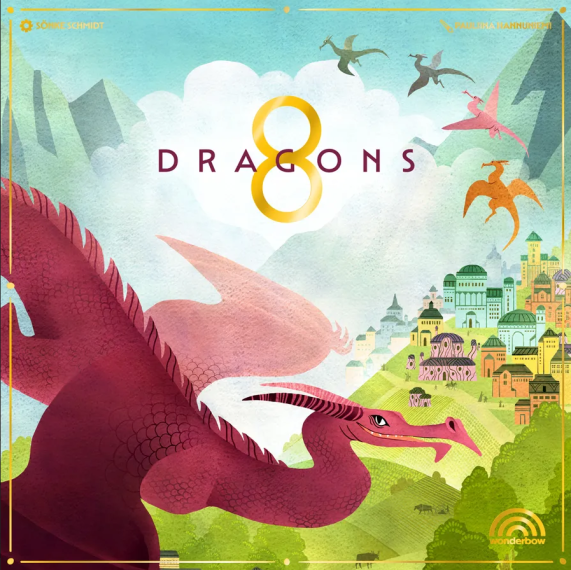
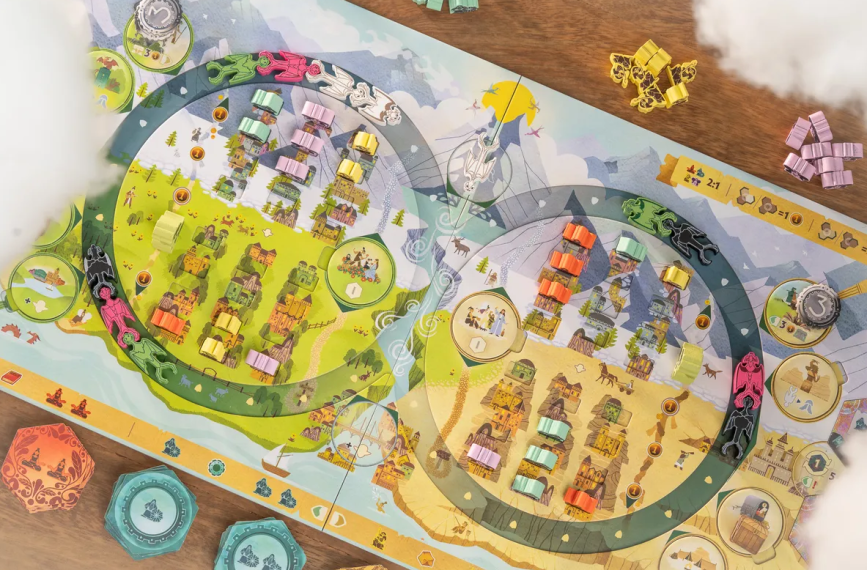
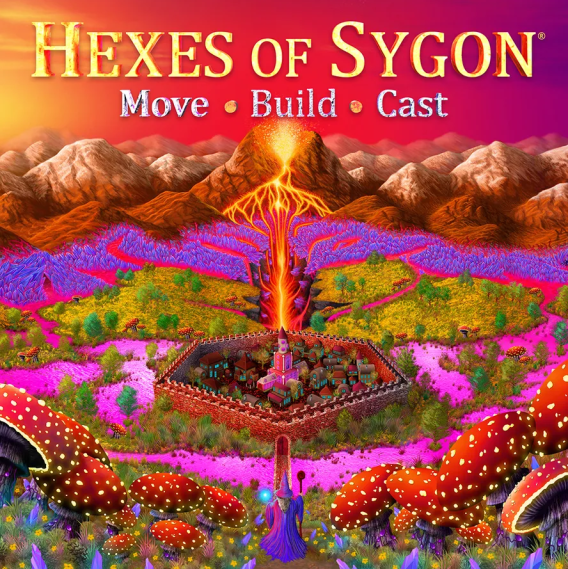
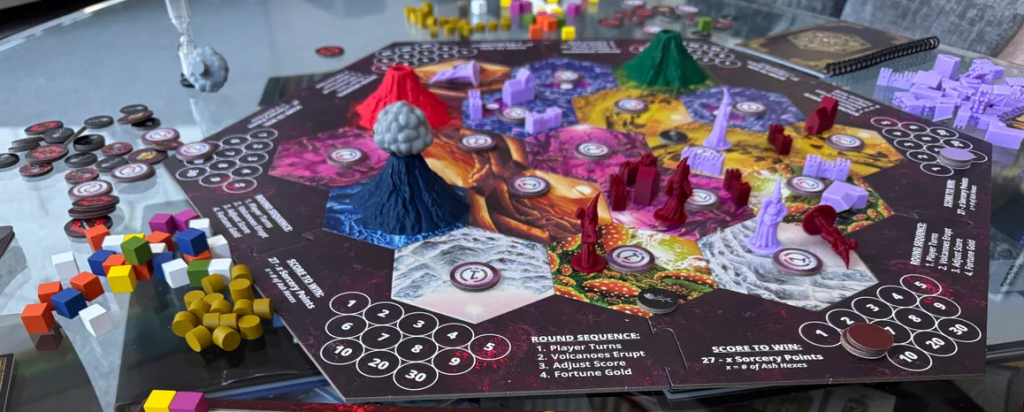
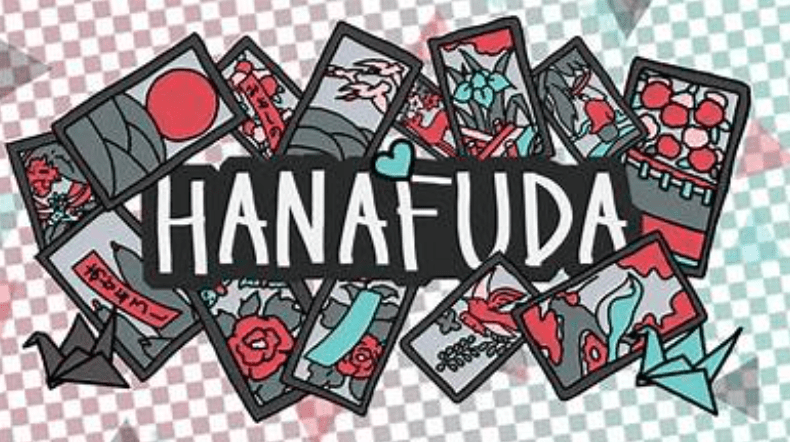

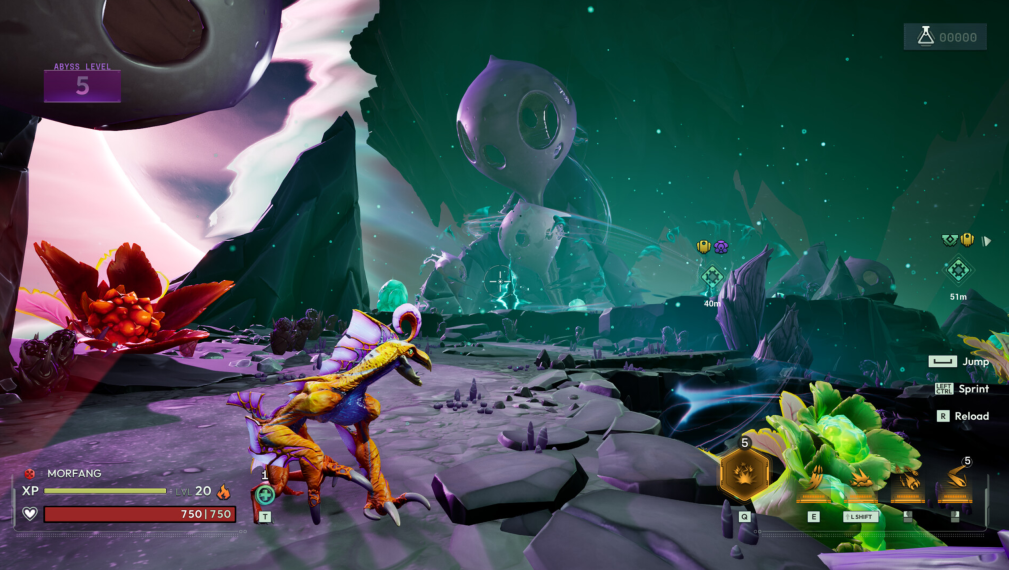
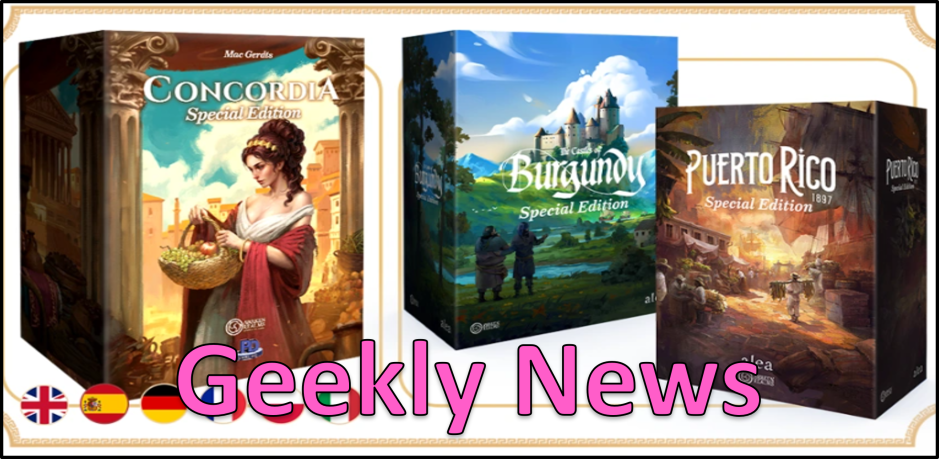
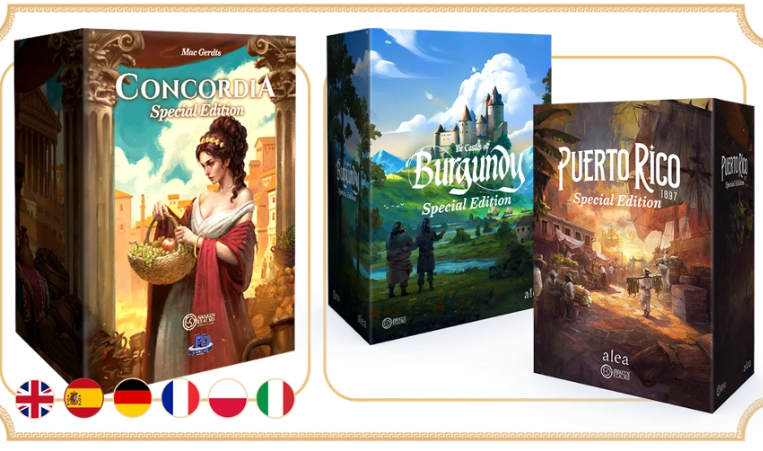
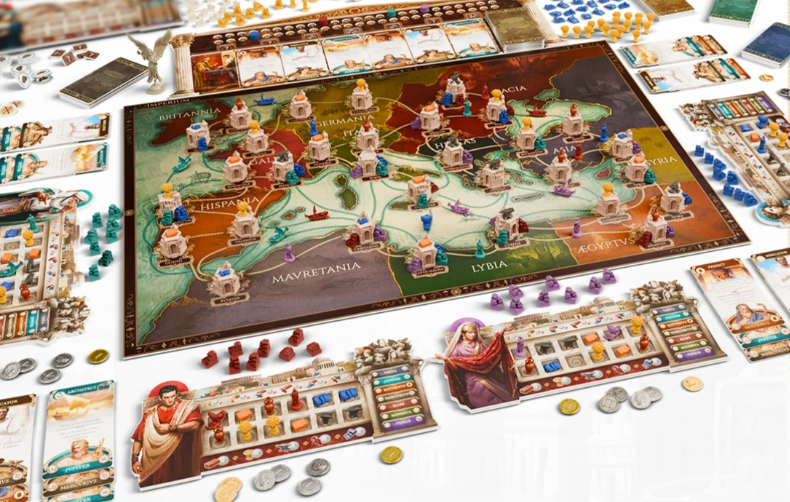

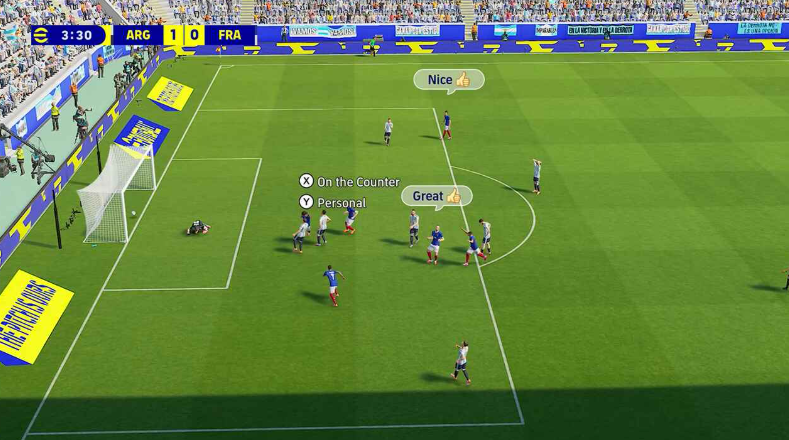
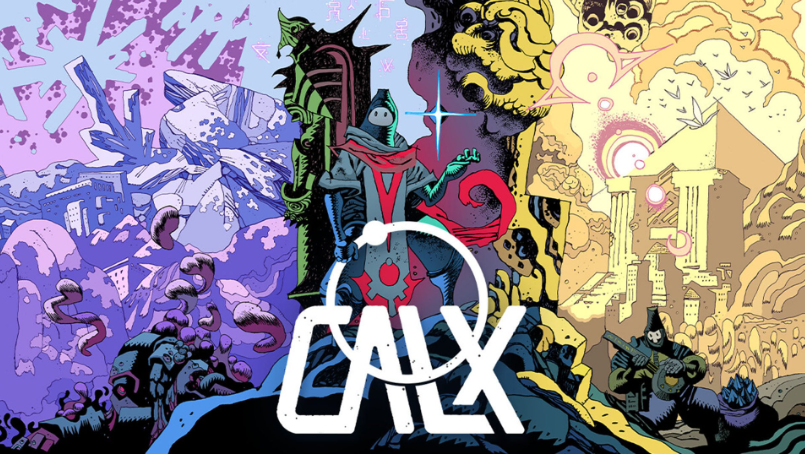
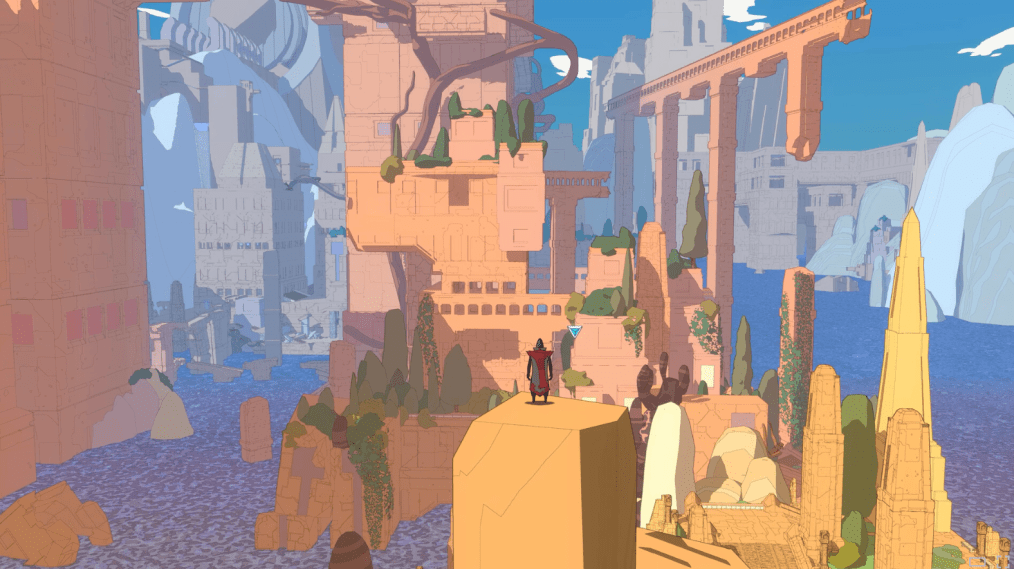


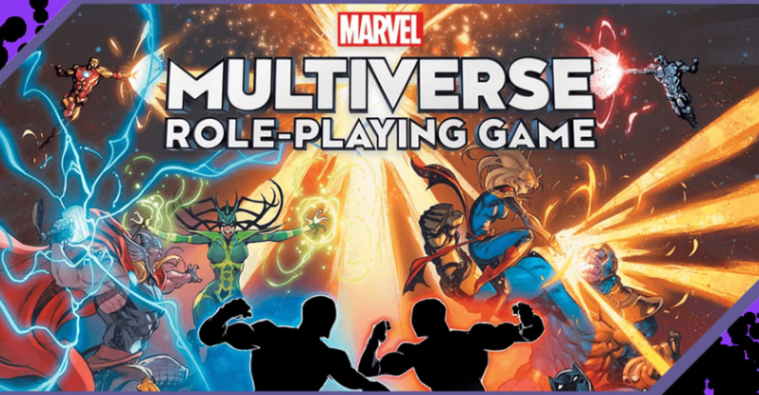
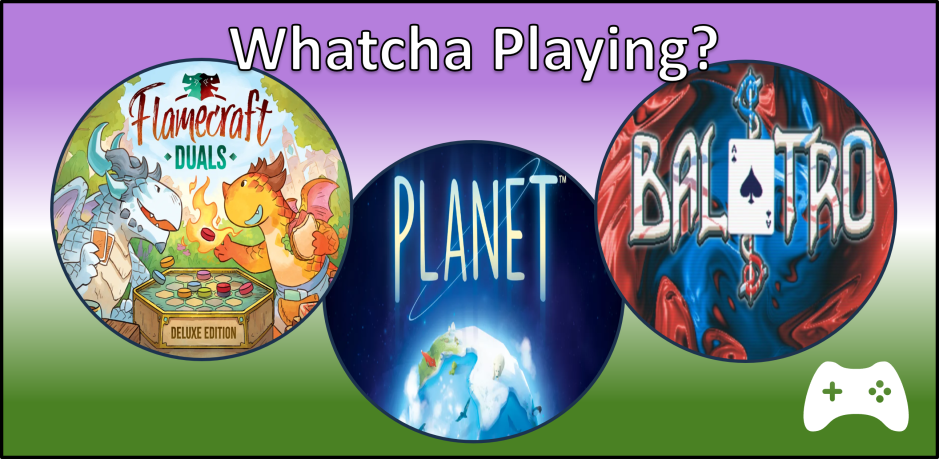
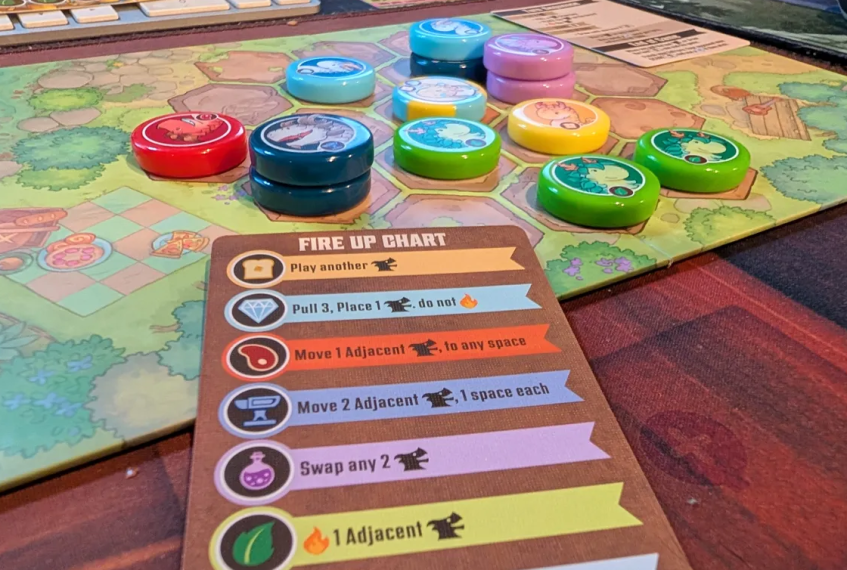

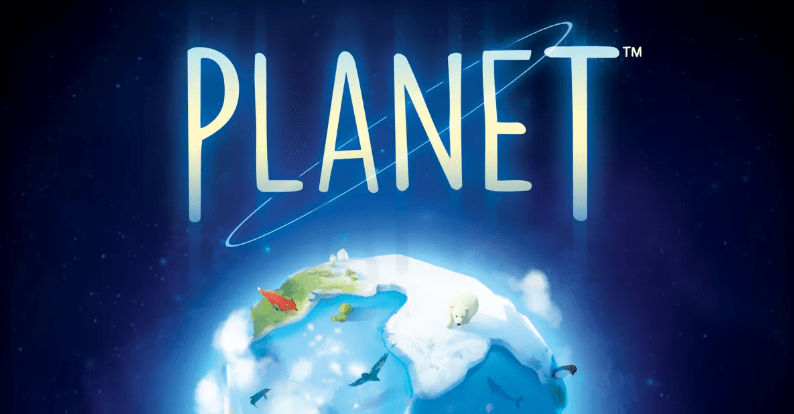


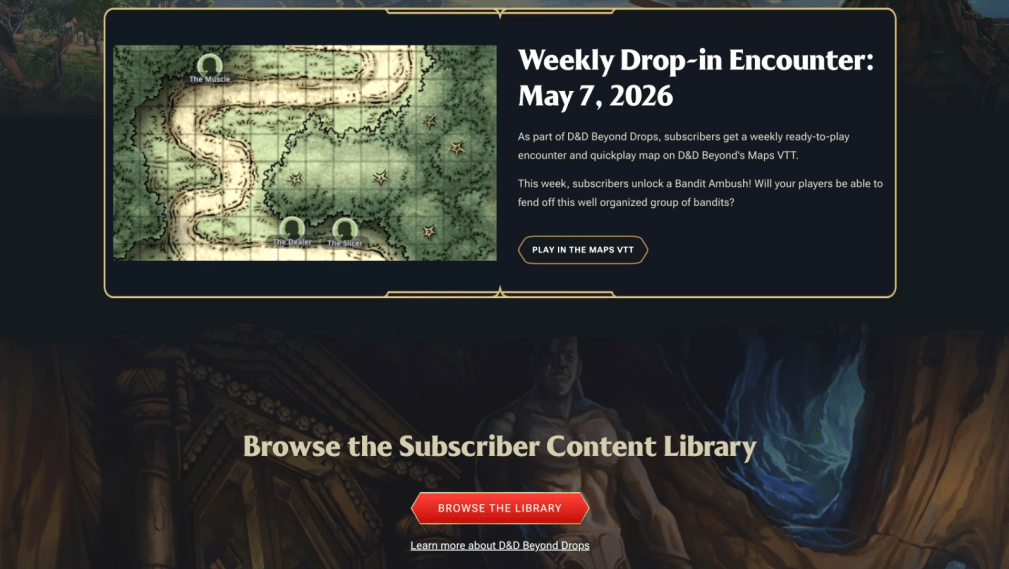
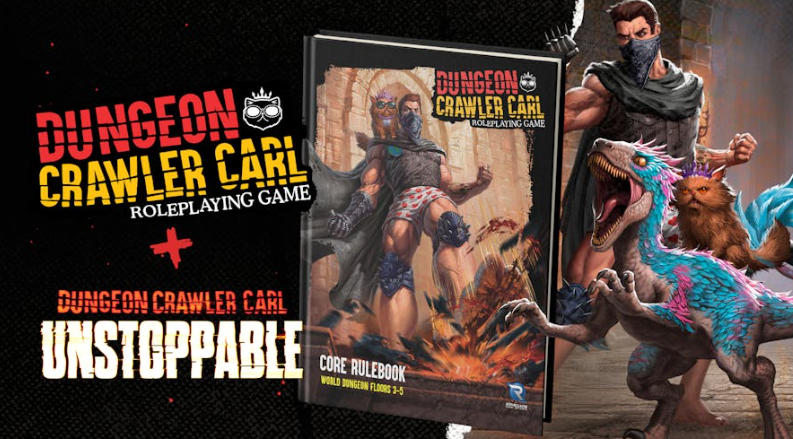

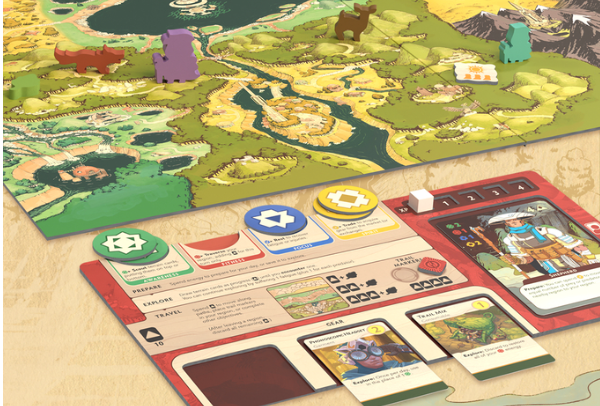
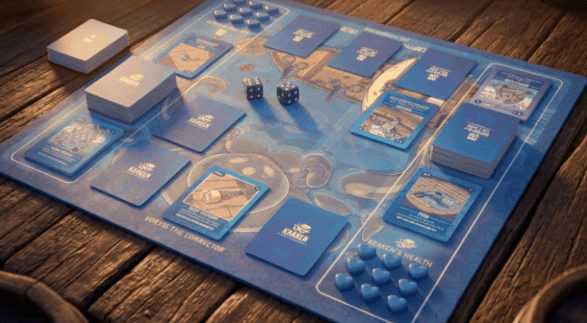
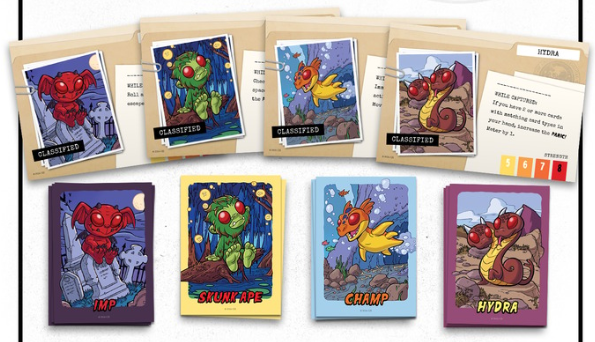

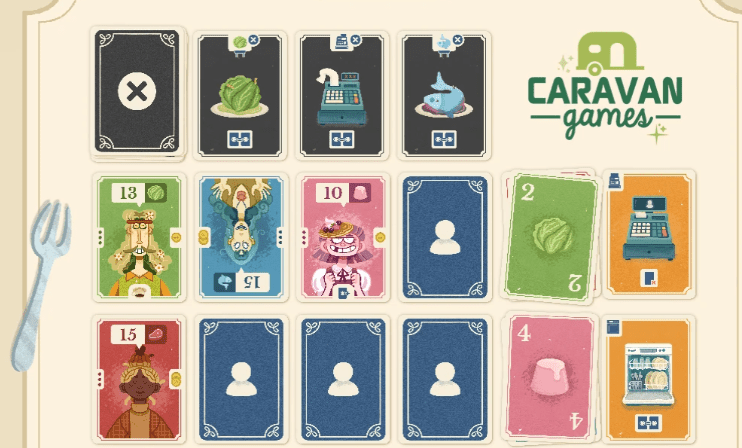
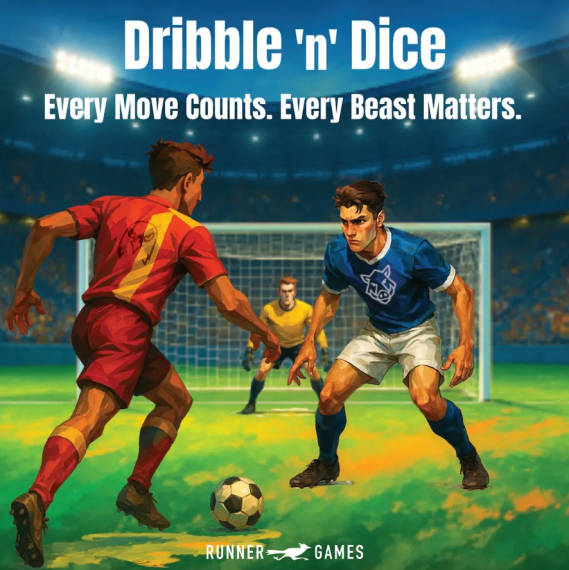
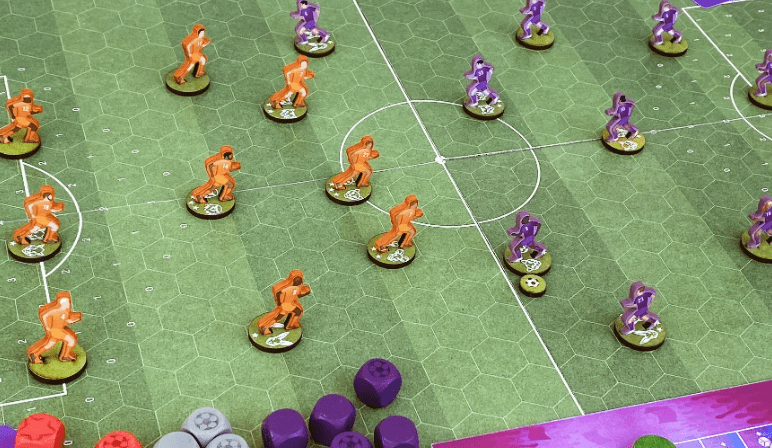
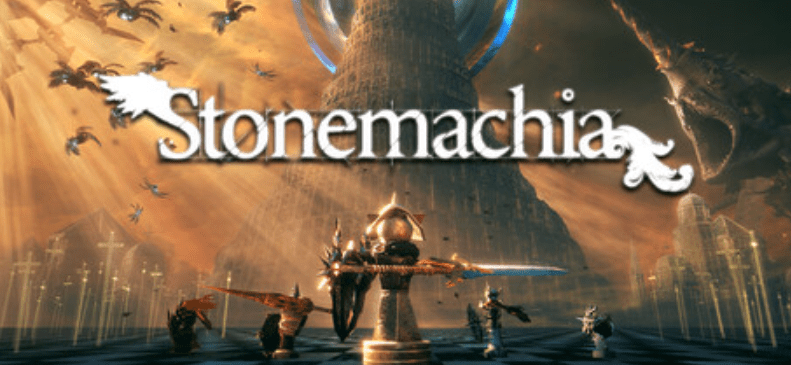
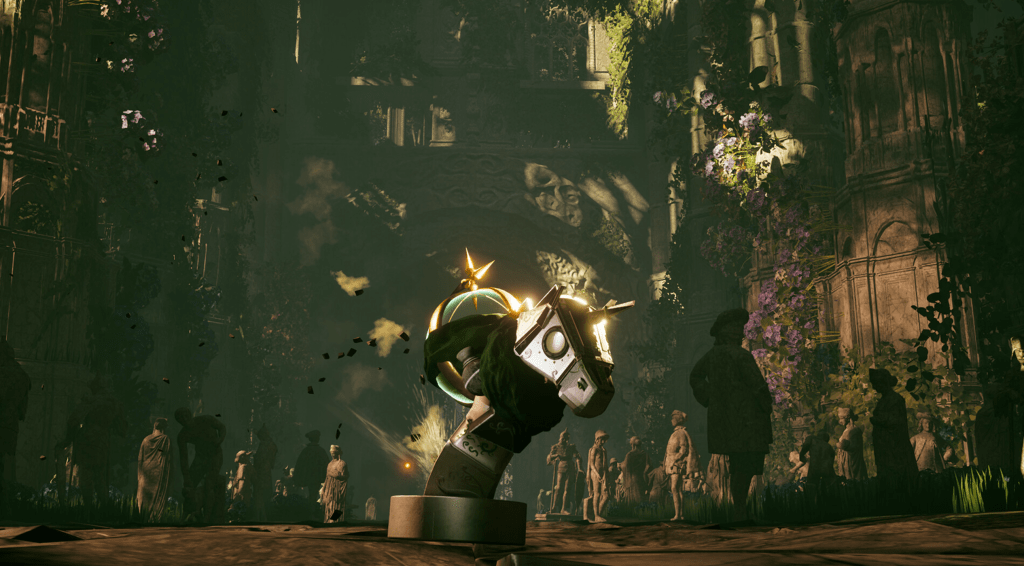
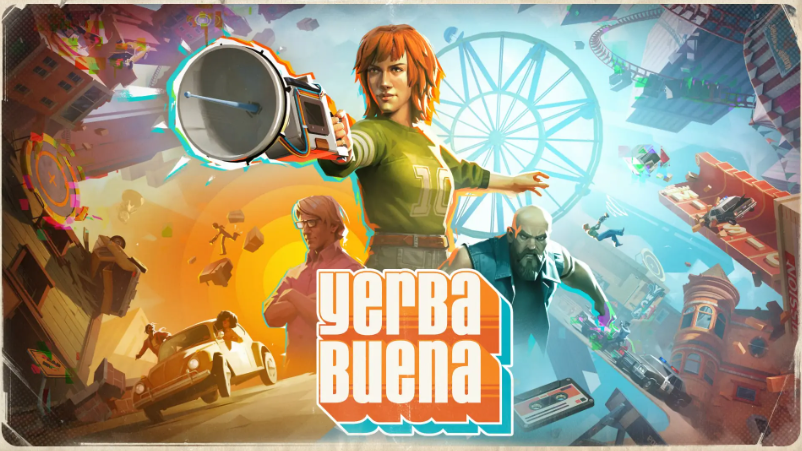
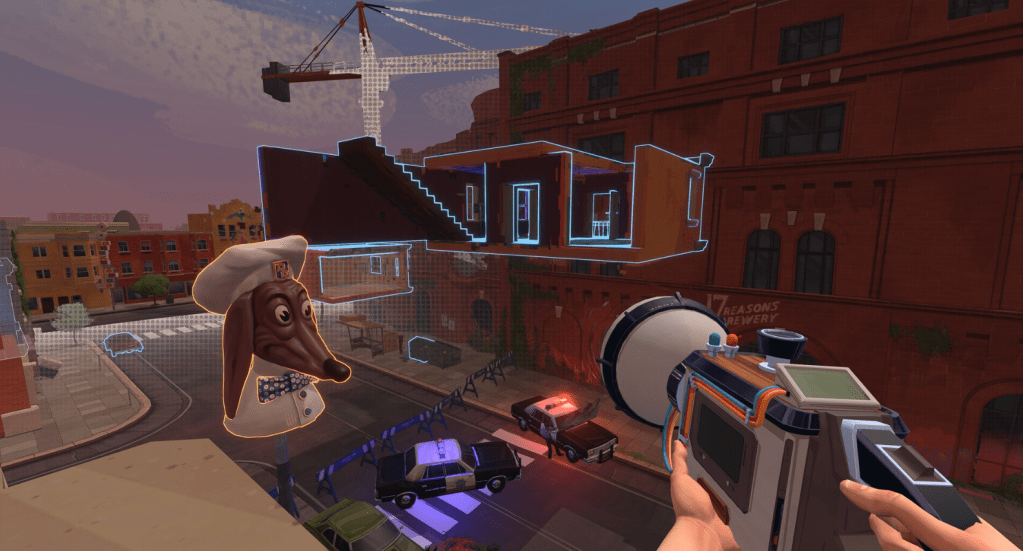
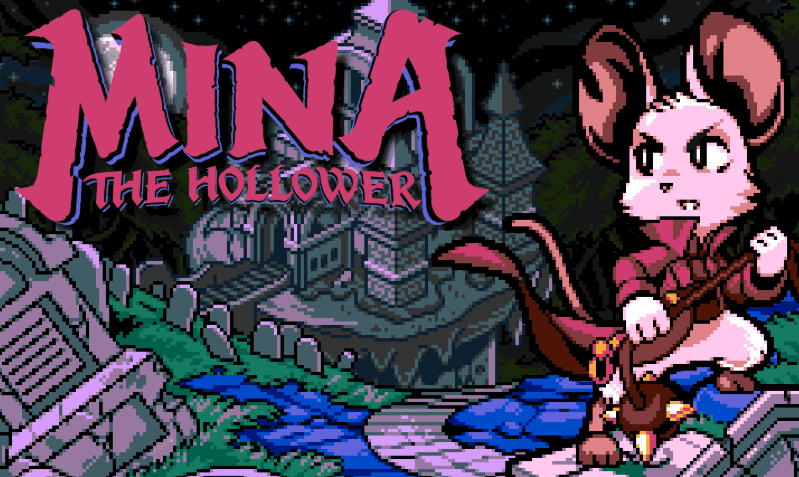
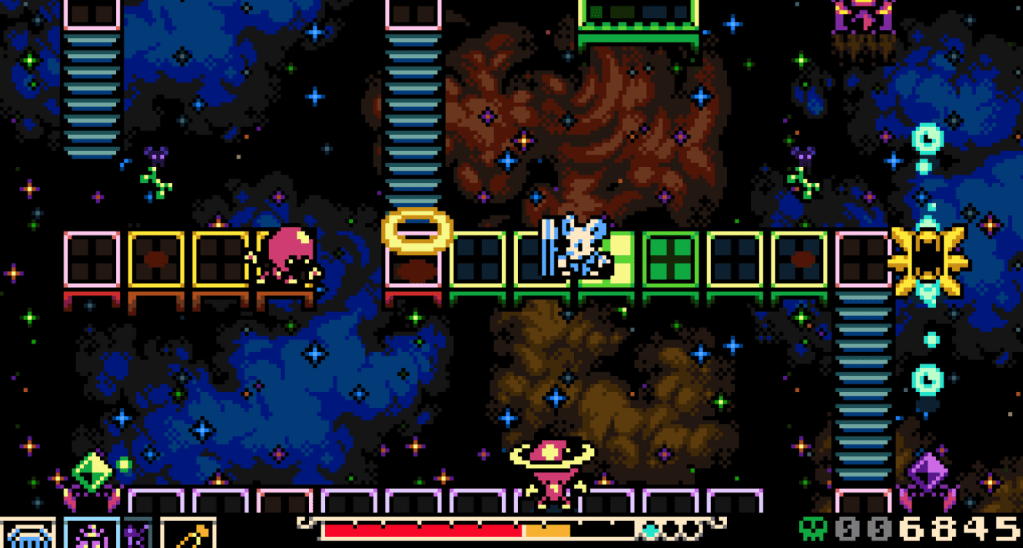
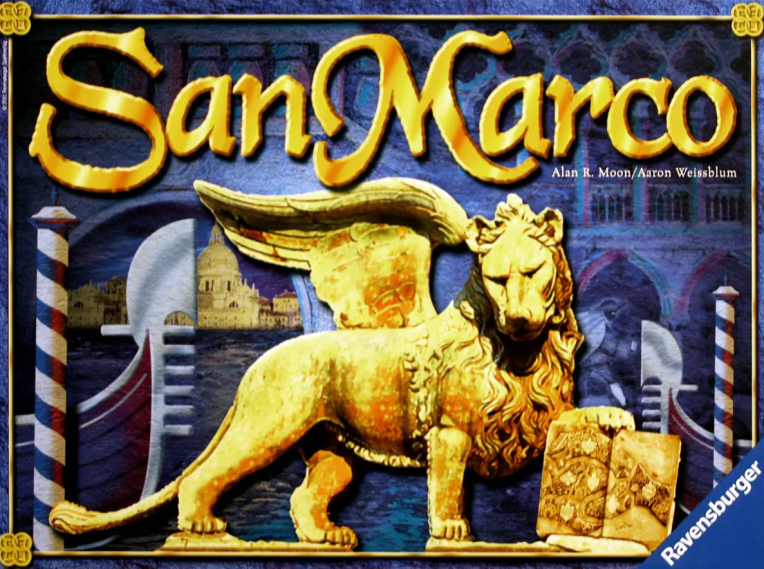

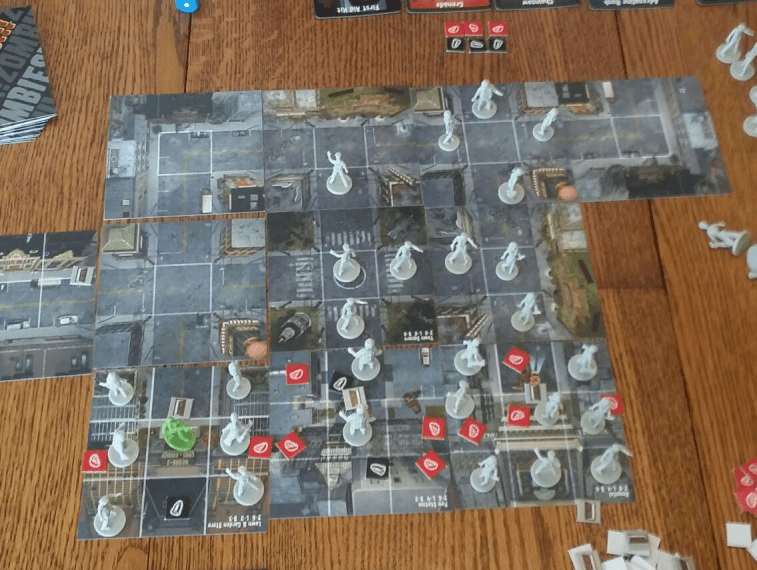
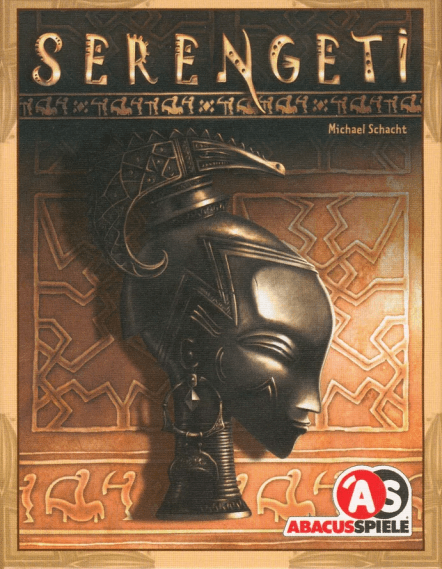
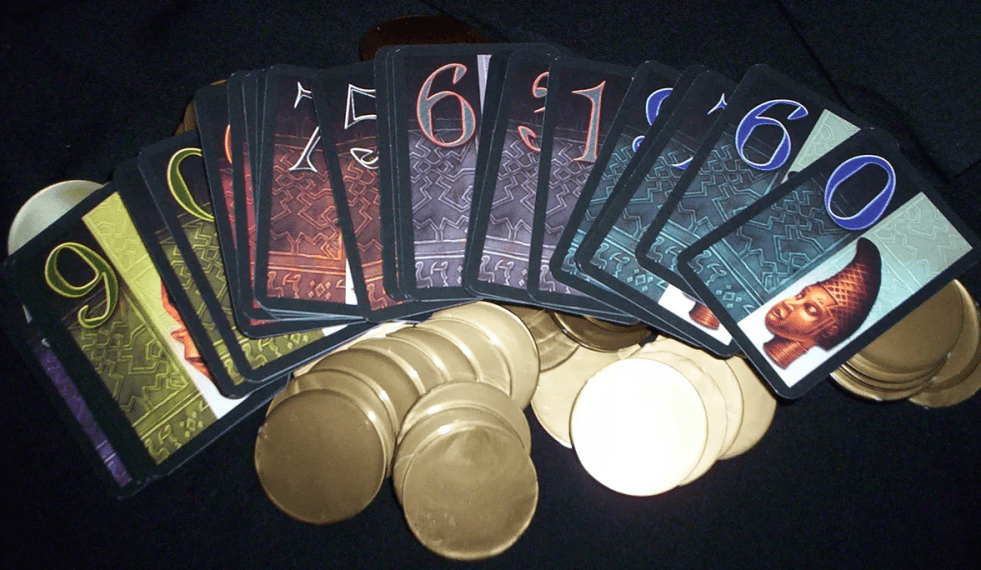
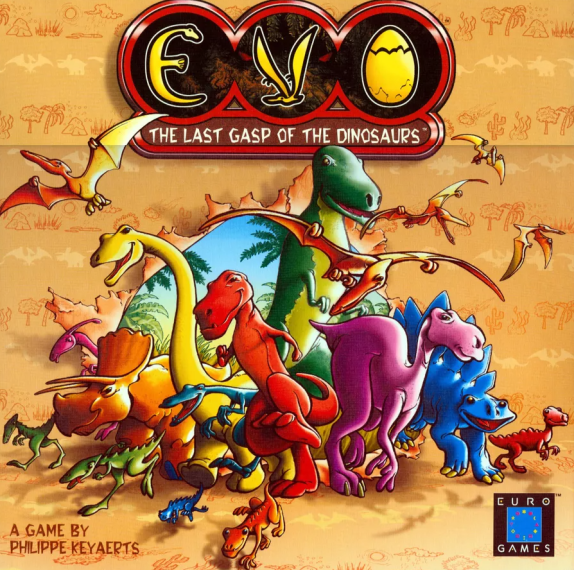
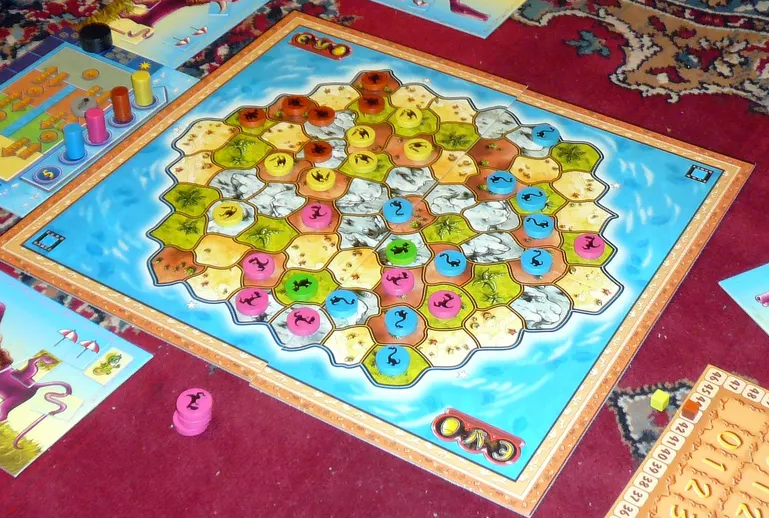
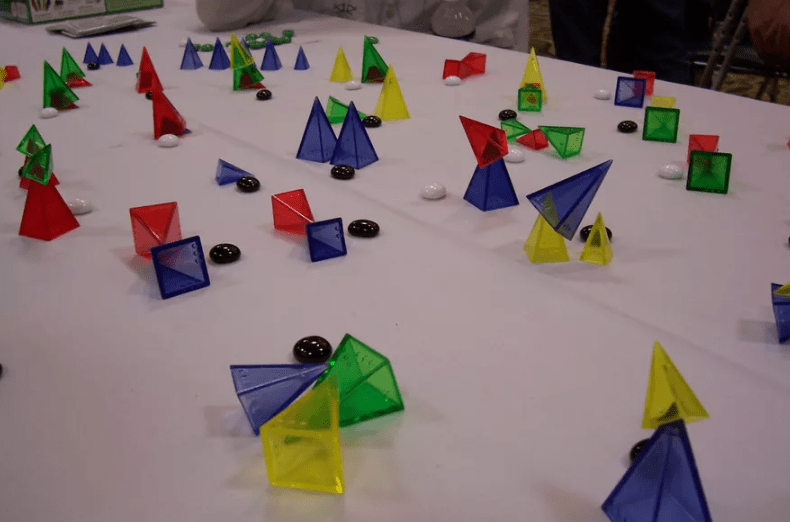
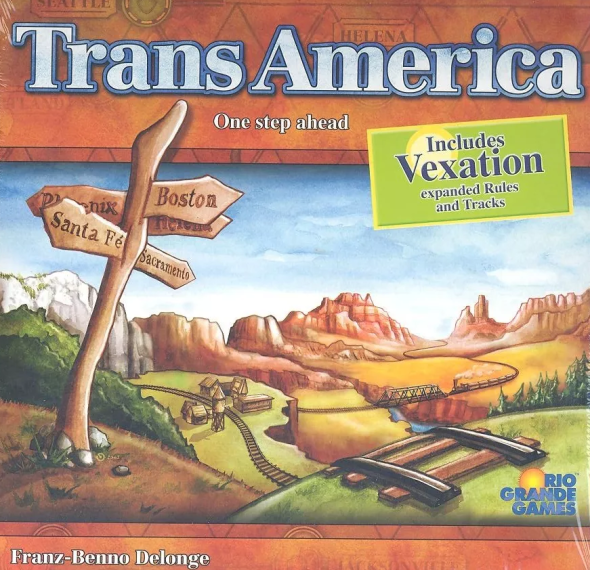
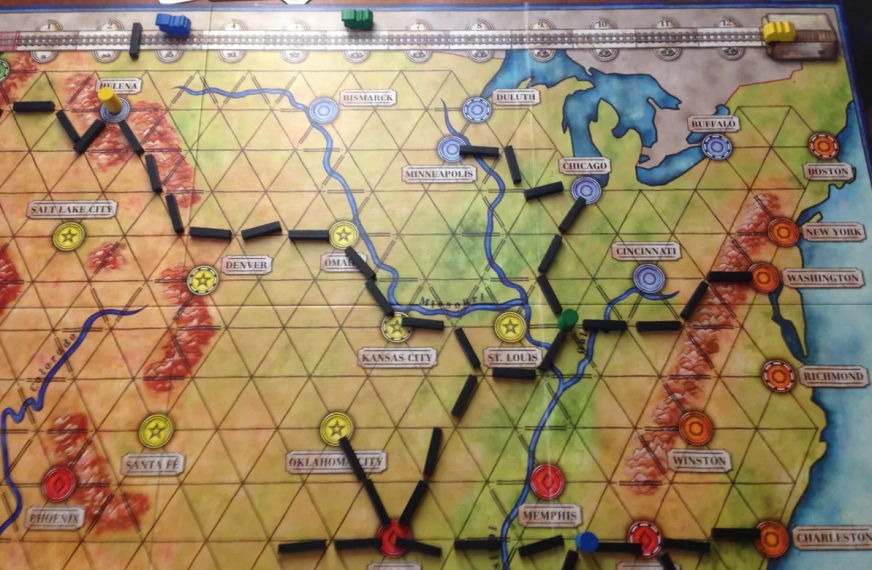
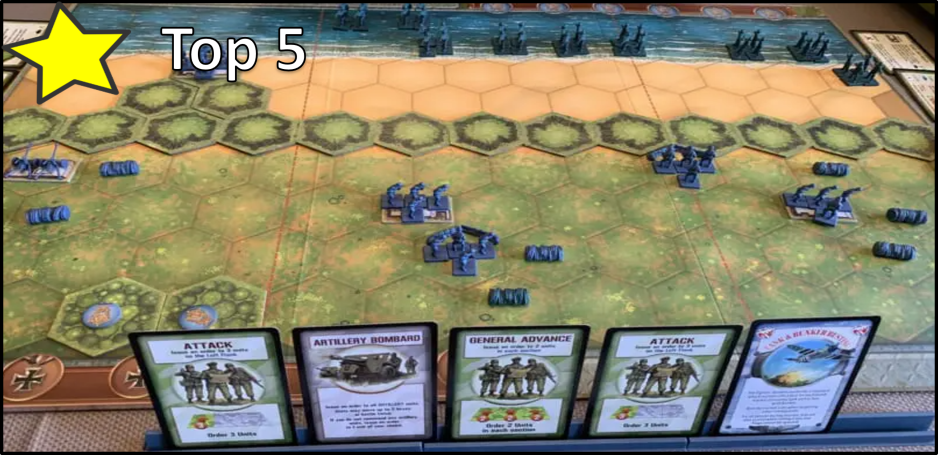
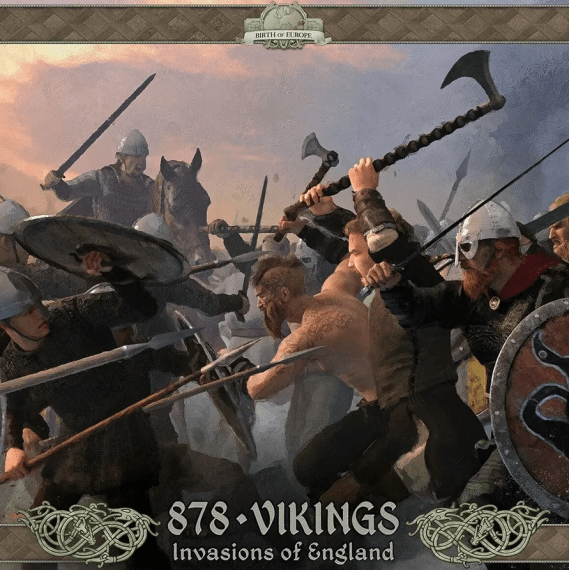


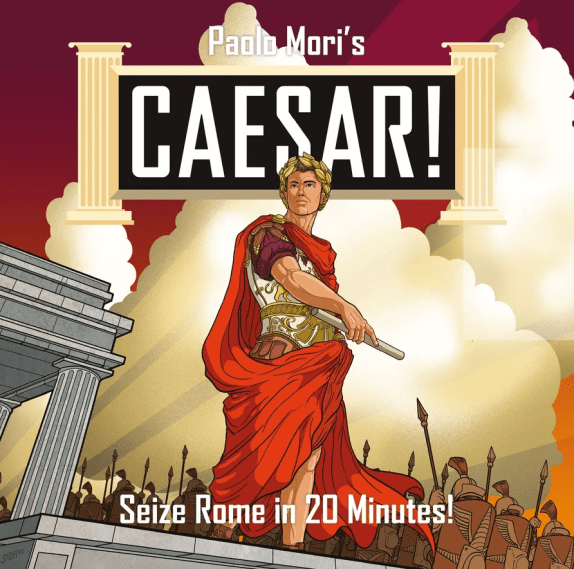
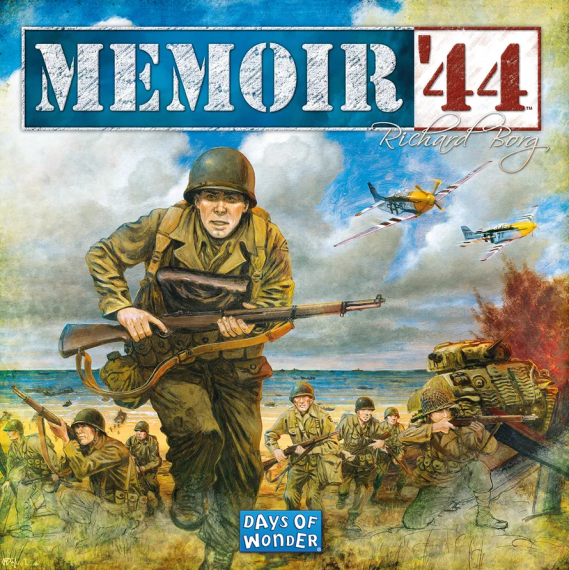

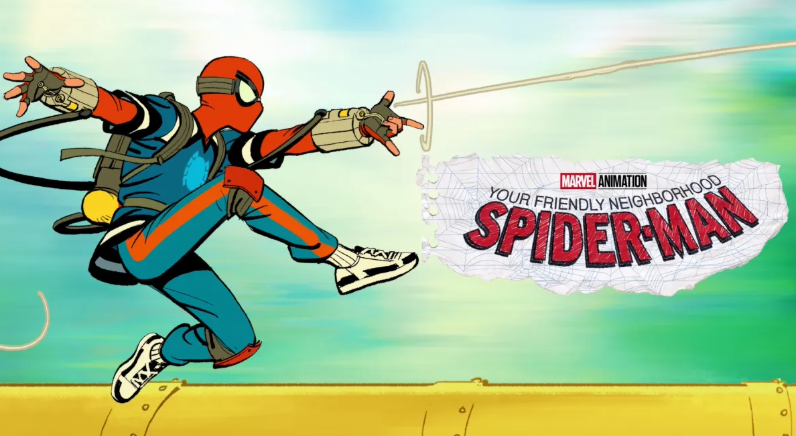


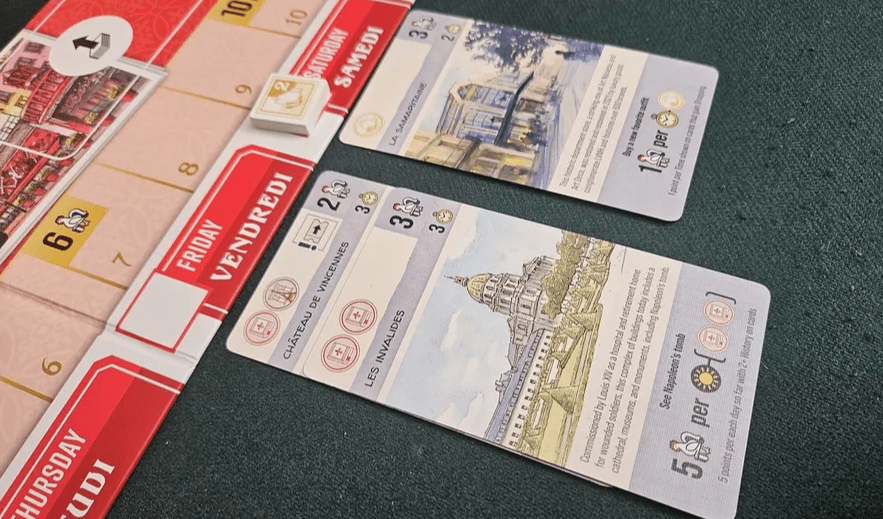
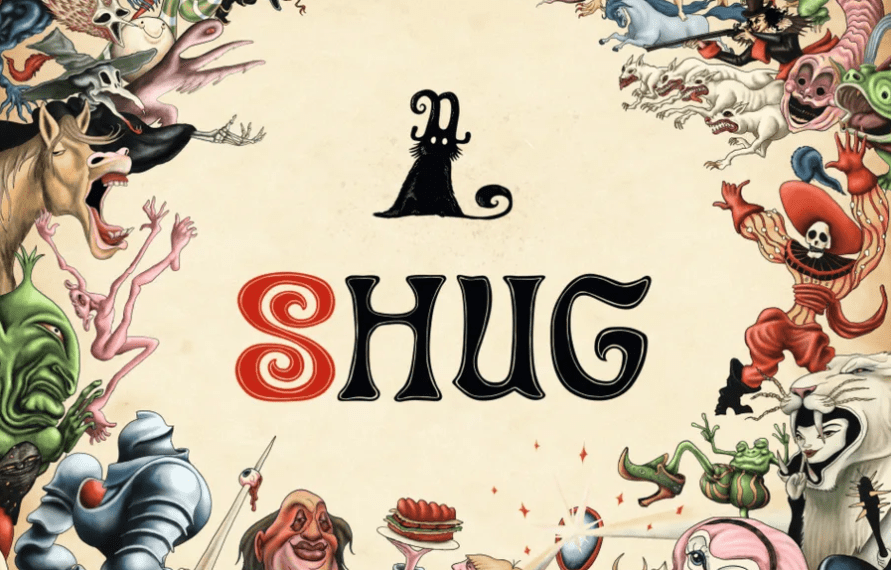
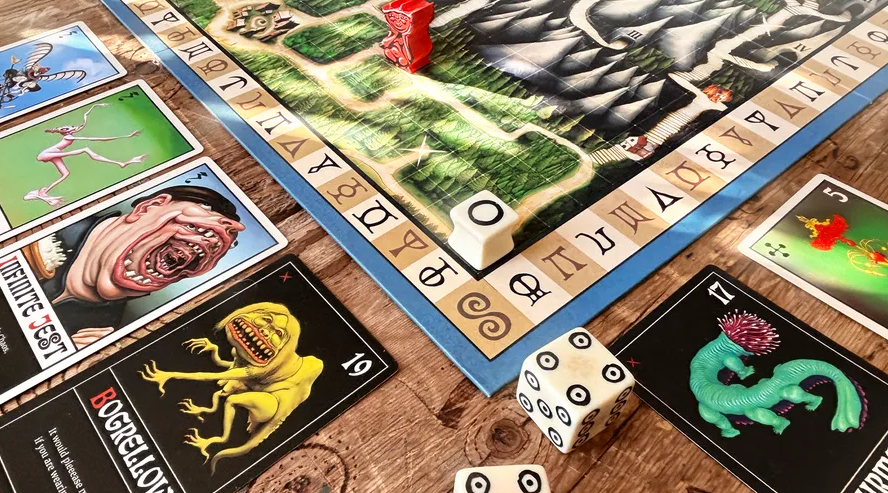
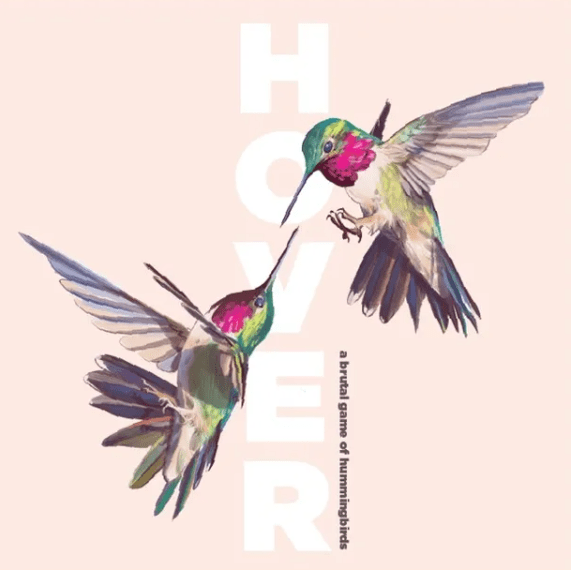
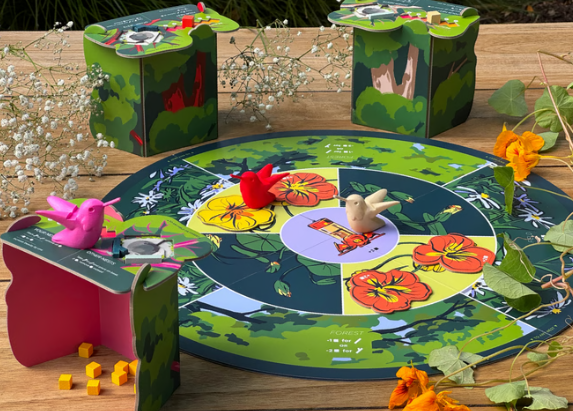
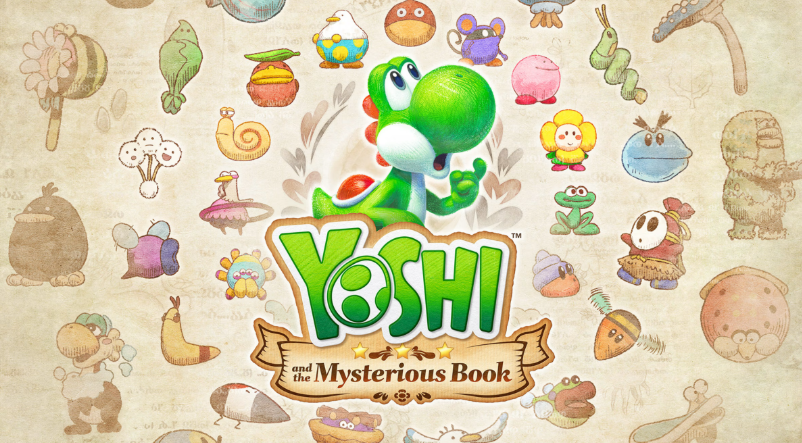
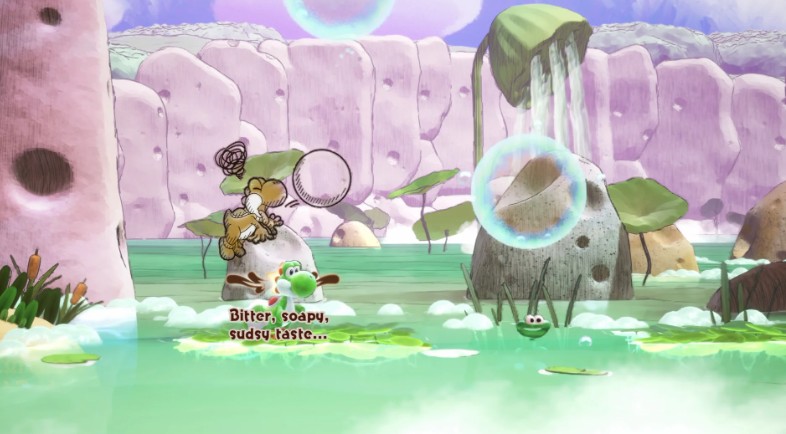
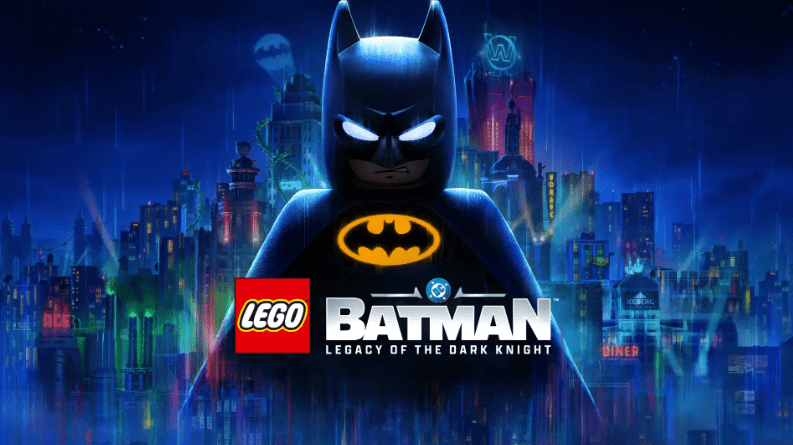
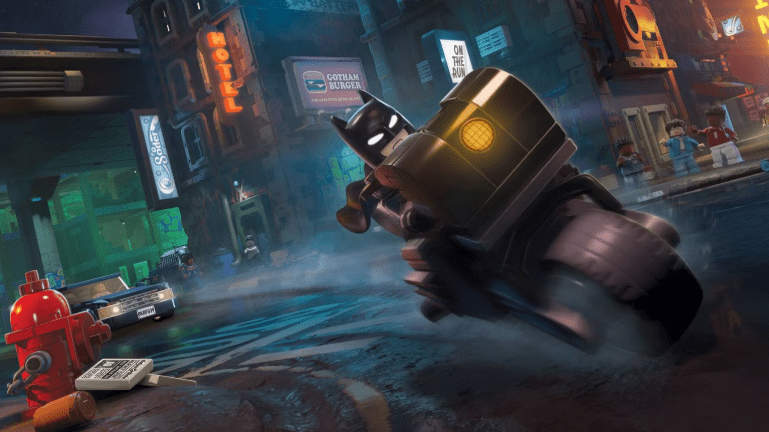
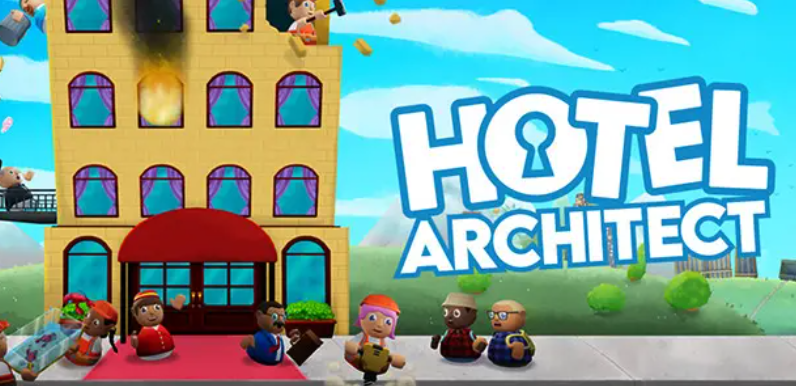
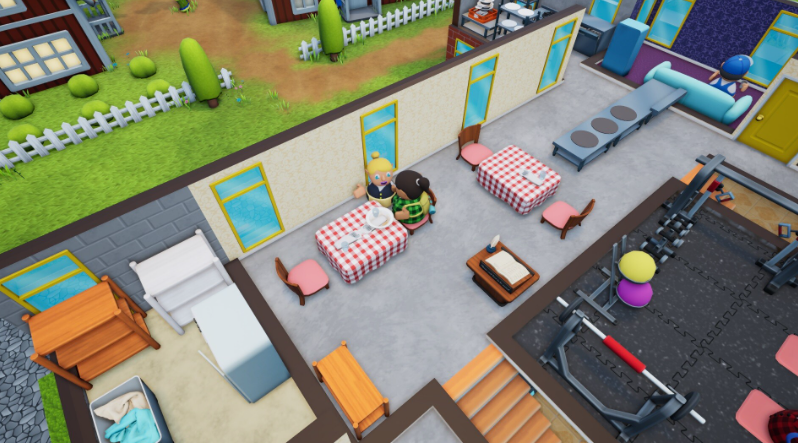

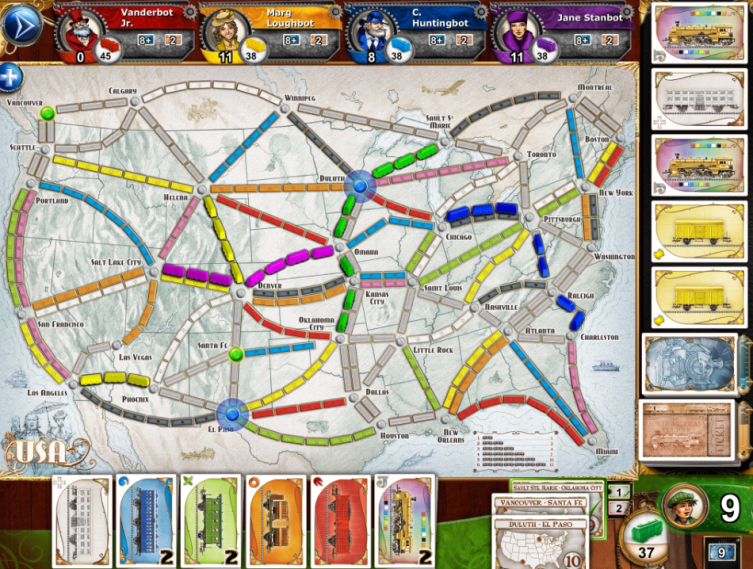
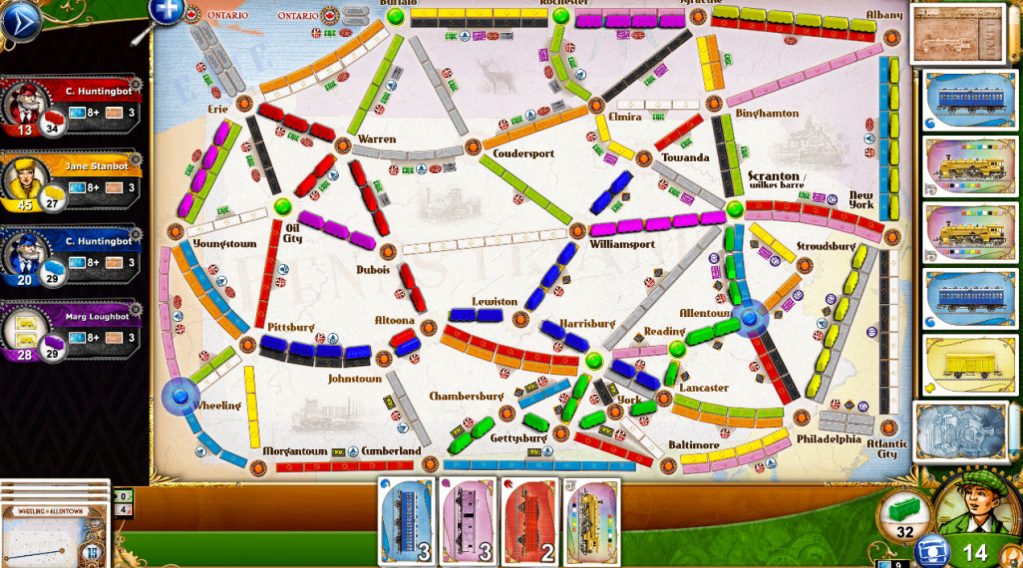
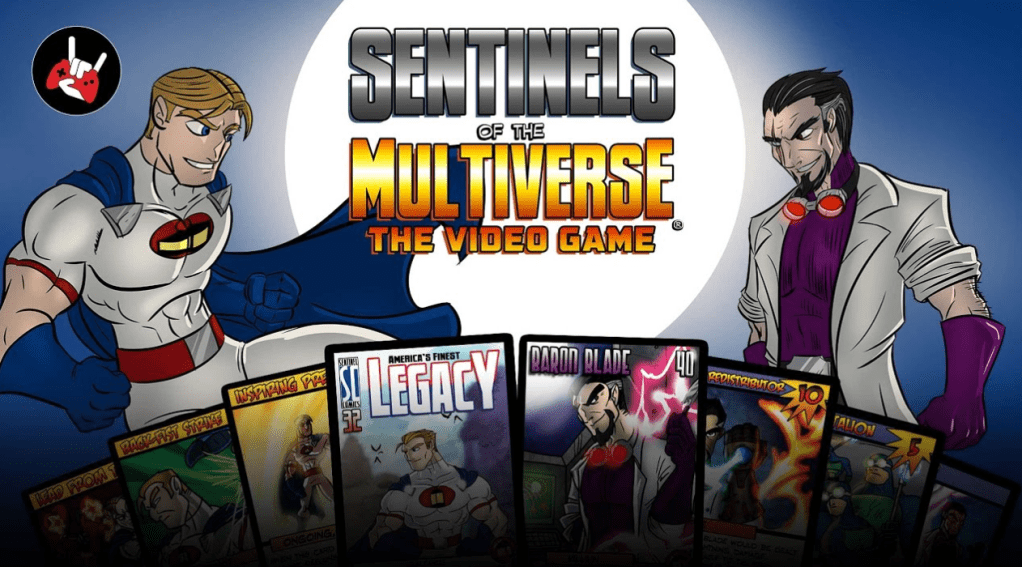
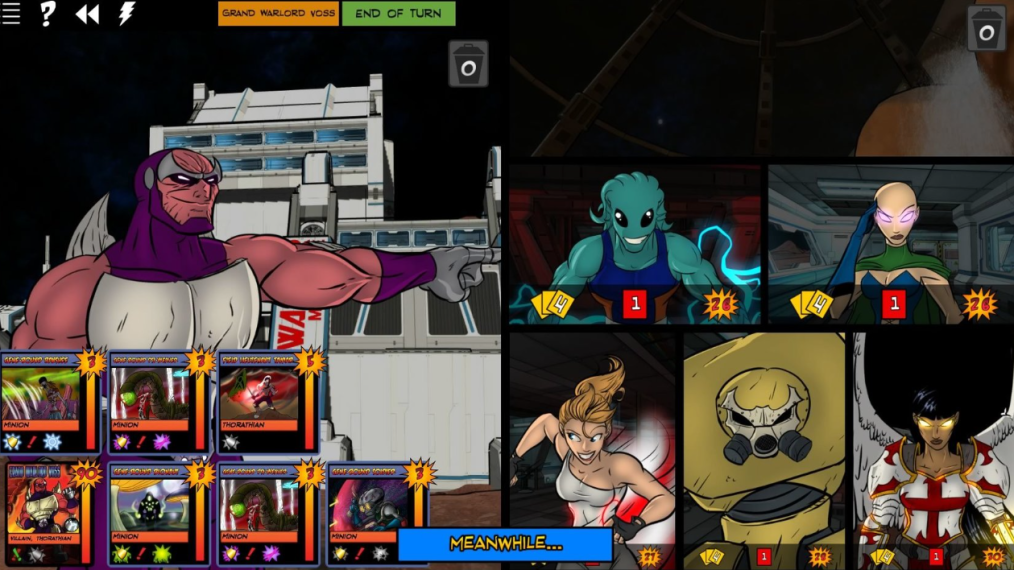
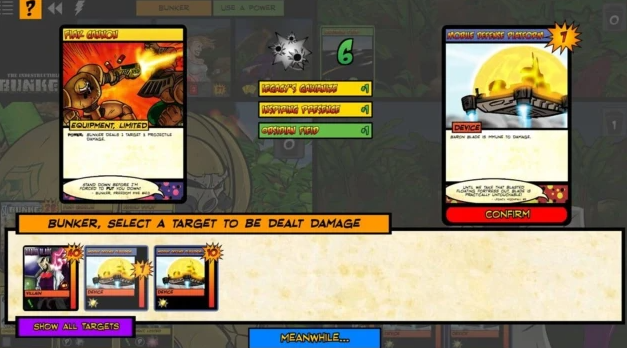
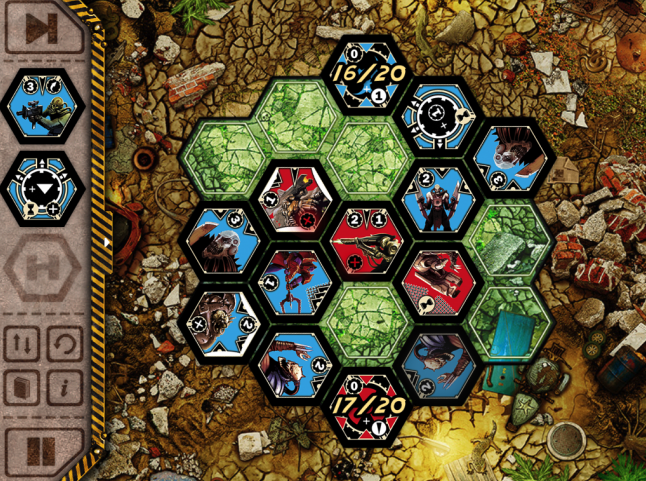
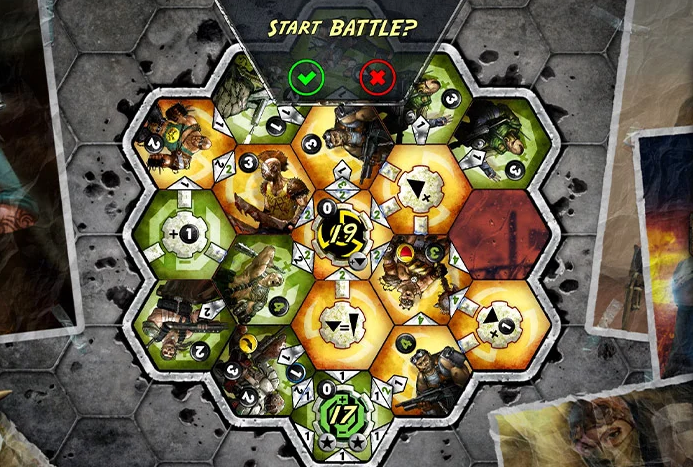
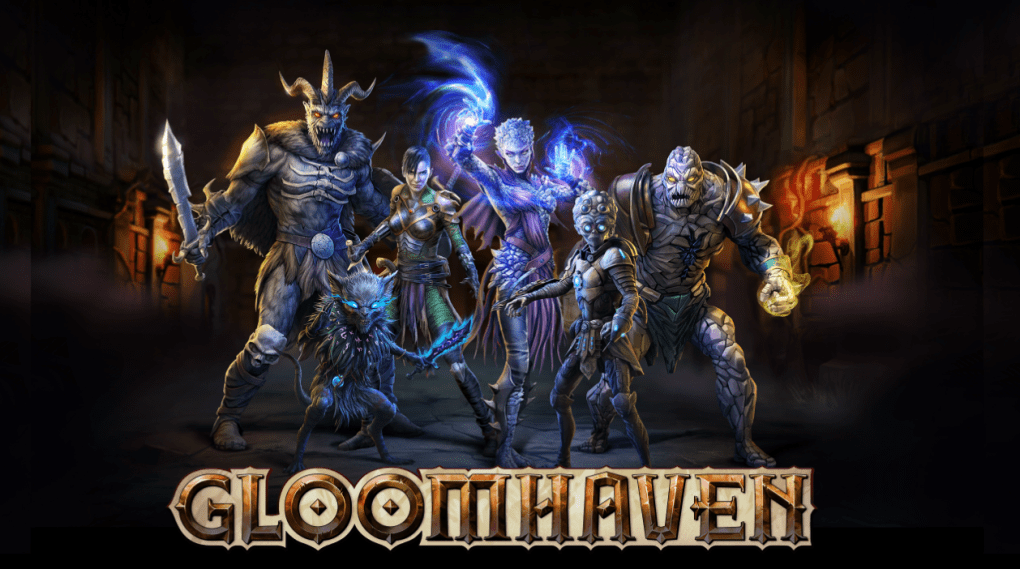
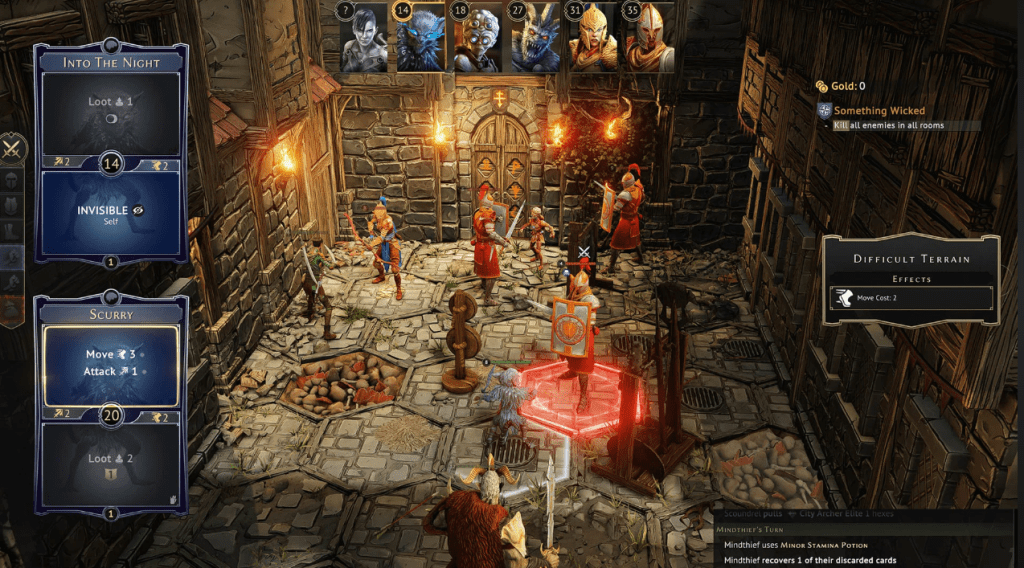
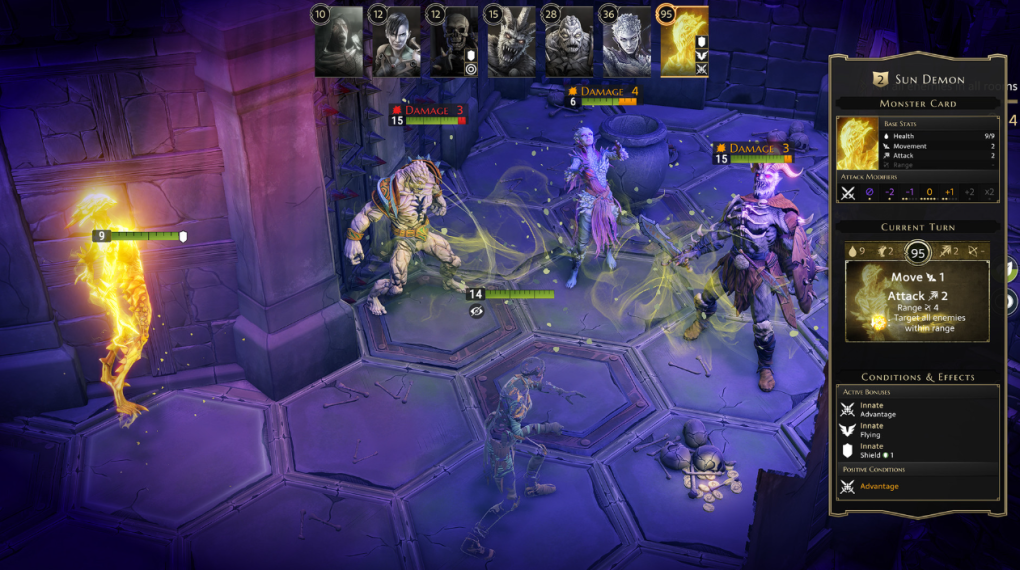
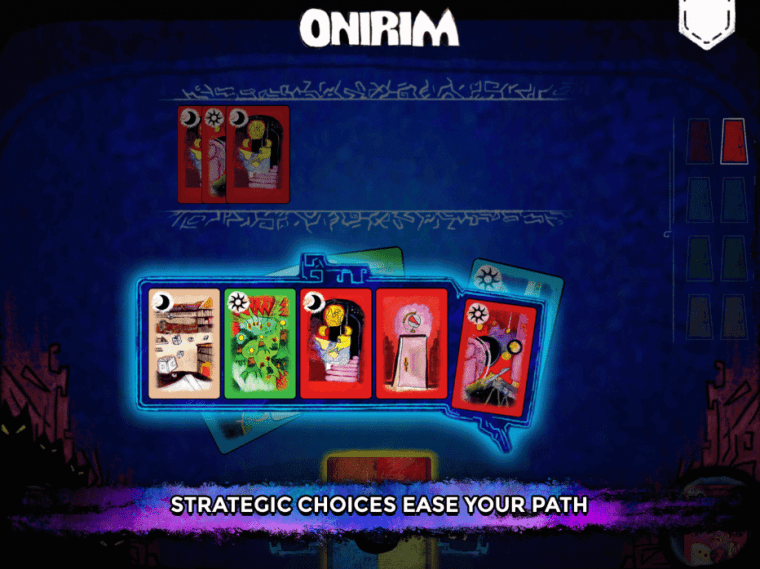
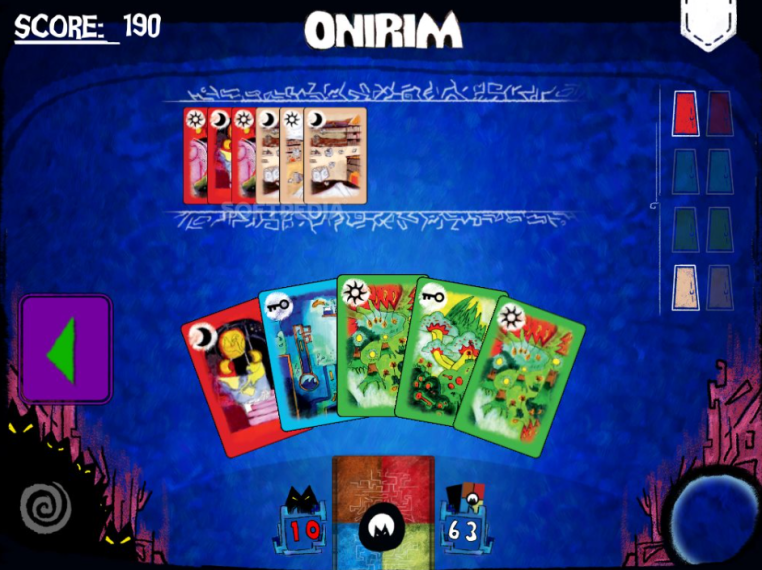


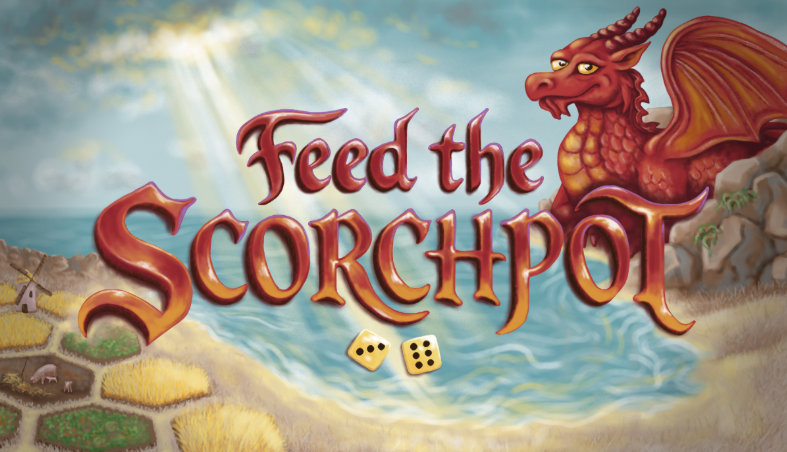
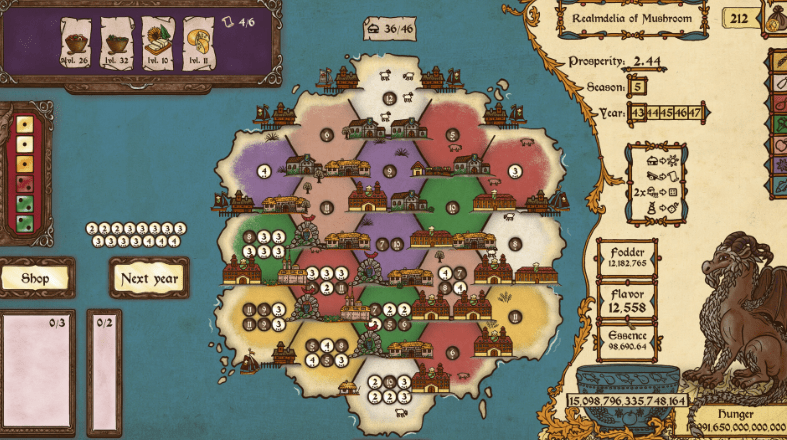
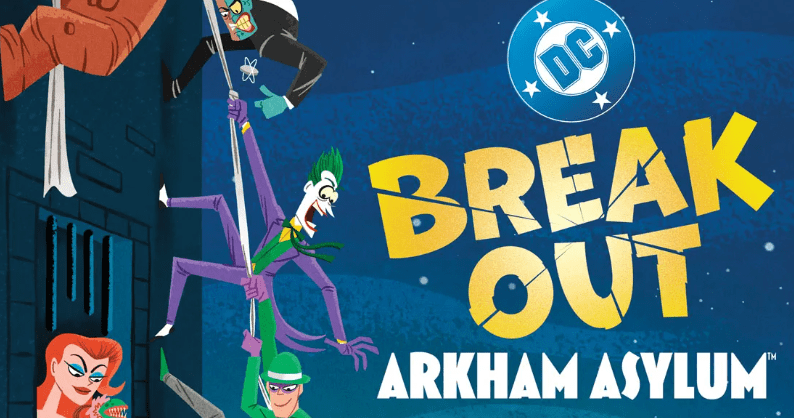
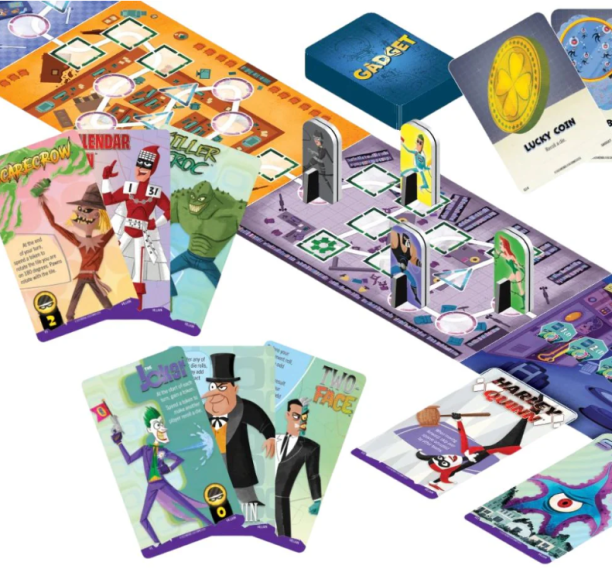
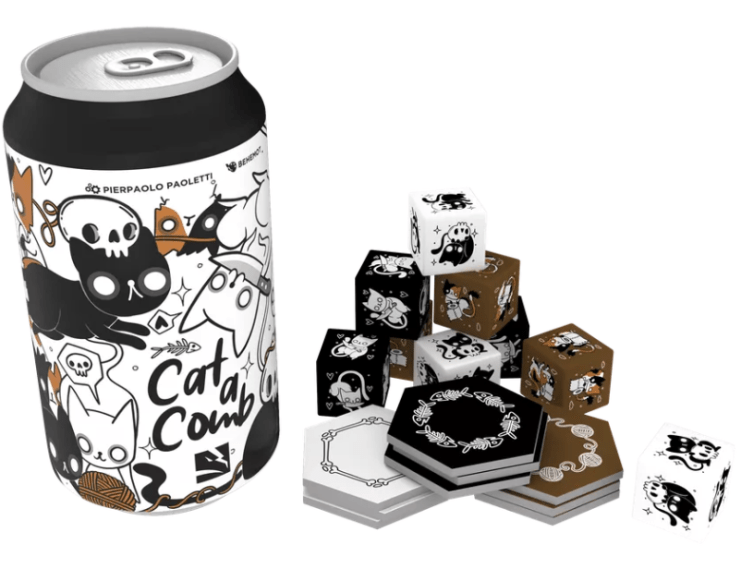
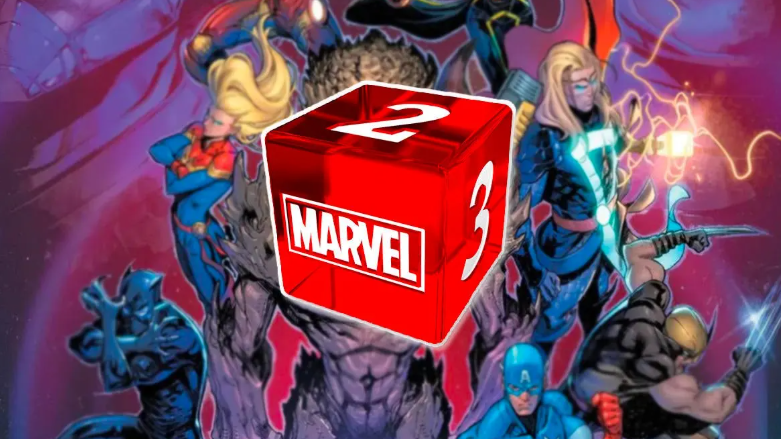
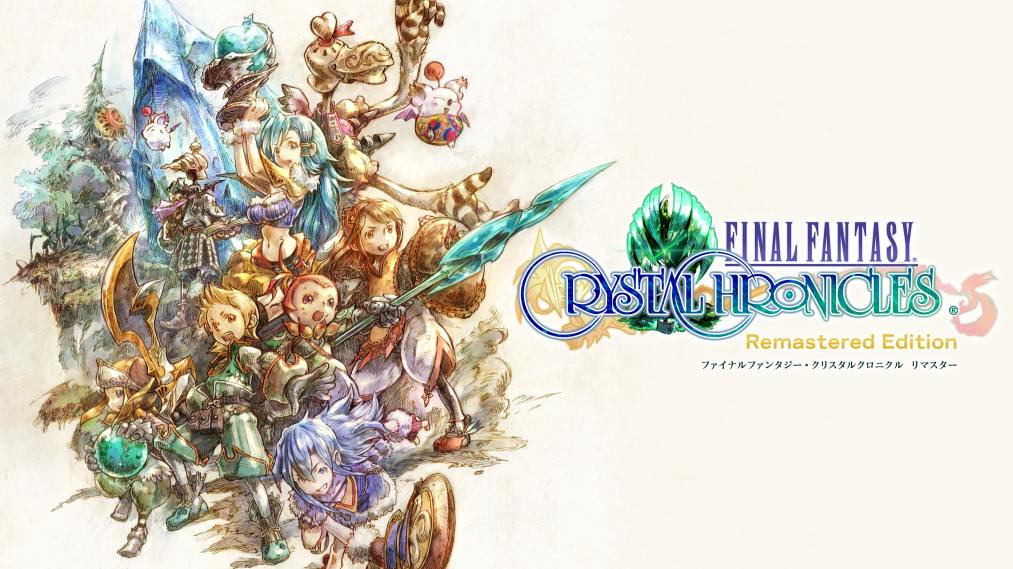
 jkgeekly.com