5 Underrated/Underused Spider-Man Villains

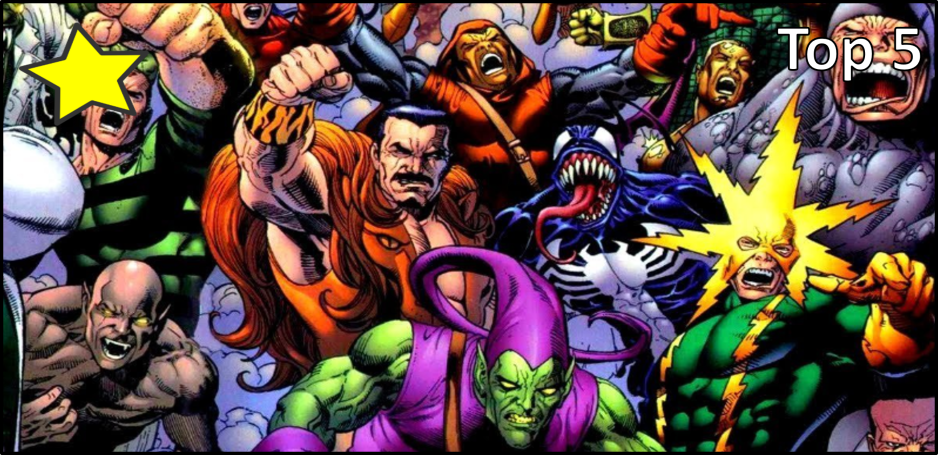
Happy Monday, Geekly Gang! Kyra Kyle here with a new entry in an older comic book series: Underrated and/or Underused Villains. Today, we focus on Spider-Man’s overlooked rogues’ gallery. The webhead has plenty of villains to his name, so it makes sense that a handful of villains may qualify. Notice how this list isn’t titled a Top 5. Numerous characters could make this list. If you don’t see your favorite underrated Spider-Man villain on this list, comment who would add.

The characters on this list may lean more toward underrated rather than underused or vice versa. Spidey has a wealth of villains, so we have more than one honorable mention. Let’s get to our list of five underrated/underused Spider-Man Villains.

Honorable Mention: Tombstone

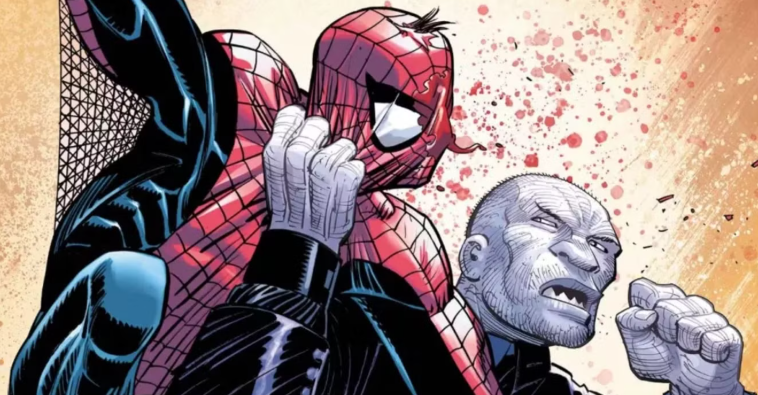
I cheated with Tombstone. He shows up plenty in the comics, receives great adaptations in other media (I can’t wait for Your Friendly Neighborhood Spider-Man’s second season), and seldom gets overlooked as one of Spidey’s better second-tier villains. But I wanted to mention Tombstone. I love this character. One can never have enough Tombstone stories. I can’t wait to see Marvin Jones III (also known as Krondon) portrayal of Tombstone in Spider-Man: Brand New Day. Brilliant casting. Krondon also provided Tombstone’s voice in the Spider-Verse series of animated films. I can’t wait.

Honorable Mention: Beetle

Beetle meets the criteria for underrated and underused. His redemption story (told through Thunderbolts) is wildly underrated; I’d love to see a Beetle redemption story in the MCU. Abe Jenkins (the original and most famous Beetle) seldom gets used in media outside comics, and the comics haven’t featured him recently because he’s dead. But no one stays dead in comics forever. Oddly enough, Tombstone’s daughter, Janice Lincoln, has taken the mantle as the new Beetle. So, there’s a chance we could see Janice in the MCU.

No version of Beetle is primarily a Spider-Man villain, and that’s why they make the honorable mention list. Beetle threatens the larger MCU, giving preference to Iron Man and Spider-Man. Abe’s origin story was reworked a bit and used as Mysterio’s backstory in Spider-Man: Far From Home. He craved respect and recognition, so he stole tech, made a super suit, and terrorized the normies. When he joined the Thunderbolts, originally pretending to be a hero, he found the respect and recognition he always craved as a hero, so he became one. Ah! What could’ve been in the MCU? Beetle is certainly one of the most criminally overlooked Marvel villains. But his freelance villainy causes him to just miss the list.

Honorable Mention: Hammerhead

A third honorable mention? Yeah, Spidey has a ton of fantastic villains. We could’ve made a list of 20 underrated/underused Spider-Man villains. Let us know if you’d like to see a second part to this list.

Hammerhead has some of the worst adaptations for a Spider-Man villain. Outside the comics, media portray him as an underling. That isn’t true. Hammerhead is Kingpin’s rival, an equal in every sense. Readers of Spider-Man comics know this, but anyone who only consumes Spidey content outside the comics will wildly underrate Hammerhead as a villain. And Hammerhead has one of the most tragic childhoods among Spidey villains. I won’t spoil it. It’s brutal. There’s a reason Hammerhead’s skull has been replaced with adamantium. Yikes!

Hammerhead just misses our list because he may soon get a good adaptation. Rumors of Hammerhead joining Spider-Man: Brand New Day abound. I’m writing this early and before the second season of Daredevil: Born Again, and there’s a chance Hammerhead could become the Kingpin rival he was always supposed to be. We’ll have to see.

That wraps up our honorable mentions. Let’s see who made the proper list.

5: Doppelganger

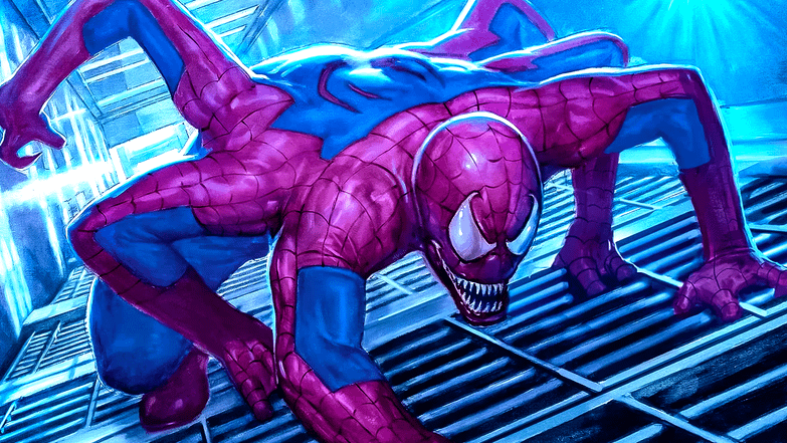
Sure, Doppelganger has low intelligence. He barely says more than one word, but Doppelganger has a ton of potential, inside and outside of comics. Doppelganger hails from the dimension of manifestations. The Magus created all of the doppelgangers–they created a doppelganger for everyone in Marvel Comics (kind of like the Bizarros in DC Comics)–to combat their counterparts. Spider-Man’s doppelganger was the only one who made it to Earth 616 (Marvel’s main timeline). Lost, Doppelganger didn’t know what to do and attacked Spider-Man. It was defeated. But Doppelganger was rescued and adopted, in a way, by Shriek. Doppelganger only hates Spider-Man because the one it calls “Mother” (Shriek) hates Spider-Man. Despite its villain status, Doppelganger has conducted heroic deeds, and that’s interesting.

Within Marvel Comics, few creative teams have explored Doppelganger, but when they do, those stories slap. There have been rumblings of a potential Doppelganger sighting in Spider-Man: Brand New Day, but unlike Hammerhead, I doubt Doppelganger will get a good story. Fingers crossed.

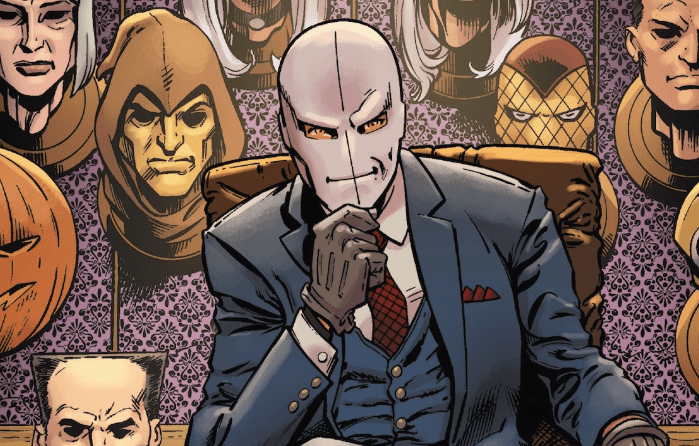
4: Hobgoblin

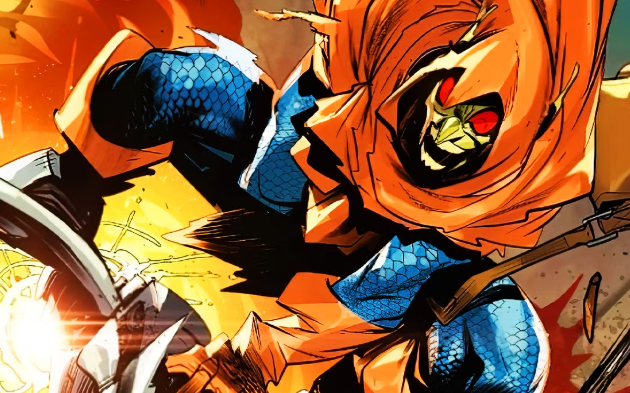
Hobgoblin fits the bill of an underrated Spider-Man villain, but he also poses a good question. Can someone be overused and underused at the same time? When Hobgoblin makes it into a Spider-Man story, he dominates for a few years, and then he disappears for almost a decade. And the pattern repeats. Most creative teams who include Hobgoblin in a story are passionate about the character. That’s why Hobgoblin dominates the storylines. This shields Hobgoblin from a lot of “bad” storylines. In fact, Hobgoblin is one of the few Spider-Man villains on this list, and in the honorable mentions, without an awful story.

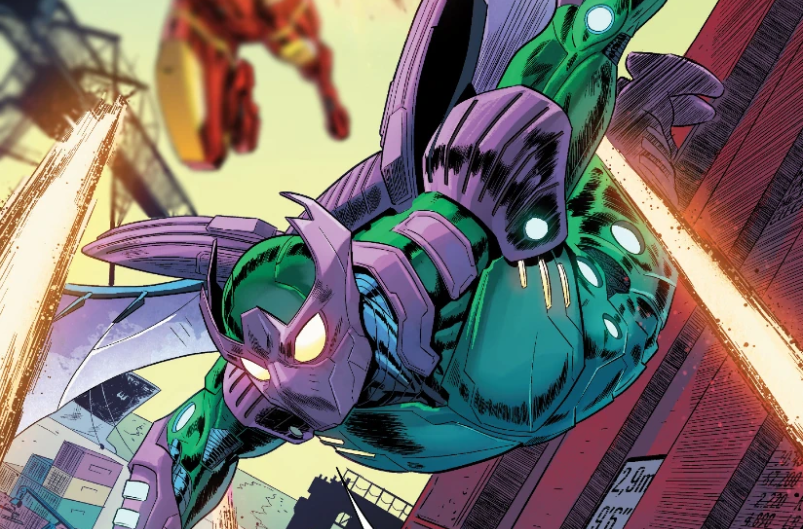
One does need to establish a Green Goblin before introducing Hobgoblin. Typically, Hobgoblin “borrows” Green Goblin’s gadgets and rebrands them. The Nineties Spider-Man animated series is the only exception I can think of when Hobgoblin appears before Green Goblin. It helps that Mark Hamill voiced Hobgoblin.

Honestly, I like Hobgoblin’s aesthetic more than Green Goblin’s, and I love the purple and green combination. Heck, those are Geekly’s colors. It must be Hobgoblin’s outfit, his more demonic and unhinged look, and that’s ironic. Green Goblin always has some form of mental illness, but usually, Hobgoblin has full control of his mental faculties. That can give Hobgoblin a more sinister vibe. He knows exactly what he’s doing.

3: Chameleon

Chameleon is Spider-Man’s first villain. In his first tale, Chameleon dresses up as Spider-Man to frame him for stealing government plans. This happens a lot for Chameleon. He frames Spidey for crimes he didn’t commit, but Chameleon is more of an espionage character. He has an awesome backstory. Without Chameleon, we may not get as fleshed out a Kraven the Hunter. The two are half-brothers. But Spider-Man creators miscast Chameleon. So, Chameleon may be more of a misused villain than an underused villain, but he is also underused.

Despite being Spider-Man’s oldest villain, Chameleon rarely shows up in other media, and when he does, it’s usually a cameo. I’m hopeful for Chameleon’s role in Your Friendly Neighborhood Spider-Man’s second season. This version of Chameleon has potential. It also helps that Peter Parker’s father (Spoiler: Peter’s dad is alive in this cartoon series) worked as a spy. That could play into Chameleon’s background. We need Spidey to flex his detective muscle. Mysterio triggers Peter’s tingle, forcing him to rely on his Spider Sense. A full-thrust Spider Sense for Mysterio makes sense because Mysterio envelops the area around him with illusions. I could see a low-level twinge with the Chameleon, like Peter knows something’s amiss, but he can’t put his finger on it. Chameleon’s abilities only affect himself. We need better Chameleon stories.

2: Vermin

Before making this list, I knew who would reach the top. One can rearrange or replace any of the previous Spider-Man villains on this list, but the top two are chiseled in stone. You could swap one and two with each other, but we’ll get to number one in a minute. First, we’re talking about Vermin.

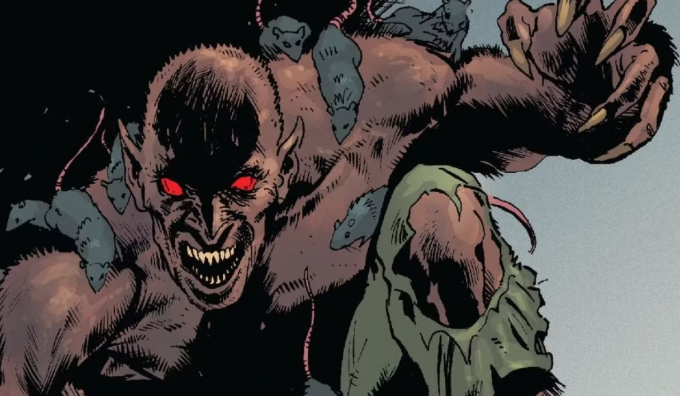
Vermin may take the mantle of the most underrated and underused Spider-Man villain. Most Spidey fans (who read the comic book) would say Kraven’s Last Hunt and The Child Within are two of the top three or four stories in Spider-Man history. Vermin features in both stories. Despite those two tales occurring decades ago, Vermin shows up in few other stories. See what I mean about underused? Some Spidey fans may forget Vermin was in Kraven’s Last Hunt. Talk about underrated. Sure, Vermin was Kraven’s pawn, but there’s a killer moment when Spider-Man loses his temper with Vermin. Love this story. We covered it more in a previous post.

And then we get to The Child Within. Ah! So good. A nine or ten-year-old child wanders into the sewers and asks Vermin to accompany him home. Vermin (a rat person) takes the kid to a mansion, but the kid refuses to go inside. By this point, we realize the kid is Vermin’s inner child. The mansion belongs to his parents. At first, Vermin’s parents don’t recognize him. We get Vermin’s tragic backstory, and I’m not going to spoil it here. You should read The Child Within.

Not only does Vermin have few–if any–“bad stories,” he’s featured in two of Spider-Man’s greatest stories. Who could possibly claim the top spot over Vermin?

1: Jackal

If you were to rank Spider-Man’s most important villains (the ones necessary to tell Spider-Man’s story), the list would look like the following:

1) Green Goblin
2) Doctor Octopus
3) Jackal

Spider-Man fans who read the comics know who Jackal is and would agree with this list–for the most part. Spidey fans who don’t read the comics are scratching their heads, wondering who the hell is Jackal? That’s why Jackal is number one on this list. He is one of Spidey’s most important villains, and not enough people know him. Jackal introduced The Punisher, hiring him to take down Spider-Man (during The Punisher’s first appearance), and he’s behind most, if not all, clone storylines. And Spidey has a ton of clone stories. The Clone Saga is the longest storyline in Spider-Man comic book history.

The original Jackal, Miles Warren, was one of Peter Parker’s college professors. Warren, in his mid to late fifties, crushed on Gwen Stacy. Ew. She’s more than half your age, creeper. After Gwen died, Warren blamed Spider-Man for her death. Spidey did web Gwen’s foot, causing her neck to snap. Jackal, pointing out this detail to Spider-Man, poured extra salt into Peter’s guilt. Peter already blamed himself for Gwen’s death. What ensued was a lot of cloning, cloning of Gwen Stacy, Peter Parker, and others. Eventually, Jackal would clone himself in an attempt to achieve immortality.

Jackal’s lack of a good adaptation outside of comics reminds me of Hobgoblin’s issue. Jackal is difficult to explain without a lot of setup, like Hobgoblin needing Green Goblin to exist first. Typically, Jackal needs Gwen Stacy to exist. You may even need her to perish. Often, Miles Warren gets introduced, and we never see his transformation into Jackal. And then there’s Jackal’s age. Since Warren is in his fifties, whenever he gets introduced as a side character in a movie or show, people overlook him. Warren appeared in The Amazing Spider-Man film series and Sony’s Spider-Man adjacent movies. Blink, and you’ll miss him. I hope the MCU takes its time to introduce Jackal in the future. Gwen may soon make her debut in the MCU. Jackal may not be far behind.

That’s our list of five underrated and/or underused Spider-Man Villains. There are plenty more villains who could’ve made this list. Let us know who you would add in the comments. Thank you for reading, and wherever you are, I hope you’re having a great day.

X-Men ’97 Season 2 “A Force to Be Reckoned With” Review

Hey, hey, Geekly Gang! This is our second of four planned posts today. Four posts in one day? Yikes! X-Men ’97 graced us with three episodes last week–we’re still catching up on those episodes–and a fourth episode dropped this week. If you want to read our review of the previous episode, “Days of Past Future,” you can check that out here. In this post, we’ll only discuss the events of “A Force to Be Reckoned With.” I’ll kick things off with my thoughts.

Kyra’s Take

“A Force to Be Reckoned With” may have done the near impossible. It made Jubilee cool. Seriously. Her breakout scene, near the end of the episode, catapulted her into one of X-Men ’97 season two’s better characters. And that’s saying something. But I’m getting ahead of myself. X-Men ’97: A Force to Be Reckoned With” didn’t need as much setup as the previous episode. The episode’s title originates from X-Force, which is famously Cable’s team from the Nineties, and how they fight for mutant freedom against X-Factor, a government-sanctioned team of mutants. The power struggle between these two teams is comic book accurate and excellent.

Neither team embodies the X-Men. X-Factor is a government lapdog; they’re an extension of the mutant registration program. And Cable assembled X-Force to take down Apocalypse by any means necessary. He doesn’t care as much about human-mutant relations and mutant freedom, and this gets me back to Jubilee. She joins Cable’s side of the aisle because it’s closer to the X-Men’s ideals.

When she has a chance, Jubilee frees mutant children held captive by X-Factor. I want to take a moment and take note of the volume of various lesser-known mutants held captive in X-Factor’s helicarrier and/or shown during “A Force to Be Reckoned With.” Here are a few: M, Mark, Kid Omega, Chamber, Penance, and the Stepford Cuckoos. The Stepford Cuckoos may be the best example of how callous X-Factor treats these mutants. Each one of the Stepford Cuckoos has a power dampener around their necks, and X-Factor still placed one of the triplet sisters in a different cell. Sure. The Stepford Cuckoos use their powers as a trio, but they have power dampeners. Separating them was cruel.

Through her act of freeing the captive mutants, Jubilee did the most to live up to Charles Xavier’s example. She reminded the rest of X-Force what they’re fighting for. Cable’s mission to take down Apocalypse is a noble one, but he often gets blinded by this goal. Again, all of this is mostly comic book accurate. The original X-Men: Animated Series made sure to stay as close to the source material as possible, and X-Men ’97 continues that tradition.

There’s little else to discuss with “A Force to Be Reckoned With.” This episode feels tighter than “Days of Past Future,” not that the previous episode meandered too much. I just wanted to note “A Force to Be Reckoned With’s” great pacing. Maybe that’s the trick with making Jubilee cool. Leave the audience wanting more. The original X-Men: Animated Series used Jubilee as a surrogate, so Jubes showed up in most scenes. We physically see less of Jubilee during “A Force to Be Reckoned With,” but the episode does a lot to show her true character. And shout out to Polaris and Havok. I love Jubilee’s snide remark of Havok being “Knock-Off Cyclops.” LOL

Those are my thoughts on X-Men ’97 “A Force to Be Reckoned With.” Let’s see what Season has to say.

Season’s Take

I can’t believe I was actually rooting for Jubilee. Outside of being cool and sticking to her guns, her cheeky moments were cute, too. The scene of her jumping off the roof was iconic.

I appreciated the lack of exposition in “A Force to Be Reckoned With.” “Days of Past Future” was good and had a lot of emotionally charged moments, but there was a lot of repetition with Jean Grey’s and Cyclops’ dialogue. Their feelings about leaving Nathan behind were sad, but they lost some impact each time they expressed themselves. The emotional moments in “A Force to Be Reckoned With” combine punchy dialogue with action. It feels like each moment doesn’t linger.

Also, kudos to the alternate intro. X-Force ’97 has a nice ring.

Hey, hey! Kyra Kyle again. Those are our thoughts on X-Men ’97: “A Force to Be Reckoned With.” What are yours? Let us know in the comments. Thank you for reading, and wherever you are, I hope you’re having a great day.
Getting Into Comics: Supergirl Starter Stories

Hey, hey, Geekly Gang! Kyra Kyle here. Supergirl is right around the corner, so now may be the best time to get into reading Supergirl comics. Many of the stories mentioned in this list will come from the previous two decades because Supergirl was a girl version of Superman for many years until DC Comics decided to kill her in Crisis on Infinite Earths. Spoiler: Crisis on Infinite Earths didn’t quite make this list, but I’d recommend reading it for reasons other than Supergirl lore.

Crisis on Infinite Earths occurred in the Eighties, and Supergirl’s death would stick longer than most comic book characters. And when Supergirl returned, comic book creators took her in different directions. Finally, Kara Zor-El would break free of her cousin’s shadow. We have some interesting stories to discuss. Which comic book stories made our Supergirl Starter Stories.

We’ll start things off with our only single issue on this list.

Single Issue

“The Supergirl from Krypton” (Action Comics #252; written by Robert Bernstein/art by Al Plastino; May 1959)

Fun fact: Action Comics #252 contained three stories. The first featured the iconic Superman villain, Metallo’s first appearance in “The Menace of Metallo.” And the third was Supergirl’s origin, “The Supergirl from Krypton.”

Honestly, I only included “The Supergirl from Krypton” because it’s Supergirl’s first appearance. I like to include a character’s origin whenever possible. Very little happens in “The Supergirl from Krypton” besides Superman and Supergirl meeting for the first time and a lengthy backstory of how Kara Zor-El ended up on Earth. But Supergirl’s origin is interesting.

Her Kryptonian hometown, Argo City, was blasted free of Krypton’s destruction in a bubble of compressed air, designed by Kara’s father Zor-El (who’s also Superman’s uncle). Zor-El created a force field around the city to maintain its atmosphere, but years later, a meteor shower penetrated the air bubble, and Zor-El saved his daughter by building her a spaceship, similar to Superman’s. He sends her to Earth because somehow the Kryptonians on Argo City know about Superman. Sure. Supes can’t take on Kara as his ward (and risk his secret identity), so he sends her to an orphanage. Nice move, Supes.

“The Supergirl from Krypton” doesn’t have a lot of space to explore the cousins’ relationship, but there’ll be plenty of time to do that in the coming years.

Storylines

“Many Happy Returns” (Supergirl #75-#80 written by Peter David/art by Ed Benes; 2003)

Peter David had an excellent run on Supergirl. You should check it out if you have the time, but I’m focusing on David’s storyline, “Many Happy Returns” because David primarily wrote about Linda Danvers, the Post-Crisis on Infinite Earths’ Supergirl. This post focuses on Kara Zor-El, but Linda Danvers was a good character in her own right. Danvers is the reason Kara Zor-El in the Supergirl series had the surname Danvers.

Anyway, “Many Happy Returns” marks Kara Zor-El’s return to DC Comics continuity. A lot more happens in “Many Happy Returns,” we’re talking multiverse jumping and a romance between Earth-One’s Superman and Linda, leading to Linda needing to save Kara on her world. Long story short, Linda does something she can never come back from, renounces being a hero, and Kara Zor-El takes back the mantel of Supergirl.

“Supergirl: Girl of Steel” (Supergirl #0-10 and #12; written by Jeph Loeb, Greg Rucka, Jimmy Palmiotti, Justin Gray, and Joe Kelly; art by Ron Adrian, Rob Lea, Ian Churchill, Andy Lanning, Amanda Conner, Jimmy Palmiotti, and Norm Rapmund; 2005-2007)

Jeph Loeb’s classic run on Supergirl helped define the character. While “The Supergirl from Krypton” spun a tale of a teenage Kryptonian living on an asteroid for years before getting launched into space to join her cousin, “Supergirl: Girl of Steel” presents the more familiar story of Supergirl leaving Krypton at the same time as her then infant cousin. Supergirl was tasked with protecting Kal-El on Earth, but her ship got lost and she spent decades in suspended animation. By the time Kara Zor-El reached Earth, her cousin no longer needed her. And now, she needed to find her way.

“Supergirl: Girl of Steel” is an iconic story at this point. You can see its influence on the Supergirl television show, and the upcoming Supergirl film will use another story (more on that in a bit) that builds on “Supergirl: Girl of Steel’s” structure. This is a must read.

“The Hunt for Reactron” (Action Comics #881-882, Supergirl #44-50, Supergirl Annual #1, and Superman: Secret Files 2009) written by Greg Rucka and Sterling Gates; art by Jamal Igle; 2009-2010)

“The Hunt for Reactron” may take place on New Earth, but it does an excellent job showcasing Reactron, one of Supergirl’s greatest foes. And you can’t go wrong with Greg Rucka’s storytelling. On New Earth, Kara Zor-El’s father and many more Kryptonians survived Krypton’s destruction. They establish a New Krypton, and Reactron, with the help of Superman villain Metallo, disturb the peace. Okay. I soft-balled that. Reactron kills Kara’s father.

Understandably, Kara flies off in a rage. What ensues is fellow Kryptonian Thara Ak-Var (Flamebird) preventing Kara from doing something she’ll regret. Is she successful? You’ll have to read “The Hunt for Reactron.”

“Bizarro-Girl” (Supergirl #53-#57) written by Sterling Gates; art by Jamal Igle; 2010)

We go from one villain-defining story to another. Leading up to 2010, Bizarro had existed for decades. Bizarrogirl made her debut in this story, and she does so with a bang. Unlike Bizarro who’s the opposite of Superman, Bizarrogirl functions like a mirror for Kara Zor-El. Leading into this story, New Krypton falls and several Kryptonians (like Flamebird) die with it. Supergirl is in mourning.

Bizarro sends Bizarrogirl to Earth to cause trouble. While Bizarrogirl is away, Bizarro World gets attacked by giant bug-like creatures spawned by “Godship.” The insectoids overrun Bizarro World, and Bizarrogirl’s people believe she abandoned them. She blames herself for Bizarro World’s downfall just as Supergirl blames herself for New Krypton’s demise. I love how Bizarrogirl asks Supergirl if self-punishment ever ends, and Kara tells her it might not, but it’s what you do afterwards that counts. Supergirl takes her own advice, and the two start healing. “Bizarro-Girl” is a great read.

“Supergirl: The Last Daughter of Krypton” (Supergirl #1-7; written by Michael Green; art by Mike Johnson and Mahmud Asrar; 2011-2012)

The New 52 brought changes to the DC Comics Universe. This version of Supergirl has just landed on Earth. She believes she’s dreaming. She must be on Krypton (instead of Earth) and encounters Superman. Confused, Kara Zor-El attacks the man calling himself Superman. She had babysat her infant cousin Kal-El three days ago. But this is indeed a grown Kal-El. He explains to her that the Earth’s yellow sun gives them superpowers like Kryptonian Worldkillers. What’s a Worldkiller? We find out when we meet Reign for the first time.

Reign explains that Worldkillers, like her, were the result of Kryptonian scientific experiments. They were genetically altered to be killing machines. And just like Kryptonians, Reign isn’t the only Worldkiller who survived Kryton’s destruction. Kara must take on four Worldkillers alone. The Worldkillers want nothing more than to kill innocent lives. Kara manages to save the humanity and drive off the Worldkillers…for now.

“Supergirl: The Last Daughter of Krypton” introduces yet another great Supergirl villain, Reign. She made such an impression that she was featured in a season of Supergirl. Not bad for a new villain. “Supergirl: The Last Daughter of Krypton” shows Kara Zor-El as truly alone. It sows the seeds for our next entry as well.

“Red Daughter of Kryton” (Supergirl: #26-#33; Green Lantern #28; Red Lanterns #28-34; written by Various; art by Various; February 2014-October 2014)

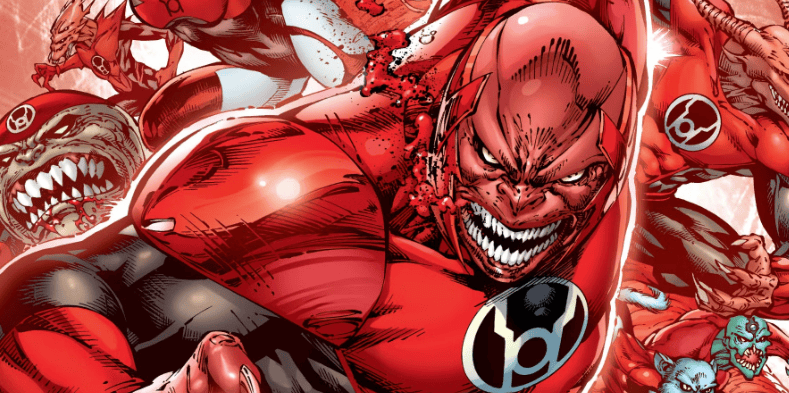
Surprise. Worldkillers return in “Red Daughter of Krypton.” But before we get there, Supergirl fights off Cyborg Superman and H’el in space. H’el is another great Supergirl villain. We don’t get too much of his backstory here, but in short, he tempts Kara Zor-El with turning Earth into a New Krypton. While this pitch wouldn’t do much for Superman, Supergirl has more of an attachment to Krypton. Regardless, after Supergirl finishes this fight she returns home to find Lobo antagonizing her. All this leads to a red lantern ring finding its way to Kara. Red Lanterns feed off anger, and in “Red Daughter of Krypton,” we see Kara Zor-El give into her rage.

Even though most Red Lanterns, like Atrocitus, who does make an appearance, can be viewed as villains. We do see heroes take on a red lantern ring. Here’s looking at you, Guy Gardner. In the end, Supergirl manages her rage. She retains the moniker of a superhero. But “Red Daughter of Krypton” reveals a new side of Supergirl that writers will explore.

“Supergirl: Being Super” (Supergirl: Being Super #1-4; written by Mariko Tamaki; art by Joelle Jones; 2017)

We get another origin story of sorts with “Supergirl: Being Super.” In this one, Kara Zor-El becomes Kara Danvers. This is an obvious nod to the Supergirl television show in the middle of its run on the CW. “Supergirl: Being Super” remixes details of the original Supergirl origin. She lives in Midvale, which is where Superman dropped her into an orphanage. But she also discovers her powers, similar to Kal-El. The Supergirl in “Supergirl: Being Super” drops the Supergirl as Superman protector for a moment and explores what it would be like if Supergirl were a novice.

“Supergirl: Woman of Tomorrow” (Supergirl: Woman of Tomorrow #1-8; written by Tom King/art by Bilquis Evely; August 2021-April 2022)

“Supergirl: Woman of Tomorrow” was the first comic I knew would make this list. If you were to search against this title, you’ll find the Supergirl 2026 movie as a top result. Simply put, “Supergirl: Woman of Tomorrow” is the basis for the upcoming DCU Supergirl film. Yay!

Written by Tom King (who had just finished an iconic run on Batman), “Supergirl: Woman of Tomorrow” returns Kara Zor-El to Superman’s would-be protector. Only a grown Superman doesn’t need a babysitter. So, she’s on a foreign planet (Earth) with no purpose and gives in to her baser instincts. This is a lost Kara Zor-El. The ending of the DCU’s Superman (2025) does a great job of setting up her character. Kara gets wasted. She’s aimless. She struggles to find purpose, but eventually, she finds herself. The award-winning “Supergirl: Woman of Tomorrow” received widespread acclaim. I can’t wait to see how the DCU interprets this story.

Those are the Supergirl stories that made our list. Are there any Supergirl stories you would add to this list? Let us know in the comments, Geekly Gang. Thank you for reading, and wherever you are, I hope you’re having a great day.
Top 5 Supergirl Villains

Hey, hey, Geekly Gang! Kyra Kyle here, and I’m getting excited for the upcoming Supergirl film. How about you? Let’s get ready for the DCU’s next entry at the end of the month, shall we? We know Lobo will feature in the movie. Supergirl and Lobo cross paths often enough, but I wouldn’t consider Lobo a Supergirl villain. Who are Supergirl’s top villains? Kara Zor-El and Kal-El share a lot of enemies. We’ll do our best to avoid a Top 5 Supergirl Villain list that looks too much like a Top 5 Superman Villain list. Besides, Geekly already did a list for Superman.So, who made the list of Top 5 Supergirl Villains?

Honorable Mention: Anti-Monitor

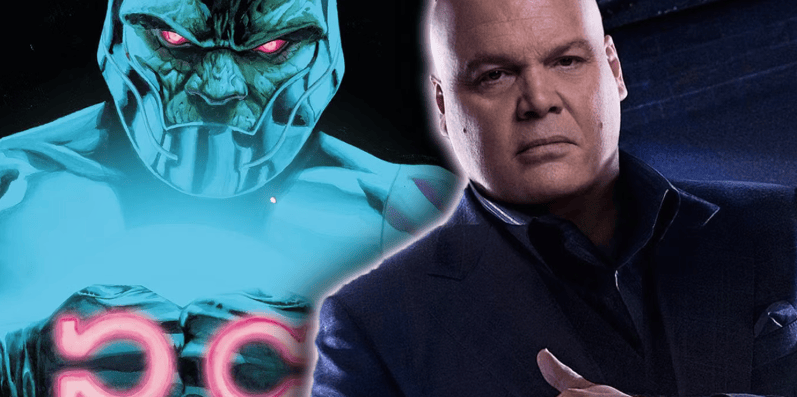
Anti-Monitor made his debut during the DC Comics Crossover Event, “Crisis on Infinite Earths.” Famously, Superman held a deceased Supergirl in his arms. DC Comics made it clear that no character was safe. Heck, Supergirl would stay dead and buried for a couple of decades. No one ever stays dead for long in comics, but Supergirl was one of the ones that stuck around longer than fans expected. And yet, Anti-Monitor doesn’t quite make this list. We’re using the same logic as the Top 5 Superman Villains list. Darkseid took a lower spot on Supes’s list because he’s more of a universal threat. Anti-Monitor is that and then some. And while Doomsday went on to become a thorn in Superman’s side decades after Superman’s death, Supergirl has seldom encountered Anti-Monitor. He still gets a mention. How could he not? Even though he seldom graces the pages of Supergirl comics, Anti-Monitor was at the heart of one of DC Comics’–and Supergirl’s–iconic moments.

5: Reign

Reign only knows her name, the fact that she’s a Worldkiller, has incredible combat skills (especially swords), and Krypton has something to do with her past. This is a good set-up. Reign holds Kryptonians–and Supergirl in particular–in contempt. Reign may be one of the newer villains on this list, but she plays well against Kara Zor-El. The two have clashed a handful of times over the past decade and a half after Reign’s introduction. Reign made such an impression that she featured on the Supergirl CW show. Is it a matter of time before we see Reign on the big screen?

4: Bizarro Girl

Bizarro didn’t quite make our Superman’s Top 5 Villain List, but that was largely because he was the opposite of Superman. Supergirl has a Bizarro version, too. But Bizarro Girl differs from the original Bizarro. Bizarro Girl is a reflection of Kara Zor-El. I hope to see Bizarro Girl in the upcoming Supergirl movie–she works well in stories about self-acceptance–but I’m also okay waiting. Supergirl suffers from the loss of Krypton. Unlike her cousin, Supergirl witnessed Krypton’s downfall. Similarly, Bizarro Girl wasn’t present when the Godship (insectoid world-eaters) attacked Bizarro World. With her people believing she abandoned them, Bizarro Girl went into isolation. Her journey mirrors Supergirl’s. And it’s always fun to have some Bizarro comedy thrown in for good measure.

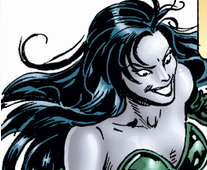
3: Silver Banshee

I knew Silver Banshee would make this list but had no idea where she fits. Three. The middle? Does that sound good? Silver Banshee has a couple of things going against her on this list: she started as a Superman villain, and she often flips sides and fights alongside Supergirl. Despite beginning as a Superman villain, Silver Banshee quickly became an iconic Supergirl villain. And even though she may be picking up Kara Zor-El’s laundry at the moment (Is Silver Banshee still a friendly?), she’s had several iconic fights against Supergirl in the past. One can’t tell Supergirl’s story without Silver Banshee, but she just misses out on the top two spots because she goes the way of Catwoman. Is she friend or foe? Who knows. But Silver Banshee is a classic Supergirl character.

2: H’el

While H’el could work–and occasionally serves–as a Superman villain, he works best as a Supergirl villain. This Kryptonian clone wants to reconstitute Krypton at Earth’s expense. We’ve seen this storyline work with Superman and General Zod, but H’el’s relationship with Kara Zor-El works even better. Superman views Earth as home. Supergirl still views Krypton as home. H’el’s pitch of a New Krypton tempts Supergirl into betraying her adoptive homeland. It also doesn’t hurt that Supergirl’s first encounter with H’el was him rescuing her. The two have a bond, and Supergirl can’t fully see him as a villain, which makes H’el that much more of an effective Supergirl villain. H’el’s like a toxic boyfriend. Supergirl defends him while he’s ripping the Superman family a new one. Eventually, H’el finds that one line Supergirl can’t ignore, and she springs into action.

1: Reactron

Reactron controls radiation. That makes him a formidable foe. But Reactron can manipulate radiation in any form, including kryptonite. That makes Reactron deadly to Supergirl. In fact, when Supergirl got hit with Scarecrow’s fear toxin, Reactron was who she saw. I don’t think we need more of a case for Reactron being atop a top Supergirl villains list than that, but let’s continue. Unlike some other villains on this list, Reactron was created to be a Supergirl villain. He destroyed New Krypton and kidnapped Kara Zor-El’s mother. Oh, and he killed Kara’s father, Zor-El. No wonder Reactron haunts Supergirl’s nightmares.

I can’t wait to see who the DCU casts as Reactron and how the film series plans to use him. Looking through this list of villains, Supergirl’s rogues are varied. The DCU has a blank canvas for this character. Supergirl has plenty of source material. I can’t wait to see some engaging Supergirl stories. If I had to guess, Supergirl won’t include Reactron. Maybe, he’ll get a mention. Reactron demands plenty of screen time.

That’s our list for the Top 5 Supergirl Villains. Who would you add or take away? Would you shuffle the order? Let us know in the comments. Thank you for reading, and wherever you are, I hope you’re having a great day.