Whatcha Playing, Geekly: October 2026

Happy Wednesday, Geekly Gang! Kyra Kyle here. Today, our writers share what they’ve been playing over the past month. Feel free to share what you’ve been playing, because we’re all part of the Geekly Gang. I’ll get things started with what I’ve been playing over the past month.

Feed the Scorchpot Video Game logo

Kyra’s Video Games

I’ve been playing a lot of games for next year’s indie video game reviews, so many of the games I mention this month will most likely get a review in the not-so-distant future. Feed the Scorchpot officially released a couple of months ago. I played the heck out of the free demo (which is still available on Steam if you want to try out the game). Feed the Scorchpot’s full release suffers from a common problem of roguelike games: too much variability.

Variability may be the most overrated thing in gaming (for board games and video games). Note: variability and replay value are not the same thing. Feed the Scorchpot can offer so many possibilities with each run, that you can end up with an unplayable combination of recipes, board set up, possible buildings, and dice offerings. I prefer the demo to the full release, but the full release is growing on me. The one element that brings me back for more is the dragons themselves. Each dragon has its own set of rules and behavior (the way they punish the player). I know. I know. That’s another level of variability. But the dragons may be the best form of variability that Feed the Scorchpot offers.

I’m not saying games should have “no variability.” Far from it. But pick and choose the best forms of variability. If the game reduced the number of specialty dice, buildings, board layouts, recipes, and perhaps one less ingredient type, while keeping the number of unique dragons, Feed the Scorchpot would easily be a top three candidate for indie game of the year. It still may be a strong candidate for indie game of the year. Catan meets Balatro. What’s not to love?
Balatro Video Game Banner

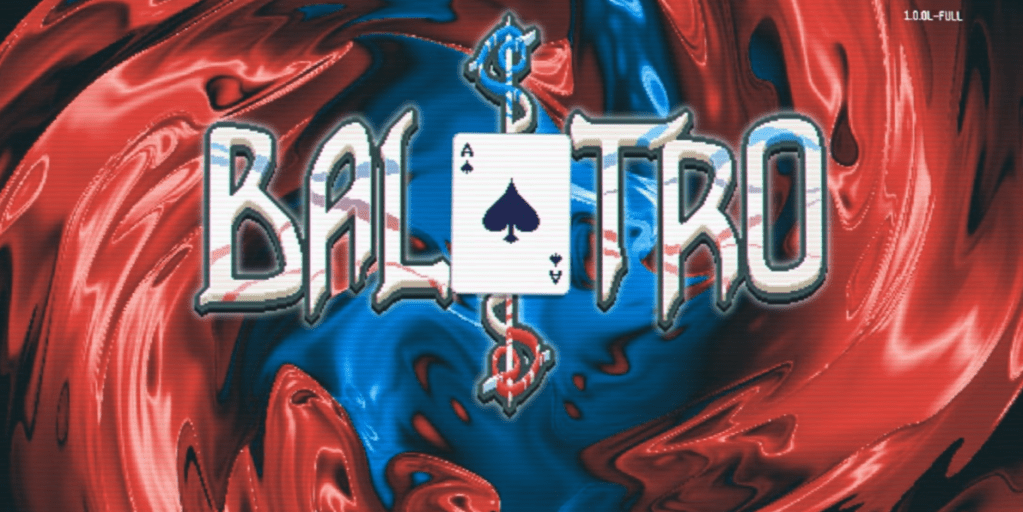
I’ve also played Balatro a lot this past month. Everything I said about Feed the Scorchpot can be said for Balatro. You can end up with a combination that just doesn’t work. Balatro doesn’t have nearly as many variables as Feed the Scorchpot, nor does it include as much luck. Players need to roll dice in Feed the Scorchpot. Who knows if you’ll get the right die face? Balatro allows players to optimize their decks. Several of my Balatro plays had me drawing into the Joker that makes all red cards and black cards the same suit (clubs = spades and hearts = diamonds and vice versa). I bought that Joker and every copy of Jupiter, loading up my Flush score.

While this strategy was effective, it made the game boring. I wonder which Poker hand I intend to play. Flush again. Wow! (Was that sarcastic enough?) And most of the time, Balatro threw a curveball at me toward the end of the run, and I still lost. Argh!
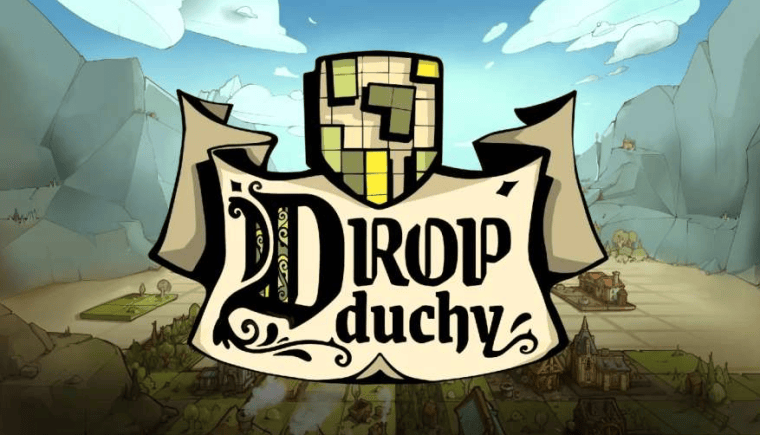
Drop Duchy Video Game Logo

This month is sponsored by roguelikes. Roguelikes: Do you like random number generators? Drop Duchy differs from the previous two games on this list, because I have more control. Or at least, I have the perception of control in Drop Duchy. As the game banner above suggests, Drop Duchy is a take on Tetris. Players are given so many Tetrominoes per round. Depending on the direction you take on your journey (Slay the Spire-style), each region you play has a different distribution of tile types you’ll find. Travel to the forest, and you’ll find more woods. Go to the swamp, and you’ll find marsh. The devious part of Drop Duchy’s design is that you play for yourself and your enemy.

In addition to terrain tiles, you’ll find building (as in structures like castle and barricade) tiles for you and your opponent. Winning the game means placing your tiles in advantageous locations, while minimizing your opponent’s tiles placement. That’s right. If you lose, you gave your opponent what they needed to win. And remember, Drop Duchy is a roguelike. While you can bank one tile to place later (typically, I chose an opponent structure), you may draw into countless enemy buildings before finding one of your own. Yowza!

I love the gameplay of all three of these games, but some runs, it feels like I’m a glutton for torture.

Finally, a game that isn’t a roguelike. I’ve mentioned Apex Legends in the past, so I won’t talk about it too much here. The Geekly Writers have been hopping online in a three stack. It’s a good bonding experience. The gun play holds up years later. Apex Legends was designed from the superb Titanfall video game series (I hope Respawn eventually releases a Titanfall 3). And like the other games on this list, we should have an Apex Legends review sometime early 2027.

River Valley Glassworks Board Cover

Kyra’s Board Games

I haven’t talked about River Valley Glassworks since Scroogecon (in February 2026). Oof! I may need to write a review on this game, too. River Valley Glassworks shows that you don’t need too much variability to have replay value. The components seldom change, but there are plenty of possibilities.

In River Valley Glassworks, players collect river glass by placing glass they have in their pans to the river. Placing a piece of glass by matching the glass shape a river tile requires allows players to take all the glass from an adjacent river tile. The river tile that had its glass removed, shifts to the beginning of the river, and the rest of the river shifts forward. This simulates a river flowing. So clever!

Players place the glass they collected from a river tile on their boards. Each board has seven columns and five rows. Only one color of glass can occupy a column, and since there are eight glass colors, you’ll need to be careful which glass you collect. If you can’t place a glass piece on your board, it counts as negative points. When a player (any player) collects 17 pieces of glass, the game ends, and players score their boards. Filled rows and the two tallest columns score.

River Valley Glassworks plays in a flash. I played a ton of two-player games and most ended in less than twenty minutes. This game also scales extremely well. Even a full compliment of five players takes just over half an hour. The artwork is adorable, the river mechanism is amazing, and the acrylic glass pieces add a lot of toy factor. River Valley Glassworks is easily one of my most played board games of 2026. And it received a sequel: River Valley Jewelcraft. Yay!

I’ve been writing a lot this past month; trying to finish a novel-length manuscript by the end of November. So, I’ve played a lot of games I know by heart. Sixes is another game that often hits the table. Players receive a category, and you’re either trying to match other players’ answers or come up with unique answers. Sixes plays similar to Jinx-O, which I mentioned last month. I like Jinx-O’s ridiculous categories (like name an animal that looks like it’s drunk), but you’re always trying to match other players’ answers. I like how Sixes switches what you’re trying to do each round. Simple, but fun.

Those are the games I’ve been playing this past month. Let’s see what Season and Skye have been playing.
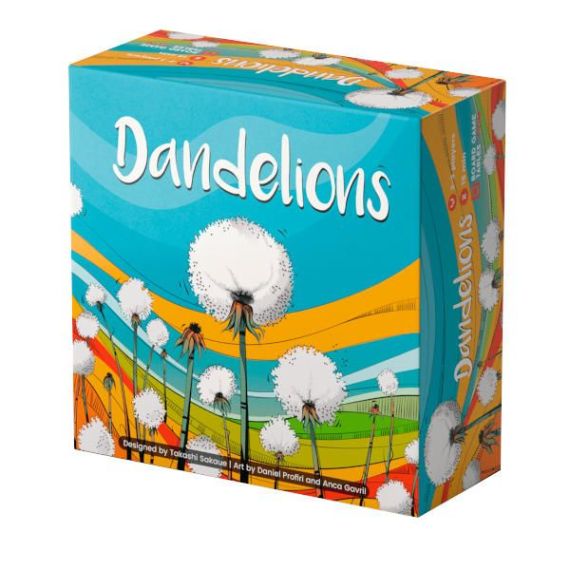
Season’s Board Game

Hey, Geekly Gang! I haven’t been on the game scene much lately. I spend way too much time daydreaming. However, I played Dandelions for the first time during Nuke-Con this past weekend. It’s so cute I want my own copy.

In Dandelions, you play as a floating dandelion trying to spread your seeds. There are five tiles set up in a circle that you drift around based off dice rolls. If you land on an opponent, you float off them and move double your die roll. These spaces ain’t big enough for two dandelions. Even though Dandelions is a competitive game it’s super cozy. I was happy floating from tile to tile. I definitely felt like a dandelion. Dandelions only plays 2-3 players, so I’d recommend it for a rainy day or date night over some dandelion wine. Tee hee!
Skye’s Video Games

Before I start, you’ll probably notice a “certain theme” with my entries. To put it mildly, I’ve fallen down a Resident Evil rabbit hole for the past month that has been legitimately difficult to escape. I suspect I won’t manage to find my way out until after I’ve beaten (and platinum’e’d) every canonical title in the franchise. At least that’s what my doctor tells me. I hope you enjoy this descent into my latest special interest.

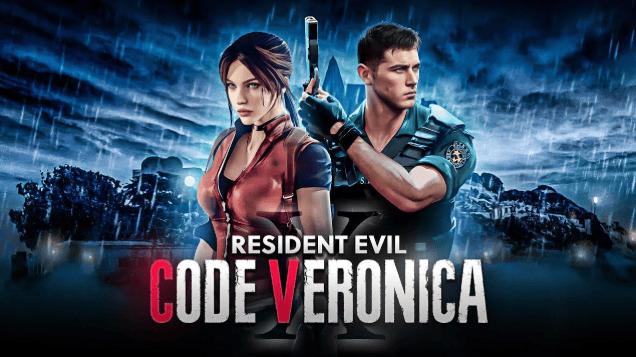
After previously beating both Resident Evil 2 Remake and Resident Evil 3: Nemesis, the next logical step I thought I should take was the game that canonically came next in the timeline: Resident Evil CODE: Veronica. While I enjoyed my time with CODE: Veronica (which isn’t over since I haven’t gotten the Platinum trophy yet), I’ll admit that I underestimated this game. Since I had already beaten two Resident Evil games prior, I thought to myself “I’m starting to get the hang of this; I know what I’m doing.” This would prove to be a big mistake.

I quickly discovered that CODE: Veronica was much more technical and complicated than the games that came before, essentially being Capcom’s idea of a challenge for fans of the franchise. Many of the puzzles I was starting to grow accustomed to were more convoluted, the enemies became stronger, and the resources to defeat them became sporadic. The boss battle formula got turned on its head towards the end, resulting in my repeated agonizing death. Overall, I’m glad I played CODE: Veronica, but it was certainly a humbling experience for me. Side note: Steve can go get burned for all I care.
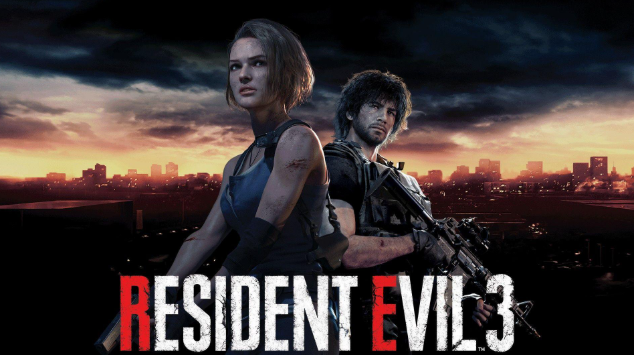
I debated whether I’d even play Resident Evil 3 Remake given what I had heard from RE fans about how insulting it was to the original Resident Evil 3: Nemesis. The most important thing I’ve learned since becoming an RE fan is “Never listen to RE fans,” so I went for it. My verdict: the detractors certainly have a point, but RE 3 Remake is enjoyable as a standalone game.

It stung not seeing things such as the classic black and white decision-making sequences, iconic locations like the Saint Michael’s Clock Tower/Raccoon Park/Dead Factory, and dynamic Nemesis enemy programming. I believe Capcom’s core value in creating this remake was creating a sense of consistency and continuity between this game and the previous: RE 2 Remake. That and if the original RE 3: Nemesis never existed, I’m sure RE 3 Remake would’ve been seen as a weaker yet serviceable follow-up to RE 2 Remake. And when I think about it that way, I can’t be too angry at RE 3 Remake. I can be very angry at it for its bullcrap Stage 3 Nemesis fight on Inferno difficulty followed up by that janky final shot on Nicholai I failed 4 times in a row, but otherwise I can’t be mad at Resident Evil 3 Remake for having a different design philosophy than the original.
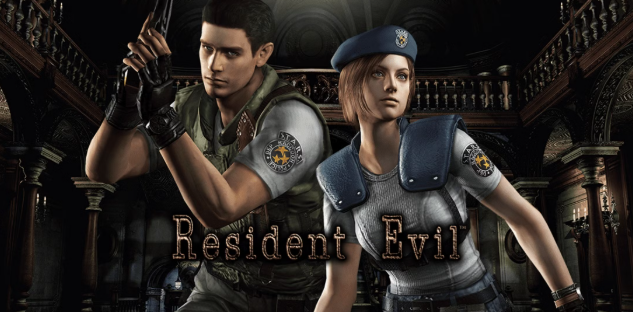
I’m not referring to the Resident Evil HD Remake; I mean the original 1996 classic that started it all. Y’all might think it’s strange how I’d play the first Resident Evil after playing four other Resident Evil games. When I first dipped my toes into Resident Evil, I decided to skip the first game for two reasons. First, I was looking for something that was scary and knew the original Resident Evil was less horror and more of a playable B-movie. Second, I was excited to learn more about the lore of the series and understood that the second game expanded more on the story as the outbreak spread to the rest of Raccoon City

I always knew I would eventually play the original one day. Was it corny? Certainly. Am I going to be quoting my favorite stupid line deliveries from it until I die? Without a doubt. Did I have fun? Of course. Did the twist get me? No, it’s so iconic that I already knew it over a decade ago, but it was still fun to see it play out. Resident Evil is rough around the edges, but the original survival horror experience still got a lot of enjoyment out of me 30 years later.

Hey, hey! Kyra Kyle here again. Those are all the games our writers have been playing over the past month. What’ve you been playing? Let us know in the comments. Thank for reading, and wherever you are, I hope you’re having a great day.
Whatcha Playing? June 2026

Happy Wednesday, Geekly Gang! Today, our writers share what they’ve been playing over the past month. Feel free to share what you’ve been playing. because we’re all part of the Geekly Gang. I’ll start things off by sharing what I’ve been playing over the past month.

Kyra’s Board Games

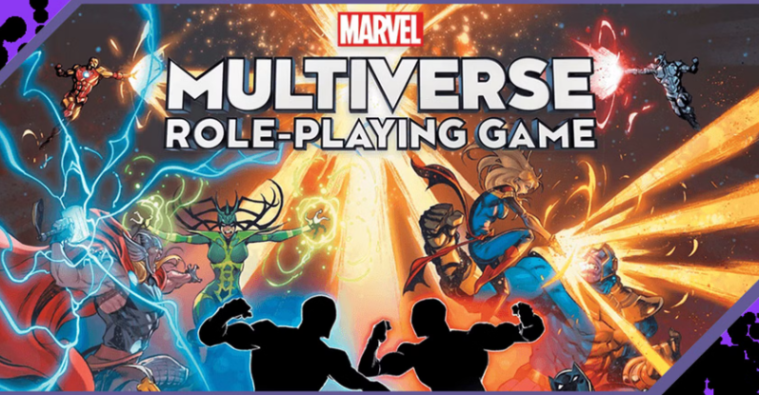
We played the Marvel Multiverse Role-Playing Game during the May Aftershock event. It went well, well enough for me to consider writing a simple module (for beginners). Hopefully, the module will be tested and ready by Comic-Con Nebraska in mid-August. I like there’s another purpose for my Marvel United minis. I’ve totally used them during this four-hour event. Four hours? Phew! The simple module I’m planning for Comic-Con Nebraska should last only two hours. If you’re in the neighborhood, stop by.

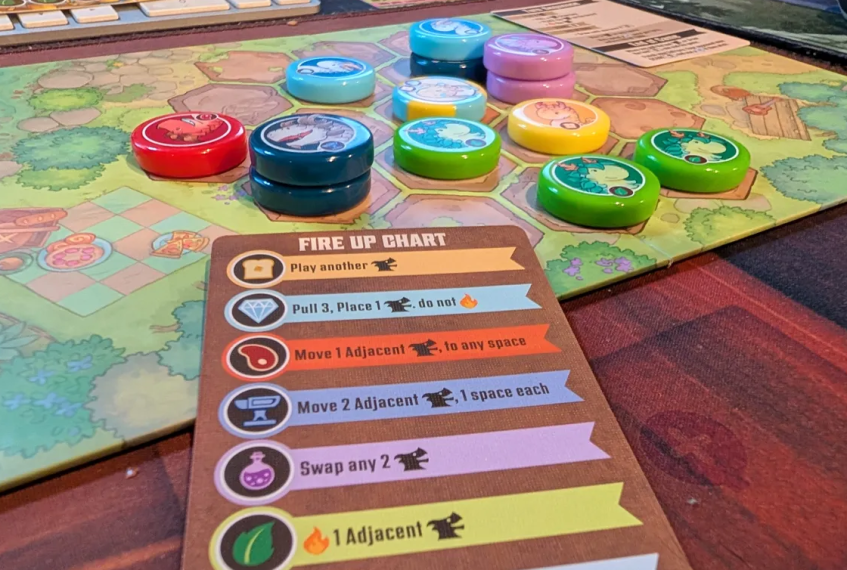
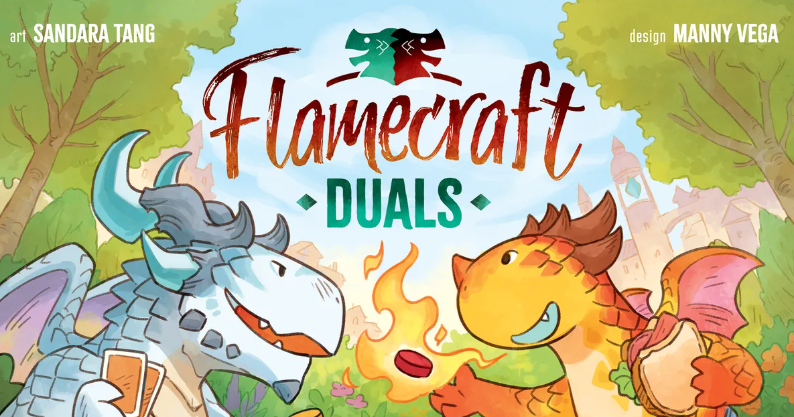
We’ve covered Flamecraft a handful of times in the past (here’s our review of the original Flamecraft). Flamecraft Duals is a completely different game, and somehow, it manages to capture the original’s charm and vibe. For the most part, the dragon abilities follow the original game’s abilities. Toast dragons allow players to play another dragon; potion dragons swap dragons. Where it makes sense for a dragon to have a similar power, Flamecraft Duals gives the dragon that power. I love how Flamecraft Duals’s quick setup and look. Whether you own the standard or deluxe version of the game, it looks amazing on the table. And I love tokens.

Flamecraft will always be one of my go-to starter games, but Flamecraft Duals is easier to get to the table, it doesn’t take as long to play, and the game plays more like an abstract puzzle than the sometimes cutthroat original. I’ve found myself playing a lot more Flamecraft Duals. I have no regrets.

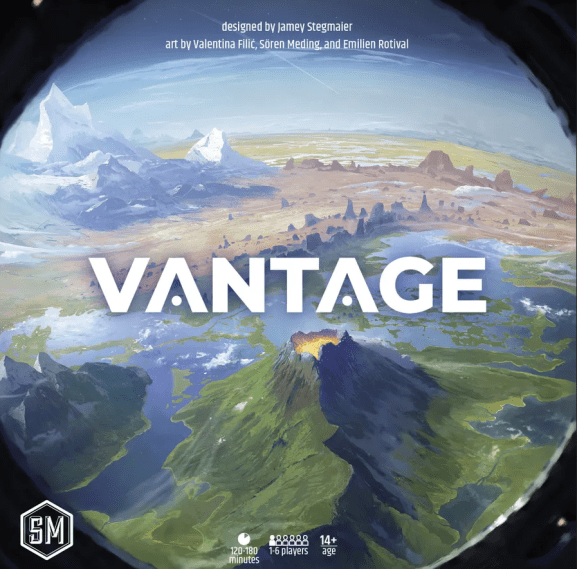
I’ve played a ton of solo Vantage. This board game may look ostentatious for a solo experience, but believe me, I prefer playing Vantage with fewer players. Vantage’s solo version plays no differently from the multiplayer version. This allows me to keep the rules fresh in my head for whenever I play the game with others. Speaking of playing Vantage with others, this board game reminded me of how much fun role-playing games can be. Players begin the game at various locations. They work together to accomplish a goal (mission). While I’ve heard the phrase “RPG in a box” to describe multiple board games in the past, Vantage may have come the closest.

During our multiplayer plays of Vantage, I served as the narrator, meaning I kept the box in order (something one player will need to do even if they decide to play), and I read all the storybook entries. Yes! Vantage has multiple storybooks for each action one can take at a Location card. Vantage can be fun. But I will advise that a smaller player counter is best. Turns can last three to five minutes. That’s not too long for a three-to-four player game, but if Vantage sees a max player count of six, players could wait a good twenty minutes or more for their turns. Every gamer at the table must be engaged in the story, and it doesn’t hurt if the players at the table love playing tabletop RPGs.

Kyra’s Video Games

I mentioned playing Balatro during October 2025’s Whatcha Playing. I’ve played the game on and off for the past several months, and just finished a run this past month. Woo hoo! Better late than never. Balatro is an excellent roguelite card battler. It takes a while to find the right combination of deck, joker, and chip abilities to finish a run. That or I’m just bad at the game. Balatro may have too many variables for winning to be a frequent occurrence. That makes finally winning a Balatro run all the more satisfying. I may not log onto the game for a while. Gotta soak in the winning vibes.

Honkai Star Rail Update

Honestly, I haven’t played too many video games this past month. I’ve been keeping up with my dailies in Honkai: Starrail and Apex Legends, but outside of that, I’ve been playing predominantly board games. Perhaps Skye has some cool video games they’ve been playing.

Skye’s Board Game

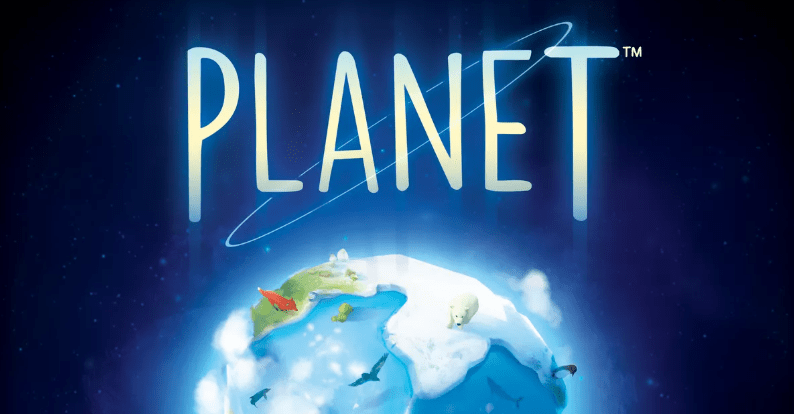
In Planet, players create a planet of their own that meets certain biome criteria to earn points, claim species, and ultimately win. While it’s a simple concept, it works especially well when paired with its tactile “game board,” which is a dodecahedron you place biome tiles. The biggest joy of Planet for me was the interactive game pieces, but I’ll admit that they weren’t perfect. Sometimes the tiles could slip off the planet’s faces if nudged incorrectly, which could be frustrating at times, but I suppose that is expected when creating a game like this. Overall, I’d say Planet was a calm and enjoyable experience.

On Tour Tabletop Game

On Tour is another simplistic concept with straightforward mechanics made into a fun yet devastating experience. How it works is that you’re a band going on tour either in the United States or Europe (in the base game). You write numbers on your board by rolling two d10’s to create a route, which you follow by counting from the smallest numbered location to the highest numbered location you can. In the end, you’ll hopefully end up with a long continuous route that gets you a lot of points, but it never works out for me. I’mma be real, I suck at On Tour. At this point, part of the fun for me is finding out new ways I’m going to screw myself over with my terrible sense of foresight.

Cascadia Board Game Cover

Similar to Planet, Cascadia is a game that focuses on building ecosystems for the sake of earning points. The main difference is that Cascadia places a larger emphasis on biodiversity. While you can still earn points in Cascadia by manipulating your biomes well, you primarily earn points by picking the best animals to place on which biome tiles. Not to mention, each animal in Cascadia earns you points in its own unique way. When I played Cascadia last, I merely played the base game, but there are several expansions and alternative play methods which can really spice up the experience for seasoned players.

Hey, hey! Kyra Kyle here again. That’s all our writers have for what they’ve been playing over the past month. Let us know what you’ve been playing in the comments. Thank you for reading, and wherever you are, I hope you’re having a great day.
Whatcha Playing, Geekly: October 2025

Happy Wednesday, Geekly Gang! Today, our writers share the games they’ve been playing over the last month. Feel free to share what you’ve been playing, because we’re all part of the Geekly Gang. I’ll get things started.

Kyra’s Games

Kyra’s Video Games

Slime Rancher 2 received a full release this past week, so I’ve returned to Rainbow Island. First, I’m overjoyed with the return of drones. This must be a relatively new addition to Slime Rancher 2. While I appreciate the ability to quickly accrue more drones in the original Slime Rancher, even the smaller number of drones makes managing your ranch a lot easier. I started a new game and refuse to build up a second or third location (even though I’ve purchased them) before I have enough resources to build another drone to help me manage my cutie slimes. Slime Rancher 2 is addictive.

Balatro is a fabulous rogue-like poker deck-building game akin to Slay of the Spire. It has all the trappings of an addictive game, and I sunk plenty of hours into Balatro this past month. In short, there’s a reason Balatro is one of the highest-rated games on Steam. But I do have one gripe. There may be too many options. Balatro shares this issue with Auto Chess. Balatro requires players to balance Planet cards (upgrading the point value for Poker hands), Joker cards (giving a constant point-value boost), and the cards in the deck. Certain combos require specific cards, and Balatro’s staggering number of options means you may never see the cards you need for a combo. Despite this minor issue, I love Balatro.

Speaking of Auto Chess, I’ve played plenty of Auto Chess over the past month, too. The issue I listed in my Balatro write-up rears its head here, but certain game modes (like Solo mode) in Auto Chess allow players to limit the type of units they will receive from the bank. Unfortunately, I don’t care for Solo mode. It’s too slow for my taste. Auto Chess has players buy units, upgrade those units by purchasing three of the same unit, and combo units together with like species (like elves, dwarves, and undead) and classes (like Hunter, Warrior, and Mage). And this last feature introduces yet another issue: balance.

Not all combos are created equal. You can have up to 10 units (if you buy experience to increase your unit count) on the field at one time. Some of the synergies (combos) can be as high as 9 units of the same type. These 9-unit synergies can be overpowered, specifically undead (named Egersis in Auto Chess). A 9-unit undead synergy has an opponent’s dead units resurrect into zombies of the same level. This can double your unit count during battle. It’s unfair and unfun. I’ve played as Egersis, and it’s unfun to play with these unit types. Despite this added issue, Auto Chess is a lot of fun, so long as no one in the lobby plays Egersis. I love setting up my army, leaving for a while to do something else, and then managing my team in between rounds. Heck, I’ll read while my units take care of business.

Kyra’s Board Games

Skye’s going to mention Raccoon Tycoon in her write-up; I’ll let her go into more detail about the game. I love Raccoon Tycoon’s variable market, dual-purpose cards, and auction system. Each card a player uses will increase a resource’s value (or resources’ values) and allow the player to produce resources. Whenever a player sells a resource, they do so at the resource’s current value, and then the player lowers the resource’s value by the amount of those resources sold. And the auction system is simple but great. You can drive up the price of a railroad your opponent wants, but if you raise the price too much, you may get stuck with the railroad. Raccoon Tycoon is a ton of fun.

I’ll be running Raccoon Tycoon and Flamecraft for a charity event during Nuke-Con in two days, so I played both to remind myself how to play so I can teach each game. If you’re in the Omaha area this weekend, feel free to stop by my table. Anyway, Flamecraft is a game Season will mention in her write-up this week, but I’m including it. It’s a great gateway game. Flamecraft features enough common game mechanisms in modern board gaming, while introducing them in a lighthearted, easy-to-understand manner. And the art is adorable. Who doesn’t want to make artisanal crafts with cute dragons?

And yes, I will be playtesting and demoing my prototypes at Nuke-Con as well. Rustbucket Riots and Whirligig Pets are on the official schedule, but I’ll bring a few other board and card games I’m working on. If you’re going to Nuke-Con, make sure you stop by the Extra Life tables and say hi. We’ll have badge ribbons and prizes.

That’s all I have for the games I’ve played this past month. Let’s see what Skye has been playing.

Skye’s Games

Skye’s Board Games

Who wants to be an entrepreneur, trash panda? I do. Now you can live out your dream with your friends and family in Racoon Tycoon. I played Racoon Tycoon for the first time and really enjoyed it. The straightforward mechanics, simple gameplay and charming theme make Racoon Tycoon a game that I’d happily return to. Like most games I play for the first time, I sucked, but that doesn’t matter. I may have lost the battle, but the animal economy war has only just begun. Walrus St. isn’t ready for this determined ring-tailed faux cat.

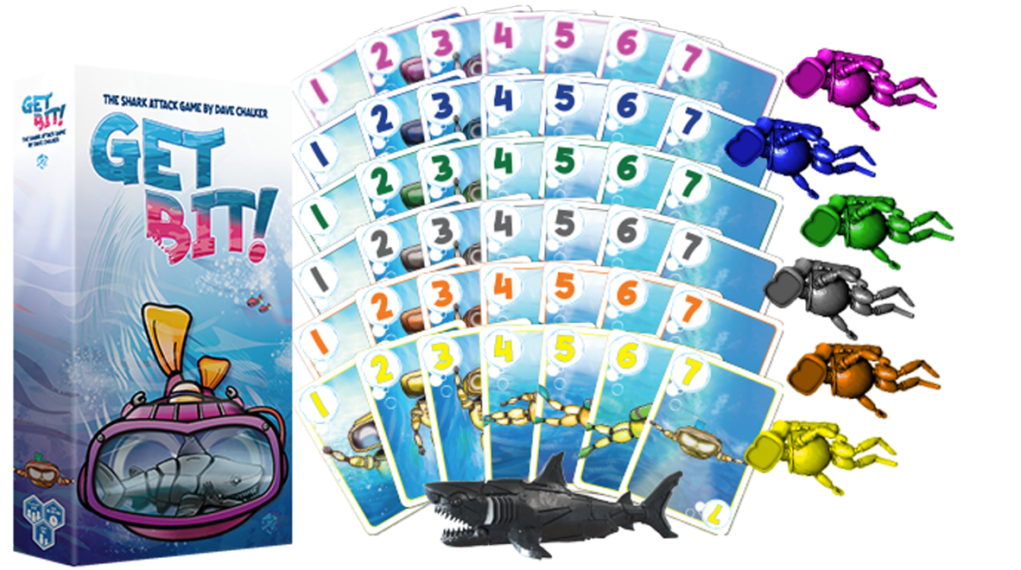
Ah, the wonders of being eaten by a shark. That’s Get Bit’s scenario. Get Bit is easy enough to understand. Don’t get eaten, and you win. The gameplay itself is different than what I was expecting. The goal is to stay as far away from the shark as possible (duh), but you accomplish this by playing cards that are numbered 1 through 7. The person who played the lowest card gets to move the farthest away first, followed by the next lowest card, and so on. Get Bit is a bit odd, but there are fair amounts of strategy and luck involved to keep you on the edge of your seat. Just make sure you sort out your least-favorite limbs ahead of time.

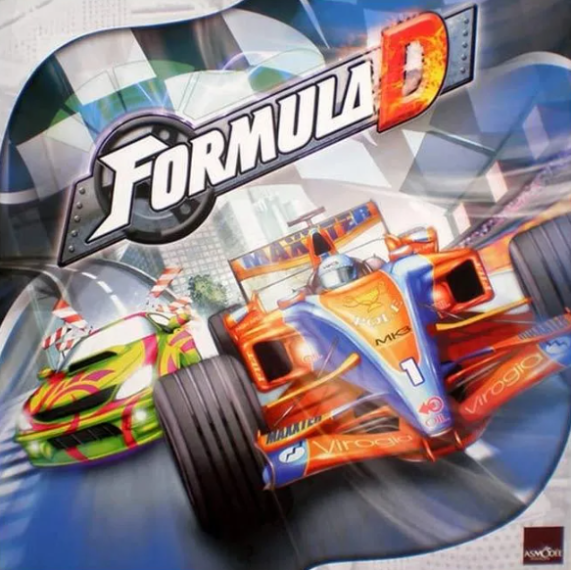
This month was the most fun I’ve had with Formula D in a while. We played Formula D with a large group of people, and it was a completely different experience. When I’ve played Formula D in the past, I’ve only played with 2 or 3 other people at most. With 8 players, we were cracking jokes, being ridiculous, and generally having a good time. The only downside was that the game took much longer than usual because of the number of players. I was so into Formula D, my car and I went to sleep with the fish. It was relaxing.

Skye’s Video Game

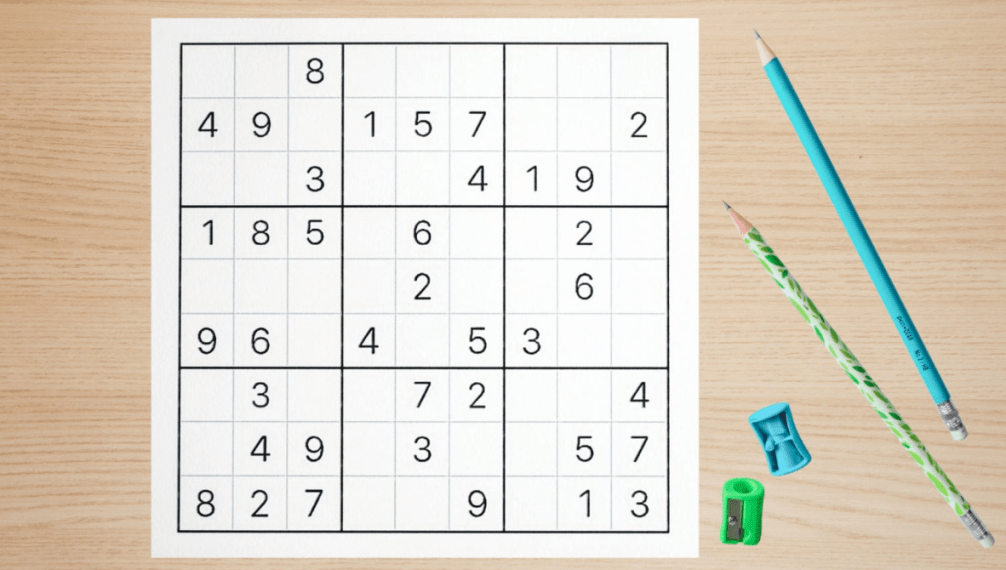
Speaking of relaxing, Sudoku never fails to make me chill out and vibe. I don’t always play Sudoku regularly; I came across a puzzle in my local library that I’ve felt compelled to play online puzzles again. Sometimes I’ll get the urge to test my brain power, and Sudoku has been my go-to. Honestly, there isn’t much to say about it. It’s Sudoku. Y’all know what I mean.

Season’s Games

season’s board games

Of course, I’m mentioning Flamecraft. I won’t go into too much detail, so here’s a quick overview. Your goal is to fill shops with dragons who produce resources. You use the resources to create enchantments and gain reputation. Many different dragon effects affect your score, and the game ends when you’ve run out of dragons. I’d forgotten how much I enjoyed this game until it hit the table last Monday.

I’m a certified dragon lover, and the small dragons in Flamecraft are adorable. ‘Nuff said.

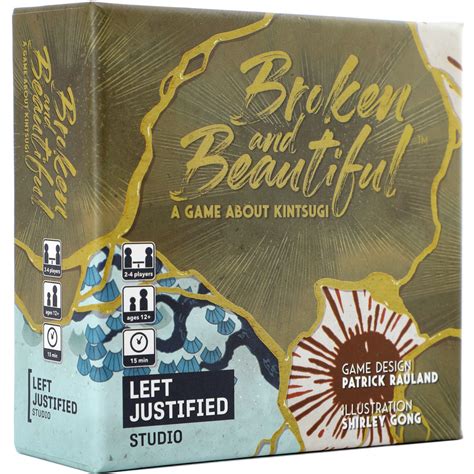
Broken and Beautiful is a set collection game. However, it has a unique way of increasing your score–if you play it correctly. Broken and Beautiful’s theme is based on kintsugi, a Japanese art form of repairing broken pottery with lacquer mixed with gold, silver, or platinum. It makes the object useful again while highlighting its imperfections to celebrate them. In Broken and Beautiful, players draft cards from a tableau using the snake draft method (starting with the first player and reversing player order after the last player). They try to collect sets of pottery based on type (sometimes pattern). The remaining card that doesn’t get drafted and the card on the top of the deck dictate which types of pottery break at the end of the round. Players can spend gold to fix their broken pottery and generate more points.

Normally, I’m not a huge fan of card drafting set collection games since I rarely feel the theme of the game. As in, if I play Sushi Go!, I don’t feel like I’m making a plate of sushi. In Broken and Beautiful, the theme of kintsugi is more evident to me. I also enjoyed the extra layer of strategy in Broken and Beautiful.

season’s video games

I’ve been playing a lot of Cell to Singularity on my phone. I love learning, and I enjoy idle games. That’s exactly what Cell to Singularity is. You start with discovering amino acids and work your way through evolution. The premise revolves around the game being a simulation of evolution, so some what-ifs about evolution crop up the further you progress. There are also offshoot simulations. The two permanent ones are Mesozoic Valley (dinosaurs) and Beyond (outer space). Every few days, limited simulations are available to play, too. I’ve just finished learning way more about mushrooms than I ever planned to learn. Worth it.

I go in and out of playing Ark: Survival Evolved. No. I don’t have Ark: Survival Ascended. I don’t think my PC can run it. Eh-heh. I enjoy taming my favorite creatures and building different bases every time I play. I have a few mods to spice things up. There are many fun, player-made maps to play on, and unique creatures, too. There are also mods that improve quality-of-life and let players build things that aren’t part of vanilla Ark: Survival Evolved. There’s no better feeling in Ark: Survival Evolved than starting a new game and seeing what happens.

Don’t forget to swing by Nuke-Con this weekend at the Mid-America Center in Council Bluffs, IA, and visit Kyra at the Extra Life booth. They’d love to meet you. What are you playing this week, Geekly Gang? Let us know in the comments.