Top 5 Supergirl Villains

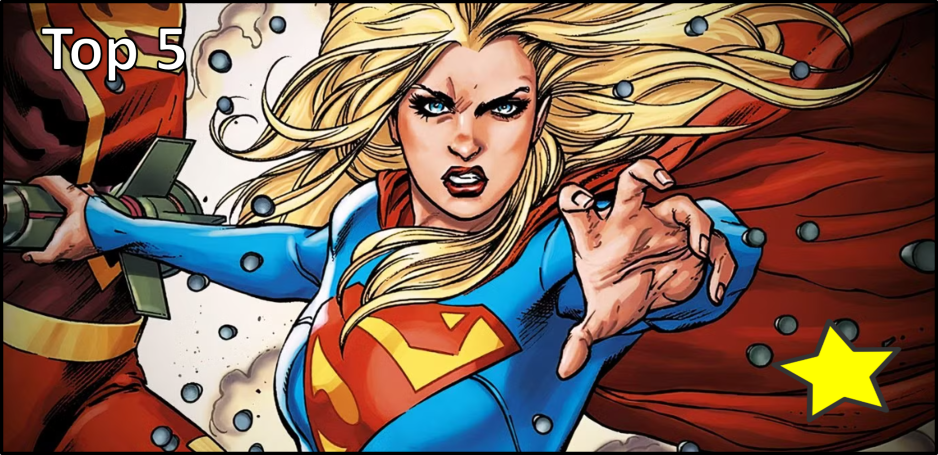
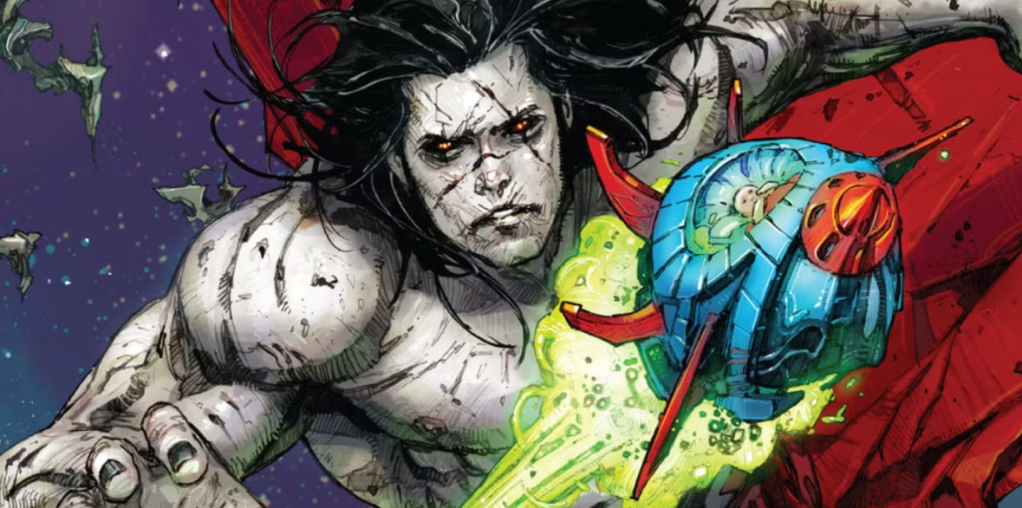
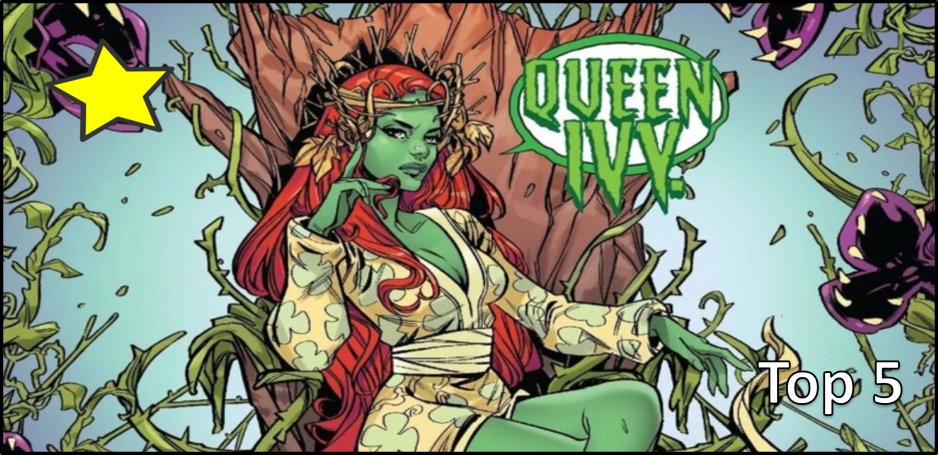
Hey, hey, Geekly Gang! Kyra Kyle here, and I’m getting excited for the upcoming Supergirl film. How about you? Let’s get ready for the DCU’s next entry at the end of the month, shall we? We know Lobo will feature in the movie. Supergirl and Lobo cross paths often enough, but I wouldn’t consider Lobo a Supergirl villain. Who are Supergirl’s top villains? Kara Zor-El and Kal-El share a lot of enemies. We’ll do our best to avoid a Top 5 Supergirl Villain list that looks too much like a Top 5 Superman Villain list. Besides, Geekly already did a list for Superman.So, who made the list of Top 5 Supergirl Villains?

Honorable Mention: Anti-Monitor

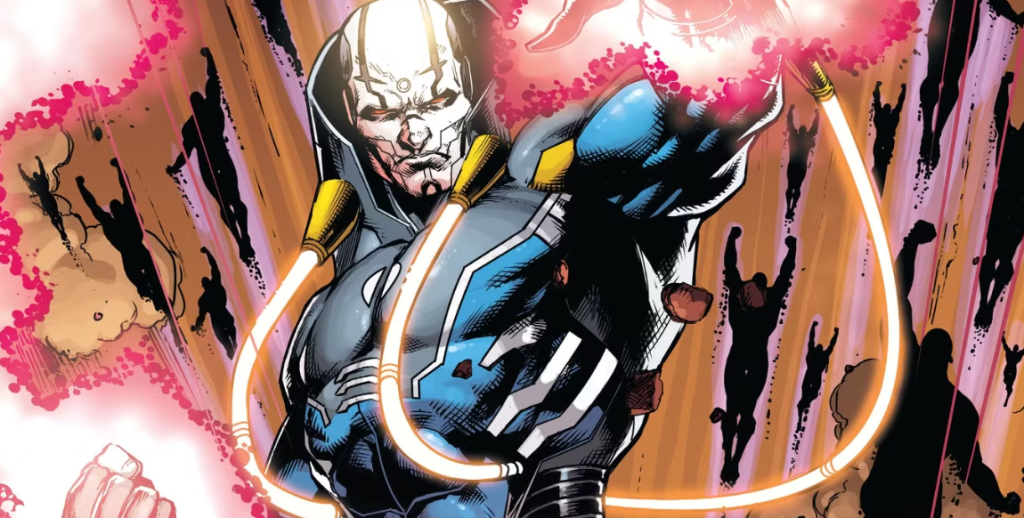
Anti-Monitor made his debut during the DC Comics Crossover Event, “Crisis on Infinite Earths.” Famously, Superman held a deceased Supergirl in his arms. DC Comics made it clear that no character was safe. Heck, Supergirl would stay dead and buried for a couple of decades. No one ever stays dead for long in comics, but Supergirl was one of the ones that stuck around longer than fans expected. And yet, Anti-Monitor doesn’t quite make this list. We’re using the same logic as the Top 5 Superman Villains list. Darkseid took a lower spot on Supes’s list because he’s more of a universal threat. Anti-Monitor is that and then some. And while Doomsday went on to become a thorn in Superman’s side decades after Superman’s death, Supergirl has seldom encountered Anti-Monitor. He still gets a mention. How could he not? Even though he seldom graces the pages of Supergirl comics, Anti-Monitor was at the heart of one of DC Comics’–and Supergirl’s–iconic moments.

5: Reign

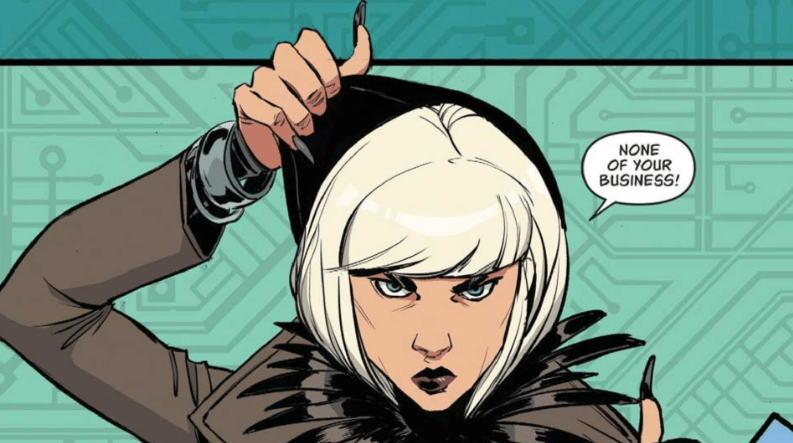
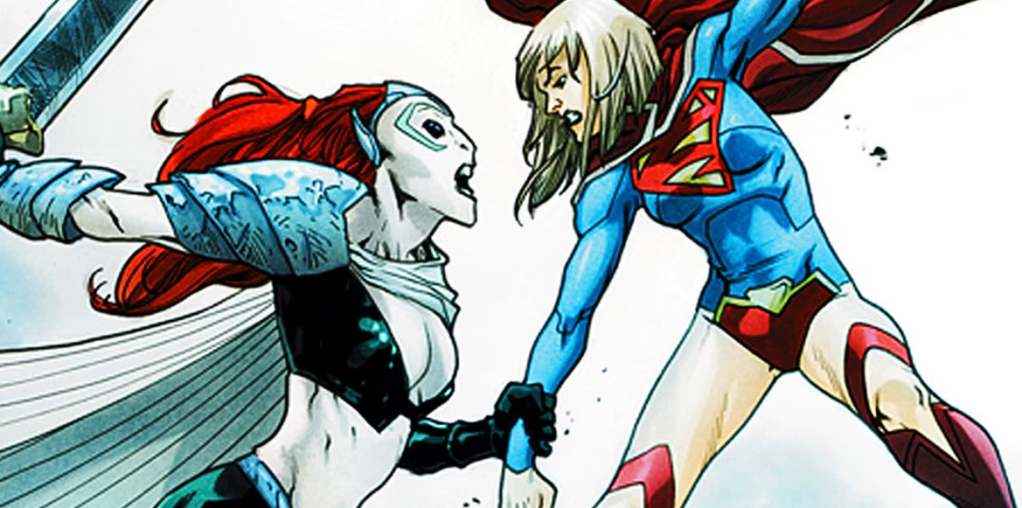
Reign only knows her name, the fact that she’s a Worldkiller, has incredible combat skills (especially swords), and Krypton has something to do with her past. This is a good set-up. Reign holds Kryptonians–and Supergirl in particular–in contempt. Reign may be one of the newer villains on this list, but she plays well against Kara Zor-El. The two have clashed a handful of times over the past decade and a half after Reign’s introduction. Reign made such an impression that she featured on the Supergirl CW show. Is it a matter of time before we see Reign on the big screen?

4: Bizarro Girl

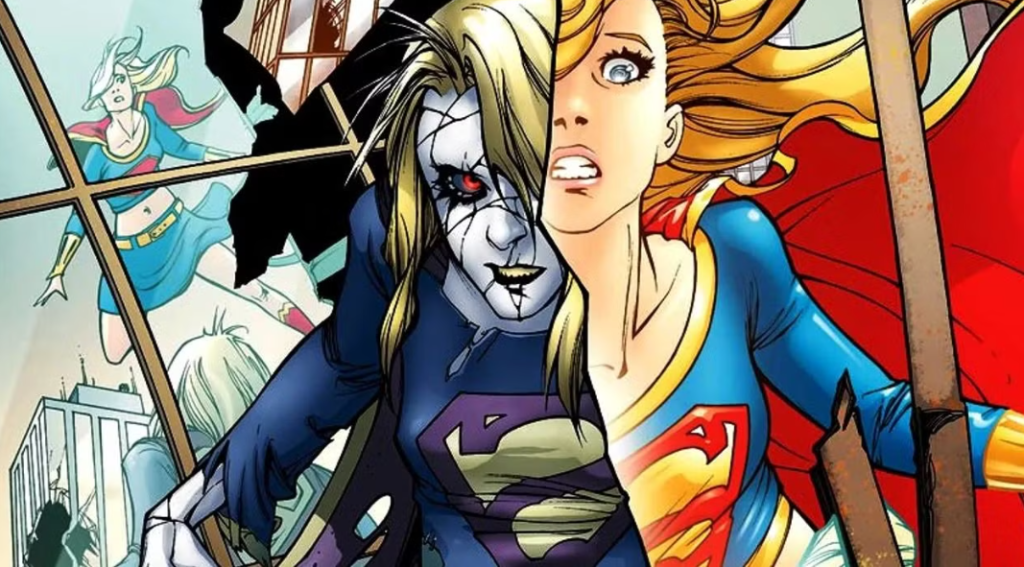
Bizarro didn’t quite make our Superman’s Top 5 Villain List, but that was largely because he was the opposite of Superman. Supergirl has a Bizarro version, too. But Bizarro Girl differs from the original Bizarro. Bizarro Girl is a reflection of Kara Zor-El. I hope to see Bizarro Girl in the upcoming Supergirl movie–she works well in stories about self-acceptance–but I’m also okay waiting. Supergirl suffers from the loss of Krypton. Unlike her cousin, Supergirl witnessed Krypton’s downfall. Similarly, Bizarro Girl wasn’t present when the Godship (insectoid world-eaters) attacked Bizarro World. With her people believing she abandoned them, Bizarro Girl went into isolation. Her journey mirrors Supergirl’s. And it’s always fun to have some Bizarro comedy thrown in for good measure.

3: Silver Banshee

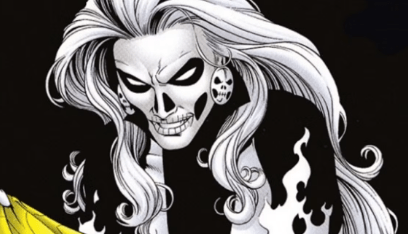
I knew Silver Banshee would make this list but had no idea where she fits. Three. The middle? Does that sound good? Silver Banshee has a couple of things going against her on this list: she started as a Superman villain, and she often flips sides and fights alongside Supergirl. Despite beginning as a Superman villain, Silver Banshee quickly became an iconic Supergirl villain. And even though she may be picking up Kara Zor-El’s laundry at the moment (Is Silver Banshee still a friendly?), she’s had several iconic fights against Supergirl in the past. One can’t tell Supergirl’s story without Silver Banshee, but she just misses out on the top two spots because she goes the way of Catwoman. Is she friend or foe? Who knows. But Silver Banshee is a classic Supergirl character.

2: H’el

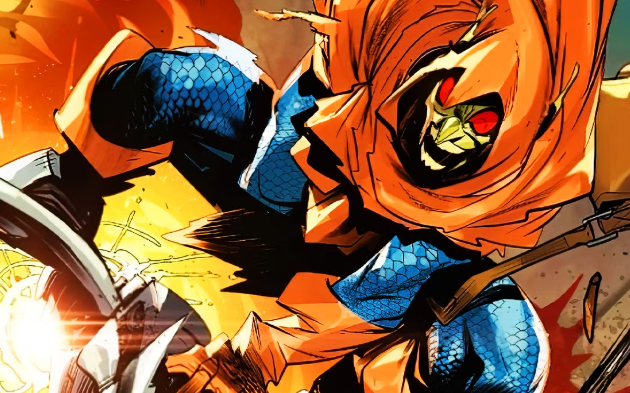
While H’el could work–and occasionally serves–as a Superman villain, he works best as a Supergirl villain. This Kryptonian clone wants to reconstitute Krypton at Earth’s expense. We’ve seen this storyline work with Superman and General Zod, but H’el’s relationship with Kara Zor-El works even better. Superman views Earth as home. Supergirl still views Krypton as home. H’el’s pitch of a New Krypton tempts Supergirl into betraying her adoptive homeland. It also doesn’t hurt that Supergirl’s first encounter with H’el was him rescuing her. The two have a bond, and Supergirl can’t fully see him as a villain, which makes H’el that much more of an effective Supergirl villain. H’el’s like a toxic boyfriend. Supergirl defends him while he’s ripping the Superman family a new one. Eventually, H’el finds that one line Supergirl can’t ignore, and she springs into action.

1: Reactron

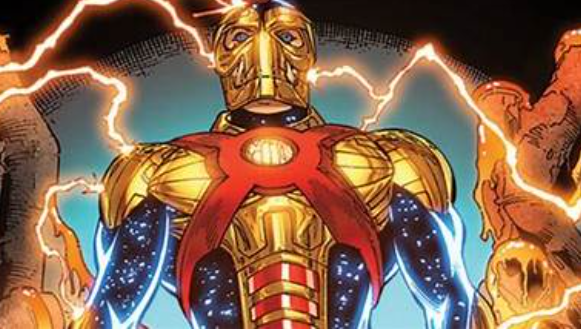
Reactron controls radiation. That makes him a formidable foe. But Reactron can manipulate radiation in any form, including kryptonite. That makes Reactron deadly to Supergirl. In fact, when Supergirl got hit with Scarecrow’s fear toxin, Reactron was who she saw. I don’t think we need more of a case for Reactron being atop a top Supergirl villains list than that, but let’s continue. Unlike some other villains on this list, Reactron was created to be a Supergirl villain. He destroyed New Krypton and kidnapped Kara Zor-El’s mother. Oh, and he killed Kara’s father, Zor-El. No wonder Reactron haunts Supergirl’s nightmares.

I can’t wait to see who the DCU casts as Reactron and how the film series plans to use him. Looking through this list of villains, Supergirl’s rogues are varied. The DCU has a blank canvas for this character. Supergirl has plenty of source material. I can’t wait to see some engaging Supergirl stories. If I had to guess, Supergirl won’t include Reactron. Maybe, he’ll get a mention. Reactron demands plenty of screen time.

That’s our list for the Top 5 Supergirl Villains. Who would you add or take away? Would you shuffle the order? Let us know in the comments. Thank you for reading, and wherever you are, I hope you’re having a great day.

Top 5 Tabletop Games from 2001

Hey, hey, Geekly Gang! Kyra Kyle here with another Top 5 Tabletop Game List throughout the years. 2001 is the year in board games we’re covering today. While 2001 saw a lot of great games, I don’t see as many of them played as much today. And yet, 2001 in board games set industry standards and even introduced one of the most interesting game mechanisms. We’ll get to the games in a bit, but first, let’s review our list’s criteria.

1: Cultural relevance plays as much of a factor as overall quality. A game might make a list that doesn’t hold up to others of its type, but you must admit the game is everywhere.

2: Only one game from a franchise makes the list. This will become more of an issue the closer we get to games with expansions.

3: Longevity plays a role, too. A game doesn’t have to fly off the shelves today, but it had to have some widespread appeal for a decent time.

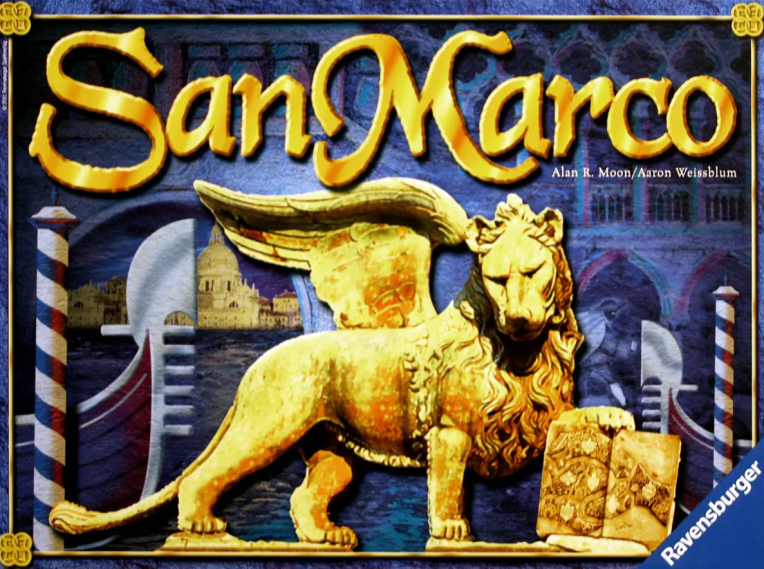
Honorable Mention: San Marco (2001)

Alan R. Moon almost makes one of these lists again—he won’t need to wait long for another entry—and while San Marco helped popularize area control and card drafting as game mechanisms, it’s since been overshadowed. San Marco won a handful of awards, but it just missed out on our list.

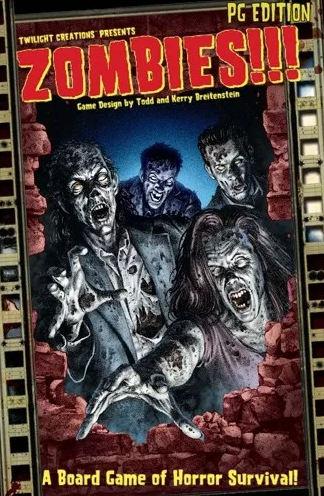
5: Zombies!!! (2001)

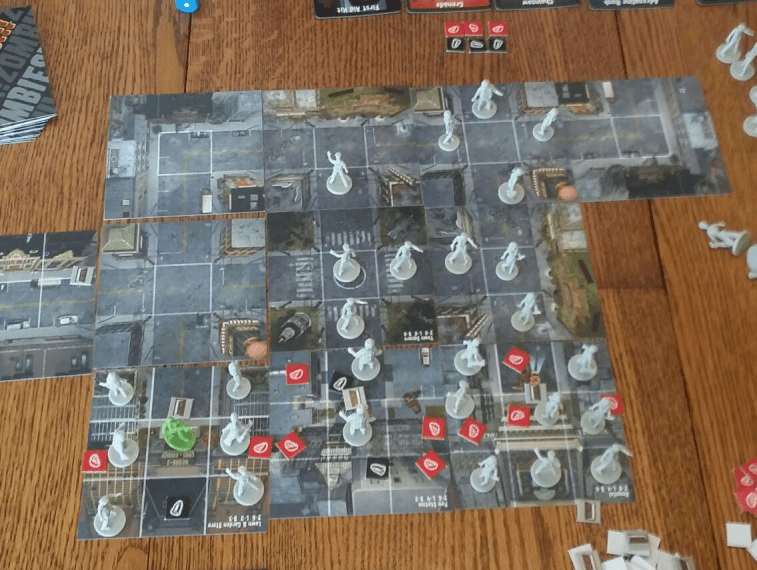
We begin 2001’s Top 5 Board List with Zombies!!!. This design by Todd Breitenstein still has its defenders today, but many Zombies!!! Fans have moved on to another game that will most likely make one of these lists: Zombiecide or Dead of Winter. You can’t deny Zombies!!!’s influence on the board game industry. It proved a miniature or standee-heavy game could make bank, solidified zombies as a board game theme (Zombies!!! was one of the first zombie games), and its use of tiles as terrain has been duplicated for decades.

Zombies!!! cornered the market for zombie board games for well over a decade. It shocked me that no other board game attempted to claim Zombies!!! throne until 2012.

4: Serengeti (2001)

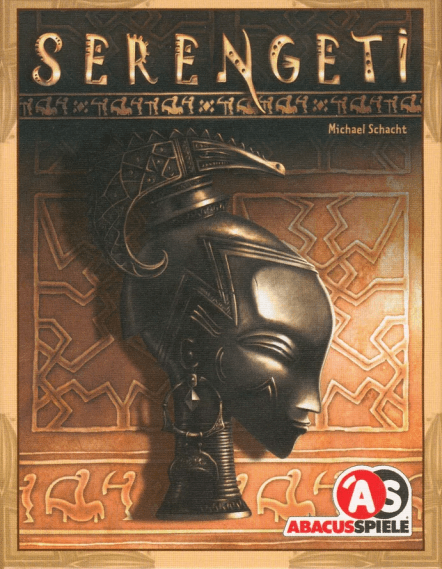
Serengeti has the opposite problem of Zombies!!!. While Zombies!!! makes this list for its cultural relevance and lacks a standout game mechanism, Serengeti offers a fantastic twist for an auction and payout mechanism and often gets forgotten, in part, because it got rethemed as Don (a gangster game). Both games made the list, but just barely.

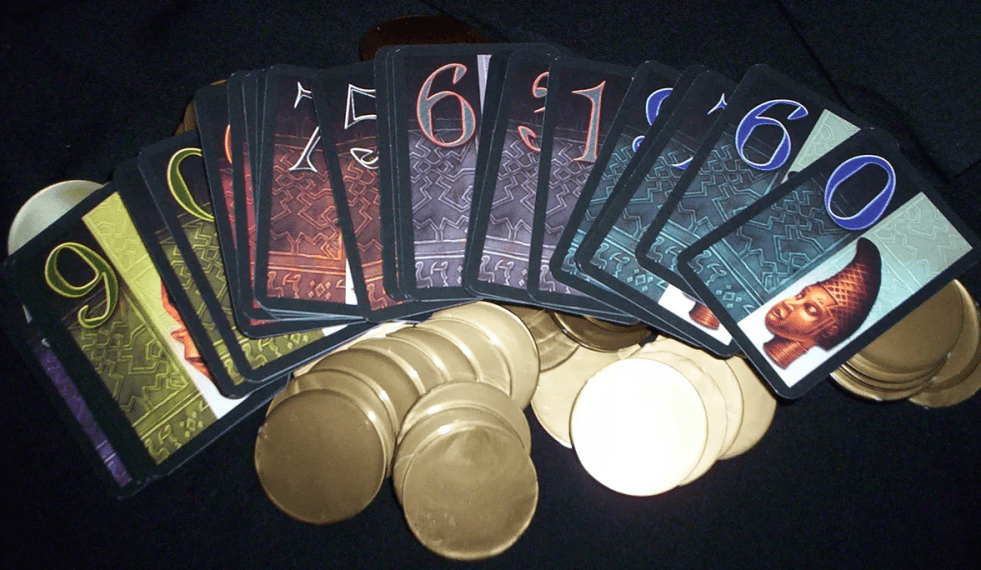
Players bid for African art (sensitivity may be the reason the game got rethemed) with the local currency “Hongo.” Players may not bid a number whose “ones” digit matches the number on any card they previously won. The payout mechanism is that players owning a card whose number matches the “one” digit gain a share of the bid. Serengeti has this nice push-pull of wanting to acquire lots, but it matters when you obtain the lot, because you stand to gain a kickback every time someone else gains a similar lot. It’s no wonder Serengeti won several awards as the best card game of 2001.

3: Evo (2001)

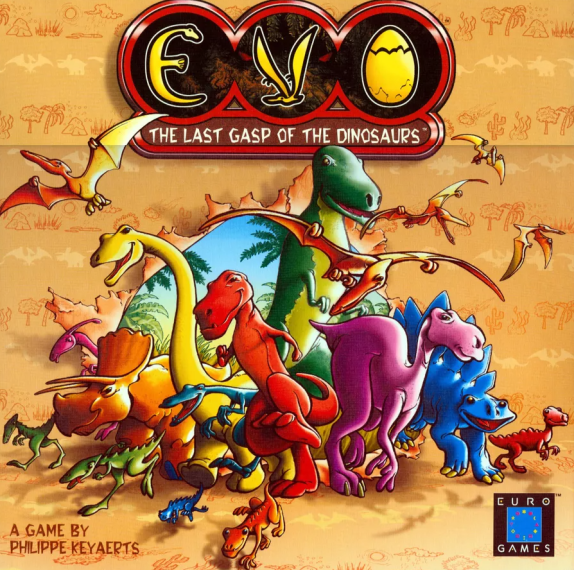
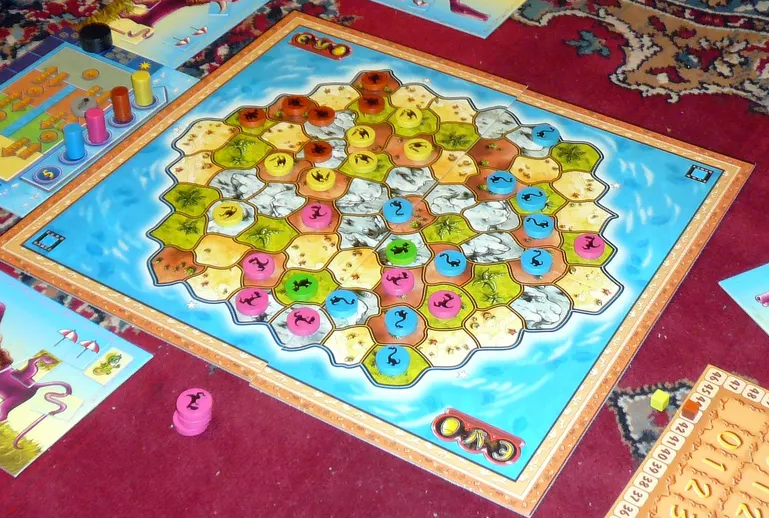
I struggled figuring out where I should place the next three games. You could invert the rankings of all three of the next three games, and I’d agree with you. Regardless, I had to put these games in some order, and we begin with Evo. You control the survival and evolution of dinosaur species named Dinos. Guide their migrations, perfect genes to develop and mutate your Dinos, and push out other creatures to become the “dominant species.”

Another board game would be released over a decade later, Dominant Species, which owes a lot to Evo. But Evo is more streamlined than Dominant Species. I’ve heard people talk about Evo, and that’s another vote for it to climb higher on this list. Evo was nominated for a lot of awards, won a couple, and is highly regarded. Why didn’t it land higher on this list?

2: Zendo (2001)

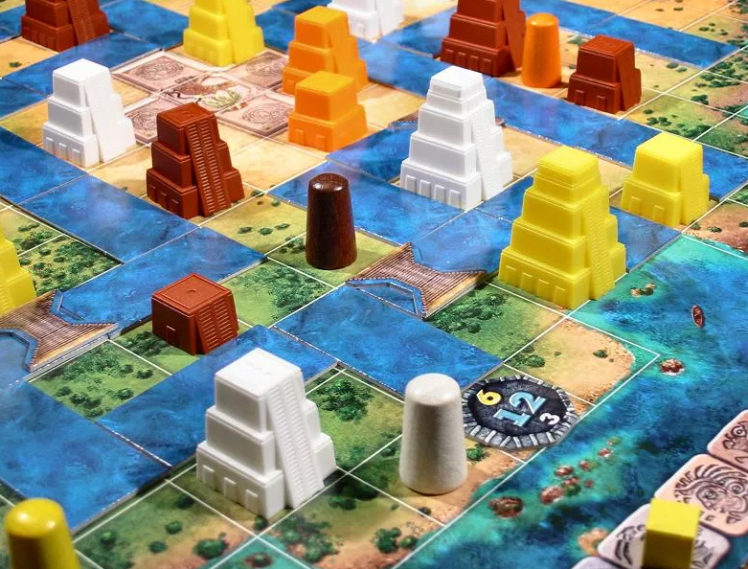
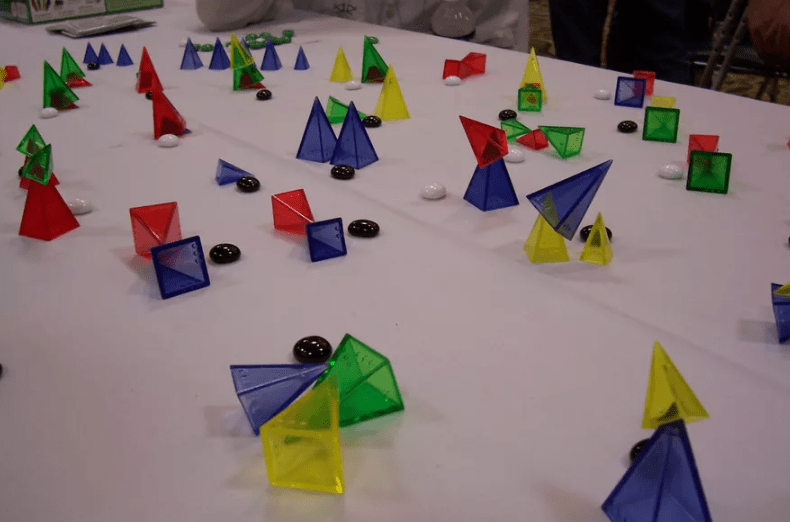
Zendo has the innovative game mechanism I mentioned at the beginning. Zendo is a game of inductive logic where one player, the Moderator, creates a secret rule (like a structure must consist of at least two pyramids) that the rest of the players figure out by building and studying configurations of the game pieces. The first player to correctly guess the hidden rule wins.

Zendo uses Looney Pyramids and was originally released as part of a group of games that could be played with Looney Pyramids in 2001. Zendo was later released as a standalone game in July 2003 and promptly won multiple awards, including the 2005 Mensa Select. Zendo makes its players think creatively. Its bizarre game components make it stand out.

1: TransAmerica (2001)

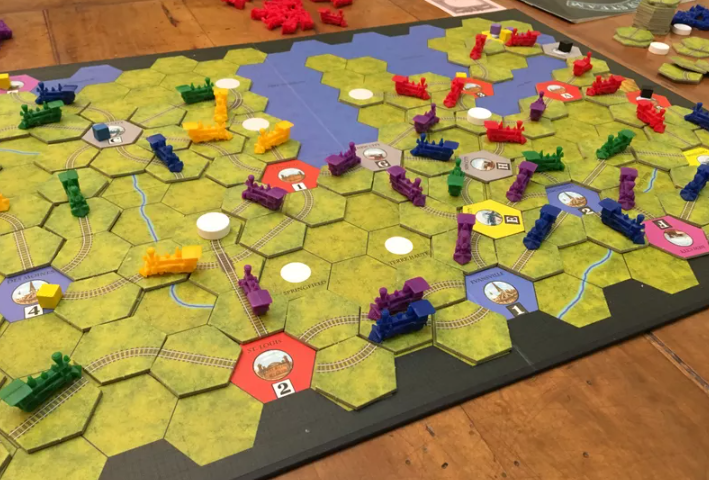
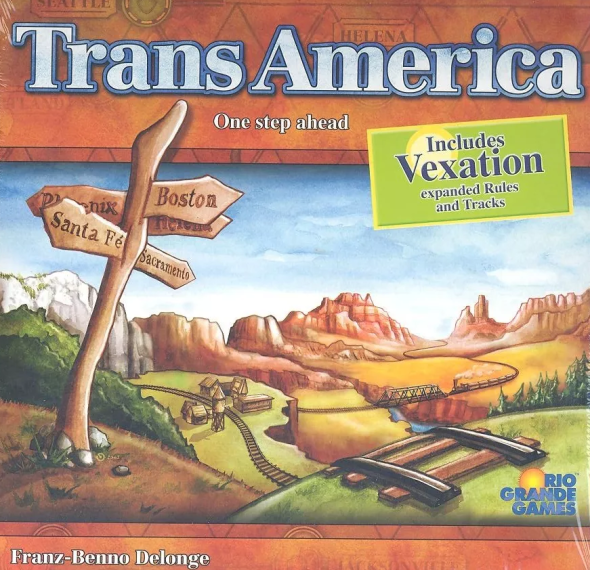
TransAmerica is yet another board game on this list to win multiple awards. TransAmerica was even nominated for the 2002 Spiel des Jahres (German game of the Year)—I still don’t yet know how the Spiel des Jahres committee determines when a game is eligible—and just barely missed. Like Zendo, TransAmerica earned the 2003 Mensa Select. But TransAmerica takes the top spot on this list because it combines accolades with cultural relevance. Train games were nothing new, but TransAmerica streamlined train board game mechanisms. Something we’ll see with a future number one game.

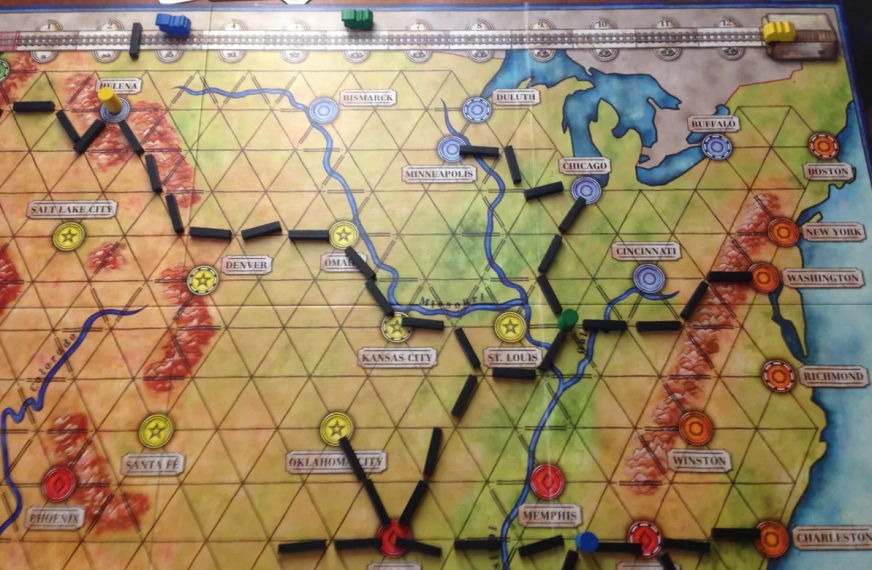
Each player has a set of five cities strung across the United States that need to be connected by rail. Players begin by placing their station on an intersection on the map, then take turns placing one or two rails each turn on the lines of the map. Initially, players can only be adjacent to their station or on a line that touches their station, but once one’s network connects with another player’s, one can place their rails anywhere along the combined network. I love how TransAmerica rewards players who know when to connect their networks with another player’s. Can you take advantage of others’ rails more than they can benefit from yours? TransAmerica boasts a short play time, perfect for players new to the hobby.

Did we get the list mostly correct? Let us know which games you’d add in the comments. Thank you for reading, and wherever you are, I hope you’re having a great day.

5 Great Approachable War Board Games

We wish you a meaningful Memorial Day, Geekly Gang. Hey, hey, Kyra Kyle here. We’re recognizing the holiday today with five great, approachable war board games.

There are a lot of caveats in this post’s title. First, board games set in wartime tend to have steep learning curves. The Campaign for North Africa: The Desert War 1940-43 holds the Guinness World Record for the most complicated board game in history–and the longest rulebook. We’re going with “approachable,” meaning easy to learn. True wargamers may scoff at that. Second, we’re not calling this list a Top 5, because wargame enthusiasts tend not to stop at the game table with fighting wars. Don’t hurt us. And then I set numerous guidelines that made compiling this list difficult.

I didn’t want any games set in the same conflict. Check. I wanted to limit myself to one game per series, so I couldn’t name every Commands & Colors game on this list. Spoiler: A game from the Commands & Colors series will make this list. Although I may have fudged that last guideline just a bit with the fifth and fourth entries. I also wanted to include board games that should still be in print. And I may have fudged that one, too. Drat! Anyway, I hope you enjoy this list of five great approachable war board games.

5) 878 Vikings: Invasions of England (2017)

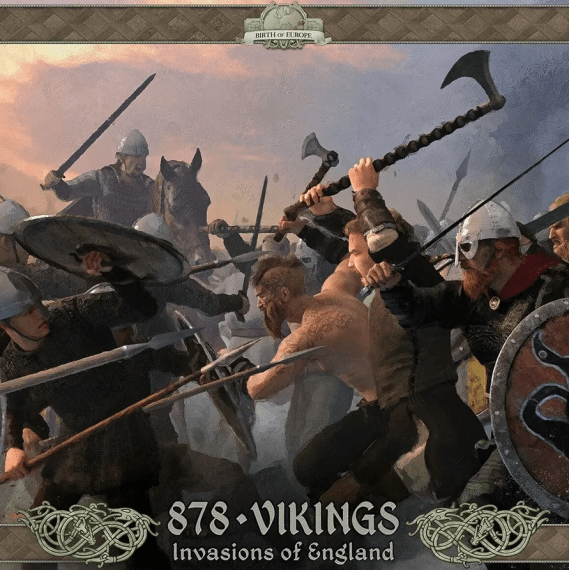
I love Academy Games’ use of asymmetric player powers in 878 Vikings: Invasions of England. The company has been a fave for my family ever since we played Freedom: The Underground Railroad, another must-play historical board game. In 878 Vikings: Invasions of England, players control the invading Vikings or the English nobles who are trying to withstand the invasion. Viking players either play as Norsemen Viking freeman or as the fearless Viking shock troops known as Berserkers. The English play as the Housecarl, the Kings’ household troops, or as the Thegns who were regional noble Leaders. The English players will also be able to call up the peasant levies, called the Fyrd, to defend their cities.

878 Vikings: Invasions of England is one of the newer games on this list, and it’s set the furthest in time. 878 is the year the game is set. It took me a few times before I stopped equating it to the 300 Spartans who defended the west from a massive Persian army. 878 Vikings: Invasions of England claims the fifth spot, in part, because it may be the most complex of the games on this list. Still, it’s a great play.

4) 1775: Rebellion (2013)

1775: Rebellion is another Academy Games title. I don’t believe it’s from the same series as 878 Vikings, but the two games have the same design team. Similar to 878 Vikings: Invasions of England, 1775: Rebellion features asymmetric play. In 1775: Rebellion, players take the roles of the American Continental Army and Patriots against the British Army and the Loyalists. Each side tries to control the colonies, provinces, and territories. They call on the aid of Native Americans, as well as the German Hessians and French Army to successfully birth a revolution or quell the rebellion.

My oldest daughter played 1775: Rebellion at Nuke-Con several years back, far closer to its original release, and won as the British Army. So, one can change history with this game. My daughter (a teenager at the time) gloated the entire convention. While not the lightest game on this list, 1775: Rebellion is a good jumping-off point if you’re trying to get into war board games.

3) Resist! (2022)

We go from one of the oldest games on this list to the newest game, Resist!. I love Salt & Pepper Games’ stable of titles. This is one of the up-and-coming board game publishers. Salt & Pepper Games produces fantastic small games. In fact, they can put a lot of game into a small package. Resist! is no different.

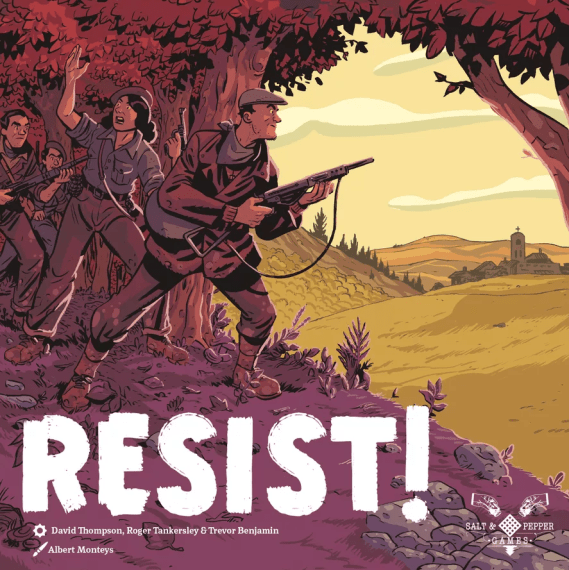
Resist! is a fast-playing, card-driven solitaire game in which you take on the role of the Spanish Maquis, fighting against the Francoist regime. Over a series of rounds, you undertake increasingly difficult missions, and completing missions earns you the points needed to win. Failing to defeat missions and enemies may cause you to lose. At the end of each round, you must choose whether to end the resistance or risk it and take on another mission. I don’t know too many board games set in the Spanish Civil War. Resist! is a great experience.

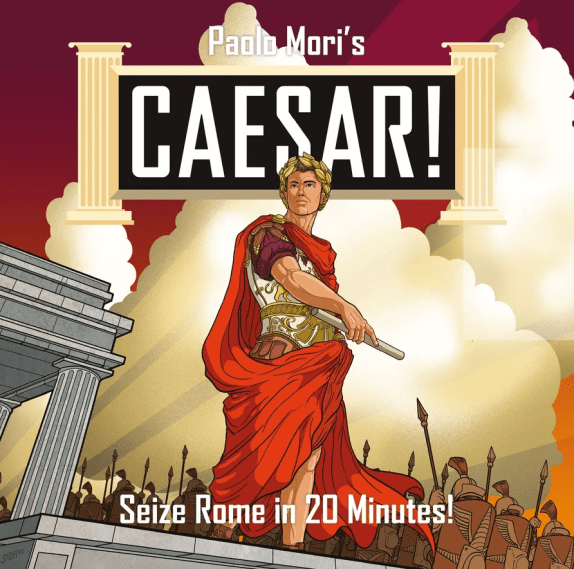
2) Caesar!: Seize Rome in 20 Minutes! (2021)

I recently played Rise of Augustus by Paolo Mori, and it was fun. Turns out, Paolo Mori has an entire line of fill-in-the-blank military conflict in 20 minutes. And it’s that subtitle “In 20 Minutes” that secured this game’s place on this list. Caesar!: Seize Rome in 20 Minutes! plays in–shock of shocks–20 minutes. That’s unheard of in most war board games, but somehow Mori pulls it off.

In Caesar!: Seize Rome in 20 Minutes!, players draw tokens from a bag to determine their starting forces and to replenish their losses. Players allocate their resources to each province, gaining tactical advantages and vying for control of the republic. And did I mention this game is lightning fast? I did. Well, what if I told you Mori has multiple games in this line? I did. If you like Caesar!: Seize Rome in 20 Minutes!, you should try Blitzkrieg!: World War Two in 20 Minutes!. Blitzkrieg! didn’t make the list because of our next entry also uses a World War Two theme.

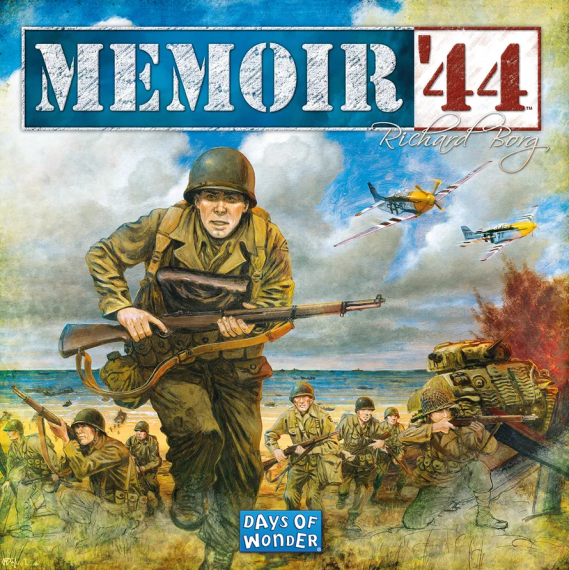
1) Memoir ’44 (2004)

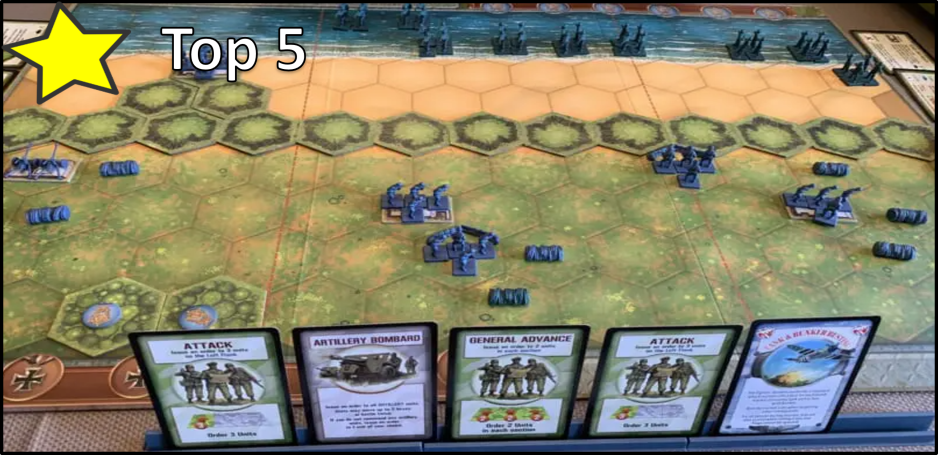
Memoir ’44 is the one entry from Richard Borg’s Commands & Colors series that made this list. Borg’s simple but elegant system of unique cards (to command your troops), miniatures (or wooden pieces) on variable maps, and dice for combat distills the war board game experience into digestible pieces. I could’ve included any of the Commands & Colors games for this entry. Borg offers plenty of options for whatever conflict you’d like to recreate. And that’s what you’re doing in Memoir ’44.

My favorite part of Memoir ’44 is the history behind each skirmish. Memoir ’44 is the oldest game on this list and may be difficult to acquire, but it’s the most interactive fun you’ll have learning about World War II. One of these years, I’ll need to run a recreation of the entire war at my local game store. Ah. It’s so good.

That’s our list for five great approachable war board games. Which game would you add to this list? Let us know in the comments. If you’ve gotten this far, you’re awesome. Everyone knows it. Thank you for reading, and wherever you are, I hope you’re having a great day.

Top 5 Board Games Better as Video Games

Hey, hey, Geekly Gang! Kyra Kyle here. The title of this post sounds sacrilegious. It can be difficult to believe someone who rates the Dorformantik Board Game above the video game that inspired it, to also rate some video games above their inspiring board/tabletop games. I love board games. But several video game adaptations work better than the original board games. There are various reasons why a board game or tabletop game may be better as a video game, and I’ll share why I prefer the digital version to the physical version of the game. I still play some of these board games in their original form, but all the games on this list make better video games than board games.

5) Ticket to Ride

We begin with a game I play digitally and physically, Ticket to Ride. Asmosdee Digital does an excellent job translating Ticket to Ride to various online platforms. Since I have an iPad and an Android smartphone, I’m certain I’ve purchased Ticket to Ride for at least three or four of its possible platforms. Each version makes it easy to see what other players (typically AI players for me) have done on previous turns and plan future turns. Ticket to Ride’s tutorial is quick and easy, which makes sense: the game is quick and easy to learn.

The reason why I play Ticket to Ride on digital more than my physical copies is my gaming group has moved passed this classic gateway game. I could litter this entire list with digital versions of some of my favorite, classic gateway games like Carcassonne and Ticket to Ride or even Smallworld (also from Asmodee Digital), but I like Ticket to Ride’s interface just a bit more and the extra maps add an extra layer of variability without needed to store dozens of bonus Ticket to Ride maps.

I like getting in a game or two of Ticket to Ride while I wait in line or I’m traveling. I highly recommend the digital Ticket to Ride.

4) Sentinels of the Multiverse

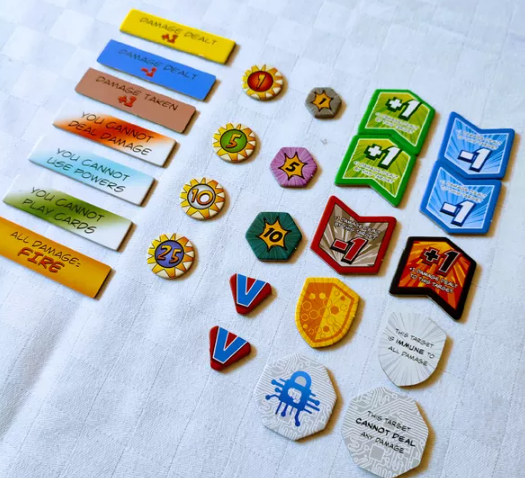
Sentinels of the Multiverse is another old favorite. Yes. Like Ticket to Ride, my gaming groups have moved past this board game to other games of its ilk, but there are more reasons why Sentinels of the Multiverse makes this list. The game takes a while to set up and take down (this reasoning will come up again), and Sentinels of the Multiverse has a lot of cards that trigger at various intervals and during different turns, which makes triggers easy to miss.

Sentinels of the Multiverse: The Video Game eliminates the need to remember triggers. The setup is nonexistent. Just load the game and go. While I may not own Sentinels of the Multiverse: The Video Game on as many platforms as Ticket to Ride, I’ve put in plenty of hours playing this digital version. I think the reason why I’m reluctant to purchase Sentinels of the Multiverse on other systems is that all content for the original Sentinels of the Multiverse is available in this video game. I don’t want to buy everything again.

Handlelabra does a great job converting the original Sentinels of the Multiverse into its digital version. Graphic effects match the original art, drawing me into the game. Sentinels of the Multiverse keeps the theme going with little touches like “Meanwhile…” whenever the game waits for input. Nice!

3) Neuroshima Hex

Neuroshima Hex is another game with plenty of triggers that are easy to miss, but unlike Sentinels of the Multiverse, the setup and take-down of this game are so laborious, I don’t dare play the physical copy. The only way I’ll play Neuroshima Hex’s physical form is if someone else agrees to handle the game’s logistics. And the timing aspect for Neuroshima Hex can get tedious. Sure, timing can be something one can easily miss, just like Sentinels‘ triggers, but Neuroshima Hex runs deeper than that. It hurts more in the physical game to overlook one of your opponent’s hexagonal pieces with a faster speed than yours and a devastating ability. In the digital copy, I snap my fingers and move on. In the physical game, I’m dejected.

Neuroshima Hex‘s strategic and tactical moves are fantastic, but there’s too much to remember in the physical copy. Neuroshima Hex’s digital copy provides reminders for gamers. Games don’t take nearly as long to play, so the time investment isn’t long. The same can’t be said of the physical version of Neuroshima Hex. I even like how the digital copy incorporates the game’s lore. While playing, it’s easy to overlook Neuroshima Hex’s post-apocalyptic world, and its colorful denizens.

Portal Games and Big Daddy’s Games did a great job translating Neuroshima Hex to a digital game. Similar to Ticket to Ride, I can see information easily and cleanly. Neuroshima Hex’s digital copy even has a free demo for you to try.

2) Gloomhaven

Gloomhaven’s digital copy makes it to this list for one reason: no setup. While other factors may have factored into other digital copies of board games making this list, Gloomhaven has an unbearable setup time. Fortunately, the Gloomhaven digital copy packs everything in the original’s massive box into its programming. You won’t need to save your character from one scenario of Gloomhaven to the next because this is a video game. The game does that for you. And Gloomhaven’s graphics are fantastic.

Like most other titles on this list, Gloomhaven has an easy-to-see and use interface. The physical game’s sometimes complicated rules are explained a little better in its digital version. I’m not saying that Gloomhaven’s rules are difficult to follow, but parts of the rules can be like Sentinels of the Multiverse and be easy to miss, and players won’t need to play out the artificial intelligence of the game’s enemies. Yes. A quarter to a third of Gloomhaven is acting out the game’s enemies. You won’t need to do that either in the digital version of Gloomhaven.

And did I mention Gloomhaven’s graphics? I did? Well, they look almost as good as Baldur’s Gate 3. Okay. Maybe that went too far, but Gloomhaven’s digital game looks amazing. You also won’t need to wait for your gaming group to meet up so you can continue your campaign. Gloomhaven: The Video Game offers the perfect alternative for this sprawling epic.

1) Onirim

Onirim will take the number one spot for some time to come. It would’ve taken this spot over a decade ago if we did a list like this. Onirim is the game I replace Solitaire with on all my smart devices. At its core, Onirim is a colorful, whimsical twist on classic Solitaire, but the physical game suffers for one reason: shuffling.

And I’m a compulsive shuffler. Seriously, I’m AuDHD (Autistic and an ADHDer) and shuffling cards is a stim for me, and I think there’s too much shuffling in the physical copy of Onirim. Some cards (Nightmares) discard cards from the deck, and if you draw more than one in a turn, you’ll need to shuffle them back into the deck. Other cards (keys) allow you to search the deck for a door, and if you find one, you’ll need to shuffle the deck again. And those are the base game cards. Onirim offers a couple of expansions with more cards that will force players to shuffle.

It may sound like I hate Onirim. Far from it. I love this game; it’s the only Solitaire game I’ll play on my smart devices. But Onirim has a ton of shuffling. You won’t feel that if you play Onirim’s digital copy. Trust me. Once you start playing Onirim, you won’t want to stop playing this dream of a Solitaire game.

That’s my list for now. What digital copies of board games do you like to play? Let us know in the comments. Thank you for reading, and wherever you are, I hope you’re having a great day.
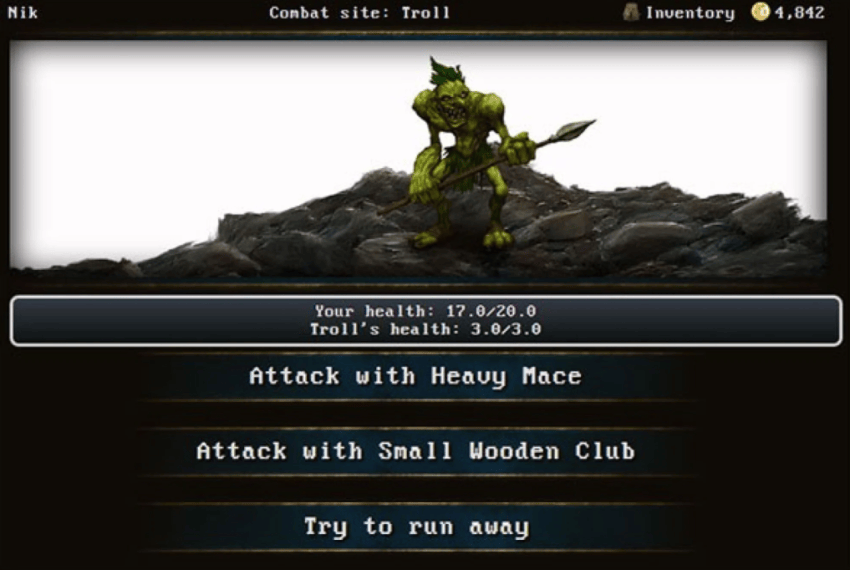
Top 5 Video Game Villains

Hey, hey, Geekly Gang! Kyra Kyle here with another Top 5 villains list. Today’s list is none other than video games. Like many narratives, villains drive a video game’s story, so let’s look at some of the greatest video game villains of all time.

5) Andrew Ryan (BioShock)

Nope. I’m not going to spoil BioShock’s Andrew Ryan plot twist. I don’t care that the original BioShock was released in 2007. BioShock is almost twenty years old. Oh, my! Still, I’ll refrain from spoiling BioShock’s ending for the handful of people who don’t know. Seriously, people mention the original BioShock’s plot twist with Andrew Ryan as readily as the plot twist in Soylent Green. Andrew Ryan is people! JK Throughout BioShock’s runtime, Andrew Ryan’s vision for society challenges the player. His charisma and philosophical ideals are why gamers return to BioShock. And his worldview can lead to thought-provoking discussions. What more could you want from a video game villain?

4) GLaDOS (Portal)

BioShock may raise questions about video game narratives (Why do you blindly follow a video game narrator’s directions?), but Portal adds wry humor. GLaDOS is at the center. This sassy AI’s dry wit and passive-aggressive comments promote unique challenges for players as they navigate deadly puzzles. Portal may be a puzzle game, and GLaDOS an AI, but both are unforgettable. GLaDOS may also be the inspiration behind The Stanley Parable’s antagonistic narrator six years later. And I’ve never heard of a game developer bringing in a voice actor at the beginning of a project. Typically, voice actors are invited well into a video game’s development. With Portal 2, Ellen McLain (GLaDOS’s voice actor) was involved from the beginning. Developer Valve only wanted to hear McLain’s voice. No need for a stand-in.

3) Ganon (Legend of Zelda Series)

Demon King Ganon is the embodiment of evil in the Legend of Zelda series. As Link’s main antagonist, Ganon first appeared in The Legend of Zelda (1986), but he can be a touch confusing. Ganondorf made his first appearance in The Legend of Zelda: Ocarina of Time (1998), and Ganondorf is more or less Ganon as a humanoid, specifically a gerudo. No matter if he’s Ganon or Ganondorf, he is a force to be reckoned with, and his relentless pursuit of power keeps Hyrule in constant peril.

2) Kefka (Final Fantasy VI)

I could go with Sephiroth (Final Fantasy VII) for this spot, but let’s face it, Kefka is Sephiroth’s blueprint. Over the course of Final Fantasy VI, players watch the characters descend into madness. And while Sephiroth attempted to destroy the planet with Meteor, Kefka succeeded. Or at least half-succeeded. Sephiroth will always hold a special place, but Kefka’s maniacal laughter lives rent-free in my head. Sometimes, you need to send in the clown.

1) Bowser (Super Mario Bros. Franchise)

We had to go with the King of Koopas, Bowser, claiming the top spot. In short, Bowser’s a classic video game villain. He’s been tormenting Mario for decades. With his massive size and fire-breathing, Bowser remains Mario’s biggest threat. No disrespect, Wario and Waluigi. Whether he’s kidnapping Princess Peach, or ah, kidnapping Princess Peach, or even kidnapping Princess Peach, Bowser is a fan favorite. Maybe, change it up once, Bowser. Sheesh! I’m still waiting for a Bowser solo game. Make it happen, Nintendo.

Did we get the list right? Who did we miss? Let us know in the comments. Thank you for reading, and wherever you are, I hope you’re having a great day.
Top 5 Star Wars Villains

Happy May the Fourth, Geekly Gang! Kyra Kyle here. We’re celebrating with a Star Wars Top 5. A great hero needs an intriguing villain. Yes! We’re continuing our Top 5 Villains Series with a Top 5 Star Wars Villains.

5: Jabba the Hutt

Jabba the Hutt is a massive space slug who oozes out a living, making shady deals throughout the galaxy. He reminds me of Beelzebub, the devil associated with gluttony. Jabba is the pinnacle of excess. He moves as little as he can, forcing his servants to do most things for him. He stuffs his face all day long, smokes his hookah, and admires the woman he has on a leash. Heck. Whenever he gets bored, he’ll feed his enslaved women to the space monster in his basement. Yikes!

Jabba has an iconic design. His giant puppet–Lucasfilm pulled off this giant space slug with a puppet–impresses audiences decades after Return of the Jedi’s original release. Growing up, I had an original Jabba the Hutt figure from Jenner. Looking back, there were so many red flags with that figure. And we can’t forget Spaceballs’s Pizza the Hutt, who ate himself while trapped in his car. I can’t wait for Spaceballs 2.

4: Grand Admiral Thrawn

Grand Admiral Thrawn differs from every other villain on this list in almost every way. Thrawn originates from a Star Wars novel–The Heir to the Empire trilogy, to be exact–before making his debut in the Star Wars Rebels animated series. His story went from being canon to not being canon and then back again. And Thrawn’s approach separates him from most Star Wars villains. He’s as cold and calculating as his skin tone. He seldom uses overwhelming force. No. He’ll understand a community or culture first, before dismantling it from the inside. Thrawn’s tactics may be the most diabolical in Star Wars lore.

3: Darth Maul

Even in his debut, Darth Maul looked cool. Double lightsabers will do that. Heck. Fighting Obi-Wan Kenobi and Qui-Gon Jin at the same time adds to his mystique. But Maul’s story doesn’t truly begin until after the events of The Phantom Menace. Of course, Darth Maul survives being bisected by Obi-Wan Kenobi. He gains a set of robotic spider legs and eventually a set of humanoid robotic legs. Maul would become a threat to the Republic, then the Empire, and finally the Sith themselves. Some villains want to watch the world burn, and we’re here for it.

2: Emperor Palpatine (Darth Sidious)

Emperor Palpatine has appeared in every Star Wars trilogy of films, so far. He’s the Lord of the Imperial Galaxy and internet memes. Palpatine began his political career in the service of the Galactic Republic but soon obtained power and destroyed Galactic democracy. And the people cheered. I refuse to make parallels between Palpatine and real life. Anyway, the Emperor’s crimes are countless. Nope. This doesn’t resemble real life. Back to fantasy, Palpatine nearly wiped out the Jedi with Order 66. He killed Mace Windu, and nobody gets away with murdering a Samuel L. Jackson character. And the Emperor plunged the Galaxy into an era of darkness and tyranny.

Not bad for a meme lord.

1: Darth Vader

Could it be anyone else? Darth Vader is the height of a cool villain. Admit it. “The Imperial March” plays when you catch a glimpse of him. Darth Vader is one of cinema’s most iconic villains. Period. What’s not to like? His imposing stature, black space samurai armor, creepy breathing, or James Earl Jones’s rich voice. Darth Vader is the epitome of evil. Like many classic villains, he started as a force of good and became corrupted. And let’s face it, the Star Wars prequels primarily exist to show Darth Vader’s descent. And boy, did we enjoy the ride.

Did we get the list right? Who would you put on this list? Let us know in the comments. Thank you for reading, and wherever you are, I hope you’re having a great day.

Top 5 Tabletop Games from 2000

Hey, hey, Geekly Gang! Kyra Kyle here with another Top 5 Tabletop Game List throughout the years. Today, we’ve reached the current millennium for tabletop games. The 90s shook up what it meant to be a modern board game; the first decade of the 2000s will give us numerous evergreen titles that dominate the board game landscape today. We should see plenty of familiar designers and familiar titles in these upcoming lists. We’ll get to the games in a bit, but first, let’s review our list’s criteria.

1: Cultural relevance plays as much of a factor as overall quality. A game might make a list that doesn’t hold up to others of its type, but you must admit the game is everywhere.

2: Only one game from a franchise makes the list. This will become more of an issue the closer we get to games with expansions.

3: Longevity plays a role, too. A game doesn’t have to fly off the shelves today, but it had to have some widespread appeal for a decent time.

5: Lord of the Rings (2000)

Yes! Yet another Reiner Knizia title makes one of these lists. 2000’s Lord of the Rings is still a lot of people’s go-to board game that uses the Lord of the Rings intellectual property. It’s also one of Knizia’s few cooperative board games and may have inspired a cooperative board game boom that we’ll see in a handful of years.

Lord of the Rings follows the events of the novels to a T, which is why some gamers still consider this board game to be the definitive Lord of the Rings board game experience. And it runs fast. Gameplay is centered on advancing through a series of scenarios (that mirror the books). Players turn tiles and play cards to move forward and collect and spend tokens to avoid advancing the Dark Lord Sauron. In dire situations, tokens may be spent to call Gandalf for assistance, or the One Ring may be used to advance toward Sauron. The push-pull is thematic and tense. It’s no wonder Lord of the Rings received a Spiel des Jahres special award.

4: Java (2000)

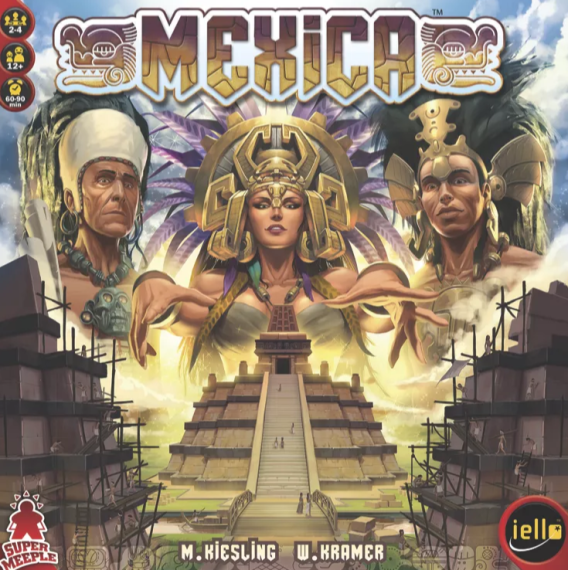
I could’ve gone with Torres, another Wolfgang Kramer and Michael Kiesling collaborative design that won this year’s Spiel des Jahres (German game of the year), but I decided to go with the next game in Kramer and Kiesling’s Mask Series, Java. Tikal made the 1999 list. Java tends to be the forgotten game in the Mask Trilogy of board games, and I don’t know why. I love Java’s exploration.

Players take turns building the titular island, scoring victory points by setting up palace festivals at the right moment. Java ends when the players run out of tiles. It’s a simple premise, but Java’s rules may be unforgiving for novice players. Still, Java is a great addition to the Mask Trilogy.

3: Battle Cry (2000)

Wargame purists may disagree, but Battle Cry revolutionized wargames. Richard Borg (we’ll see his name again on one of these lists) took elements of wargames, combined them with miniatures, and simplified the rules, and came up with the war game powerhouse that is Battle Cry.

Borg would continue to perfect his system of card and dice combat with future wargame installments, but Battle Cry, set in the American Civil War, marked the first use of this system. Players command a variety of units: infantry, cavalry, and artillery. Scenarios dictate how many of each unit a player (one playing the Union and the other playing the Confederacy) will control. For each opponent’s unit removed from the board, a player receives one victory point. The player who scores the required number of victory points first (determined by the scenario instructions) is the winner. Battle Cry and its spiritual successors continue to divide gamers. Wargame purists, as I mentioned before, may consider Battle Cry too simplistic, but this simplicity makes Battle Cry more accessible.

2: Blokus (2000)

In Blokus, players score points by occupying the board with Tetris-style pieces(named polyominoes because they’re dominoes of irregular shape) in their color. Even today, Blokus is visually arresting. It earned numerous awards, including the Mensa Select award and the 2004 Teacher’s Choice Award. There’s no denying that Blokus has staying power.

But the reason Blokus is this high on our list is because of its use of polyominoes. While it took a decade or more to catch on, polyominoes have soared in popularity. Patchwork, Barenpark, Isle of Cats, A Feast for Odin, Planet Unknown, and many other board games that use polyominoes owe Blokus a debt of gratitude. Thank you, Blokus, for introducing this amazing board game component.

1: Carcassonne (2000)

Blokus just misses out on our top spot because the evergreen title, Carcassonne, was released in 2000. Polyominoes took some time to catch on, but tile-laying as found in Carcassonne exploded immediately, and it continues to grow today. Carcassonne has spawned numerous expansions, spin-offs, and imitators.

Carcassonne’s gameplay is simple. Draw and place a terrain tile. Station a follower on the newly placed tile (optional), but this shows you claim control of this region. And then score completed feature(s) if relevant. Carcassonne earned the 2001 Spiel des Jahres and Deutscher Spiele Preis award. I don’t know how the Spiel des Jahres committee determines which year a game is eligible. But Carcassonne’s influence can still be felt today. Carcassonne’s core mechanisms inspired 2023’s Spiel des Jahre winner Dorfromantik, and in turn, the award-winning Dorfromantik video game that inspired the board game was also inspired by Carcassonne. Carcassonne is everywhere, people. It even crossed over into video games. And that’s why Carcassonne takes our top spot for 2000.

Did we get the list mostly correct? Let us know which games you’d add in the comments. Thank you for reading, and wherever you are, I hope you’re having a great day.

Skye’s Five Favorite Rob Reiner Films

Hello, Geekly Gang. Skye here. For months, I’ve wanted to pay my proper respects to Rob Reiner. Since March is Reiner’s birth month (March 6th to be exact), I felt this month was the best time. Most movie-goers don’t notice how prolific a filmmaker Rob Reiner was. Heck. When I discuss movies with people, they tend to forget that Reiner directed some of their favorite flicks. When I saw the list of his greatest movies, I realized how big a creative powerhouse we lost last year. I’ll do my best to honor a masterful portfolio of cinematic brilliance. With that said, let’s dive in with my favorite Rob Reiner films.

5: This is Spinal Tap (1984)

I first watched This is Spinal Tap a few months ago. It earned a place on this list for one primary reason: its impact on the “mockumentary” genre. While not the first film to invent a farcical scenario and frame it as factual (I like “F” words right now), This is Spinal Tap popularized the subgenre. If This is Spinal Tap weren’t created, we likely wouldn’t have movies and shows like Borat or What We Do in the Shadows, let alone the series of mockumentaries Christopher Guest (who stars in This is Spinal Tap) would later direct. Even though I didn’t find This is Spinal Tap to be laugh-out-loud funny, it certainly defined the “mockumentary” subgenre. It also kept me entertained by consistently throwing odd, ridiculous scenarios at me, which made me giggle.

4: When Harry Met Sally (1989)

Before I saw When Harry Met Sally, I had heard many positive things about it. As far as I heard, When Harry Met Sally was a quintessential romance. I saw what everyone meant. When Harry Met Sally combines several interesting elements in equal measure. It can be charming, awkward, funny, uncomfortable, and ultimately, satisfying. The two leads’ relationship plays out like a rollercoaster of emotion that feels incredibly personal and realistic. My favorite aspect of When Harry Met Sally is how both leads are equally likable and unlikable at the same time, but despite their flaws, I wanted to see them end up together. When Harry Met Sally is worth watching, and its high praise. It’s unforgettable.

3: Misery (1990)

As soon as I saw Misery, I had a feeling it would be one of my favorites. Adapted from the Stephen King novel of the same name, the Misery motion picture focuses on similar themes regarding the difficulties of creators to balance pleasing audiences and exploring new ideas. Released in response to the lackluster readers’ reaction to Stephen King’s first fantasy novel, Misery’s story is coated in creative frustration, and Rob Reiner understands that feeling. Every scene drips with creative frustration. Misery manages to create a hostile and unpredictable atmosphere for its protagonist, Paul Sheldon, at the hands of one of fiction’s most horrifying villains, Annie Wilkes, and it’ll make you rethink what it means to be someone’s number one fan.

2: Stand By Me (1986)

Stand By Me was the first R-rated film I have ever seen. At first, I was skeptical. Soon, I realized Stand By Me‘s weight. Chronicling the experiences of four young friends going on a quest to see a dead body, it’s not always easy to watch. Based on a Stephen King short story titled “The Body,” Stand By Me does a good job of detailing the rough side of childhood and how our relationships can help us through the quagmire of growing up. There’s a reason Stand By Me is on a lot of critics’ short lists of greatest coming-of-age movies. Stand By Me connects the audience with its material through great performances, relatable scenarios, and realistic problems. Stand By Me easily takes the number two spot on this list.

1: The Princess Bride (1987)

Call me shallow, but there was no way Princess Bride wasn’t going to be my number one Rob Reiner movie. I grew up with The Princess Bride. It served as my gateway into romance, action/adventure, and comedy in a medieval setting. Reiner includes something for every viewer. Don’t like action? The movie is built around the romance between the two leads and has several comedic beats. Don’t like that mushy crap? No problem. We have André the Giant! Because of that, most viewers can find something to like in The Princess Bride. That’s why it claims the top spot.

Thank you for reading my picks for my “Top 5 Favorite Rob Reiner Movies.” I hope you enjoyed it, because I certainly enjoyed paying tribute to a truly talented filmmaker. Rest in peace. With all that said, I’m curious what your favorite Rob Reiner movies are. As always, feel free to let us know in the comments, and I hope y’all are having a wonderful day.

Top 5 Dr. Seuss Stories

Happy Monday, Geekly Gang! Kyra Kyle here. Today, March 2nd, is Dr. Seuss’s birthday. We’re celebrating by listing our Top 5 Dr. Seuss Stories, and that’s not just me, Kyra, saying that. I asked all the Geekly writers for their favorite Dr. Seuss stories; the higher on someone’s list a story goes, the more points it earns. I weighted the results, and the following is our Geekly Writers Top 5 Dr. Seuss Stories.

And yes. We legitimately had a three-way tie for fifth place. So, this ended up more like a Top 7 Dr. Seuss Stories.

Tied 5) The Butter Battle Book

The Butter Battle Book is an anti-war story. It chronicles the battle between the Yooks and Zooks. One butters their toast on one side, while the other butters their toast on the other. The two groups war, amassing weapons that can destroy the world. The Butter Battle Book is a fun way to just say no to war. And it points out the idiotic reasons why some wars begin.

Tied 5) The Zax

Take away the war angle, and The Zax has a similar message to The Butter Battle Book: stubbornness and how it destroys lives. The Zax live in the Prairie of Prax. Two varieties exist, North-Going Zaxes and South-Going Zaxes. When the two meet, their stubbornness causes them to refuse going in any other direction. Eventually, the world passes them by.

Tied 5) The Cat in the Hat

To say The Cat in the Hat is iconic would be an understatement. The Cat in the Hat is so iconic that it’s become an icon for Random House Books. Despite that, The Cat in the Hat lands in a three-way tie for fifth on this list. While The Cat in the Hat may be one of the first books most of us read (the book was kept to 225 unique words so new readers could learn them), we preferred the messages behind other Dr. Seuss stories more.

4) Oh! The Places You’ll Go!

The great thing about a list like this is that some of you are thinking, Oh! The Places You’ll Go! is way too far down this list, while others are rolling their eyes. Surely, some of you heard excerpts from Oh! The Places You’ll Go! in a graduation or two or twenty. Yes. Oh! The Places You’ll Go! leans into sappiness, but it’s also the final story published during Dr. Seuss’s lifetime. I like thinking of this book as Oh! The Places You’ve Taken Us!

3) The Sneetches

While The Sneetches holds a great message of discrimination and acceptance, we may be biased toward The Sneetches because I portrayed Sylvester McMonkey McBean (The Fix-it-up Chappie) in a Children’s Theater rendition of The Sneetches. Does McBean teach the Sneetches (a race of alien creatures where some have stars on their bellies and others don’t) a lesson? Or did my former character want to make a quick buck erasing and adding stars to gullible Sneetches? You decide.

2) What Was I Scared Of

What Was I Scared Of? is the strangest inclusion on this list. Some of our writers rated What Was I Scared Of? as their number one Dr. Seuss story, while other writers (myself included) didn’t even include the story on their list. Oddly enough, What Was I Scared Of?’s message works with The Sneetches’ (that’s maybe why they were included in the same collection). What Was I Scared Of? centers on the fear of something one doesn’t know. That fear can lead to discrimination. I like how the pale green pants with nobody inside them only want to be friends.

1) The Lorax

Who doesn’t love Truffula Trees, Brown Bar-ba-loots in their Bar-ba-loot suits, Swomee-Swans, and Humming-Fishes? We sure do. The Lorax didn’t quite claim the top spot on every one of our writers’ lists, but it came close. This classic tale of environmentalism warns of what will happen if we don’t take care of our planet. But The Lorax offers hope and an actionable request. The Once-ler gives the unnamed, young child a Truffula seed. He asks the child to plant the Truffula seed and treat the land better than the Once-ler. Hopefully, there’s still time for us to plant Truffula Trees before we no longer have Brown Bar-ba-loots in their Bar-ba-loot suits.

That’s our list of the Top 5 Dr. Seuss Stories. This is by no means an exhaustive list. Plenty of stories made our lists (including mine) that didn’t manage to crack the Top 5. Wait! I just checked. I had the most stories on my list to not make the cut. I demand a recount. Let us know your favorite Dr. Seuss Stories in the comments. Thank you for reading, and wherever you are, I hope you’re having a great day.
Top 5 Green Lantern Villains

Happy Saturday, Geekly Gang! We haven’t done a Top 5 Villains list for a superhero or superhero group since Black Panther late August of last year. Looks like we’re overdue for another list, and since Lanterns is releasing on HBO Max, let’s count down the Top 5 Green Lantern Villains. Green Lantern is almost on Superman’s level in his number of overpowered villains. Heck, some of these Green Lantern villains have their own Corps of Henchmen ready to take down the Emerald Knight. Let’s see who made our list of Top 5 Green Lantern Villains.

5) Larfleeze

Larfleeze might not make a lot of people’s lists of Top 5 Green Lantern Villains because he’s often depicted as comic relief, but Larfleeze’s origin is anything but comical. Deep within the Vega System, Larfleeze of Okaara protects the DC Universe’s only Orange Lantern Power Battery. Fueled by greed, Larfleeze has a desire to take as much power as he can. Larfleeze would kill anyone he believed was trying to steal his Power Batter, and then copy his victims’ image, stealing their identities and have them join his Orange Corps as construct ghosts.
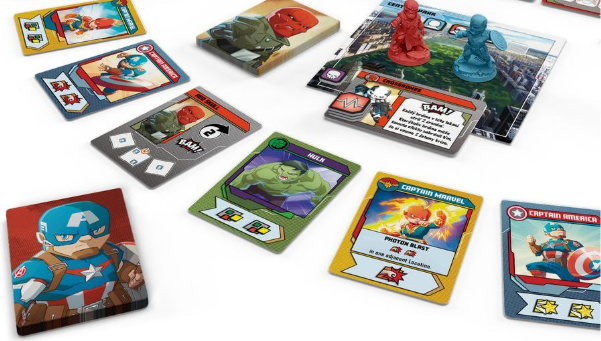
Larfleeze is the embodiment of greed, the emotional power that feeds orange. Under the Orange Light of Greed’s sway, Larfleeze is driven to possess everything.

4) Atrocitus

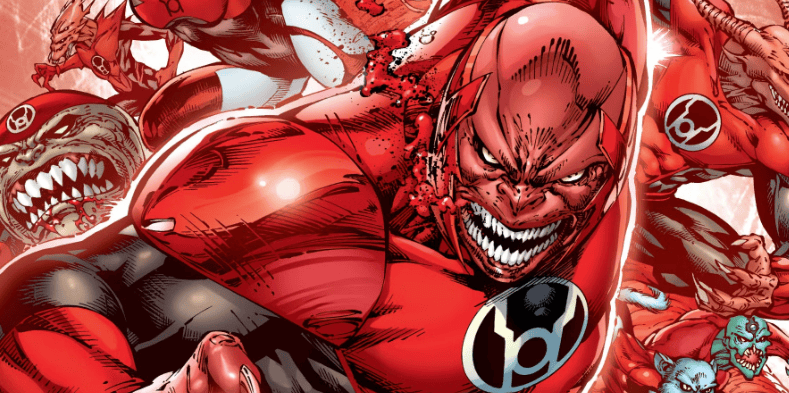
Another one of Geoff Johns’s creations, Atrocitus represents a different Lantern Corps Spectrum: Red’s Wrath. The murderous Atrocitus and his Red Lantern Corps may be the most feared force in the known, extraterrestrial DC Universe.

The Manhunters killed everyone Atrocitus knew. He became an intergalactic terrorist, wanting to kill the Guardians of the Universe. After numerous bloodthirsty missions, Atrocitus formed his Red Lantern Corps to go toe to toe with the Green Lantern Corps. At his core, Atrocitus executes an extreme form of justice. Too bad his form of justice comes with enough blood to paint the universe.

3) Nekron

Nekron is a demon who is DC Comic’s embodiment of Death. Nekron has power over the souls of everyone who has ever died. He uses these souls to perform godlike abilities like strength, durability, and energy projection. Never content with his deathly realm, Nekron seeks control over the rest of the DC Universe.

Nekron’s right-hand agent, Black Hand, almost made this list, too. Consider Black an honorable mention for Green Lantern’s Top 5 Villains. The two of them concocted the events of “Blackest Night.” They co-created the Black Lantern Corps of death. Using the bodies of formerly dead heroes like Superman and Wonder Woman, Nekron attempted to eliminate all life.

2) Parallax

Yellow’s fear runs counter to Green’s will, so spoiler alert, our top two spots belong to Yellow’s portion of the Emotional Spectrum. Parallax is the embodiment of terror. It derives its power from the yellow light of fear, typically presenting itself as a serpentine creature that acts as a parasite in a host’s mind. The most famous instance of a Parallax infection was Hal Jordan.

That’s right. Parallax turned Hal Jordan into a villain. Jordan adopted Parallax as his villainous persona. While under Parallax’s control, Hal Jordan massacred the rest of the Green Lantern Corps and destroyed his home, Coast City. But Jordan is far from Parallax’s only vessels. It’s taken possession of heroes like Kyle Rayner and The Flash. Whenever Parallax takes control of a hero, its malevolent spirit and power turn the poor soul into one of the DC Universe’s most powerful villains.

1) Sinestro

While Parallax takes temporary control over its host, Sinestro shows how the yellow light of fear can corrupt even the greatest Green Lanterns, completely and forever. When Hal Jordan first joined the Green Lantern Corps, Thaal Sinestro was his mentor. The two developed a bond, but that bond was shattered when Hal discovered Sinestro kept his sector (of the universe) in line through tyranny.

Jordan got Sinestro booted from the Green Lantern, and the Korugarian never forgave Hal, the Green Lantern Corps, or the Guardians of the Universe. Since his dismissal, Sinestro has been one of the DC Universe’s most enduring antagonists. He’s a card-carrying member of the Legion of Doom and the founder of the Sinestro Corps, who also harnesses the yellow light of fear. While he may occasionally commit acts of valor, Sinestro’s hatred, anger, and desire for power define him. We had to go with Sinestro for the top spot. Sometimes one of a character’s original villains are the best.

There are plenty of other Green Lantern Villains we could’ve added to this list. Who would you include? Let us know in the comments. Thank you for reading, and wherever you are, I hope you’re having a great day.