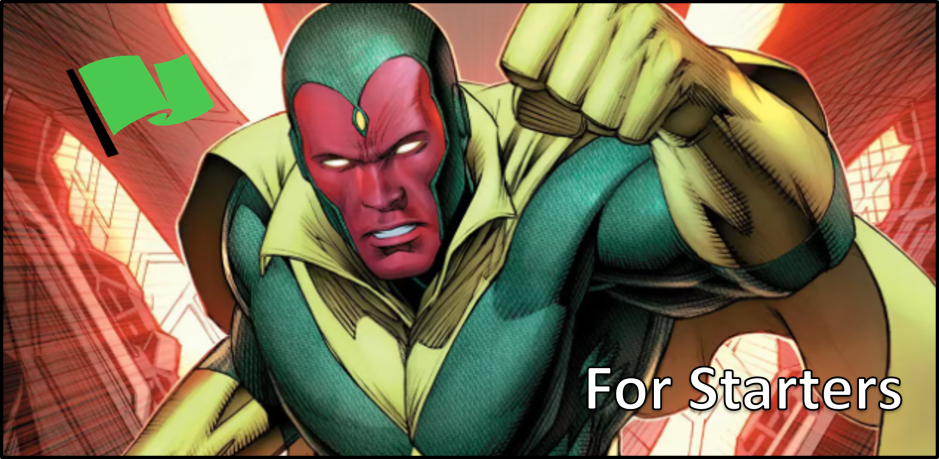
Getting Into Comics: Vision Starter Stories

Hey, hey, Geekly Gang! Kyra Kyle here. VisionQuest began airing this week. To celebrate, we’re releasing a Vision starter stories post. Who knows? Someone may want to start reading stories based on the Android Avenger. Looks like it’s time for a Getting Into Comics: Vision Starter Stories post. Vision has a nice mix of single issues and storylines. We’ll begin with the single comic books and progress to comic book storylines. Let’s talk about Vision Starter Stories.

Single Issues
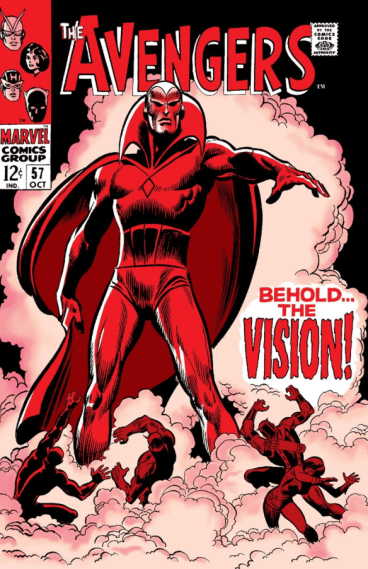
“Behold The Vision” (Avengers Vol 1 #57; Written by Roy Thomas; Art by John Buscema; August 1968)

Usually, we try to include a character’s first appearance on these lists, but Vision had a dynamite first issue. Ultron created Vision to take down the Avengers. When Vision refuses to attack the Avengers, he and his “father” have a falling out. During the course of “Behold The Vision,” Vision proves himself worthy of consideration as a member of the Avengers, and the Avengers and Marvel Comics would never be the same.
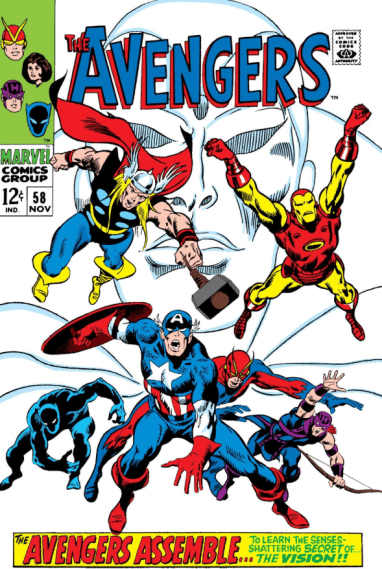
“Even an Android can Cry” (Avengers Vol 1 #58; Written by Roy Thomas; Art by John Buscema; September 1968)

Vision’s second issue was another great one. I wouldn’t say these two comic issues constitute an overarching storyline; that’s why they’re listed separately. Vision wants to join the Avengers, and the team tests his mettle, like any other potential member. While he was presented as an android, Vision is far more than that. “Even an Android can Cry” serves to show Vision’s humanity. After he joins the team, a joyous Vision lets loose one tear. John Buscema does a great job conveying Vision’s emotions, and this single panel has endured as one of the best representations of the character Marvel has ever published.
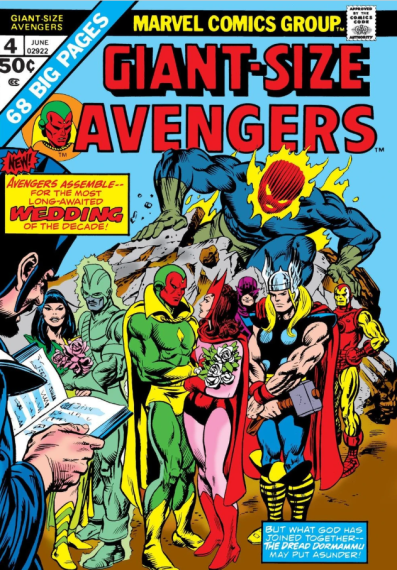
“The Vision and The Scarlet Witch’s Wedding” (Giant-Size Avengers Vol 1 #4; Written by Steve Englehart; Art by Don Heck; February 1975)

You can’t tell Vision’s story without Scarlet Witch. They two fall in love and in Giant-Size Avengers #4, they get married. Of course, there was a ton of prejudice toward both characters and their union. Vision is a robot, and Scarlet Witch is a mutant, who innately see a lot of prejudice. In Giant-Size Avengers #4, the couple stand up to the haters, and tie the knot. During the ceremony, which served as a double wedding with Mantis and Swordsman, Kang showed up to cause a mess, but it all worked out in the end. Or did it?

Storylines
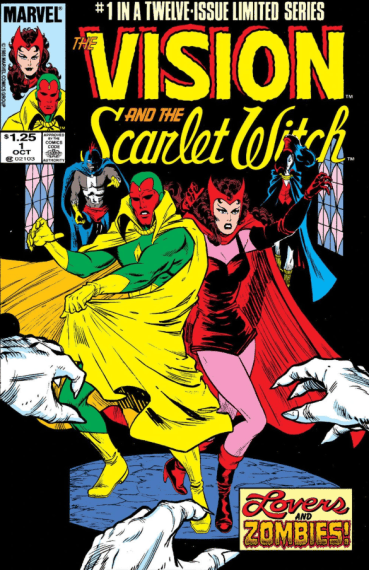
A Year in the Life (The Vision and The Scarlet Witch Vol 2 #1-12; Written by Steve Englehart; Art by Richard Howell; 1985-1986)

Vision and the Scarlet Witch have shared multiple miniseries; we went with the one that included, A Year in the Life. The story focuses on the titular two as they settle in Leonia, New Jersey, shortly after getting married. A Year in the Life is probably the best look at the relationship between the two heroes that we’ve ever seen. After the two settle down, it doesn’t take long for things to go crazy. Vision and Scarlet Witch face obstacles from multiple directions: Ultron, the Grim Reaper, Magneto, and Quicksilver. Looks like everyone from the Visions and Scarlet Witch’s past has it out for them. The couple endures and toward the end of this series, Wanda makes herself pregnant. This results in the birth of the couple’s twin sons: William and Thomas.

Yep. A Year in the Life influenced the WandaVision storyline. There’s a chance we’ll see this story affect the currently airing VisionQuest’s story.
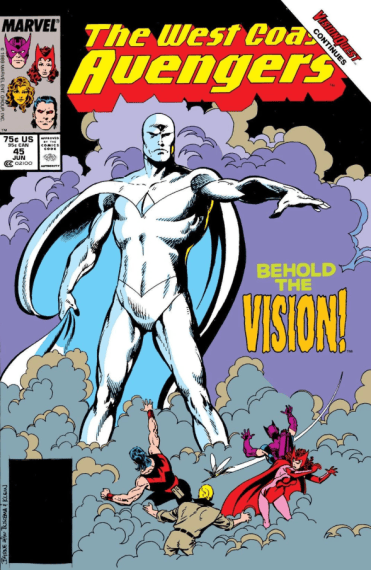
VisionQuest (West Coast Avengers Vol 2 #42-50; Written by John Byrne; Art by John Byrne; 1989)

We had to include the comic book storyline that shares the same name as the VisionQuest TV show. Vision has “died” on more than one occasion, but death seldom means the end for a comic book character. This also makes sense for Vision, because he is a synthoid. Vision’s resurrection came with a cost. When the Avengers rebuild him, Vision returns as a completely different “person.” His humanity is no longer intact. His new look (all white) mirrors his new reality as an unfeeling robot, which is a stark change from his previous persona.

Vision and Scarlet Witch’s romantic relationship is all but dissolved, but that’s only the start. The Vision’s new personality and direction would reshape the Avengers and the rest of the Marvel Universe for decades. When I heard the MCU intended to bring back Vision in WandaVision, I knew Marvel would borrow heavily from VisionQuest. I’m glad the MCU has turned Vision and Scarlet Witch’s saga into a trilogy: WandaVision, Agatha All Along, and VisionQuest. Despite the most recent MCU phases revolving around the multiverse, I’ve enjoyed the fusion of technology and mysticism. Vision and Scarlet Witch are at the core of that combination. VisionQuest is a landmark Marvel comics storyline and a must read for any Marvel fan.
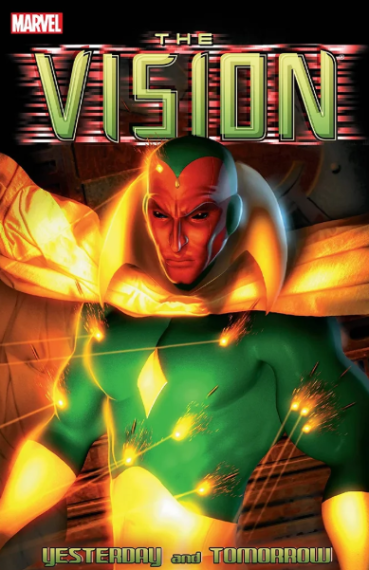
Yesterday and Tomorrow (Avengers Icons: The Vision #1-4; Written by Geoff Johns; Art by Ivan Reis; August-November 2002)

Geoff Johns is known for his work in DC Comics, but he made the leap to Marvel Comics in 2002 to write the miniseries Avengers Icons: The Vision. Johns continued several plot threads, including the one we just discussed: VisionQuest. In this series, the Vision meets the granddaughter of the man who created the original Human Torch (the android from the 1940s, not Johnny Storm). The original Human Torch’s body happens to be the body Ultron installed Vision into back in 1960s. Yesterday and Tomorrow also centers on Vision’s lost humanity being restored. This storyline marks a new era for the synthoid.

Coincidentally, story beats from Yesterday and Tomorrow could find their way into the VisionQuest TV series. That’s conjecture. The series hasn’t yet finished its run.
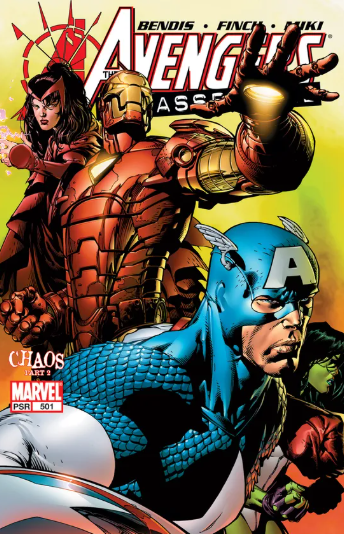
Avengers Disassembled (Avengers Vol 3 #500-503; Written by Brian Michael Bendis; Art by David Finch; 2004)

Full disclosure: Vision doesn’t have a long appearance in Avengers Disassembled. But it is meaningful. In fact, Avengers Disassembled includes the deaths of several popular Avengers: Ant-Man, Hawkeye, Jack of Hearts, and of course, Vision. Who’s behind Vision dying this time? Let’s just say that one of the issues (cover pictured above) is entitled “Chaos.” Scarlet Witch has a history of going rogue.
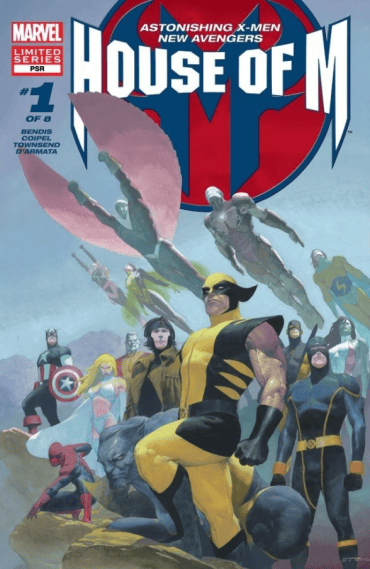
House of M (House of M #1-8; Written by Brian Michael Bendis; Art by Olivier Coipel; 2005)

Remember how I said that Scarlet Witch has a history of going rogue? House of M revolves around Wanda having a mental breakdown. She creates an alternate reality. In this new world, Vision and Scarlet Witch’s children are alive and well in the Vision household. It doesn’t last. House of M explores the mind of a troubled and powerful woman. And if House of M sounds similar to WandaVision, it was the basis for WandaVision. While Scarlet Witch is the main character in House of M, it still contains several great moments for the Vision.
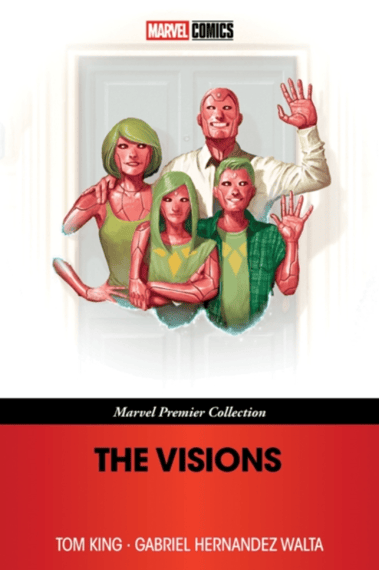
The Visions Graphic Novel Cover

The Visions (The Visions #1-12; Written by Tom King; Art by Gabriel Hernandez Walta; 2015)

We save one of my favorite storylines for last: The Visions. In this story, Vision takes a new job as Avengers liaison in Washington DC. He moves to the United States capital with the family he constructed, a family of synthoids. While WandaVision borrows the scene at the end of The Visions (changed of course, to fit within the MCU’s storyline), I’d like to see more of The Visions in VisionQuest. Obviously, the MCU will continue with Vision and Scarlet Witch’s children, but I could see some moments borrowed from The Visions.

I love The Visions. It’s a page-turner of a mini-series. Of all the storylines on this list, you’ll need to do the least amount of other reading with The Visions. This series does a great job of retelling a lot of Vision’s past. It explores Vision’s quest for humanity, a recurring theme for the character. And I grew to care about this family of synthoids. They’re more than synthoids. If you only wanted to pick up one story from this list, I’d recommend The Visions.

That’s our list of Vision Starter Stories. Which stories would you add to this list? Let us know in the comments. Thank you for reading, and wherever you are, I hope you’re having a great day.
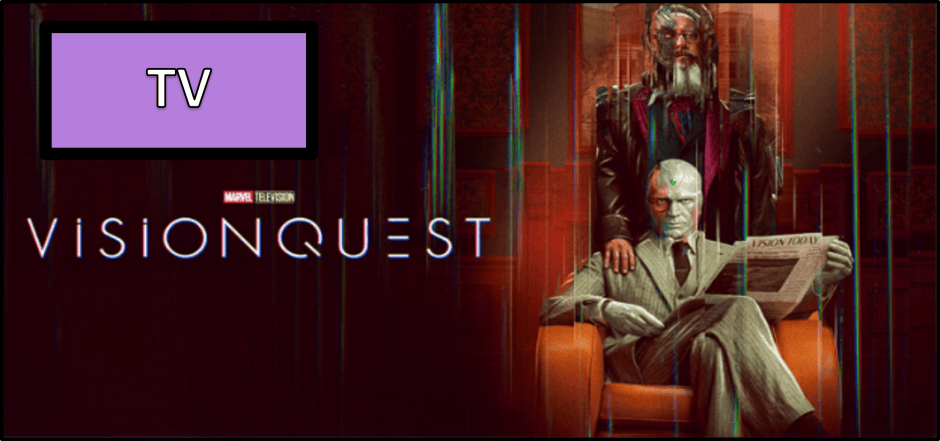
VisionQuest “No Strings” Review

Hey, hey, Geekly Gang! Kyra Kyle here with a review/reaction of VisionQuest’s pilot, “No Strings.” Ahead of beginning this series, I had moderately high expectations for VisionQuest. Wanda Maximoff and Vision mini series are the best thing the Marvel Cinematic Universe has released since Avengers: End Game. That’s high praise. That includes two Spider-Man films (No Way Home and Brand New Day), Wonder Man (which I still love), and at least one Deadpool film. WandaVision and Agatha All Along are great. While it’s too soon to tell if VisionQuest will live up to the previous series in this set of series (as of writing this post, I’ve only watched the first episode a few times), “No Strings” delivers a solid premise with a couple of hiccups.

Since they’re so great, you should watch WandaVision and Agatha All Along before watching VisionQuest, but if you haven’t yet watched them, you don’t need to because VisionQuest does a good job recapping all necessary story elements from these two series and MCU movies in its opening minutes. If Marvel continues to tell ongoing stories, they should continue this trend. VisionQuest takes advantage of The Vision’s identity crisis, having its titular character replay scenes from past MCU vehicles. It works but slows down the momentum.

Even though VisionQuest dropped two episodes this week, this review or reaction will only concern itself with the first of these two episodes. We will release a second post on “Theseus” later this week. Before we continue, a spoiler alert is in effect. If you have yet to watch VisionQuest “No Strings,” you may want to pause and return to this point in the post. Consider yourself warned.

The Vision lives in two worlds: the outside world, and The Vision’s rich interior world. I love how VisionQuest adapted aspects of The Vision’s life in the comic book series The Visions. Obviously, the MCU can’t adapt The Visions wholesale in VisionQuest; Marvel borrowed some elements of that series in WandaVision. The Vision shouldn’t construct children to replace the ones he lost in WandaVision. It’s been done. Instead, Marvel opted for bringing back several of the helper AIs Tony Stark created in the MCU thus far: J.A.R.V.I.S., F.R.I.D.A.Y., E.D.I.T.H., D.U.M.-E., and U. Throw in Ultron, and you have a party. And it’s the inclusion of Ultron that stirs trouble and sparks the inciting incident.

I like how VisionQuest showed how these AIs interact with each other and the roles they take. I’m not going to list all of these AIs again; those are a lot of acronyms. James Spader’s Ultron and Emily Hampshire’s E.D.I.T.H. serve as great foils to J.A.R.V.I.S. and F.R.I.D.A.Y., who serve as The Vision’s restrained persona, while the other two are great comic relief. Not that the other four don’t have comedic moments. They’re a joy to watch.

I wouldn’t mind if VisionQuest stayed within The Vision’s inner world for an episode or two (that may happen in a future episode) because this is a rich world, but I’m glad The Vision must interact with the outside world. Returning to Ultron sparking the inciting incident, he sends out a crypted message to a bounty hunter (Paladin) who is looking for The Vision and gives the bounty hunter The Vision’s position. Ultron says himself that he’s giving The Vision the kick in the pants to get moving. Evidently, The Vision has remained in his past self’s shadow. He’s retraced the original Vision’s footsteps, refusing to make any new moves. Ultron’s action forces The Vision to something. Anything. Even though this is only the first episode, VisionQuest is playing with the dichotomy of Ultron as The Vision’s father and his greatest foe. I love this balance. It also plays into the cliffhanger “No Strings” ends with its closing minutes: Paladin has kidnapped The Vision’s son, Tommy.

Yes! Billy returned in Agatha All Along. If I remember correctly, Wiccan (Billy) was last seen looking for his brother. Could we see a large family reunion by the end of VisionQuest’s runtime? Seriously, if you haven’t yet watched Agatha All Along, you should. It’s excellent. With Tommy’s kidnapping VisionQuest combines elements of Finding Nemo and Taken. The act itself comes straight from Taken, but the vibe I’m sensing (with Ultron congratulating The Vision for having a son) gives me Finding Nemo. And I love how watching that scene multiple times I could read this moment at the end as Ultron being a sarcastic jerk or being sincere. In a way, Tommy is Ultron’s grandson. James Spader is a treasure. This entire cast is amazing.

VisionQuest introduced plenty of interesting threads with its debut, “No Strings.” Someone hired Paladin to retrieve The Vision. Paladin believes S.W.O.R.D. is behind it, but who knows. Ultron works within The Vision’s head. He’s biding his time for the right moment to strike, and that moment will occur at some point. I’ll be disappointed if Ultron never takes a shot at freedom. Heck, Ultron could be the one who hired Paladin, though I doubt it. VisionQuest “No Strings” was a solid–if not rocky because of the flashbacks–first outing. So far, it’s shaping up to be a worthy third part of a WandaVision, Agatha All Along, and VisionQuest trilogy.

Those are my thoughts on VisionQuest “No Strings.” Let us know yours in the comments. Thank you for reading, and wherever you are, I hope you’re having a great day.

Whatcha Reading, Geekly: October 2026

Happy Wednesday, Geekly Gang! Kyra Kyle here! Today, our writers share what they’ve been reading over the past month. Feel free to share what you’ve been reading over the past month, because we’re all part of the Geekly Gang. I’ll get things started by sharing what I’ve been reading over the past month.

Kyra’s Fiction

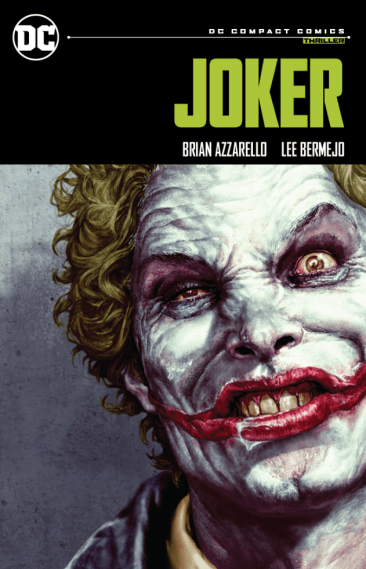
I read Brian Azzarello’s Joker for the first time this past month. It wasn’t what I was expecting. Honestly, I don’t know what to expect, so I guess I had no expectations. Joker was a wild read. Jonny Frost (one of The Joker’s henchmen) narrates the story. This was a bizarre choice for a point of view character. How many comic book stories have been told from the perspective of a super villain’s henchman? Harley Quinn doesn’t count. By this point, she’s become her own character. A no-name Joker henchman made for a fresh take on the character.

Because we’re not in Joker’s perspective or even Batman’s, Joker doesn’t dive too deep into its title character; Joker concerns itself with how The Joker affects Gotham City from an outside perspective. Jonny Frost is to The Joker what Nick Carraway was to Gatsby. We watch as Gotham defines itself by its most infamous criminal. We watch as The Joker seduces Jonny with his hedonistic lifestyle. Through Jonny’s point of view, we see the appeal of The Joker. We learn why someone would want to serve as one of The Joker’s henchmen. While I enjoyed the ideas presented in Joker, I’m glad the graphic novel didn’t last long. It ended when and how it should’ve. One shouldn’t spend too much time in The Joker’s world.

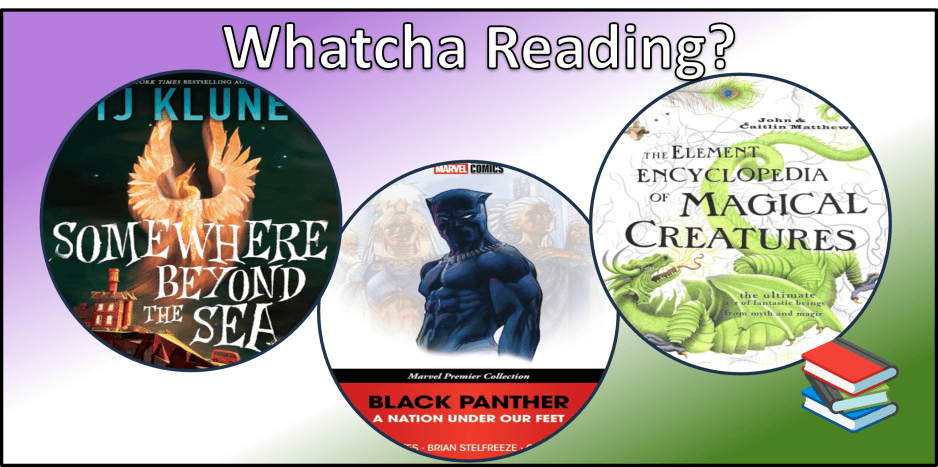
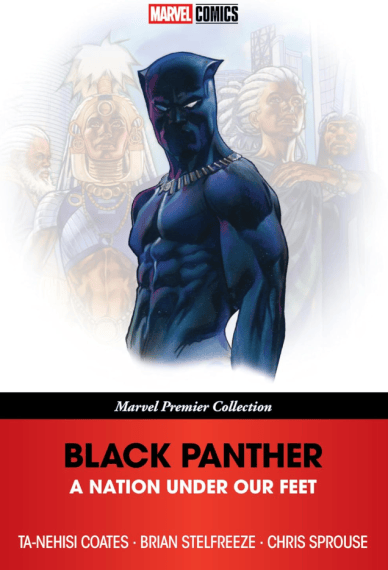
Author Ta-Nehisi Coates needs little introduction. Coates has received the MacArthur Fellowship a year before Black Panther: A Nation Under Our Feet was first released. Black Panther: A Nation Under Our Feet explores Wakanda’s identity, tensions, traditions, and where they fit in modern society while looking toward the future. This examination extends to the monarchy. Does Wakanda still need the Black Panther? These topics make sense, considering Coates is an American journalist and activist who often writes about cultural, social, and political issues, specifically African Americans and white supremacy. Coates authored “The Case for Reparations,” so a Wakandan story that examines its past while looking at how to move forward is something that Coates has immense experience.

Black Panther: A Nation Under Our Feet is a dense text. It deconstructs Black Panther as a character. It shows the Wakandan king step down as supreme leader, making way for Wakanda becoming a constitutional democracy with the Black Panther serving as a figure head. Think the English monarchy. T’Challa is still Black Panther. But Wakanda’s people are allowed to govern themselves. We’ve seen the MCU adopt some aspects of this story. I can’t help but think the MCU adapting A Nation Under Our Feet in a future Black Panther movie. Perhaps this storyline will inform Black Panther 3. I enjoyed my time with Black Panther: A Nation Under Our Feet and highly recommend the book, especially if you like the T’Challa and dive head first into Wakandan lore and politics.

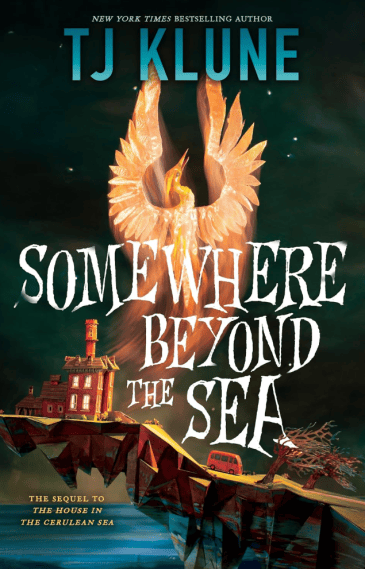
It was only a matter of time before I started reading the sequel to TJ Klune’s The House in the Cerulean Sea. Love that book. I had to pick up the sequel, Somewhere Beyond the Sea. Quick Note: I love Klune’s dedication:

For the trans community the world over:
I see you, I hear you, I love you.
This story is for you.

Klune’s dedication rings true. While The House in the Cerulean Sea was more subversive with its queerness (the main character just happens to be gay), Somewhere Beyond the Sea has Arthur and Linus go to court and defend magical beings’ rights. With the dedication as context, Somewhere Beyond the Sea’s many scenes can be viewed through the lens of the trans community’s struggles for acceptance. The House in the Cerulean Sea did a lot the same things. Somewhere Beyond the Sea makes this a front and center discussion. I loved returning to these characters. Cozy romantasy has become one of my favorite genres, and The House in the Cerulean Sea is one of the reasons why.

We were teased David, a teenage yeti, during The House in the Cerulean Sea’s epilogue. Somewhere Beyond the Sea delivers on the first book’s promise. And David fits with this cast of characters. David’s viewpoint on the term “monster” recontextualizes Lucy’s relationship with Arthur and Linus. Great stuff. I love it when a new character can help us see a preexisting character in a new light. In short, Somewhere Beyond the Sea is charming. The magical children are wonderful. Each of them has a distinct personality. The world is lived in. Even the tertiary characters, like Marsyas Island’s ferryman Merle, has charm. I’ve read a lot of books since The House in the Cerulean Sea, but it took no time at all to go back into the world Klune created with Somewhere Beyond the Sea.

I can’t wait for the upcoming HBO Max animated series based on these novels, or the third novel in the series. Klune has released these novels every four years, so the third novel may release as soon as 2027, but realistically, in 2028. Guess I’ll have to wait. I read Somewhere Beyond the Sea at a slow pace. I wanted to savor the story. But I could reread the two novels. Hmm? These books are fantastic.

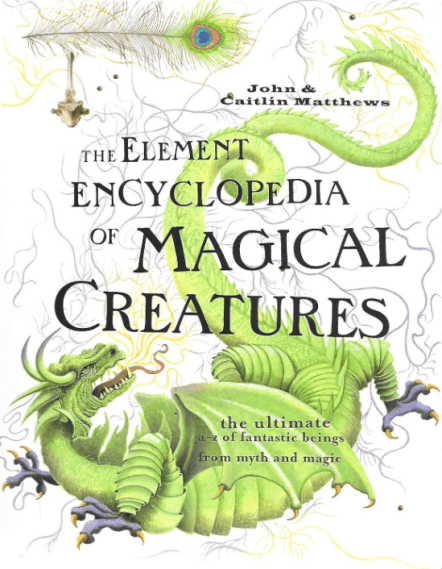
The Element Encyclopedia of Magical Creatures Book Cover

Kyra’s Nonfiction

I’ve talked about The Element Encyclopedia of Magical Creatures in the past. This book is loaded with fantasy/magical creatures from various points of origin. While some of the creatures in this book will be familiar, I like the ones I know little to nothing about. But the surprise entries I’ve found in this book are real world creatures. The Element Encyclopedia of Magical Creatures includes many real world animals and what those animals mean to various cultures and religions. This book is fascinating. I said this six or seven months ago, but I will finish The Element Encyclopedia of Magical Creatures.

Those are the books I’ve been reading this past month, and it looks like Season and Skye are taking this week off. What have you been reading, Geekly Gang? Let us know in the comments. Thank you for reading, and wherever you are, I hope you’re having a great day.
Whatcha Reading September 2026

Happy Wednesday, Geekly Gang! Kyra Kyle here, and today, our writers share what they’ve been reading over the past month. Feel free to share what you’ve been reading, because we’re all part of the Geekly Gang. I’ll kick off this post by sharing what I’ve been reading over the past month.

Kyra’s Fiction

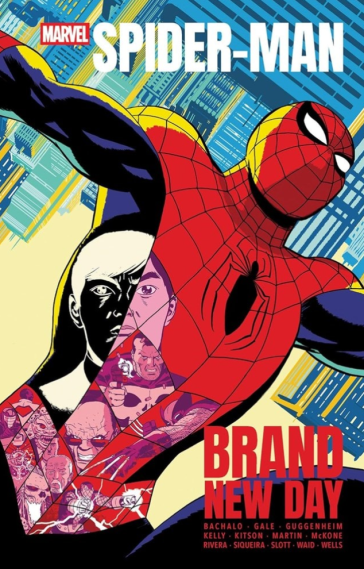
First off, I like how Marvel Comics has adopted DC Comics’ Compact Graphic Novel format. Yay! These volumes fit much nicer on the shelf, they pack a lot of story in smaller space, and they’re cheaper than full-size graphic novels. Compact graphic novels cost almost half that of full-size graphic novels, so I can pick up multiple volumes at a time. Hint: You’ll be seeing a lot of compact graphic novels on my list in the near future. My unsponsored plug for compact graphic novels has concluded, let’s get to Spider-Man: Brand New Day.

I can see why the MCU used the Spider-Man: Brand New Day title and none of the story. Don’t get me wrong, I enjoyed reading Spider-Man: Brand New Day, but the story was all over the place. The Spider-Man: Brand New Day comic book story arc plays out like a short story collection. The first story has little to nothing to do with the Mr. Negative storyline. Hammerhead’s tale builds up Mr. Negative as a shadowy figure working behind the scenes. Then, we get a yarn about a Bookie. While fun, the Bookie story doesn’t build off of Hammerhead’s. And then The Shocker shows up, and of course, he’s working with Mr. Negative. After that, we get an Anti-Venom comic, showing us who is Mr. Negative.

As you can tell, Spider-Man: Brand New Day is all over the place. Why does Anti-Venom reveal Mr. Negative’s identity? That reveal doesn’t carry much weight, because Spider-Man: Brand New Day sparingly shows Mr. Negative’s alter-ego and why Peter Parker would care. The original Sony Spider-Man Video Game does a much better job of telling Mr. Negative’s backstory. Heck, I only cared about the character because I played the video game first. You almost need to play the video game before reading the graphic novel for context. Spider-Man: Brand New Day defined Spidey for a generation. It may be rough around the edges, but it’s a good read.

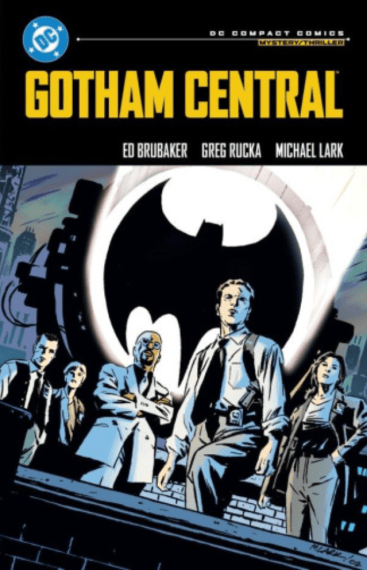
I had to read at least one DC compact graphic novel this month. Gotham Central beat out a couple of others in my TBR pile. I’m glad I chose this one. I can see why Gotham Central earned several accolades (including multiple Eisner Awards). These stories show the Gotham City Police Department (GCPD) working in a city that includes Batman. Some treat The Dark Knight as an extension of the GCPD. Others resent Batman. All of them navigate a criminal underground that includes heavy hitters like Poison Ivy and Mister Freeze. What can an ordinary cop do against someone like Mister Freeze? Gotham Central answers these questions.

Gotham Central also shows the inner workings of a city on fire. Crime is rampant. Death is everywhere. The GCPD officers we follow do their best. Renee Montoya (pictured above on the far right) is a standout, but Gotham Central fleshes out existing GCPD characters and introduces many others that remain staples in the Batman Mythos. You don’t see a lot of Batman in Gotham Central, but that’s the point. The Gotham television show made a half-hearted attempt at adapting Gotham Central. One of the show’s biggest issues may have been to age down Commissioner Gordon. Gotham Central ages up Gordon and showed the power vacuum left behind in Gordon’s absence. That would make for a good show.

Spider-Man: Brand New Day was the first of Marvel Comics’ Compact Graphic Novels. The series would become the Marvel Premier Collection, and the covers look similar to the one pictured above. Since I discovered Marvel’s compact graphic novel line, I read two of them this past month. I enjoyed The Visions more than I thought I would. I shouldn’t doubt Tom King (Supergirl: Woman of Tomorrow). You can see some of The Visions’ influence on the MCU’s WandaVision, but I’d like to VisionQuest take different elements from this storyline. I don’t want to spoil too much in this write up; you should read The Visions when you get the chance.

After gaining a new title (Avengers’ Ambassador to the Pentagon), The Vision moves to Washington DC with his family. The Visions explores what happens when a synthezoid constructs a family of his own. What could go wrong? Turns out, everything. The Visions does a great job placing us where The Vision is as a character. I am grateful for that. The Vision has one of the messier comic book origins you’ll find, but The Visions walks the reader through decades of confusing continuity. You don’t need a heap of comic book lore to know what makes him tic. Kudos to Tom King for making The Visions accessible.

The Visions is a page-turner. Each issue presents a new twist. Each issue ends on a moment you can’t wait to see what happens next. The Visions may have been my fastest read from this past month. It may have little to do with the greater Marvel Universe, but that makes The Visions endearing. It dives into who The Vision is and what kind of synthezoid family he’d create. The Visions explores what is to be human. Funny how a story about a synthetic person lends itself to examining humanity.

Elements of Style Book Cover

Kyra’s Nonfiction

It’s the summer, so I reread Strunk and White’s The Elements of Style. I don’t do this every year, but I do it most years. I’ve mentioned The Elements of Style last year, I believe. I love my illustrated copy. The pictures aren’t neccessary. You can buy a cheaper copy of The Elements of Style for less than five dollars, but if you want to splurge, the illustrations (by Kalman) add whimsy. Reading books like The Elements of Style may be more vital this year than in past years.

AI writing is everywhere. One of the ways you can spot AI writing is its overuse and misuse of em dashes (–). Em dashes are valid forms of punctuation. But you shouldn’t use em dashes in place of a semi-colon, colon, parentheses, or commas. Right now, large language models (LLMs or AI) abuse em dashes. Programmers can change which forms of punctuation their LLMs will overuse and misuse. You’ll need to read style books like The Elements of Style to make sure you don’t sound like a toaster or the slur The Visions introduced, a Socket Lover.

Those are all the books I’ve read or finished this month. I started a couple of others but didn’t want to include them until I was closer to finished. Looks like I’m on my own this month. Hopefully, Season and Skye will join us for next month. Thank you for reading, and wherever you are, I hope you’re having a great day.

5 Underrated/Underused Spider-Man Villains

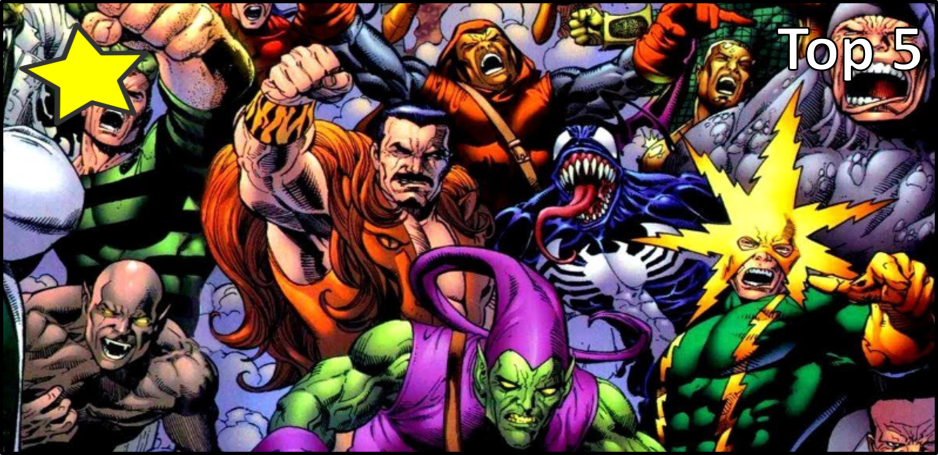
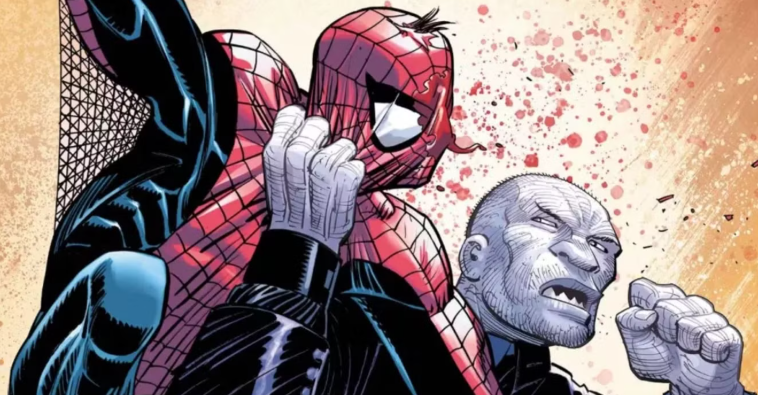
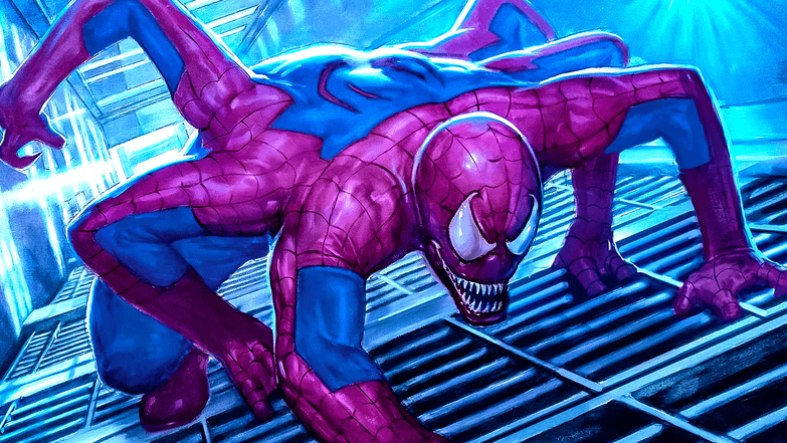
Happy Monday, Geekly Gang! Kyra Kyle here with a new entry in an older comic book series: Underrated and/or Underused Villains. Today, we focus on Spider-Man’s overlooked rogues’ gallery. The webhead has plenty of villains to his name, so it makes sense that a handful of villains may qualify. Notice how this list isn’t titled a Top 5. Numerous characters could make this list. If you don’t see your favorite underrated Spider-Man villain on this list, comment who would add.

The characters on this list may lean more toward underrated rather than underused or vice versa. Spidey has a wealth of villains, so we have more than one honorable mention. Let’s get to our list of five underrated/underused Spider-Man Villains.

Honorable Mention: Tombstone

I cheated with Tombstone. He shows up plenty in the comics, receives great adaptations in other media (I can’t wait for Your Friendly Neighborhood Spider-Man’s second season), and seldom gets overlooked as one of Spidey’s better second-tier villains. But I wanted to mention Tombstone. I love this character. One can never have enough Tombstone stories. I can’t wait to see Marvin Jones III (also known as Krondon) portrayal of Tombstone in Spider-Man: Brand New Day. Brilliant casting. Krondon also provided Tombstone’s voice in the Spider-Verse series of animated films. I can’t wait.

Honorable Mention: Beetle

Beetle meets the criteria for underrated and underused. His redemption story (told through Thunderbolts) is wildly underrated; I’d love to see a Beetle redemption story in the MCU. Abe Jenkins (the original and most famous Beetle) seldom gets used in media outside comics, and the comics haven’t featured him recently because he’s dead. But no one stays dead in comics forever. Oddly enough, Tombstone’s daughter, Janice Lincoln, has taken the mantle as the new Beetle. So, there’s a chance we could see Janice in the MCU.

No version of Beetle is primarily a Spider-Man villain, and that’s why they make the honorable mention list. Beetle threatens the larger MCU, giving preference to Iron Man and Spider-Man. Abe’s origin story was reworked a bit and used as Mysterio’s backstory in Spider-Man: Far From Home. He craved respect and recognition, so he stole tech, made a super suit, and terrorized the normies. When he joined the Thunderbolts, originally pretending to be a hero, he found the respect and recognition he always craved as a hero, so he became one. Ah! What could’ve been in the MCU? Beetle is certainly one of the most criminally overlooked Marvel villains. But his freelance villainy causes him to just miss the list.

Honorable Mention: Hammerhead

A third honorable mention? Yeah, Spidey has a ton of fantastic villains. We could’ve made a list of 20 underrated/underused Spider-Man villains. Let us know if you’d like to see a second part to this list.

Hammerhead has some of the worst adaptations for a Spider-Man villain. Outside the comics, media portray him as an underling. That isn’t true. Hammerhead is Kingpin’s rival, an equal in every sense. Readers of Spider-Man comics know this, but anyone who only consumes Spidey content outside the comics will wildly underrate Hammerhead as a villain. And Hammerhead has one of the most tragic childhoods among Spidey villains. I won’t spoil it. It’s brutal. There’s a reason Hammerhead’s skull has been replaced with adamantium. Yikes!

Hammerhead just misses our list because he may soon get a good adaptation. Rumors of Hammerhead joining Spider-Man: Brand New Day abound. I’m writing this early and before the second season of Daredevil: Born Again, and there’s a chance Hammerhead could become the Kingpin rival he was always supposed to be. We’ll have to see.

That wraps up our honorable mentions. Let’s see who made the proper list.

5: Doppelganger

Sure, Doppelganger has low intelligence. He barely says more than one word, but Doppelganger has a ton of potential, inside and outside of comics. Doppelganger hails from the dimension of manifestations. The Magus created all of the doppelgangers–they created a doppelganger for everyone in Marvel Comics (kind of like the Bizarros in DC Comics)–to combat their counterparts. Spider-Man’s doppelganger was the only one who made it to Earth 616 (Marvel’s main timeline). Lost, Doppelganger didn’t know what to do and attacked Spider-Man. It was defeated. But Doppelganger was rescued and adopted, in a way, by Shriek. Doppelganger only hates Spider-Man because the one it calls “Mother” (Shriek) hates Spider-Man. Despite its villain status, Doppelganger has conducted heroic deeds, and that’s interesting.

Within Marvel Comics, few creative teams have explored Doppelganger, but when they do, those stories slap. There have been rumblings of a potential Doppelganger sighting in Spider-Man: Brand New Day, but unlike Hammerhead, I doubt Doppelganger will get a good story. Fingers crossed.

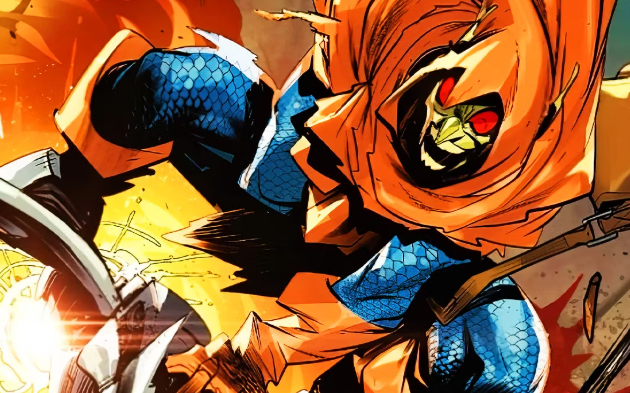
4: Hobgoblin

Hobgoblin fits the bill of an underrated Spider-Man villain, but he also poses a good question. Can someone be overused and underused at the same time? When Hobgoblin makes it into a Spider-Man story, he dominates for a few years, and then he disappears for almost a decade. And the pattern repeats. Most creative teams who include Hobgoblin in a story are passionate about the character. That’s why Hobgoblin dominates the storylines. This shields Hobgoblin from a lot of “bad” storylines. In fact, Hobgoblin is one of the few Spider-Man villains on this list, and in the honorable mentions, without an awful story.

One does need to establish a Green Goblin before introducing Hobgoblin. Typically, Hobgoblin “borrows” Green Goblin’s gadgets and rebrands them. The Nineties Spider-Man animated series is the only exception I can think of when Hobgoblin appears before Green Goblin. It helps that Mark Hamill voiced Hobgoblin.

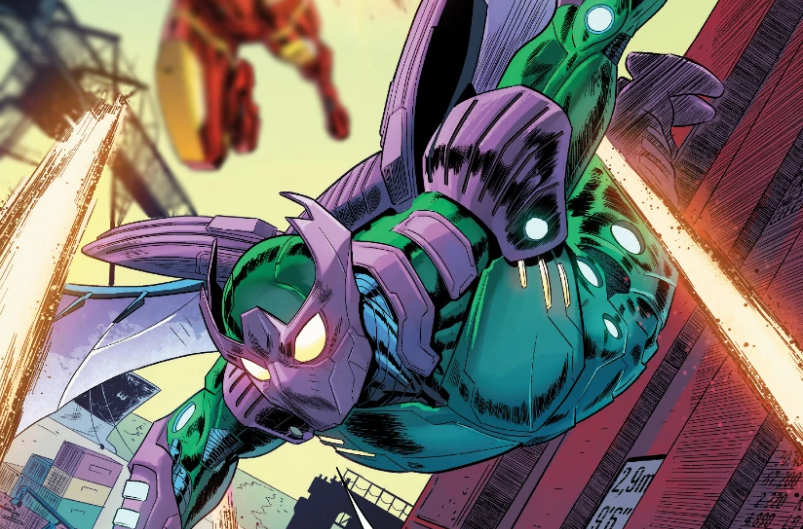
Honestly, I like Hobgoblin’s aesthetic more than Green Goblin’s, and I love the purple and green combination. Heck, those are Geekly’s colors. It must be Hobgoblin’s outfit, his more demonic and unhinged look, and that’s ironic. Green Goblin always has some form of mental illness, but usually, Hobgoblin has full control of his mental faculties. That can give Hobgoblin a more sinister vibe. He knows exactly what he’s doing.

3: Chameleon

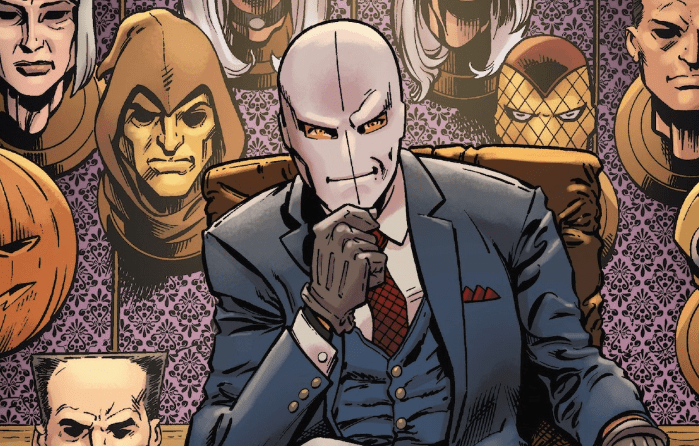
Chameleon is Spider-Man’s first villain. In his first tale, Chameleon dresses up as Spider-Man to frame him for stealing government plans. This happens a lot for Chameleon. He frames Spidey for crimes he didn’t commit, but Chameleon is more of an espionage character. He has an awesome backstory. Without Chameleon, we may not get as fleshed out a Kraven the Hunter. The two are half-brothers. But Spider-Man creators miscast Chameleon. So, Chameleon may be more of a misused villain than an underused villain, but he is also underused.

Despite being Spider-Man’s oldest villain, Chameleon rarely shows up in other media, and when he does, it’s usually a cameo. I’m hopeful for Chameleon’s role in Your Friendly Neighborhood Spider-Man’s second season. This version of Chameleon has potential. It also helps that Peter Parker’s father (Spoiler: Peter’s dad is alive in this cartoon series) worked as a spy. That could play into Chameleon’s background. We need Spidey to flex his detective muscle. Mysterio triggers Peter’s tingle, forcing him to rely on his Spider Sense. A full-thrust Spider Sense for Mysterio makes sense because Mysterio envelops the area around him with illusions. I could see a low-level twinge with the Chameleon, like Peter knows something’s amiss, but he can’t put his finger on it. Chameleon’s abilities only affect himself. We need better Chameleon stories.

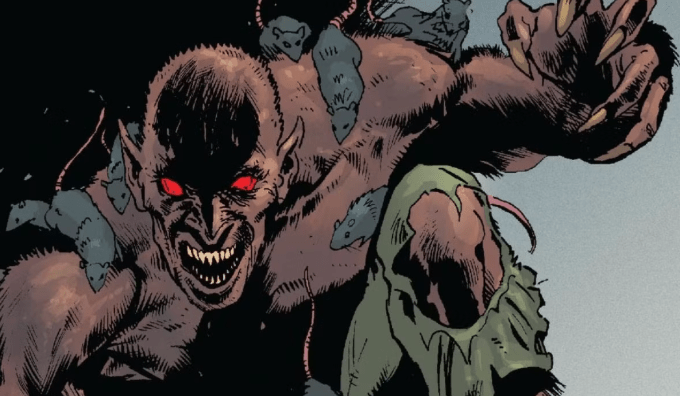
2: Vermin

Before making this list, I knew who would reach the top. One can rearrange or replace any of the previous Spider-Man villains on this list, but the top two are chiseled in stone. You could swap one and two with each other, but we’ll get to number one in a minute. First, we’re talking about Vermin.

Vermin may take the mantle of the most underrated and underused Spider-Man villain. Most Spidey fans (who read the comic book) would say Kraven’s Last Hunt and The Child Within are two of the top three or four stories in Spider-Man history. Vermin features in both stories. Despite those two tales occurring decades ago, Vermin shows up in few other stories. See what I mean about underused? Some Spidey fans may forget Vermin was in Kraven’s Last Hunt. Talk about underrated. Sure, Vermin was Kraven’s pawn, but there’s a killer moment when Spider-Man loses his temper with Vermin. Love this story. We covered it more in a previous post.

And then we get to The Child Within. Ah! So good. A nine or ten-year-old child wanders into the sewers and asks Vermin to accompany him home. Vermin (a rat person) takes the kid to a mansion, but the kid refuses to go inside. By this point, we realize the kid is Vermin’s inner child. The mansion belongs to his parents. At first, Vermin’s parents don’t recognize him. We get Vermin’s tragic backstory, and I’m not going to spoil it here. You should read The Child Within.

Not only does Vermin have few–if any–“bad stories,” he’s featured in two of Spider-Man’s greatest stories. Who could possibly claim the top spot over Vermin?

1: Jackal

If you were to rank Spider-Man’s most important villains (the ones necessary to tell Spider-Man’s story), the list would look like the following:

1) Green Goblin
2) Doctor Octopus
3) Jackal

Spider-Man fans who read the comics know who Jackal is and would agree with this list–for the most part. Spidey fans who don’t read the comics are scratching their heads, wondering who the hell is Jackal? That’s why Jackal is number one on this list. He is one of Spidey’s most important villains, and not enough people know him. Jackal introduced The Punisher, hiring him to take down Spider-Man (during The Punisher’s first appearance), and he’s behind most, if not all, clone storylines. And Spidey has a ton of clone stories. The Clone Saga is the longest storyline in Spider-Man comic book history.

The original Jackal, Miles Warren, was one of Peter Parker’s college professors. Warren, in his mid to late fifties, crushed on Gwen Stacy. Ew. She’s more than half your age, creeper. After Gwen died, Warren blamed Spider-Man for her death. Spidey did web Gwen’s foot, causing her neck to snap. Jackal, pointing out this detail to Spider-Man, poured extra salt into Peter’s guilt. Peter already blamed himself for Gwen’s death. What ensued was a lot of cloning, cloning of Gwen Stacy, Peter Parker, and others. Eventually, Jackal would clone himself in an attempt to achieve immortality.

Jackal’s lack of a good adaptation outside of comics reminds me of Hobgoblin’s issue. Jackal is difficult to explain without a lot of setup, like Hobgoblin needing Green Goblin to exist first. Typically, Jackal needs Gwen Stacy to exist. You may even need her to perish. Often, Miles Warren gets introduced, and we never see his transformation into Jackal. And then there’s Jackal’s age. Since Warren is in his fifties, whenever he gets introduced as a side character in a movie or show, people overlook him. Warren appeared in The Amazing Spider-Man film series and Sony’s Spider-Man adjacent movies. Blink, and you’ll miss him. I hope the MCU takes its time to introduce Jackal in the future. Gwen may soon make her debut in the MCU. Jackal may not be far behind.

That’s our list of five underrated and/or underused Spider-Man Villains. There are plenty more villains who could’ve made this list. Let us know who you would add in the comments. Thank you for reading, and wherever you are, I hope you’re having a great day.
X-Men ’97 “Rise of Apocalypse: Part 1” Review

Hey, hey, Geekly Gang! Kyra Kyle here again with a third post. We’re back for a third installment of X-Men ’97. This post will cover the third episode of X-Men ’97’s second season, “Rise of Apocalypse: Part 1.” If you’d like to see Geekly’s thoughts on X-Men ’97 season two’s previous episodes, you can find them here: “Days of Past Future” and “A Force to Be Reckoned With.” I’ll kick off this post with my thoughts on X-Men ’97 season two, “Rise of Apocalypse: Part 1.”

Kyra’s Take

Oh my! I can see why X-Men ’97 released three episodes during its opening event. Each episode showed what our three sets of intrepid mutants are up to since the end of season one. “Days of Past Future” took us to the future, where Cyclops and Jean Grey reunite with their son, Nathan (Cable). “A Force to Be Reckoned With” brought us back to the present day (the Nineties) and what’s occurred since the X-Men disappeared. But the third episode (“Rise of Apocalypse: Part 1”) delivers on season one’s cliffhanger. And it also ends with yet another cliffhanger, but we’ll get to that in a minute. When I saw X-Men ’97’s release schedule, I originally thought Marvel wanted to drop as many episodes before Spider-Man: Brand New Day’s release date. Spider-Man’s next cinematic installment could’ve played a factor, but X-Men ’97 made the right decision to release the first three episodes of season two. Anything less would’ve felt incomplete.

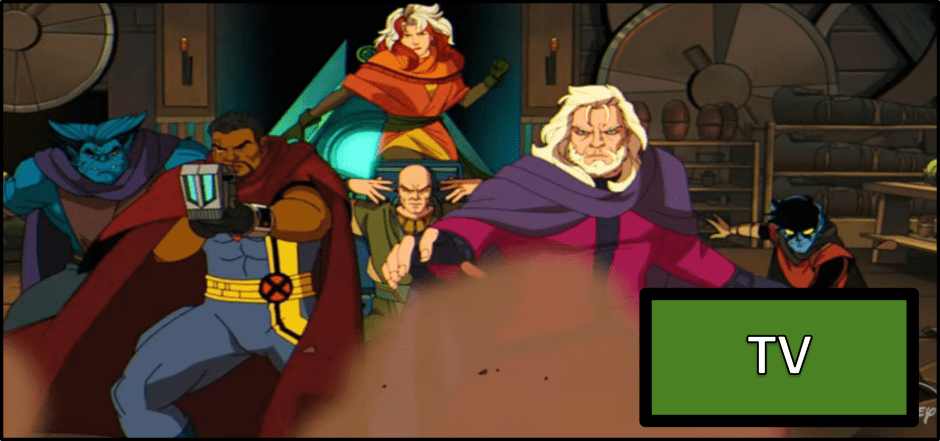
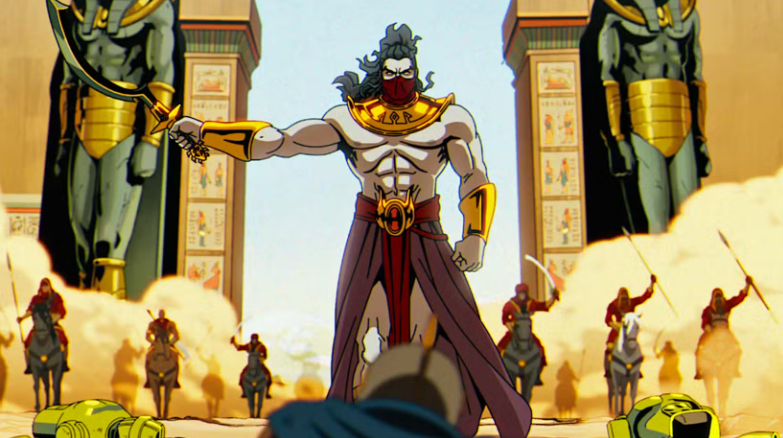
I’m sure some viewers waited for X-Men ’97 to show the goods, revealing Apocalypse’s origin, and X-Men ’97 sure does deliver. “Rise of Apocalypse” gets its story from the comic book mini-series of the same name. We’re going to Ancient Egypt. I like how Magneto tries to rewrite mutant history by guiding En Sabah Nur (Apocalypse’s original name) toward a path of peace. This continues the dynamic between Magneto and Charles Xavier from the previous season. The two have a tenuous truce. They may both want the same thing (peace between humans and mutants), but they have very different means to accomplish this goal. Classic.

X-Men ’97’s showrunners know their characters. I had my doubts when the show was first announced several years ago, but X-Men ’97 has exceeded my most optimistic expectations. The new series maintains everything the original X-Men: Animated Series built, while working toward something new and exciting. The show has built up characters like Cable and Jubilee. “Rise of Apocalypse: Part 1” does the same for Apocalypse. He was already one of the X-Men’s most impressive foes. X-Men ’97 season two looks to humanize him. And watching Magneto try and teach Apocalypse a path to non-violence showed how much he’s grown. His actions end the way one might think they would (he fails), but I love how Magneto tries to reach Apocalypse. He notices they aren’t that different.

I don’t want to get into too many spoilers with these posts. Needless to say, the X-Men attempt multiple times to find their way to their timeline and fail. Tensions rise. And we’re left with another cliffhanger. Since “Part 1” is included in the episode’s title, “Rise of Apocalypse: Part 1” sets up the following episode, which we’ll cover later today. I’ve been writing these reviews/reactions as soon as I finish one episode. I haven’t yet watched “Rise of Apocalypse: Part 2,” but X-Men ’97 has my full confidence. I love the direction the Marvel Animated Universe has taken. I’ve been more excited about X-Men ’97 and Your Friendly Neighborhood Spider-Man’s second seasons than most of the Marvel Cinematic Universe’s offerings this year. I can’t wait to watch the next episode.

Those are my thoughts on X-Men ’97 “Rise of Apocalypse: Part 1.” Let’s see what Season thinks.

Season’s Take

As soon as En Sabah Nur said, “He was not fit to live,” I shouted, “You are not worthy.” I really hope En Sabah Nur says that in “Rise of Apocalypse: Part 2.” He has to finish the quote. It’s a requirement. Side note: Apocalypse looks good with long, wavy hair. He should bring that back.

I appreciated the tender moments between Magnus and Charles in “Rise of Apocalypse: Part 1.” Magnus wanting to try things Charles’ way was endearing. Something tells me it won’t last when they inevitably part ways, but I hope we get to see more of these moments in X-Men ’97. “Rise of Apocalypse: Part 1” was very human.

Hey, hey! Kyra Kyle here again. Those were our thoughts on X-Men ’97: “Rise of Apocalypse: Part 1.” What are yours? Let us know in the comments. Thank you for reading, and wherever you are, I hope you’re having a great day.
X-Men ’97 “Days of Past Future” Review

Happy Saturday, Geekly Gang! Kyra Kyle here. X-Men ’97 returned with the first few episodes of season two last week. We didn’t cover the animated series when it first launched because we were in the middle of writing our Supergirl review. We’ve had time to watch each of these episodes. I may be joined by Season in this post. Woo hoo! I can’t wait to talk about X-Men ’97 Season Two’s first few episodes. We’ll be releasing separate posts for each of the released episodes (four in total), so let’s begin with “Days of Past Future.”

Kyra’s Take

Geekly hadn’t returned when X-Men ’97’s first season originally aired, so I may take a quick moment to discuss the series as a whole. X-Men ’97 is a joy. I love how they brought back most of the cast and the creative team behind the scenes of the original Nineties X-Men Animated Series. This show mainlines Nineties nostalgia. With the exception of a few modifications, like a new voice actor for Rogue, who took some getting used to, X-Men ’97 captured the original’s charm. X-Men’s animation hadn’t aged the best, and while X-Men ’97 updated the animation style, it kept most of the visuals intact. Fantastic.

I also liked how X-Men ’97’s first season picked up right where the original X-Men Animated Series ended. This makes X-Men ’97 a continuation of the original. This is not a reboot. Sort of. And I liked how the showrunners decided to incorporate characters who were introduced (in the comics) during the original show’s run. Mild spoiler ahead. The first season’s main villain, Bastion, wouldn’t have been in the original X-Men Animated Series run because he was too new a character. Still, he fits into the animated series because the X-Men comic book was wildly popular in the early to mid-Nineties. Say what you will about X-Men #1’s role in the comic book collection market’s collapse, but X-Men had the it factor. Including characters and story arcs from the Nineties run of X-Men is a great choice.

Okay. Now, let’s talk about “Days of Past Future.” X-Men ’97 picks up immediately where the first season concludes. Apocalypse returns. Yay! X-Men ’97 continues to include characters from that Nineties run of X-Men comics. Brilliant! We’re going to go into more minor spoilers for “Days of Past Future.” You’ve been warned. Mother Askani (1993-1994) has a deceptive name. She’s actually Rachel Summers, Jean Grey and Cyclops’s daughter, from a different timeline. In fact, she is able to manipulate the timestream, so X-Men ’97’s reveal that Mother Askani was the one who sent the two X-Men teams into the past and future to stop Apocalypse makes sense with the original comic book. The show takes liberties. This isn’t a one-to-one, but I like Mother Askani’s inclusion.

Mother Askani harkens to a 1994 mini-series (The Adventures of Cyclops and Phoenix), where Jean and Cyclops bond with a young Nathan Summers (Cable). Even better, the tail end of X-Men ’97 season one foreshadowed that Jean and Cyclops’s relationship with their son would be explored. X-Men ’97 kept its promise in “Days of Past Future.” I can’t say enough great things about this series. I squeed. I did, and we get another season of episodes after this one airs. Yay!

Most of “Days of Past Future” focuses on the X-Men team sent into the future. I’m reviewing these episodes as I watch them, so there may be a few things I don’t notice in one episode that will become more important in the next. I love the direction X-Men ’97 is taking Cyclops, Jean Grey, and Cable (Nathan). X-Men ’97 has done a lot with fleshing out Cable’s backstory. The original X-Men Animated Series showed Cable as a random guy trying to save his future. Heck, Deadpool 2 portrayed Nathan Summers in a similar light. I liked both depictions of Cable. But X-Men ’97 has given Cable depth.

Supposition time: X-Men ’97 season two will build toward the classic X-Men Event, Age of Apocalypse. Sure, X-Men ’97 season two is borrowing elements from Age of Apocalypse, but I believe the animated series will fully embrace Age of Apocalypse with its following season. The post-apocalyptic world where Mother Askani exists paved the way for Age of Apocalypse. Fans and the writers enjoyed a world in the distant future without the X-Men and controlled by Apocalypse, so they wanted a world with the X-Men and controlled by Apocalypse (Age of Apocalypse). We’re only getting a taste of Age of Apocalypse this season. We’ll have to wait until the tail end of season two or next season to meet Sugar Man.

Those are my thoughts on X-Men ’97 “Days of Past Future.” Let’s see what Season thinks.

Season’s Take

I’m also watching these episodes one at a time before reviewing them, so we’ll see what I pick up on in future episodes. I’m a sucker for familial relationships being explored, and “Days of Past Future” did that more than I thought it would. A lot of characters were featured in “Days of Past Future,” but they each got adequate screen time. Actually, it’s more like each character was given plenty of depth despite the episode only being thirty-three minutes. I’ve never read Age of Apocalypse, so I’m unfamiliar with the plot. I know. I need to up my comic book game.

I’m excited to see where X-Men ’97 takes us next. I’m a huge fan of Rogue, so any chance I get to see her in action is amazing. I’m not the biggest fan of her voice in X-Men ’97, though. Girl, cough. Or, like, clear your throat.

Hey, hey! Kyra Kyle again. Those are our thoughts on X-Men ’97: Days of Past Future.” Feel free to share yours in the comments. Thank you for reading, and wherever you are, I hope you’re having a great day.