Top 5 Board Games Better as Video Games

Hey, hey, Geekly Gang! Kyra Kyle here. The title of this post sounds sacrilegious. It can be difficult to believe someone who rates the Dorformantik Board Game above the video game that inspired it, to also rate some video games above their inspiring board/tabletop games. I love board games. But several video game adaptations work better than the original board games. There are various reasons why a board game or tabletop game may be better as a video game, and I’ll share why I prefer the digital version to the physical version of the game. I still play some of these board games in their original form, but all the games on this list make better video games than board games.

5) Ticket to Ride

We begin with a game I play digitally and physically, Ticket to Ride. Asmosdee Digital does an excellent job translating Ticket to Ride to various online platforms. Since I have an iPad and an Android smartphone, I’m certain I’ve purchased Ticket to Ride for at least three or four of its possible platforms. Each version makes it easy to see what other players (typically AI players for me) have done on previous turns and plan future turns. Ticket to Ride’s tutorial is quick and easy, which makes sense: the game is quick and easy to learn.
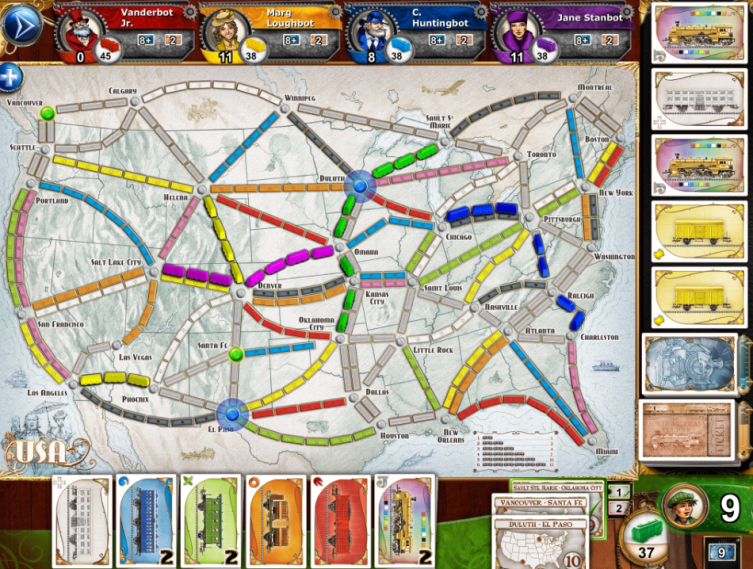
The reason why I play Ticket to Ride on digital more than my physical copies is my gaming group has moved passed this classic gateway game. I could litter this entire list with digital versions of some of my favorite, classic gateway games like Carcassonne and Ticket to Ride or even Smallworld (also from Asmodee Digital), but I like Ticket to Ride’s interface just a bit more and the extra maps add an extra layer of variability without needed to store dozens of bonus Ticket to Ride maps.
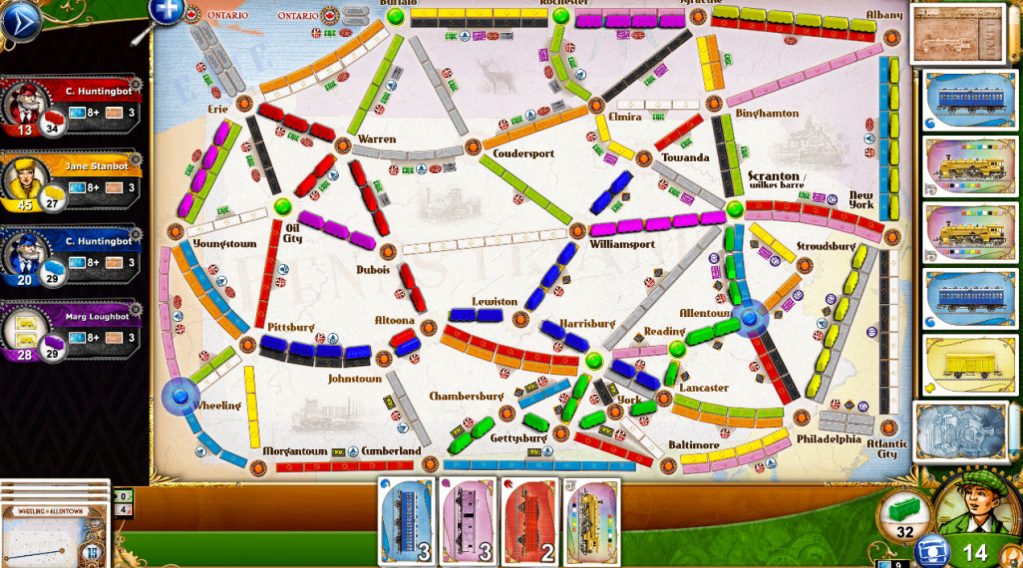
I like getting in a game or two of Ticket to Ride while I wait in line or I’m traveling. I highly recommend the digital Ticket to Ride.

4) Sentinels of the Multiverse

Sentinels of the Multiverse is another old favorite. Yes. Like Ticket to Ride, my gaming groups have moved past this board game to other games of its ilk, but there are more reasons why Sentinels of the Multiverse makes this list. The game takes a while to set up and take down (this reasoning will come up again), and Sentinels of the Multiverse has a lot of cards that trigger at various intervals and during different turns, which makes triggers easy to miss.
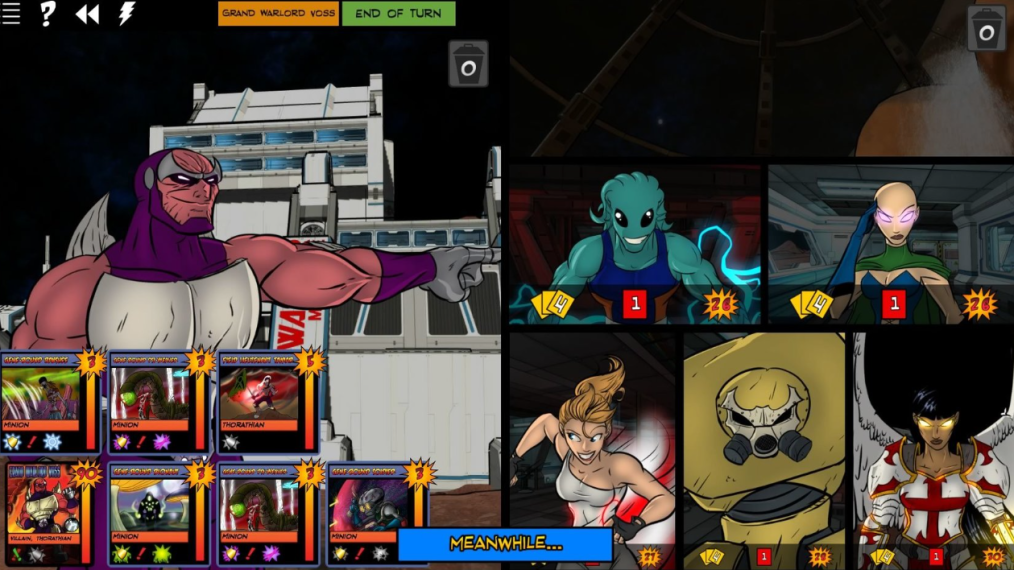
Sentinels of the Multiverse: The Video Game eliminates the need to remember triggers. The setup is nonexistent. Just load the game and go. While I may not own Sentinels of the Multiverse: The Video Game on as many platforms as Ticket to Ride, I’ve put in plenty of hours playing this digital version. I think the reason why I’m reluctant to purchase Sentinels of the Multiverse on other systems is that all content for the original Sentinels of the Multiverse is available in this video game. I don’t want to buy everything again.
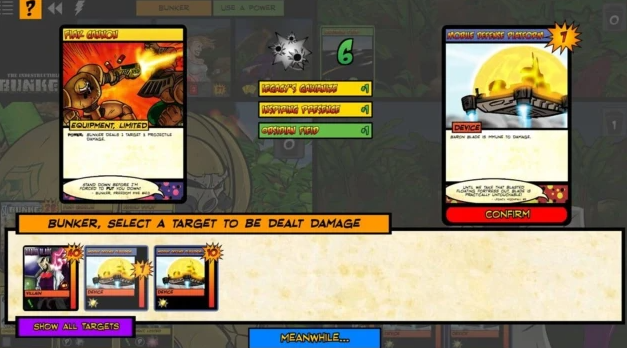
Handlelabra does a great job converting the original Sentinels of the Multiverse into its digital version. Graphic effects match the original art, drawing me into the game. Sentinels of the Multiverse keeps the theme going with little touches like “Meanwhile…” whenever the game waits for input. Nice!

3) Neuroshima Hex

Neuroshima Hex is another game with plenty of triggers that are easy to miss, but unlike Sentinels of the Multiverse, the setup and take-down of this game are so laborious, I don’t dare play the physical copy. The only way I’ll play Neuroshima Hex’s physical form is if someone else agrees to handle the game’s logistics. And the timing aspect for Neuroshima Hex can get tedious. Sure, timing can be something one can easily miss, just like Sentinels‘ triggers, but Neuroshima Hex runs deeper than that. It hurts more in the physical game to overlook one of your opponent’s hexagonal pieces with a faster speed than yours and a devastating ability. In the digital copy, I snap my fingers and move on. In the physical game, I’m dejected.
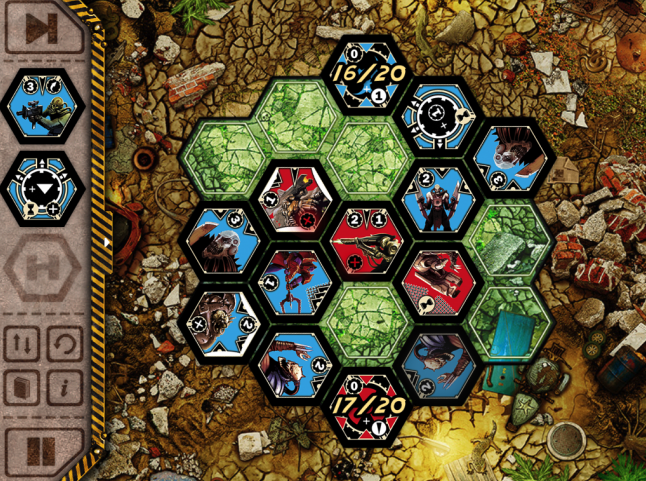
Neuroshima Hex‘s strategic and tactical moves are fantastic, but there’s too much to remember in the physical copy. Neuroshima Hex’s digital copy provides reminders for gamers. Games don’t take nearly as long to play, so the time investment isn’t long. The same can’t be said of the physical version of Neuroshima Hex. I even like how the digital copy incorporates the game’s lore. While playing, it’s easy to overlook Neuroshima Hex’s post-apocalyptic world, and its colorful denizens.
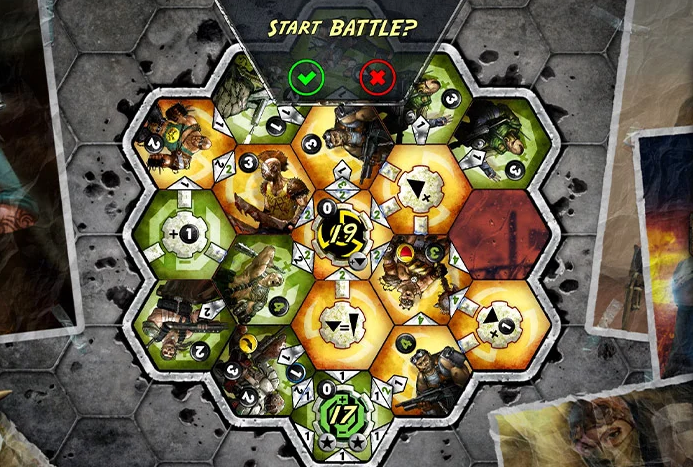
Portal Games and Big Daddy’s Games did a great job translating Neuroshima Hex to a digital game. Similar to Ticket to Ride, I can see information easily and cleanly. Neuroshima Hex’s digital copy even has a free demo for you to try.
2) Gloomhaven

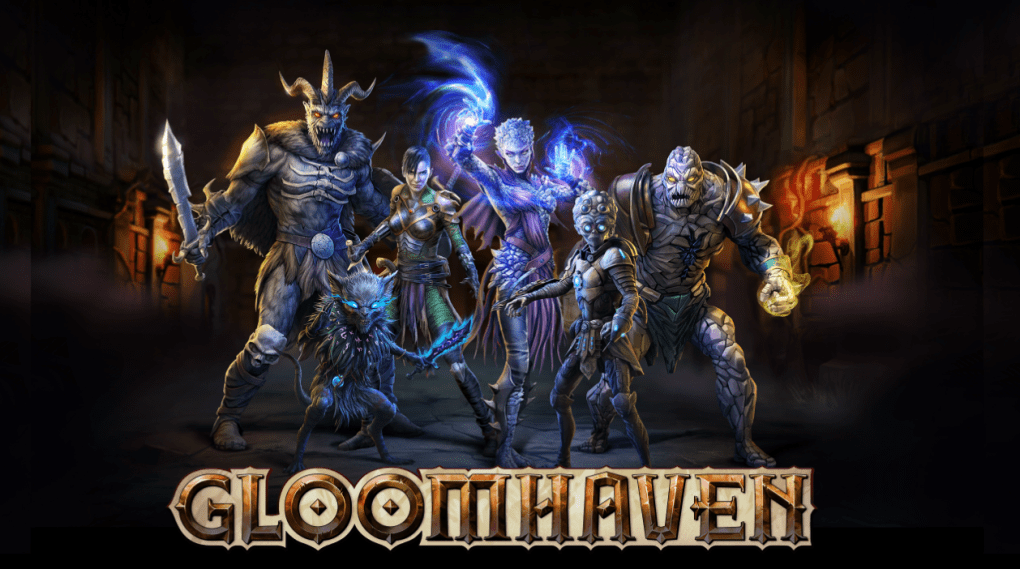
Gloomhaven’s digital copy makes it to this list for one reason: no setup. While other factors may have factored into other digital copies of board games making this list, Gloomhaven has an unbearable setup time. Fortunately, the Gloomhaven digital copy packs everything in the original’s massive box into its programming. You won’t need to save your character from one scenario of Gloomhaven to the next because this is a video game. The game does that for you. And Gloomhaven’s graphics are fantastic.
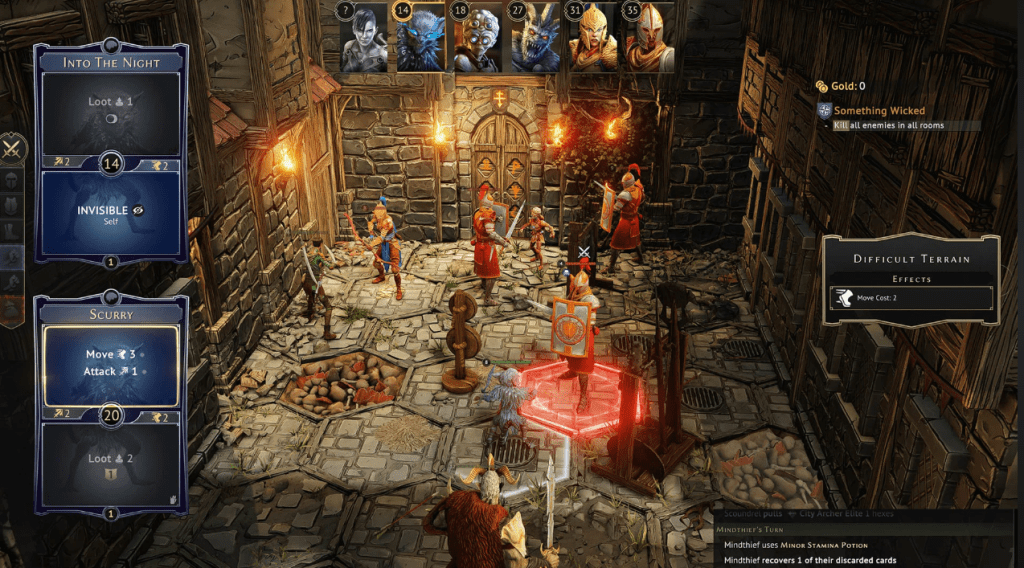
Like most other titles on this list, Gloomhaven has an easy-to-see and use interface. The physical game’s sometimes complicated rules are explained a little better in its digital version. I’m not saying that Gloomhaven’s rules are difficult to follow, but parts of the rules can be like Sentinels of the Multiverse and be easy to miss, and players won’t need to play out the artificial intelligence of the game’s enemies. Yes. A quarter to a third of Gloomhaven is acting out the game’s enemies. You won’t need to do that either in the digital version of Gloomhaven.
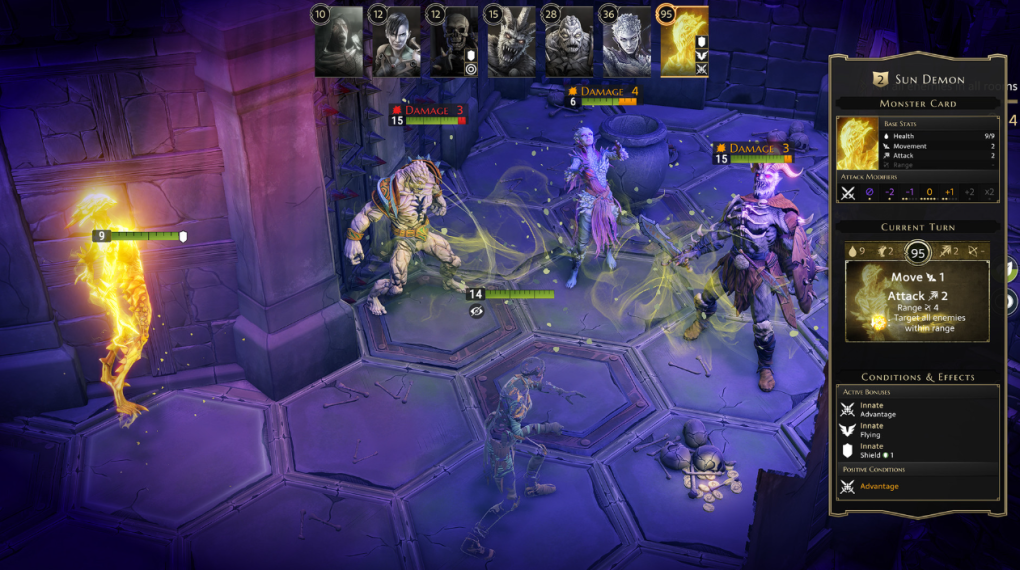
And did I mention Gloomhaven’s graphics? I did? Well, they look almost as good as Baldur’s Gate 3. Okay. Maybe that went too far, but Gloomhaven’s digital game looks amazing. You also won’t need to wait for your gaming group to meet up so you can continue your campaign. Gloomhaven: The Video Game offers the perfect alternative for this sprawling epic.

1) Onirim

Onirim will take the number one spot for some time to come. It would’ve taken this spot over a decade ago if we did a list like this. Onirim is the game I replace Solitaire with on all my smart devices. At its core, Onirim is a colorful, whimsical twist on classic Solitaire, but the physical game suffers for one reason: shuffling.
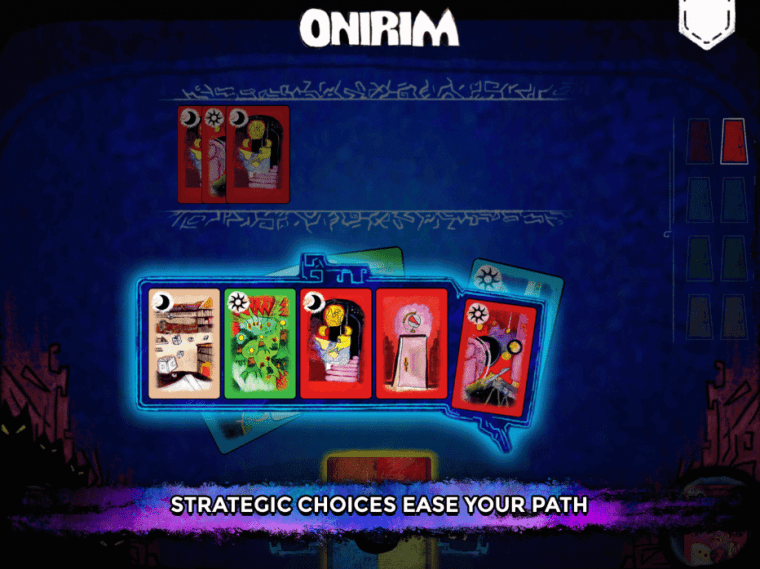
And I’m a compulsive shuffler. Seriously, I’m AuDHD (Autistic and an ADHDer) and shuffling cards is a stim for me, and I think there’s too much shuffling in the physical copy of Onirim. Some cards (Nightmares) discard cards from the deck, and if you draw more than one in a turn, you’ll need to shuffle them back into the deck. Other cards (keys) allow you to search the deck for a door, and if you find one, you’ll need to shuffle the deck again. And those are the base game cards. Onirim offers a couple of expansions with more cards that will force players to shuffle.
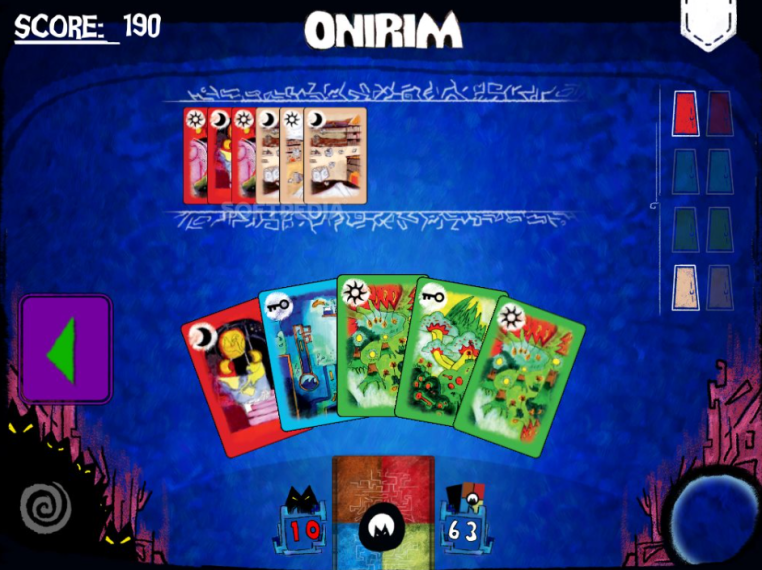
It may sound like I hate Onirim. Far from it. I love this game; it’s the only Solitaire game I’ll play on my smart devices. But Onirim has a ton of shuffling. You won’t feel that if you play Onirim’s digital copy. Trust me. Once you start playing Onirim, you won’t want to stop playing this dream of a Solitaire game.

That’s my list for now. What digital copies of board games do you like to play? Let us know in the comments. Thank you for reading, and wherever you are, I hope you’re having a great day.
Tabletop Game Review: Dorfromantik: The Board Game

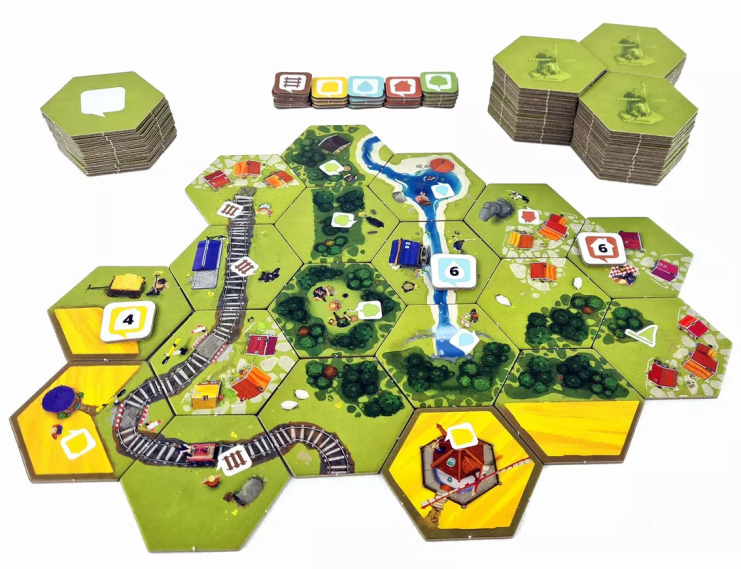
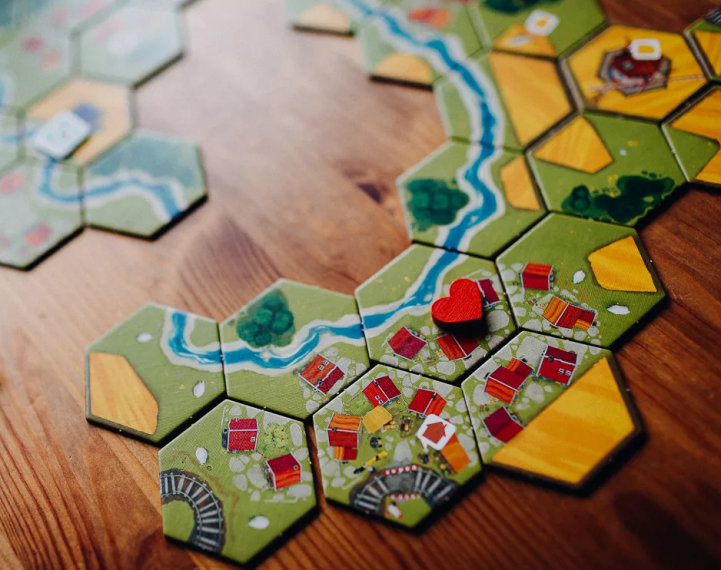
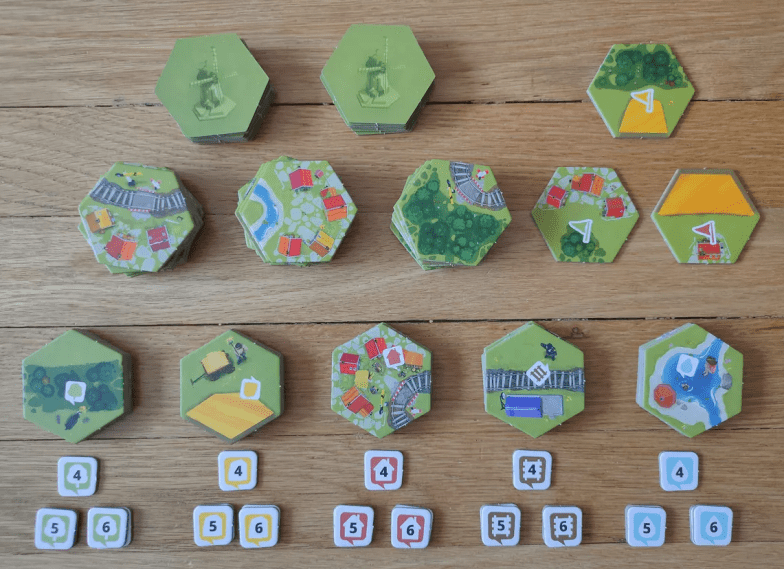
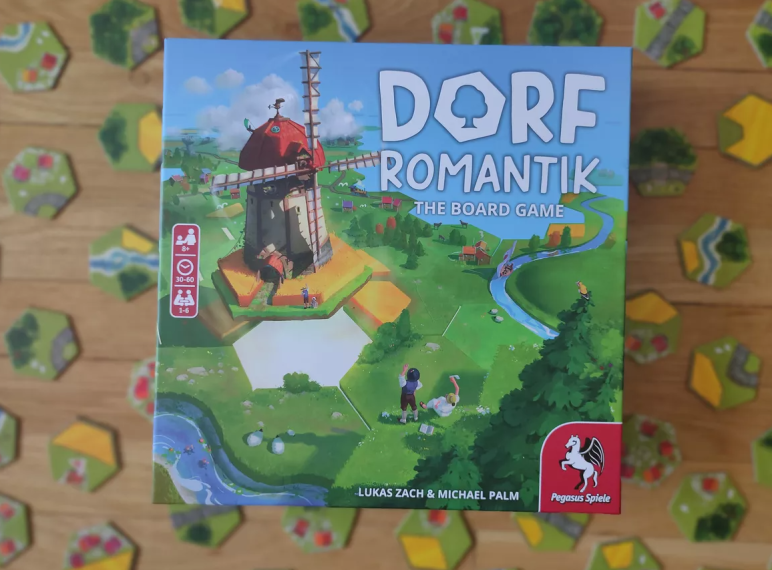
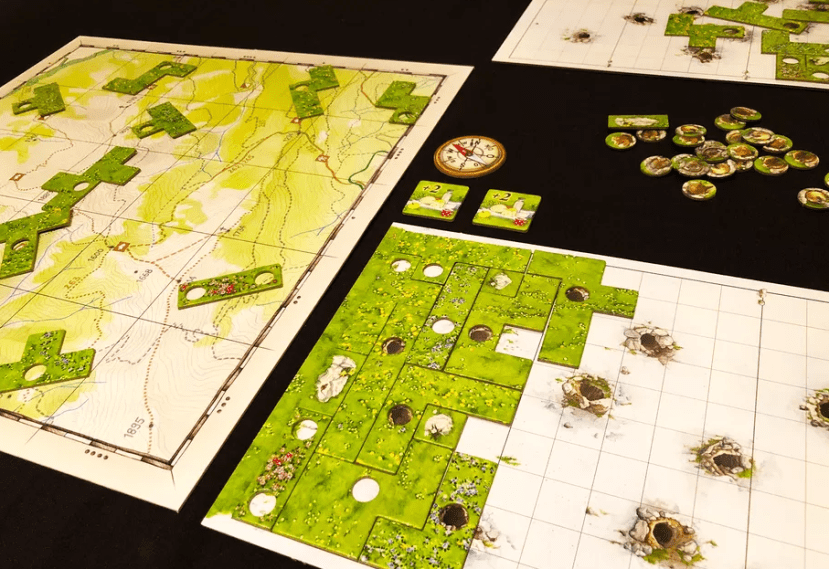
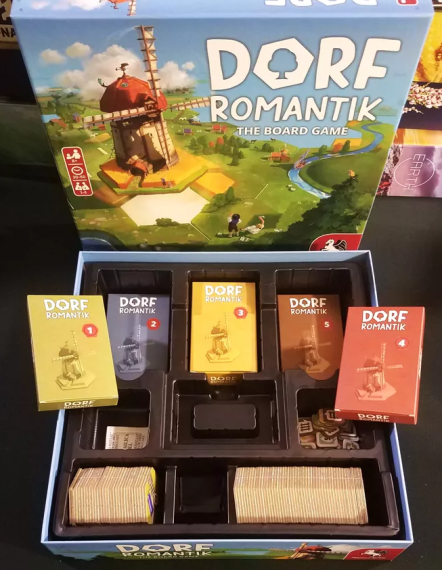
Dorfromantik: The Board Game is the rare exception where a video game (that was inspired by board games) made it big, so then a board game version of the video game is made, and that board game becomes an award darling. Hey, hey, Geekly Gang! Kyra Kyle here. Today’s board game review is for Dorfromantik: The Board Game. We covered the original Dorfromantik video game a few months ago (just in time for Christmas), so it’s only fair to review Dorfromantik: The Board Game. We’ll get to the game in a bit, but first, we’ll review Dorfromantik: The Board Game’s credits.

The Fiddly Bits

Designer: Michael Palm and Lukas Zach
Publisher: Berry Games; Pegasus Spiele
Date Released: 2022
Number of Players: 1-6
Age Range: 6 and up
Setup Time: 5-10 minutes
Play Time: 30-60 minutes

Game Mechanisms

Area Majority
Campaign
Cooperative Game
Hexagon Grid
Modular Board
Tile Placement
Variable Set-Up

Game Setup

While Dorfromantik: The Board Game offers concise rules, BoardGameGeek user lenlindsay made a  Dorfromantik: The Board Game full rules on 1 page, where they did the work we typically do here and paraphrased the rulebook to give you a glimpse of Dorfromantik. Thank you, lenlindsay.

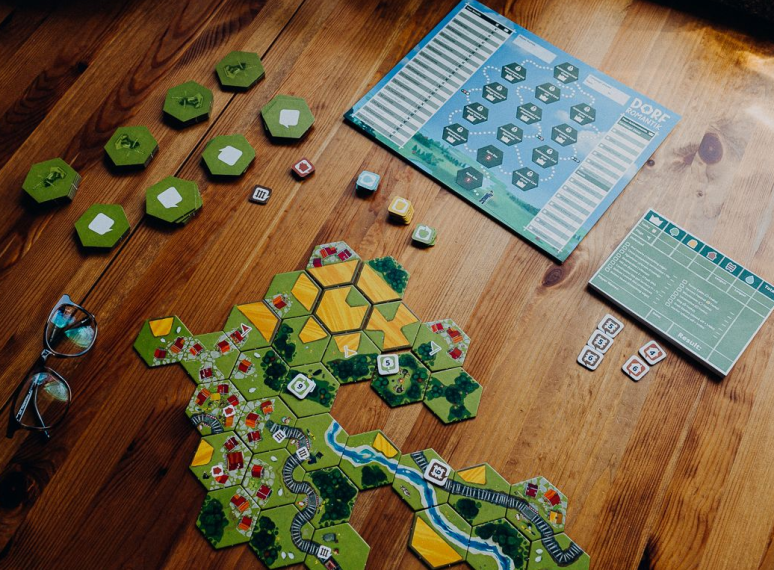
1) If playing a campaign game, check-off on the Score Sheet all the components you have unlocked (to remind you that these will be scored at the game’s end).

2) Shuffle and place the Landscape Tiles, Task Tiles, and Task Markers (separated by color) in facedown stacks on the table in easy reach of players.

3) Put 3 Landscape Tiles back into the box (they won’t be used)

–In a campaign, do not mix in Special Tiles till removing 3.

4) Do NOT open any of the boxes until told to do so.

Game Flow

1) Choose a starting player. Then take turns clockwise.

2) One at a time, take 3 Task Tiles with a matching Task Marker and place them adjacent to each other on the table however seems best to your group. (Players take turns doing this.)

3) On their turn a player checks to see if there still are 3 tasks on the playing board. –If not, they take a Task Tile and a matching Task Marker and decide where to place it on the board.
–Otherwise take a Landscape Tile and place it on the board.

General Placement Rules

1) Tiles must be placed adjacent to at least one tile on the board.

2) Train tracks and streams must match on the adjacent tile.

3) Other terrain types need not match (but there are advantages to matching areas of the same terrain type).

Game End

* The game ends immediately when there are no further Landscape Tiles left to place.

* If you place the last Landscape Tile so that it completes a task(s), you may place a new Task Tile(s) until there are again 3 available tasks on the board (at which point the game ends).

We won’t go into detail the endgame scoring rules. Dorfromantik: The Board Game (and lenlindsay) does a great job of explaining this. Dorfromantik: The Board Game is also cooperative, so scoring knowing how to score isn’t cutthroat, but knowing how to score in the game will inform where you’ll place your tiles. We only wanted to share how to play and what you’re doing during a turn.

Review

At first, Dorfromantik: The Board Game plays like a group activity rather than a game. I noticed this when I was first playing Dorfromantik and when I taught Dorfromantik to other new players. But as soon as I busted out the endgame scoring and applied our results to Dorfromantik’s campaign sheet perception of the game flipped.

Dorfromantik: The Board Game may be the first board game I’ve played where the campaign makes the game. Don’t get me wrong, the group activity that is Dorfromantik without the campaign is a lot of fun. Dorfromantik: The Board Game may be the first cozy board game I’ve covered. That sets it apart. I haven’t found too many games where I can board game and chill.

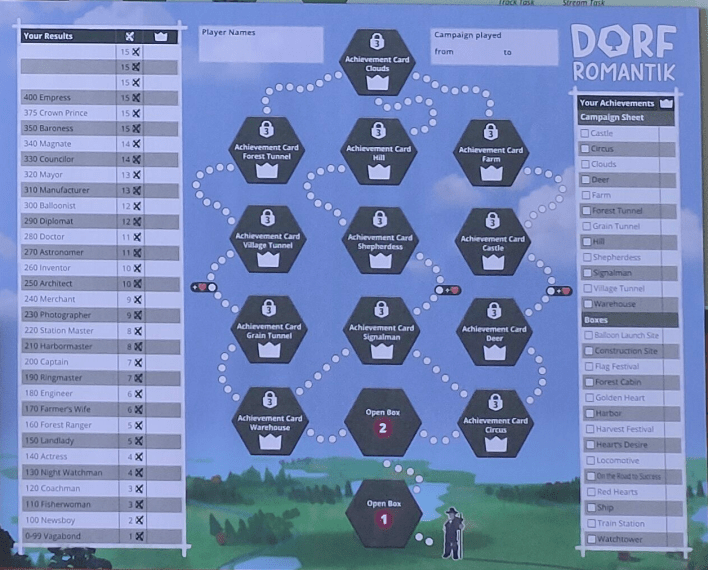
The only tension you’ll find with Dorfromantik: The Board Game is by adding the campaign. Fortunately, the game includes a massive pad of campaign sheets, so one copy of Dorfromantik can accommodate multiple gaming groups. Believe me, I’ve played Dorfromantik with multiple gaming groups. Each time, it’s the same. We’re chilling, making the best city we can from the tiles we draw, and then the endgame scoring occurs. We watch as the score climbs higher and higher. The more points we earn, the more of the campaign track we can unlock. That’s Dorfromantik’s challenge.

After a path or two, your gaming group will unlock one of Dorfromantik’s campaign boxes with new rules and tiles. The campaign will eventually branch, and you can then choose the path you want to take. Each of these paths will include different boxes, rules, and scoring conditions. The campaign’s branching path gives Dorformantik’s its replay factor. And I’ve played a lot of this 2023 Spiel des Jahres (German Game of the Year) winner.

Dorfromantik: The Board Game won’t be for everyone. In fact, I see it as an excellent gateway game (a game for people new to the board game hobby). Dorfromantik includes numerous game mechanisms you may find in competitive games, but since it’s a cooperative game, and a super chill cooperative game at that, Dorfromantik acts like a soft pat on the back for newcomers.

Too Long; Didn’t Read

Dorfromantik: The Board Game is an excellent gateway game (a game for people new to the hobby) because it’s a super chill cooperative game. This game’s campaign is stellar; without the campaign, Dorfromantik plays more like a group activity.

Cozy Video Game Review: Dorfromantik

Inspired by tile-laying board games, Dorfromantik offers the relaxing gameplay of creating a pastoral landscape of trees, villages, water, railroads, and fields. Designed by four German and Swiss students (Timo Falcke, Sandro Heuberger, Luca Langenberg, and Zwi Zausch) in a game design master’s program at HTW Berlin, Dorfromantik is a peaceful, minimalist game that lives up to the title, cozy. Hey, hey! Kyra Kyle here. We’re back with another cozy video game review. Even though Dorfromantik has crossed over into an award-winning board game, we’ll be discussing the equally stellar indie video game by Toukana Interactive. Get ready to build a gorgeous landscape with Dorfromantik.

Mechanisms

Game Mechanisms: 7/10

Dorfromantik takes a simple concept of tile laying and does it exceptionally well. I’d wager the idea of Dorfromantik stemmed from playing board games like Carcassonne. Dorfromantik’s game mechanisms lend themselves well to board games, so there is an excellent, cooperative board game by the same name. Sometimes, you don’t need an elaborate set of mechanisms to make a game sing. Sometimes, you just need to do a simple concept well, and Dorfromantik does just that.

Chain similar land types with each other to gain points and finish goals (that the game presents) to score even more points and to increase the number of tiles you have to draw from. Dorfromantik can be played competitively–there is a leaderboard–or you could watch the countryside bloom as you place tiles. Dorfromantik‘s ability to make me invested in a landscape reminds me of another cozy video game we covered, Terra Nil.

Gameplay Loop: 9/10

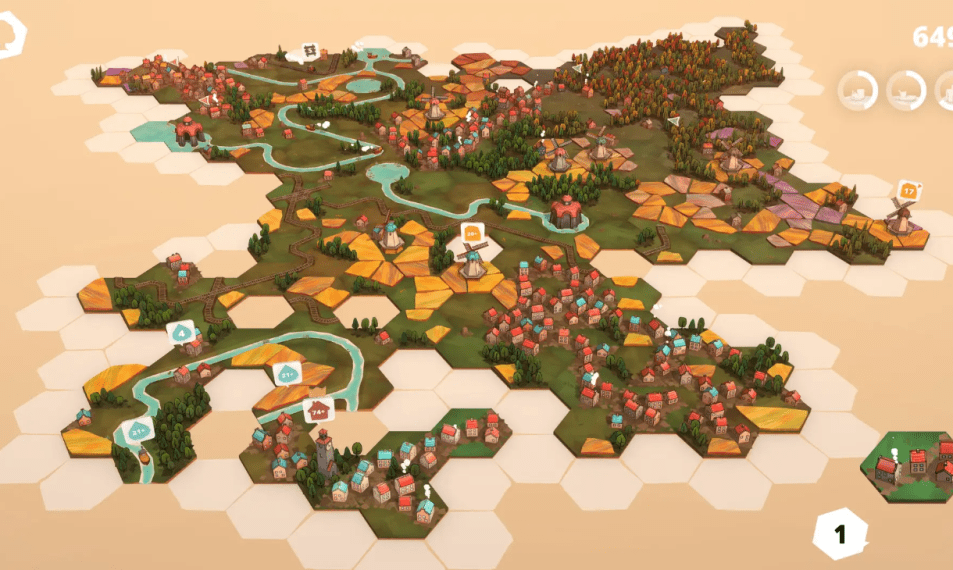
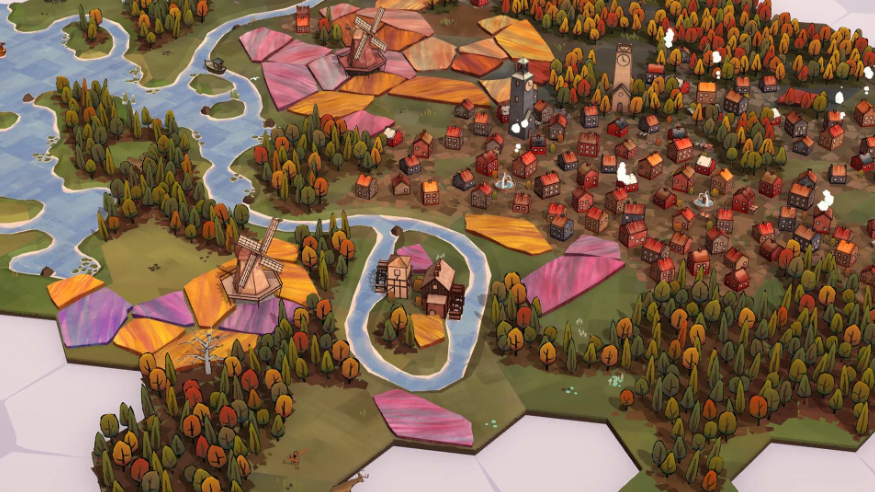
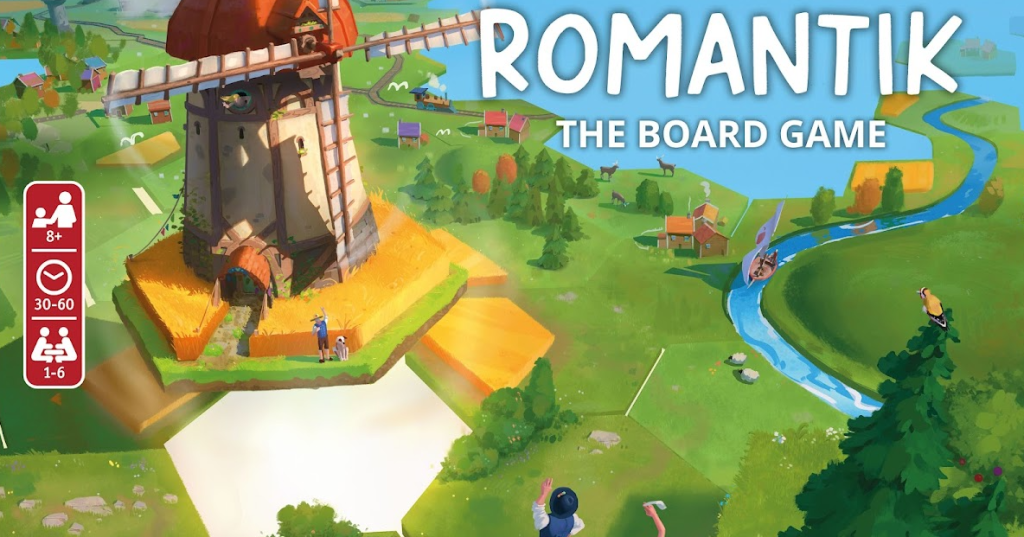
Whether you play Dorfromantik to get the highest score possible or casually place tiles and find your Zen, you can’t deny Dorfromantik’s gameplay loop. Once you get started, you won’t build just one pastoral scene. You’ll want to go farther with your next run, reveal new tiles like the windmill (pictured above), or watch your boats and trains traverse the landscape. And yes, the scene above is animated. It’s so neat watching your creation come to life.

Because the tiles can come out in different orders, no two scenes in Dorfromantik are exactly the same. This adds spice to the simplistic gameplay. Dorfromantik is an easy game to get into, but a difficult one to master if you want to climb that leaderboard. Or you could be like me. I just want to discover new tiles and watch my landscape get bigger and more diverse. I’m so glad Dorfromantik has been ported over to the Switch. It’s the perfect game to play on the go.

Story or Narrative

Narrative/Storytelling: 1/10

I should’ve excluded this element, but I didn’t with other video games that had little to no story, so narrative/storytelling is staying in the lineup. Let us know what you’d replace this element with for games that have little to no story. Dorfromantik has no story to speak of, so it receives a low mark in this category.

User Interface: 10/10

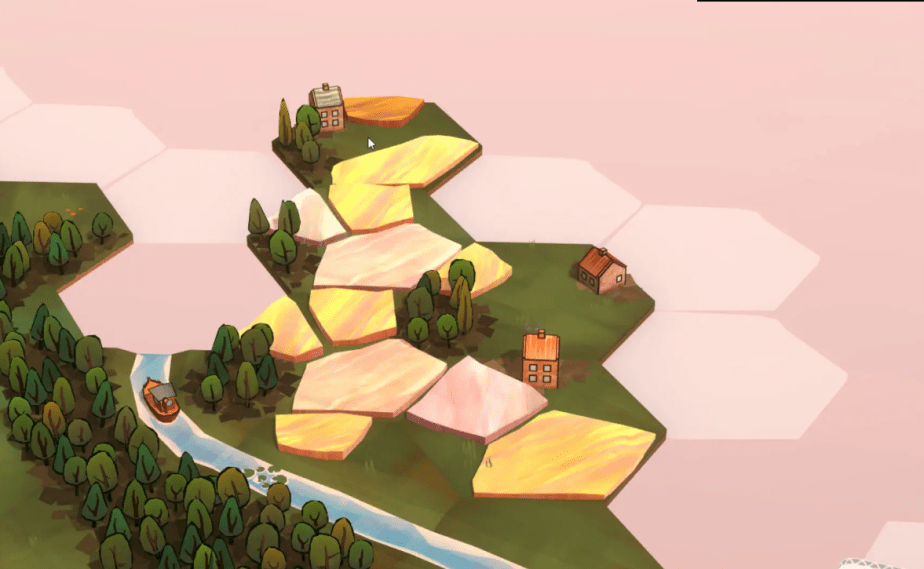
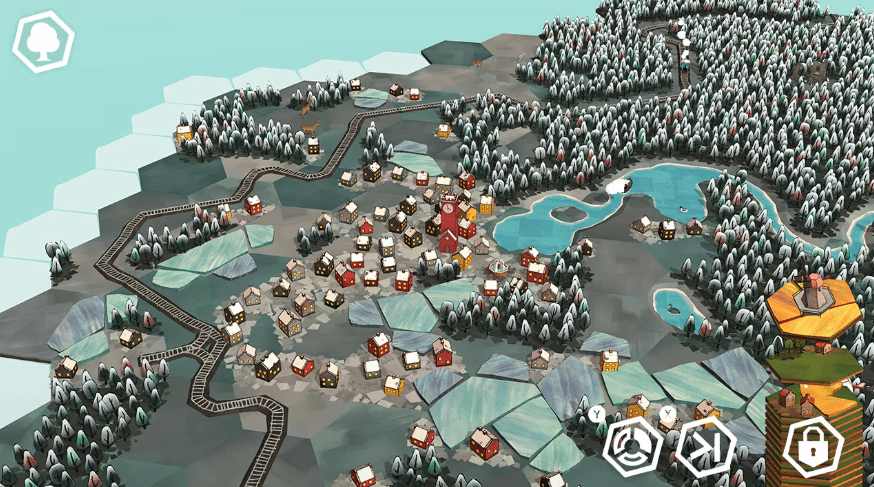
Dorfromantik has a stripped-down but effective user interface. The tiles feel great to manipulate. They almost feel like placing a board game’s tiles. The picture above shows how Dorfromantik will highlight the spaces where a tile can be placed. Gamers can only place the tile on top of the draw pile. Dorfromantik does an excellent job of not only showing where a tile can be placed, the callouts show where you can gain extra points, and whenever you hover a tile over a space and begin rotating it, Dorfromantik will make the matching tiles shimmer.

Dorfromantik’s elegant and minimalistic user interface makes it accessible. Like I said, Dorfromantik may use a familiar board game mechanism in tile placement, but every element Dorfromantik adds is handled with care and purpose. I had to give Dorfromantik top marks for user interface.

Graphics: 8/10

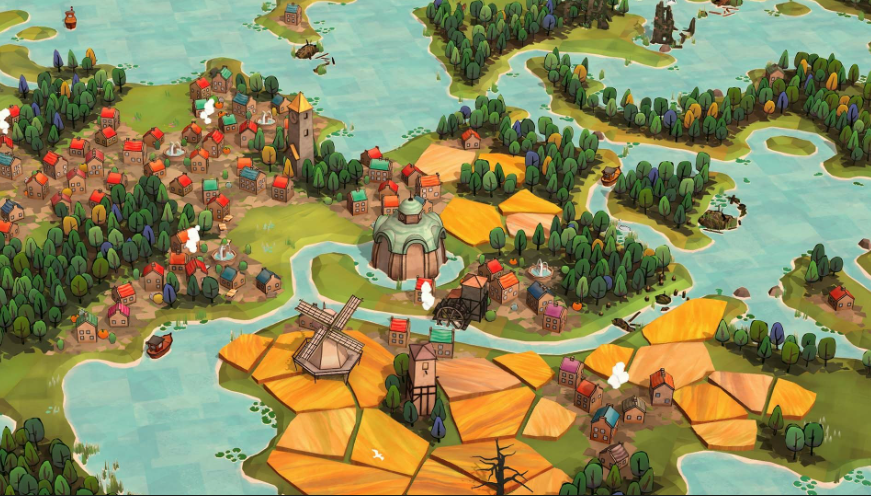
Dorfromantik has excellent graphics for a top-down isometric video game. The art style works well, and I appreciate the small details. Look at the clock towers, cottages, and windmills in the image above. Like I mentioned before, Dorfromantik uses small animations to denote movement. The boats (if you’ve unlocked the boats) move along the waterways. Smoke puffs from chimneys. While all of this is great, Dorfromantik does venture into cartoony graphics.

These cartoony graphics work well when one zooms out and sees more of the landscape, so I understand why Dorfromantik chose a minimalistic, cartoon-like art style. Players are meant to take a macro view of their village. But I dock Dorfromantik a point or two for graphics because the game doesn’t quite hold up on closer inspection.

Audio: 7/10

Dorfromantik’s music exudes the concept of a cozy game. I’ve listened to Dorfromantik’s soundtrack to fall asleep. It’s that soothing. Unfortunately, the game’s sound effects detract from this calm. The clacking and clicking of the tiles often takes me out of the game’s vibe. I would’ve preferred more pastoral sound effects accompanying the mechanical sounds of turning and placing tiles on the board. Yes, I could reduce the sound effects’ volume or turn them off altogether, but that would eliminate half of Dorfromantik’s audio. We’re grading the game’s entire audio. If we were only grading Dorfromantik’s soundtrack, its audio would score much higher.

Replay Factor: 10/10

Dorfromantik has an addictive gameplay loop, so the replay factor is through the roof. I can see myself playing Dorfromantik on my Switch while waiting in line. Heck, I’m surprised Dorfromantik hasn’t yet made it to the mobile game space. I could see plenty of people playing Dorfromantik on their phones. It may be an even better game for smartphones. The Switch tends to be a game’s first foray into mobile gaming. Fingers crossed that this cozy game classic makes it onto more mobile devices.

Aggregated Score: 8.6

Sure, I gave Dorfromantik a story/narrative score, but I’m not including that score with its aggregated score. Sometimes you need a cozy video game to find your Zen. Dorfromantik is a great game for that. I’m hoping more gamers will have the opportunity to play Dorfromantik on other platforms soon.

Whatcha Playing, Geekly? August 2025

Happy Wednesday, Geekly Gang! Kyra Kyle here. Since it’s Wednesday, we have another post from our Whatcha series. Today’s topic is games, both video games and board games. We’ll hear from Season and Skye soon, but I’ll kick things off this post with the games I’ve been playing over the past month.

Kyra’s Board Games

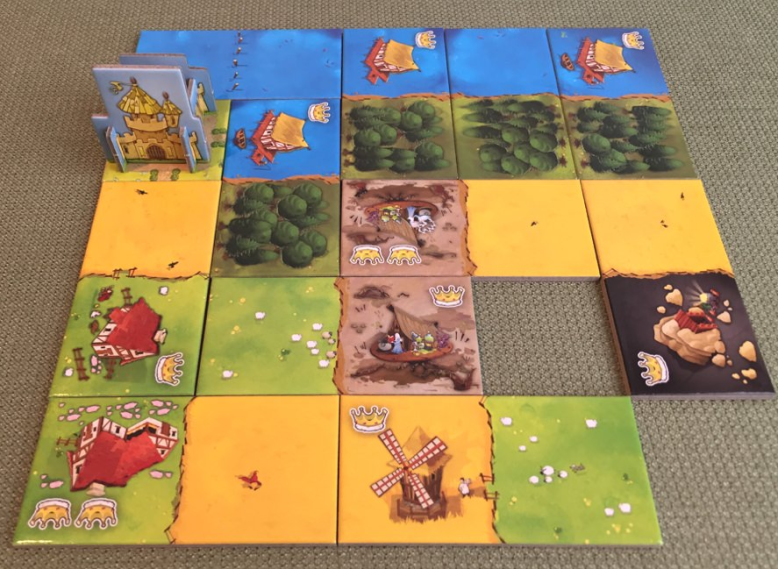
Bruno Cathala’s Kingdomino takes the simple mechanism of laying dominoes beside a starting castle (domino piece) and allows players to build their own scoring tableau. Each domino has two sides. Each side will belong to a terrain type, and players attempt to connect like terrain types, chaining as many crowns (which will be printed on some dominoes and determine how much each terrain scores) as they can to their largest collection of each terrain type. Kingdomino has restrictions on how far out from a player’s starting castle they can build, and this is where the game gets tricky.

I don’t know how many times I’ve ended up with dead corners (corners that I can’t legally add another domino), but it’s satisfying every time I can put down my full complement of dominoes. Kingdomino is a quick game. The 15-30 minutes printed on the box is accurate. I love Kingdomino’s selection system. Each player has two royal meeples. One will claim the current round’s domino, but the domino you select in the current round will affect when you can select a tile in the next round. Each tile’s backing has a number. Typically, the more valuable tiles have higher numbers, and if you pick a higher value tile, you’ll pick later in the following round. Brilliant!

While many board games grant an advantage to seasoned players, Uwe Rosenberg’s Spring Meadow almost requires players to have a similar experience. The person who taught me and a couple of other noobs how to play Spring Meadow skunked us. Spring Meadow has an intriguing mechanism of players choosing a polyomino from a communal display and then placing the polyomino on their player board filled with holes. You’re trying to fill each row or column (depending on your board’s orientation), scoring points for each filled row or column with some added bonus points.

There are tricks involved, a dash of luck, and not all of the polyominoes are created equal. But you won’t know the best plays during your first playthrough, and if you’re playing against a seasoned Spring Meadow player, they will easily beat you. Despite my utter failure of a first play, I enjoyed Spring Meadow. I’ve since rematched the person who taught me how to play, and I managed to eek out a victory during our third, two-player play. Spring Meadow is fantastic as a two-player game against players who know how best to place their polyominoes.

I’d include Lotus in the group of games where it’s best played when all players involved have similar experience. The same person who taught me Spring Meadow also taught me Lotus, and the result was similar. I have yet to replay them at Lotus, but I plan on it.

Players compete to complete flowers. Seriously, the image above is what most Lotus cards look like. Lotus is a stunning game. It’s quick to teach, but knowing when to add pedals or use an ability makes all the difference. Usually, new players will misuse their abilities, unlock the wrong ones first, or add too many pedals to make a flower easy to complete and leaving themselves open for another player to take advantage of an opening. Lotus is the definition of a game that’s easy to learn but difficult to master. It doesn’t have a lot of moving parts, but the parts that are there are chef’s kiss.

Kyra’s Video Games

I gave Bleach: Brave Souls a try this past month. Notice how I didn’t say I played Bleach: Brave Souls. Bleach: Brave Souls offers an autobattle function. I did more watching Bleach: Brave Souls play itself than playing the game. To be fair, Bleach: Brave Souls is a ten-year-old gacha game. During boss battles, players borrow the featured character from a random player (chosen from the tens, if not hundreds of thousands, of players). Typically, I’d borrow a character from a player who had maxed out their character five or six years ago. Most boss battles had a cutscene. I would skip the cutscene, and the borrowed character will have already beaten the boss. Did I really play Bleach: Brave Souls?

Bleach: Brave Souls was a nice trip down memory lane. I wish the game had tightened the story a little bit. Each scene from the manga received its own level, so there are hundreds, if not thousands, of story levels. I gave up on Bleach: Brave Souls after a few days, but I could see the game being fun years ago, when it first released. I like the chibi character designs.

Those are the game highlights for me this past month. Let’s see what Season and Skye have been playing.

Skye’s Board Games

The fabulous Kyra Kyle has done it again. While Dorf Romantik was not a game they created, they were the ones who introduced me to it. Props to them, because I thoroughly enjoyed it! Dorf Romantik takes concepts from games like Catan and Carcassonne, but manages to be a special kind of fun. With the help of your fellow players, y’all gotta build the best town you can. It’s Sim City without financial stress. What can I say?

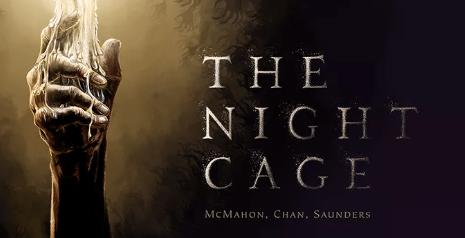
The Night Cage is a game that’s right up my alley. As a big fan of cooperative games, horror, and eldritch themes, The Night Cage is perfect for a dark game night with your friends. In a Lovecraftian setting, you find yourselves in a place of eternal darkness. You’re trapped in the Night Cage, and you must escape. The corridors shift and change direction. You only have a candle, and monsters hunt you at every turn. Good luck.

Skye’s Video Games

Lately I’ve been into casual phone games. Tap Gallery is a simple game about tapping arrow blocks to reveal a hidden image underneath. That’s pretty much it. While not the most complex, what appeals to me about Tap Gallery is its premise. It’s satisfying to watch every block slowly disappear from the screen. Sometimes that’s all you need in a game, and Tap Gallery has me hooked.

Cryptogram, while still a casual phone game, requires its players to use their brains. As you can likely tell from the title, Cryptogram is all about decoding a hidden message by following the clues given to you. Cryptogram helps stretch your brain while not being too difficult. Many of Cryptogram’s hidden messages are famous quotes from historical figures. Wait, you can solve puzzles and learn history? Sign me up!

Season’s Video Games

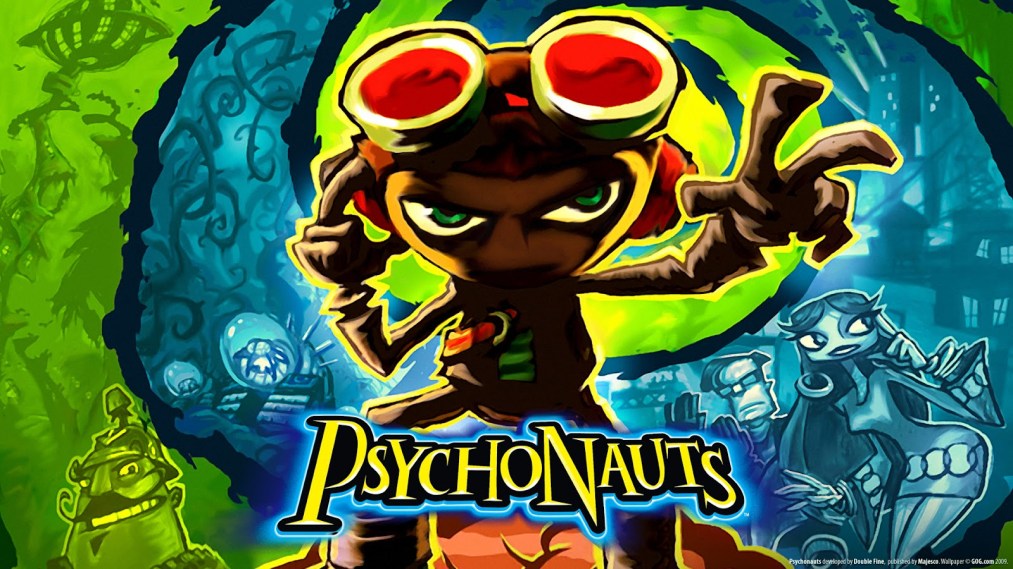
I’m kicking things off with a classic platformer. Psychonauts was released back in 2005 and is one of the more unique platformers I’ve played. Each level takes place inside people’s minds, so the player learns about each character by playing through their level. The level itself represents the character’s cognition of the world, but there are collectibles called “memory vaults” within each level. These memory vaults allow the player to sneak a peek into each character’s past through pictorial storytelling.

Players also spend a fair amount of time roaming the campgrounds in the overworld. I spent several minutes chatting with my fellow campers, collecting arrowheads to upgrade my gear and scavenger hunt items. Most objects/creatures in Psychonauts allow players to interact with them in some form, so there’s never a shortage of things to discover. I used clairvoyance on everything. Everything.

Fallout 4 has been out for ten years, but this is my first time playing it. Dead serious. I’ve never been crazy about open-world RPGs. In the past, I’d try them for twenty minutes before wanting to play something else. I tried playing Fallout: New Vegas on Steam many years ago, and it crashed every few minutes. I got frustrated and gave up on it. That said, I’ve enjoyed Fallout 4 so far. I like to stop tracking quests periodically so I can explore the world. I’m a digital hoarder, so picking up everything and being over-encumbered is my way of life.

I have one question for you, Geekly Gang. Why do radscorpions burrow under toilets?

Hey, hey! Kyra Kyle here again. That’s all our writers have for what they’ve been playing this past month. Feel free to share what you’ve been playing, Geekly Gang. Thank you for reading, wherever you are, I hope you’re having a great day.