Hey, hey, Geekly Gang! Kyra Kyle here. The title of this post sounds sacrilegious. It can be difficult to believe someone who rates the Dorformantik Board Game above the video game that inspired it, to also rate some video games above their inspiring board/tabletop games. I love board games. But several video game adaptations work better than the original board games. There are various reasons why a board game or tabletop game may be better as a video game, and I’ll share why I prefer the digital version to the physical version of the game. I still play some of these board games in their original form, but all the games on this list make better video games than board games.

5) Ticket to Ride
We begin with a game I play digitally and physically, Ticket to Ride. Asmosdee Digital does an excellent job translating Ticket to Ride to various online platforms. Since I have an iPad and an Android smartphone, I’m certain I’ve purchased Ticket to Ride for at least three or four of its possible platforms. Each version makes it easy to see what other players (typically AI players for me) have done on previous turns and plan future turns. Ticket to Ride’s tutorial is quick and easy, which makes sense: the game is quick and easy to learn.
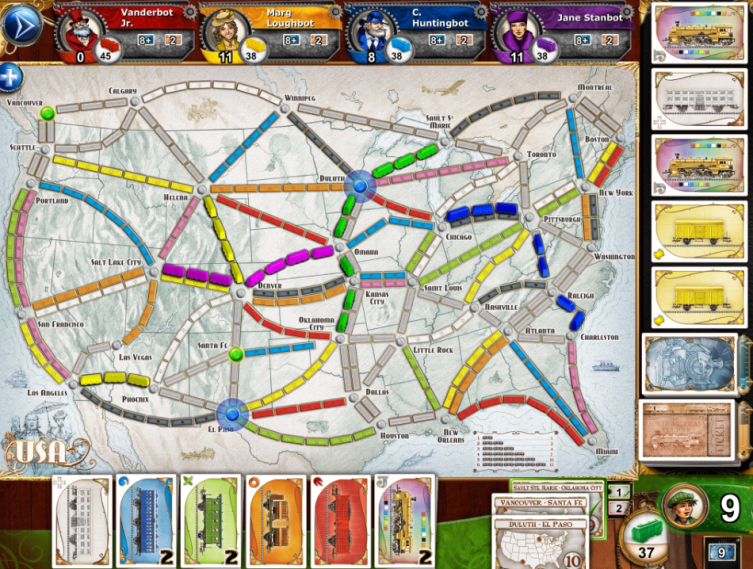
The reason why I play Ticket to Ride on digital more than my physical copies is my gaming group has moved passed this classic gateway game. I could litter this entire list with digital versions of some of my favorite, classic gateway games like Carcassonne and Ticket to Ride or even Smallworld (also from Asmodee Digital), but I like Ticket to Ride’s interface just a bit more and the extra maps add an extra layer of variability without needed to store dozens of bonus Ticket to Ride maps.
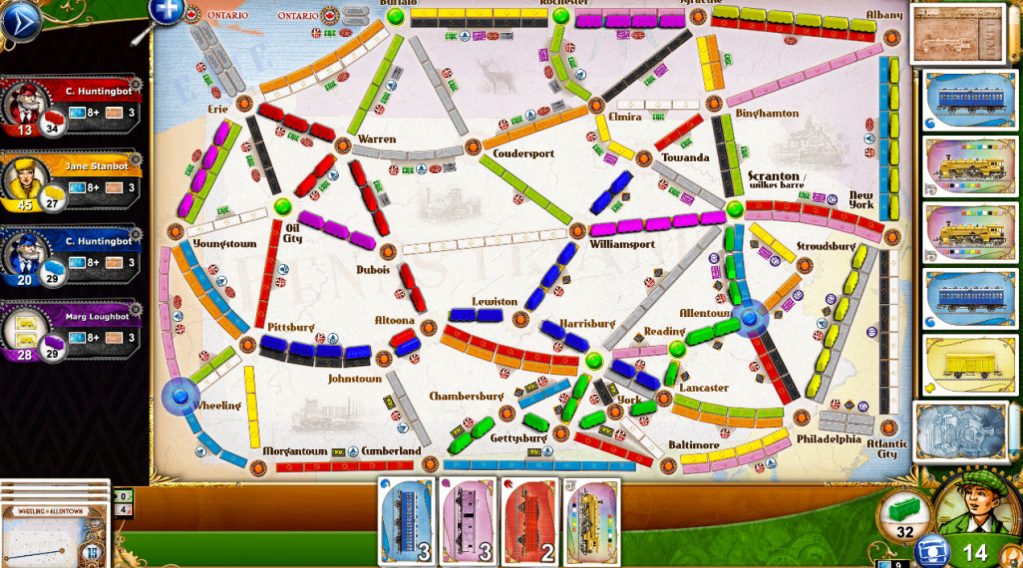
I like getting in a game or two of Ticket to Ride while I wait in line or I’m traveling. I highly recommend the digital Ticket to Ride.
4) Sentinels of the Multiverse
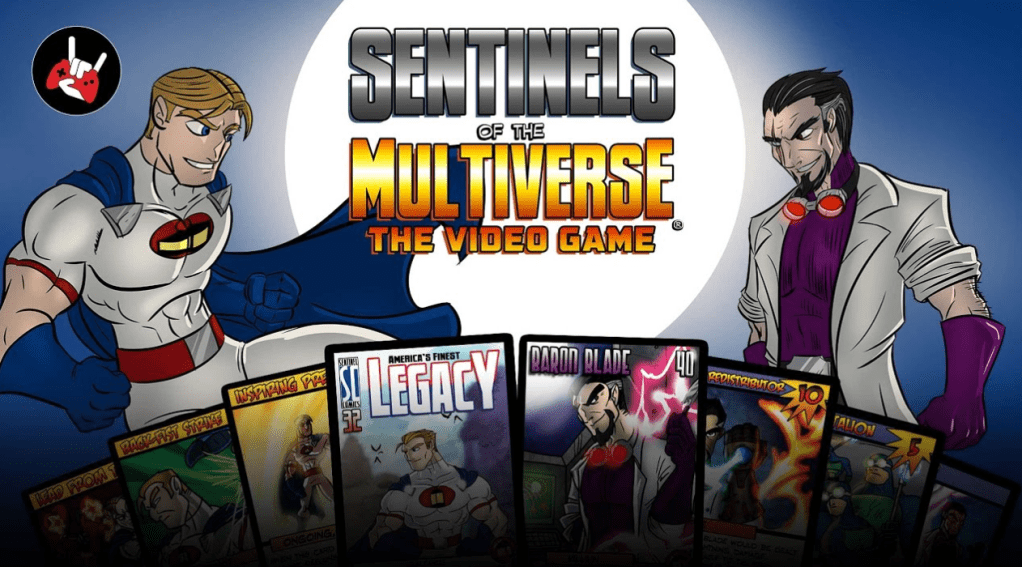
Sentinels of the Multiverse is another old favorite. Yes. Like Ticket to Ride, my gaming groups have moved past this board game to other games of its ilk, but there are more reasons why Sentinels of the Multiverse makes this list. The game takes a while to set up and take down (this reasoning will come up again), and Sentinels of the Multiverse has a lot of cards that trigger at various intervals and during different turns, which makes triggers easy to miss.
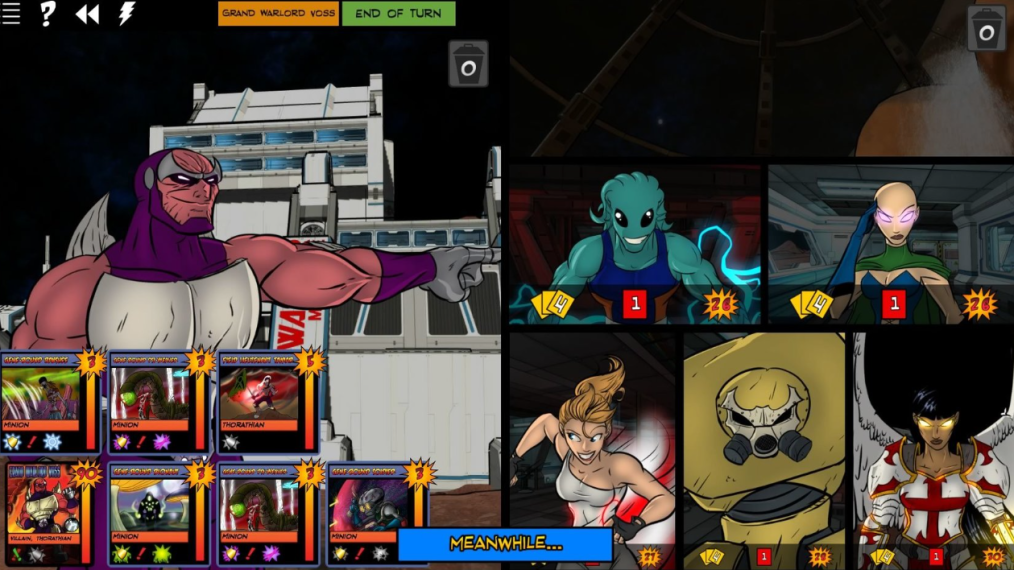
Sentinels of the Multiverse: The Video Game eliminates the need to remember triggers. The setup is nonexistent. Just load the game and go. While I may not own Sentinels of the Multiverse: The Video Game on as many platforms as Ticket to Ride, I’ve put in plenty of hours playing this digital version. I think the reason why I’m reluctant to purchase Sentinels of the Multiverse on other systems is that all content for the original Sentinels of the Multiverse is available in this video game. I don’t want to buy everything again.
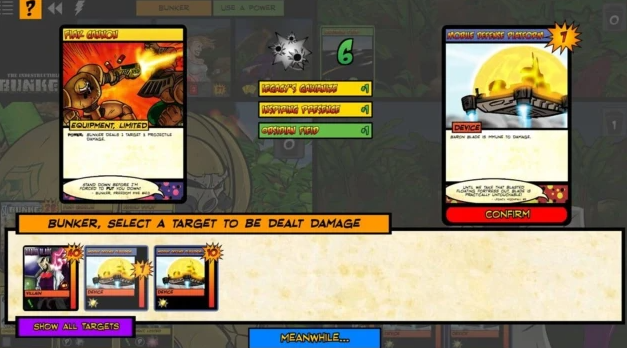
Handlelabra does a great job converting the original Sentinels of the Multiverse into its digital version. Graphic effects match the original art, drawing me into the game. Sentinels of the Multiverse keeps the theme going with little touches like “Meanwhile…” whenever the game waits for input. Nice!
3) Neuroshima Hex
Neuroshima Hex is another game with plenty of triggers that are easy to miss, but unlike Sentinels of the Multiverse, the setup and take-down of this game are so laborious, I don’t dare play the physical copy. The only way I’ll play Neuroshima Hex’s physical form is if someone else agrees to handle the game’s logistics. And the timing aspect for Neuroshima Hex can get tedious. Sure, timing can be something one can easily miss, just like Sentinels‘ triggers, but Neuroshima Hex runs deeper than that. It hurts more in the physical game to overlook one of your opponent’s hexagonal pieces with a faster speed than yours and a devastating ability. In the digital copy, I snap my fingers and move on. In the physical game, I’m dejected.
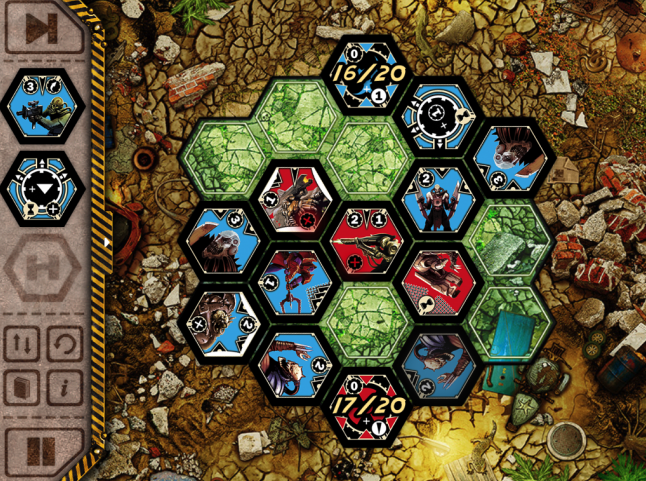
Neuroshima Hex‘s strategic and tactical moves are fantastic, but there’s too much to remember in the physical copy. Neuroshima Hex’s digital copy provides reminders for gamers. Games don’t take nearly as long to play, so the time investment isn’t long. The same can’t be said of the physical version of Neuroshima Hex. I even like how the digital copy incorporates the game’s lore. While playing, it’s easy to overlook Neuroshima Hex’s post-apocalyptic world, and its colorful denizens.
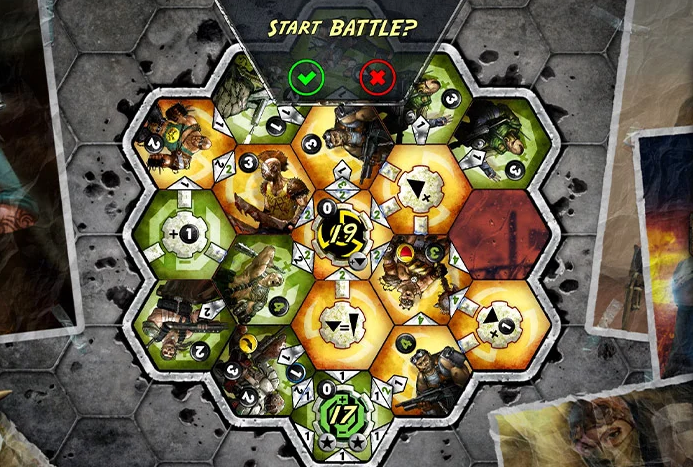
Portal Games and Big Daddy’s Games did a great job translating Neuroshima Hex to a digital game. Similar to Ticket to Ride, I can see information easily and cleanly. Neuroshima Hex’s digital copy even has a free demo for you to try.
2) Gloomhaven
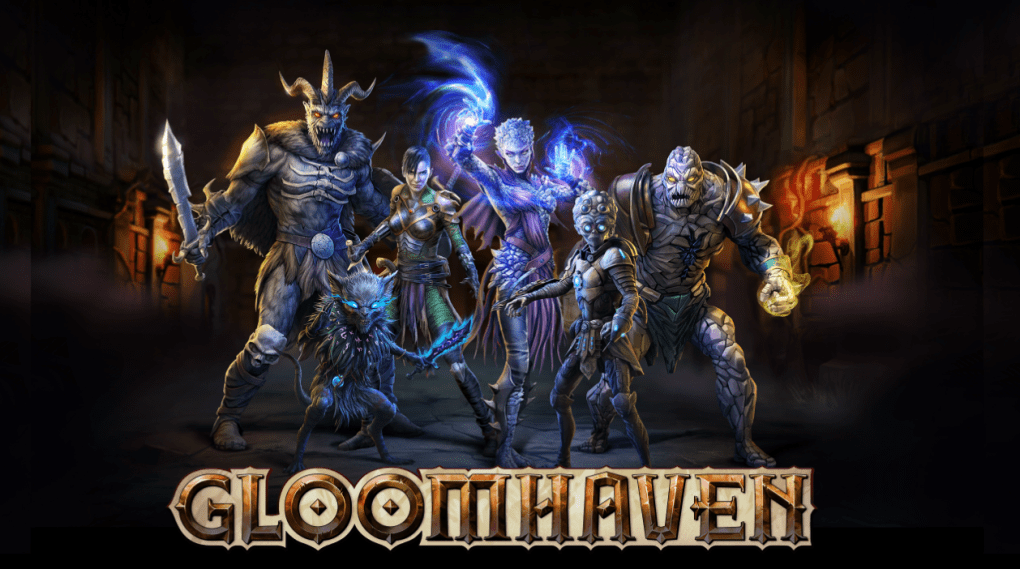
Gloomhaven’s digital copy makes it to this list for one reason: no setup. While other factors may have factored into other digital copies of board games making this list, Gloomhaven has an unbearable setup time. Fortunately, the Gloomhaven digital copy packs everything in the original’s massive box into its programming. You won’t need to save your character from one scenario of Gloomhaven to the next because this is a video game. The game does that for you. And Gloomhaven’s graphics are fantastic.
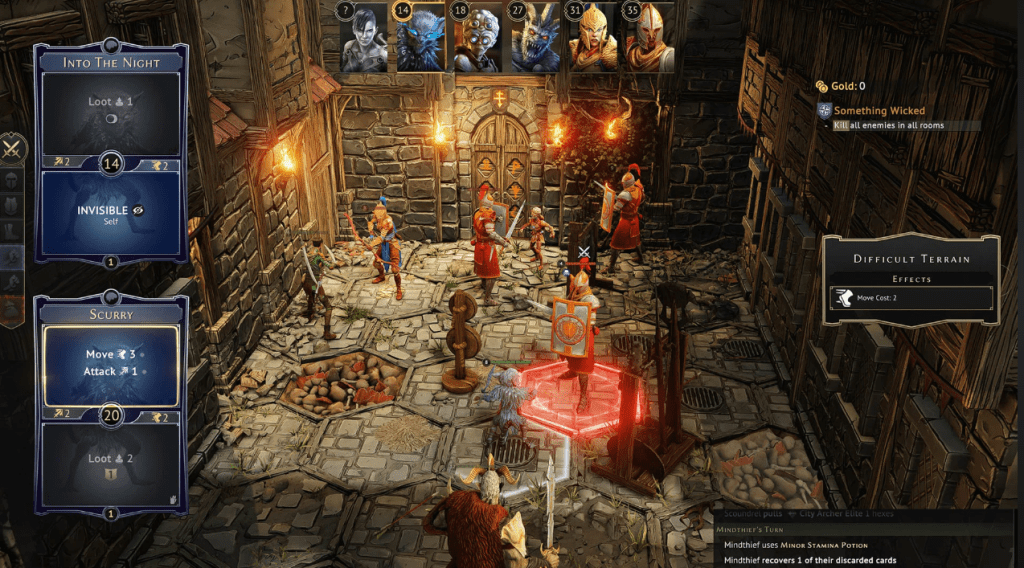
Like most other titles on this list, Gloomhaven has an easy-to-see and use interface. The physical game’s sometimes complicated rules are explained a little better in its digital version. I’m not saying that Gloomhaven’s rules are difficult to follow, but parts of the rules can be like Sentinels of the Multiverse and be easy to miss, and players won’t need to play out the artificial intelligence of the game’s enemies. Yes. A quarter to a third of Gloomhaven is acting out the game’s enemies. You won’t need to do that either in the digital version of Gloomhaven.
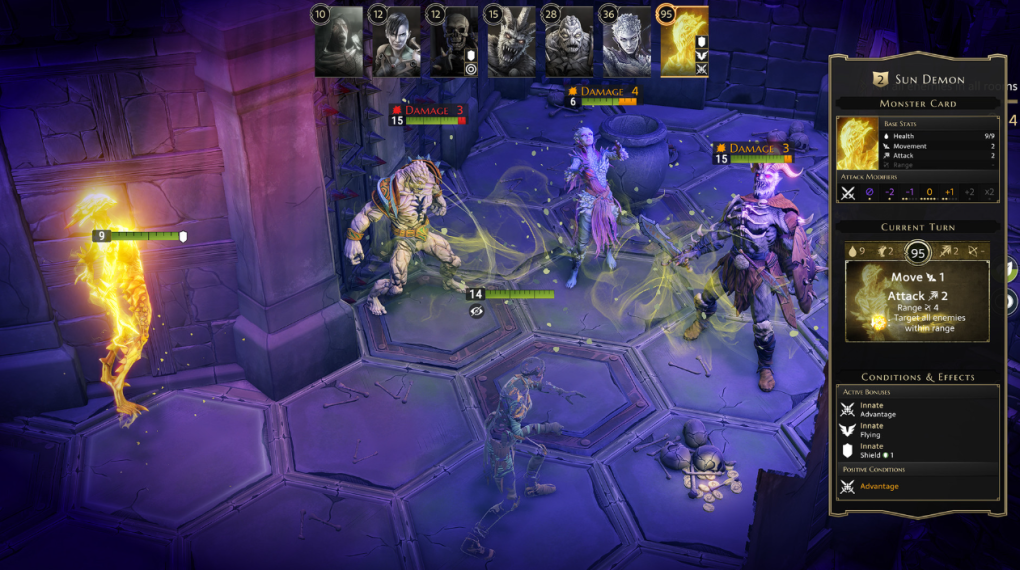
And did I mention Gloomhaven’s graphics? I did? Well, they look almost as good as Baldur’s Gate 3. Okay. Maybe that went too far, but Gloomhaven’s digital game looks amazing. You also won’t need to wait for your gaming group to meet up so you can continue your campaign. Gloomhaven: The Video Game offers the perfect alternative for this sprawling epic.
1) Onirim
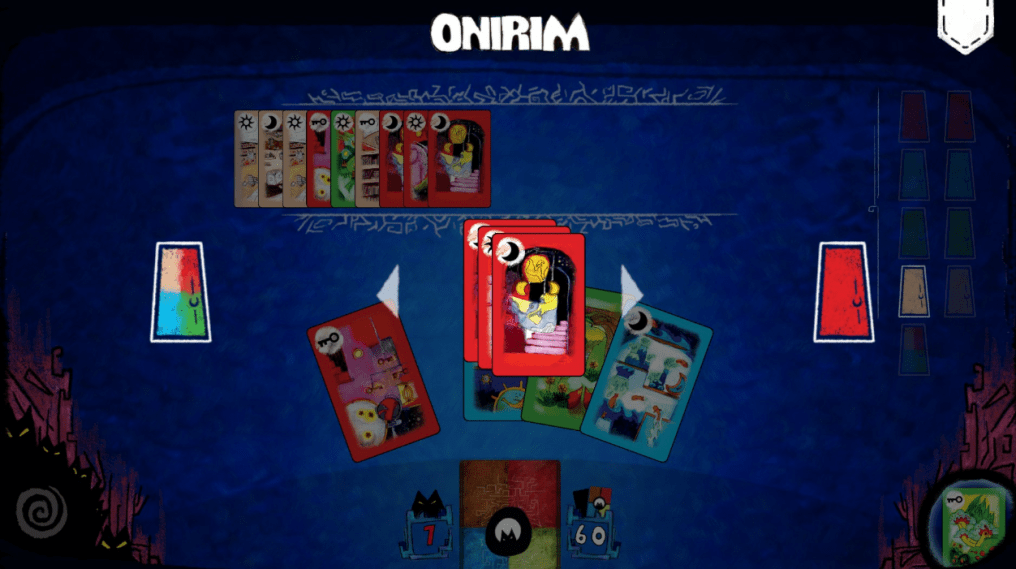
Onirim will take the number one spot for some time to come. It would’ve taken this spot over a decade ago if we did a list like this. Onirim is the game I replace Solitaire with on all my smart devices. At its core, Onirim is a colorful, whimsical twist on classic Solitaire, but the physical game suffers for one reason: shuffling.
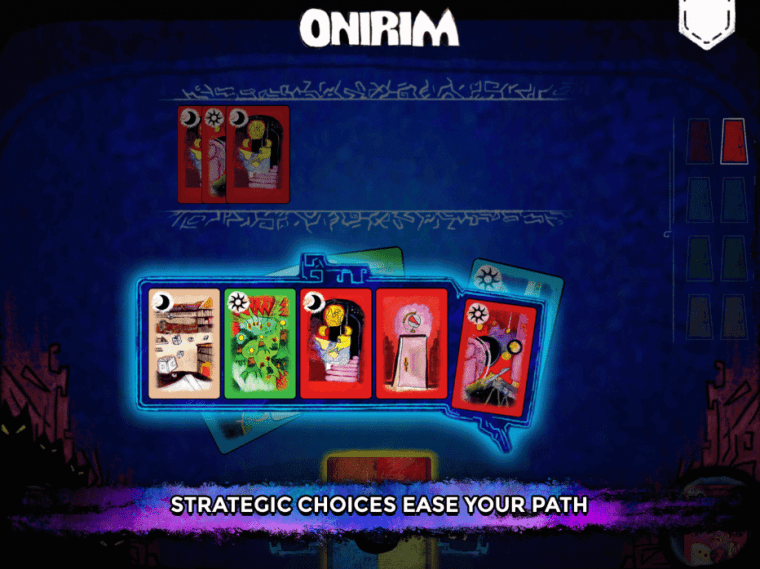
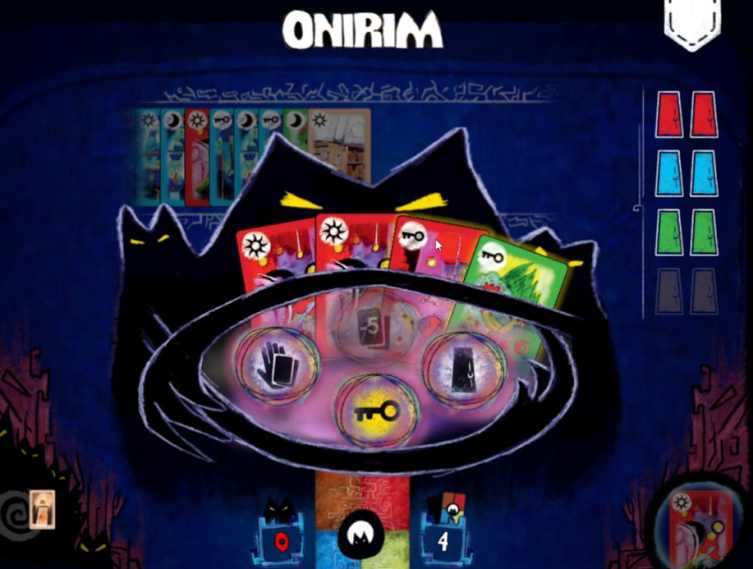
And I’m a compulsive shuffler. Seriously, I’m AuDHD (Autistic and an ADHDer) and shuffling cards is a stim for me, and I think there’s too much shuffling in the physical copy of Onirim. Some cards (Nightmares) discard cards from the deck, and if you draw more than one in a turn, you’ll need to shuffle them back into the deck. Other cards (keys) allow you to search the deck for a door, and if you find one, you’ll need to shuffle the deck again. And those are the base game cards. Onirim offers a couple of expansions with more cards that will force players to shuffle.
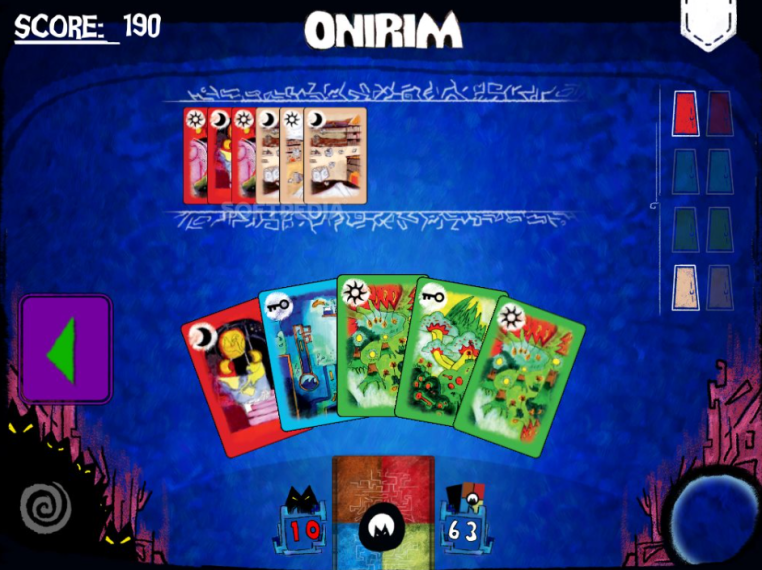
It may sound like I hate Onirim. Far from it. I love this game; it’s the only Solitaire game I’ll play on my smart devices. But Onirim has a ton of shuffling. You won’t feel that if you play Onirim’s digital copy. Trust me. Once you start playing Onirim, you won’t want to stop playing this dream of a Solitaire game.
That’s my list for now. What digital copies of board games do you like to play? Let us know in the comments. Thank you for reading, and wherever you are, I hope you’re having a great day.