

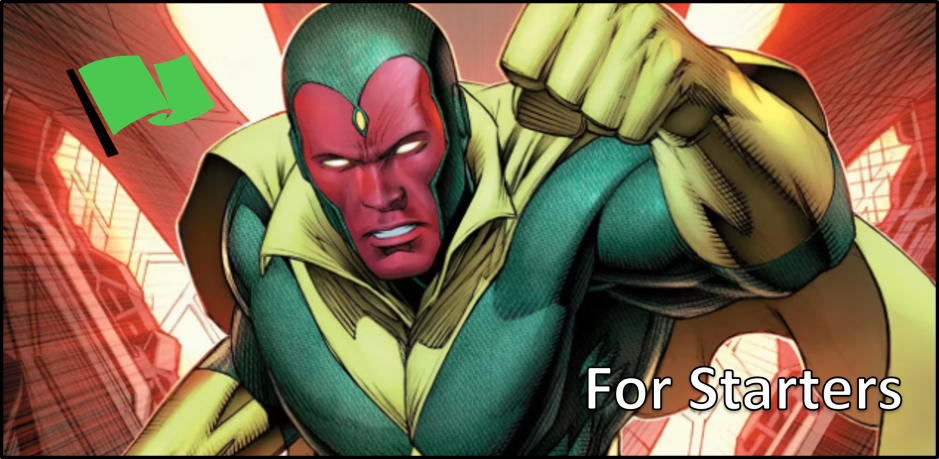
Hey, hey, Geekly Gang! Kyra Kyle here. VisionQuest began airing this week. To celebrate, we’re releasing a Vision starter stories post. Who knows? Someone may want to start reading stories based on the Android Avenger. Looks like it’s time for a Getting Into Comics: Vision Starter Stories post. Vision has a nice mix of single issues and storylines. We’ll begin with the single comic books and progress to comic book storylines. Let’s talk about Vision Starter Stories.
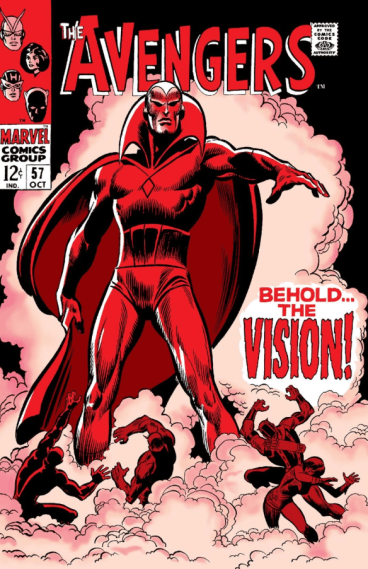
Usually, we try to include a character’s first appearance on these lists, but Vision had a dynamite first issue. Ultron created Vision to take down the Avengers. When Vision refuses to attack the Avengers, he and his “father” have a falling out. During the course of “Behold The Vision,” Vision proves himself worthy of consideration as a member of the Avengers, and the Avengers and Marvel Comics would never be the same.
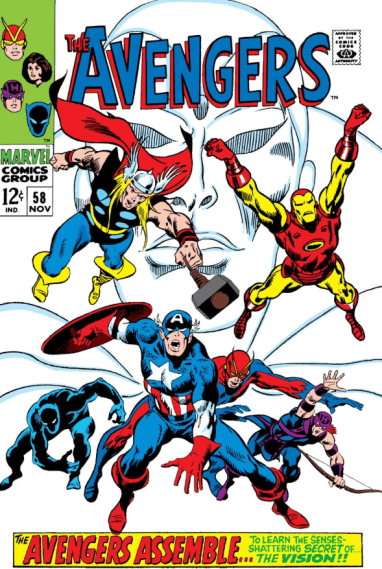
Vision’s second issue was another great one. I wouldn’t say these two comic issues constitute an overarching storyline; that’s why they’re listed separately. Vision wants to join the Avengers, and the team tests his mettle, like any other potential member. While he was presented as an android, Vision is far more than that. “Even an Android can Cry” serves to show Vision’s humanity. After he joins the team, a joyous Vision lets loose one tear. John Buscema does a great job conveying Vision’s emotions, and this single panel has endured as one of the best representations of the character Marvel has ever published.
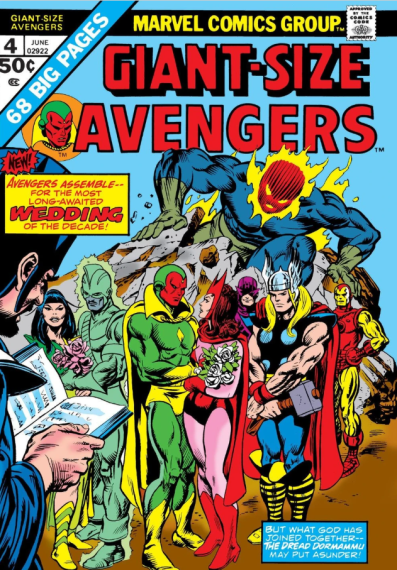
You can’t tell Vision’s story without Scarlet Witch. They two fall in love and in Giant-Size Avengers #4, they get married. Of course, there was a ton of prejudice toward both characters and their union. Vision is a robot, and Scarlet Witch is a mutant, who innately see a lot of prejudice. In Giant-Size Avengers #4, the couple stand up to the haters, and tie the knot. During the ceremony, which served as a double wedding with Mantis and Swordsman, Kang showed up to cause a mess, but it all worked out in the end. Or did it?
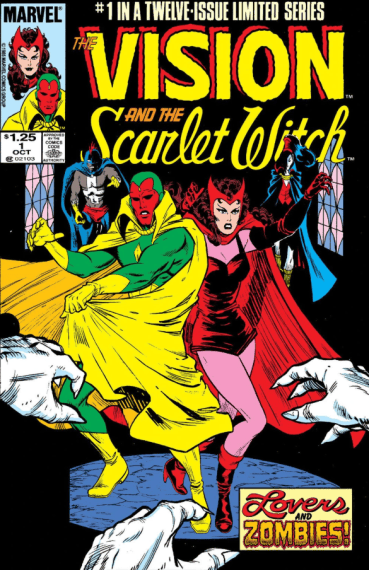
Vision and the Scarlet Witch have shared multiple miniseries; we went with the one that included, A Year in the Life. The story focuses on the titular two as they settle in Leonia, New Jersey, shortly after getting married. A Year in the Life is probably the best look at the relationship between the two heroes that we’ve ever seen. After the two settle down, it doesn’t take long for things to go crazy. Vision and Scarlet Witch face obstacles from multiple directions: Ultron, the Grim Reaper, Magneto, and Quicksilver. Looks like everyone from the Visions and Scarlet Witch’s past has it out for them. The couple endures and toward the end of this series, Wanda makes herself pregnant. This results in the birth of the couple’s twin sons: William and Thomas.
Yep. A Year in the Life influenced the WandaVision storyline. There’s a chance we’ll see this story affect the currently airing VisionQuest’s story.
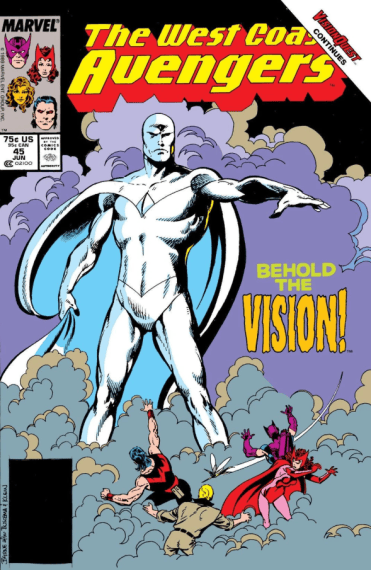
We had to include the comic book storyline that shares the same name as the VisionQuest TV show. Vision has “died” on more than one occasion, but death seldom means the end for a comic book character. This also makes sense for Vision, because he is a synthoid. Vision’s resurrection came with a cost. When the Avengers rebuild him, Vision returns as a completely different “person.” His humanity is no longer intact. His new look (all white) mirrors his new reality as an unfeeling robot, which is a stark change from his previous persona.
Vision and Scarlet Witch’s romantic relationship is all but dissolved, but that’s only the start. The Vision’s new personality and direction would reshape the Avengers and the rest of the Marvel Universe for decades. When I heard the MCU intended to bring back Vision in WandaVision, I knew Marvel would borrow heavily from VisionQuest. I’m glad the MCU has turned Vision and Scarlet Witch’s saga into a trilogy: WandaVision, Agatha All Along, and VisionQuest. Despite the most recent MCU phases revolving around the multiverse, I’ve enjoyed the fusion of technology and mysticism. Vision and Scarlet Witch are at the core of that combination. VisionQuest is a landmark Marvel comics storyline and a must read for any Marvel fan.
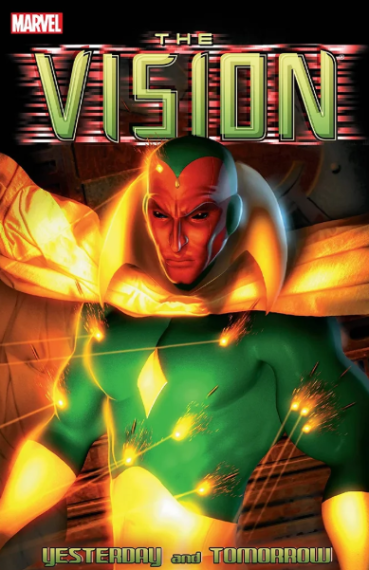
Geoff Johns is known for his work in DC Comics, but he made the leap to Marvel Comics in 2002 to write the miniseries Avengers Icons: The Vision. Johns continued several plot threads, including the one we just discussed: VisionQuest. In this series, the Vision meets the granddaughter of the man who created the original Human Torch (the android from the 1940s, not Johnny Storm). The original Human Torch’s body happens to be the body Ultron installed Vision into back in 1960s. Yesterday and Tomorrow also centers on Vision’s lost humanity being restored. This storyline marks a new era for the synthoid.
Coincidentally, story beats from Yesterday and Tomorrow could find their way into the VisionQuest TV series. That’s conjecture. The series hasn’t yet finished its run.
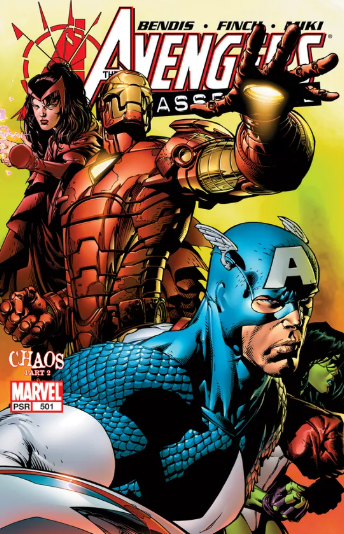
Full disclosure: Vision doesn’t have a long appearance in Avengers Disassembled. But it is meaningful. In fact, Avengers Disassembled includes the deaths of several popular Avengers: Ant-Man, Hawkeye, Jack of Hearts, and of course, Vision. Who’s behind Vision dying this time? Let’s just say that one of the issues (cover pictured above) is entitled “Chaos.” Scarlet Witch has a history of going rogue.
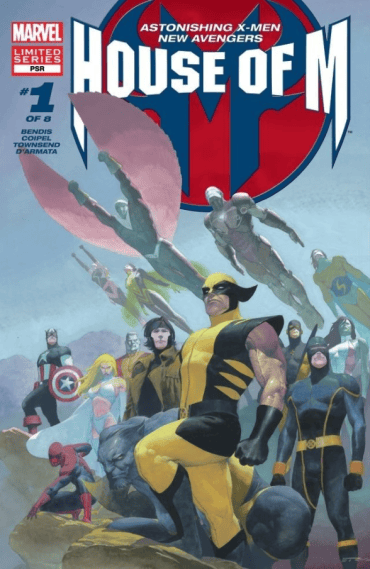
Remember how I said that Scarlet Witch has a history of going rogue? House of M revolves around Wanda having a mental breakdown. She creates an alternate reality. In this new world, Vision and Scarlet Witch’s children are alive and well in the Vision household. It doesn’t last. House of M explores the mind of a troubled and powerful woman. And if House of M sounds similar to WandaVision, it was the basis for WandaVision. While Scarlet Witch is the main character in House of M, it still contains several great moments for the Vision.
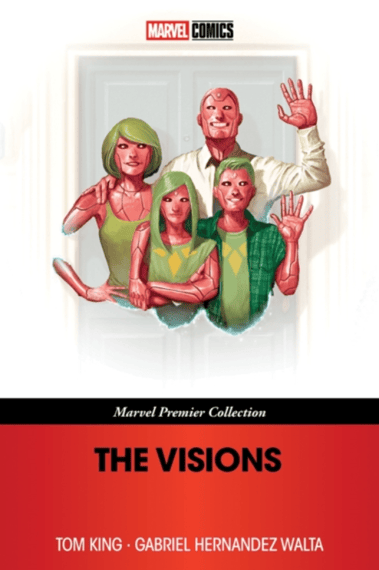
We save one of my favorite storylines for last: The Visions. In this story, Vision takes a new job as Avengers liaison in Washington DC. He moves to the United States capital with the family he constructed, a family of synthoids. While WandaVision borrows the scene at the end of The Visions (changed of course, to fit within the MCU’s storyline), I’d like to see more of The Visions in VisionQuest. Obviously, the MCU will continue with Vision and Scarlet Witch’s children, but I could see some moments borrowed from The Visions.
I love The Visions. It’s a page-turner of a mini-series. Of all the storylines on this list, you’ll need to do the least amount of other reading with The Visions. This series does a great job of retelling a lot of Vision’s past. It explores Vision’s quest for humanity, a recurring theme for the character. And I grew to care about this family of synthoids. They’re more than synthoids. If you only wanted to pick up one story from this list, I’d recommend The Visions.
That’s our list of Vision Starter Stories. Which stories would you add to this list? Let us know in the comments. Thank you for reading, and wherever you are, I hope you’re having a great day.
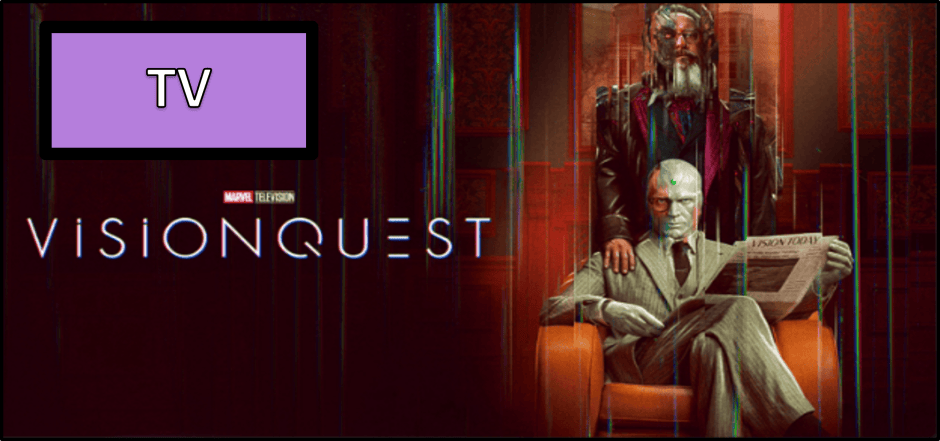
Hey, hey, Geekly Gang! Kyra Kyle here with another review/reaction of a VisionQuest episode, “Theseus.” If you want to see my thoughts on VisionQuest’s first episode, “No Strings,” check out this link. “Theseus” begins by backtracking a year in the life of Thomas Shepard. Or is he Tommy Maximoff? Fortunately, VisionQuest doesn’t dwell too long in Tommy’s past, just long enough for us to get sense of where his life was headed, how he met his love interest Lisa. I like that VisionQuest gave us this quick flashback and went back to current events. I don’t mind flashback sequences, but they should be meaningful and shorter. Good job. I also like how VisionQuest is developing The Vision and Tommy’s relationship. This development could drive the show.
Before we get any further into VisionQuest “Theseus,” a spoiler warning is in effect. You should watch the show and the Disney+ series WandaVision and Agatha All Along. I said this in the last review/reaction and I’ll say it again, this trilogy of mini series are the highlights of the Marvel Cinematic Universe post Avengers: Endgame. With that out of the way, let’s talk about VisionQuest “Theseus.”
VisionQuest continues to balance scenes with The Vision’s interior world and the world outside his head. I like how Paladin isn’t “The Paladin” but one of many. VisionQuest hasn’t dropped too many breadcrumbs as to who hired Paladin to capture The Vision, outside of S.W.O.R.D., who rebuilt The Vision. But who’s in charge of S.W.O.R.D.? S.W.O.R.D. is the organization that emerged from the wreckage that was S.H.I.E.L.D.. The leader of S.W.O.R.D. makes sense as the person who tasked Paladin, but their name drop could–and should–affect the MCU. Who is the one pulling the strings?
Getting back to Paladin, his odd sense of morality has me intrigued. He insists on no collateral damage but didn’t hesitate to murder the sanitarium guard the moment he questioned his authority. Isn’t the guard collateral damage? Don’t get me wrong, VisionQuest did an adequate job of showing this guard as a comically sadistic jerk, but Paladin broke his own rule. They may not be rules. They may be guidelines. We didn’t see as much of Paladin’s handler in “Theseus” as we did in “No Strings.” Not gonna lie. I was a little disappointed. Diane Morgan is fantastic, and she and Todd Stashwick (Paladin) have great chemistry, exchanging barbs. We should get more of the handler in next week’s episodes.
I hinted at it before, but Paul Bettany has done a great job conveying The Vision during his latest iteration. He isn’t the synthezoid he used to be. He struggles to make connections, specifically with his son, Tommy. And Tommy has his own struggles. We saw Billy struggle with identity issues in Agatha All Along (seriously, you should watch this show if you haven’t already), but Billy’s powers align more with his mother, Wanda. Tommy’s powers are closer to his uncle’s, Quicksilver. Quick shoot out: VisionQuest has did a great job in the first episode with hinting at Tommy’s powers and does a great job exploring what he can do with those powers in “Theseus.”
It makes sense that Billy would take to his powers and past better than Tommy. Billy’s consciousness found a well-adjusted kid with a strong family. Tommy’s consciousness found a kid with a broken family life. I love the moment at the end of “Theseus” when Tommy won’t let The Vision get captured by Paladin. “I can’t leave you. You’re my…something.” Ah! Tommy can’t bring himself to call The Vision his father, but The Vision is the closest thing Tommy ever had to a father. This was such a great moment. It tugged at the heartstrings.
I’ve avoided it long enough. It’s time to talk about The Vision’s interior world. I like the development of Ultron getting released from his prison. The Vision could no longer maintain Ultron’s prison, so Ultron walked out the front door. Ultron is the most human of all The Vision’s interior residents. He appreciates humanity. And I can’t help but think he has an evil plan afoot and that makes his escape even juicier.
Ultron’s the one who suggests that one of the other AIs sacrifice themselves to save The Vision. J.A.R.V.I.S. answers the call. He deletes himself, so The Vision can have a chance with his son. In the following moments, Ultron suggests that J.A.R.V.I.S. wouldn’t have been his first or second choice, but it had to be J.A.R.V.I.S.. I loved James D’Arcy’s performance as Jarvis from the Agent Carter television show. I was happy to see him return as an AI version of J.A.R.V.I.S. in VisionQuest, but J.A.R.V.I.S. is the most famous and popular of all The Vision’s AI friends. He had to sacrifice himself because his death carried the most emotional depth.
Honestly, I had to rewatch that sequence of events to absorb that J.A.R.V.I.S. was gone. That was an excellent choice on behalf of VisionQuest’s showrunners and writers. While I wouldn’t mind Ultron sneakily convincing the other AIs to systematically sacrifice themselves, I don’t think that fits for Ultron’s character, and it would become old hat real soon. Ultron has something else in mind, but I don’t know what and that has me on the hook. Paladin may be a worthy adversary, but I’m more intrigued by Ultron’s motives and who hired Paladin to retrieve The Vision. And of course, the father/son dynamic of The Vision and Tommy and even Ultron and The Vision. VisionQuest has set up a nice collection of story threads to explore.
Those are my thoughts on VisionQuest “Theseus.” What are yours? Let us know in the comments. Thank you for reading, and wherever you are, I hope you’re having a great day.
Happy Sunday, Geekly Gang! Kyra Kyle here with another week of Geek News. I’m in the middle of writing a novel right now, so Geekly may not have too many headlines until I’m finished. That means we’re going straight to the fun stuff of new releases. Let’s talk about the new board games and video games that released this week.
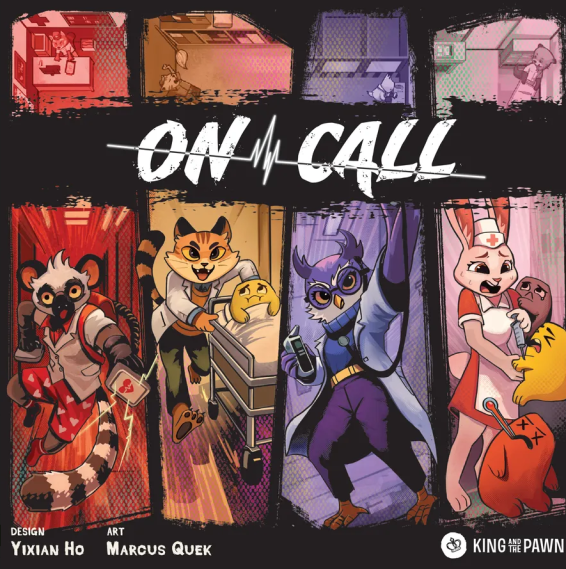
On Call is a cooperative strategy board game about managing an overcrowded emergency room on the brink of disaster. Why are there never enough beds?!
Pick a character with specialized actions. Will you be triaging the walk-ins clogging your waiting room? Or racing O-negative to the treatment room? But in a chronically understaffed ER, remember to chip in to help your teammates!
Move the hospital’s nurses and doctors from room to room to take your actions. But plan ahead to where your teammates might need them next – they can’t be in two places at once! Every action ripples through the hospital, in this “worker movement” game of cascading consequences.
Have time for a breather? Guzzle coffee to learn new skills, in an intuitive action-upgrading system that allows you to increase your effectiveness with every passing shift.
Challenge yourself in optional “limited communication mode” – without hidden information. Find the perfect mind-melding combo to keep your patients from crashing; no backseat doctors allowed!
Comes with 20 scenarios, like episodes from a medical drama. Each scenario adds new setup, rules, objectives, and strategies.
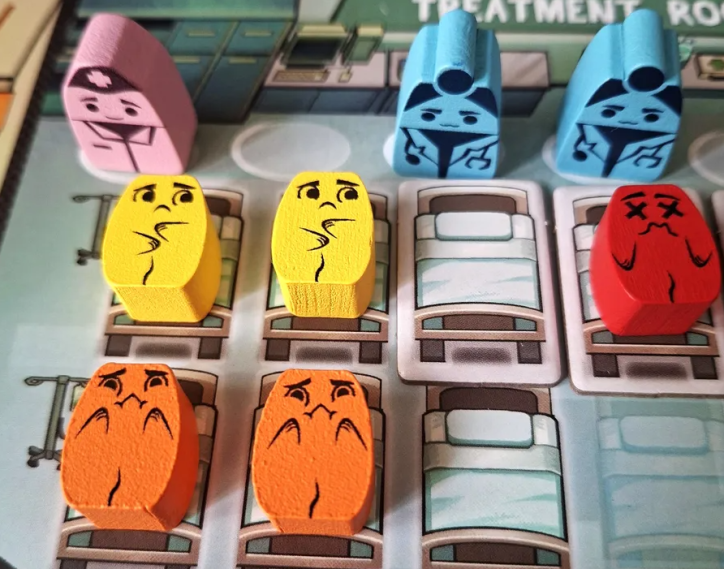
Thank you, King and The Pawn Games, for the description. Mrs. Geekly works at a hospital and refuses to play board games with a medical theme, but I’m going to see if I can get her to change her mind with On Call. This game looks adorable. Surprisingly, a lot of the hospital-themed board games on the market are competitive. What? That doesn’t make a lot of sense. On Call is a cooperative game, which feels closer to the theme. Another reason why Mrs. Geekly doesn’t care for medical-themed board games is that they typically last a long time. On Call runs about an hour and a half at most. That’s not a bad play time and it probably means that players in On Call have short, snappy turns. I’m all for that. On Call offers multiple pledge levels between: $48 and $185. If you’re interested in On Call, check out its KickStarter page.
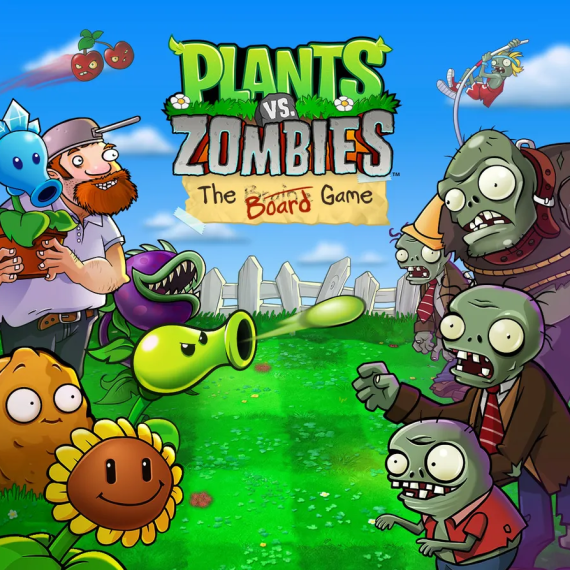
Plants vs. Zombies: The Board Game is a fast-paced cooperative tabletop game for 1-4 players that captures all the comedy and chaos of the iconic Plants vs. Zombies franchise.
In Plants vs. Zombies: The Board Game, players must work together to outsmart hilarious and horrifying Zombie hordes by growing defensive lines of precocious plants to protect the homestead. Featuring iconic Plants vs. Zombies plants like Peashooters, Cherry Bombs and Wall-nuts, players must plan their defense wisely to stop the Zombies in their tracks.
Each level challenges players with a new zombie horde to defeat. If any zombies reach the house, the players lose. Players work together to defeat all the zombies and win!
Featuring:
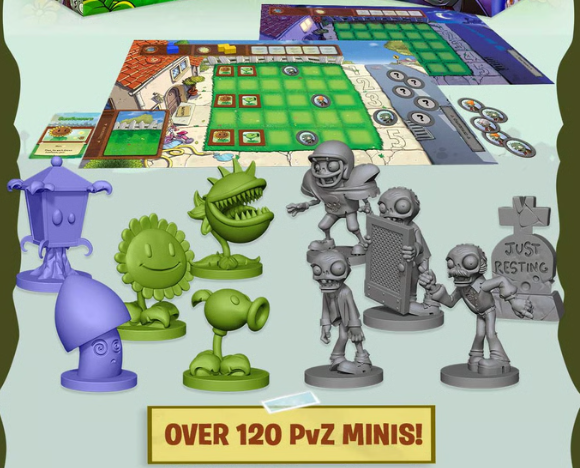
Thank you, Mantic Games, for the description. Yes! It was only a matter of time before Plants Vs. Zombies received the board game treatment. I always thought its brand of tower defense worked well in the tabletop space. Mechs Vs. Minions proved that. It looks as if Plants Vs. Zombies: The Board Game will continue with what made the video game great: quirky characters. And like Slay the Spire: The Board Game a handful of years ago, Plants Vs. Zombies what is a solo video game experience and converts it to a cooperative, multi-player experience. That’s a great choice. Who wouldn’t want to play a multi-player, cooperative Plants Vs. Zombies? Plants Vs. Zombies: The Board Game offers multiple pledges between: $54-$233. If you’re interested in Plants Vs. Zombies: The Board Game, check out its KickStarter page.
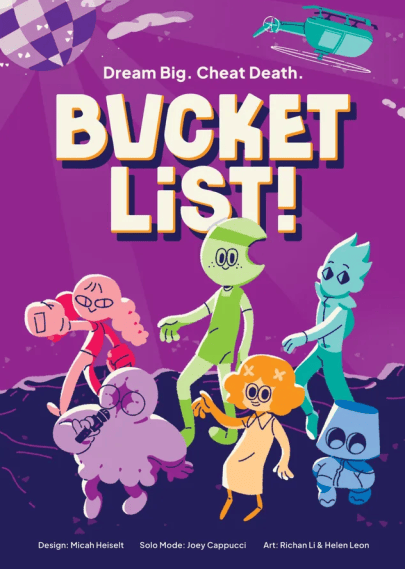
Bucket List! is a family-friendly, mid-light strategy game for 1–4 players in which you compete to accomplish whimsical childhood dreams before the Grim Reaper ends the game.
Throughout the game, you’ll pursue outrageous goals like surfing down a lava flow, juggling flaming chainsaws, or spending a night in Count Dracula’s castle. Collect the money, time, and skills you need, make clever choices about which dreams to pursue, and race to complete the most valuable goals before time runs out.
Designed to be easy to learn while still offering meaningful strategic decisions, Bucket List! is competitive without being combative. It also includes two solo modes, allowing you to compete against either a bot player or Death itself.

Thank you, Outer Burrow, for the description. I like the idea of Bucket List! being competitive without getting combative. Modern board and card games have leaned in this direction, and it’s a good trend. It makes board games more accessible. Like many other games on this list, Bucket List! plays in a snap. It features easy-to-learn rules that get players started quickly. Both of those can be barriers of entry for players to the board gaming hobby. And I like Bucket List!’s conceit: finish your bucket list before you die. Bucket List! offers two pledge levels: $39 and $59. If you’re interested in Bucket List!, check out its KickStarter page.
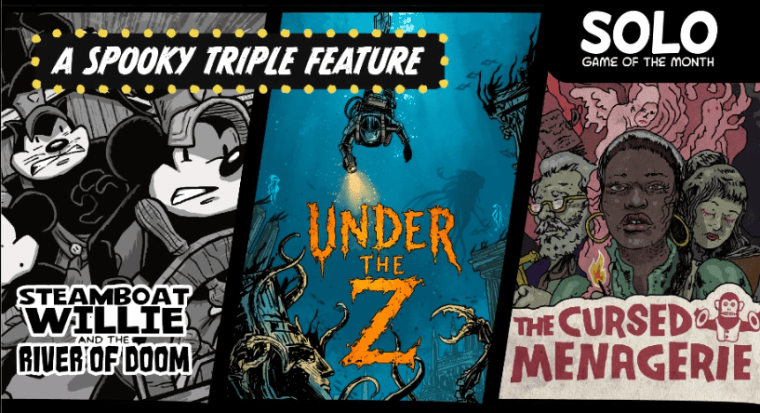
Typically, Solo Game of the Month launches one solo board game on GameFound, but this month, the publisher is offering a whopping three. That’s three games. Let’s begin with The Cursed Menagerie.
The Cursed Menagerie began as a print-and-play, meaning players would pay small amount to download PDFs and print off the game themselves. Solo Game of the Month is offering The Cursed Menagerie for the first time in retail form. I like the idea of The Cursed Menagerie. Players inherit a cursed or haunted item, and players must ascertain what ghost haunts the item and how to rid the item of its ghost. The Cursed Menagerie is a fun puzzle, and with 13 objects to unhex, you’ll find plenty of replay value.
Under the Z is another game featuring strong exploration beats. In Under the Z, players explore the lost and mutated city of Atlantis. Who knew zombies were why Atlantis fell? And shout out to Under the Z’s play on words. I love a punny title, and Under the Z is plenty punny.
Mickey Mouse entered the public domain a few years ago, and I wondered when someone that wasn’t Disney would make art featuring Disney’s famous mouse. Technically, the Mickey Mouse from “Steamboat Willie” entered the public domain, but still. That’s why Steamboat Willie and the River of Doom can be produced. It doesn’t break copyright laws. Yes! Steamboat Willie and the River of Doom is a puzzly game, set in the classic cartoon world of “Steamboat Willie” with Cthulhu elements. That’s right, the Ancient Ones are after Mickey Mouse. Can you save him?
Since Solo Game of the Month uses GameFound, and we’re looking at a preview, we don’t yet know how much this trio of spooky games will cost. But this is an excellent trio of games. The Cursed Menagerie, Under the Z, and Steamboat Willie and the River of Doom look amazing. If you’re interested in any of these Solo Games of the Month, check out their GameFound page.
An exciting cooperative WWII game where players try to successfully escape their POW from Stalag Luft III. Designed by Philip duBarry. In The Great Escape, you and your fellow air force officers will follow in the footsteps of the prisoners of Stalag Luft III, as you attempt to dig tunnels under the wire and escape. This will require exceptional timing, resourcefulness, and some luck. Outsmart the guards and carry on the war in the only way you can. If you help twelve prisoner pawns escape before the Gestapo locks down the camp, you and your comrades will have won the game. Each turn you have action points and with these action points you dig tunnels, move your pawns or collect valuable resources.
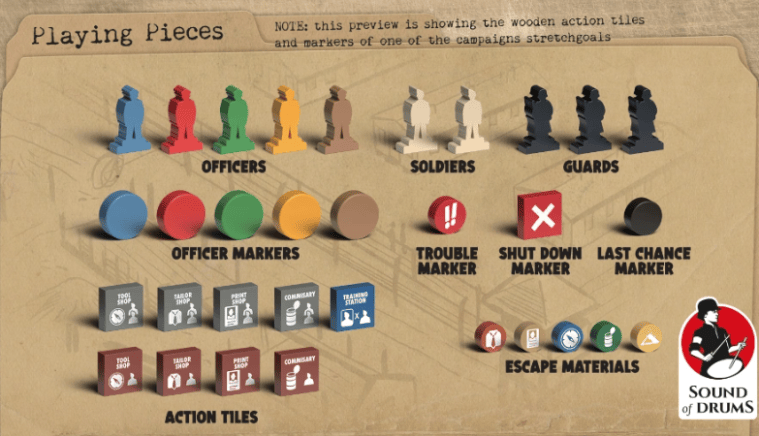
Thank you, Sound of Drums, for the description. I love The Great Escape’s theme. As you can imagine, numerous board games have used The Great Escape as a title. This is Philip duBarry’s version, and duBarry has a great track record: Revolution!, Black Orchestra, and Citizens of the Spark. This version of The Great Escape should capture the premise’s feel. Publisher Sound of Drums is no stranger to war games either. The Great Escape falls right into their wheelhouse. I’m keeping my eye on this title. If you’re interested in The Great Escape, check out its GameFound page.
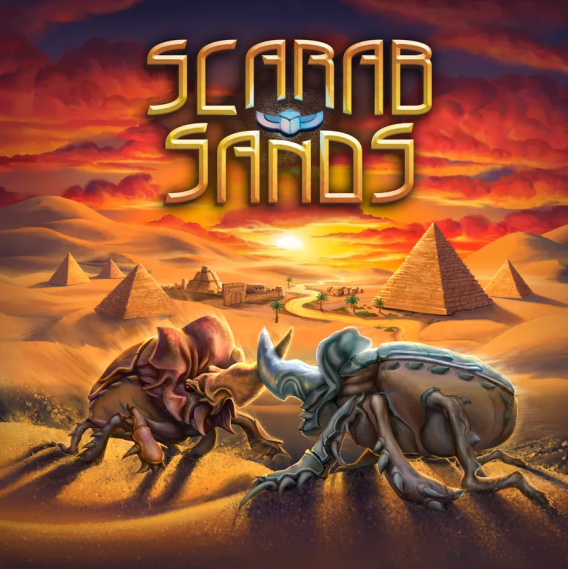
Scarab Sands is a highly competitive, fast paced, area control game with almost no down time. Players compete as dead souls inside a pyramid, sending their scarab troops to fight for control over sacred rooms. Only the one with the lightest heart will make it to the Afterlife.
Each round starts with determining movement for scarab troops. This happens simultaneously for all players, by using command arrows on player mats hidden by screens. Movement is resolved in turn for 1) basic units,2) flying units and 3) armored units; Therefore, moving basic units happens almost blindly, guessing the moves of the opponents, while armored troops move when most of the stage is set. After movement, combat is resolved through dice rolls in every room where two or more players’ troops are present, until a single player (or none) controls it. Each room offers rewards for controlling it, such as upgrading troops or getting an obelisk die.
Player starts with 7 heart tokens, and the first one to free all of them, wins the game. There are multiple ways to free a heart, such as (1) controlling the pharaoh room, (2) simultaneously owning the three obelisk dice or (3) spending Ma’at influence points (mostly gained when losing a battle).
Whenever a scarab dies in combat, heart tokens are flipped to their “larvae” side. These tokens are flipped back to hearts in the last chamber of the pyramid, spawning one basic unit for each larvae flipped. Therefore the closer a player is to victory, the less basic units they are going to be able to spawn.
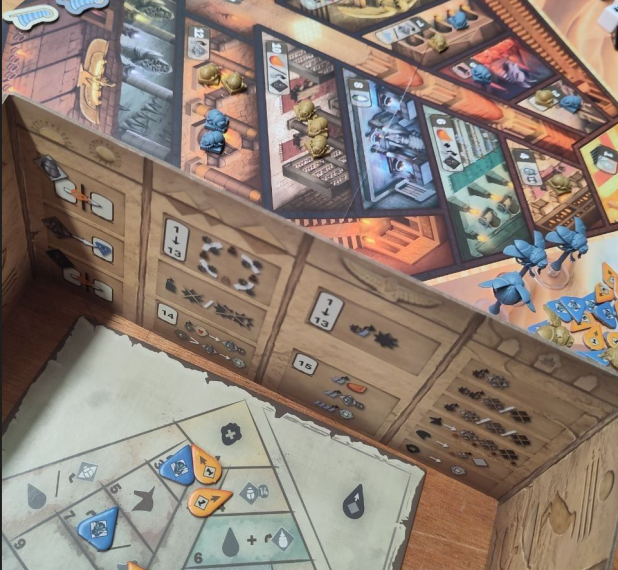
Thank you, Stranger Games Studio, for the description. Scarab Sands looks amazing. Case in point, the image above is the prototype. That isn’t even the final product. While I’m not the biggest fan of dudes on a map, Scarab Sands looks to reduce the playtime of that game type. There aren’t enough board games with an Ancient Egyptian theme. Okay, there are several games with this theme, but I seldom grow tired of them. Scarab Sands looks like a good addition. Stranger Games Studio and Scarab Sands’s designers are new to hobby game publishing, but I may need to keep an eye on this creative team. If you’re interested in Scarab Sands, check out its GameFound page.
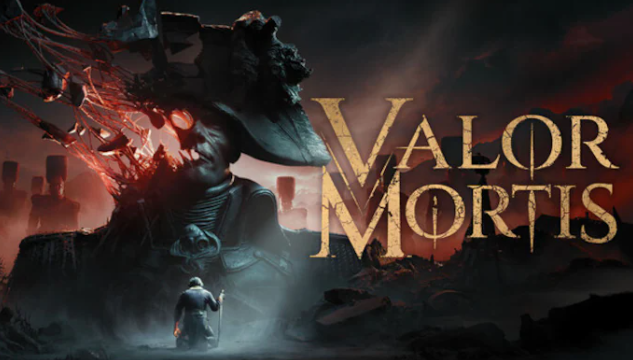
Valor Mortis is a first-person action soulslike from the creators of Ghostrunner. Rise from death as a former soldier of Napoleon’s army. Wield supernatural powers, battle horrifying monsters, and unravel a conspiracy that threatens all of humanity.
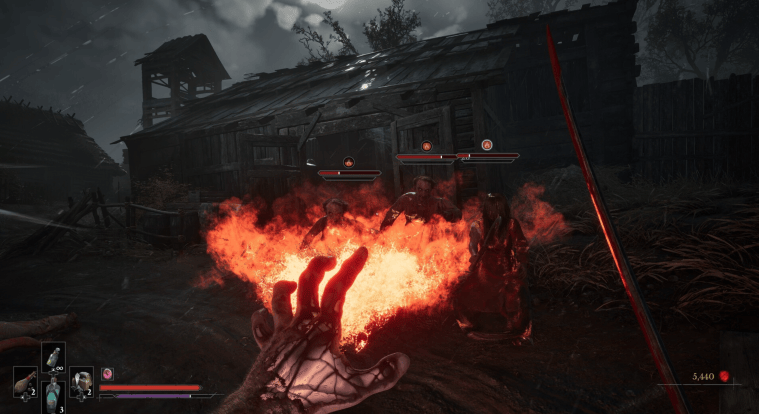
Thank you, One More Level, for the description. Not enough games use the Napoleonic Wars as a backdrop. You have my attention, Valor Mortis. Outside of the theme, Valor Mortis offers gameplay akin to Dark Souls. You’re battling horrendous monsters, defending humanity from an all-consuming evil. We’ve seen a lot of Souls-like games over the past several years, but the theme, interesting setup, and solid reviews make Valor Mortis a game to keep on your radar. Valor Mortis is available for PC, PlayStation 5, and Xbox Series S/X.
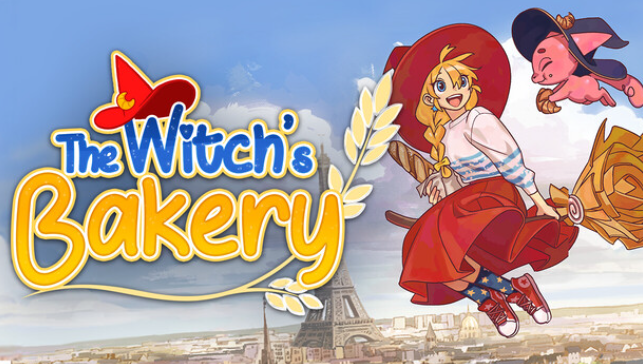
The Witch’s Bakery is a 2D narrative Adventure RPG where you live a magical life as a witch-baker in Paris! Serve customers, visit iconic streets and heal people’s heart with your croissants.
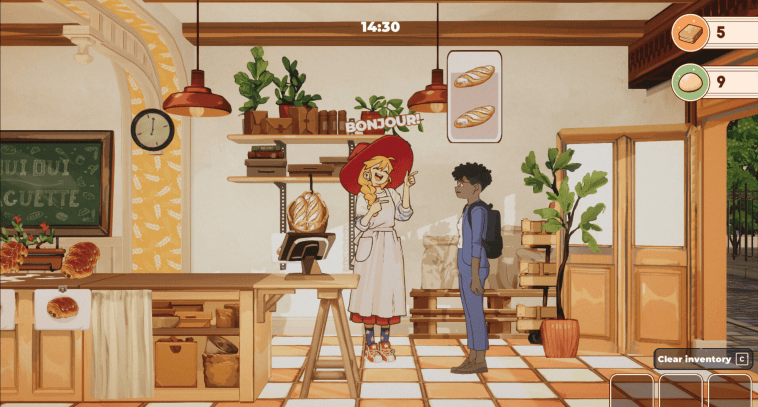
Thank you, Sunny Lab, for the description. The Witch’s Bakery looks adorable. I don’t know if you get to actively bake the goodies (I think so), but it doesn’t matter. I’m getting hungry just looking at all the delicious breads The Witch’s Bakery offers. I’ve been meaning to cover more visual novels because they’re a growing genre in video games. I don’t know if The Witch’s Bakery fits that definition or if it’s more of a point-and-click adventure. Either way, I wishlisted this title. The Witch’s Bakery nails the idea of a cozy video game and has received excellent reviews. The Witch’s Bakery is available on PC, PlayStation 5, Nintendo Switch, Nintendo Switch 2, and Xbox Series S/X.
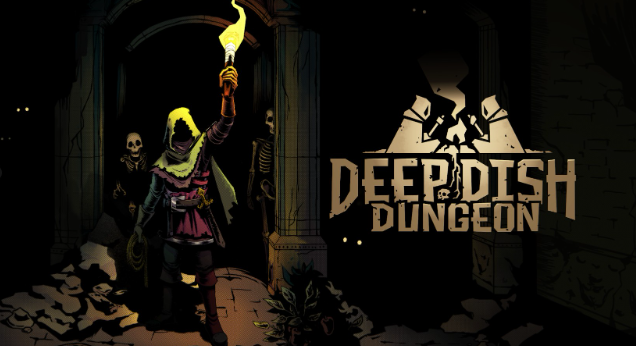
A survival exploration game where you navigate through a puzzly hand-crafted dungeon, with metroidvania and crafting elements. Unravel the enigmas of the dungeon’s depths solo or online co-op multiplayer.
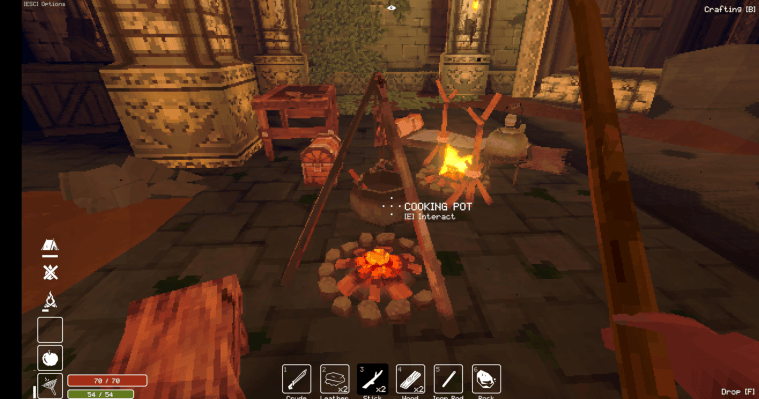
Thank you, Behold Studios, for the description. Deep Dish Dungeon offers up a salivating combination of cooking, crafting, and exploration. Why do most of these video games involve food? They’re making me hungry. Anyway, Deep Dish Dungeon (love the name, by the way) sells me on its puzzle aspect and the fact that you can play the game solo or online co-op multiplayer. Deep Dish Dungeon does cite having hand-crafted dungeons. While I like the idea of dungeons crafted with intention, I wonder how this affects Deep Dish Dungeon’s replay value. Once you solve a puzzle, will the puzzle change at all on a second play? Something tells me the survival aspect will make the puzzle change even if you know the solution. Great idea combining these elements. Deep Dish Dungeon has received good reviews, and it’s available on PC and Xbox Series S/X.
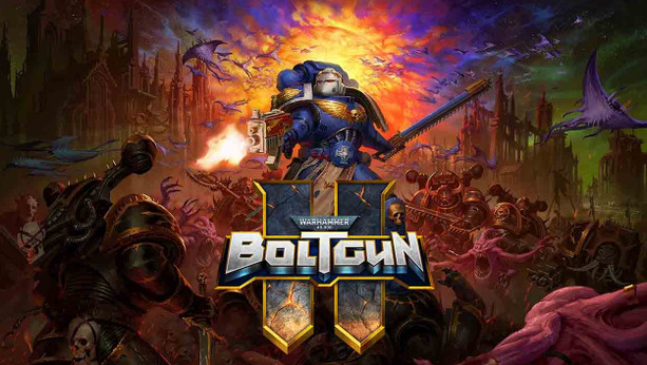
Obliterate heretics in the name of the Emperor in Warhammer 40,000: Boltgun 2! Play as Ultramarine Malum Caedo or Sister of Battle Nyra Veyrath in this sequel to retro FPS Warhammer 40,000: Boltgun with MORE enemies, MORE weapons, and NEW ways to purge!
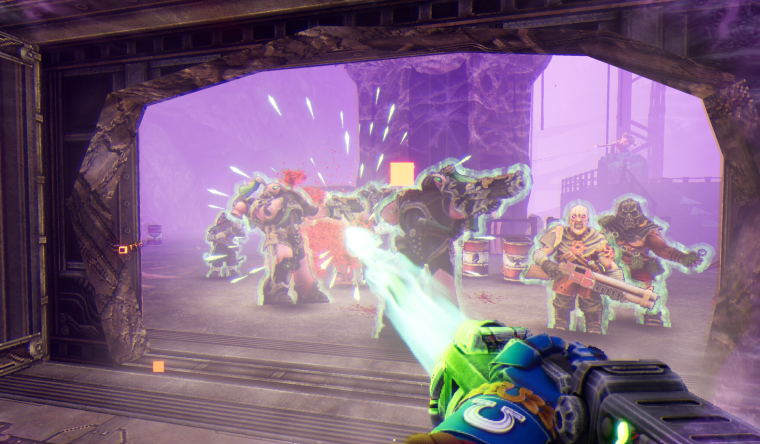
Thank you, Auroch Digital, for the description. Warhammer 40,000: Boltgun 2 continues in the original’s footsteps, only with more weapons and more bombastic action. It epitomizes a Boomer Shooter (like Doom). Warhammer 40,000: Boltgun 2 may have dated graphics, but I think that works in the game’s favor. I saw Warhammer (the tabletop miniatures game that started this franchise) as a board game version of something like Doom. Warhammer 40,000: Boltgun 2’s graphics capture that feel. The image above depicts enemies as standees you might find on a tabletop. Awesome! Warhammer 40,000: Boltgun 2 has received good reviews and is available on PC, PlayStation 5, and Xbox Series S/X.

Cosmic horror, through the eyes of a penguin. Rival human factions have come to your home in the Antarctic, seeking an ancient and inconceivable being. Observe their descent into insanity in this faithful re-imagining of H.P. Lovecraft’s At the Mountains of Madness, and other stories.
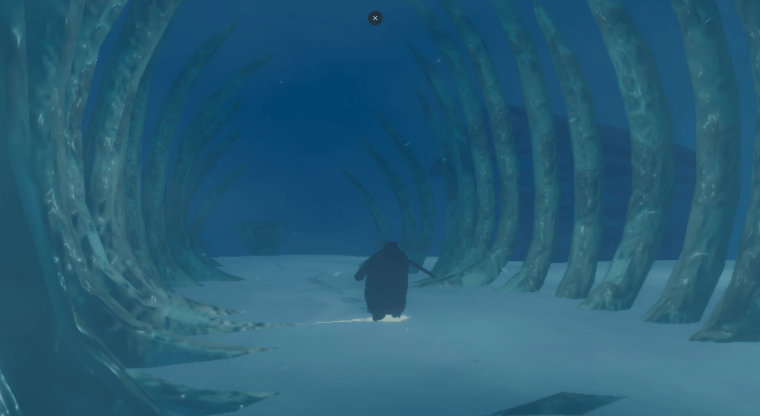
Thank you, ORIGAME DIGITAL, for the description. I’ve seen plenty of games based on Lovecraftian horror, but none of them are told through the eyes of a penguin. Wow! I didn’t know I needed this in my life. Watching a penguin go from slightly creepy scenes like the whale fall shown above to M. C. Escher-like caverns beneath the sea or are those scenes happening above the sea. I’m unsure. Without playing Penguin Colony, I question my sanity. Penguin Colony is from a smaller developer and perfect for our series of quirky video game reviews. Don’t be surprised if we cover Penguin Colony this upcoming year. You can even try out the free demo on Steam.
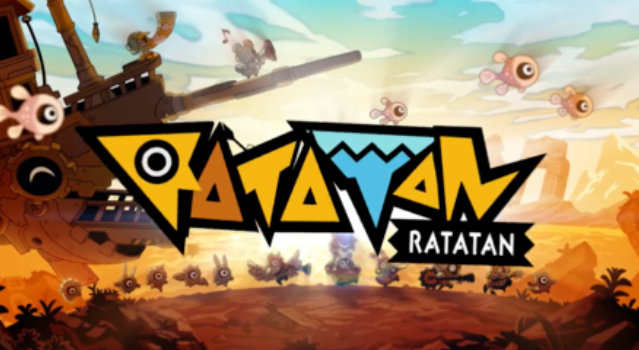
Ratatan is a rhythm roguelike action game that combines rhythm games and side-scrolling action, with online co-op gameplay supporting up to 4 players. An intense battle unfolds with over 100 characters fighting in a massive melee. Let’s defeat the enemies together!
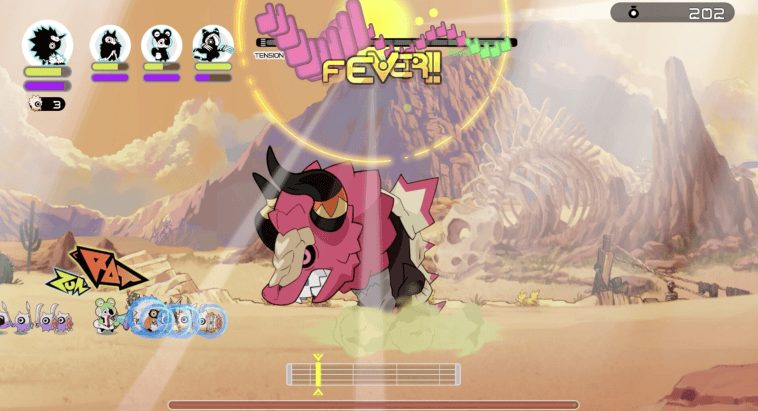
Thank you, Game Source Entertainment, for the description. Beyond its name, Ratatan shares a lot of similarities to Patapon. In fact, I had to double check to make sure the same developers behind Patapon didn’t release Ratatan. They did not. I always like Patapon. It was one of my most played games on the PlayStation Portable, so I’m interested in Ratatan. It combines a rhythm game like Guitar Hero with a roguelike. It’s a great combination of gaming elements. But I may wait for a demo or sale on Steam before picking up Ratatan or I may wait until after I pick up a Nintendo Switch 2. Games like Patapon and Ratatan work really well on the go.
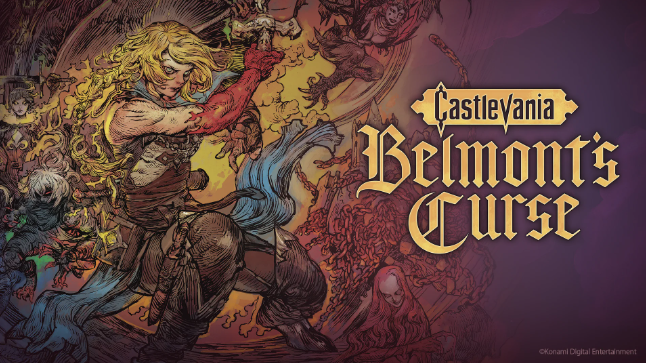
Crimson Curse —Will Your Fate Bloom in Despair or Salvation Set 23 years after Castlevania Dracula’s Curse – follow Rose Belmont’s journey in an all new 2D Action-Exploration title from KONAMI, Evil Empire and Motion Twin.
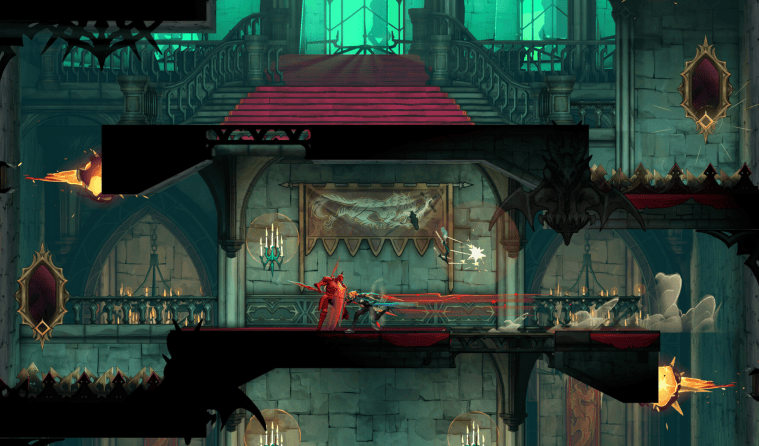
Thank you, Konami, for the description. Castlevania is back! While some of the first-person and third-person (over-the-shoulder) games in Castlevania’s catalogue can be fun, it’s great seeing the series return to its 2D, side-scrolling roots. Castlevania: Belmont’s Curse captures the original vibe, and it’s received good to great reviews. The graphics look like the next level up from Castlevania: Symphony of the Night, which is music to my ears. That may be one of my favorite Castlevania titles. Heck, it’s a lot of people’s favorite game in the series. Castlevania: Belmont’s Curse is available on PC, PlayStation 5, Nintendo Switch, and Xbox Series S/X.
We had a lot of new releases this week. It’s almost like the holidays are right around the corner. Which game has you the most excited? Let us know in the comments. Thank you for reading, and wherever you are, I hope you’re having a great day.
Hey, hey, Geekly Gang! Kyra Kyle here with a review/reaction of VisionQuest’s pilot, “No Strings.” Ahead of beginning this series, I had moderately high expectations for VisionQuest. Wanda Maximoff and Vision mini series are the best thing the Marvel Cinematic Universe has released since Avengers: End Game. That’s high praise. That includes two Spider-Man films (No Way Home and Brand New Day), Wonder Man (which I still love), and at least one Deadpool film. WandaVision and Agatha All Along are great. While it’s too soon to tell if VisionQuest will live up to the previous series in this set of series (as of writing this post, I’ve only watched the first episode a few times), “No Strings” delivers a solid premise with a couple of hiccups.
Since they’re so great, you should watch WandaVision and Agatha All Along before watching VisionQuest, but if you haven’t yet watched them, you don’t need to because VisionQuest does a good job recapping all necessary story elements from these two series and MCU movies in its opening minutes. If Marvel continues to tell ongoing stories, they should continue this trend. VisionQuest takes advantage of The Vision’s identity crisis, having its titular character replay scenes from past MCU vehicles. It works but slows down the momentum.
Even though VisionQuest dropped two episodes this week, this review or reaction will only concern itself with the first of these two episodes. We will release a second post on “Theseus” later this week. Before we continue, a spoiler alert is in effect. If you have yet to watch VisionQuest “No Strings,” you may want to pause and return to this point in the post. Consider yourself warned.
The Vision lives in two worlds: the outside world, and The Vision’s rich interior world. I love how VisionQuest adapted aspects of The Vision’s life in the comic book series The Visions. Obviously, the MCU can’t adapt The Visions wholesale in VisionQuest; Marvel borrowed some elements of that series in WandaVision. The Vision shouldn’t construct children to replace the ones he lost in WandaVision. It’s been done. Instead, Marvel opted for bringing back several of the helper AIs Tony Stark created in the MCU thus far: J.A.R.V.I.S., F.R.I.D.A.Y., E.D.I.T.H., D.U.M.-E., and U. Throw in Ultron, and you have a party. And it’s the inclusion of Ultron that stirs trouble and sparks the inciting incident.
I like how VisionQuest showed how these AIs interact with each other and the roles they take. I’m not going to list all of these AIs again; those are a lot of acronyms. James Spader’s Ultron and Emily Hampshire’s E.D.I.T.H. serve as great foils to J.A.R.V.I.S. and F.R.I.D.A.Y., who serve as The Vision’s restrained persona, while the other two are great comic relief. Not that the other four don’t have comedic moments. They’re a joy to watch.
I wouldn’t mind if VisionQuest stayed within The Vision’s inner world for an episode or two (that may happen in a future episode) because this is a rich world, but I’m glad The Vision must interact with the outside world. Returning to Ultron sparking the inciting incident, he sends out a crypted message to a bounty hunter (Paladin) who is looking for The Vision and gives the bounty hunter The Vision’s position. Ultron says himself that he’s giving The Vision the kick in the pants to get moving. Evidently, The Vision has remained in his past self’s shadow. He’s retraced the original Vision’s footsteps, refusing to make any new moves. Ultron’s action forces The Vision to something. Anything. Even though this is only the first episode, VisionQuest is playing with the dichotomy of Ultron as The Vision’s father and his greatest foe. I love this balance. It also plays into the cliffhanger “No Strings” ends with its closing minutes: Paladin has kidnapped The Vision’s son, Tommy.
Yes! Billy returned in Agatha All Along. If I remember correctly, Wiccan (Billy) was last seen looking for his brother. Could we see a large family reunion by the end of VisionQuest’s runtime? Seriously, if you haven’t yet watched Agatha All Along, you should. It’s excellent. With Tommy’s kidnapping VisionQuest combines elements of Finding Nemo and Taken. The act itself comes straight from Taken, but the vibe I’m sensing (with Ultron congratulating The Vision for having a son) gives me Finding Nemo. And I love how watching that scene multiple times I could read this moment at the end as Ultron being a sarcastic jerk or being sincere. In a way, Tommy is Ultron’s grandson. James Spader is a treasure. This entire cast is amazing.
VisionQuest introduced plenty of interesting threads with its debut, “No Strings.” Someone hired Paladin to retrieve The Vision. Paladin believes S.W.O.R.D. is behind it, but who knows. Ultron works within The Vision’s head. He’s biding his time for the right moment to strike, and that moment will occur at some point. I’ll be disappointed if Ultron never takes a shot at freedom. Heck, Ultron could be the one who hired Paladin, though I doubt it. VisionQuest “No Strings” was a solid–if not rocky because of the flashbacks–first outing. So far, it’s shaping up to be a worthy third part of a WandaVision, Agatha All Along, and VisionQuest trilogy.
Those are my thoughts on VisionQuest “No Strings.” Let us know yours in the comments. Thank you for reading, and wherever you are, I hope you’re having a great day.
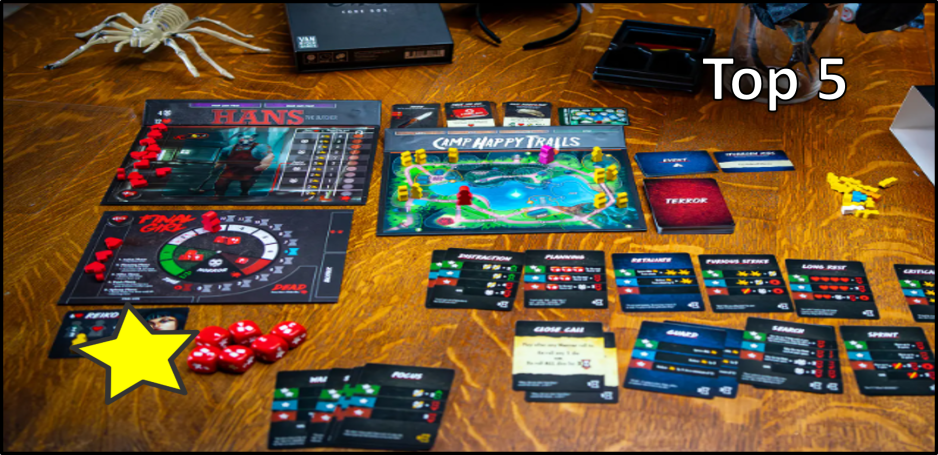
Happy Spooky Season, Geekly Gang! Kyra Kyle here. We’re celebrating the season with our list of the top five horror-themed board games. There are way more horror-themed board games than you might think. Heck, there were way more horror-themed board games than I thought there were. I left a lot of great games and some former favorites off this list. So, you know we’ll have at least one honorable mention. Yay! Let’s see the game that just missed this list, before we get to the ones that made our Top 5 Horror-Themed Board Games List.
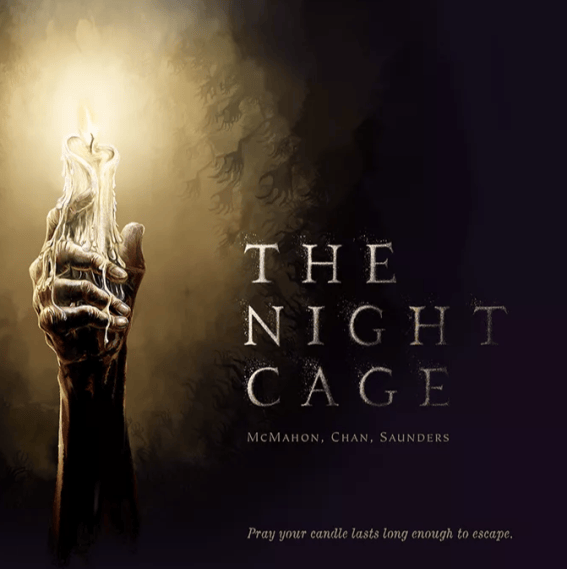
The Night Cage just misses this list because I may not have played it enough. Plain and simple. I have yet to play enough of this title, and I’d love to see it hit the table more. The board doesn’t look like much (without the tiles it’s a simple grid), but pulling tiles from the candle-shaped draw pile is so thematic.
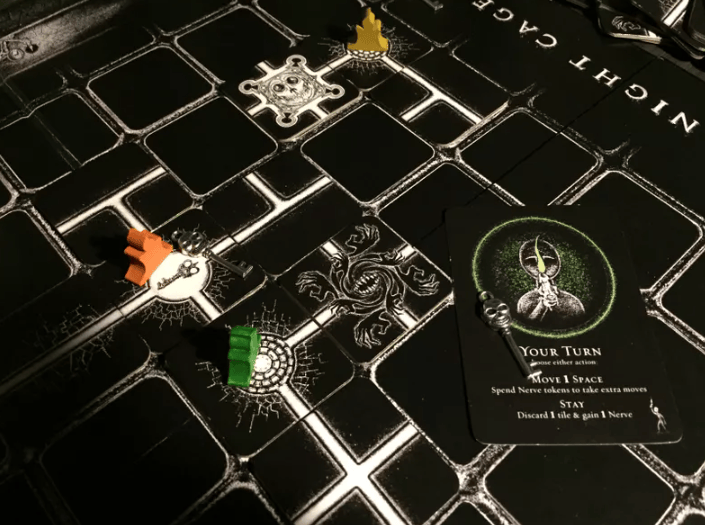
Building out The Night Cage’s labyrinth is a lot of fun, too. And it doesn’t hurt that Smirk and Dagger Games produced an accompanying soundtrack for The Night Cage. Talk about going above and beyond with creating a mood. The Night Cage leans heavily into atmosphere. Each game is a tense prison break. You’ll need to keep your wits to survive.
This list was super tough to make. There are a lot of games that could’ve claimed the sole honorable mention spot: Kingdom Death Monster, Abomination, and Dead of Winter are just a few. We could make another list of the Top 5 Cthulhu-themed games. There are so many great horror-themed board games.
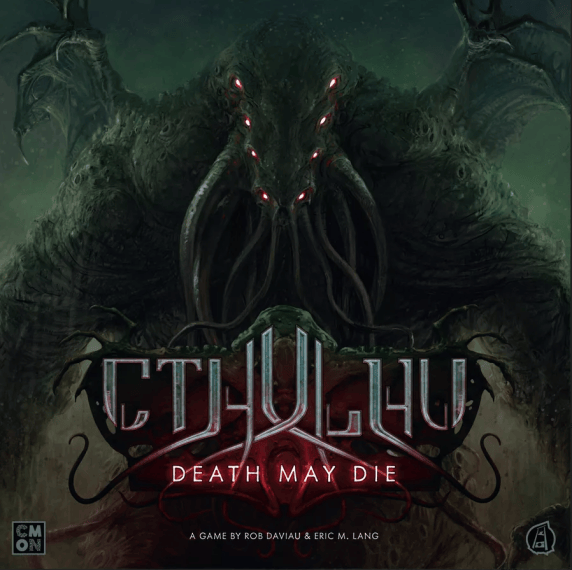
Yes. I’m a Rob Daviau and Eric M. Lang fan. And yes, several other games can scratch the same itch as Cthulhu: Death May Die. Kingdom Death Monster comes to mind; Kingdom Death Monster is another game one could consider an honorable mention for this list. But I prefer Cthulhu: Death May Die. It would be higher on this list if I had played more than a handful of times.
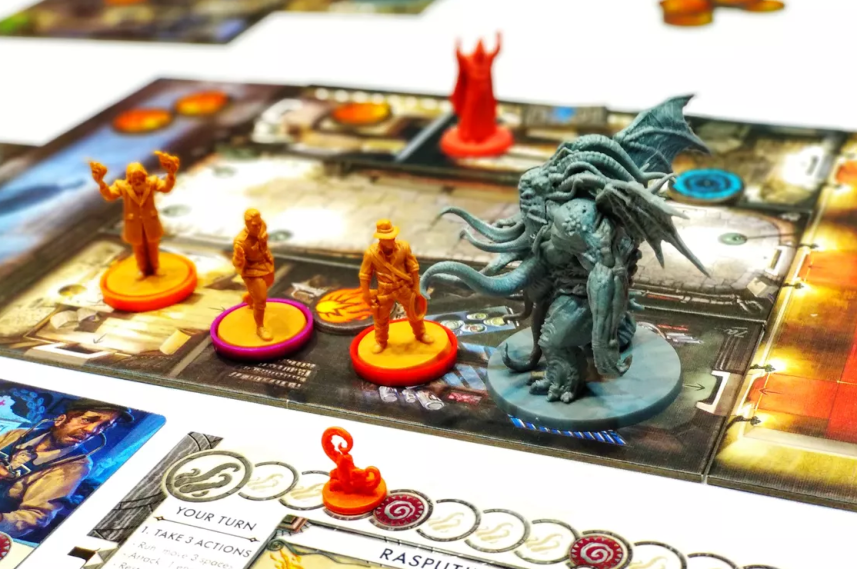
Unique player powers and an ever-changing narrative that seldom plays out the same way twice. Cthulhu: Death May Die adds a bombastic sense of humor to a sometimes overly serious intellectual property. I appreciate that, too. This game needs to hit my table more often. Maybe then it’ll climb the ranks on a list like this.
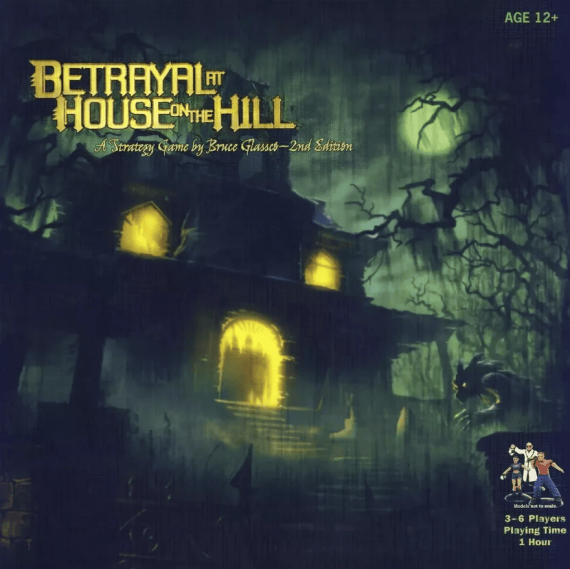
I love Betrayal at House on the Hill. It’s one of the first horror-themed board games I ever picked up after returning to the board game hobby. Again, I had plenty of great horror-themed board games to choose from for this list. Betrayal at House on the Hill (Betrayal for short) plays out like the movie Cabin in the Woods. Players search the titular house, a mansion players build as they play the game. Whenever an Omen card is drawn, the player who drew the card makes a haunt roll. If the roll fails, the haunt begins. Typically, one player works on behalf of the house, and the rest fight against the traitor.
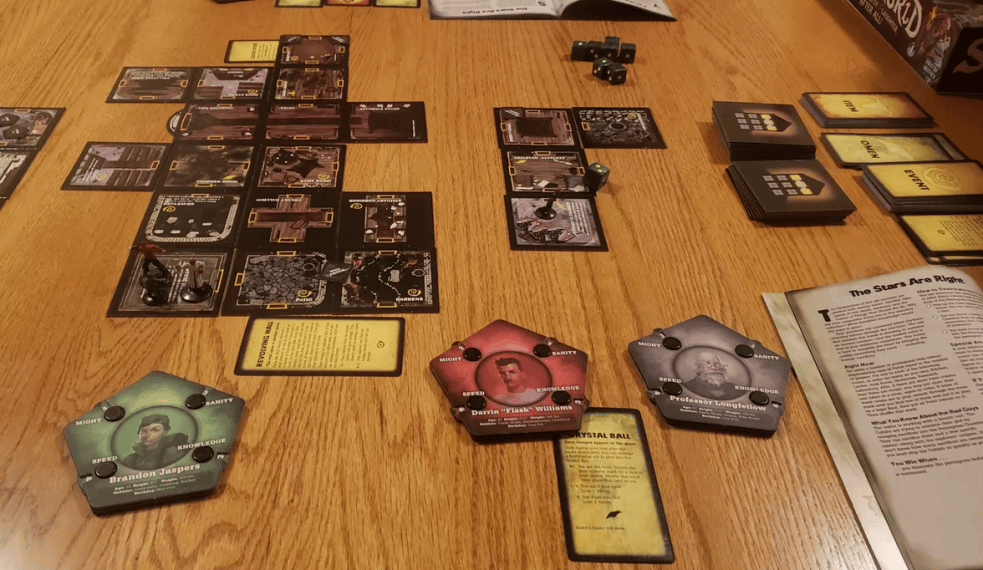
Word of caution: Betrayal can crumble under the weight of the haunt. Some haunts prove difficult to understand, and gamers can misplay numerous aspects of the haunt. I played one where I was the traitor, my former teammates attacked me, but my character wanted to perish. The other players played into my win condition. No two haunts are the same, so just because players understand one, it doesn’t mean they’ll comprehend the next one. And many of the haunts are unbalanced. Some favor the explorers, while others favor the traitor. Still, my family plays Betrayal at House on the Hill at least once every Spooky Season. If you want a story and exploration, it’s an excellent pick.
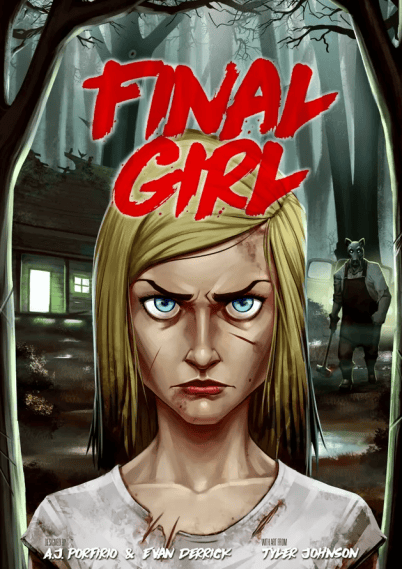
I knew Final Girl would make this list, but placing the game would be difficult. I went with the classic three-spot for a game that fits this bill. Whenever I craft one of these Top 5 lists and have one odd entry in the list, not knowing where to place the game (or insert element here), that’s the one I place at three. Final Girl may be the best solo-only board game on the market. It’s definitely the most famous solo-only board game out there. I’ve played it a few times, and I’m hooked.
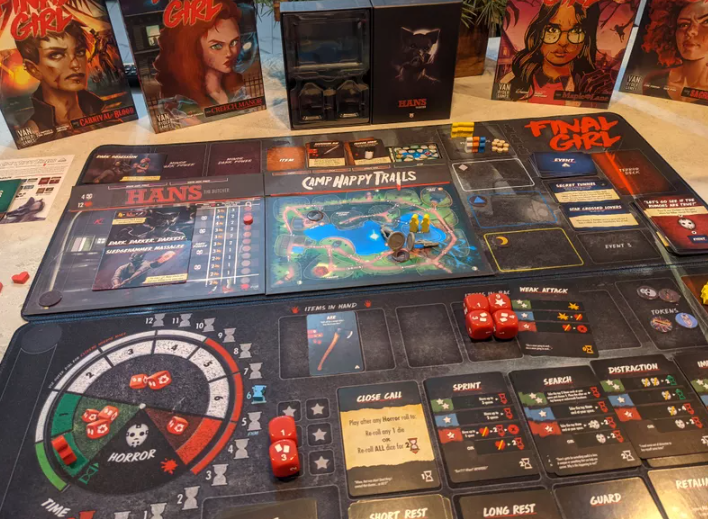
I can hear some of you complain that Final Girl has a lot of game for a solo board game. Just look at the picture above. You’d think this game facilitated four or five players. Nope. It’s a solo board game. Yowza! That’s a lot of table space for a solo-gaming experience. I’m getting off-topic, but I’ll just say that massive solo games are good for the hobby. Not everyone has enough friends to play games, or they struggle to find times that work to play with their game group. Quick rant over. If you’re going to play a solo board game, you can’t go wrong with Final Girl. It captures its theme brilliantly. You are a final girl trying to survive until the end of a horror movie. Final Girl may look complicated, but the elements work so well together that you can’t help but pick up the rules quickly.
Plus, Final Girl is the only solo board game to make BoardGameGeek’s Top 100 Games. I know that BoardGameGeek has its flaws, but Top 100 for a solo board game is impressive.
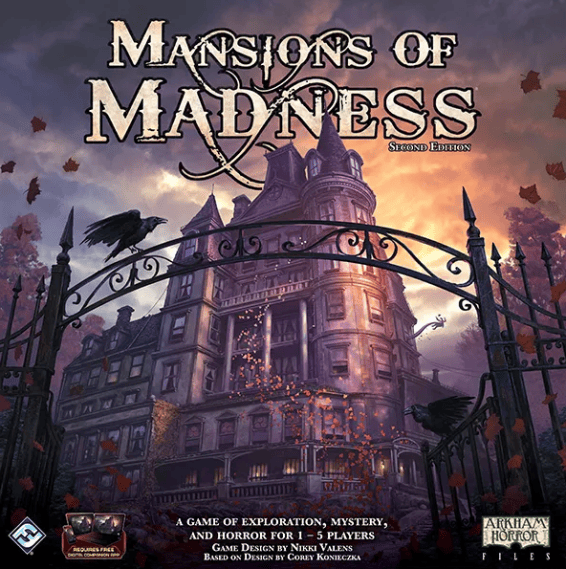
Mansions of Madness: Second Edition does a great job of incorporating an app with a board game. I know. I know. This is yet another controversial pick. Two in a row. Some board gamers are purists. They don’t want to own a game that has an app you’ll need to download to a smart device. But Mansions of Madness: Second Edition is so worth it. The game does accommodate solo play, but part of the joy is teaming up with players to solve various puzzles and unearthing what the followers of Cthulhu have planned.
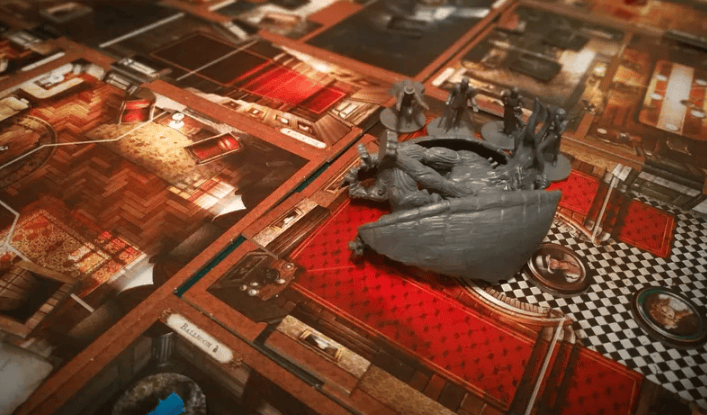
The Mansions of Madness app will also change details for each scenario between different plays. I played the exact same scenario twice in a row, figured I knew who the cultists were, and attacked those characters, only to realize that the details had changed, and they pointed the finger at different characters. My bad. We lost that game miserably. But the fact this can happen validates Mansions of Madness: Second Edition’s app. I don’t always have the time to invest in a scenario of Mansions of Madness, but whenever I do, it never fails to add a touch of cinema.
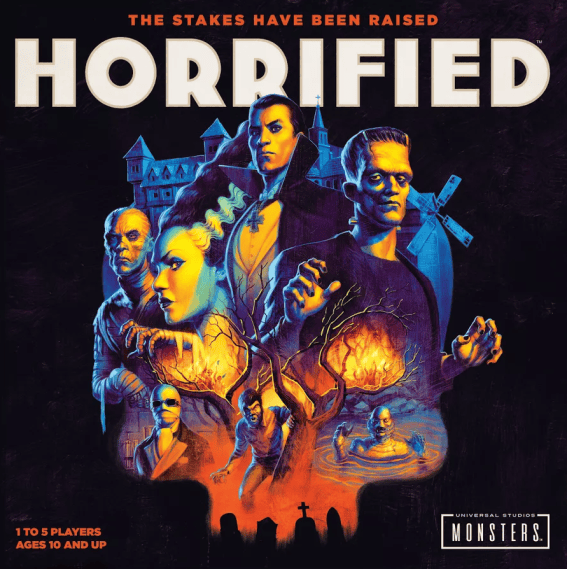
Horrified has dominated the horror-themed board game category ever since it released in 2019. I have all the variants of this game, and we play every Horrified variant each Spooky Season. Ironically, I’ve played the original Horrified the least. I’ve enjoyed every play of the original, but we prefer American Monsters, Greek Monsters, and the Dungeons & Dragons variants best. Speaking of the Dungeons & Dragons Horrified game, I’m writing this post early and before the next variant, Horrified: Ravenloft, another Horrified game set in the Dungeons & Dragons universe, releases. I can’t wait to add the new one to our yearly rounds of plays.
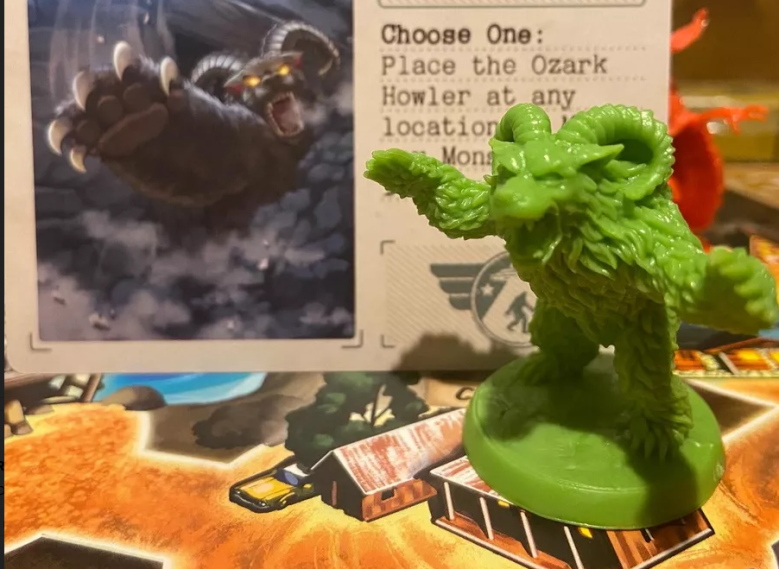
Each Horrified monster behaves differently. Some will openly attack players. Others, like Big Foot, will actively avoid players. Heck, you’ll have to prove Big Foot even exists. The original Horrified has a good mix of various difficulty-setting monsters. American Monsters and Greek Monsters up the ante. World of Monsters gets a little too tough with some monsters. And the Dungeons & Dragons Horrified adds D&D elements. What’s not to love?
Ultimately, pick a genre of monster you would like to face and throw down with that version of Horrified. Prospero Hall does a great job of capturing the essence of most of these monsters. The fact that players take on two or more of these monsters at a time means that you’ll seldom get the same game twice.
By the time you’re reading this, I’ll probably have played all or most of the titles on this list. Like I said, there are so many fantastic horror-themed board games. What are some of yours? Let us know in the comments. Thank you for reading, and wherever you are, I hope you’re having a great day.

Happy Wednesday, Geekly Gang! Kyra Kyle here! Today, our writers share what they’ve been reading over the past month. Feel free to share what you’ve been reading over the past month, because we’re all part of the Geekly Gang. I’ll get things started by sharing what I’ve been reading over the past month.

I read Brian Azzarello’s Joker for the first time this past month. It wasn’t what I was expecting. Honestly, I don’t know what to expect, so I guess I had no expectations. Joker was a wild read. Jonny Frost (one of The Joker’s henchmen) narrates the story. This was a bizarre choice for a point of view character. How many comic book stories have been told from the perspective of a super villain’s henchman? Harley Quinn doesn’t count. By this point, she’s become her own character. A no-name Joker henchman made for a fresh take on the character.
Because we’re not in Joker’s perspective or even Batman’s, Joker doesn’t dive too deep into its title character; Joker concerns itself with how The Joker affects Gotham City from an outside perspective. Jonny Frost is to The Joker what Nick Carraway was to Gatsby. We watch as Gotham defines itself by its most infamous criminal. We watch as The Joker seduces Jonny with his hedonistic lifestyle. Through Jonny’s point of view, we see the appeal of The Joker. We learn why someone would want to serve as one of The Joker’s henchmen. While I enjoyed the ideas presented in Joker, I’m glad the graphic novel didn’t last long. It ended when and how it should’ve. One shouldn’t spend too much time in The Joker’s world.
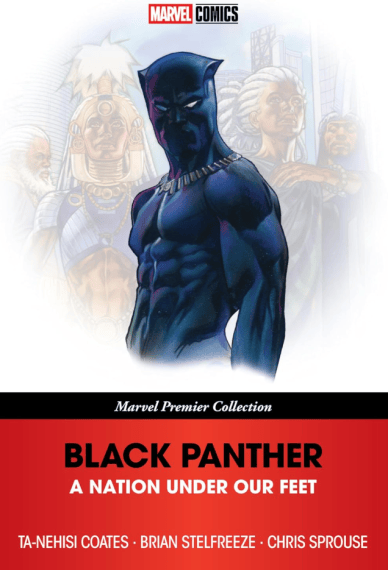
Author Ta-Nehisi Coates needs little introduction. Coates has received the MacArthur Fellowship a year before Black Panther: A Nation Under Our Feet was first released. Black Panther: A Nation Under Our Feet explores Wakanda’s identity, tensions, traditions, and where they fit in modern society while looking toward the future. This examination extends to the monarchy. Does Wakanda still need the Black Panther? These topics make sense, considering Coates is an American journalist and activist who often writes about cultural, social, and political issues, specifically African Americans and white supremacy. Coates authored “The Case for Reparations,” so a Wakandan story that examines its past while looking at how to move forward is something that Coates has immense experience.
Black Panther: A Nation Under Our Feet is a dense text. It deconstructs Black Panther as a character. It shows the Wakandan king step down as supreme leader, making way for Wakanda becoming a constitutional democracy with the Black Panther serving as a figure head. Think the English monarchy. T’Challa is still Black Panther. But Wakanda’s people are allowed to govern themselves. We’ve seen the MCU adopt some aspects of this story. I can’t help but think the MCU adapting A Nation Under Our Feet in a future Black Panther movie. Perhaps this storyline will inform Black Panther 3. I enjoyed my time with Black Panther: A Nation Under Our Feet and highly recommend the book, especially if you like the T’Challa and dive head first into Wakandan lore and politics.
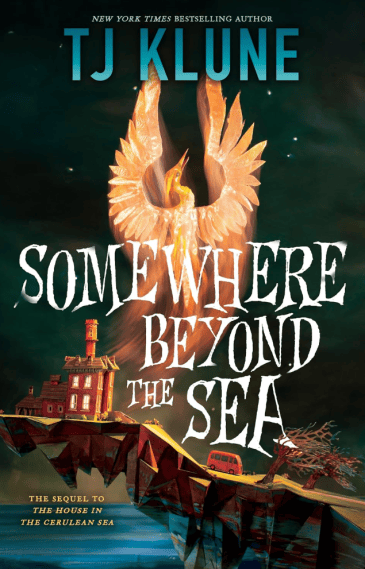
It was only a matter of time before I started reading the sequel to TJ Klune’s The House in the Cerulean Sea. Love that book. I had to pick up the sequel, Somewhere Beyond the Sea. Quick Note: I love Klune’s dedication:
For the trans community the world over:
I see you, I hear you, I love you.
This story is for you.
Klune’s dedication rings true. While The House in the Cerulean Sea was more subversive with its queerness (the main character just happens to be gay), Somewhere Beyond the Sea has Arthur and Linus go to court and defend magical beings’ rights. With the dedication as context, Somewhere Beyond the Sea’s many scenes can be viewed through the lens of the trans community’s struggles for acceptance. The House in the Cerulean Sea did a lot the same things. Somewhere Beyond the Sea makes this a front and center discussion. I loved returning to these characters. Cozy romantasy has become one of my favorite genres, and The House in the Cerulean Sea is one of the reasons why.
We were teased David, a teenage yeti, during The House in the Cerulean Sea’s epilogue. Somewhere Beyond the Sea delivers on the first book’s promise. And David fits with this cast of characters. David’s viewpoint on the term “monster” recontextualizes Lucy’s relationship with Arthur and Linus. Great stuff. I love it when a new character can help us see a preexisting character in a new light. In short, Somewhere Beyond the Sea is charming. The magical children are wonderful. Each of them has a distinct personality. The world is lived in. Even the tertiary characters, like Marsyas Island’s ferryman Merle, has charm. I’ve read a lot of books since The House in the Cerulean Sea, but it took no time at all to go back into the world Klune created with Somewhere Beyond the Sea.
I can’t wait for the upcoming HBO Max animated series based on these novels, or the third novel in the series. Klune has released these novels every four years, so the third novel may release as soon as 2027, but realistically, in 2028. Guess I’ll have to wait. I read Somewhere Beyond the Sea at a slow pace. I wanted to savor the story. But I could reread the two novels. Hmm? These books are fantastic.
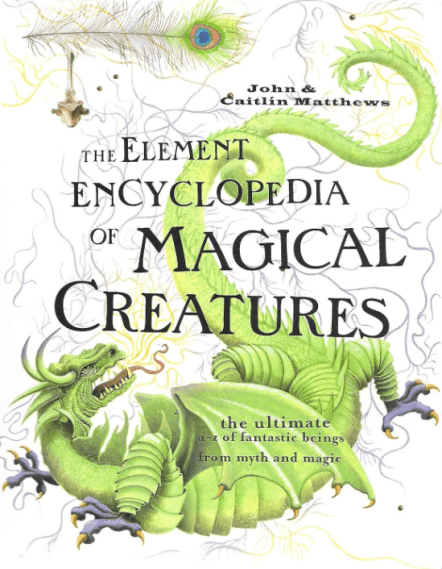
I’ve talked about The Element Encyclopedia of Magical Creatures in the past. This book is loaded with fantasy/magical creatures from various points of origin. While some of the creatures in this book will be familiar, I like the ones I know little to nothing about. But the surprise entries I’ve found in this book are real world creatures. The Element Encyclopedia of Magical Creatures includes many real world animals and what those animals mean to various cultures and religions. This book is fascinating. I said this six or seven months ago, but I will finish The Element Encyclopedia of Magical Creatures.
Those are the books I’ve been reading this past month, and it looks like Season and Skye are taking this week off. What have you been reading, Geekly Gang? Let us know in the comments. Thank you for reading, and wherever you are, I hope you’re having a great day.