Happy Friday, Geekly Gang! Kyra Kyle here with another board game design brain dump. I’ll be honest. This past month, most of my focus has been on writing my personal fiction, blogs, and tabletop RPG. I haven’t even had a chance to playtest the changes I made (to Monster Chef) during the previous game design brain dump. Today’s game design brain dump will center on Rustbucket Riots. Ah! Rustbucket Riots has seen plenty of changes throughout the year and a half I’ve been developing the game. And it looks like Rustbucket Riots could see another change in the near future. Let’s talk about it in today’s Board Game Design Brain Dump.
I’ve already made changes to Rustbucket Riots. For those of you who didn’t check the previous link, the above image is what the Rustbucket Riots game board used to look like. This was the board for a good many months–years–until I had it upgraded. I’ll share that picture in a bit, but gaining some space gives anyone perspective.
For the months I haven’t been working on Rustbucket Riots, I’ve been working on Monster Chef. This gave me two things: cognitive distance from Rustbucket Riots, cross-pollination of ideas with Monster Chef. Rustbucket Riots and Monster Chef are nothing alike. One is a cooperative, dice placement game with interlocking gears (Rustbucket Riots), while the other is a competitive, card management game with a cook timing mechanism (Monster Chef). But working on Monster Chef, figuring out how to make that game easier to teach and faster to play made me view Rustbucket Riots in a new light. I needed to look at Rustbucket Riots through the same lens as Monster Chef.
Ah. The board above is beautiful. I forgot how pretty Rustbucket Riots’ current board is, and it’s functional. The board illustrates which region a die belongs. Whatever color the die rests is the region it belongs to, so a die placed in the yellow wedge (of the large gear) will touch the orange and yellow regions. Easy! Before this change, playtesters would complain it was too difficult to tell. I haven’t received that feedback as much after this change. So, it might be time for more change. Players are supposed to simultaneously roll dice, lock them in, place them, and remove the dice from the gear spaces to use the die.
That’s a lot of mechanical things going on at once. The rolling, locking, and placing can get long and difficult to explain. The change I’m thinking of making is replacing dice with tokens, converting Rustbucket Riots from dice placement to a bag builder game. If I do this, this will fundamentally change the game. I won’t change the board, at least not right away. If I go through with this, I’ll make the tokens die-shaped. No. I’m concerned about how this change will affect Rustbucket Riots’ flow. I’ll need to rebalance the game. Some boss robots may need new abilities (many of their current abilities revolve around dice manipulation). And how does busting work in this new setup?
I don’t know. I guess this post lives up to its title of a game design brain dump, emphasis on the brain dump. In the coming weeks, I’ll playtest the current version of Rustbucket Riots and see where these changes could be implemented. Thankfully, I won’t need to change any of Rustbucket Riots’ major set pieces. I can produce die-shaped tokens and alternate cards. We can play the game both ways. See which one flows best. My guess will be the tokens. I’ve spent so much time explaining how die rolling and locking die faces work. Explaining that you just pull out X number of tokens will be a relief. And I could see minions (the orange and pink dice) finding their way into player bags. Perhaps that’s the bust trigger.
Thank you for reading this week’s game design brain dump. You’re awesome. And wherever you are, I hope you’re having a great day.
Happy Wednesday, Geekly Gang! Today, our writers share which games they’ve been playing over the past month. Feel free to share what you’ve been playing over the past month, too, because we’re all part of the Geekly Gang. I’ll get things started with the games I’ve been playing over the past month.
Kyra’s Board Games
Skye mentioned this game in last month’s Whatcha Playing; I just wanted to share a few thoughts on Planet. Of course, I love the idea of the planet component. The 3-D planet each player builds gives Planet a huge toy factor. Planet does do a few things to differentiate itself from a 3-D Cascadia. The array of animals you may attract to your planet makes players’ strategies evolve. If an animal (with a scoring mechanism) doesn’t score during a round, it gets moved to the next round. Brilliant!
The scoring mechanisms also prevent players from playing one specific way. I had the Arctic Planet role and wanted as many Ice spaces on my planet as possible. But there are scoring mechanisms that reward a player for having the largest collection of ice spaces, and another for the most unique instances of ice spaces. I’m constantly being pulled one direction or another great. This was fantastic. I will echo Skye’s complaint that the planets aren’t designed the best from a physical standpoint. It was too easy to break my planet. The tokens would consistently fall off as I was turning my planet over to score each animal scoring mechanism. It’s a small thing. I’d love to see Planet get an updated second edition.
Family visited us over the past month, so we played more party games than we usually do. I’ve covered some of these titles in the past (some may have reviews on the site), so I’ll try to keep these write-ups brief. Sixes is an interesting take on Scattergories. Given one or six categories (depending on the round), players alternate trying to match other players’ answers or come up with a unique answer. My brother-in-law shared that he liked how Sixes didn’t make him feel as inadequate as Scattergories. Switching from matching to unique answers matters. It makes Sixes more approachable.
I haven’t made a Just One review yet. Good to know. You may expect one early next year. Tee hee! Anyway, Just One has a simple concept. One player is the guesser. They choose a number between 1 and 5. There will be a single word clue that corresponds to that number. All the other players (the ones who aren’t the guesser) write one-word clues. Before the guesser can see these clues, the clue givers compare their clues. If they match, they erase their clues. After that’s done, the guesser tries to guess the clue word from the clues.
Woah! Deadlines is another game we don’t have a review for…yet. Love this one. It’s morbid in the best ways. Each card has a famous person listed on it. On the back, players will receive a clue as to who the person is. There are hundreds of famous people on these cards; you won’t know all of them. On the front, each card will say when the person was born, how long they lived, and when they died. The player must pick one of those three attributes and add their card to a growing timeline. Er, Deadline. If you get the Deadline wrong, you keep the card. It counts as a point. You don’t want points. As soon as a column reaches a certain number (it’s supposed to always be twelve, but I adjust the column length by the number of players), the column is finished. As soon as the final column is finished, whoever has the least points wins.
We’ve reached the one new-to-me board game on my list this month: Verdant. I liked this puzzly game. I only played it once, and I was worried about my car (it was in the shop at the time), but I’d like to play Verdant again. Soon. Players build a house in a 5×5 grid, alternating room cards and plant cards. Verdant has a supply line (a display) of five room cards and five plant cards. In between those two lines sit tiles. Some tiles give you abilities, like a watering can, while others are objects you can put on a room card. Each room card has space for one object. You’ll want to match colors (of objects and rooms), place plant cards beside room cards of the same color. It gets very puzzly.
Since room cards and plant cards are in pairs, whichever card wasn’t selected by a player receives a green thumb token. Green thumbs can be used for special abilities. Great! I don’t know how many times I picked up a room or plant that didn’t necessarily fit because two or three players passed on the card, and I received two or three green thumbs. Twenty-five turns (every player needs to build their 5×5 grid of cards) feels like it would take a long time, but Verdant has quick, snappy turns. I can’t wait to play it again. Maybe with fewer distractions next time.
Kyra’s Video Game
I knew Voidling Bound would make one of these Watcha Playing posts. I’m not the only one playing. I’m sure Season will have plenty to say about Voidling Bound. And Geekly may need to do a full video game review in the not-so-distant future. Voidling Bound is everything good and bad about classic Skylanders. Note: I enjoyed Skylanders. Instead of needing to collect toys, Voidling Bound opts for tech trees for each of its critters (voidlings). The gameplay loop is addictive. You can drop hours playing this game and not know where the time went. Voidling Bound is grindy in the best possible ways.
But let’s get back to the Skylanders comparison. Like Skylanders, Voidling Bound exploration levels use a three-star system. Complete the stage for one star, collect everything for a second star, and speed run the level for the third and final star. So, I found myself playing an exploration level slowly the first time (to collect everything), and I’ll complete it the second time as fast as I can. Rinse and repeat. It’s a fantastic gameplay loop. I also love the tech trees and want to unlock all the paths for each voidling.
My issues with this title begin with repetitive enemies. I have yet to beat Voidling Bound, but I’ve played for a while and have only encountered two types of enemies: oozes and robots. That’s not a deal breaker. Plenty of great video games offer a small variety in enemies: the original BioShock and the Kingdom Hearts series. My second issue: ranged voidlings are much better than melee voidlings. This was an issue with Skylanders; it’s an issue with Voidling Bound. Granted, one can grind long enough to make a voidling type viable, but some are innately better than others. This also isn’t a deal breaker for me; I could see it frustrate some gamers. My third issue: I’d also like some more variety in the stages. Again, I’m not done with the main game. I hope I get more control the area missions. Those were a nice twist on survival stages.
I’m writing this segment super early. I picked up Voidling Bound yesterday and played about ten hours, and I’m enjoying the ride. While I could see the game wear out its welcome, the adorable voidlings will bring me back. That tech tree and the Skylanders’ three-star system are a winning combination.
But how am I supposed to finish some of these levels in less than three minutes? I’m directionally challenged. Yikes! That’s all I have. Let’s check in with Season.
Season’s Video Games
I also have yet to beat Voidling Bound, but it’s a lot of fun unlocking the variations of voidlings in the trees and getting unique variants from gold eggs. Outside of getting three stars in exploration levels, Voidling Bound has fewer puzzles and unique ways of finishing levels, unlike Skylanders. Voidling Bound asks players to scour the entire map by jumping ridiculous heights to find collectibles. I don’t mind this, but this is the majority of exploration. There are a few doors that require players to defeat the surrounding enemies before they unlock, but I don’t consider that a puzzle.
I love the tech and evolution trees in Voidling Bound. There are so many things to unlock and, once an ability is unlocked for a species of voidling, it stays unlocked for every voidling of that species the player has.
I love time management games, and I used to play them alongside my mom when I was a kid. Cake Mania is one of those titles. Players bake cakes and serve them to customers before their mood meter runs out. Players get more money the higher the mood meter is and the more complex the cake. Upgrades for equipment are also available for purchase as players complete levels.
Cake Mania is a good time killer game and scratches that nostalgia itch.
Hey, hey! Kyra Kyle here again. That’s what our writers have been playing this past month. What have you been playing? Let us know in the comments. Thank you for reading, and wherever you are, I hope you’re having a great day.
Happy Monday, Geekly Gang! Kyra Kyle here with another addition to our Autism Representation series. As you may already know, I was diagnosed later in life with AuDHD–that’s autism shaken up with ADHD. The focus of today’s autism representation is the dramedy (more emphasis on the drama than the comedy), Everything’s Gonna Be Okay. Per usual, it’ll be difficult to cover this show without spoilers, so consider yourself warned of spoilers. Each one of the shows and films we cover in this series presents different issues in terms of covering autism representation. I’ll do my best with Everything’s Gonna Be Okay.
(Note: I’m also going to include more citations and supporting documentation going forward.)
We’ll begin with an overview of Everything’s Gonna Be Okay’s cast, and then go into detail with each of the show’s major neurodivergent characters. Buckle up for some authentic autistic representation.
Hiring Autistic Actors
We’re off to a fantastic start with Everything’s Gonna Be Okay. Many–if not most–of the people who portray a neurodivergent character in this series are neurodivergent actors. Simply put, a neurodivergent actor can pull from life experience to better portray a character who is neurodivergent. I’m not saying a neurotypical (someone who isn’t neurodivergent) actor can’t portray a neurodivergent character, but when you hire a neurotypical actor to portray a neurodivergent character, you’re more likely to end up with something like Sia’s Music. Yikes!
Josh Thomas/Nicholas Moss, Kayla Cromer/Matilda Moss, Lillian Carrier/Drea, and Carsen Warner/Jeremy are all neurodivergent actors playing the role of someone who is neurodivergent. This lends them authenticity in their portrayals. And I love to see it. Hollywood often takes the easy route and hires neurotypical actors to “play autistic.” That’s demeaning, especially when we can see in a show like Everything’s Gonna Be Okay that autistic actors are up to the task of portraying autistic characters. Autistic actors need to work, too.
It helps that the show creator, Josh Thomas, is a fellow AuDHDer. Samesies! Thomas made it a point to hire autistic actors, and Everything’s Gonna Be Okay is the better for it.
Josh Thomas as Nicholas Moss
Nicholas Moss’s storyline may be the only real spoiler I’ll share in this post, but sharing this spoiler shouldn’t ruin the experience of Everything’s Gonna Be Okay. At the beginning of this series, Nicholas was diagnosed with ADHD. By the end of the series, Nicholas discovers he, like his half-sister Matilda (who we’ll discuss later), is also autistic. This character journey mirrors actor/show creator Josh Thomas’s real-life journey. Thomas was diagnosed with ADHD at age 28, but found out he had autism later in life. Thomas shared this in an Instagram post.
But we see hints of Nicholas’s autism as early as Everything’s Gonna Be Okay’s opening moments. Literally, the opening seconds of the first episode. Nicholas spills his guts to his date, Alex. When we later learn that Nicholas has ADHD, this moment makes sense, but what’s subtle is Nicholas doesn’t do a good job of reading Alex’s social cues. We catch a glimpse of the two’s conversation in medias res (in the middle), but Alex suggests that he wanted to contribute to the topic, but Nicholas didn’t give him an opening. Nicholas was too busy info-dumping.
While I typically don’t care for info-dumping in stories, it works in Everything’s Gonna Be Okay’s first episode because it shows us who Nicholas is, warts and all. Medical News Today lists many of the traits Nicholas exhibits as signs of autism in adults. Despite being Australian, Nicholas doesn’t have a typical Australian accent. This is another subtle sign of autism in adults. I grew up in the Deep South and have little to no accent.
Nicholas also displays a special interest: bugs. Sure, he’s a would-be entomologist. Nicholas hasn’t finished a degree because he struggles in a school setting. While Nicholas never outright says why he never finished a degree, there are huge hints that he may struggle with executive dysfunction (this is a condition that can affect people with ADHD, ASD, and AuDHD).
(In short, executive dysfunction is a difficulty with accessing executive functions like organization, planning ahead, and self-monitoring.)
Even though Nicholas hasn’t yet completed a degree, he has an aptitude for bugs. Heck, most people would think he had an advanced degree. Nicholas’s special interest in insects features in Everything’s Gonna Be Okay’s marketing (the above image is from a Season One promotional image) and in each episode title. Every episode is named after a specific insect that may or may not be included in that episode. These are subtle nods to Nicholas’s autism.
Nicholas doesn’t learn he has autism until after he discovers autism is hereditary (his sister Matilda has it, so he may have it, too) and another character prompts him to get tested. At first, a positive test result doesn’t convince Nicholas. Matilda is less than thrilled. That’s another great moment (or reminder) in Everything’s Gonna Be Okay, but one that must wait until we get to Matilda’s segment. While we don’t know everything about Josh Thomas’s life experience (how could we?), it’s clear Thomas pulls a lot from his personal experience with his portrayal of Nicholas Moss. And based on interviews and his work on this show, Josh Thomas is a strong neurodivergent advocate.
Quick Rainbow Break
Before we move on to Matilda Moss, I needed to take a moment to commend Everything’s Gonna Be Okay’s LGBT representation. We get a variety of LGBT representation that it almost reads like the entire LGBT alphabet. Everything’s Gonna Be Okay shows us there are many iterations of how people express their sexuality. I will say there is a lack of trans representation. So close. If Everything’s Gonna Be Okay included a trans character, we would’ve broken down its trans representation as well. Despite that, Everything’s Gonna Be Okay showcases numerous colors of the rainbow.
Kayla Cromer as Matilda Moss
Kayla Cromer is another AuDHD actor. She shared her diagnosis during a Variety article. Since Cromer was out publicly as autistic (Thomas revealed his diagnosis after Everything’s Gonna Be Okay began airing), Cromer is the first known actor on the autism spectrum to play an autistic main character in a television series. Congratulations to Kayla Cromer. It does concern me that it took until 2020 for an autistic actor to portray an autistic main character in a television series. As we’ve seen in this short series, there have been numerous autistic and autistic-coded characters in Hollywood history. 2020 is a long time to wait.
Matilda exhibits more overtly autistic characteristics. According to the same Medical News Today article, Matilda displays different symptoms from her half-brother Nicholas. She has little inflection in her voice to the point where she explains her joke about vaccinations during her father’s eulogy. I chuckled because Matilda reminded me of an Elcor from Mass Effect in that moment. I’ve felt like I’ve had to do the same thing at times. She has difficulty reading emotions or others’ intentions. When Matilda announces her crush on Luke, her sister Genevieve claims everyone’s “in love” with Luke, she’s even in love with Luke. Matilda doesn’t grasp her sister’s hyperbole. She insists she won’t pursue a relationship with Luke if that would drive a wedge between them. These are over-the-top scenes, but they’re endearing.
Matilda also happens to be a gifted classical composer. She’s so talented that Juilliard accepts her. While I believe the autistic savant trope is overdone, I appreciate Matilda’s struggles with navigating New York City’s subways. The beginning of Everything’s Gonna Be Okay’s second season has the family in NYC, helping Matilda settle into a routine (a must for Matilda). Matilda knows which trains she needs to take and in which order to go from her would-be New York apartment to Juilliard, but she experiences sensory overload while on the subway. I love how Everything’s Gonna Be Okay narrows in on the stressors that make navigating the subway impossible for Matilda. This isn’t a generic autistic person. These are sensory inputs (sounds, touch, and the like) that uniquely trigger Matilda. No two autistic people are the same. They can have different triggers.
And I love how Everything’s Gonna Be Okay allows Matilda to express her sexuality. She isn’t an autistic angel. She’s an autistic woman. She’s the one who initiates a sexual encounter with Zane at a party, and when everyone around her (even her half-brother Nicholas and her younger sister Genevieve) baby her, Matilda lets them know she was a willing sexual partner. That’ll bring us to Matilda’s autistic, asexual wife, Drea, but she’ll be the subject of our next large segment.
Before we get to Drea, we need to discuss Matilda’s reaction to finding out Nicholas also has autism. She doesn’t take the news well. Matilda even accuses Nicholas of stealing her identity as an autistic person. She makes mention how she and Nicholas act nothing alike, so he can’t possibly be autistic.
Unfortunately, this sentiment has legs in the autistic community. Many people subscribe to the idea of “You’re autism doesn’t match my (or my child’s or my nephew twice removed’s) autism, so you can’t possibly be autistic.” I’m glad Everything’s Gonna Be Okay included it.
In the DSM-5, PDD-NOS (pervasive developmental disorder not otherwise specified) and Asperger’s Syndrome were folded into Autism Spectrum Disorder (ASD) (here’s a Child’s Mind Institute article explaining why this was done). In short, PDD-NOS and Asperger’s were diagnosed on socio-economic lines. When you hear someone like Elon Musk claim he has Asperger’s (instead of Autism), he’s saying he has money. We know, Elon. We know you have all the world’s money. You don’t need to remind us.
One distinction may be needed with ASD: level of need. Many autistic people have low to medium needs, which means we can function in the world with limited to moderate accommodations. And as an aside, accommodations–and Autistic people like Matilda affording themselves those accommodations–is something else Everything’s Gonna Be Okay does well. Matilda will put on her headphones if the noise gets to be too much. Drea, whom we will get to, has an emotional support dog. But there are members of the autistic community who require more help. This level of autism needs intensive, ongoing support and is sometimes referred to as Profound Autism.
According to a CDC report (that an Autism Science Foundation article cites), there is a reported 26.7% of people with ASD who also have Profound Autism. This is a significant percentage of people who have ASD. But just because someone has lower needs or can “mask” (a person with ASD pretending they’re neurotypical; here’s the National Autistic Society’s definition), doesn’t negate their ASD diagnosis. Heck, self-diagnosis shouldn’t be as looked down on as it tends to be. It costs a lot to get an official diagnosis. I have insurance, and it still costs a lot. Getting back to Everything’s Gonna Be Okay, Matilda has her moment of doubt with Nicholas’s diagnosis and eventually accepts the news. And it’s great to see that, too.
Lillian Carrier as Drea
Lillian Carrier is yet another autistic actor portraying an autistic character. (Carrier shares her story with Rival in this interview.) Drea is another diverse depiction of autism in Everything’s Gonna Be Okay. This show does a fantastic job of showing several autistic symptoms and things that can trigger an autistic person. Typically, Drea wears layers with one layer pressed tight against her. She does this because she’s hyposensitive, specifically with touch, which means she has decreased sensitivity to sensory input.
While we see a great example of Matilda being triggered by auditory hypersensitivity on the subway (she retreats from loud, repetitive noises), Drea repeatedly exhibits touch hyposensitivity. She seeks out tight hugs. That first layer of clothing needs to cling to her tightly, so she knows it’s there, and it soothes her. Her service dog will lie on her chest to calm her. At times, Matilda will offer to do the same. Drea is a phenomenal example of how an autistic person can advocate for themselves. She knows what she wants, even when her parents think they know better, and she asks for what she wants and needs.
Quick Shout Out to Maria Bamford
Mental health advocate Maria Bamford portrays Drea’s mother, and that makes sense. Bamford has tackled issues of depression and anxiety for years. She’s a powerful ally.
Closing Thoughts
Everything’s Gonna Be Okay won’t be for everyone, and that may be the point. It puts autism representation to the forefront. Everything’s Gonna Be Okay shows how autistic people can advocate for themselves, and how just because you have a diagnosis, you are capable. By the show’s end, Matilda and Drea marry and move out. With the accommodations–many of them simple–they can thrive on their own.
Even though we leave Everything’s Gonna Be Okay with Nicholas just finding out he’s autistic, too, I’m certain he’ll find what works for him. He’s on the road to accepting all parts of himself. Getting an autism diagnosis later in life can shake your sense of self. Most likely, this means you became adept at masking.
I found that I felt like I regressed when I unmasked. It was scary. If you read that definition of masking I shared earlier in this post, you’ll find that masking is often done unconsciously. My spouse didn’t see my funky walk (pacing and odd body movements) until after two or three years. I hid it for that long. Everything’s Gonna Be Okay does just what the title says. You can be you, without masking, and everything is gonna be okay.
If you have another television or film you’d like us to cover in this series, let us know. Thank you for reading, and wherever you are, I hope you’re having a great day.
Happy Wednesday, Geekly Gang! Kyra Kyle here, and today, our writers share what they’ve been listening to over the past month. Feel free to share what you’ve been listening to, because we’re all part of the Geekly Gang. I’ll get things started with what I’ve been listening to over the past month.
Kyra’s Tunes
I listened to Sarah McLachlan’s Surfacing (1997) from beginning to end for the first time in years, maybe a decade. My spouse and I listened to this album on repeat when it was first released. We happened to get married two months before Surfacing was released, so this album holds a special place. Music is one of those things that can trap a moment. Surfacing captures the early days of my marriage.
And this album is loaded with hits: “Building a Mystery,” “Sweet Surrender,” “Adia,” and “Angel.” There are so many memes with Sarah McLachlan and a dog. That stems from an ASPCA commercial where “Angel” plays and images of suffering dogs play. I can’t hear “Angel” without a Sarah McLachlan meme popping into my head. It was always my least favorite of Surfacing’s hits.
Of the Surfacing hits, my favorite was always “Sweet Surrender” or “Adia.” Those two showcase McLachlan’s vocal range. And I like some of “Building a Mystery’s” lyrics. “You come out at night. That’s when the energy comes. And the dark side’s light. And the vampires roam. You strut your rasta wear and your suicide poem. And a cross from a faith that died before Jesus came.” McLachlan shows the facades people can wear to hide their insecurities. Lovely.
My pick for Surfacing’s best deep cut is “Witness.” This soulful song screams sing-along. “Will we burn in heaven, like we do down here? Will a change come, while we’re waiting? Everyone is waiting.” Ah! I love the guitar solo, make it cry. “Witness” sounds nothing like any of the other Surfacing tracks, and yet, it fits.
I won’t spend as much time on Sarah McLachlan’s Fumbling Towards Ecstasy (1993). The title track is excellent, “Ice Cream” is fun, but “Possession” takes center stage. By the early nineties, McLachlan already had her share of deranged fans/stalkers. Two of them wrote McLachlan, and their letters inspired “Possession.” “And I would be the one to hold you down/kiss you so hard, I’ll take your breath away, and after I wipe away the tears/Just close your eyes, dear.” Haunting.
Knowing that someone wrote these words–or something akin to these words–to McLachlan gives me the ick. “My body aches to breathe your breath/your words keep me alive.” Restraining order. I’d never want to leave the house. If you ever want to feel like you need to sleep with the lights on, listen to “Possession.” But the vocals here are amazing. Love the harmonies.
Butthole Surfers are unapologetically weird. They may be one of the oddest Nineties bands to ever have a Top 40 hit, “Pepper,” and we’ll get to “Pepper” soon enough. I liked most of what Butthole Surfers was willing to produce. Independent Worm Saloon contains some non-traditional bops. “The Annoying Song” is just that, annoying, but I can’t help but bob my head along with the jam. I could Google “The Annoying Song’s” lyrics, but I like to interpret them as best I can. Looking up the lyrics is cheating.
Butthole Surfers’ cover of “The Hurdy Gurdy Man” (two years before Independent Worm Saloon) caught the attention of Capitol Records. I liked Butthole Surfers’ trippy rendition of “The Hurdy Gurdy Man.” They out-Donovaned Donovan. In the early Nineties, everyone was looking for the next Nirvana, so Capital signed Butthole Surfers. Independent Worm Saloon was the first album with all-new tracks under Capital. “Who Was in My Room Last Night?” was the lead single and received some play on MTV. But it wasn’t until the release of “Pepper” that Butthole Surfers exploded.
I always liked “Pepper,” but it sounded nothing like Butthole Surfers’ typical sound. Heck, Butthole Surfers don’t have a “typical sound.” What makes “The Annoying Song” and “Who Was in My Room Last Night?” great is that the tracks don’t sound like anything else. “The Annoying Song” is a chaotic noise-scape. Despite liking Butthole Surfers’ earlier work, “Pepper” is catchy. I love the line “You never know just how you look through other people’s eyes.” Brilliant. Honest. Haunting.
Butthole Surfers would be haunted by the ghost of “Pepper.” Capital wanted another hit single. Butthole Surfers weren’t into that and planned an odd follow-up to their 1996 breakthrough album. The new album was supposed to be After the Astronaut. Capital didn’t hear a single on this new album and refused to release it. Butthole Surfers released a doctored version of the already completed album and called it Weird Revolution. I wish I were lucky enough to have snagged a bootleg copy of the original After the Astronaut. It was a complete album. It never released. Not until later this month.
That’s right. After over three decades, After the Astronaut will be released in its original state. I’ve been listening to “Jet Fighter,” the album’s lead single, on repeat. The song is trippy. The video is equally trippy. Both deal with extremist Christians and how they love to go to war. Singer/songwriter Gibby Haynes worried at the time that the United States would return to war with the Middle East and largely Islamic nations. “Jet Fighter” was originally written in the mid-to-late Nineties. Turns out, Haynes was right to be worried. Led by extremist Christians, the United States has been in a consistent state of war against predominantly Islamic nations for almost as long as After the Astronaut has awaited a proper release.
I can’t wait to listen to the rest of the album. That’s all I have for what I’ve been listening to this month. Looks like Season and Skye don’t have anything for this week. They have both listened to plenty of tunes this past month, but life be lifing. What have you been listening to? Let us know in the comments. Thank you for reading, and wherever you are, I hope you’re having a great day.
Happy Sunday, Geekly Gang! Kyra Kyle here with another week of Geek News. We’re forgoing any headlines for new releases in board games and video games. I have some family obligations over the next few weeks, so Geek News may need to be new releases for a little while. But it’s games. Who doesn’t like new games? Let’s get to this week’s crop of new board games and video games.
Shiver Me Timbers Launches on GameFound
Shiver Me Timbers is a highly thematic, strategic sandbox game set in the Golden Age of Piracy. The game is heavily Euro-inspired: It uses a tactical card-based combat system and takes lots of strategic planning to use your available actions to optimal effect and become the most notorious pirate of your era.
Each playing will vary as you randomly reveal five of ten vastly different victory conditions: One game, you’ll be rescuing your lost family, the next you might have to conquer enemy ships and fortresses or face the hideous Kraken.
At the beginning of the game, each player secretly chooses two of the revealed conditions as their personal goals. After all players have chosen, they set-up the fully modular board, each of them trying to find a constellation that optimally supports their hidden agenda. Then they outfit their modable ship miniatures, select their starting abilities and equipment and set sails to fight, conquer, trade, loot, hunt for treasure and much more.
During play, every achievement is rewarded with victory points. The game continues until all five victory conditions have been met. There’s a final scoring in which players collect extra points if they managed to achieve the goals they chose, and highest point total wins.
Thank you, Weltflucht Verlag, for Shiver Me Timbers’ description. This game looks amazing. This will be a theme with this week’s board game new releases, but I don’t have too many pirate games. Shiver Me Timbers looks like a pirate game I wouldn’t mind owning. Exploration? Check. Cool pirate ship minis? Check. Shiver Me Timbers even throws in some dice chucking. Except for the description above, I have no idea how this game plays, but I’m interested in Shiver Me Timbers. Players’ ships are supposed to be customizable. What? I like the idea of building my own pirate ship. Yo ho! If you’re interested in Shiver Me Timbers, check out its GameFound page.
Siege Perilous Launches on GameFound
In this expansive (and expandable) Euro-style board game, 1 to 4 players will traverse 12 kingdoms that compose Arthur’s Britain, each kingdom containing unique interactable locations, including castles, churches, training towers, ports, markets, fountains, dungeons, and the famed Forest Sauvage. The map itself changes throughout the game, as new events arise, foreign campaigns become available, and Merlin appears with a task that needs doing.
As a player, you will choose from among 6 Player Characters: Dame Britomart, daughter of King Rience; Sir Claudin, son of the Gaulish tyrant; Sir Galleron, proud son of the Northern wilds; Dame Marfisa, warrior queen of the East; Sir Morien, hailing from distant Africa; Sir Priamus, descendent of Judas Maccabeus and Hector of Troy; Sir Sadok, former vassal of the foul King Mark; Sir Wigalois, a lost son of Camelot. Each character begins with a unique set of statistics, which you will endeavour to increase throughout play, plus a starting quest unique to them. From there, embark upon your knightly career as you see fit.
I don’t know much about Siege Perilous, but Play to Z makes phenomenal games. I don’t have too many Arthurian-themed board games. There are plenty of them on the market. But I personally don’t have too many of these types of games. Siege Perilous looks involved. It’s a heavy Euro-style board game. And Siege Perilous may be worth it for the art alone. The artist, Jay Johnstone, uses traditional medieval art methods to create these images. Ah! Siege Perilous looks amazing. If you’re interested in Siege Perilous,check out its GameFound page.
Sovereign: Shōgun Launches on GameFound
Sovereign: Shōgun is a competitive strategy game set in feudal Japan, where rival daimyos struggle for political dominance, military strength, and imperial legitimacy. Each player leads an asymmetric clan with unique advantages, competing to shape the future of the realm while a young heir sits at the center of shifting power.
On their turn, players select a single action using a River-style action track. Actions grow stronger the longer they remain unchosen, creating constant tension between acting early at lower strength or waiting for greater impact while risking that another player claims the opportunity first.
Core actions include Harvest to generate income from developed lands, Move to reposition armies, Develop to expand infrastructure and territories, Mastery to recruit and strengthen military forces, and Diplomacy to gain favor with temples and increase influence. Timing, positioning, and reading opponents are just as important as raw military strength.
The game ends when a player reaches the required threshold on either the Points or Glory track, or when a Harvest-related condition triggers the endgame. Victory belongs to the clan that best balances economic growth, military power, and political influence.
Thank you, PHALANX, for the game description. Wow! Look at Sovereign: Shōgun‘s miniatures. This looks like a highly interactive dudes on a map board game. Sovereign: Shōgun has the look of Risk or Axis and Allies, but the base building separates the two. I have yet to play Sovereign: Shōgun, but it sounds like players will need to balance their economy, military might, and political influence to win. A lot is going on with Sovereign: Shōgun. Publisher PHALANX is known for Brass: Birmingham and Scythe. Both of those games are near the top of BoardGameGeek’s all-time greatest games list. While I don’t put that much stock in BGG’s Top 100 Games, it is a good benchmark for a baseline great game. PHALANX can deliver on a game like Sovereign: Shōgun. If you’re interested in Sovereign: Shōgun, check out its GameFound page.
Survivalist: The Board Game Launches on KickStarter
Survivalist drops two to six empty-handed players into the brutal wilderness for ten nights. Each day forces a decision: stay warm at the fire, recover in the nearby clearing, or push into the backcountry and gather what’s needed to prepare for seven threats. As the game progresses, these threats grow worse and nearer: thirst, storms, hunger, illness, wildlife, fatigue, and isolation. The game plays out as a tense survival simulation where every round is a balancing act of action selection and resource management, shaped by limited time, limited backpack capacity, and the constant threat of injury.
The game ends when only one person is left standing. Whoever endures the longest is the true survivalist—and the winner.
Thank you, Homestead Games New Zealand, for the game description. I love the idea of a survival board game. Survivalist: The Board Game offers Push Your Luck, Risk Mitigation, Resource Management, and even Worker Placement. I love these mechanisms in board games. I have yet to play Survivalist: The Board Game, but the combination of game elements sounds interesting. The one mechanism that gives me pause is Player Elimination. I don’t care for games that feature player elimination if the game lasts too long. Fortunately, from what I’ve heard, Survivalist: The Board Game lasts no longer than an hour and a half. I hope this is the case, because Survivalist: The Board Game sounds like a game Mrs. Geekly would enjoy.
Survivalist: The Board Game offers plenty of pledge levels, ranging from $60 – $500. The $500 price tag sounds like a lot, but backers who choose this option can offer feedback for Homestead Games New Zealand’s next release. I have yet to see that offered in a KickStarter campaign. Curious. I’m keeping an eye on that to see if it takes off. You never know if Geekly may start a KickStarter campaign. If you’re interested in Survivalist: The Board Game, check out its KickStarter page.
Is That Sheep Looking at Me? Launches on KickStarter
Make sheep out of sheep heads and butts; you can even make weird ones. Use action cards to stymie your opponents or help you build the biggest flock in the flock-building party card game, Is That Sheep Looking at Me?.
Is That Sheep Looking at Me? has a quirky theme and game pieces to match. It sounds as if Is That Sheep Looking at Me? has plenty of Take That. While I’m not the biggest fan of Take That as a game mechanism, Is That Sheep Looking at Me? takes little time to set up and play, so I’ll give it a pass. And the artwork is hilarious. Is That Sheep Looking at Me? also has a reasonable set of pledge levels: $25 and $35. It’s worth a gander–wait, that’s geese. If you’re interested in Is That Sheep Looking at Me?, check out its KickStarter page.
The Adventures of Elliot: The Millennium Tales Releases
A brand-new action RPG from the creators of Octopath Traveler and Bravely Default. In The Adventures of Elliot: The Millennium Tales, open new paths as you explore this untamed continent and reveal the world’s mysterious history. Enjoy intuitive and rewarding action-based battle with a healthy dose of strategic support abilities from a fairy.
Publisher SquareEnix states that The Adventures of Elliot: The Millennium Tales serves as a spiritual successor to Chrono Trigger. I’d like a true sequel to Chrono Trigger/Chrono Cross or at least an HD remaster of Chrono Trigger. In lieu of that, I’m down with a title like The Adventures of Elliot: The Millennium Tales. Who knows? If The Adventures of Elliot: The Millennium Tales does well, SquareEnix may publish a true sequel in the Chrono series. Regardless, The Adventures of Elliot: The Millennium Tales looks amazing. Its HD-2D graphics are on point. What else would one expect from the creators of Octopath Traveler. While I haven’t picked up a copy yet, I will in the coming days. Let us know if you’d like Geekly to write a review of The Adventures of Elliot: The Millennium Tales. It’s available on PC, PlayStation 5, Xbox Series S/X, and the Nintendo Switch 2.
Turn tactical, turn-based strategy on its side in R-Type Tactics I • II Cosmos! Making its debut on modern consoles, this two-game collection features revamped visuals, multiple campaigns, and branching missions!
I didn’t play the original release of these two games, almost forty years ago today. Yikes! The updated graphics look amazing. R-Type Tactics I * II Cosmos has a rather hefty price tag ($50) for a remaster, but you do get two games for the price of one. From what I’ve heard, R-Type Tactics I * II Cosmos has massive strategic depth. These games challenge gamers to use their wits and adapt to their environment. Experimentation is key. I love the sound of that. While I may not spend $50, especially without a playable demo, I’ve wishlisted R-Type Tactics I * II Cosmos. Like The Adventures of Elliot: The Millennium Tales, you may hear more about R-Type Tactics I * II Cosmos. R-Type Tactics I * II Cosmos is available on PC, PlayStation 4, PlayStation 4, Xbox Series S/X, Nintendo Switch, and Nintendo Switch 2.
That’s all the news we have for you this week. Which game sounds the most interesting to you? Let us know in the comments. Thank you for reading, and wherever you are, I hope you’re having a great day.
Happy Friday, Geekly Gang! Kyra Kyle here with another writing brain dump. Last month, I talked about how I journal. I’ve continued with that journaling method, and it’s helped me get back into writing. Today, I wanted to discuss a story’s shape. I’ve always been interested in the shapes stories can take. Yay! Are you ready to geek out with me about story structure?
Fabula versus Shuzhet
I’m going to borrow a couple of terms from Russian playwriting: fabula and shuzhet. Russians contributed a lot to theater, most notably Konstantin Stanislavski, who recontextualized acting, but the Moscow Art Theatre also had plenty of groundbreaking playwrights who explored the shape of stories. Russian writers like Anton Chekov loved structure. Remember Chekov’s Gun? Anyway, the Russian story shape concept revolves around how the fabula (chronology of events) interacts with the shuzhet (how the writer or playwright arranges the events). In other words, the fabula is the timeline, and the shuzhet is how the writer presents that timeline. I’ll muddy the water even more by saying the fabula could also be viewed as phases divorced from time. What?
Don’t worry. I’m sharing pictures/graphs and will bring up a few examples where the fabula doesn’t fall neatly into time or the chronology of events. These examples will largely be in movie form because the fabula/shuzhet pairing came from the Moscow Art Theatre. But we can still apply these concepts to any writing. Let’s begin with our first narrative structure: three acts.
Three Acts
We begin with the easiest story structure to explain, the three-act play. This method is ubiquitous. Most of us have heard of the first act (Setup), the second act (Complication), and the third act (Crisis or Climax) that leads to the denouement (or falling action). Yeah, what’s pictured above doesn’t do the three acts justice. I only included this as a visual representation of what’s happening chronologically (fabula) versus the shuzhet. As you can see, pretty straight-forward.
Stories that use Three Acts:
Die Hard Jaws Raiders of the Lost Ark
All three stories above have well-defined setups, complications, and climaxes. The three-act system is easy to follow. There’s a reason why so many writers choose this story shape. In Die Hard, we receive John McClaine’s backstory in short order (he’s estranged from his wife, and he wants to reconcile). This happens quickly because Die Hard is an action film. The complication occurs when German radical Hans Gruber and his armed team overtake Nakatomi Plaza. The climax takes place near the beginning of the third act before the story ties up loose ends.
Single, Uninterrupted Stream
As you can see with the image above, a single, uninterrupted stream behaves similarly to three acts. The big difference is that the scene is uninterrupted. While three acts can edit out any fluff or lulls in the action, a single, uninterrupted stream will not jump any moments.
Stories that use a Single, Uninterrupted Stream:
High Noon 12 Angry Men Before Sunset
I was going to break down High Noon or 12 Angry Men. Both are excellent. Both occur during real time. But I’ll switch gears with a sitcom, my favorite Friends episode, “The One Where No One’s Ready.” You’ll see that this episode also uses a three-act structure, but it occurs in real-time. We get the setup with Ross’s event, and no one else is ready. Complications arise, like Phoebe’s dress getting the hummus. Finally, our climax occurs when, after Ross yelled at her, Rachel refuses to go unless he drinks the fat. Three acts are tidy. They even work on a twenty-minute episode. This episode also happens to occur in real-time without breaks.
Multiple Timeline
Here’s where things get interesting (from a charting perspective, that is). Multiple timelines do what they suggest. The reader or viewer follows multiple timelines, presumably different characters, but not always. I love what N.K. Jemison did in The Fifth Season, which is a good example of multiple timelines within a novel. The reader follows three timelines of the same main character during different phases of her life. Brilliant! And with this example, you can see how the definition of the fabula or even the shuzhet can shift. There’s always room for a writer to play.
Stories that use a Multiple Timeline Structure:
The Godfather, Part II The Fountain Cloud Atlas
The Godfather, Part II contrasts the lives of Michael (son) and Vito (father) Corleone. We’re introduced to Michael Corleone and wonder how he could become this much of a monster. Watching Vito’s early life unfold informs us of Michael’s past and present. So good. There’s a reason The Godfather, Part II is a classic. It also provides an important question. Ask yourself if the multiple timelines build on one another. If they do, you’re good to go. If not, figure out a way for the timelines to build on one another.
Hyperlink (Multiple Dominoes)
I struggled with how to visually represent the hyperlink story shape. The image above doesn’t quite do it justice. With a hyperlink story, the narrative doesn’t need to progress in a linear fashion. You can expect swirls. Perhaps the term multiple dominoes works better. One domino falls against another, causing a chain reaction. You’ll need to connect the dots for this one, but when it happens, something magical can happen.
Stories that use a Hyperlink Structure:
Ajami Magnolia Under the Skin
It’s been a while since I’ve seen any of the movies I used as an example. I’ll try to recall Ajami as best I can. Ajami was written and directed by Scandar Copti and Yaron Shani. As Palestinian and Jewish people, the two used their lived experiences to explore the animosity between these two groups in Ajami. One act of violence from one group leads to another act of violence by the other. The cycle continues like dominoes until neither side remembers what caused the conflict. I may need to rewatch Ajami. I love its message.
Flashback
Uh oh. These story shapes can be tricky. I’m unsure of what I was trying to do with the image above. It gets better. I swear. Flashback stories start near the end and send us back in time toward the beginning. The story will then progress as usual. While the graphic may make flashback stories look complicated, plenty of stories use them. Like the ones below.
Stories that use a Flashback Structure:
Citizen Kane Fight Club Forest Gump
I’ll stick with another classic, Citizen Kane, for this example. Famously, Citizen Kane begins with the title character’s death. That would be toward the end of a story. Then, we go back in time, watching Kane’s life unfold. We already know what will become of Kane. We watch to understand why.
Backwards
This one was easier to represent. Backwards tells its story in reverse. The concept is simple; execution is not simple. You almost need to write the story forward first and then rearrange it so that it’s told in reverse. And if you’re going to do that, you’ll need a compelling reason to do so. Fortunately, we have plenty of stories that do just that.
Stories that use a Backwards Structure:
Irreversible Memento Eternal Sunshine of a Spotless Mind
All three of these stories have some narrative reason why the story would be told backwards. The main character in Memento has short-term memory loss. Eternal Sunshine of a Spotless Mind is a sci-fi movie where people can erase their memories, beginning with the latest. Again, a great reason for telling a story backwards, but I’m going to focus on Irreversible. This French film is difficult to get through.
Trigger and Spoiler Warning: It deals with rape. There will be a scene where you may need to turn away. Irreversible shows a couple on a rampage, and the audience wonders why, only to reveal the couple’s loved one was raped. Before that reveal at the end, the audience questions why anyone would do what the couple we follow does. By the end, you’ll question why they didn’t take it further.
Repetition
Repetition is a powerful tool. Repetition is a powerful tool. Be honest, you read those two lines differently. JK
Repetition more or less repeats the same story or story elements more than once. It can and has been used to remarkable effect. Don’t knock repetition until you try it. If you don’t believe me, check out the following stories that use repetition.
Stories that use Repetition:
Rashomon Mr. Nobody JFK
Akira Kurosawa, the Japanese grand master of film himself, used repetition in his classic Rashomon. The audience receives several stories as to how a samurai died. Each storyteller in Rashomon has their own spin. Any of these stories could be true. Any of them could contain elements of truth. They all could be crap. Ultimately, which story you choose to believe or don’t believe says a lot about you.
Circular
We’ve gone full circle. I’m sure most of you have your “insert favorite time loop story here” as an example of a story using a circular structure. Sure, time loop stories do use a circular structure, but a time loop isn’t a prerequisite for this type of story.
Stories that use a Circular Structure:
Before the Rain 12 Monkeys Inside Llewyn Davis
Of course, I’m going to use a non-time loop story as my example here. The Serbian film Before the Rain centers on a pair of childhood friends. At first, they’re just friends. When they hit puberty, they become each other’s first lover. War descends, and it drives the pair from their home. After the war, the two became a romantic couple, despite one of them being married. Eventually, the pair discovers they should be just friends. Before the Rain uses the couple’s relationship as the loop, refraining from inventing time travel.
It’s okay if you want to include time travel, but the circular structure does allow for other avenues.
Non-Linear
Non-linear stories go back and forth in time, so you’ll see the fabula doing all sorts of crazy movements. Plenty of stories use non-linear storytelling to great avail. I like thinking of the non-linear structure as the structure for trauma. One thing can trigger another. Soon, you’re experiencing everything all at once.
Stories that use a Non-Linear Structure:
The Sweet Hereafter Pulp Fiction Slaughterhouse-Five
I love all the stories above, but let’s focus on The Sweet Hereafter. The story is about a school bus that careens off an icy bridge. Half the children on the bus survive. The other half don’t. The Sweet Hereafter explores the survivor’s guilt the living children have. Why did they live while their friend across from them died? I’m getting choked up thinking about it. If you do decide to read or watch The Sweet Hereafter, make sure you have tissues ready.
Oneiric
I don’t know how to express oneiric through a chart, so I stuck a cloud in the box. Oneiric pertains to dreams. So, the oneiric structure is one of dreams. Strange, non-sequiturs occur. The dream’s logic may make little sense in the real world, but that doesn’t mean that it doesn’t have its own interior logic. The trick is finding logic in the illogical.
Stories that use an Oneiric Structure:
Mirror Enter the Void Tree of Life
The Adventures of Alice in Wonderland is easily the most famous story that uses an oneiric structure, but I decided to go in a different direction. We started with Russian writers and playwrights, and we’ll end with one. Andrei Tarkovsky’s 1975 film Mirror (or Zerkalo) pushed countless boundaries. Semi-autobiographical (and based on Tarkovsky’s father), Mirror follows a poet nearing death. His memories pop in and out like dreams. The titular mirror doesn’t show what it should. Rain falls inside a house with no obvious hole in the roof. Mirror is one of those films you can watch hundreds of times, never quite know what Tarkovsky meant with some of his imagery, and come away with discovering something new.
Side note: I love a mirror as an object in a poem or story. The possibilities are endless.
And those are ten story structures or shapes. Wow! That was long. If you’ve made it this far, you’re awesome. We all know it. Let me know in the comments if I missed a story structure or another ten. I’m certain I did. Thank you for reading, and wherever you are, I hope you’re having a great day.
Happy Wednesday, Geekly Gang! Kyra Kyle here, and today, our writers share what they’ve been watching over the past month. Feel free to share what you’ve been watching, too, because we’re all part of the Geekly Gang. I’ll get things started with what I’ve been watching over the past month.
Kyra’s Movies
I finally got around to watching Fahrenheit 451 (2018). It’s been some time since I read the Bradbury novel (of the same name), but I could tell HBO’s Fahrenheit 451 took a lot of liberties. Updates, if you will. I don’t believe the eye drops and augmented reality social media were part of the original. I’m okay with the additions, but it did bother me that Fahrenheit 451 didn’t elaborate on what happens to people after they got booted from augmented reality social media.
I may have missed something. I got that erasing someone’s data (from their fingertips) severed them from the rest of humanity (through the augmented reality social media or ARSM), but I couldn’t see why that was a bad thing. Did people get food through the ARSM? Did the ARSM pay them? Fahrenheit 451’s world-building was a little shaky. But the acting was stellar. Michael Shannon and Michael B. Jordan–hey, two Michaels–gave brilliant performances. They did so well in the roles that they made me forget all those pesky world questions.
Fahrenheit 451 clocks in at just over an hour and a half. I appreciate the shorter runtime. Too many films insist on more than two hours. The short runtime and the performance of the Michaels make Fahrenheit 451 a fun watch. I’d still recommend reading the original novel. It’s a short read. Heck, I may reread it so I can see all the liberties the movie took.
Crazy Rich Asians was another random movie I watched this past month. Typically, I don’t watch romantic comedies; I read them. And Crazy Rich Asians was first a novel. I may need to pick up Kevin Kwan’s novel and add it to my never-ending to be read pile. Actors make acting choices, and actors in romantic comedies can make some poor choices–or they can’t act. That’s why I tend to read romantic comedies. Let me fill in the blanks for myself. Case in point, the romantic lead in Crazy Rich Asians is not the best actor, and one or two actors make some questionable choices.
Of course, Michelle Yeoh was amazing. The look she and the romantic woman lead’s mother share is perfect. Years were conveyed in a thirty-second stare. Awkwafina was in rare form. I don’t tend to like her in most movies; she’s funny in Crazy Rich Asians. Ken Jeong is the perfect choice to play Awkwafina’s father. I love most of that family. I could do with a little less of Awkwafina’s creepy little brother. Stand-up comedians Jimmy O. Yang and Ronny Chieng partially round out this massive cast. I love Yang and Chieng’s stand-up routines, and they don’t disappoint.
I didn’t expect to like Crazy Rich Asians as much as I did. The movie showcases Singapore, another city just made my bucket list. The set pieces look phenomenal. Constance Wu (the romantic woman lead) did a stellar job, as did most of the cast. But the romantic man lead torpedoed some of his scenes. I didn’t care for the ending because he was deeply unlikable. And I wanted to see a happily ever after. Who doesn’t in a rom-com? Still, I recommend Crazy Rich Asians. Just try to block the male lead from your mind.
Kyra’s Shows
If you’ve been following Geekly for a while, you’ll know I’m a sucker for true crime. Netflix’s Should I Marry a Murderer? stands out from many of the streaming giant’s other offerings: empathy. Should I Marry a Murderer? presents its subject, Caroline Muirhead, in a way that we see why she makes certain choices. She fell in love with a man who turned out to be a murderer. She doesn’t cooperate with the police and makes some questionable decisions. Muirhead admits that her choices may not have been great, but they did have internal logic.
If you’re ever wondering “why did X stay or return,” you may want to give Should I Marry a Murderer? a watch. Muirhead explains her position well. She gets the viewer on her side, and just when that happens, the documentary throws in one of the authorities who call her foolish or state they would’ve helped her. Only, we see how the authorities didn’t help. Should I Marry a Murderer? shows how a police department can fail a witness. This is a cautionary tale. It may even give you pause with judging others because we don’t know what led them to make their decisions.
Originally, I watched Should I Marry a Murderer? while working on a project (a board game design), but I rewatched the show, giving it more attention on the subsequent view. Few shows like this offer empathy. I found myself agreeing with a witness who refused to immediately go to the police. Should I Marry a Murderer? reminds us that we live in a world of gray.
I also watched the recently released Spider-Noir. I won’t go into too much detail. Geekly has a full review of the series. In short, Spider-Noir is better than it has any right to be. I didn’t anticipate Spider-Noir, but that works in its favor. The biggest debate I’ve seen about Spider-Noir is which version is best, Authentic Black & White or True Hue (color), and after I reviewed the show, Marvel released its definitive way to experience the series. You split the two versions.
Marvel suggests watching episodes 1-3 in Black & White, Episodes 4 and 5 in True Hue, Episode 6 in Black & White, and Episodes 7 and 8 in True Hue. Essentially, Marvel says the first three episodes should be in Black & White because Ben Reilly isn’t in the best headspace, stuck in the past. Episodes 4, 5, 7, and 8 are more Reilly’s present (color), while Episode 6 is a flashback (so, Black & White). It’s an interesting concept. I may just try out this method of watching Spider-Noir. No matter how you watch the show, it’s fun.
That’s all I have for what I’ve been watching this past month. Let’s check in with Season.
Season’s Show
I’ve been feeling anime recently, and My Roommate Is a Cat stood out to me on Crunchyroll. I have two cats, so that’s part of the reason. Tee hee! Anyway, My Roommate Is a Cat isn’t something I normally watch. I tend to watch action/adventure or romance, not slice of life, which is the category My Roommate Is a Cat falls under.
My Roommate Is a Cat follows Subaru Mikazuki, a twenty-three-year-old introvert novelist who sucks at dealing with people. He’s also kind of a jerk to the few people who are close to him. He feeds a stray cat (whom he later names “Haru”) and takes her in. Subaru studies Haru’s behavior for a novel he’s writing, learning how she shows affection for him and bettering himself in the process. The show features both Subaru’s perspective for most of each episode and Haru’s for the last five-ish minutes of each episode. Haru’s perspective is goofy since she doesn’t understand why her dumb human won’t feed himself. She has to do everything.
Hey, hey! Kyra Kyle here again. That’s all our writers have for what they’ve been watching this past month. Let us know what you’ve been watching, Geekly Gang. Thank you for reading, and wherever you are, I hope you’re having a great day.
Happy Monday, Geekly Gang! Kyra Kyle here, and today, we have another Geekly Casting. Skye and I will be casting for a hypothetical Overwatch film. I found it difficult to pare the list of Overwatch characters to a manageable number. I forgot the original Overwatch launched with 21 characters. Twenty-One! We’ll cast a full twenty-one characters, so I researched Overwatch’s original cast–the one they used during demos before the game officially released–and found twelve. That’s a much easier number. I added a couple of characters (two) who will show up at the end of my segment. One makes sense for lore reasons, and the other sounded like fun to cast. So, we’ll have fourteen cast members. Yay!
Looks like Skye is sitting out this Geekly Casting. Hopefully, she’ll return soon. I’m flying solo with this Geekly Casting, so let’s get it started. Here is Geekly’s Casting of a hypothetical Overwatch movie.
Bastion: Ben Burtt
I almost didn’t cast anyone to voice Bastion. But someone does just that in the game: Chris Metzen. While Chris Metzen would make a great Bastion for an Overwatch film (because he is Bastion), I opted to go with Ben Burtt, who voiced Wall-E. Let’s be real. Bastion has Wall-E tones. If you’re not going to go with the original, you can’t go wrong with Ben Burtt.
Tracer: Emilia Jones
Tracer is young, British, and full of spunk. I had plenty of choices for this role, but I chose Emilia Jones (Locke & Key and CODA) because she’s already proven her acting chops. She’s received multiple awards and was nominated for a BAFTA. Jones just needs a big break. Tracer could be that big break. And it doesn’t hurt that she’s a dead ringer for Tracer.
Reaper: Tyler Dean Flores
While I could’ve gone with an older, stoic Latino actor like Danny Trejo or Javier Bardem, I wanted to go younger with Reaper. Tyler Dean Flores got his start on The Dark Knight Rises and has steadily built a varied and impressive acting career: When They See Us, I Saw the TV Glow, and The Falcon and the Winter Soldier. Flores has range and is another actor who could use a big break. Flores could give Reaper depth.
Widowmaker: Megan Northam
Widowmaker is a French ballerina turned sniper. Who better to portray her than jack-of-all-trades Megan Northam? Northam trained for a decade on the cello at the Nantes Conservatory. She’s even a dancer. Great! And Northam is French. Perfect! Northam’s breakout role came in 2021 in the French comedy Robust. She later starred in Netflix’s Notre-Dame and the Amazon Prime series, Greek Salad. I could easily see Northam pull off a convincing Widowmaker.
Pharah: Jamila Awad
Jamila Awad has had a varied career. She’s acted in comedies and dramas alike but hasn’t been in a major project in half a decade. Awad took part in a UNICEF campaign alongside numerous Egyptian and international artists, including Mona Zaki. The objective of this campaign was to enhance awareness of children’s rights on a global scale and within the Arab region. And last year (2025) Awad was the face of Armani Beauty. I could see Awad make a triumphant acting return as Pharah.
Reinhardt: Michael Fassbender
German-Irish actor Michael Fassbender needs little introduction. He’s freaking Magneto. While he may need to be aged up a little bit for the role of Reinhardt, Fassbender can pull off the accent. He has the gravitas that will pull in combatants and viewers as Reinhardt. The only thing that surprises me with this pick is that I haven’t cast Michael Fassbender in anything yet. A good Overwatch film could erase the less-than-stellar Assassin’s Creed movie. Yikes!
Mercy: Isabel Lucas
“Heroes Never Die.” The same can be said of Samantha Cage, Isabel Lucas’s character in MacGyver. Lucas certainly has the look to play Mercy. It also helps that Lucas can speak Swiss-German, so Mercy’s accent should be no problem. Recently, Lucas has returned to Australian film, but I’m sure the role of Mercy could convince her to return to Hollywood.
Torbjörn: Bill Skarsgård
Bill Skarsgård is another actor who needs no introduction. The Pennywise actor may seem like an odd choice for Torbjörn, but Skarsgård is no stranger to mountains of prosthetics. He loses himself in most of his roles. And can’t you see Skarsgård in full Torbjörn makeup and beard extensions? It’d be glorious.
Hanzo: Brian Tee
Chicago Med star Brian Tee is no stranger to action films. He’s been featured in Fast and the Furious: Tokyo Drift, The Wolverine, Jurassic World, and Teenage Mutant Ninja Turtles: Out of the Shadows, where he portrayed none other than Shredder himself. Yeah. Tee has the credentials to pull off a menacing Hanzo.
Winston: Crispin Freeman
I’m keeping it simple with Winston. His voice actor Crispin Freeman retains the role. Why not? Winston will most likely be predominantly CGI. It makes sense to keep Winston’s video game voice actor. Nuff said.
Zenyatta: Feodor Chin
I’m sensing a trend here. I’m going with Zenyatta’s original voice actor Feodor Chin. The role will most likely be achieved through CGI, so why not have the classically trained Chin reprise his role? Chin has forgotten more about acting than most of us will ever know. He’s starred in live action, animation, and video games. Chin has countless acting credits, but here’s a list of his highlights: Big Little Lies, Lethal Weapon, Jane the Virgin, New Girl, Hit-Monkey, What If?, and Regular Show. And that’s on top of all Chin’s video game voice acting.
Symmetra: Anjali Bhimani
Okay. I’m three for three with these last three roles. I’m sticking with Symmetra’s voice actor Anjali Bhimani. Clearly, Symmetra won’t be CGI, but seeing Bhimani in live-action roles makes me smile. She was one of the reasons I watched Ms. Marvel. And if you’ve ever seen Bhimani on YouTube Dungeons & Dragons videos, you know she has charisma to spare. Being a D&D fan gives Bhimani extra geek cred. It also doesn’t hurt that Bhimani also voices one of my Apex Legends’ mains, Rampart. She’s gotta be the live-action Symmetra.
Genji: Mamoru Miyano
Mamoru Miyano may be primarily known as a J-Pop star and voice actor, but Light Yagami from Death Note is one of Miyano’s voice acting credits. Ah. I like the idea of an android Light wreaking havoc. Miyano has the presence to pull off Genji’s voice. And if you noticed, Genji is one of my final two entries. He wasn’t one of the original 12 characters in Overwatch’s demo, but I couldn’t include Hanzo without including his brother, Genji.
D.Va: Bae Suzy
D.Va may be an E-Sports star, but she gives off crazy K-Pop Idol vibes. I’m leaning into the K-Pop angle with Bae Suzy, who just so happens to have built a solid acting career. I can see Bae Suzy saying “Nerf This” before ejecting from a mech. It also doesn’t hurt that Bae Suzy has martial arts training. She can pull off an action role like D.Va.
Those are my picks for a hypothetical Overwatch live-action film. Thank you for reading. You’re awesome. We all know, and wherever you are, I hope you’re having a great day.
Hey, hey, Geekly Gang! Kyra Kyle with another week of Geek News. Until recently, I was entertaining family from out of town, so we won’t have any headlines this week, but we have plenty of board game and video game new releases. Let’s get to the games that released this past week.
8 Dragons Launches on KickStarter
In 8 Dragons you play a mighty Dragon soaring across two kingdoms. But you don’t fly alone. Your Wyrmlings have just hatched and are eager to fly. You form Swarms, with your own Wyrmlings and those of the other Dragons.
On your turn, you visit wondrous locations and activate effects for yourself and every Wyrmling in your Swarm. When your Wyrmlings fly with others, you benefit from their turns too.
Along the way, friendly villagers help you expand your Lair, chamber by chamber. Collect artifacts, fulfill Missions, and hoard as much Gold as you can.
And as befits true dragons: whoever hoards the most Gold wins.
Thank you, Wonderbow Games, for that game description. I know very little about 8 Dragons, but it looks amazing. That centerpiece with the dragons and the infinity symbol leaves an impression. Everything I’ve read about 8 Dragons has me intrigued. Limited downtime. Turns don’t take long, and every turn will have each player invested. The lair building (the hexagonal tiles pictured beneath the board) sounds interesting as well. I love dragons as a theme. I also love puzzle elements (the lair building). And I like having multiple paths to victory. For me, 8 Dragons checks a lot of boxes.
8 Dragons offers multiple pledge levels, ranging from $57 to $87. That’s not a bad price point for what you get in the game. Obviously, the deluxe version will cost more than the standard, but the board game insert–that snaps into place within the game box–may be well worth the additional cost. I’ve spent about $30 on board game inserts before, and a custom-made insert by the board game company is a huge plus. If you’re interested in 8 Dragons, check out its KickStarter page.
Hexes of Sygon Launches on KickStarter
Your wizards gaze across the mystical planet of Sygon. Volatile volcanoes have blazed away much of the world, except for a precious clearing of land. Here lies the various landscapes of Sygon: meadows, swamps, dunes, mountains, forests, and caves.
Each landscape hosts a unique spell component crucial to developing civilization on Sygon. Collect gold and the various spell components – flower, elixir, spice, powder, mushroom, and crystal – and maneuver your wizards to conjure towns, workshops, and markets to quickly advance your civilization. Use alchemy or forage to obtain components outside your grasp.
Sygon relies on you to bring prosperity to its ravaged lands. However, you are not alone. Wizards loyal to other civilizations plot to loot you and compete for control of the planet. Be wary of where you place your towns and wizards and build walls to protect them against thieving wizards and volcano eruptions. Rise from the ashes and bring glory to your civilization on Sygon.
Thank you, Hexes of Sygon, for the game description. I’ve seen a lot of wizarding games recently–Wandering Towers is a great introductory game–but Hexes of Sygon may offer the most variability. Oh my! I haven’t played Hexes of Sygon, but the game has received solid reviews on BoardGameGeek. BGG also lists Hexes of Sygon as a 2025 release, so this KickStarter campaign may signal Hexes of Sygon’s second print run. That’s a good sign. I can’t get over the number of building types players may construct. Each player’s region may play vastly differently from one another. Hexes of Sygon features some nice artwork, too. I may get the game for the fungus tiles alone. If you’re interested in Hexes of Sygon, check out its KickStarter page.
Tokyo Hanafuda Launches on KickStarter
Hanafuda is a traditional Japanese card game that has been enjoyed for generations. Its biggest appeal is the designs of the card. Without the use of numbers or symbols, each card has a specialised design that uses flowers, birds, and nature, and is a design that transcends time and is well beloved.
Today, Hanafuda that use anime or game characters, or sets that depict local landmarks of various regions, have been created, and continue to charm many people.
Thank you, Kitamido (Tokyo Hanafuda’s publisher), for the game description. Quick Trivia Question: What was Nintendo’s first game? Yep. It’s Hanafuda.
While Nintendo added colorful characters (and you can get Mario Hanafuda decks), the traditional game featured flowers, birds, and nature, just like the description said. Tokyo Hanafuda brings Hanafuda back to its roots. You’ll notice that none of the cards have suits or numbers. You’re trying to match the cards in pairs. Simple, elegant. And I love that Tokyo Hanafuda features art by a Tokyo resident and Hanafuda enthusiast, Kitamido. Tokyo Hanafuda offers multiple pledge levels, ranging from $30-$67. If you’re interested in Tokyo Hanafuda, check out its KickStarter page.
Voidling Bound Releases
Become a Space Wrangler and take direct control of creatures called “Voidlings” in this action-packed sci-fi 3rd person shooter. Shape them through branching evolution paths and upgrade their abilities to overcome bubonic swarms, pestilent bosses, and reclaim lush planets overrun by corruption.
Hatch, evolve, and upgrade powerful space creatures in this action-packed sci-fi 3rd person shooter that reinvents the monster taming genre! Here comes Voidling Bound.
I’m a sucker for monster-taming video games. I just learned this game existed. Reading Voidling Bound’s premise, I’m hooked. The game has received good to great reviews. That’s a good sign. The new, indie studio Hatchery Games developed and produced Voidling Bound. Hatchery Games’ crew is comprised of ex-Skylanders and Borderlands developers, so you can see the inspiration behind Voidling Bound. Skylanders and Borderlands are a combination I wouldn’t expect, but it’s more than welcome. I downloaded Voidling Bound’s demo. You may be hearing more about this game from Geekly in the not-so-distant future. Skylanders meets Borderlands. What’s not to love?
That’s all the Geek News we have for you this week. Which game are you the most interested in? Let us know in the comments. Thank you for reading, and wherever you are, I hope you’re having a great day.
Happy Wednesday, Geekly Gang! Kyra Kyle here, and today, our writers share what they’ve been reading over the past month. Feel free to share what you’ve been reading over the past month because we’re all part of the Geekly Gang. I’ll get things started with what I’ve been reading this past month.
Kyra’s Fiction
Yes! In preparation for the upcoming Supergirl movie (releasing later this month), I read Supergirl: Woman of Tomorrow, and I’m glad I did. I like the addition of Ruthye. Ruthye serves as a Nick Carraway-style narrator (The Great Gatsby). The story may be Supergirl’s, but it’s told in Ruthye’s voice. While Ruthye has a tendency to monologue, I love it when Supergirl’s actions contradict Ruthye’s narration. For example, “Many view Supergirl as soft,” and Supergirl swears while beating someone to a pulp, to which Ruthye will add, “In my experience, that was not the case.” Instant chuckles.
Tom King wrote Supergirl: Woman of Tomorrow. I figured I would enjoy the title, because I enjoyed Tom King’s (sometimes maligned) run on Batman. Honestly, I don’t know why some readers didn’t care for King’s Batman run. I blame it on King killing off Alfred Pennyworth during the City of Bane (2019), and Batman’s faithful butler has yet to return. The fact that Alfred has remained dead shocks me. Good on DC Comics. I mention King’s work on Batman to suggest that he takes risks, and Supergirl: Woman of Tomorrow takes risks. Future authors codified Supergirl Kryptonian with PTSD in future Supergirl stories, but King took the first leap.
And this is a heck of a first leap. I can’t wait to see what Season thinks of Supergirl: Woman of Tomorrow. After I was done reading the story, I shared it with her, and she finished it in one sitting. Yay! And after Season was finished, she handed the book to Skye. We may have a three-way crossover this month. Woo hoo!
As you can see, I went on a DC Comics kick this month. Comic book writer Greg Rucka is another favorite. I liked his runs on Wonder Woman, so I was excited to try out Batwoman: Elegy. We begin in medias res (in the middle), and I appreciate Batwoman: Elegy refusing to hold the reader’s hand. But I was confused. Some context could’ve helped, but the story flows. Super fast. I blew through Batwoman: Elegy, and I don’t recall Rucka’s Wonder Woman reading that quickly. In short, Rucka made the right choice. Batwoman moved through this story so quickly, as if she were trying to run away from something. Turns out, it’s her past.
The context I complained about not having at the beginning reveals itself toward the middle of Batwoman: Elegy. This story’s speed gets the reader to those ah-ha moments faster. Only one thing bothered me in Batwoman: Elegy. The story overcommits to linking Batwoman to Batman. While I appreciate Batwoman: Elegy trying to link its character with the rest of Bat Family, at times it felt forced, and other times it was downright confusing. Evidently, Batman had a similar case to Batwoman’s, and Batwoman: Elegy remixes the two events. Batwoman: Elegy is a great origin story for the character, but at times, it get turned around.
This is my final DC Comics entry, I swear. I didn’t know what to expect from Harley Quinn and the Gotham City Sirens. Paul Dini (writer of Batman: The Animated Series) is another excellent comic book writer, and Harley Quinn and the Gotham City Sirens serves as a source material (of sorts) for the Harley Quinn: Animated Series. The final product reads like a series of odd occurrences, some of which make their way into the Harley Quinn series. I expected a comical tone. Harley Quinn and the Gotham City Sirens took itself far more seriously than I imagined.
The stories were engaging. Short, but engaging. Dini tends to write short-form comic book stories. If you’re expecting a longer narrative like Supergirl: Woman of Tomorrow or Batwoman: Elegy, you won’t find it with Harley Quinn and the Gotham City Sirens. This is the third graphic novel I read this month, and frankly, I needed a change of pace. Harley Quinn and the Gotham City Sirens fills that role. Don’t enter reading this story thinking it’ll be as comical as the Harley Quinn: Animated Series.
Kyra’s Nonfiction
I mentioned last month (I think) that I had read the Proactive Roleplaying Guide from the Game Master’s Handbook line, and I was going to start reading The Game Master’s Handbook of Collaborative Campaign Design. Phew! That is a long title. But the title’s length makes it easy to search online for the book. I love this series. I knew I’d love this book. And didn’t disappoint. Jonah and Tristan Fishel hand game masters the keys to incorporating the methods in this book into any tabletop role-playing game, even ones that are underway.
The biggest hurdle will be letting go of some authority as the game master. When the Fishels say collaborative campaign design, they mean it. The game master and the players craft the world and campaign they wish to play. Funnily enough, this leads to more buy-in by the players. Players take ownership of the game and its world. And it alleviates pressure on the game master to always come up with something. Will The Game Master’s Handbook of Collaborative Campaign Design work for every situation? No. It wouldn’t work for the two-hour session I have planned for the upcoming Comic-Con: Nebraska (stop by and say hi), but I can’t wait to try out this method with a longer campaign.
That’s all I have for what I’ve been reading. Let’s check in with Season and Skye.
Skye’s Fiction
With the upcoming release of the Supergirl DCU film, the rest of the Geekly crew has convinced me to take a closer look at the movie’s inspiration, Supergirl: Woman of Tomorrow. I am in the process of reading Supergirl: Woman of Tomorrow, but what I’ve gleaned is this is a complex tale about the emotional struggles of the title heroine following the destruction of her home planet. Kara is despondent that her people have been wiped out. As a result, she’s developed a habit of taking trips to planets with red suns to repress her powers and drown her sorrows in booze. It’s genuinely depressing to see a beloved superhero in such a state, but I look forward to seeing how the story conveys the need to rise above one’s circumstances.
Season’s Fiction
Same! I also read Supergirl: Woman of Tomorrow in preparation for the upcoming movie. As previously mentioned, I read it in one sitting. Can you tell I enjoyed it? I appreciate the story not being told from Supergirl’s perspective. I mean, she began the story wasted, so her being the narrator would have been less reliable. There is a point in Supergirl: Woman of Tomorrow when Ruthye makes conjectures about what happened when Supergirl left her on a safe planet. I’m curious whether they’ll include this in the upcoming movie.
Supergirl: Woman of Tomorrow had good pacing and evened out the heaviness of the story with goofy moments. The ending is truly something to behold and is well-earned.
The Spellshop is a popular 2024 romantasy title. It’s also my first time reading a romantasy. Kiela ran away from the city of Alyssium to the remote island of Caltrey with illegally acquired spell books due to a revolution in Alyssium. I thought most romantasies had a lot of hot and heavy moments, but The Spellshop proved me wrong. Kiela focuses on survival in her new/old home (her parents’ house before they moved to the city), and all of her neighbors want to help her. Kiela isn’t a social person, so the help is unwelcome at first. She warms up to the villagers (and a local guy) and manages to thrive on Caltrey. There are a couple of scenes with kissing in them, but acts of service are the primary love language in The Spellshop.
Did I mention Kiela’s best friend, Caz, is a talking spider plant? Honestly? Caz is the main reason I picked up the book. Tee hee!
Back in April, I mentioned The Husky and His White Cat Shizun. I’m still reading that (I’m on Volume 5), but I’ve also started reading Heaven Official’s Blessing. I watched the anime for Heaven Official’s Blessing, and the ending was abrupt. Apparently, they’re releasing a new season this year. Anyway, the light novels have a faster pace than the anime, though they’re redundant in places. Seriously, if Mo Xiang Tong Xiu cut out half of the redundant sentences, I guarantee the first volume could have been shorter by at least thirty pages. I still enjoy the story, and the characters are cute. I’m excited to see what lies beyond the anime.
Hey, hey! Kyra Kyle here again. Those are all the books our writers have been reading this past month. What’ve you been reading? Let us know in the comments. Thank you for reading, and wherever you are, I hope you’re having a great day.

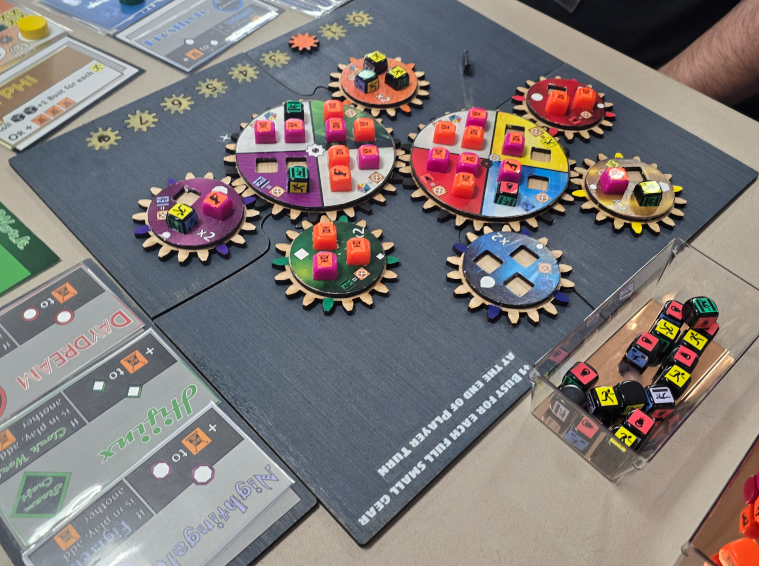
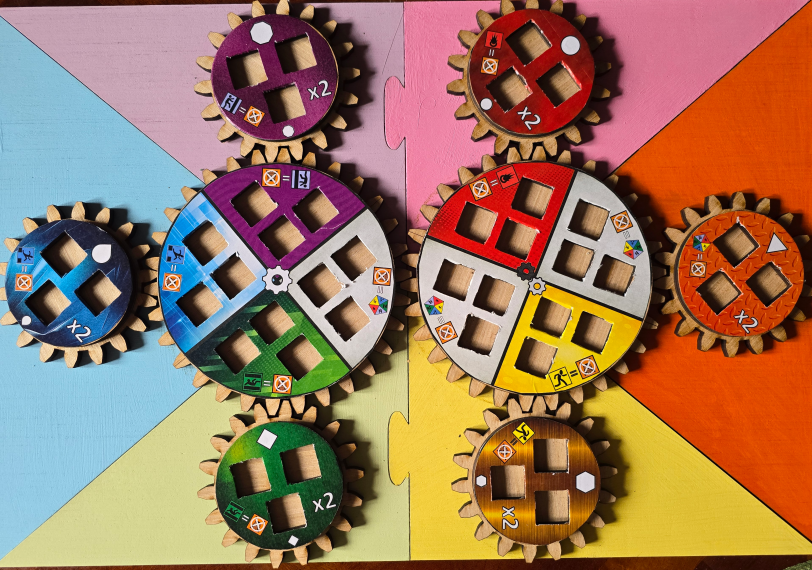


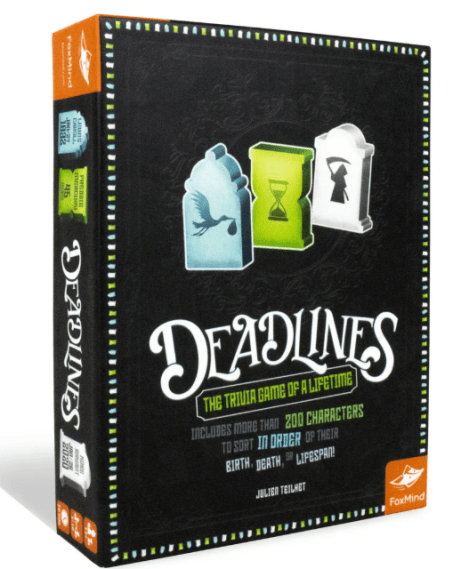




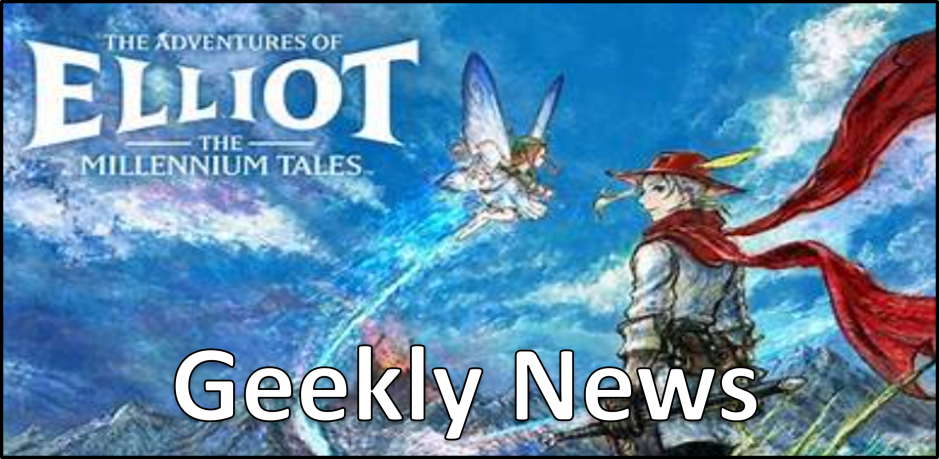
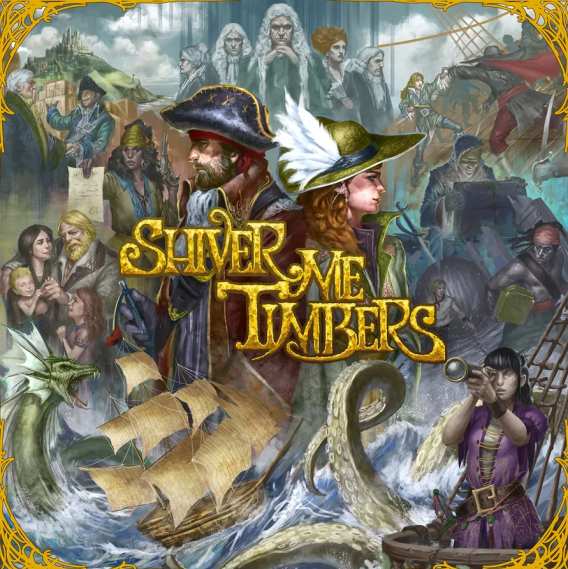
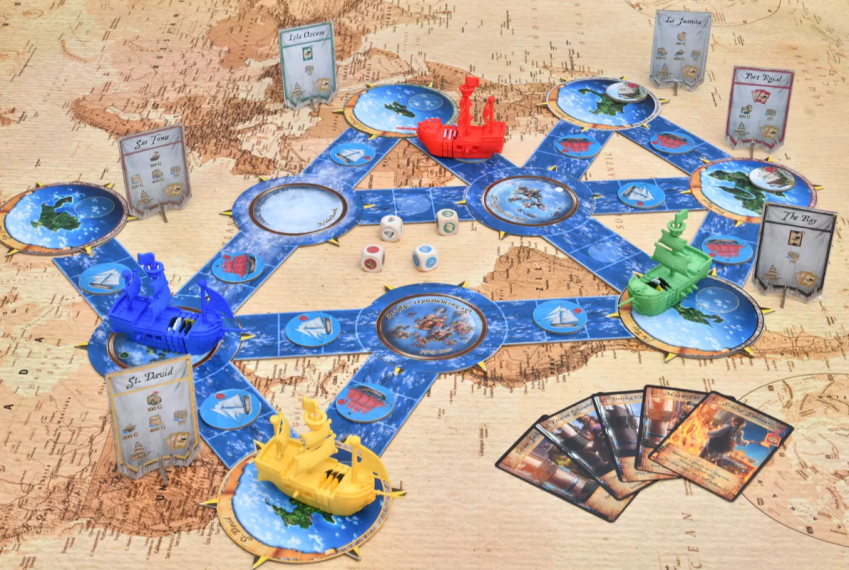
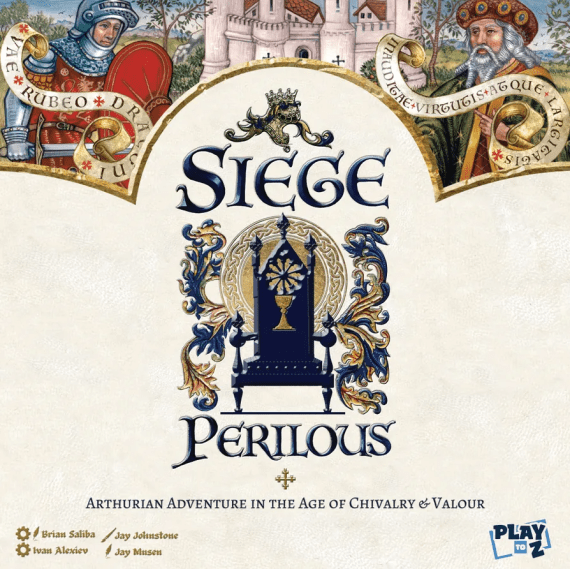
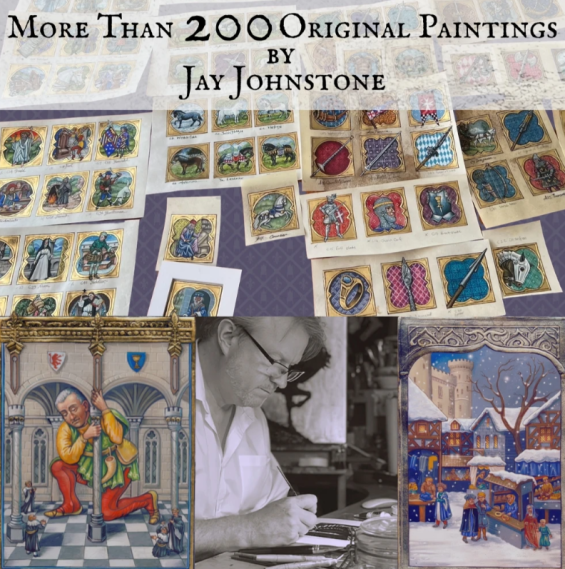
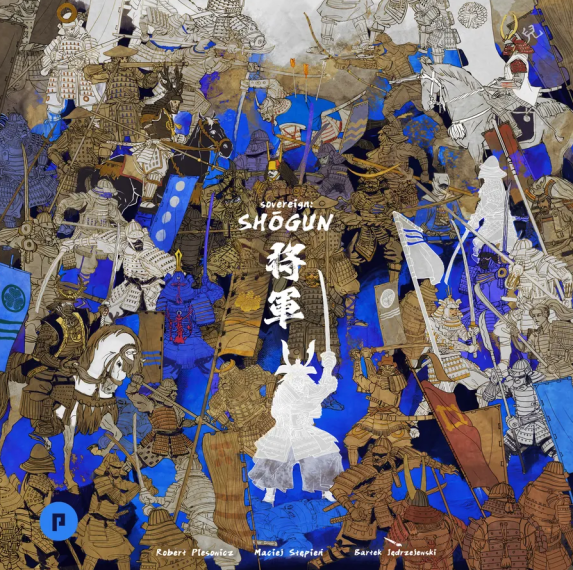


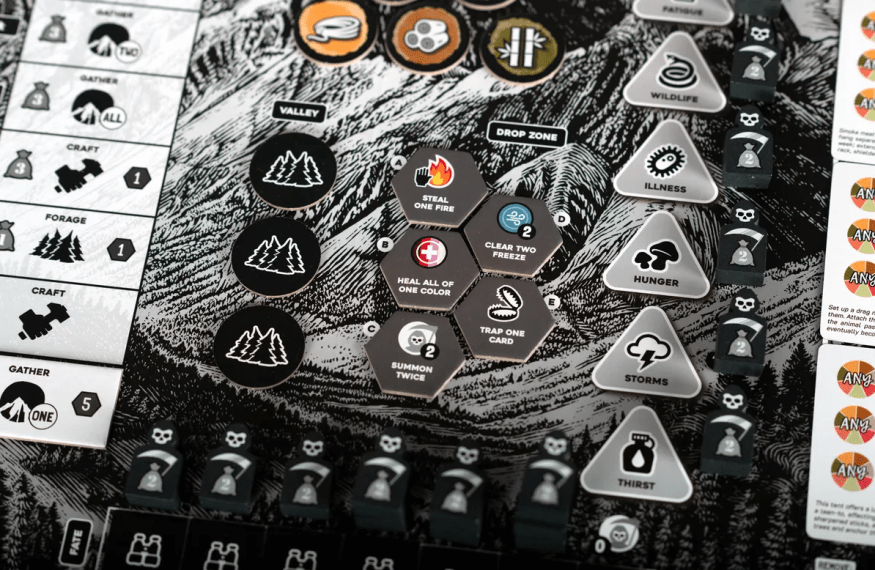
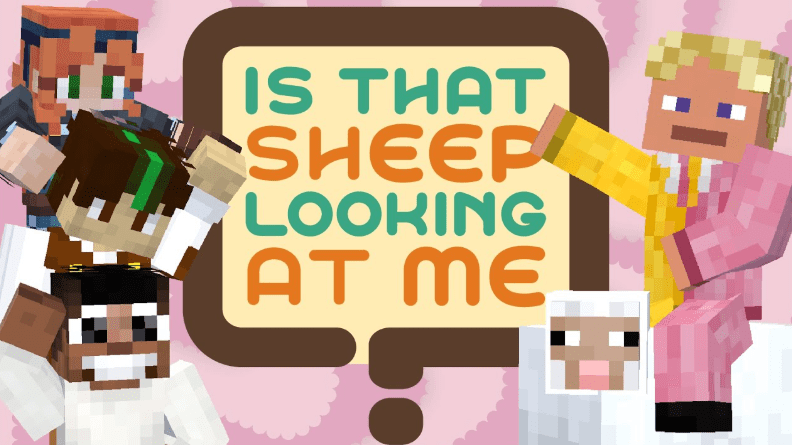
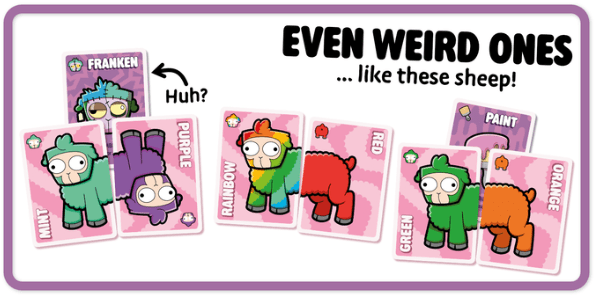
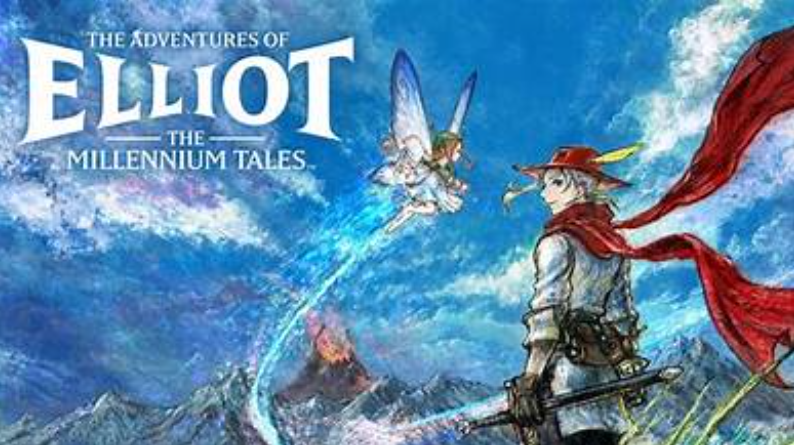
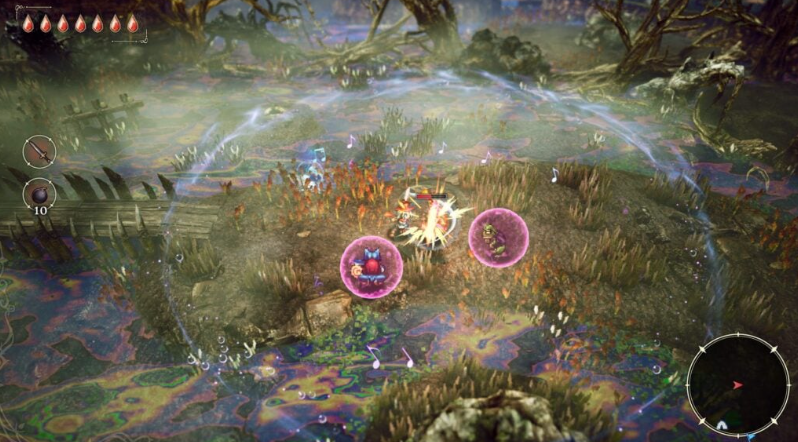
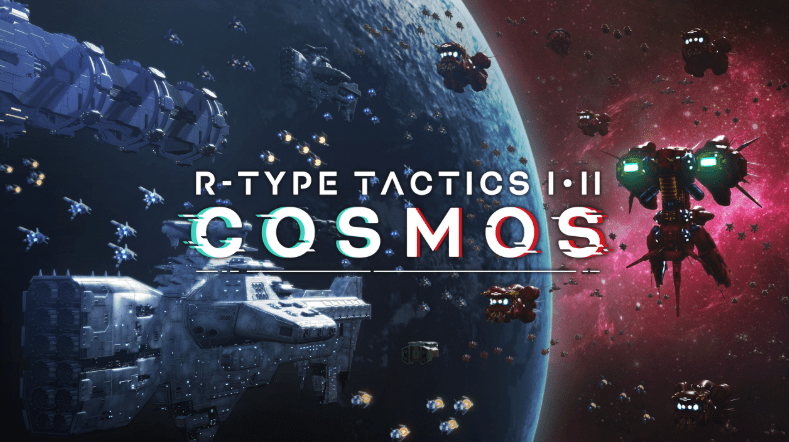






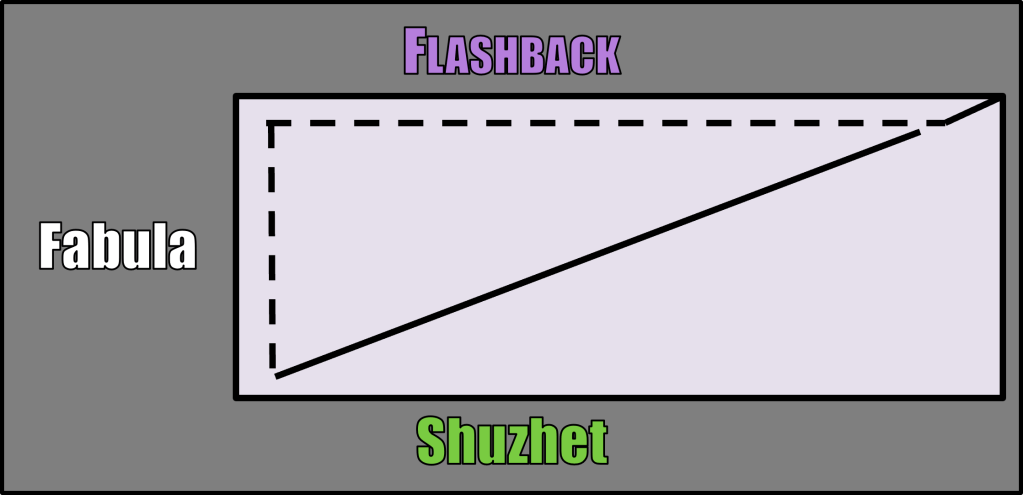
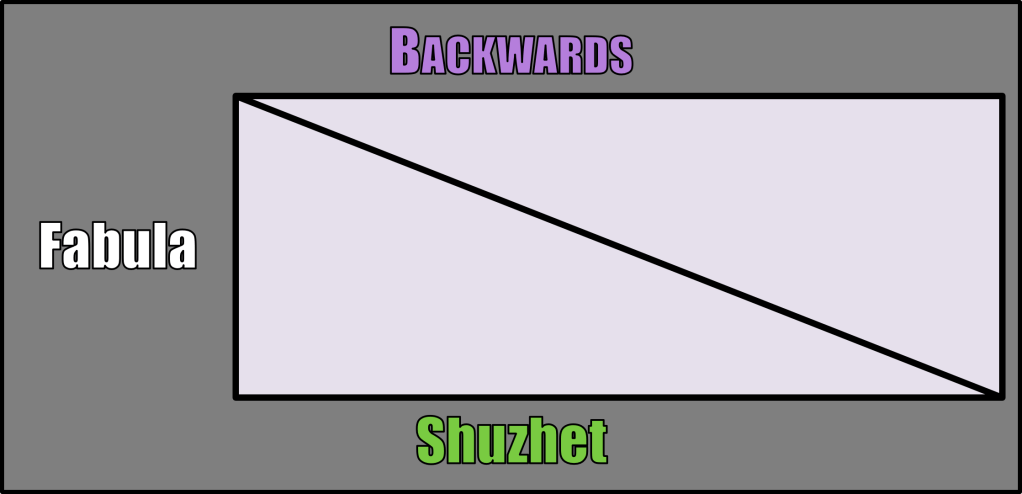




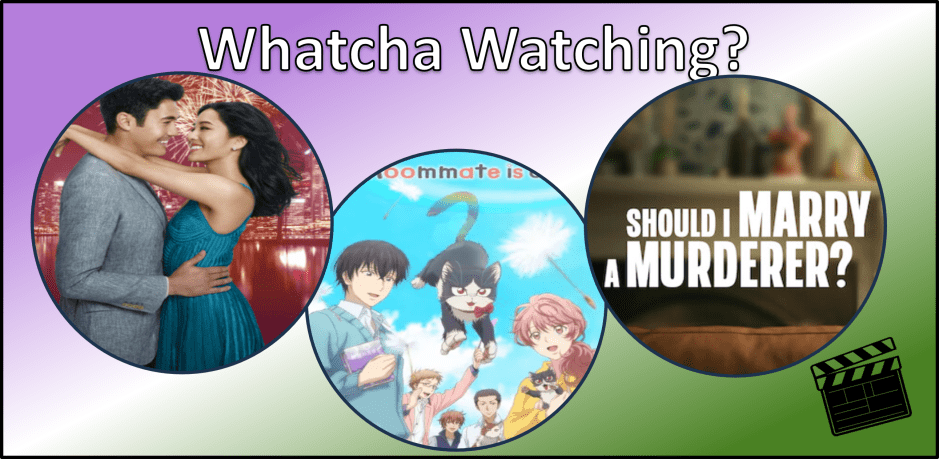



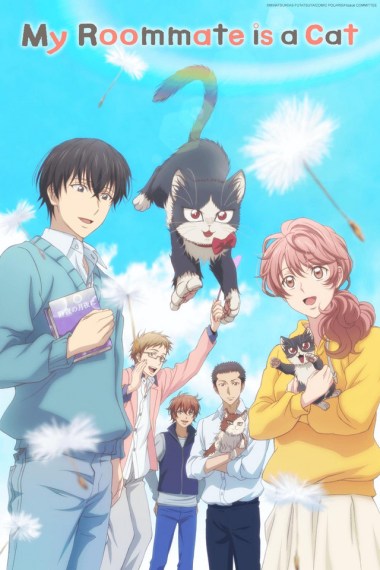

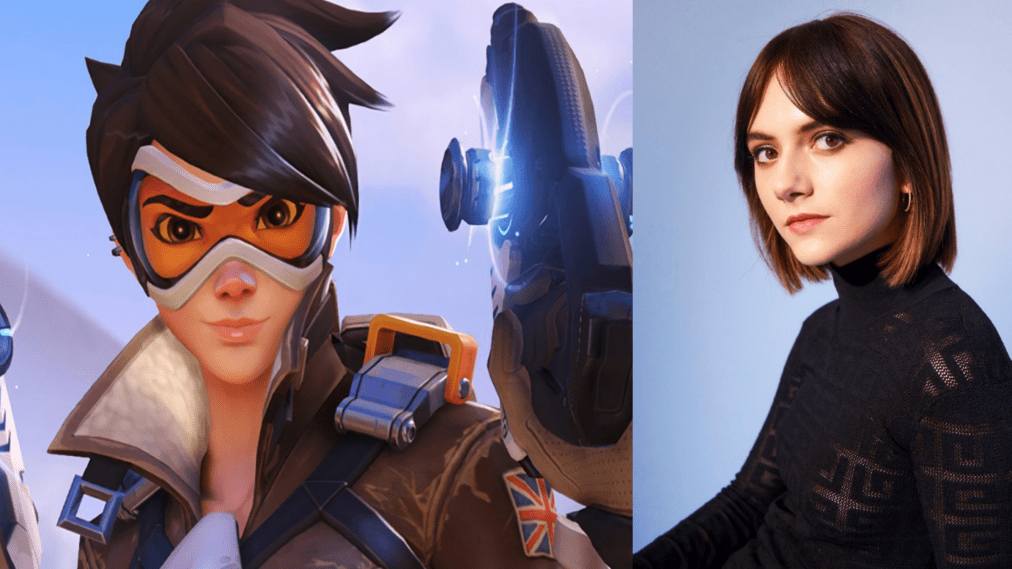





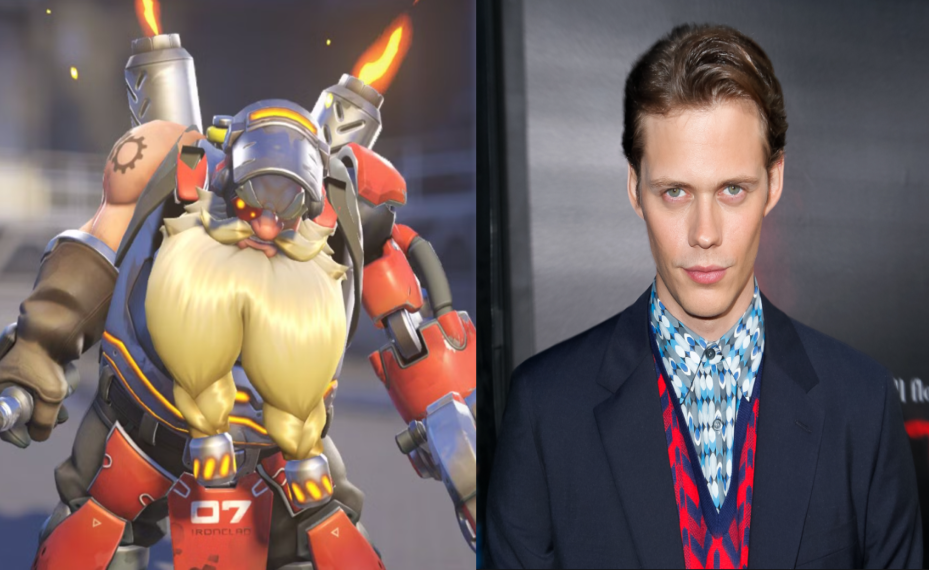

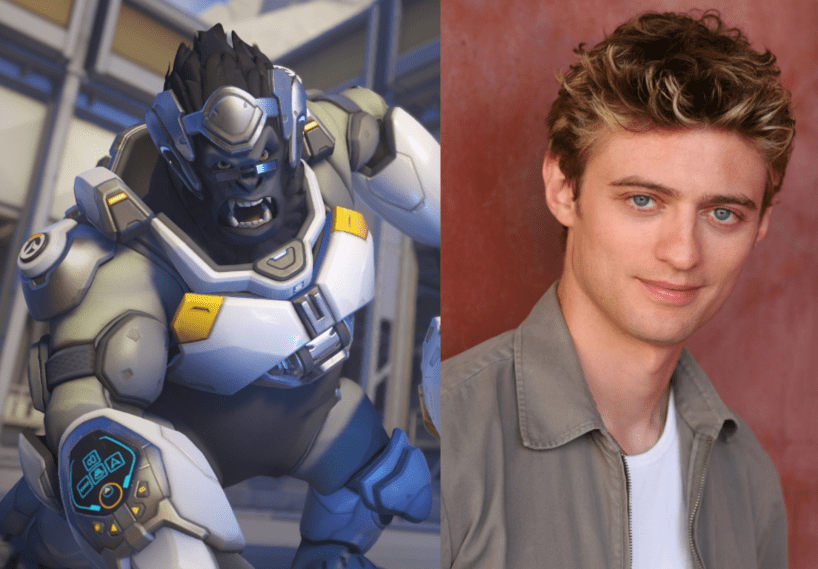
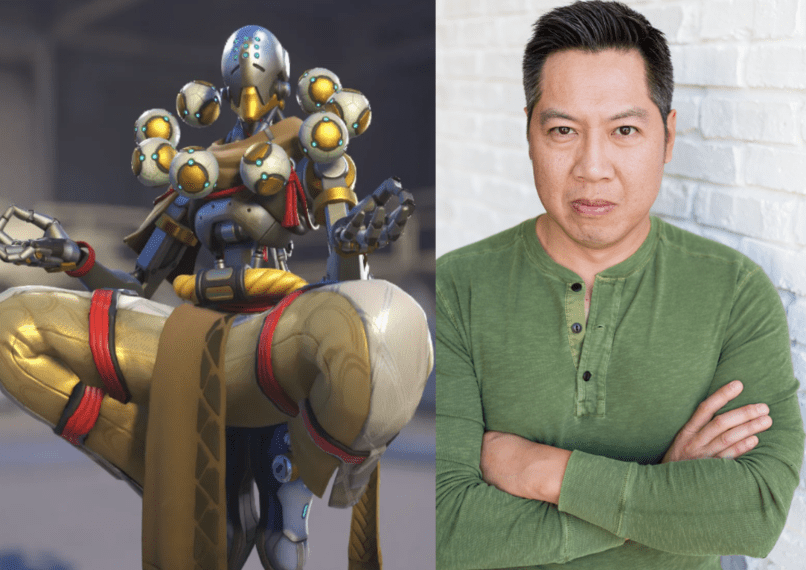
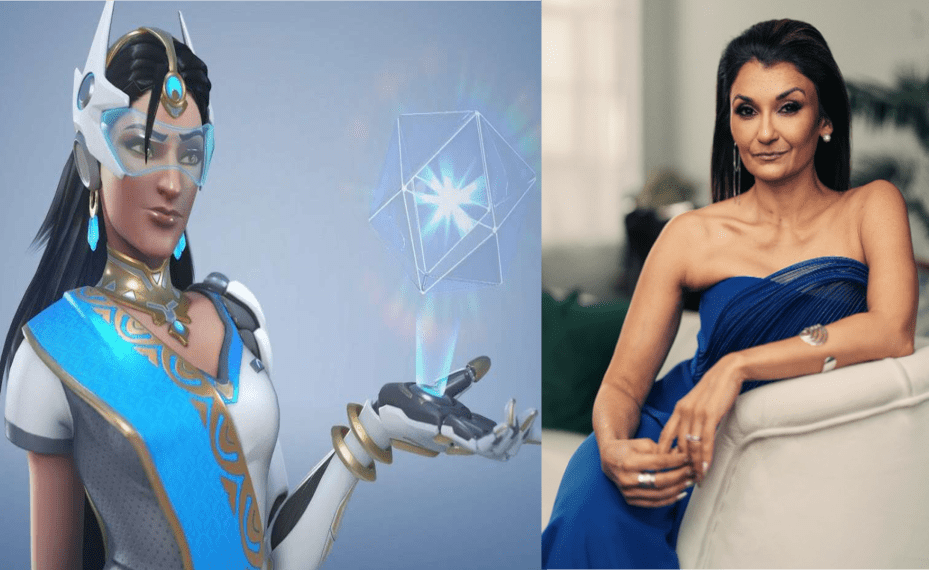
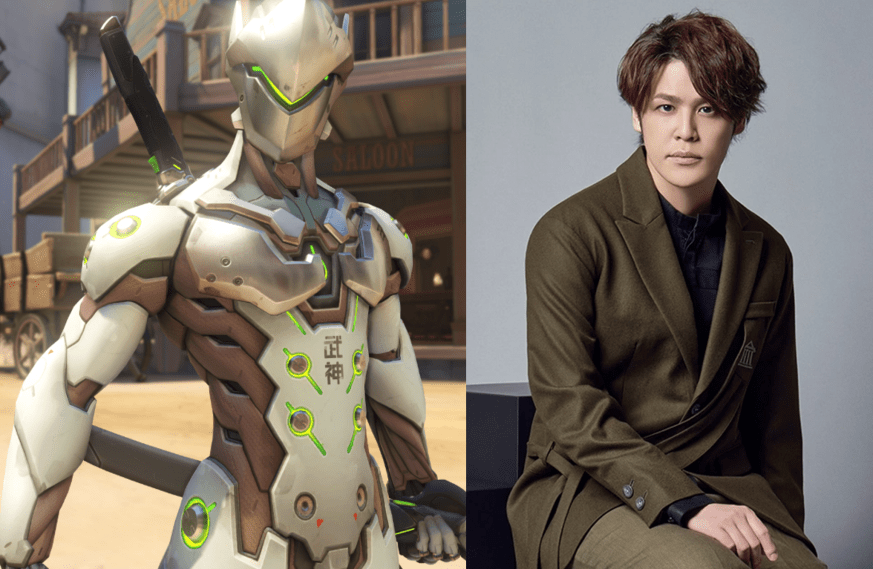

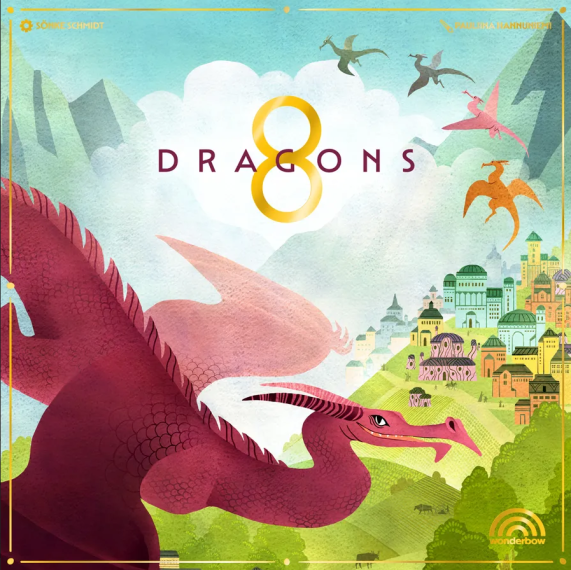
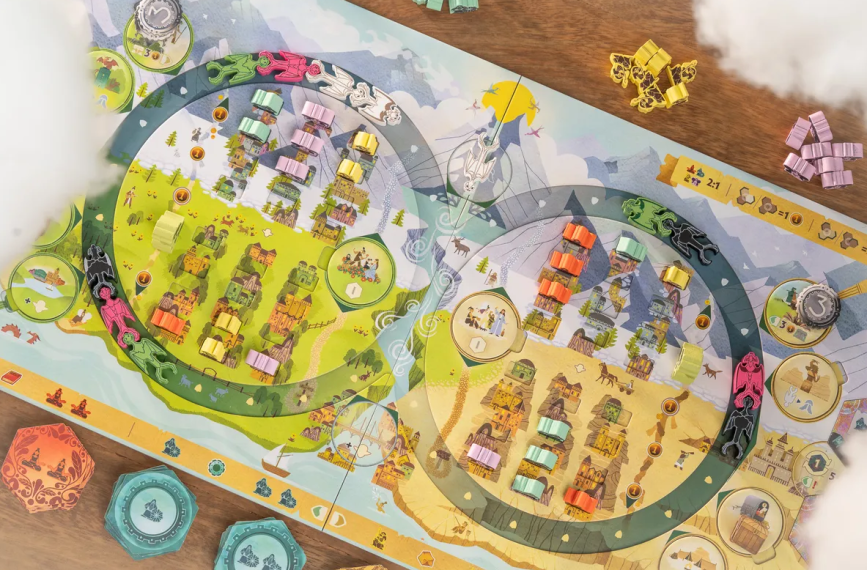
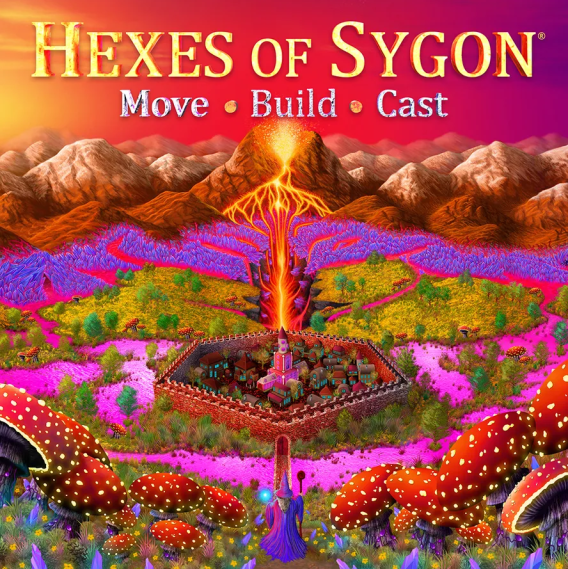
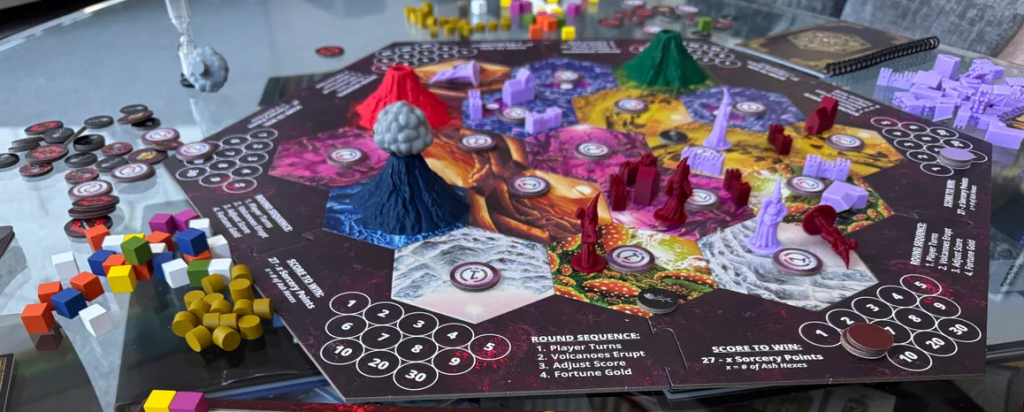


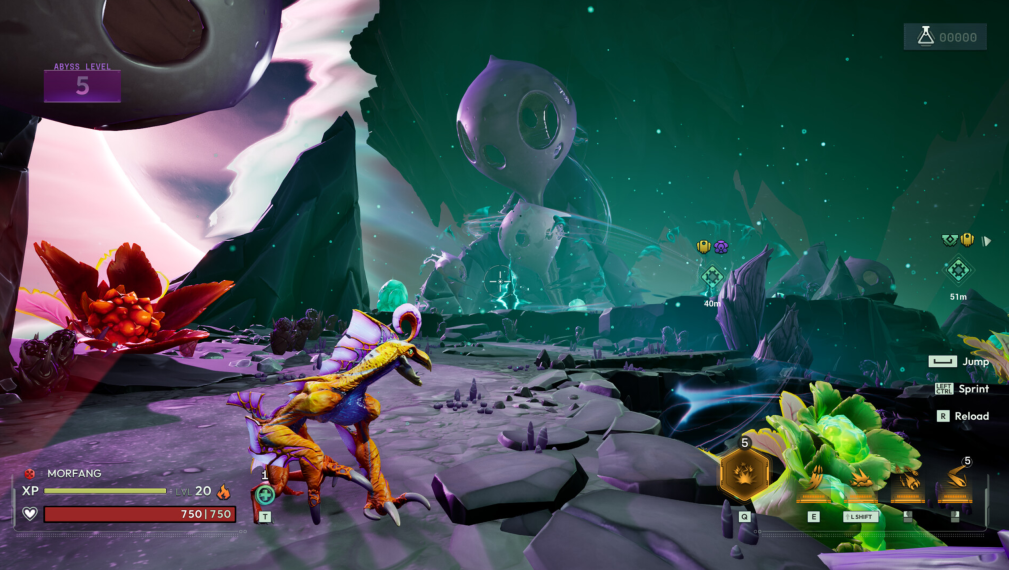
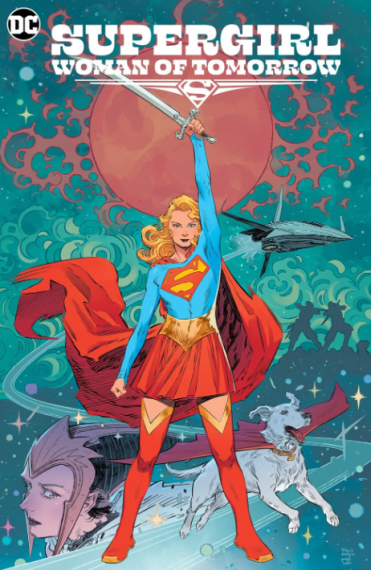
 jkgeekly.com