
Geekly News: July 19, 2026; New Releases

Hey, hey, Geekly Gang! Kyra Kyle here with another week of Geek News. We’re in the middle of convention season. So, we’re sticking with new board game and video game releases for the week. And we have plenty of big releases to talk about. Let’s get to the games.

Kabuto Sumo Dice Launches on KickStarter

In Kabuto Sumo Dice, you’ll be forcefully throwing dice into a 3D arena with the goal of knocking out your opponents or getting the correct combination of pips to pin them. Last bug standing wins.

Each wrestler uses signature moves and pieces to try and gain an advantage!

Thank you, All Play, for the Kabuto Sumo Dice’s description. I have yet to play Kabuto Sumo, but I’ve always liked the game’s king-of-the-hill style of play. I also like Kabuto Sumo’s theme of bug combat. Yay! Kabuto Sumo Dice continues that trend with–well–dice. Combining dice chucking with a dexterity element is excellent. Love it. And All Play has a long history of creating some great, approachable board games. Kabuto Sumo Dice’s pledge levels range from $39 to $249. Quite the spread, but gamers have plenty of options. The lowest level only includes the base game. Add another $40 or so dollars, which includes two other games, Wild Berries and Imp. If you’re interested in Kabuto Sumo Dice, check out its KickStarter page.
Elementary Launches on KickStarter

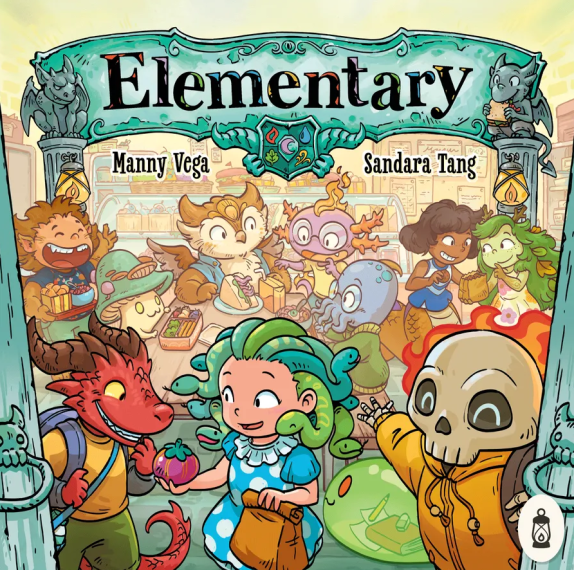
Welcome to Monster Elementary, a mystical grade school where Snax are social currency and every lunchbox is a chance to make new friends. Bluff your classmates, collect delicious treats, recruit quirky monster friends, and build the lunch table every monster wants to join.

Elementary is a family-friendly bluffing and tableau-building dice game. Each round, players secretly shake and roll custom Snax dice inside their lunchboxes before taking turns raising the stakes, calling bluffs, and competing to earn first pick from the cafeteria’s vending machine.

The Snax you collect can be traded to recruit monster friends, each bringing unique abilities and elemental synergies to your growing friend folio. As your circle of friends grows, so do the powerful combinations you can create, rewarding clever planning as much as daring bluffs.

Over the course of the game, you’ll collect Snax, outwit your classmates, and make new friends.
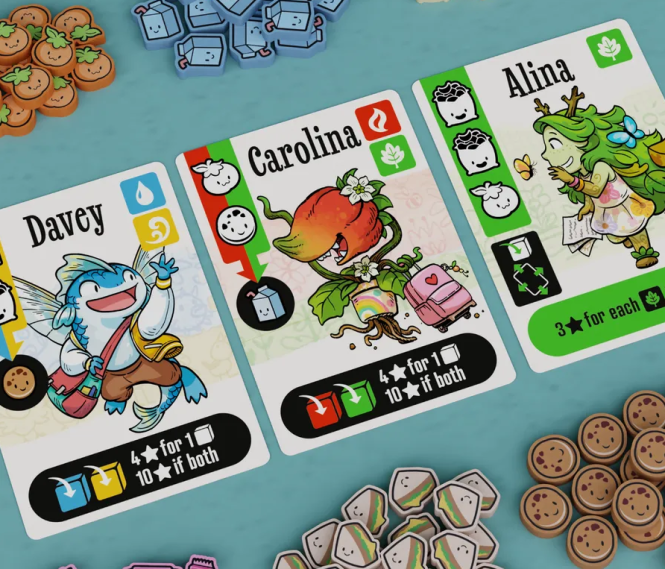
Thank you, Littlest Lantern, for Elementary’s description. Flamecraft’s dream team, game designer Manny Vega and artist Sandara Tang, return. That tandem, along with Elementary’s theme of a monster elementary school, has me hooked. From what I see, players can convert items into other items, which could–ironically–make Elementary more complex than Flamecraft. And that’s okay. Flamecraft is already a great game for gamers who want to dip their toes into more complex games. Who knows? Elementary could further that concept. Elementary is definitely on my watch list. If you’re interested in Elementary, check out its KickStarter page.

The Isle of Penguins Launches on KickStarter

The Isle of Penguins is a competitive open-drafting and penguin-placement board game.

As a citizen of Squalls End, your expedition to the frozen lands of the north has suddenly become a rescue mission, and you must rescue as many penguins as possible before the ice melts. To succeed, you’ll travel to ice floes, gather fish, study ancient lessons, and clear rocks from your uniquely shaped raft. As you rescue penguins, you must find a way to fit them all on your raft while protecting their eggs and keeping families together.

The game features:

  • Open Drafting: Manage your speed to stay ahead in the rescue, and claim the discoveries you need most.
  • Penguin Placement: Rescue penguins, create families, and protect eggs, as you try to fit everything onto your raft.
  • Simultaneous Play: Everyone searches the ice together, placing tiles onto their raft at the same time.
  • Multiple Modes: Family, advanced, and expert modes, from young explorer to seasoned rescuer.

In The Isle of Penguins, every penguin matters. Will you master the ancient lessons, fill your raft, and bring every penguin home?
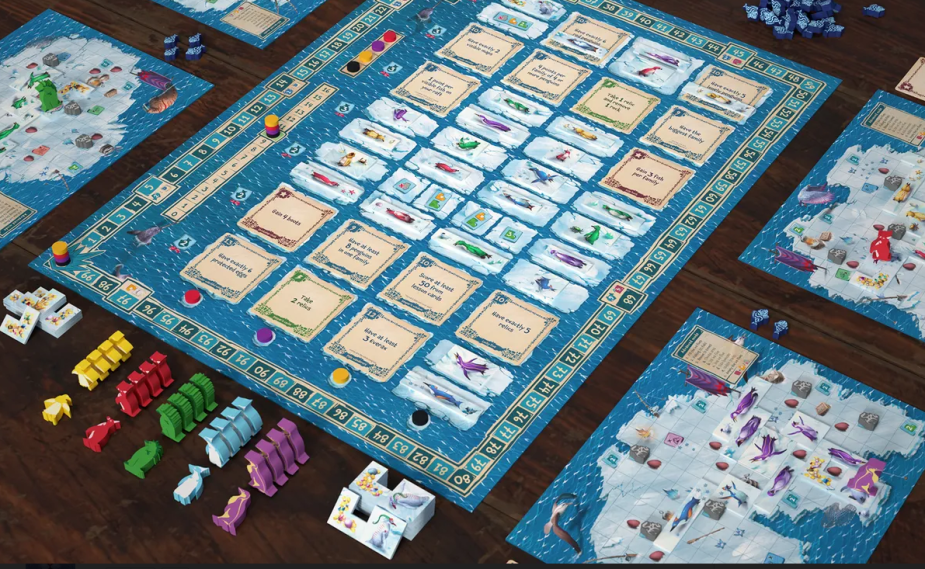
Thank you, The City of Games, for The Isle of Penguins’s description. Many gamers (Season is one of them) may have been fooled in April with an Icecraft meme, but The Isle of Penguins is a real game. I’m still holding out hope that we will get an Icecraft game from Manny Vega and Sandara Tang. The Isle of Penguins furthers concepts found in 2019’s The Isle of Cats. The Isle of Cats is yet another game I have yet to play. Season picked up a copy several years ago, and I’m still waiting for her to bring the game to the table. I like the theme of rescuing animals. Polyominoes are always fun. The Isle of Penguins’s simultaneous play has me intrigued. Games may not take too long, and simu-play tends to let games scale well at various player counts. The Isle of Penguins is yet another banger release this week. If you’re interested in The Isle of Penguins, check out its KickStarter page.
Culdcept Begins Releases on Nintendo Switch and Switch 2

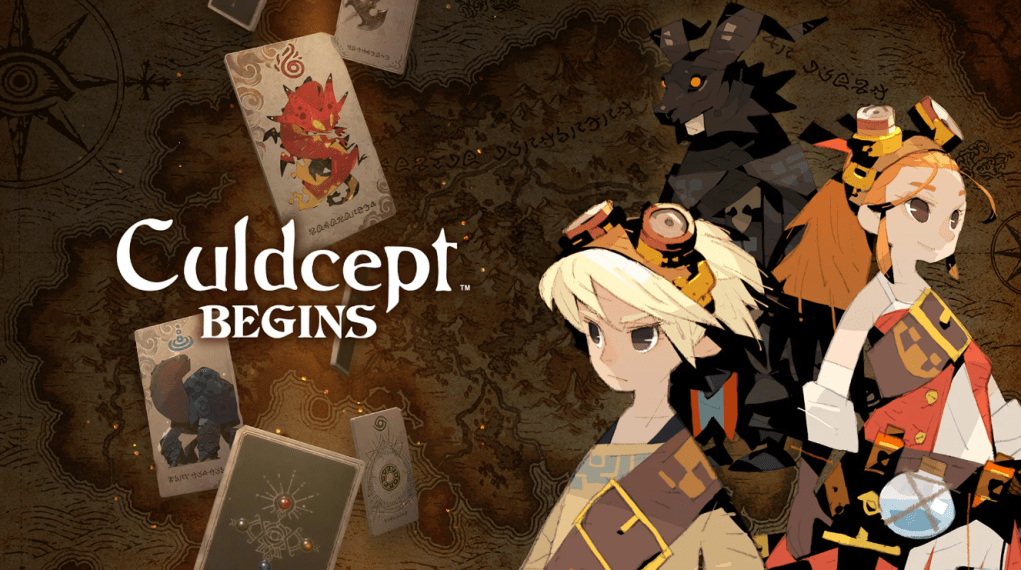
A hidden classic that fuses board and card games, Culdcept features a unique, innovative system that has captivated fans since its debut. Players become Cepters, wielding cards in intense battles where luck and strategy collide. After ten years, a brand-new story begins once again.

Oh…my…ghost! For the first time in over ten years, we get a new Culdcept game. Early last year, Season covered the Culdcept franchise’s history. Ah! I love it. In short, Culdcept combines elements of Monopoly with Magic: The Gathering. This combo shouldn’t work, but it so does. Graphics for the older Culdcept games haven’t aged the best. They were never bad, but they could’ve used an update. I like what I’ve seen from Culdcept Begins. Judging from the picture above, it looks as if Culdcept Begins upgraded the game’s interface. Upgraded lands appear to have levels to them, and that’s fantastic. I’m certain Geekly will pick up a copy. This may be one of the games we cover in 2027. I’m always down for a new game of Culdcept.

Moss: The Forgotten Relic Releases

Moss: The Forgotten Relic is an emotional and atmospheric adventure set in the pages of a living storybook, brimming with myth and ancient magic. Guide a tiny but determined hero on a heartfelt journey of challenge, courage, and connection.

Moss: The Forgotten Relic takes the popular VR game Moss and gives it a 3D platform puzzler twist. I’m a sucker for a cute and engrossing platformer. The platformer genre has seen some great additions in recent years. Ori and the Will of the Wisps, anyone? Moss: The Forgotten Relic has received solid reviews. At $20 on Steam, Moss: The Forgotten Relic may be worth the value. I don’t know if platformer games (outside of Nintendo titles) can charge full price. But at that price, I’ve added Moss: The Forgotten Relic to my wishlist. Moss: The Forgotten Relic is available on PC, PlayStation 5, Xbox Series S/X, Nintendo Switch, and Nintendo Switch 2.

That’s all the geek news we have for this week. Thank you for reading, and wherever you are, I hope you’re having a great day.


X-Men ’97 “Weapon X, Lies, and DVDs” Review

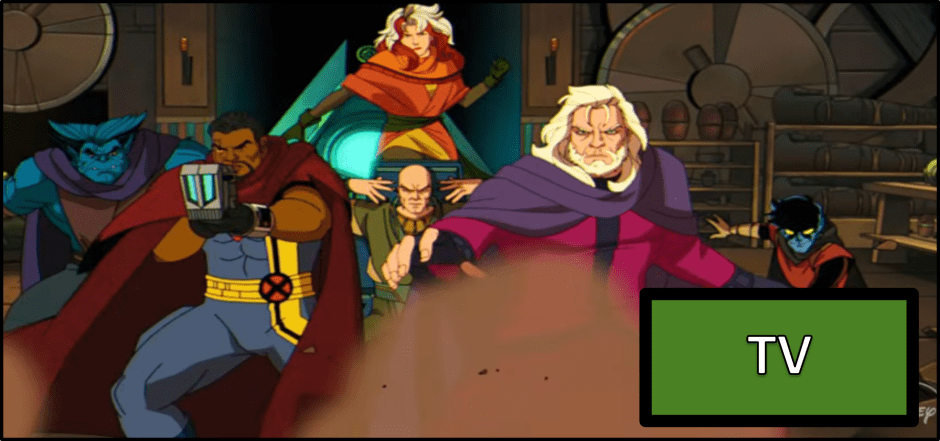
Happy Saturday, Geekly Gang! Kyra Kyle here with another review/reaction to an X-Men ’97 season two episode. This week’s episode is “Weapon X, Lies, and DVDs.” If you’re looking for last week’s X-Men ’97 episode, “Rise of Apocalypse: Part 2,” here’s the link. Yes! Wolverine is going back to his roots: The Weapon X Program. I’ll start this post with my thoughts on “Weapon X, Lies, and DVDs.”

Kyra’s Take

The previous episode’s mid-credit scene perfectly set up “Weapon X, Lies, and DVDs.” We knew Wolverine intended to take on the Weapon X Program and that he had assembled a team tied to the program. I scratched my head when I saw Wolverine’s team. Maverick and Garrison Kane were great choices. Real deep cuts. You love to see it. Morph tagging along made sense. They’ve been tied with Wolverine since the previous season, and a lot of their relationship with Wolverine gets explored in “Weapon X, Lies, and DVDs.” More on Morph in a little while. But it’s the final two members that confused me. I had to suspend disbelief with Sabretooth and Lady Deathstrike’s inclusion. How did Wolverine manage to convince those two to join his team? That could’ve been an episode all on its own, and “Weapon X, Lies and DVDs” handwaved the backstory. Okay.

Not explaining how Wolverine convinced Sabretooth and Lady Deathstrike to join him is my only small gripe. Sure, one can handwave the backstory by saying Sabretooth and Lady Deathstrike hated The Weapon X Program more than they hated Wolverine. Moving on. “Weapon X, Lies, and DVDs” features the first time the actual Brood take center stage in an X-Men show or movie. Sure, an altered version of The Brood, called the Colony, made an appearance in the original X-Men: Animated Series, and the real Brood made a cameo in “Mojovision,” but we got a great introduction to the Brood in “Weapon X, Lies, and DVDs.” The tension rises whenever Wolverine and company explore Weapon X storylines. Add in the Brood, and you have a party.

Morph steals this episode. Their complicated relationship with Logan drives “Weapon X, Lies, and DVDs’s” story. Maverick and Kane are old war buddies. I’m still unsure why Sabretooth and Lady Deathstrike joined Wolverine. The only one on this team who truly cares for Wolverine is Morph, and J.P. Karliak (Morph’s voice actor) always brings a much-needed sense of levity to Wolvie. “Weapon X, Lies, and DVDs” is clearly an allusion to the classic Eighties film Sex, Lies, and Videotape. The episode is set at a Weapon X facility. The staff uses DVDs to chronicle their experiments with The Brood. But the “Lies” come from Wolverine. He wants his adamantium back. While he may not mind betraying Sabretooth, Lady Deathstrike, Maverick, and Kane, pulling the wool over Morph’s eyes cuts deep.

While “Weapon X, Lies, and DVDs” doesn’t quite reach last week’s episode–how could it?–it does a good job at delivering an action-packed episode. Wolverine wasn’t going to keep his bone claws for long. X-Men ’97 has a way of incorporating classic comic book covers in its episodes. Wolverine #1’s (1982) cover makes an appearance, and just in the nick of time. So good. X-Men ’97 is a love letter to the X-Men. You love to see it. And I’d be remiss if I didn’t mention Omega Red’s appearance. Pitting Omega Red against The Brood was a great touch. Even better, Omega Red intended to join forces with The Brood. “Weapon X, Lies, and DVDs” managed to raise the stakes (both personal and global) throughout its runtime. I can’t believe this episode packed so much into thirty minutes.

And I can’t wait to see the fallout from “Weapon X, Lies, and DVDs.” Morph and Wolverine’s relationship may never be the same. They certainly weren’t on the best of terms. I will cite another small concern, or perhaps it’s a wish. Wolverine got his adamantium back far too soon. I would’ve liked to have seen him struggle with bone claws for most–if not all–of this season. X-Men ’97 could’ve done more with exploring a depowered Wolverine. This might have made Wolverine’s regaining of his adamantium more powerful at the end. Getting back to that ending, Morph was fantastic. Even though “Weapon X, Lies, and DVDs” was a Wolverine-centric story, Wolverine spent half the episode infected by The Brood. Morph carried the emotional weight of this episode. I’d like to see X-Men ’97 pull at the threads it introduced at the end of this episode.

Season’s Take

Hey, Alphas! Morph really was the highlight of “Weapon X, Lies, and DVDs.” Their emotional struggle throughout the episode was gold. You can see them convince themselves in real time that they have to help Wolverine regardless of his intentions behind the mission. Something tells me Morph is going to pull away from Wolvie and join Team Jubilee. Or something.

I’m also unsure why Lady Deathstrike and Sabretooth were there. They did try to dip out after they saw Cornelius transform into a Brood. I guess Cornelius is the main reason they showed up. I’m hoping Wolverine takes the events of “Weapon X, Lies, and DVDs” and tries to better himself. Then again, it’s Wolverine. He’s a mixed bag. Omega Red’s inclusion was a nice touch. Something tells me he’ll be making another appearance in X-Men ‘97.

Hey, hey! Kyra Kyle here again. Those are our thoughts on X-Men ’97 “Weapon X, Lies, and DVDs.” I also forgot to mention the last time the original X-Men: Animated Series visited the Weapon X Program in “Weapon X, Lies, and Videotape.” Ah! Guess we no longer use videotape. The next Weapon X story must be called “Weapon X, Lies, and Streaming.” LOL

What are your thoughts on X-Men ’97 “Weapon X, Lies, and DVDs?” Let us know in the comments. Thank you for reading, and wherever you are, I hope you’re having a great day.

Whatcha Watching, Geekly: July 15, 2026

Happy Wednesday, Geekly Gang! Kyra Kyle here, and today, our writers share what they’ve been watching over the past month. This’ll be movies and shows. Anything goes. Feel free to share what you’ve been watching over the past month, because we’re all part of the Geekly Gang. I’ll get things started with what I’ve been watching over the past month.

Kyra’s Movies

I’m a true crime junkie, and the genre dominated the films I watched this past month. I’ll begin with The Murder of Rachel Nickell. Oh, boy. This one hurts. Rachel Nickell was slain in front of her toddler child, the one pictured above. I can’t even imagine the horror, the guilt, the fear, and the trauma that caused. Nickell bargained her life for her son’s. Nickell’s son has to live with that for the rest of his life. He blamed himself. He blamed his father for not protecting the family. It wasn’t until after the Bisset Murders (a mother and daughter killed by the same murderer, Robert Napper) trial and conviction that Nickell’s case was solved, and she found justice.

Again, I can’t imagine witnessing the murder of one’s mother at two and a half years old. The Murder of Rachel Nickell spends plenty of time interviewing André Hanscombe (Nickell’s partner and father of her son). We get a great window into his mindset, leaving the UK for France because he was scared the killer would return for his son. We don’t get as much of Alexander Louis, the pair’s son, but I may soon watch The Witness, which is a Netflix docudrama told from Alexander Louis’s perspective. Or I might not. The Murder of Rachel Nickell isn’t an easy watch. I took frequent breaks.

I’ve seen so many documentaries and docudramas on the Murdaugh family over the past year or so, and just when you think you’ve seen it all, Alex Murdaugh gets released by a technicality. Instadocs: Alex Murdaugh, Unconvicted deals primarily with disgraced county clerk Becky Hill. In short, Becky Hill was writing a novel about the Murdaugh family’s various scandals. With her ties as a county clerk, Hill had insider information. She also stood to gain from a guilty verdict. If Murdaugh was guilty, she’d sell more books. Instadocs: Alex Murdaugh, Unconvicted briefly describes what happens and shares a couple of viewpoints. Hill may have had a juror kicked off the case, and more likely, she told the jurors to beware of Alex Murdaugh because he lies. Regardless of what former county clerk Becky Hill did, she did enough to throw out Alex Murdaugh’s murder conviction.

Instadocs: Alex Murdaugh, Unconvicted is what the title suggests, it’s an instadoc, meaning a quickly made documentary in reaction to an event. It clocks in at thirty minutes. While I like the idea of a documentary of this type (especially for a follow-up or update to a larger documentary series like Netflix’s Murdaugh Murders, which I’ve also seen), this format doesn’t give the documentary enough time to flesh out either side of the argument. Hill denies most everything. The dismissed juror escalates the allegations against Hill. The truth is most likely in the middle, but the result is the same. Alex Murdaugh is “unconvicted” of the murders of his wife and son because of a mistrial.

Netflix’s The Crash has plenty of time to show multiple viewpoints. This documentary centers on Mackenzie Shirilla and whether she purposefully crashed her car into a building at 100 miles per hour to kill the other two occupants of her vehicle. Shirilla has been convicted, and her appeals have been denied. Two major pieces of evidence led to this conviction: automobile feedback and Shrilla mentioned killing her then boyfriend, Dominic Russo, by crashing her car a week before the event.

The latter piece of evidence is self-explanatory. Russo and Shirilla had a turbulent relationship. Russo even recorded Shirilla during a violent outburst. This wasn’t when Shirilla threatened to crash her car with Russo inside, but it illustrated the couple’s relationship. Numerous witnesses corroborated Shirilla threatened to kill Russo by crashing her car. Many of those same witnesses viewed it as an offhand comment, not one Shirilla would enact. But the former piece of evidence (automobile feedback) proves more compelling.

Newer automobiles have the equivalent of an airplane’s black box. Shirilla’s car shows she had her foot firmly on the gas pedal ten seconds before impact. Not once did she take her foot off the pedal. This most likely debunks her excuse that she blacked out. The prosecution argued that if Shirilla blacked out, she wouldn’t have been able to slam her foot on the gas. Shirilla wasn’t drunk. She did have THC in her system, but she had less than her usual amount and had plenty of practice driving while under the influence. Is The Crash a tragic accident? Or did Shirilla murder her boyfriend (who some say planned to break up with her) Death Proof style?

Kyra’s Show

I’m in the middle of compiling a deep dive on The Pitt’s autism representation (Dr. Mel King) for a future post. I won’t go into too much detail about that here. Simply put, Taylor Dearden does a phenomenal job of portraying a neurodivergent character. I can’t wait to share that post with you in November. Yikes! We still have some time, but not much. Anyway, I don’t mind rewatching The Pitt. It’s the most accurate medical drama. That’s not me saying it. I’ve heard medical professionals who worked in an ER sing The Pitt’s praises. So, I guess it shouldn’t come as a surprise that The Pitt also has great autism representation. Okay. I’m done with that aspect.

The Pitt plays out over a single twelve-hour shift, complete with heading in early for a shift handoff and staying late for the same thing. Each episode hops from one patient and their family to the next. Some build off each other in satisfying ways. All of them show different aspects of an emergency room worker’s job. I prefer the first season slightly more than the second because you’re flying into the series blind. I also watched the two seasons back-to-back. I may have been more surprised by the second season if I didn’t watch them immediately back-to-back. Still, love the characters. The pacing is on point. The frenetic pace drives The Pitt. And I didn’t know how The Pitt would attempt to keep up the energy from season one to season two. It accomplished that. Minor spoiler: the second season takes place on July Fourth.

Oh, boy! The fact that The Pitt chose July Fourth as the date for its second season proves it understands the ER better than most shows. More accidents occur on July Fourth than on any other day in the United States. Mrs. Geekly, a nurse, has worked plenty of July Fourths. Based on Mrs. Geekly’s tales, I wrote down all the injuries I expected to see, and The Pitt delivered. If you like medical dramas, you should watch The Pitt.

That’s all we have for this month. Season and Skye will join us next month. Thank you for reading, and wherever you are, I hope you’re having a great day.

X-Men ’97 “Rise of Apocalypse: Part 2” Review

Hey, hey, Geekly Gang! This post is our fourth post of the day. Fourth! That’s coconuts. We’ve watched the first four episodes of X-Men ’97 season 2 and have shared our thoughts on each episode. This post will only cover “Rise of Apocalypse: Part 2.” If you’re interested in reading what we had to say about the previous episode, “Rise of Apocalypse: Part 1,” check out that post here. Let’s get into the climax of Apocalypse’s story: “Rise of Apocalypse: Part 2.”

X-Men ’97 is officially the best X-Men adaptation. I don’t think it’s up for debate. Sure. One may like any number of the Fox X-Men movies. Logan may still be the greatest Wolverine story told on camera. The original X-Men: Animated Series also did a great job of bringing Marvel’s mutants to the small screen. But “Rise of Apocalypse: Part 2” is the moment X-Men ’97 leaves no doubt that it is the definitive X-Men adaptation, like the entire X-Men team. I held off saying this for a few episodes, but this entire season (and the one before it) does a great job of articulating each mutant’s desire and viewpoint of life. And that’s the crux of X-Men. Numerous mutants have similar goals, but they pursue those goals in different ways, causing friction.

By this point, Magneto has joined Xavier’s non-violent vision wholesale, but he remembers a time when he tried to solve conflicts with violence and can empathize with En Sabah Nur. Rogue, who has some amazing scenes in this episode, envisions a world where the Genosha attack (from Season 1) didn’t occur, and Remi (Gambit) won’t die, so her end goal of turning En Sabah Nur peaceful aligns with Magneto’s. And this is just one strand of the web X-Men ’97 weaves. Most characters have similar goals but different means or similar means but different goals. “Rise of Apocalypse: Part 2” is a master class in character development.

But wait, there’s more. Yes. I deliberately wanted to sound like a salesperson there. We’re entering spoiler territory here. You’ve been warned. X-Men ’97 also managed to throw in some fan service. The mid-credit scene shows Wolverine reuniting with Captain America and Black Widow, reimagining the classic Uncanny X-Men #268 cover. Wait! Comic books only cost a $1 in 1990. Ah! I wish that were still the case. Weapon X intrigue is sure to ensue. I can’t wait. Before then, “Rise of Apocalypse: Part 2” reveals who Rama-Tut really is. Kang. Yes! I knew this twist would come, and I’m glad X-Men ’97 stayed true to the source material. We haven’t seen much in the way of Marvel Animated Universe (MAU) shows crossing over, but there’s a chance Kang could return in a different MAU series. The Marvel Cinematic Universe failed to deliver on Kang’s promise. Fingers crossed that Kang will get a better adaptation. And there’s Candra.

Candra is the Egyptian woman Rama-Tut speaks to as he makes his escape to the future he’s molding in his image. Candra has ties to Gambit. When Rama-Tut says, “Fear not, your destiny starts today, for his power can only be challenged by a force that is external.” Ah. John de Lancie is a treasure. He’s going to make a great MAU Kang. Anyway, Candra is an External, an immortal subset of mutants. She becomes the God of Thieves, so a clear tie with Gambit. X-Men ’97 is pitch perfect.

The show continues in the footsteps of the original X-Men: Animated Series by not being afraid to sideline or kill fan-favorite characters. Alright, the next bit is a huge spoiler. If you haven’t yet watched “Rise of Apocalypse: Part 2,” you should skip to the next paragraph. Apocalypse atomizes Magneto. X-Men ’97 shows as much as it can, mostly through the horrified look on Charles’s face and the reflection in his eyes. Brilliant!

X-Men ’97 hasn’t spared viewers of classic and potentially gory details of the X-Men’s past. Last season, viewers were treated to Magneto stripping the adamantium from Wolverine’s skeleton. This show goes as far as it can with its visuals, while remaining true to the original X-Men: Animated Series. I can’t wait to see where the show goes next. I mentioned season two building up toward the Age of Apocalypse storyline. I had my doubts if X-Men ’97 would do the storyline justice. I no longer have those doubts. X-Men ’97 and Your Friendly Neighborhood Spider-Man serve as excellent cornerstones of the Marvel Animated Universe. The MAU is on a roll.

Those are my thoughts on X-Men ’97 “Rise of Apocalypse: Part 2.” Let’s hear Season’s thoughts.

Season’s Take

Wow. Just wow. “Rise of Apocalypse: Part 2” is an emotionally mixed cliffhanger to leave on until next week. I loved “Rise of Apocalypse: Part 2.” En Sabah Nur becoming Apocalypse was inevitable. I know. I’m stating the obvious. I loved the way X-Men ’97 handled Apocalypse’s origin story. Brilliant.

I won’t rehash the details, but the pacing in “Rise of Apocalypse: Part 2” was amazing. It did a great job of picking up where “Rise of Apocalypse: Part 1” left off. If this is the definitive storyline of the MAU, that’s cool with me. I haven’t read the comic Rise of Apocalypse, but I’m unsure what kind of outcome I’m hoping for this storyline. I really want to see Kang again. He is pure evil personified.

Hey, hey! Kyra Kyle here again. Those are our thoughts on X-Men ’97: Rise of Apocalypse: Part 2.” What are your thoughts on “Rise of Apocalypse: Part 2?” Let us know in the comments. Thank you for reading, and wherever you are, I hope you’re having a great day.

X-Men ’97 “Rise of Apocalypse: Part 1” Review

Hey, hey, Geekly Gang! Kyra Kyle here again with a third post. We’re back for a third installment of X-Men ’97. This post will cover the third episode of X-Men ’97’s second season, “Rise of Apocalypse: Part 1.” If you’d like to see Geekly’s thoughts on X-Men ’97 season two’s previous episodes, you can find them here: “Days of Past Future” and “A Force to Be Reckoned With.” I’ll kick off this post with my thoughts on X-Men ’97 season two, “Rise of Apocalypse: Part 1.”

Kyra’s Take

Oh my! I can see why X-Men ’97 released three episodes during its opening event. Each episode showed what our three sets of intrepid mutants are up to since the end of season one. “Days of Past Future” took us to the future, where Cyclops and Jean Grey reunite with their son, Nathan (Cable). “A Force to Be Reckoned With” brought us back to the present day (the Nineties) and what’s occurred since the X-Men disappeared. But the third episode (“Rise of Apocalypse: Part 1”) delivers on season one’s cliffhanger. And it also ends with yet another cliffhanger, but we’ll get to that in a minute. When I saw X-Men ’97’s release schedule, I originally thought Marvel wanted to drop as many episodes before Spider-Man: Brand New Day’s release date. Spider-Man’s next cinematic installment could’ve played a factor, but X-Men ’97 made the right decision to release the first three episodes of season two. Anything less would’ve felt incomplete.

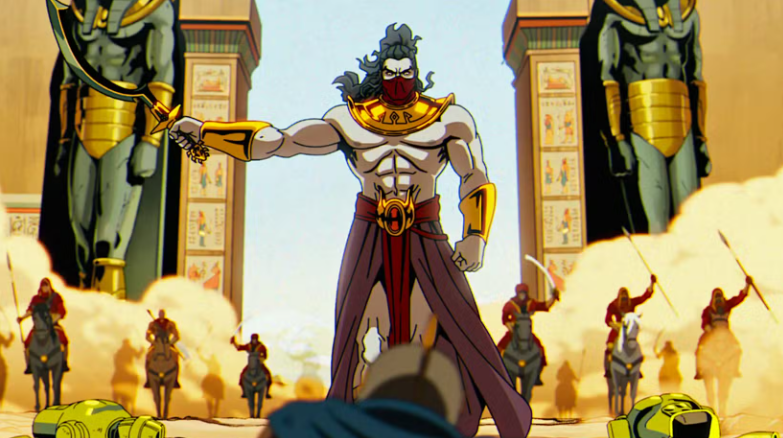
I’m sure some viewers waited for X-Men ’97 to show the goods, revealing Apocalypse’s origin, and X-Men ’97 sure does deliver. “Rise of Apocalypse” gets its story from the comic book mini-series of the same name. We’re going to Ancient Egypt. I like how Magneto tries to rewrite mutant history by guiding En Sabah Nur (Apocalypse’s original name) toward a path of peace. This continues the dynamic between Magneto and Charles Xavier from the previous season. The two have a tenuous truce. They may both want the same thing (peace between humans and mutants), but they have very different means to accomplish this goal. Classic.

X-Men ’97’s showrunners know their characters. I had my doubts when the show was first announced several years ago, but X-Men ’97 has exceeded my most optimistic expectations. The new series maintains everything the original X-Men: Animated Series built, while working toward something new and exciting. The show has built up characters like Cable and Jubilee. “Rise of Apocalypse: Part 1” does the same for Apocalypse. He was already one of the X-Men’s most impressive foes. X-Men ’97 season two looks to humanize him. And watching Magneto try and teach Apocalypse a path to non-violence showed how much he’s grown. His actions end the way one might think they would (he fails), but I love how Magneto tries to reach Apocalypse. He notices they aren’t that different.

I don’t want to get into too many spoilers with these posts. Needless to say, the X-Men attempt multiple times to find their way to their timeline and fail. Tensions rise. And we’re left with another cliffhanger. Since “Part 1” is included in the episode’s title, “Rise of Apocalypse: Part 1” sets up the following episode, which we’ll cover later today. I’ve been writing these reviews/reactions as soon as I finish one episode. I haven’t yet watched “Rise of Apocalypse: Part 2,” but X-Men ’97 has my full confidence. I love the direction the Marvel Animated Universe has taken. I’ve been more excited about X-Men ’97 and Your Friendly Neighborhood Spider-Man’s second seasons than most of the Marvel Cinematic Universe’s offerings this year. I can’t wait to watch the next episode.

Those are my thoughts on X-Men ’97 “Rise of Apocalypse: Part 1.” Let’s see what Season thinks.

Season’s Take

As soon as En Sabah Nur said, “He was not fit to live,” I shouted, “You are not worthy.” I really hope En Sabah Nur says that in “Rise of Apocalypse: Part 2.” He has to finish the quote. It’s a requirement. Side note: Apocalypse looks good with long, wavy hair. He should bring that back.

I appreciated the tender moments between Magnus and Charles in “Rise of Apocalypse: Part 1.” Magnus wanting to try things Charles’ way was endearing. Something tells me it won’t last when they inevitably part ways, but I hope we get to see more of these moments in X-Men ’97. “Rise of Apocalypse: Part 1” was very human.

Hey, hey! Kyra Kyle here again. Those were our thoughts on X-Men ’97: “Rise of Apocalypse: Part 1.” What are yours? Let us know in the comments. Thank you for reading, and wherever you are, I hope you’re having a great day.

X-Men ’97 Season 2 “A Force to Be Reckoned With” Review

Hey, hey, Geekly Gang! This is our second of four planned posts today. Four posts in one day? Yikes! X-Men ’97 graced us with three episodes last week–we’re still catching up on those episodes–and a fourth episode dropped this week. If you want to read our review of the previous episode, “Days of Past Future,” you can check that out here. In this post, we’ll only discuss the events of “A Force to Be Reckoned With.” I’ll kick things off with my thoughts.

Kyra’s Take

“A Force to Be Reckoned With” may have done the near impossible. It made Jubilee cool. Seriously. Her breakout scene, near the end of the episode, catapulted her into one of X-Men ’97 season two’s better characters. And that’s saying something. But I’m getting ahead of myself. X-Men ’97: A Force to Be Reckoned With” didn’t need as much setup as the previous episode. The episode’s title originates from X-Force, which is famously Cable’s team from the Nineties, and how they fight for mutant freedom against X-Factor, a government-sanctioned team of mutants. The power struggle between these two teams is comic book accurate and excellent.

Neither team embodies the X-Men. X-Factor is a government lapdog; they’re an extension of the mutant registration program. And Cable assembled X-Force to take down Apocalypse by any means necessary. He doesn’t care as much about human-mutant relations and mutant freedom, and this gets me back to Jubilee. She joins Cable’s side of the aisle because it’s closer to the X-Men’s ideals.

When she has a chance, Jubilee frees mutant children held captive by X-Factor. I want to take a moment and take note of the volume of various lesser-known mutants held captive in X-Factor’s helicarrier and/or shown during “A Force to Be Reckoned With.” Here are a few: M, Mark, Kid Omega, Chamber, Penance, and the Stepford Cuckoos. The Stepford Cuckoos may be the best example of how callous X-Factor treats these mutants. Each one of the Stepford Cuckoos has a power dampener around their necks, and X-Factor still placed one of the triplet sisters in a different cell. Sure. The Stepford Cuckoos use their powers as a trio, but they have power dampeners. Separating them was cruel.

Through her act of freeing the captive mutants, Jubilee did the most to live up to Charles Xavier’s example. She reminded the rest of X-Force what they’re fighting for. Cable’s mission to take down Apocalypse is a noble one, but he often gets blinded by this goal. Again, all of this is mostly comic book accurate. The original X-Men: Animated Series made sure to stay as close to the source material as possible, and X-Men ’97 continues that tradition.

There’s little else to discuss with “A Force to Be Reckoned With.” This episode feels tighter than “Days of Past Future,” not that the previous episode meandered too much. I just wanted to note “A Force to Be Reckoned With’s” great pacing. Maybe that’s the trick with making Jubilee cool. Leave the audience wanting more. The original X-Men: Animated Series used Jubilee as a surrogate, so Jubes showed up in most scenes. We physically see less of Jubilee during “A Force to Be Reckoned With,” but the episode does a lot to show her true character. And shout out to Polaris and Havok. I love Jubilee’s snide remark of Havok being “Knock-Off Cyclops.” LOL

Those are my thoughts on X-Men ’97 “A Force to Be Reckoned With.” Let’s see what Season has to say.

Season’s Take

I can’t believe I was actually rooting for Jubilee. Outside of being cool and sticking to her guns, her cheeky moments were cute, too. The scene of her jumping off the roof was iconic.

I appreciated the lack of exposition in “A Force to Be Reckoned With.” “Days of Past Future” was good and had a lot of emotionally charged moments, but there was a lot of repetition with Jean Grey’s and Cyclops’ dialogue. Their feelings about leaving Nathan behind were sad, but they lost some impact each time they expressed themselves. The emotional moments in “A Force to Be Reckoned With” combine punchy dialogue with action. It feels like each moment doesn’t linger.

Also, kudos to the alternate intro. X-Force ’97 has a nice ring.

Hey, hey! Kyra Kyle again. Those are our thoughts on X-Men ’97: “A Force to Be Reckoned With.” What are yours? Let us know in the comments. Thank you for reading, and wherever you are, I hope you’re having a great day.

X-Men ’97 “Days of Past Future” Review

Happy Saturday, Geekly Gang! Kyra Kyle here. X-Men ’97 returned with the first few episodes of season two last week. We didn’t cover the animated series when it first launched because we were in the middle of writing our Supergirl review. We’ve had time to watch each of these episodes. I may be joined by Season in this post. Woo hoo! I can’t wait to talk about X-Men ’97 Season Two’s first few episodes. We’ll be releasing separate posts for each of the released episodes (four in total), so let’s begin with “Days of Past Future.”

Kyra’s Take

Geekly hadn’t returned when X-Men ’97’s first season originally aired, so I may take a quick moment to discuss the series as a whole. X-Men ’97 is a joy. I love how they brought back most of the cast and the creative team behind the scenes of the original Nineties X-Men Animated Series. This show mainlines Nineties nostalgia. With the exception of a few modifications, like a new voice actor for Rogue, who took some getting used to, X-Men ’97 captured the original’s charm. X-Men’s animation hadn’t aged the best, and while X-Men ’97 updated the animation style, it kept most of the visuals intact. Fantastic.

I also liked how X-Men ’97’s first season picked up right where the original X-Men Animated Series ended. This makes X-Men ’97 a continuation of the original. This is not a reboot. Sort of. And I liked how the showrunners decided to incorporate characters who were introduced (in the comics) during the original show’s run. Mild spoiler ahead. The first season’s main villain, Bastion, wouldn’t have been in the original X-Men Animated Series run because he was too new a character. Still, he fits into the animated series because the X-Men comic book was wildly popular in the early to mid-Nineties. Say what you will about X-Men #1’s role in the comic book collection market’s collapse, but X-Men had the it factor. Including characters and story arcs from the Nineties run of X-Men is a great choice.

Okay. Now, let’s talk about “Days of Past Future.” X-Men ’97 picks up immediately where the first season concludes. Apocalypse returns. Yay! X-Men ’97 continues to include characters from that Nineties run of X-Men comics. Brilliant! We’re going to go into more minor spoilers for “Days of Past Future.” You’ve been warned. Mother Askani (1993-1994) has a deceptive name. She’s actually Rachel Summers, Jean Grey and Cyclops’s daughter, from a different timeline. In fact, she is able to manipulate the timestream, so X-Men ’97’s reveal that Mother Askani was the one who sent the two X-Men teams into the past and future to stop Apocalypse makes sense with the original comic book. The show takes liberties. This isn’t a one-to-one, but I like Mother Askani’s inclusion.

Mother Askani harkens to a 1994 mini-series (The Adventures of Cyclops and Phoenix), where Jean and Cyclops bond with a young Nathan Summers (Cable). Even better, the tail end of X-Men ’97 season one foreshadowed that Jean and Cyclops’s relationship with their son would be explored. X-Men ’97 kept its promise in “Days of Past Future.” I can’t say enough great things about this series. I squeed. I did, and we get another season of episodes after this one airs. Yay!

Most of “Days of Past Future” focuses on the X-Men team sent into the future. I’m reviewing these episodes as I watch them, so there may be a few things I don’t notice in one episode that will become more important in the next. I love the direction X-Men ’97 is taking Cyclops, Jean Grey, and Cable (Nathan). X-Men ’97 has done a lot with fleshing out Cable’s backstory. The original X-Men Animated Series showed Cable as a random guy trying to save his future. Heck, Deadpool 2 portrayed Nathan Summers in a similar light. I liked both depictions of Cable. But X-Men ’97 has given Cable depth.

Supposition time: X-Men ’97 season two will build toward the classic X-Men Event, Age of Apocalypse. Sure, X-Men ’97 season two is borrowing elements from Age of Apocalypse, but I believe the animated series will fully embrace Age of Apocalypse with its following season. The post-apocalyptic world where Mother Askani exists paved the way for Age of Apocalypse. Fans and the writers enjoyed a world in the distant future without the X-Men and controlled by Apocalypse, so they wanted a world with the X-Men and controlled by Apocalypse (Age of Apocalypse). We’re only getting a taste of Age of Apocalypse this season. We’ll have to wait until the tail end of season two or next season to meet Sugar Man.

Those are my thoughts on X-Men ’97 “Days of Past Future.” Let’s see what Season thinks.

Season’s Take

I’m also watching these episodes one at a time before reviewing them, so we’ll see what I pick up on in future episodes. I’m a sucker for familial relationships being explored, and “Days of Past Future” did that more than I thought it would. A lot of characters were featured in “Days of Past Future,” but they each got adequate screen time. Actually, it’s more like each character was given plenty of depth despite the episode only being thirty-three minutes. I’ve never read Age of Apocalypse, so I’m unfamiliar with the plot. I know. I need to up my comic book game.

I’m excited to see where X-Men ’97 takes us next. I’m a huge fan of Rogue, so any chance I get to see her in action is amazing. I’m not the biggest fan of her voice in X-Men ’97, though. Girl, cough. Or, like, clear your throat.

Hey, hey! Kyra Kyle again. Those are our thoughts on X-Men ’97: Days of Past Future.” Feel free to share yours in the comments. Thank you for reading, and wherever you are, I hope you’re having a great day.

Whatcha Reading, Geekly: July 8, 2026

Happy Wednesday, Geekly Gang! Today, our writers share what they’ve been reading over the past month. Feel free to share what you’ve been reading over the past month, because we’re all part of the Geekly Gang. I’ll get things started with what I’ve been reading this past month.

Kyra’s Fiction

I’m still on my DC Compact Comics kick. I love this series. So many of my collected graphic novels take up too much space on my bookshelf. As the name suggests, these versions do reduce the amount of space a graphic novel will take on your shelf. My only gripe is that I’m more likely to have pages with text that falls inside the crease. It’s a minor issue. By now, I’ve read five or six of these graphic novels. Overall, great series.

Alright, pitch over for the DC Compact Comics series. I had never read Batman: Hush before this month. Gasp! How could I have gone this long before reading one of the better Batman stories of this millennium? I’m joking…slightly. Batman: Hush is one of the more popular Batman stories since 2000, and it deserves that distinction. I don’t want to give too much away. After all, Batman: Hush is a mystery. By the way, I just realized DC Compact Comics has a genre notification in the top right corner. What?

I don’t want to spoil too much in Batman: Hush. The mystery did string me along. That’s good. The reader had to figure out who Hush was. Harvey Dent was a red herring. Sorry. I spoiled it. But Dent does reveal himself as “Hush” midway through the story. Classic red herring. I didn’t believe it for one minute. Honestly, I didn’t want Hush to be who he was. I shouldn’t say anything else. If you haven’t yet read Batman: Hush, you should give it a read. It deserves the praise it gets. Jeph Loeb knows how to spin a good Batman yarn, and some of the splash pages by Jim Lee are iconic.

I had never read a Green Arrow solo comic book before picking up Green Arrow: Year One. Sure, I’ve read plenty of Green Arrow/Green Lantern, and I’ve read Green Arrow in Justice League and other team-up books, but never a solo comic book. Green Arrow: Year One is a great place to start. It’s the basis for the Arrow television show, the island portion at least. And Arrow takes plenty of liberties with the source material, but still. I got plenty of Arrow vibes while reading Green Arrow: Year One.

Green Arrow: Year One has a brisk pace. Great for an adventure story. I was surprised that writer Andy Diggle was English. He sold Oliver Queen’s West Coast voice well. And Jock’s artwork at times cleanly conveyed action and at other times dipped into Ollie’s emotional state. Green Arrow: Year One features a section where Ollie detoxes from opium addiction. I don’t want to spoil too much.

I’m loving this new DC Compact Comics Series. Uh oh! The pitch is back. While I could’ve picked up Green Arrow: Year One in a single, standard-sized volume, I chose to pick it up in the DC Compact Comics Series. At $9.99, the books in this series are half the price of typical trades. I’m down for more books at the same price.

The House in the Cerulean Sea Book Cover

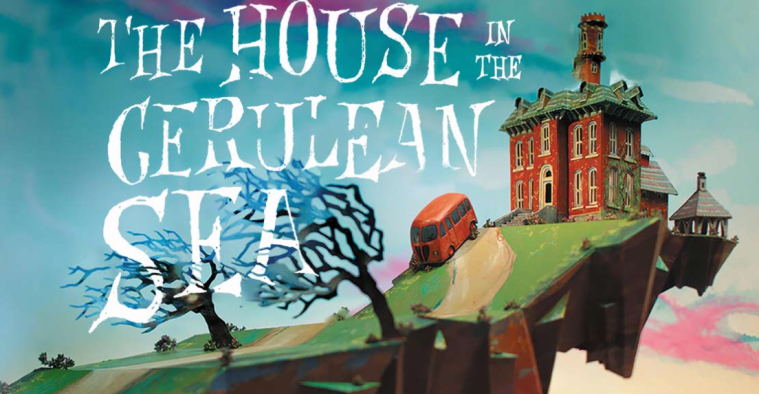
This month was a month for finishing novels for me. I start so many novels at once, reading several at the same time, and occasionally forget to finish one or two or all of them. The House in the Cerulean Sea is a fantastic novel to finish during Pride month. I have a poetry collection for this month as well; more on that in a minute. I’d classify The House in the Cerulean Sea as a romantasy. In fact, I appreciate that The House in the Cerulean Sea can be viewed through this lens. It’s cozy. It even qualifies as cottagecore. It’s not overly sexual. Throw in some comedic moments, usually revolving around a ragtag team of magical children, and The House in the Cerulean Sea sings.

I love The House in the Cerulean Sea’s message. Magical children and beings are a stand-in for LGBTQ+ people. While T.J. Klune does get on his soapbox at times (one time, protagonist Linus Baker literally stands on something akin to a soapbox), The House in the Cerulean Sea tells an adorable, heart-warming story that just happens to contain a strong message. Works like The House in the Cerulean Sea can speak to the LGBTQ+ community while still delivering a story that non-community members can enjoy. I still like the blurb on The House in the Cerulean Sea’s cover. It is like being wrapped up in a big gay blanket. Ah! And that blanket feels so warm and comforting.

Kyra’s Poetry

I covered Alok Vaid-Menon’s Beyond the Gender Binary in a previous Whatcha Reading. I highly recommend reading Beyond the Gender Binary. It’s so good. This past month, I read Alok Vaid-Menon’s poetry collection your wound / my garden. There is some striking imagery in your wound / my garden, especially in the poems near the beginning of this collection. “what lives in death” is a fantastic opening poem. Here’s a taste at some of Vaid-Menon’s images:

“i’m all the packages no one claimed at the post office.”

“if you want to know how people live, spend some quality time with their trash.”

“the discarded do not die, they go somewhere else.”

I like a lot of Vaid-Menon’s imagery in your wound / my garden. There are a few standout poems in the middle of the collection, like “pronouns” and “disassociation,” but I found myself editing some of the poetry in my head. I haven’t edited poetry in years, but some of the enjambment could’ve used work. your wound / my garden featured a lot of repetition. Some repetition was used to great effect, like “the dead, the dead speak over the living.” Other moments of repetition felt like Vaid-Menon repeating themselves without purpose. And inchoate is too conspicuous a word to use in more than one poem. After the second occurrence of inchoate, I literally thought, this poetry collection is brought to you by the word inchoate.

Still, I love your wound / my garden’s message. This collection takes the reader on a journey of self-exploration and acceptance. It’s a great collection to read for Pride, and that’s what I did. I do love a lot of Alok Vaid-Menon’s imagery. “dying is the longest verb” hits hard.

That’s what I read over the past month. Let’s see what Season and Skye have been reading.

The House in the Cerulean Sea Book Cover

Season’s Fiction

I also read T.J. Klune’s The House in the Cerulean Sea. The characters were adorable. I loved all of the kids, the two main characters, and some of the townsfolk. The plot moves at a decent pace and the setup is straightforward. Linus gets assigned as a caseworker to Arthur’s orphanage and gets way more involved than he’s supposed to by company rules. Who cares about rules anyway? I highly recommend The House in the Cerulean Sea if you’re looking for a cozy read with civil rights elements. If you aren’t, you may or may not get brained.

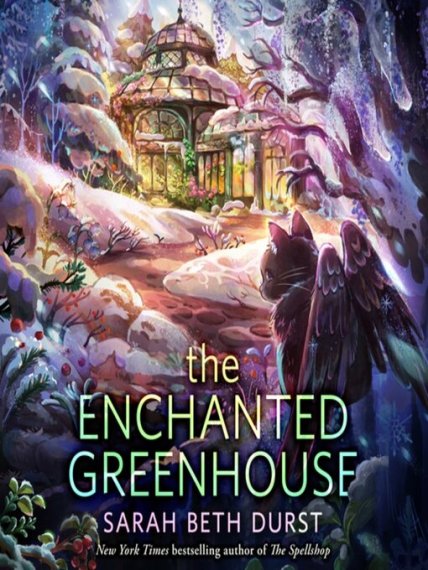
There’s a second book in The Spellshop universe, and you bet I read it. The Enchanted Greenhouse features different characters (Terlu and Yarrow) from The Spellshop. I enjoyed The Enchanted Greenhouse, but the plot followed similarly to The Spellshop. Without giving too much away, Terlu starts a new life on the Isle of Belde, far away from the capital (Alyssium), without the government or her family knowing where she is. Like The Spellshop, The Enchanted Greenhouse has stakes that feel more severe than they are. Terlu’s goal is to restore magic to the greenhouse because the magical greenhouse’s rooms keep failing. That’s good to have, but the rate at which Terlu learns spell casting and how to experiment with spells feels a bit unbelievable. She’s not trained. At all. Also, the story takes place over a few months.

The Enchanted Greenhouse was still fun to read, and I recommend it if you’re looking for something cute and cozy. I believe there’s a third book in The Spellshop series that I plan on reading. You know, for research.

Hey, hey! Kyra Kyle here again. Those are the books our writers have been reading this past month. What’ve you been reading? Let us know in the comments. Thank you for reading, and wherever you are, I hope you’re having a great day.

Geekly News: July 5, 2026; Sony Ends Physical Game Discs

Hey, hey, Geekly Gang! Kyra Kyle here with another week of Geek News. After the family emergency (surgery), we’re getting back into the swing of things with Geekly News. We have plenty of new releases for board games and video games, but first, let’s cover this week’s headline. And Sony makes yet another headline. Sony Interactive Entertainment just can’t stop making news, can they?

Sony Ends Physical PlayStation game discs in 2028

I know. I know. I’ve mentioned Sony numerous times during this year. When I first learned Sony had made the news, I wondered what they did this time. You may tire of Geekly covering Sony and PlayStation news, but we’re tired of the company making news. We’ll begin by being as objective as we can and then editorialize a little bit.

In a blog post this week, Sony Interactive Entertainment announced it will end production of physical game discs in January 2028. Sony cites gaming trends as the chief reason for making this change. Games released before January 2028, along with existing physical titles, will not be affected. Players will still be able to purchase and play those games as they do today. Sony said the move will allow the company to “align more closely with how most of our community prefers to access and play games today.”

In a separate announcement, Sony stated that they will close the PlayStation Store for the PlayStation 3 and PlayStation Vita in July 2027. The digital storefront will shut down even earlier in some countries across Latin America and the Middle East. Sony claims the PlayStation 3 and PlayStation Vita can no longer support their updated payment processing standards. Players will still be able to re-download games and other content they have already purchased for the “foreseeable future,” the company said.

Some of that may ring true. The PS3 and PlayStation Vita are aging systems. But the fact that Sony can cut off the digital libraries of those gaming systems proves why physical media matters. Players don’t own games they “purchase” digitally. Sony can yank player access to games on their digital store at any time. And while I do believe more gamers “purchase” their games online, “purchasing” games online is more like renting them. Players will need to pay full price for a game they don’t even own.

I know I’m in the minority here, but I hate the direction video games are headed. I may purchase older systems and get back into retro gaming. One may believe the PS3 is an old system. Who cares? But the PS4 and PS5 aren’t backwards compatible with the PS3. When those games disappear from the PlayStation store, some may vanish forever. That’s the thing about retro gaming and why I’m considering buying some of those older systems. I don’t have to worry about Sony (or some other video company) clicking a button and deleting my access to those older games. I own those games. Isn’t just big business to deny customers to own anything.

Okay. I’m done ranting. Let’s get to the fun stuff. New releases. Yay!

Sprout Launches on KickStarter

Sprout is a cozy, yet thrilling push-your-luck strategy game for 2-5 plant parents. Players take the role of roommates trying to sprout their newly adopted houseplants.

Choose how long to stay in your apartment collecting nutrients including Sunlight, Water, Plant Food, and even Love! The longer you care for your plants, the more nutrients you add into your pot.

Use nutrients to sprout your plant babies by meeting their picky needs. Every plant you sprout not only earns you bragging rights, but they also have unique sprout effects that help you further grow your plant family.

But be careful! If the same nutrient shows up too many times, you overwhelm your plants and wilt them! You’ll then need to give a little Love to bring them back to life.

You can also use Love to adopt new plant babies from the nursery. And with over 100 unique plants to choose from, there are infinite plant collections waiting for you to sprout.

Sometimes you’ll lend your roommates a helping hand by playing Roommate Cards. But other times, you’ll have to do what’s best for your own plants. Because at the end of the game, only one of you can claim bragging rights to the best plant collection!

Thank you for the description, Rabble. Nature-themed games have dominated the tabletop space. Sprout has plenty of competition. I’ve even recently played Verdant with a similar theme. But I like Sprout’s inclusion of push-your-luck and semi-cooperative game mechanisms. Semi-cooperative games are difficult to pull off. Believe me. I’ve tried. I’m interested in seeing how Sprout tackles the balancing act of players working together but having a reason to go against the good of the group. Rabble has a short but strong history of delivering solid games. Sprout looks charming. I’ve heard great things about the game’s player interactions. I’m keeping an eye on this project. Pledge levels range between $39 – $127. If you’re interested in Sprout, check out its KickStarter page.

Rolling Deep Launches on KickStarter

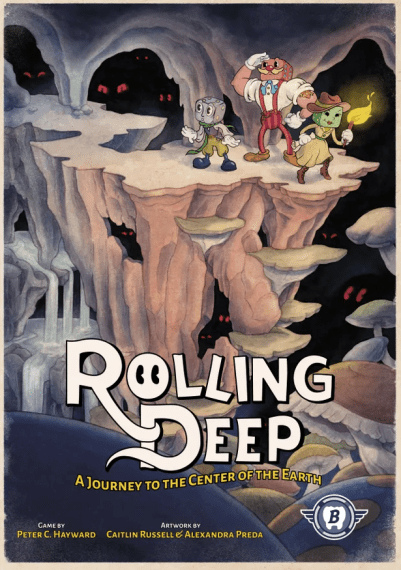
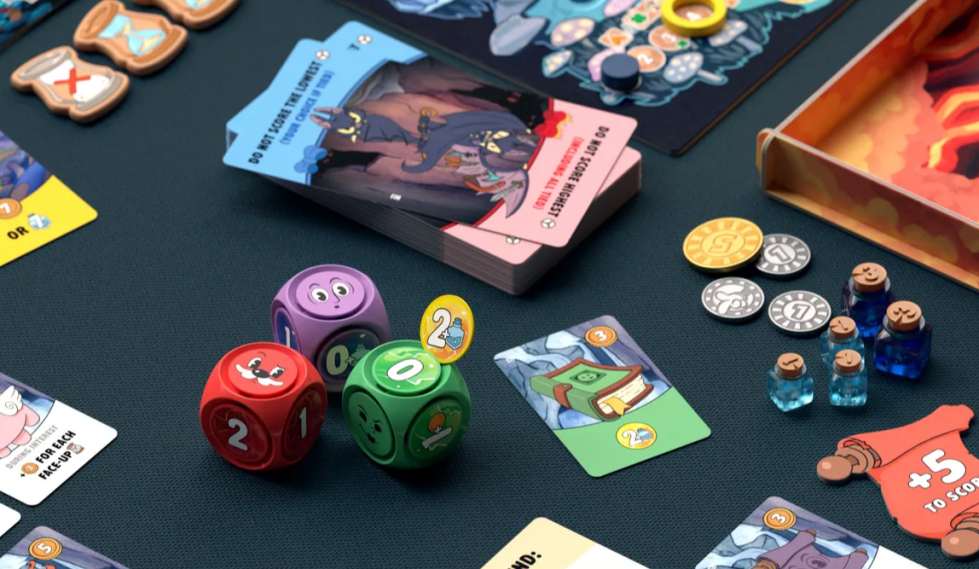
Rolling Deep is a Balatro-inspired roguelike dice-building adventure featuring a cornucopia of unlockable content, addicting challenges, and delicious combos. Each round, you roll dice representing your team’s daring actions as you push deeper underground. Decide when to act (scoring a roll) and when to try your luck (rerolling individual dice in pursuit of a stronger outcome).

When you score a roll, its value advances your progress toward a target score, the difficulty required to overcome the current stage of the journey. Each set of 3 rounds is called a chapter. Each chapter raises the challenge, and the final round of every chapter features a boss — a dangerous encounter that alters the rules for that round.

Between rounds, you visit the shop, where you spend coins to acquire upgrades and consumable gear. Some upgrades permanently alter the sides of your dice, changing their values and allowing them to generate coins or reroll potions when scored. Others boost your score, either every roll or when you score specific result ranges, rewarding careful control over how boldly (or cautiously) you push forward.

Your most valuable resources are time and reroll potions. Time determines how many opportunities you have to score your dice and accumulate a total score for the round, while reroll potions allow you to take a chance and — you guessed it — reroll individual dice before committing to a result.

Your goal is to survive 5 chapters and reach the volcano’s core. If you can overcome the final boss, you claim the treasure of the deep and escape, winning the game (and possibly discovering more mysteries to pursue in another expedition). If you fail to meet a round’s target score, you lose. Better luck next expedition!

Thank you, Bitewing Games, for the description. Bitewing has a strong history of delivering strong games. Rolling Deep looks to be another great game for their catalogue. Look at those components (pictured above). They look amazing. Rolling Deep allows players to modify dice. This concept has been tried with varying degrees of success. If anyone can pull off this feat, it’d be a publisher like Bitewing Games. I also like that Balatro serves as the basis for Rolling Deep’s DNA. I stink at Balatro, but I love how much strategic depth the game possesses. I wouldn’t mind if a board game attempted to adapt Balatro at face value. Adding the twist of a dice builder makes Rolling Deep an intriguing game combination.

And I love the Cuphead-inspired art. Yes. It may be a little overplayed, but Rolling Deep’s visuals look amazing. Bitewing Games is known for its production value, and Rolling Deep is no different. This is definitely a game you should have on your radar. Pledge levels range between $59 and $149. If you’re interested in Rolling Deep, check out its KickStarter page.

Artifox Launches on GameFound

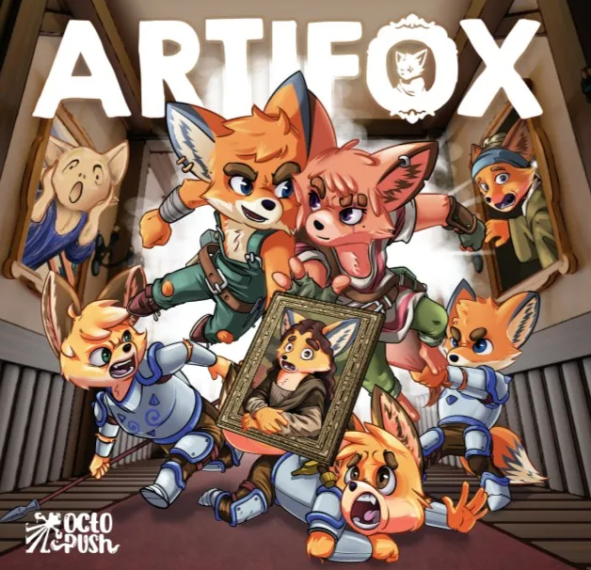
Step into the bustling city of Artifox Famous for it’s beautifull Artifacts. As a fox living on the street, life is tough, but your cunning and courage can take you far! You dream of more, and you know that by perfecting the art of stealing, you can amass great wealth. Do you dare to take on the challenge?

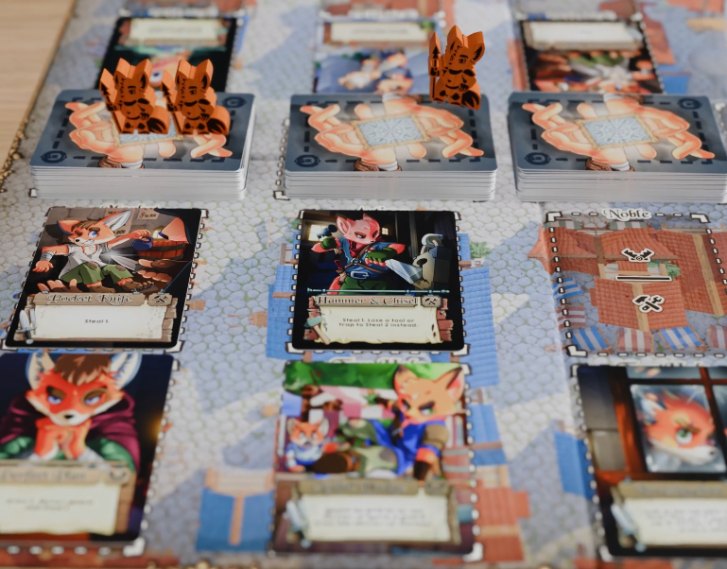
Artifox is a strategic and interactive card game for 2 players that takes you on a whirlwind adventure full of cunning and deception. Start with a base deck and traverse the city to steal from various shops. Each card stolen will be added to your hand and eventually your deck. Use these tools, tricks or traps to manipulate the field and steal valuable loot. Guards are on the lookout so be carefull!

However, you are not the only one eyeing the city’s treasures. Your opponent is after the same loot and will do everything possible to outsmart you and steal your findings!

Have you gathered a Trick, Tool & Trap? Then it’s time to steal Mayor Silverfang’s treasures! These valuable artifacts are added to your deck and can be stolen by your Opponnent. When no Artifacts are left at Silverfang Manor, the fox with the most Artifacts wins!

Thank you, Octo Push Games, for the description. At first, I thought Artifox would include deck building. It does not. It’s more of an open drafting card game with plenty of hand management and a healthy dose of take that. If you know me, you know I don’t typically care for take that games unless they have a short run time. Artifox takes about thirty minutes to complete, which is on the long side of short. But Artifox is also a two-player only gaming experience. I don’t mind a longer take that game if it’s two-player only. Yes. I target you with all my nasty abilities, but since the game is two-player only, it feels less like I’m picking on someone because I choose to pick on them. They’re my only opponent. Great!

I love Artifox’s theme of sneaking through a bustling city and stealing items. Not enough board games include stealth. I’m interested to see how Artifox expresses this idea. My guess is that players will “push their luck” and journey deeper into the city. It also looks as if Artifox may have workers, but their write-up doesn’t include “worker.” I wonder if the meeples (pictured above) are guards. If so, neat. We have a healthy collection of board game new releases this week. If you’re interested in Artifox, check out its GameFound page.

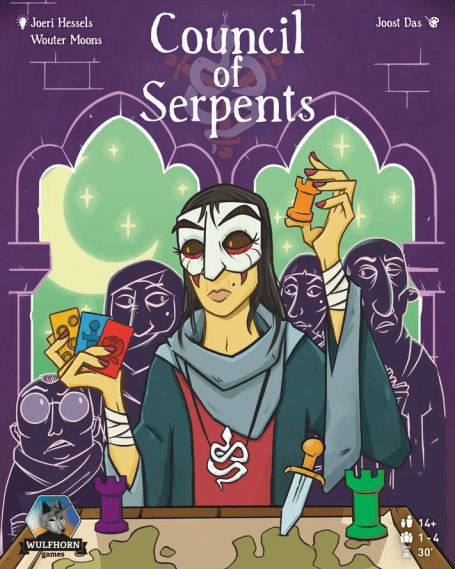
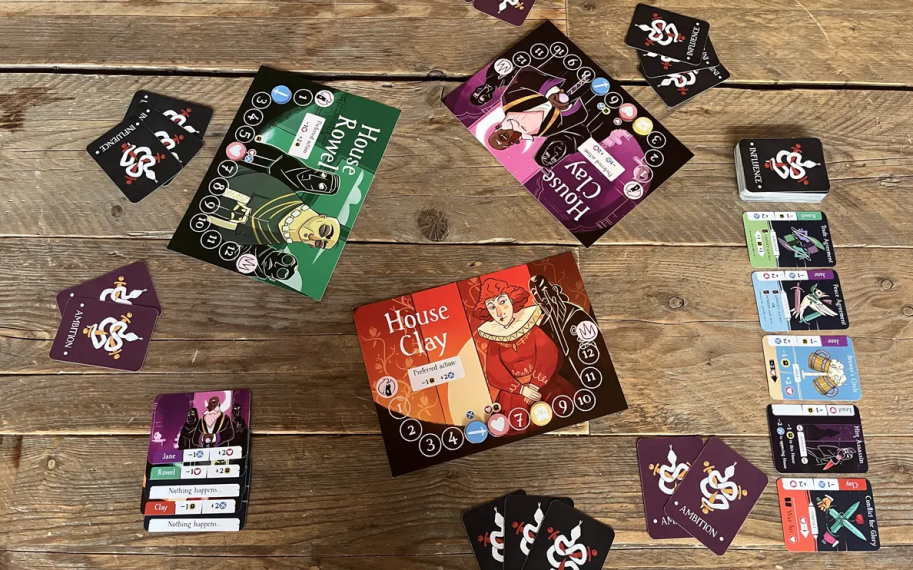
Council of Serpents is a manipulative tug-of-war game with hidden objectives. Three noble Houses are vying for power, but you are not one of them… You are a member of the Council of Serpents, and manipulate these Houses to achieve your own ambitions.

You scheme to orchestrate the triumph or collapse of one of these great Houses by manipulating their three attributes; the strength of their army, the amount of gold in their coffers and their popularity with the people. If one of these attributes ever reaches the top of its track, the game is immediately over, and that House triumphs. Whereas if an attribute reaches zero, the game is also immediately over, and that House collapses.

You achieve this by playing Influence cards to cause Conflicts, escalate Conflicts into Wars, prepare for these Wars by playing facedown Intrigue cards, make Peace and orchestrate support from powerful Guilds. After playing an Influence card, you enact the top card of the timetrack, often causing the Houses themselves to act. When the timetrack runs out of cards you collectively build it anew, shaping the plans of the Houses for the turns to come.

Thank you, Wulfhorn Games, for the description. Council of Serpents sounds like a variant of a party game like We’re Doomed with more political intrigue. It features multiuse cards (always a favorite mechanism of mine), hidden roles, and negotiation. I’m not the best with negotiation, but I love it when a game uses the mechanisms. I can’t wait to see how I’ll screw up this mechanism. Council of Serpents’s production value looks amazing. That’s to be expected, most board game that launch on GameFound tend to have higher quality production values. Council of Serpents sounds like one of those games I’d love to play but wouldn’t be very good at. Still, color me intrigued. If you’re interested in Council of Serpents, check out its GameFound page.

Star Fox Releases on the Nintendo Switch 2

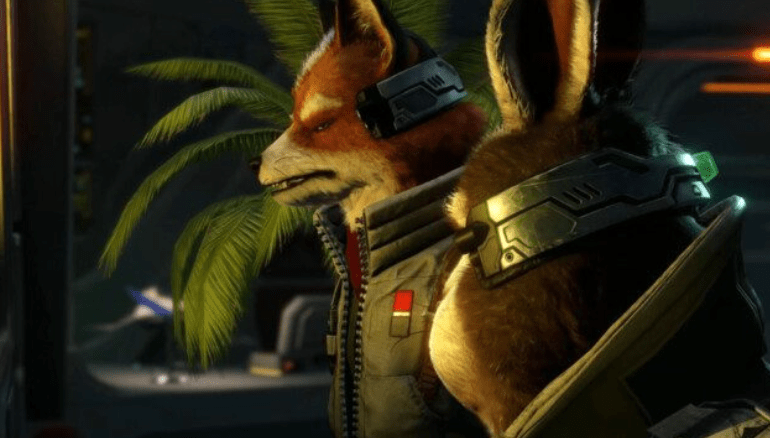
The original Star Fox gets its glow up with a brand new release on the Nintendo Switch 2. While I would’ve loved a new entry into the series (Nintendo has put Star Fox on the back burner for far too long, and his appearance in the recently released Super Mario Galaxy movie should’ve been accompanied by a new game, in my opinion), I’ll take a remaster or remake. The graphics look phenomenal.

Star Fox for the Nintendo Switch 2 is more of a remaster. It doesn’t take long to finish, but finishing the story is only part of the game’s joy. Star Fox’s multiplayer modes offer extensive replayability. Players can play cooperatively to complete challenging missions, or they can challenge each other in a competitive mode. I don’t know if I care for Star Fox’s more “realistic” graphics. The game loses a little bit of its charm by deviating from its cartoon art design. Still, it’s Star Fox. If you’ve always wanted to play the original, the Star Fox remake on the Nintendo Switch 2 may be a great way to experience this classic.

That’s all the geek news we have for this week. Thank you for reading, and wherever you are, I hope you’re having a great day.

Supergirl Movie Review

Hey, hey, Geekly Gang! Kyra Kyle here. A couple of our writers watched the DCU’s second movie entry, Supergirl, this past week. Sure. We’ve only watched the movie once, so this may be more of a reaction than a review. Typically, I like to watch a movie at least twice before dubbing my thoughts a “review.” But I do have some thoughts, and I may be joined by another of our writers for Geekly’s Review/Reaction of Supergirl.

Kyra’s Thoughts

Supergirl is a good movie. I don’t know where all the hate for the movie originates. I’d even say Supergirl is on par with last year’s Superman, with one significant flaw holding it back: “the brides.” The brides represent an even larger issue of Supergirl attempting to cater to a wider audience. We’ll return to the brides and the rest in a minute, but back to Supergirl as a whole. The acting is on point. Eve Ridley gives a great performance as Ruthye. Milly Alcock is perfect as a Supergirl: Woman of Tomorrow (the movie’s source material) version of Supergirl. And Jason Momoa was more believable as Lobo in three seconds than he was as Aquaman through three DCEU films.

However, Lobo is also the reason why Supergirl isn’t as good as it could be–Lobo was a ploy to get other demographics interested in the movie, but we’ll talk more about that later, too. Again, I love Momoa in the role, but the character disrupted this movie. Other critics claim that Supergirl’s plot is scattered. Lobo is the main reason the movie’s plot goes off course. The writers shoehorned a character who didn’t exist in the source material: Supergirl: Woman of Tomorrow. While a scattered plot may be a fair criticism of Supergirl, last year’s Superman had a far more scattered narrative. I didn’t look at some of these critics’ reviews for Superman, but I venture to guess they didn’t dock Superman nearly as much as Supergirl for the same flaw. And Superman was worse in that regard.

My biggest gripe with Supergirl also stems from Lobo’s presence: the brides. I told you we would return to this topic. In the source material, the main villain, Krem, is a mercenary who really loves killing people. Lobo is also a mercenary who really loves killing people. How do we differentiate between them? Make Krem a sex trafficker. No. Just no. The brides (girls around 13) gave me the ick while I was watching Supergirl. It took me a minute to figure out why the brides made me cringe. I can see why this could be a dealbreaker for some. Supergirl could’ve omitted Momoa’s Lobo (or given him a cameo, seriously, three seconds was all Momoa needed to show he embodied the character) and replaced his scenes with a hopeful scene or two from the source material. This could’ve brightened the movie. Possibly even allowed for more comedic moments, which brings me to my next point.

Supergirl’s darker tone could also be a dealbreaker for others. Supergirl is a very different character from Superman. And that’s a fantastic thing. Corenswet’s Superman never knew Krypton. Alcock’s Supergirl watched her family, her home, and her people die. I love how Supergirl showed the difference between these two characters when they shared screentime. If anything, Supergirl upstaged the DCEU’s Superman. Cavill’s Superman had PTSD for unspecified reasons. Alcock’s Supergirl has PTSD for a very concrete reason: she watched the last of Krypton die. This is the equivalent of Cavill’s Superman as a CIS man trying a menstrual cramp simulator and screaming at the first setting. Alcock’s Supergirl would claim that setting tickles.

I could even see some people disliking Supergirl’s use of trauma to propel the narrative. Sometimes, you just want a dumb, fun movie. Heck, 2025’s Superman could be categorized as a dumb, fun movie, so the DCU conditioned audiences (through one movie) that the new DCU will be bright and fun. Despite its tonal differences, Supergirl fits within the DCU. And I’d argue that Kara overcomes her trauma, and that should be lauded. Supergirl’s trauma makes her interesting. Kara possesses numerous conflicting emotions. At one point, Supergirl was a red (rage) lantern in DC Comics. The fact that she chooses hope makes her a hero. While Supergirl is dark for a PG-13 movie, it’s nowhere near as dark as 2008’s The Dark Knight. So those critics need to stop clutching their pearls or throw that same vitriol at The Dark Knight.

The final negative I’ve seen from most Supergirl critics is the movie’s sepia-toned world. Supergirl: Woman of Tomorrow features vibrant colors. The Supergirl movie doesn’t. And this is where I’m bringing back the idea that Supergirl included certain things in the hopes of appeasing different demographics. Supergirl’s sepia-toned worlds resemble the Snyderverse films. News flash, DCU. Snyderverse fans only want the DCEU to return. Nothing you can do can change that, so why not go with more vibrant colors? And we return to Lobo. Yes. Lobo was that problematic of an addition to this story. At first, I thought the DCU wanted another marketable character in the Supergirl cast (sell some toys or a variant popcorn bucket), but the more I thought about it, Lobo’s presence was meant to appeal to testosteroni males. After all, Lobo is the Main Man.

Supergirl works as a worthy follow-up to 2025’s Superman. I’d like to see where the DCU takes the Superman family. Yes, there are more members of the Superman family the DCU could explore. Supergirl suffers from appealing to a lot of different demographics that it had no hope of winning over. Synderverse fans are a lost cause. And despite Lobo’s inclusion, many of the testosteroni boys whom Lobo was meant to win over still dubbed Supergirl “woke” because it’s a movie about a super-powered woman. Supergirl has the bones of a fantastic movie. The performances are phenomenal. Too bad the DCU tried to cater to certain demographics.

Those are my thoughts on Supergirl. Let’s see what Season thinks about the film.

Season’s Thoughts

I also think Supergirl got too much hate from critics. If you isolate Supergirl from Supergirl: Woman of Tomorrow, it’s an enjoyable movie. It’s fun to watch regardless, but I couldn’t help myself from comparing it to the source material. I’ll get to the source material later.

Supergirl showed Kara overcoming adversity, but that got overshadowed by Lobo and the sex trafficking of young girls. The reason the movie gave for the sex trafficking of young girls was because the Brigands were an all-male race. Okay. I suppose you can argue that reason, but the sex trafficking was so unnecessary and ham-fisted into the plot. It was plain gross for the sake of being gross. Krem also killed one of the girls for sport. If the Brigands really needed these girls to continue their race, why kill one of them instead of capturing them?
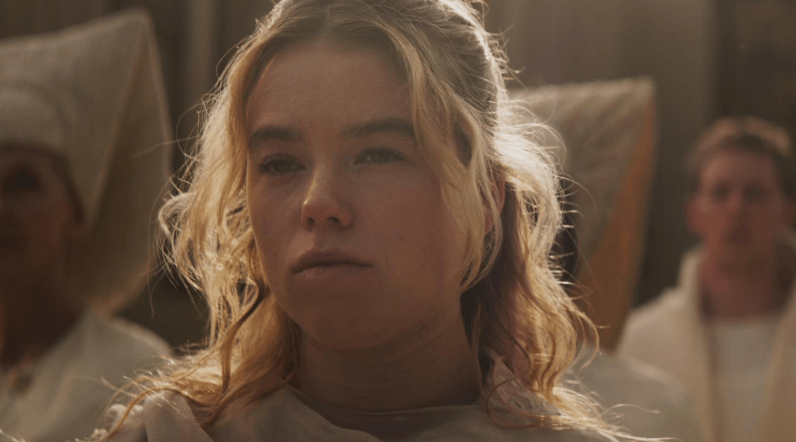
Speaking of Krem, an interesting design choice was made for him in Supergirl that doesn’t match with Supergirl: Woman of Tomorrow. My guess is it goes back to Lobo’s inclusion. Lobo is already an interesting looking character with extreme expressions and mannerisms. In Supergirl: Woman of Tomorrow, Krem looks like a red-headed barbarian with crazy eyes. Supergirl made Krem out crazy-fie Lobo with several piercings across his face, leather clothes, and a rat tail turned into a braid. They also gave him red eyes. You know, to match Lobo. Since Krem was the more evil between himself and Lobo in Supergirl, he had to have a more extreme appearance. I see you, Craig Gillespie.

I’m sorry to all the Lobo fans out there, but he was a distraction. Spoiler alert: Lobo stole Comet’s scene in Supergirl. In Supergirl: Woman of Tomorrow, Comet is the one who saves Supergirl from the onslaught of Brigands, losing his life in the process. This is a very dark and emotional moment in the source material. I cried when I read it. In Supergirl, Lobo rescues Supergirl from the Brigands and turns it into a slapstick comedy moment. Supergirl explained Lobo’s reason for being present was that he was after the bounty of one of the Brigands. That makes sense for Lobo’s character, but Supergirl is only one-hundred and seven minutes. All of Lobo’s screentime is distracting from the main story.
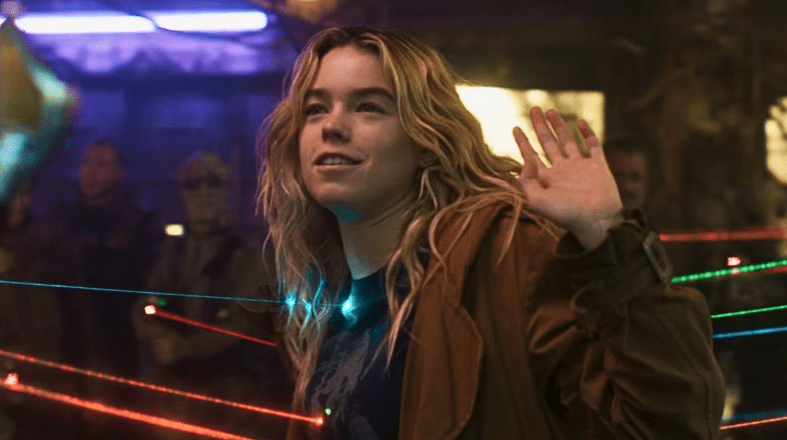
On to the positives. Supergirl was fun to watch. Milly Alcock did an amazing job of capturing Supergirl as a character. Eve Ridley also did a good job of portraying Ruthye. Ruthye’s internal monologue wasn’t included in Supergirl, but I didn’t mind. The movie could have easily been lengthened to over two hours if Ruthye narrated the movie.

I didn’t think Supergirl would include the green sun. I was pleasantly surprised. Not only was it included, but it cut out the extra exposition in Supergirl: Woman of Tomorrow, which was much appreciated. Supergirl: Woman of Tomorrow dragged a bit on the extent of Supergirl’s affliction to the green sun. In Supergirl, Ruthye’s strength was portrayed through her restraint and perseverance. We didn’t need to watch her slay monsters.

That’s my take on Supergirl. Geekly Gang.

Hey, hey, Geekly Gang. Kyra Kyle here again. Did you agree with our takes? What do you think of Supergirl? Let us know in the comments. Thank you for reading, and wherever you are, I hope you’re having a great day.