Whatcha Watching, Geekly: July 15, 2026

Happy Wednesday, Geekly Gang! Kyra Kyle here, and today, our writers share what they’ve been watching over the past month. This’ll be movies and shows. Anything goes. Feel free to share what you’ve been watching over the past month, because we’re all part of the Geekly Gang. I’ll get things started with what I’ve been watching over the past month.

Kyra’s Movies

I’m a true crime junkie, and the genre dominated the films I watched this past month. I’ll begin with The Murder of Rachel Nickell. Oh, boy. This one hurts. Rachel Nickell was slain in front of her toddler child, the one pictured above. I can’t even imagine the horror, the guilt, the fear, and the trauma that caused. Nickell bargained her life for her son’s. Nickell’s son has to live with that for the rest of his life. He blamed himself. He blamed his father for not protecting the family. It wasn’t until after the Bisset Murders (a mother and daughter killed by the same murderer, Robert Napper) trial and conviction that Nickell’s case was solved, and she found justice.

Again, I can’t imagine witnessing the murder of one’s mother at two and a half years old. The Murder of Rachel Nickell spends plenty of time interviewing André Hanscombe (Nickell’s partner and father of her son). We get a great window into his mindset, leaving the UK for France because he was scared the killer would return for his son. We don’t get as much of Alexander Louis, the pair’s son, but I may soon watch The Witness, which is a Netflix docudrama told from Alexander Louis’s perspective. Or I might not. The Murder of Rachel Nickell isn’t an easy watch. I took frequent breaks.

I’ve seen so many documentaries and docudramas on the Murdaugh family over the past year or so, and just when you think you’ve seen it all, Alex Murdaugh gets released by a technicality. Instadocs: Alex Murdaugh, Unconvicted deals primarily with disgraced county clerk Becky Hill. In short, Becky Hill was writing a novel about the Murdaugh family’s various scandals. With her ties as a county clerk, Hill had insider information. She also stood to gain from a guilty verdict. If Murdaugh was guilty, she’d sell more books. Instadocs: Alex Murdaugh, Unconvicted briefly describes what happens and shares a couple of viewpoints. Hill may have had a juror kicked off the case, and more likely, she told the jurors to beware of Alex Murdaugh because he lies. Regardless of what former county clerk Becky Hill did, she did enough to throw out Alex Murdaugh’s murder conviction.

Instadocs: Alex Murdaugh, Unconvicted is what the title suggests, it’s an instadoc, meaning a quickly made documentary in reaction to an event. It clocks in at thirty minutes. While I like the idea of a documentary of this type (especially for a follow-up or update to a larger documentary series like Netflix’s Murdaugh Murders, which I’ve also seen), this format doesn’t give the documentary enough time to flesh out either side of the argument. Hill denies most everything. The dismissed juror escalates the allegations against Hill. The truth is most likely in the middle, but the result is the same. Alex Murdaugh is “unconvicted” of the murders of his wife and son because of a mistrial.

Netflix’s The Crash has plenty of time to show multiple viewpoints. This documentary centers on Mackenzie Shirilla and whether she purposefully crashed her car into a building at 100 miles per hour to kill the other two occupants of her vehicle. Shirilla has been convicted, and her appeals have been denied. Two major pieces of evidence led to this conviction: automobile feedback and Shrilla mentioned killing her then boyfriend, Dominic Russo, by crashing her car a week before the event.

The latter piece of evidence is self-explanatory. Russo and Shirilla had a turbulent relationship. Russo even recorded Shirilla during a violent outburst. This wasn’t when Shirilla threatened to crash her car with Russo inside, but it illustrated the couple’s relationship. Numerous witnesses corroborated Shirilla threatened to kill Russo by crashing her car. Many of those same witnesses viewed it as an offhand comment, not one Shirilla would enact. But the former piece of evidence (automobile feedback) proves more compelling.

Newer automobiles have the equivalent of an airplane’s black box. Shirilla’s car shows she had her foot firmly on the gas pedal ten seconds before impact. Not once did she take her foot off the pedal. This most likely debunks her excuse that she blacked out. The prosecution argued that if Shirilla blacked out, she wouldn’t have been able to slam her foot on the gas. Shirilla wasn’t drunk. She did have THC in her system, but she had less than her usual amount and had plenty of practice driving while under the influence. Is The Crash a tragic accident? Or did Shirilla murder her boyfriend (who some say planned to break up with her) Death Proof style?

Kyra’s Show

I’m in the middle of compiling a deep dive on The Pitt’s autism representation (Dr. Mel King) for a future post. I won’t go into too much detail about that here. Simply put, Taylor Dearden does a phenomenal job of portraying a neurodivergent character. I can’t wait to share that post with you in November. Yikes! We still have some time, but not much. Anyway, I don’t mind rewatching The Pitt. It’s the most accurate medical drama. That’s not me saying it. I’ve heard medical professionals who worked in an ER sing The Pitt’s praises. So, I guess it shouldn’t come as a surprise that The Pitt also has great autism representation. Okay. I’m done with that aspect.

The Pitt plays out over a single twelve-hour shift, complete with heading in early for a shift handoff and staying late for the same thing. Each episode hops from one patient and their family to the next. Some build off each other in satisfying ways. All of them show different aspects of an emergency room worker’s job. I prefer the first season slightly more than the second because you’re flying into the series blind. I also watched the two seasons back-to-back. I may have been more surprised by the second season if I didn’t watch them immediately back-to-back. Still, love the characters. The pacing is on point. The frenetic pace drives The Pitt. And I didn’t know how The Pitt would attempt to keep up the energy from season one to season two. It accomplished that. Minor spoiler: the second season takes place on July Fourth.

Oh, boy! The fact that The Pitt chose July Fourth as the date for its second season proves it understands the ER better than most shows. More accidents occur on July Fourth than on any other day in the United States. Mrs. Geekly, a nurse, has worked plenty of July Fourths. Based on Mrs. Geekly’s tales, I wrote down all the injuries I expected to see, and The Pitt delivered. If you like medical dramas, you should watch The Pitt.

That’s all we have for this month. Season and Skye will join us next month. Thank you for reading, and wherever you are, I hope you’re having a great day.
Geekly News: October 12, 2025, Will Halo Receive a Third Season?

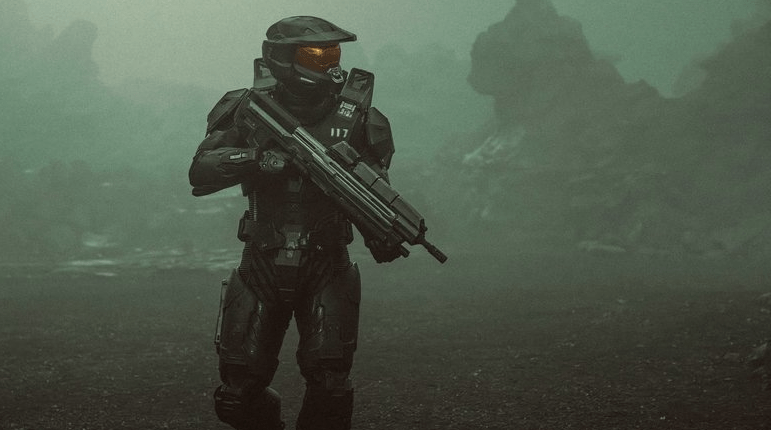
Happy Sunday, Geekly Gang! Kyra Kyle here with another week of Geek News. Plenty of board games and video games released this past week, but we’ll kick off this past week’s Geek News with an update about the Halo television series.

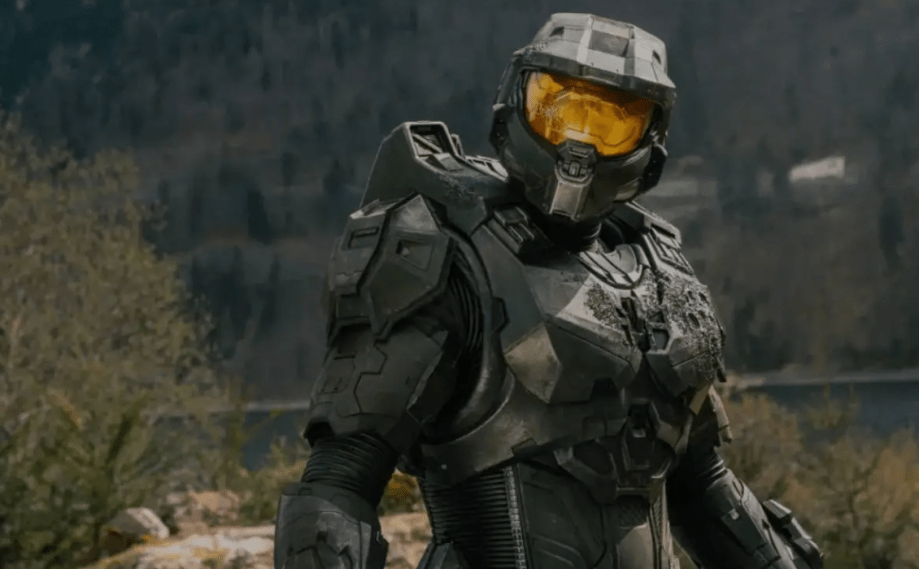
Halo Crashes Netflix’s Top 10. Will there be a Season 3?

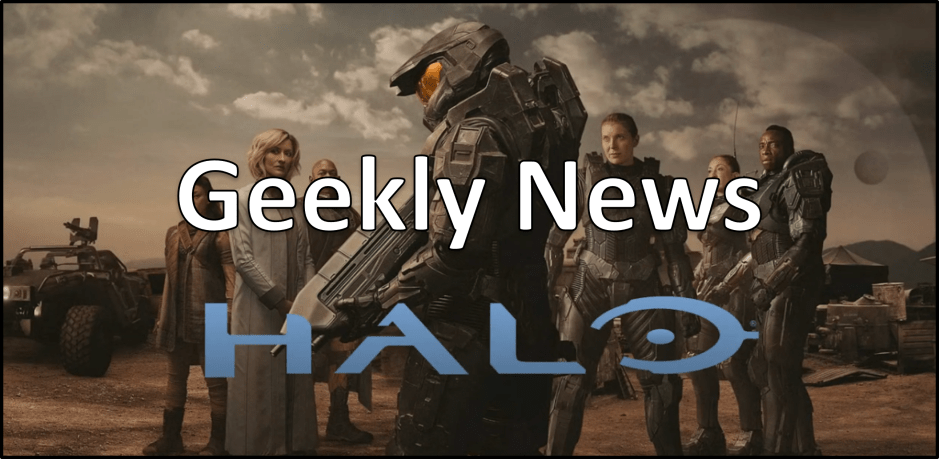
Halo is the most expensive television series ever produced in Paramount+’s short history, so it made sense for the streaming service to cancel the show after a couple of seasons (17 episodes in total), and it also made sense for Paramount+ to sell the rights to stream Halo on Netflix. Earlier this month, Halo debuted on Netflix. Its reception was immediate as Halo reached number 4 on Netflix’s United States Top 10, outperforming almost all licensed programming, with the exception of popular original shows like Monster: The Ed Gein Story. Halo even held similar numbers internationally. This shows a demand beyond hardcore gamers.

Netflix has a track record of reviving shows like Longmire and Lucifer after a strong streaming performance. Halo’s global numbers and fan campaigns, like the ones found on Change.org, may sway the streamer to green-light a third season. There’s a chance. But there are a few loopholes, Halo must navigate. Netflix only has a year-long streaming agreement for Halo. For a third season to be possible, Netflix must secure a long-term streaming agreement. And Halo has steep production costs. Season 1 was estimated to cost between $90-200 million. Yikes!

But I wouldn’t count out a third season for Halo. Critics gave Halo a 70% on Rotten Tomatoes–does anyone still use Rotten Tomatoes when looking for reviews–with many appreciating Halo’s production values, while questioning narrative choices like an odd romantic subplot and unmasking Master Chief. Still, #SaveHalo has trended on various social media platforms, and if Halo’s numbers hold strong, Netflix may need to consider a third season, regardless of the cost.

Rolling in Wonderland Launches on KickStarter

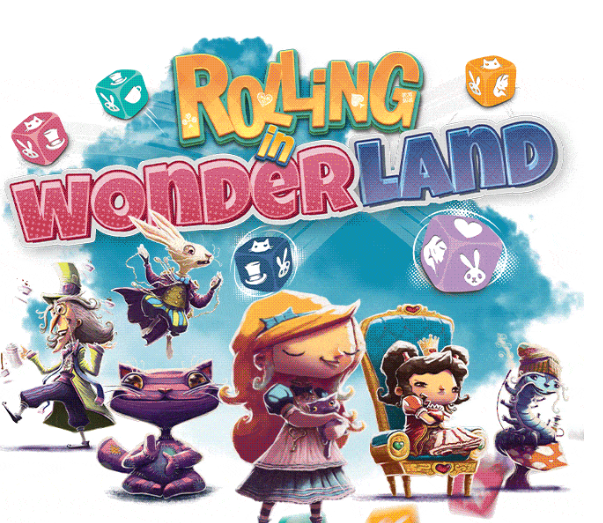
This week has seen a lot of dice drafting games (games where players pay to add dice to their dice pool), and Rolling in Wonderland is a great place to begin with board game new releases. Channeling the whimsy of Alice in Wonderland, Rolling in Wonderland features quirky art and vibrant colors.

The game suggests that players may adapt the game’s play how they want. You may play a light and breezy or tight and tense game of Rolling in Wonderland. I don’t know exactly how Rolling in Wonderland attempts to do this (undoubtedly two sets of rules for both playstyles), but I’m intrigued. Rolling in Wonderland offers an affordable $39 entry-level pledge, but players may spend $79 for the deluxe version or add various expansions a la carte. If you’re interested in Rolling in Wonderland, check out its KickStarter page.

Cretaceous Rails Reprint Lands on Gamefound

In preparation for Gen Con, we reviewed Cretaceous Rails a few months ago. If you want to see an extended look at our thoughts, check them out here. Dinosaurs and trains together at last. If you’ve ever wanted a game that combined these two elements (or think this mash-up sounds awesome), then you should consider backing Cretaceous Rails.

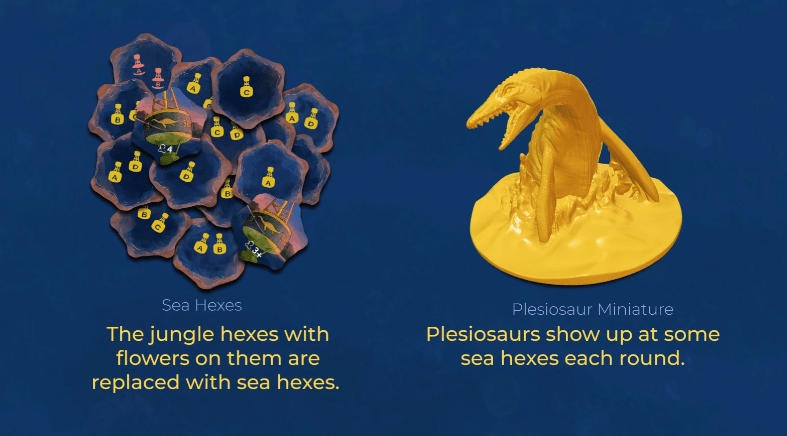
The core game is amazing. I love Cretaceous Rails’s dual-action selection mechanism. I even tried my hand at designing a game that did something similar (I mentioned this in the most recent game design brain dump). Cretaceous Rails’s reprint will include the first expansion, Cretaceous Skies, which I’m not too fond of, but it adds the second expansion, Cretaceous Seas, and I’ve enjoyed every iteration of Cretaceous Seas. I can’t wait to see the final version.

Bring on the sea hexes and plesiosaurs. You can pick and choose which rewards you want a la carte. Since I have the base Cretaceous Rails, I’ll most likely pick up Cretaceous Seas for $30 (plus shipping). The project launches in two days. If you’re interested in Cretaceous Rails, check out its GameFound page.

Raas Dances Onto GameFound

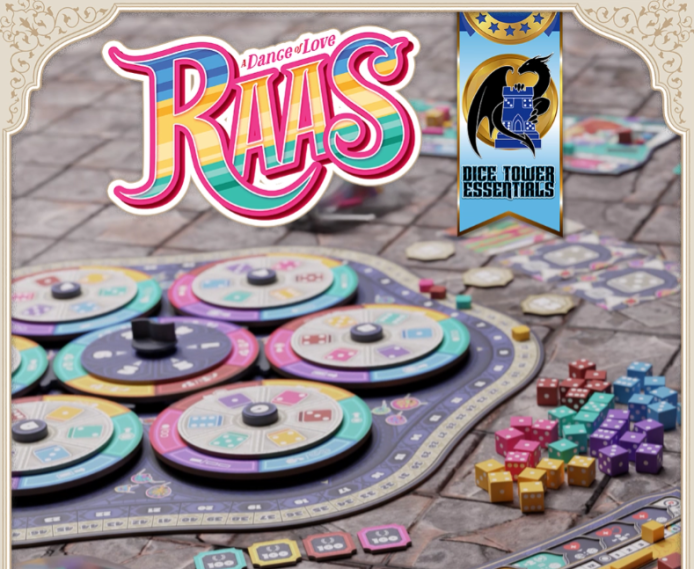
Raas adapts the dazzling folk dance of Gujarat to a vibrant dice-drafting, tableau-building game. Players recruit dancers, represented by colorful dice, where each color and pip shows off their style and rhythm. Collect stunning dress swatches, give them dandiya sticks, and match the style of the song to create shining performances.

Raas’s moving dials remind me of the interlocking gears of my design Rustbucket Riots. I may need to keep an eye on this title; I do like that it’s competitive instead of cooperative. I love Raas’s theme. The tight board looks amazing, and I’m always down for splashes of color. Raas looks as if it captures the vibe of its subject matter. As of this write-up, we don’t yet know Raas’s price points. If you’re interested in Raas, check out its GameFound page.

Vampire: The Masquerade, Palermo Conspiracies, Lands on GameFound

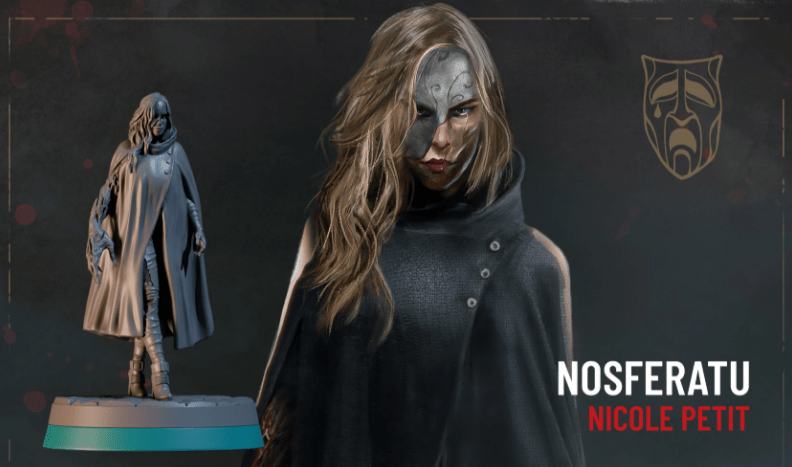
The theme Vampire: The Masquerade piqued my interest (I’ve always enjoyed this IP’s mythos), but the statement that Teburu may be the future of tabletop gaming places Vampire: The Masquerade, Palermo Conspiracies in my sights. Per its description, the Teburu system integrates physical and digital gaming, while keeping players focused on the board and its components. Evidently, players won’t need a rulebook. What? You may save your game progress and continue later. Vampire: The Masquerade, Palermo Conspiracies offers immersive storytelling and audio support. You may save player data with smart-technology miniatures.

This all sounds fantastic, and it could be “the future of board games,” but I’m cautious. The Teburu system will most likely be patented and only be available from the company of the same name. As of this write-up, we don’t know the cost of this game, and Palermo Conspiracies sounds as if it will be at least $100 at its cheapest price point. Since it’s launching on GameFound, which offers payment plans, I wouldn’t be surprised if Vampire: The Masquerade, Palermo Conspiracies is upwards of $150-$200 or more (board game meets video game pricing) before shipping. I’m also leery of a game playing itself; I like to know why NPCs take specific actions in tabletop games. But this game looks and sounds amazing.

The miniatures are stunning. And there’s tech in those bases. Yowza! If you’re interested in Vampire: The Masquerade, Palermo Conspiracies, check out its GameFound page.

Battlefield 6 Released

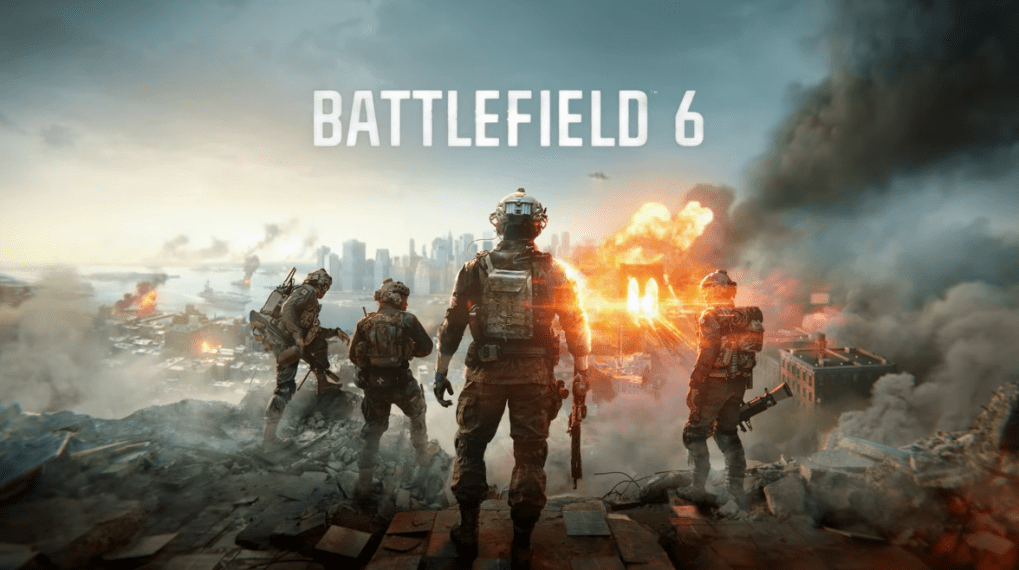
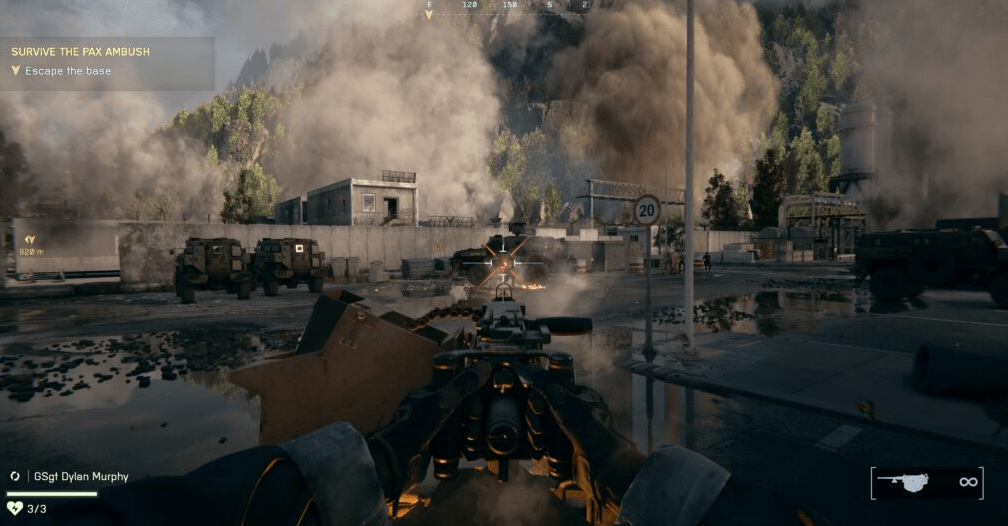
I’ve never been into the Battlefield series. Later titles have leaned into online only, player-versus-player brawls. I have to admit that I’m interested in Battlefield 6 because of the return of campaign mode. It’s been some time since Battlefield has featured a robust campaign mode, and judging from Battlefield 6’s early reviews, it looks as if the game delivers.

I may wait another week or two, or even for the first price decline, before venturing into this highly touted first-person shooter. Battlefield 6 is available on PC, PlayStation 5, and Xbox Series X/S.

Little Nightmares III Releases

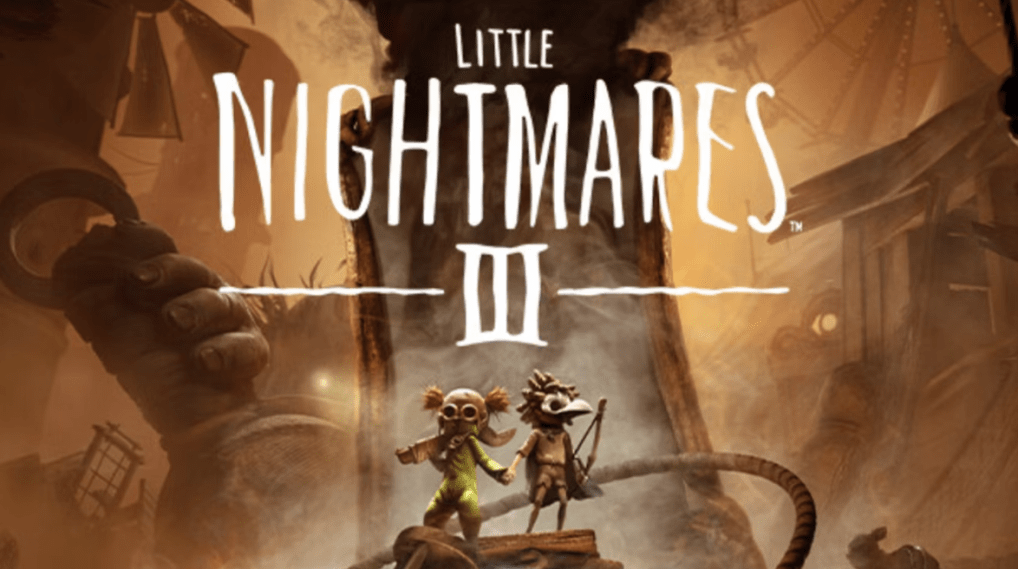
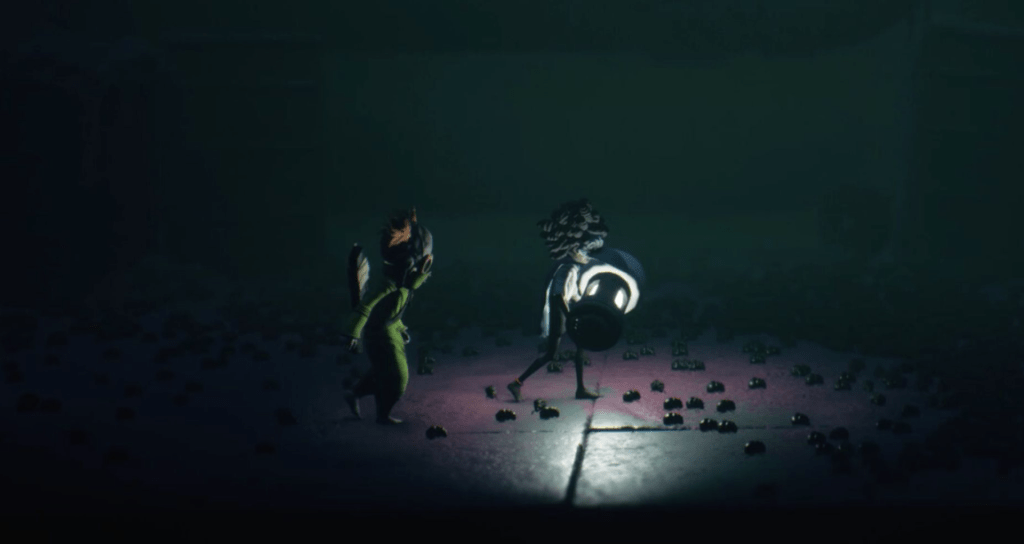
Popular puzzle-platform horror adventure game series Little Nightmares returns just in time for Halloween. I see what you did there, Supermassive Games. Little Nightmares III follows two new child protagonists, Low and Alone, as they navigate through The Nowhere and escape from a looming threat.

While I am more interested in the Little Nightmare series than I am in Battlefield, Little Nightmares III has received mixed to average reviews so far. I may wait on Little Nightmares III for a very different reason than Battlefield 6. I’m waiting on Battlefield 6 for the hype to die down a bit. But Little Nightmares III may need an update or two. Still, I’m all for another journey into Nowhere. Little Nightmares III is available on PC, PlayStation 4, PlayStation 5, Nintendo Switch, Nintendo Switch 2, Xbox One, and Xbox Series X/S. Fingers crossed for cross-play and cross-saving between platforms.

That’s all the Geek News we have for this week. Thank you for reading, and wherever you are, I hope you’re having a great day.
My Favorite Storytelling Elements of Breaking Bad

Hey, hey! Kyra Kyle here. Like I said a few weeks ago, I’ve sprinkled in new posts with the old stuff, but we’re running out of the older posts. This one’s about Breaking Bad and my favorite storytelling elements from that show may be our final older post. Yay!

There are so many places to go in terms of storytelling elements that work in Breaking Bad. The characters grow and change over time. The strong narrative stayed on point, tension increased during each show, it explored concepts of storytelling, and didn’t over stay its welcome like other popular shows during its run. Despite the show’s groundbreaking nature, one of my favorite storytelling elements of Breaking Bad is the show’s adherence to a famous storytelling precept: Chekhov’s Gun.

Essentially, Chekhov’s Gun states that every element in a story must be necessary, irrelevant elements should be removed, and no element should appear to make false promises. Everything must have a purpose. Chekhov used a gun for his analogy. If a gun is mounted on the wall during a play’s first act, it must go off in the second act. Otherwise, why have the gun?

I’m all for subverting traditional storytelling precepts, but there is a reason they exist, and storytellers should know the time and manner to subvert these practices. Readers and viewers will assign meaning to something a storyteller shows them. The more elements a storyteller shows that don’t matter, the more likely they’ll lose their audience because their audience will start assigning meaning to things that don’t matter. The best example of a Chekhov’s Gun fail is Star Wars: The Last Jedi.

The bit of dialogue in the previous Star Wars film (The Force Awakens) concerning the origin of Rey’s lightsaber dubbed it Luke Skywalker’s and his father’s before his. This suggest that Rey is part of the Skywalker bloodline. If she was Luke’s former pupil (a popular fan theory prior to The Last Jedi), the line could include Luke, but not his father. If Rey had no connection at all to the Skywalkers, then don’t mention the Skywalker name.

Okay. Let’s get back to Breaking Bad and how it uses and subverts Chekhov’s Gun.

Breaking Bad is brilliant at assigning meaning to elements it shows. Viewers may find an odd camera angle that brings an electrical outlet into the forefront. Don’t worry there’s a reason to show said electrical outlet. A bit a dialogue that feels like it should be throw away banter will make an impact later in the episode or series. Why are they beginning an episode with a crawl space? There’s a reason. Even a Roomba has purpose.

But Breaking Bad subverts Chekhov’s Gun as well. Up to this point I’ve stayed as vague as I could. I’ll try not to spoil anything with this next example, but it’s difficult not to with this type of write-up. Consider yourself warned.

Let’s talk about the Ricin Incident of season 4. We’ll start with a rundown of what happened. Walter White plans to have Jesse give Gus a ricin-laced cigarette. Walt chooses the nerve agent ricin because it’s difficult to detect. Jesse chooses not to poison Gus because he doesn’t trust Walt at this point and has grown closer to Gus. Later, Brock (the son of Jesse’s girlfriend) falls ill from an unknown cause. Jesse finds that he had lost the ricin cigarette and blames Walt for giving the poison to Brock. Walt convinces Jesse that he couldn’t have poisoned Brock; it was Gus. Eventually, doctors find out that Brock ingested the berries of a Lily of the Valley. At the end of the episode, the camera zooms in on a Lily of the Valley in Walt’s backyard.

Phew! That’s a lot to get through. The upshot is that Walt poisoned Brock and turned Jesse against Gus. Breaking Bad uses Chekhov’s Gun the entire time, but it layers each element and nests them together like Matryoshka dolls. The lilies were mentioned in dialogue earlier while Walt and his wife Skyler discussed landscaping. It’s banter that most viewers dismissed, but there’s a reason for everything in Breaking Bad. Viewers could also dismiss the ricin cigarette as a red herring, and it was to a point, but it returns later in the series and serves in this episode (or two episodes) as character motivation. It also does a lot for character development. If there was any lingering hope for Walt’s soul, and it’s debatable, it was lost here.

Oh, man. That ricin vial got around in this series. That Roomba makes an appearance as does the electrical outlet. I won’t say how, even though I’ve spoiled quite a bit already. Oh, well. You should watch Breaking Bad.

If you’ve watched Breaking Bad, what are your favorite storytelling elements? You could pass it to me, hidden in a marzipan strawberry or you could let me know in comments. And wherever you are, I hope you’re having a great day.