Kyle Kyra (they/them) writes fiction, nonfiction, and poetry. They live in a sleepy Nebraska town. Yes, corn lives outside their back door. They hold a BFA in creative writing from the University of Nebraska at Omaha, and their work has appeared in Menacing Hedge, Spank the Carp, Danse Macabre, The Door is a Jar, The Collidescope, and other journals and anthologies.
Happy Indigenous Peoples’ Day, Geekly Gang! We’re celebrating the day by discussing five board games designed/published by indigenous designers or publishers. Some of these games I’ve seen at my local game shop. I may have played a few of these. The rest I need to try. Regardless of which group these games belong to, I wanted to highlight games designed by indigenous board game designers. Here is Geekly’s list of five board games by indigenous designers.
Wolves (Coyote & Crow)
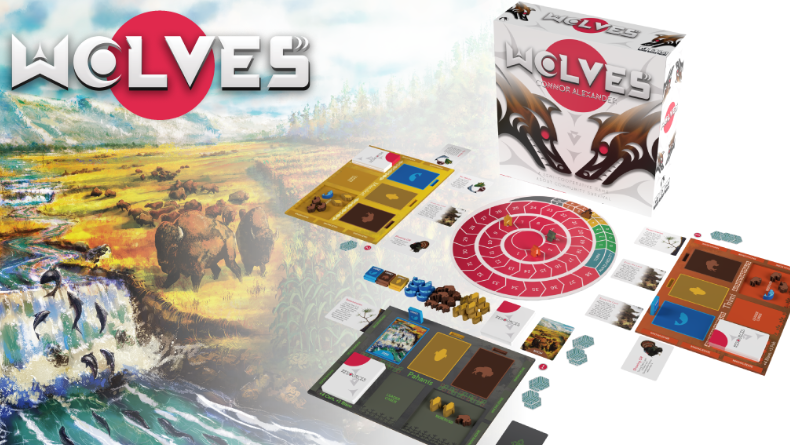
Wolves by Kenna Alexander was one of the first games that came to mind when I came up with this list. Publisher Coyote & Crow employs a variety of indigenous artists. All of Coyote & Crow’s releases show their native roots. Wolves is no exception.
Wolves features semi-cooperative play. Players must balance personal goals with the needs of all at the table. This is a trend in board games designed by indigenous designers. Culturally, indigenous people don’t tend to seek the all-out destruction of their neighbors. Semi-cooperative play is difficult to pull off well, but Wolves does a great job of walking the balance between players working toward personal and community goals. Each player takes on the role of a community leader. Resources are slim, and everyone must survive through a harsh winter. If any player fails to accommodate their community, everyone loses. I love the art, the design, and the concept.
You should give Wolves a play and keep publisher Coyote & Crow on your gaming radar if it isn’t already.
Burn the Fort (Indigenous Action)
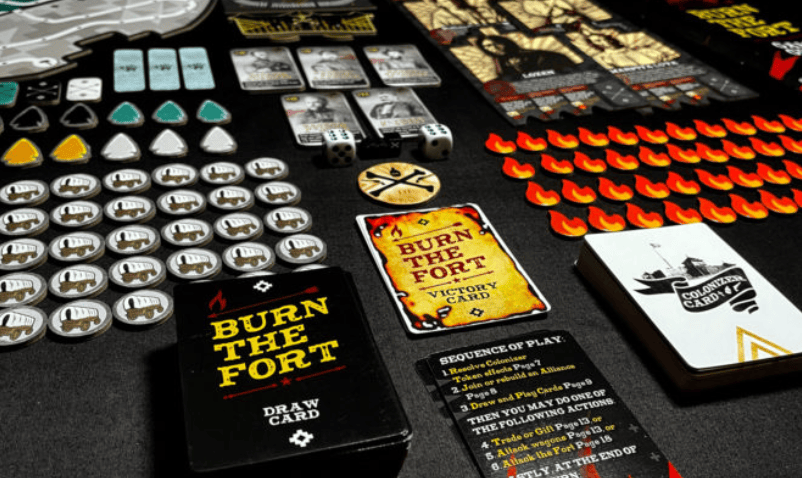
Anti-colonialism is another trend in indigenous board games. No game represents this trend more than Burn the Fort by Klee Benally. The game’s name says it all. Players take the role of a historic warrior fighting to stop the colonial invasion of their lands. Players gather resources, trade with other players, and acquire the means to burn the titular fort.
Like Wolves, Burn the Fort features semi-cooperative play. At the start of the game, everyone starts in an alliance, but alliances can be broken. Players can choose how much they want to contribute to stopping colonial forces, but with each wagon that reaches the fort, the train moves toward the Golden Spike that will ultimately spell doom for everyone. Burn the Fort also offers something of a history lesson. I like games that can make history fun to learn. A brief background accompanies each historic warrior. Excellent.
While other games by indigenous designers feature maintaining balance, Burn the Fort puts the ideas of exploitation and expansion front and center.
Winter Rabbit (Absurdist Productions)
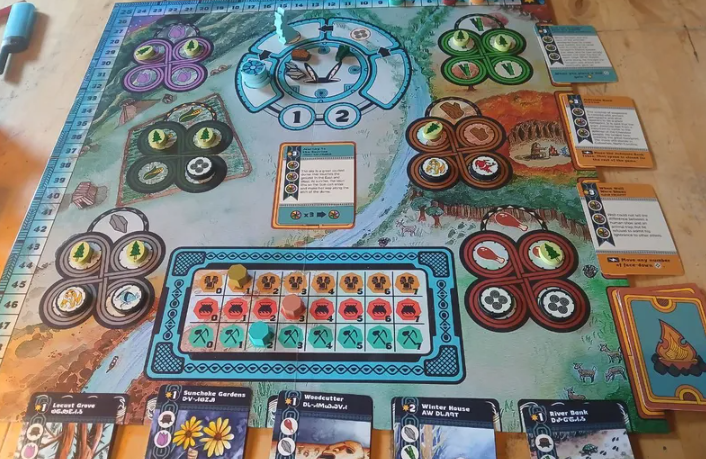
If you want a Native American board game steeped in folklore, look no further than Winter Rabbit by William Thompson. Set in the world of traditional Cherokee animal stories, Winter Rabbit has players take on the role of the animals. Ever the trickster, the Rabbit decides he doesn’t want to work. Instead, he confuses everyone else so he can take all the resources for himself.
Winter Rabbit features an interesting hidden worker placement mechanism. Villagers are drawn from a bag. The active player knows whose villager they have drawn and can choose where to place it; none of the other players knows this information. When resources are produced, everyone gets one, but those with villagers present gain additional resources. Rabbit villagers do not produce resources. When one of these appears, the resources are diverted to the Rabbit Burrow. I told you the Rabbit doesn’t want to work.
I’ll be honest. I borrowed a lot from the publisher’s description of Winter Rabbit. I wrote this post months before its release, and my copy is on its way. I can’t wait to play Winter Rabbit. It looks amazing.
Nawalli: The Aztec Card Game (Studio Tecuanis)
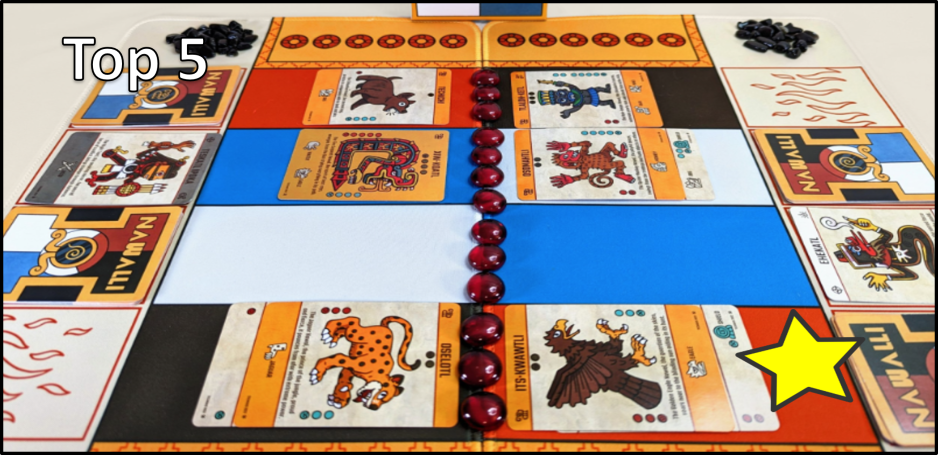
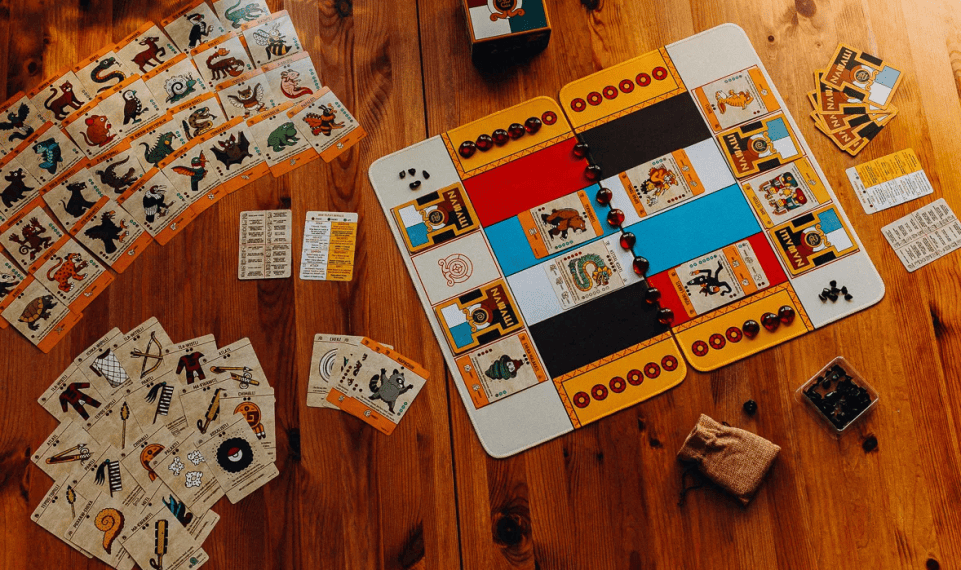
NAWALLI by Gonzalo Alvarez and Will Rogers is a creature battle card game based on Aztec mythology. You take on the role of a shapeshifting sorcerer known as a Nawalli to summon Nawals. The game has four partially pre-built decks, ready for customization. Each deck represents Aztec gods from the four directions: Tezkatlipoka, Tlalok, Ehakatl, and Xipe Totek. As you can see, NAWALLI dives into Aztec mythology.
NAWALLI features gorgeous art by Gonzalo Alverez. Many describe the game as a Mesoamerican Pokémon. NAWALLI could only have come from someone with intimate knowledge of Aztec culture and mythology. The images recreate the traditional Aztec style. The look of NAWALLI catches the eye. There are many dueling card games, but NAWALLI’s vibrant art and theme set it apart.
Nunami (Thomassie Mangiok)
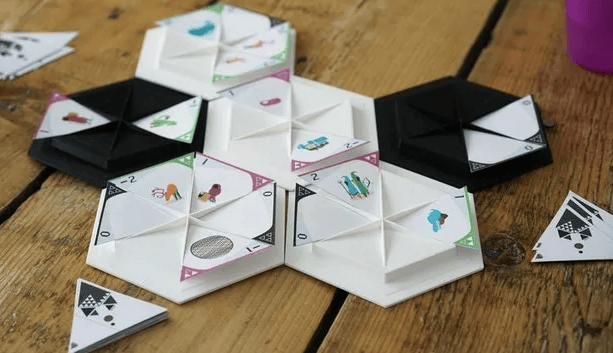
We end this list with the self-published Nunami. While Wolves featured balance between one’s neighbors, the Inuit board game Nunami promotes the healthy cohabitation of humanity and natural elements. Nunami’s triangular cards heighten the game’s dynamic terrain management.
Nunami, like NAWALLI, features traditional Inuit artwork set against a stark white or black background. Nunami may be the most abstract game on this list. Players influence a region (hexagon base) with the cards they play. Some cards will cause another to flip facedown. The first player to reach four points wins. Nunami plays the fastest of any of the games on this list. If you want a quick play, Nunami may be for you. Even though Nunami plays more like an abstract game (think Chess, where there’s no story reason why a Knight moves in an L pattern), players attempt to achieve balance. In this case, a balance between man and nature. That sounds like a Native American theme to me.
These are five board games by Native American designers that I wanted to highlight today. What are some of your favorites? Let us know in the comments. Thank you for reading, and wherever you are, I hope you’re having a great day.
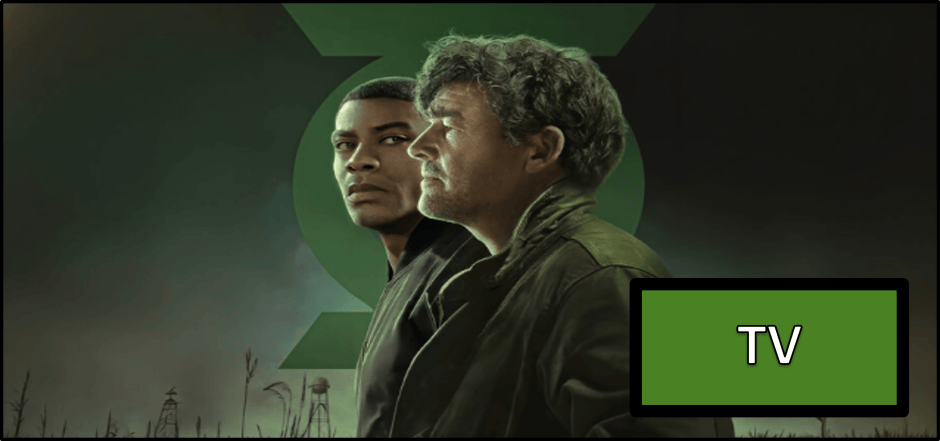
Hey, hey, Geekly Gang! Kyra Kyle here with another another review/reaction of this week’s episode of Lanterns, “Dirt and Stars.” If you want to see our thoughts on last week’s episode, “The Jordan Boys Legacy,” here’s a link to that review. “Dirt and Stars” tidied up most of Lanterns‘ loose ends. Did it tie up those ends in the best way. Maybe, maybe not. But the show’s finale does what Lanterns has been doing this entire season, keeping the narrative focused on its characters.
I loved the moment in the car between John Stewart and Noah (Kerry’s son and the Manhunter’s grandson). Lanterns has explored upbringing and the concept of nature versus nurture this entire season. Kudos to Lanterns for doing that. Did I like the reveal of Noah as the last remaining Manhunter. Yeah. It was good. It tied into the events of Rushville. Having a Manhunter as the “final boss” (so to say) was better than trying to shoehorn Parallax into the final three episodes. Did I like the fake out of Kerry being the one who killed Hal? Not as much. It made sense for her character, but Kerry loses something as a character when she impulsively shoots Hal after Hal talks about moving Noah. Clearly, Hal doesn’t want to harm Noah; he wouldn’t have suggested moving. Kerry may be a mother, but she’s also a sheriff. While I could see Kerry shooting Hal in defense, I don’t know if this scene sold why she’d do so.
Again, the acting was phenomenal. You couldn’t have asked for a better cast. I love all of the main cast here. Lanterns (from a writing a direction standpoint) did a fantastic job of conveying these characters. Most of them are flawed and that makes them compelling. Sure, I took Lanterns to task for adding full episodes of backstory for its characters. This caused the show to mark time and not propel its narrative forward. Most creative writing instructors would advise against taking this action. But the characters are so intriguing that I didn’t mind. I wanted to know more about John and Hal’s upbringing. And I think setting Lanterns on Earth was a good move. Would I like to see interstellar Green Lantern stories in the future? Of course. Setting Lanterns on Earth reduces budget costs. I can see the DCU containing its live-action television series to Earth, while its movies explore the cosmos.
Despite grounding the characters (on Earth), Lanterns does a good enough job of adapting the Green Lantern from the comics. I don’t read too many other reviewers’ posts until after I finished reviewing a movie or show myself, but I can imagine a lot of reviewers and specifically reviewers who are comic book readers, complaining that Lanterns should’ve been set in the cosmos. If you plan to make a Green Lantern television series, that series needs to be set in space. I agree with that to some extent, but Green Lantern has had terrestrial stories as well. I remind you of the groundbreaking Green Lantern/Green Arrow comic book series of the 1970s by Dennis O’Neal and Neal Adams. Lanterns made more than one reference to this series, most notably the scene between the Guardian and John’s mother. So good.
Arguing about how Lanterns does or does not adapt the comics plays out like a windshield wiper. It doesn’t work because of this, but it does work because of that. And so on. I return to the characters. Kyle Chandler does a phenomenal job as a broken Hal Jordan. While Aaron Pierre’s John Stewart borrows a few elements from another Green Lantern (Kyle Raynor’s artist abilities), Lanterns does a great job of weaving those elements into John’s character. I’m always down for more Nathan Fillion as Guy Gardner, and I can’t wait to see if Gardner gets his red power ring. From the main cast to recurring characters and supporting characters, most, if not all, the actors do a great job. I enjoyed this show. Is it a perfect representation of Green Lantern from the comics. Not exactly. But I draw your attention to DC Comics’ Elseworlds. It’s the multiverse without the interconnection. The characters are close enough to their comic book counterparts.
John Stewart was a military veteran and had an odd upbringing. Guy Gardner always had a chip on his shoulder and suffered from an inferiority complex. While he spent most of his life as a hero, Hal Jordan did become a villain. It’s the online chatter about Jordan that makes me laugh.
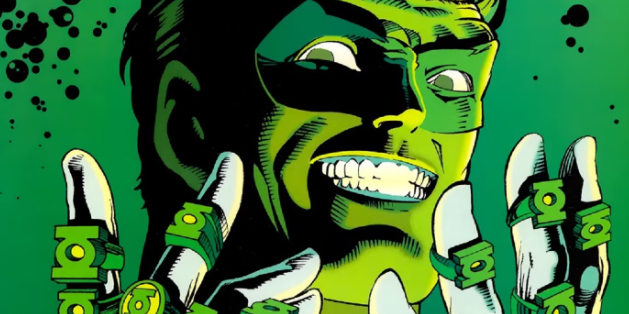
In the comics, Hal Jordan killed all but one Guardian (in Lanterns, Jordan’s mentor Sinestro killed a single Guardian), and then Hal began killing every Green Lantern and claiming their rings for himself. That’s where we get the iconic image above. Fans became so outraged, claiming Hal would never do those heinous acts. This isn’t my Hal. Hal’s a hero. He isn’t broken. The complaints became so loud that DC Comics backtracked the story. Instead of Hal becoming Parallax, they made Hal possessed by Parallax. It wasn’t Hal’s fault. It was someone else’s. LOL Lanterns had shades of Hal as Parallax, and Green Lantern fans are doing the same thing online in 2026 as they did in the 1990s. My time machine works. It’s the 1990s again.
See what I mean? We can go on for hours like a windshield wiper with Lanterns being a “good adaptation” of Green Lantern. Most points have counterpoints. I will add that Lanterns did set up the concepts of the emotional spectrum (what each color of power ring represents) in subtle ways. I can’t wait to see how Lanterns explores the emotional spectrum in the future (if it gets renewed for a second season, that is). I mentioned Guy gaining a red power ring. Red power rings are fueled by rage. He’s a list of DC Comics’ Emotional Electromagnetic Spectrum:
The lantern John uses to power up his ring has yellow streaks: fear. Sinestro mentions that fear can be the most powerful force in the universe. Of course he’d say that, he’s the most famous wearer of a yellow power ring. While in bed, Hal says to Kerry that he “wills” her to stay. This is a great nod to what powers the green power ring; it’s another great moment of Hal trying to reclaim his hero status after his fall. And I mentioned in previous reviews that Parallax (DC Comics’ living embodiment of fear) was hinted at more than once in Lanterns. The show eases viewers into this concept. An emotional spectrum is odd, but I can’t wait to see what the DCU has in store for the emotional spectrum’s future.
Yes. Guy gains a red power ring, but he may be the one character who has worn the most unique color of power rings. I’d like to see the DCU explore Guy’s character arc with these various rings. I’d also love to see the DCU adapt Supergirl gaining a red power ring. This dovetails into 2026’s Supergirl. So many people derided Supergirl because the main character was too angry. During a comic book event when most DC characters gained a power ring, Supergirl gets a red power ring. Buried under the weight of expectations (superhero, member of the House of El, part of the Superman family, and various gender roles as a woman), Supergirl embraced the red power ring by saying “F#@% this S#!t.” It was a joy to see an unleashed Supergirl.
I enjoyed Lanterns season one. The show had flaws. I mentioned several weeks ago that I couldn’t see how Lanterns could regain its momentum after the events of Rushville (episode five), and the show struggled to do just that. The momentum slowed to a crawl. I’d say the first five episode of this season were fantastic. I’d gladly rewatch them. The last three episodes leave a little to be desired, but overall, Lanterns season one held my interest.
Those are my thoughts on Lanterns “Dirt and Stars” and the show as a whole. Thank you for reading, and wherever you are, I hope you’re having a great day.
Happy Sunday, Geekly Gang! Kyra Kyle here with another week of Geek News. We have another impressive crop of new releases for board games and video games, but before we get to those, we actually have a headline for the first time in several months. Usually, most geek news headlines tend to be on the negative side. Geekly had a month and a half of bad news for Sony and PlayStation. Yikes! It can get tiring, so we took a break from headlines. I’ve been following the continuing saga for Hasbro, Wizards of the Coast, and the creatives behind Dungeons & Dragons and Magic: The Gathering. Our headline this week centers on those creatives forming a union.
The other issue we’ve had with geek news headlines is that readers have few (if any) courses of action, but this one’s different. You can sign the petition in support of Dungeons & Dragons and Magic: The Gathering unionizing. If you want to get involved, here’s a link to the petition. In short, D&D, D&D Beyond, Magic: The Gathering, and Studio X workers have petitioned to unionize.
Dungeons & Dragons and Magic: The Gathering Designers Apply for a Union
Hasbro has had about as good of a year as Sony and PlayStation. Woof! We’ve seen new scandals from Hasbro week after week. The following is an abbreviated list of what Hasbro has done in about 18 months:
Resend the Open Gaming License (OGL), making third party D&D 5.5 content illegal to sell Begin prosecuting gamers who use third party D&D content Sunset D&D Sigil, firing thousands of employees in the process Fire another tens of thousands of workers during the summer A third set of layoffs just before Christmas last year Yet another round of firings set for this Christmas (Merry Christmas, everyone; now pack your s#!t) Insist on using AI…for everything Dub D&D books as “collectibles” which is code for making them more expensive While making a subscription model the norm, which is code for charging even more money for not owning anything Hasbro let go of Wizard of the Coast’s CEO and has yet to replace him
That last one makes me think of Hasbro as The Reapers in Mass Effect: “Assuming Complete Control.” Seriously, Hasbro may be tabletop gaming’s closest thing to a supervillain. I’ve looked at some of the terms and conditions for working at Hasbro for D&D and Magic, and it’s bleak:
Mandatory (and usually unpaid) overtime, which leads to employees sleeping at their desks Hasbro owns anything and everything you work on, which means any other creative product you produce as their employee becomes their property
No thanks, Hasbro. You already know I have other games and novels in the works. I don’t need you to own all of my projects. You can’t have my soul.
Your mileage with unions may vary, but Hasbro is the chief force behind most–if not all–of the negative cloud hanging over Dungeons & Dragons and Magic: The Gathering. The designers of these games have made mistakes in the past, and they will make mistakes in the future, but they deserve to make the games they want to create. Without AI. Without fear of being fired for apparently no reason. Hasbro hemorrhages money. Toys don’t make as much money as they use to make. But D&D and Magic: The Gathering are massive money makers. They’re the ones keeping Hasbro afloat, and the games’ designers are still in danger of being laid off. These designers forming a union may combat some of these bad practices.
Designers of both these games detest AI. That’s a start. Hasbro may get its wish of over-monetizing D&D and Magic: The Gathering (like rising prices for D&D books and a subscription service and the Universes Beyond series), but the designers of these games want to push back again these developments. Forming a union can help. Without a union, Hasbro will 100% implement all of the changes D&D players don’t want to see. With a union, that percentage drops. Even if it’s a reduction of 10%, that’s something. Even if its ridding Magic and D&D of AI slop, that’s something, too. Heck, I’d settle for better working conditions or in some Hasbro employees’ cases, human rights.
You can help the direction of D&D and Magic: The Gathering. Please, consider signing D&D and Magic: The Gathering designers’ petition to apply as a union. Here’s that link again.
I wanted to end on a call to action, which isn’t always something available for these headline news pieces, and on a positive note. Now, let’s talk about the fun stuff. Here are these week’s roundup of new board games and video games.
Heirloom Launches on KickStarter
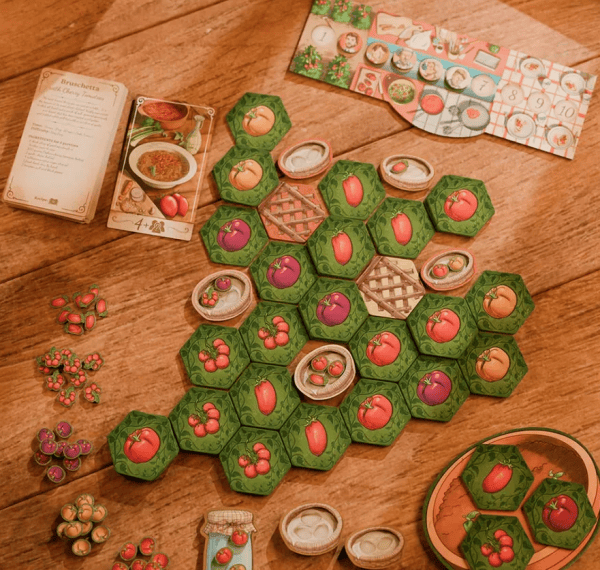
Heirloom is a hex-tile laying strategy game where players cultivate beautiful heirloom tomato gardens by carefully expanding and optimizing a community garden of tomatoes, and harvesting them with their baskets.
Over the course of the game, players draft and place hexagonal farming tiles to grow contiguous fields and create high-value tomato varieties. The twist is that you can overlap (“overgrow”) tiles, which segments the boards in unique ways.
It’s also an “order fulfilment” game where we are trying to bring fresh tomatoes to the get-together to make a specific dish. Getting your tomatoes there first will earn you more VP.
Featuring vibrant botanical artwork and a clean, approachable ruleset, Heirloom offers a relaxing yet thinky tile-laying experience focused on growth, planning, and the quiet satisfaction of a perfectly cultivated garden.
Thank you, Aerobellum Games, for the description. I like Heirloom’s tile stacking element; this reminds me of Flamecraft Duel but takes the mechanism in a different direction. Allowing players to collect tomatoes and cook recipes with them is another great twist. Heirloom uses a lot of element from recent games and give them a nice spin. The artwork reminds me of Fromage and Formaggio, which is interesting because we will be seeing more from the publisher of those games this week. Heirloom looks amazing. I have seldom met a board game with cooking mechanisms that I didn’t like, so I’m interested in Heirloom. Pledges range from $39 to $299. If you’re interested in Heirloom, check out its KickStarter page.
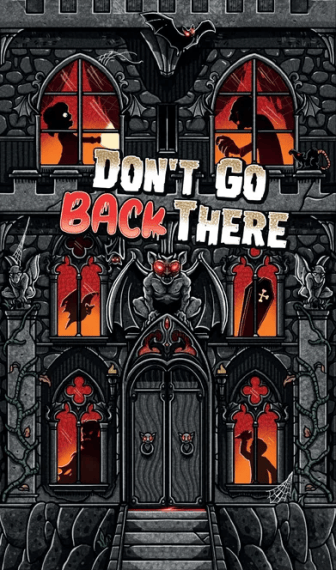
Don’t Go Back There Launches on KickStarter
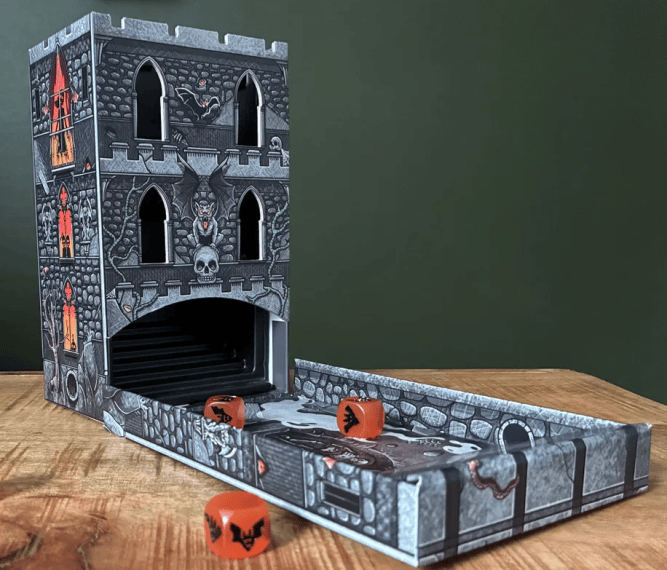
Don’t Go Back There is a standalone expansion for Don’t Go In There. It can be played on its own or combined with the base game. Though you were warned to never return, curiosity got the best of you and now you’ve accidentally awoken the Vampires!
Decide how risky to play as you venture deep into Dracula’s castle. Do you take first choice of the items and risk attracting Vampires, or play it safe? Collect the right items and to dispel Curses and ward off the Vampires.
On your turn, choose a part of the haunted house to explore by placing a token in one of the 3 rooms. Each room has a line of 4 spaces. The deeper you go into a room, the more likely you are to get the Cursed item you desire, but be careful! The further you go, the more Vampires will stalk you.
When 3 tokens have been placed into a room, the Vampire dice are rolled and players gain Vampire tokens, but may negate Vampires if they stay toward the back of the line. Next, players will take cards from the room in order of how far each player ventured into the room.
At the end of the game. The player with the most Vampire tokens is possessed and gains extra Curses. The player with the fewest Curses wins!
Don’t Go Back There features all new Cursed items, all new Rooms, and new Vampire dice and tokens. Mix these together with the base game to see if you can escape both the Vampires AND the Ghosts!
Thank you, Road To Infamy Games (R2i Games), for the description. Between all JK Geekly’s writers, we own at least 75% of R2i’s games. I didn’t know that until I started researching Don’t Go Back There. Ironically, none of use own Don’t Go In There, the previous game in this series. We may need to change that. I love a good, quick game with strong push your luck components. Don’t Go Back There looks to fill the niche. This is a departure for a lot of R2i games, at least with the push your luck component. Fromage, Formaggio, and Canvas all run short but there’s little–if any–push your luck. I’d like to see what R2i does with this mechanism, because I do like push your luck games. Don’t Go Back There offers pledges between $24 and $68. Not a bad mix of options. If you’re interested in Don’t Go Back There, check out its KickStarter page.
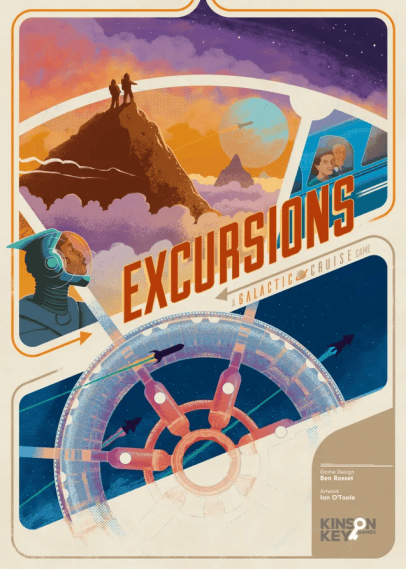
Excursions Launches on KickStarter
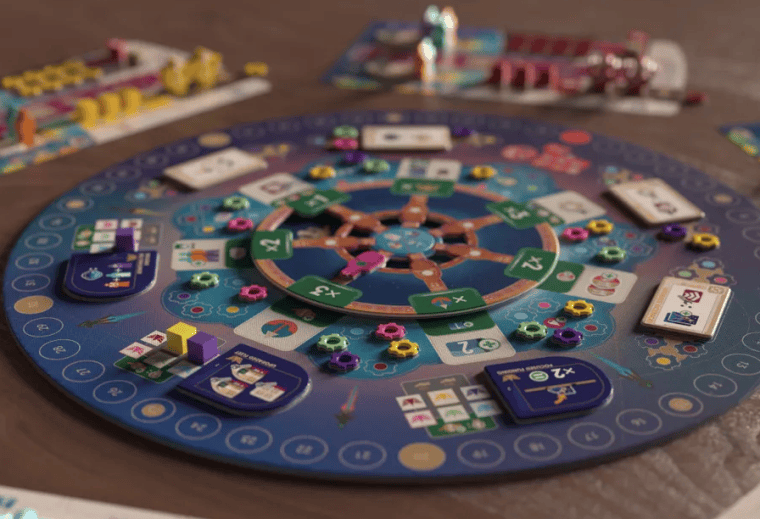
Hi there, and welcome to an exciting new chapter of Galactic Cruise. While the scientists, engineers, and architects are hard at work on Earth, you and your fellow cruise directors will be stationed here on the new, state-of-the-art Galactic Cruise space station. This will be your base of operations, where you’ll be carefully crafting specialized trips, upgrading your fleet, and making sure that our esteemed guests have the time of their lives! I have it on good authority that the cruise director who impresses the board of directors the most will receive the coveted Cruise Director of the Year bonus!
When you are the active player, you choose one of the seven actions around the outside of the space station. These actions include building developments, advertising to guests, adding new excursions to your itineraries, upgrading your ships and player board, and sending guests on the vacations of their dreams! All players will take this action simultaneously, but as the active player you will also gain a bonus, the potency of which fluctuates as the space station rotates.
Once a player reaches the requisite number of victory points, the game comes to an end and final scoring commences. The player with the most points is crowned cruise director extraordinaire and will receive the Cruise Director of the Year bonus (and the victory!).
Thank you, Kinson Key Games, for the description. I saw Excursions and knew it had to make this list. Then, I saw Excursions was part of the Galactic Cruise line of games. I have never played Galactic Cruise. The theme appeals to me: holding cargo of sightseers, you’re sailing a starship through space. Awesome! My only reservation with Galactic Cruise is its complexity. I find more complex games difficult to get to the table. You must be in the right headspace to play an involved game. Fortunately, Excursions dials down Galactic Cruise’s complexity. With pledges ranging from $39 to $349, I have plenty of options to give Excursions a try. Excursions packs a lot of game into a small box. If you’re interested in Excursions, check out its KickStarter page.
Sky Bloom: The Rooftop Gardening Game Launches on KickStarter
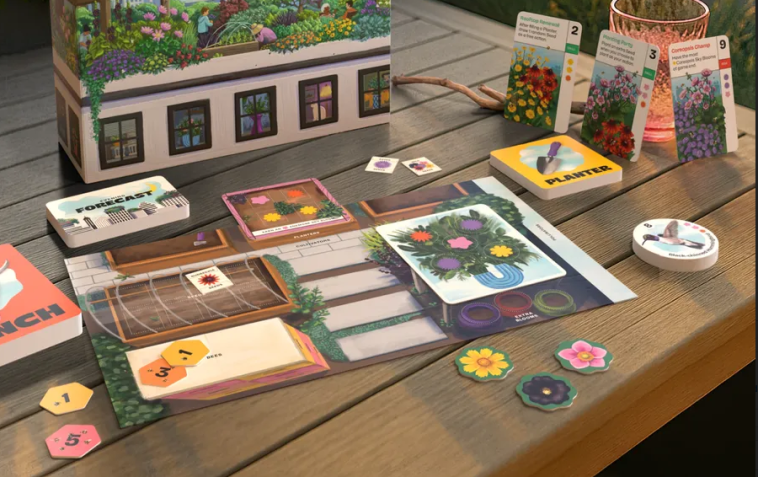
Sky Bloom is a strategic game of resource management, set collection, and thoughtful planning. Over the course of a summer season, players gather Seeds, fill Planters with blooming flowers, attract Pollinators for valuable end-game points, and draft Cultivator Cards that enhance their growing strategy.
The flowers, pollinators, and seasonal rhythms in Sky Bloom are inspired by real plants and ecosystems, grounding the game’s garden-building in the natural relationships that allow gardens to thrive.
With personal objectives, shifting weather Forecasts, and limited rooftop space, every decision matters as players compete to grow the most flourishing garden before the season slips away and the first frost claims the final bloom.
Designed to be easy to learn yet rewarding to master, Sky Bloom offers multiple paths to victory and simple turns with surprising strategic depth.
Thank you, Merchants of Play, for the description. I told you gardening board games are popular, and I love the concept of Sky Bloom: gardening on rooftops. Of course the game looks amazing. The bits look high quality. I like the idea changing weather patterns. Gardening on rooftops should come at a cost. And it looks as if Sky Bloom has gained some traction in the community. That’s great to see. Merchants of Play is a newer publisher, but they have some cool upcoming games they have scheduled. Sky Bloom pledges range from $29 to $78. If you’re interested in Sky Bloom, check out its KickStarter page.
Silver Pines Releases
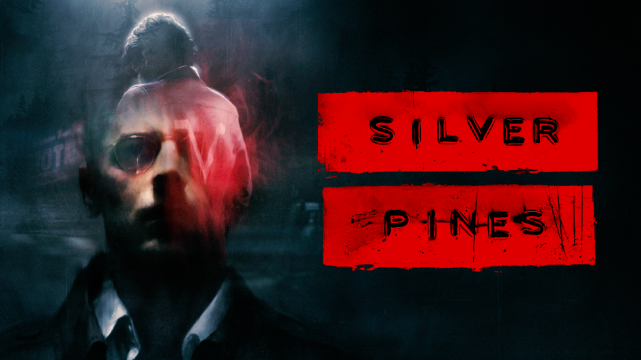
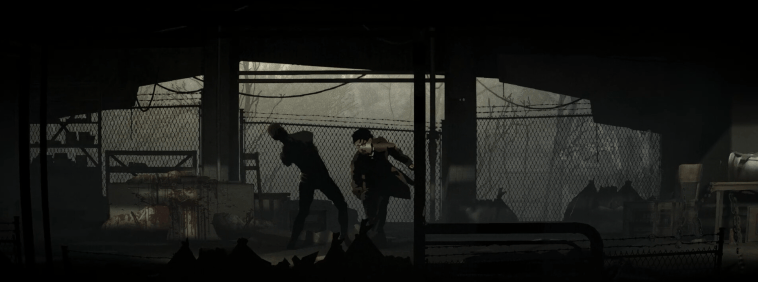
Silver Pines is a survival horror metroidvania set in small town America. Fight nightmarish terrors and solve puzzles, while carefully managing your scarce resources as you uncover the mysteries that could hold the key to redemption.
Thank you, Team 17, for the description. Silver Pines releases at the perfect time: spooky season. I haven’t seen too many metroidvanias mixed with exploration and survival horror games. Silver Pines has an interesting combination of genres and story beats, and the graphics looks great. Just look at that noir aesthetic above. Team 17 is a well-respected game publisher (The Escapists, Overcooked, and War Dogs series), and Silver Pines has received good reviews. This looks like another game Skye may need to explore. Silver Pines is available on PC, Nintendo Switch, PlayStation 5, and Xbox Series S/X.
Order of the Sinking Star Releases
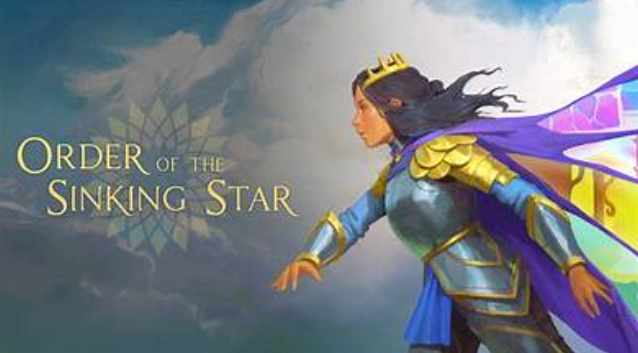
From director Jonathan Blow (Braid, The Witness), Order of the Sinking Star is a massive puzzle adventure set in a realm of magic and enigma. Solve over 1000 interconnected, hand-crafted puzzles, discover unique playable heroes, master evolving gameplay mechanics, and decipher a grand mystery.
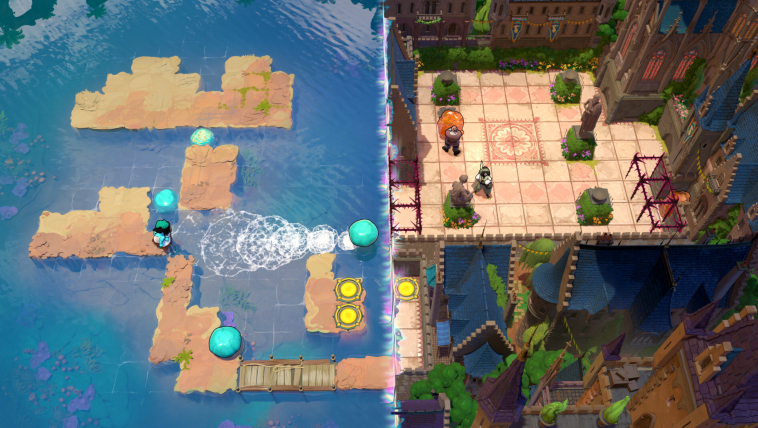
Thank you, Thekla Inc, for the description. Order of the Sinking Star sounds like it’s right up my alley. I loved Braid. The fact that Order of the Sinking Star is by the same director has me hooked. That and the fact that Order of the Sinking Star offers numerous puzzles. What? I love puzzle games. Mrs. Geekly loves puzzle games. Couple that with the excellent graphics, and Order of the Sinking Star becomes a must-play. This game looks amazing. I see myself losing countless hours in this game, and it’s received stellar reviews. I would expect nothing less from Jonathan Blow. Order of the Sinking Star is available on PC and Nintendo Switch 2.
Paperhead Releases
In the cute cardboard world, something went horribly wrong… Use the magical pencil, a good old shotgun, and various other weapons as well as the strength of your mighty boots, to uncover the dark truth and find out WHY WOULD CARDBOARD… BLEED?
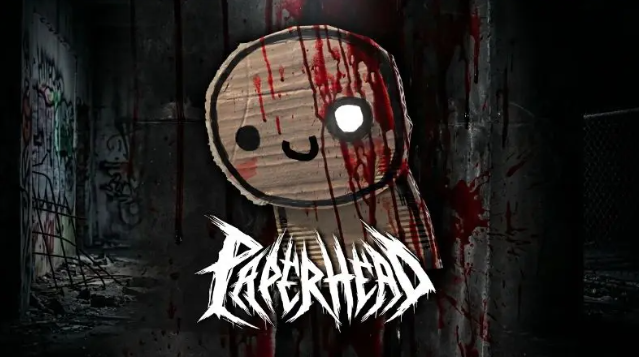
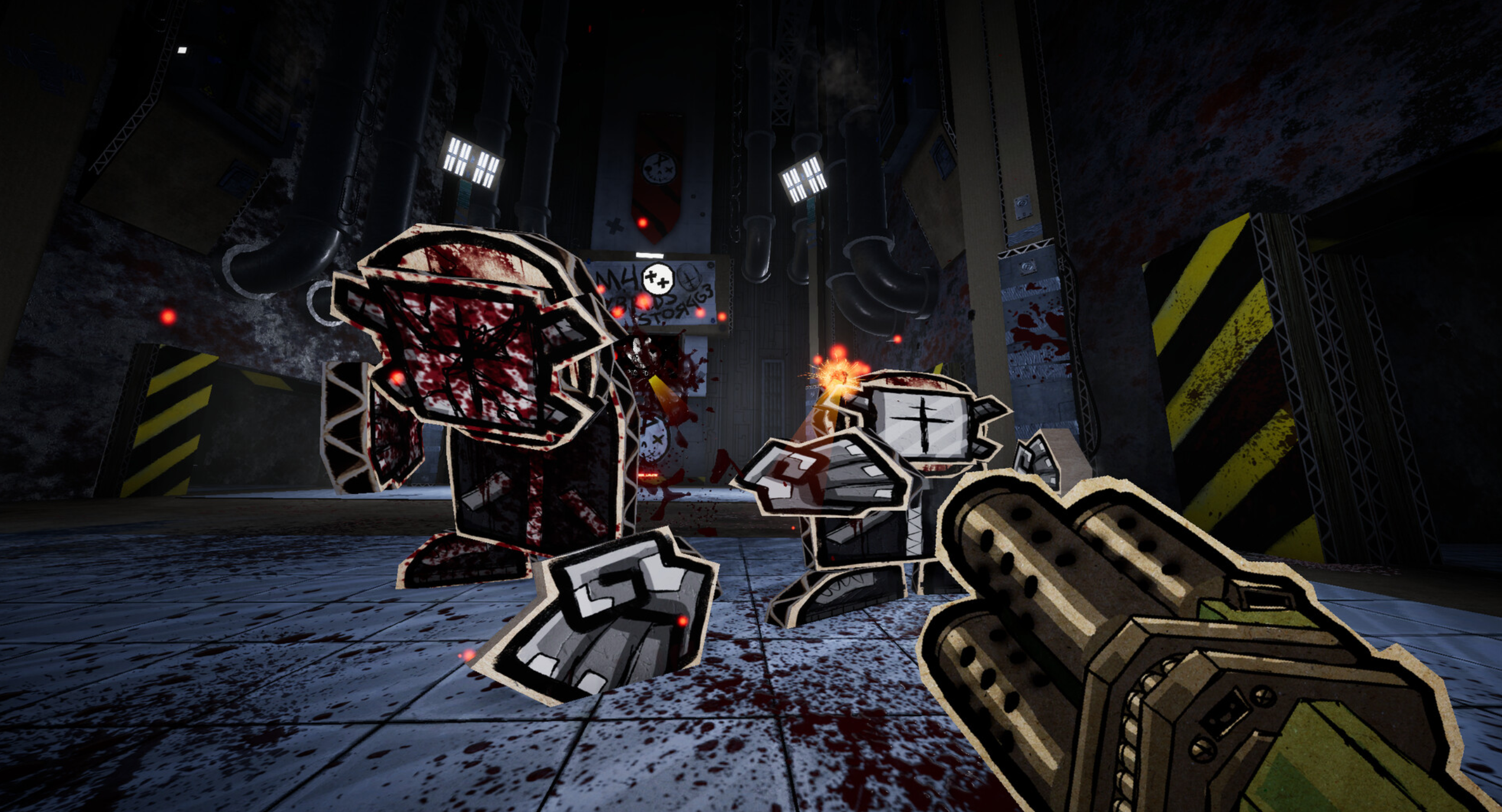
Thank you, HypeTrain Digital, for the description. We end this week’s new releases with another spooky game…of sorts. Paperhead looks equal parts adorable and unsettling. Is it supposed to be a cardboard cutout version of Doom? Wow! I love the concept of a magical pencil. Yes, please. Forget the various other weapons I could wield. The pencil is mightier than the gatling gun. LOL Paperhead features an interesting art style. It’s received good reviews, so it must be doing something right. Like many other games on this list, Paperhead was an instant wishlist game. Paperhead is available on PC and Xbox Series S/X.
That’s all the geek news we have for you this week. Thank you for reading, and wherever you are, I hope you’re having a great day.
Hey, hey, Geekly Gang! Kyra Kyle here. We’re in the middle of Spooky Season and decided to celebrate by sharing our favorite villains in horror video games. A good villain can turn a good horror video game into a great one, so we should see some heavy hitters on this list. We’ll do something a little different here and limit the number of villain entries per series to one. A list with nothing but Resident Evil and Silent Hill could get repetitive. With that out of the way, let’s reveal Geekly’s Top 5 Horror Video Game Villains.
5: Alma (Fear)
Yes. The spooky girl trope is overplayed in horror. And yes. Alma from Fear looks a lot like Samara from The Ring. I’ll try not to spoil anything, because you should play Fear and its sequel. Trust me when I say Alma rises above the creepy child horror trope. She has a compelling backstory, and even though what she does in the first Fear can send shivers down your spine, Alma outdoes herself in the sequel. Fear 2 is unhinged. The sequel reaches maximum Alma, and it’s all the better for it.
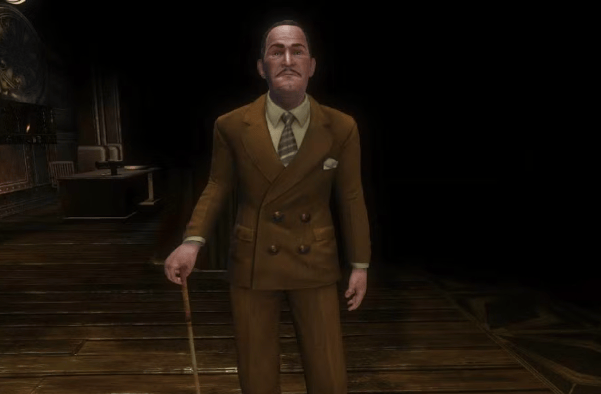
4: Andrew Ryan (Bioshock)
Would you kindly add Andrew Ryan to the top five horror video game villains? Yes, Andrew, we would. Seriously, all I had to say was “would you kindly?” and some of you shivered. That’s the mark of a great horror video game villain and one hell of a line. The buildup makes Andrew Ryan work so well. Again, I’ll try not to spoil anything here, but it’s tough to do in these lists. Gamers grow accustomed to the line “would you kindly” that when the volta (the turn) happens, it’ll make your jaw drop the first time you hear it. It’s so good. Andrew Ryan could’ve easily moved up this list if it weren’t for a heap of blueblood horror video game villains.
Including Andrew Ryan disqualifies Shodan from System Shock, Bioshock’s spiritual prequel. We felt we needed to mention Shodan here, lest she lead the AI revolution and wipe out humanity. If AI decides to be our benevolent overlords, we love you, Shodan. Yas queen.
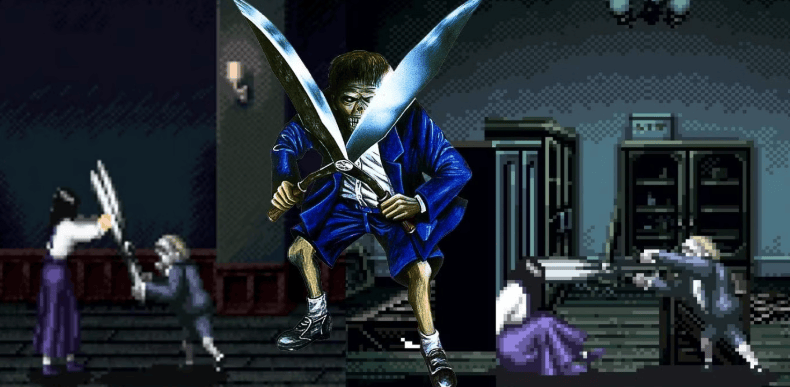
3: Scissorman (Clock Tower)
I struggled with where to place Scissorman on this list, so we’re going with the rule of three. If in doubt, place the character at the three spot. JK
Scissorman is one of the most bizarre horror video game villains. When the creators of Clock Tower decided which weapon to give their main antagonist, they went with a pair of giant scissors, because death by scissors would be a slow, painful demise. Yep. Clock Tower wanted maximum levels of torture and chose to give their villain a giant pair of scissors. That’s one way to go. I can’t imagine getting decapitated by a comically large pair of scissors. Clock Tower dominated the early days of the PlayStation 1, and Scissorman was one of the biggest reasons.
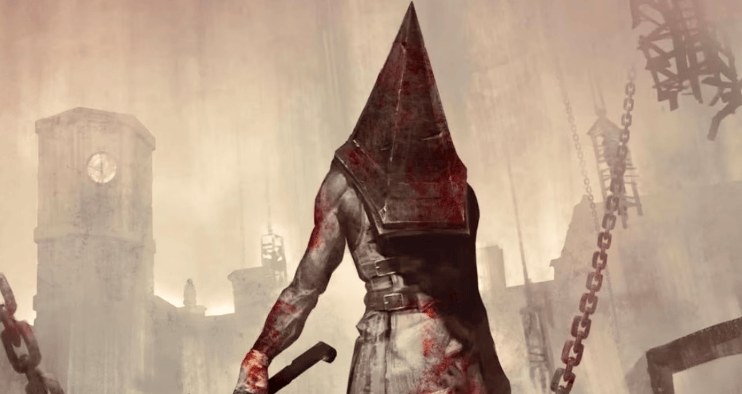
2: Pyramid Head (Silent Hill 2)
Face it. You read the title of this Top 5 and figured Silent Hill and Resident Evil would dominate this list. If it weren’t for our “one character per franchise rule,” those two games would saturate this list. So, we went with the big guns. Pyramid Head is iconic. He’s the first monster you think of when discussing the Silent Hill franchise. Well, it’s him or those headless nurses. Yikes!
First off, Pyramid Head doesn’t have a pyramid on top of his head. His head is a pyramid. Second, Pyramid Head doesn’t follow the typical role of a stalking villain. Sure, he stalks you, but Pyramid Head suddenly makes an appearance, and what he does to other horrific creatures makes you dread facing him. Pyramid Head pours gasoline on the Andrew Ryan idea of building up the game’s main villain. This guy is one of the most recognizable horror video game villains in history. I wouldn’t be surprised to see someone dressed as Pyramid Head at my local Comic-Con.
1: Albert Wesker (Resident Evil)
Albert Wesker defies conventional horror video game villain logic. He’s not a one-off villain. He lurks in the shadows, plotting the player’s demise. Originally killed off in the first Resident Evil, Wesker injects himself with the T-Virus, turning him into a superhuman who will stop at nothing to take out the heroes. Evil to his core, Albert Wesker refuses to go down without a fight. Players’ familiarity with the character breeds animosity. And the feeling is more than mutual.
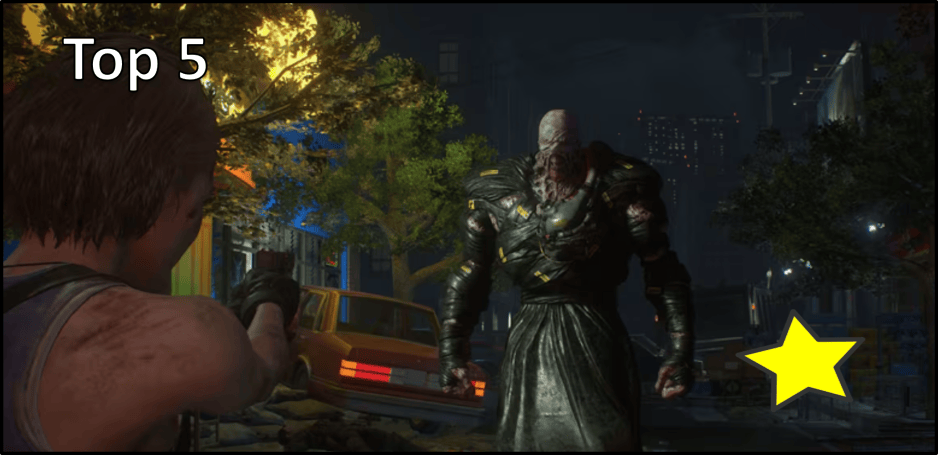
Like Pyramid Head and most of the characters on this list, Albert Wesker is the first villain one thinks of when discussing Resident Evil. But Resident Evil isn’t just another horror video game. It began the survival horror video game genre. Albert Wesker is the granddaddy of all survival horror video game villains. Wesker even trumps this post’s featured image villain, Nemesis from Resident Evil 2. Ah! Nemesis was such a menace. Love him.
That’s our list of the Top 5 Horror Video Game Villains. Who would you add to this list? Let us know in the comments. Thank you for reading, and wherever you are, I hope you’re having a great day.
Hey, hey, Geekly Gang! Kyra Kyle here with another board game design brain dump. We’re in the heart of the “Ber” season (months ending in BER), so I’ve been focused primarily on writing, but I’ve got a few ideas for board game design, specifically the different modes a game designer can enter whenever they playtest, develop, and design.
Several months ago, I shared Spill the Beans with one of many board game design groups. As they played the game, the members kept thinking of ways to make the game more complex, add more design space. While this was well-meaning, it wasn’t what I wanted or even needed for Spill the Beans. I had progressed the design to a point where I didn’t want to add anything or explore different directions for the design; I was looking for things to refine or take away. Don’t get me wrong. I intend to use some of the ideas mentioned during that Spill the Beans playtest session in a future design, one that could use more fleshing out. This experience led me to think about the various types of playtesting and the roles designers and playtesters assume during these playtest sessions.
Explorer Mode
During an Explorer Mode playtest, the game designer and playtesters are looking for new mechanisms, thematic ideas, and component choices for the game playtested. Many playtest sessions fall under the Explorer Mode. Most, if not every, new game begins in Explorer Mode, and even if a game were to progress to a future mode, they have a chance of returning to Explorer Mode, especially if a game mechanism or two doesn’t quite work. You may have to find alternatives.
Playtesters during the session I mentioned in the opening of Spill the Beans confused the type of session I wanted to have with an Explorer Mode playtest. We’ll get to the playtest mode I thought we were going to have soon enough, but not knowing what playtest type you’re running hurts the designer and the playtesters. I received a ton of great ideas during this session. In an Explorer Mode playtest, that’s amazing. These playtest sessions are asking, What is possible?
You won’t be able to execute every idea in an Explorer Mode playtest, but try out as many of the ideas that sound like they should work together. After all, you’re exploring. You don’t yet know what you want your game to be.
Judge Mode
A Judge Mode playtest has the designer making decisions about which of the options are best by comparing and contrasting mechanism combinations. During this playtest phase, you may even have multiple prototypes, featuring these combos. While you’re in Judge Mode, you’ll be asking, Which approach is better?
A good example of a Judge Mode playtest in action was when I switched Rustbucket Riots from a dice rolling, dice placement game to a bag building, token placement game. For several months, I kept the old version of Rustbucket Riots to see which variant I thought worked best. Which game on-boarded players quicker? Which game was easier to teach? Which one minimized luck? Did I even want to minimize luck? And so on.
But you don’t need to have multiple prototypes of the same game. You can also chose a published game–preferably one the playtesters have played–that is similar enough to your game, or a game that provides a similar experience. After playing your game, you can ask the playtesters if your game scratches a similar itch.
Builder Mode
In Builder Mode, you’ll incorporate all the best ideas from earlier tests (and prototypes) and stress test them. The builder is trying to make the game path you’ve chosen the strongest it can be. Unlike the previous two modes, you’re not interested in alternatives to your design. This is where I was with Spill the Beans. My playtesters during that session didn’t know that I was in Builder Mode because I didn’t know I was in that mode. I had to examine how I playtested game designs. The Builder Mode asks, What happens if I commit to one direction?
How can I maximize the fun? Is there an exploitable strategy that can win almost every game? And so on. During this mode, you might still take notes of possible avenues, which could send you back a mode or two, but for the most part, you’ve made your game design choices.
Inspector Mode
During Inspector Mode you’ll refine your work, removing rough edges, and balancing the game. This is where the game goes from being “good” to “excellent.” Hopefully.
Once you reach the Inspector Mode, you should know exactly what you want your game to be. You’re trying to make your game the best it can be.
So, those are my thoughts on the various types of playtests and how to use them. Now that I’ve gotten a good handle on what I’m doing, I may be able to better let my playtesters know what I’m looking for with feedback. The question, “What did you think,” doesn’t help with feedback. And I was guilty of asking that question after that playtest of Spill the Beans. Hopefully, this list will help other game designers ask the right questions and get better feedback.
Thank you for reading, and wherever you are, I hope you’re having a great day.
Happy Wednesday, Geekly Gang! Kyra Kyle here. Today, our writers share what they’ve been playing over the past month. Feel free to share what you’ve been playing, because we’re all part of the Geekly Gang. I’ll get things started with what I’ve been playing over the past month.
Kyra’s Video Games
I’ve been playing a lot of games for next year’s indie video game reviews, so many of the games I mention this month will most likely get a review in the not-so-distant future. Feed the Scorchpot officially released a couple of months ago. I played the heck out of the free demo (which is still available on Steam if you want to try out the game). Feed the Scorchpot’s full release suffers from a common problem of roguelike games: too much variability.
Variability may be the most overrated thing in gaming (for board games and video games). Note: variability and replay value are not the same thing. Feed the Scorchpot can offer so many possibilities with each run, that you can end up with an unplayable combination of recipes, board set up, possible buildings, and dice offerings. I prefer the demo to the full release, but the full release is growing on me. The one element that brings me back for more is the dragons themselves. Each dragon has its own set of rules and behavior (the way they punish the player). I know. I know. That’s another level of variability. But the dragons may be the best form of variability that Feed the Scorchpot offers.
I’m not saying games should have “no variability.” Far from it. But pick and choose the best forms of variability. If the game reduced the number of specialty dice, buildings, board layouts, recipes, and perhaps one less ingredient type, while keeping the number of unique dragons, Feed the Scorchpot would easily be a top three candidate for indie game of the year. It still may be a strong candidate for indie game of the year. Catan meets Balatro. What’s not to love?
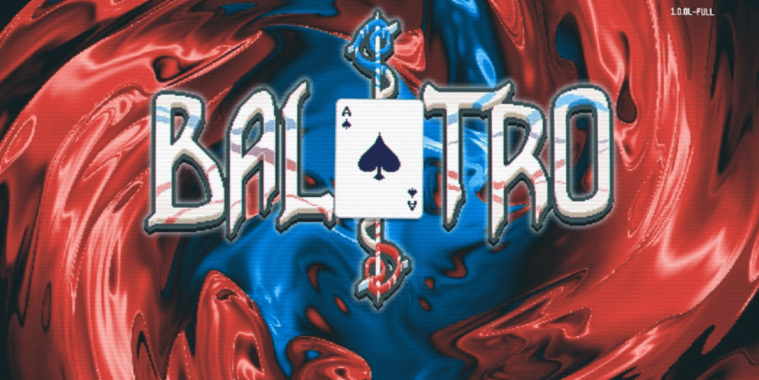
I’ve also played Balatro a lot this past month. Everything I said about Feed the Scorchpot can be said for Balatro. You can end up with a combination that just doesn’t work. Balatro doesn’t have nearly as many variables as Feed the Scorchpot, nor does it include as much luck. Players need to roll dice in Feed the Scorchpot. Who knows if you’ll get the right die face? Balatro allows players to optimize their decks. Several of my Balatro plays had me drawing into the Joker that makes all red cards and black cards the same suit (clubs = spades and hearts = diamonds and vice versa). I bought that Joker and every copy of Jupiter, loading up my Flush score.
While this strategy was effective, it made the game boring. I wonder which Poker hand I intend to play. Flush again. Wow! (Was that sarcastic enough?) And most of the time, Balatro threw a curveball at me toward the end of the run, and I still lost. Argh!
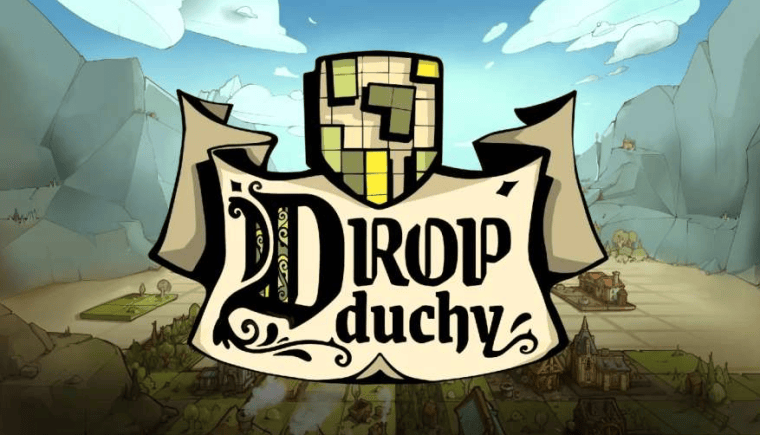
This month is sponsored by roguelikes. Roguelikes: Do you like random number generators? Drop Duchy differs from the previous two games on this list, because I have more control. Or at least, I have the perception of control in Drop Duchy. As the game banner above suggests, Drop Duchy is a take on Tetris. Players are given so many Tetrominoes per round. Depending on the direction you take on your journey (Slay the Spire-style), each region you play has a different distribution of tile types you’ll find. Travel to the forest, and you’ll find more woods. Go to the swamp, and you’ll find marsh. The devious part of Drop Duchy’s design is that you play for yourself and your enemy.
In addition to terrain tiles, you’ll find building (as in structures like castle and barricade) tiles for you and your opponent. Winning the game means placing your tiles in advantageous locations, while minimizing your opponent’s tiles placement. That’s right. If you lose, you gave your opponent what they needed to win. And remember, Drop Duchy is a roguelike. While you can bank one tile to place later (typically, I chose an opponent structure), you may draw into countless enemy buildings before finding one of your own. Yowza!
I love the gameplay of all three of these games, but some runs, it feels like I’m a glutton for torture.
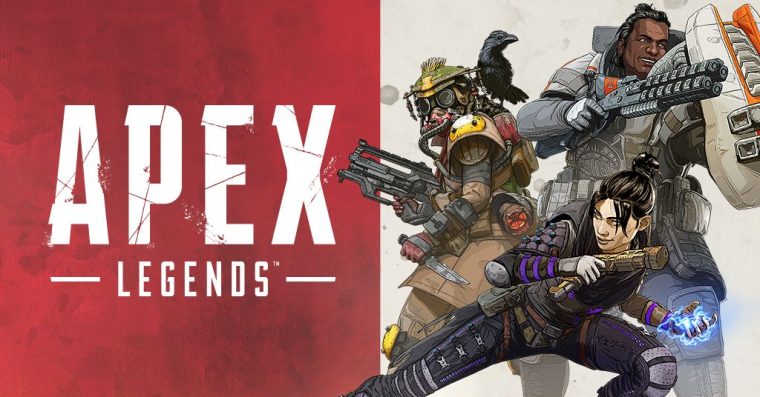
Finally, a game that isn’t a roguelike. I’ve mentioned Apex Legends in the past, so I won’t talk about it too much here. The Geekly Writers have been hopping online in a three stack. It’s a good bonding experience. The gun play holds up years later. Apex Legends was designed from the superb Titanfall video game series (I hope Respawn eventually releases a Titanfall 3). And like the other games on this list, we should have an Apex Legends review sometime early 2027.
Kyra’s Board Games
I haven’t talked about River Valley Glassworks since Scroogecon (in February 2026). Oof! I may need to write a review on this game, too. River Valley Glassworks shows that you don’t need too much variability to have replay value. The components seldom change, but there are plenty of possibilities.
In River Valley Glassworks, players collect river glass by placing glass they have in their pans to the river. Placing a piece of glass by matching the glass shape a river tile requires allows players to take all the glass from an adjacent river tile. The river tile that had its glass removed, shifts to the beginning of the river, and the rest of the river shifts forward. This simulates a river flowing. So clever!
Players place the glass they collected from a river tile on their boards. Each board has seven columns and five rows. Only one color of glass can occupy a column, and since there are eight glass colors, you’ll need to be careful which glass you collect. If you can’t place a glass piece on your board, it counts as negative points. When a player (any player) collects 17 pieces of glass, the game ends, and players score their boards. Filled rows and the two tallest columns score.
River Valley Glassworks plays in a flash. I played a ton of two-player games and most ended in less than twenty minutes. This game also scales extremely well. Even a full compliment of five players takes just over half an hour. The artwork is adorable, the river mechanism is amazing, and the acrylic glass pieces add a lot of toy factor. River Valley Glassworks is easily one of my most played board games of 2026. And it received a sequel: River Valley Jewelcraft. Yay!
I’ve been writing a lot this past month; trying to finish a novel-length manuscript by the end of November. So, I’ve played a lot of games I know by heart. Sixes is another game that often hits the table. Players receive a category, and you’re either trying to match other players’ answers or come up with unique answers. Sixes plays similar to Jinx-O, which I mentioned last month. I like Jinx-O’s ridiculous categories (like name an animal that looks like it’s drunk), but you’re always trying to match other players’ answers. I like how Sixes switches what you’re trying to do each round. Simple, but fun.
Those are the games I’ve been playing this past month. Let’s see what Season and Skye have been playing.
Season’s Board Game
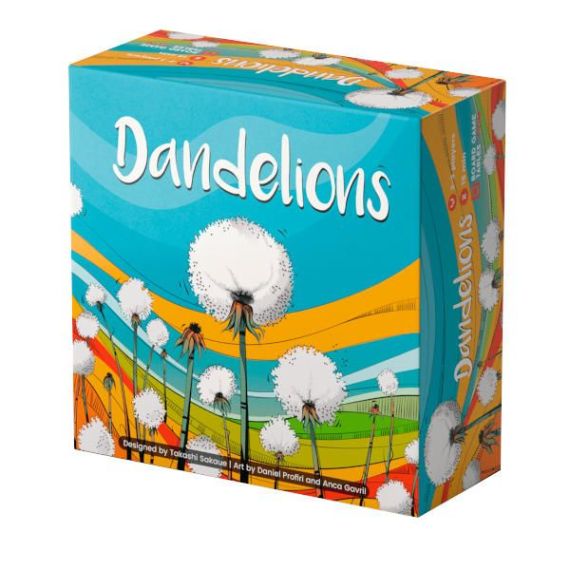
Hey, Geekly Gang! I haven’t been on the game scene much lately. I spend way too much time daydreaming. However, I played Dandelions for the first time during Nuke-Con this past weekend. It’s so cute I want my own copy.
In Dandelions, you play as a floating dandelion trying to spread your seeds. There are five tiles set up in a circle that you drift around based off dice rolls. If you land on an opponent, you float off them and move double your die roll. These spaces ain’t big enough for two dandelions. Even though Dandelions is a competitive game it’s super cozy. I was happy floating from tile to tile. I definitely felt like a dandelion. Dandelions only plays 2-3 players, so I’d recommend it for a rainy day or date night over some dandelion wine. Tee hee!
Skye’s Video Games
Before I start, you’ll probably notice a “certain theme” with my entries. To put it mildly, I’ve fallen down a Resident Evil rabbit hole for the past month that has been legitimately difficult to escape. I suspect I won’t manage to find my way out until after I’ve beaten (and platinum’e’d) every canonical title in the franchise. At least that’s what my doctor tells me. I hope you enjoy this descent into my latest special interest.
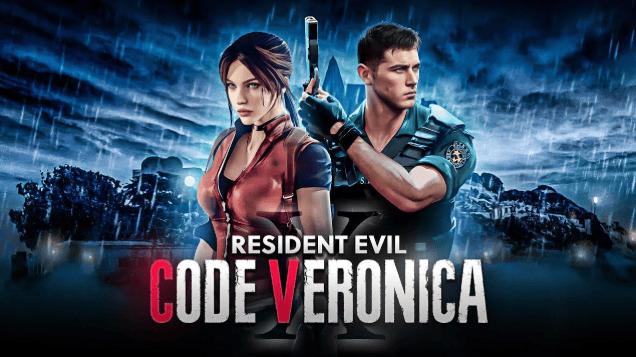
After previously beating both Resident Evil 2 Remake and Resident Evil 3: Nemesis, the next logical step I thought I should take was the game that canonically came next in the timeline: Resident Evil CODE: Veronica. While I enjoyed my time with CODE: Veronica (which isn’t over since I haven’t gotten the Platinum trophy yet), I’ll admit that I underestimated this game. Since I had already beaten two Resident Evil games prior, I thought to myself “I’m starting to get the hang of this; I know what I’m doing.” This would prove to be a big mistake.
I quickly discovered that CODE: Veronica was much more technical and complicated than the games that came before, essentially being Capcom’s idea of a challenge for fans of the franchise. Many of the puzzles I was starting to grow accustomed to were more convoluted, the enemies became stronger, and the resources to defeat them became sporadic. The boss battle formula got turned on its head towards the end, resulting in my repeated agonizing death. Overall, I’m glad I played CODE: Veronica, but it was certainly a humbling experience for me. Side note: Steve can go get burned for all I care.
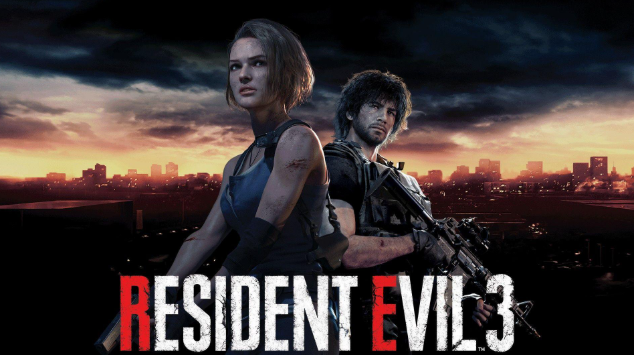
I debated whether I’d even play Resident Evil 3 Remake given what I had heard from RE fans about how insulting it was to the original Resident Evil 3: Nemesis. The most important thing I’ve learned since becoming an RE fan is “Never listen to RE fans,” so I went for it. My verdict: the detractors certainly have a point, but RE 3 Remake is enjoyable as a standalone game.
It stung not seeing things such as the classic black and white decision-making sequences, iconic locations like the Saint Michael’s Clock Tower/Raccoon Park/Dead Factory, and dynamic Nemesis enemy programming. I believe Capcom’s core value in creating this remake was creating a sense of consistency and continuity between this game and the previous: RE 2 Remake. That and if the original RE 3: Nemesis never existed, I’m sure RE 3 Remake would’ve been seen as a weaker yet serviceable follow-up to RE 2 Remake. And when I think about it that way, I can’t be too angry at RE 3 Remake. I can be very angry at it for its bullcrap Stage 3 Nemesis fight on Inferno difficulty followed up by that janky final shot on Nicholai I failed 4 times in a row, but otherwise I can’t be mad at Resident Evil 3 Remake for having a different design philosophy than the original.
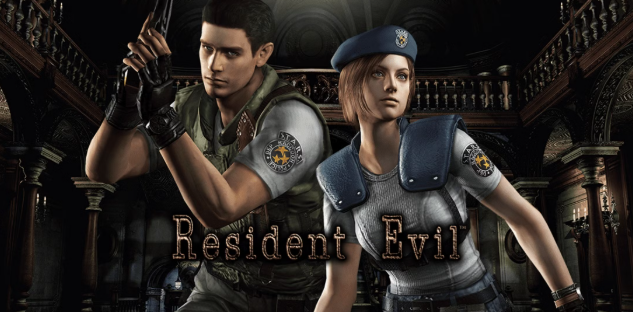
I’m not referring to the Resident Evil HD Remake; I mean the original 1996 classic that started it all. Y’all might think it’s strange how I’d play the first Resident Evil after playing four other Resident Evil games. When I first dipped my toes into Resident Evil, I decided to skip the first game for two reasons. First, I was looking for something that was scary and knew the original Resident Evil was less horror and more of a playable B-movie. Second, I was excited to learn more about the lore of the series and understood that the second game expanded more on the story as the outbreak spread to the rest of Raccoon City
I always knew I would eventually play the original one day. Was it corny? Certainly. Am I going to be quoting my favorite stupid line deliveries from it until I die? Without a doubt. Did I have fun? Of course. Did the twist get me? No, it’s so iconic that I already knew it over a decade ago, but it was still fun to see it play out. Resident Evil is rough around the edges, but the original survival horror experience still got a lot of enjoyment out of me 30 years later.
Hey, hey! Kyra Kyle here again. Those are all the games our writers have been playing over the past month. What’ve you been playing? Let us know in the comments. Thank for reading, and wherever you are, I hope you’re having a great day.
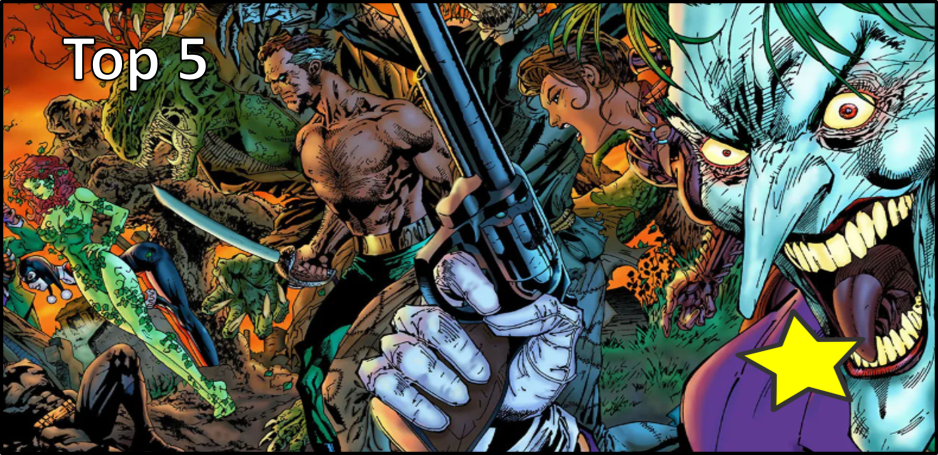
Hey, hey, Geekly Gang! Kyra Kyle here with another Top 5 Batman Villains list. What? I warned you that I found numerous Batman villains while researching Batman’s Rogues Gallery. I still have enough unused villains for at least two more lists. The last list was 5 Underrated/Underused Women Batman Villains. Today’s list will feature popular Batman villains who, for some reason, aren’t used as much as they could or should be, or they get misused. Plenty of Batman villains could make this list. These are our five picks who fit the bill. There is a chance a villain you’re thinking of makes a future list. Seriously, we have at least another two Top 5 Lists in this series. Leave a comment on who you would add to this list of Five Popular but Underused/Misused Batman Villains.
5: Clayface
I wrote this post months ago, so the Clayface film has yet to be released. I hope it does well. I liked the teaser trailer (just a hint of when I wrote this, LOL). This is a list of popular Batman villains. We’re not going obscure here; that’ll be another list. Clayface makes this list because of their interpretation in the comics. At least ten different characters (men and women) have taken the mantle of Clayface. The character has two main power sets: body manipulation (the most well-known) and rot touch (less well-known). Because of these two distinct power sets, DC Comics writers retell Clayface’s origin. A lot. Too much. Most new Batman creative team that decides to include Clayface tend to give Clayface a new given name. Because two power sets exist, that same Batman creative team will introduce the character with their origin.
Too many origins. Unless it has changed significantly, stop retelling Clayface’s origin. Ironically, media outside of comics do a better job of interpreting Clayface. Again, I hope the Clayface movie does well. We may see a Clayface renaissance. This development is also why Clayface is this low on the list. They narrowly beat out another popular Batman rogue, Scarecrow. Scarecrow has a similar issue in the comics. For whatever reason, comic book writers liked retelling Scarecrow’s origin, despite Jonathan Crane being the only Scarecrow in DC Comics, and his powers seldom changed. Scarecrow also has a spottier record with media outside of comics, but Clayface’s volume of origin stories gives them the edge.
4: Hugo Strange
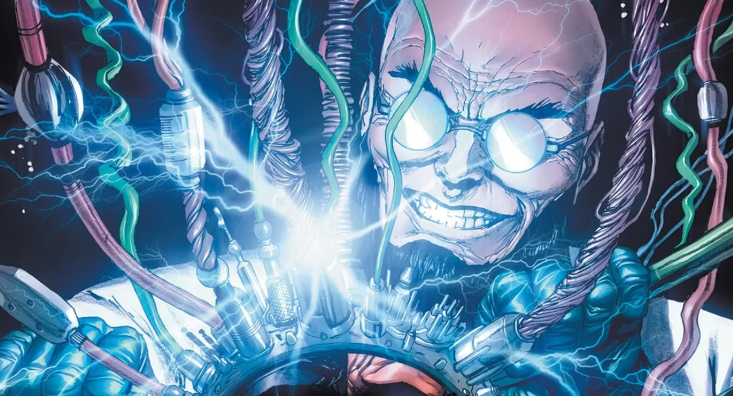
Hugo Strange may have the strangest history in comics. Pun intended. He’s one of the few characters who know Batman’s identity, which makes him a unique threat to the Caped Crusader. He even dressed as Batman, trying his best to out Batman the Batman. Interesting. Comic book writers thought Strange posed too much of a threat, so they killed him in the Eighties. But he became a ghost, haunting Batman and his rogues for years. Bizarre. I told you Hugo Strange has a coconut comic book history.
Essentially, Doctor Hugo Strange is a mad scientist. He’s one of those classic mad scientists who remained relevant beyond the comic books’ Golden Age. Back in the 40s, half of every superhero’s rogues gallery consisted of mad scientists. But Hugo Strange endured because comic book creative teams gave him second and third chances. They built on the stories that came before. The reason Hugo Strange makes this list is that he’s never had a live-action portrayal. That could change soon. Two-time Oscar Winner Tom Hanks has expressed interest in being Strange–Hugo Strange, that is–and the character has seen spotty appearances in the comics in recent decades.
3: Bane
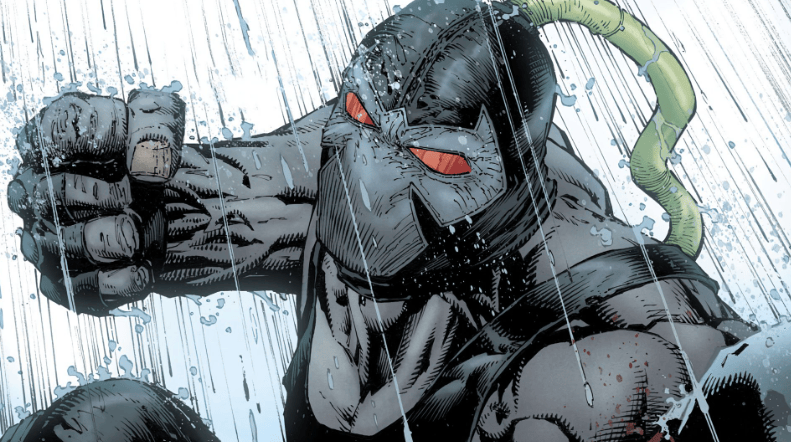
Bane has been done dirty outside the comics. Tom Hardy gave a good performance as Bane in The Dark Knight Rises, but it was undercut by the reveal that he was Talia al Ghul’s stooge. I could forgive that if Bane wasn’t comically taken out by someone driving a truck over him. The less said about Bane’s portrayal in Batman and Robin, the better. The character often gets cast as a muscle-bound idiot. He’s at least not as intelligent as other Batman rogues. But Bane is highly intelligent. He’s a crime lord for crying out loud. Bane represents one of several reverse-Batmans in Batman’s rogues, and yet, the comics also do Bane dirty.
Bane gained notoriety as the “Man who Broke the Bat.” The scene where Bane snaps Batman’s back lives in comic book lore. It’s iconic. But do you remember what happens after Batman nurses himself back–get it?–to health? The replacement Batman (Jean-Paul) becomes unstable and assumes the identity of Azrael, who, in turn, becomes a greater threat than Bane. Yeah. What I dinged The Dark Knight Rises for, revealing a stronger adversary in Bane’s place, happens in Bane’s most iconic comic book story, Knightfall. Bane could really use a good publicist.
2: Ventriloquist
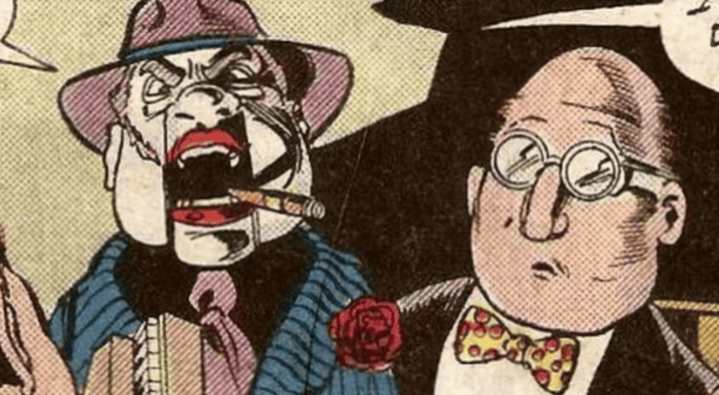
Like Mister Freeze (another character who just missed the list), Ventriloquist was put on the map by Batman: The Animated Series. People forgot the Ventriloquist existed. During BTAS’s run, fans demanded to see more of the Ventriloquist in the comics. While Mister Freeze found some success in the comic book medium, comic book creators didn’t know what to do with the Ventriloquist. Despite an intriguing backstory, he doesn’t evolve beyond being a novelty.
I could see Ventriloquist stories exploring identity. Is Scarface the true personality? Or could it be the man with his hand up Scarface’s backside? Scarface pictures himself as a crime boss, and yet Ventriloquist never gets cast as a crime boss. I could see Ventriloquist existing in the same space as the Falcones and Rupert Thorne. Ventriloquist may need his own solo movie. Make it happen, DCU.
1: Mad Hatter
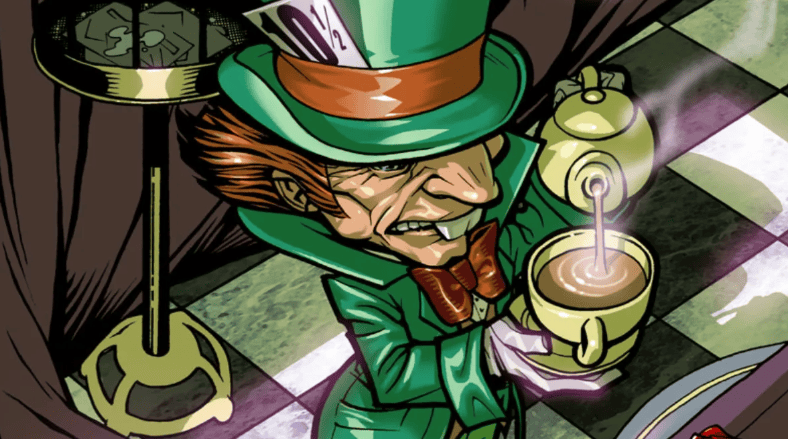
Mad Hatter is another example of a character whose stock increased after a handful of fantastic Batman: The Animated Series episodes. But Mad Hatter comic books may be more frustrating than the Ventriloquist. BTAS did for the Mad Hatter what it did for Mister Freeze. It revamped Jervis Tetch’s backstory. It turned an also-ran, joke caricature of a character into a living, breathing human. It even pitted Mad Hatter as a different reflection of Batman, another reverse-Batman, if you will. Joker covers chaos, versus Batman’s order. Two-Face shows what could happen if ones alter-ego goes unchecked. Mad Hatter turns Batman’s need for control up to a million.
That’s right. If Batman ever gave in completely to his desire for control, he could easily turn into a version of Mad Hatter. Sure. Mad Hatter “loves” Alice, but the part of Alice can be played by another person. What Tetch wants most is control. We see that in more than a few BTAS episodes. It’s a shame Mad Hatter’s glow-up in BTAS didn’t end up increasing his comic book profile.
And that’s our list of five popular underused/misused Batman villains. Who would you have added? Let us know in the comments. Thank you for reading, and wherever you are, I hope you’re having a great day.