
Happy Monday, Geekly Gang! Kyra Kyle here with another video game history post, where we discuss a video game company’s history. My last post in this series covered indie game developer inXile Entertainment, and today’s video game publisher/developer, Obsidian Entertainment, has ties with inXile. Founded by former Black Isle Studios employees Feargus Urquhart, Chris Avellone, Chris Parker, Darren Monahan, and Chris Jones, Obsidian Entertainment began by making stellar video game sequels (for series like Knights of the Old Republic and Neverwinter Nights) until they branched out into unique titles. We’re in for a wild ride. But before we get to the founding of Obsidian, let’s take a brief look at what the gang accomplished as Black Isle Studios.
Black Isle Studios
Interplay subsidiary Black Isle Studios made some of the best–no, iconic–story-driven, top-down isometric third-person RPGs. If you enjoy this gamestyle, you owe it to yourself to check out Black Isle Studios’ back catalogue. Who am I kidding? If you’re a fan of this style of game, you’ve played one or more of these games: the first two Baldur’s Gates, the first two Fallouts, the Icewind Dale series, and Planescape: Torment. Ah! Black Isle Studios made so many great titles with the Infinity Engine. Remember the name Infinity Engine. It will return.
Speaking of a name returning, we get another visit from Titus Interactive Studio. They featured in the inXile Entertainment history, too. While inXile founder Brian Fargo would cite creative differences with Titus Interactive Studio and leave the company after Titus acquired a controlling stake in Interplay for $25 million (per a Los Angeles Times article), soon after the deal, Interplay shut down Black Isle Studios. (Here’s Gamespot’s announcement.) Just to add a little context, Black Isle Studios was working with the Dungeons & Dragons intellectual property for one of its games it had sunk a year and a half of development, and the D&D license was lost. The timing of this lost license was brutal. But Black Isle Studio lead Feargus Urquhart (pronounced “FUR-gus URK-heart”) knew the end was near and before the layoff was official, he gathered some of his fellow developers to form what would become Obsidian Entertainment.
The closure still stung. I’ve heard plenty of RPGers say the loss of Black Isle Studios hurt the most. At the time of its closure, Black Isle Studios was working on some huge titles. Their version of Fallout 3, codenamed Van Buren, would get repurposed for parts of Fallout: New Vegas, and Baldur’s Gate III: The Black Hound. Baldur’s Gate, which is set in the D&D universe, was supposed to have had two releases around 2003-2004 (when the studio closed). Fans of the series would have to wait two decades.
In the end, everything worked out on the Baldur’s Gate front. Obsidian Entertainment would make a spiritual successor to Baldur’s Gate II–more on that in the Pillars of Eternity segment–and Larian Studios did a stellar job with Baldur’s Gate III. We’re about to get into Obsidian Entertainment proper, but first, let’s discuss the name Black Isle Studios. It could help to understand Obsidian’s name.
According to a Kotaku article, Interplay wanted to call the branch Feargus Urquhart would run DragonPlay. “I just thought DragonPlay sounded lame,” Urquhart said. “They were looking for Something-Play, I guess. The joke was always that the adult version of Interplay would be…ForePlay.” That last name wouldn’t work, so Urquhart named the new branch Black Isle, after a Scottish region of the same name, which coincidentally contains a Castle Urquhart. I wonder why he chose Black Isle? Hmm.

Above is a picture of An Sgurr “The Nose” in Scotland. Beside An Sgurr is Black Isle Studio’s logo. An Sgurr is composed of pitchstone, which is a dark volcanic rock and a close relative to obsidian. Obsidian isn’t native to Scotland. Is it just me or does An Sgurr resemble the rock depicted in Black Isle Studios’ logo? No one at Obsidian Entertainment has confirmed if the following is true or has expressly said how the company got its name, so we’re entering conjecture corner here. My guess is that Pitchstone Entertainment sounded lame. Why not adopt a studio name with pitchstone’s cousin? Why not call your new company Obsidian Entertainment?
The Founding of Obsidian Entertainment
After starting their business, Urquhart, Parker, Jones, Monahan, and Avellone needed office space, so (according to the Obsidian 20th Anniversary Documentary on YouTube) Urquhart offered his and his wife’s finished attic. “The best price for square footage for office space was free,” Urquhart said. “My wife and I bought our first house, and one of the weird options was to finish (the) attic, which was 450 square feet of space…It turned out to be me and two or three people (working there), and eventually, before we got office space, we had seven people working up there.”
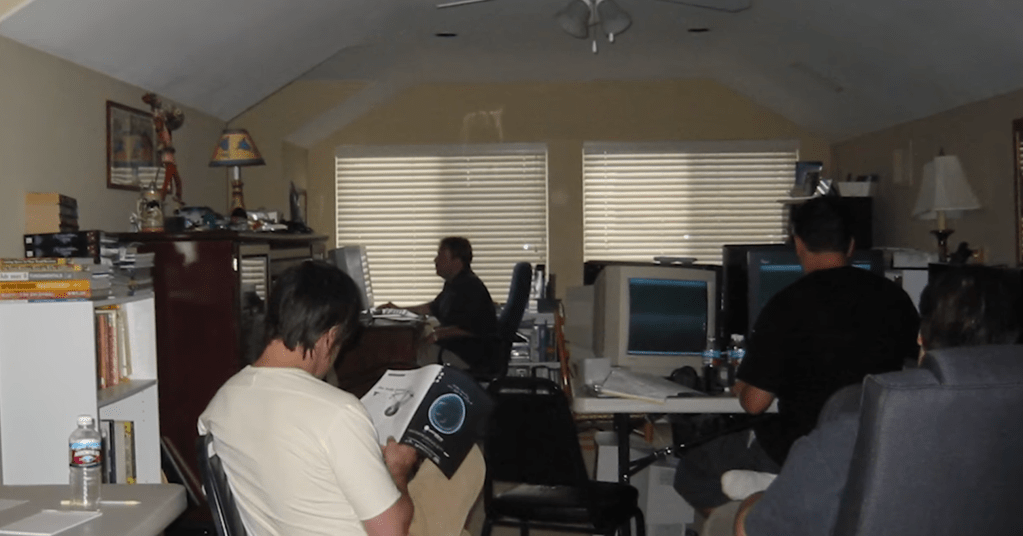
Photo taken from the Obsidian 20th Anniversary Documentary
Not going to lie, judging from the picture above, there doesn’t appear to be a lot of space in the attic. Five people looks like it would be squished. I can’t imagine an addition two or three working in this space, especially with the size of computers in the early 2000s. Those are full-sized, 27-inch monitors, creating a ton of heat. And according to Urquhart, this all happened while his wife was about eight and a half months pregnant. I like how Game Director/Co-Founder Chris Parker put it. “We would have to show up in the morning, park, and quietly enter his (Urquhart’s) house and be quiet.” One mustn’t wake the sleeping, eight and a half month pregnant wife.
Studio Programming Director and Co-Founder Chris Jones shares, “It was great because we needed a place to work initially. It’s not like you can run out tomorrow and have office space when you don’t have money, and there’s no income coming in…It was a cool environment for us. We were all just in one room together, trying to fit wherever we could. It was a little chaotic, but it was a neat experience.” Start-up companies tend to have fun and interesting origins. Working out of a finished attic with limited space is a great starting point for Obsidian Entertainment. But what happens when someone invites a potential customer to that cramped space? Can BioWare find a space to fit?
Star Wars: Knights of the Old Republic II: The Sith Lords
Free office space wasn’t the only fortune Obsidian had. They had ideas. Several ideas for games and pitched numerous ones to various publishers. One of the first games Obsidian pitched was an action RPG Star Wars game. According to Urquhart (in the Kotaku article, “The Knights of New Vegas”), “We actually talked to him (then President of LucasArts Simon Jeffrey) about doing sort of an action-RPG Star Wars game, which I always thought would be cool to do–like a little party-based action-RPG, with first-person lightsabers and R2D2.” Jeffrey would admit the idea sounded cool but wondered if Obsidian could make a sequel to Knights of the Old Republic.
Obsidian was a good fit for a Knights of the Old Republic (KOTOR) sequel. There were a couple of snags. One, the first Knights of the Old Republic wasn’t even out yet, and two, LucasArts would give Obsidian 15 months to finish the sequel for a 2004 holiday release. Eek!
My favorite anecdote from the Obsidian 20th Anniversary Documentary KOTOR II segment comes from Chris Parker. “When we first got the KOTOR II contract, we hadn’t played the (first KOTOR) game yet. BioWare was kind enough to send two engineers down to our studio…BioWare had a ton of people working on highly respected games, and they’re taking their code base and dropping it off in some dude’s attic. We thought it was hilarious. They looked puzzled the whole time.”
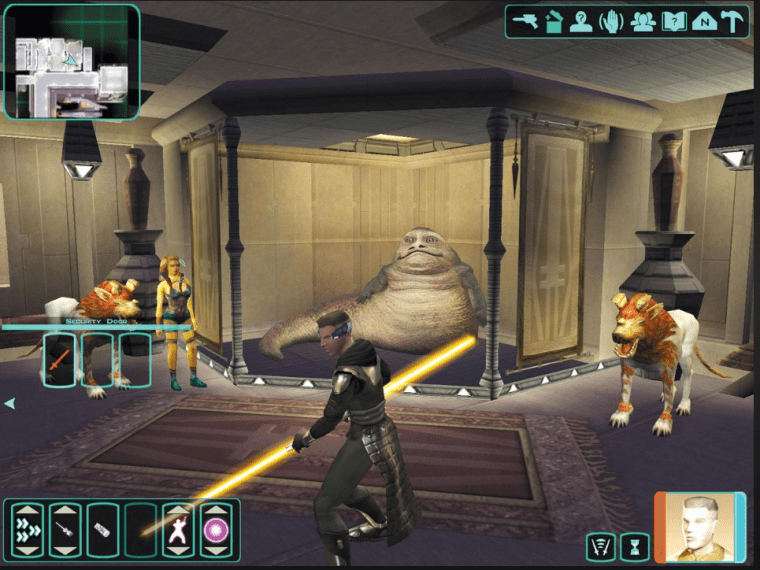
Oh! To be a fly on the wall during BioWare and Obsidian’s interaction. Parker would serve as producer on Knights of the Old Republic II: Sith Lords. The team would max out in the low thirties. Obsidian had to do most things as cheaply and efficiently as possible. Parker stated that a slow week for him was working about 60 hours, and a busy week was more like 80 to 90 hours. Strapped for time, Chris Jones automated as many processes as he could to the point where the team could build nightly. Every day, Obsidian would have a fresh build of KOTOR II.
Obsidian’s will remain committed to iterating early and then reiterating as quickly as they can to work out as many bugs as they can. Unfortunately, KOTOR II had an extremely short development cycle. The final product contained plenty of rough edges, and the team couldn’t include everything they wanted in the game that shipped. Despite its rushed production, KOTOR II received good reviews. It marked Obsidian’s arrival. KOTOR II’s success proved that big time video companies could trust Obsidian with high-profile titles, and Obsidian would continue to cut its teeth with sequels to popular games.
Neverwinter Nights 2
Obsidian’s familiarity with making Dungeons & Dragons video games (like Icewind Dale and Baldur’s Gate) made their pitch to follow up BioWare’s Neverwinter Nights a no-brainer. Even though Atari had taken over publishing duties for Neverwinter Nights 2, they hired Obsidian to develop the game. Neverwinter Nights 2 should’ve been an easy title to finish. But the team of nearly fifty people at this point needed an additional year to deliver Neverwinter Nights 2. But would Atari agree? And what was the reason for this delay? Instead of using the established engine from the original, Obsidian built its own creator engine. This proved to be a blessing.
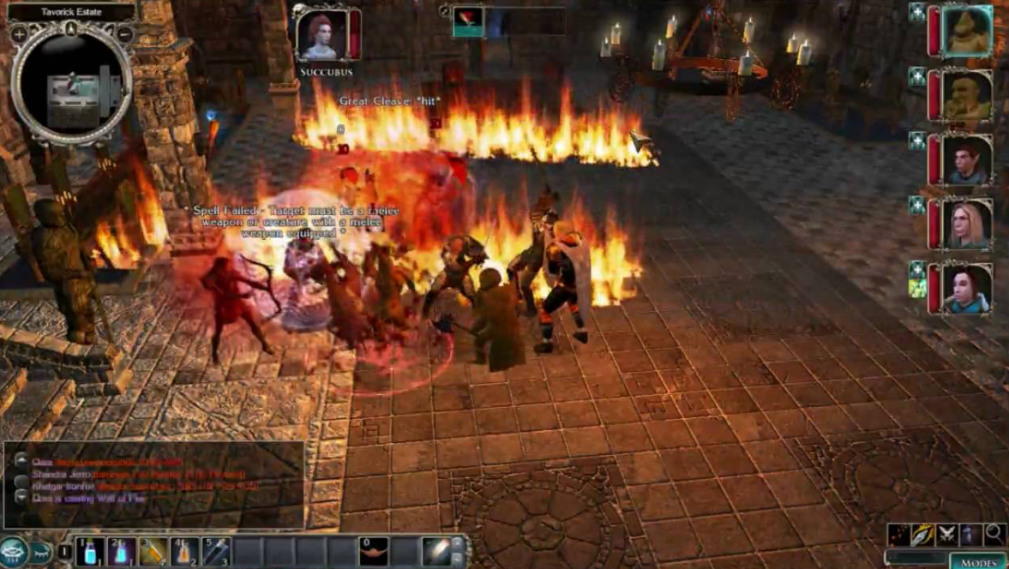
Fortunately, Atari was willing to wait. They changed the project’s targeted release window from Christmas 2005 to October 31, 2006. This gave Obsidian the time they needed to construct the creator engine, and building a new creator allowed Obsidian to release DLC (Mask of the Betrayer in 2007, Storm of Zehir in 2008, and Mysteries of Westgate in 2009) that almost play like full video games in their own right. Still, Obsidian gave itself a lot of work.
Darren Monahan (Chief Information Officer and Co-Founder) summed it up best in the Obsidian 20th Anniversary Documentary. “We decided to make a new renderer and that snowballed into a lot of changes…When you changed the renderer, you have to change the tools. When you change the tools, the renderer has new limitations. We ended up snowballing quite a bit on features. That was a lesson learned…We continue to work on the tools and update them and ship them out (at least as of the 2023 interview). And I know some people still play Neverwinter Nights 2 today.” Neverwinter Nights 2 reminds me of the classic video game release saying, ” A delayed game is eventually good.”
Obsidian was riding high on the success of two BioWare game sequels. But it’ll experience a few bumps. There had to be some misfires.
First Round of Cancelled Projects and a Near Miss
We’re going back in time a little bit here: 2005. Obsidian would be in the middle of Neverwinter Nights 2’s production, and Urquhart continued to pitch games to publishers. I’m going to quote Head of Development Justin Britch. “Even as a mid-sized publisher, we had a lot of projects at the same time.” Britch wouldn’t join Obsidian until much later and that quote was taken from E3 2020 Los Angeles. But regardless of its size, Obsidian has always had a lot of projects going at the same time. Not every project sees a finished product.
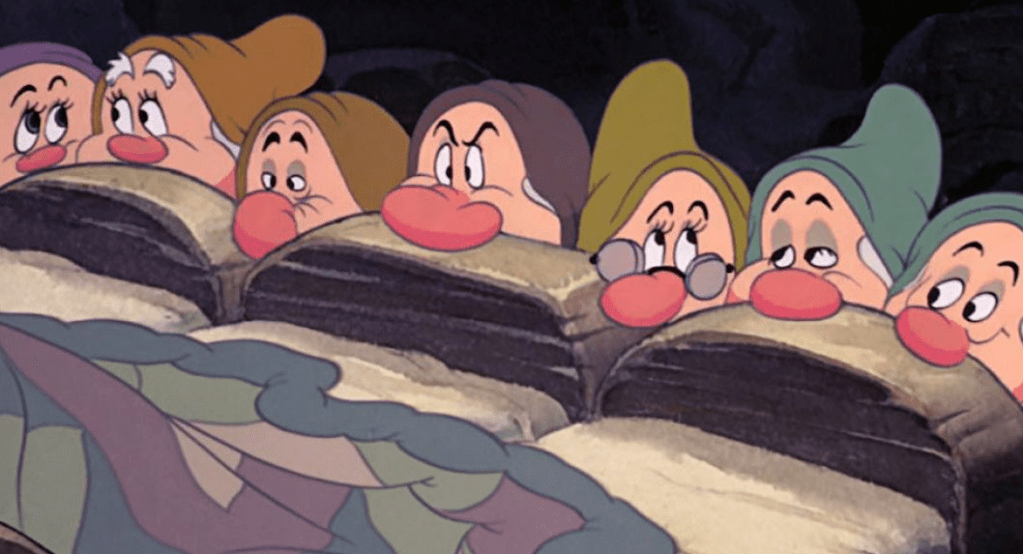
In 2005, Obsidian was making all sorts of games. According to the Kotaku article “The Knights of New Vegas,” one of the publishers they contacted was Disney, who enlisted Obsidian to design a video game prequel to Snow White and the Seven Dwarves. Tentatively called Dwarves, it would be a third-person action game for Xbox 360 and PS3 that focused on Snow White’s seven companions. “It was a lot of fun,” Urquhart said. “We turned in a cool prototype. We worked on it for about a year. It’s one of the games here that the team just loved working on. And unfortunately–which, it happens in this industry–you have changes of focus at a publisher.” The changes of focus were caused by a new Disney CEO, who led to a shift in direction. Suddenly, Disney was no longer interested in a Snow White prequel. Snow White was untouchable, they said. The game was cancelled.
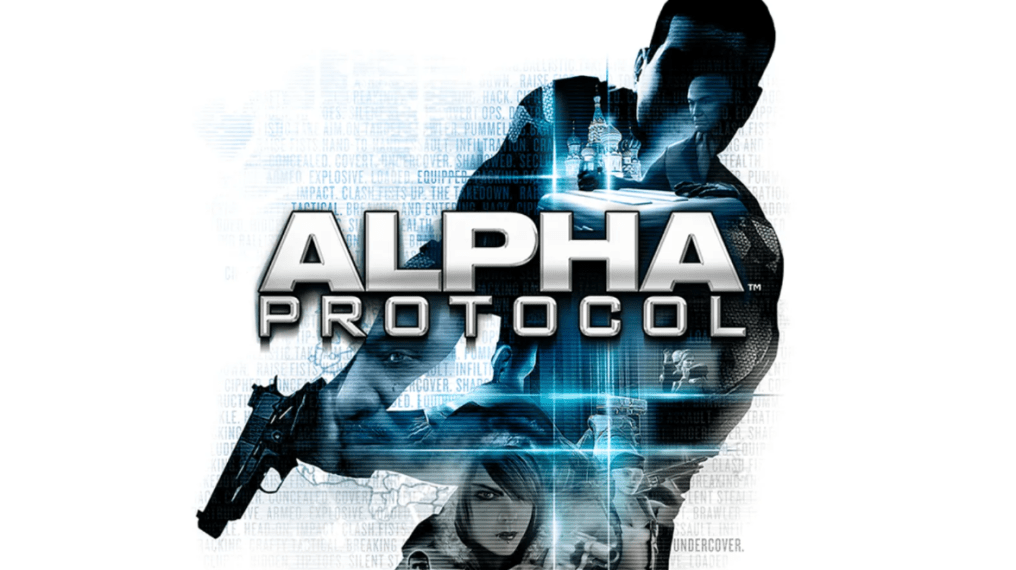
Obsidian continued to keep itself busy. While wrapping up Neverwinter Nights 2, Urquhart got a call from Sega. It pays to have connections, because Sega America was at the time run by Simon Jeffrey, the same executive at LucasArts who signed Obsidian for KOTOR II. Jeffrey was looking for a brand new original RPG. Despite having a team of 50 people, Obsidian had no one to spare at the time (this and Dwarves was all happening at the same time as Neverwinter Nights 2), but Sega was willing to wait until a team would become available. And eventually, Obsidian came up with a concept: A Spy RPG. This concept would become Alpha Protocol. Not everyone at Obsidian liked the pitch. Chris Parker didn’t believe he’d seen a “good” Spy RPG, and the game type wasn’t in the company’s wheelhouse. They seldom did pure action. Add in some technical issues, like beginning development with Unreal Engine 2.5 and switching to Unreal 3 mid-process, and Alpha Protocol’s production was a mess.
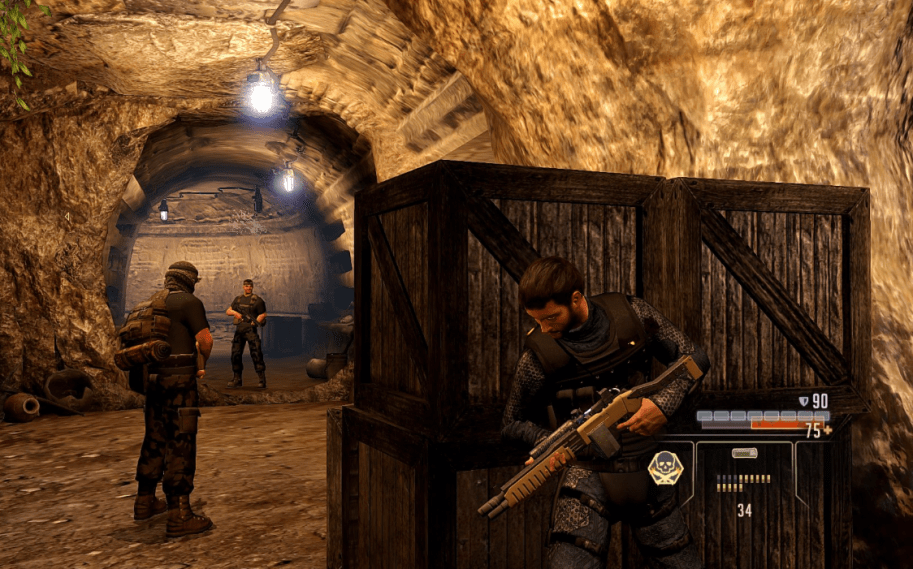
Urquhart likens Alpha Protocol’s protagonist as a mixture of the three JBs: James Bond, Jason Bourne, and Jack Bauer. But that presented another issue for Obsidian. How do you make one character equal parts those three characters? Oh. And the game wanted to be action/adventure and an RPG. Alpha Protocol was getting pushed in different places. And the finished product was uneven. In fact, Urquhart felt Alpha Protocol became two games attached together. Most of Obsidian would say the action was servicable–at best. But the RPG side did things no RPGs had done to that point and few to none have done since. Alpha Protocol gave its players agency. Players could do what they wanted to do and then get rewarded no matter what. You could be any of the JBs. You could be evil. Alpha Protocol was a sandbox. I’ll let Chris Parker, Alpha Protocol’s biggest critic at the company, have the final word. “I’m happy with how Alpha Protocol turned out. It’s a remarkable role-playing game for all the choice and consequence you have, and all those cool characters and setting-specific elements make it unique.”
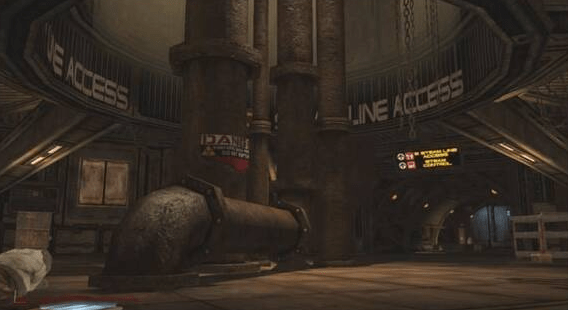
Sega signed up for a second Obsidian RPG. Aliens: Crucible was a Sci-Fi role-playing game set in the Aliens intellectual property. It was an action-based, third-person game where you could travel an open world with up to two companions from a cast of about 16 total characters. That set-up sounds vaguely familiar. I can’t quite put my Courier on it. In all seriousness, Studio Design Director Josh Sawyer was at the helm of Aliens: Crucible, and he would go on to direct Fallout: New Vegas. I’ll let Sawyer (from the 20th Anniversary Documentary) explain his thoughts on the Aliens RPG. “I wanted to show you could make a role-playing game in a setting that wasn’t traditional for a role-playing game…The Aliens franchise thrived on the interpersonal (relationships) between characters, and I thought in the best Obsidian role-playing games, that was at the heart of the experience.”
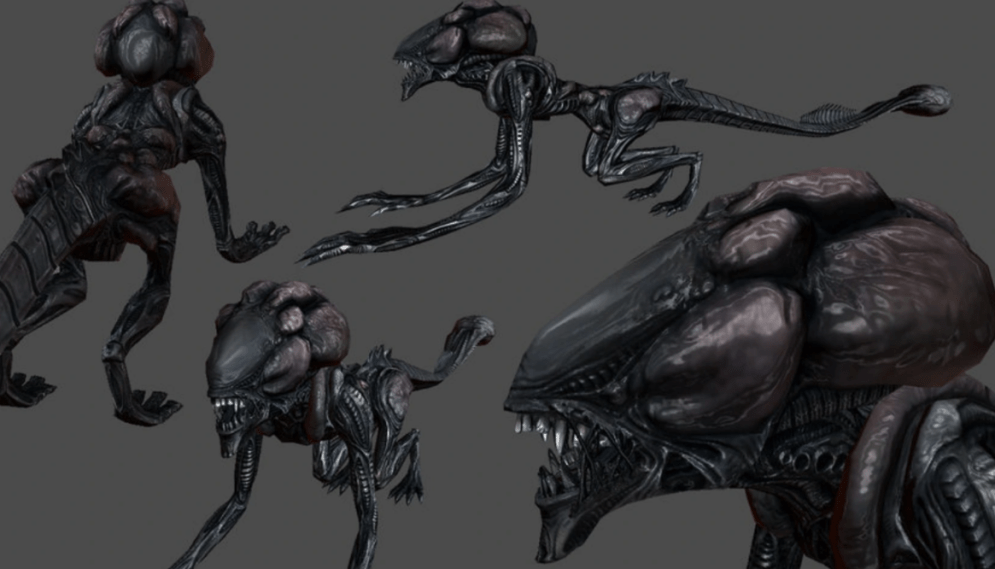
Like Alpha Protocol, Aliens: Crucible had its own share of production issues. Once again, Obsidian built a game engine alongside the game. This would take advantage of new technology and graphics, but it made focusing on the game’s script difficult. And Sega wasn’t as upfront with what they wanted from game milestones. I’ll let Chris Jones explain. “What we were delivering as milestones to Sega never looked that good because we were working on functionality first…They started to get wary as to where the game was going to end up. They couldn’t see where it was going visually.” By the time Obsidian delivered polished visuals to Sega, visuals Sega would think were amazing, Sega pulled the plug on Aliens: Crucible. It was devastating.
Layoffs ensued. Obsidian let more people go at once than they had ever done at that point. The company’s future looked bleak. But all of the work Obsidian sunk into Aliens: Crucible–over two and a half years–would come in handy with the company’s next project.
Fallout: New Vegas
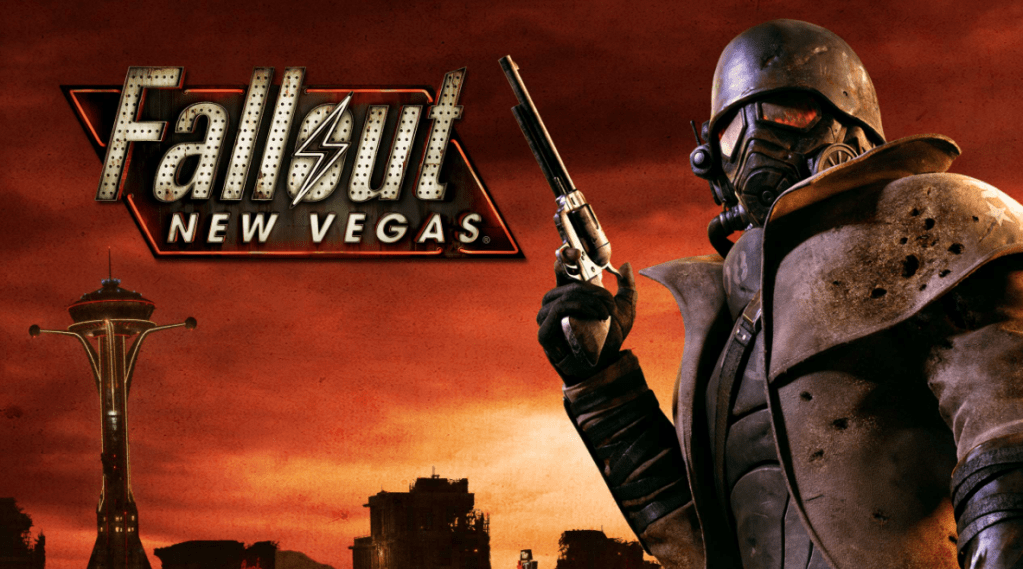
Shortly after Aliens was cancelled, Urquhart got a call from Todd Vaughn, vice president of development at Bethesda. Fallout 3 had just been released, and Bethesda’s internal team had moved on to Skyrim. But the company wanted to release a game between Fallout 3 (2008) and Skyrim (2011). That’s where Obsidian could help.
Bethesda wanted–or rather needed–a quick turnaround. Many of Obsidian’s employees had worked on Van Buren (Black Isle’s vision of what could be Fallout 3). So, the game’s story had a skeleton. Sawyers’s work on Aliens: Crucible introduced a refreshing companion system. Obsidian needed to hammer out the details and get started. Urquhart sat down with the other four owners and brainstormed. The new Fallout game needed to place a heavy focus on factions, as per fan request. Shortly after that, they set the game in Las Vegas and plotted out a rudimentary intro. What could be more Vegas than starting off the game with you getting shot in the head and buried in the desert?

Despite loving Fallout’s world, Urquhart worried about the short turnaround. Obsidian was gaining a reputation. KOTOR II and Alpha Protocol shipped with several bugs. Having less time to develop Fallout: New Vegas meant Obsidian risked the game shipping with a lot of bugs. Guess what? Fallout: New Vegas had bugs, a Bethesda’s worth of bugs. Obsidian signed the deal in April and had to get the game done in October, which made the timeframe for completion 18 months. Yikes! It’s amazing what the team at Obsidian was able to accomplish.
In the Obsidian 20th Anniversary Documentary, Game Director Josh Sawyer shares his thoughts on Fallout: New Vegas when it first released. “I didn’t think it was going to have the staying power that it ultimately did. It was five or six years later after the game came out that it started to develop this cult following, and now it’s still going strong, which is incredible.” Fallout: New Vegas received good to great reviews, but I remember those reviews docking the game a point or two for its copious bugs. Sawyer would also mention Fallout: New Vegas’s incredible modding community, and I agree. The modding community saved this amazing game. Fallout: New Vegas remains a lot of people’s favorite RPG of all time.
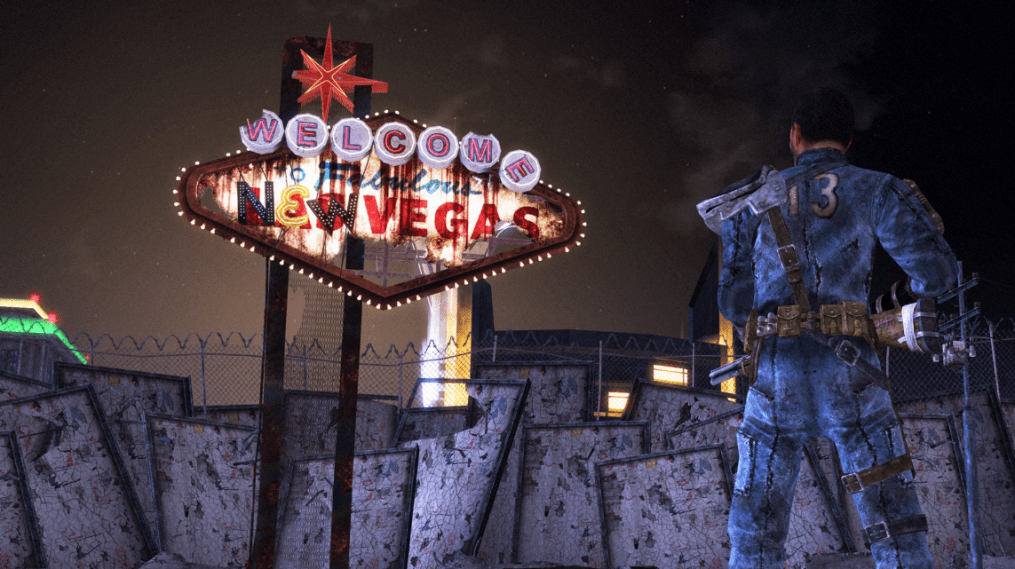
Obsidian was back on top. Fallout: New Vegas had repurposed the companion system from Aliens: Crucible, but the Onyx Engine, which was an Obsidian original developed for that same game, still lay on the shelf. It would have to wait for its moment until another RPG giant called. Square Enix.
Dungeon Siege III
Square Enix had just acquired the Dungeon Siege IP from Gas Powered Games, but at that time, the JRPG giant had little time to dedicate its in-house team to a new Dungeon Siege game. By this point, Obsidian had made a name for itself as the developer to call if someone wanted a well-received sequel in a fan-favorite series. And it didn’t hurt that Dungeon Siege creator Chris Taylor signed on to help whoever would take over the project. But Dungeon Siege III had a twist. It would be the first game in the series that would have a console version.
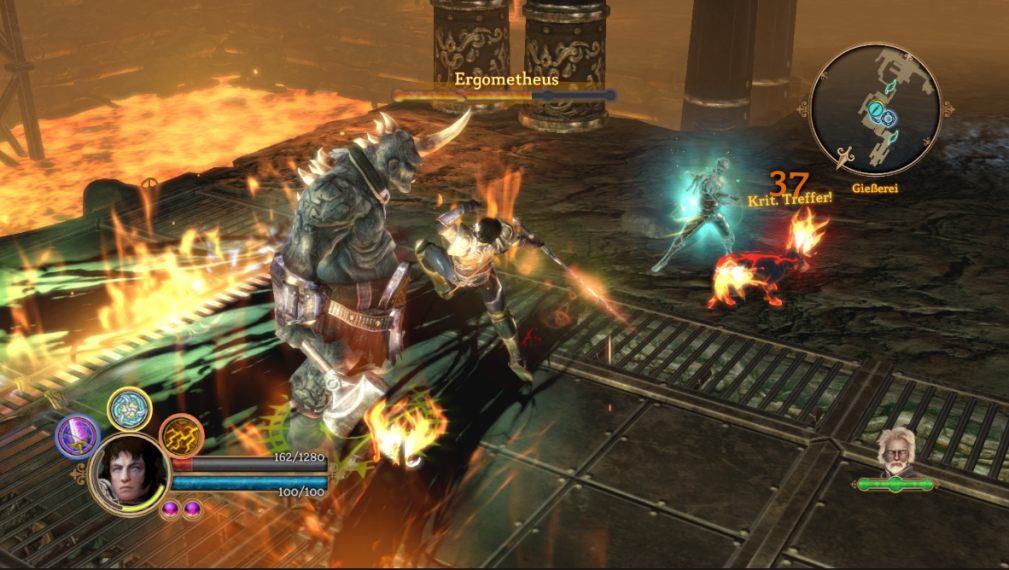
Darren Monahan (in the Obsidian Anniversary Documentary) best summed up the challenge. “The idea there was to figure out how do we do Dungeon Siege, which is a point-and-click–and bring in console players? You have this Venn diagram of hardcore PC Dungeon Siege players and then bring in console players that it something like Diablo and marry that group together.” Obsidian ended up making a Dungeon Siege that wasn’t close enough to the original games for most fans. And by the company’s own admission, the multiplayer doesn’t work the way people expected. Dungeon Siege III received average to mixed reviews. Critics picked enough nits. Many complaints centered around the decision to make Dungeon Siege III playable on console. The PC controls suffered.
Obsidian has kept itself busy. Their reputation has given them phone calls, like the one from Square Enix, and they don’t need to pitch as often to publishers. But it was a phone call from an unlikely source that led to one of Obsidian’s most bizarre RPG offerings.
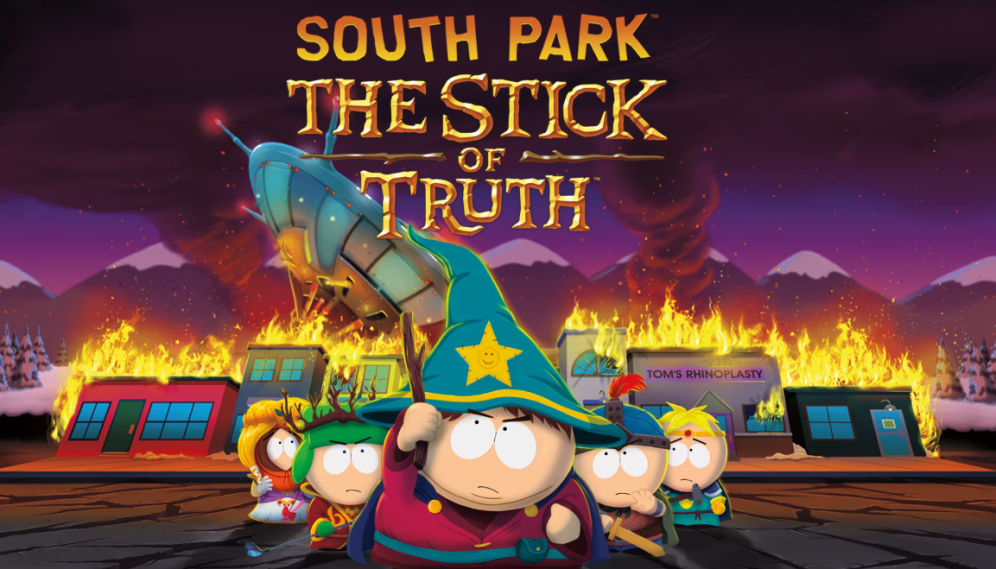
South Park: The Stick of Truth
While Urquhart was walking into the office one day, a receptionist said, “You have a voicemail from someone from South Park.” Urquhart thought nothing of it. Why would South Park be calling a video game developer? It turned out the person who called was Greg Capnanis, who worked with South Park Digital Studios, which was Matt Stone and Trey Parker’s digital company they owned in conjunction with Comedy Central. The call was real. The pitch Capnanis gave Obsidian in the voice mail of a South Park RPG was legitimate. And it turned out that South Park Digital Studios had put together a short animatic that showed how they wanted a South Park RPG to look.
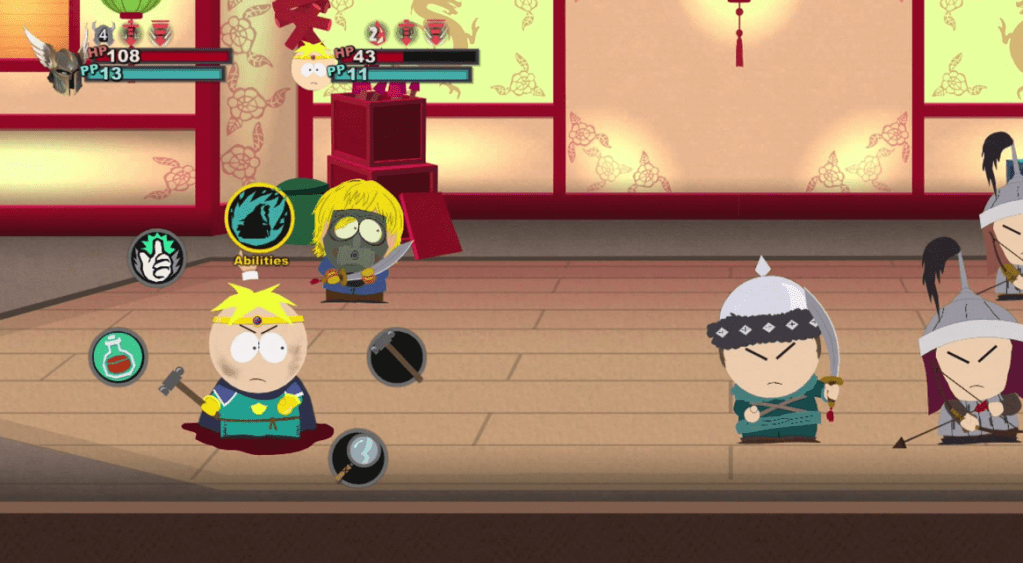
The game that would become South Park: The Stick of Truth started strong. South Park Digital gave Obsidian the source artwork. Within no time the team had a demo to share. To this day, Urquhart remembers South Park Digital walking up to the projection screen and staring at the textures, amazed that the game looked so much like the TV show. Getting the vibe right for South Park: The Stick of Truth was one of Urquhart’s proudest moments as a video game developer.
Not everything made the final cut of South Park: The Stick of Truth. I’ll let Chris Parker (from the Obsidian 20th Anniversary Documentary) explain. “Both the Ginger Forest and the *beep* boss fight went to the cutting room floor at some point. There’s some really gross stuff in the *beep* fight. There was the *beep*. That was disgusting. Wasn’t there one where she would *beep* on the player and put them on *beep* and then basically, *beep* and then somehow *beep* out again? The player would get *beep* *beep* and *beep* *beep* *beep*. It was disgusting.” Not kidding. The documentary beeped out a lot of what Parker said, but to Parker’s and Obsidian’s credit, they would regularly check in with the team involved with South Park: The Stick of Truth, making sure the team was comfortable with the game’s content. Unsurprisingly, the team got smaller the deeper into the project.
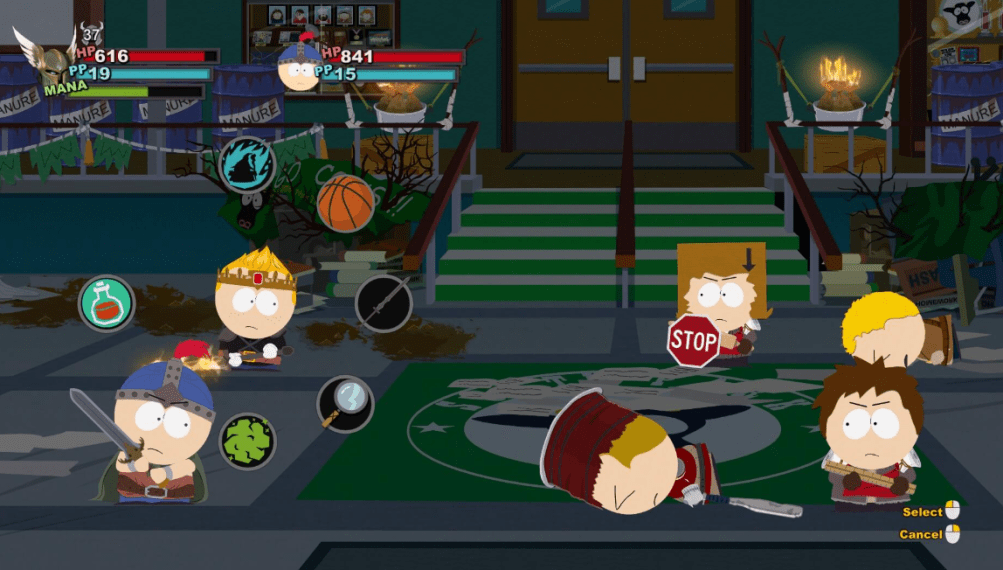
The early days of South Park: The Stick of Truth were fantastic. Obsidian talked with Matt and Trey on a regular basis. But then, the duo got pulled away with other projects, specifically the Book of Mormon Musical, and South Park Digital had no plans of financing the production of the RPG. Obsidian needed a third party. They got one with THQ, but THQ went bankrupt. Just when it seemed South Park: The Stick of Truth would never see publication, Ubisoft purchased the game from a THQ fire sale.
South Park: The Stick of Truth would receive great reviews. Few people would know about the perils the game’s production saw. It waited for a new publisher for well over a year, and the publisher it found was Ubisoft. According to Urquhart, working with Ubisoft as a publisher proved to be challenging. Ubisoft wanted to renegotiate the contract Obsidian had already signed with THQ and sent the updated contract to Urquhart while he was away at his brother-in-law’s 50th birthday. He negotiated the contract on grassy knoll, screaming at the top of his lungs. The Stick of Truth wound up being a great game. But what happens when another high value game doesn’t make it to production?
Stormlands Was Supposed to Be an Xbox One Exclusive
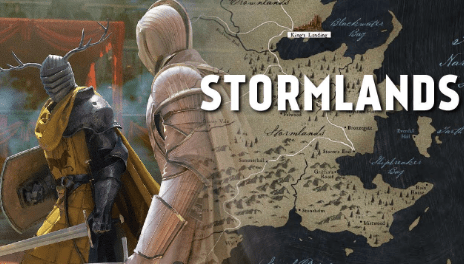
Obsidian is well established around 2010-2011. They began their career by making great sequels to popular franchises and even started a new franchise from a licensed intellectual property–here’s to you, Stick of Truth–but Obisidian made few games of original properties. Their last attempt at an original property was 2010’s Alpha Protocol, and it wasn’t as big of a success as Obsidian wanted. All that was supposed to change with Stormlands.
Stormlands sounded interesting. It was supposed to play like fantasy but was post-apocalyptic. Based on Justin Cherry’s arty style–the same Justin Cherry who lent his art design talents to Vampire: The Masquerade – Bloodlines—Stormlands had breathtaking visuals. Players would partake in melee combat in a magical world beset by a magical apocalypse. The concept made a splash when Obsidian pitched the game to publishers. An Xbox 360 demo sealed a deal with Microsoft. Stormlands was going to be an Xbox One launch title. The stars were aligned. After finding success with Fallout: New Vegas and South Park: The Stick of Truth, a successful Stormlands would launch Obsidian into an exclusive group of AAA developers.
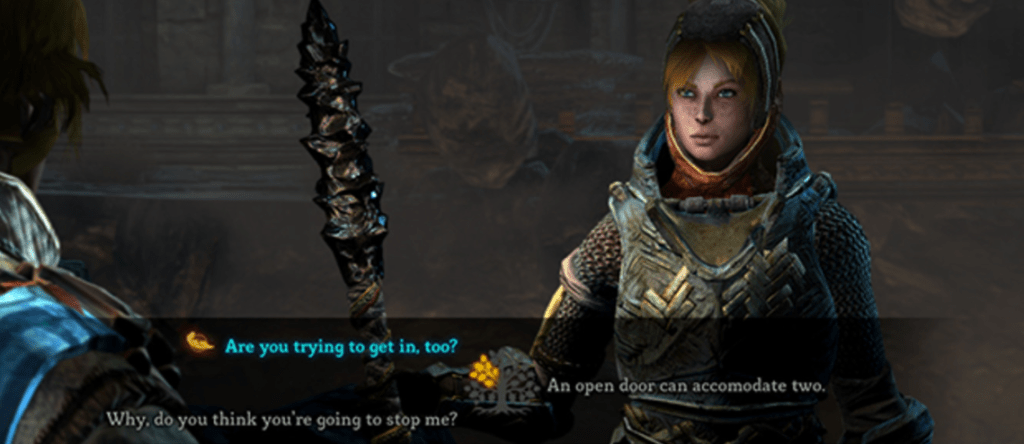
After signing the contract, Stormlands received a new executive producer, who was themselves new to Microsoft. They had ideas about the game. But the conversations soon turned into a negative feedback loop. Microsoft’s ideas would make the timeline longer and the budget higher, which meant Stormlands wasn’t going to be available for the Xbox One launch. If you remember the Xbox One launch, Microsoft wanted to promote Connect. Why have Connect as a standard feature for all Xbox Ones if every game in the Xbox One’s catalogue can’t make use of it? Josh Sawyer (in the Obsidian Anniversary Documentary) states, “My lead team started coming to me individually and saying, we can’t do this. We can’t technologically do it. This doesn’t sound like it’s going to be fun. Even if we could technologically do it, it’s not going to be a good experience.” When Sawyer approached Urquhart about his misgivings about the project, Urquhart wondered why Sawyer didn’t want to tell Microsoft. “Because,” Sawyer said, “I think they’re going to cancel the project.”
Microsoft would cancel Stormlands. The cancellation would lead to the largest grouping of layoffs Obsidian has ever seen. The day Stormlands was cancelled was Obsidian’s darkest. The half of Obsidian’s workforce that wasn’t terminated was sent home for the week. They were in tears. Many of their friends lost their jobs. But the ones who remained had to pick up the pieces.
Obsidian spun off a variety of people into multiple three to five-person groups to drum up some projects. It got everyone’s creative juices churning. While these groups would lead the company to Kickstarter and Pillars of Eternity, several other projects came to fruition.
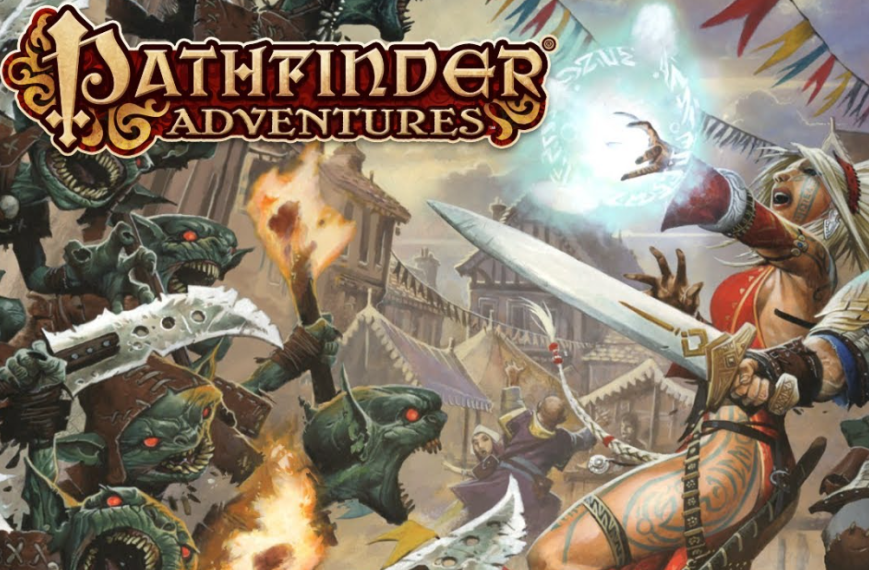
Pathfinder Adventures Card Game
One of the ideas proposed by Obsidian’s smaller groups was to work on a smaller game. In particular, a mobile game. The company had never done a mobile game like Pathfinder Adventures Card Game, and the project was pitched with a small team. A small game wouldn’t require a large team, right? Right? Not exactly. In Obsidian’s efforts to produce something quick, they did the opposite.
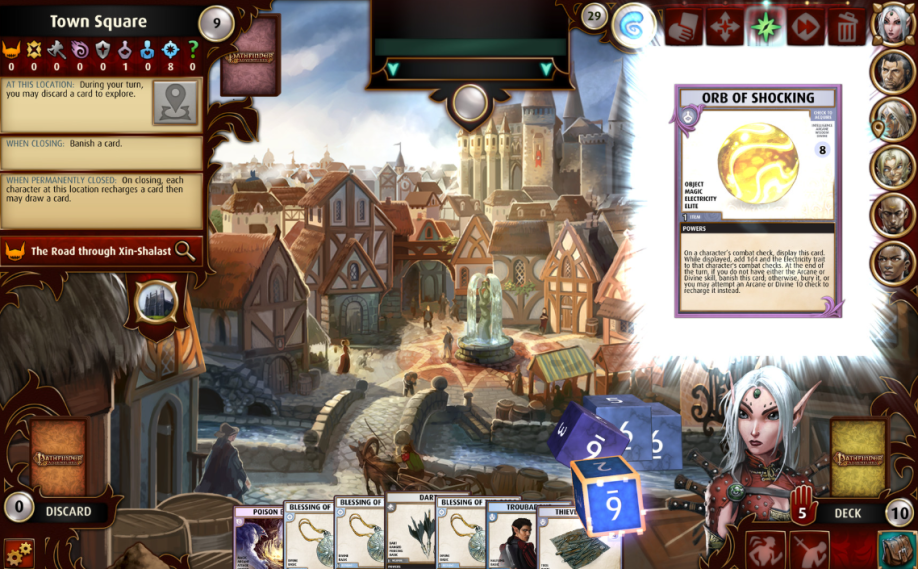
Just because Pathfinder Adventures Card Game was a mobile game didn’t mean it could get by with a small team and a short development window. Obsidian soon learned that the same principles for making a compelling video game extend to mobile games. The group behind Pathfinder Adventures Card Game had little oversight from Obsidian. The company had other games on the horizon and left the group, many of them junior designers, alone to their own devices. To their credit, the designers behind Pathfinder Adventures Card Game were dedicated to the project. Obsidian should’ve given them more resources. The game received mixed reviews. And Obsidian learned a couple of things: 1) They aren’t much of a mobile game company. 2) Give every game a sufficient number of team members and oversight.
Oh. But there were other smaller games Obsidian produced during this timeframe. Another came from overseas.

Armored Warfare
Urquhart received a request for a proposal from mail.ru, which is a Russian communication software company. mail.ru had broken into games, but they struggled to get a foothold in the Western market. They wanted to make a World of Tanks clone. The proposal intrigued Obsidian because World of Tanks was massive. Even if what would become Armored Warfare could capture 20 percent of World of Tanks’ market share, the game would be successful. There’s only one problem. Obsidian was known primarily for RPGs. Who would buy them as a tank combat game developer? This was a job for Co-founder Chris Jones.Before Obsidian, he had worked on all manner of games: action games, fighting games, and most importantly, simulations.

Jones and company threw together quick demos using off-the-market assets, and mail.ru loved it. Obsidian spent several months polishing Armored Warfare. I’ll let Jones (via the Obsidian Anniversary Documentary) set the stage. “The funnest thing about Armored Warfare was watching the company playing the game every day. We’d have daily playtests. We had afternoon sessions with people shooting each other. It was a great experience.”
With a couple of smaller wins in their corner, Obsidian was ready to tackle crowdfunding. But first, they would help an old friend cross the finish line.
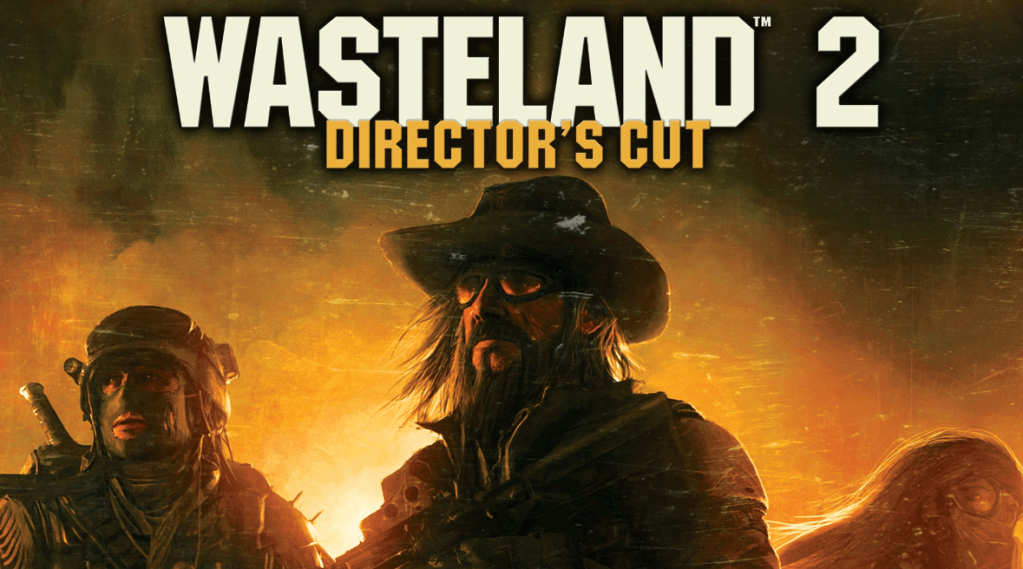
Helping Out with Wasteland 2
Before Obsidian would begin its crowdfunding project for Pillars of Eternity, it would help out inXile’s production of Wasteland 2. inXile and Obsidian had broken away from Interplay and remained friendly. In fact, according to a Shack News article, they had an agreement to share technology. I won’t go into Wasteland 2. We did that in our inXile History post. But Obsidian would see proof of concept. Even though few video game projects became successful after Kickstarter, it can be done.
Pillars of Eternity
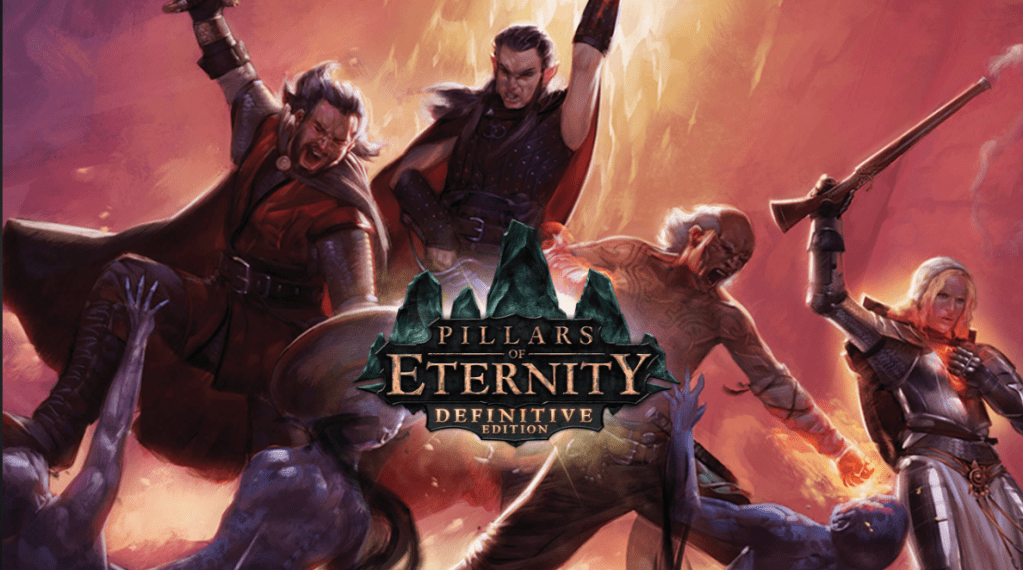
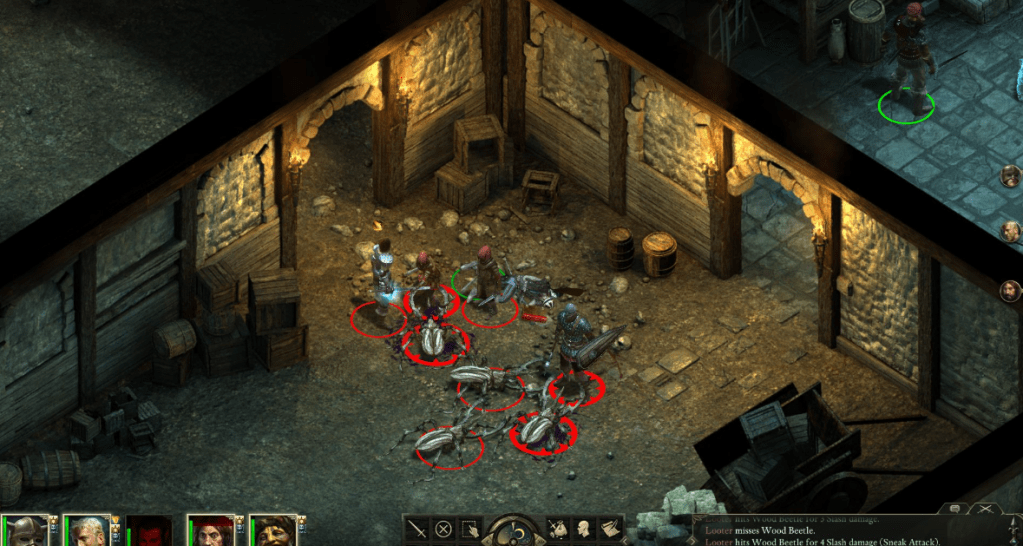
While they had found modest success with Armored Warfare, Obsidian had several cancelled smaller projects by this time, and the company was still feeling the pangs from Stormlands. They needed a big win. They needed to return their top-down, isometric third-person RPG roots. Obsidian, and Black Isle Studios before it, was at its best when it made those types of RPGs. Icewind Dale, Baldur’s Gate, the original Fallouts, Neverwinter Nights, and the list continues. inXile proved with Wasteland 2 that gamers still had an appetite for such a game. But did they still believe in Obsidian?
The company chose to make their spiritual successor to Baldur’s Gate II: Shadows of Amn, and they were using KickStarter. Most at Obsidian tempered their expectations. When they clicked the button to make Pillars of Eternity’s project go live, it took seconds for it reach $50,000, reaching the game’s original goal. Then, it leaped to $1 million. Urquhart contacted Game Director Adam Brennecke at the 24-hour mark, which happened to occur on Saturday. Brennecke was at home, but that level of success changed his plans. According to Brennecke (in the Anniversary Documentary), “We had to rearrange the schedule. We had to get things done faster than we had initially expected because with KickStarter, you want an engaging campaign. You had the cadence planned out but with that initial success, we needed something out on Monday. We had to work on that over the weekend.”
Obsidian would throw a watch party on a newly founded Twitch. At the time, Obsidian’s watch party for the end of the Pillars of Eternity KickStarter campaign was the most-watched video on Twitch. The project topped at $3.9 million, the largest KickStarter campaign at that time. That’s so much money. That’s a lot of hype. So, did Pillars of Eternity match the hype? What do you think?
Obsidian had the team. They were returning to their roots. Pillars of Eternity received a 90 Metacritic score, and it’s not easy getting a score that high on Metacritic. It became a game of the year candidate for multiple publications. Pillars of Eternity was everything gamers loved about the old Black Isle Studios games. The company had come full circle. And they happened to do so with their own original property. And Pillars of Eternity proved the industry was interested in isometric role-playing games. What would be the next hit in this vein?
Tyranny
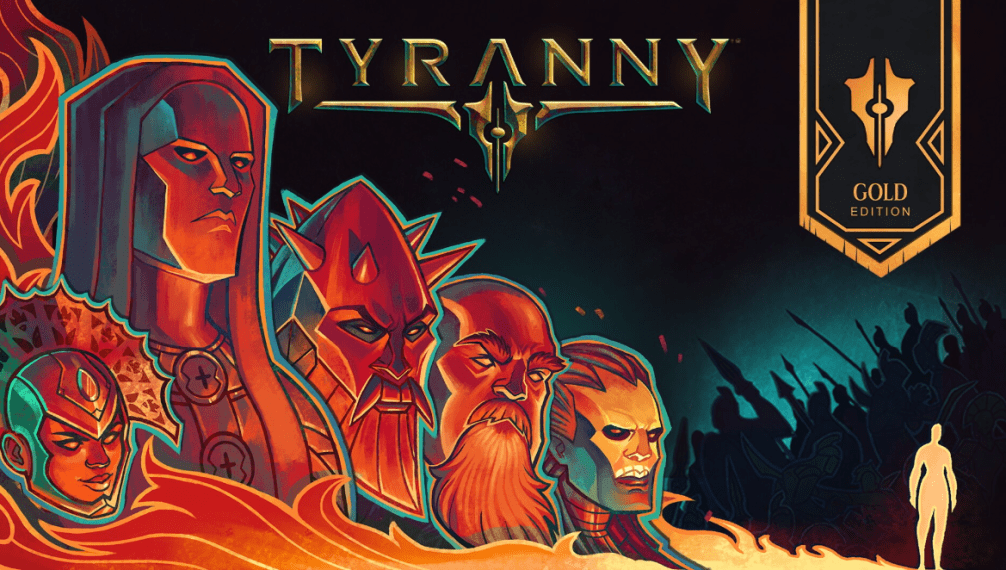
After the KickStarter campaign concluded and Obsidian was developing Pillars of Eternity, they had an idea for another top-down, third-person, isometric role-playing game, Tyranny. Tyranny would place more emphasis on making player choices have more impact on the game’s story. The game’s themes would venture more grimdark as the player’s character rebels against the evil overlord Kyros. Obsidian wondered if they should self-publish Tyranny. But they weren’t a publisher. Fortunately, Swedish publisher Paradox Interactive reached out to Obsidian. Paradox saw Pillars of Eternity’s success and wanted an original idea. They jumped at the opportunity to publish Tyranny.
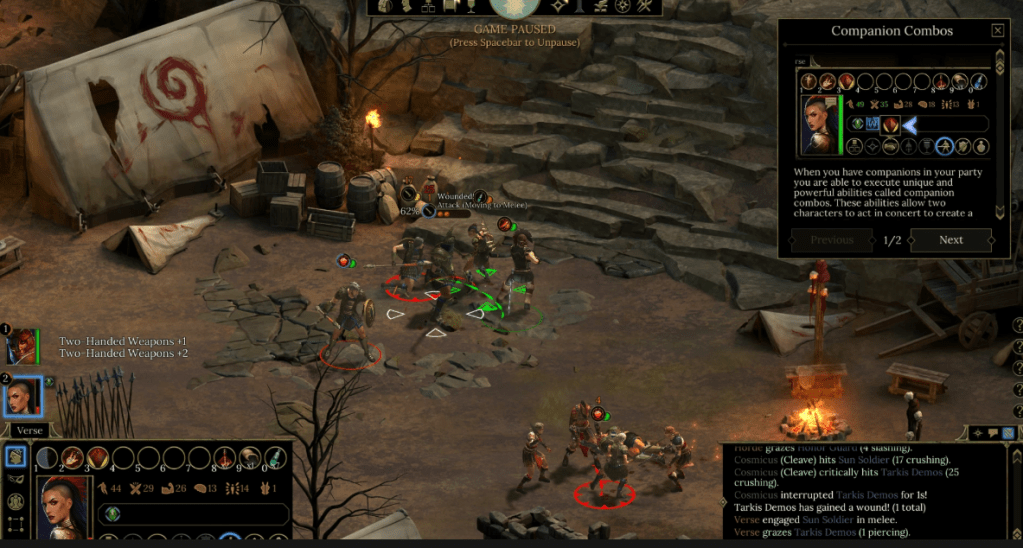
While not as big of a success as Pillars of Eternity–How many games are?–Tyranny added several tools to Obsidian’s repertoire. I’ll let Chris Parker explain (via the Obsidian Anniversary Documentary). “Tyranny is a great example of a game where we focused on true role-playing mechanics, truly great system building, and had a lot of cool features like the glossary…These are systems that, if possible, we want to include in every role-playing game. We can figure out how to do it better next time.” Tyranny may not be a direct sequel to Pillars of Eternity, but fans wouldn’t need to wait long for a Pillars of Eternity sequel.
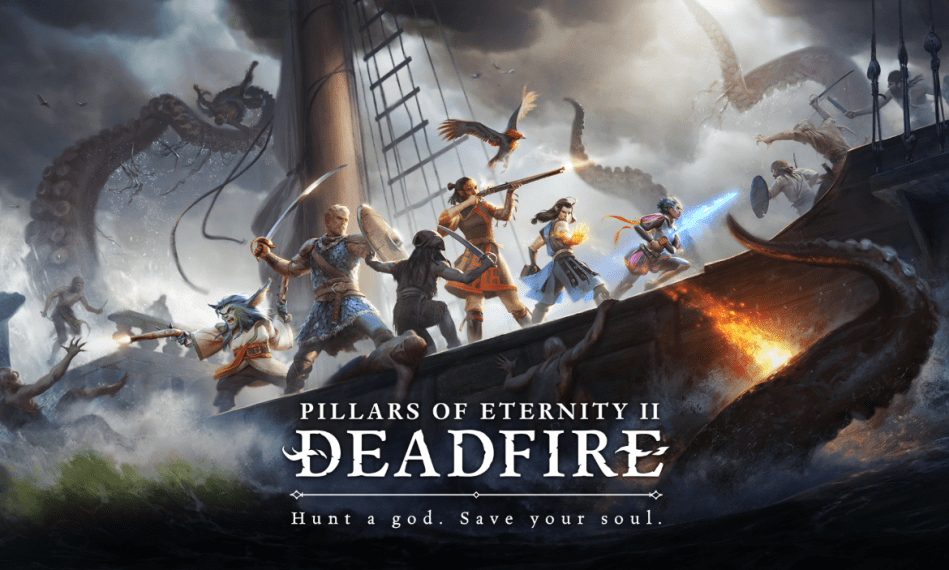
Pillars of Eternity II: Deadfire
Pillars of Eternity II: Deadfire saw a couple of changes. First, Obsidian switched crowdfunding sites from KickStarter to Fig. Second, the sequel wouldn’t receive the same nostalgia boost as the first game. Never underestimate the power of nostalgia. When the original Pillars of Eternity launched, Obsidian hadn’t developed a top-down, third-person isometric role-playing game in well over a decade. This time around, they had squeezed in Tyranny, and Deadfire was a sequel. Obsidian was very familiar with sequels, but to this point, the company had only worked on sequels for other companies. Pillars of Eternity II: Deadfire held the distinction of Obsidian making a sequel for one of their own properties. This was special.
And wouldn’t you know it? Deadfire’s Fig campaign garnered more than the original KickStarter campaign. I guess, never underestimate the power of a customer base, knowing you make a good product, and brand recognition.
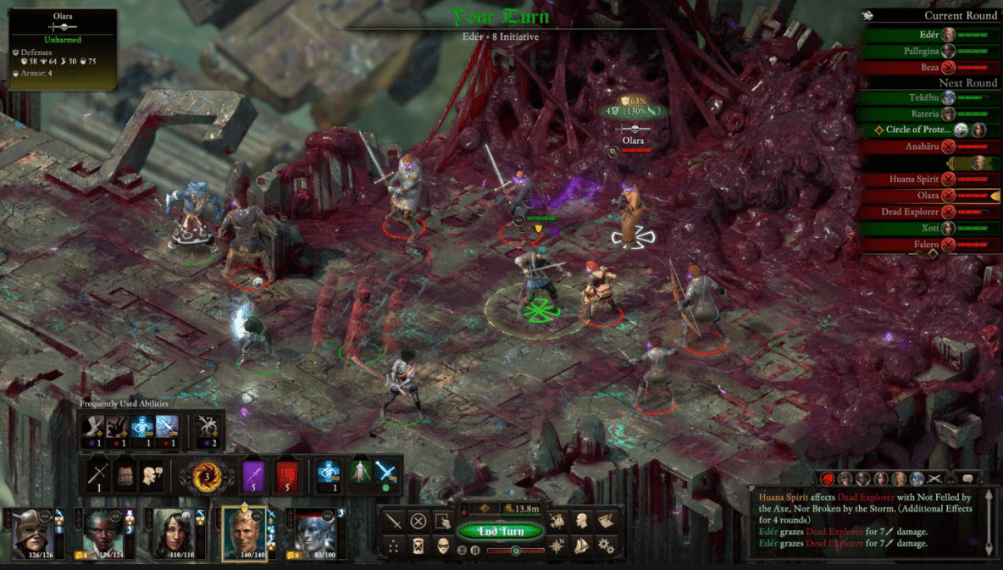
Pillars of Eternity II: Deadfire builds on the original in almost every way. Look at how much the graphics improved. The team spent extra time getting light effects just right. The environments are beautiful and feature a big world map. But the big addition Pillars of Eternity II: Deadfire made was full voiceover work. This made completing the project difficult. You need to schedule recording sessions and split up the actors’ time across characters. It’s stressful and a lot of work. But Obsidian pulled off the near-impossible.
Like its predecessor, Deadfire holds a great Metacritic score. So, why have fewer gamers played Deadfire? Marketing. The eventual publisher, Versus Evil, came late into Deadfire’s development. By the time the publisher came onboard, there wasn’t enough turnaround to fix something wrong with an initial marketing pitch. When something didn’t work, they threw away the pitch. The game sold well to its core audience, but didn’t sell well after launch. While there were some complaints like combat difficulty and ship-to-ship combat (which may be Deadfire’s least successful mechanism), most didn’t know Pillars of Eternity had a sequel. I sure didn’t. With a little more lead in, Pillars of Eternity II: Deadfire could’ve bested the original in every way.
But Obsidian wouldn’t need to worry about a publisher for long. They were about to get acquired by an unlikely buyer.
Xbox Game Studios Purchases Obsidian
After about seventeen years, Obsidian grew tired of finding money to produce games. Publishing never appealed to them. But the founders also hated laying off employees. Who would enjoy that? A steady source of income meant Obsidian wouldn’t experience the joys of payroll. Monahan (again, from the Obsidian Documentary) described it best. “Over that 17 years, it was a lot of money coming in, and the money stopped coming in, and there were a couple of times when I had to rush to the bank myself and withdraw a bunch of money to make sure payroll happened.” In short, Obsidian wanted stability.
The company had asked others if they’d be interested in purchasing them as an imprint. Oddly enough, a familiar face came in with a competitive offer. Microsoft buying Obsidian was awkward. Microsoft was the publisher for Stormlands, which they terminated in 2012. The aftermath of that decision led to a mass layoff. Stormlands’ cancellation almost led to Obsidian’s dissolution. The idea that Obsidian would go back to Microsoft seemed counterintuitive. But Xbox Game Studios insisted Obsidian stay Obsidian. When most companies buy out another company, they absorb the acquired company. Microsoft didn’t want a Microsoft-Irvine. They wanted Obsidian.
With a newfound financial security, Obsidian was ready for its next chapter. What would be a better way to celebrate a corporate buyout than with a video game that’s a parody of late-stage capitalism?
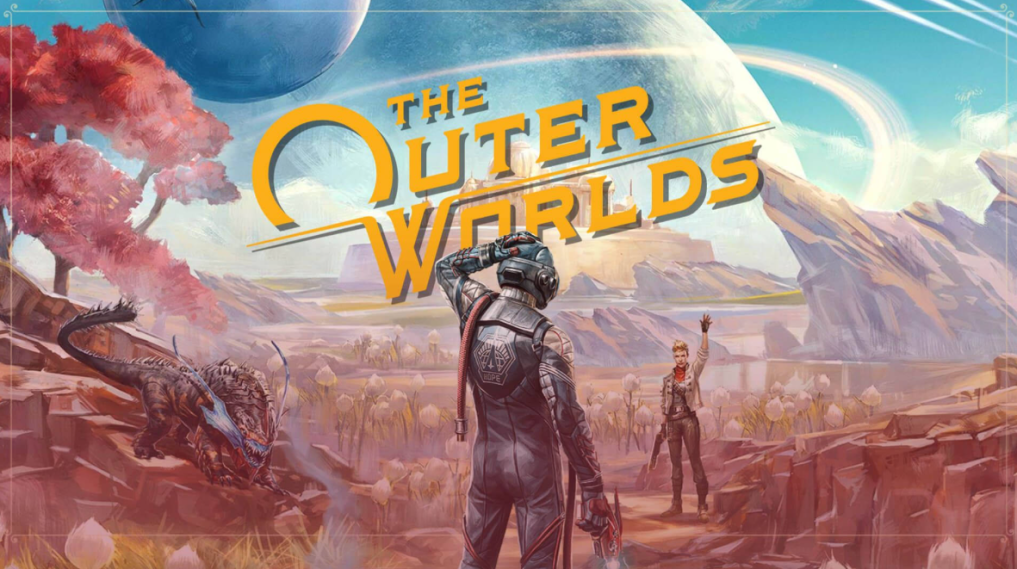
The Outer Worlds
The Outer Worlds marked the reunion of Leonard Boyarsky (Creative Director) and Tim Kaine, who had worked on the original Fallout and Arcanum. The Outer Worlds blends Boyarsky and Kaine’s personalities. I like how Boyarsky put it (in the Documentary). “I’d pull (The Outer Worlds) from being too silly, and he’d (Kaine would) pull it from getting too dark. We could agree on where we landed…Left to our own devices, he would’ve skewed a little bit sillier and more comedic, and I would’ve veered a bit more into the dark underside of humanity.”
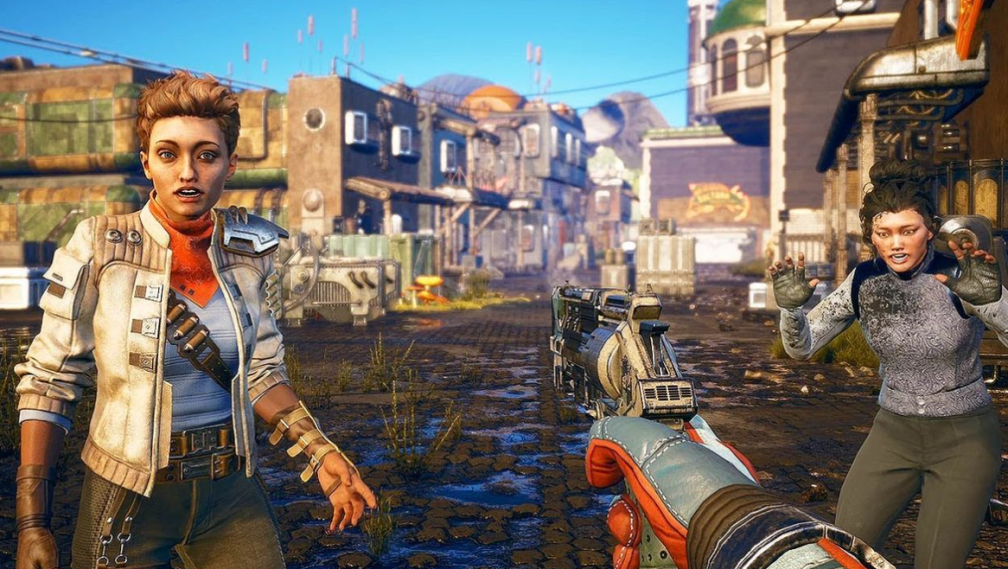
The Outer Worlds found a healthy balance between comedy and social commentary. The game was an immediate success. Obsidian had yet another franchise they could build upon. The Outer Worlds had a little bit for everyone. And those company jingles were hilarious. I still find myself singing, “It’s not the best choice; It’s Spacer’s Choice.”
Obsidian knew it wanted to include DLC for its project and got to work. In fact, Obsidian developed The Outer Worlds’ DLC while working on the base game. Nine to ten months passed before they brought in Game Director Carrie Patel. She pitched a revision to the DLC that gave it a strong noir take on The Outer Worlds. The DLC lived in a similar space to the rest of The Outer Worlds but felt different. It gave Obsidian room to play, push the flavor, and adjust the tone just a bit. Variance to The Outer Worlds’ DLC proved Obsidian could adapt.
And that brings us back to E3 2020 Los Angeles and the comment Justin Britch made. “Even as a mid-sized publisher, we had a lot of projects at the same time.” During E3, Obsidian announced multiple projects. In Peril on Gorgon, the DLC for The Outer Worlds, and an early access launch trailer for Grounded. With Grounded’s trailer, Obsidian made a joke with CD Projekt Red. “If you want this year’s biggest release, then wait on Cyberpunk 2077. But if you wanted the smallest, we’ve got you covered. Grounded.”
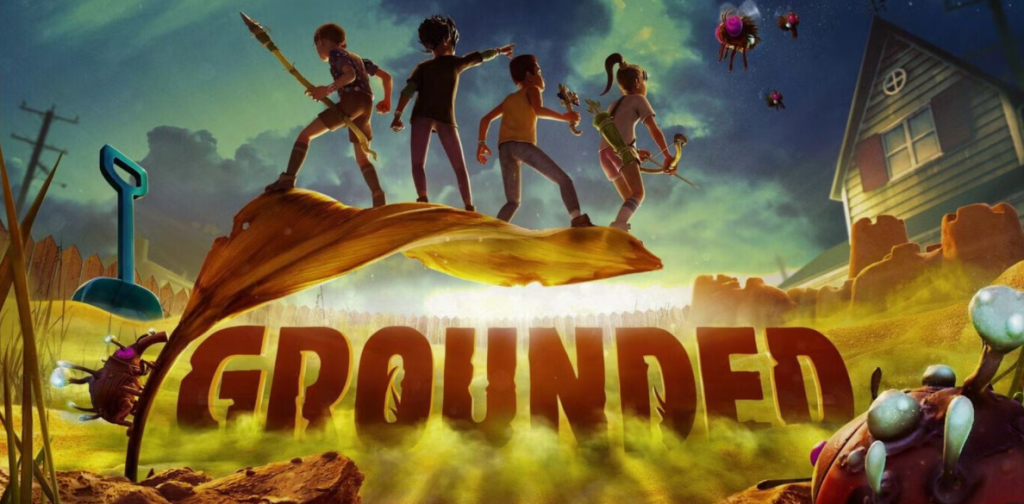
Grounded
Even though Obsidian’s trailer mentions that they’ve never made a game like Grounded, survival games share similarities with RPGs. Character development and exploration are hallmarks of both games. The original idea for Grounded originated during Pillars of Eternity’s development, but it wouldn’t be until Pillars of Eternity II: Deadfire that Grounded would receive a concrete pitch and a small team. Survival games were around in 2012, but they weren’t as big as they would become in the coming decade. The creative team was nervous. They hadn’t made a survival game like Grounded. And the pitch was odd. I’ll let Chris Parker (Documentary) explain. “Right out of the gate, I was scratching my head. Really? We were going to do a Honey, I Shrunk the Kids, but it’s a survival game with role-playing elements.”
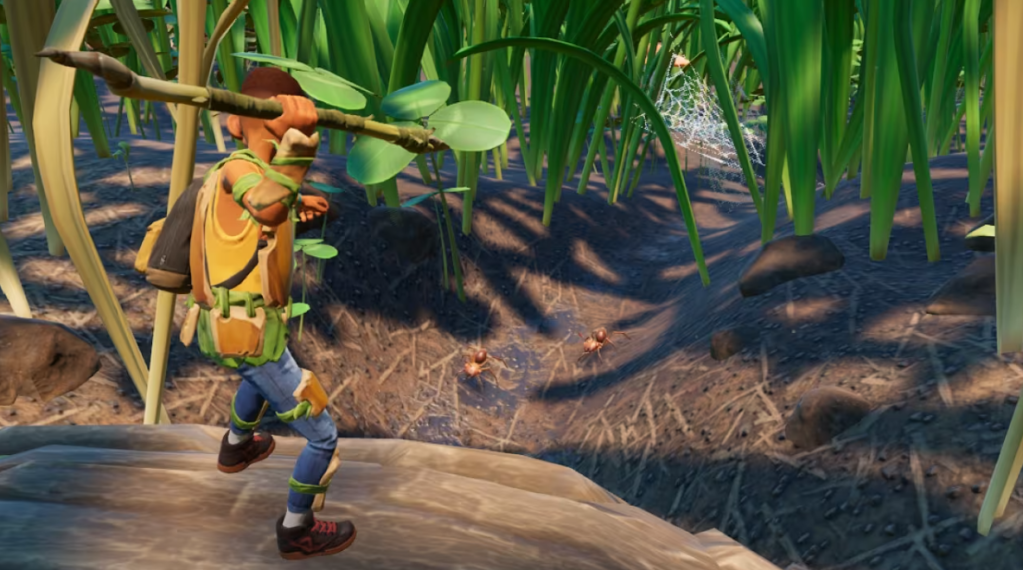
Early on, Grounded got review bombed. Was it because Grounded poked fun at Cyberpunk in its trailer? Did gamers question if Obsidian could pull off a survival game? Or was it Grounded’s concept? No matter the reason, Grounded began with poor early reviews, but that would change. Head of Strategy and Operations Marcus Morgan recalls his time at XO, which is an Xbox dedicated event for just Xbox games. He watched people play Grounded. They were having a great time. Obsidian had another hit.
Grounded broke the mold in more than one way for Obsidian. Not only was it the company’s first survival game, it was the company’s first foray into early access. Game designer Adam Brennecke always wanted to try early access. He wanted to get the game into players’ hands as quickly as possible. The lifeblood of a game is iteration. The sooner players could “break” a game, the faster designers could address issues. Obsidian would repeat this process with Grounded’s sequel. But we have a couple more games to discuss before we get to Grounded 2.
Pentiment
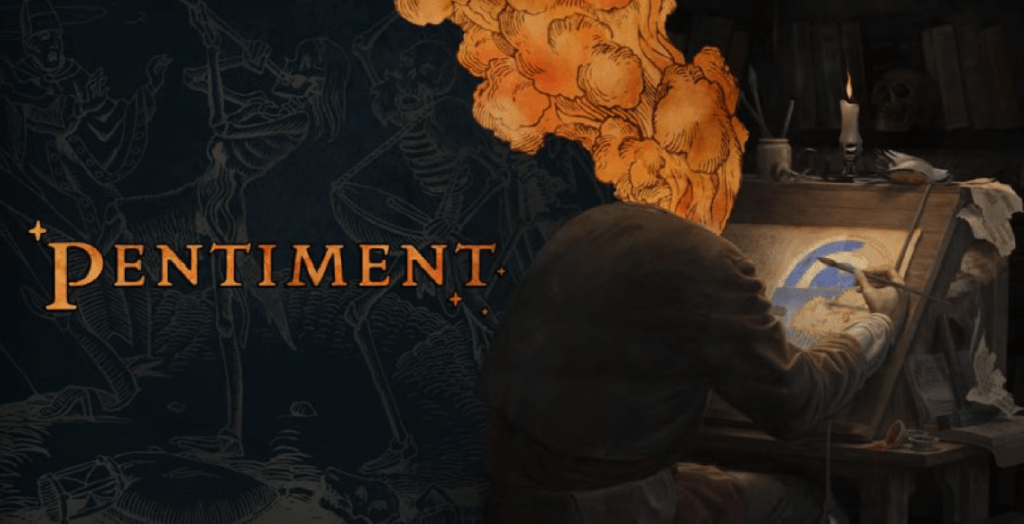
Microsoft has stayed true to the word. They’ve let Obsidian be Obsidian. Sure, character-driven role-playing games will ensue, but Obsidian has always pushed boundaries. Pentiment is a good example of Obsidian pushing boundaries. And it illustrates Obsidian being able to be Obsidian. Josh Sawyer had a few games on his bucket list. Sawyer shared them in the Documentary. “When I got into the industry in 1999, I wanted to make a Dungeons & Dragons game, a Fallout game, and a historical game. I got to make a D&D game right away (Neverwinter Nights 2). It took a little while to make the Fallout game (Fallout: New Vegas), but the historical game eluded me for the longest time.” Sawyer fell in love with a game called Darklands (1992). It focused on the 15th century in the Holy Roman Empire and added fantastic elements.
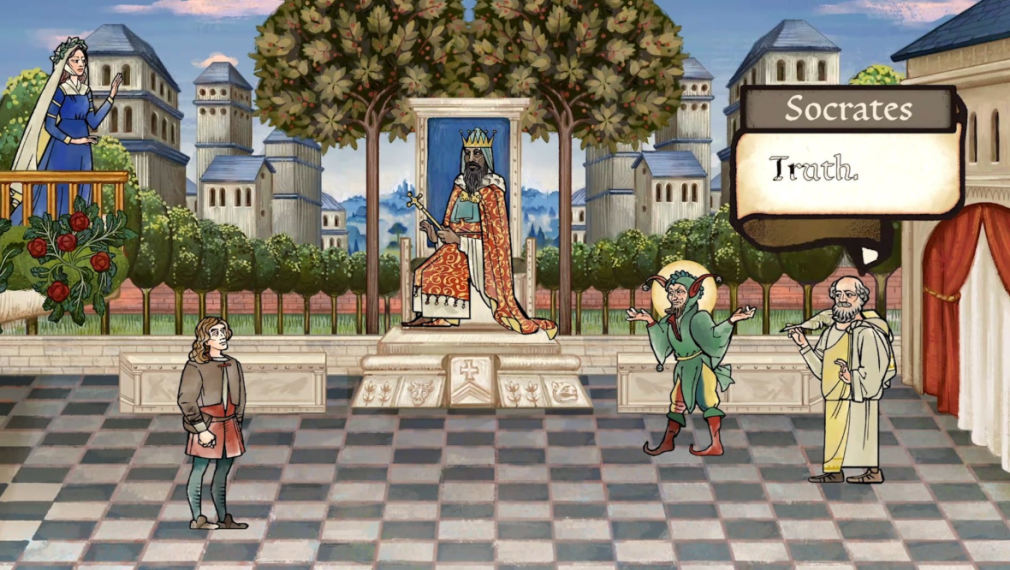
Sawyer framed Pentiment as a narrative adventure with mystery components and gameplay similar to Night in the Woods, Mutazione, and Oxenfree. Pentiment is set at the beginning of the Reformation, and Sawyer cited Umberto Eco’s The Name of the Rose as inspiration for Pentiment’s setting. Players spend most of their time inside a monastery. And as you can tell by the image above, Pentiment contained stellar, historically influenced art. Is it any wonder Pentiment earned a Peabody Award? Pentiment may not be a game for everyone, but the ones who Pentiment is for love it. Obsidian was on a roll. They had two games that would get sequels, and an indie darling in Pentiment. Their next project would be an action RPG set in the world of Pillars of Eternity.
Avowed
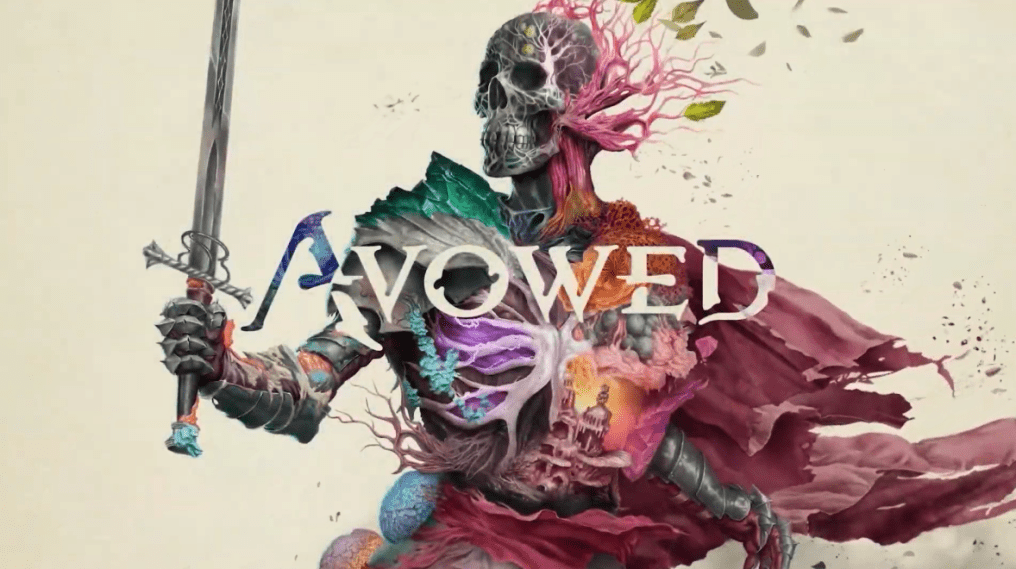
Set in Pillars of Eternity’s setting, Avowed spent several years in development limbo. Urquhart had insisted Avowed feature multiplayer. It never materialized. The game didn’t function as a multiplayer experience. After Microsoft acquired Obsidian, they insisted the team ditch the multiplayer aspect. Once that was settled, Avowed made progress.
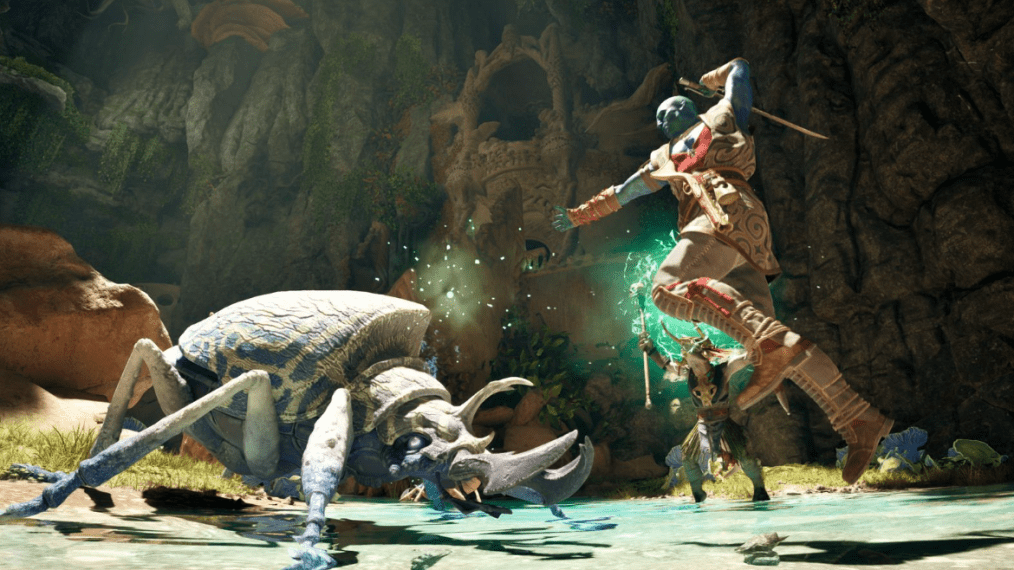
Avowed would ditch Pillars of Eternity’s open world for explorable zones (similar to The Outer Worlds). Player choices would affect the world and the companions traveling with the player character. And then there’s the announcement of factions. Avowed would pivot into factions and social standing within each faction, echoing Fallout: New Vegas. Did Avowed live up to the hype? It received favorable reviews. I haven’t had a chance to play Avowed. It is scheduled for a PlayStation 5 release in February 2026. (I’m writing this post in January.) Fallout: New Vegas is on many people’s top games of all time. A game can be fantastic and fall short. But I’m excited to try Avowed in the coming months. I may have already played it by the time you’re reading this post.
2025 was the Year of Obsidian Sequels
In addition to Avowed, which is a spin-off of Pillars of Eternity, Obsidian released two other sequels: Grounded 2 and The Outer Worlds 2. The company is going strong. Its partnership with Microsoft has freed the creatives at Obsidian to do what they do best: make games. While I’m excited for great sequels and spin-offs, I like that Obsidian continues to challenge itself with projects like Pentiment. The future looks bright for this role-playing game juggernaut. Here’s to another 20 years of Obsidian.
This was a long one. If you made it this far, you’re awesome. We all know it. Let me know if you enjoy this series and which game developer or even designer get the video game history treatment. Thank you for reading, and wherever you are, I hope you’re having a great day.