Happy Saturday, Geekly Gang! Kyra Kyle here with a reaction to Fallout Season Two’s Finale, “The Strip.” Before we get into any spoilers, I’ll set the table for this reaction/review. Fallout Season One played out similarly to Star Wars: A New Hope. The creatives behind the show didn’t know they were getting renewed for a second season, so they teased New Vegas as the setting for a potential Fallout Season Two. Conversely, the creatives behind the show knew they had been renewed for a third season before Season Two finished filming. So, Fallout Season Two’s finale plays out similarly to Star Wars: The Empire Strikes Back. Major plot points get introduced during the episode’s final ten minutes. Heck. There’s a rather large complication teased during Fallout Season Two’s end-credit scene.
Last week, I lauded Fallout season two’s penultimate episode for doing everything the next-to-last episode should do. It answers some questions, but held back elements for the season finale to explore. “The Strip” does a good job of answering some of these questions, but since season three is on the way, it asks almost as many questions as it answers.
I’ve kept this reaction spoiler-free for about as long as I can. We’re about to enter spoiler territory. You’ve been warned.
I’ll begin with Caesar’s Legion because it needs the least amount of explanation and receives the smallest airtime. Macauley Culkin’s character recovers Caesar’s corpse and reads the former leader’s last will. Basically, Caesar named himself his successor. Culkin’s Legate character doesn’t accept this answer and takes the crown for himself. He also eats Caesar’s message. Ew! Dude, that was on someone’s corpse, and it was decaying. Nastiness aside, Culkin’s character becomes the new Caesar and galvanizes the Legion toward the Holy Land, New Vegas, to build a palace. Caesar’s Palace. How many takes do you think it took Culkin to say that line without laughing? Watching the Legion march on New Vegas was a sight. I can’t wait for the impending battle.
Inside the Strip, Maximus fights off the horde of deathclaws. The action sequence ventures into the unrealistic. Deathclaws may be less deadly than radroaches. More on that in a minute. The scenes with Maximus and the deathclaws contain the most fan service. That’s much appreciated. Still no confirmation on what Thadeus is transforming into, but he manages to lead Freeside’s residents into a shop, where they promptly bet on how long Maximus can survive against the deathclaws. This is a nice callback to The Thorn (in Fallout: New Vegas). Combatants battled various wasteland creatures, like deathclaws, and observers would place bets. Nice!
The battle concludes when the New California Republic marches into town and takes over the deathclaw fight. While the moment when the NCR sniper kills a deathclaw brought a smile to my face, it was undercut by Lucy doing something similar a few episodes earlier. Why did Lucy need to mimic the NCR shot from the game? She was on Buffout. That was already cool and hilarious. I would’ve preferred Fallout to reserve that shot for the NCR. That’s a nitpick. The moment still rocked
Accompanied by Mr. House (via a Pip-Boy), The Ghoul searches the Vegas Executive Vault for his family. We receive a lot more of The Ghoul’s backstory, but I was left with even more questions. This is part of what I mean by Fallout Season 2 functioning like The Empire Strikes Back. The Enclave is behind most things, including the bombs falling, but we still don’t know who’s behind the Enclave. Someone’s behind it all, but we’ll get to that more while discussing Steph’s storyarc. There are a lot of storyarcs during “The Strip.”
Surprise! The Ghoul’s family is not in the Vegas Executive Vault. Their cryogenic chambers are empty, but in Barb’s place was a postcard from Colorado. This is a callback to a Ghoul flashback. It looks like The Ghoul’s family is in Colorado. The Ghoul is at least on his way to Colorado. And this separates The Ghoul and Lucy.
Speaking of Lucy, she destroys the mainframe. Rather, at Diane Welch’s request, Lucy kills Welch’s severed head. Yeesh! I’m with Lucy in this scene. Why does everyone want her to kill them? While she ponders her next move, Lucy discovers her dad, Hank, escaped, and he wants to put a mind control chip on her, forcing her to obey. Dude, Hank just went total supervillain. Hank orders the brainwashed legionnaire to subdue Lucy, but The Ghoul shows up in the nick of time, shooting the legionnaire dead, and Hank in the buttocks. You could almost see the pop-up message, “Lucy Liked That.” Lucy turns the tables, placing a chip on Daddy Dearest. Before she hits the button, she wants answers. Of course, she doesn’t get them because Hank has his own button and resets his brain. This was a stellar moment.
Hank and Lucy’s story goes so hard. Both stay true to each other. We were never going to get a straight answer from Hank, and his action at the end solidified this fact. Loved this. We only have a few more threads to discuss: Steph, Norm, and the impending Enclave.
Surprise again! Steph and Hank are married. What? And the little time we get with Steph, we see her enact Phase Two, whatever that means. Steph contacts the Enclave, who have been listening to all the radio relays up to this point. A computer updates Phase One as completed, but Phase Two’s details are redacted. Because of course they are. My guess, and this is a guess, is that Phase Two has something to do with the Forced Evolutionary Virus. And that gets me back to Thaddeus. He may or may not become a Centaur, but he definitely got some variant of the Forced Evolutionary Virus.
We catch a glimpse of the Enclave, who have a base in the mountains. My guess, again a guess, is that the Enclave are based in Colorado, because that’s where The Ghoul is headed. We know the Super Mutants, who don’t make an appearance in this episode, have a vendetta against the Enclave. See what I mean about Fallout Season Two holding back most of its deck of cards? I have no idea where any of this will lead. “The Strip” gives us enough information to keep the audience engaged but dangles plenty of loose threads.
We have a couple more threads, I promise. The Vault-Tec goons unlock the radroaches from their farm. They wreak havoc. Seriously, the radroaches deal more damage than the deathclaws. Norm manages to rescue his would-be girlfriend, Claudia, from the wreckage. Funny how Norm and Claudia are the only ones left alive after the radroaches go ham. I’m not complaining. I don’t mind a Norm/Claudia side story for Fallout Season Three. So, that leaves us with at least four groups we’re following next season: Lucy, Maximus, and Thaddeus; The Ghoul and Dogmeat; Norm and Claudia; Vault 32 and 33. Oh. And the Brotherhood of Steel; they factor into the post-credit scene.
Elder Quintus has left his Unification stage and entered his Destruction stage. I’m unsure how the Brotherhood of Steel has hidden Liberty Prime Alpha, but I’m all for a kaiju battle in Fallout Season Three. There are so many places Fallout Season Three can go, and I’m pumped. Too bad we need to wait another year for the next episode.
So, what do you think? What was your favorite part about Fallout “The Strip?” Let us know in the comments. Thank you for reading, and wherever you are, I hope you’re having a great day.
Happy Wednesday, Geekly Gang! Kyra Kyle here. In today’s post, our writers will share the games (board games and video games) they’ve been playing over the past month. Let us know which games you’ve been playing in the comments, because we’re all part of the Geekly Gang. I’ll get things started with the games I’ve been playing over the past month.
Kyra’s Board Games
JK Geekly attended Scroogecon (in Lincoln, Nebraska) last month, so many of my board games will be ones I played during that event. Tokkuri Taking was the first game I tried. Dinos drinking sake, what’s not to love? I love this theme. And Tokkuri Taking was fun for a single round. Players score points for each empty tokkuri (the vases used to hold sake). I like plenty of the mechanisms here. I’ve never seen wooden sticks depicting how much sake is in a tokkuri. A round ofTokkuri Taking runs less than 15 minutes, which is what the box says. Unfortunately, Tokkuri Taking ends after numerous rounds. Players begin with ten chips. As soon as one player runs out of chips, the game ends. With players exchanging chips each round, Tokkuri Taking could last anywhere from an hour to two hours. Yikes! I wouldn’t want a two-hour session of Tokkuri Taking. I’ll stick to one or two rounds.
While I enjoyed my single play of The Loop, I don’t know if it’ll make my board game collection anytime soon. The theme and mechanisms are amazing, but I worry about The Loop’s scalability. We played with a full complement of four players. I never felt like we were going to lose this cooperative game. According to boardgamegeek.com, The Loop plays best at 2 players. I believe that. The person who shared The Loop with us said solo games skewed toward being too difficult. I felt four was too easy. Three may not be much better than four. But who knows? The Loop features a lot of variability. We could’ve gotten lucky during this game. I would play The Loop again. It was fun.
River Valley Glassworks is a game I’d gladly add to my collection. All Play Games has a knack for quick, accessible games with quirky mechanisms and themes. River Valley Glassworks meets these criteria. Heck! We played two games. And I got skunked both times. Gamers play as pioneers, drafting glass (acrylic pieces) from the market of river tiles. To claim glass, you must play a piece from your inventory into the river. But beware, each river tile can take one specific shape, and you must play into a space adjacent to where you want to draft. After you pick up your glass and place it on your player board, the river shifts forward, revealing new pieces. Perfection! The mechanisms enhance the theme. And the theme enhances what you do each turn. By the time you’re reading this, I may have already bought a copy of River Valley Glassworks. It looks gorgeous.
The next game I played was playtesting my prototype, Dungeon Chef. It was a smash. And that’s not just me saying that. One of the playtesters asked if Dungeon Chef was print-and-play. They wanted to spend $15 or so and print off a copy of their own. That’s a great sign.
I’ve always wanted to try Clank! or Clank! Catacombs, and finally got my chance during Scroogecon. It was good. But it wasn’t as good as I wanted. Similar to The Loop, another game I’ve wanted to try for some time, Clank! Catacombs may have suffered because we played with a full complement of players: four. Unlike The Loop, Clank! Catacombs played well (balance-wise) at four, but ran long. Honestly, several of us at the table had been playing games all day and had little interest in turns that weren’t our own, and we got distracted. Scroogecon had been quiet most of the day. It got loud when we started Clank! Catacombs. I liked how Clank! Catacombs melded disparate mechanisms into a cohesive whole. I even won the game–by a lot. Beginner’s luck. But it didn’t quite land. Clank! Catacombs is another game I’d give another chance.
Panda Royale is a cute dice-chucking and drafting game. It plays super fast, and that worked for the limited time we had remaining at the convention. We had fifteen minutes or so before Scroogecon’s raffle drawing. Panda Royale fit nicely into that window. The game has a cute theme, but the mechanisms don’t match the theme. Panda Royale could’ve been titled Yahtzee Royale, but this theme is more appealing. And the title Yahtzee is most likely copyrighted. Panda Royale can get swingy, and the game doesn’t do enough to address a potential runaway winner. Skye cobbled together a handful of consecutive 100-point rounds, and I knew she was going to win halfway through the game. Still, Panda Royale is quick enough to exact revenge. If we had more than fifteen minutes, I would’ve been challenging her to a rematch.
One last note on Panda Royale: I hated the dry erasers. You may need to bring tissues and cleaner whenever you play.
That’s all I have for this past month. Let’s check in with Season.
Season’s Board Game
I played Kavango for the first time last year at Nuke Con. Guess what I got for Christmas, Geekly Gang? Kavango has players build their own wildlife reserves in Africa through conservation. Whoever has the most thriving reserve wins. I’ll say this: Kavango isn’t a game you’ll win on your first try unless you’re a board game genius. It looks more intimidating than it is since there are many moving pieces, but it’s got a good flow. Kavango has three rounds with ten turns apiece, but each turn is played simultaneously between players.
The creators of Kavango did research on real-life conservation and included player roles based on their real-life counterparts. The Kickstarter edition (my copy) has a map of wildlife conservation parks across Africa. I’m totally using it for an African wildlife safari that I’m planning for in the distant future.
Seasons Video Game
I played the first Patapon on PSP eighteen years ago. I never completed it because it was too difficult for me. Patapon is a rhythm-based side-scrolling game that relies on the player to match their drums (buttons on the controller) to the movements of their Patapon tribe. Maintaining the rhythm allows the player to go into Fever mode. Some of the Patapon tribespeople do more damage and have special abilities when in Fever mode. If the player loses their rhythm, the Patapons glare at the screen and shout, “Huh?” Some of them even fall over. Maintaining Fever mode is difficult when levels throw many enemies and environmental effects at players.
That’s all from me. What are you playing, Skye?
Skye’s Board Games
Rustbucket Riots is a game I’ve been meaning to mention for a while, and I’m glad to finally offer my take on it. For those who’re unfamiliar, Rustbucket Riots is a cooperative dice-placement game created by our very own Kyra Kyle about taking down renegade robots in a not-so-distant dystopian future. While not yet published, I had the pleasure of playing a newly updated version of the game last month, and it’s amazing to see how much progress it’s made over time. The board has become much easier to read, and the flow of the game has been perfected. It goes without saying, but I certainly can’t wait until Rustbucket Riots hits the shelves because I’ll be one of the first to pick up a copy.
Another Kyra Kyle original, Spill the Beans (working title) is a much simpler party game. With the objective of spilling Jellybeans (not too many) out of the jar and placing/eating them in a way that leaves you with the most points. Spill the Beans is fast-paced. It also puts a spin on the idea with the addition of jar-specific abilities depending on where you decide to place your Jellybeans. Spill the Beans is a great pick for some lighthearted party game fun.
Skye’s Video Game
I don’t have a problem. Well, ever since beating Resident Evil 2 and Silent Hill 2 last month, I became transfixed by the world of Resident Evil. I’ll admit there isn’t much that sets Resident Evil: Survival Unit apart from other survival strategy mobile games with the sole exception of it being Resident Evil themed. For that reason, it’s been hard for me to pull myself away from it. Every day I have my construction and research progress in the back of my mind and the urge to participate in alliance raids is too much for me to resist. That and it’s great to see some of my favorite characters still alive in this non-canonical story. I never fully recovered after Marvin; just let me have this.
Hey, hey! Kyra Kyle here again. Those are the games our writers have played this past week. Let us know what you’ve been playing. Thank you for reading, and wherever you are, I hope you’re having a great day.
Spring Meadow is the grand finale of Uwe Rosenberg’s puzzle trilogy of games. It follows 2016’ Cottage Garden and 2017’s Indian Summer. The complexity of this game—the most interactive between the players in the trilogy—is set in between those two games. Hey, hey, Geekly Gang! Kyra Kyle here with another tabletop game review. We’ll be placing oddly shaped polyominoes on wintery player boards in today’s game review, Spring Meadow. Uwe Rosenberg’s final game of his puzzle trilogy marks the end of a harsh winter, and the first delicate flowers bloom. Can you have the lushest meadow? We’ll get to Spring Meadow’s review in a bit, but first, let’s talk about the less picturesque elements of the game and discuss Spring Meadow’s credits.
The Fiddly Bits
Designer: Uwe Rosenberg Publisher: Stronghold Games; Pegasus Spiele; Edition Spielwiese Date Released: 2018 Number of Players: 1-4 Age Range: 8 and up Setup Time: 5-10 minutes Play Time: 15-60 minutes
We’ll be paraphrasing the Spring Meadow rule book. The setup is succinct and easy enough to follow.
1) Place the double-sided Hiking Map (shared board featuring the offering of polyominoes) that corresponds to the number of players face up in the center of the table.
2) Shuffle all Meadow (polyomino) tiles and randomly place one on each of the 25 spaces of the Hiking Map.
3) Return the remaining Meadow tiles to the box. You will need them later to refill the Hiking Map.
4) Place the Rock tiles, Marmots, Picnics/Hiking Pins, and Compass within reach of the players in a common supply.
5) Place the Signpost next to the player count icon on the Hiking Map.
6) Shuffle the double-sided Mountain boards and give one to each player. Orient the Mountain board with the arrow pointing up.
7) Randomly select a starting player. Each successive player will take a Rock tile, the size of which will depend on the player count and the player order.
Game Flow
On a turn, the active player chooses 1 Meadow tile from the Signpost Path (noted by the Signpost pawn, you’ll either select from a row or column of polyominoes, depending on the Signpost’s orientation during your turn) on the Hiking Map. Place the tile on your Mountain board.
Pay attention to the Holes in the Meadow tiles and the Burrows on your Mountain board. Burrows will challenge your puzzle skills and placing adjacent Holes will allow you to place extra Rock tiles on your Mountain board.
If you wish to cover a Burrow, you must place a Marmot over a Burrow that has already been cleared.
When the Signpost stands next to a Signpost Path (column or row) on the Hiking Map containing zero or one Meadow tile(s), a Scoring phase is triggered.
Starting from the bottom of your Mountain board, count all covered spaces up to and including your first incomplete row to tally your score.
The player with the most points earns a Hiking Pin and must place Marmots over all their cleared Burrows (so they cannot score those Burrows again).
Once scoring is completed, refill the Hiking Map with randomly drawn Meadow tiles afterwards.
The first player to earn their second Hiking Pin wins the game.
Review
It took some time for me to get into Spring Meadow. I appreciated Spring Meadow’s theme. There’s something about the earth waking up from a cold winter. One of my favorite things to do during this time is to stop by the Platte River and hear the ice turn into slush and float on by. Spring Meadow gives me those vibes. And I love polyominoes in general, and Spring Meadow uses them in interesting ways. Kind of like a competitive Tetris, where you want to fill the board with as many blocks as possible. But Spring Meadow has a steep learning curve, and if you play with a new player, that can derail the game.
Sure, at one point, I was that new player. The person who taught me the game had a fun enough time, but he didn’t really find enjoyment in playing Spring Meadow until me and another player from my gaming knew had played a handful of games. He told me as much. And I found the same to be true. Spring Meadow feels unforgiving as the “new player,” but as an “experienced player,” I felt as if I was taking advantage of someone else.
While Spring Meadow’s player (Mountain) boards can be oriented in landscape or portrait, I prefer portrait. There isn’t much difference between the two orientations, but portrait clicks a little better with me. Other players in my gaming group said the opposite, so there’s a chance portrait or landscape orientation could benefit one player over another because of how different brains process information. This doesn’t lower Spring Meadow in my estimation, but I had to mention it.
I’m uncertain if Spring Meadow has a runaway leader problem. Certain plays of Spring Meadow devolve into a runaway leader, especially if you have a veteran player against noobs, but evenly skilled players can keep the game close. Still, I don’t think the Marmots covering cleared Burrows is a big enough penalty or catch-up mechanism. Player boards stay the same in between rounds, so if you’re ahead by fifteen points at the end of one round, all other players need to score fifteen more points than the leader during the second round. Good luck with that.
I could see gamers instituting an extra catch-up mechanism of handing players who are behind by more than five points, a one, two, or three rock tile. But that would be a house rule.
I also prefer Spring Meadow with fewer players. The three and four-player variants have one player selecting on the diagonal (instead of a row or column), but it’s the same player picking on the diagonal each time that happens. While picking the Meadow tile you want from a diagonal line may not add extra strategic value for that one player, it feels bad for the players who don’t get to choose from the diagonal, and choosing a tile from a diagonal line gives the illusion of more choice, because you’re literally picking your tile in a manner no one else can.
Despite any minor gripes I may have, I’ve enjoyed my time with Spring Meadow. It’ll be one of those games you’ll need to play multiple times to grasp the game’s nuanced strategy. Fortunately, games of Spring Meadow don’t take that long. Fifteen minutes per player is short. This is another reason why I like playing Spring Meadow with fewer players. A two-player game takes up to thirty minutes. Nice!
Too Long; Didn’t Read
Spring Meadow may have a runaway leader problem, and veteran players have a decided advantage over noobs. But I love the theme and the game uses polyominoes in intriguing ways. Spring Meadow is one of those games you’ll need to play more than once to grapple with its nuanced strategy. Thankfully, games of Spring Meadow don’t take long: fifteen minutes per player.
Happy Sunday, Geekly Gang! Kyra Kyle here with another week of Geek News. We have plenty of new board games and some video game releases to discuss, but first, we need to discuss the DCU. Over the past week, James Gunn has been dropping bread crumbs as to who may soon join the cinematic universe. And I’m hyped.
Head of DCU James Gunn Posts Pictures of Chocos
What can pictures of a snack prove? It depends on the snack. Known for having fun with fans on social media, head of DCU James Gunn posted multiple pictures of Chocos, which most DC Comics fans will know is the favorite snack of Martian Manhunter. Gunn refuses to say anything definitive about Martian Manhunter’s future in the DCU, but Chocos showing up so often on social media can only mean that fans won’t need to wait long to see a proper cinematic version of everyone’s favorite green-skinned member of the Justice League.
Supergirl is the DCU’s next film, but it’s unlikely Martian Manhunter will appear. I’m not ruling out a Martian Manhunter appearance. I’m excited to see him in the DCU. But Martian Manhunter may be better served in the Man of Tomorrow, 2027’s follow-up to last year’s Superman. Regardless of when we’ll see him, I can’t wait for J’onn J’onzz to make his big-screen debut.
Lodge Launches on KickStarter
Players compete with each other to build the coziest lodge. Draft room tiles from a sliding display and place them on matching floors to attract guests to your lodge. Gain bonus points for placing those guests on their preferred floors and by constructing amenities to keep them happy. Lodge’s spatial puzzle gives the game a unique feel. I love the look of the sliding display tray. Great touch!
Lodge builds on ideas started with Cascadia and Tiny Towns, so if either of those games scratched an itch, you may like Lodge. Even if you haven’t played those games, Lodge settles into this casual weight game with plenty of strategic choices. It’s easy to teach to non-gamers, but can keep “true gamers” engaged. And the look is incredible. Lodge offers a couple of pledge levels: $39 and $69. But you can get a super special version at $119. If you’re interested in Lodge, check out its KickStarter page.
Stamp Showdown Launches on KickStarter
In Stamp Showdown, you’re battling for the win of a high-profile stamp competition. Each round, all players secretly choose a stamp to trade with the market, then reveal together. In ranking order, each trade reshapes the market by pulling in all matching suits and ranks before joining it. Will you strengthen your own collection, or block your opponents at the perfect moment? After seven tense rounds, the final showdown begins, and only the most dazzling poker-style stamp collection will win!
I love the recent trend in card games, where the game can function as a classic deck of cards. This diminishes the risk for investing in the game. Even if you don’t care for Stamp Showdown, you’re still left with a stunning deck of cards. The classic card suits also aid with identifying cards and their potential abilities. One of my biggest gripes with Stamp Swap was that I didn’t know which sets stamps belonged. You won’t have that problem with Stamp Showdown. Stamp Showdown offers a couple of pledge levels at $18 and $35. If you’re interested in Stamp Showdown, check out its KickStarter page.
Red Leaf University Launches on KickStarter
Red Leaf University is a 1–4 player worker placement game where you’ll recruit a team of bright young students and send them to specialized campuses to expand their knowledge, earn academic credits, and chase the ultimate honor: becoming Valedictorian! Red LeafUniversity delivers a streamlined euro-style experience: with your students, you’ll explore a university divided into six specialized campuses (Art, Business, Science, Architecture, etc.). Each campus allows players to recruit or upgrade a student of its discipline or engage in a unique minigame tied to its specialty.
Love the art. Love the theme. Love the worker placement mechanism–always. And it appears Red Leaf University takes worker placement in exciting new places. With a pledge level of $38, Red Leaf University offers a lot of game. I’ve loved Grail Games since Doughnut Drive-Thru and the reprint of Reiner Knizia’s Circus Flohctai (Flea Circus). They are known for high-quality games in small packages. Red Leaf University looks to continue that trend. If you’re interested in Red Leaf University, check out its KickStarter page.
DeckHand: Race for Infamy Launches on GameFound
Ahoy! DeckHand: Race for Infamy features pirate mayhem in a condensed card game. Over five quick rounds, you’ll trade rum, gather weapons, and tame wild creatures in your quest for infamy! Each round has two key phases: drafting cards to plan your strategy, then building to expand your fleet and compete for Infamy cards. Every card you build strengthens your fleet, unlocking new opportunities and expanding your reach. Simultaneous play keeps games fast and lively, even with up to five players. DeckHand: Race for Infamy promises little waiting around for other players. It doesn’t take long to learn, but offers plenty of strategy.
Closed drafting, multi-use cards, and tech-trees? Sign me up. DeckHand: Race for Infamy sports a few twists on familiar game mechanisms. It looks to combine these game mechanisms in fun and inventive ways. And I’m down for that. With pledges costing $28, DeckHand: Race for Infamy may be worth a look. If you’re interested in DeckHand: Race for Infamy, check out its GameFound page.
Queen Games to Launch New Stefan Feld City Collection on GameFound
Every so often, Queen Games offers Stefan Feld’s City Collection. Feld is one of the most respected board game designers, and his City Collection is a treasure. Yes. Feld is one of those designers who adheres to point salad–earning points through multiple ways–but none of the cities in this series feel the same, and Queen Games does an amazing job with their production. Feld’s City Collection looks great on the shelf. These ten games–yes, 10 whole games–look like prestige books on a shelf. As of the writing of this post, we know little about the project besides Marrakesh getting a new expansion or three. And the games use a new “Folded Space” storage system. I can’t wait to see that. If you’re interested in the Stefan Feld City Collection, check out its page on GameFound.
Highguard Releases
Highguard is a PvP raid shooter where players will ride, fight, and raid as Wardens, arcane gunslingers sent to fight for control of a mythical continent. Team up, secure your base, then ride out across vast uncharted lands to loot, harvest resources, and upgrade your arsenal as you face off against a rival Warden crew looking to claim your territory as their own. Battle for possession of the legendary Shieldbreaker in the open field; fight to carry it to the enemy base to bring down their shields—then raid to destroy their base before they can destroy yours.
Highguard plans to right the wrongs made in Apex Legends. What? That’s right. While Highguard is Wildlight Entertainment’s debut title, most of the dev team got their start at Respawn with Apex Legends. They always felt Apex Legends floundered because it didn’t know where it wanted to go. They insist Highguard will fix that. Check out their road map.
Everything above should be up for change–you never know what the future may hold–but I like that Wildlight Entertainment has a clear vision. I have yet to play Highguard, but the graphics look amazing. It is free-to-play, so I have downloaded it. Who knows? You may find me in Highguard. Or at least you may see an upcoming Highguard F2P review in the future. Highguard is available on PC, Xbox Series S/X, and PlayStation 5.
Dark Auction Releases
Noah lives with his eccentric father, who’s obsessed with Dictator X. When he joins a strange auction at a castle, he must work to solve mysteries hidden in the exhibits and uncover his father’s secrets. Risk everything to win—but what truth awaits?
Typically, we don’t cover visual novel games, but we’ll make an exception for Dark Auction. I love the vibe and the mystery the game presents. We may need Season–who plays the most visual novels–to check out this title for a review. Let us know in the comments if you’d be interested in a Dark Auction review. Dark Auction is available on PC, Nintendo Switch, and PlayStation 5.
I Hate This Place Releases
I Hate This Place is a craft-based, isometric survival horror game with twisted monsters and warped reality. Scavenge and build to survive terrifying days and nights while using stealth and noise to fight enemies that stalk by sound. All styled with bold comic art and an ’80s horror vibe. Honestly, my first thought was that I Hate This Place reminded me of a solo-player experience of Eternal Return. The one thing I loved about Eternal Return was wandering around, scavenging items, and building gear. I Hate This Place looks to scratch that itch. And its graphics are amazing.
Early reviews for I Hate This Place are mixed. The most recurring complaint for I Hate This Place was it’s doesn’t maintain a consistent framerate and there a bugs. Like a Bethesda’s worth of bugs. I put I Hate This Place on my wishlist. Maybe, after a few patches, it could fix a handful of things. Love the idea. If you want to give I Hate This Place a try, it’s available on PC, Xbox Series S/X, and PlayStation 5.
The 9th Charnel Releases
A first-person psychological survival horror game, The 9th Charnel is filled with a rich and frightening atmosphere. While exploring the many mysteries of this world, you must survive, whether by stealth or by using weapons. I always like the option of using stealth or combat. The 9th Charnel has yet to receive too many reviews. But I may have found one of my favorite reviews in a while by User Májkül. “I like this place. I would love to live here.” What? That’s like saying you’d love to live in Raccoon City or Silent Hill. Love it.
Fear not for The 9th Charnel’s lack of reviews. It offers a free demo. If The 9th Charnel sounds like something you’d like to try, it’s available on PC, Xbox Series S/X, and PlayStation 5.
Catherine O’Hara Passes Away at Age 71
News of Catherine O’Hara’s passing came as a shock. The beloved comic actor died in her home after a “brief illness” on January 30, 2026. Our writers have been rewatching some of our favorite O’Hara performances. Schitt’s Creek, Home Alone, Beetlejuice, and The Nightmare Before Christmas have dominated our screens these past few days. Our thoughts go out to O’Hara’s family and friends. Thank you for the memories.
That’s all we have for this week’s Geek News. Thank you for reading, and wherever you are, I hope you’re having a great day.
Hey, hey, Geekly Gang! Kyra Kyle here again. I had intended to split my reaction to the MCU’s Wonder Man miniseries into two halves, but it wasn’t a long series, and I got into the series. In short, Wonder Man is one of the best Marvel television shows in years.
First, Wonder Man is only the second Marvel project to receive the Marvel Spotlight moniker; Echo was the first. The idea behind Marvel Spotlight projects is that one doesn’t need to know much about the MCU to understand and enjoy the show. While Wonder Man has some references to the greater MCU (most notably Ben Kingsley’s Trevor Slattery, the fake Mandarin from Iron Man 3), it does a great job of weaving in the information you need to know about the character during the series’ runtime. Second, Wonder Man abandons most superhero tropes. This is a superhero show for people who don’t like or are tired of superhero shows. The show centers around Trevor Slattery and Simon Williams’s (portrayed by Yahya Abdul-Mateen II) relationship.
The two of them are theater nerds, trying their best to break it in Hollywood. Their chemistry is electric. I’m struggling not to give away any spoilers. There will be some. You’ve been warned. Captured by the United States Department of Damage Control, Slattery is tasked with fetching enough dirt on Williams to lock him away for dangerous superpowers. But Williams only wants to be an actor. Unfortunately for Williams, there’s a ban on people with superpowers from becoming actors ever since Josh Gad–the actual actor, not a character Gad was portraying–disappeared into Darius “Doorman” Davis. There’s an episode in the middle of Wonder Man that chronicles Doorman’s exploits. It was a standout episode in a series filled with standouts.
Wonder Man manages to maintain tension and intrigue, despite the title character refusing to use his powers through most of the show’s runtime. This is one of the few Marvel shows that avoids an awkward middle. You know what I mean. MCU shows are notorious for losing their way and including filler episodes somewhere around the halfway point. The aforementioned Doorman episode occurs right when most MCU shows would falter. And it’s so good.
While it helped to already enjoy Kingley’s Trevor Slattery, pairing him with Badul-Mateen’s Simon Williams is brilliant. They make an unlikely pair of friends. But that’s skin deep. If you know the two of them, they’re more alike than one might guess. They’re both outsiders. Both have few if any true friends. They need each other, and their personalities play extremely well off each other. Trev is more laid-back, and Simon lives in his head. Heck, Simon overthinks everything. Trev helps Simon to relax; he literally teaches Simon the box breathing exercise. But Simon reminds Trev how rewarding acting can be; with Simon’s help, Trev rediscovers his passion.
The rest of Wonder Man’s cast is fantastic. While the show does include comedic moments (How can you not with Kingsley’s Slattery in the production?), it never loses sight of its emotional center. Wonder Man is one of the rare Marvel shows that avoids undercutting scenes with emotional weight with a bad joke. Kudos! I was not expecting that. Honestly, I thought Trevor Slattery would ham up every scene in which he was involved. I am happy to be wrong Unlike a lot of other Marvel shows, I’m going to return to this one. Wonder Man is worth your time. It reminds us of what the MCU can be. Fingers crossed that we’ll get other great Marvel Spotlight shows in the future.
What did you think of Wonder Man? Let us know in the comments. Thank you for reading, and wherever you are, I hope you’re having a great day.
Happy Saturday, Geekly Gang! Kyra Kyle here. Today will be a busy review Saturday. I’ll share my reaction to Fallout Season 2, Episode 7, “The Handoff” this morning before diving into the first half of the Wonder Man miniseries. Ah! But that’s for later. This post is dedicated to the most recent episode of Fallout. And my, was “The Handoff” a loaded episode. It does a great job accelerating the plot threads and themes Fallout Season 2 has developed. And there’s plenty of fan service.
I’d be tap dancing a lot if I tried to avoid spoilers here, so I may drop the occasional spoiler. I apologize in advance. Consider yourself warned of future spoilers. “The Handoff” begins with pre-war Steph–that’d be the same Steph who serves as Vault 32’s current overseer–escaping a Canadian detention center with her mother. Spoiler: her mom dies, but she tells her to do what she must to survive. Yes. This is another flashback, and I have mentioned this season of Fallout has teetered toward too many flashbacks, but the flashbacks during “The Handoff” felt earned, filled in some details, and played off the current actions. I love this motivation for Steph. She’s been creeptacular since last season. This episode does a great job exploring why.
And I like Fallout’s inclusion of Canada as the “51st State” or “Little America” during the closing credits. Fallout took that straight from the games. I mean, there’s no way a sitting United States President would want to annex Canada in the real world, right? Right? That’s only in fiction. And the fact that Chet uses Steph’s Canadian identity, the vault chases her into the Overseer’s Headquarters, and history appears to repeat itself (the previous Vault 32 Overseer appeared to have suffered a similar fate) is fantastic. Even better, Steph has control of the secret box she knew Hank MacLean had before the bombs dropped. “The Handoff” does a good job of paying off some questions, while posing more. What’s in the box, Steph? What’s in the box?
We get a little bit more time with Norm. He has enough time to use the radio to attempt to contact his father and sister. And we know Hank turned on the radio on his side. How many are connected to this line? And who was Hank trying to contact at the beginning of the season? All great build ups, but I would’ve liked a little more Norm screentime.
At the Vault-Tec facility, Lucy appears to support her father’s method of “peace,” but betrays him and races to sabotage the mind-erasing device. But the mainframe isn’t what she expects. It’s run by the preserved head of Congresswoman Diane Welch. Again, “The Handoff” does a great job weaving so many of the threads together, both present timeline and the past. We caught glimpses of The Ghoul’s past where he thinks he’s delivering Cold Fusion to someone who can help (namely, the same Congresswoman Diane Welch, who protested the billionaires club meeting a couple of episodes prior), only to be two-timed by who knows how many people. We’ll get to pre-Ghoul Cooper soon enough, but these glimpses show that Lucy and The Ghoul are–as The Ghoul once said–the same, only he’s her in the future. Ah! Yet another great payoff.
And I like Lucy’s story beats in “The Handoff.” I questioned if she was turning toward her father’s viewpoint or saw some value in it, and even when she showed disdain for her father’s methods, I still wondered if she would punish him. Or how would she punish him? Or how did she intend to stop him? All great questions that kept me watching. Many of them receive answers, but I’m still unsure if she powered down Welch’s head. Even if she did, what chaos would doing so bring?
And then we return to The Ghoul, Maximus, Thaddeus, and Dogmeat. I can’t overstate how well “The Handoff” calls back imagery from past episodes. Donning power armor reminiscent of the Courier’s armor in Fallout: New Vegas, Maximus strides down Freeside. A young child looks up at him in a similar fashion as Maximus looking up at a Brotherhood of Steel Knight. A quick slow clap for Fallout. Freeside’s residents applauded the New California Republic’s return to New Vegas; I’ll do the same for these references and callbacks. It won’t be long until the quartet rumble with the pack of deathclaws, but before the gang can reach the rickety wall, Thaddeus’s arm falls off. Yeah. That’s not good. Not only was Thaddeus supposed to serve as a sniper, he’s exhibiting signs counter to a ghoul. Earlier in the episode, Thaddeus revealed he has a mouth growing near his clavicle. That, mixed with his fallen arm, makes me believe Thaddeus may be turning into a centaur (from Fallout 3). But he could be some other mutation.
The deathclaw fight scene was relatively short but eventful. I won’t give a blow-by-blow, but it was fun. Maximus does enough to help The Ghoul reach the Lucky 38, and the fight will get even more intense with next week’s finale. I can’t wait. And speaking of that finale, The Ghoul uses cold fusion to power up an old friend: Mr. House. Yes! Like I’ve been saying, we saw plenty of huge reveals during “The Handoff,” while the episode does a stellar job raising the stakes for this season’s climax.
So, what did you think about this week’s episode of Fallout? Let us know in the comments. Thank you for reading, and wherever you are, I hope you’re having a great day.
Happy Friday, Geekly Gang! Today may be the first month where I had two game design brain dumps. Let’s keep the streak going. Yay! Thanks to everyone reading. You’re awesome. We all know it. The past couple of weeks were eventful for a couple of my board game designs. I’ll save Rustbucket Riots’ updates for a future game design brain dump. Instead, let’s discuss the changes for Spill the Beans. I can sum up all the updates in two words: production considerations.
Originally, Spill the Beans featured double-sided jelly bean tokens where most beans had different bean types on both sides. Players would pick beans from their supply, add them to the bean jar, shake beans from the jar, and shed cards from their hands. The game was dumb fun.
Despite being a card-shedding game (like Uno) with extra steps, Spill the Beans worked well. But I thought of how the game worked. I marketed Spill the Beans as a party game. Party games usually accommodate at least six players should be able to play the game, and if I include enough cards for six players, I would’ve needed 120 cards. That’s a lot of cards for a party game. It could work if Spill the Beans only included cards. But I intend on having jelly bean tokens. The card-shedding mechanism also took away focus from the jelly beans. At first, this wasn’t that big of a deal. The jelly bean tokens were flat and circular with jelly beans printed on them. And then, I 3D printed the jelly beans.
The original game had too many cards, and I couldn’t have the cards upstage the cute jelly beans. So, I cut the game mechanisms that no longer worked and reduced Spill the Beans’ game components to the jelly bean tokens, the jar to shake them from, and five mason jar (point-value) cards. Players still shake the jar and try to get so many beans from the jar. Then, they place at least one bean on one of the jar cards and eat the rest (add them to their score pile). As soon as three of the five mason jar cards are filled, play ends. Whichever bean has area majority in each mason jar card, claims that jar’s point value. Then, players score their “eaten” jelly beans. Whoever has the most points wins.
This new ruleset is simple. It puts emphasis on the jelly beans, not card shedding. And the new Spill the Beans scales well at higher player counts. Perfect for a “party game.” And the new game’s toy factor is through the roof. I can’t wait to codify the rules, pitch to publishers, and see Spill the Beans on shelves. Yay!
That’s all I have for this week’s game design brain dump. If you’ve made it this far, you’re awesome. Thank you for reading, and wherever you are, I hope you’re having a great day.
Happy Wednesday, Geekly Gang! Kyra Kyle here. During today’s post, our writers share what they’ve been listening to over the past month. Feel free to share what you’ve been listening to over the past month. We’re all part of the Geekly Gang. I’ll get things started with what I’ve been listening to over the past month.
Kyra’s Tunes
Gorillaz made one of my lists from last year, but I’ve been relistening to the band’s catalog. I’m getting hyped for Gorillaz’s upcoming release this year, The Mountain. March 2026 can’t come soon enough. I won’t go into too much detail with Gorillaz’s music. I did that in my previous post. But I absolutely adore “Désolé.” It’s a vibe, and I love the featured artist, Fatoumata Diawara’s, voice. Slay!
I sense a trend, because my next band is another one I covered last year: The Smashing Pumpkins. While I delved more into Mellon Collie and the Infinite Sadness in the previous post, I’ll concentrate more on Siamese Dream in this one. “Today,” “Disarm,” and “Cherub Rock” received a heap of praise when Siamese Dream first released, and I love these tracks. They’re classics. But I can’t get over “Soma’s” hundreds of layered guitar tracks. It’s haunting, and so is “Mayonaise.”
Yep. I’m going down the “Mayonaise” rabbit hole. “Mayonaise” exists through a series of flaws. This song proves that imperfections can make something beautiful.
First, you’ll notice mayonnaise is misspelled. This is intentional. The title comes from a Japanese rock magazine that translated a Billy Corgan lyric (from the Pumpkins’ first album, Gish) as mayonnaise seas, as in a sea of mayonnaise. The Japanese writer had omitted one of mayonnaise’s Ns. The writer blamed the mistranslation on Corgan’s enunciation. To his credit, Corgan agreed, and the Pumpkins would joke that they needed to write a song named “Mayonaise.”
Next, Billy Corgan and the Pumpkins struggled to complete Siamese Dream. “Today” is about the day Billy Corgan chose not to attempt suicide. Yikes! The Smashing Pumpkins were not in a good headspace. It doesn’t stop with Corgan. Due to his heroin addiction, Drummer Chamberlain was in and out of rehab. Bassist Wretzky and lead guitarist Iha were going through a brutal breakup. And the Pumpkins were over time and over budget with the album. “Cherub Rock” goes into the “joys” of deadlines and corporate ultimatums.
Finally, “Mayonaise” derives from a guitar demo Iha had made during the Pumpkins’ Japanese Gish tour. With his cheap rhythm guitar that whistled whenever he stopped playing, Billy Corgan did his best to accompany Iha’s gorgeous guitar riff that begins and ends the track. In fact, Corgan’s problematic guitar was part of why Siamese Dream required so many guitar tracks. I’m looking at you, “Soma.” Corgan would cut and splice out his whistling guitar. During “Mayonaise,” he leaned into the flaw.
“Mayonaise’s” lyrics lay out several of Corgan’s insecurities, but in the end, it retains a defiant optimism. I love the repeated line, “When I can, I will.” “Mayonaise” reminds us to be kind to ourselves. Give ourselves grace. Who knows? A flaw–even a collection of flaws–can become great art.
I have one final entry for this past month: The Mill Brothers. I’ve listened to many tunes from the Fallout series’ soundtrack, but “You Always Hurt the One You Love” holds a special place for me. Sure. Originally, I heard this song covered by Spike Jones & His City Slickers. That version has plenty of belches and gunshots, but underneath the cacophony lies a beautiful voice. And The Mills Brothers sang the original. Gorgeous. “You Always Hurt the One You Love” is a lovely song that I’ll gladly listen to on repeat.
Okay. I may need to skip my podcasts this month; I’ll share them next month, I’m sure. Let’s check in with Season.
Season’s Tune
I’m kicking off this year with Rick James’ “Super Freak.” I’d heard snippets of it before, but never the full song. I’m also ashamed to say I wasn’t familiar with Rick James at all before listening to “Super Freak” and watching the music video. I’ve heard Motown Records music before, but only bands like The Temptations. I’m not used to overtly racy Motown music. I enjoyed seeing many women of different backgrounds featured in the music video. I’m not sure if that meant he was an equal opportunity ladies’ man, or if he wanted to attract a wider audience. Regardless, Rick James was R&B Shaft.
I haven’t branched out too much so far this year. I’ve listened to predominantly comfort tunes. I’m always down for recommendations, Geekly Gang.
Skye’s Tunes
Out of the Blue is an album I’ve been wanting to add to my collection for a long time. Given that this is the album with “Mr. Blue Sky,” it’s not hard to see why. Ever since I was a kid, I loved listening to “Mr. Blue Sky,” and it’s fantastic that I finally have the pleasure of owning it on vinyl. Thanks to my family for making that dream a reality this past holiday. While my primary reason for wanting Out of the Blue was for the sake of owning “Mr. Blue Sky,” I’ve been having an amazing time getting more familiar with each of the other tracks as well. That’s easily one of my favorite things about vinyl. The fact that I can discover all sorts of great new songs just by owning an album. Thanks, Out of the Blue.
The general theme of last Christmas was acquiring classic albums from my childhood. Enter Monkey Business. Of course, Monkey Business is an album my parents imposed strict rules on, considering specific tracks (I’m sure you can guess which ones), but each of the other songs quickly became staples. I’ll even say that Monkey Business played a role in helping me realize my love for dancing. Nearly all these tracks are bangers, but some of my favorites include “Pump It,” “Don’t Phunk With My Heart,” “They Don’t Want Music,” and “Gone Going.” Even now, I still remember the glory days in our old base housing quadruplex while getting certifiably down to this album in my sister’s room. Great stuff.
There aren’t many albums (or even bands) I would consider “musical comfort food,” but CAKE easily fits that bill for me. Across several years of my childhood, my parents had a way of steadily introducing my sister and I to CAKE during road trips. It was never the plan to consistently listen to them in the car on our way to or from vacation spots; it just so happened to be how it worked. Eventually, CAKE became the band I associated with long car rides, and they always made the trip more pleasant. Out of all their albums, my favorites had always been Comfort Eagle and Fashion Nugget due to how many of my favorite tracks were on them. To this day, you can still catch me humming songs like “Opera Singer,” “Long Line of Cars,” “Perhaps Perhaps Perhaps,” “Short Skirt, Long Jacket,” “Comfort Eagle,” “Frank Sinatra,” and so many more completely at random. So much nostalgia.
Hey, hey! Kyra Kyle here again. Those are all the Geekly Tunes our writers have for this past month. What have you been listening to over the past month. Let us know in the comments. Thank you for reading, and wherever you are, I hope you’re having a great day.
Happy Monday, Geekly Gang! Kyra Kyle here with Geekly’s first-ever video game history post, where we discuss a video game company’s history. Today’s video game publisher/developer is the indie darling, inXile Entertainment. It took me a while to realize that inXile is pronounced “In Exile.” That phrase will factor into the game’s history, and wow, do founder Brian Fargo and inXile Entertainment have a long and bumpy history, complete with plenty of stellar games. Before we get to the formation of inXile, we must first talk about Brian Fargo’s first video game publishing company, Interplay.
Brian Fargo Pre-inXile Entertainment
Brian Fargo began developing video games while he was still in high school. Per a 2017 interview with Stay Awhile and Listen, Fargo’s first semi-widely distributed game (he had an earlier game that sold five copies) was Demon’s Forge. The title Demon’s Forge will return, but not until much later. A handful of years later, Brian Fargo would co-found Interplay Entertainment in 1983 with fellow developers Jay Patel, Troy Worrell, and Rebecca Heineman. Fargo was 20 years old at the time.
In 2022, inXile Entertainment released a 20th Anniversary Documentary. I will draw from this documentary often, but since it was released by inXile Entertainment, it glosses over some details, so I’ll be providing some context from other sources. If you have a chance, and hopefully after reading this post (wink), you should watch inXile Entertainment’s 20th Anniversary Documentary. It runs about 20 minutes. According to Fargo in the documentary, (he was so young), his vice president had to buy him beer if he wanted it. Fargo tries his best to hide a smirk. I, Kyra Kyle, have never participated in underage drinking. (Wink.)
Brian Fargo’s Time at Interplay
We won’t spend too much time on Interplay’s history — that could be its own video game history post — but we will need to cover Brian Fargo’s time with Interplay Entertainment, as it provides context for inXile Entertainment. Fargo hit the ground running with a trio of hits between 1985 and 1988. Fargo led the Interplay team with the original The Bard’s Tale (1985), Battle Chess (1988), and the RPG classic Wasteland (1988), which would later inspire the Fallout series.
When the Eighties transitioned into the Nineties, Fargo ceased to develop games directly with Interplay. The last game I could find Fargo co-developed for Interplay Productions was 1991’s Track Meet for the Game Boy. Instead of designing games, Fargo served as Interplay’s CEO. The business may have started small, but with Interplay amassing numerous intellectual properties like Dungeons & Dragons (leading to the Baldur’s Gate series), Wasteland undergoing a title change to Fallout (and thriving as Fallout), Earthworm Jim, and Alone in the Dark, the company became a major force in video games. At this time, Interplay was easily one of the best video game developers.
Fargo has a knack for spotting video game development talent. During the early 1990s, Fargo advised Silicon & Synapse. In exchange for 10% equity in the company, Fargo and Interplay contracted Silicon & Synapse to port games developed by Interplay into other consoles, which gave Silicon & Synapse the capital it needed to transition into making original games (and eventually becoming Blizzard Entertainment).
Despite a great track record and hits like 1997’s Fallout, 1998’s Fallout 2, and 1998’s Baldur’s Gate, Interplay experienced financial difficulties. To avoid bankruptcy, Interplay went public on the NASDAQ. According to a Bit Gamer article, Brian Fargo admitted that further losses (because of increased competition, an underwhelming sports division, and a lack of console titles) forced Interplay to look to a third party. That third party would be French software developer Titus Interactive S.A.. Per a Los Angeles Times article, Titus bought 6 million of Interplay shares for $25 million, giving Titus a controlling stake in Interplay. Fargo and Titus’s relationship was strained.
Fargo would claim (in a Gamespot interview) that he and Titus have a “very different ideology of management that was not compatible.” Fargo always loved video games, and Interplay grew into a huge company of over 500 people with offices all around the world. He had to deal with shareholders. He grew distant from his first love, video games. Fargo no longer got to make games; he didn’t want to be a CEO. Ripples of this pattern will emerge in the future.
So, Fargo stepped down as Interplay’s CEO. He was a CEO without a company for several months, when he’d attend an industry convention.
Founding inXile
Fargo recounts his experience at E3 in an interview found on RPG Codex: Right after Interplay, I was going to E3 in May. I needed a quick name to get a badge. I chose the “Workshop,” and as a joke, I gave my title “CEO in exile.” It got such a funny response that we figured there was something to it.
“InExile” was already taken, so “inXile” was chosen as the newly formed company’s name. Fargo’s experience with finding talent during his days at Interplay served him well as he recruited the best team for inXile. According to the YT inXile Documentary, Fargo called Matt Findley (New Orleans, Louisiana Chief) to join the newly minted inXile. Unlike what Interplay had become, inXile would work on only one game. (Vice President of People) Elene Campbell received a phone call from Fargo to go to lunch, and she quickly joined. Max Kaufman (inXile’s former art director) also joined.
My favorite anecdote during these early days of inXile came from Elene Campbell. Campbell said, “inXile Entertainment’s office had a great location. We were right across the beach. We would purchase a surfboard for an employee if they wanted to surf.” Sounds like you couldn’t beat inXile’s location.
The Bard’s Tale (October 26, 2004)
The one video game inXile Entertainment chose to develop first just happened to be its first hit. 2004’s The Bard’s Tale couldn’t continue the story of the original trilogy because Interplay/Electronic Arts still owned the copyright. 2004’s The Bard’s Tale was neither a remake nor a sequel. It had to be something different, and it certainly was. According to Findley (in the inXile Documentary), we wanted to make some sort of cliché-busting, fourth-wall-breaking game. Former art director Kaufman added, We wanted The Bard’s Tale to be irreverent, looking back at the tropes of RPGs and making fun of them.
Fargo noted the difficulty of including comedy in video games. Humor is a subjective thing, Fargo said, but typically, people rate your game on certain criteria: graphics, gameplay, sounds, (control) responsiveness. When you add humor, you’ve added another category for people to criticize you for. You could hit on all the other categories, but someone could think the jokes are not funny. It’s very tricky doing humor.
Adding humor to The Bard’s Tale was risky, but the risk paid off. The Bard’s Tale became a classic because of its sarcastic humor. While the classic Bard’s Tale trilogy used a first-person view, 2004’s The Bard’s Tale had a 3D environment with the player watching in third-person. The player controlled “The Bard,” who never received a name. Dialogue followed a “snarky” or “nice” option system. While the player wouldn’t know exactly what The Bard would say, the player can set the tone for how the game’s world perceives The Bard.
The first dialogue decision is with a barmaid in The Drunken Rat. Being nice to her gives the barmaid the impression The Bard is a gentleman, and she leaves him alone, while being snarky results in the barmaid spending the night with The Bard. The Bard’s Tale gets into some adult themes. Nudge-nudge. Wink-wink.
inXile always intended The Bard’s Tale to be a comedy, but Findley shares (in the Documentary) the moment The Bard’s Tale became a “silly” comedy was when Art Director Maxx Kaufman turned in a drawing of a Bug Bear. Findley told Kaufman the bug bear looked like a guy wearing a terrible Bug Bear costume.
Kaufman admitted he rushed the Bug Bear character concept. He was doing a character concept a day, maybe even two a day. When he made the Bug Bear, he was being serious with the character. His intent was not to make a funny character, but that’s what ended up happening.
I have to agree with Findley. One of The Bard’s Tale’s most enduring legacies must be its use of music within the game. One of The Bard’s Tale’s biggest innovations was the original music that they wrote that had lyrics, Findley said (in the documentary). The songs weren’t just a soundtrack; they were being performed by characters in the game. This cornerstone survived all the way up to Wasteland 3 and The Bard’s Tale IV. inXile loves using original music to tell a story.
I always liked “The Blood of the Lamb” song that plays when dealing with a crazed cult in Wasteland 3. So creepy. And I appreciate inXile’s use of original music to tell a story. It also doesn’t hurt to have stellar voice actors for a video game. Tony Jay narrates The Bard’s Tale, while Cary Elwes earned a nomination for Outstanding Character Performance — Male from the Academy of Interactive Arts & Sciences.
With one hit under their belt, inXile looked poised for a long run of hits (much like Interplay a couple of decades prior), but inXile immediately hit a snag.
HEI$T
Heist (stylized as HEI$T) is a cancelled action-adventure video game developed by inXile for publisher Codemasters (known for the video game peripheral Game Genie). Set in 1969 San Francisco, Heist follows a group of criminals as they perform various thefts.
Heist features plenty of high-speed chases in what could’ve been an immersive open-world. In a Gamespy article, Lead Heist Designer Sean Patton, cites Need for Speed: Most Wanted and its virtual cops as one influence in the general flow of the getaway chase in Heist. The game sounded amazing. inXile sunk tens–if not hundreds–of thousands of dollars and countless design hours into making Heist the best they could, and then, Codemasters canceled the project.
“Heist is probably my favorite title I ever worked on that never made it to the end,” Findley said in the documentary. “We had an inspired concept of doing something that was supposed to feel like Quentin Tarantino. We had Bruce Campbell as the main character. Ed Asner, Rutger Hauer, Vinnie Jones, Christian Slater, and we had recorded the entire script from beginning to end before the project was shut down.”
Fargo added, “It (Heist) was the closest I’ve ever come to finishing a game–it was finished–and not coming out, but we just couldn’t. Unreal Engine, at the time, to do a true open world wasn’t working for us. Our publisher (Codemasters) really wanted a true open world, but we would have had to make it sort of modularized. Our publisher canceled it.”
There are conflicting reports as to why Heist was canceled. In an interview with Video Games 24-7 (VG247) about Wasteland 2, Fargo said, inXile had an agreement with Codemasters to create an open-world using Unreal Engine on the PS3–but the specs didn’t yet exist for the PS3. They (inXile) found a way to make Heist run great on PC and Xbox, but Codemasters wanted PS3. I gather that Heist worked on every system besides the PS3. Based on the wording, I’m unsure if Heist could’ve been an open-world on the other two systems (PC and Xbox) and needed to be a hub-world on PS3, or if Heist only worked as a hub-world on the other two systems and didn’t work at all on the PS3. Either way, Codemasters canceled Heist.
Heist was a massive blow. It certainly left a bad taste in Fargo’s mouth. He said in the documentary that he couldn’t wait to get back to making games he loves. He disliked making games other people wanted him to make. Well over a decade later, Heist still haunts inXile. They had created a great game in their minds, but their publisher wanted something different. And you don’t need to take my word for it. Heist gets a full segment dedicated to it in inXile’s 20th Anniversary Documentary. Fargo even lists various games, like Payday: Heist, that resemble what Heist attempted to do, but they didn’t have Bruce Campbell, Ed Asner, Rutger Hauer, and Christian Slater in their cast. Fargo insists Heist could’ve done well on the market.
Mobile and Web-Based Games
While one half of inXile developed games like The Bard’s Tale and Heist, the other half developed mobile and web-based games. This half of inXile yielded mixed results. In 2006, inXile acquired the rights to Line Rider, and later on, Fantastic Contraption. inXile ported these indie games to a wider market. They also created a series named Super Stacker. You can still play Super Stacker 2 for free as a web-based game.
Baby Pals Controversy
Fargo discusses inXile’s early days and why they chose to create two branches of the company. “We were trying to find a sustainable business model,” Fargo said (in the Documentary), “but the (video game) world was shifting underneath our feet. We just had to be plucky entrepreneurs and find something. We had the rights to Line Rider. Nintendogs had come out, and we said, let’s do cats (Purr Pals), and we sold three-quarters of a million copies. Dogs are done. What could we do next? People like babies.”
Enter Baby Pals. inXile had licensed the same sound library as the one Mattel was using for their upcoming dolls, so the company thought it was safe. But the next thing Fargo and company knew, inXile was in the news. If you listen carefully, one of the babies says, “Islam is the Light.”
During the documentary, Campbell says, “It was just a baby babbling. There were no hidden references, and it caused so much trouble.”
I like how Findley contextualized these small titles. “I have nothing but warm thoughts for Baby Pals, Purr Pals, Super Stacker, and Line Rider,” Findley said in the documentary. “All of those small and mobile titles we did during those periods…allowed us to do crazy things like Heist and the early stages of Hunted: Demon’s Forge.”
While I thought Findley had a slight smirk when he discussed inXile’s smaller titles during the 20th Anniversary Documentary, his inclusion of these smaller titles financing larger ones rings true.
Hunted: The Demon’s Forge
I promised the title of Fargo’s first semi-widely distributed game, Demon’s Forge, would return. With Heist in their rearview mirror, Hunted: The Demon’s Forge allowed inXile to return to their role-playing roots. But they added a cooperative gameplay twist. Hunted: The Demon’s Forge was an ambitious title. According to Findley in a Game Sauce article, Most co-op games are two guys with the same guns running through the world, so we really like the concept of teamwork…We’ve built these arenas with different heights and areas for players to really get out. They get to use their skills and still be able to help out their partners.
Based on Findley’s description, Hunted: The Demon’s Forge sounds something akin to an early hero shooter. The only other hero shooter available at this time would’ve been Team Fortress 2. But Hunted: Demon’s Forge only allowed couch cooperative play. With World of Warcraft going strong for seven years by 2011, and first-person shooters like Battlefield 3 (also released in 2011), and trying to capture the budding online cooperative wave, couch cooperative games were fading in popularity, and Hunted: Demon’s Forge underperformed.
Competition in the role-playing space was fierce during 2011. It didn’t help that many critics viewed Hunted: Demon’s Forge as a Gears of War clone. Hunted: Demon’s Forge may have fared better if it had been released in a different year. RPG juggernauts Mass Effect 2 and The Legend of Zelda: Skyward Sword were released the same year. Bethesda, Hunted: Demon’s Forge’s publisher, even released Skyrim that year. Yikes! Bethesda may not have given Hunted: Demon’s Forge much of a chance.
Choplifter HD
A little over seven months later, inXile released its 3D polygonal remake of the classic 1982 game Choplifter by Dan Gorlin. inXile even hired Gorlin as a design consultant for Choplifter HD. Despite Choplifter HD remaining true to the original, it was the second game in a row by inXile that received mixed reviews. Some critics appreciated how faithful the remake was to the original, while others criticized the game’s difficulty. Ryan Winterhalter of 1Up.com, compared Choplifter HD to that of a bullet hell shooter. I love Winterhalter’s title: Choplifter Appeals to Your Inner-Masochist. Yowza! That’s good copy.
For those keeping score, that’s a canceled game (Heist) that cost countless hours of development to make, a controversy (Baby Pals) that eventually led inXile to halt production on smaller games, and back-to-back near misses with Hunted: Demon’s Forge and Choplifter HD. inXile was at a crossroads.
A Comet Almost Hits the Earth
Fargo shared in the inXile Documentary, “I’ve had so many near-death events in this industry, where the comet almost hits the Earth. If Battle Chess wasn’t a hit…If Castles wasn’t a hit. I can go through ones where if that didn’t work, we’re out of business. Hunted didn’t work, so we had to scale back to a very small group of people.”
Up to this point, Brian Fargo had seen his share of misses and near-misses. inXile’s history began to mirror Interplay’s over a decade earlier. Interplay started as a focused team working on a couple of titles and then swelled to a company of 500 working on dozens of projects. Findley says (in the Documentary), “The years between The Bard’s Tale (2004) and Wasteland (2) was a roller coaster. We got smaller again, then we got bigger, and we got smaller. We went from being a focused team working on one title to 120 people working on four or five titles at once. We were all over the place.”
Interplay made itself a “public” company, entering NASDAQ. inXile would also go “public” but in a different manner. Only this version of “going public” involved inXile’s and Wasteland 2’s historic KickStarter campaign. Like Fargo said, “We threw it all in with our KickStarter and that changed everything.”
Wasteland 2’s KickStarter Campaign
“We were able to pitch the games we want to make,” Findley said (inXile Documentary), instead of pitching the game you know you can sell, which is a much more fun place to be.” This mindset changed everything for inXile. Heist and Hunted were financed by another company. Codemasters wanted a game in Heist inXile couldn’t deliver, while Bethesda released Hunted a few months before Skyrim. KickStarter showed inXile what their fans wanted to play.
For years, gamers asked for a follow-up to 1988’s Wasteland, but the rights to Wasteland proved tricky. Before inXile could begin work on Wasteland 2, they needed to obtain the rights to Wasteland from Electronic Arts. The original publisher, EA, had let the rights lapse. The last time Electronic Arts had worked on a project connected with Wasteland was Fountain of Dreams. “Originally, Interplay (and Brian Fargo) were supposed to be involved with Fountain of Dreams (1990), but EA took control of the project and produced it themselves,” said Fargo in a Wired interview. “By 2003, Electronic Arts dropped all claims that Fountain of Dreams had any connection to Wasteland.” This opened the legal door for Wasteland 2 to become a reality.
Wasteland 2 was a sequel to 1988’s Wasteland. To be fair, Wasteland 2 is a fusion of a sequel and an update to the original. The stories of both games share many similarities. Wasteland 2 is a joy to play. I highly recommend playing it. Wasteland 2 delivers on Fargo’s idea of a “hardcore role-playing game.” There is no one way to play through Wasteland 2. Your choices affect the world.
There are moments where it’s obvious how your choice will affect the world, especially the game’s first choice of saving Highpool (a community based around a local dam that provides water to the region) or the Ag Center (which grows genetically modified vegetables to feed the locals). You can’t respond to both distress signals. Other moments are more subtle in how your choices will affect the world.
But why KickStarter? inXile had never used a crowd-sourced platform before, in fact, Fargo had never heard of KickStarter. Fargo shares the moment he decided to Kickstart Wasteland 2 (in the inXile Documentary), “Tim Schaefer launches his KickStarter (Double Fine Adventures). The first day, it makes half a million dollars. I was like, this is it. I called Matt the next day, drop everything. This is what we’re gonna do. We went from what’s KickStarter? to launching within 30 days.”
Wasteland 2’s KickStarter did not end up beating Double Fine Adventures (per an inXile community post), but it was, at the time, the second-largest video game KickStarter campaign, closing in at just over $2.9 million. Add in PayPal donations of over $100,000, and Wasteland 2’s total funds equaled over $3 million.
To this day, Wasteland 2’s KickStarter campaign sports the third-highest total on KickStarter. I’ll admit, KickStarter is better known for board games than video games, but this fact may make Wasteland 2’s success on KickStarter all the more impressive. Wasteland 2’s success goes a long way to show how much the video game community appreciates inXile, and more specifically, Brian Fargo’s work.
Torment, The Mage’s Tale, and The Bard’s Tale IV
Torment: Tide of Numenara was released in 2017 after another successful KickStarter campaign. inXile learned plenty of lessons from their first crowdfunding campaign. Torment: Tides of Numenara was written by Monte Cook, who also wrote the rules to the tabletop role-playing game Numenara where Torment is set, but Torment: Tides of Numenara is also a spiritual successor of a former Interplay game, Planescape: Torment. Torment: Tides of Numenara received favorable reviews, continuing inXile’s hot streak. It also honors inXile’s past.
We won’t go into too much detail with the remaining titles in this segment. The Mage’s Tale was developed in parallel with The Bard’s Tale IV. The two projects share some assets. Both games received average or mixed reviews. Regardless of reviews, both games had ambition. While The Mage’s Tale brought the world of The Bard’s Tale to the new medium of virtual reality, The Bard’s Tale IV: Barrows Deep attempted to fuse elements of the original 1980s Bard’s Tale trilogy with the 2004 spin-off The Bard’s Tale.
After a shaky decade, inXile had found a sustainable business model. But nothing stays the same for long.
Joining Xbox
In November 2018, Microsoft Studios acquired inXile Entertainment and Obsidian Entertainment on the same day. Eurogamer made the announcement, stating, “The two independent studios who had fought against each other would now be under the Xbox umbrella. This announcement led to Fargo staying as head of inXile, because in March 2017 (also on Eurogamer), Fargo had announced his plans to retire from inXile following the release of Wasteland 3.
Fargo has said in the past that he doesn’t enjoy being a CEO. He may have wanted to leave on a high note (with Wasteland 3). Microsoft Studios’ absorption of inXile as a subsidiary allows Fargo to stick to his passion, developing video games. Microsoft’s near limitless resources mean that inXile won’t need to rely on crowdsourcing to make the games it wants to make.
Clockwork Revolution
This video game history post is one of the final pieces I wrote in preparation for my end-of-year novel writing/editing break, so I’m writing this post in 2025. Clockwork Revolution is slated for a 2026 release. Who knows? Clockwork Revolution may already be released by the time you’re reading this. I am stoked for this title. What I’ve seen looks amazing, and since Clockwork Revolution is categorized as an action-RPG, I’m anticipating it having gameplay similar to The Bard’s Tale (rather than Wasteland). Regardless, I have Clockwork Revolution wishlisted and will be playing it soon after it releases.
inXile and Brian Fargo had a crazy ride, filled with hits, misses, and near-misses. I’m glad Fargo and his team had those Wasteland 2 KickStarter moments. In the inXile Documentary, Fargo said, “They (fans) valued the work we’ve done before. It felt good. I can say that when we hit our funding goal, it was one of the highlights of my whole career.”
Thank you for reading. Let us know what other video game companies you want us to write a history for, and wherever you are, I hope you’re having a great day.
Happy Sunday, Geekly Gang! We have another week of Geek News to discuss. Rejoice! CMON (Cool Mini Or Not) Games broke its months-long (almost a year) silence and gave gamers a roadmap to when they intend to ship most–if not all–the board games they have yet to ship on Gamefound. We’ll have this and new video game and board game release on this week’s Geekly News.
CMON suffered $7 million in 2025. The struggling board game company had at least a dozen outstanding crowdfunding projects prior to 2025. They’ve sold off properties like Cthulhu: Death May Die and Zombiecide, which also had crowdfunding projects that have yet to be fulfilled. Layoffs took place, and CMON froze production on newer board games while it focused on delivering on its promises.
Things weren’t looking good for a once-powerful board game company. For better or worse, CMON was the one who pioneered crowdfunding. This week, CMON provided updates on several, though not all, of its outstanding projects. Dune: Desert War will be packed and ready for pickup in the first quarter. By the third quarter, production will have begun on Masters of the Universe (hopefully we’ll see this project ship shortly after the movie releases). The fourth quarter features mold making and core box production for DCeased, DC Super Heroes United, and God of War: The Board Game. Other projects, like Massive Darkness, A Song of Ice and Fire Tactics, Super Fantasy Brawl Reborn, and The Dead Keep, have been pushed back to 2027.
CMON continues exploring further IP sales (like the ones for Cthulhu: Death May Die and Zombiecide) or licensing opportunities. It also plans to deliver in batches, so retail sales “help fund the manufacturing of remaining products in the line.” If you’re like me and you backed one or more of CMON’s outstanding crowdfunding projects, you’ll be happy to hear that CMON will not be asking existing backers for additional money. That’s music to my ears. I was worried about those pesky tariffs.
CMON asks fans for “patience as we work through fulfillment in a way that ensures completion rather than risking further setbacks. We will continue to share updates as milestones are reached and as plans become firm enough to communicate responsibly.” I’m good with better communication. I heard few DC Super Heroes United updates in almost nine months. Yikes! Communication like this week’s announcement is welcome.
Knave! Launches on KickStarter
Knave! combines elements Slap Jack with Rock-Paper-Scissors. Take up your guards in hand and set a rhythm with your opponent. Each guard beats only one type of guard, so keep an eye out for when you might be able to strike. Or if you’re fast enough, throw up a block before your opponent strikes. Knave! attempts to simulate the frantic and sudden nature of swordfighting.
Knave! marks publisher, Foggity Whims Press’s–great name by the way–first game. The artwork matches the theme, and at $11, Knave! may be worth a shot as a quick, small card game. If you’re interested in Knave!,check out its KickStarter page.
Beetle Battle Launches on Gamefound
Something must be in the air because Beetle Battle is our second Slap Jack-inspired card game. Only this time, Slap Jack combines with combos. What? Players chain beetle abilities, trying to connect colorful beetles, and unleash mischievous chain reactions. But beware of the Cockroach. If you see a Cockroach, you must squish.
While I like the streamlined nature of Knave!, Beetle Battle includes numerous game modes and could offer plenty of replayability. We don’t have information for Beetle Battle’s pledge levels, but that shouldn’t stop you from following Beetle Battle. If this game sounds interesting, check out Beetle Battle’s GameFound page.
Dicequest Launches on GameFound
Dicequest is a dice pool builder. You have my attention. I’ve loved the concept of a dice pool builder ever since Quarriors and its spiritual successor, Dice Masters. We know little about Dicequest’s gameplay. Fingers crossed for a playthrough soon. But the game’s page reads as follows, Gather Your Party, Level Up, and Choose Your Path. Dicequest states that one can play it solo, cooperatively, and competitively. It sounds like the game will have plenty of game modes.
I like the trend of neoprene playmats, and Dicequest features one. Yay! Again, I have my fingers crossed for a playthrough. Dicequest sounds like a game that’s in my wheelhouse. With each game session taking about 45 minutes, it doesn’t appear to outstay its welcome. Since Dicequest has yet to launch (as of writing this post), we have no details on its pledge levels. But if you’re like me and you’re interested in Dicequest, check out its GameFound page.
2XKO Releases
Alright, video game new releases heat up this week. We have a few interesting games. Our first is the free-to-play 2XKO from Riot Games. Yes. 2XKO is set within the League of Legends’ universe, but it takes the franchise in a new direction: a 2v2 tag-team fighting game.
As of writing this post, I have yet to play 2XKO, so my comments will be conjecture. But I’m getting strong Street Fighter meets Brawlhalla vibes with 2XKO. Brawlhalla (a Super Smash Bros clone of sorts) has a 2v2 fight mode. I always wondered what could happen if someone applied Street Fighter mechanisms and graphics to a game like Brawlhalla (or the maligned Multiversus). I may have to give 2XKO a chance. 2XKO is available on PlayStation 5, PC, and Xbox Series X/S.
Mio: Memories in Orbit puts gamers in the role of an agile robot named MIO that explores a forgotten ark spaceship named The Vessel. The Vessel’s AI caretakers, known as Pearls, have stopped working, and you must explore the vegetation and survive the machinery to revive The Vessel’s memories, preventing a shutdown.
Mio: Memories in Orbit features stunning art. Since it’s a Metroidvania-style video game, its gameplay reminds me of Hollow Knight. And developer Douze Dixièmes has indie game street cred. Mio: Memories in Orbit has my attention if only for its graphics. Those are some pretty pixels. It’s received generally favorable reviews and is available on Nintendo Switch, Nintendo Switch 2, PlayStation 5, PC, and Xbox Series X/S.
Escape from Ever After Releases
Our first two video games had stunning graphics, but Escape from Ever After looks adorable. Be prepared to dive into storybook worlds packed to the brim with colorful characters and locales. But beware of electrifying secrets. Escape from Ever After borrows from Lovecraftian horror and that piques my interest.
Escape from Ever After’s graphics remind me of Paper Mario and Cat Quest in the best possible way. Players can build and customize their party; every character has unique skills that can be equipped and upgraded. You even get to decorate your office as you climb the corporate ladder. But my favorite feature may just be Escape from Ever After’s big-band soundtrack. Not enough video games use big band music. Escape from Ever After is available on PC, PlayStation 4, PlayStation 5, Xbox Series X/S, Nintendo Switch, and Nintendo Switch 2.
Nested Lands Enters Early Access
We conclude this week’s new video game releases with yet another intriguing entry: Nested Lands. Holy cow! Nested Lands is an RPG, survival, village-building, and social management game in a medieval setting. I don’t know if Nested Lands leans more toward Ark Survival, The Elder Scrolls, a combination of several games in various genres, or does something different.
Gather (plague) survivors, build a settlement, craft, master your skills, survive, and endure alone or in online co-op. Yes! Nested Lands sounds like it may scratch several itches. And yes, I wishlisted it on Steam, and if I have time, I may play the demo. Nested Lands is available on PC (with GOG, Steam, and Epic Games).
That’s all the geek news we have for this week. Thank you for reading, and wherever you are, I hope you’re having a great day.


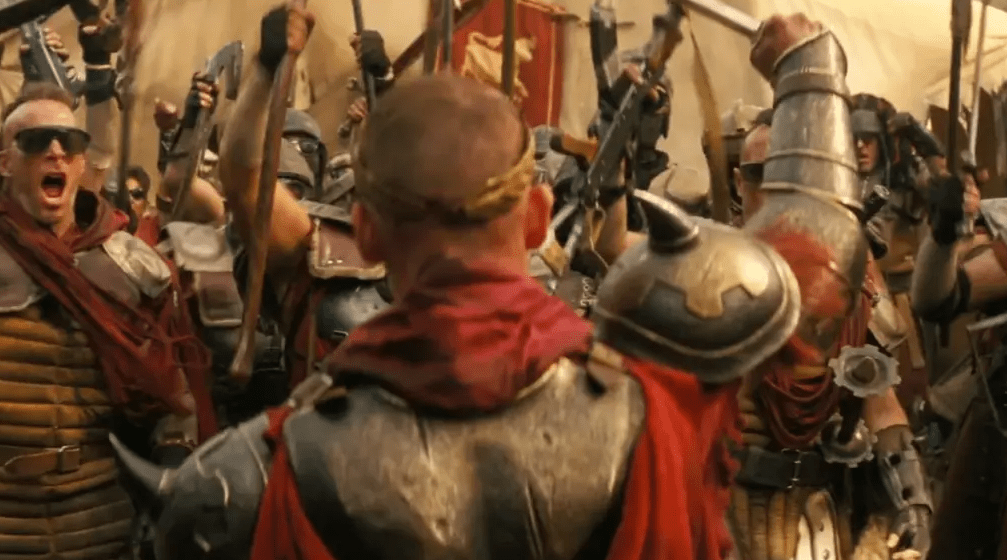
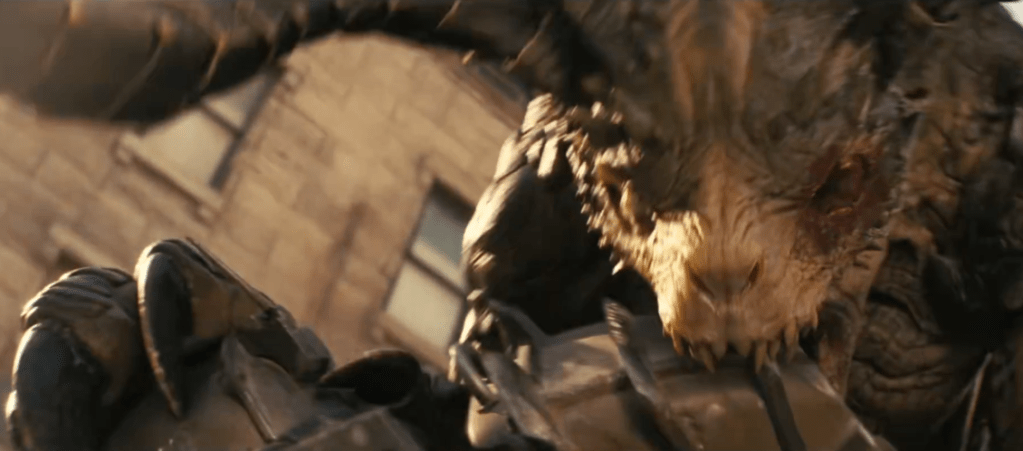
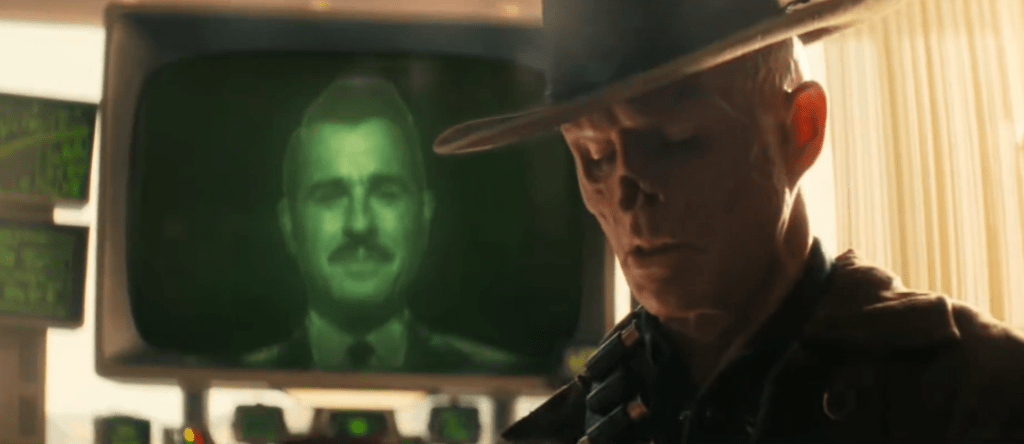
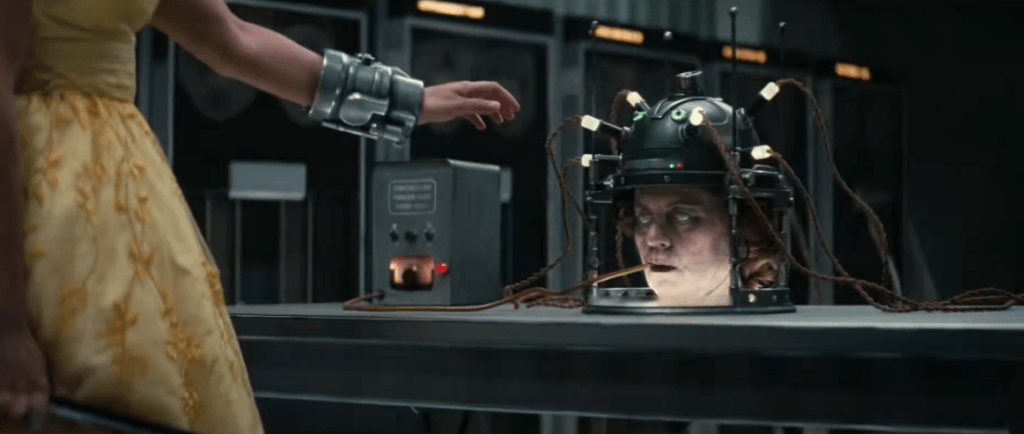


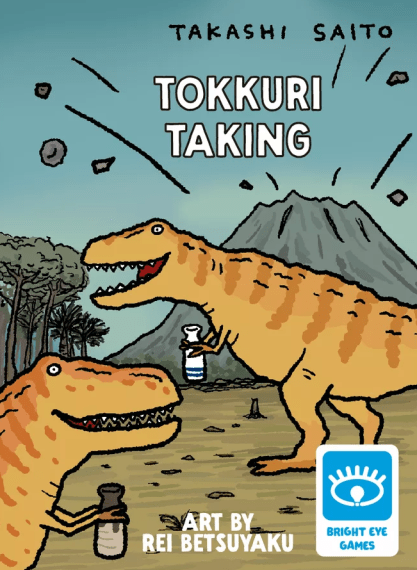
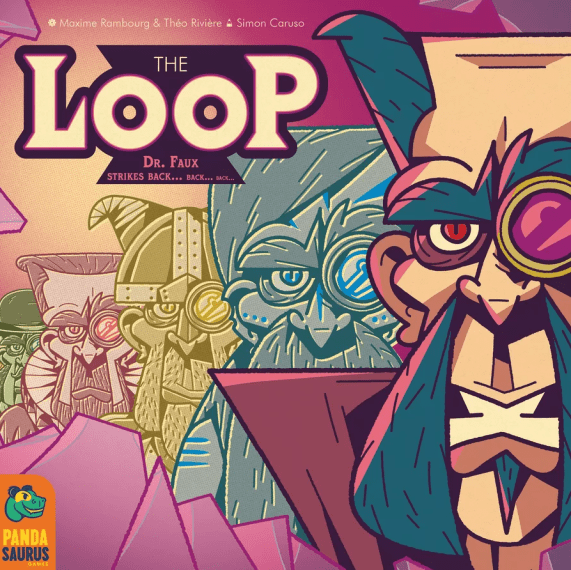


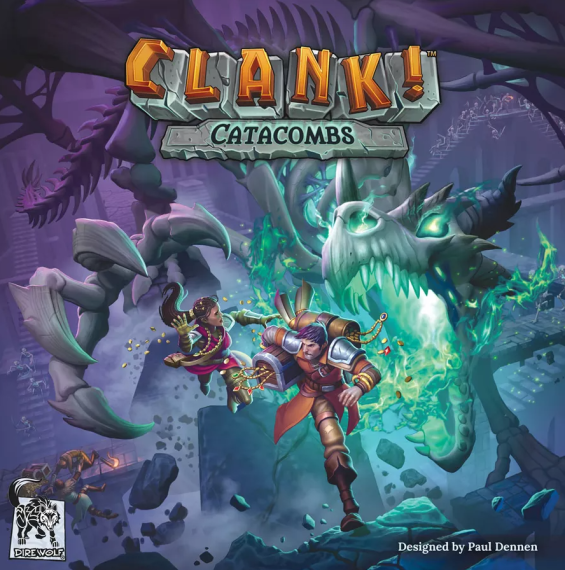

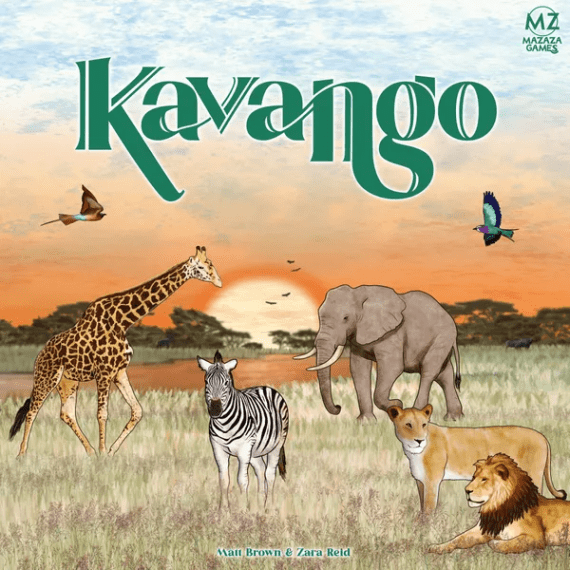


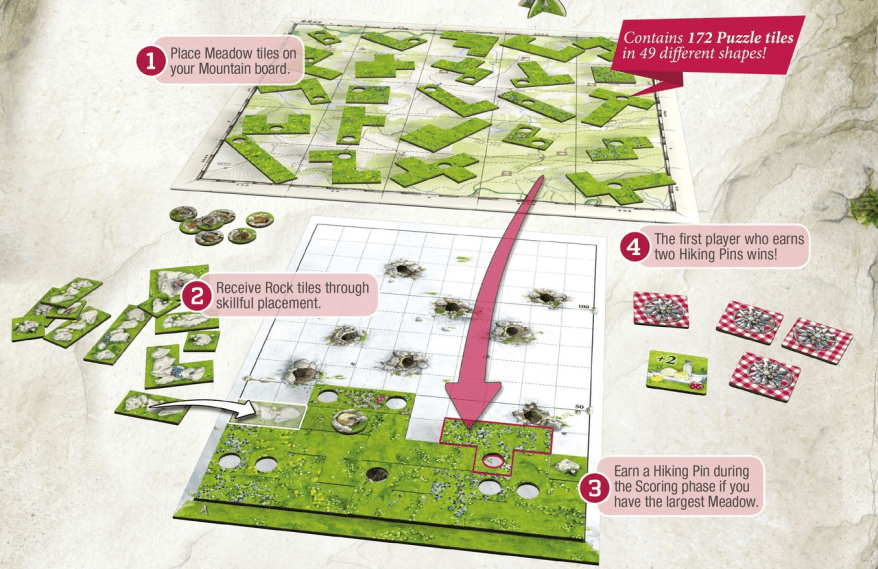
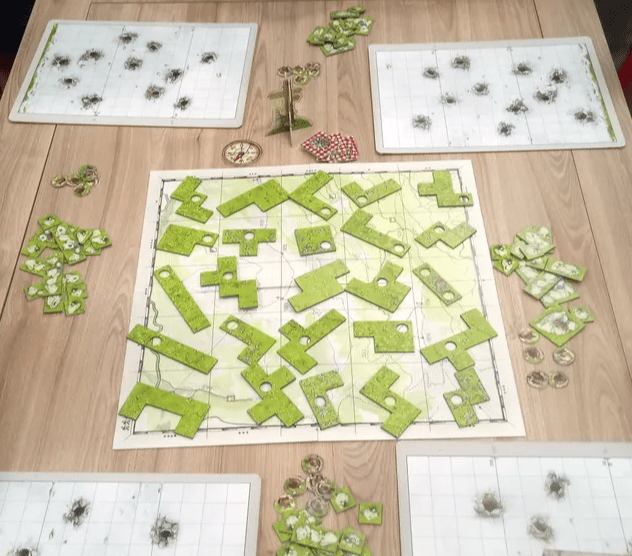
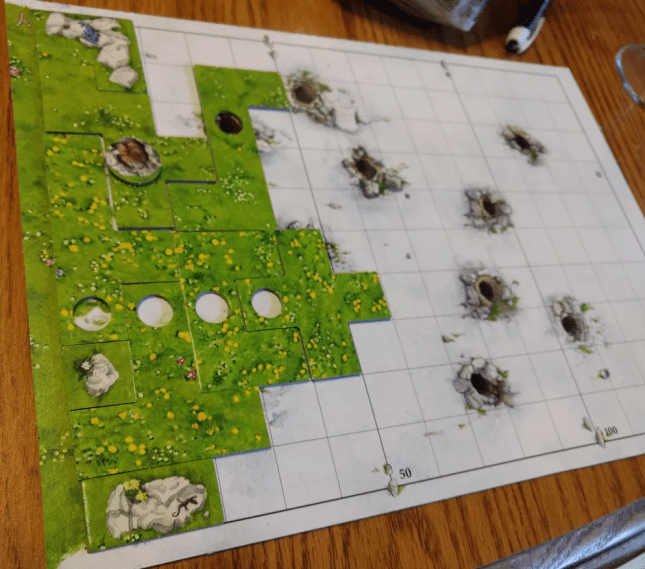
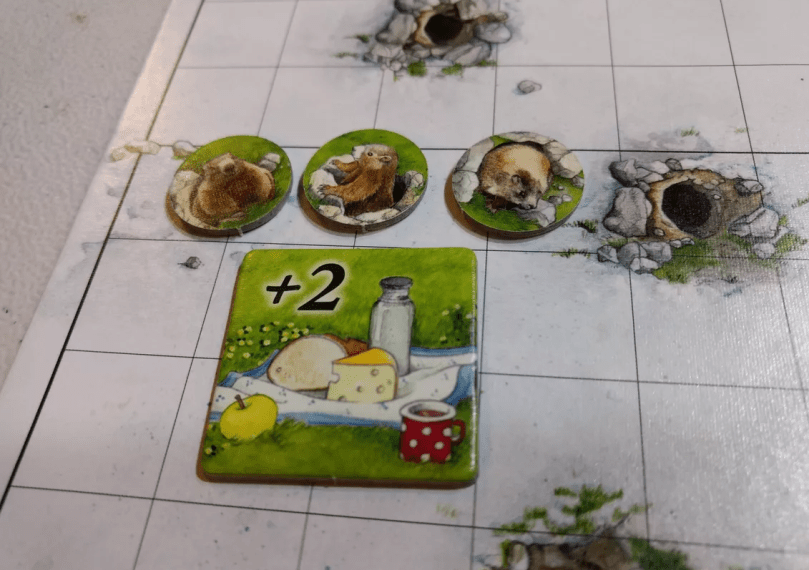

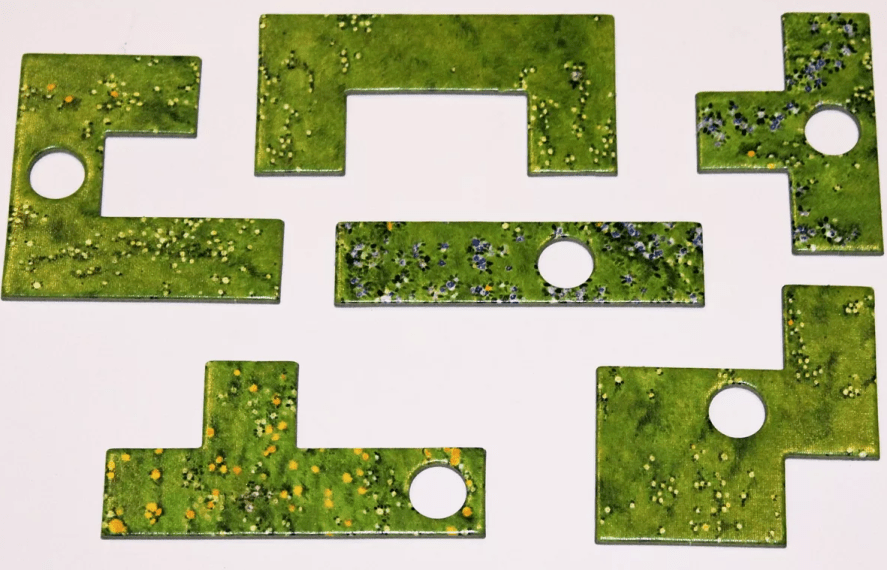

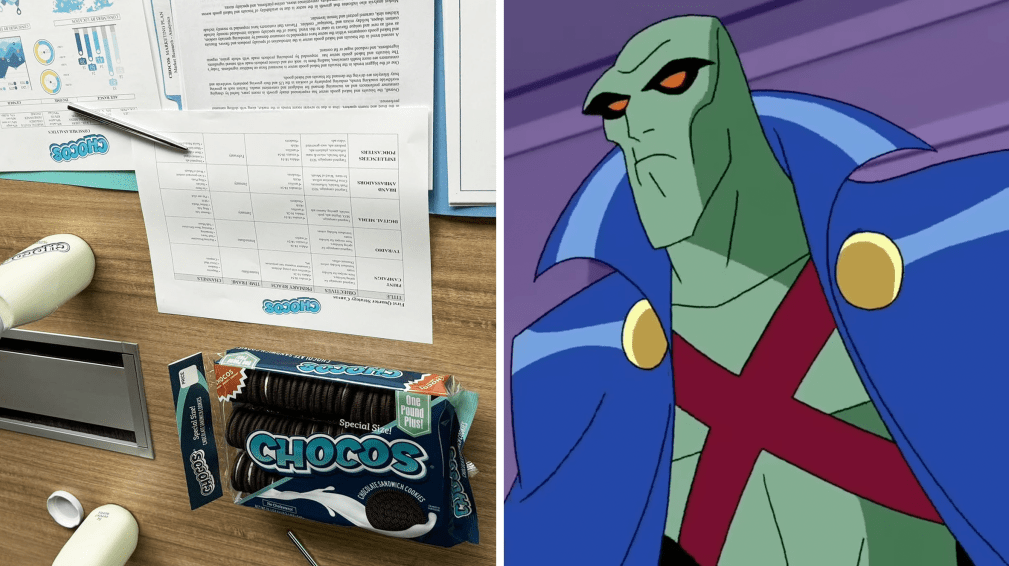
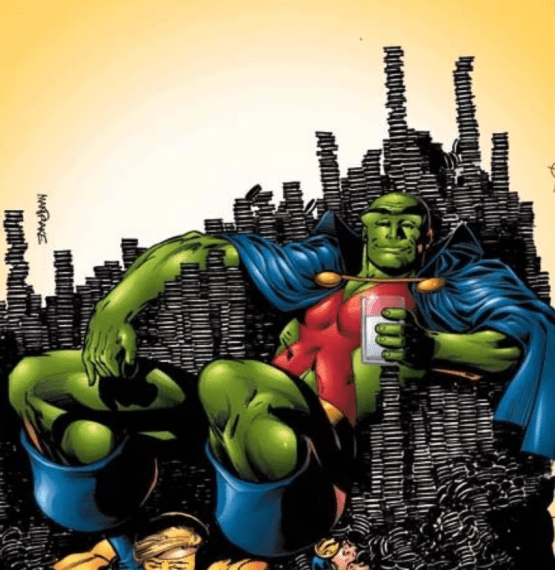
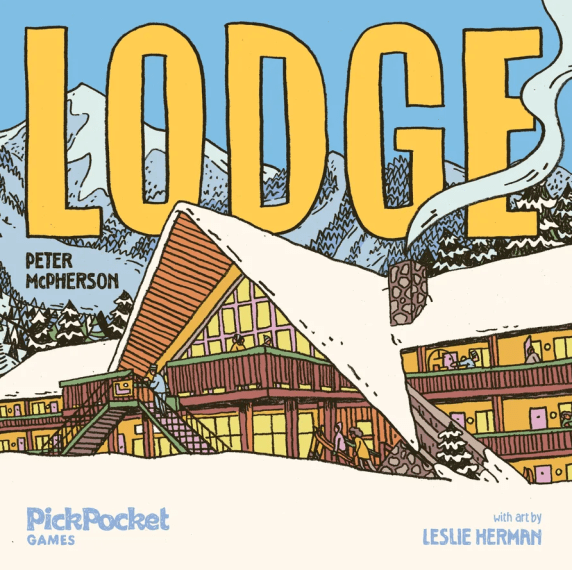
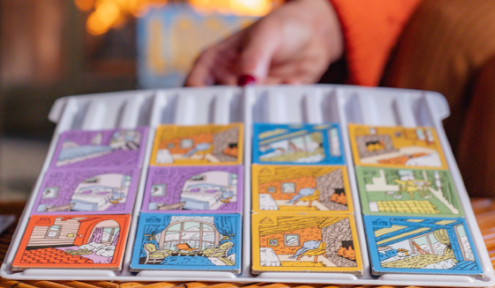


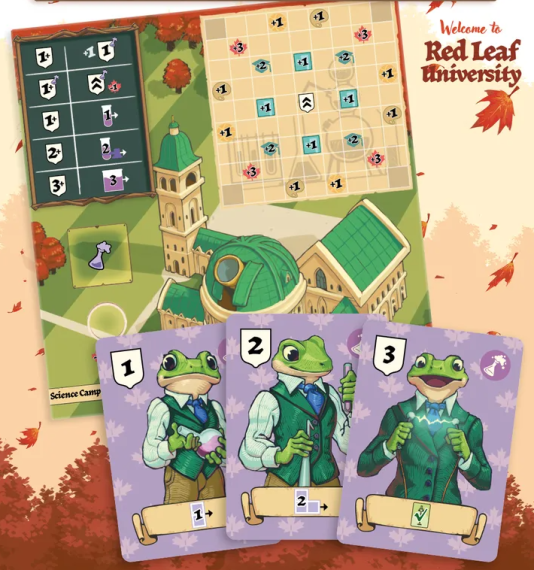
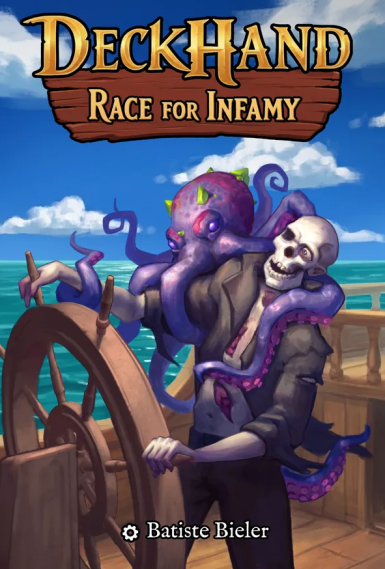
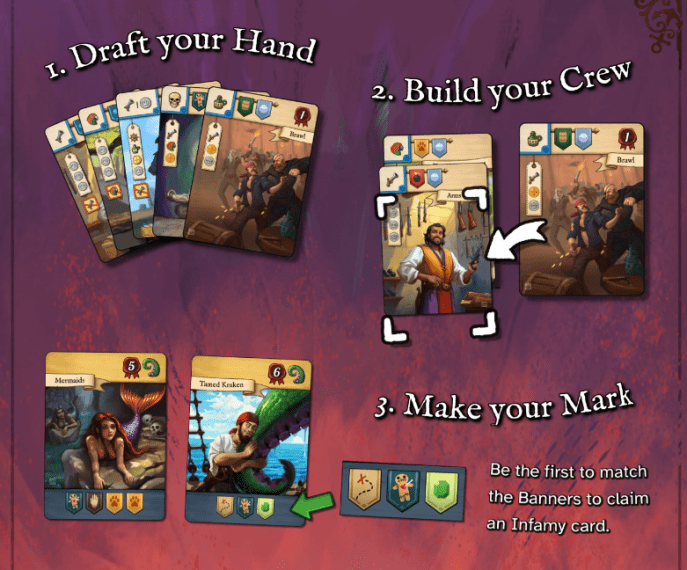

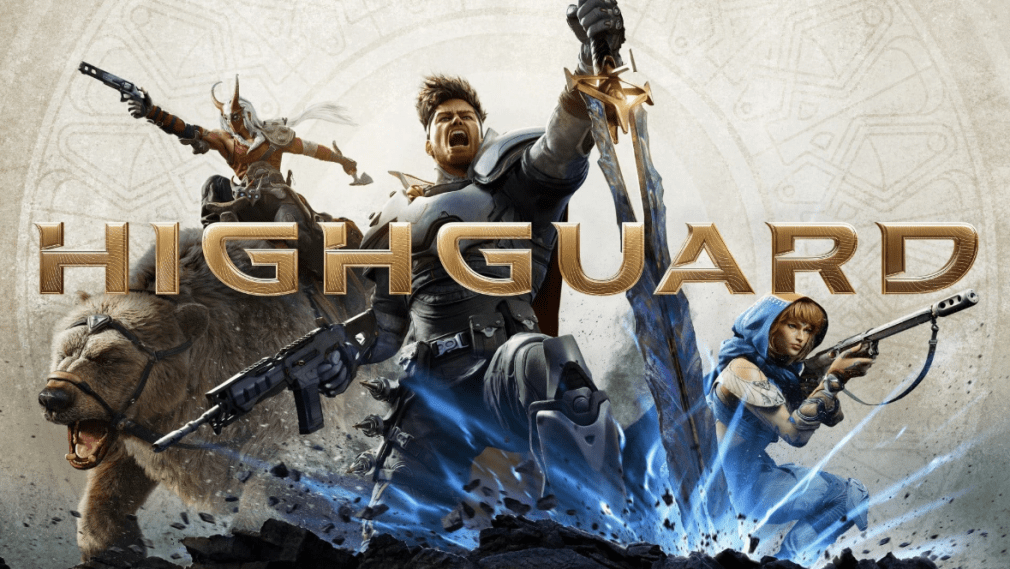
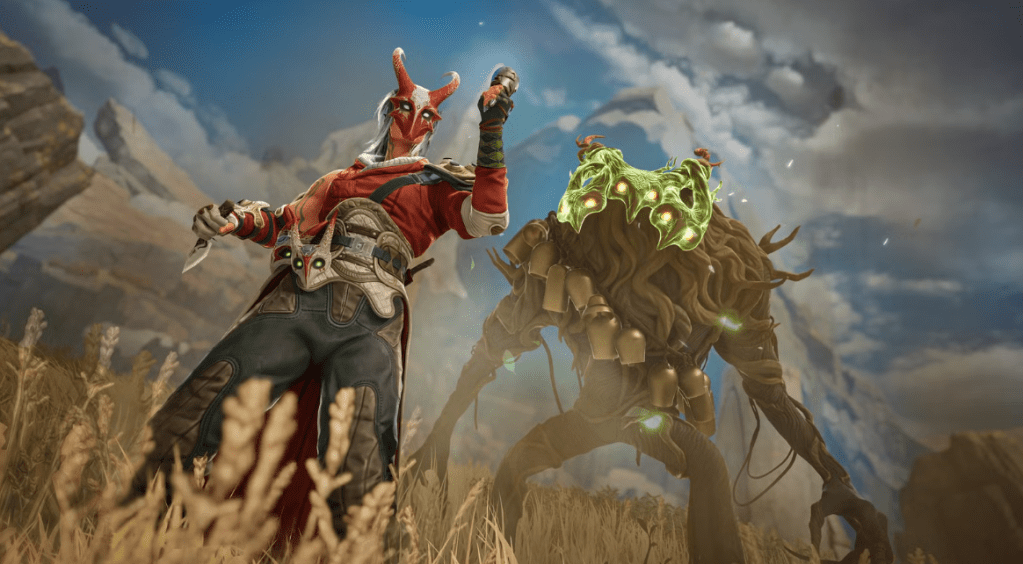
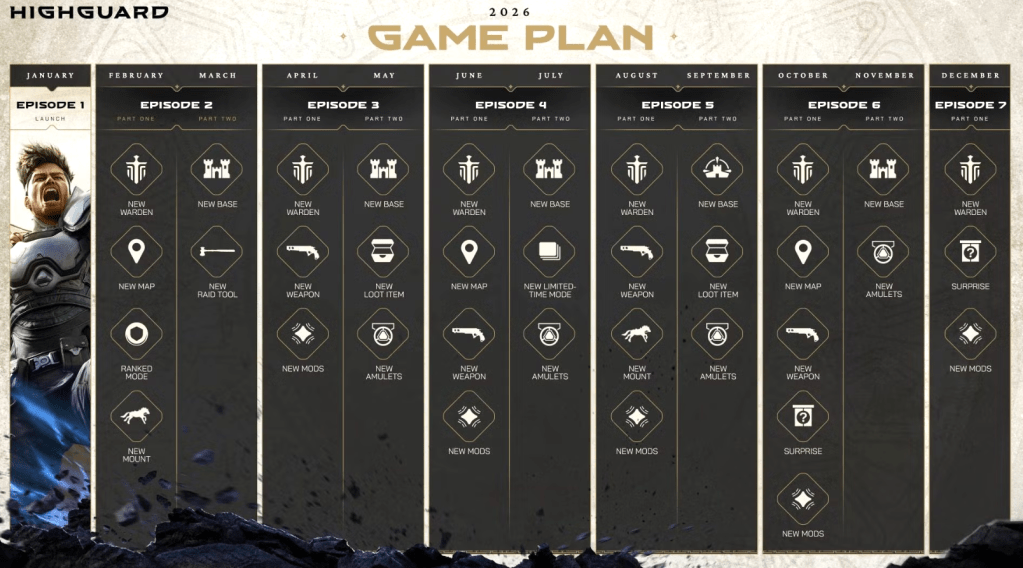
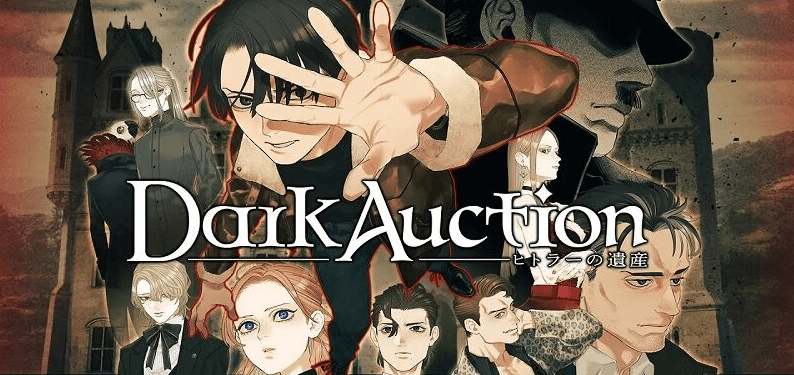
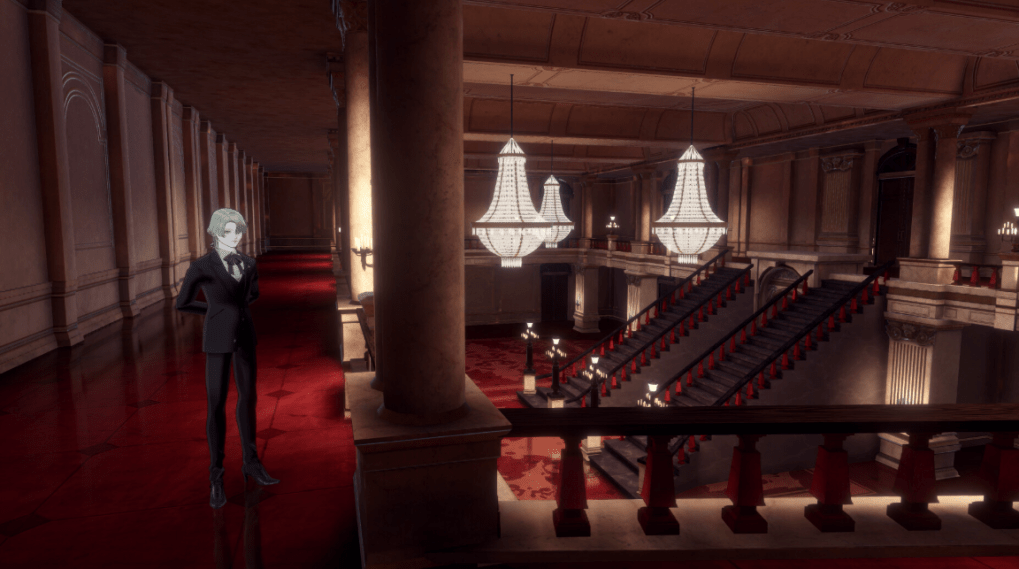
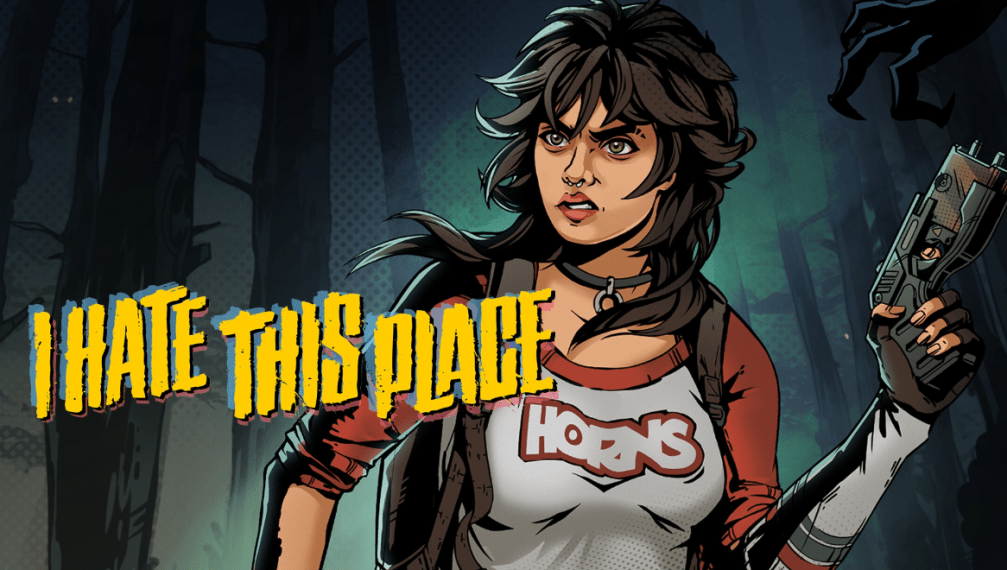
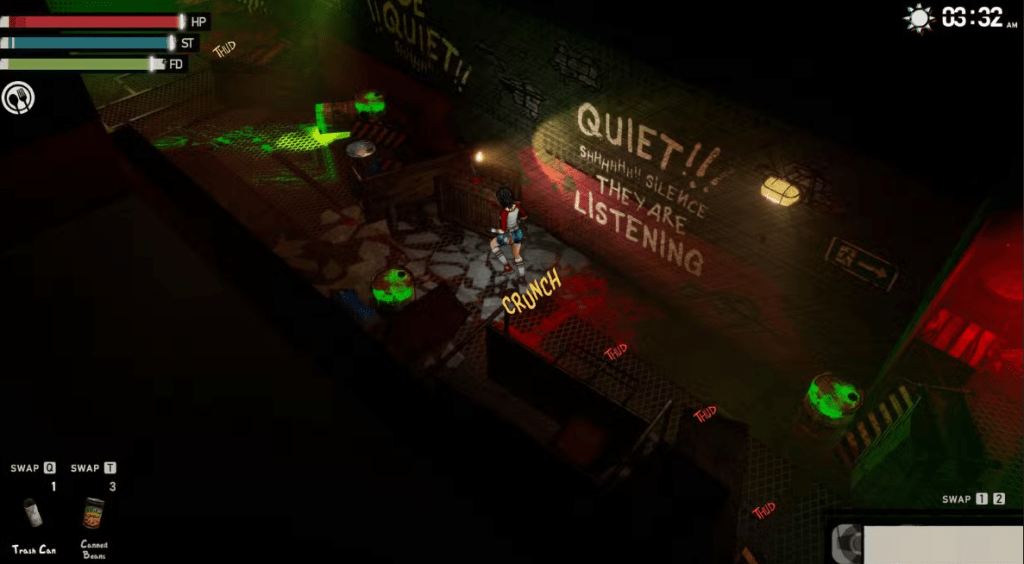
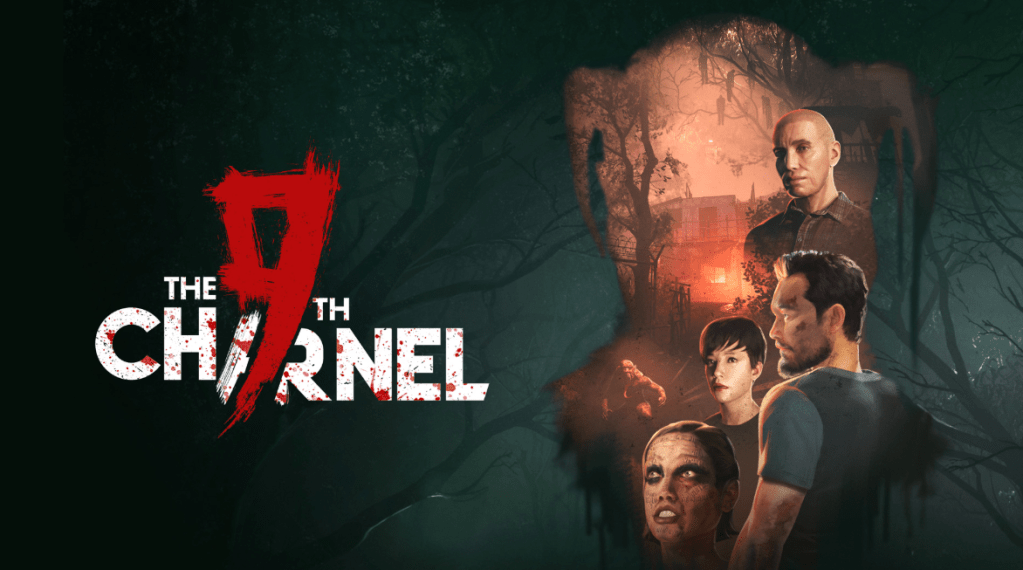
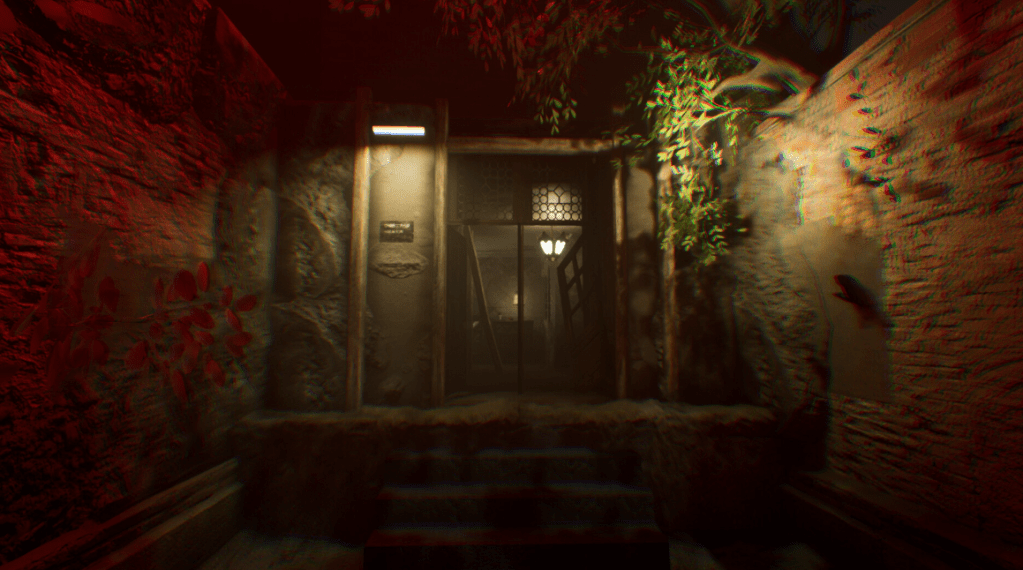





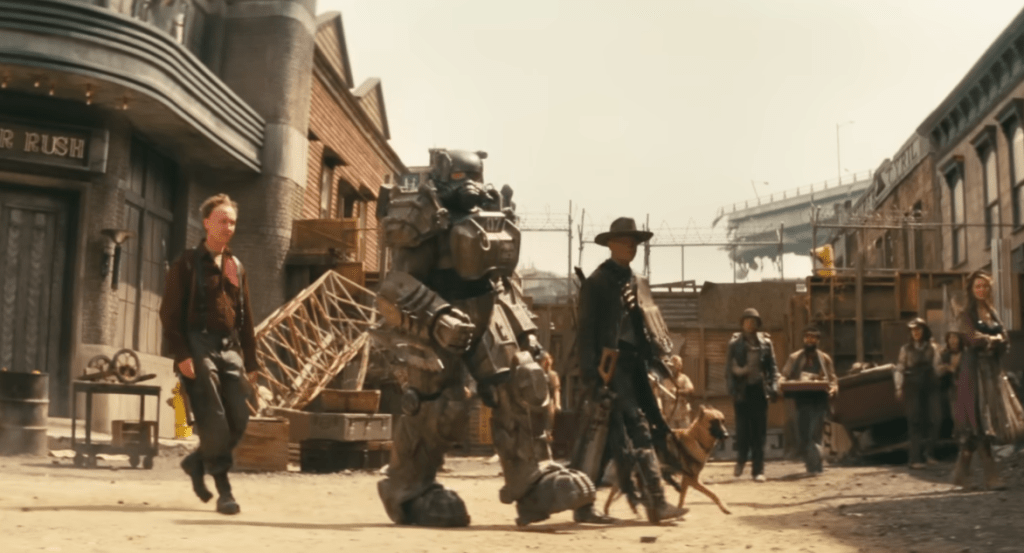

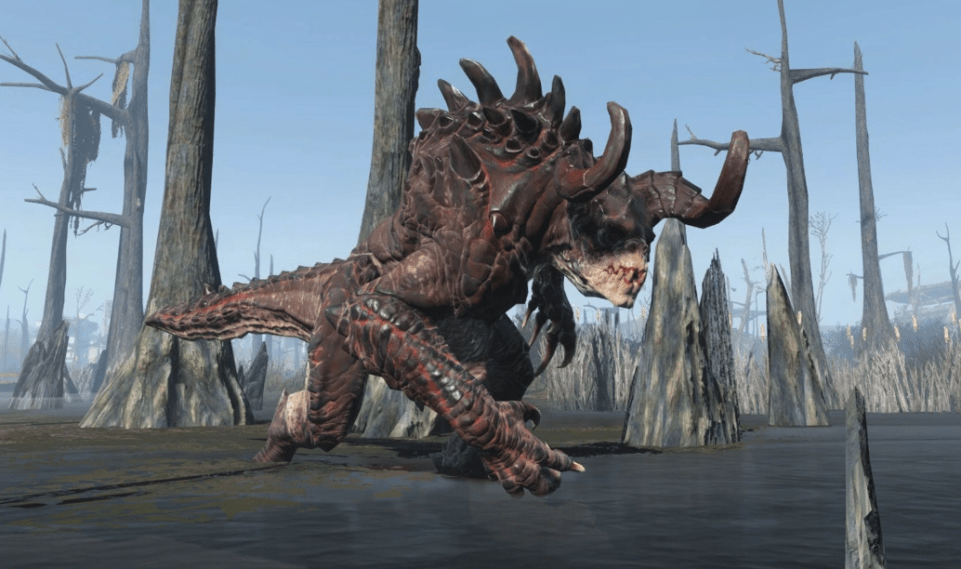

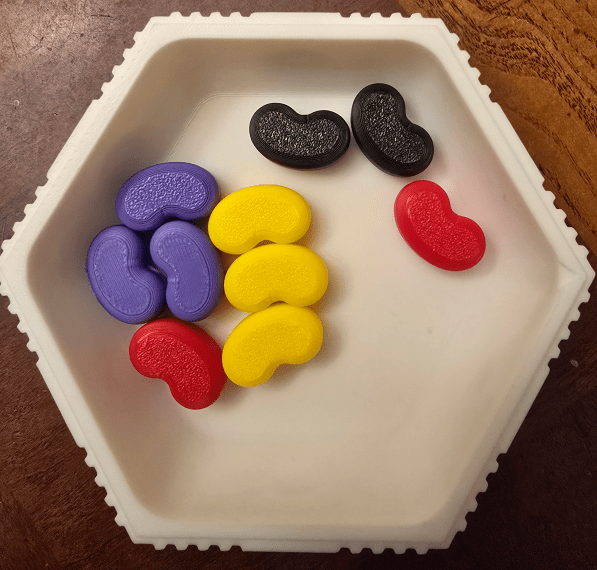

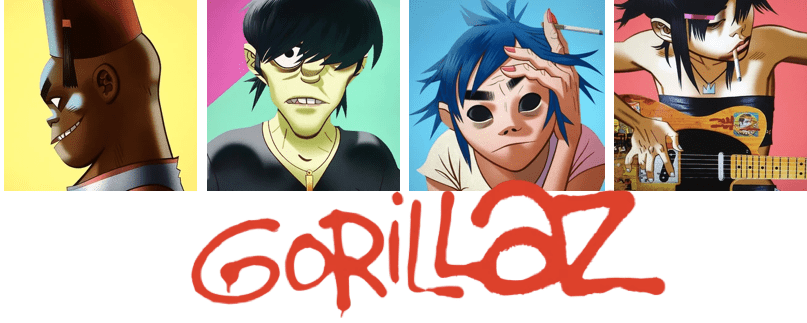

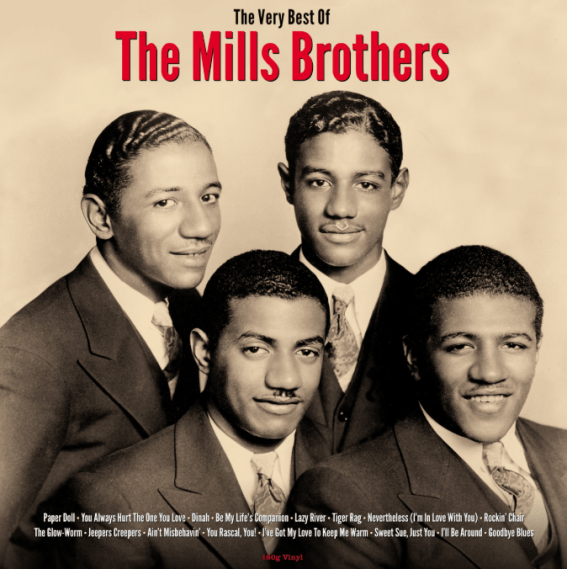

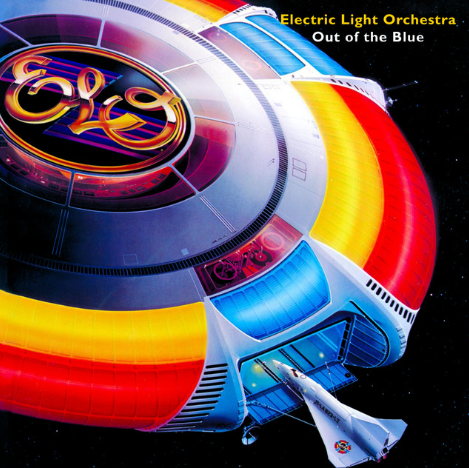
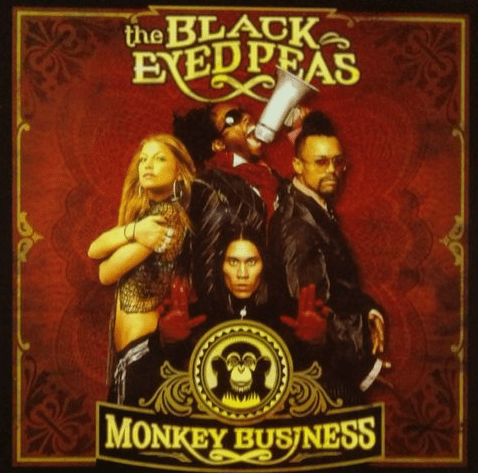




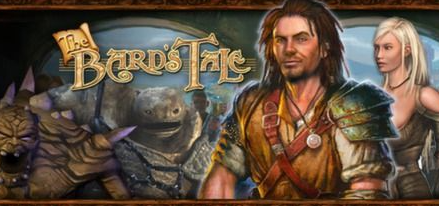
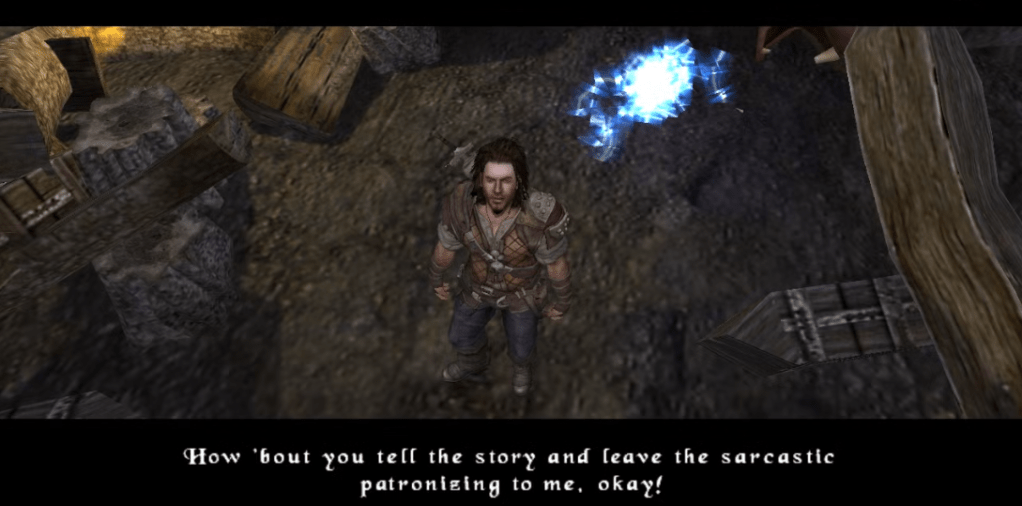
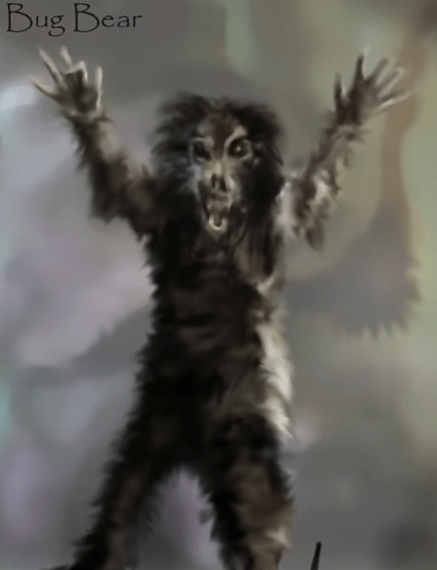
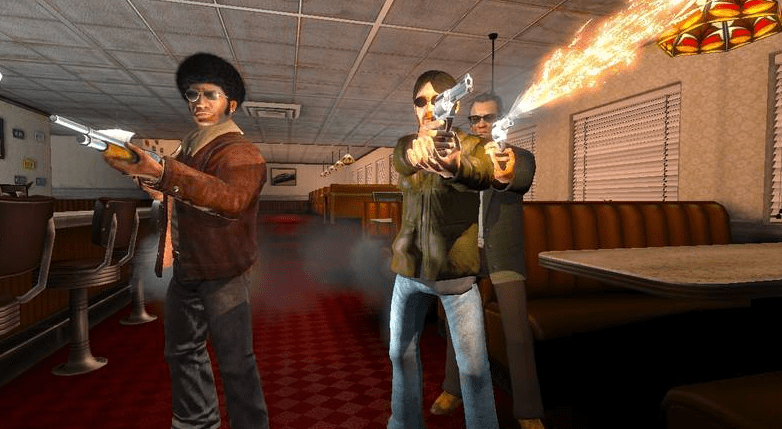
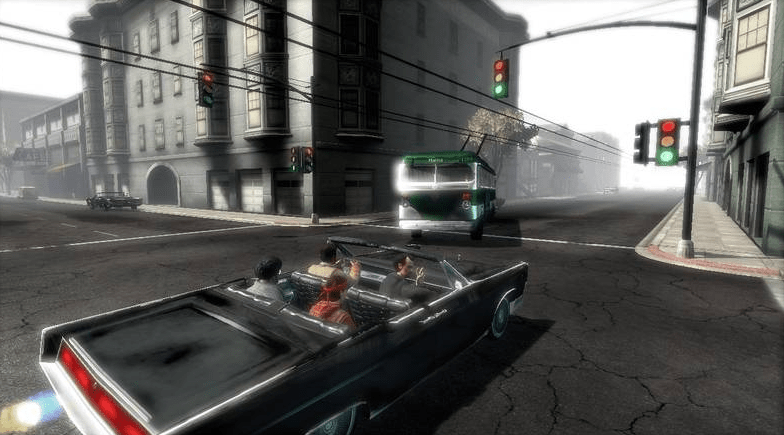
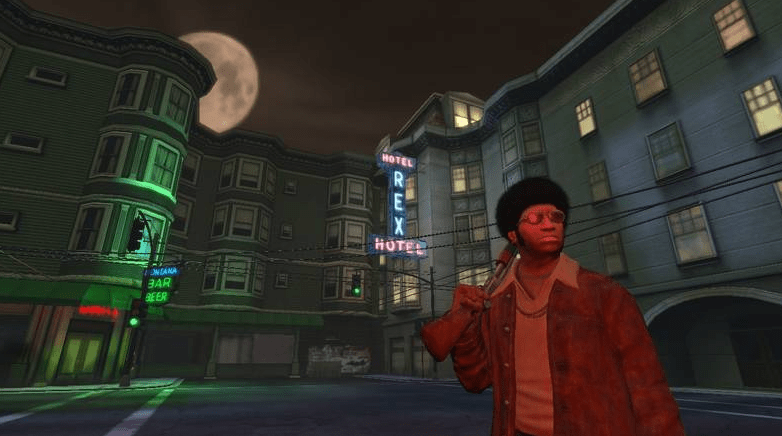


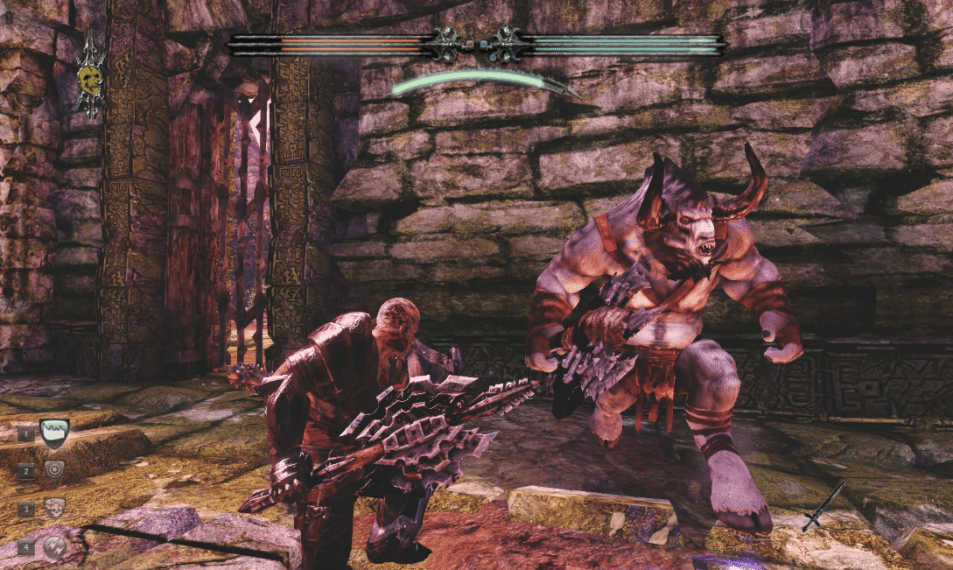


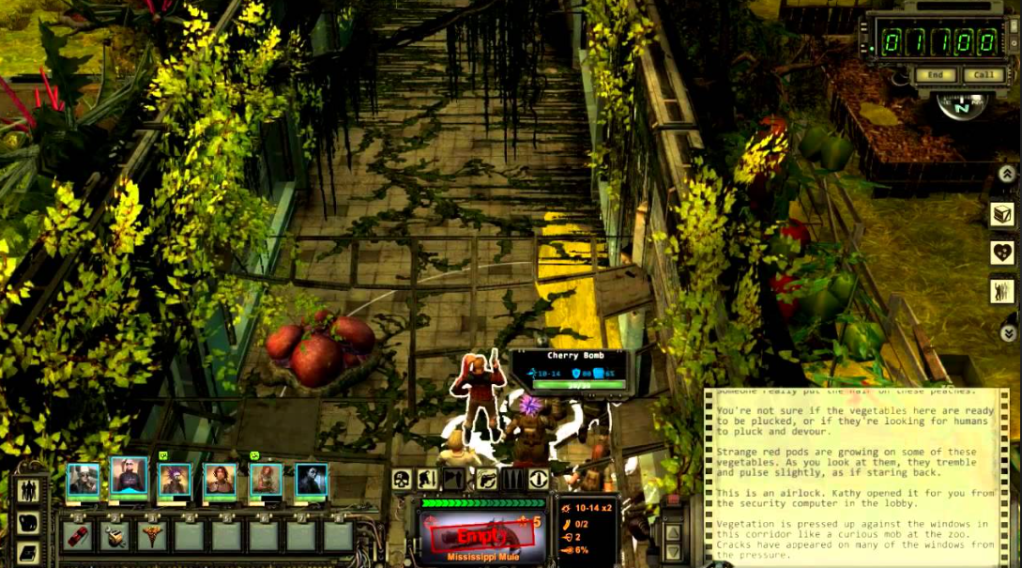
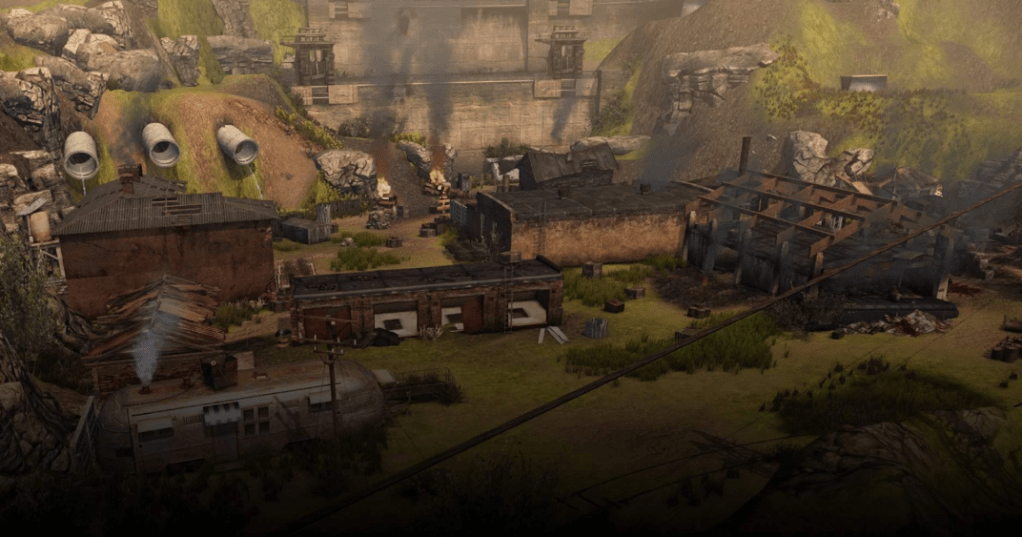
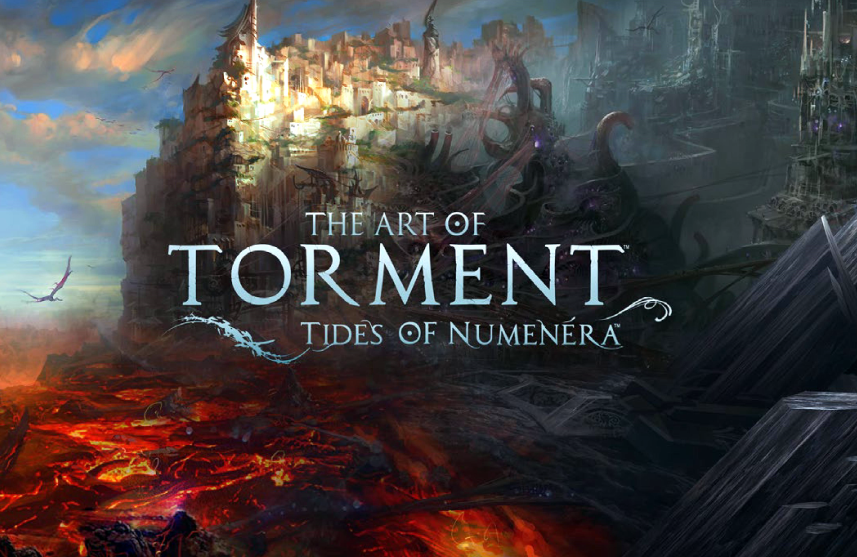


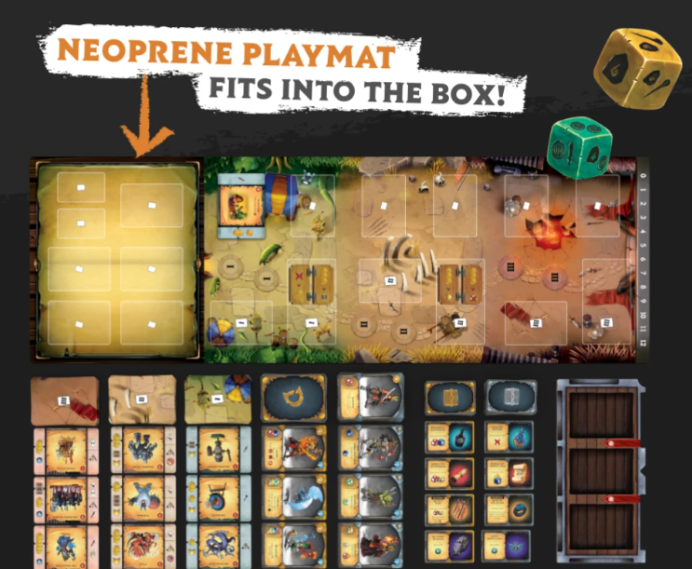

 jkgeekly.com