Happy Monday, Geekly Gang! We’re back with another video game review, one that’s overdue. I’ve talked about This War of Mine in various forums, even The Pixels, a few years ago, so it was only a matter of time before we, JK Geekly, would cover the video game in a review.
I love this game. This War of Mine harkens back to my days as an imagery analyst/targeteer. Typically, I’ve seen the world of This World of Mine from a top-down view. This video game made me see the people I affected from a ground level, and I love it for it. But how does This World of Mine rate against JK Geekly’s video game review criteria? Let’s find out.
Mechanisms: 8/10
This War of Mine does a great job of balancing the various things you need to survive. Yes. This War of Mine is, first and foremost, a survival game. The denizens of your building attempt to survive the duration of a war, ripping apart this undisclosed Eastern European nation, although with hindsight, we could assign This War of Mine’s setting as Ukraine, circa 2025.
This War of Mine’s game mechanisms are a difficult category to rate. On one hand, This War of Mine offers a singular experience of rummaging through a war-torn nation, while gathering supplies. On the other hand, it uses pre-established game mechanisms to express its subject matter. I’m giving This War of Mine an eight out of ten because it does enough to subvert the typical game mechanisms of acquiring resources. This may play into This War of Mine’s story/narrative, but while the specific mechanisms one can find in this game can be found in other video games, the narrative weight these choices offer makes This War of Mine unique.
Above Image from GameDesigning.Org
Gameplay Loop: 9/10
This War of Mine is addictive. I don’t care if you’re looking through a survival game like Ark: Survival Evolved or The Survivalists, This War of Mine equals or bests these survival games, only with the experience of someone who may have to experience war overseas. Even though you could find a similar gaming experience with any number of survival games, none of them put you in the shoes of someone having to fight for their lives in a real-world scenario.
Few survival games balance the day-to-day survival with the greater good like This War of Mine. I don’t know how many times I’ve had to choose how much I intend to “steal” from an elderly couple, while gathering enough to keep my survivors alive. This War of Mine offers an odd balancing act unseen by most video games. No two plays of This War of Mine will turn out the same. That’s a strength.
Add in the Little Ones expansion, and that adds an extra layer of complexity. Few games have me replaying its core game through a different lens than This War of Mine. This game blends a tasty survival game with an empathy game. I’ve found myself making choices in This War of Mine that I think I’d never make until presented with the scenarios this game includes. This is the This War of Mines’ greatest strength.
Narrative and Storytelling: 9/10
This War of Mine offers a branching narrative that changes each time you play it. I’ve lost count many times I’ve replayed this title and see where the story takes me. This adds to This War of Mine’s narrative and storytelling. It’s a glorified “Choose Your Own Adventure” story with so many branching arcs that it’ll take multiple playthroughs to unearth each one.
Add in expansions that further explore this unnamed Eastern European nation, and This War of Mine has narratives so deep, you can spend months exploring them. But you don’t even need expansions. If you play the game on Steam, This War of Mine is host to a plethora of mods. Any one of them can shake up the gameplay, and sometimes, the story. This War of Mine offers a fertile ground to tell any number of interesting stories set against the backdrop of war.
User Interface: 7/10
This War of Mine has plenty of menus, and for the most part, it does a great job of presenting these menus to its players. But the sheer volume makes it easy to get confused. Honestly, I’ve had to play portions of This War of Mine a second time because I didn’t understand the ramifications of my actions or choose something I didn’t want to choose from one of the game’s multiple menus and selections within selections of head’s up displays.
To be fair, it’s easy to get lost in This War of Mine’s multiple workshop (or production area) menus or dialogue exchanges or even its basic movement and interaction with the world around you. This War of Mine includes a steep learning curve, even if the game tries its best to handhold you through the early stages of that steep learning curve. Without these handholding efforts, I would give This War of Mine a below-average rating. Since the game goes out of its way to try and teach you these menus, it gains a well above average rating.
Graphics: 7/10
This War of Mine offers above-average graphics, but grading this game’s graphics does it a disservice. Even though the game is over a decade old, This War of Mine is timeless. Even during its 2014 release, This War of Mine harkened back to the past. And oddly enough, the future. Ultimately, it doesn’t matter which war This War of Mine is supposed to represent. By extension, it doesn’t matter how dated This War of Mine’s graphics become. It matters the vibe This War of Mine captures. And if we consider the vibe, This War of Mine may score above a ten.
Audio: 8/10
If you know me, you know I seldom play video games with the sound on, but I make an exception with This War of Mine. This game’s soundtrack does enough to carry me to a war-torn Eastern European nation. I challenge anyone playing this game to listen to This War of Mine’s desolation. It’s haunting.
Replay Factor: 8/10
This War of Mine has so many expansions and mods (from Steam users) that you can play and replay This War of Mine for countless hours. The only reason why I put a damper on This War of Mine’s replay factor is its subject matter. I don’t know how long gamers can play a game meant to show the horrors of war. Each person’s mileage will vary. If you’re sensitive to war, you may not play This War of Mine very long. If you’re interested in putting yourself in the shoes of someone struggling to stay alive in a war-torn nation, This War of Mine will offer thousands of hours of gameplay. This War of Mine won’t be for everyone, but I don’t think that’s the point. Step into the darker, more personal corners of war if you dare.
Aggregated Score: 8
This War of Mine may not be for everyone, and that’s okay. For those who want to explore what they might do if confronted with living in a war-torn Eastern European nation, This War of Mine offers numerous morally gray options.
Happy Sunday, Geekly Gang! Kyra Kyle here with another week of Geek News. I’ll be away this weekend. My spouse and I are celebrating Valentines Day a weekend late to avoid the crowds. We’ll skip a headline story this week, but should have a major MCU update for next week’s Geek News. We have a lot to discuss with Marvel. Until then, enjoy these board game and video game new releases.
Forage and Honeypot by Flatout Games Launch on KickStarter
I love the Flatout Games creative team, Molly Johnson, Robert Melvin, and Shawn Stankewich, behind the Point Salad series of games. They’ve had a few other hits like Propolis. Each one of their games is a joy. Well, they’re back at it with Forage, and the designer of Fantastic Factories, Joseph Z. Chen, joins the party with his latest offering, Honeypot. Yes! AEG/Flatout Games are known for their combo releases on KickStarter and the pairing of Forage and Honeypot looks to be another great.
Forage is a puzzly tableau-building roll-and-write game for 1-6 players with gorgeous artwork by Beth Sobel! It is designed and developed by the team that brought you the Calico, Cascadia, and Point Salad series of games!
Rules are simple: Roll the forage dice and reveal a unique journey tile each round. Choose a combination of dice and carry out one of the actions: exploring, storing, or gift-giving. As you carry out actions, you’ll earn bonuses that allow you to power up your future actions or make additional moves to complete your goals! Use your time wisely–there are several journeys you can take to collect knowledge, experience, and prestige. Once you have completed your turn, you’ll choose one of the three types of cards to draw and add to your tableau giving you more ways to combo and complete goals!
The previous was a description provided by Flatout Games. Thank you for the great write-up. While the description continues, I figured I would leave it at about a short hundred words. Forage doesn’t need much more of an introduction; I’m hooked. I’m a sucker for roll-and-writes (Yahtzee-style games), and Forage gives me strong Cascadia roll-and-write vibes. One of the members of my game night owns a copy of the Cascadia roll-and-write, so I may pick up Forage. Games of this ilk can accommodate several players at once. Heck, they may be better with more players. And Flatout Games has a strong history of delivering on simple concepts with fun twists.
And art by Beth Sobel (of Wingspan fame) is always appreciated.
Flatout Games challenges AllPlay for those small box board games that feel like instant classics. Honeypot may just be another fantabulous game, by a designer (Joseph Z. Chen) who, despite being a new game designer, has an impressive resume.
Honeypot is a quick and simple I Stack, You Choose game for 1-6 players with delightful artwork by Kwanchai Moriya!
In Honeypot, players take on the role of secret agent bears trying to gather the best intel and spy supplies without getting stung! Players arrange secret caches for their opponents and carefully sift through the secret caches passed to them. The question is: how far to dig for valuable intel and spy supplies? Have your opponents passed you the sweetest honey, or a swarm of bees? In this thrilling game of setting traps and trying to avoid them, only the agent with the best instincts will capture the best set of items to come out on top!
Again, great description, Flatout Games. Honeypot is another game that looks to play great at higher player counts. Its solo mode intrigues. I can’t wait to dive into a game or two of solo Honeypot, because I love the I Cut, You Choose game mechanism. Remember what I said about Flatout Games giving familiar game mechanisms fun twists? Honeypot looks to do that with I Stack, You Choose. I always thought more games should use the I Cut, You Choose game mechanism. I can’t wait to try an I Stack, You Choose game. Yes, please.
Honeypot and Forage are available with pledges of $19 apiece, or one can buy both at $35. Flatout Games offers a handful of other pledge options, but I’ll let you discover those on your own. If you’re interested in Forage or Honeypot, check out their KickStarter page.
For the Gods! Launches on KickStarter
Watch out! Players are building monuments during this visually arresting game, For the Gods! The following pictures will feature For the Gods!’s prototype. I can only imagine what the final product will look like. Before I share my thoughts on this game, let’s hear from the publisher, Mighty Boards, and their description.
As a seafaring builder in ancient Greece, in For the Gods! you’ll navigate the archipelago, constructing towering monuments to the gods and vying for control of sacred islands.
For the Gods! is a tactical area majority game in which every stone shapes your path to victory. The rules are simple: Sail the seas to establish new temples or elevate existing ones. Along the way, collect God stones and unleash their divine powers at the right moment. With twelve unique God powers, each game offers fresh strategies and dynamic gameplay, ensuring high variability.
For the Gods! has table presence. I don’t know if players will be able to build the Greek islands. Look at the space where the columns stand. Those look like potential puzzle pieces. Yes! I’d play the heck out of For the Gods! for the column pieces alone. The God tiles, which offer unique abilities to players on their turns, curve to match For the Gods!’s interior board. You can’t walk past For the Gods! during a convention or a game night without doing a double-take. And publisher Mighty Boards has a strong history of delivering great games. I’m glad that the game is area majority as opposed to “dudes on the map.” I prefer area majority. And with the play area being this small, there should be some impressive battle for supremacy.
Quest & Request is an easy-to-learn dungeon crawler arena (learnable in 10 minutes) where gamers take the roles of anti-heroes. That’s right. Quest & Request goes dark. Players won’t be playing heroes. According to the publisher, they’ll be looting and killing a world full of innocent monsters, controlled by a benevolent wizard. A role reversal like this could be a hoot.
Unlike a lot of other dungeon crawler board games, set up appears to be quick in Quest & Request. I’m a little confused by the game’s description of a 4 v 1 Cooperative Game. That makes me wonder if Quest & Request can be played as a fully cooperative game or if one player can play as the wizard and monsters. Either way, I’m interested in any game of this type that has an easy setup and teardown. As of writing this post, we don’t have details on Quest & Request’s pledge levels, but if you’re interested in Quest & Request, check out its GameFound page.
Labyrinth: Chronicles Launches on GameFound
Once upon a time, there was a Labyrinth, a magical place full of wonders and mysteries. Adventurers who returned told unbelievable stories of its ever-changing walls and shifting corridors, a mind-boggling challenge indeed that only the bravest could tackle. But it was worth it, they say, as the dark nooks of the Labyrinth hide real treasures. The Labyrinth waits for you. Are you brave enough to enter?
Labyrinth: Chronicles brings a new Co-op Campaign mode to one of the best-selling board games ever. Enter the mysterious Labyrinth, now with a stunning 3D board and graphic design from Awaken Realms, to gather the resources required to help a nearby faefolk village. But beware! Inside dwell grasping goblins who want to snatch valuables before you! As you progress, you will rebuild the damaged village, meet new friends, unlock new skills, and many more!
Yes! That was another great description by the publisher. I don’t know how Ravensburger and Awaken Realms managed to turn the classic tile-shifting game, Labyrinth (1986) into a cooperative narrative campaign. What? Labyrinth is one of those titles that I thought could never receive the campaign treatment, but Labyrinth: Chronicles appears to have done just that. And look at the board above. Again, the picture is of a prototype. I can’t imagine how insane the final product will look. But what else would one expect with an Awaken Realms release. They’re known for over-the-top productions.
As you can guess, Labyrinth: Chronicles will cost around $105. Higher price tags are another Awaken Realms hallmark. Even if Labyrinth: Chronicles was a prestige printing of the original Labyrinth, I’d still be interested. I always enjoyed the original. The fact that Labyrinth: Chronicles shakes up the original’s gameplay makes $100 not seem like that much money. If you’re interested in Labyrinth: Chronicles. If you’re interested in Labyrinth: Chronicles, check out its GameFound page.
Cloud War Tales: Nuvitrum Launches on GameFound
What lies beyond the clouds that shroud the peaks of Nuvitrum? What mysterious power does Croconium hold—an amber mineral hidden deep within the mountains?
Explore the kingdom and develop your faction to uncover the truth. Nuvitrum is a tactical, asymmetrical deck-building game for 1 to 4 players, playable competitively, cooperatively, or even solo through a narrative campaign that reveals the world’s forgotten history.
Choose your faction, strengthen it, and engage in battle using unique mechanics. Excavate the mountain to unearth rare metals as a Deepdelver, master powerful spells as an Ambathean, or tame monstrous beasts as a Greenblood. Reveal your faction’s core to claim victory!
Alright! Deck-builders are always a fun time. Cloud War Tales: Nuvitrum adds player factions to the concept. Usually, players begin with small decks and choose how they will build those decks, but Nuvitrum starter decks look to have a unique flavor from the start. Throw in some interesting movement and combat, which looks like it may take a page from Summoner Wars, the ability to play Cloud War Tales: Nuvitrum competitively, cooperatively, or solo, and this could make for a versatile deck-builder with legs. As of writing this post, we don’t have pledge values, but if you’re interested in Cloud War Tales: Nuvitrum, check out its Gamefound page.
StarTrek: Voyager – Across the Unknown Releases
Don’t look now, but the Star Trek universe receives a major video game release. Last week, I mentioned how Rogue-Lites are having a moment. With the release of a Rogue-Lite, survival strategy video game based on Star Trek: Voyager, that trend continues. The player takes control of USS Voyager and manage the starship, including systems and resources, as well as the crew. Can you lead Voyager across 12 sectors of the Delta quadrant. Battle ship-to-ship. Send your away team on missions. And since Star Trek: Voyager – Across the Unknown contains narrative rogue-like elements, each playthrough varies.
Sure. Star Trek: Voyager may not be a Trekkie’s first choice for a Star Trek video game, but Star Trek: Voyager – Across the Unknown sounds amazing. As of writing this post, I have yet to play Star Trek: Voyager – Across the Unknown, but don’t be surprised if it makes a future Whatcha Playing, Geekly post. Star Trek: Voyager – Across the Unknown is available on PC, PlayStation 5, Xbox One, Xbox Series S/X, and Nintendo Switch 2.
Demon Tides Releases on PC
Race across open oceans and uncover a kingdom’s dark secrets. Expressively platform your way across dozens of locales, upgrading your gear and modifying your move-set every step of the way! The previous description comes from the publisher. While I don’t know what “expressively platform” means exactly, Demon Tides’ videos shows multiple ways your character can traverse Demon Tides’ world. 3D platformer games may play better on console–we could see a future Demon Tides console release–but the game looks interesting enough for me to give it a go. Can you even customize your character? You may. Talk about expressively platforming.
Early reviews for Demon Tides have been positive. The Gamer suggests that Demon Tides should be on every platformer fan’s radar. Check! I may even check out Demon Tides’ demo on Steam. Demon Tides is available on PC.
Paranormasight: The Mermaid’s Curse Releases
Usually, we don’t cover visual novels in our video game new releases, but we’re making a rare exception for Paranormasight: The Mermaid’s Curse. The Mermaid’s Curse is a direct sequel to the well-received Paranormasight: The Seven Mysteries of Honjo. Only, this time around, Paranormasight trades in the scares for some emotional depth.
That doesn’t mean that Paranormasight: The Mermaid’s Curse isn’t without its share of horror. Season is our writer who usually plays visual novels, but I may make an exception for the Paranormasight franchise. I may have to go back and play the original, too. Paranormasight: The Mermaid’s Curse is available on PC and Nintendo Switch (yes, the original Switch).
Styx: Blades of Greed Releases
Styx returns for a third installment with Styx: Blades of Greed. I always liked the idea of playing as a goblin. Styx: Blades of Greed allows players to go full goblin mode. While the Styx series has had its ups and downs, it’s one of the better recent additions to the stealth video game genre.
Explore the dizzying heights of the Iserian Continent and cunningly eliminate your enemies. Thanks to your Quartz powers, you are freer than ever. Be creative. Never has it felt so good to be greedy. The wisecracking Styx is always fun to play. There just aren’t enough great stealth games to play. The Styx franchise is one of those great stealth games. Skye’s a huge fan of games like Hitman, so Styx: Blade of Greed might be a great alternative. Heck! I may enter goblin mode soon, too. Styx: Blades of Greed is available on PC, PlayStation 5, and Xbox Series S/X.
That’s all the geek news we have for this week. Thank you for reading, and wherever you are, I hope you’re having a great day.
Happy Friday, Geekly Gang! Kyra Kyle here with another writing brain dump. I haven’t done one of these in a few weeks, because I was trying out some writing exercises, seeing which ones stuck, and I may have found one. I’m still editing the novel based on the Rustbucket Riots. This novel is set years after the events of the Rustbucket Riots, the same ones mentioned in the board game of the same name, but I had written a series of short stories two years ago set during the game’s timeline. I haven’t touched these stories since then and decided to try something new. I noticed similarities in some of these short stories with Shakespearean plays. I’ve been rereading Shakespeare tragedies and comedies over the past month or two and figured I could combine steampunk robots and Shakespeare.
I’m having fun. I don’t know if anything will come of this project, but Robot Shakespeare is a hoot. And this exercise got me thinking of art as a whole. Or at least popular art (pop art). Forgive me for using a Venn diagram.
I found the above to be especially true in board game design. If you follow game design brain dumps, you may see this Venn diagram again. As the diagram illustrates, when elements within the art (in question) veer toward the familiar, they tend to be boring, and when elements venture too far toward the strange, one can find confusion. I’m trying to find the balance. The Rustbucket Riots game teeters toward being too strange. But I have another design, Wildflowers, that may play it too safe. But Spill the Beans (a third design) adds familiar elements while maintaining a fun twist. And that’s what I hope these Robot Shakespeare short stories will accomplish.
I can’t say what these short stories will yield, but I’m having fun. And who knows? I may find a story element or two to explore with the Rustbucket Riots novel.
What’re your thoughts on popular art and art in general? Let me know in the comments. Thank you for reading, and wherever you are, I hope you’re having a great day.
Happy, Wednesday, Geekly Gang! Kyra Kyle here. Today, our writers share what they’ve been watching over the past month. Feel free to share what you’ve been watching, because we’re all part of the Geekly Gang. I’ll get things started with what I’ve been watching over the past month.
Kyra’s Movie
No Hard Feelings surprised me. Sure. It’s a raunchy comedy in the style of Judd Apatow circa 2005 but with fewer–if any–improvised scenes. First, this keeps No Hard Feelings to a tight hour and a half runtime, instead of the bloated two-hour-plus Apatow films. Second, No Hard Feelings contains fewer homophobic jokes (I’m looking at that scene in 40-Year-Old Virgin where Rudd and Rogan dis each other with “I know you’re gay because” jokes). In fact, No Hard Feelings’ lead, Jennifer Lawrence, gets called out for a wisecrack that could be viewed as homophobic, which is an obvious nod to 2000s Apatow movies. Great work.
And I loved Lawrence’s performance in No Hard Feelings. Before No Hard Feelings, Lawrence hadn’t acted much in a few years, and since this is a raunchy comedy, I expected her to put in the bare minimum and collect an easy paycheck. Nope. She goes all in. It helps that Lawrence is also a producer for this film. Lawrence’s performances in No Hard Feelings (2023) and Causeway (2022) mark a triumphant return. If you like sexy and raunchy comedies, you should check out No Hard Feelings. Lawrence’s fight scene on the beach is iconic. If you know, you know.
Kyra’s Shows
Agatha Christie’s Seven Dials was a good diversion. I’ve never read the novel. I may have to after watching this series, because the Netflix limited series doesn’t do the best job as a mystery. I knew who was behind most things from the start. Seven Dials choreographs everything to a fault. The obvious red herrings turned out to be red herrings. The “trusted” friend who would know enough to pull off the murders ends up being the one who pulled off the murders. Well, not exactly. I won’t “spoil” Seven Dials’ reveal. And I do appreciate the character reasons why the “secret” big bad does what they do.
Despite not being the most puzzling of mysteries, Seven Dials serves as a great origin story for an adventure/espionage series. The final fifteen minutes pivot hard into what could be an engaging Mission Impossible set in the 1920s United Kingdom. That’s why I say Seven Dials may not work as a mystery, but it remains entertaining. That end-of-series pivot is the most shocking, and I may have just spoiled Seven Dials’ greatest twist. I can’t see myself rewatching Seven Dials. But I wouldn’t say no to a follow-up series or spin-off series that fully embraces adventure and espionage. Yes, please.
I’ll give a quick shout-out to the shows I’ve reviewed over the past month: Fallout and Wonder Man. I’m writing this segment early–really early–so I haven’t yet watched the Fallout finale, but the penultimate episode was pitch perfect. I trust what the showrunners have in store for us with Season 2, Episode 8. Wonder Man took me by surprise. If you want my full thoughts, here’s a link to my reaction after watching Wonder Man. In short, Wonder Man is one of the best Marvel shows I’ve seen in some time. I can’t wait to watch the next Marvel Spotlight project. Wonder Man is less about superpowers and more about friendship. Endearing.
That’s all I have for now. Let’s check in with Season.
Season’s Movie
I’d never seen Mrs. Doubtfire until recently, and I’ve watched many Robin Williams films. I expected Mrs. Doubtfire to be over-the-top and campy (because Robin Williams). It definitely delivered. Mrs. Doubtfire did way better at expressing turmoil and mixed feelings between Daniel and Miranda than one would expect from a comedy. I was more interested in the relationship between the parents than the kids. The kids didn’t have as much depth and were used as a plot device to create friction between the parents. Then again, if they were more complex, that would have either created a longer movie or shortchanged the dynamic between the parents. If you’re looking for a comedy with a divorce story and an ambiguous ending, I’d recommend Mrs. Doubtfire.
Those are all the movies and television shows our writers watched this past month. What’ve you been watching? Let us know in the comments. Thank you for reading, and wherever you are, I hope you’re having a great day.
Hey, hey, Geekly Gang! Kyra Kyle here. We’ve waited a month, so it may be time to do another Geekly Casting. Today’s subject is Apex Legends. Respawn/EA has been teasing an Apex Legends show or movie for years. The franchise came out of the gates hot. It’s since cooled in the past few years, but a show or film could reignite Apex Legends.
We decided to keep casting simple and go with the original eight Apex Legends’ characters, the first four characters released after the originals, and Blisk. We needed to cast Blisk. He’s the one who ties Apex Legends to the greater Titanfall universe and assembles the Legends for the Apex Games. I’m going to cast Apex Legends with modern actors, and our movie geek Skye will be casting the film with actors from all of Hollywood history. My picks are up first. Let’s see who made our Apex Legends cast.
Kyra’s Picks
Blisk: Sharlto Copley
Canonically, Blisk is from South Africa. Unlike other characters from the Titanfall/Apex Legends universe, Blisk doesn’t hail from a planet with an accent, which sounds like one we’d find on planet Earth. Blisk is literally from South Africa. District 9’s Sharlto Copley is also South African. He’s no stranger to Sci-Fi/Action films either. Allow him to grow a sculpted beard, and he’s a dead ringer for Blisk. I can see Sharlto Copley as the man reinstating the Apex Games for selfish and dubious means. Copley does a great job portraying morally gray characters.
Wraith: Sophie Thatcher
Sophie Thatcher makes for a younger Wraith. This could help because if the Apex Legends movie/show follows the video game, Wraith will receive ample flashback scenes. Thatcher has plenty of experience with flashback scenes as a younger Natalie in Yellowjackets. But it’s Sophie Thatcher’s turn as a sexual partner android in Companion that proves she can pull off Wraith. Thatcher struck a careful balance between innocence and calculation, and found a combination of coldness and warmth. Thatcher has what it takes to portray Wraith, and it doesn’t hurt that she looks the part.
Bloodhound: Emma Corrin
Emma Corrin is an amazing actor. They were excellent as Cassandra Nova in Deadpool and Wolverine. Corrin’s small frame can be a blessing for Bloodhound. Most of Bloodhound’s bulk comes from their gear; underneath that gear, Bloodhound also has a small frame. I can see Corrin entering Beast of the Hunt. Corrin claims they haven’t met an accent they can’t pull off. Let’s see how they bathe in the bloth. And it doesn’t hurt that Emma Corrin is non-binary, just like Bloodhound, and Bloodhound’s gender identity plays a huge role in their backstory.
Bangalore: Danai Gurira
Danai Gurira has a history of playing strong warrior women: Michonne from The Walking Dead and Okoye from the MCU. Gurira as Bangalore is a no-brainer. She can pop a chimney with the best of them while bringing the Rolling Thunder. And Gurira can easily rock Bangalore’s signature look. She was meant to play Bangalore.
Lifeline: Halle Bailey
Yep. Disney’s live-action Ariel from The Little Mermaid is a dead ringer for Lifeline. Her turn as the titular mermaid means Halle Bailey is no stranger to red hair. She just needs to wear it in a double bun. It also helps that Bailey has musical training and could pull off Lifeline’s penchant for drumming on her D.O.C. Heal Drone. Halle Bailey has the effervescent personality for Ajay Che. I can’t see anyone else playing the character.
Pathfinder: Chris Edgerly
Pathfinder will be CGI anyway. Why not retain his voice actor, Chris Edgerly, in the role? Next.
Gibraltar: Cooper Andrews
As Jerry from The Walking Dead, Cooper Andrews portrayed a character who can see the bright side in the darkest of any situation. I see that in Apex Legends’ Gibraltar. Anyone who portrays Gibraltar and the next character on this list needs to tower over most of the cast. Andrews has that part down. He also has the charisma to pull off Gibby. Cooper Andrews can easily pull off a line like, “I’m here to watch your back, brudda” without a hint of irony.
I would also like to see fan favorite and Gibraltar voice actor, Branscombe Richmond, make an appearance. Even at 70 years old, he could still pull off a live-action Gibraltar if he wanted.
Caustic: David Harbour
David Harbour may have gotten his big break as small-town cop Jim Hopper in Stranger Things, but he’s had a varied acting career, which spans decades. Lately, Harbour has been typecast as a lovable screwball. He plays a character similar to Hopper (in some ways) in the MCU as Red Guardian. Caustic could show a different side of Harbour. He’s menacing. Of the original eight Apex Legends characters, Caustic is the most villainous. It would be nice to see Harbour turn full villain.
Mirage: Andy Samberg
A lot of people fan-cast Ryan Reynolds as Mirage. I don’t see it. Reynolds is funny, but he isn’t Mirage funny. Reynolds is sarcastic. Whoever portrays Mirage needs sincerity (the opposite of sarcasm) and to be comfortable with self-deprecating humor. Mirage has talent and intelligence, while being several layers of goofball. Andy Samberg is Mirage funny. Heck, he allowed himself to get beaten up by Ryan Reynolds in a Lonely Island music video, “I Threw It On the Ground.” That’s Mirage. I can see Samberg struggle to find the right words and spewing, “You got bamboozled.” I can also see Samberg pulling off a convincing stutter. “This match is gonna be extra-vagah…extr..ext, extravagant! That’s the word.”
Samberg’s Jake Peralta (from Brooklyn-99) is a cop version of Mirage: sincere, goofy, and full of self-deprecating humor. My only reservation with casting Samberg as Mirage is his age. Respawn hints at a romantic relationship between Wraith (whom I cast with Sophie Thatcher) and Mirage. But when has Hollywood shied away from a relationship between people who are fifteen to twenty years apart in age?
Octane: Anthony Ramos
Anthony Ramos got his big break as Philip Hamilton in the musical Hamilton. Ramos is the fourth or fifth potential cast member with musical roots. Should Apex Legends be a musical? Anyway, Ramos has the perkiness and energy to pull off Octavio Silva. He’s also close enough in age to Halle Bailey (whom I cast as Lifeline) for them to convincingly be childhood friends. Can’t you see Ramos saying, “Scootin’ and lootin’, amigo?”
Wattson: Chloe Hayden
Chloe Hayden made as splash as Quinni in Heartbreak High. The role marked one of the few times in Australian TV that an autistic actor portrayed an autistic character. And Hayden was brilliant in that role. She’s uniquely qualified to play the resident autistic Legend Wattson in Apex Legends. I can see her giving extra weight to lines like “Electricity, I get. People, I don’t” and laugh at her own bad dad jokes. Hayden definitely has the goofiness, earnestness, and playfulness to pull off Natalie Paquette. Trust me. Before Rampart was released, I was a Wattson main. Hayden is my top choice for the character. It’d be great to see autistic representation in Apex Legends.
Honorable Mention: Kauda Pharaon.
Pharaon is a relative unknown in Hollywood. She’s starred in the award-winning horror short Delirium Fantasy and has predominantly featured in numerous French films like Pour la France. But Pharaon’s energy on her YouTube vlog, KaudaTV, convinced me she’d be make a good Natalie Paquette (Wattson) if Apex Legends wanted to stay true to Natalie’s French roots.
Crypto: Seo Kang-Joon
While Crypto’s voice actor, Johnny Young, could portray Crypto in the show/film, we may need to go younger with Crypto’s live-action portrayal, since Wattson crushes on him. Note: I would be okay with Johnny Young; I love his portrayal as Crypto, even though I can’t play Crypto for crap on Apex Legends. Seo Kang-Joon has starred in numerous K-Dramas: Cheese in the Trap, Are You Human?, Watcher, When the Weather is Fine, and Grid. Kang-Joon’s training from Dong Seoul University (a Julliard of Korea) will serve him well, while portraying the nuanced character, Tae Joon Park (Crypto). Second Note: I love Crypto as a character, and Seo Kang-Joon would nail this character.
Revenant: Alan Tudyk
Alan Tudyk has the look to pull off Revenant before he turns into a simulacrum. The picture above is a younger Tudyk, but nothing says you can’t have an older Kaleb Cross (Revenant) before he gets transformed into Revenant. Revenant is supposed to be a seasoned assassin. It may make more sense for Cross to be an older, paid assassin. I also wanted to play into the meme where Alan Tudyk portrays a lot of androids and robots. Tudyk needs to add a simulacrum to his repertoire.
But in case Tudyk can’t do the voice (which is unlikely), we can always go with Revenant’s voice actor, Darin De Paul. I love De Paul’s rendition of the character. He’s so good. I love him in so many other video game voice acting roles like Overwatch’s Reinhardt and Sony Spider-Man’s J. Jonah Jameson. You know what? I may change my answer to Tudyk portraying Revenant before he gets turned into a simulacrum, and then have De Paul voice the simulacrum.
That’s my cast for Apex Legends. Let’s see who Skye picks for these roles through Hollywood history.
Skye’s Picks
Blisk: Arnold Vosloo
Respawn has a tradition of creating diverse characters and casting diverse actors to play them. I took my picks for this list seriously. When searching for an ideal actor for the role of Blisk, I suddenly remembered Arnold Vosloo. Most folks are familiar with his role as Imhotep in the 1999 Mummy reboot and subsequent sequel, The Mummy Returns, which is also where I know him. Given his experience playing an evil role like that, it’s not hard for me to imagine him as Blisk. Also, it’s been a minute since I’ve seen Vosloo in any major roles, so it would be great to see him make a big comeback.
Wraith: Aubrey Plaza
When thinking of an actor to play Wraith, I couldn’t get Aubrey Plaza out of my head. While she’s well-known for her comedic roles, I chose her for personality. She has a way of playing deadpan and oddball characters that I think would match Wraith, and it would be great to see her express her acting prowess in a more serious role. Ever since the spotlight faded on her popularity from Parks and Recreation, I’ve been wanting to see her in more mainstream roles as well. Also, just look at the comparison. I shouldn’t have to explain myself on that one.
Bloodhound: Emma D’Arcy
I’m not dead set on this pick. While I think Emma D’Arcy would be a good fit for the Bloodhound role, they aren’t the only ones who could portray Bloodhound. Kyra mentioned Emma Corrin for their Bloodhound pick, and I find them to be an equally valid choice. I decided to mention Emma D’Arcy to highlight another non-binary actor. We have a criminally small amount of them, and they need to get the recognition they deserve. It also brings non-binary identities to the forefront as Bloodhound’s gender plays a large part in shaping their background and is explicitly addressed in their story. Whether it’s Emma D’Arcy or Emma Corrin, I’d enjoy watching their depiction of Bloodhound.
Bangalore: Whoopi Goldberg (Young)
This is where things get interesting. It’s been a long time since Whoopi Goldberg has received a major role in a mainstream project, and she’d be great as Bangalore. She’d have to be younger but still. We’ve all gotten to know Whoopi as a prominent couch speaker on The View over the years, but people forget how versatile and dedicated an actress she is. With decades of experience across a wide variety of roles and even training under world-renowned actress Uta Hagen, her talent as an actor cannot be underestimated. I’m gushing, but I don’t get to gush about Whoopi Goldberg often. Let me have this, okay.
Lifeline: Naomie Harris
If you’re familiar with Naomie Harris, my casting her as Lifeline shouldn’t come as a surprise. She’s another highly skilled actress with a resume a mile long. What I like most about Lifeline is her upbeat and playful demeanor, which is a role Harris doesn’t often get to play. I’ve been picking a lot of actors who have fallen out of the public eye in recent years. Harris is certainly one of them and one I’d love to see reenter mainstream again. What better way to do it than with one of Apex’s most likable characters? She’s got the attitude, she’s got the look, she’s got the experience. What more can I say?
Pathfinder: Richard Kind
Despite the fact Richard Kind isn’t the actor most folks would expect for a role like Pathfinder, I couldn’t help but imagine him in the role. Why is that? Well, most people recognize Richard Kind by his distinct voice (me included), and that voice is often associated with positivity and, dare I say, kindness. That is undeniably Pathfinder. However, I totally understand someone who may be distracted by Kind’s voice in the role. If you’re on the fence about my choice, I have an exercise for you. Read this in Kind’s voice: “Who’s ready to fly on a zipline? I am!” If that doesn’t convince you, nothing will.
Gibraltar: Cooper Andrews
Yeah, you nailed this one, Kyra. While I tried to find another actor with Pacific Islander ancestry to offset Kyra’s choice, I couldn’t get Cooper Andrews’ smile out of my head. Be honest, that smile is trademark Gibraltar. Then, the more I thought about it, the more it made sense. He’s also got the look and the feel down to a T. If Cooper Andrews plays Gibraltar, he wouldn’t just play him, he’d be him. You got it, bruddah!
Caustic: Ethan Hawke
After seeing Ethan Hawke’s most recent roles, I felt like him as Caustic might make too much sense. If you haven’t been to the movie theatre in recent years, you may not have noticed that Ethan Hawke has been taking on more villainous roles. Most notable is his role as The Grabber in the Black Phone franchise. While I had some outlying issues with those films, Hawke’s performance was easily one of my favorite parts. Given that, it wouldn’t be too big a stretch to see him as Caustic in the Apex universe. At this point, just give him the goggles and gas canisters, and he’ll pull it off no problem.
Mirage: Andy Samberg
Another great pick from Kyra that I couldn’t pass up. Again, I really tried to find someone else who could realistically fill the role of Mirage, but Andy Samberg just fits too well. There honestly isn’t much to say about it that Kyra hasn’t already said, so I won’t go into too much detail. Either way, I can easily see Samberg saying, “You got bamboozled!”
Octane: Diego Amozurrutia
Octane was one of my favorite roles to cast. I ended up combing through a lot of well-established telenovela actors who could potentially fill Octane’s robotic legs when I came across Diego Amozurrutia. Given Amozurrutia’s experience across several telenovelas starting in the late 2000s, he’s certainly been around the block a few times. Even though his primary acting experience is in dramatic roles, it would be nice to see him take on the role of a reckless adrenaline junkie to show off his versatility. I also knew I wanted to cast a prominent telenovela actor since it’s rare for popular Mexican entertainers crossover into mainstream American media. Since that’s something I’ve long been waiting for, I’d love to see Diego Amozurrutia’s interpretation of Octane.
Wattson: Kayla Cromer
Wattson is another character I had fun casting. A few years ago, I watched Everything’s Gonna Be Okay for the first time and thought it was good. My favorite thing about the show was easily the actors and their on-screen charisma. Ever since then, I’ve been wanting to see them have a breakout mainstream role, and Wattson seems like a great fit for Kayla Cromer. One of the biggest achievements of Everything’s Gonna Be Okay was the overwhelming number of cast and crew who were on the spectrum. Cromer is among them. Due to this and her previous acting experience, I have faith that Cromer would be able to create a convincing Wattson. She’ll just need some dialect training.
Crypto: Choi Woo-sik
Since I just mentioned my feelings surrounding the actors from Everything’s Gonna Be Okay, it’s worth mentioning that I had similar feelings about the actors from Parasite. Ever since I watched that film, I was dying to see more of those actors in other roles. Among the cast of Parasite, Choi Woo-sik, who portrayed the lower-class family’s son/brother Ki Woo, would be the best fit for Crypto. Considering he and the rest of the cast have already been recognized by the American Academy Awards, it shouldn’t be that difficult to get him connected with Hollywood. To that same end, I’d also like to acknowledge Kyra’s pick. Between the two actors, both would make an interesting Crypto.
Revenant: Ron Perlman
To be real, I’ve been meaning to cast Ron Perlman in one of these for a while. Lucky for me, I finally found a great role for him. If you’re familiar with Perlman’s filmography, I shouldn’t have to explain myself. Perlman has an identifiable deep voice, which is already a great fit for Revenant, but he’s also had many roles as quiet badass types. Sure, this is probably a typecast, but you can’t say he doesn’t play this type well. Due to his increasing age, you would only need him to provide the voice of Revenant. Thanks, Kyra, for mentioning Alan Tudyk. I believe Tudyk could also make a good Revenant, but he’d be especially good at providing Revenant’s physicality and his old human form during flashbacks.
Hey, hey! Kyra Kyle here again. Those were Skye’s and my picks to portray a live-action Apex Legends movie or show. Who would you cast? Let us know in the comments. If you made it this far, you’re awesome. We all know it. Thank you for reading, and wherever you are, I hope you’re having a great day.
Happy Sunday, Geekly Gang! Kyra Kyle here with another week of Geek News. We have plenty of board game and video game new releases, but before we get into those, let’s discuss this week’s headline. Despite Magic: The Gathering’s publisher Wizards of the Coasts’ parent company (Hasbro) becoming the primary toy licensee for the Harry Potter franchise, Wizards of the Coast (WotC) has no plans for a Harry Potter Magic: The Gathering crossover set. At least, not yet. Ah! We have potential Harry Potter drama.
Magic: The Gathering has no “current” plans for Harry Potter set
After parent company Hasbro announced it would be the primary toy licensee for the Harry Potter franchise, WotC confirmed on February 10, 2026 that they had no plans in place for a Harry Potter Magic: The Gathering set. During a Hasbro’s investor call, the company announced numerous licensing deals with different properties, including Voltron, Street Fighter, KPOP Demon Hunters, and Harry Potter. Magic: The Gathering produced (through their Universes Beyond series) a KPOP Demon Hunters card set. So, it would make sense that several, if not all, the properties Hasbro has rights to would receive the Universes Beyond treatment. They already spent the money on each of these licenses. But WotC made it a point to say they don’t have (current) plans for Harry Potter.
So, why the Harry Potter hate? Magic: The Gathering has a large transgender community, and many of the games WotC publishes attract traditionally left-wing nerds and geeks. Hello, Geekly Gang. While opinions and beliefs vary within gaming communities, most people who play, work on, and cover Magic are LGBT allies and members of the LGBT community. Last year, Magic’s head designer used his blog to advocate for trans representation and spoke out against transphobia. And last week, Magic YouTuber Tolarian Community College mobilized his fanbase to raise $600,000 for the Trans Lifeline. If you’re into Magic, you should check out Tolarian Community College. He’s fantastic. The Harry Potter backlash within Magic circles derives from J K Rowling’s transphobic views and actions.
Ugh! I don’t like including a Harry Potter picture. Sorry for that jump scare. Since she’s a billionaire, J K Rowling has announced that all her Harry Potter money will go to anti-trans causes. Lining Rowling’s pockets finances transphobia. So, Hasbro’s acquisition of Harry Potter’s toy license rights led numerous Magic fans to voice their lack of interest in a Harry Potter Magic set on social media. But one of the top comments voices most Magic: The Gathering fans’ concerns. “There have been a lot of ‘not currently planned’ things in the last few years where those plans changed very soon afterwards. I really hope this isn’t one of those situations.” I feel you. But take some solace in the fact that it takes two or three years to develop a Magic set. The soonest we’ll see a Harry Potter Magic set would be in 2028.
Still, I can’t imagine Hasbro not using each of its licenses on Magic: The Gathering, and that leads us to another angle of this story. Hasbro and WotC are embroiled in a nasty lawsuit.
The $1000 Magic 30th anniversary edition, swathes of licensed crossover sets (Universes Beyond), and the six discrete Dwight Schrute (from The Office) cards–yes, those exist–have watered down the Magic: The Gathering brand. Magic’s last few years have screamed naked greed, and Hasbro’s shareholders agree.
In a 76-page lawsuit filed in the US District Court of Rhode Island last month (via GoLocalProv), a group of investors allege that Hasbro CEO Chris Cocks, former Wizards of the Coast president Cynthia Williams, and company executives engaged in “breaches of their fiduciary duties as directors and/or officers of Hasbro” by devaluing the Magic brand, even as shareholders raised concerns about the ramifications of overprinting cards and sets. So, what does that mean?
In short, Hasbro’s CEO, WotC’s president, and other company executives stood to gain more money if Magic sold more cards. The solution was easy. Print more cards. And who cares if WotC fudged the numbers to make it look like the game moved more product? Are palettes of the $1000 Magic 30th anniversary edition in warehouses? Tell players and investors that supplies are limited. You need to drop four figures on Magic: The Gathering before the anniversary edition is gone forever. Turns out one can lie to customers about The Amazing Spider-Man set flying off shelves, but one can’t lie to one’s investors. Womp, womp.
Hasbro CEO Chris Cocks is a great advocate for Magic and Dungeons & Dragons. He plays these games. Unless the lawsuit goes Hasbro/WotC’s way, I can’t imagine Cocks retains his job. And that’d be a loss. How many corporate types are gamers? And who knows what a future CEO might do to these franchises? But Hasbro/WotC’s investors have a point. Magic’s brand has been diluted, and that brings us back to Harry Potter. If enough of Magic’s core audience wants nothing to do with a Harry Potter Magic set, there’s a chance Harry Potter won’t receive the Magic Universes Beyond treatment.
Risk the Abyss Launches on KickStarter
Risk the Abyss is another board game created by a Nebraska designer, and I know Marq Chontos, so I had to include it in this week’s board game new releases. Risk the Abyss is a 2-4 player dice game in which players compete to become the greatest Deep Sea Diver. Players take turns by rolling dice with a Yahtzee-style mechanism and then executing the actions from the resulting dice. Risk the Abyss is an easy-to-learn game that fits inside a tin (like an Altoids tin), so it doesn’t take up a lot of table space, and it costs $15 to support the project. The gameplay may include a push-your-luck mechanism, but the investment is risk-free.
Risk the Abyss was a 2025 Figgie Finalist. Yes. It has awards. The combination of card abilities and dice actions makes each play of Risk the Abyss unique. If you’re interested in a highly portable board game, check out Risk the Abyss’s KickStarter page.
Lion Dancers Launches on KickStarter
Lion Dancers blends the excitement of Lion Dancing with the festive traditions of Lunar New Year, uniting both in a joyful celebration. As the celebrations begin and the drums roar to life, it’s time to compete with your fellow Lion Dancers by showcasing your best routine and collecting festive items along the way. Be sure to secure the lucky lettuce to complete your performance, and be careful not to fall off the pillars or drop your precious items. The Lion Dancer who delivers the finest routine and collects the most valuable items wins the game and brings the greatest fortune to the celebration.
Lion Dancers features some gorgeous components. This is another game that doesn’t take up a lot of table space. The board is compact, which should lead to some tense gameplay. Simultaneous action selection will also make turns fly by. Players choose to stay, walk, or leap, attempting to make the strongest possible performance. Lion Dancers looks like a great puzzle, too. And I love the theme. The standard edition is around $50, while the deluxe version–that includes meeples for the lion dancers–is closer to $65. If you’re interested in Lion Dancers, check out its KickStarter page.
NPC Rivals Launches on KickStarter
I like a good deck-building game. I just played Marvel: Legendary, but I did notice the game dragged between turns. NPC Rivals attempts to speed up individual turns. You have my attention, NPC Rivals. Play Hero, Loot, Monster, and Action cards from your growing deck to complete quests that require specific combinations. Each quest is added to your quest log to score big XP, but you’ll need to outplay your rivals in a constantly shifting marketplace to stay ahead. Cycle through quests to find the ones that suit your build, grab powerful cards from the market, and complete your quests before everyone else, but only one NPC will be crowned the real “main character.”
Based on the description above (acquired by the publisher, Viva La Dirt League), NPC Rivals sounds like standard deck-building fare (shifting marketplace, growing one’s deck). But NPC Rivals‘ KickStarter page mentions that players must play their entire hand. This may be where the game attempts to speed up play. Marvel: Legendary has specific timing. That did the most to slow down each turn. If you’re playing your entire hand with no regard for timing triggers, NPC Rivals could ramp up the speed. This combined with another goofy theme–I love the idea of playing as NPCs–makes NPC Rivals one to watch. If you’re also interested in NPC Rivals, check out its KickStarter page.
Sugarworks Launches on KickStarter
The conveyors are out of control and there is candy all over the place. Sugarworks employees rush to adjust the conveyors to coax the unruly candy into the appropriate packages. Fulfilling orders will earn points. Unfortunately, the candy lines are all mixed up and the candy is colliding and moving all over the place. How will you fill your orders? Players are each given objectives in the form of Orders, which are worth points at the end of the game. Three conveyor lines are moving candy along them toward their destination packaging, and several candy outputs keep putting more candy onto the conveyors. As the candy collides, it will jump to different locations based on the candy involved in the collision.
I love it when publishers provide a great description. They’ll know their game far better than I. And I also love the idea of conveyor belts in a game. In Sugarworks, players will be able to manipulate the game’s conveyor belts. Yes! Throw in the bright colors of hard candy, and Sugarworks is another board game this week with an excellent theme. The base game begins at $35, or one could splurge with the All-In package at $109. If you’re interested in Sugarworks, check out its KickStarter page.
The Malice of Light Adventures Launches on KickStarter
The Malice of Light Adventures is a cooperative roguelike boss-battler based on Brady J. Sadler’s epic fantasy book series, The Malice of Light. Designed for 1–4 players, the game combines modular gameplay, quick character progression, and elegant combat in a fast-paced, replayable format inspired by the Sadlers’ previous titles like Heroes of Terrinoth and Street Masters. Players will battle dangerous foes in iconic locations from the books while contending with escalating villain schemes across multiple acts, culminating in a dramatic boss encounter. The game also serves as a great entry point for those new to The Malice of Light, offering a unique way to explore its vibrant world of classic high fantasy—separate from the story told in the novels.
We have another description by the publisher. Thank you, Twin Tale Studios. Yay! I like the idea of designing a board game based on one’s novel. I’m attempting the same thing, so I may be more than a little biased. The Malice of Light Adventures board game includes the first part (three books) of Brady J. Sadler’s high fantasy series. What? That’s coconuts. And I’m here for it. The Malice of Light Adventures features another compact board, which I like. Setup and tear down appear to be minimal and quick. And the Sadler Brothers have experience with other titles. That’s always a plus. As of writing this post, we don’t know what the pledge levels will be. I’m keeping an eye on The Malice of Light Adventures. If you’re interested in the game, check out its GameFound page.
Gateway Launches on GameFound
Step into the enchanting alleys of Gateway, a city where shadows whisper secrets and power is seized in the flicker of a gas lamp. In this thrilling deck builder for 2-4 players, you´ll recruit a motley crew of infamous characters and rely on the power of runestones to conquer the city´s guarded districts. Immerse yourself in a world where Victorian elegance meets fantastical whimsy, and every decision could tip the balance of power. Will you dominate the dark alleys and opulent parlors, weaving your influence through cunning schemes? Or will your rivals outwit you in this game of strategy and rising infamy? Dare to play in the city of Gateway.
Yes! Yet another great description by the game’s publisher. Thank you, Tentacula. Based on the description and the blurb in the picture above, Gateway sounds like a blast. Deck-building, worker placement, and resource management are three of my favorite game mechanisms. Throw in a modular board, and I’m hyped. Gateway is another game with great production value. One expects to see that in a GameFound campaign. And because Gateway launched on GameFound and we’re viewing its page before it officially releases, I don’t know the game’s pledge levels. But I am interested in this game. If Gateway piques your interest, too, check out its GameFound page.
Mewgenics Releases
Mewgenics has an interesting concept. Take a tactical role-playing game, add a cat breeding mechanism and a two-dimensional isometric world, shake and serve. Players begin with a team of four cats. They’ll notice classic role-playing game classes like hunter, mage, tank, and fighter. Over time, players will be able to cross-breed their cats to unlock multi-classes, hence the game’s name, Mewgenics. You know what? Mewgenics had me at cat RPG. And I love Mewgenics‘ art direction. Brought to you by the same designers as Super Meat Boy, Mewgenics looks to bring the sizzle and steak.
Yes! I love Mewgenics‘ aesthetics. The game has received stellar reviews, and that’s much appreciated after Mewgenics‘ protracted development. For a moment, it looked like we’d never get Super Meat Boy’s follow-up title. Mewgenics is available on PC.
Crisol: Theater of Idols Releases
Crisol: Theater of Idols is the second game published by Blumhouse Games. Blumhouse, the horror movie aficionados, makes games? Apparently, so. From what I’ve seen in reviews, Crisol: Theater of Idols is rough around the edges. One would expect that from a first-time developer and second-time publisher. But the premise sounds awesome. Steeped in Spanish lore, Crisol: Theater of Idols offers a singular experience.
As you can see, Crisol: Theater of Idols features amazing graphics and has a slick feel. Like most survival horror games, ammo conservation plays a massive role. Crisol: Theater of Idols is one of those games I’d be willing to give a try. I wonder if Skye, who’s been playing a lot of Resident Evil and Silent Hill titles, would like to load up a game. Crisol: Theater of Idols is available on PC, PlayStation 5, and Xbox Series S/X.
Paint the screen red and travel the cosmos in this bloodstained action-adventure game. Witness the latest from Grasshopper Manufacture: the advent of ultra-violent science fiction. Say hello to Romeo is a Dead Man. The title is chef’s kiss good. Gamers know exactly what they’re getting themselves into with Romeo is a Dead Man. And the visuals look insane.
Players certainly will paint the screen red as they travel the cosmos in this title. Yikes! Romeo is a Dead Man has received great reviews, and we could expect more from publisher, Grasshopper Manufacture. That’s right. The publisher isn’t content with one video game release in 2026. I can’t wait to see what this creative team has in store for us later this year. And Romeo is a Dead Man sounds like a fun romp. Romeo is a Dead Man is available on PC, PlayStation 5, and Xbox Series S/X.
BlazBlue Entropy Effect X Releases
This week is amazing for video games, especially if you love rogue-likes. First, Mewgenics, and then BlazBlue Entropy Effect X. I’ve heard nothing but great things from the latest title in the BlazBlue series. BlazBlue Entropy Effect X is one of those games that’s fun at the outset but grows on you once you learn more of the systems and customize your characters. I love character customization. Yes, please.
Honestly, rogue-likes are having a moment. Beginning with Hollow Knight: Silksong, we’ve seen plenty of amazing rogue-likes released in the last handful of months. BlazBlue Entropy Effect X continues this trend. And look at those graphics. BlazBlue Entropy Effect X features lightning-fast combat, and of course, a severe difficulty spike. BlazBlue Entropy Effect X is a PlayStation 5 exclusive.
High on Life 2 Releases
The game with the talking gun, High on Life, just got a sequel. The original High on Life was memetastic. It wasn’t the best game, but it had memorable moments and crass jokes. High on Life 2 offers more of the same. Well, the sequel does update the graphics of the original. If you’re a fan of the original High on Life, you might give High on Life 2 a try.
I may play High on Life 2 for the LOLs. I picked up the original as a PlayStation Plus Monthly Game. High on Life 2 is available on PC, PlayStation 5, and Xbox Series S/X.
Reanimal Releases
Reanimal is another solid survival horror video game released this past week. Only, Reanimal comes from the same team that brought us the Little Nightmares series. One look at Reanimal’s graphics shows the game’s DNA. Reanimal strikes that perfect blend of creepy-cute.
Most critics mention not knowing what Reanimal is about. Some played the game for dozens of hours and still struggled to grasp what happened. Even though Reanimal can get confusing on a conceptual level, most of those same critics say the gameplay is excellent. Of course, Reanimal has amazing graphics. If you like the Little Nightmares series, you may like Reanimal. Reanimal is available on PC, PlayStation 5, Xbox Series S/X, and Nintendo Switch 2.
Mario Tennis Fever Releases on Nintendo Switch 2
Mario Tennis Fever released for the Nintendo Switch 2. It’s a Mario sports game. It received good reviews. Mario Tennis Fever’s title derives from fever shots, which are super-powered shots that the various Mario characters can use. Mario Tennis Fever is in the vein of Mario Tennis Aces. If you liked the previous game, you’ll most likely enjoy Mario Tennis Fever.
Disciples: Domination Releases
Rule through the chaos! Fifteen years after Avyanna freed Nevendaar, Disciples: Domination returns you to a realm hanging in the balance. In this dark fantasy strategy RPG with turn-based combat, take your place on Queen Avyanna’s throne, holding together a crumbling kingdom. That’s a good description by the publisher. Disciples: Domination has an interesting premise, and I like classic turn-based RPGs, but Disciples: Domination has received mixed reviews.
But if you liked Disciples: Liberation, you’ll most likely enjoy Disciples: Domination.Domination does further the series. Personally, I may wait for a sale. Disciples: Domination is available on PC, PlayStation 5, and Xbox Series S/X.
That’s all the geek news we have for this week. Thank you for reading, and wherever you are, I hope you’re having a great day.
Happy Valentine’s Day, Geekly Gang! Love is in the air. You can find it, even in video games, and that’s what we’ll be talking about in today’s post of the Top 5 Video Game Couples. Like the real world, video game couples take all shapes and sizes. Despite its short existence as an art form, video games have plenty of great video game couples. We’re sure to leave a few dozen off this list. It’s time to look at the video game couples that get us twitterpated.
5) Geralt of Rivia and Yennefer of Vengerberg (The Witcher 3: Wild Hunt)
Geralt has had plenty of romantic partners in The Witcher series, but most fans would agree his one true love is Yennefer. She’s one of The Witcher 3: Wild Hunt’s main characters, and if gamers make the right choices, Geralt can peacefully retire with the love of his life, Yennefer.
Yennefer and Geralt have a chaotic relationship, complicated by political intrigue and Ciri influence on the couple. Geralt isn’t the best at showing his emotions, but Yennefer is the only one who understands the Witcher. Geralt and Yennefer are one of those perfectly imperfect couples. They may be the most relatable couple of this list.
4) Chloe and Rachel (Life is Strange)
The original Life is Strange hints at Chloe Price and Rachel Amber’s relationship. You know, before Rachel disappeared. During the events of Life is Strange, Rachel’s disappearance shakes Chloe to her core. This alone doesn’t make Chloe and Rachel worthy of this list. Fortunately, the spin-off Life is Strange: Before the Storm explores their relationship, and we see why Chloe is heartbroken.
At first, we thought the pair shared a strong friendship, but Before the Storm has Chloe calling Rachel “my angel.” Their love goes deeper than any friendship. And Before the Storm’s clarification shatters any doubt of the two’s romance.
3) Cody and May (It Takes Two)
Okay. I may have been wrong about Geralt and Yennefer being the most relatable couple on this list. Cody and May from It Takes Two may take that award. It Takes Two’s story centers around the realistic relationship between the two, as they try to navigate their messy divorce and alleviate its effects on their daughter, Rose.
Players control two toy versions of the characters as they explore a bizarre version of their home. Get ready to laugh and cry as you help Cody and Max repair their relationship.
2) Mario and Princess Peach (Super Mario Series)
You probably clicked on this post expecting to see Mario and Princess Peach. We didn’t want to disappoint you. Mario and Princess Peach is one of the most well-known and celebrated relationships in video game history. They’ve overcome obstacles since the early Eighties.
Princess Peach has stepped out of the shadow of the damsel in distress in early Super Mario games. As early as Super Mario Bros. 2, she’s taken adventuring and heroism into her own hands. She’s the princess of the Mushroom Kingdom. You can’t keep her down. This pair should see plenty of future titles and spin-offs as they battle all of the Mushroom Kingdom’s foes. But Mario and Princess Peach just miss out on our top spot.
1) Link and Zelda (The Legend of Zelda Series)
Yep. We went double Nintendo properties for the top of this list. Link and Zelda may be the second couple you expected to see on this list when you clicked on the link. If you guessed these two, you’re two for two. Even though Link and Zelda are a classic video game romance, there were doubts the two were a couple until Skyward Sword put any doubts to rest. Skyward Sword showed the couple soar through the clouds, and solidified Zelda as Link’s equal.
Zelda and Link’s relationship grew with Breath of the Wild and its sequel Tears of the Kingdom. This couple is there for each other every step of the way. And we love them for it. Here’s to another great four plus decades of romance and adventure.
These five video game couples are by no means the only ones we could mention. Plenty just missed the cut. Who would you add to this list? Let us know in the comments. Thank you for reading, and wherever you are, I hope you’re having a great day.
Happy Wednesday, Geekly Gang! Kyra Kyle here, and in today’s post, our writers share what they’ve been reading over the past month. Feel free to share what you’ve been reading, too, because we’re all part of the Geekly Gang. I’ll get things started with what I’ve been reading over this past month.
Kyra’s Poetry?
Gertrude Stein’s Tender Buttons is mostly poetry. Yeah. Let’s go with poetry. Leave it to Stein to create something undefinable. I would expect nothing less from the same writer who penned The Autobiography of Alice B. Toklas, which is a quasi-memoir by Stein through the lens of her partner, Alice B. Toklas. I highly recommend this book, too. Put simply, Tender Buttons plays with language. Just look at this short poem:
DIRT AND NOT COPPER.
Dirt and not copper makes a color darker. It makes the shape so heavy and makes no melody harder.
It makes mercy and relaxation and even a strength to spread a table fuller. There are more places not empty. They see cover.
Stein is on top of her literary game in Tender Buttons. She exhibits top-notch diction. The poetic rhythm is stellar. And the fact that she tackles mundane objects and makes them sing is outstanding. Tender Buttons is difficult to define. It’s not a beach read, and I don’t know if I’ll ever write anything like it, but I’m glad it’s in my collection. I love geeking out to it. And since Tender Buttons is in the public domain, there are plenty of free Tender Buttons PDFs available. Tender Buttons reminds us that the act of writing can be playful. And no subject is off limits. Have fun.
Kyra’s Nonfiction
I mentioned the Pocket Change Collective series of nonfiction books in a past Whatcha Reading post. Last time, I discussed Beyond the Gender Binary by Alok Vaid-Menon. This month, I read Adam Eli’s The New Queer Conscience. This short piece of nonfiction holds one important takeaway: Queer people anywhere are responsible for queer people everywhere. Eli shares two major identities: he’s Jewish and queer. He notes how the Jewish community came together over an outside group attacking one of their own, and during a similar timeframe, the same was not done within the queer community. And that should change.
I like how Eli shares his life experience. He doesn’t profess to know everyone’s lived experience and affords everyone space within the LGBT community. Eli’s lived experience lends him credibility and allows him to empathize with people who may not want to take a stand. As queer people, we’re raised to feel ashamed of our identity. But we can rise above shame to make a difference. Eli gives the reader actionable items, beginning with ten points to change one’s mindset and begin with what he likes to call The New Queer Conscience.
1) We approach all queer people with the principles of identification and kindness. 2) Treat newly out people with a particular kindness and understanding. 3) Allow people to come out on their own terms. 4) Recognize that the playing field is not equal. 5) The more privileged members of our society must rally behind the less privileged. 6) Ask “What can I do to help?” and listen to the answer. 7) LGBTQIAA+ people should work in solidarity with all oppressed people. 8) We have limited time and resources–let’s use them to lift each other up. 9) Support queer people whenever possible, wherever possible. 10) You can be closeted and still do this work. You can be straight and still do this work.
Adam Eli ends The New Queer Conscience with multiple support groups to get involved. I love it. The New Queer Conscience suggests ways to help the queer community while not getting preachy. This short nonfiction packs a lot of punch.
Kyra’s Fiction
I started reading Shakespeare’s tragedies and comedies this past month. Titus Andronicus is the first one, and it lives up to its billing as Shakespeare’s bloodiest play. So many hand amputations, tongues getting cut out, and there’s even a body or three cooked into pies. There were a few moments when I had to do a double-take. Did Titus just kill his own son? And poor Lavinia. From what I’ve heard, Titus Andronicus was written in a similar fashion to several of Shakespeare’s contemporaries. Revenge plays were in the rage.
But I also can’t help but view Titus Andronicus as an allegory for the fall of Rome. While Goths did raid Rome a handful of times, the empire crumbled from within. Something similar occurs at the end of Titus Andronicus. Ultimately, I can see why several critics don’t care for this play, but I can also see why other critics hail Titus Andronicus as one of Shakespeare’s best. It delivers an unflinching look at violence.
Those are all the titles I’ve read this past month. Let’s see what Skye’s been reading.
Skye’s Fiction
Y’all likely haven’t heard of A Burnt Offering. If I hadn’t had this chance encounter, I probably wouldn’t have either. A year and a half ago, I came across a quiet booth at a board game convention in western Iowa. Running the booth was the author themselves, S. J. Bostwick, an independent writer from Omaha, NE. They were nice enough to give me a free signed copy of A Burnt Offering. I’m happy to support local and independent writers, and finally started reading A Burnt Offering. The story is progressing at a moderate pace, and I’m intrigued by the details of how this world works. The only thing I’m a bit confused by is who the protagonist is supposed to be, but it’s still early. Hopefully, soon, it will be revealed.
Skye’s Non-Fiction
I’m still enrolled in an English Comp II course and happened across Everything’s an Argument. While not required reading, Everything’s an Argument was recommended to me by my professor. The material fascinates me. The nature of argumentation strikes my curiosity. Ever since hearing the title, Everything’s an Argument, I’ve realized how true that statement is. Of course, the book itself goes into more detail on the types of arguments we encounter in everyday life, how even offhanded statements can contain subtle personal values, and how to navigate our current system of untruths and alternative sources. Given the era we live in, I see these tools as invaluable. I’ll be using them in the future, and I want to make sure I use them correctly. You bet I’m taking notes.
Hey, hey. Kyra Kyle again. Those are all the books our writers have been reading this past month. Let us know what you’ve been reading in the comments, Geekly Gang. Thank you for reading this post, and wherever you are, I hope you’re having a great day.
Hey, hey, Geekly Gang! Kyra Kyle here. I’m still writing posts months in advance (in preparation for writing/editing novels during the final months of 2025), and we don’t yet know when Lanterns will release on HBO Max. We only have a release date of First Quarter 2026. We do know that Lanterns will feature at least three Green Lanterns (Hal Jordan, John Stewart, and Guy Gardner), so we’re releasing Green Lantern Starter Stories for all three characters over the next few months, just in case you want to get started reading Green Lantern comics. Our next Green Lantern in this series is John Stewart.
Typically, I like to include numerous storylines for people to begin reading a character, but John Stewart bounced around a lot before he became a standard DC Comics character. And John Stewart has a bunch of single-issue stories. We haven’t had too many single-issue stories in recent Getting Into Comics installments, but many of these John Stewart issues are collected in various John Stewart Green Lantern anthologies, and they’re available online. Buckle up. We’re in for a wild ride.
Single Issues
“Beware My Power!” (Green Lantern Vol 2 #87; written by Dennis O’Neil/art by Neal Adams; January 1972)
While “Beware My Power’s” politics may be dated and cause a little cringe, you can see where the creative team behind Green Lantern/Green Arrow (Dennis O’Neil and Neal Adams) were going with John Stewart during his first outing. As a Green Lantern rookie, John Stewart must prove his worth to a skeptical Hal Jordan by showing he can protect a racist politician from assassination. Things go haywire, but in the end, Stewart proves himself worthy of Green Lantern’s light.
“Beware My Power” proved John Stewart to be a character worthy of exploration over the years. He would evolve into an iconic DC Comics hero.
“The Man Who Murdered Santa Claus!” (Justice League of America Vol 1 #110; written by Len Wein/art by Dick Dillin; December 1973 or April 1974)
Justice League of America Vol 1 #110 is a comic book oddity. “The Man Who Murdered Santa Claus!” story makes sense for a comic released during December, and the comic book states it’s “The Year’s Most Startling Story! The Murder of Santa Claus, 1973!,” but the cover also has a date of April 1974. What? I included both December 1973 and April 1974 as the dates for this comic.
Date screw-up aside, “The Man Who Murdered Santa Claus!” is the second time John Stewart donned the Green Lantern costume. Even if this story’s original date was December 1973, John Stewart had to wait almost two years to reappear. DC Comics didn’t know what to do with John Stewart. The story is straightforward. A villain named The Key murdered a department store Santa, and the Justice League investigates.
“It’s a Dirty Job, But…!” (Green Lantern Vol 2 #182; written by Len Wein/art by Dave Gibbons; November, 1984)
Villain Major Disaster began as a Captain Atom nemesis before turning into a Hal Jordan Green Lantern foe. By 1984, Jordan had given up being Green Lantern. Jordan doesn’t even know who took over for him as Green Lantern of Sector 2814 (which includes Earth). Jordan invites his long-time friend John Stewart to a drink when the duo watches Major Disaster cause havoc in Jordan’s home city of Coast City. Major Disaster intends to draw out Hal Jordan, and Hal takes the bait. He calls his superhero friends at the Justice League, as John Stewart flies off as the new, full-time Green Lantern.
“Second Contact” (Justice League Adventures Vol 1 #22; written by Stuart Moore; art by John Delaney; October 2003)
The Justice League and Justice League Unlimited animated series played a huge role in building John Stewart’s popularity. These cartoons had a comic book counterpart, named Justice League Adventures, which continued the same John Stewart from the comics. In “Second Contact,” John recounts the last time he battled the villain Shayol; three of Stewart’s Green Lantern Corps allies were killed. “Second Contact” is John Stewart’s first time commanding a Green Lantern Corps mission, which just happens to include battling Shayol. He warns his young Green Lantern colleagues of the danger.
“Semper Fi” (Green Lantern Vol 4 #49; written by Geoff Johns; art by Ed Benes and Marcos Marz; February 2010)
“Semper Fi” is part of the major Blackest Night crossover event. While many stories revolve around Hal Jordan, “Semper Fi” shows John Stewart in action. The Blackest Night event featured a reimagined Nekron, the embodiment of death. Nekron, with the help of his right-hand man, Black Hand, resurrects numerous people in the DC Universe. The pair converts these undead into a Black Lantern Corps.
In Green Lantern Vol 4 #49, John fights an army of Black Lanterns. One of these Black Lanterns is John’s dead wife, Katma Tui. “Semper Fi” doesn’t pull punches. John was responsible for the planet Xanshi’s destruction (where John’s wife died), and the Black Lantern Corps did what he couldn’t. It saved the victims of Xanshi.
“Powers That Be” (Green Lantern Corps Vol 3 #25, written by Van Jansen and Robert Venditti; art by Victor Drujiniu, Ivan Fernandez, and Allan Jefferson; 2014)
“Powers That Be” functions as a prequel story. It revisits a day in the life of John Stewart before he became Green Lantern. During his days as a Marine, John is sent to Gotham City to help civilians during a blackout, only to discover an anarchist revolt threatening to tear the city apart. We gain insight into John’s character without his Power Ring. While maintaining John’s origin story’s morality, “Powers That Be” manages to avoid the original’s heavy-handed message.
“The Architect” (Secret Origins Vol 3 #9; written by Chrles Soule; art by Alessandro Vitti; 2015)
The New 52 retold numerous DC Comics’ origins. Because they wanted to finish these origins quickly, the New 52 universe loaded comic book issues with the origins of multiple characters. So, don’t be alarmed that Swamp Thing is on the cover of Secret Origins Vol 3 #9.
In John Stewart’s story, he recently retired as a marine and now works as an architect. Stewart is suddenly attacked by a Manhunter who wants the blood of a Green Lantern. John’s courage in the face of an emotionless killing machine earns him a power ring, but the New 52’s Guardians may not be as benevolent as other iterations. The little blue creeps sent the Manhunter to Earth, risking the lives of hundreds (if not thousands) of innocents, to test John’s mettle.
Storylines
“Cosmic Odyssey” (Cosmic Odyssey #1-4; written by Jim Starlin; art by Mike Mignola; 1988)
“Cosmic Odyssey” may be the one story that does the most to define John Stewart. In this Batman, Superman, Martian Manhunter, and New Gods crossover, the team battles a being made of Anti-Life itself. John Stewart and Martian Manhunter find the planet Xanshi infected by the Anti-Life Aspect. After evading a volcanic eruption, John arrogantly blames Martian Manhunter for holding him back, restraining him in a construct bubble.
John’s actions directly led to the planet Xanshi exploding. This tragic failure leaves a deep emotional scar that John Stewart never forgets. It also turns out that Xanshi has a sole survivor, Fatality, who makes it her mission to eradicate all Green Lanterns. “Cosmic Odyssey” is a must-read for any John Stewart Green Lantern fan.
“Green Lantern: Mosaic” (Green Lantern: Mosaic #1-18; written by Gerald Jones and Joe Filice/art by Cully Hamner, Trevor Scott, Chris Wozniak, Jim Balent, Mark Beachum, Mitch Byrd, Luke McDonnell, and Chris Hunter; June 1992-November 1993)
We go from one of John Stewart’s most poignant stories (in “Cosmic Odyssey”) to one of his wildest in “Green Lantern: Mosaic.” One of the Guardians of Oa merges together a city comprised of cities from disparate alien worlds. John Stewart is tasked to keep this patchwork “mosaic” of worlds in one piece.
“Green Lantern: Mosaic” shows the most alien of DC Comics’ cosmic residents. It’s a joy watching John Stewart attempt to keep the peace with this group of unique, diverse, and fascinating alien cultures. “Mosaic” explores where Green Lantern stories could go. Not only does “Green Lantern: Mosaic” help define John Stewart as an expert mediator, but it also serves as a window to DC Comics’ alien populations.
“Revolt of the Alpha-Lanterns” (Green Lantern Corps Vol 2 #48-52; written by Tony Bedard; art by Ardian Syaf; 2010)
In the wake of the Justice League cartoons, John Stewart received some amazing stories in the 2010s, beginning with the “Revolt of the Alpha-Lanterns.” This story resurrects Cyborg Superman as he manipulates the Alpha Corps to do his bidding. The Alpha Lanterns begin “requisitioning” unwilling Green Lanterns to join their emotionless ranks. While Ganthet, Kyle Rayner, and other Green Lanterns resist, John Stewart leads the charge.
“Alpha War” (Green Lantern Corps Vol 3 #8-12; written by Peter Tomasi; art by Fernando Pasarin; 2012)
While the Green Lantern Corps serves as a galactic police force (of sorts), the Alpha Lanterns are Internal Affairs, meant to keep them in check. In “Alpha War,” John Stewart is accused of murder and incarcerated by the Alpha Lanterns. The allegations are based on incomplete evidence, and a guilty verdict means execution. Guy Gardner and the other Green Lanterns band together to break Stewart out of prison and prove his innocence. After “Alpha War,” the Alpha Lanterns will never be the same.
Those are the John Stewart Green Lantern stories that made our list. We covered Hal Jordan starter stories last month, and will be covering Guy Gardner’s starter stories next month. Are there any John Stewart Green Lantern stories you would add to this list? Let us know in the comments, Geekly Gang. Thank you for reading, and wherever you are, I hope you’re having a great day.
Happy Sunday, Geekly Gang! Kyra Kyle here with another week of Geekly News. This week saw plenty of new releases for board games and video games, but before we get into those, let’s get into this week’s headline. Obsidian Entertainment made a sizeable announcement this past week. The Fallout: New Vegas developer announced that they may need to go in a different direction with their games. Obsidian cancelled any plans for The Outer Worlds 3 and an Avowed sequel.
Obsidian Entertainment at a Crossroads
Honestly, I may be more in tune with Obsidian Entertainment because I just finished an Obsidian Entertainment Video Game History, slated for a May 2026 release. Thank you, Obsidian. I may need to alter the final two segments of that piece. But Obsidian Entertainment dropped a bombshell this past week. Obsidian President Urquhart announced that Obsidian Entertainment needs to reduce the development time of their games, which means titles like The Outer Worlds 2 and Avowed will not receive sequels.
Obsidian Entertainment has a penchant for developing brand-new game engines with each of its large titles. Despite The Outer Worlds 2 and Avowed releasing within months of each other, both games have different game engines. This increases the development time for games that will already have massive development times. The Outer Worlds 2 took six years to develop, while Avowed had a development time of seven years. Yikes! Less-than-expected sales for both titles has led Obsidian Entertainment to cancel plans for any future games in these series.
Several factors led to The Outer Worlds 2 and Avowed selling fewer copies than expected. The Outer Worlds 2 suffered backlash with a proposed $80 price tag. Obsidian/Microsoft reverted to a $70 price tag before launch, but the damage was done. Gamers lost faith in the series. And then there’s Avowed. Avowed is more of a straight fantasy open-world RPG, and that is a tough market to crack into with a new title. Yes. Avowed is set in the popular Pillars of Eternity universe, but it functions as a new game in a new series. It also doesn’t help that Obsidian wasted a couple of years trying to turn Avowed into what Urquhart dubbed “Skyrim meets Destiny 2.” Obsidian could never get the multiplayer gameplay (the Destiny 2 portion) to work and turned Avowed into a single-player RPG experience. But that led to Avowed’s seven-year development window.
Video games work a lot like films. Many modern films flop even when they earn well over $500 million at the box office because producing them costs so much. A video game, like Avowed, that has a seven-year development will need to bring in a lot more money than a video game that takes three to four years to develop, like Obsidian’s other 2025 release, Grounded 2, or even Obsidian’s 2022 indie-like Pentiment. Even though Pentiment had a niche market, it didn’t cost Obsidian much to make the game, and smaller games like Pentiment and Grounded 2 may become the developer’s new business model. I don’t think we’ve seen the last of large open-world RPGs from Obsidian, but the developer may reduce the number of those games it releases.
Bitewing Games Launch Gold Country and Totally Human on KickStarter
Bitewing Games delivers one heck of a one-two punch this week with Reiner Knizia’s Gold Country and Kasper Lapp’s Totally Human. Gold Country is a new California Gold Rush strategy game created by Reiner Knizia and gorgeously illustrated by Beth Sobel, the same Beth Sobel who provided Wingspan’s art. While the design is inspired by a cult-classic Knizia game called Spectaculum, it has undergone extensive redevelopment by Reiner Knizia (closely collaborating with Bitewing Games) to become the ultimate stock market manipulation game. It features a completely reworked core game, all-new maps, exciting tactical abilities, and the lush landscapes of California.
Gold Country looks great on the table. I’ve never played Spectaculum, but heard great things. And this is a Reiner Knizia game. Knizia has been on a roll. And then there’s Kasper Lapp’s Totally Human. Lapp had a hit with Magic Maze. In Totally Human, players are given hidden identities (human or alien) and must answer three multiple-choice questions as “human-like” as possible, but aliens don’t understand human culture completely and face restrictions on how they can respond.
Totally Human gives me strong Spy Fall and Ferret Out vibes. Players take on hidden roles and must try and figure out who’s an alien in disguise. When done well, this concept can be a ton of fun. I’ve had more fun with Ferret Out than Spy Fall because players (including the ferret) don’t know who’s the odd one out. Based on Totally Human’s description, I don’t know how exactly the game plays. But I’ll give it a try. You can back Gold Country or Totally Human separately, but backing them both gives gamers a discount. If you’re interested in Totally Human and/or Gold Country, check out their KickStarter page.
Logic & Lore Launches on KickStarter
In Logic & Lore, rivals race to be the first to align their hidden stars, numbered 1-9. Each player has dragons and mice working together to organize the cosmos: they send their dragons out to gather information and the mice stay back to take notes and make conclusions based on the knowledge brought back by their dragons. Players each start with their set of cards face-down and shuffled. The game ends when either one player aligns all of their cards correctly OR a player chooses to reveal all of their cards. If the cards are correct, they win; otherwise, their opponent wins.
I like Logic & Lore’s description of a competitive logic game that stays cozy. And I think Logic & Lore gains its cozy designation based on its theme. What could be cozier than aligning the night sky? I dig the theme and the game’s look. Logic & Lore has a great score on Boardgamegeek. If you’re interested in backing Logic & Lore’s second edition, check out its KickStarter page.
Astra Imperium Launches on GameFound
Covering the monthly Solo Game of the Month has become a tradition for Geekly. This month’s title, Astra Imperium, sounds incredible. Astra Imperium offers the complexity of a Euro game in a ten-minute playtime. That’s perfect for a solo game. Usually, I can’t justify long setups and plays of solo games. I don’t need to worry with Astra Imperium.
As usual, Solo Game of the Month offers great production value. Astra Imperium’s resource management has me intrigued, and as you can tell with the picture above, there’s minimal setup and tear down for what looks to be an engaging solo game. Perfect! If you’re interested in Astra Imperium, check out its GameFound page.
Jump Masters! Launches on GameFound
Publisher Chip Theory is known for their amazing production value. At the time of writing this post, we have few images of Chip Theory’s latest game, Jump Masters!, but the game sounds fun. Jump Masters! combines dice placement (where the dice are unique characters with abilities) with Chinese Checkers. I love this concept.
Taking advantage of their character abilities, players try to dominate the board. Take advantage of positioning and terrain to best your opponent in this light-hearted, cute-throat game. Not gonna lie, I favorited Jump Masters! while researching it. Again, we have few images, other than the ones above. But I trust Chip Theory to produce a fantastic-looking game. If you’re interested in Jump Masters!, check out its GameFound page.
The Void Unveiled: Echoes of Arkham is a story-driven Lovecraftian board game of investigation, madness, and cosmic horror, designed for 1–4 players. Fully cooperative, rich in narrative, and steeped in creeping insanity, it invites you to descend into a world where every choice matters—and madness is never far behind. Step into the role of investigators unraveling a series of eerie mysteries in 1930s Arkham, each told through branching narrative chapters filled with meaningful choices, unique events, and escalating dread. As you read the story, your decisions shape the course of the game, leading to different outcomes and consequences. Each creature you encounter is governed by its own distinct set of rules and behaviors—not a single generic AI system in sight. Every monster feels unique, each one changing how you fight, think, and survive.
The above description comes from The Void Unveiled: Echoes of Arkham’s publisher. It is tough to stand out in the Cthulhu board game space. The phrase “not a single generic AI system in sight” must be a knock against Mansions of Madness. Honestly, The Void Unveiled: Echoes of Arkham reminds me a lot of a streamlined Mansions of Madness. But while Mansions Second Edition features an app that helps build the world, The Void Unveiled: Echoes of Arkham goes old school with an included storybook. From what I’ve seen of The Void Unveiled, it strikes me as a mixture of Mansions of Madness and Sherlock Holmes: Consulting Detective. If that’s the case, I’m interested. Since The Void Unveiled is another GameFound campaign, we have little information during its prerelease. But if you’re interested in The Void Unveiled: Echoes of Arkham, check out its GameFound page.
The Stone of Madness Dicefall Launches on GameFound
The Stone of Madness Dicefall is a cooperative tactical stealth board game for one to five players. Players jointly control five prisoners confined within an isolated monastery ruled by the Inquisition. Each prisoner has distinct abilities, restrictions, and mental conditions. The game is played in structured rounds where players assign actions to the prisoners, move them through the monastery, and interact with rooms, objects, and objectives. Actions are resolved using dice. Dice represent uncertainty under pressure and are tightly linked to the character performing the action and the current situation.
Stealth is the core of the experience. Many actions create noise, which increases tension and causes Inquisition patrols to react and reposition. Patrol movement and behavior respond to player decisions and accumulated alerts, turning the monastery into an active threat rather than a static board. Avoiding detection requires coordination, timing, and restraint.
I love it when a publisher includes a good description for their game (like the one we included above). The Stone of Madness Dicefall is a cooperative stealth board game? Count me in. That’s an amazing premise. There aren’t enough stealth board games, and most of the ones that exist are hidden movement games, where players take opposing sides. I have no idea how The Stone of Madness Dicefall intends to make stealth cooperative. Color me intrigued. If you’re interested in The Stone of Madness Dicefall, check out its GameFound page.
Ancient Empires Launches on GameFound
Ancient Empires is an action-programming, area-control, civilization game of expansion, conquest, and cunning decisions. In just a small box, it packs the feel of an epic empire-building experience. Players take the role of rising civilizations, competing for dominance across a modular map divided into regions rich with resources, settlements, and natural wonders. Through clever programming of action tokens, players expand their armies, establish cities, harvest resources, and challenge rivals for control of key territories. The game is divided into three Ages. During the Stone Age, the players will play as roaming tribes, establishing villages and expanding their reach. In the Bronze Age, the players will choose one of the available Civilizations to play with, gaining unique abilities. Finally, in the Iron Age, the players will be able to construct their Wonders.
We are three for the last three with great publisher descriptions of their games. Seriously, it makes covering games a lot easier. I love the tightness of Ancient Empires’ board. The three ages intrigue me. Transitioning from one age to the next could get intense. I’m unsure if players draft which empires they may choose, or if they gain an empire during the Bronze Age if they achieve certain benchmarks during the Stone Age. Either way could be fun. Ancient Empires looks to pack a lot of game into a small box. Most 4X (Explore, Expand, Exploit, Exterminate) games take up a much larger footprint. And 4X games tend to take copious amounts of time. Ancient Empires suggests it plays in 1-2 hours. That’s lightning fast for a game with three distinct ages. If you’re interested in Ancient Empires, check out its GameFound page.
Dragon Quest VII Reimagined Releases
Dragon Quest VII doesn’t get a remake. It receives a reimagining. This is an important distinction. The original Dragon Quest VII was unruly. It didn’t hold players’ hands and show them where to go next. In short, it was easy to get lost in the original Dragon Quest VII. Dragon Quest VII Reimagined makes the classic JRPG approachable.
The graphics look stunning in Dragon Quest VII Reimagined. And this title may be a great place to start for gamers who never played the original, but fans of the original may be a little disappointed. SquareEnix streamlined the heck out of Dragon Quest VII Reimagined. It truly earns the title Reimagined. Similar to games like Ni No Kuni, you won’t even need to battle overworld enemies if your level far exceeds theirs. That’s amazing. If you’ve played JRPGs, you know how much of a time sink grinding can be. Dragon Quest VII Reimagined fixes that issue.
Despite cutting out islands from the original, Dragon Quest VII Reimagined improved on the game’s formula. I just wished another version of the game was available with the Reimagined version. Players could begin with Reimagined, the most approachable variant of the game, and progress to one of the other versions. But that’s a nitpick. Dragon Quest VII Reimagined is a must-play if you’ve never played the original. Dragon Quest VII Reimagined is available on PlayStation 5, Nintendo Switch, and Nintendo Switch 2.
Nioh 3 Releases on PC and PlayStation 5
While Nioh 2 functions as a prequel to the original game, Nioh 3 takes place after the events of the other two games. A true sequel at last. Yay! Unlike previous installments, gamers will have large spaces to explore. And players will have the option of playing as a samurai or ninja. The samurai playstyle resembles gameplay from previous Nioh installments. It has a focus on parrying. But the ninja playstyle is faster and features evasion and aerial attacks. This should increase Nioh 3’s replay value.
Nioh 3’s graphics look incredible. The game has received stellar reviews. I can’t wait to get my hands on this title. I’ll most likely play the ninja playstyle first and then play a second round as a samurai. How about you?
That’s all the Geek News we have for this week. Thank you for reading, and wherever you are, I hope you’re having a great day.

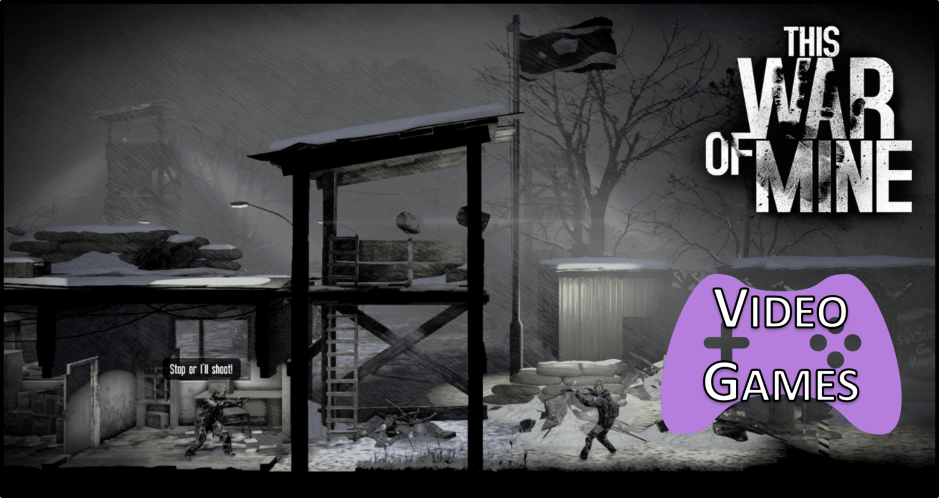

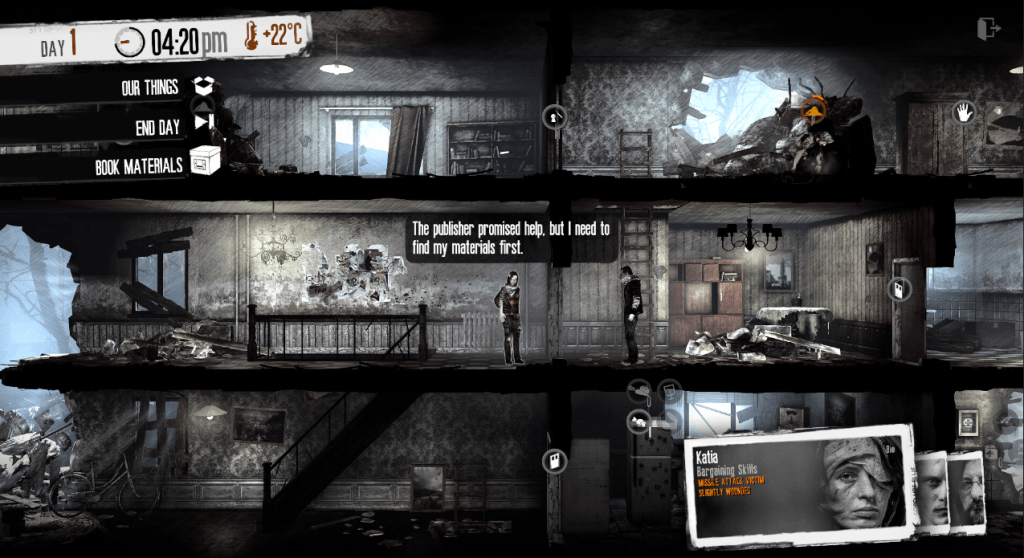

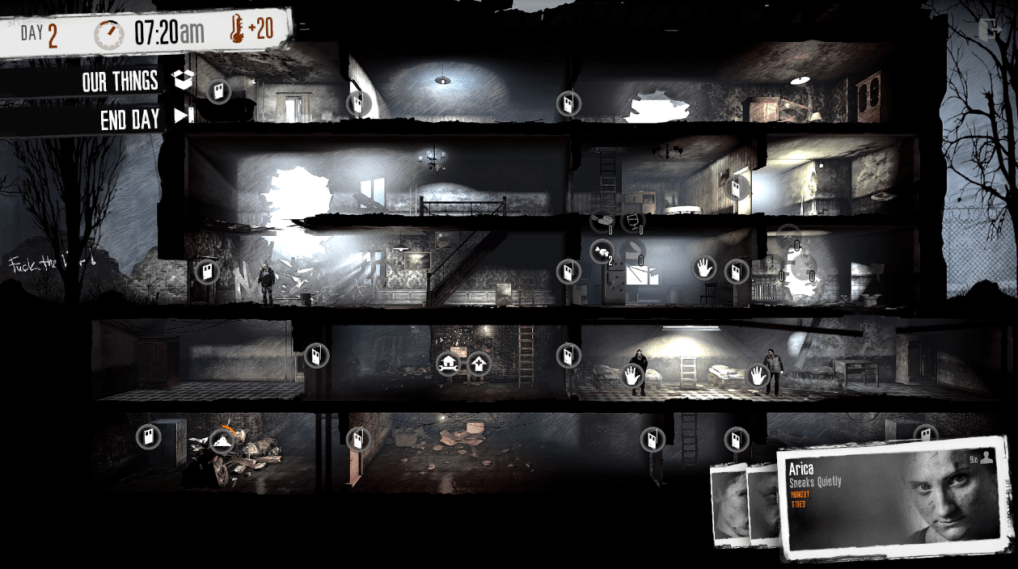


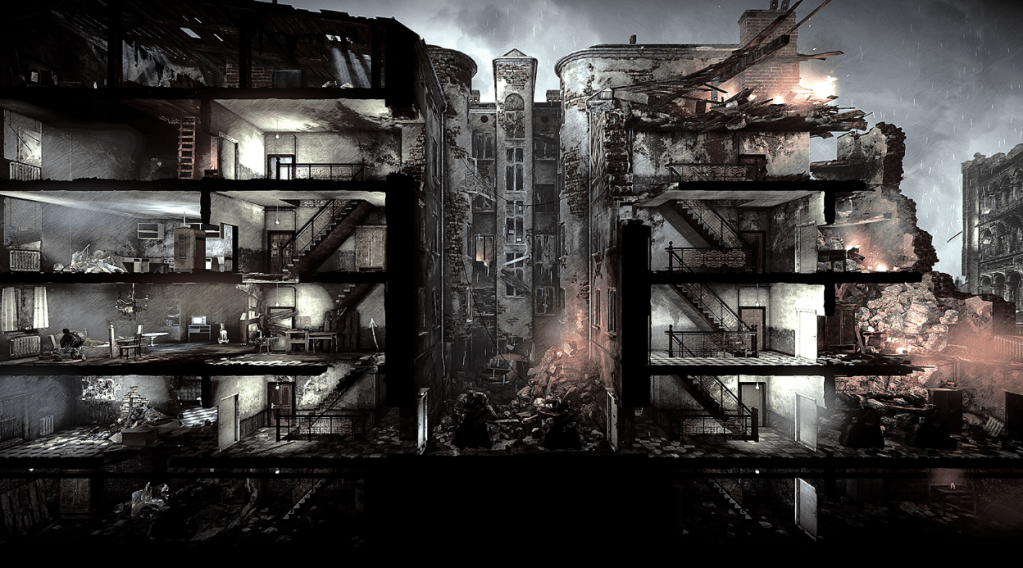
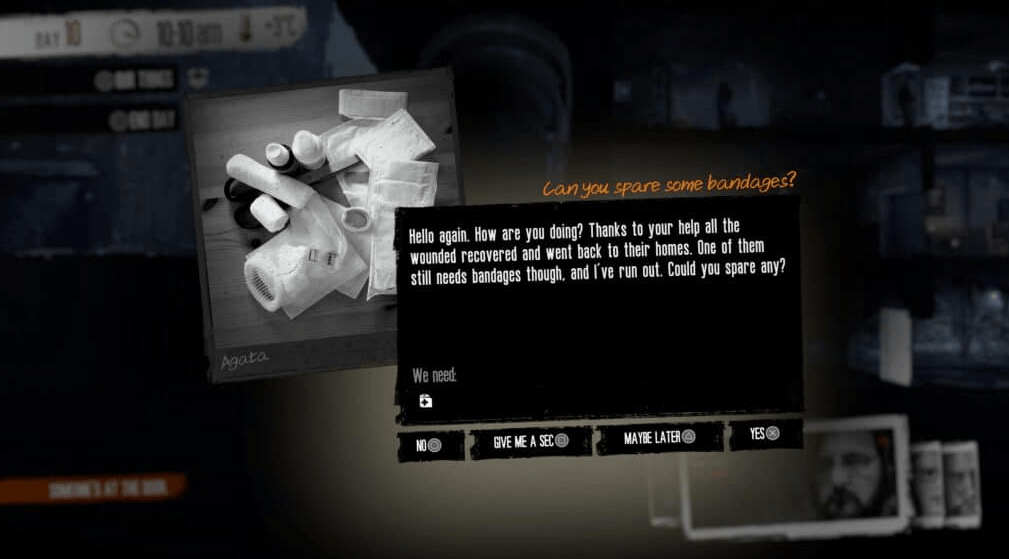
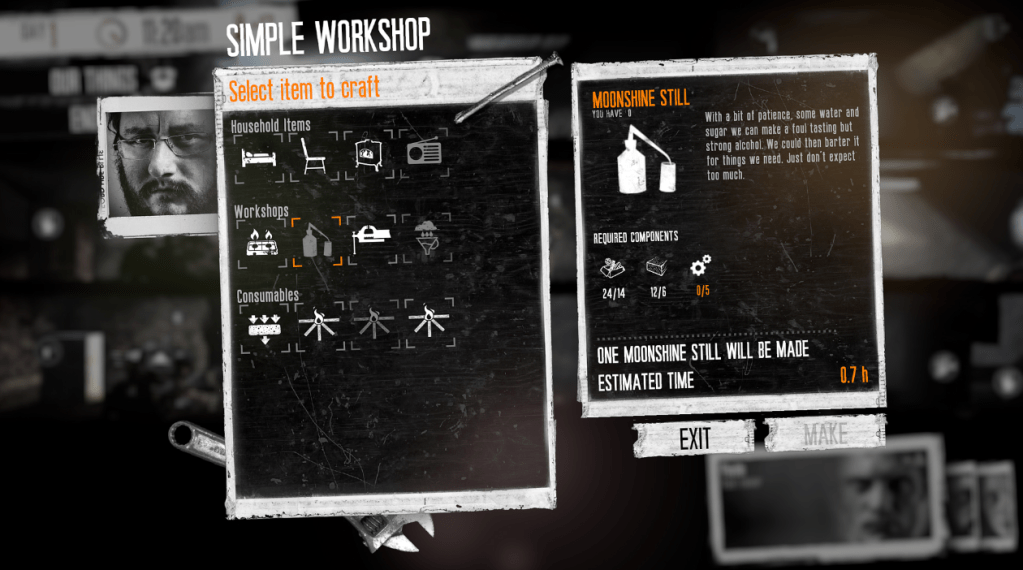
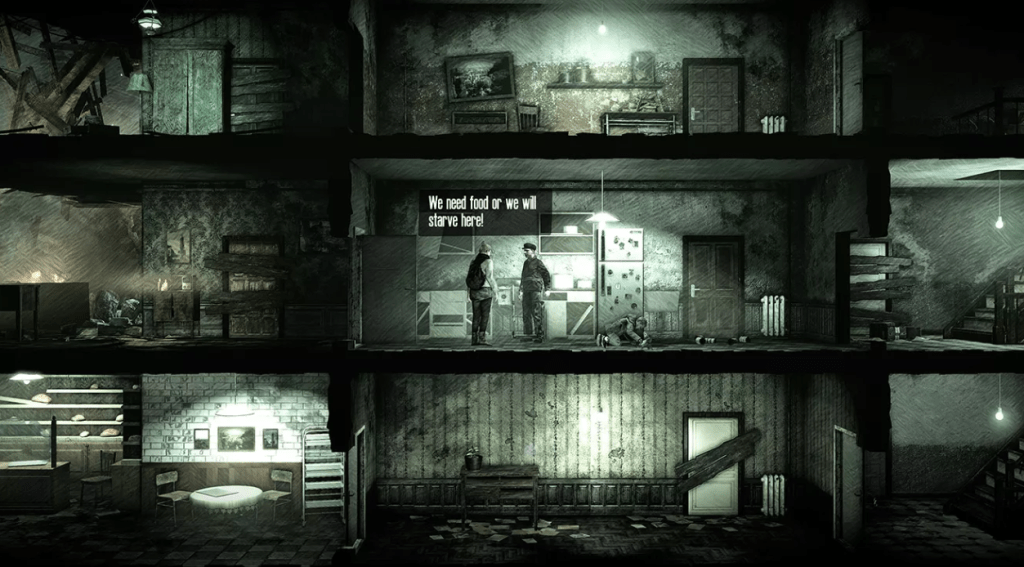

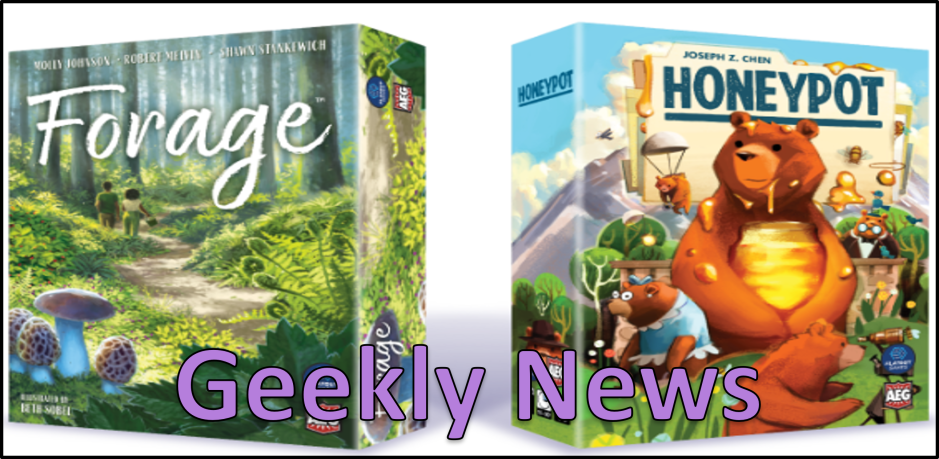

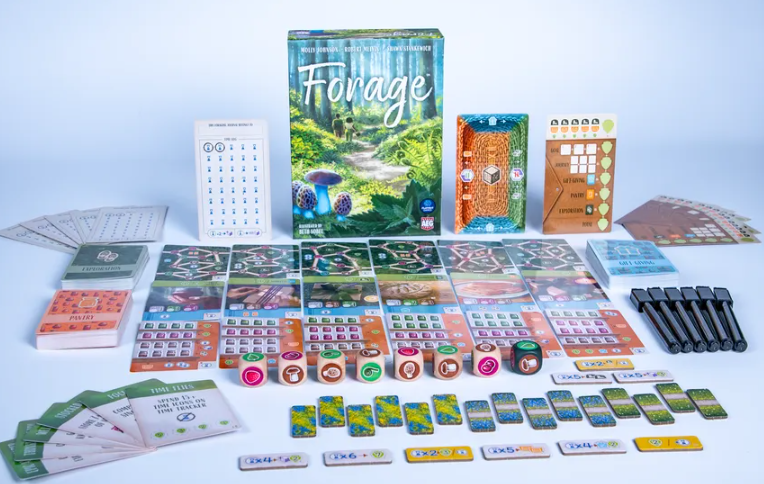

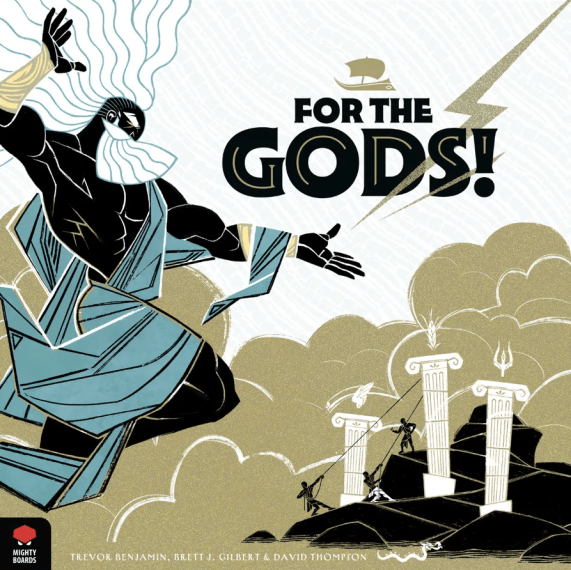

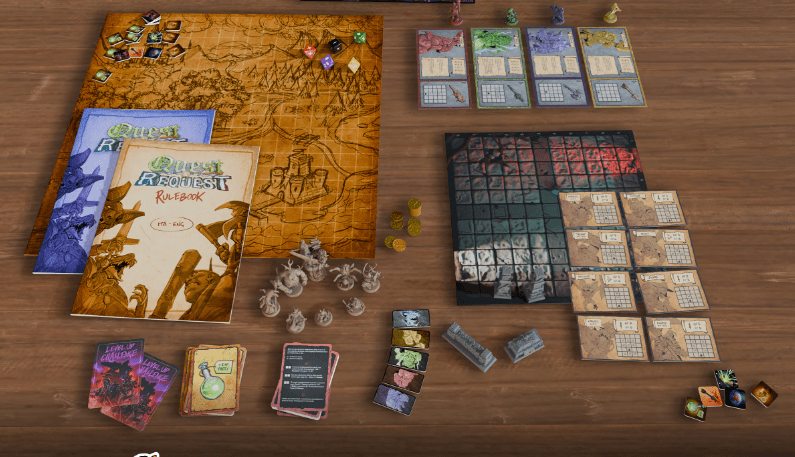
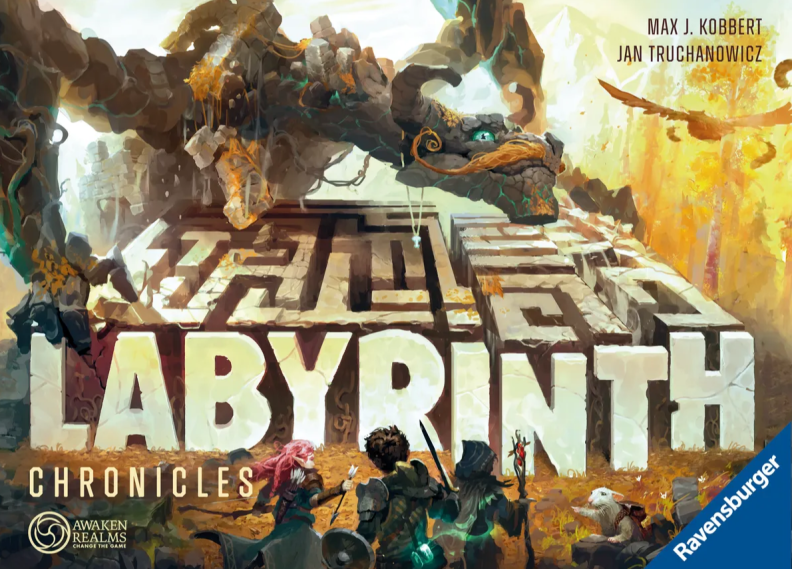
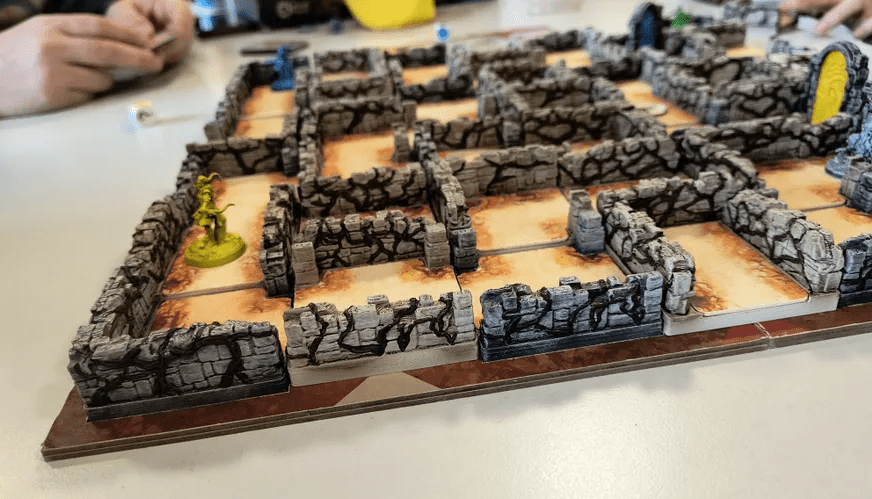
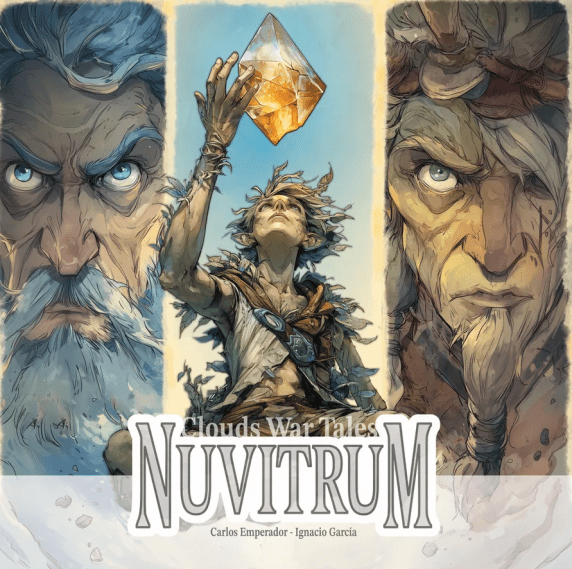
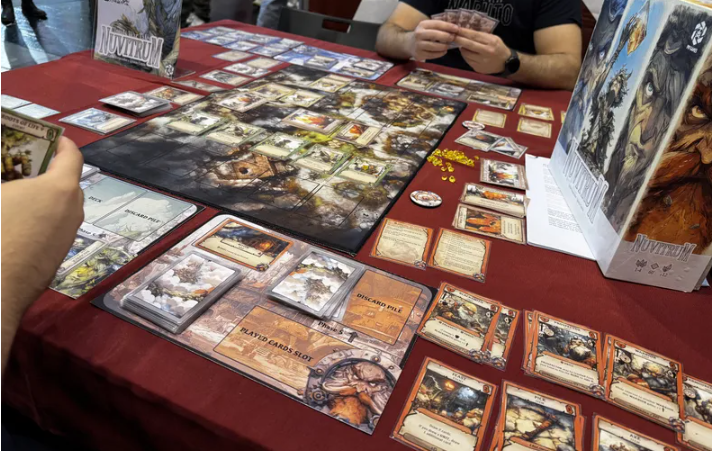
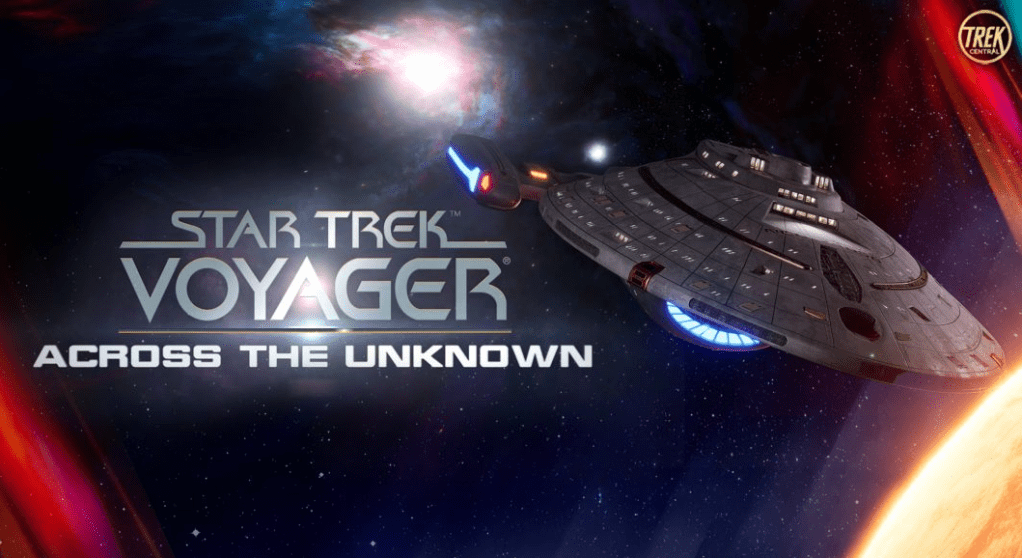
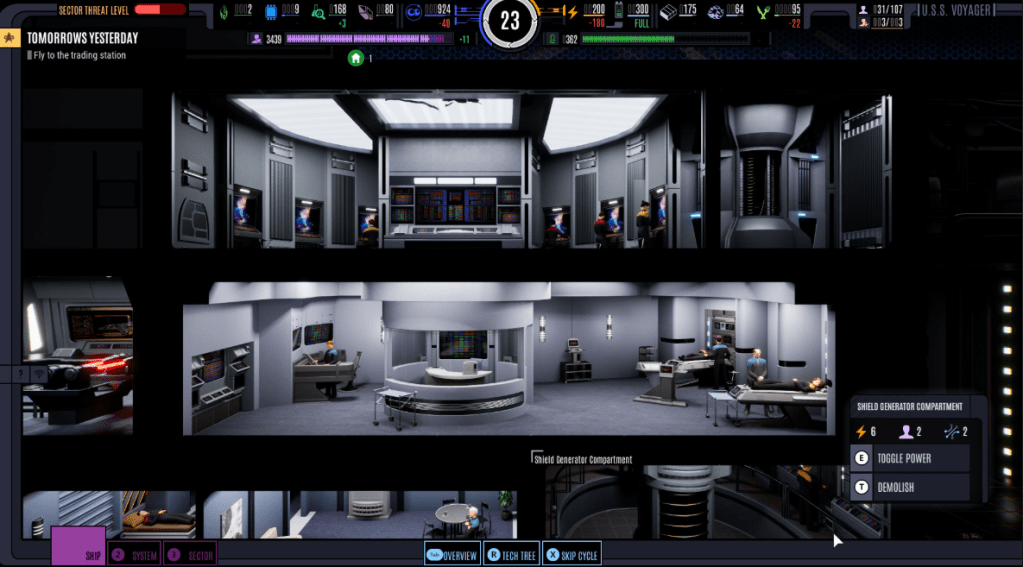
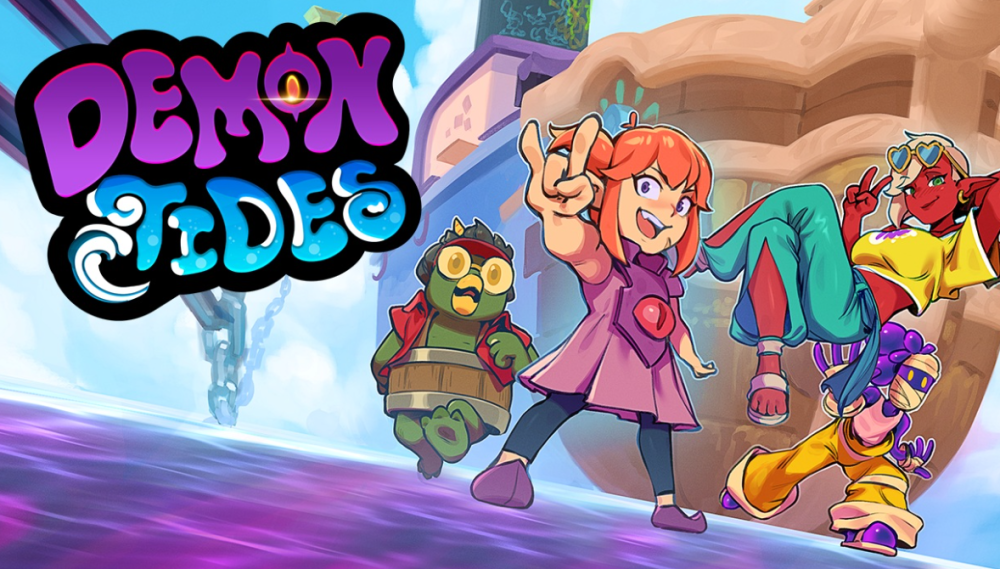
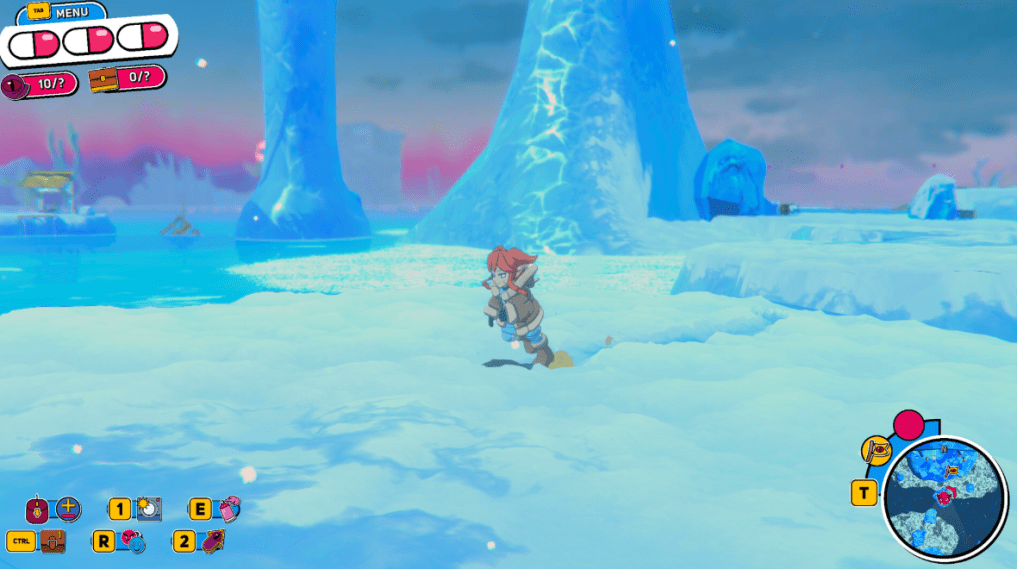
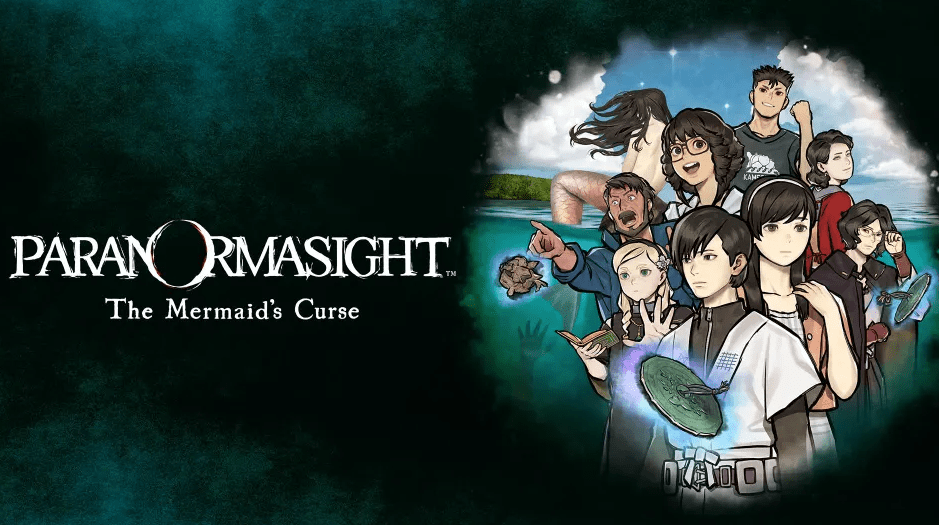
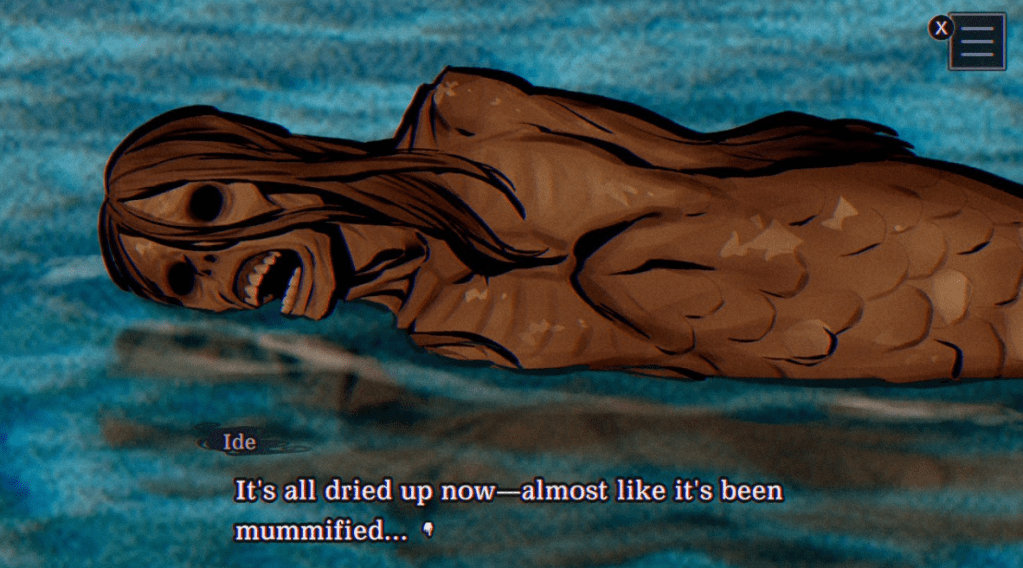
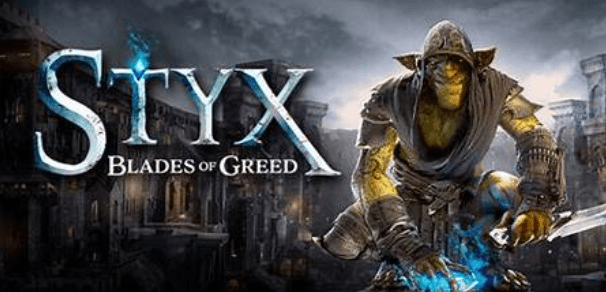
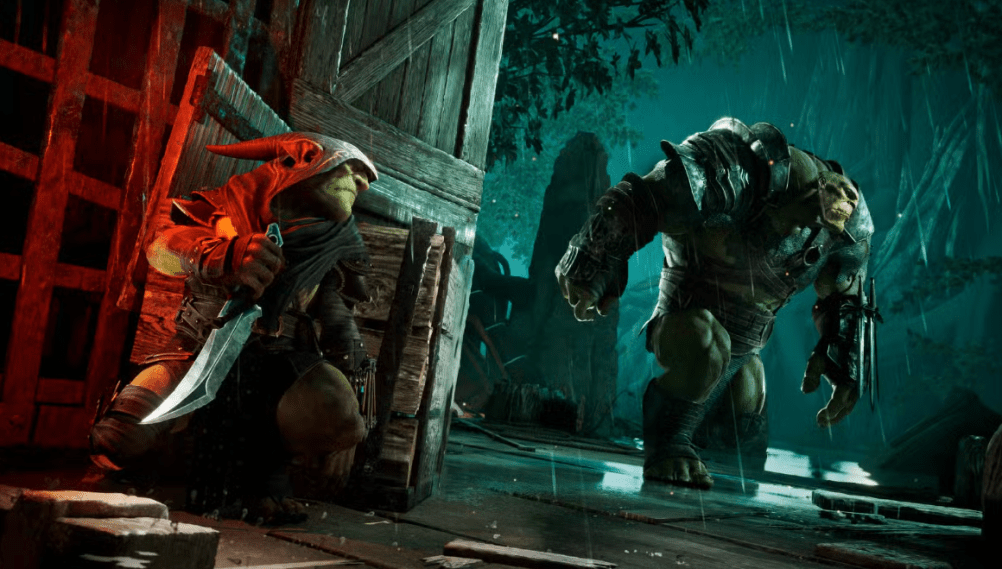






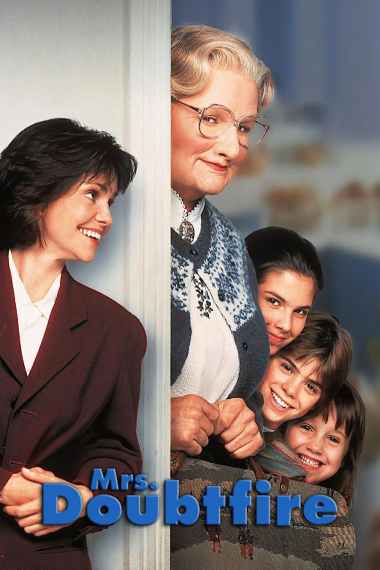
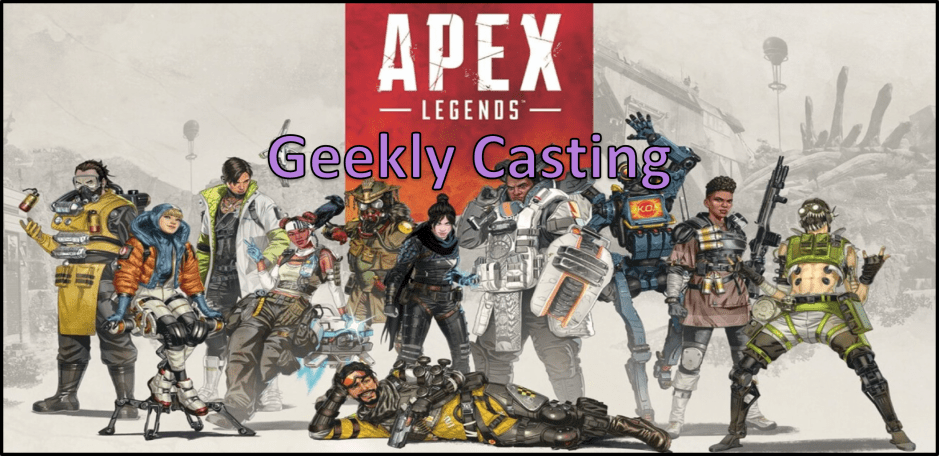


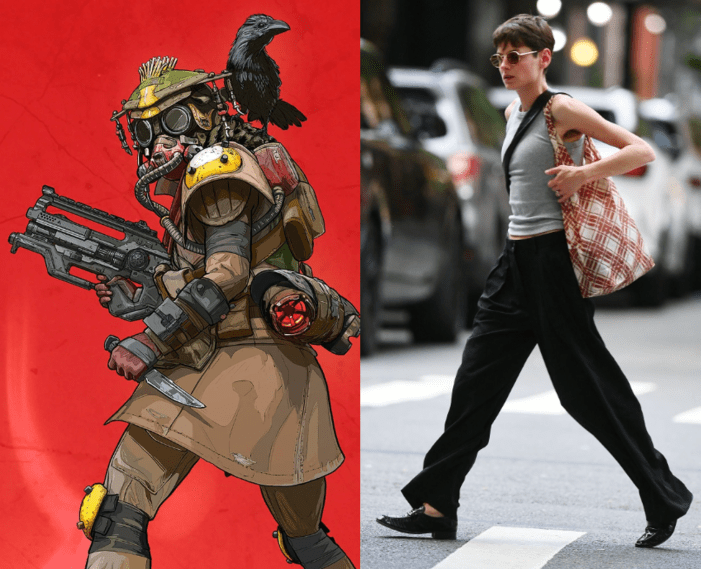













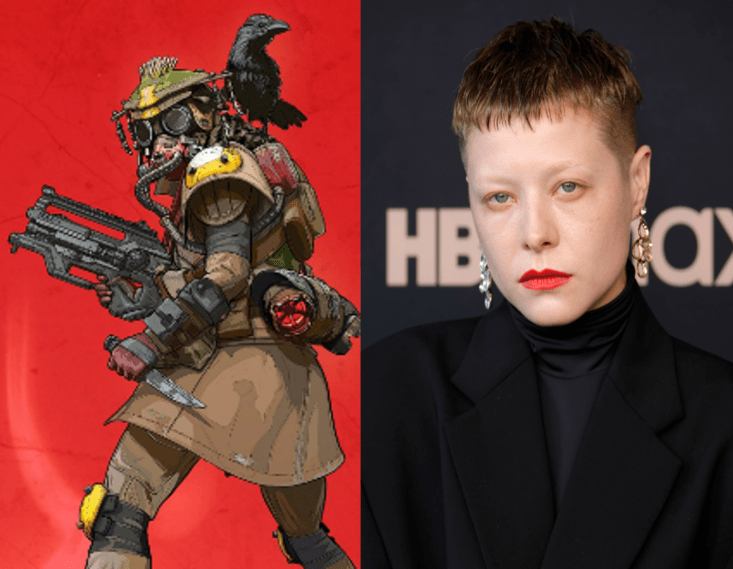

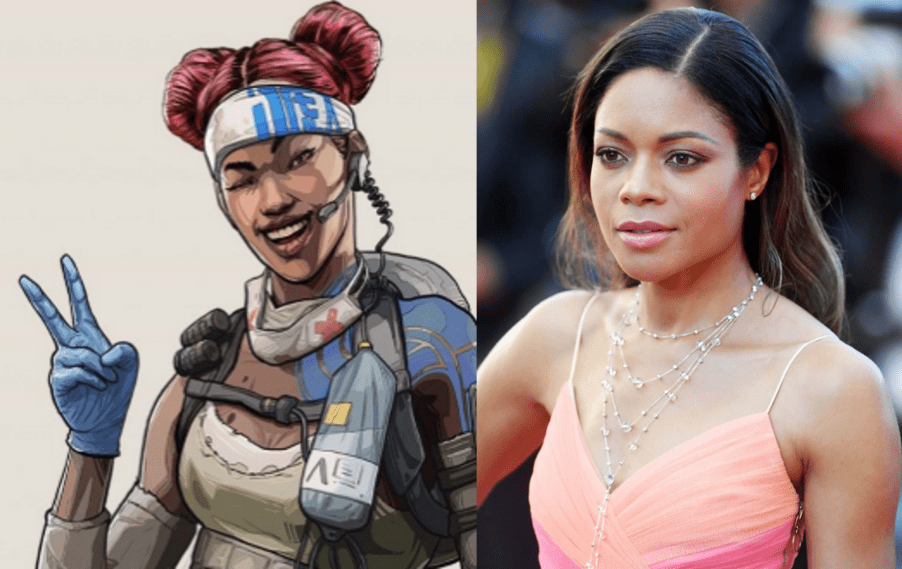




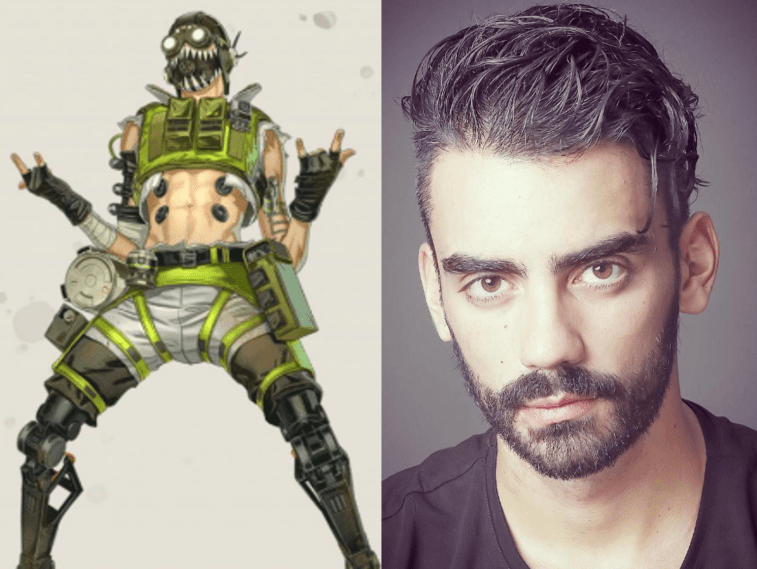



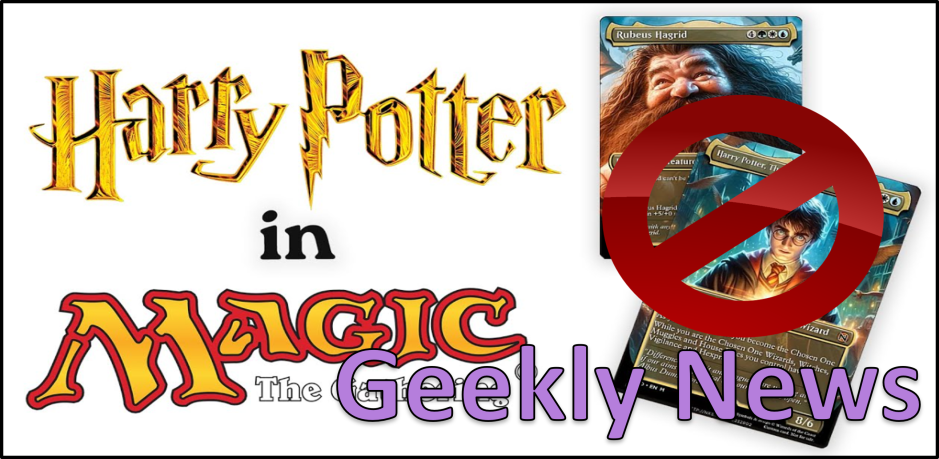
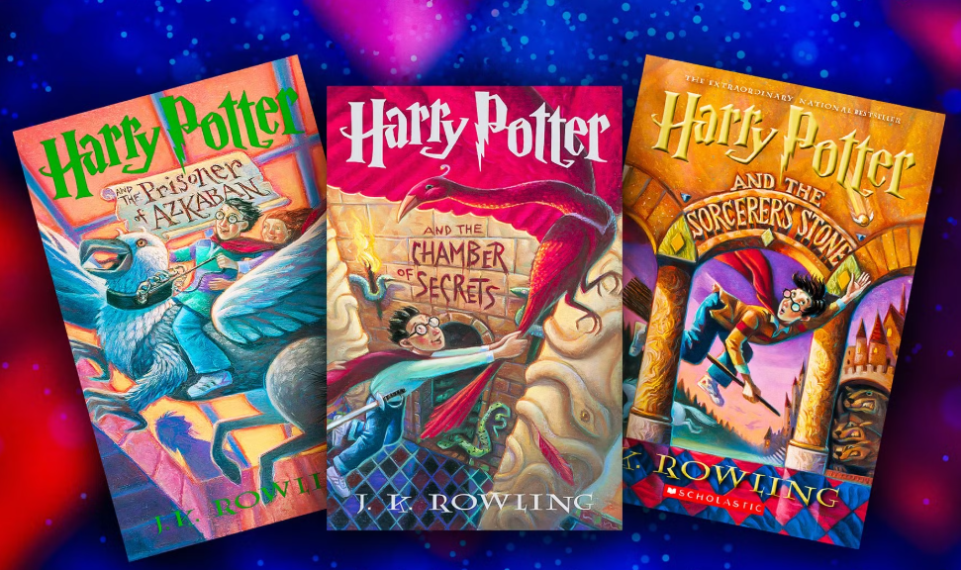
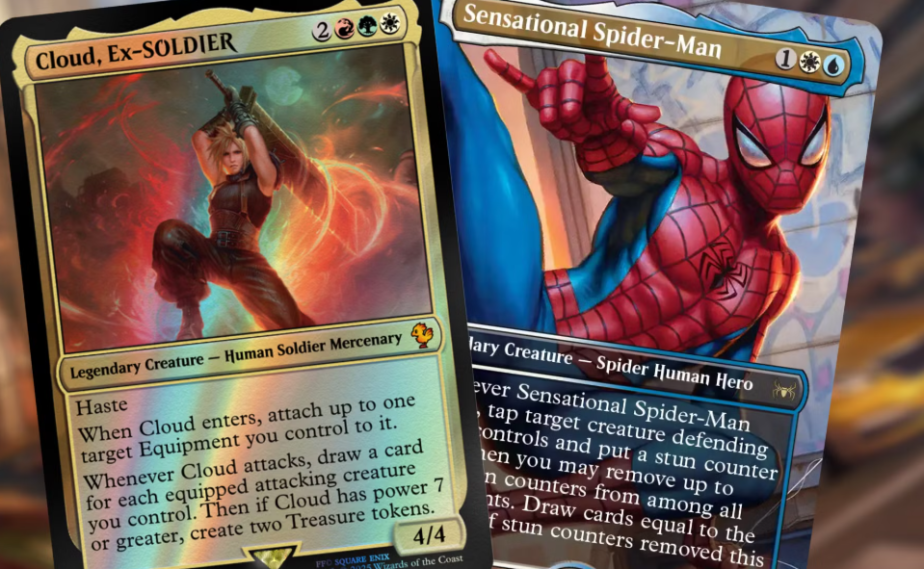
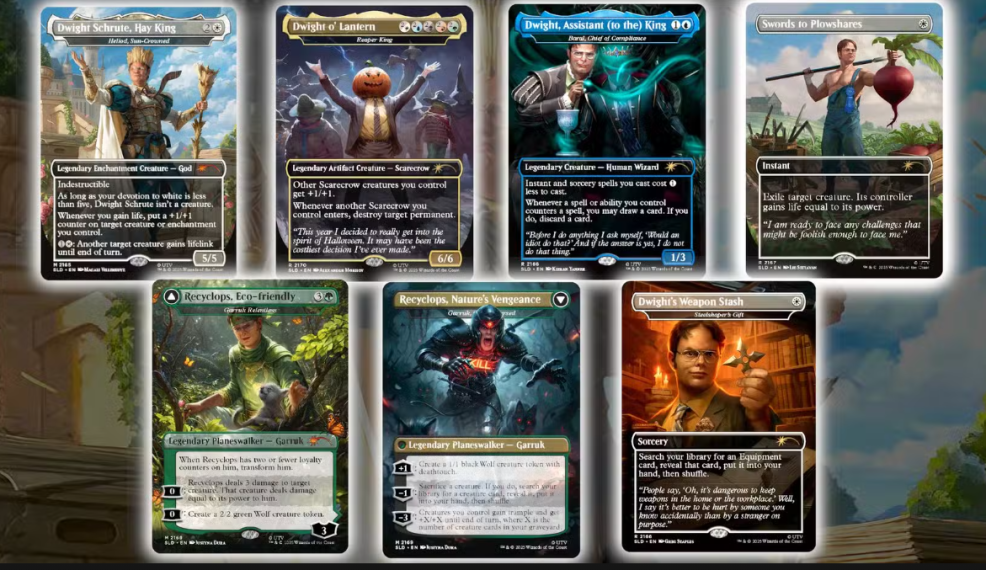
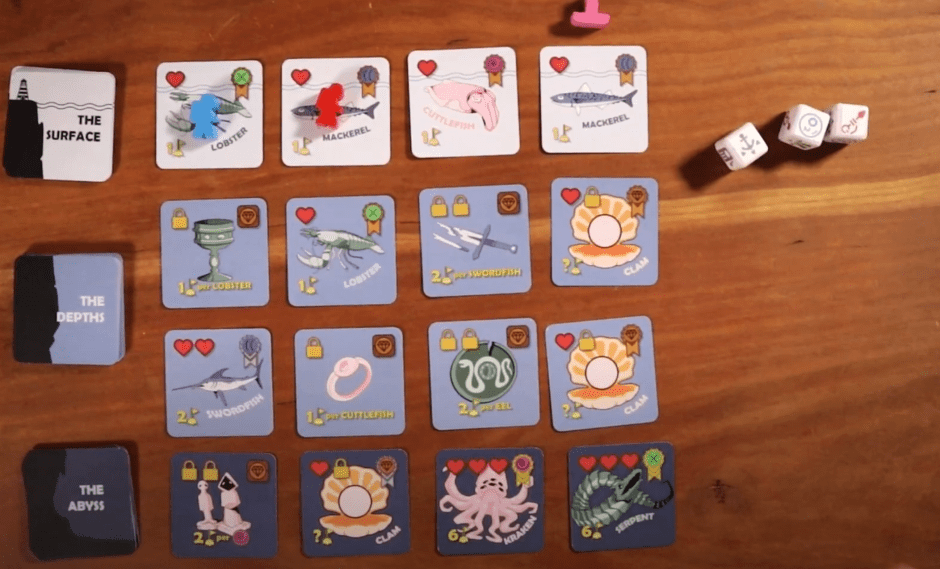


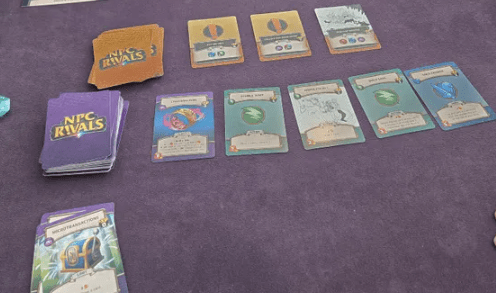
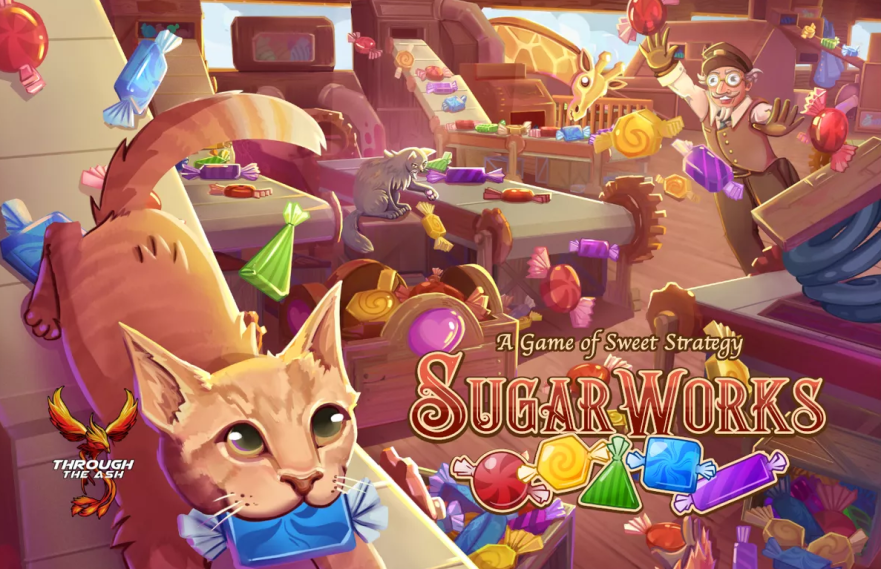
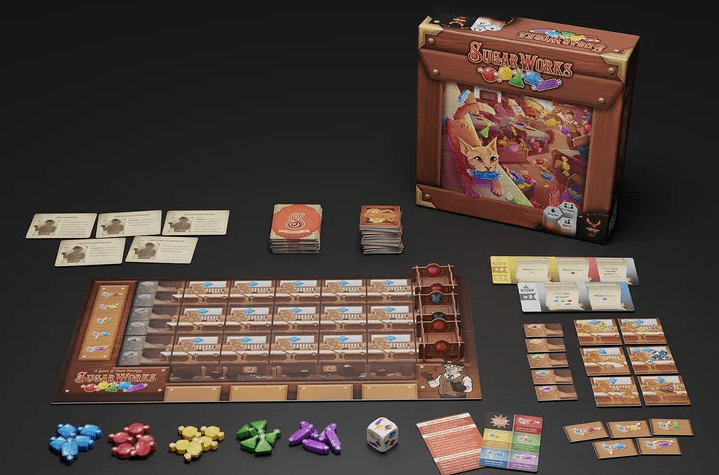
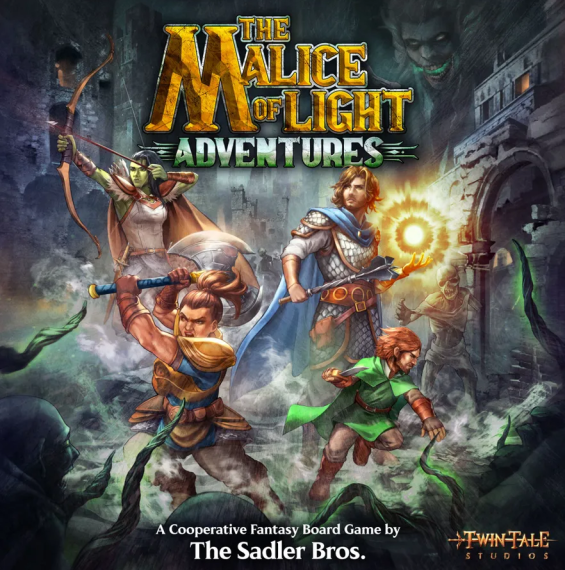
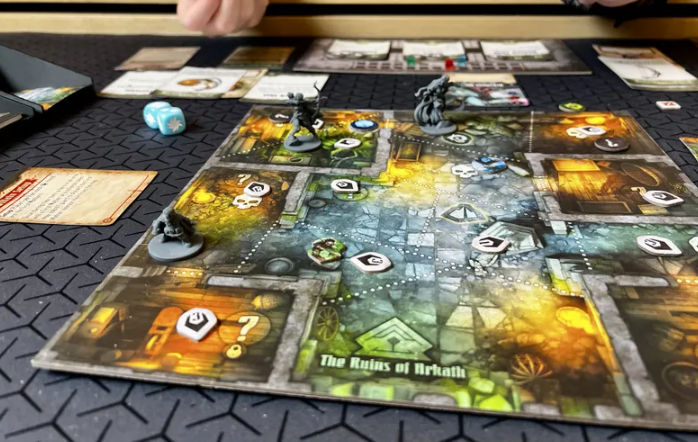
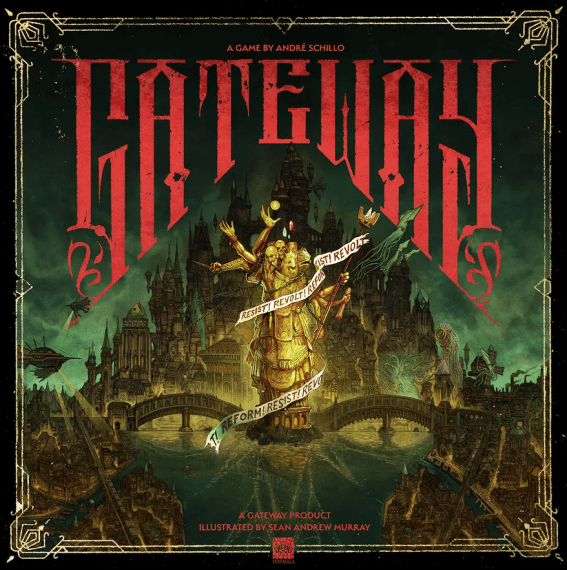
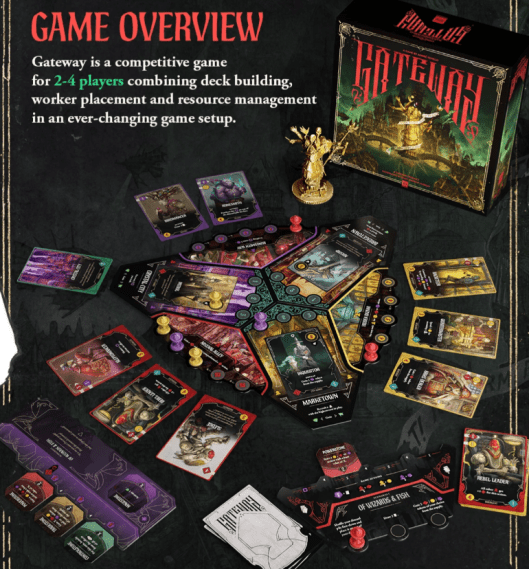
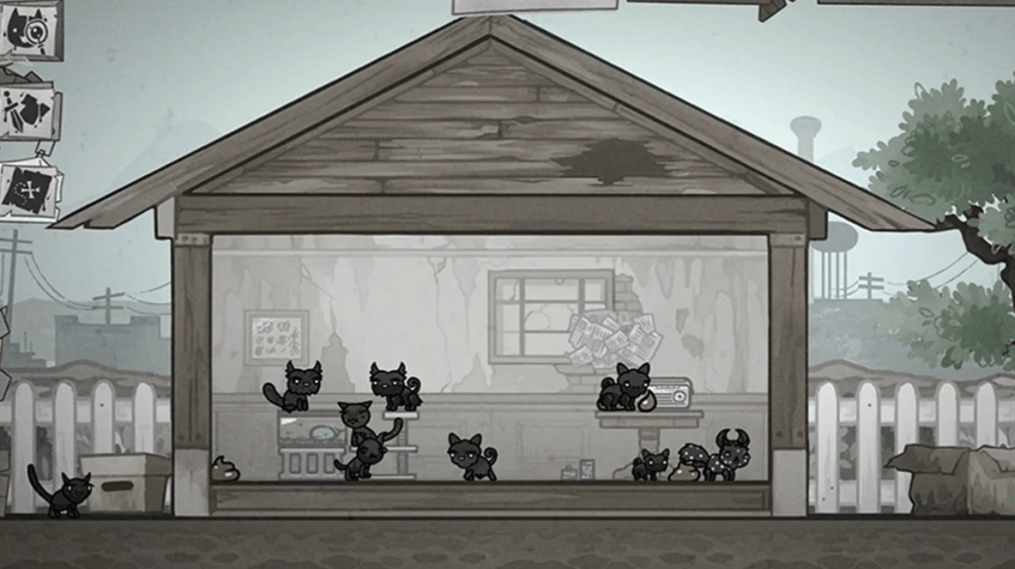
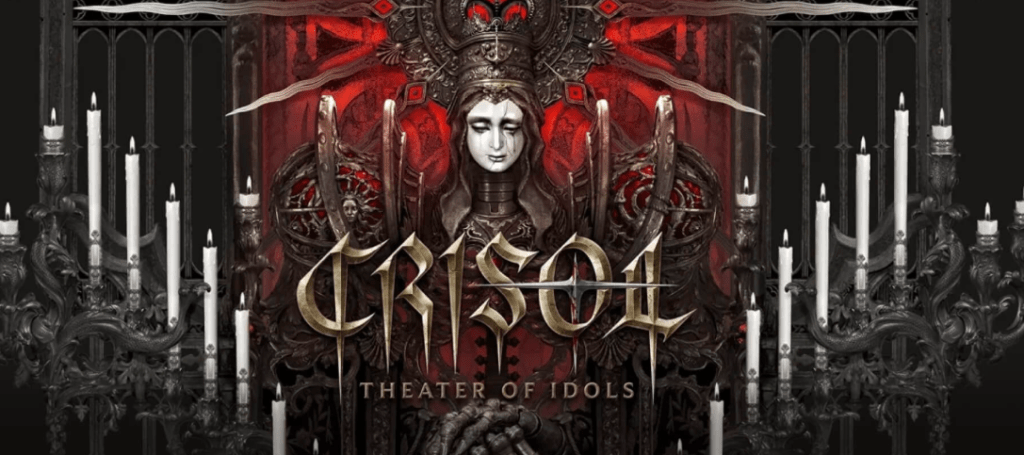
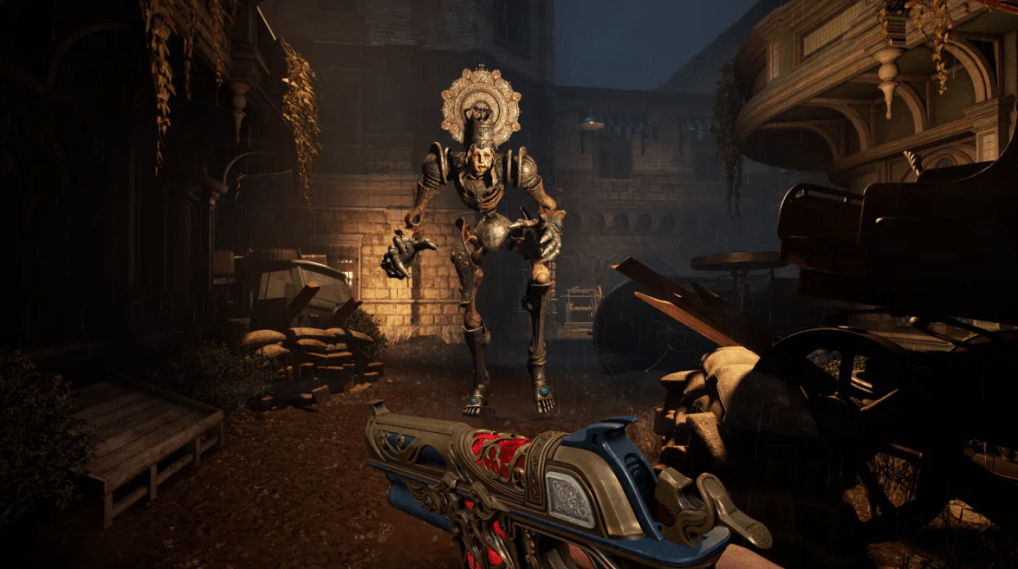
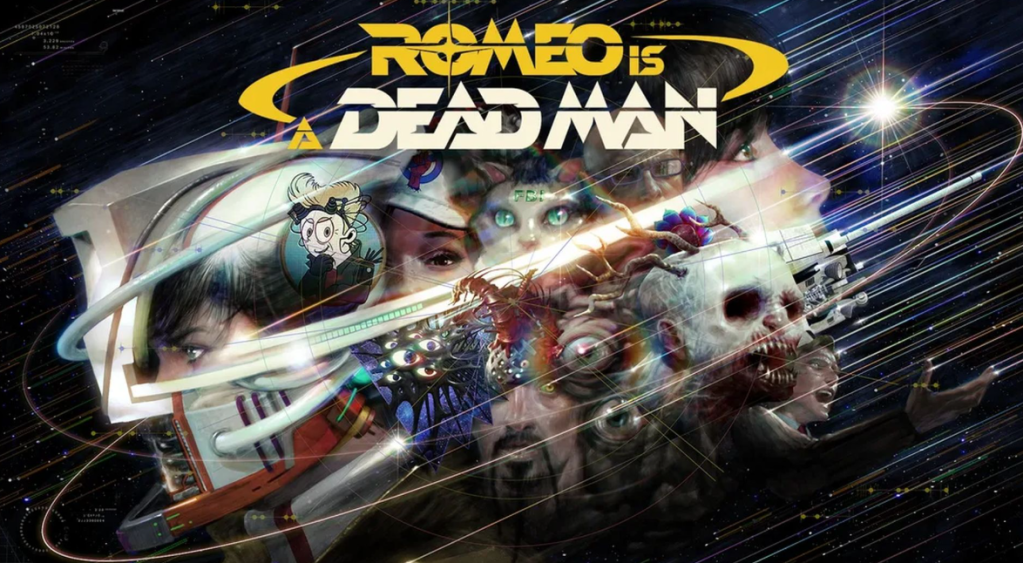
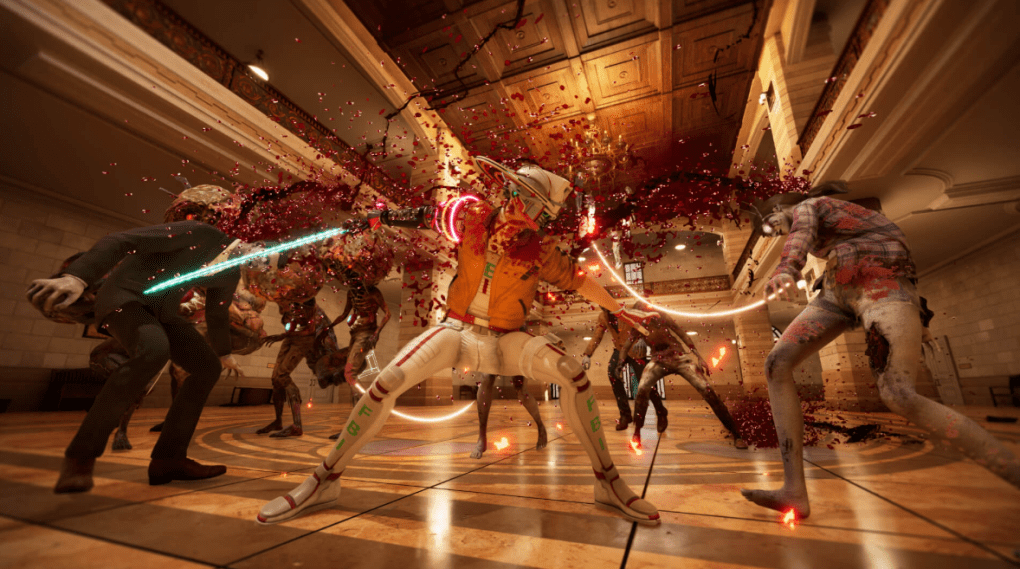

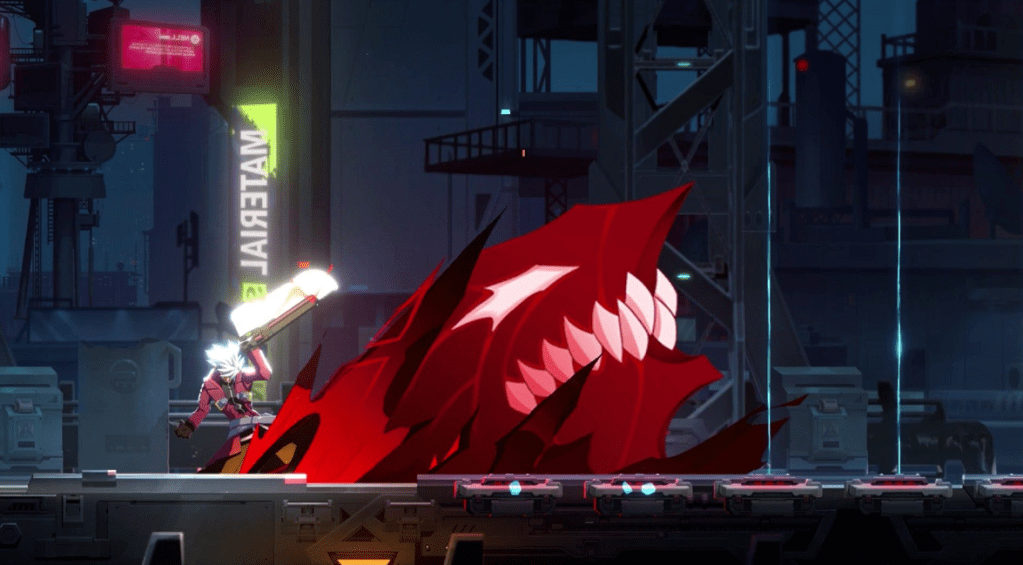

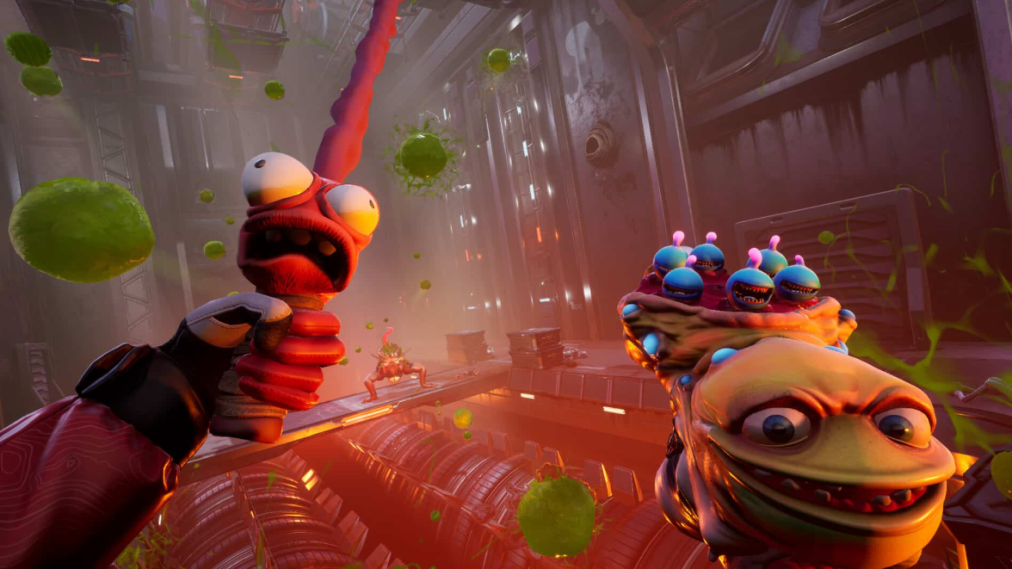
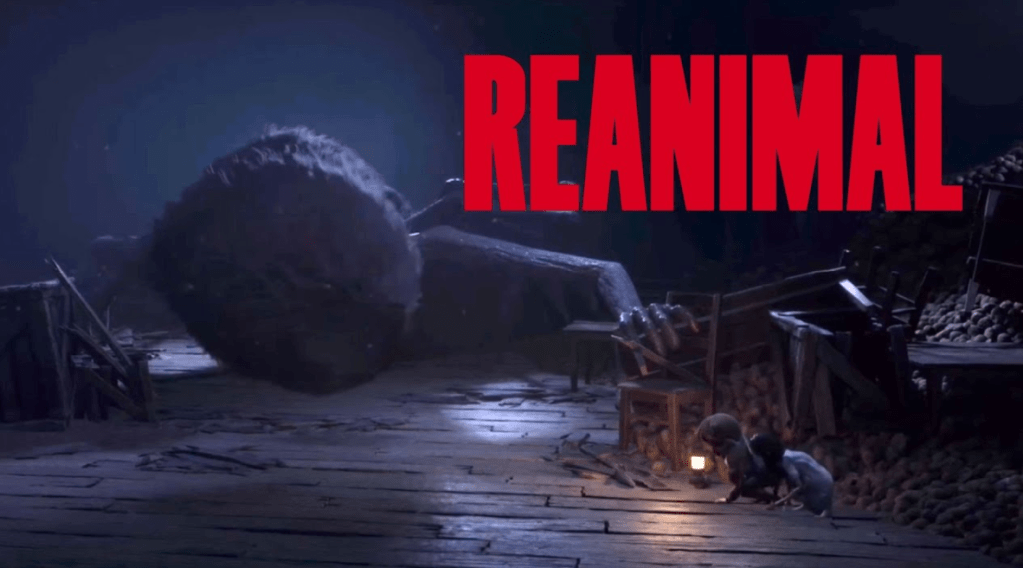
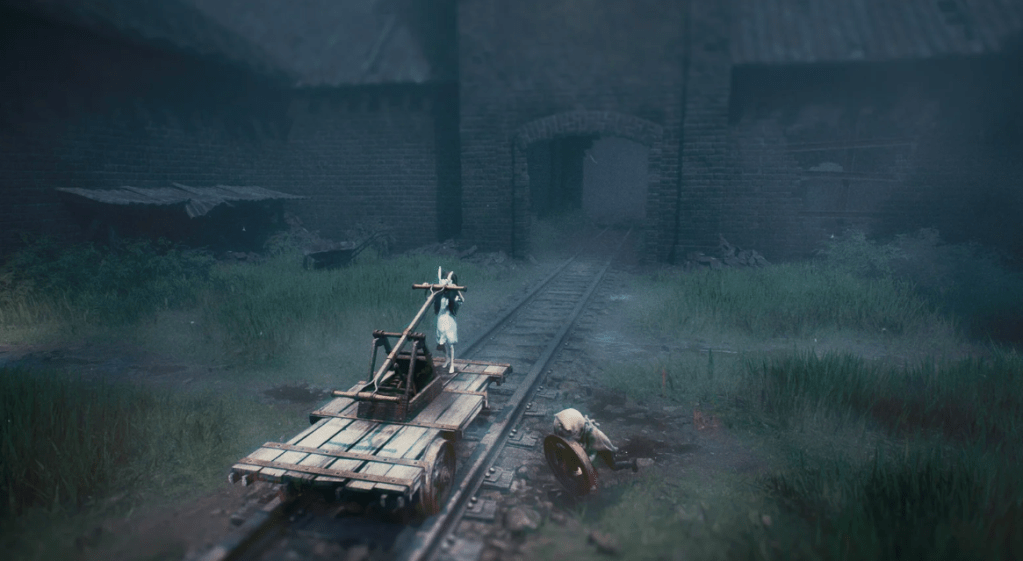

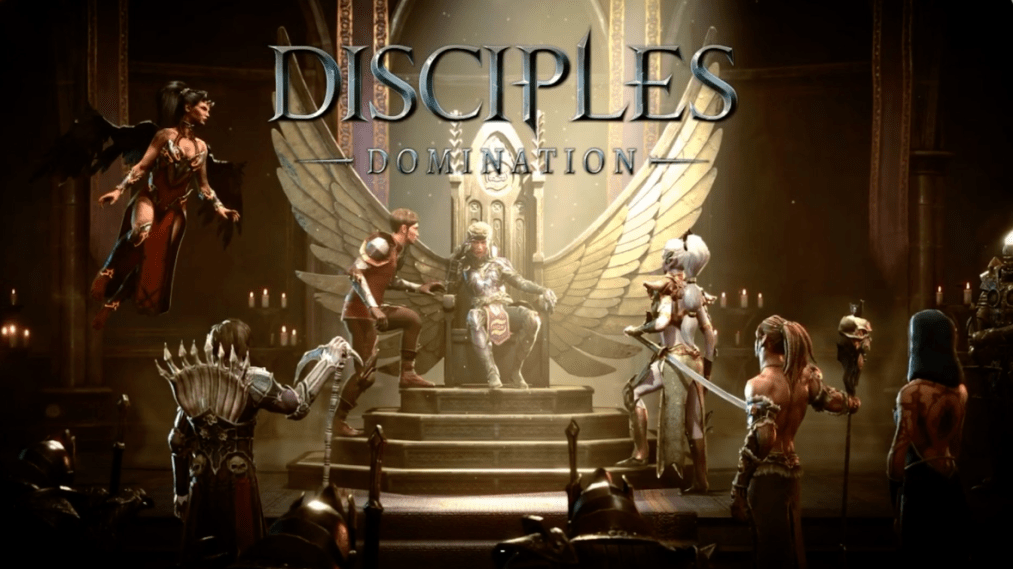
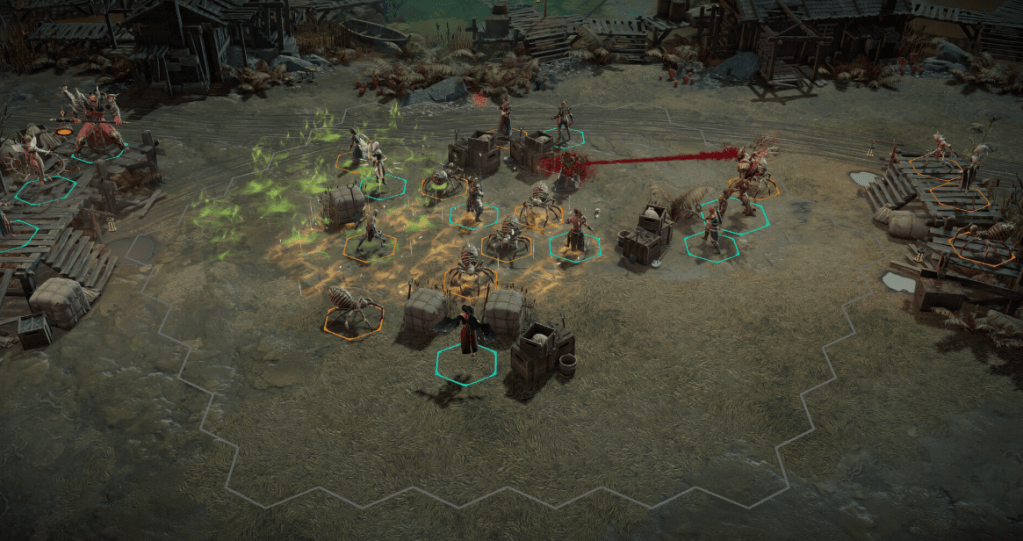

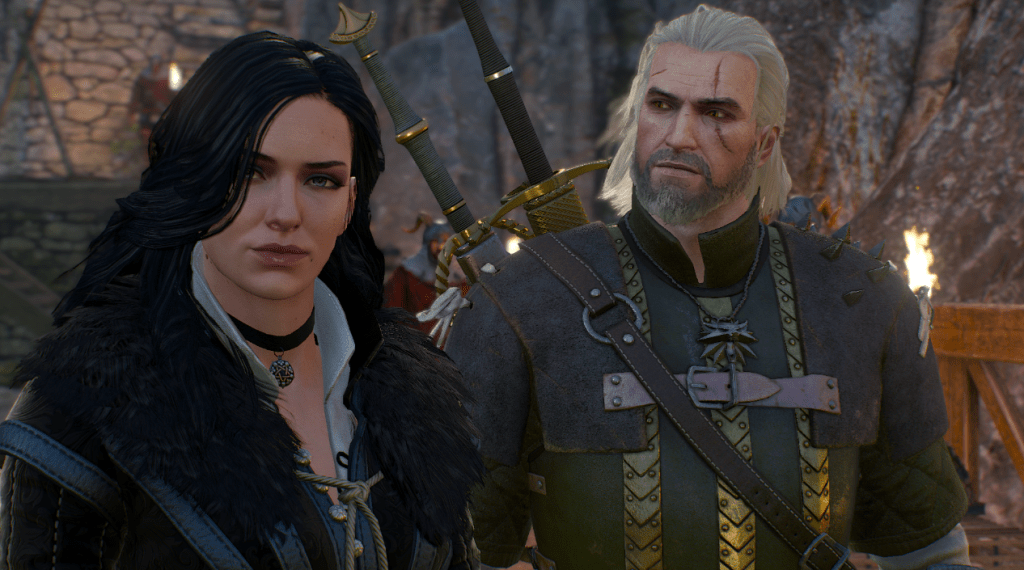
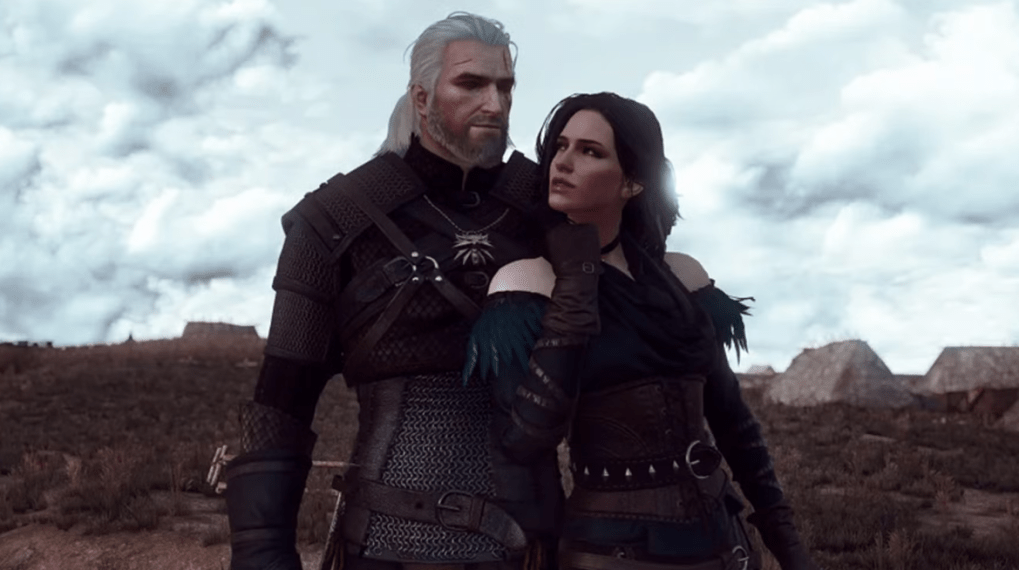



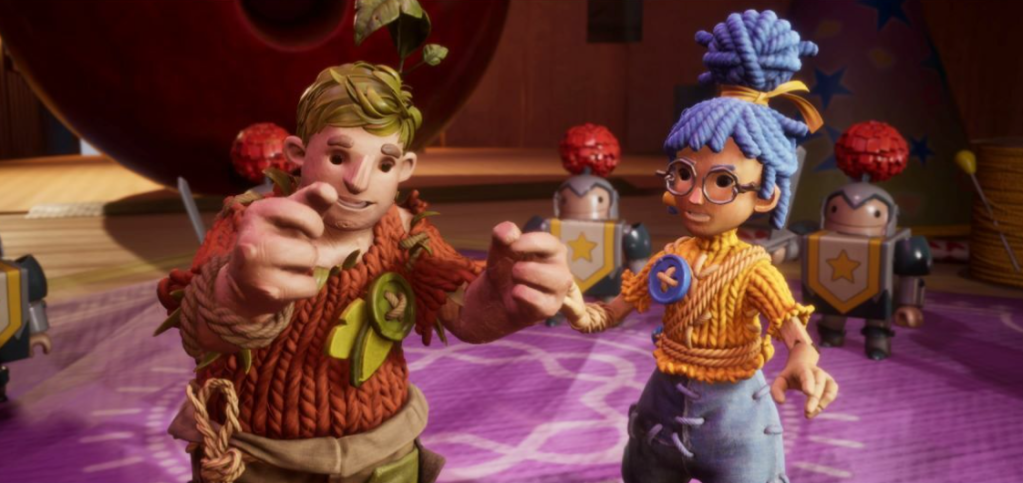


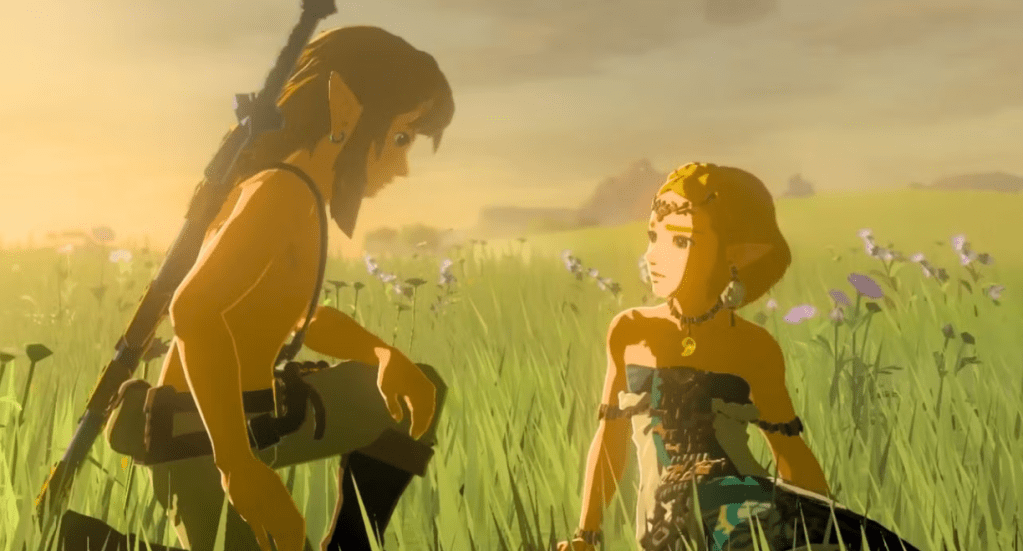
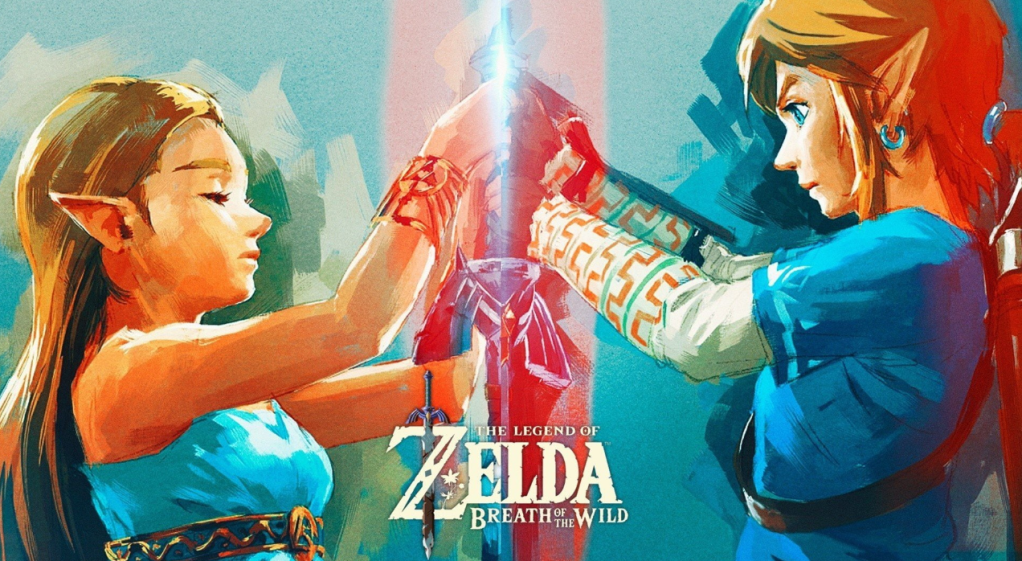

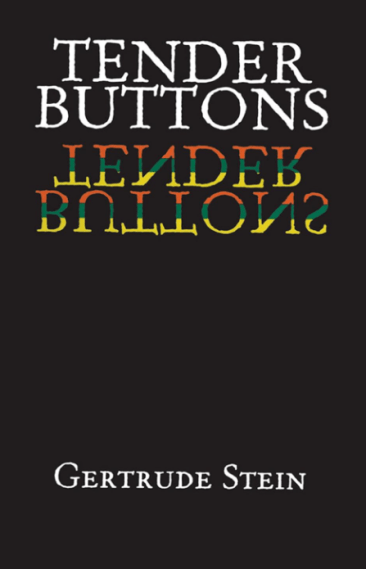


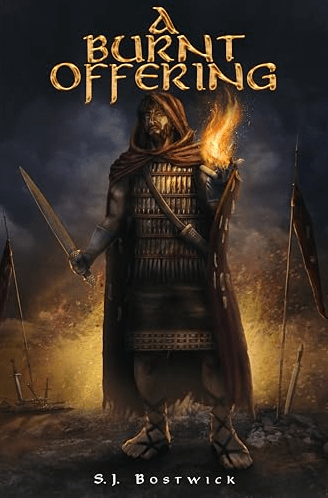

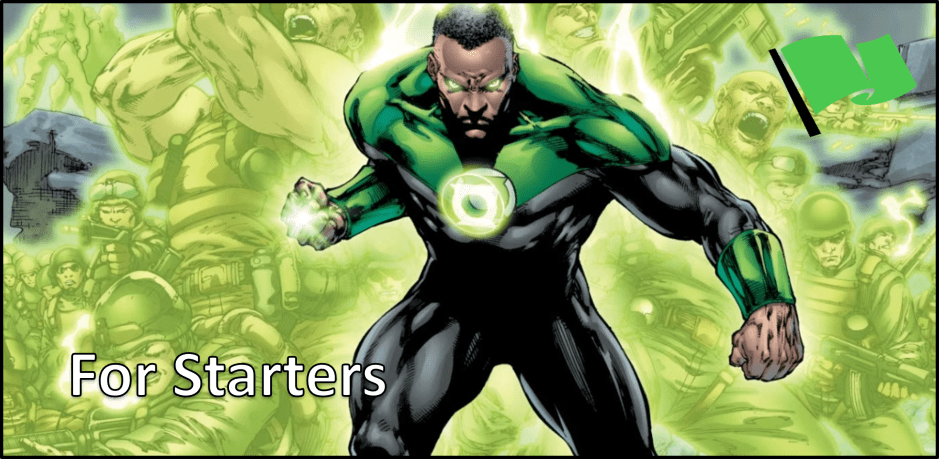
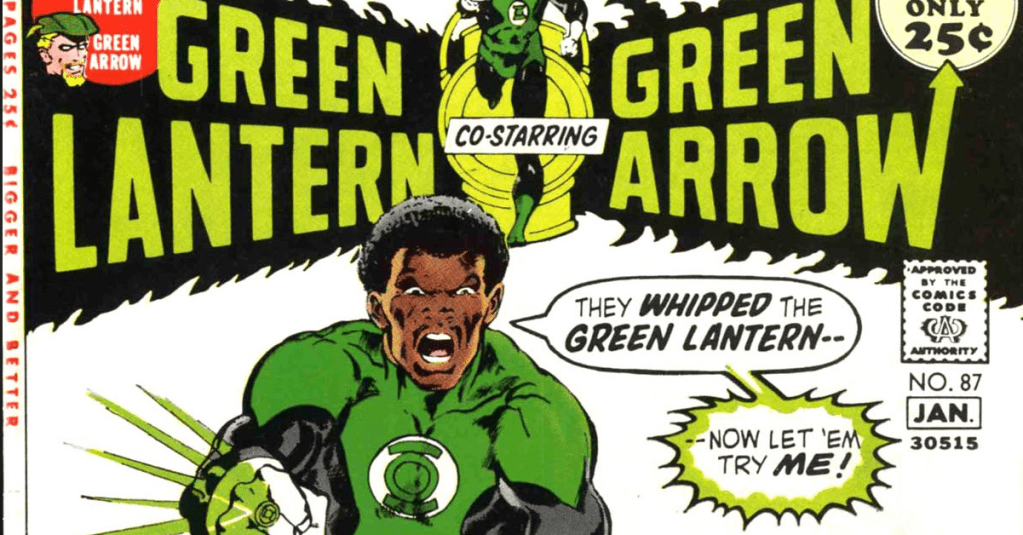
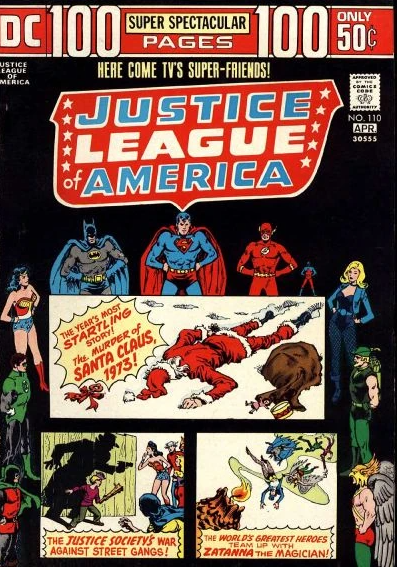
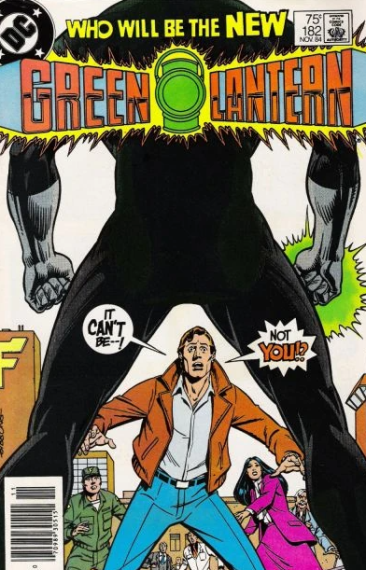
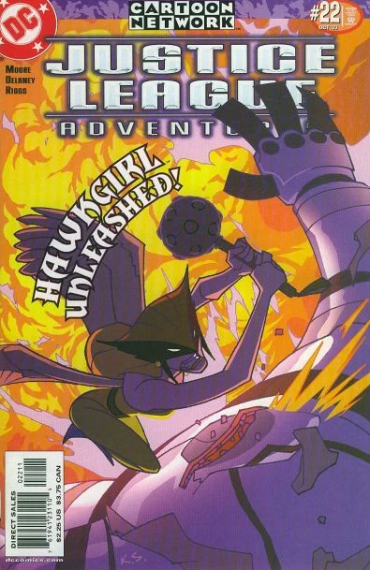
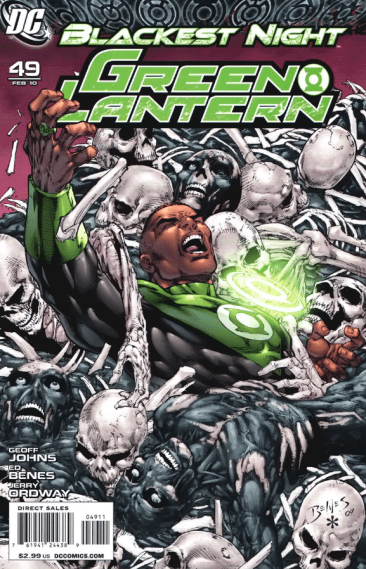
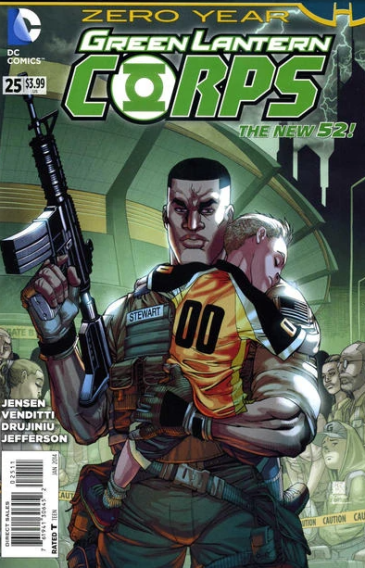
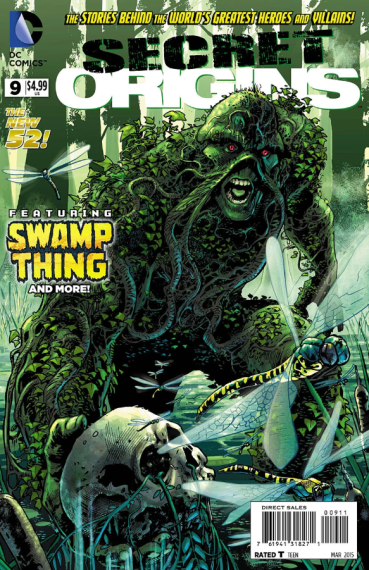
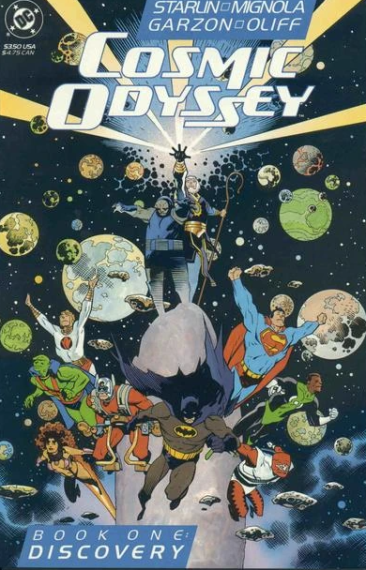
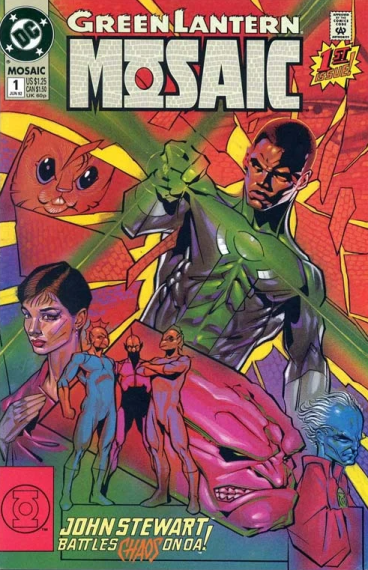
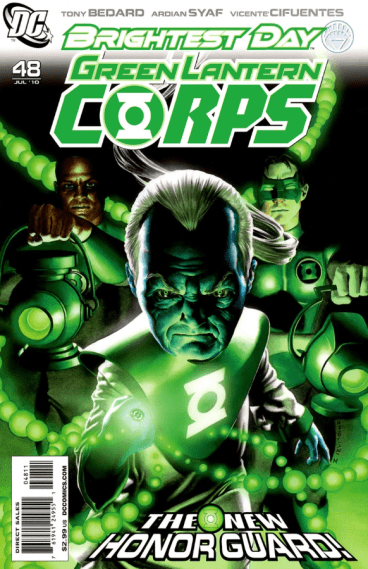




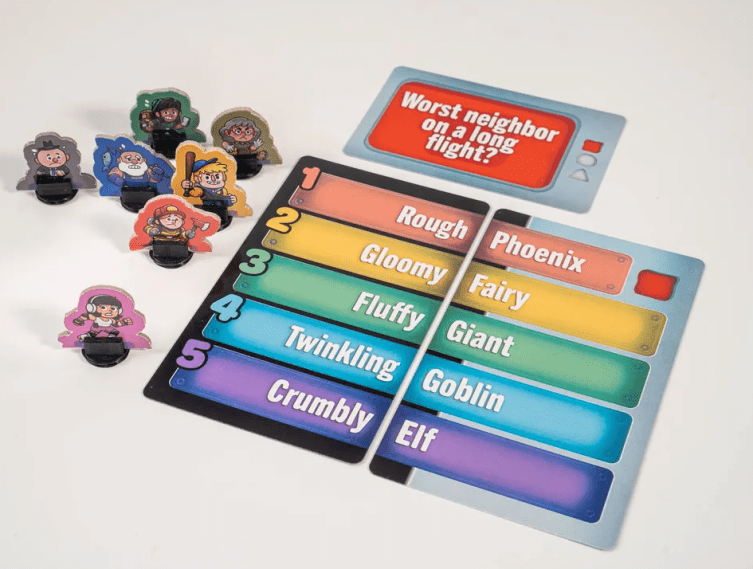
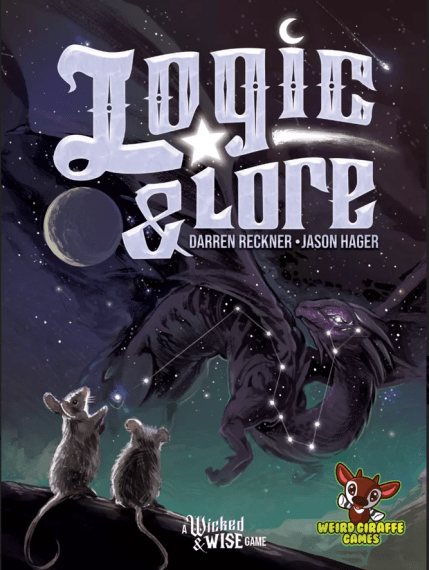
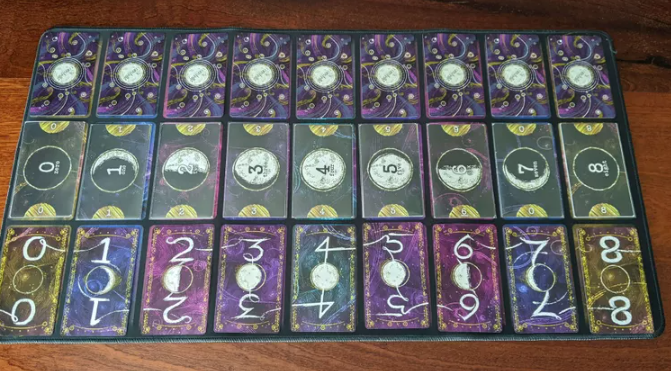
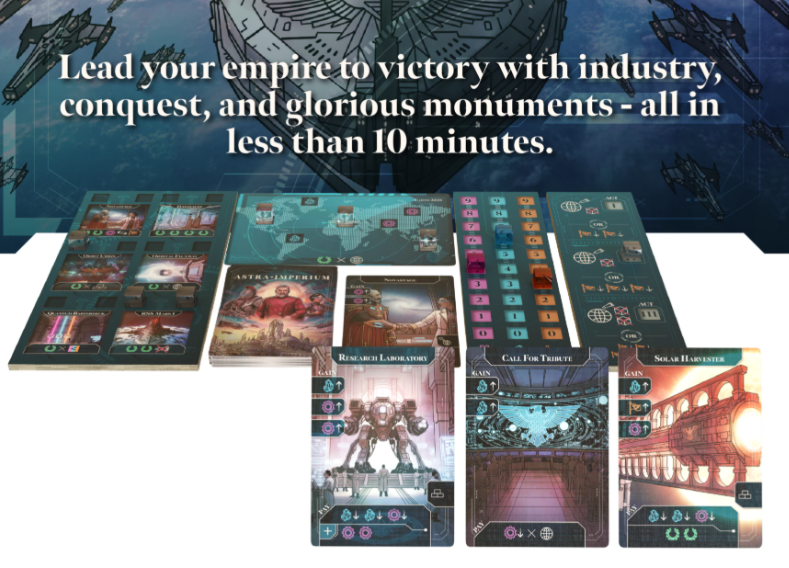
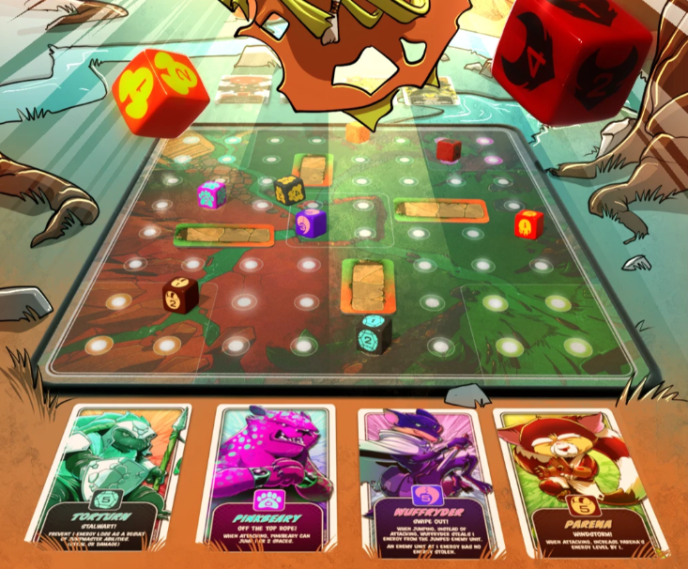
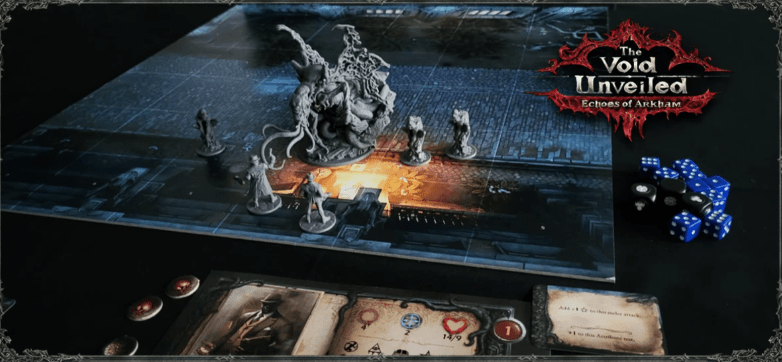
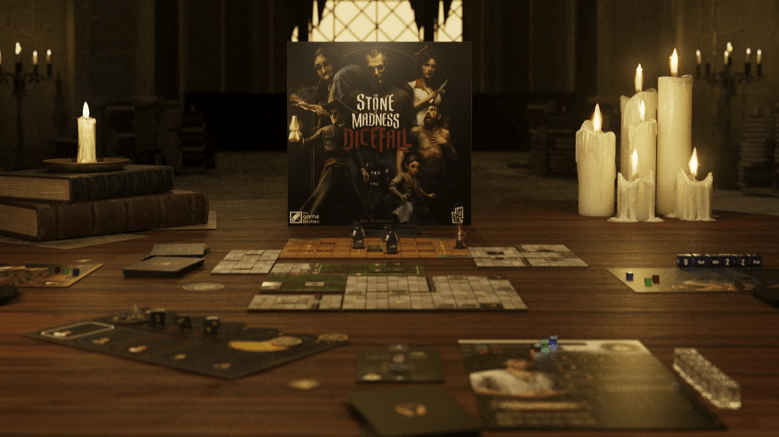
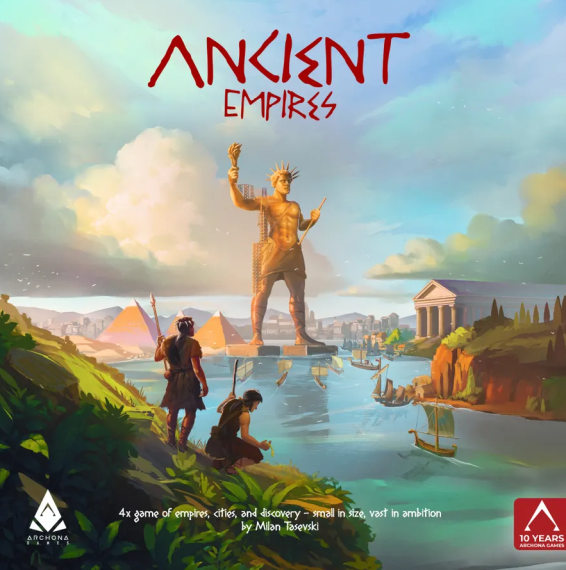
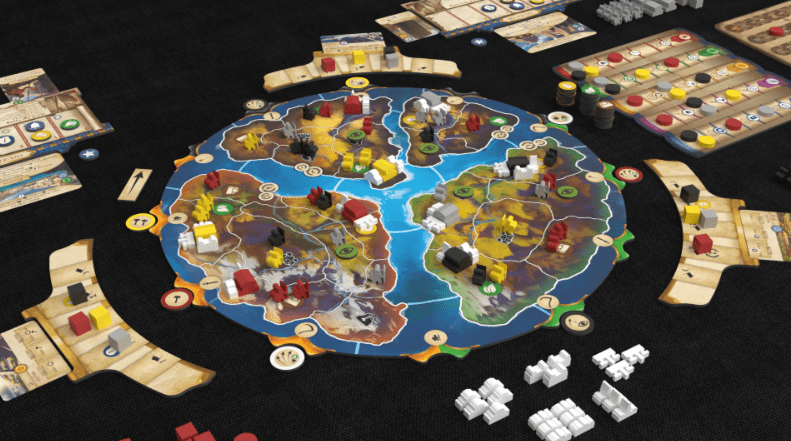
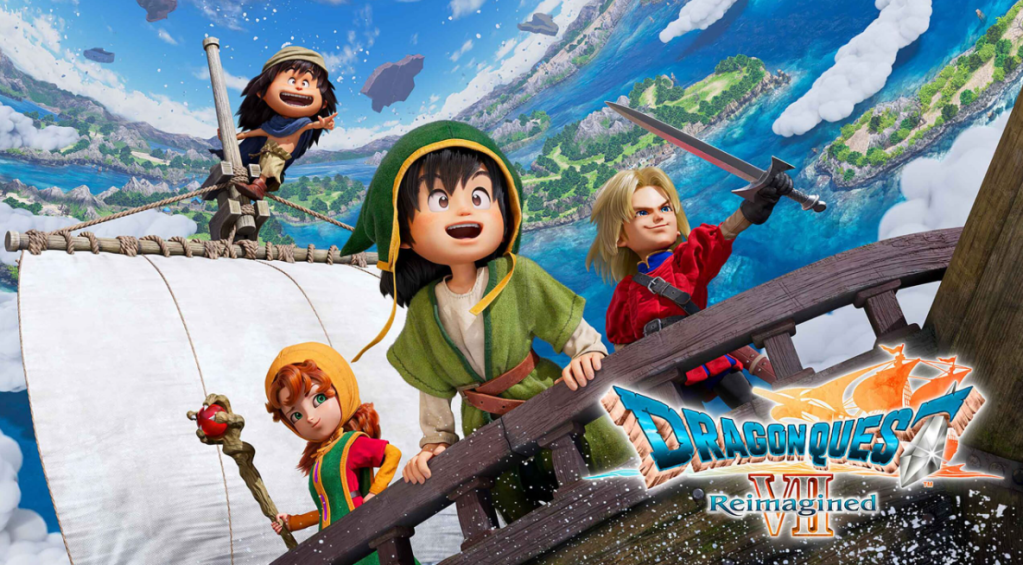
 jkgeekly.com