Hey, hey, Geekly Gang! Kyra Kyle with another board game design brain dump. I’m still submitting designs to various publishers. I’ve received a couple of rejections. Brotherwise Games gave me a prompt response. I’ve given up on a handful of publishers (like Lucky Duck Games), marking them down as “never responded” in my spreadsheet. Seriously, I wish there was a submission tracker like Duotrope for board games, so designers could share notes on which publishers are more responsive than others. I guess I can do that here. While I don’t particularly care for Brotherwise Games’ submission manager (they use Google Forms and pics), I do like how prompt they were with a response. And that’s another thing the board game community could use, a more standardized online submission manager program like Submittable.
Anyway, I’ve made tweaks to Spill the Beans. My goal is making Spill the Beans more enjoyable at lower player counts, and I think I’ve accomplished this by having players “bust” if they spill too many of the same bean type. Love it! Spill the Beans is still a party game at its core, but I’ve playtested multiple smaller player count games at designer meet-ups and received good feedback. You would think a player may get lucky, pushing their luck by spilling out more beans and not busting, and that does occur, but the game evens out over time. And smaller player count games take little time at all. Spilling out more beans per turn means that the game concludes a lot faster at smaller player counts (a problem the game had before this change). Players are just as likely to run out of beans as they are to fill two jars.
Enough about Spill the Beans, I’ve also been submitting Whirligig Pets to various publishers. I’ve had fewer responses for Whirligig Pets than Spill the Beans. I may be submitting to the wrong publishers. Or I may need to submit games during conventions. Or it could be something else entirely. Again, board games need a submission tracker and submission manager program like Duotrope and Submittable.
I wrote the Monster Chef rulebook. It’s up for review with multiple design groups. I’m getting close to submission with this title. I can’t wait. Monster Chef has plenty of theme and could tie in well with the upcoming season of Delicious in Dungeon (2027). I’m also exploring expansions for this title. Monster Chef is a joy to develop.
The same isn’t always true of Rustbucket Riots. I’m still playtesting this game’s shift from dice placement to bag builder. I like what I’ve seen so far, but balance has become an issue. If I can unknot Rustbucket Riots’ balancing issues, it could proceed to a similar state to Monster Chef.
And we come to two newer designs that don’t even have names–yet–and I may want to help a fellow game designer get one of their title’s published. I won’t name her design here, but I love the game’s quilting theme. One of my new titles doesn’t have a theme. Well, I don’t care for the theme of flowers that it currently has. Too many games use a flower theme, so I may need to shake up a few things. My second title is fallout shelter game includes multi-use tetrominoes and spinners. Oh, yeah. We’re gonna get freaky.
That second title has been on the backburner for over a year. I wanted to get Spill the Beans, Whirligig Pets, and Monster Chef to good states before starting another project. I can’t wait to take the fallout shelter game to conventions. Woo hoo!
That’s all I’ve been working on over the past month. I should have more updates next month. Nuke-Con (in Omaha) is on the horizon. I’ll be attending with Spielmasons. If you’re going, stop by and say hi. Thank for reading, and wherever you are, I hope you’re having a great day.
Happy Friday, Geekly Gang! Kyra Kyle with a review/reaction of this week’s Lanterns episode, “OutKast.” If you’d like to see our review of last week’s Lanterns episode “Trust Fall,” check it out here. I have mixed feelings about Lanterns “OutKast.” I watched the episode three times and went back and forth with how I read this flashback episode, and “OutKast” is a flashback episode, and this episodes use of the chosen one cliche. Let’s start this discussion with “OutKast’s” use of flashbacks.
I figured Lanterns “OutKast” would feature plenty of flashbacks. The pilot took place in 2016, showed glimpses of the Nineties, and ended with Hal Jordan dying in 2026. Oh! Spoiler alert is in effect. I don’t know why anyone reading a review/reaction of the third episode in a television series would not have seen the show’s pilot, but I’m sorry to the one or two readers who haven’t yet seen Lanterns “Pilot.” This review will contain spoilers. Consider yourself warned. While last week’s episode “Trust Fall” continues the 2016 storyline, “OutKast” recounts John Stewart’s past. While watching “OutKast” the first time, I kept hearing my writing instructors in my ear. No! Not a flashback episode. If you need to write a flashback episode, it probably means you didn’t start your story where it should’ve started.
But I enjoyed “OutKast.” After I pushed away those critical voices in my head, the episode explored themes I hoped the episode (and the show as a whole) would explore. John Stewart’s upbringing fascinated me. You could tell there was a lot going on behind the scenes during the show’s pilot. The fact that John’s father was a Green Lantern candidate with Hal Jordan added some nice depth. The scenes between John’s parents (specifically his mother) and a Guardian harkened to classic Green Arrow-Green Lantern comic book storylines. I love the following interaction:
Bernadette (Johan’s Mother): Do you understand how unfair it is to ask a Black man in America if he’s afraid?
Lianna (Guardian): By “Black,” you mean… brown skin?
Bernadette: We are terrified daily of persecution and still show up, sometimes better, than everyone around us. Did you know that?
Lianna: I did not.
Bernadette: Even in space, y’all don’t consider us.
I can’t help but make a connection between this scene, and the one found in Green Lantern (Vol 2) #76, where a black man confronts Hal Jordan’s Green Lantern:
I been readin’ about you…how you work for the blue skins…and how on a planet someplace you helped out the orange skins…and you done considerable for the purple skins! Only there’s skins you never bothered with! The Black skins! I want to know how come?! Answer me that, Mr. Green Lantern.
Ah! I don’t care that scene is a little hokey by today’s standards, but I love it. That scene is one of the first images that pops into my head when I think about Green Lantern (Hal Jordan). As soon as I heard Lanterns would include Hal Jordan and John Stewart, I hoped the show would lean in, at least a little bit, to some of those classic 1960s Green Arrow-Green Lantern issues. The scene between Bernadette and Lianna paid homage to this classic Green Lantern comic book scene, but it took it in an interesting direction. Bernadette directly tells a Guardian. This causes the Guardian (and by extension, the audience) to recontextualize fear. I love the idea of Hal Jordan not having fear because he was a white man, and John Stewart Senior had fear because of his race, but he overcomes that fear.
Ultimately, I’m of two minds in regard to “OutKast’s” use of flashbacks. Yes, Lanterns could’ve woven these flashbacks throughout the rest of the season. Conventional storytelling teaches writers to do that. But Lanterns only has a handful of episodes remaining. A flashback-heavy episode was bound to happen. You might as well have one flashback episode in full instead of multiple episodes littered with flashbacks. Funnily enough, “OutKast” had a flashback (John’s past) inside of a flashback (John meeting with a Guardian), which was a flashback to the flashback (the events of 2016 with Hal and John). Wait. I’m confused. Despite a lot of flashbacks, “OutKast” was easy to follow and a fun ride. I love John Stewart’s backstory in Lanterns.
And we get to the chosen one cliche. I mentioned it in the opening, and I have to deliver here. Again, I’m of two minds. Using an unkind reading of the story, “OutKast” is guilty of using the chosen one cliche. Lianna (the Guardian) mentions that John Stewart (Senior) was chosen for a reason and his “worthiness” could be inherited, and she mentions that John’s mother (Bernadette) was formidable in her own right. One could easily read the chosen one cliche from this interaction. I certainly did the first time I watched Lanterns “OutKast.” But John Stewart (Junior) corrects Lianna by saying that humans aren’t programmed, they’re raised. A kind reading of this story leans toward a battle between nurture versus nature.
I go back and forth with Lanterns “OutKast.” On one watch, I may view the episode through an unkind reading. On another, I switch to a kinder reading. Regardless, Lanterns has been surprisingly rewatchable. I’d still like to see more costumes and powers, but the show holds my interest. On a completely different note, I love the reference to Atlanta Hip Hop stars OutKast. And I love the closing track, “Gasoline Dreams.” Ah! So good and it fits.
Those are my thoughts on Lanterns “OutKast.” Let me know yours in the comments. Thank you for reading, and wherever you are, I hope you’re having a great day.
Happy Wednesday, Geekly Gang! Kyra Kyle here, and today, our writers share what they’ve been playing over the past month. Feel free to share what you’ve been playing because we’re all part of the Geekly Gang. I’ll get things started with what I’ve been playing over the past month.
Kyra’s Board Games
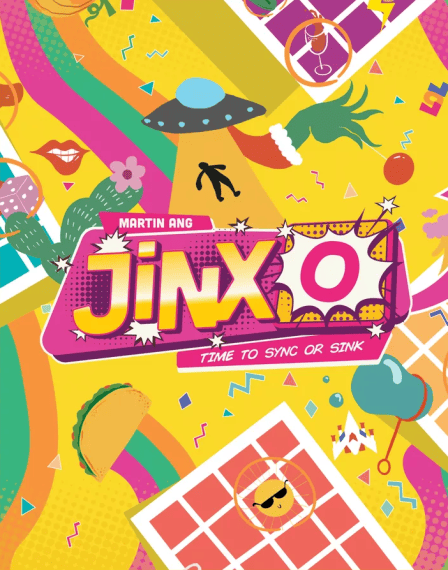
JinxO is a goofy party game in the vein of Sixes. Each player has a dry erase marker and board and try to match other players’ answers to bizarre questions. “Name an animal that looks like it’s drunk.” “Where on your body would you hide a weapon?” If you match with at least one other person, you circle your answer (gain one point). If you match with only one other player, you gain a star (three points). Players also receive points for circling every square in a row or column (kind of like Tic-Tac-Toe), and whoever has the most points wins. Fast, silly, and replayable, JinxO is a great icebreaker game. I can see kicking off a gaming convention with JinxO.
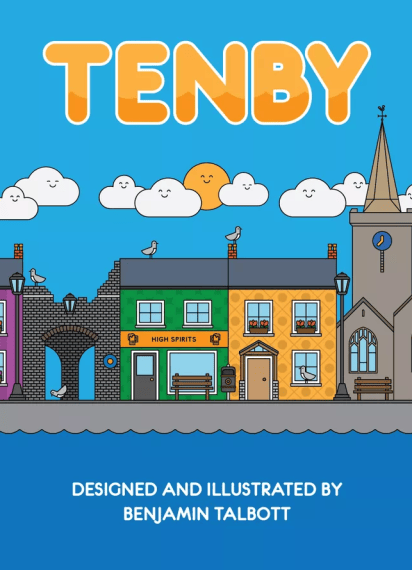
I love Tenby. It packs a lot of “game” into a small box, and Tenby rewards players who pay attention to small details. Look at the game’s cover (above). The number of smiling clouds, seagulls, specific doorways, benches, lampposts, flowers, and chimneys pictured could score points. Tenby has charming artwork, but that artwork serves a purpose. I may need to chain those smiling clouds for more points. And I like how Tenby determines play order. The game uses an action deck. Each card is numbered from 1 to 36 (I think). The higher the number on the action card, the better the action, but the later in the round you’ll be able to take that action. I liked that in Kingdomino; I like it in Tenby. I love building my own cozy streets in the Welsh town, Tenby.
Container is an AllPlay remake of the 2006 board game of the same name. While it does a great job of streamlining the original, there’s a lot going on in Container. When I played it at a convention, it took over thirty minutes for the teach. Just the teach. Yikes! The game box says Container takes 90 minutes. We had a full player count (five), and it took far longer than 90 minutes. But enjoyed my time with Container. AllPlay has a knack for putting highly strategic games into small packages. Container is no different. Make no mistake, Container is a heavy Euro game. I came in second (almost a tie), but I don’t know if deserved that placement. Resources are brutal in this game. I felt like I was underwater most of its runtime. You will take out loans. But you’ll need to time when you take out loans well.
I’d love to try Container at a smaller player count and play with gamers who already know how to play. I’d like to skip the teach.
Kyra’s Video Game
I’ve been getting back into Monster Hunter Stories 3: Twisted Reflection, and I almost wanted to start over from the beginning. There’s a lot more to Monster Hunter Stories 3 than I remembered. Yikes! I’m not even sure where I was in the story. Anyway, the game is still a joy to play. The art style differs from the core games in the Monster Hunter series. The art fits Monster Hunter Stories 3’s vibe of a bizarre Monster Hunter/Pokémon mashup. Don’t let the cute artwork fool you. Monster Hunter Stories 3 holds a lot of strategy. You need to know when to switch monsters, which attacks work best and where you should target them. This is the biggest reason why I’ve thought about restarting the game. I like the the unexpected strategic depth.
Those are all the games I’ve been playing. Lets see what Skye has been playing.
Skye’s Video Games
Astro’s Playroom doubles as a love letter to classic PlayStation games and a guide to core components of the PlayStation 5. Astro’s Playroom takes you inside your console to not only highlight what it’s capable of but also provide you with references to classic PlayStation titles that will make your heart flutter. Astro’s Playroom nods to various games like Ratchet & Clank, Jak & Daxter, Ape Escape, Tomb Raider, Uncharted, Final Fantasy VII, Monster Hunter, Resident Evil, Silent Hill 2, God of War, The Last of Us, Horizon: Zero Dawn, Ghost of Tsushima, and that’s barely scratching the surface.
Honestly, part of the fun of Astro’s Playroom is going through the various levels to see how many references you can spot. If you get a PlayStation 5 and have been with PlayStation for years, I trying Astro’s Playroom.
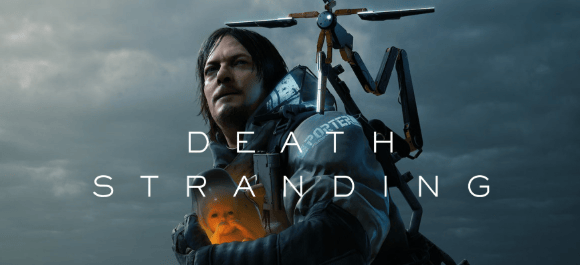
I finally got around to playing Death Stranding. I can see why so many folks were impressed with the game. Putting aside the bizarre premise which adds a lot of intrigue, Death Stranding is unique in its mechanics. As the post-apocalyptic deliveryman Sam Porter Bridges, your job is to make deliveries across the ruined United Cities (that’s right, Cities) of America, locate the President’s successor, and reconnect the country in the process. Piece of cake, right? However, you carry all your cargo on your back, and you have to keep your balance on your travels. The whole time.
Death Stranding is the first game I’ve played that’s used this mechanic. Being an open world game, you have to hold various buttons while trudging through rivers and traversing uneven terrain to get to delivery locations. Some will see Death Stranding as a glorified “Walking Simulator” which I understand. It’s certainly an acquired taste, but I’ve managed to enjoy it for the most part. My main complaint about the game concerns its combat. Given the fact Death Stranding centers around delivering cargo, it’s incredibly difficult when you come across an enemy while simultaneously trying to complete an order and have boxes on your back stacked 8 meters high. It gives me the feeling that the combat was added purely for the sake of avoiding the label “Walking Simulator” and nothing else. Still, I look forward to completing Death Stranding.
Hey, hey! Kyra Kyle here again. Season shared with me that she’s mostly played Apex Legends. She may play a new game by next month. So, those are the games our writers have been playing this past month. What’ve you been playing this month? Let us know in the comments. Thank you reading, and wherever you are, I hope you’re having a great day.
Hey, hey, Geekly Gang! Kyra Kyle here with another underrated and/or underused comic book villain list. I intended to create an overall list of Underrated/Underused Batman villains, similar to early this month’s Spider-Man list, but quickly found that Batman has way too many villains for just one list. Seriously. I compiled a list of almost fifty–50–villains. Not all of the villains were winners, but that left me with way too many for one or even three lists. I had to split up these villains. We’ll begin with Batman villains who identify as women. Not gonna lie, we’re starting with women Batman villains because of Bruce Timm’s comments a couple of years ago.
In August 2024, Batman: Caped Crusader showrunner Bruce Timm explained why he gender-swapped Penguin for the animated series. “Batman lacks good (female) villains. You’ve got Catwoman, you’ve got Poison Ivy, you’ve got Harley Quinn. But it would be really good to have more female villains.” I’d like to point out that Bruce Timm, who also produced Batman: The Animated Series, had a hand in co-creating Harley Quinn. I’d argue one could create a new Batman villain, like Timm had in the past, instead of gender-swapping Penguin. But I’d also argue that Batman has plenty of unexplored and underused women villains in the comics.
Note: I have no issue with gender swapping Penguin in Batman: Caped Crusader; I’m pointing out there are other options like using one (or more) of the villains on this list.
There are plenty of Batman villains who are women. Let us know who your favorite lesser-known women Batman villains are in the comments. The following are by no means an exhaustive list. I may include one or eight women Batman villains in a future list of this type. But the following is Geekly’s list of five underrated/underused women Batman villains.
Honorable Mention: White Rabbit
We know very little about White Rabbit. To an extent, that works for her. She has an air of mystique. But we don’t even know where her powers derive (are they magic or tech-based), the extent of her powers, or how exactly her powers work. This goes beyond mystery. We need something, which is why White Rabbit is an honorable mention. Side Note: The fact that White Rabbit is a blank slate would’ve made her a great addition for Batman: Caped Crusader. Bruce Timm and company could’ve given White Rabbit any kind of background they wanted.
What we do know:
White Rabbit can split her personality, as in her alters physically split away from her (usually) core identity, Jaina Hudson.
Jaina Hudson is of mixed heritage: Indian and Caucasian.
She reabsorbs her other “selves” by touching them.
She has an Alice in Wonderland theme, but isn’t attached to the Mad Hatter…yet.
One of White Rabbit’s stories (within the New 52) read at the end, Next: Wonderland, which was a Mad Hatter story, but White Rabbit wasn’t included in that issue. Was the original plan to have White Rabbit and Mad Hatter team up?
Up to this point (March 2026 is when I’m writing this post), Jaina has two other alters: White Rabbit and Dumb Bunny.
Dumb Bunny is a Hulk-like version of White Rabbit, and evidently, White Rabbit can feel Dumb Bunny’s pain, but Dumb Bunny can’t feel White Rabbit’s pain.
There’s so much to explore here. What happens if one of Jaina’s alters dies? Does Jaina die? Are there any more alters? What causes these alters? And again, is this a magical or tech-based power? Maybe it’s all in her head, and it manifests as if Jaina’s two or three different people. We don’t know, but we’d like to know more. White Rabbit stories can get goofy and fun, and she’s begging for that Mad Hatter crossover story. Make it happen.
5: Duela Dent (Joker’s Daughter)
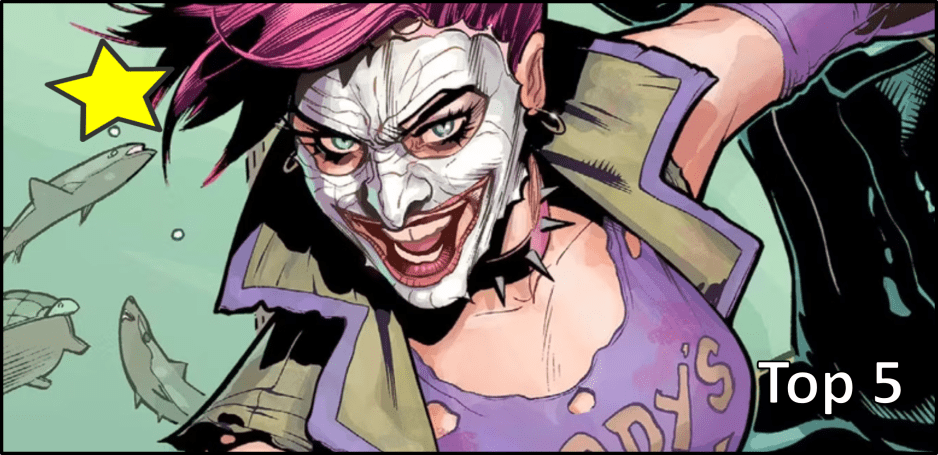
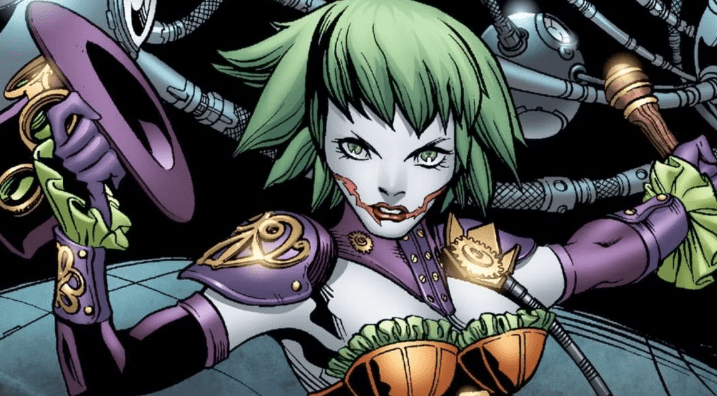
White Rabbit’s write-up went a little long. Duela Dent’s could go even longer. I’ll try to keep it short. Duela Dent is another misused member of Batman’s Rogues’ Gallery. Her current moniker is Joker’s Daughter. As “Joker’s Daughter,” Dent idolizes the Crown Prince of Crime, duplicating his vibe and criminality. Before becoming “Joker’s Daughter,” Duela Dent served on the Teen Titans as Harlequin. Not to be confused with Harley Quinn. As Harlequin, Duela Dent looked identical to The Joker, which may have caused confusion if The Joker hadn’t been blacklisted from DC Comics in the 1970s, due to being too violent. Essentially, Harlequin was the new Joker, and she was a hero.
But before becoming Harlequin, Duela Dent would change her identity with each crime. One day Dent would be Joker’s Daughter, but tomorrow she’d become Catwoman’s Daughter or Riddler’s Daughter or Penguin’s Daughter or even Scarecrow’s Daughter. Duela Dent wanted to be anyone but herself, and that’s the direction I’d like to see DC Comics take Duela Dent’s character. While Duela has claimed she’s the daughter of Doomsday (a much more modern villain), she doesn’t make herself look like Doomsday’s Daughter. I’d like to see her commit to being another villain’s daughter. Make Duela more than just “Joker’s Daughter.”
And despite the name, Duela Dent, Duela isn’t related to Two-Face. She’s from Earth-3, and the daughter of Three-Face and Jokester.
4: Cyanide
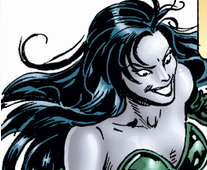
Cyanide has a limited but powerful number of comic book issues. She made her debut in Batman: Legends of the Dark Knight #150 and, as of writing this post, has only appeared in four total books. Since her name is Cyanide, her power set revolves around poisoning victims, which she does through her talon-like fingernails. In short, Cyanide is what you would get if Poison Ivy couldn’t be bargained with or talked down from a ledge. While Poison Ivy has morals and lines she may not cross, Cyanide doesn’t perceive those lines. She’s a cold-blooded killer. I’d love to see Cyanide in more comics and other media.
3: Little Boy
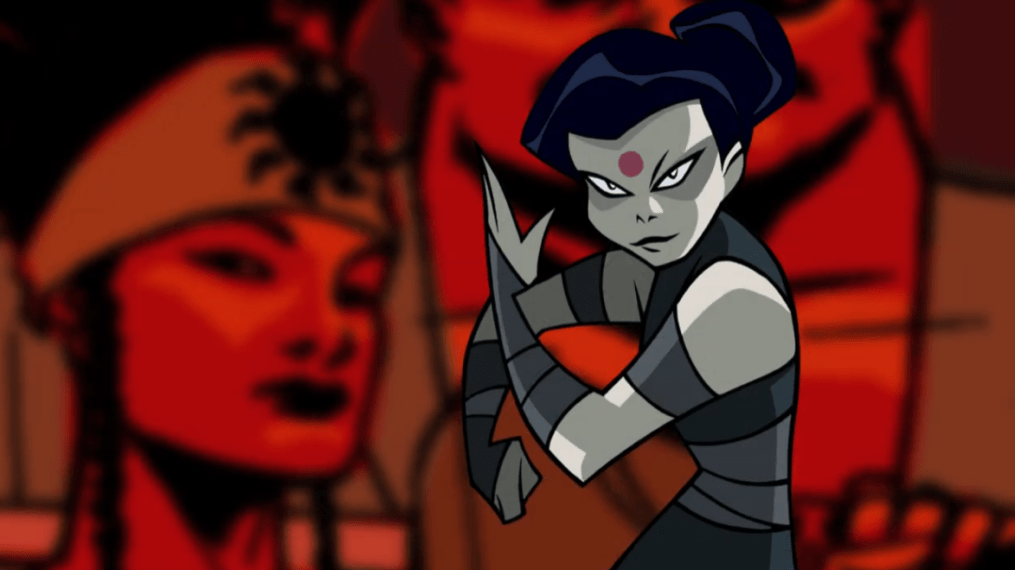
Brian Azzarello and Eduardo Risso introduced Batman fans to Little Boy during their run. Little Boy was the best thing that came from Azzarello’s Batman run. Little Boy gets her name because, from certain angles, she looks like a little boy. At times, she dresses to accentuate her body, distancing herself from her nickname Little Boy. I love this angle. Little Boy is a character who shows cleavage as a badge of honor. She doesn’t show cleavage to be a sex symbol. In fact, Little Boy isn’t traditionally beautiful. She’s a deadly assassin who poses more of a threat to Batman than Lady Shiva (who could’ve also made this list). One doesn’t see Batman getting his butt kicked single-handedly by a woman every day. Underestimate her at your own peril.
2: Jane Doe
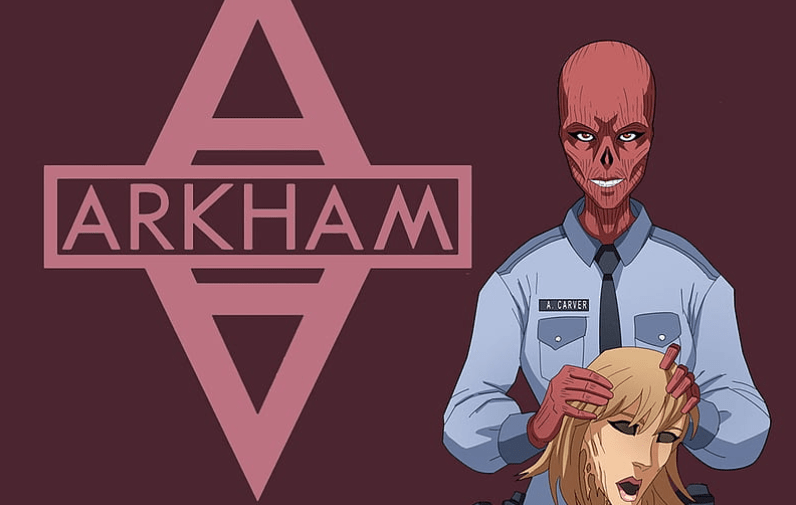
Jane Doe looks a little like Marvel Comics’ Red Skull. She has no skin. What you’re seeing is the muscle underneath Jane Doe’s skin. Eek! Similar to Marvel’s Chameleon, Jane Doe disguises herself as other people. While the previous two entries on this list focused on physical skills (poison and hand-to-hand combat), Jane Doe takes a psychological route. She’s the type of villain who can pretend to be Martha Wayne (Bruce Wayne’s dead mother) and torture him, making him question why she stayed hidden for decades and never reached out to him. Jane Doe is one sick freak. And I wouldn’t have her any other way.
1: Magpie
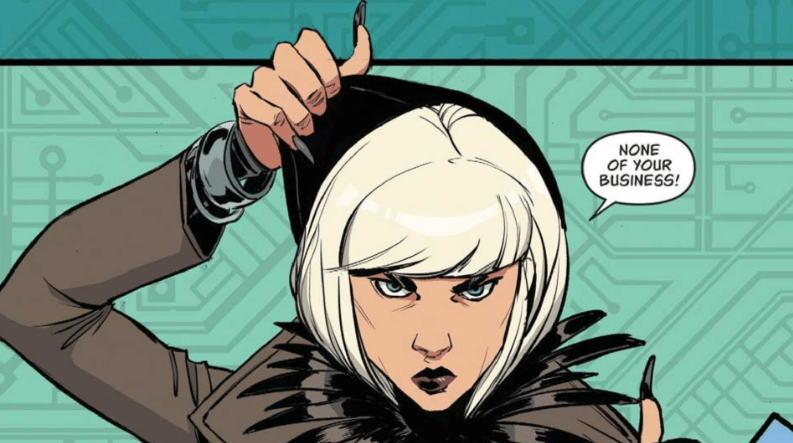
Magpie claims our top spot in large part because of Bruce Timm’s comment. Timm mentioned Catwoman and Harley Quinn as two of Batman’s best woman villains, but both of these characters have shifted toward anti-heroes. Magpie is a fusion of Catwoman and Harley Quinn. She’s a burglar. With a name like Magpie, she’s attracted to shiny things. And she’s a psychopath, akin to Harley. Perfect. And unlike Catwoman and Harley Quinn, Magpie has little chance at redemption. She’s far too selfish.
The only issue I can see with Magpie is that her character design is a little dated. Typically, she looks like she came straight from the Eighties. Seriously, the picture I chose for her above is one of the few more modern looks for Magpie. I kind of like it. When Catwoman and Harley Quinn are picking up laundry in the Bat Cave, you may need an irredeemable villain like Magpie to fill the void. And it doesn’t hurt that Magpie has taken on Superman and Batman at once and lived. She’s ready for a comeback.
That’s our list of five underrated and/or underused women Batman villains. There are plenty more for future lists. Let us know your favorites, Geekly Gang. Thank you for reading, and wherever you are, I hope you’re having a great day.
Happy Sunday, Geekly Gang! Kyra Kyle here with another week of Geek News. We’re still taking a break from headline news, but we had some big losses in the entertainment space this week. We’ll have to share some love for those we lost this past week. Yowza, what a brutal week. But first, let’s talk about new releases for board games and video games. With the holidays on the horizon, we have a lot of great new releases to discuss. Let’s talk about games.
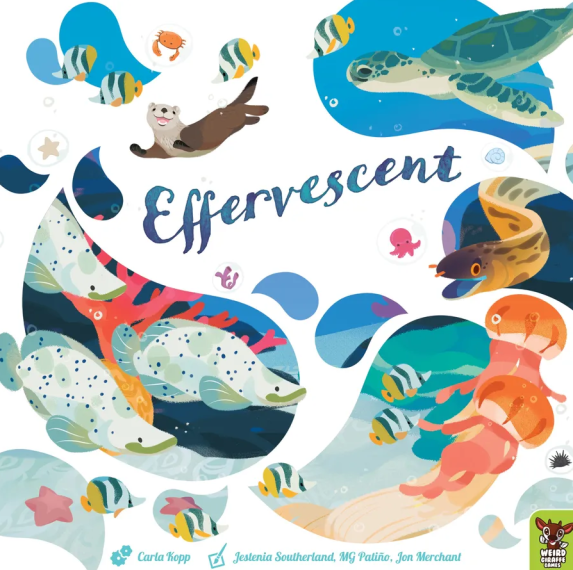
Effervescent Launches on KickStarter
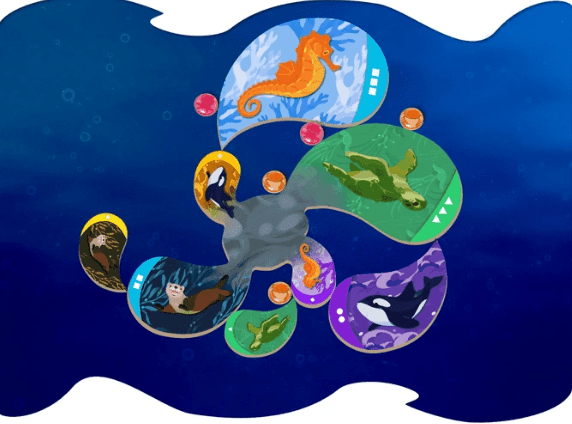
Effervescent features an organic, grid-free tile-laying system where players have infinite freedom of placement. On a turn, a player must position a curved sea creature tile so that its tail touches the head of an existing creature on the table. Instead of packing pieces tightly edge-to-edge, this head-to-tail placement method creates spaces between the tiles. Players place their shimmering colony tokens onto the board by matching their tile placements to a row of three ever-evolving Drift cards. When tiles successfully surround a pocket of open water, an enclosure is formed. Anyone with tokens inside the sealed enclosure scores points based on shared communal Harmony cards.
Thank you, Weird Giraffe Games, for the description. I like Effervescent’s take on tile placement. As you can tell from the picture above, the tiles are oddly shaped. Players also place beads, bubbles, in between each of these tiles. This results in some bizarre tile placement combos. I have yet to play Effervescent, so I can’t speak to how well the rules describe how players can place these odd, raindrop shaped tiles and bubbles. Fingers crossed it isn’t too difficult to learn Effervescent. I’m intrigued. Effervescent offers multiple pledge levels, ranging from $39 to $69. If you choose the highest option, Weird Giraffe Games throws in a copy of Flock Ton of Flamingos and Spelling Beach. I’m loving the theming with this trio. If you’re interested in Effervescent, check out its KickStarter page.
Herobound Launches on GameFound
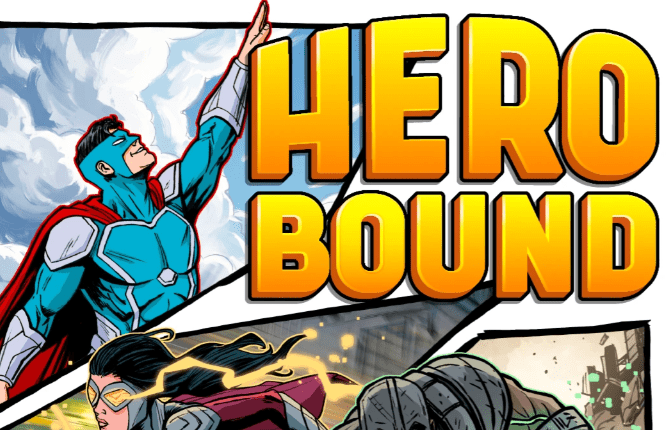
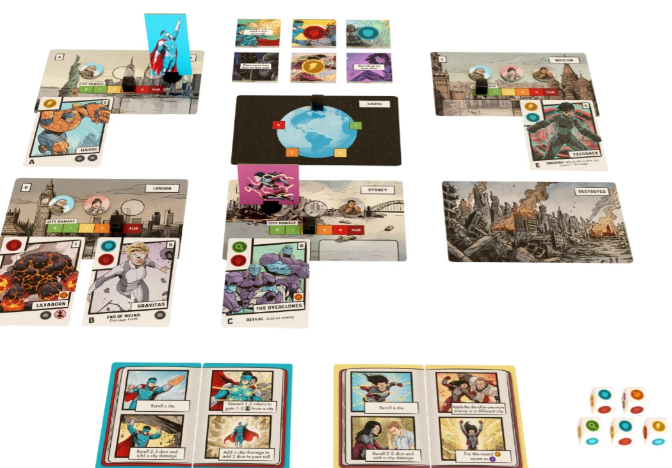
Herobound is a rethemed update of The Last Stronghold. A cooperative game for 1-2 super heroes who will attempt to push back the forces of evil threatening all parts of the globe. Survive the onslaught to save the world.
We’ve covered plenty of Solo Game of the Month releases because they’re great games (great production and great mechanisms) that feature a solo gaming option or are solo game only experiences. Each entry in the Solo Game of the Month Series also has a low cost of entry. I’m a sucker for superhero-themed board games, so Herobound sounds fantastic. Herobound’s artwork reminds me of Sentinels of the Multiverse. Another win. And Herobound’s GameFound campaign also features a ton of add-ons for other Solo Game of the Month entries. Most are valued at $25. If you’re interested in Herobound, check out its GameFound page.
Opera Magna Launches on GameFound
Opera Magna is the result of a collaboration between two of the most respected names in the Italian board game scene: Tommaso Battista (designer of Barrage and D.E.I.) and Stefano Castelli (creator of Potion Explosion and Chamber of Wonders).
The game is a resource-management Eurogame built around mechanical elegance, delivering a deep and layered gameplay experience within a streamlined playtime.
Set in 15th-century Florence, the game casts players as merchants supplying the grand construction site of the Basilica. At the heart of the experience lies a dynamic market system in which resource values shift with every action, and where managing what you leave to your opponents is just as crucial as choosing what to bring into your own workshop.
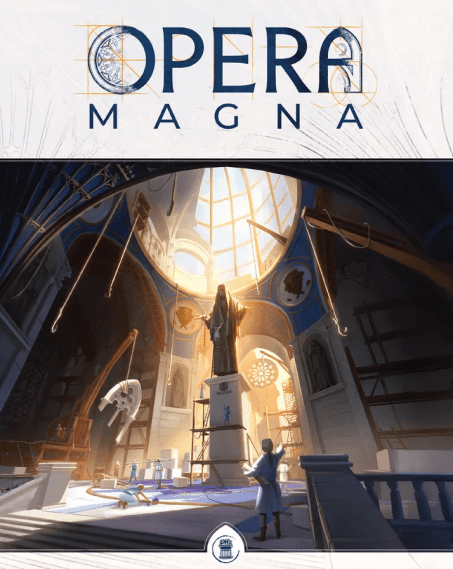
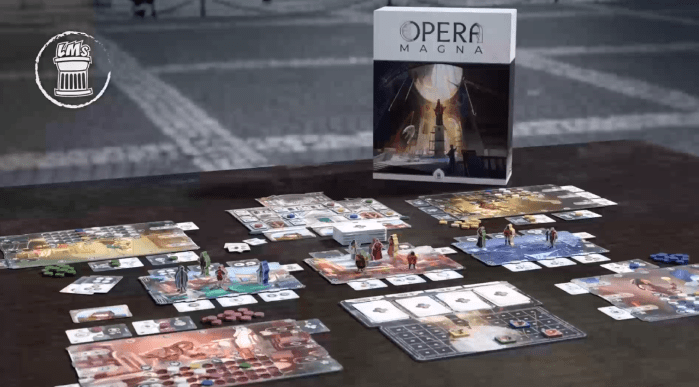
Thank you, Ludus Magnus Studio, for the description. Opera Magna looks amazing. We have an overview of the game above, but if you were to zoom in, you’ll find breathtaking artwork. I like the theme. The two co-designers has me excited. A quick search on BoardGameGeek revealed that Opera Magna has a short playtime. I don’t know how Opera Magna manages to stay within an hour playtime, but I’d be down for a medium-weight resource management game about the Basilica. Sign me up. Opera Magna has a pledge cost of about $50. If you’re interested in Opera Magna, check out its GameFound page.
Fox Flip Launches on GameFound
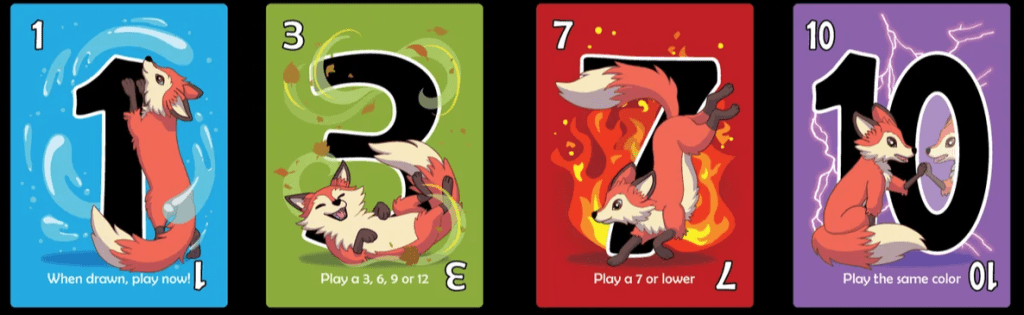
Fox Flip is a quick, easy-to-learn 2-player game of skill, luck, and timely flips. Play timely fox cards to outfox your opponent and win piles of cards!
To start, deal 7 cards to each player. The player opposite the dealer goes first. Alternate turns playing cards of equal or greater value, or by following the Fox card rules.
At some point, someone won’t be able to play. When that happens, you have one chance to stay in the game by flipping the top card of the deck onto the play pile. Flipping a card acts as your turn. If the flipped card satisfies the current rule in play, you survived and normal play resumes starting with the other player. If the flipped card doesn’t satisfy the current rule in play, the other player wins the pile.
Once a pile is won, alternate turns drawing 1 card per turn up to a maximum of 7 cards. Once a player has 7 cards, they must play a card on their next turn, which restarts the play phase.
Continue playing until the deck is empty and all cards have been won.
When all cards have been won, count your cards. 1 card = 1 point. The first player to 100 points wins. A typical game of Fox Flip takes 3-4 rounds.
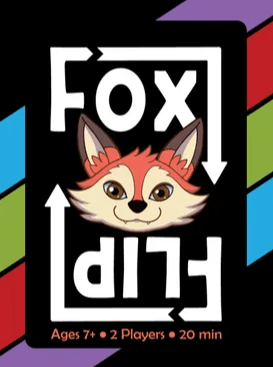
Thank you, Ticket Booth Games, for the description. I had to throw in a fun, quick card game. Fox Flip fits that bill. It’s a two-player only game, so turns should be lightning fast. Even though Fox Flip takes three or four rounds to play, the game caps out at twenty minutes long. A huge plus. I like the age range for Fox Flip; this is a game you can play with kids. And look at that adorable art. We need more cartoon foxes in board and card games. Fox Flip pledges are $12. That’s a good price for a card game. If you’re interested in Fox Flip, check out its GameFound page.
Cola Wars Launches on GameFound
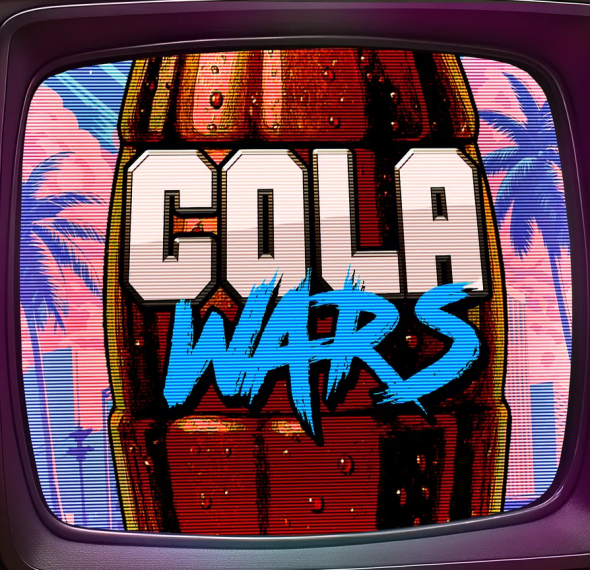
It’s the 1980s, and you’re in charge of marketing for a startup brand of cola. The game will last up to five years, starting in 1981, and each year ten market share tokens are up for grabs. The market share tokens get bigger as the soda market grows, so they get more valuable as the years go by. You track who’s winning by placing market share tokens on a bar graph in the middle of the table. Whoever has the most market share at the end of the game wins!
Thank you, One More Turn Games, for the description. Honestly, I thought Cola Wars had already launched, and I missed it. I’ve seen marketing for this game for months. Full Disclosure: I’m a huge soft drink, soda, cola fan. I will consider backing Cola Wars. I’ve got to. The pictures above feature a late-stage prototype. Cola Wars already looks so good. The bottles, the bottle caps, and the fun 80s aesthetic. I like how Cola Wars will offer two box sizes, depending on which one you prefer. Most modern board games have near-square shapes, but board games from the 1980s were rectangular shaped. You can pick either one. Yes! I may just pick up the odd-shaped rectangle box for funsies. If you’re interested in Cola Wars, check out its GameFound page.
Jurassic Crisis Launches on GameFound
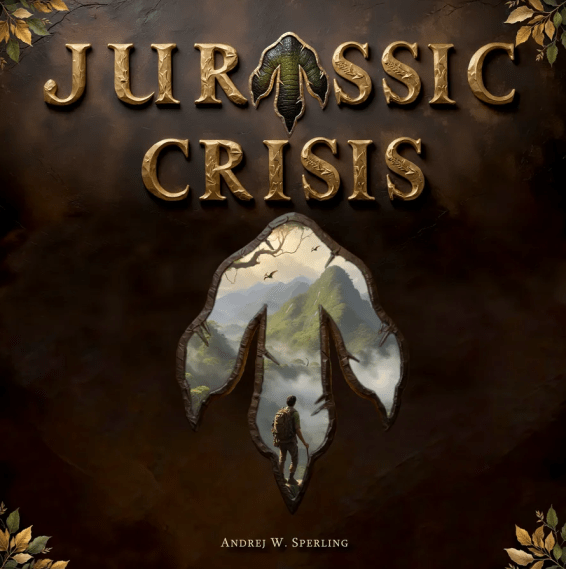
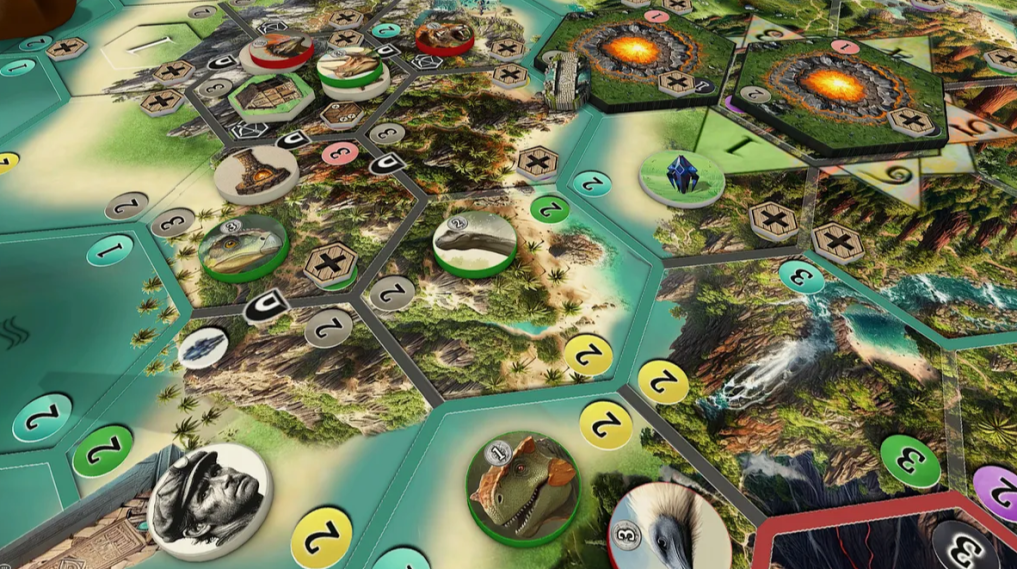
Jurassic Crisis is a semi-competitive, PvPvE survival board game for 1–4 players, inspired by the video game ARK Survival Evolved. You must survive on an island inhabited by dinosaurs while mastering various mechanics – from resource management and positioning to character development, base building, and dinosaur taming.
Thank you, Sperling Spiel, for the description. We go from a Kyra-themed game in Cola Wars to a Season-themed game in Jurassic Crisis. (Pictured above is the prototype on Tabletop Simulator). Not gonna lie, I’m interested in Jurassic Crisis as well. We don’t have too many pictures of the final product. Jurassic Crisis is on GameFound and this is a preview, so we don’t have a price point for Jurassic Crisis’s pledges, but I’m keeping an eye on this title. It runs a little long for my tastes, but I’ll make an exception for a dinosaur survival game. Yes! If you’re interested in Jurassic Crisis, check its GameFound page.
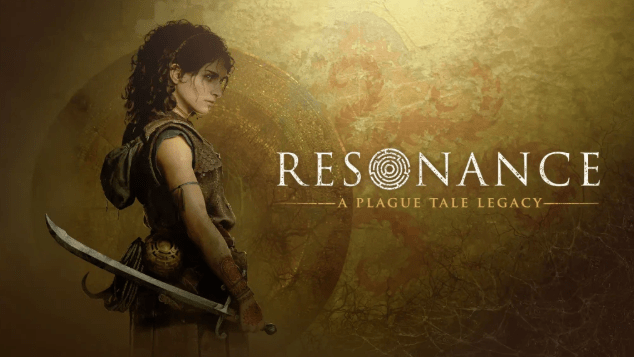
Resonance: A Plague Tale Legacy Releases
Embark on an original story, prequel to the award-winning games: A Plague Tale. As Sophia, journey to the Minotaur’s Island, outsmart deadly foes, unravel ancient secrets, and confront a mythical creature at the heart of a devastating curse.
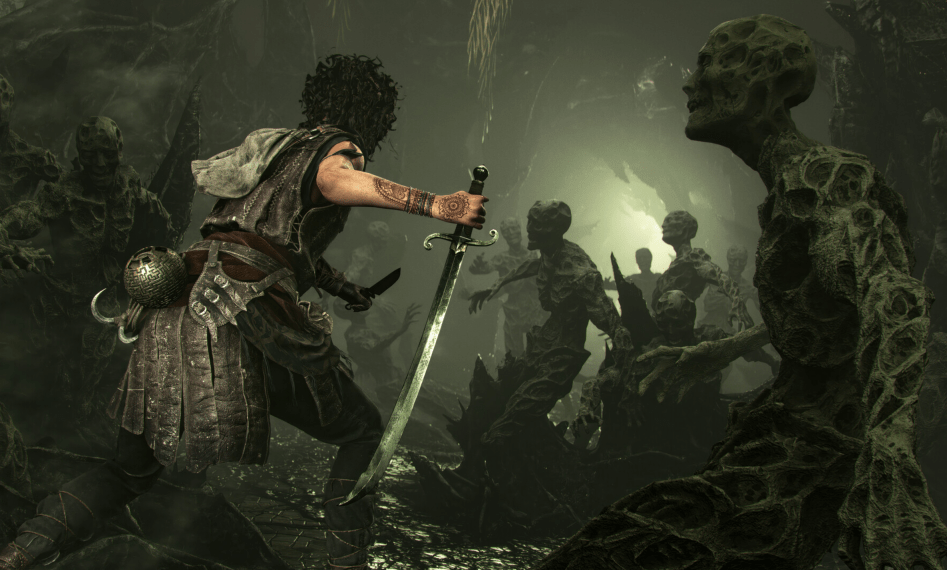
Truth time. I’ve never played the original A Plague Tale. It’s been in my to be played (TBP) pile for several months, but I haven’t yet had the chance to play it. I don’t believe you need to have played A Plague Tale to understand Resonance: A Plague Tale Legacy. Resonance: A Plague Tale Legacy is a prequel to the original game. Might be interesting. I love the graphics. The setting of Minotaur’s Island is phenomenal. Automatic wishlist. But I may want to play the original before diving into Resonance: A Plague Tale Legacy. It’s available on PC, PlayStation 5, and Xbox Series S/X.
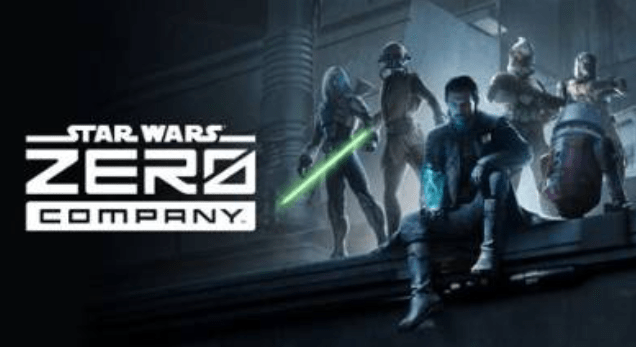
Star Wars: Zero Company Releases
Command an elite squad through a gritty and authentic story in STAR WARS Zero Company, a single-player turn-based tactics game set in the twilight of the Clone Wars.
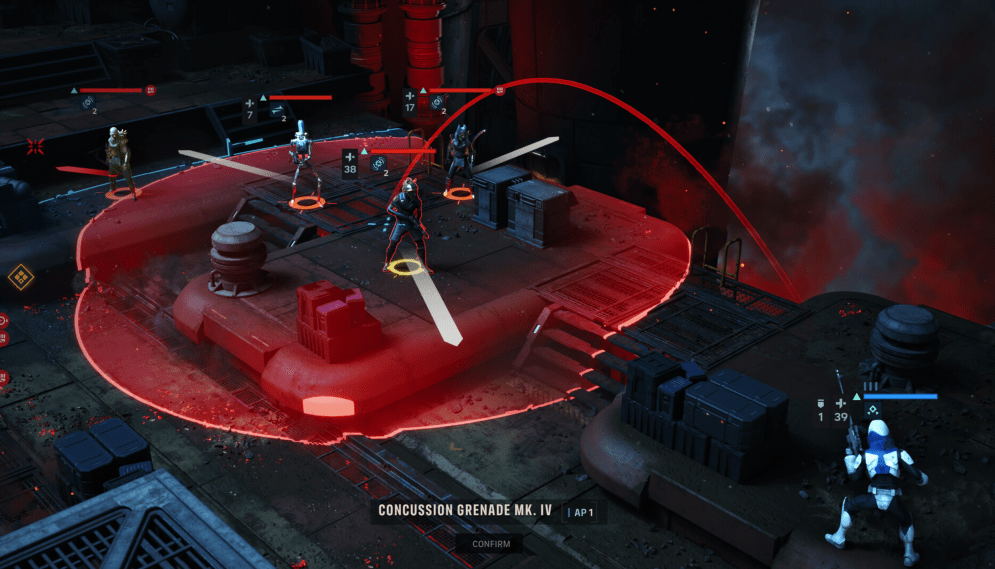
Star Wars: Zero Company is Respawn’s third Star Wars video game (I think), and it differs from all the rest. Respawn’s previous Star Wars games were Souls-like games. Again, these games are in my TBP. I really need to play more video games. Eek! Star Wars: Zero Company gives their Star Wars games a tactical RPG element. A quick look at the graphic above shows a set-up similar to Baldur’s Gate 3. This has me excited, and Star Wars: Zero Company has received good reviews. Respawn has a great reputation in video game circles; I’m not surprised about Star Wars: Zero Company’s reviews. Star Wars: Zero Company is available on PC, PlayStation 5, and Xbox Series S/X.
Melancholy Happy Trails
It’s been about a year since our last melancholy happy trails post. These segments are where we remember those we lost this past week. And this past week was another tough one. We lost some icons.
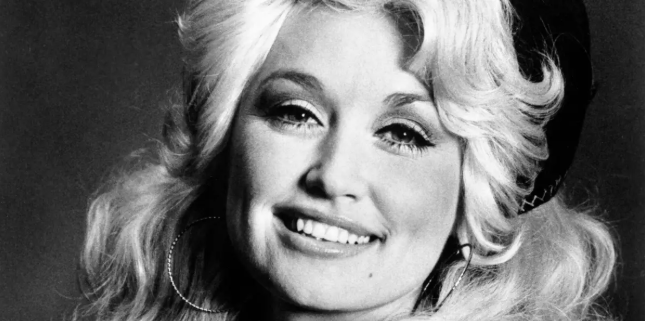
Dolly Parton
“You can’t be a diamond in a rhinestone world.” Ah! We lost a great one in Dolly Parton on August 25, 2026. Dolly–can I call her Dolly?–was a fabulous queer advocate. Even though I grew up in the South, I never had the greatest affinity for country music. But Dolly was different. She was unapologetically herself. She took up space. She encouraged others to be themselves. And while she was deeply religious, she was an LGBTQ advocate. Dolly proved one could be both Christian and support LGBTQ rights. And she taught us that a little pink and glitter can go a long way. We’ll always love you, Dolly.
Tim Curry
As Fran-N-Furter (Rocky Horror Picture Show), Tim Curry may have the single greatest entrance in all of cinema. Curry had other iconic roles like Pennywise (It), Wolfgang Amadeus Mozart (Broadway production of Amadeus), King Author (Spamalot), and Wadsworth (Clue). Curry embraced the misfits. He’s another icon who refused to be defined as one thing. Curry was ridiculously talented but never took himself too seriously. Few humans were ever dubbed an “Honorary Muppet.” Curry’s work makes me smile. Don’t dream it. Be it. Rest in peace, Tim.
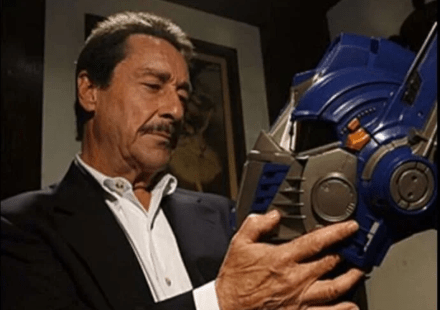
Peter Cullen
“Autobots, Roll Out!” Peter Cullen’s smooth baritone screamed cool as Optimus Prime. Cullen found ways to make audiences care for his characters: Monterey Jack (Chip ‘n Dale’s Rescue Rangers), The Predator (Predator), and Eeyore (Winnie the Pooh). Cullen may be best known as Optimus Prime and Eeyore, but he had range. A ton of range. For many (myself included), Cullen’s voice defined childhoods. Over the years, Cullen shook our minds. Rest in peace, Peter.
That’s all the Geek News we have for you this week. We’ll be off next week for Labor Day Weekend; it’s a holiday, Geekly Gang. Thank you for reading, and wherever you are, I hope you’re having a great day.
Hey, hey, Geekly Gang! Kyra Kyle with a review/reaction of this week’s Lanterns episode, “Trust Fall.” If you’d like to see our review of last week’s Lanterns episode “Pilot,” check it out here. “Trust Fall” builds on “Pilot’s” great foundation. Like I said in the previous review, Lanterns “Pilot” does almost everything you’d want a first episode to do. And my concern of Lanterns avoiding the superhero genre expectations (costumes and powers) has waned. Again, I can see why Lanterns doesn’t want to blow its entire effects budget in the first episode or two, and “Trust Fall” shows us more of Hal Jordan and John Stewart in action.
If you haven’t yet watched Lanterns “Trust Fall” and you don’t want any spoilers, you may want to watch the show first and then return to this review/reaction to see what you agree or–most likely–disagree with in this post. I’ll wait. Are you done? Great! Let the spoilers commence. I mentioned it in the opening paragraph, but I like how Lanterns is easing the audience and its budget with the Green Lantern’s larger universe. Hal Jordan dons the uniform, travels to the Planet Oa (The Guardians’ home planet), and even meets with Sinestro. And of course, all this happens in the final five minutes of “Trust Fall’s” runtime. But it counts. I don’t need much, just a taste of Green Lantern goodness, and Lanterns‘ second episode delivers on some of these promises.
After watching this episode (twice), I have hope for the rest of the season/series. I meant what I said last week. Lanterns is a fantastic show. I enjoyed every minute of the pilot episode, but last week’s episode could’ve been the pilot for a show set outside the DCU. “Trust Fall” made the show feel as if it belonged in the DCU. I love Hal Jordan and John Stewart’s relationship. Sinestro hints that John may be more of a danger to Hal than the big bad alien threat developed during this episode (more on the Manhunters later). This rings true. It would make sense if Hal was nervous about John becoming Green Lantern soon. Jordan did say in the pilot that the Green Lantern job was his until the day he died. And Hal Jordan has been cagey about The Guardians. When John Stewart asks what The Guardians thought about what’s happening in Rushville, Hal Jordan dodges the question. It’s obvious Hal and The Guardians aren’t on speaking terms.
Through two episodes, Lanterns has done an excellent job of answering some questions but posing more. During “Trust Fall,” the name Manhunters gets introduced. Ah! The Manhunters are one of Jack “King” Kirby’s DC Comics creations. Kirby is best known for cocreating the Marvel Comic Book Universe, but he had several gems with DC Comics. Kirby had a knack for science fiction themed stories. His work on Fantastic Four is iconic, but Kirby also created Darkseid and The New Gods. It made sense for Kirby to build on Green Lantern’s lore. The Manhunters were the android precursors to the Lantern Corps. I won’t spoil too much of The Manhunters’ backstory here, just in case Lanterns uses a healthy dose of this comic book lore, but John Stewart has a history with The Manhunters, and I like the direction Lanterns is taking its first season. A Manhunter makes for a fantastic first season villain.
“Trust Fall” splits the two lanterns into separate stories. Hal Jordan continues his investigation of Rushville, Nebraska. Turns out, a Manhunter may be behind the odd goings on in the town. The town knows aliens exist, and they’ve rigged their metal detectors to spot alien lifeforms. Yeah, Macon’s benefactor may be The Manhunter causing mayhem. But this town has layers. The hospital has equipment that’s barely used. Heck, the hospital itself is a lot larger than one you would find in most rural Nebraska towns in the Sandhills. There’s a lot happening under the surface. Oh, yeah. Macon has one of his goons shoot Hal in the shoulder (a warning shot). Seriously, I love this town and it’s seedy underbelly. The two lanterns spilt up because Hal sends John to retrieve his lantern.
Yes! We physically see a Green Lantern’s lantern. Hal keeps it in a pocket dimension (classic), and we even meet Earl, an alien man-eating plant. Like I said, Lanterns “Trust Fall” sprinkles in enough Green Lantern goodness. I even like how members of the same alien race (who infiltrated Rushville, Nebraska) abduct John Stewart. These aliens implant memories of their home world getting destroyed and family members being killed by The Manhunters. And this does play out in a John Stewart Green Lantern story. Great inclusion here. And the introduction of Sinestro to the greater story could lead to a ton of fun.
Ah, Sinestro. Seeing him in all his pink-skinned glory made me smile, and so do the layers to the town of Rushville, Nebraska. I was on the fence about grounding Lanterns to the planet Earth. When one thinks of Green Lantern stories, one pictures planet hopping and exotic locales. Lanterns following Supergirl, which had a muted color palette and a lack of planet hopping (in relation to the source material, Supergirl: Woman of Tomorrow) gave me pause. The show isn’t in the clear yet, but I like a slow introduction to Green Lantern’s larger universe. If Lanterns continues introducing more sci-fi elements at the rate it did from episode one to two, I’d call that a good escalation. And the largest use of a Green Lantern ring (John Stewart producing a bird) was adorable and showed how John and Hal differ as Green Lanterns.
One random observation: a picture Nathan Fillion’s Guy Gardner graced Lanterns “Trust Fall” banner in my HBO Max app. Was Guy Gardner in this episode? Was he supposed to be at one point? Not gonna lie, I saw the pic and got a little excited to see Fillion’s Gardner again. We may need to wait for episode three.
Lanterns continues its solid start with this week’s episode, “Trust Fall.” I can’t wait for the next episode, and my fingers are crossed for a second season. No word on that…yet. Thank you for reading, and wherever you are, I hope you’re having a great day.
Hey, hey, Geekly Gang! Kyra Kyle here. Today, our writers share what they’ve been listening to over the past month. Feel free to share what you’ve been listening to because we’re all part of the Geekly Gang. I’ll get things started with what I’ve been listening to over the past month.
Kyra’s Tunes
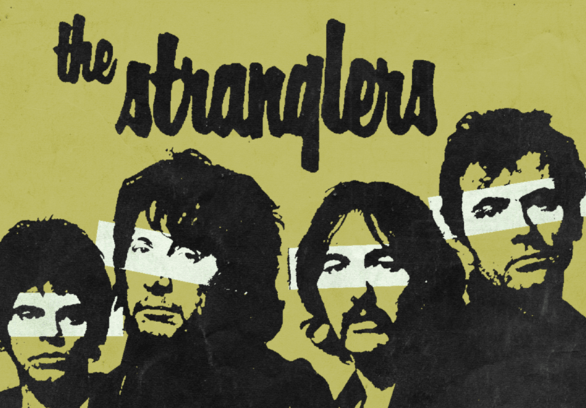
If I were to tell you I’ve been listening to The Stranglers’ “Golden Brown” on repeat, it would be an understatement. Dave Greenleaf’s harpsichord mesmerizes. It scratches the right spot in my brain. But I’m getting ahead of myself. Way ahead of myself. The Stranglers are a punk band, one of the first. Seriously. The Stranglers inspired The Sex Pistols, The Clash, The Damned, and The Buzzcocks. And they did it with a keyboardist. A keyboardist? The Stranglers have a varied musical upbringing. Lead singer/lead guitarist Hugh Cornwell is a classically trained guitarist. Bassist JJ Burnel is a Blues guy. Drummer Jet Black had a long history of Jazz. They all bring something special.
But Greenleaf was The Stranglers’ greatest weapon. Just ask the other members of the band. Most punk bands wouldn’t employ a keyboardist. That doesn’t fit in punk. But it works with The Stranglers, and Greenleaf layers intricate keyboards, forming something exciting. “Genetix” (from the 1979 album The Raven) may be Greenleaf’s masterwork on the keys. I love La Folie, the album that includes “Golden Brown.” Such a great work. If you want to hear the origin of Post Punk, New Wave, Emo (first wave), and Goth, check out some of The Stranglers’ late 70s and early 80s music. They aren’t just a great Punk band. They’re Rock legends.
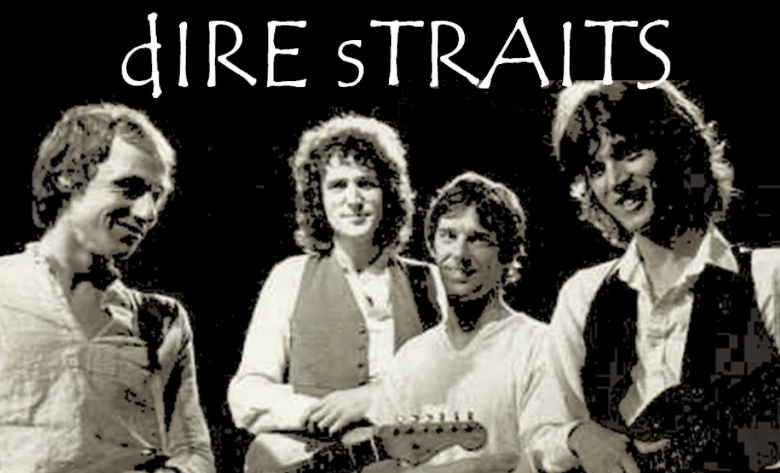
We go from a trained Punk band in The Stranglers to a self-taught guitarist in Mark Knopfler (pictured on the far left) and Dire Straits. I love Knopfler’s fingerpicking. He’s a virtuoso. I was first introduced to Dire Straits (the name derives from the band’s financial situation at the time) with their final album, Brothers in Arms. I was so enchanted by the opening track, “So Far Away;” it became the first track I ever remember listening to on repeat. There may have been others before then. Ah! Knopfler’s hypnotic guitars still get me. Sure, “Money for Nothing” may be the biggest hit from Brothers in Arms, and I do enjoy Dire Straits’ biggest hit, but I prefer the title track and “Walk of Life,” and of course, “So Far Away.” Brothers in Arms is iconic.
Despite loving the Brothers in Arms album and most of its tracks, “Sultans of Swing” has to be my favorite Dire Straits song. Everything works. The bass, the guitars, and Knopfler’s faint Southern drawl as he tells the story of a down-on-their-luck band. Hey! Knopfler drew from personal experience. I dare you to listen to “Sultans of Swing” and not move, especially when Knopfler makes his guitar sing. You can’t. The song is electric. And speaking of drawing from personal experience, “Romeo and Juliet” may be the best breakup story ever put to vinyl. Knopfler is one of Rock’s greatest storytellers. Many of his songs take listeners on a journey.
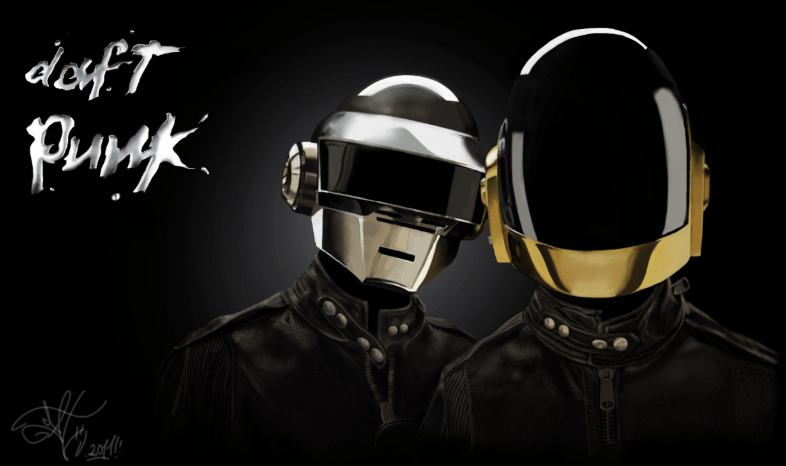
Where do I begin with the French power duo, Daft Punk? Ah! I’ll begin with their name’s origin. As part of a previous band (that also featured members of the rock band Phoenix), a music critic called their sound “daft punk.” Guy-Manuel and Thomas embraced the title. Daft Punk is one of the rare bands that don’t have a bad album. From 1997’s Homework to 2013’s Random Access Memories, Daft Punk curated sonic experiences. I’ve listened to all four of Daft Punk’s studio albums this past month. Random Access Memories may be the most ambitious. It combines everything the band has learned. Random Access Memories sparks a discussion about the concept of music. This is another phenomenal final album.
But you can’t go wrong with “Da Funk,” “Around the World,” “Harder, Better, Faster, Stronger,” “One More Time,” “Robot Rock” and so many others. I don’t mind listening to any Daft Punk era. While I have my favorites, I’ll listen to pretty much anything this power duo releases. And that includes the experimental stuff on Random Access Memories like “Giorgio by Moroder” where Italian artist Giorgio Moroder monologues about his early career. Yeah, Daft Punk takes huge swings.
I never got into Static-X when they first formed (in the late 90s and early 2000s). Other Nu Metal bands drew my attention, but I’ve grown to like Static-X. “Push It” has become one of my workout tracks. I love Koichi Fukuda’s guitars and keys. Ken Jay’s drums are on point. Tony Campos is one of the genre’s best bassists. And then there’s Wayne Static or Xer0 on rhythm guitar and vocals. Wayne Static will always be synonymous with Static-X. Heck, the band bears his stage name. Xer0 does a great job filling in for the loss of Static-X’s front man. Rest in peace, Wayne Static.
I go back and forth with Xer0’s aesthetic. He dons a zombie mask and a wig that resembles Wayne Static’s hairstyle, which looks like it’s in a perpetual state of shock. Most Static-X fans enjoy Xer0’s nod to Wayne Static, so I guess I’m okay with a zombie Wayne Static as Static-X’s current front man. Regardless, it’s interesting. I’m delving deeper into Static-X’s catalogue. I’ll let you know what I find.
That’s all I have for this month’s Geekly Tunes. Let’s see what Season and Skye have been listening to over the past month.
Season’s Tunes
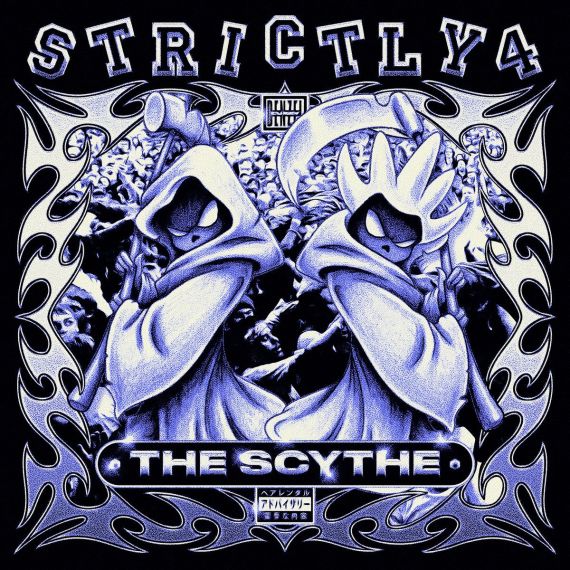
I’m back with another Denzel Curry album. Strictly 4 the Scythe dropped in March of 2026 with eight songs and has a twenty-nine minute runtime. I listened to it a few times on repeat to get a feel for it. Honestly? I liked “PHONY” and “YOU AINT GOTTA LIE.” The album as a whole wasn’t my favorite of Denzel’s work. Of his newer work, I prefer “King of the Mischievous South” and “Melt My Eyez See Your Future.”
Skye’s Tunes
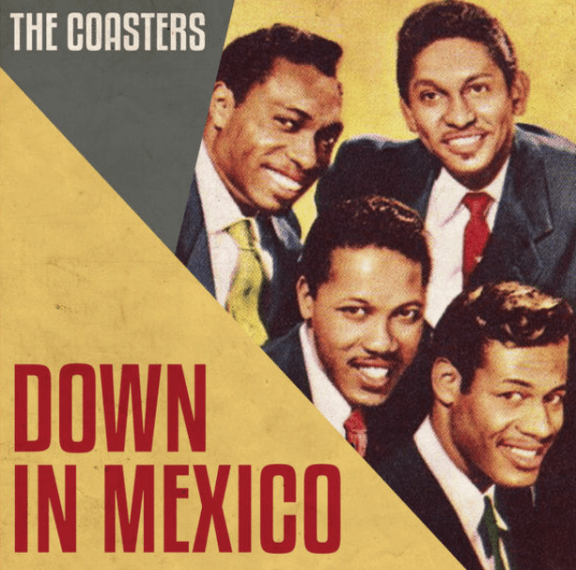
When it comes to music, sometimes I just get in a loop where I have to listen to the same song over and over again. Lately, “Down in Mexico” has been that song. Ever since I returned to work, I’ve been getting into the habit of playing “Down in Mexico” on loop in the car while I drive home. I was first introduced to “Down in Mexico” in the car when I was young (because I have very cultured parents), I fell in love with it after its unforgettable use in Quentin Tarantino’s Death Proof, and ever since then it’ll randomly get stuck in my head from time to time. This time I’ve just decided to ride it out for as long as possible and can you blame me? “Down in Mexico” has fantastic vocals, a soulful sound, and a beat that gets me in a groovin’ mood every time I hear it. Certainly not the worst song to pop up out of nowhere, especially when compared to modern-day earworms.
Hey, hey! Kyra Kyle here again. Those are the tunes our writers have been listening over the past month. Thank you for reading, and wherever you are, I hope you’re having a great day.
Happy Monday, Geekly Gang! Kyra Kyle here with another Geekly Casting. Today’s subject, the comic strip Dick Tracy, is a special case. First, Hollywood already made a Dick Tracy movie in 1990. Second, Warren Beatty retains the rights, so he or someone from his estate on his behalf would have to sell the rights. Third, 1990’s Dick Tracy film was the third story in a proposed trilogy. I mentioned the True Hearts and Tommy Guns Trilogyin a previous Whatcha Reading. I won’t rehash what I said in that post, but we are looking at potential prequel territory. Shooting Dick Tracy as the trilogy it should have always been made into could involve making the first two films, letting the original stand as the final film in the trilogy. Or Hollywood could reshoot and reimagine the finale. Either way works.
It could only be a matter of time (perhaps within the decade) before Dick Tracy gets a reboot, so we’ll be casting a potential movie. Another issue I found while compiling this list is Dick Tracy’s massive cast. 1990 Dick Tracy features dozens of villains. While our Dick Tracy, beginning with Dick Tracy: Big City Blues, trims a lot of that fat, we’re still left with nineteen characters. Yikes! I may go through our justifications quickly. Let’s kick things off with Geekly’s Casting Call for Dick Tracy.
Dick Tracy: Henry Cavill
Originally, I had cast Jon Hamm as Dick Tracy, but he was a little old for who I had cast as Tracy’s love interest, Tess Trueheart. And then I saw this picture (above) of Henry Cavill. Yep! Cavill may make a more convincing Dick Tracy than he ever did Superman. Give him a clean shave, a haircut, and the proper attire, and Cavill is Dick Tracy.
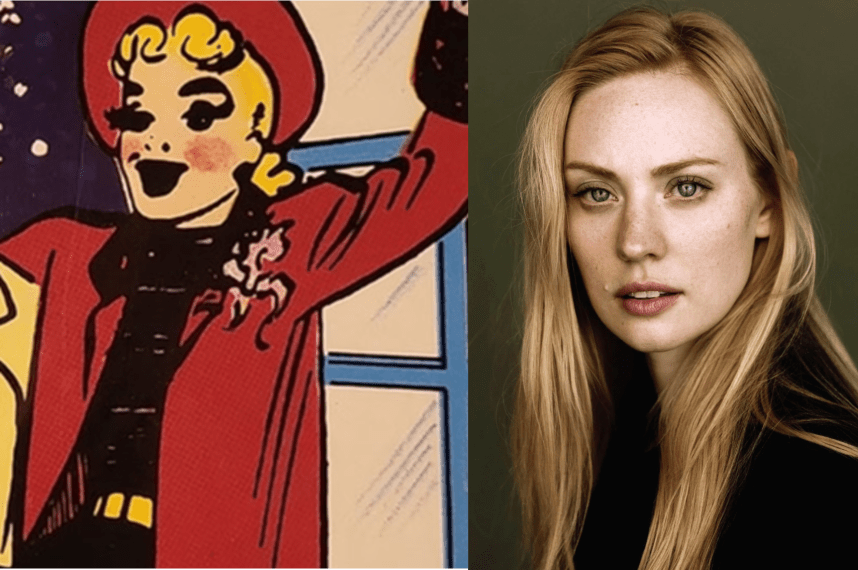
Tess Trueheart: Deborah Ann Woll
Deborah Ann Woll has done it all as an actor. She brings life to comedic, dramatic, and action roles, and she’ll need to tap into all of that with Tess Trueheart. At times, Tess can be Dick Tracy’s empathetic better half with a razor wit. And at others, she’s unafraid to mix it up with some of Tracy’s rogues.
While Tess is depicted as blond in the comics, Dick Tracy (1990) gave Tess red hair to differentiate her from Breathless Mahoney. This was a good choice, and I wouldn’t mind another redheaded Tess Trueheart.
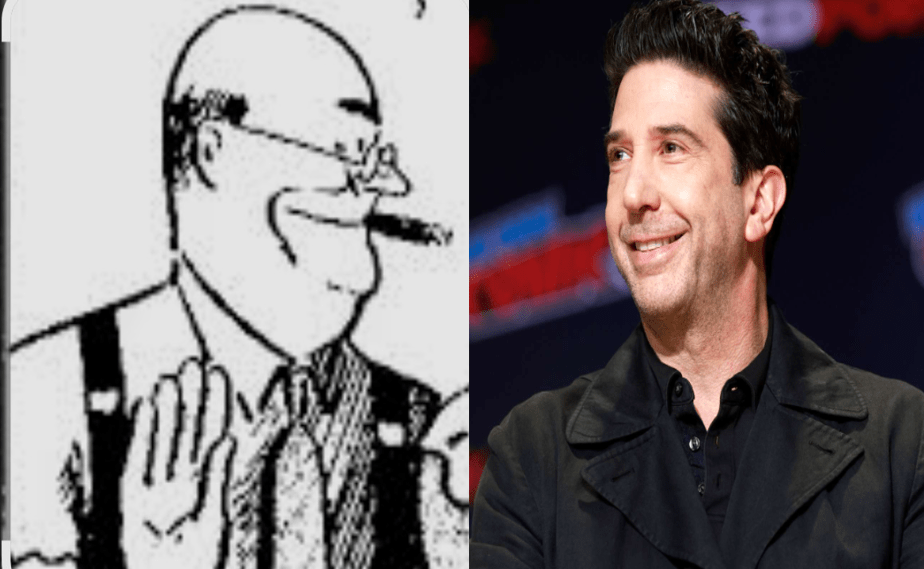
Emil (Pops) Trueheart: David Schwimmer
To the best of my knowledge, David Schwimmer has never portrayed an older father-figure, and I’d like to see him in a role like that. Pops Trueheart doesn’t show up for too long in the Dick Tracy Trilogy–he famously passes away in the comic strip–but Schwimmer could give a memorable performance as Pops Trueheart before the fateful night.
Lilly (Momma) Trueheart: Connie Britton
Since I went with an actor I’ve never seen as a warm and doting father-figure, I had to cast someone like Connie Britton as Lilly (Momma) Trueheart. Despite Dick Tracy‘s setting of Chicago (gangsters and all that), I always read Momma Trueheart with a Southern drawl. I don’t know why. When I put both of these aspects together, I came up with Connie Britton. Britton pulled off a convincing drawl in Friday Night Lights. Hi, y’all.
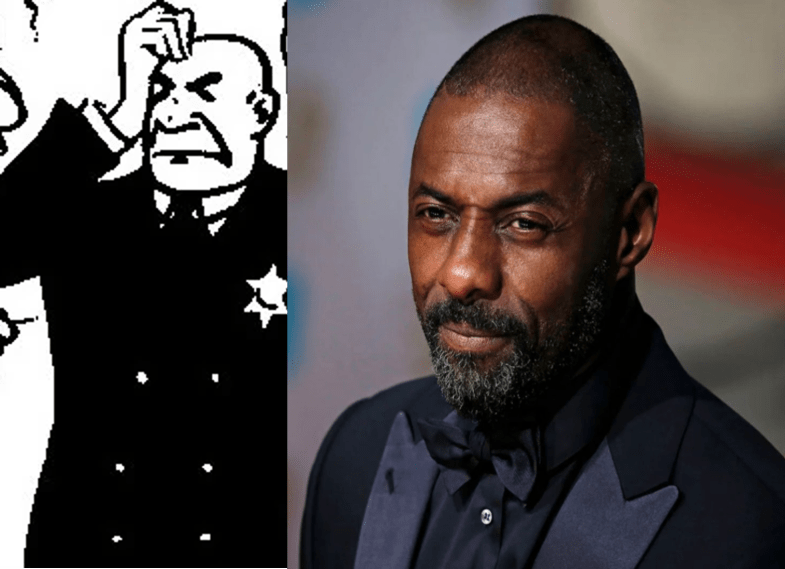
Chief Brandon: Idris Elba
Honestly, I saw a picture of the classic Chief Brandon and immediately thought of Idris Elba–sorry, Sir Idris Elba (congrats!). I struggled to cast a diverse group of actors in Dick Tracy and had to go with instincts like this as much as I could. We’re talking Chicago in the Twenties and early Thirties, so diversity can prove difficult. Elba is one heck of an actor, and Dick Tracy will need an accomplished actor to portray Chief Brandon.
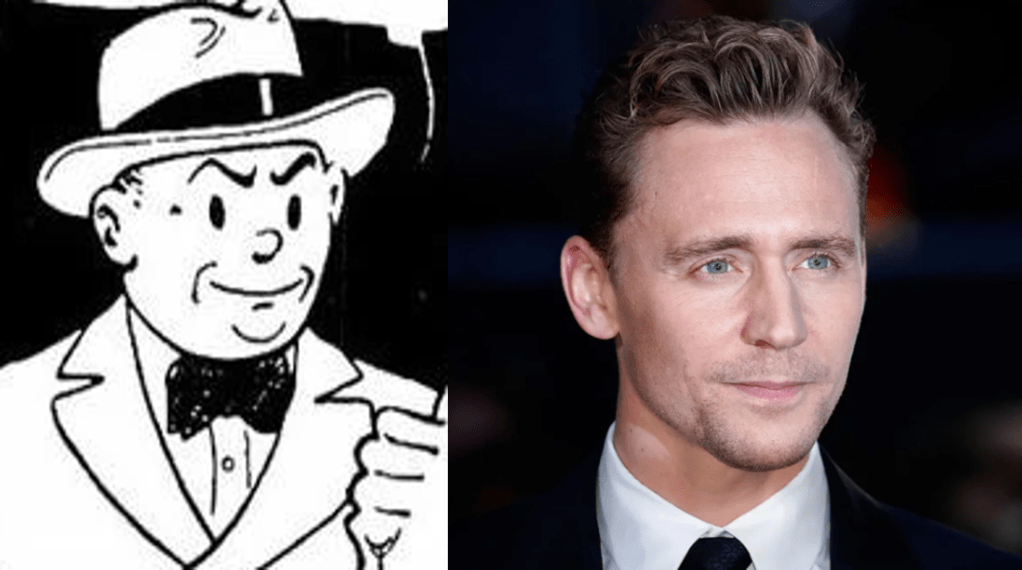
Pat Patton: Tom Hiddleston
Does Tom Hiddleston look the part of Pat Patton? Maybe. The two may be close enough in appearance, but Pat occupies an odd space in Dick Tracy lore. He has as much, if not more, experience than Dick Tracy, which is why he eventually takes over as Chief after Brandon leaves the role. So, Patton’s actor should slot somewhere close to Tracy’s age, younger than Chief Brandon, and definitely older than the next character on this list, Sam Catchem. In some media, Patton is portrayed with a slight Irish accent. Hiddleston isn’t Irish, but I’d like to hear him try a slight Irish accent.
Sam Catchem: Jeremy Allen White
Sam Catchem is new to the force. He’s as likely as Tracy to get involved in action sequences, and Jeremy Allen White is just the man for those action sequences. He pulled off some crazy moves as Kerry von Erich in The Iron Claw. White didn’t look too similar to Kerry, but you know who he looks more like? Sam Catchem. And White is one hell of an actor.
Steve the Tramp: Josh Brolin
Because of his look as Marv in Sin City, I first thought of Mickey Rourke to play Steve the Tramp. Rourke could still play the role today, but I don’t know about five to ten years from now. Brolin could also give a stellar portrayal of the small-time crook who uses children to commit crimes. Through most of the Dick Tracy Trilogy, Steve the Tramp is reprehensible. Good thing whoever portrays the character will do so under a mountain of prosthetics.
The Kid (Junior): Unknown
The Kid, the eventual Dick Tracy Junior, is impossible to cast given the parameters I set for myself. The rights to Dick Tracy will, at best, become available in the next five to ten years. Any young actor I could cast as The Kid, would age out of the role by the time Dick Tracy would become a reality. In fact, we’d have to cast an extremely young actor (like under eight years old when the movies begin, so I may have to cast someone who hasn’t even been conceived). Eek!
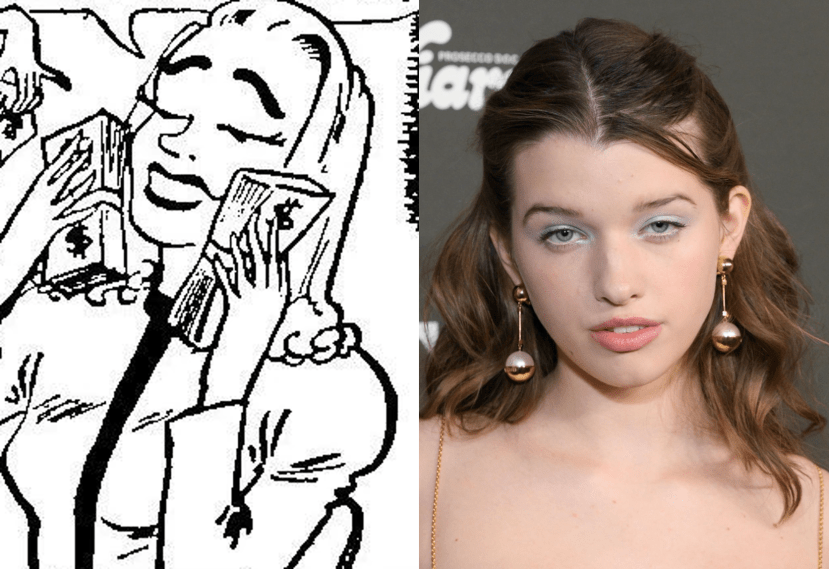
Patricia “Breathless” Mahoney: Ever Anderson
Ever Anderson (Evelyn Nesbit from The Artist) may seem like she’s on the young side to portray Breathless Mahoney, and you might be right if Dick Tracy began filming tomorrow. But the Patricia Mahoney we’ll see in Dick Tracy: Big City Blues is a Mahoney who’s unsure of herself. She reads very young. Patricia grows into Breathless Mahoney, and Ever Anderson could easily pull off this metamorphosis.
Mahoney also begins the Dick Tracy Trilogy as a brunette. She doesn’t transition into a blonde until after she’s under Texie Garcia’s control.
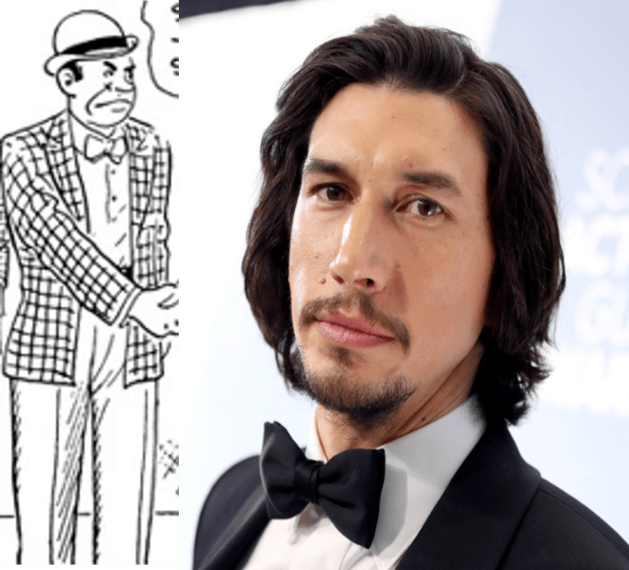
Ribs Mocca: Adam Driver
Ribs Mocca barely appears in the original Dick Tracy movie. You may think we don’t need an actor of any acclaim for Mocca, but Mocca’s a far bigger deal in the True Hearts and Tommy Guns’ first two storylines. A war rages among Mocca, Lips Manlis, and Pruneface, with Texie Garcia flying under the radar with her own hustles. Adam Driver as Mocca makes sense because Mocca is the most junior of the mob bosses. He obtains incriminating evidence on Manlis and uses it to weasel his way into a higher position. Driver would make an excellent Ribs.
Lips Manlis: Bill Hader
Like so many other Dick Tracy villains in the 1990 movie, Lips Manlis didn’t get nearly enough screen time. Manlis is one of the biggest crime bosses. Heck. Big Boy Caprice begins the Trilogy working for Manlis. That scene in Dick Tracy, where Big Boy puts Manlis in the bath, was cathartic. And Manlis is a devilish bastard you love to hate. With the context of the previous two stories, fans will cheer Big Boy giving Manlis the bath.
With that said, Bill Hader may be an odd choice for Lips Manlis, but Hader has proven he can play this character type. Hader’s star turn as the title character in the dark comedy Barry proves he can play an unhinged character with a ton of depth. And Manlis requires depth and can get unhinged.
Pruneface: Michael Shannon
Michael Shannon as Pruneface may be typecasting, but I don’t care. Pruneface is another one of the major crime bosses. He specializes in sabotage and explosives. Not necessarily in that order. Whoever portrays Pruneface needs to have presence, and Shannon has proven he has that in spades.
Texie Garcia: Shorhreh Aghdashloo
I love Shorhreh Aghdashloo’s iconic husky voice. Texie Garcia is yet another crime boss (albeit one who hides in the shadows) and needs to have an actor with plenty of gravitas. Aghdashloo’s voice oozes cool. She looks the part. She may be on the older side to portray Garcia, but Garcia barely shows up in the Dick Tracy movie (the third story of the Trilogy). Instead, she dominates Mahoney’s origin in the first two stories.
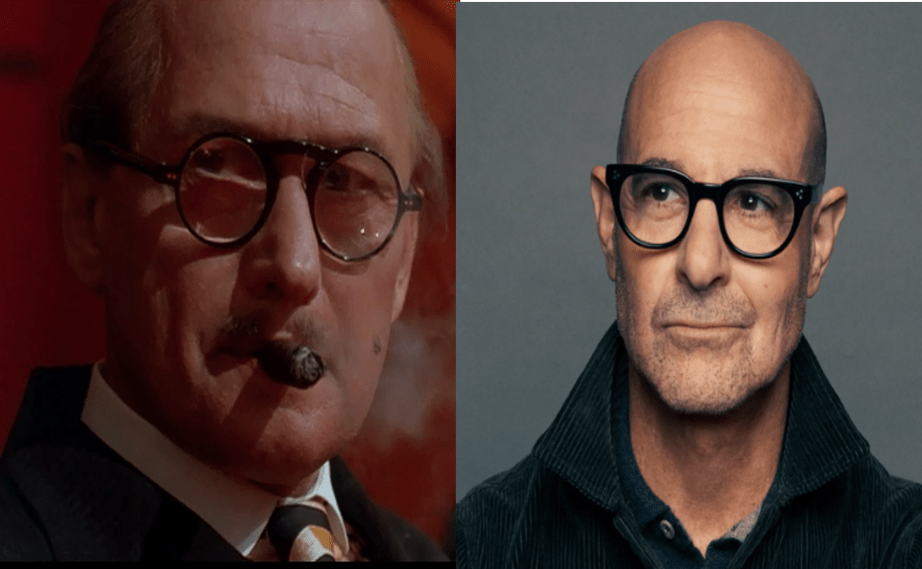
Numbers: Stanley Tucci
“Numbers” Nelson is one of those rare made-for-the-1990 Dick Tracy movie characters. The only comic book you’ll find Numbers in is the True Hearts and Tommy Guns Trilogy. While Numbers eventually works for Big Boy Caprice, who’s more of a minor character in the beginning, he starts as Texie Garcia’s accountant. Brilliant character actor Stanley Tucci could give a great performance as Numbers without breaking a sweat.
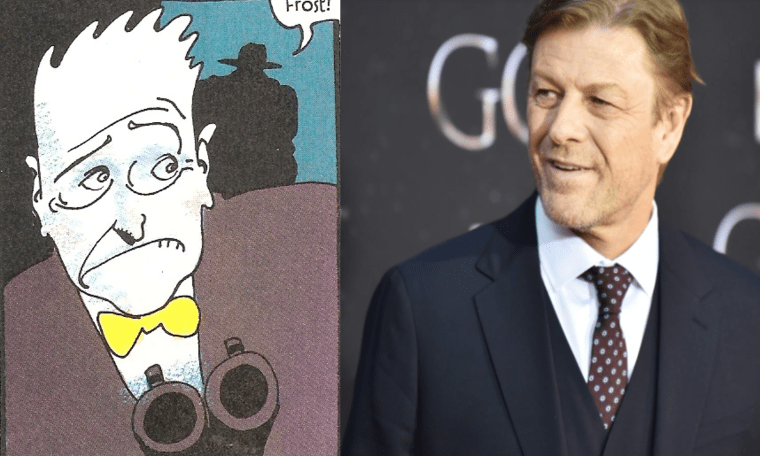
Jack “Big” Frost: Sean Bean
At first, I had cast Sean Bean as B-B Eyes and DJ Qualls as Jack “Big” Frost, but I couldn’t pass up a funny and swapped the two actors. Minor Spoiler: Jack “Big” Frost dies at the end of the first movie, Big City Blues. We have to keep Sean Bean’s streak of dying in movies alive.
B-B Eyes: DJ Qualls
Again, I had DJ Qualls as Jack “Big” Frost and swapped him for B-B Eyes. I didn’t care for this side of the swap, but it grew on me. First, Qualls doesn’t usually get too many prominent roles, and B-B Eyes is one of the second story’s focal points. Second, Dick Tracy puts on a B-B Eyes mask and goes undercover as the mobster, and watching Henry Cavill putting on a DJ Qualls mask would be amazing. Finally, I can see Qualls as B-B Eyes. He may be a better choice than my original pick, Sean Bean.
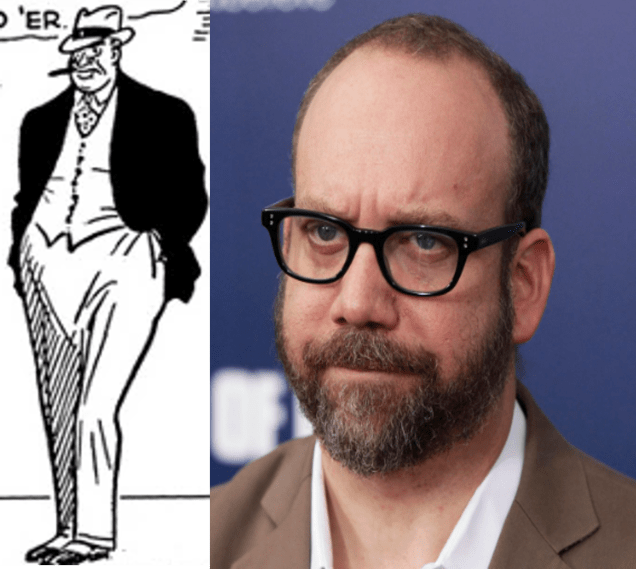
Big Boy Caprice: Paul Giamatti
While Paul Giamatti would never get confused with Al Pacino, he looks more like the comic strip version of Big Boy. Pacino gave a good performance in the original Dick Tracy film. The movie didn’t work in a lot of ways, but none of those ways was because Pacino gave a flat performance. But Big Boy begins the Trilogy as a mouse. Caprice becomes Big Boy over the course of the first two stories. Giamatti would have no problem pulling off this kind of character arc.
Flattop: Keanu Reeves
While researching this post, I saw someone else fan-cast Keanu Reeves as Flattop “Jones.” I can see that. Flattop is Dick Tracy’s most recognizable and beloved foe. He was even the first comic strip character to receive a funeral. People mourned the loss of Flattop like they would the loss of a loved one. Why not cast a beloved actor as Flattop? It also doesn’t hurt that Flattop could’ve been John Wick in another timeline and with a different moral compass.
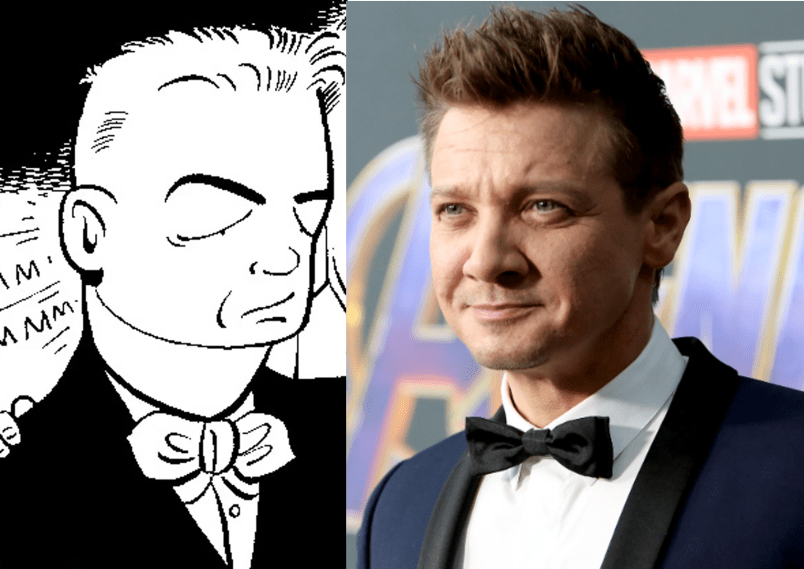
Mumbles: Jeremy Renner
Mumbles is another character where I saw the picture and immediately thought of an actor: Jeremy Renner. I may have seen a caricature of Renner that looked exactly like Mumbles. And Mumbles is yet another popular Dick Tracy villain. Even though his name is Mumbles, Mumbles doesn’t mumble. He speaks too fast and slurs his words. I could see Renner having fun with the character’s speech patterns, but when push came to shove, and a dramatic moment was warranted, Renner could dig deep for Mumbles’s inner calm.
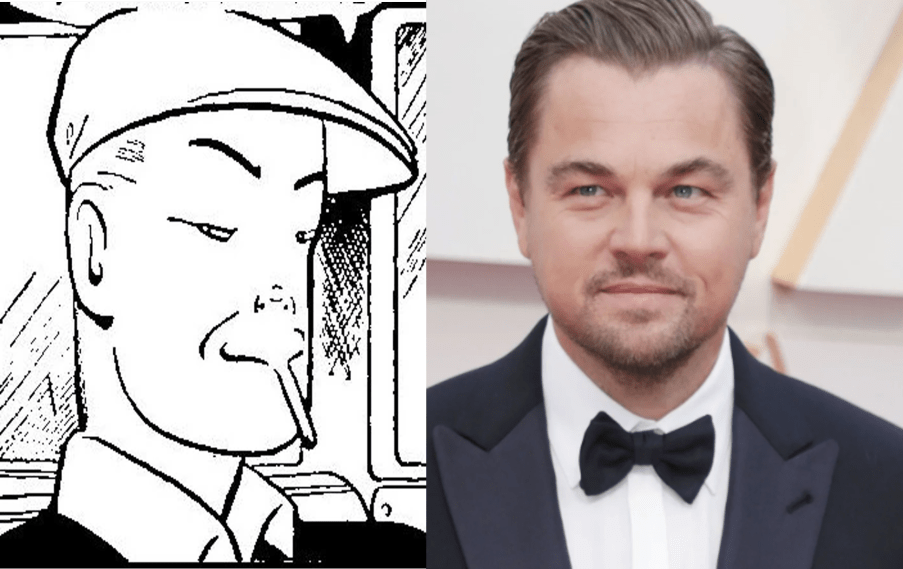
88 Keyes: Leonardo DiCaprio
88 Keyes (or Keys), named after the 88 keys on a piano, is nothing short of a lady’s man. In the Dick Tracy Trilogy, 88 Keyes may be a little older than he was originally in the comic strip, but he remains a man who gets by on his looks. DiCaprio may have some experience with that. It also doesn’t hurt that 88 has underhanded plans for days. He lets everyone think he only cares about the ladies, but he has real criminal ambitions. DiCaprio knows how to obfuscate his character’s true intentions. He’d make a dapper 88 Keyes.
Those are my picks to portray Dick Tracy characters in a hypothetical Dick Tracy Trilogy. Who would you cast? Let us know in the comments. Thank you for reading, and wherever you are, I hope you’re having a great day.
Hey, hey, Geekly Gang! Kyra Kyle here with another week of Geek News. We had a few board games and video games release this past week. Let’s begin by discussing this week’s board game new releases.
Spirit Train: The Final Journey Launches on KickStarter
Spirit Train is played in 3 Cycles. Each Cycle consists of a series of rounds where players will determine what to do using a unique simultaneous action selection mechanic. Before the start of each day, conductors will select between a list of different rooms to fill their train with. These rooms will provide base actions depending on the shape/size of the room. How many rooms you use will affect the speed and energy level of your train, as well as turn order. When spirits are active on your train, they will provide you even more actions. The number of active spirits you can select will depend on the current mood of your spirits (spirits are more active when they’re happy!). You can maximize the number of actions you use by strategically placing active spirits into rooms you’ve created specifically for them on your train.
Thank you, SweaterBear Games, for the description. I love how players can customize their trains (image above). Each player slides rooms into their trains and this will attract/satisfy the spirits you carry to their final destination. I like this theme. I like Spirit Train: The Final Journey’s gimmick. The artwork looks amazing, in keeping with the cozy vibes Spirit Train: The Final Journey presents and very Studio Ghibliesk. And I don’t have too many train games. I can pick up one more. Spirit Train: The Final Journey offers pledges ranging from $59 to $179. If you’re interested in Spirit Train: The Final Journey, check out its KickStarter page.
The Monolith Launches on KickStarter
In The Monolith, 3-4 players take on the roles of shaman, leading their warriors in battle against each other, all for the pleasure of the monolith that holds them in thrall.
Each round, players take turns spending hearts to complete actions. These actions allow them to recruit and move warriors, move their shaman and activate any shaman powers, or bid hearts on powerful divination cards
When a player thinks they’ve taken the actions they need for the round, they dump their remaining hearts into the monolith. The sooner they feed their hearts to the monolith, the more actions they will have during combat, but do it too soon, and risk watching the other players change the board state in your absence!
Once all players have put their remaining hearts in the monolith, the monolith is lifted, revealing the combat actions the remaining hearts have been sorted into! Battles are fast and brutal, and only the most clever players will outmaneuver their enemies and boast of their deeds to the sacred stone!
Thank you, Plaid Hat Games, for the description. While I don’t typically care for “dudes on a map” games, The Monolith is another board game with an intriguing gimmick. Having players place their hearts into the titular monolith and then revealing which combat actions are at a player’s disposal gets my attention. Board games need to use cube towers more, and the monolith is a cube tower, sorting player resources. It sounds as if players can manipulate how much they intend to invest in combat. And the quick combat system may be another barrier lifted for me and “dudes on a map.” Most games of this ilk have involved combat mechanisms. The Monolith sports shorter combat times. I’ll give it a shot. The Monolith offers pledges between $69 and $99. If you’re interested in The Monolith, check out its KickStarter page.
Overclock Launches on GameFound
Overclock is a solo 4x game played with 36 cards. Every card has two sides: a network node on the front and a powerful ability on the back. Play it as a node to grow your network and boost production, or sacrifice it for a game-changing program, a permanent upgrade, or a defensive sentinel. You can’t have both, and that choice is at the heart of every turn. Deploy nodes, scan for data, purge corrupted files, and negotiate shaky alliances with factions that get more dangerous every cycle. The Kill-Code never stops deleting, factions hit harder as the game escalates, and your decisions in the first few cycles shape whether you survive the final ones.
Multiple Ghost characters, asymmetric factions, and a modular difficulty system make every game feel different.
Thank you, Made of Dreams, for the description. I like the state of solo games in the board game hobby. Overclock looks like another great example of a solo game with a quick setup, small footprint, intriguing gimmick (multi-use cards), and a great theme. Board games with cyberpunk themes have been springing up lately, but I don’t believe a good solo game with this theme exists. I may be wrong. Let me know in the comments. Regardless, I can’t see Overclock having a large sticker price. Overclock will be launching on GameFound, and GameFound projects don’t always list their pledge levels when their project is in preview mode, but I’m following Overclock. I can’t believe Made of Dreams created a solo 4X game. If you’re interested in Overclock, check out its GameFound page.
The Sinking City 2 Releases
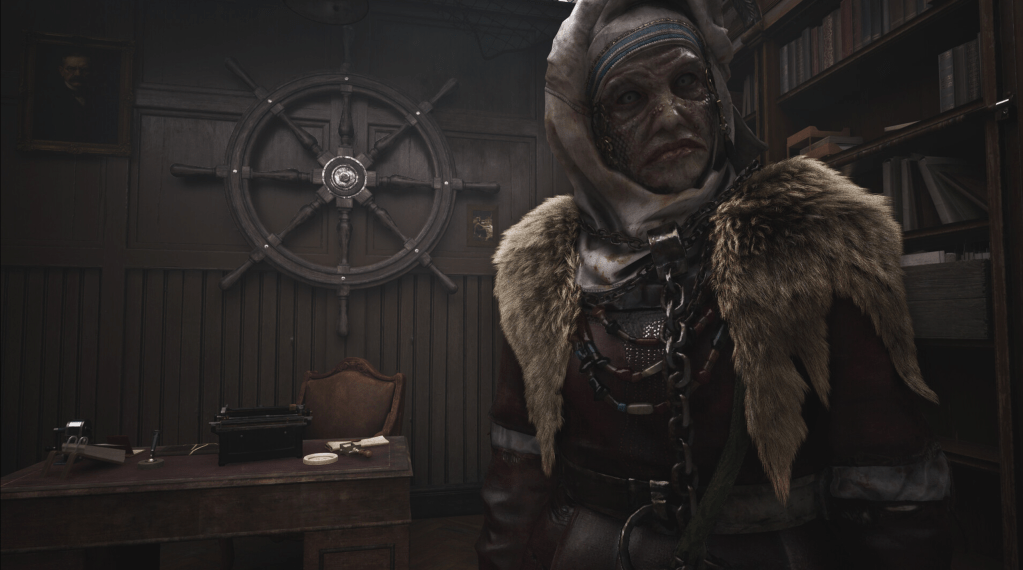
Set in the Roaring ’20s, The Sinking City 2 is a survival horror steeped in Lovecraftian dread. Defy an eldritch deity and explore the drowned alleys of Arkham, stalked by the dead, as you weigh one life against an entire city.
Thank you, Frogwares, for the description. The Sinking City 2 is set in the fictional city of Arkham, so it wears its Lovecraftian DNA on its sleeve. The sequel is a standalone story to the original The Sinking City. You don’t need to play the original to understand everything happening in The Sinking City 2. I never got around to playing the original, but the premise interested me. Players are trying to survive a sinking city. Arkham is literally submerging under water. The Sinking City 2 captures the vibe of Lovecraftian horror. It’s received good to very good reviews. I’m putting this game on my radar. The Sinking City 2 is available on PC, PlayStation 5, and Xbox Series S/X.
Mortal Shell II Releases
Their Flesh Is Your Weapon. Mortal Shell II is a standalone sequel action-RPG with adrenaline-charged, high-stakes combat. Possess warrior Shells, dethrone false gods, redeem a ravaged world.
Thank you, Playstack, for the description. Mortal Shell II is another standalone sequel, where you won’t need to play the first game to understand the sequel’s story. I’ve had Mortal Shell II on my radar for a while now. I love the graphics. Look at the detail above. Wow! Character customization looks great. I’m getting strong Dark Souls vibes. That’s a plus. Mortal Shell II looks like one of those games I could sink countless hours into, trying as many character builds as I can. It’s not on sale (Steam) right now, but I’ve wishlisted Mortal Shell II and will most likely pick up a copy when it does go on sale. Mortal Shell II is available on PC, PlayStation 5, and Xbox Series S/X.
Feed the Scorchpot Releases
Feed the Scorchpot is a dice roguelike about feeding a dragon for twenty years. Roll ingredients, build your island, and fuse absurd recipes into combos that break the score wide open. Miss a meal and you’re next on the menu.
I’ve covered Feed the Scorchpot when it dropped its demo earlier this year. It released this past week on Steam, and I’ve been playing a lot of this one. For now, I won’t say too much about this Balatro meets Catan video game, but there may be a Feed the Scorchpot review in the not-so-distant future. You’ve been warned.
That’s all the geek news we have for you this week. Thank you for reading, and wherever you are, I hope you’re having a great day.
Happy Saturday, Geekly Gang! The Lanterns pilot episode released this past week, and I’ve had some time to watch the show a few times. I’ve got some thoughts and if Season’s watched the episode, she may have thoughts as well. It’s time for another Geekly review/reaction of Lanterns “Pilot” episode. Before we begin, I’ll warn everyone that there will be spoilers for Lanterns “Pilot.” Okay, that’s out of the way. Let’s get into the show.
Kyra’s Take
Lanterns “Pilot” does everything a pilot episode should do for a series. It does a great job showing us the main characters (Hal Jordan and John Stewart) and their relationship, it creates intrigue (the question that must be answered by the end of the season), and the small town in western Nebraska even becomes its own character. Great work. If Lanterns wasn’t part of the DCU or based on the Green Lantern property, I’d probably give the episode a near perfect score. It is that good. But Lanterns has yet to follow through with two simple and easy genre expectations for a superhero show/movie: costumes and powers.
And this is on the heels of Supergirl (review here if you want to read it), which also featured a superhero who refused to wear her costume for three-quarters of the movie’s runtime. But at least Supergirl used her powers. Lanterns barely shows Hal Jordan using his ring, and John Stewart recounts what he does with the ring to the audience. Bubble wrap would’ve been nice to see. Superhero stories don’t have too many genre expectations, but not meeting either one (costumes or powers) is a little concerning. I’m concerned about Lanterns; we haven’t reached gripe levels yet. I could see saving money on special effects (powers), but you made the Green Lantern costume. Why not show Hal in the costume for more than fifteen seconds? I know. I know. Character reasons, but the DCU already did that with Supergirl. Will this become a trend? But I meant what I said. Lanterns “Pilot” is almost pitch-perfect.
I’m putting the costume/power concerns on the backburner. Lanterns comes out with a bang. The audience can tell Jon and Hal have a long history. I love their opening scene in the car. “Why do your ‘sirs’ sound like f*** yous?” Classic. Both men come from broken homes. Hal’s father died in a plane crash, and we don’t see John’s mother. The two react differently to their circumstances and this shines through their character choices. Jon using the ring for bubble wrap meant he totaled Hal’s car. Something Hal takes offense to. We do hear why Hal no longer wears his costume. Fair. He could’ve worn the costume under a bomber jacket and jeans. Just saying. And that’s where the show shifts to western Nebraska. Like I said, the little town becomes a character, an engaging character.
I like how Hal navigates the small town politics. Again, it’s obvious this isn’t the first time Hal has visited this Nebraskan town. He even mentions that the town is close to where he gained his Green Lantern ring. This town is more than it seems. The sheriff (portrayed by brilliant character actor, Kelly Macdonald) may try to deny it, but aliens regularly visit this Nebraska town. An alien entity has infiltrated this town, and the sheriff’s father-in-law builds a militia to fend Earth from the aliens he believes will colonize the planet. Lanterns has a lot to say about the world’s current climate. Xenophobia runs rampant in parts of the United States, especially parts like rural Nebraska. I can’t wait to see more of this town and its citizens. Lanterns does a great job of creating a fascinating web.
And that’s before we talk about the alien Hal and John encounter. Extraterrestrials do want to infiltrate this Nebraska town. It’s for the power ring. It’s gotta be for the power ring. A conversation between Hal and John in a bar all but confirms these aliens’ intent. And I love the bar scene from Lanterns “Pilot.” Again, we see how these two Green Lanterns tick. John shows far more patience than his mentor. Despite Hal giving John his ring for safe keeping, John refuses to put on the ring. He believes it’s a test. And knowing what little we do about this version of Hal Jordan, it may be a test. But my favorite moment was when Hal counterfeits a $20 to flood the bar’s jukebox with Melanie’s “Brand New Key.” He pisses off the bar regulars, and they fight him. All of this was a ploy to get arrested so he could interrogate the alien the town’s sheriff has in custody. Everyone, including John Stewart, dubs this a stupid plan. So good.
How this little town works could be its own show. Aliens and Green Lanterns are just a bonus. This may be where my disconnect derives. Lanterns “Pilot” is a great episode, but is it a story unique to Green Lantern? We’ll see. Hal’s bizarre behavior deserves more exploration. He frequents this Nebraska town, and the episode ends with his passing and missing his power ring. Uh oh! Again, brilliant way to open a series. I see a handful of flashbacks in the future while John Stewart unearths who has Hal’s ring, because it’s obvious John doesn’t. When he examines Hal’s body, John looks for Hal’s ring and doesn’t find it. Lanterns “Pilot” lays down a stellar opening for the series. This episode leaves us with plenty of questions and some characters that require more digging.
Those are my thoughts on Lanterns “Pilot” episode. Let us know yours in the comments. Looks like I’m on my own this week. Season may catch up for next week’s episode of Lanterns. Thank you for reading, and wherever you are, I hope you’re having a great day.























 jkgeekly.com