Happy Friday, Geekly Gang! Kyra Kyle here with a Fantastic Four: First Steps review. Right off the bat, I must say 2025 is a banner year for superhero films and shows. The DCEU had been flailing for years; Superman (2025) gives the franchise new hope. The MCU has been a shell of itself in previous years, but Thunderbolts* and Fantastic Four: First Steps have been a return to form. I love that little MCU homework is needed for Fantastic Four: First Steps. Spider-Man: Homecoming aside, Fantastic Four: First Steps is the closest the MCU has felt to a Phase One movie in almost a decade. Fantastic!
I’ll try to avoid spoilers in this review. If you’ve read the Fantastic Four comic book, you should know the basis for a Galactus story. Fantastic Four: First Steps is the most comic book accurate Fantastic Four film. I mentioned in a previous Geekly News post that Shalla-Bal does have a basis in the comics; she’s Norrin Radd’s longtime romantic interest and has powers comparable to the Silver Surfer. In alternate universes, Shalla-Bal becomes Galactus’s herald in Radd’s stead, so if Earth 828 (nice tribute to Jack Kirby’s birthday, August 28th) is an alternate universe, it makes sense if she becomes Galactus’s herald. This allows Radd to become the Silver Surfer in Earth 616 (or some other Marvel universe). And Galactus is terrifying.
Galactus reminds me of the Reapers in Mass Effect: part living being and part machine. This visual effects decision makes sense. It allows for Galactus to look like his comic book counterpart. I cheered when I saw him onscreen. Galactus’s look is another great comic book accurate element. Johnny Storm figuring out Shalla-Bal’s history and pleading with her to save Earth was another classic comic book moment. Both Radd and Shalla-Bal sacrificed themselves to save their planet (Zenn-La) from Galactus, only to become Galactus’s pawns and destroy other planets.
I even liked the montage at the beginning of Fantastic Four: First Steps. It shows the team has been in the superhero/explorer/adventuring business for years, while not bogging down the film with extra runtime. While I would’ve liked to have seen John Malkovich’s Red Ghost, it made sense for Fantastic Four: First Steps to cut his scenes from the movie. Fantastic Four: First Steps had a tight 114-minute runtime. Just under two hours. That’s unheard of with modern blockbusters. Rumors swirled a few months ago that Fantastic Four: First Steps had a runtime of over two and a half hours, which would’ve made it one of the longest MCU films before edits. Fantastic Four went from being one of the longest MCU films to the fifth shortest. The audience got what it needed in that runtime. Kudos to Fantastic Four for cutting unneeded scenes.
Fantastic Four: First Steps is just what the MCU needed. Just like Superman (2025) got me excited for DC Comics movies again, Fantastic Four: First Steps got me excited for the MCU again. And like Superman, I have some notes for Fantastic Four: First Steps. The biggest is Galactus’s timeline. While Galactus does lumber through the universe on his never-ending quest for sustenance, it doesn’t make sense that Earth prepares for the titan’s visit when he’s already in our solar system. Galactus passes Jupiter by the time the Fantastic Four share their plan with the world, a plan that would take months to prepare. When the team’s first plan fails, they don’t switch to their second plan until Galactus is passing the moon. What? That timeline makes little sense.
Galactus entering our galaxy when the Fantastic Four share their first plan, and then reaching Jupiter when the Fantastic Four pivot to another plan, would make more sense. This is a nitpick, but I chuckled at this timeline’s absurdity. Invisible Woman giving birth in space with no bodily fluids is another one of my silly nitpicks. I get why Fantastic Four: First Steps chose not to include a zero-gravity placenta, but I figured I’d mention the lack of bodily fluids. Don’t get me wrong, I just finished a jumbo-sized popcorn and pretzel bites before the birth scene. My stomach appreciated the lack of floating bodily fluids. Still, Franklin Richards’s birth was the most sterile birth I’ve ever seen.
I could mention another nitpick or two, but those are smaller nitpicks, and they didn’t detract from Fantastic Four: First Steps. This is the Fantastic Four film I’ve waited for decades, and I’m so glad I got to review it on Geekly. I watched the 2015 Fantastic Four in the theater and reviewed it. Fantastic Four: First Steps was a huge upgrade. This film features the most comic book accurate Fantastic Four. And I hope Fantastic Four: First Steps begins a new trend for the MCU: less MCU homework for each project and cutting out unnecessary scenes for tighter runtimes. Fantastic Four: First Steps continues the MCU’s upward trajectory. Thank you for reading, and wherever you are, I hope you’re having a great day.
Happy fifth Wednesday, Geekly Gang! Kyra Kyle here. Since it’s the fifth Wednesday of July, that means our writers will be sharing personal updates. I’ll get things started.
Kyra’s Writing
My writing and game design will sound similar this month. The two center around the same concept. I wrote a first draft of a novel based on one of my board games, Rustbucket Riots, and I’m in the throes of reverse outlining.
Reverse outlining is an important stage of writing/editing that I learned after multiple novels. During the reverse editing stage, I take note of what happens in each chapter/scene, looking at the novel from a macro level, rather than a micro level (like line editing). Reverse outlining allows me to see who the point of view (POV) character is for each chapter (if there’s more than one POV character for the novel). If a character has only one POV chapter, I may need to give them more chapters or consider omitting the chapter or using a different POV character. Jotting down what happens in each chapter makes it easier to see which chapters are pulling their weight (from a narrative perspective), which ones could do more, and which ones may not be needed.
In previous novels, I made the mistake of line editing after writing the first draft. That doesn’t work–at least, not for me. The sunk cost fallacy (the tendency to continue an endeavor because of the time and effort spent on the project) is strong when a writer does this. Slapping together a crappy first draft and then taking a macro look at each chapter makes it easier to “kill one’s darlings.” If I haven’t spent hours editing a chapter, that chapter hasn’t reached the status of one of my darlings. It’s easier to make cuts.
Depending on when you’re reading this, I may be slashing through thousands of words in one keystroke. Can you hear the ink cry?
On a different note, I’m still querying agents. Fingers crossed.
Kyra’s Game Design
I received a ton of great feedback for Rustbucket Riots and Whirligig Pets. Both games are well on their way to being publishable.
I’m continuing to refine my other designs, and I’ll be at Comic Con Nebraska this weekend. If you’re in the area, stop by and say hi. I’ll be in the game room, demoing various designs that will include Rustbucket Riots and Whirligig Pets. I’ll even have JK Geekly badge ribbons.
Tangent: I joined a board game publication and pitching course, so hopefully, my board game pitches will improve in the coming months. Lol
That’s all I have for these past three months. Let’s check in with Skye.
Skye’s Update
Believe it or not, I do have a life. I know, I was surprised too. Not much has happened since the last time I did one of these, but there were a couple of things I wanted to mention.
First, I have a new job at my local movie theater. Y’all know how much I love movies, so this kind of job is right up my alley. There’s a more community-oriented culture at Marcus Theaters with several opportunities to learn and connect with the team, which I love. Of course, there’s also free movie tickets. This means that I can start covering recently released films on my personal blog, TGIMovies, in a more financially responsible way.
Second, I took this summer off from college. So far, I’ve been having a good time relaxing and dedicating my time toward things I love, such as my hobbies, my relationships, and this community. I’ve learned a lot about myself, spent time with those I care about, and started working towards my future. At this point in my life, I’m the most excited I’ve ever been about what’s to come. I’m glad I got to share it with y’all!
Thanks for reading about my experiences and for inviting me to this website. Though I don’t say it often, I’m greatly honored to be a part of this community, to experience geeky content with like-minded people, and to have a platform to offer my thoughts. I’ll see y’all next week with another “Whatcha.” Take care!
Kyra Kyle here again. Season doesn’t have an update for the past three months. She graduated from college with a Bachelor’s and continues to look for work in her field. Fingers crossed that she’ll find something soon. And feel free to share what you’ve been working on over the past three months. We’re all part of the Geekly Gang. Thank you for reading, and wherever you are, I hope you’re having a great day.
Cretaceous Rails combines trains and dinosaurs in one board game. Holy Fish Heads! That may or may not be a direct quote from the Cretaceous Rails game designer. Hey, hey! Kyra Kyle here. I’m doing something a little different with today’s board game review. As you might be able to tell, I know Cretaceous Rails’ game designer, Ann Journey, and the publisher Spielcraft Games. I’ll attempt to stay unbiased, but I wanted to be upfront about that relationship. In Cretaceous Rails, people have learned that dinosaur parks built in the modern world are too deadly. Instead, they send people back in time to witness dinosaurs in their natural habitat. Players compete to create the best dino safari resort experience. We’ll get to the game, but first, let’s discuss some disclaimers.
The Fiddly Bits
Designer: Ann Journey Publisher: Spielcraft Games Date Released: 2025 Number of Players: 1-4 Age Range: 14 and up Setup Time: 10-15 minutes Play Time: 45-120 minutes (depending on the number of players)
Game Mechanisms
Modular Board Network and Route Building Pick-up and Deliver Worker Placement
Game Setup
Cretaceous Rails’ rulebook has a streamlined setup section, so I’ll be using the rulebook as the basis for this section.
Action Tiles
* Shuffle all 16 action tiles and randomly place them face up in a 4×4 grid within reach of all players to create the action grid.
* Place the first player marker on the Draw Cards action tile with the first player marker icon (shaped like a raptor claw).
Resort Card Display
* Place the resort card display board within reach of all players.
* Shuffle all 84 resort cards and place them face down in the resort card deck space near the resort card display board.
* Deal eight cards from the deck face up onto the eight spaces of the resort card display board.
* Place the round tracker on the dinosaur footprint labeled “1.”
Player Setup
Each player chooses a company. The only difference among the companies is the starting dinosaur, the beginning point value of dinosaurs, and aesthetics. None of these differences significantly affect the gameplay, so pick the company that looks cool or begins the game with your favorite dinosaur.
Each company gets: * 1 Player board (all other items must match your company’s color and design) * 4 Executives * 30 Rails * 1 Train Engine Tile * 8 Train Car Tiles
* Place your Train Engine in front of your player board. This begins your train, but doesn’t count as storage.
* Place 2 Train Car Tiles behind your Train Engine Tile to form your starting train.
* Draw 1 card at random from the resort card deck and add it to your hand.
* Place the remaining Train Car Tiles, 30 Rails, and 4 Executives off to one side within reach.
* Take the tourist, dinosaur, and jungle token indicated by the icons on your player board and place them on their respective icons on your player board.
* Place the remaining tourists in the tourist sack.
Map Setup
* Place the starting map tile for the appropriate player count in the center of the table within reach of all players.
* Place 1 randomly-selected jungle map tile per player beside the starting map tile to form the map.
* Place one jungle token on each hex marked with a jungle token icon.
* Place a matching dinosaur miniature on each hex marked with a dinosaur icon. Each tile has two of Tyrannosaurus Rex, Triceratops, Titanosaurus, and Parasaurolophus.
* Randomly place 4 tourists from the Tourist Sack on each cabin hex and each player’s home hex.
Starting Positions
* Randomly select who goes first. Play will proceed clockwise from the first player.
* In reverse turn order, starting with the last player, select home hexes on the starting map tile.
* When you select a home hex, place two Rails on the starting map tile. Place the first Rail on the line pointing out of your chosen home hex, and the second Rail on the line going to the left or right in front of the first rail.
HINT: Choose your home hex based on the dinosaurs and volcanoes near it, the tourists on it, and your plans for building your rail network into the jungle.
Game Flow
Cretaceous Rails is played over four rounds. Each player receives four turns per round.
Each turn, players will place an Executive on a vacant action space between two action tiles. Players will take both actions adjacent to the Executive they just placed. You may choose the order in which to take your two actions each turn. You can also forgo one of your actions and unload your Train Cars onto your player board.
Outside of unloading your Train Cars, there are six actions depicted on the Action cards: Lay Rails, Draw Resort Cards, Build Resort Cards, Clear Jungle, Safari, and Capture Dinosaur.
Lay Rails allows players to place two Rails (train minis) on the map, extending their company’s rail network.
Draw Resort Cards lets players draw Resort cards from the Resort Card Display Board.
If you meet any number of Resort Card requirements and take the Build Resort Cards action, you may build any number of Resort Cards in your hand that you can legally place. The third (top) row can only hold as many Resort Cards as the number of Resort Cards in the second row. The second (middle) row can only have as many Resort Cards placed in it as the number of Resort Cards in the first (bottom) row. The bottom row has no restrictions. Go nuts! But most Resort Cards receive bigger boosts in higher rows.
The remaining three actions will add items to your Train Car Tiles that you will then have to unload in your player boards. These actions may cause you to replace one of your adjacent actions with empty Train Cars.
Clear Jungle has the player take a jungle token from any hex adjacent to their rail network. You must place the jungle token on one of your empty Train Cars. Jungle tokens aren’t refilled throughout the game. Once they’re gone, they’re gone. You cannot take the Clear Jungle action if you don’t have at least one empty Train Car.
The Safari action has a couple of steps. Take a tourist from any hex adjacent to your network and place it in one of your empty Train Cars. Again, if you don’t have at least one empty Train Car, you cannot take the Safari action. You may not take a tourist from another player’s home hex. When you take a tourist, add up the number of dinosaurs adjacent to your rail network of the color and type that corresponds to the tourist you picked. Only count dinosaurs in hexes with no jungle tokens (your tourists can’t see through dense jungle). Each volcano adjacent to your rail network counts as a dinosaur of that type. Move the rating marker on your player board for that dinosaur color/type up the rating track that number of spaces. This number determines the value of each dinosaur in your resort.
Capture Dinosaur allows players to take a dinosaur from any hex adjacent to their rail network with no jungle token and place it in one of their empty Train Cars. Again, you cannot take the Capture Dinosaur action if you don’t have at least one empty Train Car.
End of Round
A round ends after all players have taken four turns each.
At the end of each round, perform these steps, in this order (skip these steps in the final round): * Each player performs the Unload Train Cars action.
* Each player takes back all four of their Executives.
* Discard all eight Resort Cards in the display. * Refill the display with eight new Resort Cards from the deck. * Pick up all of the Action Tiles, shuffle them, and randomly distribute them into a new action grid. * The player who took the First Player Marker this round places it back on its draw cards Action Tile. That player will go first next round.
End of Game
Each player performs the Unload Train Cars action one final time. Then, each player tallies their score. There are two sources of victory points: Captured Dinosaurs and Resort Card Scoring Multipliers. Players can use the scoring guide and pad to keep track of each player’s victory points. Whoever has the most victory points at the end of the game wins.
Review
Cretaceous Rails has two standout elements: the Action Grid and Resort Cards. Ann Journey says that she got the idea of the Action Grid from another game, but I haven’t seen this version of worker placement. It’s quick. The Action Grid gets shuffled and reformed, resulting in varied gameplay from round to round. What may be a good tactic in an early round may not be that good of a tactic in later rounds. The actions themselves are balanced and provide a lot of strategic possibilities. I can lessen someone’s safari bonus by capturing dinosaurs. I can play keep away by taking resources from the main map, while reserving my home hex’s tourists. And all of these actions work well with the Resort Card system.
I love how Resort Cards are placed. The bottom rows needing to be larger than the ones above them makes thematic sense if one thinks of the player board as one’s resort, which it is. You can’t have a top-heavy structure. The Resort Cards themselves are multi-use, and that’s one of my favorite game mechanisms, and a trend I like continued in more board games. Each Resort Card has three rows. The top shows what the player needs to place on the Resort Card to construct it. Any Dinosaurs placed on Resort Cards are worth their full value, while Dinos left on Player Boards are worth half points, rounded down. This does enough to entice players to build Resort Cards, even if they don’t stand to gain as much from the Resort Card’s effect.
The Resort Card’s effect is indicated in the middle row of each card. Many of these effects have levels that are determined based on which row you build the card. This adds even more tactical choices to each game of Cretaceous Rails. I don’t know how many times I took a penalty (like lowering a dinosaur’s rating) because I needed the effect of a Resort Card. And each Resort Card has endgame scoring modifiers at the bottom. Again, I’ve spent plenty of Cretaceous Rails games building Resort Cards that I only wanted for the endgame scoring. Players only score the Resort Cards they managed to build. This is the magic of multi-use cards. Love, love, love.
My main critique of Cretaceous Rails is that the game can run a little long. While individual player turns don’t take long, analysis paralysis can be an issue. I tend to plan my turns in advance and then adapt if someone takes the set of actions I want, but other players don’t play that way, and certain players—you know the type—can take extremely long turns. Cretaceous Rails is one of those games (specifically at higher player counts) where the board state can change a lot before you receive another turn, and I have second-guessed my decision on several turns.
The Cretaceous Rails box lists the game’s runtime as 30 minutes per player. However, it’s more like 45 minutes at the lowest player count and 30 minutes for each additional player after the first. Upkeep between rounds can take a hot minute. Typically, I have one player handle one part of the setup (like shuffling Action Tiles and resetting the Action Grid), while another player handles another part of the in-between round setup (like wiping the Resort Card Board and setting up the new round’s Resort Card Board). While Cretaceous Rails doesn’t have a lot of setup between rounds, it does slow down gameplay.
Despite the occasional gameplay slowdown, Cretaceous Rails does a wonderful job combining trains and dinosaurs, and that’s what the game sets out to do. Trains and dinosaurs together at last! The Rails (train minis) play out like a fusion of Ticket to Ride and Catan. Experienced gamers will have an idea of how they work; players new to the board game hobby may struggle. I also like how the trains are two-fold. While the network plays like Ticket to Ride, the Train Car Tiles provide a tasty dollop of resource management. Since every player unloads their Cars at the end of each round (even the last one), you’ll want to time when you unload your Train Cars in the middle of each round. So, time is a hidden secondary resource one must manage. I love it.
One final note: Cretaceous Rails’ production value is phenomenal. That’s something you can expect from Spielcraft Games. I know. I have a relationship with Spielcraft Games’ owner, but it’s true. Alex Wolf puts in a lot of work to ensure his games look top-notch. Getting back to Cretaceous Rails, if you’ve ever wanted to play a combination of trains and dinosaurs, Cretaceous Rails is your game.
Too Long; Didn’t Read
Cretaceous Rails captures its theme of gamers running a dino safari resort experience. While the game mechanisms interestingly converge, the multi-use Resort Cards and the Action Grid stand out. Cretaceous Rails offers plenty of ways to win, but that can also cause analysis paralysis and may not be the best for gamers who are new to the board game hobby.
Happy Sunday, Geekly Gang! Kyra Kyle here. It’s the beginning of a new week, and it’s time for us to break down the geek news from the previous week. A lot happened over the past week, but we’ll begin with some fun MCU news.
MCU Will “Reset” After Avengers: Secret Wars
“Reboot is a scary word,” President of Marvel Studios Kevin Feige said during a media bonanza this past weekend. Instead of a “reboot,” Feige claims the MCU will “reset” after the Multiverse Saga concludes with Avengers: Secret Wars. This MCU reset will include Marvel Studios recasting The X-Men. Geekly may have jumped the gun with this recasting. We did our own X-Men Geekly Casting a couple of months ago, and personally, I thought Deadpool and Wolverine was the Fox X-Men’s swansong, but we only saw a handful of mutants in Deadpool and Wolverine, and I’m okay with one final sendoff.
The X-Men may not be the only ones getting recast. Feige suggested that the MCU will recast several of its characters after Avengers: Secret Wars. While Feige cited Superman (2025) as a great show and didn’t expand on the statement more than that, Superman’s success could have pushed Marvel Studios to make this decision. The MCU was always going to do something after several box office failures; the young DCU’s success shows that the MCU could find success by “resetting.”
The MCU has already shifted to projects (like Fantastic Four: First Steps) that require less homework before viewing. I’m all for less MCU homework. And while Thunderbolts* was one of the MCU’s best recent films (here’s a link to Geekly’s Thunderbolts* review), Feige made another statement last week that Thunderbolts*’ poor box office sales could be attributed to the film having too many characters who originated on Disney+ shows. Feige has a point. I count at least five members of the main cast who came from Black Widow (released exclusively on Disney+ due to the pandemic) and Falcon and Winter Soldier.
The combination of the MCU organizing their releases on Disney+ and theaters to certain character types (Disney+ shows are for street-level heroes, while MCU films are for larger-than-life characters) and an MCU “reset” should result in more cohesive storytelling. And the MCU would mirror its source material. Every decade or so, the major comic book publishers “reset” their universes. Now, we only need to see Thor crying over Deadpool’s death.
GameFound Buys IndieGoGo
For five years, GameFound competed directly in the board game industry with crowdfunding giant, KickStarter. On July 20, 2025, the Polish-based crowdfunding giant GameFound acquired the tech-centric crowdfunding website, IndieGoGo. This merger opens GameFound to other avenues of innovation.
IndieGoGo has raised billions of dollars since its inception in 2008 (note: IndieGoGo was the first crowdfunding site), while GameFound has revolutionized the board game industry over the past five years, offering flex spending (allowing donors to pay over time) and insurance for online pledges. GameFound raised over $165 million in 2024 for board games alone. Think of how much business GameFound can do by absorbing tech giant IndieGoGo.
GameFound not only protects backers, but it also offers a lower cost of entry for creators on its site. IndieGoGo has struggled with campaign costs in the past. The GameFound-IndieGoGo merger may cause a seismic shift in the crowdfunding landscape.
Pixie Trails Prepares to Launch on GameFound
Speaking of GameFound, Pixie Trails will launch in the next two days on the crowdfunding site. Pixie Trails is a light strategy game. Pixie Trails uses a simultaneous selection game mechanism. Each player simultaneously picks the direction their Pixie (denoted by a standee) will move on a three-by-three tile grid. After everyone reveals their direction (card), they take the actions pictured on their tile, gaining extra instances of the action for each other pixie on the tile. I love this trend in modern board games. Your choices can improve if others choose the same action. And Pixie Trails sounds like it has a lot of meaningful choices in a small game.
You win the game if you’ve eaten the most food at the end of four rounds, or you can alternatively win the game if you reach seven (the max level) on the Friendship Track. I don’t yet know how the Friendship Track works, but I wonder if this has something to do with landing on the same tile as another player. A twist like that could pour gasoline on the fire of each player’s choices. Color me intrigued.
Since Pixie Trails has yet to launch, we don’t have information on the various pledge levels. Pixie Trails also marks publisher Mystic Circus Game’s first release, so we also don’t have previous campaigns for comparison, but Pixie Trails should have a few pledge options in a day or two. Feel free to follow Pixie Trails’ GameFound page.
Scratch Island Sets a Course for GameFound
Publisher Garlock Games is another relatively new board game company, but they have a stellar reputation with 2023’s deckbuilding game, Dorian. The company’s follow-up title is Scratch Island, a treasure-hunting game. Scratch Island has an exciting new game mechanism of scratching the board to play.
As of the time of this write-up, little is known about Scratch Island’s gameplay aside from scratching various locations on the game pad and the tagline of “Kingdoms Rise and Fall,” which is similar to Garlock Games’ first title, Dorian. Scratch Island may be set in the same world. Either way, a scratchable board is good enough of a hook. If you’re interested in Garlock Games’ latest title, check out Scratch Island’s GameFound page.
Goats & Goblins Emerges on KickStarter
Full Disclosure: I may have played a very early version of Goats & Goblins at a Lincoln or Omaha, Nebraska, game designer meet-up. I may be a little biased.
Goats & Goblins is a great twist on the push-your-luck mechanism. Each round, one player is the expedition leader. They choose how deep into a cave they intend to go (how many facedown cave cards they will draw). Everyone else chooses if they’re “in” or they’re “out.” The expedition leader flips over the number of cards from the cave deck that they chose, and then players can play cards to help or hinder the expedition. If the expedition succeeds, the players who were “in,” including the leader, split the gold. If the expedition fails, the players who were “out” split the gold. Whoever has the most gold at the end of the game wins.
Goats & Goblins offers a couple of pledge options and some add-ons. The base pledge is $20, while the “All-In” runs $38. You can also pick up a copy of B. A. Games’ other titles, Cult of the Deep for $35 or Forges of Ravenshire for $65. Goats & Goblins is a phenomenal gateway game that’s sure to pack a lot of giggles. Check out Goats & Goblins’ KickStarter page.
Melancholy Happy Trails
This past week saw the passing of a lot of geek culture icons. Typically, we don’t include too much about celebrity deaths, but this past week was brutal.
Malcolm-Jamal Warner
Malcolm-Jamal Warner, best known for his role as Theodor Huxtable in the 1980s sitcom The Cosby Show, died Sunday, July 20, 2025, in an apparent drowning off the coast of Costa Rica. He was 54. A preliminary investigation found Warner allegedly swept away by a current while in the Caribbean Sea. I always liked Warner in The Cosby Show. Warner was also known for his role as Malcolm McGee in the 1990s UPN sitcom Malcolm & Eddie and as Dr. AJ Austin on the Fox medical drama The Resident (2018-2023). Thank you for the memories, Malcolm-Jamal Warner. Rest in peace.
Julian LeFay
Father of The Elder Scrolls Julian LeFay passed away Tuesday, July 22, 2025, after years of battling cancer. He was the chief engineer behind The Elder Scrolls: Arena and Daggerfall. In 2019, he cofounded game studio OnceLost Games and began work on the spiritual successor to the original Elder Scrolls, The Wayward Realms. LeFay’s visionary design continues to inspire open-world RPG development. Thank you for your guiding light, Julian LeFay. Rest in peace.
Chuck Mangione
Legendary composer and jazz musician Chuck Mangione passed away on Tuesday, July 22, 2025. He was 84. A virtuoso flugelhorn and trumpet player, Mangione began taking music lessons at age 8 and played in a jazz combo with his pianist brother, Gap, during his high school years. Mangione made jazz cool again in the 1970s with hits like “Feels So Good.” “Children of Sanchez” is still one of my favorites, and don’t be surprised if Mangione’s album An Evening of Magic, Live at the Hollywood Bowl makes my Geekly Tunes post for August 2025. Thank you for the good vibes, Chuck Mangione. Rest in peace.
Ozzy Osbourne
Heavy metal legend Ozzy Osbourne, the Prince of Darkness, passed away Tuesday, July 22, 2025, in Birmingham, England, at age 76. Osbourne died weeks after reuniting with Black Sabbath for a final concert. Osbourne, born John Michael Osbourne, found rock ‘n roll stardom as a member of Black Sabbath before branching out on a solo career. Osbourne found success later in life as a reality television star with his wife and children. I’ll piggyback on Smashing Pumpkins frontman Billy Corgan’s idea, and add that I’d love to see Ozzfest return as an annual tribute concert to Ozzy Osbourne. I always liked how Ozzy did things on his own terms. The next life got a lot more interesting with Ozzy. Rest in peace.
Hulk Hogan
Hulk Hogan passed away Thursday, July 24, 2025, in Clearwater Beach, Florida, at age 71. Hogan (born Terry Bollea) died from a reported cardiac arrest. Hogan rose to prominence as a wrestler in the 1970s but attained superstardom in the 1980s as part of the World Wrestling Federation (now the WWE). I’ve never been a huge pro wrestling fan, and Hogan had some problematic political and ideological views, but our thoughts go out to his family.
That’s all the geek news we have for this week. Thank you for reading and wherever you are, I hope you’re having a great day.
Last month Geekly discussed the X-Men’s top 5 villains. Marvel’s first family, the Fantastic Four, has as many contenders for their top five as Marvel’s merry mutants. Hey, hey! Kyra Kyle here. We’re back with another Top 5 Villains List. With Fantastic Four: First Steps releasing later this week, let’s discuss the Fantastic Four’s top five villains. We know one that one of these villains will make an appearance in Fantastic Four: Four Steps. Who knows? More than one of these villains will make their MCU debut soon.
Honorable Mention: The Frightful Four
The Frightful Four is a cheat; they’re a supervillain group. Supervillain groups began with Spider-Man’s Sinister Six in 1964. The Frightful Four debuted the following year. Members of the Frightful Four have also served in the Masters of Evil (who made the Avengers Top 5 Villains list) and the Sinister Six. In fact, Sandman is an original member of the Frightful Four and the Sinister Six. The Frightful Four have had a rotating roster, but Wizard (the team’s founder) has stayed the team’s one constant.
The Frightful Four takes its lead from its founder, the Wizard. Dr. Bentley Wittman is a twisted version of Reed Richards. But while Doctor Doom (another twisted version of Reed Richards) combines arcane knowledge with technology, the Wizard combines technology with smoke and mirrors. Think of the Wizard as a beefed-up Mysterio.
5: Maker
Our first Fantastic Four villain is another twisted version of Reed Richards. Maker is the Mr. Fantastic of the Marvel Ultimate Universe. In this universe, Reed proposes to Sue after Sue’s father dies. This universe’s Sue rejects Reed. While somewhat sympathetic (the Ultimate Universe’s Reed Richards witnesses the family he and Sue could’ve had while visiting the main Marvel timeline), Reed gives in fully to his selfish tendencies. He turns his anger on his would-be family by torturing Sue. Subsequently, the Human Torch attacked Reed with his hottest flame, which permanently scarred Reed’s face. After a brief exile in the Negative Zone, Reed emerged as the Maker.
Maker vows to mold the world in his image of perfection. The helmet he wears isn’t just for show. It adjusts to his head. Maker will stretch his brain, learning as much as he can of the universe’s secrets. Maker serves as a warning to Reed Richards. He must not give in fully to his self-centered nature.
4: Super-Skrull
Super-Skrull is an alias used by multiple Marvel comics characters. Essentially, Super-Skrull can refer to any enhanced member of the Skrull race. But when comic book fans refer to “Super-Skrull,” they typically mean Kl’rt, who appeared in Fantastic Four #18, and Kl’rt is the “Super-Skrull” who takes this spot. The Skrulls imbued Kl’rt with the Fantastic Four’s powers. Kl’rt possesses all the Fantastic Four’s powers. He’s an obvious threat.
But Kl’rt’s dominance runs deeper. Typically, he has better control over his powers, and his powers are improved versions of the Fantastic Four’s. Since he’s a Skrull, Kl’rt has natural shapeshifting abilities. Throw in hypnosis, and one can see why Super-Skrull Kl’rt was chosen to pave the way for a new Skrull Empire invasion. While Super-Skrull poses a threat to the Marvel universe as a whole, Kl’rt was designed to take on the Fantastic Four and has been a constant thorn in the side of Marvel’s first family.
3: Annihilus
Annihilus is another villain who poses a threat to the entire Marvel universe. Spoiler alert: The same can be said of the remaining villains on this list. Annihilus is an interdimensional insectoid conqueror and tyrant hailing from the Negative Zone, a pocket dimension located within Marvel’s main timeline. He attempted to take over the Negative Zone by wielding the Cosmic Control Rod. In classic Reed Richards fashion, he postulated that he needed the Cosmic Control Rod to treat Susan Richards during her pregnancy, and instead of asking for the rod, he stole it from Annihilus. The team intended to return the rod when they were done using it, but Annihilus took exception to the theft. Leave it to Reed to kick a hornet’s nest.
Since their first meeting, Annihilus and the Fantastic Four have been uneasy allies and foes on various occasions. Annihilus works best as an irritant to the Fantastic Four. The animosity has led to some stellar storylines that get personal.
2: Galactus
Galactus needs little introduction. He’s the big guy in blue and purple. Even if Galactus needed an introduction, he has countless heralds to do that for him. Galactus is more of a force of nature. He needs to feed on a planet’s essence to survive. Earth and Galactus happen to collide, and when they do, the Fantastic Four serve as Earth’s guardians.
But Galactus’s link to the Fantastic Four (and the Marvel universe) runs deeper than the surface. Galactus wields the power cosmic; the Fantastic Four were transformed by cosmic rays, originating from the power cosmic. Galactus also happens to be the last surviving member of the previous multiverse, the Sixth Cosmos. Due to a plague named the Black Winter, the universe began dying, and Galan (Galactus before he became Galactus) searched the cosmos to find a cure. He failed. Galan proposed to the remaining survivors that they die with glory by piloting one of their starships into the heart of the Cosmic Egg. Everyone aboard the vessel died, except for Galan. He fused with the Sentience of the Sixth Cosmos to become Galactus, the Devourer of Worlds.
I love Galactus’s origin. It humanizes him. He’d easily take the top spot if it weren’t for one Fantastic Four villain.
1: Doctor Doom
Obviously, Doctor Doom takes the top spot. As mentioned before, Victor von Doom blends magic and science to become one of the Marvel universe’s greatest threats. He rules Latveria with a literal and figurative iron fist and intends to do the same with the rest of the world. Doom believes the world/universe needs a ruler smart and cunning enough to lead. He happens to be the best person for the job.
Even though Doctor Doom threatens the universe, he’s the perfect Fantastic Four villain because of his ties to Reed Richards. The two were college rivals. Doom blames Reed for the accident that cost him his face and drove him to the far reaches of the earth, where he studied magic to coincide with his brilliant scientific mind. Doctor Doom is forever linked to the Fantastic Four. He’s iconic. He’s a threat as big—if not bigger—than Thanos, and I can’t wait to see what the MCU has in store for this character.
Did we get the list right? Let us know who your favorite Fantastic Four villains are in the comments. Thank you for reading, and wherever you are, I hope you’re having a great day.
It’s been a couple of months since we released our MCU X-Men Geekly casting, so we decided to do the same for the DCU’s Justice League. Hey, hey! Kyra Kyle here. Like our previous post, I’ll handle the first part of our Geekly casting: modern actors. Fortunately, Superman just dropped, and we have some clarity on who will play certain roles. That makes it easier for me. Ha-ha, Skye. By the time we’re writing this, we will not have watched Superman. Geekly should have a Superman review posted if you want to hear our thoughts on the actors’ performances. We’ll link our Superman review here if I remember to do so and you’re interested.
Skye will continue with actors who may have aged out of certain roles or sliding actors into roles posthumously. Ugh! Skye’s giving Hollywood ideas on whose faces they should impose on body doubles. Who am I kidding? I may want to see some of these actors in these roles, too. Without further ado, let’s get to the cast list.
Kyra’s Picks
If the DCU has already cast someone in a role, I chose that actor for that role and provided commentary on how I think the actor will manage. If an actor hasn’t been officially cast as a role (as of April 2025), I’ll usually choose an actor from fan castings. Note: I go rogue at least once.
Superman: David Corenswet
Before Superman dropped earlier this month, DC fans complained about the new Superman suit, but I haven’t heard many people knock David Corenswet’s casting. He’s a relative unknown, which I like. Corenswet’s resume reminds me of Christopher Reeve’s before his stint as Supes. Corenswet happens to be the same height as Christopher Reeve (6’4″), too, and he looks the part. Time will tell if he can embody the Man of Steel.
Batman: Glen Powell
Batman is the first in a line of castings in which I wouldn’t mind seeing people reprise their roles. Heck, I would’ve liked to have seen Henry Cavill in another Superman movie. Batfleck is gone. He did a serviceable job with the material. Robert Pattinson is not going to be the DCU’s Batman either. That’s too bad. So, why not go with one of Hollywood’s new it boys, Glen Powell? He starred in the hit Top Gun: Maverick, has shown comedic range in the rom-com Anyone But You, and the dark comedy Hit Man. Powell would make a playboy out of Bruce Wayne, which’d be interesting. He also refuses to act in the MCU and has expressed interest in portraying Batman. That’s always a plus.
Speaking of pluses, I’m including a second choice as Batman: Winston Duke. He’s also expressed interest in portraying Batman on the big screen, and he’s already done so on a podcast. If Duke looks and sounds familiar, it’s because he plays M’Baku in the Black Panther franchise. I didn’t pick Duke as my top choice because James Gunn wants a Batman closer in age to Superman. Duke is over a decade older than Corenswet. Drat!
Even so, I could see Winston Duke playing Lucas “Luke” Fox taking over for Bruce Wayne. Luke is the son of Lucius Fox. I’d love to see Morgan Freeman reprise his role as the elder Fox to Duke’s younger Fox.
Wonder Woman: Elizabeth Debicki
Gal Gadot will not return as Wonder Woman. That’s too bad, but she may be too short. Wonder Woman is supposed to stand eye-to-eye with Superman, and the new Superman is three inches taller than Henry Cavill. Elizabeth Debicki won’t need heels. She’s also close in age to Corenswet and has experience acting in period pieces, which will come in handy with the direction James Gunn has planned for the DCU.
Gunn announced that a Paradise Lost Wonder Woman prequel series will debut before Diana returns to the big screen. This series will chronicle the Amazons of Themyscira years before Wonder Woman’s birth, with politics (like the ones in Game of Thrones) playing a big role, and these political exploits should continue after Wonder Woman’s introduction. Debicki’s turn as Diana, Princess of Wales, in The Crown is a perfect fit. And if this happens, Debicki will have portrayed Princess Diana and Wonder Woman’s alter-ego, Diana Prince. Fun!
The Flash: Elliot Page
I’ve seen fan-castings of Elliot Page as The Flash, and I’m on board. Have you seen him? He’s cut. And Hollywood tends to cast people with slighter frames to portray The Flash, so I can see it. A Page turn (lol) as the Crimson Speedster would give him a clean break from his previous work as Kitty Pryde in the X-Men movie franchise. There have been multiple people to don The Flash costume, so it doesn’t matter that Page is older than many other main cast members. I could also see Grant Gustin (who portrayed The Flash in the Arrowverse) reprise the role.
Green Lantern/Hal Jordan: Kyle Chandler
This is another DCU role I won’t have to fan-cast. James Gunn has confirmed Kyle Chandler as Hal Jordan in the upcoming Lanterns Max series. Chandler is best known as Eric Taylor in Friday Night Lights. He has an impressive resume and should give depth to an older Hal Jordan. The DCU could have Jordan’s Green Lantern train a younger John Stewart, who will also be featured in Lanterns. Gunn cast Chandler’s younger co-star from Friday Night Lights, Aaron Pierre to play John Stewart.
Yes! We’re getting two Green Lanterns in what should be an interstellar buddy cop show, Lanterns. Throw in Nathan Fillion as Guy Gardner, and we have a party.
Aquaman: Ryan Murphy
Jason Momoa’s inclusion in the DCU confused me. At first, I thought Momoa would continue as Aquaman, but surprise, he’s playing Lobo. Honestly, Momoa makes a better Lobo than Aquaman. Instead of casting another acting veteran, I’m going with former Olympic swimmer Ryan Murphy. Decades ago, it was a tradition to cast a swimmer as Tarzan. Wouldn’t a professional swimmer make more sense as Aquaman? I don’t know if Ryan Murphy has any desire to act, but Murphy has the look for Arthur Curry.
Martian Manhunter: Sterling K. Brown
If Aaron Pierre wasn’t already cast as a young John Stewart (Green Lantern), I would’ve gone with Sterling K. Brown. Since John Stewart is off the table, I’m casting Sterling K. Brown (This Is Us) as Mars’s last son. Martian Manhunter has an origin akin to Superman’s, but his storyline is far more tragic; he watched his people die. The DCU will need an actor who can portray the trauma associated with Martian Manhunter’s origin. Brown would give the role some much-needed depth and gravitas.
Justice League Opponents
This next section will cover a handful of enemies the Justice League could face in their first few outings. We’re years away from knowing any details, so we’ll be throwing several things against this metaphorical wall. Which one of these castings do you hope sticks?
Darkseid: Christopher Judge
Known for his role as Kratos in the God of War video games, Christopher Judge has the perfect voice to portray Darkseid. Let’s face it. Darkseid will be mostly CGI, so whoever lends their voice to Darkseid matters most, but Judge also happens to be a former American Football player, so he could easily pull off a live-action Darkseid if needed. Judge has also done several voice-overs for Marvel characters, most notably Magneto in X-Men Evolution and in some video games, so he’s due for a DC Comics role. He has the presence for Darkseid.
Vandal Savage: Khary Payton
This is where I went rogue. I didn’t go with any of the casting rumors (Dave Bautista who portrayed Drax in Guardians of the Galaxy) or fan castings (Keanu Reeves or Johnny Depp). Khary Payton is a DC Animated Universe voice acting legend. He’s given Cyborg his voice for decades (Teen Titans and Teen Titans Go), but Payton’s resume doesn’t stop there: Aqualad, Brick, Robotman, Black Manta, and Black Lightning are a few other notable roles. Payton is so ubiquitous in the DC Animated Universe that he’s even portrayed himself. Ironically, Vandal Savage is one of the few DC Comics roles he hasn’t yet portrayed, but Payton has the talent, and we need to see him in more live-action roles besides Ezekiel in The Walking Dead.
Similarly, Vandal Savage is criminally underused in live-action DC Comics media. Payton has the range to bring a man who’s over 50,000 years old to life. Savage has also been known to disguise his voice. What better actor to take on a role like that than one who’s voiced almost every character in the DC Universe?
Ultra-Humanite: Dave Bautista
Dave Bautista is confirmed to portray a major DCU character. It isn’t confirmed who he’ll play. While many people think he may play Vandal Savage, I’d rather see Bautista as Ultra-Humanite. First, James Gunn teased Bautista’s inclusion in the DCU during promotion for Superman, which makes me think Bautista’s character will have a connection to the Man of Steel; Ultra-Humanite was the first super-powered villain Superman ever faced and has a professional rivalry with Lex Luthor. Second, Bautista doesn’t want to bulk up for roles anymore. Ultra-Humanite’s look will most likely happen with motion capture.
The guy pictured above and to the left was Ultra-Humanite before the failed science experiment transformed him into a monstrosity. Bautista even looks the part of a pre-accident Ultra-Humanite. I hope we see Ultra-Humanite in upcoming DCU movies. Despite being comics’ first super-powered villains, Ultra-Humanite is seldom seen in live-action projects.
Brainiac: Michael Emerson
Michael Emerson (Lost, Person of Interest) recently voiced Brainiac in the second season of Adult Swim’s My Adventures With Superman. Emerson’s turn as Brainiac differs from most others. Sure, he triggered Krypton’s demise after peace talks (between warring factions) began, and that tracks for the villain. But Emerson’s Brainiac takes villainy further by recovering Kara Zor-El (Supergirl and Superman’s cousin) and brainwashing her into believing she’s his daughter. Brainiac and Kara destroy entire worlds that refuse to comply with the killer android’s vision of perfection.
Emerson provides a captivating vocal performance, one with the calm and intelligence one would expect from Brainiac, but this slowly fades. Emerson’s Brainiac becomes unhinged and more emotional as his desire for perfection and compliance are disrupted by Superman and Supergirl (after she breaks free of Brainiac’s control). I’d love to see Emerson’s big screen portrayal of Brainiac, a role he was destined to play.
Lex Luthor: Nicholas Hoult
James Gunn threw me another bone for this one. Again, while writing this post, I have no idea what kind of performance Nicholas Hoult gave in Superman. You’ll have to read Geekly’s review to see our thoughts. But months prior to watching Superman, I’m excited to see Hoult’s portrayal of Lex. Hoult has a varied resume. He broke out in the brilliant BBC teen drama Skins in 2007. I liked him in the title role of Renfield, proving he has comedic chops, and Hoult has experience in comic book movies as Beast in the X-Men prequel movies.
The Joker: Crispin Glover
Truth time. I placed the Joker at the end of my list because the character could use a break from live-action movies. We’ve had five actors portray the Joker in live-action projects during the past seventeen years. The Joker makes eight appearances in movies during that same time frame. That’s a new Joker every three years, and the Joker has made an appearance in a live-action project every other year for almost two decades. Yowza!
That said, James Gunn has already announced that a new Joker will appear in the upcoming The Brave and The Bold movie. This movie could play akin to an anthology film, and Gunn prefers an older actor to portray the Joker. Crispin Glover is my pick for this role. First, he looks the part. Second, he has the acting chops and experience to pull off a layered Joker. Third, Glover is known for his unorthodox and sinister comedic roles. That sounds like a perfect Joker to me.
If the DCU were to go with a younger actor to portray the Joker, I’d pick Macaulay Culkin. Culkin hasn’t done much acting outside of voice work recently, but the roles he’s taken are bizarre to the point where they’re unhinged, and he’s known for his comedic timing. Culkin could make an interesting Joker.
That’s all I have. I’ll hand this post over to Skye and see what she has in store.
Skye’s Picks
Hello, Geekly Gang! I’m back again, this time to discuss my casting choices for the DC Universe. It’s taken a while for the DC film crew to find their footing, but lately they seem to be on the right track. Because of that, many folks are wondering who might portray future DC Comics characters. Kyra Kyle has already offered their excellent choices for cast members, and I’m searching Hollywood’s past and present for my DC Universe casting choices. 😉
Superman: Henry Fonda (Posthumously)
Henry Fonda would’ve been a great choice for Kal-El. It’s a shame he wasn’t able to play the role while he was still with us. Rest in peace. Henry Fonda often fought for truth, justice, and the American way in his movies. Just look at the classic, 12 Angry Men. While he doesn’t have the body type for Superman, Fonda has the character, and Christopher Reeve flew into our hearts in the original Superman film series despite not having an overly muscular frame, so it’s not entirely unbelievable. Also, Henry Fonda was from Nebraska, and it borders Kansas. Case closed. JK
Batman: Michael Keaton
It’s hard for me to let Keaton go, even all these years later. I shouldn’t have to defend this choice. To clarify, I’m casting young Michael Keaton in this role. If it were possible to travel back in time to cast 1989 Michael Keaton in this role, I would. No disrespect to the current Michael Keaton; time has a huge impact on people. While it was novel seeing him reprise his role in The Flash, the time gap between The Flash andBatman Returns took a toll on his performance. Now all I need is a time machine.
Wonder Woman: Audrey Hepburn (Posthumously)
Yes, Aubrey Hepburn as Wonder Woman is another impossible choice, but it’s still fun to imagine. Even if you’re unfamiliar with her work, you’ve at least heard the name “Audrey Hepburn.” She was easily one of the most beloved actresses in Hollywood in her time, and if comic book films were as popular then as they are now, she surely would’ve been cast as Wonder Woman. Not only did she have unparalleled on-screen charisma, but her dedication to her craft meant that she would’ve had the chops to pull it off, too.
The Flash: Grant Gustin
Snap back to reality. Oh, there goes gravity. Anyway, we’re back in the realm of possibility with Grant Gustin portraying The Flash. I was stuck for a while with casting The Flash unil I remembered Grant Gustin. I loved Gustin’s portrayal of The Flash in the Arrowverse. No one else could pull it off in my eyes. Now we’ve come full circle. Grant Gustin isn’t the only one who could play The Flash in the DCU, but he is the one I’d most like to see. Grant Gustin as The Flash could also be a nice way to tie up loose ends.
Green Lantern (Hal Jordan): Ryan Reynolds
Hear me out. Yes, I remember the 2011 Green Lantern. I saw it. Unfortunately. Ryan Reynolds returning to the role today could explore a lot. Not only has Reynolds proven that he has respect for comics, given his successful Deadpool film series, but Reynolds’ return to the Hal Jordan role would right a past wrong. James Gunn did a similar thing with 2021’s The Suicide Squad. Why not give him the chance with Ryan Reynolds’ Green Lantern? It could also be another opportunity for Reynolds to take the piss out of the 2011 movie. It’ll never not be funny.
Aquaman: Michael Clarke Duncan (Posthumously)
I had some difficulty casting Aquaman, too. The DCU shocked me when Jason Momoa was announced as Lobo. So many people had fallen in love with Momoa as Aquaman. I haven’t seen a movie studio recast an actor audiences loved as one character to a different character within the same universe. After some thought, I decided to give another actor in a disappointing comic book film a second chance. Michael Clarke Duncan did a good job as Kingpin in 2003’s Daredevil. Duncan was an amazing actor. I would’ve liked to see his portrayal of the Prince of Atlantis.
Martian Manhunter: Sidney Poitier (Posthumously)
Sidney Poitier is another prolific character actor who could’ve knocked his performance out of the park. As of this writing, I have yet to see a proper Martian Manhunter portrayed on the big screen. If the legendary Sidney Poitier was still with us, I would be lined up outside the door for a week. Across his nearly 60-year career, Poitier has given us several complex and layered performances, which is exactly what I would want for a character like J’onn J’onzz. To introduce a lesser-known character for movie-goers in a film, you gotta swing big. As we’ve seen with Mr. Terrific in Superman 2025, all you need is the right person for the role.
Darkseid: James Earl Jones (Posthumously)
James Earl Jones’s passing was recent, so it still kinda hurts. If he were here to give us Darkseid, James Earl Jones would’ve defined the character for generations of film and comic lovers, especially if the DC Universe built up the battle with Darkseid like Marvel did with Thanos. James Earl Jones as Darkseid would’ve been DC fans’ cinematic vindication. You don’t need to be a film buff to know Jones’s portrayal of iconic characters like Darth Vader and Mufasa. His role as Darth Vader specifically would’ve made him a shoo-in for Darkseid. Rest in Peace, legend.
Vandal Savage: Henry Cavill
Henry Cavill has experience acting in DC films. Since the DCU recast of Jason Momoa as Lobo, Henry Cavill as Vandal Savage wouldn’t be too big of a stretch. Cavill wants to branch out with his roles; Vandal Savage could theoretically work. He’s had time to show off his chops as Geralt from The Witcher series and has shown his dedication to the craft by criticizing the writers of the show for their lack of authenticity. Since we’re starting fresh, and with Cavill’s interest in playing Wolverine, Vandal Savage could be a great way to introduce a villainous Henry Cavill.
Ultra-Humanite: Tobin Bell
Tobin Bell (Jigsaw from the Saw series) as Ultra-Humanite might be out of left field. Yes is it. Even for me, Bell as Ultra-Humanite is kinda random. When the DCU introduces Ultra-Humanite in gorilla form, he’ll obviously be CGI. You could have a physical actor do motion capture with the voice actor in a recording booth. Bell’s distinctive voice could be distracting to some, but you can’t deny that he’s had decades of experience being a criminal mastermind. Bell’s demeanor would make a diabolical Ultra-Humanite. Who wants to play a game?
Brainiac: Colin Firth
Brainiac is an unfeeling extra-terrestrial obsessed only with observation and research at the expense of all life. Yeah, that’s Colin Firth all over. Firth hasn’t played a character quite like Brainiac yet, but I believe his filmography is proof enough that he could pull it off. Over the years, Firth has given us several different villains with unique motivations and complex histories. By jumping into this comic film role, he could get back into the public eye and remind us of true evil. I don’t think movie-goers are ready for this Brainiac.
Lex Luthor: George Clooney
DC has already chosen someone to play Lex Luthor. While Nicholas Hoult’s portrayal of the character was good (not perfect), George Clooney’s Lex Luthor could be a game-changer. Clooney in a DCU role is another acting second chance; he absolutely deserves one. After going down in comic infamy for his role in Batman and Robin, Clooney’s cool and calculating personality would be a great match for Luthor. He’s got the intellect, business-type attitude, and calculating demeanor. Clooney’s just gotta shave his head. That’s not too much to ask. Right?
The Joker: Tim Curry
I saved the best for last. Not just that, but I’m hoping DC takes its time deciding who they want to portray The Joker. I certainly did. What’s important about The Joker is that he’s the character who can make or break a film. If you don’t get The Joker right, you’re probably Jared Leto. The kind of Joker you cast plays a huge part in determining a movie’s tone. Why Tim Curry? First, he’s one of those actors who immediately make every film better. Second, Tim Curry has been practicing for The Joker role his entire career. Third, to see that realized on the big screen would be awesome. Take your time, though, DCU. We’re not desperate for a Joker right now.
Hey, hey! Kyra Kyle again. Those are our picks for certain DCU roles. Who would you cast in these roles? Which roles should we cast next? Let us know in the comments. Thank you for reading, and wherever you are, I hope you’re having a great day.
Hey, hey, Geekly Gang! Kyra Kyle here. We’re back with another Geekly Tunes post for July 2025. This post is where our writers share the music they’ve listened to over the past month. You’re part of the Geekly Gang, too, so feel free to share what music you’ve been listening to over the last month. I’ll kick off this month’s tunes.
Kyra’s Tunes
I view The Smashing Pumpkins’ Mellon Collie and the Infinite Sadness in a similar light to The Beatles’ White Album. To be fair, The Smashing Pumpkins were partially inspired by The Beatles’ Self-Titled (White) Album. Both albums are bloated. The bands could’ve trimmed some of the songs to create a tighter album, but we’d be deprived of more music. The Smashing Pumpkins, and more specifically, Billy Corgan, had to get the songs out, and the firehose of music that is Mellon Collie and the Infinite Sadness oddly works. And Mellon Collie and the Infinite Sadness works within the context of The Smashing Pumpkins’ early catalogue.
Gish has plenty of moody soundscapes interdicted with killer guitar solos and crashing percussion. “Rhinoceros” would feel right at home with an extended Mellon Collie and the Infinite Sadness set list. The Smashing Pumpkins famously experimented with orchestral accompaniment in Siamese Dream’s “Disarm.” And “Soma,” also from Siamese Dream, featured the layering of hundreds of guitar tracks. Talk about commitment.
No wonder The Smashing Pumpkins kicked off a massive double LP with Mellon Collie and the Infinite Sadness’ title track and “Tonight, Tonight.” The title track is a somber piano solo, and it leads perfectly into “Tonight, Tonight.” Even when I don’t listen to Mellon Collie and the Infinite Sadness in its entirety, I still listen to those two tracks back-to-back. They go together like peanut butter and chocolate.
I’m not going to go into all of the album’s twenty-eight-plus tracks (some versions include extra songs). Needless to say, the singles are brilliant. “Bullet with Butterfly Wings,” “1979,” “Zero,” “Tonight, Tonight,” and “Thirty-Three” show Mellon Collie and the Infinite Sadness’s range. For years, I thought “Thirty-Three” would’ve made a great single, not knowing it was the album’s final single, released over a year after Mellon Collie’s original release. Compared to previous Smashing Pumpkins albums, Mellon Collie had a democratic way of songwriting, and it shows in its eclectic musical arrangements.
Some of my other personal favorites (that aren’t also singles) include “Jellybelly,” “Love,” “Galapagos,” and “Porcelina of the Vast Oceans” from the first LP, and “Tales of a Scorched Earth,” “We Only Come Out at Night,” “Beautiful,” and “Lily (My One and Only)” from the second LP. Yep. Mellon Collie and the Infinite Sadness has a ton of great songs. Thank you for the extra music, Pumpkins.
Wet Leg is the most exciting rock band of the past five years. Fun fact: Wet Leg is slang for someone who crossed the Solent and relocated to the Isle of Wight; they still have a “wet leg” from crossing the strait. Wet Leg combines various influences like The Strokes, The White Stripes, and especially PJ Harvey. I love PJ Harvey. She has an eclectic sound that refuses classification. Wet Leg continues that tradition.
Wet Leg’s 2022 self-titled debut album was a shot of adrenaline. It modernized many of Wet Leg’s influences’ sounds. I’ve listened to Wet Leg numerous times, so when the group released their follow-up album, Moisturizer, on July 11, 2025, I gave it a similar treatment. Moisturizer builds off the success of the previous album, and it makes sense. During the debut, Wet Leg’s only full-time members were Rhian Teasdale (lead vocals, rhythm guitar) and Hester Chambers (lead guitar, backing vocals). Henry Holmes (drums, backing vocals), Josh Mobaraki (rhythm guitar, synthesizer, backing vocals), and Ellis Durand (bass, backing vocals) became full-fledged members with this album, and it shows. Wet Leg is a completely different band. These songs have more texture.
I recommend listening to Moisturizer with a set of good headphones. “CPR’s” bassline is far more intricate than most of the debut’s tracks, and it sounds great live. I’ve caught a handful of live videos for “CPR.” The band nails each performance. The lead single, “Catch These Fists,” showcases the band’s new attitude. Wet Leg became overnight indie darlings; “Catch These Fists” is them owning the label. The third single, “Davina McCall,” is gorgeous, featuring layered swaying guitars and vocals, and driving percussion. Moisturizer has many other highlights.
“Mangetout” is another great live song. If you’re interested in Wet Leg, check out their NPR Tiny Desk Concert from July 9, 2025. Get ready to headbang to “Mangetout.” Since the NPR Tiny Desk Concert was released a couple of days before Moisturizer’s release, it marked my first time hearing “11:21,” and this live performance does the haunting song justice. “Don’t Speak” is one of the rare tracks that features Hester on vocals, and it’s another joy of a listen. In short, Wet Leg didn’t rest after their debut. They blazed a different path with Moisturizer, while still sticking to their roots. I can’t wait to hear more.
That’s all I have for this month. Let’s see what Season and Skye have been listening to.
Season’s Tunes
What can I say? I’m a soundtrack girl. Lately, I’ve been listening to the entire Spyro the Dragon soundtrack on repeat, mentally playing through the levels tied to each score in my mind. I’ve listened to it so much that I like to guess which level each song is from without looking at the title. “Magma Cone” has been my jam. Seriously. The sounds in the original “Magma Cone” track were never recreated for the Spyro Reignited Trilogy variant.
Stewart Copeland composed all three Insomniac Spyro the Dragon games. He played through each level to get a sense of what the music should sound like. Insomniac reused some tracks across multiple levels, such as the “Idol Springs” track being used in “Colossus,” but most of them had unique tracks.
That’s all from me. Skye, what have you been listening to?
Skye’s Tunes
My mother grew up with Jim Croce and suggested Croce’s Photographs and Memories: His Greatest Hits. At first, I didn’t think I’d be that interested in Photographs and Memories. I enjoyed it. Photographs and Memories saw repeated plays this month. There are several songs that I recognized on both sides. Several more got stuck in my head for days, even weeks. I feel at home listening to these songs. Croce’s style has a down-home feeling. Even though I didn’t personally grow up with Jim Croce, my nostalgia kicks in every time I play Photographs and Memories.
The Beatles were always going to show up. I knew that as soon as I started doing this Sgt. Pepper’s Lonely Hearts Club Band would make one of these lists. Sgt. Pepper’s is an album I’ve become familiar with in a roundabout way over my childhood. I’ve never owned the vinyl (until now), so I wasn’t familiar with the song order and deeper cuts on the album. Now that I own Sgt. Pepper’s, I’m more connected with the music. I’ve been humming some of these songs since I was a kid like the title track “Sgt. Pepper’s Lonely Hearts Club Band,” “Being for the Benefit of Mr. Kite,” “Fixing a Hole,” “Getting Better,” and “A Day in the Life.”
I never had any intention of owning Room on the Porch. In fact, I had never heard of Room on the Porch or Taj Mahal & Keb’ Mo’ until I took a trip to Barnes & Noble a couple of weeks ago. The store was having a sale on specific kinds of vinyl, so I thought, “Why not?” After hearing Room on the Porch for the first time, I’m a fan. It’s a low-key jazz/blues album, which I needed more of in my collection. Room on the Porch gave me the need to dance on several occasions, which is a great music quality.
Hey, hey, Geekly Gang! Kyra Kyle again. Those are our writers’ music highlights over the past month. Feel free to share your music highlights, too, because we’re all part of the Geekly Gang. Thank you for reading, and wherever you are, I hope you’re having a great day.
Hey, Geekly Gang! Season here. Since Superman (2025) dropped in theaters a little over a week ago, I thought I’d cover an important character this week: Krypto Plushie. He couldn’t make it on the big screen, so he made his way onto Marcus Theaters’ shelves.
Before we begin, I’ll break down the categories for review. Yes. I have plushie categories. I’ll be looking at size, softness, kid-friendliness, and cuddliness. There won’t be an aggregated score.
Size
Krypto Plushie can easily fit in the crook of your elbow and most moderate-sized bags, making him easy to carry. He’s about the length of the pencil featured in the above picture. Unfortunately, the pencil did not survive the photo shoot. Krypto thought the pencil was a toy.
Softness Versus Firmness
Not too soft. Not too firm. Just right. 😀 Krypto Plushie is firmly in the middle as far as his stuffing goes. His fur, however, is incredibly soft. He’s made from polyester, but I’ve got to hand it to them. Krypto Plushie’s fur is less wiry than his movie counterpart. This grading is based on the firmness of the stuffing.
Kid Friendly Versus Adults Only
When I say kid friendly, I’m referring to the pieces on the plushie. The fewer pieces a plushie has that a kid can swallow, the more kid friendly it is. Krypto Plushie leans more toward the kid friendly side of this grade. However, he does have marble eyes and a plastic nose that a rough kid could potentially pull out. These features make him less than 100% kid friendly.
Cuddle Buddy Versus Desk Buddy
This is a question I ask myself every time I buy a new plushie: Do I want to cuddle this plushie, or is it going to live on a shelf? To me, Krypto Plushie is in the middle but leans more on the cuddle buddy side. He can stand up on his own (a huge plus for a desk buddy), but his soft fur and ease of carry make him a good cuddle buddy.
Final Thoughts
I love soft things and enjoy petting them to soothe myself. Krypto Plushie is amazing for that. He’s a good buy for fans of Superman (2025) and kids who want a stuffed dog wearing a cape. He costs $14 plus tax at Marcus Theaters’ concessions stands.
What’s your favorite cinema swag? Do you agree with my assessment of Krypto Plushie? Let us know in the comments. Thank you for reading and have a super day.
Happy Sunday, Geekly Gang! Kyra Kyle here with another week of Geek News on Sunday. We’ll kick off this week’s news with upcoming DCU projects. Let us know if you want something similar for the MCU in the coming weeks.
DCU Upcoming Films and Series that have Release Windows
Giving a quick rundown of upcoming DCU films and series was prompted by watching Superman this past week. Check out Friday’s review of Superman. The DCU has over 25 planned projects. We’ll only cover the ones that have release windows (anything with at least a vague release month, quarter, or year). Let’s get started.
Peacemaker Season 2 (August 2025)
Peacemaker Season 2 is scheduled to return at the end of next month (August 2025), and this season should dovetail into the events of Superman. Frank Grillo (General Flag, who also makes an appearance in Superman) is set to return for Peacemaker Season 2. Oh. And of course, there was that cameo of Peacemaker on the news during Superman.
Krypto Shorts (End of 2025)
Krypto will make his return at the end of 2025 (either November or December 2025). The DCU can be tight-lipped about exact release dates, especially when the project is soon to be released. Peacemaker, which will air next month, doesn’t have a specific date (as of when I’m writing this post). Hopefully, these Krypto shorts will be released by the end of this year. Harley Quinn Season Five had a similar release schedule for 2024 and was then postponed until the following year.
Lanterns (Early 2026)
Green Lantern characters Hal Jordan and John Stewart will play a key role in the new DCU. Lanterns will be an Earth-based detective story, described as a “huge HBO-quality event” in the style of True Detective. This is music to my ears. I love this concept. Lanterns will have eight episodes with Chris Mundy serving as showrunner. Throw in some cameos of Nathan Fillion as Guy Gardner (don’t lose the hair), and Lanterns sounds like a party. The series is expected to premiere in early 2026.
Supergirl: Woman of Tomorrow (June 26, 2026)
One of the few future DCU projects with an exact release date, Supergirl: Woman of Tomorrow, is scheduled for a June 26, 2026 release. Milly Alcock made a cameo in Superman (2025), and her brief stint in the movie got me excited for this title. Alcock’s Supergirl will battle with PTSD (while Kal-El was a baby, she watched her family die on Krypton) and struggle with having no purpose in life (she was supposed to protect a now adult Superman). Supergirl: Woman of Tomorrow will show Supergirl claw her way out from rock bottom, and I’m here for it. This is why Superman needs to be the clean-cut hero he is in the DCU (and in DC Comics). There are plenty of other characters, like Supergirl, who can fill in the morally gray spaces.
Clayface (September 11, 2026)
A Clayface movie? What? That was my reaction to the DCU announcing a body-horror style film based on the classic Batman villain. We know little about Clayface. The movie is set for a specific release date, September 11, 2026, and filming began earlier this summer. While I would’ve liked to have seen Clayface in a Batman movie, I’ll take Clayface getting a stand-alone film. I’d like to see the DCU explore other villains. Vandal Savage could be interesting.
The Batman – Part II (October 1, 2027)
How is it that we have more precise dates the farther out the schedule? The second installment of Matt Reeves’ The Batman series is set for October 1, 2027. Titled The Batman – Part II, the film will feature the return of Robert Pattinson, Jeffrey Wright, Andy Serkis, and Colin Farrell reprising their roles as Batman, Commissioner Gordon, Alfred Pennyworth, and The Penguin. Filming is set to begin in April 2026 at Warner Bros. Studios in Leavesden, England.
Those are all the DCU projects we have tentative dates for, but here’s a list of other DCU projects that are in the works:
Waller (Spinoff series of Viola Davis as Amanda Waller; yes please)
The Brave and The Bold (New live-action series that will introduce the DCU’s Batman and the Bat Family; looks like the DCU isn’t shying away from Robin and the rest)
The Authority (A lesser-known group of anti-heroes brought over from Wildstorm Comics; could be R-rated)
Swamp Thing (Logan Director, James Mangold, revives this amazing supernatural character)
Booster Gold (Failed 25th Century football star, Mike Carter, goes back in time to become a superhero armed with knowledge of the future; a straight-up superhero comedy series–I love Booster Gold in the comics)
Paradise Lost (A Game Of Thrones-like series that will introduce Wonder Woman into the DCU–oh, yeah!)
Untitled Blue Beetle Animated Series (I always thought Blue Beetle would work better as an animated series; we’ll see)
Untitled Teen Titans Film (Ana Nogueira is writing the screenplay; I wish we had more information about this title, but I’m ready for the first Teen Titans film)
Untitled Bane and Deathstroke Film (Yes! Another movie based on DCU villains; this one’s a team-up)
Black-led Superman Film (Black Panther scribe Ta-Nehisi Coates and director J.J. Abrams are attached to this Elseworlds version of Superman; sounds promising)
Dynamic Duo (Mixed-animation style, like traditional and stop-motion animation, series that features Dick Grayson and Jason Todd as Robin–the art style interests me)
Starfire (Animated series that aims to explore Teen Titans Starfire’s origin)
My Adventures with Green Lantern (Animated series that features a teenaged Jessica Cruz when she becomes the newest Green Lantern)
DC Super Powers (Animated series set at the Alliance School for Heroes, where new students like Lightning, Flash, Plastic Man, Aquagirl, Green Lantern, and Terra train to become the next generation of crimefighters)
Returning Shows and a Movie Sequel
Harley Quinn Season 6 (Yay! We will cover this series’ season six whenever it releases; it looks as though Harley will be space-bound)
My Adventures with Superman Season 3 (We’ll have to catch up with this Adult Swim animated series; I’ve heard great things)
Creature Commandos Season 2 (This series came out of nowhere to become a hit last year; of course, it’s getting a second season)
Constantine Sequel (Keanu Reeves is set to return as John Constantine in this sequel to the 2005 film; better late than never)
Synchro Horizon: JRPG Roguelike Board Game Launches on KickStarter
I’m a sucker for JRPG (Japanese Role Playing Games), so Synchro Horizon is right up my alley. From what I’ve seen, players can customize characters to dive into dungeons. The dungeons and characters can change during each play of this cooperative game. If that’s true, Synchro Horizon may have copious amounts of replay value.
Even though Synchro Horizon marks New Game Entertainment’s first board game, the production value looks to be top-notch. Beyond the game’s variability and potential replay value, Synchro Horizon’s custom skills have me intrigued.
PostCurious offers the next evolution of puzzletales with Emerald Echoes. Written by Lauren Bello (The Morrison Game Factory, Threads of Fate), Emerald Echoes spans four captivating chapters. It can be played as a solo or cooperative adventure. Emerald Echoes serves as a standalone sequel to the award-winning puzzletale, The Emerald Flame.
Gamers play Emerald Echoes across four chapters, consisting of thirteen puzzle folders. Within each chapter envelope, you’ll find a collection of items, along with a series of puzzle folders, labeled in the order they should be solved. Each of the thirteen puzzle folders contains at least one written document to investigate–these documents will contain clues and can be used to piece together which items are needed to solve a puzzle.
Emerald Echoes gives me strong Sherlock Holmes: Consulting Detective vibes. Emerald Echoes can be played on its own or in conjunction with the original The Emerald Flame. If you haven’t played The Emerald Flame, don’t worry. Emerald Echoes’ KickStarter includes pledges that include The Emerald Flame. Check out Emerald Echoes on KickStarter.
Shadow Labyrinth Released This Week
A Pac-Man Metroidvania game wasn’t on my Bingo Card for this year. Shadow Labyrinth shatters the concept of Pac-Man. This side-scrolling 2d platformer looks amazing. Players take the role of “The Swordsman,” traversing through a large “maze,” and fighting against enemies and upgrading their abilities as they progress. Yep. Sounds like a Pac-Man Metroidvania game to me. I chuckled while watching the Shadow Labyrinth’s trailer. The Pac-Man theme was jarring beside a gritty post-apocalyptic world.
I don’t know what’s going on in the image above, but I want to experience it first-hand. Fortunately, Shadow Labyrinth is available for Windows, Xbox Series X/S, PlayStation 5, and the Nintendo Switch and Switch 2. I will give credit to Nintendo for its free Switch 2 upgrade for Shadow Labyrinth. Several weeks ago, Geekly called out Nintendo for charging for a Switch 2 upgrade. We hope this is a sign for Nintendo allowing for free original Switch to Switch 2 upgrades in the future.
Donkey Kong Bananza Released
Donkey Kong Bananza marks the first new release in the DK Series since 2014’s Donkey Kong Country: Tropical Freeze. Donkey Kong hasn’t had this long of a drought in its over four-decade history. Expectations are high for this title.
Donkey Kong Bananza uses terrain in interesting ways. Donkey Kong can smash certain terrain types, and if the material is sturdy enough, he can fling it at enemies and cause damage. Donkey Kong Bananza could be a game-changer for the DK Series. It’s available for the Nintendo Switch 2. I may have to add Donkey Kong Bananza to my must-buy Switch 2 games whenever I get around to purchasing the new system.
That’s all the Geek News we have for this week. This week’s post was a little longer than normal. We may do a round-up of future MCU projects after Fantastic Four: First Steps releases. Let us know if you’d be interested in that. Thank you for reading, and wherever you are, I hope you’re having a great day.
1995 saw plenty of strong board game releases. It’s a shame we must limit this list to a Top 5, but debate is the benefit of a Top 5 versus a Top 10. A Top 10 could include many games of note from a calendar year. And 1995 had plenty of those. We also limited ourselves to one—just one—collectible card game. CCGs were going strong in 1995, too. One of our just-missed-the-list games is Marvel Overpower. I always liked Overpower’s straightforward gameplay and scalability. Star Wars Customizable Card Game is another CCG that just missed our list. Like its counterpart, the Star Trek Customizable Card Game on our previous list, it continues to be played. I’ve always liked its Dark and Light side of the Force; Star Wars Customizable Card Game is one of the rare collectible card games with a two-sided aspect.
Hey, hey! Kyra Kyle here. We’re back with another Top 5 Tabletop Games. We’ll talk about 1995’s board game list soon, but let’s recap the ground rules for which games make these lists before we start.
1: Cultural relevance plays as much of a factor as overall quality. A game might make a list that doesn’t hold up to others of its type, but you must admit the game is everywhere.
2: Only one game from a franchise makes the list. This will become more of an issue the closer we get to games with expansions.
3: Longevity plays a role, too. A game doesn’t have to fly off the shelves today, but it had to have some widespread appeal for a decent time.
5: Legend of the Five Rings (1995)
Legend of the Five Rings (L5R) collectible card game lasted for two decades, and even then, it was announced that the game would have a successor in Fantasy Flight Games’ Living Card Game line. So, in a sense, Legend of the Five Rings continues to this day. L5R shares similarities with Magic: The Gathering, but has game mechanisms with flavor and allows “passive” win conditions like the Enlightenment Victory. Games can be very long, with some matches lasting hours.
L5R features a storyline. New fiction pieces (short stories, novels, and comics) would advance the story of Rokugan (the fictional empire where Legend of the Five Rings takes place) every week. After Alderac Entertainment Group (AEG) purchased the rights outright in 2000, they reintroduced an accompanying tabletop role-playing game of the same name. Frequently, AEG would adapt Rokugan’s timeline to reflect who won specific CCG tournaments. The Spider Clan would have its own Emperor take the throne after an L5R world champion won with a Spider Clan deck. This unique and living game element has yet to be duplicated in tabletop games, making Legend of the Five Rings a singular experience.
4: Mystery of the Abbey (1995)
Republished by Days of Wonder during their golden years almost a decade later, Mystery of the Abbey is a sign of what’s to come. Mystery of the Abbey is a clever update to the classic board game Cluedo (or Clue). Based on the novel The Name of the Rose, players assume the identity of a detective, trying to identify a murderer in a monastery by process of elimination, moving from room to room, and asking questions of other players to order them to reveal information that will disqualify potential suspects.
Unlike Cluedo, during their turn, a player can ask any question to any player provided the response wouldn’t include a suspect’s name. The person being asked the question may choose to answer or refuse by placing a finger to their lips (taking a vow of silence). This is so thematic and can be used strategically. All players will see the asked player’s refusal to answer. Why did they do that? If the player elects to answer the question, they then have the right to immediately ask a question of the active player. Mystery of the Abbey was one of the earliest publications for Days of Wonder, which started with interesting twists to classic games.
3: Medici (1995)
Dr. Reiner Knizia makes one of these lists again, and Knizia’s former employment as a quantitative analyst (one who manages and attempts to price risk for banks) comes in handy with Medici. Players take on the roles of the House of Medici, who were an Italian banking family and political dynasty. Medici is based on the pricing of risk. Each lot of commodities has an uncertain future based on how cards are drawn from the deck and what other players buy. To play Medici well, players must judge and price the risk attached to each lot of cards. Medici is a classic example of “buy low, sell high.”
I don’t play Medici particularly well, but I enjoy it every time I play. I downloaded it for my tablet and sneak in a few games against an AI opponent. The game takes place over three days (or rounds). Players draw random goods (units of different types and amounts) to make up lots, and then these lots are bid upon. The player who wins the bid then adds these goods to their ship. Each player’s ship can hold five goods. Once each ship has been filled, the round is over, and the ships score points in florins. The player with the most florins at the end of three days is the winner.
Medici is a simple auction game with a ton of open information. It’ll take a few playthroughs to figure out the true value of certain lots, but this clever design by Knizia is well worth the time.
2: El Grande (1995)
El Grande is Wolfang Kramer’s first entry on one of these lists. 1994’s 6 nimmit! is one of my favorite card games from this period and narrowly missed out on making our previous list, while Auf Achse won the Spiel des Jahres in 1987. It was only a matter of time before Kramer made one of these lists. El Grande combines several simple mechanisms. It’s the interlocking of these mechanisms and how they play off of each other that gives El Grande its depth.
Players begin the game with a hand of identical cards (numbered 1-13). Players bid for turn order using these cards. The person who played the highest card chooses their action card first, but each player may use each card only once during the game. Each turn, players take Caballeros and execute an action card, which includes two actions, a special action, and placing Caballeros. Scoring occurs in three of the nine rounds. Players must keep track of the many factors that determine the balance of power in the regions and the score track. If it wasn’t for another game on this list, El Grande would’ve been the runaway Spiel des Jahres winner this year.
1: Catan (1995)
Could it be any other game? Catan (originally Settlers of Catan) revitalized the board game industry. Catan shaped the modern board game. It opened doors and spawned numerous expansions and spin-offs. While many gamers have moved on from Catan, there are still plenty more who swear by Catan. The ideas this game presents are still used to this day.
The game board is composed of hexagonal tiles of different land types, which are laid out randomly at the start of each game. Players build settlements on a fictional island of Catan. They connect their settlements with roads placed on the edges of the hexes. Each hex has a number that needs to be rolled (on two standard six-sided dice) for the hex to generate resources. Any player with a settlement touching the hex gains the resource indicated. Players gain victory points as their settlements grow, and the first to reach a set number of victory points (usually 10) wins.
I’ve played countless games of Catan in the late 90s and early 2000s. While many of the mechanisms have been improved on in some way in newer games, I haven’t found a game that scratches the same itch of bartering. Some games get close, but nothing compares to Catan. It’s deserving of the 1995 Spiel des Jahres (German game of the year).
Did we get the list mostly correct? Let us know which games you’d add in the comments. Thank you for reading, and wherever you are, I hope you’re having a great day.

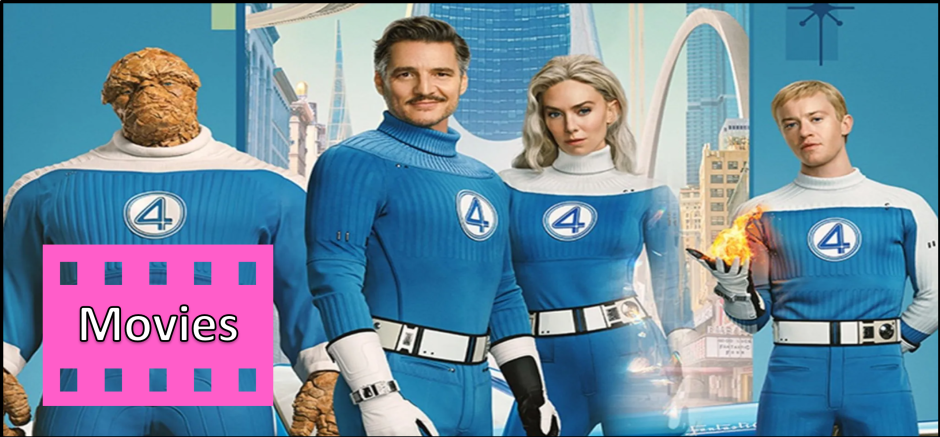








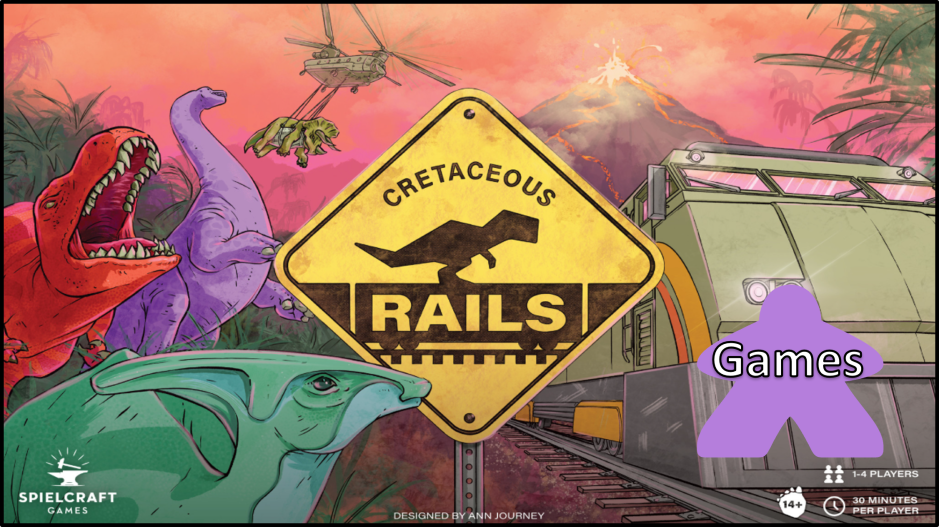


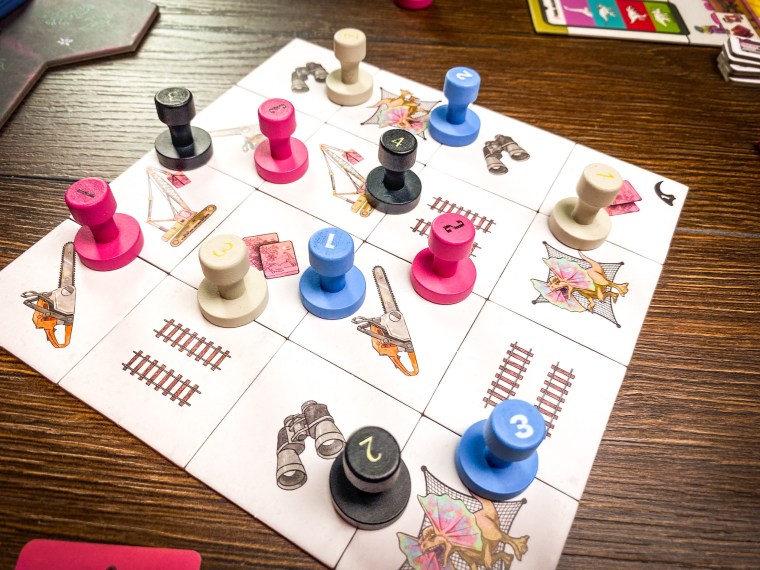
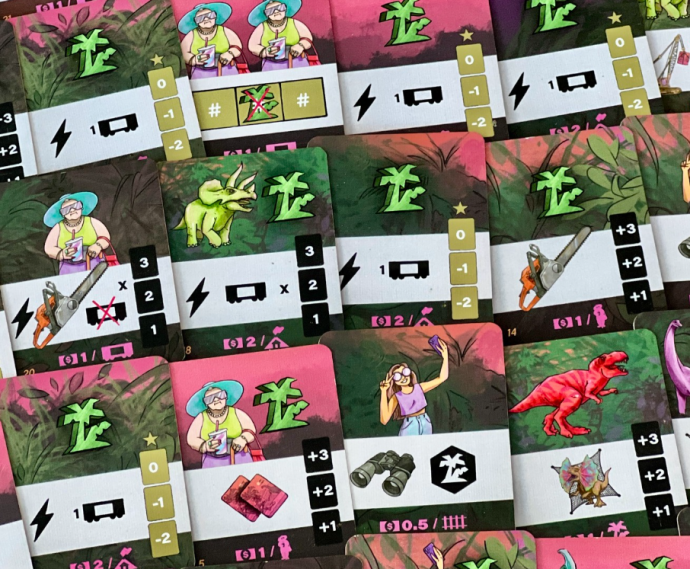
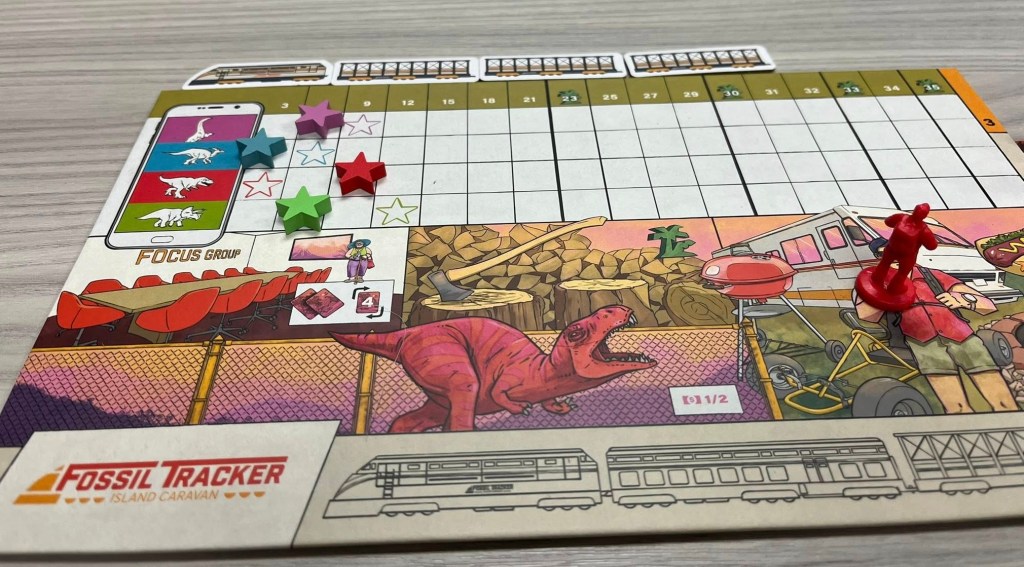









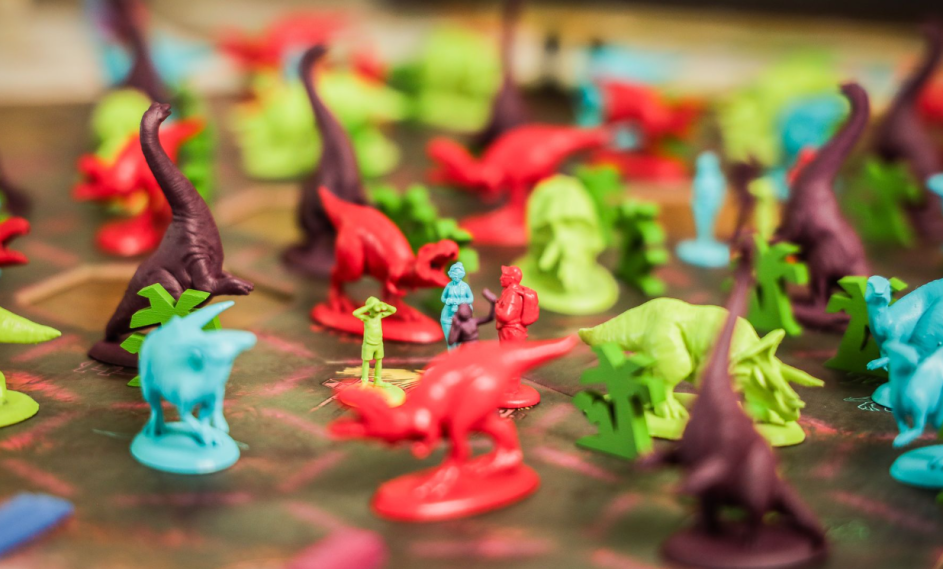
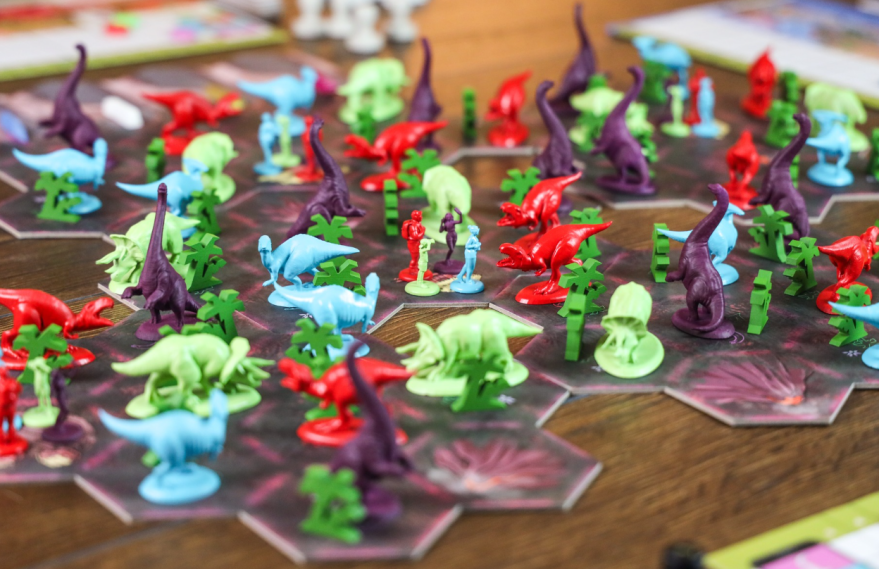
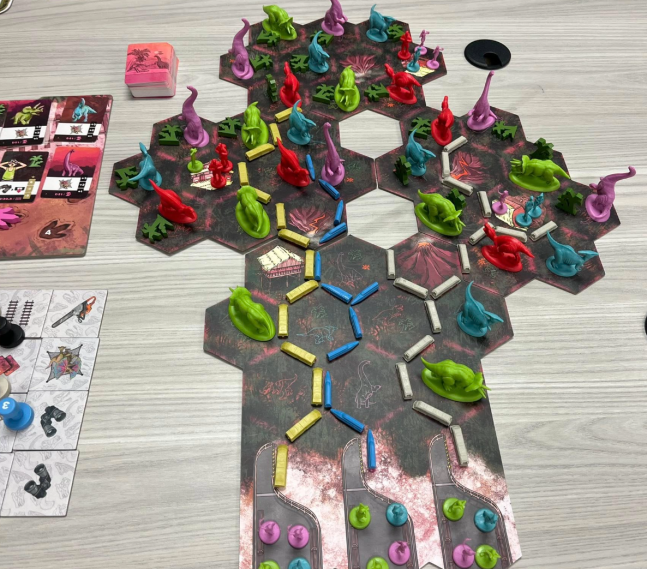
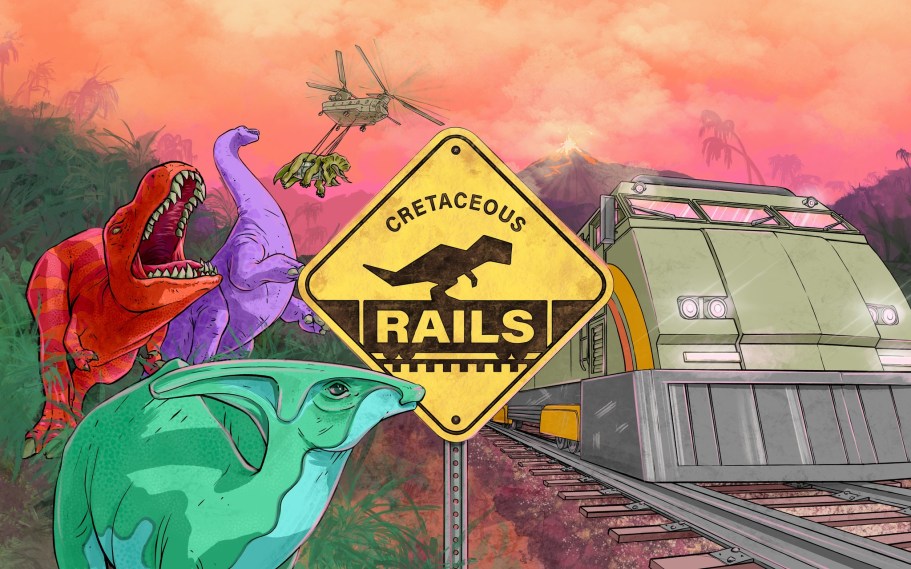

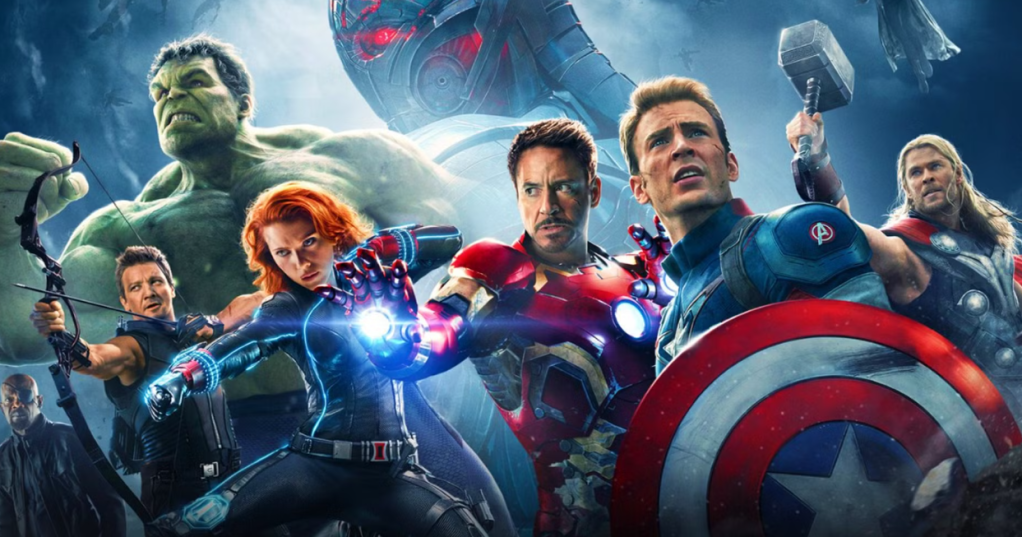






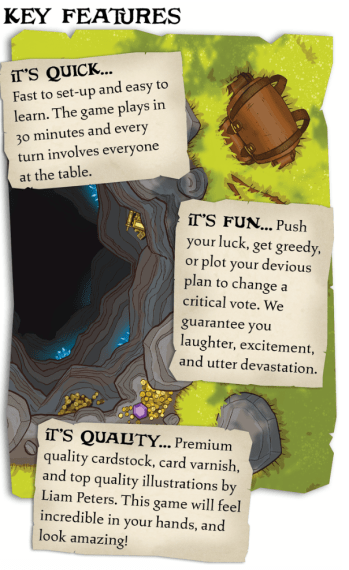




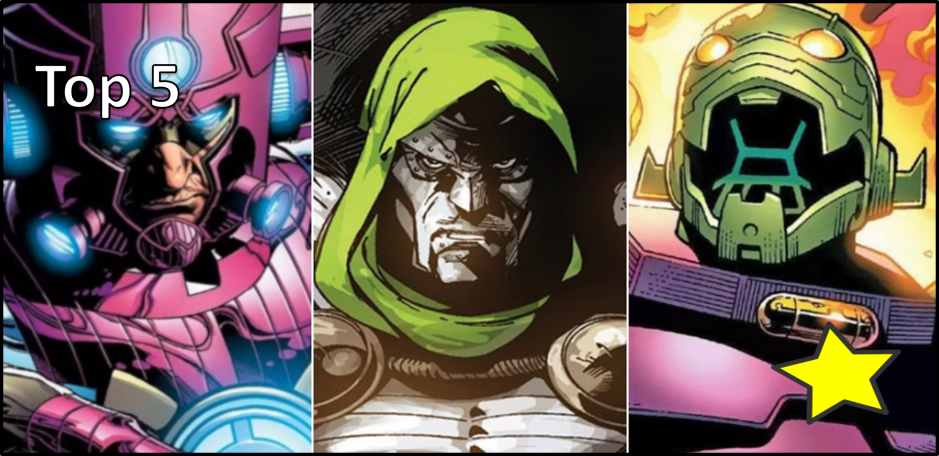


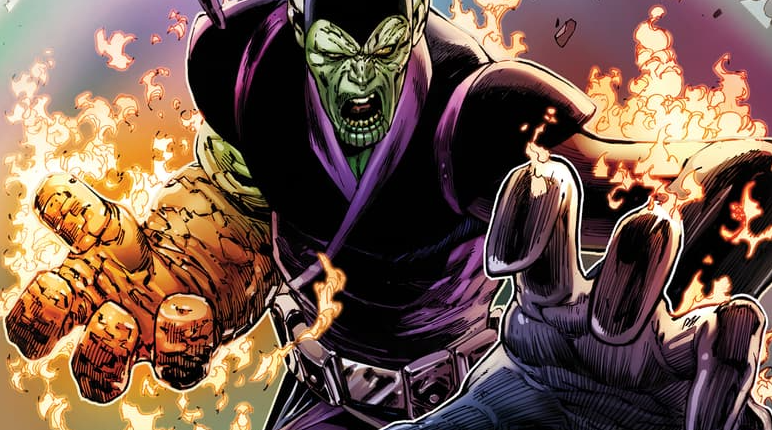

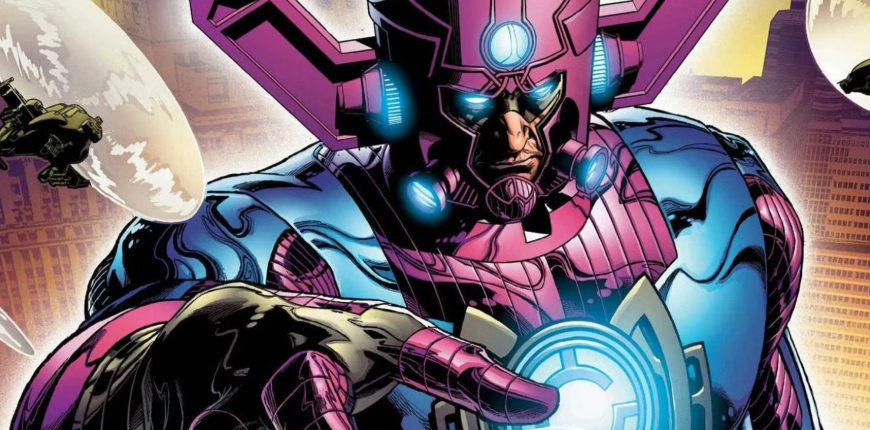
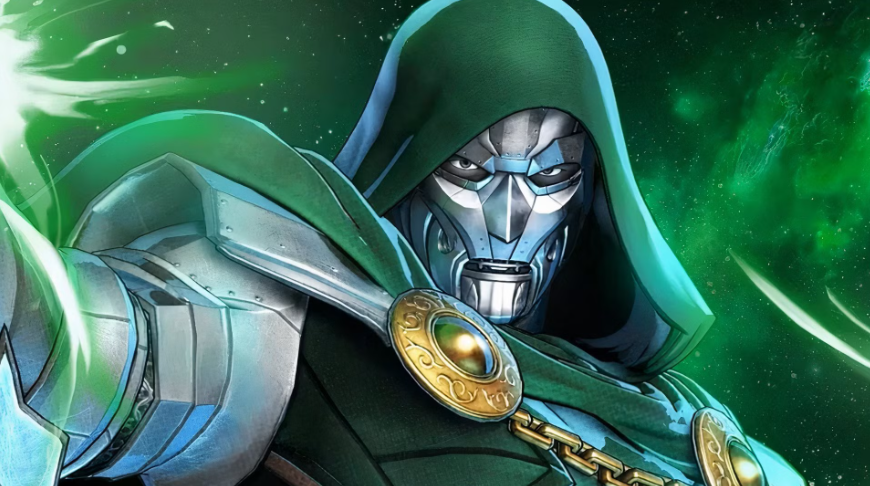



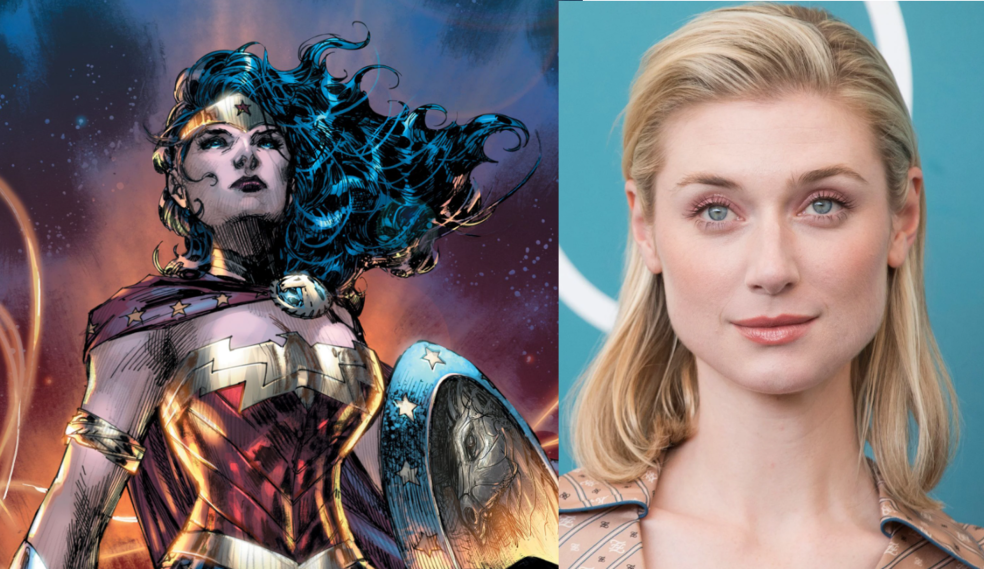
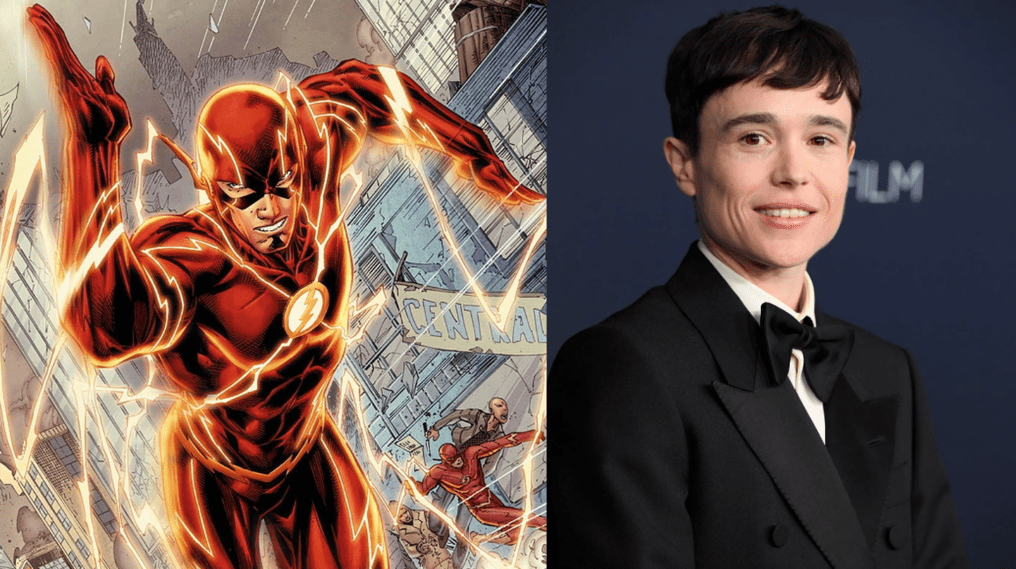
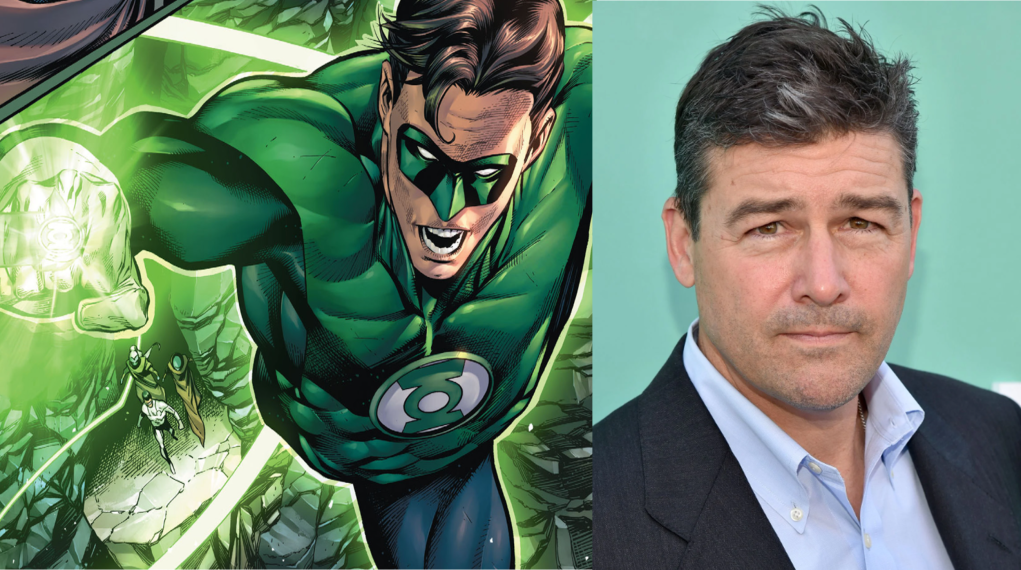

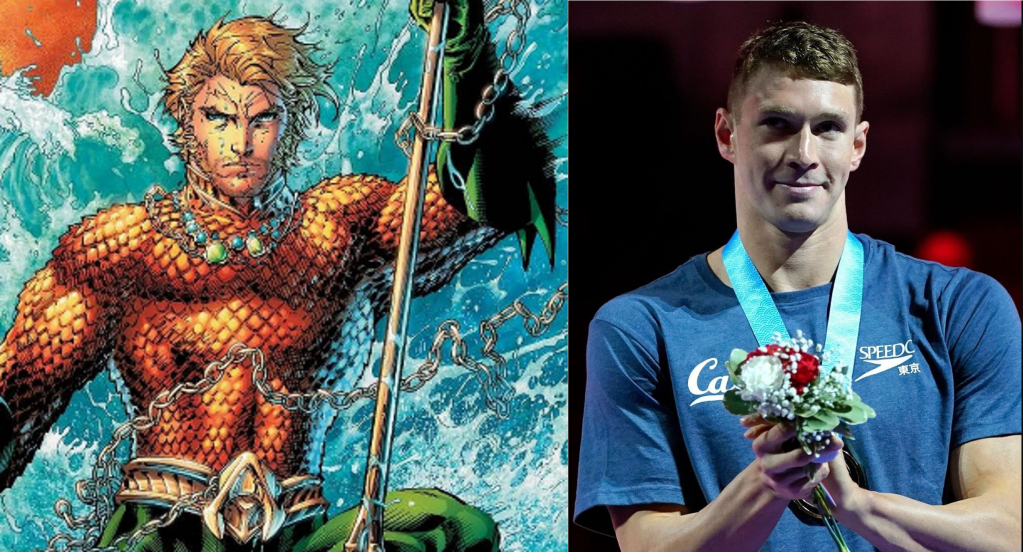


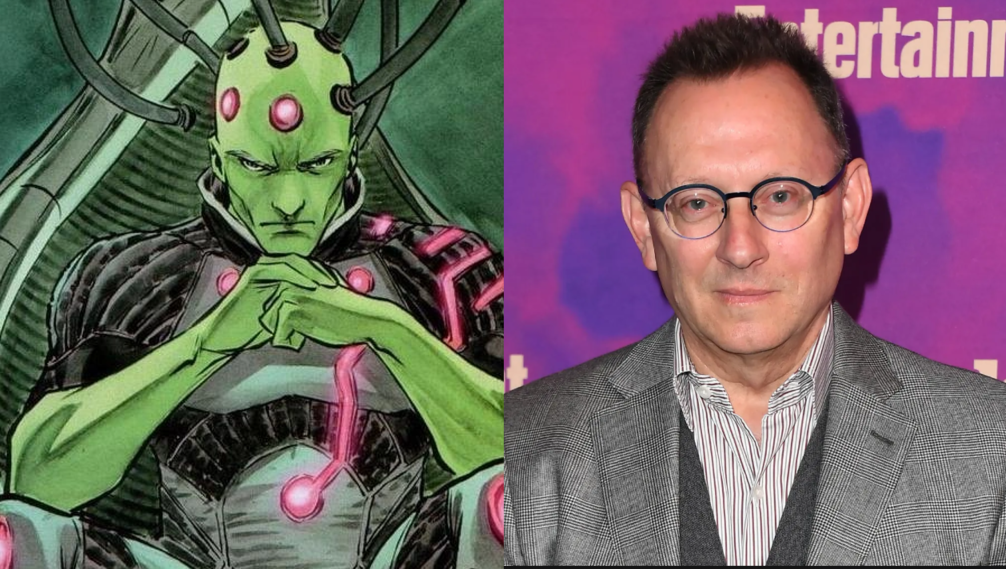



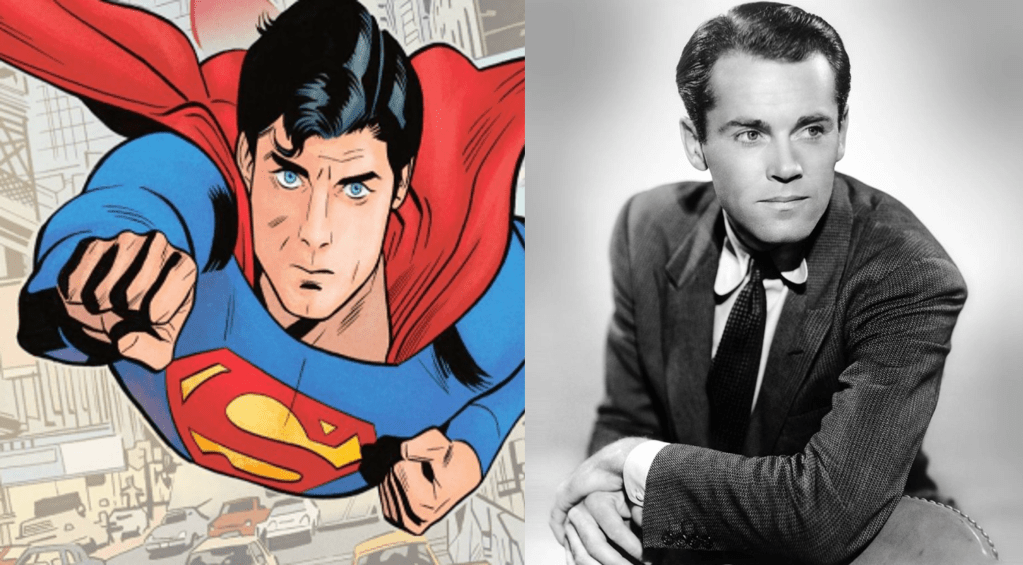



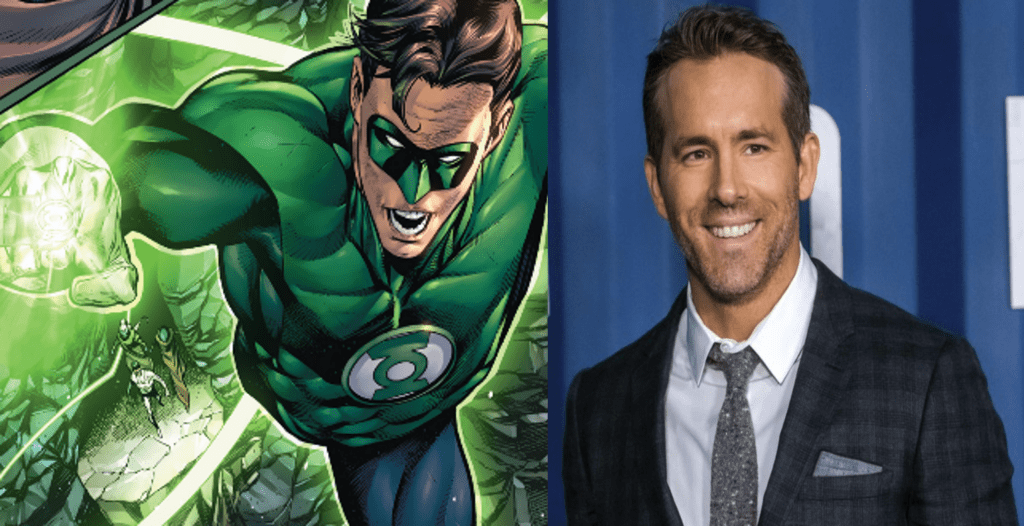

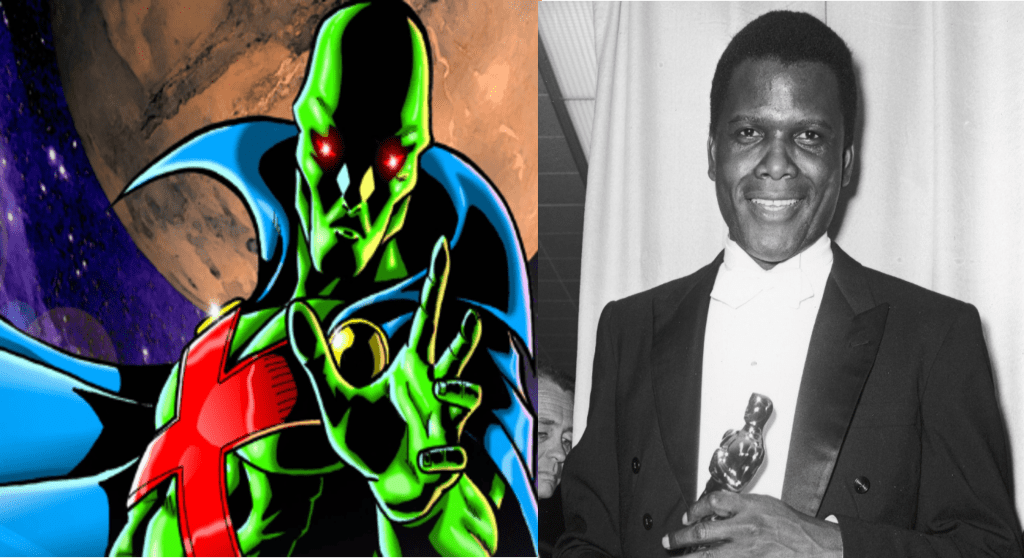

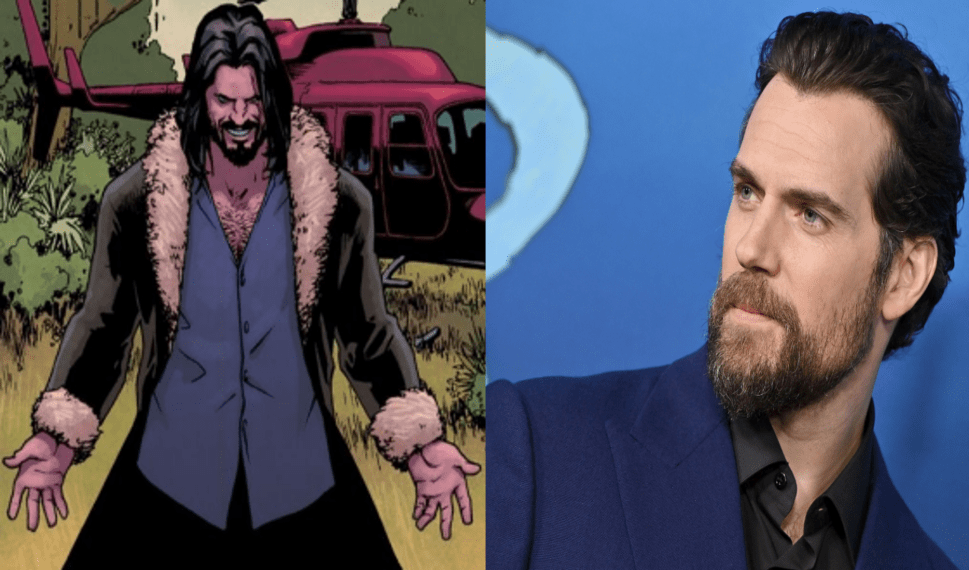

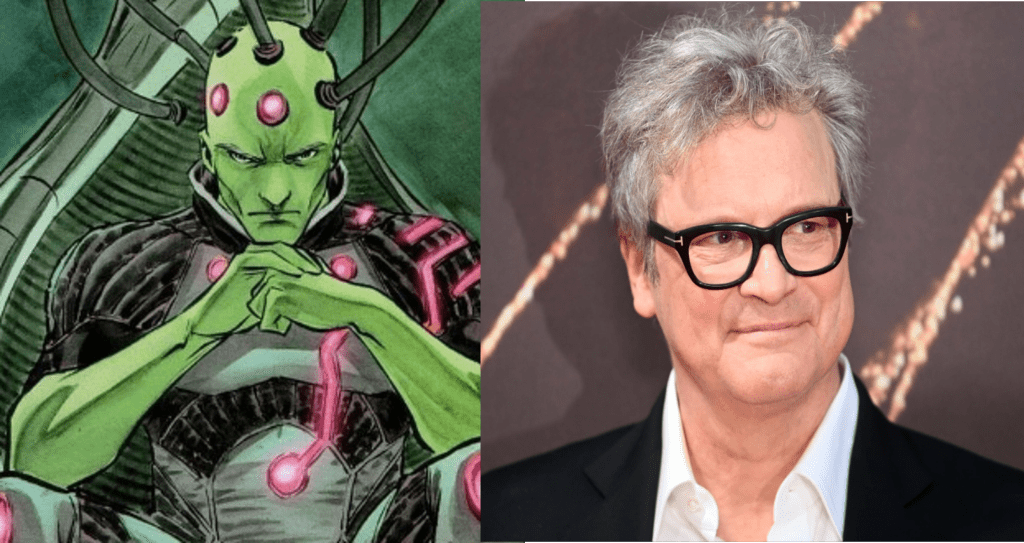





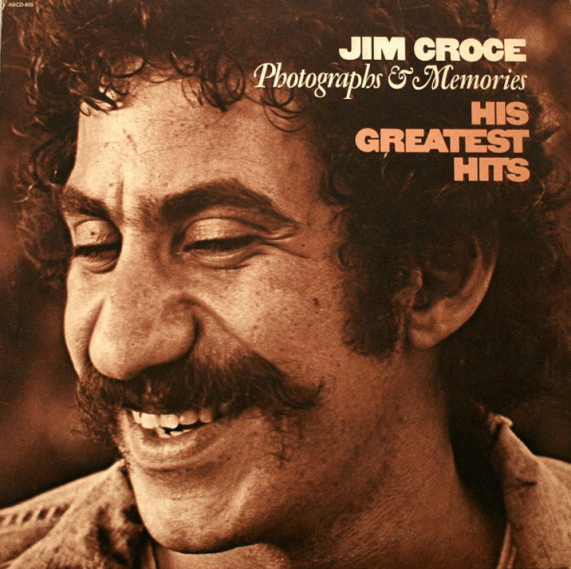









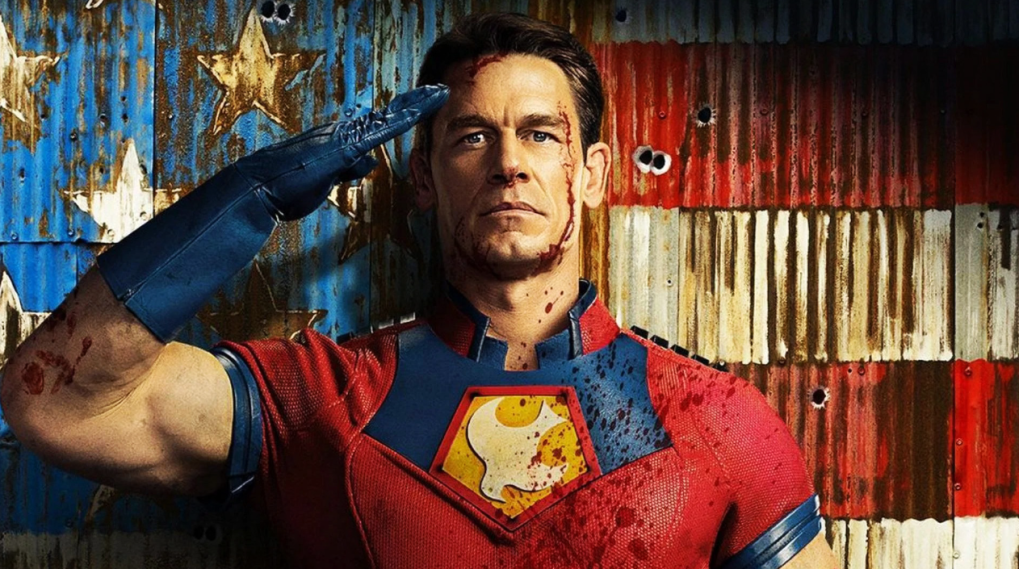



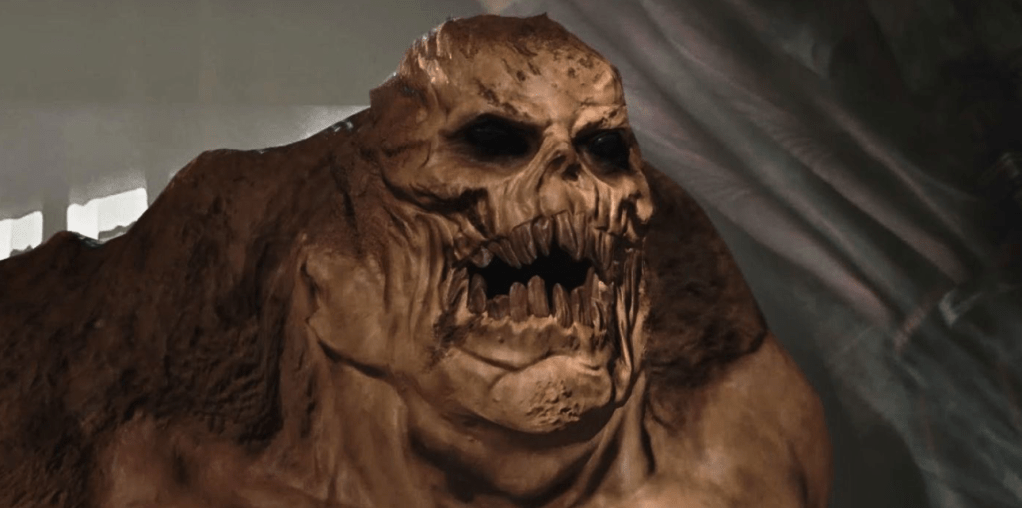
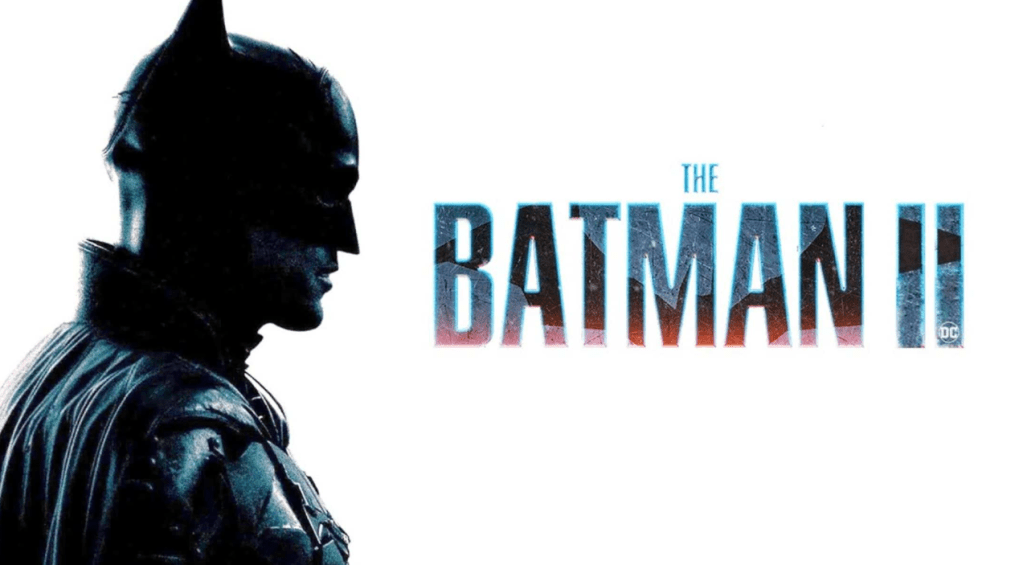

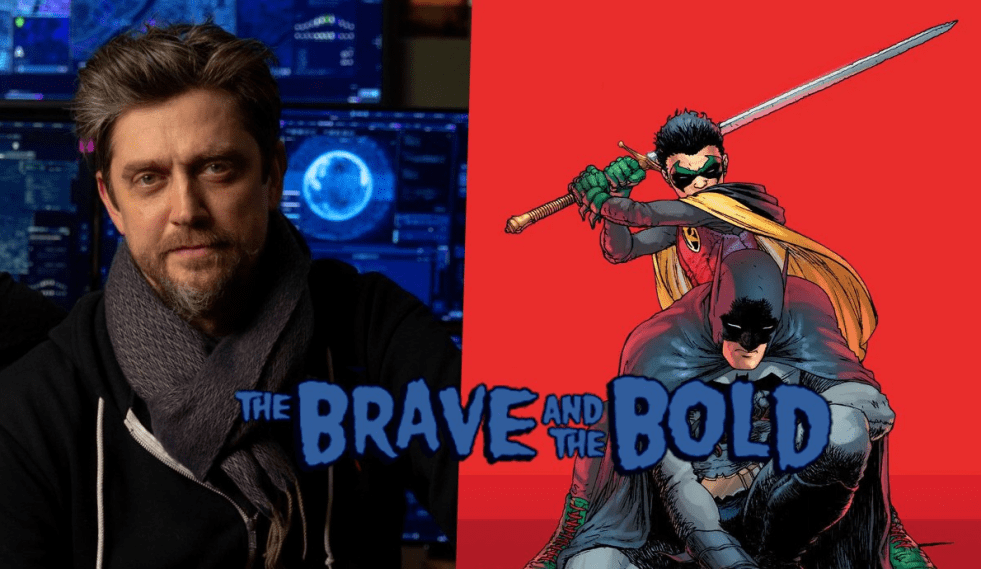


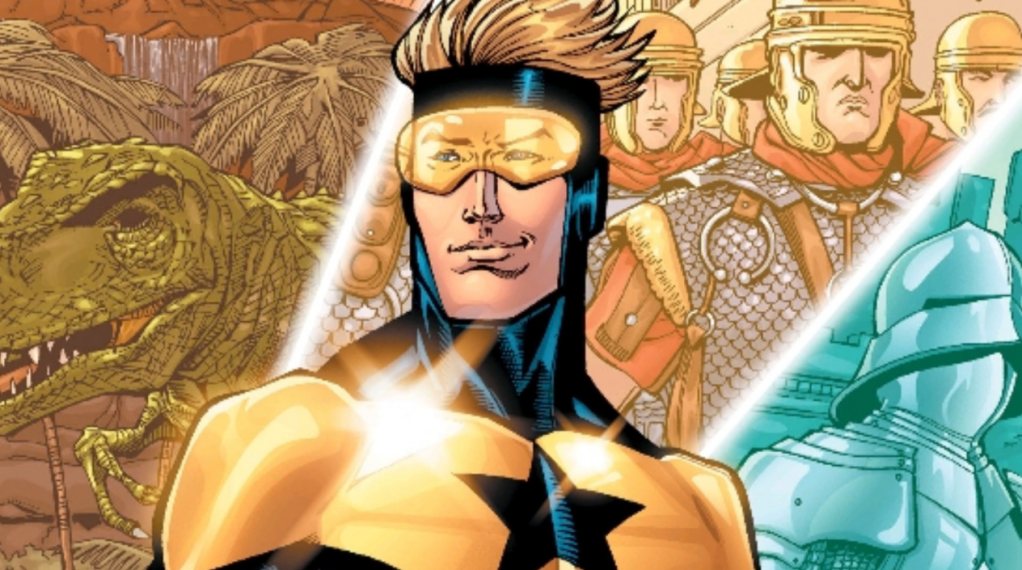
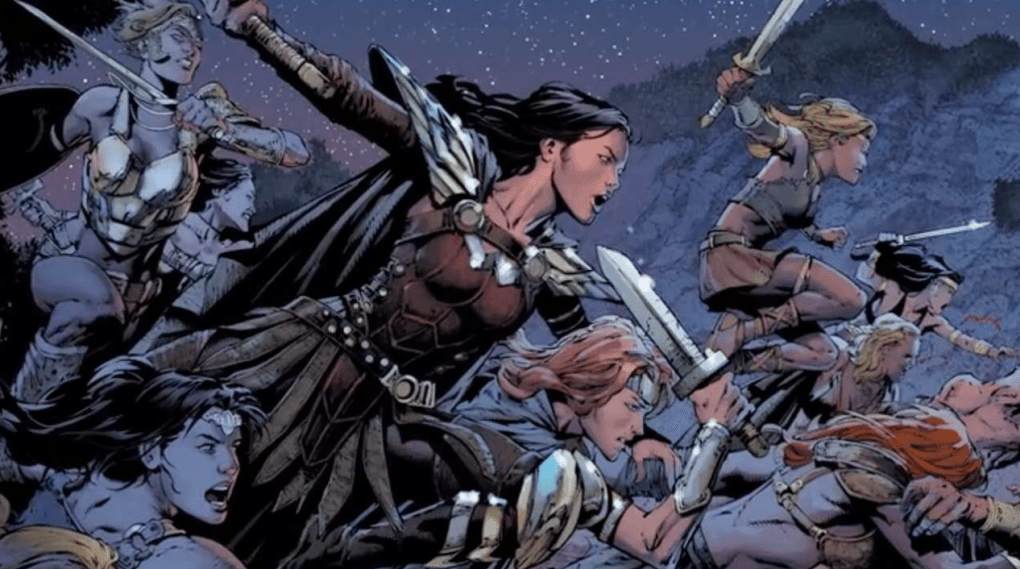
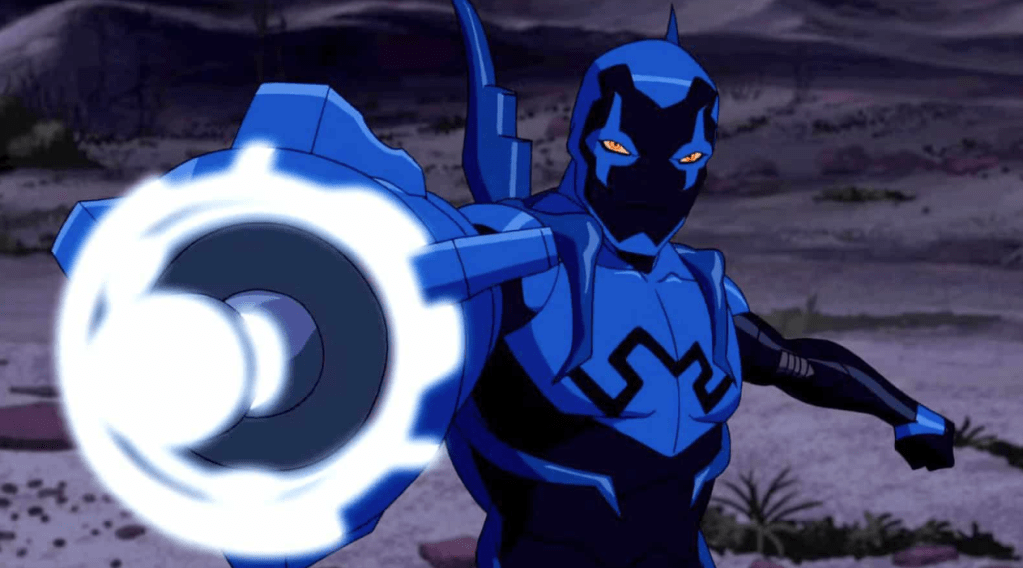
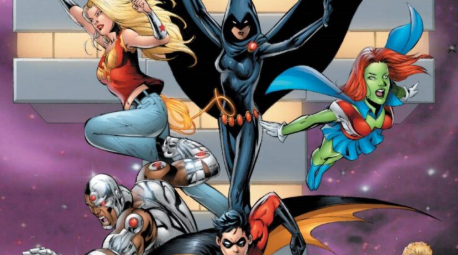
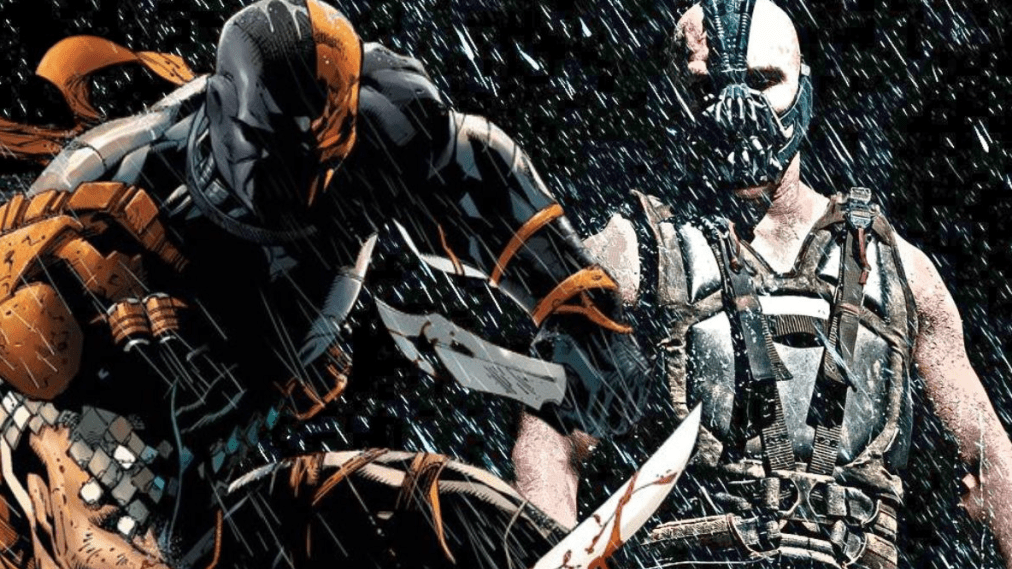

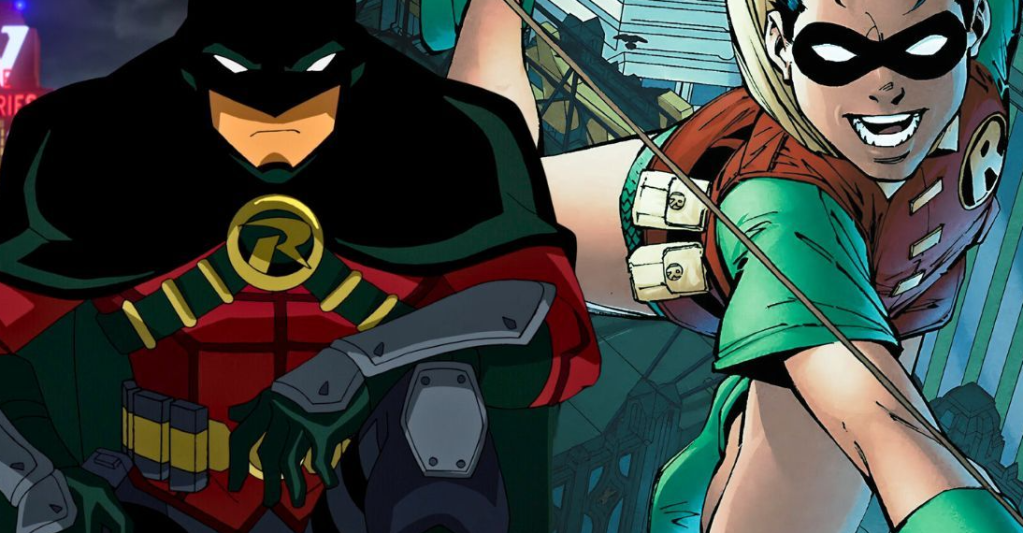



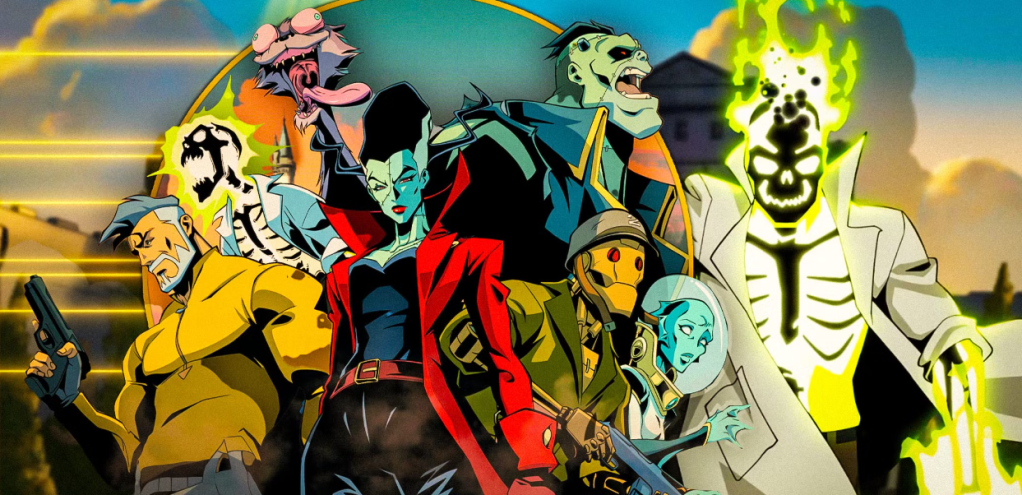





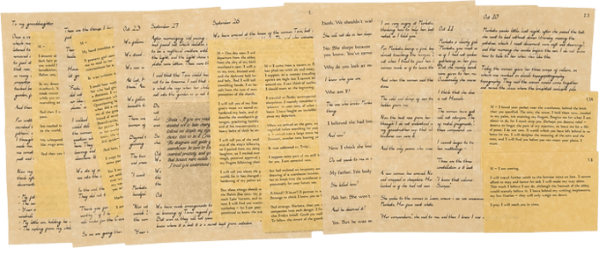





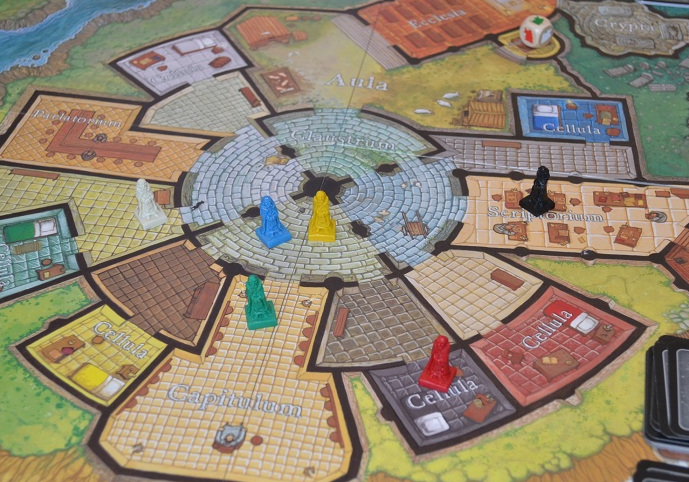


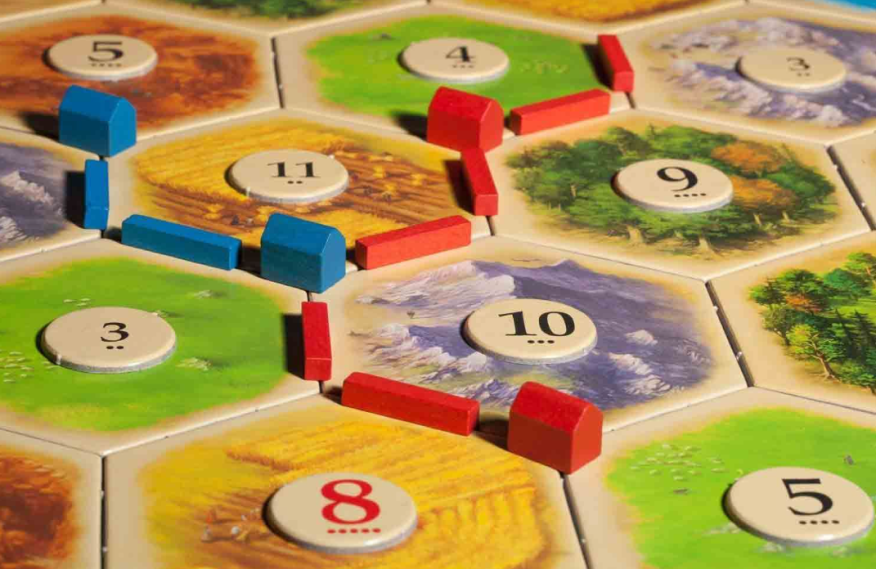
 jkgeekly.com