Geek Out

Lanterns “Bad Optics” Review

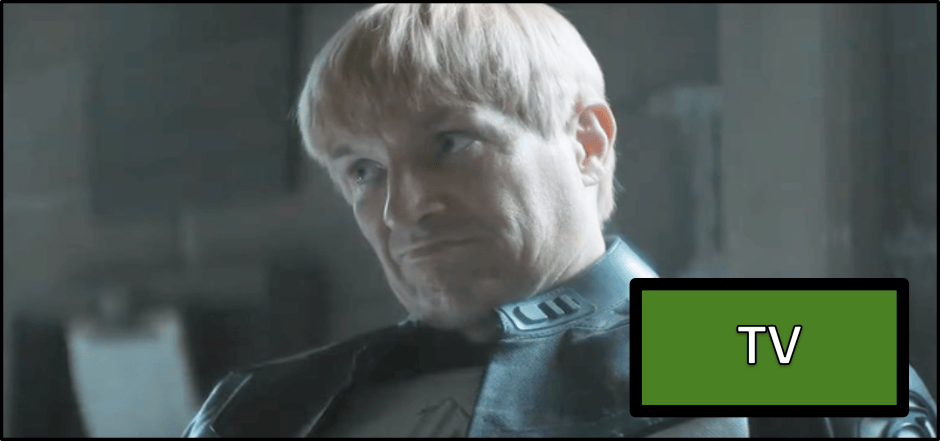
Hey, hey, Geekly Gang! Kyra Kyle here with another review/reaction of this week’s episode of Lanterns, “Bad Optics.” If you want to see our thoughts on last week’s episode, “Lights Out,” here’s a link to that review. This week’s episode of Lanterns marks Nathan Fillion’s Guy Gardner’s first appearance. Oh! Spoiler alert is in effect for the rest of this post. “Bad Optics” does a lot of heavy lifting, as in a ton of playing catch up between the 2016 storyline and 2026 (which was hinted at in the series’ pilot). It’s a tall order, but “Bad Optics” does a decent job playing catch up. I still question Lanterns‘ ability to finish strong.

Let’s start with Lanterns “Bad Optics'” playing catch up. In the ten years after the Manhunter (2016), Hal Jordan goes to jail, Hal serves almost ten years in prison, Rushville’s sheriff gets a divorce, Hal and the sheriff get together, John Stewart mends fences with one of his brothers (Marcus), the two Stewart brothers launch an architect firm (that constructs panic rooms), John’s other brother (Aaron) still resents him but gladly accepts John’s financial support to start a music business, John and his mother are estranged, John’s father is in assisted living, Hal’s ring gets decommissioned, the Guardians forge a new ring, Sinestro flees prison, and Guy Gardner becomes Earth’s new Green Lantern. And that’s an abridged list. A lot has happened in a decade.

“Bad Optics” features plenty of talking during meals. Oh! One thing I missed was John’s mother having a relationship with Hal behind John’s back. She lies and says Hal wants to apologize for the Manhunter debacle. One of the meals was when John meets Hal at Rushville’s diner. When Hal doesn’t give John the apology he’s looking for, John punches him in the face. I vaguely remembered Hal’s nose bleeding in the closing minutes of the Lanterns‘ pilot. Like I said, there’s a lot that’s happened in ten years. Whenever someone writes a story like this, they risk info dumping (unloading a ton of information all at once with the characters doing little but talking). This happens a lot in “Bad Optics.”

But the show sprinkles in some action, breaking up these long stretches of info dumping. I especially liked the moment when John makes multiple phone calls while driving. Despite a lot of info dumping occurring, this gave the scene some forward momentum. All the issues (Aaron refusing to deal with their dad, Marcus pleading with John to come home, and the call between John and the nursing home) built on each other. John was halfway on his way home when he runs into a Rushville resident extorting him for money. (John didn’t tell the sheriff he met Hal before he died.) This latest development forces John to stay in Rushville. That and John wants Hal’s ring. He wants the ring bad enough to dig up Hal’s grave and retrieve it. And that’s where we leave Lanterns this week. John has the ring. He summons Hal’s projected self. My guess is John will use the projection to open Hal’s voice-locked safe.

Lanterns is looking a lot like Luke Cage season one, which I mentioned last week. We’re seeing it play out in this episode. The show takes a step back to set up the final confrontation (and a second villain). The Manhunter wasn’t the final confrontation. The show only has three episodes to piece together a compelling villain. I don’t know if it has enough time.

One of our commentors from last week’s post (about “Lights Out”) mentioned that they grow tired of mystery box storytelling. Fair. Lost popularized mystery box storytelling. The failures of Lost stem from the show not resolving most of its story threads, asking more questions than it ever answered. That’s the danger of mystery box storytelling. This storytelling method works like the trick I played on my spouse one Christmas. I bought them a ring and placed the ring’s small box inside four or five bigger boxes. The multiple boxes my spouse had to open served as mystery boxes. Mystery box storytelling can be fun. It fails when you open all the boxes and don’t find a gift. You want more than an empty box.

Lanterns has time to turn this around, but not much. Momentum has all but died with “Bad Optics.” The story threads I would like answered before Lanterns wraps up its first season are the following:

Who freed Sinestro?
Who killed Hal?
How does John and/or Guy deal with this threat?
How will John and/or Guy deal with Sinestro?
What happens to Hal’s spare ring that John now wears?
What happens to John?

The being who freed Sinestro and killed Hal could be, and probably is, the same being. John and/or Guy dealing with this threat could, and should, occur in the season finale. And personally, I’d like to see two Green Lanterns from Earth, but I could see the Guardians going in a different direction. Lianna (the Guardian who recruited John Stewart) could be behind some or all of the machinations, but it is a bit of a stretch. In the comics, Guardians have gone rogue. Lanterns hasn’t shown us too many characters who could’ve freed Sinestro and killed Hal Jordan. Bernadette (John’s mother) could’ve killed Hal. But why would she frame her son for murder?

I could be missing something, but Lanterns doesn’t have a lot of options (for who’s behind this) that won’t sound like it came out of nowhere. Parallax could be the one behind everything. Parallax is a huge villain in the DC Comics Universe, but they haven’t been set up in Lanterns. Fine. Sinestro wields the yellow power ring (which we have yet to see in the show), yellow power rings are fueled by fear, and Parallax is DC Comics’ embodiment of fear, but the show hasn’t developed Parallax as a concept. Yet. Introducing Parallax in the final two episodes could feel like a gotcha moment.

Notice how I didn’t say John and/or Guy defeat Sinestro (or even the other threat). They just need to deal with him in some manner. I wouldn’t mind Lanterns season one pulling a page from Star Wars: A New Hope. The Deathstar is destroyed, and Darth Vader’s Tie-Fighter careens into space. Vader isn’t confirmed dead. It makes sense for him to return in Star Wars: The Empire Strikes Back. Down but not out. I expect Sinestro to return in Lanterns season two, but this season needs a satisfying ending. We need that ring inside the multiple empty boxes. Wait. I just realized my analogy involved a ring. I even gave my spouse an emerald ring. Is my spouse a Green Lantern? They are fearless.

I’ve enjoyed most of Lanterns season one. “Outkast” (John’s backstory) and this week’s “Bad Optics” marked time because of the season’s construction and trying to backfill years of character development. Despite the inclusion of Fillion’s Guy Gardner, “Bad Optics” didn’t fair as well as “Outkast.” I love me some Nathan Fillion. I’d like to see more of Guy Gardner. But we have several questions that need answered before Lanterns season one wraps. Lanterns has armed John with an item he can use to unearth who killed Hal. Quick Note: I like how Hal’s ring has a limited charge; too often, storytellers make things too easy for their protagonists and give them exactly what they need with few to no limitations.

Those are my thoughts on Lanterns “Bad Optics.” Let us know yours in the comments. Thank you for reading, and wherever you are, I hope you’re having a great day.


Geekly Tunes: September 2026

Happy Wednesday, Geekly Gang! Today, our writers share what they’ve been listening to over the past month. Feel free to share what you’ve been listening to in the comments, because we’re all part of the Geekly Gang. I’ll get this post kicked off with what I’ve been listening to over the past month.

Kyra’s Tunes

I mentioned Weezer some time last year. I still claim their first two albums are all-time greats, but the rest of the band’s catalogue pales in comparison. Bassist Matt Sharpe (pictured second from the right above) was Weezer’s secret weapon. His falsetto and dynamic harmonies with main songwriter Rivers Cuomo was chef’s kiss. But I may need to delve deeper into Weezer. I listened more to the band’s self-titled debut, dubbed The Blue Album (also pictured above). Most of the tracks are great fusions of alternative rock, beach music, and blues with a whisper of Hip-Hop. “Holiday” makes me think of the Beach Boys writing a song in a 90s alternative style. So good. Typically, I skip “No One Else.” This track is a sign of things to come for Weezer. But most of the tracks on Weezer’s debut are one’s I’ll gladly listen.

Weezer Pinkerton Album Cover

Pinkerton is the height of Weezer’s musical creativity. The band stretches their creative muscles in this album. But Pinkerton may also be Incel Rock. Yeah. I’ve been listening to instrumental versions of Pinkerton, because the lyrics are cringe. They’re beyond cringe. Half the album is River Cuomo crooning how he can’t find a lady. The other half is Cuomo blaming every woman for his predicament. The lone standout is “The Good Life.” I have listened to “The Good Life” with vocals. This one track–in the middle of Pinkerton–is the one moment where Cuomo’s lyrics assume personal responsibility. Don’t believe me that Pinkerton is Incel Rock? “El Scorchio” begins with the lyrics “Goddamn you half-Japanese girls. You do it to me every time.” And Cuomo proceeds to sing about how he reads the girl’s diary. Um. Okay. “Pink Triangle” has the lines “I’m dumb she’s a lesbian” and “Everyone’s a little queer. Why can’t she be a little straight?” Yikes!

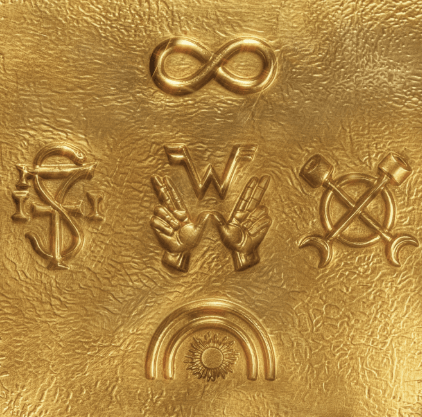
I dabbled with the rest of Weezer’s catalogue this past month. I do enjoy the band’s overall sound, but The Green Album (the band’s third studio release) proved indicative of the band’s future output. Release two to four songs that differ from the rest on the album. These are your singles. The rest sound exactly the same. I returned to Weezer because they released a new album last month, The Gold Album. This is the first self-titled album the band has released without picturing the band against a flat color background. Unfortunately, “C.E.O.,” the lead single, shows the album’s conceit.

Cranking out another 90’s jam.
Wish I could do something new,
But nobody wants to hear that
They just want the classics
You can’t blame em really
There’s something special about your early shit

“C.E.O.” is a reheated “Undone (The Sweater Song).” Ouch! I enjoyed The Gold Album more than much of Weezer’s recent output, but the album retreads old ground. I wish I could hear something new and exciting from Weezer.

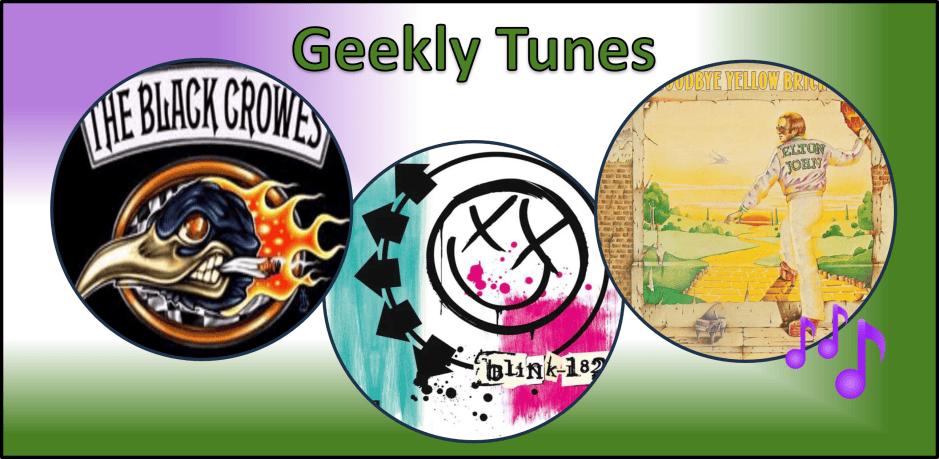
Have I mentioned I’m from the South? Yes? Well, every once and while I get on a Southern Rock kick, and The Black Crowes dominated this past month’s playlist. I liked “She Talks to Angels” when it first released (in 1990), but I was too young to realize The Black Crowes were singing about drug withdrawals and getting sober.

She paints her eyes as black as night now,
she pulls those shades down tight
Oh yeah; gives a smile when the pain comes,
the pain gonna’ make everything alright (alright, yeah yeah)!

“Gives a smile when the pain comes; the pain gonna’ make everything alright.” Ah! After watching a family member detox, “She Talks to Angels” hits on another level. The Black Crowes were one of the 90’s most volatile bands, but I loved them just the same. They had that spark. Perhaps their volatility gave them their spark. From “Hard to Handle” to “Jealous Again” and “Remedy,” The Black Crowes bring me joy. I don’t listen to this local band often (I grew up near where The Black Crowes formed), but I enjoy the ride whenever I do.

We just hit the “Ber” season, the months that end in BER, so I’ve been writing…a ton. That means I’m hitting up Homework Radio (on YouTube). Homework Radio has plenty of great lofi and Chillhop songs that help me reach a flow state. “the forest guard keeps watch” may be my favorite of the channel’s recent offerings, but I’m certain you’ll find a playlist that will help you reach that flow state, too. I love how this channel doesn’t use AI and how they future various musical artists. Seriously, peruse their offerings, and I’m sure you’ll find something you’ll like.

Those are all the tunes I’ve been listening to over the past month. Let’s check in with Season and Skye.

Season’s Tune

Hey, Geekly Gang! It’s been a hot minute since I’ve contributed to this series. This past month has been a bit rough. However, I’ve got more nostalgia tunes to share. I’m back with more early 2000’s pop-punk.

The first song on blink-182’s self-titled album, “Feeling This,” is a song I heard twenty years ago, but I never knew what the song was titled. Yes. I spent two decades trying to find this song, but I struggled to remember the lyrics. I heard a snippet of it in an Instagram reel a few weeks ago and got the title that way. I was like, “Of course it’s a blink-182 song.” I facepalmed. I’ve been listening to “Feeling This” way too much lately to compensate for lost time. Eh-heh.

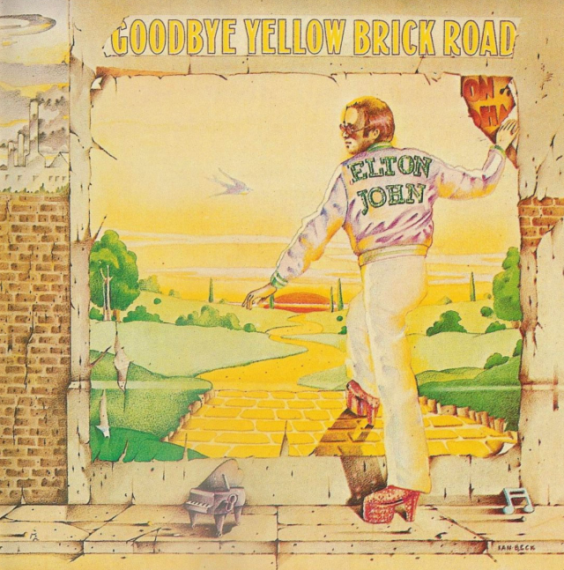
Yeah, I’ve been feelin’ the classics lately. That and I left Goodbye Yellow-Brick Road on my turntable for over a month while I was recovering. I regret nothing. And why should I? Sometimes I may not be craving the sound of a particular album, but after I hit play, I’m completely hooked. Elton John’s Goodbye Yellow-Brick Road is one of those albums for me. The combo of John’s infectious piano melodies and upbeat/playful vocals make this album difficult to get out of my head. Even now I can’t seem to stop thinking about “Bennie and the Jets.” You’re welcome, it’s in your head now too (B-B-B-Bennie and the Jetsssssss). Maybe this is your sign to listen to Goodbye Yellow-Brick Road again. I promise you won’t regret it.

Those are the tunes our writers have been listening to this past month. What’ve you been listening to, Geekly Gang? Let us know in the comments. Thank you for reading, and wherever you are, I hope you’re having a great day.

Geekly News: September 20, 2026; New Releases

Happy Sunday, Geekly Gang! Kyra Kyle here with another week of Geek News. We have a ton of great games that released this week. Let’s talk about some games. Yes!

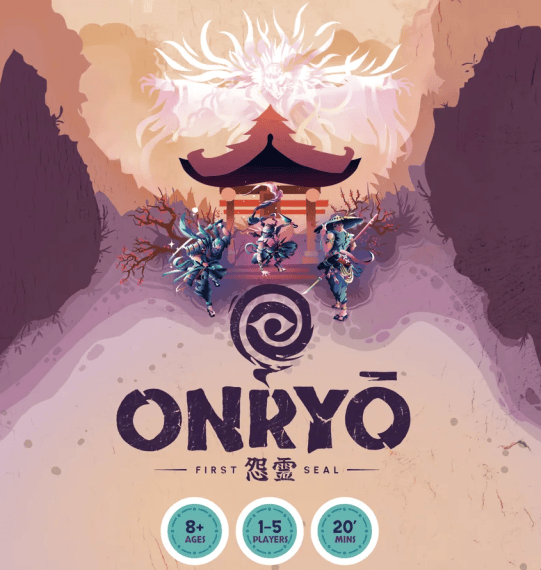
Onryō: First Seal Launches on KickStarter

Onryō: First Seal is a fast-paced, standalone cooperative tactical game steeped in Japanese folklore. Serving as the prequel to Onryō: Seeking Solace, the story unfolds centuries before the ancient chains are shattered.

From the dark fissures of the underworld, the Onryō has awakened—a terrifying spirit born from ultimate betrayal and driven by absolute vengeance. Sweeping across the land, her wrath stirs ancient Yōkai spirits. If she recruits eight spirits, she will become an unstoppable force of destruction.

As elite ninjas from three distinct clans, players represent the land’s final line of defense. Stepping into the shadows armed only with stealth and pure cooperation, you must enter the corrupted grid, coordinate team movements, and trap the vengeful spirit before time runs out. For an even greater challenge, enter Tatari Mode, where every recruited monster makes the Onryō stronger and triggers unpredictable disruptions to your plans.

Thank you, Lemery Games, for the description. Onryō: First Seal looks great. I like Yōkai as a theme, and Onryō: First Seal pulls off the theme well–from what’ I’ve seen; I have yet to play the game. Onryō: First Seal has a super fast set-up (less than one minute) and low rules overhead (takes about three minutes to learn the basic rules). It’s one of those easy games to learn but difficult to master. Games last thirty minutes or less. Thirty minutes or less. Yikes! Onryō: First Seal sounds like a game I could play multiple times in succession. It’s also a cooperative game. I’m down with those. And from what I’ve seen, Onryō: First Seal plays really well as a solo game experience. I like how the board game community has shifted to offering solo gaming experiences.

Onryō: First Seal is set to retail at $21, but Lemery Games is trying something a little different with this game. You can pick your pledge amount (suggested ranges are from $1-$40) for a deluxe copy of Onryō: First Seal. We’ll have to see if this tactic will work. So far, it looks as if Onryō: First Seal has more than met its goal. If you’re interested in Onryō: First Seal, check out its KickStarter page.

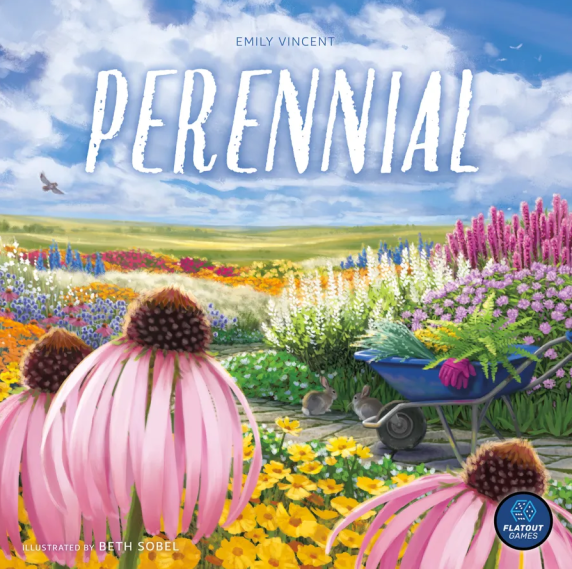
Perennial Launches on KickStarter

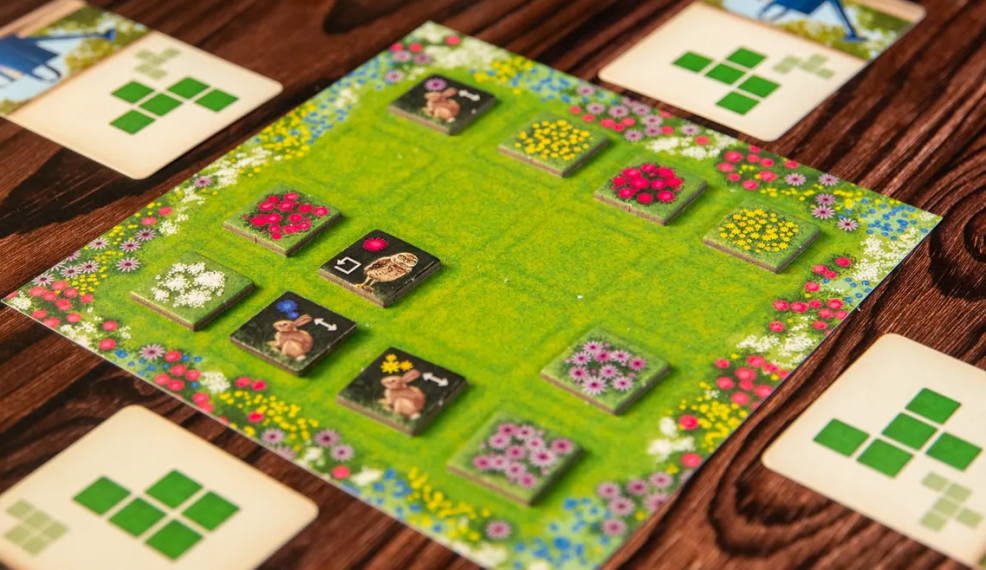
Perennial uses polyominos in a new way! On a turn, players draft tiles from the board in one shape (based on the polyomino shape depicted on the card they select for their supply). These square tiles are then disaggregated when placed in the play area. In the placement phase, any of the player’s collected tiles may be reassembled and placed in their garden by using a card in their collection. Assemble your own polyominos into the right configurations to place your wildflowers, wildlife, and garden features to score the most points!

Thank you, Flatout Games, for the description. The creators behind Cascadia, Calico, and Verdant are also behind Perennial. Sign me up. All three are fantastic board games; Perennial looks like it continues that trend. The rules seem easy to learn, but another one of those games that are difficult to master. Yes! Unlike some of the three games I mentioned earlier, Perennial has a short playtime, less than forty-five minutes. I’m also a huge fan of Beth Sobel’s artwork. Sure, she specializes in nature-themed designs, but I love her art. I see her name on the box, and I’m interested in the game. Perennial offers numerous pledge levels. It even includes a $399 pledge level that will get every game publisher Flatout Games has ever done. And Flatout Games has an impressive library of games. If you’re interested in Perennial, check out its KickStarter page.

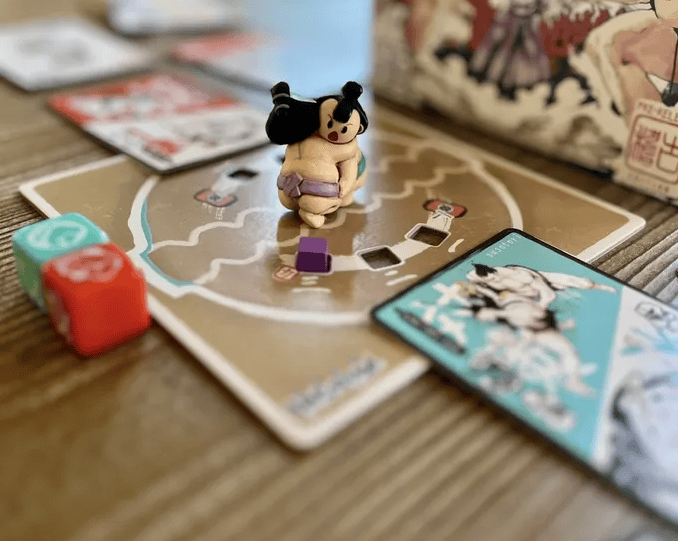
Yokozuna Launches on KickStarter

Sumo is the national sport of Japan, and Yokozuna is the highest rank a Rikishi can achieve during their career as a Sumo wrestler. During a Sumo match, two Rikishi compete against each other in a fierce display of strength and discipline. Easy to learn, lightning fast to set up and designed to be easy to be brought at social events, yet carefully designed to reflect Sumo culture in a fun and respectful manner. Refined artstyle and graphic design with each card inspired by a modern take on Showa era poster art, with clear and accessible pips and indications to make each card’s use and effects clear and unequivocal.

Thank you, Metamorph Games, for the description. Oh my ghost! Yokozuna looks so cute. We are three for three with games that don’t take long to set up, learn to play, and complete. Games of Yokozuna can take as little as five minutes. What? And I love those Sumo wrestling minis. If we ever get to play Yokozuna, I’ll have to ask Season what she thinks about the game paying homage to the Sumo wrestling tradition. She’ll know more about than me, but I appreciate that Yokozuna has attempted to honor the Sumo culture. Yokozuna‘s remaining pledge levels range from $29-$45. If you’re interested in Yokozuna, check out its KickStarter page.

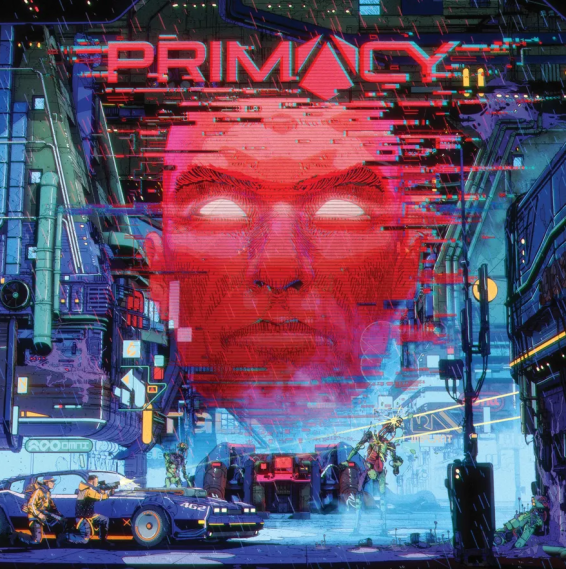
Primacy Launches on KickStarter

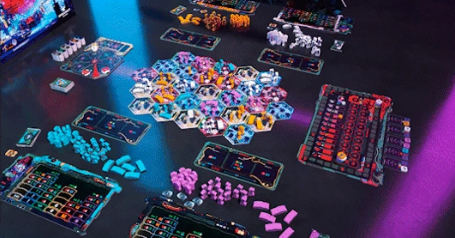
Primacy is a sci-fi strategy game for 2-4 players, set in a city where the line between reality and cyberspace is blurred. Players represent factions vying for control of the city after a mysterious mind-control program turns off, creating a power vacuum. Seek power through battle, intrigue, public relations, and propaganda.

Conquer 3 types of sector throughout the city for different benefits, including income, soldier recruitment, and access to terminals to spread propaganda. Controlling terminals will score victory points, but won’t help you improve your power or position. Balance is key to achieving victory.

Battles are resolved by secretly committing weapon cards to 3 different objectives, and simultaneously revealing. Choose wisely between PR to boost your propaganda, loot for resources, and rep for victory points, and win 2 out of 3 to control new territory.

Each game contains 132 soldiers and cars, 60 control markers, 29 modular hex tiles, 4 3-layer player boards with variable inserts, 8 double-sided faction tiles, a public console board, and tons of cards and credit tokens, all with beautiful illustrations by Calder Moore. The game can be played with symmetrical player boards for an easier teach, or with various combinations of asymmetrical boards and faction powers for additional variability and richness.

Thank you, Spielcraft Games, for the description. I played Primacy in a very early stage of development; the game didn’t even have a theme at the time. In fact, I think the game had the codename Primate City at the time. I always thought the battle box was a good touch. Primacy kept that feature. During battle (if there is a battle), players will secretly select where they want to place their forces. Every battle offers bonuses, so even if you’re overpowered during a combat, there’s a chance you’ll gain a bonus. I like that. Each battle in Primacy plays out differently.

Designer Alex Wolf makes quality games. We’ve covered Spielcraft Games’ last title, Cretaceous Rails more than once. The same care has been given to Primacy. And on a personal note, I like that Alex Wolf has published a game with a rondel. Rondels are his favorite game mechanism. Primacy offers pledge levels that range between $60-$150. If you’re interested in Primacy, check out its KickStarter page.

Kart! Launches on KickStarter

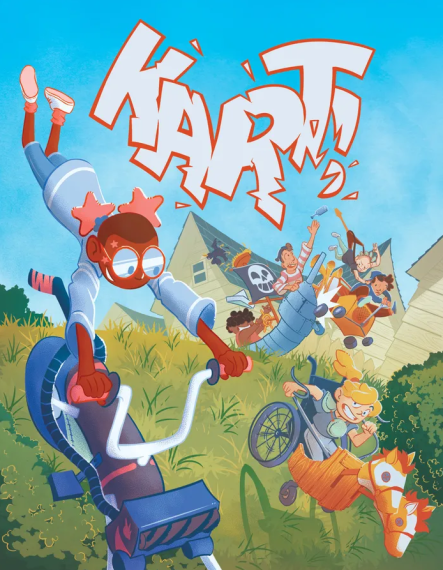
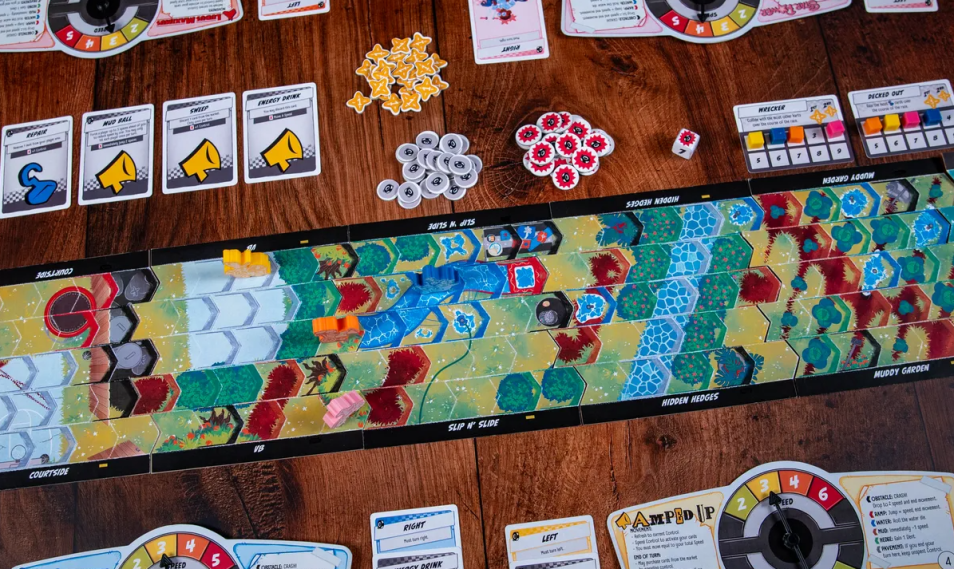
Kart is a downhill racing game of epic proportions. You’re tweens in a neighborhood during summer break, racing the most horrible carts this world has ever seen. Each cart is a glorious combination of whatever you could find in your garage and in the dumpster next door. Who will navigate the pitfalls of the neighborhood best?

Lightly asymmetric, and playable in about an hour.

Thank you, Leder Games, for the description. I’m glad about the “lightly asymmetric” designator above. Leder Games is known for Root, perhaps the most popular asymmetric power board game of the past couple of decades. The publisher has a knack with asymmetric powers, and Kart looks to continue this trend. I should’ve guessed Kart was a a Leder Games title. The company has affinity for four-letter game titles: Root, Fort, Arcs, Ahoy, Oath, and Vast. Kart fits right in on more than one front. Kart offers two pledge levels: $40 and $70. If you’re interested in Kart, check out its KickStarter page.

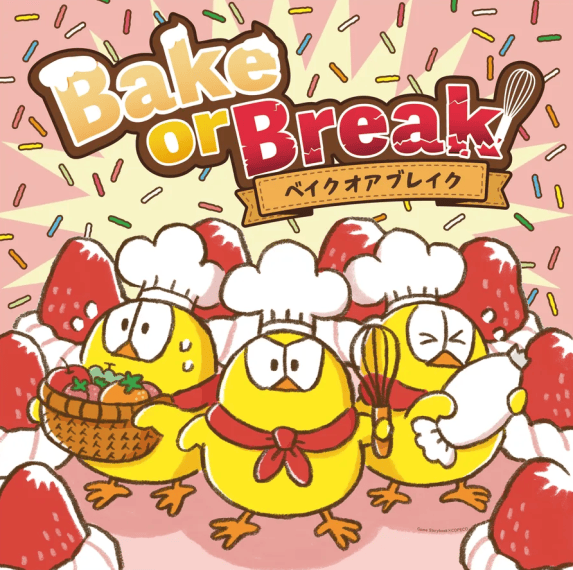
Bake or Break Launches on KickStarter

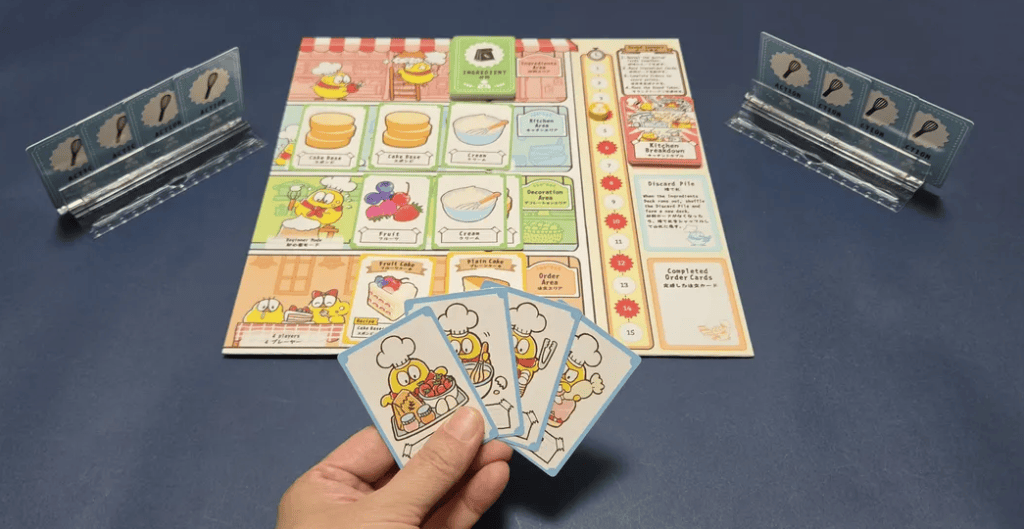
A cafe where a team of clumsy staff work together at the various stations of the cafe to prepare the ingredients, decorate the cakes, and fulfill the orders.

At the start of each round discuss your strategy together but cannot elude to the cards you’re playing.
Then simultaneous reveal your chosen action cards but as with any kitchen you need to work together and do the tasks in order.
Take → Prepare → Decorate → Serve.

Thank you, Game Storybook, for the description. Bake or Break is unique in that it’s was created by a cafe; the game’s mechanisms are meant to simulate the hectic nature of a cafe/bakery. I like this angle. Bake or Break also happens to originate from Japan. The 2026 Tokyo Game Show just took place, so Bake or Break launched just in time for the convention. Bake or Break is yet another easy-to-learn game that doesn’t take too long play. Perfect. I like the artwork and not enough games use the cooking theme. If you’re interested in Bake or Break, check out its KickStarter page.

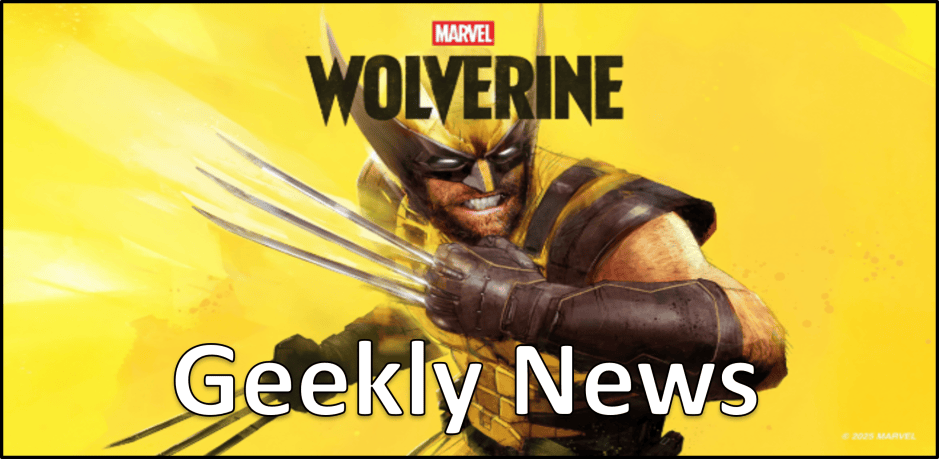
Marvel’s Wolverine Releases

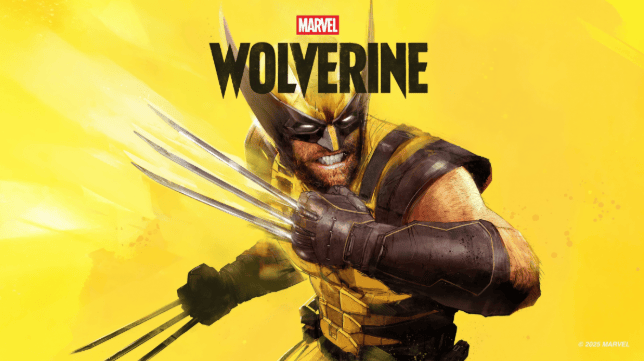
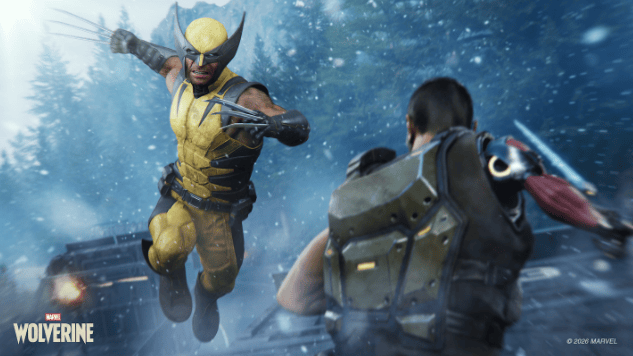
Marvel’s Wolverine is an action-packed adventure from Insomniac Games, the acclaimed studio behind Marvel’s Spider-Man series. Created in collaboration with Marvel Games, it delivers an all-new original story based on the legendary comic book character.

Thank you, Sony, for the description. Marvel’s Wolverine finally released this week. Yes! I’ve enjoyed every entry of Insomniac Games’ Marvel’s Spider-Man series. I have not yet played Marvel’s Wolverine. From what I’ve seen, Marvel’s Wolverine’s reviews are all over the place. Despite a lukewarm reception, I’m still interested in Marvel’s Wolverine. It’s going to be one of those titles I hope are under the Christmas tree in a few months. Fingers crossed. Marvel’s Wolverine is available on PlayStation 5.

That’s all the Geek News we have for this week. Thank you for reading, and wherever you are, I hope you’re having a great day.

Top 5 Tabletop Games From 2003

Hey, hey, Geekly Gang! Kyra Kyle here with another Top 5 Tabletop Games throughout the years. Today’s list features the best games from 2003. Unfortunately, 2003 gets sandwiched between two of the better years for board games, but that doesn’t mean we don’t have a handful of standouts this year. Almost every year has at least one or two stellar games. We’ll talk about 2003’s board game list soon, but let’s review the ground rules for which games make these lists before we begin.

1: Cultural relevance plays as much of a factor as overall quality. A game might make a list that doesn’t hold up to others of its type, but you must admit the game is everywhere.

2: Only one game from a franchise makes the list. This will become more of an issue the closer we get to games with expansions.

3: Longevity plays a role, too. A game doesn’t have to fly off the shelves today, but it had to have some widespread appeal for a decent time.

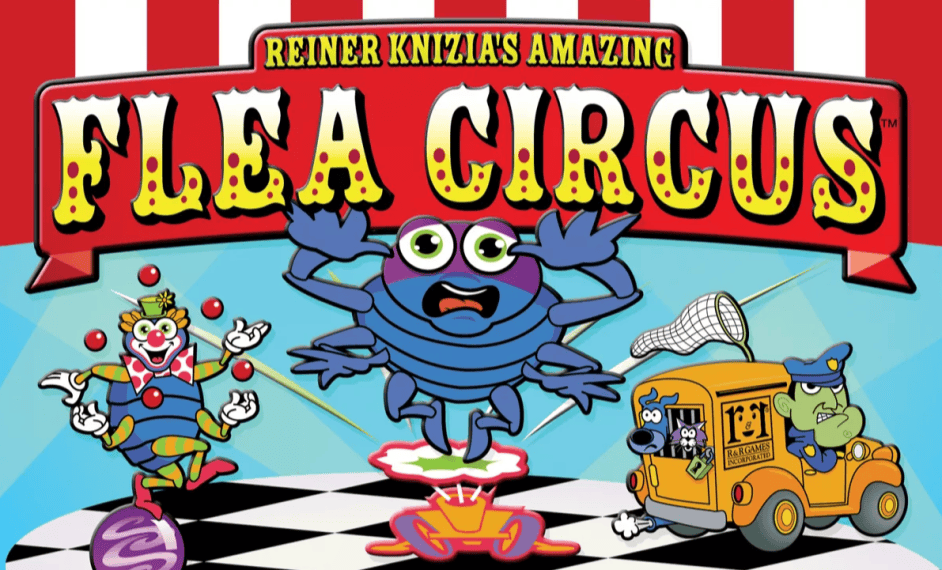
5: Reiner Knizia’s Amazing Flea Circus (2003)

Amazing Flea Circus is by no means one of Reiner Knizia’s best small card games. I much prefer Don’t L.L.A.M.A., but Amazing Flea Circus still deserves an honorable mention, because few games from this year have seen as many printings and editions. It’s a simple but fun game. Sometimes, that’s all you need. Spoiler Alert: Amazing Flea Circus won’t be the last we hear from Reiner Knizia on this list.

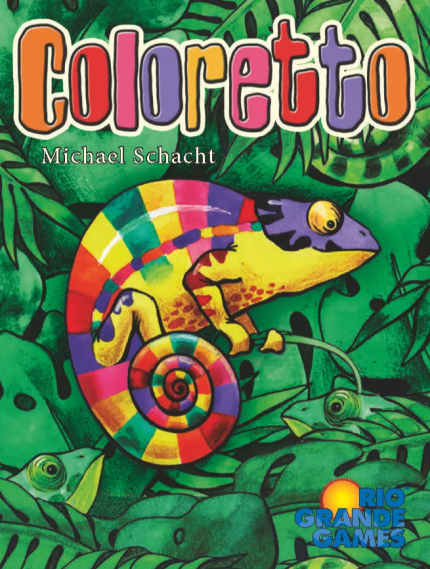
4: Coloretto (2003)

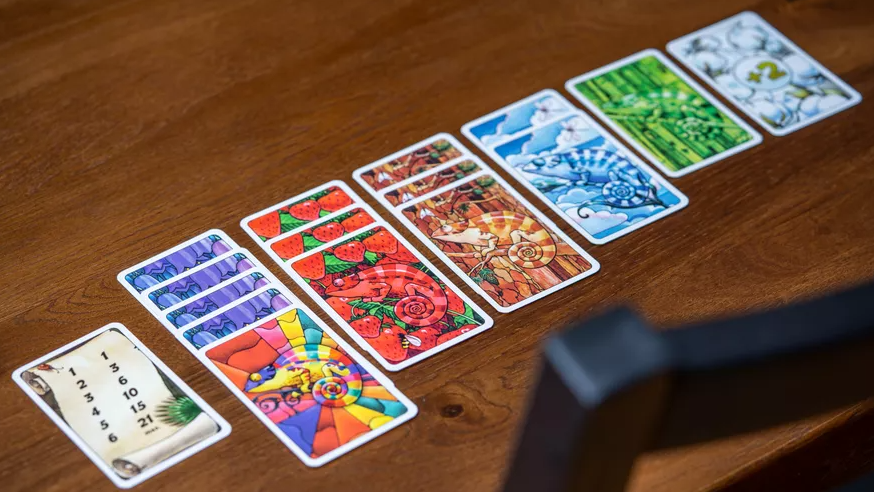
In Coloretto, players collect colorful chameleons. The rules are simple. Either add a card to a row or collect all the cards in a row. A row can only contain three cards, so eventually, players will be forced to claim rows. Players gain points for up to three colors. Each color beyond the first three costs players points. Wild (or Joker) Chameleons count as any color and +2 cards always help.

Coloretto proves you don’t need a complicated rule set for an engaging game. One can see its influence in games like River Valley Glassworks, where one only scores points up to a certain number of colors. Coloretto’s main game mechanisms center around set collection, but set collection works. I wouldn’t be surprised if Coloretto’s success as a set collection didn’t spawn other games that use a similar mechanism. Ticket to Ride (released the next year) also uses a similar system.

3: Yinsh (2003)

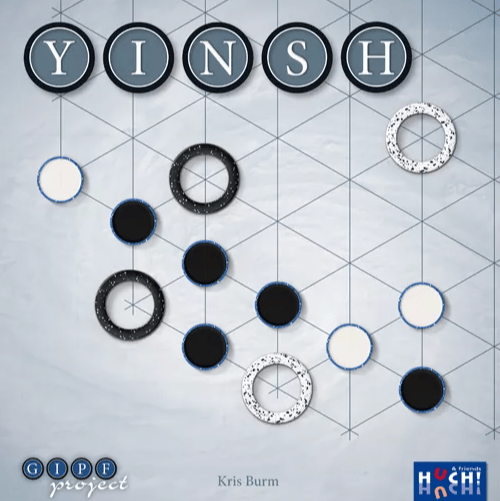
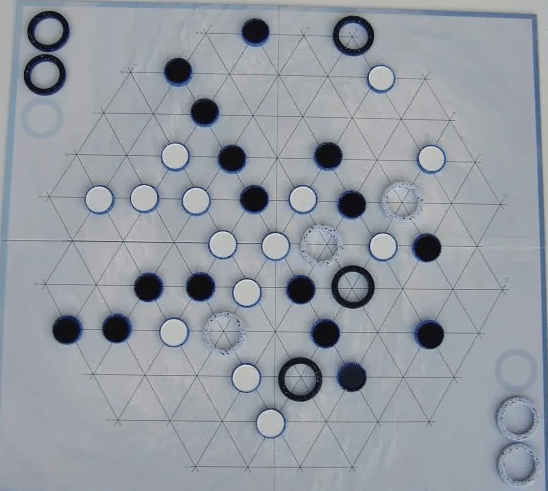
We’ve mentioned the GIPF Project series of abstract games on more than one of these past best of year lists. Yinsh is the highest-rated of these games. In fact, Yinsh is still a Top 5-rated abstract game on BoardGameGeek. The board game resembles the cover art (above). Like Othello, discs are dual-colored. Players try to make a chain of five discs in their color by jumping over discs with their rings, flipping over the disc. As soon as a player gains a chain of five discs, they discard one of their discs. The first player to discard three of their rings wins.

Yinsh has a clever, built-in balancing mechanism. Getting rid of a ring means a player gets closer to victory. But you’re making yourself weaker, because you have fewer rings. Brilliant! There’s a reason the GIPF Project is the highest regarded abstract game series. And Yinsh earns its place among the best.

2: Amun-Re (2003)

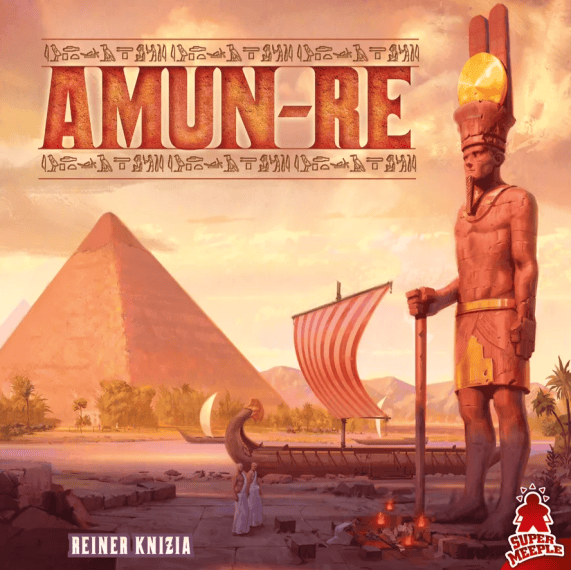
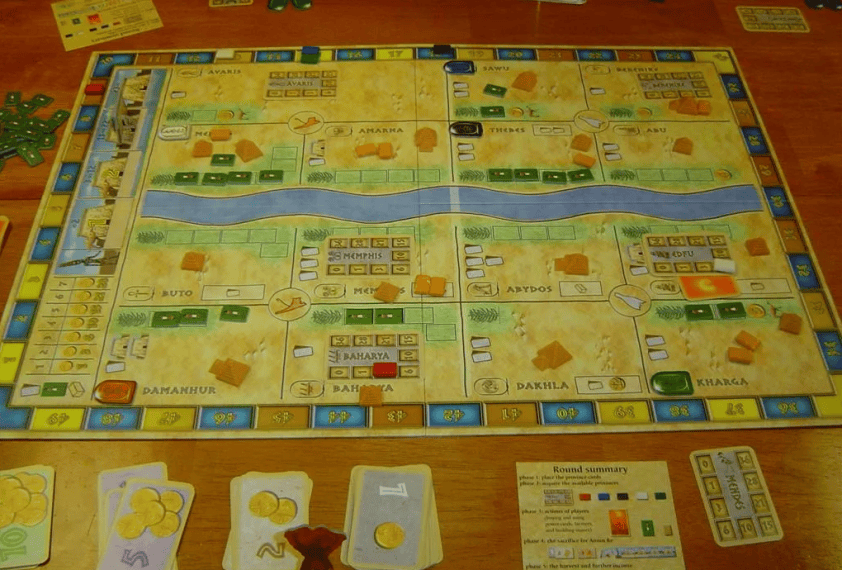
The top two 2003 games could be flipped. I went back and forth with these two titles. Both are great, but in the end, I chose the 2003 Spiel des Jahres winner as number one. Amun-Re was up for the Spiel as well. I’m telling you, it was close. Amun-Re is yet another Reiner Knizia board game to make one of these lists. It’s like Knizia makes a heap of great board games. In Amun-Re, each pharaoh wants to build the most pyramids. To accomplish this, they must first acquire a province where they can trade and farm. With their profits, they can buy new provinces and building-stones to erect pyramids. For all their actions, players must make clever use of their power cards and always offer appropriate sacrifices to Amun-Re.

Love the theme. Evidently, Reiner Knizia loves an Egyptian-themed game, because Ra also made one of these lists. I believe Amun-Re may be the only pyramid game Knizia ever designed. To be fair, I’ve lost track of every Knizia game. The man has forgotten more about board games than I’ll ever know. But Amun-Re holds another distinction; it’s one of Knizia’s more complex games. The two games on this list may be the polar opposites of what Knizia can do as a designer. Amazing Flea Circus is one of Knizia’s least-complicated games. Amun-Re is one of his most complicated. Both can be a lot of fun. And both came out the same year. Crazy!

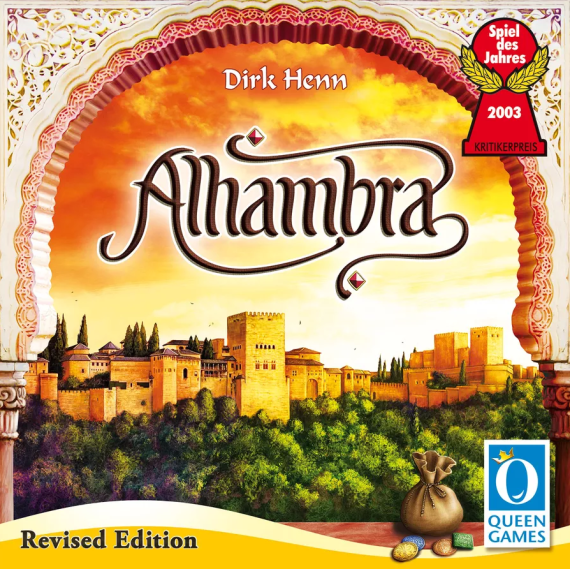
1: Alhambra (2003)

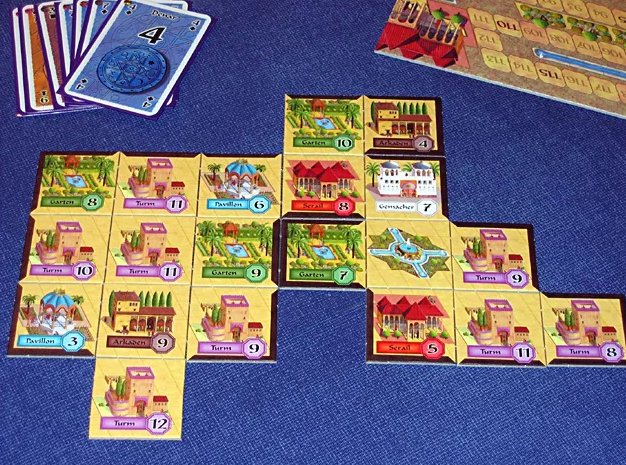
In Alhambra, players are acquiring buildings to be placed within their Alhambra complex.

The money in Alhambra comes in four different currencies (of different suits) and is available in the open money market. The 54 buildings of six types become available for purchase in the building market four at a time; one building is available in each of the four different currencies. On a player’s turn, a player may 1) take money from the open money market, 2) purchase a building from the building market and either place it in his Alhambra or reserve, or 3) engage in construction and re-construction projects with buildings that have been placed in the player’s Alhambra or reserve. The game rewards efficiency, as when a player purchases a building from the market for the exact amount of money, the player may take another turn.

I don’t always agree with the Spiel, but I like Alhambra’s combination of set collection (yay, another set collection game), tile laying, and area majority. Alhambra marks the second time Dirk Henn made one of these lists. Wallenstein made the 2002 list. While I like Wallenstein more (in large part because of the cube tower), Alhambra does enough to take the top spot in a weaker year for tabletop games. That may sound harsh, but you haven’t seen 2004’s list. It’s a doozy. Still, I enjoy the heck out of Amen-Re and Alhambra. I struggled with which one to place at number one.

That’s our list of the Top 5 Tabletop Games of 2003. Let us know which game you like best. Thank you for reading, and wherever you are, I hope you’re having a great day.

Writing Brain Dump: September 18, 2026

Hey, hey, Geekly Gang! Kyra Kyle here with another writing brain dump. We’ve entered the “Ber” Season, months ending with the letters BER, so I’m doubling down on my writing. But I had trouble getting into gear, finding a flow state, discovering my voice, and all that fun stuff. Thankfully, one method got me on track: The Literary Triptych.

Literary triptychs work like art triptychs. Triptychs are the sets of three art pieces that build off one another. The artist tells a story with their set of three paintings. A literary triptych–as I define it–can do a similar thing. Literary triptychs take the same short work (or story) and sends it through different lenses. This could include different points of view characters, but doesn’t need to be. I’ve warped a story through first, second, and third person. Tense can also shake up the status quo. But I will be honest, changing character points of view works extremely well, and it does the most to get a writer unstuck.

At least for me. I got to test drive three different narrators through three hundred word retellings of the same small occurrence. Maintaining a point of view character’s voice through a novel-length work can get daunting. Test driving three different narrators was a godsend. Whichever one sparked my interest the most won the narrator duties. After this brief exercise, I was off to the races.

But literary triptychs have a secondary benefit. I explored my story’s world, got to know all three characters a little better than I did at the start, and found details (about the characters and world) I could weave into a novel-length work. And it didn’t take long for me to finish the triptych. If I get stuck while writing the novel (working title is Gods and Dolls), I may deploy the triptych and see if it will help.

Getting back to my progress on Gods and Dolls, I started at two hundred to two hundred and fifty words per day (the first three days) and upped my production to seven hundred to eight hundred daily words. I want a production level that I can sustain for days, weeks, and even months. If I maintain this level of production, I should complete Gods and Dolls well before Christmas. I did begin this process in the mid-August, so I had a head start.

I also won’t stop myself if I catch fire. If I can reach over a thousand words a day, I’ll ride that wave as long as I can. Who knows? I may complete my first draft before Thanksgiving. That should give me plenty of time to edit my previous novel, and Crooked as a Dogwood has been out to agents for almost two months. One more month, and I’ll submit to another round of agents. Hopefully, I’ll be finished with my second novel as I send Crooked as a Dogwood out to small publishers. And of course, I’ll have the third novel completed before sending out the second novel. Yay!

That’s all I have for this month’s Writing Brain Dump. Let me know how you’re doing with your writing journey. And if you try the literary triptych method to get yourself unstuck in story, leave a message in the comments. Thank you for reading, and wherever you are, I hope you’re having a great day.

Lanterns “Lights Out” Review

Hey, hey, Geekly Gang! Kyra Kyle here with another review/reaction of this week’s episode of Lanterns, “Lights Out.” If you want to see our thoughts on last week’s episode, “The Weenie,” here’s a link to that review. I was pleasantly surprised when Lanterns ended its 2016 storyline this week. It ends about as well as one might imagine (not well at all), but before we get into my thoughts on “Lights Out,” let’s get the spoiler warning out of the way. There’s little chance of me discussing this episode without spoiling the story. You’ve been warned. Without further ado, let’s talk about Lanterns “Lights Out.”
To say everything came to a head in Lanterns’s 2016 storyline would be an understatement. Hal Jordan gets disgraced, John Stewart doesn’t keep the ring, the Manhunter gets killed, and half of Rushville gets blown up. Yikes! There’s a lot going on in this episode, but the fact that this happens during Lantern’s fifth episode with three more remaining this season, gets me excited. Like I said, I was pleasantly surprised by Lanterns ending its 2016 storyline this week. This should mean that most of the remaining episodes will fill in the gaps between 2016 and 2026, and more importantly, move the story along. Hal Jordan died at the end of the pilot episode. That was a promise that Lanterns season one won’t end in 2016 and will explore the events following Hal’s death (and who has the ring); the final three episodes should make good on that promise.

I’ll be upfront and say that I was wrong about John Stewart taking the ring from Hal Jordan. Technically, he does. I didn’t think that he would take the ring and not claim it as his own. The events of “Lights Out” lead to Hal Jordan losing the ring (maybe, the Guardians have it right now, so who knows?) and John Stewart losing his desire for the ring. Lanterns attempted to make the reason why John wouldn’t want the ring because he had to kill the Manhunter, and he’s in love with the Manhunter. This felt rushed and forced. Sure, it’s physically there, but I never quite bought John’s relationship with the Manhunter. I could buy John not wanting the ring because the Guardians wouldn’t give him the ring; he had to take it from Hal. Again, this is in the show’s dialogue and plays a factor, but Lanterns offers both options and doesn’t commit to either one. That may be why I didn’t buy John and the Manhunter’s relationship.

For a show that does a great job with characterization, I was disappointed with Lanterns‘ choose your own reason why John doesn’t want the ring. Regardless of the reason, John returns the ring to the Guardians. Will we see Guy Gardner in the sixth episode of the season? Lanterns keeps using Fillion’s Guy Gardner as its thumbnail. It’s been at least three weeks. It would make sense if the ring passes from Hal to Guy Gardner. The show would also earn its name of Lanterns. We aren’t talking about one or even two of Earth’s Green Lanterns. Here’s a third. And I’d like to see the Sinestro Corps. play a role in the upcoming episodes. With Hal incapacitated, Sinestro could wreck some havoc. Ending the main story thread (what happened in Rushville in 2016) with three episodes remaining means Lanterns will need another great threat. The Sinestro Corps. could fill that role well.

But some of that is conjecture, let’s return to the Rushville story. With the exception of John giving back the ring, the story played out like I thought it would. And that’s a great thing. Lanterns introduced concepts in the first four episodes and did a fantastic job with callbacks in “Lights Out.” The odd anti-Green Lantern smoke returns. The kamikaze aliens. The bizarre red lasers that explode folks. John’s artwork. The Manhunter’s crystal heart. And the reverse white laser that can heal (explaining how no one in Rushville gets sick). It all works. It’s chef’s kiss good. But there are three episodes remaining. The final episodes concern me, to some extent. Lanterns did such a great job of setting up all of these threads, and for the most part, it tied up those lose ends during “Lights Out’s” runtime. There isn’t a lot of time remaining to set up another entire story arc.

Switching from one major threat in a single season to another reminds me of what happened in the first season of Netflix’s Luke Cage. The first half (or just over first half) of that show was excellent, and then the show lost momentum changing gears to another big threat. That’s the other reason why I think Lanterns will turn to Sinestro and the Sinestro Corps.. The show has already introduced Sinestro. It hasn’t set up any other villain, except for maybe Parallax. Sinestro and the Sinestro Corps. use yellow power rings, charged by fear. Parallax is the living embodiment of fear in the DC Universe. The fact that the Green Lantern Corps.’s most persistent enemy uses Fear Rings is why Lanterns included the idea of the green power ring asking if humans were afraid when choosing a human to be Green Lantern. You can’t have fear (the main enemy’s strength) when wielding a Green Lantern power ring.

Earlier in this series, I mentioned how Lanterns did little with Green Lantern’s powers, and the audience seldom say Green Lantern’s uniform. That still happens in the show, but I like that we’ve seen more of Green Lantern’s powers as the season’s progressed. Rushville’s story made me forget about the reduction of costumes and powers. Now that Rushville’s story has concluded, I’m going to want to see some awesome Green Lantern constructs and more of the costume. Guy Gardner doesn’t mind wearing the costume. We’ll see if there’s a massive row between Green Lantern and Sinestro or Green Lantern and Parallax.

Lanterns has managed to ground Green Lantern, introduced intriguing characters, and deliver on several promises posed at the beginning of the season. After the season airs, I may binge the entire season. Knowing the sheriff’s past may heighten some of those earlier scenes. This is a show that drops plenty of bread crumbs as well as Easter eggs. Those are my thoughts on this week’s episode of Lanterns (“Lights Out”). Thank you for reading, and wherever you are, I hope you’re having a great day.