Terra Nil flips the city/civilization builder on its head. The world has been sapped of its resources, and it’s up to the player to return the world to its former lush landscapes, complete with wildlife, and then leave without a trace, allowing life to begin anew. Can you bring the world back to life Hey, hey! Kyra Kyle here. Today’s cozy video game is Terra Nil. I wish listed this one on Steam when its demo dropped, and then forgot about it. It wasn’t until Terra Nil popped up on Netflix, of all places, that I tried the full game. Terra Nil doesn’t have much of a story, so I’ll merge those two elements. Let’s see how Terra Nil rates on our review criteria.
Game Mechanisms: 9/10
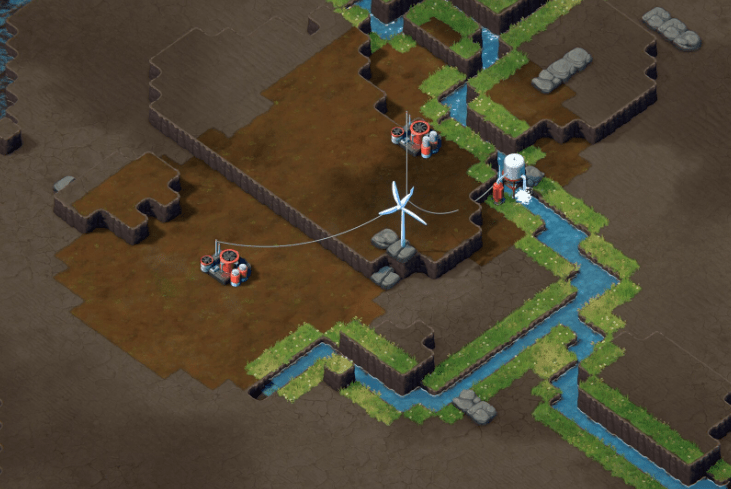
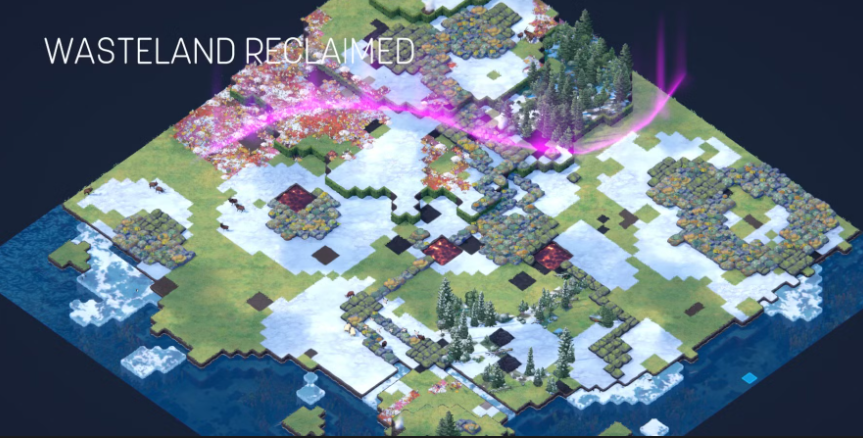
Like I said in the introduction, Terra Nil deconstructs the city/civilization builder video game genre. Players start with a barren wasteland (similar to the picture above), and they must clean the (nuclear?) waste with items like scrubbers and then replenish the Earth using various gadgets like propagators, seeders, and hydroponics. Each stage of Terra Nil plays out like an elaborate puzzle. Depending on the climate you’re trying to achieve, you may need to lower or raise the region’s temperature. Balance between biomes is crucial, and you can monitor animals and the animals’ desires when they return.
This game loop is satisfying and familiar. For being the opposite of a city builder, Terra Nil uses plenty of city builder game tropes. This makes the game easier to get into, even if what you’re doing is the exact opposite of a city builder. Finding the right balance between biomes gets tricky–Who am I kidding? It can be rage-inducing. I lost count of the number of times I was off on a certain biome and had to add an acorn to a tree to create more forest, or I had to burn more green area with a solar panel incinerator. Ugh!
And just when you’ve almost figured out how one region works, Terra Nil will add a twist like adding tundra and lava floes to the mix. I binged Terra Nil on Steam and Netflix (I still can’t get over how Netflix has a video game of Terra Nil’s caliber), and it only took about forty or fifty hours to complete the game. There was a lot of trial and error. Terra Nil’s tutorial level teaches the basics, but you’re on your own after that level, and I got stuck. A lot. But Terra Nil made getting stuck fun.
Above Image from GameDesigning.Org
Gameplay Loop: 7/10
The frustration Terra Nil can create at higher levels keeps the Gameplay Loop score from claiming top honors, but outside of that, it’s fantastic. Terra Nil shuffles the gameplay enough to keep gamers on their toes for a good forty to fifty hours. Later levels combine elements of former levels in intriguing ways, building a super puzzle. Unlocking as many animals as you can for each region is a mini-game unto itself. I forget how many times I was rooting for a frog or otter to populate.
Terra Nil is a good, chill time. I would crank up the sound effects to hear the sounds of the forests, streams, and lakes. Perhaps Terra Nil is a new way to Netflix and chill.
Narrative/Storytelling: 3/10
Because Terra Nil doesn’t have much of a story, I’m lumping Narrative and Storytelling into one element. Despite being mostly a straightforward building a green space game, Terra Nil’s premise suggests a greater story. That keeps this score from being any lower than a three. Terra Nil gives hints to what happened to the planet and drives home the idea that humans should be stewards of the environment.
User Interface: 7/10
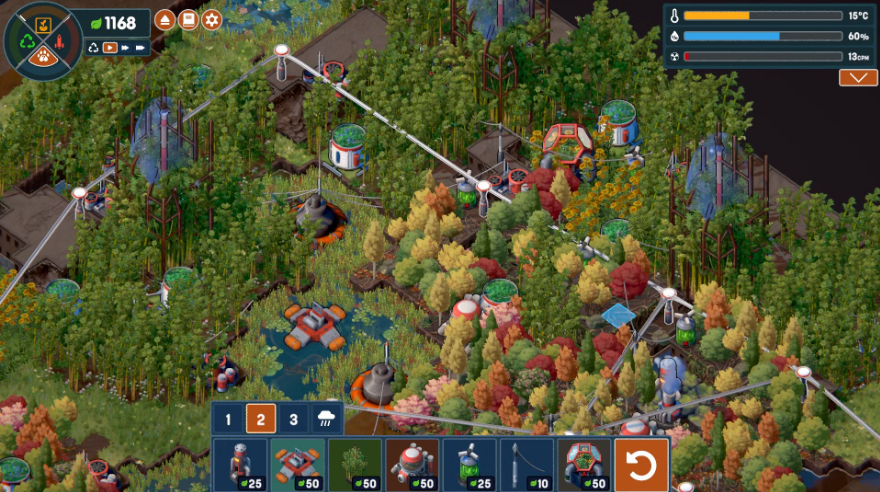
Terra Nil’s volume of information causes the game to falter with its user interface. Despite an easy-to-navigate heads-up display and well-crafted menus, I got lost in Terra Nil’s mountains of options and data I needed to parse. The game does a good job of easing players into its cavernous menus at first, but after the first three regions, you’re thrown to the wolves. Good luck.
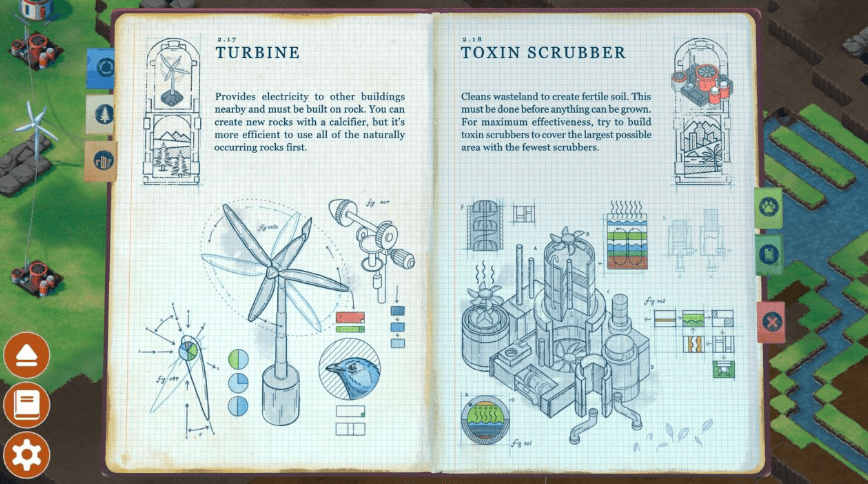
Terra Nil offers a detailed rulebook with phenomenal detail. I would flip through this rulebook even if I weren’t lost on what to do. The page above does a great job of showing and telling gamers how a turbine and a toxin scrubber work. I love Terra Nil’s attention to detail.
Graphics: 8/10
For what it is (a city builder game where you’re not building a city), Terra Nil’s graphics are on point. Despite how pretty Terra Nil can be, it still uses an isometric, top-down view of the environment. Sure, there’s an option to view your creation at the ground level, and that’s fun, but Terra Nil’s graphics stop shy of top marks.
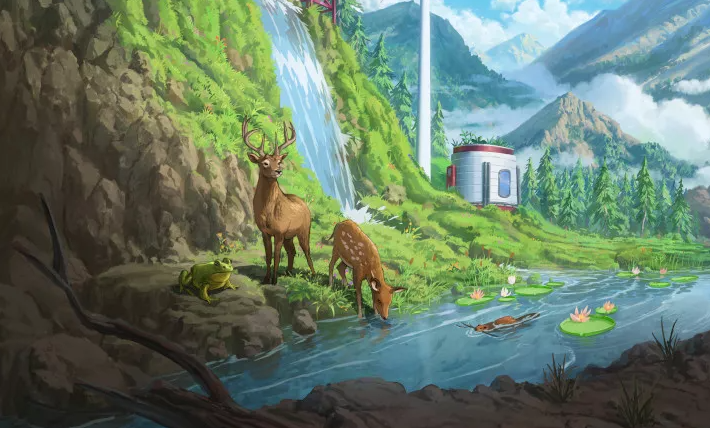
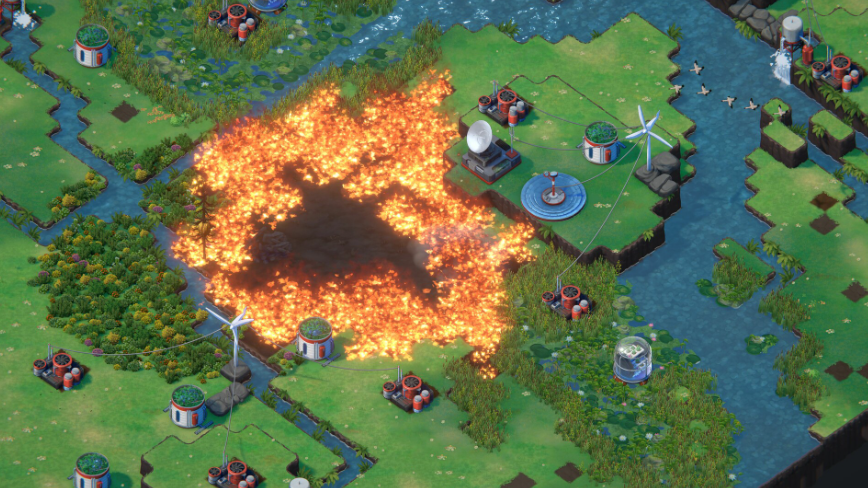
Terra Nil pours in a lot of detail. The geese in the picture above are geese who reinhabited the area. If you look closely at wetlands, you can spot a frog hopping. You can find deer, bears, and wolves roaming the forests and mountains. You don’t even need to zoom in at the ground level, even though I love doing this after I finish a region. Terra Nil works as an interactive background. It’s soothing, cozy.
Audio: 10/10
Terra Nil is one of the few games I will always play with the sound. While the game’s soundtrack is relaxing and memorable in its own way, the sound effects of the environment give Terra Nil a high score. Even the noises the gadgets (like the scrubbers and terraformers) make satisfy. Putting down a ditch borer and listening to it create a future river feels great. The crackling of fire as it makes way for new growth makes me smile.
Terra Nil spares no expense with its audio effects. From the animals to the wind and snow, I’ve spent hours listening to one of my regions, trying to pinpoint which sounds I’m hearing. In short, Terra Nil may have some of the best sound editing I’ve ever heard in a video game.
Replay Factor: 7/10
Even though Terra Nil plays like a puzzle, it’s one of those games I can see replaying after multiple months or years have passed. It won’t take long for me to forget how to complete each region. In fact, I played Terra Nil within the last couple of months, and I’m pretty sure it would take me a couple of playthroughs before remembering how each gadget works and when best to use them. Terra Nil also includes scenarios, variable difficulties, and each region is randomly generated during each playthrough. That last point alone gives Terra Nil better than average replay value. I enjoyed my time with Terra Nil and look forward to playing it again.
Aggregated Score: 8
Even though I gave Terra Nil a story/narrative score, I’m omitting that score from its aggregated score. Terra Nil offers dozens of hours of calming gameplay. It functions like an interactive desktop background. I’m shocked Netflix picked up the rights to Terra Nil. Perhaps this is a sign of things to come for the streaming giant.
Happy Sunday, Geekly Gang! Kyra Kyle here, and I’m in the middle of some major edits and rewrites with my work in progress–more on that in the coming weeks–so I won’t have as much time to cover Geek News topics like previous months. But we still have some new board game and video game releases to discuss. I’ll try to be brief. Let’s begin with board game new releases.
Punch Bowl Splashes onto KickStarter
Punch Bowl looks amazing. It’s won multiple awards, featuring giant fruits that players must turn into giant punch. All the fruit in Punch Bowl is made of gorgeous acrylic. Throw in some ice cubes and seltzer acrylic game pieces, and you have a party. Players can learn this area management game in less than seven minutes, but Punch Bowl offers plenty of replayability. Just look at these punch glasses.
You’ll be filling your glass like a champ in no time with Punch Bowl. Every player begins with the same hand of cards. You must choose which card you’ll play and which to discard each round. You can gather fruit, but make sure you don’t keep it too long, or else your fruit will rot. I love that twist. Fruit Punch pledges range from $35 to $98. If you’re interested in Punch Bowl, check out its KickStarter page.
Dicey Devices Hatches Its Masterplan on KickStarter
I’ve seen Dicey Devices at numerous Protospiels and even featured a time or two on the Break My Game Discord server, and I’m glad this awesome game is seeing production on KickStarter. Publisher Oragami Whale is new to the tabletop game space, but they’re looking to make a splash, and Dicey Devices certainly does that. Players take on the role of mad scientists.
Activate your laboratory, collect devices, deploy robots, and upgrade your death ray to defeat your mad scientist rivals in Dicey Devices. There’s only room for one ultimate scientist in this engine builder with set collection. If you’re interested in Dicey Devices, check out its KickStarter page.
Bug Fight Takes on KickStarter
Bug Fight reminds me a lot of the classic Battle Line or Schotten Totten. I love these games, so this is a great thing. Players battle for multiple lanes of cards in a tense tug-of-war. The player who controls the most lanes at the end of the game, wins.
Build your team of powerful bugs in Bug Fight. And I just noticed the inclusion of Area Cards. That gives me strong Smash Up vibes, and I’m here for it. These Area Cards may spice up gameplay, causing plenty of potential upsets. Bug Fight looks like a fun, colorful 2-player only game. If you’re interested in Bug Fight, check out its KickStarter page.
Button Shy Games Reprints Some of Their Out Of Print Games on GameFound
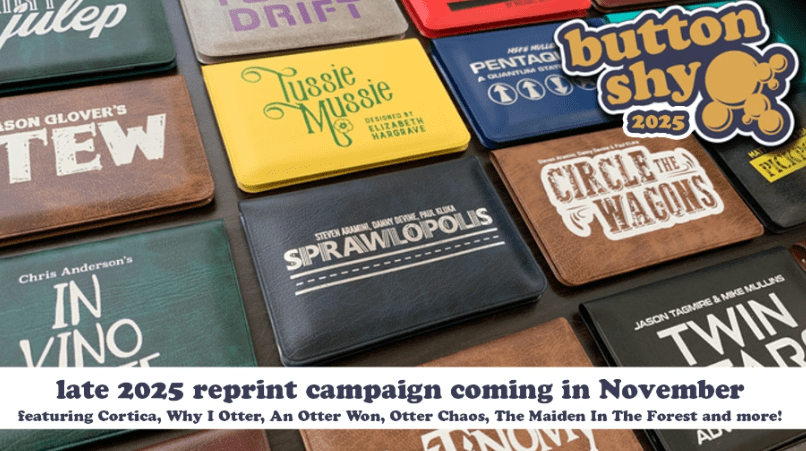
Button Shy Games has a simple premise for its line of games: restrict designers to 18 cards. And the results are amazing. Some of board games’ greatest designers have produced games for Button Shy Games, and each game fits inside a wallet. I have a copy of Tussie Mussie and Skulls of Sedlec, but these are Button Shy Games that can be found in print. Button Shy’s upcoming GameFound campaign will feature plenty of out-of-print games. Yes!
Even better, backers will vote on which games they’d like to see get a reprint. I found a handful in the picture above I wouldn’t mind adding to my collection. Stew is fantastic, and Sprawlopolis has been on my radar for years. Few details exist for this campaign. We’ll know more after Button Shy’s Campaign goes live in a few days. If you’re interested in Button Shy’s Reprint Campaign, check out its page on GameFound.
Terra Mystica Returns on GameFound
Terra Mystica has been a member of BoardGameGeek’s Top 50 games ever since it was first released thirteen years ago (2012), and it’s the latest game to receive the GameFound glow-up. I’m liking this trend. Take a game many players love and give it a definitive version. Agricola’s release earlier this year looked amazing. I’m expecting similar things with Terra Mystica, even though we’ve seen few images of what we should find in the box. What’s in the box?!
Terra Mystica has plenty of expansions, and if its updated version follows Agricola’s footsteps (fingers crossed), we should see a new expansion or two. Steamforged Games has a great track record of giving good old games a fresh coat of paint. If you’re interested in Terra Mystica, check out its GameFound page.
Movers & Shakers Launches on GameFound
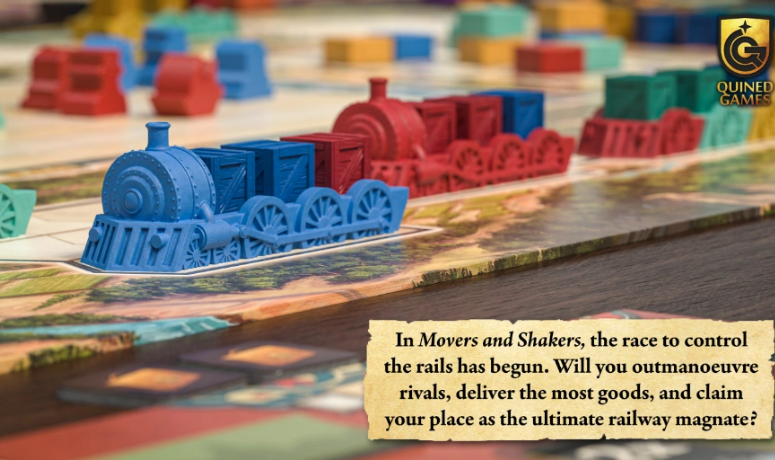
You know how I was interested in Sprawlopolis earlier? Publisher Quined Games co-published Sprawlopolis with Button Shy Games, and Movers & Shakers is their latest production. Since Movers & Shakers is a new game, we have plenty of pictures.
Movers & Shakers features plenty of gorgeous set pieces and crunchy strategic play. We’re talking Splotter Game (like Food Chain Magnate) levels of strategy in Movers & Shakers, and I would expect nothing less than a train game, wanting to make a mark.
We know little about Movers & Shakers’ gameplay, but the cards appear to be dual-purpose. Always a plus. I love the idea of contracts in a game of pick up and deliver. And spending resources to move is always appreciated. I may not know much–yet–about Movers & Shakers, but the game piques my interest. If it does the same for you, check out Movers & Shakers’ GameFound page.
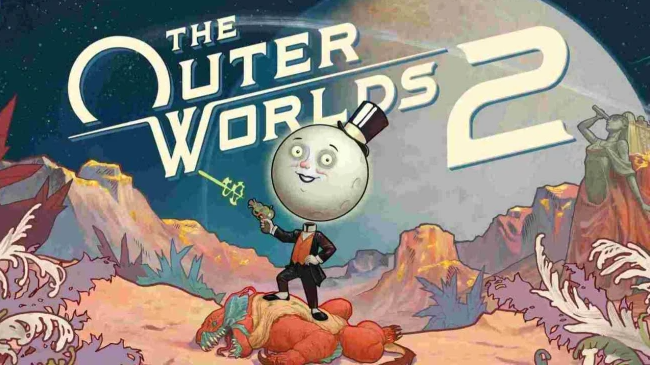
The Outer Worlds 2 Releases
I enjoyed my time with Obsidian’s The Outer Worlds. It did a great job fusing elements from Shadowrun (companies took over governments with corporatocracies) and various other sci-fi universes by terraforming distant planets into their own images. Add in a dash of Fallout (some of Obsidian’s founders co-created the Fallout series), and you get a tasty diversion in The Outer Worlds.
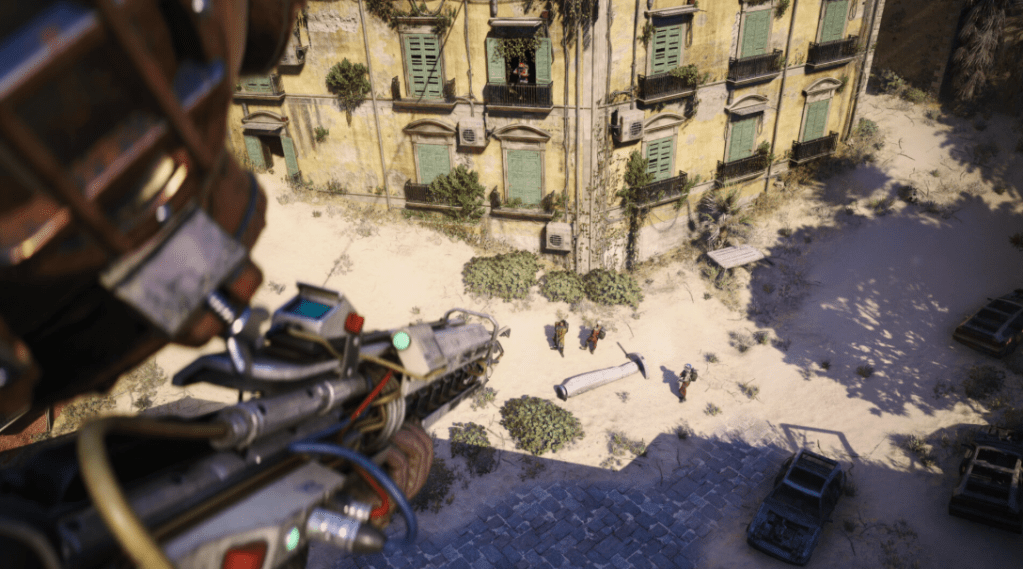
I can’t wait to get my hands on The Outer Worlds 2. While the original may not have shaken role-playing games to their core, it was a fantastic, single-player experience. And I love it when modern video game companies commit to single-player experiences. Too many video game companies have gone all-in on video games as a service or live-service games. The Outer Worlds 2 has received good to great reviews. I would expect nothing less from an Outer Worlds’ follow-up. The Outer Worlds 2 is available on PC, PlayStation 5, and Xbox Series X/S.
ARC Raiders Releases
Speaking of live-service games, The Finals developer Embark Studios released its follow-up, ARC Raiders, this past week. While The Finals is a free-to-play title, ARC Raiders is a $40 multiplayer experience. Set in a distant future Earth, where mysterious and deadly “ARC” robots have taken over the surface, ARC Raiders puts gamers in the role of rescuers going topside to collect resources, sell, and ultimately save as many survivors as they can.
Embark Studios jump from looter shooter (in The Finals) to ARC Raiders’ extraction shooter is a logical one. With battle royales losing their luster, first-person shooter gamers have been looking for a worthy replacement. Extraction shooters seem to be a good alternative, but there has yet to be one title to capture the community’s imagination. Time will tell if ARC Raiders will become the definitive extraction shooter. It’s available on PC, PlayStation 5, and Xbox Series X/S.
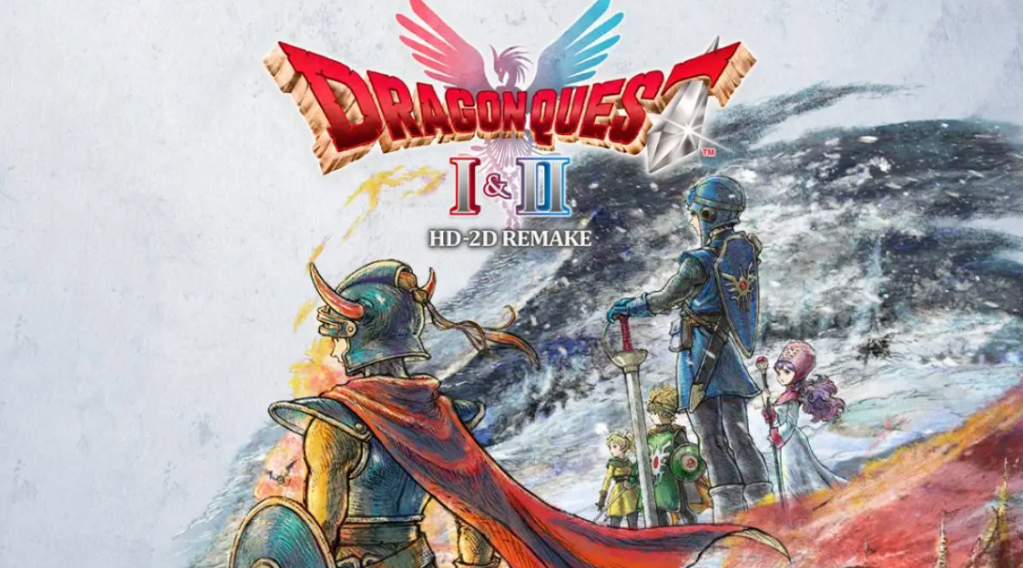
Dragon Quest I & II HD-2D Remake Releases
SquareEnix has had back-to-back stellar remakes these past couple of months. Last month’s Final Fantasy Tactics: The Ivalice Chronicles and this past week’s Dragon Quest I & II HD-2D Remake prove that SquareEnix has some of the greatest back catalogues in video game history. These titles also show that SquareEnix can go back to basics and deliver a wonderful role-playing experience.
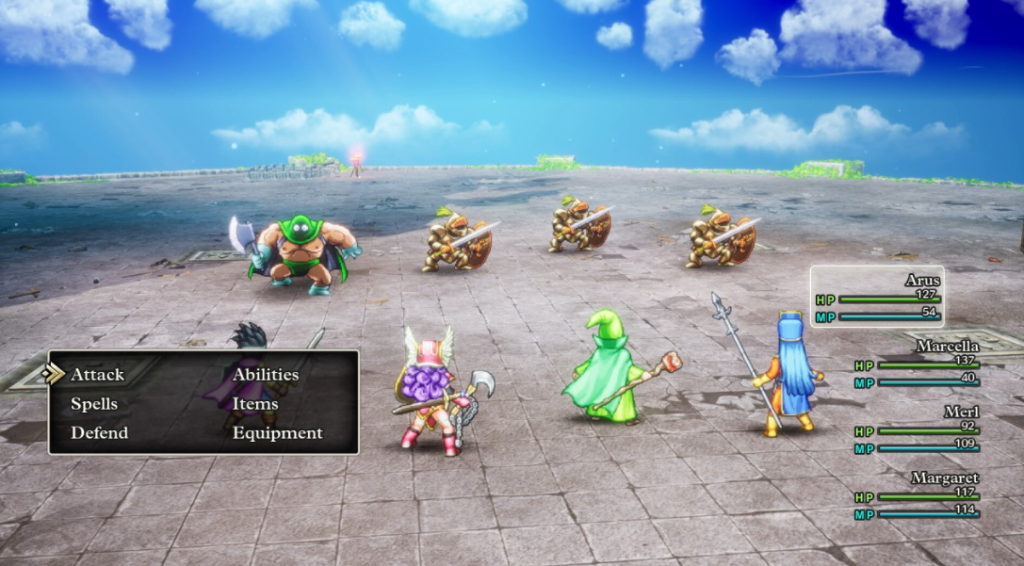
Dragon Quest I & II HD-2D Remake manages to give the older games a facelift while maintaining the originals’ charm. SquareEnix even manages to throw in some added content to pad the games’ short runtime, and Dragon Quest I & II HD-2D Remake completes the original Dragon Quest Trilogy. Last year’s Dragon Quest III HD-2D Remake is available on modern game systems. It’s great seeing these titles available for new gamers. Dragon Quest I & II HD-2D Remake is available on PC, Nintendo Switch, Nintendo Switch 2, PlayStation 5, and Xbox Series X/S.
That’s all the Geek News we have for this week. I’ll be busy with writing and editing on my work in progress, so we may have mostly new releases over the next few weeks. Thank you for reading, and wherever you are, I hope you’re having a great day.
We had to discuss the Marvel United: Fantastic Four expansion from the Marvel United: X-Men launch. In fact, we’ll begin our coverage of the Marvel United: X-Men wave with this expansion. Hey, hey, Geekly Gang! Kyra Kyle here. We return once again to Marvel United. This is one of those game systems with a heap of expansions. Too many, if you ask me. But we’ll cover the expansions that will either be fan favorites (plenty of people will be interested in adding them to their collection) or good additions because of their gameplay variants. Fortunately, Marvel United: Fantastic Four fits both criteria.
We’ll get to Marvel’s first family in a minute, but first, let’s take a look at Marvel United: Fantastic Four’s less heroic details.
The Fiddly Bits
Designer: Andrea Chiarvesio, Eric M. Lang, and Francesco Rugerfred Sedda Publisher: CMON Global Limited and Spin Master Ltd. Date Released: 2022 Number of Players: 1-5 Age Range: 8 and up Setup Time: 5-10 minutes Play Time: 30-40 minutes
We already covered the Game Setup and Game Flow in our original Marvel United review (here’s a link to that review), so we’ll go over the basics in the following two sections. Let’s cover an abbreviated review of the game setup and rules.
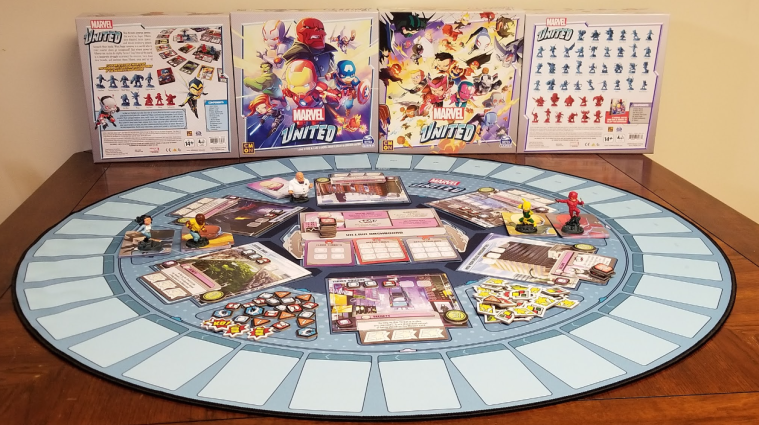
Marvel United: Fantastic Four’s setup can change depending on which Villain(s) and Heroes you choose to play. Each game consists of six locations. Since Marvel United: Fantastic Four is an expansion, only includes four locations, and you’ll need a core set in addition to this expansion to play. You may choose your locations or shuffle them and choose six at random. Each Location card has spaces at the top for civilians and thugs, and a rectangle with a block of text that will state “End of Turn” at the top of the box.
Place civilian/thug tokens on their matching spaces. Shuffle the Villain’s Threat deck and deal out each Threat face-up so that it covers the rectangle at the bottom of each location. You must clear this threat before gaining the “End of Turn” effect printed on a Location. Place health tokens where signified on threat cards and on the Villain dashboard. Place the three mission cards (Defeat Thugs, Rescue Civilians, and Clear Threats) face up under the villain dashboard where the text reads “Unlocked.”
Each player shuffles their hero decks and then draws three cards to form their hands. Shuffle the Villain’s Master Plan deck. Leave the Master Plan deck face down. This will be the villain’s draw pile.
Players place their miniatures on one of the six location cards, usually the centralmost location for each player (easy access). Then, they place the villain on the location card opposing the heroes. If one player chooses to play as the villain, hand the Super Villain cards to them, and the Heroes gain access to Super Hero cards. These new card times can be played if the game state triggers their use (for example, “You play a Master Plan card” or “Any Hero has 4 or more cards in their hand at the end of the Hero turn.” Timing is key.
Game Flow
The villain(s) play first. Draw the top card of their master plan deck. The villain moves the number of spaces indicated. Resolve any BAM! Effects and these effects will be printed on a space within the villain’s dashboard. Then, place the civilian/thug tokens (if any) indicated at the bottom of the card. If a player has taken the role of the villain, they get a hand of cards and can choose which card they play. The heroes get their turn after all the villain’s effects are resolved.
Heroes pick which player goes first, and hero turns will continue around the table clockwise. At the beginning of each game, Heroes will get three turns before the villain receives another turn. During their turn, heroes play one card from their hand.
Resolve actions and the symbols printed at the bottom of the hero’s card in any order. The symbols at the bottom of a hero’s card will be shared with the next player, but any printed action will not be shared. Heroes will use these actions to complete missions. The game begins with three missions in play: Defeat Thugs, Rescue Civilians, and Clear Threats. Each mission card will have spaces for the tokens they require to complete. As soon as these spaces are filled, the card is discarded, and the mission is considered complete. Mission cards can be completed in any order.
After the heroes complete the first mission, the villain panics and will act (play a card) every two hero cards instead of every three hero cards. After the heroes complete the second mission, the villain becomes vulnerable to damage. The heroes can complete the third mission, but it isn’t necessary. If the heroes do complete the third mission, each hero immediately draws 1 card, increasing each player’s hand size by one.
Play continues back and forth until either the villain wins (by completing their unique master plan or anyone, heroes or villains, runs out of cards) or the heroes win by dealing enough damage to the villain after the villain becomes vulnerable to damage.
Review
Marvel United: Fantastic Four has a huge legacy to live up to, and it lives up to the hype. I’m writing this review in June 2025, and Marvel United: Fantastic Four’s BGG score is an 8.5 (out of 10). This makes Fantastic Four the highest-rated Marvel United expansion. Yeah. It’s—pardon the pun—fantastic.
While Marvel United: X-Men Blue and Gold Teams features semi-cooperative play (players compete to clear the most goals), and this gives me strong X-Men: Under Siege vibes (a game I have a soft spot for), Fantastic Four introduces the idea of teamwork, and it does so simply and elegantly. Included in the box is a Fantastic Four team card. Various hero cards (from the members of the Fantastic Four) will add action tokens to the card, and can then use all actions on the Fantastic Four team card with different cards in their deck. This promotes a slow build. It simulates teamwork without using a lot of convoluted rules. I like the Team Cards from Marvel United’s third wave (Multiversus), but the method used in Fantastic Four is easy to follow and makes narrative sense.
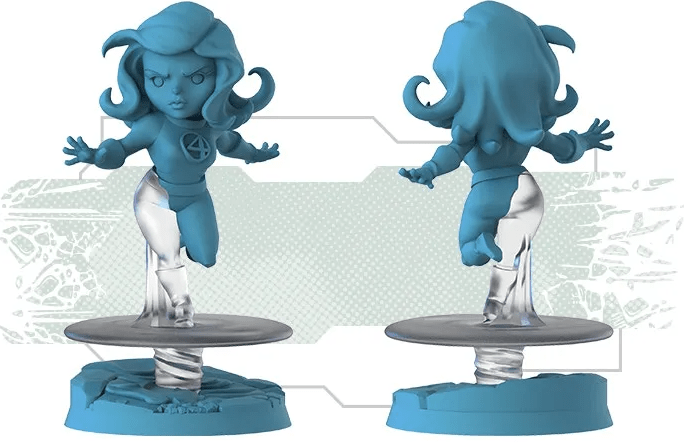
Marvel United: Fantastic Four includes six heroes. One of which is the anti-hero (hero and villain) Doctor Doom. That’s a lot of heroes for one expansion—it’s almost as many as a core box—and each hero illustrates Marvel United’s second wave’s power creep. Granted, to get the most out of the Fantastic Four characters (Mr. Fantastic, Invisible Woman, The Thing, and Human Torch), you’re encouraged to play as the Fantastic Four. The aforementioned Fantastic Four Team Card is amazing, but these characters are still effective outside the team setting.
Each member has a unique flavor. Mr. Fantastic is flexible. Get it? Flexible? Ha…ha. Invisible Woman can avoid damage altogether (using her “Invisiblity” card), but she takes herself out of combat, which makes sense. Human Torch can use Nova Flame and deal 2 damage to everything at his location—super useful. And The Thing deals copious amounts of damage and can ignore 1 damage during each Villain Turn. Very nice.
The remaining two heroes, Doctor Doom and Silver Surfer, don’t gain any benefit from the Fantastic Four team card, but they don’t need it. Doom gets tokens for each damage he takes. He can even use the symbols from the 3 previous Hero cards in the Storyline (instead of the previous one). This can generate as many as seven actions on a single turn. Yikes! Silver Surfer has extra card draw, can move anywhere with one of his special abilities, and can exchange a Location in play with one that isn’t in play. What? Silver Surfer can literally yeet any Location for another Location. That’s coconuts.
But Marvel United: Fantastic Four’s villains are just as overpowered as their hero counterparts. Even though Doctor Doom is the marquee villain, we’ll begin with Super-Skrull. Don’t overlook Super-Skrull. He has one of the more unique Special Rules in Marvel United. Whenever he BAM!s, he performs actions based on the symbols on the last Hero card in the Storyline. The heroes have some control over what Super-Skrull can do, but that doesn’t matter. None of Super-Skrull’s BAM! actions are things you want to happen. Super-Skrull attempts to knock out (KO) and hand each in-play hero a KO token, but this isn’t the only way he can win. Super-Skrull can’t be damage if any Crisis tokens exist, and he adds cards from his deck facedown in the Storyline, which leads to a shortened clock.
Super-Skrull is a spiffier version of Green Goblin. He does enough things well that you must split your focus on the various ways he can win, and even though he doesn’t have Henchmen (like Green Goblin), he makes up for it with crazy Threat card abilities that make clearing Thugs and Civilians less efficient, and each Threat card requires one of each action type. Super-Skrull covers all bases. But most people purchase Marvel United: Fantastic Four for Doctor Doom, and Doom delivers.
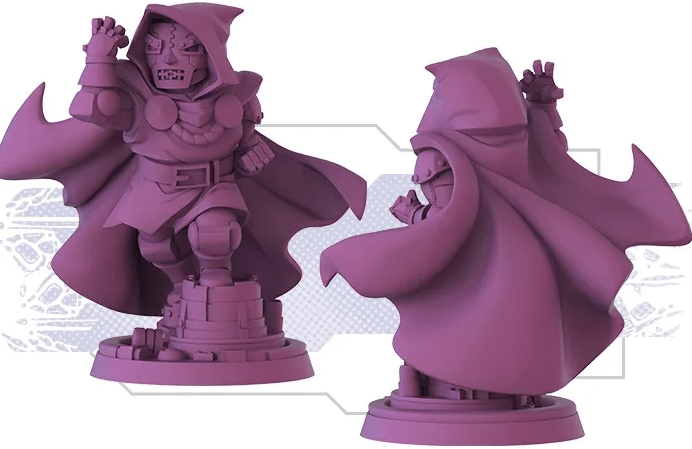
First off, Doom must be played with Latveria—naturally—and Latveria is the first Location card that has a negative “End of Turn” effect. In fact, Doom only has five Threat cards because Latveria begins the game without one. Latveria marks the first time Marvel United has included an “End of Turn” effect that benefits the villain. “You MUST take 1 damage for each Thug or Doombot in this Location.” Ouch! Latveria begins every game with three Doombot tokens, so if you don’t take out all of the Doombots, you’re discarding your entire hand. Double ouch! Doom’s Threat cards add extra Doombots (sometimes not even in the same place as the Threat card’s location) and can deal extra damage to heroes. Triple ouch!
As for his Villainous Plot, Doc Doom plays like Red Skull but way, way worse. He can increase the Doom Track (changed from the Red Skull’s Threat Track) far more often, and he can’t be damaged if a Doombot is at his Location. In short, Doctor Doom is nasty. You’ll need the Fantastic Four with their Team Card to defeat him. It can be done, but it’s a tough go. I find Doctor Doom tuned to the perfect level of difficulty. He may be one of the many reasons Marvel United: Fantastic Four is the highest-rated Marvel United expansion.
We talked about Latveria, but there’s another Location, Mount Wundagore, that has a negative “End of Turn” effect: Each Hero in this Location MUST discard all cards in their hand and draw the same number of cards (this does not KO). Even though this effect doesn’t count as a KO, it’s another way to shorten the clock. If anyone (including Heroes) runs out of cards in their deck, the heroes lose. Yowza! I like Marvel United: Fantastic Four’s inclusion of villain-centric Locations. We’ll see more of this later in the series, but villain-centric Locations do a lot to shake up Marvel United’s status quo. The remaining Locations have unique “End of Turn” abilities as well. The Baxter Building provides token draw if the character you’re playing was ever a member of the Fantastic Four. This is a boon for anyone who knows the comics. I appreciate that.
I also appreciate the Takeover Challenge card included in Marvel United: Fantastic Four. If a Thug, Civilian, or Doombot token can’t be added to a Location, after resolving Overflow, place the excess tokens on the Takeover card. If the card is full, Heroes immediately lose. The Takeover card has two sides with different difficulties (number of spots for tokens). This Challenge card, like the Fantastic Four’s Team Card, is simple and elegant. It adds just enough difficulty if the game has gotten too predictable.
Too Long; Didn’t Read
Marvel United: Fantastic Four is the highest-rated Marvel United expansion on BoardGameGeek and for good reason. This expansion adds more layers of complexity while staying thematic and not burdening the player with too many over-complicated rules. Every element from the Locations, the Challenge Card, the Heroes, and especially the Villains is well thought out and an excellent addition to any Marvel United collection.
Hooray! It’s that day again. Happy Halloween! To honor Spooky Season, I’d like to discuss my favorite movies to watch for Halloween. We all have our go-tos for holiday movies. What are some of your favorite Halloween movies? You may find some of your favorites among my list. With all that said, let me walk you through my favorite Halloween movies.
5) Coraline(2009)
While Coraline doesn’t take place during Spooky Season, the themes and tone are a perfect fit. This’ll be a common thread among many of my picks. I first saw Coraline as a kid with my family soon after it was released, and I didn’t fully understand it. In fact, my main takeaway was “Huh…that was weird.” Despite being a chronically terrified child (so much so, I couldn’t bear to look at horror movie DVD covers), Coraline didn’t scare me. Now that I’m older–and a very weird person–Coraline is one of my ideal Halloween movies. Given my love of stop-motion animation and the freakish imagery its creepy movement creates, Coraline remains a solid Spooky Season film.
4) Beetlejuice (1988)
I’m glad I didn’t have Beetlejuice growing up. Considering how impressionable I was as a kid and the adult content it contains, Beetlejuice would’ve rubbed off on me in all the wrong ways. I first watched it 3 years ago when I was feeling desperate to find a new classic Halloween film. As you can see, I found one. Beetlejuice scratched all the right itches, and now, I’m happy to say it’s joined the list of movies I watch during Halloween. Beetlejuice is a beautiful blend of contradictions. It doesn’t always make sense, but I forgive it since that’s part of the joke. While Beetlejuice is funny, it can also be dramatic, heartfelt, and creepy. Some of the effects are outstanding while others are laughably terrible, and I’d expect nothing less from Tim Burton.
3) The Thing (1982)
I love monster movies. Just check out my Halloween movie post from last year. I’m also a die-hard practical effects lover. Enter The Thing. The Thing is one of the quintessential monster films for any monster fan. It gives us outstanding scenes of ooey-gooey transformations, while not boring us with slow moments. Like other classic sci-fi monster flicks (like Alien), it’s the slow, quiet moments that add to the scare factor. The Thing is, first and foremost, a survival film. Each of the men at the Antarctic research base is well-qualified and competent, unlike several other horror film protagonists. You want to see them make it out alive. Unfortunately, they’re dealing with something that’s way beyond their understanding.
2) Trick ‘r Treat (1986)
Trick ‘r’ Treat is a favorite of mine, given how much it’s covered in Halloween. It has a lot of personality, but I enjoy how it respects Halloween. Despite being an adult film, Trick ‘r’ Treat manages to speak to my inner child with its aesthetic and emphasis on classic Halloween traditions. While watching Trick ‘r’ Treat, I can’t help but look back on the years I walked door-to-door in a costume and getting wasted on candy. Ah, those were the days. Also, the protagonist, Sam, reflects my attitude towards folks who don’t enjoy Halloween. You’d better watch out.
1) The Nightmare Before Christmas (1993)
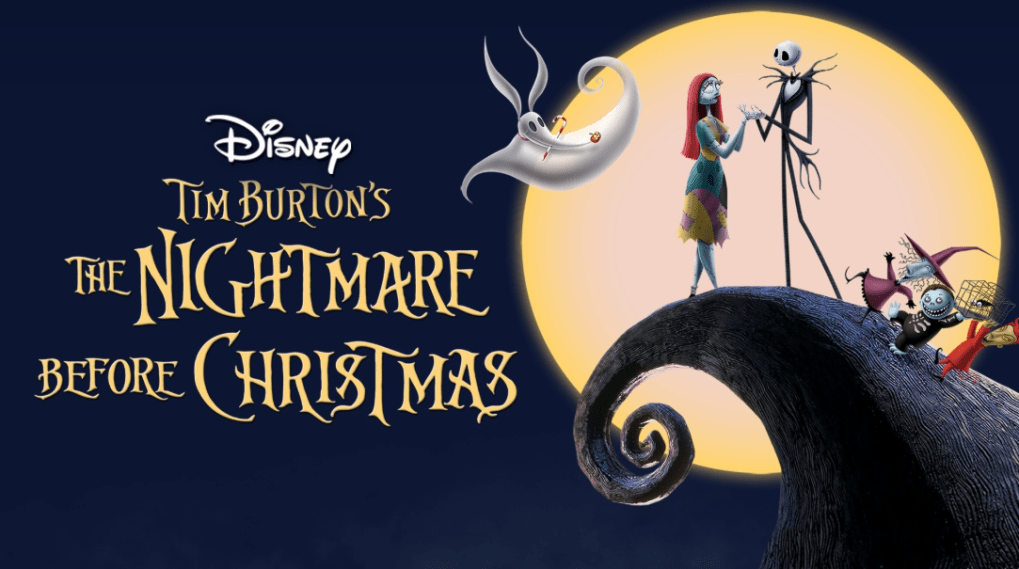
Could any other movie claim the top spot? The Nightmare Before Christmas has long been my #1 Halloween movie. In fact, it’s the movie I always watch on Halloween itself. While I was lukewarm towards Nightmare Before Christmas as a kid, as I’ve gotten older, I absolutely love it. Nightmare Before Christmas was the movie that got me interested in the art of stop-motion and fascinated me with its fantastic yet relatable story and characters. By now, I’ve seen this movie so many times that I can practically recite it from memory. Sometimes I feel like Jack and am desperate to find a new Halloween movie to add to my Spooky Season tradition (like I mentioned earlier with Beetlejuice). But I’ll never stop watching The Nightmare Before Christmas around Halloween. It was and remains my #1 Spooky Season movie.
Those are my picks for Halloween movies. I hope you had as much fun as I did on this road of spooks, nostalgia, and holiday cheer. What are your favorite movies to watch around Spooky Season? I can’t wait to hear from y’all in the comments, and I hope you have a fabulous Halloween.
Happy Wednesday, Geekly Gang! Today is the rare fifth Wednesday of a month, so our writers will be sharing personal updates over the past few months. I’ll kick things off for this month’s Personal Updates.
Kyra’s Games
I’ve been sick (with the crud) over the past few weeks, but before getting sick, I was featured in a board game design panel at Nuke-Con early this month. While the panel went well, I’d like to expand on it for next year. Be on the look out for Nuke-Con 2026. I also playtested Rustbucket Riots and Whirligig Pets several times during this same convention.
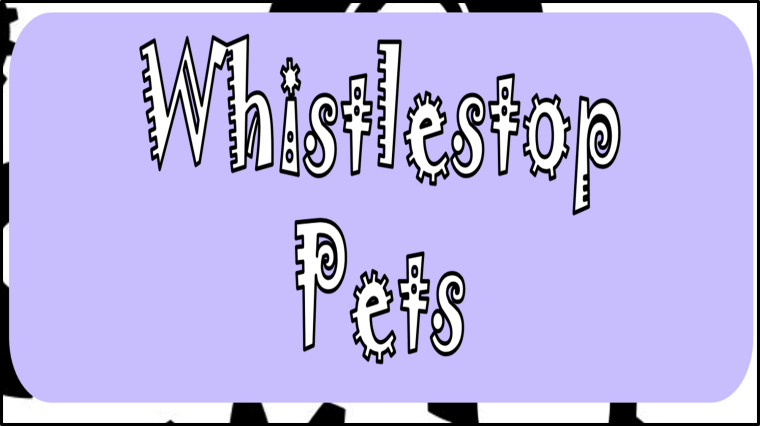
Whirligig Pets (formerly Whistlestop Pets–I need to change the above image) is ready for submission. I still need to find a better way to ramp up the tension in Rustbucket Riots. I think I found a way to tweak the enemy/time cards, so players experience a steadier upward ramp. Before this recent change, evening cards were brutal. I like the new balance, but higher player counts are where balance can get tricky. We’ll see if this new balance sticks.
I won’t go into too much detail with Rustbucket Riots. I already did some of that with this month’s Game Design Brain Dump. If you’re interested, you can see Rustbucket Riots’ origin.
One last important note I discovered during the con: I need to figure out the best way to teach this game. Rustbucket Riots has a lot of odd game mechanisms that many players find unfamiliar, and the spatial puzzle can be overwhelming. I know many of you haven’t played, but here’s a quick rundown on how a round plays:
1) Enemy Turn (Draw Time Cards Equal to Number of Players) 2) Players play one card from their hand 3) Roll and Lock Dice 4) Place Dice (on gears) 5) Spend Dice (by removing dice from gears)
I’ll begin with this and then get into the weeds as the game progresses. Maybe this will help. I hope to see some of you at the gaming table soon.
Kyra’s Writing
Similar to board game design, I posted a writing brain dump earlier this month. I’ll try not to recap too much of what I posted there. I’m still viewing my work in progress through a macro lens. Characters have merged. I combined some characters who could be considered fridged (the character’s sole purpose was to motivate the protagonist) with another character with a larger role. I’m finding character arcs for each major character, and I’ve found I don’t have as many characters as I did prior. This may be an easier editing pass than I first thought. Famous last words.
Novel in November (formerly National Novel Writing Month or NaNoWriMo) begins in a handful of days, and I’ll be attending as many Omaha Writers’ League (OWL) events as I can. Above is a calendar of OWL events. All locations are in Omaha. Events are subject to change. (I believe November 11th is left blank in observance of Veterans’ Day.) If you’re in the local area, I look forward to seeing you at one of these events. I’ll be at many of these events, trying to make sense of my nonsense. There’s a reason I call my updates writing brain dumps.
That’s all I have for this month. Let’s see what Skye’s been doing.
Skye’s Update
I’ve done some interesting things over the past quarter. I became a member of my local library’s board-game community, attended Metropolitan Community College’s annual Inter-Tribal Powwow, and protested the protection of the United States’ founding ideals of “liberty and justice for all,” among other things.
My greatest achievement–in my opinion–in the past quarter was scheduling a date with my surgeon to undergo the final part of my medical transition. I’m scheduled for November of next year (2026), and words can’t describe my immense satisfaction. Advanced warning to y’all: I suspect I’ll be in recovery during that time next year. I’ll do my best to post, but I might be hopped-up on pain meds.
Overall, I would consider the past quarter (Aug-Oct) a productive one. Despite personal obligations, I’ve still enjoyed posting and offering my opinions on JKGeekly with the rest of the Geekly writers. Posting my thoughts online is one of my greatest joys, and I thank everyone for welcoming me into the Geekly Gang.
Here’s to another three months of Geek with y’all. Happy Halloween!
Season’s Update
Hi, Geekly Gang! It’s been a while since I gave an update. I’ve recently started a new full-time job, so I’ve been adjusting to my new schedule. I’ve also been sick with the crud this past week. It’s a good thing I’m writing this update, because my voice is shot. Blegh!
As for writing, I’ve tried to get a couple of pieces published, but no luck yet. They’re a couple of short flash fiction pieces. Maybe I’ll share them here someday. I’m going to keep submitting until I get some bites. Fingers crossed! I’ve also been enjoying writing monthly plushie reviews for you, Geekly Gang. If you have a favorite plushie, please let me know. I’m always down for new plushie recs.
Hey, hey! Kyra Kyle here again. Those are our writers’ updates for the past few months. Feel free to share what you’ve been up to over the past month or three, Geekly Gang. Thank you for reading, and wherever you are, I hope you’re having a great day.
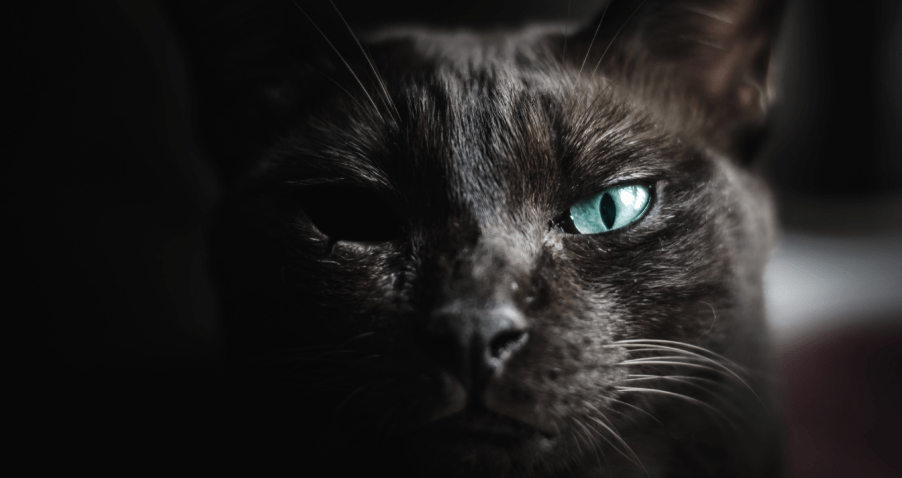
Happy Black Cat Day, Geekly Gang! That’s right. Today is Black Cat Day. I didn’t know a day like this exists. Hey, hey! Kyra Kyle here. We’re celebrating Black Cat Day by listing five famous (and popular) black cats in media. Oh, it’s about to get spooky up in here.
5) Pluto (“The Black Cat”)
We’ll start this list with the titular feline in Edgar Allan Poe’s “The Black Cat.” Often read as the companion piece to “The Tell-Tale Heart,” “The Black Cat’s” point of view character gets spooked by Pluto, walling him beside his deceased wife. Poe may have had some unresolved issues.
Originally published in 1845, “The Black Cat,” like many of Poe’s works, has stood the test of time. Loose adaptations have cropped up over time. More recently, the Black Cat returned in Netflix’s Fall of the House of Usher, and Wednesday (another Netflix offering) makes more than one reference to this short story. Not bad for a black cat with only one eye.
4) Salem Saberhagen (Sabrina: The Teenage Witch)
Many 90s kids know Salem Saberhagen from Sabrina: The Teenage Witch. Salem is a 500-year-old witch serving a 100-year sentence for attempting to take over the world. Salem’s old self gives off mad supervillain vibes. Getting transformed into a powerless American shorthair robbed him of a modicum of his sassiness.
Salem serves as a mentor for Sabrina as she navigates her life as a teenage witch. Sympathetic and often self-serving, fans of Sabrina: The Teenage Witch know that Salem’s the real star. Yas, Queen!
3) Luna (Sailor Moon)
Luna (from Sailor Moon) stands out from many of the other black cats on this list. The crescent moon on her forehead makes her visually stand out, but her serious nature runs counter to many other black cats in anime, who are usually sarcastic or silly or both. Luna assembles the Sailor Senshi on Earth. She’s Usagi’s mentor, and her serious nature plays well against Usagi’s childish nature. Someone needs to be the grown-up. Who cares if the grown-up is a cat?
2) Thackery Binx (Hocus Pocus)
Thackery Binx was a 17th-century boy who was transformed into an immortal cat by the evil (but fabulous) Sanderson sisters. Binx spends eternity guarding the witches’ house, ensuring no one lights the black flame candle. Fast-forward to modern-day when Binx befriends Max, Dani, and Allison. The three kids light the candle. This alerts the sisters, so Binx does what he can to help his friends defeat the witches. In the end, Binx’s soul leaves the cat’s body and reunites with his sister. This is such a great moment. Can someone pass the tissues?
1) Jiji (Kiki’s Delivery Service)
This cat’s story isn’t as bittersweet as Binx’s. I promise. I love the scene where Jiji finds a black cat mug, points to it, and says, “Hey, Kiki, it’s me!” Jiji is by far the cutest black cat on this list. Add the fact that he’s voiced by the late, great Phil Hartman, and you have a character who can’t be beat. Kiki’s Delivery Service is a fantastic Studio Ghibli film. The Jiji character highlights what makes Phil Hartman great as a voice actor. Jiji stole the show with his sarcastic wit and endearing nature, quickly becoming one of the film’s most beloved characters.
At the end of the film, Jiji stops talking, which remains a mystery for fans. According to Hayao Miyazaki, the film’s director, the young witch and her pet lose their ability to communicate because Kiki grows up and doesn’t need her “other self” to rely on anymore. Okay. This story is bittersweet. I did it again. I’m not crying. You’re crying.
That’s our list of famous black cats in media. Thank you for reading, and wherever you are, I hope you’re having a great day.
Happy Sunday, Geekly Gang! Kyra Kyle here with another week of Geek News. This past week confirmed a months-long rumor: Warner Bros. is for sale.
Bugs Bunny looks enthused with being on the market. We’ll discuss Warner Bros. posting a for-sale sign and this week’s new releases for board games and video games during this week’s Geek News.
Warner Bros. For Sale
No. Yakko and Wakko aren’t for sale. Warner Bros., as a property, is for sale. After months of speculation that Paramount would purchase all of Warner Bros., Warner Bros. removes all doubt by announcing it intends to sell, but the entertainment giant states it wants as much money as possible. If that means a single party purchases Warner Bros., great, but if Warner Bros. can accrue more money by slicing its properties into smaller pieces, fantastic.
My guess–and this is just a guess–is Warner Bros. will choose to split up its properties. Unless one entity blows away Warner Bros. with an offer for everything, the studio will most likely sell to numerous buyers. Of course, Paramount has expressed interest. The rumors appear to have been true, and Warner Bros. rejected Paramount’s first offer. Apple TV has also expressed interest. And I wouldn’t be surprised if Disney wanted to acquire a property or two. Looney Tunes could be added to classic Disney characters. Marvel and DC Comics could have crossover movies. I could continue. The possibilities are endless; only time will tell what will become of Warner Bros.’s properties.
Geekly tends to cover superhero movies, so we’ll focus on what a Warner Bros. sale would mean for the newly minted DCU. While DCU Chairmen James Gunn and Peter Safran could lose their jobs after DC Studios is sold, I doubt this will actually happen. Love Gunn and Safran’s DCU or hate it, I don’t expect new leadership to pull the plug on a profitable franchise this soon after it launches. And yet, profits may regulate the DCU’s future.
Producing DCU films and shows costs a lot of money. At the moment, Gunn and Safran intend to accelerate the DCU’s slate of projects. Lanterns, Supergirl: Woman of Tomorrow, and Clayface are slated for a 2026 release. We could see another season of Harley Quinn and Creature Commandos next year, too. And the DCU has plenty more scheduled for the not-so-distant future. Wonder Woman: War of the Gods, The Brave and the Bold, The Batman 2, Booster Gold, and Waller have all been rumored or announced for a 2027 release. New ownership may slow down the frequency of upcoming DCU releases.
I don’t believe anything will change with the DCU’s release schedule until after a sale takes place. So, the DCU’s 2026 release schedule should remain mostly untouched. Who knows? Depending on DC Studios’ buyer, nothing may change. Who would you like to purchase DC Studios?
While I wouldn’t mind a single Marvel-DC Comics crossover movie (or even a trilogy of them) or a series, I prefer these two worlds to remain separate. Apple could use the content more than Paramount, but it’d be interesting to see Star Wars and Marvel on one platform, while Star Trek and the DCU were on the other. Share your thoughts in the comments.
Threshold Launches on GameFound
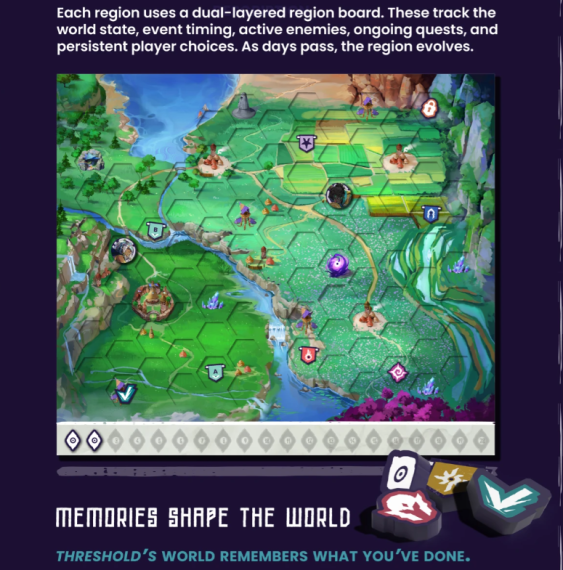
Blending tactical card-based combat, deep character customization, and endless loot, Threshold immerses its players in a massive, open, living world that responds to their choices. While I have yet to play Threshold, player turns appear easy to understand. Each player’s round plays out with the same rhythm: 1) Draw 5 cards from your deck, 2) Spend cards to perform actions, 3) Enemies act, and 4) Advance the day. I like the Threshold’s streamlined design.
As of the writing of this post, Threshold has yet to launch, so I can only speculate on its gameplay. It appears as if players may mismatch the cards in their deck, creating a unique character. If that’s the case, count me in. Combat seems quick and tactical. I like the idea of Threshold’s world adapting to my choices, but I hope that extends beyond combat. Threshold’s description suggests that players will travel from region to region, where dynamic events occur. Could this be a great blend of MMOs and action RPGs?
I’ve been looking for a good RPG in board game form. Threshold piques my interest. If you’re interested in Threshold, check out its GameFound page.
Drawing Dead Launches on GameFound
After meeting an untimely end in a saloon poker game turned deadly, you awake in purgatory. With new powers and a set of poker cards forged from your soul, you must play your way through the three gates of purgatory and ride into the afterlife. Drawing Dead has a killer theme. Pun intended. I love the Solo Game of the Month company. I don’t know how they’re able to produce stellar solo games most months (I’ve seen them skip one or two months here and there). I’ve been playing a ton of Balatro recently, so Drawing Dead is right up my alley.
Drawing Dead’s player deck is a fully functional poker deck. I am down with the four-colored suits and may pick up a few copies of Drawing Dead to play standard card games. Just ignore the special effects printed in the middle of each card. While we don’t yet know the pledge values for Drawing Dead, Solo Game of the Month tends to sell their games for around $30. If you’re interested in Drawing Dead, check out its GameFound page.
Joyride: Full Throttle Speeds onto GameFound
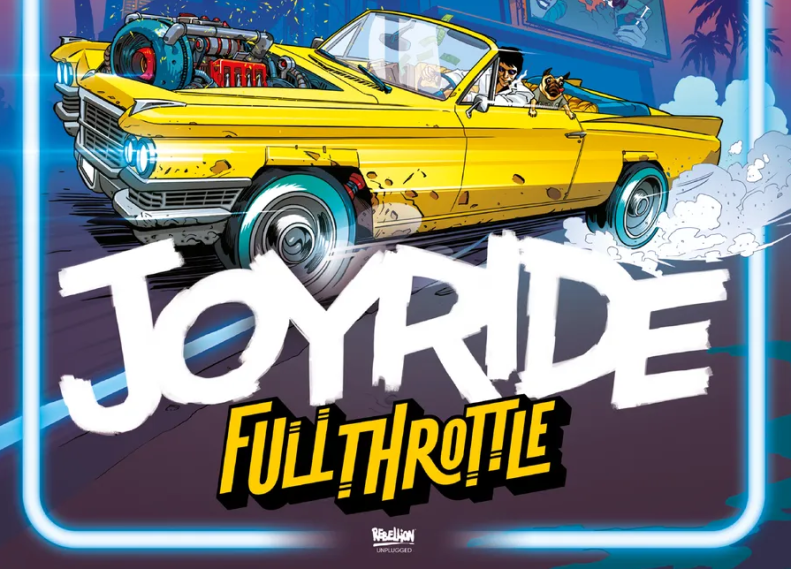
Who wants to play a destruction derby? Joyride: Full Throttle is equal parts Formula D, Mario Kart, and Destruction Derby (this was a Mad Max-like video game back in the day). Comic book artist Ant Williams’ work gives Joyride: Full Throttle character. Joyride: Full Throttle oozes character from its pores. I can’t wait to drift around the beachfront boardwalk and abandoned mall. Each map has its own identity.
And each driver and vehicle has their own vibe, too. And you know I’ll be loading up on Thumpers, Wrenches, and Volleybombs, waiting for the perfect moment to drop them on my opponents.
Push your luck as you take corners at speed. Manipulate dice on your dashboard, balancing precision and speed. Smash into your rivals to knock them off course. I love how interactive Joyride: Full Throttle is. And publisher Rebellion Unplugged just announced full miniatures. I’m certain these will cost extra (as an upgrade) when Joyride: Full Throttle releases its pledge details later this week. We don’t yet know these pledge details, but if you’re interested in Joyride: Full Throttle, check out its GameFound page.
Cascadia: Alpine Lakes Launches on KickStarter
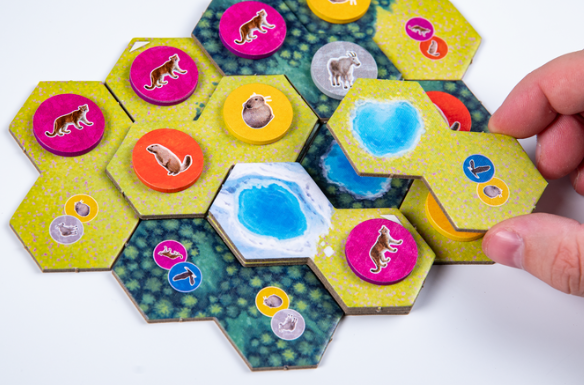
I may need a refreshing dip in a lake after that last entry. Fortunately, Cascadia: Alpine Lakes has you covered. Alpine Lakes is the standalone sequel to the wildly popular Cascadia. Take your tile-laying to new puzzly heights with Cascadia: Alpine Lakes.
Cascadia: Alpine Lakes is designed by Randy Flynn, creator of the original Cascadia. Alpine Lakes shakes up the original gameplay by adding double hex tiles. These tiles add to the strategic nature of the original, and the development team behind Alpine Lakes is the same award-winning team behind Calico, Verdant, Fit to Print, Nocturne, and Knitting Circle (Molly Johnson, Robert Melvin, Shawn Stankewich, and Dylan Mangini). And Beth Sobel returns as the artist.
Cascadia: Alpine Lakes builds off the original in interesting ways. You won’t need the base Cascadia game to play this version, but there is a pledge level that includes the original Cascadia. Pledges range from $39 to $129. If you haven’t yet played the modern classic Cascadia, Cascadia: Alpine Lakes may be a great place to start. If you’re interested in Cascadia: Alpine Lakes, check out its KickStarter page.
Garage Rock Crashes the KickStarter Party
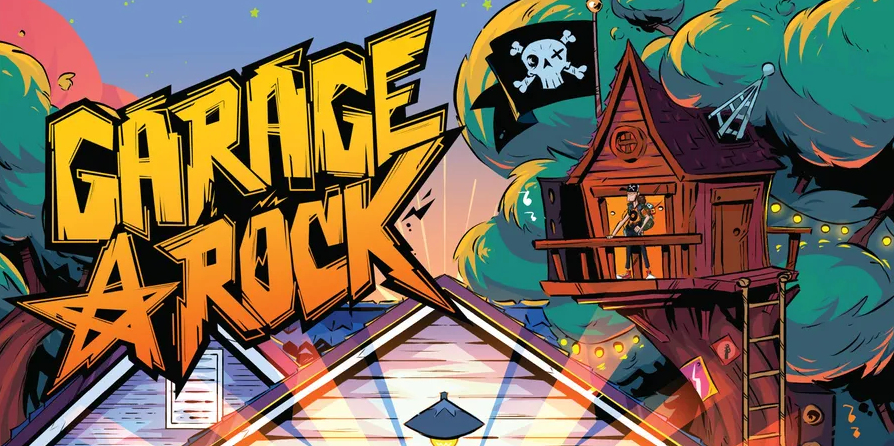
Garage Rock transports gamers back to the 1980s: big hair, cassette tapes, and BMX bikes ruled the neighborhood streets. Garage Rock is a medium-weight, worker-placement game where players step into the shoes of a teenage garage band. Fight for glory in the high-stakes “Battle of the Bands,” hosted by the infamous local pirate radio DJ, Johnny Law.
I love Garage Rock’s table presence. Check out that treehouse dice tower in the middle of the board. The stage (in the top right-hand corner) looks amazing. Garage Rock looks as if it uses a lot of table space, but that’s okay. Its toy factor and theme make up for what appears to be a large game. Who wants to rock out with me?
Compete against other players to perform at gigs. Grow your band’s popularity. And it looks as if Mariposa Games thought of everything for this game’s box insert, even a spot for the Jean Jacket expansion, should you choose to add it to your pledge. Garage Rock looks amazing. The bits are thematic like demo tapes, song tokens, talent ribbons, and 16 unique transparent acrylic instruments. Pledges range from $79 to $250. If you’re interested in Garage Rock, check out its KickStarter page.
Kavango: Lodges Expansion Launches on KickStarter
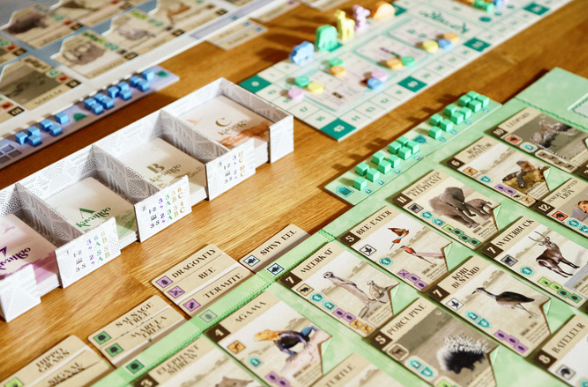
Designed by conservationists, Kavango tells inspirational conservation success stories of southern Africa. In fact, 20% of Kavango’s profits are donated to African-based charities working to safeguard the region’s extraordinary wildlife. The Lodges Expansion marks Kavango’s first major expansion. I have yet to play Kavango, but Season has and swears by this game. Seriously, it’s on her Christmas list. She’s probably editing this post, and I expect a message suggesting we back Kavango: Lodges Expansion for “research.”
Kavango uses simultaneous turns, which I love, because it keeps gameplay fast. Kavango’s theme is an important one, and I also love that Mazaza Games commits to charity. It’s a good feeling knowing your pledge goes toward a worthy cause. Kavango’s pledges are also reasonable: $20 (for just the expansion if you already have the base game), $40 for all the extras without the base game, or $60 for everything, including the original Kavango. If you don’t have the base game, I’d go with the $60 pledge; you get a lot of game for the price point. If you’re interested in Kavango, check out its KickStarter page.
Video Game Round-Up
I already covered six board game releases in quick succession. This week saw a ton of new releases, because we’re ramping up for the holidays. I’m going to go through video games quickly as well. Like the board games, these won’t be the only video games that were released this past week. Consider this section video game new release highlights.
Ninja Gaiden 4 was released over a decade after Ninja Gaiden 3 (2012). According to multiple critics, Ninja Gaiden 4 is a triumphant return to the series and well worth the wait. Like other games in the series, Ninja Gaiden 4 features punishing gameplay. Ninja Gaiden was the video game that made players “Git Gud” before Dark Souls, and 4 continues that brutal legacy. Ninja Gaiden 4 is available on PC, PlayStation 5, and Xbox Series X/S.
Sticking with the theme of older video game titles receiving their first new entry in over a decade, Katamari returns for the first time in 14 years with Once Upon a Katamari. I’ve spent countless hours rolling that funky-shaped ball, trying to get as many objects to stick to the katamari as I can. Once Upon a Katamari has received plenty of positive reviews. So, it looks like we’re two for two with returning franchises this week. I can’t wait to pick up a copy of Once Upon a Katamari. It’s available on PC, Nintendo Switch, PlayStation 5, and Xbox Series X/S.
The streak doesn’t continue, it would seem. Vampire: The Masquerade – Bloodlines fans–like me–have waited 21 years for a proper sequel to the open-world, action role-playing indie. According to many critics, Vampire: The Masquerade – Bloodlines 2 stumbles to live up to the original. This doesn’t surprise me. Bloodlines 2 had a torturous development cycle. The lead game designer changed multiple times. The lead writer was canned over a year before the game’s release. But Bloodlines 2 has a silver lining. From what I’ve heard, the writing is stellar. Any outlet that gives Bloodlines 2 a higher grade will most likely mention how deep and well-written the story’s characters are, but the janky combat and occasionally woeful performance issues make Vampire: The Masquerade – Bloodlines 2 a game I may wait to pick up at a discounted price.
Plants Vs Zombies: Replanted compiles all the game’s various iterations over the past 16 years, but the final product has been leaving critics wanting. Plants Vs Zombies’ original gameplay stays mostly intact–for better and for worse. The original game was fair and balanced most of the time, but the game had some unwarranted difficulty spikes that Replanted does little to quell. Plants Vs Zombies: Replanted tries to update the graphics, but many of the upgrades don’t quite land. Plants Vs Zombies: Replanted’s ending music video may be the most egregious. Players watch the original video on a tube television (picture inside of a picture) with downgraded graphics, which diminishes the ending’s impact.
But Replanted’s best addition may be the Cloudy Day Mode, where gameplay cycles between day and night. I may have found my way of new way to play Plants Vs Zombies. Plants Vs Zombies is available on PC, PlayStation 4, PlayStation 5, Nintendo Switch, Nintendo Switch 2, Xbox One, and Xbox Series X/S.
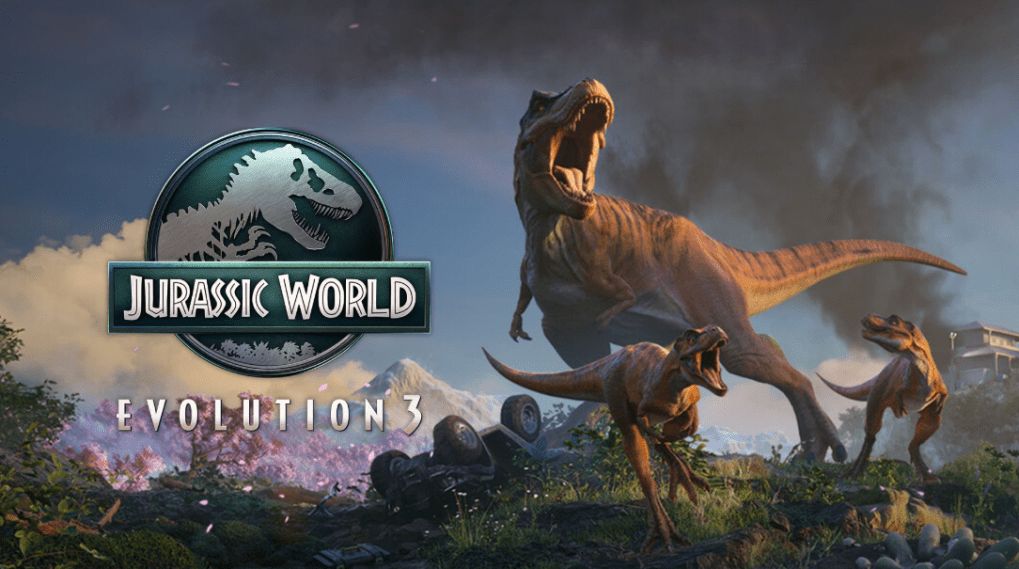
Ever want to run your own dinosaur theme park? That’s the theme of Jurassic World Evolution 3. Yes. Jurassic World Evolution 3 is the third entry in this popular game series. Jurassic World Evolution 3 has received good reviews. I’m certain Season has played at least one game in this series. Let us know if you’d like to see a future review.
I knew little about Bounty Star before its release this past week. Bounty Star’s subtitle, The Morose Tale of Graveyard Clem, sums up the game’s story. Bounty Star begins with the worst day of Clementine McKinney’s life. She hopped into a mech, tried to save the people she loved, and lost everything. Clementine McKinney died that day. Graveyard Clem was born from the ashes. Graveyard Clem rebuilds her life in the wastes. Bounty Star bounces between mech combat and daily life on a farm, raising chickens and growing crops. Gamers will embody all aspects of the flawed Graveyard Clem. Bounty Star offers two disparate gameplay loops that I can’t wait to try. Equal parts mech combat game and farming sim? Sign me up.
That’s all we have for Geekly News this week. With the holidays around the corner, we may do more quick recaps in the coming weeks. Thank you for reading, and wherever you are, I hope you’re having a great day.













































 jkgeekly.com