Hey, hey, Geekly Gang! Kyra Kyle here with another week of Geek News. After the family emergency (surgery), we’re getting back into the swing of things with Geekly News. We have plenty of new releases for board games and video games, but first, let’s cover this week’s headline. And Sony makes yet another headline. Sony Interactive Entertainment just can’t stop making news, can they?
Sony Ends Physical PlayStation game discs in 2028
I know. I know. I’ve mentioned Sony numerous times during this year. When I first learned Sony had made the news, I wondered what they did this time. You may tire of Geekly covering Sony and PlayStation news, but we’re tired of the company making news. We’ll begin by being as objective as we can and then editorialize a little bit.
In a blog post this week, Sony Interactive Entertainment announced it will end production of physical game discs in January 2028. Sony cites gaming trends as the chief reason for making this change. Games released before January 2028, along with existing physical titles, will not be affected. Players will still be able to purchase and play those games as they do today. Sony said the move will allow the company to “align more closely with how most of our community prefers to access and play games today.”
In a separate announcement, Sony stated that they will close the PlayStation Store for the PlayStation 3 and PlayStation Vita in July 2027. The digital storefront will shut down even earlier in some countries across Latin America and the Middle East. Sony claims the PlayStation 3 and PlayStation Vita can no longer support their updated payment processing standards. Players will still be able to re-download games and other content they have already purchased for the “foreseeable future,” the company said.
Some of that may ring true. The PS3 and PlayStation Vita are aging systems. But the fact that Sony can cut off the digital libraries of those gaming systems proves why physical media matters. Players don’t own games they “purchase” digitally. Sony can yank player access to games on their digital store at any time. And while I do believe more gamers “purchase” their games online, “purchasing” games online is more like renting them. Players will need to pay full price for a game they don’t even own.
I know I’m in the minority here, but I hate the direction video games are headed. I may purchase older systems and get back into retro gaming. One may believe the PS3 is an old system. Who cares? But the PS4 and PS5 aren’t backwards compatible with the PS3. When those games disappear from the PlayStation store, some may vanish forever. That’s the thing about retro gaming and why I’m considering buying some of those older systems. I don’t have to worry about Sony (or some other video company) clicking a button and deleting my access to those older games. I own those games. Isn’t just big business to deny customers to own anything.
Okay. I’m done ranting. Let’s get to the fun stuff. New releases. Yay!
Sprout Launches on KickStarter
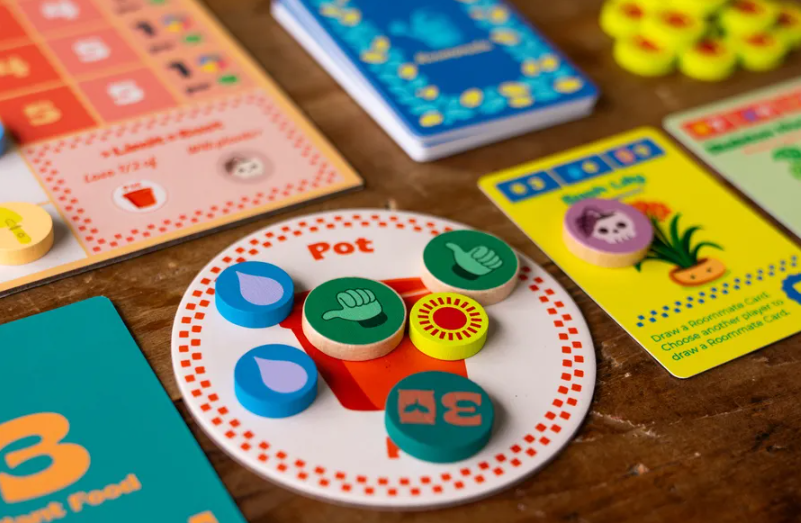
Sprout is a cozy, yet thrilling push-your-luck strategy game for 2-5 plant parents. Players take the role of roommates trying to sprout their newly adopted houseplants.
Choose how long to stay in your apartment collecting nutrients including Sunlight, Water, Plant Food, and even Love! The longer you care for your plants, the more nutrients you add into your pot.
Use nutrients to sprout your plant babies by meeting their picky needs. Every plant you sprout not only earns you bragging rights, but they also have unique sprout effects that help you further grow your plant family.
But be careful! If the same nutrient shows up too many times, you overwhelm your plants and wilt them! You’ll then need to give a little Love to bring them back to life.
You can also use Love to adopt new plant babies from the nursery. And with over 100 unique plants to choose from, there are infinite plant collections waiting for you to sprout.
Sometimes you’ll lend your roommates a helping hand by playing Roommate Cards. But other times, you’ll have to do what’s best for your own plants. Because at the end of the game, only one of you can claim bragging rights to the best plant collection!
Thank you for the description, Rabble. Nature-themed games have dominated the tabletop space. Sprout has plenty of competition. I’ve even recently played Verdant with a similar theme. But I like Sprout’s inclusion of push-your-luck and semi-cooperative game mechanisms. Semi-cooperative games are difficult to pull off. Believe me. I’ve tried. I’m interested in seeing how Sprout tackles the balancing act of players working together but having a reason to go against the good of the group. Rabble has a short but strong history of delivering solid games. Sprout looks charming. I’ve heard great things about the game’s player interactions. I’m keeping an eye on this project. Pledge levels range between $39 – $127. If you’re interested in Sprout, check out its KickStarter page.
Rolling Deep Launches on KickStarter
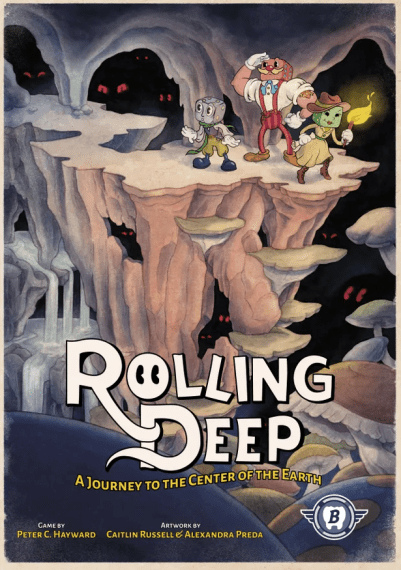
Rolling Deep is a Balatro-inspired roguelike dice-building adventure featuring a cornucopia of unlockable content, addicting challenges, and delicious combos. Each round, you roll dice representing your team’s daring actions as you push deeper underground. Decide when to act (scoring a roll) and when to try your luck (rerolling individual dice in pursuit of a stronger outcome).
When you score a roll, its value advances your progress toward a target score, the difficulty required to overcome the current stage of the journey. Each set of 3 rounds is called a chapter. Each chapter raises the challenge, and the final round of every chapter features a boss — a dangerous encounter that alters the rules for that round.
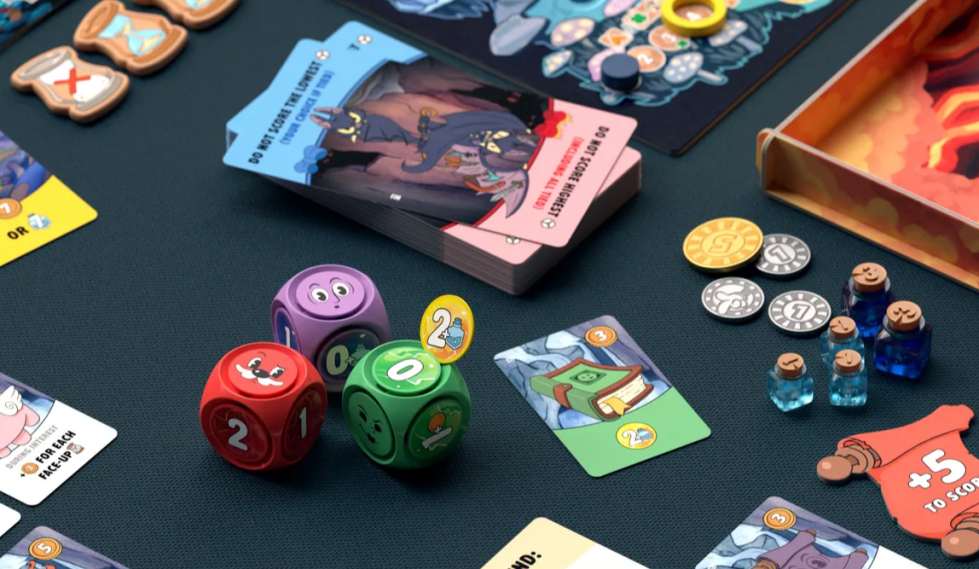
Between rounds, you visit the shop, where you spend coins to acquire upgrades and consumable gear. Some upgrades permanently alter the sides of your dice, changing their values and allowing them to generate coins or reroll potions when scored. Others boost your score, either every roll or when you score specific result ranges, rewarding careful control over how boldly (or cautiously) you push forward.
Your most valuable resources are time and reroll potions. Time determines how many opportunities you have to score your dice and accumulate a total score for the round, while reroll potions allow you to take a chance and — you guessed it — reroll individual dice before committing to a result.
Your goal is to survive 5 chapters and reach the volcano’s core. If you can overcome the final boss, you claim the treasure of the deep and escape, winning the game (and possibly discovering more mysteries to pursue in another expedition). If you fail to meet a round’s target score, you lose. Better luck next expedition!
Thank you, Bitewing Games, for the description. Bitewing has a strong history of delivering strong games. Rolling Deep looks to be another great game for their catalogue. Look at those components (pictured above). They look amazing. Rolling Deep allows players to modify dice. This concept has been tried with varying degrees of success. If anyone can pull off this feat, it’d be a publisher like Bitewing Games. I also like that Balatro serves as the basis for Rolling Deep’s DNA. I stink at Balatro, but I love how much strategic depth the game possesses. I wouldn’t mind if a board game attempted to adapt Balatro at face value. Adding the twist of a dice builder makes Rolling Deep an intriguing game combination.
And I love the Cuphead-inspired art. Yes. It may be a little overplayed, but Rolling Deep’s visuals look amazing. Bitewing Games is known for its production value, and Rolling Deep is no different. This is definitely a game you should have on your radar. Pledge levels range between $59 and $149. If you’re interested in Rolling Deep, check out its KickStarter page.
Artifox Launches on GameFound
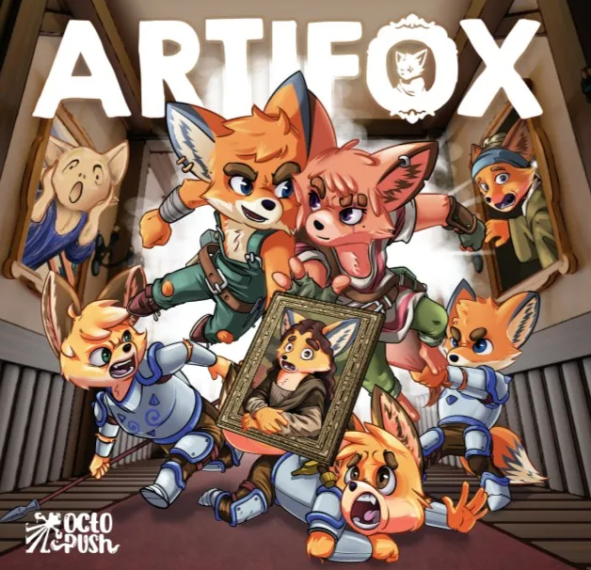
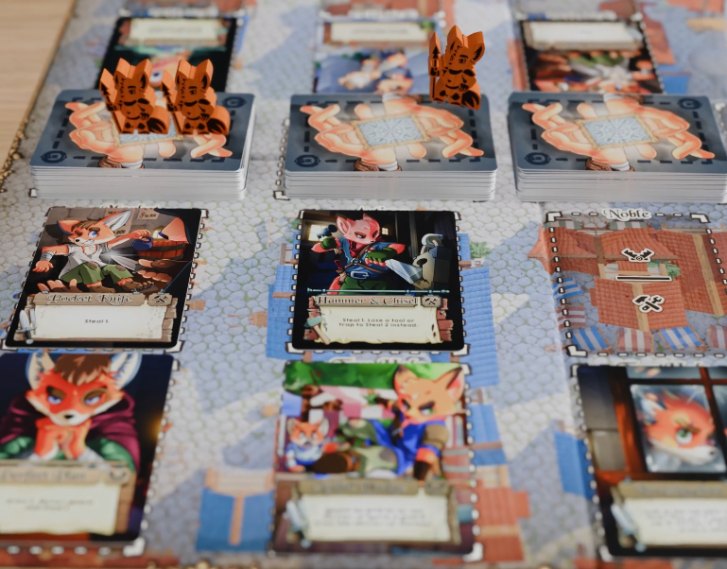
Step into the bustling city of Artifox Famous for it’s beautifull Artifacts. As a fox living on the street, life is tough, but your cunning and courage can take you far! You dream of more, and you know that by perfecting the art of stealing, you can amass great wealth. Do you dare to take on the challenge?
Artifox is a strategic and interactive card game for 2 players that takes you on a whirlwind adventure full of cunning and deception. Start with a base deck and traverse the city to steal from various shops. Each card stolen will be added to your hand and eventually your deck. Use these tools, tricks or traps to manipulate the field and steal valuable loot. Guards are on the lookout so be carefull!
However, you are not the only one eyeing the city’s treasures. Your opponent is after the same loot and will do everything possible to outsmart you and steal your findings!
Have you gathered a Trick, Tool & Trap? Then it’s time to steal Mayor Silverfang’s treasures! These valuable artifacts are added to your deck and can be stolen by your Opponnent. When no Artifacts are left at Silverfang Manor, the fox with the most Artifacts wins!
Thank you, Octo Push Games, for the description. At first, I thought Artifox would include deck building. It does not. It’s more of an open drafting card game with plenty of hand management and a healthy dose of take that. If you know me, you know I don’t typically care for take that games unless they have a short run time. Artifox takes about thirty minutes to complete, which is on the long side of short. But Artifox is also a two-player only gaming experience. I don’t mind a longer take that game if it’s two-player only. Yes. I target you with all my nasty abilities, but since the game is two-player only, it feels less like I’m picking on someone because I choose to pick on them. They’re my only opponent. Great!
I love Artifox’s theme of sneaking through a bustling city and stealing items. Not enough board games include stealth. I’m interested to see how Artifox expresses this idea. My guess is that players will “push their luck” and journey deeper into the city. It also looks as if Artifox may have workers, but their write-up doesn’t include “worker.” I wonder if the meeples (pictured above) are guards. If so, neat. We have a healthy collection of board game new releases this week. If you’re interested in Artifox, check out its GameFound page.
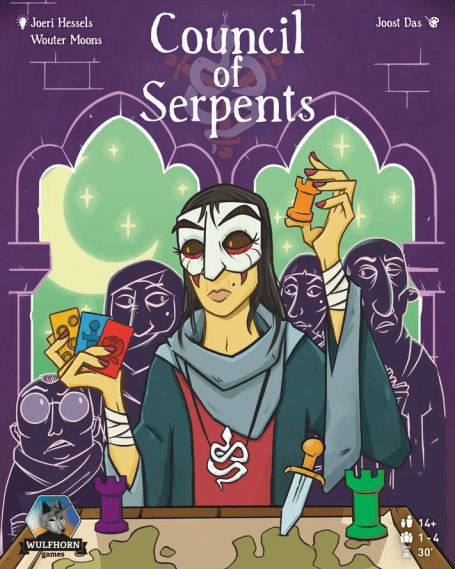
Council of Serpents is a manipulative tug-of-war game with hidden objectives. Three noble Houses are vying for power, but you are not one of them… You are a member of the Council of Serpents, and manipulate these Houses to achieve your own ambitions.
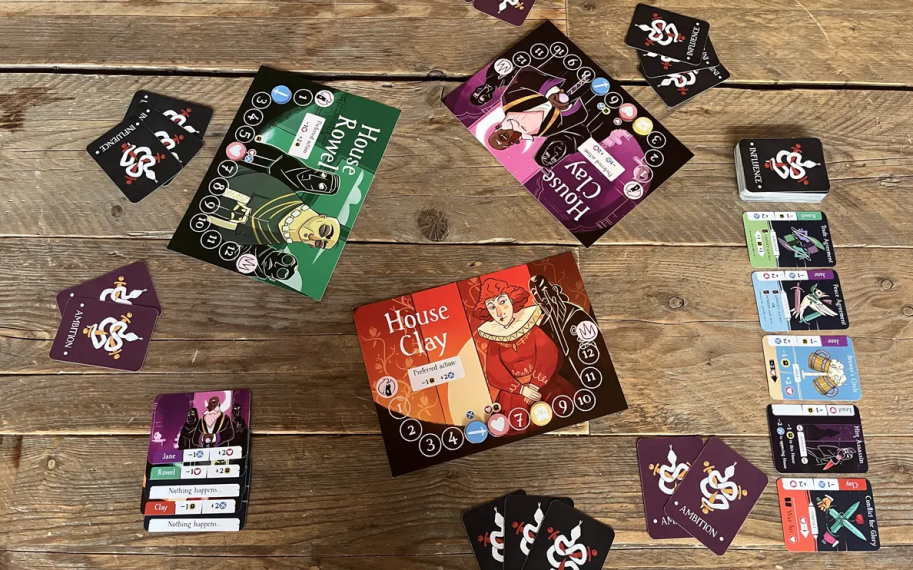
You scheme to orchestrate the triumph or collapse of one of these great Houses by manipulating their three attributes; the strength of their army, the amount of gold in their coffers and their popularity with the people. If one of these attributes ever reaches the top of its track, the game is immediately over, and that House triumphs. Whereas if an attribute reaches zero, the game is also immediately over, and that House collapses.
You achieve this by playing Influence cards to cause Conflicts, escalate Conflicts into Wars, prepare for these Wars by playing facedown Intrigue cards, make Peace and orchestrate support from powerful Guilds. After playing an Influence card, you enact the top card of the timetrack, often causing the Houses themselves to act. When the timetrack runs out of cards you collectively build it anew, shaping the plans of the Houses for the turns to come.
Thank you, Wulfhorn Games, for the description. Council of Serpents sounds like a variant of a party game like We’re Doomed with more political intrigue. It features multiuse cards (always a favorite mechanism of mine), hidden roles, and negotiation. I’m not the best with negotiation, but I love it when a game uses the mechanisms. I can’t wait to see how I’ll screw up this mechanism. Council of Serpents’s production value looks amazing. That’s to be expected, most board game that launch on GameFound tend to have higher quality production values. Council of Serpents sounds like one of those games I’d love to play but wouldn’t be very good at. Still, color me intrigued. If you’re interested in Council of Serpents,check out its GameFound page.
Star Fox Releases on the Nintendo Switch 2
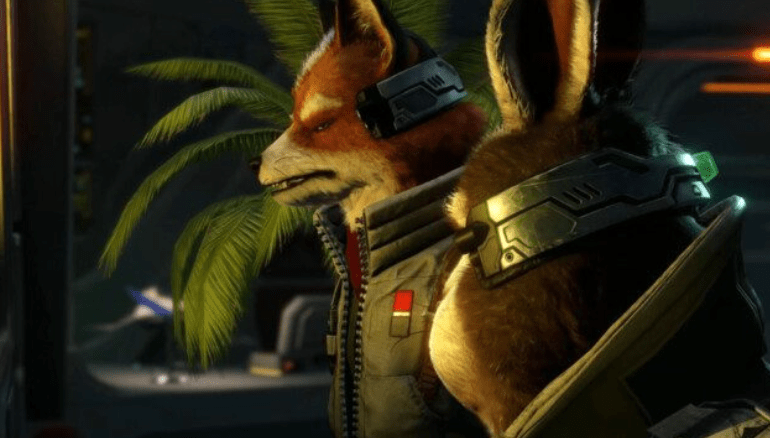
The original Star Fox gets its glow up with a brand new release on the Nintendo Switch 2. While I would’ve loved a new entry into the series (Nintendo has put Star Fox on the back burner for far too long, and his appearance in the recently released Super Mario Galaxy movie should’ve been accompanied by a new game, in my opinion), I’ll take a remaster or remake. The graphics look phenomenal.
Star Fox for the Nintendo Switch 2 is more of a remaster. It doesn’t take long to finish, but finishing the story is only part of the game’s joy. Star Fox’s multiplayer modes offer extensive replayability. Players can play cooperatively to complete challenging missions, or they can challenge each other in a competitive mode. I don’t know if I care for Star Fox’s more “realistic” graphics. The game loses a little bit of its charm by deviating from its cartoon art design. Still, it’s Star Fox. If you’ve always wanted to play the original, the Star Fox remake on the Nintendo Switch 2 may be a great way to experience this classic.
That’s all the geek news we have for this week. Thank you for reading, and wherever you are, I hope you’re having a great day.
Happy Sunday, Geekly Gang! Kyra Kyle here with another week of Geek News. We’re forgoing any headlines for new releases in board games and video games. I have some family obligations over the next few weeks, so Geek News may need to be new releases for a little while. But it’s games. Who doesn’t like new games? Let’s get to this week’s crop of new board games and video games.
Shiver Me Timbers Launches on GameFound
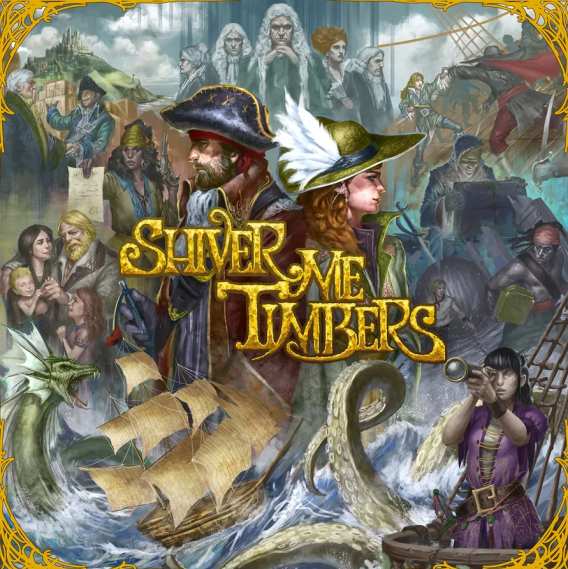
Shiver Me Timbers is a highly thematic, strategic sandbox game set in the Golden Age of Piracy. The game is heavily Euro-inspired: It uses a tactical card-based combat system and takes lots of strategic planning to use your available actions to optimal effect and become the most notorious pirate of your era.
Each playing will vary as you randomly reveal five of ten vastly different victory conditions: One game, you’ll be rescuing your lost family, the next you might have to conquer enemy ships and fortresses or face the hideous Kraken.
At the beginning of the game, each player secretly chooses two of the revealed conditions as their personal goals. After all players have chosen, they set-up the fully modular board, each of them trying to find a constellation that optimally supports their hidden agenda. Then they outfit their modable ship miniatures, select their starting abilities and equipment and set sails to fight, conquer, trade, loot, hunt for treasure and much more.
During play, every achievement is rewarded with victory points. The game continues until all five victory conditions have been met. There’s a final scoring in which players collect extra points if they managed to achieve the goals they chose, and highest point total wins.
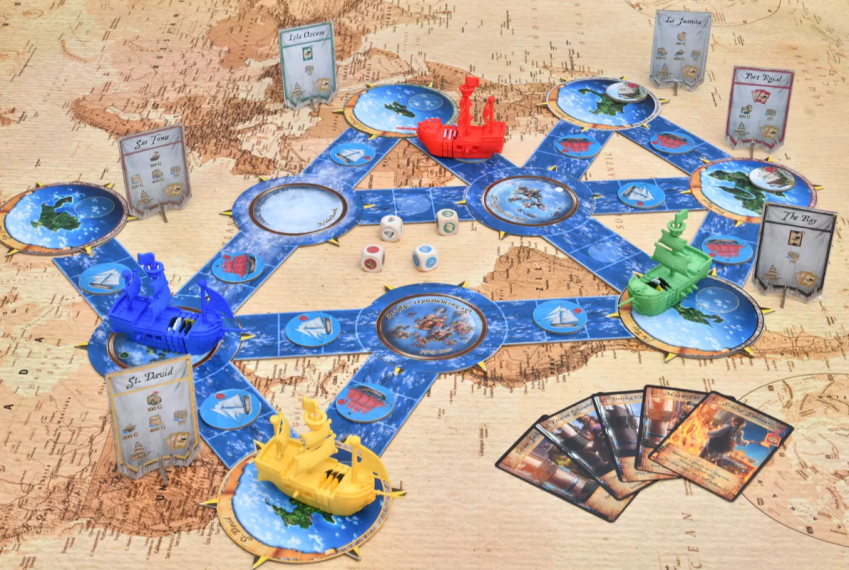
Thank you, Weltflucht Verlag, for Shiver Me Timbers’ description. This game looks amazing. This will be a theme with this week’s board game new releases, but I don’t have too many pirate games. Shiver Me Timbers looks like a pirate game I wouldn’t mind owning. Exploration? Check. Cool pirate ship minis? Check. Shiver Me Timbers even throws in some dice chucking. Except for the description above, I have no idea how this game plays, but I’m interested in Shiver Me Timbers. Players’ ships are supposed to be customizable. What? I like the idea of building my own pirate ship. Yo ho! If you’re interested in Shiver Me Timbers, check out its GameFound page.
Siege Perilous Launches on GameFound
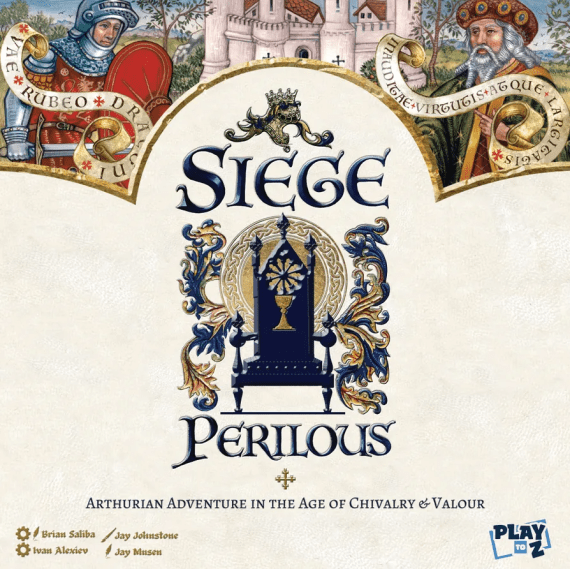
In this expansive (and expandable) Euro-style board game, 1 to 4 players will traverse 12 kingdoms that compose Arthur’s Britain, each kingdom containing unique interactable locations, including castles, churches, training towers, ports, markets, fountains, dungeons, and the famed Forest Sauvage. The map itself changes throughout the game, as new events arise, foreign campaigns become available, and Merlin appears with a task that needs doing.
As a player, you will choose from among 6 Player Characters: Dame Britomart, daughter of King Rience; Sir Claudin, son of the Gaulish tyrant; Sir Galleron, proud son of the Northern wilds; Dame Marfisa, warrior queen of the East; Sir Morien, hailing from distant Africa; Sir Priamus, descendent of Judas Maccabeus and Hector of Troy; Sir Sadok, former vassal of the foul King Mark; Sir Wigalois, a lost son of Camelot. Each character begins with a unique set of statistics, which you will endeavour to increase throughout play, plus a starting quest unique to them. From there, embark upon your knightly career as you see fit.
I don’t know much about Siege Perilous, but Play to Z makes phenomenal games. I don’t have too many Arthurian-themed board games. There are plenty of them on the market. But I personally don’t have too many of these types of games. Siege Perilous looks involved. It’s a heavy Euro-style board game. And Siege Perilous may be worth it for the art alone. The artist, Jay Johnstone, uses traditional medieval art methods to create these images. Ah! Siege Perilous looks amazing. If you’re interested in Siege Perilous,check out its GameFound page.
Sovereign: Shōgun Launches on GameFound
Sovereign: Shōgun is a competitive strategy game set in feudal Japan, where rival daimyos struggle for political dominance, military strength, and imperial legitimacy. Each player leads an asymmetric clan with unique advantages, competing to shape the future of the realm while a young heir sits at the center of shifting power.
On their turn, players select a single action using a River-style action track. Actions grow stronger the longer they remain unchosen, creating constant tension between acting early at lower strength or waiting for greater impact while risking that another player claims the opportunity first.
Core actions include Harvest to generate income from developed lands, Move to reposition armies, Develop to expand infrastructure and territories, Mastery to recruit and strengthen military forces, and Diplomacy to gain favor with temples and increase influence. Timing, positioning, and reading opponents are just as important as raw military strength.
The game ends when a player reaches the required threshold on either the Points or Glory track, or when a Harvest-related condition triggers the endgame. Victory belongs to the clan that best balances economic growth, military power, and political influence.
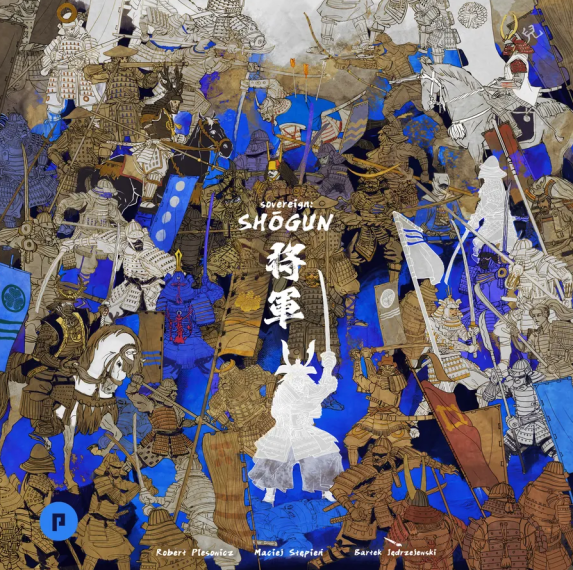
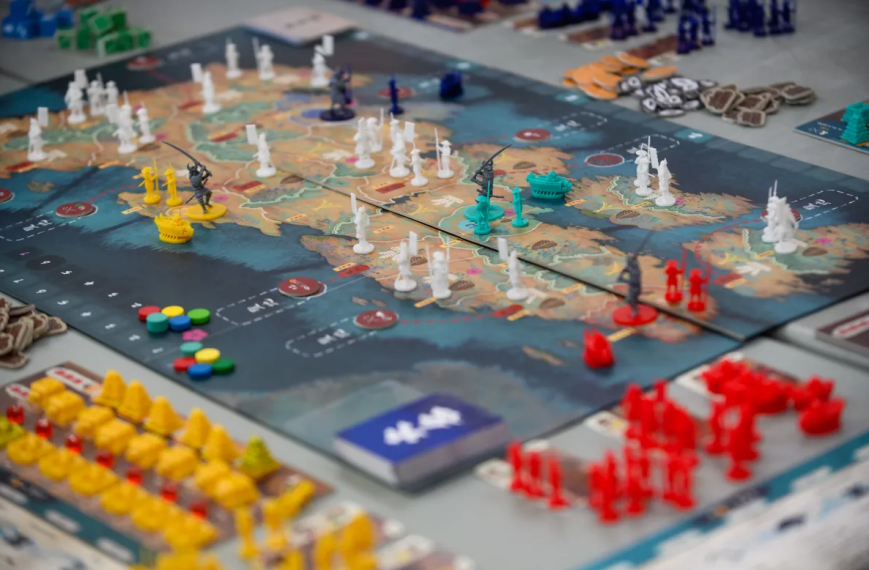
Thank you, PHALANX, for the game description. Wow! Look at Sovereign: Shōgun‘s miniatures. This looks like a highly interactive dudes on a map board game. Sovereign: Shōgun has the look of Risk or Axis and Allies, but the base building separates the two. I have yet to play Sovereign: Shōgun, but it sounds like players will need to balance their economy, military might, and political influence to win. A lot is going on with Sovereign: Shōgun. Publisher PHALANX is known for Brass: Birmingham and Scythe. Both of those games are near the top of BoardGameGeek’s all-time greatest games list. While I don’t put that much stock in BGG’s Top 100 Games, it is a good benchmark for a baseline great game. PHALANX can deliver on a game like Sovereign: Shōgun. If you’re interested in Sovereign: Shōgun, check out its GameFound page.
Survivalist: The Board Game Launches on KickStarter
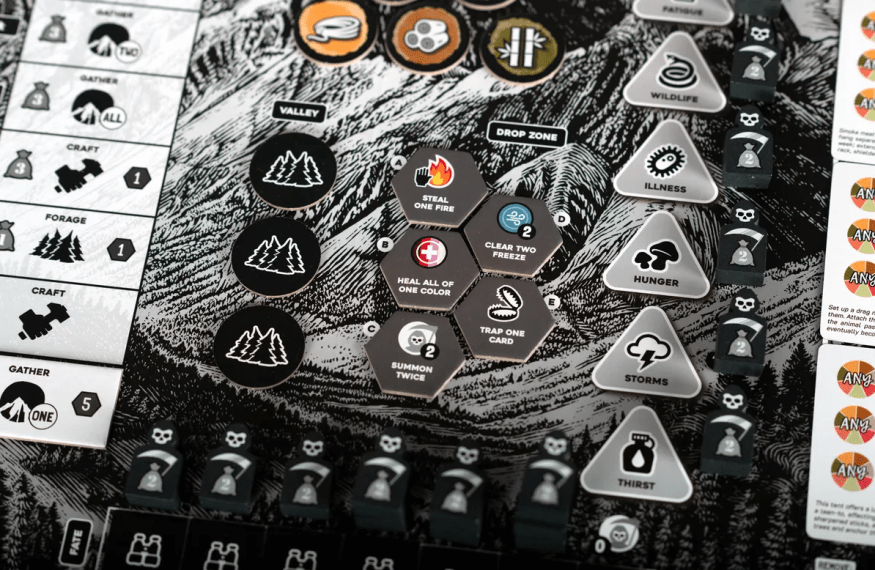
Survivalist drops two to six empty-handed players into the brutal wilderness for ten nights. Each day forces a decision: stay warm at the fire, recover in the nearby clearing, or push into the backcountry and gather what’s needed to prepare for seven threats. As the game progresses, these threats grow worse and nearer: thirst, storms, hunger, illness, wildlife, fatigue, and isolation. The game plays out as a tense survival simulation where every round is a balancing act of action selection and resource management, shaped by limited time, limited backpack capacity, and the constant threat of injury.
The game ends when only one person is left standing. Whoever endures the longest is the true survivalist—and the winner.
Thank you, Homestead Games New Zealand, for the game description. I love the idea of a survival board game. Survivalist: The Board Game offers Push Your Luck, Risk Mitigation, Resource Management, and even Worker Placement. I love these mechanisms in board games. I have yet to play Survivalist: The Board Game, but the combination of game elements sounds interesting. The one mechanism that gives me pause is Player Elimination. I don’t care for games that feature player elimination if the game lasts too long. Fortunately, from what I’ve heard, Survivalist: The Board Game lasts no longer than an hour and a half. I hope this is the case, because Survivalist: The Board Game sounds like a game Mrs. Geekly would enjoy.
Survivalist: The Board Game offers plenty of pledge levels, ranging from $60 – $500. The $500 price tag sounds like a lot, but backers who choose this option can offer feedback for Homestead Games New Zealand’s next release. I have yet to see that offered in a KickStarter campaign. Curious. I’m keeping an eye on that to see if it takes off. You never know if Geekly may start a KickStarter campaign. If you’re interested in Survivalist: The Board Game, check out its KickStarter page.
Is That Sheep Looking at Me? Launches on KickStarter
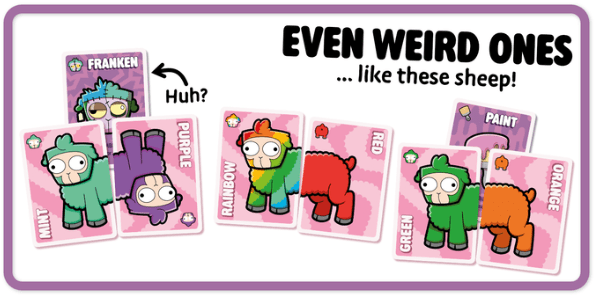
Make sheep out of sheep heads and butts; you can even make weird ones. Use action cards to stymie your opponents or help you build the biggest flock in the flock-building party card game, Is That Sheep Looking at Me?.
Is That Sheep Looking at Me? has a quirky theme and game pieces to match. It sounds as if Is That Sheep Looking at Me? has plenty of Take That. While I’m not the biggest fan of Take That as a game mechanism, Is That Sheep Looking at Me? takes little time to set up and play, so I’ll give it a pass. And the artwork is hilarious. Is That Sheep Looking at Me? also has a reasonable set of pledge levels: $25 and $35. It’s worth a gander–wait, that’s geese. If you’re interested in Is That Sheep Looking at Me?, check out its KickStarter page.
The Adventures of Elliot: The Millennium Tales Releases
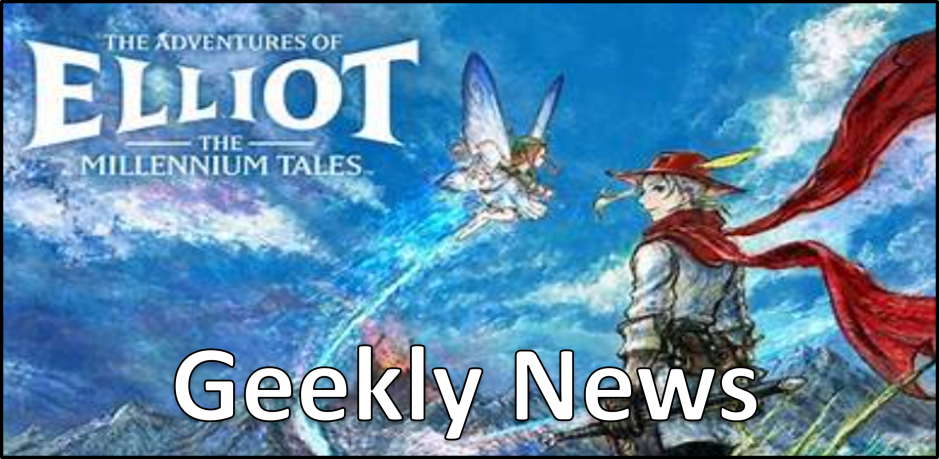
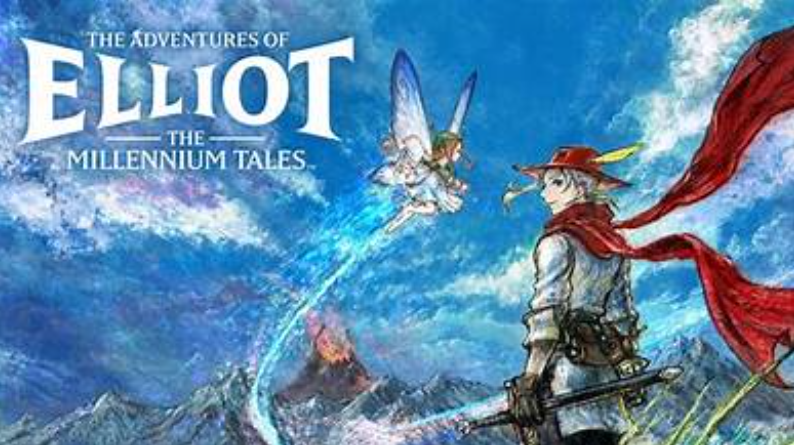
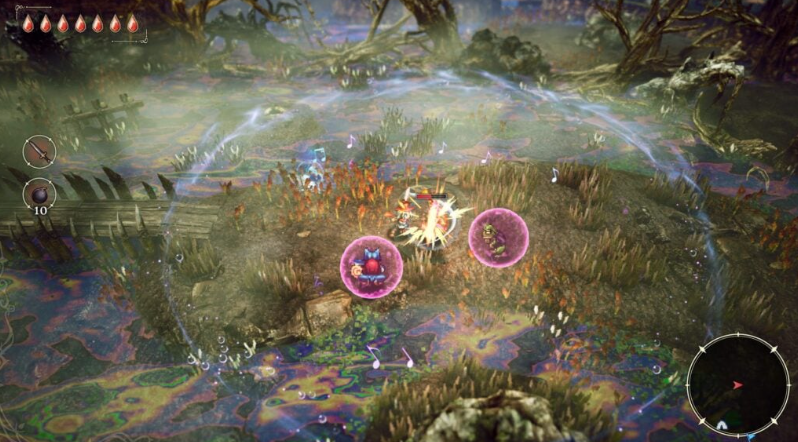
A brand-new action RPG from the creators of Octopath Traveler and Bravely Default. In The Adventures of Elliot: The Millennium Tales, open new paths as you explore this untamed continent and reveal the world’s mysterious history. Enjoy intuitive and rewarding action-based battle with a healthy dose of strategic support abilities from a fairy.
Publisher SquareEnix states that The Adventures of Elliot: The Millennium Tales serves as a spiritual successor to Chrono Trigger. I’d like a true sequel to Chrono Trigger/Chrono Cross or at least an HD remaster of Chrono Trigger. In lieu of that, I’m down with a title like The Adventures of Elliot: The Millennium Tales. Who knows? If The Adventures of Elliot: The Millennium Tales does well, SquareEnix may publish a true sequel in the Chrono series. Regardless, The Adventures of Elliot: The Millennium Tales looks amazing. Its HD-2D graphics are on point. What else would one expect from the creators of Octopath Traveler. While I haven’t picked up a copy yet, I will in the coming days. Let us know if you’d like Geekly to write a review of The Adventures of Elliot: The Millennium Tales. It’s available on PC, PlayStation 5, Xbox Series S/X, and the Nintendo Switch 2.
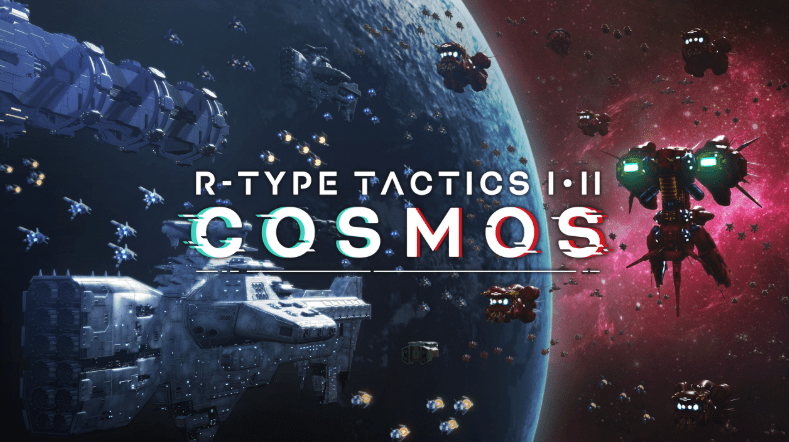
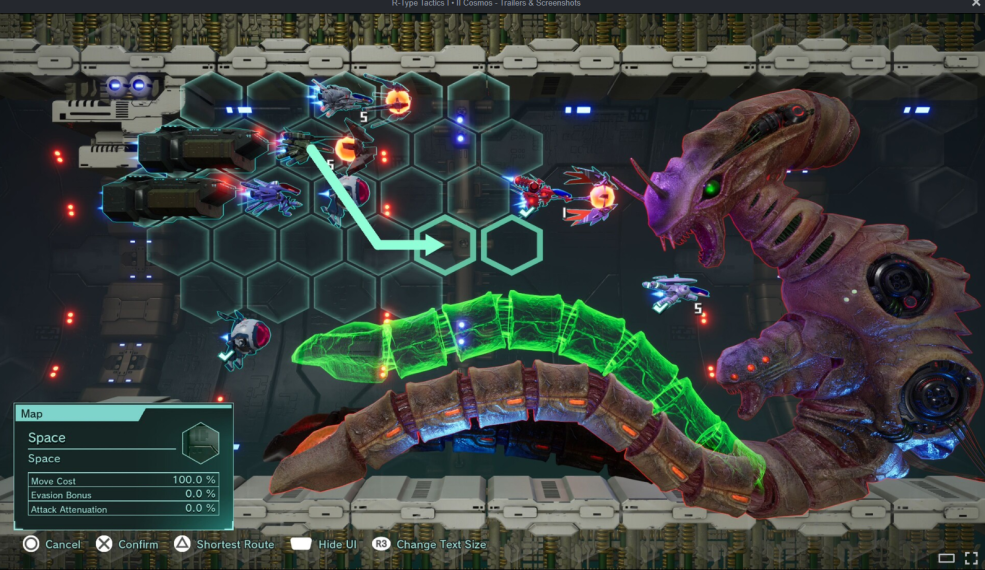
Turn tactical, turn-based strategy on its side in R-Type Tactics I • II Cosmos! Making its debut on modern consoles, this two-game collection features revamped visuals, multiple campaigns, and branching missions!
I didn’t play the original release of these two games, almost forty years ago today. Yikes! The updated graphics look amazing. R-Type Tactics I * II Cosmos has a rather hefty price tag ($50) for a remaster, but you do get two games for the price of one. From what I’ve heard, R-Type Tactics I * II Cosmos has massive strategic depth. These games challenge gamers to use their wits and adapt to their environment. Experimentation is key. I love the sound of that. While I may not spend $50, especially without a playable demo, I’ve wishlisted R-Type Tactics I * II Cosmos. Like The Adventures of Elliot: The Millennium Tales, you may hear more about R-Type Tactics I * II Cosmos. R-Type Tactics I * II Cosmos is available on PC, PlayStation 4, PlayStation 4, Xbox Series S/X, Nintendo Switch, and Nintendo Switch 2.
That’s all the news we have for you this week. Which game sounds the most interesting to you? Let us know in the comments. Thank you for reading, and wherever you are, I hope you’re having a great day.
Happy Monday, Geekly Gang! Kyra Kyle here, and today, we have another Geekly Casting. Skye and I will be casting for a hypothetical Overwatch film. I found it difficult to pare the list of Overwatch characters to a manageable number. I forgot the original Overwatch launched with 21 characters. Twenty-One! We’ll cast a full twenty-one characters, so I researched Overwatch’s original cast–the one they used during demos before the game officially released–and found twelve. That’s a much easier number. I added a couple of characters (two) who will show up at the end of my segment. One makes sense for lore reasons, and the other sounded like fun to cast. So, we’ll have fourteen cast members. Yay!
Looks like Skye is sitting out this Geekly Casting. Hopefully, she’ll return soon. I’m flying solo with this Geekly Casting, so let’s get it started. Here is Geekly’s Casting of a hypothetical Overwatch movie.
Bastion: Ben Burtt
I almost didn’t cast anyone to voice Bastion. But someone does just that in the game: Chris Metzen. While Chris Metzen would make a great Bastion for an Overwatch film (because he is Bastion), I opted to go with Ben Burtt, who voiced Wall-E. Let’s be real. Bastion has Wall-E tones. If you’re not going to go with the original, you can’t go wrong with Ben Burtt.
Tracer: Emilia Jones
Tracer is young, British, and full of spunk. I had plenty of choices for this role, but I chose Emilia Jones (Locke & Key and CODA) because she’s already proven her acting chops. She’s received multiple awards and was nominated for a BAFTA. Jones just needs a big break. Tracer could be that big break. And it doesn’t hurt that she’s a dead ringer for Tracer.
Reaper: Tyler Dean Flores
While I could’ve gone with an older, stoic Latino actor like Danny Trejo or Javier Bardem, I wanted to go younger with Reaper. Tyler Dean Flores got his start on The Dark Knight Rises and has steadily built a varied and impressive acting career: When They See Us, I Saw the TV Glow, and The Falcon and the Winter Soldier. Flores has range and is another actor who could use a big break. Flores could give Reaper depth.
Widowmaker: Megan Northam
Widowmaker is a French ballerina turned sniper. Who better to portray her than jack-of-all-trades Megan Northam? Northam trained for a decade on the cello at the Nantes Conservatory. She’s even a dancer. Great! And Northam is French. Perfect! Northam’s breakout role came in 2021 in the French comedy Robust. She later starred in Netflix’s Notre-Dame and the Amazon Prime series, Greek Salad. I could easily see Northam pull off a convincing Widowmaker.
Pharah: Jamila Awad
Jamila Awad has had a varied career. She’s acted in comedies and dramas alike but hasn’t been in a major project in half a decade. Awad took part in a UNICEF campaign alongside numerous Egyptian and international artists, including Mona Zaki. The objective of this campaign was to enhance awareness of children’s rights on a global scale and within the Arab region. And last year (2025) Awad was the face of Armani Beauty. I could see Awad make a triumphant acting return as Pharah.
Reinhardt: Michael Fassbender
German-Irish actor Michael Fassbender needs little introduction. He’s freaking Magneto. While he may need to be aged up a little bit for the role of Reinhardt, Fassbender can pull off the accent. He has the gravitas that will pull in combatants and viewers as Reinhardt. The only thing that surprises me with this pick is that I haven’t cast Michael Fassbender in anything yet. A good Overwatch film could erase the less-than-stellar Assassin’s Creed movie. Yikes!
Mercy: Isabel Lucas
“Heroes Never Die.” The same can be said of Samantha Cage, Isabel Lucas’s character in MacGyver. Lucas certainly has the look to play Mercy. It also helps that Lucas can speak Swiss-German, so Mercy’s accent should be no problem. Recently, Lucas has returned to Australian film, but I’m sure the role of Mercy could convince her to return to Hollywood.
Torbjörn: Bill Skarsgård
Bill Skarsgård is another actor who needs no introduction. The Pennywise actor may seem like an odd choice for Torbjörn, but Skarsgård is no stranger to mountains of prosthetics. He loses himself in most of his roles. And can’t you see Skarsgård in full Torbjörn makeup and beard extensions? It’d be glorious.
Hanzo: Brian Tee
Chicago Med star Brian Tee is no stranger to action films. He’s been featured in Fast and the Furious: Tokyo Drift, The Wolverine, Jurassic World, and Teenage Mutant Ninja Turtles: Out of the Shadows, where he portrayed none other than Shredder himself. Yeah. Tee has the credentials to pull off a menacing Hanzo.
Winston: Crispin Freeman
I’m keeping it simple with Winston. His voice actor Crispin Freeman retains the role. Why not? Winston will most likely be predominantly CGI. It makes sense to keep Winston’s video game voice actor. Nuff said.
Zenyatta: Feodor Chin
I’m sensing a trend here. I’m going with Zenyatta’s original voice actor Feodor Chin. The role will most likely be achieved through CGI, so why not have the classically trained Chin reprise his role? Chin has forgotten more about acting than most of us will ever know. He’s starred in live action, animation, and video games. Chin has countless acting credits, but here’s a list of his highlights: Big Little Lies, Lethal Weapon, Jane the Virgin, New Girl, Hit-Monkey, What If?, and Regular Show. And that’s on top of all Chin’s video game voice acting.
Symmetra: Anjali Bhimani
Okay. I’m three for three with these last three roles. I’m sticking with Symmetra’s voice actor Anjali Bhimani. Clearly, Symmetra won’t be CGI, but seeing Bhimani in live-action roles makes me smile. She was one of the reasons I watched Ms. Marvel. And if you’ve ever seen Bhimani on YouTube Dungeons & Dragons videos, you know she has charisma to spare. Being a D&D fan gives Bhimani extra geek cred. It also doesn’t hurt that Bhimani also voices one of my Apex Legends’ mains, Rampart. She’s gotta be the live-action Symmetra.
Genji: Mamoru Miyano
Mamoru Miyano may be primarily known as a J-Pop star and voice actor, but Light Yagami from Death Note is one of Miyano’s voice acting credits. Ah. I like the idea of an android Light wreaking havoc. Miyano has the presence to pull off Genji’s voice. And if you noticed, Genji is one of my final two entries. He wasn’t one of the original 12 characters in Overwatch’s demo, but I couldn’t include Hanzo without including his brother, Genji.
D.Va: Bae Suzy
D.Va may be an E-Sports star, but she gives off crazy K-Pop Idol vibes. I’m leaning into the K-Pop angle with Bae Suzy, who just so happens to have built a solid acting career. I can see Bae Suzy saying “Nerf This” before ejecting from a mech. It also doesn’t hurt that Bae Suzy has martial arts training. She can pull off an action role like D.Va.
Those are my picks for a hypothetical Overwatch live-action film. Thank you for reading. You’re awesome. We all know, and wherever you are, I hope you’re having a great day.
Hey, hey, Geekly Gang! Kyra Kyle with another week of Geek News. Until recently, I was entertaining family from out of town, so we won’t have any headlines this week, but we have plenty of board game and video game new releases. Let’s get to the games that released this past week.
8 Dragons Launches on KickStarter
In 8 Dragons you play a mighty Dragon soaring across two kingdoms. But you don’t fly alone. Your Wyrmlings have just hatched and are eager to fly. You form Swarms, with your own Wyrmlings and those of the other Dragons.
On your turn, you visit wondrous locations and activate effects for yourself and every Wyrmling in your Swarm. When your Wyrmlings fly with others, you benefit from their turns too.
Along the way, friendly villagers help you expand your Lair, chamber by chamber. Collect artifacts, fulfill Missions, and hoard as much Gold as you can.
And as befits true dragons: whoever hoards the most Gold wins.
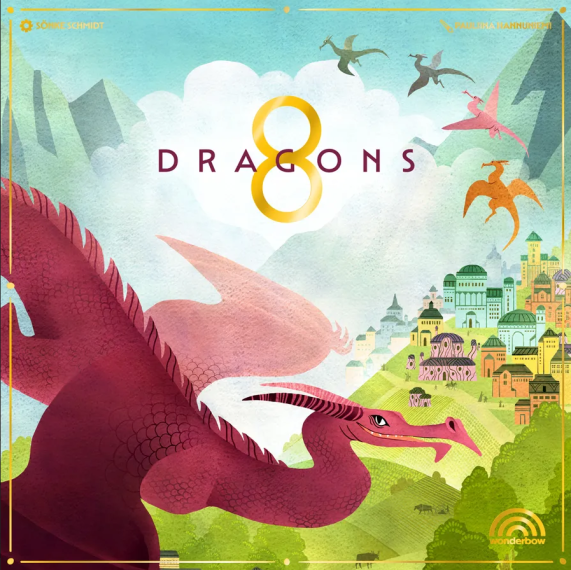
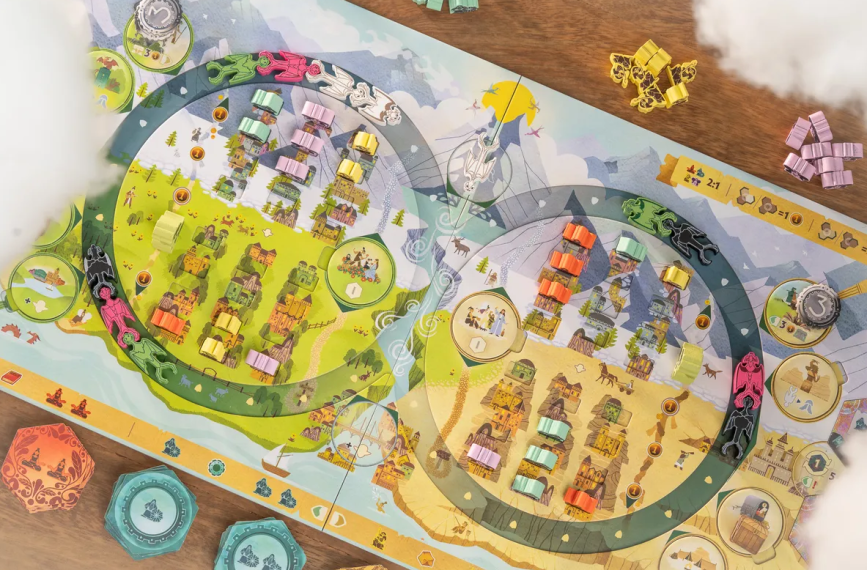
Thank you, Wonderbow Games, for that game description. I know very little about 8 Dragons, but it looks amazing. That centerpiece with the dragons and the infinity symbol leaves an impression. Everything I’ve read about 8 Dragons has me intrigued. Limited downtime. Turns don’t take long, and every turn will have each player invested. The lair building (the hexagonal tiles pictured beneath the board) sounds interesting as well. I love dragons as a theme. I also love puzzle elements (the lair building). And I like having multiple paths to victory. For me, 8 Dragons checks a lot of boxes.
8 Dragons offers multiple pledge levels, ranging from $57 to $87. That’s not a bad price point for what you get in the game. Obviously, the deluxe version will cost more than the standard, but the board game insert–that snaps into place within the game box–may be well worth the additional cost. I’ve spent about $30 on board game inserts before, and a custom-made insert by the board game company is a huge plus. If you’re interested in 8 Dragons, check out its KickStarter page.
Hexes of Sygon Launches on KickStarter
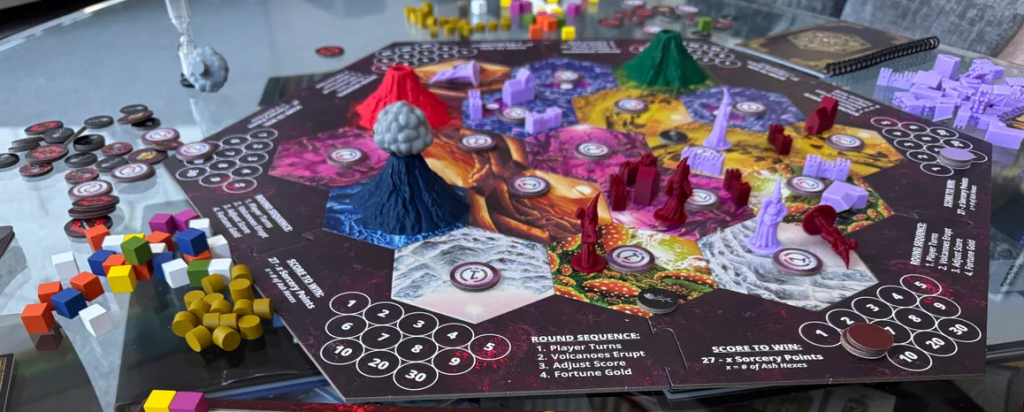
Your wizards gaze across the mystical planet of Sygon. Volatile volcanoes have blazed away much of the world, except for a precious clearing of land. Here lies the various landscapes of Sygon: meadows, swamps, dunes, mountains, forests, and caves.
Each landscape hosts a unique spell component crucial to developing civilization on Sygon. Collect gold and the various spell components – flower, elixir, spice, powder, mushroom, and crystal – and maneuver your wizards to conjure towns, workshops, and markets to quickly advance your civilization. Use alchemy or forage to obtain components outside your grasp.
Sygon relies on you to bring prosperity to its ravaged lands. However, you are not alone. Wizards loyal to other civilizations plot to loot you and compete for control of the planet. Be wary of where you place your towns and wizards and build walls to protect them against thieving wizards and volcano eruptions. Rise from the ashes and bring glory to your civilization on Sygon.
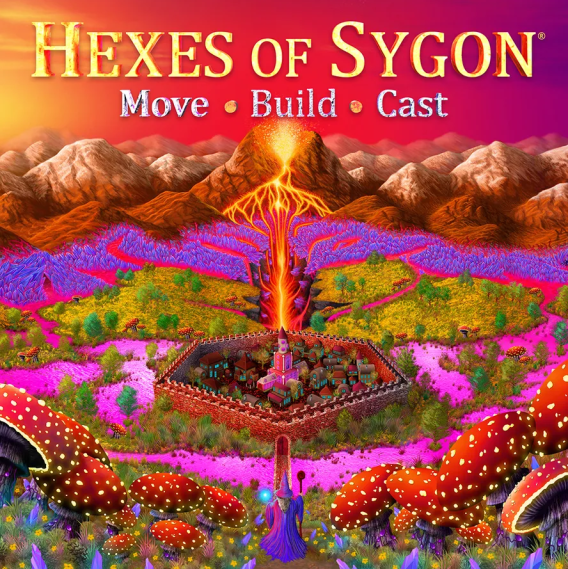
Thank you, Hexes of Sygon, for the game description. I’ve seen a lot of wizarding games recently–Wandering Towers is a great introductory game–but Hexes of Sygon may offer the most variability. Oh my! I haven’t played Hexes of Sygon, but the game has received solid reviews on BoardGameGeek. BGG also lists Hexes of Sygon as a 2025 release, so this KickStarter campaign may signal Hexes of Sygon’s second print run. That’s a good sign. I can’t get over the number of building types players may construct. Each player’s region may play vastly differently from one another. Hexes of Sygon features some nice artwork, too. I may get the game for the fungus tiles alone. If you’re interested in Hexes of Sygon, check out its KickStarter page.
Tokyo Hanafuda Launches on KickStarter
Hanafuda is a traditional Japanese card game that has been enjoyed for generations. Its biggest appeal is the designs of the card. Without the use of numbers or symbols, each card has a specialised design that uses flowers, birds, and nature, and is a design that transcends time and is well beloved.
Today, Hanafuda that use anime or game characters, or sets that depict local landmarks of various regions, have been created, and continue to charm many people.
Thank you, Kitamido (Tokyo Hanafuda’s publisher), for the game description. Quick Trivia Question: What was Nintendo’s first game? Yep. It’s Hanafuda.
While Nintendo added colorful characters (and you can get Mario Hanafuda decks), the traditional game featured flowers, birds, and nature, just like the description said. Tokyo Hanafuda brings Hanafuda back to its roots. You’ll notice that none of the cards have suits or numbers. You’re trying to match the cards in pairs. Simple, elegant. And I love that Tokyo Hanafuda features art by a Tokyo resident and Hanafuda enthusiast, Kitamido. Tokyo Hanafuda offers multiple pledge levels, ranging from $30-$67. If you’re interested in Tokyo Hanafuda, check out its KickStarter page.
Voidling Bound Releases
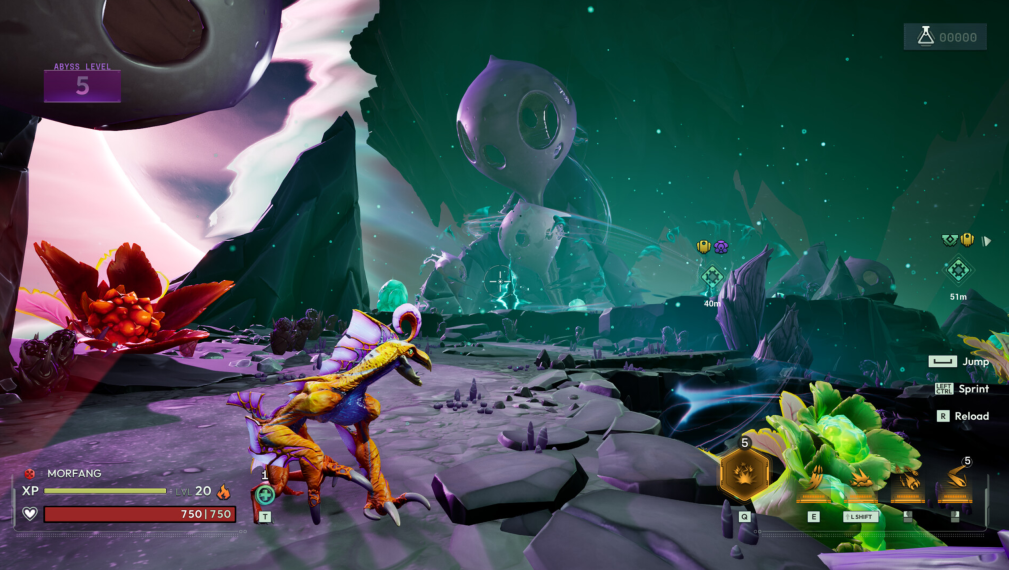
Become a Space Wrangler and take direct control of creatures called “Voidlings” in this action-packed sci-fi 3rd person shooter. Shape them through branching evolution paths and upgrade their abilities to overcome bubonic swarms, pestilent bosses, and reclaim lush planets overrun by corruption.
Hatch, evolve, and upgrade powerful space creatures in this action-packed sci-fi 3rd person shooter that reinvents the monster taming genre! Here comes Voidling Bound.
I’m a sucker for monster-taming video games. I just learned this game existed. Reading Voidling Bound’s premise, I’m hooked. The game has received good to great reviews. That’s a good sign. The new, indie studio Hatchery Games developed and produced Voidling Bound. Hatchery Games’ crew is comprised of ex-Skylanders and Borderlands developers, so you can see the inspiration behind Voidling Bound. Skylanders and Borderlands are a combination I wouldn’t expect, but it’s more than welcome. I downloaded Voidling Bound’s demo. You may be hearing more about this game from Geekly in the not-so-distant future. Skylanders meets Borderlands. What’s not to love?
That’s all the Geek News we have for you this week. Which game are you the most interested in? Let us know in the comments. Thank you for reading, and wherever you are, I hope you’re having a great day.
Happy Sunday, Geekly Gang! Kyra Kyle here with another week of Geek News. I got a surprise visit from family this week, so I reduced our board game new release coverage to the largest release of the week, and fortunately, there weren’t too many video game new releases. We’re skipping headlines this week and jumping in with new board game and video game releases for this week of Geek News.
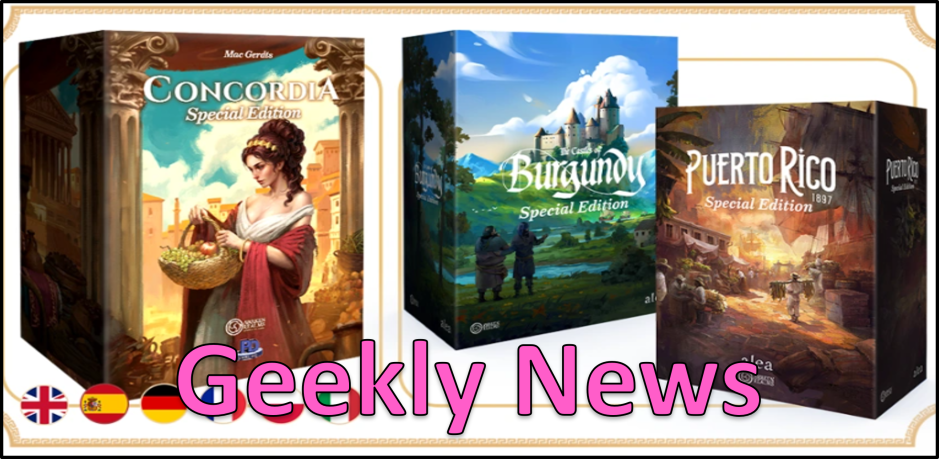
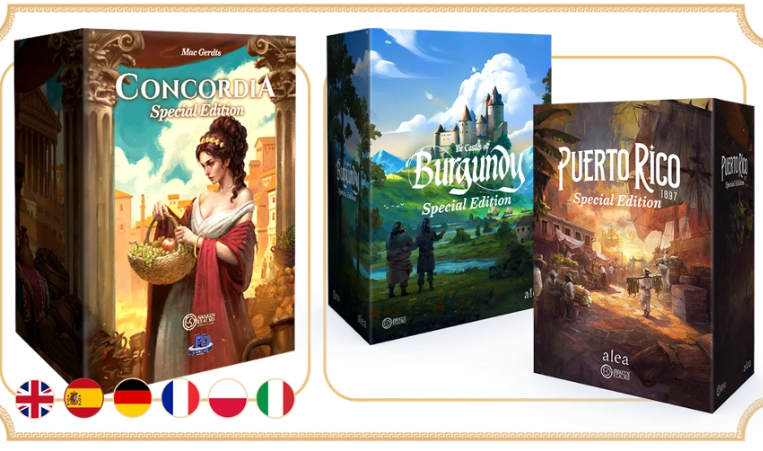
Concordia Special Edition Launches on GameFound
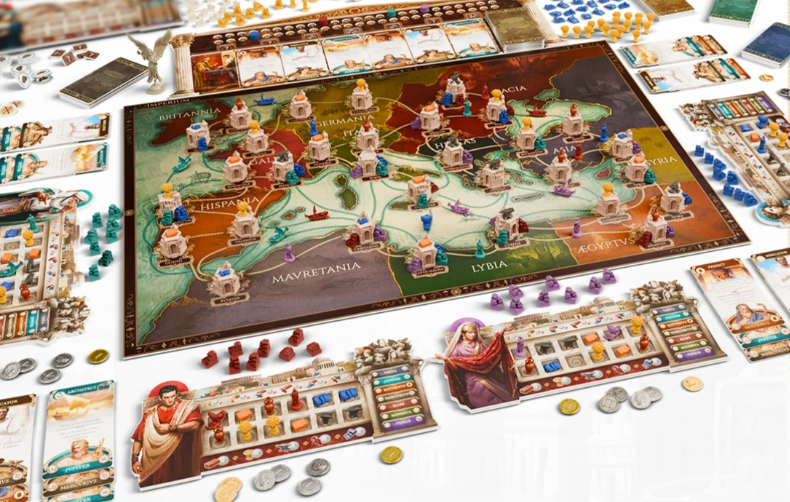
Awaken Realms releases another special edition of a classic board game, Concordia. Concordia joins The Castles of Burgundy and Puerto Rico in this series. I love that Awaken Realms has updated these classic board games. While I don’t believe every classic board game needs a fancy special edition, if you really like a specific board game, it’s nice to have the option of a deluxe (special) edition of that game. And Awaken Realms is known for overproducing games. Like some of the other choices Awaken Realms has produced, Concordia could’ve used an update. This game looks amazing.
In case you missed The Castles of Burgundy and/or Puerto Rico, Awaken Realms has given gamers a chance to add these titles to their upcoming GameFound project. Fair warning, these games do cost about $100, possibly more with add-ons. Since this project is launching on GameFound (and I’ve only seen a preview), we don’t know exact numbers at this time. One thing is for sure: this version of Concordia looks fantastic. If you’re in the market for Concordia Special Edition, check out its GameFound page.
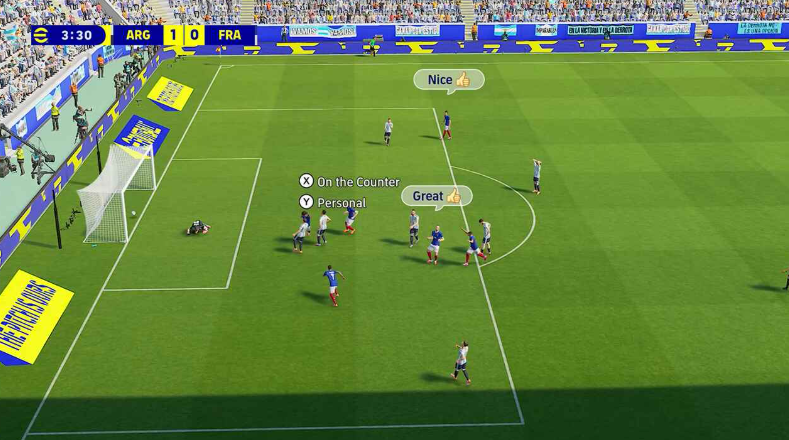
eFootball Kick-Off! Releases
Celebrating more than 30 years of football gaming, eFootball™ Kick-Off! brings together national teams and club teams from around the world, featuring top players and iconic legends. Whether competing on the global stage or building a dream squad, fans can experience the passion, intensity, and spectacle of the world’s game.
I haven’t played this series since it was called Pro Evolution Soccer (PES). To be fair, I have played the 2020 version of PES, but this remains the premier soccer (or football) simulation video game. No offense, EA Sports’ FC Series. This week the Nintendo Switch 2 gets its version of the game. It looks amazing. eFootball Kick-Off! is eFootball on Nintendo Switch 2. What’s not to like? I have yet to play the game (still don’t have a Switch 2), but if I wanted a mobile football sim, I’d look no further than eFootball Kick-Off! on the Switch 2.
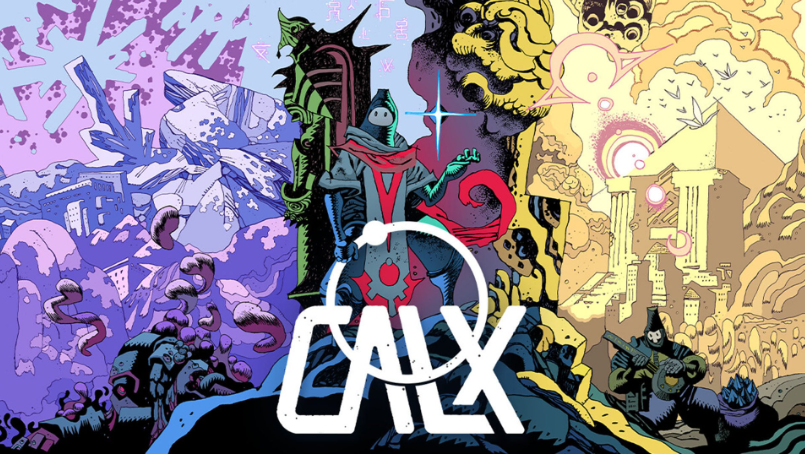
CALX Releases
Flow across the WARP-corrupted planet Syro. Master movement as the Seeker. Double jump, dash, levitate and grapple through atmospheric ruins. Scan, solve puzzles, and engage in measured combat in waves of stillness and frenzy.
CALX looks amazing. It bills itself as an action-adventure game with hack-and-slash combat, and from what I’ve seen from trailers and screenshots, that sounds accurate. But I’d add platform and puzzle elements to its list of designators. I love the cel-shading art style. From what I’ve seen, the game flows well. CALX does have a playable demo, so you can see for yourself if the game is a good fit. CALX is available on Steam.
That’s all we have for Geek News this week. We’ll most likely be back to a normal schedule next week. Fingers crossed. Thank you for reading, and wherever you are, I hope you’re having a great day.
Happy Wednesday, Geekly Gang! Today, our writers share what they’ve been playing over the past month. Feel free to share what you’ve been playing. because we’re all part of the Geekly Gang. I’ll start things off by sharing what I’ve been playing over the past month.
Kyra’s Board Games
We played the Marvel Multiverse Role-Playing Game during the May Aftershock event. It went well, well enough for me to consider writing a simple module (for beginners). Hopefully, the module will be tested and ready by Comic-Con Nebraska in mid-August. I like there’s another purpose for my Marvel United minis. I’ve totally used them during this four-hour event. Four hours? Phew! The simple module I’m planning for Comic-Con Nebraska should last only two hours. If you’re in the neighborhood, stop by.
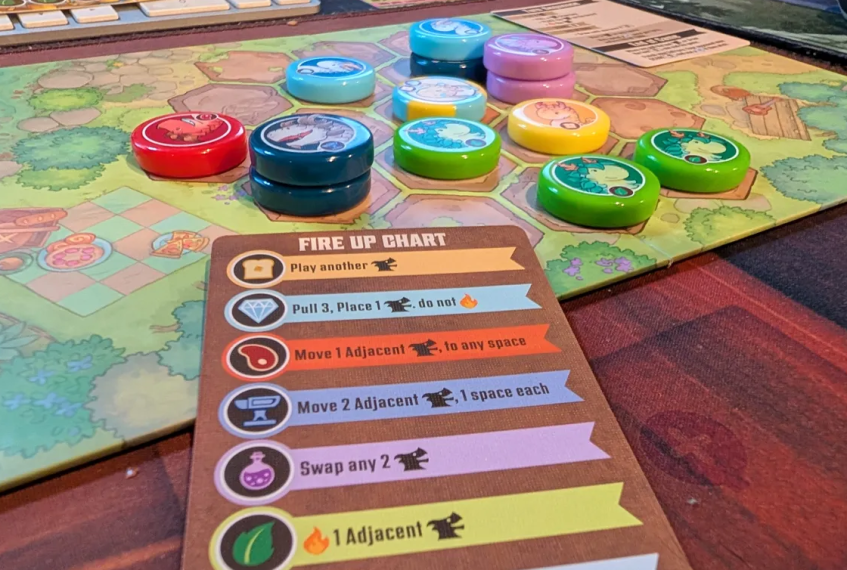
We’ve covered Flamecraft a handful of times in the past (here’s our review of the original Flamecraft). Flamecraft Duals is a completely different game, and somehow, it manages to capture the original’s charm and vibe. For the most part, the dragon abilities follow the original game’s abilities. Toast dragons allow players to play another dragon; potion dragons swap dragons. Where it makes sense for a dragon to have a similar power, Flamecraft Duals gives the dragon that power. I love how Flamecraft Duals’s quick setup and look. Whether you own the standard or deluxe version of the game, it looks amazing on the table. And I love tokens.
Flamecraft will always be one of my go-to starter games, but Flamecraft Duals is easier to get to the table, it doesn’t take as long to play, and the game plays more like an abstract puzzle than the sometimes cutthroat original. I’ve found myself playing a lot more Flamecraft Duals. I have no regrets.
I’ve played a ton of solo Vantage. This board game may look ostentatious for a solo experience, but believe me, I prefer playing Vantage with fewer players. Vantage’s solo version plays no differently from the multiplayer version. This allows me to keep the rules fresh in my head for whenever I play the game with others. Speaking of playing Vantage with others, this board game reminded me of how much fun role-playing games can be. Players begin the game at various locations. They work together to accomplish a goal (mission). While I’ve heard the phrase “RPG in a box” to describe multiple board games in the past, Vantage may have come the closest.
During our multiplayer plays of Vantage, I served as the narrator, meaning I kept the box in order (something one player will need to do even if they decide to play), and I read all the storybook entries. Yes! Vantage has multiple storybooks for each action one can take at a Location card. Vantage can be fun. But I will advise that a smaller player counter is best. Turns can last three to five minutes. That’s not too long for a three-to-four player game, but if Vantage sees a max player count of six, players could wait a good twenty minutes or more for their turns. Every gamer at the table must be engaged in the story, and it doesn’t hurt if the players at the table love playing tabletop RPGs.
Kyra’s Video Games
I mentioned playing Balatroduring October 2025’s Whatcha Playing. I’ve played the game on and off for the past several months, and just finished a run this past month. Woo hoo! Better late than never. Balatro is an excellent roguelite card battler. It takes a while to find the right combination of deck, joker, and chip abilities to finish a run. That or I’m just bad at the game. Balatro may have too many variables for winning to be a frequent occurrence. That makes finally winning a Balatro run all the more satisfying. I may not log onto the game for a while. Gotta soak in the winning vibes.
Honestly, I haven’t played too many video games this past month. I’ve been keeping up with my dailies in Honkai: Starrail and Apex Legends, but outside of that, I’ve been playing predominantly board games. Perhaps Skye has some cool video games they’ve been playing.
Skye’s Board Game
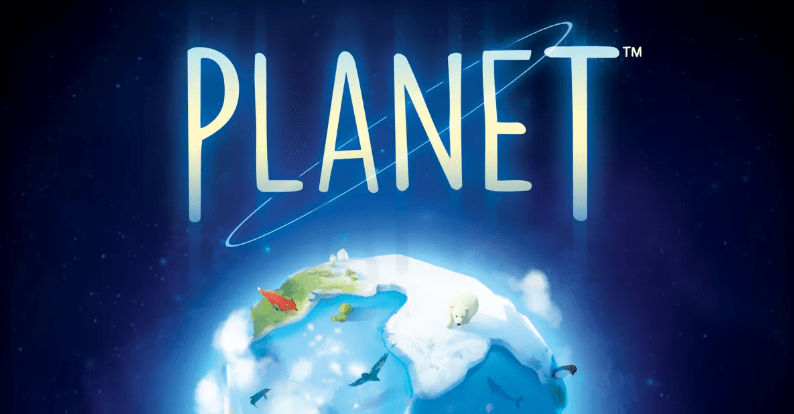
In Planet, players create a planet of their own that meets certain biome criteria to earn points, claim species, and ultimately win. While it’s a simple concept, it works especially well when paired with its tactile “game board,” which is a dodecahedron you place biome tiles. The biggest joy of Planet for me was the interactive game pieces, but I’ll admit that they weren’t perfect. Sometimes the tiles could slip off the planet’s faces if nudged incorrectly, which could be frustrating at times, but I suppose that is expected when creating a game like this. Overall, I’d say Planet was a calm and enjoyable experience.
On Tour is another simplistic concept with straightforward mechanics made into a fun yet devastating experience. How it works is that you’re a band going on tour either in the United States or Europe (in the base game). You write numbers on your board by rolling two d10’s to create a route, which you follow by counting from the smallest numbered location to the highest numbered location you can. In the end, you’ll hopefully end up with a long continuous route that gets you a lot of points, but it never works out for me. I’mma be real, I suck at On Tour. At this point, part of the fun for me is finding out new ways I’m going to screw myself over with my terrible sense of foresight.
Similar to Planet, Cascadia is a game that focuses on building ecosystems for the sake of earning points. The main difference is that Cascadia places a larger emphasis on biodiversity. While you can still earn points in Cascadia by manipulating your biomes well, you primarily earn points by picking the best animals to place on which biome tiles. Not to mention, each animal in Cascadia earns you points in its own unique way. When I played Cascadia last, I merely played the base game, but there are several expansions and alternative play methods which can really spice up the experience for seasoned players.
Hey, hey! Kyra Kyle here again. That’s all our writers have for what they’ve been playing over the past month. Let us know what you’ve been playing in the comments. Thank you for reading, and wherever you are, I hope you’re having a great day.
Happy Sunday, Geekly Gang! Kyra Kyle here with another week of Geek News. We have a few new releases for board games and video games. We’ll get to them soon, but first, let’s discuss this week’s developing news. Dungeons & Dragons abandons its old model for a subscription model. Books may be a thing of the past. That may sound like some Fahrenheit 451-level postapocalyptic nonsense, but Hasbro CEO Chris Cocks has all but said the core D&D books will be nothing but a collector’s item. Most–if not all–future Dungeons & Dragons updates and content will only be available through D&D Beyond and a subscription. Buckle up, tabletop role-playing game players, because we may have entered an era where gamers won’t own anything. They’ll rent it through subscriptions. Because we all love subscriptions, especially CEOs like Chris Cocks.
Dungeons & Dragons Is Now a Subscription Service
That headline goes a little hard, but only a little. As of late April 2026 (last month), Wizards of the Coast Developers (primarily for Magic: Arena) formed a union with demands that must have been met by the beginning of this month, May 1, 2026. The union asked for 1) recognition by management, 2) no further layoffs (like what happened to D&D Sigil), 3) protection against AI-generated products, and 4) fair wages and remote work opportunities. Evidently, Hasbro was forcing its Magic: Arena employees to sleep at their desks; no home for you.
The deadline has passed without management agreeing to anything, so the employees (only for Magic: Arena) have signed a secret ballot through the Communications Workers of America Union (CWA) to unionize. Wizards of the Coast insists it’s progressive, but rejects a workers’ union. Does this make them evil? Not necessarily. They want to make money. Dungeons & Dragons employees are watching this situation carefully because they may be next. Heck, this already happened to them with D&D Sigil. And D&D employees are next. With Sigil gone, Hasbro/Wizards of the Coast (WotC) has pivoted to making D&D Beyond its cash cow. WotC had intended D&D Sigil to be THE way gamers interacted with the game. With enough buy-in from consumers with D&D Beyond, it became an easier sell with customers.
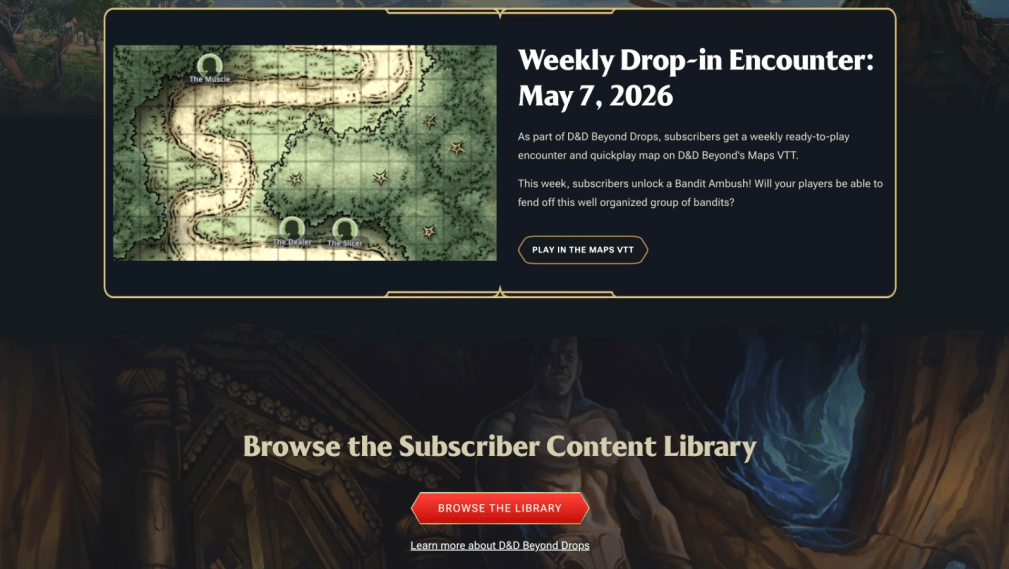
As I said in the opening, Hasbro CEO Chris Cocks expects Dungeons & Dragons core books to be a thing of the past or, at best, coffee table books for collectors. Like the cancelled D&D Sigil, Cocks wants players to play Dungeons & Dragons exclusively on D&D Beyond through a subscription model, which means you don’t own any of the content. You’re renting the content. While the app/website is free to use with limitations, paying $2.99/month for a Hero Tier subscription expands the number of characters you can build and provides early access to digital versions of the books. The $5.99/month Master Tier also “allows” the subscriber to add homebrew content to the system and share their books with players. Paid users will now get access to a Subscriber Content Library that expands every week.
These D&D weekly drops have already begun. These D&D “drops” are only available on D&D Beyond. Let me take a moment and mention the term “drop.” Drop is a live-service video game term. Hasbro/WotC aren’t trying to hide their inspiration. From what I’ve read of this early content, the D&D Beyond drops sound like they could’ve been generated using AI, which brings us back to the proposed Magic: Arena union. This union may need to be extended to all WotC employees. If D&D Beyond expects to have weekly “drops,” larger first-of-the-month “drops,” and themed content every couple of months like the upcoming Ravenloft “drops,” D&D Beyond employees could be overworked (which could also explain less-than-inspired “drops” so far on the platform) or you’ll need to use AI-generated tools.
Coincidentally, there’s a chat option with D&D Beyond that will alter future D&D “drops.” Sounds like it could be a chatbot. I don’t know. I could just be ranting. At this point, I am just ranting. Typically, subscription services better serve companies, not the consumers. Subscriptions breed obligations; I need to use my subscription, or else I’m wasting it. Sometimes, consumers forget when they have subscriptions. That’s why Rocket Money exists. It flags subscriptions you’re not using. And the advent of TTRPG subscriptions will mean fewer TTRPG players will try other games. Again, subscribers will feel the need to play the games they are subscribed to. Fewer TTRPG players will venture beyond D&D to games like Dungeon Crawl Classics or Pathfinder or Draw Steel or even World of Darkness.
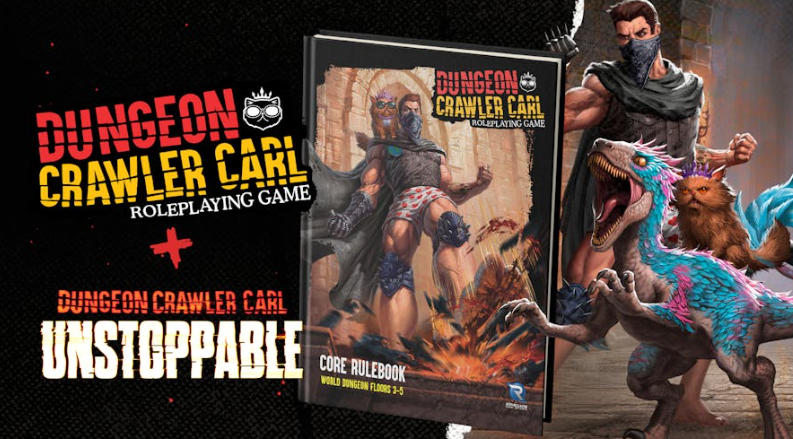
TTRPGs with a subscription model are on the rise. The new TTRPG based on the popular Dungeon Crawler Carl series–this will make the DCC acronym confusing because Dungeon Crawl Classics already exists–offers a Season Pass. What? If D&D is successful with its subscription model, other TTRPGs will follow. Again, I don’t blame these companies for doing this. The subscription model works for monthly income. So many players are subscribed; multiply that number by their subscription cost, and you receive a steady income.
But I like owning content. If players cancel their D&D Beyond subscription, they lose everything in their account. All of those characters you could save on the cloud are gone. And unions are a good thing. Perhaps if the D&D Beyond team had more time, benefits, and money, they could’ve come up with better content than what the site has available so far. To be fair, they could be waiting to drop meatier content (that will only be available on D&D Beyond) during next month’s Ravenloft release. There must be a medium where all parties win. The companies, employees, and gamers alike.
Earthborne Trailblazer Launches on KickStarter
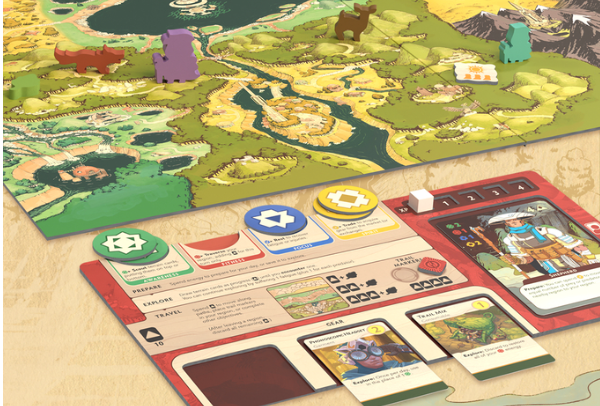
Earthborne Trailblazer is an open-world, co-operative board game set in the wilderness of the far future. You and up to 4 friends take on the role of Rangers who have long acted as the sworn protectors of a small mountain valley nestled high in the Rocky Mountains. Now, you are striking out beyond the bounds of your Valley, seeking out new trails and new peoples and bringing the aid of the Rangers far out into the world.
Earthborne Trailblazer looks amazing. That makes sense because publisher Earthborne Games specializes in breathtaking board games. I also like how the company is committed to environmental sustainability. Getting back to Earthborne Trailblazer, each turn begins with an event card. These cards can represent the weather, progress the narrative, or cause crises. Each player then takes a turn, where they 1) Prepare, 2) Explore, and 3) Travel. Pretty standard actions for a cooperative game set in a fantasy-like world. I like how the event cards can evolve the world around you and/or progress the story. Pledges range from $80 to $270. If you’re interested in Earthborne Trailblazer, check out its KickStarter page.
The Last Meow: Kraken’s Vengeance Launches on KickStarter
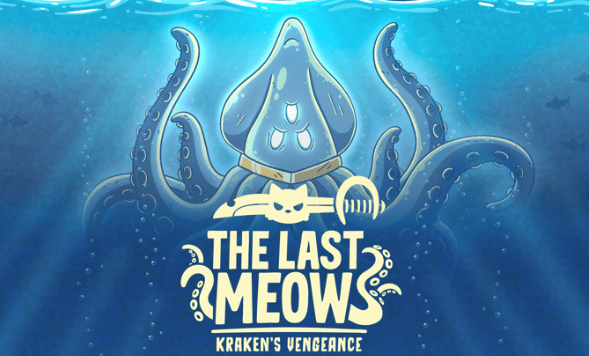
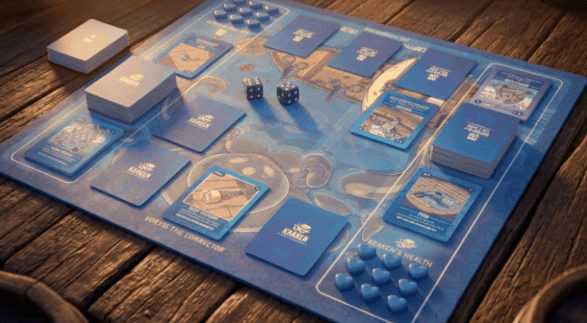
The final showdown is upon us…The Last Meow. The Kraken has risen once more for vengeance, but this time, the cannons are loaded, and the crew is ready. The Last Meow is a three-lane, round-based strategy game where two players clash in an epic test of power, wits, and survival. Each round, both players draw from their own decks and secretly place three cards onto the board before revealing everything at once and resolving the chaos lane by lane. Can you obliterate your opponent’s nine health before they do the same to you?
I like The Last Meow’s look. The game’s concept sounds interesting. I wonder if this is a take on the Schotten Totten or Battleline three-lane combat system. Those games are well-received. Cards range from defense, action, power, and healing. We don’t have much information on how long The Last Meow will take to play, but two-player games don’t tend to take that long, and the game looks adorable. Pledges range from $45 to $139. If you’re interested in The Last Meow, check out its KickStarter page.
Cryptkins: On the Loose! Launches on KickStarter
Can you corral the chaotic creatures slipping into our world? In Cryptkins: On the Loose!–the first board game set in the world of Cryptkins–each player takes on the role of an everyday kid, each bringing their own unique ability to the team. Will you figure out how to handle each Cryptkin’s unpredictable twist before they wreak havoc?
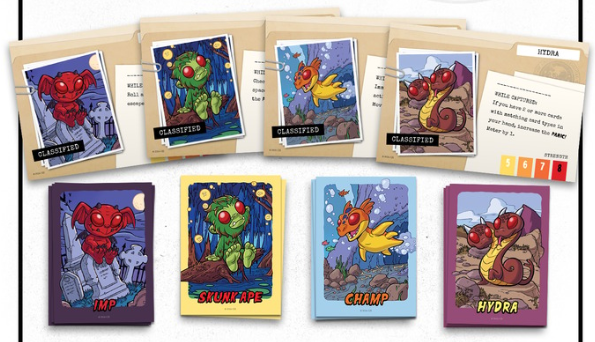
Cryptkins: On the Loose! sounds like a hoot. Players will research the cryptkins, seeing how each one will behave. They may act unpredictably at first, but over time, you can learn their patterns so you can better capture them. On a turn, players may take two of any of these actions: move, use movement card ability, play an action card, trade cards (with another player, use your character ability, or capture.
I’ve looked a few times and wasn’t able to see if Cryptkins: On the Loose! is a competitive or cooperative game. It’s clearly aimed at kids and families. Most of the page is dedicated to how adorable each Cryptkin is and how you can collect each cryptkin vinyl figure, which serve as game pieces for Cryptkins: On the Loose! I also saw plush figures for sale as well as additional vinyl figures to purchase. Extra bits (not used for playing a game) have become a trend for board game KickStarter campaigns. I’m tempted to pick up the Hippocamp and the Jackalope. Pledges range from $40 to $195. If you’re interested in Cryptkins: On the Loose!, check out its KickStarter page.
Menu del dia Launches on GameFound
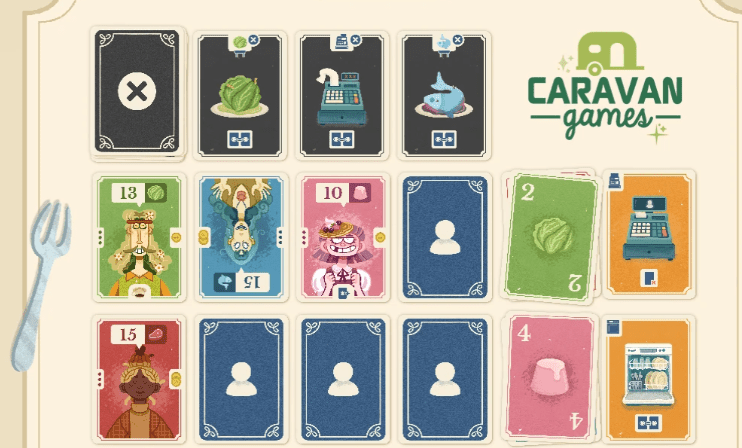
Menú del Día is a solo or two-player cooperative game where you must survive the rush of the service and help your restaurant progress day after day. The game features a short campaign where new scenarios and game modes are gradually unlocked. In each round, both problems and customers appear in equal measure, increasing the challenge. During your turn, you can serve customers, collect payments, solve issues, load the dishwasher, make coffee, and retrieve ingredients—all in order to complete the objective of each scenario.
Thank you for the description, Caravan Games. We didn’t have as many board game publishers provide descriptions this week. Anyway, I like Menu del dia’s menu. I’m a sucker for food-themed games. While I don’t know how the game plays exactly, it looks as if it has an easy-to-learn ruleset, adds enough variety to keep gameplay fresh, and may have a descent amount of strategy. With card games like this, what players draw during their turns will affect gameplay. The artwork looks great, and I can’t wait to check out the game after it launches. If you’re interested in Menu del dia, check out its GameFound page.
Dribble ‘n’ Dice Launches on GameFound
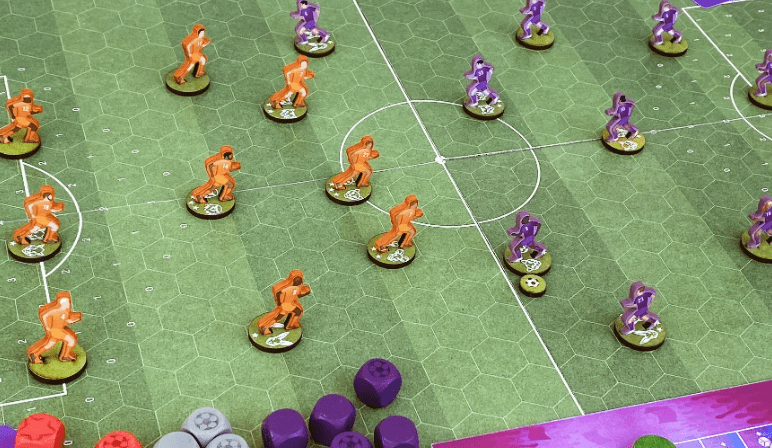
Dribble’n’Dice is a tactical football board game for two players. Each coach controls a team of eleven players and tries to outplay the opponent through positioning, timing and smart decisions. Players move across the pitch, pass, tackle and shoot, while dice and action cards create tension and risk. The game focuses on space control, tactical choices and momentum.
I grew up playing soccer–or football–and haven’t played in years. Dribble ‘n’ Dice has me interested in the sport again. I may find a rec league. Right. I was talking about Dribble ‘n’ Dice. The game looks cute. I get a strong Electronic Football (American Rules) meets 1st and Goal with the figurines and action card/dice system. I’m watching this campaign. Dribble ‘n’ Dice looks to merge tactical goodness with a game that can get people into the beautiful game. If you’re interested in Dribble ‘n’ Dice, check out its GameFound page.
Stonemachia Releases
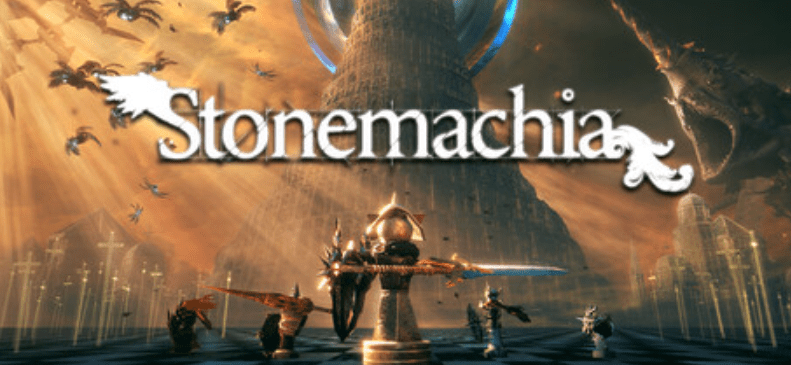
Fight, Zefiro! Arm yourself with the power of chess and explore Medhelan, a land haunted by the Plague of Angels, in a dark action-adventure with soulslike elements. Will you be able to return to Heaven?
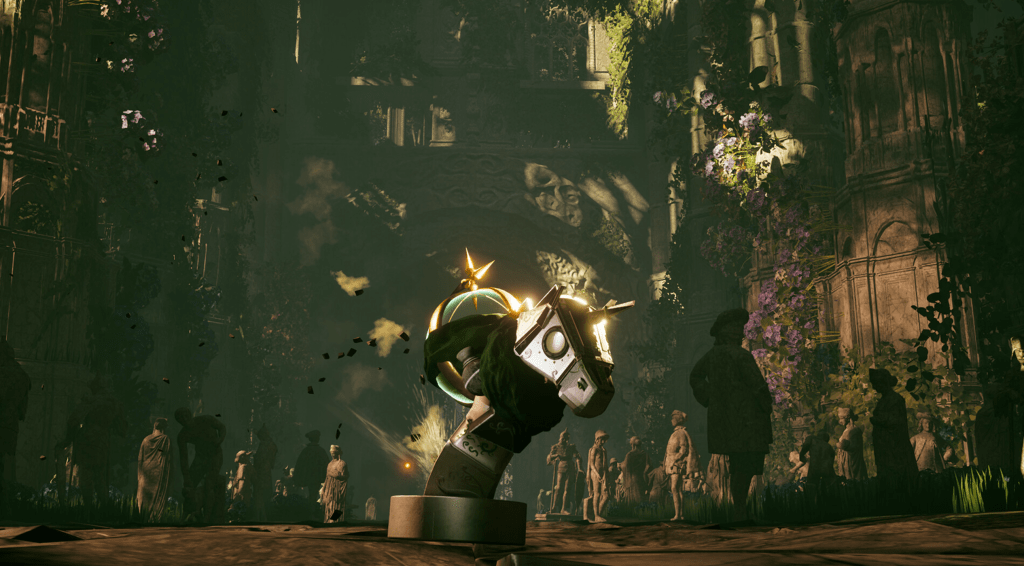
Make no mistake. Chess inspired Stonemachia. The image above (of a knight in Chess) is not just for show. Stonemachia combines the gameplay of a Souls-like video game with Chess pieces. The game features beautiful visuals. The idea sounds fun, but according to early reviews, the game has plenty of bugs and technical hiccups. From what I’ve heard, Stonemachia shows plenty of promise. It’ll be one of those games where, if it sounds interesting enough, it may be worth a play. Stonemachia’s world is one worth exploring. This isn’t a generic dark fantasy kingdom. You’ll visit twisted recreations of Italian cathedrals, plazas, bridges, and castles that feel at home in a nightmare.
Stonemachia is one of those titles I’m adding to my various wishlists and waiting for a sale. If you want to try the game for yourself, many platforms offer Stonemachia demos. The game looks amazing. Stonemachia is available on PC.
Yerba Buena Releases
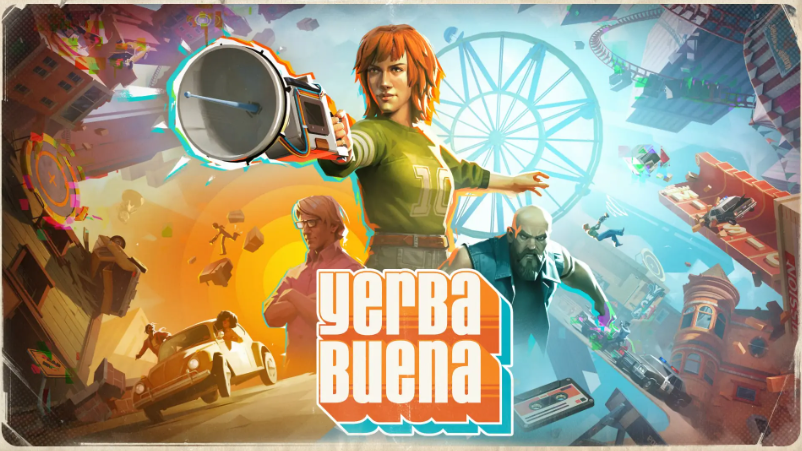
Dive into a surreal 1970s gameworld and save San Francisco from a sinister threat. Play as Barb, and use the Oscillator to capture and reapply the physical traits of objects to solve mind-bending environmental platforming puzzles.
In layperson’s terms, Yerba Buena uses a copy-and-paste game mechanism. Simply copy the desired trait or movement vector of objects around you, and apply them elsewhere to solve mind-bending environmental puzzles. I haven’t been as excited for a quirky puzzle game like Yerba Buena since Katamari Damacy.
Player character Barb lives as an NPC in an abandoned game world. She yearns to become the main character she always wanted to be. I love Yerba Buena’s premise. While I was writing this post, I hadn’t yet tried the Yerba Buena demo. That’s right. We have another video game that offers a demo. I like this trend. Yerba Buena may not be for everyone, but it may scratch a very peculiar itch. And I love it when studios, like Focus Entertainment and Mad About Pandas, take a risk. Yerba Buena is available on PC, PlayStation 5, and Xbox Series S/X.
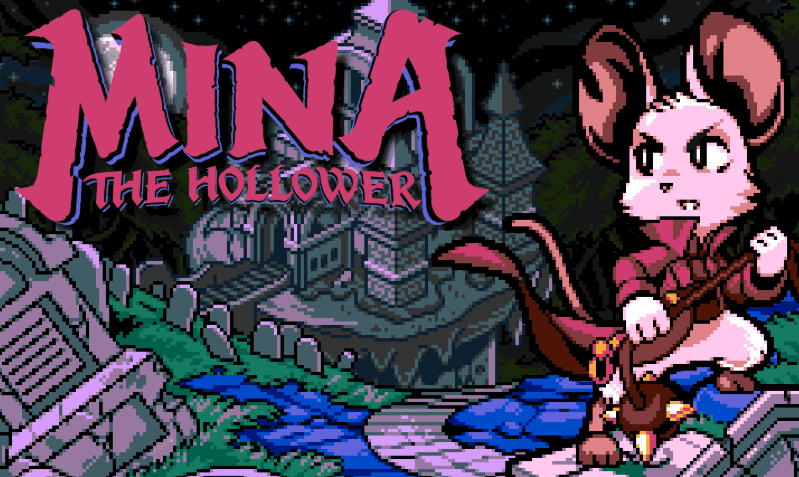
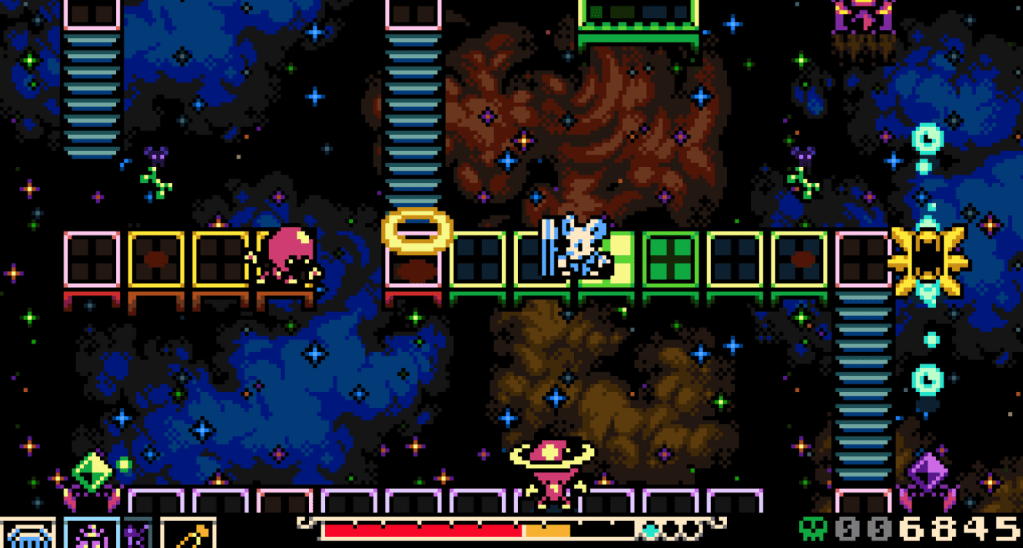
Mina the Hollower Releases
Take control of Mina, a renowned Hollower hurtled into a desperate mission to rescue a cursed island. Whip foes, burrow through the ground, and explore a pixel-perfect world in Mina the Hollower, a brand new game from the developers who brought you Shovel Knight!
Oh. That’s right. Yacht Club Games (Shovel Knight’s publisher) returns with Mina the Hollower. Even though Mina the Hollower is set in a different world, the game shares Shovel Knight’s sensibilities. Expect to find bizarre NPCs, exotic locales, and a soundtrack that’ll get stuck in your head for hours. Seriously, I clicked on Mina the Hollower’s Steam page, and I had to mute the video that played. No. Not again. But it was too late, I started humming the game’s main theme.
I have yet to play Mina the Hollower, and unlike other video games on this list, it doesn’t offer a free demo. But who are we kidding? If you enjoy Shovel Knight, you owe it to yourself to keep Mina the Hollower on your radar. Mina the Hollower is available on PC, PlayStation 5, Nintendo Switch, Nintendo Switch 2, and Xbox Series S/X.
That’s all the geek news we have for you this week. Thank you for reading, and wherever you are, I hope you’re having a great day.
Happy Sunday, Geekly Gang! Kyra Kyle here with another week of Geek News. We’ve been off for a couple of weeks, and the news stories have piled up. We also have a few new releases (board games and video games), but before we dive into them, let’s talk about our first news topic: Marvel Comics. That’s right. Marvel Comics makes our headline today with the announcement of their first new department head in almost thirty years. Let’s meet the new head of Marvel Comics.
Brad Winderbaum, David Abdo, and Dan Buckley (photo from Marvel Entertainment)
Marvel Comics has New Leadership
For the first time in a while, we have some major comic book news. After almost 30 years at Marvel, Dan Buckley, longtime head of Comics & Franchise) plans to depart the company. Buckley will remain at Marvel through mid-2027 to support the leadership transition. And who is Marvel Comics’ new lead? Brad Winderbaum. Yes. Already overseeing Marvel Television and Animation, Brad Winderbaum will add Comics & Franchise to his title. Joining Marvel from Disney, David Abdo will serve as General Manager, Comics & Franchise, and will report to Winderbaum. This change could be seismic.
I’m of two or three minds here. On one hand, Brad Winderbaum has done a fantastic job resurrecting Disney+’s Marvel television shows. Daredevil: Born Again, Wonderman, and The Punisher: The Last Kill occurred under his watch. These were very good to great. Winderbaum also kick-started the fun Marvel Animated Universe with titles like X-Men 97 and Your Friendly Neighborhood Spider-Man. Winderbaum has a proven track record. Why couldn’t he similarly steward the comics as he did Marvel’s Disney+ shows? On paper, Winderbaum sounds like an excellent candidate for the job.
On the other hand, Winderbaum already has plenty of responsibilities at Marvel. Sure, David Abdo will function as the general manager for Comics & Franchise, but I still wonder if Winderbaum will get stretched too thin. And then there’s the reality that comic books are not television. How much does Winderbaum or Abdo know about the comic book industry? Abdo may have more hands-on responsibilities with the comics, but he’s moving over from Disney and may also have a limited knowledge base of the medium.
And my final question, will this mean that the Marvel comics will only serve the MCU? If so, is that a bad thing? Up to this point, Marvel Comics has done its own thing. If what they write makes it on the big or small screen, great. If not, the comics are the comics and the movies are the movies. No harm, no foul. Will this change mean that Marvel Comics will serve as a testing ground for stories the MCU plans to introduce later? Will Marvel Comics explore stories that differ from the MCU, ensuring more demographics are represented? Who knows? I do know that this is a seismic shift for Marvel Comics. Dan Buckley has been in charge of Marvel Comics since the late 1990s. This marks a new chapter for the House of Spidey.
PlayStation Plus Price Hike…Sort Of
Geekly has covered PlayStation a lot during the first half of this year. Honestly, I’m getting tired of it, but PlayStation has been doing a lot of crazy things in short order. First, they raised the price of the PS5. Second, the price for their upcoming PS6 leaked and could be well over $1000 for the pro version. Earlier this month, PlayStation instituted a one-time DRM check but didn’t clarify anything until after a week had passed and fans freaked. Yeah. Sony PlayStation has had a no-good, very bad five months. And it continues this week. Sony announced a price increase for its subscription service, PlayStation Plus.
Here we go again, again. Beginning now, PlayStation Plus prices for new customers will increase in select regions. Effectively, these price hikes will be about $1 per month, give or take, depending on the region where you live. PlayStation cited “Market Conditions” as the reason for this increase; that excuse is as vague as the no-response about the DRM check earlier this month. But we say it’s sort of a price hike because if your PlayStation Plus account was in good standing and active before this price increase, your price will remain the same. As you can imagine, PlayStation fans have reacted negatively to this news. Many point out that Microsoft cut the price of Xbox Game Pass, while others suggest that a paid subscription shouldn’t be required for online play.
Just a reminder, Grand Theft Auto VI, now a PlayStation-exclusive game, will launch by the end of this year. GTA VI should feature an online mode. Is it a coincidence that the PS5 and the PlayStation Plus subscription received a price hike less than a year before one of the most anticipated, PlayStation-exclusive games in recent memory? I’m not so sure. I also wouldn’t be surprised if the “Market Conditions” change six months or so after GTA VI is released. You know, after PlayStation makes as much money as possible off of GTA VI. That’d be criminal. Downright grand theft.
And speaking of PlayStation-exclusive games, Sony made another announcement that its first-party, predominantly solo player experiences will only be available on PS5. That means Horizon, God of War, The Last of Us, the Marvel video games series (including Spider-Man and the upcoming Wolverine), and potentially Grand Theft Auto VI will only be available on PS5. No PC for you. You know, just in case you needed another reason to spend an extra $100 on a new gaming system.
Let’s Go! To France Launches on KickStarter
You are travelers planning and experiencing your own dream vacations to France.
Explore Paris, soaking up art, history, and delicious food through its many tourist attractions and hidden gems. Using over 100 beautifully illustrated cards, you will discover activities and strategically place them to create your six day itinerary. While puzzling out your optimal activities, you will plan your trip to one of four marvelous regions of France. Will you bask in the sun along the French Riviera or explore the historic castles of the Loire valley?
Play competitively or solo, earning victory points by successfully balancing the two halves of your vacation, making the most out of your interests, and managing your time well. The most points wins, but everyone has the chance to create a memorable vacation.
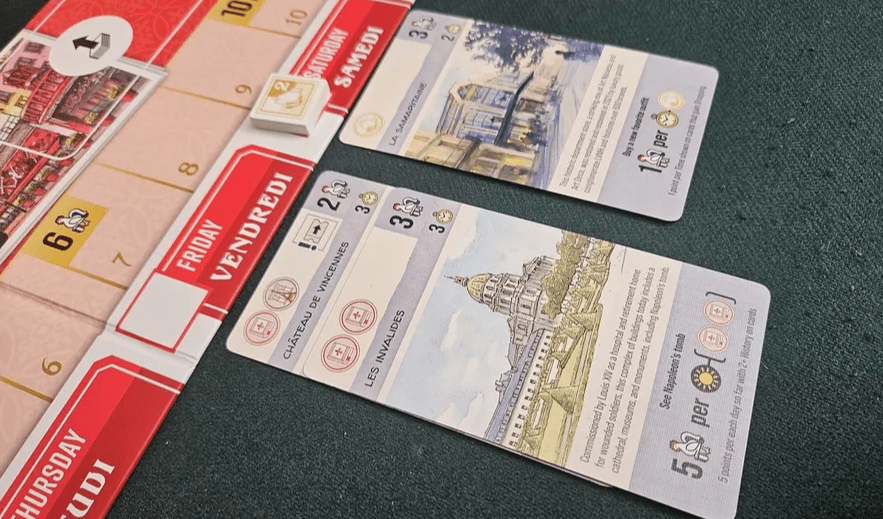
Thank you, Alderac Entertainment Group, for the description. I’ve been meaning to play Let’s Go! To Japan. I had the first game in this series in my to be played list for years. I even had Let’s Go! To Japan on my Christmas list on two occasions, but for whatever reason, we haven’t gotten around to picking up a copy or playing it at a convention. As soon as a saw Let’s Go! To Japan, my family groaned that this would be another game in the series. I agreed. I also hoped that Let’s Go! To France would be the next game in the series. Yes!
I’ve heard the tableau building in Let’s Go! To France exceeds the original. I hope so. I love a good tableau builder. The theme interests me. I may even use these games to plan my upcoming trips to these countries. You never know. Let’s Go! To France offers several pledge levels, ranging from $50-$160. You’re sure to find a version that scratches your wanderlust. If you’re interested in Let’s Go! To France, check out its KickStarter page.
SHUG Launches on KickStarter
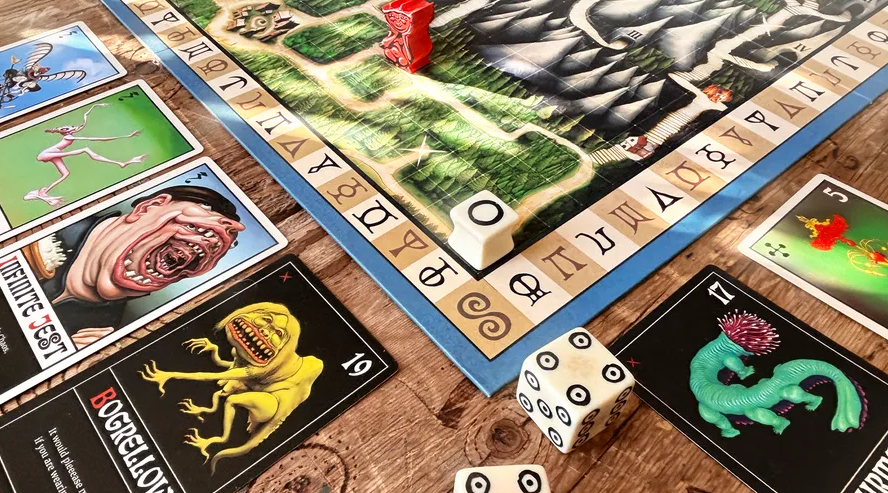
SHUG is set in a mad ol Engoland, where King Charles the Cursed is hellbent on monster-slaying carnage. As a puny peasant, your only chance to spark a revolution is to fulfill a bizarre legend: find the creature Shug, and bring it to the fabled Pub…
A mashup of party game and dungeon-crawler, SHUG is a unique blend of strategy and chaos. Win with clever tactics or by going full fool on ludicrous challenges.
Wander the free roam map. Befriend monsters like Selky with a sea shanty. Slay your friends with Sexy Armour, or killer salsa moves. In SHUG you’ll discover not only a whole world, but also strange sides of yourself.
Thank you, Wandering Games, for the description. Oh, my! I love SHUG’s art. I don’t even care if it’s a standard roll/spin and move game, which I don’t think it is; I would gladly add this game to my collection. It doesn’t take itself too seriously. I’m unsure how a game can be both a party game, a dungeon crawler, and a race, but I want to know how. SHUG does list Take That as one of its game mechanisms. I’m not too crazy about a Take That game that could take an hour and a half, but still, the theme, the art. I’m interested. SHUG’s pledge levels range between $50-$135. If you’re interested in SHUG, check out its KickStarter page.
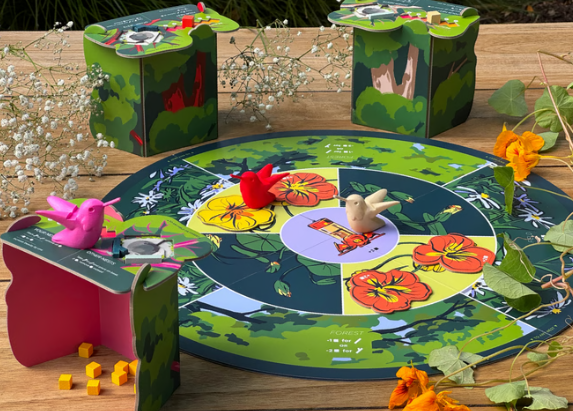
Hover Launches on KickStarter
Play as hummingbirds thirsty for nectar… and a mate. The first bird to build a nest and perform a successful courting call wins the game.
Will you bully your way to the top? Bluff your way ahead? Or get clever and sneak in a victory?
But watch out! The chatter, competition, and annoying displays from other hummingbirds can easily distract your potential mate from paying attention as you expend precious energy to win their 1,260 bpm heart.
Based on real hummingbird behaviors, Hover is a strategic game featuring high-player interaction, tight action economy, asymmetric abilities, bidding/bluffing, and area control to create a highly immersive and intuitive game.
Be the hummingbird – beautiful and brutal.
Thank you, Ibis Tea, for the description. Hover looks amazing. The picture above is of a prototype, so the quality could be even better than what’s shown. Bird-themed games have dominated the board game market in recent years–here’s looking at you, Wingspan–but the titles that stand out are the ones that mimic bird behavior. Hover does just that with hummingbirds. I like how one reviewer (Tabletop Vibes) described it: Hover is like hummingbird Chess.
I can see that. While there doesn’t appear to be much happening on the board, looks are deceiving. Hover has depth to spare. Pledges range from $40-$90. If you’re interested in Hover, check out its KickStarter page.
Yoshi and the Mysterious Book Releases
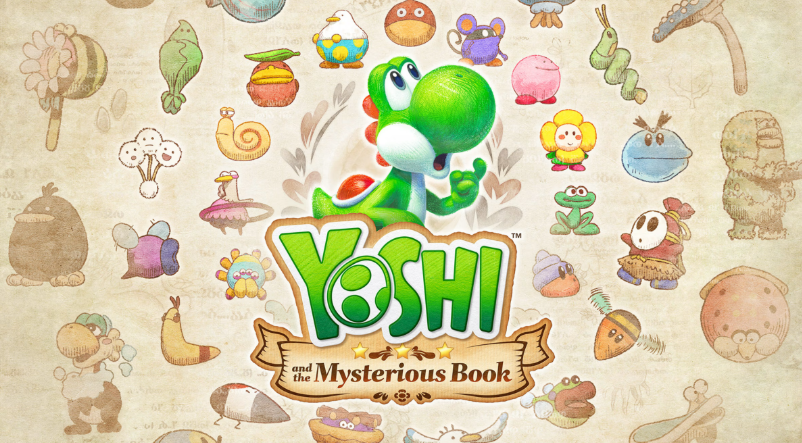
I did a double-take when I found Yoshi and the Mysterious Book as one of this week’s new video game releases. I swore this game was supposed to be a Super Mario Galaxy Movie tie-in. That movie was released well over a month ago. Has it been that long? And I thought Nintendo would’ve released a full-fledged Mario title to support the Super Mario Galaxy Movie release. I digress. Yoshi and the Mysterious Book looks to be a return to form for the series. I haven’t played the game yet. I might pick up a Switch 2 before the price hike in September, and you’d best believe Yoshi and the Mysterious Book (along with Pokopia and the new Donkey Kong) will be some of the first games I purchase.
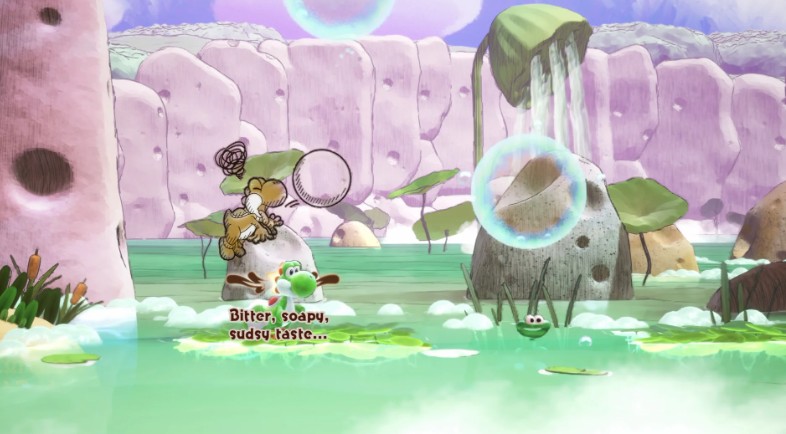
The premise involves Yoshi entering a sentient and mysterious encyclopedia’s (Mr. E’s) pages to search for and interact with various creatures. The gameplay reminds me of Super Mario Odyssey or even A Boy and His Blob. The description of “bitter, soapy, sudsy taste” makes me wonder if Yoshi can eat certain items to gain abilities. At any rate, Yoshi and the Mysterious Book reward exploring ability combos. It has received good to great reviews. And I love the game’s stop-motion animation graphics. Yoshi looks adorable. Squee! Yoshi and the Mysterious Book is available on the Nintendo Switch 2.
Lego Batman: Legacy of the Dark Knight Releases
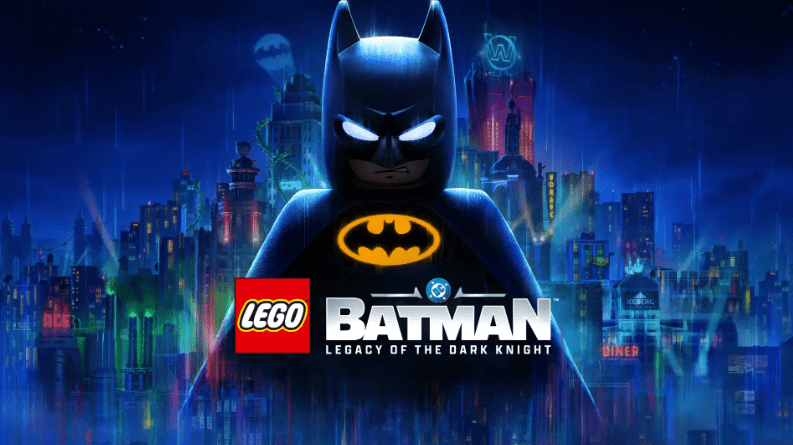
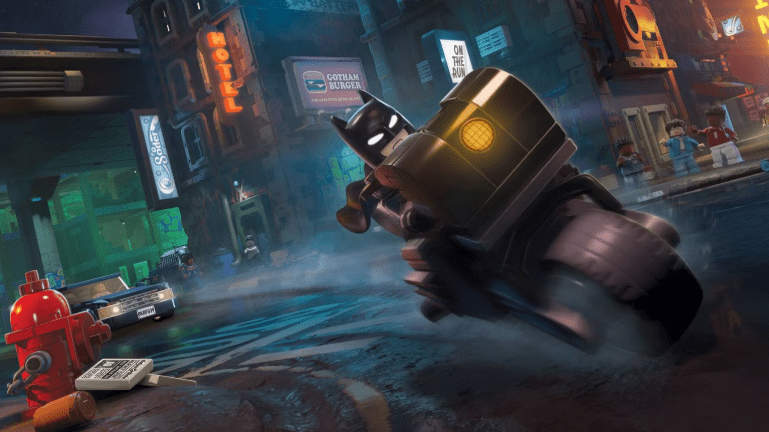
Lego Batman: Legacy of the Dark Knight is the fourth installment in the Lego Batman franchise. The fourth! This installment looks to incorporate more of the television shows and movies into its narrative. And I’m all for that. Batman trains with Ra’s al Ghul, much like he did in Batman Begins. Several skins mimic Batman movie costumes, like Michelle Pfeiffer’s Catwoman, Danny DeVito’s Penguin, and Heath Ledger’s Joker. We don’t know if the game will follow any more of these movies’ plots or if they’re fun skins. The inclusion of Kite Man has me hoping we’ll see some Harley Quinn: The Animated Series representation. Hell, yeah!
Lego Batman: Legacy of the Dark Knight has received very good to great reviews. While the Lego Batman franchise is hit or miss for me, this title looks promising. Lego Batman: Legacy of the Dark Knight is available on PC, PlayStation 5, and Xbox Series S/X.
Hotel Architect Releases
Step into the shoes of a hotel owner as you design, build, and manage grand hotels around the world. Juggle demanding guests, frantic logistics, and plenty of unexpected surprises in Hotel Architect, the ultimate hotel construction and tycoon management game!
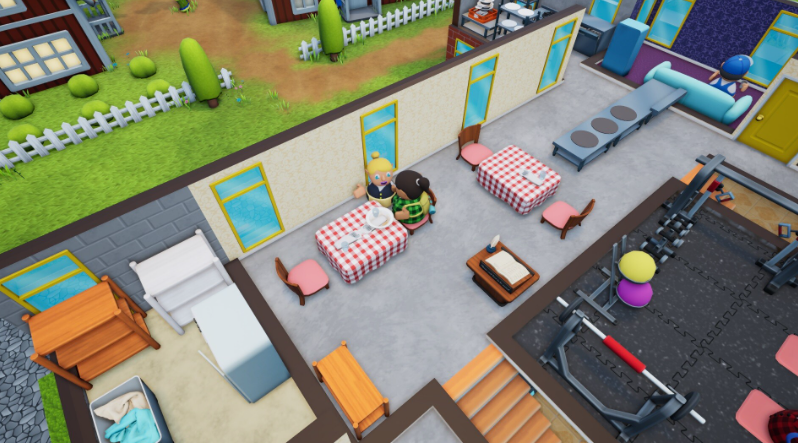
Thank you, Pathos Interactive, for the game description. Hotel Architect has received pretty good Steam reviews. I like the artistic choice to use weeble wooble looking characters. It almost feels like bath time. I had bath time toys that looked much like this game’s animation, and no kidding, I pretended that I was running a restaurant or store on more than one occasion. A hotel is a logical leap. It blends a lot of those aspects and more under one roof. I’ve been tempted to download some mobile games that do a lot of what Hotel Architect sets out to do, so I may give Hotel Architect a shot. Hotel Architect is available on PC.
That’s all the Geek news we have for you this week. Thank you for reading, and wherever you are, I hope you’re having a great day.
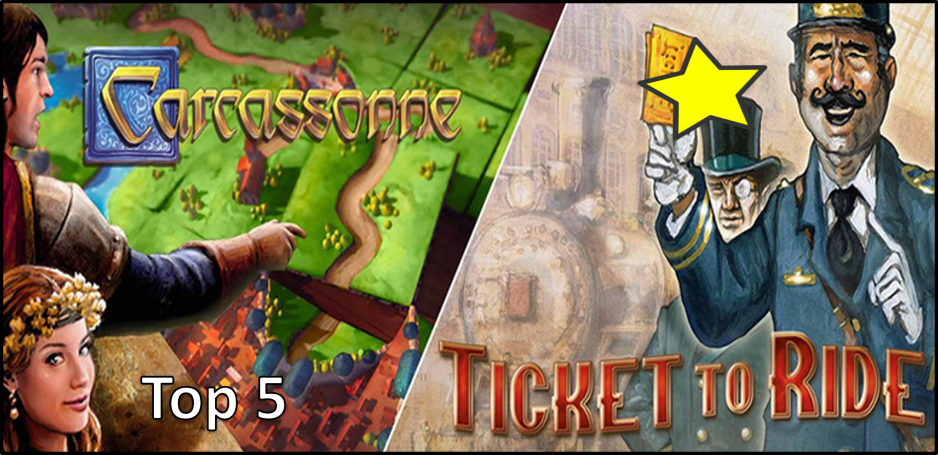
Hey, hey, Geekly Gang! Kyra Kyle here. The title of this post sounds sacrilegious. It can be difficult to believe someone who rates the Dorformantik Board Game above the video game that inspired it, to also rate some video games above their inspiring board/tabletop games. I love board games. But several video game adaptations work better than the original board games. There are various reasons why a board game or tabletop game may be better as a video game, and I’ll share why I prefer the digital version to the physical version of the game. I still play some of these board games in their original form, but all the games on this list make better video games than board games.
5) Ticket to Ride
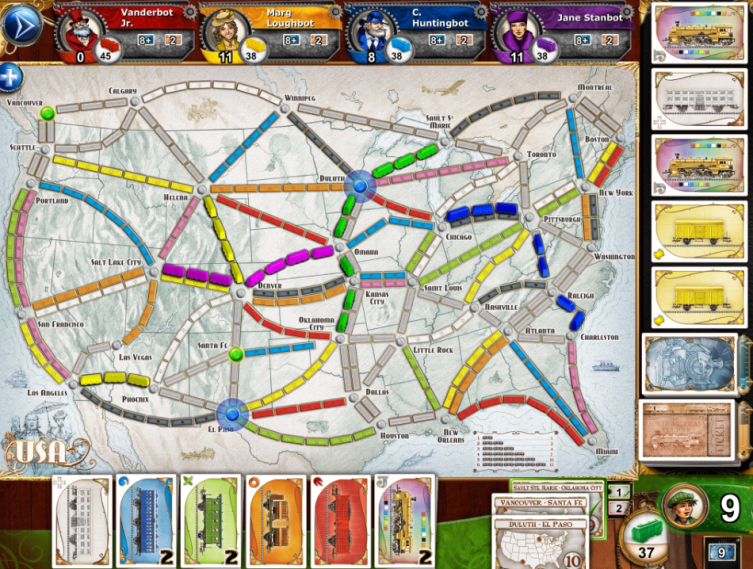
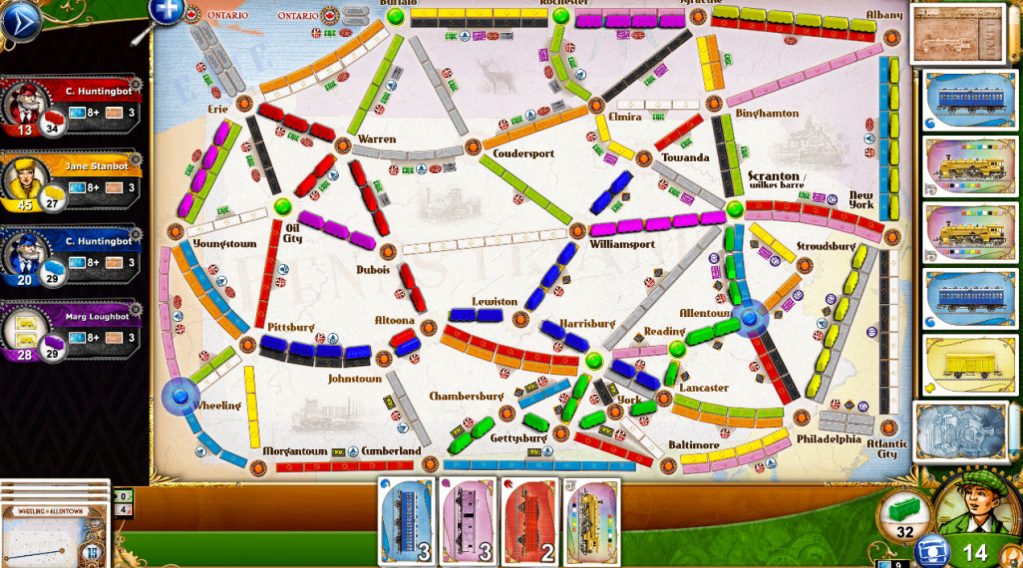
We begin with a game I play digitally and physically, Ticket to Ride. Asmosdee Digital does an excellent job translating Ticket to Ride to various online platforms. Since I have an iPad and an Android smartphone, I’m certain I’ve purchased Ticket to Ride for at least three or four of its possible platforms. Each version makes it easy to see what other players (typically AI players for me) have done on previous turns and plan future turns. Ticket to Ride’s tutorial is quick and easy, which makes sense: the game is quick and easy to learn.
The reason why I play Ticket to Ride on digital more than my physical copies is my gaming group has moved passed this classic gateway game. I could litter this entire list with digital versions of some of my favorite, classic gateway games like Carcassonne and Ticket to Ride or even Smallworld (also from Asmodee Digital), but I like Ticket to Ride’s interface just a bit more and the extra maps add an extra layer of variability without needed to store dozens of bonus Ticket to Ride maps.
I like getting in a game or two of Ticket to Ride while I wait in line or I’m traveling. I highly recommend the digital Ticket to Ride.
4) Sentinels of the Multiverse
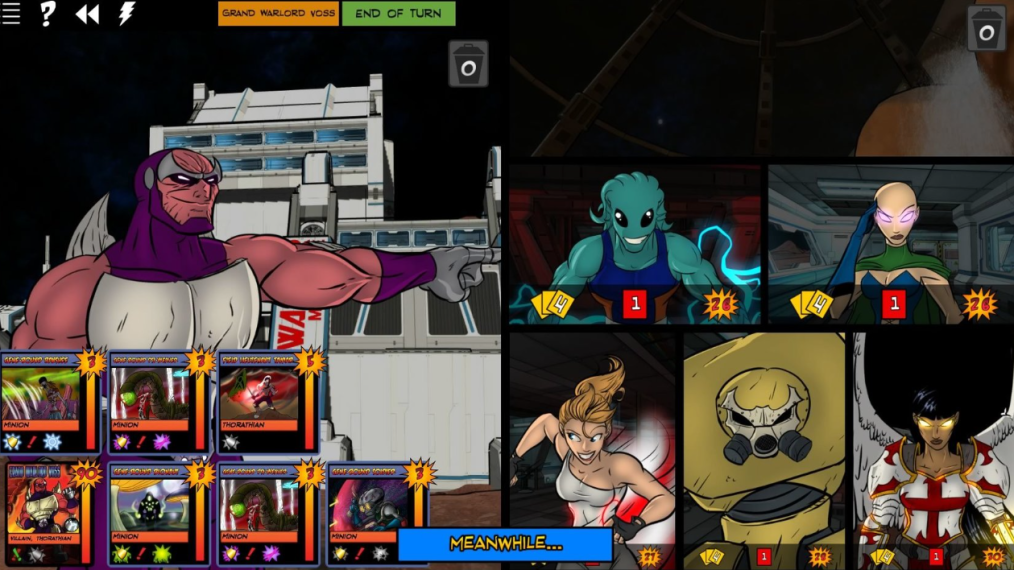
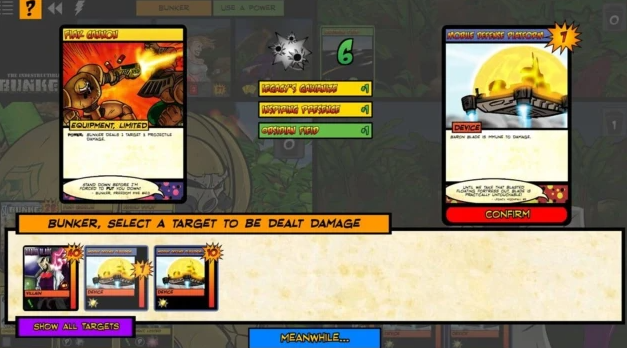
Sentinels of the Multiverse is another old favorite. Yes. Like Ticket to Ride, my gaming groups have moved past this board game to other games of its ilk, but there are more reasons why Sentinels of the Multiverse makes this list. The game takes a while to set up and take down (this reasoning will come up again), and Sentinels of the Multiverse has a lot of cards that trigger at various intervals and during different turns, which makes triggers easy to miss.
Sentinels of the Multiverse: The Video Game eliminates the need to remember triggers. The setup is nonexistent. Just load the game and go. While I may not own Sentinels of the Multiverse: The Video Game on as many platforms as Ticket to Ride, I’ve put in plenty of hours playing this digital version. I think the reason why I’m reluctant to purchase Sentinels of the Multiverse on other systems is that all content for the original Sentinels of the Multiverse is available in this video game. I don’t want to buy everything again.
Handlelabra does a great job converting the original Sentinels of the Multiverse into its digital version. Graphic effects match the original art, drawing me into the game. Sentinels of the Multiverse keeps the theme going with little touches like “Meanwhile…” whenever the game waits for input. Nice!
3) Neuroshima Hex
Neuroshima Hex is another game with plenty of triggers that are easy to miss, but unlike Sentinels of the Multiverse, the setup and take-down of this game are so laborious, I don’t dare play the physical copy. The only way I’ll play Neuroshima Hex’s physical form is if someone else agrees to handle the game’s logistics. And the timing aspect for Neuroshima Hex can get tedious. Sure, timing can be something one can easily miss, just like Sentinels‘ triggers, but Neuroshima Hex runs deeper than that. It hurts more in the physical game to overlook one of your opponent’s hexagonal pieces with a faster speed than yours and a devastating ability. In the digital copy, I snap my fingers and move on. In the physical game, I’m dejected.
Neuroshima Hex‘s strategic and tactical moves are fantastic, but there’s too much to remember in the physical copy. Neuroshima Hex’s digital copy provides reminders for gamers. Games don’t take nearly as long to play, so the time investment isn’t long. The same can’t be said of the physical version of Neuroshima Hex. I even like how the digital copy incorporates the game’s lore. While playing, it’s easy to overlook Neuroshima Hex’s post-apocalyptic world, and its colorful denizens.
Portal Games and Big Daddy’s Games did a great job translating Neuroshima Hex to a digital game. Similar to Ticket to Ride, I can see information easily and cleanly. Neuroshima Hex’s digital copy even has a free demo for you to try.
2) Gloomhaven
Gloomhaven’s digital copy makes it to this list for one reason: no setup. While other factors may have factored into other digital copies of board games making this list, Gloomhaven has an unbearable setup time. Fortunately, the Gloomhaven digital copy packs everything in the original’s massive box into its programming. You won’t need to save your character from one scenario of Gloomhaven to the next because this is a video game. The game does that for you. And Gloomhaven’s graphics are fantastic.
Like most other titles on this list, Gloomhaven has an easy-to-see and use interface. The physical game’s sometimes complicated rules are explained a little better in its digital version. I’m not saying that Gloomhaven’s rules are difficult to follow, but parts of the rules can be like Sentinels of the Multiverse and be easy to miss, and players won’t need to play out the artificial intelligence of the game’s enemies. Yes. A quarter to a third of Gloomhaven is acting out the game’s enemies. You won’t need to do that either in the digital version of Gloomhaven.
And did I mention Gloomhaven’s graphics? I did? Well, they look almost as good as Baldur’s Gate 3. Okay. Maybe that went too far, but Gloomhaven’s digital game looks amazing. You also won’t need to wait for your gaming group to meet up so you can continue your campaign. Gloomhaven: The Video Game offers the perfect alternative for this sprawling epic.
1) Onirim
Onirim will take the number one spot for some time to come. It would’ve taken this spot over a decade ago if we did a list like this. Onirim is the game I replace Solitaire with on all my smart devices. At its core, Onirim is a colorful, whimsical twist on classic Solitaire, but the physical game suffers for one reason: shuffling.
And I’m a compulsive shuffler. Seriously, I’m AuDHD (Autistic and an ADHDer) and shuffling cards is a stim for me, and I think there’s too much shuffling in the physical copy of Onirim. Some cards (Nightmares) discard cards from the deck, and if you draw more than one in a turn, you’ll need to shuffle them back into the deck. Other cards (keys) allow you to search the deck for a door, and if you find one, you’ll need to shuffle the deck again. And those are the base game cards. Onirim offers a couple of expansions with more cards that will force players to shuffle.
It may sound like I hate Onirim. Far from it. I love this game; it’s the only Solitaire game I’ll play on my smart devices. But Onirim has a ton of shuffling. You won’t feel that if you play Onirim’s digital copy. Trust me. Once you start playing Onirim, you won’t want to stop playing this dream of a Solitaire game.
That’s my list for now. What digital copies of board games do you like to play? Let us know in the comments. Thank you for reading, and wherever you are, I hope you’re having a great day.
Happy Monday, Geekly Gang! Kyra Kyle here with another video game history post, where we discuss a video game company’s history. My last post in this series covered indie game developer inXile Entertainment, and today’s video game publisher/developer, Obsidian Entertainment, has ties with inXile. Founded by former Black Isle Studios employees Feargus Urquhart, Chris Avellone, Chris Parker, Darren Monahan, and Chris Jones, Obsidian Entertainment began by making stellar video game sequels (for series like Knights of the Old Republic and Neverwinter Nights) until they branched out into unique titles. We’re in for a wild ride. But before we get to the founding of Obsidian, let’s take a brief look at what the gang accomplished as Black Isle Studios.
Black Isle Studios
Interplay subsidiary Black Isle Studios made some of the best–no, iconic–story-driven, top-down isometric third-person RPGs. If you enjoy this gamestyle, you owe it to yourself to check out Black Isle Studios’ back catalogue. Who am I kidding? If you’re a fan of this style of game, you’ve played one or more of these games: the first two Baldur’s Gates, the first two Fallouts, the Icewind Dale series, and Planescape: Torment. Ah! Black Isle Studios made so many great titles with the Infinity Engine. Remember the name Infinity Engine. It will return.
Speaking of a name returning, we get another visit from Titus Interactive Studio. They featured in the inXile Entertainment history, too. While inXile founder Brian Fargo would cite creative differences with Titus Interactive Studio and leave the company after Titus acquired a controlling stake in Interplay for $25 million (per a Los Angeles Times article), soon after the deal, Interplay shut down Black Isle Studios. (Here’s Gamespot’s announcement.) Just to add a little context, Black Isle Studios was working with the Dungeons & Dragons intellectual property for one of its games it had sunk a year and a half of development, and the D&D license was lost. The timing of this lost license was brutal. But Black Isle Studio lead Feargus Urquhart (pronounced “FUR-gus URK-heart”) knew the end was near and before the layoff was official, he gathered some of his fellow developers to form what would become Obsidian Entertainment.
The closure still stung. I’ve heard plenty of RPGers say the loss of Black Isle Studios hurt the most. At the time of its closure, Black Isle Studios was working on some huge titles. Their version of Fallout 3, codenamed Van Buren, would get repurposed for parts of Fallout: New Vegas, and Baldur’s Gate III: The Black Hound. Baldur’s Gate, which is set in the D&D universe, was supposed to have had two releases around 2003-2004 (when the studio closed). Fans of the series would have to wait two decades.
In the end, everything worked out on the Baldur’s Gate front. Obsidian Entertainment would make a spiritual successor to Baldur’s Gate II–more on that in the Pillars of Eternity segment–and Larian Studios did a stellar job with Baldur’s Gate III. We’re about to get into Obsidian Entertainment proper, but first, let’s discuss the name Black Isle Studios. It could help to understand Obsidian’s name.
According to a Kotaku article, Interplay wanted to call the branch Feargus Urquhart would run DragonPlay. “I just thought DragonPlay sounded lame,” Urquhart said. “They were looking for Something-Play, I guess. The joke was always that the adult version of Interplay would be…ForePlay.” That last name wouldn’t work, so Urquhart named the new branch Black Isle, after a Scottish region of the same name, which coincidentally contains a Castle Urquhart. I wonder why he chose Black Isle? Hmm.
Above is a picture of An Sgurr “The Nose” in Scotland. Beside An Sgurr is Black Isle Studio’s logo. An Sgurr is composed of pitchstone, which is a dark volcanic rock and a close relative to obsidian. Obsidian isn’t native to Scotland. Is it just me or does An Sgurr resemble the rock depicted in Black Isle Studios’ logo? No one at Obsidian Entertainment has confirmed if the following is true or has expressly said how the company got its name, so we’re entering conjecture corner here. My guess is that Pitchstone Entertainment sounded lame. Why not adopt a studio name with pitchstone’s cousin? Why not call your new company Obsidian Entertainment?
The Founding of Obsidian Entertainment
After starting their business, Urquhart, Parker, Jones, Monahan, and Avellone needed office space, so (according to the Obsidian 20th Anniversary Documentary on YouTube) Urquhart offered his and his wife’s finished attic. “The best price for square footage for office space was free,” Urquhart said. “My wife and I bought our first house, and one of the weird options was to finish (the) attic, which was 450 square feet of space…It turned out to be me and two or three people (working there), and eventually, before we got office space, we had seven people working up there.”
Photo taken from the Obsidian 20th Anniversary Documentary
Not going to lie, judging from the picture above, there doesn’t appear to be a lot of space in the attic. Five people looks like it would be squished. I can’t imagine an addition two or three working in this space, especially with the size of computers in the early 2000s. Those are full-sized, 27-inch monitors, creating a ton of heat. And according to Urquhart, this all happened while his wife was about eight and a half months pregnant. I like how Game Director/Co-Founder Chris Parker put it. “We would have to show up in the morning, park, and quietly enter his (Urquhart’s) house and be quiet.” One mustn’t wake the sleeping, eight and a half month pregnant wife.
Studio Programming Director and Co-Founder Chris Jones shares, “It was great because we needed a place to work initially. It’s not like you can run out tomorrow and have office space when you don’t have money, and there’s no income coming in…It was a cool environment for us. We were all just in one room together, trying to fit wherever we could. It was a little chaotic, but it was a neat experience.” Start-up companies tend to have fun and interesting origins. Working out of a finished attic with limited space is a great starting point for Obsidian Entertainment. But what happens when someone invites a potential customer to that cramped space? Can BioWare find a space to fit?
Star Wars: Knights of the Old Republic II: The Sith Lords
Free office space wasn’t the only fortune Obsidian had. They had ideas. Several ideas for games and pitched numerous ones to various publishers. One of the first games Obsidian pitched was an action RPG Star Wars game. According to Urquhart (in the Kotaku article, “The Knights of New Vegas”), “We actually talked to him (then President of LucasArts Simon Jeffrey) about doing sort of an action-RPG Star Wars game, which I always thought would be cool to do–like a little party-based action-RPG, with first-person lightsabers and R2D2.” Jeffrey would admit the idea sounded cool but wondered if Obsidian could make a sequel to Knights of the Old Republic.
Obsidian was a good fit for a Knights of the Old Republic (KOTOR) sequel. There were a couple of snags. One, the first Knights of the Old Republic wasn’t even out yet, and two, LucasArts would give Obsidian 15 months to finish the sequel for a 2004 holiday release. Eek!
My favorite anecdote from the Obsidian 20th Anniversary Documentary KOTOR II segment comes from Chris Parker. “When we first got the KOTOR II contract, we hadn’t played the (first KOTOR) game yet. BioWare was kind enough to send two engineers down to our studio…BioWare had a ton of people working on highly respected games, and they’re taking their code base and dropping it off in some dude’s attic. We thought it was hilarious. They looked puzzled the whole time.”
Oh! To be a fly on the wall during BioWare and Obsidian’s interaction. Parker would serve as producer on Knights of the Old Republic II: Sith Lords. The team would max out in the low thirties. Obsidian had to do most things as cheaply and efficiently as possible. Parker stated that a slow week for him was working about 60 hours, and a busy week was more like 80 to 90 hours. Strapped for time, Chris Jones automated as many processes as he could to the point where the team could build nightly. Every day, Obsidian would have a fresh build of KOTOR II.
Obsidian’s will remain committed to iterating early and then reiterating as quickly as they can to work out as many bugs as they can. Unfortunately, KOTOR II had an extremely short development cycle. The final product contained plenty of rough edges, and the team couldn’t include everything they wanted in the game that shipped. Despite its rushed production, KOTOR II received good reviews. It marked Obsidian’s arrival. KOTOR II’s success proved that big time video companies could trust Obsidian with high-profile titles, and Obsidian would continue to cut its teeth with sequels to popular games.
Neverwinter Nights 2
Obsidian’s familiarity with making Dungeons & Dragons video games (like Icewind Dale and Baldur’s Gate) made their pitch to follow up BioWare’s Neverwinter Nights a no-brainer. Even though Atari had taken over publishing duties for Neverwinter Nights 2, they hired Obsidian to develop the game. Neverwinter Nights 2 should’ve been an easy title to finish. But the team of nearly fifty people at this point needed an additional year to deliver Neverwinter Nights 2. But would Atari agree? And what was the reason for this delay? Instead of using the established engine from the original, Obsidian built its own creator engine. This proved to be a blessing.
Fortunately, Atari was willing to wait. They changed the project’s targeted release window from Christmas 2005 to October 31, 2006. This gave Obsidian the time they needed to construct the creator engine, and building a new creator allowed Obsidian to release DLC (Mask of the Betrayer in 2007, Storm of Zehir in 2008, and Mysteries of Westgate in 2009) that almost play like full video games in their own right. Still, Obsidian gave itself a lot of work.
Darren Monahan (Chief Information Officer and Co-Founder) summed it up best in the Obsidian 20th Anniversary Documentary. “We decided to make a new renderer and that snowballed into a lot of changes…When you changed the renderer, you have to change the tools. When you change the tools, the renderer has new limitations. We ended up snowballing quite a bit on features. That was a lesson learned…We continue to work on the tools and update them and ship them out (at least as of the 2023 interview). And I know some people still play Neverwinter Nights 2 today.” Neverwinter Nights 2 reminds me of the classic video game release saying, ” A delayed game is eventually good.”
Obsidian was riding high on the success of two BioWare game sequels. But it’ll experience a few bumps. There had to be some misfires.
First Round of Cancelled Projects and a Near Miss
We’re going back in time a little bit here: 2005. Obsidian would be in the middle of Neverwinter Nights 2’s production, and Urquhart continued to pitch games to publishers. I’m going to quote Head of Development Justin Britch. “Even as a mid-sized publisher, we had a lot of projects at the same time.” Britch wouldn’t join Obsidian until much later and that quote was taken from E3 2020 Los Angeles. But regardless of its size, Obsidian has always had a lot of projects going at the same time. Not every project sees a finished product.
In 2005, Obsidian was making all sorts of games. According to the Kotaku article “The Knights of New Vegas,” one of the publishers they contacted was Disney, who enlisted Obsidian to design a video game prequel to Snow White and the Seven Dwarves. Tentatively called Dwarves, it would be a third-person action game for Xbox 360 and PS3 that focused on Snow White’s seven companions. “It was a lot of fun,” Urquhart said. “We turned in a cool prototype. We worked on it for about a year. It’s one of the games here that the team just loved working on. And unfortunately–which, it happens in this industry–you have changes of focus at a publisher.” The changes of focus were caused by a new Disney CEO, who led to a shift in direction. Suddenly, Disney was no longer interested in a Snow White prequel. Snow White was untouchable, they said. The game was cancelled.
Obsidian continued to keep itself busy. While wrapping up Neverwinter Nights 2, Urquhart got a call from Sega. It pays to have connections, because Sega America was at the time run by Simon Jeffrey, the same executive at LucasArts who signed Obsidian for KOTOR II. Jeffrey was looking for a brand new original RPG. Despite having a team of 50 people, Obsidian had no one to spare at the time (this and Dwarves was all happening at the same time as Neverwinter Nights 2), but Sega was willing to wait until a team would become available. And eventually, Obsidian came up with a concept: A Spy RPG. This concept would become Alpha Protocol. Not everyone at Obsidian liked the pitch. Chris Parker didn’t believe he’d seen a “good” Spy RPG, and the game type wasn’t in the company’s wheelhouse. They seldom did pure action. Add in some technical issues, like beginning development with Unreal Engine 2.5 and switching to Unreal 3 mid-process, and Alpha Protocol’s production was a mess.
Urquhart likens Alpha Protocol’s protagonist as a mixture of the three JBs: James Bond, Jason Bourne, and Jack Bauer. But that presented another issue for Obsidian. How do you make one character equal parts those three characters? Oh. And the game wanted to be action/adventure and an RPG. Alpha Protocol was getting pushed in different places. And the finished product was uneven. In fact, Urquhart felt Alpha Protocol became two games attached together. Most of Obsidian would say the action was servicable–at best. But the RPG side did things no RPGs had done to that point and few to none have done since. Alpha Protocol gave its players agency. Players could do what they wanted to do and then get rewarded no matter what. You could be any of the JBs. You could be evil. Alpha Protocol was a sandbox. I’ll let Chris Parker, Alpha Protocol’s biggest critic at the company, have the final word. “I’m happy with how Alpha Protocol turned out. It’s a remarkable role-playing game for all the choice and consequence you have, and all those cool characters and setting-specific elements make it unique.”
Sega signed up for a second Obsidian RPG. Aliens: Crucible was a Sci-Fi role-playing game set in the Aliens intellectual property. It was an action-based, third-person game where you could travel an open world with up to two companions from a cast of about 16 total characters. That set-up sounds vaguely familiar. I can’t quite put my Courier on it. In all seriousness, Studio Design Director Josh Sawyer was at the helm of Aliens: Crucible, and he would go on to direct Fallout: New Vegas. I’ll let Sawyer (from the 20th Anniversary Documentary) explain his thoughts on the Aliens RPG. “I wanted to show you could make a role-playing game in a setting that wasn’t traditional for a role-playing game…The Aliens franchise thrived on the interpersonal (relationships) between characters, and I thought in the best Obsidian role-playing games, that was at the heart of the experience.”
Like Alpha Protocol, Aliens: Crucible had its own share of production issues. Once again, Obsidian built a game engine alongside the game. This would take advantage of new technology and graphics, but it made focusing on the game’s script difficult. And Sega wasn’t as upfront with what they wanted from game milestones. I’ll let Chris Jones explain. “What we were delivering as milestones to Sega never looked that good because we were working on functionality first…They started to get wary as to where the game was going to end up. They couldn’t see where it was going visually.” By the time Obsidian delivered polished visuals to Sega, visuals Sega would think were amazing, Sega pulled the plug on Aliens: Crucible. It was devastating.
Layoffs ensued. Obsidian let more people go at once than they had ever done at that point. The company’s future looked bleak. But all of the work Obsidian sunk into Aliens: Crucible–over two and a half years–would come in handy with the company’s next project.
Fallout: New Vegas
Shortly after Aliens was cancelled, Urquhart got a call from Todd Vaughn, vice president of development at Bethesda. Fallout 3 had just been released, and Bethesda’s internal team had moved on to Skyrim. But the company wanted to release a game between Fallout 3 (2008) and Skyrim (2011). That’s where Obsidian could help.
Bethesda wanted–or rather needed–a quick turnaround. Many of Obsidian’s employees had worked on Van Buren (Black Isle’s vision of what could be Fallout 3). So, the game’s story had a skeleton. Sawyers’s work on Aliens: Crucible introduced a refreshing companion system. Obsidian needed to hammer out the details and get started. Urquhart sat down with the other four owners and brainstormed. The new Fallout game needed to place a heavy focus on factions, as per fan request. Shortly after that, they set the game in Las Vegas and plotted out a rudimentary intro. What could be more Vegas than starting off the game with you getting shot in the head and buried in the desert?
Despite loving Fallout’s world, Urquhart worried about the short turnaround. Obsidian was gaining a reputation. KOTOR II and Alpha Protocol shipped with several bugs. Having less time to develop Fallout: New Vegas meant Obsidian risked the game shipping with a lot of bugs. Guess what? Fallout: New Vegas had bugs, a Bethesda’s worth of bugs. Obsidian signed the deal in April and had to get the game done in October, which made the timeframe for completion 18 months. Yikes! It’s amazing what the team at Obsidian was able to accomplish.
In the Obsidian 20th Anniversary Documentary, Game Director Josh Sawyer shares his thoughts on Fallout: New Vegas when it first released. “I didn’t think it was going to have the staying power that it ultimately did. It was five or six years later after the game came out that it started to develop this cult following, and now it’s still going strong, which is incredible.” Fallout: New Vegas received good to great reviews, but I remember those reviews docking the game a point or two for its copious bugs. Sawyer would also mention Fallout: New Vegas’s incredible modding community, and I agree. The modding community saved this amazing game. Fallout: New Vegas remains a lot of people’s favorite RPG of all time.
Obsidian was back on top. Fallout: New Vegas had repurposed the companion system from Aliens: Crucible, but the Onyx Engine, which was an Obsidian original developed for that same game, still lay on the shelf. It would have to wait for its moment until another RPG giant called. Square Enix.
Dungeon Siege III
Square Enix had just acquired the Dungeon Siege IP from Gas Powered Games, but at that time, the JRPG giant had little time to dedicate its in-house team to a new Dungeon Siege game. By this point, Obsidian had made a name for itself as the developer to call if someone wanted a well-received sequel in a fan-favorite series. And it didn’t hurt that Dungeon Siege creator Chris Taylor signed on to help whoever would take over the project. But Dungeon Siege III had a twist. It would be the first game in the series that would have a console version.
Darren Monahan (in the Obsidian Anniversary Documentary) best summed up the challenge. “The idea there was to figure out how do we do Dungeon Siege, which is a point-and-click–and bring in console players? You have this Venn diagram of hardcore PC Dungeon Siege players and then bring in console players that it something like Diablo and marry that group together.” Obsidian ended up making a Dungeon Siege that wasn’t close enough to the original games for most fans. And by the company’s own admission, the multiplayer doesn’t work the way people expected. Dungeon Siege III received average to mixed reviews. Critics picked enough nits. Many complaints centered around the decision to make Dungeon Siege III playable on console. The PC controls suffered.
Obsidian has kept itself busy. Their reputation has given them phone calls, like the one from Square Enix, and they don’t need to pitch as often to publishers. But it was a phone call from an unlikely source that led to one of Obsidian’s most bizarre RPG offerings.
South Park: The Stick of Truth
While Urquhart was walking into the office one day, a receptionist said, “You have a voicemail from someone from South Park.” Urquhart thought nothing of it. Why would South Park be calling a video game developer? It turned out the person who called was Greg Capnanis, who worked with South Park Digital Studios, which was Matt Stone and Trey Parker’s digital company they owned in conjunction with Comedy Central. The call was real. The pitch Capnanis gave Obsidian in the voice mail of a South Park RPG was legitimate. And it turned out that South Park Digital Studios had put together a short animatic that showed how they wanted a South Park RPG to look.
The game that would become South Park: The Stick of Truth started strong. South Park Digital gave Obsidian the source artwork. Within no time the team had a demo to share. To this day, Urquhart remembers South Park Digital walking up to the projection screen and staring at the textures, amazed that the game looked so much like the TV show. Getting the vibe right for South Park: The Stick of Truth was one of Urquhart’s proudest moments as a video game developer.
Not everything made the final cut of South Park: The Stick of Truth. I’ll let Chris Parker (from the Obsidian 20th Anniversary Documentary) explain. “Both the Ginger Forest and the *beep* boss fight went to the cutting room floor at some point. There’s some really gross stuff in the *beep* fight. There was the *beep*. That was disgusting. Wasn’t there one where she would *beep* on the player and put them on *beep* and then basically, *beep* and then somehow *beep* out again? The player would get *beep* *beep* and *beep* *beep* *beep*. It was disgusting.” Not kidding. The documentary beeped out a lot of what Parker said, but to Parker’s and Obsidian’s credit, they would regularly check in with the team involved with South Park: The Stick of Truth, making sure the team was comfortable with the game’s content. Unsurprisingly, the team got smaller the deeper into the project.
The early days of South Park: The Stick of Truth were fantastic. Obsidian talked with Matt and Trey on a regular basis. But then, the duo got pulled away with other projects, specifically the Book of Mormon Musical, and South Park Digital had no plans of financing the production of the RPG. Obsidian needed a third party. They got one with THQ, but THQ went bankrupt. Just when it seemed South Park: The Stick of Truth would never see publication, Ubisoft purchased the game from a THQ fire sale.
South Park: The Stick of Truth would receive great reviews. Few people would know about the perils the game’s production saw. It waited for a new publisher for well over a year, and the publisher it found was Ubisoft. According to Urquhart, working with Ubisoft as a publisher proved to be challenging. Ubisoft wanted to renegotiate the contract Obsidian had already signed with THQ and sent the updated contract to Urquhart while he was away at his brother-in-law’s 50th birthday. He negotiated the contract on grassy knoll, screaming at the top of his lungs. The Stick of Truth wound up being a great game. But what happens when another high value game doesn’t make it to production?
Stormlands Was Supposed to Be an Xbox One Exclusive
Obsidian is well established around 2010-2011. They began their career by making great sequels to popular franchises and even started a new franchise from a licensed intellectual property–here’s to you, Stick of Truth–but Obisidian made few games of original properties. Their last attempt at an original property was 2010’s Alpha Protocol, and it wasn’t as big of a success as Obsidian wanted. All that was supposed to change with Stormlands.
Stormlands sounded interesting. It was supposed to play like fantasy but was post-apocalyptic. Based on Justin Cherry’s arty style–the same Justin Cherry who lent his art design talents to Vampire: The Masquerade – Bloodlines—Stormlands had breathtaking visuals. Players would partake in melee combat in a magical world beset by a magical apocalypse. The concept made a splash when Obsidian pitched the game to publishers. An Xbox 360 demo sealed a deal with Microsoft. Stormlands was going to be an Xbox One launch title. The stars were aligned. After finding success with Fallout: New Vegas and South Park: The Stick of Truth, a successful Stormlands would launch Obsidian into an exclusive group of AAA developers.
After signing the contract, Stormlands received a new executive producer, who was themselves new to Microsoft. They had ideas about the game. But the conversations soon turned into a negative feedback loop. Microsoft’s ideas would make the timeline longer and the budget higher, which meant Stormlands wasn’t going to be available for the Xbox One launch. If you remember the Xbox One launch, Microsoft wanted to promote Connect. Why have Connect as a standard feature for all Xbox Ones if every game in the Xbox One’s catalogue can’t make use of it? Josh Sawyer (in the Obsidian Anniversary Documentary) states, “My lead team started coming to me individually and saying, we can’t do this. We can’t technologically do it. This doesn’t sound like it’s going to be fun. Even if we could technologically do it, it’s not going to be a good experience.” When Sawyer approached Urquhart about his misgivings about the project, Urquhart wondered why Sawyer didn’t want to tell Microsoft. “Because,” Sawyer said, “I think they’re going to cancel the project.”
Microsoft would cancel Stormlands. The cancellation would lead to the largest grouping of layoffs Obsidian has ever seen. The day Stormlands was cancelled was Obsidian’s darkest. The half of Obsidian’s workforce that wasn’t terminated was sent home for the week. They were in tears. Many of their friends lost their jobs. But the ones who remained had to pick up the pieces.
Obsidian spun off a variety of people into multiple three to five-person groups to drum up some projects. It got everyone’s creative juices churning. While these groups would lead the company to Kickstarter and Pillars of Eternity, several other projects came to fruition.
Pathfinder AdventuresCard Game
One of the ideas proposed by Obsidian’s smaller groups was to work on a smaller game. In particular, a mobile game. The company had never done a mobile game like Pathfinder Adventures Card Game, and the project was pitched with a small team. A small game wouldn’t require a large team, right? Right? Not exactly. In Obsidian’s efforts to produce something quick, they did the opposite.
Just because Pathfinder Adventures Card Game was a mobile game didn’t mean it could get by with a small team and a short development window. Obsidian soon learned that the same principles for making a compelling video game extend to mobile games. The group behind Pathfinder Adventures Card Game had little oversight from Obsidian. The company had other games on the horizon and left the group, many of them junior designers, alone to their own devices. To their credit, the designers behind Pathfinder Adventures Card Game were dedicated to the project. Obsidian should’ve given them more resources. The game received mixed reviews. And Obsidian learned a couple of things: 1) They aren’t much of a mobile game company. 2) Give every game a sufficient number of team members and oversight.
Oh. But there were other smaller games Obsidian produced during this timeframe. Another came from overseas.
Armored Warfare
Urquhart received a request for a proposal from mail.ru, which is a Russian communication software company. mail.ru had broken into games, but they struggled to get a foothold in the Western market. They wanted to make a World of Tanks clone. The proposal intrigued Obsidian because World of Tanks was massive. Even if what would become Armored Warfare could capture 20 percent of World of Tanks’ market share, the game would be successful. There’s only one problem. Obsidian was known primarily for RPGs. Who would buy them as a tank combat game developer? This was a job for Co-founder Chris Jones.Before Obsidian, he had worked on all manner of games: action games, fighting games, and most importantly, simulations.
Jones and company threw together quick demos using off-the-market assets, and mail.ru loved it. Obsidian spent several months polishing Armored Warfare. I’ll let Jones (via the Obsidian Anniversary Documentary) set the stage. “The funnest thing about Armored Warfare was watching the company playing the game every day. We’d have daily playtests. We had afternoon sessions with people shooting each other. It was a great experience.”
With a couple of smaller wins in their corner, Obsidian was ready to tackle crowdfunding. But first, they would help an old friend cross the finish line.
Helping Out with Wasteland 2
Before Obsidian would begin its crowdfunding project for Pillars of Eternity, it would help out inXile’s production of Wasteland 2. inXile and Obsidian had broken away from Interplay and remained friendly. In fact, according to a Shack News article, they had an agreement to share technology. I won’t go into Wasteland 2. We did that in our inXile History post. But Obsidian would see proof of concept. Even though few video game projects became successful after Kickstarter, it can be done.
Pillars of Eternity
While they had found modest success with Armored Warfare, Obsidian had several cancelled smaller projects by this time, and the company was still feeling the pangs from Stormlands. They needed a big win. They needed to return their top-down, isometric third-person RPG roots. Obsidian, and Black Isle Studios before it, was at its best when it made those types of RPGs. Icewind Dale, Baldur’s Gate, the original Fallouts, Neverwinter Nights, and the list continues. inXile proved with Wasteland 2 that gamers still had an appetite for such a game. But did they still believe in Obsidian?
The company chose to make their spiritual successor to Baldur’s Gate II: Shadows of Amn, and they were using KickStarter. Most at Obsidian tempered their expectations. When they clicked the button to make Pillars of Eternity’s project go live, it took seconds for it reach $50,000, reaching the game’s original goal. Then, it leaped to $1 million. Urquhart contacted Game Director Adam Brennecke at the 24-hour mark, which happened to occur on Saturday. Brennecke was at home, but that level of success changed his plans. According to Brennecke (in the Anniversary Documentary), “We had to rearrange the schedule. We had to get things done faster than we had initially expected because with KickStarter, you want an engaging campaign. You had the cadence planned out but with that initial success, we needed something out on Monday. We had to work on that over the weekend.”
Obsidian would throw a watch party on a newly founded Twitch. At the time, Obsidian’s watch party for the end of the Pillars of Eternity KickStarter campaign was the most-watched video on Twitch. The project topped at $3.9 million, the largest KickStarter campaign at that time. That’s so much money. That’s a lot of hype. So, did Pillars of Eternity match the hype? What do you think?
Obsidian had the team. They were returning to their roots. Pillars of Eternity received a 90 Metacritic score, and it’s not easy getting a score that high on Metacritic. It became a game of the year candidate for multiple publications. Pillars of Eternity was everything gamers loved about the old Black Isle Studios games. The company had come full circle. And they happened to do so with their own original property. And Pillars of Eternity proved the industry was interested in isometric role-playing games. What would be the next hit in this vein?
Tyranny
After the KickStarter campaign concluded and Obsidian was developing Pillars of Eternity, they had an idea for another top-down, third-person, isometric role-playing game, Tyranny. Tyranny would place more emphasis on making player choices have more impact on the game’s story. The game’s themes would venture more grimdark as the player’s character rebels against the evil overlord Kyros. Obsidian wondered if they should self-publish Tyranny. But they weren’t a publisher. Fortunately, Swedish publisher Paradox Interactive reached out to Obsidian. Paradox saw Pillars of Eternity’s success and wanted an original idea. They jumped at the opportunity to publish Tyranny.
While not as big of a success as Pillars of Eternity–How many games are?–Tyranny added several tools to Obsidian’s repertoire. I’ll let Chris Parker explain (via the Obsidian Anniversary Documentary). “Tyranny is a great example of a game where we focused on true role-playing mechanics, truly great system building, and had a lot of cool features like the glossary…These are systems that, if possible, we want to include in every role-playing game. We can figure out how to do it better next time.” Tyranny may not be a direct sequel to Pillars of Eternity, but fans wouldn’t need to wait long for a Pillars of Eternity sequel.
Pillars of Eternity II: Deadfire
Pillars of Eternity II: Deadfire saw a couple of changes. First, Obsidian switched crowdfunding sites from KickStarter to Fig. Second, the sequel wouldn’t receive the same nostalgia boost as the first game. Never underestimate the power of nostalgia. When the original Pillars of Eternity launched, Obsidian hadn’t developed a top-down, third-person isometric role-playing game in well over a decade. This time around, they had squeezed in Tyranny, and Deadfire was a sequel. Obsidian was very familiar with sequels, but to this point, the company had only worked on sequels for other companies. Pillars of Eternity II: Deadfire held the distinction of Obsidian making a sequel for one of their own properties. This was special.
And wouldn’t you know it? Deadfire’s Fig campaign garnered more than the original KickStarter campaign. I guess, never underestimate the power of a customer base, knowing you make a good product, and brand recognition.
Pillars of Eternity II: Deadfire builds on the original in almost every way. Look at how much the graphics improved. The team spent extra time getting light effects just right. The environments are beautiful and feature a big world map. But the big addition Pillars of Eternity II: Deadfire made was full voiceover work. This made completing the project difficult. You need to schedule recording sessions and split up the actors’ time across characters. It’s stressful and a lot of work. But Obsidian pulled off the near-impossible.
Like its predecessor, Deadfire holds a great Metacritic score. So, why have fewer gamers played Deadfire? Marketing. The eventual publisher, Versus Evil, came late into Deadfire’s development. By the time the publisher came onboard, there wasn’t enough turnaround to fix something wrong with an initial marketing pitch. When something didn’t work, they threw away the pitch. The game sold well to its core audience, but didn’t sell well after launch. While there were some complaints like combat difficulty and ship-to-ship combat (which may be Deadfire’s least successful mechanism), most didn’t know Pillars of Eternity had a sequel. I sure didn’t. With a little more lead in, Pillars of Eternity II: Deadfire could’ve bested the original in every way.
But Obsidian wouldn’t need to worry about a publisher for long. They were about to get acquired by an unlikely buyer.
Xbox Game Studios Purchases Obsidian
After about seventeen years, Obsidian grew tired of finding money to produce games. Publishing never appealed to them. But the founders also hated laying off employees. Who would enjoy that? A steady source of income meant Obsidian wouldn’t experience the joys of payroll. Monahan (again, from the Obsidian Documentary) described it best. “Over that 17 years, it was a lot of money coming in, and the money stopped coming in, and there were a couple of times when I had to rush to the bank myself and withdraw a bunch of money to make sure payroll happened.” In short, Obsidian wanted stability.
The company had asked others if they’d be interested in purchasing them as an imprint. Oddly enough, a familiar face came in with a competitive offer. Microsoft buying Obsidian was awkward. Microsoft was the publisher for Stormlands, which they terminated in 2012. The aftermath of that decision led to a mass layoff. Stormlands’ cancellation almost led to Obsidian’s dissolution. The idea that Obsidian would go back to Microsoft seemed counterintuitive. But Xbox Game Studios insisted Obsidian stay Obsidian. When most companies buy out another company, they absorb the acquired company. Microsoft didn’t want a Microsoft-Irvine. They wanted Obsidian.
With a newfound financial security, Obsidian was ready for its next chapter. What would be a better way to celebrate a corporate buyout than with a video game that’s a parody of late-stage capitalism?
The Outer Worlds
The Outer Worlds marked the reunion of Leonard Boyarsky (Creative Director) and Tim Kaine, who had worked on the original Fallout and Arcanum. The Outer Worlds blends Boyarsky and Kaine’s personalities. I like how Boyarsky put it (in the Documentary). “I’d pull (The Outer Worlds) from being too silly, and he’d (Kaine would) pull it from getting too dark. We could agree on where we landed…Left to our own devices, he would’ve skewed a little bit sillier and more comedic, and I would’ve veered a bit more into the dark underside of humanity.”
The Outer Worlds found a healthy balance between comedy and social commentary. The game was an immediate success. Obsidian had yet another franchise they could build upon. The Outer Worlds had a little bit for everyone. And those company jingles were hilarious. I still find myself singing, “It’s not the best choice; It’s Spacer’s Choice.”
Obsidian knew it wanted to include DLC for its project and got to work. In fact, Obsidian developed The Outer Worlds’ DLC while working on the base game. Nine to ten months passed before they brought in Game Director Carrie Patel. She pitched a revision to the DLC that gave it a strong noir take on The Outer Worlds. The DLC lived in a similar space to the rest of The Outer Worlds but felt different. It gave Obsidian room to play, push the flavor, and adjust the tone just a bit. Variance to The Outer Worlds’ DLC proved Obsidian could adapt.
And that brings us back to E3 2020 Los Angeles and the comment Justin Britch made. “Even as a mid-sized publisher, we had a lot of projects at the same time.” During E3, Obsidian announced multiple projects. In Peril on Gorgon, the DLC for The Outer Worlds, and an early access launch trailer for Grounded. With Grounded’s trailer, Obsidian made a joke with CD Projekt Red. “If you want this year’s biggest release, then wait on Cyberpunk 2077. But if you wanted the smallest, we’ve got you covered. Grounded.”
Grounded
Even though Obsidian’s trailer mentions that they’ve never made a game like Grounded, survival games share similarities with RPGs. Character development and exploration are hallmarks of both games. The original idea for Grounded originated during Pillars of Eternity’s development, but it wouldn’t be until Pillars of Eternity II: Deadfire that Grounded would receive a concrete pitch and a small team. Survival games were around in 2012, but they weren’t as big as they would become in the coming decade. The creative team was nervous. They hadn’t made a survival game like Grounded. And the pitch was odd. I’ll let Chris Parker (Documentary) explain. “Right out of the gate, I was scratching my head. Really? We were going to do a Honey, I Shrunk the Kids, but it’s a survival game with role-playing elements.”
Early on, Grounded got review bombed. Was it because Grounded poked fun at Cyberpunk in its trailer? Did gamers question if Obsidian could pull off a survival game? Or was it Grounded’s concept? No matter the reason, Grounded began with poor early reviews, but that would change. Head of Strategy and Operations Marcus Morgan recalls his time at XO, which is an Xbox dedicated event for just Xbox games. He watched people play Grounded. They were having a great time. Obsidian had another hit.
Grounded broke the mold in more than one way for Obsidian. Not only was it the company’s first survival game, it was the company’s first foray into early access. Game designer Adam Brennecke always wanted to try early access. He wanted to get the game into players’ hands as quickly as possible. The lifeblood of a game is iteration. The sooner players could “break” a game, the faster designers could address issues. Obsidian would repeat this process with Grounded’s sequel. But we have a couple more games to discuss before we get to Grounded 2.
Pentiment
Microsoft has stayed true to the word. They’ve let Obsidian be Obsidian. Sure, character-driven role-playing games will ensue, but Obsidian has always pushed boundaries. Pentiment is a good example of Obsidian pushing boundaries. And it illustrates Obsidian being able to be Obsidian. Josh Sawyer had a few games on his bucket list. Sawyer shared them in the Documentary. “When I got into the industry in 1999, I wanted to make a Dungeons & Dragons game, a Fallout game, and a historical game. I got to make a D&D game right away (Neverwinter Nights 2). It took a little while to make the Fallout game (Fallout: New Vegas), but the historical game eluded me for the longest time.” Sawyer fell in love with a game called Darklands (1992). It focused on the 15th century in the Holy Roman Empire and added fantastic elements.
Sawyer framed Pentiment as a narrative adventure with mystery components and gameplay similar to Night in the Woods, Mutazione, and Oxenfree. Pentiment is set at the beginning of the Reformation, and Sawyer cited Umberto Eco’s The Name of the Rose as inspiration for Pentiment’s setting. Players spend most of their time inside a monastery. And as you can tell by the image above, Pentiment contained stellar, historically influenced art. Is it any wonder Pentiment earned a Peabody Award? Pentiment may not be a game for everyone, but the ones who Pentiment is for love it. Obsidian was on a roll. They had two games that would get sequels, and an indie darling in Pentiment. Their next project would be an action RPG set in the world of Pillars of Eternity.
Avowed
Set in Pillars of Eternity’s setting, Avowed spent several years in development limbo. Urquhart had insisted Avowed feature multiplayer. It never materialized. The game didn’t function as a multiplayer experience. After Microsoft acquired Obsidian, they insisted the team ditch the multiplayer aspect. Once that was settled, Avowed made progress.
Avowed would ditch Pillars of Eternity’s open world for explorable zones (similar to The Outer Worlds). Player choices would affect the world and the companions traveling with the player character. And then there’s the announcement of factions. Avowed would pivot into factions and social standing within each faction, echoing Fallout: New Vegas. Did Avowed live up to the hype? It received favorable reviews. I haven’t had a chance to play Avowed. It is scheduled for a PlayStation 5 release in February 2026. (I’m writing this post in January.) Fallout: New Vegas is on many people’s top games of all time. A game can be fantastic and fall short. But I’m excited to try Avowed in the coming months. I may have already played it by the time you’re reading this post.
2025 was the Year of Obsidian Sequels
In addition to Avowed, which is a spin-off of Pillars of Eternity, Obsidian released two other sequels: Grounded 2 and The Outer Worlds 2. The company is going strong. Its partnership with Microsoft has freed the creatives at Obsidian to do what they do best: make games. While I’m excited for great sequels and spin-offs, I like that Obsidian continues to challenge itself with projects like Pentiment. The future looks bright for this role-playing game juggernaut. Here’s to another 20 years of Obsidian.
This was a long one. If you made it this far, you’re awesome. We all know it. Let me know if you enjoy this series and which game developer or even designer get the video game history treatment. Thank you for reading, and wherever you are, I hope you’re having a great day.