Getting Into Comics: Punisher Starter Stories

Do you want to get into Punisher comics and don’t know where to start? Geekly has you covered. Daredevil: Born Again continues its run on Disney+ this week, and Geekly is celebrating with yet another comic book starter stories list. Today’s list features the Punisher.

Hey, hey! Kyra Kyle here. While Frank Castle (The Punisher) may not have been around as long as Matt Murdock (Daredevil), he has an extensive catalog of comic books. We’ll have a mix of story arcs (stories composed of multiple comic book issues) and single-issue stories (which will only have one comic book to the story). The Punisher has a nice split between single-issue stories and story arcs. We’ll begin with the story arcs. Enjoy!

Story Arcs
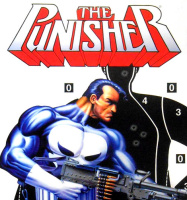
Circle of Blood (The Punisher #1-5; written by Steven Grant and Jo Duffy/art by Mike Zeck and Mike Vosburg 1986)

The Punisher spent the first decade as a side character. His first appearance (which we’ll mention in the single issues) in Spider-Man established the Punisher as a mysterious figure, but Circle of Blood established the Punisher as a character. Originally, Marvel intended to make Circle of Blood a four-issue limited series. That changed with the series’ popularity. Circle of Blood became so popular that the Punisher became a monthly comic. Within this mini-series, you’ll find the Punisher’s origins. Frank is a Vietnam veteran who watches his family die at the hands of a gang war. Motivated by anguish he becomes a one-man army of revenge.

Circle of Blood gives readers everything they need about the Punisher as a character. There’s no better place to start reading Punisher than with Circle of Blood.

War Zone (The Punisher War Zone #1-6; written by Chuck Dixon/art by John Romita Jr., John Buscema, and Joe Kubert 1992)

During the early Nineties, The Punisher had two monthly titles. The original Punisher series was strong enough, while Punisher War Journal devolved into “Punisher make things go boom and die.” Punisher War Zone’s first storyline breaks from the norm—at least the first half of the storyline does, which is why I included #1-6, instead of #1-11. The Punisher goes undercover and unearths a mob plot. Throw in someone who may or may not be Kingpin, Kingpin was in hiding at this time, and Punisher War Zone is a great place to see the Punisher working with the police on the down low and flexing his detective and heroic muscles.

Welcome Back, Frank (The Punisher #1-12; written by Garth Ennis/art by Steve Dillon and Jimmy Palmiotti 2000-2001)

Marvel produced this twelve-issue limited series in 2000-2001. First-time Punisher scribe Garth Ennis made a huge splash with Punisher Kills the Marvel Universe (which almost made this list) and this series gave him a second opportunity to write for the character. This won’t be Ennis’s last entry; Ennis will dominate this list. Welcome Back, Frank continues to depict Frank as a Vietnam War veteran. He announces his return to New York City by taking on the Gnucci crime syndicate. Publicly, the NYPD opposes Frank’s actions. Secretly, the police condone the Punisher’s actions. With the help of the police and his neighbors, Frank dismantles the Gnucci’s crime operation. Welcome Back, Frank showcases the Punisher’s tenuous relationship with the police and highlights the smaller good deeds, that I won’t spoil here, that make Frank Castle who he is. Welcome Back, Frank is a Punisher must-read.

Born (Born #1-4; written by Garth Ennis/art by Darick Robertson and Tom Palmer; 2003)

I warned you. Garth Ennis will dominate this Punisher reading list. Born is another great Punisher mini-series; a lot happens in this four-issue run. Born follows Frank Castle as he serves in the United States Marine Corps during his final tour in Vietnam in 1971. Half of Frank’s fellow Marines are addicted to heroin. Their commanding officer is an apathetic alcoholic who pretends he has malaria whenever the superiors plan an inspection of the base, Valley Forge. Of course, we see military combat. One by one, Castle’s unit falls, and he finds himself surrounded by the enemy. I won’t spoil any more of this heart-pounding series. If you’re interested in what made Frank Castle the man he is, you should read Born.

Barracuda (Punisher #31-36; written by Garth Ennis/art by John McCrea and Steve Dillon 2003-2004)

Barracuda refers to the man who could be the Punisher’s greatest villain. Screen Rant said this about Barracuda. “Far and away the most popular villain from the Punisher MAX comics, Barracuda has become one of the most iconic enemies Frank Castle has faced.” Barracuda is every bit the Punisher’s equal. Honestly, he may be more terrifying. Barracuda didn’t need a tragedy (like losing his family) to become a killer. While in elementary school, he shoved his thumbs into a classmate’s eyes. He castrated someone while in a youth detention center. This propensity for violence made Barracuda the perfect Green Beret. So, now he has special ops training and a massive frame to back up his nastiness.

There’s no better place to start with getting to know one of the Punisher’s greatest enemies than with this comic book run. The last thing you want to see is a smiling Barracuda.
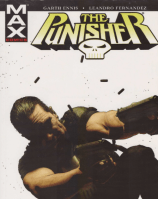
The Slavers (Punisher #25-30; written by Garth Ennis/art by Leandro Fernandez and Scott Koblish 2006)

The Slavers storyline shows Frank Castle’s softer side. As the title implies, this story revolves around slaves and the people who keep them in bondage. Specifically, The Slavers is about a forced prostitution ring. I won’t get into too much detail here. On one hand, I don’t want to spoil the story. On the other hand, The Slavers is not for the faint of heart. While this story arc is one of the Punisher’s best (and of course, it’s written by Garth Ennis), it comes with a strong trigger warning. The Slavers proves that the Punisher has a heart of gold, even if his methods are savage.

Single Issues

“The Punisher Strikes Twice!” (The Amazing Spider-Man #129; written by Gerry Conway/art by Ross Andru, Frank Giacoia, and Dave Hunt; 1974)

“The Punisher Strikes Twice!” marks the Punisher’s first appearance. Narratively, this Punisher looks very different from the one we see in any other Punisher story on this list. Punisher is little more than a hired gun. A new costumed character called the Jackal hires Punisher to slay Spider-Man. Antics ensue.

After this first appearance, the Punisher would team up with Spider-Man. Eventually, he would make cameos in other titles, teaming up with Captain America and Nightcrawler until Frank Miller would contrast Daredevil’s crimefighting style against the Punisher’s. “The Punisher Strikes Twice!” may not be the character we know of as the Punisher, but a Punisher fun should read the comic that started it all.

“The End” (Punisher: The End #1; written by Garth Ennis/art by Richard Corben; 2004)

And we’re back to another Garth Ennis-penned Punisher story. “The End” is a Punisher one-shot story set in the wake of World War III. This post-apocalyptic story is a product of its time. Frank is tasked with finding a hidden bomb shelter beneath the former site of the World Trade Center.  With the War on Terror in full swing, “The End” mirrors American fears.
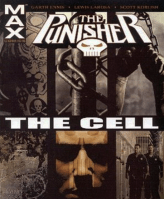
“The Cell” (Punisher: The Cell #191; written by Garth Ennis/art by Lewis LaRosa; 2005)

Within the darkest corners of Riker’s prison, old men control their criminal empire. These old men are given a new neighbor on their cell block: Frank Castle. The Punisher uses a prison riot to weaken the crime lord’s defenses. When they attempt to wait out the chaos, the Punisher strikes. “The Cell” shows a Punisher who can play the long game. This Punisher bides his time and waits for the perfect moment to attack.

This list is by no means exhaustive. We could’ve added a few other Punisher stories. Let us know which Punisher stories you’d add to this list in the comments. And wherever you are, I hope you’re having a great day.

Geekly News: March 16, 2025; CMON Games Could Lose $2 Million for 2024

Crowdfunding Board Game Giant CMON Games Claims They Could Lose $2 Million for 2024

CMON’s board issued a profit warning to the Hong Kong Stock Exchange earlier this week. It estimates its losses for 2024 at between $1.4m and $2.1m, with the final, audited total expected by the end of this month. $2 Million is a large number. Several factors have contributed to CMON Games claiming a loss for 2024. We’ll give a quick rundown on what led CMON in this direction.

A Quick History

CMON Games quickly bounced back from the pandemic. It suffered a 17.5% revenue drop to $25.1m in 2020 because of the pandemic. In 2022, CMON reached $45.3m and almost duplicated that success the next year due to multimillion-dollar Kickstarter campaigns for its long-running Zombicide series and games based on huge IPs such as Marvel and DC Comics.

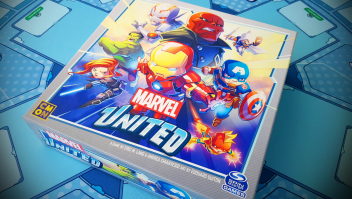
Marvel United Box Close Up Board Game Review

Last September, CMON’s mid-year revenue had fallen for the first time since the pandemic, to just over $15.9m with slumping wholesale earnings putting a dent into the company’s H1 results. CMON’s wholesale revenue sank 39% to $5.9m in H1 2024 compared to the same period in 2023, while revenue from its crowdfunding campaigns fell by about 9.7% to just over $9.9m.

What CMON Claims Caused this Loss

CMON Games says the biggest contributing factor to this loss is the rising cost of living, which is eating into its revenue from tabletop game sales. They believe people aren’t buying as many board games because the cost of living has increased. Cost of living can and does play a role in reduced board game sales. But this can’t be the only factor.

CMON Switches from Kickstarter to Gamefound

CMON switched its crowdfunding strategy in February 2024 when it ended 12 years of running campaigns on Kickstarter. They chose to sign an exclusivity deal with Kickstarter’s crowdfunding competitor Gamefound. CMON had raised more than $108 Million in total on Kickstarter.

CMON’s first year on Gamefound began slowly. Large campaigns like DC Super Heroes United and Cthulu: Death May Die, Forbidden Reaches helped push CMON closer to the money they raised on Kickstarter the previous year.

At the mid-point of the year, the 2024 losses would almost wipe out CMON’s $1.8m profits across the previous three years combined, marking the first time the company suffered a loss since the pandemic.

Personal aside: I backed one of CMON’s projects on Gamefound and followed several others. The company had issues navigating Gamefound’s backend. There were growing pains but the year ended better than it could have. Different consumers use Gamefound and Kickstarter. Switching crowdfunding providers could contribute to a dip in sales. Gamefound also offers what equates to layaway, so certain Kickstarter marketing tactics CMON Games has cultivated over 12 years may not work as well on Gamefound.

CMON Bought IPs Last Year

CMON made two significant acquisitions last year. They bought Japon Brand, the Japanese board game collective that published Love Letter and Machi Koro and picked up the intellectual property rights to a pair of stalled Kickstarter projects from Mythic Games in January 2024.

The two games from Mythic Games, Hel and Anastyr, raised a combined $3.2 Million on Kickstarter. Per CMON Games, both games require extensive playtesting and editing to reach their standards for print. CMON Games plans to ship Hel and Anastyr to Kickstarter backers if the customers who originally backed the game are still interested. This created another issue with CMON Games switching from Kickstarter to Gamefound. Original backers of Hel and Anastyr haven’t received a single update since CMON Games acquired the rights to produce these games because CMON no longer uses Kickstarter.

Tariffs on Board Games

Geekly mentioned a month ago that tariffs on Chinese goods have complicated board game production. We belong to several board game groups and know several publishers. Many board game publishers have cited up to $2000 for a crowdfunded board game making $100,000. CMON deals in crowdfunding projects in the millions of dollars, and the company has at least seven completed campaigns that it will fulfill by the end of 2025. The company could lose at least $500,000 in tariffs alone.

CMON Agreed to Sell IPs

CMON started 2025 by agreeing to sell some of its intellectual properties in a $12 Million deal, with two new shareholders investing around $1.39 Million into the business by picking up a combined 16.66% stake in the company. CMON had entered a non-binding agreement to sell the unspecified IPs last August, but terminated the arrangement last month after CMON and the unnamed buyer failed to agree to terms.

CMON also revealed last week that the new shareholders had failed to hand over the money for their stakes and said it was seeking legal advice on how to cancel the process. CMON added at the time that it was now seeking other fundraising means to increase its general working capital in order to enlarge its capital base, increase the overall liquidity of its shares, and strengthen the company’s financial position.

Final Thoughts

Regardless of which factors affected their sales the most, CMON Games finds itself in a tight spot. One of board gaming’s dominant companies (especially post-pandemic) is struggling. But CMON has taken steps to get on the right track.

In January this year, CMON hired the CEO of tabletop gaming YouTube channel Man vs Meeple as its new global director of marketing. David Waybright will work full-time on promoting upcoming crowdfunding and retail releases from CMON while continuing to run Man vs Meeple, which specializes in previewing upcoming crowdfunded games. Fingers are crossed that CMON Games recovers.

Split Fiction Video Game Sells 2 Million Copies Its First Week

Split Fiction is the follow-up to Hazelight’s critically acclaimed It Takes Two (2021). It sold 2 million copies during its first week. Split Fiction was first announced at the 2024 Game Awards by studio chief Josef Fares, but began development immediately after Hazelight released It Takes Two. Like its predecessor, Split Fiction features dual protagonists who must work together, either locally (couch co-op) or online.

Split Fiction’s protagonists are named after Fares’ real-life daughters. Written by director and Hazelight studio chief Josef Fares and Sebastian Johansson, Split Fiction blends fantasy and science fiction, following a pair of authors trapped in the worlds they wrote. Split Fiction features unique gameplay mechanics involving split-screen combat, platforming challenges, and differing abilities for each character.

Steam’s Spring Sale Takes Up to 75% Off Your Favorite Games

Spring starts early, thanks to Valve. Steam begins its annual Spring Sale, and while most of the games featured in this sale aren’t new, there are some classics you may consider purchasing if you don’t already own a copy.

You can pick up a copy of Square Enix’s Chrono Trigger in honor of the SNES RPG’s 30th anniversary. Cyberpunk 2077 is down to $42.76 (almost $40 off), which includes the expansion Phantom Liberty that significantly improves the gameplay. The 2016 Doom reboot is going for $1.99. I may have my eye on some deck-builder games. Slay the Spire is $6.24, while Inscryption is going for $7.99. Both of these games offer great mechanisms and blend in roguelike elements.

Steam’s Spring Sale ends March 20th so be sure to check out the store before then.

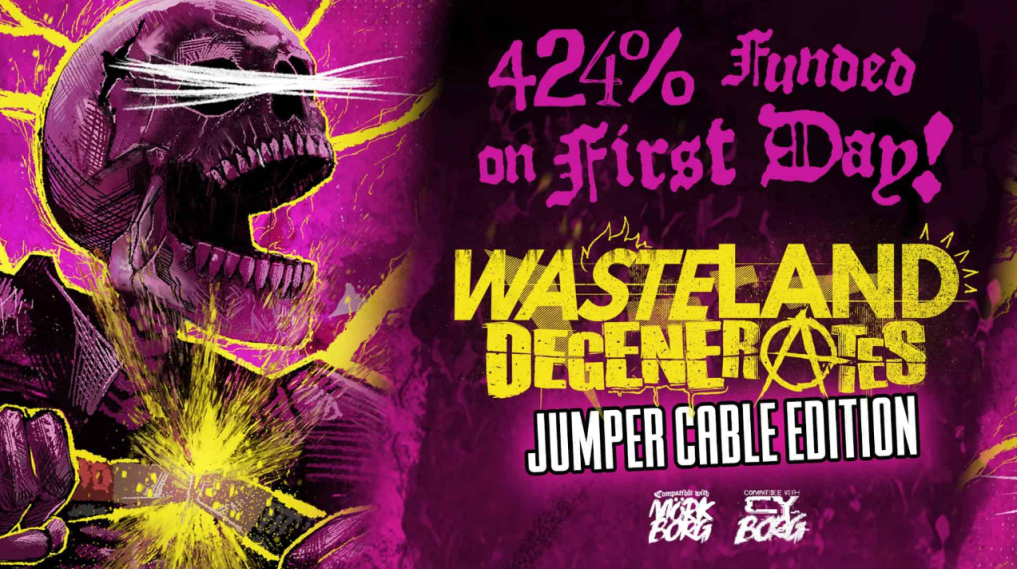
Wasteland Degenerates Launches on Kickstarter

Tabletop Role-Playing Game Wasteland Degenerates launched on Kickstarter this week and was funded within hours. Wasteland Degenerates takes inspiration from the MÖRK BORG and CY_Borg systems. It features easy-to-roll-up characters, and dice rolls that can take out a character in seconds. If you want to explore the wastes, finding treasure from trash, and fight gnarly mutants, Wasteland Degenerates has you covered. While Wasteland Degenerates is based on, and compatible with, the award-winning MÖRK BORG and CY_Borg systems, it does not require any other books to play. You can learn more about this project on its Kickstarter page.

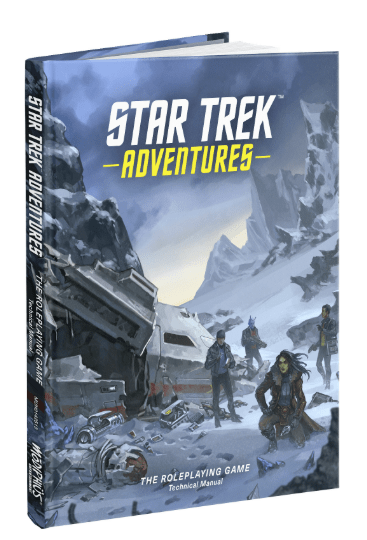
Modiphius Announces New Star Trek Adventures Sourcebook

Take your Star Trek Adventures 2nd Edition RPG to the next level with the upcoming Technical Manual. Modiphius Entertainment announced that the new sourcebook will be released in June 2025.

This 129-page full-color hardcover book covers gear from across the Star Trek universe. The Technical Manual will cover details on Starfleet, Klingon, Romulan, Orion, and more technology. Add just about any piece of tech from the Star Trek universe, from universal translators to tricorders. The manual also details medical technology and the engineering elements of transporters.

The Star Trek Adventures 2nd Edition Technical Manual will retail for $46.23. You can order your copy of the base game and the Technical Manual by following this link.

Steamforged Games Announces Helldivers II: The Board Game

Steamforged Games has a history of bringing several video game properties to the tabletop game space, and they continue by announcing a board game adaptation of the hit sci-fi shooter Helldivers II. Manning squads armed with pistols, machine guns, and flamethrowers, players protect Super Earth against alien threats. You’ll complete high-risk missions, navigate battlefields, and overcome enemy swarms.

The crowdfunding campaign will launch on Gamefound on April 8, 2025.

That’s all the geek news we have for this week. Thank you for reading, and wherever you are, I hope you’re having a great day.

Top 5 Flash Villains

I can’t believe Geekly has been doing Top 5 Villains lists for superheroes and we haven’t covered Flash’s rogues gallery. Flash has one of the most extensive rogues galleries in comic book history. He may not have villains with the same name recognition as Spider-Man or Batman, but his rogues gallery is one of the best.

Hey, hey! Kyra Kyle here. We’re back with another Top 5 Villains list. Many of the Flash’s most iconic villains have superspeed, so we’ll be limiting this list to the top speedster. Let us know if you’d like a Top 5 List of Villainous Speedsters. In the meantime, here’s our list of the Top 5 Flash Villains.

Top 5 Ice Powered Comic Book Characters Killer Frost

5: Killer Frost

Flash’s top 4 villains were a breeze to compile. I knew who they were the instant I sat down. His fifth villain could go in several directions. I may have said that about more than one superhero, but that’s the truth. Killer Frost beats out the rest of the would-be Top 5 Flash villains if for no other reason than she used to be a Flash ally. She spends part of her time as an anti-hero, having spent stints with the Suicide Squad and Justice League. But whenever Caitlin Snow decides to turn evil, it spells doom for the Flash. Her connections with Flash and Firestorm add to her lethality. Cold powers prove effective against the Flash; cold can slow the speedster. Killer Frost’s freezing ability, as we’ll see with another Flash villain on this list, makes her dangerous.

4: Mirror Master

Mirror Master fills a similar role in Flash’s Rogues that Mysterio does in Spider-Man’s Rogues, and Mysterio ended up as Spider-Man’s fourth-placed villain. Hmm. Looks like the fourth spot is the perfect place for a villain designed to confuse their nemesis. Unlike Mysterio, Mirror Master possesses powers. His mirrors can hypnotize, turn him invisible, generate holograms, change his physical form, and travel into other dimensions. That final ability separates Mirror Master from Mysterio. One of my favorite recent stories Mirror Master showed him trap Flash within a parallel dimension of his creation.

Don’t let the high-speed fool you. Flash is one of DC Comics’ most powerful heroes. He can turn back time and alter the past. Brute strength doesn’t often work against the Flash. Mirror Master takes a different route. And I’m a sucker for a villain with a mischievous streak.

3: Gorilla Grodd

Gorilla Grodd is one of my favorite Flash villains. I wanted to place him at the one or the two spot, but two other villains narrowly beat him. Gorilla Grodd has superhuman strength, telekinesis, telepathy, a super genius-level intellect, and has a connection to the Speed Force. As his name suggests, he’s a gorilla. He hails from Gorilla City and is the sometimes leader of the metropolis led by super-intelligent gorillas. Gorilla Grodd not only has a laundry list of abilities, he has an army at his disposal.

Marry all of this up with Grodd’s connections with most of DC Comics’ supervillain organizations like the Legion of Doom, the Secret Society of Super Villains, and the Injustice League, and Gorilla Grodd has a plethora of allies he can summon. Grodd is one of Flash’s most formidable enemies.

2: Captain Cold

You can take everything I said about Killer Frost and her freezing powers and apply it to Captain Cold. But instead of Captain Cold being a personal friend of the Flash’s, he’s the man he instituted the Flash’s Rogues, Flash’s version of the Sinister Six, and serves as their leader. I had to put Captain Cold above Grodd because Grodd can get distracted by other heroes, and Captain Cold keeps his animosity toward the Flash. He knows which buttons to press and isn’t afraid to press them. His freezing abilities are only matched by his intellect. In short, Captain Cold knows how to use the Flash’s strength against him and that makes him deadly.

1: Reverse-Flash

Eobard Thawne (also known as Reverse-Flash and Professor Zoom) takes the top spot. He’s another speedster, so if we were to create a list of Top 5 Villainous Flash Speedsters, he’d be the top spot there as well. Thawne is one of the few characters in the DC Comics Universe who can travel back in time with little to no ill effects, and he uses this to his advantage. He’s erased characters to torment and destroy the Flash’s life. He even went back in time to kill Barry Allen’s mother. Reverse-Flash is plain evil.

He too has connections with the Legion of Doom, the Injustice League, and the Rogues. He had to take the top spot. Despite others’ attempts, no one has tortured the Flash more than Reverse-Flash. He does what his name says, he is the Flash’s antithesis.

Did we get the list right? Let us know who you would add or remove in the comments. And wherever you are, I hope you’re having a great day.

Harley Quinn: “Bottle Episode (But Not a ‘Bottle Episode’)” Review

Season’s Thoughts

We’ve got some characters rounded up in this week’s episode of Harley Quinn. Well, they’re all fun-sized, but they’re getting stuff done. Sort of.

There were a few jokes tossed here and there, but “Bottle Episode (But Not a ‘Bottle Episode’)” had a darker tone in comparison to previous episodes of season five of Harley Quinn. This tone was consistent throughout “Bottle Episode (But Not a ‘Bottle Episode,’)” which I appreciated since we’re ramping up for the season finale.

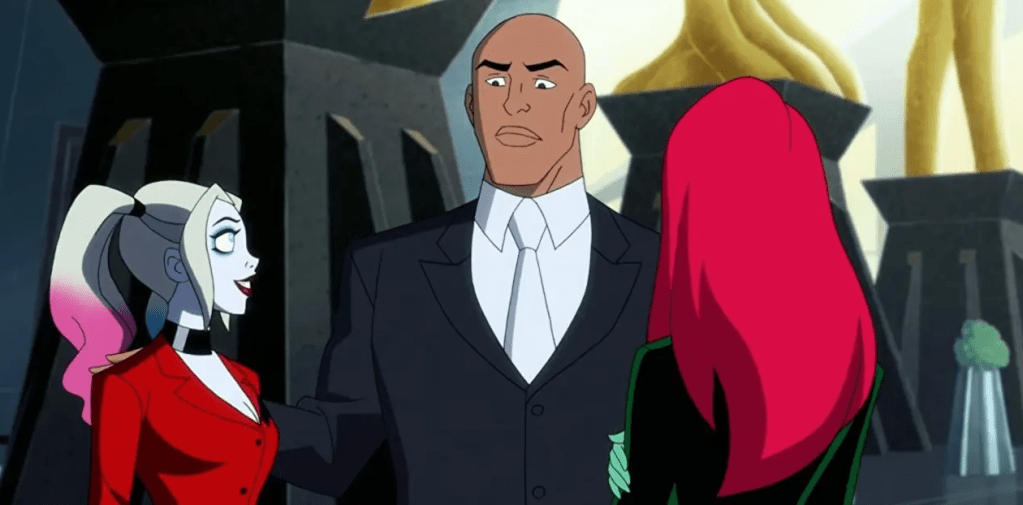
Since we’ve got one more episode to go in season five of Harley Quinn, I had a feeling Lex wouldn’t be the key to taking down Lena this episode. Their reunion was cute. Harley’s therapist powers working against her made for an interesting watch. Ivy cheerleading Harley during the therapy session was hilarious.

I didn’t think it was possible, but Joker’s romantic relationship is more stable than Bruce Wayne’s or Lois Lane’s. That entire scene with them interacting with one another about relationships was the funniest part of the episode.

The goofiness of “Bottle Episode (But Not a ‘Bottle Episode’)” aside, I have a feeling Frankette is going to be one of the keys to busting Harley and company out of the bottle. Like, she’ll smash it or something and de-shrink everyone (with or without Superman) and they take out the Luthors. I hope I’m not hitting the nail on the head because unpredictability makes Harley Quinn fun to watch.

Kyra’s Take

While it is difficult to write repeatedly, “Bottle Episode (But Not a ‘Bottle Episode’s’)” title is accurate and funny. At the end of this episode, Harley Quinn teases Superman. I expected him to make another appearance, and that’s a strength of the show. Viewers can predict who will get involved in Harley’s shenanigans, but they won’t be able to guess how they’ll be involved.

Harley Quinn loves meeting the audience’s expectations and then subverting those expectations. We anticipated Dick Grayson’s return, but not as Red X, and we couldn’t guess Alfred attempting to murder him. We anticipated Lex Luthor’s return, and Harley Quinn set him up as another Lena antagonist only to have him join forces with her, which makes sense for his character (he tried to rule the world in a previous season) and subverts how Harley and Ivy think the solution will go. Superman will return, but we have no idea what he’s done during his absence from Metropolis. We have no idea of his mental state.

I expect Frankette to be involved with Harley and Ivy escaping, but Harley Quinn will choose a wild–possibly disgusting way–for her to get involved. My money is on Frankette using her father’s “special rag” and ejaculating for the first time, producing plant material in the alien ship that Ivy can then manipulate. Before Ivy frees herself, she’ll get choked up while watching Frankette do the deed and say something like “Just like her dad.” Gross.

Too gross! Ugh! Forget what I said. Frankette goes into the Green and contacts Swamp Thing.

I also liked the interactions with Bruce Wayne, Lois Lane, and the Joker. Bruce couldn’t help but take a jab at the Joker’s daughter, who interns at Wayne Enterprises. Her tech short-circuited all electronics, not just Brainiac’s cloaking device. I love how Harley Quinn ties up a story thread. Joker spent the entire episode trying to get Bruce to finalize his daughter’s internship paperwork. Few elements get wasted.

I expect a few callbacks in the season finale next week. Hopefully, they won’t be as deep of a cut as Harley’s dad from the week prior. Does anyone know what Doctor Psycho or Riddler are up to? Thank you for reading, and wherever you are, I hope you’re having a great day.

Daredevil: Born Again, “The Hollow of His Hand” Review

Daredevil: Born Again continues this week with a single episode, “The Hollow of His Hand.” The show focuses on the courtroom drama surrounding the White Tiger. While I think this is a good choice, the pacing for a storyline like this would play out better for a full 13-episode season (like the previous Daredevil series) instead of the 9-episode season, split in two, that Daredevil: Born Again has scheduled. Daredevil: Born Again is fated for getting rushed.

Hey, hey! Kyra Kyle here. I’ve had more time to digest Daredevil: Born Again’s first two episodes from last week, and they leave me wanting. Everything felt rushed. And while I understand that Daredevil: Born Again wants to get Matt Murdock into his Daredevil suit as soon as possible because the show only has three episodes remaining before it goes on hiatus, I can’t help but think that the original show would’ve taken its time and not rush through White Tiger’s trial. The showrunners must not be used to shorter seasons.

What remains does a good job of pitting Matt Murdock against Kingpin from an ideological standpoint. The sparing between Murdock proving vigilantes as necessary (even helping police) and Kingpin’s decree to the media that vigilantes operate outside and above the law works. The lack of scenes with White Tiger doesn’t work as well. Through witnessing on the stand, the life of White Tiger is told. We don’t see White Tiger in action. We don’t even see how his magical amulet works. I’m reminded of the writing adage: show don’t tell. Daredevil: Born Again does a lot of telling because they don’t have time or money.

Daredevil: Born Again marks the first Disney+ Marvel series when the production attempts to cut costs. I hope that scenes with White Tiger weren’t cut for time or budget. Puerto Rican actor Kamar de los Reyes who portrays White Tiger passed away from cancer on Christmas Eve 2023. He delivers a fantastic performance.

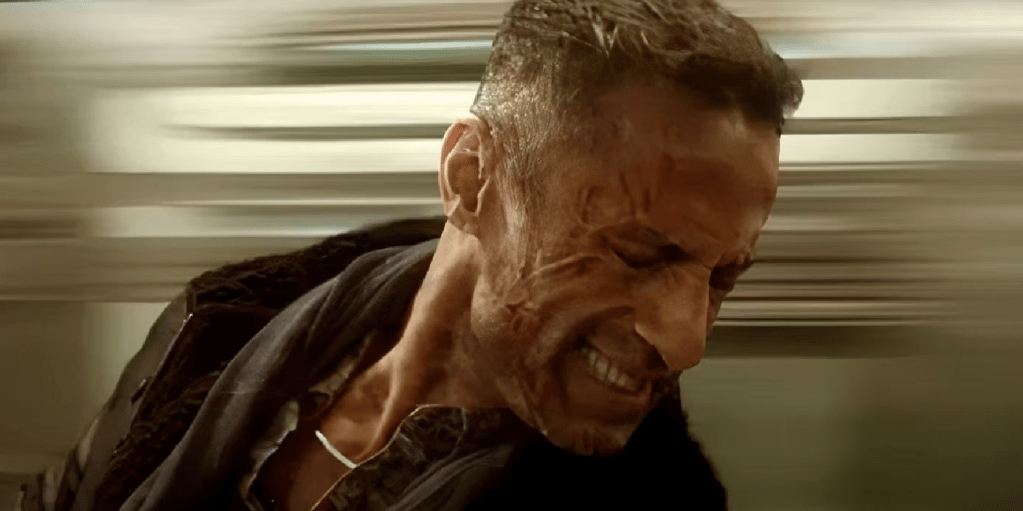
We get into spoiler territory here. You’ve been warned. After a short trial sequence, White Tiger gets gunned down days later by someone who may be The Punisher. I don’t know if the could be Punisher works for Fisk. The sequence where White Tiger dies occurs during a voiceover with Wilson Fisk, explaining how vigilantes should not exist. In the comics, the Punisher began as a mercenary for hire. It would make sense if he was behind White Tiger’s death, but Fisk has been distancing himself from crime as much as Murdock distances himself from crimefighting. The Punisher could also be exacting vigilante revenge against a vigilante for (accidentally) killing a crooked cop. That’d be an interesting twist.

End of spoilers.

Despite the swiftness of these events, Daredevil: Born Again does a great job of honoring White Tiger’s death. Like Foggy’s death in episode one, White Tiger’s death is sudden. But the twist of who may have killed him leaves the episode on a cliffhanger, and “The Hollow of His Hand” ends with a quiet moment. The only sound the audience hears is the coquis (a small frog native to Puerto Rico) whistling against the surf.

White Tiger had shared with Murdock that he only felt at peace when he sat on a bench by the ocean and could hear the coquis. This moment was well done. It’s a wonderful tribute to Kamar de los Reyes.

I want more moments like this one. The previous series would sprinkle in heart-felt beats in between the action. I have hope for the remainder of Daredevil: Born Again’s initial six episodes, but I’ve heard that Muse could become a main antagonist. How does Daredevil: Born Again hope to juggle the introduction of the Punisher, Muse, and the inevitable Kingpin showdown? Muse could’ve disguised themselves while they killed White Tiger. We’ll have to see. Thank you for reading, and wherever you are, I hope you’re having a great day.
Top 5 Daredevil Villains

While Daredevil: Born Again is ongoing, let’s discuss the best villains the Man Without Fear has ever had. Hey, hey! Kyra Kyle here. We’re back with the first Top 5 Villains List. Daredevil doesn’t have the most robust rogues gallery, but he does have a handful of standout villains. Here’s our list of the Top 5 Daredevil Villains.

5: Mr. Fear

Frankly, the top four Daredevil villains are set in stone—for the most part. The only variable I could find was at the fifth spot. I’ve said it a lot in previous Top 5s, but I could’ve gone in several directions. I almost feel like the bottom villain in a hero’s Top 5 villains must bring something a little different. Mr. Fear does that. You’d think that a villain whose gimmick involves fear would be no issue for Daredevil: The Man Without Fear, but Mr. Fear has posed a threat on more than one occasion. My favorite version of the Mr. Fear must be Matt Murdock’s old classmate, Larry Cranston. Cranston once gave Matt’s ex-wife Mia Donovan an overdose of a fear-inhibiting drug that led her to take an innocent’s life. Mr. Fear does more than hold his own with Daredevil’s typical martial arts-savvy characters.

4: Typhoid Mary

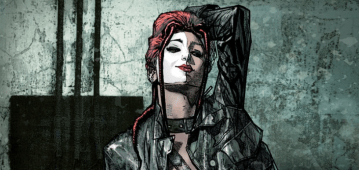
Ann Nocenti created Typhoid Mary. She’s a deadly and intriguing villain. Mary’s a mutant with telekinetic abilities and suffers from dissociative identity disorder, which gives her three different identities, a soft-spirited one (Mary), a violent one (Typhoid), and a sadistic one (Bloody Mary). Mary was once a soap opera actress and briefly in a relationship with Matt Murdock. One doesn’t know which one of Typhoid Mary’s personas is in control. Mary’s condition makes her unpredictable. Her mutant powers coupled with her innate mutant abilities make her a force. Season three of the Netflix Daredevil series included a version of Typhoid Mary. Typhoid Mary could make for an interesting foil with the MCU heading toward a Mutant Saga.

3: Elektra

Elektra Natchios is arguably the love of Matt Murdock’s life. Daredevil may have had a lot of girlfriends throughout the years—including the previous entry Typhoid Mary—but Elektra stands alone as Matt Murdock’s most iconic lover. Elektra’s the Catwoman to Matt’s Batman. As the daughter of a Greek ambassador to the United States, Elektra could’ve been anything. She chooses to be a villain for hire. Like Catwoman, Elektra always seems on the cusp of redemption, before showing Daredevil her ruthless nature. Elektra constantly switches sides. And her death at the hands of Bullseye remains one of the most iconic moments in Daredevil comics history.

2: Bullseye

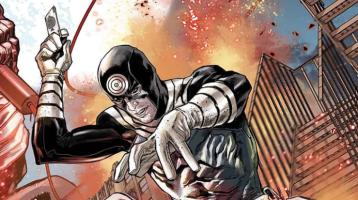
No villain may have caused more pain and suffering for Matt Murdock than the contract killer Bullseye. This is the man that Daredevil tortured by playing Russian Roulette with an empty gun. Bullseye’s hands make anything a lethal weapon. He’s built his reputation on his perfect aim, throwing knives and other sharp objects with insane accuracy. He also helps that Bullseye’s skeleton is coated in adamantium, like Wolverine’s. Despite his physical prowess, Bullseye strives to inflict emotional pain. He’s taken away two of the loves of Matt Murdock’s life, Elektra and Karen Page, and joked about it afterward. Bullseye is the worst kind of villain. He takes pleasure in what he does, and what he does can be sickening.

1: Kingpin

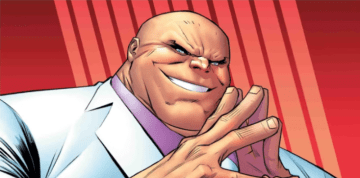
Kingpin started as a Spider-Man villain, but Frank Miller’s run on Daredevil changed the course of the villain’s life. Since Miller’s run on Daredevil, the pair love to hate each other. In the “Born Again” comic book series, Fisk learns Daredevil’s identity and dismantles every aspect of his life, stripping Matt of his law license and even blowing up his apartment. Kingpin’s actions drove Matt Murdock to the brink of insanity. But Fisk has always managed to outsmart and maneuver his way around Daredevil. During the “Return of the King” storyline, he weasels his way into an alliance with Daredevil. He does so intending to betray the Man Without Fear at the most opportune moment. Kingpin may be one of Marvel’s greatest villains, but over the past several decades, he’s been a thorn in Daredevil’s side and worthy of the top spot.

Did we get the list right? Let us know who you would add or remove in the comments. And wherever you are, I hope you’re having a great day.

Tabletop Game Review: Marvel United, Enter the Spider-Verse

Marvel United has copious amounts of expansions. It’s a CMON Games Kickstarter using the Marvel intellectual property. That’s bound to happen. Geekly won’t be covering every Marvel United expansion, but we will review the ones worth your time or the ones we believe people will most likely purchase. So, you could consider the Marvel United expansions we cover as ones you may want on your radar.

Hey, hey! Kyra Kyle here. In Marvel United, players act as iconic Marvel heroes who work together to stop the master plan of a powerful villain controlled by the game. Each villain has a unique master plan, cards that trigger various effects, and threats that make clearing locations difficult. Heroes clear missions, making the villain vulnerable, and finally take on the big bad villain before they complete their dastardly plan. Can you save the day in time? Enter the Spider-Verse puts players in the spandex of famous characters of the Spider-Man universe.

Before we get any further, we’ll take a side quest and discuss Enter the Spider-Verse’s less heroic details.

Marvel United Box Close Up Board Game Review

The Fiddly Bits

Designer: Andrea Chiarvesio and Eric M. Lang
Publisher: CMON Global Limited and Spin Master Ltd.
Date Released: 2021
Number of Players: 1-4
Age Range: 8 and up
Setup Time: 5-10 minutes
Play Time: 30-40 minutes

Game Mechanisms

Cooperative Play
Hand Management
Modular Board
Solo / Solitaire Game
Variable Player Powers

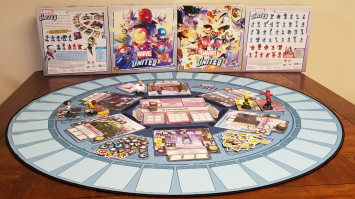
Marvel United Tabletop Game Set Up

Game Setup

We already covered the Game Setup and Game Flow in our Marvel United review (here’s a link to that review), so we’ll go over the basics in the following two sections. Let’s cover an abbreviated review of the game setup and rules.

Marvel United’s setup can change depending on which Villain and Heroes you choose to play. Each game consists of six locations. Typically, core sets have eight locations. Since Enter the Spider-Verse is an expansion, it only has six. You may choose your locations or shuffle them and choose six at random. Each Location card has spaces at the top for civilians and thugs and a rectangle with a block of text that will state “End of Turn” at the top of the box.

Place civilian/thug tokens on their matching spaces. Shuffle the Villain’s Threat deck and deal out each Threat face-up so that it covers the rectangle at the bottom of each location. You must clear this threat before gaining the “End of Turn” effect printed on a Location. Place health tokens where signified on threat cards and on the Villain dashboard. Place the three mission cards (Defeat Thugs, Rescue Civilians, and Clear Threats) face up under the villain dashboard where the text reads “Unlocked.”

Each player shuffles their hero decks and then draws three cards to form their hands. Shuffle the Villain’s Master Plan deck. Leave the Master Plan deck face down. This will be the villain’s draw pile.

Players place their miniatures on one of the six location cards, usually the centralmost location for each player (easy access). Then, they place the villain on the location card opposing the heroes.

Marvel United Game Flow Board Game Review

Game Flow

The villain(s) play first. Draw the top card of their master plan deck. The villain moves the number of spaces indicated. Resolve any BAM! Effects and these effects will be printed on a space within the villain’s dashboard. Then, place the civilian/thug tokens (if any) indicated at the bottom of the card. After all these effects are resolved, the heroes get their turn.

Heroes pick who goes first, and hero turns will continue around the table clockwise. At the beginning of each game, Heroes will get three turns before the villain receives another turn. During their turn, heroes play one card from their hand.

Resolve actions and the symbols printed at the bottom of the hero’s card in any order. The symbols at the bottom of a hero’s card will be shared with the next player, but any printed action will not be shared. Heroes will use these actions to complete missions. The game begins with three missions in play: Defeat Thugs, Rescue Civilians, and Clear Threats. Each mission card will have spaces for the tokens they require to complete. As soon as these spaces are filled, the card is discarded, and the mission is considered complete. Mission cards can be completed in any order.

Marvel United Three Mission Cards Board Game Review

After the heroes complete the first mission, the villain panics and will act (play a card) every two hero cards instead of every three hero cards. After the heroes complete the second mission, the villain becomes vulnerable to damage. The heroes can complete the third mission, but it isn’t necessary. If the heroes do complete the third mission, each hero immediately draws 1 card, increasing each player’s hand size by one.

Play continues back and forth until either the villain wins (by completing their unique master plan or anyone, heroes or villains, runs out of cards) or the heroes win by dealing enough damage to the villain after the villain becomes vulnerable to damage.

Enter the Spiderverse Marvel United

Review

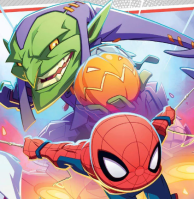
Enter the Spider-Verse features a lot of fan-favorite characters (Spider-Man, Green Goblin, and Miles Morales). Since that’s the case, it’ll be one of the first expansions players will purchase. And it’s a great choice.

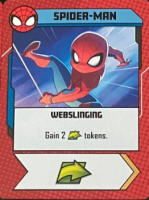
Let’s begin with the heroes. Spider-Man has a lot of potential token gain. I don’t know how many times I saved the day by playing Spider-Man. Seriously, I may have completed most of the games in my guides (here’s a link to Geekly’s Marvel United guides) with Spider-Man. Frankly, he’s a broken character. Broken in the best possible way. I’ve easily played Spider-Man more than any other character in Marvel United. He’s Spider-Man. It’s great that Marvel United made him a character you can return to again and again.

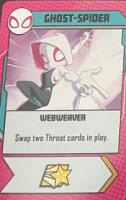
Ghost-Spider and Miles Morales may have more niche abilities, but given the right circumstances, they can be deadly. Ghost-Spider can swap in-play Threat cards (which could be nice for an ongoing ability), and she can defeat all Thugs in her location. Miles Morales’ strongest ability “Web” allows him to delay the Villain Turn by one card. “Web” is a more universal use. Miles may be my second-most played character. Then, there’s Spider-Ham. He’s a Kickstarter Exclusive and that’s okay. He stinks. Good news though. It’s okay if you purchase the retail version over the Kickstarter version. Spider-Ham’s inclusion is the only difference between the two versions, and you’re not missing much with Spider-Ham. Unless you’re a completist or you like Spider-Ham, buy the retail version of Enter the Spider-Verse.

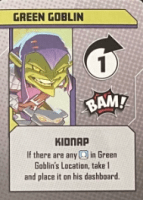
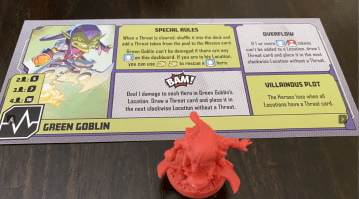
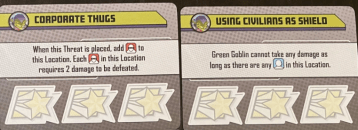
Enter the Spider-Verse’s sole villain Green Goblin is notoriously difficult to beat. I’ve only ever beaten Green Goblin by playing heroes and locations from the Enter the Spider-Verse expansion. Green Goblin has a special setup than the one above. Players don’t begin the game with threat cards in play on locations. Green Goblin will add them as he goes along, and he wins if each location has a threat card. This can lead to players clearing a particularly nasty threat card, like “Electro” or “Using Civilians as Shield,” and Green Goblin putting those cards back in play.

Even though Green Goblin wants to flood the field with threats, he’s just as comfortable throwing obstacles in the way to wait out the clock. “Using Civilians as Shield’s” ability is that Green Goblin will not take any damage as long as there are any Civilians at its location. “Corporate Thugs” make thugs more difficult to defeat. Green Goblin is a classic case of a villain who has multiple ways to defeat his enemies. The best way to stop Green Goblin is to load up on tokens, manipulate the villain deck, and delay the villain’s turn if you can. Fortunately, there are two heroes, and one location included in Enter the Spider-Verse expansion that do just that. Green Goblin earns his reputation as one of the initial Marvel United’s most difficult villains.

The new locations are classic Marvel New York ones. Brooklyn Bridge, Queens, the Daily Bugle, Oscorp Tower. These locations focus on extra tokens. This can be crucial in defeating certain Marvel United villains. Enter the Spider-Verse’s Green Goblin is one of these villains. The other three locations have healing (always appreciated), potentially rescuing a Civilian for free (always good for completing mission cards), and manipulating the villain deck. Couple these abilities with the heroes included in Enter the Spider-Verse, and you can see why this expansion tilts the playing field toward the heroes.

Each expansion adds a challenge card. Challenge cards add an extra layer of complexity to the game. Challenge cards may be small additions, but they can keep the game fresh with an extra rule or two added to the base game.  Enter the Spider-Verse introduces the “Secret Identity Challenge.” This is a classic challenge to add to any Marvel United game. Players must balance their crime-fighting life with their lives spent outside of spandex. This challenge is thematic, easy to understand, and adds just enough additional difficulty.

Enter the Spider-Verse Marvel United

Verdict

Even though I wouldn’t bother with finding the Kickstarter version unless you’re a completionist or a Spider-Ham fan, Enter the Spider-Verse is worth including in your Marvel United collection. The heroes and villain are some of the most powerful. The locations are iconic and pack a punch. And the Challenge Card adds a much-needed twist.

Harley Quinn: “Family Feud” Review

Kyra’s Thoughts

Harley Quinn races toward its season finale with its latest episode “Family Feud.” Offline, Season mentioned that Harley and Ivy made up too quickly for her liking. I agreed but then I looked up Harley Quinn’s remaining episodes. “Family Feud” is the eighth of ten scheduled episodes for this season. We only have two episodes remaining. What? While I would’ve liked to have seen the tension between Harley and Ivy last another episode, there aren’t that many episodes remaining. Harley Quinn needed to set up the final stakes in this episode, hint at how the gang plans to overcome the stakes, and then spend another episode assembling the supporting cast (King Shark, Clayface, Bane, and Lex Luthor) so they’re ready to enter the fray before launching into the season finale.

Yes! We have a Lex Luthor sighting. It’s always fun when Giancarlo Esposito joins the cast. He didn’t have much to do in “Family Feud” because the gals broke him out of jail, and he was incapacitated in a patented way only Harley Quinn could pull off. Harley’s mom runs him over with Harley’s car.

Harley’s family is where the episode’s title “Family Feud” derives. Truth time. I forgot about Harley’s piece of crap father until he showed up in this episode. It took me a while to remember Harley’s past with him (we haven’t seen him since season 1–four seasons ago), but Harley’s family past came screaming back as soon as Mr. Quinzel double-crossed Harley for money. That rang a bell. Nick Quinzel dies for real in this episode, and Harley doesn’t get the closure she wants.

Meanwhile, Ivy sneaks into Lena’s apartment to figure out a way to infiltrate Brainiac’s lair and free Frankette. I never thought that Harley and Ivy would stay at odds for long, but “Family Feud” may have been better served if the exploits of Harley and Ivy were reversed. I may have believed Ivy forgiving Harley as quickly as she did if she had to deal with Floronic Man or someone else from her past and learn the lesson that Harley did during this episode about being there for someone you love even after they screw up. Heck. Being there for someone after they screw up may be the most important time for someone to show their love. This was a missed opportunity.

This small gripe doesn’t detract from an otherwise fun episode. “Family Feud” balances its three threads well (Harley and her family, Ivy infiltrating Lena’s apartment, and Lena’s master plan) and the episode sets up Harley Quinn for what should be a hilarious season finale.

Season’s Thoughts

The pacing of Harley and Ivy patching things up was too fast for my liking. It shouldn’t have been set up if it was going to be a rush job. I get that relationship drama pulls in an audience, but they didn’t give themselves the space to work with it. I agree with Kyra that this small thing doesn’t detract from the rest of the setup “Family Feud” provides for the season finale.

Even though I also forgot about Nick Quinzel, I enjoyed the moments between him and Harley, even though they hated each other. I think Harley and Ivy grow more as characters when they’re apart than when they’re together. Sure. Their relationship with one another and how they love each other matures throughout the series. But they tend to face their pasts alone and then confide in one another after the fact. Harley did help Ivy with Floronic Man, but Ivy tried to deal with him herself first. I think Harley Quinn does a good job of showing Harley and Ivy as individuals, and I definitely got that from “Family Feud.”

I found it amusing that Lena didn’t have any plans to harm Frankette. She waved her hand and was like, “Get out of here.” This makes me wonder if Frankette will pull off some inside work for the season finale and save Metropolis. That would be a fun twist.

Thank you for reading, and wherever you are, I hope you’re having a great day.
Daredevil: Born Again, “Optics”

Daredevil: Born Again blessed us with two episodes on opening night. We covered the first episode “Heaven’s Half Hour” in our previous post. In this post, we’ll share our thoughts about Daredevil: Born Again’s second episode “Optics.”

Hey, hey! Kyra Kyle here. I spoke at length about my thoughts on Matt Murdock’s character journey and the camera work in our previous post. If you missed our review of Daredevil: Born Again’s first episode “Heaven’s Half Hour,” here’s a link to that post. Daredevil: Born Again’s first two episodes debuted at the same time. I’ll try to touch on things I didn’t mention in our previous post in this one. Let’s get started with Kingpin’s wife Vanessa.

I should’ve mentioned Vanessa and the fact that Kingpin became mayor of New York City in the previous post. Yikes! Those are some big omissions, but I will say that “Optics” builds on those two points more than “Heaven’s Half Hour.” Again, I’ll preface this section with a spoiler warning. At first, it looked as if Daredevil: Born Again planned for Vanessa to exit the show. Kingpin finds out that she’s cheating on him, and she begs him not to kill her lover. It doesn’t surprise me that Kingpin agrees. This shows that he loves her. I’m also not that surprised that Vanessa cheats on Kingpin. He’s been away, and she’s been left to her own devices. Like most things, “Heaven’s Half Hour” rushes these devolopments.

“Optics” takes a breath. The audience has time to absorb that Kingpin not only ran for mayor of New York City, but the city elected him mayor. We watch as Kingpin settles in as a politician. Pawns like the police commissioner, news outlets, and Fisk’s cabinet take shape. Honestly, the pacing of “Optics” reminds me a lot of the original series. We even have a chance to find more out about Matt Murdock’s supporting cast.

Truth time. I forgot the investigator who works with Murdock was the same former cop who learned Murdock’s identity as Daredevil during his rooftop fight with Bullseye. It took me his second scene as Murdock’s investigator for me to put those two things together. “Heaven’s Half Hour” flew by so fast. We needed a slower-paced episode like “Optics.”

This episode does a great job of weaving Murdock’s and Fisk’s new personal lives. “Optics” presents a lot of future tension that could bear fruit as the season progresses. Fisk functions like a man of the people mayor. This is a facade. He and Vanessa enter couples counseling. This serves double duty but in a good way. Kingpin needs to show his voters that he and his wife are on good terms. Does he go to counseling because he wants to save his marriage or is it “Optics?” Does Fisk want to rehabilitate his reputation and serve as an honest mayor and he kept his distance from Vanessa because she’s running his criminal empire? “Optics” presents a lot of interesting questions.

The episode’s title works for Murdock as well. He encounters White Tiger, another vigilante. His investigator friend warns him about stepping into the life of Daredevil. White Tiger’s case also seems unwinnable. Is Murdock taking on the case because White Tiger reminds him of Daredevil? Daredevil: Born Again skates lightly over White Tiger’s abilities. He doesn’t don his outfit when he helps a helpless person from a set of crooked cops. White Tiger’s inclusion is to set up an interesting court drama that should parallel Kingpin’s desire to rid New York of all its vigilantes. That’s not at all self-serving. Wink.

Murdock tries to be a lawyer and only a lawyer. This plays as his way of honoring Foggy’s death. But “Optics” ends with Murdock getting jumped by another set of crooked cops. Reluctantly, Matt fights back and we’re left with a classic Daredevil fight scene (close quarters and in your face), albeit one with Matt dressed in a suit and tie. It shouldn’t be long before we see Daredevil’s rebirth.

I mentioned this in the previous post, but the combination of watching “Heaven’s Half Hour” and “Optics” made the Daredevil: Born Again premiere a success. I commend Marvel’s foresight for releasing the first two episodes on the same night. Thank you for reading, and wherever you are, I hope you’re having a great day.
Daredevil: Born Again, Heaven’s Half Hour

Daredevil: Born Again is one of Geekly’s most anticipated Marvel releases this year. Heck. Most people couldn’t wait for season one of Daredevil: Born Again to release. I’ve even said that Daredevil: Born Again must succeed. So, how did the show measure up to this anticip-ation?

Hey, hey! Kyra Kyle here. I’m a little late with Geekly’s review of Daredevil: Born Again’s first two episodes but that’s because the first two episodes didn’t hit as well at first for me as it has with most people. Daredevil: Born Again’s first two episodes rate highly on Rotten Tomatoes, IMDB, and several other media outlets, so I’m in the minority. I watched these two episodes twice to find out why they didn’t land as well for me. I’ll start with the first episode, “Heaven’s Half Hour.” Hint: the second episode “Optics” showed promise and has me pumped for the third episode. Sigh of relief. Daredevil: Born Again is a great series.
But Daredevil: Born Again isn’t a great continuation of the original Netflix Daredevil. Full disclosure: after learning that Marvel wanted to continue where the original Daredevil left off, I watched the third season last week to prepare. Daredevil: Born Again doesn’t completely pick up where the previous show left off. It weaves in elements of the previous series. The two are different enough and Daredevil: Born Again takes some liberties.

I love that Marvel brought back Charlie Cox (Daredevil) and Vincent D’Onofrio (Kingpin). Those two actors embody those two characters. I’m never going to say no to Cox and D’Onofrio in a Daredevil project. I also love that Daredevil: Born Again brings back most of the original cast, even if it’s for a moment. Daredevil: Born Again does a fine job of capturing the original show’s veneer.

I say veneer instead of aesthetic because the external look of Daredevil: Born Again matches the original series, but the finer points differ–at least for the first episode. Several things felt off, but the most jarring change comes from Daredevil: Born Again’s camera work. A vlogger reports on the state of New York City. While this does an adequate job of letting the audience know the passage of time and the state of the city, it feels more at home in a Spider-Man project. Honestly, I expected to see someone play an acoustic guitar and sing about Spider-Man.

The non-vlogging camera work on “Heaven’s Half Hour” has more zoomed-out scenes. It felt out-of-place. In particular, the fight scene between Daredevil and Dex (who finally wears Bullseye garb, even if it’s just his gloves) feels different because the audience gets a bird’s eye view of the fight. The original series prided itself on up close and personal fights. One could feel each punch and kick.

The real kicker was how Daredevil: Born Again treated the former show’s cast. We’re getting into spoiler territory here. You’ve been warned. Foggy’s death (in the first ten minutes) gave the scene weight. That’s good and in keeping with the original show. Daredevil never shied away from killing off popular characters. Dex needed to pay for his crimes and for killing Foggy. Daredevil: Born Again suggests why Dex changed targets from Karen to Foggy, but it felt rushed.

Daredevil’s third season shows Karen staying in New York despite how bad things got, with people she cared about dying around her, and at the risk of her life. Karen’s actions felt off. While I could buy her leaving the city over grief (this could echo her leaving her family) Karen’s absence played more like Daredevil: Born Again wanting to start a new law office for Matt Murdock by any means necessary. And again, this development felt rushed.

“Heaven’s Half Hour” bogs down because it pulls double duty. It sheds the previous Daredevil series while trying to set up a new series. Like I said, I wouldn’t watch the original series right before watching Daredevil: Born Again. It colored my enjoyment of the show. Daredevil: Born Again is excellent separated from the original series. It’s easily one of Marvel’s best.

That brings me back to more praise for Daredevil: Born Again. While at first jarring, the camera work is deliberate. “Heaven’s Half Hour” zooms out from the action to give the audience detachment. Sure, this marks the end of the original Daredevil and the beginning of a new show, but it also mirrors Matt Murdock’s mental and emotional state. He becomes detached. The audience won’t see those in-your-face fights until the end of the second episode “Optics.” Disney+ released the first two episodes on the same night because they wanted the audience to see Matt Murdock’s change.

If I had only seen “Heaven’s Half Hour” this week, I may have been disappointed. Watched together, the first two episodes make for an interesting character study for Matt Murdock, and that was a big strength of the original series. So, perhaps the two shows aren’t that far apart. Thank you for reading. We’ll be back in an hour or so with our take on Daredevil: Born Again’s second episode “Optics.”