
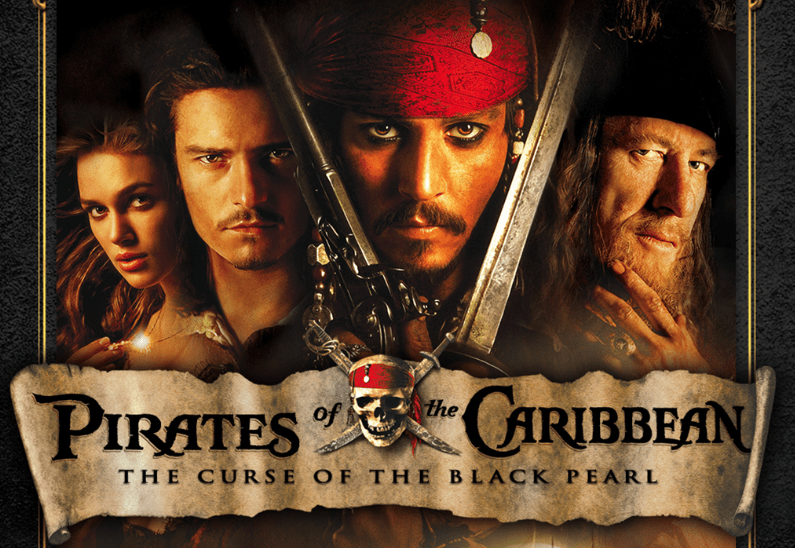
1st Movie

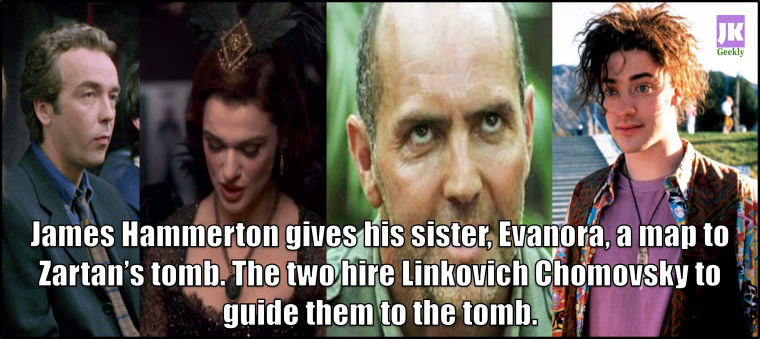
2nd Movie

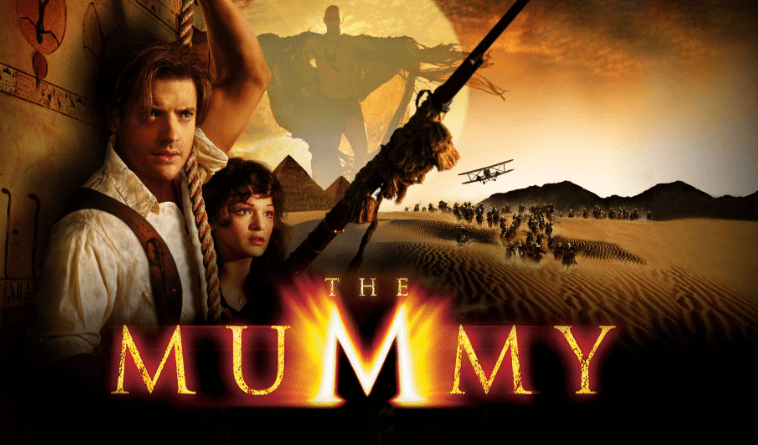
3rd Movie



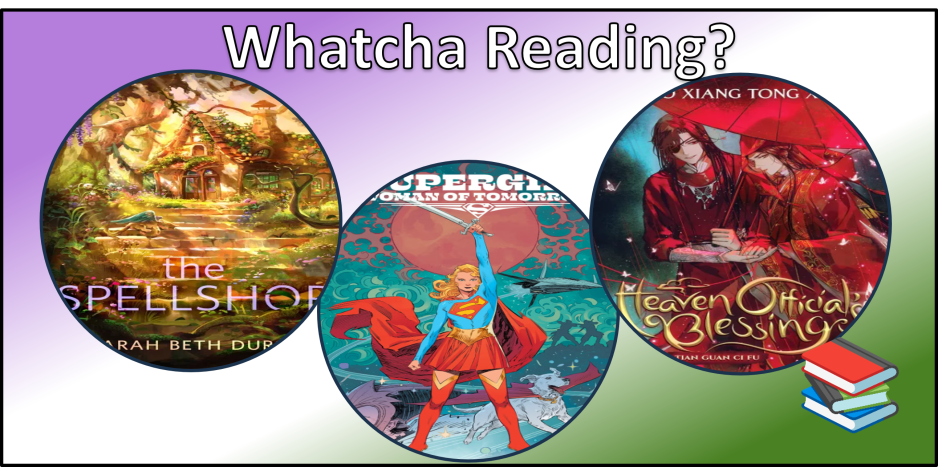
Happy Wednesday, Geekly Gang! Kyra Kyle here, and today, our writers share what they’ve been reading over the past month. Feel free to share what you’ve been reading over the past month because we’re all part of the Geekly Gang. I’ll get things started with what I’ve been reading this past month.
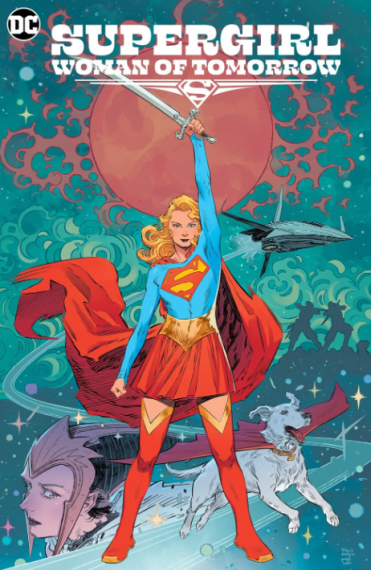
Yes! In preparation for the upcoming Supergirl movie (releasing later this month), I read Supergirl: Woman of Tomorrow, and I’m glad I did. I like the addition of Ruthye. Ruthye serves as a Nick Carraway-style narrator (The Great Gatsby). The story may be Supergirl’s, but it’s told in Ruthye’s voice. While Ruthye has a tendency to monologue, I love it when Supergirl’s actions contradict Ruthye’s narration. For example, “Many view Supergirl as soft,” and Supergirl swears while beating someone to a pulp, to which Ruthye will add, “In my experience, that was not the case.” Instant chuckles.
Tom King wrote Supergirl: Woman of Tomorrow. I figured I would enjoy the title, because I enjoyed Tom King’s (sometimes maligned) run on Batman. Honestly, I don’t know why some readers didn’t care for King’s Batman run. I blame it on King killing off Alfred Pennyworth during the City of Bane (2019), and Batman’s faithful butler has yet to return. The fact that Alfred has remained dead shocks me. Good on DC Comics. I mention King’s work on Batman to suggest that he takes risks, and Supergirl: Woman of Tomorrow takes risks. Future authors codified Supergirl Kryptonian with PTSD in future Supergirl stories, but King took the first leap.
And this is a heck of a first leap. I can’t wait to see what Season thinks of Supergirl: Woman of Tomorrow. After I was done reading the story, I shared it with her, and she finished it in one sitting. Yay! And after Season was finished, she handed the book to Skye. We may have a three-way crossover this month. Woo hoo!
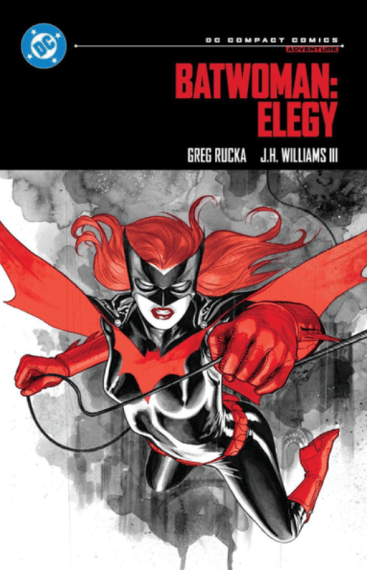
As you can see, I went on a DC Comics kick this month. Comic book writer Greg Rucka is another favorite. I liked his runs on Wonder Woman, so I was excited to try out Batwoman: Elegy. We begin in medias res (in the middle), and I appreciate Batwoman: Elegy refusing to hold the reader’s hand. But I was confused. Some context could’ve helped, but the story flows. Super fast. I blew through Batwoman: Elegy, and I don’t recall Rucka’s Wonder Woman reading that quickly. In short, Rucka made the right choice. Batwoman moved through this story so quickly, as if she were trying to run away from something. Turns out, it’s her past.
The context I complained about not having at the beginning reveals itself toward the middle of Batwoman: Elegy. This story’s speed gets the reader to those ah-ha moments faster. Only one thing bothered me in Batwoman: Elegy. The story overcommits to linking Batwoman to Batman. While I appreciate Batwoman: Elegy trying to link its character with the rest of Bat Family, at times it felt forced, and other times it was downright confusing. Evidently, Batman had a similar case to Batwoman’s, and Batwoman: Elegy remixes the two events. Batwoman: Elegy is a great origin story for the character, but at times, it get turned around.
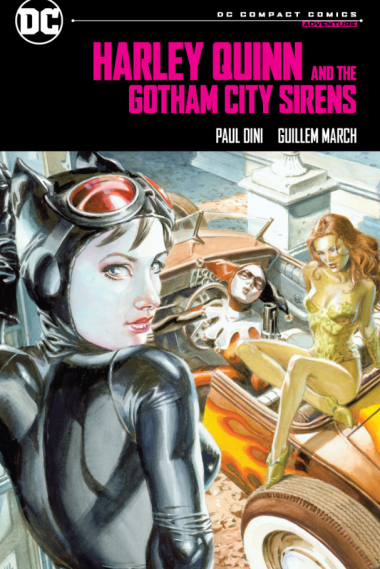
This is my final DC Comics entry, I swear. I didn’t know what to expect from Harley Quinn and the Gotham City Sirens. Paul Dini (writer of Batman: The Animated Series) is another excellent comic book writer, and Harley Quinn and the Gotham City Sirens serves as a source material (of sorts) for the Harley Quinn: Animated Series. The final product reads like a series of odd occurrences, some of which make their way into the Harley Quinn series. I expected a comical tone. Harley Quinn and the Gotham City Sirens took itself far more seriously than I imagined.
The stories were engaging. Short, but engaging. Dini tends to write short-form comic book stories. If you’re expecting a longer narrative like Supergirl: Woman of Tomorrow or Batwoman: Elegy, you won’t find it with Harley Quinn and the Gotham City Sirens. This is the third graphic novel I read this month, and frankly, I needed a change of pace. Harley Quinn and the Gotham City Sirens fills that role. Don’t enter reading this story thinking it’ll be as comical as the Harley Quinn: Animated Series.
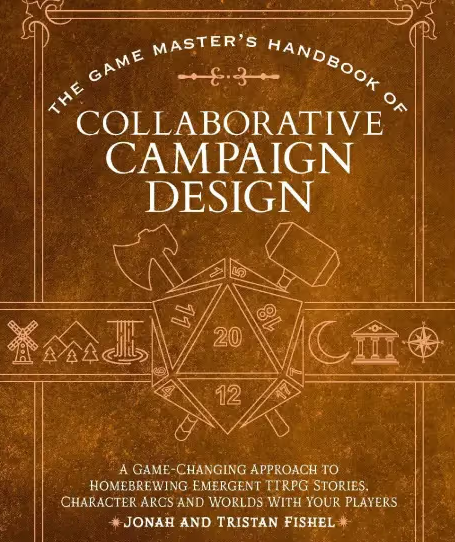
I mentioned last month (I think) that I had read the Proactive Roleplaying Guide from the Game Master’s Handbook line, and I was going to start reading The Game Master’s Handbook of Collaborative Campaign Design. Phew! That is a long title. But the title’s length makes it easy to search online for the book. I love this series. I knew I’d love this book. And didn’t disappoint. Jonah and Tristan Fishel hand game masters the keys to incorporating the methods in this book into any tabletop role-playing game, even ones that are underway.
The biggest hurdle will be letting go of some authority as the game master. When the Fishels say collaborative campaign design, they mean it. The game master and the players craft the world and campaign they wish to play. Funnily enough, this leads to more buy-in by the players. Players take ownership of the game and its world. And it alleviates pressure on the game master to always come up with something. Will The Game Master’s Handbook of Collaborative Campaign Design work for every situation? No. It wouldn’t work for the two-hour session I have planned for the upcoming Comic-Con: Nebraska (stop by and say hi), but I can’t wait to try out this method with a longer campaign.
That’s all I have for what I’ve been reading. Let’s check in with Season and Skye.
With the upcoming release of the Supergirl DCU film, the rest of the Geekly crew has convinced me to take a closer look at the movie’s inspiration, Supergirl: Woman of Tomorrow. I am in the process of reading Supergirl: Woman of Tomorrow, but what I’ve gleaned is this is a complex tale about the emotional struggles of the title heroine following the destruction of her home planet. Kara is despondent that her people have been wiped out. As a result, she’s developed a habit of taking trips to planets with red suns to repress her powers and drown her sorrows in booze. It’s genuinely depressing to see a beloved superhero in such a state, but I look forward to seeing how the story conveys the need to rise above one’s circumstances.
Same! I also read Supergirl: Woman of Tomorrow in preparation for the upcoming movie. As previously mentioned, I read it in one sitting. Can you tell I enjoyed it? I appreciate the story not being told from Supergirl’s perspective. I mean, she began the story wasted, so her being the narrator would have been less reliable. There is a point in Supergirl: Woman of Tomorrow when Ruthye makes conjectures about what happened when Supergirl left her on a safe planet. I’m curious whether they’ll include this in the upcoming movie.
Supergirl: Woman of Tomorrow had good pacing and evened out the heaviness of the story with goofy moments. The ending is truly something to behold and is well-earned.
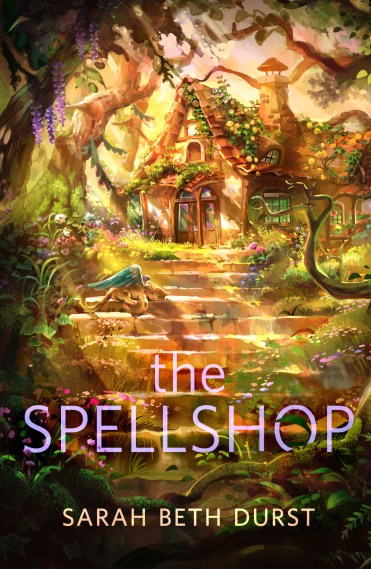
The Spellshop is a popular 2024 romantasy title. It’s also my first time reading a romantasy. Kiela ran away from the city of Alyssium to the remote island of Caltrey with illegally acquired spell books due to a revolution in Alyssium. I thought most romantasies had a lot of hot and heavy moments, but The Spellshop proved me wrong. Kiela focuses on survival in her new/old home (her parents’ house before they moved to the city), and all of her neighbors want to help her. Kiela isn’t a social person, so the help is unwelcome at first. She warms up to the villagers (and a local guy) and manages to thrive on Caltrey. There are a couple of scenes with kissing in them, but acts of service are the primary love language in The Spellshop.
Did I mention Kiela’s best friend, Caz, is a talking spider plant? Honestly? Caz is the main reason I picked up the book. Tee hee!
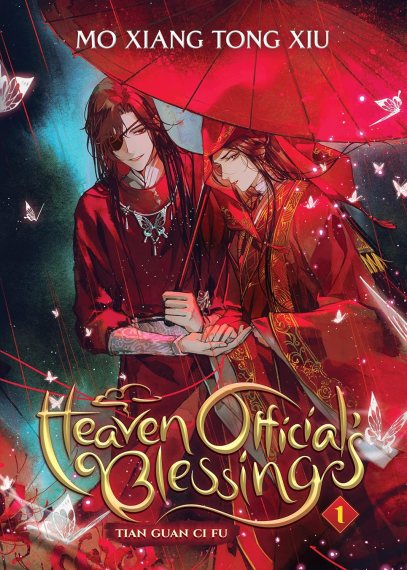
Back in April, I mentioned The Husky and His White Cat Shizun. I’m still reading that (I’m on Volume 5), but I’ve also started reading Heaven Official’s Blessing. I watched the anime for Heaven Official’s Blessing, and the ending was abrupt. Apparently, they’re releasing a new season this year. Anyway, the light novels have a faster pace than the anime, though they’re redundant in places. Seriously, if Mo Xiang Tong Xiu cut out half of the redundant sentences, I guarantee the first volume could have been shorter by at least thirty pages. I still enjoy the story, and the characters are cute. I’m excited to see what lies beyond the anime.
Hey, hey! Kyra Kyle here again. Those are all the books our writers have been reading this past month. What’ve you been reading? Let us know in the comments. Thank you for reading, and wherever you are, I hope you’re having a great day.








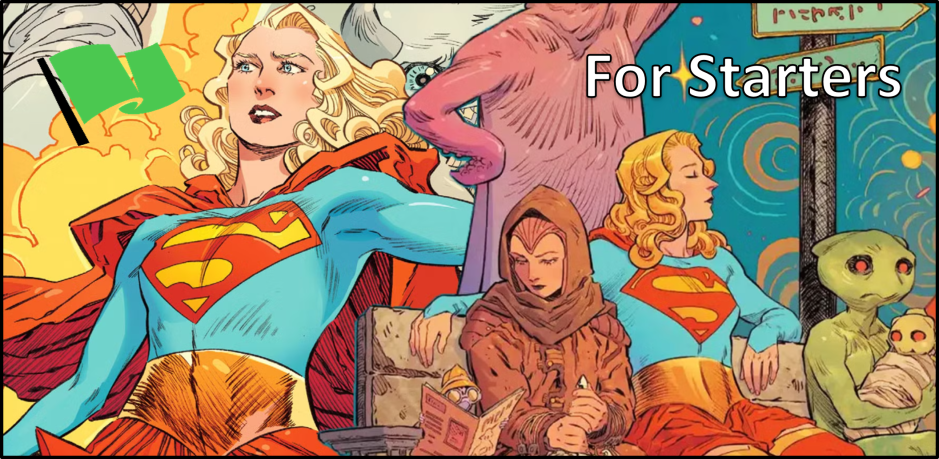
Hey, hey, Geekly Gang! Kyra Kyle here. Supergirl is right around the corner, so now may be the best time to get into reading Supergirl comics. Many of the stories mentioned in this list will come from the previous two decades because Supergirl was a girl version of Superman for many years until DC Comics decided to kill her in Crisis on Infinite Earths. Spoiler: Crisis on Infinite Earths didn’t quite make this list, but I’d recommend reading it for reasons other than Supergirl lore.
Crisis on Infinite Earths occurred in the Eighties, and Supergirl’s death would stick longer than most comic book characters. And when Supergirl returned, comic book creators took her in different directions. Finally, Kara Zor-El would break free of her cousin’s shadow. We have some interesting stories to discuss. Which comic book stories made our Supergirl Starter Stories.
We’ll start things off with our only single issue on this list.
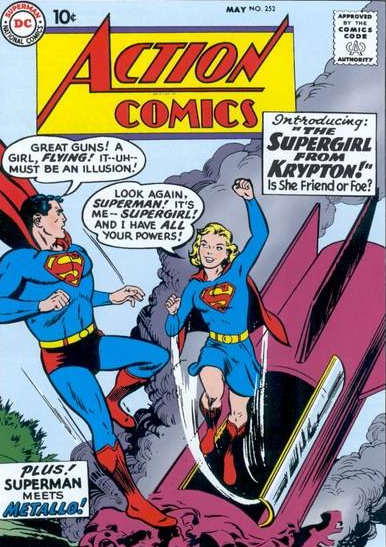
Fun fact: Action Comics #252 contained three stories. The first featured the iconic Superman villain, Metallo’s first appearance in “The Menace of Metallo.” And the third was Supergirl’s origin, “The Supergirl from Krypton.”
Honestly, I only included “The Supergirl from Krypton” because it’s Supergirl’s first appearance. I like to include a character’s origin whenever possible. Very little happens in “The Supergirl from Krypton” besides Superman and Supergirl meeting for the first time and a lengthy backstory of how Kara Zor-El ended up on Earth. But Supergirl’s origin is interesting.
Her Kryptonian hometown, Argo City, was blasted free of Krypton’s destruction in a bubble of compressed air, designed by Kara’s father Zor-El (who’s also Superman’s uncle). Zor-El created a force field around the city to maintain its atmosphere, but years later, a meteor shower penetrated the air bubble, and Zor-El saved his daughter by building her a spaceship, similar to Superman’s. He sends her to Earth because somehow the Kryptonians on Argo City know about Superman. Sure. Supes can’t take on Kara as his ward (and risk his secret identity), so he sends her to an orphanage. Nice move, Supes.
“The Supergirl from Krypton” doesn’t have a lot of space to explore the cousins’ relationship, but there’ll be plenty of time to do that in the coming years.
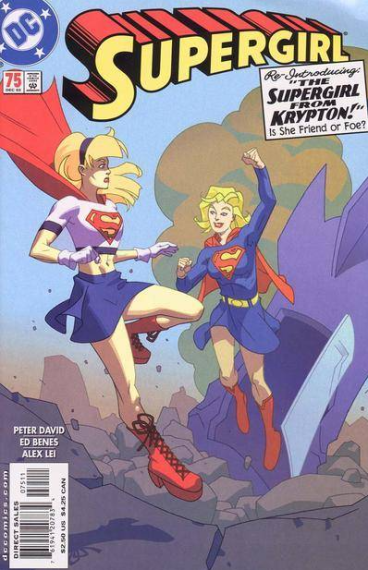
Peter David had an excellent run on Supergirl. You should check it out if you have the time, but I’m focusing on David’s storyline, “Many Happy Returns” because David primarily wrote about Linda Danvers, the Post-Crisis on Infinite Earths’ Supergirl. This post focuses on Kara Zor-El, but Linda Danvers was a good character in her own right. Danvers is the reason Kara Zor-El in the Supergirl series had the surname Danvers.
Anyway, “Many Happy Returns” marks Kara Zor-El’s return to DC Comics continuity. A lot more happens in “Many Happy Returns,” we’re talking multiverse jumping and a romance between Earth-One’s Superman and Linda, leading to Linda needing to save Kara on her world. Long story short, Linda does something she can never come back from, renounces being a hero, and Kara Zor-El takes back the mantel of Supergirl.
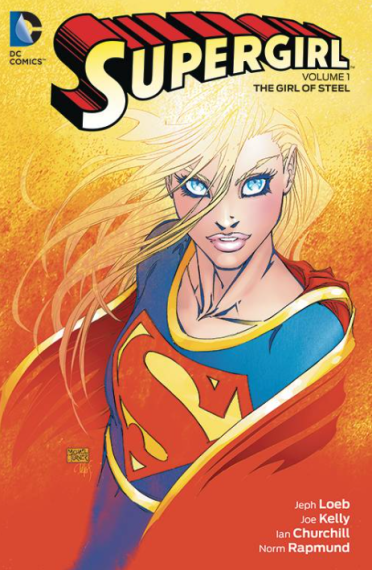
Jeph Loeb’s classic run on Supergirl helped define the character. While “The Supergirl from Krypton” spun a tale of a teenage Kryptonian living on an asteroid for years before getting launched into space to join her cousin, “Supergirl: Girl of Steel” presents the more familiar story of Supergirl leaving Krypton at the same time as her then infant cousin. Supergirl was tasked with protecting Kal-El on Earth, but her ship got lost and she spent decades in suspended animation. By the time Kara Zor-El reached Earth, her cousin no longer needed her. And now, she needed to find her way.
“Supergirl: Girl of Steel” is an iconic story at this point. You can see its influence on the Supergirl television show, and the upcoming Supergirl film will use another story (more on that in a bit) that builds on “Supergirl: Girl of Steel’s” structure. This is a must read.
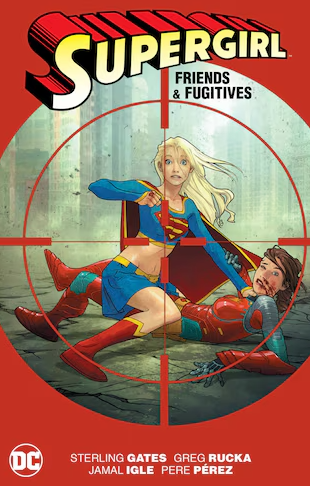
“The Hunt for Reactron” may take place on New Earth, but it does an excellent job showcasing Reactron, one of Supergirl’s greatest foes. And you can’t go wrong with Greg Rucka’s storytelling. On New Earth, Kara Zor-El’s father and many more Kryptonians survived Krypton’s destruction. They establish a New Krypton, and Reactron, with the help of Superman villain Metallo, disturb the peace. Okay. I soft-balled that. Reactron kills Kara’s father.
Understandably, Kara flies off in a rage. What ensues is fellow Kryptonian Thara Ak-Var (Flamebird) preventing Kara from doing something she’ll regret. Is she successful? You’ll have to read “The Hunt for Reactron.”
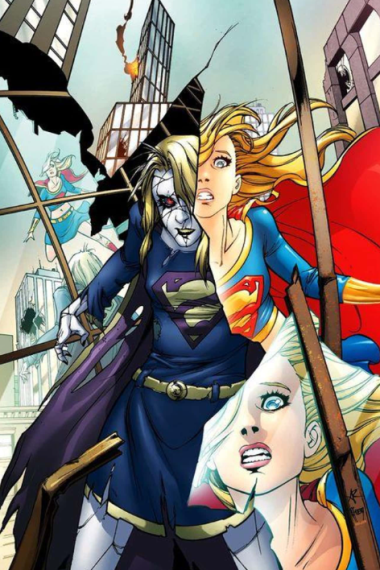
We go from one villain-defining story to another. Leading up to 2010, Bizarro had existed for decades. Bizarrogirl made her debut in this story, and she does so with a bang. Unlike Bizarro who’s the opposite of Superman, Bizarrogirl functions like a mirror for Kara Zor-El. Leading into this story, New Krypton falls and several Kryptonians (like Flamebird) die with it. Supergirl is in mourning.
Bizarro sends Bizarrogirl to Earth to cause trouble. While Bizarrogirl is away, Bizarro World gets attacked by giant bug-like creatures spawned by “Godship.” The insectoids overrun Bizarro World, and Bizarrogirl’s people believe she abandoned them. She blames herself for Bizarro World’s downfall just as Supergirl blames herself for New Krypton’s demise. I love how Bizarrogirl asks Supergirl if self-punishment ever ends, and Kara tells her it might not, but it’s what you do afterwards that counts. Supergirl takes her own advice, and the two start healing. “Bizarro-Girl” is a great read.
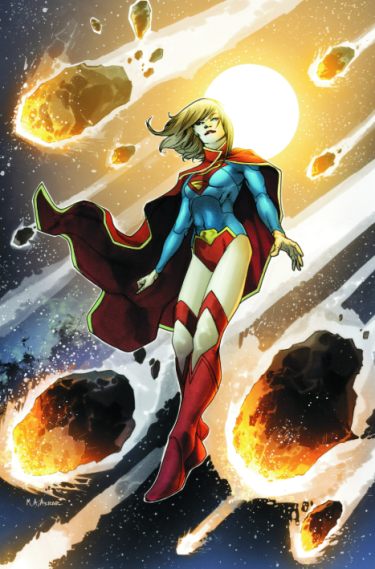
The New 52 brought changes to the DC Comics Universe. This version of Supergirl has just landed on Earth. She believes she’s dreaming. She must be on Krypton (instead of Earth) and encounters Superman. Confused, Kara Zor-El attacks the man calling himself Superman. She had babysat her infant cousin Kal-El three days ago. But this is indeed a grown Kal-El. He explains to her that the Earth’s yellow sun gives them superpowers like Kryptonian Worldkillers. What’s a Worldkiller? We find out when we meet Reign for the first time.
Reign explains that Worldkillers, like her, were the result of Kryptonian scientific experiments. They were genetically altered to be killing machines. And just like Kryptonians, Reign isn’t the only Worldkiller who survived Kryton’s destruction. Kara must take on four Worldkillers alone. The Worldkillers want nothing more than to kill innocent lives. Kara manages to save the humanity and drive off the Worldkillers…for now.
“Supergirl: The Last Daughter of Krypton” introduces yet another great Supergirl villain, Reign. She made such an impression that she was featured in a season of Supergirl. Not bad for a new villain. “Supergirl: The Last Daughter of Krypton” shows Kara Zor-El as truly alone. It sows the seeds for our next entry as well.
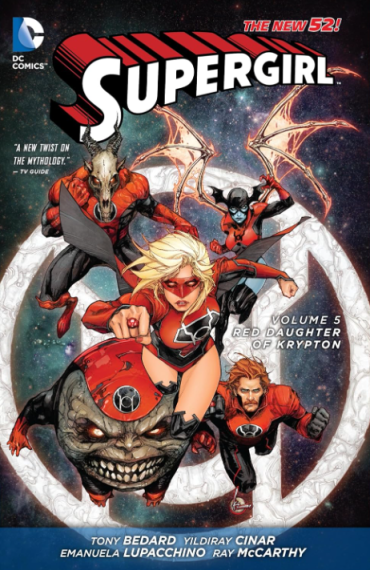
Surprise. Worldkillers return in “Red Daughter of Krypton.” But before we get there, Supergirl fights off Cyborg Superman and H’el in space. H’el is another great Supergirl villain. We don’t get too much of his backstory here, but in short, he tempts Kara Zor-El with turning Earth into a New Krypton. While this pitch wouldn’t do much for Superman, Supergirl has more of an attachment to Krypton. Regardless, after Supergirl finishes this fight she returns home to find Lobo antagonizing her. All this leads to a red lantern ring finding its way to Kara. Red Lanterns feed off anger, and in “Red Daughter of Krypton,” we see Kara Zor-El give into her rage.
Even though most Red Lanterns, like Atrocitus, who does make an appearance, can be viewed as villains. We do see heroes take on a red lantern ring. Here’s looking at you, Guy Gardner. In the end, Supergirl manages her rage. She retains the moniker of a superhero. But “Red Daughter of Krypton” reveals a new side of Supergirl that writers will explore.
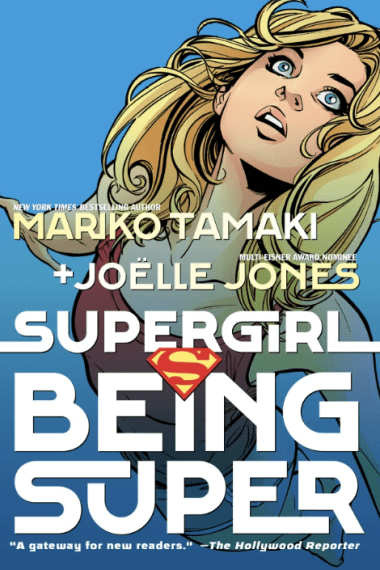
We get another origin story of sorts with “Supergirl: Being Super.” In this one, Kara Zor-El becomes Kara Danvers. This is an obvious nod to the Supergirl television show in the middle of its run on the CW. “Supergirl: Being Super” remixes details of the original Supergirl origin. She lives in Midvale, which is where Superman dropped her into an orphanage. But she also discovers her powers, similar to Kal-El. The Supergirl in “Supergirl: Being Super” drops the Supergirl as Superman protector for a moment and explores what it would be like if Supergirl were a novice.
“Supergirl: Woman of Tomorrow” was the first comic I knew would make this list. If you were to search against this title, you’ll find the Supergirl 2026 movie as a top result. Simply put, “Supergirl: Woman of Tomorrow” is the basis for the upcoming DCU Supergirl film. Yay!
Written by Tom King (who had just finished an iconic run on Batman), “Supergirl: Woman of Tomorrow” returns Kara Zor-El to Superman’s would-be protector. Only a grown Superman doesn’t need a babysitter. So, she’s on a foreign planet (Earth) with no purpose and gives in to her baser instincts. This is a lost Kara Zor-El. The ending of the DCU’s Superman (2025) does a great job of setting up her character. Kara gets wasted. She’s aimless. She struggles to find purpose, but eventually, she finds herself. The award-winning “Supergirl: Woman of Tomorrow” received widespread acclaim. I can’t wait to see how the DCU interprets this story.
Those are the Supergirl stories that made our list. Are there any Supergirl stories you would add to this list? Let us know in the comments, Geekly Gang. Thank you for reading, and wherever you are, I hope you’re having a great day.
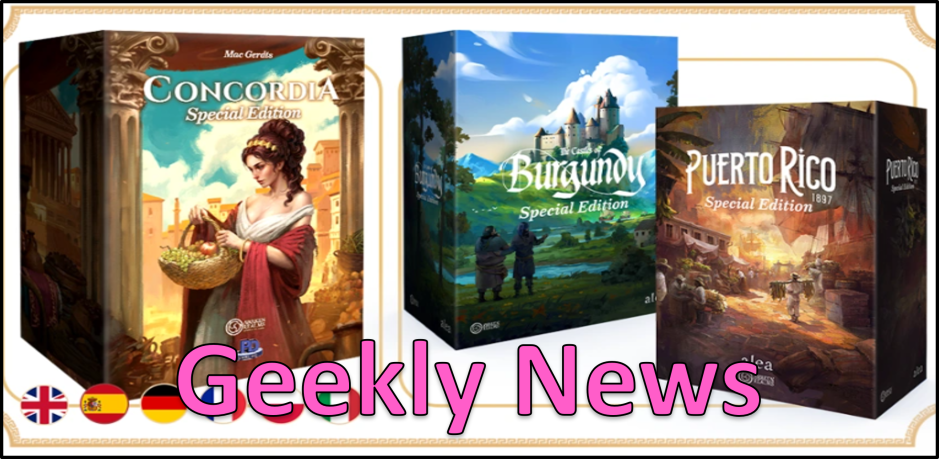
Happy Sunday, Geekly Gang! Kyra Kyle here with another week of Geek News. I got a surprise visit from family this week, so I reduced our board game new release coverage to the largest release of the week, and fortunately, there weren’t too many video game new releases. We’re skipping headlines this week and jumping in with new board game and video game releases for this week of Geek News.
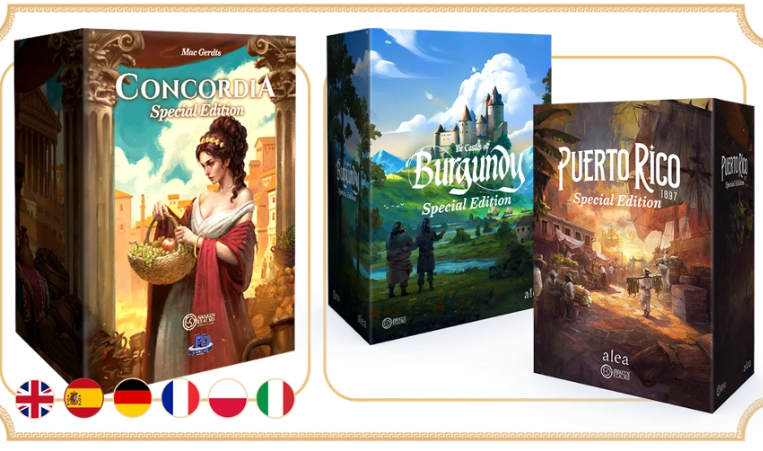
Awaken Realms releases another special edition of a classic board game, Concordia. Concordia joins The Castles of Burgundy and Puerto Rico in this series. I love that Awaken Realms has updated these classic board games. While I don’t believe every classic board game needs a fancy special edition, if you really like a specific board game, it’s nice to have the option of a deluxe (special) edition of that game. And Awaken Realms is known for overproducing games. Like some of the other choices Awaken Realms has produced, Concordia could’ve used an update. This game looks amazing.
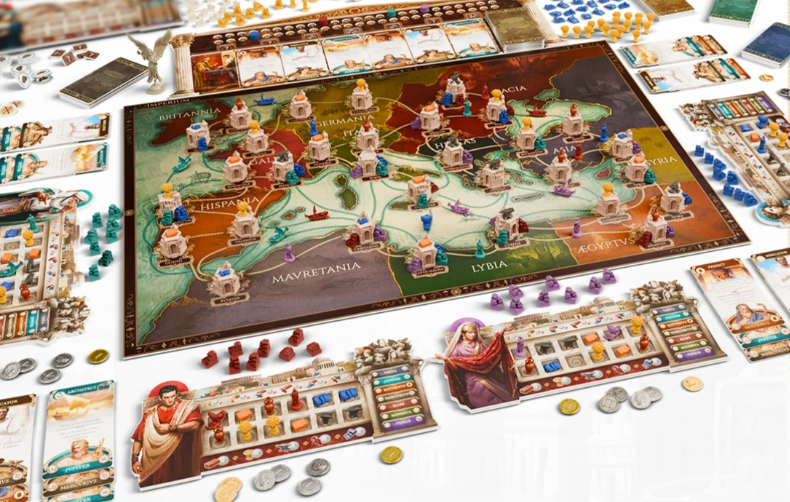
In case you missed The Castles of Burgundy and/or Puerto Rico, Awaken Realms has given gamers a chance to add these titles to their upcoming GameFound project. Fair warning, these games do cost about $100, possibly more with add-ons. Since this project is launching on GameFound (and I’ve only seen a preview), we don’t know exact numbers at this time. One thing is for sure: this version of Concordia looks fantastic. If you’re in the market for Concordia Special Edition, check out its GameFound page.

Celebrating more than 30 years of football gaming, eFootball™ Kick-Off! brings together national teams and club teams from around the world, featuring top players and iconic legends. Whether competing on the global stage or building a dream squad, fans can experience the passion, intensity, and spectacle of the world’s game.
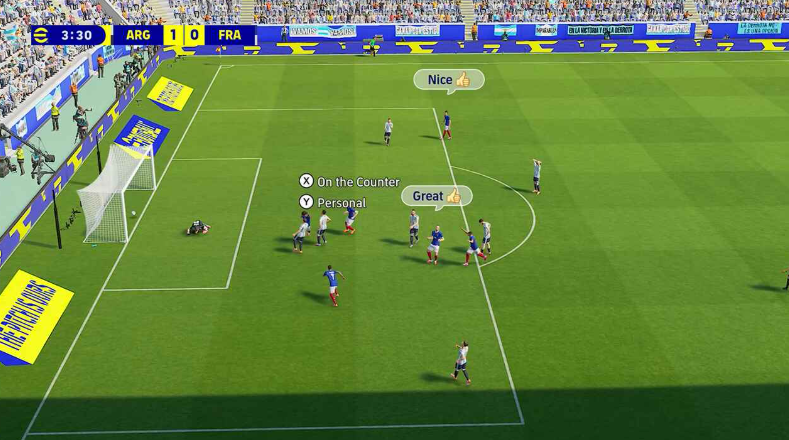
I haven’t played this series since it was called Pro Evolution Soccer (PES). To be fair, I have played the 2020 version of PES, but this remains the premier soccer (or football) simulation video game. No offense, EA Sports’ FC Series. This week the Nintendo Switch 2 gets its version of the game. It looks amazing. eFootball Kick-Off! is eFootball on Nintendo Switch 2. What’s not to like? I have yet to play the game (still don’t have a Switch 2), but if I wanted a mobile football sim, I’d look no further than eFootball Kick-Off! on the Switch 2.
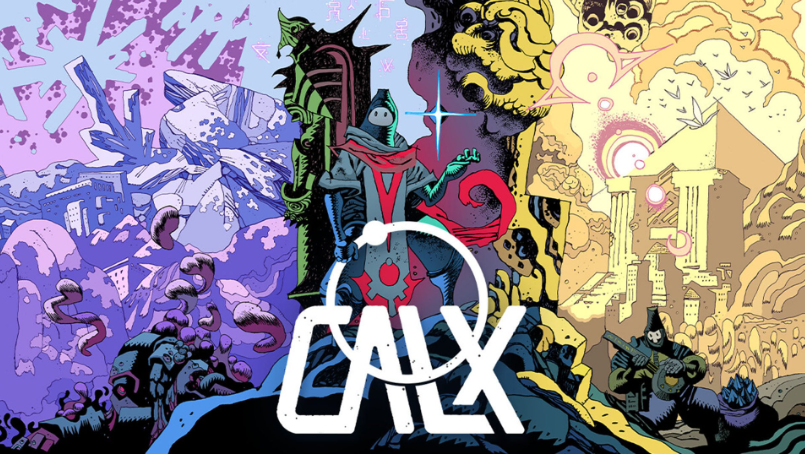
Flow across the WARP-corrupted planet Syro. Master movement as the Seeker. Double jump, dash, levitate and grapple through atmospheric ruins. Scan, solve puzzles, and engage in measured combat in waves of stillness and frenzy.
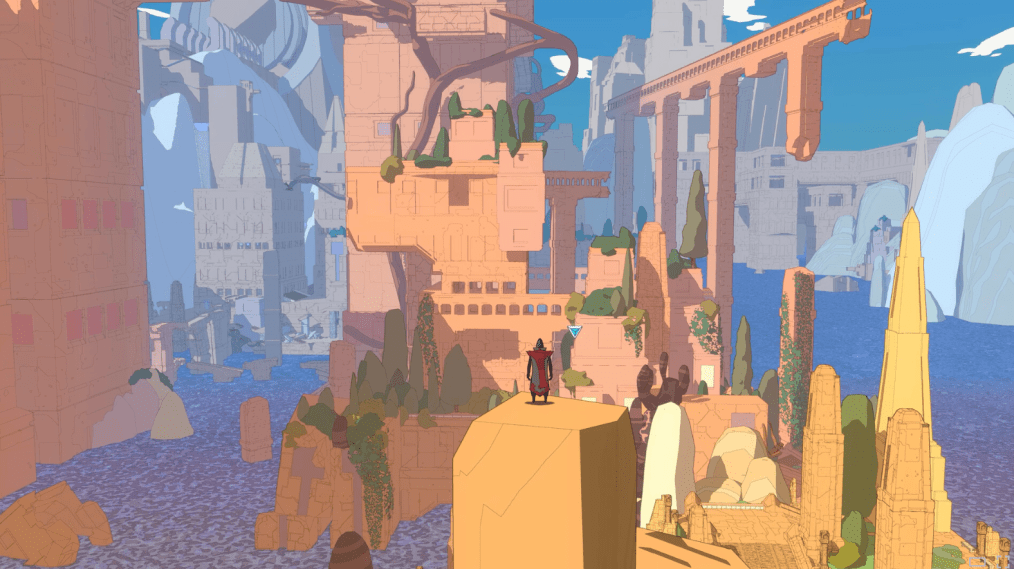
CALX looks amazing. It bills itself as an action-adventure game with hack-and-slash combat, and from what I’ve seen from trailers and screenshots, that sounds accurate. But I’d add platform and puzzle elements to its list of designators. I love the cel-shading art style. From what I’ve seen, the game flows well. CALX does have a playable demo, so you can see for yourself if the game is a good fit. CALX is available on Steam.
That’s all we have for Geek News this week. We’ll most likely be back to a normal schedule next week. Fingers crossed. Thank you for reading, and wherever you are, I hope you’re having a great day.
Happy Saturday, Geekly Gang! Kyra Kyle here with another reaction/review of a Marvel-themed television show. A live-action show of Spider-Man Noir wouldn’t have made my Bingo card for 2026, but I’m glad Spider-Noir exists. I had little to no expectations going into this show. Full disclosure: I’ve never read the Spider-Man Noir comic book series, and I only watched Spider-Noir one and a half times before writing this reaction (it’s more of a reaction than a review) because I don’t have an ad-free Amazon Video Account. Pay walls. Yay! I enjoyed my time with Spider-Noir. If I had an ad-free option for this show, I would’ve watched it another time or two. It held my interest. We have another caveat to discuss before getting into Geekly’s Reaction/Review of Spider-Noir.

You may have noticed that Spider-Noir is Spider-Man Noir in the comic books. That’s a name change. The title character refers to himself as The Spider, and so does every other character, but that isn’t the only name change. Canonically, Spider-Man Noir is an alternate reality version of Peter Parker. Spider-Man Noir is even Peter Parker in the Spider-Verse Series of films. Spider-Noir refers to its lead as Ben Reilly. Ben Reilly does come from the comics. He’s the Peter Parker clone during the Clone Saga. But why did Spider-Noir change its main character’s name?
I don’t know for sure. Several factors could weigh into Spider-Noir changing Spider-Man Noir’s character name from Peter Parker to Ben Reilly. The leading cause could be Spider-Noir’s darker tone (Spider-Noir kills others and uses a gun) and Ben Reilly’s use of alcohol and smoking. Marvel and Sony (with its Spider-Verse movies) may want to retain Peter Parker’s clean image. Spider-Noir can get really dark. And only a lawyer could understand the deal between Marvel and Sony with Spider-Man. I’m not even going to try to unpack all that legalese. I just needed to draw your attention to Spider-Man Noir’s multiple name changes.
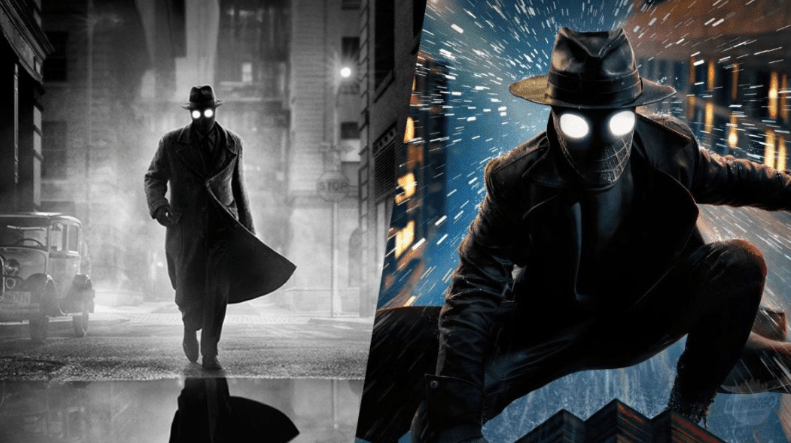
Spider-Noir offered two viewing experiences: authentic black and white, and true-hue color. I chose to watch Spider-Noir in authentic black and white, but my device has an option–and many smart devices have this option–to switch between the two versions. I accidentally clicked on “Switch Versions,” and True-Hue Color looked great from what I saw. But I have to be upfront about which version I watched.
Wow! Spider-Noir really is a different kind of television show. So many exceptions.
The accents in Spider-Noir can get difficult to decipher. Silvermane’s accent is over-the-top in the best possible way. I’m glad I had subtitles on while I watched, but kudos for the commitment to Silverman’s Irish brogue. Nicolas Cage’s accent often came and went. Typically, I enjoyed Cage’s performance, but his accent could get distracting. I couldn’t place Cage’s accent.
The majority of Spider-Noir’s cast does a good job of approximating 1930’s American speech. I’d even say Cage does a good job, but he goes a little over the top in classic Nicolas Cage fashion. We’ll get to Cage’s performance in a minute, but I enjoyed him as Ben Reilly.

Nicolas Cage gave his best ham-tastic performance with Ben Reilly and The Spider, and it was hilarious hearing Lamorne Morris (more on him in a minute) do his best Cage as The Spider impersonation. Cage is having fun. His brand of overacting worked so well with this character. From his lying down like a dead spider to his odd accent, Nicolas Cage gave his all in this performance. It was equal parts hardboiled detective and Universal Monster movie. I can’t wait to see more of Spider-Noir. I don’t care what the form a new Cage performance takes: video game, animated movie or show, or another season of Spider-Noir. Like Robert Downey Jr as Iron Man or Ryan Reynolds as Deadpool, Nicolas Cage was born to play this role.

Since his appearance on a beer commercial where he complimented his girlfriend on her teef, I’ve always been a Lamorne Morris fan. The man has charisma. He’s a great fit for Robbie. His chemistry with Nicholas Cage and the rest of Spider-Noir’s cast is fantastic. Heck, the entire cast has great chemistry. In other Spider-Man properties, Robbie tends to get overlooked. He takes center stage in Spider-Noir. Excellent.
Robbie needs to be featured in more Spider-Man movies and shows. And I’ll always take more Lamorne Morris.
Li Jun Li’s Cat Hardy shares some fantastic banter with Nicolas Cage’s Ben Reilly, but she does a great job with her love interest, Flint Marko, played by Jack Huston. Huston also nails his 30s speech. The entire cast does. Brendan Gleeson makes for a fabulous Silvermane. He’s the kind of guy you love to hate. Abraham Popoola’s Lonnie Lincoln shares some heartfelt moments with Robbie Robertson. I even liked to hate Andrew Lewis Caldwell’s Dirk Leyden. Oh. And Amy Aquino (Dr. Faber) and Andrew Robinson (Ogden Faber) share some excellent scenes with Nicolas Cage and Silvermane with his goons. Oh! Oh! Karen Rodriguez made a sensational secretary/investigator, Janet Ruiz. Ruiz has some of the funniest moments.
I enjoyed almost every minute of Spider-Noir; the commercials were my main gripe. I’m not paying to go ad-free, Amazon.

Sure, Spider-Noir plays out pretty much as I expected, but that isn’t always a bad thing. The show follows tropes. At times, it subverts them, but this may be a function of Spider-Noir’s status as a superhero story. When you genre blend and find ways to honor each inspiration, you’ll end up with some tropes, but hopefully, done in a manner that has yet to be seen. Spider-Noir knew what it wanted to build toward and did it. It was a hardboiled detective/superhero mini-series with a dollop of gory monsters. More, please.
I know I just asked for more Spider-Noir. I said that on more than one occasion, but I kind of like that it remains a mini series. The cast is fabulous, and the writing is well-done. I wouldn’t say no to another season of Spider-Noir, but the story also wrapped up neatly. Are there any more huge stories to tell? Maybe. I didn’t expect Spider-Noir on the 2026 schedule. I didn’t expect to enjoy it as much as I did. I don’t expect another season. Does that mean that we will see another season?
Those are my thoughts on Spider-Noir. I may rewatch the series in True-Hue to see which version I prefer. I’ve heard this is a hot-button topic. Which version do you like? Let us know in the comments. And let us know if you’d like to see another season of Spider-Noir. Thank you for reading, and wherever you are, I hope you’re having a great day.
Happy Friday, Geekly Gang! Kyra Kyle here with another board game design brain dump. I’m trying to get back on track with these, and since I’m rusty at writing a game design brain dump, I’ll be jumping topics a bit with today’s post. We’ll begin with Monster Chef. Yes! I’ve kicked around Dungeon Chef and Dungeon Gourmet for this card game, but I Monster Chef fits. Plus, I love this simple logo for Monster Chef.

So Cute! Anyway, several game design brain dumps ago, I mentioned a card-drafting game based on the anime, Delicious in Dungeon. Monster Chef is that game. I just cut the card-drafting aspect of the game, and that led me to board game development. If board game design is like writing a story, board game development is editing that story. So, today’s game design brain dump leans into a very important aspect of design: development.
Sure, some people make a living editing and don’t write as much original material. The same can be said of board game developers. Plenty of developers can make a living (or at least some extra spending cash) by developing other designers’ work. But like writing, a board game’s first developer will be its designer. No matter how much I’d love to hand off Monster Chef to a developer and move on to my next game, I need to find a happy place for Monster Chef. And like writing, often game designers need to “kill their darlings.”
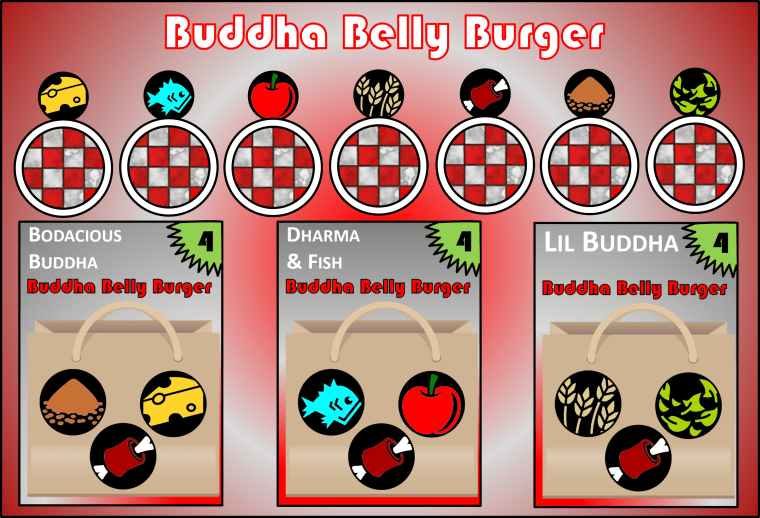
I love card-drafting games. Heck, Monster Chef began as Food Court Hustle, which had an interesting–to me at least–twist of dual-purpose cards. Players would play a card for one effect and discard a different card for another effect, before passing their hands to the next player. With Monster Chef, I took the concept further by allowing players to draw cards into the hands they inherited from other players, giving players more control over the chaos caused by card-drafting. Despite all these factors to “solve” my perceived problem with the card-drafting games, I learned card-drafting was holding back Monster Chef. Card-drafting breeds upheaval. Monster Chef needed stability.
The game wanted to use hand management (players don’t change hands and keep the ones they have dealt to them) instead of card-drafting (in this case, closed card-drafting). Players would often forget to pass their hands after their turns. The physical act of drafting cards meant that players couldn’t preplan their following turns, which slowed gameplay. Some of the choices felt as if they lacked consequences because you didn’t know what your hand would eventually look like, so one wouldn’t care what remained in their hands. And Monster Chef had plenty of other random elements (like not knowing which recipes would get drawn for the display). Hand management affords more control.
With hand management, I added card draw to the Monster Chef’s design space. The game has a faster run time. Players can cycle through the draw decks (dungeon floors) more quickly. And I was able to get rid of the cards few players used, except in edge cases. I may have eliminated most edge cases, which are mechanisms that either have limited viability or can only be used in specific situations. All of Monster Chef’s main actions have obvious usefulness. It depends on how and when players use these actions. That makes for a better game.
I’ll definitely come up with a card-drafting game in the future. I love these types of games. But I must “kill that darling.” Doing so made Monster Chef a better game.
Here’s where I bounce. I’m giving a brief update on the Marvel Multiverse Role-Playing Game module I’m writing for Comic-Con: Nebraska (CCN). I didn’t need to create my own module. Just trying out a few things. Running the Marvel Multiverse Role-Playing Game at last month’s Aftershock event got me thinking that the game could be geared for true RPG beginners. Some of my players had never played a tabletop role-playing game before, or they had played once or twice. While the Marvel Rivals Timestream Adventure is great for a one-shot to introduce new players to the Marvel Multiverse Role-Playing Game, it could do more to welcome truly new role-playing game players.
I was reminded of Legend of the Five Rings. When I ran a game for younger players (who had never played an RPG before) with that game, I resurrected the Rokugan Tournaments (like an Olympic Games for samurai) mentioned in the game’s lore. I had players participate in non-combat events, learning how checks worked in a pseudo-video game tutorial manner, and of course, something fishy was going on with the tournament. Once players discovered the threat, a battle occurred, but this only happened after players knew their characters and how the game worked. I want to do the same for the Marvel Multiverse Role-Playing Game.
So, I chose Mojo and his Mojoverse. X-Men ’97 Season Two will begin releasing soon, so gamers may be familiar with Mojo by the middle of August (in time for CCN). Players will participate in Mojo’s reality TV show-like events (similar to the Legend of the Five Rings tournament), and I can tailor the game to a two-hour window. Perfect for a Comic-Con. If I get players for the Marvel Multiverse Role-Playing Game at CCN, most likely, they will have limited (if any) experience with tabletop role-playing games. Who knows? A quick session with a tutorial may get more potential players interested in the game.
I’ll keep you updated on my progress. Hopefully, I will have finished the module before CCN. I’ll also be working for Extra Life, so if you’re in the area, stop by and say hello.
That’s all I have for today’s game design brain dump. Thank you for reading, and wherever you are, I hope you’re having a great day.


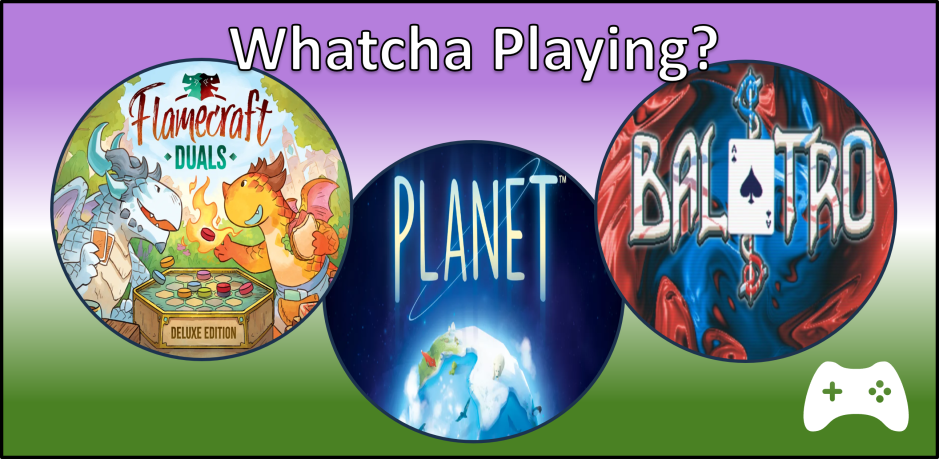
Happy Wednesday, Geekly Gang! Today, our writers share what they’ve been playing over the past month. Feel free to share what you’ve been playing. because we’re all part of the Geekly Gang. I’ll start things off by sharing what I’ve been playing over the past month.
We played the Marvel Multiverse Role-Playing Game during the May Aftershock event. It went well, well enough for me to consider writing a simple module (for beginners). Hopefully, the module will be tested and ready by Comic-Con Nebraska in mid-August. I like there’s another purpose for my Marvel United minis. I’ve totally used them during this four-hour event. Four hours? Phew! The simple module I’m planning for Comic-Con Nebraska should last only two hours. If you’re in the neighborhood, stop by.
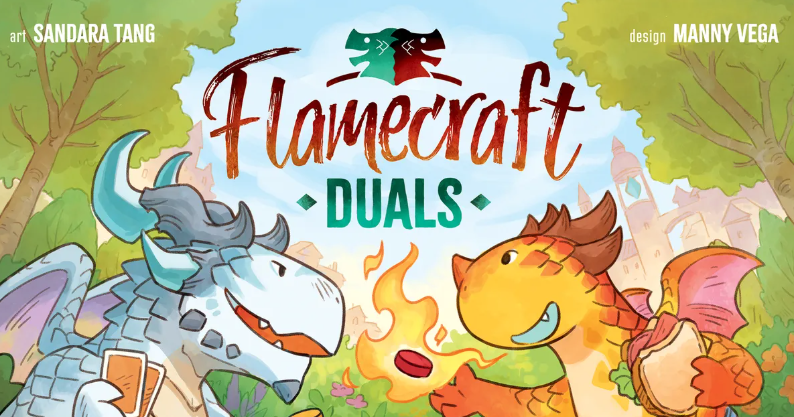
We’ve covered Flamecraft a handful of times in the past (here’s our review of the original Flamecraft). Flamecraft Duals is a completely different game, and somehow, it manages to capture the original’s charm and vibe. For the most part, the dragon abilities follow the original game’s abilities. Toast dragons allow players to play another dragon; potion dragons swap dragons. Where it makes sense for a dragon to have a similar power, Flamecraft Duals gives the dragon that power. I love how Flamecraft Duals’s quick setup and look. Whether you own the standard or deluxe version of the game, it looks amazing on the table. And I love tokens.
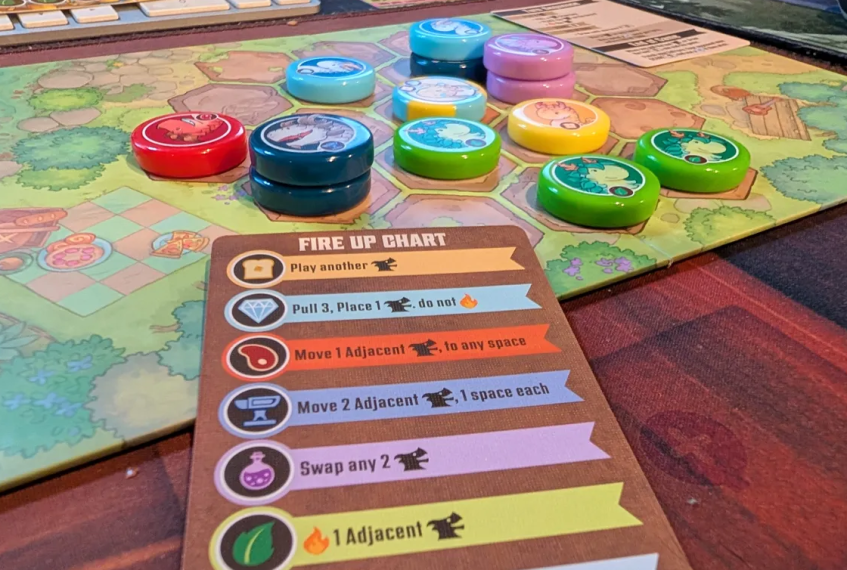
Flamecraft will always be one of my go-to starter games, but Flamecraft Duals is easier to get to the table, it doesn’t take as long to play, and the game plays more like an abstract puzzle than the sometimes cutthroat original. I’ve found myself playing a lot more Flamecraft Duals. I have no regrets.
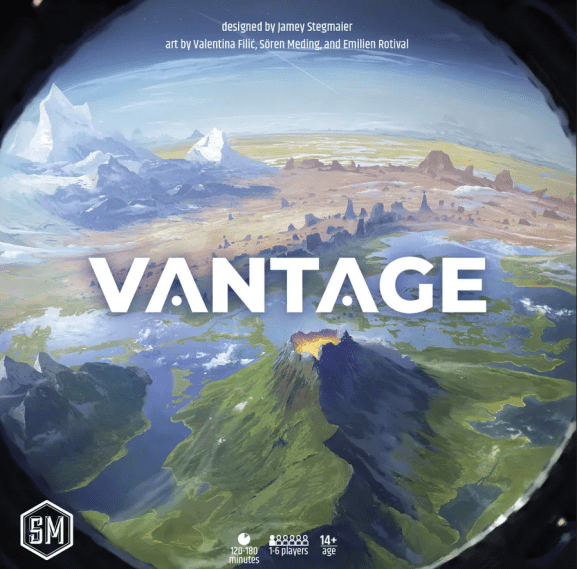
I’ve played a ton of solo Vantage. This board game may look ostentatious for a solo experience, but believe me, I prefer playing Vantage with fewer players. Vantage’s solo version plays no differently from the multiplayer version. This allows me to keep the rules fresh in my head for whenever I play the game with others. Speaking of playing Vantage with others, this board game reminded me of how much fun role-playing games can be. Players begin the game at various locations. They work together to accomplish a goal (mission). While I’ve heard the phrase “RPG in a box” to describe multiple board games in the past, Vantage may have come the closest.
During our multiplayer plays of Vantage, I served as the narrator, meaning I kept the box in order (something one player will need to do even if they decide to play), and I read all the storybook entries. Yes! Vantage has multiple storybooks for each action one can take at a Location card. Vantage can be fun. But I will advise that a smaller player counter is best. Turns can last three to five minutes. That’s not too long for a three-to-four player game, but if Vantage sees a max player count of six, players could wait a good twenty minutes or more for their turns. Every gamer at the table must be engaged in the story, and it doesn’t hurt if the players at the table love playing tabletop RPGs.
I mentioned playing Balatro during October 2025’s Whatcha Playing. I’ve played the game on and off for the past several months, and just finished a run this past month. Woo hoo! Better late than never. Balatro is an excellent roguelite card battler. It takes a while to find the right combination of deck, joker, and chip abilities to finish a run. That or I’m just bad at the game. Balatro may have too many variables for winning to be a frequent occurrence. That makes finally winning a Balatro run all the more satisfying. I may not log onto the game for a while. Gotta soak in the winning vibes.
Honestly, I haven’t played too many video games this past month. I’ve been keeping up with my dailies in Honkai: Starrail and Apex Legends, but outside of that, I’ve been playing predominantly board games. Perhaps Skye has some cool video games they’ve been playing.
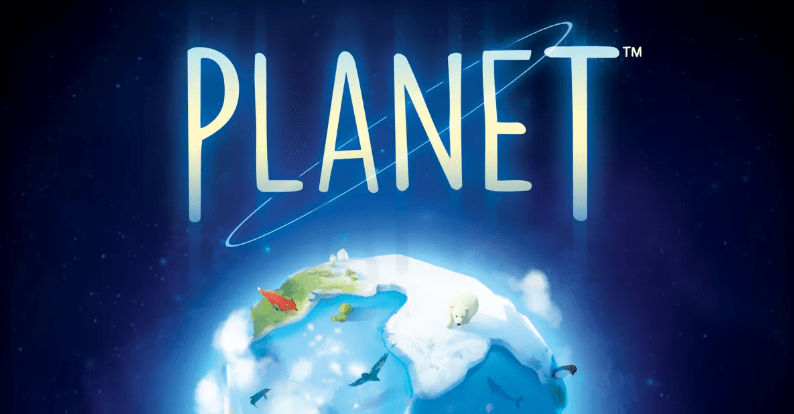
In Planet, players create a planet of their own that meets certain biome criteria to earn points, claim species, and ultimately win. While it’s a simple concept, it works especially well when paired with its tactile “game board,” which is a dodecahedron you place biome tiles. The biggest joy of Planet for me was the interactive game pieces, but I’ll admit that they weren’t perfect. Sometimes the tiles could slip off the planet’s faces if nudged incorrectly, which could be frustrating at times, but I suppose that is expected when creating a game like this. Overall, I’d say Planet was a calm and enjoyable experience.

On Tour is another simplistic concept with straightforward mechanics made into a fun yet devastating experience. How it works is that you’re a band going on tour either in the United States or Europe (in the base game). You write numbers on your board by rolling two d10’s to create a route, which you follow by counting from the smallest numbered location to the highest numbered location you can. In the end, you’ll hopefully end up with a long continuous route that gets you a lot of points, but it never works out for me. I’mma be real, I suck at On Tour. At this point, part of the fun for me is finding out new ways I’m going to screw myself over with my terrible sense of foresight.
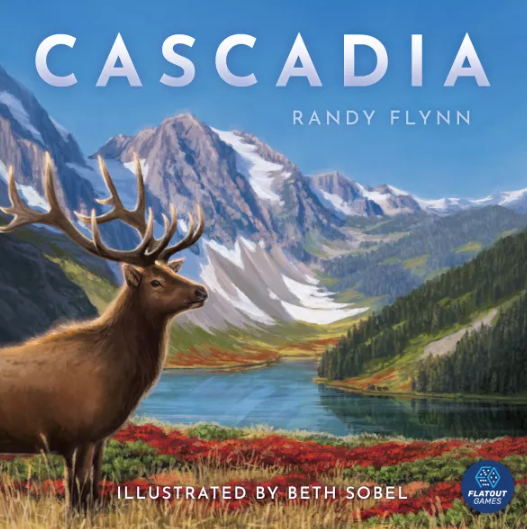
Similar to Planet, Cascadia is a game that focuses on building ecosystems for the sake of earning points. The main difference is that Cascadia places a larger emphasis on biodiversity. While you can still earn points in Cascadia by manipulating your biomes well, you primarily earn points by picking the best animals to place on which biome tiles. Not to mention, each animal in Cascadia earns you points in its own unique way. When I played Cascadia last, I merely played the base game, but there are several expansions and alternative play methods which can really spice up the experience for seasoned players.
Hey, hey! Kyra Kyle here again. That’s all our writers have for what they’ve been playing over the past month. Let us know what you’ve been playing in the comments. Thank you for reading, and wherever you are, I hope you’re having a great day.




 jkgeekly.com