Top 5 Superhero Board Games

Hey, hey, Geekly Gang! Kyra Kyle here with another Top 5 list, and this one’s a little bit of an update. I shared a similar list over a decade ago. Yikes! It may be time for an updated list. Board games fall in and out of favor, and a decade is a long time for a board game. I’ll share a game’s previous rank in parentheses to show how far a game fell or rose over the past decade. Thousands of new board games are released each year and plenty of them have superheroes as their theme. Let’s see which games made our list of Top 5 Superhero Board Games.
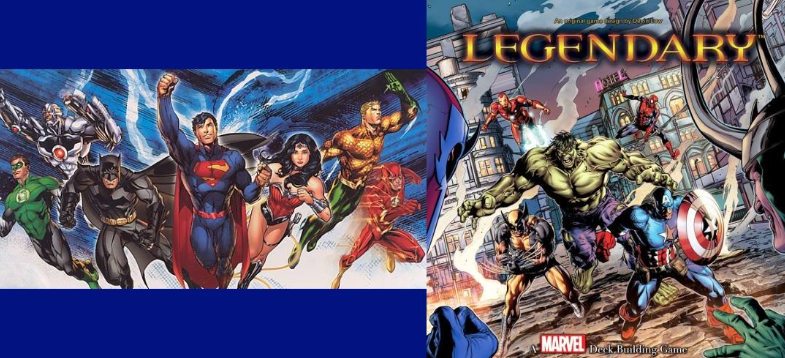
Honorable Mention: DC Deck Building Game & Marvel Legendary (Previously #2)

During the deck builder boom, the superhero game genre saw a ton of deckbuilding games. Every board game theme saw a ton of deckbuilding games. Heck, I backed a Care Bears Deck Building Game last year. Eek! And of course, Marvel and DC Comics received the deckbuilding treatment. Both games have their strengths, weaknesses, and supporters, who will rough you up if you say the wrong thing about their game of choice. For me, I prefer Marvel Legendary’s flow. It held our second spot over a decade ago, but recently, I’ve played Marvel Legendary with 5-players, and never again. It’s borderline unplayable. The DC Deck Building Game offers more of a story. Players feel like they’re playing as a character, but the rules can get clunky.

Again, I prefer Marvel Legendary’s flow, but DC Deck Building Game presents a fun alternative with more of a story.
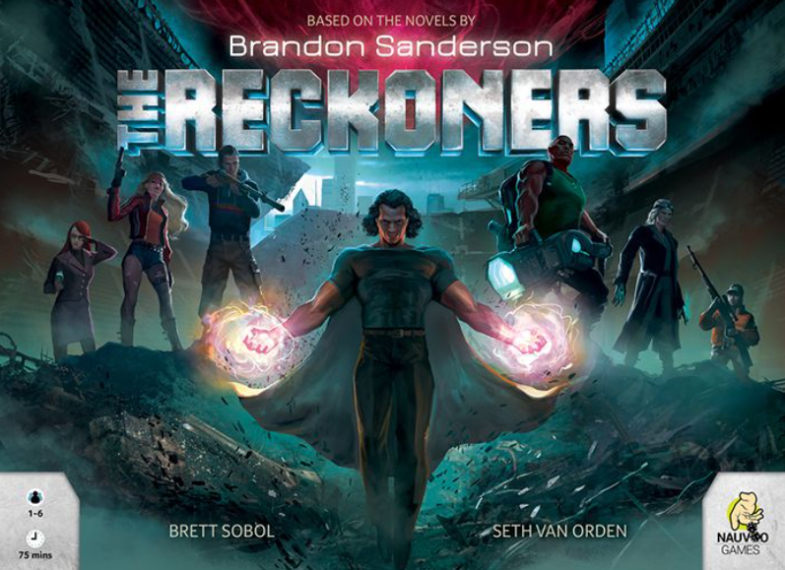
Honorable Mention: The Reckoners

The Reckoners didn’t quite make the list for one simple reason. I have yet to play it. I’ve watched demos and caught others playing this game, so I know it’s a good one. The Reckoners even has a great score on BoardGameGeek. I had to mention this simultaneous play, fast-action romp of a game. But I haven’t personally played The Reckoners. I could easily see this dice chucking game claim one of the top five spots in the coming years.

One last note before we get started. We’re not including games with a superhero theme if they’re part of a system that didn’t originate with superheroes as its theme. So, systems like Unmatched, which have plenty of superhero options, won’t make the list. And other games like a Marvel Monopoly or 5-Minute Marvel or even a Marvel Codenames, won’t make the list. Funnily enough, that would disqualify Marvel Legendary. The Legendary series of deckbuilding games began with horror franchises like Alien and Predator, which are fantastic by the way.
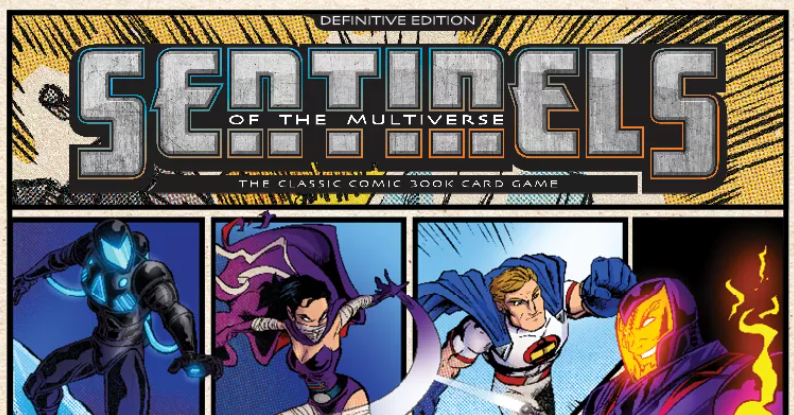
5: Sentinels of the Multiverse: Definitive Edition (Previously #1)

Honestly, Sentinels of the Multiverse may have been our number one over a decade ago, but if it wasn’t for a definitive edition, it may have dropped to an honorable mention. Don’t get me wrong, I still like the original, but the original Sentinels had a lot of glut. Sentinels of the Multiverse: Definitive Edition trims the fat and even fixes some rules issues. Sentinels still offers a unique gaming experience. It’ll always hold a special place for me. But if I’m playing Sentinels, I prefer the Definitive Edition.
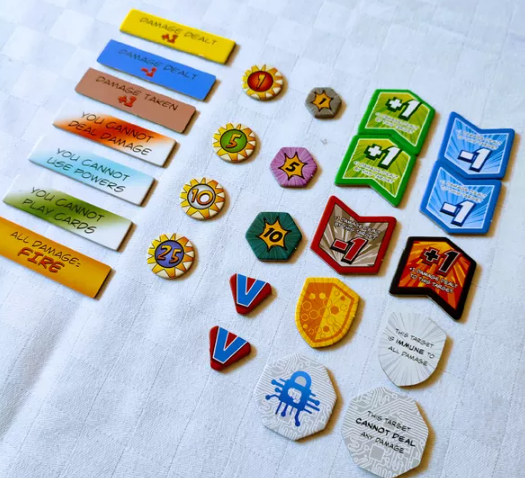
The quality of life changes make all the difference. Reminder tokens are just the tip of the iceberg. If you have yet to purchase Sentinels and you’ve always wanted a copy, I’d buy the Definitive Edition. It accomplishes what its name suggests.
4: Batman: Gotham City Chronicles

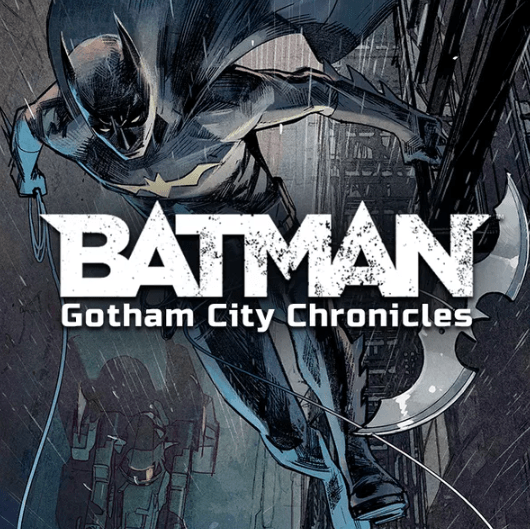
Relive some of Batman’s most iconic stories with Batman: Gotham City Chronicles. This game’s asymmetric play (the villain player’s turn differs drastically from the hero players’ turns) is a joy. Hero players use dice to control their characters. I like a good dice chucker, and playing as a hero in Batman: Gotham City Chronicles is a fun dice chucker. But I love how the villains’ turn works. The player controlling the villains controls them with a villain deck and an ever-shifting river of villain tokens in the “River.” Activated villains during a turn move to the end of the river, and the further down a villain is from the front of the river, the more action points it costs to activate the villain. This takes careful playing by the villain player. While you could activate Joker on turn one (typically, he begins at the end of the river), it may serve the villain player best to activate a different villain. Maybe Harley Quinn.
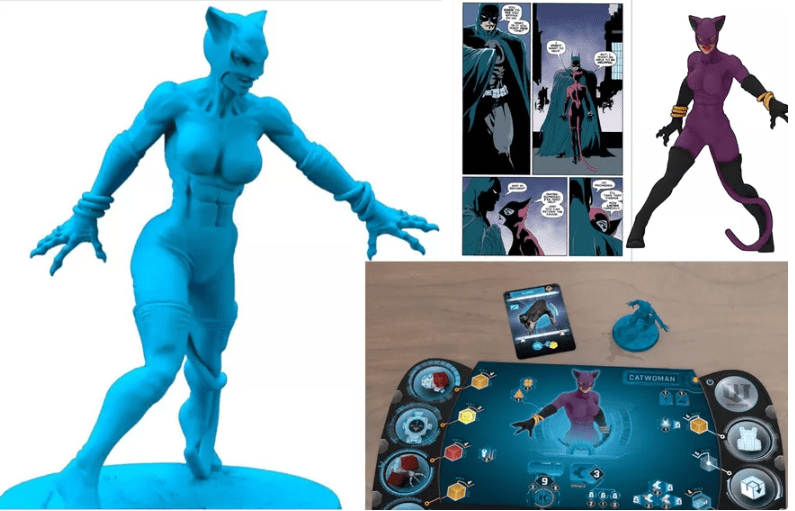
Character models are ripped straight from comic book panels. Batman: Gotham City Chronicles even offers a website with uploaded content to take your game further. Is there a new Batman tale you’d like to relive? There may be a fan-created or even a Monolith-designed campaign for that story. Batman: Gotham City Chronicles is a blast to play, but it may be one of the more difficult games to acquire from this list.
3: Teenage Mutant Ninja Turtles Adventures: City Fall and Change is Constant

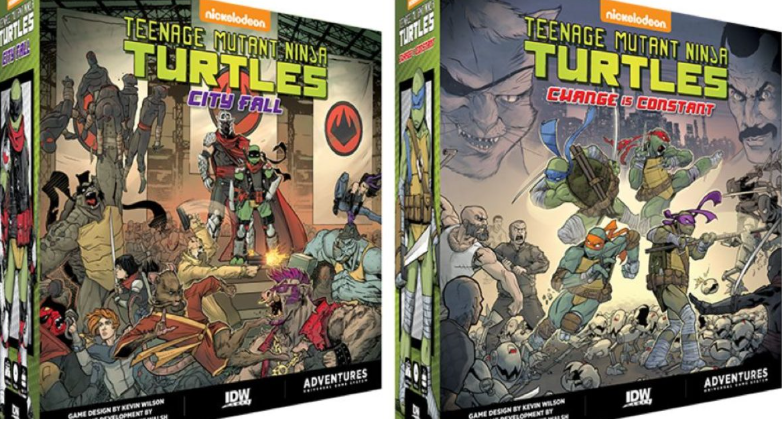
While I just praised Batman: Gotham City Chronicles for its asymmetric play, Gotham City Chronicles took a lot of inspiration from Teenage Mutant Ninja Turtles: Shadows of the Past. The game began to show its age, so IDW updated Shadows of the Past with the Teenage Mutant Ninja Turtles Adventures series. Both boxes are standalone games, but you can combine the two for double the heroes in a half shelf fun.
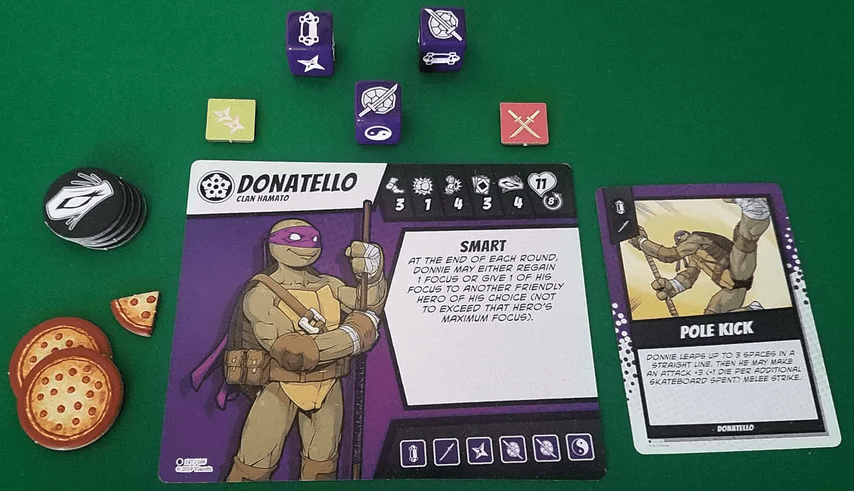
Teenage Mutant Ninja Turtles Adventures edges out Gotham City Chronicles because it lowers the barrier of entry by just enough to make the game more accessible. TMNT Adventures is by no means a simple game. It offers almost as many story options as Gotham City Chronicles, and you can even customize your heroes, taking advantage of a map’s terrain. I’ve played the opening scenario for this game numerous times and love it. I’ve never progressed that far in the game’s story. I may need to rally my gaming group to finish a campaign.
2: Marvel Champions: The Card Game

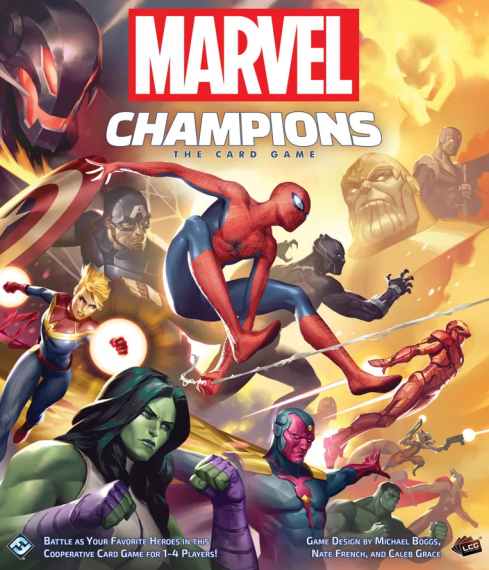
Spoiler alert: Marvel takes the top two spots in this list. I can see people flipping the two games at the top of this list. Some will like Marvel Champions more than the next title, but I like the next title slightly more than Marvel Champions. Clearly, both opinions are valid. The two games top this list. I love Marvel Champions’ inclusion of alter ego play. I rarely see superhero-themed games include anything about alter egos. When you play Spider-Man in Marvel Champions, you’ll have to balance his exploits as Spidey and finish his homework as Peter Parker. Brilliant!
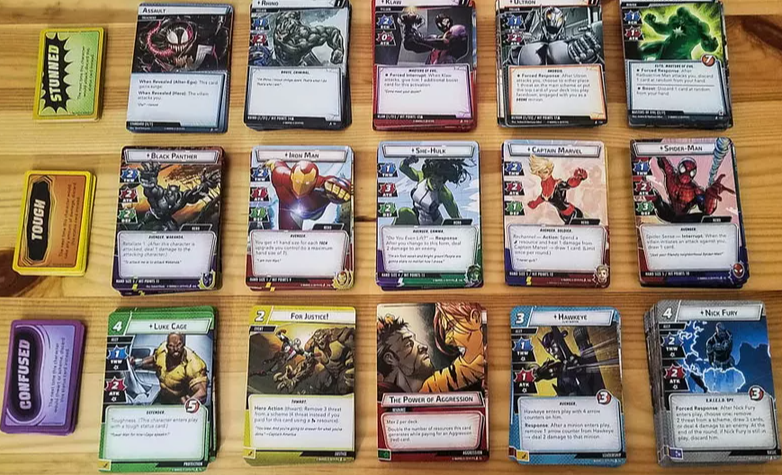
Since Marvel Champions is a living card game by Fantasy Flight Games, it offers plenty of story and deck customization. I’d advise players to become familiar with Marvel Champions’ base rules before fiddling with deck construction, but that is another option. If I didn’t go all in with Marvel United (our next entry), I may have done the same with Marvel Champions. My only concern is that I rarely feel like I’m doing what the card says. Usually, I’ll say to my teammate that I have X-amount of blue, and they’ll respond with I have a X-amount of green, and we’ll deal with threats based on color/number. Despite this, Marvel Champions is a lot of fun and deserving of the second or even top spot.

1: Marvel United/United Game System

I love Marvel United. It edges out Marvel Champions for me because it’s easier to onboard players and remember how to play the game. Few games on this list can boast that. I’ve played a lot of Sentinels of the Multiverse, but I’d have to refer to the rules a few times if I were to break out the game again. Marvel Champions has a ton of fiddly rules. I don’t need to do consult the rulebook with Marvel United. The graphic design is perfect. You could look at the symbols and guess what the game wants you to do. Other games on this list function like modern video game consoles in that one must log in, download software, and register products before playing a game, while Marvel United is plug-and-play.
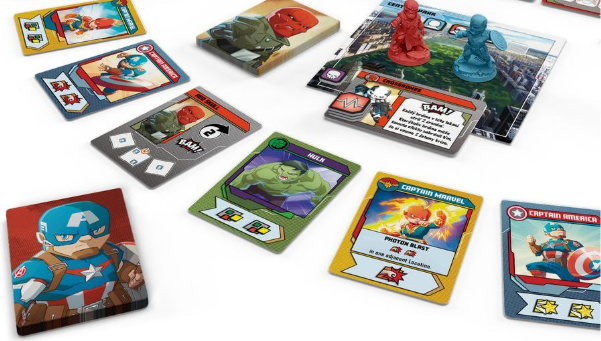
And Marvel United happens to be our only game system on this list, but the system originated with the superhero theme. DC Super Heroes United releases later this year (hopefully), so we should get the chance for some awesome crossover battles between Marvel and DC Comics. Even though CMON Games has yet to announce another follow-up series, my guess would be Star Wars United. That’d be dope. Regardless of which direction the United Game System takes, the United System offers countless hours of play. The only issue I have with this game is that I never know who I want to play. I have so many characters. I placed everyone into a randomizer.

That’s Geekly’s list of the Top 5 superhero-themed board games. We’ll have to see what changes in the next ten years or so. Let us know your favorite superhero-theme board game in the comments. Thank you for reading, and wherever you are, I hope you’re having a great day.

3 Lists of 3 Anime: Take 1

Your uncle Geekly may not be Anime Season, but he’s spent some time watching anime over the years and it may be time to share some anime for people who don’t watch anime and want to know where to begin. This may become a series of 3 Lists of 3, but it’ll differ somewhat from our typical For Starters series. A) I won’t go into too much detail, but I may break this rule on more than one occasion. B) I also want to take genres that people may be familiar with and share a few titles that could match one’s interests. Anime has a massive range of genres and subgenres and one can get lost trying to find something one likes. Think of this series of lists as if you like “fill-in-the-blank,” you may also like this title.

Disclaimer: Uncle Geekly refuses to take responsibility if you don’t like a series on one of these lists, even if you like the genre. Direct all complaints to the comments.

Superheroes

Superhero TV shows and movies dominate. Superhero novels—not graphic novels or comic books, but actual novels—infiltrate book stores, so this is a good place to start with this 3 List of 3.

MyHeroAcademia

My Hero Academia

On the surface My Hero Academia looks like standard superhero fare, but it takes an interesting turn or two and it holds a special cultural significance that few anime in any of these lists possess (more on that in a bit).

The superheroes of My Hero Academia have government and/or corporate sponsors. While I’ve seen government sponsored hero work in western superhero stories, I haven’t seen as many corporations backing superhero work. The inclusion of a capitalistic view on superheroes results in different motivations for each character. Some detest the commercialization of superhero work and push back, while others are only in it for the money. Viewers are sure to find a character, or two, they can relate to. There are even some heroes who only go into the business because of a family legacy or their families force them into the business.

The cultural significance comes in the form of taking risks or overcoming risk aversion. A lot of Japan is risk averse. For every great quote like Miyamoto’s “A delayed game is eventually good, a rushed game is bad forever” there are ones like the anonymous Nintendo executive’s “I only like to take risks if I know I’ll succeed.” If you know you’ll succeed, you’re not taking a risk. My Hero Academia’s main character Midoriya is the least likely superhero and must take risks. This series shows that it’s okay to take risks. It’s even okay to take a risk and fail; it’s what you do after a failure that defines who you are. Midoriya always gets back up—eventually—and younger Japanese generations are taking this lesson to heart.

OnePunchMan

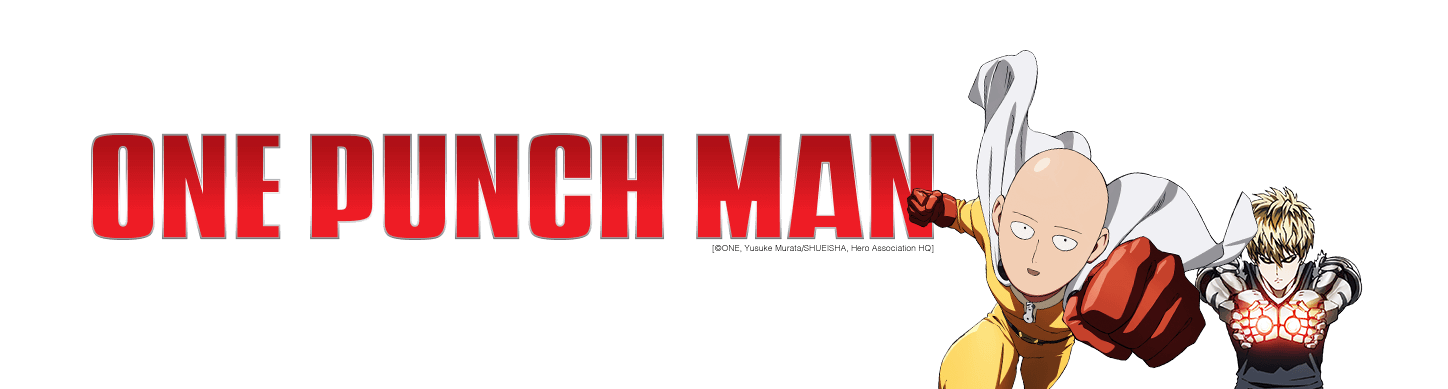
One Punch Man

I struggled with putting One Punch Man on this list. It toes the line between parody and satire. On one hand, it’s the anime equivalent of the 1990s animated Tick. There are so many references to anime tropes and inside jokes that new anime viewers may not catch half of them. On the other hand, it takes a critical look at the all-powerful superhero and how lonely and boring their life must be if they’re never challenged—kind of an earthlier version of Watchmen’s Dr. Manhattan. Does a lack of a struggle lead to apathy?

As the title implies main character Saitama can beat anyone with one punch. The superheroes in this title are government sponsored—yay, that again—and they obtain rank through a government program. Despite being able to beat enemies with one punch, Saitama is a lower rank than most other heroes. Effort goes a long way and Saitama views fighting as a bore.

No one can beat Saitama, and how did he obtain this power? A daily routine of 100 push-ups, 100 sit-ups, 100 squats, and a 10KM run (which is a little under six and a quarter miles). That’s a good to great daily workout, but it hardly explains why he can beat people with a single punch. It’s hilarious and it does little to explain his hair loss (I’d like to know how to avoid that, asking for a friend), but it also shows how little Saitama exerts himself to achieve his goal of becoming a superhero. He possesses natural ability and it begs the question if one doesn’t have to struggle to obtain a goal, is the goal worthwhile?

But hey, One Punch Man is hilarious. Having a supervillain monologue for five minutes only to have Saitama take him down with one punch is great to watch, even if he can do it every time.

Claymore

Claymore

Claymore is the one title in this list of 3 that won’t be for everyone. To be fair, most if not all the anime on these lists won’t be for everyone, but Claymore caters to a very specific comic book fan. Here’s looking at you, Buffy, Blade, and Morbius the Living Vampire fan boys and girls.

The titular claymores fight yoma, who are shape-shifting beings akin to ogres that feed on human flesh and blood. Claymores are only female and are created by cutting open these young women and implanting them with the flesh of another claymore or the flesh of a yoma. This horrifying process conjures a lot of images and can lead to plenty of interpretations. I won’t share mine here, but after you’ve seen the process of making a claymore, you’ll have a reaction.

The Claymore series follows Clare, the newest and lowest member of the group, as she travels from town to town fighting yoma. As she uncovers more of the mysteries surrounding the Organization (the ones behind the claymores), she becomes less inclined to follow this path. Of all the main characters from the anime in this list, Clare is the most reluctant hero. If that’s something that interests you, you should give Claymore a try. Claymore also does a great job of depicting a hero who partly becomes that which they hate and in turn, how that choice causes them to question with their own humanity.

Heroman_StanLee

Heroman

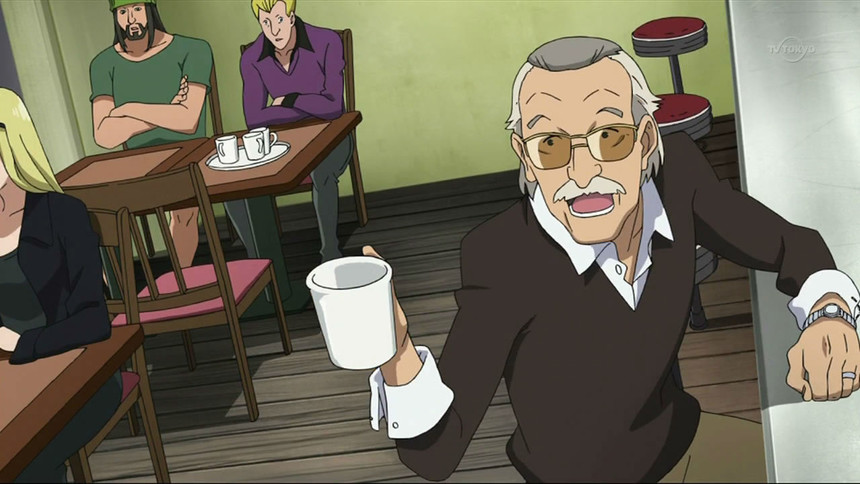
I’m cheating here a little bit, but I had to include Heroman as an honorable mention in this list because it was co-created by the late, great Stan Lee and features Stan Lee in anime form. We need more anime Stan Lee.

Firefly Fans

I’m amazed by how many anime could fill the void left by Firefly. In fact, Firefly borrows more than a little from some of these anime. Firefly can trace some of its influences back to at least a couple of the anime on this upcoming list—particularly the first two that came out five to seven years prior—so if a single season, one movie, and a few comic book series aren’t enough Firefly for you, you should try one or two of the following anime.

CowboyBebop01

Cowboy Bebop

Cowboy Bebop had to make this list. Spike and company avoid the inner planets’ predominant government and travel the edge of the universe, collecting bounties. Along the way they befriend fugitives with hearts of gold and build their own makeshift family. Yep. That’s pretty much the Firefly formula, and Cowboy Bebop doesn’t take itself too seriously to boot.

Cowboy Bebop is one of the most respected anime of all time and a lot of that comes from series director and creator Shinichirō Watanabe beginning his writing process with the characters. Watanabe wanted the series to be character-driven and he had a definitive ending for Cowboy Bebop early on, citing that he didn’t want Cowboy Bebop to be like Star Trek, something he’d be tied with doing for the rest of his life.

Sometimes the best things in life are finite. The rarer something is the more valuable it becomes and speaking of rare, Cowboy Bebop is in rarified air. Each episode plays like its own mini-movie and that was another concept adopted by Joss Whedon’s Firefly.

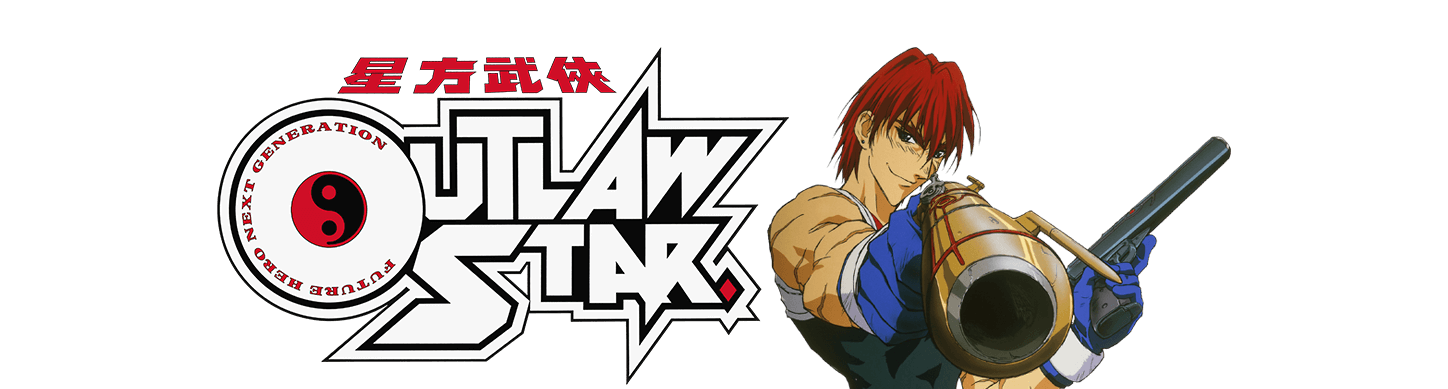
OutlawStar01

Outlaw Star

Outlaw Star never received the critical or commercial success of Cowboy Bebop because it didn’t do enough to break away from a few clichés, but it’s still a series with some excellent moments and a good fit for folks who can’t get enough Firefly.

Again, we have a ship of misfits traveling the edges of the universe and avoiding the chaotic law of four governments, but this time the governments are weak, at best, and at war. Captain Gene and company must take on odd jobs to fund the ridiculous maintenance costs of the titular Outlaw Star spaceship. This, again, tracks with Firefly.

A bio-android Melfina is the only being capable of interfacing with the ship, but her past is shrouded in mystery, she doesn’t know why she exists, besides to pilot the Outlaw Star, and she has fragmented memories that reveal that she does have a higher purpose and greater abilities. Melfina’s character is like River Tam’s as she looks as if she’s 18, acts like she’s a young child, and the first Outlaw Star captain steals her away from one of the governments—that had bigger plans for her—in an oversized suitcase. Yep. That is, for the most part, River’s backstory, except she’s not an android—or is she?.

But that may be where the similarities end. Captain Gene resembles Captain Kirk if Kirk suffered from space sickness. Seriously, he sleeps with any alien with appropriate parts, but he must use a barf bag each time the Outlaw Star launches. That must be one of my favorite Outlaw Star ongoing gags, but Outlaw Star succumbs to these gags and that may be the chief reason it doesn’t get as much love. It’s not a long series and worth a try.

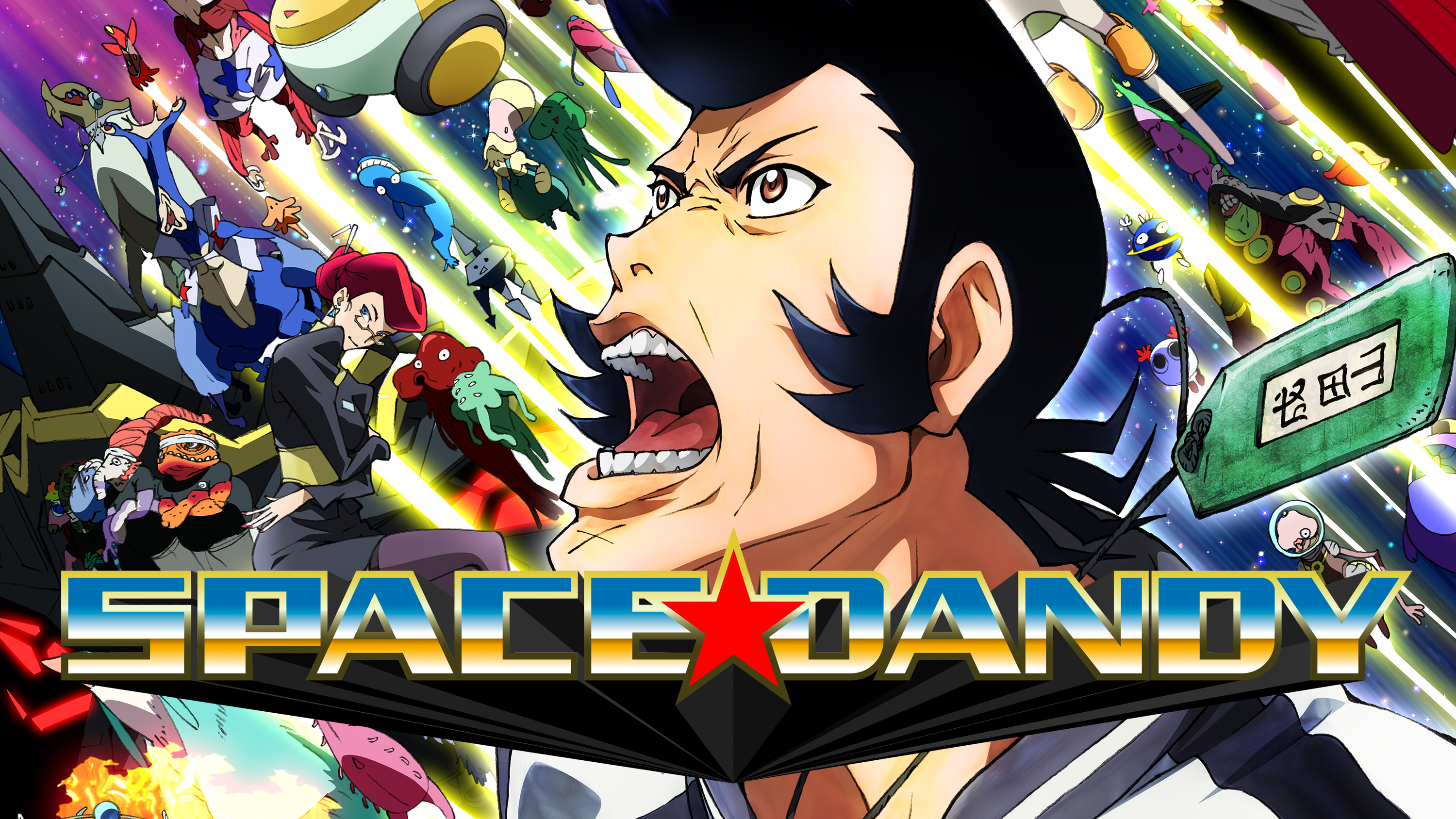
SpaceDandy01

Space Dandy

The anime in this list have gone from serious with a touch of comedy to comedy with few serious themes. Space Dandy is first and foremost a parody of Firefly and other sci-fi shows. The titular Dandy, an alien bounty hunter who is “a dandy guy in space” explores the universe for rare aliens, so Space Dandy shares a lot with Star Trek if the crew of the USS Enterprise were imbeciles. Dandy and his crew (his robot assistant QT and feline-like friend Meow) have the best intentions, but they’re dimwitted and often make situations worse.

Space Dandy has loose continuity at best, since many episodes will feature Dandy, QT, and Meow getting trapped in another dimension or turned into zombies, only to see them back to normal the next episode with little to no explanation. There are plenty of references to older science fiction properties as well as ones for internet culture. Be ready for some dank Space Dandy memes, dudes.

Cyberpunk

Cyberpunk dominated the small and big screens in the 80s and 90s with Total Recall, Blade Runner, and 12 Monkeys to name a few. The subgenre slithered its way to Japan, resulting in cyberpunk as one of anime’s favorite subgenres. Me thinks there will be more than three to this list.

GhostInTheShell01

Ghost in the Shell

I had to start with this one. Major is the face of anime cyberpunk. Set in the future and blessed with high technology where cybernetic bodies (shells) become the norm the world of Ghost in the Shell still suffers from rising crime rates, and a new type of crime—cyber warfare—is given birth. Yes. Ghost in the Shell warned against cyber warfare before it was cool. Elusive hacktivist Puppet Master leads the Security Police Section 9 (the unit Major works for) into a corrupt political and corporate underbelly.

Stunning animation aside, Ghost in the Shell explores self-identity and procreation by means of mechanical replication. It shines a light on a society that prioritizes technological advancement without considering social issues. Some of these issues haunt Japan today. In Japan, there is a growing concern that some would rather reproduce by means of androids or pleasure themselves with robots instead of propagating the species. Japan’s recent population decline further fuels these concerns.

Ghost in the Shell is not only one of the greatest anime of all time, it’s a great science fiction experience and a great place to start for cyberpunk fans. Even though the series are great, I’d start with the original film.

Akira01

Akira

Akira is another quintessential cyberpunk anime. Based in a 2019 dystopian Neo-Tokyo, Akira follows a teenage biker Tetsuo and his biker gang leader Shotaro Kaneda. Tetsuo’s psychic abilities may flirt with fantasy, but Akira’s setting and themes scream cyberpunk. Gang warfare and social inequality based on technological advancement abound.

Even non-anime fans know of Akira. This 90s anime phenomena raised the West’s awareness of the artform, and Akira has influenced a lot of live action movies outside of Japan that include The Matrix and Stranger Things. Tetsuo does have killer psychic abilities after all.

BubblegumCrisis01

The Bubblegum Universe

The Bubblegum Universe (Bubblegum Crisis, A.D. Police Files, Bubblegum Crisis Tokyo 2040, and Parasite Dolls) ran off and on between 1987 and 2003, so it predates the other two entries—so far—on the cyberpunk anime list. Bubblegum Crisis is perhaps the best and most well-known of this bunch and it tells the story of an all-female group of mercenaries the Knight Sabers powered by exoskeletons. They fight rogue robots and if Iron Man is the Elvis of high-tech exoskeletons, the ladies of Bubblegum Crisis are the Ramones. Hey. Ho. Let’s go.

Bubblegum Crisis blends cyberpunk with a crime drama and even adds a splash of superheroes for good measure. It’s also one of the most visually stunning anime of the 80s. While cyberpunk tends to lean toward the dark and grim, the Knight Sabers and AD Police give it a positive spin.

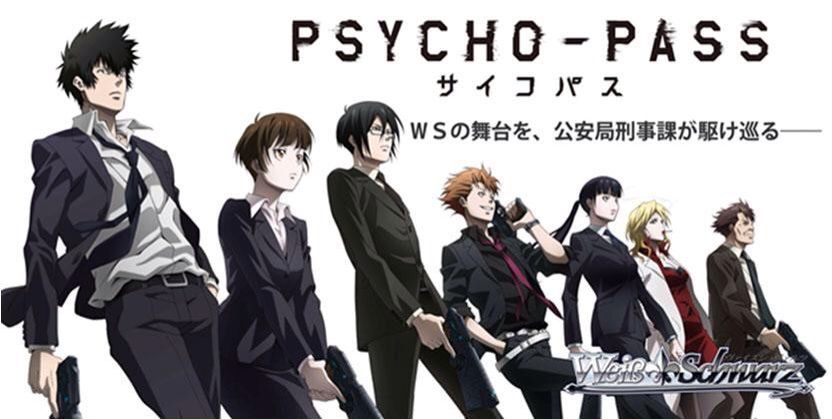
Psycho-Pass01

Psycho-Pass

I told you that I’d sneak in another one on this list. Psycho-Pass is essentially Minority Report if the police used brain scans to determine whether someone will commit a crime or not instead of precognition. That said, Japan becomes one of the safest countries, but they give up some personal liberties in order to institute the Sybil system (the same system that determines if you can commit a crime), but the Sybil system can be manipulated and often is. Psycho-Pass shows a society where the needs of the many outweigh the needs of the individual and presents a world where people are more likely to die from stress than criminal activity.

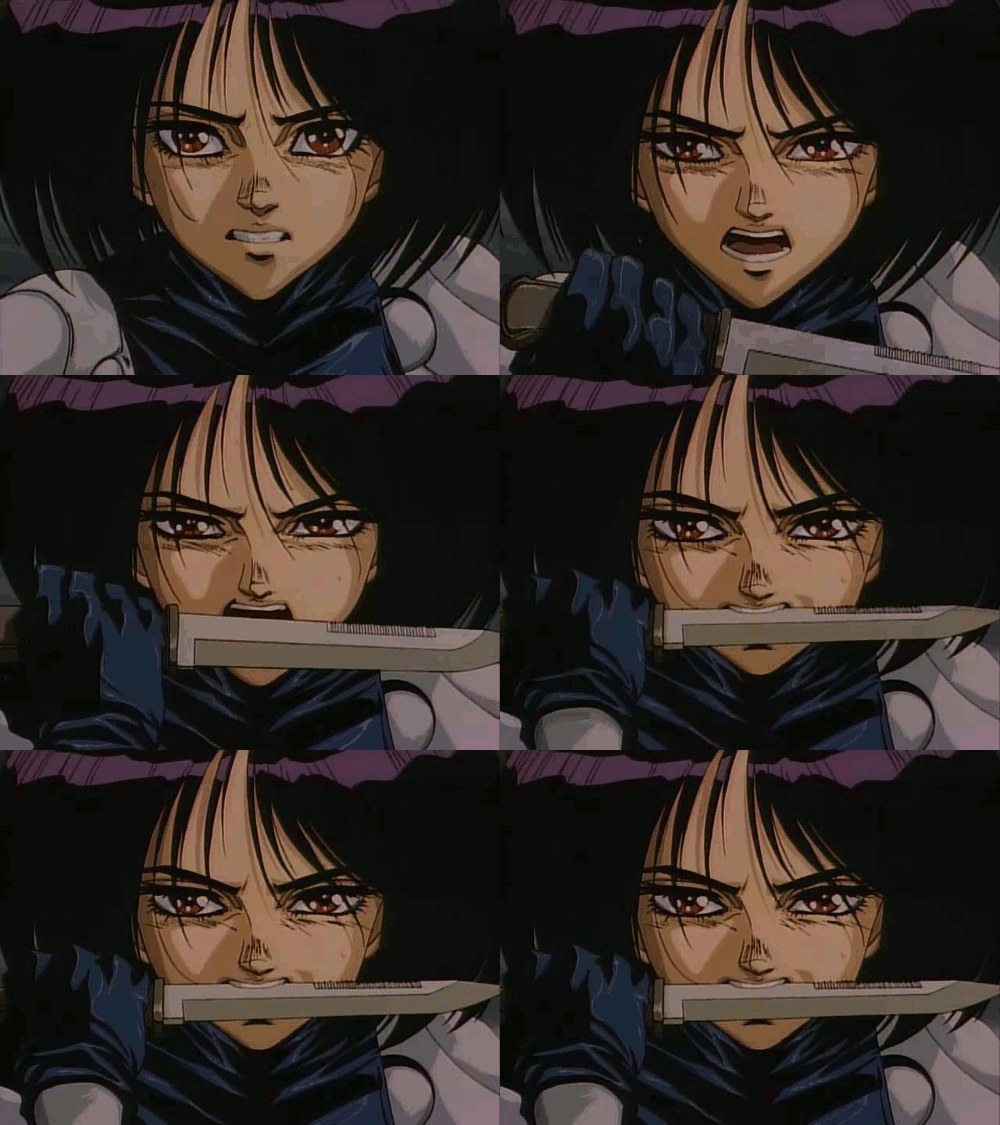
I know that I said I would stop with three, but there are too many great anime out there, especially cyberpunk anime, and at least I didn’t mention Battle Angel Alita—except that I just did and you should watch Battle Angel Alita before thinking about watching the Alita movie. The anime only ran for two episodes and it’s another great example of how society breaks down as a consequence of technological advances. A future where the have-nots must rummage through the refuse of the haves. Okay. I’m done; I promise.

BattleAngelAlita01

I hope there are plenty of anime in these lists for you try out. If Uncle Geekly got something wrong, I’m sure you’ll let me know in the comments.