Hey, hey, Geekly Gang! Kyra Kyle here for a second round of a Daredevil: Born Again review/reaction. This post will focus on the second season’s third episode, “The Scales and the Sword.” It played out exactly how I thought it would. If you didn’t catch my thought on “Shoot the Moon,” here’s a link to the previous episode’s reaction. While some may say that an episode playing out exactly as someone believed it would is not a good thing, it works in the case of “The Scales and the Sword.” But this fact may have played a role in Daredevil: Born Again’s second and third episodes releasing the same day. They’re two halves of the same episode.
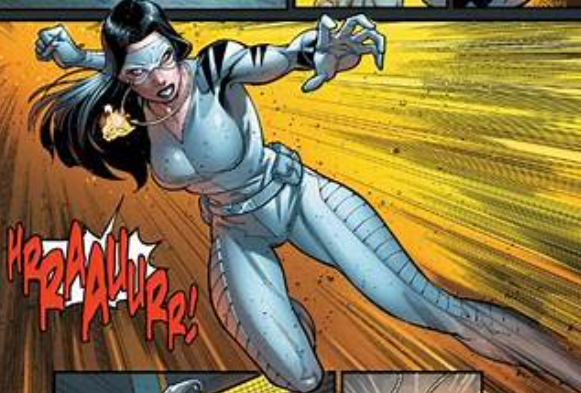
Seriously, I got the sense that Disney/Marvel ended up with an hour and a half to two-hour episode and decided to cut it into two, roughly forty-five-minute episodes. Angela dons White Tiger’s amulet and helps Daredevil escape his infiltration of Red Hook. We even get a trial scene with Duquesne (Swordsman) that goes as well as you’d expect. All of this I predicted. But again, I don’t think this is a bad thing. It proves that Daredevil: Born Again is building toward something. Many of the major plot points have yet to be revealed. And I’m certain we’ll get plenty of twists and turns before the second season’s climax.
I said it before, and I’ll say it again, Heather Glenn serves as a fantastic secondary antagonist to Daredevil. She has a haunting history in the comic books. I won’t spoil that here, but trust me, Daredevil: Born Again could’ve gone a lot darker with her storyline. It still could. I like how she navigates her trauma at the hands of Muse. It makes her sympathetic. She believes she’s doing the right thing. Her scenes around Duquesne trial are great. I loved the quick rundown we got with Heather and Buck at the ball. We may have even gotten a hint that Blake will become The Rose. Buck and Heather could be an interesting couple.
I don’t have much to say beyond what I did with the previous episode’s (“Shoot the Moon”) reaction. It was a joy to watch Daredevil use his powers during the Red Hook infiltration, and I was shocked by how satisfying it was to watch Duquesne fight alongside the Man Without Fear. “Shoot the Moon” could stand on its own as an episode. I don’t believe “The Scales and the Sword” could’ve done the same. Disney/Marvel made the right decision to release both episodes on the same day. If we had gotten “The Scales and the Sword” by itself next week, we might’ve felt a little shortchanged. I’m glad Daredevil: Born Again tied up its early loose ends with this episode, and I hope this frees up the next episode to deliver a few twists.
That’s all I have for my reaction to “The Scales and the Sword.” I did watch the episode twice like I did the previous one, but there isn’t as much to discuss. “The Scales and the Sword” serves as an enjoyable second half to the last episode. But those are my opinions. What do you think? Let us know in the comments. Thank you for reading, and wherever you are, I hope you’re having a great day.
Happy Saturday, Geekly Gang! Kyra Kyle here with another Daredevil: Born Again reaction/review post. Daredevil: Born Again released two episodes this week, so we’ll have a reaction for the next episode, “The Scales & the Sword,” later today. I’m writing this reaction/review of “Shoot the Moon” after watching the episode twice. I like most of the developments in this episode, but Daredevil: Born Again also continues its penchant for adding more story threads and characters we need to follow. Before long, I may need a roadmap.
Angela del Toro, niece of Hector Ayala (White Tiger) and definitely the next White Tiger, is reintroduced in this episode. I don’t mind having another White Tiger this quickly. Several characters have donned the White Tiger mantle. I like the story centered around del Toro. It gives ICE in Minnesota vibes. Daredevil: Born Again, Season Two may not have shot these scenes as an homage to ICE in Minnesota, but one can see parallels. I’m down for it. My issue from last week stands. Daredevil: Born Again, Season Two has a massive cast. It does a lot of things great, but I don’t know where to focus. I don’t even know if the show knows to place its focus.
The massive cast was my rant from the previous episode. I don’t know if I mentioned enough of the previous episode’s strengths. I do like how Kirsten McDuffie gets roped into Angela’s superhero origin. McDuffie already fights the legal battles for vigilantes. She’s going to war for vigilantes in the courtroom. I can see her helping Angela as the new White Tiger outside the courtroom. This could mirror Foggy and Matt’s relationship way back in the original Netflix Daredevil. I’m all for that. And it’s confirmed. BB Urich is behind the Mayor Fisk smear campaign, and she’s the one dressing up as Kingpin. I think I called that last week. If I didn’t, I certainly thought BB was behind the Fisk mask. Honestly, the reveal wasn’t that big of a shock, so it’s best that it occurred so soon in the season. But the scene between BB and Deputy Mayor Daniel Blake was fantastic.
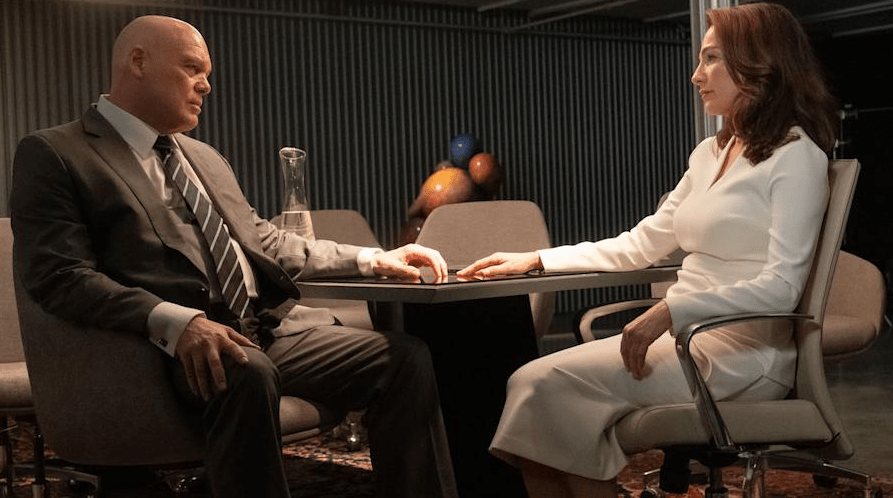
I liked Daniel Blake’s portrayal from last season. We lost him in the second season’s first episode, but “Shoot the Moon” highlights why Blake is a dynamic character. Michael Gandolfini shows unlimited range in this episode. He switches from affable to terrifying within the same scene. He’s so good in this role. I don’t care if he is or isn’t Wilson Fisk’s son, Richard Fisk, also known as the supervillain The Rose. There are so many great performances on the Wilson Fisk side of the aisle. Sheila Rivera stands on the precipice of learning who Mayor Kingpin is and watching her navigate which path to take is mesmerizing. Vanessa and Wilson Fisk share several heartfelt moments in “Shoot the Moon.” If they weren’t murderers, you’d swoon.
And “Shoot the Moon” brings back Benjamin “Dex” Poindexter into the fold. It’s fun watching Wilson Bethel’s Bullseye get to work. There are so many delicious layered plot threads introduced in Daredevil: Born Again so far. Bullseye takes down the anti-vigilante task force (AVTF). This obviously hurts Fisk’s AVTF and authority. But it doesn’t do Matt Murdock any favors, because Fisk can blame most of the deaths on Bullseye working alongside Daredevil. And I like how Fisk sends NYC citizens after Murdock because he’s a hero, while siccing his AVTF after Daredevil. The only thing I didn’t care for was Matt explaining what’s happening to Karen because whoever wrote the script didn’t trust the audience would pick up on Fisk playing both sides. This was Kingpin acting like Kingpin. There’s a reason we love the big guy. Vincent D’Onofrio is brilliant.
And that brings me back to Venessa and Wilson, and I’ll add Matt and Karen. I like the parallels between these two couples. There’s a reason why the Heather Glenn/Matt Murdock relationship felt like it would be short-lived. The two didn’t have chemistry. Matt Murdock and Karen Page’s relationship is the one that could rival Venessa and Wilson’s, and it’s great to see them together in Daredevil: Born Again. But I do like Heather Glenn as a secondary antagonist. The Vigilante Trials should play a huge role in Daredevil: Born Again’s Second Season. I’m watching these episodes one at a time, so I may contradict myself in the next post. In fact, I’m going to make some predictions before I watch the next episode, “The Scales & the Sword.”
Sword makes me wonder if the Swordsman will get involved. We may see Duquesne, but I think we’re more likely to see him in court, the aforementioned Vigilante Trials, because Scales and the Sword is also the symbol for justice. Red Hook was built up in this episode, so we’ll see Daredevil attempt to infiltrate the facility. And there’s an outside chance del Toro will don the White Tiger amulet. Most likely, she won’t wear an outfit…yet.
I may have focused a lot on the first episode’s shortcomings, but I do like Daredevil: Born Again’s, Second Season. There are a lot of interesting characters and plotlines. I just hope we get some satisfying payoffs. But what do you think? Let us know in the comments. Thank you for reading, and wherever you are, I hope you’re having a great day.
Happy Monday, Geekly Gang! Kyra Kyle here with a review/reaction to Daredevil: Born Again, Season Two’s premiere, “The Northern Star.” Daredevil: Born Again’s second season begins well, but one issue persists: the show feels off-balance. I’ll get to the good stuff soon (and there is a lot to like about “The Northern Star”), but I can see Daredevil: Born Again’s showrunners’ original vision of making seasons one and two of Daredevil: Born Again a single season. I don’t yet know if this show could’ve worked better with these first two seasons squeezed into a single season, but I’ve been on the record stating that Daredevil: Born Again Season One did a better job developing Kingpin’s side of the narrative, while shortchanging Daredevil’s. Yeah. This season, or at least during this season’s premiere, the roles reversed.
Daredevil: Born Again has a balancing issue. Both “seasons” could’ve benefited from evenly spreading the love for Daredevil and Kingpin’s story. Granted, “The Northern Star” is season two’s premiere, and I didn’t rewatch Daredevil: Born Again’s first season. But I shouldn’t have to rewatch a show’s previous season. Again, this is the first episode of the new season. All may be revealed in future episodes. But that’s also my point. We had to wait a full calendar year for Foggy Nelson’s death to find meaning. Sure, Karen Page left Hell’s Kitchen for most of last season, but the first season spent too much time trying to develop new characters. Matt Murdock seldom grieved the loss of his friend.
He does in “The Northern Star,” though. What a difference twelve real-world months can make. Matt’s story glossing over Foggy’s death may have sparked a lot of last season’s doubts. It wasn’t that the showrunners couldn’t kill Foggy. It was that no one seemed to care he died. I’m glad that we finally see Matt and Karen grieving the loss. And that makes me wonder what this story could’ve looked like where this episode part of the first season. We would’ve seen this catharsis sooner, and I wouldn’t be playing catch-up, trying to remember who everyone is, with Kingpin’s characters. Were there always this many characters? Yikes! I may have mentioned the volume of new characters in the previous season, but returning to Daredevil: Born Again after a year requires flashcards. Who are these people?
And we’re not done introducing more characters like Mr. Charles, Matthew Lillard’s character, who works for CIA director Valentina Allegra de Fontaine. That’s a mouthful. Try saying that name three times fast. Mr. Charles is on Kingpin’s side of the narrative. We also get introduced to Ariana, who owns the Aegean Gardens, and aids in witness protection. Didn’t know that was a thing. That’s cool. BB Urich has more time to develop. I still don’t like the BB Report segments (the people on the street interviews with a shaky cam), but it’s clear, through a scene between Urich and Page, that she’s also the one behind the gorilla news stories defaming Mayor Fisk. This story angle has legs.
But that’s another minor issue. Many of these story angles have interesting ways they could go, but will Daredevil: Born Again season two have enough runtime to explore all of them? It’ll have to cut certain threads. I haven’t even mentioned Heather Glenn’s full heel turn. We got a whiff of Glenn (Murdock’s therapist girlfriend from last year) changing sides by the end of Daredevil: Born Again season one, but it was nice to see the show explore plenty of gray areas. Glenn may do the wrong things, but she believes she’s in the right. She suffers from PTSD after the attack by Muse. While I didn’t like how quickly Daredevil: Born Again dispatched Muse, I love how he continues to haunt the series.
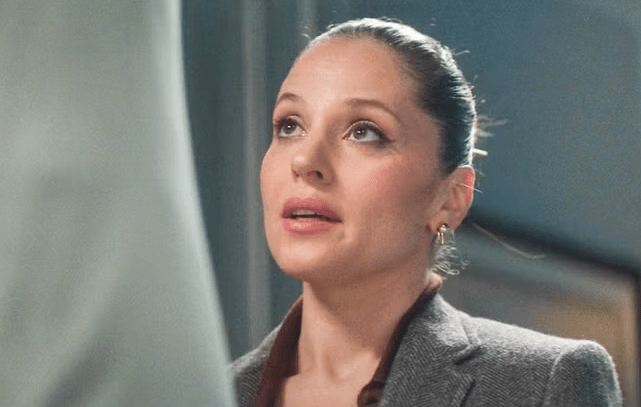
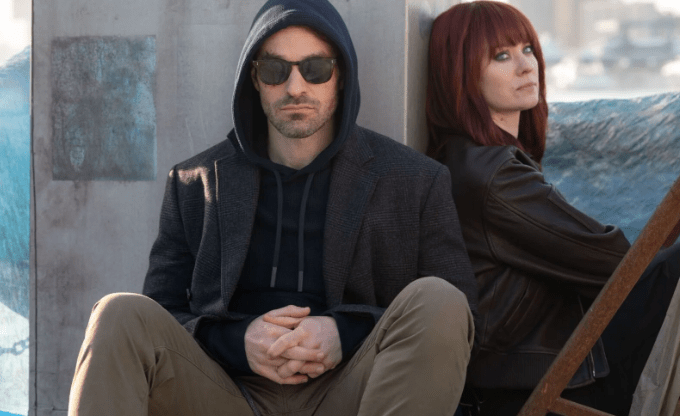
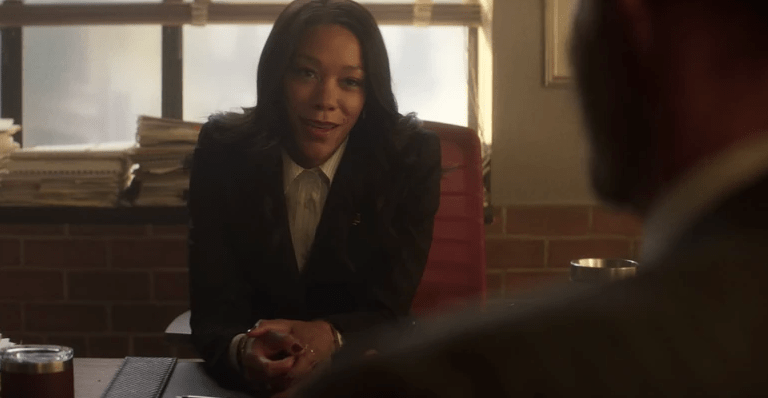
And then there’s Murdock’s new law firm partner, Kirsten McDuffie (pictured above), who has an interesting interaction with one of Fisk’s lawyers, Benjamin Hochberg. And there’s also Cherry, the retired cop turned Murock’s personal investigator, who gets more to do in this episode. And Bullseye’s return gets teased. And the antivigilante task force continues its insane mission. And did I mention that the poignant Page-Urich scene is available because of a lead Page gets from Jessica Jones? Well, it is. And Krysten Ritter will return as Jessica Jones in Daredevil: Born Again season two. There’s a lot to unpack in “The Northern Star.” I watched this episode four or five times; that’s why this reaction got postponed from Saturday to Monday. I needed the weekend to digest.
Most of these are great developments. I’d love to see Ritter return as Jones. The Bullseye tease has me hyped. So many of these character developments are fun: McDuffie’s, Cherry’s, Page’s, the AVTF, most of Fisk’s entourage, and Glenn’s PTSD and struggling with remaining objective. I don’t know how Daredevil: Born Again season two plans to tie up some of these loose ends. Thankfully, Daredevil: Born Again will receive a third season; they’re already filming the third season. But I don’t want another Lost situation. For those who don’t know, the television show Lost presented numerous great ideas and seldom finished any of them.
Daredevil: Born Again should make good on many of its premises, but Matt did get shot (by Bullseye) at the end of last season, and we didn’t see the shot’s effects in the second season’s first episode. Something tells me we’ll get flashbacks and flash sideways and flash forwards to fill us in with Matt recovering from his gunshot. I’ll just leave this here: Lost used a lot of flashbacks and flash sideways and flash forwards, too. Uh oh. Let’s hope we don’t get too many flash somewheres.
That’s all I have for “The Northern Star.” Oddly enough, this episode could’ve used more guidance from something like a northern star. Daredevil: Born Again’s Season Two premiere was a solid beginning. I just hope the season can stick the landing. But what did you think? Let us know in the comments. Thank you for reading, and wherever you are, I hope you’re having a great day.
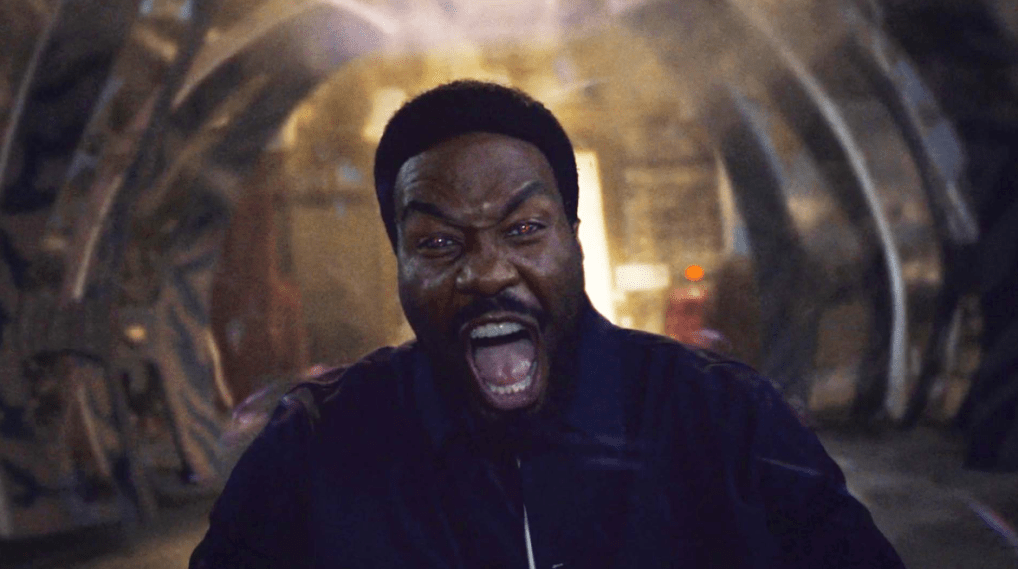
Hey, hey, Geekly Gang! Kyra Kyle here again. I had intended to split my reaction to the MCU’s Wonder Man miniseries into two halves, but it wasn’t a long series, and I got into the series. In short, Wonder Man is one of the best Marvel television shows in years.
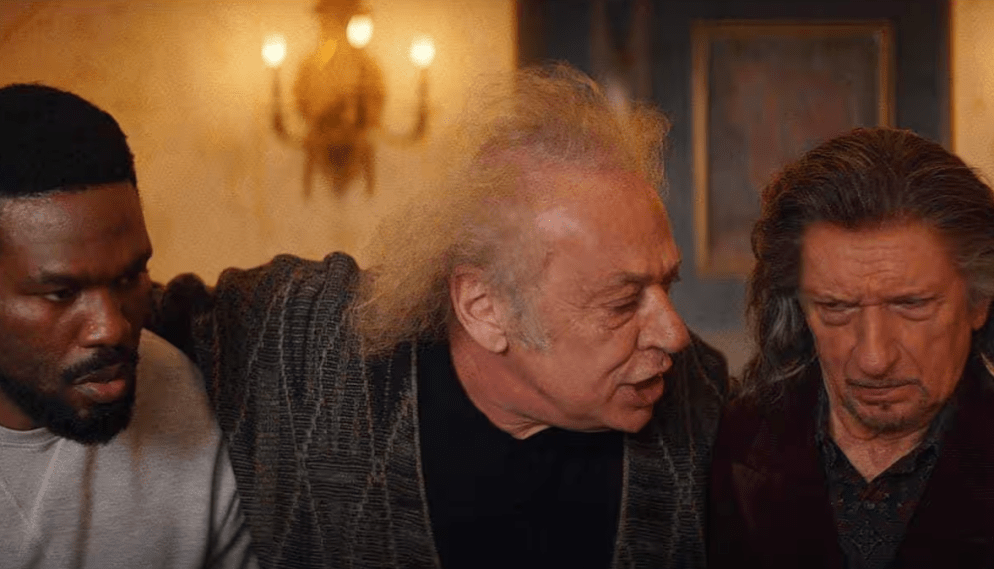
First, Wonder Man is only the second Marvel project to receive the Marvel Spotlight moniker; Echo was the first. The idea behind Marvel Spotlight projects is that one doesn’t need to know much about the MCU to understand and enjoy the show. While Wonder Man has some references to the greater MCU (most notably Ben Kingsley’s Trevor Slattery, the fake Mandarin from Iron Man 3), it does a great job of weaving in the information you need to know about the character during the series’ runtime. Second, Wonder Man abandons most superhero tropes. This is a superhero show for people who don’t like or are tired of superhero shows. The show centers around Trevor Slattery and Simon Williams’s (portrayed by Yahya Abdul-Mateen II) relationship.
The two of them are theater nerds, trying their best to break it in Hollywood. Their chemistry is electric. I’m struggling not to give away any spoilers. There will be some. You’ve been warned. Captured by the United States Department of Damage Control, Slattery is tasked with fetching enough dirt on Williams to lock him away for dangerous superpowers. But Williams only wants to be an actor. Unfortunately for Williams, there’s a ban on people with superpowers from becoming actors ever since Josh Gad–the actual actor, not a character Gad was portraying–disappeared into Darius “Doorman” Davis. There’s an episode in the middle of Wonder Man that chronicles Doorman’s exploits. It was a standout episode in a series filled with standouts.
Wonder Man manages to maintain tension and intrigue, despite the title character refusing to use his powers through most of the show’s runtime. This is one of the few Marvel shows that avoids an awkward middle. You know what I mean. MCU shows are notorious for losing their way and including filler episodes somewhere around the halfway point. The aforementioned Doorman episode occurs right when most MCU shows would falter. And it’s so good.
While it helped to already enjoy Kingley’s Trevor Slattery, pairing him with Badul-Mateen’s Simon Williams is brilliant. They make an unlikely pair of friends. But that’s skin deep. If you know the two of them, they’re more alike than one might guess. They’re both outsiders. Both have few if any true friends. They need each other, and their personalities play extremely well off each other. Trev is more laid-back, and Simon lives in his head. Heck, Simon overthinks everything. Trev helps Simon to relax; he literally teaches Simon the box breathing exercise. But Simon reminds Trev how rewarding acting can be; with Simon’s help, Trev rediscovers his passion.
The rest of Wonder Man’s cast is fantastic. While the show does include comedic moments (How can you not with Kingsley’s Slattery in the production?), it never loses sight of its emotional center. Wonder Man is one of the rare Marvel shows that avoids undercutting scenes with emotional weight with a bad joke. Kudos! I was not expecting that. Honestly, I thought Trevor Slattery would ham up every scene in which he was involved. I am happy to be wrong Unlike a lot of other Marvel shows, I’m going to return to this one. Wonder Man is worth your time. It reminds us of what the MCU can be. Fingers crossed that we’ll get other great Marvel Spotlight shows in the future.
What did you think of Wonder Man? Let us know in the comments. Thank you for reading, and wherever you are, I hope you’re having a great day.
Hey, hey, Geekly Gang! Kyra Kyle here. We covered the DCU earlier this month, and today is the Marvel Cinematic Universe’s (MCU’s) turn. Despite Captain America: Brave New World’s lukewarm reception and Thunderbolts* underwhelming box office returns, 2025 was a great year for the MCU. Superhero films–heck, films in general–don’t make as much money. Thank you, pandemic. 2026 looks to build off of last year’s success. We’ll see the return of multiple animated and live-action shows. The Marvel Animated Universe (MAU) and street-level television superheroes may be in full swing. And Marvel Studios may only have two films scheduled for 2026, but the two films on the schedule may be the biggest ones in years.
One little disclaimer: I wrote this post months before January 2026 because I limit my Geekly output the final four months of the year to write a new novel and edit older ones; I’ll try and remember to update this list if anything changes. Without further ado, let’s get to the shows.
Wonder Man (January 27, 2026)
I should be reviewing Wonder Man as it releases, and the show will most likely have already concluded its run as of this post. If you want to see my thoughts on Wonder Man, you can check out our review(s). Hopefully, I remembered to include a link. Lol
Okay. Wonder Man has been pushed back to January 27th, so I should begin reviews next week or the following week. Wonder Man has an interesting backstory. The MCU could go in multiple directions with him. Instead of talking at length as to why Wonder Man is an interesting character, I’ll leave a link to our Wonder Man Starter Stories post.
Daredevil: Born Again Season 2 (March 2026)
While I still stand by Kingpin having the better storyline in Daredevil: Born Again’s first season, we may see Daredevil’s story take flight in the show’s second season. Daredevil: Born Again’s second season should center around Daredevil mobilizing an army of vigilantes to overthrow Mayor Fisk. Bullseye is still in play, and that should add some spice. With little left to lose, Daredevil may get desperate. While Jon Bernthal’s Punisher will most likely not return because he’ll star in his own Special Presentation later in 2026, Krysten Ritter’s Jessica Jones will join Daredevil: Born Again’s cast. I’m also holding out hope for Mike Colter’s Luke Cage to make a return.
Matthew Lillard makes his MCU debut in Daredevil: Born Again Season 2 in an undisclosed role, and The Conjuring actor Lilly Taylor joins the series in a supporting role. During the first season, Daredevil: Born Again was a solid, if uneven, series. Season two should build on a series that found its footing toward the end.
Spider-Man: Brand New Day (July 31, 2026)
Spider-Man films always do well at the box office, and Spider-Man: Brand New Day looks to continue that trend. Jon Bernthal’s Punisher will return in Spider-Man: Brand New Day, and he’s joined by a villainous Hulk. Geekly reported several months ago that the fight scene between Spider-Man and Hulk will predominantly use practical effects, and that makes sense, considering director Destin Daniel Cretton of Shang-Chi and the Legend of the Ten Rings fame has taken over the reigns.
We’re still unsure which version of Hulk will appear in Spider-Man: Brand New Day. Will the MCU return Hulk to his savage self? Will they introduce an older Hulk from an alternate universe, and then Spider-Man will face off against Maestro? Or will the MCU choose a different option? No matter which direction the MCU chooses, I can’t wait to see this iconic fight scene hit theatres.
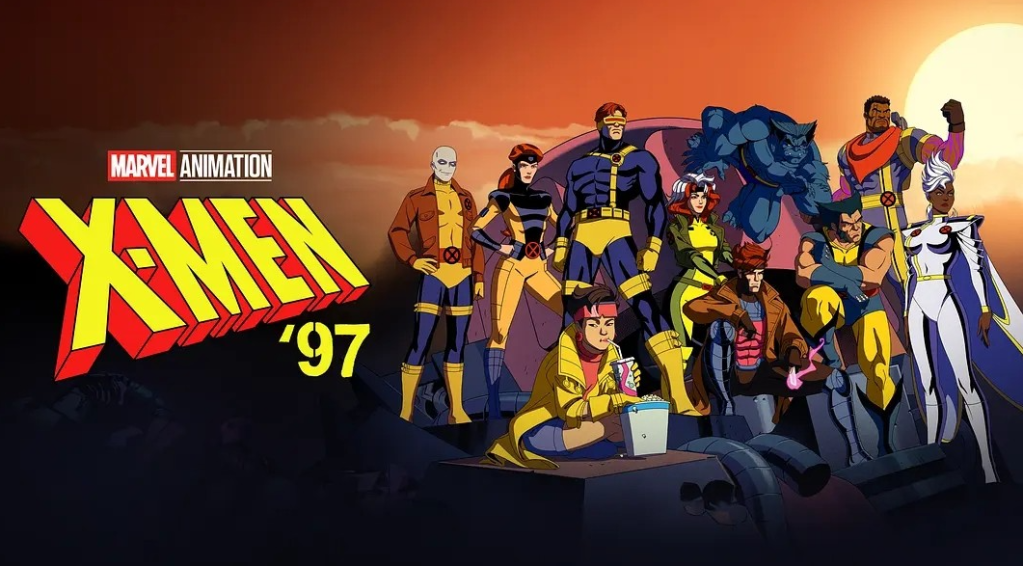
X-Men ’97 Season 2 (Summer 2026)
Marvel Television chairman Brad Winderbaum confirmed, “Season 2 of X-Men ’97 is going to be in 2026.” While I believe Winderbaum, X-Men ’97 Season 2 has slowly progressed. The first season aired in early 2024, but the wait should be worth it. X-Men ’97 ended on some great cliffhangers. Wolverine lost his adamantium, Apocalypse returns, and The X-Men in the past should all make for appointment viewing.
We’ve waited years for a follow-up season of X-Men ’97, but we may not need to wait nearly as long for Season 3 after Season 2. Season 3 is in active development simultaneously with Season 2. Originally, I put two quarters for X-Men ’97’s release, because we could see both follow-up seasons released the same year. If that happens, Season 2 could release in the summer, and then Season 3 could follow in the fourth quarter. I’m all for double the X-Men fun.
The whole cast is set to return for both seasons. However, Beau DeMayo was actively involved in X-Men ’97 Season 2’s development; he won’t return as showrunner or be involved with the show after Season 2. Despite DeMayo’s exit, X-Men ’97 should be in great hands. Winderbaum has stated that “The fact that we get to play in that universe (1990s X-Men Animated Series) with those actors is honestly why I went into this business in the first place.” Between Your Friendly Neighborhood Spider-Man and X-Men ’97, the Marvel Animated Universe is poised for greatness.
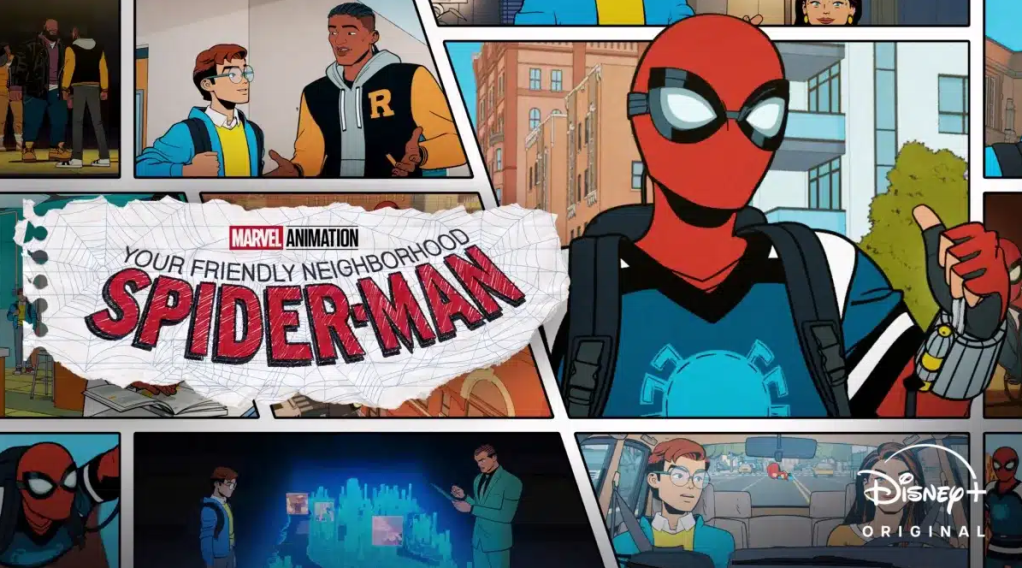
Your Friendly Neighborhood Spider-Man Season 2 (Fall 2026)
Okay. I’m writing this months in advance, and we’re nowhere near an official release date for Your Friendly Neighborhood Spider-Man Season 2. My original guess of Friendly Neighborhood Spider-Man Season 2 was Second Quarter 2026. Okay. I was way off. Lol
Anyway, Your Friendly Neighborhood Spider-Man surprised me. While it had some flaws, it was a strong debut series for the Marvel Animated Universe (MAU). The art style grew on me. Norman Osborn and Peter Parker’s relationship shakes up the MCU’s version of Spidey and the comics’. Your Friendly Neighborhood Spider-Man isn’t afraid to take risks. I can’t wait to see what the series does with Ghost-Spider, Gwen Stacey, and watch Lonnie’s transformation into Tombstone. I loved Lonnie’s storyline in Your Friendly Neighborhood Spider-Man’s first season.
And fun news, like X-Men ’97, Your Friendly Neighborhood Spider-Man seasons two and three were worked on simultaneously. The year-long gap between MCU movies could serve to establish the MAU. I grew up on Marvel cartoons, so I’d be okay if the MAU dominated Marvel’s release schedule for a year.
Vision Quest (Late 2026)
Vision Quest has been a long time in the making. White Vision made his debut during WandaVision’s finale (2021). Since he left Westview, White Vision has most likely been trying to recover the original synthezoid’s memories or construct an identity of his own. While we don’t have any details, I could see Wonder Man factoring into White Vision’s story, if only as a nod to the comics. In the comics, Vision’s personality was a copy of Wonder Man’s.
But we do know that Ultron actor James Spader will reprise his role, so White Vision may reconnect with characters from the original Vision’s past. We don’t know if White Vision will meet his resurrected son Billy Maximoff (from Agatha All Along), or if Vision Quest will revisit Scarlet Witch. Vision Quest has the potential to further the Multiverse’s theme of magic versus technology.
The Punisher Disney+ Special (Late 2026)
As of the writing of this post, there’s still a chance The Punisher Disney+ Special could release before or after Spider-Man: Brand New Day, but it should release around the same time, so we’re giving it a third or fourth quarter release window, making The Punisher’s release date between July and November 2026.
We don’t know how The Punisher will play into the events before or after Spider-Man: Brand New Day. We do know that the special will build off of the original Netflix series and the events of Daredevil: Born Again Season 1. Frank Castle will most likely face a new street-level MCU villain. And The Punisher marks the first mid-length format for the MCU since 2022’s The Guardians of the Galaxy Holiday Special. I always liked the Werewolf By Night Special. The Punisher should be a great addition. Marvel Television chairman Brad Winderbaum described The Punisher as a “shotgun blast of a story” with plenty of “pathos and emotion.”
Avengers: Doomsday (December 18, 2026)
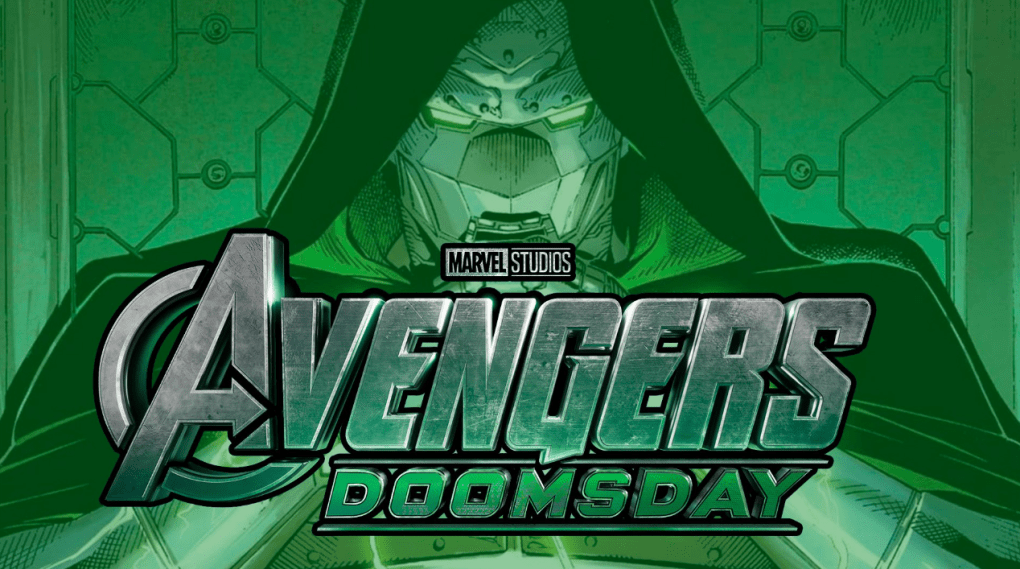
Earth’s Mightiest Heroes will look a lot different in Avengers: Doomsday. Sam Wilson’s Avengers, Bucky and Yelena’s New Avengers, and Earth-828’s Fantastic Four will join forces to take on one of Marvel’s greatest villains, Doctor Doom. Nuff said.
Okay. I will add that this major Marvel crossover film has seen plenty of snags, but that’s to be expected, especially after the unexpected firing of Jonathan Majors’s Kang as the central villain. Doctor Doom is the best possible alternative. This accelerated the Fantastic Four’s timeline, but Fantastic Four: First Steps did a great job of introducing Marvel’s first family to the MCU. Dozens, if not hundreds, of cameos are scheduled for Avengers: Doomsday.
Avengers: Doomsday should set the MCU ablaze. The events of Avengers: Doomsday will play directly into what happens during Avengers: Secret Wars, and after Avengers: Secret Wars, the MCU will receive a “reset.” Who knows what the MCU will look like after Avengers: Secret Wars?
That’s all we have for our MCU 2026 Preview. Which MCU project are you most excited for? Let us know in the comments. Thank you for reading, and wherever you are, I hope you’re having a great day.
Happy Sunday, Geekly Gang! Kyra Kyle here with another week of Geek News. We have more video game and board game releases to discuss, but first, let’s discuss another angle of the MCU’s future. The Spider-Man license between Sony and Marvel/Disney may soon change.
Rumors of a New Spider-Man License Deal
Almost three decades have passed since Marvel Comics sold the movie rights to Spider-Man and other characters within Spider-Man’s universe (Venom, Carnage, Kraven, and others). Since the deal, Sony has done what it can to hold onto every character it can. The last couple of years we’ve seen Madame Web, Kraven, Morbius, and Venom: The Last Dance release to less than stellar responses. Let’s be real. Most of those movies stunk. I don’t blame any actor, director, or anyone else involved in those movies for their quality or for being involved in those movies. Some of them— like the Venom movies — made money, but audiences and critics didn’t rate them highly. But change could be in the air. According to trusted industry insider DanielRPK, Sony’s Spider-Man embargo may soon come to an end.
Why is Sony open to a new deal? We don’t know for certain. The aforementioned Venom: The Last Dance concluded the Spider-Man Villain movie franchise. Even if Sony chose to relaunch, reboot, or rework the franchise, Venom actor Tom Hardy has retired from the role, and Venom was the franchise’s biggest box office draw. Then, there’s the news that the Black Cat solo film has been cancelled, and the fact that Sony has begun cancelling films within the Spider-Man Villain movie franchise raises red flags.
According to Nerd Tower (via Twitter/X), Black Cat has been in production since at least 2021. Here’s what Nerd Tower recently shared: “There was a Black Cat movie in production, I saw storyboards and in a specific sequence, she was dressed as a goth at a costume party, cries in the bathroom, smears her makeup and makes the ‘mask,’ BAMMMM Black Cat ready for action. It was awful.”
True. That origin for Felicia Hardy/Black Cat sounds awful. But it’s not the worst storyline Sony’s Spider-Man Villain movie franchise has released. The less said about Madame Web, the better. Change must be on the horizon if Sony heard a movie pitch they didn’t like for Spider-Man or his villains. We don’t yet know what this means for the MCU’s Spider-Man or if a deal will happen with enough time for it to affect Spider-Man: Brand New Day. Negotiations between Sony and Marvel/Disney are ongoing and predate Spider-Man: Brand New Day’s development. There’s a chance we could see Venom, Carnage, Kraven, or the Sinister Six in the MCU.
But I wouldn’t hold my breath. Unless a deal occurred under the table, the best Spider-Man: Brand New Day could do is hint at the Spider-Man Villain movie franchise characters joining the MCU. But the next Spider-Man film could feature any number of these characters. I’d love to see a Sinister Six movie.
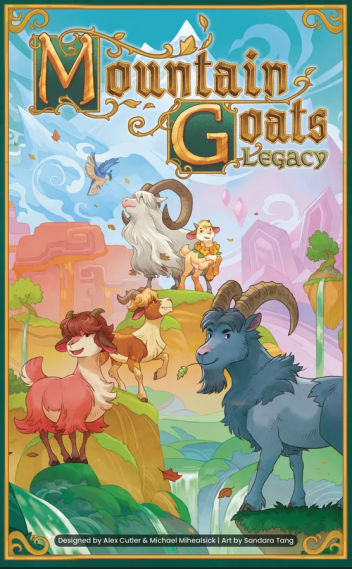
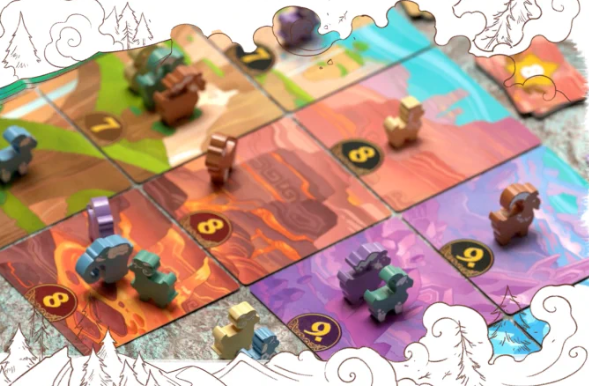
Mountain Goats: Legacy Launches on KickStarter
In Mountain Goats: Legacy, players battle each other for top spot on the mountain. Each turn, roll and combine dice to race up the mountain. Get to the top to score, but don’t get knocked off! If you roll the goat symbol, activate new abilities—powers that rotate every mission. As your story progresses, you’ll unlock even more powerful abilities and face tougher challenges. The mountain itself might even transform beneath your feet.
I’ve never played the original Mountain Goats, but I’ve heard great things. I’m unsure how Mountain Goats lends itself to a Legacy game, a game that can be played over multiple gaming sessions, and the game changes after each session, but I’m here for it. I saw the original Mountain Goats when it was first released at Origins and have been kicking myself for not trying it out during the convention. But I didn’t get much of a chance. Gamers flooded the tables where Mountain Goats was on display. Mountain Goats: Legacy is among the highly anticipated games for 2026 on most other board review sites. You can back Mountain Goats: Legacy for $39-88. There’s even an Enchanted Ivy, a dedicated solo variant of Mountain Goats for $19. If you’re interested in Mountain Goats: Legacy, check out its KickStarter page.
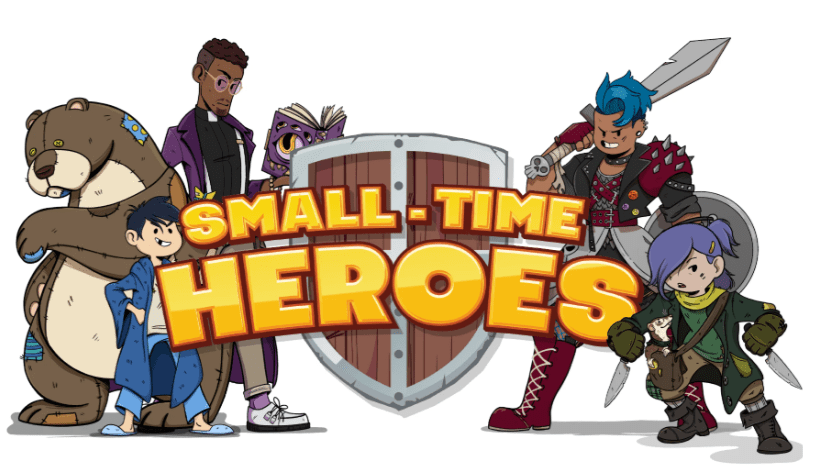
Small-Time Heroes Returns to GameFound
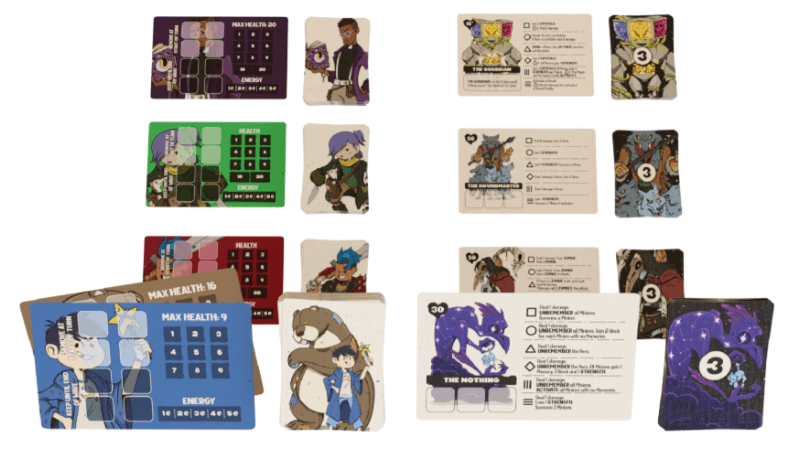
Small-Time Heroes is another title I haven’t had the chance to play yet. It’s received high marks on BoardGameGeek. In this cooperative deck builder, you’ll take on the role of one of the Small-Time Heroes and work together to defend the town. With each battle, you’ll build up your deck of cards, choosing from a variety of cards that represent your hero’s unique abilities. As your power builds, you will defeat waves of minions and end with a final boss battle. Defeat the boss before they defeat you!
I love publisher Solo Game of the Month’s mission. Produce high-quality and accessible solo board games each month. Small-Time Heroes continues this trend. The original Small-Time Heroes is available for $39, and so is its first major expansion. Small-Time Heroes’ GameFound page offers several other add-ons, too. If you’re interested in Small-Time Heroes, check out its GameFound page.
Boktor Launches on GameFound
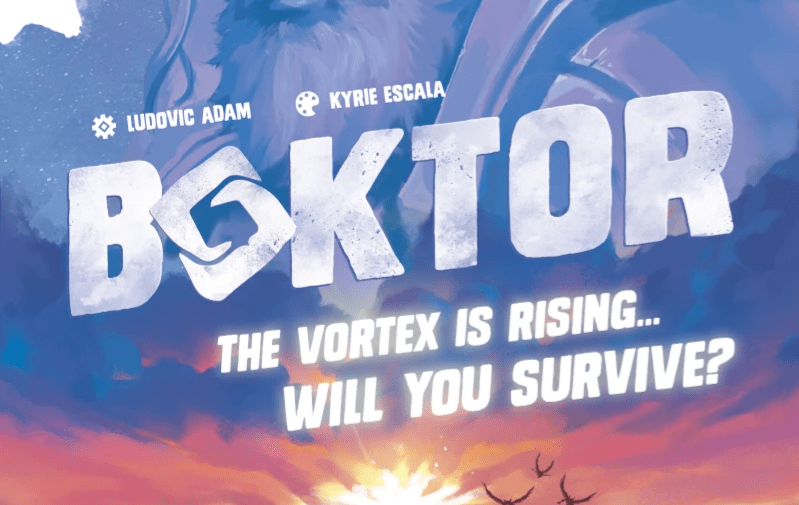
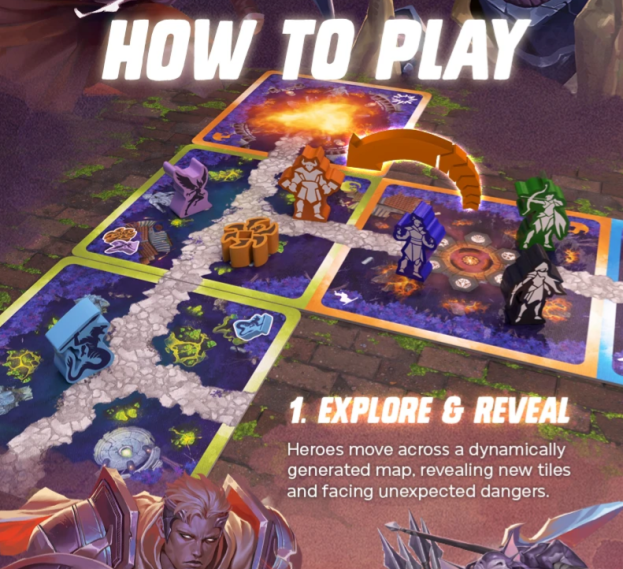
Boktor is a cooperative adventure game for 1 to 6 players, blending dungeon-crawling, tactical combat, and character progression in a world where elemental chaos threatens to consume everything. Each game is a self-contained mission in which players take on the role of legendary heroes sent to explore a dynamically generated dungeon. Their goal: survive waves of enemies, gather powerful abilities, and confront the final Tyrant before the Vortex obliterates the land. I like Boktor’s idea of quick level-ups for your heroes. Too often, dungeon-crawlers like these take too long for the leveling to happen.
I’m getting Betrayal at House on the Hill vibes from Boktor’s map, and that’s a good thing. I always liked Betrayal’s exploration, and Boktor looks to include exploration. And the biggest issue with dungeon-crawling board games is the time it takes to learn and play them. Boktor boasts a 5-minute teaching of the rules and 60-minute game sessions. If that’s true, sign me up. We don’t know Boktor’s price point as of this write-up (it will release early next week), but if you’re interested in Boktor, check out its GameFound page.
What you can’t see… doesn’t exist. Cassette Boy is a puzzle action RPG where you control the game’s perspective to change the world you see. Rotate a 2D pixel-styled 3D world, using disappearing obstacles and newly appearing paths to uncover the mystery of the vanished moon. Honestly, I knew little about Cassette Boy before researching for this post, but the premise has me hooked.
Cassette Boy’s aesthetic channel slightly beefed up GameBoy graphics, but no one’s planning on playing this indie game for its graphics. Cassette Boy’s gameplay may be one of the better puzzle action RPG conceits since Katamari Damacy. It builds its story through gameplay, and that has me stoked. And for its listed price of less than $15 dollars, Cassette Boy may be worth a look. Cassette Boy is available on PC, PlayStation 4, PlayStation 5, Xbox One, Xbox Series S/X, and Nintendo Switch.
The Legend of Heroes: Trails Beyond the Horizon Releases
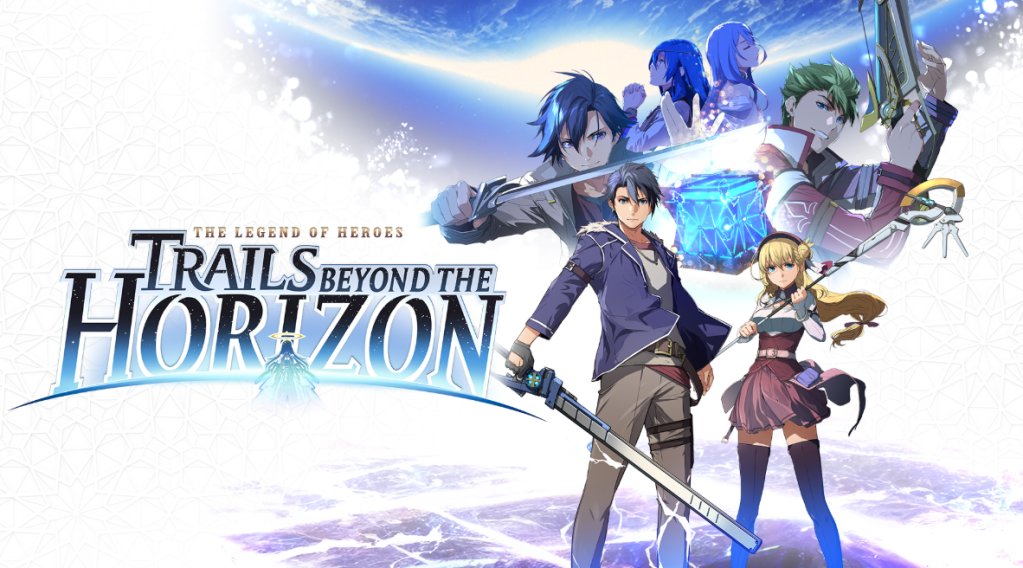
I sense a trend with the games (board games and video games) on this list. I’ve never played a game in the Trails series and have been meaning to for some time. If anyone knows where best to begin the series, let me know in the comments. The Legend of Heroes: Trails Beyond the Horizon is not only a continuation of the Trails series of video games, but it’s the direct sequel to 2022’s The Legend of Heroes: Trails Through Daybreak II. Okay. I may not begin Trails with this title, but look how pretty.
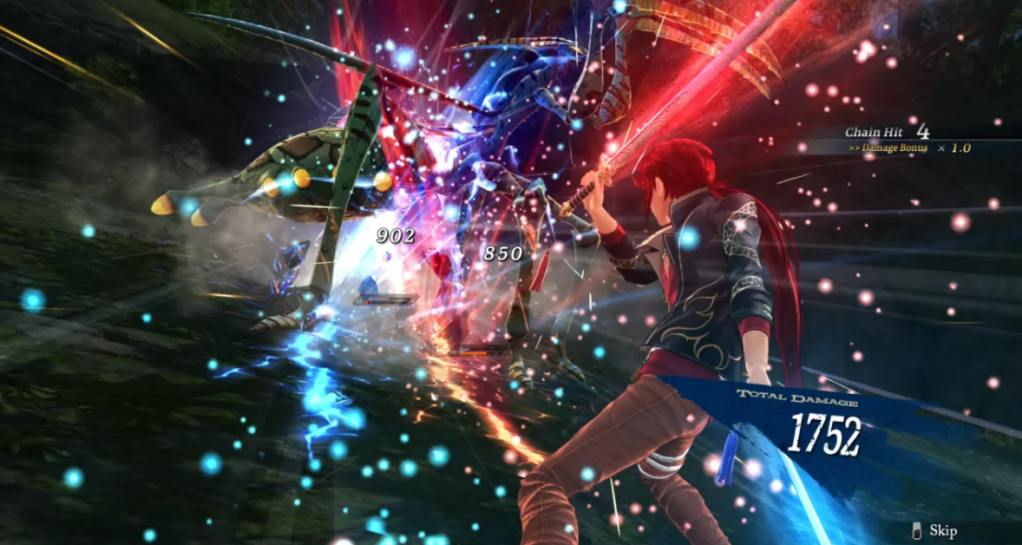
The Legend of Heroes: Trails Beyond the Horizon looks like a game I’d enjoy. It features an updated combat system–from the rest of the Trails series. Mechs play a large role. Yes, please. And the previous games from this series within the larger Trails series have received favorable reviews. The Legend of Heroes: Trails Beyond the Horizon is available on PC, PlayStation 4, PlayStation 5, Nintendo Switch, and Nintendo Switch 2.
That’s all the geek news we have for you this week. If you’ve made it this far, you’re fantabulastical. We all know it. Thank you for reading, and wherever you are, I hope you’re having a great day.
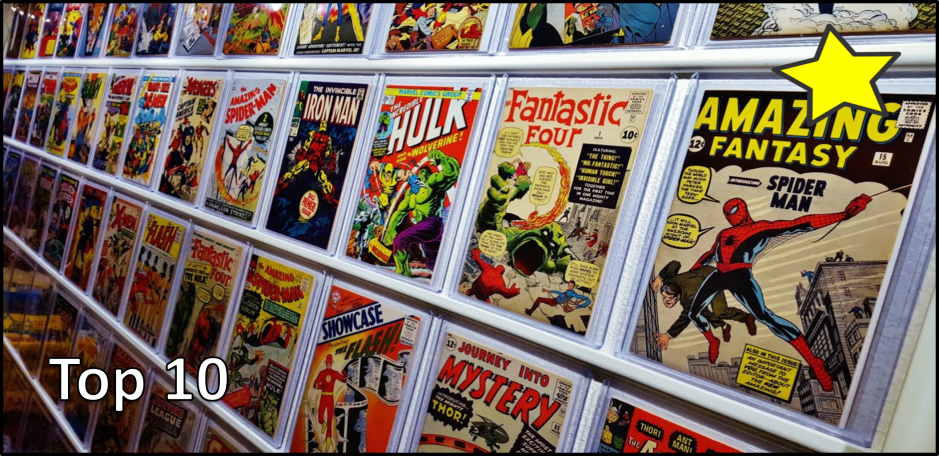
Hey, hey, Geekly Gang! Kyra Kyle here. We’ve tackled the idea of live-action television shows based on comic books over a decade ago with Top 5 Live-Action TV Shows Based on Comics. It’s a good idea to update this post. Our reasoning is three-fold: 1, it’s been long enough and more shows have been produced since 2015; we increased the number of shows on this list from five to ten; and Geekly forgot about a few shows inspired by comic books in the previous list. Whoops! Before we get into the shows, let’s set down some ground rules for this list.
1: Cultural relevance will play a role, as will the show’s overall quality.
2: Some of these shows don’t stack up in cinematic quality even with their contemporaries, but they’re outstanding just the same.
3: We’ll have to stick with one show from a franchise (or specific character) because we wouldn’t want a list that includes only Batman and Spider-Man.
Without further ado, let’s get to the top 10 live-action television shows based on comic books.
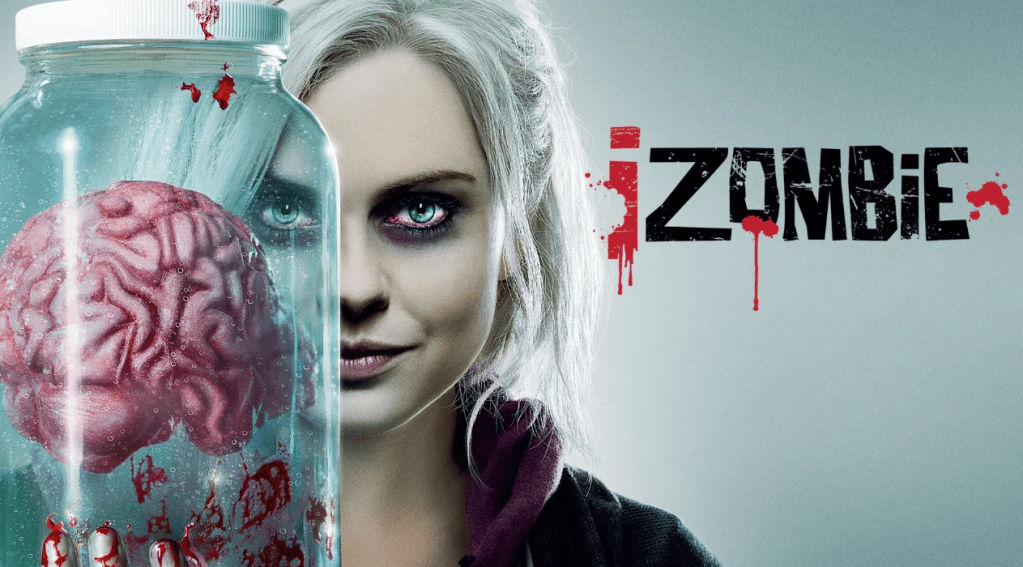
Honorable Mention 2) iZombie (2015-2019)
I’ll admit it. I have a soft spot for iZombie. Geekly covered the show when it first aired, and I like the combination of zombies and weekly detective work. Throw in some ongoing drama and a heavy dose of comedy, and you have one addictive show. iZombie won’t be too many people’s first choice for live-action television show based on a comic book, and that’s why I wanted to mention it here. It doesn’t hurt that iZombie’s intro theme, “I’m Already Dead” by Deadboy & The Elephantmen lives rent-free in my head.
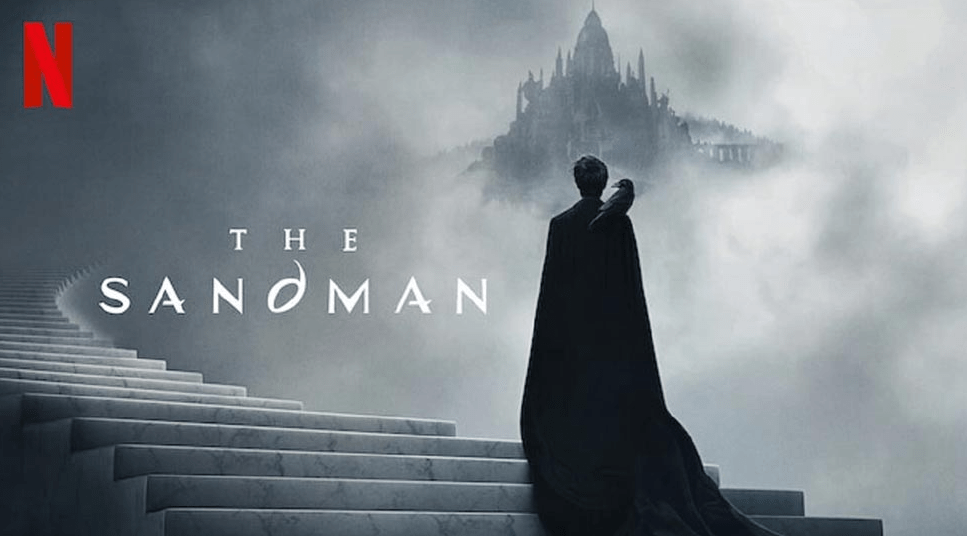
Honorable Mention 1) Sandman (2022-2025)
Sandman adapts the source material in a fresh way that also remains faithful to the comic book. Tom Sturridge does the unthinkable and captures the essence of Dream. Kirby makes a great Death. Mason Alexander Park is Desire. I could go on. Sandman has a stellar cast, but it misses our list for a couple of reasons. 1) The Netflix effect. Netflix used to be The Place for creative freedom; now, it’s a place for rehashed ideas, and any original show is likely to get canceled too soon and have little chance of another streaming platform picking up the franchise. 2) The Neil Gaiman effect. I have yet to watch Sandman’s second season because of the ick associated with Gaiman. Still, Sandman deserves a mention.
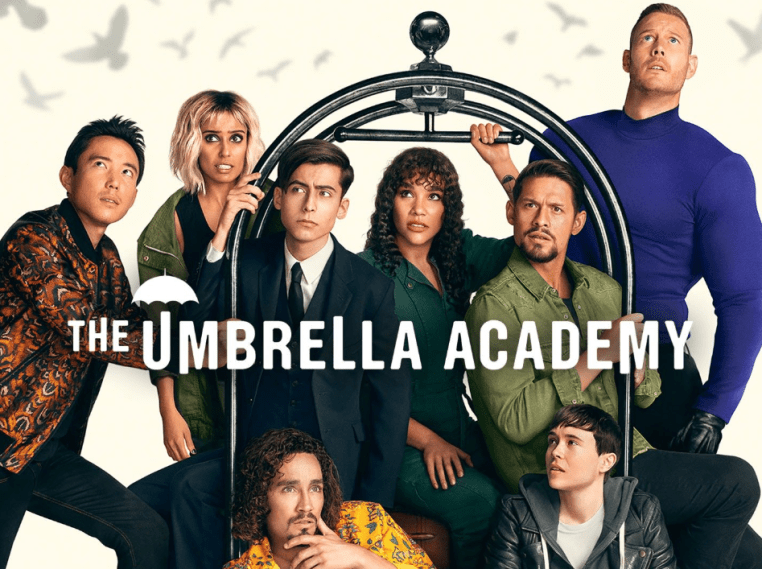
10) The Umbrella Academy (2019-2024)
The Umbrella Academy had a brilliant five-year run on Netflix. As one of the more recent entries on this list, I struggled to place it any higher on this list. The other thing going against The Umbrella Academy is that it’s a Netflix show. The Netflix effect claims another victim. Time could see The Umbrella Academy rise in the standings, because there’s a lot to love.
The Umbrella Academy blends quirky humor, bizarre storylines, balls-to-the-wall action, and pitch-perfect character development. The third season incorporated Elliot Page’s gender identity respectfully and made it work for the show’s story. It also doesn’t hurt that the show is based on the comic book of the same name by My Chemical Romance lead singer Gerard Way. That gives The Umbrella Academy an extra layer of cool.
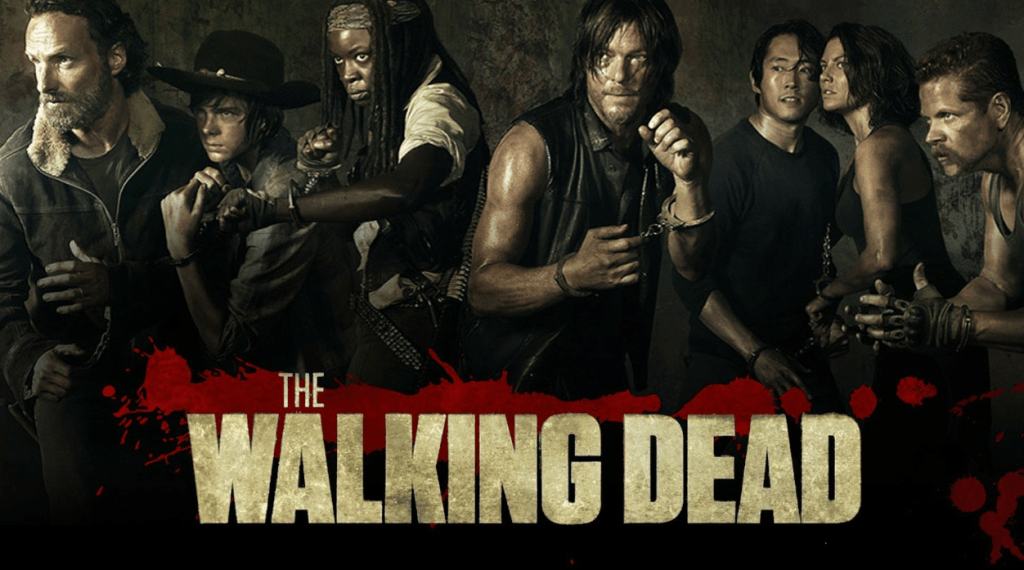
9) The Walking Dead (2010-2022)
The Walking Dead made our last list over a decade prior, but the show may have hung on for too long. Those early seasons of The Walking Dead were some of the small screen’s best. Despite any flaws, this show focused on interpersonal relationships. The drama within The Walking Dead stemmed from its human characters. And let’s face it. The Walking Dead ignited zombie-mania. You can’t take a breath without huffing on a walker.
The Walking Dead started an empire. I’ve lost track of how many spinoff series this show spawned: Fear the Walking Dead (2015-23), The Walking Dead: World Beyond (2020-21), Tales of the Walking Dead (2022), The Walking Dead: The Ones Who Live (2024), The Walking Dead: Dead City (2023-present), and The Walking Dead: Daryl Dixon (2023-present). The Walking Dead became so popular that a secondary character from the original series, Daryl Dixon, got his own spin-off. Talk about cultural relevance.
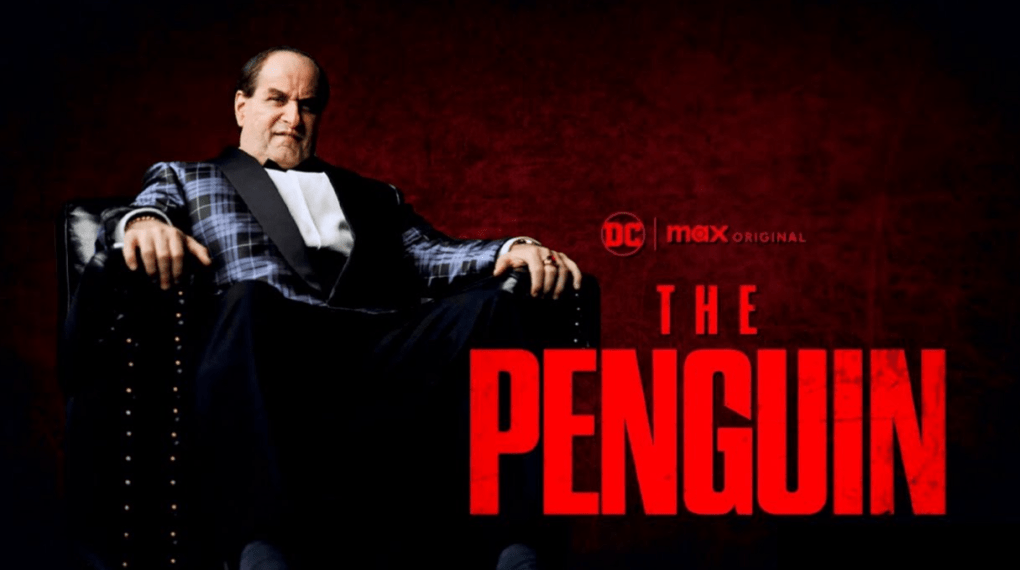
8) ThePenguin (2024)
Despite bearing the name of one of Batman’s iconic villains, ThePenguin doesn’t even feel like a television show based on a comic book. The Penguin borrows a lot from Breaking Bad and The Sopranos. Watching Oz Cobb ascend–or descend, depending on the lens you use to view his story–to mafia royalty was a joy to watch. Cristin Milioti’s turn as Sofia Falcone was excellent. Sofia Falcone (from The Long Halloween fame) was another comic book character I didn’t expect anyone to pull off well, but Milioti is fabulous in ThePenguin.
When I first learned The Penguin got greenlit, I wondered what more there was to say. Apparently, a lot. The Penguin took an interesting enough character from 2022’s The Batman and built a mythos around a character that didn’t receive enough love on the big or small screen. Penguin is one of my favorite Batman villains, and The Penguin captured a certain slimy iteration of the character. The Penguin is well worth watching.
7) Arrow (2012-2020)
Arrow is another show that stayed a little too long. It suffered the fate of many CW shows and descended into melodrama. After a season, Olicity (the shipping of Oliver Queen and Felicity Smoak) turned my stomach. But Arrow started strong. Manu Bennett may still be the definitive Slade Wilson/Deathstroke, and the “You have failed this city” and Ollie’s time on the island storylines of the first few seasons proved that a lesser DC Comics character like Green Arrow could anchor a show. Not just a show, an entire franchise. Arrow began the Arrowverse.
The Flash may have taken over as the flagship title for the Arrowverse, but Arrow led to The Flash, Supergirl, Legends of Tomorrow, Black Lightning, Batwoman, and the web series Vixen and Freedom Fighters: The Ray. I don’t know when or if I’ll return to Arrow, but I have fond memories of early Arrow seasons. And with Arrow’s cultural impact, no one can deny its place among the top 10 live-action television shows based on comic books.
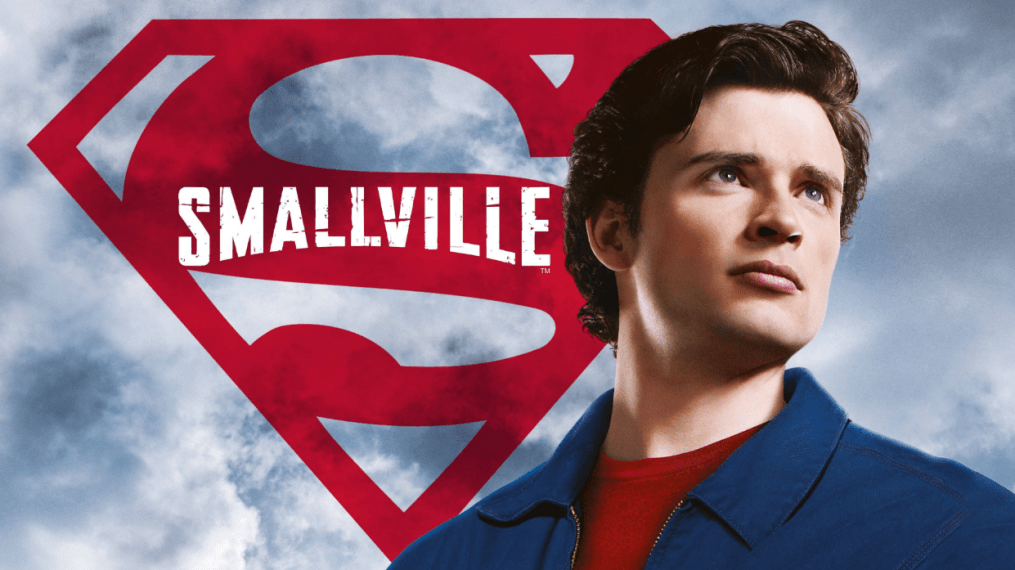
6) Smallville (2001-2011)
We go from Arrow, which spawned the Arrowverse, to Smallville, which introduced a wider audience to Green Arrow in the first place. Justin Hartley’s Green Arrow guest-starred in numerous Smallville episodes. In fact, Smallville introduced numerous DC Comics Universe characters to television viewers in the early 2000s. I’m still waiting for another actor to take on the role of Booster Gold.
Smallville’s premise wore thin for some people. The show features a Clark Kent before he becomes Superman. In fact, Smallville had the mandate “No Tights, No Flights.” Viewers had to wait a decade for Superman to make his first flight, and by that time, Smallville had seen Aquaman, Green Arrow, and even Booster Gold have a turn in full costume. Even if the “No Tights, No Flights” mandate rubbed you the wrong way, you can’t deny Smallville’s significance.
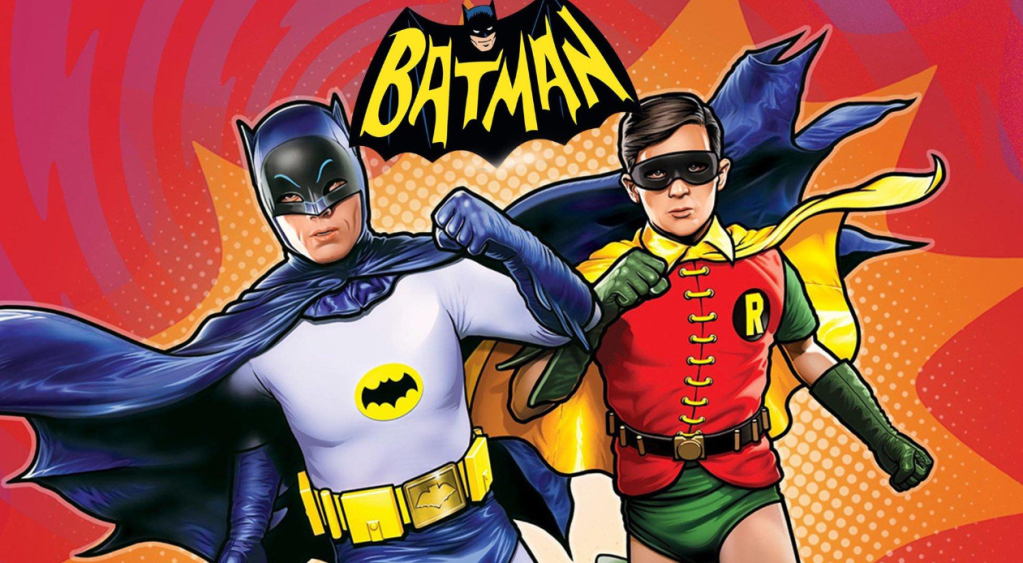
5) Batman (1966-1968)
We go way back in time for this next entry. Batman may not have aged the best, but that was never the point. Batman was pure camp. It resurrected characters in the comic book. The Riddler hadn’t been seen in a comic book since the 1950s. The 1960s Batman made The Riddler relevant. Few live-action television shows based on comic books can make that claim.
The Batman-mania of the 1960s proved there was an appetite for comic book media beyond the page. And Batman featured a lot of A-list actors. Cesar Romero, Burgess Meredith, Frank Gorshin, Vincent Price, and many others read like a who’s who of character actors. Batman rejuvenated and launched numerous acting careers. Be honest. When you saw the picture of Batman above, did you not hear Batman’s theme?
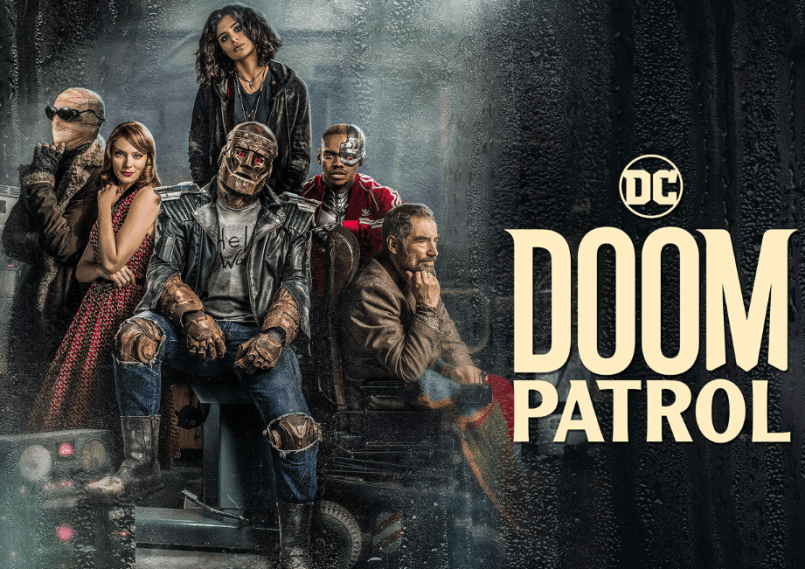
4) Doom Patrol (2019-2023)
Doom Patrol. Doom Patrol? How is Doom Patrol this high? I didn’t expect to like Doom Patrol as much as I did, but it’s easily one of the DCEU’s best projects. Doom Patrol may have released just before The Umbrella Academy, but the source material, the Doom Patrol comic book, inspired The Umbrella Academy, so that’s one of the reasons Doom Patrol makes it this high on the list.
The other reason is Doom Patrol resurrected Brendan Fraser’s career. Fraser’s turn as Cliff Steele/Robotman was fantastic. Fraser’s final scene in Doom Patrol never fails to turn on the waterworks. I bawl every time I watch it. The rest of Doom Patrol’s cast is top-notch. I like Matt Bomer in most things, and Timothy Dalton is an acting legend. But I need to give Diane Guerrero’s performance as Crazy Jane some praise. It may be a low bar, but Crazy Jane may be the best representation of dissociative identity disorder I’ve seen in a television show or movie. And I hope Joivan Wade gets another chance to portray Victor Stone/Cyborg. He was another stand-out. Everyone was. I liked April Bowlby’s portrayal of Rita Farr/Elasti-Woman. Doom Patrol is one of the few shows on this list that I’ll happily rewatch.
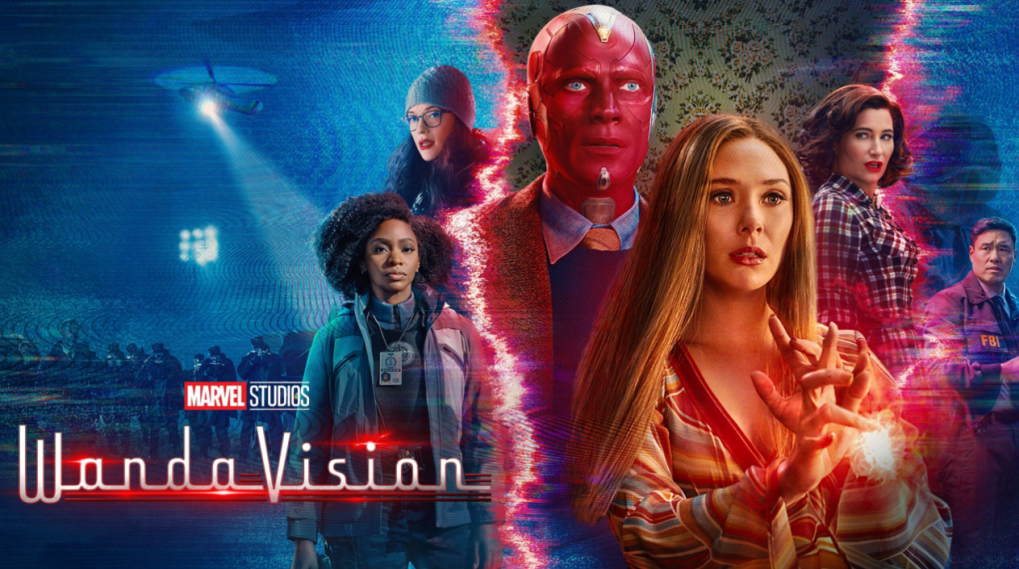
3) WandaVision (2021)
Marvel’s Disney+ shows had so much promise after they leapt off the screen with WandaVision. Sure, WandaVision is a continuation of the MCU, but the exploration of Wanda Maximoff’s mental state can’t be overstated. Kathryn Hahn had a star turn as Agnes/Agatha, and the rest of the cast was a joy. WandaVision is another show I’ll rewatch. Its use of sitcoms through the decades felt organic; it was more than nostalgia.
But there were plenty of call-outs to sitcoms and MCU properties. Evan Peters, pseudo-reprising his role as Pietro Maximoff was a nice touch. WandaVision did the source material proud. Hints of House of M (comic books) lead into Vision Quest (also from the comics), which will become another WandaVision spinoff Disney+ series. Vision Quest will mark two spinoffs to date. The first was Agatha All Along. I cringe at Wanda’s descent into madness, but I can’t look away.
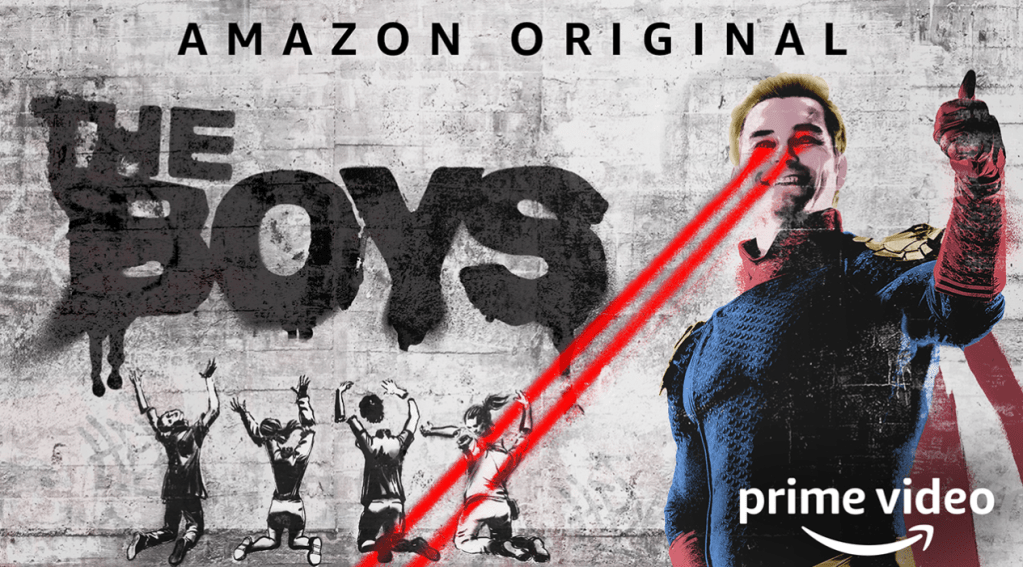
2) The Boys (2019-present)
The Boys is the rare television show that’s better than its source material. The Boys comic book was okay. A bit gory and over-the-top, but okay, and let’s not get this twisted, the original comic book was written at the height of the Bush Administration, and it shows. The world has changed. The Boys television show adapted with it. And despite that, The Boys didn’t lose sight of what made the original comic book fun. That and Homelander scares the poop out of me. Seriously, Antony Starr’s Homelander haunts my dreams.
Writing on The Boys strikes a delicate balance of mixing over-the-top violence, black humor, deft plots, and character work. The Boys can be a big, dumb superhero show, but it also be a nuanced look at humanity and how we deal with trauma.
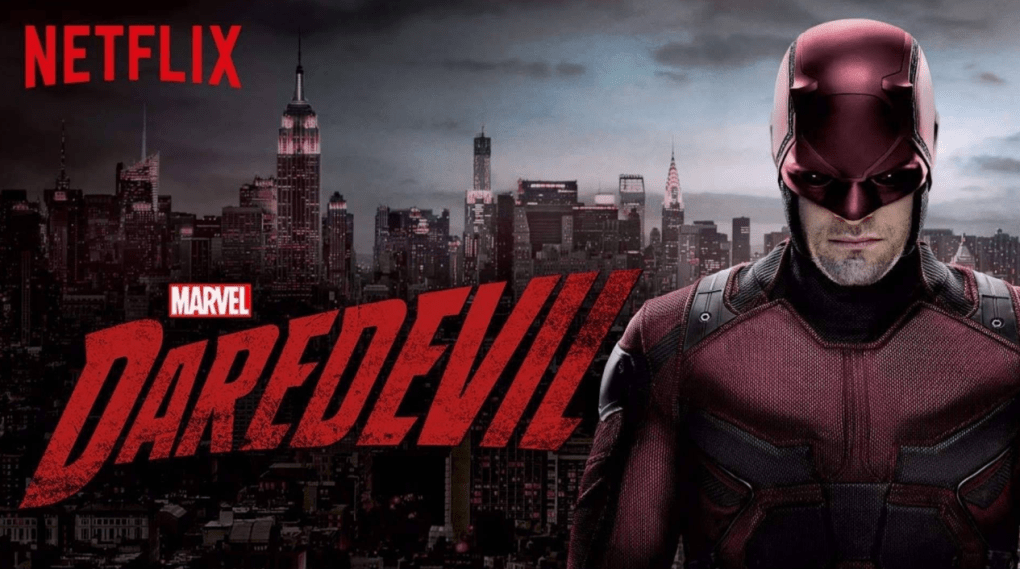
1) Daredevil (2015-2018)
Daredevil rises above the Netflix effect to claim the top spot. I can’t believe it, but Daredevil hadn’t yet released its first episode when we posted our original Top 5 Live-Action Comic Book Shows. My goodness, Geekly’s been around for some time. Daredevil claims the top spot in part because it’s been revived and will resurrect other Netflix Marvel shows with it on Disney+, like Punisher, Jessica Jones, and Luke Cage. Except for a few moments, Daredevil’s writing was on point. Charlie Cox embodied the role so much that I can’t see anyone else portraying Daredevil. And the action sequences and filmography made me feel every punch through the screen. I’ve never felt that before or since Daredevil.
And Daredevil showcased some amazing acting. Cox’s Daredevil was fabulous, while Vincent D’Onofrio was menacing. You know what? I can’t see anyone else portraying Kingpin other than D’Onofrio. Woll’s Karen Page and Henson’s Foggy Nelson rounded out a stellar main cast. And just when I’d think Daredevil would take too many leaps by adding Bernthal’s Punisher or Yung’s Elektra or Bethel’s Bullseye, the actors would turn in character-defining performances. There’s a reason why Daredevil: Born Again was 2025’s most anticipated comic book series. It had some huge shoes to fill.
That’s our list of the top 10 live-action television shows based on comic books. I’m sure yours differs from ours. Let us know which shows you’d add or take away from this list. Thank you for reading, and wherever you are, I hope you’re having a great day.
Happy Sunday, Geekly Gang! Kyra Kyle here with the first Geekly News of the year. The year is still ramping up, so we only have a few new releases. We’ll get to the new board games and video games, but first, let’s check in with the MCU and the upcoming Mutant Saga. There’s a lot to discuss.
MCU Reveals Its Blueprint for The X-Men
We’ve been radio silent about the MCU for a while, not because the MCU had few updates, but because those updates didn’t feel large enough. Black Panther had a recasting rumor. We still don’t know for sure if Shuri (Letitia Wright) will remain as the Black Panther beyond Avengers: Doomsday. Heck, a new Black Panther could reveal themselves during the next Avengers film. Ryan Reynolds is working on a new Deadpool or Deadpool and Wolverine movie. Hugh Jackman will return as Wolverine for at least the next Deadpool film and potentially a new Wolverine solo film. But the biggest MCU news may be Marvel’s direction for the X-Men.
According to trusted industry insider Daniel RPK, Marvel will release solo projects for the core X-Men members, leading up to an X-Men team movie. Marvel wants to avoid the errors they made during the Multiverse Saga. Going back to what made people care about the Avengers during the MCU Phase One is a step in the right direction. Unlike Avengers actors (who were in their forties and fifties), Marvel intends to cast younger actors in X-Men roles, even a younger Wolverine. Speaking of Wolverine, rumors suggest he won’t be included in the first X-Men film. That may be for the best.
We still don’t know how Marvel plans to introduce the upcoming X-Men characters. My guess is that we may see more Marvel Studios Special Presentations. Disney/Marvel will want to cash in on The X-Men as soon as they can, and some sources suggest the first MCU X-Men film will release a year or two after Avengers: Secret Wars. That doesn’t leave the studio too much time to introduce these characters. Several 1-hour specials could help.
And speaking of Marvel Studios Special Presentations, the Punisher Special will build off of the second season of Daredevil: Born Again and should also tie into Spider-Man: Brand New Day. This news, added with the rumors of upcoming X-Men character solo projects, makes it appear that the MCU may require viewers to–once again–do some small homework in preparation for upcoming movies and shows. I’m torn. I’ve liked the MCU’s recent trend of not requiring a lot of homework ahead of watching a movie or show. On the other hand, I’d love to see more Special Presentations. And there was a time when Marvel fans didn’t mind doing a little homework. Hopefully, the X-Men will find a good balance.
Yokai Forest Duel Launches on Gamefound
Bring on the games. Two to eight players face off in fast-paced tournaments or league-style matchups. Outsmart your rivals through clever strategy, deduction & bluffing with mind games as you fight for victory in intense best-of-three duels. Be careful though: investing too much time in your current match and your opponent might crush you before you even reach the finals.
Yokai Forest Duel’s concept reminds me of a character-driven version of Challengers!, and if that’s the case, Yokai Forest Duel will be loads of fun. Godot Games claims Yokai Forest Duel can be learned in under three minutes but offers plenty of strategic choices. Again, this reminds me of Challengers!. Yay! The artwork and game graphics differ, and so does the fact that players assume the role of a specific character. I don’t know how any of the characters work, but Yokai Forest Duel features eight different 80-card decks. Yokai Forest Duel’s pledges range from $27 to $74. If you’re interested in Yokai Forest Duel, check out its Gamefound page.
The Last in the Woods Launches on GameFound
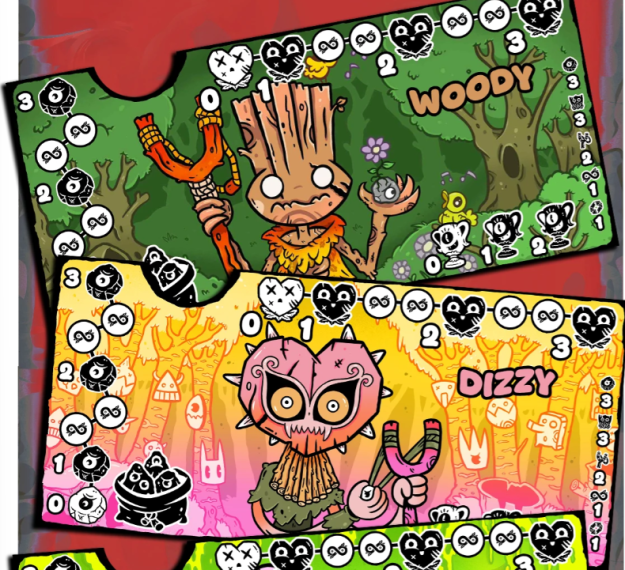
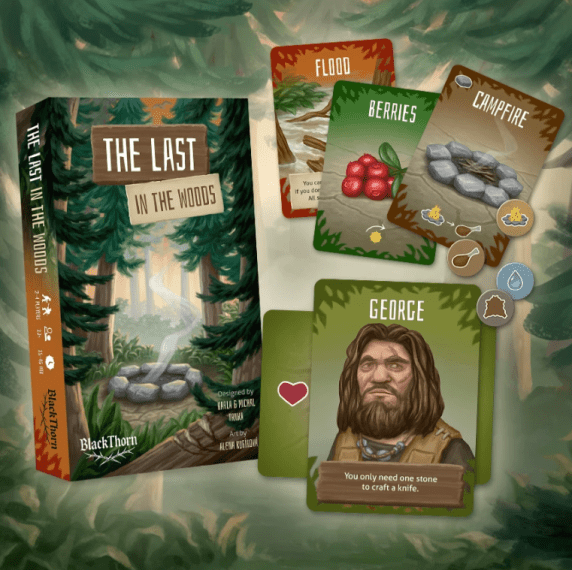
Forget comfort. The Last in the Woods is about survival. You’ll have no safety net. As the game’s name suggests, you’re handed a few tools, and you compete against the other players to be the last in the woods. I’m unsure if The Last in the Woods includes direct player versus player combat. Typically, I don’t care for direct combat between players. But I love the idea of a competitive survival game, and if that involves a little PVP combat, I’m all for it.
Variable player powers (like the one for George, who only needs one stone to craft a knife, pictured above) should give The Last in the Woods a little spice. But this isn’t the only element The Last in the Woods uses to shake up the gameplay of each game. Random events and equipment allow for diverse strategies during each playthrough. As of writing this post, The Last in the Woods hasn’t listed their pledge rates. I can’t imagine the game costing more than $40. It could cost as little as $20. We’ll see. If you’re interested in The Last in the Woods, check out its GameFound page.
Code Violet Releases on PlayStation 5
During Code Violet, players uncover the secrets of the Aion colony, who use time travel technology to kidnap women in the past. These women are then used as surrogate mothers in an attempt to save humanity from destruction. I love this hook. Code Violet combines story elements of Children of Men and The Handmaid’s Tale with a time-travel twist. Excellent! Add in the fact that Code Violet is a third-person action-horror game and the spiritual successor to Dino Crisis, and Code Violet may be a PlayStation 5 title to place on your radar.
And that’s a great thing because Code Violet is our only new video game release for this week. I wasn’t kidding when I mentioned 2026 hasn’t yet fully launched. Plenty of great board games and video games are on the horizon. We just may need to wait another week or two. Or even a month or two.
That’s all the geek news we have for you this week. Which MCU project are you the most excited for? Let us know in the comments. Thank you for reading, and wherever you are, I hope you’re having a great day.










 jkgeekly.com