Hey, hey! Kyra Kyle here. Geekly plans to do individual personal updates on the fifth Wednesday of each month (not every month has a fifth Wednesday; this happens about once a quarter). This particular post is mine. Hey! How are you? I’ve been keeping busy for the last several months. With Geekly finding its groove, I’ve been able to switch to other endeavors.
Kyra’s Writing
My first novel is a part family epic, part fictionalized war memoir titled Crooked as a Dogwood. I continue to submit Crooked as a Dogwood to literary agents. I’m on a path to 100 rejections, and then I plan to submit to small publishers. In the meantime, I’m editing a second novel based on events after Rustbucket Riots, the title of one of my board games in progress. I may be submitting the Rustbucket Riots novel before I reach my 100 rejections for Crooked. And I’m not stopping there, I’m writing fiction, essays, and poetry most days. I have enough for a collection or two, and there’s a third novel in progress.
Hopefully, one of these titles will get picked up, and that could help out with the others. Even if it doesn’t, I’m enjoying the ride, just like the one with my board games.
Kyra’s Game Designs
As I mentioned a few times, I attended Protospiel Kansas City earlier this month. The convention was a good time. Spending time with like-minded people is always fun, but the newly established United States tariffs hung like a cloud over the con. I’ve mentioned the tariff’s negative effect on board game companies at length. Several small board game companies have banded together in a lawsuit against President Trump. And that’s what most people discussed during Protospiel. The future is uncertain.
But what is certain is that I’m going forward with small game designs (Whirligig Pets, Spill the Beans, No Jack, and Wildflowers) and one larger design, Rustbucket Riots. The four smaller designs should be ready to present before the end of summer, with Rustbucket Riots not far behind. I’d prefer to go with a publisher, especially with the uncertainty of tariffs, but Geekly could be in the publishing business (both books and games) in the not-so-distant future.
So, I’ve been keeping busy. I have a roadmap for writing and game design, but it’s okay if plans change. I’m willing to go with the flow. That’s all I have for now. I’ll hand the post over to Season and Skye, so you can see what they’ve been doing.
Season
Hey, Geekly Gang! I hope everyone had a fantastic April. I’m graduating with my BFA in Creative Writing this May. Yay! I’ve been busy with classwork and work work. I work full time and, even though I have one class, my schedule’s been packed with my final portfolio, ordering my cap and gown, a capstone presentation, etc. Phew!
I’m taking a break from major projects for Geekly for a couple of months while I get everything sorted. I’ll still be working behind the scenes on the editing side of things during that time and I’ll be participating in Wednesday posts. Don’t worry. Video Game Cult Classics aren’t going away. I’ll keep up with them regularly once my schedule stabilizes.
That’s all I’ve got for this update. See you next time. What have you been doing, Skye?
Skye
Hello, Geekly Fam! I’ve come to tell you about what’s been going on in my life this past month. Wait, I have a life outside of blogging? Surprisingly, yes. Science still can’t explain it. Here are some noteworthy moments I can tell y’all about.
I had a life-changing medical procedure at the end of last month. Don’t worry. I’m not sick, I’m just trans. To be clear, this medical procedure isn’t the one you’re thinking about. That one comes later. Despite not being the epic leap forward I hoped for, I’m still delighted with how it turned out. For two weeks, I was bedroom-bound, but now I’m feeling better and more active.
In fact, I’m so active that I’ll be switching jobs. I’ll still be blogging, but my day job is changing. A Barnes & Noble opened this month closer to where I live. I was dissatisfied with my previous job and decided to seize the opportunity. Nothing has been decided yet, but I have been invited to an interview. I’m excited! Fingers crossed.
Those are the major developments. Hopefully, plenty of big things will happen over the next three months when we do another one of these updates. Thanks for reading, and I’ll try to give y’all all the juicy Skye goss I can. 😉
Thunderbolts* releases this week with a new cast of characters. Some of the characters we’ll see in the upcoming film have been members of one of the various incarnations of the group. Others are new faces. The Thunderbolts team has seen plenty of new faces since its inception in 1997, so begs the question, Which Thunderbolts rosters are the best?
Hey, hey! Kyra Kyle here. We’re doing something different with today’s Top 5 in comics. As of this post, there have been thirteen iterations of Marvel’s Thunderbolts. With that many rosters to choose from, which rosters have had the best storylines? We intend to cover that with today’s list. Buckle up. These are the top five Thunderbolts rosters.
5: New Thunderbolts
First Appearance: New Thunderbolts (Vol 1) #1; written by Fabian Nicieza & Kurt Busiek; art by Tom Grummett (2005-2006)
Notable Members
MACH-IV
Songbird
Atlas
Donnie Gill/Blizzard II
Radioactive Man
Joystick
Speed Demon
Andreas von Strucker/Swordsman II
Genis-Vell/Photon
Marvel launched New Thunderbolts in the wake of the Thunderbolts’ first era. Original Thunderbolt Abe Jenkins reformed his ways as The Beetle and became MACH-I. Jenkins made a new suit for himself, becoming MACH-IV, and wanted to give other villains the same chance and reformed the new Thunderbolts. MACH-IV’s New Thunderbolts earned the respect of the Avengers.
The New Thunderbolts stopped Purple Man from enslaving New York City by drugging the water supply with his pheromones, the same ones that allow him to control his victims. Before the team could interrogate the Purple Man, he was teleported away by his boss, Baron Zemo. Zemo would eventually take control of the New Thunderbolts. The New Thunderbolts would lose their chance at redemption and became an army of villains used against Captain America’s Secret Avengers during Civil War.
Ultimately, New Thunderbolts was a solid iteration of the team. I always liked the basic Thunderbolts premise of supervillains pretending to be superheroes but ending up adopting the roles of heroes. Thunderbolts prove that no one’s beyond redemption.
Unless Baron Zemo’s in town. He loves to play the role of spoiler.
4: Luke Cage’s Thunderbolts
First Appearance: Thunderbolts (Vol 1) #144; written by Jeff Parker; art by Kev Walker (2010-2012)
In the years before Luke Cage assumed control of a new Thunderbolts team, the Thunderbolts had a run of horrible leadership, notably Norman Osborn. The team had become villainous. Captain America himself tasked Luke Cage to front a new Thunderbolts team, and this started a great run of comics. The team repurposes the heavily fortified superprison known as The Raft and uses Man-Thing as a form of transportation.
Luke Cage’s Thunderbolts are one of the odder iterations of the team. This team has a long time, too. At one point, the team splits off to become two separate groups. The Thunderbolts serviced the Americas, while the “Underbolts” had a European jurisdiction. These Underbolts get lost in time, specifically the World War II era, and pass themselves off as the American Thunderbolts, fighting beside Captain America (pre-frozen) and Namor. The team continues its fight with the Nazis and Human Torch androids that were created by Baron Heinrich Zemo (the current Baron Zemo’s father). Yes. Luke Cage’s Thunderbolts’ stories got wild.
3: Norman Osborn’s Thunderbolts
First Appearance: Thunderbolts (Vol 1) #110; written by Warren Ellis; art by Mike Deodato Jr. (2006)
Notable Members
Songbird
Moonstone
Swordsman
Radioactive Man
Mac Gargan/Venom
Bullseye
Robbie Baldwin/Penance
Yep. Norman Osborn may have been a horrible Thunderbolts leader, but his complicated leadership led to some great theater.
Osborn’s Thunderbolts occurred after Marvel Comics’ Civil War event. These new Thunderbolts were tasked with tracking down and arresting individuals avoiding the Superhuman Registration Act. This Superhuman Registration Act appeared in the MCU and sparked a similar story of the same name Civil War. Just imagine Norman Osborn, struggling with his Green Goblin persona, leading a team of villains to track down any superhero he dared not to register.
Times got rough, to say the least. This Thunderbolts team would lead Osborn to create his first Dark Avengers roster.
2: Red Hulk’s Thunderbolts
First Appearance: Thunderbolts (Vol 2) #1; written by Daniel Way; art by Steve Dillon (2013)
Notable Members
Red Hulk
Agent Venom
Punisher
Elektra
Deadpool
Red Leader
Mercy
Red Hulk’s Thunderbolts happened on the heels of Luke Cage’s. The government disbanded the Thunderbolts program, but General Thaddeus “Thunderbolt” Ross (Red Hulk) formed his team of anti-heroes. This new Thunderbolts served as a covert super-powered strike team. This sounds like the team’s premise in the upcoming Thunderbolts*.
Red Hulk’s Thunderbolts had a short but memorable run. Even the small moments are great. My favorite was when Deadpool’s name gets pulled for a mission, and he wants to kidnap actor Ryan Reynolds. Ha! At the time of this moment’s publication, Ryan Reynolds had not yet redeemed himself as Deadpool—way to go, Thunderbolts.
Getting back to the larger storylines. Ross started with former Code Red mercenaries and began adding a few villains. It’s this addition of villains that led to the team’s downfall. The team tracks down Doctor Faustus. The Punisher wants to kill Faustus for murdering high school children. Instead, Red Hulk recruits Faustus to join the Thunderbolts. The Punisher leaves the team and then takes them down. Womp, womp.
1: Original Thunderbolts
First Appearance: Thunderbolts (Vol 1) #1; written by Kurt Busiek; art by Mark Bagley (1997-2000)
Notable Members
Baron Zemo/Citizen V
Moonstone/Meteorite
Fixer/Techno
Beetle/MACH-1
Goliath/Atlas
Screaming Mimi/Songbird
The original is often the best. The original Thunderbolts introduced the idea of supervillains pretending to be superheroes (to gain access to their foes) and then liking the recognition and feeling good about doing good deeds. This differs from the Suicide Squad. Suicide Squad villains are looking for reduced sentences or perks in their prison accommodations. Except for their founding member Baron Zemo and one or two others, the Thunderbolts genuinely wanted to reform.
I also love the Thunderbolts’ reveal at the end of the first issue. This scene is iconic.
Did we get the list right? Let us know which Thunderbolts teams you would add or remove in the comments. Thank you for reading and wherever you are, I hope you’re having a great day.
Hey, hey, Geekly Gang! Kyra Kyle here. It’s another Sunday, so we have another week of Geek News. There is plenty of tariff news and updates, but we talk about that a lot. Let’s sandwich those stories with more cheerful news.
Thunderbolts* Fan Screenings
Thunderbolts* becomes the first MCU movie in history to receive advanced screenings for fans. Typically, advanced screenings are reserved for critics, who must sign a non-disclosure agreement and a gag order preventing them from leaking any information about the movie. Advance movie screenings are meant for critics to form an opinion and write a review in advance of the movie’s release. Those reviews will feature zingers the studio can use in future trailers and teasers. But Thunderbolts*’ advanced screening includes fans. Fans don’t care about a gag order.
In fact, the MCU may be banking on fans talking, generating word-of-mouth buzz. It takes a week or so for word-of-mouth to take effect. Thunderbolts* dropping advanced screenings with fans will accelerate this effect. But be careful on the internet. Thunderbolts* may become the MCU movie with the most spoilers.
Geekly has no idea what this development means for the MCU or the Thunderbolts* movie. Will this become the norm? Is Marvel so confident about Thunderbolts* that they’re comfortable with whatever fans will say? Who knows? I will say that heading into this year’s slate of films, Thunderbolts* had me intrigued. Thunderbolts* wasn’t one of the MCU’s make-or-break 2025 titles, but in our 2025 MCU Preview, I listed it as a potential sleeper hit.
Nintendo Switch 2 Pre-Order Wave One Ends
On Thursday, April 24, 2025, Nintendo opened United States pre-orders for its latest hybrid game console, the Switch 2. Pre-orders continued until the order quota was reached. Taking current United States trade policies into consideration, the order quota was based on how many copies the video game company thought would yield the best results.
The Switch 2’s United States pre-order wave one lasted less than one day. Customers who were able to buy a copy won’t receive their systems until June 2025. Don’t worry if you weren’t one of the lucky few who snagged a copy. Nintendo intends to run another Switch 2 pre-order within another eight months (in time for the holidays), when the company believes it can turn a profit by sending systems to the United States. Unfortunately, staged releases for the United States are the new normal.
Rising shipping costs and tariffs have caused tech companies like Nintendo to re-evaluate their business with United States customers. This has become an issue with other business types; Geekly covers geek culture, so we’re interested in video games and board games. We’ll have more on board games in the next segment. Getting back to the Switch 2, most of Geekly’s statistics are derived from an interview with a GameStop manager. I live in the greater Omaha area, and according to the GameStop manager, the Midwest quad-state region (Nebraska, Iowa, Kansas, and Missouri) received 2,000 total Nintendo Switch 2 systems. That is 2,000 Switch 2s for a population of over 14 million. Granted, most of the 14 million people living in those four states have no desire to purchase a Switch 2 at this time, but Wal-Mart overordered and had to issue tens of thousands of refunds in the Midwest quad-state region alone.
Geekly will keep you posted on when the next waves of United States Switch 2 pre-orders will occur. Good luck to all of you who want a copy. We’ll also give updates on any new developments. Hopefully, there will be a resolution to the United States’ trade war soon.
Board Game Company Madness
We’ve discussed board game companies and the effect rising tariffs have had on them in the past; this will be a quick update. Final Frontier Games and Boardlandia have closed their doors. Greater Than Games and CMON Games have suspended all future crowdfunding campaigns and board games under development, and laid off countless employees until a viable manufacturing/shipping option becomes available. Small board game publisher, Rookie Mage Games, joined forces with three other indie board game companies in suing President Trump over his new tariffs.
According to Jordan McLaughlin, founder of Rookie Mage Games (via The Columbus Dispatch), “I will not stand by and allow my years of hard work and the hard work of many other small businesses to be ruined in a desperate political ploy for attention and ego validation.” McLaughlin continues, “Attempting to move manufacturing jobs back to the United States is a worthwhile effort. There are smart ways to do it, and there are dumb ways.” Numerous board game companies, including Stonemaier Games (producer of Wingspan and Scythe) have joined Rookie Mage Games’ lawsuit. We’ll keep you posted on this emerging story.
This War of Mine, Second Edition Launches on Gamefound
The award-winning board game adaptation of This War of Mine returns to Gamefound. This War of Mine features countless morally gray choices for players to make while they attempt to survive in a war-torn country. Since the game is fully cooperative, players share the experience and the consequences.
I love the increased number of great solo board games. Dicemancy looks interesting. It’s a tower defense game with plenty of combotastic abilities. That’s music to my ears. Players construct unique spells they think will help them ward off enemies. I like the domino-style spell cards players can stack for power-ups. Dicemancy plays quickly (about 45 minutes), has minimal setup, and doesn’t appear to take up too much table space.
Geekly has played quite a few roll-or-draft and write games (we’ve picked up a couple of great ones over the holidays), and we’ve yet to cover one. In Draft & Write Records players assume the role of a rock band manager. You’ll scout performers, crew, and producers to outperform your competition.
Hey, hey! Kyra Kyle here. We reviewed a new board game for this month (I don’t count expansions, no matter how awesome), so we’re back with another board game review. Draft & Write Records’ name derives from the mechanisms it uses. Players draft and pass cards (which represent band members and important events) and then they write down what the card they drafted said on a massive score sheet (like Yahtzee only way more dynamic). The player with the most points at the end of the game wins.
Before we get any further, we’ll take a quick break from the road and discuss Draft & Write Records’ fine print.
The Fiddly Bits
Designer: Bruno Maciel Publisher: Inside Up Games Date Released: 2024 Number of Players: 1-6 Age Range: 12 and up Setup Time: 5-10 minutes Play Time: 30-60 minutes
1) Each player takes a Band (Score) Sheet and one pencil (with regular lead).
2) Place the colored pencils within reach of all players.
3) Choose and Record your Band Name. This is optional but fun. I like having players state what they named their bands before play begins.
4) Each player selects a starting color at random and fills in the circle to the left of their band name with one of the colored pencils. Multiple players can choose the same color.
5) Set up the “Play Stack” by looking at each Play Card (gold-backed cards). You’ll find a number in the bottom right-hand corner of the card’s front. This number (if there is one) will let you know how many players are needed to use that card in the game. In a 3-player game, return the cards with 4+, 5+, and 6 indicators to the box.
6) Shuffle the remaining Play Cards to form the “Play Stack.”
7) Shuffle all the Goal Cards (blue-backed cards) and place them in the middle of the table to create the “Goal Stack.”
8) From the Goal Stack, draw and place the top four cards faceup to the right of the Goal Stack to create a line of publicly available Goals.
9) Then, deal two cards from the Goal Stack to each player. Each player selects one card to keep as their personal goal, placing it facedown near their Band Sheet, and the remaining cards are shuffled back into the Goal Stack.
10) Get ready to ROCK!
Game Flow
Each round of Draft and Write Records is divided into two phases: the Week Phase and the Weekend Phase.
Week Phase
During the Week Phase, players draft cards to take actions on their Band Sheet. At the beginning of this phase, deal each player five cards from the Play Stack (the gold-backed cards). Players will select one of these cards and pass the remaining cards to the next player. Each round, the direction players pass their cards changes (to the left, then to the right, and so forth).
During the “Week,” each player will draft four cards in total and discard the last remaining card to their personal discard pile next to their Band Sheet.
1) Players will denote which card they selected by placing the card they chose facedown next to their Band Sheet.
2) Once all players have placed a card facedown, those cards are revealed. Each player takes the action corresponding to the card they chose and records it on their Band Sheet.
We won’t go into detail about all the actions a player can take (there are a lot), but these actions will be indicated by an icon and color on the top left-hand side of each card. These symbols will match symbols found on a player’s Band Sheet.
3) Once all players have taken their action (or chain of actions if they have any), they pass the remaining cards from their hand to the next player.
4) Players repeat this process until they only have two cards remaining. They then choose one of those two cards and discard the other one.
Weekend Phase
During the weekend, players can claim publicly available Goals. If anyone can claim the Goal, they do so, marking the points on their Band Sheet and taking any additional bonuses (like Money). Multiple players can claim a publicly available Goal during a round, but as soon as even one player claims a Goal, it gets scored (by all players who accomplished it), discarded, and a new goal from the Goal Stack takes its place.
Once this is done, and if no one has triggered the end game, another Week begins.
End Game
Play continues until at least one of three end-game triggers occurs.
1) A player claims their sixth Goal.
2) A player checks their fifth Fail. (While there are Fail cards in the Play Stack, a Fail can occur if a player doesn’t or can’t play one of the cards they drafted.)
3) A player fills all 12 of their Crew posts.
After this happens, end-game scoring occurs. We won’t go into detail what these sections are. There are six sections where you can score points and then you subtract the points indicated in your Fail section. Draft and Write Records does a good job of indicating where these sections are and what they mean. The scoring section uses the same icons as the rest of the Band Sheet.
Whoever has the most points at the end of the game wins.
Review
There are many ways to score in Draft and Write Records, so many that I didn’t bother to list the ways. And while it’s easy to tell where to fill in actions on your Band Sheet as you play cards, the sheer number of ways to score can be overwhelming. You won’t have more than five cards in your hand and that helps, but early hands in a round can overload players with too many choices. Draft and Write Records is a game you’ll need to play a few times to get comfortable. Conversely, it’s this same number of scoring means that gives Draft and Write Records ample replayability.
Draft and Write Records is a joy. Its rounds don’t take long. You can expect that with closed drafting games. End of the round scoring (checking to see if someone finished a Goal) doesn’t take long either. I don’t check what other players have filled into their Band Sheets. I could see some players doing that and then feeding the players to their right or left (depending on the round) cards they cannot use. But the Play Cards do that to you anyway. Draft and Write Records forces players to make the best choices they can with the information given. Outside of the time it takes to learn the rules and then the game’s nuances, the game’s biggest issue can be the inability of players to recover from a bad strategy. You may commit to a plan early that will not work and then you’re stuck with that plan.
Fortunately, Draft and Write Records doesn’t take that long to play. The box reads that the game can take up to 60 minutes, but I’ve played it at max player counts and it took about an hour with rules explanation. The fewer players, the less time it will take to play. Lower player count games take closer to thirty minutes. I could see someone take a wrong turn and redeem themselves in round two. There’s a good chance of a round two.
Draft and Write Records’ use of colored pencils is a nice touch. The harmony game mechanism tied to the colored pencils proves crucial. The game didn’t add colored pencils for the sake of adding them. It matters if colors match, creating harmonies, and leading to more chain effects. And chain effects reign supreme. If you like making one good play that sets up another, Draft and Write Records has you covered. I’ve lost count of how many times I’d create a harmony, take the bonus, and that bonus (like producing a record or single) would lead to another bonus and another. Lather, rinse, repeat. And it’s this combotastic gameplay that makes Draft and Write Records shine.
Not going to lie. Draft and Write Records is one of those games where I’ll talk to myself while filling in a long play, and I relish the time it takes for me to go from one bonus to the next, and everyone must watch me fill in blanks until I’m done. The longer it takes for me to fill in my play, the more potential points I just earned. In short, this draft and write game has many combos, and those combos are satisfying.
Verdict
While it may take a couple of playthroughs to understand the rules enough to exploit its numerous ways to score, Draft and Write Records takes little time to play, even at higher player counts. Its harmony game mechanism shines and headlines a series of chain reaction scoring. Draft and Write Records is combotastic.
Another day, another new series for JK Geekly. The X-Men will feature in the MCU’s upcoming Mutant Saga, so we’ll be discussing who could play Marvel’s mutants during this MCU Phase.
Hey, hey! Kyra Kyle here. The Geekly Gang will divide duties here with the discussion. Since Skye is our resident movie geek, she’ll cast her favorite actors for each role. I have an interesting job this week. Geekly Casting is an idea that came from one of our site’s commenters, Harper Ross. Thank you, Harper. I’ll discuss the picks Harper Ross suggests for Marvel’s Merry Mutants. Thank you again, Harper Ross.
Harper Ross’s Picks | Kyra’s Commentary
Thank you again, Harper Ross. Keep the cast suggestions coming.
I’ll preface all these lists (not just Harper Ross’s) by saying that I prefer actors who haven’t yet had their big breaks in blockbuster roles. This probably stems from watching Christopher Reeve as Superman. But we’ll most likely get more established names in these lists because actors who haven’t yet had their big break are unknown. Without further ado, let’s get to the X-Men cast.
Scott Summers/Cyclops: Sam Nivola
Yowza! Harper Ross has some great picks for potential MCU X-Men actors. Sam Nivola is on the young side, but I think that works, considering who Harper has to portray Jean Grey. Let’s face it. Whoever plays Scott Summers/Cyclops will most likely commit to ten or so films. The Summers family could and should be at the center of a Mutant Saga. While the Fox X-Men films had fun moments, the biggest shortcoming was how they treated Scott. Casting Sam Nivola in the role and giving him more to work with than James Marsden’s Cyclops will go a long way to make Cyclops cool again. I haven’t seen season three of White Lotus yet, but I’ve heard Nivola gives an amazing performance.
Jean Grey: Rhea Norwood
I love Harper Ross’s choices. Rhea Norwood is building a name for herself in Heartstopper as Imogen Heaney. She made her theater debut at London’s Playhouse Theatre as Sally Bowles in Cabaret last year. I like it when an actor is a triple threat (singing, dancing, and acting). One must be all three to portray Sally Bowles. Our next entry will continue this trend. And I like that Rhea Norwood would portray a younger Jean Grey. She, along with Nivola, could anchor the X-Men movies for a long time.
Other actors who Harper suggested include: Phoebe Dynevor, Eve Hewson, Grace Van Dien, Katherine Langford, Madelyn Cline, Sophie Thatcher, Josephine Langford, Imogen Waterhouse, Hannah Dodd, Emma Mackey, Lucy Doynton, Emma Laird, Kristine Froseth, Freya Allan, and Meg Bellamy
Wolverine: Taron Egerton
Taron Egerton has been in a lot of rumors to portray Wolverine. He’s on my personal shortlist to play the character, too. Like Hugh Jackman, Egerton is a triple threat. He can sing, dance, and act. I loved him in Rocket Man (the Elton John biopic), and he has a history of action films. Heck, he has experience portraying a comic book character in The Kingsman. Unlike Jackman, Egerton is closer to Wolverine’s canonical height. It’ll be difficult to find an actor who’s under five feet tall. At five feet, nine inches, Egerton is considerably shorter than the six-foot-tall Jackman. Egerton is also young enough to play Wolverine for a couple of decades.
Storm: Masali Baduza
Yes! Masali Baduza fits the bill of an actor who’s been close to breaking out and hasn’t yet done so. She had a significant role (Fumbe) in the great film The Woman King and guest-starred in a few Bridgerton episodes. Baduza has the acting presence for Ororo/Storm. She can play the role for a lengthy period, and she’s shown range, specifically when it comes to period-pieces. Storm should cross between the X-Men and Black Panther franchises. Whoever portrays Storm should be able to adapt. Baduza has proven she has that range.
Other actors who Harper suggested include: Denee Benton, Sophie Wilde, Kiki Layne
Rogue: Mikey Madison
Make no mistake. Mikey Madison is a phenomenal actor. Her breakout role in Anora netted her a BAFTA and an Academy Award for Best Actress. She’s the first Generation Z actor to have earned either award. Because she’s Gen Z, she’s young. She’d make a fantastic Rogue, but I’d like an older actor as Rogue. I noticed that Harper didn’t mention an actor to portray Gambit; that could mean that Channing Tatum will reprise his role. Tatum is eighteen years older than Madison. Furthermore, I like the idea X-Men ’97 explored last year of a Gambit-Rogue-Magneto love triangle. Rogue may have to be closer in age to Magneto for this love triangle to make it to the big screen.
I love Madison as an actor. She’d be amazing as Rogue. But if she were to take on the role, Marvel may need to age down Gambit and possibly Magneto.
Kwannon/Psylocke: Anna Sawai
I have heard nothing but great things about FX/Hulu’s Shōgun series, and from what I’ve heard, Anna Sawai is brilliant. Clearly, she has the gravitas to pull off Kwannon/Psylocke. The name Psylocke is better known in Marvel Comics, and the MCU could go in the direction of Betsy Braddock’s consciousness inside Kwannon’s body, but I like Harper’s idea of casting Kwannon, sans Psylocke. While Psylocke physically showed up in an X-Men movie or two, Kwannon has yet to be explored.
Jubilee: Kiawentiio
Kiawentiio aligns with my thoughts on an actor who hasn’t yet had their break. Another great pick, Harper. I also like that she’s Native American (Mohawk Wolf Clan specifically). The only sticky point I can see is that Kiawentiio voiced Whata in the season two episode of What If “What If… Kahhori Reshaped the World?.” Usually, Marvel doesn’t mind if an actor voices a different character in an animated feature than the one they portray in live-action. Kiawentiio could portray Jubilee. But Marvel could also bring Whata into the mainline MCU.
Sage: Marion Cotillard
Marion Cotillard’s Talia Al Ghul in The Dark Knight Rises left a lot to be desired, but the fault lies more with how the Nolan brothers struggled to develop her character. Marvel Comics’ Sage shares some similarities with Talia. There’s a chance for a double-cross or two. So long as Cotillard has the screen time and a good script, she can easily pull off Sage. You know what, she’d kill as Sage. Make that happen.
Professor X: Daniel Day-Lewis
Ah! I’d love to see Daniel Day-Lewis as either Professor X or Magneto. He could pull off either role. Unfortunately, Day-Lewis has retired from acting. I don’t know if an MCU role would coax him out of retirement. Knowing Daniel Day-Lewis, he’s probably in some exotic corner of the world learning a niche skill. I do agree with Harper that Day-Lewis would be amazing as Professor X.
Lilandra Neramani: Michelle Monaghan
I know a lot about Michelle Monaghan’s work (she’s featured in the Mission: Impossible series), but I’ll admit that I haven’t watched too many of her more prominent roles. Monaghan is one of those actors I’ve seen in plenty of TV shows and movies. She’s a consummate character (True Detective, The Path, and The White Lotus) and could easily take on Professor X’s main squeeze Lilandra.
Magneto: Ralph Fiennes
Fiennes is another great choice to portray Magneto. Fortunately, he’s very much active. He’ll star in the follow-up to 28 Days Later, 28 Years Later in 2025. He was also excellent in the Netflix adaptation of Roald Dahl’s short stories: The Wonderful Story of Henry Sugar and Three More. Fiennes has the acting chops to pull off Magneto. It also helps that he’s a similar age to Day-Lewis.
Mystique/Raven Darkholme: Rosamund Pike
I see the vision here. Rosamund Pike could portray a Mystique with a focus on espionage. The Fox X-Men series’ Raven Darkholme dabbled with infiltration but never committed. While I think Jennifer Laurence could reprise the role (and there are some rumors that she could), Rosamund Pike has taken on plenty of layered roles like Gone Girl and I Care a Lot. I’d like to see Pike’s take on the character. Great pick.
Emma Frost (White Queen): Samara Weaving
I like Harper’s call of Samara Weaving playing Emma Frost. First off, she looks the part. Emma Frost has a distinct look that comic fans expect to see. Secondly, Weaving has been involved in a ton of great and award-winning ensemble casts. She’s an actor’s actor. She’s able to fit into just about any cast, and she’s ready to break out. Emma Frost could be that breakout role for Weaving. I also like that Weaving and the actor who Harper suggested should portray the Black Queen (next on this list) have an age difference, but it isn’t as significant as one might think. Weaving should be capable of holding her own while also showing the White Queen to be the upstart to a more established Black Queen.
Selene Gallio (Black Queen): Demi Moore
Demi Moore has had a career resurgence with the body horror flick The Substance. She showed a vulnerability to the role that gave The Substance weight and parodied her former image as a Hollywood star. Oddly, Selene Gallio could continue that trend. Forever in the White Queen’s (Emma Frost’s) shadow, Moore could grant the role of Gallio some much-needed nuance.
Mystique/Raven Darkholme: Rosamund Pike
I see the vision here. Rosamund Pike could portray a Mystique with a focus on espionage. The Fox X-Men series’ Raven Darkholme dabbled with infiltration but never committed. While I think Jennifer Laurence could reprise the role (and there are some rumors that she could), Rosamund Pike has taken on plenty of layered roles like Gone Girl and I Care a Lot. I’d like to see Pike’s take on the character. Great pick!
That’s all we have from Harper Ross in terms of MCU X-Men roles. This is by no means the only casting thoughts we received. We’re well on our way to an Inhumans and Alpha Flight movie/show for next month. Thanks again for submitting your thoughts, Harper.
Skye has made some fan castings of her own. She insists that she has a surprise or two. I can’t wait to see what she has in store.
Skye’s Picks
Thanks again to Harper Ross for suggesting this post. I hadn’t thought about this topic much until you brought it up. Ever since the release of the MCU, I’ve been wondering when the X-Men will show up in the MCU. I don’t watch movies for specific actors, but there are some actors I think would be great fits.
To clarify, these are actors I’d like to see. Just for fun, I will include actors who have passed away. Bottom line: if I think an actor would’ve been a good fit, I’mma mention it. Cool? Cool.
Wolverine: Charlton Heston (Posthumously)
Whaddya know? I’m starting off with an actor who’s passed. Don’t you tell me who I can and can’t pick. Rewatching both The Ten Commandments and Ben-Hur for my Christian films post made me think, “Wow, Charlton Heston was shredded back in the day.” That aside, not only did Heston have the physique for Wolverine, his acting would’ve been a great match. Charlton Heston has had plenty of experience with characters with tragic and complex backgrounds like Wolverine. He’s got the looks, the personality, and the beard. Nuff said, bub.
Professor X: Morgan Freeman
Morgan Freeman may not be English (like Patrick Stewart or James McAvoy), but personality-wise, he’s spot-on for Professor X. Morgan Freeman hasn’t made it to the MCU yet. That has to change! If y’all have ever seen a Morgan Freeman movie before, you probably know how much he exudes Professor X energy.
This shouldn’t be a choice I have to defend. Come on, y’all. You see it, right?
Cyclops: Tye Sheridan
Tye Sheridan has played Cyclops before, but I’d like to see him again. He deserves a second chance after a less-than-stellar performance as Cyclops. He and James Marsden in the original X-Men film series didn’t have great scripts that represented their acting ability. I decided to go with Tye Sheridan due to his age. While I believe James Marsden could’ve done better as Cyclops the second time, he’s already in his 50s. If Marvel intends to keep the love triangle with him, Wolverine and Jean Grey, it’d be hard to do if Cyclops was already over 50. Tye Sheridan could be a great Cyclops if he had a better script.
Jean Grey: Elle Fanning
Elle Fanning would be a good fit since I expect Marvel to keep the love triangle (Jean Grey-Cyclops-Wolverine) going. While Fanning wouldn’t be most folks’ first choice, she has potential. She’s played several innocent and loving characters, which could translate to a proper cinematic Jean Grey. Previous Jeans have flubbed this aspect. All of them were setting up The Phoenix first before trying to get a good Jean Grey. If you want a good Phoenix, you must get a good Jean Grey. Because of that, Elle Fanning could be sympathetic, realistic, and relatable.
Storm: Viola Davis
I shouldn’t have to defend Viola Davis as Storm. If you’re familiar with Viola Davis, you know what I mean. After her amazing performance in The Woman King, it’s hard to see anyone else filling the role of Ororo Munroe with as much passion, confidence, and leadership. Honestly, my first choice was Danai Gurira, but she’s preoccupied playing Okoye in the MCU. Viola Davis is by no means a downgrade.
What more can I say? Fight me! …Please don’t.
Gambit: Channing Tatum
After Channing Tatum’s performance as Gambit in Deadpool and Wolverine, it’s hard for me to imagine anyone else portraying Gambit in the MCU. He wasn’t the best Gambit I’ve ever seen, but he’s the most authentic in a film. You know what, no, Channing Tatum is the best Gambit I’ve ever seen. What am I basing that on anyway? X-Men Origins: Wolverine? I hate that I said that. I’m sorry for reminding you that X-Men Origins: Wolverine exists.
Rogue: Debbie Reynolds (Posthumously)
We have another actor who’s passed. I’ve wanted an authentic Rogue in film. Debbie Reynolds is a classic film alumna. She’s gone through several film roles and character personality types, has a strong resemblance to Rogue in comics, and is all around cool. I could easily imagine Debbie Reynolds as the take-charge, no-nonsense, badass Rogue from both the comics and the original X-Men Animated Series.
Beast: Kelsey Grammer
I’ve adored Kelsey Grammer as Beast since X-Men: The Last Stand. From minute one, I felt less like he was an actor playing a role and like Beast come to life. Despite the other issues with X-Men: The Last Stand, Beast was the one element they nailed.
I love it when the MCU pays homage to what came before. As Marvel changes, it’s important to remember where it began, for better and worse. Sorry, I got philosophical there for no reason. Where was I? Oh yeah, Kelsey Grammer would be a great Beast.
Magneto: Denzel Washington
Denzel Washington’s Magneto would be a great contrast to Morgan Freeman’s Professor X. I’ve learned (from Geekly News) that the MCU may be considering Denzel Washington for the part of Magneto. If this is the case, that’s absolutely genius.
Not only does Denzel Washington have experience with dark, conflicted roles, but Magneto’s personality was originally based on Malcolm X. This is too perfect because Denzel Washington has already portrayed Malcolm X. The idea that this could come around full circle is too much for me to resist.
Emma Frost: Samara Weaving
Harper, you nailed this one. I’m familiar with Samara Weaving from her role in Ready or Not, so I know she can be elegant, selfish, powerful, and intimidating. After seeing your suggestion, I can’t imagine any other actress in this role. Thanks again for your suggestions, Harper. I hope Marvel is listening.
Mr. Sinister: Robert Pattinson
Considering Robert Pattinson’s increasingly dark film roles, he could pull off Mister Sinister. Since his Twilight days, Pattinson has scored some solid film roles: The Lighthouse and The Batman. Pattinson has lent himself to suspenseful and dark themes. Enter Mister Sinister. First, there’s never been a cinematic Mr. Sinister. That needs to change. Second, if that does happen, make him like a horror movie monster. That would be memorable and unique to his character. Given those requirements, Robert Pattinson’s career turnaround is dying for this surefire blockbuster hit.
Juggernaut: John Cena
This is less what I want, and more what I’ve accepted modern Hollywood will likely do. What’s the deal with John Cena? Why is he in so many movies now? Maybe I should be asking the same question about The Rock, but I don’t want to give Marvel any more ideas. For whatever reason, Hollywood has started putting Cena in everything. With Marvel, I feel like it’s only a matter of time.
Hey, hey! Kyra Kyle again. Those were some interesting picks, Skye. You may have given Marvel more than one idea. Since you mentioned Charlton Heston and Debbie Reynolds, I expect Marvel to superimpose their faces on other actors’ bodies, Rogue One style. Samara Weaving may have competition with Marilyn Monroe. Real soon, we’re going to see Marilyn in everything.
JK…I hope. Thank you again, Harper. Keep the casting ideas flowing, and if anyone else wants to participate, join the party in the comments. Thank you for reading, and wherever you are, I hope you’re having a great day.
Today’s post marks the end of our first month of the Whatcha Wednesday series. Let’s finish strong with Whatcha Reading, Geekly. Hey, hey! Kyra Kyle here. Today’s theme is reading. This can include novels, poetry, short stories, essays, comic books, and anything in-between. As always, feel free to share what you read this past month. We’re all part of the Geekly Gang.
Kyra’s Reads
Edgar Allan Poe
The Geekly Gang went to the Edgar Allan Poe Speakeasy last month. This event featured actors interpreting Poe’s short stories and poems and cocktails based on the tales. My favorite cocktail of the bunch was the Cat’s Meow. And I started reading my collection of Edgar Allan Poe short stories. This may have also influenced my binging of true crime shows. Watching someone perform “The Tell-Tale Heart” and another actor portray “The Black Cat” got me wondering if Poe had homicidal tendencies. JK But I do think Poe’s work informed my choice of television shows.
Batman: Arkham, Catwoman
Staying on the subject of black cats, I also read the Batman: Arkham, Catwoman collection. I enjoy reading classic DC Comics stories, and the Batman: Arkham series is good for catching up with a villain’s history. Catwoman’s been around since the 1940s. Early stories are products of their time. Then, the stories jump to being cheesy and using a heap of cat puns. It’s difficult to read. Late Eighties comics that feature Catwoman were influenced by Frank Miller’s The Dark Knight Returns, so they leaned into Catwoman’s updated origin as a former prostitute. Despite this, I liked Mindy Newell’s “Downtown Babylon.” Newell may have been forced to use this backstory for Catwoman, but she makes it her own. My only gripe is that “Downtown Babylon” was the second issue of a four-issue miniseries, and that’s Batman: Arkham’s biggest issue. Often, readers will get a random issue plucked from an ongoing story.
I may track down Newell’s 1989 Catwoman mini-series. What I read of it got me invested. The other standout in this volume was Ed Brubaker’s “Joy Ride.” This story is contained within a single issue and does a great job of showing Catwoman. She’s an anti-hero with a checkered past and a mischievous streak. Batman: Arkham, Catwoman is a good jumping-off point for further reading about the character. And that’s what I like best about this series.
I, Robot
It may be sacrilege, but Asimov’s I, Robot made the DNF (did not finish) pile this month. The prose was more archaic than another book I started shortly afterwards, The King in Yellow, which was written fifty years prior. All is not lost. I’ll give I, Robot another go in another month or two. I’m also open to reading suggestions. I finished Becky Chambers’ A Psalm for the Wild-Built a month prior and fell in love with how “human” Chambers made Mosscap. I picked up the follow-up, A Prayer for the Crown-Shy, so spoiler alert for next month.
That’s all I have for this month. Thank you for reading, and let’s see what Season and Skye have been reading.
Season’s Reads
Fledgling
I’m finishing out my final semester in college, and Octavia Butler’s Fledgling is a novel we read in class. We read the first half one week and the second half the next week. I got so enamored with the story that I almost read the entire thing in a day. Fledgling follows Shori (pictured on the cover) as she discovers who she is and finds her purpose. She’s also a vampire called an Ina. Ina and humans live symbiotically with one another. I’ve never seen a story explore a mutual symbiosis with humans and a humanoid creature before. I highly recommend Fledgling for those who are interested in vampires, societal issues, and journeys of self-discovery.
There were talks back in 2022 of turning Fledgling into an HBO series. There isn’t much information on a release date or if the project was canceled. Personally, I’d love to see one of my new favorite books on screen.
The Nose
I read a collection of Russian short stories. “The Nose” by Nikolai Gogol stood out to me. It’s literally about a guy whose nose jumps off his face. The nose has a life of its own and even tries to leave the country by stagecoach, passport, and everything. There isn’t a clear main character within the story, but it’s about perception and how people handle the information provided to them. In classic Russian fashion, many characters have more than one name, so it can be difficult to follow at times. If you’re looking for something unique and wacky, I’d recommend “The Nose.”
Skye, what have you been reading?
Skye’s Reads
Yes, I also read on occasion. Here are the books I’ve been tackling lately.
The Crystal Witch
This should give you a crystal-clear idea of who I am. See what I did there? I practice New Age Spirituality. What draws me to it is its “a la carte” approach to faith. There’s no “right” way to practice it, and my preferred method is through rituals, tarot cards, manifestation, and crystals. That leads me to The Crystal Witch.
For folks like me who want a clearer picture of symbolism, spiritual power, and how to get started practicing New Age, The Crystal Witch has it all. So far, I’ve learned a lot about sacred altars, the importance of colors in practice, and descriptions of the most common crystals. I can’t wait ‘til I can categorize each of the crystals in my collection and start using them in everyday spiritual practice.
Revolutionary Witchcraft
Honestly, I’m unsure how I feel about the term witchcraft. While I’m empowered to be a part of a community, the term carries negativity. New Age is primarily built on positivity and the connection of humans to the rest of the universe. When words like “witch” are thrown around, it’s distracting. Although I’ll admit that New Age does have roots in the Occult, Paganism, and Wicca.
What does that have to do with Revolutionary Witchcraft? Well, Revolutionary Witchcraft teaches “witches” such as me how to use our beliefs to create positive change in our communities. I don’t know about y’all, but I always hear the latest news headlines and shudder. Because of that, I want to give back to my community, my country, my species, and my planet by properly directing my beliefs. Maybe we can finally see some good news, so here’s hoping.
The Filmmaker’s Handbook (5th edition)
Even in a segment about books, I still managed to circle back around to movies. That’s just what I do. I love visual art forms. I even like to make my own films. Eventually. Not now of course. Do you have $300 million? ‘Cause I don’t.
I’m reading The Filmmaker’s Handbook to give me an idea of where to start. What kind of shots work best to create a specific mood? When should you use live-action and animation? What are the basic building blocks of cinematic storytelling? How do you become an independent filmmaker? All that and more in The Filmmaker’s Handbook.
Also, I’m giving myself an excuse to judge films more harshly. I’m a critic at heart. What’re you gonna do?
Jesus’ Son
I’ve been putting a lot of emphasis on non-fiction books, so I asked my sister if she could recommend any fiction for me. She led me to Jesus’ Son. Thanks, Sis! I haven’t gotten very far into it, but so far, I have a lot of thoughts. Jesus’ Son is a collection of short stories with thought-provoking themes. Considering the first story is titled “Car Crash While Hitchhiking,” that’s a fair assessment.
Even though I haven’t read much, I feel like I could read the whole thing in one night. Unfortunately, I can’t. I’ve got stuff to do. Life be like that sometimes. The themes and emotions that arose after reading the first story were difficult to describe, but deeply intriguing. Because of that, I feel the need to re-read, re-re-read, and re-re-re-read to gain a deeper understanding. These are my favorite kinds of stories, stories that Shrek would compare to onions. These are some exciting layers.
Hey, hey! Kyra Kyle again. That’s all we have for you this month. Let us know what you’re reading in the comments, Geekly Gang. Thank you for reading, and wherever you are, I hope you’re having a great day.
Today’s video game cult classic is a pet simulator. Something like Nintendogs may come to mind when you think about pet simulators. Fighting pet simulators? Pokémon dominates fighting pet simulators, but I’m thinking about a lesser-known fighting pet simulator. That’s right. Monster Rancher is making an appearance on this month’s Video Game Cult Classics.
Hoppy Easter, everyone! Season here. We’ve got another video game series that spawned an anime and, coincidentally, came out in the ‘90s. Don’t worry. I’ll branch out. Monster Rancher (or Monster Farm in Japan) is a game that allows the player (rancher) to raise one monster at a time from a baby to an adult. Monster Rancher is like a cross between a Tamagotchi and Pokémon (later iterations incorporate more Pokémon like features). Like the last cult classic we covered (Culdcept), for a video game to make this series, we’ll consider its reception, relevance, and accessibility. Prepare your monsters for battle, and let’s delve into gameplay.
Gameplay Overview
Quick note: most of the gameplay you’ll see comes from Monster Rancher and Monster Rancher 2. I’m most familiar with these two games, and they embody the series’ core concepts. There are a few offshoot games I’ll mention in the accessibility section, but they won’t be the focus.
Monster Rancher has gameplay that’s easy enough to pick up on, but has a learning curve for those interested in getting the most out of their monsters. In Monster Rancher and Monster Rancher 2, players assume the role of a rancher and work with an assistant. Monster Rancher 2 has a quiz for players to take at the beginning of the game, but it doesn’t affect the gameplay.
Once players get their assistant (Holly in Monster Rancher and Colt in Monster Rancher 2), they’re ready for their monster. Players can either go to the Market or the Shrine to acquire a monster. Players can also obtain new monsters at the Lab, but they’ll need to have two frozen monsters (that they can combine) to birth a new one.
Monsters in the Market are seasonal. These monsters will be base species with not-so-great battle stats. Pictured above, we have a baseline Dino, Tiger, and Suezo. These monsters are good options for players who don’t have many CDs/PS1 game discs, or if you want something simple for a starter monster.
Players may also give up a monster to the Market if they no longer wish to keep the one they currently have. Personally, I never do this because I get attached to my virtual pets. If this happens on accident, there’s no need to worry. Autosave won’t screw anyone over.
The Shrine is where the magic happens. At least, that’s where it happened for me when I played as a kid. Who am I kidding? It still happens. At the Shrine, players can select a CD/PS1 disc to put into their system to get a random monster. After the game reads the disc, it generates a monster based on the disc data. The same monster will be generated from each disc. In other words, if the player remembers which monster was generated from a specific disc, they’ll get the same monster with the same stats every time.
If the same monster gets generated from a different disc (it happens a lot), the monster will likely have different stats. Make sure to remember the discs that have the stats you want to keep.
Players can visit the Lab at the start of the game, but there’s no need to unless they want to generate two different monsters and try to get something different at the Lab. The Lab is more useful after a player has fully raised at least two monsters who have learned many fighting techniques (we’ll get to those later). The following images for the Lab section are taken from Monster Rancher 2.
At the Lab, players have the option to combine monsters to get a new monster, freeze the monster they have with them, revive a frozen monster, delete a frozen monster, or analyze the monster they have with them. Analyzing a monster gives the player insight into how to raise their current monster and its personality.
I froze my monster.
It costs 500G to combine monsters. 500G is a hefty sum at the start of the game; it’s not so bad later on, once a player’s monsters compete in tournaments and win money. Players will select two of their frozen monsters to combine (players may have up to twenty frozen monsters at a time).
The item Disc Chips is a secret seasoning.
In Monster Rancher 2, once the two monsters are selected, the game will ask if the player wants to use an item as a secret seasoning. Secret seasonings (such as Disc Chips) can offer the player other options for monsters. In this case, even though I used Disc Chips, Dragon isn’t offered as an option. This is because the monsters I chose can’t be combined into a Centaur with a Beaclon as a sub-species and vise-versa. Since they’re not compatible anyway, adding Disc Chips from another monster won’t grant me additional outcomes. They also don’t have many matching stats (the stat levels don’t match per monster).
There are a total of six stats, so to get the best possible outcome, the two chosen monsters must have all six stats at matching levels. The levels here are shown next to each stat.
Here’s a quick rundown of each stat: Life (Lif) is a monster’s hit points. Power (Pow) is how strong a monster’s Power-type attacks are. Intelligence (Int) measures how strong a monster’s Intelligence-type attacks hit. Note: Power and Intelligence are interchangeable, depending on the monster’s technique types. Skill (Ski), also called Accuracy (Acc) in later games, is the likelihood of how often your monster’s attacks hit. Speed (Spd) affects your monster’s ability to avoid attacks. Defense (Def) determines how much damage your monster receives.
As we can see, I ended up with a terrible outcome. That’s not bad in the Pow. and Def. department, though. Looks like I’ll have to specialize in Power-type attacks.
Back to the first Monster Rancher. Once the player returns to their Ranch, there are options for their monster. Monster Rancher operates in a week-by-week system, so players may select one thing for their monster to do each week. During Week 1 of every month, players must feed their monsters. In Monster Rancher 2, players may check the monster’s data to see what the monster likes and dislikes. Usually, food will be listed as a like or a dislike, but there are exceptions. If a player feeds the monster food it doesn’t like, it’ll be less likely to perform well.
We’ll skip over Schedule for now since it’s going to be lengthier and lead into battles. Starting with the Item option, this will allow players to either buy/sell items from the shop or give an item to their monster. Be careful which item you select as monsters can only accept one item per week.
The Data option allows players to view their monster’s stats, history, and techniques. It also shows the players’ information about themselves through Breeder, such as their rancher grade, the number of monsters they’ve raised (including species), and what their monsters’ final ranks were before they either pass away or get frozen.
The Book subsection shows the player information about monsters at the market and monsters they’ve raised with some flavor text. Players may also view the monsters in action, as well as their species.
The Schedule option on the menu lets players either train monsters, battle in a tournament, or rest for one week.
The Work option (or Drill in Monster Rancher 2) is for one week and allows the monster to train in one or two stats at a time. For Training (Errantry in Monster Rancher 2) allows the player to select a location to send their monster for one month. This will normally cost the player 2,000G, but will sometimes be at a discount for 1,000G. In Monster Rancher 2, this allows monsters to learn new techniques. In Monster Rancher, monsters must be old enough and have high enough stats to learn new techniques with a trainer in town (through the Adventure option).
The Battle option allows players to send their monster into a tournament to win some cash and, occasionally, an item. Before any battle, the player can ask Holly about their opponent (usually their highest stat), how to execute a technique, and how to move their monster. Holly will ask if the player wants to give instructions to their monster. If the player selects no, the monster will battle by itself. If the player selects yes, they control their monster during battle.
Each battle starts by showing stats for both monsters. Arthro has more Intelligence-type techniques, so I’ll prioritize Intelligence during its training.
During battle, monsters have four zones (depending on their distance from their opponent) in which they may attack. Not all zones will be occupied by techniques, but that may change after a monster learns new techniques. Monsters execute techniques depending on how much Will they have (Guts in future Monster Rancher games). Techniques require a certain amount of Will, which gradually regenerates during battle, so choose techniques carefully.
Each technique also has a hit percentage, which will tell the player how likely that technique is to hit the opponent. Flame has a 62% chance to hit my opponent here and costs 21 Will. Also, what Byoon is doing in this picture is called “Foolery” (not listening to their rancher). This frequently happens when monsters don’t have much loyalty to their rancher.
Tournament battles last for sixty seconds. When time is up, the winner is determined by who has the most Life remaining. If a monster gets knocked out, a battle can end sooner. Yay! Arthro won!
When a tournament ends, prize money is doled out based on the monster’s rank, determined by the monster’s wins. Players also receive bonus money for battles won. Here, I got second place. Notice the monster also has Fame. Fame goes up the higher a monster places in a tournament, which can lead to things as the judges awarding a player’s monster a win during a close battle and increased prize money. In Monster Rancher 2, Fame allows monsters to go on adventures and discover items necessary to unlock new monster species.
I’ll touch briefly on official tournaments. Monsters can be ranked from E (lowest) to S (highest). Every baby monster starts out at E rank. Official tournaments allow monsters to raise their rank. These tournaments occur at the end of every quarter. They include more opponents but offer less prize money. Official tournaments are essential for monsters to compete at more prestigious tournaments and to unlock more species of monsters. Since Artho is a baby, it’s an E rank.
The lifespan of a monster depends on the monster’s species and how it’s raised. Their lifespan also affects when each monster reaches their prime, which is the point in a monster’s life when training gives them the most stat boosts.
Reception
Monster Rancher has fifteen games spanning from 1997-2022. The original Monster Rancher sold over one million copies before 2000. It was a popular game that capitalized on people collecting discs. It filled a niche that exploited the success of Tamagotchi and disc collection. In later Monster Rancher games, such as Monster Rancher EVO, people could use DVDs in addition to CDs and PS1/PS2 discs. There were some other strange releases, like the platformer Monster Rancher Hop-A-Bout that played similarly to Super Mario Bros. Honestly, I’m not sure what they were thinking with that one.
During the height of Monster Rancher’s popularity, an anime series was produced from 1999-2000. The series consists of seventy-three episodes over two seasons. It follows a boy named Genki Sakura and Holly, the assistant from the original Monster Rancher.
Relevance
Monster Rancher lost steam during the transition from people collecting discs to streaming and became irrelevant. People no longer collect discs. Okay. We have a bookshelf full of discs at my house, but that’s an anomaly. Monster Rancher jumped on the Tamagotchi bandwagon, raked in the cash, and then faded. It’s still popular inside Japan, and Koei Tecmo Games keeps Monster Rancher relevant by catering to their Japanese audience.
Accessibility
Monster Rancher’s original producer, Tecmo, merged with Koei to create Koei Tecmo Games in 2009. The Tecmo part of Koei Tecmo was dissolved in 2010. The company used the Tecmo name until 2016. This may have contributed to the direction of the Monster Rancher franchise.
If one were to look online or in their local game store for a copy of Monster Rancher, it’s slim pickings. These games are available for purchase online, but at an increased price. Original copies cost the same as a new video game. Despite this, Monster Rancher and Monster Rancher 2 are accessible to the public through Steam. That’s right. All of the screenshots I’ve taken for this article are from Monster Rancher 1 & 2 DX on Steam.
These ports differ slightly from the original games (such as monster lifespans), but they’re so similar to the originals that it feels nostalgic. The Steam ports also have an option to search their database for discs to read, so there are hundreds of options that wouldn’t be available to someone who doesn’t collect discs.
Other games in the Monster Rancher franchise are less accessible. Ultra Kaiju Monster Rancher is the most recent entry. Players raise kaiju monsters the same way they would monsters from the original games. I’ve never heard of this game before conducting research, but it’s available to download from the Nintendo e-shop. As of the time of this posting, it’s on sale until April 28, 2025.
As of this post, a Monster Rancher mobile game will release in Japan only later this year. This game will be available on the popular East Asian messaging platform, LINE. I’m unsure of this game’s inner workings, but it seems like players will be able to interact with their monsters directly. Maybe it has some sort of AR model like Pokémon Go.
Monster Rancher is a franchise I grew up with, and it’s one of my favorite pet simulation games. It’s great for casual and hardcore players. There’s a science behind raising these monsters that players can learn. It can get tedious, especially when you get a new monster and must start the raising process again. It takes time to unlock new content. There are always new mysteries to solve in Monster Rancher, and every monster is unique.
Do you have a preferred breed/species of monster? What’s your favorite monster you’ve raised in Monster Rancher? If there are any cult classics you’d like to see covered in future posts, let us know in the comments. Thanks for reading and have an amazing rest of your day.
Happy Easter if you celebrate the holiday. If not, happy Sunday. We have another week of geek news. What better way to celebrate than to cover the second Fantastic Four: First Steps trailer and reveal its Easter eggs?
Hey, hey! Kyra Kyle here. We may go light on geek news this week, Geekly Gang. I’m not going to lie. I’ll be eating my body weight in sweets, but the MCU dropped the second Fantastic Four trailer, so let’s dish.
Fantastic Four: First Steps Second Official Trailer
The biggest reveal the second Fantastic Four: First Steps trailer gave us was the upcoming movie’s basic plot. Speculate no further. The movie will revolve around Galactus visiting this version of Earth. This story looks like it may parallel the Avengers’ Battle of New York during their first movie. Aliens invade. The world’s protectors need to intervene. But while the Avengers were either unknowns or distrusted, the Fantastic Four are treated as celebrities, as evidenced by their appearance on the Ted Gilbert Show and how civilians treat them. I love the interactions we see during this montage. Gilbert says, We can never repay them, but we can celebrate them. And the Fantastic Four are celebrated.
I also like that the show host’s name is Ted Gilbert, which is an obvious play on the Ed Sullivan Show. We mentioned in our post about the first trailer that the Fantastic Four are introduced on a stage similar to the Beatles when they played on the Ed Sullivan Show. Ted Gilbert is the perfect name for an alternate timeline Ed Sullivan. I love the Gilbert and Sullivan reference. I may have to rewatch The Pirates of Penzance.
“I am the very model of a Modern Major-General…”
I’ll stop.
Ted Gilbert succinctly breaks down the Fantastic Four’s origin. Four brave astronauts head up into space and come back forever changed. We’ll probably see snippets of the Fantastic Four’s origin, but I like that First Steps won’t go into the team’s origin in great detail. I also like that Fantastic Four: First Steps takes place on an alternate Earth. Moviegoers won’t need to watch (or rewatch) hours of MCU content to prepare for Fantastic Four: First Steps. Sure. There will be nods to the multiverse. The Fantastic Four will approach this subject because they’ll need to mosey over to the main MCU timeline, but there should be little to no “MCU homework.”
The second trailer revisits the dinner scene from the first trailer, but we receive a bombshell of a plot thread. Sue is pregnant with Franklin Richards. This could be huge. First, Franklin Richards is a mutant, so he’ll fit right in with the upcoming Mutant Saga. Second, Franklin Richards would be one of the most powerful characters introduced in the MCU, and that includes Asgardians and even Galactus. Third, there is a storyline where Franklin controls Galactus.
Yes! I like that this Fantastic Four is a veteran team, and we may not need to wait too long for Franklin and Valeria (von Doom) Richards’ mayhem. Oh, yeah. Valeria has a mean streak like her godfather Victor. This should be fun. During the second trailer, Reed Richards mentions that the Fantastic Four may have stretched the boundaries of space, and they (Galactus and his heralds) heard. I like this angle. Typically, Reed gets the Fantastic Four and the Earth at large into trouble that he must then get them out of, but there may be another reason Galactus chooses to visit Earth. The MCU may be setting up a Galactus-Franklin Richards dynamic.
Galactus looks great in the little we see of him. I’m less thrilled about Shalla-Bal’s look. Shalla-Bal is the woman Silver Surfer. In the comics, Shalla-Bal is the empress of the planet Zenn-La, the planet where Norrin Radd (Silver Surfer) originates. Shalla-Bal was introduced as a character in the 1960s (she’s also in the underrated ’90s Silver Surfer cartoon, which is available on Disney+), and she’s Radd’s longtime love interest.
Shalla-Bal has powers comparable to the Silver Surfer and has served as one of Galactus’s heralds, but she is a different character. Shalla-Bal’s inclusion leaves the door open that Norrin Radd could appear in the MCU’s future. Getting back to my original point, Shalla-Bal’s CGI looks rough. I hope this is an issue with the trailer and not the movie, and the final graphics for the movie look better. Movies work on their graphics until the film is released. Fingers crossed.
The second trailer ends with Galactus taking a stroll in downtown New York City. This could be a nod to Godzilla or the Stay Puft Marshmallow Man from Ghostbusters. Classic.
If you can’t tell, I’m hyped for Fantastic Four: First Steps. This second trailer introduces some great plot points but holds back enough for the audience to discover when the movie releases in July.
Quorum by Devir Games Released
In Quorum, players take on the role of Roman senators who share the power of Rome and its provinces. The goal is to be the most powerful and influential senator by gaining victory points, which are awarded in various areas of influence over twelve rounds.
Designed by Raul Franco and Fran Martinez, Quorum accommodates 2-4 players and lasts about 45 minutes. The game’s double-sided cards show a province on one side (which will score points in that province on the central board) and on the opposite side show one of four groups: military, intrigue, architecture, and commerce, which grant different bonuses when placed in the player’s personal zone. Players are presented with interesting choices each turn. Quorum is easy to learn and quick to play, but offers plenty of strategy.
We have another interesting board game release this week, Hutan: Life in the Rainforest. Inspired by the Indonesian rainforest, Hutan allows players to step into the rainforest’s natural splendor.
Each player controls their own patch of rainforest, where they will plant seeds that, over time, will grow into towering trees. When a habitat is created, an iconic forest animal arrives: the orangutan, the Sumatran tiger, the rhinoceros hornbill, the cassowary, or the Sumatran rhino. Hutan plays over nine rounds. All players have two turns each round. On your turn, you may take a flower card from the shared market and place the flowers into your rainforest. If you place a flower on top of a matching flower, you grow a tree. When an area has nothing but trees, the last tree is replaced by an animal. The player with the most animals wins.
Hutan: Life in the Rainforest accommodates one to four players and lasts about 45 minutes. Check your local game store or OP Games’ website.
Nintendo Switch 2 Receives United States Release Date
After several weeks of deliberation (over tariffs and price hikes), Nintendo announced that customers in the United States can preorder their Switch 2 starting April 24, 2025. Pricing for the a la carte console and bundle with Mario Kart World will not change, but prices for accessories like extra Joy-Cons, a Switch 2 Dock, and the new pro controller received price bumps between $5 and $10.
The rumored Oblivion remaster/remake that will release soon had some screenshots leaked this week on the developer’s website. An Oblivion remaster/remake has been believed to be in production for the past several years. Some wondered if the game would release last year for the holiday season. It doesn’t appear that Bethesda/Zenimax will wait for next holiday season. Check out the screenshot below.
The new rumor is that the Oblivion remaster/remake will be announced and released next week. I may have some gaming to do. If you need me, I’ll be in Cyrodiil.
That’s all the geek news we have for you this week, Geekly Gang. Thank you for reading, and wherever you are, I hope you’re having a great day.
Hello, and happy Easter. I’m not Christian, but that doesn’t mean I can’t enjoy Christian movies, and I can respect the value of their beliefs.
Not only do some of these stories hold enduring morals, but some have been made into (what some would consider) the greatest films ever made. I’m inclined to agree. I’d also like to clarify that these aren’t objectively the best Christian films. As a non-Christian, I feel it’s only fair to mention these films as my favorites. Thank you in advance for your understanding.
With that said, let’s start Easter weekend off right with my favorite Christian movies.
1. The Ten Commandments
I’m a classic film lover. Even though The Ten Commandments might be a cliché choice, I can’t deny that I loved every minute. The Ten Commandments has everything you’d expect from an “epic” film. By the time I finished watching it, not only did it feel like I had marched to Jericho with Moses and company for 40 years. The Ten Commandments makes me question my reality days after viewing.
On top of that, the acting is stellar, the story is gripping and well-paced, the morals are strong, and The Ten Commandments sticks with you. If I had to nitpick anything, I’d say it’s a bit too long. The Ten Commandments is a three and a half-hour long movie, so shaving off a few minutes wouldn’t make much of a difference. Either way, The Ten Commandments reminds us that what we’re promised will always be ours in time.
2. Ben-Hur
Wow, Charlton Heston really got around back in the day, didn’t he? While technically not a Christian film, Ben-Hur does have many hallmarks of one. Similar to The Ten Commandments, Ben-Hur is another three and a half hour epic. It has characters experiencing crises of faith, takes place in a biblical setting, and of course, includes everyone’s main man: J. Crizzle. Despite having clear similarities to The Ten Commandments, Ben-Hur manages to be a distinct story with a definitive message to convey. What’s the price of revenge?
When a Jewish man, Judah Ben-Hur, is betrayed by his Roman childhood friend, Messala, he dedicates the next five years to regaining what he had lost and killing his new arch-rival. In the process, Ben-Hur poses some interesting questions when Judah becomes consumed by his goal. Despite coming into contact with Jesus Christ himself on multiple occasions, Judah never heeded Jesus’s words of forgiveness. Judah becomes more cruel to the point where there’s no difference between him and Messala. Ben-Hur asks the question, Was it worth it?
3. The Prince of Egypt
The Prince of Egypt might be cheating since I already put The Ten Commandments on here (which is based on the same biblical story), but screw it. The Prince of Egypt is awesome. Not only was it the first Christian film I ever watched, but it also contains some of the most awe-inspiring and epic hand-drawn animation I’ve seen. During my childhood, Disney had this system called “The Disney Vault.” Certain films in the vault wouldn’t be available in stores to increase their value. Because of that, my family never owned The Lion King on DVD. Instead, The Prince of Egypt was my Lion King.
Looking back, The Prince of Egypt didn’t go all out like The Ten Commandments with the epic tone of the story. It wanted to hit a wider audience. In doing so, The Prince of Egypt maintained a solid dedication to film-making and craftsmanship while paying homage to the greats that came before it. Honestly, The Prince of Egypt resonates with me more than The Ten Commandments. While The Ten Commandments is amazing, The Prince of Egypt explores the humanity of its characters, and that’s powerful. If you haven’t seen The Prince of Egypt, I highly recommend it.
4. Barabbas
After watching a variety of Christian films, I realized something important. While I love Jesus (I mean, how can you not?), it’s difficult for me to get invested in his story. Like I mentioned with The Prince of Egypt, what’s always resonated with me more is connecting with characters on a personal level. When it comes to Jesus, however, he’s perfect. At least, he’s always portrayed as perfect. Because of that, he’s hard to relate to as a character. So, what’s more powerful to me is exploring the power Jesus has over other people. That led me to Barabbas.
If you’re familiar with the story of Jesus Christ, you may remember that the citizens of Jerusalem were allowed to choose one prisoner to walk free during the Passover season. Instead of making the obvious choice (Jesus), they decided to free a man named Barabbas, a thief, ruffian, and overall criminal. This movie follows Barabbas’s life after he was set free and the struggles he experiences. While not a sympathetic character (especially in the beginning), Barabbas goes through several crises of conscience and faith.
Initially, Barabbas doesn’t believe in Jesus and demands answers from Jesus’s Apostles, Lazarus, and many others. In the process, Barabbas realizes the meaning of the life he’s been granted and wishes that he had been sentenced to death instead. Barabbas is a powerful film, and one I think more folks should watch regardless of religion.
5. Monty Python’s Life of Brian
This is a bit of a curveball, but let me explain. Like Ben-Hur, Monty Python’s Life of Brian technically isn’t a Christian film, but it does deal with Christian themes. Also, Life of Brian is hilarious. Even if it doesn’t always make sense, Life of Brian gives the movie-going public a lighthearted reminder that we should never take religion too seriously. That is probably the most enduring part of this movie. If you try to apply logic (or “bizarro-world”) to religion, you start to realize how silly it can be sometimes. That’s essentially what Life of Brian is: the perfect balance of both sense and nonsense that results in comedy.
As a long-time fan of Monty Python myself, it’s only natural that I’d feel attached to Life of Brian. Similar to Monty Python and the Holy Grail, Life of Brian is one of those movies my family likes to refer to as “infinitely quotable.” Any line from it, either in or out of context, can get a huge laugh if you quote it among friends and loved-ones. If you need a pick-me-up this Easter, pop in Monty Python’s Life of Brian and experience one of the best Christian comedies ever made.
Those are my picks for my favorite Christian films. What are your favorite Christian movies? Feel free to let us know in the comments, and maybe one day I’ll get around to watching some Pure Flix. When it comes to movies, I’m like a Pokémon Trainer. Gotta watch ’em all! Thank you for joining us this Easter season, and always look on the bright side of life.
Daredevil: Born Again wrapped up its first season this week with “Straight to Hell.” This episode sees the return of Karen Page and The Punisher. Hey, hey! Kyra Kyle here. Daredevil: Born Again’s first season was uneven but entertaining. I had guessed a week or two ago that this season would end with Kingpin leaking Daredevil’s identity, but I forgot about the MCU’s plan of turning Kingpin into the ultimate street-level threat. While I enjoyed Kingpin’s side of the story, Daredevil didn’t get the same care. In fact, this show could’ve been named Kingpin: Return of the King.
Let’s begin with the interesting half of Daredevil: Born Again’s story. Kingpin’s rise to power plays out like a Marvel-flavored House of Cards or Breaking Bad. Kingpin wheels and deals himself into the best position. Daniel Blake’s journey to become Kingpin’s right-hand man was a joy. Sheila Rivera and Commissioner Gallo, scrambling to adapt to the changing political climate (dictated by Kingpin) and attempting to fix corruption from within, delivered plenty of tense scenes. Gallo’s story culminates in the single most violent moment in MCU history (so far), and that includes a Deadpool movie. I won’t spoil it here, but you’ll know the scene when you see it. Even Daredevil’s most aha moment comes when he figures out Kingpin’s ultimate plan: turning Red Hook into his private city-state.
Kingpin establishing a vigilante task force is the thread that can drive countless MCU television shows. This one plot point could and should affect a Punisher, Luke Cage, Jessica Jones, and Iron Fist reboot. This task force could appear in a future Spider-Man movie. Depending on where these characters reside, Hawkeye and Moon Knight could get tangled up with the task force. This is why I believe Daredevil: Born Again should’ve been a Kingpin show like Max’s The Penguin. I haven’t even mentioned Vanessa and Wilson Fisk’s complicated relationship. There’s so much meat to this half of Daredevil: Born Again’s story. By comparison, Daredevil’s story is thin.
Daredevil was an afterthought in his own show. With the exception of a few scenes, Daredevil could’ve been deleted from the show, and the show would’ve ended up the same. As a result, most of Daredevil’s story failed to capture my attention. I mentioned Heather Glenn’s lack of chemistry with Matt Murdock for weeks. She jumps on the Kingpin train quickly during “Straight to Hell.” Makes sense. I don’t know if Murdock will even miss her; he doesn’t act like he does. I never bought the two’s relationship.
I wonder how integral Kamar de los Reyes’s White Tiger was to Daredevil’s half of the original script. If Daredevil: Born Again was supposed to be a Kingpin show, it would make sense if more than one vigilante were active during the bulk of the season. It would also make sense for Daredevil to mentor White Tiger during his exploits. Daredevil: Born Again did a good job of integrating White Tiger into Daredevil’s narrative where it could. The show also managed to honor Kamar de los Reyes. Rest in peace.
The Punisher is inactive for most of this season’s run and only resumes his vigilante activities during “Straight to Hell.” It almost seemed like Daredevil: Born Again saved all its juicy Murdock/Daredevil story threads for its season finale. The show reintroduces a potential love triangle among Daredevil, Karen, and Punisher. It’s difficult to establish a love triangle like this when two-thirds of the characters receive little to no screen time until the final forty minutes. What’s worse is that the Murdock/Daredevil supporting characters like fellow attorney-at-law McDuffie and cop turned private investigator Cherry serve little more than plot devices.
Murdock, donning his new duds, was fun, and Bullseye was electric in the few episodes toward the end where he appeared. I can’t wait to see where the MCU takes Daredevil, but Daredevil: Born Again season one was more of a Kingpin show, and that’s okay. I just wish Marvel had renamed the show to reflect the show’s true main character. Daredevil: Born Again season one was the street-level version of Avengers: Infinity War with Kingpin swapped for Thanos.
Let us know your thoughts on Daredevil: Born Again’s first season and the season finale “Straight to Hell.” Thank you for reading, and wherever you are, I hope you’re having a great day.




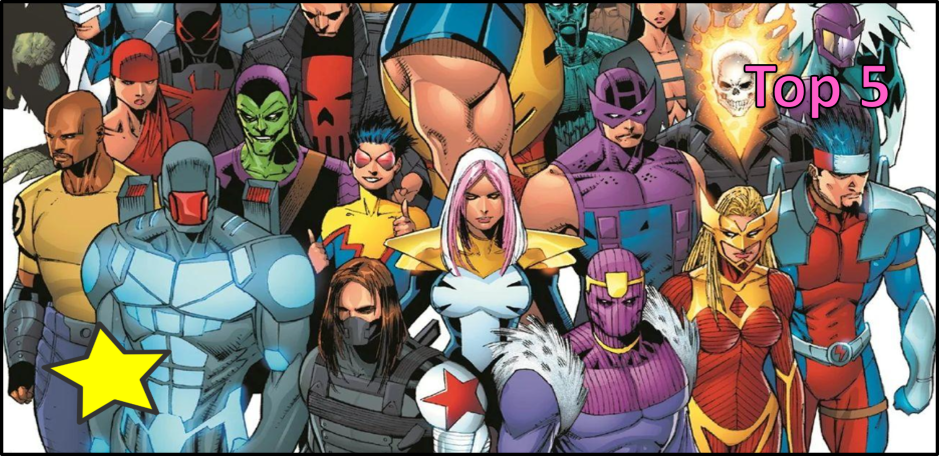


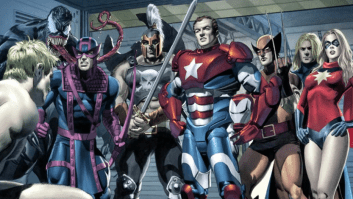
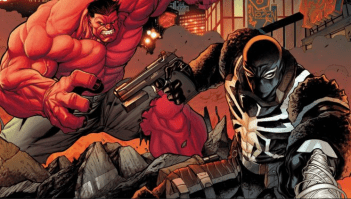

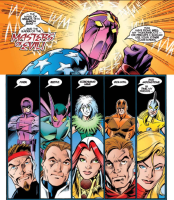









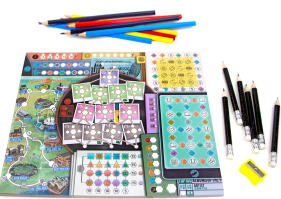

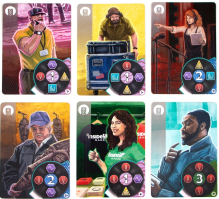



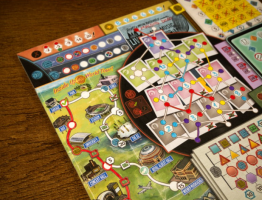

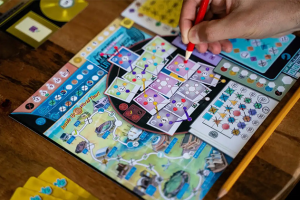
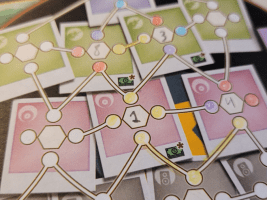

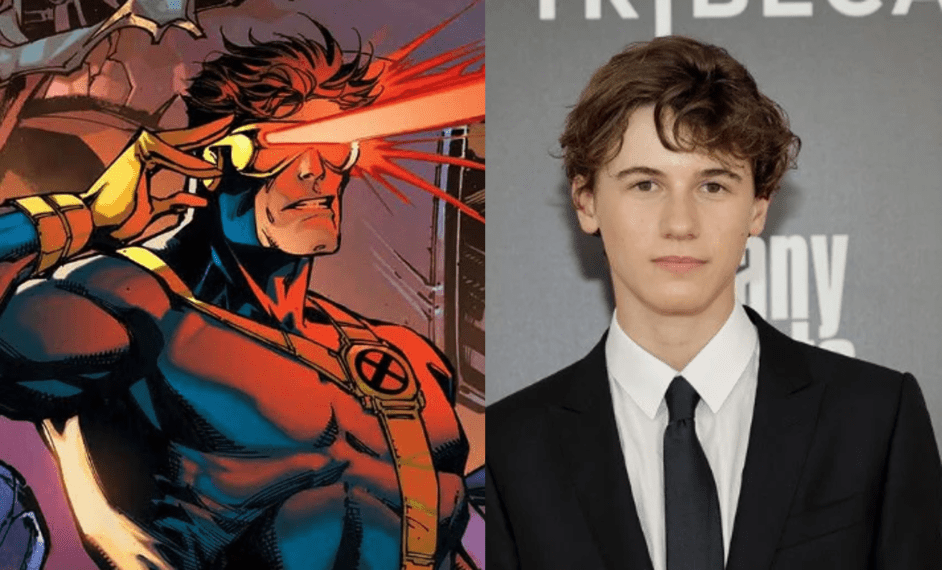




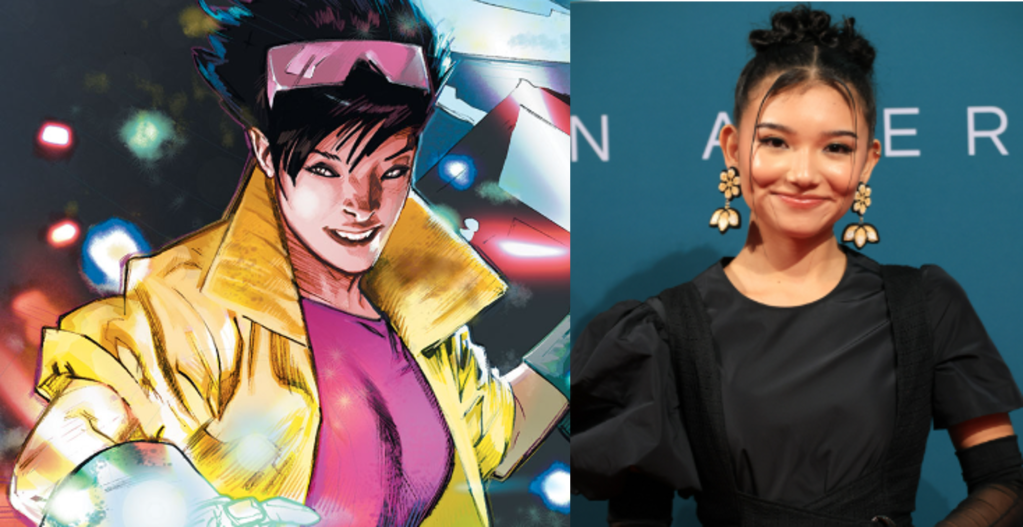



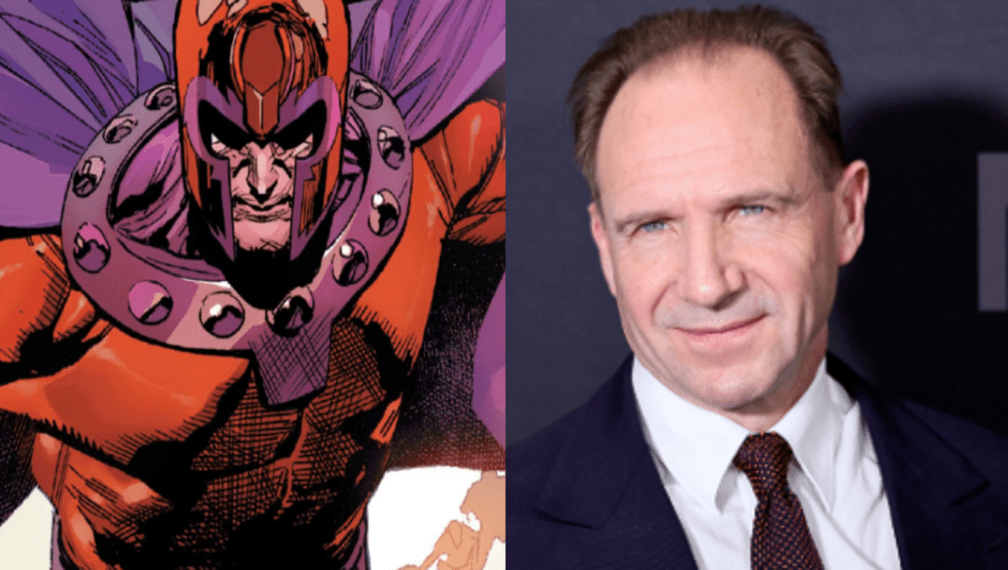

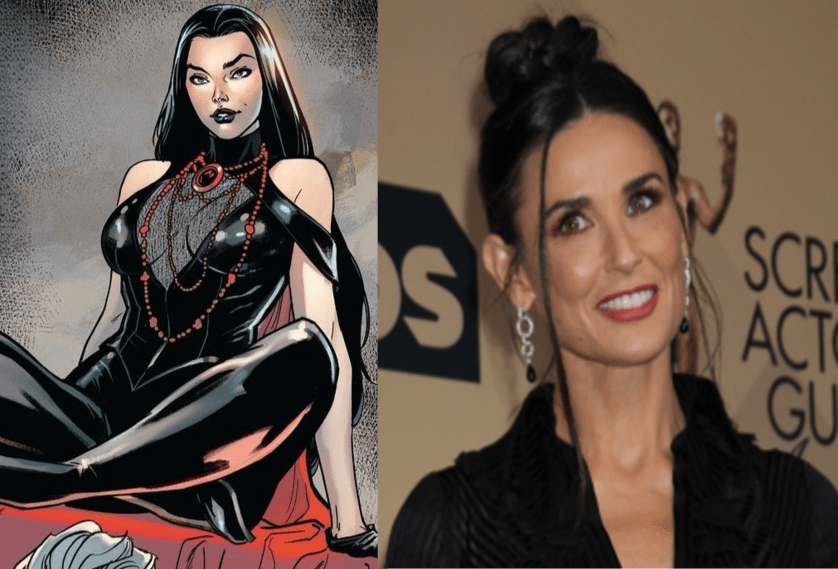

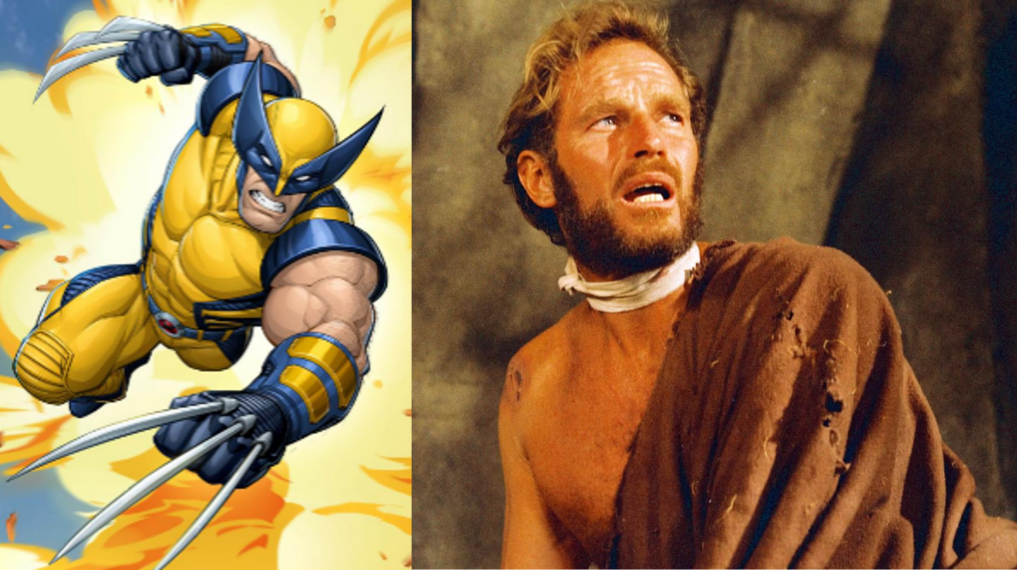
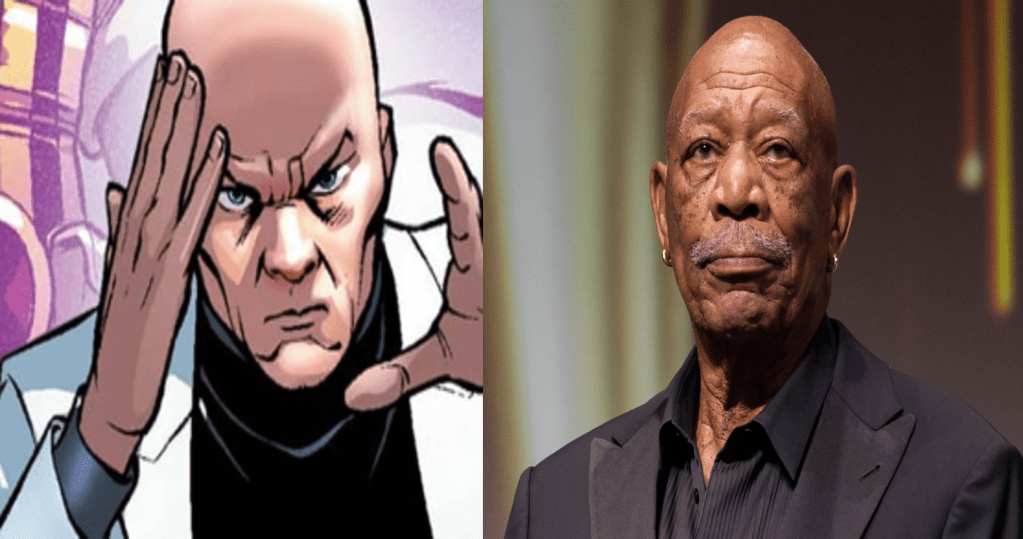
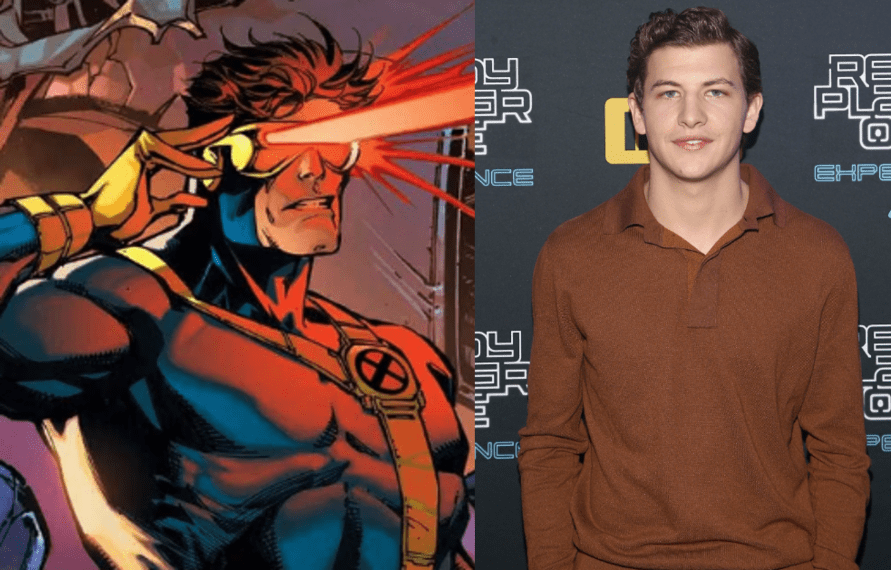







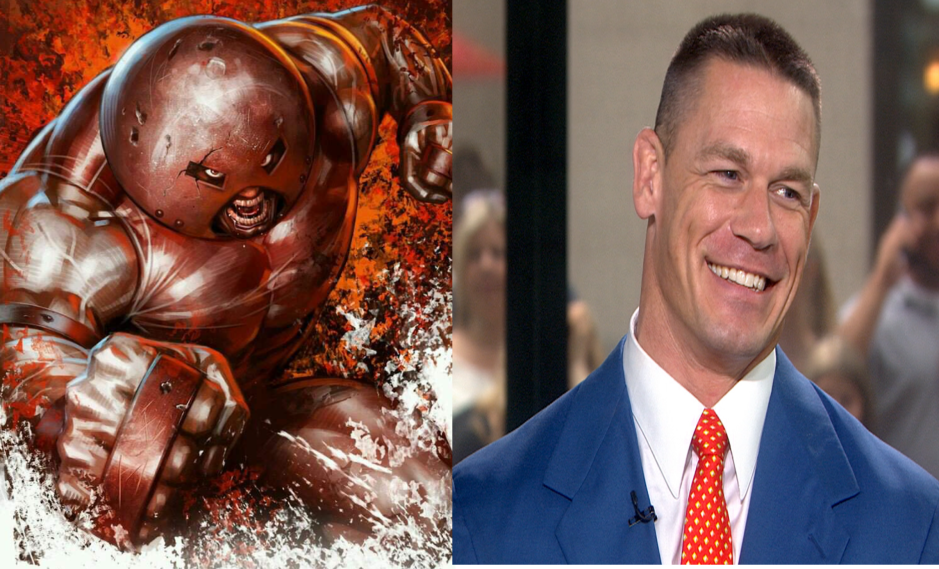

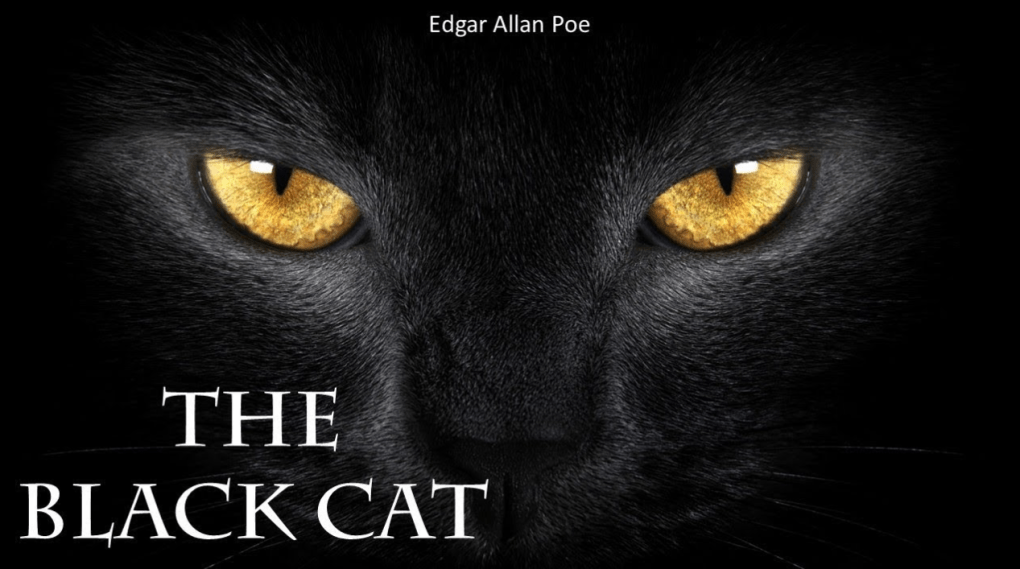


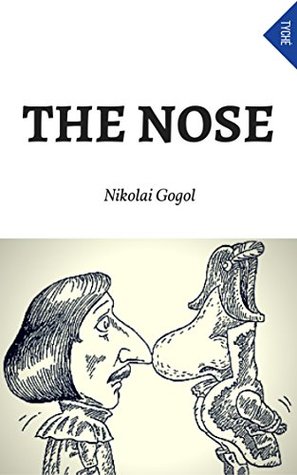



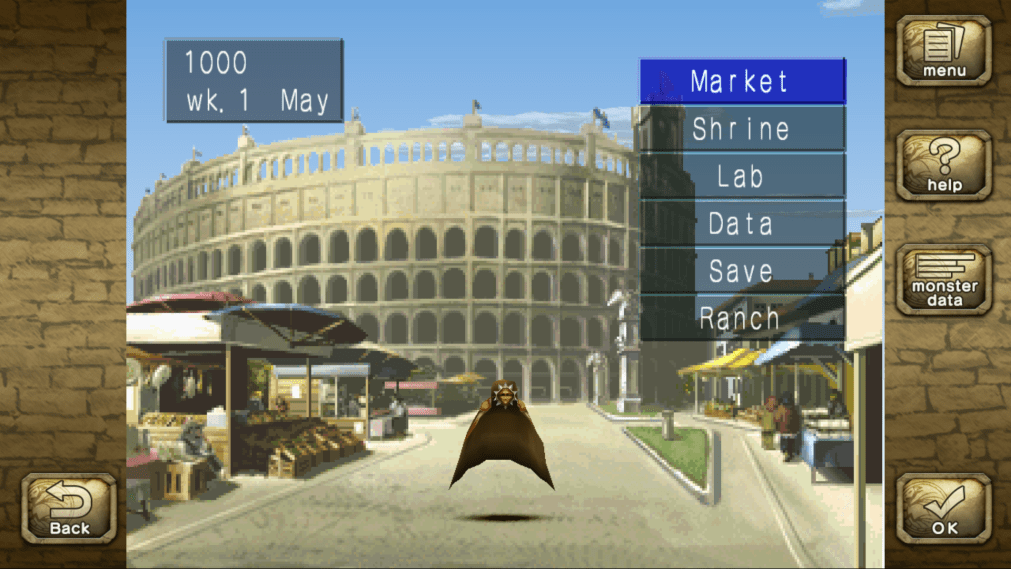
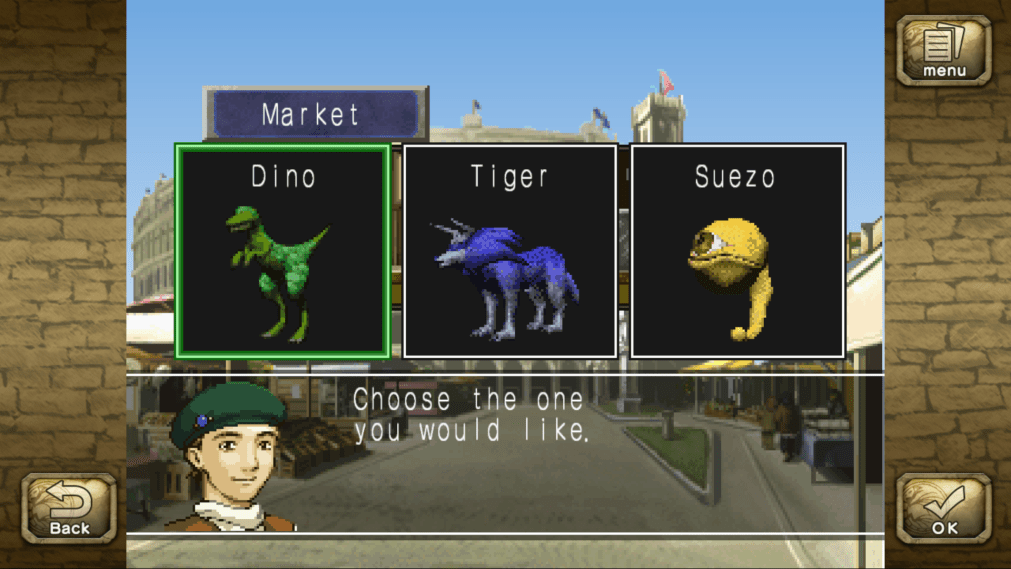
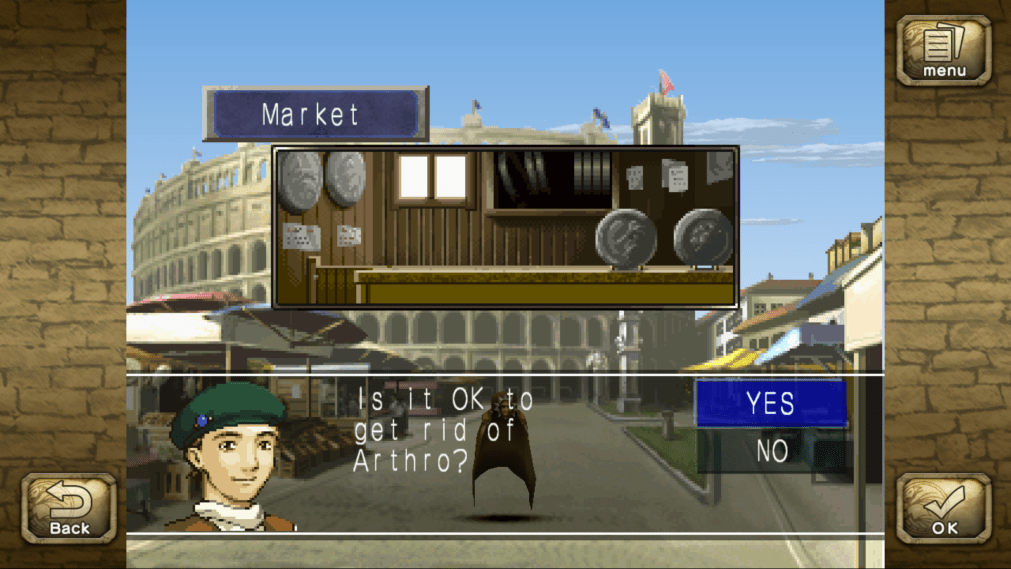


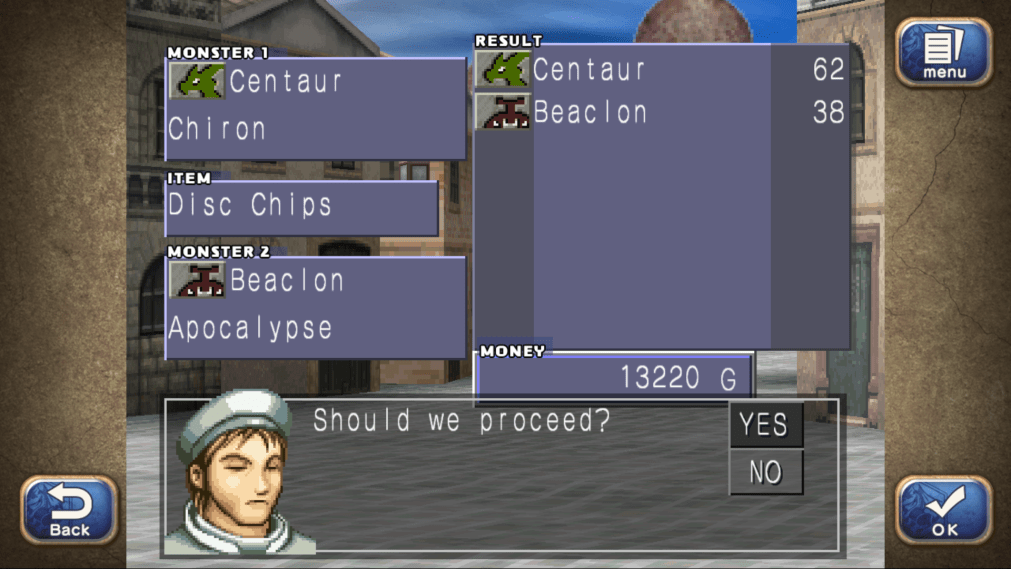
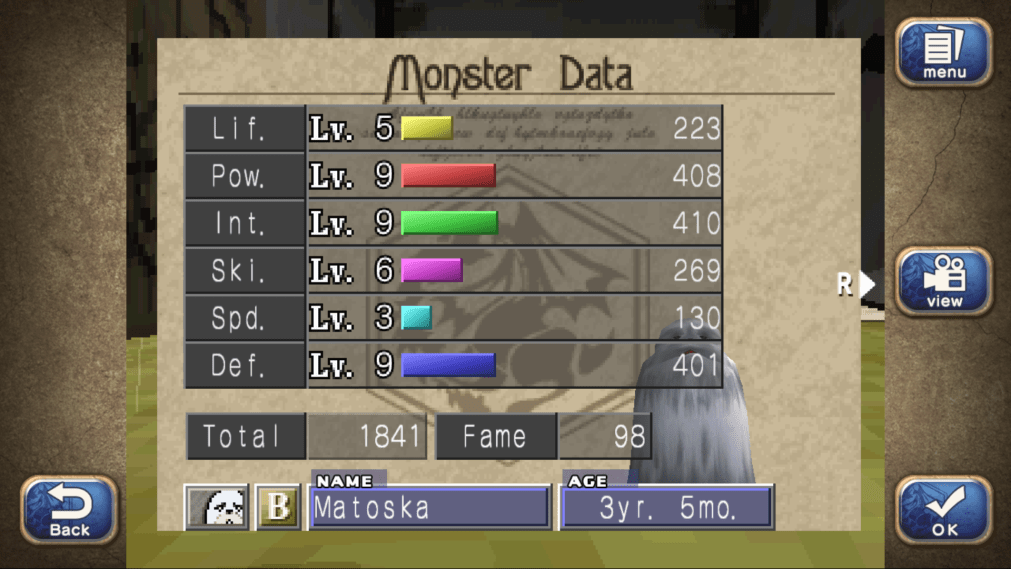





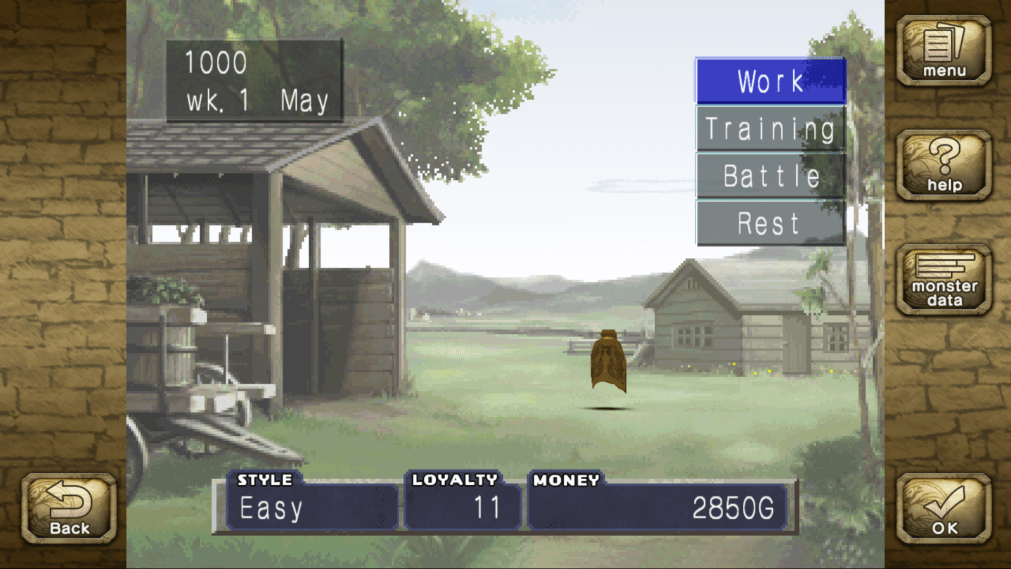
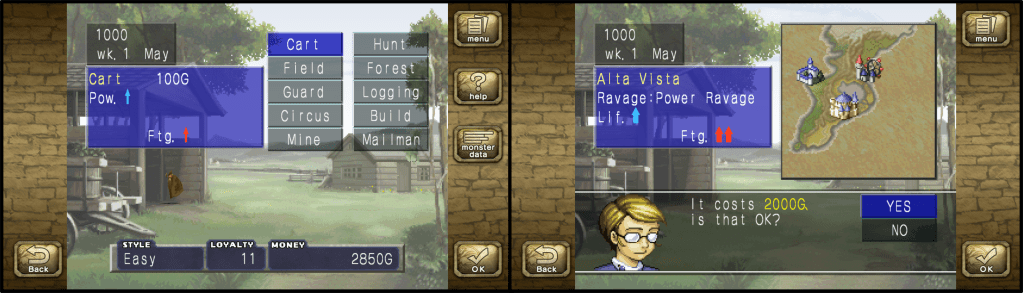


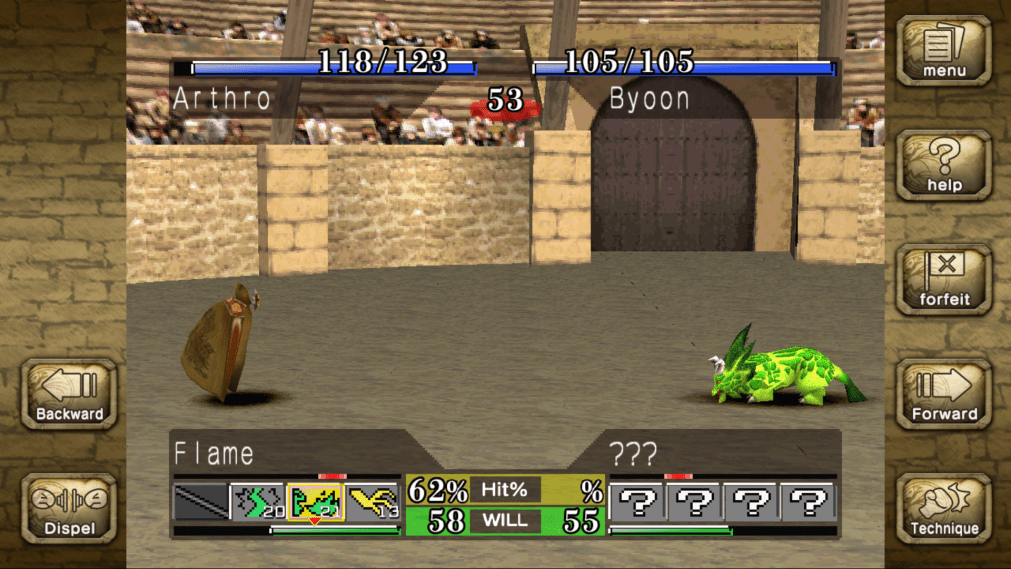

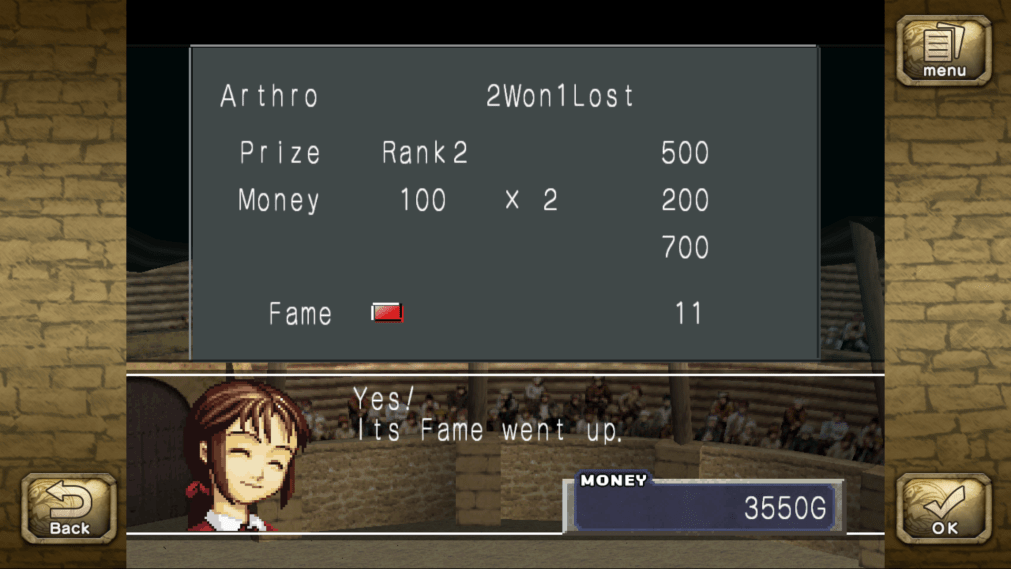
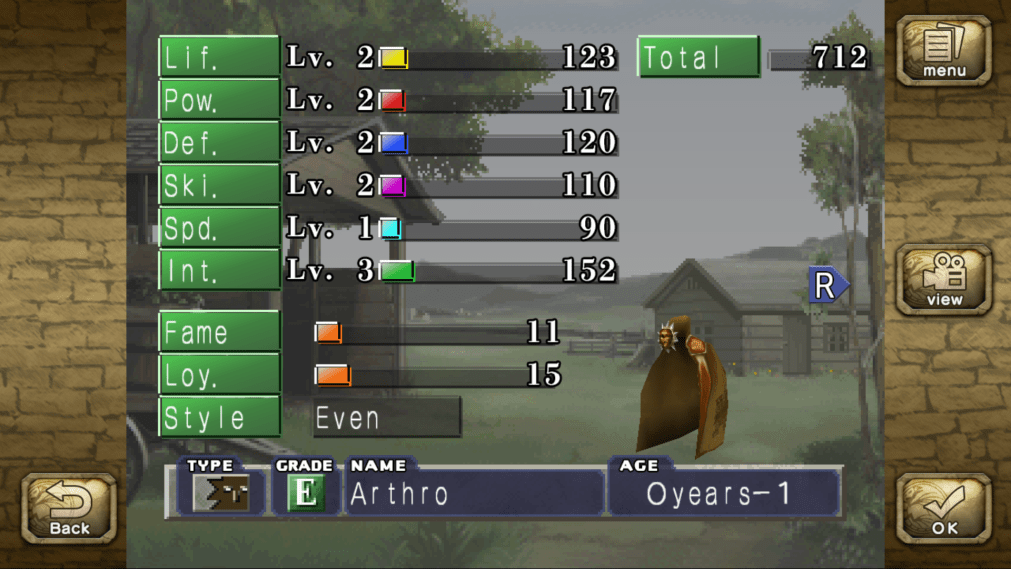


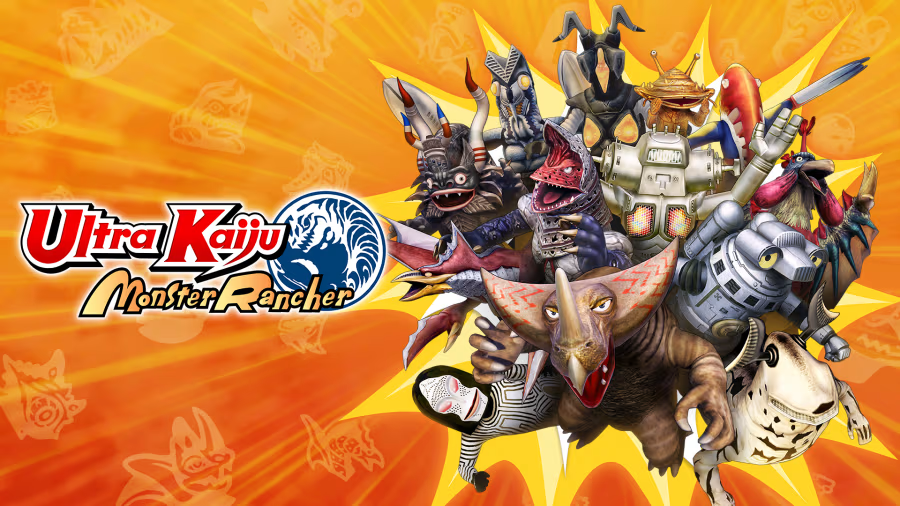
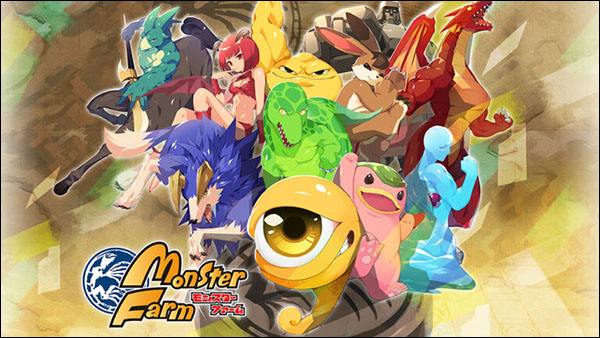


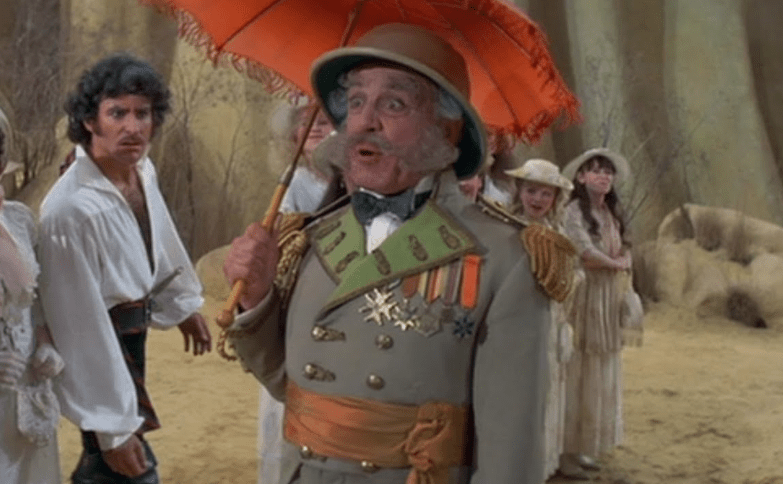
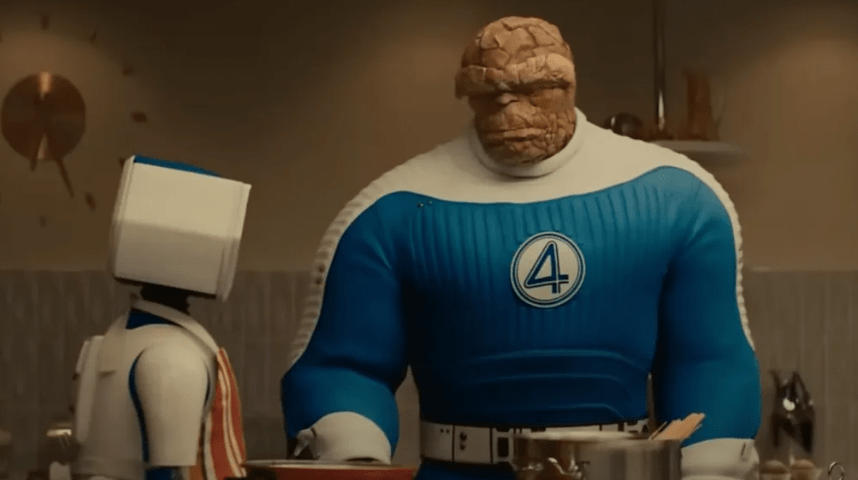





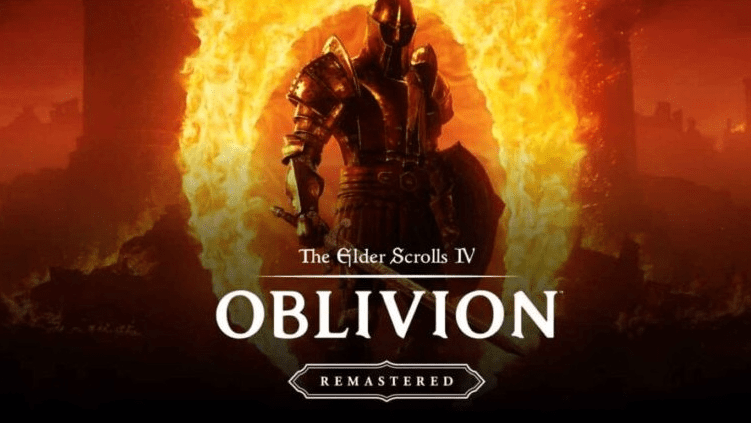
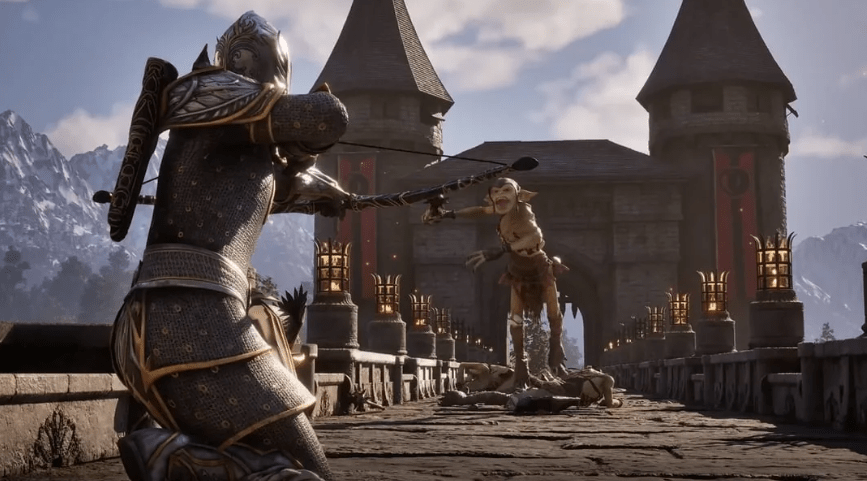


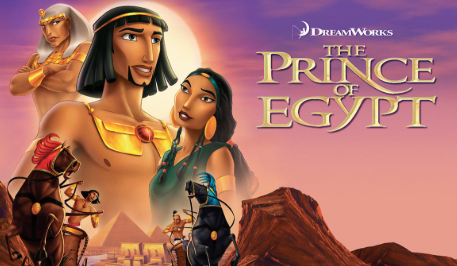
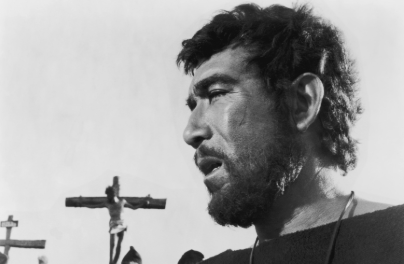



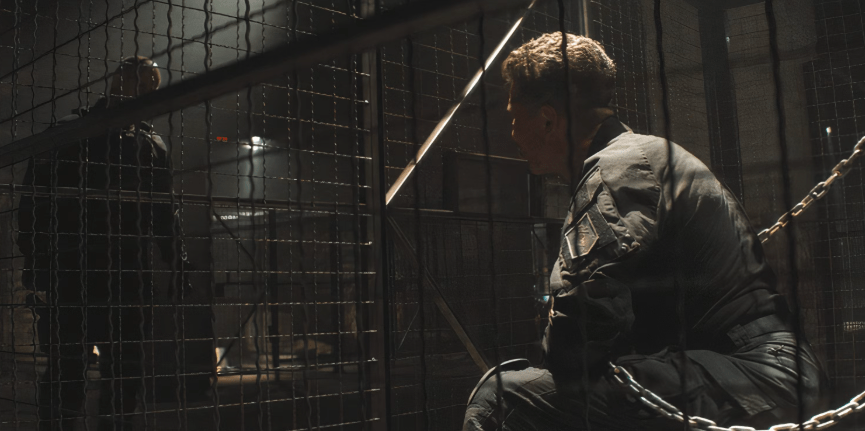
 jkgeekly.com