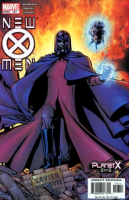
Getting Into Comics: Cassandra Nova Starter Stories

Hey, hey! Kyra Kyle here. Tomorrow is my oldest daughter’s birthday. Happy 27th birthday! She’s one year closer to 30. Eek! Anyway, I asked her which comic book character she’d like me to cover this week in our ongoing series of “Getting into Comics,” and she answered Cassandra Nova.

Yep. Yet another villain for the comic book starter stories. And yes, she first learned about Cassandra Nova in the recent Deadpool and Wolverine movie. We covered the movie a while back, here’s the link. Cassandra Nova is one of the newer X-Men villains, so she won’t have as extensive of a reading list. Here it goes.

Story Arcs

We’re continuing the trend of separating single issues stories from story arcs. This time, we’ll start with story arcs that consist of multiple comic books and then move on to single-issue stories. We’re doing it this way because Cassandra Nova’s first appearance was in a story arc.

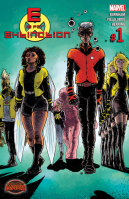
E Is For Extinction (New X-Men #114-116; written by Grant Morrison/art by Frank Quietly and Ethan Van Sciver 2001)

E is for Extinction was the first story arc from Grant Morrison’s run on the New X-Men. Morrison insisted the series be renamed New X-Men; it retained the original series’ numbering, but he revamped the team so much that the series needed a new name. Morrison catapults the X-Men into the 21st century.

Cassandra Nova discovers a long-lost Master Mold A.I. and Sentinel production facility in Ecuador. She uses the last surviving relative of Bolivar Trask to gain control of the wild sentinels and has the man order the Sentinels to massacre the entire population of the mutant nation Genosha. The X-Men locate her by using the newly created mutant detection machine Cerebra and put an end to her reign of terror, but they’re too late. Cassandra Nova almost wipes out the entire population of the island.

If this sounds an awful lot like a plot line from the recent X-Men ’97 cartoon, you’re right. And if you haven’t yet seen X-Men ’97, what are you waiting for? E is for Extinction shows how diabolical Cassandra Nova can get. It’s no wonder that she earned the distinction as “Villain of the Year” by Wizard Magazine in 2001.

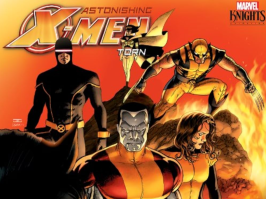
Torn (Astonishing X-Men #13-18; written by Joss Whedon/art by John Cassaday 2005)

Joss Whedon continued Grant Morrison’s New X-Men run with Astonishing X-Men. Most of the cast (heroes and most of the villains) remain the same. With that said, the Dangerous story arc that proceeds this one ties up some loose ends with E is for Extinction. Another Sentinel attacks and the culprit behind the attack is (spoilers) the Danger Room itself. The reason why this ties up loose ends found in E is for Extinction is that the Sentinel who destroyed Genosha becomes aware of its actions and ceases to attack the X-Men. It’s also revealed that Emma Frost works with the newly formed Hellfire Club. Enter Cassandra Nova.

Nova has joined this new version of the Hellfire Club. To be exact, Emma imprisoned Nova’s mind into a biological “slug.” Not all is what it seems. Cassandra Nova out mind tricks Emma Frost into doing her bidding. Nova even forces the X-Men to face their greatest fears and childhood trauma. This all leads to Shadowcat mimicking the classic pose Wolverine took in Uncanny X-Men #132.

X-Men: Red, Volume 1 (X-Men: Red #1-11; written by Tom Taylor/art by Al Ewing 2018-2019)

X-Men: Red follows the events from the December 2017 miniseries Phoenix Resurrection: The Return of Jean Grey written by Matthew Rosenberg with art by Leinil Francis Yu. Yes. Jean Grey died a second time, but at least this time she stayed dead for about a decade. Way longer than her first death after the Dark Phoenix Saga. Anyway, X-Men Red was promoted as part of Marvel’s Fresh Start. Part of this fresh start is the X-Men trying to create a new mutant nation.

The heroes of X-Men: Red shake up the norm. Jean, Nightcrawler, and Wolverine serve as the old guard, but new editions Honey Badger, Gentle, Trinary, and even Namor round out the rest of the X-Men.  They use Atlantis as their headquarters in part because Jean is framed for the murder of an English congresswoman. In truth, the congresswoman died at the hands of a resurfaced Cassandra Nova. Nova uses the politician’s death to alienate Jean from the public eye. This forces Jean’s team to work underground.

Marauders, Volume 2 (Marauders Vol 2 #1-12; written by Steve Orlando/art by Eleonora Carlini 2022-2023)

Not to be confused with several other versions of Marauders, this most recent group of Marauders is led by Captain Kitty Pryde. They rescue mutants, wherever they may be and no matter how dangerous the odds. The final member of her crew is none other than Cassandra Nova.

This is the first time that Cassandra Nova has been cast as a hero, albeit a reluctant one. Most of the Marauders, who were victims of Nova’s cruelty to Genosha, would rather not depend on her, and they do depend on her abilities quite a bit. The group depends on her for a while, until they plan for Nova’s eventual heel turn. Marauders is a strange read. It ends its arc with Nova being stranded 2 billion years in the past, with a mass extinction event on the horizon. That’s one way to exact your revenge.

Single Issues

“Silence: Psychic Rescue in Progress” (New X-Men #121; written by Grant Morrison/art by Frank Quietly and Ethan Van Sciver; 2002)

Charles Xavier’s mind lies imprisoned in the comatose body of Cassandra Nova. Jean Grey and Emma Frost team up on a telepathic journey into Cassandra’s consciousness to rescue Charles. The psychic trip is one for the ages. Beyond vast oceans rests a suspiciously fortified tower. Phoenix builds a bridge to cross the divide, but the tower’s defenses destroy Jean’s construct.

Traveling deeper into Cassandra Nova’s consciousness, the two learn that Cassandra Nova and Charles Xavier are twins. They engaged in psychic combat inside their mother’s womb. The fight led Charles and Cassandra’s mother to tumble down a flight of stairs. Jean and Emma learn that Charles intended to kill his sister inside the womb. Cassandra Nova left the womb stillborn.

This sequence gives much-needed context to why Cassandra Nova sicced the Sentinels on the nation of Genosha. She wants to destroy what Charles Xavier holds dear. She wants to make him pay for not showing her the same love he shows others.

The beginning of this issue’s title “Silence” holds special significance. This issue is part of the “Nuff Said” month in which no comics released at the time were allowed to use any words. The only words uttered were by Jean during the story’s conclusion.

There aren’t that many Cassandra Nova stories to choose from, but I may have left off one or two. Let me know which Cassandra Nova stories you’d choose instead. And wherever you are, I hope you’re having a great day.

Harley Quinn: “Back to School” Review

Season’s Thoughts

Last week’s episode had some darker moments, but was fairly lighthearted. This week’s episode got gritty, gory, and introduced another new adversary in the final scene. Contrary to “The Big Apricot,” “Back to School” didn’t have as many slice-of-life moments. It either swung into the dark details of Poison Ivy’s origin or went full goofball with Harley and the baby sharks.

I didn’t mind the extreme shifts in “Back to School” since it was engaging and had good pacing. Ivy not telling Harley about her day will probably come back to bite her later given what we learn at the end of the episode. So far, Harley Quinn has had good continuity.

“Back to School” introduced more new characters, but I count the baby sharks (aside from Shaun) as one entity. Harley Quinn has introduced several new characters consecutively in the past, but not all of them stick around. I’m curious to see which characters they decide to keep for Season Five. Harley Quinn isn’t shy about killing off characters.

Speaking of characters, this is the first time we see King Shark in Season Five. He’s moved to Metropolis. I had a feeling they’d find a way to incorporate him in Metropolis since he’s featured in the artwork for Season Five. However, his appearance with his kids on Harley and Ivy’s doorstep did feel a bit forced. Since it’s the only thing that slightly annoyed me in this episode, I’ll give it a pass.

Kyra’s Take

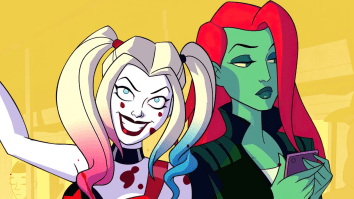
This week’s episode of Harley Quinn, “Back to School,” added some deep cuts into DC Comics lore and Harley Quinn’s spin-off series Kite Man: Hell Yeah!. While these inclusions can be a lot as Season mentioned, they work within the fabric of Harley Quinn and the greater DC Comics. I like that about Harley Quinn. It reinterprets DC Comics characters while staying true to their roots.

Bane and Goldilocks return from Kite Man: Hell Yeah!. I just finished watching Harley Quinn’s spin-off series. It doesn’t hold up as well, but Bane was one of the show’s standout characters and it’s nice seeing him return to Harley Quinn. I could do without Goldilocks. There’s a reason Queen of Fables doesn’t like her. The third thing of a set one gives Goldilocks will usually be “just right.” Ugh! You don’t need to know much more about the character (or watch Kite Man: Hell Yeah! before watching this episode), and you can imagine the long-suffering Bane having to please this petulant child.

This next section could be considered spoilers. Season avoided mentioning this character. If you’d like to see the episode yourself before reading this take, skip to “end of spoilers.” You’ve been warned.

It didn’t don on me that Harley Quinn has gone four seasons without mentioning Dr. Woodrue until I heard his name. Floronic Man (Dr. Woodrue) frequently serves as a foil to Poison Ivy. “Back to School” casts him as Ivy’s college professor and that works. Woodrue attempting to steal Ivy’s life’s work (namely her plant-sidekick Frank) and claim it as his own has plenty of dark undertones. Harley Quinn doesn’t play it off for laughs either. That’s why these scenes get cut by kid shark antics. As soon as I heard Dr. Woodrue’s name, I got excited. “Back to School” does the character justice.

End of spoilers. I agree with Season that “Back to School” had a lot of severe shifts in tone, but these shifts worked. Harley’s kid shark antics undercut the Ivy’s brooding narrative. “Back to School” does a good job of weaving old Harley Quinn characters into the Metropolis setting while setting up a juicy antagonist for the season.

Top 5 Spider-Man Villains

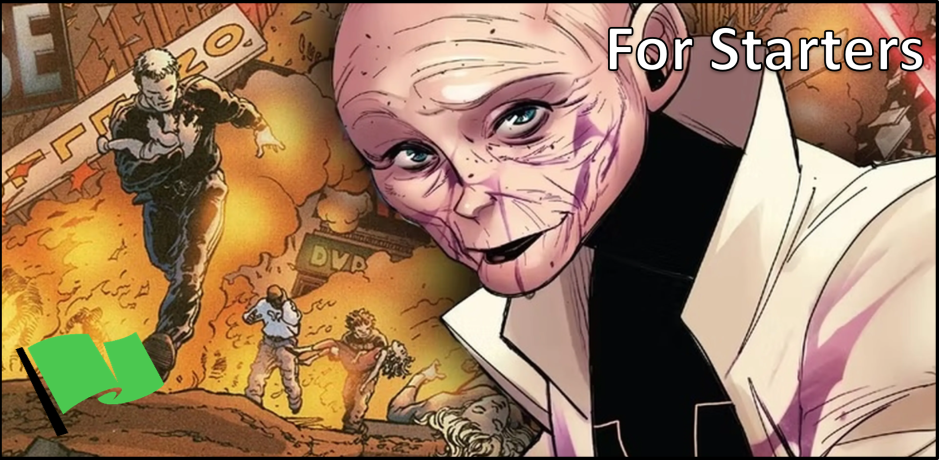
Hey, hey! Kyra Kyle here. We’re back with the first Top 5 Villains List of the new year. I can’t believe we lasted this long before mentioning Spider-Man’s top villains. Let’s rectify that. Here’s our list of the Top 5 Spider-Man Villains.

5: Carnage

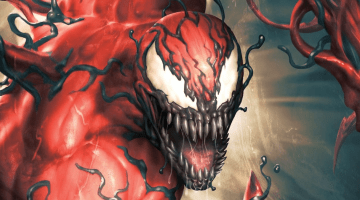
We could’ve gone several different directions here. I wanted to put a classic Spider-Man at the fifth spot, someone like Electro, Sandman, Kraven, or even Vulture, but Carnage trumps each of them. The alien symbiote that merged with Cletus Kasady Carnage may be the offspring of another character on this list (spoilers, I guess), but Carnage is a formidable Spider-Man villain and worthy of this list. If we were to discuss Spider-Man’s most violent villains, Carnage would be atop that list.

Carnage has had some stellar storylines, some of the best Spider-Man stories in the past three decades or so since his first appearance: Absolute Carnage, Maximum Carnage, and Carnage, U.S.A. to name a few. Carnage rampages his way near the top of Spider-Man’s rogues.

4: Mysterio

I always liked Mysterio as a villain. Quentin Beck’s penchant for the dramatic and choosing to manipulate and confuse Spider-Man instead of trying to out science or beat Spidey to a pulp made Mysterio unique. Beck spent years on Spidey’s back catalog of villains. Wearing a fishbowl as a helmet couldn’t help.

Even with a ridiculous outfit—or perhaps because of a ridiculous outfit—Mysterio has been in some great Spider-Man stories. The five-issue mini-series Symbiote Spider-Man rescued Mysterio from obscurity. He even returned from the dead in “Mysterioso” (Amazing Spider-Man #618). This story bridged the gap from the goofy Silver Age version of Mysterio to the more sinister character in “Guardian Devil.” And the 2019 MCU film Spider-Man: Far From Home did a lot to improve Mysterio’s image to non-diehard Spidey fans.

3: Doctor Octopus

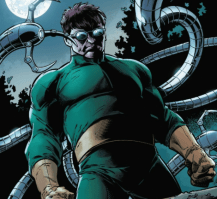
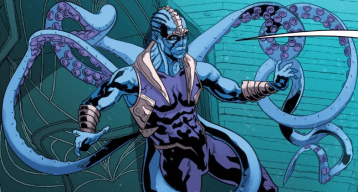
There was a time when Doctor Octopus would’ve dominated this list, or he’d at least be second to another character we’ll see later, but Otto Octavius finds himself in the third spot. Many comic book characters have changed their looks and even their backstory, but Doctor Octopus may be the king of makeovers. He’s been an Atlantean, an octopus-like monster, and he’s even been Spider-Man before in the storyline Superior Spider-Man.

Many of Spider-Man’s villains may know his identity as Peter Parker, but Doctor Octopus was one of the first. And he used that knowledge to torture Peter. Add in the fact that Doc Ock assembled the original Sinister Six and that makes him a no-brainer for this list.

2: Venom

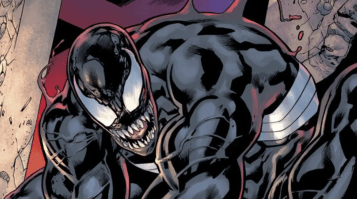
Venom got teased in the Carnage write-up. When an alien symbiote merged with Eddie Brock to form Venom, it shook up the Spider-Man mythos. Since Spidey has such a great rogues gallery, Venom is the only modern Spider-Man villain who can sneak into the top three. One could argue that Venom is equal parts hero and villain, and many of Venom’s best stories cast them as a hero. Venom Vs. Carnage and Maximum Carnage pit them against their offspring Carnage. I especially liked Venom’s turn as a hero in the latter story because it forced Venom to join forces with their hated enemy Spider-Man. But I always thought Venom worked best as a villain.

Since Venom is a symbiote, more than one character has formed an alliance with the alien. Famously, Peter Parker was Venom’s first host. Other hosts include Mac Gargan (Scorpion), Flash Thompson, and even Mysterio. And since the symbiote has merged with Peter Parker Spider-Man in the past, Venom typically knows Spider-Man’s identity, which makes them even deadlier. Throw in the fact that Spidey’s spider-sense can’t detect Venom, and they’re easily a top villain.

1: Green Goblin

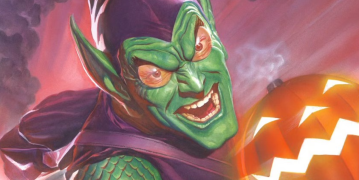
Could it be anyone else? Green Goblin takes a lot of what makes the villains on this list formidable and combines them into one character. Norman Osborn knows Peter’s identity. He isn’t afraid to use his knowledge of Spider-Man’s identity to his advantage and has leveraged Spider-Man’s identity on multiple occasions. He has a personal connection with Spider-Man through his son Harry Osborn being one of Peter’s friends. He can manipulate, out-science, and even overpower Spider-Man physically. Green Goblin even killed Peter Parker’s first girlfriend Gwen Stacy.

I could go into numerous Green Goblin stories here, but that may need a future list. Simply put, Green Goblin was the obvious choice for the first Spider-Man big-screen adaptation.

Did we get the list right? Let us know who you would add or remove in the comments. And wherever you are, I hope you’re having a great day.

Top 5 Video Game Pets

8Hey, hey! Kyra Kyle here. We haven’t covered video games for some time, and I figured we would start with a top 5. This week’s top 5: video game pets. Cuteness overload is incoming. Limiting video game pets to just five is difficult, so we’ll have a couple of honorable mentions. I also didn’t want to include only dogs and horses; video game dogs and horses could fill an entire list each (future list idea). But we will see at least one (sort of) dog on this list.

Honorable Mention 1: Palicos (Monster Hunter Series)

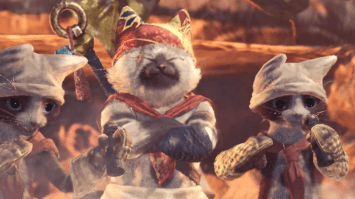
I never know if palicos count as pets or not; I love them as characters, but they may be less pets and more of a species of humanoids. The Monster Hunter series muddies the waters with palicos. Some palicos are your faithful servants and present little more than their servitude to the player character. Other palicos have jobs (like the Meowscular Chef in Monster Hunter World, he must have a wife and kids at home to support) and the Monster Hunter Stories series shows palicos as having a culture separate from humans. Many people still classify palicos as pets, but their ambiguity makes them just miss this list.

Honorable Mention 2: Pokémon (Pokémon Series)

Pokémon, like horses and dogs, can fill a list by themselves. And which Pokémon should I pick? Pikachu is the obvious representative Pokémon. He has his own Macy’s Thanksgiving Day Parade balloon. But that’s reductive. I’ll include Pokémon as a video game pet type, but these critters deserve a list for themselves. Maybe even a Top 10 Iconic Pokémon list.

With Pokémon, horses, and palicos eliminated (and dogs for the most part excluded), how many video game pets are we left with? A lot. So many that I could make a Top 10 if I wanted, but these are the ones that made the Top 5.

5: Rammy (Castle Crashers)

Cheater! I can hear some of you Castle Crashers players now, you’re a cheater if you use Rammy. I say, you still have to unlock him after the bear boss. And he’s a cute orb-shaped ram. And who doesn’t like a ram charging through a side-scroller beat ‘em up game, knocking down every monster they meet? If Rammy is cheating, then I don’t want to play honorably. Charge away, Rammy. Charge away.

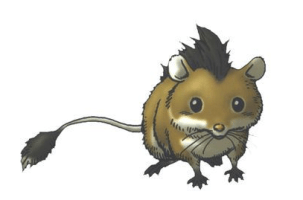
4: Munchie (Dragon Quest VIII)

This one is esoteric. It took me a while to think of Munchie from Dragon Quest VIII. I vaguely recalled a pet mouse who rode in the main character’s coat pocket, and the only thing I could remember was that Munchie had a mohawk and liked to eat cheese and certain cheeses gave him special abilities. All of that is true (to be precise, Munchie is a pig rat), but Munchie was central to advancing Dragon Quest VIII’s plot. The game has several moments where the player controls Munchie as he conducts reconnaissance.

Munchie often procured keys to enter or exit rooms, gathered intelligence to better interact with NPCs, and even scouted ahead before major battles. Munchie may also be a little of a cheat for this list. While he spends most of the game as your pig rat pet, he’s much more than that. I won’t spoil any of the story here—Dragon Quest VIII is well worth the play and it’s available on plenty of platforms—but there’s a lot more to Munchie.

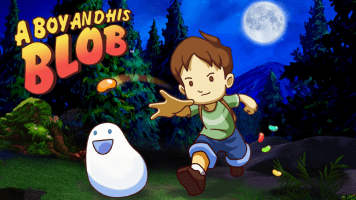
3: Blob (A Boy and His Blob)

A Boy and His Blob uses a common 1980s movie trope of a boy befriending an alien (like E.T. the Extra-Terrestrial and The Last Starfighter), but that doesn’t discount the titular blob as a pet. And it’s one heck of a pet. I’m sensing a theme here with these video game pets: they’re useful. Rammy helps you cheat and Munchie progresses Dragon Quest VIII’s story. The Blob from A Boy and His Blob can transform into various objects (to help the player solve puzzles) by eating different flavored jellybeans.

The original A Boy and His Blob is at best unbalanced, but the concept is neat. I like the idea of a blob morphing into a ladder if fed a licorice jellybean or a parachute if it eats a pear jellybean. The other combinations are fun: tangerine (trampoline), berry (balloon), and punch (hole). But my favorite had to be apple and jack. I see what you did there, A Boy and His Blob. And of course, coconut transforms the blob into a coconut. Were you expecting anything else?

A Boy and His Blob got a sequel in 2009, but I wouldn’t mind some more time with this property. Not going to lie, I ate more jellybeans after playing this game. What would a Buttered Popcorn Jelly Belly turn me into?

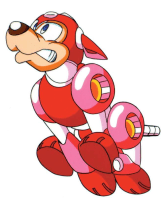
2: Rush (Mega Man Series)

Rush from the Mega Man Series is our one dog-like pet on this list. I could’ve gone a different direction here, but I don’t think Rush gets enough love. So, what if Rush makes another list in the future? He’ll make a future Top 5 video game dogs list. He’s Mega Man’s best buddy.

Rush continues our trend of pets who have multiple uses. Throughout the Mega Man Series, Rush has been a coil (trampoline), a jet to cross long pits, a submarine, a spaceship, a flashlight of sorts (with its “Search” function in Mega Man 7), and a motorbike to name a few. Mega Man’s Rush bridges the gap between a pet that can help in a fight or solve a puzzle and one that aids with pushing the story further. The first two Mega Man games are two of my favorite games from that era of video games, but those two games have a lack of Rush.

1: Yoshi (Nintendo)

Could it be anyone else? Even if I included Pokémon, horses, and all video game dogs, Yoshi from the Super Mario Bros. series would still take the top spot. Heck, I named my dog after Yoshi the dinosaur. And who wouldn’t want a dinosaur as a pet?

Yoshi may be the one character on this list who doesn’t need an introduction. Most people know them and their abilities. Like Rush, Yoshi has done it all. They’re even one of the few characters on this list that have had their own video game series. They’ve had more than one.

You’re probably wondering why I keep referring to Yoshi as they; Yoshi is a sapient species of dinosaur-like creatures. They can lay eggs, which suggests that they’re female, but most people refer to the Yoshi one finds in Super Mario World as he. Yoshis (or Yoshisaurs) blur the line between male and female. They can be both or neither.

I also loved playing as Yoshi in the original Super Mario Kart. I got pretty good at managing their fast acceleration and the fact that they couldn’t take too much damage without getting knocked off course. Yoshis come in different colors. Some of these colors depict different abilities, but usually, these colors are cosmetic. Whatever their color, Yoshi rules.

Which Yoshi is your favorite? Did we miss any video game pets that aren’t dogs, horses, or Pokémon? Let us know in the comments. And wherever you are, I hope you’re having a great day.

Harley Quinn: “The Big Apricot” Review

Season’s Thoughts

The Gotham City Sirens break up, Supes is out of a job, Harley and Ivy move to Metropolis and Aisha Tyler appears. Whoa!

I’ll admit I wasn’t sure where they were going to take this season since many major events have already occurred inside Gotham. I won’t say I’m surprised they’re dipping their toes in Metropolis, but it wasn’t at the forefront of my mind. The sudden shift keeps things fresh.

I like the slice-of-life sections that showcase Harley and Ivy doing normal couple things. It helps ground them as characters. Harley mentioned that she was worried her spark with Ivy would fade away, which is a valid fear to have. This want for excitement by attending the Superman Gala in Metropolis is also something Harley would want to do regardless of her relationship status. She thrives off excitement.

The current state of Metropolis is the calm before the storm this season. I won’t spoil the end of “The Big Apricot,” but an iconic character rears their head. I said Supes was out of a job at the beginning of this post. Who knows? He may have a job again very soon. I need to make some phone calls for my neck appointment.

Kyra’s Take

I could’ve used more time with the Gotham City Sirens. The end of Harley Quinn Season Four set up this team dynamic as the Season Five focal point. The Sirens only get a flashback that lasts less than five minutes. That said, “The Big Apricot” is a return to form. Harley Quinn lost its way last season; it finished strong and that included the Gotham City Sirens’ introduction. I’ll take the trade-off of losing this team for Harley Quinn’s original creative team returning.

Furthermore, the Gotham City Sirens were destined to fail. Season Five didn’t waste any time. The show’s move to Metropolis makes sense. That same creative team has done a lot with Gotham City. They sprinkled in a couple of episodes under the sea (King Shark) and in Themyscira (Wonder Woman). A few characters like Lex Luthor hail from Metropolis, but we haven’t yet seen a Harley Quinn episode set in Metropolis.

The shift in cities reminds me of Archer midway through its run. The change for Archer was also needed. Hey! Aisha Tyler was in Archer, too. Tyler portrays Lena Luthor. During this episode, Lena has a positive bend. This could change; Lena Luthor’s morality is malleable. I can’t wait to see what Tyler will do with this role.

I’ll echo Season’s sentiment about the slice-of-life segments. Harley and Ivy may be one of the most relatable couples on television right now. I never thought I would say that, but it’s true. Harley and Ivy are one of the best television couples right now.

We haven’t yet seen Clayface, King Shark, or Bane this season, but each of these characters has been featured in Season Five’s promotions. With Superman gone, there may be more Gotham City transplants in the future. I don’t expect Metropolis to stay pristine.

I won’t spoil the ending either. Let’s just say that it looks like Harley Quinn Season Five will explore Superman’s rogues as much as it did Batman’s rogues in its previous four seasons, and that’s exciting.

Free-To-Play Video Game Review: Marvel Rivals

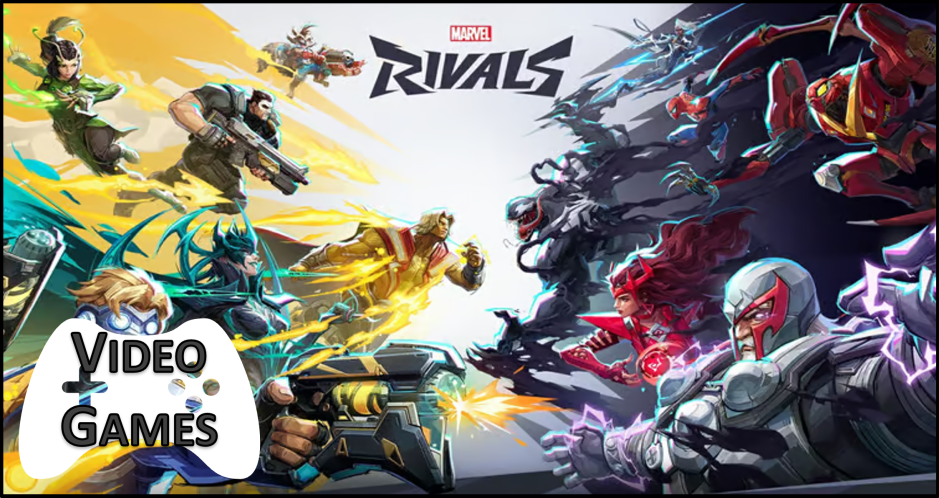
Marvel Rivals takes the Overwatch experience and gives it a Marvel coat of paint. Sure, the developers make a few changes, most notably to the battle pass, but the game remains largely the same. It’s a fun experience. It’s a familiar experience. That’s not always a bad thing. I’m just wondering if Marvel Rivals will get sued by Blizzard.

Hey, hey! Kyra Kyle here. We haven’t done a video game review in some time. We’re taking a break from gacha games and reviewing the 6-player hero shooter Marvel Rivals. A Marvel video game is on-brand for Geekly. It takes a while to play enough of a free-to-play game to get an accurate depiction of how much time it takes to finish a ubiquitous battle pass. Marvel Rivals is no different. Unlike the gachas we’ve covered, Marvel Rivals has little to no story, so we’ll be replacing our two story segments (Narrative and Storytelling) with Connectivity and Online Experience. Here we go.

Mechanisms

Mechanisms: 0/10

Originally, I gave Marvel Rivals a four and then a three. Who am I kidding? Marvel Rivals mimics Overwatch in almost every way. Our Mechanisms score measures how much a game pushes the boundaries of a game’s playstyle. In short, have we seen this gameplay before? Yes. Marvel Rivals copies Overwatch’s homework. I settled on a mechanisms score of zero. Even with this poor score, the game’s team-up mechanism single-handedly raises this score. If you choose a character like Thor, Thor can supercharge Captain America’s abilities, and Thor’s powers can also amplify Storm’s. Team-up abilities are not without their drawbacks (more on that in our Online Experience section) but the various team-ups add enough spice to return to Marvel Rivals every so often. It’ll take a long time to play each one. Each character has multiple possible team-up powers.

Marvel Rivals is the first hero shooter to include team-up powers. Many games of this type have synergies between characters but not a direct power. Marvel Rivals adds multiple abilities to each character. I can see this getting overwhelming with a larger roster of characters, but for now, team-up powers are a welcome addition. The rest of the mechanisms are almost exactly like Overwatch.

Hulk—technically named Bruce Banner—plays so similar to D.Va that I already know how to play him. Star-Lord is Soldier 76. Black Widow is Widowmaker; they almost have the same name anyway. Even the hero classifications are the same: Damage (Duelists), Tanks (Vanguards), and Support (Strategists). A well-constructed team will have an even number of all three. I do believe that Overwatch 2 also suggests this team comp, but Marvel Rivals has a higher level of consistency of character roles. Every Support (Strategist) will have the ability to heal. Or at least each Marvel Rivals Strategist has a reliable heal that makes the role easier to play.

Gameplay Loop

Gameplay Loop: 8/10

Above Image from GameDesigning.Org

Overwatch always had a fun gameplay loop; Marvel Rivals is no different. Drop in and play a few matches. You could try various game modes—I did for the purpose of this review—but you can play several rounds of quick play and then call it a day. Most casual players will most likely only play quick play.

And it’s this catering to casual players that raises this score. I’ve seldom played with a pre-constructed team, and the game can still be enjoyable. There are some issues with doing this that I’ll discuss more in the Online Experience section. I can see people who are disengaged with Overwatch (because of its change in monetization and Blizzard’s about-face with canning Overwatch’s story) switching to the new kid Marvel Rivals, but Marvel Rivals uses a similar monetization scheme as Overwatch 2, and I doubt Marvel Rivals will add a story mode. I do like Marvel Rivals’ references to the Marvel comic characters. The game has more references to comics than the MCU. That’s why I don’t think the game will add a story. You can just read the comics.
Marvel Rivals’ arcade modes mirror Overwatch’s. I don’t know how much mileage Marvel Rivals’ competitive scene will get. The team-up abilities can screw up the game’s balance, and Marvel Rivals’ initial thirty-three characters (yeah, there are a ton of launch characters) are—for the most part—balanced for now, but what will happen when Marvel Rivals adds a character ability not already featured in Overwatch? Seriously, Marvel Rivals may have one or two Overwatch character abilities that it hasn’t yet “borrowed.” The devs knew the character abilities were balanced because the characters’ abilities already existed. We’ll have to see what happens in the future.

The Gameplay Loop’s score depends on how satisfying a game is. Overwatch has an addictive gameplay loop, and so does Marvel Rivals. Eight may be a little low.

Respectful of a Player's Time

Respecting Time: 8/10

Marvel Rivals gets right into the fun. Click play, load into a game in less than five seconds, choose your character, and jump into the action. It’s addictive. From the sound of it, Marvel Rivals should get a ten out of ten for Respecting Time. Marvel Rivals just misses a perfect score for one reason: you can’t choose your map or gameplay type in its quick-play mode. This point dovetails into our next section (Battle Pass) but some of the Battle Pass missions require players to defeat enemies as a specific character on a particular map. Ugh!
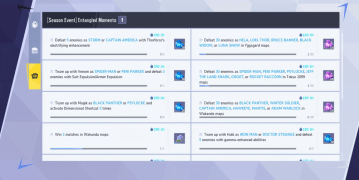
From a game design and development perspective, I understand why choosing a map or game mode in quick-play isn’t an option. It’ll thin the player pool and make load times longer. But why force me to defeat enemies on a specific map? I had one such mission for Wakanda, and I didn’t get a game based in Wakanda for twenty games. Yikes!

Technically, I didn’t need to complete the mission, but one earns in-game currency for beating Battle Pass missions. This currency allows you to unlock things in the Battle Pass and purchase certain bundles if you don’t choose to buy the Battle Pass. Who doesn’t want to unlock things in a game? And if I see a “mission,” something to work toward, I’m going to try and complete the mission. I believe a lot of gamers are the same way. Either eliminate the stipulation of a specific map for these missions or allow players to choose a map. Choosing maps may make load times slightly longer, but I’d accept a few extra seconds.
Battle Pass: 5/10

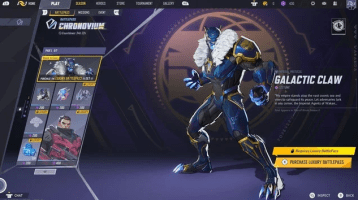
I mentioned before that Marvel Rivals doles out Battle Pass currency and after obtaining this currency, players can purchase rewards within the Battle Pass. This in-game currency is called Chrono Tokens. Chrono Tokens—I’ll interchange this term with “purple stuff” because Chrono Tokens are purple coins—can be earned by completing Battle Pass missions. I mentioned this earlier in the Respecting Time segment. As of Season One, the purple stuff will not carry over from one battle pass to the next. It will reset.

Marvel Rivals’ Battle Pass is set up like a comic book. Very thematic. You unlock the ability to purchase from the next page of the Battle Pass by earning enough of the purple stuff—er, Chrono Tokens. You don’t need to spend any of the purple stuff to unlock each page. This gives Marvel Rivals’ Battle Pass a unique, non-linear path for unlocking Battle Pass rewards. Most Battle Passes divvy out a predetermined reward at each level. Marvel Rivals empowers its players by allowing them to pick and choose which rewards they want. There is one huge caveat. Before unlocking the comic book page’s featured skin, you must unlock every other comic book panel’s reward.
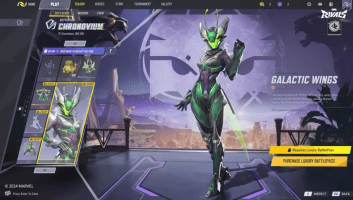
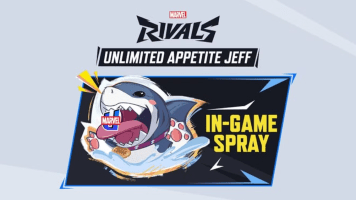
Marvel Rivals saw me, and undoubtedly countless other gamers, coming. I intended to unlock the in-game currency and the skin of each page and skip things like sprays, nameplates, and emotes. But most gamers would choose a skin and in-game currency over sprays, nameplates, and the like. Marvel Rivals put the kibosh on that. That’s a bummer. Even so, Marvel Rivals themes each Battle Pass page. The initial Battle Pass’s first page features the Punisher. I don’t play The Punisher that much, so I can skip that page and go to the next one. You can do this with each page that doesn’t strike your fancy. This is a huge plus.

The only reason why I rate Marvel Rivals’ Battle Pass a seven is that I don’t think the battle pass has enough juice. The rewards are lackluster. But that may just be me. Sprays don’t do much for me. You don’t permanently change the landscape. Who cares? Emotes don’t work in this game. If you use them, you don’t intend to play (you’re throwing the game). Victory poses might work better.

Season One doubled the rewards and duration of Season Zero’s battle pass while increasing the purple stuff needed to unlock pages by a small percentage. I was able to complete all pages of Season Zero in four gameplay hours a week. For Season One this may be increased to five hours a week. But with no carryover for the purple stuff from one season to the next, there’s no reason to play more than five hours or so a week. Marvel Rivals is aiming at that casual audience.

Video Game's True Cost

True Cost: 7/10

I waffled with this score, but Marvel Rivals deserves a high True Cost. I mentioned two other currencies: Lattice and Units. Lattice is the only in-game Marvel Rivals currency that you can buy with real-world money.

The Battle Pass costs 1000 Lattice (100 Lattice costs $1, so that equates to $10). You can earn 600 Lattice (which is the “gold stuff”) per Battle Pass, so if you don’t spend Lattice on any other in-game purchases, you could buy a Battle Pass with the gold stuff you’ve earned but that’s a little better than every other Battle Pass being free. I don’t care for that. I like the idea of buying one’s first Battle Pass and having the option of unlocking your next one for free if you unlock everything and don’t spend the purchasable currency. That’s a ding to Marvel Rivals’ True Cost score.
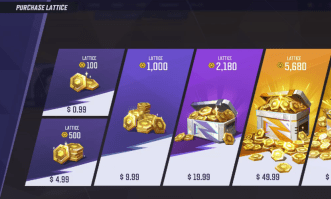
A bigger ding comes from Marvel Rivals’ other in-game currency, Units (or the “blue stuff.”) Players can exchange Lattice for Units at a one-to-one rate. This is where Marvel Rivals makes its money. The game offers plenty of bundles but most of them cost around 2000 Units. You could “earn” the blue stuff but a player’s ability to earn the blue stuff is even worse than a player’s ability to earn the purple stuff; you could be waiting several months to build up enough for 2000 Units. As of this write-up, I have just over 1000, and I unlocked everything that granted Units. That’d be months of waiting for a single bundle. This forces players who want to get a limited-time bundle to invest in the gold stuff. So, you could drop $20 on each of these bundles, and this is Marvel, so there are a ton of bundles.
Fortunately, I don’t see much in the way of pay-to-win skins in Marvel Rivals. You can ignore Units or the Lattice to Units conversion, but many players won’t. Children may be the most susceptible. Be careful. Don’t fall down the rabbit hole of “I ‘NEED’ that specialty Spider-Man skin and the Wolverine one and the Hulk one…and the.”

Still, Marvel Rivals receives an above-average True Cost score because you don’t need to buy any cosmetics to be competitive. You don’t even need to purchase any heroes or villains, and that’s rare for a hero shooter. Marvel Rivals may be the only hero shooter to have all its thirty-three launch characters (and two newly released characters, Mr. Fantastic and the Invisible Woman) available to anyone who logs in the first time. That could be why most of the skins are $20; Marvel Rivals doesn’t charge for unlocking characters.

Connectivity: 7/10

I didn’t experience too many issues logging into and staying logged into Marvel Rivals. I don’t know if it matters, but I played primarily on Playstation5. Note: I appreciate the ability to checkmark if I want to be loaded in with PC players or not and I believe the option exists on the other side for PC players not pairing with console players. But even if I didn’t have connectivity issues, I noticed that many of my teammates did. Every third or fourth game, I’d see a notification that a player lost connectivity. So, this is a known issue with Marvel Rivals, even if I didn’t personally experience it. Every third or fourth game is common enough to lower Marvel Rivals’ Connectivity score a tad.

Online Experience: 2/10

Marvel Rivals’ online experience will also mirror Overwatch’s. You’ll have quitters (most people refuse to leave the game because they’ll get penalized, but they stand there doing nothing, so you’re one player short). You’ll have people who insist on playing Wolverine because they just bought a $20 skin for him and refuse to switch characters, even though we already have four other Duelists on the squad, and I can’t play a tank and a healer at the same time. And then if you’re like me and you tend to play support of some persuasion, you’ll get yelled at because you aren’t healing people fast enough and they’ll call you trash if you remind them that healing would go a lot faster with a second healer. So, Marvel Rivals becomes the usual online multiplayer game cesspool.

Marvel Rivals is your usual online multiplayer shooter. These games breed toxic players, and yet the Marvel Rivals devs have learned nothing from previous games. There’s no means (yet) of reporting toxic players. There isn’t an ignore list either, meaning you could block yourself from playing with a certain player in the future. And the devs put way too much trust in their AI. That inactivity that I mentioned (where players will, for the most part stand there) gets tracked by AI. It doesn’t take long for a player to stand perfectly still before receiving a warning and get booted. I received a warning when I grabbed a soda in between rounds once. It’s that fast. But technically, all you must do is move your character a little bit. Players figure this out quickly. AI doesn’t work. There needs to be a reporting system. Nothing beats flesh-and-blood monitoring.

But wait, there’s more. Remember those team-up abilities I mentioned earlier? Yeah. They’re fun in concept but not in practice. Your teammates will demand you play a specific character, even if you’re unfamiliar with the one character they want you to play with from the thirty-three launch characters because they picked another specific character. I don’t know how many times I would pick someone like Mantis, and then someone would yell at me because I picked the wrong healer. Idiot! You should pick Cloak and Dagger as a healer because they have a special ability with Moon Knight, who I picked. I’ll tell them that I’m unfamiliar with Cloak and Dagger’s play style. Then, they refuse to change who they’re playing to match Mantis. I must change. They’re the main character. Yeah, Marvel Rivals can get an extra layer of toxicity.
User Interface: 5/10

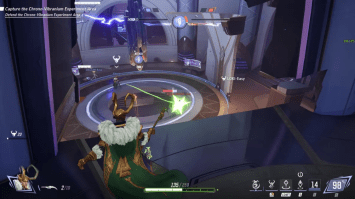
Marvel Rivals’ user interface works well enough in-game. It looks like Overwatch’s. I know I say that a lot, but it’s true. I can’t stress enough that Marvel Rivals is Overwatch with a Marvel coat of paint. I dock Marvel Rivals a few points in the user interface score because the out-of-game menus are difficult to navigate.

Again, like Overwatch, Marvel Rivals has a robust statistics page. These pages are more difficult to find, and the information is more convoluted to parse than Overwatch’s. There’s also a lot going on with the game menus. Because Marvel Rivals “borrows” so much from Overwatch, it integrates a lot of the systems that were developed over what’s almost a decade ago and then adds enough tweaks to throw off anyone who would know Overwatch’s menu system. Players unfamiliar with Overwatch’s menu may need a tutorial of Marvel Rivals’ menus.
Graphics and Audio: 4/10

I feel like I’ve been here before. Many of Marvel Rivals’ maps are eerily similar to Overwatch’s. I know. I know. You’ve made a game out of how many times I’ve mentioned Overwatch by now. I lost count. I didn’t know where to mention the maps, so I added them here. Graphics and Audio works because I believe some of the set pieces look identical to Overwatch. At least with some of the other game elements, you may see the occasional difference. The map layouts feel the same.

A Graphics and Audio score isn’t going to fare well when you—let’s say it together—take Overwatch and add a Marvel coat of paint. Overwatch is an eight-year-old game.  While nice enough to look at, Marvel Rivals uses an art style that’s eight years old. The graphics get an average score at best.

And the announcer’s voice (Galacta) is the three-way lovechild of nails on a chalkboard, a yelp, and a yodel. I don’t care for escorting the payload matches in Overwatch, but Galacta wailing, “Better stop that vehicle” makes me want to jam a number two pencil in my ears. The rest of the voice actors work well enough, so this score ends up being average.
Aggregated Score: 5.11

Despite its obvious inspiration—ahem, Overwatch, ahem (got another mention in there)—Marvel Rivals does a lot for the progression of Battle Passes. I like how you can pick and choose which rewards you want from its Battle Pass instead of a Battle Pass’s usual linear progression. The game’s use of the comic history over the MCU is another nice touch. The team-up abilities, while overblown and could lead to future balancing issues, work well and shake up the Overwatch formula.

Marvel Rivals doesn’t force players to buy characters. So much of a hero shooter’s commerce comes from buying characters. Instead, Marvel Rivals milks players if they want a cool skin. And they offer an avalanche of cool skins.

Tabletop Game Review: Sushi Boat

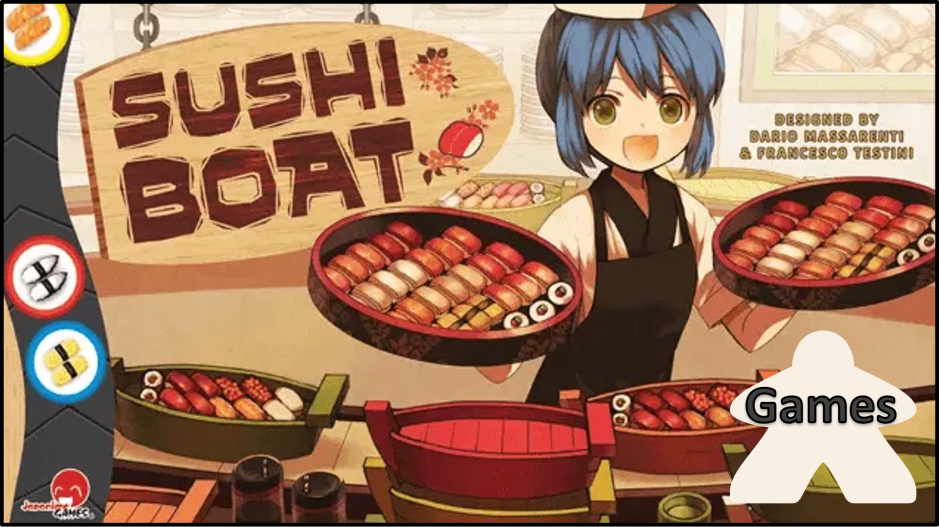
Hey, hey! Kyra Kyle here. It might be a little early for another tabletop game review, but we’re catching up on some of the backlog. Today’s review is one with a high toy factor (a board game with plenty of toy-like features): Sushi Boat.

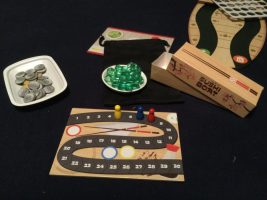
Sushi Boat leans into its theme; the board is a sushi conveyor belt. Each turn, players perform their choice of actions, including taking plates of sushi off the revolving belt on the board, paying staff tiles for special effects, or buying side dishes. As they eat, players stack plates in front of them. Players score points by eating off matching (color) plates and for eating a variety of sushi types (set collection). The Wasabi Challenge shakes things up by adding a memory component that can swing the victory.

Before we get any further, we’ll set the table and discuss Sushi Boat details.

The Fiddly Bits

Designer: Dario Massarenti, Francesco Testini
Publisher: Japanime Games
Date Released: 2023
Number of Players: 2-5
Age Range: 9 and up
Setup Time: 15-20 minutes
Play Time: 30-75 minutes

Game Mechanisms
Memory
Set Collection
Worker Placement

Game Setup

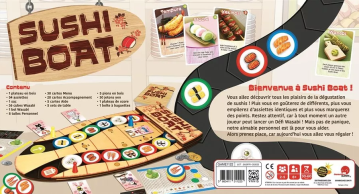
Place the wooden sushi boat board (with a built-in “conveyor belt”); this board is the central visual element and will draw a crowd when placed on the board.

Mix the Staff tiles and randomly place 1 on each Staff space (these are pictured in the rulebook). Place all of the Wasabi cubes in the Wasabi Bowl (Sushi Boat includes ceramic bowls; the production value is insane). Each player chooses a color and takes the matching pawn and player mat. Place all of the Yen in the change tray (again, a ceramic tray), this is the bank. Give each player 2 Yen; players place their Yen on their player mats.

Put all the colored Plates in the bag and mix them well, leaving the white plates to the side for now. Then, randomly draw Plates and add them to the conveyor belt area of the board one at a time until the board is full. Then, draw 3 more plates and add them to the Trash beside the board. After filling the game board, add the white Sushi Plates to the bag and mix them in.

Separate the 4 Wasabi cards from the Side Dish cards and set them aside for the moment. Shuffle the Side cards. Then, depending on the number of players in the game, you will discard cards at random from this deck. Then, set aside a number of Side Dish cards equal to the number of players. Add the Wasabi cards to the Side Dish cards and shuffle them well. Create a face-down draw deck near the game board, and finally, place the Side Dish cards you set aside (not the discarded ones) and add them to the top of the face-down draw deck.

Game Flow

Beginning with the starting player, you’ll take turns going to the left. On your turn, you do the following steps in order:

1) You must turn over the top card of the Side Dish deck and refill the Sushi Boat
2) You must move your pawn to an empty seat
3) You may perform one action (from a selection of 3)
4) You must eat sushi

Let’s talk about the different steps in detail.

1) “You must turn over the top card of the Side Dish deck and refill the Sushi Boat.”

We’ll set the Wasabi card aside for the time being; they’re their own beast. Every other Side Dish card will have a symbol in the top right-hand corner. This will tell you how many sushi plates you’ll need to add to the belt. At the bottom, you’ll find effect text; this will give you a special ability if you choose to purchase the card (in a later step) and then use the card.

Wasabi Challenge:
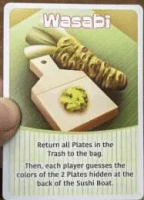
The game stops temporarily. Each player tries to guess the color of the 2 plates hidden in the tunnel at the back of the Sushi Boat. First, take all of the Plates in the Trash and return them to the bag, mixing them well.

Then, each player takes 2 Wasabi Cubes from the bowl and secretly places them on their player mat to mark the colors they think match the hidden Plates. You may place both Wasabi Cubes on the same color if you think both Plates are that color. Finally, add Plates to the board until the two hidden Plates are fully revealed (this will most likely push some Plates into the Trash).

Each player compares their guess to the 2 Plates that were revealed. For each color you guessed correctly, you keep that Wasabi Cube. Any Wasabi Cubes on incorrect guesses get returned to the Wasabi Bowl.

2) “You must move your pawn to an empty seat”

You must move your pawn every turn. You can move it to any seat on the board that isn’t already occupied. But you could pay another player 1 Yen to return their pawn to their player board, so you can claim their seat.

3) “You may perform one action” (from a selection of 3)

A) Visit the Staff: If you’re on a space with a staff member, you can pay 1 Yen to perform their special ability.
B) Buy the top Side Dish: Pay 1 Yen to buy the top card of the Side Dish deck; this will most likely be the card you revealed at the beginning of your turn. Note: Players cannot buy Wasabi Challenge cards.
C) Take 1 Yen from the bank.

4) “You must eat sushi”

Take the Plate from the conveyor belt space that is next to the seat your pawn is on. Typically, you will add these plates to the top of your stack of Sushi Plates. (Some Side Dish Cards allow you to break this rule.)

Play continues like this until the Side Dish Deck runs out. When this happens, the game ends. Players score points for the number of consecutive-colored plates in a row, minus 1. So, a stack of 4 red plates would be worth 3 points. You may have multiple stacks of colored plates. (White plates don’t count for or against a consecutive-colored plate stack.) Then, you add up the sets of sushi you claimed (the unique sushi dishes depicted on the plate; there are 7 sushi types). After that, players get bonuses for playing the most Side Dish cards and some Side Dish cards add a victory point. Finally, each Wasabi Cube is worth 1 point each.

Whoever has the most points wins.
Review

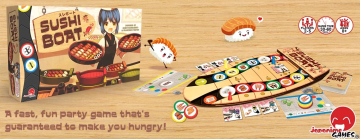
Sushi Boat is a great game with an immense toy factor. This game’s production value is over the top. It may even be too nice—if there is such a thing. Ceramic bowls? Are you kidding me? My oldest daughter just returned from Japan and had plenty of real Yen to replace the punchboard Yen included with the game. Even without that, Sushi Boat has fantastic components.

Sushi Boat balances its elements well. I didn’t think memory and worker placement would work, but it does. I’ve found that younger players (ahem, children, ahem) have an advantage during Wasabi Challenges. I tend to focus on the mechanical aspects of the game like special abilities (through the staff and Side Dish cards) and forget to keep track of which plates have slid under the tunnel. This is the one aspect I’ve found most children gravitating toward. This typically gives a child player an extra three or four points.

Speaking of the tunnel and the titular sushi boat, the sushi boat looks fantastic. Sliding Sushi Plates across the “conveyor belt” feels great. I’ve even visited a sushi boat restaurant since playing this game. They use colored plates to tally your bill. Ingenious. And that’s what Sushi Boat’s central board is, too. Ingenious.

The one negative I’ve found is the setup and rules explanation. I’m not lying when I cited the setup time in “Fiddly Bits” as “15-20 minutes.” That’s a little long for Sushi Boat’s weight and game length. I almost feel compelled to play more than one game at a time. The rules explanation for new players can also take a little extra time than what I’d like for a game of Sushi Boat’s length, too. But retaining the rules from one play to the next is easy. Barely an inconvenience. The actions that players perform in Sushi Boat are so thematic that it makes it easier to relearn the game, even if you haven’t played in months.

Verdict

Setup and initial rules explanation can be on the long side, but the effort is well worth it for a game this thematic. While an odd combination, the game’s mechanisms work well together and level the playing field for children. And the board. Look at the board!

Top 5 Tabletop Games from 1986-1987

Hey, hey! Kyra Kyle here. Back with another Top 5 Tabletop Games. 1986 and 1987 have a lot more games for us to choose from. These two years may have too many games to talk about. Why couldn’t some of these games be released over the previous two years? Ugh! This is a good problem to have. I may have at least one honorable mention this year. Let’s talk board games.

But first, in case you’ve forgotten our criteria for the Top 5 Tabletop Games, let’s reiterate the ground rules again before we get started.

1: Cultural relevance plays as much of a factor as overall quality. A game might make a list that doesn’t hold up to others of its type, but you must admit the game is everywhere.

2: Only one game from a franchise makes the list. This will become more of an issue the closer we get to games with expansions.

3: Longevity plays a role, too. A game doesn’t have to fly off the shelves today, but it had to have some widespread appeal for a decent time.

5: Outburst (1986)

Outburst plays a bit like Family Feud. Two teams compete over multiple rounds to reach 60 points by guessing items listed on a Topic Card within a time limit. Outburst’s simple concept puts it firmly in the party game category, and games like this bring people into the hobby of tabletop games. And they can just be fun.
Outburst was featured in Games magazine’s Best Games of 1988. Scott Marley praised Outburst for its clever topics and team-based gameplay. Marley concluded that “Though Outburst is easy to learn, many topics are too hard—and occasionally too spicy—for children.” This may have prompted 1989’s Outburst Junior.

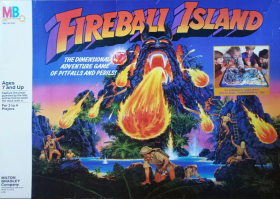
Fireball Island Tabletop Game

4: Fireball Island (1986)

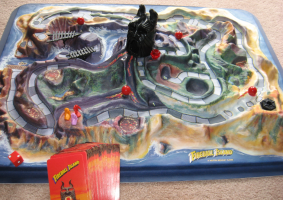
I remember getting the original Fireball Island for Christmas in 1986. The box is ginormous. The plastic game board had undulating paths where the titular fireballs (marbles) would travel down and knock players down, causing the player to lose any items. The object of Fireball Island is to escape the island with the jewel, which players must steal from the top of the Vul-Kar’s mountain. Fireball Island only has one jewel, so once a player grabs it, they become the target of others. And boy, do they become a target.

Fireball Island Tabletop Game Board Close up

Players are incentivized to knock the jewel out of the hands of the player who possesses it. The reimagining of Fireball Island by Restoration Games in 2018 doesn’t place as much emphasis on the jewel. Players can win by other means. Unsponsored quick plug: Restoration Games does great work. They’ve brought back many games on this list and even a couple of honorable mentions like Dark Tower (from the 1980-1981 list) and Thunder Road (which just missed this list).

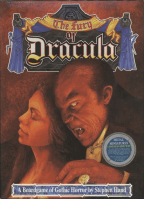
3: The Fury of Dracula (1987)

I mentioned a few lists ago (1983-1984) that Scotland Yard inspired many asymmetric games with hidden movement; The Fury of Dracula is one of the most prominent. I like the theme, but the name “Fury” is a bit of a misnomer. Dracula travels on a hidden board while the hunters move across the game board openly and try to deduce where Dracula is, all the while collecting the means with which to slay Dracula (stakes, garlic, and holy water). The Fury of Dracula ends with an epic showdown.

The Fury of Dracula has been updated multiple times. The second edition changes a lot of the gameplay, while the third edition streamlines the rules to make it easier to play and get into. 2019’s Fourth Edition of The Fury of Dracula gave the game a facelift; it didn’t change much in the way of gameplay. I recommend either the third or fourth editions.

2: Labyrinth (1986)

Not to be confused with the 1946 marble game, Labyrinth, which was originally stylized as THE aMAZEing LABYRINTH, uses a 7×7 grid where tiles get placed on one end of a column or row and displaces the tile on the opposite side of the column or row, hence the German name for the game Das verrückte Labyrinth, which is a pun on the German words errücken” (displace) and “verrückt” (crazy).

Players move their pieces along the ever-shifting path. Many of the tiles will have treasures printed on them. These treasures will match the cards dealt to players at the beginning of the game. The first player to obtain all the treasures in their deck wins. Labyrinth looks simple at first, but it gets puzzlely real fast. It’s a great problem-solving game for children, but when played by adults, the game can become more strategic and cutthroat. Labyrinth’s shifting tiles is one of the most unique game mechanisms from this era.

Returning to the naming, I wonder if Labyrinth avoided calling itself that in 1986 to avoid a lawsuit or confusion with Jim Henson’s Labyrinth movie that was released the same year. I remember a Labyrinth marble game variant tying into the movie that year.

1: Arkham Horror (1987)

I didn’t realize how old Arkham Horror was until I started compiling this list. Designer Richard Launius originally submitted the concept as Call of Cthulhu: The Board Game. This won’t be the first time Launius will make a game based on H.P. Lovecraft. He made a faster-pace, dice version of Arkham Horror in Elder Sign. Launius may be the person most responsible for making H.P. Lovecraft so popular in tabletop gaming. Arkham Horror is an early, thematic cooperative board game. Before Arkham Horror, I don’t recall seeing too many popular cooperative board games.

Because of this, Arkham Horror introduced a lot of staple cooperative board game concepts. Not the least of which is a “Doom Track.” Players work against the clock before the Ancient One breaks through its plane and into Arkham. Come to think of it, a game clock—of one persuasion or another—exists in most cooperative board games. Launius reinvented Arkham Horror into a Living Card Game in 2005.

Did we get the list right, for the most part? I didn’t mention Blood Bowl (1987); I’ll mention it here as another honorable mention. Let us know which games you’d add in the comments. And wherever you are, I hope you’re having a great day.

Check out the other lists in this series:
Top 5 Tabletop Games Prior to the 1930s
Top 5 Tabletop Games of the 1930s
Top 5 Tabletop Games of the 1940s-50s
Top 5 Tabletop Games from the Early 1960s
Top 5 Tabletop Games from the Late 1960s
Top 5 Tabletop Games from the Early 1970s
Top 5 Tabletop Games from 1980-1981
Top 5 Tabletop Games from 1982-1983
Top 5 Tabletop Games from 1984-1985
Top 5 Tabletop Games from 1988-1989
Top 5 Tabletop Games from 1990-1991

DC Universe (DCU) 2025 Preview

Hey, hey! Kyra Kyle here. Geekly hasn’t covered any movies or television series recently and it’s the new year, so let’s talk about the properties being released by DC Comics Studios in 2025. Full disclosure: I haven’t purchased a Max account yet; I’m woefully behind on most DC Comics-related television series. But I plan on signing up for Max soon, and there’s plenty of a back catalog to watch. Yay!

Unfortunately, there doesn’t appear to be as much for the DCU on Max in 2025 as in 2024. Our first property on this list was supposed to be released in late 2024 but was pushed back to January 2025. Let’s see what I’ll be binging as soon as I sign up for Max.

Harley Quinn (Season 5) (On Max Starting January, 16 2025)

Harley Quinn has lasted five seasons? My goodness!

Harley Quinn looks like a show I’d enjoy. It follows Harley’s exploits after she breaks up with The Joker. She discovers who she is without Mr. J and meets a lot of Arkham’s colorful characters along the way. The cast elevates this premise even more. Kaley Cuoco (of The Big Bang Theory) portrays Harley, while long-time voice actor Lake Bell takes on the role of Poison Ivy. Throw in Alan Tudyk as the Joker, Ron (Bunches of) Funches as King Shark, Tony Hale as Doctor Psycho, and Jason Alexander as Sy Borgman, and you’ve got yourself a party.

As I said, Harley Quinn’s Season 5 was supposed to be released in December 2024. The DCU must’ve thought that would make Max’s end-of-year schedule too tight. Creature Commandos began airing on December 5, 2024. I’ll have to add Creature Commandos to my laundry list of shows to binge.

Unlike the MCU, which shows its roadmap of titles for the following five or six years (mild exaggeration), the DCU keeps its schedule a mystery. Max didn’t even announce that Harley Quinn Season 5 was pushed back. It just vanished from Max’s December lineup with no warning. Mid-way through December 2024, it popped back up with a January, 16 2025 release. This will be a recurring issue with the DCU.

Superman: Legacy (In Theaters July 11, 2025)

As of December 14, 2024, Superman: Legacy was the only 2025 DCU release with an official release date of July 11, 2025. I’ve got a second one that I know the exact release date for. XD

The new DC Universe rides on the success of its first entry, Superman: Legacy. No pressure.

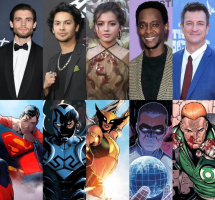
Fortunately, Superman: Legacy has a lot going for it. I trust James Gunn as a writer and director of comic book movies. Gunn used All-Star Superman as inspiration for the film. That’s another vote of confidence. (Note: Jim Plath made a Superman Starter Stories post several years ago, and All-Star Superman made his list; see what other stories made his list.) DC Studios cast a relative no-name to portray Superman/Clark Kent; I’m glad they resisted the urge to cast a big name. And the rest of the cast holds plenty of accomplished actors. My favorite may have to be Nathan Fillion as Guy Gardner. This ought to be fun.

Superman: Legacy also precedes any other major DCU release. Man of Steel followed in the footsteps of The Dark Knight (not even the first movie of the Dark Knight Trilogy) and felt as if it had to mimic the Nolanverse’s vibe. The rest of the DCEU kept that same energy for too long. I know that The Dark Knight didn’t officially take part in the DCEU, but the DCEU maintained the Nolanverse grit, whether the characters warranted it or not. Superman: Legacy is a much better choice to anchor the DCU.

I’m excited for Superman: Legacy. I hope it goes well and that the DCU can become more than an afterthought to the MCU. DC Comics has way too many great characters to be overshadowed for long. But I’m also nervous about Superman: Legacy. It needs to be a hit.

Peacemaker (Season 2) (On Max Starting August 2025)

Peacemaker Season was a huge success. Like many other titles on this list, I have yet to watch it. More binging! John Cena returns as the titular Peacemaker. Season one’s premise sounds interesting. Peacemaker joins a black ops squad, “Project Butterfly,” as it identifies and eliminates parasitic butterfly-like creatures who have taken over human bodies around the world.

Peacemaker served as a “soft reboot” for the 2021 DCEU movie Suicide Squad. Showrunner James Gunn postponed the second season because of his involvement in the Superman movie. This time, we have a month for Peacemaker Season 2’s release, and we know that Peacemaker’s second season can’t be released until after Superman in July 2025 because the events in Peacemaker Season 2 directly follow Superman. Think of this season as the bridge between the old DCEU and the new DCU. Fingers are crossed for a great DCU one-two punch.

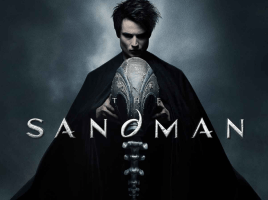
Sandman (Season 2) (On Netflix Sometime in 2025)

We have no idea when Sandman Season 2 will be released, but it will most likely be released sometime in 2025. And there may be a good reason for this delay: Sandman writer Neil Gaiman’s allegations of sexual assault. Gaiman denies any wrongdoing. He’s innocent until he is proven guilty. I don’t want to get into detail about his legal issues here.

I don’t know exactly why Netflix has delayed Sandman Season 2’s release or given it a month for its release, but I wager it’s because Netflix wants to wait and see how Gaiman’s legal battle goes. Netflix canceled Dead Boy Detectives, another show based on a Gaiman-penned DC comic book, shortly after the allegations in July 2024, but that was because Dead Boy Detectives didn’t get enough viewers. Sandman Season 1 received plenty of viewers.

I was looking forward to Sandman Season 2, but that was before these allegations came to light. It’s difficult to separate art from the artist. It’s even more difficult to ignore allegations when (as of this writing) five women have accused Neil Gaiman of sexual assault.

Deep breath.

Let’s get back to Sandman. Despite what some viewers claimed, Sandman’s first season stayed true to the source material. Kirby made an excellent Death, likewise for Mason Alexander Park as Desire. The rest of the cast was fantastic. I didn’t think anyone could effectively pull off Morpheus. Tom Sturridge gives a solid performance. Did the first season take some liberties? Yes. But the heart of the story remained the same. Sandman Season 2 was my most anticipated DC Comics project for this year, and that includes a year with a Superman movie.

Okay. I was stoked about Superman: Legacy, too.

That’s all I have for now. Let me know your thoughts on the upcoming DCU movies and television shows. See you soon. And wherever you are, I hope you’re having a great day.

Getting Into Comics: Magneto Starter Stories

Hey, hey! Kyra Kyle here. Today is my youngest daughter’s birthday. Happy 24th birthday! One more year and you can rent a car. Is that still true? Anyway, I wanted to bring back the comic book starter stories and asked her which character she’d like me to cover this week. She answered Magneto.

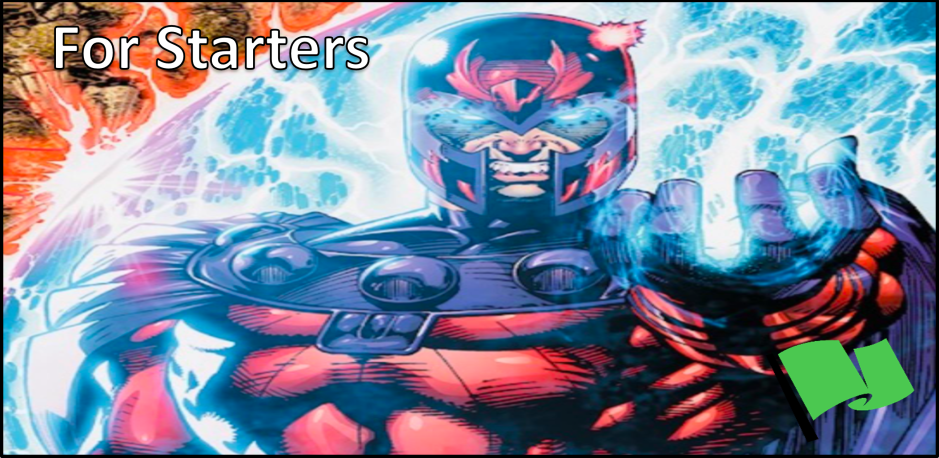
You heard the girl. Geekly will be covering its first comic book starter stories for a supervillain. We may have some growing pains with this topic. Villains are a little more difficult to recommend starter stories for, but I’ll do my best. The following list should give you an idea of which stories you should read to get to know Magneto better.

Single Issues

We’re doing this list a little differently than prior starter comic book stories. We’ll start with single issues and then move on to story arcs that consist of multiple comic books.

Uncanny X-Men #1

(written by Stan Lee/art by Jack Kirby; 1963)

This first entry cheats a little bit. Uncanny X-Men #1 is the first appearance of Magneto and the X-Men. Since the issue does double duty and sets up Magneto and the X-Men, there’s less of a focus on him as the main villain, but Uncanny X-Men #1 does a great job of showing Magneto as a formidable foe.

You don’t have to break the bank to read the first X-Men story. Marvel has reprinted it plenty of times. You should even be able to read Uncanny X-Men #1 for free online. If you did want to own a physical copy, Uncanny X-Men #1 would cost you hundreds of thousands of dollars. X-Men didn’t have the warmest of receptions when it first launched. This makes the comic rare and valuable. Ka-ching!

I, Magneto

(Uncanny X-Men #150, written by Chris Claremont/art by Glynis Wein, Dave Cockrum, Dan Crespi, and Tom Orzechowski; 1981)

Magneto started out wanting a world where mutants dominated over inferior homo sapiens, but in “I, Magneto,” Magneto sets out for what he wanted all along, to become everyone’s leader. In this story, Magneto wants no less than the planet making him the world’s leader.

Magneto enlists the help of a series of supercomputers, but when those computers begin to explode, Magneto becomes furious. Kitty Pryde has been blowing up his computers by phasing through them. In a fit of rage, Magneto nearly kills her. Magneto sees a lot of himself in Kitty Pryde, since they have a similar heritage. When Magneto sees himself as the monster he’s turned into, he realizes that he isn’t fit to lead the world.

The Trial of Magneto

(Uncanny X-Men #200, written by Chris Claremont/art John Romita Jr.; 1985)

Claremont does a great job with the Uncanny X-Men’s bicentennial issue. As the name suggests (“The Trial of Magneto”), Magneto is on trial for former acts as a “mutant terrorist.” While he stands trial, unknown terrorists leave behind a calling card, “Free Magneto – X-Men.” Professor X sees this message and suddenly falls ill. Cyclops believes Charles is possibly dying.

The terrorist acts serve as a distraction so the Von Strucker twins can attack the court and exact vengeance against Magneto. This puts everyone in the courtroom in danger. Magneto saves everyone in the building. This shows the judge Magneto’s humanity. The scuffle results in Professor X suffering a heart attack. Magneto saves Charles, but Charles insists that he can no longer care for the X-Men. He asks Magneto to take his place.

If you’ve seen the X-Men ’97 cartoon on Disney+, many of these story elements will sound familiar in “The Trial of Magneto.” This story showcases Magneto’s propensity for being a hero.

Story Arcs

X-Men: Magneto Testament #1-5

(written by Greg Pak/art by Carmine DI Giandomenico 2008-2009)

Magneto Testament fleshes out Magneto’s childhood story. This five-issue miniseries doesn’t pull any punches. It shows us Magneto as a young boy surviving the Nazi death machine. As a result, Magneto Testament is one of the bleakest stories Marvel Comics has ever published. It’s also poignant.

Magneto Testament explores what made Magneto the man he is today. X-Men: First Class may dip its toe into this origin, but Magneto Testament digs deeper. This is one of the best Magneto stories ever written and a must if you want to understand Magneto.

X-Men: God Loves, Man Kills

(written by Chris Claremont/art by Brent Anderson; 1982)

I know this story also made our “X-Men Starter Stories” post years ago (here’s a link to that list if you’re interested), but Magneto is an X-Men villain, so there’s bound to be some crossover.

Many consider God Loves, Man Kills the defining X-Men arc, and they may be right. Humanity is the main villain. Humans, through the machinations of William Stryker, launch a scheme to rid the world of mutants. Magneto learns this while investigating the deaths of two mutant children. Magneto then joins forces with the X-Men.

God Loves, Man Kills establishes Magneto’s willingness to do anything to protect mutantkind, even if that means joining forces with his enemies. Stories like God Loves, Man Kills do a lot to deepen Magneto as a character.

Mutant Genesis

(X-Men #1-7, written by John Byrne and Chris Claremont/art by Jim Lee; 1991)

Before Mutant Genesis, Magneto lost his way. He even ran the X-Men and New Mutants for a time. (See the above write-up for “The Trial of Magneto.”) While these storylines helped to humanize the X-Men’s greatest villain, Mutant Genesis brings Magneto back to his roots. He has returned as a powerful villain. During this arc, we see how Magneto’s powers are slowly driving him insane.

But Magneto isn’t alone in his insanity. Mutant Genesis introduces Magneto’s team of Acolytes. These Acolytes pose a huge threat to humanity and even mutant-kind. It also doesn’t help that long-time X-Men begin questioning their loyalty to Professor X’s cause. Mutant Genesis is the final story seminal X-Men scribe Chris Claremont wrote for the series. Without Claremont, the X-Men would not have become the household names they are today.

Planet X

(New X-Men #146-150, written by Grant Morrison/art by Phil Jimenez; 2003-2004)

Magneto disguises himself as Xorn, one of the X-Men’s most trusted members at the time. The X-Men had thought that they had rescued Xorn from a Chinese prison, but it was a ruse. Magneto worked with the Chinese government to infiltrate the X-Men. At the time Magneto was believed dead, making this reveal even more shocking. Planet X shows how clever Magneto can be when putting an elaborate plan into action. This story did a lot for Magneto’s legacy.

As Magneto is the X-Men’s oldest enemy, no one could imagine that he could disguise himself well enough to fool his enemies. In classic mastermind fashion, Magneto didn’t reveal his identity until the time was just right.

There are so many other stories that I could’ve included here. I’m sure I missed one or two, or three hundred. Let me know which Magneto stories you’d choose instead. And wherever you are, I hope you’re having a great day.