Happy Sunday, Geekly Gang! Kyra Kyle here with another week of Geek News. We don’t have much in the way of major headlines this week, but as usual, we’ll break down the board game and video game new releases. Let’s start with board games.
Storybook Saga Opens on GameFound
We’ve been covering every Solo Game of the Month release on GameFound ever since January of this year, because these games, even if they don’t look like ones I’d be interested in, are designed by established board game designers, and this company never fails to deliver. This month’s game, Storybook Saga, continues this tradition. Per usual (for GameFound), we don’t have an idea of pledge costs or Storybook Saga’s game mechanisms. But it looks amazing.
Players assemble a team of classic storybook characters and attempt to survive scenarios. Each card will be tarot-sized–you don’t see much of that. the art looks stunning. Storybook Saga is yet another Solo Game of the Month title that uses top-notch components. And even though we don’t know how the game is played, you know Storybook Saga will be a solo game, and the pledge should land in a reasonable price range. My guess would be $20-35. If you’re interested in Storybook Saga, check out its GameFound page.
Reiner Knizia’s Hanami Launches on KickStarter
As Hanami’s subtitle says, Hanami is an update to the Reiner Knizia classic board game Samurai, and when I say Samurai is a classic board game, believe it. The game still holds an impressive 7.5 rating BoardGameGeek. Yeah. 7.5 on BGG means the game is great.
Hanami celebrates a different side of Japanese culture, but one that’s still steeped in Samurai tradition. Who doesn’t love sakura blossoms? Hanami offers a lot of free add-ons for a standard pledge of $40. If you’re interested in Hanami, check out its KickStarter page.
Restless Spirits Emerges on KickStarter
Restless Spirits puts players in the role of a spirit guide, trying to collect magical totems and release spirits. Restless Spirits’ rules are easy to pick up. Choose a spirit guide, attract spirits to your board, find and play matching totems, use spirit abilities to gain an advantage, and release the most spirits. This game gets really combo-tastic.
Restless Spirits is another game that features tarot-sized cards. I’m always down for that. The art looks amazing, but my favorite feature for Restless Spirits is its story mode. Tales of the Spirit Realm is a collection of 12 short folktales about the Spirits in the game. Before playing, draw a Tale card (either at random or in order), turn to the associated page in the Tales booklet, and read the story. Each Tale has an accompanying gameplay modifier, so you get to learn more about the specific spirit you’re playing, which comes with a fun gameplay twist.
Restless Spirits offers a couple of pledge levels. The standard edition costs about $47 (the prices are in Pounds), while the deluxe version that adds some extra swag runs about $74. If you’re interested in Restless Spirits, check out its KickStarter page.
Herdling Video Game Releases
This past week was a big one for indie video game releases. Herdling is a brand new adventure from Okomotive, who also created the atmospheric and acclaimed FAR games and Firewatch.
Herdling looks stunning. If it follows previous Okomotive releases, Herdling should have more of a focus on immersing gamers in the world it’s crafting. I never thought herding livestock would appeal to me, but Herdling has me second-guessing that opinion. Herdling released on PC, Nintendo Switch, Playstation5, Xbox.
Discounty Lands on Steam
Newcomer developer Crinkle Cut Games released its first video game, Discounty, on Steam. Discounty takes some concepts of games like Stardew Valley and applies them to a discount supermarket. You’ll be managing a local supermarket and getting caught up in small-town drama. Organize and plan your shop’s layout and strike lucrative trade deals as you expand your business empire.
I’ve always liked developer Giant Squid’s aesthetic. Giant Squid are the ones behind Abzû and The Pathless, but their art director also worked on Journey and Flower. You can see those influences in Sword of the Sea. Players control a Wraith, who explores abandoned and desolate worlds, hoping to bring life back to them. The Wraith explores the world with a hoversword, which is part snowboard, skateboard, and hoverboard. Needless to say, this world is stunning.
Sword of the Sea plays like an eco-fantasy. In a world as desolate as the one made by the Once-ler in The Lorax, Sword of the Sea has players soar through barren lands, seeding them with life in an art style reminiscent of Journey or Flower. Sword of the Sea’s premise has me intrigued. Giant Squid delivers the graphics we know them for, and that makes for a title on my short list of 2025 video games that I need to try. Sword of the Sea is available on PC and Playstation5.
That’s all the geek news we have for this week. Thank you for reading, and wherever you are, I hope you’re having a great day.
1996 was a weaker year for board games than the past handful of years, but a banner year for collectible card games. As a result, we’re lifting the CCG embargo for the 1996 list. There will be more than one CCG entry for the top 5 tabletop games from 1996, and it’s a doozy of a collectible card game. Woo hoo!
Hey, hey! Kyra Kyle here. We’re back with another Top 5 Tabletop Games. We’ll talk about 1996’s board game list soon, but let’s recap the ground rules for which games make these lists before we start.
1: Cultural relevance plays as much of a factor as overall quality. A game might make a list that doesn’t hold up to others of its type, but you must admit the game is everywhere.
2: Only one game from a franchise makes the list. This will become more of an issue the closer we get to games with expansions.
3: Longevity plays a role, too. A game doesn’t have to fly off the shelves today, but it had to have some widespread appeal for a decent time.
5: Mythos Collectible Card Game (1996)
We begin this list with an interesting collectible card game, Mythos. Based on the Cthulhu Mythos stories of horror author H.P. Lovecraft, Mythos is also an adaptation of the Call of Cthulhu role-playing game. Mythos combines elements of some traditional card games like Rummy and borrows other concepts from previous CCGs. While the game is playable by two players, the intent is for Mythos to be played by a larger number of players. The main objective of Mythos is to collect points by completing adventures. Adventures are cards that include keywords derived from different card names and types. Once the required cards are in the player’s story deck or on the table, the player can play the adventure and receive its points.
Mythos differs from many collectible card games because of its lack of a combat focus. This is a CCG that attempts to tell a story. Unfortunately, Mythos faltered after its initial release. Later expansions, most notably the non-collectible Standard Game Set, confused consumers and forced the publisher Chaosium to discontinue Mythos only one year after the game’s original release. Still, Mythos shows what collectible card games can achieve. It earned its distinction as one of Pyramid magazine’s The Millennium’s Best Card Games.
4: Mad Gab (1996)
Lately, we haven’t included too many mass-market board games in these lists. Mad Gab bucks this trend. It does so, not just because 1996 was a weaker year for board games like I mentioned, but because it was a cultural cornerstone. Mad Gab uses puzzles known as mondegreens (misheard words that could mean something else) and contain small words that, when put together, make a word or a phrase. For example, “These If Hill Wore” when pronounced quickly sounds like “The Civil War.” Mad Gab had two levels, easy and hard. The faster players solve the puzzles, the more points they score.
Mad Gab uses phonetics. It tests players’ ability to process sounds based on simpler English-written sounds into a meaningful word or phrase. Players must read the words aloud. Reading the phrases silently won’t allow someone to decode the puzzles’ meaning because the sounds need to be decoded.
3: Kill Doctor Lucky (1996)
We covered Mystery of the Abbey on our last week, and that game revamped Cluedo (or Clue for the United States). Kill Doctor Lucky flips the idea of Clue on its head. Kill Doctor Lucky features a sprawling mansion filled with a variety of dangerous weapons. Cluedo begins after the murder has been committed, and players compete to solve it; Kill Doctor Lucky ends with the murder, and players attempt to kill the titular character, Doctor Lucky.
Players must find a secluded room before slaying Doctor Lucky. You can even gain extra points if you pair a weapon with a specific room. For example, if you kill Doctor Lucky in the wine cellar with a trowel, you’ll gain extra points, alluding to Poe’s short story “The Cask of Amontillado.” As soon as I heard that Clue: The Movie could receive a remake, I wondered why Hollywood didn’t choose to go with a Kill Doctor Lucky movie. Why not lean into the silliness?
2: Netrunner (1996)
We have yet another Richard Garfield collectible card games that make one of these lists. Garfield has a knack for stretching the boundaries of collectible card games. That makes sense. He did create this form of game. Like Mythos, Netrunner doesn’t have a focus on combat. It takes place in the Cyberpunk 2020 role-playing game universe (which is also the basis for Cyberpunk 2077) and pits players against each other in asymmetric roles. One player assumes the role of a runner, who tries to break through and steal hidden plans (hacking) of the mega-corporations (the Corp) that run the world. The other player assumes the role of the Corp and attempts to catch the runner.
Beyond its focus on non-combat, Netrunner was unique because most collectible card games are framed as a battle between peers. Netrunner has two very different sides facing off against each other. While the collectible card game only ran for a few years, in 2012, Fantasy Flight Games adapted Netrunner into Android: Netrunner, which is a living card game that ran until 2019. Netrunner has a long and storied history. Its fans are fierce. But it doesn’t claim our top spot on this list. A different collectible card game has that honor.
1: Pokémon Trading Card Game (1996)
Pokémon had to claim the top spot for 1996. It’s the second-longest-running collectible card game in history. When Pokémon first released, it sold out so fast that all the trading card manufacturers in the world postponed their other orders (like baseball, football, and basketball cards) to fill the demand for new Pokémon cards. Releasing later the same year as Pokémon Red, Blue, and Yellow (the original Pokémon video games on the Game Boy) helped catapult Pokémon to legendary status.
Play alternates between players who take several actions during their turn, including playing Basic Pokémon, evolving Pokémon, attaching an Energy card, playing Trainer cards, and using Pokémon abilities and attacks. The first Pokémon Trading Card Game sets played like simplified Magic: The Gathering decks. This helped Pokémon and built a pipeline for Magic. Wizards of the Coast, the producer of Magic: The Gathering, didn’t mind because the Pokémon Company licensed the Pokémon Trading Card Game to Wizards of the Coast, who published eight expansion sets between 1998 and 2003, after which the licensing transferred back to The Pokémon Company. The Pokémon Trading Card Game is one of the few games of this type from the original trading card boom that has stayed in continuous production. I haven’t played Pokémon in years, but I have fond memories. This game’s legacy demands that it takes our top spot.
Did we get the list mostly correct? Let us know which games you’d add in the comments. Thank you for reading, and wherever you are, I hope you’re having a great day.
Hey, hey, Geekly Gang! Kyra Kyle here. It’s another Sunday, and we have another week of Geek News. I mentioned in last week’s post that the board game industry has seen a lot of drama over the past several weeks. I had a week to collect my thoughts and figured I would try to make some sense out of the chaos.
Board Game Industry Drama
Two major incidents occurred over the past month: one involving Devir Games and the other CGE (Czech Games Edition). CGE’s drama will need a little more context and has more layers. Devir’s is more straightforward, so we’ll begin with Devir Games.
Devir Games Ace of Spades
Devir Games’ recent release Ace of Spades includes depictions of white slave owners and (as Devir mentioned in a press release last week) a black person in a state of enslavement. According to Devir Games (in the same press release), their intent was to reference the film Django Unchained. While this can explain the inclusion of these images, the terminology Devir used in Ace of Spades, and the cards’ effects, it doesn’t excuse the behavior. To Devir Games’ credit, they issued an apology and took immediate action.
Ace of Spades is being recalled, the offensive cards swapped out with new art and terminology, and the new cards will be available for anyone who purchased Ace of Spades before this change. The original game will not be available for purchase.
I first heard about Ace of Spades‘ misstep several days before this apology. I hadn’t yet seen the images. Several of the board game communities I’m a part of discussed Ace of Spades in detail. In a post that has since been taken down, one community member posted the offensive pictures and said they didn’t see anything wrong with them. Personally, seeing the images was worse. I figured they were bad. They sounded bad. But they were worse than I imagined. The one titled “Fugitive” looks like it was taken from Birth of a Nation. Wow! Hopefully, board game publishers will hire cultural consultants or community representatives (of the ones depicted) in the future.
Czech Games Edition Codenames: Back to Hogwarts
The Ace of Spades fiasco is straightforward and found a swift conclusion. Czech Games Edition’s (CGE) Codenames: Back to Hogwarts gets a lot messier. While Ace of Spades displayed obviously disturbing images, Codenames: Back to Hogwarts upset a large percentage of the board game community because of Harry Potter writer J.K. Rowling’s politics and her hateful actions against a marginalized community.
Quick Thoughts on Themed Versions of Codenames
I likely won’t review the newly released Codenames: Back to Hogwarts because I don’t care for themed versions of Codenames. I’ve read a lot of Marvel Comics, and if you’ve read JK Geekly, you’ll know I keep up with the MCU, and yet, I find little enjoyment in Codenames: Marvel. People who know the intellectual property well will stomp on people who don’t. The same will be true of Codenames: Back to Hogwarts because of the game’s trivia-like nature, but this new version could give the standard Codenames’ formula a new twist.
Full Disclosure: I also won’t purchase Codenames: Back to Hogwarts because I’m non-binary, I have a trans daughter, and J.K. Rowling intends to use her royalties to target the trans community. In fact, I don’t care for Rowling’s moniker sounding too close to JK Geekly, so I’ll refer to her from this point forward as Joanne Rowling.
Quick Note on JK Geekly’s Name Origin
We named ourselves JK Geekly for Jim and Kyra Geek-Weekly (Geekly) or (Just Kidding) Geekly. JK Geekly is in no way affiliated with Joanne Rowling. We’re the jolly, queer, and effeminate JK.
Czech Games Edition’s Response
CGE’s response took longer than Devir’s because the issue is nuanced. Codenames: Back to Hogwarts is the first Harry Potter-themed board game in years. Honestly, it’s the first Harry Potter-themed board game since Joanne Rowling began her hate campaign against trans people. CGE made the decision (to go forward with the game initially) because many of the people in CGE’s staff enjoy the world of Harry Potter, but CGE came to the determination that they can no longer support Harry Potter’s writer, Joanne Rowling.
CGE had gone too far with the production process with Codenames: Back to Hogwarts and couldn’t back out of releasing the game. With Joanne Rowling’s intent clear (per LGBTQ Nation, she’s a billionaire and will donate most or all royalties to anti-trans causes), CGE chose to donate 100% of Codenames: Back to Hogwarts profits to trans charitable organizations. CGE promises its charitable donations will at least equal Joanne Rowling’s royalties.
I like CGE’s response if they were stuck with having to publish the game. I love the board game community who stood up for trans rights and spoke out against Codenames: Back to Hogwarts when it was first announced. You made my daughter and me feel accepted at the gaming table. And while I respect CGE’s decision, this situation is as messy as my toilet bowl after my colonoscopy prep. There weren’t enough disinfecting wipes.
Unlike Devir’s Ace of Spades where no hate group (or person who associates with a hate group) benefited from the sale of their game, Joanne Rowling, a member of several trans hate groups, stands to gain from Codenames: Back to Hogwarts.
Many people grew up reading Harry Potter. I’m not one of them, but this situation reminds me of when I stopped watching American Football, a sport I grew up watching, and more specifically, the NFL, because the NFL lied and covered up CTE (Chronic Traumatic Encephalopathy) findings. Quitting something you love consuming is difficult. If you still love Harry Potter, you don’t need to give it up entirely. Enjoy it. But perhaps you can find a way to avoid lining the pockets of a billionaire hell-bent on destroying a marginalized minority. You could try buying Harry Potter swag second-hand.
Alright, let’s get to some happy topics.
Skyscratchers Pounces on KickStarter
Every month–sometimes every week–another awesome cat-themed board game launches on KickStarter or GameFound, and I’m here for it. Keep them coming. Skyscratchers is the latest fantastic-looking cat-themed board game. Players compete by having their cats climb to the top of a skyscraper. Skyscratchers is a 3D game where magnetic kittens climb on the side of a skyscraper.
You can coax your cat to climb a level by using cat toys. Typically, you’re “safe” when your kitten sits on one of their matching color windows, but staying exclusively on your color is a slower path to the top. Calculated risks are needed to win the day.
Risk of Rain: The Board Game Crashes Onto KickStarter
Risk of Rain adapts the indie roguelike platform game into a replayable, progression-based board game. Your spaceship crashes. Players pick a survivor to guide through the alien planet Petrichor V. Risk of Rain is a truly cooperative game, because players must communicate every step of the way, and the game features some interesting game mechanisms.
I like Risk of Rain’s inclusion of a “Row.” Survivors play cards facedown to the row. While you can’t say exactly which card you played during a turn, you can hint at what you played. Monster cards are also added facedown to “The Row.” When all the cards for the turn are chosen, they all are revealed and then rearranged based on speed. This is a cleaver adaptation to Gloomhaven’s initiative system.
Publisher Nerdvana Games is a relative newcomer, but I’m impressed by their catalogue so far. If you get a chance, you should also check out Nerdvana’s previous game, Everbloom. I like that Risk of Rain plays out swiftly. Most scenarios last about an hour, and Risk of Rain offers a campaign if that’s more your thing. Risk of Rain’s pledges range from $125-235. If Risk of Rain sounds like fun, check out its KickStarter page.
Ducks in a Row Waddles Onto KickStarter
Ducks in a Row takes the idea of Mastermind (one player creates a code and the other attempts to crack it) and turns it into a multiplayer experience. One player (the Conducktor) hides the 7 Ducks of Legend behind their screen in a secret order. The other players use guessing to figure out where these Ducks are. Whenever someone draws the Goose card, everyone gets one final turn. Players score points for the highest uninterrupted row of ducks.
Ducks in a Row has a simple premise that I’m sure will go over well with families and younger gamers. Ducks in a Row pledges include a $25 standard edition and $40 deluxe edition. But you could spring for one of ten $999 pledges and turn yourself (or your character) into one of the 7 Ducks of Legend. If you’re interested in Ducks in a Row, check out its KickStarter page.
Ark Nova 3rd Edition Releases on GameFound
Ark Nova should need little introduction. As of the writing of this post, Ark Nova is the third-ranked board game on BoardGameGeek. Players build the best possible zoo in Ark Nova. And since Ark Nova is launching its 3rd edition on GameFound, game piece upgrades abound.
We don’t know much about the Ark Nova project yet because it has yet to launch, but the third edition should look amazing. If you’ve been waiting to pick up a copy of Ark Nova, you may want to consider backing Ark Nova 3rd Edition on GameFound. But I’ve found more people are willing to unload their current copy of a game at a reduced price when they back the next edition. Hmm. If you can’t tell, I’m making my scheming face on the other side of the computer screen.
Ascension 15th Anniversary Edition Lands on GameFound
I always enjoyed Ascension, but I never owned a physical copy of the game; I played the video game adaptation for Ascension, which I highly recommend. Ascension builds on Dominion’s framework. Ascension managed to add enough to separate itself from Dominion, but not add too much to bog down the gameplay. I may finally break down and purchase the 15th Anniversary Edition of Ascension because the game offers all of the previous expansions.
Happy Sunday, Geekly Gang! Kyra Kyle here with another week of Geek News. A lot has been happening in the tabletop/board game industry this past week, but I may take another week to gather some thoughts. Something to look forward to for next week. XD Instead, we have a couple of MCU updates this past week, and of course, we’ll discuss this past week’s new releases. There were some good ones. But first, let’s discuss the rumors and leaks for Spider-Man: Brand New Day.
Several Spider-Man: Brand New Day Rumors and Leaks
We already received word from Michael Mando that he will return in Spider-Man: Brand New Day as Matt Gargan, Scorpion. Mando even teased that he will be sporting a comic book accurate Scorpion costume, he’ll be involved in the alien symbiote story teased during a post-credit scene for Spider-Man: No Way Home. While Tom Hardy may be done with the Venom character, the alien symbiote does exist in Earth-616 (the MCU). The alien symbiote that is Venom has bonded with more characters than Eddie Brock and Peter Parker in Marvel comics. One of those other characters is Matt Gargan, so Mando saying his character will be involved with the alien symbiote makes sense. And Peter bonding with the alien symbiote aligns with the original 1980s Secret Wars, which will be a future MCU movie.
Spider-Man: Brand New Day’s director, Destin Daniel Cretton, and his camp have already shared multiple leaks about the upcoming Spider-Man movie. They plan to bring two comic books to life: Amazing Spider-Man #134 and Amazing Spider-Man #345.
Amazing Spider-Man #134 has Tarantula on the cover, and Tarantula was confirmed to be in Spider-Man: Brand New Day months ago by Marvel’s merchandising firm. Scorpion was also featured in this comic book, and we’ve received word from Michael Mando, who plays Scorpion in the MCU, that he will be in the next Spider-Man movie, so the leak is accurate, but this brings us to the second comic book.
Amazing Spider-Man #345 has Boomerang on the cover, and he was also leaked in a similar fashion to Tarantula and Scorpion. But look at the top of this issue (pictured above). Venom returns. It looks as though Cretton intends to include Venom, or at least the alien symbiote, in Spider-Man: Brand New Day.
Spider-Man’s next cinematic outing looks like it’ll be packed with villains. Earlier this year, a savage Hulk was leaked to appear in the film, and Shang-Chi (the protagonist of director Cretton’s first MCU film) is also set to return. We’ll keep you posted if we find out any more about Spider-Man: Brand New Day.
Chris Hemsworth Clarifies Recent Thor Video
Chris Hemsworth will reprise his role as Thor for Avengers: Doomsday, and the actor recently shared a video titled “Thank You! The Legacy of Thor,” which ignited speculation that he might be preparing to hang up the hammer for good, after Avengers: Doomsday. Heck, I’ve seen speculation that Thor could be one of the MCU heroes Doctor Doom slays in the upcoming crossover movie.
But Chris Hemsworth clarified that he will return in Thor 5, which will most likely be set in Valhalla. Valhalla is the Asgardian version of heaven, so there’s a chance Thor could perish in Avengers: Doomsday and then star in a fifth Thor installment. Rumors suggest that Natalie Portman will also star in Thor 5, and since her character Jane Foster perished at the end of Thor: Love and Thunder, this furthers speculation that Thor 5 will take place in Valhalla. We’ll have to wait and see.
Gradius Releases on Multiple Platforms
Konami partnered up with M2 to deliver the perfect 40th Anniversary celebration for Gradius. Gradius Origins compiles most entries of the series into a single title. Gradius Origins chronicles Gradius from its arcade roots in the mid-80s all the way to the brand-new spin-off, Salamander 3. The game features over a dozen different game variations. It includes numerous quality of life additions and historical artwork.
Gradius Origins is available on PC, Xbox Series X, Nintendo Switch, and PlayStation 5.
Tiny Bookshop Releases on Steam
Tiny Bookshop looks like it’ll be right up my alley. I love books and cozy video games. I even like resource management games. Tiny Bookshop includes all three of those things. Leave everything behind and open a tiny bookshop by the sea. Stock your Tiny Bookshop with different books (some of them are real-world classics) and items. Take in scenic locations and run your cozy second-hand bookshop while getting to know the locals.
And what would a second-hand bookshop be without the occasional cat? Yes! Tiny Bookshop gives you the experience of running your own bookstore. If Tiny Bookshop sounds like something you’d be interested in, the game has a playable demo on Steam. Meow!
Prequel Game Mafia: The Old Country Releases
The upcoming Xbox Series X game, Mafia: The Old Country is a prequel to the original Mafia trilogy. It explores the origins of mob life in the United States, transporting players back to the birthplace of one particular crime family.
Set in 1900s Sicily and following one man’s ascent from an underling to a mafioso, Mafia: The Old Country offers a new angle to the Mafia formula. Narrative-driven, Mafia: The Old Country provides a singular Mafia experience. While not Grand Theft Auto 6 (which got pushed back to May 2026), Mafia: The Old Country scratches a similar itch. It’s available on PC, Xbox Series X, and PlayStation 5.
Care Bears: Unlock the Magic Deck Builder Game Launches on KickStarter
Care Bears receive the deck-building game treatment. Care Bears: Unlock the Magic Deck Builder Game has players spread caring and compassion while facing off against unpredictable weather, wild creatures, and the mischievous Bluster and his Bad Crowd. The game features multiple difficulty settings, perfect for younger players and gamers who want more of a challenge.
Like most deck builders, each player begins with a basic deck in Care Bears. You can purchase new cards with Wish (stars), and prevent Bluster and his Bad Crowd from spreading uncaring with Care (hearts). Care Bears hasn’t received a major tabletop game since the Eighties (there have been some reskinned games like Monopoly and an odd Chutes & Ladders-like game a couple of years ago), so Care Bears: Unlock the Magic Deck Builder Game is great for Care Bears fans who’ve been waiting for a deeper Care Bears board game experience.
Care Bears: Unlock the Magic Deck Builder Game has multiple pledge levels that range from $34 (for the base game, plus shipping) to the massive All-In Pledge of $400. But the best bang for your buck may be the popular Care-a-Lot Expansion Edition ($119) that includes all base Care Bears (to include Grumpy and Tenderheart Bear) and a neoprene playmat. If you’re interested in Care Bears: Unlock the Magic Deck Builder Game, check out its KickStarter page.
Vines and Flowers: Blooming Harmony Sprouts on KickStarter
Vines and Flowers: Blooming Harmony offers 3d tile placement. What? Players take turns taking tiles from the offering and then collectively building a pergola. Watch your vines and flowers climb and trigger effects, scoring you points, on your way to victory.
I love how Vines and Flowers: Blooming Harmony turns tile placement on its head by simply adding a vertical axis. The game has stunning table presence. Tell me you wouldn’t gravitate toward this game. You’d have to know what the players were doing.
Newcomer, Whales Entertainment, has done a great job with Vines and Flowers: Blooming Harmony’s production value. While you can enjoy Vines and Flowers with cardboard pieces ($35 pledge), this Kickstarter campaign includes an exclusive wooden pieces upgrade for a $45 pledge. I’m watching this campaign closely. If you’re interested in Vines and Flowers: Blooming Harmony, check out its KickStarter page.
The Voynich Puzzle Set to Launch on GameFound
Publisher Salt and Pepper has been releasing some fantastic games on GameFound this year. We covered The Battle of the Divas, and The Voynich Puzzle looks like it’ll be another amazing game with an interesting theme.
In The Voynich Puzzle, players reconstruct the mysterious Voynich Manuscript. All the art is inspired by this ancient text, and I love that The Voynich Puzzle includes actual puzzle pieces. We don’t know much about the game’s mechanisms yet (it’s set to launch on Monday or Tuesday), but the production value looks fantastic and thematic, and Salt and Pepper has been on a roll. They’re a well-respected board game publisher with titles like Resist! and Witchcraft! to their credit.
I may have to pick up a copy of The Voynich Puzzle for the artwork alone. We don’t yet know what pledge levels The Voynich Puzzle will have, but if you’re interested in this title, too, you can follow The Voynich Puzzle’s GameFound page.
That’s all the Geek News we have for this week. Thank you for reading, and wherever you are, I hope you’re having a great day, Geekly Gang.
Happy Wednesday, Geekly Gang! Kyra Kyle here. Since it’s Wednesday, we have another post from our Whatcha series. Today’s topic is games, both video games and board games. We’ll hear from Season and Skye soon, but I’ll kick things off this post with the games I’ve been playing over the past month.
Kyra’s Board Games
Bruno Cathala’s Kingdomino takes the simple mechanism of laying dominoes beside a starting castle (domino piece) and allows players to build their own scoring tableau. Each domino has two sides. Each side will belong to a terrain type, and players attempt to connect like terrain types, chaining as many crowns (which will be printed on some dominoes and determine how much each terrain scores) as they can to their largest collection of each terrain type. Kingdomino has restrictions on how far out from a player’s starting castle they can build, and this is where the game gets tricky.
I don’t know how many times I’ve ended up with dead corners (corners that I can’t legally add another domino), but it’s satisfying every time I can put down my full complement of dominoes. Kingdomino is a quick game. The 15-30 minutes printed on the box is accurate. I love Kingdomino’s selection system. Each player has two royal meeples. One will claim the current round’s domino, but the domino you select in the current round will affect when you can select a tile in the next round. Each tile’s backing has a number. Typically, the more valuable tiles have higher numbers, and if you pick a higher value tile, you’ll pick later in the following round. Brilliant!
While many board games grant an advantage to seasoned players, Uwe Rosenberg’s Spring Meadow almost requires players to have a similar experience. The person who taught me and a couple of other noobs how to play Spring Meadow skunked us. Spring Meadow has an intriguing mechanism of players choosing a polyomino from a communal display and then placing the polyomino on their player board filled with holes. You’re trying to fill each row or column (depending on your board’s orientation), scoring points for each filled row or column with some added bonus points.
There are tricks involved, a dash of luck, and not all of the polyominoes are created equal. But you won’t know the best plays during your first playthrough, and if you’re playing against a seasoned Spring Meadow player, they will easily beat you. Despite my utter failure of a first play, I enjoyed Spring Meadow. I’ve since rematched the person who taught me how to play, and I managed to eek out a victory during our third, two-player play. Spring Meadow is fantastic as a two-player game against players who know how best to place their polyominoes.
I’d include Lotus in the group of games where it’s best played when all players involved have similar experience. The same person who taught me Spring Meadow also taught me Lotus, and the result was similar. I have yet to replay them at Lotus, but I plan on it.
Players compete to complete flowers. Seriously, the image above is what most Lotus cards look like. Lotus is a stunning game. It’s quick to teach, but knowing when to add pedals or use an ability makes all the difference. Usually, new players will misuse their abilities, unlock the wrong ones first, or add too many pedals to make a flower easy to complete and leaving themselves open for another player to take advantage of an opening. Lotus is the definition of a game that’s easy to learn but difficult to master. It doesn’t have a lot of moving parts, but the parts that are there are chef’s kiss.
Kyra’s Video Games
I gave Bleach: Brave Souls a try this past month. Notice how I didn’t say I played Bleach: Brave Souls. Bleach: Brave Souls offers an autobattle function. I did more watching Bleach: Brave Souls play itself than playing the game. To be fair, Bleach: Brave Souls is a ten-year-old gacha game. During boss battles, players borrow the featured character from a random player (chosen from the tens, if not hundreds of thousands, of players). Typically, I’d borrow a character from a player who had maxed out their character five or six years ago. Most boss battles had a cutscene. I would skip the cutscene, and the borrowed character will have already beaten the boss. Did I really play Bleach: Brave Souls?
Bleach: Brave Souls was a nice trip down memory lane. I wish the game had tightened the story a little bit. Each scene from the manga received its own level, so there are hundreds, if not thousands, of story levels. I gave up on Bleach: Brave Souls after a few days, but I could see the game being fun years ago, when it first released. I like the chibi character designs.
Those are the game highlights for me this past month. Let’s see what Season and Skye have been playing.
Skye’s Board Games
The fabulous Kyra Kyle has done it again. While Dorf Romantik was not a game they created, they were the ones who introduced me to it. Props to them, because I thoroughly enjoyed it! Dorf Romantik takes concepts from games like Catan and Carcassonne, but manages to be a special kind of fun. With the help of your fellow players, y’all gotta build the best town you can. It’s Sim City without financial stress. What can I say?
The Night Cage is a game that’s right up my alley. As a big fan of cooperative games, horror, and eldritch themes, The Night Cage is perfect for a dark game night with your friends. In a Lovecraftian setting, you find yourselves in a place of eternal darkness. You’re trapped in the Night Cage, and you must escape. The corridors shift and change direction. You only have a candle, and monsters hunt you at every turn. Good luck.
Skye’s Video Games
Lately I’ve been into casual phone games. Tap Gallery is a simple game about tapping arrow blocks to reveal a hidden image underneath. That’s pretty much it. While not the most complex, what appeals to me about Tap Gallery is its premise. It’s satisfying to watch every block slowly disappear from the screen. Sometimes that’s all you need in a game, and Tap Gallery has me hooked.
Cryptogram, while still a casual phone game, requires its players to use their brains. As you can likely tell from the title, Cryptogram is all about decoding a hidden message by following the clues given to you. Cryptogram helps stretch your brain while not being too difficult. Many of Cryptogram’s hidden messages are famous quotes from historical figures. Wait, you can solve puzzles and learn history? Sign me up!
Season’s Video Games
I’m kicking things off with a classic platformer. Psychonauts was released back in 2005 and is one of the more unique platformers I’ve played. Each level takes place inside people’s minds, so the player learns about each character by playing through their level. The level itself represents the character’s cognition of the world, but there are collectibles called “memory vaults” within each level. These memory vaults allow the player to sneak a peek into each character’s past through pictorial storytelling.
Players also spend a fair amount of time roaming the campgrounds in the overworld. I spent several minutes chatting with my fellow campers, collecting arrowheads to upgrade my gear and scavenger hunt items. Most objects/creatures in Psychonauts allow players to interact with them in some form, so there’s never a shortage of things to discover. I used clairvoyance on everything. Everything.
Fallout 4 has been out for ten years, but this is my first time playing it. Dead serious. I’ve never been crazy about open-world RPGs. In the past, I’d try them for twenty minutes before wanting to play something else. I tried playing Fallout: New Vegas on Steam many years ago, and it crashed every few minutes. I got frustrated and gave up on it. That said, I’ve enjoyed Fallout 4 so far. I like to stop tracking quests periodically so I can explore the world. I’m a digital hoarder, so picking up everything and being over-encumbered is my way of life.
I have one question for you, Geekly Gang. Why do radscorpions burrow under toilets?
Hey, hey! Kyra Kyle here again. That’s all our writers have for what they’ve been playing this past month. Feel free to share what you’ve been playing, Geekly Gang. Thank you for reading, wherever you are, I hope you’re having a great day.
Cretaceous Rails combines trains and dinosaurs in one board game. Holy Fish Heads! That may or may not be a direct quote from the Cretaceous Rails game designer. Hey, hey! Kyra Kyle here. I’m doing something a little different with today’s board game review. As you might be able to tell, I know Cretaceous Rails’ game designer, Ann Journey, and the publisher Spielcraft Games. I’ll attempt to stay unbiased, but I wanted to be upfront about that relationship. In Cretaceous Rails, people have learned that dinosaur parks built in the modern world are too deadly. Instead, they send people back in time to witness dinosaurs in their natural habitat. Players compete to create the best dino safari resort experience. We’ll get to the game, but first, let’s discuss some disclaimers.
The Fiddly Bits
Designer: Ann Journey Publisher: Spielcraft Games Date Released: 2025 Number of Players: 1-4 Age Range: 14 and up Setup Time: 10-15 minutes Play Time: 45-120 minutes (depending on the number of players)
Game Mechanisms
Modular Board Network and Route Building Pick-up and Deliver Worker Placement
Game Setup
Cretaceous Rails’ rulebook has a streamlined setup section, so I’ll be using the rulebook as the basis for this section.
Action Tiles
* Shuffle all 16 action tiles and randomly place them face up in a 4×4 grid within reach of all players to create the action grid.
* Place the first player marker on the Draw Cards action tile with the first player marker icon (shaped like a raptor claw).
Resort Card Display
* Place the resort card display board within reach of all players.
* Shuffle all 84 resort cards and place them face down in the resort card deck space near the resort card display board.
* Deal eight cards from the deck face up onto the eight spaces of the resort card display board.
* Place the round tracker on the dinosaur footprint labeled “1.”
Player Setup
Each player chooses a company. The only difference among the companies is the starting dinosaur, the beginning point value of dinosaurs, and aesthetics. None of these differences significantly affect the gameplay, so pick the company that looks cool or begins the game with your favorite dinosaur.
Each company gets: * 1 Player board (all other items must match your company’s color and design) * 4 Executives * 30 Rails * 1 Train Engine Tile * 8 Train Car Tiles
* Place your Train Engine in front of your player board. This begins your train, but doesn’t count as storage.
* Place 2 Train Car Tiles behind your Train Engine Tile to form your starting train.
* Draw 1 card at random from the resort card deck and add it to your hand.
* Place the remaining Train Car Tiles, 30 Rails, and 4 Executives off to one side within reach.
* Take the tourist, dinosaur, and jungle token indicated by the icons on your player board and place them on their respective icons on your player board.
* Place the remaining tourists in the tourist sack.
Map Setup
* Place the starting map tile for the appropriate player count in the center of the table within reach of all players.
* Place 1 randomly-selected jungle map tile per player beside the starting map tile to form the map.
* Place one jungle token on each hex marked with a jungle token icon.
* Place a matching dinosaur miniature on each hex marked with a dinosaur icon. Each tile has two of Tyrannosaurus Rex, Triceratops, Titanosaurus, and Parasaurolophus.
* Randomly place 4 tourists from the Tourist Sack on each cabin hex and each player’s home hex.
Starting Positions
* Randomly select who goes first. Play will proceed clockwise from the first player.
* In reverse turn order, starting with the last player, select home hexes on the starting map tile.
* When you select a home hex, place two Rails on the starting map tile. Place the first Rail on the line pointing out of your chosen home hex, and the second Rail on the line going to the left or right in front of the first rail.
HINT: Choose your home hex based on the dinosaurs and volcanoes near it, the tourists on it, and your plans for building your rail network into the jungle.
Game Flow
Cretaceous Rails is played over four rounds. Each player receives four turns per round.
Each turn, players will place an Executive on a vacant action space between two action tiles. Players will take both actions adjacent to the Executive they just placed. You may choose the order in which to take your two actions each turn. You can also forgo one of your actions and unload your Train Cars onto your player board.
Outside of unloading your Train Cars, there are six actions depicted on the Action cards: Lay Rails, Draw Resort Cards, Build Resort Cards, Clear Jungle, Safari, and Capture Dinosaur.
Lay Rails allows players to place two Rails (train minis) on the map, extending their company’s rail network.
Draw Resort Cards lets players draw Resort cards from the Resort Card Display Board.
If you meet any number of Resort Card requirements and take the Build Resort Cards action, you may build any number of Resort Cards in your hand that you can legally place. The third (top) row can only hold as many Resort Cards as the number of Resort Cards in the second row. The second (middle) row can only have as many Resort Cards placed in it as the number of Resort Cards in the first (bottom) row. The bottom row has no restrictions. Go nuts! But most Resort Cards receive bigger boosts in higher rows.
The remaining three actions will add items to your Train Car Tiles that you will then have to unload in your player boards. These actions may cause you to replace one of your adjacent actions with empty Train Cars.
Clear Jungle has the player take a jungle token from any hex adjacent to their rail network. You must place the jungle token on one of your empty Train Cars. Jungle tokens aren’t refilled throughout the game. Once they’re gone, they’re gone. You cannot take the Clear Jungle action if you don’t have at least one empty Train Car.
The Safari action has a couple of steps. Take a tourist from any hex adjacent to your network and place it in one of your empty Train Cars. Again, if you don’t have at least one empty Train Car, you cannot take the Safari action. You may not take a tourist from another player’s home hex. When you take a tourist, add up the number of dinosaurs adjacent to your rail network of the color and type that corresponds to the tourist you picked. Only count dinosaurs in hexes with no jungle tokens (your tourists can’t see through dense jungle). Each volcano adjacent to your rail network counts as a dinosaur of that type. Move the rating marker on your player board for that dinosaur color/type up the rating track that number of spaces. This number determines the value of each dinosaur in your resort.
Capture Dinosaur allows players to take a dinosaur from any hex adjacent to their rail network with no jungle token and place it in one of their empty Train Cars. Again, you cannot take the Capture Dinosaur action if you don’t have at least one empty Train Car.
End of Round
A round ends after all players have taken four turns each.
At the end of each round, perform these steps, in this order (skip these steps in the final round): * Each player performs the Unload Train Cars action.
* Each player takes back all four of their Executives.
* Discard all eight Resort Cards in the display. * Refill the display with eight new Resort Cards from the deck. * Pick up all of the Action Tiles, shuffle them, and randomly distribute them into a new action grid. * The player who took the First Player Marker this round places it back on its draw cards Action Tile. That player will go first next round.
End of Game
Each player performs the Unload Train Cars action one final time. Then, each player tallies their score. There are two sources of victory points: Captured Dinosaurs and Resort Card Scoring Multipliers. Players can use the scoring guide and pad to keep track of each player’s victory points. Whoever has the most victory points at the end of the game wins.
Review
Cretaceous Rails has two standout elements: the Action Grid and Resort Cards. Ann Journey says that she got the idea of the Action Grid from another game, but I haven’t seen this version of worker placement. It’s quick. The Action Grid gets shuffled and reformed, resulting in varied gameplay from round to round. What may be a good tactic in an early round may not be that good of a tactic in later rounds. The actions themselves are balanced and provide a lot of strategic possibilities. I can lessen someone’s safari bonus by capturing dinosaurs. I can play keep away by taking resources from the main map, while reserving my home hex’s tourists. And all of these actions work well with the Resort Card system.
I love how Resort Cards are placed. The bottom rows needing to be larger than the ones above them makes thematic sense if one thinks of the player board as one’s resort, which it is. You can’t have a top-heavy structure. The Resort Cards themselves are multi-use, and that’s one of my favorite game mechanisms, and a trend I like continued in more board games. Each Resort Card has three rows. The top shows what the player needs to place on the Resort Card to construct it. Any Dinosaurs placed on Resort Cards are worth their full value, while Dinos left on Player Boards are worth half points, rounded down. This does enough to entice players to build Resort Cards, even if they don’t stand to gain as much from the Resort Card’s effect.
The Resort Card’s effect is indicated in the middle row of each card. Many of these effects have levels that are determined based on which row you build the card. This adds even more tactical choices to each game of Cretaceous Rails. I don’t know how many times I took a penalty (like lowering a dinosaur’s rating) because I needed the effect of a Resort Card. And each Resort Card has endgame scoring modifiers at the bottom. Again, I’ve spent plenty of Cretaceous Rails games building Resort Cards that I only wanted for the endgame scoring. Players only score the Resort Cards they managed to build. This is the magic of multi-use cards. Love, love, love.
My main critique of Cretaceous Rails is that the game can run a little long. While individual player turns don’t take long, analysis paralysis can be an issue. I tend to plan my turns in advance and then adapt if someone takes the set of actions I want, but other players don’t play that way, and certain players—you know the type—can take extremely long turns. Cretaceous Rails is one of those games (specifically at higher player counts) where the board state can change a lot before you receive another turn, and I have second-guessed my decision on several turns.
The Cretaceous Rails box lists the game’s runtime as 30 minutes per player. However, it’s more like 45 minutes at the lowest player count and 30 minutes for each additional player after the first. Upkeep between rounds can take a hot minute. Typically, I have one player handle one part of the setup (like shuffling Action Tiles and resetting the Action Grid), while another player handles another part of the in-between round setup (like wiping the Resort Card Board and setting up the new round’s Resort Card Board). While Cretaceous Rails doesn’t have a lot of setup between rounds, it does slow down gameplay.
Despite the occasional gameplay slowdown, Cretaceous Rails does a wonderful job combining trains and dinosaurs, and that’s what the game sets out to do. Trains and dinosaurs together at last! The Rails (train minis) play out like a fusion of Ticket to Ride and Catan. Experienced gamers will have an idea of how they work; players new to the board game hobby may struggle. I also like how the trains are two-fold. While the network plays like Ticket to Ride, the Train Car Tiles provide a tasty dollop of resource management. Since every player unloads their Cars at the end of each round (even the last one), you’ll want to time when you unload your Train Cars in the middle of each round. So, time is a hidden secondary resource one must manage. I love it.
One final note: Cretaceous Rails’ production value is phenomenal. That’s something you can expect from Spielcraft Games. I know. I have a relationship with Spielcraft Games’ owner, but it’s true. Alex Wolf puts in a lot of work to ensure his games look top-notch. Getting back to Cretaceous Rails, if you’ve ever wanted to play a combination of trains and dinosaurs, Cretaceous Rails is your game.
Too Long; Didn’t Read
Cretaceous Rails captures its theme of gamers running a dino safari resort experience. While the game mechanisms interestingly converge, the multi-use Resort Cards and the Action Grid stand out. Cretaceous Rails offers plenty of ways to win, but that can also cause analysis paralysis and may not be the best for gamers who are new to the board game hobby.
Happy Sunday, Geekly Gang! Kyra Kyle here with another week of Geek News on Sunday. We’ll kick off this week’s news with upcoming DCU projects. Let us know if you want something similar for the MCU in the coming weeks.
DCU Upcoming Films and Series that have Release Windows
Giving a quick rundown of upcoming DCU films and series was prompted by watching Superman this past week. Check out Friday’s review of Superman. The DCU has over 25 planned projects. We’ll only cover the ones that have release windows (anything with at least a vague release month, quarter, or year). Let’s get started.
Peacemaker Season 2 (August 2025)
Peacemaker Season 2 is scheduled to return at the end of next month (August 2025), and this season should dovetail into the events of Superman. Frank Grillo (General Flag, who also makes an appearance in Superman) is set to return for Peacemaker Season 2. Oh. And of course, there was that cameo of Peacemaker on the news during Superman.
Krypto Shorts (End of 2025)
Krypto will make his return at the end of 2025 (either November or December 2025). The DCU can be tight-lipped about exact release dates, especially when the project is soon to be released. Peacemaker, which will air next month, doesn’t have a specific date (as of when I’m writing this post). Hopefully, these Krypto shorts will be released by the end of this year. Harley Quinn Season Five had a similar release schedule for 2024 and was then postponed until the following year.
Lanterns (Early 2026)
Green Lantern characters Hal Jordan and John Stewart will play a key role in the new DCU. Lanterns will be an Earth-based detective story, described as a “huge HBO-quality event” in the style of True Detective. This is music to my ears. I love this concept. Lanterns will have eight episodes with Chris Mundy serving as showrunner. Throw in some cameos of Nathan Fillion as Guy Gardner (don’t lose the hair), and Lanterns sounds like a party. The series is expected to premiere in early 2026.
Supergirl: Woman of Tomorrow (June 26, 2026)
One of the few future DCU projects with an exact release date, Supergirl: Woman of Tomorrow, is scheduled for a June 26, 2026 release. Milly Alcock made a cameo in Superman (2025), and her brief stint in the movie got me excited for this title. Alcock’s Supergirl will battle with PTSD (while Kal-El was a baby, she watched her family die on Krypton) and struggle with having no purpose in life (she was supposed to protect a now adult Superman). Supergirl: Woman of Tomorrow will show Supergirl claw her way out from rock bottom, and I’m here for it. This is why Superman needs to be the clean-cut hero he is in the DCU (and in DC Comics). There are plenty of other characters, like Supergirl, who can fill in the morally gray spaces.
Clayface (September 11, 2026)
A Clayface movie? What? That was my reaction to the DCU announcing a body-horror style film based on the classic Batman villain. We know little about Clayface. The movie is set for a specific release date, September 11, 2026, and filming began earlier this summer. While I would’ve liked to have seen Clayface in a Batman movie, I’ll take Clayface getting a stand-alone film. I’d like to see the DCU explore other villains. Vandal Savage could be interesting.
The Batman – Part II (October 1, 2027)
How is it that we have more precise dates the farther out the schedule? The second installment of Matt Reeves’ The Batman series is set for October 1, 2027. Titled The Batman – Part II, the film will feature the return of Robert Pattinson, Jeffrey Wright, Andy Serkis, and Colin Farrell reprising their roles as Batman, Commissioner Gordon, Alfred Pennyworth, and The Penguin. Filming is set to begin in April 2026 at Warner Bros. Studios in Leavesden, England.
Those are all the DCU projects we have tentative dates for, but here’s a list of other DCU projects that are in the works:
Waller (Spinoff series of Viola Davis as Amanda Waller; yes please)
The Brave and The Bold (New live-action series that will introduce the DCU’s Batman and the Bat Family; looks like the DCU isn’t shying away from Robin and the rest)
The Authority (A lesser-known group of anti-heroes brought over from Wildstorm Comics; could be R-rated)
Swamp Thing (Logan Director, James Mangold, revives this amazing supernatural character)
Booster Gold (Failed 25th Century football star, Mike Carter, goes back in time to become a superhero armed with knowledge of the future; a straight-up superhero comedy series–I love Booster Gold in the comics)
Paradise Lost (A Game Of Thrones-like series that will introduce Wonder Woman into the DCU–oh, yeah!)
Untitled Blue Beetle Animated Series (I always thought Blue Beetle would work better as an animated series; we’ll see)
Untitled Teen Titans Film (Ana Nogueira is writing the screenplay; I wish we had more information about this title, but I’m ready for the first Teen Titans film)
Untitled Bane and Deathstroke Film (Yes! Another movie based on DCU villains; this one’s a team-up)
Black-led Superman Film (Black Panther scribe Ta-Nehisi Coates and director J.J. Abrams are attached to this Elseworlds version of Superman; sounds promising)
Dynamic Duo (Mixed-animation style, like traditional and stop-motion animation, series that features Dick Grayson and Jason Todd as Robin–the art style interests me)
Starfire (Animated series that aims to explore Teen Titans Starfire’s origin)
My Adventures with Green Lantern (Animated series that features a teenaged Jessica Cruz when she becomes the newest Green Lantern)
DC Super Powers (Animated series set at the Alliance School for Heroes, where new students like Lightning, Flash, Plastic Man, Aquagirl, Green Lantern, and Terra train to become the next generation of crimefighters)
Returning Shows and a Movie Sequel
Harley Quinn Season 6 (Yay! We will cover this series’ season six whenever it releases; it looks as though Harley will be space-bound)
My Adventures with Superman Season 3 (We’ll have to catch up with this Adult Swim animated series; I’ve heard great things)
Creature Commandos Season 2 (This series came out of nowhere to become a hit last year; of course, it’s getting a second season)
Constantine Sequel (Keanu Reeves is set to return as John Constantine in this sequel to the 2005 film; better late than never)
Synchro Horizon: JRPG Roguelike Board Game Launches on KickStarter
I’m a sucker for JRPG (Japanese Role Playing Games), so Synchro Horizon is right up my alley. From what I’ve seen, players can customize characters to dive into dungeons. The dungeons and characters can change during each play of this cooperative game. If that’s true, Synchro Horizon may have copious amounts of replay value.
Even though Synchro Horizon marks New Game Entertainment’s first board game, the production value looks to be top-notch. Beyond the game’s variability and potential replay value, Synchro Horizon’s custom skills have me intrigued.
PostCurious offers the next evolution of puzzletales with Emerald Echoes. Written by Lauren Bello (The Morrison Game Factory, Threads of Fate), Emerald Echoes spans four captivating chapters. It can be played as a solo or cooperative adventure. Emerald Echoes serves as a standalone sequel to the award-winning puzzletale, The Emerald Flame.
Gamers play Emerald Echoes across four chapters, consisting of thirteen puzzle folders. Within each chapter envelope, you’ll find a collection of items, along with a series of puzzle folders, labeled in the order they should be solved. Each of the thirteen puzzle folders contains at least one written document to investigate–these documents will contain clues and can be used to piece together which items are needed to solve a puzzle.
Emerald Echoes gives me strong Sherlock Holmes: Consulting Detective vibes. Emerald Echoes can be played on its own or in conjunction with the original The Emerald Flame. If you haven’t played The Emerald Flame, don’t worry. Emerald Echoes’ KickStarter includes pledges that include The Emerald Flame. Check out Emerald Echoes on KickStarter.
Shadow Labyrinth Released This Week
A Pac-Man Metroidvania game wasn’t on my Bingo Card for this year. Shadow Labyrinth shatters the concept of Pac-Man. This side-scrolling 2d platformer looks amazing. Players take the role of “The Swordsman,” traversing through a large “maze,” and fighting against enemies and upgrading their abilities as they progress. Yep. Sounds like a Pac-Man Metroidvania game to me. I chuckled while watching the Shadow Labyrinth’s trailer. The Pac-Man theme was jarring beside a gritty post-apocalyptic world.
I don’t know what’s going on in the image above, but I want to experience it first-hand. Fortunately, Shadow Labyrinth is available for Windows, Xbox Series X/S, PlayStation 5, and the Nintendo Switch and Switch 2. I will give credit to Nintendo for its free Switch 2 upgrade for Shadow Labyrinth. Several weeks ago, Geekly called out Nintendo for charging for a Switch 2 upgrade. We hope this is a sign for Nintendo allowing for free original Switch to Switch 2 upgrades in the future.
Donkey Kong Bananza Released
Donkey Kong Bananza marks the first new release in the DK Series since 2014’s Donkey Kong Country: Tropical Freeze. Donkey Kong hasn’t had this long of a drought in its over four-decade history. Expectations are high for this title.
Donkey Kong Bananza uses terrain in interesting ways. Donkey Kong can smash certain terrain types, and if the material is sturdy enough, he can fling it at enemies and cause damage. Donkey Kong Bananza could be a game-changer for the DK Series. It’s available for the Nintendo Switch 2. I may have to add Donkey Kong Bananza to my must-buy Switch 2 games whenever I get around to purchasing the new system.
That’s all the Geek News we have for this week. This week’s post was a little longer than normal. We may do a round-up of future MCU projects after Fantastic Four: First Steps releases. Let us know if you’d be interested in that. Thank you for reading, and wherever you are, I hope you’re having a great day.
1995 saw plenty of strong board game releases. It’s a shame we must limit this list to a Top 5, but debate is the benefit of a Top 5 versus a Top 10. A Top 10 could include many games of note from a calendar year. And 1995 had plenty of those. We also limited ourselves to one—just one—collectible card game. CCGs were going strong in 1995, too. One of our just-missed-the-list games is Marvel Overpower. I always liked Overpower’s straightforward gameplay and scalability. Star Wars Customizable Card Game is another CCG that just missed our list. Like its counterpart, the Star Trek Customizable Card Game on our previous list, it continues to be played. I’ve always liked its Dark and Light side of the Force; Star Wars Customizable Card Game is one of the rare collectible card games with a two-sided aspect.
Hey, hey! Kyra Kyle here. We’re back with another Top 5 Tabletop Games. We’ll talk about 1995’s board game list soon, but let’s recap the ground rules for which games make these lists before we start.
1: Cultural relevance plays as much of a factor as overall quality. A game might make a list that doesn’t hold up to others of its type, but you must admit the game is everywhere.
2: Only one game from a franchise makes the list. This will become more of an issue the closer we get to games with expansions.
3: Longevity plays a role, too. A game doesn’t have to fly off the shelves today, but it had to have some widespread appeal for a decent time.
5: Legend of the Five Rings (1995)
Legend of the Five Rings (L5R) collectible card game lasted for two decades, and even then, it was announced that the game would have a successor in Fantasy Flight Games’ Living Card Game line. So, in a sense, Legend of the Five Rings continues to this day. L5R shares similarities with Magic: The Gathering, but has game mechanisms with flavor and allows “passive” win conditions like the Enlightenment Victory. Games can be very long, with some matches lasting hours.
L5R features a storyline. New fiction pieces (short stories, novels, and comics) would advance the story of Rokugan (the fictional empire where Legend of the Five Rings takes place) every week. After Alderac Entertainment Group (AEG) purchased the rights outright in 2000, they reintroduced an accompanying tabletop role-playing game of the same name. Frequently, AEG would adapt Rokugan’s timeline to reflect who won specific CCG tournaments. The Spider Clan would have its own Emperor take the throne after an L5R world champion won with a Spider Clan deck. This unique and living game element has yet to be duplicated in tabletop games, making Legend of the Five Rings a singular experience.
4: Mystery of the Abbey (1995)
Republished by Days of Wonder during their golden years almost a decade later, Mystery of the Abbey is a sign of what’s to come. Mystery of the Abbey is a clever update to the classic board game Cluedo (or Clue). Based on the novel The Name of the Rose, players assume the identity of a detective, trying to identify a murderer in a monastery by process of elimination, moving from room to room, and asking questions of other players to order them to reveal information that will disqualify potential suspects.
Unlike Cluedo, during their turn, a player can ask any question to any player provided the response wouldn’t include a suspect’s name. The person being asked the question may choose to answer or refuse by placing a finger to their lips (taking a vow of silence). This is so thematic and can be used strategically. All players will see the asked player’s refusal to answer. Why did they do that? If the player elects to answer the question, they then have the right to immediately ask a question of the active player. Mystery of the Abbey was one of the earliest publications for Days of Wonder, which started with interesting twists to classic games.
3: Medici (1995)
Dr. Reiner Knizia makes one of these lists again, and Knizia’s former employment as a quantitative analyst (one who manages and attempts to price risk for banks) comes in handy with Medici. Players take on the roles of the House of Medici, who were an Italian banking family and political dynasty. Medici is based on the pricing of risk. Each lot of commodities has an uncertain future based on how cards are drawn from the deck and what other players buy. To play Medici well, players must judge and price the risk attached to each lot of cards. Medici is a classic example of “buy low, sell high.”
I don’t play Medici particularly well, but I enjoy it every time I play. I downloaded it for my tablet and sneak in a few games against an AI opponent. The game takes place over three days (or rounds). Players draw random goods (units of different types and amounts) to make up lots, and then these lots are bid upon. The player who wins the bid then adds these goods to their ship. Each player’s ship can hold five goods. Once each ship has been filled, the round is over, and the ships score points in florins. The player with the most florins at the end of three days is the winner.
Medici is a simple auction game with a ton of open information. It’ll take a few playthroughs to figure out the true value of certain lots, but this clever design by Knizia is well worth the time.
2: El Grande (1995)
El Grande is Wolfang Kramer’s first entry on one of these lists. 1994’s 6 nimmit! is one of my favorite card games from this period and narrowly missed out on making our previous list, while Auf Achse won the Spiel des Jahres in 1987. It was only a matter of time before Kramer made one of these lists. El Grande combines several simple mechanisms. It’s the interlocking of these mechanisms and how they play off of each other that gives El Grande its depth.
Players begin the game with a hand of identical cards (numbered 1-13). Players bid for turn order using these cards. The person who played the highest card chooses their action card first, but each player may use each card only once during the game. Each turn, players take Caballeros and execute an action card, which includes two actions, a special action, and placing Caballeros. Scoring occurs in three of the nine rounds. Players must keep track of the many factors that determine the balance of power in the regions and the score track. If it wasn’t for another game on this list, El Grande would’ve been the runaway Spiel des Jahres winner this year.
1: Catan (1995)
Could it be any other game? Catan (originally Settlers of Catan) revitalized the board game industry. Catan shaped the modern board game. It opened doors and spawned numerous expansions and spin-offs. While many gamers have moved on from Catan, there are still plenty more who swear by Catan. The ideas this game presents are still used to this day.
The game board is composed of hexagonal tiles of different land types, which are laid out randomly at the start of each game. Players build settlements on a fictional island of Catan. They connect their settlements with roads placed on the edges of the hexes. Each hex has a number that needs to be rolled (on two standard six-sided dice) for the hex to generate resources. Any player with a settlement touching the hex gains the resource indicated. Players gain victory points as their settlements grow, and the first to reach a set number of victory points (usually 10) wins.
I’ve played countless games of Catan in the late 90s and early 2000s. While many of the mechanisms have been improved on in some way in newer games, I haven’t found a game that scratches the same itch of bartering. Some games get close, but nothing compares to Catan. It’s deserving of the 1995 Spiel des Jahres (German game of the year).
Did we get the list mostly correct? Let us know which games you’d add in the comments. Thank you for reading, and wherever you are, I hope you’re having a great day.
Happy Sunday, Geekly Gang! Kyra Kyle here with another week of Geek News. Superman was released this week. As you’re reading this, we haven’t yet watched Superman, but we may be in the process of watching the film and will have a review by this Friday. We’ll kickoff this Geek News round-up with some preliminary Superman box office numbers.
Superman Expected to Exceed $120 Million Opening Weekend
Warner Bros. and DC Studios’ Superman soars with $56.5 million across Friday and preview screenings in 4,135 theaters. This is the second-biggest figure for the calendar year, just behind A Minecraft Movie ($57.11 million), which is another Warner Bros. film. Warner Bros. is on a hot streak this year.
Note: Superman earned additional revenue with early-access screenings on Tuesday (July 8, 2025) for Amazon Prime members.
Written and directed by the Guardians of the Galaxy trilogy’s James Gunn, Superman had projections of $100 million for its debut, while optimistic outlets forecast upwards of $140 million. The truth may lie in the middle, with Superman earning closer to $120 million. This is a fantastic opening weekend for the film and DCU franchise. Superman also gets a boost from luxury ticket prices for IMAX and other premium large format auditoriums.
On a personal note, Superman (2025) is the first Superman movie we’ve been excited about since the Christopher Reeve era.
Even with a stellar opening weekend, Superman will need to maintain its momentum as other major film releases approach. Not only does Superman relaunch the Man of Steel, but it also relaunches DC Comics’ cinematic universe. If Superman does well, the DCU could have years of superhero movies in its future.
Midnight Sons Crossover Event “Damnation” in the Works?
Okay. The Blade MCU movie may not be cancelled. Yes. We may have jumped the gun on that news a few months ago. Marvel continues to build up toward a major Midnight Sons crossover event. We know for sure the MCU intends to release a Midnight Sons movie. Mahershala Ali is attached to play Blade in Midnight Sons, and Ali has stated that he’ll only do a Midnight Sons movie as Blade if the MCU releases a Blade film. So long as Mahershala Ali is attached to play Blade in Midnight Sons, a Blade movie isn’t yet canceled. Perhaps just postponed indefinitely.
Geekly also has an idea which story (from the comic books) the Midnight Sons crossover event will use: Damnation. In Damnation, Doctor Strange assembles a team (of Midnight Sons) to help him defeat Mephisto. The characters rumored to be involved in Midnight Sons include Werewolf by Night, Elsa Bloodstone, Moon Knight, Blade, and Ghost Rider. Yep! Ghost Rider may be headed to the MCU, joining Blade. And Blade could set up the events of Midnight Sons. Mephisto’s position in the underworld (hinted at in Ironheart) is threatened by other demons/devils. Lilith, who was believed to be Blade’s antagonist, may be one of the rival demons fighting Mephisto. We’ll have to see how this shakes out. The dark corner’s of the MCU has the most room for growth.
Dice Commandos Announced on GameFound
We’ve covered most of the games Solo Game of the Month has released on GameFound. The company offers great single-player board game options, and Dice Commandos appears to be no different. We know little about Dice Commandos, but what we do know about the game has us intrigued.
Dice Commandos is a tactical dice puzzle game where you control a team of elite operatives completing objectives through stealth, combat, and special abilities. Again, we know little about this game, but it looks as though the game has various difficulty settings for multiple missions. Each mission functions as a new tactical puzzle. Players can customize their squad (with each squad member having unique abilities). I love how Dice Commandos has stealth options in addition to combat. I will try to finish a mission with stealth. Tee hee!
Run a fledgling board game publishing company packed with quirky employees, fun prototypes, and ruthless competition in Tabletop Inc.. I have yet to play Tabletop Inc., but it looks outstanding. It pokes fun at the board game industry with goofy spoofs of classic modern board games like Wingspan and Cthulhu: Death May Die. Tabletop Inc. uses a fast-paced worker placement. My interest is piqued. Typically, worker placement tends to be slow. I’m all for a fast-paced worker placement game.
And look at those game pieces (pictured above). They look outstanding. I have yet to play Tabletop Inc., but it looks fun, engaging, and packed with interesting choices. Tabletop Inc. is a love letter to the board game community, and I’m all for it. Tabletop Inc. launches early next week; you can follow the project here. Pledge information has yet to be released, so we don’t have pricing for Tabletop Inc.. Even though this project will be for the Tabletop Inc. expansion, gamers will be able to purchase the base game.
Kittens in Space Blasts Off on KickStarter
Cute kittens and space? I’m in. Kittens in Space is a card-shedding game like Uno. Players battle each other to save the adorable kittens in their hand (and load them onto a spaceship) before their opponents.
Happy Sunday, Geekly Gang! Kyra Kyle here with another week of geek news. This week is a little quiet due to the United States Holiday, the Fourth of July, and the upcoming DCU and MCU movies: Superman and Fantastic Four: First Steps, respectively. So, we don’t have any major news to report. Instead, let’s discuss some board game releases for the upcoming week.
Mafia Blitz Launches on KickStarter
Honestly, I’ve never cared for social deduction games, but fast-paced social deduction games that don’t include player elimination (like One Night: Ultimate Werewolf), I can get behind. That is the premise of Mafia Blitz. Mafia pioneered the social deduction game. Mafia Blitz, designed by frequent Meeple Mountain contributor Mark Iradian, aims to do the same for quick social deduction games. Each role has unique win conditions, with many roles having overlapping win conditions. There are even some roles that include end-game triggers.
I like Mafia Blitz’s approach of having one price point: $20. Too often, crowdfunding projects include multiple add-ons, which can lead to a different gaming experience from one copy of the same game to the next. Mafia Blitz doesn’t have that issue. If you’re interested in Mafia Blitz, check out their KickStarter page.
Paradise: A Wastepunk Boardgame Launches on GameFound
Paradise: A Wastepunk Boardgame is another board game type I don’t typically care for (a skirmisher combat game), but it’s another one that has me intrigued. Its setup reminds me of a Memoir ’44 that has character abilities. Coincidentally, Memoir ’44 is one of the few skirmisher games I enjoy.
Throw in some quick dice combat, what appears to be gear cards, and detailed terrain pieces, and Paradise: A Wastepunk Boardgame has my attention. I also love the colorful palette Mindwork Games uses. Paradise: A Wastepunk Boardgame is Italian board game design studio Mindwork Games’ first design. They give me strong early CMON vibes. Both companies began as purveyors of awesome miniatures. That fact should let you know the level of detail this game’s miniatures will have. I wonder what the quality difference is between the PVC and resin miniatures. The resin minis are more expensive, and resin minis tend to break more easily than PVC minis. It’s something to consider.
Far Far Out looks fantastic. The Netherlands-based game design group Studio Inifinitus offers multiple ways to win in this Civilization-like board game. The system tiles look amazing. These system tiles interlock and contain planets.
Players then place planets on top of the system tiles. I’m unsure if the planets always spawn on specific systems or if it differs each game. My guess is that players can change up which systems a planet can be placed. Far Far Out is stunning.
The game lists three ways to win. Far Far Out’s inclusion of 64 battle dice–64!–suggests that one method for victory is military/combat, but Far Far Out insists these battle dice serve multiple purposes. Far Far Out features a lot of exploration. I like that in a game set in outer space. We don’t know too much about the game’s mechanisms, but they have us intrigued.
Far Far Out’s more expensive pledge (around $175) includes intricate miniatures, while its less expensive pledge (around $117) includes detailed standees. The only difference I’ve found between the two versions is the unpainted miniatures (pictured above), but Far Far Out leaves the description of its more expensive pledge as “all deluxe content.” The campaign could add more deluxe content, so keep an eye out. The price tag is a bit high because Far Far Out includes a lot of bits. This is a premium game with a premium price. If you’re interested in Far Far Out, zoom to its GameFound page.
Rest in Peace, Jim Shooter
Former Marvel Comics Editor-In-Chief and comic book visionary Jim Shooter passed away on June 30, 2025. Shooter has a complicated comic book history. On one hand, he “rescued” the comic book industry. By the mid-1970s to early 1980s, comic books had gone stale. A 13-year-old Shooter would get his start with DC Comics and proceed to pull comic books out of its slump. During his time as Marvel Comics Editor-In-Chief, Shooter orchestrated the massive crossover event, Secret Wars, which is the major event the MCU is currently building toward. But Shooter wasn’t without his share of controversy.
Shooter’s Marvel Comics was openly homophobic, refusing to feature queer stories. Writer/artist John Byrne was forced to conceal Northstar’s sexual orientation for years before the character became the first openly gay comic book character. Instead of letting Northstar out of the closet, Shooter penned the first comic book that featured a queer storyline: two gay men attempt to r*pe Bruce Banner and this caused Banner to transform into The Hulk. Shooter had a “Don’t Say Gay” Policy with Marvel Comics. This restriction prevented positive queer representation in Marvel Comics for over a decade.
Still, Jim Shooter (during his teen years) wrote the first race between Superman and The Flash. This race between titans has become a tradition for DC Comics, and he solidified much of the Legion of Super-Heroes lore during his early tenure. Shooter even created one of my favorite Superman villains, Parasite. And Shooter’s jump to Marvel Comics ended the revolving door of editors after Stan Lee had transitioned to Marvel Films. Shooter was the editor who oversaw the growth of Chris Claremont and John Byrne’s classic run of The Uncanny X-Men, which led to the team becoming a global phenomenon. The Uncanny X-Men also saw the inclusion of many BIPOC stories.
Shooter has an impressive comic book history and a checkered past with queer inclusion. His contributions to comic books, and especially Marvel Comics, will not be forgotten. As a member of the LGBT community, I wish Shooter had done more for LGBT inclusion in Marvel comics. Even so, my thoughts go out to Shooter’s family. Rest in Peace.
That’s all the geek news we have for this week. Thank you for reading, and wherever you are, I hope you’re having a great day.


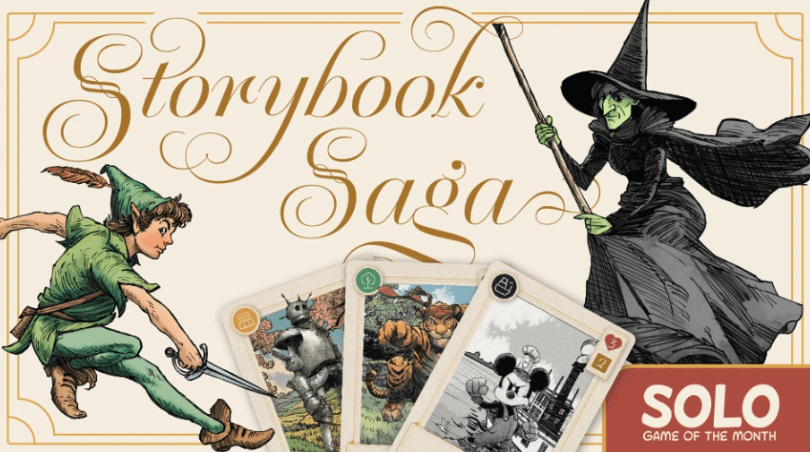
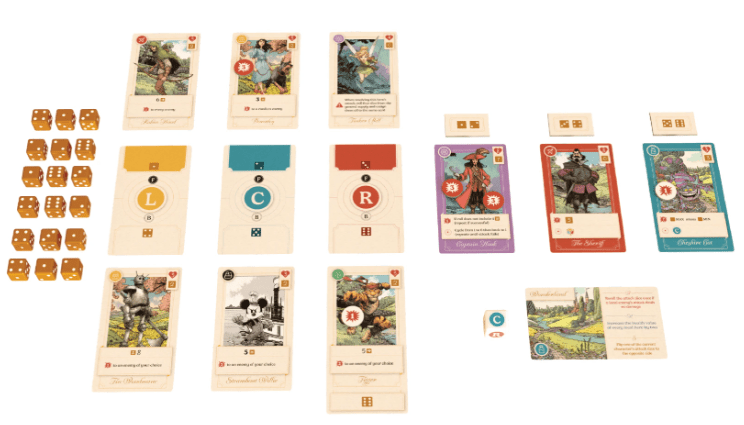


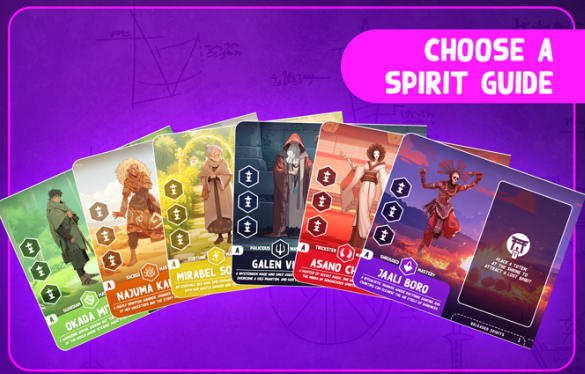
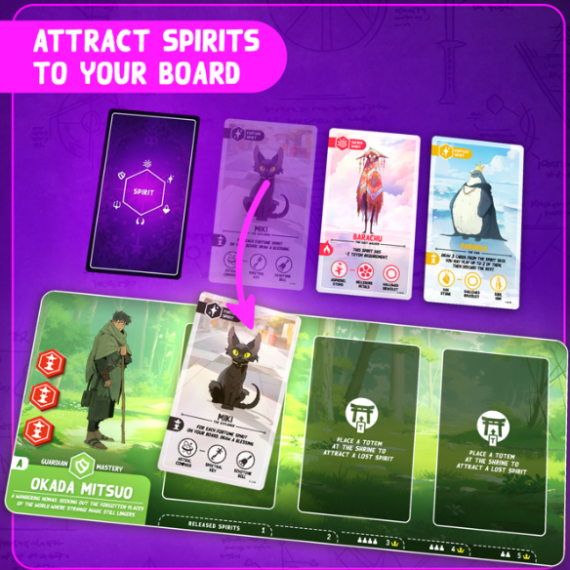
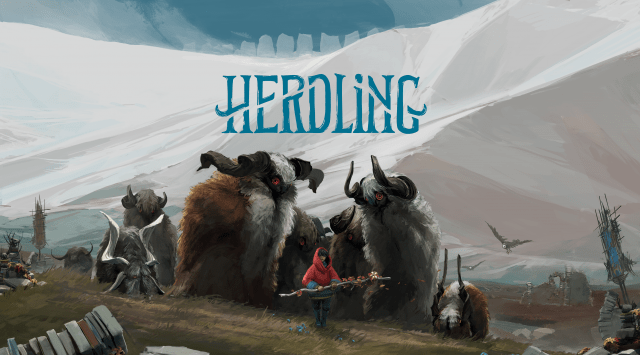

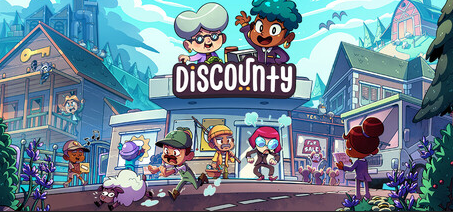

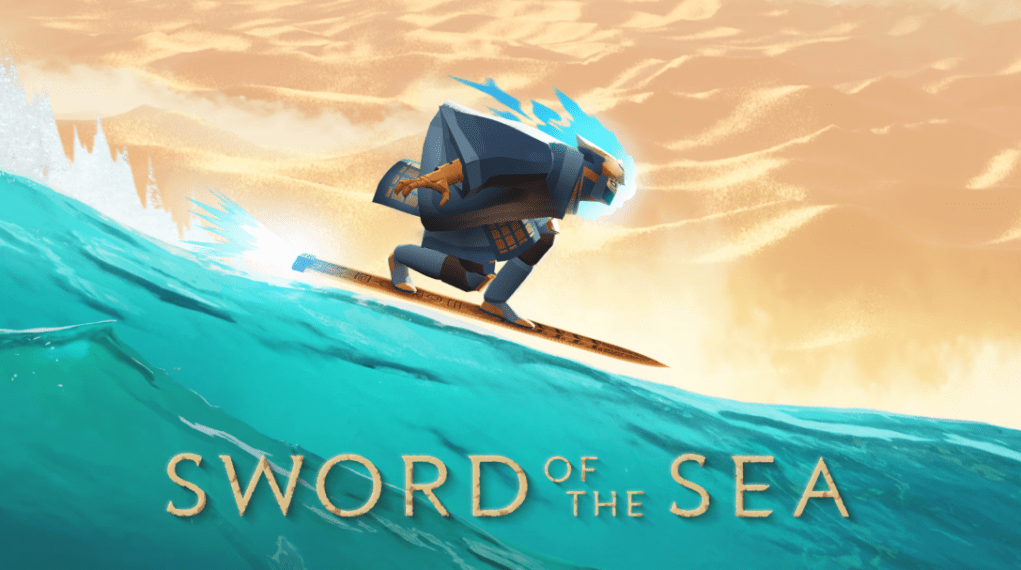






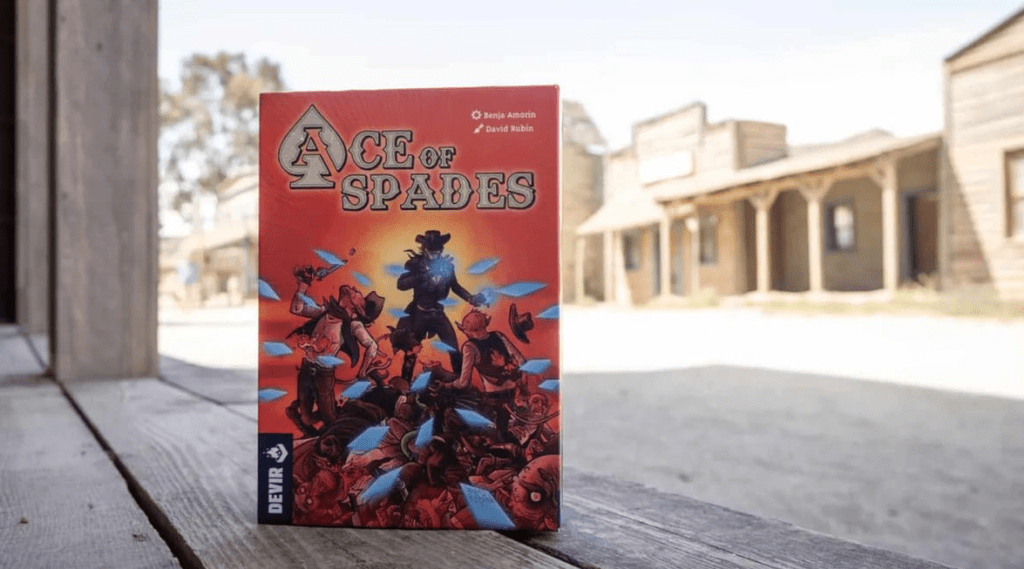


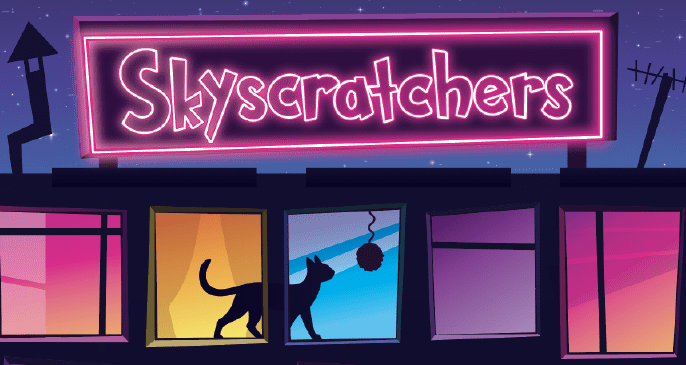
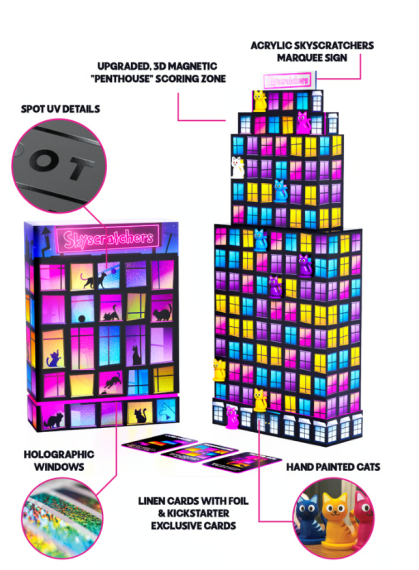

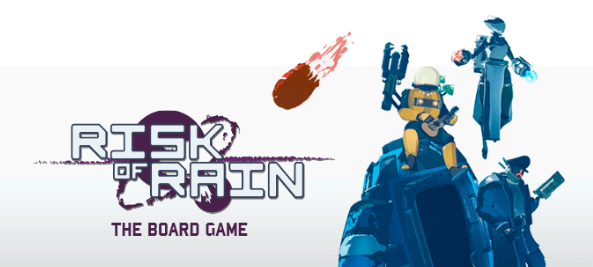


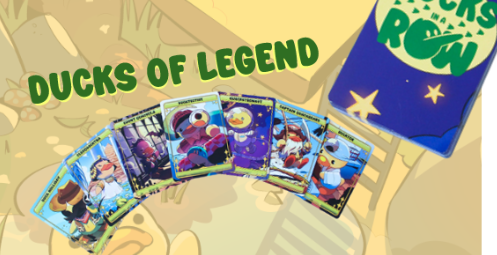


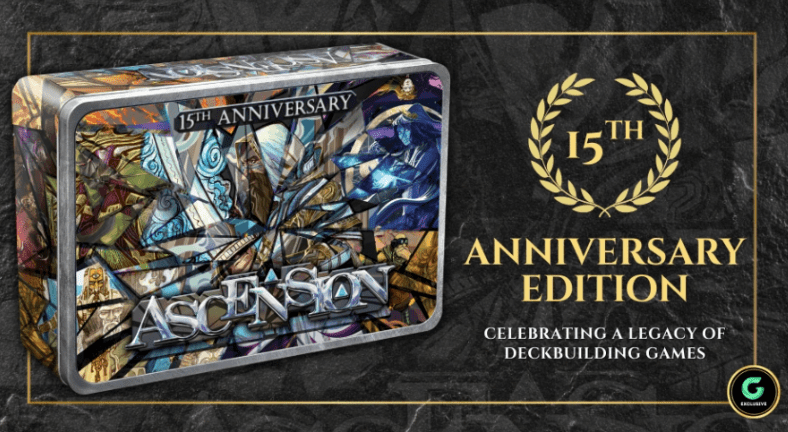



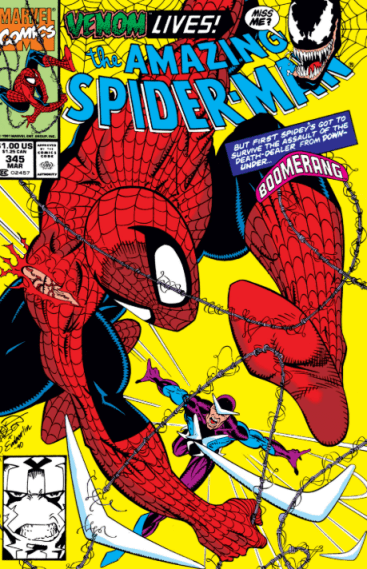


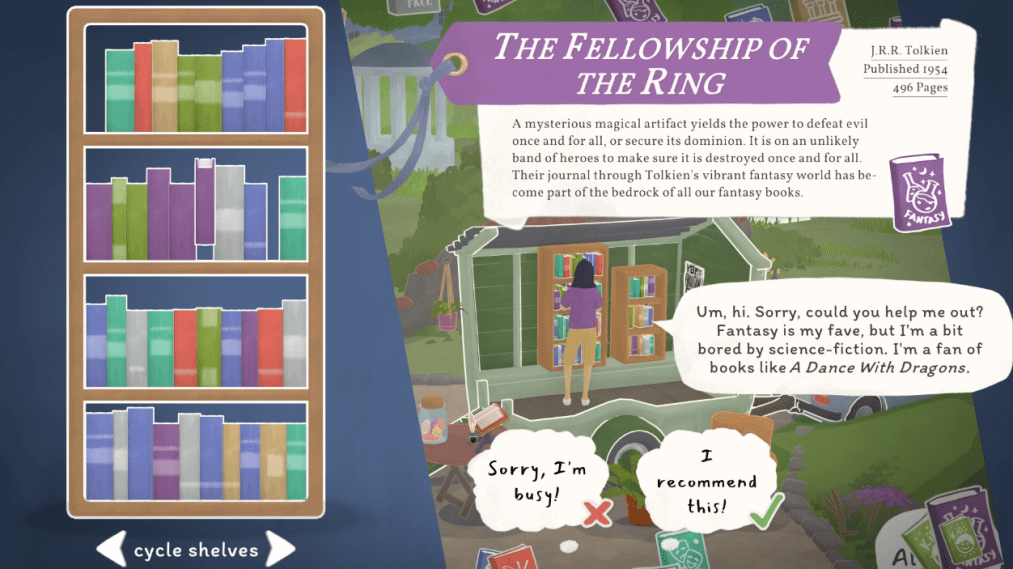

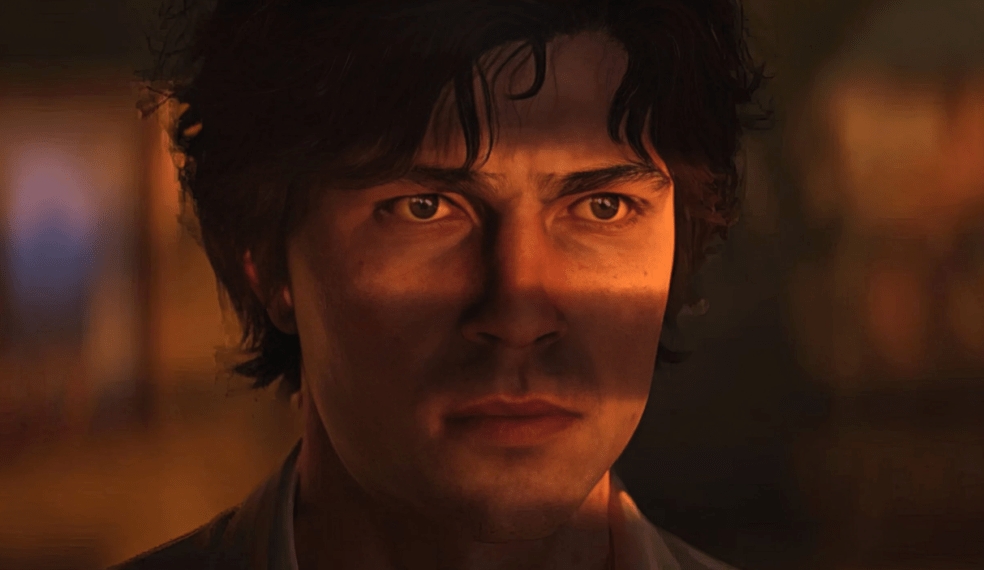
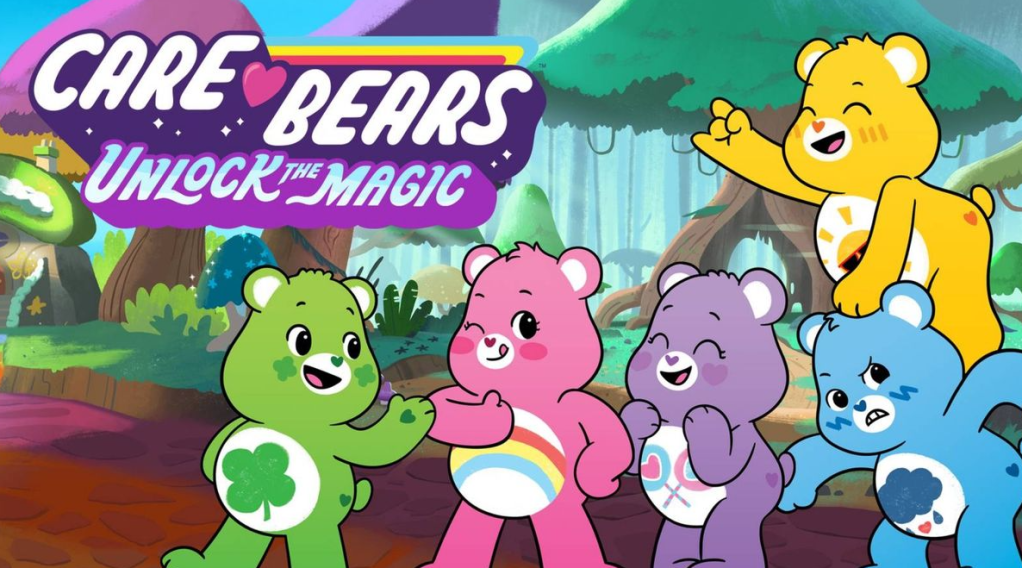
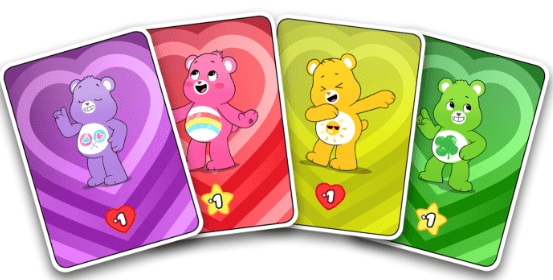

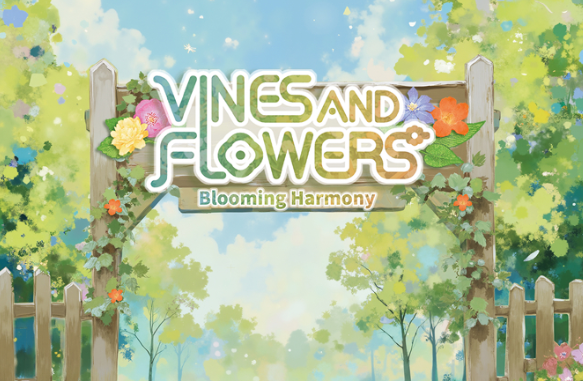

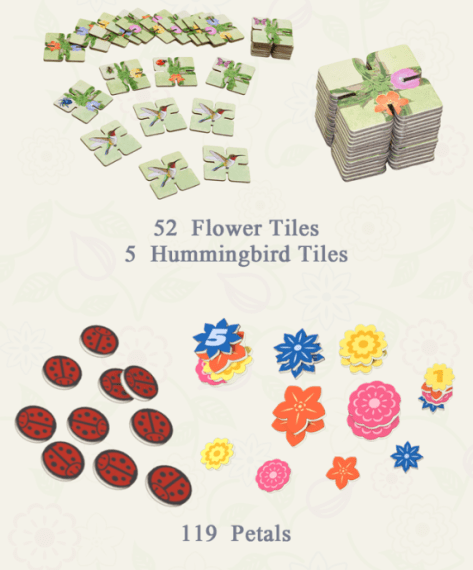

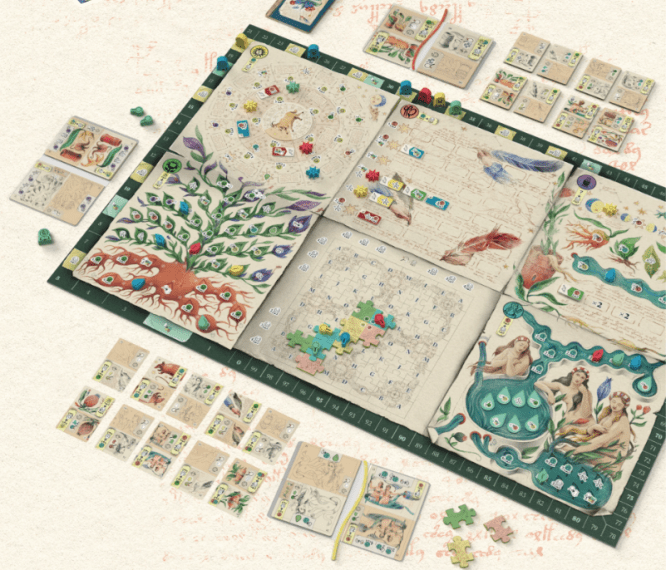
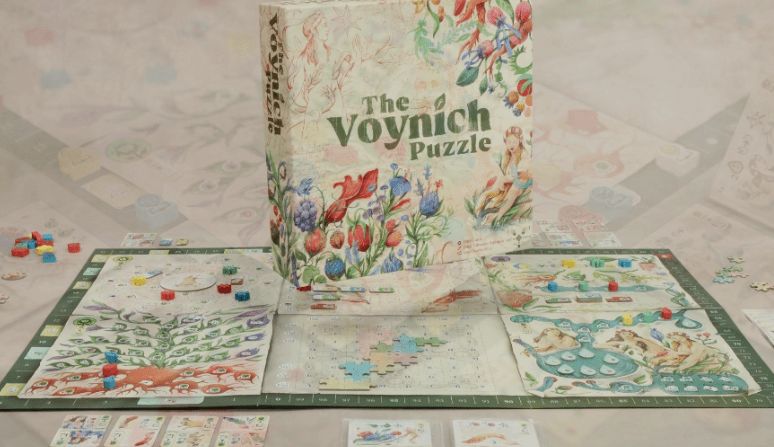


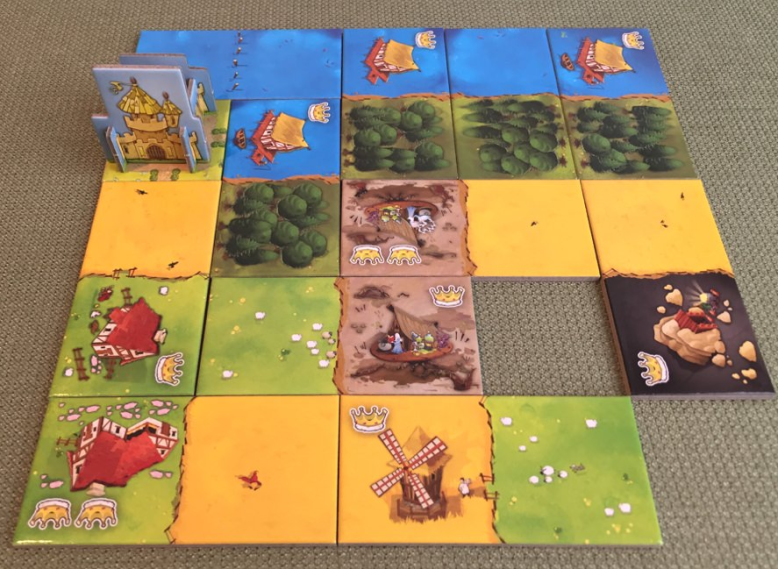
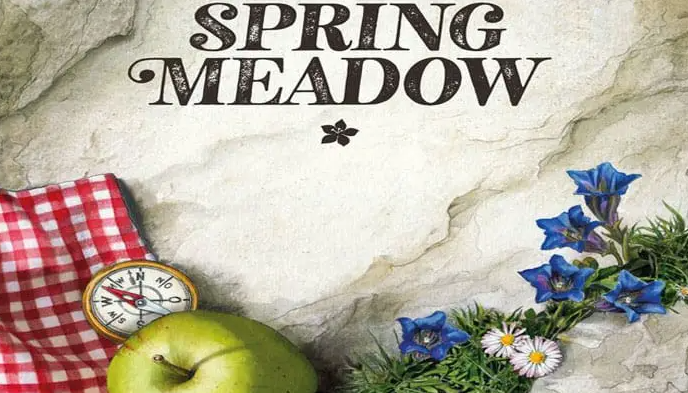
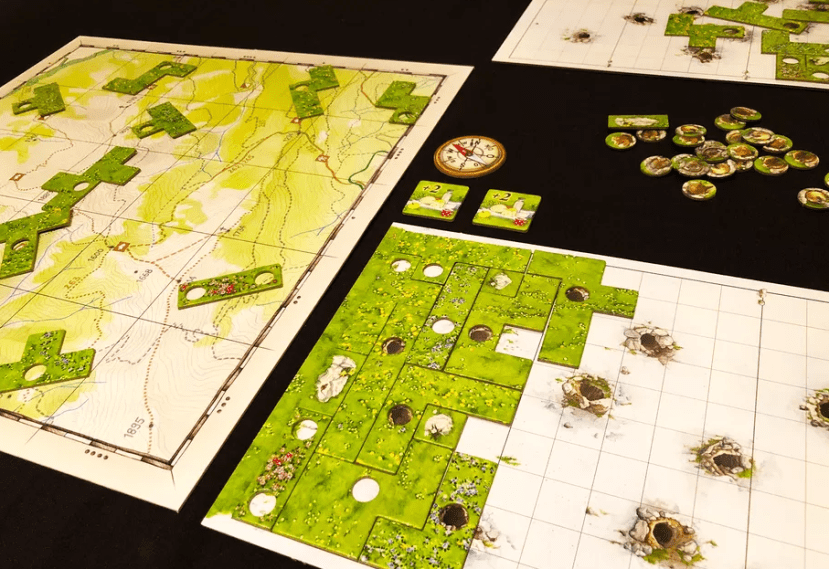
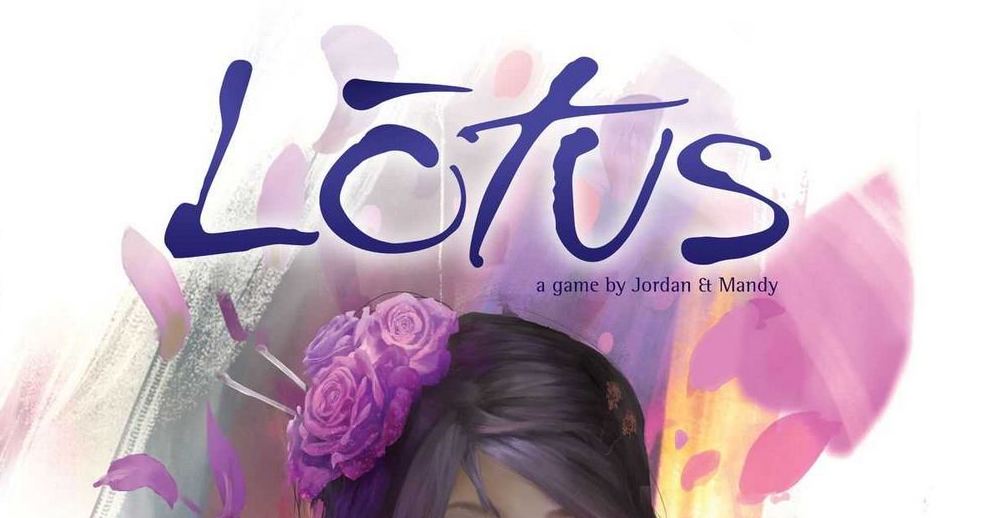


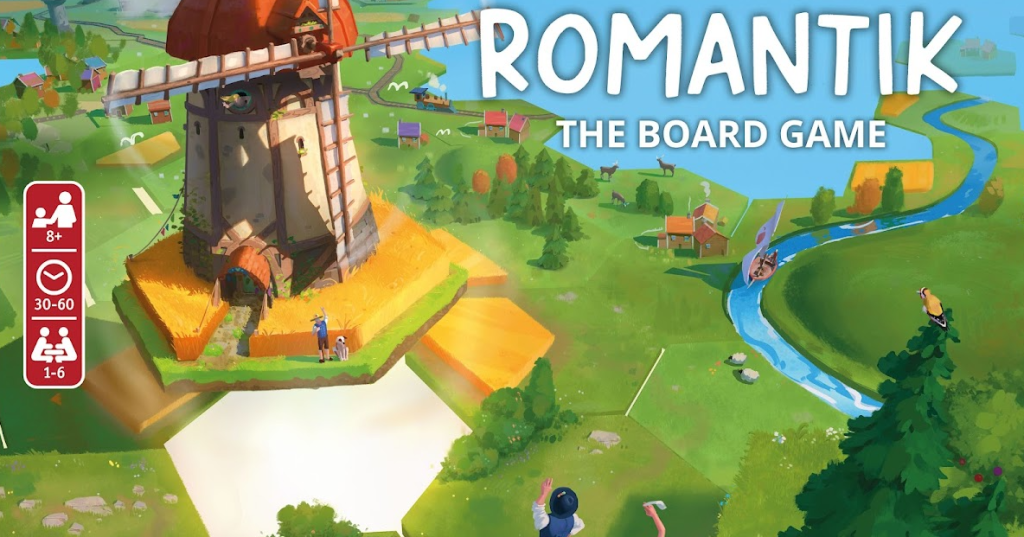
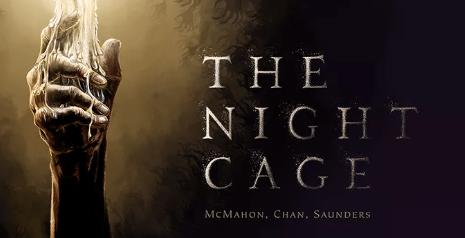


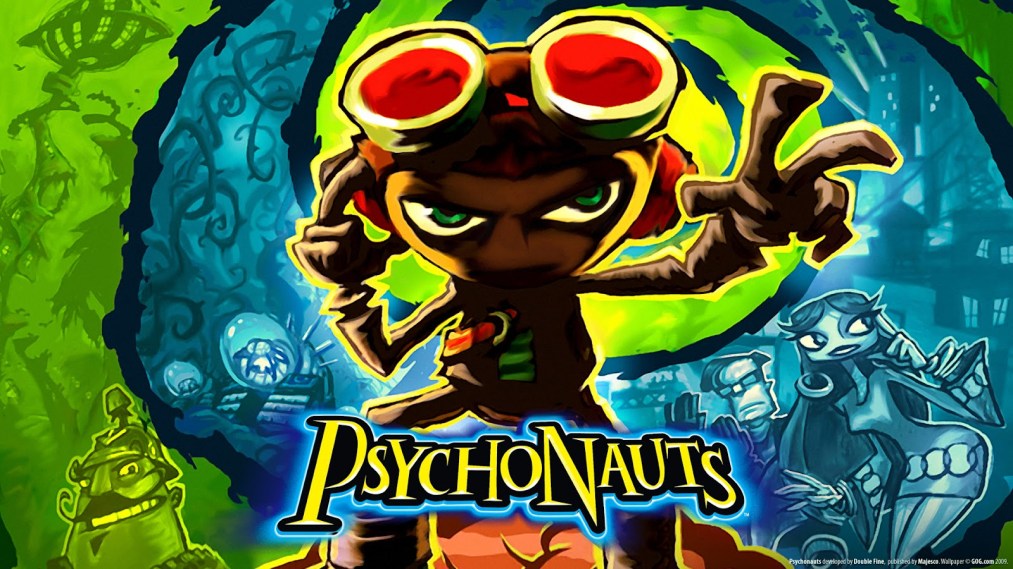
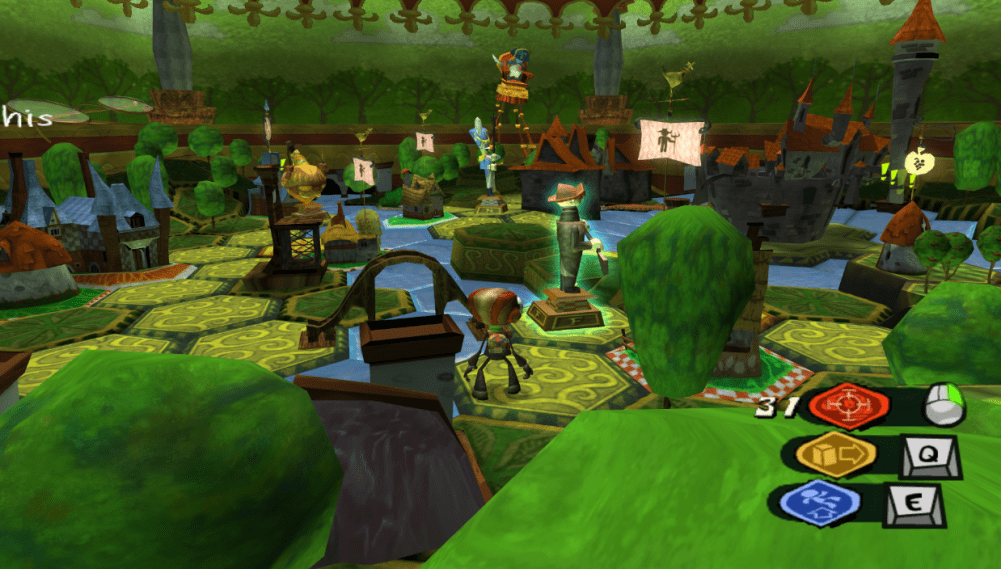


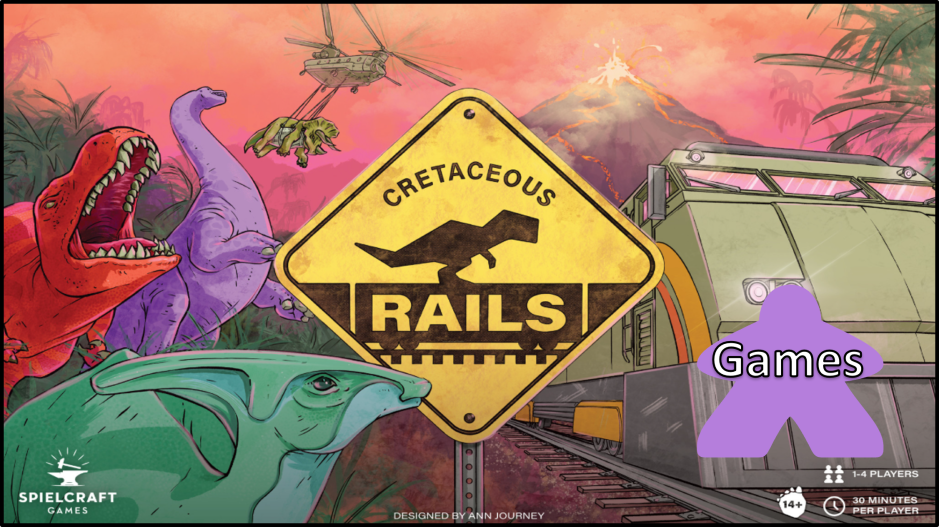
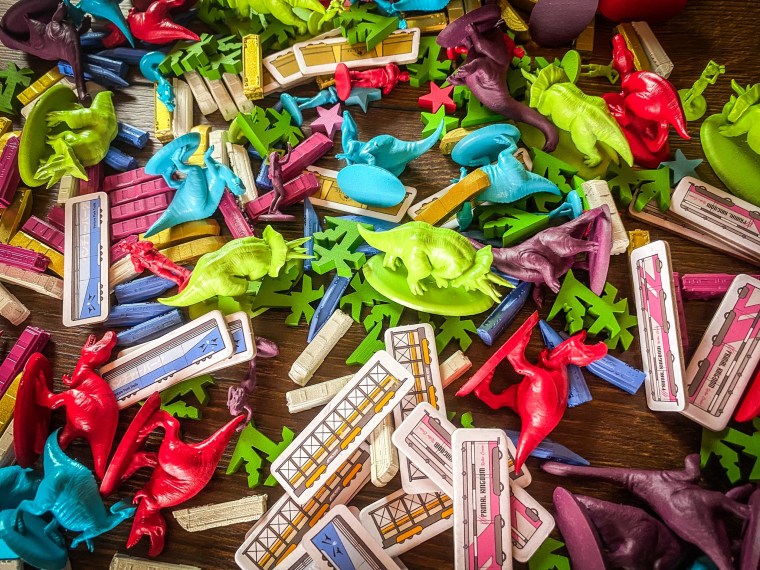

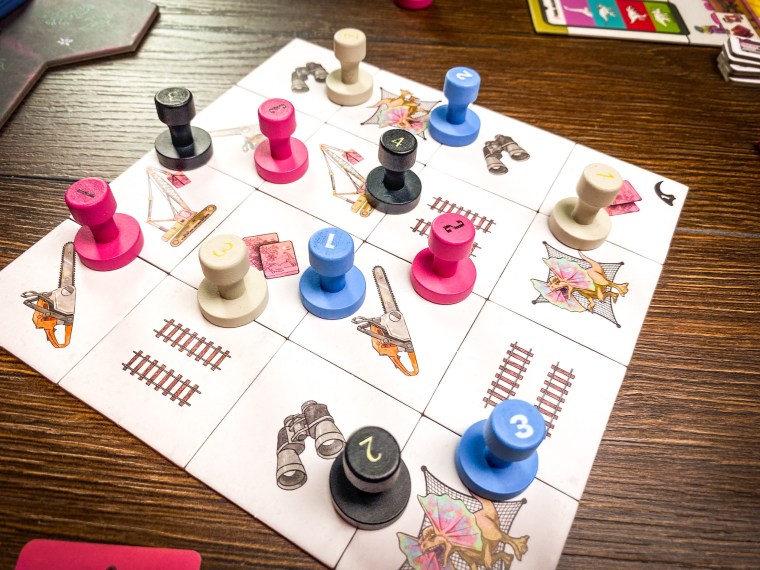
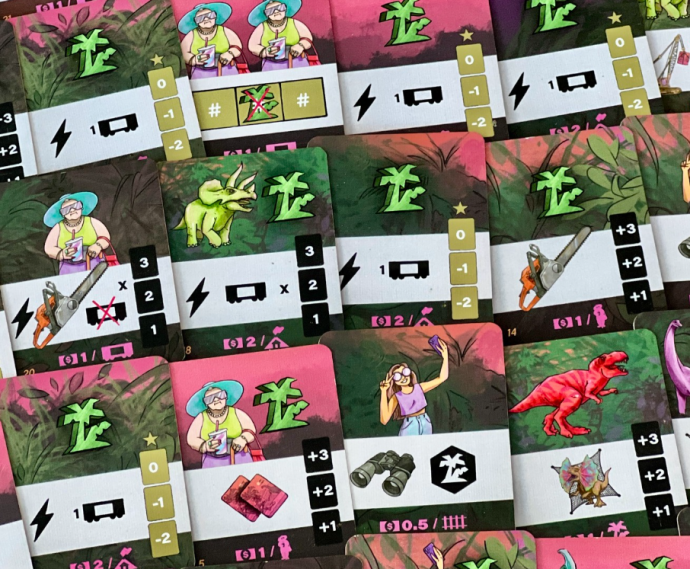
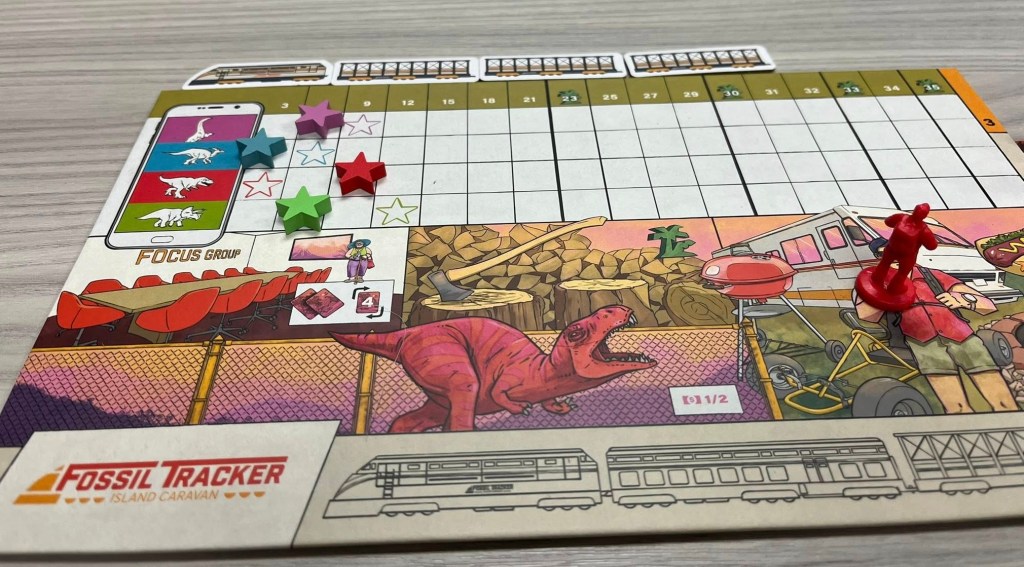

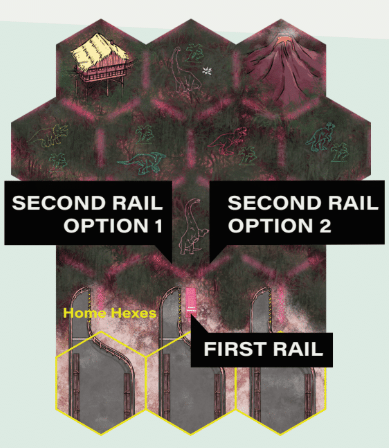






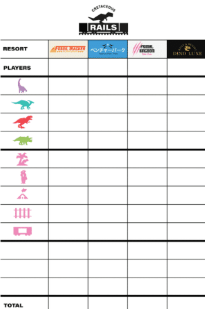
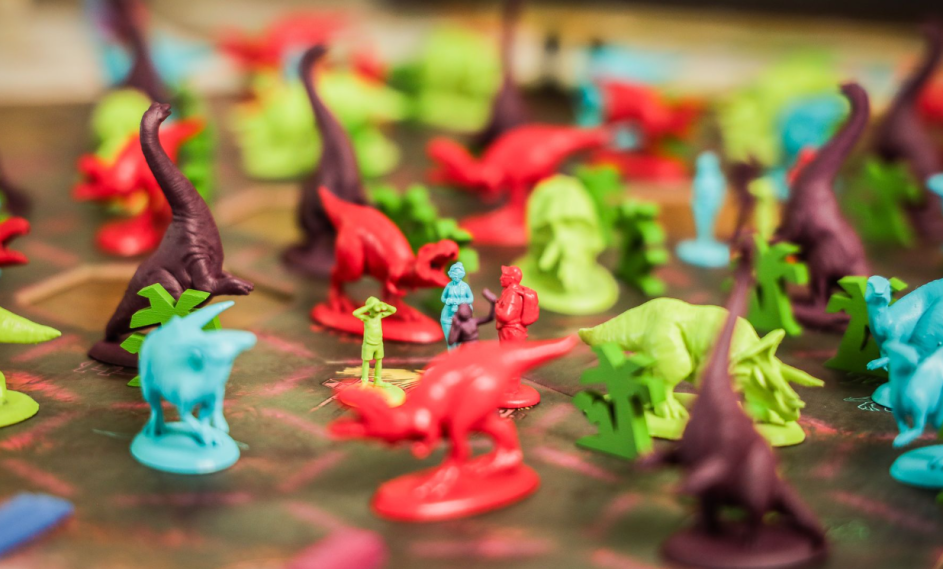
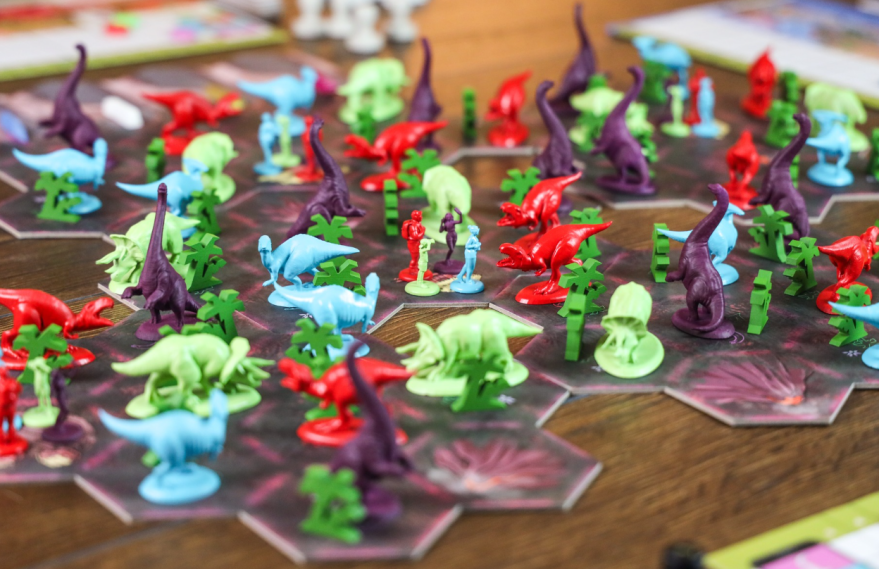
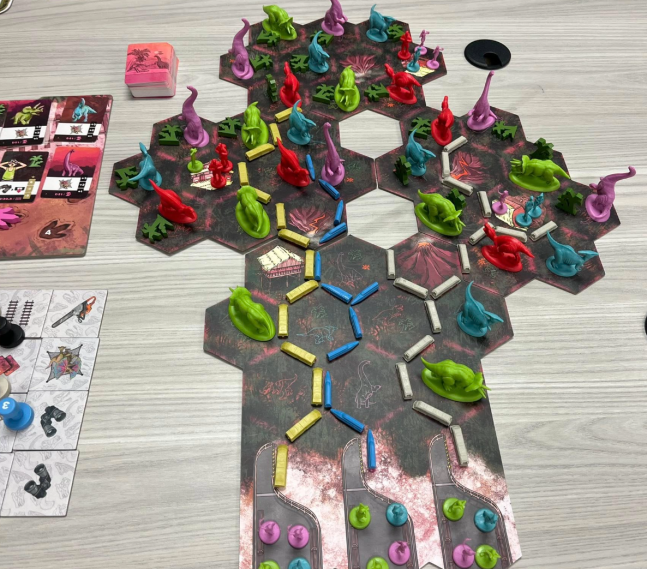
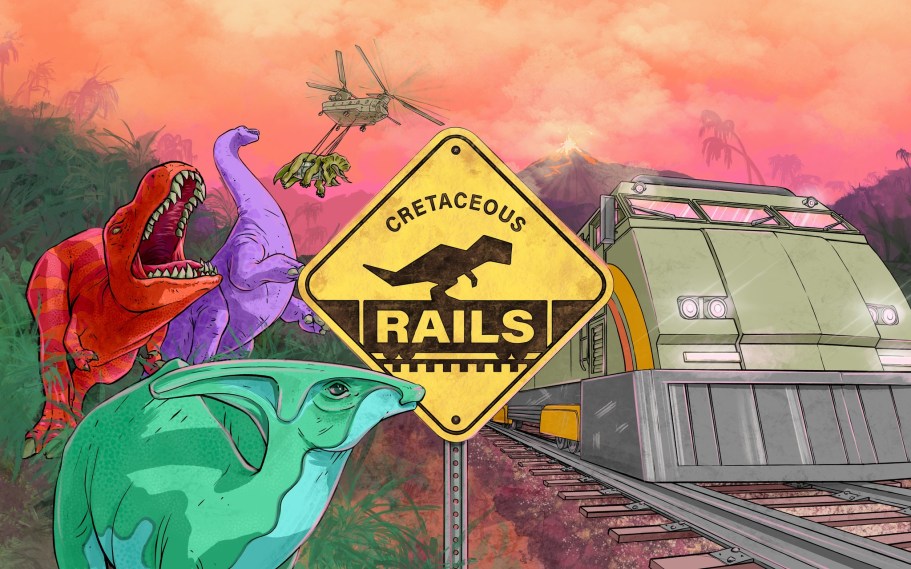

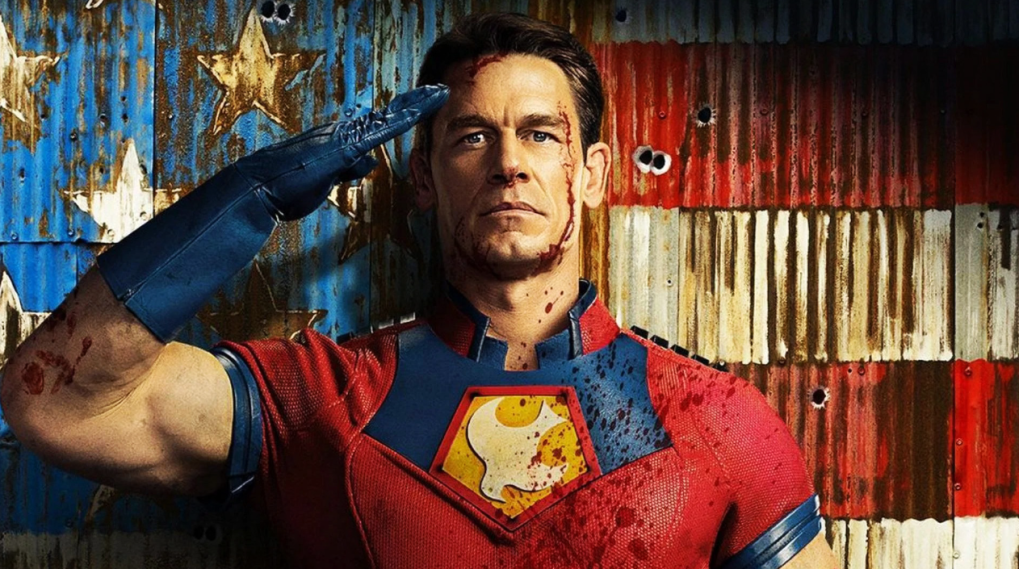



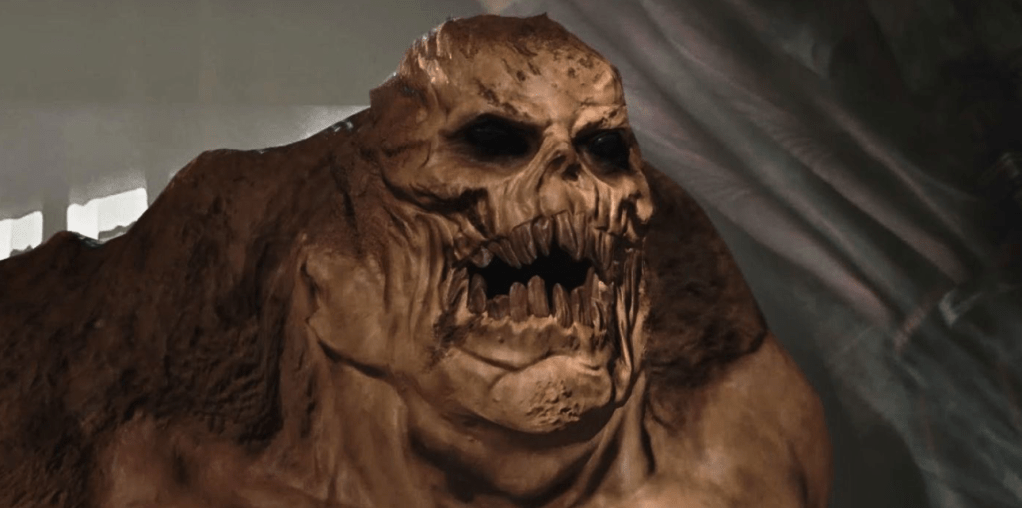
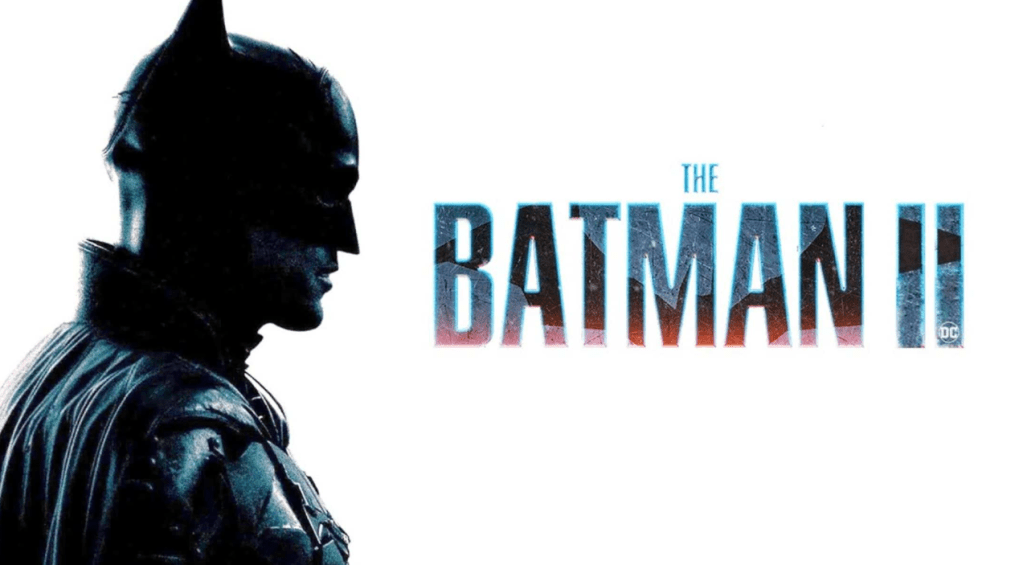

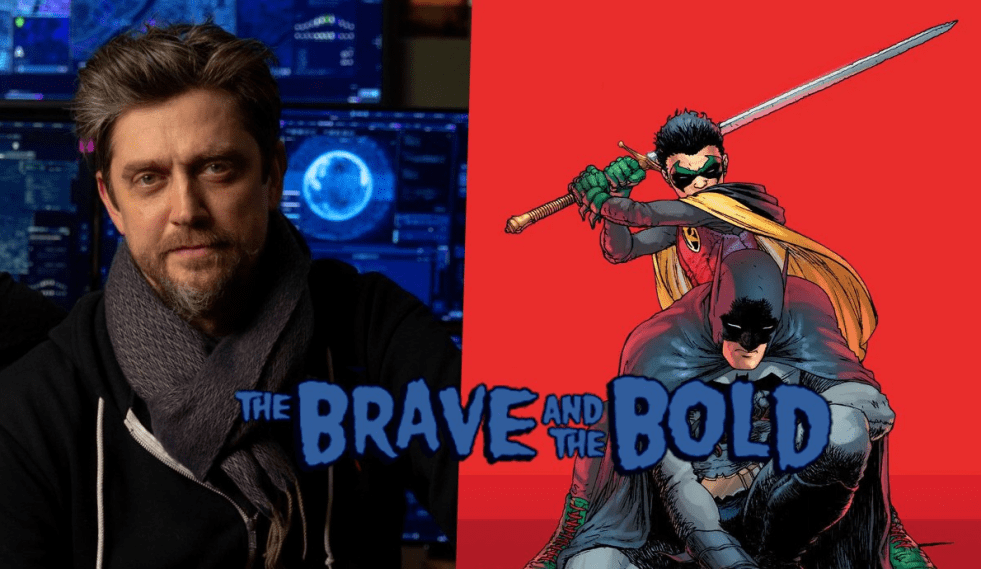


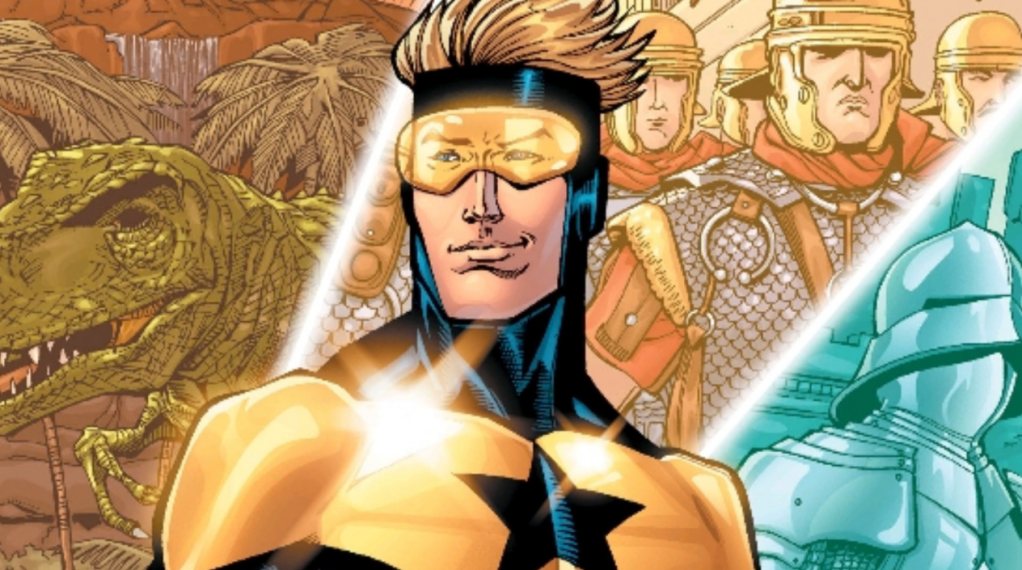
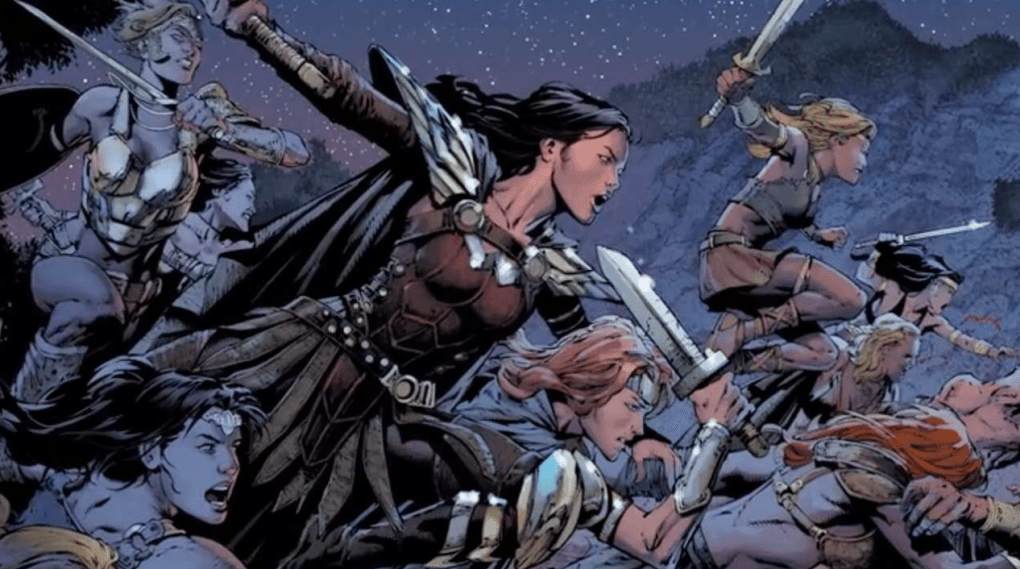
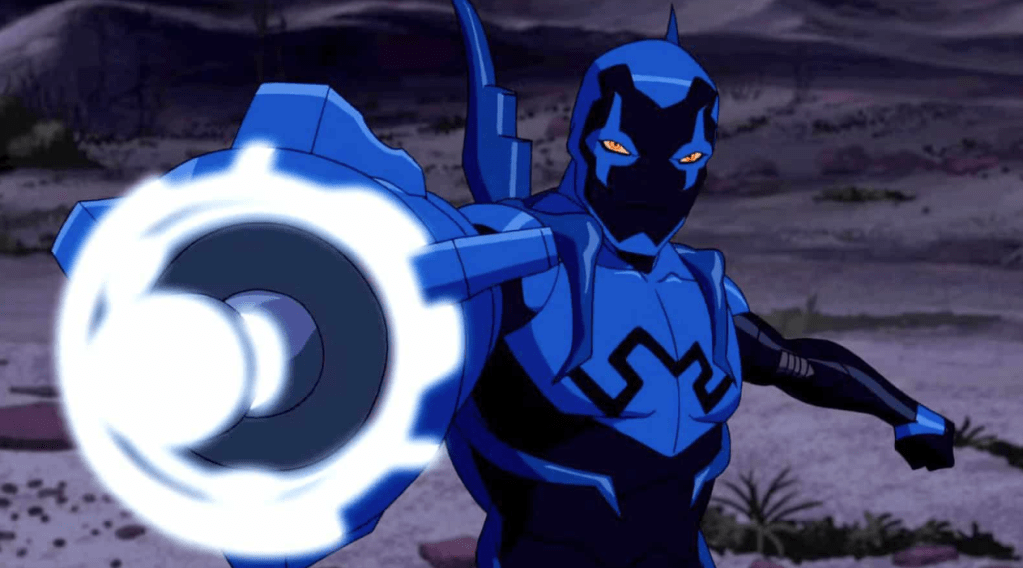
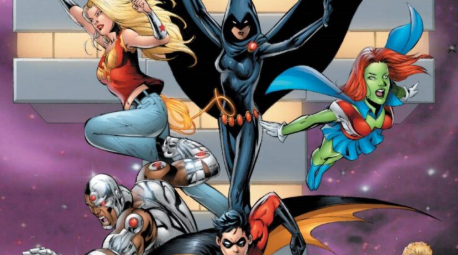
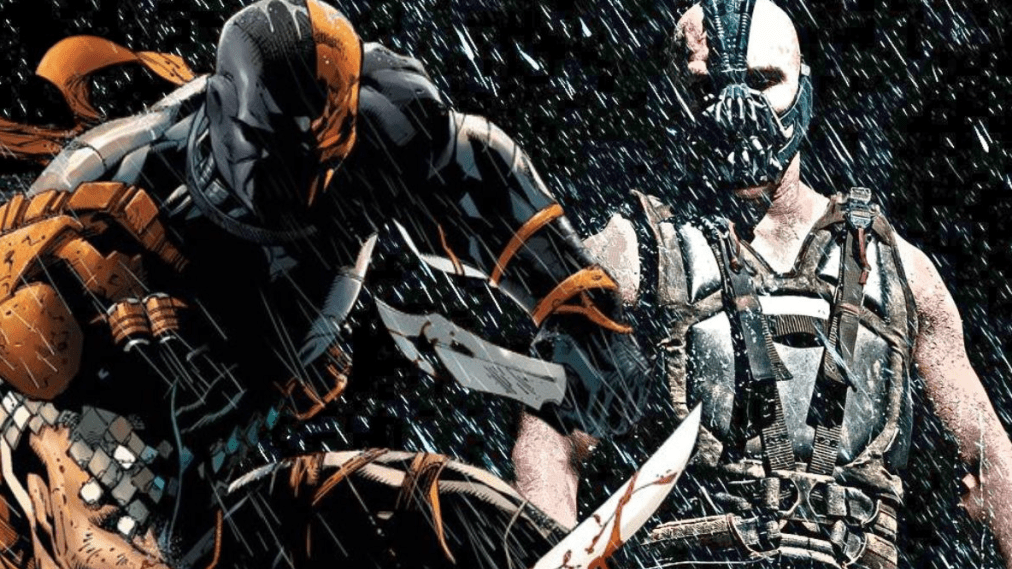

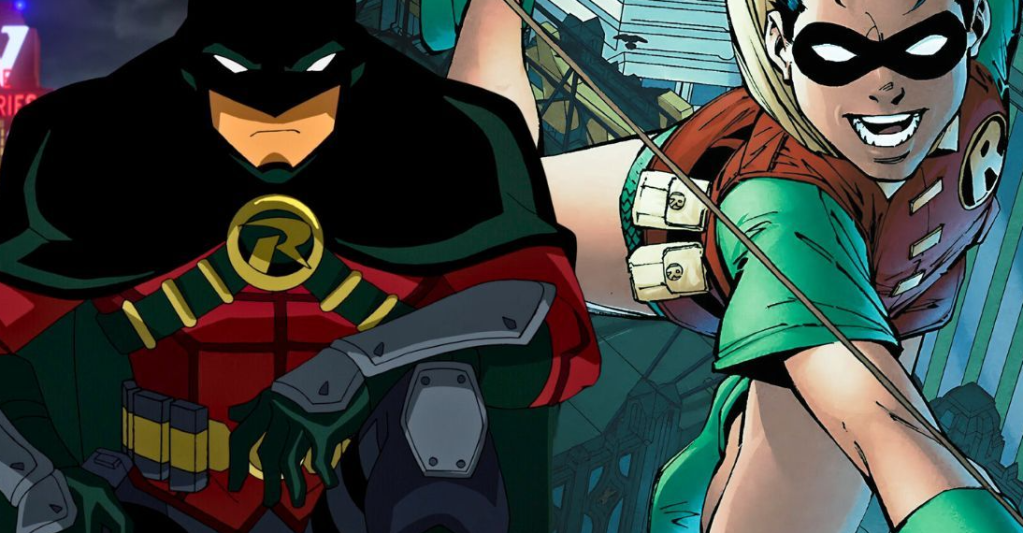



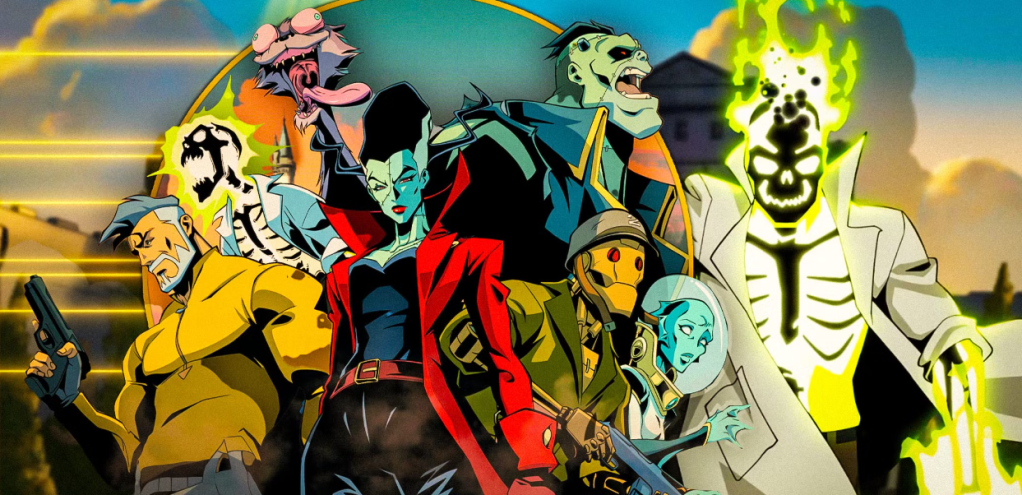

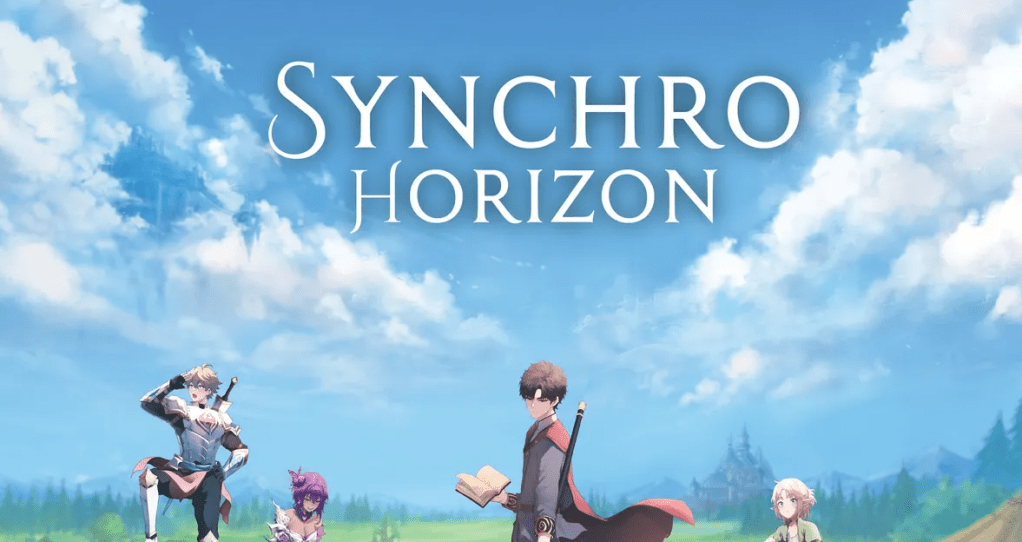


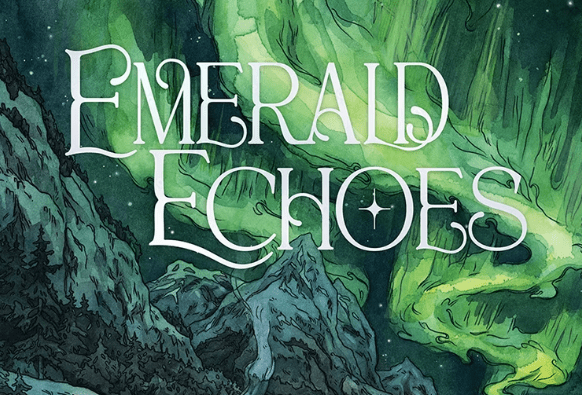

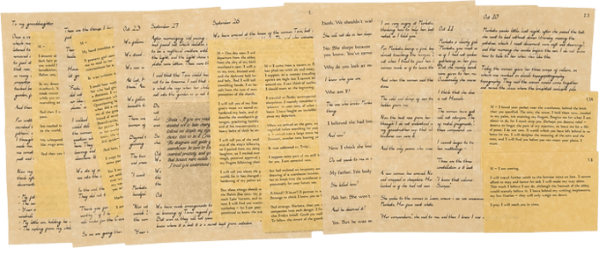




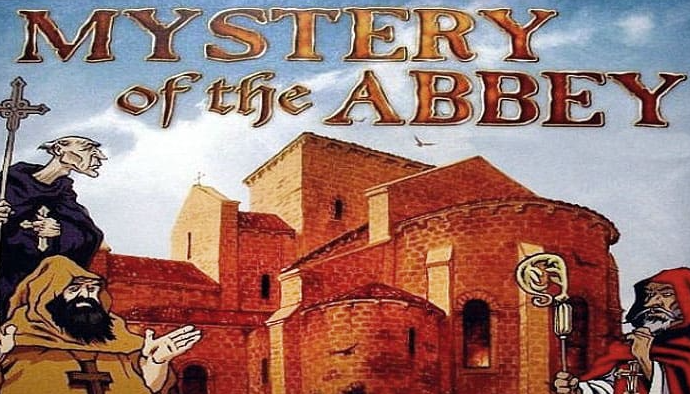
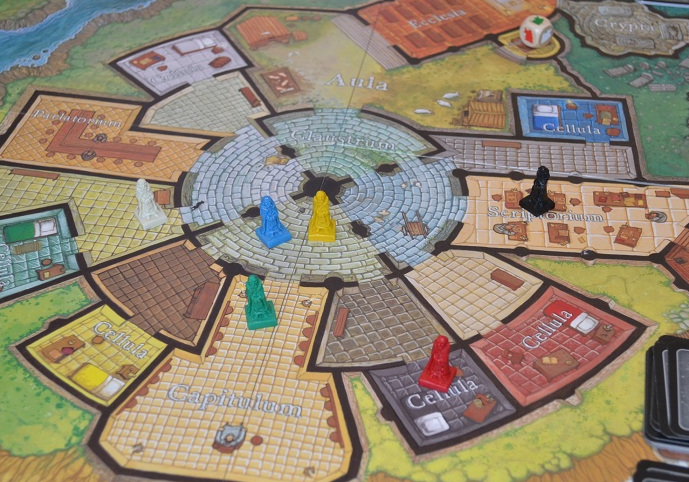


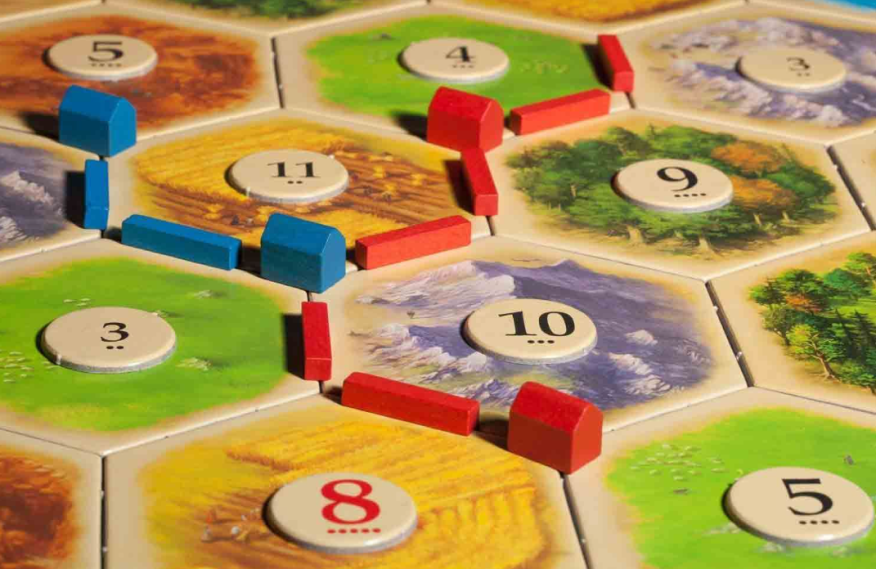





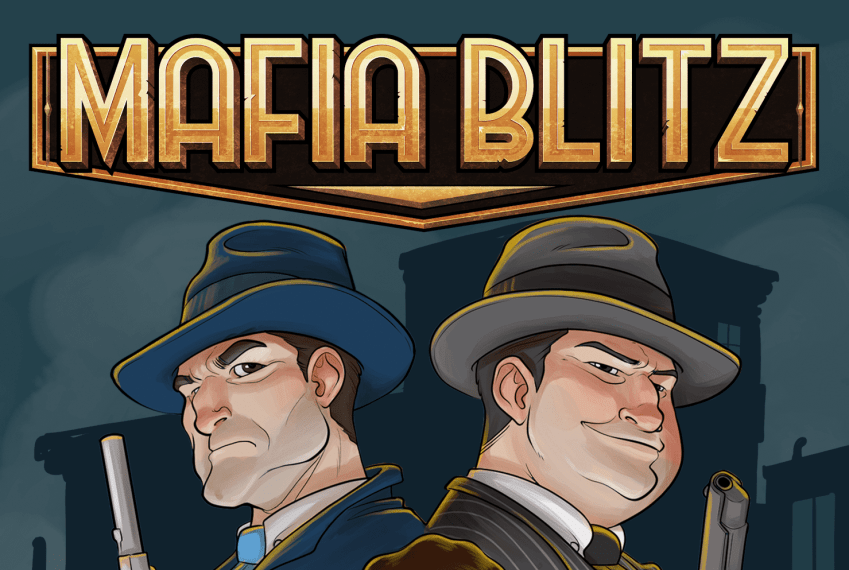
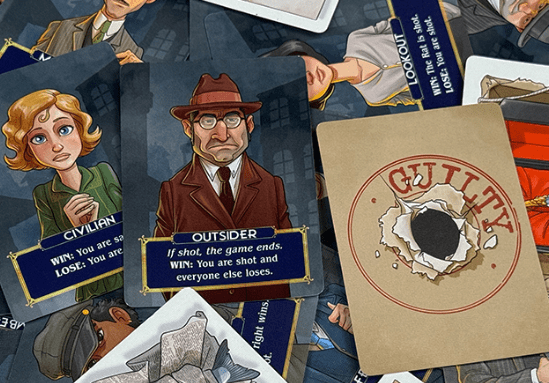

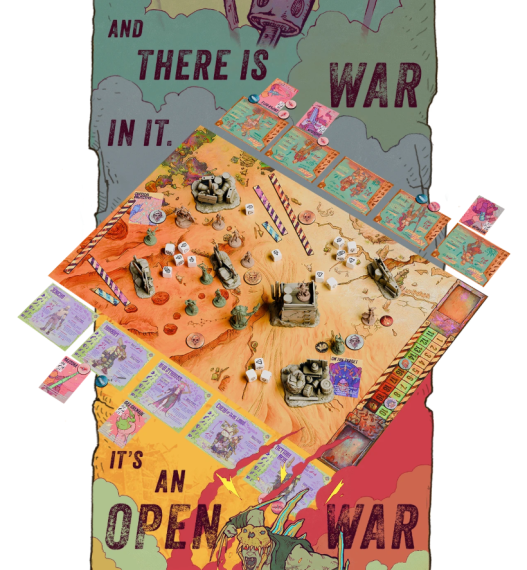
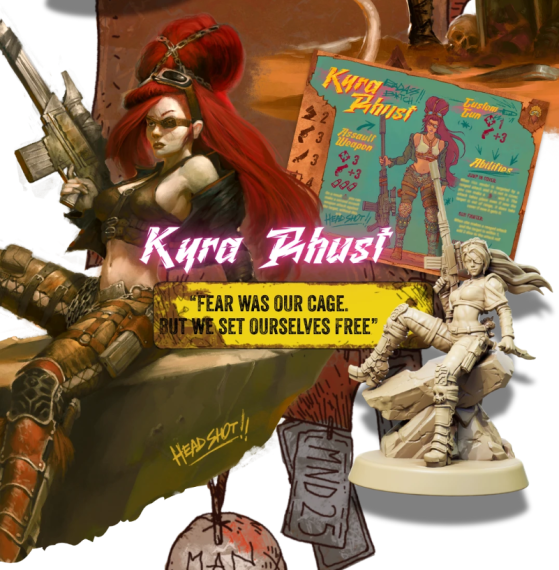


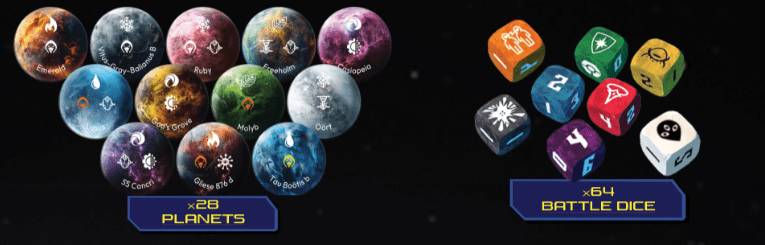
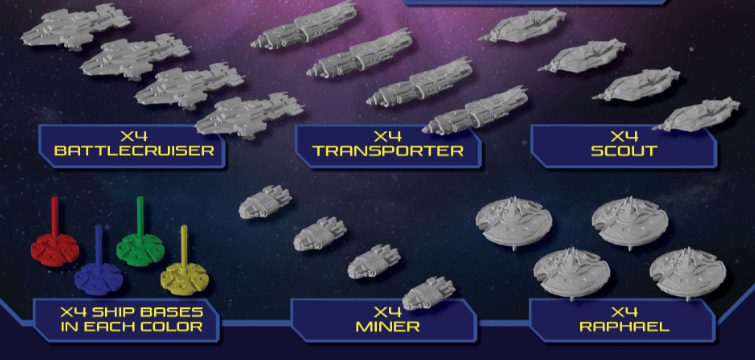


 jkgeekly.com