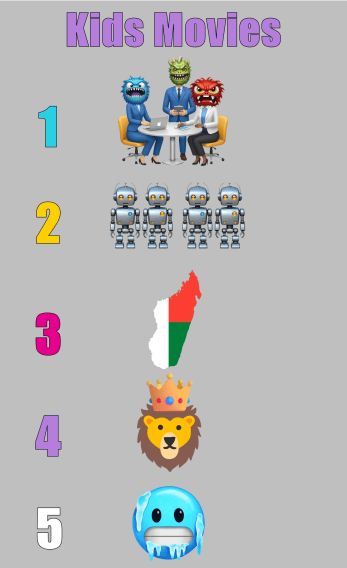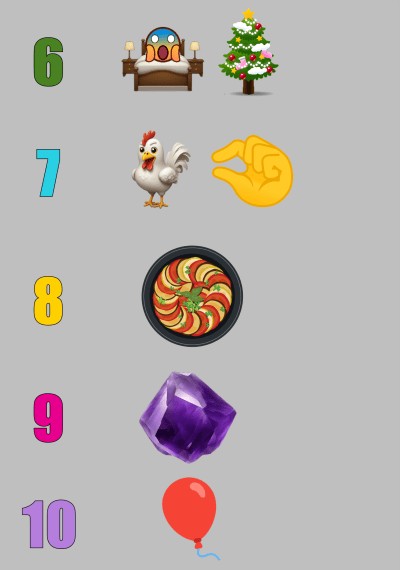
1st Movie


2nd Movie
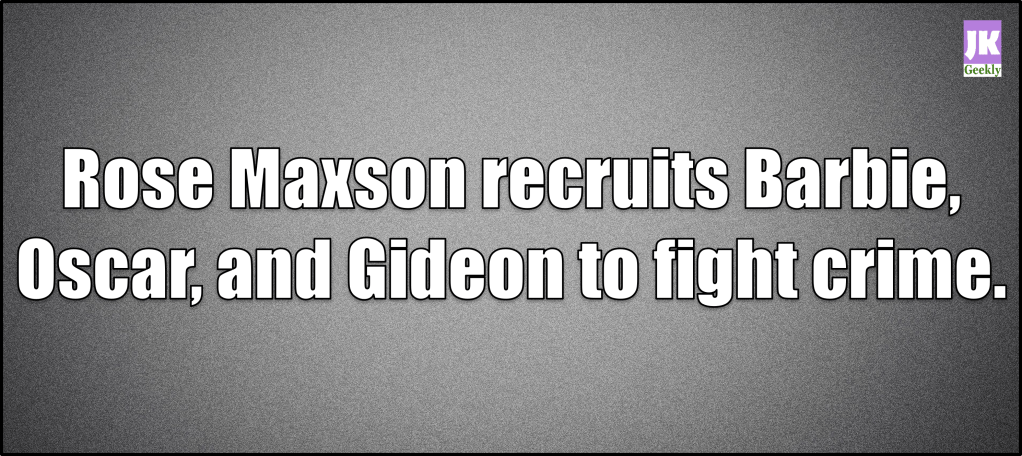

3rd Movie

1st Movie


2nd Movie


3rd Movie

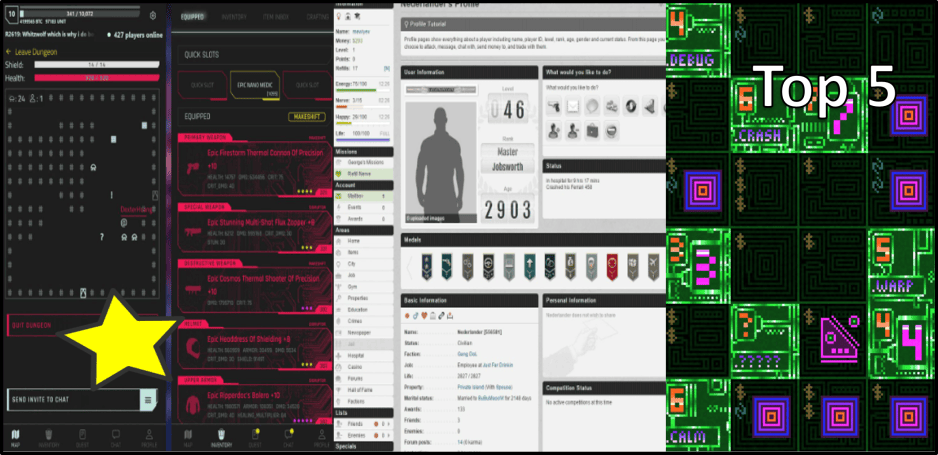
Happy Labor Day, Geekly Gang! Kyra Kyle here. To celebrate this holiday, we’ll continue with what could become an annual tradition: 5 Video Games to Secretly Play at Work. Yes! Not all of us get Labor Day off, so for those of you who have to work, you may want to blow off some steam. Last year’s list included some games that got delisted. I wonder if video games of this ilk get taken down frequently. I’m writing this post far in advance, so fingers crossed that these games (and their links) still work in September. Enough yapping. Let’s get to playing. Here is another 5 Video Games to Secretly Play at Work
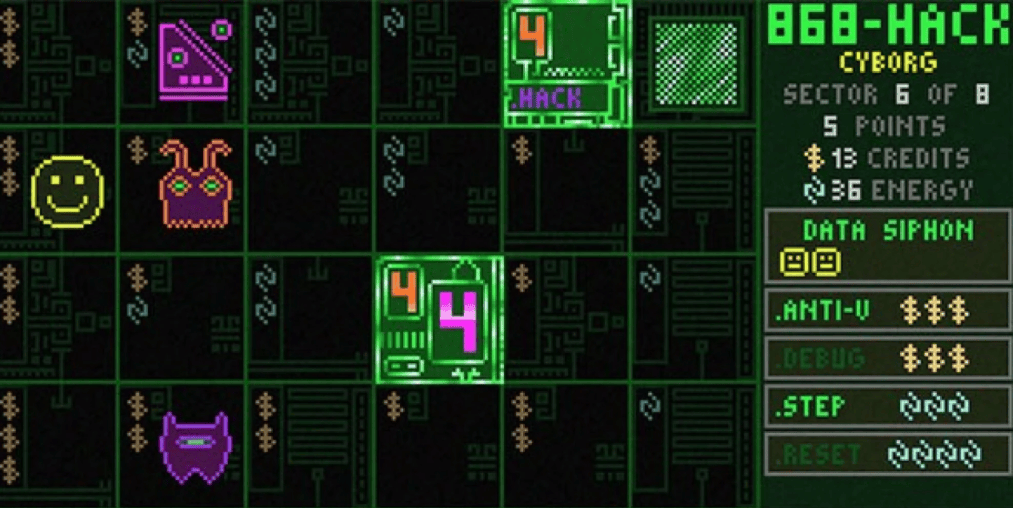
868-HACK (here’s the link) would be much higher on this list, but I gave preference to free games. Yep. You’ll have to pay a little something (around $6) on iOS or Steam to play 868-HACK, but it’s worth it. Australian game designer Michael Brough produces systems that devastatingly mix apparent simplicity with incredible depth. You can find most of Brough’s designs on iOS, so iPhone or iPad users will have no problem playing Brough’s entire catalogue.
868-HACK is a turn-based roguelike that casts players as a “hacker” investigating a heavily corrupted system. The graphics are rudimentary, and the sound isn’t the best. But why would you play this game at work with the sound on? 868-HACK is addictive. At first glance, it looks like you may need to call IT or an Apple Genius to fix your device. Brough regularly updates 868-HACK, so it’s less likely this game will get delisted.
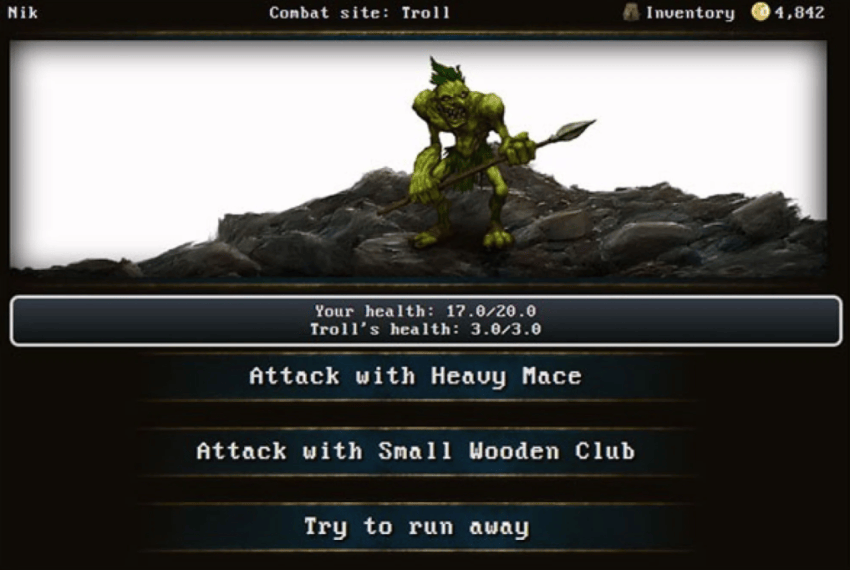
Initium (here’s the link) is another game that could easily top this list. It falls to our fourth spot because it could be difficult to hide. Initium looks like a game from a distance. With that said, how many MMORPGs can one play at work? Most MMORPGs require you to pay near-constant attention to the game world if you want to succeed, which can’t happen if the boss walks by your desk. Initium uses turn-based exploration and combat, which means you can shut it down if you need to go into stealth mode.
While Initium is still in development, it already features PvP, an economy, player-created areas, and even global events like the ones you might find in any other MMORPG. You even have the option of logging in with your phone and computer, so you can take Initium on the go. And Initium is free. Kaching! Initium may just be a game-changer.
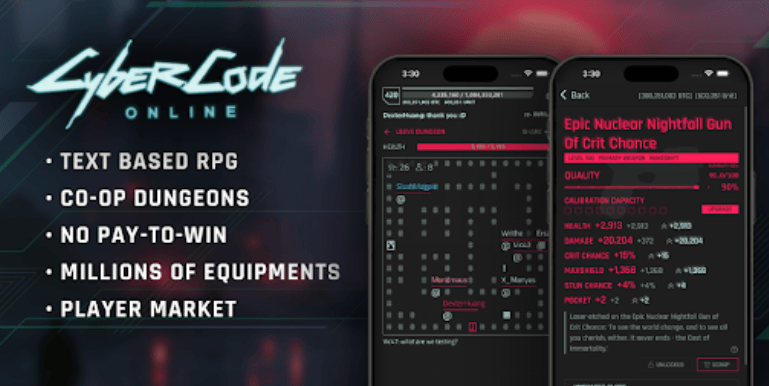
A video game in disguise, CyberCode Online (link here) may look like a regular line of Visual Studio Code, but in reality, it’s an epic real-time MMORPG that’s easy to pick up but hard to put down. Yes! We have two MMORPGs on this year’s list. CyberCode Online does more to disguise itself as something other than a game, but it doesn’t climb any higher than number three on our list because it is a real-time MMORPG. You may need to give up a battle or two…or even three. But I love the theme. We need more Cyberpunk video games.
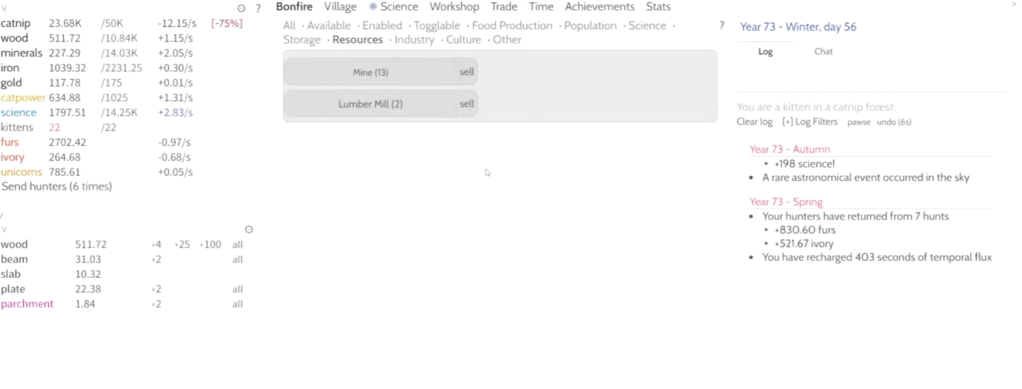
On the surface, Kittens Game (link here) is a simple game about growing a village of cats in a forest, but fans call it one of the most complex builder incremental games available. Kittens Game changes a lot in short order, going from a relaxed text-based idle experience to, as the original website puts it, “a Dark Souls of incremental gaming.” Keep in mind that players can’t really lose at Kittens Game. While getting stuck is possible, the game has an active community and plenty of wiki entries and tutorials for beginners.
Yeah. Kittens Game is one of those experiences you can sink a ton of time and effort into playing well. However, Kittens Game’s easy-to-read and follow UI makes it a purr-fect game to play at work. I had to throw in at least one cat pun.

We love our browser-based games with these lists. Torn (link here) is yet another one, but Torn is set in a modern-day dystopia. What? The games on this year’s list have some fun themes. The screenshot above was taken straight from Torn’s website. Tens of thousands of concurrent players participate in Torn daily. Those numbers back up Torn’s claim as the “world’s largest text-based multiplayer game.” When you first create a character, you’ll begin at the bottom of the ladder as a petty criminal. Through committing crimes like robbing others, you’ll grow in power and influence. Torn may be a great way to blow off some steam.
Those are our games for 2026’s 5 video games to secretly play at work. There are plenty of others. Let us know which ones you like to play in the comments. Thank you for reading, and wherever you are, I hope you’re having a great day.
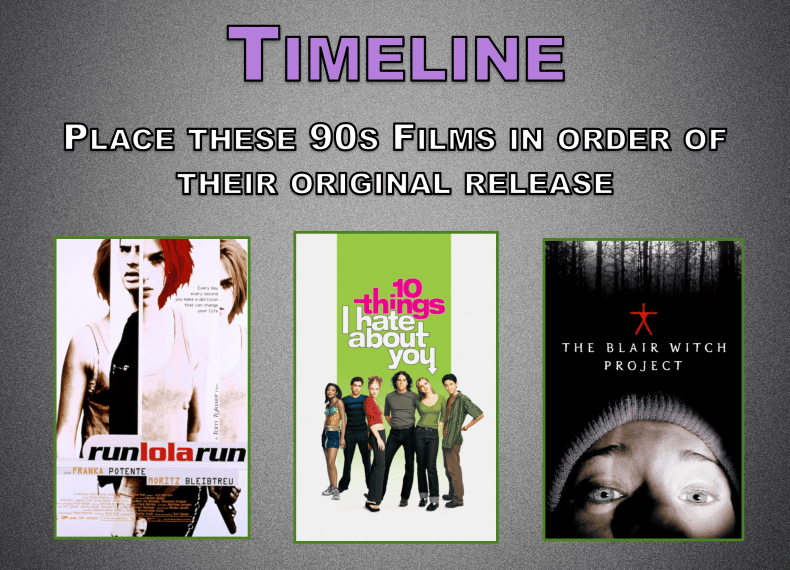


Hey, hey, Geekly Gang! Tomorrow is Labor Day, and by the time you’re reading this, I’ll most likely be at the Kansas City Renaissance Faire. If you’re at the Ren Faire, feel free to say, “Hey, hey, Geekly Gang!” I may just respond. But being away from my keyboard means we won’t have a Geekly News post this week. Instead, I’ll share a previously unreleased Timeline Quiz. Woot!
Have a great and safe Labor Day weekend, and we’ll see you next week, Geekly Gang.
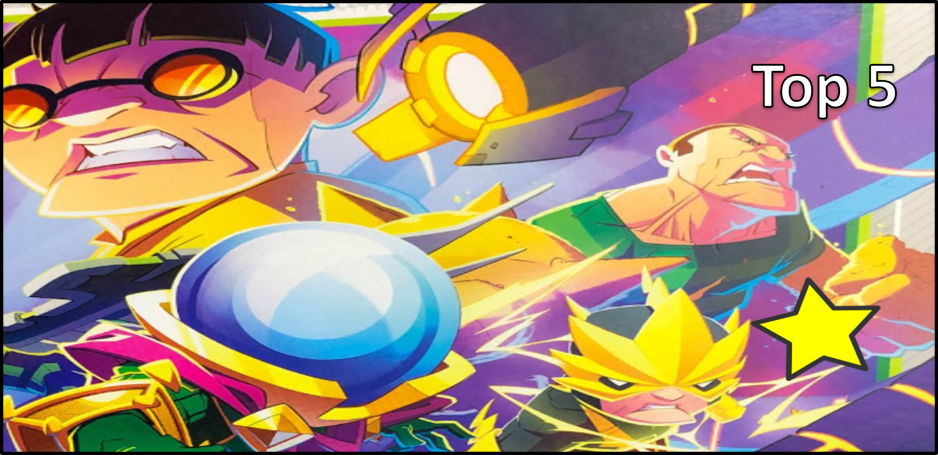
Hey, hey, Geekly Gang! Kyra Kyle here, and today, we’ll be discussing Marvel United. Yes! We haven’t discussed this board game in quite some time, and it’s time to fix that. Marvel United’s various villains and the way they alter the gameplay are the game’s most intriguing game design elements. In today’s list, we’ll share our picks for the Top 5 Marvel United Villains.
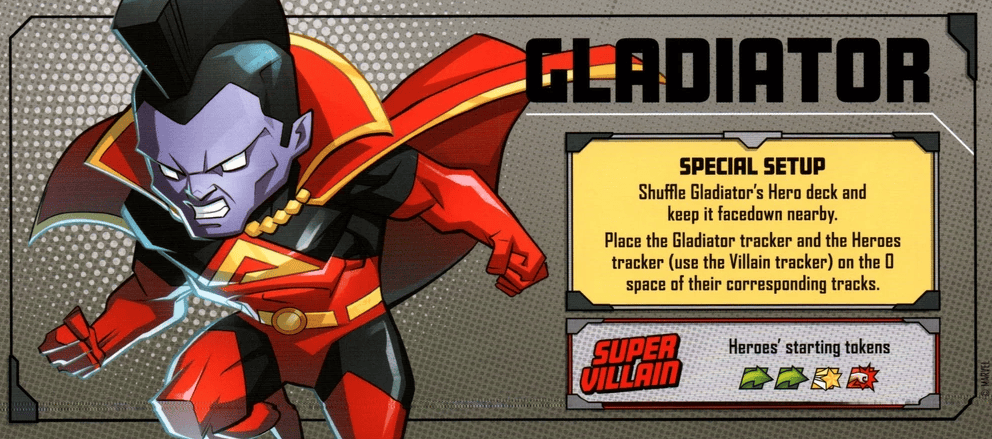
Right off the bat, we’re shaking up things with this list. While a Top 5 Marvel United Villains list is up for debate (everyone has their own taste), Gladiator may just be one of the most universally hated villains in the game. Simply put, he’s unwinnable at heroic mode, unless you use multiple heroes with lots of wild symbols, which limits the number of heroes you can even use to defeat this villain. Most games against Gladiator end with the heroes auto-losing after a couple of turns. No thanks.
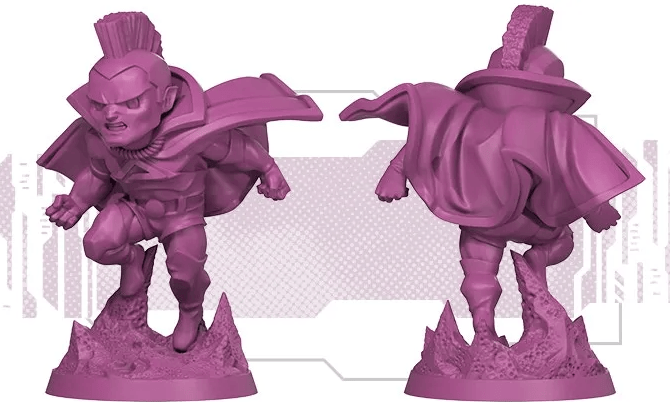
While the rest of the War of Kings Expansion adds some nice variety, Gladiator as a villain is plain unfun. Fortunately, he is an antihero. I’d use him as a hero, not a villain.
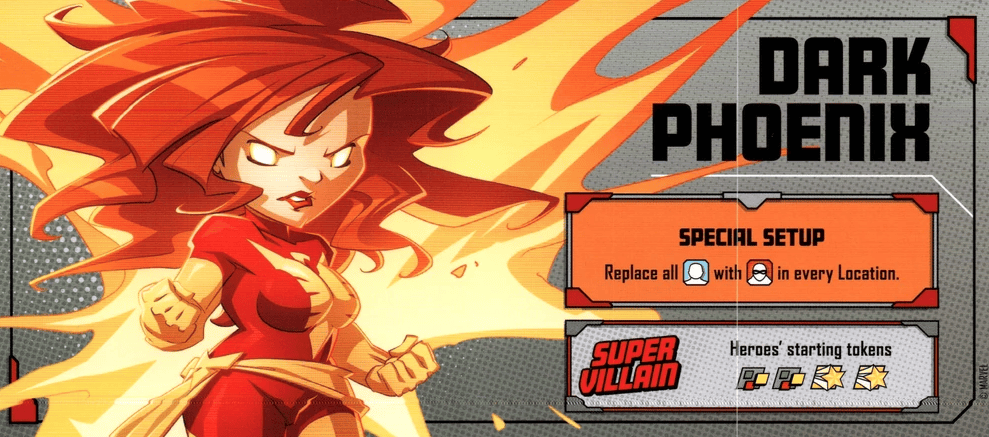
We’ll be seeing a ton of Marvel United Season 2 on this list. Most gamers list it as the best Marvel United Season, and I tend to agree. Marvel United X-Men rules. Unlike our previous entry, Dark Phoenix may be difficult to acquire. Difficult, but not impossible. She’s available in the Season 2 Stretch Goal box. This box includes a heap of fantastic characters. We may see another one on this list from the same box, so the hefty price tag of $80 to $100 may be worth the cost.
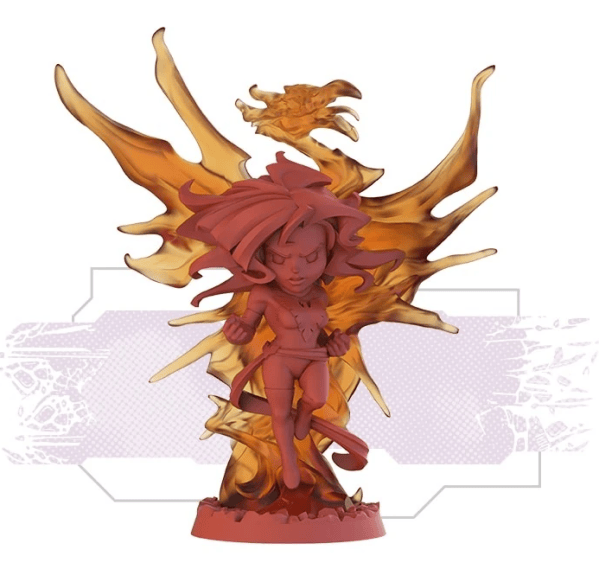
Dark Phoenix offers a chaotic and fun fight. She doesn’t go down easy, but at the same time, Dark Phoenix doesn’t feel unfair of a fight (ahem, Gladiator). It also doesn’t hurt that Dark Phoenix is an iconic villain. I love playing against her, reliving moments from the epic Dark Phoenix Saga. And look at that mini. Gorgeous.
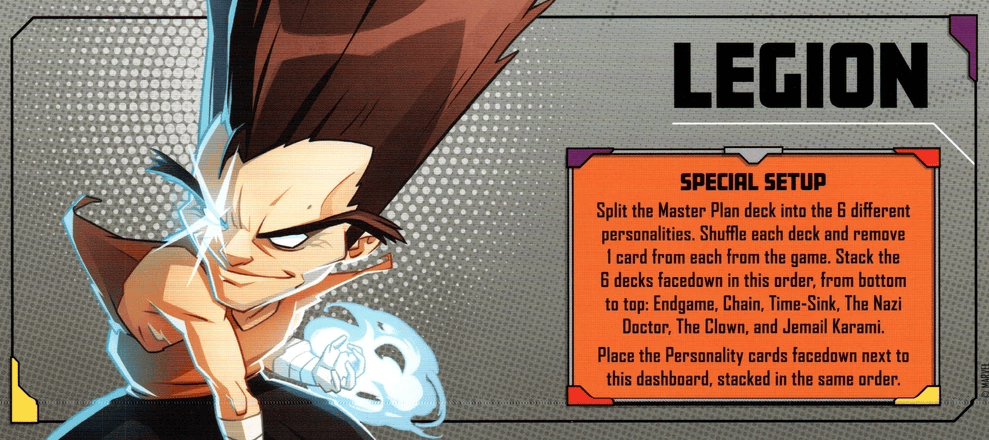
It did not take long for us to get to another Marvel United Villain from the Season 2 Stretch Goal box. Legion may be the pinnacle of Marvel United villain design. Like in the comic book, his personality changes. Every two turns brings a new wrinkle and mechanism into the game. Sure. This gimmick functions like an intricate puzzle in miniature game form, but puzzles can be a blast.
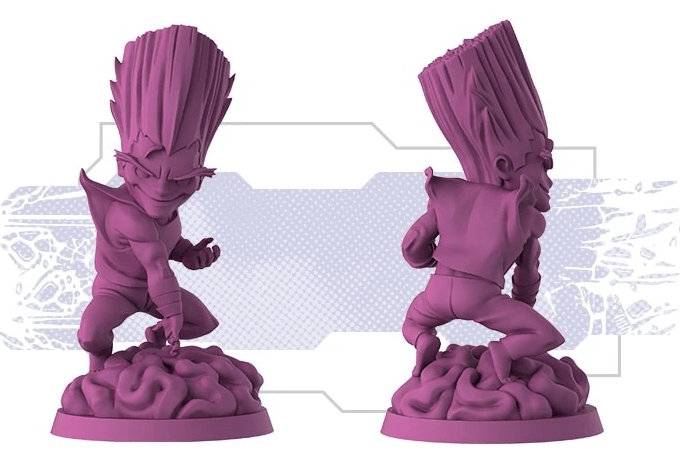
I’ve heard rumblings that at least one DC Super Heroes United villain borrows some game design ideas from Legion. I hope that’s true. Legion’s changing personality adds plenty of spice.
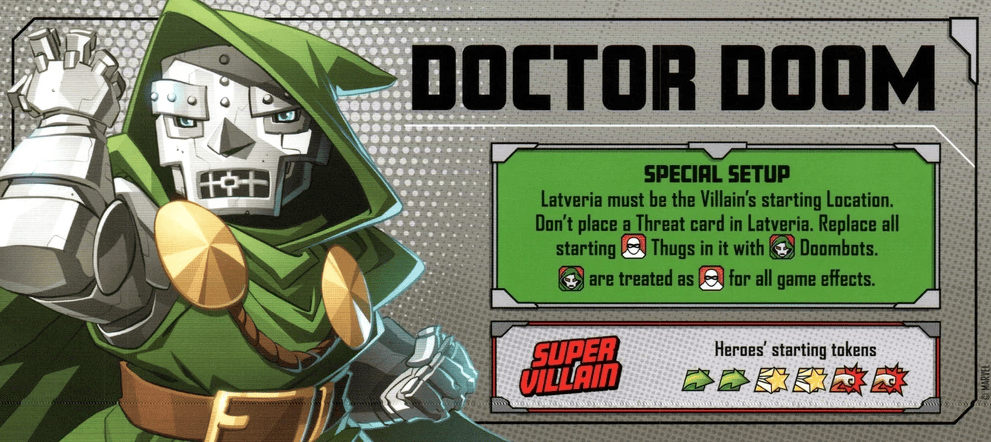
Doctor Doom is our third representative from Marvel United Season 2 (X-Men). Such a great set. Naturally, Doctor Doom is included in the Fantastic Four Expansion, and he makes this list for more than nostalgia reasons. I swear. Doctor Doom is a “fantastic” Marvel United villain. All jokes aside, I’ve always had tight games against Doctor Doom as a villain. The Marvel United design team made sure to tune his combination of cards so players will always be one turn away from winning or losing each game. Brilliant!
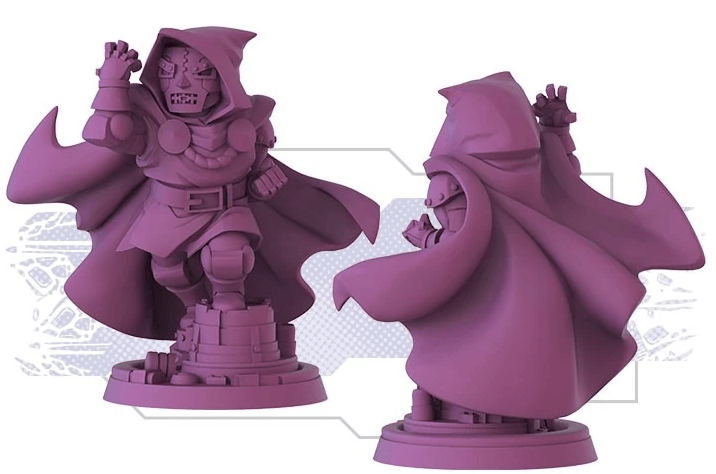
Combination doesn’t begin to describe Doctor Doom’s Threats and Master Plan cards. They work so well together, and every time a new card gets revealed, players will be forced to make tense and meaningful decisions. Doctor Doom is one of those villains you face, and you’ll know which decision caused you to win or lose.
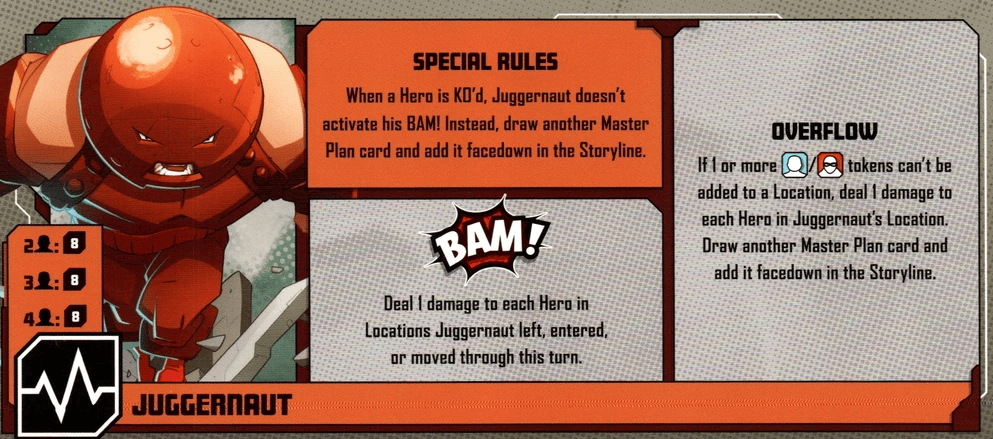
The X-Men set is four out of four on this list. Yowza! See what I mean when I said the Marvel United X-Men was a banger? Juggernaut makes this list–and almost tops it–because he makes a phenomenal introductory Marvel United villain. And he happens to be included in the Marvel United X-Men Core Set. Unless you really want Avengers in your game, I almost always suggest picking up the readily available X-Men Core Set. This makes Juggernaut one of the easiest villains on this list to add to your collection.
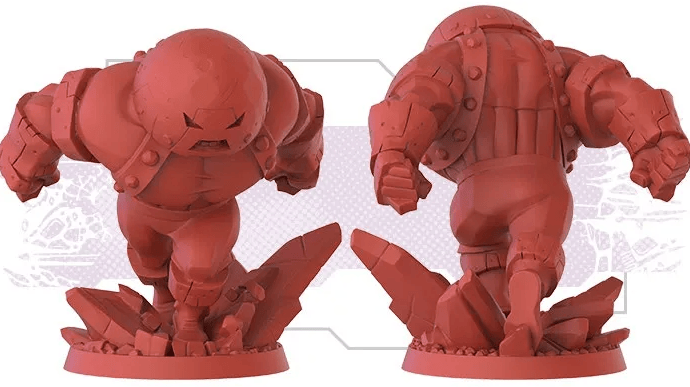
Juggernaut makes a great introductory villain because he’s thematic and fun. He charges around the board, headbutting people. Juggernaut behaves like you’d expect Juggernaut to behave. His ruleset is on the simpler side, but he can be challenging. Marvel United found a way to make Juggernaut easy to play and rewarding to defeat. I’ve never had a table dislike Juggernaut, and he just may be one of my most commonly played Marvel United villains.
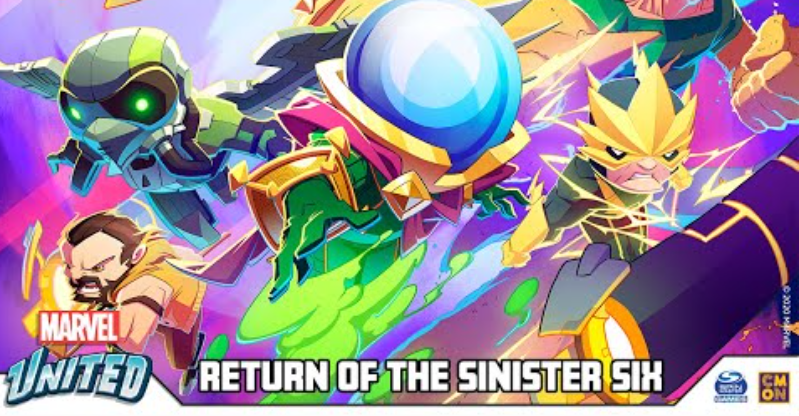
I’m double-cheating with our top entry. First, the Sinister Six is a supervillain team. Second, I’m picking two expansions here. Return of the Sinister Six was a KickStarter exclusive all the way back in Season 1, but plenty of stories carry this expansion, so it shouldn’t be too difficult to find. Maximum Carnage was released in Season 3, but the modular Sinister Six add-on was only available in the KickStarter exclusive variant of the expansion. I picked up the Maximum Carnage expansion via retail, so I have a method of adding the modular Sinister Six.
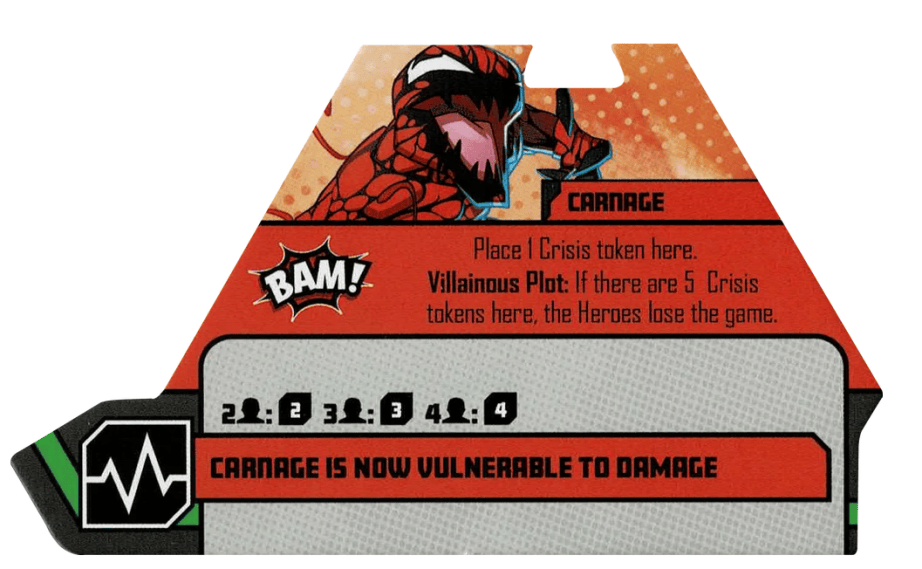
Above is a picture of Carnage’s puzzle piece that can be used in the modular Sinister Six. Using the Marvel United wiki, I took images (and real-world measurements) and printed out my own copy of each puzzle piece of a modular villain at my local library. There are some unique cards you won’t find in a retail copy of Maximum Carnage, so you’ll need to print out those as well. Both are easy to find and download.
I love both iterations of Marvel United’s Sinister Six. Featuring the Sinister Six’s founding members, Return of the Sinister Six provided Marvel United’s first supervillain team. Like Legion, The Sinister Six functions like another intricate puzzle. But once you’ve figured out the puzzle, it may be time to move on to the modular Sinister Six. This version of the Sinister Six includes every villain who has ever joined the Sinister Six, so that static puzzle becomes an ever-changing puzzle. The first Sinister Six holds a special place in my heart (and you’ll need them to fill out your roster of every Sinister Six member), but the modular Sinister Six is clearly the best Marvel United villain. Fun, adaptable, and never boring.
Did we get the list right? Let us know who your favorite Marvel United villains are in the comments. Thank you for reading, wherever you are, I hope you’re having a great day.
Hey, hey, Geekly Gang! Kyra Kyle with another board game design brain dump. I’m still submitting designs to various publishers. I’ve received a couple of rejections. Brotherwise Games gave me a prompt response. I’ve given up on a handful of publishers (like Lucky Duck Games), marking them down as “never responded” in my spreadsheet. Seriously, I wish there was a submission tracker like Duotrope for board games, so designers could share notes on which publishers are more responsive than others. I guess I can do that here. While I don’t particularly care for Brotherwise Games’ submission manager (they use Google Forms and pics), I do like how prompt they were with a response. And that’s another thing the board game community could use, a more standardized online submission manager program like Submittable.

Anyway, I’ve made tweaks to Spill the Beans. My goal is making Spill the Beans more enjoyable at lower player counts, and I think I’ve accomplished this by having players “bust” if they spill too many of the same bean type. Love it! Spill the Beans is still a party game at its core, but I’ve playtested multiple smaller player count games at designer meet-ups and received good feedback. You would think a player may get lucky, pushing their luck by spilling out more beans and not busting, and that does occur, but the game evens out over time. And smaller player count games take little time at all. Spilling out more beans per turn means that the game concludes a lot faster at smaller player counts (a problem the game had before this change). Players are just as likely to run out of beans as they are to fill two jars.
Enough about Spill the Beans, I’ve also been submitting Whirligig Pets to various publishers. I’ve had fewer responses for Whirligig Pets than Spill the Beans. I may be submitting to the wrong publishers. Or I may need to submit games during conventions. Or it could be something else entirely. Again, board games need a submission tracker and submission manager program like Duotrope and Submittable.

I wrote the Monster Chef rulebook. It’s up for review with multiple design groups. I’m getting close to submission with this title. I can’t wait. Monster Chef has plenty of theme and could tie in well with the upcoming season of Delicious in Dungeon (2027). I’m also exploring expansions for this title. Monster Chef is a joy to develop.
The same isn’t always true of Rustbucket Riots. I’m still playtesting this game’s shift from dice placement to bag builder. I like what I’ve seen so far, but balance has become an issue. If I can unknot Rustbucket Riots’ balancing issues, it could proceed to a similar state to Monster Chef.

And we come to two newer designs that don’t even have names–yet–and I may want to help a fellow game designer get one of their title’s published. I won’t name her design here, but I love the game’s quilting theme. One of my new titles doesn’t have a theme. Well, I don’t care for the theme of flowers that it currently has. Too many games use a flower theme, so I may need to shake up a few things. My second title is fallout shelter game includes multi-use tetrominoes and spinners. Oh, yeah. We’re gonna get freaky.
That second title has been on the backburner for over a year. I wanted to get Spill the Beans, Whirligig Pets, and Monster Chef to good states before starting another project. I can’t wait to take the fallout shelter game to conventions. Woo hoo!
That’s all I’ve been working on over the past month. I should have more updates next month. Nuke-Con (in Omaha) is on the horizon. I’ll be attending with Spielmasons. If you’re going, stop by and say hi. Thank for reading, and wherever you are, I hope you’re having a great day.
Happy Friday, Geekly Gang! Kyra Kyle with a review/reaction of this week’s Lanterns episode, “OutKast.” If you’d like to see our review of last week’s Lanterns episode “Trust Fall,” check it out here. I have mixed feelings about Lanterns “OutKast.” I watched the episode three times and went back and forth with how I read this flashback episode, and “OutKast” is a flashback episode, and this episodes use of the chosen one cliche. Let’s start this discussion with “OutKast’s” use of flashbacks.
I figured Lanterns “OutKast” would feature plenty of flashbacks. The pilot took place in 2016, showed glimpses of the Nineties, and ended with Hal Jordan dying in 2026. Oh! Spoiler alert is in effect. I don’t know why anyone reading a review/reaction of the third episode in a television series would not have seen the show’s pilot, but I’m sorry to the one or two readers who haven’t yet seen Lanterns “Pilot.” This review will contain spoilers. Consider yourself warned. While last week’s episode “Trust Fall” continues the 2016 storyline, “OutKast” recounts John Stewart’s past. While watching “OutKast” the first time, I kept hearing my writing instructors in my ear. No! Not a flashback episode. If you need to write a flashback episode, it probably means you didn’t start your story where it should’ve started.
But I enjoyed “OutKast.” After I pushed away those critical voices in my head, the episode explored themes I hoped the episode (and the show as a whole) would explore. John Stewart’s upbringing fascinated me. You could tell there was a lot going on behind the scenes during the show’s pilot. The fact that John’s father was a Green Lantern candidate with Hal Jordan added some nice depth. The scenes between John’s parents (specifically his mother) and a Guardian harkened to classic Green Arrow-Green Lantern comic book storylines. I love the following interaction:
Bernadette (Johan’s Mother): Do you understand how unfair it is to ask a Black man in America if he’s afraid?
Lianna (Guardian): By “Black,” you mean… brown skin?
Bernadette: We are terrified daily of persecution and still show up, sometimes better, than everyone around us. Did you know that?
Lianna: I did not.Bernadette: Even in space, y’all don’t consider us.
I can’t help but make a connection between this scene, and the one found in Green Lantern (Vol 2) #76, where a black man confronts Hal Jordan’s Green Lantern:
I been readin’ about you…how you work for the blue skins…and how on a planet someplace you helped out the orange skins…and you done considerable for the purple skins! Only there’s skins you never bothered with! The Black skins! I want to know how come?! Answer me that, Mr. Green Lantern.
Ah! I don’t care that scene is a little hokey by today’s standards, but I love it. That scene is one of the first images that pops into my head when I think about Green Lantern (Hal Jordan). As soon as I heard Lanterns would include Hal Jordan and John Stewart, I hoped the show would lean in, at least a little bit, to some of those classic 1960s Green Arrow-Green Lantern issues. The scene between Bernadette and Lianna paid homage to this classic Green Lantern comic book scene, but it took it in an interesting direction. Bernadette directly tells a Guardian. This causes the Guardian (and by extension, the audience) to recontextualize fear. I love the idea of Hal Jordan not having fear because he was a white man, and John Stewart Senior had fear because of his race, but he overcomes that fear.
Ultimately, I’m of two minds in regard to “OutKast’s” use of flashbacks. Yes, Lanterns could’ve woven these flashbacks throughout the rest of the season. Conventional storytelling teaches writers to do that. But Lanterns only has a handful of episodes remaining. A flashback-heavy episode was bound to happen. You might as well have one flashback episode in full instead of multiple episodes littered with flashbacks. Funnily enough, “OutKast” had a flashback (John’s past) inside of a flashback (John meeting with a Guardian), which was a flashback to the flashback (the events of 2016 with Hal and John). Wait. I’m confused. Despite a lot of flashbacks, “OutKast” was easy to follow and a fun ride. I love John Stewart’s backstory in Lanterns.
And we get to the chosen one cliche. I mentioned it in the opening, and I have to deliver here. Again, I’m of two minds. Using an unkind reading of the story, “OutKast” is guilty of using the chosen one cliche. Lianna (the Guardian) mentions that John Stewart (Senior) was chosen for a reason and his “worthiness” could be inherited, and she mentions that John’s mother (Bernadette) was formidable in her own right. One could easily read the chosen one cliche from this interaction. I certainly did the first time I watched Lanterns “OutKast.” But John Stewart (Junior) corrects Lianna by saying that humans aren’t programmed, they’re raised. A kind reading of this story leans toward a battle between nurture versus nature.
I go back and forth with Lanterns “OutKast.” On one watch, I may view the episode through an unkind reading. On another, I switch to a kinder reading. Regardless, Lanterns has been surprisingly rewatchable. I’d still like to see more costumes and powers, but the show holds my interest. On a completely different note, I love the reference to Atlanta Hip Hop stars OutKast. And I love the closing track, “Gasoline Dreams.” Ah! So good and it fits.
Those are my thoughts on Lanterns “OutKast.” Let me know yours in the comments. Thank you for reading, and wherever you are, I hope you’re having a great day.

Happy Wednesday, Geekly Gang! Kyra Kyle here, and today, our writers share what they’ve been playing over the past month. Feel free to share what you’ve been playing because we’re all part of the Geekly Gang. I’ll get things started with what I’ve been playing over the past month.
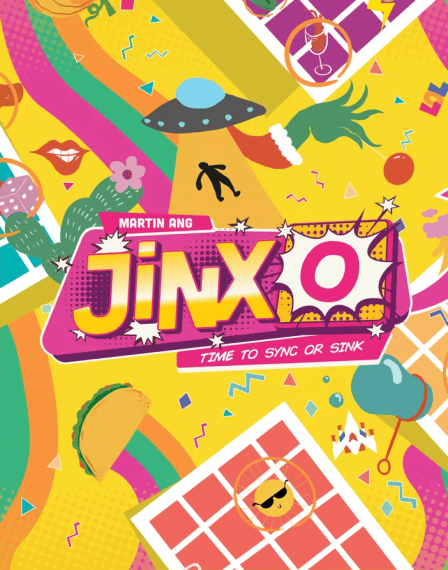
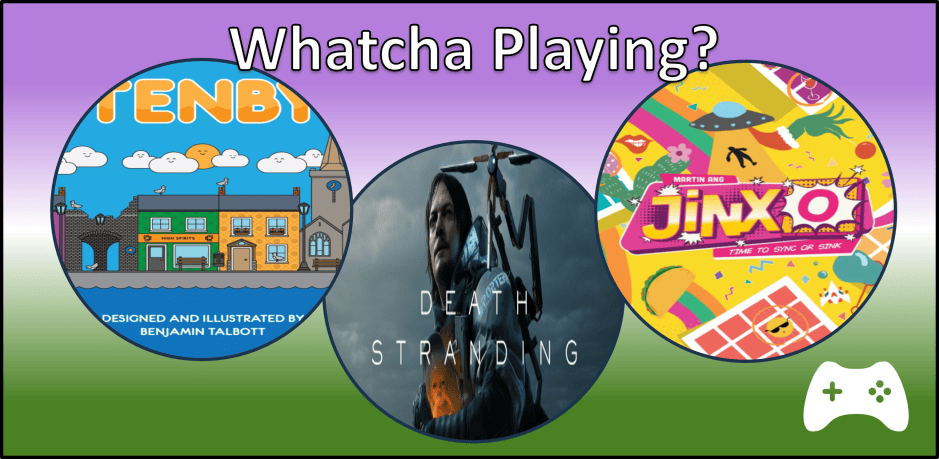
JinxO is a goofy party game in the vein of Sixes. Each player has a dry erase marker and board and try to match other players’ answers to bizarre questions. “Name an animal that looks like it’s drunk.” “Where on your body would you hide a weapon?” If you match with at least one other person, you circle your answer (gain one point). If you match with only one other player, you gain a star (three points). Players also receive points for circling every square in a row or column (kind of like Tic-Tac-Toe), and whoever has the most points wins. Fast, silly, and replayable, JinxO is a great icebreaker game. I can see kicking off a gaming convention with JinxO.
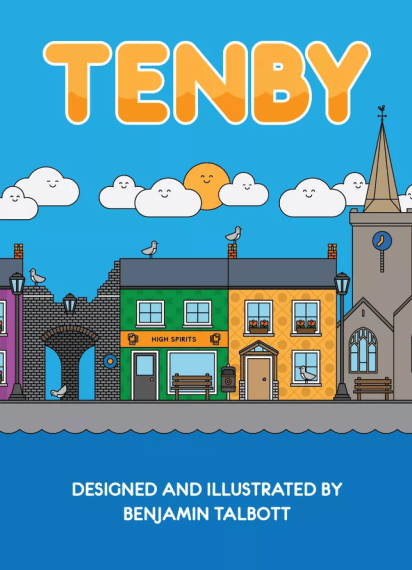
I love Tenby. It packs a lot of “game” into a small box, and Tenby rewards players who pay attention to small details. Look at the game’s cover (above). The number of smiling clouds, seagulls, specific doorways, benches, lampposts, flowers, and chimneys pictured could score points. Tenby has charming artwork, but that artwork serves a purpose. I may need to chain those smiling clouds for more points. And I like how Tenby determines play order. The game uses an action deck. Each card is numbered from 1 to 36 (I think). The higher the number on the action card, the better the action, but the later in the round you’ll be able to take that action. I liked that in Kingdomino; I like it in Tenby. I love building my own cozy streets in the Welsh town, Tenby.
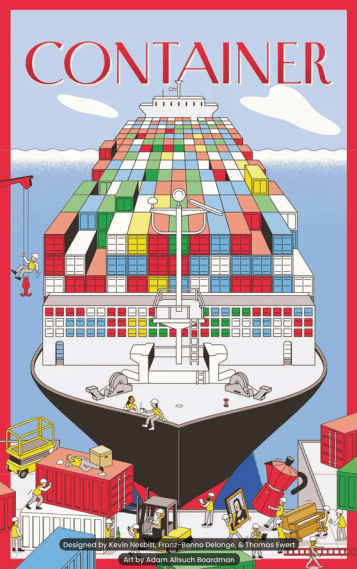
Container is an AllPlay remake of the 2006 board game of the same name. While it does a great job of streamlining the original, there’s a lot going on in Container. When I played it at a convention, it took over thirty minutes for the teach. Just the teach. Yikes! The game box says Container takes 90 minutes. We had a full player count (five), and it took far longer than 90 minutes. But enjoyed my time with Container. AllPlay has a knack for putting highly strategic games into small packages. Container is no different. Make no mistake, Container is a heavy Euro game. I came in second (almost a tie), but I don’t know if deserved that placement. Resources are brutal in this game. I felt like I was underwater most of its runtime. You will take out loans. But you’ll need to time when you take out loans well.
I’d love to try Container at a smaller player count and play with gamers who already know how to play. I’d like to skip the teach.
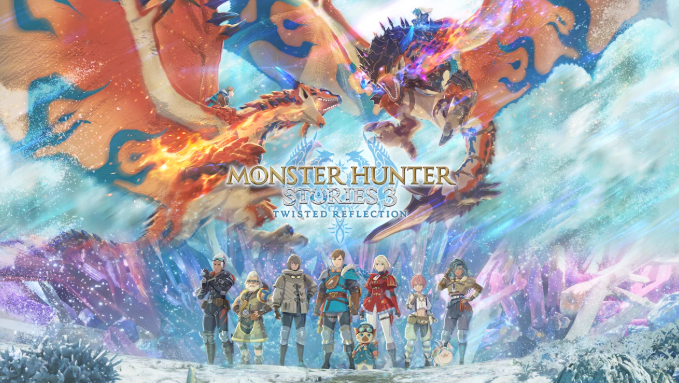
I’ve been getting back into Monster Hunter Stories 3: Twisted Reflection, and I almost wanted to start over from the beginning. There’s a lot more to Monster Hunter Stories 3 than I remembered. Yikes! I’m not even sure where I was in the story. Anyway, the game is still a joy to play. The art style differs from the core games in the Monster Hunter series. The art fits Monster Hunter Stories 3’s vibe of a bizarre Monster Hunter/Pokémon mashup. Don’t let the cute artwork fool you. Monster Hunter Stories 3 holds a lot of strategy. You need to know when to switch monsters, which attacks work best and where you should target them. This is the biggest reason why I’ve thought about restarting the game. I like the the unexpected strategic depth.
Those are all the games I’ve been playing. Lets see what Skye has been playing.

Astro’s Playroom doubles as a love letter to classic PlayStation games and a guide to core components of the PlayStation 5. Astro’s Playroom takes you inside your console to not only highlight what it’s capable of but also provide you with references to classic PlayStation titles that will make your heart flutter. Astro’s Playroom nods to various games like Ratchet & Clank, Jak & Daxter, Ape Escape, Tomb Raider, Uncharted, Final Fantasy VII, Monster Hunter, Resident Evil, Silent Hill 2, God of War, The Last of Us, Horizon: Zero Dawn, Ghost of Tsushima, and that’s barely scratching the surface.
Honestly, part of the fun of Astro’s Playroom is going through the various levels to see how many references you can spot. If you get a PlayStation 5 and have been with PlayStation for years, I trying Astro’s Playroom.

I finally got around to playing Death Stranding. I can see why so many folks were impressed with the game. Putting aside the bizarre premise which adds a lot of intrigue, Death Stranding is unique in its mechanics. As the post-apocalyptic deliveryman Sam Porter Bridges, your job is to make deliveries across the ruined United Cities (that’s right, Cities) of America, locate the President’s successor, and reconnect the country in the process. Piece of cake, right? However, you carry all your cargo on your back, and you have to keep your balance on your travels. The whole time.
Death Stranding is the first game I’ve played that’s used this mechanic. Being an open world game, you have to hold various buttons while trudging through rivers and traversing uneven terrain to get to delivery locations. Some will see Death Stranding as a glorified “Walking Simulator” which I understand. It’s certainly an acquired taste, but I’ve managed to enjoy it for the most part. My main complaint about the game concerns its combat. Given the fact Death Stranding centers around delivering cargo, it’s incredibly difficult when you come across an enemy while simultaneously trying to complete an order and have boxes on your back stacked 8 meters high. It gives me the feeling that the combat was added purely for the sake of avoiding the label “Walking Simulator” and nothing else. Still, I look forward to completing Death Stranding.
Hey, hey! Kyra Kyle here again. Season shared with me that she’s mostly played Apex Legends. She may play a new game by next month. So, those are the games our writers have been playing this past month. What’ve you been playing this month? Let us know in the comments. Thank you reading, and wherever you are, I hope you’re having a great day.