Geek Out

Deadpool and the Future of the MCU

Hey, hey! Kyra here. I’m still figuring out what kind of content a rebooted JK Geekly should include. If you have any suggestions, let me know in the comments. I’m also working my through older content, but we’ll run out of that soon enough. Lastly, I’m late with a reaction to Deadpool and Wolverine. Instead of writing a review (I’d rather not get back into traditional reviews), I’m doing more of a reaction and what I think of the Marvel Cinematic Universe’s future.

Deadpool 3 and Its Place in the MCU

I enjoyed Deadpool and Wolverine. Was it perfect? No. It dragged in parts and that’s something with which the MCU during the Multiverse Saga has struggled, but Deadpool and Wolverine did what a Deadpool movie was meant to do. It made fun of the MCU, particularly the maligned Multiverse Saga. Deadpool and Wolverine served as a good penultimate film for the Multiverse. The Multiverse isn’t yet finished but there aren’t that many movies/TV shows remaining before it wraps. So, I’m calling it a penultimate movie. Deadpool 3 also acted like a Monty Python’s “this is getting too silly” and signaled an abrupt turn that the MCU intends to make: the Mutant Saga.
Right. Before we get too much further, I’m going to try and avoid spoilers. But the nature of posts like this makes that impossible. Consider this a spoiler warning.

Wow! I took this long to say spoiler alert. I am rusty.

Not only was Deadpool and Wolverine the penultimate Multiverse Saga film, it also said farewell to the 20th Century Fox Era X-Men and the Fantastic Four (to a lesser extent). I’ll echo other critics and express concern about Disney/Marvel relying on nostalgia to make a quick buck. I dislike the idea of the MCU using nostalgia as much as it has lately. Disney has worn out their nostalgia button. Did anyone ask for live-action versions of every Disney animated classic?
It’s true that Spider-Man: No Way Home tapped into nostalgia big time, but not necessarily in a bad way. With its proximity to the latest Spider-Man film, one could view Deadpool and Wolverine as nostalgia porn. But Deadpool and Wolverine hits different.

Legally, Disney/Marvel cannot cast their own X-Men actors until 2025. Most of the X-Men, including Hugh Jackman (Wolverine) and Ryan Reynolds (Deadpool) are under contract to play these characters until the end of 2024. It makes sense for Disney/Marvel to say “Bye, Bye, Bye” to these actors before the end of their contracts.
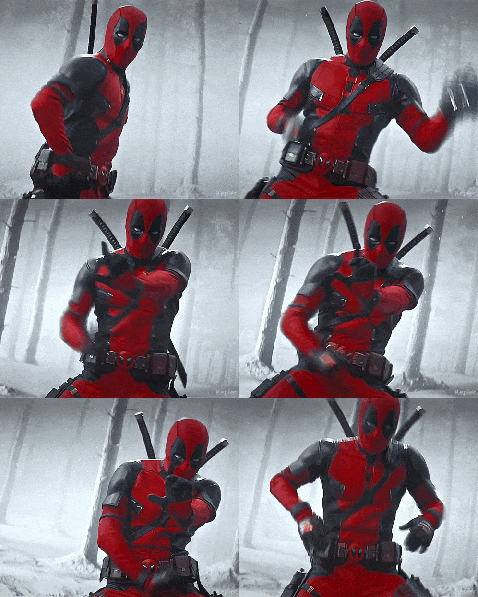
That said, I hope Disney/Marvel does something new with these characters. They had best cast their own actors for these roles after these contracts expire. I’d also like to see the MCU cover different X-Men stories. The world doesn’t need three Dark Phoenix Sagas in two decades. I’d love it if Disney/Marvel puts that storyline to rest for a good decade or more and concentrate on other great X-Men stories. It’s not like the X-Men have decades of great stories.

We’ll get into some of these potential storylines with the Wolverine montage. Oops! We’re heading into definite spoilers for Deadpool and Wolverine. Anyone who hasn’t yet watched the movie should turn away for the next section. You can pick back up in the MCU’s future section.

Wolverine Montage

The Wolverine montage at the beginning of Deadpool and Wolverine was not only fun but showcased the various worlds in which Wolverine/Logan existed. Most of the scenes depicted during this montage could make for a good movie or movie series. Let’s cover each one as quickly as possible and in the order in which they first appeared.
Short Wolvie
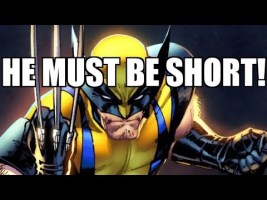
This is the 5′ 3″ Hugh Jackman Wolverine. There isn’t much to say except this Wolverine is the most accurate to the comics, and he was the most eager of the bunch to join Deadpool. Too bad Deadpool went in a different direction.
Brown And Tan Wolvie
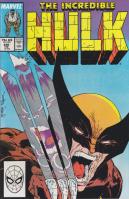
Deadpool references John Byrne (X-Men artist during the late 70s and early 80s) and Wolverine’s classic brown and tan outfit that Byrne designed. The scene they chose for this one comes from Incredible Hulk #340 (drawn by Seth MacFarlane) where Wolverine and the Hulk throw down. There have been plenty of instances of this happening. In fact, Wolverine was first introduced in an Incredible Hulk comic (#180 in a cameo and #181 in full), where the two fought each other. This may not be the only time the MCU will depict this fight.
One-Handed Wolvie
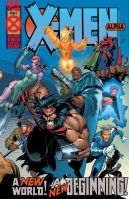
The one-handed Wolverine in the dilapidated city comes from Age of Apocalypse. I don’t think the MCU will dive headfirst into this storyline but if they did choose to cover it, I’d like to see Marvel characters not mentioned in this world. The original Age of Apocalypse run mostly affected the X-Men. Other characters were mentioned and a few made appearances, but it could be fun watching alternate versions of The Avengers. But we’ve had enough of the Multiverse and this could be more of the same.

In case you’re wondering, this reality’s Cyclops severed Wolverine’s missing hand.
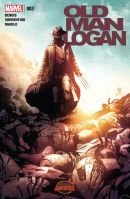
Old Man Logan
The Wolverine who looks like he’s cosplaying as Joe from the Dollars Trilogy comes from the Old Man Logan storyline. This is another post-apocalyptic story, and I doubt the MCU will go in this direction.

Oddly enough, Deadpool and Wolverine borrows a major set piece from Old Man Logan.  Giant Man’s skeletal remains–the ones in which Cassandra Nova has established a lair–makes an appearance in this comic book story. And technically, we’ve already seen a variation of the Old Man Logan story in the movie Logan.
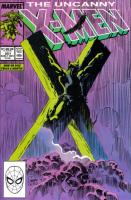
Crucified Wolvie
The Uncanny X-Men #251’s famous comic book cover features Wolverine on an X-shaped crucifix. I don’t think the MCU will go in this direction, because the Siege Perilous (a crystal that opens doors to other dimensions) features heavily. The MCU won’t want to go back into the Multiverse too soon. However, this Siege Perilous could be one of the many ways the MCU could “fix” the Multiverse and catapult the MCU into the Mutant Saga.

I won’t go into too much detail because there’s a lot going on, but the people who placed Wolverine on the crucifix were the Reavers. The Reavers were the main antagonists in the movie Logan. Reavers have cybernetic implants but in this universe, most Reavers have them because Wolverine cut off their biological limbs. The Reavers hate all mutants, but especially Wolverine, which is why they placed Wolvie on a crucifix.

Patch
This one could easily happen, and there are two prominent storylines with Patch Wolverine. The above with Hulk’s alternate identity Joe Fixit pits Patch Wolverine as a casino bouncer. This could happen, but it might be a bit silly and would most likely be a cameo like we saw during Deadpool and Wolverine. If Patch Wolverine made an extended appearance in the MCU, the story they’d most likely use would come from the 2022 Patch Wolverine mini series.

This Patch is an alternate Wolverine who hides his mutant identity. He has a knack for gambling and espionage. He even teams up with Nick Fury; two patches for the price of one. This could be another way the MCU could bridge the current timeline with a mutant heavy one. They’d have to change a lot of the story, but that wouldn’t be the first time the MCU did so. Age of Ultron didn’t resemble its comic book counterpart.
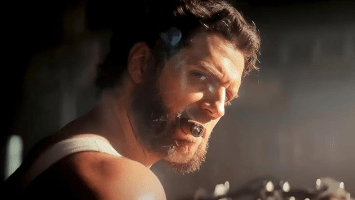
The Cavillrine
One might think, this is just Henry Cavill as Wolverine, and one would be correct. It is just Henry Cavill as Wolverine, but let’s add a little context. Cavill portrayed Superman in the DC Extended Universe and Geralt in the Witcher Netflix series. Many comic fans love him. Cavill is the leading fan-casting for the next Wolverine, and many ardent fans of this casting insist that Cavill IS the Wolverine of Earth-199999, also known as Earth-616, which is the world in which the MCU takes place. Who knows? These fans could be right. Deadpool and Wolverine could’ve introduced the next actor to portray Wolverine.

The MCU’s Future

We’ve discussed some of the directions in which the X-Men could go or more specifically Wolverine. The above Wolverine Montage by no means covers all stories for Marvel’s mutants, but it’s a good start.

I’ll reiterate, wherever Disney/Marvel goes with these characters, I hope they go in a direction not yet explored. And they should cast their own actors in these roles. Channing Tatum as Gambit is fine; he never had the chance to portray Gambit in a full-length feature before his cameo, and he’s meme gold. Wesley Snipes as Blade might be fun, but he can’t play the character until he’s 90. Can he?

The next thing the MCU should do is contract the number of shows and movies they release; they’re already doing this to some extent, so that’s good. Additionally, they should reduce the number of characters in their active slate of characters. What do I mean? The Infinity Saga focused on the core six Avengers: Captain America, Iron Man, Thor, Hulk, Black Widow, and Hawkeye. It added a few here and there over time like Falcon, Doctor Strange, Black Panther, Scarlet Witch, Ant-Man, and Vision, but the core six were in most–if not all– the team-up films, and prominent members Captain America, Iron Man, and Thor received a trilogy of films in a short timeframe. Go back to that.

It’s difficult to grow attached to a character when you haven’t seen said character in half a decade. I’m looking at you, Shang-Chi (his first movie released in 2021 and 2026 may be the soonest he’ll get a follow-up–the soonest is 2026, yikes!). There have been issues outside the MCU’s control. The pandemic didn’t help. I still get choked up over Chadwick Bosman’s passing. Jonathan (Kang) Majors’ domestic assault and harassment case derailed the Multiverse’s story. And navigating the Spider-Man license and other licenses haven’t been easy.

A lot has happened outside Disney/Marvel’s control, but the MCU hasn’t helped itself by making some questionable choices. It concerns me that the two highest grossing films during the Multiverse Saga are the two (Spider-Man: No Way Home and Deadpool and Wolverine) that lean heavily on nostalgia. It’s too easy to learn the wrong lesson.

Those two movies succeeded because one didn’t need to do as much homework (watching a gagillion hours of content before watching the movies) and both films were the third part of movie trilogies that took five years (for Spider-Man) and eight years (for Deadpool) to complete. These two factors may have done more for these movies’ success than nostalgia alone. But hey, hit the nostalgia button.

Okay. I’m done ranting about Disney’s overuse of nostalgia. For now. Let’s discuss some other developments, beginning with everyone’s favorite Marvel character trapped in license hell.
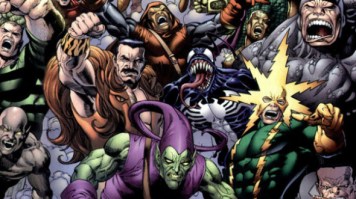
Spider-Man and His Villains

There’s a tentative agreement between Sony and Disney/Marvel for Peter Parker Spider-Man . The Spider-Verse films may prevent Disney/Marvel from using Miles Morales. I haven’t read the terms of the contract as it pertains to Sony animation, but another series of talks may need to be had for Miles entering the MCU. I’d imagine that will come to fruition. Eventually. It’s going to take a fleet of Brink’s truck cash.

Spider-Man Noir will not appear in the MCU because Nicholas Cage will portray him in a live-action TV series. I’m okay with that. I’ll be watching the show after it drops on Amazon Prime. Any Spider-Man character who receives a Sony-led live-action movie or TV series is ineligible to be included in the MCU. That’s why we’ve seen a Venom trilogy (that includes characters like Carnage and Rhino), Morbius, Madame Web (with at least a half dozen other Spider-Man characters), and the upcoming Kraven films. Sony is playing keep away from Disney/Marvel.

I don’t blame Sony too much. Disney/Marvel has countless intellectual properties and makes several movies annually. Sony produces far fewer movies and their largest IP is Spider-Man. Spidey and Spidey related films account for over half of Sony’s major film releases each year. They’re forced to make Spider-Man content, even if that content isn’t the best. And with the exception of the Spider-Verse franchise, Sony Spidey content hasn’t been good.

The Incredible Hulk

But Spidey isn’t the only character who’s had licensing issues. Universal’s deal with the Hulk concluded this year (2024 if you happen to be reading this after the new year; happy new year btw). According to the previous deal, the Hulk could be in MCU films but only as a supporting character. Thor: Ragnarok touched on Planet Hulk themes (namely Gladiator Hulk), and She-Hulk: Attorney at Law laid the ground work for a potential full-fledged Planet Hulk movie (Hulk traveled the cosmos and found his son Skaar). I don’t know if we’ll ever see another movie with Hulk as the title character, but it’s a possibility. I wouldn’t mind at least one with Mark Ruffalo.

Robert Downey Jr. as Doctor Doom

Is this casting odd? Yes. But Downey Jr. as Doom could’ve been the plan from the beginning, but only as a cameo. The MCU could easily combine Earth-11029’s Doom (who mind swapped with Tony Stark) and the Doctor Doom from Secret Wars. The MCU was always headed toward Secret Wars, and toward the end of that story, Doom assumed the Beyonder’s powers and ruled Battleworld. The MCU probably intended an homage to the source material with a quick look at an alternate Doom (perhaps Downey), much like the alternate Reed Richards (John Krasinski) in Doctor Strange in the Multiverse of Madness.

Kang was the original big bad for the MCU’s Secret Wars, but Majors’ legal troubles thrusted Doom to the forefront. Will it work? I’m unsure. We’ll have to wait and see. A Downey Doom would’ve worked better as a cameo or teaser for the next leg of the Fantastic Four’s story. But the MCU is trying to salvage what’s left of the Multiverse Saga. I guess it’s worth a shot, but this reeks of desperation and hitting the nostalgia button. Remember when RDJ was in Avengers movies? Here he is again. Wait. We haven’t had an Avengers movie without RDJ yet. He’s got to maintain his Avengers streak.
Fantastic Four and X-Men

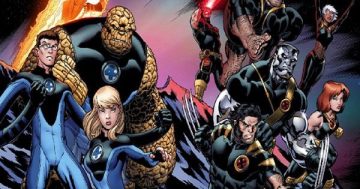
The MCU is barreling toward the Fantastic Four and the X-Men. These two teams will feature heavily in the upcoming MCU. That’s a great thing and a bad thing. The MCU already has a bloated roster and now it’s adding two massive teams. These two teams could delay the third film of major MCU characters.

Going back to my point that the MCU should return to a tighter character roster, the three main Avengers during the Infinity Saga had a small window for their film trilogies. Cap’s original trilogy took five years in total. Iron Man’s also took five years. And Thor’s original trilogy took six years. Six years passed between Doctor Strange and Doctor Strange in the Multiverse of Madness. Strange continues to wait for the third movie in his trilogy. That’s way too long. There’s also the aforementioned Shang-Chi and his five year wait for a second film. And is Captain Marvel getting a third movie? Rewatching older films in a film series becomes part of an MCU movie’s homework.

What were talking about? Deadpool. Right.

Deadpool needed eight years to conclude its trilogy. That’s impressive considering that Fox was bought out between the second and third films. A tighter release window for movies in a series and a smaller cast of recurring characters are the lessons Disney/Marvel should take from Deadpool and Wolverine’s success. That and R rated films can rake in money. We’ll have to see which lessons the MCU takes to heart.

That’s all I have for now. Let me know your thoughts on what the MCU should do going forward. See you soon. Bye, bye, bye.

~ Kyra
 

Getting Started with Tile Placement Games

Hi, everybody. Kyra’s back with another older write-up that never got posted. This week’s post is a beginner tabletop games. I may add a game or two because there have been countless games that have been published in the six or so years since this write-up was written, but so many people cover newer games. Let’s stick with the older games.

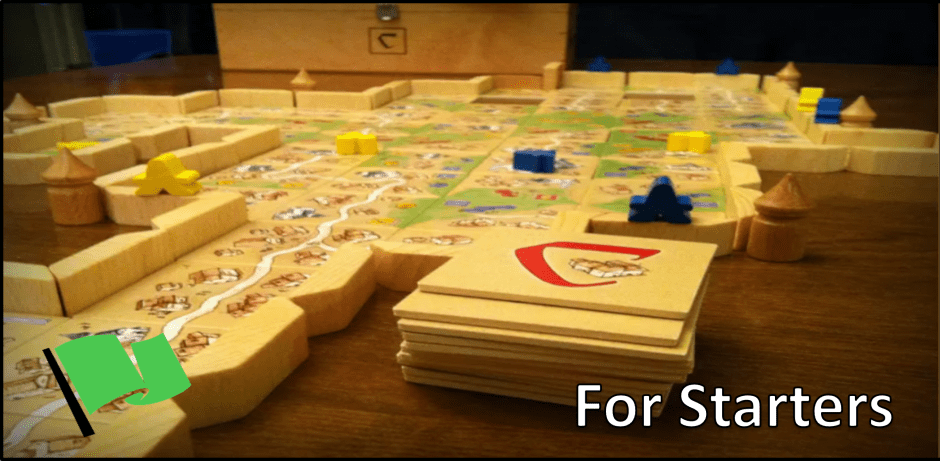
Today we’ll cover tile placement games. A tile placement game is one where players lay or place tiles in groups or patterns to achieve various effects. Usually, but not always, where players lay their tiles will earn them victory points (or just points) needed to win the game.

Okay. The boring part’s over. Let’s get to the games.

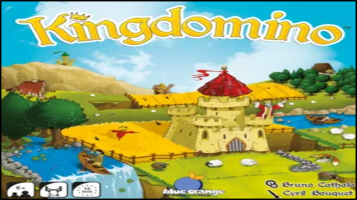
Kingdomino

Kingdomino and not its sister game Queendomino makes this list because Kingdomino is more streamlined and easier to learn. It’s not that Queendomino is all that more difficult to play. If you know how to play Kingdomino, it’s easy to learn how to play Queendomino and progressing from King to Queendomino works with my idea of learning tabletop games with a scaffolding approach. One game that builds on another.

Anyway, in Kingdomino players take on the role of a lord or lady as they try to gain the most land—or the most value tracts of land—by collecting dominos. The dominos in question have numbers on their back denoting how valuable they are and two sections of landscapes on the front (that can be forests, deserts, mines, wastelands, or swamps). Dominos equal to the number of lords or ladies (the players pawns) are placed in number order with the lowest number on top and players take turns selecting dominos and placing them in their kingdom.

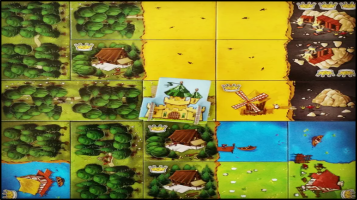
I won’t go into much more detail with how Kingdomino balances who picks first each turn, but it’s well done (as one can expect from designer Bruno Cathala). Instead, let’s focus on the tile placement aspect. Players start with a 1×1 tile, their castle tile. All the dominos are 2×1 tiles and when they’re claimed and added to a player’s kingdom, they must share a side with a section of land that shares their type (forests with forests, deserts with deserts and so on); castle tiles count as all land types. Players also can’t exceed a 5×5 kingdom, but their castle doesn’t have to be in their kingdom’s center.

This all makes for some interesting maneuvering, but the scoring mechanism further complicates tile placement. Players count their scores for each region they have in their kingdom. A region is every continuous area of the same land type and there can be more than one region for a land type. Someone could have a forest region of five and another forest region of three. For each of these regions multiply the number of spaces by the region’s number of crowns. Pictures of crowns show up, usually, in higher value tiles. If the forest region with five space has one crown, it’s worth five points, but if there are two crowns in the five-space forest region, it’s worth 10. A region with no crowns yields no points, no matter how big it is, so it’s ideal to get at least one crown in each region.

Kingdomino received the 2017 Spiel des Jahres; it deserved the game of the year.

Tsuro

I know I’ve included Tsuro in a previous starter games list (route/network building games), but Tsuro pulls double duty as a great starter tile placement game. Each player has a pawn and their pawns begin the game on the edge of the board (a 6×6 grid). On a player’s turn, they place a tile from their hand—these tiles will have paths on them—on the board continuing the path (or route) their pawn is taking. As soon as a new tile is placed, the player moves their pawn further on the path. The aim is to be the last player with their token on the board.

Players are not only building a route or network in Tsuro, they’re placing tiles to do so, and this simple, elegant game makes for a great introduction to both game mechanisms.

Patchwork

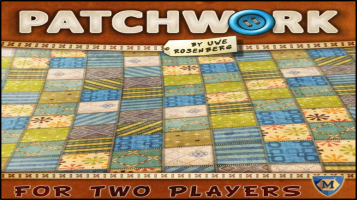
Patchwork remains one of my go to two-player only games to teach people. Sure, the designer Uwe Rosenberg has plenty of games the reimplement the same game mechanisms as Patchwork and other designers have followed suit, but the original Tetris-like tabletop competitive game about making a quilt retains its power.

On a turn, players may spend buttons to buy one of three available polyomino tiles (that are patches shaped like a Tetris piece) and add it to their quilt or pass. It takes time to stitch new patches into a quilt, so players will move their time token closer to the center and when a player’s time token reaches the center, they may take a final turn and the game ends.

There are a few more rules to Patchwork, but it’s a simple, streamlined game that works well with its theme. Who’d think that making a quilt would make a great game? Patchwork’s simplicity masks deep strategies. Do you go for larger patches for more points, but leaving you fewer options with which to place future tiles, or do you go for slow and steady points throughout the game, making sure you fill up as many spaces as possible? The options are endless.

I had to include a polyomino tile placement game on this list. Patchwork may not be as hot of a game as it once was and other games may have taken its place (Bärenpark and even Rosenberg’s own Cottage Garden and A Feast for Odin have even taken Patchwork’s place) for a lot of gamers, but it’s still a great starter tile placement game.

Azul

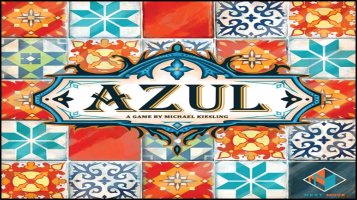
Azul is another game that I included in a previous list of great starter games (Card Drafting Games), but it works for tile laying as well. In fact, Azul’s theme is tile laying a Portuguese wall. Players draw tiles from a bag and four of them are placed on 7 cardboard discs that are accessible to each player. Then, players take turns claiming similar tiles on each disc and adding them to their player boards (that represent the walls the players are tiling). Each board has the same wall pattern and the player to finish a row of tiles initiates the game’s end.

Again, Azul can be classified as card (or tile) drafting and that’s a core ingredient to the game as well as set collection and chain effects, but the combination found is Azul is so unique for a tile placement game that I had to include it on this list.

Chomp

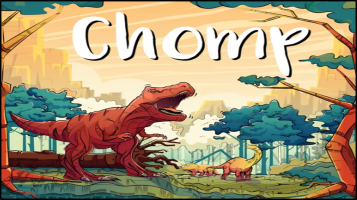
This is the newest game of the list and the only one I added to the original post. I played Chomp a week ago for the first time. Chomp refers to the 2023 Allplay title, not the 2000 food chain card game Chomp! from Gamewright. In Chomp (without the exclamation point), players build a dinosaur biome by laying tiles with dinos, plants, tar pits, and other things you may find in the age of the dinosaurs.

Players must build their land so that herbivores have plants to eat, and carnivores have herbivores their size that they can eat. Dinos of the same type that are placed adjacent to other dinos of their type form a herd. Players can chain as many of these dinos together as they can to form massive herds and potentially earn big points.

Any dinos placed next to tar pits automatically die at the end of nine rounds (I played with 3-players, there may be more or fewer rounds at different player counts), so be careful where you place tar pits. But you may want your dinos to perish. Each tile is double-sided. One side depicts the land you’re placing, while the other gives the player a scoring option. Each game, players must balance whether they want to play or score the tile they pick up that round. Such a great twist.

Final Thoughts

We had a couple more games in this starter board game list than usual, so I hope there’s something here you’ll enjoy.

Know of any other great beginner tile placement games? Are there any games on this list you disagree with? You can place your suggestions and complaints in the comments.

3 Lists of 3: Video Games as Art

This 3 Lists of 3 article was written years ago and never posted. I’m unsure why. I decided to edit it a bit before posting. There’s even a link to an old Flash game I included that I had to check and see if it still works. It does. Yay!

Younger Kyra may sound a little different than current day Kyra. Hopefully, this still holds up. If it doesn’t, new content is on its way. Take it away, younger Kyra.

The argument of video games as art has raged for a few decades now, and I’m not sure it’ll end any time soon. Many of you have your own opinion and can’t be swayed one way or another and a little writeup won’t change your mind. Others don’t care if video games are art. But it is something that’s found its way in higher courts of the United States because of video games’ status as freedom of speech, so maybe video games as art is a valid discussion.

I’m unsure. To be fair, I’m unsure of most things but let’s break down the argument against video games as art (to show a counter point) with the first list before going into the next two lists that’ll suggest video games are art. I’ll try to be as fair as I can, but I do stand with one side. Oh well, let’s get to the lists.


1) Arguments Against Video Games as Art


Roger Ebert

Bear with me, folks. This first one will be a long one. Video games as art never had a more adamant opponent than Roger Ebert. Ebert became an unlikely adversary and may never have voiced his opinions on the topic if he wasn’t asked about his thoughts on the video game Doom after he gave the film Doom one star. When asked if Doom received that low of a score because it was based on a video game, Ebert fired back.

“To my knowledge, no one in or out of the field has ever been able to cite a (video) game worthy of comparison with the dramatists, poets, filmmakers, novelists and composers. That a game can aspire to artistic importance as a visual experience, I accept. But for most gamers, video games represent a loss of those precious hours we have available to make ourselves more cultured, civilized, and empathetic.”

The above statement by Ebert doesn’t make any specific points against video games as art. Essentially, it claims that video games aren’t art because they’re a waste of time. It’s telling that Ebert sandwiched filmmakers in the middle of his group of valid artists, so that the medium he dedicated most of his life to wouldn’t be put under the microscope again (there were plenty of people who pushed back against films as art), but Ebert did say once that “hardly any movies are art,” so his reluctance to add video games to art’s canon is consistent. Regardless, Ebert’s major point during a panel discussion a year later in 2006’s “An Epic Debate: Are Video Games an Art Form?” was salient.

Too Malleable to be Art

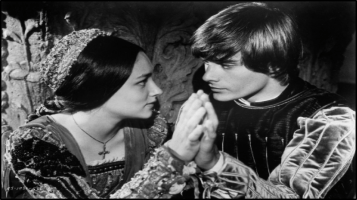
In a 2006 debate, Ebert claimed that video games were too malleable to be considered art. He posed the idea of a video game version of Romeo and Juliet where players could pick a happy ending. That would ruin the original artist’s vision. For art to exist, an artist’s vision must remain intact, so I’d agree with this. He made an obvious choice with Romeo and Juliet. A happy ending would be terrible. But there are a couple of issues with this point.

First, nothing prevents a movie company from making a Romeo and Juliet film with a happy ending; one may already exist. Second, changing a Shakespeare tragedy so that it has a happy ending is an extreme example and one based on a story that exists outside of video games. Video game stories provide options for players and there’s a case for any of those options as the original artist’s vision.

Like Black Mirror’s Bandersnatch, video game directors can create multiple endings, each as valid as the next (which may be debatable at times). Games have player choice, but many of the better ones have the illusion of choice like Life is Strange or Telltale’s The Walking Dead Season One. There are ways to eschew Ebert’s claim that video games can’t retain a director’s original vision. Still, it’s an interesting position and one with merit.

They’re Objective Based

Ebert’s next thought-provoking claim came in a 2010 essay. “One obvious difference between art and games is that you can win a game. It has rules, points, objectives, and an outcome.” This one is more difficult to call into question. Plenty of people in the video game industry reject the idea of video games as art because they’re objective based. The next year, Brian Moriarty (of “Wishbringer” and “Loom” fame) gave a lecture entitled “An Apology for Roger Ebert.” Moriarty agreed with Ebert and expanded Ebert’s argument with making video games an extension of traditional rule-based games and that there has been no call to declare games like Chess and Go to be art.

Phew! Again, that point is difficult to argue. There must be some objective that drive art, even if it’s subconscious. To paraphrase Ebert, art makes us more cultured, civilized, and empathetic. Perhaps one of these, specifically the one that fosters empathy or seeing the world from another’s perspective, is an objective.

There are even some video games that try and promote empathy, and not all video games have clearly defined objectives. Thatgamecompany, which will show up again, has produced a few games that fit in this category.

I’ll paraphrase Ebert once more and say that hardly any video games that I play are art; most of the games I play are just fun. But some of the following games might qualify as art.

2) Games

Braid

 It’s difficult to cover any of these games without getting into major spoilers, so consider this your first of many spoiler warnings.

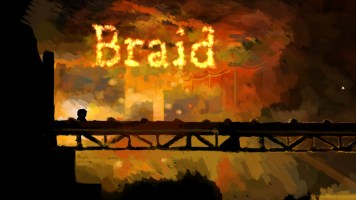
Braid has been out for some time, so a few of you may already know what’s in the offing. Braid begins like a typical Super Mario Bros. game. The princess is captured by a monster, and you must rescue her, but Braid uses this trope to throw off gamers. Once you rescue the princess, you realize that she’s been running away from you the entire game and that you were the monster. Braid does a great job of showing that perspective is everything. A villain never believes they’re in the wrong. Everyone is the hero of their own story, but others may not view you as heroic.

Shadow of the Colossus could’ve taken this spot for similar reasons, but so many people include Shadow of the Colossus on lists like this, and I wanted to be different. How long do you think it took me to realize that I just included it on this list anyway? Drat. Everyone thinks they’re the hero of their own writeup.

Brothers: A Tale of Two Sons

Shock: more spoilers. Huge spoilers!

Brothers: A Tale of Two Sons centers on two brothers. Players control the younger brother with the left analog stick and the older brother with the right analog stick. That distinction comes in handy when at some point the older brother dies. Players have spent plenty of time using both analog sticks and suddenly the right one does nothing. It’s gone.

Just like the younger brother losing his sibling, the physical reminder that the right analog stick doesn’t work haunts gamers. There are plenty of moments when gamers want to use the right stick but can’t. It’s a visceral feeling of loss, but that changes when the younger brother encounters a flooding river. The younger brother can’t swim and then he hears the voice of his older brother urging him to try. At this point, the right stick becomes active again and the younger brother can continue. It’s a beautiful moment, and I’m sorry if I ruined it for you by spoiling it, but I said spoilers twice. I’ll take partial blame.

Loneliness

This next one, Loneliness, is short—really short, like five minutes to play the entire thing short—and you can play it right now because it’s a web game.

https://www.necessarygames.com/my-games/loneliness/flash

I’ll wait for you to play it, because I know some of you just skipped right over the link. Here’s the link again. It’s well worth the less than five minutes to play. Trust me.

https://www.necessarygames.com/my-games/loneliness/flash

Alright. That’s long enough. Loneliness does an excellent job of portraying its namesake. It reveals as much about the player as it does the subject matter. Some players will move their square toward the other ones entering the screen. Others like me will move their square away from the other ones, thinking they’ll harm them. At some point, I began moving my square toward the others just to see what might happen if the squares touch. It doesn’t take long to see that the other squares will move away and disappear from the player’s square, leaving them alone. Isolated.

Older Kyra here. This is the Flash game I mentioned at the beginning of this write-up. Years ago (circa 2017 or so), the designer left players who finished the game with the following statement:

“Children and adolescents in Korea are the least satisfied with their lives among 26 member countries of the OECD (Organization for Economic Cooperation and Development). Many report loneliness as a major factor. I taught those kids for a year. This notgame was made for them. And for anyone who has ever felt lonely.”

The squares are inanimate objects and the game simple, but few who play this game will leave it without a sense of loneliness. Loneliness is one of many empathy games, and the empathy video game subgenre is a great argument for video games as art.

 3) Game Companies

Thatgamecompany

Kellee Santiago challenged Roger Ebert’s 2010 essay on multiple occasions and for good reason. Her company, Thatgamecompany, has several games that could be viewed as art. Each one grows on the ideas set by the previous one. Gameplay and creative vision leap from Flow to Flower to Journey. We’re headed for major spoilers for all three games, especially Journey. You’ve been warned.

Flow has players guide a small, multi-segmented worm through an aquatic environment. The game doesn’t have menus. As soon as you load the game, it goes straight to a top-down world where multiple planes are stacked atop each other. The player may choose to have their worm-like creature eat other organisms to go down a plane, but it isn’t necessary. Most creatures one’s worm encounters are non-confrontational, so like Loneliness, the way a player chooses to play Flow reveals something about them.

Flower does something similar with flower petals. Each of Flower’s six main levels focuses on one of the flower’s dream. The player controls the wind as it sends the petals off a city apartment windowsill and across the countryside. There are no enemies, hit points, or time limits. Flower plays like a video game version of Fantasia, where the music and visuals tell a story with speaking no words. It does what designer Jenova Chen intended: create a game that’s intended to arouse positive emotions.

Journey is the perfect name for Thatgamecompany’s third outing. It’s a journey of sound (with its brilliant score). It’s a journey of discovery. It’s a journey of emotions. Players begin the game by flying with their magical scarves until they land abruptly. The gamer may believe they’ve done something wrong. The game doesn’t take you by the hand and tell you what to do, but that’s the way the designer intended the story to go. The world turns dark, then cold, until your magic scarf shrivels. You’re alone, but you’re not alone. Others are there if you need them and that uplifting message—again, without saying much of anything—leads Journey toward the empathy game subgenre and on several critic’s lists for greatest video games of all time.

Giant Sparrow

Giant Sparrow hasn’t been around as long as Thatgamecompany, but their two major releases are just as worthy for inclusion on this list: The Unfinished Swan and What Remains of Edith Finch. Again, there will be spoilers.

The Unfinished Swan centers on a young boy Monroe whose mother has recently died. Monroe’s mother was a painter who was known for never finishing a painting and having over 300 incomplete works. Monroe’s orphanage tells him he can only keep one of his mother’s paintings; he chooses her favorite, a painting of a swan missing its neck. One night, the swan escapes its painting, and Monroe chases it across a mysterious painted world. The Unfinished Swan deals with acceptance. Monroe chases the memory of his mother until he sees his mother in himself and knows that she carries on through him. Eventually, Monroe earns his mother’s magical silver paintbrush and he finishes his mother’s painting and adds a pair of baby swans.

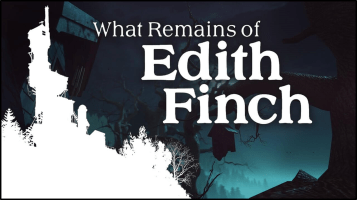
What Remains of Edith Finch also deals with loss and acceptance of that loss, but it tackles the subject in a very different manner. In the present, the player-character, which (spoilers) turns out to be Christopher Finch who is Edith Finch’s son, takes a ferry to Orcas Island off the coast of Washington state with the journal of Edith Finch in tow. The journal reveals that the Finch family is under a curse going back at least five generations with all but one child of each generation dying from unusual causes, leaving a sole child to continue the family. The Finch homestead never repurposes any one room. When a family member dies, their bedroom becomes a shrine. Each room builds or plays off the other in an anthology of remembered catastrophes, resulting in a tale that’s equal parts Twilight Zone and One Hundred Years of Solitude and neither at the same time. What Remains of Edith Finch, like many other games on these lists, isn’t long, but the images and story last much longer than its playtime.

Dontnod

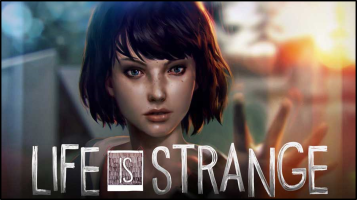
Dontnod—or Don’t Nod or even DONTИOD—owes its inclusion on this list for its Life is Strange series of games. It’s yet to be seen if they’ll build more franchises off the success of this title, but Life is Strange is a great character-driven game that does multiple endings well.

Life is Strange is set in the fictional town of Arcadia Bay, Oregon and follows Maxine “Max” Caulfield as she navigates the twelfth grade at Blackwell Academy (an art-centric high school). The town of Arcadia Bay is doomed to experience a tornado in the future, which Max catches a glimpse of in photography class, but Max can use her newly developed ability of rewinding time to change the future. Life is Strange delves into bullying, abuse, memory, and identity. Unlike many other triple A video games, the bulk of Life is Strange’s budget went toward writing and voice actors, and it shows.

There are only two possible endings and the best way to describe them is choosing the least objectionable option of the two, but like most things in life, that choice is subjective and whichever one the player chooses reveals something about the player. Both end-game choices are valid and stay true to the designer’s vision.

Conclusion?


Older Kyra is here again. While revisiting this article, I may have unearthed the three reasons why I never posted this 3 Lists of 3 several years ago. One, it’s a long post. Two, young Kyra even said that this article wouldn’t change people’s perspectives; you’re in one camp or the other. Three, some could say that it paints Roger Ebert in a bad light. Perhaps. I have a lot of respect for Ebert. Was he perfect? No. No one is. I’m sure many of you spotted plenty of flaws in my arguments and the occasional typo or three or nine thousand. They’re over nine thousand!

Ultimately, art is subjective. Art changes over time. Some of these games weren’t available during Ebert’s lifetime. Others were ones Ebert wouldn’t have known. I’m still tickled that he placed “filmmakers” in the middle of his “real artists” list. I see what you did there, Ebert. Tee hee!


I’m sure I missed more than a few things, or you’ll see things differently. Let me know your thoughts in the comments.

Way Overdue Update

Hey, hey, folks! Long time, no upload. I’m Kyra Kyle, and JK Geekly has returned.

A lot has happened since we last updated this website. Some events spanned the globe like the pandemic and the ensuing lockdown. Glad that’s over.

I had a few personal events occur. I’ve been diagnosed as autistic and ADHD. I didn’t know one could have both, but I’m an AuDHDer. Is that how I spell it? The two don’t always play well with each other. I attended the Origins Game Fair last year and was alternately over and under stimulated. Meltdowns are fun. Other times, the two play too well with each other. I paced a trail into the carpet. It’s okay; we needed new carpet.

Pacing aided me to finish writing a novel or two. I’m pitching my first novel, Crooked as a Dogwood, to agents. I’ve gotten further than I’ve ever gone before with this process, so that’s great. I’m unsure if it’ll get picked up but that hasn’t stopped me from editing the next one and writing the one after that. Just keep writing. Just keep writing. Autism loves the routine; ADHD wants some strange. So, I’ll pace in between stories.

Speaking of stories, my short stories and poems have been published in several journals since the last update. I’ll have to look back and see which ones were published in which journals over these past several years. I’m fighting the urge to backtrack these past few years. No. I’ll do it later. Ack! I’m so bad at making shameless promotions for my work. Consider this a generic, hopefully modified soon plug.

On a somber note, my mom passed away last year. I’m still processing the loss over a year later, but I’ll do something in her memory, perhaps a top five tabletop games that she liked to play on her birthday in November. Or a list of games that I play that remind me of her. There may be at least a few games that have been released around or since her passing that Mom would’ve enjoyed.

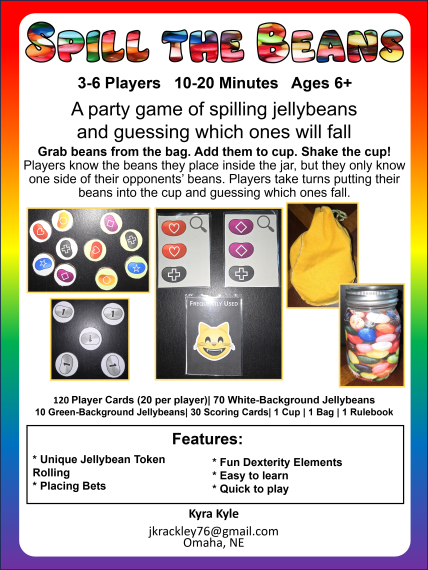
Mom also liked that I design tabletop games, and it turns out that I’m also pitching multiple games. I’m less familiar with this medium’s pitch process, but I’ll learn. One company has already expressed interest in Spill the Beans, but as of this post, I have yet to sign a contract, so I’m still pitching until a deal is reached. Here’s an initial Spill the Beans sell sheet.


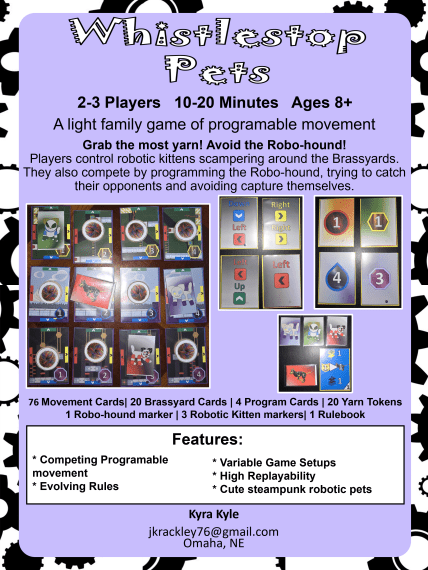
And here’s the sell sheet for a second game I’m pitching to board game companies, Whistlestop Pets.


Whistlestop Pets factors into one of the books I’m working on as well. There may be some crossover possibilities.

I have several other projects (both game designs and writing) that aren’t as far along or I’m not at a stage where I’m comfortable talking about them here, but I’ll keep you updated. Hopefully.

And that brings me to the last point: What will happen to JK Geekly? In short, I don’t know. The site can go in many directions. I have one article I want to upload this November (love you, Mom), but aside from that I don’t know. I’ll probably try several things. If anyone has any suggestions, leave them in the comments.

I hope that wherever you are, you’re having a great day.

~ Kyra

Getting Into Spider-Man: Spider-Man Starter Stories

Spider-Man has so many great stories in his history. There are a lot of eras to Spider-Man too, s this can be a hard character for new readers to get into. Do you want to read Spidey as a teenager (as in Spider-Man: Homecoming) or do you prefer a more adult Spidey (one seldom depicted in movies but just as interesting at times)? Your uncle Geekly doesn’t really know. What he does know is that he can narrow this search to at least Peter Parker as Spider-Man.

Yeah, so we’re not covering Miles Morales (Ultimate Spider-Man), Ben Reilly (Spider Clone), Doctor Octavius (Doc Ock in Spidey’s spandex), or Spider-Girl or Gerry Drew (son of Spider-Woman Jessica Drew) or countless others—and there are several others. We’re talking Peter—not Uncle—Benjamin Parker. Yeah!

Let’s see if I can find a middle ground of teen and adult Spidey with a leaning toward young Spidey. Clear as mud? Good. Here we go.

Spider-Man_PowerAndResponsbility

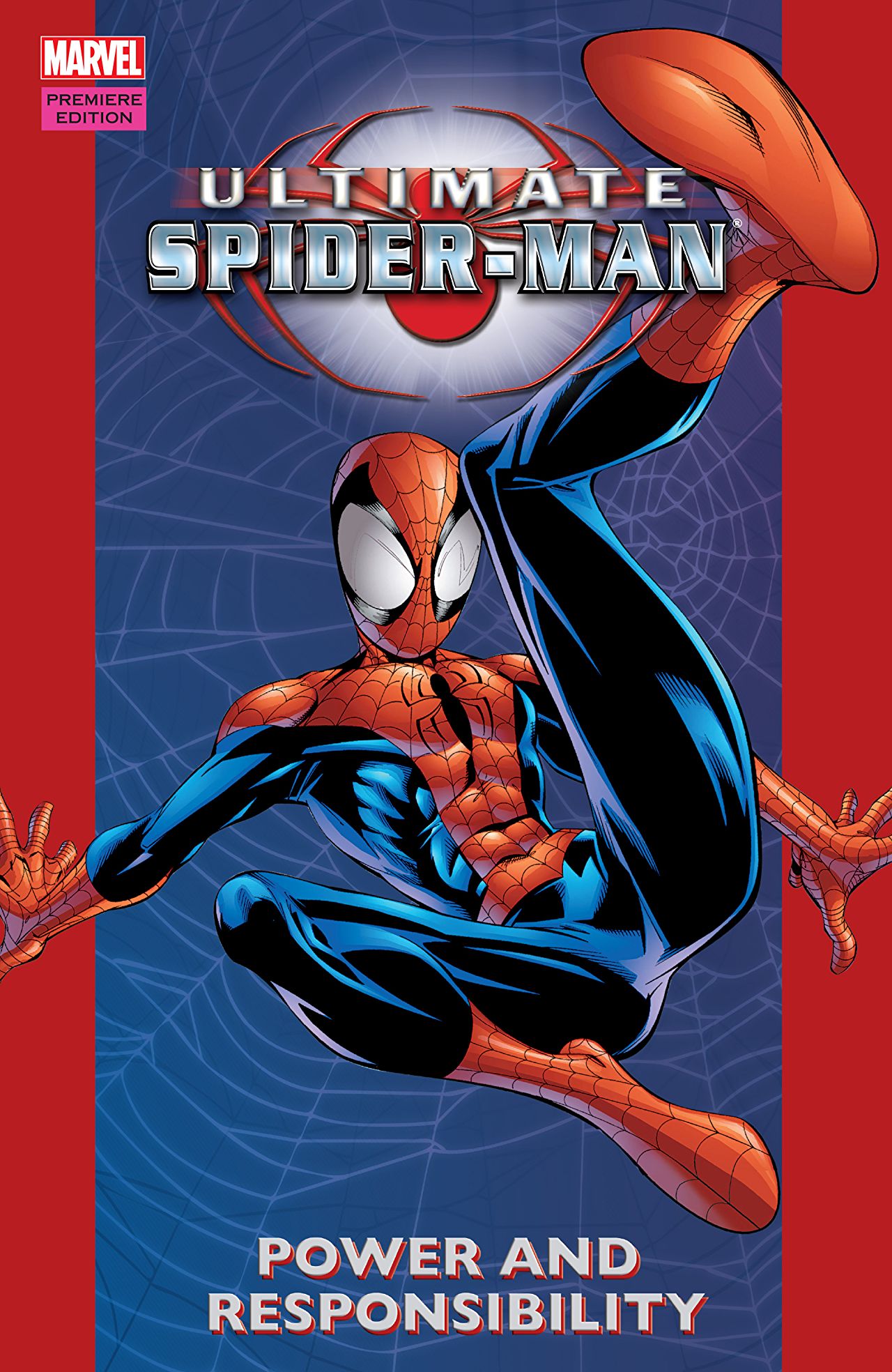
Ultimate Spider-Man #1-7, “Power and Responsibility” (written by Brian Michael Bendis/art by Mark Bagley; 2000-2001)

I know I said that I wouldn’t include Ultimate Spider-Man Miles Morales, but the original Ultimate Spider-Man series featured Peter Parker and the first seven issues titled “Power and Responsibility” retold Spider-Man’s origin in an accessible way. It also happens to be one of the main source materials for Spider-Man: Homecoming, so if you want to learn about this Peter Parker from the ground up, there’s no better place to start.

Spider-Man_Blue

Spider-Man: Blue (written by Jeph Loeb/art by Tim Sale; 2002)

Anytime Loeb and Sale team up there’s usually an origin tale or “before they were stars” story, and Spider-Man: Blue is no exception. Sale’s art takes a nice middle ground to slick, modern comic book style and retro Spidey. Loeb’ writing adds the right kind of depth for retelling the early days of Peter and his love affair with Gwen. Gwen Stacy is the one who was portrayed by Emma Stone in The Amazing Spider-Man film series, not Peter’s better-known love interest Mary Jane.

While one could read the original appearance of Spider-Man, Spider-Man: Blue adds more depth to the character that wasn’t there in the 60s.

Spider-Man_IfThisBeMyDestiny

Amazing Spider-Man #31-33, “If This Be My Destiny” (written by Stan Lee/art by Steve Ditko; 1965-1966)

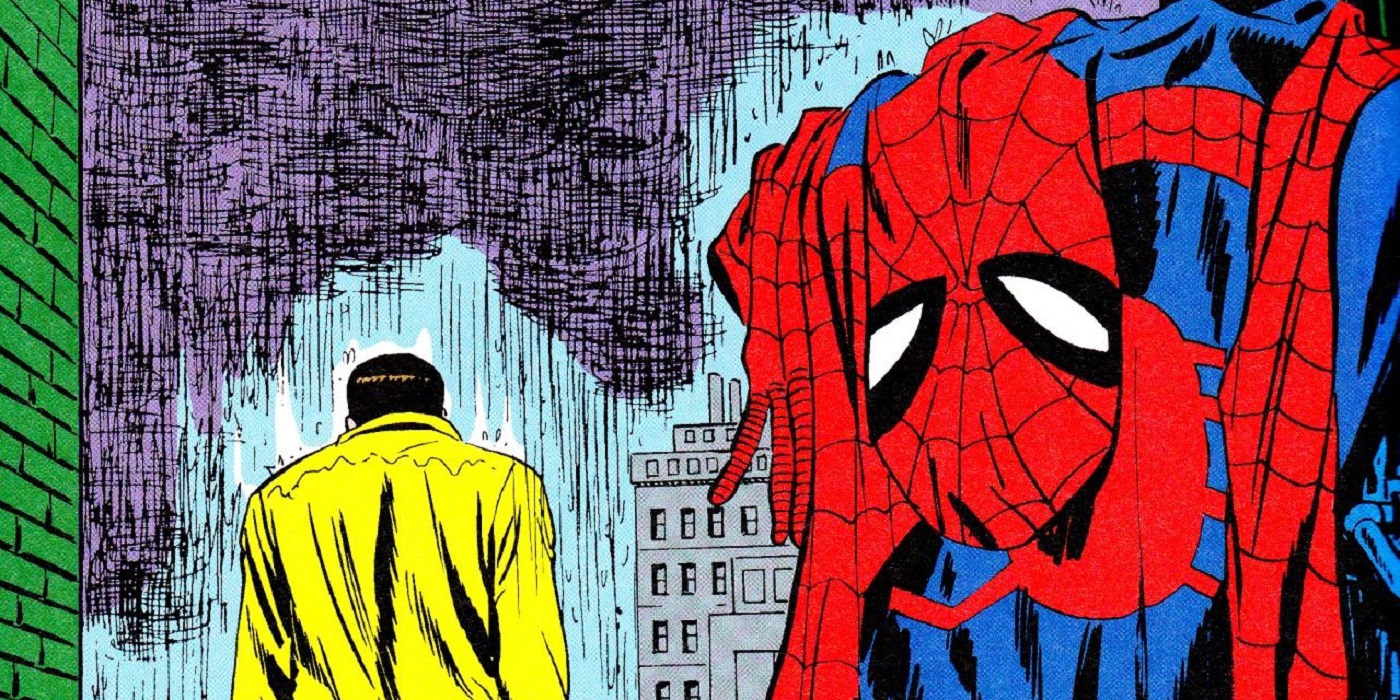
The plot for “If This Be My Destiny” is standard Spider-Man fare. It’s a well-executed Doc Ock story, but most stories of this time by Ditko and Lee were. Where “If This Be My Destiny” shines is when Spidey gets caught beneath some heavy machinery. In this classic scene, which has been duplicated in numerous Spider-Man movies, Peter musters all his willpower to free himself from the heavy load. This act shows what makes Spider-Man the endearing character he is, while his inner monologue brings his demons to light. “If This Be My Destiny” cements Spidey as the everyman hero.

Spider-Man_HowGreenWasMyGoblin

Amazing Spider-Man #39-40, “How Green Was My Goblin” (written by Stan Lee/art by John Romita Sr.; 1966)

As you might be able to tell with my books I seldom go with the original telling of stories, opting to go with contemporary retellings, but the great Stan Lee does an awesome job of setting up Peter’s nemesis. And I say Peter’s nemesis because Norman Osborne’s Green Goblin has personal attachments to The Wallcrawler.

The first movie version of the Green Goblin showed him as Harry Osborne’s dad, but this reveal was a shock at the time, and this story gets to the essence of these two’s relationship. Batman needs his Joker. Spidey needs his Green Goblin.

Spider-Man_TheNightGwenStacyDied

Amazing Spider-Man #121-122, “The Night Gwen Stacy Died” (written by Gerry Conway/art by Gil Kane; 1973)

This one had to make the list. One of the pivotal moments of Spidey’s life as a hero came in the form of when Gwen Stacy died. It’s a tale that shows that even superheroes can fail.

Failure is a part of life and it’s definitely a part of Spidey’s life. This is one of the things that makes Spidey relatable as a character.

The death of Gwen Stacy also defined Green Goblin as a villain. As the previous entry attests, Green Goblin is Peter Parker’s enemy, not just Spider-Man’s, and “The Night Gwen Stacy Died” does the most to bring home this fact. It’s a must read.

Spider-Man_KravensLastHunt01

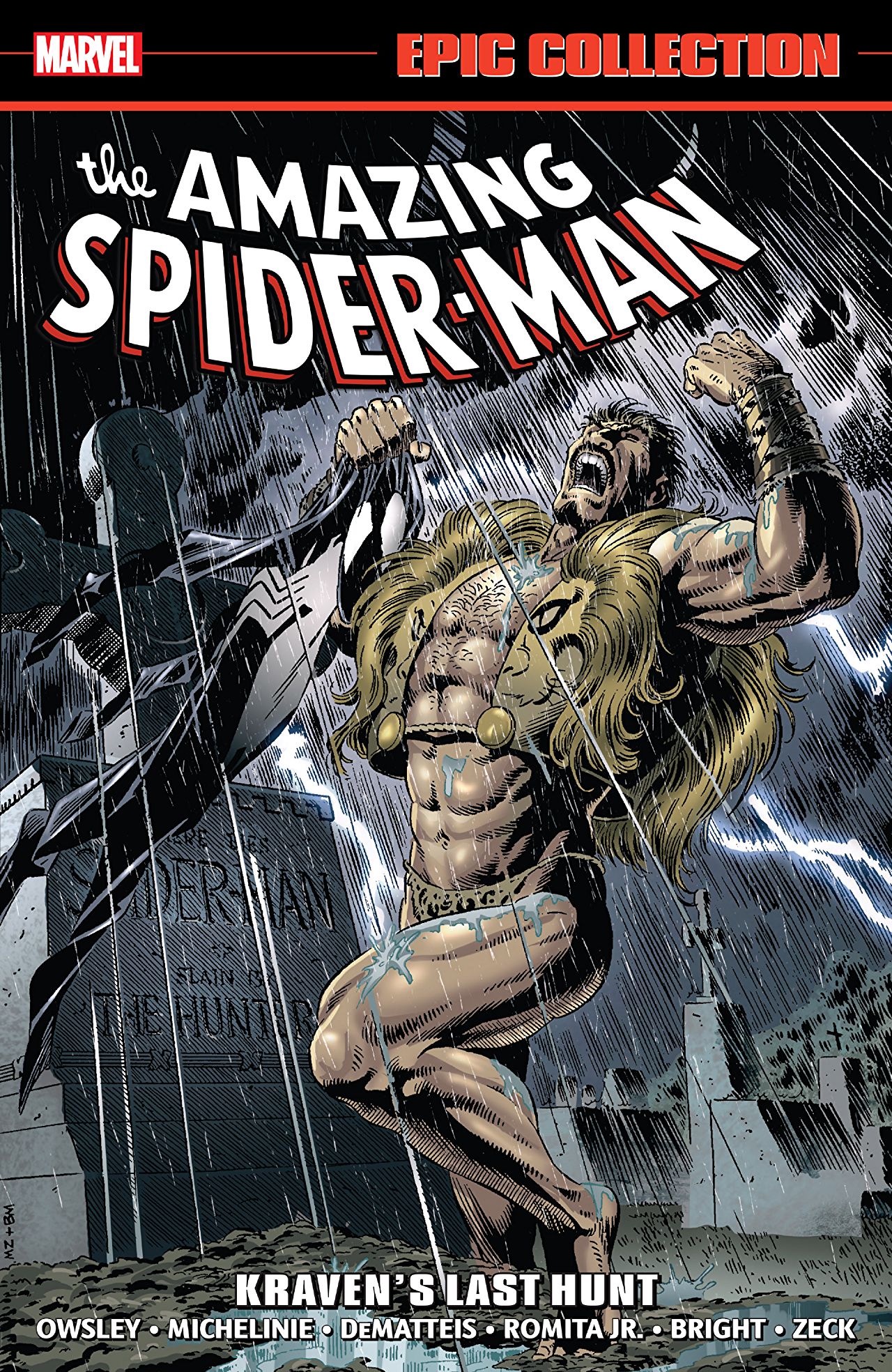
Web of Spider-Man #31-32; The Amazing Spider-Man #293-294; The Spectacular Spider-Man #131-132, “Kraven’s Last Hunt” (written by J. M. DeMatteis/art by Mike Zeck; 1987)

Kraven had been one of Spider-Man’s greatest enemies early in the Wallcrawler’s career, but time had passed him by. “Kraven’s Last Hunt” mirrored this decline, showcased Kraven’s ultimate revenge, and delved into Peter and Mary-Jane’s early marriage. There’s so much going on in this storyline that has defined and will continue to define the character.

It’s a story that asks what makes a hero, and one of the better Spider-Man stories ever written.

Spider-Man_BirthOfVenom

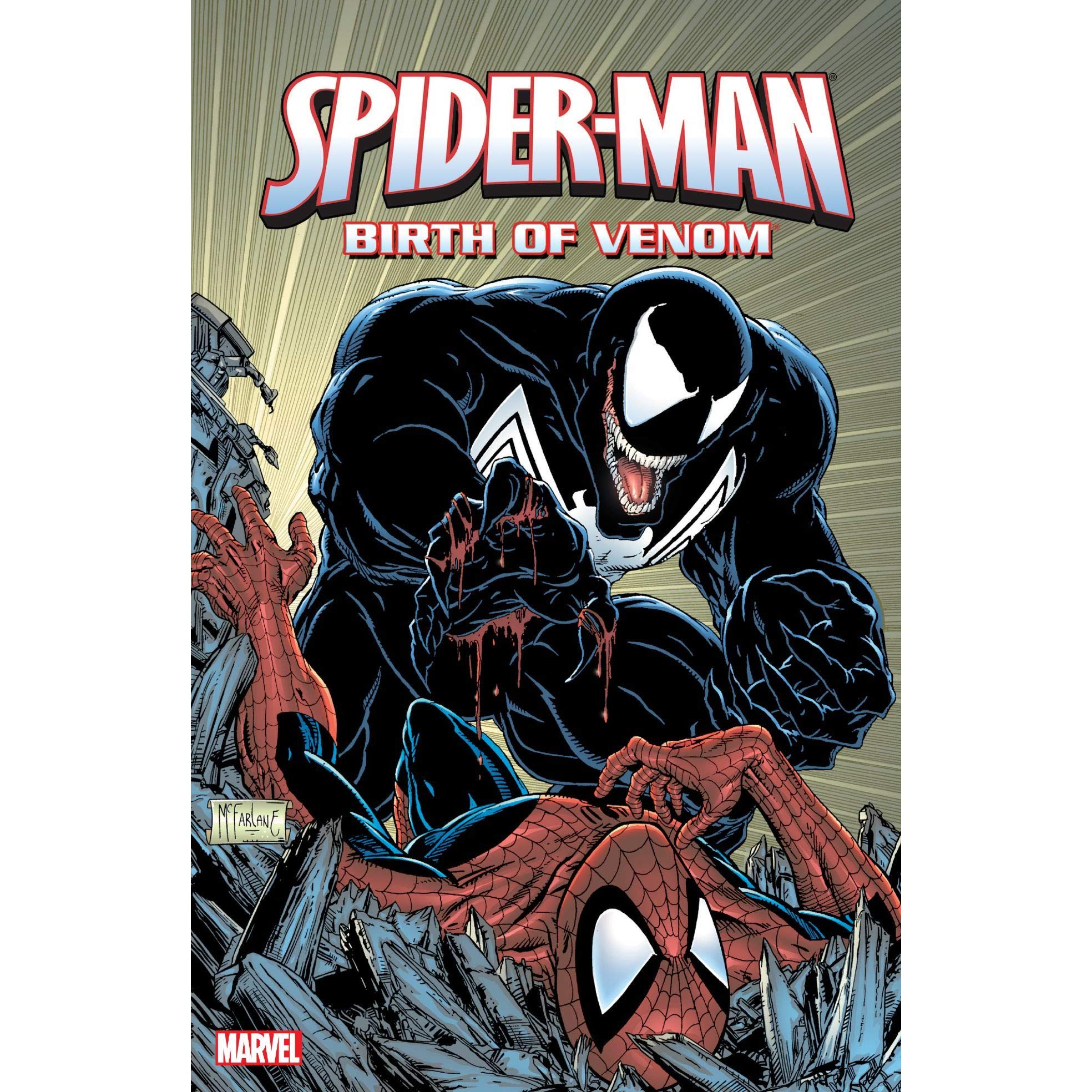
Secret Wars #8; Amazing Spider-Man #252-259; #298-300; #315-317, “Spider-Man: Birth of Venom” (written by various/art by various; 1984-1989)

There’s a lot of time gaps with this story, but “Spider-Man: Birth of Venom” has been collected in various graphic novels—maybe not all these stories, but a great many of them—and to get a good idea of Spider-Man and his relationship with the various symbiotes one should read this story first.

So much of Spider-Man in the 1990s and even in the 2000s revolved around Spidey and the various symbiotes that one should know a little something about them. “Birth of Venom” provides that background knowledge.

That’s my list for readers who are new to Spider-Man comics. There are so many to choose from—decades in fact—and I’m sure I missed more than one, two, or five hundred. Be sure to list some in comments. I’m sure Jim would prefer your picks to mine.

Unpopular Opinion: Short Runs

You can never have too much of a good thing. Well, Uncle Geekly begs to differ. I haven’t done an unpopular opinion in several months and this one may sound like an idea a lot of people share, but when one breaks down what it means, it doesn’t take long to see why it’s difficult to put into practice.

Part of what makes Firefly special is the fact that it only lasted one season. It never had the opportunity to run its characters and world into the ground, or finish it’s story (I’m not so happy about that aspect), so in a round about way, I like that Fox unceremoniously dumped it after 14 episodes. To be fair, I love Firefly and wished it ended the way Breaking Bad did; tell a tight story with a defined, planned ending.

Breaking Bad knew when to call it quits and did a great job with an ending in mind years before it had a chance to lose its way. Arrow wasn’t spared this fate. The first two seasons were some of the best superhero television I’ve seen, but the next five or six seasons never could capture that magic. The only thing that stays constant for the creative process is that at some point the creative team will lose interest or run out of ideas.

It’s a balancing act of figuring out how long a television show, or other medium, this isn’t specific to just television, can remain relevant and leaving the audience wanting more, and that’s where I’ll get to some current, sacred flamingos. How many seasons does Rick and Morty have before it becomes The Simpsons or Family Guy? When will Westworld and Black Mirror lose their integrity? Have either of them already done so? Would another Souls or The Witcher video game or two cheapen the series? Okay. I believe The Witcher won’t have another entry and if it did, another one would–most likely–cheapen the series.

It’s easy to see when a series loses its way after the fact, but most Rick and Morty fans will be watching the series when it jumps the proverbial great white some time during its next eight seasons. Cartoon Network renewed Rick and Morty for eight seasons and if the show makes it that long, which I don’t think it will, there’s a greater than 86 percent chance Rick and Morty will be a shell of itself. (Note: 86 percent of all made up statistics use the number 86.) The scarcity of something can add value and the projects that know when to call it quits, or at least when to hit the pause button, can be some of the best.

What made Star Wars fans hungry for more content after Return of the Jedi was that they had to wait 16 years for The Phantom Menace. With Disney increasing the production schedule to a Star Wars movie being released every twelve to eighteen months, few people have time to anticipate the next entry of the series. The same can be said of Marvel movies. To be fair, Marvel’s production schedule is like Star Wars on steroids: three to four movies a year. Yikes! Having said all this, I wonder if I’ve done too much with this site.

Eh. Uncle Geekly isn’t that talented anyway, so there isn’t that much quality to be lost with more frequent content. What are your thoughts on this subject? The idea of short runs adding to a project, not the quality of this blog. I may pass all blog complaints to Standard Issue Star Trek Geek Jim, so he can yell at me via yodeling telegram. Let us know your thoughts in the comments.

Getting into Shōjo Anime: Some Good Starters

It sounds as if Anime Season will take a break for the foreseeable future but before she leaves for an extended Otaku O’clock, she agreed to share her list of some good starter Shōjo anime. For those of you not in the know, Shōjo roughly translates to girl and Shōnen means boy, so we’ll be trading some ninjas wielding oversized swords for romance and slice of life stories with this list. Take it away, Anime Season.

My other write ups tend to explore Shōnen anime more than Shōjo anime. Shōjo isn’t a genre I watch as frequently but the following series are accessible in most legal streaming services (because, you know, Japan is cracking the whip on those illegal services, man).

FruitsBasket01

Fruits Basket (2001-2003)

When it comes to starter Shōjo anime, Fruits Basket was one of the first ones I thought of. It has the basic Shōjo structure: Girl must live with—or near—a bunch of guys for plot related reasons, girl befriends the guys and doesn’t want to leave them, and a love triangle ensues. This structure sets up romance that most Shōjo series are known for.

However, in the case of Fruits Basket, there is a strange element that sets it apart from other Shōjo anime. I’ll spare the details since it’s included in every synopsis one can find about Fruits Basket. Since a lot of Shōjo have that romance structure there are some that added in an extra element to make themselves more unique. Fruits Basket incorporates the Chinese Zodiac, teaching viewers what each Zodiac is and encouraging them to learn more about it. It’s also pretty accessible and can be found through multiple streaming services. It’s easy to get into and helps one get accustomed to the Shōjo genre.
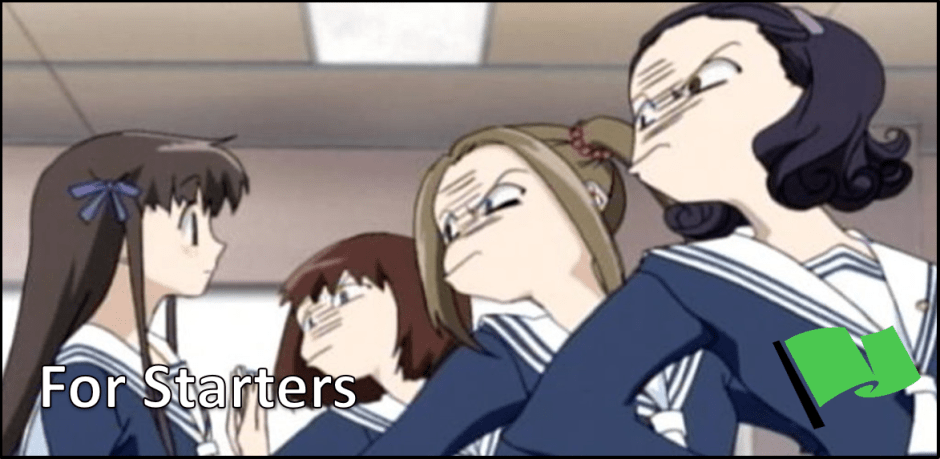
Fruits Basket has a straightforward story and continuity. For those who are just getting into anime and want to explore the Shōjo genre, Fruits Basket is one I’d recommend.

MyLoveStory

My Love Story!!/Ore Monogatari!! (2015)

If one is interested in cute plots featuring role reversal, My Love Story!! is a good start. It has an easy-to-follow storyline featuring the stereotypical best friend character in Shōjo anime as the lead. The main character Takeo wants focuses on getting a girlfriend, but none of the girls like him. His best friend Makoto has zero interest in girls, but every girl falls for him. Forget girls. Makoto has zero interest in anything. I don’t know how many times I’ve wanted to smack that bored look off his face.

Eventually, Gōda finds a girlfriend, Rinko Yamato, and a series of events follow. Gōda performs chivalrous acts and Rinko’s friends don’t approve of him because of his looks. The story is full of cute character moments (such as Rinko baking sweets for Gōda and him gushing over her baking) and takes the time developing each character. I’d recommend it for those looking for something that has a simplistic structure and good storyline.

RevolutionaryGirlUtena

Revolutionary Girl Utena/Shojo kakumei Utena (1997)

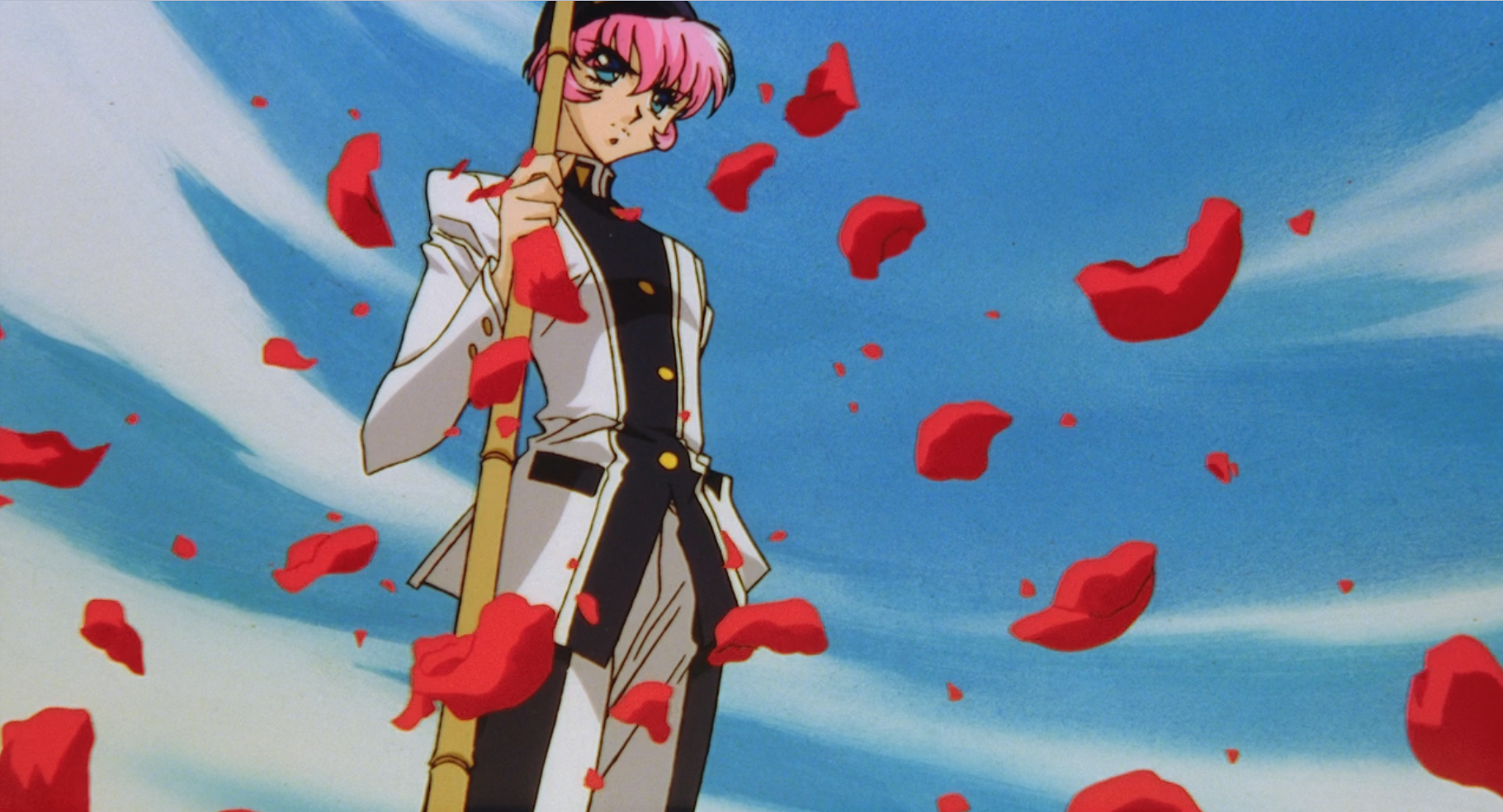
Who wants to be a prince? In the case of Utena Tenjō, that’s all she’s dreamed about since she was rescued by a prince at age eight. Eventually, she joins Ohtori Academy where she gets into the Dueling Game (challenges to possess the Rose Bride—Anthy—to “revolutionize the world”). Throughout the series Utena duels to protect Anthy while making friends along the way.

This series is a blend of Shōjo and Shōnen elements (such as the action scenes and the protagonist rising to be the strongest character). The series focuses on Utena’s nobility and features her aiding other characters. It has good character development and isn’t too long, spanning thirty-nine episodes. If nothing else, Revolutionary Girl Utena is worth the watch since it features a strong female protagonist who beats all the guys. I’d recommend it not only for those looking into the Shōjo genre but for those who enjoy strong female progatonists.


Final Thoughts

Not only are Fruits Basket, My Love Story!!, and Revolutionary Girl Utena great for those who are just getting into the Shōjo genre, but they’re rewatchable. I’ve found myself turning on Fruits Basket in the background on my tube TV I had mounted on a metal folding chair while doing my freshman science homework. Maybe that was more than you needed to know about my high school life.

Know of any other good Shōjo starter anime? Let us know in the comments.

3 Lists of 3 of Stan Lee

Uncle Geekly was remiss with not publishing a write-up for the late, great Stan Lee a few months ago, but that may be because it’s difficult to boil such an uncanny comic book giant with a small write-up. Ergo, a 3 Lists of 3 may be in order.

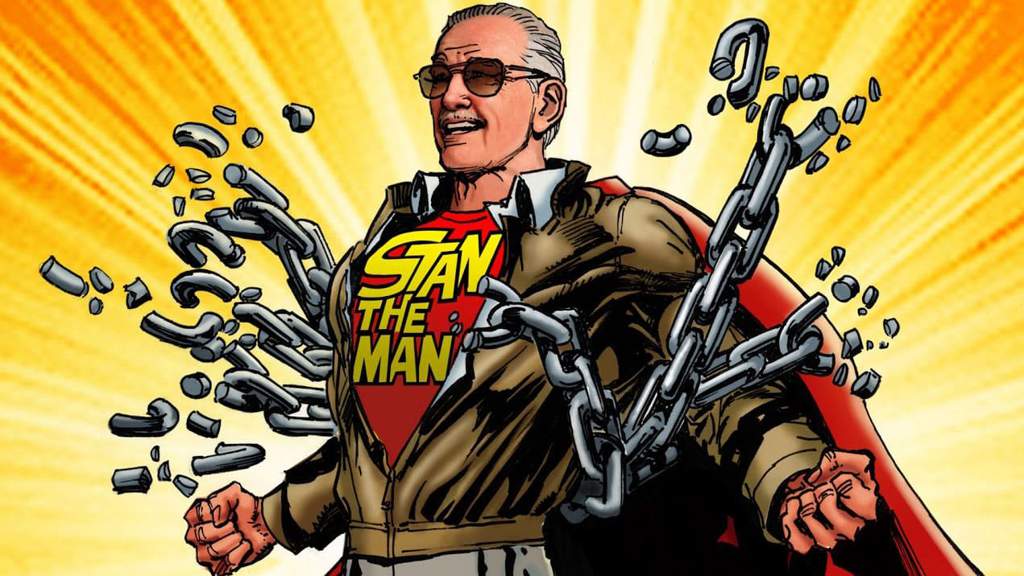
But Stan Lee is only as human as the characters he helped bring to life, so one of the following lists may cite some issues fans had with his work or more specifically, the assigning of credit. Even with his faults, Stan “The Man” did more good than most comic book creators. The world lost a legend.

A Pioneer

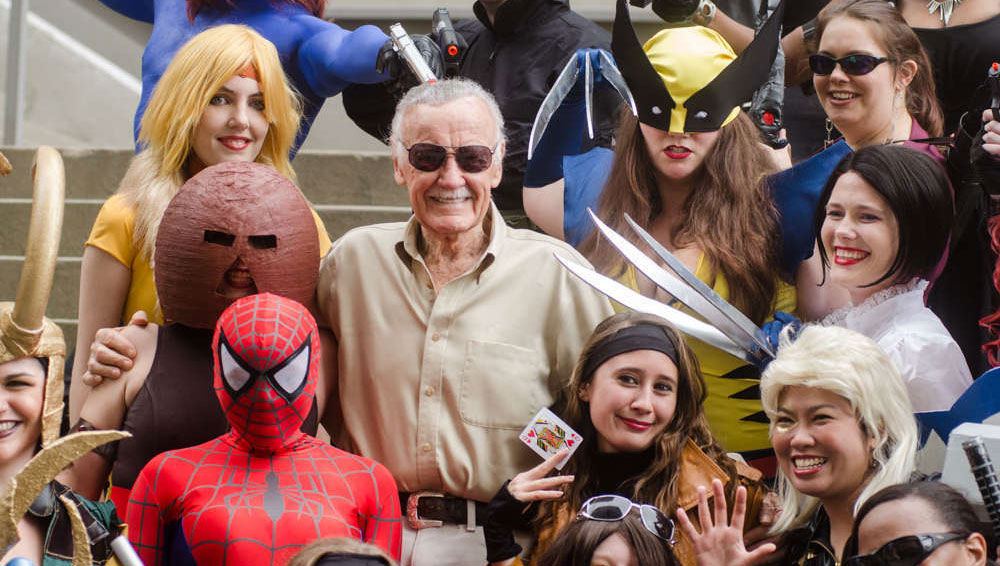
StanLee01

Humanizing Superheroes

There’s a tale of Stan Lee’s—it may be a legend by now—that goes like this. Before the dawn of the Marvel Age (when the Fantastic Four first launched) Stan was frustrated with writing the same thing. He told his wife Joan he’d quit, so he could write the stories he wanted to write. Joan responded to Stan that if he wanted to quit, why not write the stories you want to write in comics? If you fail, you wanted to quit anyway, so it doesn’t matter.

Stan did what his wife suggested, and the results were character-driven stories that showed superheroes as flawed people. The Fantastic Four fought like any family. Johnny Storm was a hot-head (I’m sure the pun was intended), Peter Parker struggled with most everything (money, school, and getting picked on), and Hulk has anger issues. What made these heroes great was that they had to overcome their shortcomings.

Some of the great comic book characters of the time dabbled with this concept, but Stan Lee made it a point that all his characters would have flaws. A character’s flaws and the conflicts that ensue are what makes a character interesting. Look no further than “This Man, This Monster” where The Thing must make the choice to be The Thing in order to save his friends and family.

Relatable characters existed in comics before the Marvel Age, but Stan Lee’s storytelling spark thrust them to the forefront.

StanLee04

Interacting with Fans

To call Stan Lee charismatic is an understatement. He acted as cheerleader for his characters as well as his fellow comic book creators, but he stood out equally with his interaction with fans. Stan Lee could give a master course in how to communicate with and respond to fanboys and fangirls.

If a fan caught an error on a page, they could write in and let Stan know. He’d write them a personal letter, complimenting their keen eye. The Marvel No Prize offered no monetary reward, but there are some folks who hold onto their letters today and treasure them. Stan also had his “Soapbox” where he’d tackle issues and concerns fans had with their favorite characters or in their personal lives. He comforted those whose family members went to Vietnam. And just two or three weeks before he passed, Stan posted a video about how fans shouldn’t worry about his health. His left hand is doing okay, but he’s worried about his other hand. That’s when he unveils a toy Hulk fist on his right hand.

He was a joy to the end.

StanLee02

An Epic Story

Stan Lee had a great sense of scope and grandeur. Comic book stories rarely went beyond a single issue, but Stan, along with his bullpen, stretched them to multiple issues. I’m not sure if Stan could envision the twelve issue plus story arcs that came decades after the Marvel Age, but he and Jack Kirby were trailblazers with the original story of Galactus.

Fantastic Four’s “Galactus Trilogy” spanned three issues and if it wasn’t for Stan revitalizing the industry, he wouldn’t have been given the latitude to make something that was “supposed” to be a single issue and give it more weight. The “Galactus Trilogy’s” success led to other comic book companies and other mediums to question preconceived notions for their art.

Controversies and Personality Flaws

It’s that time where I cover some of the less tenable things in Stan Lee’s past. There aren’t that many because he’s a legend for a reason, but he did manage to rub some people the wrong way, so I’ll include them here to show another side of Stan Lee.

KirbyAndLee

Credit Where Credit is Due

I hinted at this one already, but Stan Lee often received credit for single-handedly or predominately creating the Marvel Universe. That’s false. Stan Lee had plenty of help. Jack Kirby, Steve Ditko, Marie Severin, Joe Simon, Bill Everett, and even Stan’s brother Larry Lieber did a lot to shape Marvel’s stable of superheroes.

Many fans blamed Stan Lee for taking too much credit and that may hold some truth, but Stan’s fame may have come from needing to be the company’s front man, it’s icon. With Stan Lee as the face of the franchise, Marvel moved a lot of product.

Still, there’s a debate for who had more creative control. When Steve Ditko and Jack Kirby switched the titles they worked on (Ditko with Hulk; Kirby with Fantastic Four), to shake things up, the adventures in which the effected characters embarked changed to resemble the artist’s vision. If Stan Lee was the only one responsible for the stories, that wouldn’t have happened.

StanLee05.jpg

A Shameless Self-Promoter

Have I said how charismatic Stan Lee was and how communicative he was with his fans? Well, he was, and some critics viewed his loquaciousness as shameless self-promotion or even arrogance.

There’s a good chance he was to some degree—aren’t we all at times?—but Stan Lee promoted everyone and everything. He could’ve named Hulk, The Hulk, but he had to be “The Incredible Hulk.” Spider-Man wasn’t just Spider-Man, he was “The Amazing Spider-Man.” So, Jack Kirby wasn’t just Jack Kirby, he was Jack “The King” Kirby because even Stan knew how influential Kirby was, even if some fans didn’t.

Here are some of my other favorite names Stan gave the Marvel Bullpen:

Gil “Sugar” Kane

“Gorgeous” George Perez

“Roisterous” Ralph Reese

“Nefarious” Neal Adams

Steve “The Angry Man” Ditko

“Jocular” John Byrne

“Arachnerd” Jim Salicrup

And yes, Jim Salicrup worked a lot on Spider-Man; I’d love a nickname like “Arachnerd.”

StanLee06.jpg

He Left Comics for Hollywood

To be honest, I don’t qualify this one as a personality flaw or a controversy. I had to include it because when Stan Lee moved to Hollywood in the 1980s to start Marvel’s cinematic wing, many fans questioned his love for the medium that made him famous.

That’s crap. By the 1980s, Stan Lee had been working on comics for around forty years, and most people retire at that point in their careers. Stan Lee didn’t retire. He began what he thought would make Marvel omnipresent: a movie empire. While he didn’t succeed as much as he wanted to then (mostly TV shows, cartoons, and made-for-TV movies), Stan Lee was right in accessing that cinema would eventually make Marvel one of the hottest brands on the planet.

A Legacy

An Ambassador

I’ve used the term icon and giant to describe Stan Lee, but let’s throw in ambassador of comics to mix. Stan Lee promoted comic books his entire life. Even though it may not have been what he wanted to do with his career (he wanted to write novels), he made the art form his own. He empowered others to pursue it as a legitimate career path. He, along with others, put comic books on the map.

StanLee07.jpg

The Movies

Thank goodness we have all those Stan Lee cameos in the Marvel Cinematic Universe. Each one shows how loose, carefree, and fun Stan Lee was. He never took himself too seriously. There may be a lesson there.

StanLee09.jpg

His Stories and Some Quotes

 Here are some of my favorite Stan Lee stories, in no particular order, that may be worth checking out:

“The Galactus Trilogy” Fantastic Four Vol. 1 #48-50

“This Man, This Monster” Fantastic Four Vol. 1 #51

 “If This Be My Destiny” Amazing Spider-Man #31-33

 “How Green Was My Goblin” Amazing Spider-Man #39-40

 “Spider-Man No More” Amazing Spider-Man #50

“Captain America Joins…The Avengers” Avengers #4

The Incredible Hulk Vol. 1 #1-6
This one comes with a caveat; The Hulk didn’t take off as well as Marvel would’ve liked, but one can see Stan Lee and Jack Kirby at the drawing board with each issue, reworking the character so he could work.

“The Eternity Saga” Strange Tales #130-146

And some quotes:

“Forced idleness is a terrible thing.”

“The only advice anybody can give is if you want to be a writer, keep writing. And read all you can, read everything.”

“The pleasure of reading a story and wondering what will come next for the hero is a pleasure that has lasted for centuries and, I think, will always be with us.”

“Face front, true believers.”

“With great power comes great responsibility.”

“Excelsior!”

“Nuff said!”

Video Games with a Lot of Mods

I like a lot of mods for my video games. I can’t win half of the games in my library without them. Okay, I’m not that bad, but who wants to figure out the exact pressure point for a locked door when a mod with show you a color wheel with where you should place your bobby pin? Yep. That’s a Bethesda game or two, and they’ll make this list, but there are so many other modding communities out there. Which games have the most mods?

There are some your uncle Geekly likes more than most, so he decided to make a list of them. Here goes nothing.

Fallout3_FalloutNewVegas

Fallout 3 / Fallout New Vegas

I could’ve put either one of these games or both on this list by themselves. Modders have made tons of mods for each of these games (unique weapons, new content, better graphics, show me where to place my lockpicks), but I put them together because of one ambitious mod: A Tale of Two Wastelands.

As the name implies, A Tale of Two Wastelands stitches the two games together into a single experience. Holy coconuts!

This means you can create a character for one of these games and ride a train from the Capital Wasteland to the Mojave Desert and back again. Imagine playing both games with the same character. You can.

Minecraft

Minecraft

What? Minecraft’s on this list, but players can build anything they can imagine. Why would you need to mod a game like that?

Because it’s awesome.

Sometimes thousands of options for textures aren’t good enough, you need millions. What’s it to you if I loaded Minecraft, and a game of Pokemon broke out on my computer? It’s my prerogative.

And gamers have as many options in this game as grains of sand in my shorts after I visit the beach, and there’s nothing wrong with that.

Warcraft 3

Warcraft III

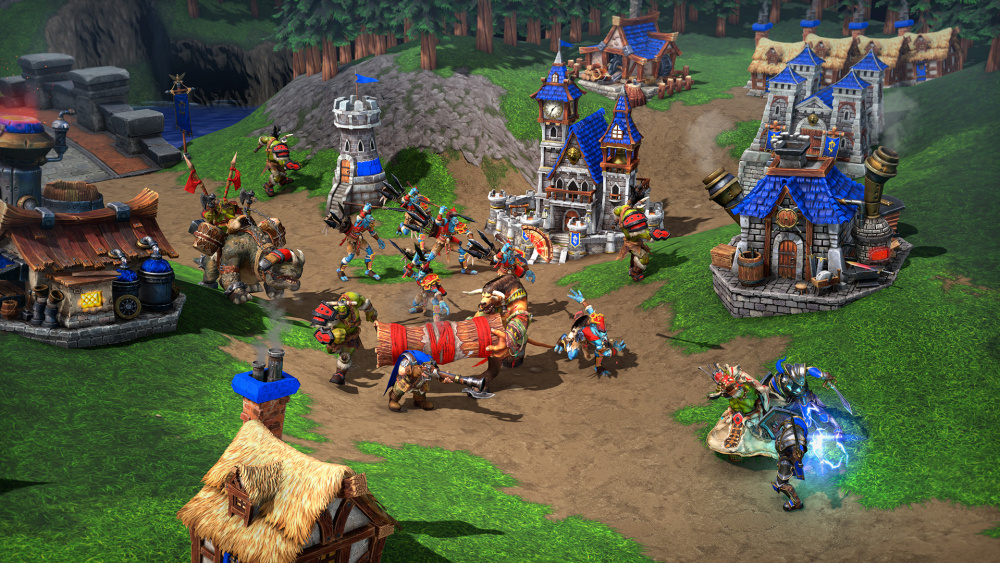
Other games may have passed Warcraft III with sheer number of mods, but the original video game—the OVG if you will—that introduced many gamers to modding is Warcraft III.

Defense of the Ancients (DotA) and perhaps multiplayer online battle arenas (MOBAs) genre wouldn’t exist without someone modifying a map from Warcraft III: Reign of Chaos and The Frozen Throne. There’s also a lot more modding that happened with the expansions.

Just about any intellectual property can be found in the Warcraft III modding community: anime, comic books, Lord of the Rings, Mass Effect, and Star Wars to name a few. If you can think of it, there’s a good chance something like what you thought of exists.

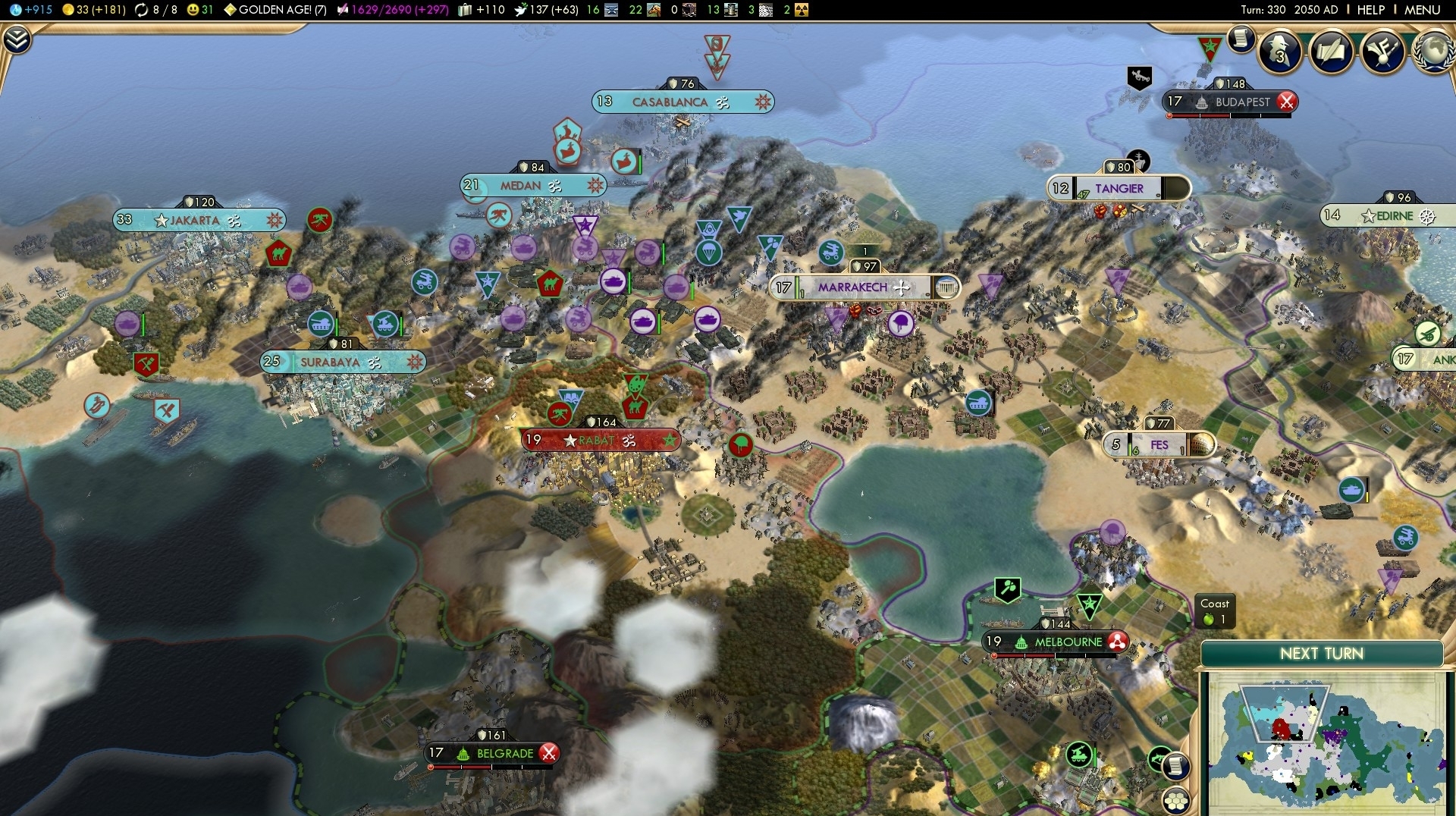
CivilizationV

Sid Meier’s Civilization V

The Civilization franchise may have progressed beyond its heyday, but Civilization V’s modding community makes it memorable. I’ve lost count of how many cheats and historically accurate civs and specific scenarios I’ve downloaded. It’s in the hundreds.

And that’s if you don’t count video game character, comic book, and other sci-fi fantasy civilizations. Who wouldn’t like to play as Princess Peach and stomp Mario, Luigi, and Bowser? I’ve played at least a few dozen DC Comics versus Marvel Comics campaigns.

Civilization VI hasn’t been out as long, and some of the mods don’t work as well as Civ V, but I trust there will be tweaks made and more modders moving to the new game. If not, I’m okay with going back in time to Civ V.

Skyrim10

Skyrim

I could’ve added more Bethesda games but decided to stick with two franchises. Skyrim makes the list because of the volume of mods it has. One of 2017’s Skyrim the definitive edition’s biggest claims was that console players could use the thousands of mods available for PC gamers.

Additional content like side quests, companions, and houses are a nice touch, but the greatest mod may never come to fruition. One mod group is attempting to convert Elder Scrolls III: Morrowind to Skyrim’s graphic engine. It’s unlikely this mod will be released before Elder Scrolls VI and fans may not want it then, but a Morrowind add-on would be an incredible addition to an already stellar lineup of content.

There are so many games with so many mods. If you can think of one, reprogram me into a fire-breathing dragon. Or you can leave a comment. If you’d like to read more of our content, you can modify your email by subscribing.

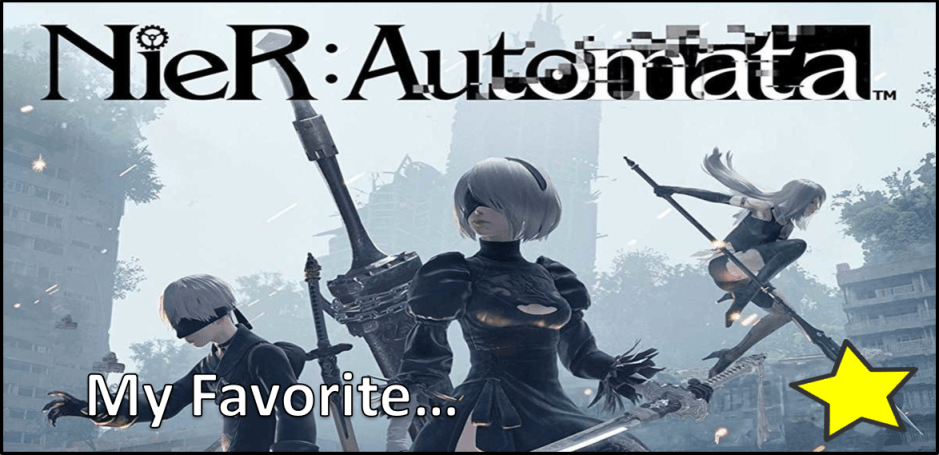
My Favorite Element: Nier Automata

Uncle Geekly finished one of 2017’s best role-playing games Nier: Automata. Come to think of it 2017 was a great year for Japanese Role-Playing Games with Persona 5 also becoming available worldwide six months after its initial release. But we’re going to discuss Nier: Automata in this writeup and how it takes a novel approach to storytelling that I haven’t seen too many video games attempt.

To say Nier: Automata is off kilter would be an understatement. I enjoy that every weapon has its own unique backstory that players can dip their toes into. Weapon Stories are a recurring element in the Nier and Drakengard series as are multiple plays of the game revealing new potential endings. Nier: Automata takes the latter element and makes it work—alternate endings don’t always pan out that well in Nier and the Drakengard series—by showing the game through the eyes of its two protagonists.

NieRAutomata01.jpg

Nier: Automata is broken into two parts and two main characters: 2B and 9S. There are moments through the first playthrough where 9S disappears for long periods of time. He explains most of his absences but showing what 9S goes through offers a lot to the overall experience. As soon as I saw that I’d play as 9S during a second playthrough I shuddered. There are moments that I’d rather not experience first-hand, but at the same time, I played on because I wanted to see them out of morbid curiosity.

Not every story can be enhanced by a second telling by another character, but Nier: Automata makes a great choice in showing 2B’s and 9S’s story. It’s obvious that they’re co-protagonists and it would’ve been a falsehood to not show 9S’s journey.

What are your favorite elements of Nier: Automata? Are there any other video games that do a great job of showing two protagonists’ stories. Let us know your thoughts in the comments.