
Spawn Points and Pregame Lobbies
Hey, Geekly Gang! Season here. It’s been a hot minute since I’ve reviewed a plushie. This week, I’m merging video games and plushies together. Have you heard of the Club Mocchi Mocchi Animal Crossing Leaf plushie? If not, today’s your lucky day.
Before we begin, let’s review the categories. I’ll be looking at size, softness, kid-friendliness, and cuddliness. There won’t be an aggregated score.

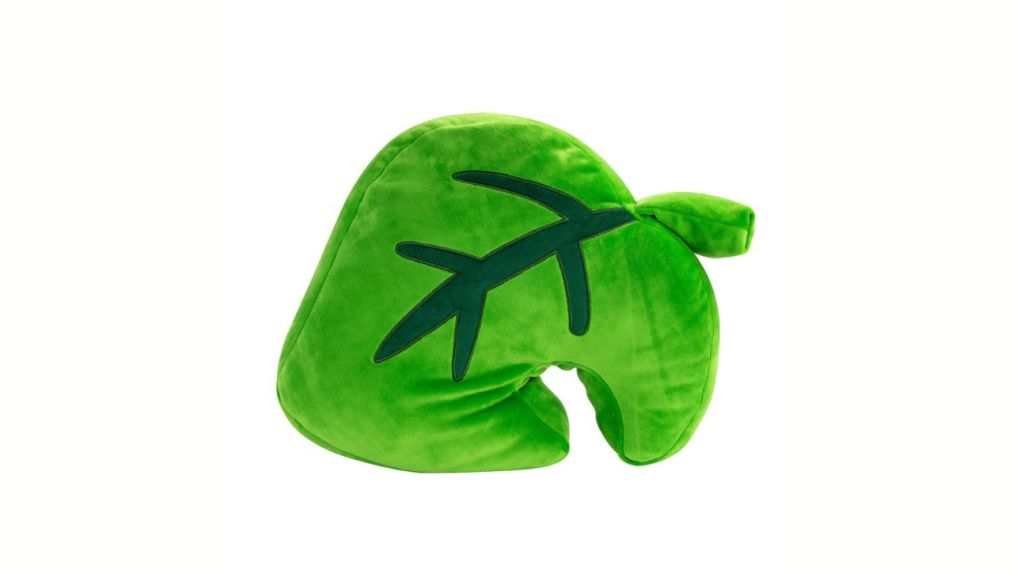
The Club Mocchi Mocchi Animal Crossing Leaf is about the size of one’s hand. This makes sense since it’s supposed to turn into a piece of furniture once placed on the ground. I’ve always wondered how characters in Animal Crossing fit their furniture into their pockets. I could easily fit twenty of these in my backpack.

Club Mocchi Mocchi’s Animal Crossing Leaf is pretty soft. It has a bit of firmness to it, but not so much that it won’t squish in your pockets. Animal Crossing characters must have vacuum-sealed pockets or something.

Club Mocchi Mocchi’s Animal Crossing Leaf doesn’t have many small pieces, outside of the stem. There’s no danger of a rambunctious kid or a teething baby ripping this off by accident. Animal Crossing Leaf is a good choice for kids.

Unless you’re a small child, Club Mocchi Mocchi’s Animal Crossing Leaf is difficult to cuddle. It makes for a cute desk decoration. It’s also easy to squeeze if you’re looking for a plush stress ball.
Club Mocchi Mocchi’s Animal Crossing Leaf isn’t the first plushie I’d think of when thinking of a video game plushie. Heck, I’d think of the 1Up mushrooms from Mario first. This plushie is easy to get either online or in big box retailers like Walmart. I think I got mine at a Target several years ago. What’s your favorite video game plushie, Geekly Gang? Let us know in the comments. Thank you for reading, and have an amazing rest of your day.

Happy Sunday, Geekly Gang. Kyra Kyle here with another week of Geek News. We have plenty of board games and video games new releases, but before we get into those, let’s discuss our headline for this week. Xbox revealed its plans for a next-generation console. What? Project Helix is on the way, and the details we’ve seen have made us the most excited for an Xbox console in several years.
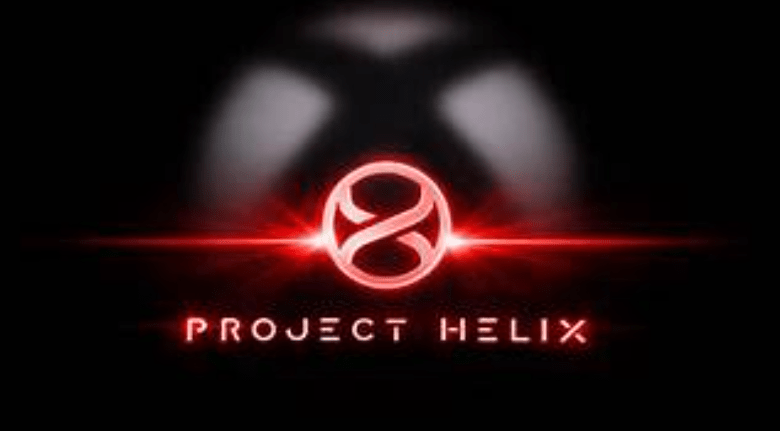
Xbox announced its next-generation console, following the Xbox Series X/S (sometime in the next few years, possibly as soon as late Fall 2027). Even though Xbox has pivoted to software over hardware, Codename: Project Helix confirms Xbox hasn’t left the console race. The official Xbox X account shared the project name “Project Helix” and a new logo (pictured above) that blends the classic Xbox logo with a DNA double helix. Xbox’s new CEO, Asha Sharma, shared more details in her own post, claiming the system will “lead in performance and play your Xbox and PC games,” which marks a major shift in Xbox’s approach.
Since the new Xbox machine will be capable of playing Xbox and PC games, it will challenge the upcoming Steam Machine. Talk about a new console generation. Xbox has hinted that its new system will run on Windows, which should allow players to download third-party software like Steam, GOG, and Epic. This has me excited. And one quick note on the name, Project Helix. Typically, tech companies use a working title for their consoles. Xbox Series X/S was nicknamed “Project Scarlett,” while Nintendo used “Project Revolution” for the Wii. While the name Helix may change, I could see Xbox keeping the double helix design in some capacity.
We should hear more news about Xbox’s upcoming console in the coming weeks. Xbox CEO Asha Sharma promises to meet with shareholders next week. While most details discussed during this meeting should remain confidential, fans may get a few tidbits of information in the coming days. We’ll keep you posted if we hear anything.
While this announcement occurred after Sharma assumed the CEO position, plans for “Project Helix” had to have been started during Phil Spencer’s tenure. But this could be a shift in direction after Spencer’s departure. Either way, “Project Helix” looks to shake up the video gaming console landscape, and we’re all for it. I may need to buy a new big-screen TV.
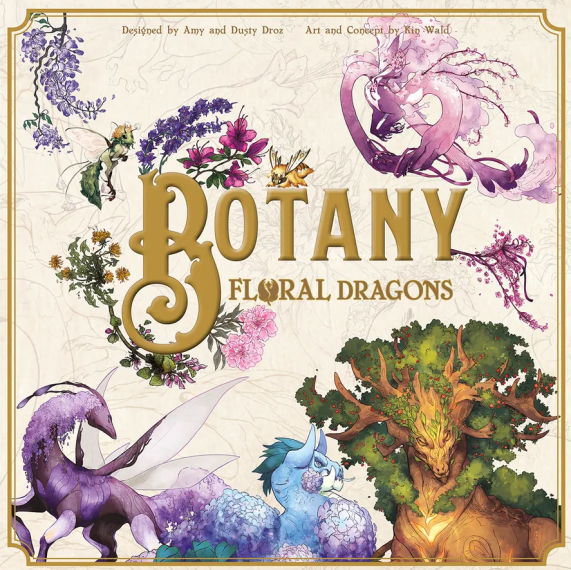
In Botany: Floral Dragons, players assume the role of a botanist, travelling the world in search of fame, fortune, and the coveted honor of floral dragons. As you travel the globe, you’ll need to manage your expedition funds, experience thrilling events, and acquire support. Each player begins the game with a set of randomized goals. Players can use these coins to traverse the globe and gain crew members and items, improving their odds of surviving the unknown. However, there is danger in spending too freely. Players must have coins to return with their specimens intact. Whenever you return to your estate, you’ll add new floral dragons and build new garden features. At the end of the game, the player with the most points wins.
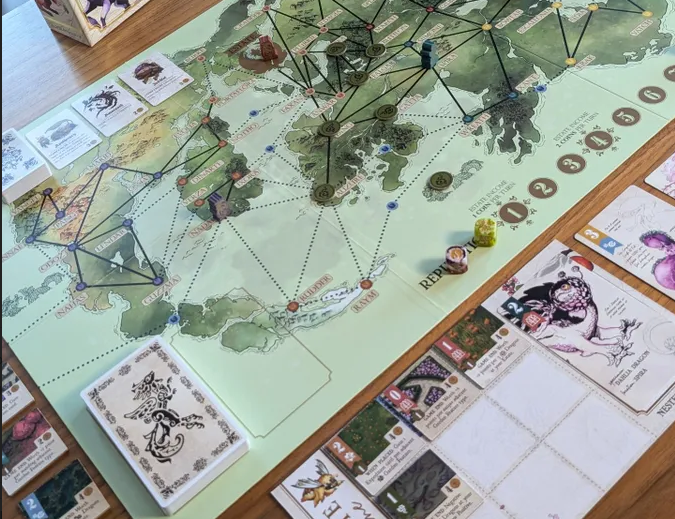
We paraphrased Dux Somnium Games’ description for Botany: Floral Dragons. Thank you for the write-up. Botany: Floral Dragons features amazing graphics and artwork. Gardening games have grown–pun intended–in popularity over the past decade or so, and dragons are always a welcome addition. Botany: Floral Dragons’ combination of themes reminds me of Cretaceous Rails (dinosaurs and trains). Why hasn’t anyone combined these two themes before Botany: Floral Dragons?
Botany: Floral Dragons should build off of Dux Somnium Games’ 2025 release, Botany: A Victorian Expedition, and that game received good reviews. Dux Somnium Games always delivers with high-quality components, and I like that every game in their catalogue features similar art and graphics. Botany: Floral Dragons has the same vibe as previous Dux Somnium Games. Of course, this company is known for offering multiple pledge levels for their crowdfunding campaigns, too. Pledges range from $49 to $599. Wow! A lot of the extras included with the $599 are nice things to have, but unnecessary to play the game. Still, Dux Somnium Games are ones I can see some gamers wanting top-notch, upgraded pieces. If you’re interested in Botany: Floral Dragons, check out its KickStarter page.
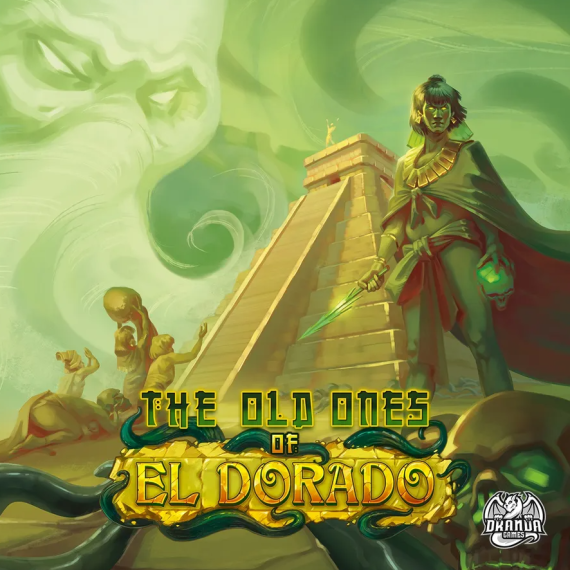
The Old Ones of El Dorado is a hand management and drafting game in which the cards form a closed economy of actions. You can play a card into one of four action rows and perform both the action of the space and the action on top of your card. However, the next player may choose to play into the same row, if there’s space, gaining them the action on their card, your card, and the action associated with that row. Each card offers two actions to choose from, but once played, the orientation becomes fixed.
Throughout The Old Ones of El Dorado, you’ll gather resources to construct temples, craft sacred masks, and raise shrines. You’ll make dark sacrifices to the Old Ones and send cultists into the village to obtain knowledge and goods. These efforts will earn you points and bring you closer to immortality as promised to you by the Old Ones of El Dorado… but is it a blessing or a curse?
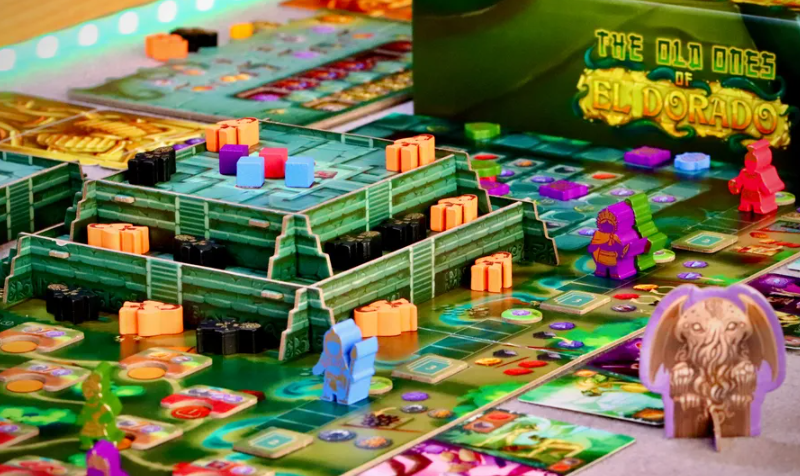
Another good description by publisher, Dranda Games, and another great mash-up of themes. Plenty of games have a setting of El Dorado, but even more have used the Cthulhu Mythos as a theme. I like The Old Ones of El Dorado’s use of meeples. And the 3D elements on the board grant life to the setting. My only issue may be the cardboard Cthulhu, First Player Marker. I’d love to see that as another wooden meeple. I need some Cthumeeple in my life.
The different meeples function as different workers. I like this concept in Worker Placement Games. The Old Ones of El Dorado looks to bring the Cthulhu Mythos to a heavy Euro game. That’s something else that doesn’t happen too often. Cthulhu-themed games lend themselves more to highly thematic games. I’d like to see how The Old Ones of El Dorado’s different meeple types function with the game’s 3D elements. The Old Ones of El Dorado offers multiple pledge levels: $47, $54, and $99. It looks as if the higher levels add more value for not as much money as one might think. If you’re interested in The Old Ones of El Dorado, check out its KickStarter page.
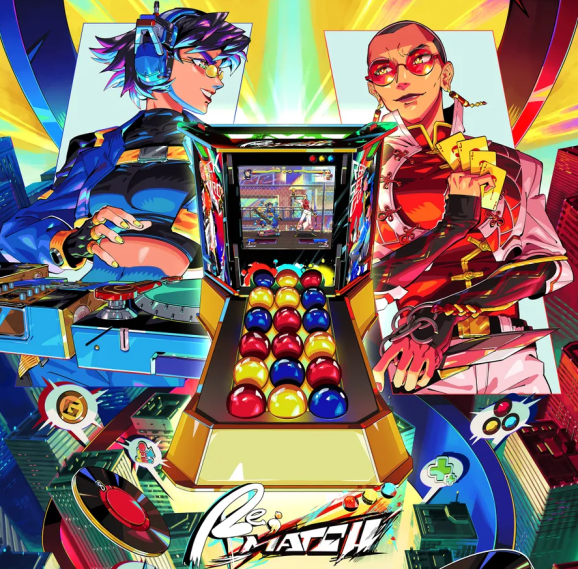
Re;Match: Marble Puzzle Fighter is an asymmetric 1 versus 1 fighting game, fueled by a marble puzzle system. Input your attacks each turn by clearing connected matching marbles from a 3 x 5 grid. Your attack corresponds to number and color marbles you cleared. The more marbles you clear, the bigger the attack. Every move changes the board state for what you allow your opponent to clear, and you can only clear from 2 of the 3 lanes, so every move has immediate consequences.
Deal damage to your opponent’s 3 health bars, each corresponding to a different color of attacks: Red, Yellow, and Blue. Breaking a health bar forces your opponent to spend a quarter to keep playing, and disables that color of attacks from being used. But be careful, a broken health bar turns those corresponding marbles into WILD connectors, allowing them to launch even more powerful attacks with their remaining colors, not to mention each cleared WILD marble restores health to that broken health bar, bringing it back into play.
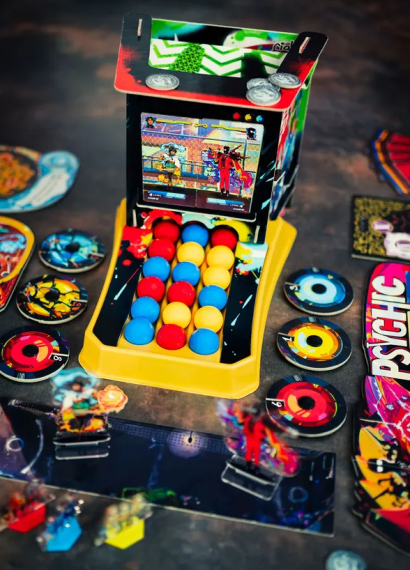
Thank you, Brother Ming, for the description. Re;Match: Marble Puzzle Fighter has an undeniable toy factor. Look at the central marble puzzle piece. I don’t care for the game’s name. Why isn’t it Rematch instead of Re;Match? But this game earns that moniker, Rematch. From what I’ve seen, Rep;Match: Marble Puzzle Fighter matches last between 15-30 minutes. That’s short enough for a series of rematches. And players can choose between multiple combat styles (asymmetric powers). The DJ, Chef, Trickster, and Psychic have various playstyles. You’re bound to find one you like best.
Brother Ming Games is best known for its Genshin Impact line of game peripheries (like dice and playing cards). I’ll glad to see them stretching their wings in the tabletop game space. Since Brother Ming has experience with game production, I trust Re;Match: Marble Puzzle Fighter will use good quality materials. The acrylic standees I’ve seen in Re;Match’s pictures are in line with board game standards. A lot of games are switching to acrylic standees, and these look good. But who am I kidding? That marble puzzle element slays. Re;Match: Marble Puzzle Fighter offers pledge levels ranging from $99 – $300. If you’re interested in Re;Match: Marble Puzzle Fighter, check out its KickStarter page.
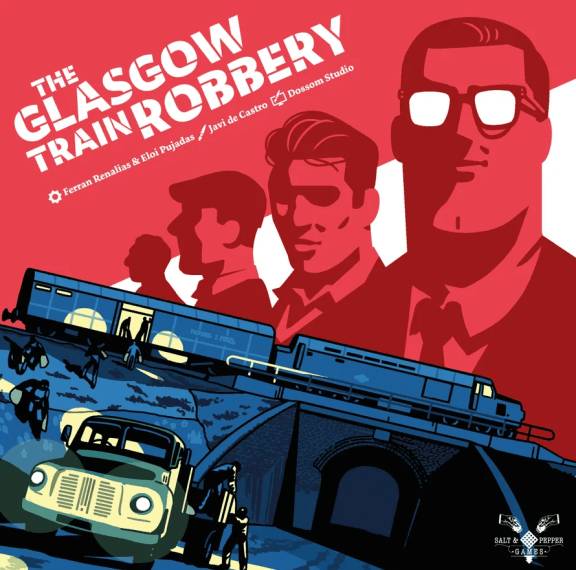
The Glasgow Train Robbery is a co-operative game for two players inspired by one of the most infamous crimes in British history. Set in 1960s Scotland, you and your partner take on the roles of two key members of a criminal crew determined to intercept and rob a high-value train — without getting caught. Over the course of the game, you’ll work together to plan the heist, gather the right equipment, mislead the authorities, and finally execute the robbery in a high-stakes finale. Communication is limited, tension is high, and every decision counts. Will you manage to synchronize your actions, stay ahead of the investigation, and escape with the loot? Or will a single misstep derail the whole operation?
The Glasgow Train Robbery challenges players with unexpected twists and a constantly shifting landscape. The game is played over an undetermined number of turns, ending successfully if you manage to complete all five plan cards before the train reaches London, with the Coordinator needing to complete the first four, and the Operator the final one. Fail to complete the plan in time, the police will catch you. The Glasgow Train Robbery is the first title in a new series of games inspired by legendary historical heists. With a focus on historical flavor, immersive gameplay, and tight teamwork, this series invites players to step into the shoes of infamous criminals to see whether they can outsmart the law.
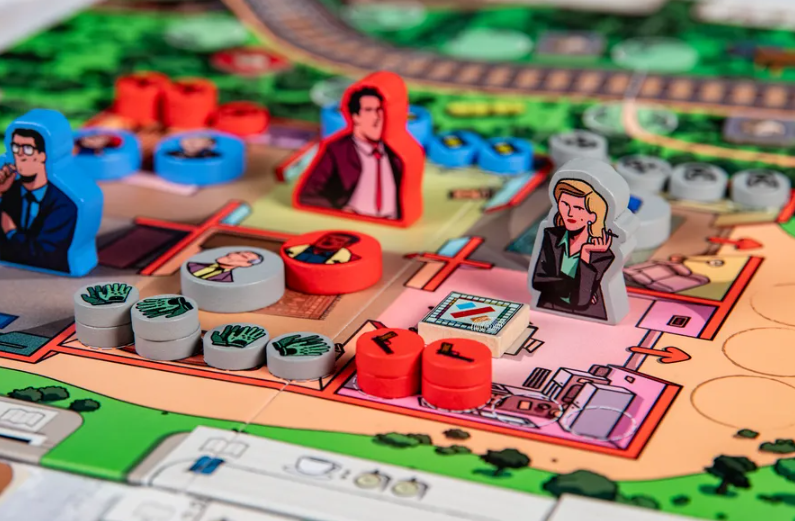
That was a great description, Salt and Pepper Games. I love The Glasgow Train Robbery’s theme and the fact that Salt and Pepper Game intends on making this an ongoing board game series. Yes! I can’t wait to play other famous heists throughout history. The Glasgow Train Robbery has been on my radar for several months. The look. The theme. The fact that Salt and Pepper Games is an up-and-coming board game publisher. Yes to all.
I’m a sucker for The Glasgow Train Robbery’s art. I also love wooden pieces in board games. Look at those uniquely shaped meeples. It makes the game look classic and unique. Salt and Pepper Games also has a knack for producing history-based board games. They’ve published Watergate, Resist!, and Skulls of Sedlec. I can’t wait to see what they’ll do with this new series of history-based board games. If you’re interested in The Glasgow Train Robbery, check out its GameFound page.
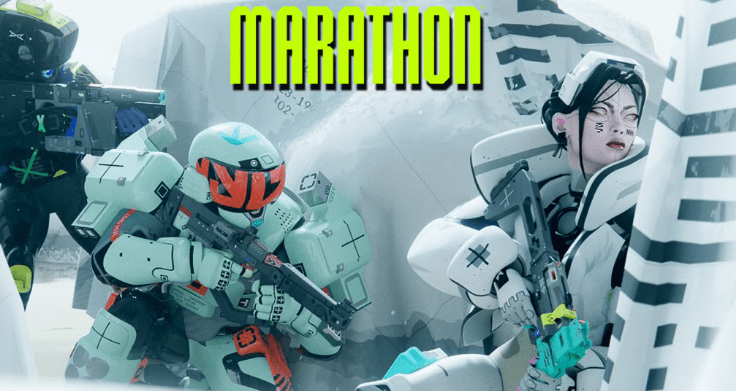
Marathon is a first-person multiplayer extraction shooter set in the same universe as the Destiny series. Yes. Bungie has returned to the Destiny universe, and the publisher takes a swing at the extraction shooter genre, a genre growing in popularity after the battle royale boom about a decade ago. Players deploy into a shared environment, search for loot, and attempt to successfully extract (either an item or non-combatants) from the region before getting eliminated by enemy players or environmental threats. While Marathon’s core gameplay focuses on player-versus-player (PvP) encounters, the game offers ample player-versus-environment (PvE) game options and hazards within PvP encounters.
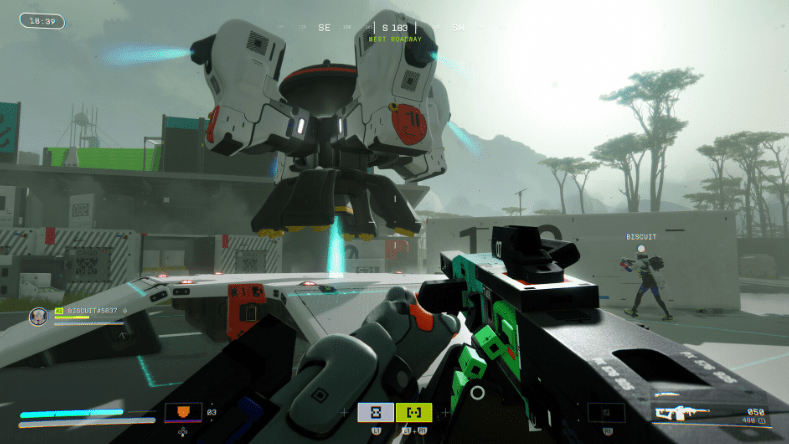
Multiplayer extraction shooters await a smash hit (like Fortnite or Apex Legends), and Bungie has plenty of experience delivering fantastic video games. Marathon might be what this game genre needs to truly take off. Marathon is available on PC, PlayStation 5, and Xbox Series X/S.
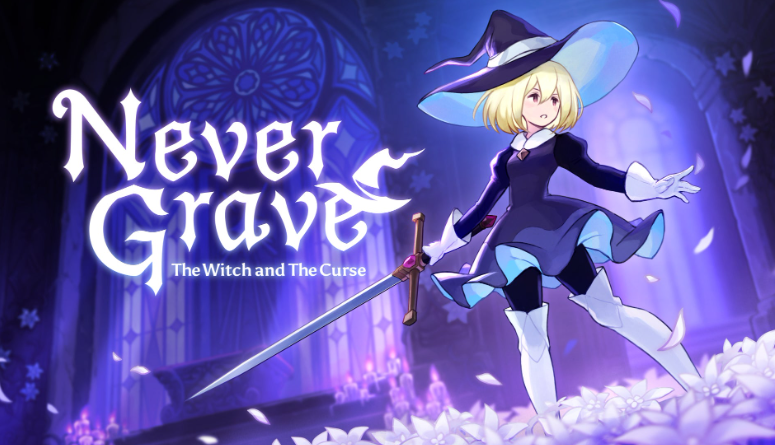
Never Grave: The Witch and The Curse is a Metroidvania x Roguelite where you journey with the aid of a cursed hat. Use a variety of magic or possess your enemies to reach the dungeon’s lowest levels. Bring back loot, build new facilities in your village, make a living, and strengthen yourself for the next battle. While you can play Never Grave: The Witch and The Curse as a solo experience, the game supports up to 4-player multiplayer.
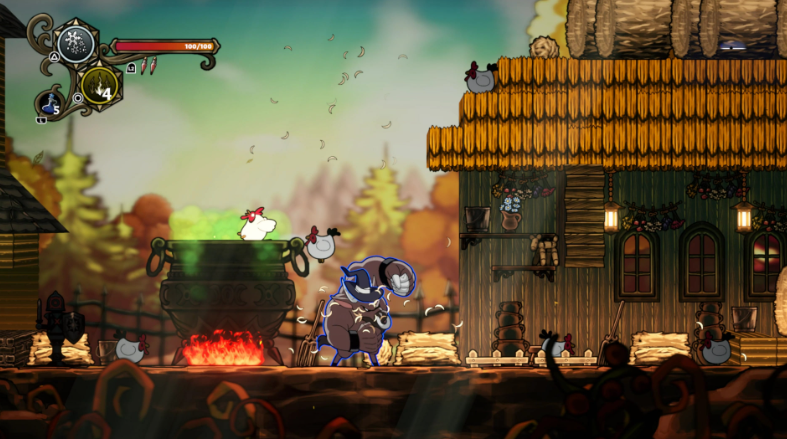
It’ll be difficult for a side-scrolling Roguelite to stand out in this year’s market. 2026 may only have a dozen or so weeks under its belt, but it’s already produced stellar games of this type. Never Grave: The Witch and The Curse has received mixed reviews (as of this post), but it offers a multiplayer option that few Roguelite games released this year have. Roguelites don’t tend to support multiplayer, but a few levels might be fun. Never Grave: The Witch and The Curse is available on PC, PlayStation 4, PlayStation 5, Xbox Series X/S, and Nintendo Switch.
Sequel to the stellar 2023 puzzle-platform game Planet of Lana, Planet of Lana 2: Children of the Leaf trades a heroic rescue for a darker story of revenge. While the game’s mechanisms are inspired by cinematic platform puzzlers like Inside, Planet of Lana 2: Children of the Leaf takes its visual inspiration from Studio Ghibli.
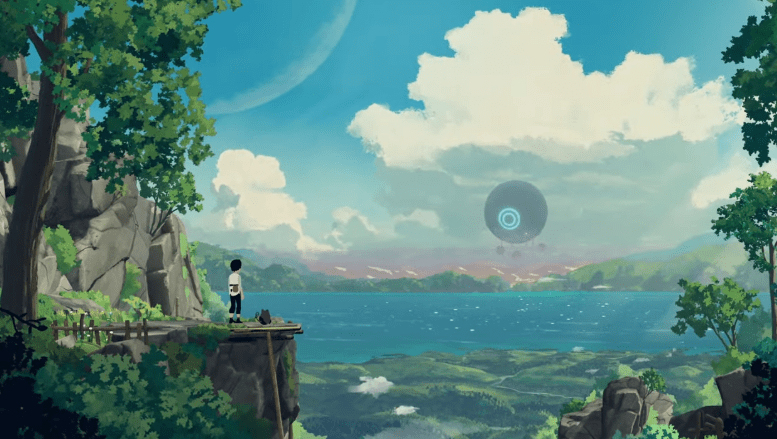
So pretty. And from what I’ve seen in early reviews, Planet of Lana II has a banger story with a compelling ending that will stick with players for ages. I never got around to playing Wishfully’s original Planet of Lana, but I may dive into this haunting world. Can you help Lana rescue her planet’s soul? Planet of Lana II: Children of the Leaf is available on PC, PlayStation 4, PlayStation 5, Xbox One, Xbox Series X/S, Nintendo Switch, and Nintendo Switch 2.
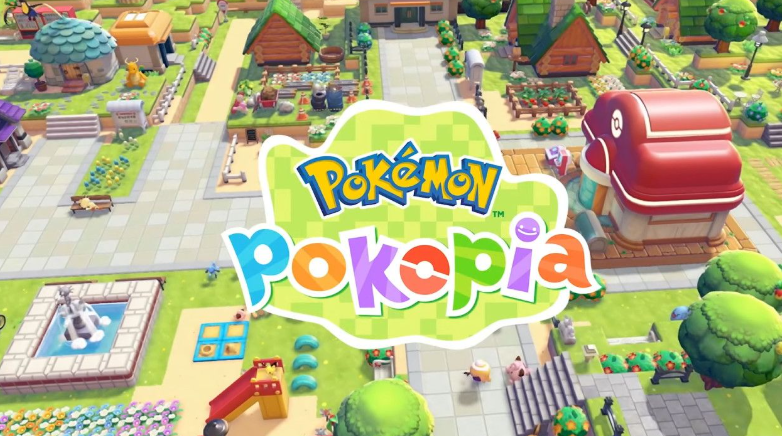
The Pokémon series finally gets a crossover with Animal Crossing–of sorts. Pokémon Pokopia is a life simulation game, and since Game Freak teamed up with Omega Force (developer of Dragon Quest Builders 2), I believe Pokémon Pokopia will share similarities with Dragon Quest Builders 2. If that’s the case, Pokémon Pokopia will be awesome. I love Dragon Quest Builders 2. Players navigate a day-night cycle and cultivate different biomes. This sounds so much like Dragon Quest Builders 2. I can’t wait.
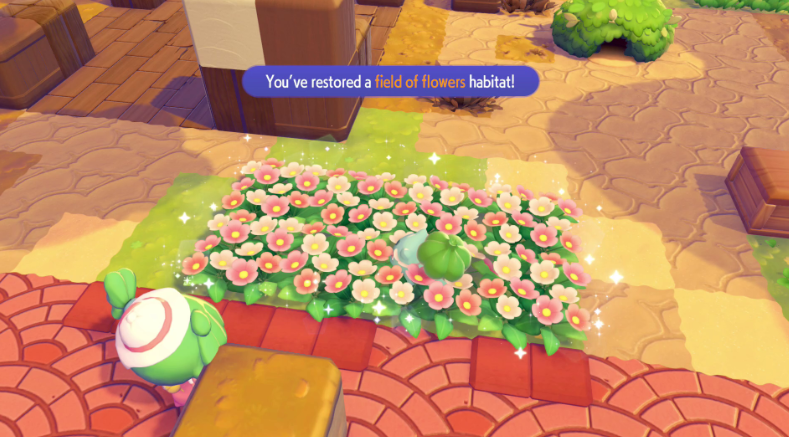
Players control Ditto, who imitates a human. Players can customize Ditto’s appearance, including skin color, hair color, and clothing. Pokémon Pokopia features crafting and building mechanics that players use to befriend new Pokémon, who, in turn, can teach Ditto new moves to interact with the environment. Ditto can perform various tasks like creating bushes, watering dry plants, cutting debris, and smashing rocks. Pokémon Pokopia is only available for the Nintendo Switch 2. Whenever I pick up a Nintendo Switch 2, I know this game will be one of my first.
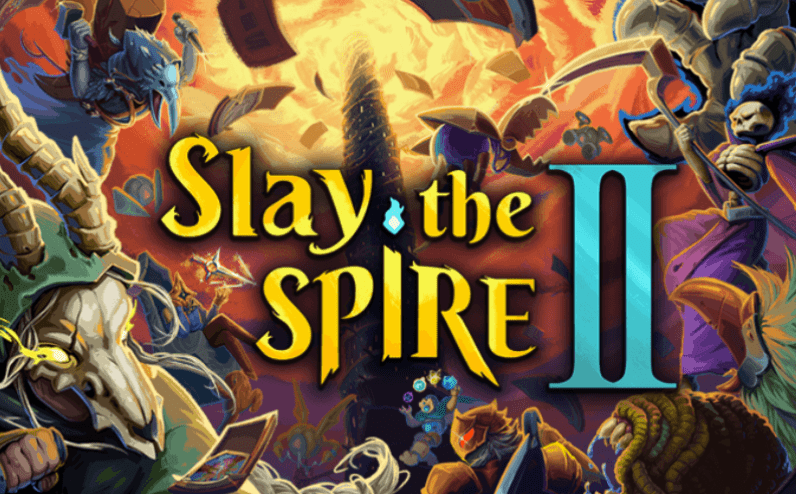
Yes! The sequel to the iconic roguelite deckbuilder, Slay the Spire, entered early access this past week. What did I say about roguelites being a crowded market this year? Wow! Within months of Hollow Knight: Silksong, Slay the Spire 2 drops. Late 2025 to 2026 has been insane.
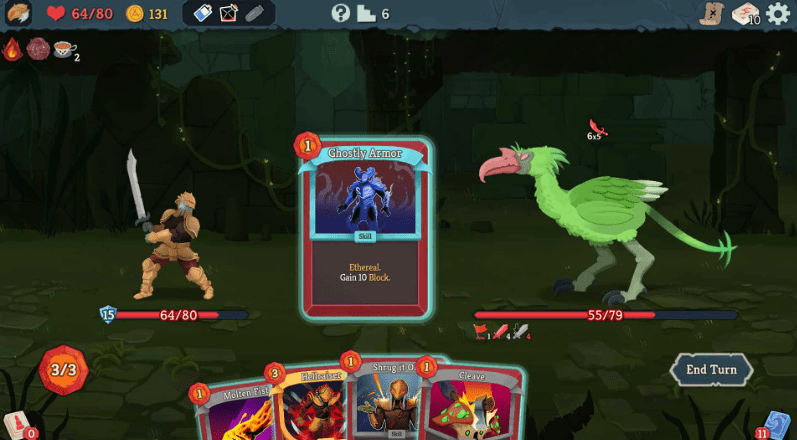
If you liked the original Slay the Spire, you’ll undoubtedly like Slay the Spire 2. According to some reviews, Slay the Spire 2 plays a lot like the original in the early game. But after a few rounds, the sequel throws in some welcome wrinkles to the award-winning formula. So far, Slay the Spire has received universal praise.
Peak concurrent users hit 217,932 gamers during the sequel’s launch, nearly quadrupling the original game’s lifetime record. The surge to purchase Slay the Spire 2 was so great, it temporarily paralyzed Steam’s payment servers for 30 minutes. If you tried to make a purchase on Steam during this 30-minute window and couldn’t, blame Slay the Spire 2. But hey, Slay the Spire 2 is a fantastic game and worth the hype, so far. Slay the Spire 2 is available on Steam.
That’s all the Geek News we have for this week. Thank you for reading, and wherever you are, I hope you’re having a great day.

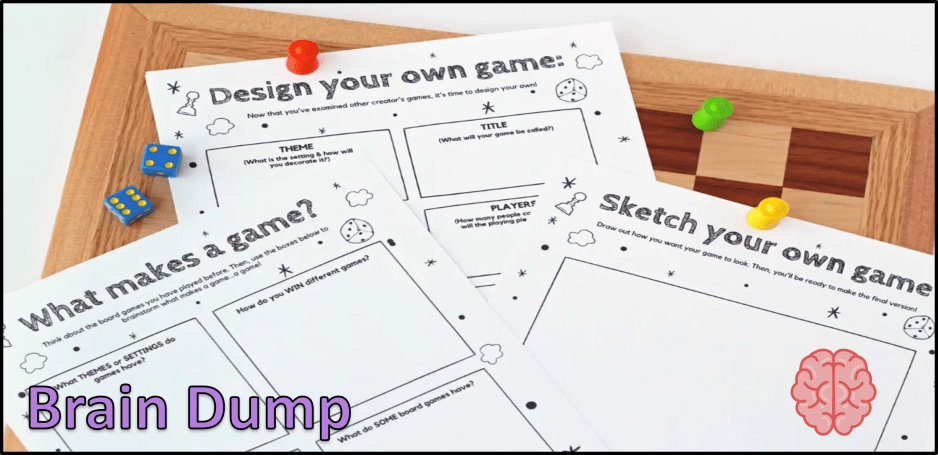
Hey, hey, Geekly Gang! Kyra Kyle here with another brain dump. Today’s post will be about board game design, but these brain dumps have a nasty habit of crossing over from writing to game design and back again. I may have found my stride. We’re averaging a brain dump (alternating between game design and writing) every other week. That feels good, so the next writing brain dump should occur on March 20, 2026. Yay! But let’s go to a macro look at game design. That’s right. We’re zooming out and potentially talking about the creative process as a whole.
I read another game designer’s (Ann Journey’s) game diary. She likened her design technique to her writing process, and it rang true. There’s a lot of crossover between game design and writing as both are creative endeavors. She would brainstorm, create an outline, and build her board game based on the outline. This resembles the Plotter approach to writing. Plotters are at one extreme end of the writing spectrum.
Yes. Like most things in life, writing can be depicted as a spectrum. In fact, the opposite extreme ends of the writing spectrum tend to get as hotly debated as political factions. When I say Plotters are at one end of the writing spectrum, we’re talking Ultra Conservative or Wacky Liberal levels of extreme. Plotters like JK Rowling insist that writing without an outline would be like taking a trip without a map. You’ll get lost. That makes sense. Pantsers are at the other end of the spectrum. They never use outlines. Stephen King may be the most famous Pantser. King wrote in On Writing, “Outlines are the last resource of bad fiction writers.” King suggests outlines limit inspiration and the joy of creativity. This also makes sense.
And like most things (like gender identity and sexual orientation), I fall somewhere in the middle. Pantsing and Plotting aren’t the only ways to write or design games. They’re the ones that get all the attention.

I’m somewhere in the purple. I like purple. Yay! We discussed how Plotting works within board game design. Ann Journey uses this method to great effect in Cretaceous Rails. Brainstorm, create an outline, and build a game based on the outline. Euro Games may insist on this method of board game design. Euros lend themselves to following a well-crafted outline and often feature distinct beginnings, middles, and ends.
But you could Pants your way to a good game. In the past, Molly Johnson, Robert Melvin, and Shawn Stankewich shared that they threw various ideas at the wall while designing Point Salad. If it’s cool, it rules, and if it rules, it makes it into the rulebook. That sounds akin to Pantsing. The Point Salad series of games (which also includes Point City and Point Galaxy) tends to be adaptable and demands that players remain flexible. This could be a feature of this method of board game design. I’m just throwing something against the wall here.
Then we get to two alternatives to Pantsing and Plotting: Lighthousing and Blotting. Are these two methods in the purple, or is there a Y-axis to this spectrum that I don’t see? I’m unsure, but I do know that Lighthousing and Blotting are two major alternatives to Pantsing and Plotting. There may be others.

While writing, whenever I Lighthouse, I usually know where my story begins (the opening scene), and I know a Lighthouse scene for the future, a poignant scene I know will make the final story, but I don’t know how to get there yet. This Lighthouse scene informs my decisions, but it also gives me leeway to explore. Early into Mysterium’s development, Oleksandr Nevskiy and Oleg Sidorenko knew how the game would begin and the game’s final turn. Most–if not all–of Mysterium’s design choices were in service of the game flowing from its beginning to that final turn. Lighthousing may be the method you’ll want to use if you have planned an epic final turn or series of turns.

Finally, we get to Blotting. I picture myself with a blank canvas whenever I Blot while writing. In my hand, I have a sopping wet paintbrush, like Bob Ross and his wet-on-wet painting method. I slap a scene on the blank canvas, and it causes a blot. Then I add another and another, and after I’m finished, I have to make sense of the mess by molding these Blots into a cohesive whole. While designing Marvel United, Eric Lang suggested that he knew his theme (Marvel Comics, obviously) and a handful of the game’s mechanisms. He just needed to take those elements and sculpt them into a cohesive gaming experience. Sounds like Blotting to me. Blotting can lead to fun and exciting fusions of disparate elements.
Word of caution for Blotting (and for designing games in general): One can add too many elements to a game. Typically, the fewer gaming elements, the better. The old adage “Less is More” is key.
I’ve used all of these methods for game design and writing. There are some I prefer and others I don’t. I wouldn’t say one method for a creative endeavor always trumps another. Your goal is to find which method works best for you and for your project.
And just because you Pants or Lighthouse your way to a story or game, doesn’t mean you can’t use a reverse outline. Have I talked about reverse outlines? Yes, in a previous writing brain dump. I’ll leave that link right here.
Remember, Stephen King subscribes to Pantsing. He has suggested that one’s reader won’t be surprised if you’re not surprised as the writer. Pantsing induces moments of surprise in King whenever he writes. But King is also known for horror fiction. The element of surprise is important for horror stories. There may be a reason Stephen King chooses the Pantsing method.
If you’ve made it through my rambling, you’re awesome. We all know it. Thank you for reading, and wherever you are, I hope you’re having a great day.


Happy Wednesday, Geekly Gang! Today, our writers share what they’ve been playing over the past month. Feel free to share what you’ve been playing, too, because we’re all part of the Geekly Gang. I’ll get things started with the games I’ve been playing over the past month.
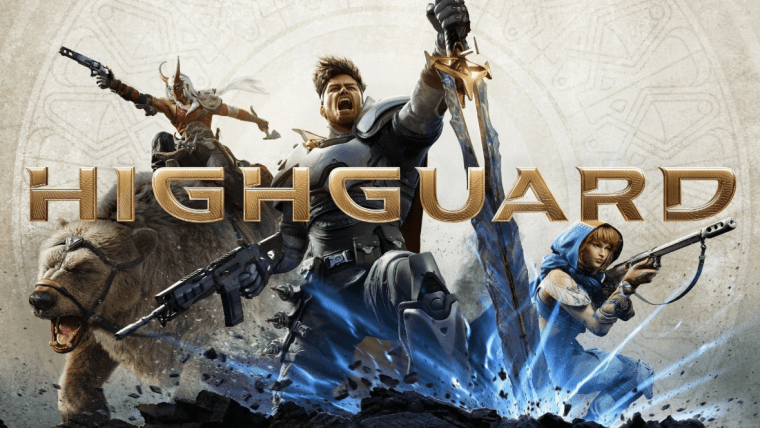
Highguard answers a couple of questions. What if Apex Legends was a base siege game? And what if Apex Legends had a fantasy theme with mounts? Many of the creatives behind Apex Legends made Highguard, so Highguard borrows more than a little bit from Apex Legends. If you know how the buttons work in Apex Legends, you’ll know how the combat works in Highguard. That’s a plus. There’s a lot more to unpack with Highguard. On one hand, I like the effort in creating a unique gaming experience. A base siege game is cool. On the other, Highguard has three game phases. That’s confusing.
Highguard’s first phase should sound familiar with a small twist. Kit up your character (weapons and armor) and fortify your base, on the off chance you’ll be the team tasked as the defenders. Second phase plays like capture the flag. Something called a Shieldbreaker spawns in the center of the game map. The two teams via for control of the Shieldbreaker, which is kind of a flag. The first team to bring the Shieldbreaker to their opponent’s base becomes the siege team. The other team is the defender. The third phase is a siege between the two teams. The offensive team wants to destroy the other’s base, while the defensive team wants to run out the clock.
And we got word yesterday that Highguard will shudder its doors the middle of this month. I played the a game little more. The graphics are okay but generic. That may have turned off gamers. Highguard also came out of nowhere (with graphics that clearly cost a pretty penny) which begged the question who financed this game? Turns it, it was Chinese mega publisher Tencent. Don’t know why Tencent refused to take credit for bankrolling Highguard before it released. Tencent is better known for mobile games. That may be why they stayed in the shadows.
I didn’t care for Highguard’s characters. They were more generic than the graphics. Highguard needed lore or a story to capture gamers’ hearts, and it didn’t have enough time to do that. The game functions as three separate games. They may have turned off gamers. I like the big swing, but a less complex game could’ve faired better.
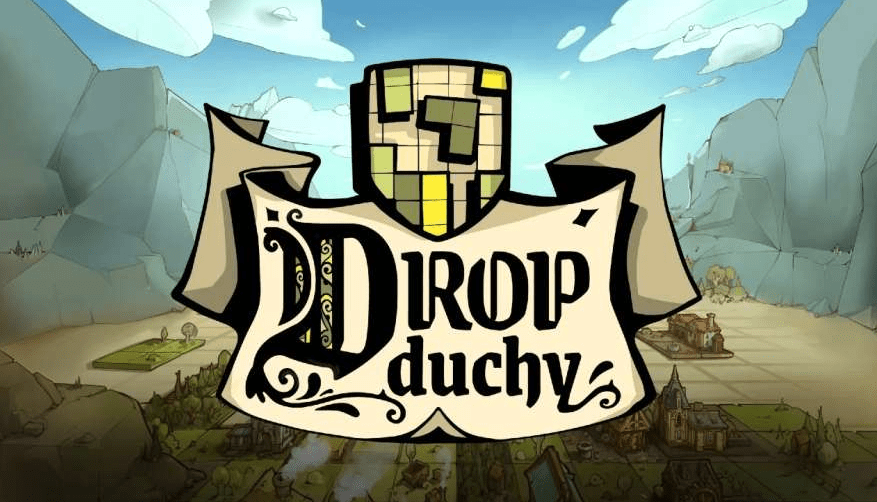
I forgot to cover Drop Duchy. Oops! I’ve been playing Drop Duchy off and on ever since it first released on Steam a few months ago. I believe Drop Duchy is also available on mobile. And I highly recommend it. Drop Duchy gives the classic Tetris formula a much-needed twist. Players build their village–or duchy–by playing Tetris, matching terrain to buildings that can make use of the terrain. But beware, you’ll also place Tetris pieces for your opponent. Ultimately, you’re trying to build up your defenses, while keeping your opponent weak. Tetris is already a thinky puzzle. Drop Duchy cranks up the puzzle several notches. If you’re tired of classic Tetris, give Drop Duchy a try.
And my last entry for video games is a remaster of an old favorite: Plants Vs. Zombies Replanted. The gameplay still holds up. I can’t tell what Replanted adds to the most recent mobile version of the original Plants Vs. Zombies. The graphics might be slightly better than before, but then the ending (if you know, you know) gets screwy because we’re watching the end credits on an old screen with Crazy Dave sitting on the couch. Okay. That was a choice. Regardless, it was fun going down memory lane, and Plants Vs. Zombies Replanted gets more right than it gets wrong.

I’ve played New York Slice far more often than I thought I would over the past month. I like the game a lot. But I also stink at New York Slice. New York Slice uses a game mechanism that I wish more board games used: I cut, You choose. Pizza slices can earn players points. Whoever has the most of a specific pizza type will score those points. Players gain slices by one player cutting the pizza into sections for all players. Then, starting with the player to the cutter’s left, players choose which slices of pizza they want.
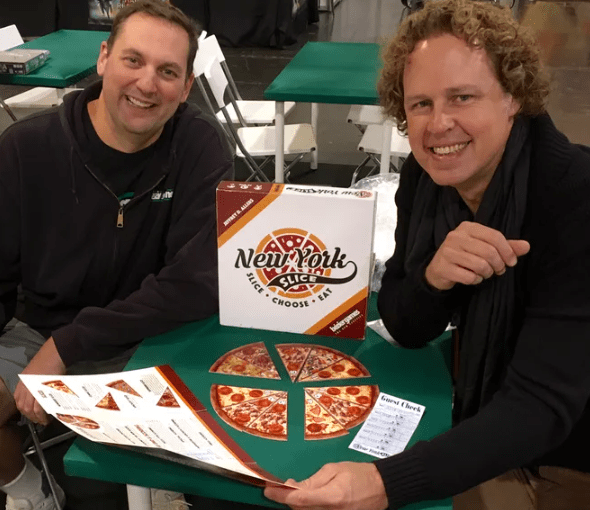
New York Slice takes a simple concept and makes it sing. I also like the production value. The scorecard is a server’s check. Excellent! I just wish I were good at the game. LOL
I have a few other board games I played this past month, but I may save my discussion about them in a future Whatcha. Let’s see what Skye has been playing.
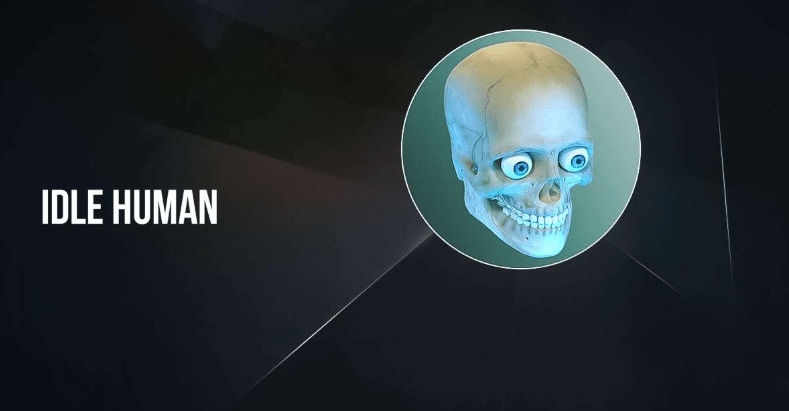
Since I’m still in the process of obtaining the platinum trophies for previous games on this list, I have few new games to discuss. Except for mobile games. Idle Human allows you to create your own human using trillions, quadrillions, and even quintillions of cells. And not just humans, but aliens, cyborgs, and yetis? Sure. Gamers accumulate cells and build a human. Hopefully, you’re not squeamish, because this game has surprisingly detailed depictions of internal organs.
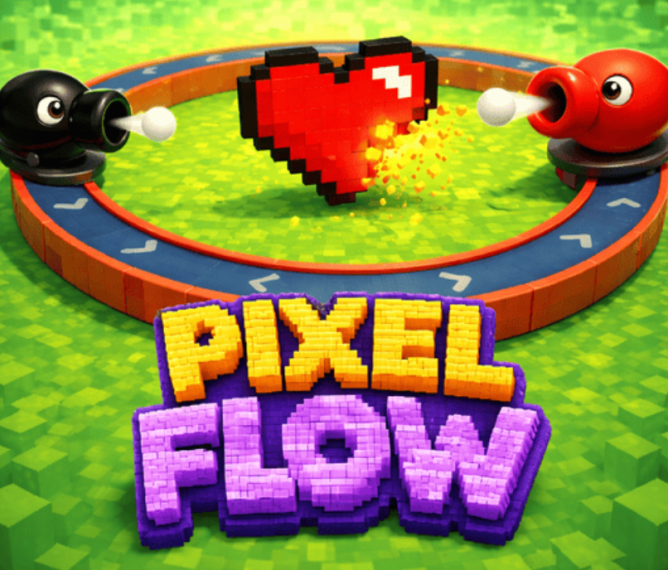
I frequently get ads for “satisfying” puzzle games. One of those games was Pixel Flow. Pixel Flow is a simple game that requires you to destroy a colored pixel image by shooting colored pixels with a pig cannon of the same color. I promise it makes sense when you see it. Images can range from simple to incredibly complex, which makes levels easier or harder. At the end of the day, Pixel Flow is kinda dumb, but wait until you see that pig cannon. I rest my case.

I didn’t need another coloring app, but Happy Color is unique enough to justify having it on my phone. Happy Color is easily the most popular color-by-number app in the App Store, so it needs little introduction. I like Happy Color’s significantly larger number of coloring categories and unique styles. My special pixel coloring app, Pixel Art, allows me to upload my own custom images to color from my gallery, which is its primary use, but I still enjoy variety in my artwork. Unlike Pixel Art, Happy Color allows me to explore those different styles. And it’s okay to have two coloring apps on one’s phone.
Hey, hey! Kyra Kyle here again. Those are all the board games and video games our writers played this previous month. Let us know what you’ve been playing. Thank you for reading, and wherever you are, I hope you’re having a great day.
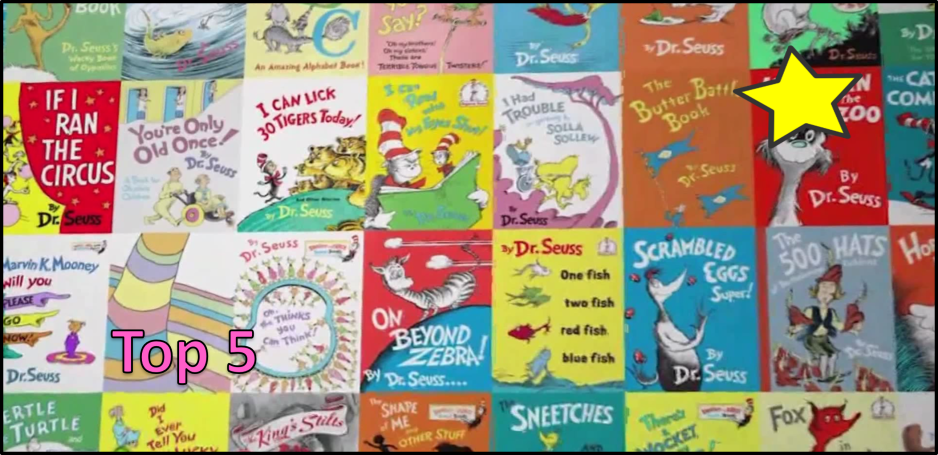
Happy Monday, Geekly Gang! Kyra Kyle here. Today, March 2nd, is Dr. Seuss’s birthday. We’re celebrating by listing our Top 5 Dr. Seuss Stories, and that’s not just me, Kyra, saying that. I asked all the Geekly writers for their favorite Dr. Seuss stories; the higher on someone’s list a story goes, the more points it earns. I weighted the results, and the following is our Geekly Writers Top 5 Dr. Seuss Stories.
And yes. We legitimately had a three-way tie for fifth place. So, this ended up more like a Top 7 Dr. Seuss Stories.
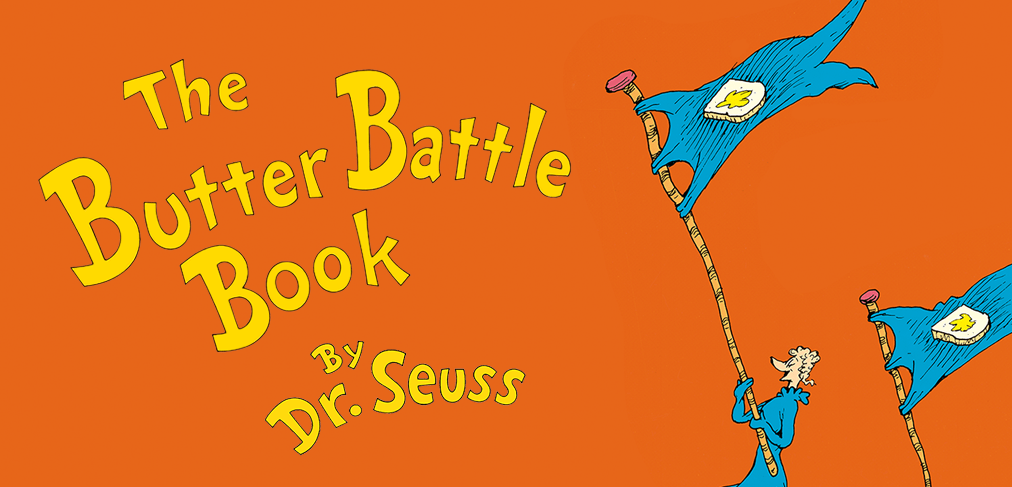
The Butter Battle Book is an anti-war story. It chronicles the battle between the Yooks and Zooks. One butters their toast on one side, while the other butters their toast on the other. The two groups war, amassing weapons that can destroy the world. The Butter Battle Book is a fun way to just say no to war. And it points out the idiotic reasons why some wars begin.
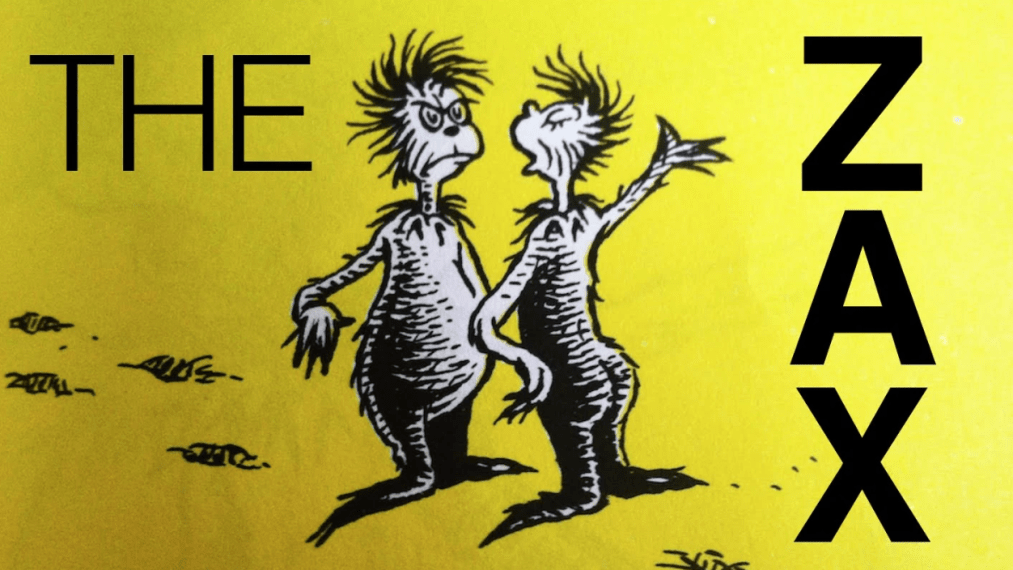
Take away the war angle, and The Zax has a similar message to The Butter Battle Book: stubbornness and how it destroys lives. The Zax live in the Prairie of Prax. Two varieties exist, North-Going Zaxes and South-Going Zaxes. When the two meet, their stubbornness causes them to refuse going in any other direction. Eventually, the world passes them by.
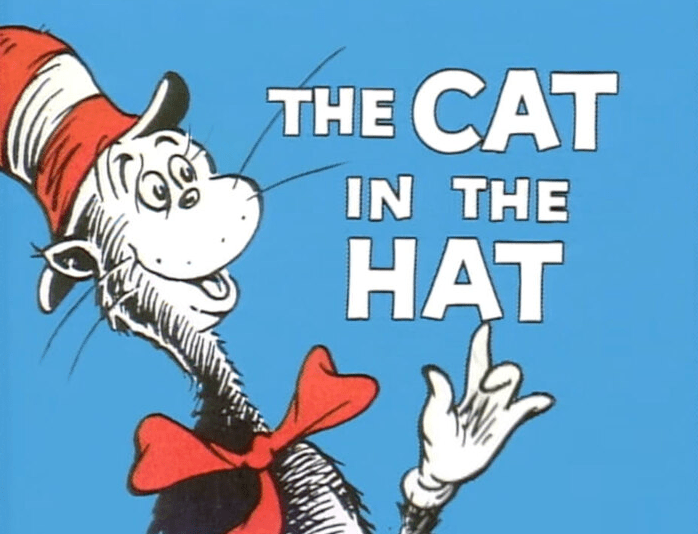
To say The Cat in the Hat is iconic would be an understatement. The Cat in the Hat is so iconic that it’s become an icon for Random House Books. Despite that, The Cat in the Hat lands in a three-way tie for fifth on this list. While The Cat in the Hat may be one of the first books most of us read (the book was kept to 225 unique words so new readers could learn them), we preferred the messages behind other Dr. Seuss stories more.

The great thing about a list like this is that some of you are thinking, Oh! The Places You’ll Go! is way too far down this list, while others are rolling their eyes. Surely, some of you heard excerpts from Oh! The Places You’ll Go! in a graduation or two or twenty. Yes. Oh! The Places You’ll Go! leans into sappiness, but it’s also the final story published during Dr. Seuss’s lifetime. I like thinking of this book as Oh! The Places You’ve Taken Us!
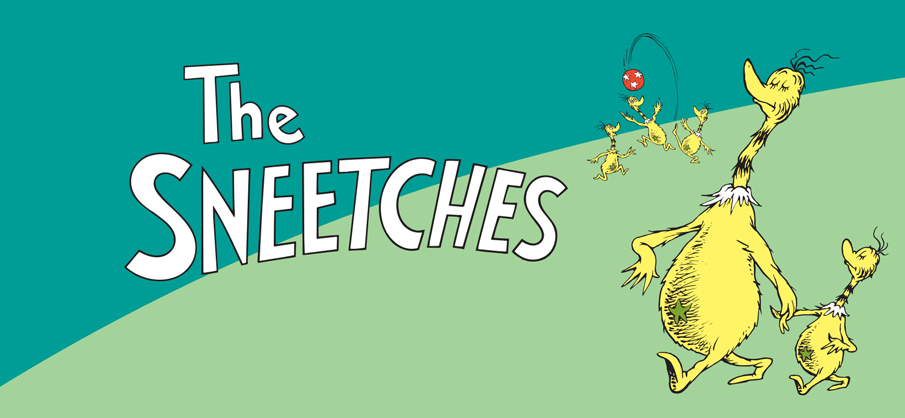
While The Sneetches holds a great message of discrimination and acceptance, we may be biased toward The Sneetches because I portrayed Sylvester McMonkey McBean (The Fix-it-up Chappie) in a Children’s Theater rendition of The Sneetches. Does McBean teach the Sneetches (a race of alien creatures where some have stars on their bellies and others don’t) a lesson? Or did my former character want to make a quick buck erasing and adding stars to gullible Sneetches? You decide.
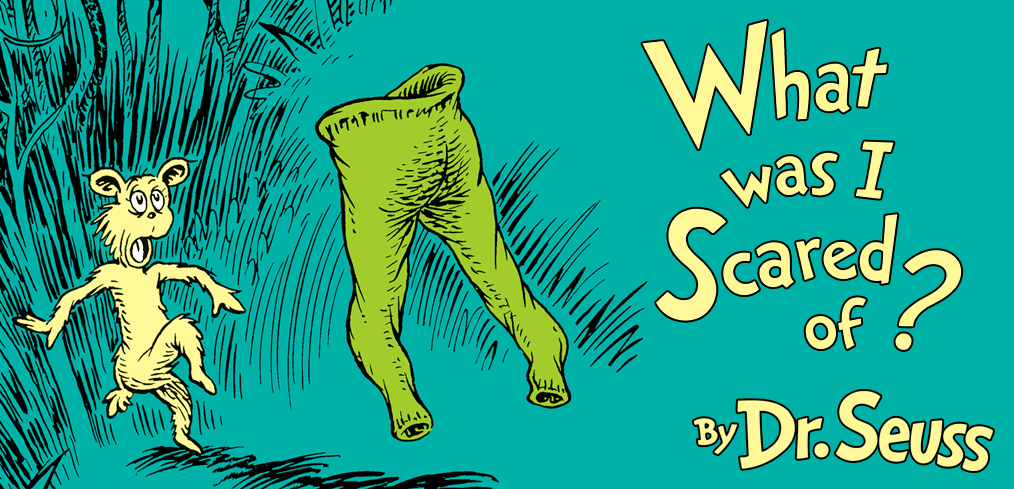
What Was I Scared Of? is the strangest inclusion on this list. Some of our writers rated What Was I Scared Of? as their number one Dr. Seuss story, while other writers (myself included) didn’t even include the story on their list. Oddly enough, What Was I Scared Of?’s message works with The Sneetches’ (that’s maybe why they were included in the same collection). What Was I Scared Of? centers on the fear of something one doesn’t know. That fear can lead to discrimination. I like how the pale green pants with nobody inside them only want to be friends.
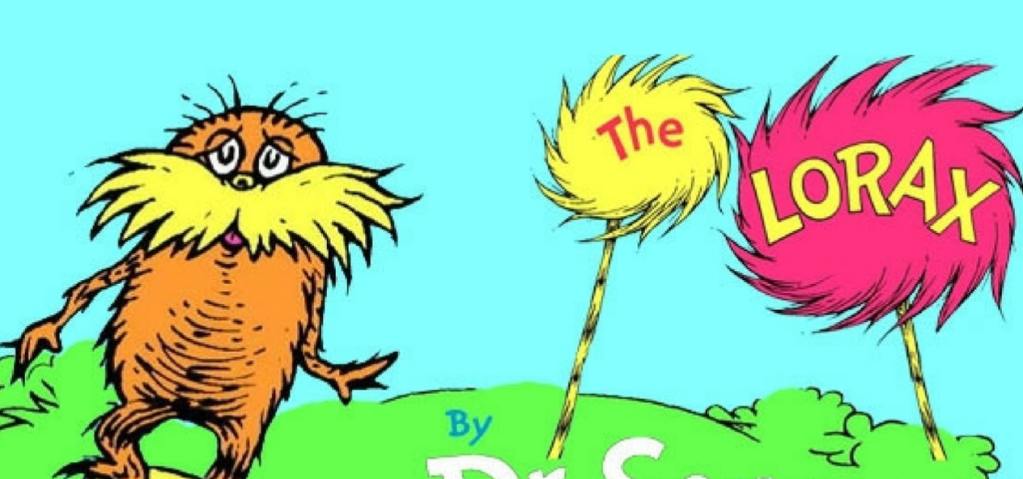
Who doesn’t love Truffula Trees, Brown Bar-ba-loots in their Bar-ba-loot suits, Swomee-Swans, and Humming-Fishes? We sure do. The Lorax didn’t quite claim the top spot on every one of our writers’ lists, but it came close. This classic tale of environmentalism warns of what will happen if we don’t take care of our planet. But The Lorax offers hope and an actionable request. The Once-ler gives the unnamed, young child a Truffula seed. He asks the child to plant the Truffula seed and treat the land better than the Once-ler. Hopefully, there’s still time for us to plant Truffula Trees before we no longer have Brown Bar-ba-loots in their Bar-ba-loot suits.
That’s our list of the Top 5 Dr. Seuss Stories. This is by no means an exhaustive list. Plenty of stories made our lists (including mine) that didn’t manage to crack the Top 5. Wait! I just checked. I had the most stories on my list to not make the cut. I demand a recount. Let us know your favorite Dr. Seuss Stories in the comments. Thank you for reading, and wherever you are, I hope you’re having a great day.

Happy Sunday, Geekly Gang! Kyra Kyle here with another week of Geek News. We have another weekly round-up of new game (board games and video games) releases, but before we get into those, we have some headlines to discuss. We missed last week, because I was on a romantic getaway with my spouse, so some of these headlines may come from the previous week, and we begin with a doozy. Xbox Gaming CEO Phil Spencer retires, and Spencer’s mentee Sarah Bond resigns. Woah! What is happening at Xbox? Let’s find out.
After nearly 40 years with Microsoft Gaming, Xbox CEO Phil Spencer retires. While Spencer will stay on in an advisory capacity later this year (2026), advisory roles are more symbolic. I don’t imagine Spencer having much input into Xbox’s future–if Xbox even has a future, but more on that in a little while. What muddies the water further is that Sarah Bond, who Spencer prepared to take over as CEO in the event of his leaving Xbox, resigned her position. Undoubtedly, Spencer and Bond are subject to a non-disclosure agreement, so we may need to wait numerous years before they share why they left the company, and Xbox/Microsoft hasn’t expanded on why the pair left. Talk about chaos.
But we’re not done yet. Microsoft Gaming/Xbox has named Spencer’s replacement: Asha Sharma. Prior to joining Microsoft in 2024, Sharma was chief operating officer of Instacart and previously vice president of product at Meta. Her role within Microsoft was within its CoreAI division. Uh, oh! Artificial Intelligence. Sharma immediately addressed gamer concerns with Microsoft/Xbox potentially leaning further into AI. She made the following statement: “Xbox will commit to the ‘future of play,’ and that Xbox would not focus on ‘soulless AI slop.'” There’s a lot to unpack with Sharma’s brief statement.

What does “Future of Play” mean? Sharma is saying the right things. She wants to return Xbox to its early days. She wants to focus on games. I’m all for better games. And Xbox has acquired a ton of developers. Fingers crossed that many of the better ones survive a potential reorganization or that the developers who do get let go can re-establish themselves as independent publishers. We’ve heard rumblings that Xbox could be disbanded. “A focus on games” could mean Microsoft has no interest in consoles, and to be fair, consoles don’t always garner huge revenue. And then, there was the bombshell dropped by Xbox co-founder Seamus Blackley during a Gamesbeat interview earlier this week. “I expect that [Sharma’s] job is going to be as a palliative care doctor who slides Xbox gently into the night.”
If the Xbox Series S/X is Microsoft’s final console, it may be a fate Xbox has been heading toward for years. I never bought Phil Spencer’s claim that a tablet can be an Xbox. Your phone can be an Xbox. I can be an Xbox. If anything can be an Xbox, doesn’t that mean that nothing is an Xbox? Microsoft Gaming could’ve been heading toward becoming a game developer/publisher and dropping the console producer for years, and it may not even be Sharma’s doing. Spencer’s past comments may have hinted at this shift.
But Sharma’s background in AI makes the “Future of Play” comment sound ominous for a different reason. While I like Sharma addressing the issue of soulless AI slop, this may be corporate speak. Gamers received their first impression of Sharma as head of Xbox this past week. Again, she’s saying the right things, but she has an extensive history with AI development. There are levels to AI integration. Most people don’t want AI slop, and Sharma may make good on her promise of not including AI slop, but I wouldn’t discount Xbox leaning heavier into higher levels of AI integration. Could we see AI voice acting, AI graphics for background assets (or even foreground graphical assets, because building character models is hard), or AI writing for side quests? Time will tell. This is a developing story.

Guess who’s back. We’ve been following the Warner Bros. Sale for several months, and we may have several more months before the final deal goes through. Paramount offered $108 billion That would’ve been about $30 per share, but Warner Bros. declined, deciding to go with Netflix’s offer, but that was only for HBO Max and the Warner Bros. movie studio. Last week, Paramount upped its offer to $31 per share. Paramount wants all of Warner Bros. Discovery, which includes CNN, TNT, TBS, and other assets.
I had written this piece before Netflix responded to Paramount’s offer. I thought Netflix might increase its offer. Earlier in the week, there was a chance Warner Bros. could still accept Netflix’s offer. If Warner Bros. sold its two assets to Netflix, it would still have enough remaining assets to sell to another buyer, like Paramount. But Paramount’s offer was too tempting. The streaming giant Netflix has rescinded its offer. Paramount has acquired all of Warner Bros. Discovery. Even though both sides have agreed to the deal, it must go through regulatory agencies before being approved. We’ll see what the future holds.
This deal makes me wonder about CNN. Last year, Paramount appointed Bari Weiss as CBS News’ Editor in Chief. The hire was questionable at best, in large part because Weiss seldom fact-checks. That doesn’t work so well for a news network. Big changes may be on the horizon. We’ll keep you posted.
It’s no secret that the current generation of gaming consoles has suffered setbacks due to the pandemic and unfair tariffs. We’ve discussed the tariffs, and let’s not relive the pandemic, but the rise of AI has also impacted the PS5 and Xbox Series S/X. And AI may just impact the next generation of gaming consoles, too.
We haven’t heard official word that Sony or Microsoft plans to delay their next consoles. We haven’t even heard definitively if Nintendo plans to raise the price of the Switch 2. But there are rumors. These rumors began late last year in various articles by Reuters and Forbes. The AI boom has led to tech companies (specializing in AI) gobbling up memory chips. One also needs memory chips to produce gaming consoles. With AI’s demand for memory chips rising, there may not be enough memory chips for gaming consoles. This raises the price of memory chips. More expensive memory chips raise the price of gaming consoles. And new consoles like the PlayStation 6 and whatever Microsoft plans to name their next console–if they even make another console–get delayed by years. The industry’s current guess is 2028 or even 2029.
Again, Sony, Microsoft, and Nintendo have made no formal plans to delay console releases and/or increase console prices, but all of those outcomes are on the table if the AI-fueled memory chip crisis continues. This is yet another developing story. We’ll keep you posted.
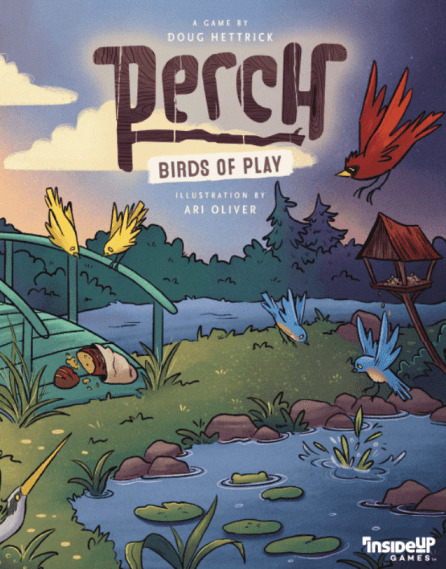
In Perch, players fight for control of locations by commanding birds of their own and other players’ flocks. Earn points and command woodland creatures by having the most birds on a location, pushing your foes off the perch, and breaking ties to take the lead.
Each round, players add their birds into a shared bag. Players then draw birds of their own, and other players take turns stacking birds on location tiles. Each location tile will award variable points for majorities and sometimes grant players a unique ability. The game ends after five rounds, and the player who has earned the most points wins.
With a modular tile configuration and a variety of woodland creatures to control, each game will present a new tactical challenge.
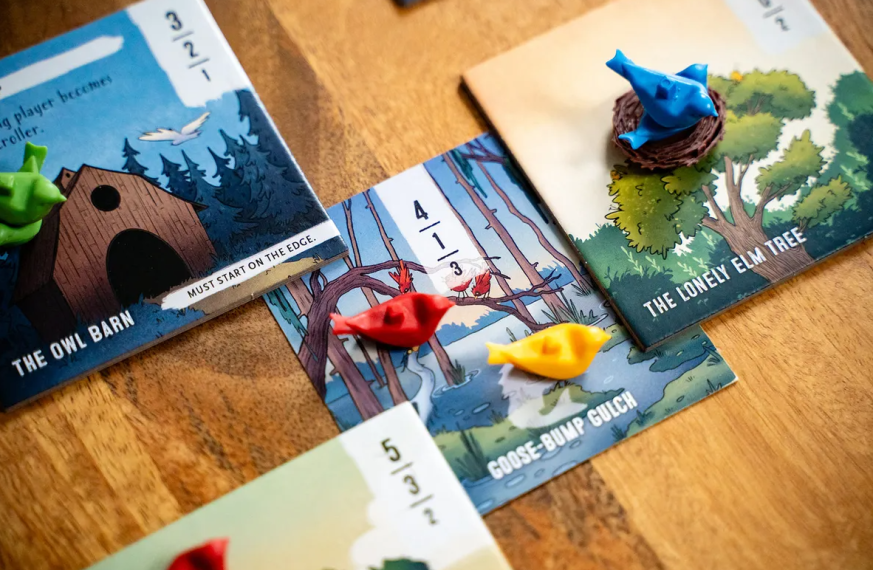
Thank you for the stellar description, Inside Up Games. Perch: Birds of Play is the first major expansion to Perch. If you don’t have the base game, don’t worry. Perch: Birds of Play offers multiple pledge levels to accommodate those who are new to Perch. I would be one of those Perch newcomers. I’ve heard plenty of great things about this title, Perch: Birds of Play intends to add to Perch’s winning formula.
From what I’ve heard, Perch can get intense. Players fight each other for control of tiles. In short, Perch may share a theme with Wingspan (birds), but it feels more like a fist fight. If you have the base game, players can pick up Perch: Birds of Play for $24. If you’d like the base game and the expansion, the pledge level is $58. And there are other options for upgraded bits like the 3D birds pictured above. If you’re interested in Perch: Birds of Play, check out its KickStarter page.
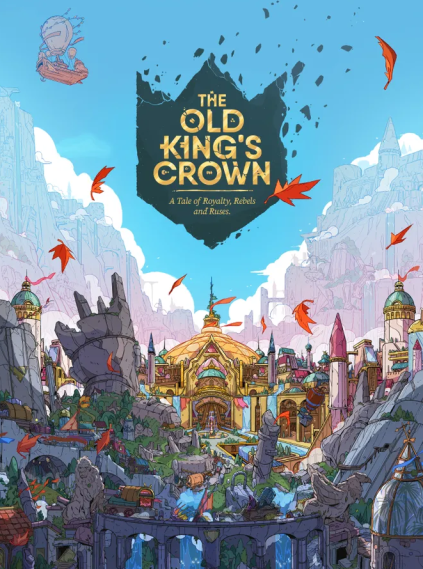
The Old King’s Crown is a game of card-driven conquest, where you play as heirs to a vacant throne, vying for control of an ancient, overgrown kingdom. Wield unique abilities and leverage your followers’ traits to best outwit your opponents across a map that stretches from the teetering heights of the castle to the dappled light of the necropolis.
As leader of your faction you will be staking claims with Heralds openly as well as positioning your forces in secret, hoping to claim the locations that fit your designs. However, keep an eye on your rivals, as they too have agents and agendas, poised to undo your best laid plans.
Royalty, rebels or ruses. What crown will you wear?
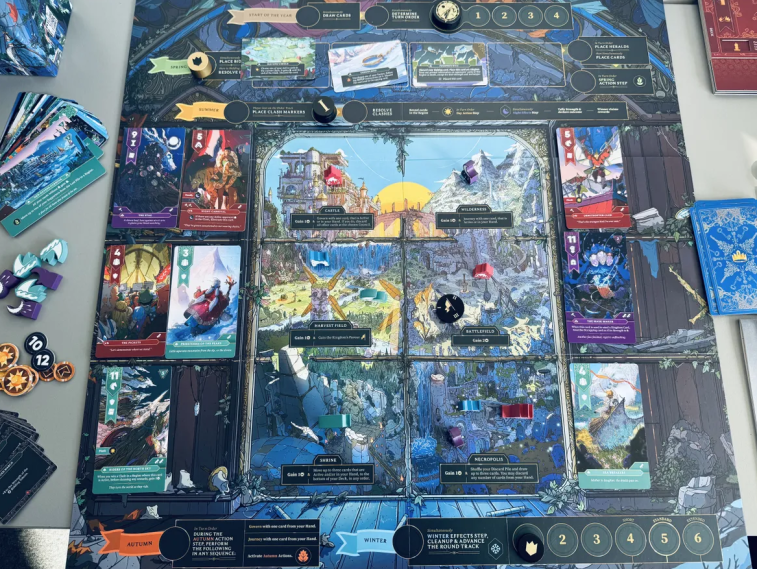
Another great description by the publisher. Thank you, Eerie Idol Games. Love the company name. The Old King’s Crown is yet another game I’ve heard great things about. It has a solid rating on BoardGameGeek, but it does skew toward the heavier side. One look at the game above cues one in about The Old King’s Crown’s complexity. But it looks as if it has plenty of iconography, and the board has a pleasant layout. This gives me the impression of a game that has a lot of moving parts, but it’s easy enough to understand once you get the flow.
The New Songs of Home expansion adds two new factions. Each faction has its own asymmetric gameplay, so two new factions are welcome news. The expansion also expands on The Old King’s Crown’s world. Another plus. The Old King’s Crown can be played competitively, cooperatively, or solo. That’s always a plus. As of this writing, we don’t have details of The Old King’s Crown’s pledge level costs, but if you’re interested in The Old King’s Crown, check out its GameFound page.

Rock the stage and Rule the Strip!
In Hair Band, you’re an upstart 80’s glam metal band vying for Hollywood’s next record deal. But to get it, you’ll need to convince the label you’re the next big thing – get awesome, get fans, perfect your show, and complete your demo to sign on the dotted line.
Each round, you’ll place your dice-as-rockers around Hollywood to write, rehearse, promote, gig, and party all night. But watch out! Musicians can be a reckless and unruly bunch. So, you’ll need to choose wisely to steer clear of drama that can derail your ambitions. The first band to complete 3 of the 4 record label requirements gets the deal and wins the game.
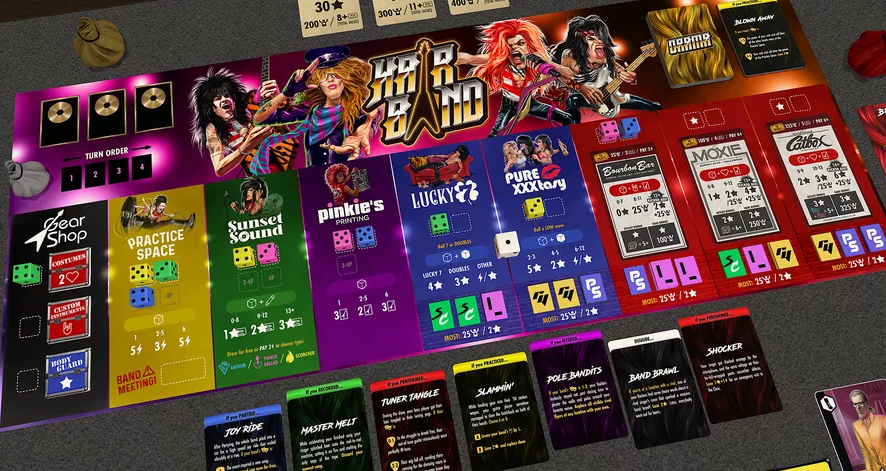
Rock on, Frown Clowns Games with that fun write-up for Hair Band. We’ve seen a few rock-inspired board games over the past year or two, but I’m a sucker for any dice-placement game. And the act of rolling makes sense for a rock-inspired game. Rock and “Roll.” Hair Band appears to capture the glam band vibe. The art above may come from Board Game Arena or Tabletop Simulator (a virtual board game), but the final product looks great. I chose to use a virtual board game picture to show more of the game. Vector graphics are more likely to maintain their crispness. But look at the dice. I choose pink.
I have yet to play Hair Band, but I’ll quote Alex Wolf (of Spielcraft Games, the publisher of the superb Cretaceous Rails), “(Hair Band) is a light, thematic strategy game where you lead your hair metal band to practice, play shows, and complete albums, and of course navigate the challenges that come with a rock and roll lifestyle.” Yep. I may have to try Hair Band. If you’re interested in Hair Band, check out its KickStarter page.
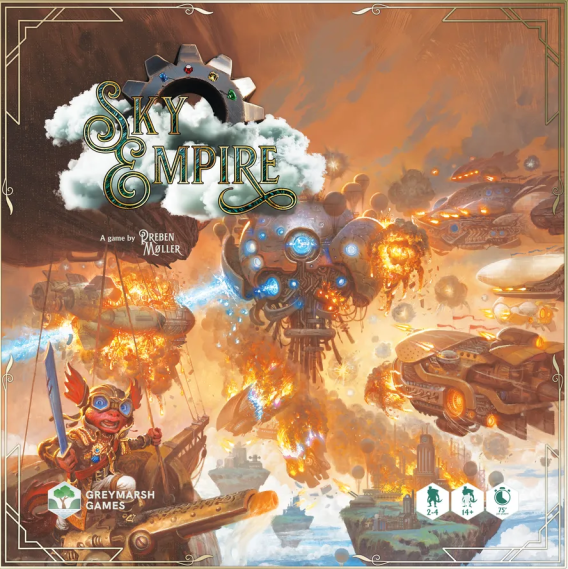
In the skies over planet Dopheus, players will take on the role of a Doppler, a salamander-like creature with one mind and two bodies, in a quest to find the crystals and reactivate the monolith defense to thwart the invasion from the evil sentinels! Take part in this epic adventure, in more than 40 different airships, to find the crystals and stop the invasion – and become Emperor over all of Dopheus!
Sky Empire takes place over several game rounds, where players place their Dopplers either in the Council to take Council actions, or on the board for character unique abilites. Or both! You have two bodies! To take actions on the map you activate the tiles with an initiative token, and that allows you to move to this tile, explore, produce, construct and/or battle opponents!
To win the game, you must collect the four crystals, activate a monolith, and ascend to the position of the Emperor of Dopheus!
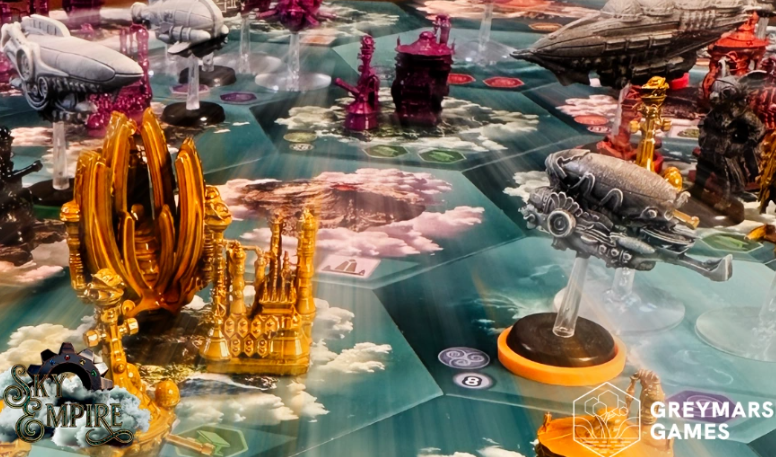
Yet another great description. Thank you, Greymarsh Games. I said it before, but publishers know their game a lot better than I do with these write-ups. I love it when a publisher provides a good description. That leaves me the opportunity to go into how great those miniatures look. Minis aren’t everything, but great-looking minis can enhance a theme. And a 4X Steampunk board game is one heck of a theme. Sky Empire is another complex board game–we got a couple of them on the list this week–and it plays over two and a half to six hours. Yowza! Sky Empire may just be the steampunk equivalent of Twilight Imperium.
While I’m not the biggest fan of six-hour-plus board games, I’d be willing to try Sky Empire. It looks stunning. I love the theme. And Sky Empire offers a solo mode. What? I can’t imagine purchasing a game as well-produced as Sky Empire for only the solo mode, but a solo option is great for a game I may struggle to find others willing play. That’s always something to consider. At the time of writing this post, we don’t have any details about Sky Empire’s pledge levels, but if you’re interested in Sky Empire, check out its GameFound page.
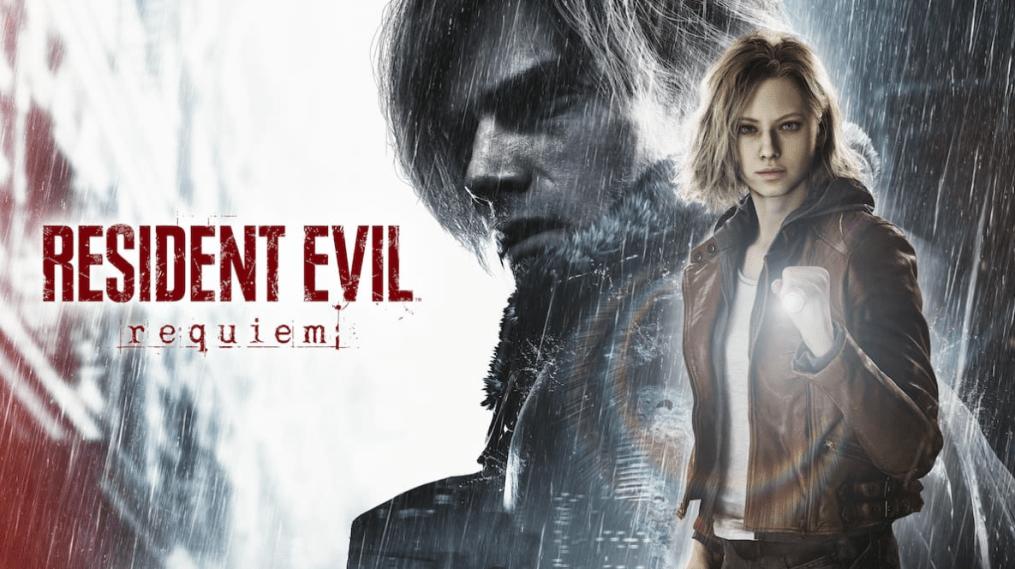
Resident Evil: Requiem may be the perfect way to celebrate the horror survival franchise’s 30th anniversary. Acclaimed Resident Evil 7: Biohazard’s director Koshi Nakanishi returns in this title, and Resident Evil: Requiem’s narrative centers on the Raccoon City incident and the Umbrella Corp’s activities. Sure. Resident Evil: Requiem introduces a new protagonist, FBI analyst Grace Ashcroft, but fan-favorite federal agent Leon S. Kennedy returns. Yes!
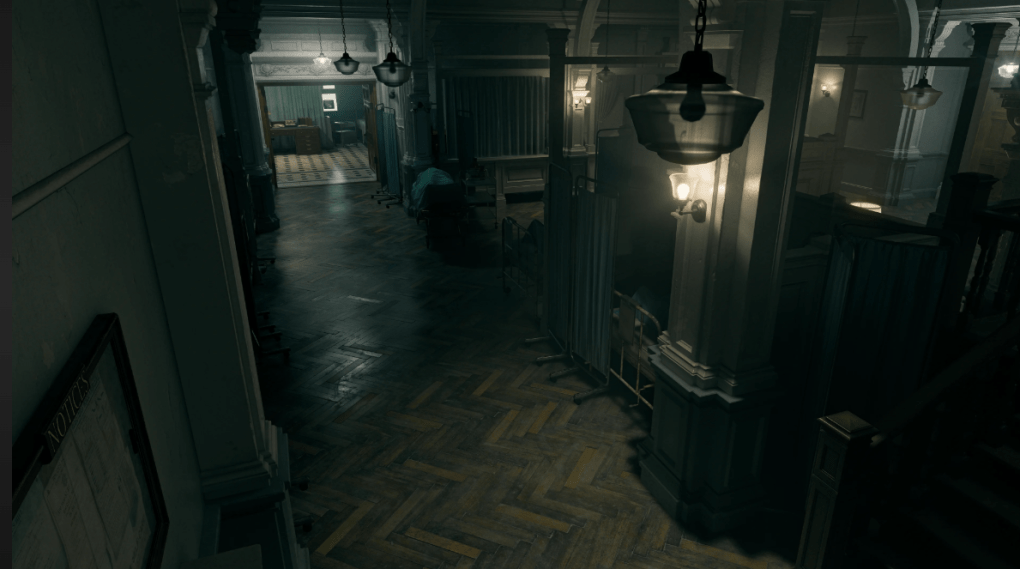
And players can shift from first-person to third-person. I love Resident Evil: Requiem’s customization. Does the game live up to the hype? We aren’t sure. I started writing this post early in the week, and reviews weren’t available. But Nakanishi’s return to the series, the focused story, and the ability to shift points of view make Resident Evil: Requiem a game to keep on one’s radar. Resident Evil: Requiem is available on PC, PlayStation 5, Xbox Series S/X, and Nintendo Switch 2.
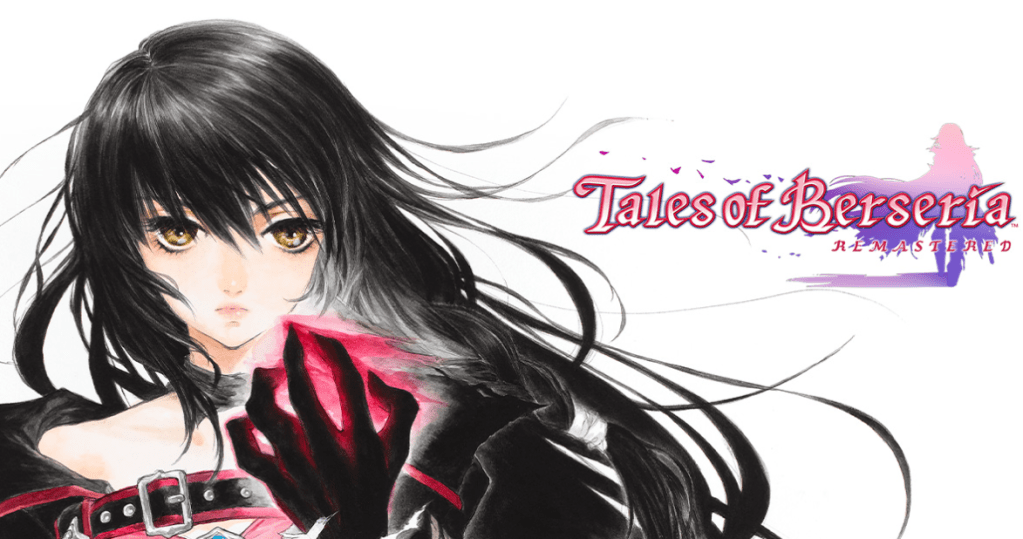
I have yet to play a title in the long-running Tales series. Honestly, I don’t know where to begin. Tales of Berseria is the sixteenth title in the series, and it was released almost ten years ago. Smaller gaps exist between original releases and video game remasters. Is ten years long enough to warrant a Tales of Berseria remaster? Again, I’m unsure. I’ve heard great things about this title, but I’ve also heard that, in terms of story, Tales of Berseria ventures from the mainline Tales series. Perhaps this tale of revenge is the Tales game I should try first.
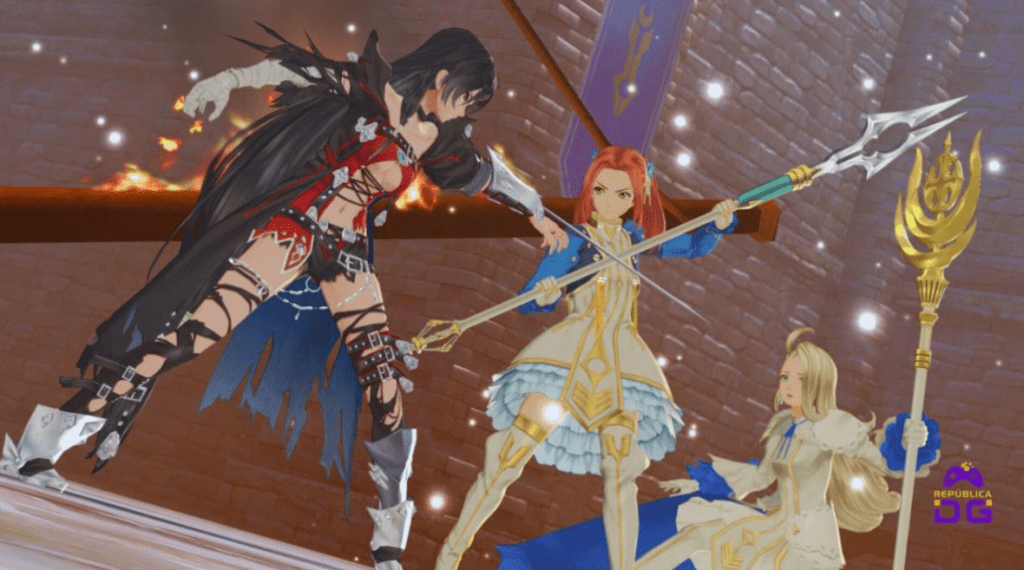
Tales of Berseria Remastered looks stunning, but so did the original. For context, the original Tales of Berseria was a launch title for the PlayStation 4. Tales of Berseria features unique combat, and the remaster looks to retain this stellar combat and perhaps build upon it. Tales of Berseria is available on PC, PlayStation 5, Xbox Series S/X, and Nintendo Switch.
That’s all of the geek news we have for this week. Which game are you the most excited to play? Let us know in the comments. Thank you for reading, and wherever you are, I hope you’re having a great day.
 jkgeekly.com