
Geek Out

Fifth Wednesday: New Year’s Resolutions

Happy New Year’s…Eve, Geekly Gang! The holiday happens to fall on the fifth Wednesday of December, and whenever a month has five Wednesdays, our writers share personal updates. So, today sounds like a great day for New Year’s Resolutions. Feel free to share your New Year’s Resolutions in the comments. I’ll get us started.

Kyra’s Resolutions

I may have spoiled some of my resolutions with a previous writing brain dump, so you may find some repeats here. I’ll try to keep this short.

1) Write something every week. First, this needs to be something outside Geekly. Yes. I write something every week–or at least most weeks–for the site, so this is personal writing like a short story or chapter in a novel. But this could be as little as a single word. I’m not putting a word count on this resolution. My idea is that one word usually leads to a sentence, which will lead to much more.

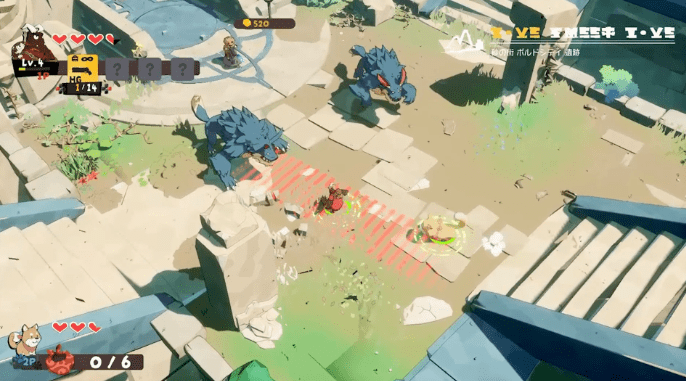
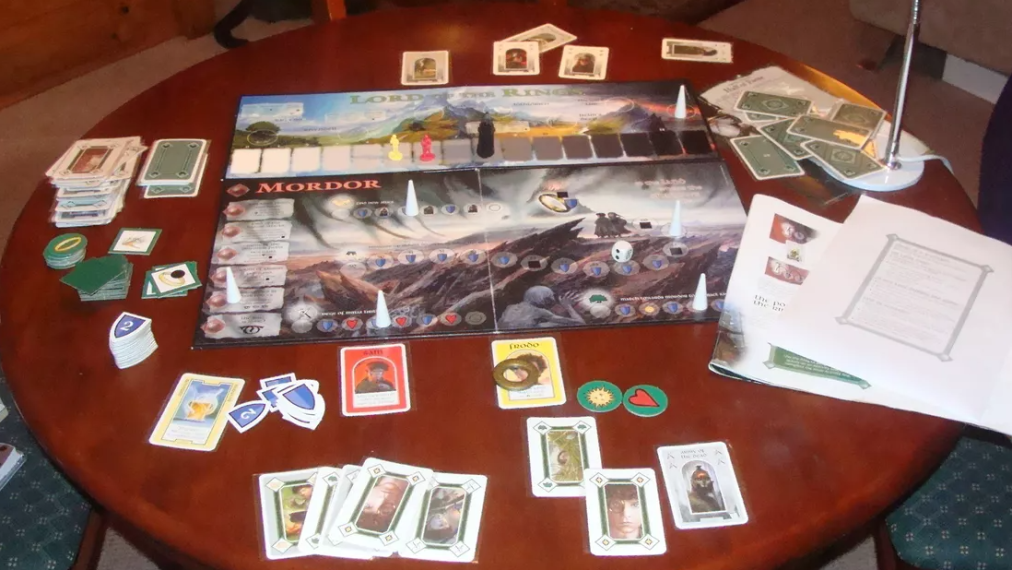
2) Work on a game every week. This could be playtesting, developing an existing design, or even designing a new game. Again, the simple act of working on a game every week should lead to more than a single design or development session.

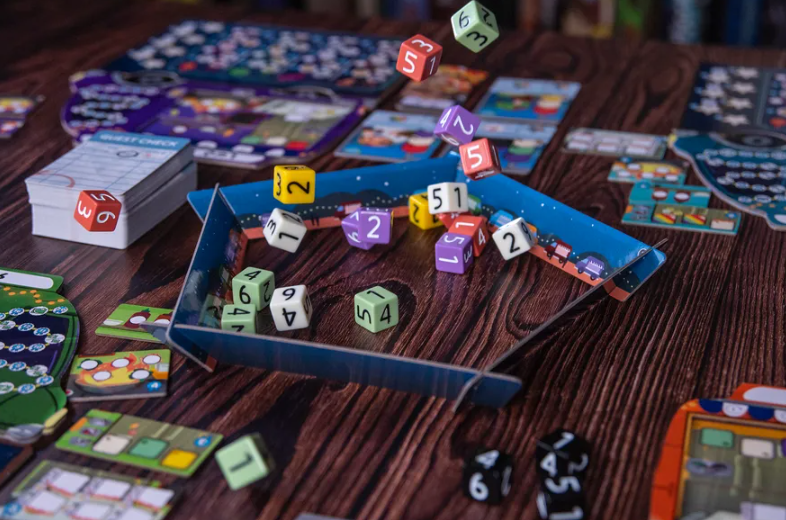
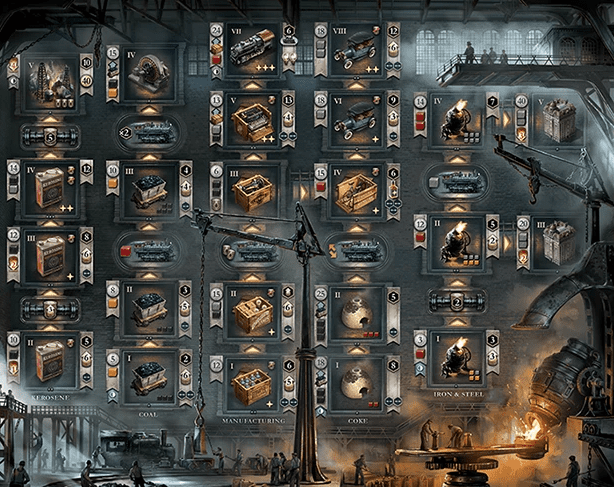
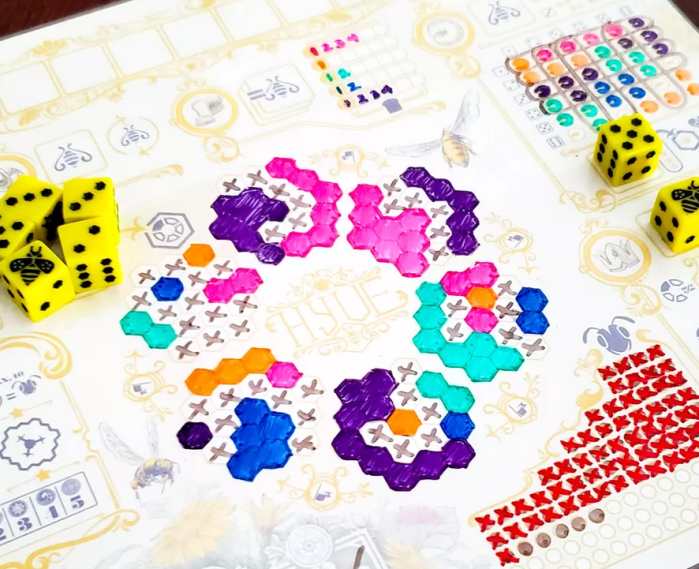
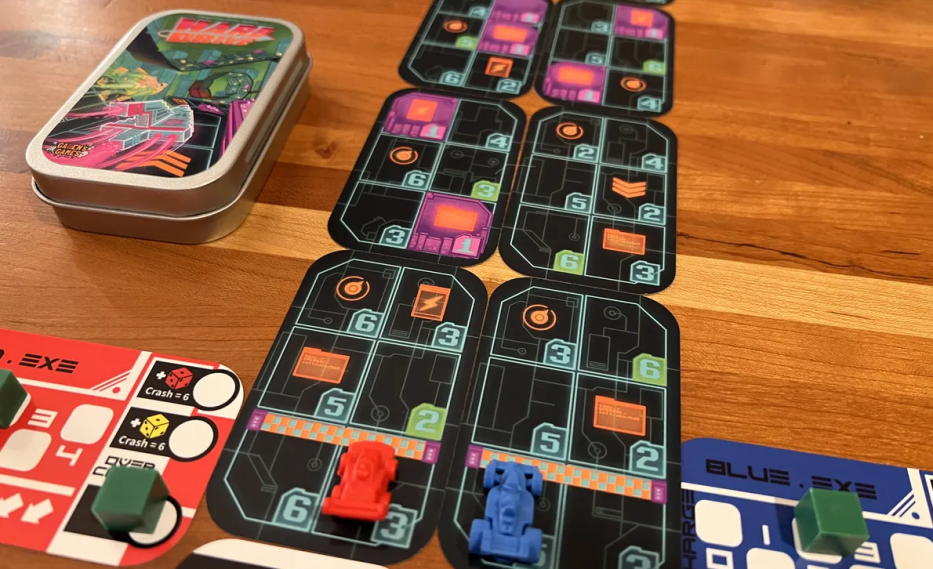
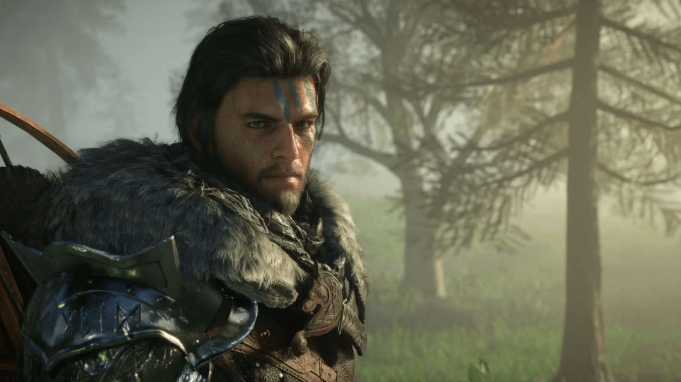
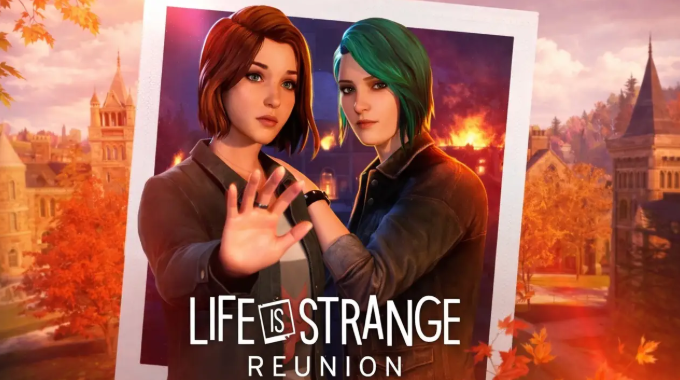
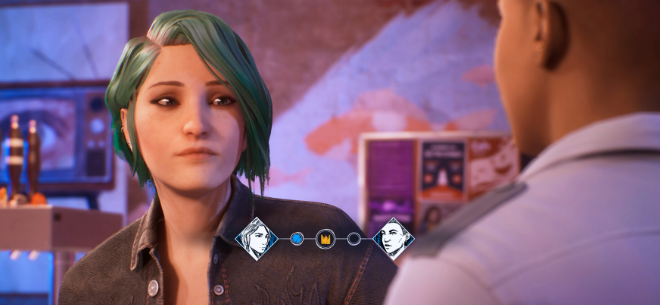
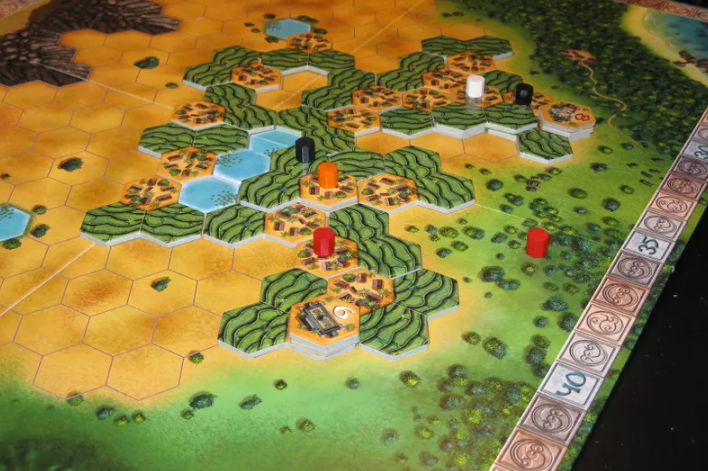
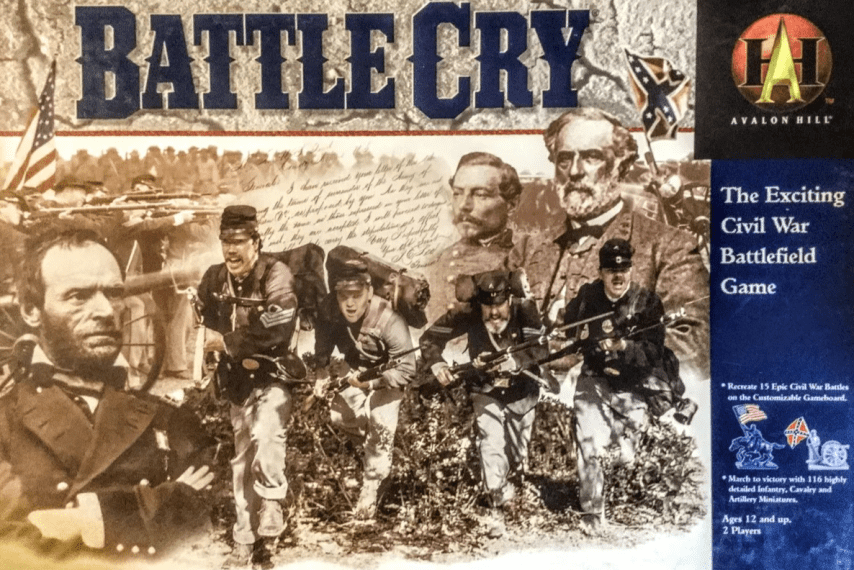
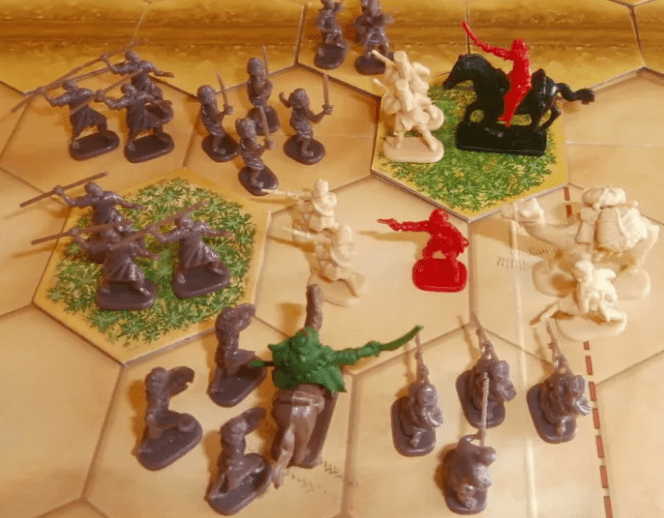
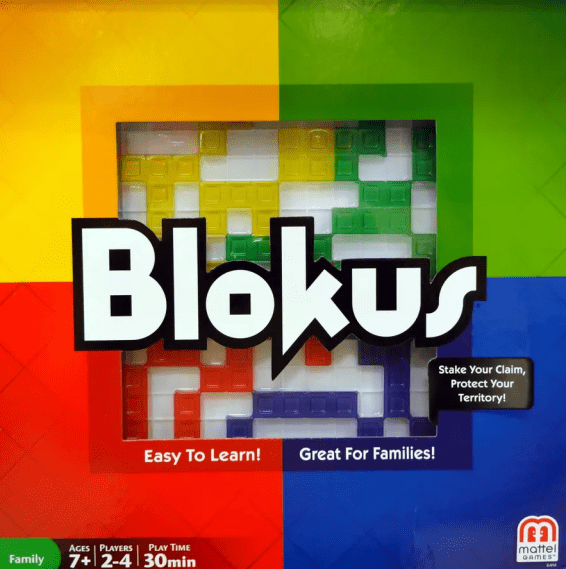
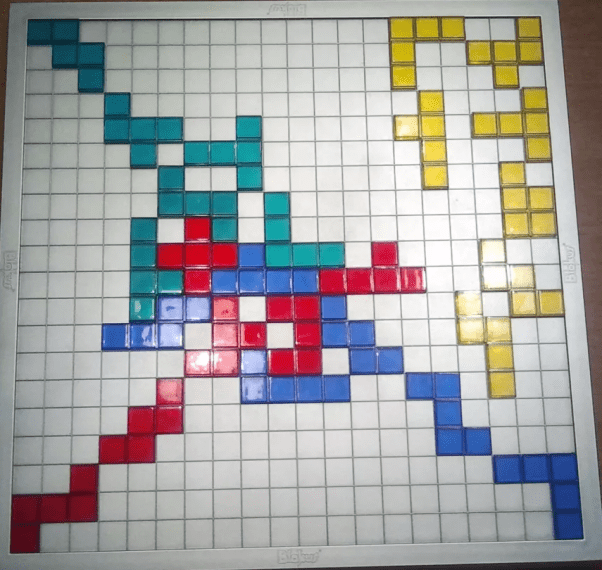
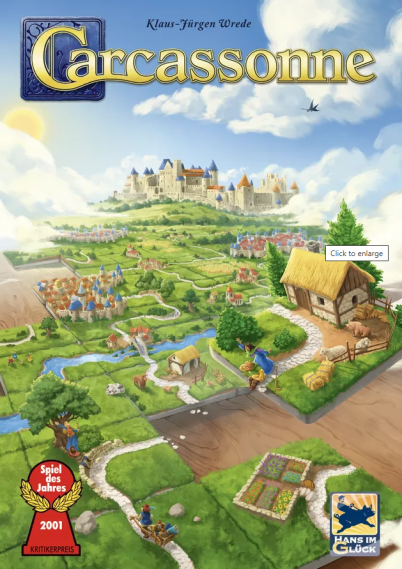
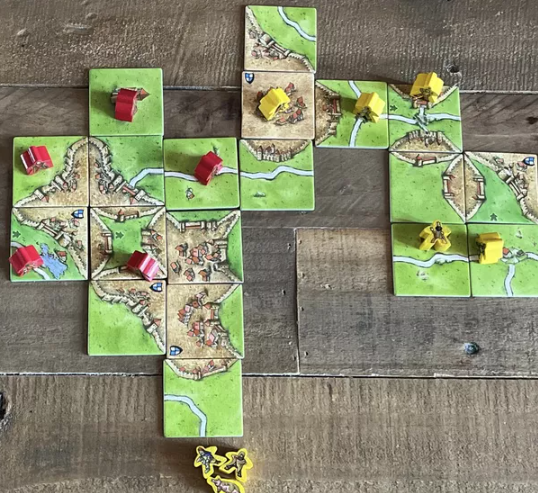
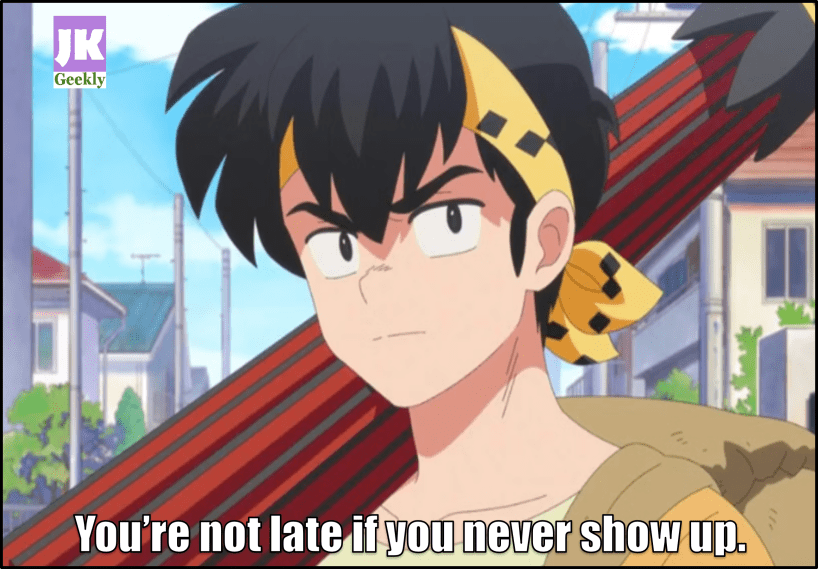
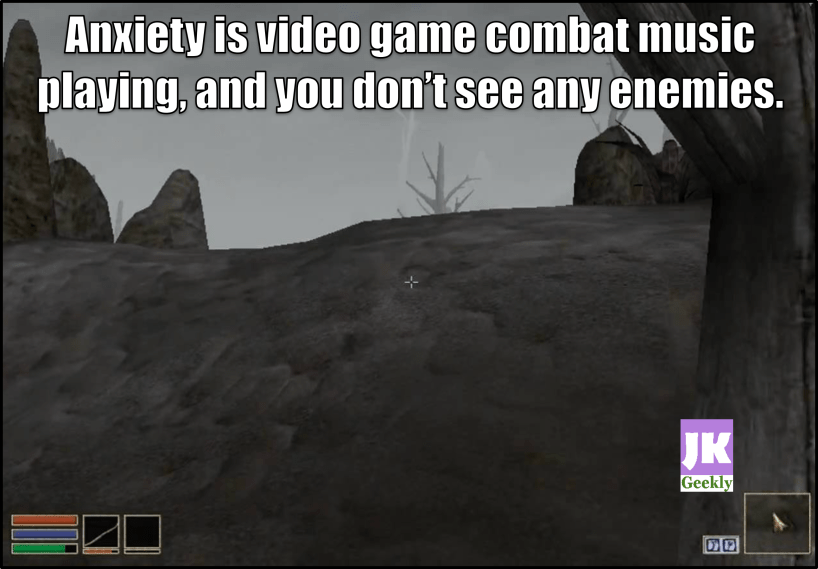
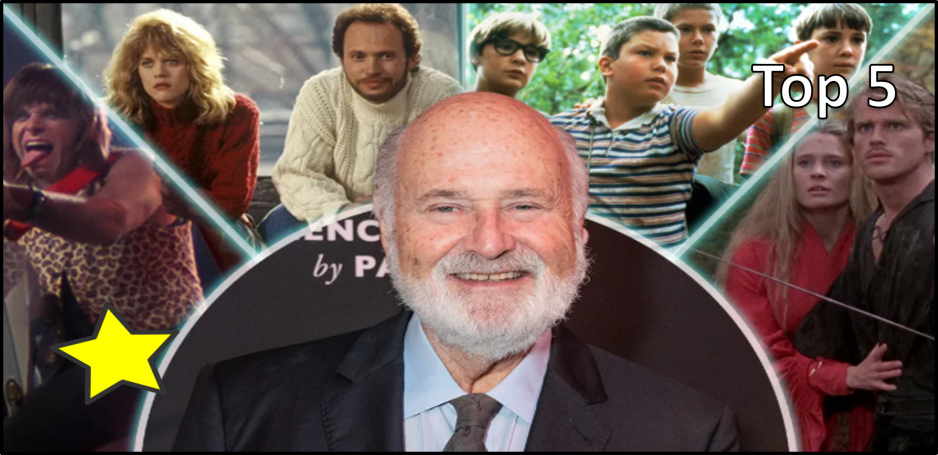
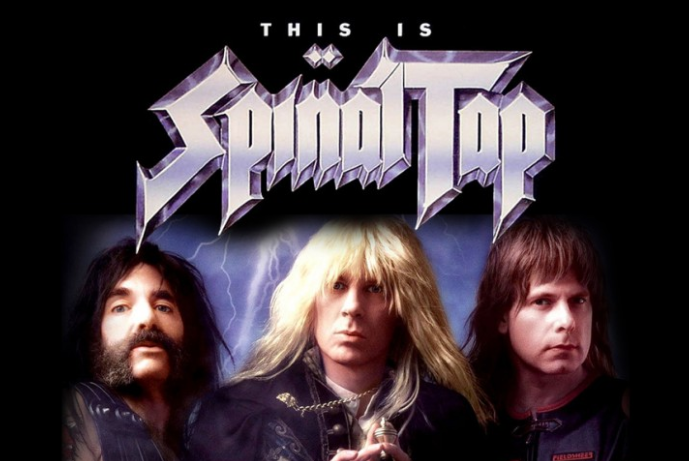
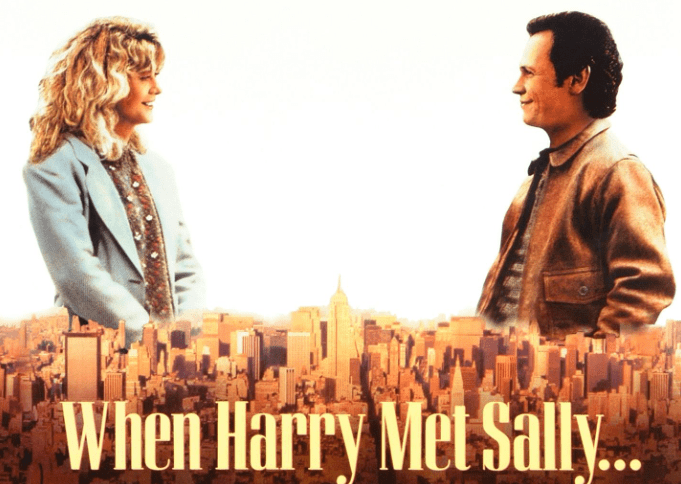
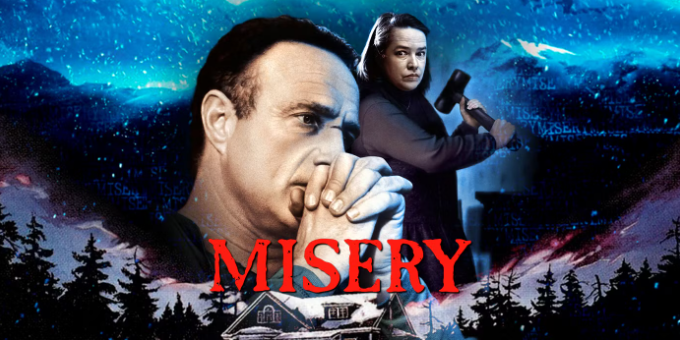
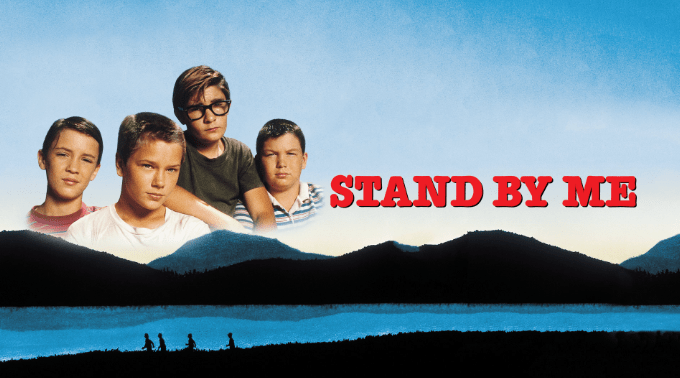
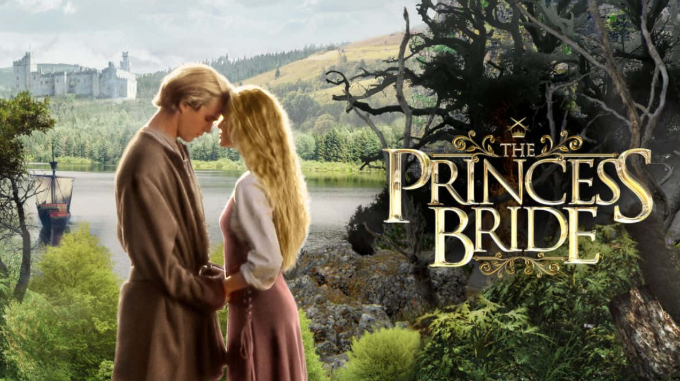
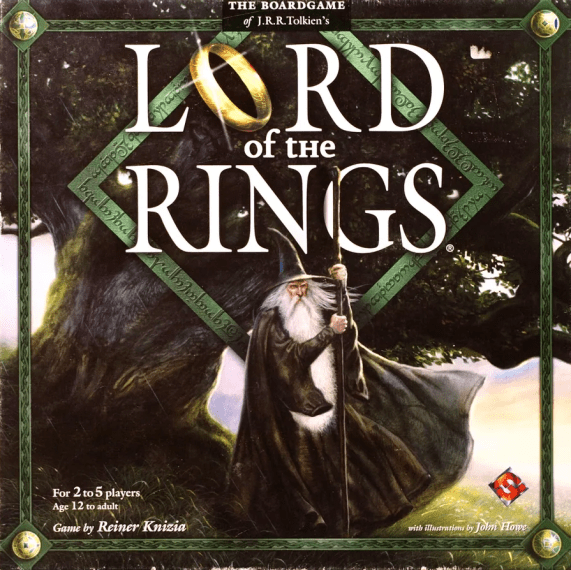
3) The above images remind me that I need to be more consistent with posting brain dumps–at least one of each per month.

4) Read one book a month in a genre that I write or a genre I’m interested in writing. It’s always a good idea to stay current with what sells. And reading helps with one’s writing. Don’t worry about reading another person’s writing impacting your writing. You have your own unique perspective.

5) Read one writing craft book or publishing business book next year. 2025’s book was Strunk and White’s The Elements of Style, and I barely got that one under the wire. Reading about the act of writing is crucial if one wants to write. And I could stand to learn more about the writing/publishing business.

6) Read at least one book next year in a genre I don’t intend to write. This past year, I read I Got Abducted by Aliens and Now I’m Trapped in a Rom-Com. I don’t know if I’ll ever write a romantacy novel, but I’m glad I read this title. Kimberly Lemming did a great job balancing comedy, steamy romance, and social commentary. Kudos! And romantacy sells. I needed to read at least one book from the genre. I may read another one or two in 2026. Romance and fantasy are two of the best-selling genres. Put them together, and you get a powerful combination.

7) Play at least six board games with themes or mechanisms I don’t usually gravitate toward. This is the board game design equivalent of the previous resolution. Nuff said.

8) Get something published. This resolution is largely out of my control, but I’m not so sure. If I don’t share a publication in a literary journal or board game through a publisher in the next twelve months, I may post a short story or poem on JK Geekly by the end of 2026. Let me know if you’d be interested in this style of content. I’ll even offer this invitation to our other Geekly writers. I can’t wait to see what they have in store.

9) I have plenty of other personal goals, like staying active and volunteering more with Extra Life, but I’ll still primarily focus on writing and board game design with these resolutions. Case in point, I’ll be at ScroogeCon in Lincoln, NE, January 10, 2026, with Extra Life. If you’re in the area, stop by and say hi. I helped raise thousands of dollars for the Children’s Hospital in 2025 and hope to raise even more this upcoming year.

Looks like I’m flying solo this week. Season and Skye aren’t sharing any New Year’s Resolutions in this post. I guess that means they won’t fail at any resolutions by next Friday. They don’t have to sweat Quitter’s Day (January 9, 2026). Smart.

What are your New Year’s Resolutions, Geekly Gang? Let us know in the comments. Thank you for reading this past year, and wherever you are, I hope you’re having a fantabulastical New Year’s Celebration.

Transgender Representation: Nimona

Hey, hey, Geekly Gang! Kyra Kyle here. Today, we continue our deep dive series on transgender representation in media. Dead End: Paranormal Park was our last deep dive in this series. We’re in the middle of the holidays, so I figured we’d cover a movie instead of a series. Nimona began as a 2015 graphic novel of the same name. Nimona highlights queer themes and fluidity of identity and how they oppose and subvert traditional controlling institutions and exclusionary systems. Wow! That sounded clinical. On a personal note, I identify as gender queer, something akin to nonbinary, so I can see myself in Nimona.

Nimona features a lot of great storytelling. Most main characters go through a satisfying arc that fits in the film’s overall theme. Early on, Nimona includes details that take on new meaning during a second viewing. This is always welcome. Specifically, dialogue like “Go back to the shadows from whence you came” hits differently each time in Nimona. In short, I haven’t seen an animated film this refreshing since Shrek and early Pixar movies. I could continue with how much I love Nimona’s story, but that’s not the purpose of this post. It’s time to break down Nimona’s transgender–and more specifically gender queer/nonbinary–representation.

Spoiler Warning

There’s no way I can cover this subject without major spoilers. Nimona is a Netflix original film; feel free to watch Nimona before reading. With that said, you’ve been warned.

Gender Non-Conformity and Other Queer Themes

We’ll view Nimona through various lenses, but before we get into how others view the title character Nimona, we need to discuss who Nimona is. Nimona is a shapeshifter.

Gender and Pronouns

Nimona doesn’t identify as any one gender, and because of that, I’ll be using they/them pronouns for Nimona. To be fair, Nimona avoids using pronouns at all. They’d probably say their pronouns are Nimona/Nimona. Perhaps Nimona’s pronouns are Ni/Nem. I’ll use Nimona instead of pronouns as often as I can. I wouldn’t want Nimona breathing fire on my scalp.

Nimona definitely doesn’t identify as a “girl.” Ballister constantly tries to dub Nimona as a girl. Most people who interact with Nimona use she/her pronouns if they want to be nice, but there are a few people who use the pronoun it for Nimona. The main antagonist, The Director, almost exclusively uses it for Nimona.

But I do like how Nimona seems unfazed by anyone misgendering them. Sorry if I used the wrong pronoun, Nimona. Not the scalp. Nimona goes with the flow, no matter which pronouns Nimona hears. Not even it/its upsets Nimona in an overt way. Even so, the pronoun it suggests the person using the pronoun sees Nimona as the one word Nimona hates to be called most: monster.

“Who has four thumbs and is great at distractions?”

Gender Fluid

I always loved Ranma’s ability (from Ranma 1/2) to switch from a masculine form to a feminine form with the touch of cool or warm water. This ability to change gender on a whim spoke to me when I was younger. I think it does for most gender queer people. In fact, Maia Kobabe (ey/em pronouns, pronounced like they/them with the “th” taken off) in eir graphic novel Gender Queer, mentions Ranma 1/2 by name when ey mentioned the media that inspired em to find emselves.

Ranma 1/2 was one of the stories Kobabe read when ey were still an egg. Note: “Egg” or “Egg Mode” is LGBTQ+ slang to describe transgender individuals who do not realize they are a transgender person yet, or are in denial about being a transgender individual. Extra Note: Gender Queer: A Memoir by Maia Kobabe is a must-read for gender non-conformity; Ranma 1/2 is a fun read in its own right.

Nimona’s ability to shapeshift into almost any living being taps into a similar primal desire for a gender queer egg. I like how Nimona uses its title character’s ability as an allegory. The entire film does a great job of tackling difficult issues through a fantasy setting. That’s the power of fantasy. Since Nimona can shift into almost living being, the film gives Nimona plausible deniability. In short, Nimona is gender queer coded.

And yet, there is one moment Nimona outright drops pretense, and I love it. When Nimona and Ballister go to the market to kidnap the Squire, Ballister chastises Nimona for shapeshifting. Nimona shifts to a gorilla. Ballister scolds Nimona. Then, Nimona shifts into Nimona’s typical form. Again, Ballister scolds Nimona. Nimona blows up. “You want me to shift, then you don’t want me to shift. Pick a lane.” Then, Nimona transforms into a little boy, and Ballister laments, “And now you’re a boy.” Nimona says, “I am today.” That’s a perfect moment for certain gender queer, gender fluid, or nonbinary people. Heck, I feel like that often. Too bad I can’t morph into a gorilla or dragon. I pick dragon.

Wouldn’t It Be Easier if You Were a Girl

Nimona has plenty of relatable moments. Nestled between a few action sequences, you’ll find two quieter moments: one on the subway train and the other in a shady part of town after Nimona and Ballister kidnap the Squire. The subway train scene is the first time Nimona and Ballister slow down to get to know each other.

Ballister: Can you please be normal for a second?

Nimona: Normal?

Ballister: I think it would be easier if you were a girl.

(I skipped a few lines) Nimona: Easier for who?

Ballister: Easier for you. A lot of people aren’t as accepting as me.

I’ve heard what Ballister said more than once. Wouldn’t it be easier if you picked one of the pre-approved genders? It would be easier for you. Translation: it would be easier for the person asking me the question, not easier for me. I know who I am, just like Nimona in this scene. Ballister would continue questioning how Nimona became Nimona. He wants to–in his words–know “what” he’s dealing with. Nimona feeds Ballister a story that turns out to be rooted in truth. The Kingdom’s ultimate hero, Gloreth, rejected Nimona when they were children.

Nimona could’ve always had their powers and doesn’t know where these powers originate. We never see anyone else with Nimona’s shapeshifting ability during the film. Others with Nimona’s abilities may also be in hiding. Or Nimona could be an original.

What is original is how Nimona describes their need to shapeshift. I’m sure I’ll mention this scene again, you’ve been warned. I love how Nimona describes shapeshifting. It comes close to how it can feel for a gender fluid person. “I feel worse when I don’t do it (shapeshift), like my insides are itchy. You know that second right before you sneeze? That’s close to it. Then I shapeshift, and I’m free.”

Nimona adds that they could not shapeshift, but they wouldn’t be living. This is why it isn’t easier if Nimona was a girl. Nimona is Nimona. Nimona needs to shift. It’s like asking someone not to sneeze when they have the urge. It hurts.

Nimona wears its queer identity on its sleeve, but it does so in subtle ways. This works to give Nimona a wider potential audience. Nimona does an incredible job of depicting life as a gender queer/gender fluid/nonbinary person. But Nimona explores more of the LGBT+ community.

Goldenloin and Boldheart

Nimona doesn’t shy away from Ballister Boldheart and Ambrosius Goldenloin’s homosexual relationship, and that’s great. Ballister and Ambrosius’s relationship is front and center. This works, especially after Ballister becomes a fugitive. The Kingdom views Ballister as a villain. Even though this role change is due to Ballister being framed for the Queen’s murder, it works on another level because of Ballister’s sexual orientation. Modern society isn’t that far removed from viewing homosexuality as deviant or even a mental illness. And many countries and religious/political zealots still view homosexuality as against the natural order.

Nimona drives this point home after Ballister defends the Kingdom. He claims that certain people are to blame for his getting ostracized, while Nimona insists the entire system needs to change. According to Nimona, the controlling institutions that run a Kingdom that would hunt a “villain” like Ballister and a “monster” like Nimona should be challenged. Amen, Nimona, amen.

Ballister is Still Repressed

Despite Ballister fully embracing his sexual identity, he’s still repressed. Nimona mentions how brainwashed Ballister has become after his knight training. Ballister seldom lets himself go until he’s spent plenty of time with Nimona. Nimona helps Ballister break out of his shell. Nimona affords Ballister the means to take a critical look at society and question everything. In short, Nimona lets Ballister “Unclench his mustache.”

We’ll talk about the wall and how no one, not even Ballister, has seen what’s on the other side of the wall. The people of the Kingdom as a whole are repressed.

Other Queer Representation

Nimona includes so much queer representation. Here are a few short segments. During the closing credits, Nimona literally breathes a rainbow flag of fire. The film’s color scheme tends to lean toward the colors of the transgender flag: pink, white, and light blue. RuPaul is one of the news anchors. RuPaul for the win. “Sashay away” turns into “A knight who might not be right.” I’m probably missing dozens more queer references. Feel free to add any you found in the comments.

Fluid Identities Versus Controlling Institutions

Our next lens returns to that clinical definition I spewed in the opening: controlling institutions. Nimona shows how controlling institutions quell fluid gender identities in many ways. We’ll begin with the piece of dialogue I also mentioned near the beginning of this post. “Go back to the shadows from whence you came.” During Nimona’s opening, this line is given like a storybook. Think classic Disney animated films. Nimona’s opening has Warrior Queen Gloreth–or rather Nimona reading the story–heroically deliver this line. Eventually, we learn this line is what a child Gloreth says to her friend Nimona. This story thread shows how fear of someone with a fluid gender (or gender queer) is a learned behavior.

Learning to hate differences

Gloreth and Nimona begin as friends. Gloreth doesn’t think it’s weird or dangerous that Nimona can transform into other creatures. In fact, Gloreth thinks it’s fun riding Nimona as a horse and swinging from tree to tree with gorilla Nimona. Gloreth doesn’t view Nimona as dangerous until her parents teach her to fear Nimona.

Society has a nasty way of perpetuating stereotypes and demonizing people who differ from societal norms. The fear of going against societal norms keeps people in check. Societal norms (or peer pressure on an institutional level) keep people under control. Nimona does a great job of showing how society can demonize others, while also shining a light on a Kingdom ready for change. Sure, Nimona tells us and Ballister (Nimona’s “boss”) that once someone sees you one way, they’ll never see you as anything else, but Nimona shows us how Ballister changes how he views Nimona. And I like how Ballister is the first commoner turned knight, a position historically held by nobility in the world of Nimona. This shows the Kingdom is ready for change.

People have a habit of hating people who are different. Divorced from outsider influence, Gloreth accepts Nimona. She even revels in the two’s differences. Gloreth’s parents fear Nimona because of their differences. Gloreth attempts to stand up for her friend, but she can’t prevent the village from attacking Nimona. The mob inadvertently sets their own village on fire. I like the imagery of attacking Nimona, resulting in attacking oneself. Humanity grows the more we allow individuals to be themselves. We all have our differences; we should revel in them. As the village burns, Gloreth picks up a toy sword and utters the line, “Go back to the shadows from whence you came.” This line hits differently each time it shows up in Nimona. During the opening, the line is told like a warm and familiar fairy tale. Here, the line is cold and heartbreaking. Relegating queerness to the shadows is one of the ruling institutions’ insidious methods of control.

Life in the Shadows

When they targeted the Institute for Sexual Research (Institut für Sexualwissenschaft), Nazis burned decades–if not over a century–of books on transgender studies in 1933. Modern radical religious groups and far-right political zealots view transgender people as a fad, something that hasn’t existed for long, even though transgender and gender queer people predate Nazis by at least several decades. Even today, governments sign executive orders, legally limiting the number of genders to only two. Thank you, Trump.

In truth, gender non-conforming people pre-existed the current era. Society and the ruling factions have a knack for forcing gender non-conforming people into the shadows. Ancient Egypt recognized three genders. Pharaoh Akhenaten (either 1353-1336 BCE or 1351-1334 BCE) is depicted with feminine and masculine features. Gender non-conforming people have always existed.

Going back to Nimona’s opening cinematic, after Nimona finishes the storybook introduction, the movie fades to black, and text reads, 1,000 Years Later. Yep. We’ve been here for over a thousand years. That tracks.

Obviously, it stinks for gender non-conforming people to be relegated to the shadows, but by doing so, society hurts itself. Refusing to recognize gender non-conforming people narrows one’s worldview. This line of thinking traps people into small boxes. Society withers when it doesn’t recognize more of its citizens. The world is a less colorful–or, as Nimona would phrase it, metal–place. And that’s why I love the image of the thousand-year-old village attacking Nimona and, in turn, attacking themselves. Such a great scene.

Nimona and Ballister outside the Wall.

A Life of Confinement

When Ballister asks what it feels like to shapeshift, Nimona shares that they feel worse when they don’t shapeshift, like their insides feel itchy. They liken the itch to the second before a sneeze. Shapeshifting makes them feel free. Shapeshifting is part of who they are. When asked what would happen if they held in the shapeshifting itch, Nimona says, they’d die. Nimona clarifies they wouldn’t “die” die, but they sure wouldn’t be living. I love this allegory for what it feels like to be gender non-conforming. Nimona’s way of living contradicts the Kingdom.

The Kingdom has built a wall from the outside world. The people of the Kingdom view everyone who’s different as a monster, especially Nimona. Everyone in the Kingdom is scared of what lies on the other side of the wall, even Ballister. When Nimona asks Ballister if he’s been beyond the wall, Ballister sarcastically says, Yes, I have, because I have a death wish. Nimona suggests that there may be nothing beyond the wall, and in the context of “nothing,” Nimona means to say nothing scary or threatening exists beyond the wall. Gloreth’s old village rests beyond the wall, as does a beautiful mountain scape and lake. The Kingdom sees none of this. The people of the Kingdom are trapped inside their fear.

I love the ending, where Nimona takes out a cannon aimed at the Kingdom (more on this in the next section), and the resulting explosion reveals what lies beyond the wall. Absolute beauty. The world is a better place when we accept others’ differences.

Tradition Is Greater than Life

The Director, Nimona’s main antagonist, illustrates a group of people who love tradition above life. The Director is a stand-in for religious and/or political zealots. She murders the Queen and frames Ballister for the Queen’s murder. This act sets the events of Nimona in motion. The Director blamed the Queen for knighting a commoner (Ballister). The Queen sullied the Kingdom’s good name for inviting anyone to become a knight (instituting a meritocracy instead of an aristocracy or plutocracy). In the Director’s mind, ridding the Kingdom of the Queen and Ballister could restore the “natural order.”

During Nimona’s final fight scene, the Director aims a cannon at Nimona. At this point, everyone in the Kingdom ceases to view Nimona as a threat, everyone except the Director. She repeatedly shows disregard for human life. By aiming a cannon at Nimona in this moment, the Director is aiming a cannon at the Kingdom itself. Thousands of people will die. To the Director, that sacrifice is worth it to maintain tradition. Only tradition matters. And this is where religious and political zealots turn deadly. It’s okay to have traditions, but placing tradition above life is an error we see humanity make throughout history. Funny how stories that feature a monstrous main character like Nimona reveal humanity to be the true monsters.

Subtle Discrimination

Throughout Nimona, we see children slaying monsters like Nimona: cereal commercials featuring dragons, robotic horse rides outside stores where children can slay various augmented reality monsters, and random slogans like “slay your thirst.” Sure, the Kingdom has plenty of overt discrimination against monsters, but the insidious examples prove more damaging. As Nimona says, children grow up to hate monsters. Hate is in the Kingdom’s DNA.

But Nimona also shows hope. It takes most of Nimona’s runtime, but Ballister learns to see Nimona for who Nimona’s true self.

Nimona even explores self-discrimination. Ballister struggles to accept parts of himself. He views the Kingdom as above reproach. Even after Ambrosius severs Ballister’s arm, Ballister defends Ambrosius’s action. We even catch a glimpse inside Ambrosius’s head as he tries to logic his way through cutting off his lover’s arm, because it was his training. Nimona marvels at how well The Institute brainwashed Ballister, but Nimona isn’t immune to self-discrimination.

Nimona attempts to take their life, a far too common occurrence for gender non-conforming people. Nimona mentions the subtle and casual discrimination against “monsters” earlier in the film’s runtime. I love how Nimona phrases their conflicted feelings.

Nimona: I don’t know what’s scarier. The fact that everyone in this kingdom wants to run a sword through my heart… or that sometimes, I just wanna let ’em.

Ballister stops Nimona from plunging a sword through their heart. Sometimes it only takes one person’s acceptance. Ballister is the one person for Nimona. Let’s end this segment with what Ballister says to Nimona in Nimona’s moment of crisis.

Ballister Boldheart: I’m sorry. I see you, Nimona. And you’re not alone.

Closing Thoughts

Nimona is a great watch. I didn’t mind rewatching it dozens of times for this write-up. I even shared it with my family on Parents’ Day (the last Sunday in July, which can be used to celebrate gender non-conforming parents). I don’t believe Nimona did too well when it first released on Netflix in 2023. The film struggled to reach the Top 10, but Nimona offers a singular experience on the streaming giant. If you missed it during its original release, you should give Nimona a watch. Even though it packs a ton of LGBT representation–transgender representation in particular–Nimona never gets preachy. It’s a fun movie.

This was another long, deep dive. I appreciate you reading this far. Let us know if there are any other great and maybe even not-so-great transgender representations in media you’d like to see us cover in the future. Thank you again for reading, and wherever you are, I hope you’re having a great day.

Getting Into Comics: Wonder Man Starter Stories

The Wonder Man television series got us excited to make a Wonder Man post. Geekly may have bitten off more than we could chew with a Wonder Man Starter Stories. I remember reading a lot of Wonder Man in West Coast Avengers—that’ll make an appearance on this list—but Wonder Man may be one of Marvel’s most sporadically published characters, especially in his early years. This is partially due to Wonder Man’s origin story (he died), but the character was a sore spot between Marvel and DC Comics. DC Comics had Wonder Woman as an established character and wanted the ability to write a Wonder Man character, but Marvel beat them to the punch. Lawsuits ensued. As a result, Wonder Man appeared in storylines but was rarely a key contributor until the mid-1970s.

Hey, hey, Geekly Gang! Kyra Kyle here, and today we’re going to cover Wonder Man starter stories. Today’s post will differ from most starter stories. Wonder Man will have a ton of single-issue stories, so I’ll do my best to include Wonder Man Omnibuses that should collect many of these stories, and you may get several extra stories to boot. Yay! We’ll begin with single issues, and after the single comics, we’ll list which comic book collection includes the comic. Let’s begin.

Single Issues

“The Coming of The…Wonder Man” (Avengers #9; written by Stan Lee/art by Don Heck; August 1964)

“The Coming of The…Wonder Man” storyline may hold the secret as to why Wonder Man doesn’t show up that often in his earlier years. Spoiler alert: Wonder Man dies. And it’s a death that stuck for years, according to Stan Lee.

Brief Synopsis: Wonder Man (Simon Williams) gets arrested for embezzling Tony Stark’s money. The Masters of Evil break him out of jail, give him powers, and send Wonder Man to destroy The Avengers. Zemo ensures Wonder Man’s allegiance by poisoning him. Wonder Man gains The Avengers’ trust, but The Avengers do the same with Wonder Man, because they want to help him (get unpoisoned), even though they don’t know him. Wonder Man has a change of heart and sabotages Zemo’s plot.

Yeah! Wonder Man may die at the end, but he dies for a good reason. I can see why writers wanted to honor this sacrifice…for like three or four years.

“Wonder Man” (Wonder Man #1, One-Shot; written by David Michelinie/art by Kerry Gammill; December 1985)

The “Wonder Man” One-Shot shows Wonder Man at his conflicted best. By this point, Wonder Man has been an Avenger and an actor—we should see some of this play out in the Wonder Man television series—and he tries a new occupation: science tech trouble-shooter. What does that even mean? Wonder Man finds out in this action-packed one-shot adventure.

Omnibus Listing

Marvel-Verse: Wonder Man (March 12, 2024)

This recent comic book collection includes Wonder Man’s first appearance, his one-shot adventure, and a couple more issues (Marvel Two-In-One, 1974; Avengers #14, 1998).

Single Issues

“A Force of Two” (Marvel Premiere #55; written by David Michelinie and Bob Layton/art by Ron Wilson; May 1980)

While the Wonder Man one-shot above may be the flashiest Wonder Man solo adventure to date, “A Force of Two” (Marvel Premiere #55) was his first proper solo adventure. Michelinie pens this issue as well. “A Force of Two” explores Simon Williams’ corporate background, which includes a brief rivalry with Stark Enterprises. In fact, “A Force of Two’s” main antagonist is none other than Madame Masque, one of Iron Man’s greatest villains who hasn’t made their way to the MCU. (Quick note: There was a character named Whitney Frost, Madame Masque’s alter ego, who served as a Black Widow assassin in the Agent Carter series, but a proper Madame Masque has yet to make her MCU debut.) Wonder Man fights Madame Masque and her super criminal ring, Maggia, as she tries to take over Wonder Man’s company, Williams Innovations.

“…The Trial” (Avengers #160; written by Jim Shooter/art by George Perez; June 1977)

“…The Trial” features a major revelation: Simon Williams has a brother. Gasp! I’m cheating a bit with this entry. Honestly, this storyline goes back a couple of issues with Avengers #158, but fortunately, the collection I selected (listed below) includes the entire storyline. Spoiler Alert, I suppose, for an almost five-decade-old comic book. Lol. Antagonist Grim Reaper, one of the best Avengers villains to not yet make their MCU debut, has been a thorn in the Avengers’ side for years. We learn that Eric Williams (Grim Reaper) is Simon Williams’ (Wonder Man’s) brother. “…The Trial” also reminds us that Vision’s mind was originally built from Simon Williams’ brainwaves (like Simon’s consciousness was downloaded from the cloud). Hmm. I wonder if this could influence the MCU.

Wonder Man releases a year or two before VisionQuest. Could VisionQuest include at least a reference to Vision’s original comic book origin (and include Simon Williams)? The MCU has leaned into its darker characters, and Grim Reaper’s aesthetic matches this shift. Could we see Grim Reaper in the not-so-distant future? We’ll have to see. “…The Trial” is another iconic Avengers comic book and worth reading.

“On the Matter of Heroes!” (Avengers #181; written by David Michelinie/art by John Byrne; December 1978)

I mentioned the MCU a lot in previous entries—mostly because Wonder Man is around the corner—and “On the Matter of Heroes!” is yet another story that could factor into the MCU. In the comics, Wonder Man and Beast (one of the original X-Men) are close friends. “On the Matter of Heroes!” has the pair watching The Adventures of Robin Hood starring Errol Flynn. Wonder Man and Beast discuss the psychological role heroes play for the public. Beast and Wonder Man share a similar sense of humor and are plagued by self-doubt about their place in the Avengers. Beast questions his place because he’s a mutant, while Wonder Man struggles with his mortality. He’s afraid of dying again.

“On the Matter of Heroes!” muddies the water when Wonder Man and Beast return to the Avengers Mansion. Ultimately, due to government influence, Wonder Man is out of the Avengers, and Beast remains. I must mention it. Could Wonder Man introduce Simon Williams’s friend, Hank McCoy (Beast)? The X-Men near their MCU debut.

Omnibus Listing

Wonder Man: The Early Years Omnibus (December 20, 2023)

“A Force of Two,” “…The Trial,” and “On the Matter of Heroes!” are collected in Wonder Man: The Early Years Omnibus. Numerous other comics are also included. This collection is over a thousand pages. Yikes!

Storyline

West Coast Avengers Limited Series (West Coast Avengers #1-4; written by Roger Stern/art by Bob Hall; 1984)

West Coast Avengers began as a limited series in 1984. Eventually, it became a monthly title for over a decade. Vision wants to increase the Avengers’ reach, so he creates the Avengers’ first offshoot team, the West Coast Avengers. At this time, Wonder Man has a side hustle as an actor, so a Los Angeles-based Avengers made sense. Simon clashes with almost everyone on the team, especially Iron Man (James Rhodes during this series), as Williams struggles to balance crime fighting with an acting career. Wonder Man features Simon Williams as an actor; West Coast Avengers may play a role.

Single Issues without an Omnibus (as of this post)

“Even An Android Can Cry” (Avengers #58; written by Roy Thomas/art by John Buscema; September 1968)

While you get the gist of Vision’s origin in “…The Trial” (listed above), “Even An Android Can Cry” is the first telling of this origin story. Somehow, Ant-Man recorded Wonder Man’s brain patterns before he died during his debut (in Avengers #9). Ultron finds these brain patterns and uses them to create the perfect android in Vision. In a roundabout way, Wonder Man and Vision are brain brothers.

“New Faces” (West Coast Avengers #45; written and art by John Byrne; February 7, 1989)

“New Faces” explores the heartbreaking, bizarre, and fascinating relationship between Wonder Man and Vision. After the government dismantles Vision, the android is left a blank slate. “New Faces” is the comic that introduces a White Vision (like the one found at the end of WandaVision). Scarlet Witch asks Wonder Man to contribute his brain waves to bring back her husband, Vision. Wonder Man refuses.

Wonder Man didn’t have a choice the first time. Vision and Wonder Man shared a rocky relationship because Wonder Man has feelings for Wanda, too. “New Faces” packs an emotional punch and is well worth a read. And check out the top, right-hand corner of “New Faces'” cover: VisionQuest Continues. Yep. This is the comic book version of VisionQuest.

Those are the stories that made our list. Are there any you would add to the list? Let us know in the comments, Geekly Gang. Thank you for reading, and wherever you are, I hope you’re having a great day.
5 Unconventional Christmas Movies

Hello, Geekly Gang. Skye here. Since I’ve already done a post last year about my “Top 10 Christmas Classics,” I decided to take a different route this year. This list’s “Christmas” movies are certainly…different. While Christmas is commonly associated with joyous, hopeful, and loving emotions, sometimes, I’m not in that mood. Here are some movies to watch this holiday season for those who want to experience a different kind of holiday spirit.

1) Batman Returns (1992)

We’re starting off strong. Bet you forgot that Batman Returns was a Christmas movie. Given the film’s vibe, I can’t say I blame you. Batman Returns turns up the adult yet comic-book tone of Tim Burton’s Batman to 11 and goes full force into the dark and gritty we’re familiar with when it comes to the Caped Crusader. Even to this day, I’m not entirely sure what to make of Batman Returns, but part of me can’t help but respect it for how over-the-top it is. Here’s a freshly gnawed-off human nose. Merry Christmas!

2) 12 Monkeys (1995)

12 Monkeys is another movie you probably forgot was set during Christmas. You’re welcome. While Christmas isn’t the focus, you can understand why someone would feel compelled to watch it around this time of year. A deadly virus has been released, and only James Cole (Bruce Willis) can save the future from it. Fa la-la-la-la-la? It honestly sounds more like a SyFy action movie of the week than a Christmas film, but I give 12 Monkeys a pass due to the inclusion of Bruce Willis. Despite what Bruce Willis claims, any movie he’s attached to is technically a Christmas movie. Maybe I should put The Sixth Sense on the list.

3) Silent Night, Deadly Night (1984)

There’s a lot of violence on this list, but Silent Night, Deadly Night is easily the most violent. You can’t get much more violent than a slasher film about a killer Santa Claus. Did this need to exist? No, but I’m so glad it does. Hollywood has always churned out dopey surface-level slasher flicks since the release of John Carpenter’s original Halloween, but Silent Night, Deadly Night could very well be its crowning achievement. A testament to gratuitous blood and gore, Silent Night, Deadly Night could be your next odd holiday staple. Just don’t forget garbage day.
4) Gremlins (1984)

What unconventional Christmas movie list would be complete without Gremlins? Y’all may already know, but Gremlins spawned a whole subgenre of horror/comedies revolving around tiny creatures trying to kill you and has since become a cinematic icon. Whether you get into Gremlins due to the subject matter or the holiday season, it’s not going away any time soon. Kate’s Dad says, Merry Christmas. If you know, you know.

5) Bad Santa (2003)

Surprisingly, Bad Santa might be more difficult to get through than Silent Night, Deadly Night. Bad Santa perverts everyone’s idea of the holidays, so this one hits a little too close to home. As I sit watching a drunken Billy Bob Thornton ruin Christmas for every child he comes across as the worst mall Santa to exist, I traumatize my inner child. Bad Santa holds on to a small portion of the holiday spirit as our “hero” realizes that Christmas isn’t about armed robbery, but the fact that sentence exists is the reason this movie is on the list. If y’all are up for it, feel free to take a look. Bad Santa is a mood-based watch.

With that said, those are my picks for 5 Unconventional Christmas Movies. Let us know what your favorite unconventional Christmas movies are in the comments. This post was fun to write, and I hope y’all had fun too. Whether you follow standard holiday traditions or have your own unique celebrations, Christmas is a holiday many of us hold dear. So long as you’re having fun (and being safe), go out and enjoy Christmas your way. Merry Christmas, Geekly Gang!

Geekly Tunes: December 2025

Happy Wednesday, Geekly Gang! Kyra Kyle here. Wait. It’s Christmas Eve. Happy-happy to everyone who celebrates Christmas. One more day. Yay! Today, our writers share what they’ve been listening to over the past month. Feel free to share what you’ve been listening to over the past month. We’re all part of the Geekly Gang. I’ll get things started with what I’ve been listening to this past month.

Kyra’s Podcast

I’m trying something a little different and including one podcast/YouTube channel in this post. I’ve been watching/listening to John at Falstaff Books. I’m originally from Georgia/South Carolina, so John’s cadence sounds like home. But I can see folks who won’t care for his delivery. Regardless, John at Falstaff Books gives great writing advice and an inside look at the publishing industry. Both are important if you want to “get gud” as a professional writer, who hopefully gets published one day.

Yesterday, John at Falstaff Books shared a set of writing resolutions that actually work. I may adopt some of these.

1) Write something each week.

The hard part is getting something on the page. If you’re not meeting a deadline, don’t put undue stress on your writing practice. Write a word. That word may become two or three, a sentence, or even a short story or chapter.

2) Read one book a month in a genre you intend to write

I’ve heard too many writers state they don’t want to read books in their genre because the book may color how they write. That’s dumb. You need to read books in your intended genre to see where the industry is headed. And how will you know if something already exists in a genre if you don’t read that genre? Also, reading in your genre gives you comp (comparable) titles for agents and publishers when you get to that stage.

3) Read one book a year on the writing craft or publishing industry

Podcasts are great, but you still need to read a book or two on the writing craft. I wouldn’t go crazy with this. One book a year sounds like a doable goal.

4) Read one book a year outside your intended genre

You never know what may spark something. You may not care for romance, but what if you wrote something in your intended genre that’s based on a romance you read? The two books wouldn’t be the same. They reside in different genres.

5) Attend one workshop, conference, or critique group during the year

This one should be self-explanatory. One gets better at writing by writing. Local workshops/conferences are nice. I live near Omaha, and there are plenty. But even if you can’t physically make a conference, online groups exist.

Yep. You may see points on this list next week, when our writers share their New Year’s Resolutions. Tee hee!

Kyra’s Tunes

I’m sure each of our writers will mention Mannheim Steamroller in this week’s post. We just watched Mannheim in concert a few days ago. They were electric. And they’ve been a holiday tradition for decades. My first CD was Mannheim Steamroller Christmas (1984). Ah! So many memories.

But I’m going to let Skye and Season get into more detail with Mannheim Steamroller. I’ve been relistening to a lot of the artists I’ve mentioned throughout the year, so December has almost functioned like a musical recap: Replacements, REM, Gorillaz, The B-52s, Wet Leg, Chappell Roan, and of course, Mannheim Steamroller. I’ve gotta get my “Bring a Torch, Jeanette, Isabella” fix.

That’s what I’ve been listening to this past month. Let’s check in with Skye.

Skye’s Tunes

The Black Panther Soundtrack has been the unofficial theme of the past three weeks. I’ve loved this album ever since I picked it up, but lately, I’ve been listening to it repeatedly. The soundtrack helped me love Black Panther on a whole new level with songs like “All the Stars,” “X,” “The Way,” “Opps,” and “I Am.” My favorites have been stuck in my head and giving me energy during some tough holiday shifts. Some, like “I Am,” even remind me of important life lessons I often forget. So yes, Black Panther Soundtrack’s got everything: danceable tunes, memorable melodies, unique tone, and thoughtful lyrics. 10/10 would recommend.

It’s that time of year, so can you blame me? Mannheim Steamroller has been a familial holiday staple, but ever since last year, I’ve been blessed with the vinyl. Christmas reminds me of waking up on Christmas morning 15 years ago. This album played when I walked into the living room to open presents. I was also lucky enough to see Mannheim Steamroller in concert this past Sunday, which was just what my inner child needed. My favorite tracks include “God Rest Ye Merry Gentlemen,” and “Good King Wenceslas,” so you can be sure I could barely contain myself when I saw them played live.

Season’s Tunes

I, too, have been listening to Mannheim Steamroller. Sweet Memories is a CD one of my elementary school teachers gave me during a class Christmas party. The only song it has in common with Mannheim Steamroller’s original 1984 Christmas album is “Good King Wenceslas.” There are a few tracks I’m not as fond of, such as “The First Noel,” but most of them are fun. Not going to lie, my main reason for liking Sweet Memories as a kid was because there were horses on the album cover.

“Fairytale of New York” isn’t a traditional Christmas song, but that’s why I like it. Most people don’t think of immigrants failing to make their dreams come true in the United States when they think of Christmas. “Fairytale of New York” has an upbeat tempo while hitting on harsh realities for Irish immigrants, but the concept can be applied to any immigrant.

“Fairytale of New York” took over two years to complete. The Pogues didn’t like many of the recordings, so they tabled it for a while. They toured the US in 1986, with their first destination being New York City. The lead singer, Shane MacGowan, got inspiration to write new lyrics for the song. Featuring Kirsty MacColl, “Fairytale of New York” was published in 1987 and became a classic. Rest in peace, Kirsty and Shane.

Hey, hey! Kyra Kyle here again. And now I need to listen to “Fairytale of New York.” Thanks, Season. Happy holidays, and let us know what you’ve been listening to over the past month, Geekly Gang. Thank you for reading, and wherever you are, I hope you’re having a great day.