


Kitaria Fables by Indonesian indie game studio Twin Hearts combines a farming sim like Stardew Valley with a mild adventure game. Players assume the role of a cat hero Nyanza (or Nyan for short), hence the name Kitaria, as Nyan upgrades his weapons and armor and learns new abilities to save the Empire.
Hey, hey! Kyra Kyle here. We’re covering a video game today that’s unlike most we’ve covered in the past. Kitaria Fables is a cozy game. Full disclosure: I’ve picked up this game on sale for multiple systems (Steam, Switch, and PlayStation 4), but I’ve played the most on PS4. Cozy games have taken off in the past few years, and I’m here for it. I love a good cozy game. But how does Kitaria Fables stack up against our review criteria?

Kitaria Fables has solid game mechanisms, but there’s a reason it’s often compared to Stardew Valley—I compared Kitaria Fables to Stardew Valley in the opening paragraph of this review. Kitaria Fables borrows many mechanisms, its graphic design, and some of its perspective from Stardew Valley. All of the mechanisms Kitaria Fables borrows are well done. But I can’t give it top marks.
Still, Kitaria Fables adds a few things to the Stardew Valley formula to make it stand out. Not the least of which is the adventure aspects. Gone are the procedurally generated mines. In their place are regions to explore and enemies to vanquish. Enemies will drop items to use for upgrade materials. So far, this sounds like a typical adventure game, but Kitaria Fables opts to go with ability upgrades instead of leveling.
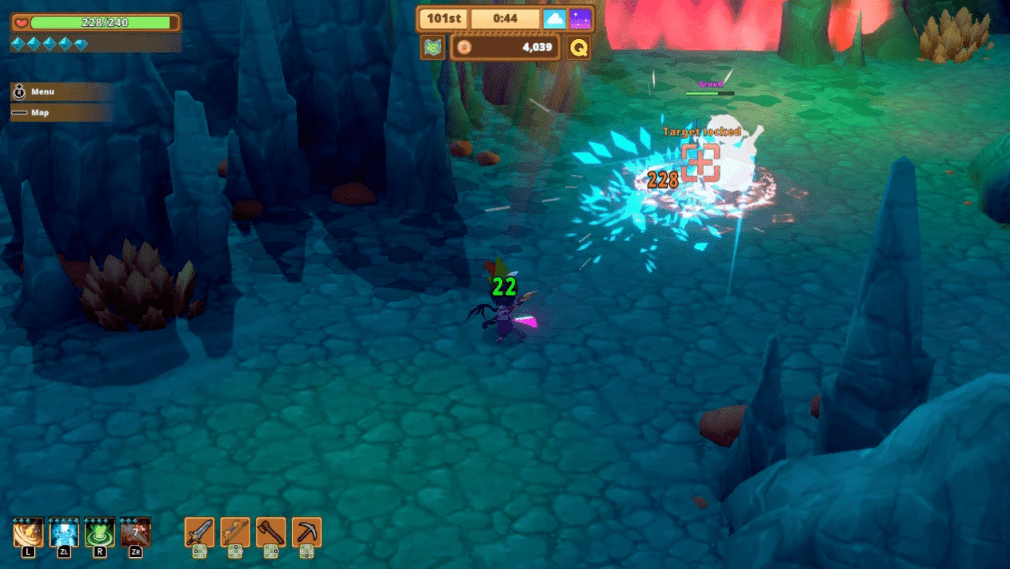
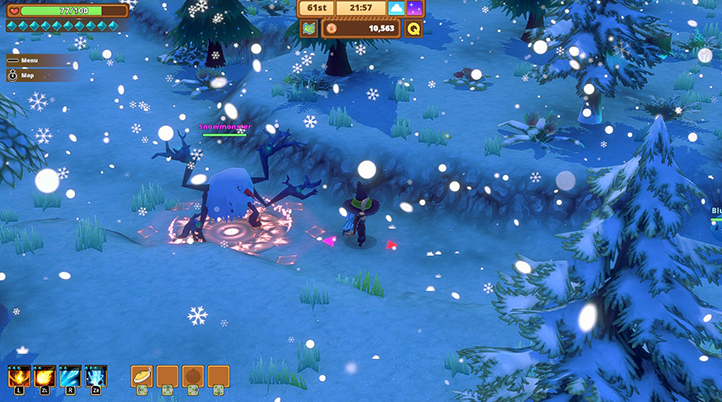
Players can trade out Nyan’s magic abilities at any time. The only downside is that more powerful spells usually cost more magic gems. In the top left-hand corner, you’ll see Nyan’s health. Magic gems are displayed below Nyan’s health bar. Nyan can gain more magic gems by physically attacking enemies, so there’s a push-pull with varying Nyan’s combat style.
I’ve seen other games use custom move-sets similar to Kitaria Fables’ setup (like the Cat Quest series), but Kitaria Fables does just enough to separate itself from its competition. But not enough to escape a slightly above average score.
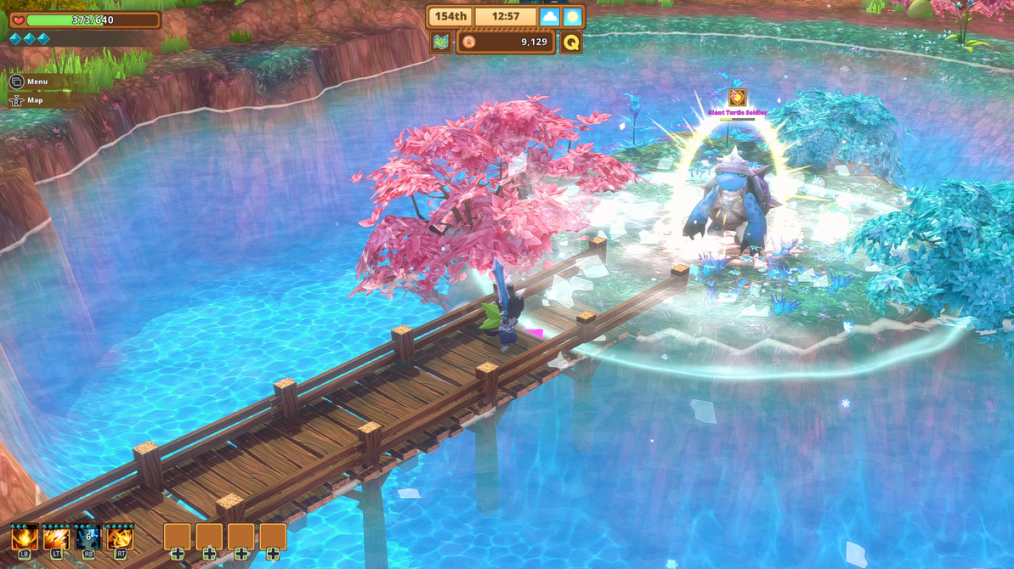
This score should come as no surprise. Kitaria Fables combines Stardew Valley and Cat Quest. I didn’t think of Cat Quest before writing this review (funny how both games have cat protagonists). With Stardew Valley and Cat Quest as inspiration, Kitaria Fables has a high gameplay loop score. All enemies (including bosses like the one pictured above) respawn at the beginning of each day, so it’s easy to grind Nyan to god-like powers.
Kitaria Fables has a couple of obtuse missions. I was stuck a handful of times and used trial and error to figure out what the game meant for me to do. But those moments were few and didn’t detract from the overall experience. And the NPCs rebooted their routine every in-game day in addition to the enemies respawning. If I couldn’t figure out something one day, I could try again the next. This is one of the reasons why Kitaria Fables is a cozy game. It induces little to no stress.

The Empire, the Calamity, Capital City, and other generic terms left me wanting. Kitaria Fables doesn’t have much of a story, and the story it has can get grown-inducing. I’m unsure if this lack of story comes from poor localization or if Kitaria Fables wanted generic names and storylines to make it easy for people from different backgrounds to follow. Either way, I’m unimpressed. Kitaria Fables has one big twist. I won’t spoil it here, even though that’s unnecessary. The big reveal is obvious.
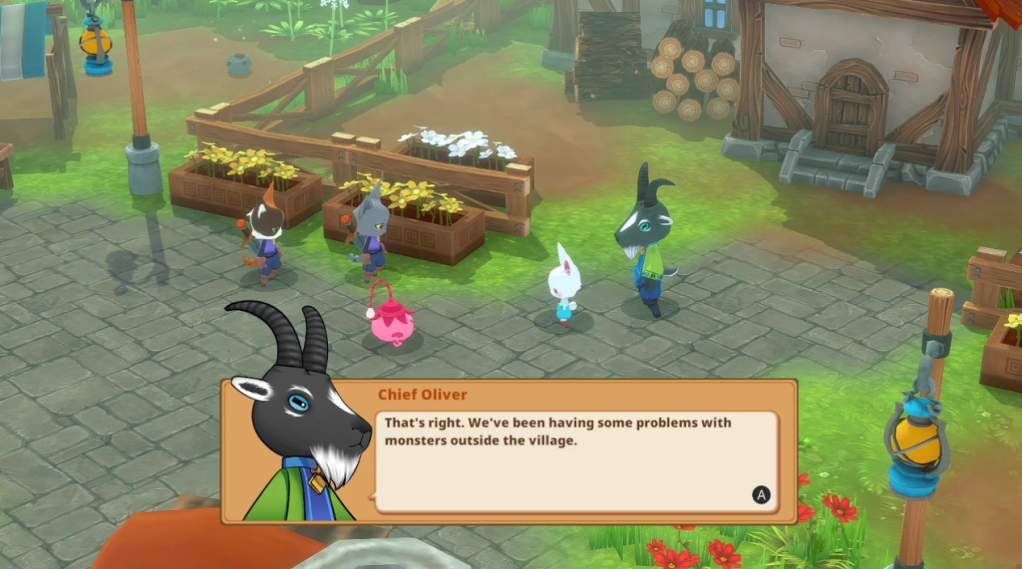
I can’t tell which score should be higher, narrative or storytelling. I’m giving storytelling an average score. That seems right. Kitaria Fables does a good job of executing its story, but it just has a forgettable story. Still, look at the adorable animal people. I love characters like Caramel, a brown furred mouse child who lives in Paw Village. Caramel will ask Nyan for a piece of candy. If you give him candy, you’ll unlock a mission. If you refuse to give him candy, you’ll unlock a different mission. This happens to be one of the obtuse story branches I mentioned in the gameplay loop section. You can unlock both missions. All you must do is interact with Caramel on two different occasions.
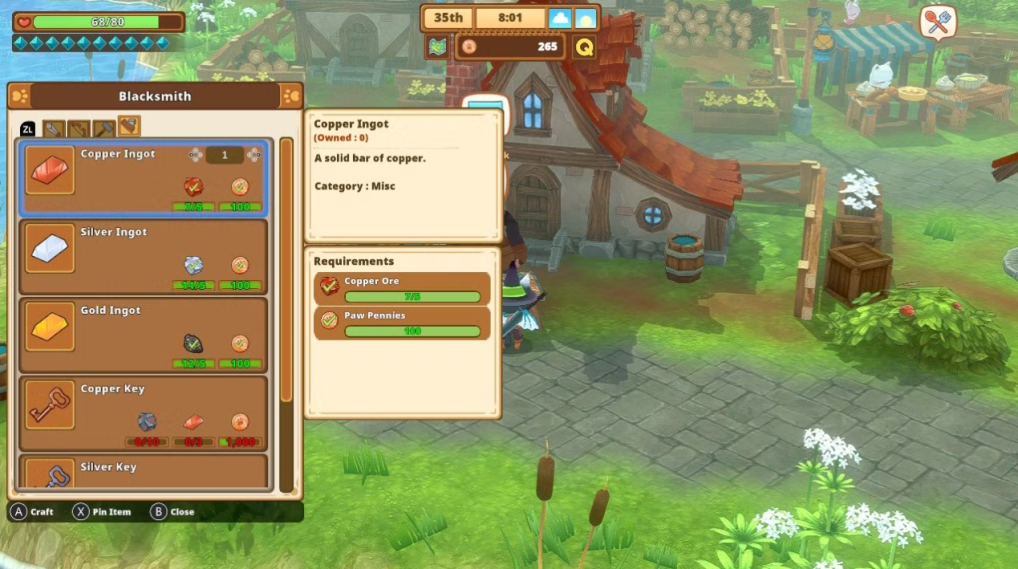
Kitaria Fables has an easy-to-use interface. During combat, Nyan will have items (to include healing items) and spells/moves assigned to hot keys. While not in combat, Nyan can pull up a menu (on the left-hand side of the screen) that will have clearly marked tabs. Players will receive different options depending on whether Nyan interacts with an NPC or an object (like a mirror to change Nyan’s appearance) or doesn’t interact with anything.
Players can pin items (if they find them in a store) to know how much of an item they need for an upgrade. This is standard stuff, but you’d be surprised how many games forget to include a pin object option. Kitaria Fables does a great job of incorporating good practices from other games with its user interface. The only reason I knock the game down a point is the Switch version. If you pick up Kitaria Fables on PlayStation 4 or Steam, go ahead and raise this score. The Switch version isn’t too difficult to navigate, but it’s lacking.

Kitaria Fables features charming graphics, but it doesn’t take top marks because Twin Hearts may have lowered the graphic quality to fit on the Switch. Honestly, if Kitaria Fables exclusively came out for the Switch 2 and PlayStation 5 (three or four years later), the graphics score could be even higher. Older systems may have held back the graphics, but that doesn’t mean that Kitaria Fables’ look is anything but enchanting.
I also love Kitaria Fables’ colorful world. Each zone feels unique: lush forests, dank swamps, and barren deserts. Kitaria Fables mixes up its enemies in quirky ways to match the various biomes. Despite some technical limitations, Kitaria Fables has gorgeous graphics.
When I first booted Kitaria Fables, the music didn’t grab me. It was there and pleasant. But the more I played, the more Kitaria Fables’ soundtrack grew on me. Kitaria Fables’ soundtrack isn’t one of those wow you when you first hear it soundtracks. It’s one of those slow-burning soundtracks. I wasn’t surprised to see the Kitaria Fables’ soundtrack available on vinyl. It can be infectious.

I enjoyed my time with Kitaria Fables. Heck, I blew through the game in a few days and picked it up on multiple platforms. But I wouldn’t call Kitaria Fables a game with high replay value. I can hope that I’ll forget specifics about Kitaria Fables and return to the game in several years. While a solid game, Kitaria Fables’ linear story (with no alternative storylines) makes it a one-time play game. And that’s okay.

Kitaria Fables delivers a well-constructed video game that combines elements of Stardew Valley and Cat Quest. I enjoyed a lot of the colorful characters and the gorgeous set pieces. And cats, who doesn’t love cat people? While I wouldn’t expect a game with a ton of replay value, Kitaria Fables is a great one-time play game, especially if it’s on sale.
Happy Sunday, Geekly Gang! Kyra Kyle here with another week of Geek News. A lot has been happening in the tabletop/board game industry this past week, but I may take another week to gather some thoughts. Something to look forward to for next week. XD Instead, we have a couple of MCU updates this past week, and of course, we’ll discuss this past week’s new releases. There were some good ones. But first, let’s discuss the rumors and leaks for Spider-Man: Brand New Day.
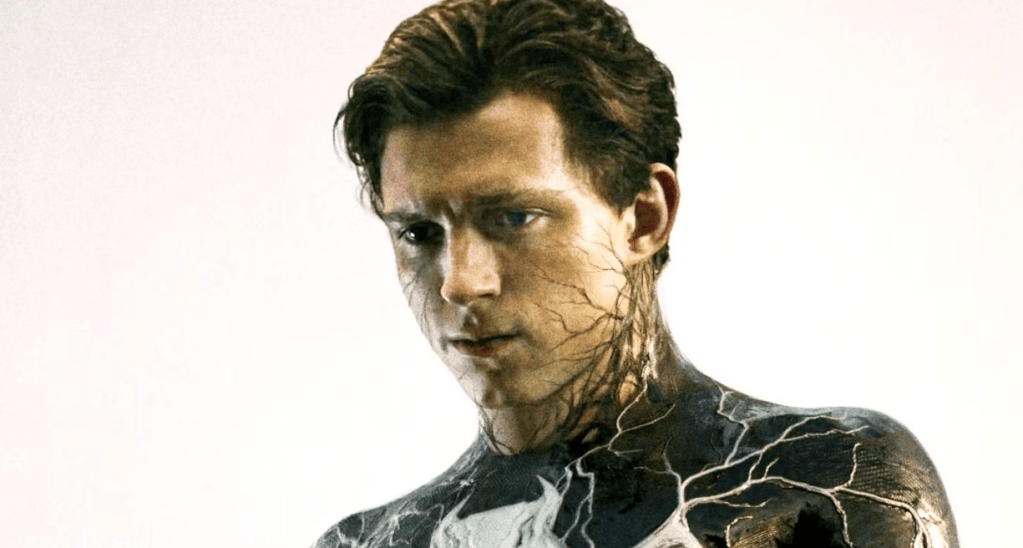
We already received word from Michael Mando that he will return in Spider-Man: Brand New Day as Matt Gargan, Scorpion. Mando even teased that he will be sporting a comic book accurate Scorpion costume, he’ll be involved in the alien symbiote story teased during a post-credit scene for Spider-Man: No Way Home. While Tom Hardy may be done with the Venom character, the alien symbiote does exist in Earth-616 (the MCU). The alien symbiote that is Venom has bonded with more characters than Eddie Brock and Peter Parker in Marvel comics. One of those other characters is Matt Gargan, so Mando saying his character will be involved with the alien symbiote makes sense. And Peter bonding with the alien symbiote aligns with the original 1980s Secret Wars, which will be a future MCU movie.
Spider-Man: Brand New Day’s director, Destin Daniel Cretton, and his camp have already shared multiple leaks about the upcoming Spider-Man movie. They plan to bring two comic books to life: Amazing Spider-Man #134 and Amazing Spider-Man #345.

Amazing Spider-Man #134 has Tarantula on the cover, and Tarantula was confirmed to be in Spider-Man: Brand New Day months ago by Marvel’s merchandising firm. Scorpion was also featured in this comic book, and we’ve received word from Michael Mando, who plays Scorpion in the MCU, that he will be in the next Spider-Man movie, so the leak is accurate, but this brings us to the second comic book.
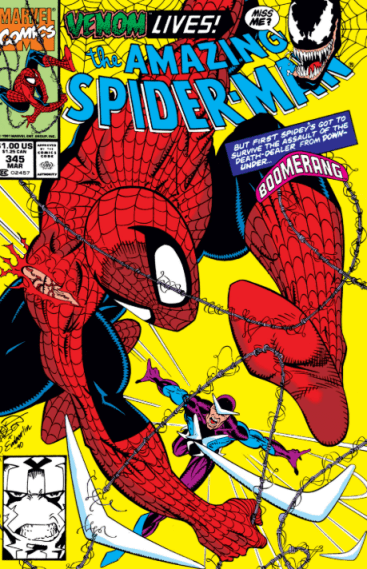
Amazing Spider-Man #345 has Boomerang on the cover, and he was also leaked in a similar fashion to Tarantula and Scorpion. But look at the top of this issue (pictured above). Venom returns. It looks as though Cretton intends to include Venom, or at least the alien symbiote, in Spider-Man: Brand New Day.
Spider-Man’s next cinematic outing looks like it’ll be packed with villains. Earlier this year, a savage Hulk was leaked to appear in the film, and Shang-Chi (the protagonist of director Cretton’s first MCU film) is also set to return. We’ll keep you posted if we find out any more about Spider-Man: Brand New Day.

Chris Hemsworth will reprise his role as Thor for Avengers: Doomsday, and the actor recently shared a video titled “Thank You! The Legacy of Thor,” which ignited speculation that he might be preparing to hang up the hammer for good, after Avengers: Doomsday. Heck, I’ve seen speculation that Thor could be one of the MCU heroes Doctor Doom slays in the upcoming crossover movie.
But Chris Hemsworth clarified that he will return in Thor 5, which will most likely be set in Valhalla. Valhalla is the Asgardian version of heaven, so there’s a chance Thor could perish in Avengers: Doomsday and then star in a fifth Thor installment. Rumors suggest that Natalie Portman will also star in Thor 5, and since her character Jane Foster perished at the end of Thor: Love and Thunder, this furthers speculation that Thor 5 will take place in Valhalla. We’ll have to wait and see.

Konami partnered up with M2 to deliver the perfect 40th Anniversary celebration for Gradius. Gradius Origins compiles most entries of the series into a single title. Gradius Origins chronicles Gradius from its arcade roots in the mid-80s all the way to the brand-new spin-off, Salamander 3. The game features over a dozen different game variations. It includes numerous quality of life additions and historical artwork.
Gradius Origins is available on PC, Xbox Series X, Nintendo Switch, and PlayStation 5.
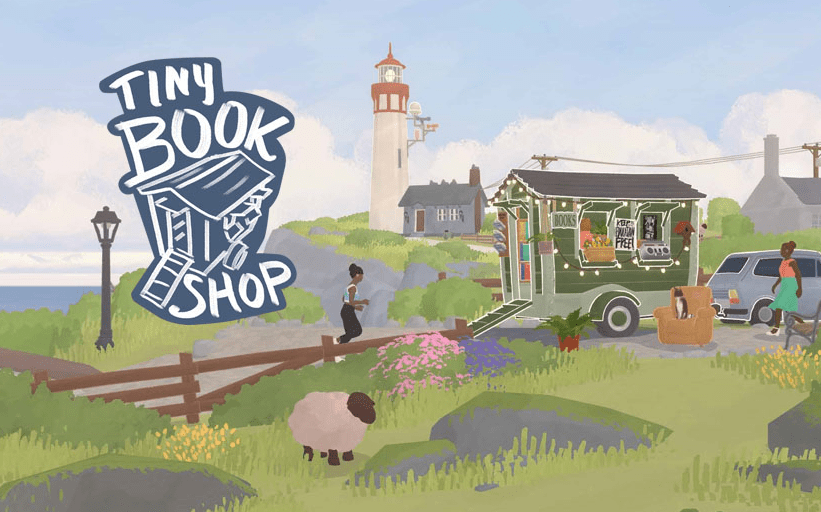
Tiny Bookshop looks like it’ll be right up my alley. I love books and cozy video games. I even like resource management games. Tiny Bookshop includes all three of those things. Leave everything behind and open a tiny bookshop by the sea. Stock your Tiny Bookshop with different books (some of them are real-world classics) and items. Take in scenic locations and run your cozy second-hand bookshop while getting to know the locals.
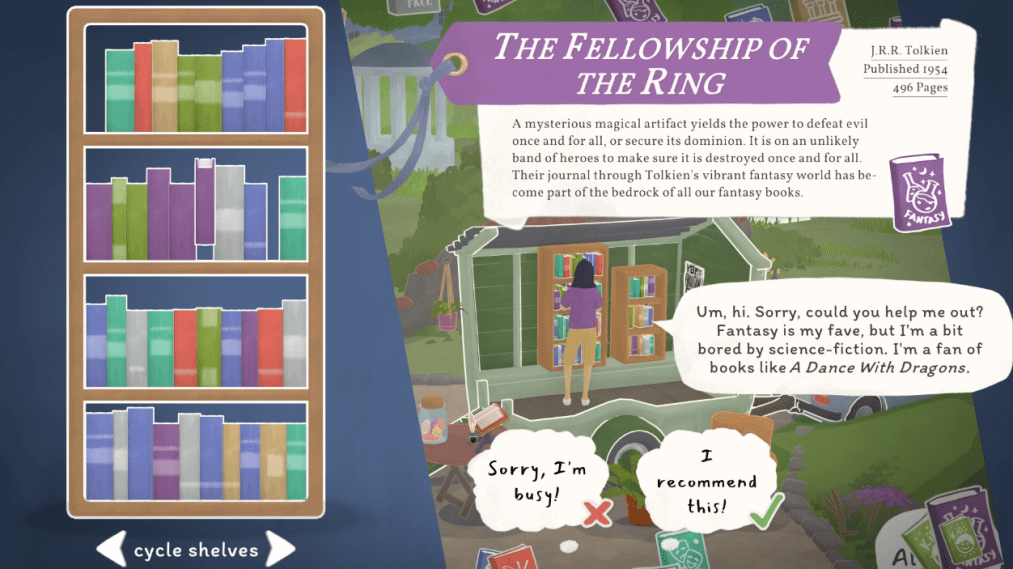
And what would a second-hand bookshop be without the occasional cat? Yes! Tiny Bookshop gives you the experience of running your own bookstore. If Tiny Bookshop sounds like something you’d be interested in, the game has a playable demo on Steam. Meow!

The upcoming Xbox Series X game, Mafia: The Old Country is a prequel to the original Mafia trilogy. It explores the origins of mob life in the United States, transporting players back to the birthplace of one particular crime family.
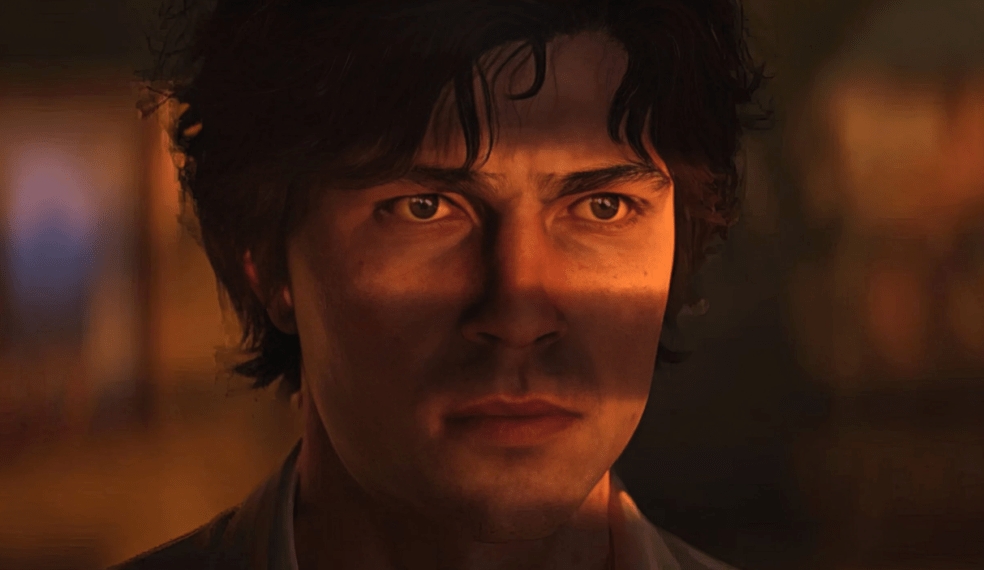
Set in 1900s Sicily and following one man’s ascent from an underling to a mafioso, Mafia: The Old Country offers a new angle to the Mafia formula. Narrative-driven, Mafia: The Old Country provides a singular Mafia experience. While not Grand Theft Auto 6 (which got pushed back to May 2026), Mafia: The Old Country scratches a similar itch. It’s available on PC, Xbox Series X, and PlayStation 5.
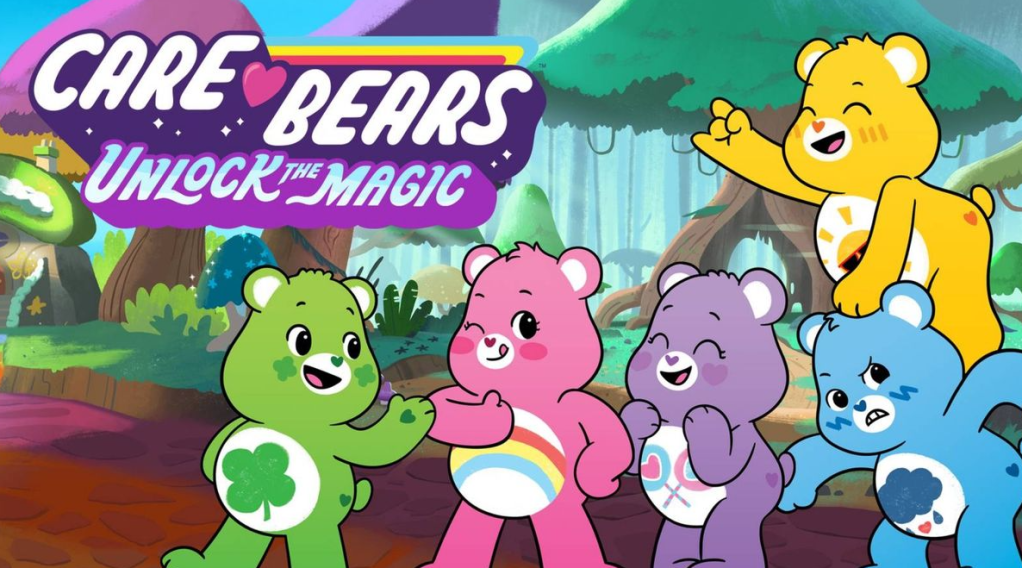
Care Bears receive the deck-building game treatment. Care Bears: Unlock the Magic Deck Builder Game has players spread caring and compassion while facing off against unpredictable weather, wild creatures, and the mischievous Bluster and his Bad Crowd. The game features multiple difficulty settings, perfect for younger players and gamers who want more of a challenge.
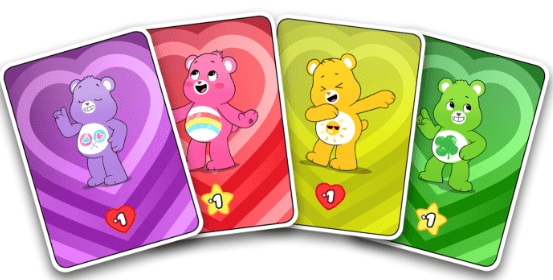
Like most deck builders, each player begins with a basic deck in Care Bears. You can purchase new cards with Wish (stars), and prevent Bluster and his Bad Crowd from spreading uncaring with Care (hearts). Care Bears hasn’t received a major tabletop game since the Eighties (there have been some reskinned games like Monopoly and an odd Chutes & Ladders-like game a couple of years ago), so Care Bears: Unlock the Magic Deck Builder Game is great for Care Bears fans who’ve been waiting for a deeper Care Bears board game experience.

Care Bears: Unlock the Magic Deck Builder Game has multiple pledge levels that range from $34 (for the base game, plus shipping) to the massive All-In Pledge of $400. But the best bang for your buck may be the popular Care-a-Lot Expansion Edition ($119) that includes all base Care Bears (to include Grumpy and Tenderheart Bear) and a neoprene playmat. If you’re interested in Care Bears: Unlock the Magic Deck Builder Game, check out its KickStarter page.
Vines and Flowers: Blooming Harmony offers 3d tile placement. What? Players take turns taking tiles from the offering and then collectively building a pergola. Watch your vines and flowers climb and trigger effects, scoring you points, on your way to victory.

I love how Vines and Flowers: Blooming Harmony turns tile placement on its head by simply adding a vertical axis. The game has stunning table presence. Tell me you wouldn’t gravitate toward this game. You’d have to know what the players were doing.
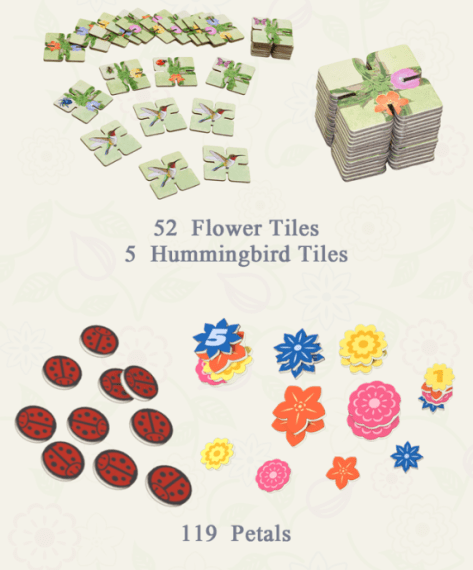
Newcomer, Whales Entertainment, has done a great job with Vines and Flowers: Blooming Harmony’s production value. While you can enjoy Vines and Flowers with cardboard pieces ($35 pledge), this Kickstarter campaign includes an exclusive wooden pieces upgrade for a $45 pledge. I’m watching this campaign closely. If you’re interested in Vines and Flowers: Blooming Harmony, check out its KickStarter page.

Publisher Salt and Pepper has been releasing some fantastic games on GameFound this year. We covered The Battle of the Divas, and The Voynich Puzzle looks like it’ll be another amazing game with an interesting theme.
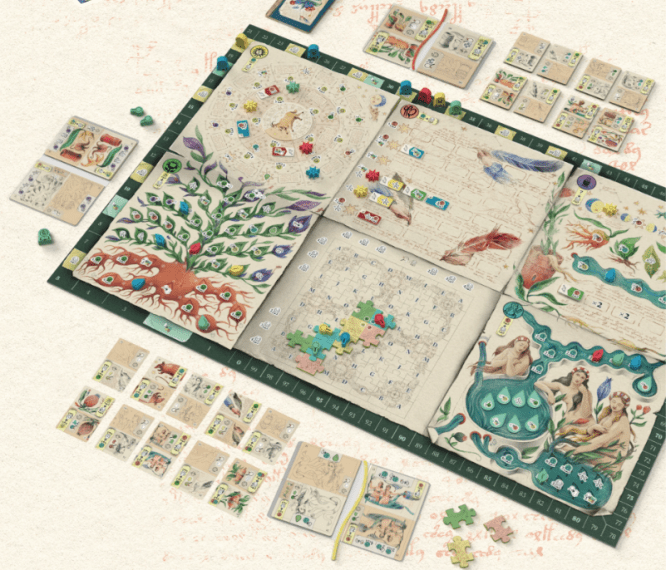
In The Voynich Puzzle, players reconstruct the mysterious Voynich Manuscript. All the art is inspired by this ancient text, and I love that The Voynich Puzzle includes actual puzzle pieces. We don’t know much about the game’s mechanisms yet (it’s set to launch on Monday or Tuesday), but the production value looks fantastic and thematic, and Salt and Pepper has been on a roll. They’re a well-respected board game publisher with titles like Resist! and Witchcraft! to their credit.
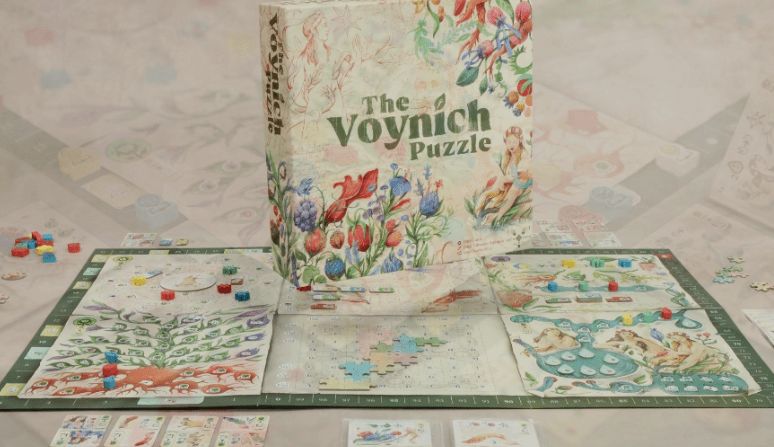
I may have to pick up a copy of The Voynich Puzzle for the artwork alone. We don’t yet know what pledge levels The Voynich Puzzle will have, but if you’re interested in this title, too, you can follow The Voynich Puzzle’s GameFound page.
That’s all the Geek News we have for this week. Thank you for reading, and wherever you are, I hope you’re having a great day, Geekly Gang.

Happy Indigenous Peoples’ Day! Geekly is marking the occasion by listing some of our favorite indigenous video game characters. Hey, hey! Kyra Kyle here. This list was a little more difficult to compile than one would first expect. There are plenty of indigenous people in video games. Unfortunately, many of them lean into cultural stereotypes. We’ll do our best to avoid stereotypical indigenous video game characters. With that disclaimer in place, let’s get to our list of 5 famous indigenous video game characters.

Pîhtokahanapiwiyi, better known by the title of “Poundmaker,” doesn’t quite make our list because he was an actual Cree leader during the late 19th Century. Poundmaker advocated the rights of indigenous people at a time when the Canadian government was starving them and encroaching on their land. Though he didn’t hold his position for long, Poundmaker would be arrested for alleged treason. He was exonerated in 2019. Poundmaker earned the respect of the indigenous community. When Civilization 6 added the Cree as a playable civilization, they gave the honor of Cree leader to Poundmaker, a real-life Cree hero.

Ubisoft didn’t play it safe when they moved the Assassin’s Creed story to the American Revolution. Instead of glorifying the colonists, Assassin’s Creed 3 shifted the focus toward how indigenous people were affected by a morally ambiguous war that had nothing to do with them. Ratonhnhaké:ton (aka Connor) is an assassin who worked tirelessly to defend his people from colonial oppression. Connor is divided between two worlds, which provides an interesting and unexplored perspective in video games for one of the most significant wars in American history.
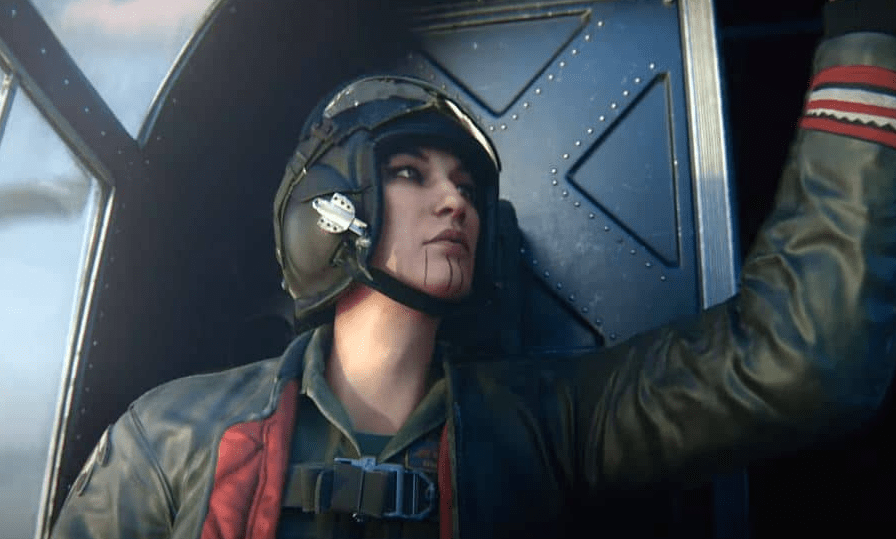
Video games don’t tend to feature indigenous characters. This trend goes double for indigenous women, so Rainbow Six Siege‘s introduction of Mina “Thunderbird” Sky was a boon. Mina Sky is a Canadian Air Force pilot originally from the Nakota tribe of Saskatchewan. She proudly wears traditional facial tattoos of her people. Her codename “Thunderbird” derives from an old legend about a powerful bird that often protected the Nakota people. Thunderbird is a fitting name for an operator who protects her Nakota and Rainbow Six families.
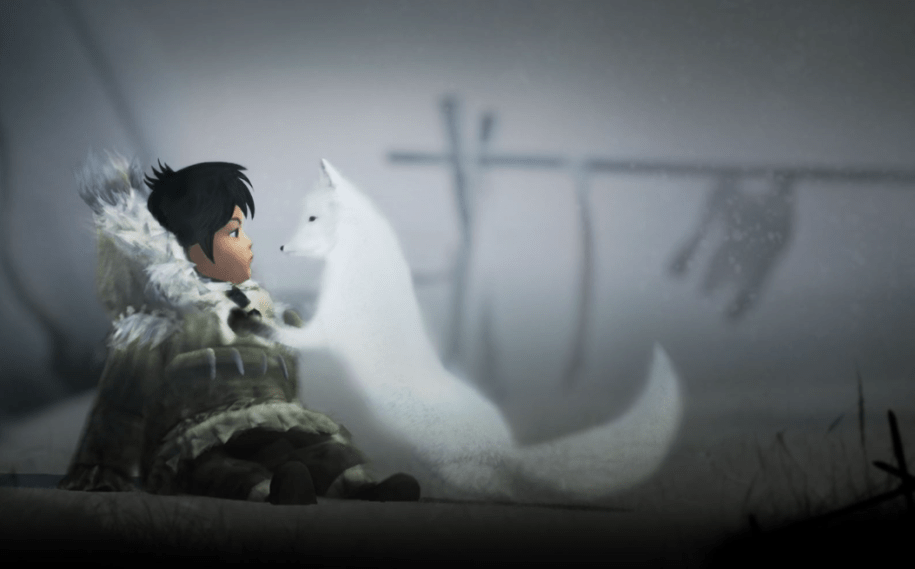
Upper One Games’ Never Alone takes inspiration from a famous Inuit legend. The hero seeks an end to perpetual winter. While traditionally the hero is portrayed as a man, Never Alone casts the role to a young girl. Nuna has to face harsh Arctic weather with only a white fox for company. She faces trials from puzzles to combat, but proves resilient. Rather than using skill points, Never Alone doles out progression through the telling of Inuit stories. This is fitting with the game’s theme of keeping cultural stories alive.

The Thunderbird is a mythological creature for various indigenous cultures. Often portrayed as an eagle-like creature, the thunderbird has immense power and serves as a guardian of the natural order. Game designer Elizabeth LaPensée takes this setup for her game Thunderbird Strike, where players control the legendary bird as it defends the land from the oil industry and restores life. Thunderbird Strike modernizes a famous legend and addresses real-life issues of industrial encroachment on indigenous land.

The original Prey (2006)–not Bethesda’s 2017 spiritual successor, also called Prey–had a story built around an odd mix of indigenous spiritual beliefs and science fiction. It shouldn’t come as a surprise that the game has an indigenous protagonist. “Tommy” Towaldi can spiritually reach places others can’t. He often uses this skill to evade death and outwit his alien captors. Interestingly, a game in 2006 featured an indigenous protagonist. Most games that included indigenous characters in 2006 would’ve put them in stereotypical clothes. Tommy wears a leather jacket and jeans. He happens to be indigenous, and Prey (2006) explores his culture well. Almost two decades later, and Tommy still resonates with gamers.
So, what do you think? Who are your favorite indigenous video game characters? Are there any games that feature indigenous characters we should try? Let us know in the comments. Thank you for reading, and wherever you are, I hope you’re having a great day.

Happy Friday, Geekly Gang! Marvel Studios Animation released its fifth project in its short four years of existence with Eyes of Wakanda. This series looks amazing. The premise of time-hopping through history, showing Wakanda’s secret spies, the Hatut Zaraze (War Dogs), retrieving Wakanda’s advanced technology, sounds exciting. And Eyes of Wakanda is fun, I can see where storyboard artist Todd Harris wanted to go with Eyes of Wakanda’s story, but the reduced episode run makes it difficult for the Eyes of Wakanda to find its stride.
The War Dogs’ mission is to sneak into outside countries and recover lost Vibranium artifacts that, if they fall into the wrong hands, could expose or bring harm to Wakanda. The Hatut Zaraze do their best to keep Wakanda hidden from the outside world. This idea dovetails into the first Black Panther film; Killmonger found a Wakandan artifact on display in a museum. More on this moment later. Eyes of Wakanda’s first season features four key moments in Wakandan history: the Bronze Age, the Trojan War, the beginning of China’s Ming dynasty, and the First Italo-Ethiopian War. Each episode leans into the region’s cultural aesthetics. Eyes of Wakanda shows accurate depictions of the people who lived in each location during that time. I can’t say it enough, the art style is fabulous.

I also like how these four episodes are stand-alone stories. You don’t need to watch either of the Black Panther movies or do any other MCU homework. Everything you need to know is contained in four half-hour episodes. The first and final episodes of Eyes of Wakanda’s first season stand out above the middle two. I like the idea of reintroducing Iron Fist in the third episode–there’s hope we’ll have another Iron Fist sighting in the MCU–but the middle two episodes don’t do as much to explore Wakanda. The first episode shows how far advanced Wakanda is from the rest of a Bronze Age society. The fourth directly ties into Black Panther and Killmonger (this is the artifact, the axe, Killmonger steals from the museum). I have mixed feelings about forcing Eyes of Wakanda to connect with Black Panther, but the MCU is going to MCU. The bookend episodes also delve further into their protagonists.

In the first episode, we follow failed Dora Milaje candidate Noni, while the fourth episode centers on eager Wakandan Prince Tafari. I didn’t see the same character development in the middle two episodes. Or at least, the middle two didn’t stand out as much.
Eyes of Wakanda’s short run works against it. A couple more episodes like the first and fourth could’ve allowed Eyes of Wakanda to find its footing. Several television shows need at least two or three episodes to “really get going,” and I got that vibe from Eyes of Wakanda. With a larger episode order, Marvel Studios Animations could’ve shown more sides of Wakanda.
Still, what’s here is fun, and two hours isn’t a long investment for an animated series. And I can’t stress how amazing Eyes of Wakanda’s animation is. To this point, What If? was Marvel Studios Animations’ crowning achievement for art style and direction. Eyes of Wakanda gives What If? a run for its money. Thank you for reading, and wherever you are, I hope you’re having a great day.


Happy Wednesday, Geekly Gang! Kyra Kyle here. Since it’s Wednesday, we have another post from our Whatcha series. Today’s topic is games, both video games and board games. We’ll hear from Season and Skye soon, but I’ll kick things off this post with the games I’ve been playing over the past month.

Bruno Cathala’s Kingdomino takes the simple mechanism of laying dominoes beside a starting castle (domino piece) and allows players to build their own scoring tableau. Each domino has two sides. Each side will belong to a terrain type, and players attempt to connect like terrain types, chaining as many crowns (which will be printed on some dominoes and determine how much each terrain scores) as they can to their largest collection of each terrain type. Kingdomino has restrictions on how far out from a player’s starting castle they can build, and this is where the game gets tricky.
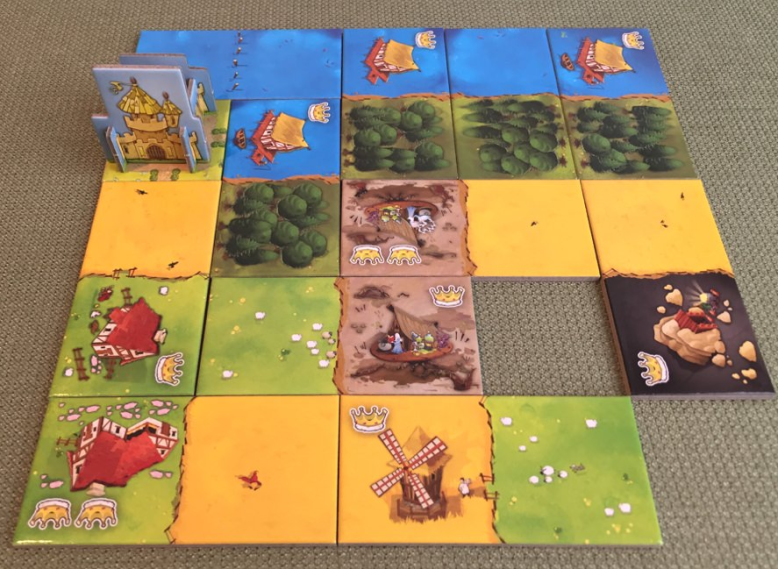
I don’t know how many times I’ve ended up with dead corners (corners that I can’t legally add another domino), but it’s satisfying every time I can put down my full complement of dominoes. Kingdomino is a quick game. The 15-30 minutes printed on the box is accurate. I love Kingdomino’s selection system. Each player has two royal meeples. One will claim the current round’s domino, but the domino you select in the current round will affect when you can select a tile in the next round. Each tile’s backing has a number. Typically, the more valuable tiles have higher numbers, and if you pick a higher value tile, you’ll pick later in the following round. Brilliant!
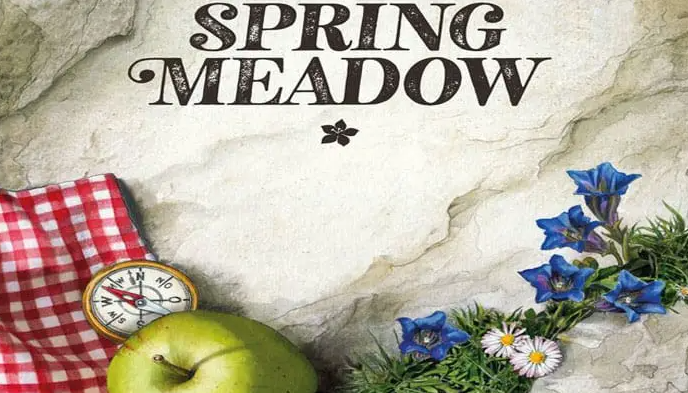
While many board games grant an advantage to seasoned players, Uwe Rosenberg’s Spring Meadow almost requires players to have a similar experience. The person who taught me and a couple of other noobs how to play Spring Meadow skunked us. Spring Meadow has an intriguing mechanism of players choosing a polyomino from a communal display and then placing the polyomino on their player board filled with holes. You’re trying to fill each row or column (depending on your board’s orientation), scoring points for each filled row or column with some added bonus points.
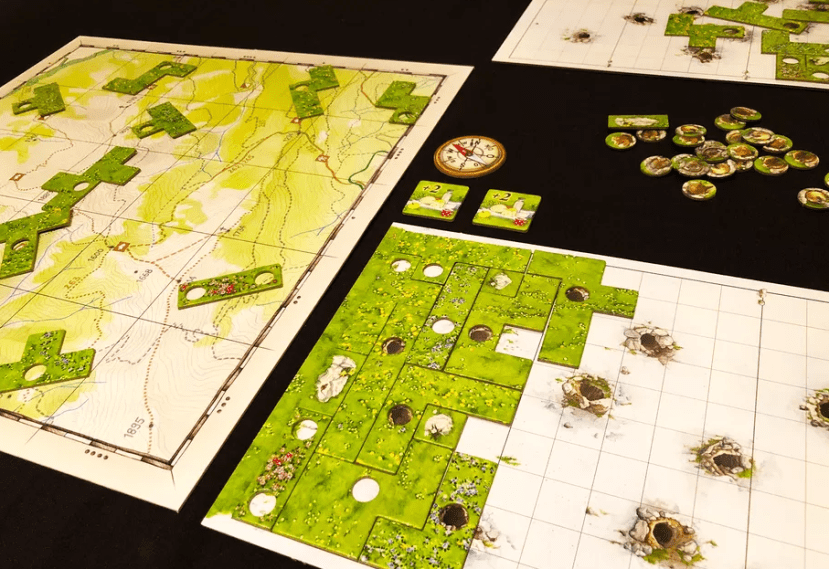
There are tricks involved, a dash of luck, and not all of the polyominoes are created equal. But you won’t know the best plays during your first playthrough, and if you’re playing against a seasoned Spring Meadow player, they will easily beat you. Despite my utter failure of a first play, I enjoyed Spring Meadow. I’ve since rematched the person who taught me how to play, and I managed to eek out a victory during our third, two-player play. Spring Meadow is fantastic as a two-player game against players who know how best to place their polyominoes.
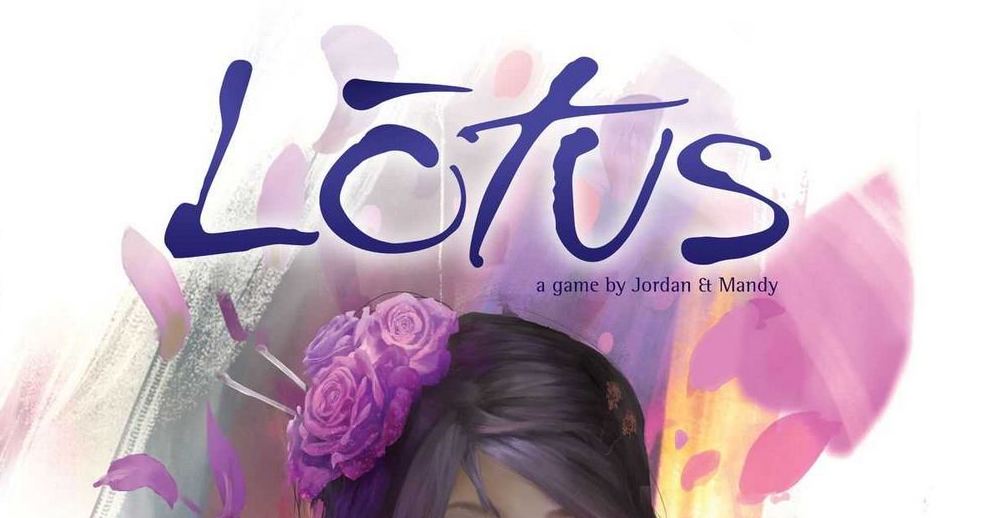
I’d include Lotus in the group of games where it’s best played when all players involved have similar experience. The same person who taught me Spring Meadow also taught me Lotus, and the result was similar. I have yet to replay them at Lotus, but I plan on it.

Players compete to complete flowers. Seriously, the image above is what most Lotus cards look like. Lotus is a stunning game. It’s quick to teach, but knowing when to add pedals or use an ability makes all the difference. Usually, new players will misuse their abilities, unlock the wrong ones first, or add too many pedals to make a flower easy to complete and leaving themselves open for another player to take advantage of an opening. Lotus is the definition of a game that’s easy to learn but difficult to master. It doesn’t have a lot of moving parts, but the parts that are there are chef’s kiss.
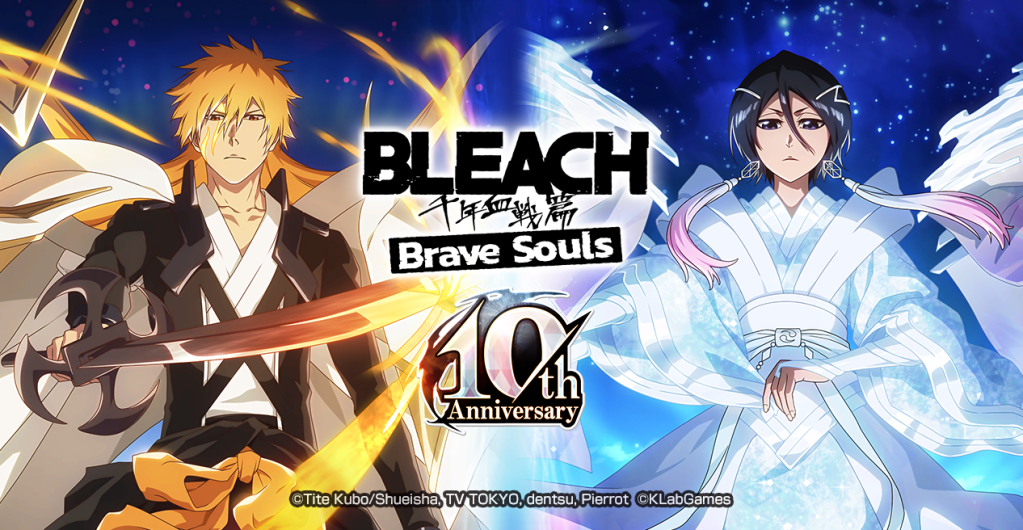
I gave Bleach: Brave Souls a try this past month. Notice how I didn’t say I played Bleach: Brave Souls. Bleach: Brave Souls offers an autobattle function. I did more watching Bleach: Brave Souls play itself than playing the game. To be fair, Bleach: Brave Souls is a ten-year-old gacha game. During boss battles, players borrow the featured character from a random player (chosen from the tens, if not hundreds of thousands, of players). Typically, I’d borrow a character from a player who had maxed out their character five or six years ago. Most boss battles had a cutscene. I would skip the cutscene, and the borrowed character will have already beaten the boss. Did I really play Bleach: Brave Souls?
Bleach: Brave Souls was a nice trip down memory lane. I wish the game had tightened the story a little bit. Each scene from the manga received its own level, so there are hundreds, if not thousands, of story levels. I gave up on Bleach: Brave Souls after a few days, but I could see the game being fun years ago, when it first released. I like the chibi character designs.
Those are the game highlights for me this past month. Let’s see what Season and Skye have been playing.
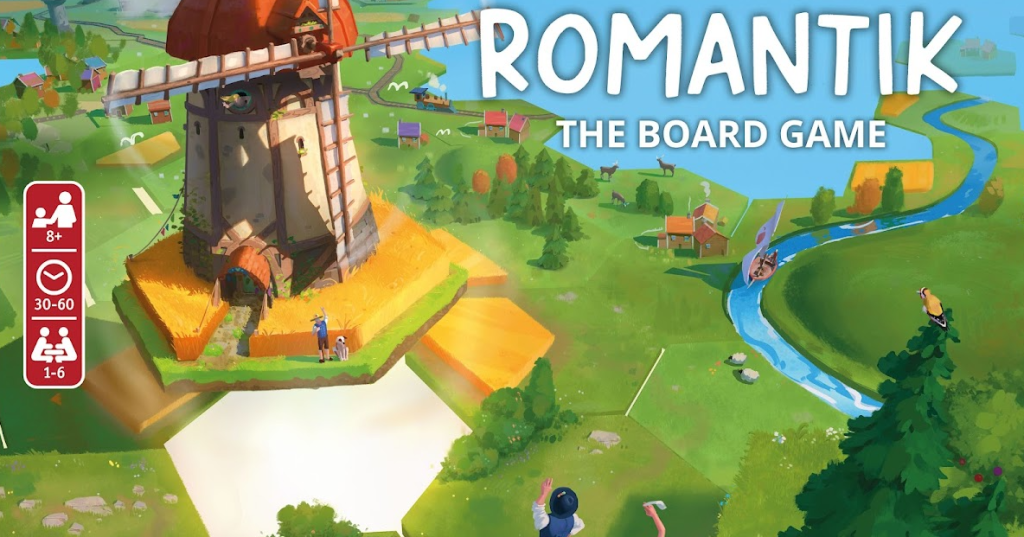
The fabulous Kyra Kyle has done it again. While Dorf Romantik was not a game they created, they were the ones who introduced me to it. Props to them, because I thoroughly enjoyed it! Dorf Romantik takes concepts from games like Catan and Carcassonne, but manages to be a special kind of fun. With the help of your fellow players, y’all gotta build the best town you can. It’s Sim City without financial stress. What can I say?
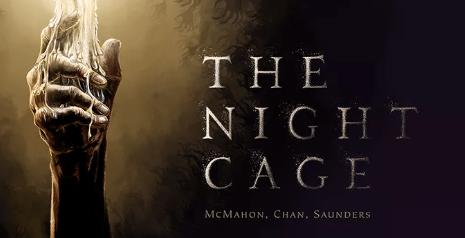
The Night Cage is a game that’s right up my alley. As a big fan of cooperative games, horror, and eldritch themes, The Night Cage is perfect for a dark game night with your friends. In a Lovecraftian setting, you find yourselves in a place of eternal darkness. You’re trapped in the Night Cage, and you must escape. The corridors shift and change direction. You only have a candle, and monsters hunt you at every turn. Good luck.

Lately I’ve been into casual phone games. Tap Gallery is a simple game about tapping arrow blocks to reveal a hidden image underneath. That’s pretty much it. While not the most complex, what appeals to me about Tap Gallery is its premise. It’s satisfying to watch every block slowly disappear from the screen. Sometimes that’s all you need in a game, and Tap Gallery has me hooked.

Cryptogram, while still a casual phone game, requires its players to use their brains. As you can likely tell from the title, Cryptogram is all about decoding a hidden message by following the clues given to you. Cryptogram helps stretch your brain while not being too difficult. Many of Cryptogram’s hidden messages are famous quotes from historical figures. Wait, you can solve puzzles and learn history? Sign me up!
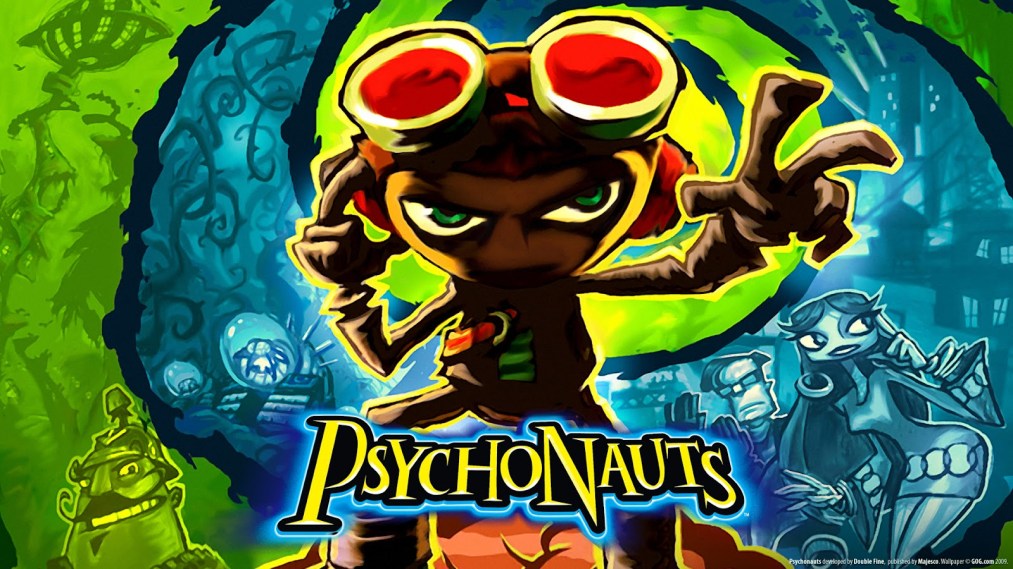
I’m kicking things off with a classic platformer. Psychonauts was released back in 2005 and is one of the more unique platformers I’ve played. Each level takes place inside people’s minds, so the player learns about each character by playing through their level. The level itself represents the character’s cognition of the world, but there are collectibles called “memory vaults” within each level. These memory vaults allow the player to sneak a peek into each character’s past through pictorial storytelling.
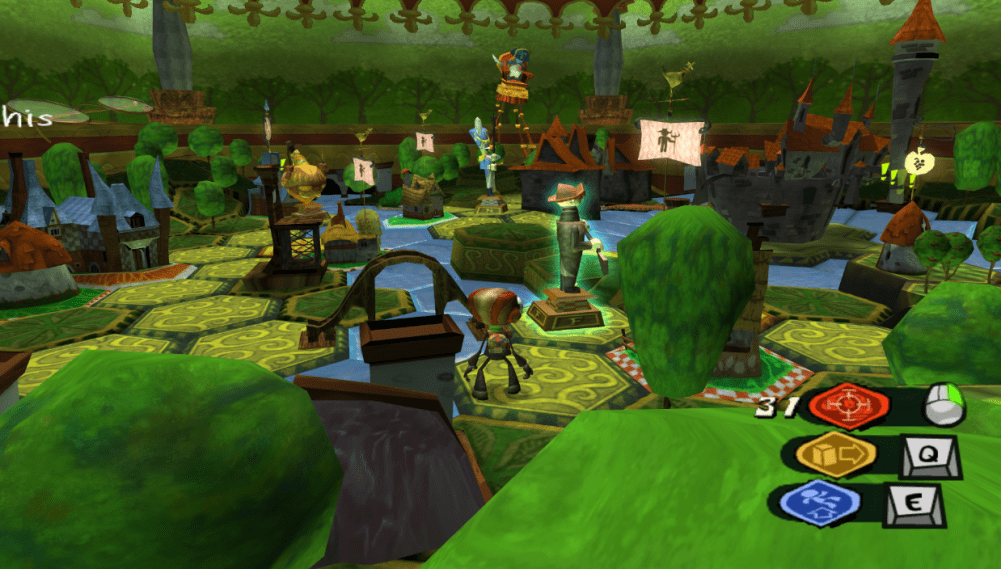
Players also spend a fair amount of time roaming the campgrounds in the overworld. I spent several minutes chatting with my fellow campers, collecting arrowheads to upgrade my gear and scavenger hunt items. Most objects/creatures in Psychonauts allow players to interact with them in some form, so there’s never a shortage of things to discover. I used clairvoyance on everything. Everything.

Fallout 4 has been out for ten years, but this is my first time playing it. Dead serious. I’ve never been crazy about open-world RPGs. In the past, I’d try them for twenty minutes before wanting to play something else. I tried playing Fallout: New Vegas on Steam many years ago, and it crashed every few minutes. I got frustrated and gave up on it. That said, I’ve enjoyed Fallout 4 so far. I like to stop tracking quests periodically so I can explore the world. I’m a digital hoarder, so picking up everything and being over-encumbered is my way of life.

I have one question for you, Geekly Gang. Why do radscorpions burrow under toilets?
Hey, hey! Kyra Kyle here again. That’s all our writers have for what they’ve been playing this past month. Feel free to share what you’ve been playing, Geekly Gang. Thank you for reading, wherever you are, I hope you’re having a great day.

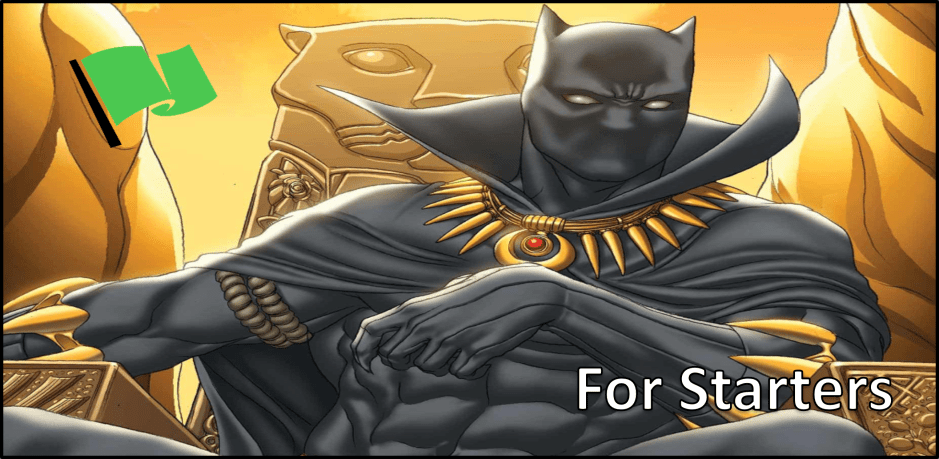
Black Panther has existed since the mid-Sixties, but Marvel produced some of the best Black Panther stories after 2000. Which Black Panther stories should you read first?
Hey, hey! Kyra Kyle here. As you can guess, we’re talking about Black Panther starter stories today. Like we’ve been doing for the past few entries in this series, we’ll split these stories into single issues and story arcs. Today, we’ll begin with single comic book issues. Enjoy!
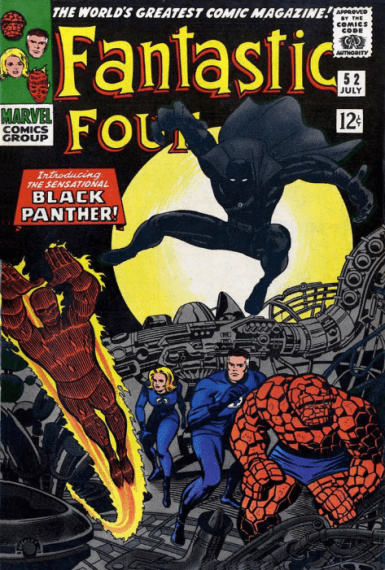
I considered including this issue and a few others as part of a story arc. The next issue would include vibranium’s first mention and sets the stage for Ulysses Klaw to make his first appearance, but I chose to stick with Black Panther’s first appearance. “Introducing The Sensational Black Panther” centers around the Fantastic Four being invited to Wakanda. The enigmatic leader sends a hover car to take Marvel’s family to his homeland. The Fantastic Four agree, and when they arrive in Wakanda, they must survive a robotic jungle and the Black Panther himself. By themselves, the Fantastic Four are no match for Black Panther, but the team joins forces and unmask their assailant.
It turns out that T’Challa (Wakanda’s leader who invited the Fantastic Four to Wakanda) and Black Panther are the same. Black Panther says he only wanted to test the fours’ abilities and meant no harm by his attack. “Introducing The Sensational Black Panther” does a good job of showing Black Panther as formidable. Like I said, many key Black Panther elements are revealed in future issues, but “Introducing The Sensational Black Panther” is a great place to start reading.

“Death Calls for the Arch-Heroes” is another issue that sets up Black Panther; this time, it’s Black Panther’s first appearance as an Avenger. Until this issue, Black Panther served as an occasional Avengers ally. “Death Calls for the Arch-Heroes” begins with Black Panther visiting Avengers HQ to find the Avengers dead. They aren’t actually dead; they’re in a coma. Since Black Panther is an outsider, he gets blamed and taken into custody. Black Panther breaks out of jail, learns that the Grim Reaper (who wants revenge for the death of his brother, Wonder Man) is behind the plot. The two fight, Black Panther wins, reverses the effects of Reaper’s coma weapon, and then becomes a full-fledged member of the Avengers.
“Death Calls for the Arch-Heroes” marks an important milestone in Black Panther’s development. Prior to this issue, Black Panther seldom left Wakanda for long. This issue turned Black Panther into a global figure, and it put Wakanda on the map.
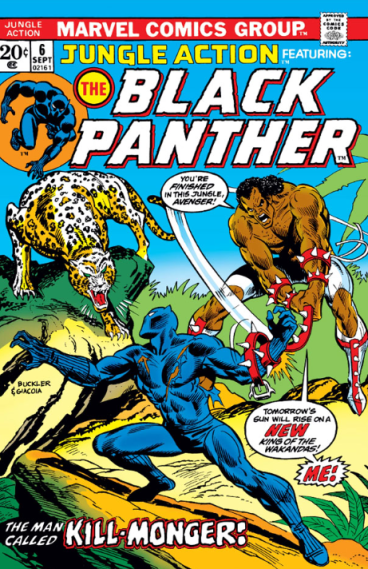
It took a while for Marvel Comics to see potential in Black Panther. Sure, Black Panther showed up in plenty of Fantastic Four comic books. He was even a card-carrying member of the Avengers for half a decade by this point, but he was relegated to the edges of comic book stories and didn’t have his own title. At the same time, there was another Marvel comic book named Jungle Action that rubbed proofreader (at the time) Don McGregor the wrong way. Jungle Action featured white people saving Africans or white African people being threatened by black African people. McGregor demanded that Marvel feature a black African hero. He turned to the seldom-used Black Panther.
McGregor’s initial run on Jungle Action #6-18 (Panther’s Rage) is the birth of who we know as Black Panther. T’Challa returns to Wakanda to find his homeland torn by civil war. A revolutionary leader and terrorist named Erik Killmonger had returned to Wakanda and threatened T’Challa’s claim to the throne. Yes! Panther’s Rage is the first appearance of Killmonger. To say Panther’s Rage was groundbreaking is an understatement.
More than a decade before Watchmen, Panther’s Rage was the first graphic novel. It’s been collected and reprinted numerous times, and it’s worth the read. Writer Don McGregor was no stranger to pushing boundaries. Years before Panther’s Rage, he wrote a story that featured comic books’ first interracial kiss. If you want to know Black Panther better, Panther’s Rage is a great place to start.

After his legendary run on Jungle Action, McGregor left Black Panther for over a decade. He returned to the character with Marvel Comics Presents. The Marvel Comics Presents title was an odd throw-back to early Marvel titles. Anthology series like Tales of Suspense (which featured Iron Man’s first appearance) and Journey into Mystery (which included Thor’s first appearance) had fallen out of favor. Marvel Comics Presents featured stories for multiple characters. We’re interested in the Black Panther storyline, Panther’s Quest.
Panther’s Quest is another McGregor epic. Following rumors that his mother (whom he had never known) may still be alive, T’Challa conducts a stealth mission in South Africa. What unfolds is a harrowing tale of social injustice mixed with intrigue and plenty of action. Always willing to broaden comic books’ horizons, McGregor tackled story elements like Apartheid and the discrimination someone who looks like Black Panther faces. In short, Panther’s Quest is another Black Panther must-read.

The Client marks the first entry for Christopher Priest on this list. Priest is another writer synonymous with Black Panther. Priest is also the first black writer and editor in mainstream comics. He’ll show up time and time again on this list. We couldn’t include all of Priest’s works. The two series of his that didn’t quite make our list are both named Enemy of the State. You should give them a read as well. Getting back to our entry, The Client makes this list because it introduces several key Black Panther figures like Okoye, Zuri, and Nakia. And the story does a great job of balancing the odd space Black Panther occupies.
Black Panther sets up refugee camps and offers political asylum for people fleeing ethnic wars, but at the same time, he pushes for systematic change and battles street crime. T’Challa is a man attempting to do it all. But that’s why a lot of Black Panther’s key support system (like Okoye) are introduced. Within The Client’s pages, Priest develops what it means to be Wakandan.
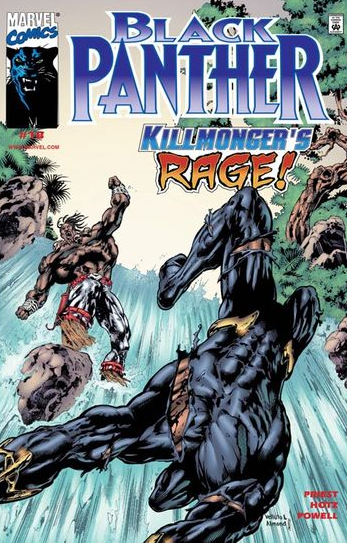
Christopher Priest pushed the Black Panther forward, but he also paid homage to what came before. Killmonger’s Rage is a fitting spiritual successor to Panther’s Rage. Priest honors McGregor’s story by exploring T’Challa and Killmonger’s relationship. Priest’s Killmonger is a Wakandan corrupted by Western values. He’s the antithesis of T’Challa and Wakanda. Black Panther must face an intriguing mirror version of himself. Killmonger’s Rage shows what would happen if T’Challa rejected his Wakandan roots. 2018’s Black Panther uses a storyline or two from Killmonger’s Rage.
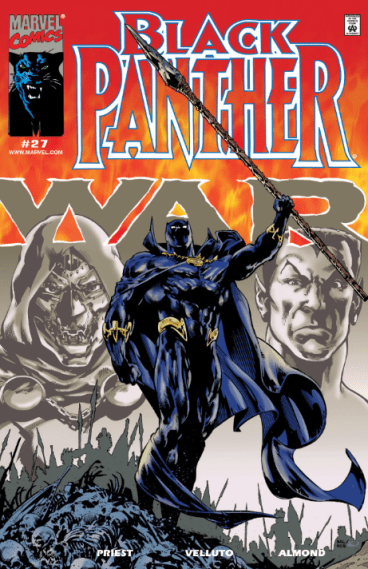
The world is on the verge of World War III, and Black Panther serves as mediator. Sturm Und Drang shows why T’Challa is different from most superheroes. He’s the leader of a country. Tension exists between the underwater nation of Lemuria and the surface world. Klaw works behind the scenes to stir up tensions among various nations; his machinations unnecessarily draw other countries into the mix. Black Panther advocates for peace, but at the same time, he refuses to back down or show any signs of weakness.
Sturm Und Drang explores Black Panther’s leadership during wartime. He must deal with group leaders like Namor, Magneto, and Doctor Doom. Sturm Und Drang is also the final Priest story arc on this list. He had an amazing run on Black Panther. You can’t go wrong if you see Black Panther and Christopher Priest. If you’re interested in reading Black Panther, Priest did more than anyone in shaping this character and showing his many facets. Priest’s run is chef’s kiss good.
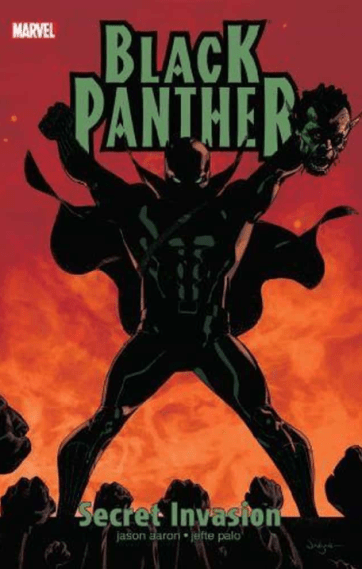
See Wakanda And Die might be a slight understatement of a title. This story acts as a standalone story and a tie-in for Marvel’s 2008 event, Secret Invasion. I know. I know. The Secret Invasion television series almost ruined the MCU. Believe me, the comic book story was handled with more care. But we’re talking about See Wakanda and Die. An army of Skrulls has come to Wakanda to claim all the country’s vibranium. But Wakanda won’t go without a fight.
This action-packed story shows two complementary sides of the Black Panther. First, he’s a leader, shown through tactical decisions and care for his people. Second, he’s a hero, placing himself on the frontlines. These two sides merge to make a satisfying read with excellent pacing.
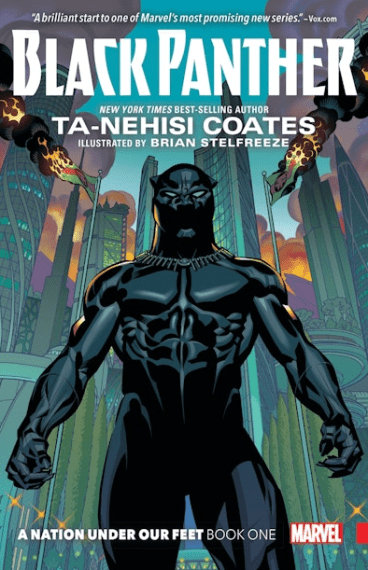
A Nation Under Our Feet is the most philosophical story on this list. It explores Wakanda’s identity, tensions, traditions, and where they fit in modern society while looking toward the future. This examination extends to the monarchy. Does Wakanda still need the Black Panther?
These topics make sense, considering A Nation Under Our Feet’s writer Ta-Nehisi Coates. Coates is an American journalist and activist who often writes about cultural, social, and political issues, specifically African Americans and white supremacy. Coates authored “The Case for Reparations,” so Wakandan story that examines its past while looking at how to move forward is something that Coates has immense experience.
But A Nation Under Our Feet also features the art of Stelfreeze and Sprouse, who present a brilliant Afrofuturism that has a touch of science fiction but is steeped in African art and culture. The result is A Nation Under Our Feet becoming a comic you can lose yourself in as you explore the different parts of Wakanda.
Those are the stories that made our list. Like I said, I could’ve included many more Priest Black Panther stories, and anything by Coates is a great read. Let us know which Black Panther stories you’d add to this list in the comments. Thank you for reading, and wherever you are, I hope you’re having a great day.

Happy Sunday, Geekly Gang! Kyra Kyle here with another week of Geek News. GenCon is this week. Several board game companies announce titles at GenCon and/or launch board game crowdfunding campaigns during GenCon, cashing in on the hype caused by demos this weekend. So, our board game releases will see an uptick in the next two weeks. Woo hoo! Not only that, but this week saw a lot of high-profile video game releases. Yes! Before we get into those new game releases, we’ll kick off this post with some intriguing MCU news.
Several sources (including Variety and ScreenRant) have cited the MCU casting a younger group of actors for The X-Men. This makes a lot of sense. Ever since the pandemic, movie-going behavior has changed. Fewer people physically watch movies in the theater (they wait for the movie’s digital release), and superhero movies seldom break the $1 billion mark. This new reality has led film studios to change their tactics. The MCU casting lesser-known actors to portray The X-Men should save the production money. We’re seeing this more with other larger movies with budgets earmarked for special effects (films like the upcoming Legend of Zelda). While I don’t care for the reasoning, I’ve always liked the idea of giving lesser-known actors a chance at playing iconic roles.
In other MCU news, Marvel Film Executive Kevin Feige made an announcement that the MCU has an unnamed MCU film set for release between Avengers: Doomsday and Avengers: Secret Wars. There is a chance the MCU keeps the date, July 23, 2027, available for an MCU movie (between Doomsday and Secret Wars) and chooses not to use the time slot, but there’s a better chance Marvel Studios will fit in a movie between these two Universe-wide and Universe-altering movies. To date, Captain Marvel is one of the MCU’s most financially successful films (at the box office), and it was released between Avengers: Infinity War and Avengers: Endgame. Captain Marvel benefited from the hype generated by the two Avengers films. The MCU will most likely want to capitalize on the window between Doomsday and Secret Wars.
By my estimation, four films could fill this July 23, 2027, time slot: Deadpool 4, Black Panther 3, Blade, and Doctor Strange 3. I listed these films in the likelihood of their being released, starting from least to most likely.

Even though Ryan Reynolds says he’s not interested in another Deadpool film, Marvel Studios could coax him to do another movie with enough cash. Deadpool 4 will most likely happen, but not right away. Besides, Deadpool is one of the few Marvel film franchises that doesn’t need a Doomsday-Secret Wars boost.

Black Panther is another Marvel film franchise that doesn’t need the boost. Everything Ryan Coogler touches turns to gold. I loved Sinners, Ironheart was better than I expected, and I can’t wait to see his take on The X-Files. Throw in Denzel Washington to Black Panther 3’s cast, and you can see why Black Panther 3 doesn’t need the hype train. It is the hype train. The only reason I place Black Panther 3 ahead of Deadpool 4 in order of likelihood of being released is that it’s further along in its development.
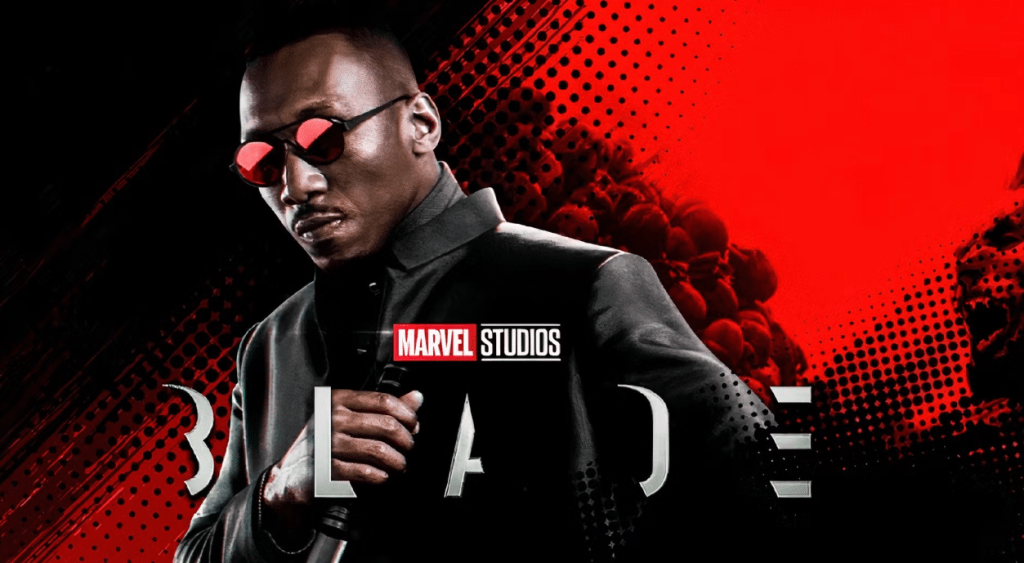
Kevin Feige insists Blade is years away, but he may protest too much. Mahershala Ali has been waiting for his chance to play Blade in an MCU movie. While Blade has been a successful franchise in the past, the upcoming Blade movie will be the first in the MCU. Blade isn’t established within the MCU, so the character can exist outside the universal crossover event. And a Blade film would follow in Captain Marvel’s footsteps of introducing a new MCU character and banking on the hype generated by two connected Avengers films.

But I chose Doctor Strange 3 as the most likely film for a July 23, 2027, release because it’s been in production for a while and doesn’t yet have a release date. At the end of The Multiverse of Madness, Doctor Strange entered a different plane of existence with Clea, so Doctor Strange 3 could explain why he might not be in Doomsday and could tie into his inclusion in Secret Wars. Doctor Strange 3 could also exist outside both movies, or at least the first one, and not screw up the two Avengers films’ storyline.
But what do you think? Do you think the MCU will pass on using the placeholder July 23, 2027, release date? If the MCU uses the date, which film do you think will fill that date? It could be a fifth film I didn’t mention. Let us know in the comments.

So much of Echoes of the Sundering’s description interests me. Echoes of the Sundering is a 1-5 player cooperative, open-world, deck-construction adventure. It features simultaneous play and a strong narrative. Cooperative with deck-construction and simultaneous play with a strong story to boot. Count me in. Supposedly, player choices affect what happens in the world. Gamers can customize their characters to suit their playstyle. All of this sounds amazing.
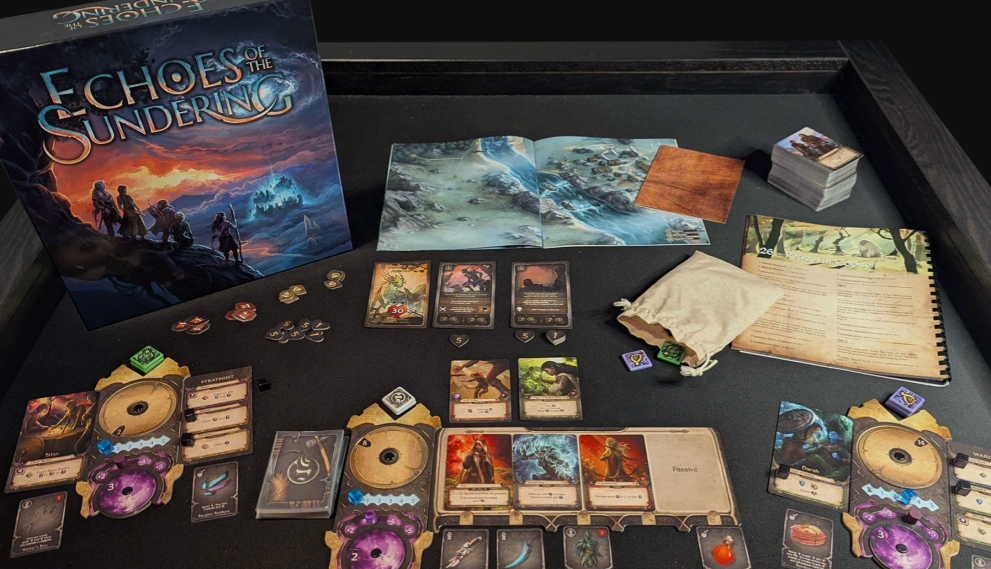
I’m uncertain how players will be able to play their turns simultaneously, but I’m here for it. The game also includes drop-in/out companions. I’ve seen this play out in various other games, but each board game accomplishes this differently. Players can level up their characters like they would in a video game RPG, and while you can play a rogue-lite version, which offers extended replayability, Echoes of the Sundering features a 40-hour campaign.

Build your own unique character and get exploring in Echoes of the Sundering. From the sound of it, Echoes of the Sundering is a more story and character-driven version of Gloomhaven. The above image lists publisher The Wilderforger’s vision board. If this sounds interesting, check out Echoes of the Sundering’s KickStarter page.
Publisher Level 99 is known for its anime/manga aesthetic. Compania continues this trend, but don’t let the art style fool you. Compania is a clever engine-building worker placement game. I love Compania’s worker placement twist. Players secretly assign their workers to spaces on the board. Each player simultaneously uses six-sided dice to show how many workers they plan to send to each space. Whoever chooses the most workers for each space that turn, claims that space (and its ability) for the turn. Brilliant!
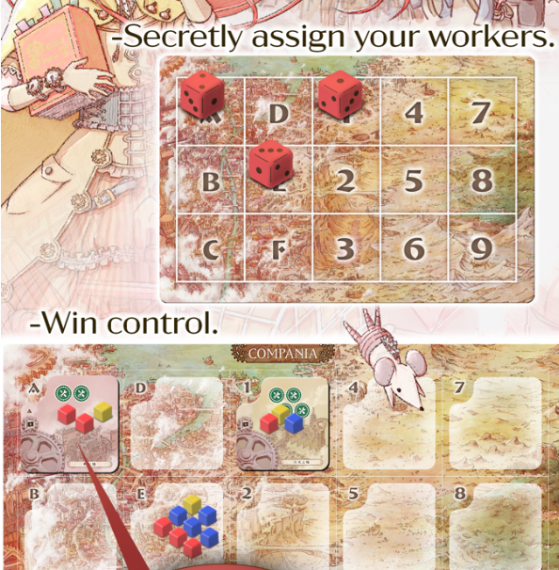
Compania lists its play time as 1 hour, and I believe it. Any time a design includes simultaneous play as one of its mechanisms, play doesn’t take as long because you don’t need to wait for players to take their turn. Everyone takes their turn at the same time. Compania’s auction system has me interested, but I’ve always liked Level 99’s art style; I always know when a game is a Level 99 game. You can back the standard-edition Compania for $50 or go for the deluxe version at $90. Check out Compania’s KickStarter page.

I love flip and write games. I’ve covered a few flip and write games like Draft & Write Records and On Tour. Fliptown, by Write Stuff Games is a fantastic flip and write, and Flip Voyage is the Fliptown’s sequel. It looks just as good. In fact, Flip Voyage’s KickStarter campaign features an expansion to Fliptown. You can pick a pledge that includes the expansion and Flip Voyage.

Flip Voyage’s gameplay looks straightforward and offers plenty of player choice. I have yet to demo Flip Voyage, but the game’s mechanisms make it look as if no two games will ever play out the same way twice. And Flip Voyage’s deck is a modified, standard playing card deck. There’s enough familiarity for newer players to understand the game, while offering something new and exciting. Flip Voyage offers several pledge levels. Most are cost-effective. Check out Flip Voyage’s KickStarter page.
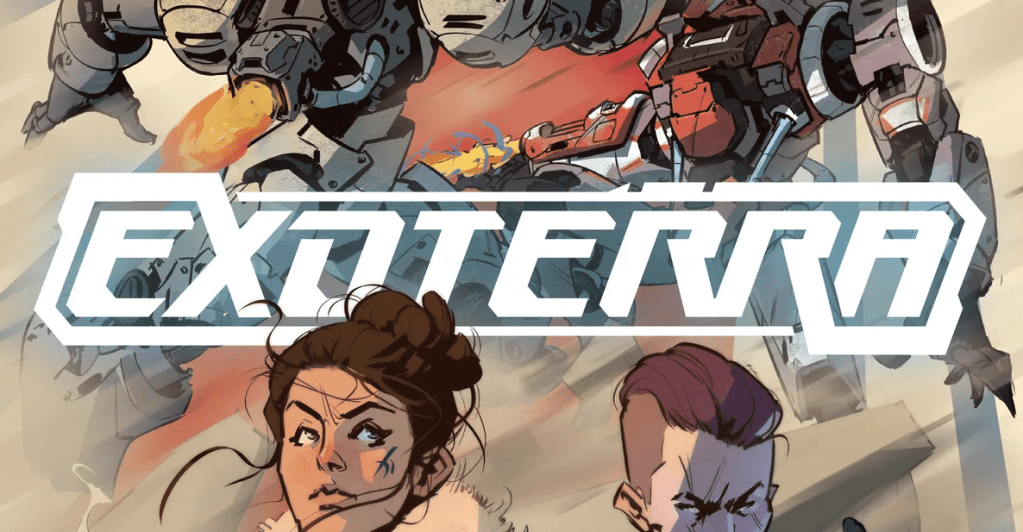
I’ve seen advertisements for ExoTerra for a while, and it looks like something that would interest me. ExoTerra is another cooperative game. This time, you build your own custom mech, a large robot typically found in anime/manga. Player boards are customizable, and the way each one is set up reminds me of Sky Team in a good way.
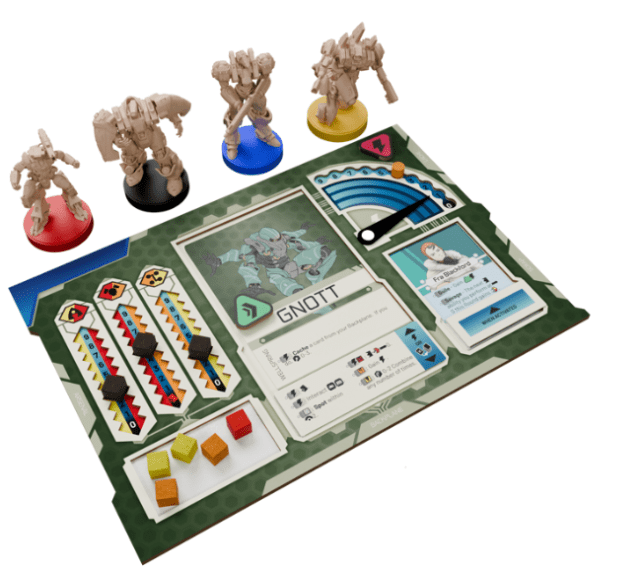
Of course, ExoTerra features detailed miniatures, but my favorite feature must be the triple campaign map books. Each campaign map includes 30 pages of battle stages. This makes setting up ExoTerra a snap. Just turn to the pages you need and place the three books together. ExoTerra includes several paths to victory. You could replay a scenario, using a different tactic (perhaps a non-combat option), and see if you can win. ExoTerra’s pledges range from $150-260. If you’re interested, check out ExoTerra’s KickStarter page.

Publisher Go On Board lends their knack for adapting video games to tabletop games to the Tekken franchise. The combat space looks tight, and that’s a good thing. Many combat games provide too many options to run and hide, or allow some characters an unfair advantage to keep their distance and attack from afar. Tekken: The Board Game keeps the fight close. Tekken boasts a short playtime (20-60 minutes). A fighting game of this nature demands a shorter play time.

Tekken: The Board Game features numerous iconic characters from the franchise. While writing this post, the campaign hasn’t yet launched, but by the time you’re reading this, Tekken: The Board Game should be available on GameFound. Check out Tekken: The Board Game’s page.
Obsidian’s Honey, I Shrunk the Kids inspired survival game received a sequel this week. Grounded 2 enters early access on Steam. Everything in Grounded 2 is bigger and better than the original, but fear not, fans of the original Grounded, Grounded 2 keeps everything that made the first game fun. The first Grounded was one of the best survival video games on the market. Grounded 2 looks poised to fill those shoes.

I can’t wait to befriend some helpful ants. Check out Grounded 2’s page on Steam.
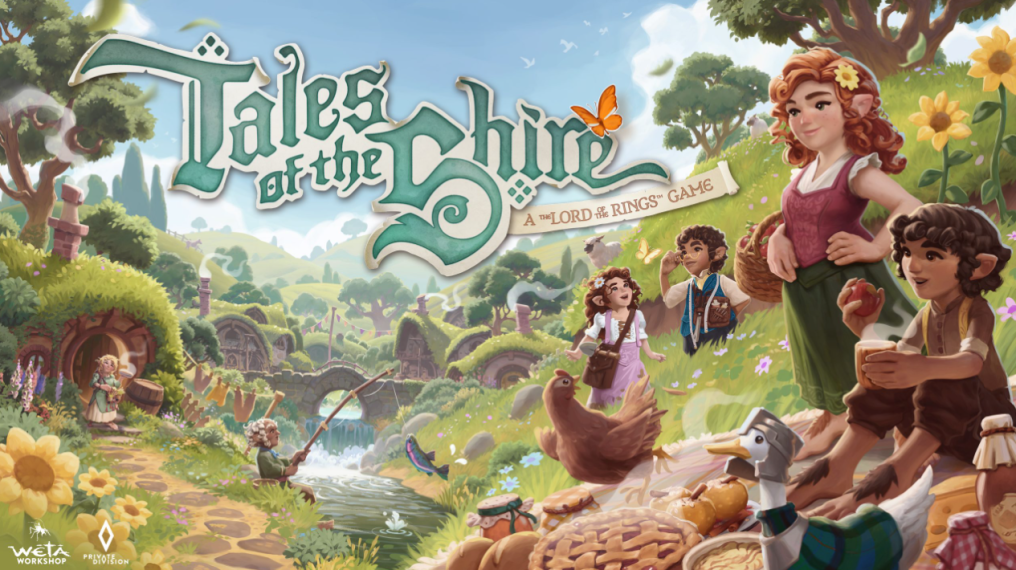
Have you ever wondered what Stardew Valley would look like if it were set in the Shire? Tales of the Shire has you covered. Live your life as a hobbit. Create your own Hobbit as you set forth in Bywater. Though not yet established as an official village in Hobbiton, you will play a big part in helping the quaint town flourish.

Tales of the Shire offers a unique gaming experience. Based on the image above, it looks like we’re getting ready for Elevenses. I’m all for that. For the next ten days, Steam is offering a 10% discount on Tales of the Shire.
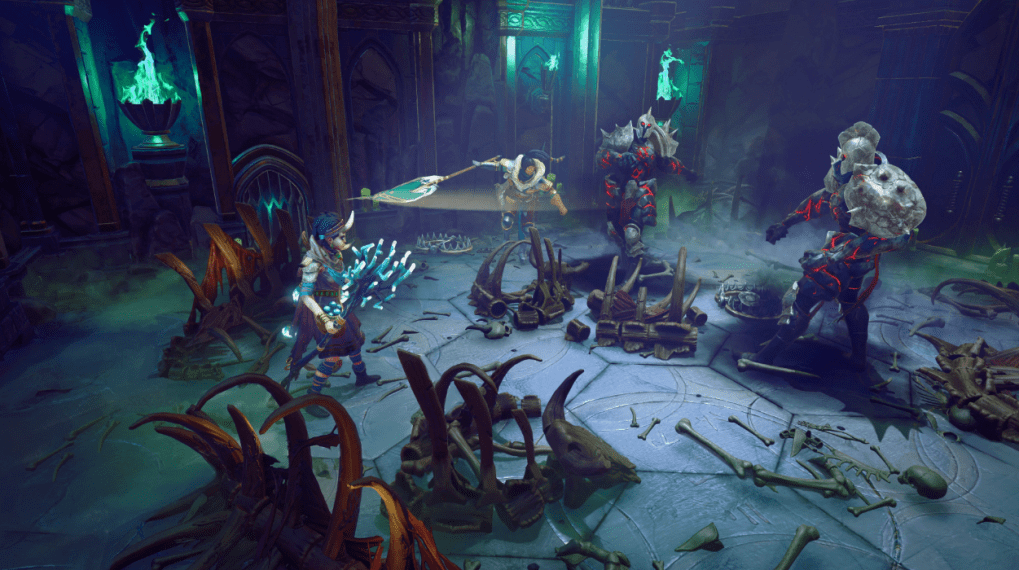
I enjoyed the original Gloomhaven video game. Gloomhaven’s sequel Frosthaven, lands on Steam this week. If you’re like me, you either don’t want to shelve Gloomhaven’s massive box or go through the twenty minutes or more to set up the game. The video game adaptation does a great job of translating the board game into a video game. Frosthaven received the same treatment, and the video game looks great.
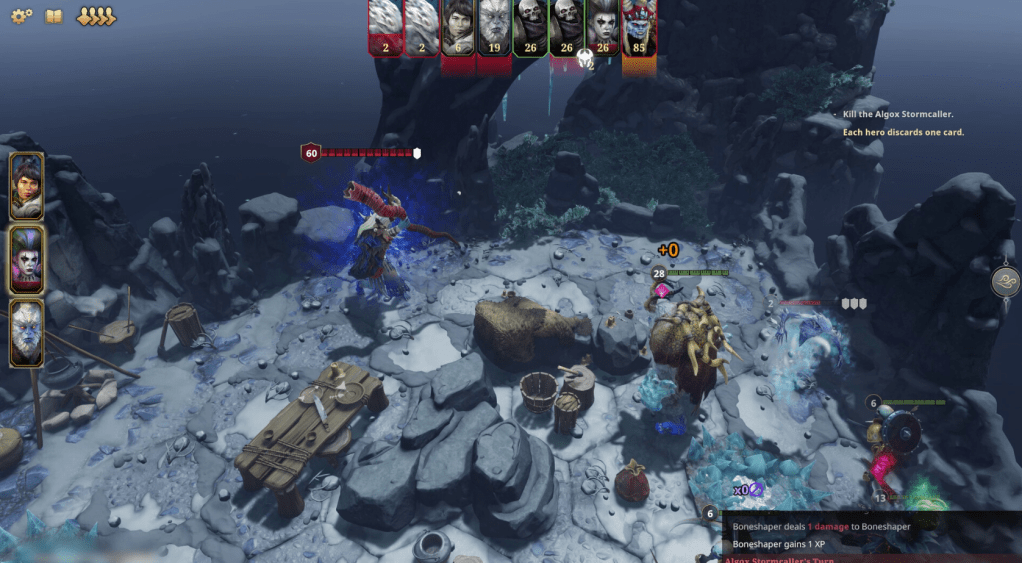
Similar to Tales of the Shire, Steam is offering a 10% discount on Frosthaven for one week. Check out Frosthaven’s Steam page.
That’s all the Geek News we have for this week. Thank you for reading, and wherever you are, I hope you’re having a great day.
 jkgeekly.com