





Happy Wednesday, Geekly Gang! Kyra Kyle here! Today, our writers share the games (video games and board games) they’ve been playing over the past month. Feel free to share which games you’ve been playing this past month, because we’re all part of the Geekly Gang. I’ll start off this post with what I’ve been playing this past month.

I received Final Fantasy Tactics: The Ivalice Chronicles two weeks ago. Thank you, Season. And it didn’t take me long to finish the game and earn the platinum PlayStation trophy. Oh, yeah!
I’ve played most–if not every–rendition of Final Fantasy Tactics. It’s one of my favorite video games of all time, and Final Fantasy Tactics: The Ivalice Chronicles does a fantastic job of updating this classic. Let’s begin with some of Final Fantasy Tactics: The Ivalice Chronicles’ best new additions.

It’s easier than ever to see turn order during combat. Character portraits line the left-hand side. Numbers show whose turn is coming next. When you choose an action that requires any charge time, like a spell or jumping as a Dragoon or aiming as an Archer, you’ll see where your action would fall in turn order, should you choose to pick it. I love this update. In an instant, I can see if I want to commit to an action or not. While many of the charge times have been reduced (making some classes like Dragoon and its jump viable and borderline overpowered), the Archer’s aim ability still takes too long. Better luck next time, Archers.

I went into Final Fantasy Tactics: The Ivalice Chronicles knowing I would enjoy the game’s combat (and mix-matching job abilities, like dual-wielding monks), but I didn’t anticipate how this version would step up the game’s story. I always liked Final Fantasy Tactics’ story, but with The Ivalice Chronicles’ “State of the Realm” interactive map, I can better follow the story. If you’ve ever struggled to keep Final Fantasy Tactics’ political intrigue clear, The Ivalice Chronicles may be the perfect edition. Throw in some great voice acting–by whom my spouse dubs as out-of-work Shakespearean actors–and Final Fantasy Tactics: The Ivalice Chronicles elevates a story that may resonate more today than when the original was first released in 1997.

Even with all the great additions Final Fantasy Tactics: The Ivalice Chronicles brings to the table, I do have some gripes. I loved the War of the Lions’ cutscenes. The art is unique and has an ethereal quality. These cutscenes are available in Final Fantasy Tactics: The Ivalice Chronicles, but gamers need to surf submenus to find them. I don’t think many gamers will do this. I would prefer an option to insert these cutscenes during my playthrough. This could be included in a simple update. Speaking of simple updates, Final Fantasy Tactics: The Ivalice Chronicles brings back all original unlockable characters and jobs. I’d like the game to include all the unlockable characters and jobs from every version, making Final Fantasy Tactics: The Ivalice Chronicles a definitive version.
I could go on with other nitpicks. I love the fast-forward option, but I’d like it as a toggle button, not as something I need to press and hold down, and there are a handful more, but Final Fantasy Tactics: The Ivalice Chronicles does more things right than things wrong. If you’ve been holding off playing this classic, Final Fantasy Tactics: The Ivalice Chronicles is the closest to a definitive version of the game. And I’ve heard that Square Enix may release a sequel if Final Fantasy Tactics: The Ivalice Chronicles does well. Fingers crossed!
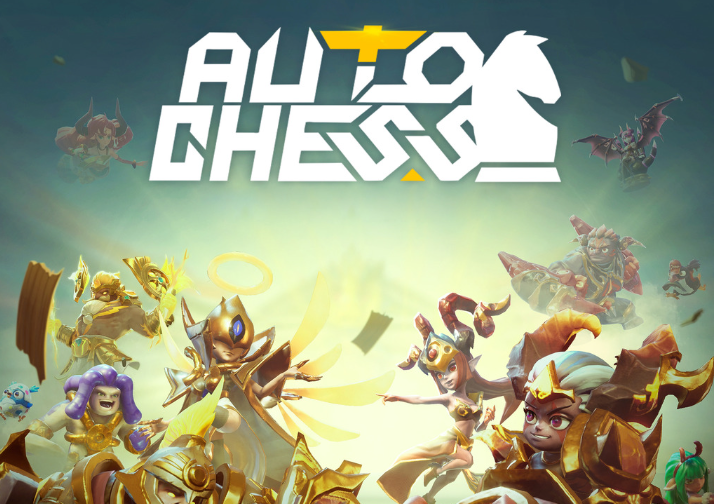
Auto Chess just had a major update (November 30, 2025, literally a few days ago). When this update posts, I’ll still be trying to understand all the balance changes. In short, I’m not enjoying this new update. Egersis is eliminated from the normal unit pool, but you can still gain Egersis units through a relic. That’s kind of good. Unfortunately, a couple of unit types have gained similar abilities to Egersis, so effectively, Auto Chess has quadrupled down on the game mechanism I hate. Great!
Certain units (like the Hill Clan Swordsman or the God of War) would dominate Auto Chess lobbies in the early to mid-game before this patch. After the patch, these units may have gained more power. Again, I haven’t had much time to play this new major patch, but there are far too many match-ups where I don’t know why I lost. That’s bad. I should at least know why I’m losing. Maybe I have inferior units or poor synergies or fewer units in general. But during the early stages of this latest patch, I’ve lost to opponents who had no synergies (poor or not), cheaper units, and fewer units. Evidently, my seven great units with six good synergies can’t defeat a team of four weenies with no synergies. I’m left scratching my head with Auto Chess.
Maybe I didn’t add the correct weenie.

This past month, I’ve played board/card games I forgot I enjoyed. I rediscovered some favorites. The first of these favorites is Rüdiger Dorn’s Las Vegas. I remembered shockingly little about Las Vegas’s scoring rules. Lol! Players roll standard six-sided dice, take turns placing all the dice of one number on one of six casinos (numbered 1-6, corresponding to the numbers players can roll). Whoever has the most dice in a casino wins the pot. The player with the most money after four rounds wins.

And that’s how to play–for the most part. Las Vegas has simple to learn rules but offers plenty of strategy. After playing Las Vegas for the first time in years, I remembered why I love it so much. It’s a game I love bringing on road trips. In fact, I believe I brought Las Vegas to my Vegas trip almost ten years ago. Who needs to gamble when you can play Las Vegas?

Wolfgang Kramer’s 6 nimmt! is another classic I played this past month. I’m going to take this moment to thank one of our game night regulars (Kenneth) for remembering how to play Las Vegas and 6 nimmt!. 6 nimmt! was another game where I could remember how the game was played but forgot to explain specific rules or edge cases. In 6 nimmt!, points are bad. You want the fewest points. Small bullheads (shown in the middle of the top and bottom of each card) score players points at the end of each round. Every round, players are dealt 10 cards. You will be playing all cards. Players simultaneously pick one card to play and then, in number order, play those cards to rows. If a row gets filled (has five cards and you would then play a sixth card), you claim all five cards in that row and start a new row with the sixth card you played.
6 nimmt! is another easy to learn game with plenty of strategy. Who am I kidding? 6 nimmt! is pure chaos. You may attempt to play a card, squeezing it into a tight window of numbers, only to find someone else played a card that torpedoed your plans. And that’s the fun.
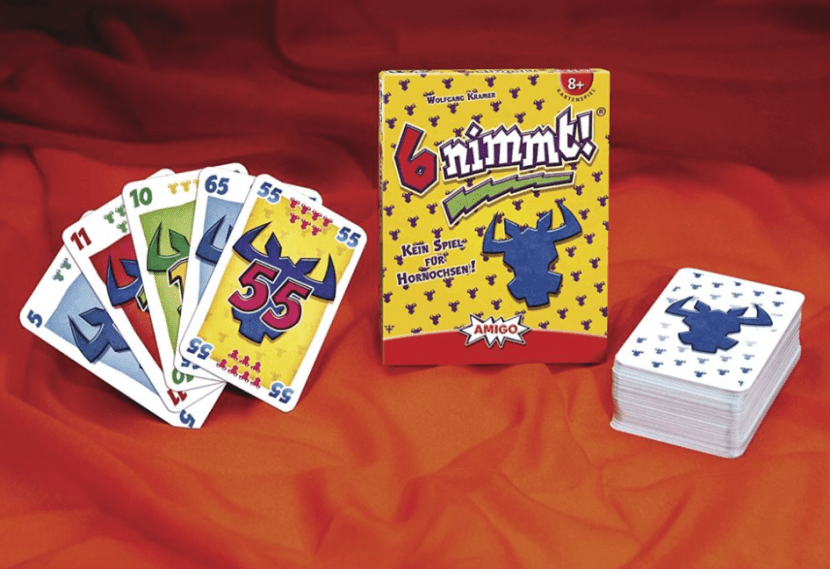
There are equal parts strategy and luck with 6 nimmt!. Are you the least bullheaded?
Those are the games I played this past month. Let’s see what Season has been playing.
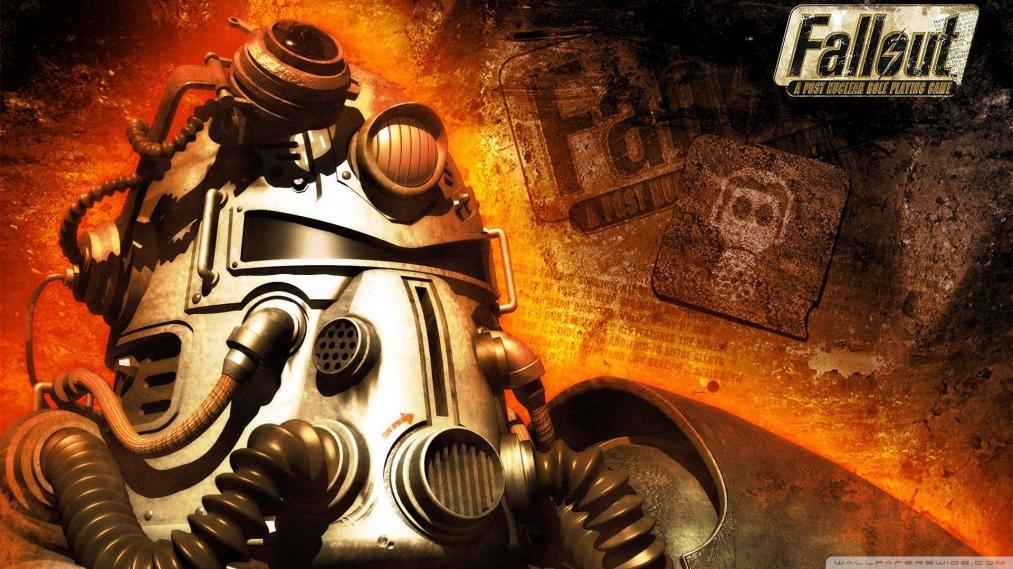
I’ve been getting into Fallout lore lately, so I decided to try the first Fallout game. I know Wasteland came before Fallout, but I’ve yet to check it out.
Fallout was a different experience from other games of the franchise after Bethesda took over. I like the isometric movement. It’s definitely reminiscent of earlier computer games. I get distracted easily in video games, so side questing and taking my time to explore the world is what I’m used to. I wasn’t anticipating being put on a timer to find the water chip. I think this adds to Fallout’s replayability. If I don’t get to everything, I’ll definitely play again.
What have you been playing, Skye?

Mass Effect is my newest video game obsession. “Obsession” is the right term. Mass Effect suddenly fell into my lap. I’m lucky enough to have a copy of the Legendary Edition, which contains the three games from the original Mass Effect trilogy. I’m fully submerged in the Mass Effect rabbit hole, and I don’t expect to be out until mid-2026. Especially since, if I really like a game, I’ll grind until I get all three Platinum Trophies. Wish me luck!
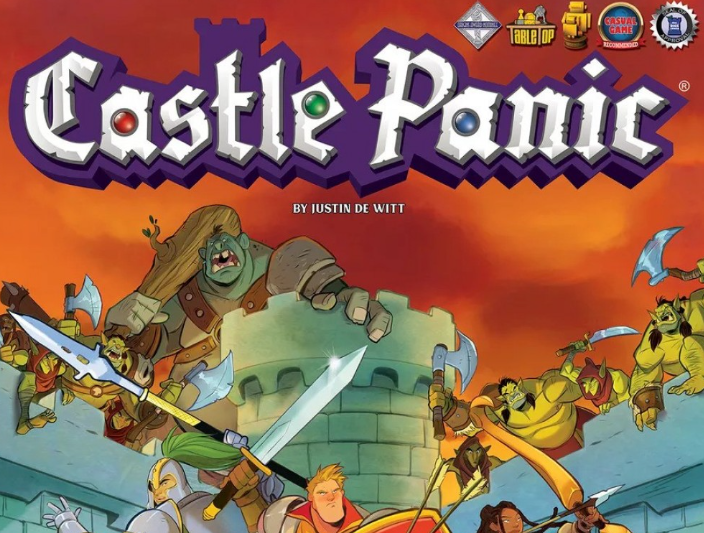
I played Castle Panic during this week’s game night, and it was a fun and engaging experience. I enjoyed the amount of planning and collaboration involved, which made each of our team members feel important. A lot of what happens in Castle Panic is discussion about which threats are the most pressing and how to deal with them. In a way, Castle Panic felt like we were all military commanders deliberating in the war room. Despite the good experience I had with Castle Panic, I can see how the game can turn sour. Castle Panic could suffer from Alpha Gamer Syndrome (one player making decisions for everyone). Remember to stay calm, work together, and get rid of those monsters. The kingdom is at stake!

And I’m hungry now. Pizza Roles is a party game that leans hard into its premise. The game is quick and entertaining. While I don’t see myself regularly playing Pizza Roles, I’d be happy to argue with a large group of friends about which toppings do and don’t belong on pizza. In a lighthearted way, of course. Since Pizza Roles can be played competitively or cooperatively, one can tailor the game to almost any friend group. Just make sure you order pizza.
Hey, hey! Kyra Kyle here again! Those are the games (video games and board games) our writers have played over the past month. Let us know what you’ve been playing in the comments, Geekly Gang. Thank you for reading, and wherever you are, I hope you’re having a great day.




Inspired by tile-laying board games, Dorfromantik offers the relaxing gameplay of creating a pastoral landscape of trees, villages, water, railroads, and fields. Designed by four German and Swiss students (Timo Falcke, Sandro Heuberger, Luca Langenberg, and Zwi Zausch) in a game design master’s program at HTW Berlin, Dorfromantik is a peaceful, minimalist game that lives up to the title, cozy. Hey, hey! Kyra Kyle here. We’re back with another cozy video game review. Even though Dorfromantik has crossed over into an award-winning board game, we’ll be discussing the equally stellar indie video game by Toukana Interactive. Get ready to build a gorgeous landscape with Dorfromantik.

Dorfromantik takes a simple concept of tile laying and does it exceptionally well. I’d wager the idea of Dorfromantik stemmed from playing board games like Carcassonne. Dorfromantik’s game mechanisms lend themselves well to board games, so there is an excellent, cooperative board game by the same name. Sometimes, you don’t need an elaborate set of mechanisms to make a game sing. Sometimes, you just need to do a simple concept well, and Dorfromantik does just that.
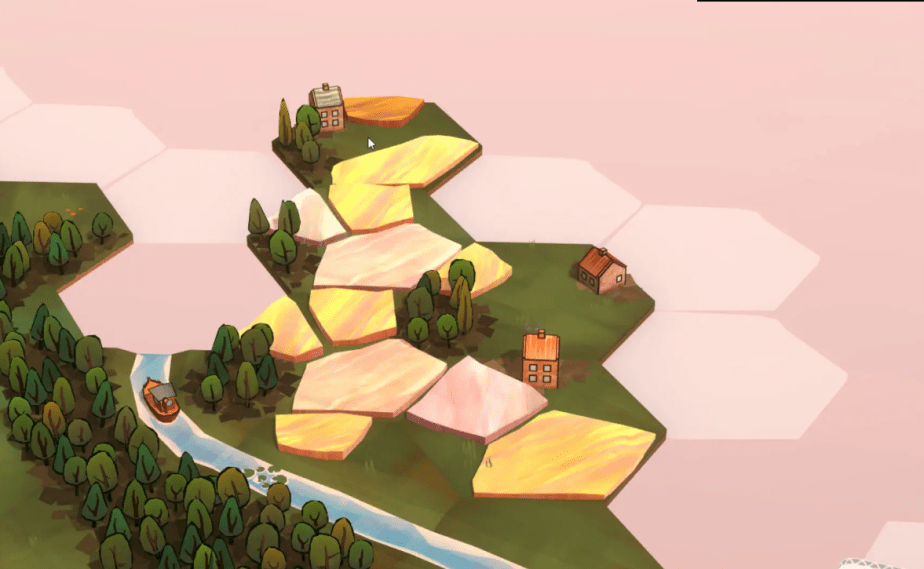
Chain similar land types with each other to gain points and finish goals (that the game presents) to score even more points and to increase the number of tiles you have to draw from. Dorfromantik can be played competitively–there is a leaderboard–or you could watch the countryside bloom as you place tiles. Dorfromantik‘s ability to make me invested in a landscape reminds me of another cozy video game we covered, Terra Nil.
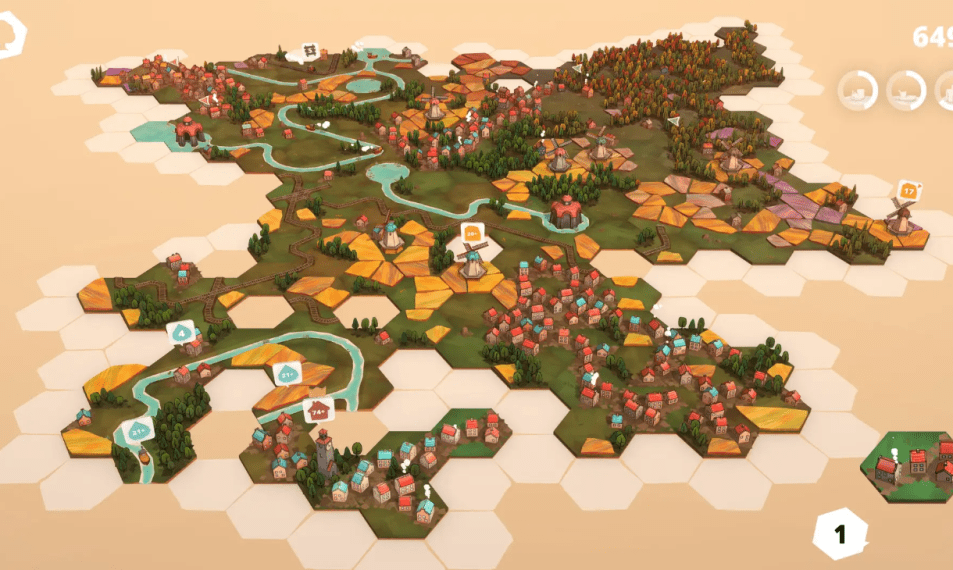
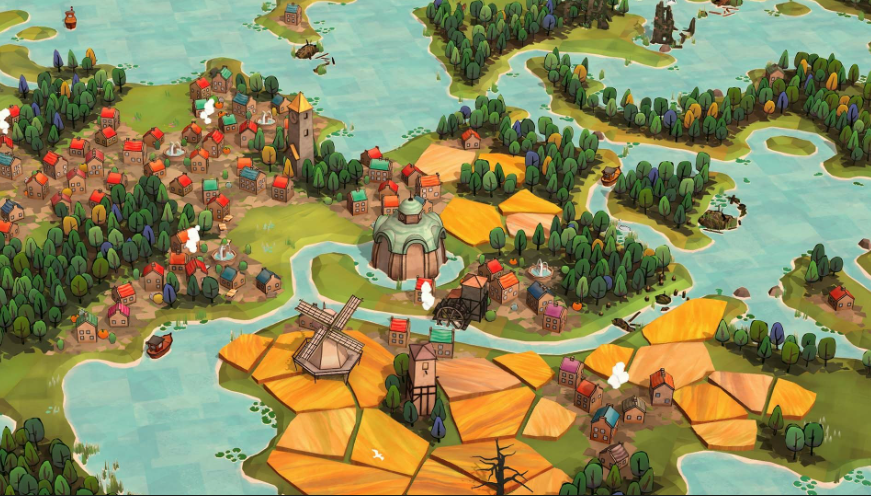
Whether you play Dorfromantik to get the highest score possible or casually place tiles and find your Zen, you can’t deny Dorfromantik’s gameplay loop. Once you get started, you won’t build just one pastoral scene. You’ll want to go farther with your next run, reveal new tiles like the windmill (pictured above), or watch your boats and trains traverse the landscape. And yes, the scene above is animated. It’s so neat watching your creation come to life.

Because the tiles can come out in different orders, no two scenes in Dorfromantik are exactly the same. This adds spice to the simplistic gameplay. Dorfromantik is an easy game to get into, but a difficult one to master if you want to climb that leaderboard. Or you could be like me. I just want to discover new tiles and watch my landscape get bigger and more diverse. I’m so glad Dorfromantik has been ported over to the Switch. It’s the perfect game to play on the go.

I should’ve excluded this element, but I didn’t with other video games that had little to no story, so narrative/storytelling is staying in the lineup. Let us know what you’d replace this element with for games that have little to no story. Dorfromantik has no story to speak of, so it receives a low mark in this category.

Dorfromantik has a stripped-down but effective user interface. The tiles feel great to manipulate. They almost feel like placing a board game’s tiles. The picture above shows how Dorfromantik will highlight the spaces where a tile can be placed. Gamers can only place the tile on top of the draw pile. Dorfromantik does an excellent job of not only showing where a tile can be placed, the callouts show where you can gain extra points, and whenever you hover a tile over a space and begin rotating it, Dorfromantik will make the matching tiles shimmer.

Dorfromantik’s elegant and minimalistic user interface makes it accessible. Like I said, Dorfromantik may use a familiar board game mechanism in tile placement, but every element Dorfromantik adds is handled with care and purpose. I had to give Dorfromantik top marks for user interface.
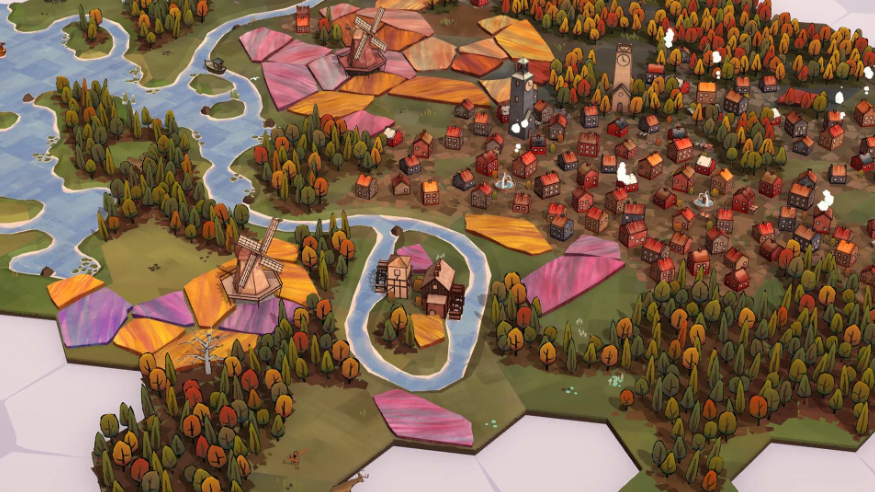
Dorfromantik has excellent graphics for a top-down isometric video game. The art style works well, and I appreciate the small details. Look at the clock towers, cottages, and windmills in the image above. Like I mentioned before, Dorfromantik uses small animations to denote movement. The boats (if you’ve unlocked the boats) move along the waterways. Smoke puffs from chimneys. While all of this is great, Dorfromantik does venture into cartoony graphics.

These cartoony graphics work well when one zooms out and sees more of the landscape, so I understand why Dorfromantik chose a minimalistic, cartoon-like art style. Players are meant to take a macro view of their village. But I dock Dorfromantik a point or two for graphics because the game doesn’t quite hold up on closer inspection.
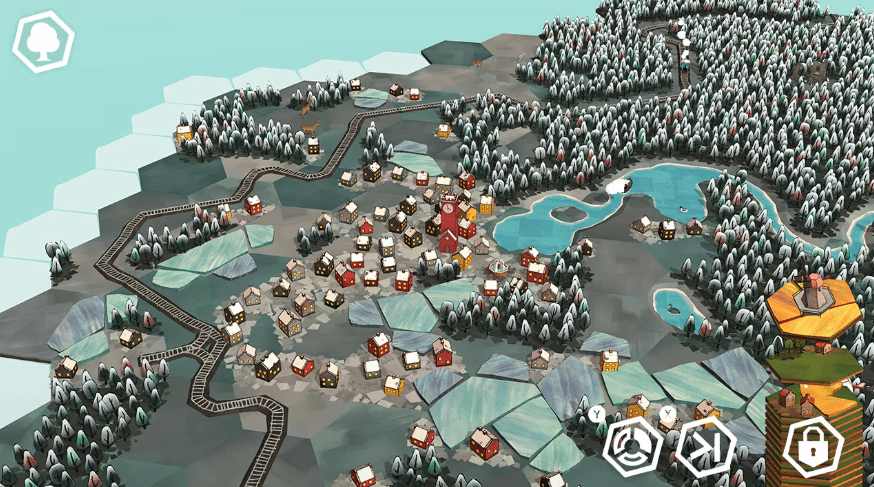
Dorfromantik’s music exudes the concept of a cozy game. I’ve listened to Dorfromantik’s soundtrack to fall asleep. It’s that soothing. Unfortunately, the game’s sound effects detract from this calm. The clacking and clicking of the tiles often takes me out of the game’s vibe. I would’ve preferred more pastoral sound effects accompanying the mechanical sounds of turning and placing tiles on the board. Yes, I could reduce the sound effects’ volume or turn them off altogether, but that would eliminate half of Dorfromantik’s audio. We’re grading the game’s entire audio. If we were only grading Dorfromantik’s soundtrack, its audio would score much higher.
Dorfromantik has an addictive gameplay loop, so the replay factor is through the roof. I can see myself playing Dorfromantik on my Switch while waiting in line. Heck, I’m surprised Dorfromantik hasn’t yet made it to the mobile game space. I could see plenty of people playing Dorfromantik on their phones. It may be an even better game for smartphones. The Switch tends to be a game’s first foray into mobile gaming. Fingers crossed that this cozy game classic makes it onto more mobile devices.
Sure, I gave Dorfromantik a story/narrative score, but I’m not including that score with its aggregated score. Sometimes you need a cozy video game to find your Zen. Dorfromantik is a great game for that. I’m hoping more gamers will have the opportunity to play Dorfromantik on other platforms soon.

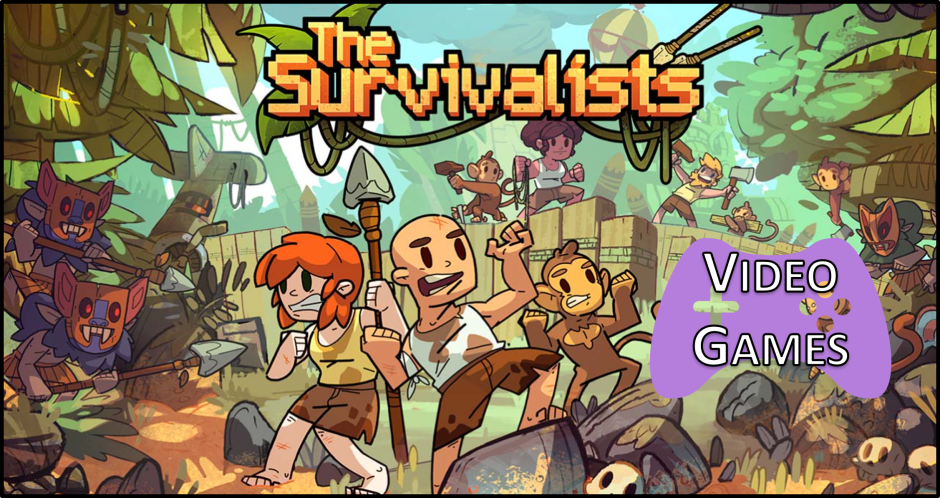
Team 17 produced The Survivalists as a cooperative adventure game set in the Escapists universe. The player wakes up marooned on a mysterious island. You must adapt to your new surroundings. Prepare your defenses against island threats. Explore, hunt, build, craft, and train monkeys with up to three friends as you do your best to survive.
Hey, hey! Kyra Kyle here. Today’s post is a follow-up of sorts. Months ago, I mentioned during one of our Whatcha Playing segments that I’ve been playing The Survivalists. I finished the game and figured I’d share my thoughts. I played The Survivalists on PlayStation (so most of my comments will reflect that), but The Survivalists is also available for Xbox, Nintendo Switch, and Steam. Typically, it retails for about $25, but The Survivalists tends to go on sale for as low as $5. I snagged a copy when it was this cheap. Let’s see how The Survivalists measures up in our review criteria.
Full disclosure: I’m not the biggest survival game fan; that’s more Skye’s video game genre. Survival games often frustrate me. It takes a while to make progress (I’m impatient), and your progress can be foiled with a single false move, which causes the game to devolve into a frustration simulator. I usually like to chill whenever I play video games. Most survival games have no chill. That’s where The Survivalists is different.
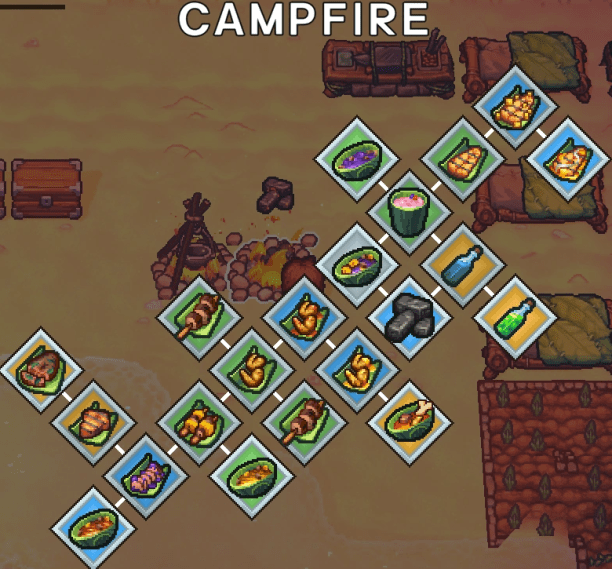
The Survivalists takes a laid-back approach to the survival game genre. Sure. You can–and most likely will–die in the game, and after respawning, you’ll have to travel back to where you lost your belongings, but The Survivalists is more forgiving. Upgrades don’t take as long, eliminating one of the barriers for me. If you train monkeys, these upgrades take a fraction of the time. Monkeys are The Survivalists’ single best addition. It took me a while to figure out how to train a monkey (the controls are a little wonky), but once you get the knack, you’re no longer alone on this island. Even if you play The Survivalists solo, you have allies.
The Survivalists’ monkeys element is enough to give it an above-average score in mechanisms, but the game doesn’t add too much to the survival video game genre, so I couldn’t give it higher than an eight out of ten. Still, I enjoyed my time with The Survivalists, and the game’s mechanisms kept me engaged.

Above Image from GameDesigning.Org
The Survivalists has the same addictive gameplay loop as most survival games. While I love the addition of monkeys, you can get stuck waiting for your monkeys to finish constructing key materials. That holds back this score a bit. The missions can also get too specific; one also doesn’t receive credit for a task unless they have the mission in their questline. The Beast Master is notorious for this. Kill 10 Bats. I already have; I guess I must hunt for 10 more. And the Beast Master’s questlines (in particular) don’t appear to have a linear progression. You can go from slaying a mid-level boss to hunting wolves, and then to taming animals, which transitions to killing warthogs (an equivalent animal to wolves). These mission progressions tend to be head-scratching.
Still, The Survivalists has a satisfying gameplay loop. The world resets after every few days (after a blood moon). So, if you must hunt wolves for their pelts (or to finish a quest), you may need to wait for them to respawn after a blood moon. The morning after a blood moon, you’ll be attacked by natives. Perishing during one of these raids isn’t too big of a deal, provided you’re at or near one of your camps. You’ll lose the items in your inventory, but your attackers will vanish, and you’ll respawn at your nearest camp. Easy.

Sailing can be tricky to master. I was fifteen hours into the game before I could navigate the waters well. Once you get the hang of sailing, exploring becomes a blast. I couldn’t wait to discover a new island or the materials I could find on the island. This is a hallmark of survival games. Perhaps I should give more of them a try.
At first, obtaining a new monkey can be exciting, but you’ll end up with well over 15 monkeys. That’s a lot of monkeys. The number of monkey companions will become unruly, and monkeys have a range limit. The Survivalists doesn’t do a good job of marking this range. I lost count of the times I’d task a monkey to do something like chop down trees, only to see the monkey skip a tree to knock one farther away. Make the monkey’s range make sense. I’ll also get a monkey falling me a little too long, and then they’ll randomly swim on the beach on a foreign island. It’s a good thing monkeys can’t die.
The Survivalists has a basic premise with little story beyond that, but it doesn’t need a lot of story beyond a person marooned on a distant island. I do enjoy the ending. It’s not a true ending, because you can continue playing after this moment, and the credits roll. I won’t spoil what happens here, but The Survivalists has an adorable cutscene after the player rebuilds the Galleon and sets off for home.

Even though The Survivalists has little story, the story it has is done well. Flavor snippets from the labyrinths and vaults sprinkled through the various islands do a lot to build The Survivalists’ world. My favorite parts of The Survivalists’ story are piecing together a story from the random objects I encountered. This game allows players to fill in certain blanks in its story. As of writing this post, I have yet to play The Escapists. I’ve heard that there are references from the previous games set in this universe. If so, that’s fun.
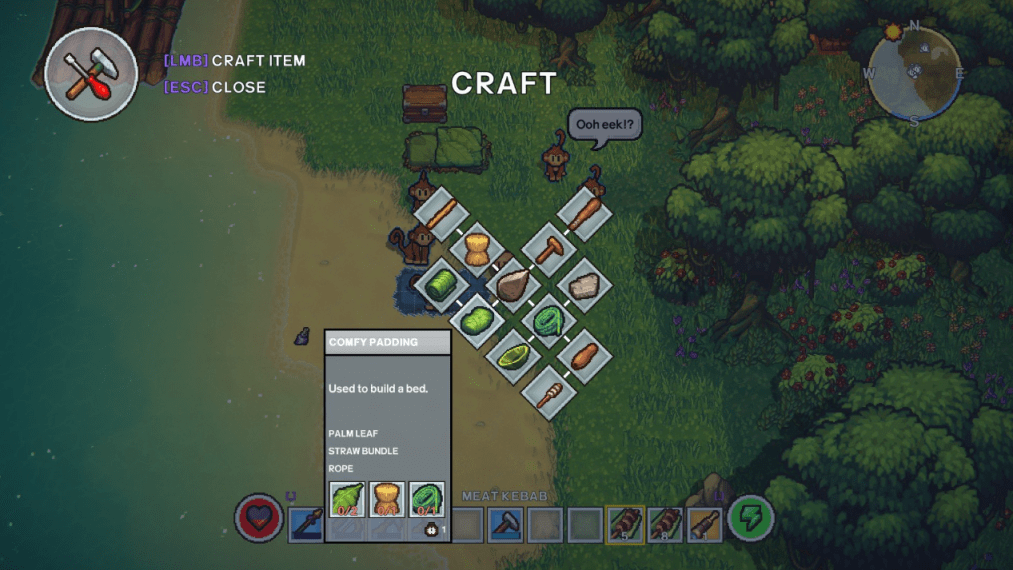
The Survivalists’ user interface works well. With few exceptions (I mentioned a lack of showing the player their monkey’s range), the game provides ample information in a digestible manner. The volume of information a survival game needs to convey is staggering. Players can get lost in menus and submenus. While that can happen occasionally with The Survivalists, it doesn’t happen as often as other survival video games. This contributes to The Survivalists‘ ease of play.
The well-laid-out GUI gives players the information they need. Yes. I could locate my missing monkeys if I wanted; I just didn’t want to retrieve them. The map allows for customized markers, which makes remembering where things are easy enough. Furthermore, you don’t really need too many personalized markers because the taskmasters have unique markers, and they spawn on the game’s five islands: Mysterious Strange at the player’s island, Beast Master at the Badlands, Survival Gourmand in the Swamp, The Collector at the Volcano, and The Salesman at the final island shaped like a skull and is a combination of all the biomes. The Survivalists also labels all the labyrinths and vaults, so the randomized map is clearly marked.

One can also mark a recipe and know when they’ve collected the necessary materials. I only have a few gripes, like the lack of a monkey range display. The Survivalists did their homework and included enough features from other survival video games to make playing this game enjoyable.

In keeping with The Escapists’ universe, The Survivalists uses a cute pixel art style. I don’t tend to like pixel art because the art style sacrifices detail for the sake of the designer not wanting to include detail (it tends to be cheaper), and it taps into nostalgia. A stripped-down look is a key feature of pixel art; it makes the art more abstract, which can allow players to see themselves in the graphics. Somehow, The Survivalists’ graphics maintain a level of detail despite using pixel art. That’s impressive.
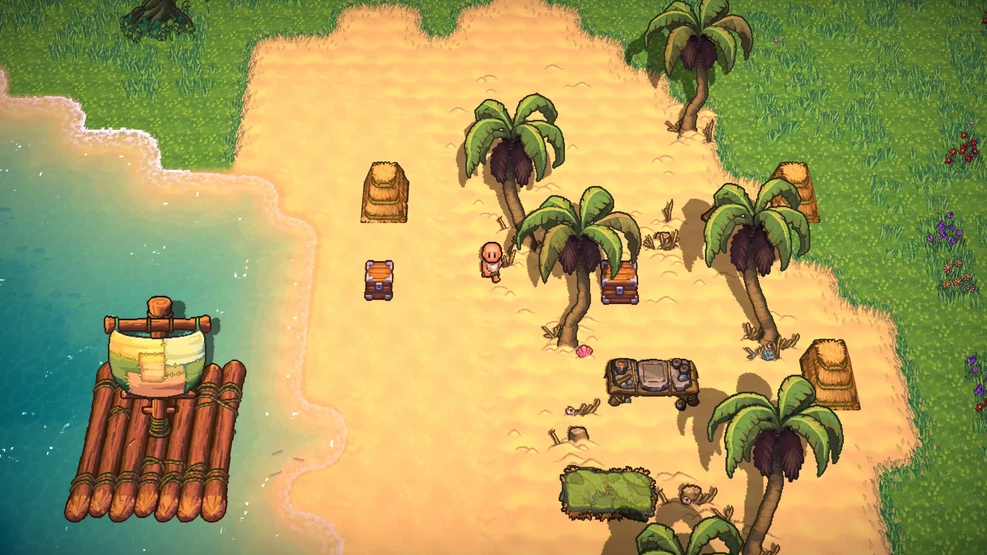
As you can see in the image above, The Survivalists uses a mock 16-bit art style, but the shadows from the trees have detail, the water ripples, and the grass shifts. The Survivalists has enough detail to make its world breathe, but it has enough abstraction for players to see themselves in their protagonist. This is pixel art done right.
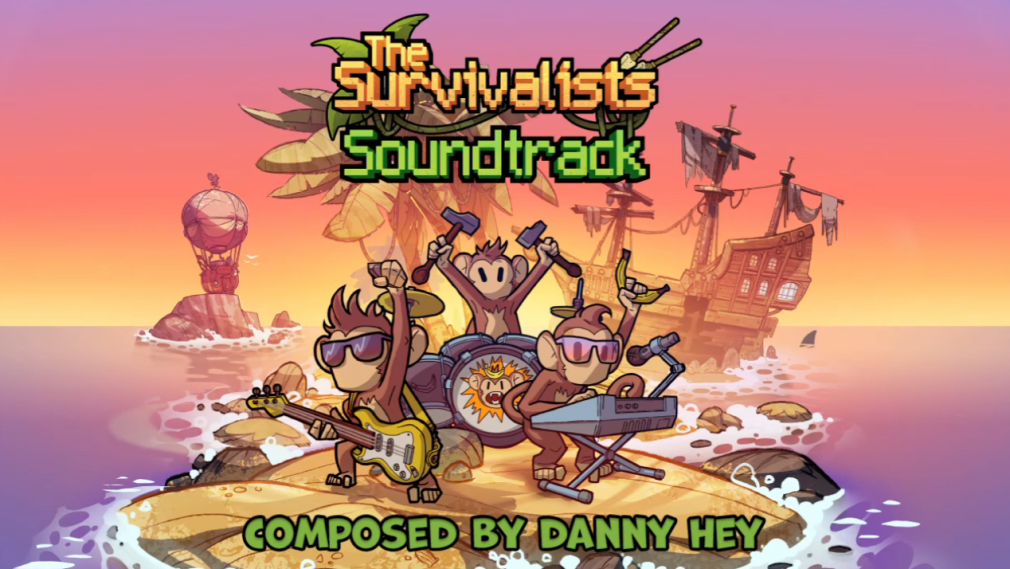
Truth time. I predominantly played The Survivalists muted. The times when I had the sound on, the effects sounded natural. The music is solid and suitable, except for the sailing tune. That song alone raises the audio score a full two or three points. I would sail from island to island just to hear this tune. The Survivalists’ sailing music feels like an adventure, and that’s what I wanted from this game. Don’t believe me? Check out the audio on YouTube. The track is titled “Adventure Awaits.” That’s so fitting. I can almost smell the salt from the ocean.
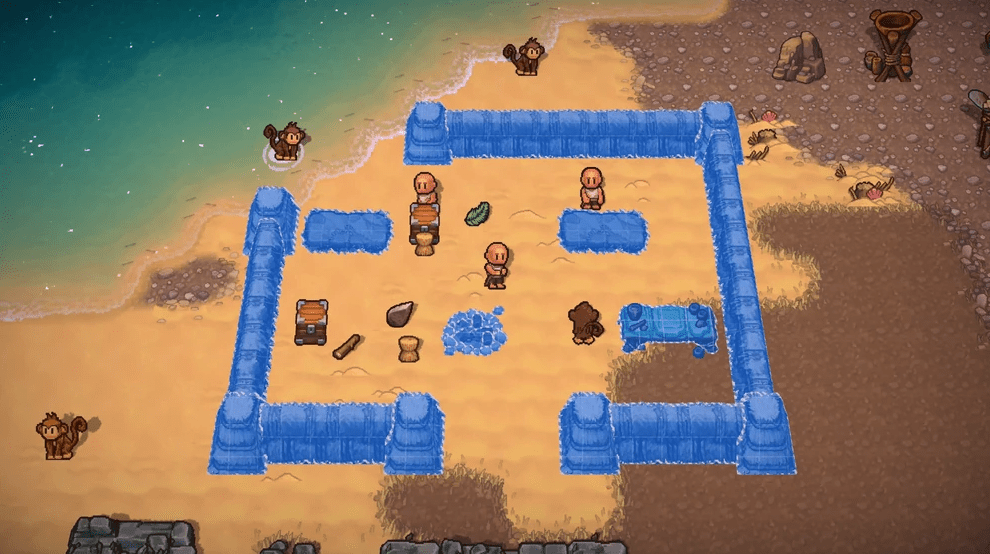
The Survivalists’ ability to be played cooperatively raises this score a lot. I don’t know how often I’d play it as a solo experience. If you have no desire to play The Survivalists in co-op mode, I could see you dropping this score a point or two, but I do like playing this game as a co-op experience. Since the game randomly generates the islands each time, The Survivalists becomes a different puzzle. During my solo play, I had plenty of rocks for masonry but not enough trees for lumber at the game’s start. The inverse was true during my co-op playthrough. Plenty of other game elements, like the labyrinths and vaults, change too, so each play of The Survivalists is different.
I enjoyed my time on the island and wouldn’t mind returning after several months. If you need me, I’ll be listening to “Adventure Awaits” while heading out on a road trip.






Happy Wednesday, Geekly Gang! Today, our writers share what they’ve been listening to over the past month. Feel free to share what you’ve been listening to, Geekly Gang. I’ll begin by sharing my monthly tunes.

Typically, I don’t pay much attention to the Rock & Roll Hall of Fame, but this year’s class was an interesting one. Headliners include Cyndi Lauper, Soundgarden, Joe Cocker, The White Stripes, Chubby Checker, Outkast, and Warren Zevon. Wow! What a group! I’m surprised it took Warren Zevon over 30 years to make the Hall. Notable exclusions like the Excitable Boy himself are the biggest reason why I don’t pay much attention to the Hall’s Inductees. Zevon’s Excitable Boy is a hallmark Rock album. “Ah-woo! Werewolves of London.” And I love “Lawyers, Guns, and Money.” The latter song is as pertinent today as it was when it was first released.

Many members of this inductee class are no longer with us, so several other artists paid tribute. Iggy Pop was hilarious when he sang the beat of The White Stripes’ “Seven-Nation Army.” The entire crowd joined the fun. And while there was a great version of Soundgarden’s “Black Hole Sun,” Lily Cornell Silver’s rendition of “Fell On Black Days,” with a picture of her father (Soundgarden’s lead singer, Chris Cornell) over her shoulder, sends chills.
While “Black Hole Sun” is a banger, I much prefer “Fell On Black Days.” It better explores Cornell’s range. Both Cornells. Lily did her father proud.
I’m getting choked up again. Chris Cornell (and his close friend Linkin Park frontman Chester Bennington) was always upfront about his depression. We lost Cornell and Bennington too soon.

My second entry pulls double duty: it’s a meme and a song. The Remix Brothers did a great job poking fun at President Trump’s Autism announcement from a handful of weeks ago. Here’s a link if you’d like to check out the remix. In short, the study President Trump references during this announcement says the exact opposite of what Trump declares. There is no correlation between Tylenol and Autism. Autism is hereditary. I’m a good example of the rise of Autism diagnoses. My daughter was diagnosed. I had some markers, and there’s a biological component to Autism, so I got checked myself and was diagnosed later in life. Tylenol is the only safe fever reducer pregnant women can take. Unchecked fevers can lead to issues far worse than Autism. Don’t listen to Trump. Returning to The Remix Brothers’ video, it’s eerie how they’re able to make Trump sound like Eminem. The Trump in this video has flow.
Sometimes one must laugh at the Idiocracy The United States has become. The Remix Brother’s “Trump Autism Remix” does a great job of doing that. Trump doesn’t need a third term. Can we get Dwayne Elizondo Mountain Dew Camacho as the 2028 Republican candidate for President?
That’s all I have for this month. Let’s check in with Skye.

It’s been a minute since I first heard The Rise and Fall of a Midwest Princess, and I was happy to revisit it this month. I forgot how much I enjoyed it. Listening to songs like “Femininomenon,” “After Midnight,” “Pink Pony Club,” and “Casual” reminds me of why this album is in my vinyl collection. I specifically own the Peaches & Cream version, which contains the songs “Super Graphic Ultra Modern Girl,” “HOT TO GO,” “My Kink is Karma,” “Picture You,” and “Kaleidoscope.” While it’s nice knowing I’m lucky to have bonus content, it feels weird having an album with an odd number of sides. I need to remind myself that the D Side is blank, and I’m worried one of these days I’m gonna scratch it by accident.

Despite my love of upbeat pop songs, I enjoy mellow vibes and soothing tracks. Enter The Very Best of Roberta Flack. Songs like “Killing Me Softly with His Song,” “Feel Like Makin’ Love,” “Where Is the Love,” and “If I Ever See You Again” are great for soothing vibes. Some people say that a nap is all you need after a long day of work, but The Very Best of Roberta Flack is all I need. I’ve been meaning to pay homage to Roberta Flack after her passing earlier this year. We’ve lost too many legends recently. Rest in peace.

On a lighter note, Olivia Rodrigo’s SOUR has been another of my staples this month. Rodrigo’s musical stylings are easy to jam to. I get lost in the melodies of songs like “Traitor,” “Drivers License,” “1 Step Forward, 3 Steps Back,” and “Enough for You” while I’m busy working on projects. I can’t deny that part of me is transported back to my teenage years whenever I pop in SOUR. I can’t imagine why that is. I still relate to many themes present in SOUR. Wherever Olivia is, I hope she’s okay.

Sublime is another classic album from my childhood. Understandably, my parents never shared the entire album with me and my sister, but certain (clean) songs quickly became staples. We would sing “Santeria” or “What I Got” as loud as we could. Being a kid, I never understood anything these songs were saying, but I loved them just because we were having fun. I love the nostalgic feelings I get from this album.
That’s all we have for this month’s Geekly Tunes. Let us know what music you’ve been listening to over the past month, Geekly Gang. Thank you for reading, and wherever you are, I hope you’re having a great day.

 jkgeekly.com