Happy, Wednesday, Geekly Gang! Kyra Kyle here. Today, our writers share what they’ve been watching over the past month. Feel free to share what you’ve been watching, because we’re all part of the Geekly Gang. I’ll get things started with what I’ve been watching over the past month.
Kyra’s Movie
No Hard Feelings surprised me. Sure. It’s a raunchy comedy in the style of Judd Apatow circa 2005 but with fewer–if any–improvised scenes. First, this keeps No Hard Feelings to a tight hour and a half runtime, instead of the bloated two-hour-plus Apatow films. Second, No Hard Feelings contains fewer homophobic jokes (I’m looking at that scene in 40-Year-Old Virgin where Rudd and Rogan dis each other with “I know you’re gay because” jokes). In fact, No Hard Feelings’ lead, Jennifer Lawrence, gets called out for a wisecrack that could be viewed as homophobic, which is an obvious nod to 2000s Apatow movies. Great work.
And I loved Lawrence’s performance in No Hard Feelings. Before No Hard Feelings, Lawrence hadn’t acted much in a few years, and since this is a raunchy comedy, I expected her to put in the bare minimum and collect an easy paycheck. Nope. She goes all in. It helps that Lawrence is also a producer for this film. Lawrence’s performances in No Hard Feelings (2023) and Causeway (2022) mark a triumphant return. If you like sexy and raunchy comedies, you should check out No Hard Feelings. Lawrence’s fight scene on the beach is iconic. If you know, you know.
Kyra’s Shows
Agatha Christie’s Seven Dials was a good diversion. I’ve never read the novel. I may have to after watching this series, because the Netflix limited series doesn’t do the best job as a mystery. I knew who was behind most things from the start. Seven Dials choreographs everything to a fault. The obvious red herrings turned out to be red herrings. The “trusted” friend who would know enough to pull off the murders ends up being the one who pulled off the murders. Well, not exactly. I won’t “spoil” Seven Dials’ reveal. And I do appreciate the character reasons why the “secret” big bad does what they do.
Despite not being the most puzzling of mysteries, Seven Dials serves as a great origin story for an adventure/espionage series. The final fifteen minutes pivot hard into what could be an engaging Mission Impossible set in the 1920s United Kingdom. That’s why I say Seven Dials may not work as a mystery, but it remains entertaining. That end-of-series pivot is the most shocking, and I may have just spoiled Seven Dials’ greatest twist. I can’t see myself rewatching Seven Dials. But I wouldn’t say no to a follow-up series or spin-off series that fully embraces adventure and espionage. Yes, please.
I’ll give a quick shout-out to the shows I’ve reviewed over the past month: Fallout and Wonder Man. I’m writing this segment early–really early–so I haven’t yet watched the Fallout finale, but the penultimate episode was pitch perfect. I trust what the showrunners have in store for us with Season 2, Episode 8. Wonder Man took me by surprise. If you want my full thoughts, here’s a link to my reaction after watching Wonder Man. In short, Wonder Man is one of the best Marvel shows I’ve seen in some time. I can’t wait to watch the next Marvel Spotlight project. Wonder Man is less about superpowers and more about friendship. Endearing.
That’s all I have for now. Let’s check in with Season.
Season’s Movie
I’d never seen Mrs. Doubtfire until recently, and I’ve watched many Robin Williams films. I expected Mrs. Doubtfire to be over-the-top and campy (because Robin Williams). It definitely delivered. Mrs. Doubtfire did way better at expressing turmoil and mixed feelings between Daniel and Miranda than one would expect from a comedy. I was more interested in the relationship between the parents than the kids. The kids didn’t have as much depth and were used as a plot device to create friction between the parents. Then again, if they were more complex, that would have either created a longer movie or shortchanged the dynamic between the parents. If you’re looking for a comedy with a divorce story and an ambiguous ending, I’d recommend Mrs. Doubtfire.
Those are all the movies and television shows our writers watched this past month. What’ve you been watching? Let us know in the comments. Thank you for reading, and wherever you are, I hope you’re having a great day.
Happy Saturday, Geekly Gang! Kyra Kyle here. Today will be a busy review Saturday. I’ll share my reaction to Fallout Season 2, Episode 7, “The Handoff” this morning before diving into the first half of the Wonder Man miniseries. Ah! But that’s for later. This post is dedicated to the most recent episode of Fallout. And my, was “The Handoff” a loaded episode. It does a great job accelerating the plot threads and themes Fallout Season 2 has developed. And there’s plenty of fan service.
I’d be tap dancing a lot if I tried to avoid spoilers here, so I may drop the occasional spoiler. I apologize in advance. Consider yourself warned of future spoilers. “The Handoff” begins with pre-war Steph–that’d be the same Steph who serves as Vault 32’s current overseer–escaping a Canadian detention center with her mother. Spoiler: her mom dies, but she tells her to do what she must to survive. Yes. This is another flashback, and I have mentioned this season of Fallout has teetered toward too many flashbacks, but the flashbacks during “The Handoff” felt earned, filled in some details, and played off the current actions. I love this motivation for Steph. She’s been creeptacular since last season. This episode does a great job exploring why.
And I like Fallout’s inclusion of Canada as the “51st State” or “Little America” during the closing credits. Fallout took that straight from the games. I mean, there’s no way a sitting United States President would want to annex Canada in the real world, right? Right? That’s only in fiction. And the fact that Chet uses Steph’s Canadian identity, the vault chases her into the Overseer’s Headquarters, and history appears to repeat itself (the previous Vault 32 Overseer appeared to have suffered a similar fate) is fantastic. Even better, Steph has control of the secret box she knew Hank MacLean had before the bombs dropped. “The Handoff” does a good job of paying off some questions, while posing more. What’s in the box, Steph? What’s in the box?
We get a little bit more time with Norm. He has enough time to use the radio to attempt to contact his father and sister. And we know Hank turned on the radio on his side. How many are connected to this line? And who was Hank trying to contact at the beginning of the season? All great build ups, but I would’ve liked a little more Norm screentime.
At the Vault-Tec facility, Lucy appears to support her father’s method of “peace,” but betrays him and races to sabotage the mind-erasing device. But the mainframe isn’t what she expects. It’s run by the preserved head of Congresswoman Diane Welch. Again, “The Handoff” does a great job weaving so many of the threads together, both present timeline and the past. We caught glimpses of The Ghoul’s past where he thinks he’s delivering Cold Fusion to someone who can help (namely, the same Congresswoman Diane Welch, who protested the billionaires club meeting a couple of episodes prior), only to be two-timed by who knows how many people. We’ll get to pre-Ghoul Cooper soon enough, but these glimpses show that Lucy and The Ghoul are–as The Ghoul once said–the same, only he’s her in the future. Ah! Yet another great payoff.
And I like Lucy’s story beats in “The Handoff.” I questioned if she was turning toward her father’s viewpoint or saw some value in it, and even when she showed disdain for her father’s methods, I still wondered if she would punish him. Or how would she punish him? Or how did she intend to stop him? All great questions that kept me watching. Many of them receive answers, but I’m still unsure if she powered down Welch’s head. Even if she did, what chaos would doing so bring?
And then we return to The Ghoul, Maximus, Thaddeus, and Dogmeat. I can’t overstate how well “The Handoff” calls back imagery from past episodes. Donning power armor reminiscent of the Courier’s armor in Fallout: New Vegas, Maximus strides down Freeside. A young child looks up at him in a similar fashion as Maximus looking up at a Brotherhood of Steel Knight. A quick slow clap for Fallout. Freeside’s residents applauded the New California Republic’s return to New Vegas; I’ll do the same for these references and callbacks. It won’t be long until the quartet rumble with the pack of deathclaws, but before the gang can reach the rickety wall, Thaddeus’s arm falls off. Yeah. That’s not good. Not only was Thaddeus supposed to serve as a sniper, he’s exhibiting signs counter to a ghoul. Earlier in the episode, Thaddeus revealed he has a mouth growing near his clavicle. That, mixed with his fallen arm, makes me believe Thaddeus may be turning into a centaur (from Fallout 3). But he could be some other mutation.
The deathclaw fight scene was relatively short but eventful. I won’t give a blow-by-blow, but it was fun. Maximus does enough to help The Ghoul reach the Lucky 38, and the fight will get even more intense with next week’s finale. I can’t wait. And speaking of that finale, The Ghoul uses cold fusion to power up an old friend: Mr. House. Yes! Like I’ve been saying, we saw plenty of huge reveals during “The Handoff,” while the episode does a stellar job raising the stakes for this season’s climax.
So, what did you think about this week’s episode of Fallout? Let us know in the comments. Thank you for reading, and wherever you are, I hope you’re having a great day.
Happy Wednesday, Geekly Gang! Kyra Kyle here. Today, our writers share what they’ve been watching over the past month. Feel free to share what you’ve been watching this past month in the comments. We’re all part of the Geekly Gang. I’ll get us started with what I’ve been watching this past month.
Kyra’s Movies
Evil Influencer: The Jodi Hildebrandt Story marks the second or third time I’ve seen this story told. I’ll keep this off the cuff and not research the topic, so I may get details incorrect. There’s a reason Jodi Hildebrandt’s story has been told multiple times. It’s harrowing. Sporting countless injuries (like rope burns on his wrists and ankles), a pre-teen boy wanders the Utah desert barefoot. He approaches three houses before someone calls the police on his behalf. That’s a killer opening.
Turns out the titular Jodi Hildebrandt coaxed MomTube influencer Ruby Franke to abuse her two youngest children. Hildebrandt leverages Franke’s religion (she’s a member of the Church of Latter-day Saints). Franke does everything Hildebrandt tells her to do, and the result is two emaciated children, scared for their lives. Yeah. There’s a reason the 2023 story of Jodi Hildebrandt has gained multiple documentaries. But Evil Influencer: The Jodi Hildebrandt Story glosses over several key details or omits them.
Again, I’m going off of memory, but Hildebrandt lived with the Frankes (Ruby and her husband Kevin) for months before Hildebrandt had Ruby kick Kevin to the curb. According to other documentaries, Hildebrandt has had past lesbian lovers, so most likely Hildebrandt and Ruby had a sexual relationship. They did sleep in the same bed for well over a year. Perhaps a previous documentary got hit with a lawsuit for stating that. But Hildebrandt as a self-hating queer makes sense. Her actions resemble those of someone who struggles with their identity. I’m not condoning Hildebrandt’s actions. She’s reprehensible. But this lens does make her actions more understandable.
And Evil Influencer: The Jodi Hildebrandt Story glosses over Hildebrandt’s “possessions.” Again, I could see someone’s self-hatred manifesting into something akin to demon possession. This went on for months while Hildebrandt lived with the Frankes, and in interviews with Kevin Franke, he suggests there would be no reason for Hildebrandt to stop after he left the house. There was also a lot of drama between Hildebrandt and the older Franke children. We get neither of the older Franke children’s accounts of what happened.
To my recollection, the oldest Franke son reconnected with Kevin after several years. Evil Influencer is a brisk 80-minute watch. Perhaps that’s another reason why it skipped several talking points. While not the most comprehensive show on the subject, Evil Influencer was enjoyable to listen to and half-watch while working on a board game. Lol
I won’t go into too much detail with This is Spinal Tap. This was one of the movies Skye got for Christmas, and we watched it on her birthday. Happy belated birthday, Skye!
The first handful of times I watched This is Spinal Tap, decades ago (Yikes! I’m old), I missed a lot of the wordplay. Frankly, I found This is Spinal Tap boring. But that changed with this viewing. I saw the groundwork of what would become Christopher Guest’s improv comedy movies like Best in Show and A Mighty Wind. Many of the actors from those films make an appearance in This is Spinal Tap. Also, RIP, Rob Reiner.
Kyra’s Shows
I’m still in the middle of rewatching Grimm. The special effects continue to hold up, but the idea of “don’t tell fill-in-the-blank the truth about wesen” gets old fast. Nick hides his other life from Juliette for far too long. Hank learns about wesen the hard way, and once the gang allows the same to happen to Officer Wu, I got ticked. So much of the show’s early interpersonal tension derives from people needlessly keeping secrets. I mean, Wu goes to a psych ward because he doesn’t believe what he saw. You might want to tell him the truth.
Outside of pressing the misinformation button repeatedly, Grimm has a gripping storyline. The political intrigue of the royals making moves to shift the world’s power keeps me hooked. That may be why the I can’t tell so-and-so who I am plots are so frustrating. Grimm doesn’t need to use that cliche.
As you can guess, I’ve also been listening and half-watching to Grimm while I’ve been working on board game designs. It’s a good trip down memory. Grimm was one of the shows my late mom would watch. We’d talk about it over the phone, and it brings back good memories.
I’ve also been watching the Fallout series on Amazon Video. I won’t go into too much detail. You can check out my thoughts on the first four episodes by following this link. Hopefully, I remembered to link post. Eek!
That’s all I have for what I’ve been watching this past month. Let’s check in with Skye.
Skye’s Movies
After the release of the sequel last year (Spinal Tap II: The End Continues), I’ve felt the need to give This is Spinal Tap a watch since I hadn’t seen it before. I was lucky enough to experience Spinal Tap on my birthday and had fun. Most of Spinal Tap isn’t laugh-out-loud funny since it primarily focuses on representing a realistic depiction of a band touring through the United States. Despite that drawback, there’s a specific hilarious scene that justified Spinal Tap’s existence, and it didn’t overstay its welcome, unlike many modern movies. The whole thing fits neatly into an hour and a half runtime and manages to remain vivid weeks after watching. If you haven’t seen This is Spinal Tap before, I highly recommend it.
Salò is a testament to the most heinous, hedonistic desires of humanity. Given the alternate title, The 120 Days of Sodom, I’m sure you probably could’ve guessed that. Although, despite my existence on this planet as an asexual person, I still thought it was important enough to analyze. While most flicks you watch with your eyes and mind, I watched Salò with my entire body. If I could’ve recorded and posted a video of myself watching Salò, you would’ve seen me contort my body in feelings of discomfort I never knew existed. Unlike lesser exploitation films that revel in the worst of humanity, Salò stands out by conveying a distinct message. The whole thing takes place in Northern Italy at the tail-end of WWII. Salò outlines the true nature of fascism and what ultimately leads to its downfall. So long as you think you can handle it, feel free to take a look. Just make sure it’s on an empty stomach.
I’ve been in a weird mood lately. Given my last entry, that may have been assumed. I topped off last month with a movie I’ve been meaning to watch for a while: Fear and Loathing in Las Vegas. Ever since I learned that Fear and Loathing was directed by Terry Gilliam, I wanted to see it. Gilliam is associated with abstract imagery and avant-garde styles. Fear and Loathing is trademark Terry Gilliam. Not only is it chock-full of insane situations and fantastic camera work, but you can also say it’s a commentary on American living. Fear and Loathing chronicles protagonist Raoul Duke’s massive drug trip, so it’s impossible to say what parts of the film are real. Duke’s excessive lifestyle, reckless choices, and insufferable personality are quintessential parts of the American ethos. “The Land of the free to do whatever you want at the expense of everyone around you,” that’s the motto of Fear and Loathing in Las Vegas.
Season’s Show
Hey, Geekly Gang! It’s been a while since I’ve contributed to this series. Much has happened these past couple of months. We’ll save that for another update. I haven’t watched The Big Bang Theory since I was in high school, and I stopped watching around season six or seven. I can’t remember. Anyway, The Big Bang Theory is stereotypical of geek culture, and Sheldon Cooper has varying degrees of appropriate autism representation. If you’d like to read more, follow this link to Kyra’s article about The Big Bang Theory and autism representation. I remember Sheldon made me laugh a lot when I watched the show initially, and I liked seeing things I enjoy (comic books) being represented in a show.
I’m still watching The Big Bang Theory with the intention of finishing it this time. Parts of it haven’t aged well (it’s a bit too stereotypical), but it’s fun to see two Harley Quinns (Kaley Cuoco and Melissa Rauch) share a screen.
Hey, hey! Kyra Kyle here again. That’s all our writers have been watching over the past month. Let us know what you’ve been watching in the comments. Thank you for reading, and wherever you are, I hope you’re having a great day.
Hey, hey, Geekly Gang! Kyra Kyle here. We covered the DCU earlier this month, and today is the Marvel Cinematic Universe’s (MCU’s) turn. Despite Captain America: Brave New World’s lukewarm reception and Thunderbolts* underwhelming box office returns, 2025 was a great year for the MCU. Superhero films–heck, films in general–don’t make as much money. Thank you, pandemic. 2026 looks to build off of last year’s success. We’ll see the return of multiple animated and live-action shows. The Marvel Animated Universe (MAU) and street-level television superheroes may be in full swing. And Marvel Studios may only have two films scheduled for 2026, but the two films on the schedule may be the biggest ones in years.
One little disclaimer: I wrote this post months before January 2026 because I limit my Geekly output the final four months of the year to write a new novel and edit older ones; I’ll try and remember to update this list if anything changes. Without further ado, let’s get to the shows.
Wonder Man (January 27, 2026)
I should be reviewing Wonder Man as it releases, and the show will most likely have already concluded its run as of this post. If you want to see my thoughts on Wonder Man, you can check out our review(s). Hopefully, I remembered to include a link. Lol
Okay. Wonder Man has been pushed back to January 27th, so I should begin reviews next week or the following week. Wonder Man has an interesting backstory. The MCU could go in multiple directions with him. Instead of talking at length as to why Wonder Man is an interesting character, I’ll leave a link to our Wonder Man Starter Stories post.
Daredevil: Born Again Season 2 (March 2026)
While I still stand by Kingpin having the better storyline in Daredevil: Born Again’s first season, we may see Daredevil’s story take flight in the show’s second season. Daredevil: Born Again’s second season should center around Daredevil mobilizing an army of vigilantes to overthrow Mayor Fisk. Bullseye is still in play, and that should add some spice. With little left to lose, Daredevil may get desperate. While Jon Bernthal’s Punisher will most likely not return because he’ll star in his own Special Presentation later in 2026, Krysten Ritter’s Jessica Jones will join Daredevil: Born Again’s cast. I’m also holding out hope for Mike Colter’s Luke Cage to make a return.
Matthew Lillard makes his MCU debut in Daredevil: Born Again Season 2 in an undisclosed role, and The Conjuring actor Lilly Taylor joins the series in a supporting role. During the first season, Daredevil: Born Again was a solid, if uneven, series. Season two should build on a series that found its footing toward the end.
Spider-Man: Brand New Day (July 31, 2026)
Spider-Man films always do well at the box office, and Spider-Man: Brand New Day looks to continue that trend. Jon Bernthal’s Punisher will return in Spider-Man: Brand New Day, and he’s joined by a villainous Hulk. Geekly reported several months ago that the fight scene between Spider-Man and Hulk will predominantly use practical effects, and that makes sense, considering director Destin Daniel Cretton of Shang-Chi and the Legend of the Ten Rings fame has taken over the reigns.
We’re still unsure which version of Hulk will appear in Spider-Man: Brand New Day. Will the MCU return Hulk to his savage self? Will they introduce an older Hulk from an alternate universe, and then Spider-Man will face off against Maestro? Or will the MCU choose a different option? No matter which direction the MCU chooses, I can’t wait to see this iconic fight scene hit theatres.
X-Men ’97 Season 2 (Summer 2026)
Marvel Television chairman Brad Winderbaum confirmed, “Season 2 of X-Men ’97 is going to be in 2026.” While I believe Winderbaum, X-Men ’97 Season 2 has slowly progressed. The first season aired in early 2024, but the wait should be worth it. X-Men ’97 ended on some great cliffhangers. Wolverine lost his adamantium, Apocalypse returns, and The X-Men in the past should all make for appointment viewing.
We’ve waited years for a follow-up season of X-Men ’97, but we may not need to wait nearly as long for Season 3 after Season 2. Season 3 is in active development simultaneously with Season 2. Originally, I put two quarters for X-Men ’97’s release, because we could see both follow-up seasons released the same year. If that happens, Season 2 could release in the summer, and then Season 3 could follow in the fourth quarter. I’m all for double the X-Men fun.
The whole cast is set to return for both seasons. However, Beau DeMayo was actively involved in X-Men ’97 Season 2’s development; he won’t return as showrunner or be involved with the show after Season 2. Despite DeMayo’s exit, X-Men ’97 should be in great hands. Winderbaum has stated that “The fact that we get to play in that universe (1990s X-Men Animated Series) with those actors is honestly why I went into this business in the first place.” Between Your Friendly Neighborhood Spider-Man and X-Men ’97, the Marvel Animated Universe is poised for greatness.
Your Friendly Neighborhood Spider-Man Season 2 (Fall 2026)
Okay. I’m writing this months in advance, and we’re nowhere near an official release date for Your Friendly Neighborhood Spider-Man Season 2. My original guess of Friendly Neighborhood Spider-Man Season 2 was Second Quarter 2026. Okay. I was way off. Lol
Anyway, Your Friendly Neighborhood Spider-Man surprised me. While it had some flaws, it was a strong debut series for the Marvel Animated Universe (MAU). The art style grew on me. Norman Osborn and Peter Parker’s relationship shakes up the MCU’s version of Spidey and the comics’. Your Friendly Neighborhood Spider-Man isn’t afraid to take risks. I can’t wait to see what the series does with Ghost-Spider, Gwen Stacey, and watch Lonnie’s transformation into Tombstone. I loved Lonnie’s storyline in Your Friendly Neighborhood Spider-Man’s first season.
And fun news, like X-Men ’97, Your Friendly Neighborhood Spider-Man seasons two and three were worked on simultaneously. The year-long gap between MCU movies could serve to establish the MAU. I grew up on Marvel cartoons, so I’d be okay if the MAU dominated Marvel’s release schedule for a year.
Vision Quest (Late 2026)
Vision Quest has been a long time in the making. White Vision made his debut during WandaVision’s finale (2021). Since he left Westview, White Vision has most likely been trying to recover the original synthezoid’s memories or construct an identity of his own. While we don’t have any details, I could see Wonder Man factoring into White Vision’s story, if only as a nod to the comics. In the comics, Vision’s personality was a copy of Wonder Man’s.
But we do know that Ultron actor James Spader will reprise his role, so White Vision may reconnect with characters from the original Vision’s past. We don’t know if White Vision will meet his resurrected son Billy Maximoff (from Agatha All Along), or if Vision Quest will revisit Scarlet Witch. Vision Quest has the potential to further the Multiverse’s theme of magic versus technology.
The Punisher Disney+ Special (Late 2026)
As of the writing of this post, there’s still a chance The Punisher Disney+ Special could release before or after Spider-Man: Brand New Day, but it should release around the same time, so we’re giving it a third or fourth quarter release window, making The Punisher’s release date between July and November 2026.
We don’t know how The Punisher will play into the events before or after Spider-Man: Brand New Day. We do know that the special will build off of the original Netflix series and the events of Daredevil: Born Again Season 1. Frank Castle will most likely face a new street-level MCU villain. And The Punisher marks the first mid-length format for the MCU since 2022’s The Guardians of the Galaxy Holiday Special. I always liked the Werewolf By Night Special. The Punisher should be a great addition. Marvel Television chairman Brad Winderbaum described The Punisher as a “shotgun blast of a story” with plenty of “pathos and emotion.”
Avengers: Doomsday (December 18, 2026)
Earth’s Mightiest Heroes will look a lot different in Avengers: Doomsday. Sam Wilson’s Avengers, Bucky and Yelena’s New Avengers, and Earth-828’s Fantastic Four will join forces to take on one of Marvel’s greatest villains, Doctor Doom. Nuff said.
Okay. I will add that this major Marvel crossover film has seen plenty of snags, but that’s to be expected, especially after the unexpected firing of Jonathan Majors’s Kang as the central villain. Doctor Doom is the best possible alternative. This accelerated the Fantastic Four’s timeline, but Fantastic Four: First Steps did a great job of introducing Marvel’s first family to the MCU. Dozens, if not hundreds, of cameos are scheduled for Avengers: Doomsday.
Avengers: Doomsday should set the MCU ablaze. The events of Avengers: Doomsday will play directly into what happens during Avengers: Secret Wars, and after Avengers: Secret Wars, the MCU will receive a “reset.” Who knows what the MCU will look like after Avengers: Secret Wars?
That’s all we have for our MCU 2026 Preview. Which MCU project are you most excited for? Let us know in the comments. Thank you for reading, and wherever you are, I hope you’re having a great day.
Happy Saturday, Geekly Gang! Kyra Kyle here. We moved our review day from Friday to Saturday this week, and during today’s review/reaction, I’ll share my thoughts on the most recent Fallout episode, “The Wrangler.”
I’ll begin with a sentiment I’ve shared multiple times before: Fallout has an amazing soundtrack. I’ve always liked The Mills Brothers’ “You Always Hurt the One You Love,” but to be fair, the first time I heard the song was a Spike Jones and His City Slickers’ cover. There was a lot of belching and gunshots during that version. Needless to say, I’ve been listening to The Mills Brothers’ “You Always Hurt the One You Love” on repeat ever since I finished watching “The Wrangler.” Fallout is to early 20th Century music what Guardians of the Galaxy is to 60s and 70s tunes. Ah! It’s so good.
If you haven’t noticed, I’m stalling with my “The Wrangler” reaction. I don’t know how to discuss the episode without spoilers, big and small. I’ll try my best to avoid them. If I include spoilers, I’ll warn you and try to keep them to a single paragraph that you can skip. Here it goes. “The Wrangler” answers several questions while posing new ones. Fallout Season 2 has done a great job with cliffhangers.
Speaking of cliffhangers, “The Wrangler” doesn’t pay off the previous deathclaw cliffhanger. But that isn’t too big of an issue. All The Ghoul and Lucy can do is run. It makes sense that they don’t engage with any deathclaws at this stage. The opening scene gives a nod to Fallout: New Vegas (no spoilers yet as to what), but it made me smile. And I suspect this won’t be the last time we’ll see these deathclaws. I don’t know how the deathclaws will factor into future episodes, but I’m certain they’ll return. The remainder of “The Wrangler” splits the difference among exploring The Ghoul’s past and how it mirrors what occurs in the Wasteland, progressing Norm’s Vault-Tec storyline, and throwing in some Lucy and Hank MacLean mayhem.
The episode’s name derives from the Atomic Wrangler Casino, introduced in Fallout: New Vegas. You can see someone in the picture above falling from one of the building’s high stories. Ah! It’s so easy to spoil the episode. Moving on, Fallout has done a good job switching between storylines. While jarring at first, the season has found a good rhythm of when to shift from one set of characters to the next. We don’t see Vault 32, Vault 33, or the Brotherhood in “The Wrangler,” and that’s fine. I’m sure episode six will weave in one or more of these elements into its narrative.
Okay. I’m done with spoiler-free stuff for now. Here comes the spoiler-filled paragraph. You’ve been warned. The deathclaws trapped inside New Vegas are none other than the ones players can find at Quarry Junction in Fallout: New Vegas. Yay! I don’t know how the deathclaws migrated from Quarry Junction, but I trust we’ll learn more later. I chuckled when the snake oil salesman met with Fully Integrated Security Technetronic Officer (FISTO from Fallout: New Vegas) and apologized for cheating on them. And I winced when the camera panned after the snake oil salesman was fitted for a mind control device (that blew off heads in the past). Great payoff. And while observant viewers would’ve caught the initials of Future Enterprises Ventures as being FEV, meaning something else, “The Wrangler” let everyone in on FEV’s true definition: Forced Evolutionary Virus. Bring on the Super Mutants.
Oh. And I’m sure The Ghoul will find a way to pry himself from being impaled. Yikes!
End of spoilers. Overall, “The Wrangler” does a lot of heavy lifting while allowing for emotional weight. “You Always Hurt the Ones You Love” is a fitting song for this episode. I can’t wait for next week’s release. What are your thoughts on Fallout “The Wrangler?” Let us know in the comments. Thank you for reading, and wherever you are, I hope you’re having a great day.
Hey, hey, Geekly Gang! Kyra Kyle here. We’ve tackled the idea of live-action television shows based on comic books over a decade ago with Top 5 Live-Action TV Shows Based on Comics. It’s a good idea to update this post. Our reasoning is three-fold: 1, it’s been long enough and more shows have been produced since 2015; we increased the number of shows on this list from five to ten; and Geekly forgot about a few shows inspired by comic books in the previous list. Whoops! Before we get into the shows, let’s set down some ground rules for this list.
1: Cultural relevance will play a role, as will the show’s overall quality.
2: Some of these shows don’t stack up in cinematic quality even with their contemporaries, but they’re outstanding just the same.
3: We’ll have to stick with one show from a franchise (or specific character) because we wouldn’t want a list that includes only Batman and Spider-Man.
Without further ado, let’s get to the top 10 live-action television shows based on comic books.
Honorable Mention 2) iZombie (2015-2019)
I’ll admit it. I have a soft spot for iZombie. Geekly covered the show when it first aired, and I like the combination of zombies and weekly detective work. Throw in some ongoing drama and a heavy dose of comedy, and you have one addictive show. iZombie won’t be too many people’s first choice for live-action television show based on a comic book, and that’s why I wanted to mention it here. It doesn’t hurt that iZombie’s intro theme, “I’m Already Dead” by Deadboy & The Elephantmen lives rent-free in my head.
Honorable Mention 1) Sandman (2022-2025)
Sandman adapts the source material in a fresh way that also remains faithful to the comic book. Tom Sturridge does the unthinkable and captures the essence of Dream. Kirby makes a great Death. Mason Alexander Park is Desire. I could go on. Sandman has a stellar cast, but it misses our list for a couple of reasons. 1) The Netflix effect. Netflix used to be The Place for creative freedom; now, it’s a place for rehashed ideas, and any original show is likely to get canceled too soon and have little chance of another streaming platform picking up the franchise. 2) The Neil Gaiman effect. I have yet to watch Sandman’s second season because of the ick associated with Gaiman. Still, Sandman deserves a mention.
10) The Umbrella Academy (2019-2024)
The Umbrella Academy had a brilliant five-year run on Netflix. As one of the more recent entries on this list, I struggled to place it any higher on this list. The other thing going against The Umbrella Academy is that it’s a Netflix show. The Netflix effect claims another victim. Time could see The Umbrella Academy rise in the standings, because there’s a lot to love.
The Umbrella Academy blends quirky humor, bizarre storylines, balls-to-the-wall action, and pitch-perfect character development. The third season incorporated Elliot Page’s gender identity respectfully and made it work for the show’s story. It also doesn’t hurt that the show is based on the comic book of the same name by My Chemical Romance lead singer Gerard Way. That gives The Umbrella Academy an extra layer of cool.
9) The Walking Dead (2010-2022)
The Walking Dead made our last list over a decade prior, but the show may have hung on for too long. Those early seasons of The Walking Dead were some of the small screen’s best. Despite any flaws, this show focused on interpersonal relationships. The drama within The Walking Dead stemmed from its human characters. And let’s face it. The Walking Dead ignited zombie-mania. You can’t take a breath without huffing on a walker.
The Walking Dead started an empire. I’ve lost track of how many spinoff series this show spawned: Fear the Walking Dead (2015-23), The Walking Dead: World Beyond (2020-21), Tales of the Walking Dead (2022), The Walking Dead: The Ones Who Live (2024), The Walking Dead: Dead City (2023-present), and The Walking Dead: Daryl Dixon (2023-present). The Walking Dead became so popular that a secondary character from the original series, Daryl Dixon, got his own spin-off. Talk about cultural relevance.
8) ThePenguin (2024)
Despite bearing the name of one of Batman’s iconic villains, ThePenguin doesn’t even feel like a television show based on a comic book. The Penguin borrows a lot from Breaking Bad and The Sopranos. Watching Oz Cobb ascend–or descend, depending on the lens you use to view his story–to mafia royalty was a joy to watch. Cristin Milioti’s turn as Sofia Falcone was excellent. Sofia Falcone (from The Long Halloween fame) was another comic book character I didn’t expect anyone to pull off well, but Milioti is fabulous in ThePenguin.
When I first learned The Penguin got greenlit, I wondered what more there was to say. Apparently, a lot. The Penguin took an interesting enough character from 2022’s The Batman and built a mythos around a character that didn’t receive enough love on the big or small screen. Penguin is one of my favorite Batman villains, and The Penguin captured a certain slimy iteration of the character. The Penguin is well worth watching.
7) Arrow (2012-2020)
Arrow is another show that stayed a little too long. It suffered the fate of many CW shows and descended into melodrama. After a season, Olicity (the shipping of Oliver Queen and Felicity Smoak) turned my stomach. But Arrow started strong. Manu Bennett may still be the definitive Slade Wilson/Deathstroke, and the “You have failed this city” and Ollie’s time on the island storylines of the first few seasons proved that a lesser DC Comics character like Green Arrow could anchor a show. Not just a show, an entire franchise. Arrow began the Arrowverse.
The Flash may have taken over as the flagship title for the Arrowverse, but Arrow led to The Flash, Supergirl, Legends of Tomorrow, Black Lightning, Batwoman, and the web series Vixen and Freedom Fighters: The Ray. I don’t know when or if I’ll return to Arrow, but I have fond memories of early Arrow seasons. And with Arrow’s cultural impact, no one can deny its place among the top 10 live-action television shows based on comic books.
6) Smallville (2001-2011)
We go from Arrow, which spawned the Arrowverse, to Smallville, which introduced a wider audience to Green Arrow in the first place. Justin Hartley’s Green Arrow guest-starred in numerous Smallville episodes. In fact, Smallville introduced numerous DC Comics Universe characters to television viewers in the early 2000s. I’m still waiting for another actor to take on the role of Booster Gold.
Smallville’s premise wore thin for some people. The show features a Clark Kent before he becomes Superman. In fact, Smallville had the mandate “No Tights, No Flights.” Viewers had to wait a decade for Superman to make his first flight, and by that time, Smallville had seen Aquaman, Green Arrow, and even Booster Gold have a turn in full costume. Even if the “No Tights, No Flights” mandate rubbed you the wrong way, you can’t deny Smallville’s significance.
5) Batman (1966-1968)
We go way back in time for this next entry. Batman may not have aged the best, but that was never the point. Batman was pure camp. It resurrected characters in the comic book. The Riddler hadn’t been seen in a comic book since the 1950s. The 1960s Batman made The Riddler relevant. Few live-action television shows based on comic books can make that claim.
The Batman-mania of the 1960s proved there was an appetite for comic book media beyond the page. And Batman featured a lot of A-list actors. Cesar Romero, Burgess Meredith, Frank Gorshin, Vincent Price, and many others read like a who’s who of character actors. Batman rejuvenated and launched numerous acting careers. Be honest. When you saw the picture of Batman above, did you not hear Batman’s theme?
4) Doom Patrol (2019-2023)
Doom Patrol. Doom Patrol? How is Doom Patrol this high? I didn’t expect to like Doom Patrol as much as I did, but it’s easily one of the DCEU’s best projects. Doom Patrol may have released just before The Umbrella Academy, but the source material, the Doom Patrol comic book, inspired The Umbrella Academy, so that’s one of the reasons Doom Patrol makes it this high on the list.
The other reason is Doom Patrol resurrected Brendan Fraser’s career. Fraser’s turn as Cliff Steele/Robotman was fantastic. Fraser’s final scene in Doom Patrol never fails to turn on the waterworks. I bawl every time I watch it. The rest of Doom Patrol’s cast is top-notch. I like Matt Bomer in most things, and Timothy Dalton is an acting legend. But I need to give Diane Guerrero’s performance as Crazy Jane some praise. It may be a low bar, but Crazy Jane may be the best representation of dissociative identity disorder I’ve seen in a television show or movie. And I hope Joivan Wade gets another chance to portray Victor Stone/Cyborg. He was another stand-out. Everyone was. I liked April Bowlby’s portrayal of Rita Farr/Elasti-Woman. Doom Patrol is one of the few shows on this list that I’ll happily rewatch.
3) WandaVision (2021)
Marvel’s Disney+ shows had so much promise after they leapt off the screen with WandaVision. Sure, WandaVision is a continuation of the MCU, but the exploration of Wanda Maximoff’s mental state can’t be overstated. Kathryn Hahn had a star turn as Agnes/Agatha, and the rest of the cast was a joy. WandaVision is another show I’ll rewatch. Its use of sitcoms through the decades felt organic; it was more than nostalgia.
But there were plenty of call-outs to sitcoms and MCU properties. Evan Peters, pseudo-reprising his role as Pietro Maximoff was a nice touch. WandaVision did the source material proud. Hints of House of M (comic books) lead into Vision Quest (also from the comics), which will become another WandaVision spinoff Disney+ series. Vision Quest will mark two spinoffs to date. The first was Agatha All Along. I cringe at Wanda’s descent into madness, but I can’t look away.
2) The Boys (2019-present)
The Boys is the rare television show that’s better than its source material. The Boys comic book was okay. A bit gory and over-the-top, but okay, and let’s not get this twisted, the original comic book was written at the height of the Bush Administration, and it shows. The world has changed. The Boys television show adapted with it. And despite that, The Boys didn’t lose sight of what made the original comic book fun. That and Homelander scares the poop out of me. Seriously, Antony Starr’s Homelander haunts my dreams.
Writing on The Boys strikes a delicate balance of mixing over-the-top violence, black humor, deft plots, and character work. The Boys can be a big, dumb superhero show, but it also be a nuanced look at humanity and how we deal with trauma.
1) Daredevil (2015-2018)
Daredevil rises above the Netflix effect to claim the top spot. I can’t believe it, but Daredevil hadn’t yet released its first episode when we posted our original Top 5 Live-Action Comic Book Shows. My goodness, Geekly’s been around for some time. Daredevil claims the top spot in part because it’s been revived and will resurrect other Netflix Marvel shows with it on Disney+, like Punisher, Jessica Jones, and Luke Cage. Except for a few moments, Daredevil’s writing was on point. Charlie Cox embodied the role so much that I can’t see anyone else portraying Daredevil. And the action sequences and filmography made me feel every punch through the screen. I’ve never felt that before or since Daredevil.
And Daredevil showcased some amazing acting. Cox’s Daredevil was fabulous, while Vincent D’Onofrio was menacing. You know what? I can’t see anyone else portraying Kingpin other than D’Onofrio. Woll’s Karen Page and Henson’s Foggy Nelson rounded out a stellar main cast. And just when I’d think Daredevil would take too many leaps by adding Bernthal’s Punisher or Yung’s Elektra or Bethel’s Bullseye, the actors would turn in character-defining performances. There’s a reason why Daredevil: Born Again was 2025’s most anticipated comic book series. It had some huge shoes to fill.
That’s our list of the top 10 live-action television shows based on comic books. I’m sure yours differs from ours. Let us know which shows you’d add or take away from this list. Thank you for reading, and wherever you are, I hope you’re having a great day.
Hey, hey, Geekly Gang! Kyra Kyle here. I’m late to the action, mostly because I didn’t know if we would retain Amazon Prime Video long enough for me to watch the end of Fallout Season 2 (scheduled for the beginning of February 2026). But hey, turns out we will keep Prime Video just long enough to watch Fallout Season 2, so I have some catching up to do. Let’s begin with my reaction (or review) of the first episode, “The Innovator.”
Fallout Season 2, “The Innovator”
Thank you, Todd Howard, for making an announcement everyone knew before Fallout Season 2 dropped: the Fallout series is canon and will affect future games in the franchise. Did the sarcasm come across? I don’t much care for Todd Howard. Why does he still helm Bethesda? Anyway, I love it when the Fallout series builds on the video game’s lore, and episode one, “The Innovator,” does just that. It opens with a bang. A bar airs a news report with Mr. House, but there’s another Mr. House (who doesn’t quite look like the television Mr. House) in the bar. Could there be more than one?
Before I answer that, I need to address one amazing line, “Every dollar spent is a vote cast.” Chef’s kiss, fantastic. Canonically, there is more than one Mr. House. Robert House has a brother, Anthony, who ran H&H Tools Company, which gets a shout-out in this opening scene. There is a chance Anthony is somehow involved, and what we see in this opening scene, where “Mr. House” injects a construction worker with a mind-control device, could play into a missable storyline (via journal entries one can read) in Fallout: New Vegas. In the game New Vegas, Anthony appears to have schizophrenia or paranoia. He’s worried his brother intends to use mind control on him and constantly wears foil hats. The device used in this scene would make me paranoid, too.
The Novac scene with the Khans serves as a great callback to Fallout: New Vegas. It’s a testament to how much has changed since the video game. The Khans were nowhere near Novac. Yikes! And the Fallout series does a great job of reestablishing two of its main characters, Lucy and The Ghoul, during this scene. The Ghoul devised a plan to kill all the Khans, while Lucy breaks away from the plan and attempts to persuade the Khans to let them go. Perfect! I almost wouldn’t need to watch the recap to gain my bearings. And again, I love how Fallout incorporates the game’s lore into the show. The Ghoul makes a comment about a store that used to exist in Novac about 25 years back. Evidently, The Ghoul bought a soda pop from the Dino Bite gift shop. I wonder what Cliff Briscoe is doing. Wait. He’s probably dead.
The Ghoul also mentions a woman named Darla behind the counter. There is a Darla in Fallout 4. She’s a gun lover and gun moll of Triggerman boss Skinny Malone. It’s possible she could’ve been in New Vegas at the same time as The Ghoul. And I smiled when Marty Robbins’s “Big Iron” played. Oh, and how The Ghoul healed his rope burn (by hanging) with radiation. Nice nods.
I don’t want to go into too much detail with each scene. We have three other episodes to get through, so I’ll pick up the pace.
“The Innovator” continues to do a great job of weaving in threads from last season’s flashbacks and recontextualizing them. Seriously, I’m unsure if a recap was necessary. We get a lot of the same information sprinkled through the narrative of this first episode. I like the mind control device throughline and Lucy’s quest to find her father, which is a very Bethesda-flavored Fallout storyline to showcase. How many people are searching for a family member in Bethesda Fallout games? Lol.
Anyway, I am concerned with the number of storylines Fallout attempts to juggle at once. Brotherhood of Steel Knight Maximus doesn’t even make an appearance during the first episode. I can’t imagine Fallout sporting too many episodes where every character gets time to shine. It’s not a problem yet. Since most characters reside in vastly different locations (similar to Game of Thrones), it is easier to keep track of who’s doing what. But some characters could become lost in the shuffle. Ultimately, “The Innovator” is a solid opening episode for Fallout season two. I can’t wait to see what Hank MacLean does with Mr. House’s experiments.
Fallout Season 2, “The Golden Rule”
Aw! I’ve always loved Jo Stafford’s “You Belong to Me.” The Fallout series (television and video games) features amazing music. And I love the glimpse we get of Maximus’s life before the bombs fell.
Not going to lie. Maximus falls short of his parents’ example in “The Golden Rule’s” opening scene. I don’t have an issue with Maximus joining the Brotherhood and following Elder Cleric Quintus. This season’s Brotherhood doesn’t land the same in this episode. They’re less like a military operation and more like a gussied-up raider gang. The showrunners/screenwriters threw in too many jokes. I chuckled the first time or two I saw the Brotherhood make a goof, but there were so many included (especially when the Brotherhood discovers Area 51) that it undermined the organization’s stature. The pelvic thrusts were a step too far.
The scene from Maximus’s past is fantastic and heartbreaking. I don’t want to spoil it here, but it’s well worth the watch, and the way Hank MacLean’s backstory ties into Maximus’s past is amazing. Fallout Season Two’s first two episodes have some banger cold opens. As far as the Brotherhood of Steel is concerned, I have hope their interpretation improves deeper into the season. I like the idea of a potential Brotherhood of Steel civil war. That can drive Maximus’s story and should affect the Mojave Wasteland.
We get our first glimpse of radscorpions in the Fallout TV show. Yay! Note: I watched with subtitles on and found they called bark scorpions “baby radscorpions.” Ah. No. We see two different species of radscorpions. Bark scorpions and radscorpions seldom play nice together in Fallout: New Vegas. It was a fun nod when the radscorpion eats the bark scorpion. Nice!
Overall, “The Golden Rule” makes for another strong entry. Hank MacLean furthers his “scientific” research, we catch our first glimpse of Caesar’s Legion, and I like where Norm’s storyline is headed. And “The Golden Rule” does a great job of juggling its various plotlines. It balances heart-wrenching storylines with lighthearted ones. The pacing is on point. And while I may not care for the current portrayal of the Brotherhood of Steel, there’s time for improvement.
Fallout Season 2, “The Profligate”
Thaddeus (pictured above) is a nice guy, but he’s running a sweatshop. Sam Cooke’s “Chain Gang” fits for “The Profligate’s” opening. I love the one kid asking Thaddeus for water, and Thaddeus replying with just drink the soda. And I squeed when I saw Sunset Sarsaparilla.
I’ll briefly mention the number of POV characters. Again, this could become a problem. It’s not one yet. Some major characters won’t feature for an episode or two, but if a major character disappears for five or more episodes, that could become a problem. And at the risk of small spoilers, I did like how Thaddeus and Maximus’s stories merged.
I also like the use of “The Profligate” as a title. The word occurred in the previous episode, and Macauley Culkin’s Legate drops the episode’s title after we meet him. Profligate is a perfect antiquated term Caesar’s Legion would use. I love how New Vegas is a mess. The Legion has splintered. That makes sense, especially in the manner the Fallout series suggests. The New California Republic (NCR) is all but gone. Even Victor (Mr. House’s pet Mr. House’s pet Securitron) has gathered dust. Throw in some Brotherhood of Steel shenanigans, and you’ve got yourself a party.
Overall, I like how most factions are depicted. I still think the Brotherhood isn’t the same one we got from the previous season. Lucy and The Ghoul taking jabs at The Legion made me guffaw more than once: Lucy with her knowledge of history books (Caesar’s Legion doesn’t adhere to the Ancient Romans), and The Ghoul’s line that the Legion dislikes soft Cs. And I love The Ghoul’s backstory and how it interplays with what occurs in the present day. Fallout has done a great job fleshing out most of its characters.
Fallout Season 2: “The Demon in the Snow”
I don’t believe I mentioned this in the previous episode’s write-up, but Maximus has redeemed himself. I had few doubts. But the past two episodes are a return to form, and the Brotherhood of Steel thread within “The Demon in the Snow” drives this episode. Minor spoiler: I worried that the scene of the Brotherhood airship crashing into the Mojave Desert wouldn’t be earned; “The Demon in the Snow” assuaged my worries. While I’ll miss Scribe Dane (they really grounded Maximus), they get a great send-off, and I love the scene they share with Maximus.
I’m glad we lost Knights Bevis and Butthead. Seriously. The two unnamed Brotherhood Knights playing with grenades made little sense. Like I said above (for episode two), they were funny the first time or two, but it got old. Conversely, Lucy makes for better comedic relief. We’re going into spoiler territory again. You’ve been warned. Lucy gets addicted to Buffout, and she’s equal parts PSA and junkie. Hilarious. This works because Lucy has no experience with any wasteland drug. I wonder how The Kings (a gang of Elvis impersonators in Fallout: New Vegas) transformed into ghouls (pictured above). But the Fallout series does take place twenty years into the future. A lot can happen in twenty years. Watching Lucy headshot each of The Kings was fun.
The Ghoul does little to help her. I loved how he laughed at her handiwork and how that contrasts with the pair running across their first living Deathclaw by the episode’s end. Lucy doesn’t think much of whatever is making the growling from within a casino (Buffout brain), and The Ghoul (who experienced a Deathclaw before the bombs fell) knew to fear the beast. Lucy even sobered up a little after the Deathclaw emerged. What is it with Fallout sticking Deathclaws inside buildings? This issue persists within the video games. I didn’t buy the Salem museum still standing in Fallout 4, and I don’t buy this building remaining intact during “The Demon in the Snow.” Deathclaw don’t turn doorknobs.
Finally, we see some progression with the vaults. Norm will find out more about Vault-Tec’s pre-war plans. He won’t discover anything pleasant. Vaults 32 and 33 are about to go to war. Yes! Bring on the chaos. “The Demon in the Snow” has a knack for ending each story thread on a good to phenomenal cliffhanger.
That’s all I have for the first four episodes of Fallout Season Two. From this week forward, we should be keeping up with the series weekly, but these reviews/reactions should be released on Saturdays instead of Fridays. I need to get back to my writing and game design diaries on Fridays. Our next Fallout episode review should occur on January 17, 2026. See you there. Thank you for reading, and wherever you are, I hope you’re having a great day.
Happy Wednesday, Geekly Gang! Kyra Kyle here. Today, our writers share what they’ve been watching over the past month. You’re welcome to join the fun and share what you’ve been watching, Geekly Gang. I’ll get us started with the movies I watched.
Kyra’s Movies
All our geekly writers watched the two movies I’ll be discussing. I’d like to see what Season and Skye have to say about each of these films.
In short, Weapons had too many point-of-view (POV) characters. If you’re like me and you thought Weapons started strong, dragged in the middle, and found its footing at the end, that’s because the movie had too many POVs. The teacher made the best choice as the first POV. Good job there. The audience needed at least one parent’s POV. Great choice to include one, but I question this POV’s placement in the movie’s sequence. I didn’t like how the parent immediately followed the teacher. Director Cregger didn’t trust his audience to remember someone painting “Witch” on the side of the teacher’s car. This will be an ongoing issue.
Then, we get a few POVs we didn’t need. The cop adds nothing. The junkie actively made the story worse. How cool would it have been if the first time the audience saw the kids in the basement was when the father found them? Instead, a random junkie undercuts that potential emotional weight. And the principal’s POV is repetitive. And what was with making the principal gay? This inclusion reeks of tokenism. Within ten minutes of learning the principal is gay (which we only learn because we’re in his POV), the principal kills his husband. Hollywood needs to uphold the tired trope of Bury Your Gays.
Weapons gets back on track with the kid’s POV, and then it’s relatively smooth sailing–from a story perspective. Weapons is a good movie, but it’s overhyped. It doesn’t deserve a 93% fresh rating. Limiting Weapons to three POVs (the teacher, the kid, and the father, and in that order) and bouncing between the three would’ve given Weapons a chance to dig deeper into these characters. Weapons is praised as a “smart film,” but it treats its audience like imbeciles. Writer/Director Zach Cregger doesn’t trust his audience to piece together things, which is why the movie spells out everything in the principal’s POV, even when all the information delivered in the principal’s POV can be obtained through the other POVs. We’re left with puddle-depth characters and inconsistent world-building.
Oh, and what was with dropping the machine gun references and imagery outside of the teacher and father’s POV after the beginning? Again, if we only got three POVs (specifically, the three I mentioned), the idea that Weapons is a metaphor for school shootings would’ve been clearer.
Objectively, Weapons is a better movie than The Monkey, but I had a lot more fun watching The Monkey. Even though it’s a horror comedy, The Monkey does a better job setting up stakes for its characters (we actually have a ticking clock of the father losing visitation rights with his son after the weekend) and building emotional resonance than Weapons. So, maybe The Monkey is the better film.
Make no mistake. The Monkey is ridiculous. Its acting is over-the-top but in the best possible ways. I laughed out loud during Elijah Wood’s scene; he’s a treasure. Some of the lines and character choices are jarring, but in a deliberate, self-aware manner. I loved watching the Final Destination-like deaths occur, preceded by the titular wind-up monkey drumming its tune. I especially like the bus filled with cheerleaders at the movie’s end. I won’t say any more, but it’s hilarious. And the nods to other Stephen King stories were fun.
The Monkey doesn’t have a lot to say, but doesn’t need to have a greater message. Sometimes you just want–or need–a good laugh.
Kyra’s Show
I’m back to watching true crime. While writing this post, I’m eagerly awaiting the final episode of Hulu’s Murdaugh: Death in the Family. I first learned about the Murdaughs when Netflix released its documentary series years ago, so I was somewhat familiar with what to expect. But Hulu’s docudrama Murdaugh: Death in the Family lives up to the craziness surrounding this case.
I forgot a lot of the specifics for the Murdaugh Murders. I’m fighting the urge to rewatch the Netflix documentary before finishing Murdaugh: Death in the Family. Going in blind must be a treat. I don’t want to spoil anything, but the Murdaugh Murders are perfect fodder for true crime series, movies, and much more. There are so many elements to this story. Money laundering. Drug abuse. Infidelity. Wire fraud. Witness tampering. Wrongful deaths–plural. And this all happens before Mags and Paul Murdaugh are slain. The suspect pool for the Murdaugh Murders is limited to the entire state of South Carolina. Who wouldn’t be a suspect?
At least, that’s what I would’ve thought if I hadn’t watched the other content before watching Murdaugh: Death in the Family. If you haven’t seen anything else about the Murdaughs, refrain from doing so until after watching this series. The acting is on point.
That’s all I have for this month. What’ve you been watching, Season?
Season’s Movie
I’m going to be honest. I didn’t watch much this past month. I’ve been busy and haven’t had time to sit down and watch something. However, I do like to have something playing in the background while I fall asleep. For that, A Goofy Movie is perfect.
I’ve been feeling nostalgic, and I remember owning A Goofy Movie on VHS. I watched it so much, my mom eventually hid it. I remember jamming out to Tevin Campbell’s music (“I2I” and “Stand Out”), which was the main reason I watched A Goofy Movie. This time, I focused on the parent-child relationship. It holds up, even after removing nostalgia glasses. A Goofy Movie is a good watch for all ages.
What are you watching, Skye?
Skye’s Movie
The Monkey was my introduction to director Osgood Perkins. I’m not dissatisfied. Kyra came to me on Halloween and told me about this ridiculous horror comedy that had to be seen to be believed. Funny thing: I’ve seen it, but I’m still not sure I believe it. Did I enjoy The Monkey? Without a doubt, yes. The Monkey was the most insane horror comedy I’ve seen in recent years, which kept me laughing even when the screen was covered in gore. Yeah, this movie loves its body parts. Everything is just the right amount of wrong, and the fact it all revolves around a monkey doll turns the absurdity up to 11. I highly recommend The Monkey, just not too soon after mealtime.
Skye’s Show
Um, sure. Since I watched Monster: Ed Gein last month, Monster: Jeffrey Dahmer felt like the next logical step. Technically, Monster: Jeffrey Dahmer is better than Monster: Ed Gein, but that’s a low bar. Simply put, it’s obvious why people call Monster: Jeffrey Dahmer insensitive. It’s dead set on violating the stories of real-life murder victims, and some episodes were downright infuriating. True crime has always fascinated me, but there’s a right and a wrong way to do it. Monster: Jeffrey Dahmer is definitely the wrong way. If you’re curious about these true stories, it’s better to watch documentaries or read dissertations about them. Don’t be Ryan Murphy.
Kyra Kyle again. It looks like Skye enjoyed The Monkey. Yay! Thank you for reading, and wherever you are, I hope you’re having a great day.
Happy Black Cat Day, Geekly Gang! That’s right. Today is Black Cat Day. I didn’t know a day like this exists. Hey, hey! Kyra Kyle here. We’re celebrating Black Cat Day by listing five famous (and popular) black cats in media. Oh, it’s about to get spooky up in here.
5) Pluto (“The Black Cat”)
We’ll start this list with the titular feline in Edgar Allan Poe’s “The Black Cat.” Often read as the companion piece to “The Tell-Tale Heart,” “The Black Cat’s” point of view character gets spooked by Pluto, walling him beside his deceased wife. Poe may have had some unresolved issues.
Originally published in 1845, “The Black Cat,” like many of Poe’s works, has stood the test of time. Loose adaptations have cropped up over time. More recently, the Black Cat returned in Netflix’s Fall of the House of Usher, and Wednesday (another Netflix offering) makes more than one reference to this short story. Not bad for a black cat with only one eye.
4) Salem Saberhagen (Sabrina: The Teenage Witch)
Many 90s kids know Salem Saberhagen from Sabrina: The Teenage Witch. Salem is a 500-year-old witch serving a 100-year sentence for attempting to take over the world. Salem’s old self gives off mad supervillain vibes. Getting transformed into a powerless American shorthair robbed him of a modicum of his sassiness.
Salem serves as a mentor for Sabrina as she navigates her life as a teenage witch. Sympathetic and often self-serving, fans of Sabrina: The Teenage Witch know that Salem’s the real star. Yas, Queen!
3) Luna (Sailor Moon)
Luna (from Sailor Moon) stands out from many of the other black cats on this list. The crescent moon on her forehead makes her visually stand out, but her serious nature runs counter to many other black cats in anime, who are usually sarcastic or silly or both. Luna assembles the Sailor Senshi on Earth. She’s Usagi’s mentor, and her serious nature plays well against Usagi’s childish nature. Someone needs to be the grown-up. Who cares if the grown-up is a cat?
2) Thackery Binx (Hocus Pocus)
Thackery Binx was a 17th-century boy who was transformed into an immortal cat by the evil (but fabulous) Sanderson sisters. Binx spends eternity guarding the witches’ house, ensuring no one lights the black flame candle. Fast-forward to modern-day when Binx befriends Max, Dani, and Allison. The three kids light the candle. This alerts the sisters, so Binx does what he can to help his friends defeat the witches. In the end, Binx’s soul leaves the cat’s body and reunites with his sister. This is such a great moment. Can someone pass the tissues?
1) Jiji (Kiki’s Delivery Service)
This cat’s story isn’t as bittersweet as Binx’s. I promise. I love the scene where Jiji finds a black cat mug, points to it, and says, “Hey, Kiki, it’s me!” Jiji is by far the cutest black cat on this list. Add the fact that he’s voiced by the late, great Phil Hartman, and you have a character who can’t be beat. Kiki’s Delivery Service is a fantastic Studio Ghibli film. The Jiji character highlights what makes Phil Hartman great as a voice actor. Jiji stole the show with his sarcastic wit and endearing nature, quickly becoming one of the film’s most beloved characters.
At the end of the film, Jiji stops talking, which remains a mystery for fans. According to Hayao Miyazaki, the film’s director, the young witch and her pet lose their ability to communicate because Kiki grows up and doesn’t need her “other self” to rely on anymore. Okay. This story is bittersweet. I did it again. I’m not crying. You’re crying.
That’s our list of famous black cats in media. Thank you for reading, and wherever you are, I hope you’re having a great day.
Happy Sunday, Geekly Gang! Kyra Kyle here with another week of Geek News. This past week confirmed a months-long rumor: Warner Bros. is for sale.
Bugs Bunny looks enthused with being on the market. We’ll discuss Warner Bros. posting a for-sale sign and this week’s new releases for board games and video games during this week’s Geek News.
Warner Bros. For Sale
No. Yakko and Wakko aren’t for sale. Warner Bros., as a property, is for sale. After months of speculation that Paramount would purchase all of Warner Bros., Warner Bros. removes all doubt by announcing it intends to sell, but the entertainment giant states it wants as much money as possible. If that means a single party purchases Warner Bros., great, but if Warner Bros. can accrue more money by slicing its properties into smaller pieces, fantastic.
My guess–and this is just a guess–is Warner Bros. will choose to split up its properties. Unless one entity blows away Warner Bros. with an offer for everything, the studio will most likely sell to numerous buyers. Of course, Paramount has expressed interest. The rumors appear to have been true, and Warner Bros. rejected Paramount’s first offer. Apple TV has also expressed interest. And I wouldn’t be surprised if Disney wanted to acquire a property or two. Looney Tunes could be added to classic Disney characters. Marvel and DC Comics could have crossover movies. I could continue. The possibilities are endless; only time will tell what will become of Warner Bros.’s properties.
Geekly tends to cover superhero movies, so we’ll focus on what a Warner Bros. sale would mean for the newly minted DCU. While DCU Chairmen James Gunn and Peter Safran could lose their jobs after DC Studios is sold, I doubt this will actually happen. Love Gunn and Safran’s DCU or hate it, I don’t expect new leadership to pull the plug on a profitable franchise this soon after it launches. And yet, profits may regulate the DCU’s future.
Producing DCU films and shows costs a lot of money. At the moment, Gunn and Safran intend to accelerate the DCU’s slate of projects. Lanterns, Supergirl: Woman of Tomorrow, and Clayface are slated for a 2026 release. We could see another season of Harley Quinn and Creature Commandos next year, too. And the DCU has plenty more scheduled for the not-so-distant future. Wonder Woman: War of the Gods, The Brave and the Bold, The Batman 2, Booster Gold, and Waller have all been rumored or announced for a 2027 release. New ownership may slow down the frequency of upcoming DCU releases.
I don’t believe anything will change with the DCU’s release schedule until after a sale takes place. So, the DCU’s 2026 release schedule should remain mostly untouched. Who knows? Depending on DC Studios’ buyer, nothing may change. Who would you like to purchase DC Studios?
While I wouldn’t mind a single Marvel-DC Comics crossover movie (or even a trilogy of them) or a series, I prefer these two worlds to remain separate. Apple could use the content more than Paramount, but it’d be interesting to see Star Wars and Marvel on one platform, while Star Trek and the DCU were on the other. Share your thoughts in the comments.
Threshold Launches on GameFound
Blending tactical card-based combat, deep character customization, and endless loot, Threshold immerses its players in a massive, open, living world that responds to their choices. While I have yet to play Threshold, player turns appear easy to understand. Each player’s round plays out with the same rhythm: 1) Draw 5 cards from your deck, 2) Spend cards to perform actions, 3) Enemies act, and 4) Advance the day. I like the Threshold’s streamlined design.
As of the writing of this post, Threshold has yet to launch, so I can only speculate on its gameplay. It appears as if players may mismatch the cards in their deck, creating a unique character. If that’s the case, count me in. Combat seems quick and tactical. I like the idea of Threshold’s world adapting to my choices, but I hope that extends beyond combat. Threshold’s description suggests that players will travel from region to region, where dynamic events occur. Could this be a great blend of MMOs and action RPGs?
I’ve been looking for a good RPG in board game form. Threshold piques my interest. If you’re interested in Threshold, check out its GameFound page.
Drawing Dead Launches on GameFound
After meeting an untimely end in a saloon poker game turned deadly, you awake in purgatory. With new powers and a set of poker cards forged from your soul, you must play your way through the three gates of purgatory and ride into the afterlife. Drawing Dead has a killer theme. Pun intended. I love the Solo Game of the Month company. I don’t know how they’re able to produce stellar solo games most months (I’ve seen them skip one or two months here and there). I’ve been playing a ton of Balatro recently, so Drawing Dead is right up my alley.
Drawing Dead’s player deck is a fully functional poker deck. I am down with the four-colored suits and may pick up a few copies of Drawing Dead to play standard card games. Just ignore the special effects printed in the middle of each card. While we don’t yet know the pledge values for Drawing Dead, Solo Game of the Month tends to sell their games for around $30. If you’re interested in Drawing Dead, check out its GameFound page.
Joyride: Full Throttle Speeds onto GameFound
Who wants to play a destruction derby? Joyride: Full Throttle is equal parts Formula D, Mario Kart, and Destruction Derby (this was a Mad Max-like video game back in the day). Comic book artist Ant Williams’ work gives Joyride: Full Throttle character. Joyride: Full Throttle oozes character from its pores. I can’t wait to drift around the beachfront boardwalk and abandoned mall. Each map has its own identity.
And each driver and vehicle has their own vibe, too. And you know I’ll be loading up on Thumpers, Wrenches, and Volleybombs, waiting for the perfect moment to drop them on my opponents.
Push your luck as you take corners at speed. Manipulate dice on your dashboard, balancing precision and speed. Smash into your rivals to knock them off course. I love how interactive Joyride: Full Throttle is. And publisher Rebellion Unplugged just announced full miniatures. I’m certain these will cost extra (as an upgrade) when Joyride: Full Throttle releases its pledge details later this week. We don’t yet know these pledge details, but if you’re interested in Joyride: Full Throttle, check out its GameFound page.
Cascadia: Alpine Lakes Launches on KickStarter
I may need a refreshing dip in a lake after that last entry. Fortunately, Cascadia: Alpine Lakes has you covered. Alpine Lakes is the standalone sequel to the wildly popular Cascadia. Take your tile-laying to new puzzly heights with Cascadia: Alpine Lakes.
Cascadia: Alpine Lakes is designed by Randy Flynn, creator of the original Cascadia. Alpine Lakes shakes up the original gameplay by adding double hex tiles. These tiles add to the strategic nature of the original, and the development team behind Alpine Lakes is the same award-winning team behind Calico, Verdant, Fit to Print, Nocturne, and Knitting Circle (Molly Johnson, Robert Melvin, Shawn Stankewich, and Dylan Mangini). And Beth Sobel returns as the artist.
Cascadia: Alpine Lakes builds off the original in interesting ways. You won’t need the base Cascadia game to play this version, but there is a pledge level that includes the original Cascadia. Pledges range from $39 to $129. If you haven’t yet played the modern classic Cascadia, Cascadia: Alpine Lakes may be a great place to start. If you’re interested in Cascadia: Alpine Lakes, check out its KickStarter page.
Garage Rock Crashes the KickStarter Party
Garage Rock transports gamers back to the 1980s: big hair, cassette tapes, and BMX bikes ruled the neighborhood streets. Garage Rock is a medium-weight, worker-placement game where players step into the shoes of a teenage garage band. Fight for glory in the high-stakes “Battle of the Bands,” hosted by the infamous local pirate radio DJ, Johnny Law.
I love Garage Rock’s table presence. Check out that treehouse dice tower in the middle of the board. The stage (in the top right-hand corner) looks amazing. Garage Rock looks as if it uses a lot of table space, but that’s okay. Its toy factor and theme make up for what appears to be a large game. Who wants to rock out with me?
Compete against other players to perform at gigs. Grow your band’s popularity. And it looks as if Mariposa Games thought of everything for this game’s box insert, even a spot for the Jean Jacket expansion, should you choose to add it to your pledge. Garage Rock looks amazing. The bits are thematic like demo tapes, song tokens, talent ribbons, and 16 unique transparent acrylic instruments. Pledges range from $79 to $250. If you’re interested in Garage Rock, check out its KickStarter page.
Kavango: Lodges Expansion Launches on KickStarter
Designed by conservationists, Kavango tells inspirational conservation success stories of southern Africa. In fact, 20% of Kavango’s profits are donated to African-based charities working to safeguard the region’s extraordinary wildlife. The Lodges Expansion marks Kavango’s first major expansion. I have yet to play Kavango, but Season has and swears by this game. Seriously, it’s on her Christmas list. She’s probably editing this post, and I expect a message suggesting we back Kavango: Lodges Expansion for “research.”
Kavango uses simultaneous turns, which I love, because it keeps gameplay fast. Kavango’s theme is an important one, and I also love that Mazaza Games commits to charity. It’s a good feeling knowing your pledge goes toward a worthy cause. Kavango’s pledges are also reasonable: $20 (for just the expansion if you already have the base game), $40 for all the extras without the base game, or $60 for everything, including the original Kavango. If you don’t have the base game, I’d go with the $60 pledge; you get a lot of game for the price point. If you’re interested in Kavango, check out its KickStarter page.
Video Game Round-Up
I already covered six board game releases in quick succession. This week saw a ton of new releases, because we’re ramping up for the holidays. I’m going to go through video games quickly as well. Like the board games, these won’t be the only video games that were released this past week. Consider this section video game new release highlights.
Ninja Gaiden 4 was released over a decade after Ninja Gaiden 3 (2012). According to multiple critics, Ninja Gaiden 4 is a triumphant return to the series and well worth the wait. Like other games in the series, Ninja Gaiden 4 features punishing gameplay. Ninja Gaiden was the video game that made players “Git Gud” before Dark Souls, and 4 continues that brutal legacy. Ninja Gaiden 4 is available on PC, PlayStation 5, and Xbox Series X/S.
Sticking with the theme of older video game titles receiving their first new entry in over a decade, Katamari returns for the first time in 14 years with Once Upon a Katamari. I’ve spent countless hours rolling that funky-shaped ball, trying to get as many objects to stick to the katamari as I can. Once Upon a Katamari has received plenty of positive reviews. So, it looks like we’re two for two with returning franchises this week. I can’t wait to pick up a copy of Once Upon a Katamari. It’s available on PC, Nintendo Switch, PlayStation 5, and Xbox Series X/S.
The streak doesn’t continue, it would seem. Vampire: The Masquerade – Bloodlines fans–like me–have waited 21 years for a proper sequel to the open-world, action role-playing indie. According to many critics, Vampire: The Masquerade – Bloodlines 2 stumbles to live up to the original. This doesn’t surprise me. Bloodlines 2 had a torturous development cycle. The lead game designer changed multiple times. The lead writer was canned over a year before the game’s release. But Bloodlines 2 has a silver lining. From what I’ve heard, the writing is stellar. Any outlet that gives Bloodlines 2 a higher grade will most likely mention how deep and well-written the story’s characters are, but the janky combat and occasionally woeful performance issues make Vampire: The Masquerade – Bloodlines 2 a game I may wait to pick up at a discounted price.
Plants Vs Zombies: Replanted compiles all the game’s various iterations over the past 16 years, but the final product has been leaving critics wanting. Plants Vs Zombies’ original gameplay stays mostly intact–for better and for worse. The original game was fair and balanced most of the time, but the game had some unwarranted difficulty spikes that Replanted does little to quell. Plants Vs Zombies: Replanted tries to update the graphics, but many of the upgrades don’t quite land. Plants Vs Zombies: Replanted’s ending music video may be the most egregious. Players watch the original video on a tube television (picture inside of a picture) with downgraded graphics, which diminishes the ending’s impact.
But Replanted’s best addition may be the Cloudy Day Mode, where gameplay cycles between day and night. I may have found my way of new way to play Plants Vs Zombies. Plants Vs Zombies is available on PC, PlayStation 4, PlayStation 5, Nintendo Switch, Nintendo Switch 2, Xbox One, and Xbox Series X/S.
Ever want to run your own dinosaur theme park? That’s the theme of Jurassic World Evolution 3. Yes. Jurassic World Evolution 3 is the third entry in this popular game series. Jurassic World Evolution 3 has received good reviews. I’m certain Season has played at least one game in this series. Let us know if you’d like to see a future review.
I knew little about Bounty Star before its release this past week. Bounty Star’s subtitle, The Morose Tale of Graveyard Clem, sums up the game’s story. Bounty Star begins with the worst day of Clementine McKinney’s life. She hopped into a mech, tried to save the people she loved, and lost everything. Clementine McKinney died that day. Graveyard Clem was born from the ashes. Graveyard Clem rebuilds her life in the wastes. Bounty Star bounces between mech combat and daily life on a farm, raising chickens and growing crops. Gamers will embody all aspects of the flawed Graveyard Clem. Bounty Star offers two disparate gameplay loops that I can’t wait to try. Equal parts mech combat game and farming sim? Sign me up.
That’s all we have for Geekly News this week. With the holidays around the corner, we may do more quick recaps in the coming weeks. Thank you for reading, and wherever you are, I hope you’re having a great day.
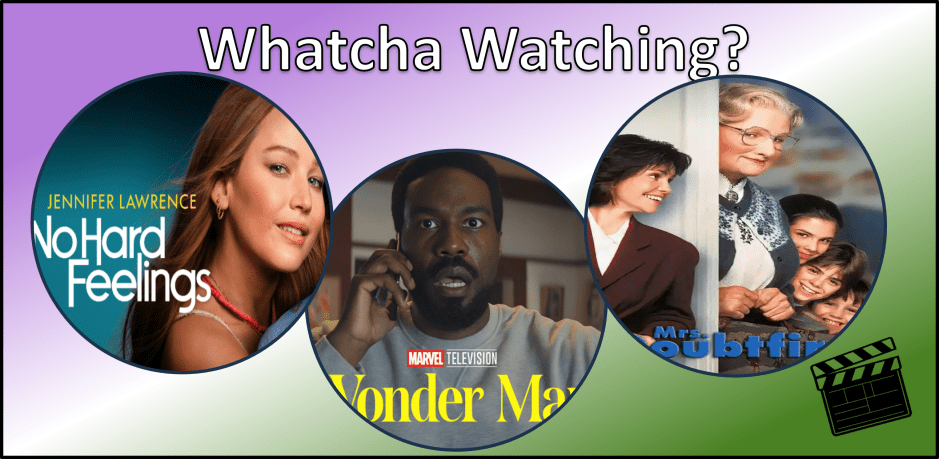

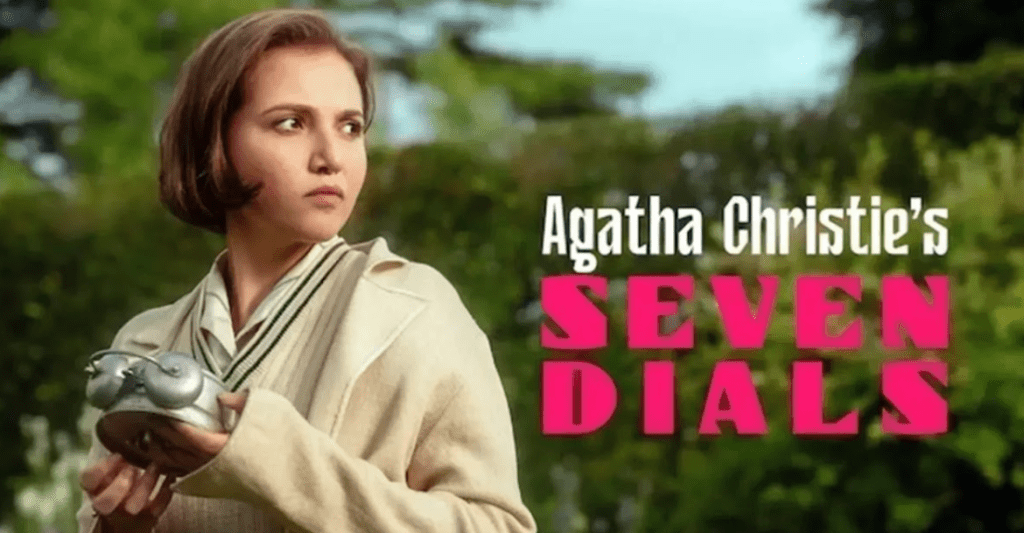
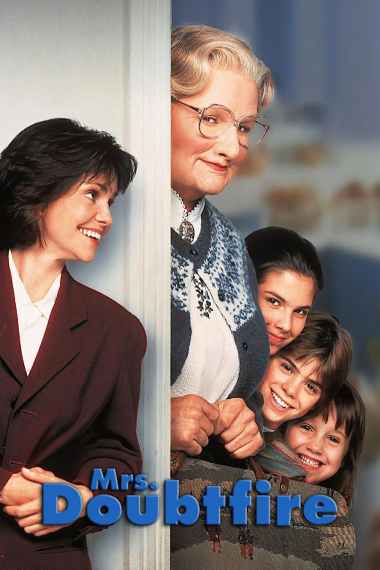
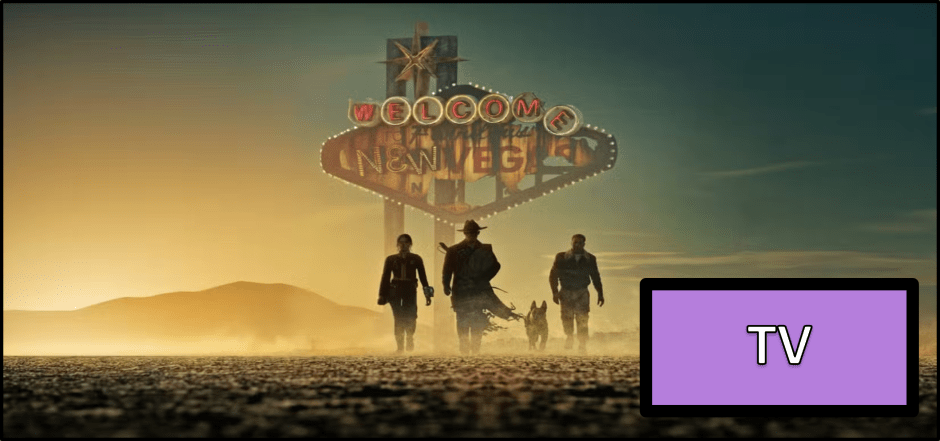
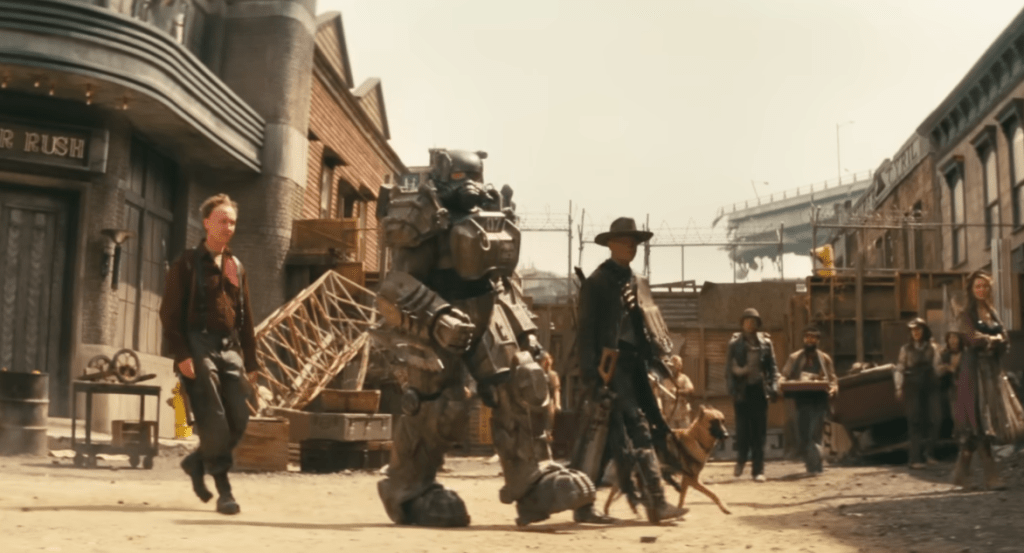
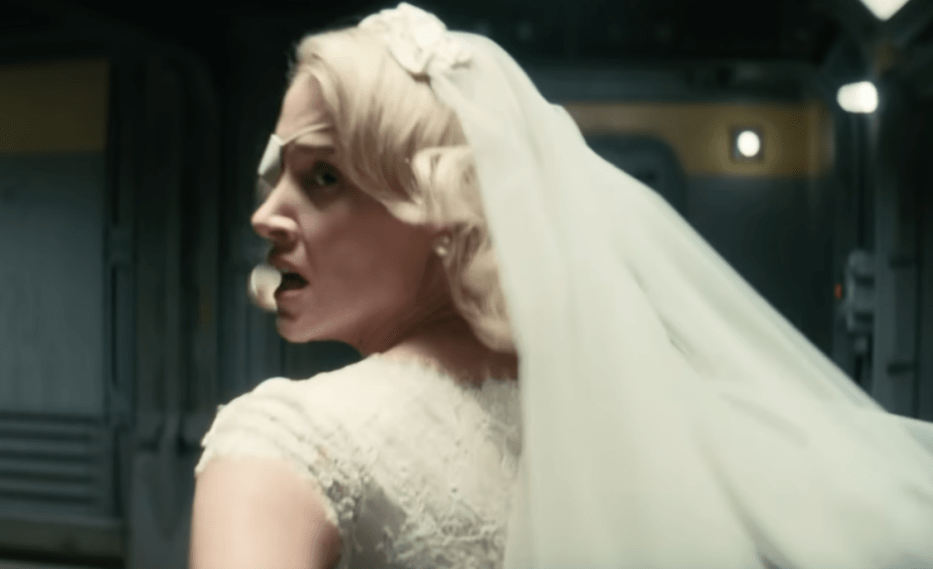
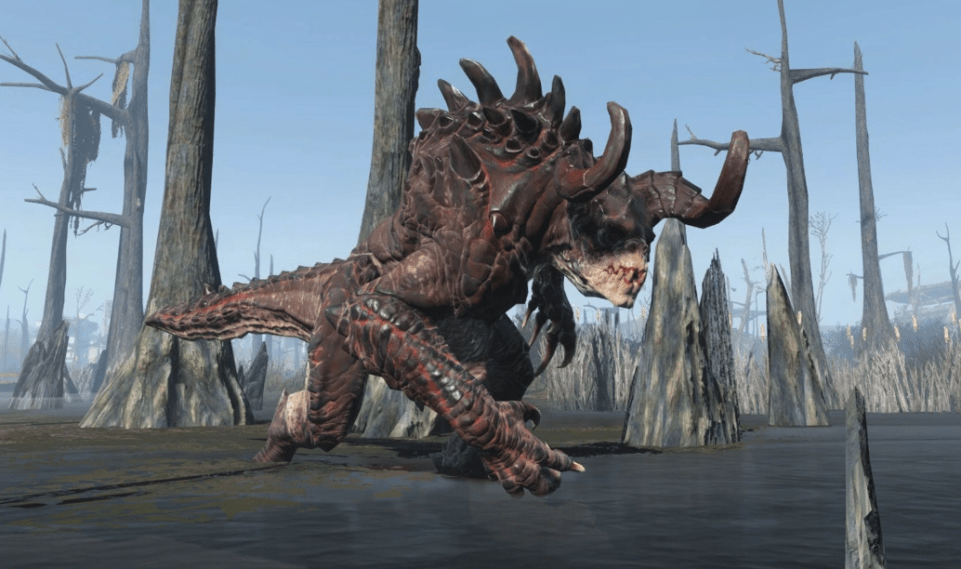
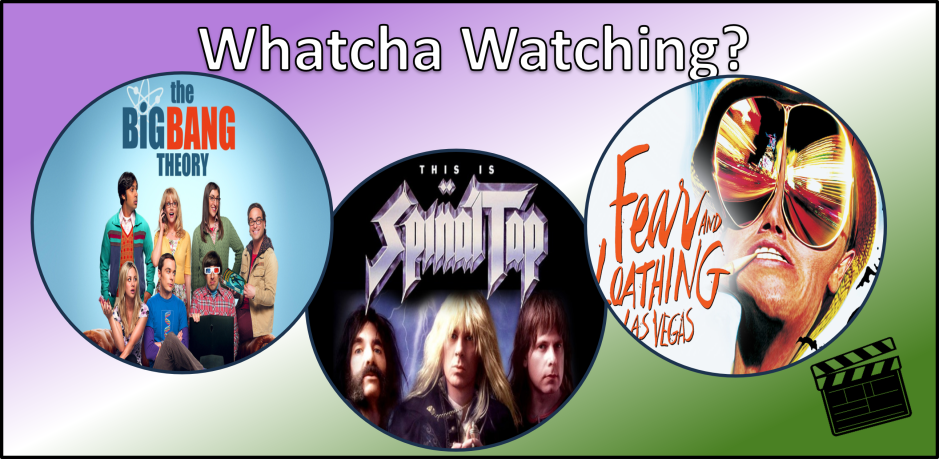
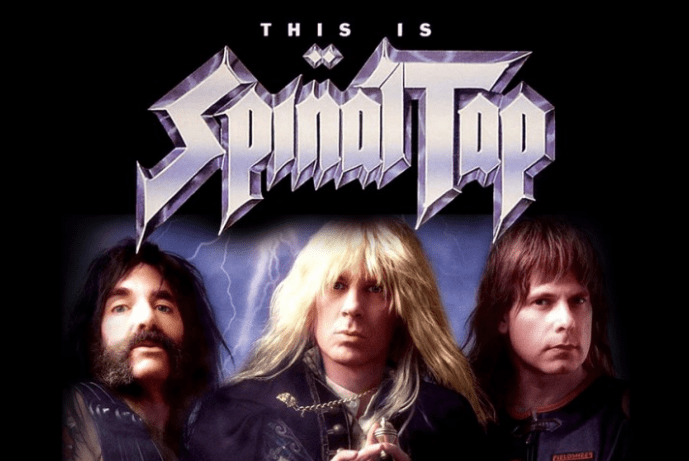

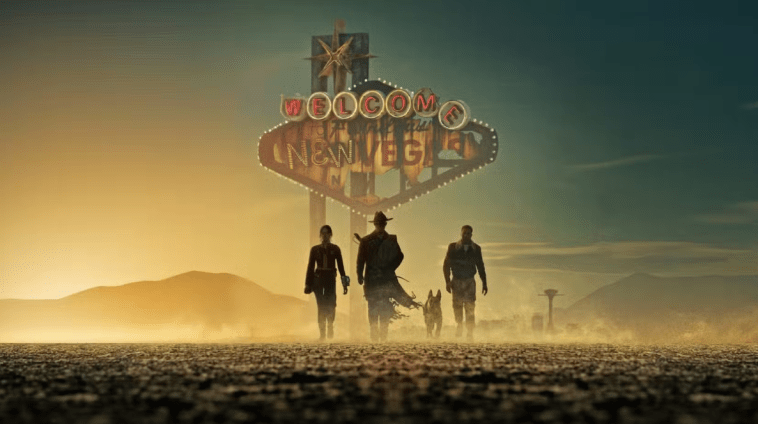
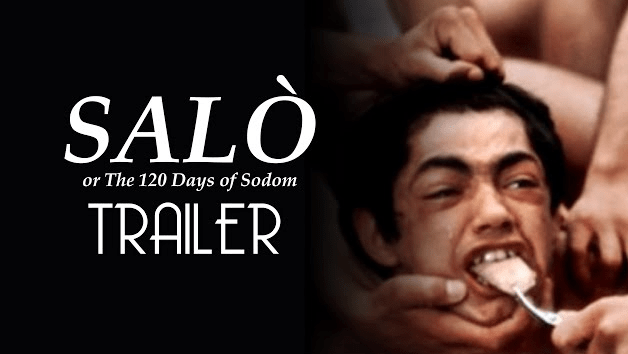
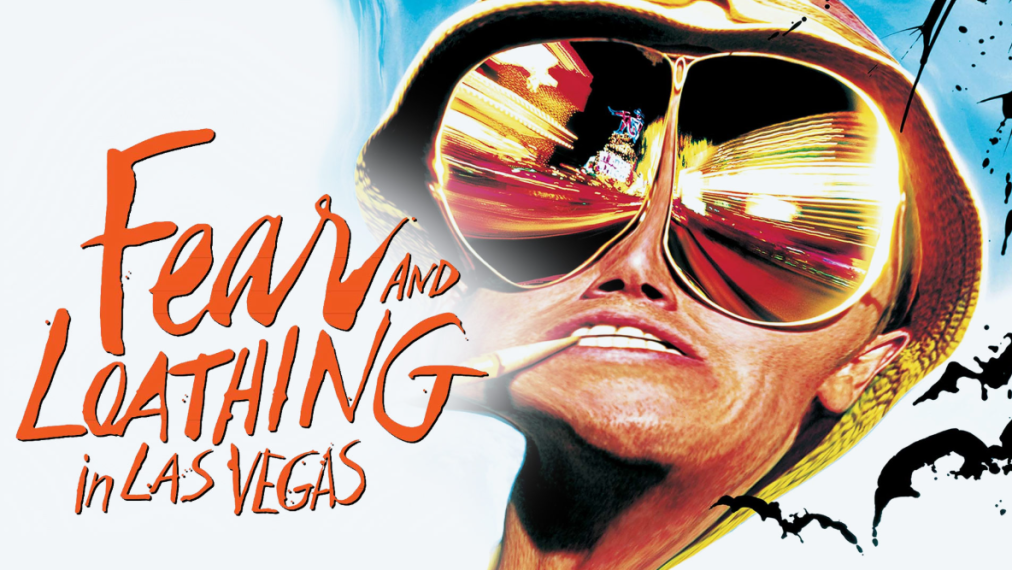
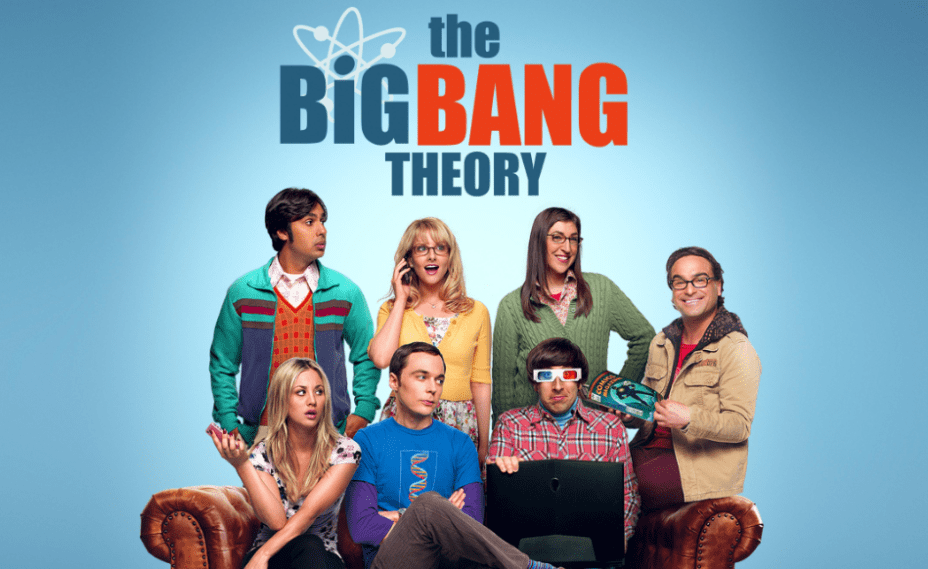

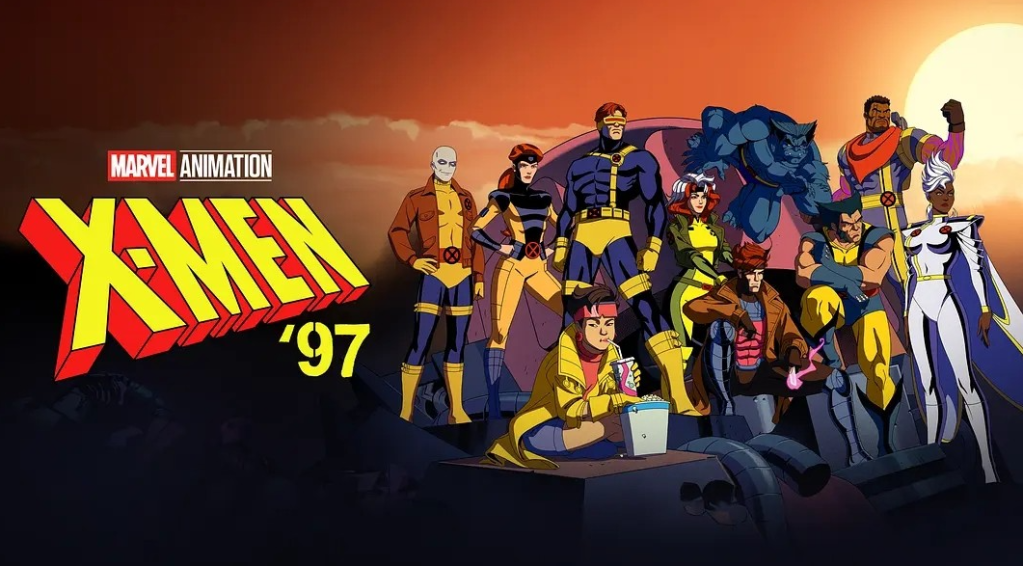
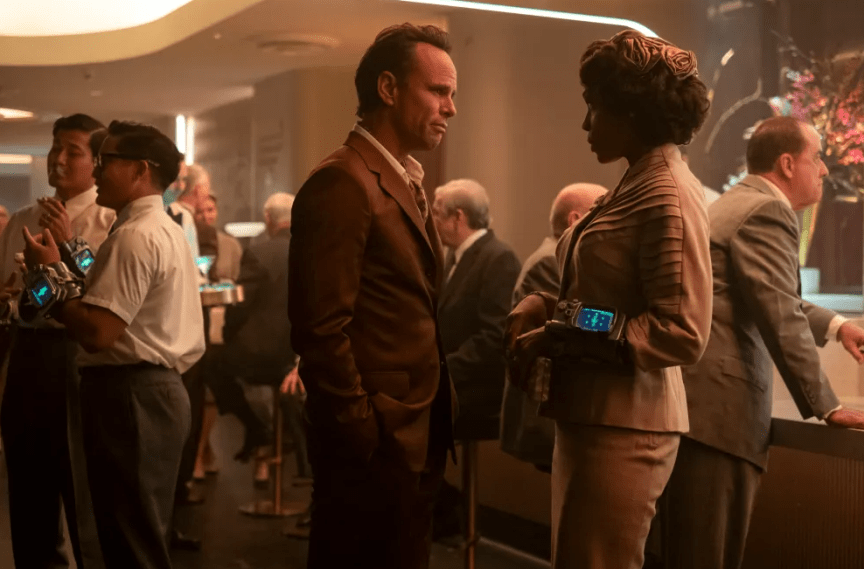
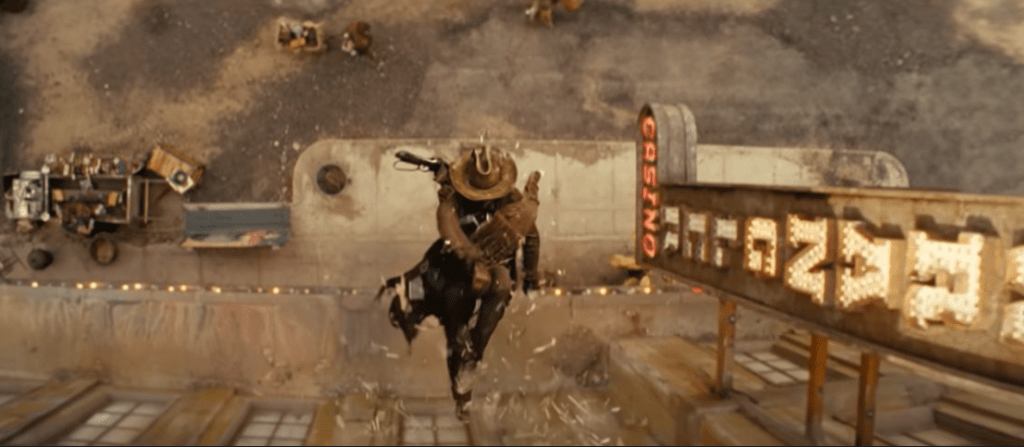
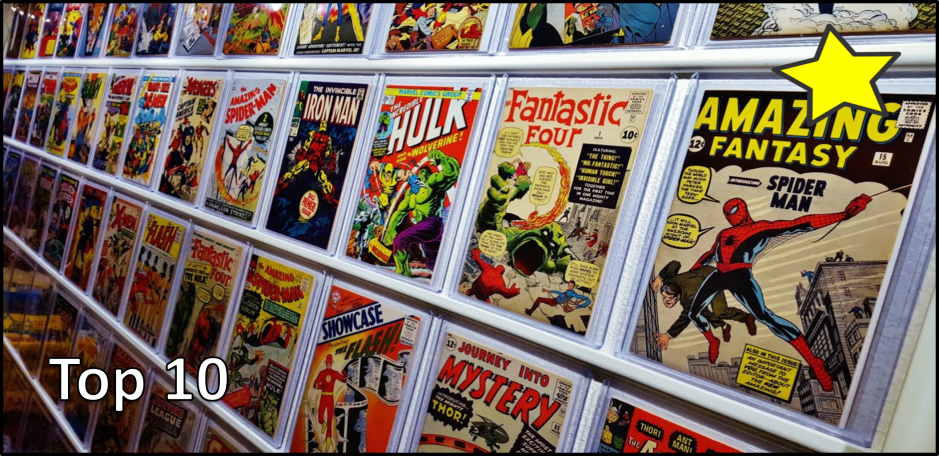
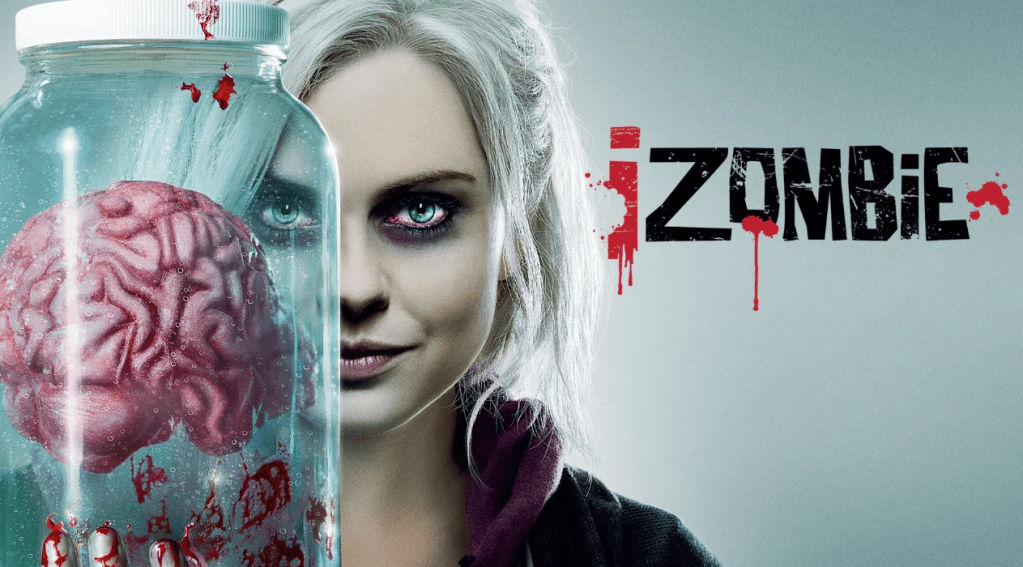
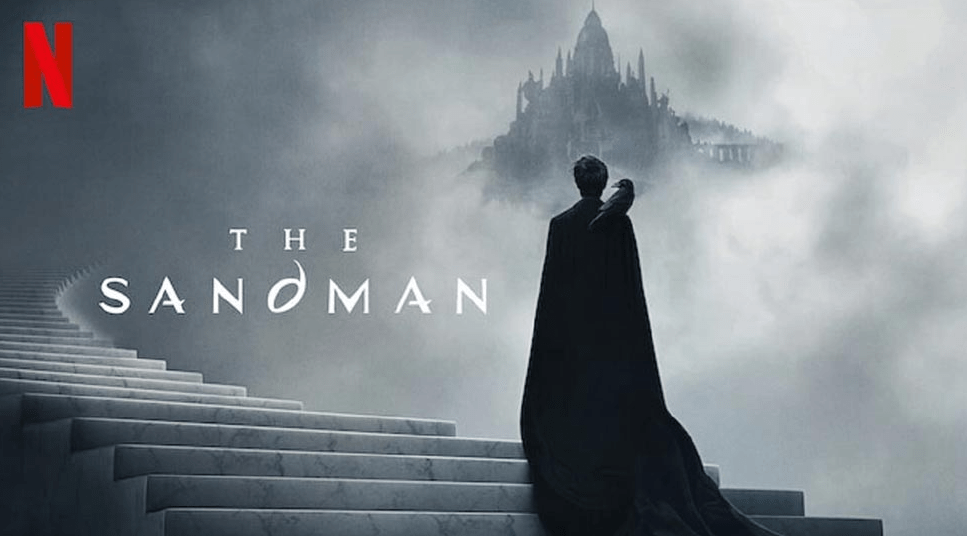
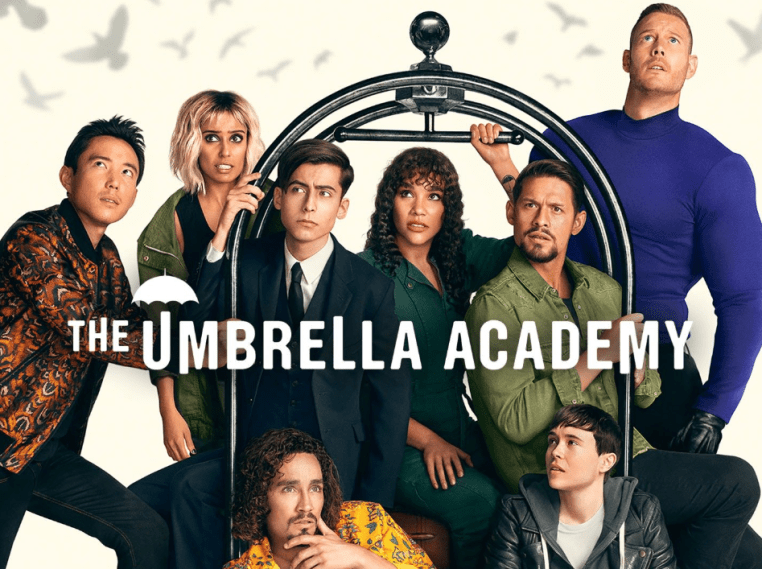
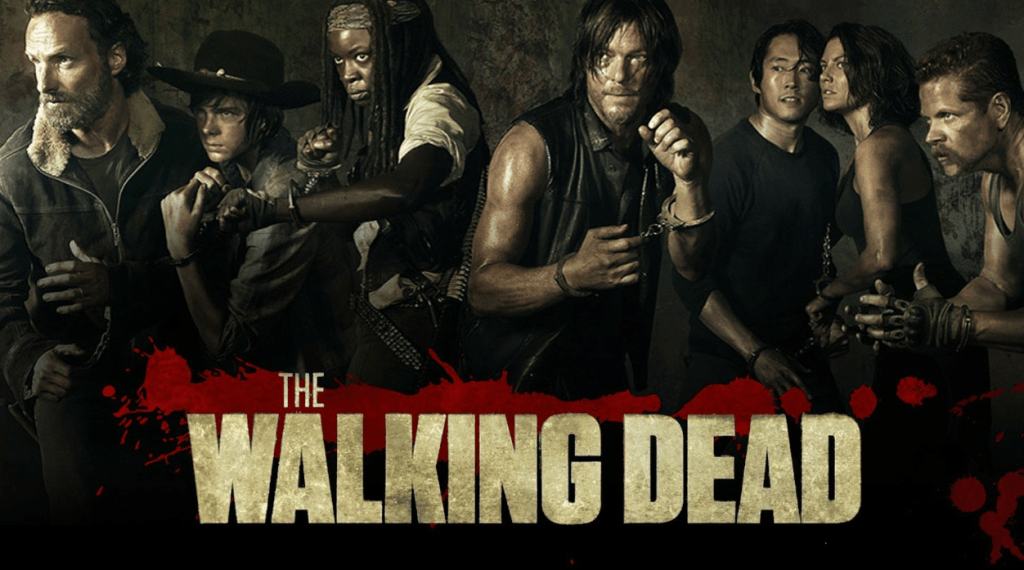
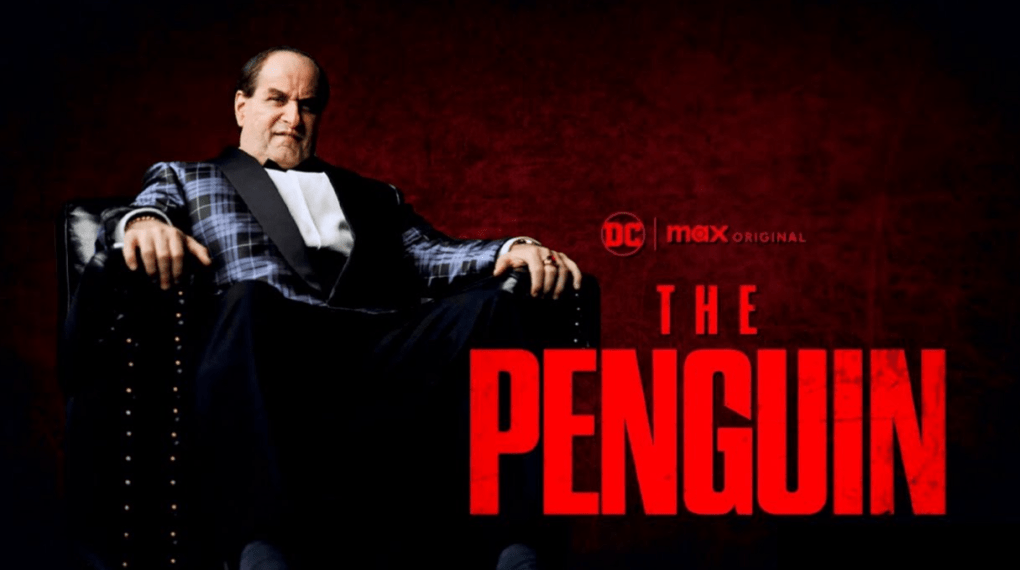

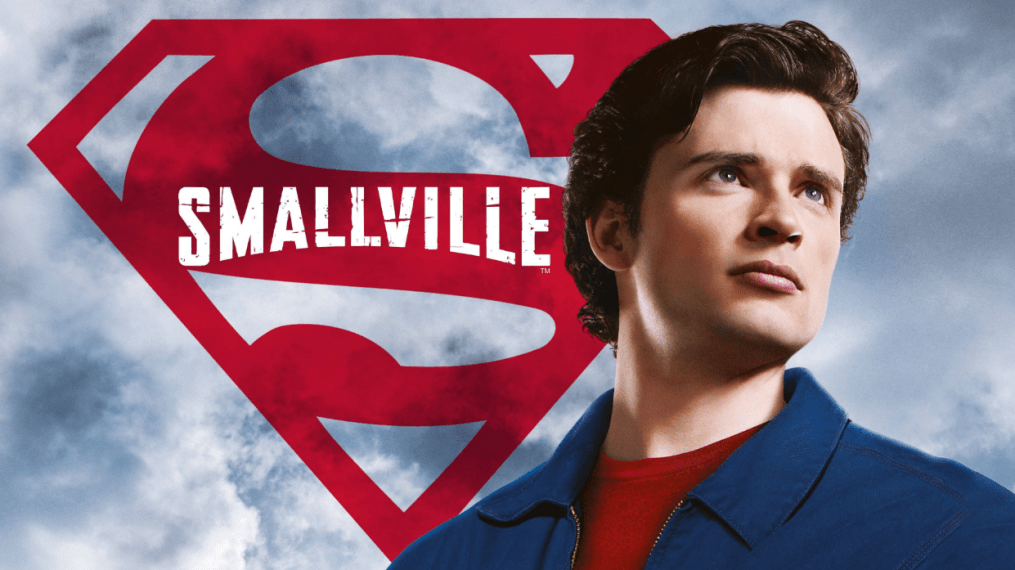
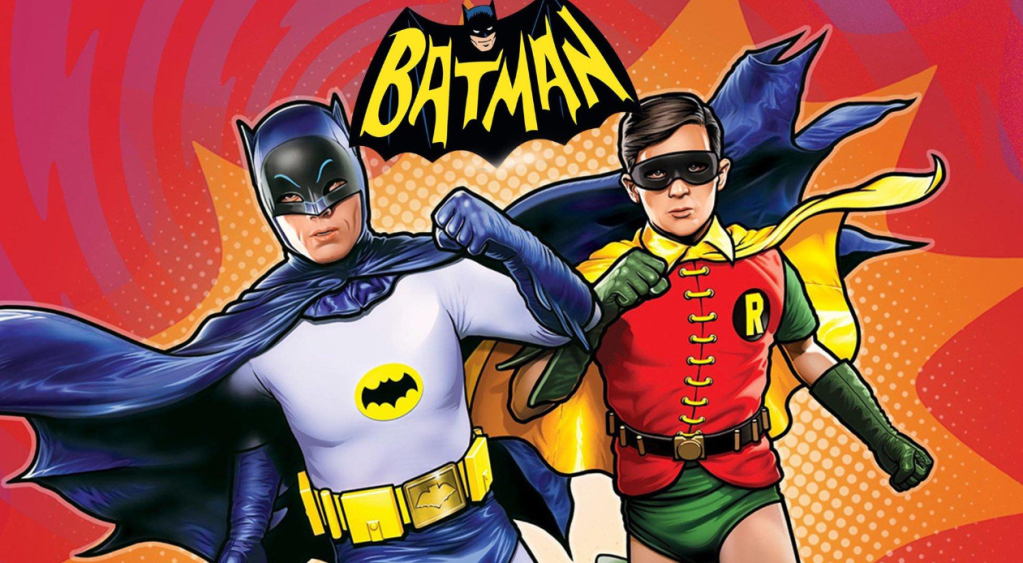
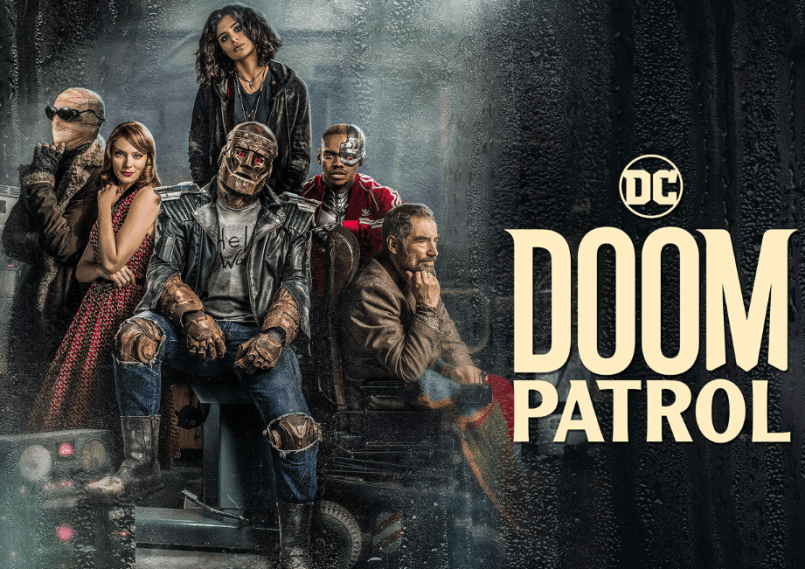
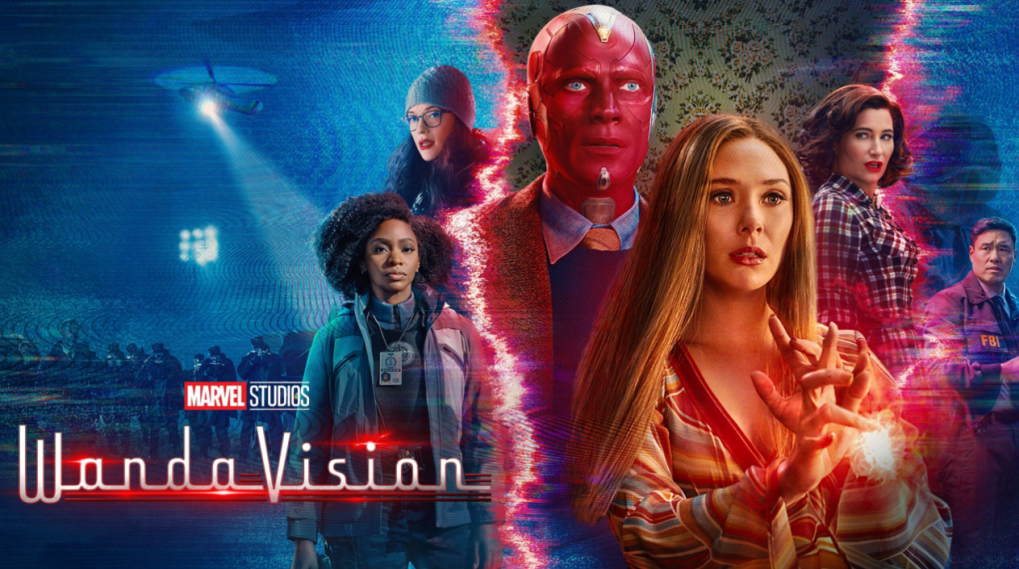
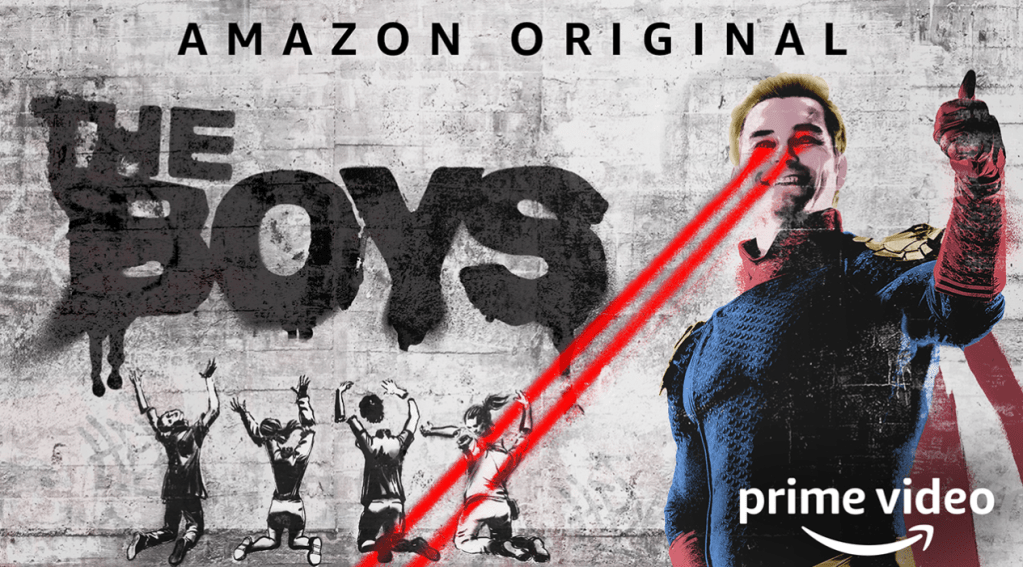
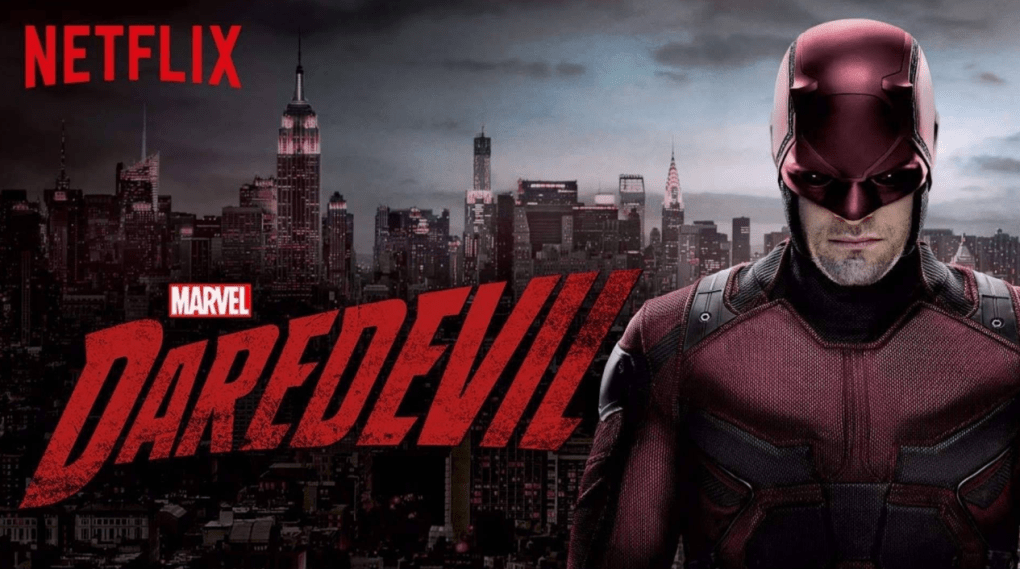

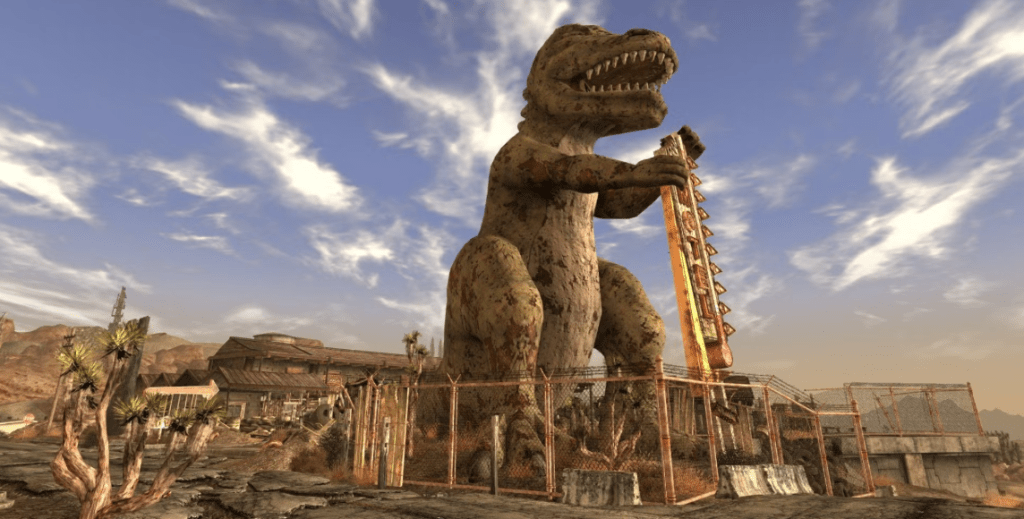
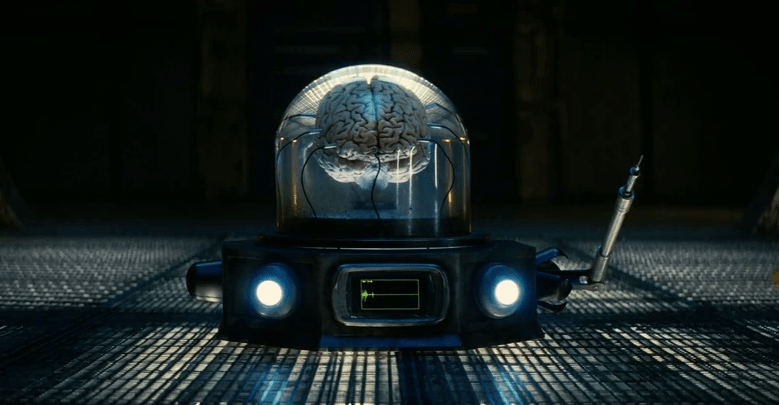

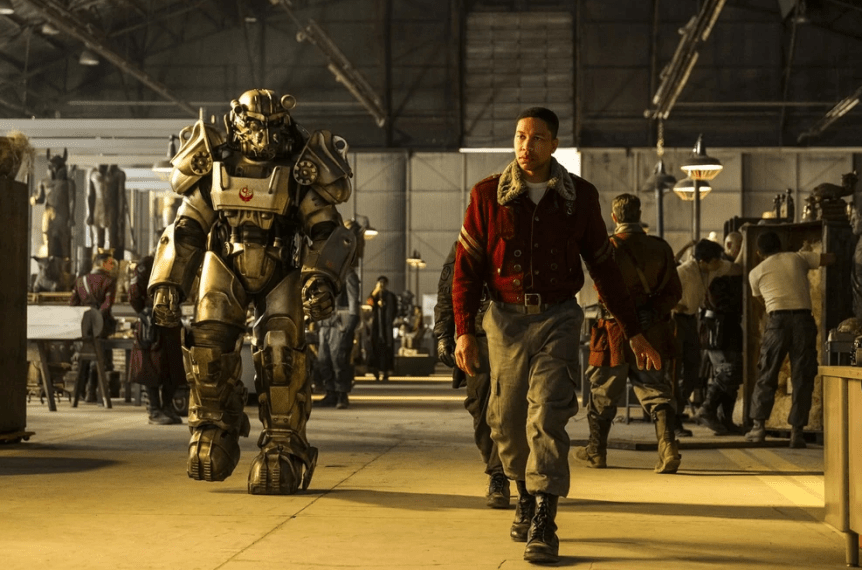

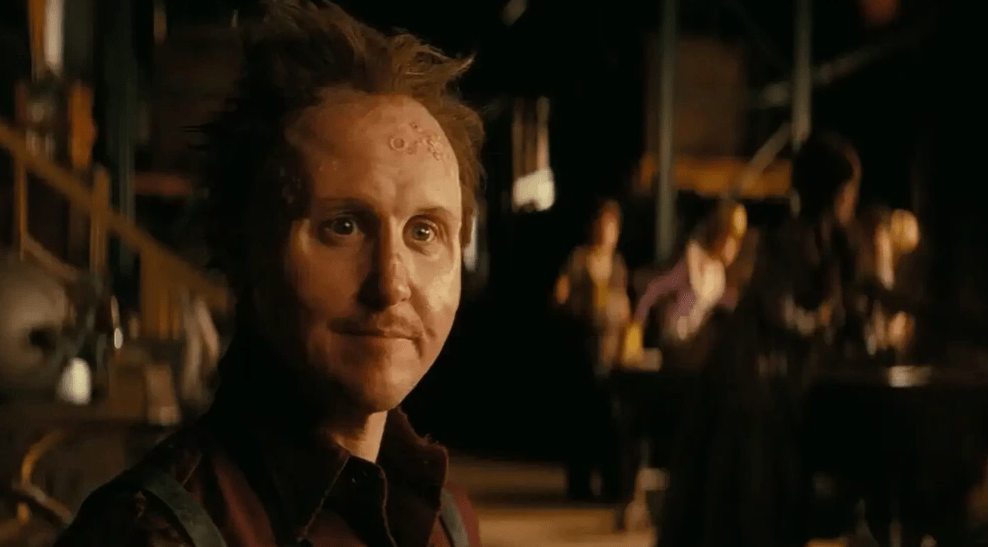
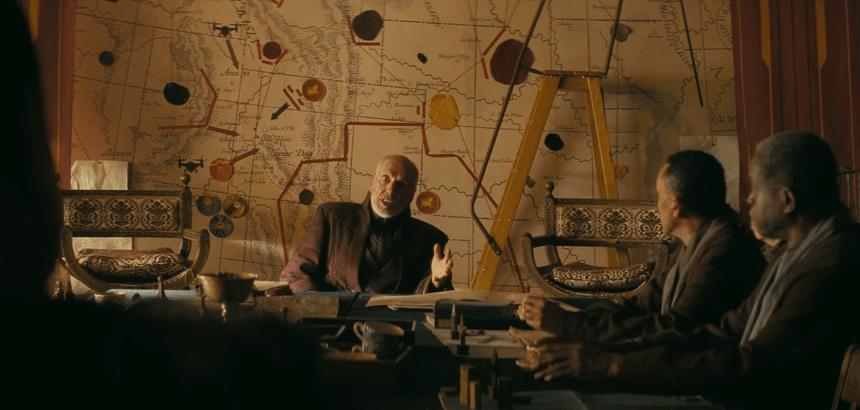

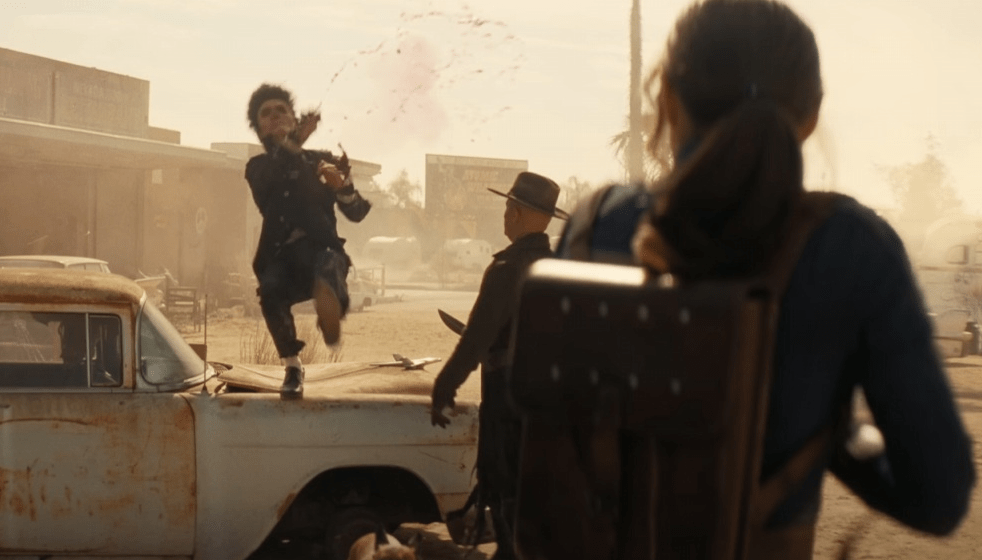
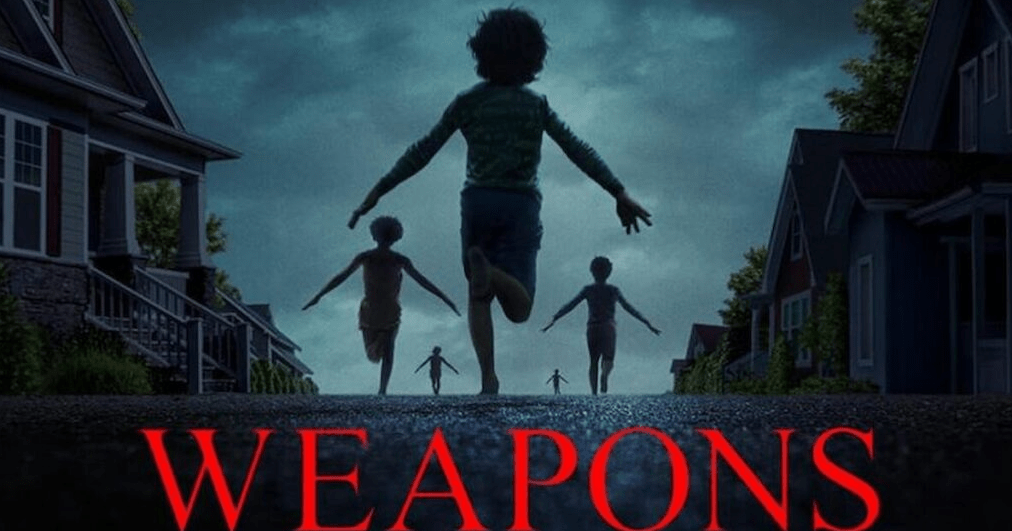

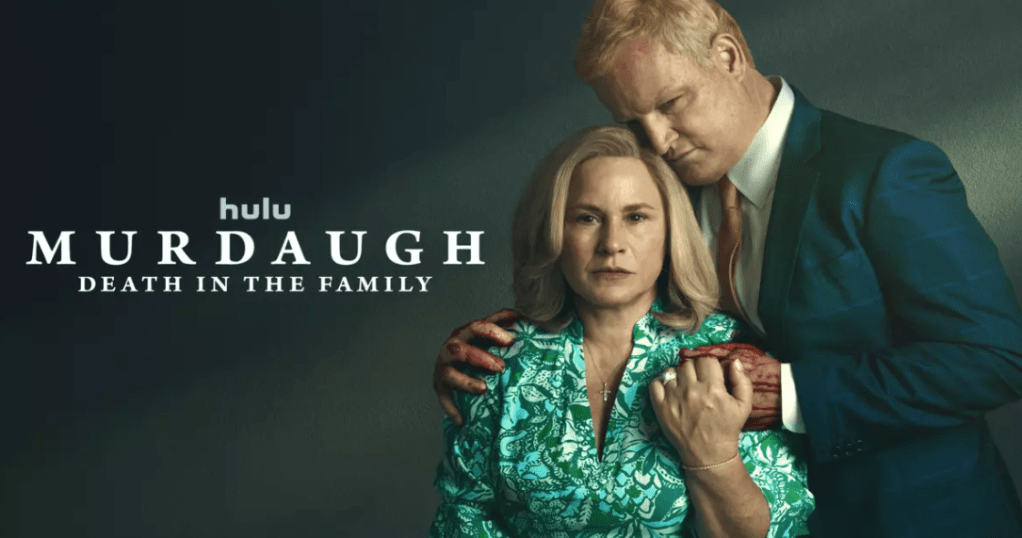

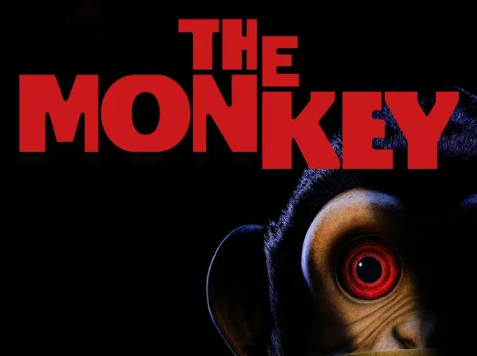


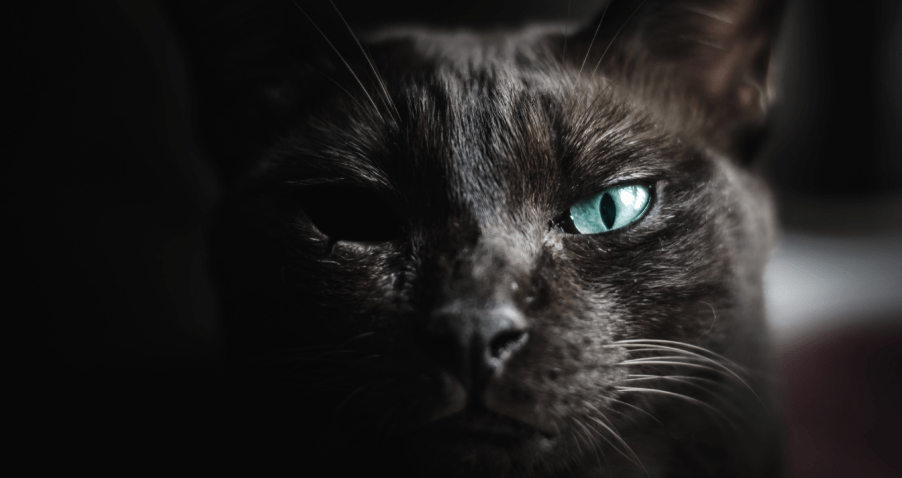
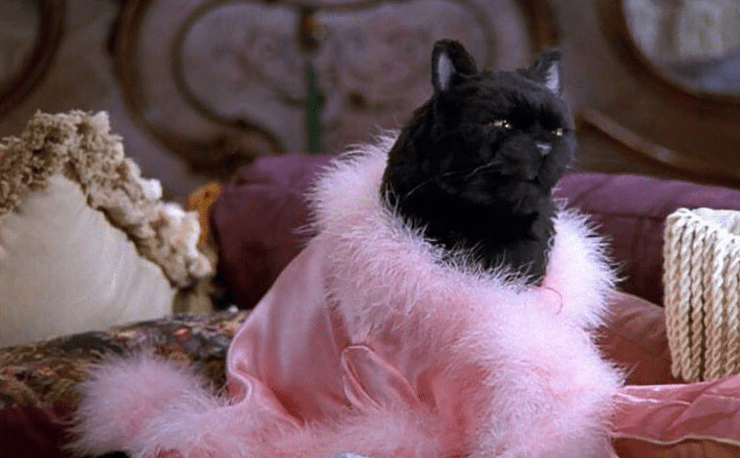
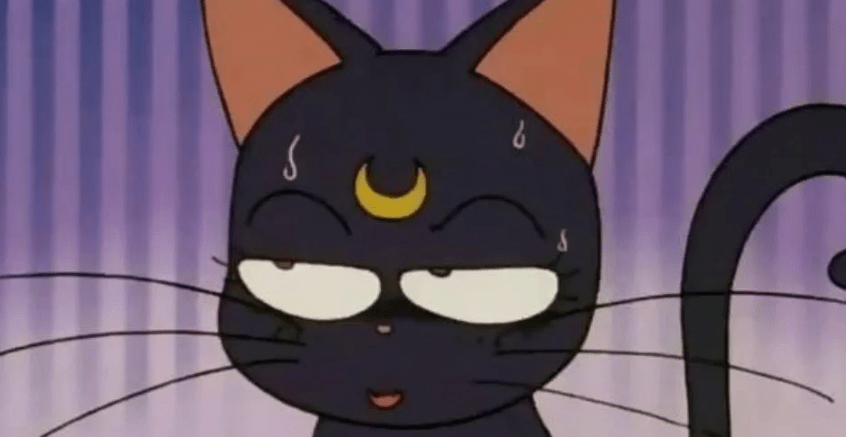





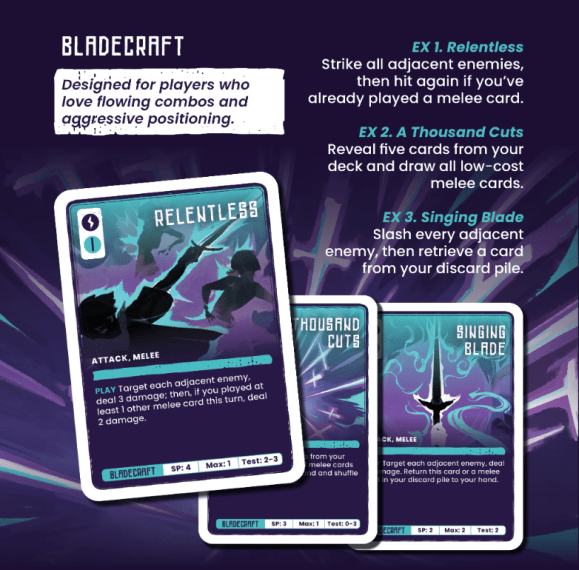
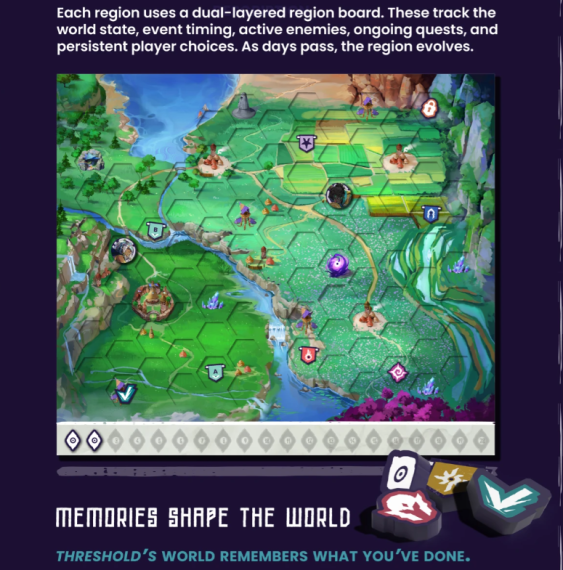


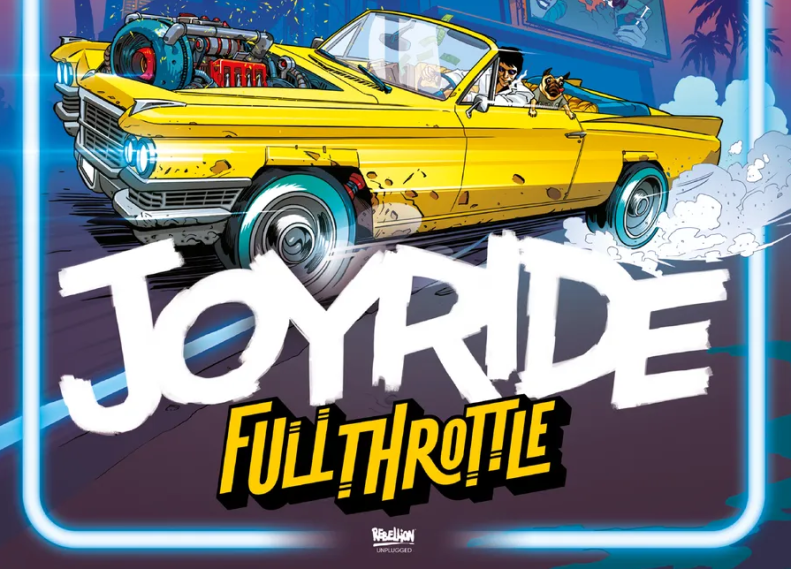


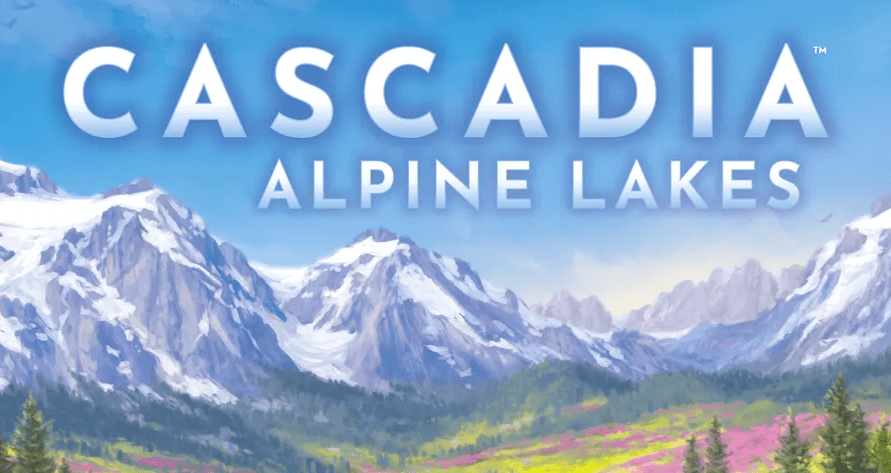

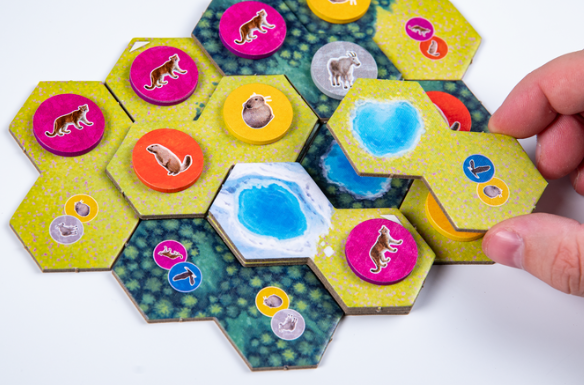
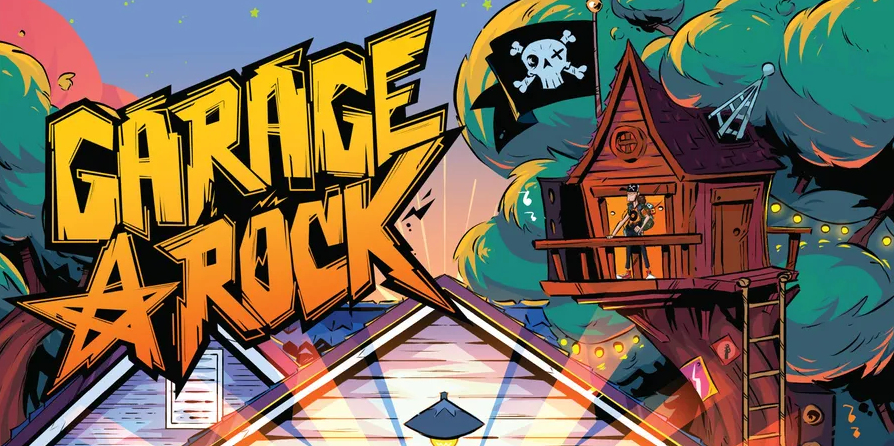


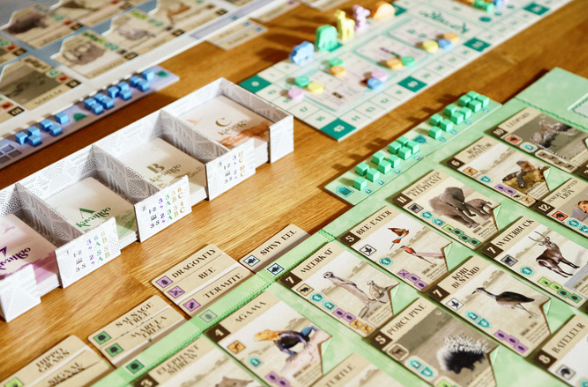


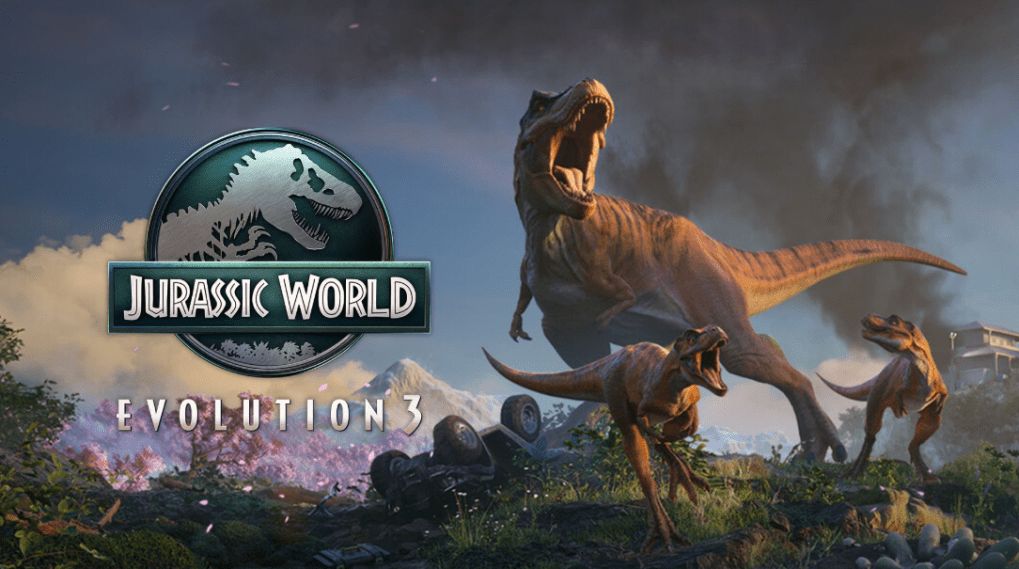

 jkgeekly.com