




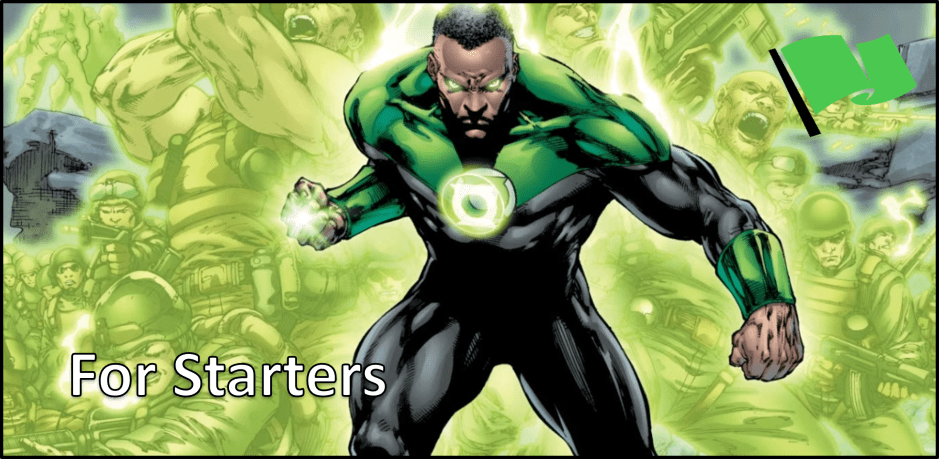
Hey, hey, Geekly Gang! Kyra Kyle here. I’m still writing posts months in advance (in preparation for writing/editing novels during the final months of 2025), and we don’t yet know when Lanterns will release on HBO Max. We only have a release date of First Quarter 2026. We do know that Lanterns will feature at least three Green Lanterns (Hal Jordan, John Stewart, and Guy Gardner), so we’re releasing Green Lantern Starter Stories for all three characters over the next few months, just in case you want to get started reading Green Lantern comics. Our next Green Lantern in this series is John Stewart.
Typically, I like to include numerous storylines for people to begin reading a character, but John Stewart bounced around a lot before he became a standard DC Comics character. And John Stewart has a bunch of single-issue stories. We haven’t had too many single-issue stories in recent Getting Into Comics installments, but many of these John Stewart issues are collected in various John Stewart Green Lantern anthologies, and they’re available online. Buckle up. We’re in for a wild ride.
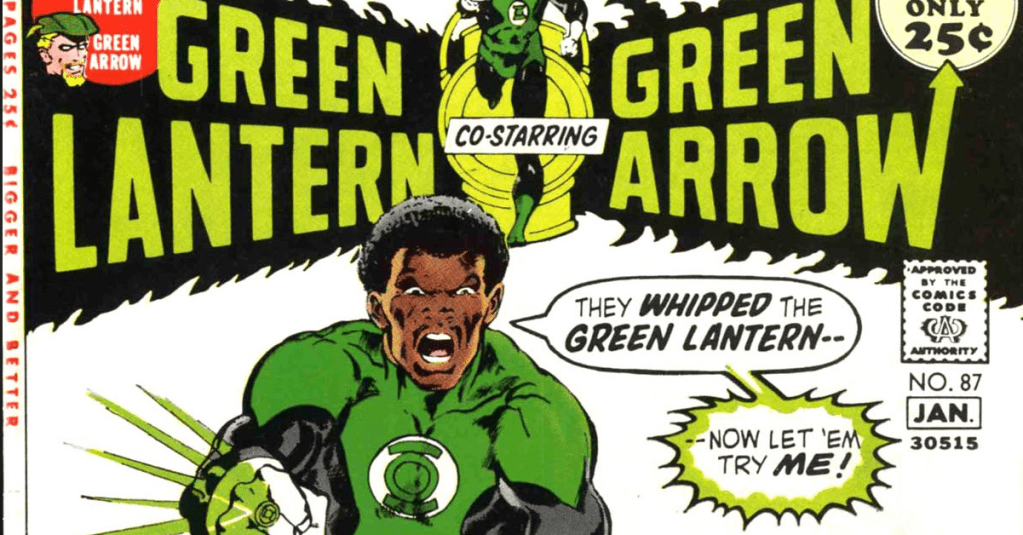
While “Beware My Power’s” politics may be dated and cause a little cringe, you can see where the creative team behind Green Lantern/Green Arrow (Dennis O’Neil and Neal Adams) were going with John Stewart during his first outing. As a Green Lantern rookie, John Stewart must prove his worth to a skeptical Hal Jordan by showing he can protect a racist politician from assassination. Things go haywire, but in the end, Stewart proves himself worthy of Green Lantern’s light.
“Beware My Power” proved John Stewart to be a character worthy of exploration over the years. He would evolve into an iconic DC Comics hero.
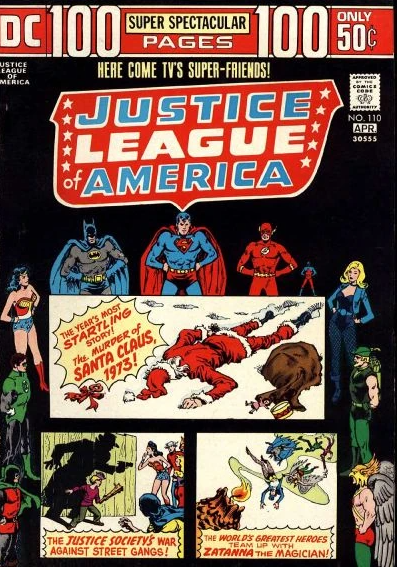
Justice League of America Vol 1 #110 is a comic book oddity. “The Man Who Murdered Santa Claus!” story makes sense for a comic released during December, and the comic book states it’s “The Year’s Most Startling Story! The Murder of Santa Claus, 1973!,” but the cover also has a date of April 1974. What? I included both December 1973 and April 1974 as the dates for this comic.
Date screw-up aside, “The Man Who Murdered Santa Claus!” is the second time John Stewart donned the Green Lantern costume. Even if this story’s original date was December 1973, John Stewart had to wait almost two years to reappear. DC Comics didn’t know what to do with John Stewart. The story is straightforward. A villain named The Key murdered a department store Santa, and the Justice League investigates.
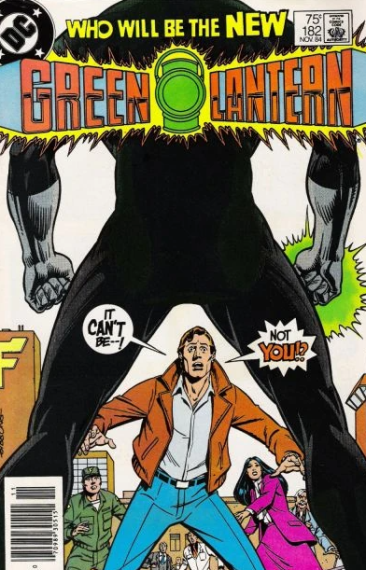
Villain Major Disaster began as a Captain Atom nemesis before turning into a Hal Jordan Green Lantern foe. By 1984, Jordan had given up being Green Lantern. Jordan doesn’t even know who took over for him as Green Lantern of Sector 2814 (which includes Earth). Jordan invites his long-time friend John Stewart to a drink when the duo watches Major Disaster cause havoc in Jordan’s home city of Coast City. Major Disaster intends to draw out Hal Jordan, and Hal takes the bait. He calls his superhero friends at the Justice League, as John Stewart flies off as the new, full-time Green Lantern.
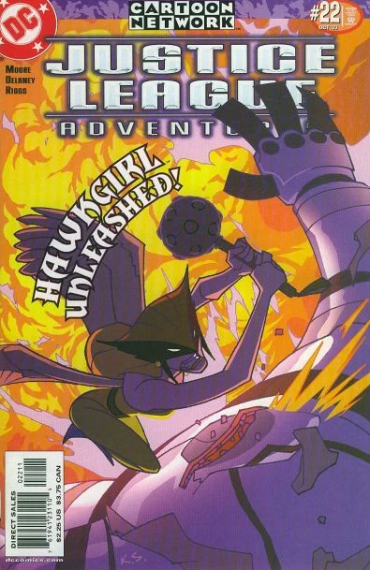
The Justice League and Justice League Unlimited animated series played a huge role in building John Stewart’s popularity. These cartoons had a comic book counterpart, named Justice League Adventures, which continued the same John Stewart from the comics. In “Second Contact,” John recounts the last time he battled the villain Shayol; three of Stewart’s Green Lantern Corps allies were killed. “Second Contact” is John Stewart’s first time commanding a Green Lantern Corps mission, which just happens to include battling Shayol. He warns his young Green Lantern colleagues of the danger.
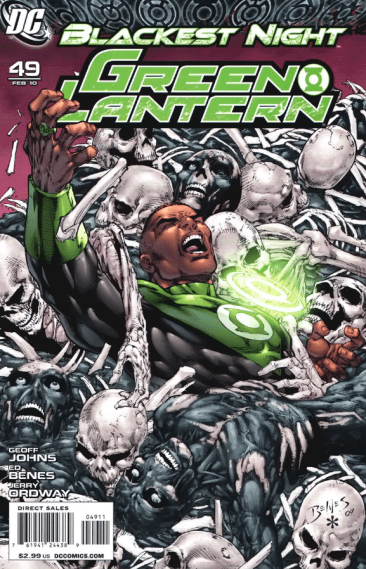
“Semper Fi” is part of the major Blackest Night crossover event. While many stories revolve around Hal Jordan, “Semper Fi” shows John Stewart in action. The Blackest Night event featured a reimagined Nekron, the embodiment of death. Nekron, with the help of his right-hand man, Black Hand, resurrects numerous people in the DC Universe. The pair converts these undead into a Black Lantern Corps.
In Green Lantern Vol 4 #49, John fights an army of Black Lanterns. One of these Black Lanterns is John’s dead wife, Katma Tui. “Semper Fi” doesn’t pull punches. John was responsible for the planet Xanshi’s destruction (where John’s wife died), and the Black Lantern Corps did what he couldn’t. It saved the victims of Xanshi.
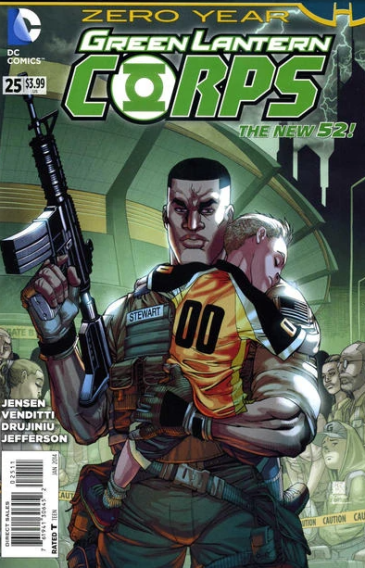
“Powers That Be” functions as a prequel story. It revisits a day in the life of John Stewart before he became Green Lantern. During his days as a Marine, John is sent to Gotham City to help civilians during a blackout, only to discover an anarchist revolt threatening to tear the city apart. We gain insight into John’s character without his Power Ring. While maintaining John’s origin story’s morality, “Powers That Be” manages to avoid the original’s heavy-handed message.
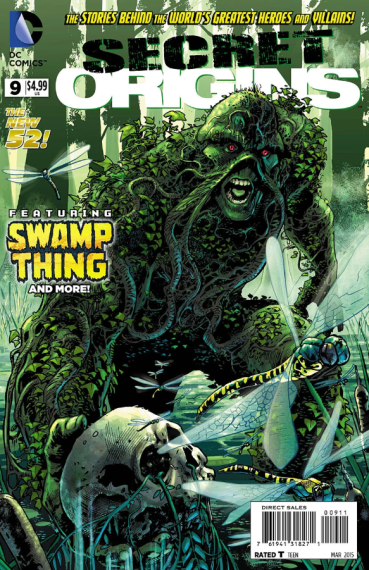
The New 52 retold numerous DC Comics’ origins. Because they wanted to finish these origins quickly, the New 52 universe loaded comic book issues with the origins of multiple characters. So, don’t be alarmed that Swamp Thing is on the cover of Secret Origins Vol 3 #9.
In John Stewart’s story, he recently retired as a marine and now works as an architect. Stewart is suddenly attacked by a Manhunter who wants the blood of a Green Lantern. John’s courage in the face of an emotionless killing machine earns him a power ring, but the New 52’s Guardians may not be as benevolent as other iterations. The little blue creeps sent the Manhunter to Earth, risking the lives of hundreds (if not thousands) of innocents, to test John’s mettle.
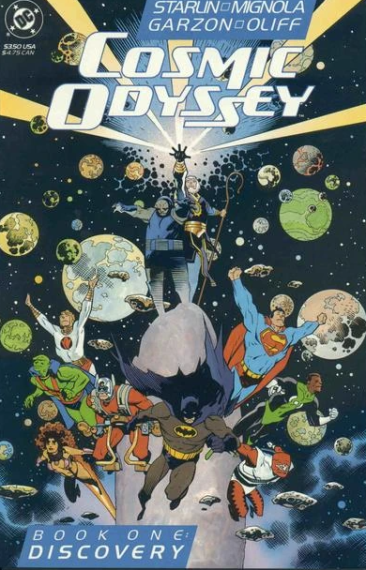
“Cosmic Odyssey” may be the one story that does the most to define John Stewart. In this Batman, Superman, Martian Manhunter, and New Gods crossover, the team battles a being made of Anti-Life itself. John Stewart and Martian Manhunter find the planet Xanshi infected by the Anti-Life Aspect. After evading a volcanic eruption, John arrogantly blames Martian Manhunter for holding him back, restraining him in a construct bubble.
John’s actions directly led to the planet Xanshi exploding. This tragic failure leaves a deep emotional scar that John Stewart never forgets. It also turns out that Xanshi has a sole survivor, Fatality, who makes it her mission to eradicate all Green Lanterns. “Cosmic Odyssey” is a must-read for any John Stewart Green Lantern fan.
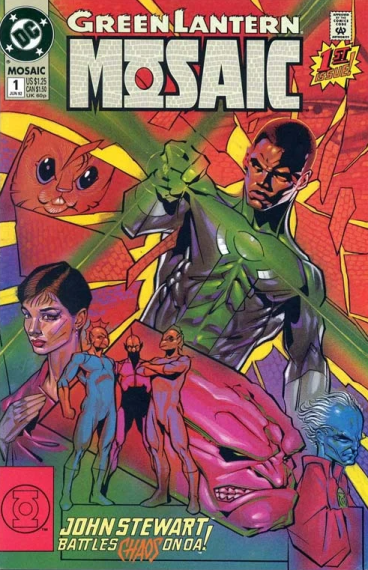
We go from one of John Stewart’s most poignant stories (in “Cosmic Odyssey”) to one of his wildest in “Green Lantern: Mosaic.” One of the Guardians of Oa merges together a city comprised of cities from disparate alien worlds. John Stewart is tasked to keep this patchwork “mosaic” of worlds in one piece.
“Green Lantern: Mosaic” shows the most alien of DC Comics’ cosmic residents. It’s a joy watching John Stewart attempt to keep the peace with this group of unique, diverse, and fascinating alien cultures. “Mosaic” explores where Green Lantern stories could go. Not only does “Green Lantern: Mosaic” help define John Stewart as an expert mediator, but it also serves as a window to DC Comics’ alien populations.
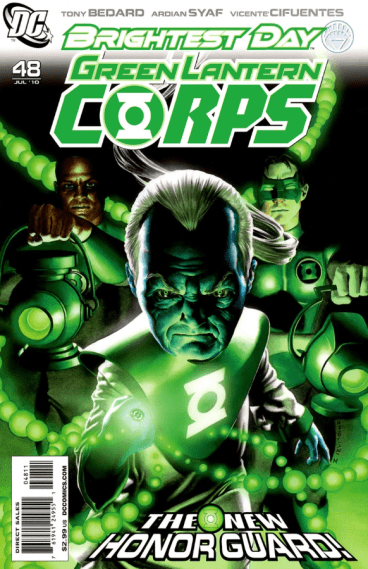
In the wake of the Justice League cartoons, John Stewart received some amazing stories in the 2010s, beginning with the “Revolt of the Alpha-Lanterns.” This story resurrects Cyborg Superman as he manipulates the Alpha Corps to do his bidding. The Alpha Lanterns begin “requisitioning” unwilling Green Lanterns to join their emotionless ranks. While Ganthet, Kyle Rayner, and other Green Lanterns resist, John Stewart leads the charge.

While the Green Lantern Corps serves as a galactic police force (of sorts), the Alpha Lanterns are Internal Affairs, meant to keep them in check. In “Alpha War,” John Stewart is accused of murder and incarcerated by the Alpha Lanterns. The allegations are based on incomplete evidence, and a guilty verdict means execution. Guy Gardner and the other Green Lanterns band together to break Stewart out of prison and prove his innocence. After “Alpha War,” the Alpha Lanterns will never be the same.
Those are the John Stewart Green Lantern stories that made our list. We covered Hal Jordan starter stories last month, and will be covering Guy Gardner’s starter stories next month. Are there any John Stewart Green Lantern stories you would add to this list? Let us know in the comments, Geekly Gang. Thank you for reading, and wherever you are, I hope you’re having a great day.

Happy Sunday, Geekly Gang! Kyra Kyle here with another week of Geek News. We have plenty of new board games and some video game releases to discuss, but first, we need to discuss the DCU. Over the past week, James Gunn has been dropping bread crumbs as to who may soon join the cinematic universe. And I’m hyped.
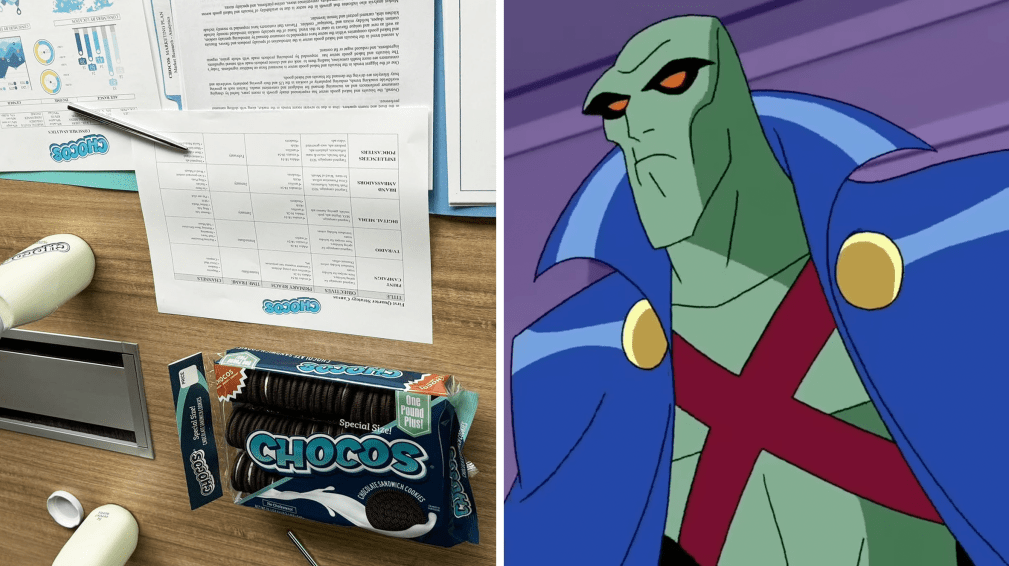
What can pictures of a snack prove? It depends on the snack. Known for having fun with fans on social media, head of DCU James Gunn posted multiple pictures of Chocos, which most DC Comics fans will know is the favorite snack of Martian Manhunter. Gunn refuses to say anything definitive about Martian Manhunter’s future in the DCU, but Chocos showing up so often on social media can only mean that fans won’t need to wait long to see a proper cinematic version of everyone’s favorite green-skinned member of the Justice League.
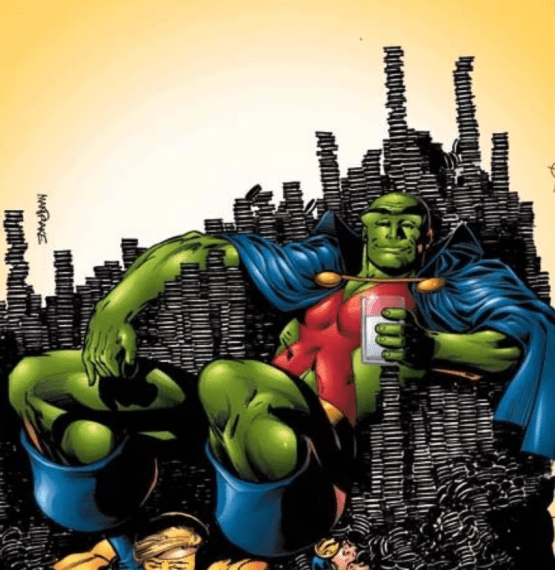
Supergirl is the DCU’s next film, but it’s unlikely Martian Manhunter will appear. I’m not ruling out a Martian Manhunter appearance. I’m excited to see him in the DCU. But Martian Manhunter may be better served in the Man of Tomorrow, 2027’s follow-up to last year’s Superman. Regardless of when we’ll see him, I can’t wait for J’onn J’onzz to make his big-screen debut.
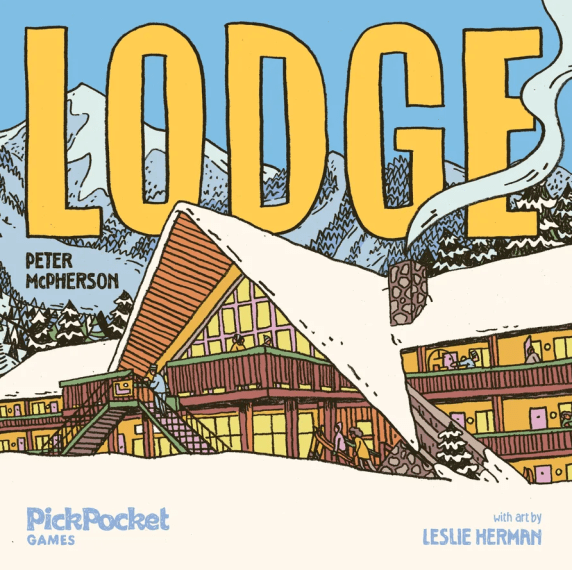
Players compete with each other to build the coziest lodge. Draft room tiles from a sliding display and place them on matching floors to attract guests to your lodge. Gain bonus points for placing those guests on their preferred floors and by constructing amenities to keep them happy. Lodge’s spatial puzzle gives the game a unique feel. I love the look of the sliding display tray. Great touch!

Lodge builds on ideas started with Cascadia and Tiny Towns, so if either of those games scratched an itch, you may like Lodge. Even if you haven’t played those games, Lodge settles into this casual weight game with plenty of strategic choices. It’s easy to teach to non-gamers, but can keep “true gamers” engaged. And the look is incredible. Lodge offers a couple of pledge levels: $39 and $69. But you can get a super special version at $119. If you’re interested in Lodge, check out its KickStarter page.
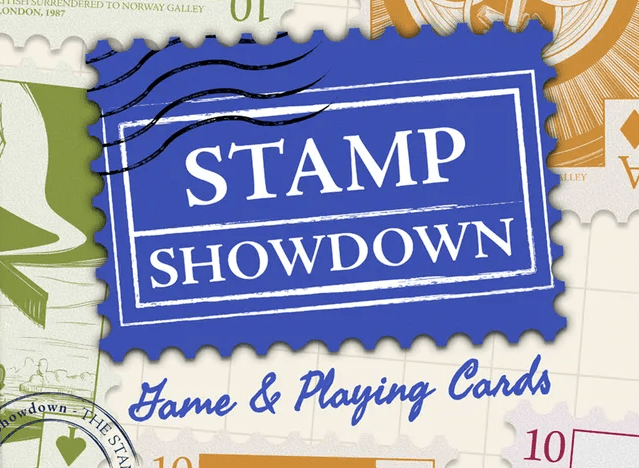
In Stamp Showdown, you’re battling for the win of a high-profile stamp competition. Each round, all players secretly choose a stamp to trade with the market, then reveal together. In ranking order, each trade reshapes the market by pulling in all matching suits and ranks before joining it. Will you strengthen your own collection, or block your opponents at the perfect moment? After seven tense rounds, the final showdown begins, and only the most dazzling poker-style stamp collection will win!

I love the recent trend in card games, where the game can function as a classic deck of cards. This diminishes the risk for investing in the game. Even if you don’t care for Stamp Showdown, you’re still left with a stunning deck of cards. The classic card suits also aid with identifying cards and their potential abilities. One of my biggest gripes with Stamp Swap was that I didn’t know which sets stamps belonged. You won’t have that problem with Stamp Showdown. Stamp Showdown offers a couple of pledge levels at $18 and $35. If you’re interested in Stamp Showdown, check out its KickStarter page.

Red Leaf University is a 1–4 player worker placement game where you’ll recruit a team of bright young students and send them to specialized campuses to expand their knowledge, earn academic credits, and chase the ultimate honor: becoming Valedictorian! Red Leaf University delivers a streamlined euro-style experience: with your students, you’ll explore a university divided into six specialized campuses (Art, Business, Science, Architecture, etc.). Each campus allows players to recruit or upgrade a student of its discipline or engage in a unique minigame tied to its specialty.
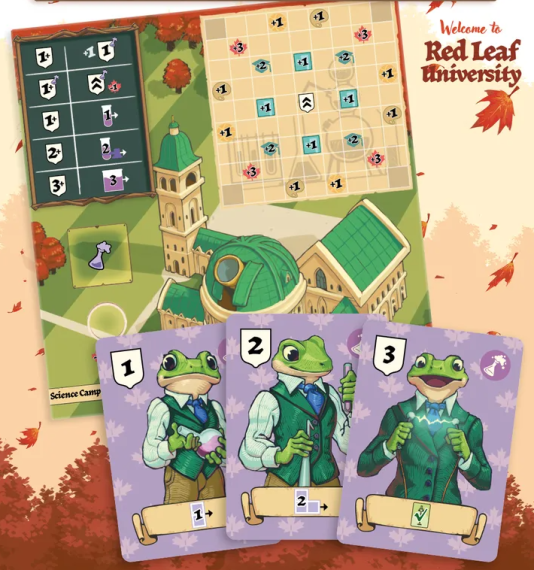
Love the art. Love the theme. Love the worker placement mechanism–always. And it appears Red Leaf University takes worker placement in exciting new places. With a pledge level of $38, Red Leaf University offers a lot of game. I’ve loved Grail Games since Doughnut Drive-Thru and the reprint of Reiner Knizia’s Circus Flohctai (Flea Circus). They are known for high-quality games in small packages. Red Leaf University looks to continue that trend. If you’re interested in Red Leaf University, check out its KickStarter page.
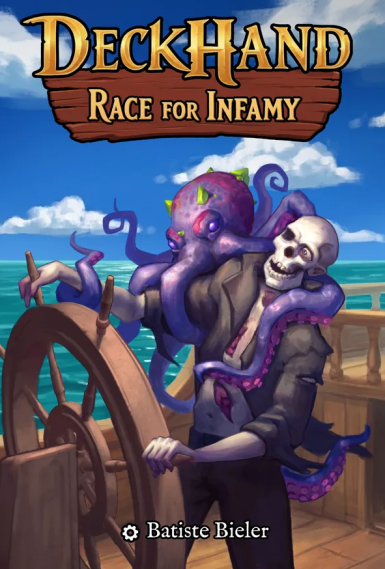
Ahoy! DeckHand: Race for Infamy features pirate mayhem in a condensed card game. Over five quick rounds, you’ll trade rum, gather weapons, and tame wild creatures in your quest for infamy! Each round has two key phases: drafting cards to plan your strategy, then building to expand your fleet and compete for Infamy cards. Every card you build strengthens your fleet, unlocking new opportunities and expanding your reach. Simultaneous play keeps games fast and lively, even with up to five players. DeckHand: Race for Infamy promises little waiting around for other players. It doesn’t take long to learn, but offers plenty of strategy.
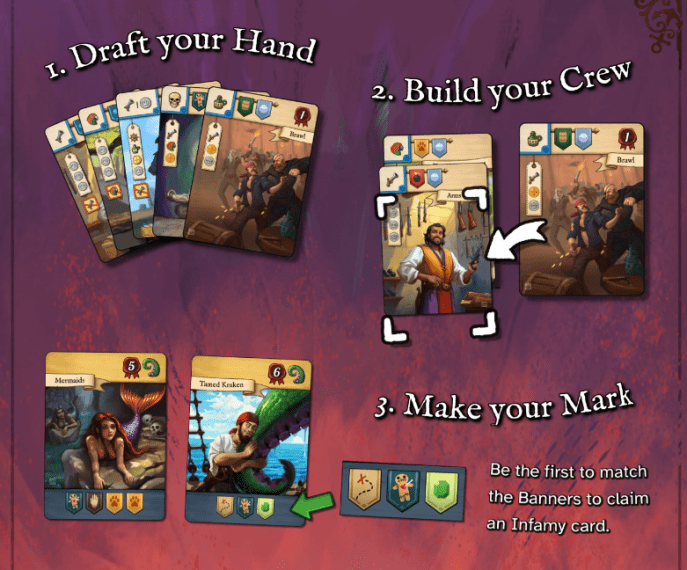
Closed drafting, multi-use cards, and tech-trees? Sign me up. DeckHand: Race for Infamy sports a few twists on familiar game mechanisms. It looks to combine these game mechanisms in fun and inventive ways. And I’m down for that. With pledges costing $28, DeckHand: Race for Infamy may be worth a look. If you’re interested in DeckHand: Race for Infamy, check out its GameFound page.

Every so often, Queen Games offers Stefan Feld’s City Collection. Feld is one of the most respected board game designers, and his City Collection is a treasure. Yes. Feld is one of those designers who adheres to point salad–earning points through multiple ways–but none of the cities in this series feel the same, and Queen Games does an amazing job with their production. Feld’s City Collection looks great on the shelf. These ten games–yes, 10 whole games–look like prestige books on a shelf. As of the writing of this post, we know little about the project besides Marrakesh getting a new expansion or three. And the games use a new “Folded Space” storage system. I can’t wait to see that. If you’re interested in the Stefan Feld City Collection, check out its page on GameFound.
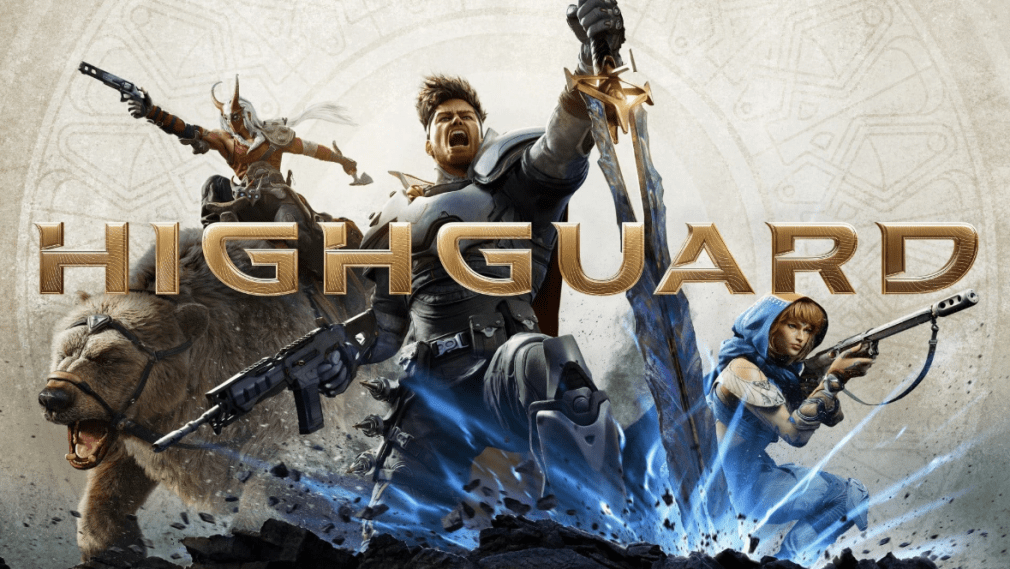
Highguard is a PvP raid shooter where players will ride, fight, and raid as Wardens, arcane gunslingers sent to fight for control of a mythical continent. Team up, secure your base, then ride out across vast uncharted lands to loot, harvest resources, and upgrade your arsenal as you face off against a rival Warden crew looking to claim your territory as their own. Battle for possession of the legendary Shieldbreaker in the open field; fight to carry it to the enemy base to bring down their shields—then raid to destroy their base before they can destroy yours.
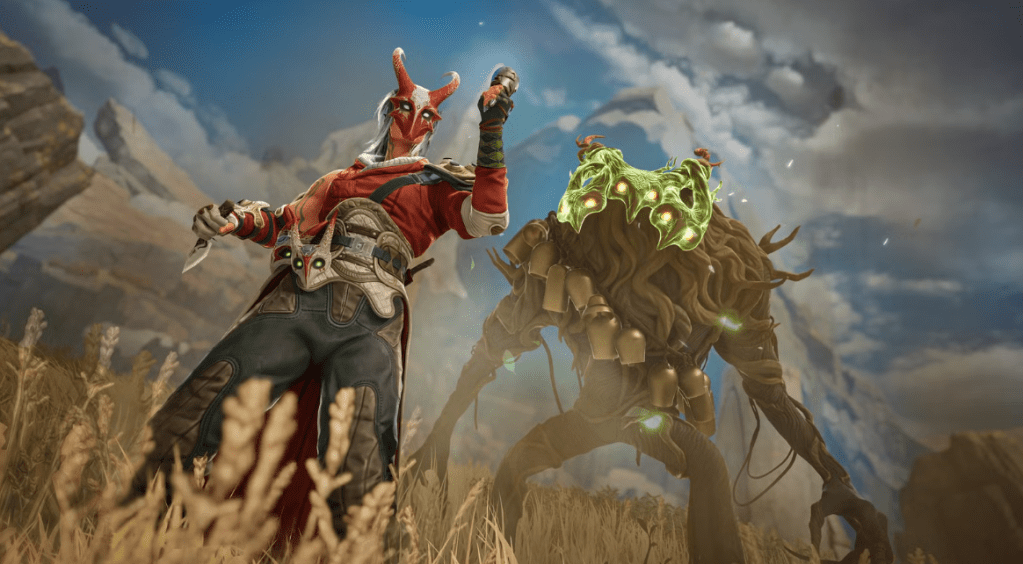
Highguard plans to right the wrongs made in Apex Legends. What? That’s right. While Highguard is Wildlight Entertainment’s debut title, most of the dev team got their start at Respawn with Apex Legends. They always felt Apex Legends floundered because it didn’t know where it wanted to go. They insist Highguard will fix that. Check out their road map.

Everything above should be up for change–you never know what the future may hold–but I like that Wildlight Entertainment has a clear vision. I have yet to play Highguard, but the graphics look amazing. It is free-to-play, so I have downloaded it. Who knows? You may find me in Highguard. Or at least you may see an upcoming Highguard F2P review in the future. Highguard is available on PC, Xbox Series S/X, and PlayStation 5.

Noah lives with his eccentric father, who’s obsessed with Dictator X. When he joins a strange auction at a castle, he must work to solve mysteries hidden in the exhibits and uncover his father’s secrets. Risk everything to win—but what truth awaits?

Typically, we don’t cover visual novel games, but we’ll make an exception for Dark Auction. I love the vibe and the mystery the game presents. We may need Season–who plays the most visual novels–to check out this title for a review. Let us know in the comments if you’d be interested in a Dark Auction review. Dark Auction is available on PC, Nintendo Switch, and PlayStation 5.

I Hate This Place is a craft-based, isometric survival horror game with twisted monsters and warped reality. Scavenge and build to survive terrifying days and nights while using stealth and noise to fight enemies that stalk by sound. All styled with bold comic art and an ’80s horror vibe. Honestly, my first thought was that I Hate This Place reminded me of a solo-player experience of Eternal Return. The one thing I loved about Eternal Return was wandering around, scavenging items, and building gear. I Hate This Place looks to scratch that itch. And its graphics are amazing.
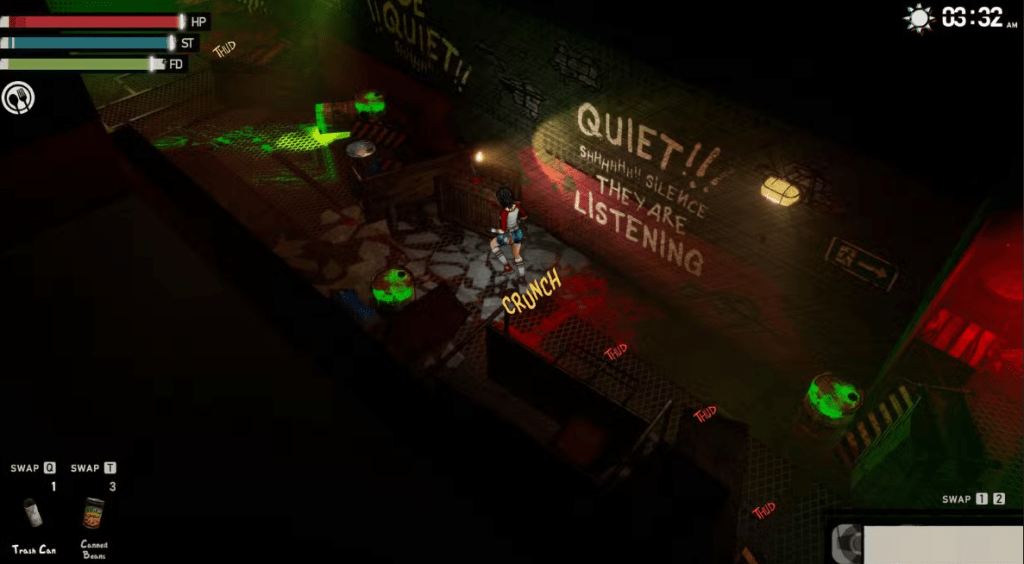
Early reviews for I Hate This Place are mixed. The most recurring complaint for I Hate This Place was it’s doesn’t maintain a consistent framerate and there a bugs. Like a Bethesda’s worth of bugs. I put I Hate This Place on my wishlist. Maybe, after a few patches, it could fix a handful of things. Love the idea. If you want to give I Hate This Place a try, it’s available on PC, Xbox Series S/X, and PlayStation 5.
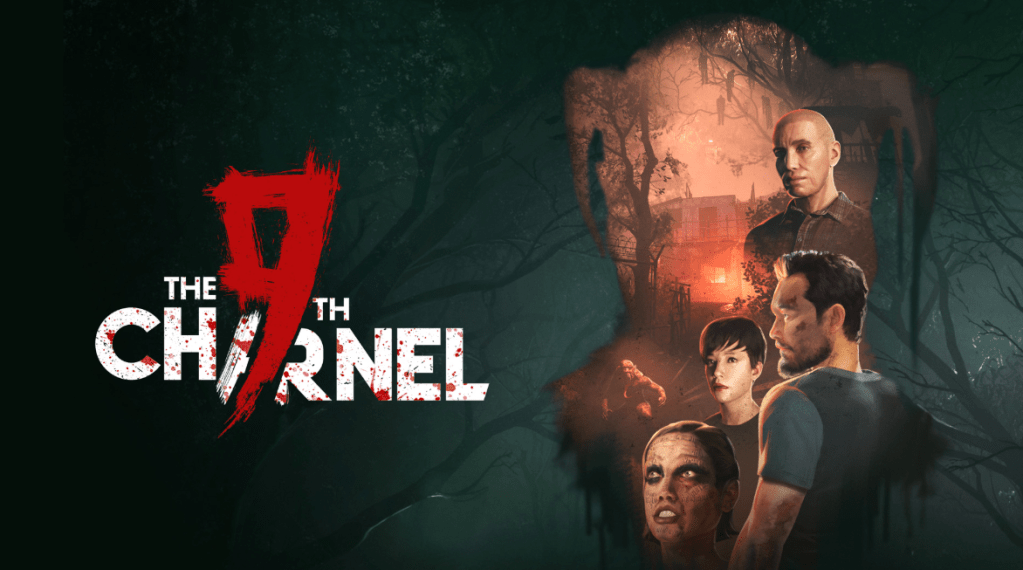
A first-person psychological survival horror game, The 9th Charnel is filled with a rich and frightening atmosphere. While exploring the many mysteries of this world, you must survive, whether by stealth or by using weapons. I always like the option of using stealth or combat. The 9th Charnel has yet to receive too many reviews. But I may have found one of my favorite reviews in a while by User Májkül. “I like this place. I would love to live here.” What? That’s like saying you’d love to live in Raccoon City or Silent Hill. Love it.

Fear not for The 9th Charnel’s lack of reviews. It offers a free demo. If The 9th Charnel sounds like something you’d like to try, it’s available on PC, Xbox Series S/X, and PlayStation 5.

News of Catherine O’Hara’s passing came as a shock. The beloved comic actor died in her home after a “brief illness” on January 30, 2026. Our writers have been rewatching some of our favorite O’Hara performances. Schitt’s Creek, Home Alone, Beetlejuice, and The Nightmare Before Christmas have dominated our screens these past few days. Our thoughts go out to O’Hara’s family and friends. Thank you for the memories.
That’s all we have for this week’s Geek News. Thank you for reading, and wherever you are, I hope you’re having a great day.

 jkgeekly.com