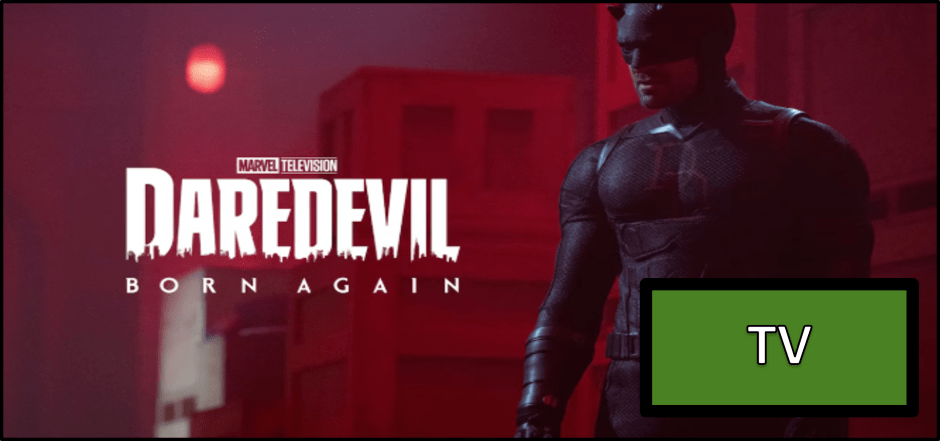
Happy Monday, Geekly Gang! Kyra Kyle here with a review/reaction to Daredevil: Born Again, Season Two’s premiere, “The Northern Star.” Daredevil: Born Again’s second season begins well, but one issue persists: the show feels off-balance. I’ll get to the good stuff soon (and there is a lot to like about “The Northern Star”), but I can see Daredevil: Born Again’s showrunners’ original vision of making seasons one and two of Daredevil: Born Again a single season. I don’t yet know if this show could’ve worked better with these first two seasons squeezed into a single season, but I’ve been on the record stating that Daredevil: Born Again Season One did a better job developing Kingpin’s side of the narrative, while shortchanging Daredevil’s. Yeah. This season, or at least during this season’s premiere, the roles reversed.
Daredevil: Born Again has a balancing issue. Both “seasons” could’ve benefited from evenly spreading the love for Daredevil and Kingpin’s story. Granted, “The Northern Star” is season two’s premiere, and I didn’t rewatch Daredevil: Born Again’s first season. But I shouldn’t have to rewatch a show’s previous season. Again, this is the first episode of the new season. All may be revealed in future episodes. But that’s also my point. We had to wait a full calendar year for Foggy Nelson’s death to find meaning. Sure, Karen Page left Hell’s Kitchen for most of last season, but the first season spent too much time trying to develop new characters. Matt Murdock seldom grieved the loss of his friend.
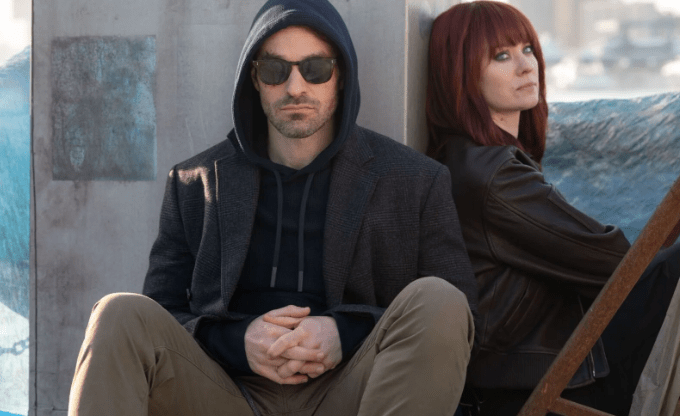
He does in “The Northern Star,” though. What a difference twelve real-world months can make. Matt’s story glossing over Foggy’s death may have sparked a lot of last season’s doubts. It wasn’t that the showrunners couldn’t kill Foggy. It was that no one seemed to care he died. I’m glad that we finally see Matt and Karen grieving the loss. And that makes me wonder what this story could’ve looked like where this episode part of the first season. We would’ve seen this catharsis sooner, and I wouldn’t be playing catch-up, trying to remember who everyone is, with Kingpin’s characters. Were there always this many characters? Yikes! I may have mentioned the volume of new characters in the previous season, but returning to Daredevil: Born Again after a year requires flashcards. Who are these people?
And we’re not done introducing more characters like Mr. Charles, Matthew Lillard’s character, who works for CIA director Valentina Allegra de Fontaine. That’s a mouthful. Try saying that name three times fast. Mr. Charles is on Kingpin’s side of the narrative. We also get introduced to Ariana, who owns the Aegean Gardens, and aids in witness protection. Didn’t know that was a thing. That’s cool. BB Urich has more time to develop. I still don’t like the BB Report segments (the people on the street interviews with a shaky cam), but it’s clear, through a scene between Urich and Page, that she’s also the one behind the gorilla news stories defaming Mayor Fisk. This story angle has legs.
But that’s another minor issue. Many of these story angles have interesting ways they could go, but will Daredevil: Born Again season two have enough runtime to explore all of them? It’ll have to cut certain threads. I haven’t even mentioned Heather Glenn’s full heel turn. We got a whiff of Glenn (Murdock’s therapist girlfriend from last year) changing sides by the end of Daredevil: Born Again season one, but it was nice to see the show explore plenty of gray areas. Glenn may do the wrong things, but she believes she’s in the right. She suffers from PTSD after the attack by Muse. While I didn’t like how quickly Daredevil: Born Again dispatched Muse, I love how he continues to haunt the series.
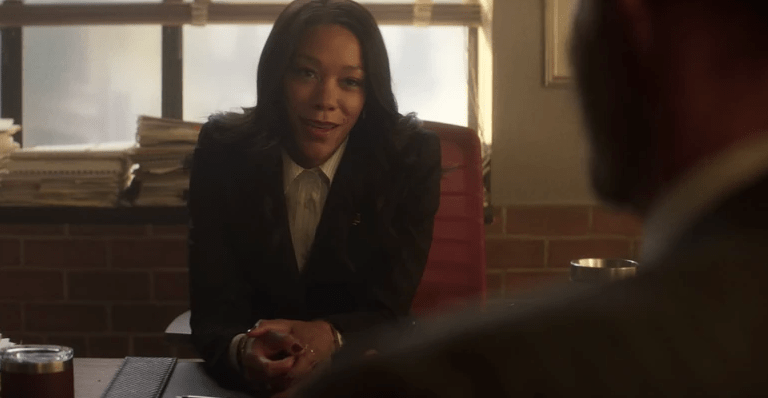
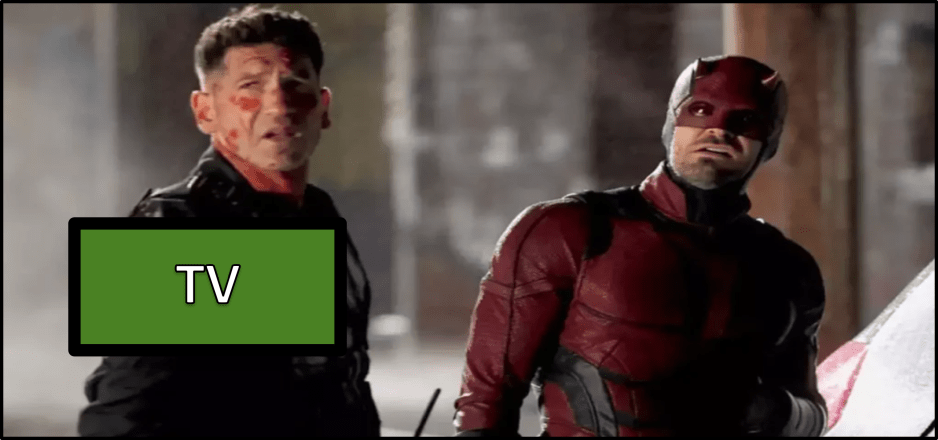
And then there’s Murdock’s new law firm partner, Kirsten McDuffie (pictured above), who has an interesting interaction with one of Fisk’s lawyers, Benjamin Hochberg. And there’s also Cherry, the retired cop turned Murock’s personal investigator, who gets more to do in this episode. And Bullseye’s return gets teased. And the antivigilante task force continues its insane mission. And did I mention that the poignant Page-Urich scene is available because of a lead Page gets from Jessica Jones? Well, it is. And Krysten Ritter will return as Jessica Jones in Daredevil: Born Again season two. There’s a lot to unpack in “The Northern Star.” I watched this episode four or five times; that’s why this reaction got postponed from Saturday to Monday. I needed the weekend to digest.
Most of these are great developments. I’d love to see Ritter return as Jones. The Bullseye tease has me hyped. So many of these character developments are fun: McDuffie’s, Cherry’s, Page’s, the AVTF, most of Fisk’s entourage, and Glenn’s PTSD and struggling with remaining objective. I don’t know how Daredevil: Born Again season two plans to tie up some of these loose ends. Thankfully, Daredevil: Born Again will receive a third season; they’re already filming the third season. But I don’t want another Lost situation. For those who don’t know, the television show Lost presented numerous great ideas and seldom finished any of them.
Daredevil: Born Again should make good on many of its premises, but Matt did get shot (by Bullseye) at the end of last season, and we didn’t see the shot’s effects in the second season’s first episode. Something tells me we’ll get flashbacks and flash sideways and flash forwards to fill us in with Matt recovering from his gunshot. I’ll just leave this here: Lost used a lot of flashbacks and flash sideways and flash forwards, too. Uh oh. Let’s hope we don’t get too many flash somewheres.
That’s all I have for “The Northern Star.” Oddly enough, this episode could’ve used more guidance from something like a northern star. Daredevil: Born Again’s Season Two premiere was a solid beginning. I just hope the season can stick the landing. But what did you think? Let us know in the comments. Thank you for reading, and wherever you are, I hope you’re having a great day.
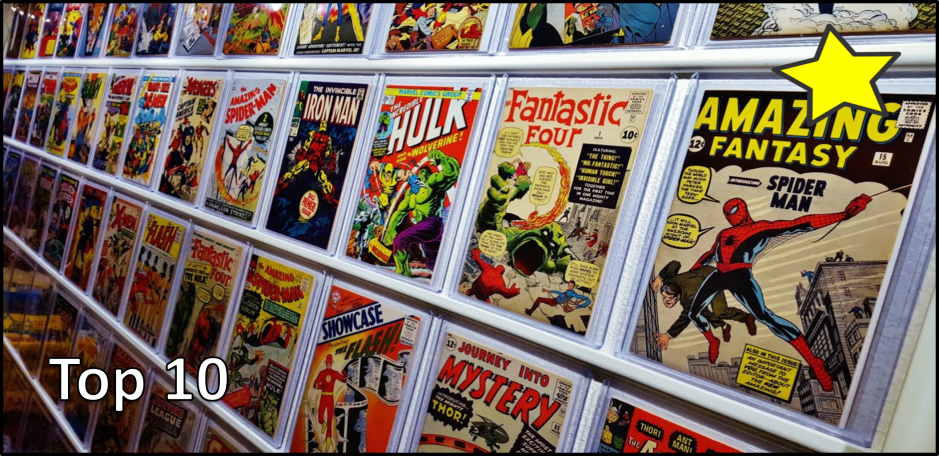
Hey, hey, Geekly Gang! Kyra Kyle here. We’ve tackled the idea of live-action television shows based on comic books over a decade ago with Top 5 Live-Action TV Shows Based on Comics. It’s a good idea to update this post. Our reasoning is three-fold: 1, it’s been long enough and more shows have been produced since 2015; we increased the number of shows on this list from five to ten; and Geekly forgot about a few shows inspired by comic books in the previous list. Whoops! Before we get into the shows, let’s set down some ground rules for this list.
1: Cultural relevance will play a role, as will the show’s overall quality.
2: Some of these shows don’t stack up in cinematic quality even with their contemporaries, but they’re outstanding just the same.
3: We’ll have to stick with one show from a franchise (or specific character) because we wouldn’t want a list that includes only Batman and Spider-Man.
Without further ado, let’s get to the top 10 live-action television shows based on comic books.
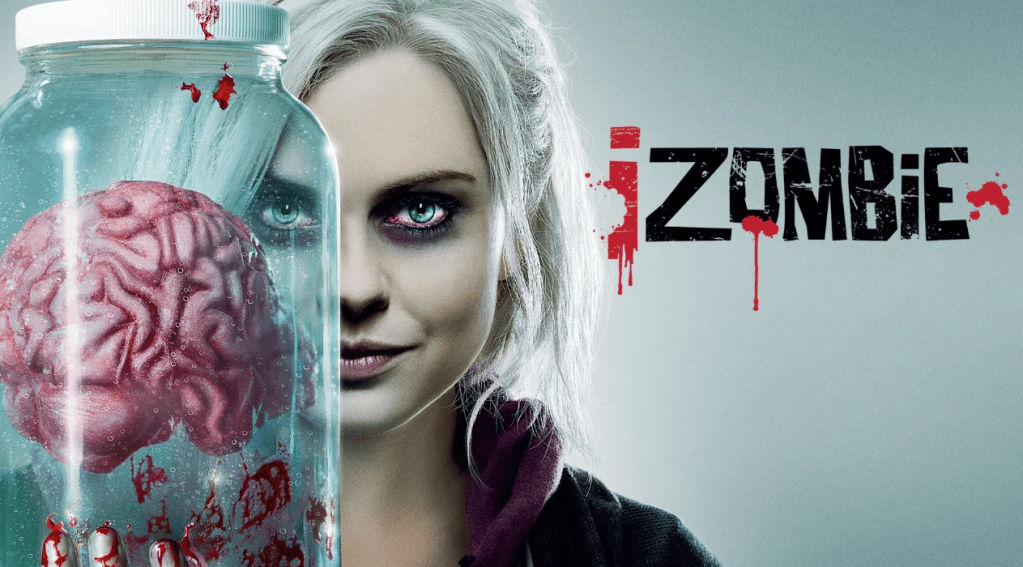
Honorable Mention 2) iZombie (2015-2019)
I’ll admit it. I have a soft spot for iZombie. Geekly covered the show when it first aired, and I like the combination of zombies and weekly detective work. Throw in some ongoing drama and a heavy dose of comedy, and you have one addictive show. iZombie won’t be too many people’s first choice for live-action television show based on a comic book, and that’s why I wanted to mention it here. It doesn’t hurt that iZombie’s intro theme, “I’m Already Dead” by Deadboy & The Elephantmen lives rent-free in my head.
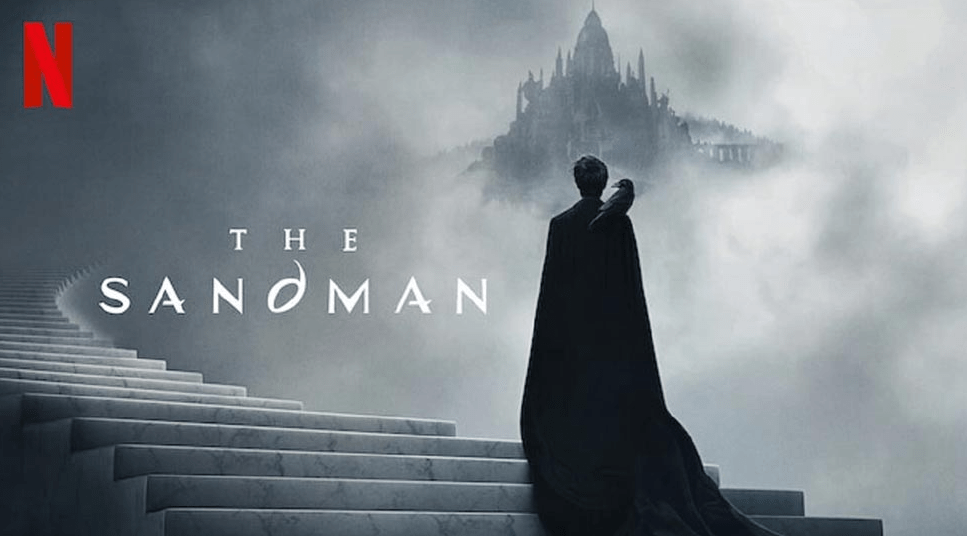
Honorable Mention 1) Sandman (2022-2025)
Sandman adapts the source material in a fresh way that also remains faithful to the comic book. Tom Sturridge does the unthinkable and captures the essence of Dream. Kirby makes a great Death. Mason Alexander Park is Desire. I could go on. Sandman has a stellar cast, but it misses our list for a couple of reasons. 1) The Netflix effect. Netflix used to be The Place for creative freedom; now, it’s a place for rehashed ideas, and any original show is likely to get canceled too soon and have little chance of another streaming platform picking up the franchise. 2) The Neil Gaiman effect. I have yet to watch Sandman’s second season because of the ick associated with Gaiman. Still, Sandman deserves a mention.
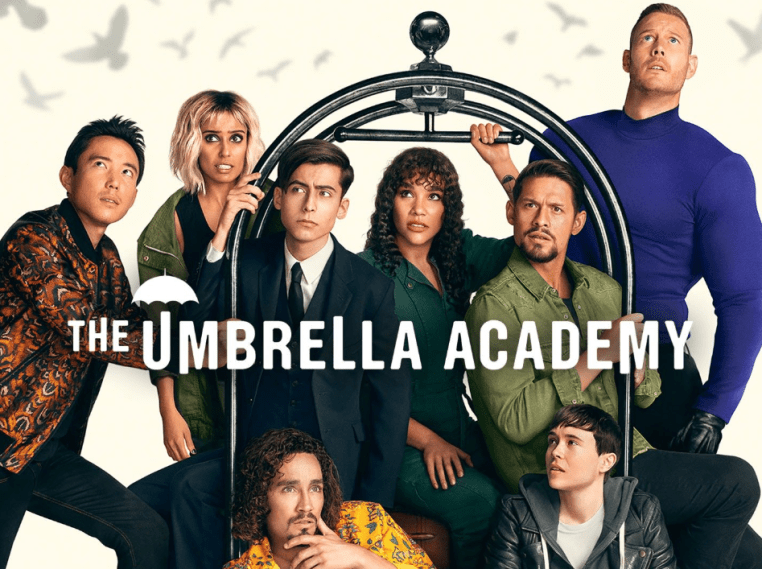
10) The Umbrella Academy (2019-2024)
The Umbrella Academy had a brilliant five-year run on Netflix. As one of the more recent entries on this list, I struggled to place it any higher on this list. The other thing going against The Umbrella Academy is that it’s a Netflix show. The Netflix effect claims another victim. Time could see The Umbrella Academy rise in the standings, because there’s a lot to love.
The Umbrella Academy blends quirky humor, bizarre storylines, balls-to-the-wall action, and pitch-perfect character development. The third season incorporated Elliot Page’s gender identity respectfully and made it work for the show’s story. It also doesn’t hurt that the show is based on the comic book of the same name by My Chemical Romance lead singer Gerard Way. That gives The Umbrella Academy an extra layer of cool.
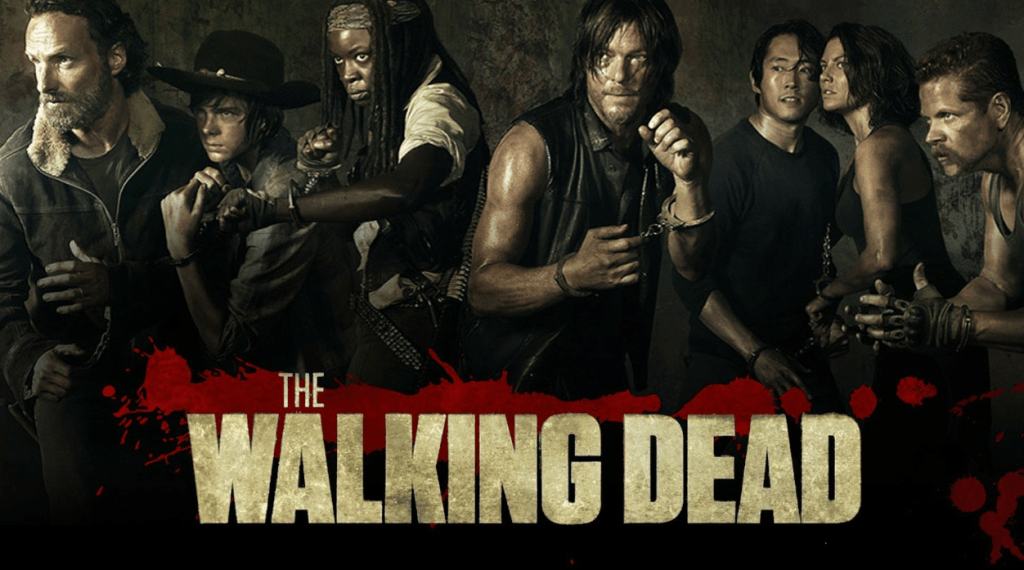
9) The Walking Dead (2010-2022)
The Walking Dead made our last list over a decade prior, but the show may have hung on for too long. Those early seasons of The Walking Dead were some of the small screen’s best. Despite any flaws, this show focused on interpersonal relationships. The drama within The Walking Dead stemmed from its human characters. And let’s face it. The Walking Dead ignited zombie-mania. You can’t take a breath without huffing on a walker.
The Walking Dead started an empire. I’ve lost track of how many spinoff series this show spawned: Fear the Walking Dead (2015-23), The Walking Dead: World Beyond (2020-21), Tales of the Walking Dead (2022), The Walking Dead: The Ones Who Live (2024), The Walking Dead: Dead City (2023-present), and The Walking Dead: Daryl Dixon (2023-present). The Walking Dead became so popular that a secondary character from the original series, Daryl Dixon, got his own spin-off. Talk about cultural relevance.
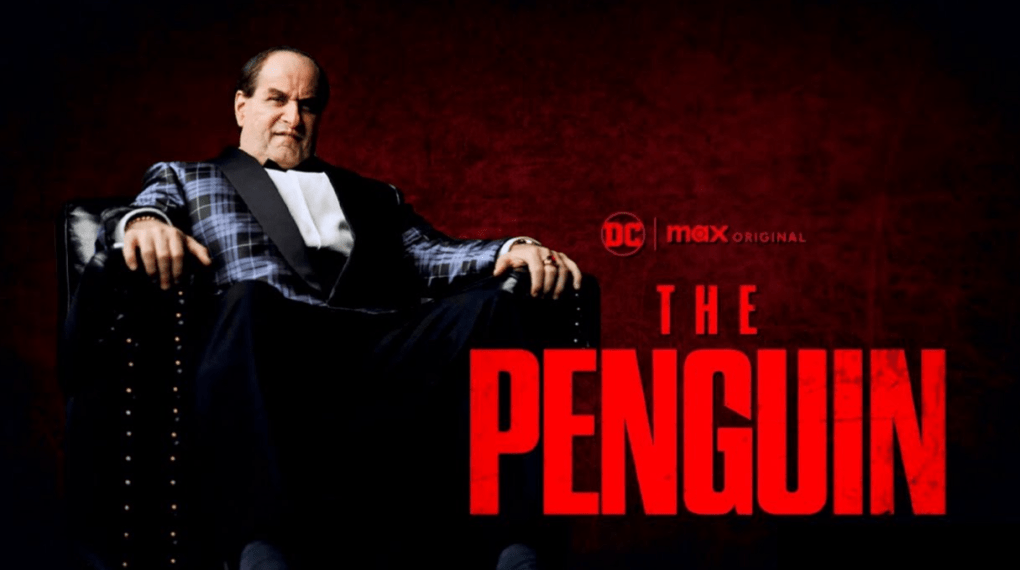
8) ThePenguin (2024)
Despite bearing the name of one of Batman’s iconic villains, ThePenguin doesn’t even feel like a television show based on a comic book. The Penguin borrows a lot from Breaking Bad and The Sopranos. Watching Oz Cobb ascend–or descend, depending on the lens you use to view his story–to mafia royalty was a joy to watch. Cristin Milioti’s turn as Sofia Falcone was excellent. Sofia Falcone (from The Long Halloween fame) was another comic book character I didn’t expect anyone to pull off well, but Milioti is fabulous in ThePenguin.
When I first learned The Penguin got greenlit, I wondered what more there was to say. Apparently, a lot. The Penguin took an interesting enough character from 2022’s The Batman and built a mythos around a character that didn’t receive enough love on the big or small screen. Penguin is one of my favorite Batman villains, and The Penguin captured a certain slimy iteration of the character. The Penguin is well worth watching.
7) Arrow (2012-2020)
Arrow is another show that stayed a little too long. It suffered the fate of many CW shows and descended into melodrama. After a season, Olicity (the shipping of Oliver Queen and Felicity Smoak) turned my stomach. But Arrow started strong. Manu Bennett may still be the definitive Slade Wilson/Deathstroke, and the “You have failed this city” and Ollie’s time on the island storylines of the first few seasons proved that a lesser DC Comics character like Green Arrow could anchor a show. Not just a show, an entire franchise. Arrow began the Arrowverse.
The Flash may have taken over as the flagship title for the Arrowverse, but Arrow led to The Flash, Supergirl, Legends of Tomorrow, Black Lightning, Batwoman, and the web series Vixen and Freedom Fighters: The Ray. I don’t know when or if I’ll return to Arrow, but I have fond memories of early Arrow seasons. And with Arrow’s cultural impact, no one can deny its place among the top 10 live-action television shows based on comic books.
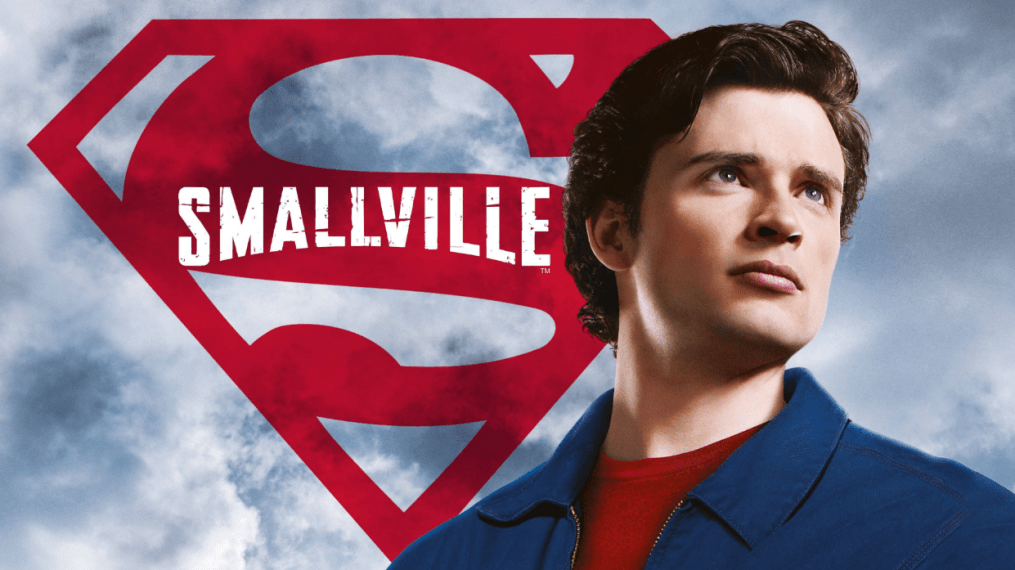
6) Smallville (2001-2011)
We go from Arrow, which spawned the Arrowverse, to Smallville, which introduced a wider audience to Green Arrow in the first place. Justin Hartley’s Green Arrow guest-starred in numerous Smallville episodes. In fact, Smallville introduced numerous DC Comics Universe characters to television viewers in the early 2000s. I’m still waiting for another actor to take on the role of Booster Gold.
Smallville’s premise wore thin for some people. The show features a Clark Kent before he becomes Superman. In fact, Smallville had the mandate “No Tights, No Flights.” Viewers had to wait a decade for Superman to make his first flight, and by that time, Smallville had seen Aquaman, Green Arrow, and even Booster Gold have a turn in full costume. Even if the “No Tights, No Flights” mandate rubbed you the wrong way, you can’t deny Smallville’s significance.
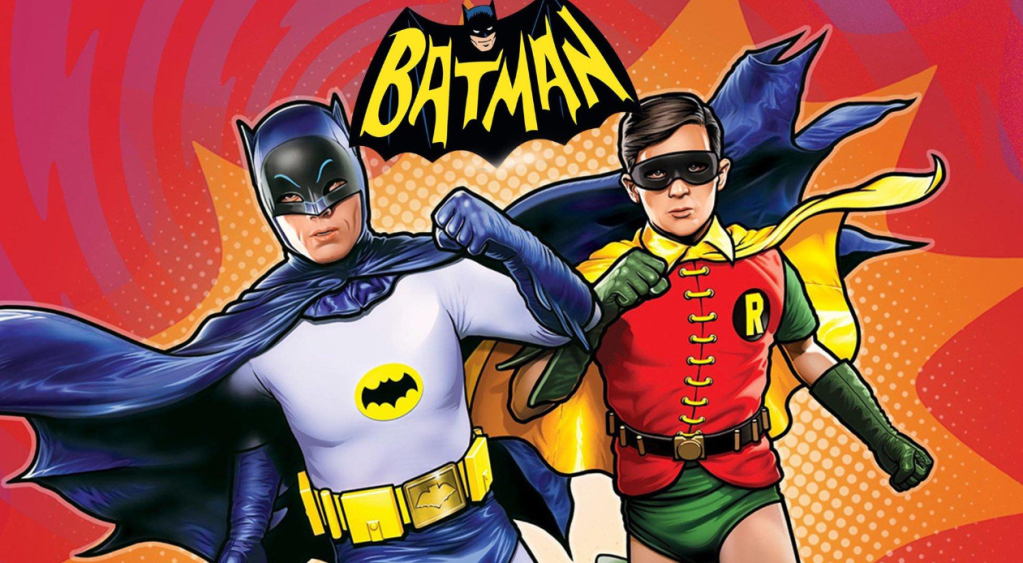
5) Batman (1966-1968)
We go way back in time for this next entry. Batman may not have aged the best, but that was never the point. Batman was pure camp. It resurrected characters in the comic book. The Riddler hadn’t been seen in a comic book since the 1950s. The 1960s Batman made The Riddler relevant. Few live-action television shows based on comic books can make that claim.
The Batman-mania of the 1960s proved there was an appetite for comic book media beyond the page. And Batman featured a lot of A-list actors. Cesar Romero, Burgess Meredith, Frank Gorshin, Vincent Price, and many others read like a who’s who of character actors. Batman rejuvenated and launched numerous acting careers. Be honest. When you saw the picture of Batman above, did you not hear Batman’s theme?
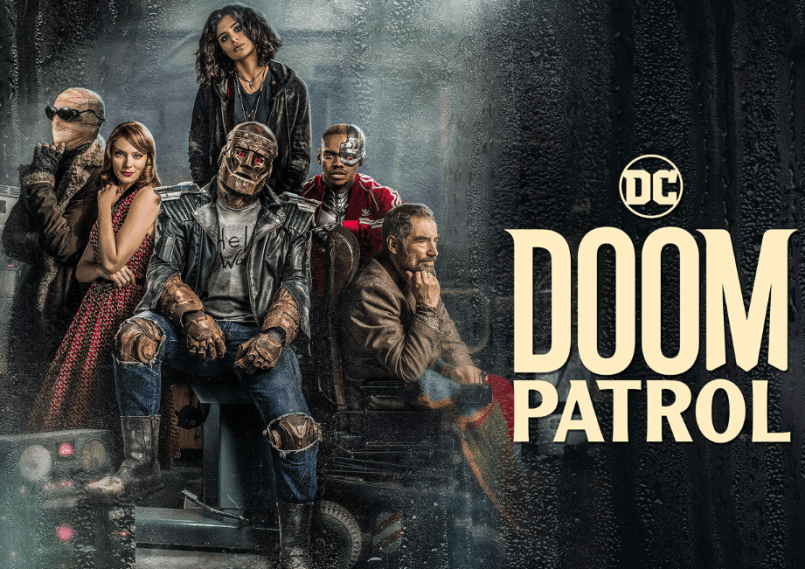
4) Doom Patrol (2019-2023)
Doom Patrol. Doom Patrol? How is Doom Patrol this high? I didn’t expect to like Doom Patrol as much as I did, but it’s easily one of the DCEU’s best projects. Doom Patrol may have released just before The Umbrella Academy, but the source material, the Doom Patrol comic book, inspired The Umbrella Academy, so that’s one of the reasons Doom Patrol makes it this high on the list.
The other reason is Doom Patrol resurrected Brendan Fraser’s career. Fraser’s turn as Cliff Steele/Robotman was fantastic. Fraser’s final scene in Doom Patrol never fails to turn on the waterworks. I bawl every time I watch it. The rest of Doom Patrol’s cast is top-notch. I like Matt Bomer in most things, and Timothy Dalton is an acting legend. But I need to give Diane Guerrero’s performance as Crazy Jane some praise. It may be a low bar, but Crazy Jane may be the best representation of dissociative identity disorder I’ve seen in a television show or movie. And I hope Joivan Wade gets another chance to portray Victor Stone/Cyborg. He was another stand-out. Everyone was. I liked April Bowlby’s portrayal of Rita Farr/Elasti-Woman. Doom Patrol is one of the few shows on this list that I’ll happily rewatch.
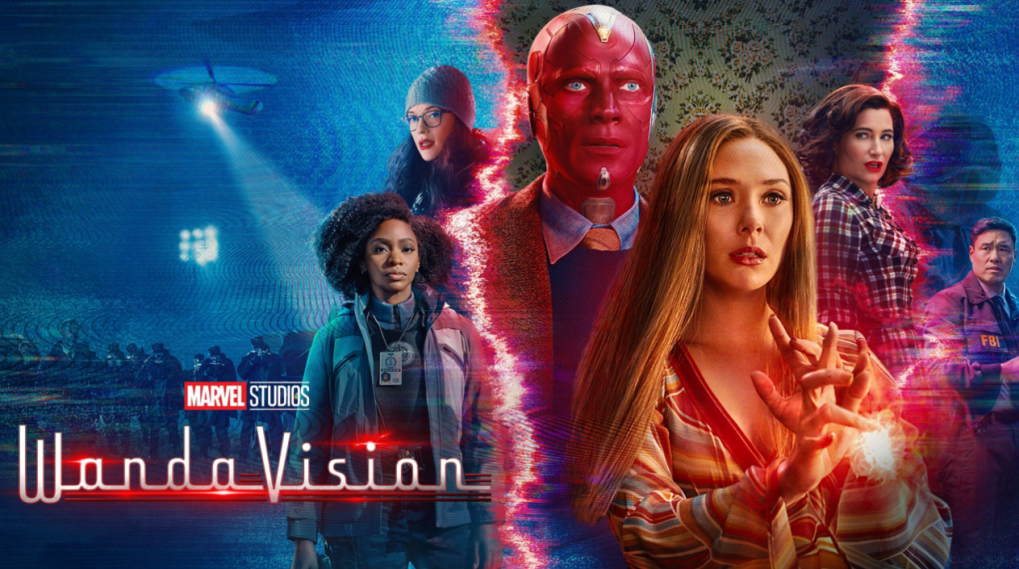
3) WandaVision (2021)
Marvel’s Disney+ shows had so much promise after they leapt off the screen with WandaVision. Sure, WandaVision is a continuation of the MCU, but the exploration of Wanda Maximoff’s mental state can’t be overstated. Kathryn Hahn had a star turn as Agnes/Agatha, and the rest of the cast was a joy. WandaVision is another show I’ll rewatch. Its use of sitcoms through the decades felt organic; it was more than nostalgia.
But there were plenty of call-outs to sitcoms and MCU properties. Evan Peters, pseudo-reprising his role as Pietro Maximoff was a nice touch. WandaVision did the source material proud. Hints of House of M (comic books) lead into Vision Quest (also from the comics), which will become another WandaVision spinoff Disney+ series. Vision Quest will mark two spinoffs to date. The first was Agatha All Along. I cringe at Wanda’s descent into madness, but I can’t look away.
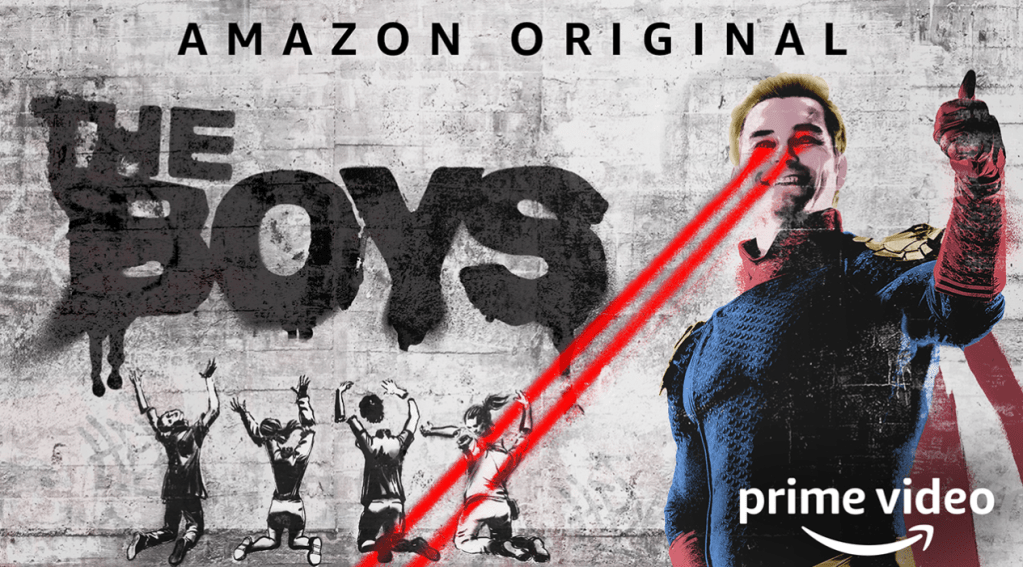
2) The Boys (2019-present)
The Boys is the rare television show that’s better than its source material. The Boys comic book was okay. A bit gory and over-the-top, but okay, and let’s not get this twisted, the original comic book was written at the height of the Bush Administration, and it shows. The world has changed. The Boys television show adapted with it. And despite that, The Boys didn’t lose sight of what made the original comic book fun. That and Homelander scares the poop out of me. Seriously, Antony Starr’s Homelander haunts my dreams.
Writing on The Boys strikes a delicate balance of mixing over-the-top violence, black humor, deft plots, and character work. The Boys can be a big, dumb superhero show, but it also be a nuanced look at humanity and how we deal with trauma.
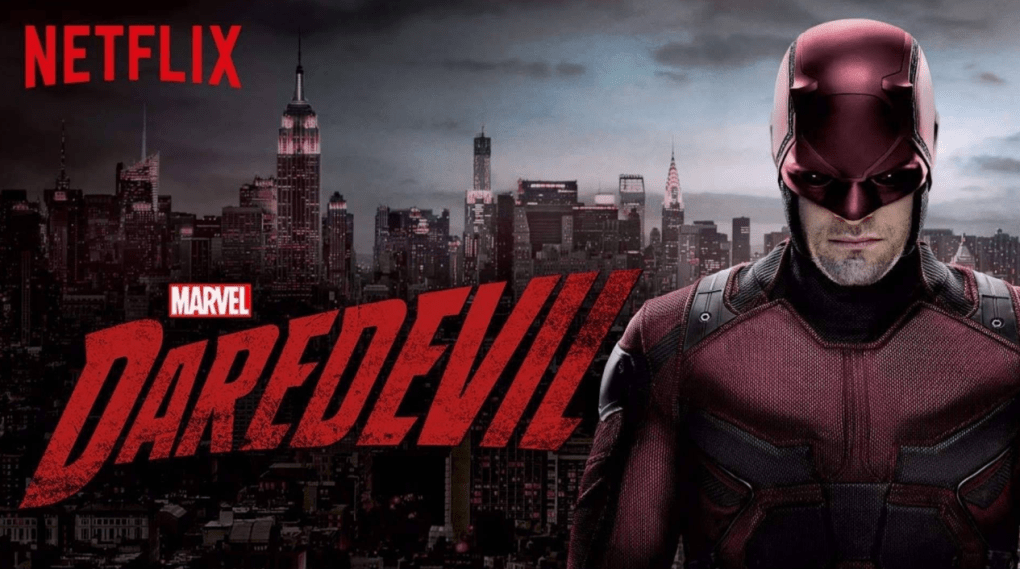
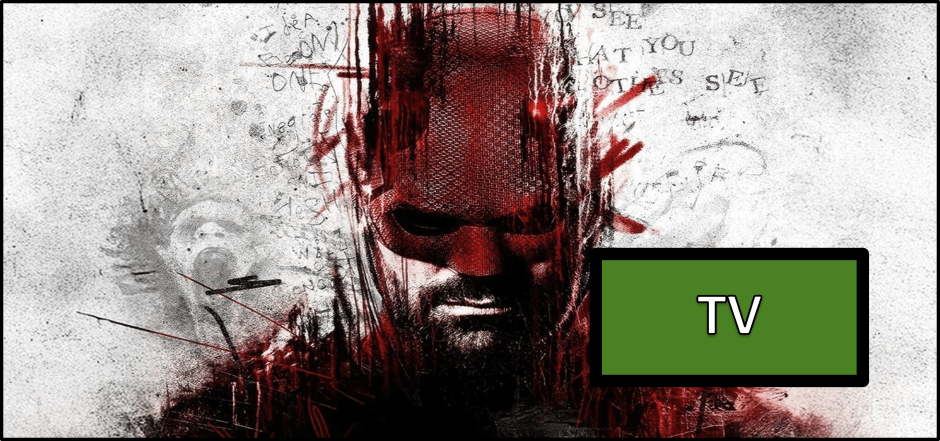
1) Daredevil (2015-2018)
Daredevil rises above the Netflix effect to claim the top spot. I can’t believe it, but Daredevil hadn’t yet released its first episode when we posted our original Top 5 Live-Action Comic Book Shows. My goodness, Geekly’s been around for some time. Daredevil claims the top spot in part because it’s been revived and will resurrect other Netflix Marvel shows with it on Disney+, like Punisher, Jessica Jones, and Luke Cage. Except for a few moments, Daredevil’s writing was on point. Charlie Cox embodied the role so much that I can’t see anyone else portraying Daredevil. And the action sequences and filmography made me feel every punch through the screen. I’ve never felt that before or since Daredevil.
And Daredevil showcased some amazing acting. Cox’s Daredevil was fabulous, while Vincent D’Onofrio was menacing. You know what? I can’t see anyone else portraying Kingpin other than D’Onofrio. Woll’s Karen Page and Henson’s Foggy Nelson rounded out a stellar main cast. And just when I’d think Daredevil would take too many leaps by adding Bernthal’s Punisher or Yung’s Elektra or Bethel’s Bullseye, the actors would turn in character-defining performances. There’s a reason why Daredevil: Born Again was 2025’s most anticipated comic book series. It had some huge shoes to fill.
That’s our list of the top 10 live-action television shows based on comic books. I’m sure yours differs from ours. Let us know which shows you’d add or take away from this list. Thank you for reading, and wherever you are, I hope you’re having a great day.
Daredevil: Born Again wrapped up its first season this week with “Straight to Hell.” This episode sees the return of Karen Page and The Punisher. Hey, hey! Kyra Kyle here. Daredevil: Born Again’s first season was uneven but entertaining. I had guessed a week or two ago that this season would end with Kingpin leaking Daredevil’s identity, but I forgot about the MCU’s plan of turning Kingpin into the ultimate street-level threat. While I enjoyed Kingpin’s side of the story, Daredevil didn’t get the same care. In fact, this show could’ve been named Kingpin: Return of the King.
Let’s begin with the interesting half of Daredevil: Born Again’s story. Kingpin’s rise to power plays out like a Marvel-flavored House of Cards or Breaking Bad. Kingpin wheels and deals himself into the best position. Daniel Blake’s journey to become Kingpin’s right-hand man was a joy. Sheila Rivera and Commissioner Gallo, scrambling to adapt to the changing political climate (dictated by Kingpin) and attempting to fix corruption from within, delivered plenty of tense scenes. Gallo’s story culminates in the single most violent moment in MCU history (so far), and that includes a Deadpool movie. I won’t spoil it here, but you’ll know the scene when you see it. Even Daredevil’s most aha moment comes when he figures out Kingpin’s ultimate plan: turning Red Hook into his private city-state.
Kingpin establishing a vigilante task force is the thread that can drive countless MCU television shows. This one plot point could and should affect a Punisher, Luke Cage, Jessica Jones, and Iron Fist reboot. This task force could appear in a future Spider-Man movie. Depending on where these characters reside, Hawkeye and Moon Knight could get tangled up with the task force. This is why I believe Daredevil: Born Again should’ve been a Kingpin show like Max’s The Penguin. I haven’t even mentioned Vanessa and Wilson Fisk’s complicated relationship. There’s so much meat to this half of Daredevil: Born Again’s story. By comparison, Daredevil’s story is thin.
Daredevil was an afterthought in his own show. With the exception of a few scenes, Daredevil could’ve been deleted from the show, and the show would’ve ended up the same. As a result, most of Daredevil’s story failed to capture my attention. I mentioned Heather Glenn’s lack of chemistry with Matt Murdock for weeks. She jumps on the Kingpin train quickly during “Straight to Hell.” Makes sense. I don’t know if Murdock will even miss her; he doesn’t act like he does. I never bought the two’s relationship.
I wonder how integral Kamar de los Reyes’s White Tiger was to Daredevil’s half of the original script. If Daredevil: Born Again was supposed to be a Kingpin show, it would make sense if more than one vigilante were active during the bulk of the season. It would also make sense for Daredevil to mentor White Tiger during his exploits. Daredevil: Born Again did a good job of integrating White Tiger into Daredevil’s narrative where it could. The show also managed to honor Kamar de los Reyes. Rest in peace.
The Punisher is inactive for most of this season’s run and only resumes his vigilante activities during “Straight to Hell.” It almost seemed like Daredevil: Born Again saved all its juicy Murdock/Daredevil story threads for its season finale. The show reintroduces a potential love triangle among Daredevil, Karen, and Punisher. It’s difficult to establish a love triangle like this when two-thirds of the characters receive little to no screen time until the final forty minutes. What’s worse is that the Murdock/Daredevil supporting characters like fellow attorney-at-law McDuffie and cop turned private investigator Cherry serve little more than plot devices.
Murdock, donning his new duds, was fun, and Bullseye was electric in the few episodes toward the end where he appeared. I can’t wait to see where the MCU takes Daredevil, but Daredevil: Born Again season one was more of a Kingpin show, and that’s okay. I just wish Marvel had renamed the show to reflect the show’s true main character. Daredevil: Born Again season one was the street-level version of Avengers: Infinity War with Kingpin swapped for Thanos.
Let us know your thoughts on Daredevil: Born Again’s first season and the season finale “Straight to Hell.” Thank you for reading, and wherever you are, I hope you’re having a great day.
Daredevil: Born Again continues this week with a single episode, “The Hollow of His Hand.” The show focuses on the courtroom drama surrounding the White Tiger. While I think this is a good choice, the pacing for a storyline like this would play out better for a full 13-episode season (like the previous Daredevil series) instead of the 9-episode season, split in two, that Daredevil: Born Again has scheduled. Daredevil: Born Again is fated for getting rushed.
Hey, hey! Kyra Kyle here. I’ve had more time to digest Daredevil: Born Again’s first two episodes from last week, and they leave me wanting. Everything felt rushed. And while I understand that Daredevil: Born Again wants to get Matt Murdock into his Daredevil suit as soon as possible because the show only has three episodes remaining before it goes on hiatus, I can’t help but think that the original show would’ve taken its time and not rush through White Tiger’s trial. The showrunners must not be used to shorter seasons.
What remains does a good job of pitting Matt Murdock against Kingpin from an ideological standpoint. The sparing between Murdock proving vigilantes as necessary (even helping police) and Kingpin’s decree to the media that vigilantes operate outside and above the law works. The lack of scenes with White Tiger doesn’t work as well. Through witnessing on the stand, the life of White Tiger is told. We don’t see White Tiger in action. We don’t even see how his magical amulet works. I’m reminded of the writing adage: show don’t tell. Daredevil: Born Again does a lot of telling because they don’t have time or money.
Daredevil: Born Again marks the first Disney+ Marvel series when the production attempts to cut costs. I hope that scenes with White Tiger weren’t cut for time or budget. Puerto Rican actor Kamar de los Reyes who portrays White Tiger passed away from cancer on Christmas Eve 2023. He delivers a fantastic performance.
We get into spoiler territory here. You’ve been warned. After a short trial sequence, White Tiger gets gunned down days later by someone who may be The Punisher. I don’t know if the could be Punisher works for Fisk. The sequence where White Tiger dies occurs during a voiceover with Wilson Fisk, explaining how vigilantes should not exist. In the comics, the Punisher began as a mercenary for hire. It would make sense if he was behind White Tiger’s death, but Fisk has been distancing himself from crime as much as Murdock distances himself from crimefighting. The Punisher could also be exacting vigilante revenge against a vigilante for (accidentally) killing a crooked cop. That’d be an interesting twist.
End of spoilers.
Despite the swiftness of these events, Daredevil: Born Again does a great job of honoring White Tiger’s death. Like Foggy’s death in episode one, White Tiger’s death is sudden. But the twist of who may have killed him leaves the episode on a cliffhanger, and “The Hollow of His Hand” ends with a quiet moment. The only sound the audience hears is the coquis (a small frog native to Puerto Rico) whistling against the surf.
White Tiger had shared with Murdock that he only felt at peace when he sat on a bench by the ocean and could hear the coquis. This moment was well done. It’s a wonderful tribute to Kamar de los Reyes.
I want more moments like this one. The previous series would sprinkle in heart-felt beats in between the action. I have hope for the remainder of Daredevil: Born Again’s initial six episodes, but I’ve heard that Muse could become a main antagonist. How does Daredevil: Born Again hope to juggle the introduction of the Punisher, Muse, and the inevitable Kingpin showdown? Muse could’ve disguised themselves while they killed White Tiger. We’ll have to see. Thank you for reading, and wherever you are, I hope you’re having a great day.
While Daredevil: Born Again is ongoing, let’s discuss the best villains the Man Without Fear has ever had. Hey, hey! Kyra Kyle here. We’re back with the first Top 5 Villains List. Daredevil doesn’t have the most robust rogues gallery, but he does have a handful of standout villains. Here’s our list of the Top 5 Daredevil Villains.
5: Mr. Fear
Frankly, the top four Daredevil villains are set in stone—for the most part. The only variable I could find was at the fifth spot. I’ve said it a lot in previous Top 5s, but I could’ve gone in several directions. I almost feel like the bottom villain in a hero’s Top 5 villains must bring something a little different. Mr. Fear does that. You’d think that a villain whose gimmick involves fear would be no issue for Daredevil: The Man Without Fear, but Mr. Fear has posed a threat on more than one occasion. My favorite version of the Mr. Fear must be Matt Murdock’s old classmate, Larry Cranston. Cranston once gave Matt’s ex-wife Mia Donovan an overdose of a fear-inhibiting drug that led her to take an innocent’s life. Mr. Fear does more than hold his own with Daredevil’s typical martial arts-savvy characters.
4: Typhoid Mary
Ann Nocenti created Typhoid Mary. She’s a deadly and intriguing villain. Mary’s a mutant with telekinetic abilities and suffers from dissociative identity disorder, which gives her three different identities, a soft-spirited one (Mary), a violent one (Typhoid), and a sadistic one (Bloody Mary). Mary was once a soap opera actress and briefly in a relationship with Matt Murdock. One doesn’t know which one of Typhoid Mary’s personas is in control. Mary’s condition makes her unpredictable. Her mutant powers coupled with her innate mutant abilities make her a force. Season three of the Netflix Daredevil series included a version of Typhoid Mary. Typhoid Mary could make for an interesting foil with the MCU heading toward a Mutant Saga.
3: Elektra
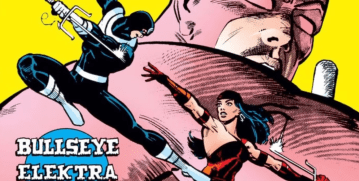
Elektra Natchios is arguably the love of Matt Murdock’s life. Daredevil may have had a lot of girlfriends throughout the years—including the previous entry Typhoid Mary—but Elektra stands alone as Matt Murdock’s most iconic lover. Elektra’s the Catwoman to Matt’s Batman. As the daughter of a Greek ambassador to the United States, Elektra could’ve been anything. She chooses to be a villain for hire. Like Catwoman, Elektra always seems on the cusp of redemption, before showing Daredevil her ruthless nature. Elektra constantly switches sides. And her death at the hands of Bullseye remains one of the most iconic moments in Daredevil comics history.
2: Bullseye
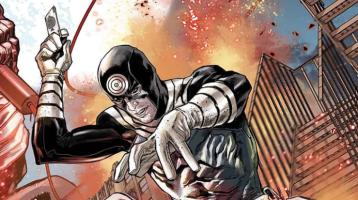
No villain may have caused more pain and suffering for Matt Murdock than the contract killer Bullseye. This is the man that Daredevil tortured by playing Russian Roulette with an empty gun. Bullseye’s hands make anything a lethal weapon. He’s built his reputation on his perfect aim, throwing knives and other sharp objects with insane accuracy. He also helps that Bullseye’s skeleton is coated in adamantium, like Wolverine’s. Despite his physical prowess, Bullseye strives to inflict emotional pain. He’s taken away two of the loves of Matt Murdock’s life, Elektra and Karen Page, and joked about it afterward. Bullseye is the worst kind of villain. He takes pleasure in what he does, and what he does can be sickening.
1: Kingpin
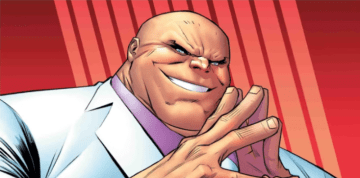
Kingpin started as a Spider-Man villain, but Frank Miller’s run on Daredevil changed the course of the villain’s life. Since Miller’s run on Daredevil, the pair love to hate each other. In the “Born Again” comic book series, Fisk learns Daredevil’s identity and dismantles every aspect of his life, stripping Matt of his law license and even blowing up his apartment. Kingpin’s actions drove Matt Murdock to the brink of insanity. But Fisk has always managed to outsmart and maneuver his way around Daredevil. During the “Return of the King” storyline, he weasels his way into an alliance with Daredevil. He does so intending to betray the Man Without Fear at the most opportune moment. Kingpin may be one of Marvel’s greatest villains, but over the past several decades, he’s been a thorn in Daredevil’s side and worthy of the top spot.
Did we get the list right? Let us know who you would add or remove in the comments. And wherever you are, I hope you’re having a great day.
Daredevil: Born Again begins its run tomorrow, and Geekly is celebrating with another comic book starter stories list. Today may be the best day to begin reading Daredevil comics. We hope this list will help you decide where to begin your journey with the Man Without Fear.
Hey, hey! Kyra Kyle here. Daredevil has been around for a long time and has had plenty of brilliant runs throughout his time in Marvel comics. We’ll have a mix of story arcs (stories composed of multiple comic book issues) and single-issue stories (which will only have one comic book to the story). Daredevil has a nice split between single-issue stories and story arcs. We’ll begin with the story arcs. Enjoy!
Story Arcs
Punisher Versus Daredevil (Daredevil #183-184; written by Frank Miller and Roger McKenzie/art by Frank Miller and Klaus Janson 1982)
This is the first of several Frank Miller entries. Miller made his name writing for Daredevil, so it’s inevitable. This two-issue story called “Child’s Play” shows the difference between Daredevil and the Punisher. While Daredevil refuses to kill, the Punisher has no problem killing.
The pair team-up after a young girl on drugs takes a dive out of her school window and dies. Yeah. Miller’s Daredevil pushed the envelope of what the Comics Code Authority would allow in a story. Getting back to this story, with the help of the dead girl’s brother, Daredevil and Punisher track down the dealer responsible for selling her drugs. Daredevil and Punisher get into a fight over how they’ll handle the dealer after they find him. Daredevil #183’s cover showcases this fight; it’s iconic.
Born Again (Daredevil #227-233; written by Frank Miller/art by Frank Miller and David Mazzuchelli 1986)
The Disney+ series Daredevil: Born Again gets its name from a Frank Miller-penned comic book story arc, and the final season of the Netflix Daredevil series borrows a lot from Daredevil Born Again. It’s a classic.
Daredevil Born Again follows Daredevil’s descent into insanity and destitution at the Kingpin’s hands. Daredevil’s ex-girlfriend Karen Page becomes a heroin addict. Strapped for cash, she sells the information that Matt Murdock is Daredevil for a shot of heroin. This information is then sold to the Kingpin, and the Kingpin does all manner of things to destroy Daredevil’s personal life. Matt’s life becomes hell.
I hope the Disney+ series goes further than the Netflix series and dives deeper into Born Again’s storyline.
Last Rites (Daredevil #283-300; written by Ann Nocenti and Dan G. Chichester/art by Mark Bagley, Lee Weeks Greg Capullo, Kieron Dwyer, Ron Garney, Butch (Jackson) Guice, Don Hudson, Larry Alexander, June Brigman, Al Williamson, Doug Hazlewood, Fred Fredericks, Tom Morgan, and Roy Richardson; 1990-1992)
Last Rites is the longest story arc included on this list, but it’s a Daredevil essential. This storyline concludes Ann Nocenti’s epic run on the character (we’ll see more of Nocenti’s work later). Last Rites is a whirlwind. The Kingpin falls. An amnesiac Matt Murdock is no longer Daredevil. Instead, another person swings around New York wearing a red jumpsuit, committing surgically precise crimes.
Matt thinks he’s the boxer Jack Murdock, while Kingpin builds a media empire. Eventually, a reborn Daredevil is determined to deliver the last rites to Kingpin’s reign of terror. There are a heap of guest stars in this massive Daredevil story: Captain America, Taskmaster, Tombstone, Baron Strucker, The Punisher, and Ghost Rider. But at its heart, Last Rites is Daredevil and Kingpin battling to the death.
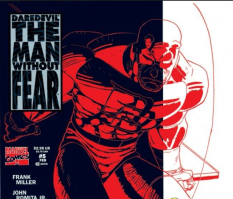
Daredevil: Man Without Fear (Daredevil: Man Without Fear #1-5; written by Frank Miller/art by John Romita 1993-1994)
If you can’t tell, Frank Miller will dominate this list. I tried to keep Miller’s number of stories at a minimum, but he will repeatedly show up. Daredevil: Man Without Fear was a miniseries from the early Nineties. The series explores Matt Murdock’s childhood, the accident that caused his blindness and powers, as well as his father’s death. The series features pivotal scenes that have become staples in the Daredevil mythos: Matt’s mentor Stick, his college flame Elektra, his best friend Foggy Nelson, and his primary nemesis Kingpin. Fans of the Netflix Daredevil show will see plenty of familiar scenes. Daredevil: Man Without Fear is a must-read.
Return of the King (Daredevil #116-119; written by Ed Brubaker/art by Michael Lark and David Aja 2009)
A story arc from Ed Brubaker’s historic run on Daredevil had to appear on this list. I chose Return of the King because it shows Kingpin—easily Daredevil’s greatest villain—at his backstabbing and conniving best. Wilson Fisk (Kingpin) flees to Europe to escape his life of crime, where he meets a woman and befriends her children. Fisk views this family as his own until they are killed by the Hand. Lady Bullseye, one of the Hand assassins, claims Daredevil sent her. And all hell breaks loose with Kingpin reclaiming his reign as king of the criminal underworld.
The Omega Effect (Avenging Spider-Man #6, Punisher #10, and Daredevil #11; written by Greg Rucka and Mark Waid/art by Marco Checchetto 2012)
Mark Waid’s run on Daredevil could be summed up in one word: fun. The Omega Effect joins this list because it features Daredevil teaming up with two of his most common allies: Spider-Man and Punisher. But you don’t get one Punisher. Frank Castle trains a second Punisher, Rachel Cole-Alves. This makeshift team crumbles when one of the members turns backstabber.
Single Issues
“Last Hand” (Daredevil #181; written by Frank Miller/art by Frank Miller and Klaus Janson; 1982)
“Last Hand” is another classic Frank Miller comic. It’s a simple concept. Bullseye escapes from prison and plots his revenge against Daredevil. But Bullseye also discovers Daredevil’s secret identity and figures the only way to hurt Daredevil worse than killing him is to go after his lover Elektra. “Last Hand” ends with Elektra’s iconic death.
“Roulette” (Daredevil #191; written by Frank Miller/art by Frank Miller and Terry Austin; 1983)
The title “Roulette” may come from Daredevil playing Russian Roulette with a helpless Bullseye (he’s paralyzed from their previous battle), but the reason for Matt Murdock playing Russian Roulette stems from another encounter. “Roulette” uses Daredevil torturing a hospitalized Bullseye with an empty gun as bread in a narrative sandwich. This narrative’s filling comes from Daredevil’s interactions with a father and son.
The father is bullied at work just as the son is bullied at school. There’s a hint that the father may be abusing his child at home, too. The kid idolizes Daredevil, even pretending that he is Daredevil at school, but he becomes disillusioned when his father pulls a gun on a coworker who’s blackmailing him, and Daredevil beats up the kid’s dad before he can shoot. This traumatizes the kid. Later, the kid brings his father’s gun to school and when he gets picked on again, he shoots the kid who’s bullying him. “Roulette” is a bleak story. But it’s a story that may have even more relevance today than it did when it was first published.
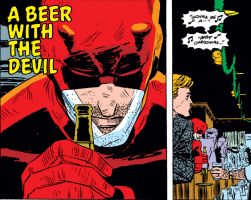
“A Beer with the Devil” (Daredevil #266; written by Ann Nocenti and John Romita Jr./art by John Romita Jr.; 1989)
“A Beer with the Devil” is easily the oddest entry on this list. Ann Nocenti’s run on Daredevil is one of the most daring. Pun intended. She takes plenty of risks and takes Daredevil to some bizarre places. She’s the one who introduced the antagonist Typhoid Mary (Daredevil #254, which almost made this list) and the demon Blackheart (Daredevil #270, which is another standout issue). But we’re going with “A Beer with the Devil.” It puts the devil in Daredevil. Matt Murdock spends Christmas in a seedy bar with Satan’s cousin Mephisto.
The stories on this list are just the tip of the iceberg. Daredevil has seen so many reboots and stellar story arcs that we’re bound to miss one or two of five hundred. Let us know which Daredevil stories you’d add to this list in the comments. And wherever you are, I hope you’re having a great day.










 jkgeekly.com