




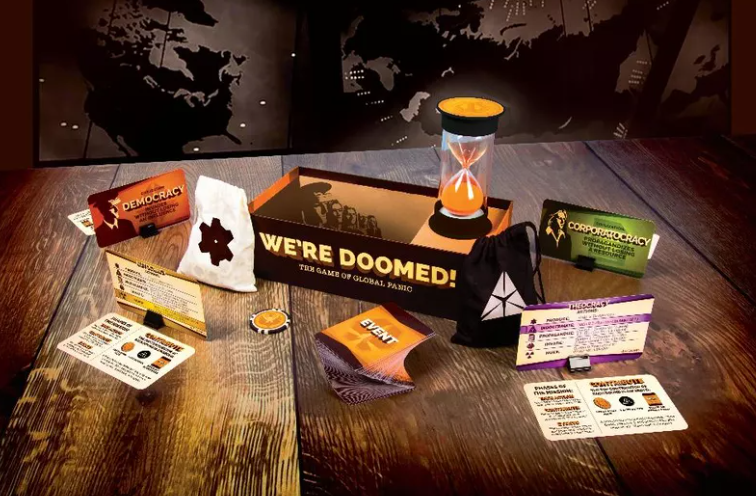
Earth is doomed. The leaders of the world’s most powerful nations have created a scenario where humans need to escape in a rocket ship before the planet implodes. You play the role of one of the world’s leaders. That’s the premise of today’s tabletop game review, We’re Doomed!.
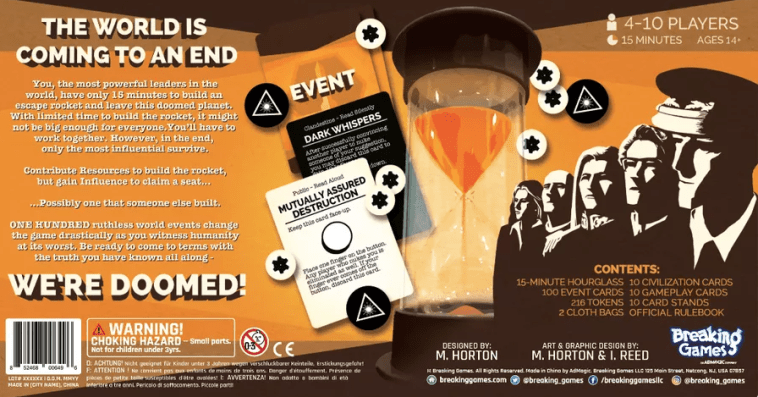
Hey, hey! Kyra Kyle here. Geekly hasn’t had a new board game review in quite some time. Today’s game is a silly party game with a quirky theme. Played in a real-time 15 minutes (the game includes a 15-minute hourglass), We’re Doomed! tasks players with generating enough resources to build a rocket ship big enough for all the players at the table or if you have the most influence and there’s only seating for one player, you become the only one to board the rocket ship. The choice is yours. Work together or backstab the other players.
Before we go any further, let’s prepare this rocket for takeoff and discuss We’re Doomed!’s details.
Designer: Mike Horton
Publisher: Breaking Games; Magellan
Date Released: 2019
Number of Players: 4-10
Age Range: 12 and up
Setup Time: Less than a minute
Play Time: 15 minutes (timed)
Party Game
Card Game
Negotiation
Player Elimination
Variable Player Powers
We’re Doomed! has a minimal setup. Each player receives one Leader card that they display for others to see. Form piles of influence and resource tokens so every player can access them. The hourglass is set up so that all the sand is on the bottom (before it gets flipped), and the first player token rests on top of the hourglass.
Randomly select one player to go first, or someone could flip over the hourglass and claim the first-player token for themselves. You have 15 minutes before time runs out. Go!
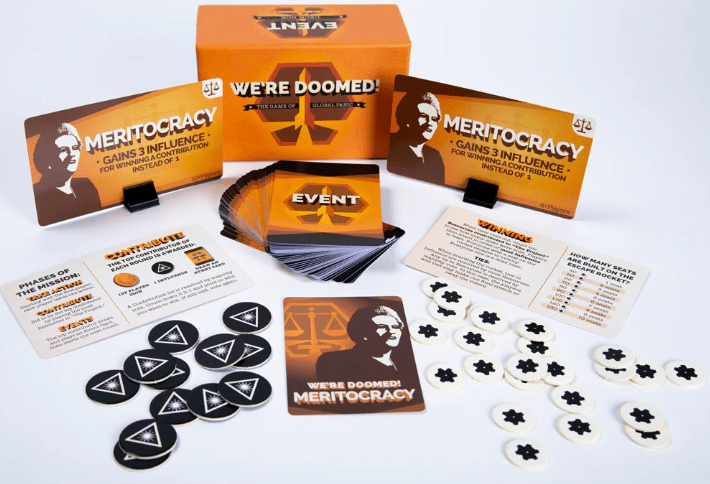
We’re Doomed! is played in rounds until time runs out. Each round is split into two phases: Actions and Contribution. The action phase is played in turn order, starting with the first player. Unless the rules (which can evolve) say otherwise, each player has access to the same five actions: Produce, Indoctrinate, Propagandize, Invade, and Nuke. The first four actions revolve around gaining resources, which can be used to build seats on the rocket ship or gain influence, denoting who’s first to board the ship. The first two (Produce and Indoctrinate) allow players to take resources or influence from the supply. The second set of two (Propagandize and Invade) lets players steal those tokens from other players. The Nuke action allows players to spend resources to eliminate a player.
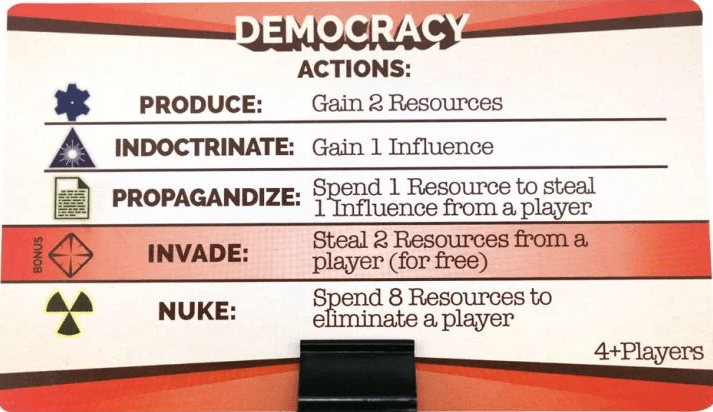
Each nation’s leader has a bonus for one of these five actions. For example, whenever the Democracy “Invades” they steal 2 Resources from another player for free instead of having to spend an influence token. The Theocracy gets a bonus Influence whenever they “Indoctrinate,” and the Technocracy gains an additional resource whenever they “Produce.”

After each player chooses one of the five actions, play moves to the Contribution Phase. In this phase, players simultaneously choose how many of their resources they donate to the Project, building a bigger rocket ship. The player who donates the most for the round gains the first player token (and will begin the Action phase next round), earns an influence token from the supply, and draws an event card.
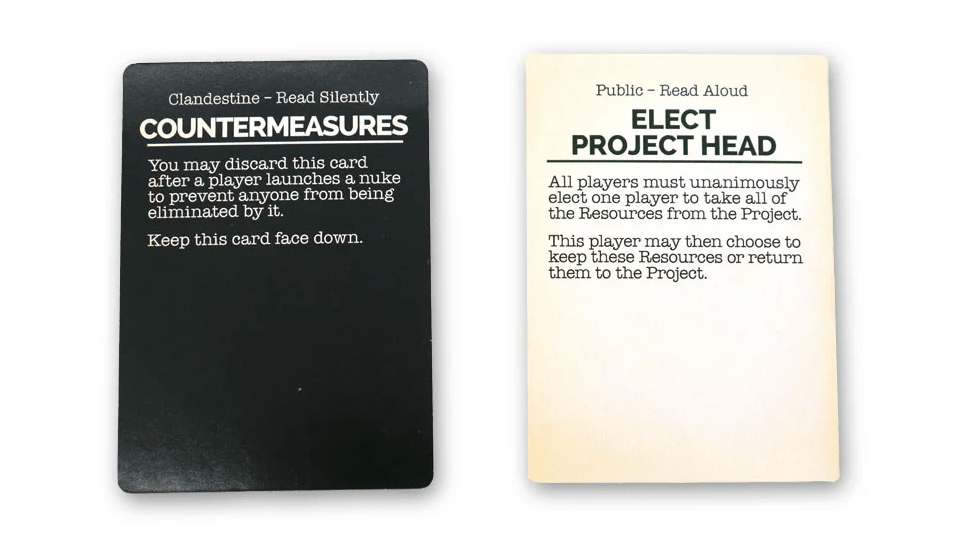
There are two types of event cards: ones read aloud and ones read privately. Follow the rules on the card (reading aloud if you are told to read aloud) and after the event is resolved, the new round begins. Keep going until time runs out.

If you’re anything like me, seeing the “player elimination” game mechanism waved a red flag, but remember, We’re Doomed! is a real-time game that lasts exactly 15 minutes. I don’t mind player elimination as a game mechanism if the game is short. And the idea that you can nuke another player is fun and thematic. We’re Doomed! is a fun and thematic game.
Given the proper gaming group, that’d be gamers who don’t mind backstabbing, negotiating, and loose alliances, We’re Doomed! can be a hit. Quick and tense turns are a feature. We didn’t mention this in the game flow, but there is an additional rule where players can claim another player is taking too long (or stalling). If this happens, everyone takes a vote, counting to three, and votes thumbs up or down to eliminate the player. This makes sense because time is of the essence in We’re Doomed. A similar voting system is used whenever there’s a tie during an event card.
Speaking of the event cards, they can swing the game wildly, making We’re Doomed! a fragile game. Fragile in the sense that the wrong combination of event cards can break the game in an unintended manner. During one playthrough, the first event negated influence. The player who became “The Executor” dictated the sequence of who boarded the rocket ship. Then, the very next event “Too Big To Fail” gave one player (I was voted to be that player) six resources at the beginning of the round if they had no resources. Since I was the Technocracy, that meant that I produced nine resources each round. I could’ve eliminated players (spend 8 resources) and nuke them all or donate all the resources, rescuing everyone. I chose to do the latter. Even though we played a five-player game, we had enough resources for ten.
Typically, I don’t care for games that can be this fragile, but We’re Doomed! isn’t meant to be taken seriously. It’s great for some dumb—and I mean dumb—fun. As I said before, with the proper gaming group, We’re Doomed! can be a hit. But with the wrong gaming group, it can be doomed to fail. We’re Doomed! isn’t a game for everyone. Heck. I must be in the right headspace for the game to land, but when it does land, it’s good for a laugh. One of my favorite chuckles came from someone drawing the “Trickle Down Economics” event card that reads, take six resources from The Project. You may choose to keep the resources or distribute them with any number of players. The person who drew the card asked, why wouldn’t I just pocket the resources? This card’s effect doesn’t seem right. Another player responded that’s why the card name is “Trickle Down Economics.” That sounds like Reagan. We’re Doomed!’s strength is that it doesn’t take itself too seriously.
While not for everyone, We’re Doomed! can be a bunch of fun with the right gaming group. The game takes no more than 15 minutes (timed with an hourglass). Your gaming group must like backstabbing, negotiating, and loose alliances…and like games that don’t take themselves too seriously.

Happy Sunday, Geekly Gang! Kyra Kyle here, serving up another week of geek news. We’ve got a couple of television and movie updates, but the biggest one may be that Spaceballs 2 will hit theaters in 2027. Let’s talk about it.

Spaceballs 2 rumors are flying everywhere at the moment. We don’t know what the movie’s full title is going to be for sure. The original Spaceballs dubbed its future sequel Spaceballs 2: The Search for More Money, but judging from this week’s teaser, the movie’s full title may be Spaceballs 2: The Schwartz Awakens.
Sure, Spaceballs 2 is tapping into Gen X’s nostalgia, but I don’t mind this sequel. If nothing else, it was great to see a nearly 99-year-old Mel Brooks in great health. I can’t believe he’s turning 99 on June 28th. Yikes! We know for sure that Mel Brooks will return as director, and he’ll probably reprise one or both of his roles, President Skroob and Yogurt. Several other casting rumors have swirled since the teaser. In the past, Rick Moranis has mentioned that he’d act in another Mel Brooks movie. It’s unclear if Moranis believed Brooks had another movie left to direct. Bill Pullman and his son, Lewis Pullman (who portrayed Sentry in Thunderbolts*), have also expressed interest in joining Spaceballs 2’s cast.
The original Spaceballs was a fan favorite. I could see numerous actors attached to play different roles. Only time will tell who makes the finals cast list, but despite the obvious nostalgia button being pressed, I’m excited.

Not going to lie, the teeth flying out of the enemy’s mouth and clanging off the camera are a little much. Yowza! Moving on. Despite the final Superman trailer’s brevity, it packs a punch. Pun intended. We get an idea that Lex Luthor intends to destroy Superman, but his monologue suggests that he doesn’t mean to kill Superman, at least not yet. Lex plans to kill everyone important to Superman: Lois (the reporter who does all his interviews) and the people who raised him. Dang! Lex is a certified hater. He goes as far as to say, they (the world) chose Superman, let them die. Nicholas Hoult’s Luthor doesn’t play.
Lex has discovered the Fortress of Solitude (which we saw in the previous trailers), but this trailer may sow the seeds of Lex’s machinations. Superman could pull from the Superman: Birthright comic storyline and have Lex frame Superman as an advanced scout for the Kryptonian race attempting to overtake Earth. One of Lex’s henchmen, Ultraman, could be a Kryptonian clone. He certainly has strength comparable to Superman as he pushes Supes’ face into concrete. The kaiju-style monster Superman fights could even be an animal from Superman’s zoo.

In the comics, Superman kept Kryptonian animals in a zoo enclosed in his Fortress of Solitude. If Lex wants to frame Superman and the Kryptonians for acts of violence, it makes sense if he releases one of the Kryptonian animals from the Fortress of Solitude’s zoo. It could be just as likely that this kaiju-style monster is an illusion. The Superman: Birthright storyline includes something similar with Lex’s smear campaign against Superman. But Lex may not be the only villain working behind the scenes.

Maxwell Lord appears to be the one behind the Justice Gang, this universe’s current iteration of the Justice League, that includes Guy Gardner, Hawkgirl, and Mr. Terrific. It looks as though Lord will only be mentioned, but it’ll be interesting to see how he’s pulling strings. The Justice Gang looks to be wearing Lord apparel. Guy Gardner may also be the perfect Green Lantern to fight Superman. He’s a grade A douchebag, and the perfect foil for Supes. Overall, I liked this final trailer. It doesn’t spoil too much. I could be wrong about a lot of these details. And I can’t wait for Superman to hit theaters next month.
We covered the Clash of Clans show announcement a couple of weeks ago. I’ll be honest; I never did get into Clash of Clans. But the news that Clash of Clans will be a workplace comedy has me intrigued. We don’t know if the characters will know they’re part of a video game or if they’re committed to the Clash of Clans’ universe. The zanier the better. Bring it on.
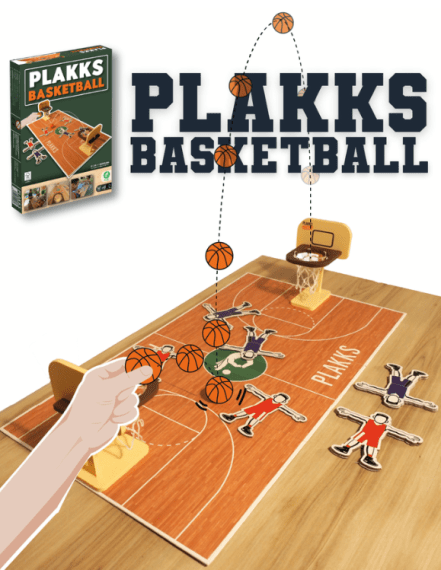
Plakks has a great track record of taking popular sports and translating them to a dexterity-based tabletop game. They’re doing the same with basketball. The pitch is simple. Players bounce the basketball on their half of the court and try to make a basket in their opponent’s goal. If they make a shot, they get to place a player on their opponent’s side of the court. Player figurines affect the ball’s bounce and shrink the playing field. Whoever places five players on their opponent’s side first wins.
Plakks Basketball looks quick and fun to play. If you’re interested, Plakks’ KickStarter page has a video of the gameplay. Pledges range between $28-55 (plus shipping). I missed out on Plakks’ Hockey and Soccer. These games look like they’d be great at a convention.
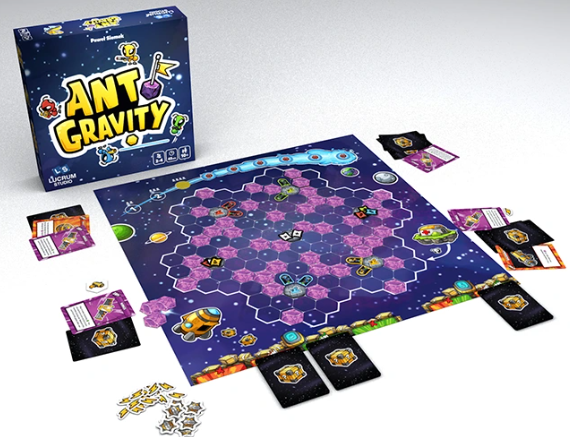
Players control ants in this interstellar version of capture the flag. But watch out! A meteor approaches, changing the rules of the game and making players’ weapons more powerful. ANTgravity takes video game concepts and applies them to a quick board game of outer space dominance.
Asteroids (the purple tiles seen above) can block your path. You can shoot them, gaining any bonuses underneath, to clear a path to your opponent’s headquarters (and their flag), but if an ant travels off the board, it floats into outer space and respawns at the hospital. Capture your opponents’ flags and bring them back to your headquarters before time runs out. ANTgravity launches early next week on GameFound. The Core Set costs approximately $34, while the Gameplay All-In runs about $57.
That’s all we have for Geek News this week. We may be a little light on news, now that we’re less than a month away from Superman and Fantastic Four: First Steps. Board game news should pick up again closer to GenCon in early August. Thank you for reading, and wherever you are, I hope you’re having a great day.

Magic: The Gathering dominated 1993 and in 1994, dozens of new collectible card games hit the market. Even though 1994 produced more than one collectible card game on its list, we still have one honorable mention collectible card game, Illuminati: New World Order. I always loved Illuminati’s sense of humor; it’s a shame that neither the original game (released in the early 1980s) nor the CCG made the cut. That just shows these lists’ competition.
Hey, hey! Kyra Kyle here. Back with another Top 5 Tabletop Games. We’ll talk about the board games that this year’s list soon, but let’s recap the ground rules for which games make these lists before we start.
1: Cultural relevance plays as much of a factor as overall quality. A game might make a list that doesn’t hold up to others of its type, but you must admit the game is everywhere.
2: Only one game from a franchise makes the list. This will become more of an issue the closer we get to games with expansions.
3: Longevity plays a role, too. A game doesn’t have to fly off the shelves today, but it had to have some widespread appeal for a decent time.
Illuminati: New World Order’s lack of staying power contributed to its absence from this list. The Star Trek Customizable Card Game doesn’t have that issue. I never knew The Star Trek Customizable Card Game stayed in print for over a decade. The game may have gone out of print in 2007, but a group of dedicated fans still play. Peter Ludwig was crowned the 2023 Star Trek Customizable Card Game World Champion.

The Star Trek Customizable Card Game pitted players against each other to assemble a team, a ship, and equipment to complete missions. The first player to complete 100 points worth of missions/objectives wins. The 1st Edition, which ran from 1994-2001, only had the option of a two-player game, just like Magic. 2002 saw the Star Trek Customizable Card Game’s second edition. This version allowed for more players to join in the fun.
On a personal note, I knew one of the original designers of the Star Trek Customizable Card Game. Rest in peace, Rollie.

I struggled with placing the 2-4 ranked games on this list. Honestly, you can shuffle these games in any order, and I wouldn’t fight you. The first game we’ll cover comes from a familiar face, Sid Sackson. We haven’t seen Sackson on one of these lists in a while, but he was productive during this period. I’m the Boss! is a negotiation game where players compete and cooperate to put together profitable business deals. Gameplaywise, I’m the Boss! splits the difference between luck and skill. One must be able to negotiate and needle their way into the best deals.

Not going to lie, I’m not the best at I’m the Boss! But if you like games where you can pull the wool over someone else’s eyes and rob them blind through a one-way deal. I’m the Boss! can give you those moments. Sackson has a knack for business games. His most famous creation was Acquire, which featured on our Top Tabletop Games from the Early Sixties. (Check out the link here.)
Richard Garfield wasn’t done with collectible card games after 1993. Vampire: The Eternal Struggle, which was originally published as Jyhad (changed to distance the game’s name from the Islamic term jihad), puts players in the role of Methuselah (ancient) vampires, controlling lesser vampires to complete machinations and wrest control of the Camarilla, the society of vampires featured in the role-playing game Vampire: The Masquerade. Garfield wanted to show the versatility of collectible card games as a genre, and he succeeded in doing so with Vampire: The Eternal Struggle.
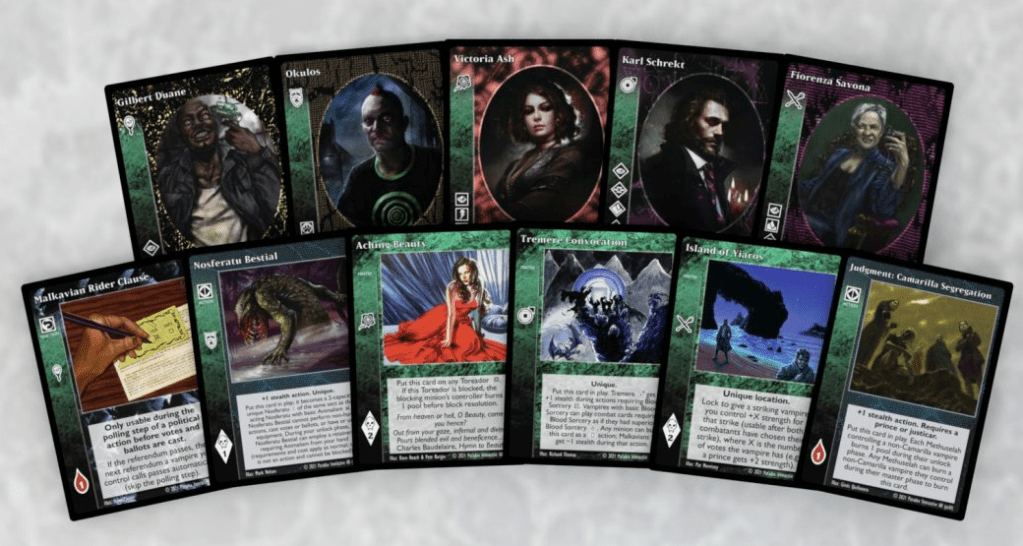
Magic games are quick. Vampire: The Eternal Struggle games can take up to two hours. Magic forces players to play lands from their deck to cast spells. Vampire: The Eternal Struggle allows players, who are Methuselah vampires, to spend their blood points to play cards, but be careful, your blood points are also your life and if you run out, you lose. Magic has players draw one card at the beginning of a player’s turn (you can have cards that allow you to draw more). Vampire allows players to draw cards as soon as they play cards. Magic started as a two-player game. Vampire was always a 2-5-player game. The two games couldn’t be more different.
Despite their differences, or maybe because of them, both games found a wide audience. Depending on how one views it, Vampire is the second longest-running CCG, only to Magic, if you include the five or so years when the game was transformed into a living card game. Or Pokémon, which (Spoiler Alert) will make a future list, takes the second spot, and Vampire takes the spot for the third longest-running CCG. Either way, Vampire: The Eternal Struggle has staying power.

Manhattan received the 1994 Spiel des Jahres award, so I gave it the nod over the previous two games. The concept is simple. Players construct and control Manhattan skyscrapers that will award points. Manhattan benefits from 3-D components. When you’re constructing skyscrapers, they will stretch vertically. This gives Manhattan table presence.
Manhattan may have a game concept based on a New York City borough, but it took Mayfair Games two years to make the game accessible to the United States. Manhattan was designed by Andreas Seyfarth. At the time, Seyfarth was an unknown game designer, but eventually, he’d add several more board game gems: Puerto Rico, San Juan, and Thurn and Taxis (which he codesigned with his Karen). This may not be the last time we’ll see Andreas Seyfarth’s name on one of these lists.

Despite earning the Spiel des Jahres, Manhattan has received mixed reviews. Previous critics have questioned the game’s components and scalability. Others claim that the game’s mechanisms are dated and too abstract, chaotic, and luck-driven. But still, others insist that Manhattan has broad appeal and praise the game’s engagement and accessibility. What does this tell us? Gamers can’t agree on anything, and one likes what one likes. If you like the idea of building skyscrapers, you may want to give Manhattan a try.
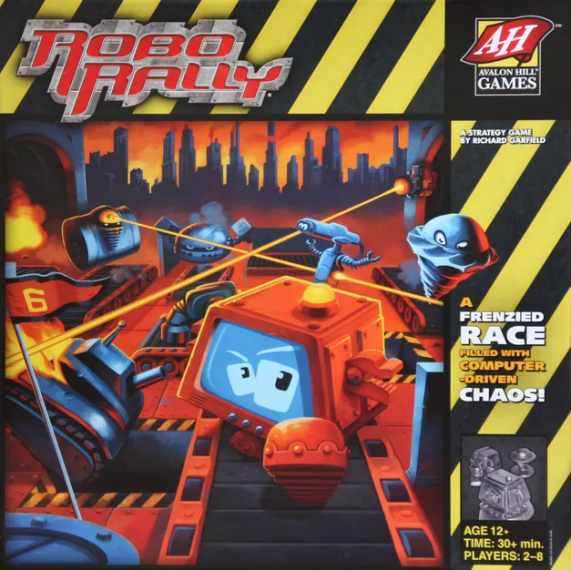
I promised that Richard Garfield would make this list again, and he claims the second number-one spot in consecutive years. Richard Garfield started a tabletop revolution with Magic: The Gathering in 1993 and kept busy in 1994. RoboRally is a robot demolition derby. Players attempt to guide their robots through a dangerous widget factory filled with moving gears, course-altering conveyor belts, metal-melting laser beams, bottomless pits, crushers, and more obstacles.

I say that players attempt to guide their robots because RoboRally is notorious for how chaotic the races get. The more players, the more mayhem ensues. The box reads that RoboRally plays for up to two hours. That’s generous. It may play longer than that, but RoboRally is another modern classic and shows Garfield, like the game type he invented (the collectible card game), is no one-trick pony. Richard Garfield has one of the most diverse board game catalogs and isn’t afraid to take chances.
Did we get the list mostly correct? Let us know which games you’d add in the comments. Thank you for reading, and wherever you are, I hope you’re having a great day.
Check out the other lists in this series:
Top 5 Tabletop Games Prior to the 1930s
Top 5 Tabletop Games of the 1930s
Top 5 Tabletop Games of the 1940s-50s
Top 5 Tabletop Games from the Early 1960s
Top 5 Tabletop Games from the Late 1960s
Top 5 Tabletop Games from the Early 1970s
Top 5 Tabletop Games from 1980-1981
Top 5 Tabletop Games from 1982-1983
Top 5 Tabletop Games from 1984-1985
Top 5 Tabletop Games from 1986-1987
Top 5 Tabletop Games from 1988-1989
Top 5 Tabletop Games from 1990-1991
Top 5 Tabletop Games from 1992
Top 5 Tabletop Games from 1993





June is in full swing, and it’s time for another Whatcha post. Hey, hey, Geekly Gang! Kyra Kyle here. Today, our writers will share what they read from the previous month. As always, feel free to share what you’ve been reading over the past month. You’re part of the Geekly Gang, too.

A Psalm for the Wild-Built is the first part of Becky Chambers’s Monk and Robot duology, and it’s a joy. I recommend A Psalm for the Wild-Built to anyone struggling to find their place in the world. Chambers’s novella reminds us to give ourselves time to find ourselves, and how you thought your life would go might not be where your journey will take you. A Psalm for the Wild-Built offers a deep cleansing breath.
Humans have ripped away the Earth’s natural resources, but A Psalm for the Wild-Built offers an optimistic spin on this post-apocalyptic world. Robots reject their human masters. The split between the two parties is amicable, with humans sticking to cities (and their surrounding suburbs) and robots claiming the open area outside cities. Without humans mucking up most of the world, Earth has a chance to heal. Humans and robots adapt to this new reality, and the story takes flight when a tea monk leaves human territory and stumbles on a wild-built robot.
I won’t spoil any more of A Psalm for the Wild-Built. It’s a must-read solarpunk novella. If you don’t know what solarpunk is, you’re in good company. I didn’t know what solarpunk was before reading A Psalm for the Wild-Built. Solarpunk is a relatively new fiction subgenre that offers optimistic outlooks on dystopias. Many of Hayao Miyazaki’s films have been retroactively called solarpunk. If you like stories like Spirited Away, A Psalm for the Wild-Built (and other solarpunk fiction) might be worth a read.

I finally finished Robert W. Chambers’s The King in Yellow. No. Robert Chambers isn’t related to Becky Chambers. I just happened to read two authors with the surname Chambers. Lol. The version of The King in Yellow I read only includes four stories: “The Repairer of Reputations,” “The Mask,” “In the Court of the Dragon,” and “The Yellow Sign.” Older editions of The King in Yellow may contain more stories, but the four in this collection are excellent.
I love “The Repairer of Reputations” use of an unreliable narrator. Hildred describes his diadem as being made of “heavy beaten gold,” and immediately after this description, his friend Louis calls it a “brass crown.” “The Repairer of Reputations” is a story of egotism. It feeds into the idea of The King in Yellow and serves as a phenomenal opening story. The titular King in Yellow is a play, and it’s not what the play has within its written pages but what those pages do to the people who read them. If this sounds like H.P. Lovecraft’s Necronomicon, it’s because The King in Yellow inspired the Cthulhu Mythos.
The other three stories in this most recent collection of The King in Yellow are stellar. “The Mask” is a trippy love triangle with a mystical element. A possessed organist chases a panicked victim in “In the Court of the Dragon.” And “The Yellow Sign” offers some great psychological horror. The King in Yellow paved the way for cosmic horror.

I read Ginny MacKenzie’s Skipstone a decade ago and decided to read it again this past month. I find poetry easy to reread after several years because I can find different things with each reading. MacKenzie does an excellent job of taking an object, like an artist painting the history of his house, or some other element, like a vacation in Maine, and allowing the speaker to reflect on the element until it becomes confessional. These elements are lenses with which to view life.
Skipstone, like Cat Dixon’s collection last month, What Happens in Nebraska, feature plenty of smaller, seemingly quiet moments. But these quiet moments can be loud, and moments that seem small grow to epic proportions. Some of Skipstone’s poems have tight stanzas with lengthy enjambment that move so fast one must catch their breath, while other poems stretch out with plenty of asides from the speaker that you feel like you’re in their head.
Skipstone tackles good and bad memories. Often, good and bad memories appear within the same poem. Memory works in mysterious ways. While one’s life experience may differ, Skipstone offers enough universal truths.
I read a few more books over the past month, but I may save those for the next entry in our Whatcha Reading series. Let’s see what Season and Skye have been reading.

I haven’t gotten too far into Gu Byeong-mo’s Apartment Women, but from what I’ve read, I’m loving it. Apartment Women is set in the future on the outskirts of Seoul. There are four families living in an apartment complex, each with its own struggles. The newest resident, Yojin, must have two more kids with her husband over a decade if she wants to continue living there. The novel highlights the struggles of the women living in this apartment complex, which is interesting to me.
There’s a moment in the beginning with one of the husbands explaining his wife’s not being there because “she’s always busy.” Yojin sits on this for a minute, questioning the tone of his reply. This is the level of intimacy with the characters throughout the novel. I enjoy stories about women making the best out of their situation, and have been more interested in foreign novels lately. Geekly Gang, if any of you have recommendations, I’m always down to read something new. What’ve you been reading, Skye?

I bought 1001 Movies You Must See Before You Die a while ago, but only now started reading. Since I’m always looking to expand my watch-list, I thought I could peruse 1001 Movies to get some ideas. My favorite thing about this book is the range of films it contains. Starting from the early days of film in the 1910s all the way to the present day, 1001 Movies You Must See Before You Die has defined my watchlist for a while. I don’t plan on dying any time soon, so I should have time to catch up on all these movies. 😉

Octavia Butler’s Parable of the Sower is a new addition; I’m excited about this one. Other books I’ve gotten into lately have been more experimental. Since I have no prior knowledge about them, I haven’t had any expectations. For this one, I’m already familiar with the author, and the fact that I found it in the “Banned Books” section of my local Barnes & Noble is enticing.
After reading the first chapter (and the Foreword by LeVar Burton), it only strengthened my resolve to keep reading. How Burton tells it, I’m in for a poignant, dark, yet heartfelt and hopeful experience. Since Butler wrote Parable of the Sower in 1993 (and the novel takes place in 2024), I have a feeling that she wrote some eerily accurate predictions about where our society was headed. Hopefully, she included an instruction manual on how to survive the next four years. Fingers crossed.
Hey, hey! Kyra Kyle again. That’s all we have for our monthly reads. Make sure you let us know what you’ve been reading, Geekly Gang. Thank you for reading, and wherever you are, I hope you’re having a great day.



Platinum trophy hunting (or if you play on X-Box or Steam, achievement hunting) doesn’t appeal to every gamer, but it does to me. My goal is to earn as many platinum PlayStation trophies as my age eventually. I have some work to do. More than I’d care to admit. Easy platinums tend to come from bad games, but some exceptions exist. That made me wonder which good video games have easy and quick platinum trophies.
Hey, hey! Kyra Kyle here. This post has been a long time coming. A video game can’t just have an easy-to-earn platinum trophy. We want quick platinum trophies. This eliminates a heap of video games. I just finished The Survivalists, and while it has an easy-to-earn platinum trophy, it’ll take well over thirty hours. Quick feels more like less than twenty hours. This might still be too long for some, but twenty hours is a dedicated weekend of gaming. We must pick a number.
Most gamers can find twenty hours for an enjoyable experience. That leads us to defining an “easy” platinum trophy. The trophy should be attainable through a single play-through or the game should allow players to play little of a second play-through to make this list. Finally, the game needs to be “good,” but gamers desire different things. Let’s split these games into story and gameplay buckets. I’ll do my best to explain why I included each game or game series. And this leads to the final clarification. I’ll include a game series for story and gameplay and then a few single games. Without further ado, let’s jump into the games.
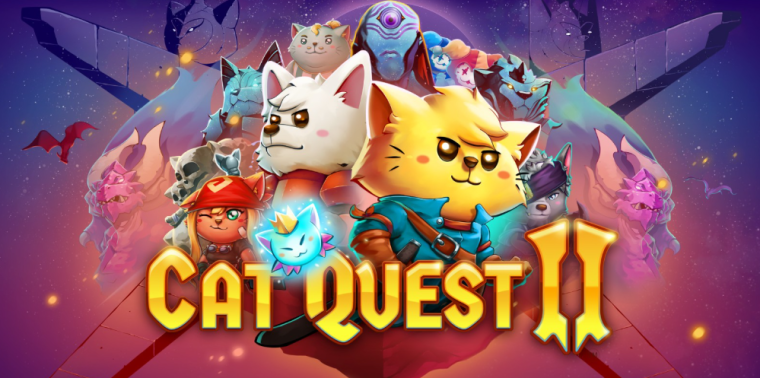
We’ll start with a game series with little story but a fun gameplay loop. Cat Quest doesn’t have much of a story. It’s an excuse to have cute kitties battling beasties in an old-fashioned beat-‘em-up video game. The game has some gameplay alternatives, especially with the sequels, but Cat Quest sticks to a simple but fun formula. Cast magic with magic points. Replenish your magic points by landing weapon attacks.

Cat Quest 2 does a great job of incorporating ranged attacks. The first Cat Quest only offered melee attack weapons. As I’m writing this post, I have yet to play Cat Quest 3. It looks as if it builds off the second game in the series. The first game took me 10 hours to earn the platinum. The second game took around 15 hours. Even if Cat Quest 3 mimics Cat Quest 2 and expands the map and side quests further, it should clock in around 20 hours for the platinum and still be worthy of a spot on this list.

The Telltale Games studio features story-driven games that take around 15-20 hours to complete. Most of these games were well-received at the time of their release and worth a play if you enjoy the intellectual property the game is set. I have fond memories of 2012’s The Walking Dead. This game announced Telltale Games to the video game community. Many of The Walking Dead’s moments live rent-free in my head. “Did you lick the saltlick, Clementine?” “I don’t know.” Clementine was adorable.

The Wolf Among Us was another hit and well worth a playthrough. This title also illustrates how easy it is to obtain a platinum trophy in a Telltale Game. Most Telltale Games, like The Walking Dead or the Batman series, will grant players a platinum trophy for completing the story. Super easy! Barely an inconvenience. Thank you for that phrase, “Pitch Meeting.” The Wolf Among Us requires players to make a different choice during a chapter to get its platinum trophy, but all you need to do is reload the one chapter in question and pick a different option. Even when Telltale Games makes a platinum trophy more difficult to obtain, they don’t make it that difficult.
Most Telltale Games I’ve played are a good time. I will admit that the company became risk-averse after their hit The Walking Dead. I haven’t played too many of their most recent titles. I may log a few more soon for a platinum or two.
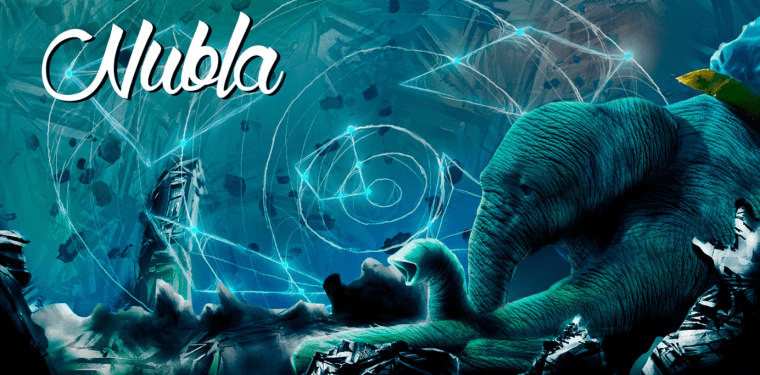
A child visits an art museum and falls into the paintings. The kid must save the residents of these paintings by solving art-themed puzzles. While dated (Nubla celebrated its tenth-anniversary last year), Nubla has a great aesthetic, above-average graphics for the time, and an intriguing premise. Nubla also happens to be the quickest platinum trophy to obtain on this list, and it’s not even that close. YouTubers have speed-run completing the platinum trophy in twenty minutes. I don’t suggest watching these videos while playing the game. The puzzles aren’t that difficult to solve. I was able to finish the game in under three hours without help. Even so, you could finish Nubla in under an hour if you load a how-to video and all you want is speed.
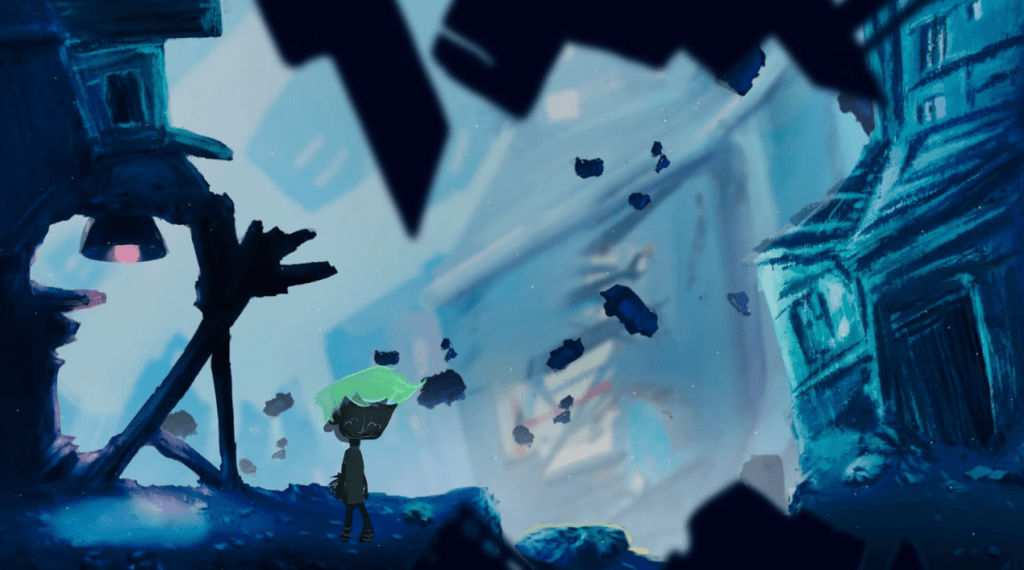
Nubla 2 was released in late 2022. I have yet to play it. From what I’ve heard, the original cast of characters returns and again, you must rescue citizens of paintings. This may be another game I’ll need to consider, inching me closer to my platinum trophy goal.
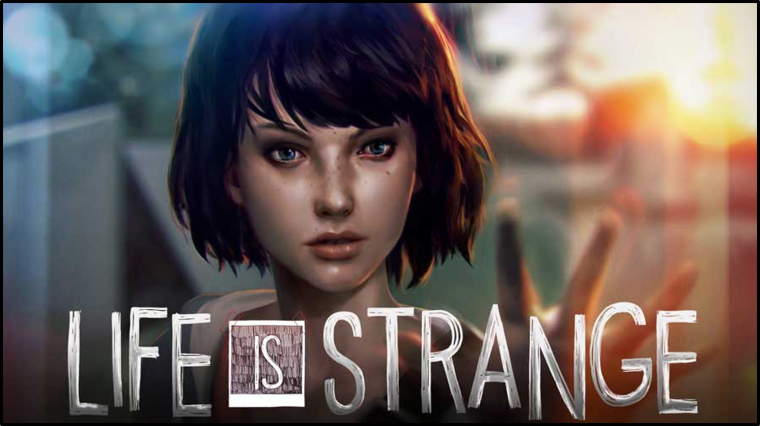
I like to get lost in Life Is Strange’s world and characters. Set in 1990s Oregon (in the fictional town of Arcadia Bay), Life Is Strange centers on teenagers Max Caulfield and Chloe Price. Life Is Strange has an earnest quality to it that few games have. The two main characters are teenage girls and while the story can dabble in the melodramatic, it works. The world feels lived in. Steeping Arcadia Bay in a nostalgic, autumnal lens is deliberate. Even the story’s supernatural elements are designed as a metaphor for the character’s inner conflicts and there are plenty. The DontNod (design) team consulted experts to tackle difficult subjects like teen suicide.

Like the TellTale Games above, Life Is Strange was released episodically. The story goes astray a little bit toward the end but not enough to tarnish the overall experience. Life Is Strange is worth your time. It takes around 20 hours to complete the game, and you will most likely need to replay a scene or two after you finish to get the platinum trophy, but I can’t recommend the original Life Is Strange enough. And the original Life Is Strange received a remaster a couple of years ago. Yay! I may have another game to replay.

Donut County challenges Nubla for the shortest game on this list. Again, you can find YouTube speed-runs that last an hour or two, and again, I suggest you try it on your own first. Donut County is like Katamari Damacy. Players control a hole (or donut) in the world and try to drop things into the hole. With each object that falls inside the hole, the hole gets bigger until nothing remains. Numerous mobile games have copied Donut County after its original 2018 release. It has a fun, addictive gameplay loop, and more importantly for this list, a quick and easy-to-obtain platinum trophy.

If anything, I’m disappointed that Donut County doesn’t have a longer run-time. The trophy was great to achieve, but I wanted more Donut County to play. Perhaps indie game publisher Annapurna Interactive will release a Donut County sequel. Like I need another game to play on this list.
I’ve mentioned What Remains of Edith Finch more than once on Geekly, but until this year, I had only played the demo. What Remains of Edith Finch received a remaster a few years ago and the remastered What Remains of Edith Finch has a platinum trophy. For the most part, you only need to complete the game’s six-hour story to earn the trophy. And What Remains of Edith Finch has an amazing story. What Remains of Edith Finch even manages to weave in unique gameplay elements.
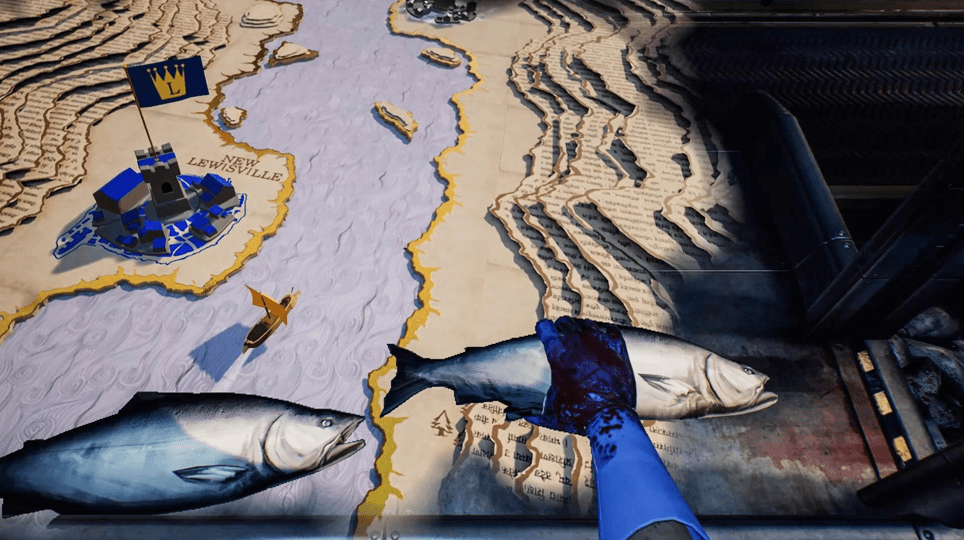
The player character takes a ferry to Orcas Island, Washington carrying the journal of Edith Finch. Edith writes about her experience when she returns to her ancestral home on the island for the first time in seven years. Edith says that she’s the last surviving member of her family. The player then takes the perspective of Edith as she reexplores her family’s home and discovers the circumstances of each relative’s death. I don’t want to spoil anything here, but What Remains of Edith Finch contains innovative gameplay that matches the stories of each Finch family member. What Remains of Edith Finch shows the depth video game storytelling can achieve.
And that’s our list. The games on this list are by no means the only good video games with quick and easy platinum trophies. Let us know which games you’d include. Thank you for reading, and wherever you are, I hope you’re having a great day.

Hey, hey, Geekly Gang! Kyra Kyle here. I’m still recovering from last week’s Protospiel Twin Cities convention. Several games were played, and my wings are tired. But we have another week of Geek News. We’ll start with some quick MCU updates. Let’s get to it.

Fantastic Four: First Steps released its fourth and final teaser trailer this past week. Most of the shots are recuts of previous shots, but Marvel shared one major revelation: Franklin Richards will be in the movie. While the movie’s title, First Steps, was always meant as a nod to space exploration (one small step for man), the title was also a mention of Franklin Richards’s (a baby’s) first steps. You might be thinking, but Franklin Richards is just a baby, there’s no way he’ll factor into Fantastic Four: First Steps’ narrative in a major way. Okay. This may get into some potential spoilers. If you want to go into Fantastic Four: First Steps with little to no knowledge of the comics, you can skip past the next paragraph.
Franklin isn’t like other babies. As an infant, he was capable of manifesting adult bodies that he could control. One of those bodies was Galactus. So, Franklin might be behind Galactus in the Fantastic Four’s first MCU outing. Yikes! Fantastic Four: First Steps has already teased other Fantastic Four villains like John Malkovich, who is portraying Red Ghost (this is confirmed), and it looks like it may be all hands on deck with stopping Galactus, whether he’s connected to Franklin Richards or not. Fortunately, most of this paragraph was conjecture, so you may be okay if you didn’t head the previous spoiler warning.
No matter where Fantastic Four: First Steps takes Franklin Richards’s story, there’s no doubt he’s the most powerful character the MCU has ever introduced. He can make Wanda’s reality warping look like child’s play. In fact, Franklin Richards may be the one behind the multiverse saga’s end. He could fix all timelines if he wanted. The MCU introducing this much power into its universe is a far cry from the Russos nerfing the Hulk because they didn’t want the Hulk to be the Avengers’ “I win” card. We’ll have to see where this storyline goes.
If you haven’t yet watched Thunderbolts*, you may want to skip the next news entry.

I know. I know. The picture above clearly shows the Fantastic Four’s symbol, but the ship that bears this symbol may not contain the Fantastic Four from Fantastic Four: First Steps. The ship we’ve seen in all the Fantastic Four: First Steps trailers has three prongs, but this ship has four prongs. The ship during the Thunderbolts* end credits is a different ship from the one seen in all the Fantastic Four trailers. I mentioned a spoiler warning in the previous segment, but I’ll reiterate it here in case you want to maintain the mystery.
There are two main theories: 1) Doctor Doom may be piloting the ship; 2) the Fantastic Four are in the ship, but it’s a different Fantastic Four. The first is fun but less likely, while the second is equally as fun, and there may be some evidence suggesting that it’s true.
Theory Number 1: Since Robert Downey Jr. is portraying Doctor Doom (or at least the vision Doctor Doom wants to present), we know that Doctor Doom is aware of the Multiverse and attempting to use Tony Stark’s image to hide his true intentions. Doom could be doing the same for other universes by pretending to be the Fantastic Four. This doesn’t quite hold water because Earth-616 (the world in which the Thunderbolts* belong) doesn’t know who the Fantastic Four are. Still, Doctor Doom could be traveling from a third reality.
Theory Number 2: The Fantastic Four inside this ship are the ones from the Fox Universe. The MCU has already grandfathered in Fox’s X-Men, so they could do the same with Ioan Gruffudd’s Mr. Fantastic, Jessica Alba’s Invisible Woman, Chris Evans’ Human Torch, and Michael Chicklis’s Thing. The “evidence” that this could be true comes from Jessica Alba’s social media accounts. She stated this past week that she’s filming in London. Funny. Avengers: Doomsday began filming this past week…in London.
Regardless of who’s in the “Fantastic Four” ship during the Thunderbolts* end credits, it’ll be a wild ride, and the likelihood of the Fantastic Four from Fantastic Four: First Steps being in that ship is almost zero. Most viewers thought it was funny that the Fantastic Four would be in Earth-616’s reality before Fantastic Four: First Steps release. Yeah. They most likely aren’t on that ship.

We mentioned a few weeks ago that Denzel Washington will be included in Black Panther 3’s cast. We’ve received more tidbits that could suggest who Washington will be portraying. On Carmelo Anthony’s podcast, Denzel Washington said that since he’s 70 years old and only has a few movies left in him. He intends to retire soon. That makes sense, but what doesn’t make as much sense is the rumor that Denzel would portray Magneto in the upcoming Black Panther 3. Or does it make sense?
I wouldn’t rule anything out, but whoever will play Magneto in the MCU during the Mutant Saga will need to have more than a few movies left in their career. The Mutant Saga will run for almost ten years and require five or six movies from its Magneto of choice. So, if Washington were to play Magneto in Black Panther 3, he would most likely be playing an alternate reality Magneto. Denzel Washington will most likely portray a one-and-done villain like Achebe. This could still be fun. Achebe is the Joker to Black Panther’s Batman. Achebe would be a role we’ve never seen Denzel Washington play. Whoever Washington plays in the MCU will be a joy.

The Ryan Gosling as Black Panther meme reentered the zeitgeist. While there’s little proof to suggest that Gosling will even be in the MCU, I wouldn’t rule out anything (like Denzel Washington as Magneto). There is a precedent of sorts in the comics. Gosling could portray White Wolf, Black Panther’s adopted white brother (and frequent adversary/ally), and this White Wolf could hail from an alternate universe. I won’t spend too much time on this. It’s a meme. It’s designed to upset people. But I could see Gosling as a real White Wolf. The MCU has dropped the “White Wolf” nickname for Winter Soldier as early as the first Black Panther. Anything could happen, even something this wild. Talk about a Multiverse of Madness.

Uwe Rosenberg’s Agricola is a classic farming worker placement game. Originally released in 2012, Awaken Realms gives Agricola a stunning makeover. What else would you expect from Awaken Realms? This company is known for over-the-top production value. Just look at these miniatures.

And I got excited when Agricola used animeeples. Look at the details of the various farmers, the animals, and even the reeds. They’re so intricate. Awaken Realms knows how to make miniatures. Of course, these miniatures are an add-on, but the animeeples players can receive without the miniatures upgrade are also fantastic.
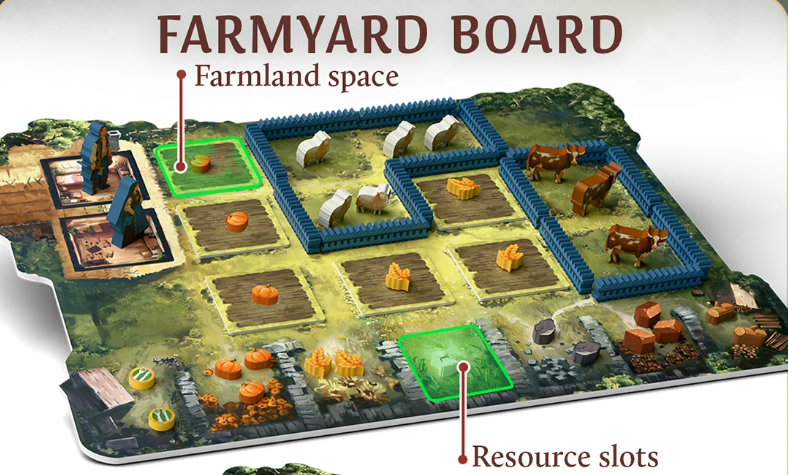
You won’t need the miniatures. The cow and sheep meeples, the player board, the ornate fences in the player’s color, and the detailed resource tokens. Yowza! I’ve always been dubious of Awaken Realms games. They cost a lot, and players may fall victim to the sunk cost fallacy. This game is good because I took out a second mortgage to own it. This isn’t the case for Agricola. Almost a decade and a half after its original release, it maintains a spot on Board Game Geek’s Top 100 games.
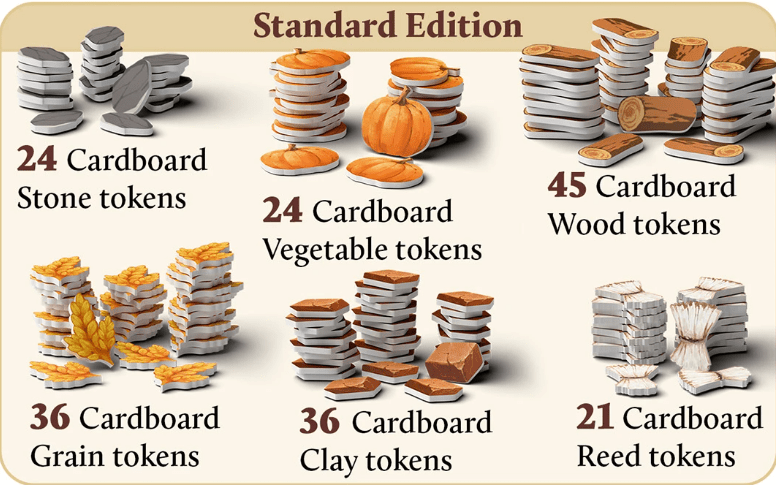
Fortunately, Awaken Realms offers the updated Agricola at different price points. Agricola Special Edition has a standard, cardboard version, which costs €79 or $90. You can upgrade to wooden bits (like the ones pictured above) by spending €109 ($124). Or you can go for every expansion ever made for the original game. That’s a lot of content, so it doesn’t come cheap. The suggested price is €164.00, which is about $186. Players can upgrade to miniatures by selecting the Sundrop option at checkout. These miniatures (the detailed ones depicted at the top of this post) cost €49 or $55. A pledge of any kind makes you eligible for all stretch goals like irrigation channels.

If you’re interested in Agricola Special Edition, check out Awaken Realms’ GameFound page.

I’ve been looking at gaming tables for a while. My favorite types of gaming tables can double as dining tables, and that’s exactly what Sunnygeeks 2.0 Modular Gaming Table does. As the name “modular” suggests, gamers can build their own table to suit their needs. Do you need extra storage for bits? Add some stackable drawers. Would you like some LED lights to set the mood? Go right ahead.

Each table comes equipped with a water-resistant dining table topper. Just slap on the table topper if you want to use the table for a meal.

I love the idea of a table topper. Sunnygeeks 2.0 also has a topper docker, which allows for easy storage. You can even store some of your unused board game supplies. But speaking of board game storage, the modular table companion is amazing and my favorite feature. Even if I don’t pick up a gaming table, I’d consider buying a couple of modular table companions.

Modular table companions come in a variety of colors. Each one has wheels, and they’re stackable, which means you can have a large tower of board games that can roll. Yes!
As you can imagine, Sunnygeeks 2.0 isn’t cheap (easily in the thousands of dollars), but this is where GameFound’s Stretch Pay makes sense. Customers can pay ten interest-free payments over ten months. I never saw the need to use Stretch Pay for board games; if you’re spending so much on a single board game that you must use a payment plan, that’s excessive. But gaming furniture is another matter. Build the gaming table of your dreams by checking out Sunnygeeks 2.0’s GameFound page.

The Magic: The Gathering and Final Fantasy crossover event is scheduled to release on June 13, 2025, but gamers can get in on the fun early with pre-release events. Local board game stores across the United States (and other countries) will feature pre-release tournaments. Now may be the best time to get back into Magic if you haven’t played in several years–like me. Or if you’re a huge Final Fantasy fan, you should check out the new set.

If you’re interested in a pre-release event, here’s a brief rundown of what to expect at a tournament. Players are given a set amount of time to open (a set number of) boosters and build a limited, 40-card deck using the cards from those packs. You will then play three games against other participants in the tournament. Most tournaments use a Swiss Style match-making, which means you’ll play against other people with your record. The winner will receive a small prize like a booster pack, sleeves, or a deck box. But everyone’s a winner because you got to play the Magic: The Gathering and Final Fantasy crossover event early. Pre-release events can be fun because no one has had time to construct the “perfect deck.” You all received random cards.
I can’t wait to get my hands on some Magic x Final Fantasy cards. Woo hoo!
That’s all the Geek News we have for this week. Thank you for reading, and wherever you are, I hope you’re having a great day.

