Geek Out

Underused Intellectual Properties in Tabletop Gaming

Not every intellectual property gets the tabletop game treatment. They can’t all be Star Wars that has hundreds of games on boardgamegeek (BGG), granted a lot of those are Star Wars skinned versions of other games, but still, there are a lot of Star Wars games to choose from. That made your uncle Geekly wonder which intellectual properties could use a tabletop game or two. Here we go.

StarTrek

Star Trek

You know how I said that there are a lot Star Wars games out there. The same can’t be said of Star Trek. What’s worse is that most Star Trek games that are on the market are little more than rethemed Star Wars games. Now, I’m a little fuzzy, so perhaps someone can help me, but are Star Wars and Star Trek so similar that they’re interchangeable?

Yeah, that pissed off some fans. I don’t believe they are, but the real issue is that board game companies don’t seem to see a difference between Wars and Trek.

doctor who

Doctor Who

This is another overlooked intellectual geek culture property, and I’m not sure why. Sure, there’s an RPG and a handful of licensed games like Yahtzee with a TARDIS and a Dalek as the dice cup out there, but the time travel of Doctor Who is prime for some interesting game mechanisms that could bring certain game types into the 21st century.

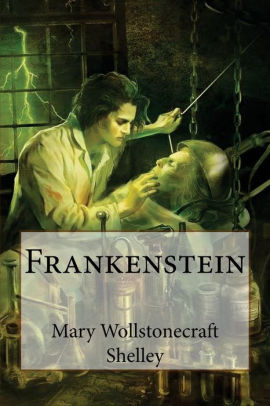
Frankenstein_MaryWollstonecraftShelley

Literary Board Games

Board games have been turning to books lately for inspiration. The Cthulhu mythos has dominated the board game landscape for years, due its status in the public domain, but other classic works like 1984, Animal Farm, Moby Dick, and Beowulf as well as newer works like Cronin’s The Passage trilogy and Pratchett’s Discworld novels have received the board game treatment. There’s a wealth of classic works out there. Why not turn one into a game?

Why not a class/status struggle game based on Jane Austen? Or cast a gamer as Gatsby trying to impress Daisy? Or base a game on Mary Wollstonecraft Shelley’s Frankenstein? There are shockingly few games based on Frankenstein.

Horror novels have generated a lot of buzz. There’s even a game adaptation of Stephen King’s The Shining, where one player assumes the role of the Torrance family and the other plays as the Overlook Hotel. You can’t tell me there isn’t at least one or two more King novels that wouldn’t make a good board game.

AttackOnTitanBoardGame_Anime_Manga_BoardGames

Anime/Manga

Yes. Some anime and manga titles have received board or card games in the past, and some of those have been pretty good, but most of the time anime fans are left with cheap knock off games. Like some other properties on this list, anime games tend to be skinned versions of other games. It says something when there are more animes about board games than there are board games about anime.

To add insult to injury, countless games use anime style art, but have nothing to do with the source material. It’s about time there was at least one or two decent anime/manga games out there.

Note: I haven’t yet played Bauza’s Attack on Titan board game. I hold out hope that it’s good. I like Attack on Titan and Bauza as a designer.


Scooby-Doo

With so many horror board games doing well, why not make a game featuring Scooby Doo? Exploration and puzzle solving are huge in board gaming right now. Fred, Velma, Daphne, Shaggy, and Scoob would make for some accessible characters for younger gamers, and older gamers would mind the link to Saturday morning cartoons.

I could’ve added more than these five, but your uncle Geekly wants to hear your thoughts. Are there any intellectual properties you’d like to see made into board games? Let us know in comments.

My Favorite Elements of Crazy Ex-Girlfriend and What I Hope Will Happen in the Series Finale

Your uncle Geekly started watching Crazy Ex-Girlfriend this past summer, so he’s getting to the show during its final season. It’s too bad the show is ending after four years because I’ve enjoyed most episodes, but sometimes the best shows end after short runs. Crazy Ex-Girlfriend is both the CW’s most over-the-top show and its most grounded. Yeah. It’s the oddest mix. Crazy Ex-Girlfriend is a musical comedy, so ridiculous dancing and singing abound, and while its main character Rebecca obsesses with love and romance, the show focuses on mental health.

The most recent episode aired a couple of Fridays ago and it had a musical number about antidepressants and how more people take these medications than one might think. Seriously, this show is about destigmatizing mental health issues and making sure folks who suffer from these ailments seek help and know that they’re not alone.  This is a far different message than what most CW shows present. The majority of CW shows devolve into who is with whom as in dating or bedhopping. Crazy Ex-Girlfriend has had its share of Rebecca bedhopping, but these acts feed into her mental health issues. Plenty of Crazy Ex-Girlfriend watchers subscribe to Team Greg or Team Nathaniel or even Team Josh. But I hope, for the sake of Rebecca’s wellbeing, that she ends up with no one.

Don’t get me wrong, I’m not against love and romance, but Crazy Ex-Girlfriend has a higher calling than shipping (as in the slang for matchmaking) the main character with a specific beau. The show would betray its serious message about mental health and undercut a lot of good it’s done. I’ve seen just as many Crazy Ex-Girlfriend fans talk openly about mental health and reach out to others in need. But Rebecca choosing any of these men would end up a poor choice.

She moved to West Covina to obsess over Josh who was dating someone else and may have a touch of Peter Pan Syndrome (that’s unhealthy behavior), rebounded with Greg who has his own demons with alcoholism (another unhealthy choice) and eventually plotted revenge with Nathaniel who suffers from abandonment issues and poor social skills (yet another unhealthy choice). It’s okay if Rebecca ends up alone. Or she could leave the door open for romance if she works on her issues first. There aren’t enough episodes remaining for Rebecca to get well enough to focus on romance.

To the show’s credit, it looks as if Rebecca will choose to work on her mental health first. Sorry, folks. We’ll probably get one more push for romance between Josh and Nathaniel, but it appears as if Rebecca may go back to her first love, theater, and that’s something else Crazy Ex-Girlfriend does so well, they suggest that love comes in many forms, not just romance. Other CW shows should take notice.

What’s your favorite element of Crazy Ex-Girlfriend? If you’re a fan, what do you hope will happen in the series finale? If you disagree with me, you can have Nathaniel order a hit on me, or you could leave a comment. I could be moving to Venus or Mars soon, so leaving a comment would probably be more effective.

Captain Marvel Starter Stories

Many characters have gone by the moniker Captain Marvel, so your uncle Geekly will be specific and say that the stories listed here will pertain to Carol Danvers (the Marvel Cinematic Universe’s choice for Captain Marvel). In fact, I’ll throw in some stories that predate Danvers as Captain Marvel so that new readers of the character will have a good baseline.

Wow! There’s a lot of history with both Marvel’s Captain Marvel (not to be confused with DC’s Shazam!) and Carol Danvers as a character. Let’s start with a list of Carol Danvers’ history in the Marvel universe.

As USAF Major Carol Danvers: Marvel Super-Heroes #13 (March 1968)

As Ms. Marvel: Ms. Marvel #1 (January 1977)

As Binary: The Uncanny X-Men #164 (December 1982)

As Warbird: The Avengers #4 (May 1998)

As Captain Marvel: Avenging Spider-Man #9 (July 2012)

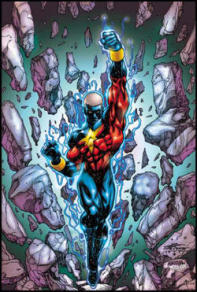
The various individuals who have had the title Captain Marvel are many and eclectic. Here’s a quick run down of all of Marvel’s Captain Marvels.

mar-vell.jpg

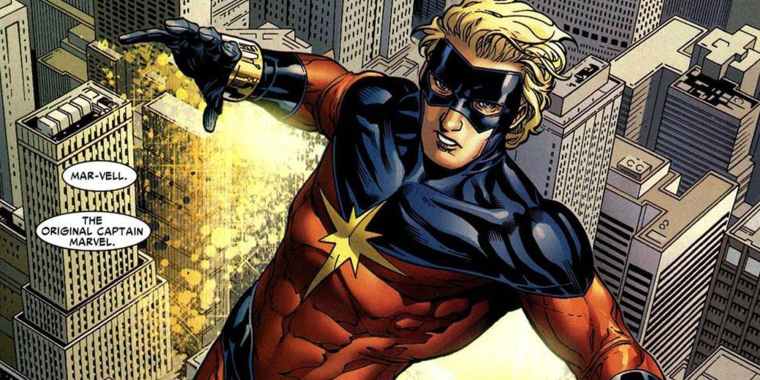
1) Mar-Vell (who will be portrayed by Jude Law in the upcoming Captain Marvel movie), member of the Kree Imperial Militia (1967-1982)

MonicaRambeau_CaptainMarvel.jpg

2) Monica Rambeau, a police lieutenant from New Orleans (1982-1993)

Genis-Vell CaptainMarvel.png

3) Genis-Vell, engineered son of Mar-Vell and his lover Elysius (1993-2004)

Phyla-Vell CaptainMarvel.jpg

4) Phyla-Vell, Genis-Vell’s younger sister (2004-2007)

Khn'nr.jpg

5) Khn’nr, a Skrull sleeper agent (2007-2009)

Noh-Varr CaptainMarvel.png

6) Noh-Varr, Kree ensign and Captain Marvel of The Dark Avengers (2009-2010)

CarolDanvers_CaptainMarvel

7) Carol Danvers (2012-Present)

As you can see, there have been plenty of people who have taken the mantel of Captain Marvel for Marvel, but let’s get back to the current one, the one who’ll be in 2019’s Captain Marvel, Carol Danvers.

There are a lot of ways I could organize this list even though it’ll only contain Carol Danvers, but I’ll start with the comics that’ll do the most to get new readers up to speed with the character for the upcoming movie. Then, I’ll add a background reading section for the completionists who want to know everything that occurred to Carol Danvers before her run as Captain Marvel.

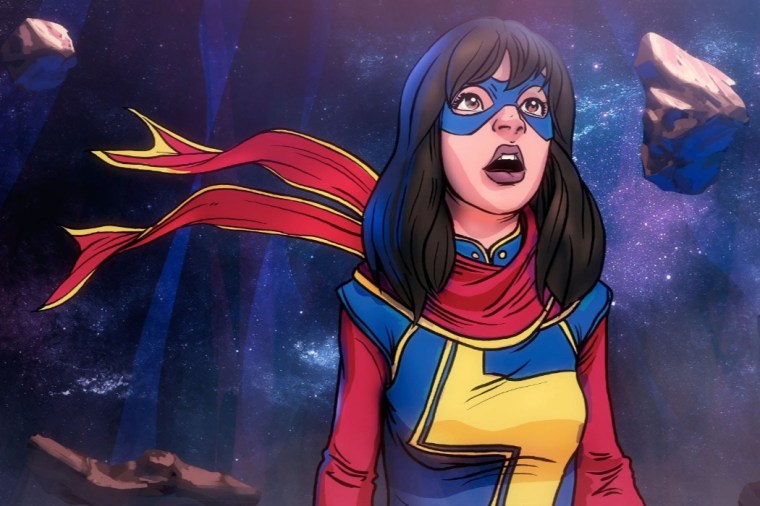
Note: There is a new Ms. Marvel, Kamala Khan.

MsMarvelKamalaKhan02

The above is a picture of Kamala as the new Ms. Marvel. She’s a great character and you should give her a read if you’re interested in Ms. Marvel/Captain Marvel, but she won’t be included in these starter stories.

MsMarvelVol1_BestOfTheBest

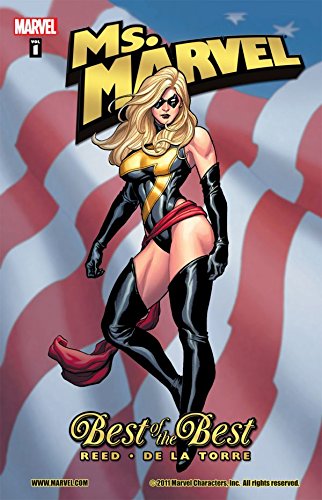
Ms. Marvel Vol. 1.: Best of the Best collecting Ms. Marvel #1-4 and #21-25 (written by Brian Reed/art by Frank Cho; 2006)

This Ms. Marvel reboot does a lot of things right. I like how Ms. Marvel goes out on patrol and what she does with her time when she isn’t being “assembled” for the Avengers. It also tells an important story of Danvers who, having fought the Brood during the “Brood Wars,” must balance the protection of Brood refugees while simultaneously protecting Earth. Alliances can change. Threats can change. Hatred shouldn’t govern one’s actions.

It turns out that a larger threat is over the horizon. Ms. Marvel wouldn’t have accomplished anything if she gave into her hatred and she wouldn’t have been prepared for the new threat if she went on a Brood killing spree—no matter how good it would’ve made her feel.

This story also does a good job of touching some points of Danvers’ past if one were to read her background stories.

EarthsMightiestHeroCaptainMarvel

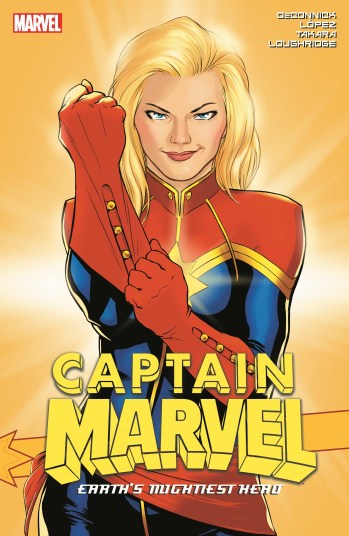
Earth’s Mightiest Hero: Captain Marvel (written by Kelly Sue DeConnick/art by various; 2012-2015)

The movie will and should draw the most inspiration from this storyline. It’s also the one where Carol Danvers gets promoted to Captain Marvel. There are so many good story arcs in this run, so I’ll do my best to show the graphic novels in the order they should be read at the end of this write-up. Trust me. It’s a mess.

The first arc in the series does a great job of grounding the reader, even if they don’t know much about Carol Danvers’ long history. Future arcs show her transitioning into an Astronomical hero—sort of Marvel’s answer to Green Lantern. Danvers evolution as a character occurs most here, and it’s a must read for people getting ready for the movie.

Here’s that reading list I promised.

  1. Captain Marvel Vol. 1: In Pursuit of Flight
  2. Captain Marvel Vol. 2: Down
  3. Avengers: The Enemy Within
  4. Captain Marvel Vol. 1: Higher, Further, Faster
  5. Captain Marvel Vol. 2: Stay Fly
  6. Captain Marvel Vol. 3: Alis Volat Propriis
  7. Captain Marvel & the Carol Corps

Background

Essential Ms Marvel Vol 1

Essential Ms. Marvel, Vol 1 Collecting issues Ms. Marvel #1-23, Marvel Super-Heroes Magazine #10-11 (written by Various/art by Various; 1968-1982)

Carol Danvers was little more than a bit character in the original Captain Marvel comic book—that’s the one that starred Mar-Vell (the Kree warrior who went against orders and defended Earth against his own kind)—and when Mar-Vell saved Carol, the Psyche-Magnitron radiation she was hit with slowly gave her super powers.

This collection goes through this origin and a lot more as it collects the first run of Ms. Marvel, which was—for the time—a feminist and progressive name because she was “Ms.” instead of Mrs. or Girl or Woman.

New readers will also see some interesting developments with the Carol Danvers character. She’ll disappear in the 1980s, or at least fade to the periphery: she’s the one whose powers Rogue stole.

Fans of the X-Men Animated Series will learn that unlike the cartoon, Danvers didn’t fall into a coma. She retained some of her powers and few of her memories, a nasty side-effect from a clumsy, young Rogue.

Since this collection spans a good two decades, it’s very uneven. Thankfully, readers are spared the infamous “Marcus” storyline, but the story’s aftermath and Chris Claremont’s attempt to clean up the mess can leave readers wanting. Still, this is a great volume for anyone who wants to know the character’s early history.

X-MenTheBroodSaga

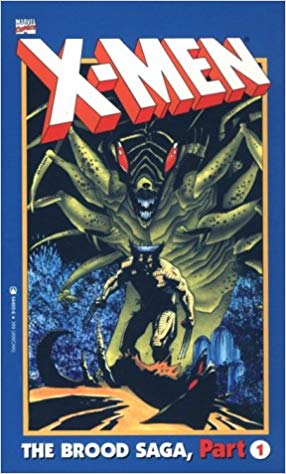
The Brood Saga (written by Chris Claremont/art by Dave Cockrum; 1982-1983)

This story is one for the X-Men that ran during Uncanny X-Men #155-167, but an amnestic Carol Danvers gets drawn into this tale. When the Brood realize that Carol’s DNA has been infused with Kree DNA, the results are interesting.

This is the first time and best time Danvers dons her 1980s persona Binary. I’m not sure if Marvel has ever collected The Brood Saga in paperback, but this title should be available on Comixology and Marvel Unlimited.

Avengers_Warbird_LiveKreeOrDie

Live Kree or Die (written by Kurt Busiek/art by various; 1998)

I always liked Danvers (who went by Warbird) in the reformed Avengers of Heroes Return. This story jettisons Danvers’ link to her Binary powers, and that forces her to hide from her teammates. She has some fantastic character moments. If I remember correctly, she struggles with alcoholism, and Tony Stark takes an odd turn as her sponsor.

Danvers/Warbird ultimately ends up quitting the Avengers. I’m not sure if some of these moments will be explored in the Marvel Film Captain Marvel, but it could explain why Nick Fury has Danvers’ number but refuses to call it until it’s necessary.

That’s my list for beginning Captain Marvel—but specifically Carol Danvers Captain Marvel—readers. I’m sure there are some omissions. Feel free to send Rogue over to my house so she can rob me of the rest of my memories, or you could leave a comment.

3 Lists of 3 Skyrim Mods

Hello, folks, Uncle Geekly here. Skyrim Special Edition has been out for a few years and that means that console players have the same joy of Skyrim mods as those of us who play on PC. Your uncle Geekly has played Skyrim Special Edition a lot on both PC and console, so I’ve found some mods that I like to play with whenever I fire up this almost eight-year-old game.

Sounds like a good time for a Skyrim Mod 3 Lists of 3. There are a few mods that come standard in Skyrim Special Edition like realistic weather effects and improved graphics–I’ll have to remember which ones I don’t have to load for Special Ed—and I’ll try not to include any of those. The other hard part will be determining how to split up each mod type. Let’s see if Geekly’s up for the challenge.

Role Playing
OrdinatorMod

Ordinator and Apocalypse Magic

It’s our first mod in the first section of this write up, and I’m cheating by combining two mods. For shame!

It’s my list; I do what I want.

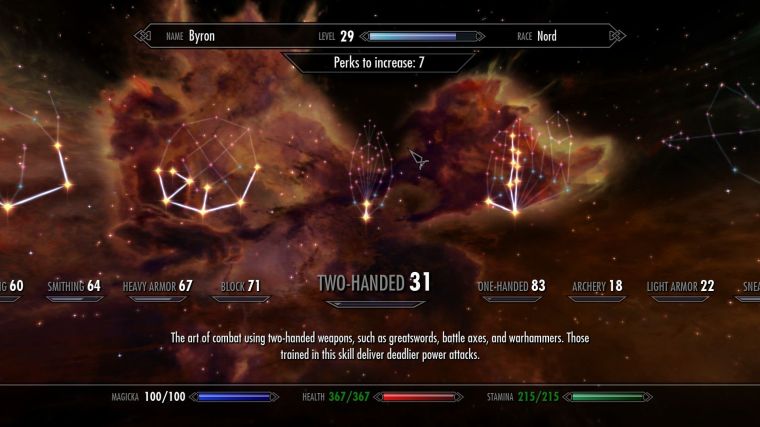
Ordinator and Apocalypse Magic come courtesy of the same modder Enai Siaion, and they’re available in a download bundle, so I’m putting them together because I seldom play Skyrim without both and I see them as two branches of the same limb. Ordinator increases the perk pool by over 400, while Apocalypse Magic adds 155 spells across all magic families.

With 400+ new perks gamers can customize their play style to a point where no two Skyrim builds are the same. One of my favorite builds is a dream master where I unlock as many Illusion perks in that branch of the magic tree as I can, but there’s more than the “dream master” branch within Illusion. There are so many paths to take that gamers can find their character’s story within the story and craft their own journey. Why is my hero drawn to dreams instead of creating pandemonium?

And that’s just one magic school. The magic schools have as many branches and the other perk trees specialize gameplay. Now it matters which one-handed weapon a player chooses. One may gain bonuses and special attacks for maces and not axes.

Apocalypse Magic Mod

Apocalypse Magic further differentiates the magic families. I don’t know how many times I used to begin Skyrim with every intention to play a pure magic user only to have the game devolve into a spellsword—emphasis on the sword—but Apocalypse Magic adds so many play options and cleans up many issues with Skyrim’s magic system that a pure magic user is an option, and a fun one at that. I can be a Thalmor who only cares to explore the reaches of the magic school Alteration.

I picked Alteration in this example because the added spells for this school in this mod are amazing. I can control the weather. I can sap armor from my attackers and give it to me and my companions. I can entomb one character and free them when I want. Yep. I am a Thalmor wanting to learn everything I can for a few schools of magic.

Imperious Race Mod

Imperious Races

Let’s face it. Race specific abilities have gone downhill in recent Elder Scrolls games. Fortunately, Imperious Races aims to make each Tamriel race unique.

Wow! I just realized that this is another mod by Enai Siaion. If you’ve liked what you’ve read so far, you may want to check out some of their other mods. I could make a list of just Enai Siaion’s mods, but I’d like to share the love—after Imperious Races of course.

Imperious Races adds race specific quests, bonuses, and powers. The quests play into the game’s lore. For example, Bosmer (Wood Elves) go on a great hunt to unlock their bonuses and power, while Altmer (High Elves) pluck the wings off butterflies—there’s a whole transformation or rebirth belief for High Elves that I won’t get into here, but butterflies play a key role. Each race has their own specific requirements or quest that adds another layer to character creation and world/lore immersion.

The race bonuses kick Elder Scrolls back to an age where it mattered to which race your character belonged. Altmer are naturally gifted mages, Redguard are fantastic warriors, and so on.

The race powers can, at times, play well with Elder Scroll lore as in Dunmer (Dark Elves) calling on their ancestors or Bosmer converting wild animals into allies, and other times these race powers create wrinkles for the different races. Anyone who’s played Skyrim knows that Nords can be xenophobic—to put it kindly—or downright racist. Their “Purge” ability allows them to choose a race at levels 10, 20, and 30 and deal bonus damage to members of that race. I don’t usually play human characters in Elder Scrolls games, but I’d consider playing an elf-hating Nord.

Again, this plays into character building as there may be a reason why my Nord is an elf-hater. There are so many new roleplaying options with each race.

LiveAnotherLifeMod

Live Another Life

Finally, we come to a mod by a different creator Arthmoor. Live Another Life does exactly what the title states: players can change their past as a wrongfully accused prisoner awaiting execution and skip the lengthy intro sequence at Helgen. With this mod players can start the game as a landowner or a marooned sailor or a highway robbery victim. Heck, players can begin the game already a member of one of the guilds or as a bandit.

Most of these new beginnings come with small bonuses and/or disadvantages (bandits begin the game with a bounty), but the true bonus of Live Another Life comes in the form of roleplaying. Players can literally rewrite their past. Live Another Life, like other mods in this section, add character and player choice to Skyrim.

One note: Live Another Life may have some minor compatibility issues that the previous two mods, or three mods, don’t.

Added Story and/or Content
ProjectAHO Mod

Project AHO

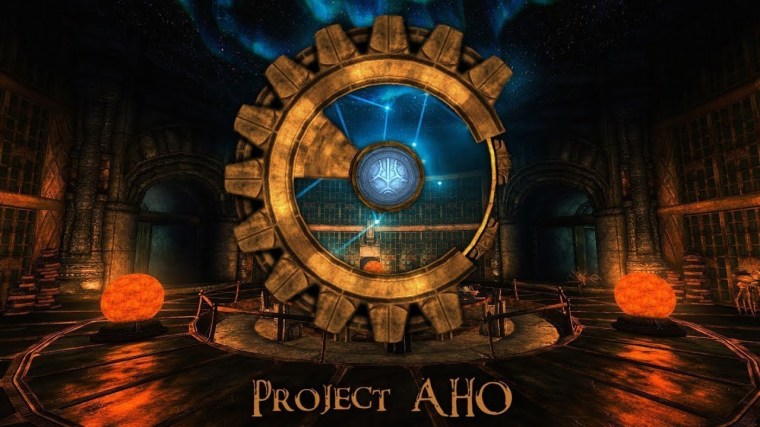
Most, if not all, the mods in this section will center around new areas to explore and/or new stories to experience. Let’s begin this section with a relatively new mod (released in late March 2018) by Haem Projects, Project AHO.

The content for this mod pans out to a medium-sized DLC, so a little less than Dragonborn or Dawnguard, but significantly more than Hearthfire. Players are treated to a hidden, Telvanni settlement Sadrith Kegran that’s built from the ruins of a Dwarven city. The player characters start as indentured servants and must uncover the area’s secrets as well as determine the fate of this closed off society. I won’t spoil the story here, but there are many ways for players to resolve Sadrith Kegran’s conflicts, based on character build and personality.

Project AHO comes close to full-fledged Skyrim DLC. Over 20 fully voiced NPCs have unique problems and quirks, each character acts out a daily routine, the quests and locations work and stay lore-friendly, and the DLC even has its own music by German composer Forhir. There are even reactions from these new characters that derive from the player’s choices in the main game and DLC. Project AHO does a great job of showing how some Dark Elves have carved out their own corner of Morrowind.
BeyondSkyrimBrumaMod

Beyond Skyrim: Bruma

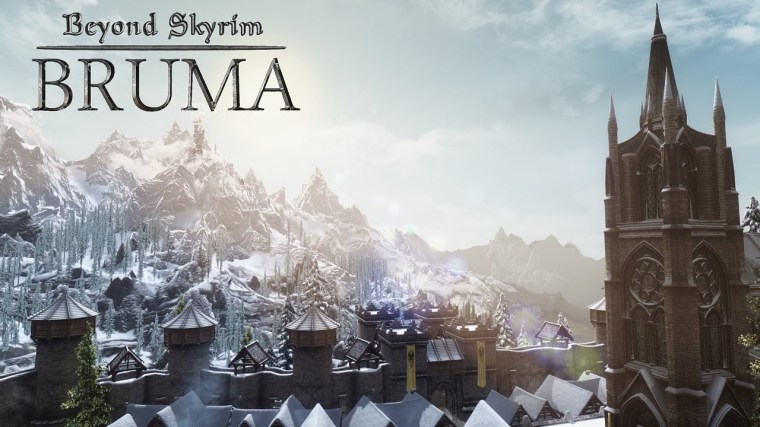
I couldn’t leave out Beyond Skyrim: Bruma from this section. If Project AHO is a medium-sized DLC, Beyond Skyrim: Bruma is living large, about the size of Dragonborn or Dawnguard.

Players can travel to Cyrodiil’s northernmost county Bruma that borders Skyrim. Similar features to Project AHO await as NPCs have their own voice actors with dialogue options, quirks and routines, and the player character can meddle in the affairs of Bruminians (or is it Brumans?). If you’re an Elder Scrolls fan and you miss Cyrodiil or want to know what happened to Bruma’s residents after the events of Oblivion, give Beyond Skyrim: Bruma a try.

Beyond Skyrim may not be as prolific a modder as the others I’ve mentioned so far, but they do great work and have some plans for future Skyrim content. With Elder Scrolls VI years away from release Elder Scroll fans won’t say no to future mods of this caliber.
ToolsOfKagrenacMod

The Tools of Kagrenac

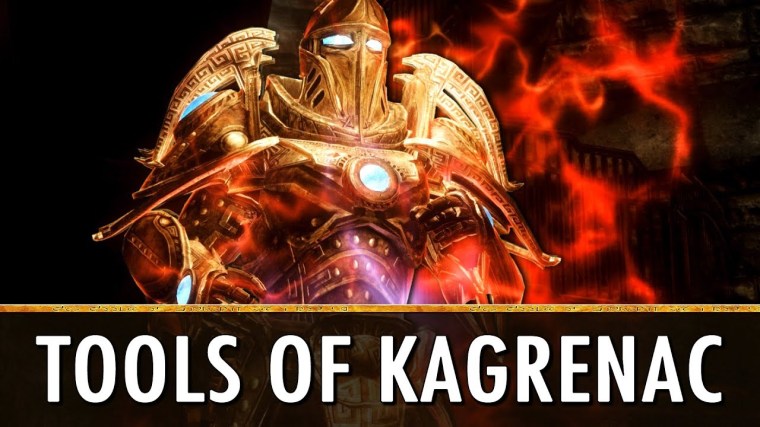
While Beyond Skyrim: Burma went large, The Tools of Kagrenac is a much smaller mod (perhaps even smaller than the Hearthfire DLC), but it’s a rewarding experience that’s done as well as any other in this section. The titular Dwemer Lord Kagrenac crafted three enchanted artifacts: Keening, Sunder, and Wraithguard. If those names sound familiar to Elder Scroll fans, they should. All three played a key role in the events of Morrowind.

So, The Tools of Kagrenac is lore-friendly—perhaps the most lore-friendly of all the mods in this write up so far—and it even suggests a cause for the Dwemers’ disappearance. In short, it’s a must play.

Beautiful Little Extras

ImmersiveWorldEncountersMod

Immersive World Encounters

We’ll start this section with a mod that’s almost a necessity. Immersive World Encounters makes all those random encounters players experience in vanilla Skyrim worthwhile.

The following scenario may sound familiar to Skyrim veterans. You run into a random thief, he hands you something to hold onto for them (something they stole), and then you make a choice to turn him in or throw his pursuers off his trail. But what if that character had more of a past or the encounter changes depending on who they are or there are multiple outcomes depending on what the characters chooses?

Immersive World Encounters adds a lot of that to Skyrim. It functions like “Wild Wasteland”, but the encounters are more unpredictable than wacky. Just because you’ve picked the same option before during one of these encounters, doesn’t mean you’ll get the same result. I’ve encountered an injured bear in the road and had the option to help it. The first time I helped a bear, I ticked off a hunter who then attacked me because I robbed him of his kill. The second time I helped a bear, it ran off and attacked another person; I had to kill the bear because it was headed toward a town. Maybe I should stop helping bears.

Regardless, kudos to Sette Lisette for this great mod.
LucienFullyVoicedFollowerMod

Lucien: Fully Voiced Follower

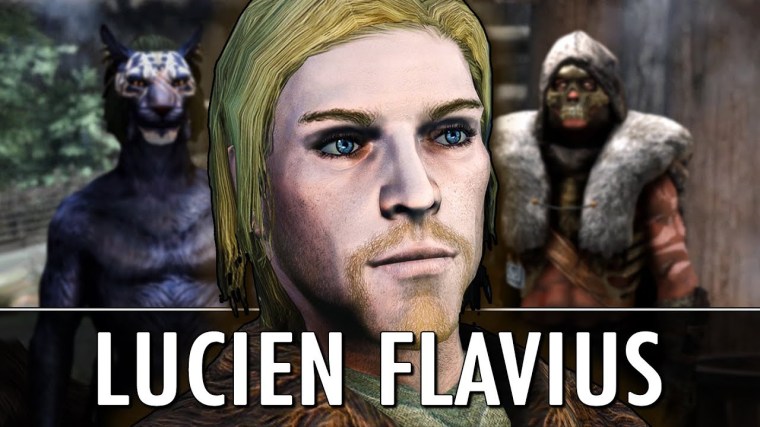
I don’t usually care for follower mods and I’m not the biggest fan of Imperials, but Lucien must be one of the best follower mods, and he happens to be an Imperial. He owns so many unique strands of fully voiced dialogue that he has an opinion on just about everything in Skyrim. The fact that Lucien is an Imperial is important too. He provides the player with an Imperial’s viewpoint.

Even better, Lucien has a dynamic personality system where he adapts to the player character’s choices; just because he’s your follower doesn’t mean that he agrees with everything you do. Players can alter how he fights, so he can complement the main character and Lucien’s training system can be adjusted as well. He has his own quest and storyline and can interact with other follower mods like Inigo, Hoth, and Auri. I almost want to play with these additional followers just to hear them banter with Lucien.

A small point, but one that makes me smile, is that Lucien has a small pool of in game books that he can read aloud to the main character, so long as the book is in the player’s inventory. I don’t know how long it took Joseph Russell to create Lucien, but this follower is well done. Wow!
HolidaysSkyrimMod

Holidays

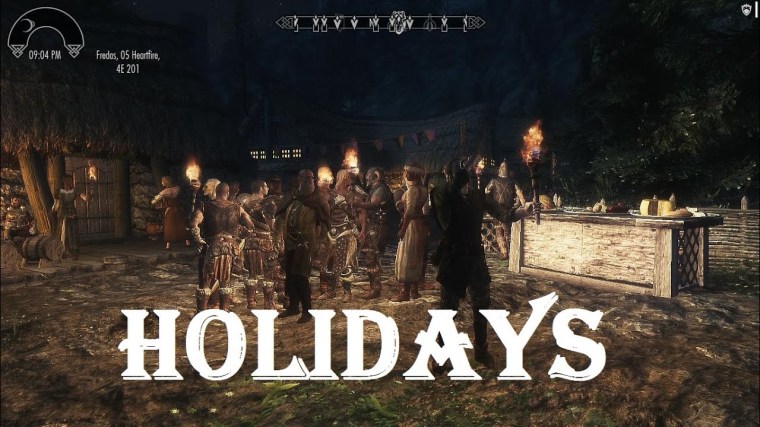
As the name suggests, Holidays adds Tamriel holidays to Skyrim. If the player character walks into a town on the holiday in question, the villagers will be celebrating the appropriate holiday in a manner according to Elder Scroll lore.

I feel like I’ve said this a lot during these three lists, but Holidays is another mod I can’t see playing Skyrim without. Isoku has a done an excellent job of getting these celebrations right. Small details like Saturalia decorations won’t appear on Whiterun’s Gildergreen unless it’s fully grown and healthy, and Winterhold not celebrating any holidays due to the state of their town are nice touches.

There are so many other mods I could’ve included like Andromeda or Wild World or Open Civil War that nine—or technically ten—Skyrim mods don’t do the subject justice. There’s a reason Skyrim is a relevant game eight years after its release; it owes its prominence to some phenomenal modders. What are some of your favorite Skyrim mods? Let us know in the comments.

Death Note: The Anime is Better Than the Manga

Is there snow in forecast or is it Anime Season? I’m sure our resident anime/manga geek Season appreciates the joke at her name’s expense. She’s going to break down why the Death Note anime is better than the manga. Take it away, Anime Season.

Usually, it’s the other way around, right? The manga typically doesn’t include huge filler arcs and has a more consistent flow than the anime. Typically. In the case of Death Note, not only does the format in which it’s presented in the anime suit it better, the ending has a more accurate depiction of a certain character in the anime than the manga. Spoiler alert. Let’s get started.

The first issue with the Death Note manga is the type of storytelling Ohba is presenting. Death Note is a detective story with supernatural elements and is dialogue heavy. I mean very dialogue heavy. Page after page of the Death Note manga contains blocks of text as each of the characters expresses their thoughts. This doesn’t allow for good flow in the manga since it’s easy to zone out in the sea of text. I had to go back on several occasions just to appreciate the artwork (which Obata did an amazing job of). In Death Note 13: How to Read, Ohba states that he cut down on a lot of the text. Dude, what did you originally have? Never mind. I don’t want to know.

DeathNote03

As far as the anime goes with the dialogue, that much of it is fine. As a viewer, one doesn’t have to read the text (unless you’re watching it subbed) and can just listen and watch the characters’ reactions. Since it’s animated in this format, even if the characters talk a lot, they’re also moving and doing other things. For instance, L is always stacking or making something out of, say, coffee creamer pods, while he talks. This keeps the viewer engaged while progressing the story. The manga does show this, but since it’s depicted in a panel and the reader is focused on what L is saying, it gets lost. There is a segment in the manga (I believe it’s in volume 11—don’t quote me on that) that has several panels of pictures, showing what each of the characters is doing. More of that should have been included.

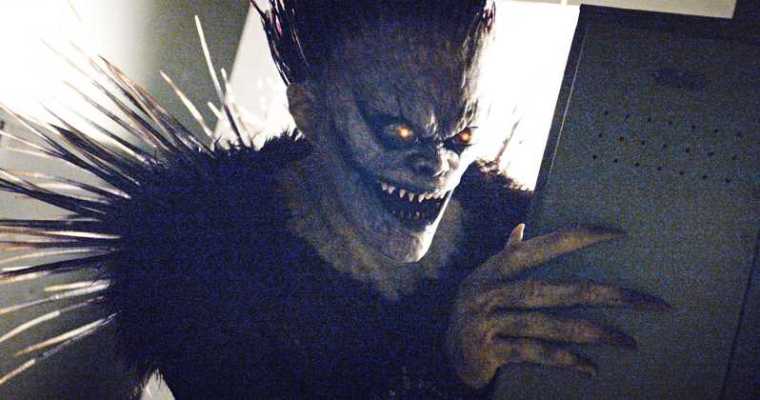
My second point contains major spoilers. Read at your own discretion. The ending in the anime made way more sense than the ending in the manga. For those who have seen Death Note in both formats and disagree with me, hear me out. In the anime, Light runs away, wounded, and collapses on a staircase in a warehouse, with Ryuk writing Light’s name down in his Death Note, killing him. In the manga, Light has a panic attack after getting shot several times and begs Ryuk to save him. Ryuk still writes Light’s name down in his Death Note and kills him. Ryuk killing Light was foreshadowed in both the manga and anime versions, so that was fine. Light freaking out in the manga and begging Ryuk for his life was not. That isn’t Light’s character. In Death Note 13: How to Read, Obata states that he wanted to express all of Light’s pent up emotions in one huge psychological breakdown. Basically, he wanted to draw Light in anguish just because he could. Again. That isn’t Light’s character.

DeathNote02

A cult dedicated to Light (Kira) was also shown at the tail end of the manga. Why? I can understand that people still worship his ideals, but this makes it look like there’s going to be a part two to the story. I don’t think there will be twelve years after the final volume was published, but this is unnecessary. This is something the reader can infer based on the general public’s reception to Light throughout the series.

I’d recommend the Death Note anime over the manga, but that doesn’t mean the manga is horrible. I don’t think the Death Note concept suits the manga as well as it does the anime. For those who have seen the anime and are looking for something to read the manga will definitely keep you occupied for a while.

Did we miss anything? Do you agree with our arguments? Do you prefer the Death Note anime or the manga? Let us know in the comments.

My Favorite Gaming Element for Apex Legends

Your uncle Geekly has tried out the latest battle royal craze Apex Legends and I like it despite loathing the genre. I’m more of a solo experience video gamer. Give me a story and characters I can invest in and I’m happy; multiplayer games don’t usually do a lot for me. Battle royal games and the chaos they bring do even less for me, but I’m surprised by Apex Legends’ focus on teamwork.

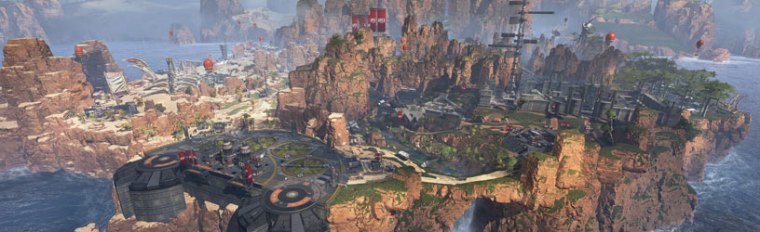
Everything about Apex Legends screams that the players must work as a team. When players jump into the map, they do so as a team and that shows the emphasis on team play at each game’s beginning. I’ve heard on some message boards that Fortnite players dislike being forced to jump as a team, but Fortnite is every player for themselves. Sure, there is a squad (or team) option for the game, but it pales in comparison to the every person for themselves game mode. Apex Legends’ squad play outshines Fortnite’s most likely because players jump as a team.

Apex-Legends-Ping

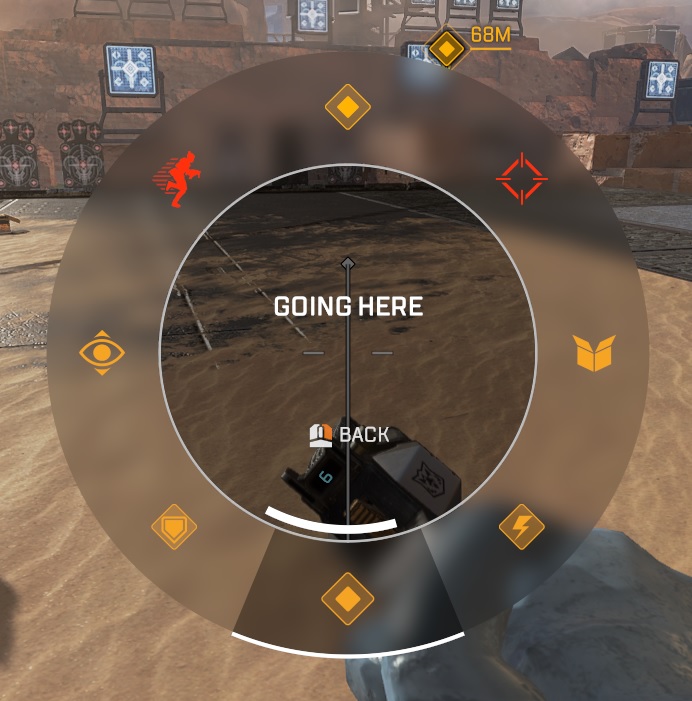
The communication system, or ping system, works like a charm. The Gears of War series may have instituted a ping system, but Apex Legends gets it right. Players don’t need to use mics if they don’t have them. Heck. Even if they do have them, they may prefer to use the ping system. If you see a shield or gun a teammate can use, ping it so the item shows up on their map. If you see an enemy on the next ridge, ping the location so it shows up on your teammates’ map and you can converge on the enemy. Players can even ping one location for their teammates and another for themselves—you go here, I’ll go here—and a team can formulate a pincer attack in near real time.

Can Apex Legends be played by oneself? Yes, but not well. I’ve had teammates drop out because of server issues—of which there have been a lot since the game’s launch—and ended up in a solo team. I’ve made it to the final three squads in several of these instances, but when the game gets tight, more firepower is needed, firepower that won’t exist if a player is by themselves. The closest I ever got to winning a game as predominately a solo squad was second place with one other combatant standing. That’s not saying that Uncle Geekly’s good at Apex Legends, in fact, I strive for mediocrity, but my point is that one can’t win the game that easily going solo.

featured-apex-legends-ping-system.jpg

More than any other battle royal game—on the market today—Apex Legends focuses on a team dynamic and if I’m going to play a multiplayer game, I prefer a team atmosphere. I could carry this team mentality further and discuss Overwatch at length and how the character selection screen breeds discontent while Apex Legends has a more relaxed feel, but let’s say that the concept of team shines through most of Apex Legends and that’s where players will find the fun. If you prefer team based multi-player games, you may enjoy Apex Legends.

Do you agree that Apex Legends is a good team battle royal game? Do you have a character that you prefer to player more than another? Let us know in the comments.

Getting Started with Route or Network Building Games

We’re on a freeway of love in a pink Cadillac. We miss you, Aretha. Shine on, Queen of Soul.

Getting back to tabletop games, there are plenty of games that cast the players with setting up routes or networks or roads or even freeways of love to score points. The difficulty levels of these games vary, and route or network building games tend to have more than just that mechanism in them. That may be because building roads or a network doesn’t appeal to a lot of players, but there are some beginner games that can introduce new players to the genre.

Your uncle Geekly’s back with another Getting Started, so let’s network.

Tsuro

Tsuro

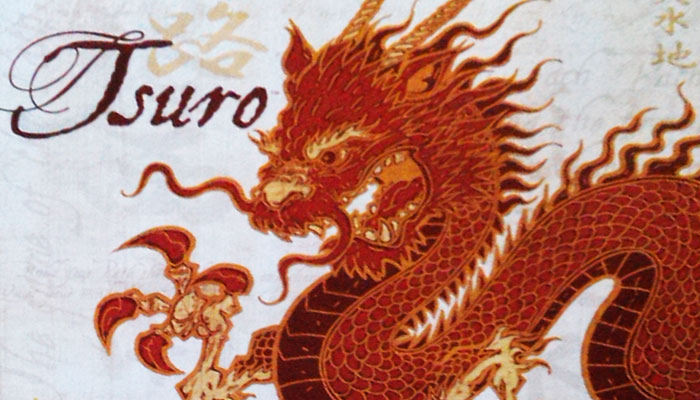
A game that’s just building a road or route. That sounds too simple. It’d be boring. Tsuro doesn’t have much more to it than that, and it’s excellent.

Players lay tiles with winding paths on them from their hand onto a 6×6 grid and move their pawns as far on those paths as they can. The last player with a pawn on the board wins. Hint: you can lead your pawn off the board or into other pawns.

It’s a simple concept, executed well, and it doesn’t hurt that the game looks gorgeous. It also doesn’t hurt that Tsuro lasts fifteen minutes at the most. Perfect for a new player.

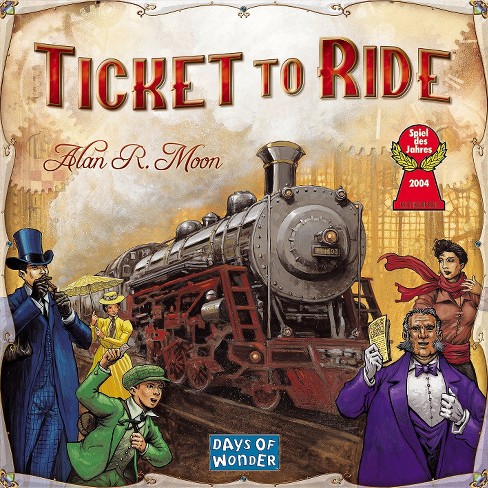
TicketToRide

Ticket to Ride

Ticket to Ride was the first game that came to my mind when thinking of starter route-network building games. It dominated the hobby when it first came out and remains popular. There are a lot of offshoots and expansions for Ticket to Ride that depict almost any region or country you could think of, but I’d start with the original United States map from 2004.

Players build railroad connections between cities, while trying to complete destination tickets that can span the length of the continent or country. Rummy-style set collection adds another layer as players collect cards with which to spend on railways between the various cities and usually, the first player to claim a route is the only one who can, so pressure builds when players decide whether to collect more cards for their hand or build a route before another player can do so. This is one of tabletop gaming’s simplest, elegant, and tense push-pulls.

Ticket to Ride may add another layer than Tsuro, but it’s still easy enough for a tabletop game newcomer to learn, and one of the best “gateway games” (easy-to-learn board game that’s great for introducing new gamers to the hobby) on the market.

Takenoko

Takenoko

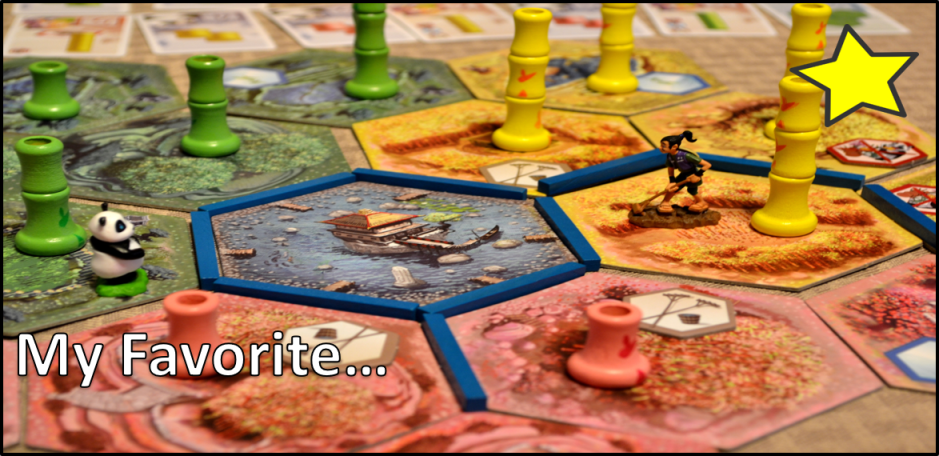
I’ve talked about Takenoko in the past. Don’t let the Chibi Panda fool you, this game has plenty of depth, but it’s still easy to teach and learn and takes a different approach to route/network building. Like Tsuro, Takenoko uses tile placement, but the network in Takenoko is in its irrigation.

The game starts with a pond tile, and in order to irrigate their bamboo players must connect tiles of various color bamboo to the starting pond tile with what the game calls an irrigation stick. I think of it as more of a trench system to get the water to where one wants it, but I may be wrong. If I am, feel free to toilet paper my house. I live in Connecticut. Yeah, totally Connecticut.

Anyway, I included Takenoko because it shows how many games will incorporate network/route building in the game, but the game won’t be about network building like the previous two entries. Yes. Players need water for irrigation, but irrigation sticks are only a fraction of what someone needs.

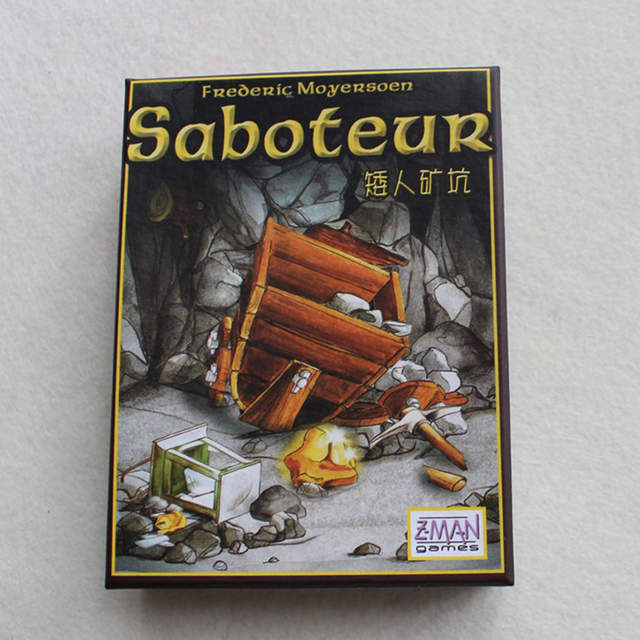
Saboteur.jpg

Saboteur

Saboteur returns this list to its classic network/route building roots, but it deviates in another direction: semi-cooperative and secret goals. The goal for the game’s mining dwarves is to build a network of caves (from hands of path cards) to reach gold. The goal for the game’s saboteurs is to prevent the mining dwarves from reaching the gold.

A good saboteur will pick the spot where they betray the team. Do they risk it and wait for the mining to team to get close to the gold and then play a U turn card? It’s very satisfying to be the saboteur, but who’s on which team is only part of the game’s hidden information. There are multiple locations for the gold to be at the beginning of the game, but no one knows where it is until they’re given a card that allows them to take a peek. Again, a good saboteur doesn’t reveal their identity because they could lead the mining team to the wrong spot.

Saboteur isn’t for everyone. There are some folks who hate traitors in cooperative games, but the runtime is so short that it had to make this list.

Final Thoughts

There are many other ways I could go with in terms of expanding this list of beginner route/network building games, but I’ll stop with these four because I miscounted them as five and if I had six I’d have to use the other hand to count.

Speaking of networking, we could use some comments about games or something else in the geek world. If you like this post, give it a like, and if you like what Geekly does, feel free to subscribe. If you subscribe, you can let your uncle Geekly know how wrong he is every day.

3 Lists of 3 Faithful and Unfaithful Comic Book and Manga Movies

Cause it takes a strong man, baby, but I’m showing you the door. Cause I gotta have faith. I gotta have faith. Or do you?

Your uncle Geekly is back with more comic book movie magic and a three list of three. This week we’ll concentrate on comic book movies that are the most and least faithful adaptations to their source material and throw in a third, fun list for kicks.

Usually, a faithful adaptation is better than one that isn’t, but that’s not always the case. 2011’s Green Lantern made the short list for faithful adaptations, and it stunk. Regardless, the following lists will let you know which ones have geek cred, and which ones don’t.

Most Faithful Comic Book or Manga Movies (so far)

IronManMovie

Iron Man (2008)

All the main points for Tony’s character are present in 2008’s Iron Man, except that he’s more of a social drinker than an alcoholic. That may be the one part that I’ve never liked about the movie version, but I get it. Marvel/Disney wants to make Iron Man more accessible for a greater audience. But alcoholism is a common problem and that’s one of the things that makes Tony accessible for people.

Oh well, like I said, the main character points are there: billionaire playboy, womanizer, purveyor of the best weapons, regrets the creation of such weapons, and needs a suit to stay alive. One must take the omission of alcoholism with stride. The cinematic Iron Man deals with his alcoholism as much as cinematic versions of Batman deal with the loss of his parents. It’s a peripheral thing.

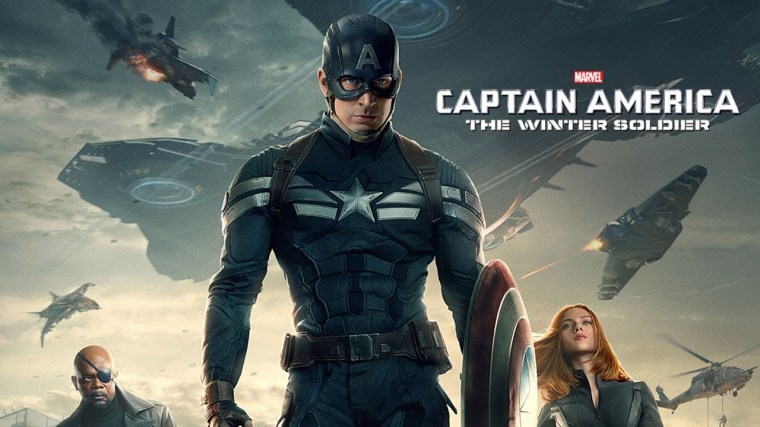
CaptainAmericaTheWinterSoldier

Captain America: The Winter Soldier (2014)

Yes. This is the second Marvel movie in a row, but it’s a good one that’s very faithful to its source material. The only things the movie Winter Soldier changes are plot points that wouldn’t fit within the confines of the Marvel Cinematic Universe (Sharon Carter wasn’t introduced until this movie, so Black Widow is part of Cap’s team) and some of the more fantastic or mystical elements (sorry, no Cosmic Cube, this version is more grounded).

Again, the main points are there. Cap’s team investigate the mysterious Winter Soldier, who turns out to be Cap’s former sidekick Bucky. At the end, Bucky sneaks away to find himself. The few deviations make sense and don’t detract from the movie capturing the characters and the feel of the comics.

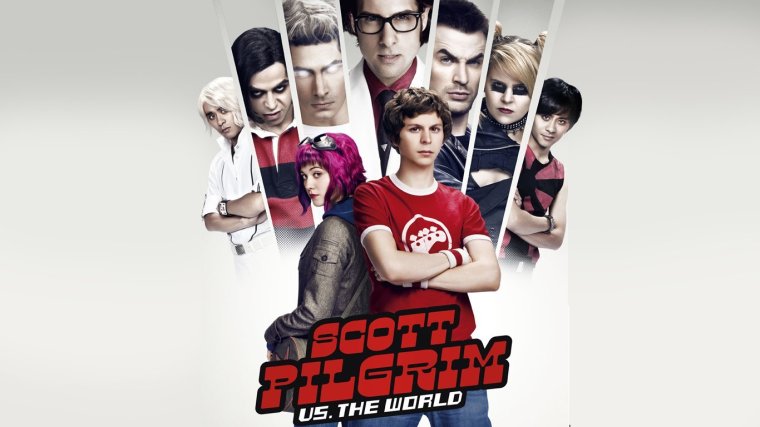
ScottPilgrimVsTheWorldMovie.jpg

Scott Pilgrim vs. The World (2010)

Some source material was cut or condensed to fit a two-hour runtime, but Scott Pilgrim vs. The World captures the original story perfectly. Over-the-top video game battles? Check. A frenetic pace? Check. Extremely expressive characters? Have you seen Michael Cera’s face? He may have eyes as large as the title character in the manga. The supporting characters are equally over-the-top and animated—but in the best possible way.

Edgar Wright did a fantastic job translating the Canadian manga into a cult classic. Unfortunately, cult classic means that it didn’t do as well as it should have in theaters.

Least Faithful Comic Book or Manga Movies (so far)

CatwomanMovie

Catwoman (2004)

Catwoman. Ugh, Catwoman! It’s so different from the source material that I wouldn’t be surprised if a film distributor other than Warner Brothers released this one. The anti-hero’s moniker and character appearance (sort of) are the only commonalities between the two entities.

Patience Philips is Catwoman’s real name instead of Selina Kyle. Patience drowns and comes back to life with the help of a magical cat instead of being a world-class cat burglar. There’s an Egyptian goddess Bastet angle that’s just awful. Who wrote this? How could the actors read the script and think this would be a good movie? Who allowed this to exist?

TheSpiritMovie

The Spirit (2008)

The Spirit comic may have had some issues with Ebony White (it’s a product of its age), but the story is a great blend of crime and humor with strong characterization. I like how Will Eisner portrayed The Spirit as an everyman. It made him relatable and accessible.

The movie strips the characters of their personality and clothes. Comic book fans have known for years that Frank Miller (the movie’s director) doesn’t have the most enlightened opinion of women, and it shows here. I would say that 2008’s The Spirit should only be aired on Skinamax, but soft-core porn has more story and does more with their characters. Also, The Spirit can heal like Wolverine, so that everyman quality is lost.

DeathNoteNetflix.jpg

Death Note (2017)

Fans didn’t like the announcement that Netflix would release a live action Death Note and set it in the United States. While I agree that changing the setting and other cosmetic alterations damaged the movie, Death Note’s biggest sin is that the characters are dumb. It’s not that they’re dumb as in they make little sense or have limited characterization, which they do make little sense and have limited characterization, but the main characters have a collected IQ of 30. That’s not ideal for a series that’s main draw is that it plays out like a high-stakes Chess match.

Instead of schemes becoming more complex throughout the movie, they get dumb and dumber and dumberer and dumberest. This movie is so stupid that I’m making up words.

Awesome Animated Comic Book Movies

AllStarSupermanMovie

All-Star Superman (2011)

It helps when the source material is excellent, but 2011’s All-Star Superman is amazing. It captures the essence of the character in a way other Superman films haven’t been able to. It shows what Superman would do if he knew he didn’t have much time left on this planet. He continues to protect the Earth and his loved ones because that’s who he is. There’s even a great Lex Luthor character moment when he sees the world as Superman does, ever the optimist. All-Star Superman is a must watch.

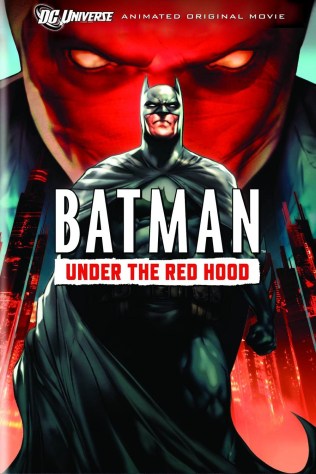
BatmanUnderTheRedHood

Batman: Under the Red Hood (2010)

Batman: Under the Red Hood was released early in DC’s animated line, but it may be the best animated Batman film ever. Jensen Ackles (Supernatural) is Jason Todd and he may own the role for some time to come. Bruce Greenwood’s Dark Knight and John DiMaggio’s Joker are almost as good as Kevin Conroy and Mark Hamill, and that’s saying a lot.

This film explores the complex relationship Batman has with killing and with the Robins who have joined him in his crusade. Yes. Under the Red Hood has the prerequisite action and crime fighting, but it’s a surprisingly deep movie.

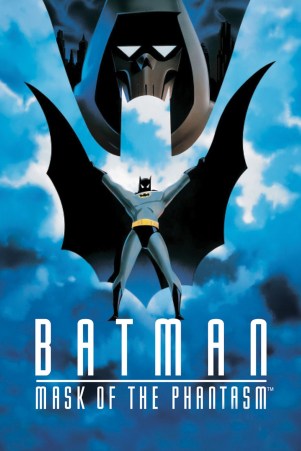
BatmanMaskOfThePhantasm

Batman: Mask of the Phantasm (1993)

I could’ve gone with a lot of other DC animated films with this final move—DC Animated movies are far better than most Marvel ones, they’re the inverse of the live action films—but I had to go with one of the first Batman: Mask of the Phantasm. To me, Kevin Conroy is Batman. Mark Hamill has given one of the most memorable performances as The Joker. There’s a reason the pair have been playing these characters for over two decades.

The original characters in this film are well done too, and Batman: Mask of the Phantasm holds the distinction of being the first Batman: The Animated Series film. Any Batman newbie should watch at least the first season of Batman: The Animated Series, followed by Mask of the Phantasm.

I can only list 9 movies in this 3 lists of 3, so I’m sure some readers will differ in their opinions. Turn on the Geek Signal and I may come running if you leave within a fifty-mile radius or leave a comment.

3 Lists of 3 Tabletop Game Designers

Uncle Geekly here. We’ve covered tabletop games more than once on 3 Lists of 3, but it may be time to discuss the people behind the games. I smell a few lists of game designers.

Think of these game designers as authors of books and many tabletop game enthusiasts follow them as if they were authors releasing their latest novel, so the following 3 lists may be a good place to start if you’re looking for a designer or two to follow. Let’s get to them.

Designers Who Seldom make the Same Game Twice

Friedemann_Friese

Friedemann Friese

504 may not have landed with fans as well as Friese had hoped, but a game system that has 504 possible combinations of games is a testament to this designer’s versatility. Funkenschlag or Power Grid is an electrifying network building game–pun intended–that may have led to the more streamlined and widespread Ticket to Ride. Friday takes the deck building genre and turns in a story-driven solo experience. I love how the cards you use in the deck can get shuffled back in and have a different effect later in the game. I don’t know how many times I’d eat something that would eventually give me diarrhea. Your uncle Geekly has a weak stomach, so that’s almost like real life.

Fauna and Terra are some of the better takes on trivia games. I don’t care for trivia games as much as I used to—Trivial Pursuit may have ruined me on the genre—but I’ll gladly play either of these two games. Fabled Fruit is a simplified worker placement, legacy game, and that’s an accomplishment. I haven’t heard of too many worker placement games one could explain in under fifteen minutes, let only one that includes a legacy component. Friese is on fire. If his hair is any indication, it’s green fire.

AntoineBauza

Antoine Bauza

We go from a German to a Frenchman. Antoine Bauza may use a similar aesthetic in his game’s artwork and their themes (strong Japanese influences), but his games have no shortage of story, mechanisms, and scope. Ghost Stories and Samurai Spirit are both cooperative games, but one pits Shaolin Monks against nightmare fuel, while the other, despite some balance issues, is a faithful recreation of Kurosawa’s Seven Samurai. If you’ve never seen the film, it doesn’t end well for the samurai. It also doesn’t usually end well for players of Samurai Spirit.

Bauza’s most celebrated works—the ones that have received the most awards—are card games: Hanabi and 7 Wonders. Hanabi is an interesting 50-card, cooperative game where players can see others’ cards, but not their own. 7 Wonders and its excellent spin-off 7 Wonders Duel popularized card drafting. I’d place Duel slightly ahead of base 7 Wonders because of its use of a pyramid set-up and speed of play, but I couldn’t deny the appeal of 7 Wonders. Grumpy Uncle Geekly wanted to dislike it but didn’t.

There are just too many game types from Bauza: Takenoko (a deceptively strategic game about a Chibi panda eating bamboo), Tokaido (a gorgeous timeline game about a Japanese vacation), and Rampage (like it’s video game namesake, players destroy a city with wooden monsters).

I could’ve gone with several other French game designers here too. Bruno Cathala and Ludovic Maublanc are not only frequent co-designers of Bauza’s, they too seldom use the same mechanism twice.

EricMLang

Eric M. Lang

If you noticed trends with Bauza’s games, you’ll see some form with Canada’s favorite game designer Eric Lang. But Lang delivers the goods and his games are eclectic. I’m a huge Lang fan-boy. I see his name on a game and I’m already interested.

Miniatures? Yeah, he’s made some of those games. Anything from Cool Mini or Not (CMON games) is a safe bet: Blood Rage (half strategy Euro, half kickass Vikings), Arcadia Quest (Chibi fantasy dungeon dive), The Godfather: Corleone’s Empire (yeah, it’s a mafia game), and Rising Sun (the second game of the Blood Rage trilogy).

Card games? Yes. He has plenty of those too: Star Wars: The Card Game (this is a great living card game update to the earlier collectible one), Warhammer: Invasion (another living card game update), A Game of Thrones: The Card Game (Same), and Call of Cthulhu: The Card Game (yeah, he does a ton of  these, but he’s great at them).

Dice games? Lang has made some of my favorite dice games. Quarriors! introduced dice to the deck building mechanism. Dice Masters added a collectible layer to Quarriors!, creating the first successful dice collection game that has since been mimicked. Yeah, I’d play a new version of Trivial Pursuit or Monopoly if it had Eric Lang’s name on it.

Designers Who Tend to make the Same Game

MattLeacock

Matt Leacock

This may be sacrilege. I can hear boos from my computer screen, but just because a designer makes a lot of similar games doesn’t mean that they’re poor game designers. I started with Matt Leacock because he’s such a great designer—one of my favorites—but he tends to make a lot of cooperative games. If there was a gaming dictionary, you’d see his face beside the word cooperative.

Pandemic, Pandemic Legacy (seasons 1 and 2), Pandemic: The Cure, Forbidden Island, Forbidden Desert, Forbidden Sky, and Thunderbirds: the Co-operative Board Game are all cooperative games. I think it’s safe to say that Leacock has a type.

UweRosenberg

Uwe Rosenberg

Rosenberg’s career is split by two games: Agricola and Patchwork. Prior to Agricola, Rosenberg experimented with various game types, but after Agricola, he made mostly worker placement games with brutal feed your workers mechanisms. What is with feeding workers? There must be some designers who went hungry one time too many.

Le Havre, and Caverna were—admittedly better—variations of Agricola. Then, Rosenberg released Patchwork (a game that added Tetris-style mechanisms to board games). A Feast for Odin combined elements of Agricola with Patchwork, and future Rosenberg games began taking Patchwork in different directions.

Rosenberg’s games are usually good to excellent, but sometimes, I have the urge to report them to the department of redundancy department.

StefanFeld

Stefan Feld

If Leacock’s picture would be next to cooperative, Stefan Feld’s picture would be next to point salad. A point salad game is one that’s heavy on strategy, there are various methods of playing and each method yields points, and the player at the end of the game who has the most points, wins. The reason it’s called a point salad is that players can—and often should—choose multiple methods of play and the resulting points to win. It’s like a big, crunchy, board game salad. You know you’re doing well when you’re eating all the game’s roughage.

Feld is the king of balance. I’m not sure if I’ve played a single game of his that wasn’t balanced and that’s fantastic, but you don’t even need to see the box or know much about the game to tell when a game is designed by Feld.

Up and Coming Designers

IsaacChildres

Isaac Childres

The designer of the current number one rated game on boardgamegeek (BGG) Gloomhaven must be on any list of newer game designers. Childres has released a handful of games prior to the dungeon crawl, but no game before or since has been as large in scope as Gloomhaven.

While I’ve heard mixed reviews surrounding Founders of Gloomhaven (a Euro strategy game based in the world of Gloomhaven), I have no doubt Childres will have plenty of other great projects in the future.

CallinFlores

Callin Flores

Callin Flores’s path to board game design is an odd one. He began as a podcast creator for Plaid Hat Games and slowly became a designer in his own right. Plaid Hat has some of the best designers in the business, so Flores had plenty of guidance for his new release Guardians. I haven’t had the chance to play Guardians, but it looks as if it’ll be another hit for the company.

LudovicRoudy

Ludovic Roudy

The only game that comes close to Gloomhaven’s scope, may be Ludovic Roudy’s 7th Continent. This game puts players in the role of shipwreck survivors, stranded on a deserted island. It’s a character and story driven game that has a unique brand of exploration. I can’t wait to see what’s next from Roudy.

Who are your favorite new game designers? Who are the best designers that have a preferred game type or choose more eclectic mechanisms? Let us know in the comments.
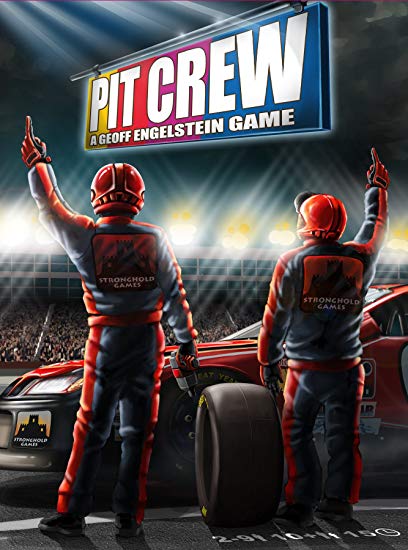
My Favorite Game Mechanics: Pit Crew

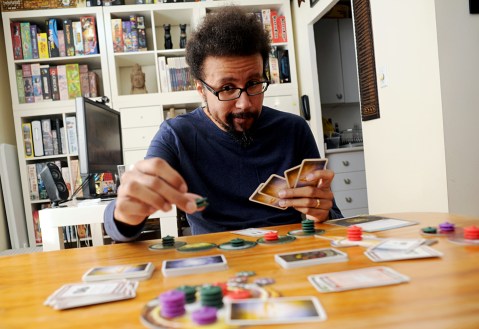
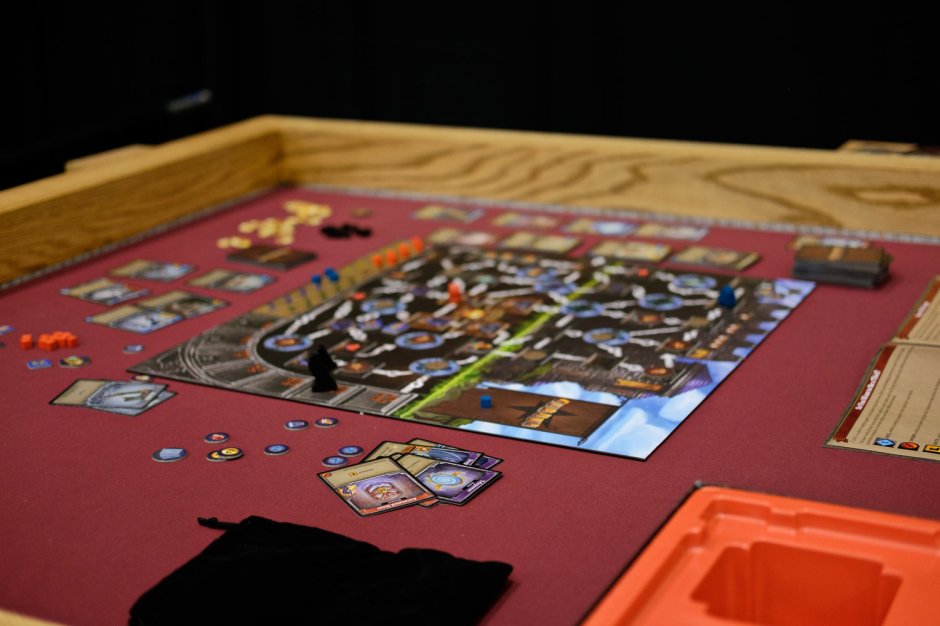
Many people won’t like Pit Crew. The real-time aspect of the game can get players flustered and dampen some of the fun, but that’s what I like about it. While most real-time games have players dashing to play cards or some other game device to a common area, Pit Crew has gamers play solitaire.

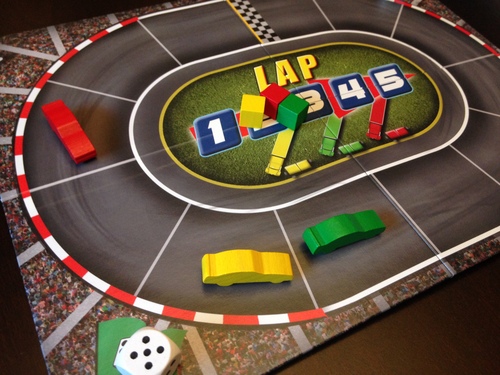
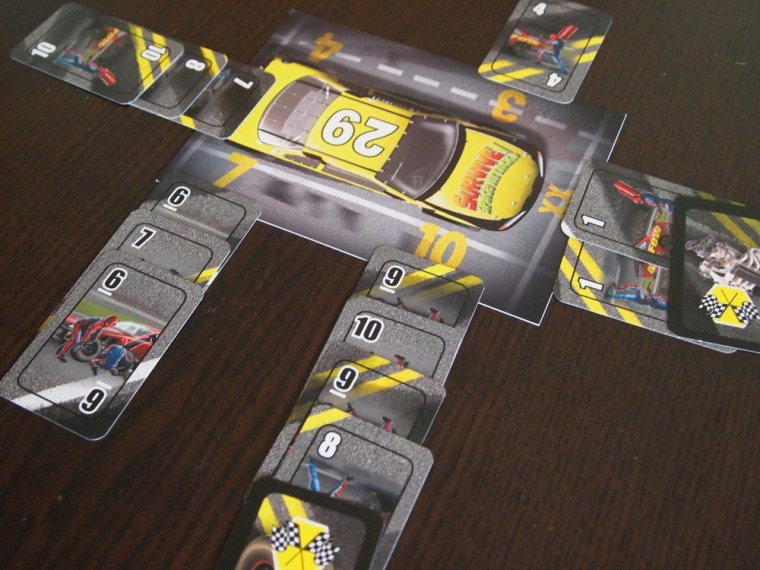
The rules are simple, but I won’t go into them in detail here. Players assume the role of a pit crew during a stock car race. They play cards numbered 1-10 in either white or black numbers (there’s a bonus if a player uses all of one color) on areas where they must place a pair of the same number, go up or down in number (with 10 and 1 being adjacent), and reach a specific sum. The first ones to do so begin rolling a die. For every 6 they roll, they move their car one space on the track—and that’s where it gets interesting.

PitCrew_BoardGame04.jpg

Geoff Engelstein has created a psychological game with his players. The impulse is to start playing your cards quickly as soon as you hear someone roll a die. But Pit Crew is more concerned with gamers playing a clean game of solitaire. Your opponents will gain more spaces with the penalties incurred by messing up a pattern, than any spaces gained on a die.

Roll. You may forget what total your on for the area that needs a specific sum. Roll. Did I play a three and then a four or a five and then a four? Roll! I don’t care if the color on the numbers match, I’m placing those two ones in a pair spot.

PitCrew_BoardGame03.jpg

What’s worse is that gamers may feel more impowered to give their opponents bonuses rather than take a penalty. This is another psychological trick Pit Crew uses. If my car went backwards on the board for every one of my mistakes, the penalty would only affect me. With all my opponents (it may be a 3-player game) gaining a benefit from my mistakes, my mistakes are multiplied, but in an odd sense, a lot of gamers would prefer giving other players a bonus instead of accepting a penalty.

PitCrew_BoardGame02.jpg

Pit Crew poses an interesting question. Is it better to be punished or rewarded?

What do you like most about Pit Crew? What are the things you don’t like about Pit Crew? Heck, is it better to be punished or rewarded in games?

It’s a good thing I’m a glutton for punishment, let me know what you really think in the comments.