




We’re back with another Marvel United expansion review. Marvel United is a CMON Games Kickstarter using the Marvel intellectual property. We’ll have plenty of chances to cover more expansions like today’s focus, Return of the Sinister Six. Geekly won’t be covering every Marvel United expansion, but we will review the ones worth your time or the ones we believe people will most likely purchase. So, you could consider the Marvel United expansions we cover as essential.
Hey, hey! Kyra Kyle here. In Marvel United, players act as iconic Marvel heroes who work together to stop the master plan of a powerful villain controlled by the game. Each villain has a unique master plan, cards that trigger various effects, and threats that make clearing locations difficult. Heroes clear missions, making the villain vulnerable, and finally take on the big bad villain before they complete their dastardly plan. Can you save the day in time? Return of the Sinister Six pits players against more than one villain at a time. With this expansion, you have the option to take on the iconic villain team The Sinister Six.
Before we get any further, we’ll take a side quest and discuss Return of the Sinister Six’s dastardly details.
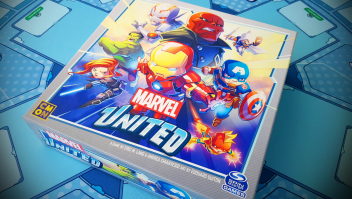
Designer: Andrea Chiarvesio and Eric M. Lang
Publisher: CMON Global Limited and Spin Master Ltd.
Date Released: 2021
Number of Players: 1-4
Age Range: 8 and up
Setup Time: 5-10 minutes
Play Time: 30-40 minutes
Cooperative Play
Hand Management
Modular Board
Solo / Solitaire Game
Variable Player Powers
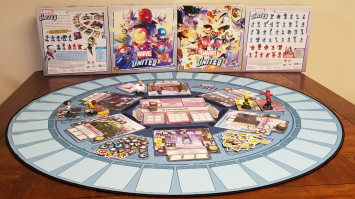
We already covered the Game Setup and Game Flow in our Marvel United review (here’s a link to that review), so we’ll go over the basics in the following two sections. Let’s cover an abbreviated review of the game setup and rules.
Marvel United’s setup can change depending on which Villain and Heroes you choose to play. Each game consists of six locations. Typically, core sets have eight locations. Since Enter the Spider-Verse is an expansion, it only has six. You may choose your locations or shuffle them and choose six at random. Each Location card has spaces at the top for civilians and thugs and a rectangle with a block of text that will state “End of Turn” at the top of the box.
Place civilian/thug tokens on their matching spaces. Shuffle the Villain’s Threat deck and deal out each Threat face-up so that it covers the rectangle at the bottom of each location. You must clear this threat before gaining the “End of Turn” effect printed on a Location. Place health tokens where signified on threat cards and on the Villain dashboard. Place the three mission cards (Defeat Thugs, Rescue Civilians, and Clear Threats) face up under the villain dashboard where the text reads “Unlocked.”
Each player shuffles their hero decks and then draws three cards to form their hands. Shuffle the Villain’s Master Plan deck. Leave the Master Plan deck face down. This will be the villain’s draw pile.
Players place their miniatures on one of the six location cards, usually the centralmost location for each player (easy access). Then, they place the villain on the location card opposing the heroes.

The villain(s) play first. Draw the top card of their master plan deck. The villain moves the number of spaces indicated. Resolve any BAM! Effects and these effects will be printed on a space within the villain’s dashboard. Then, place the civilian/thug tokens (if any) indicated at the bottom of the card. After all these effects are resolved, the heroes get their turn.
Heroes pick who goes first, and hero turns will continue around the table clockwise. At the beginning of each game, Heroes will get three turns before the villain receives another turn. During their turn, heroes play one card from their hand.
Resolve actions and the symbols printed at the bottom of the hero’s card in any order. The symbols at the bottom of a hero’s card will be shared with the next player, but any printed action will not be shared. Heroes will use these actions to complete missions. The game begins with three missions in play: Defeat Thugs, Rescue Civilians, and Clear Threats. Each mission card will have spaces for the tokens they require to complete. As soon as these spaces are filled, the card is discarded, and the mission is considered complete. Mission cards can be completed in any order.
After the heroes complete the first mission, the villain panics and will act (play a card) every two hero cards instead of every three hero cards. After the heroes complete the second mission, the villain becomes vulnerable to damage. The heroes can complete the third mission, but it isn’t necessary. If the heroes do complete the third mission, each hero immediately draws 1 card, increasing each player’s hand size by one.
Play continues back and forth until either the villain wins (by completing their unique master plan or anyone, heroes or villains, runs out of cards) or the heroes win by dealing enough damage to the villain after the villain becomes vulnerable to damage.

Return of the Sinister Six has no heroes, locations, or challenge cards. Instead, Return of the Sinister Six doubles down with villains. You can play each villain one at a time like normal or you could face the Sinister Six as a team. Taking on the entire team at once is not for the faint of heart.
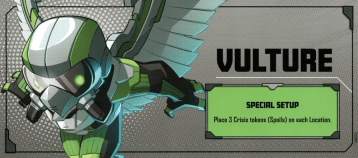
Let’s begin with the villains as individuals before we discuss the Sinister Six as a team. Vulture may be the most difficult Marvel United villain within the game’s initial run. He takes crisis tokens (Spoils) from Locations (each Location begins with 3) and wins the game if he reaches a certain number of Spoils (based on the number of Heroes). Early Marvel United characters had precious few ways of discarding crisis tokens. That’s changed a bit with the X-Men and Multiverse releases, but characters who specialize in crisis token mitigation are rare. Vulture’s abilities suggest that players must rush him. Finish the missions quickly and then bombard him with damage. This is easier said than done. Vulture has several ways of stealing crisis tokens, avoiding damage, dealing damage to heroes, and moving to the opposite side of the board. If you want a challenge, Vulture is your villain.

Return of the Sinister Six introduces a lot of interesting game mechanism twists with its villains. Eric Lang and company stretch the limits of the Marvel United core rules with this expansion. Doc Ock is no different. He wins if he destroys 4 or more Locations. While this can be difficult for him to accomplish, the fact that the board shrinks is a lot of fun. His Threat cards lean heavily on henchmen, so you’ll see many members of the Sinister Six. Mysterio as a henchman proves particularly difficult. Doc Ock can deal damage in a hurry and the shrinking board—if the players allow the board to shrink—can make Doc Ock formidable. I like Doc Ock’s change of play and the new challenge.
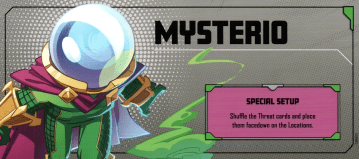
Speaking of change of play and a new challenge, Mysterio is up next. He’s the only villain in the original release that places Threat cards face down on Locations. Players must flip over Mysterio’s Threat cards (by spending any single action) and clear at least two Threats before Mysterio can be damaged. Mysterio doesn’t have a special win condition like Vulture (stealing enough Spoils) or Doc Ock (destroying 4 Locations); he makes up for this by delaying the heroes and speeding up his deck. Mysterio is the first Marvel United villain to use a speeding deck as a mechanism. He’s perfect for players who have grown accustomed to the game’s flow and timing. Mysterio can cause the game to end suddenly. I love Return of the Sinister Six’s gameplay variety.
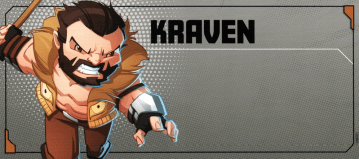
Enter Kraven the Hunter. As his name suggests, Kraven actively hunts the heroes. He wins if he KOs the heroes at the same time. This sounds difficult, but Kraven’s deck works perfectly to achieve this end. While players may be thinking of the game clock ending too soon with Mysterio or the game’s board shrinking with Doc Ock, Kraven gets the heroes thinking about self-preservation. This is a very different mindset than most other villains in the original Marvel United’s run. Kraven can even deal extra damage if a Location lacks Civilian and Thug tokens. Up to this point, players are encouraged to keep Civilian/Thug spaces empty. Kraven turns this idea on its head.

That gets us to Sandman who may have the most irritating ability from the Return of the Sinister Six expansion. He gains health through various means and wins if his health ever reaches 20. Thankfully, Sandman mostly focuses on soaking up damage, so players are encouraged to pick heroes who can deal buckets of damage. Even with a stellar team, defeating Sandman is easier said than done. I don’t know if I was able to defeat any villain inside the Return of the Sinister Six expansion on my first try. This leads to some excellent replayability.
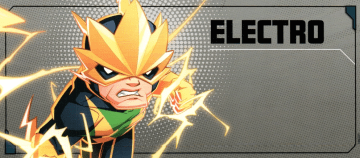
Electro may seem like the easiest villain to defeat, but he can fool you. He wins if all Locations in play have a crisis token. He has limited means with which to place crisis tokens, but Electro’s overflow ability is one of those ways, and he places a lot of Civilian and Thug tokens. It’s easy for Electro to cause an overflow. He can also deal a lot of damage. In fact, Electro has some of the highest potential damage output in Marvel United’s original run, and if Electro KOs a hero, he places yet another crisis token. Electro may sound like a lot of other Marvel United villains, but he stands out. Electro doesn’t deal damage to heroes at his Location. He deals damage to heroes in the Location opposite to his Location. This change-up gets me every time.
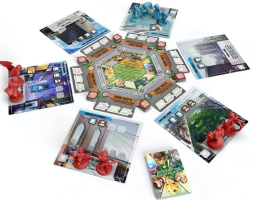
We’ve come to the Sinister Six as a villain team. They’re brutal. As of this write-up, I have yet to beat the Sinister Six. Typically, I write a guide for a Marvel United villain after I’ve defeated them (quick shout out to our Marvel United guides, check them out here with this link). I have yet to post a guide to the Sinister Six team. Hopefully, that will change soon.
The individual team members of the Sinister Six may have scaled-down powers, fewer hit points, and a streamlined means of defeating each one, but they play similarly to their solo villain counterparts. I got ahead of myself, let’s talk about weakening each of these villains so you can deal damage to them. Each one has a Weak Spot card, which functions similarly to a Threat Card. All the heroes must do is match the symbols on the corresponding Weak Spot card, travel to the same Location as the villain, and then deal damage.

It both is and isn’t that simple. The Sinister Six will trigger their effects, or at least the top two members listed on the Sinister Six card will. And if you think the Sinister Six members’ abilities were difficult one at a time, they’re worse all at once. Or at least two at a time. You’ll need to defeat the Sinister Six in a specific order. This is getting into guide territory. I know the order, even if I haven’t yet defeated the Sinister Six. I’ve gotten so close multiple times. Ugh!
Knowing the best order to defeat the Sinister Six doesn’t guarantee a victory. I can see the Return of the Sinister Six expansion providing me with a worthy challenge for years. If you own any of the Marvel United core boxes, I recommend picking up the Return of the Sinister Six because of its gameplay variations and increased challenge. If you’re a Spider-Man fan and own any of the Marvel United core boxes, I can’t imagine you not picking up the Return of the Sinister Six expansion. It’s a must-buy.

Return of the Sinister Six is a must-buy Marvel United expansion, especially if you’re a Spider-Man fan. The included villains have some of the most unique game mechanisms from the original Marvel United run. The villain team provides a challenge that will shake up Marvel United for years.
And you don’t need to take my word for it. Board Game Geek (where great games and their expansions receive average scores of 6 or 7 out of 10) gives this expansion an 8.6 (as of writing this post).

By the time you’re reading this, I’ll be finishing up with Protospiel Kansas City. I wrote this post before I left, so there may be some major news stories that aren’t discussed. I apologize for that. Without further ado, let’s get to some geek news.
Hey, hey! Kyra Kyle here. Even though I wrote this post early, we have some geek news.

Ketchup Entertainment has officially secured the rights to Coyote vs. Acme from Warner Bros. Pictures. The film features Will Forte and John Cena acting beside the animated character Wile E. Coyote. Warner Bros. had permanently shelved the completed movie in favor of a tax write-off in 2023, but it’s far from the only movie Warner Bros. shelved over the past several years. A Scooby Doo animated film and Batgirl saw similar fates.
During an official statement, Ketchup’s CEO said, “Coyote vs. Acme is a perfect blend of nostalgia and modern storytelling, capturing the essence of the beloved Looney Tunes characters while introducing them to a new generation. We believe it will resonate with both longtime fans and newcomers alike.” Ketchup Entertainment must believe in the project. They secured the global rights to Coyote vs. Acme for an undisclosed amount. That amount would have to defray some of the film’s original budget of $70 million.
Coyote vs. Acme was one of the shelved Warner Bros. movies that intrigued me the most. I’m glad it’ll get a theatrical release.

First, the fourth Spider-Man film series breaks away from the “Home” branding (Homecoming, Far From Home, and No Way Home) of its entries with Spider-Man: Brand New Day. This title has been confirmed. I support this change. Peter Parker is headed to college. Dr. Strange’s spell robbed Peter of his childhood friends Ned and MJ. Brand New Day is a fitting title. It also goes with Captain America: Brave New World.
Second, with Zendaya’s MJ no longer knowing Peter and Sadie Sink (Stranger Things) set to costar, there was some confusion about whether Zendaya’s role of MJ had been recast. Then, news broke that Sink will portray a mutant (to tie Spider-Man into the Mutant Saga). Sink denied rumors that she’d play Jean Grey. Another rumor cropped up that Sink would take the role of Spider-Queen (another mutant with ties to Spider-Man), but Marvel stated that they wanted an older actor (than Sink) for Spider-Queen. Even though Sink won’t portray Spider-Queen, that doesn’t mean that Spider-Queen won’t make an appearance. Before both rumors were debunked, I half-joked to Season that Sadie Sink as a live-action Firestar could happen. At the time, I thought there was a twenty-percent chance Sink would portray Firestar. Those odds may have risen significantly.
What we do know is that Sadie Sink will portray a mutant who isn’t Jean Grey or Spider-Queen and has a connection to Spider-Man. I’m not gonna lie. I will squee if we get a live-action Spider-Man and His Amazing Friends. That cartoon’s premise was Peter Parker going to college and making new friends. Could this happen?

We’ve discussed the impact recent tariffs by the United States government has had and will have on the board game industry. This week, the CEO of Steve Jackson Games, Meredith Placko, wrote a message to fans and customers addressing the issue. She does an excellent job breaking down the many roadblocks these tariffs create. We’re sharing what Meredith Placko had to say.
On April 5th, a 54% tariff goes into effect on a wide range of goods imported from China. For those of us who create board games, this is not just a policy change. It’s a seismic shift.
At Steve Jackson Games, we are actively assessing what this means for our products, our pricing, and our future plans. We do know that we can’t absorb this kind of cost increase without raising prices. We’ve done our best over the past few years to shield players and retailers from the full brunt of rising freight costs and other increases, but this new tax changes the equation entirely.
Here are the numbers: A product we might have manufactured in China for $3.00 last year could now cost $4.62 before we even ship it across the ocean. Add freight, warehousing, fulfillment, and distribution margins, and that once $25 game quickly becomes a $40 product. That’s not a luxury upcharge; it’s survival math.
Some people ask, “Why not manufacture in the U.S.?” I wish we could. But the infrastructure to support full-scale board games production—specialty dice making, die-cutting, custom plastic and wood components—doesn’t meaningfully exist here yet. I’ve gotten quotes I’ve talked to factories. Even when the willingness is there, the equipment, labor, and timelines simply aren’t.
We aren’t the only company facing this challenge. The entire board game industry is having very difficult conversations right now. For some, it might mean walking away from titles that are no longer economically viable. And, for what I fear will be too many, it means closing down entirely.
Tariffs, when part of a long-term strategy to bolster domestic manufacturing, can be an effective tool. But that only works when there’s a plan in place to support manufacturing for the types of products we made. This isn’t about steel and semiconductors. This is about paper goods, chipboard, wood tokens, plastic trays, and color-matched ink. These new tariffs are imposing huge costs without providing alternatives, and it’s going to cost American consumers more at every level of the supply chain.
We want to be transparent with our community. This is real: Prices are going up. We’re still determining how much and where.
We’ll keep making games. But we’ll be honest when the road gets harder, because we know you care about where your games come from—and about the people who make them.
Thank you, Meredith Placko, for your transparency about this situation. The new tariffs have rocked the board game industry. Time will tell how much of a hardship these tariffs will cause.
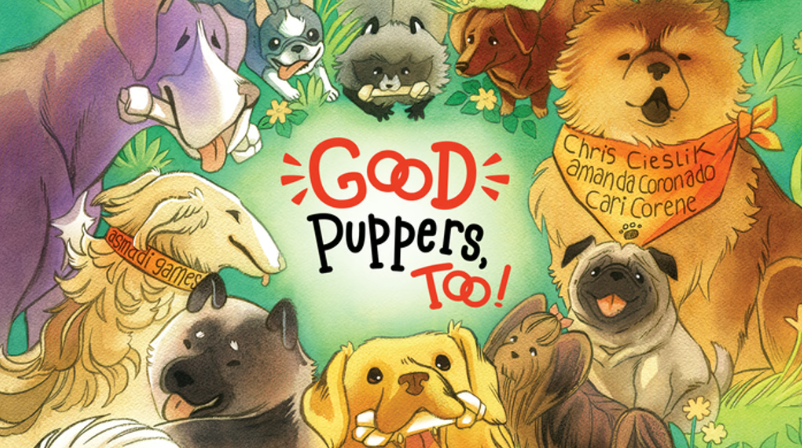
One hundred new pups join the deck with the stand-alone sequel to Good Puppers. Just like the original, you’ll gather a bunch of dogs who share an important goal: bury a nice pile of bones in the yard. Good Puppers, Too! accommodates 1-5 players. It sports two solo modes. Not one, two.
Good Puppers, Too! cards are double-sided. On one side, you can play the card as a pup. The other side counts as bones. Each game takes about thirty minutes to play, and Good Puppers, Too! appeals to a wide range of gamers. The game deploys easy to learn game mechanisms that have strategic depth. And I’m a sucker for multi-purpose cards. Check out Good Puppers, Too! on Kickstarter.

QUARZ takes the simple concept of Capture the Flag to a board game. 16 unique monsters battle for the Crystal Idol in this high-energy, competitive game for 2-4 players. Snatch the Crystal Idol from the altar and race back to your base.
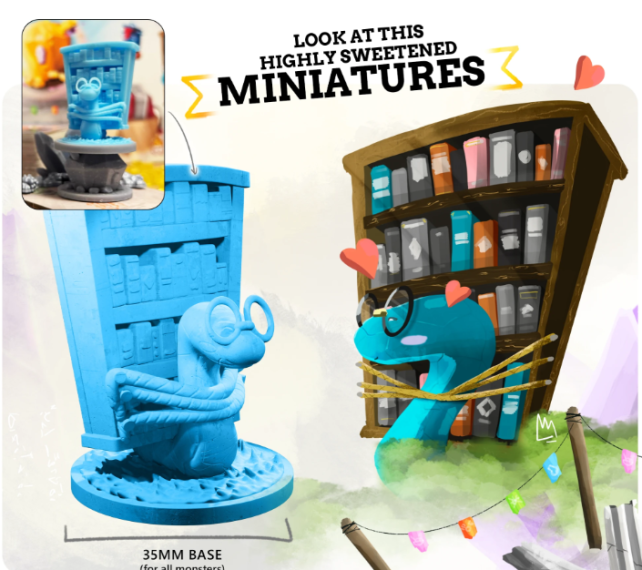
Each of the 16 monsters has unique powers and personalities. The Book Worm (pictured above) is one of my favorites. Who wouldn’t want to become a bookworm with your favorite bookshelf strapped to your back? QUARZ has multiple pledge options. Go for their base game (€54) or go all-in (€129). Check out their page on Gamefound.
This week’s geek news is a little light. Hopefully, some good games will be played. Thank you for reading, and wherever you are, I hope you’re having a great day.

Papers, Please by indie game developer Lucas Pope has received widespread acclaim. Who knew that working as an immigration officer in a fictional Eastern Bloc country named Arstotzka would strike a chord with so many people? I’m not sure if any empathy game (a type of role-playing game that asks players to inhabit someone else’s emotional world) has ever received this much attention.
Hey, hey! Kyra Kyle here. Today’s post returns to a much older review I did for a now-defunct website. Unlike most of the video games I cover on Geekly, Papers, Please is a paid game. You can get a good deal on the game through sites like Steam or GOG (Good Old Games). Usually, Papers, Please sells for around $10, even without a sale. I’m reuploading my almost six-year-old review of Papers, Please to Geekly with a few tweaks to tighten the review and match our criteria. Six years is a long time. Let’s see how well Papers, Please stands the test of time.

I have never seen a game as immersive and nerve-racking than Papers, Please. It wasn’t just Papers, Please’s ethical choices. There were plenty of those that made me nervous. The frenetic pace of checking people and their documentation as they crossed Arstotzka’s border took a lot out of a person.
If one divorces its setting (good luck with that), players gain an appreciation for the long lines one may encounter at an airport or the DMV. Papers, Please functions as an “empathy game,” or as Papers, Please’s designer Lucas Pope would say, an “other people simulator.” There aren’t too many games that ask players to inhabit another person’s life.
Papers, Please is one of those games. There’s a reason why Papers, Please is cited as a video game that suggests that the medium be treated as an art form.
(Note: Geekly posted a “3 Lists of 3” for Video Games as Art, check out that post with this link.)
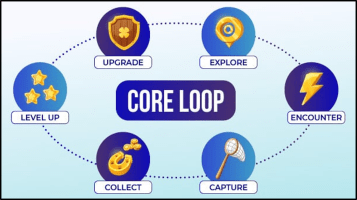
Above Image from GameDesigning.Org
It doesn’t matter how well Papers, Please embodies government paperwork, it’s gameplay centers around government paperwork. “I wish someone would make DMV: The Video Game,” said no one ever. You know, I might just play DMV: The Video Game. Don’t @ me. The tedium of checking passports and other supporting documents is mind-numbing at times. Fortunately, there’s the threat of death and supporting one’s family to spice up the act of checking IDs.
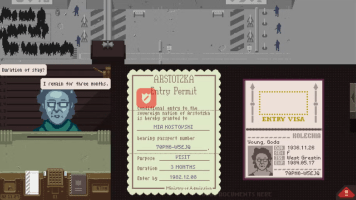
The choices the player makes between each day are a large part (if not the largest part) of Papers, Please’s narrative, and by extension its gameplay. The inspector may be given choices like adopting his niece, but his family goes without food or heat for one day. Do you help EZIC and risk being found out by the government? Do you do what you’re told and uphold Arstotzkian law? Glory to Arstotzka! But these are overarching choices, Papers, Please also gives the player plenty of choices and moral dilemmas within their job and daily routine.
An immigrant could ask to be let into the country so they can reunite with their children, but any violation of protocol results in a citation. Too many citations and the player character could be charged fines and possibly thrown in jail—or even executed. The choice to grant leniency to someone could negatively impact the player or the player’s family and that creates plenty of tension with which choices the player makes.

Whew. There’s a lot going on with Papers, Please’s gameplay and I may have covered some narrative structure in the previous section because gameplay and narrative are so intrinsically linked in Papers, Please. But narrative is where this game shines like an eagle, or some other mixed, cliched metaphor.
Papers, Please paints its narrative in the game’s blank space. Sure, there’s the tedium of checking government documents (and much of the game is centered around that), but the story of the inspector and his family comes in between the inspector’s daily chores. Do you uncheck the expenses for “food” or “heat” to purchase something else, knowing that your family will suffer? Do you confiscate passports, accruing warnings, or even financial penalties, so that you can doctor those passports for your family and escape? Do you keep your head down out of fear of being caught? All of these are valid choices. All these choices, or illusion of choices, puts the player in the role of the inspector.

Much like the gameplay, I can’t tell where the “story” for Papers, Please ends and the storytelling begins. It’s difficult to separate the two and that’s a wonderful thing. So many games we cover on Geekly are easy enough to separately grade a game’s narrative and storytelling. I’m still going to try to separate the two.
Papers, Please has a compelling story because its premise is compelling. But the game’s storytelling is where it truly shines.

I mentioned earlier about Papers, Please telling its story in the game’s blank space. I’ve never seen a video game do this is such dramatic fashion. Papers, Please doesn’t just go for large moments and big decisions. It sprinkles in some nice character moments like after the first time the inspector tranquilizes a terrorist and his son hands him a drawing with the text “Arstotzka’s Hero.” Papers, Please’s character building and story come out in ways that only a video game could tell a story or build characters and that’s why it’s received several awards.
I don’t want to get too far into Papers, Please’s storylines, wading deep in spoiler waters, I may have said too much already, but Papers, Please not only challenges preconceived notions of right and wrong and what someone may or may not do if put in an untenable situation, but it also challenges video games to branch out with new forms of storytelling.

Sure, there are some moments where characters feed the player exposition and some of the world-building comes from newspaper headlines or clippings, but they aren’t used in excess. Papers, Please does a good job of showing instead of telling. It does an even better job of immersing players in its world, so much so that an indie film based on the game exists.
It’s difficult to separate Papers, Please’s narrative form from how it builds its characters, world, and story, but that may be the point. It receives high storytelling marks if only with innovation.
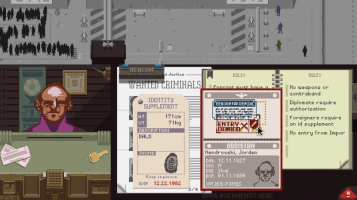
While Papers, Please takes things slowly and raises the temperature of its difficulty a little over time, it doesn’t hand-feed players. The inspection booth can be difficult to navigate at times and chat rooms and question-and-answer sites are littered with places where gamers get stuck. Papers, Please could use more of a tutorial, especially in later rounds of the game. The rulebook does point out changes to the ruleset, but it’s too easy to mess up and restart over a day or two or thirty.
Papers, Please mirrors the era in which its narrative is set: the early 1980s. Its 8-bit sprites add to the overall vibe of the game, but the gameplay suffers at times as a result.
Pixelated portraits can make cross-referencing passport photos, and other supporting documents, to a person a chore. On the other hand, the graphics amplify the game’s difficulty and provide a double dose of meta-gaming. Government documents often get damaged and become illegible, even for people whose job it is to deal with them, so the graphics are in keeping with the era and the simulation it’s trying to achieve.
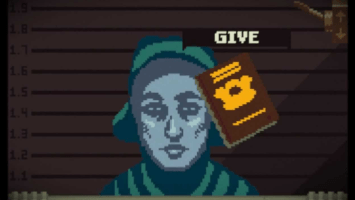
The cruder graphics also grant Papers, Please a touch of abstraction. Sometimes players must fill in the gaps when something awful befalls a would-be immigrant. Other times the player is spared a gruesome scene. Either way, the player is actively engaged in this world and anything one creates in their imagination is worse than what a visual medium can show. Horror films have known this for decades.
Still, I must dock Papers, Please a couple of points for its graphics. That’s her face? She looks nothing like that, and I just wasted a few seconds clicking buttons and waiting for results. There are limits to the copious number of times I erroneously scanned people’s faces.
Papers, Please doesn’t use that much music, but the music it employs drives home the point that Arstotzka is an Eastern Bloc country. The main theme, which plays at the beginning of each day, feels like the protagonist inspector is high stepping his way to work each morning.
That’s fantastic. I can, and have, listened to that song on a loop. That’s not a good sign, but at least I didn’t dance the Mamushka, “the dance of brotherly love.” Mamushka!
While the rest of the music is mostly forgettable, character voices and other sound effects come from public sources—one could download midis or wave files from sites like Soundcloud and create one’s own government document thriller—but Papers, Please’s usage of these sound clips is well done. Garbled voices conjure the idea that what immigrants or superiors or peers say to the protagonist doesn’t matter like much adult dialogue in a Peanuts television special. Heck, even what the protagonist says doesn’t matter to him. He’s going through the motions.
The main theme elevates the rest of the soundtrack, but I’m counting off a few points here. Papers, Please’s soundtrack is largely functional.

This is a difficult category to grade. On one hand, Papers, Please has plenty of replay value and even demands players to repay it at least a handful of times. But once one achieves a dozen or so of Papers, Please’s twenty possible endings, I’m not sure if there’s a lot of replay value after doing so. Lucas Pope included an endless mode once a player finished the game at least once, but the game loses something with that game mode.
With twenty endings there’s still plenty of replay value. One can finish Papers, Please in under an hour. Heck, one could deliberately fail as an inspector and end the game in less than five minutes. I put in over 20 hours for this review and still found avenues I could navigate the story.

Even after reexamining Papers, Please, I ended up with the same score of eight. I wasn’t anticipating that. I said that I tweaked the scoring criteria to match our modern reviews, but I revisited the game, trying to see if I spotted anything different. Our new scoring criteria could’ve changed Papers, Please overall score, but it didn’t. Papers, Please is the best game (to date) of the ones we’ve covered on JK Geekly. Even after a decade past its original release, Papers, Please is worth your time.




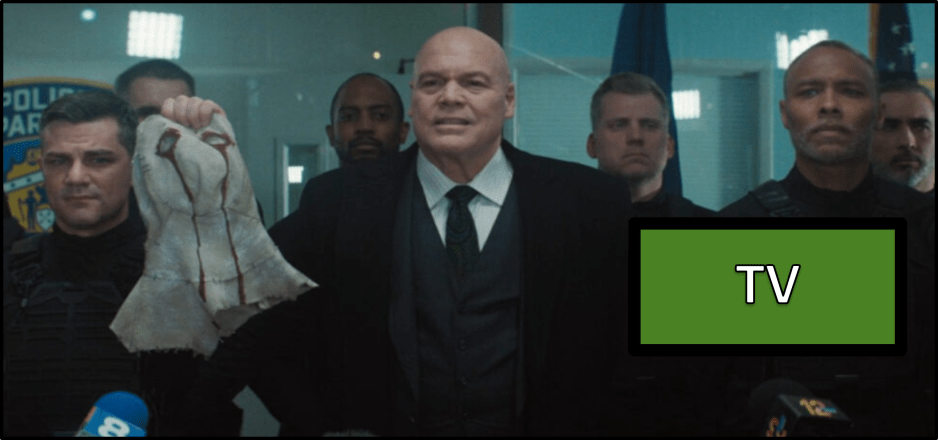
Daredevil: Born Again’s episode this week, “Art for Art’s Sake” has me torn. The pace is simultaneously fast and slow. Quick spoiler: Muse perishes during the episode. While the man behind Muse makes physical appearances earlier in the show, Daredevil: Born Again could’ve done more to develop him further. In short, “Art for Art’s Sake” sends mixed signals.
Hey, hey! Kyra Kyle here. Daredevil: Born Again’s weekly episode left me scratching my head. I don’t know what to make of its pacing. I expected the first season to end with Muse’s demise. Instead, they get right to eliminating the threat. I would’ve liked to have seen more of Muse before he left the show. While the show could travel interesting waters, Daredevil: Born Again raced to Muse’s end. I figured Heather Glenn’s strange patient was tied to Muse or was Muse. That ended up being true. He was conspicuously the next patient after Wilson Fisk and Vanessa. For what it matters, the idea of no one noticing Muse fits; I was more focused on the couple. But I wanted the show to explore Muse more.
I wouldn’t classify Muse as a villain of the week. He’s more than that. While I didn’t care for how fast Daredevil: Born Again gave him the boot, how Muse left was intense. Despite any reservations I may have, Daredevil taps the suspense vein. Is it too soon to make a blood reference? Muse met a fitting end; I hoped he would’ve stuck around longer.
So, if Muse isn’t this season’s main threat, what is? I have an idea of where Daredevil: Born Again intends to take the season finale (episode nine; thanks again for the clarification, MetalAusten of BlueSky), and if I’m right, it could be a doozy. At one point in the Daredevil comics, Kingpin reveals that Matt Murdock is Daredevil. Daredevil: Born Again looks to be building toward that end, but it’s taking its time. See what I mean by this episode’s pacing. It raced to the end of Muse while dragging its feet toward something bigger, like Daredevil’s identity getting blown.

Kingpin has been sitting on Murdock’s identity for years. He’s known Murdock and Daredevil were the same person since the original series. Why wait until now to unmask Daredevil? Sure. Kingpin did warn Murdock not to resume his “activities” as Daredevil or else there would be consequences. But two episodes remain until the break, when this bombshell (if it does happen) will occur. Does Daredevil: Born Again intend to mark time until then? Why not build the tension while Muse continues his reign of terror? The show may have missed a symbolic gesture of Kingpin holding Muse’s mask while unmasking Daredevil.
And again, I can hear a sceptic ask, but what about Heather Glenn? She’s been set up as an anti-vigilante, and Matt says her name after he rescues her. First, Glenn’s anti-vigilante stance happened in the last episode or two. We haven’t known she’s been anti-vigilante for long, and the show has had opportunities for this inclusion. Second, Daredevil: Born Again hasn’t sold me on their relationship. The only time their relationship gets brought up (since the one date right after Foggy’s death and a couple of sex scenes) is when Heather asks where Matt was overnight. This was before Matt resumed work as Daredevil. The series hasn’t shown me that they’re close.
A quick tangent. While watching Daredevil’s side of this story, I’m reminded of Jim Plath’s pet peeve: the reluctant superhero. He’d say that the reluctant superhero cliche was overplayed, and that was ten years ago. Until the last two episodes, Daredevil’s story is a reluctant superhero story.
The Vanessa and Wilson Fisk angle remains the most intriguing. Venessa all but sends a gangster to attempt Kingpin’s murder. Or did she? She could’ve warned Wilson of the threat, but something tells me Buck (Kingpin’s right-hand man) always stands in the shadows while Kingpin eats. In a previous week, I mentioned that I like Heather Glenn more as Fisk’s therapist. I can’t wait to see how she tackles the layers of this relationship. Daredevil: Born Again could build an interesting dynamic of Kingpin using Glenn to get to Murdock before he reveals Daredevil’s identity.
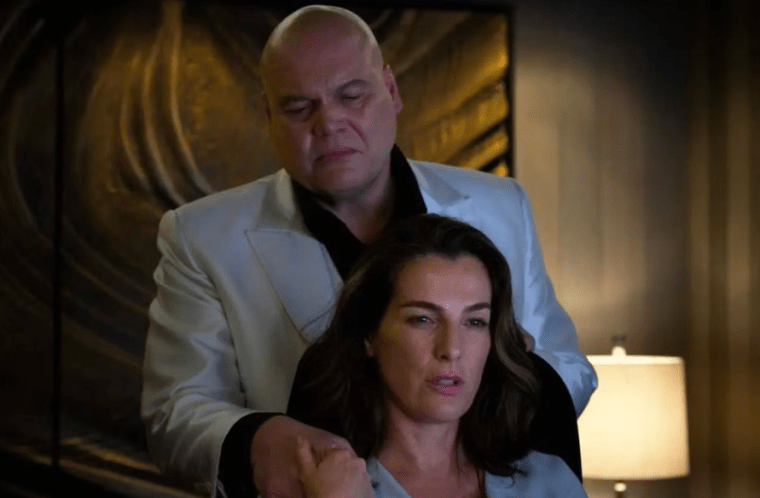
As much as it may sound like it, I didn’t hate “Art for Art’s Sake.” Most of the show’s better moments happen on Kingpin’s side of the ledger. Venessa and Wilson Fisk’s relationship has me wanting more. Kingpin navigating his role as mayor has been a treat. I loved Daniel Blake’s heel-turn in this episode. In one scene, Blake went from a sniveling Mayor Fisk superfan to a cold-blooded manipulator that Kingpin can and should use in the future. And it felt organic. The gangland unrest, while understated, simmers in a tasty way. And I like the inclusion of Kingpin’s anti-vigilante task force. Like many other elements (in the show), its formation was rushed, but Officer Powell galvanizes the team.
Kingpin’s rise as mayor is Daredevil: Born Again’s bright spot. While I question some of the show’s decisions, it’s done enough to hold my interest, and I can’t wait for the finale. There’s a chance we have more than one surprise in the offing. Thank you for reading, and wherever you are, I hope you’re having a great day.


Today marks our first post for Geekly’s Whatcha Playing series. In this series, the Geekly Gang will share which games (board games and video games) they played over the last thirty or so days. We welcome you to join the Geekly Gang and share the games you played this past month.
Before I get started, I’m not going to include any of my prototypes. Of course, I’ve played my prototypes plenty of times this past month, but I’ll include those games with our upcoming “Fifth Wednesday, Personal Updates” post. Until then, I’ll discuss the games I’ve played this past month that I didn’t design.

I fell down The Survivalists rabbit hole. For a week last month, I spent almost every day trying to build each structure and cook every recipe. I’ve never played The Escapists. The Survivalists are set in the same world, and I don’t think I missed too much for not having played the game that inspired its world. This game plays like a low-pressure version of Ark: Survival Evolved. Obviously, I like this game. I played almost forty hours in just over a week. Yikes!
I’ve been keeping up with Wuthering Waves and Honkai: Star Rail. Geekly has a review on both of these gacha games. I haven’t played too many video games this past month besides these three games. I’ve mostly played board games.

I played Dice Throne for the first time this past month. It’s a little too combat-heavy for me; I would’ve liked a few more things to do besides worrying about positioning, defense, and damage output, but what’s there is intriguing. I like how each character’s dice are unique, but they retain a six-sided die’s classic numbering. Players can trigger abilities by matching symbols or using numbers. This is a clever mechanism. It makes most die rolls useful, and I like purposing my dice each turn.

I also played We’re Doomed! for the first time, too. We’ll have a review on this one in the coming months. We’re Doomed! is a raucous party game with a real-time element. The world is doomed. You need to work together to build a large enough spaceship for everyone to leave the planet, or you could screw over the players. Players take on the roles of world leaders. Each player has the same five options for actions each round, but the role a player has gives them a bonus for one of those actions. The game’s event cards can disrupt the game flow to a point where the game breaks, but We’re Doomed! is dumb fun.

From one silly little game to another. Don’t L.L.A.M.A. Card Game is designed by board game legend Reiner Knizia. It reminds me a bit of Uno with a twist. You attempt to rid your hand of cards by matching the number on top of the discard or playing a card higher than the card showing. The cards are numbered 1-6. Llama cards count as 7s. Don’t L.L.A.M.A. Card Game is a quick, award-winning filler card game. I highly recommend it.
I could list more but I’ll let Season and Skye share their games. Thanks for reading.
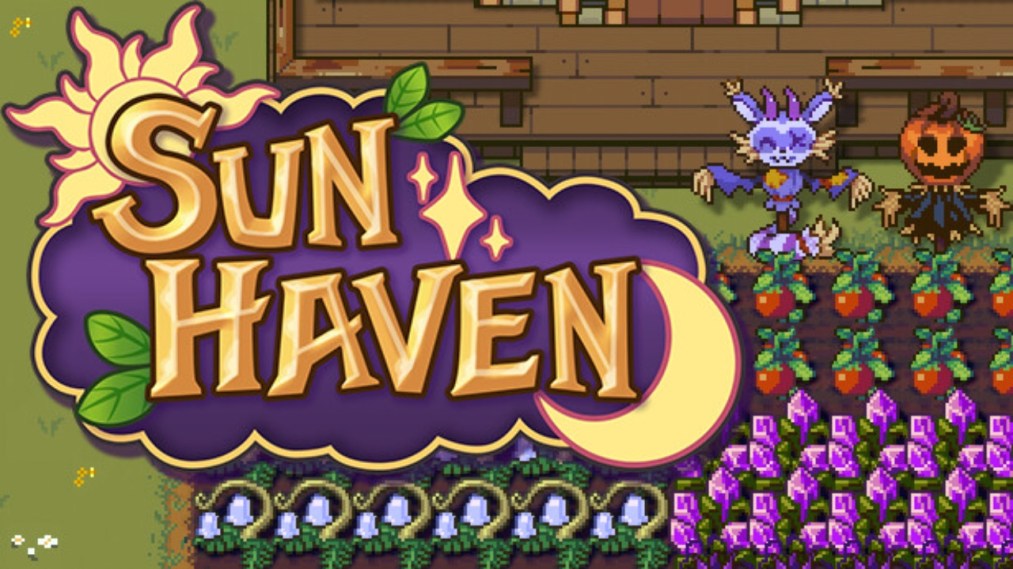
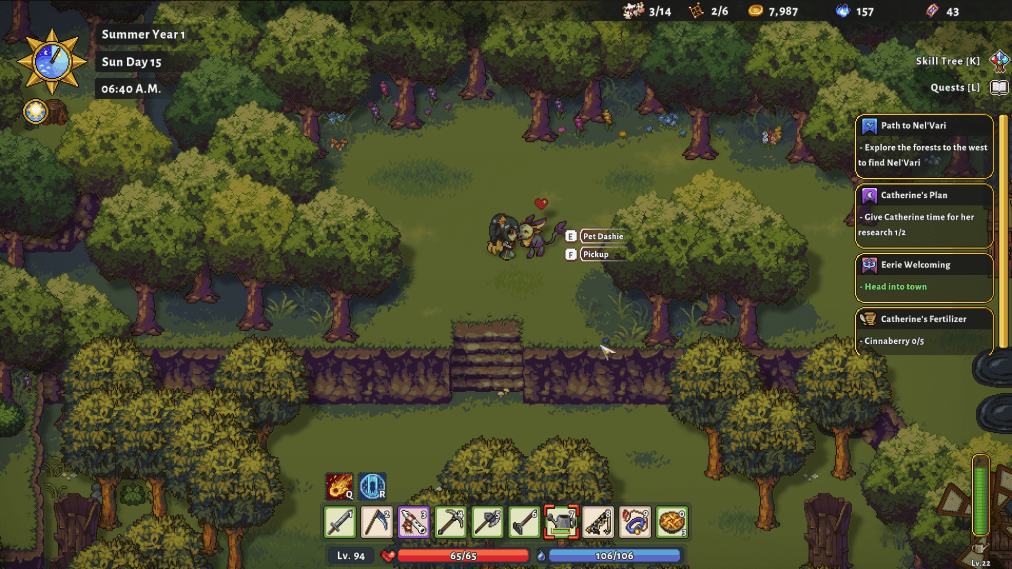
I don’t think I’ve mentioned this before, but I’m a fan of RPG style farming sims (similar to the Harvest Moon franchise). I’ve lost count of how many I’ve played. I picked up Sun Haven during Steam’s spring sale. It’s got a much larger map than what I’m used to from an RPG farming sim and has options for mounts, pets, and accessories. I’m a sucker for all of these things.
One feature I appreciate about Sun Haven is the ability to choose your race, class, and free initial customization options. Your race and class give you bonuses in the game based on how you want to play. When I say, “free initial customization,” I mean you just design a character without picking a gender. You don’t even get the option to pick a gender, like most of these games require. All romance-able characters are available for the player to choose from and you can increase your bond with them based on picking dialogue options they like in addition to gifts.
I’ve also been playing Honkai Star Rail and Wuthering Waves regularly. They’re a staple of my video game diet, so I won’t go into detail. Good luck on all of your 50/50’s to those of you who play either/both of these games.
Okay. I know this is a collectible card game (CCG). I recently played Magic: The Gathering with a friend and got hit with a wave of nostalgia when I got to play with my fifteen-year-old decks. I’ve only played commander a couple of times in the past, which is the standard way to play Magic: The Gathering now. You have a powerful creature (your commander) who starts the game off the field while the rest of your deck is ninety-nine cards, all of which must be unique (outside of basic land cards). It plays like a normal games of Magic: The Gathering, but you can summon your commander even if it dies, as long as you have the mana.
I’ve played a few prototypes last month, but haven’t played as many board games as I would have liked. I’ve been settling into a new position at my day job, so I haven’t had as much time/energy for board games. I’m hoping to play more this month.
Hello, Geekly Gang! Yes. I also enjoy games. So here are some that I’ve been playing lately.

Gacha friends, rejoice. I have returned to Wuthering Waves and Honkai: Star Rail. While I’ve always enjoyed these games, they can sometimes be difficult to keep up with. That’s why I took a break from gacha games. Now that I’m trying to loosen up, I thought it was a good time to revisit them. I’m so glad I did!
No gacha game is perfect, but the simple act of building your teams, finding secrets, and yes, owning as many characters as possible is enough to keep me hooked. Since I’ve circled back around to them, it’s been difficult for me to put them down. I’ll admit that grinding gets old. Please implement more multiplayer options. I’m desperate!

Speaking of loosening up, Pixel Art is my go-to relaxation app. While not technically a game, coloring to your heart’s content is comforting. My favorite aspect of the app is the ability to create your own pixel art creations using images from your phone’s camera roll. Lately, Pixel Art has been my primary method of preserving my memories. Who needs photo albums when you have Pixel Art?

Ever since I was a kid, I always loved the Final Fantasy series (even if it was vicariously through watching my parents play it). Lately, I’ve started playing the original Final Fantasy. Since the first Final Fantasy game I played was VII, I’ve taken it upon myself to play each one that came before it. Thankfully, my sister has the Final Fantasy I-VI Pixel Remaster Collection for PlayStation4, so thank you for letting me borrow it. 😉
It’s surreal to see where this behemoth of a franchise started. The story doesn’t always make sense, but the gameplay is still fun. My favorite part is that even though (then) SquareSoft didn’t understand what it was at the time, the game is still clearly a Final Fantasy title. I can see why this is SquareEnix’s golden goose.
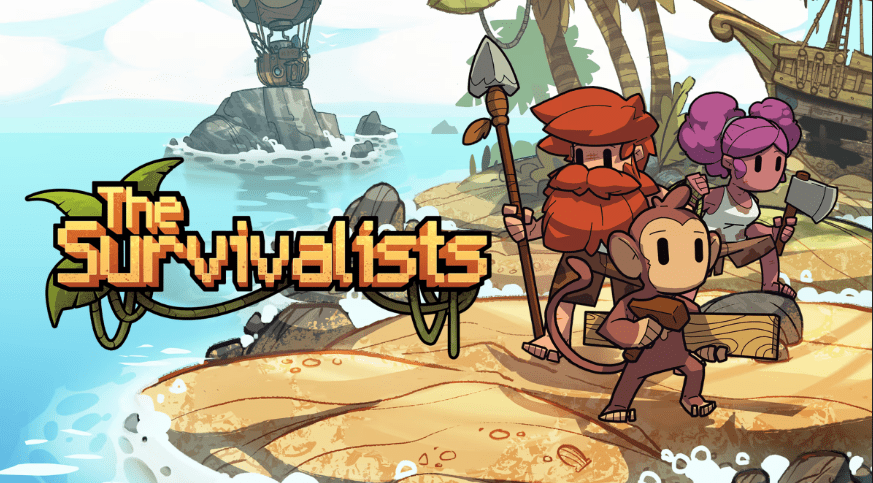
Like other Geekly members, I’ve taken up this quaint yet satisfying game. Since I’ve been a long-time fan of survival sandbox games, it’s been fun seeing Team 17’s interpretation of one. Like most Gen Zers, my first survival sandbox game was Minecraft. It wasn’t hard for me to fall in love with The Survivalists.
Like most survival sandbox games, The Survivalists can become stale after a while. It can take an hour to get things done. If you’re a fan of the genre like me, you’re used to that. The Survivalists will soon join the roster of survival sandbox staples like Terraria, Don’t Starve, ARK: Survival Evolved, and Minecraft. Also, this one has monkeys. Monkey butlers. What more do you want?
Thank you for reading, and wherever you are, I hope you’re having a great day.

Here is the second of our quarterly JK Geekly updates. I don’t know if we’ll continue doing these. Let me know if you like to see them coming. I figured this would be a good way to let folks know what we’re up to and what we have planned.
Hey, hey! Kyra Kyle here. Geekly has been chugging along with our new editor Season and new writer Skye. We’re staying a good couple of months out with our schedule. By the time you’re reading this, we’re probably working on summer posts. Yay!
Our regularly scheduled content being set this far in advance affords us to review the occasional TV show or movie. We’ve increased our weekly content.
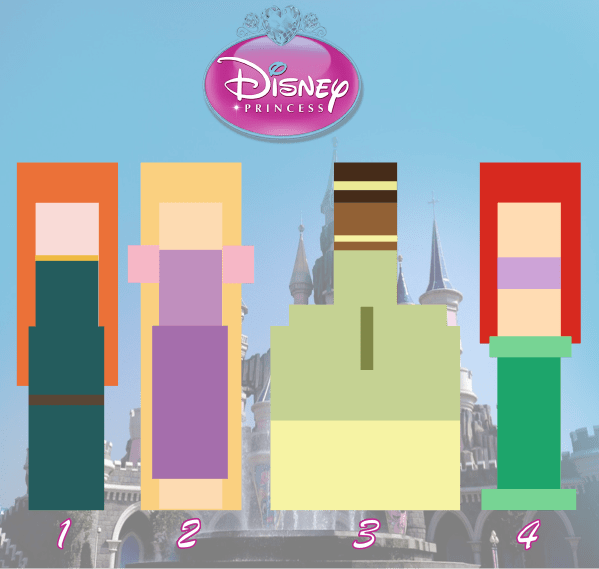
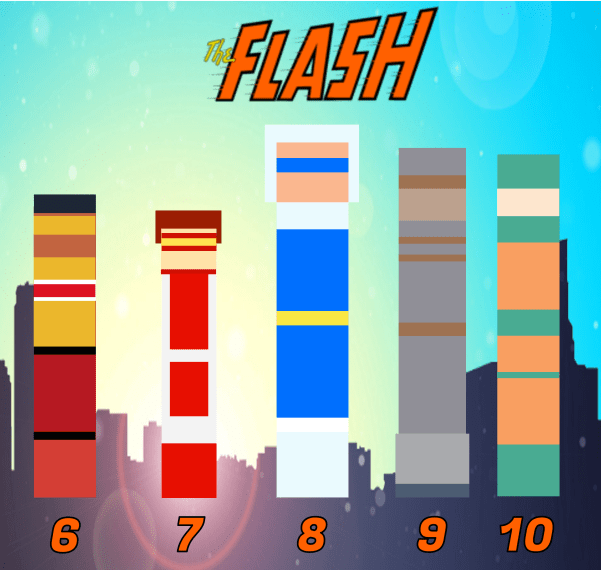
We’ve been releasing color palette quizzes for the past few months. We hope you’re enjoying them. Here’s a link to the ones we’ve already produced. A new color palette quiz has been released each Thursday. Which ones are your favorite? Which franchises would you like to see get a color palette quiz?
We also reintroduced older quizzes that Geekly used to make and began posting alternating quizzes (among multiple-choice, matching, and timeline quiz types) every Tuesday. Since we have plenty of color palette quizzes (to match the number of the other quizzes), we’ll begin cycling through all four quiz types (to include color palettes) every Tuesday and Thursday. We’ll continue with this schedule until at least the next update in July. Let us know which quiz type you like best.
Geekly has been keeping up with the weekly release of Disney+ and Max shows centered around the Marvel and DC Universe. We plan on covering some more movies, specifically ones that will release this summer. We can’t wait for Fantastic Four and Superman. Summer 2025 movies are looking great.
Let us know if there are any shows or movies you’d like for us to cover that we aren’t already covering.
We’re still figuring out how we want to present Geekly News. Should we go with a big headline with smaller stories throughout the week or weeks? Or should we come out with focused news stories for individual topics? We could always do a weekly Geekly News with no headline, too. In short, Geekly News is a work-in-progress.
The Geekly Gang is filling out the rest of its weekly schedule with two different types of posts. We’ll start with the Whatcha Wednesday posts. Each Wednesday, the Geekly Gang will share which games they’ve played, shows/movies they’ve watched, books they’ve read, and even which songs made the previous month’s soundtrack. Feel free to join in the fun, because you’re part of the Geekly Gang, too.
Our other weekly post is inspired by Harper Ross, one of JK Geekly’s commenters. These posts will be called Geekly Casting and will be released one Friday each month, starting with April 18, 2025. Skye’s our resident movie geek, so she’ll share her ideas on who should play certain roles. Season likes to conduct research, so she’ll unearth casting rumors. And my contributions may vary. We’ll see. Again, you’re more than welcome to share who you think should play which role, Geekly Gang.
But Geekly Casting will only post on one Friday of each month. The rest of the Fridays will have various posts. We’ll make it up as we go for Potpourri Friday.
We’ve struggled to get the fantasy and mythological creatures series off the ground. We figured this might be the case. It’s difficult to coordinate with more people, but we will produce this series whenever we get the chance.
Stop me if you’ve heard this before, but Geekly intends to release a series of game mechanism posts where we send game designers a questionnaire about specific game mechanisms. XD We do intend to do this and hopefully, the pitfalls we encountered with the fantasy and mythological creatures project will inform us on what to do with the board game mechanism series.
We started a JK Geekly Discord Server. We’ll try to be active on this server as much as possible. Discord could help with reaching out to potential content creators and you. We’re all part of the Geekly Gang. Let us know what kind of posts you’d like to see. We could even hang out on the server and play games. Who knows?
That’s all we have for now. We’ll have another one of these posts ready for July. Until then, stay safe, thank you for reading, and wherever you are, we hope you’re having a great day.
 jkgeekly.com