
Captain America Runs the Gauntlet



Hello, Geekly Gang. Skye here. For months, I’ve wanted to pay my proper respects to Rob Reiner. Since March is Reiner’s birth month (March 6th to be exact), I felt this month was the best time. Most movie-goers don’t notice how prolific a filmmaker Rob Reiner was. Heck. When I discuss movies with people, they tend to forget that Reiner directed some of their favorite flicks. When I saw the list of his greatest movies, I realized how big a creative powerhouse we lost last year. I’ll do my best to honor a masterful portfolio of cinematic brilliance. With that said, let’s dive in with my favorite Rob Reiner films.
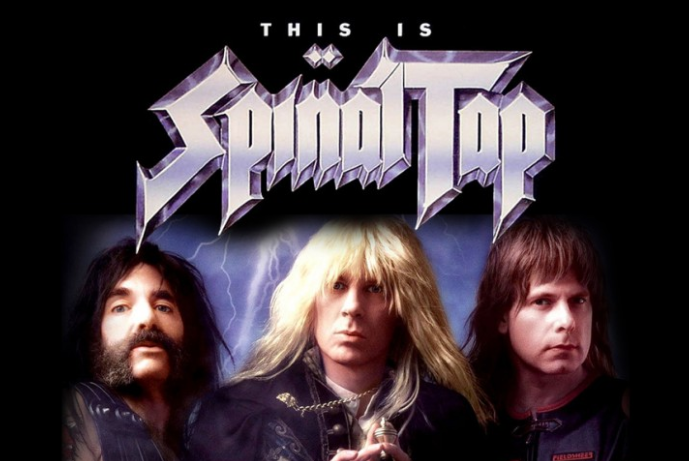
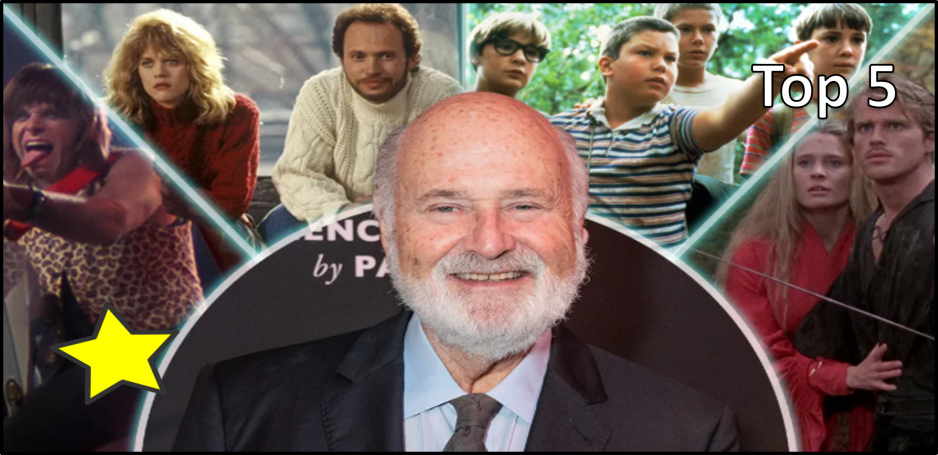
I first watched This is Spinal Tap a few months ago. It earned a place on this list for one primary reason: its impact on the “mockumentary” genre. While not the first film to invent a farcical scenario and frame it as factual (I like “F” words right now), This is Spinal Tap popularized the subgenre. If This is Spinal Tap weren’t created, we likely wouldn’t have movies and shows like Borat or What We Do in the Shadows, let alone the series of mockumentaries Christopher Guest (who stars in This is Spinal Tap) would later direct. Even though I didn’t find This is Spinal Tap to be laugh-out-loud funny, it certainly defined the “mockumentary” subgenre. It also kept me entertained by consistently throwing odd, ridiculous scenarios at me, which made me giggle.
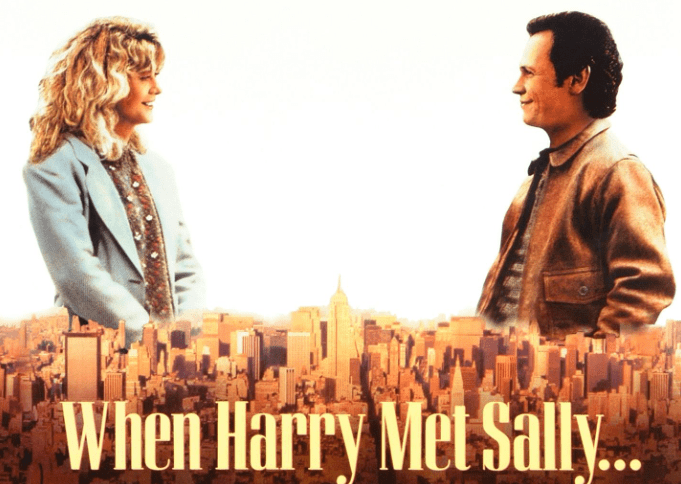
Before I saw When Harry Met Sally, I had heard many positive things about it. As far as I heard, When Harry Met Sally was a quintessential romance. I saw what everyone meant. When Harry Met Sally combines several interesting elements in equal measure. It can be charming, awkward, funny, uncomfortable, and ultimately, satisfying. The two leads’ relationship plays out like a rollercoaster of emotion that feels incredibly personal and realistic. My favorite aspect of When Harry Met Sally is how both leads are equally likable and unlikable at the same time, but despite their flaws, I wanted to see them end up together. When Harry Met Sally is worth watching, and its high praise. It’s unforgettable.
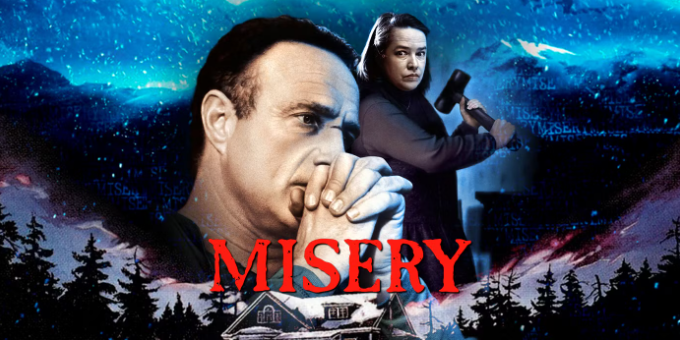
As soon as I saw Misery, I had a feeling it would be one of my favorites. Adapted from the Stephen King novel of the same name, the Misery motion picture focuses on similar themes regarding the difficulties of creators to balance pleasing audiences and exploring new ideas. Released in response to the lackluster readers’ reaction to Stephen King’s first fantasy novel, Misery’s story is coated in creative frustration, and Rob Reiner understands that feeling. Every scene drips with creative frustration. Misery manages to create a hostile and unpredictable atmosphere for its protagonist, Paul Sheldon, at the hands of one of fiction’s most horrifying villains, Annie Wilkes, and it’ll make you rethink what it means to be someone’s number one fan.
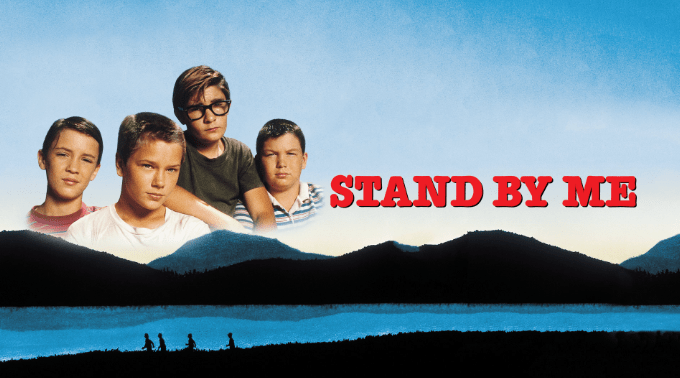
Stand By Me was the first R-rated film I have ever seen. At first, I was skeptical. Soon, I realized Stand By Me‘s weight. Chronicling the experiences of four young friends going on a quest to see a dead body, it’s not always easy to watch. Based on a Stephen King short story titled “The Body,” Stand By Me does a good job of detailing the rough side of childhood and how our relationships can help us through the quagmire of growing up. There’s a reason Stand By Me is on a lot of critics’ short lists of greatest coming-of-age movies. Stand By Me connects the audience with its material through great performances, relatable scenarios, and realistic problems. Stand By Me easily takes the number two spot on this list.
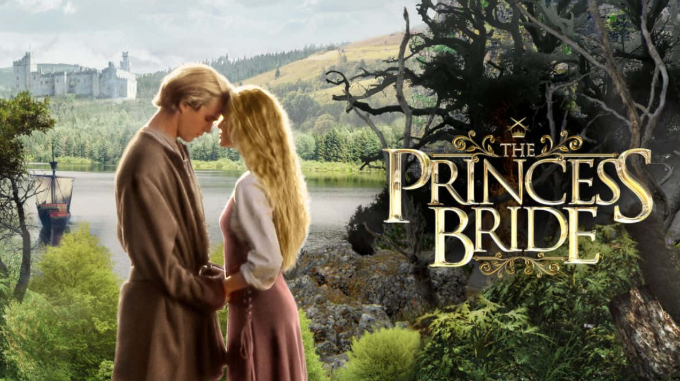
Call me shallow, but there was no way Princess Bride wasn’t going to be my number one Rob Reiner movie. I grew up with The Princess Bride. It served as my gateway into romance, action/adventure, and comedy in a medieval setting. Reiner includes something for every viewer. Don’t like action? The movie is built around the romance between the two leads and has several comedic beats. Don’t like that mushy crap? No problem. We have André the Giant! Because of that, most viewers can find something to like in The Princess Bride. That’s why it claims the top spot.
Thank you for reading my picks for my “Top 5 Favorite Rob Reiner Movies.” I hope you enjoyed it, because I certainly enjoyed paying tribute to a truly talented filmmaker. Rest in peace. With all that said, I’m curious what your favorite Rob Reiner movies are. As always, feel free to let us know in the comments, and I hope y’all are having a wonderful day.
 jkgeekly.com