Organ Trail gives a zombie apocalypse twist to the classic Oregon Trail. Not to be confused with the 2023 film of the same name, Organ Trail was developed by Men Who Wear Many Hats in 2010. 2010! That makes this game a decade and a half old. Yikes! Organ Trail began as a web game before a 2012 Kickstarter campaign expanded its release to Steam and iOS. Organ Trail has gone on to sell over half a million copies.
Hey, hey, Geekly Gang! Kyra Kyle here. Today, we’re reviewing the 2013 Organ Trail: Director’s Cut. The developer claims that this version moves past the original’s pure parody of Oregon Trail to become a game in its own right. Trade in your Conestoga wagon for a station wagon. It’s time to see how Organ Trail rates against our criteria.
Game Mechanisms: 8/10
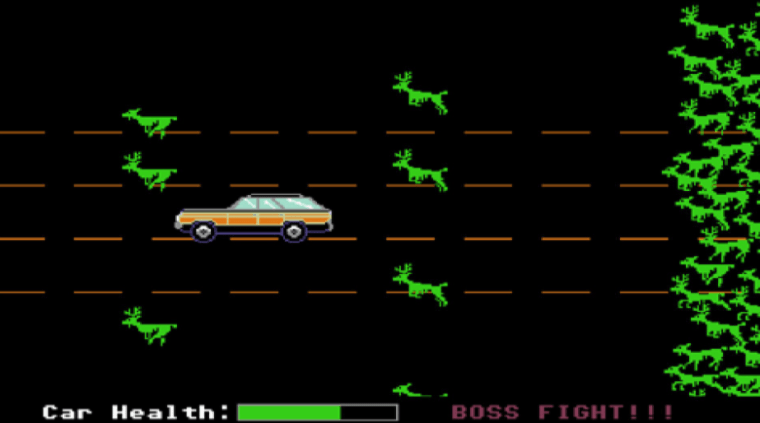
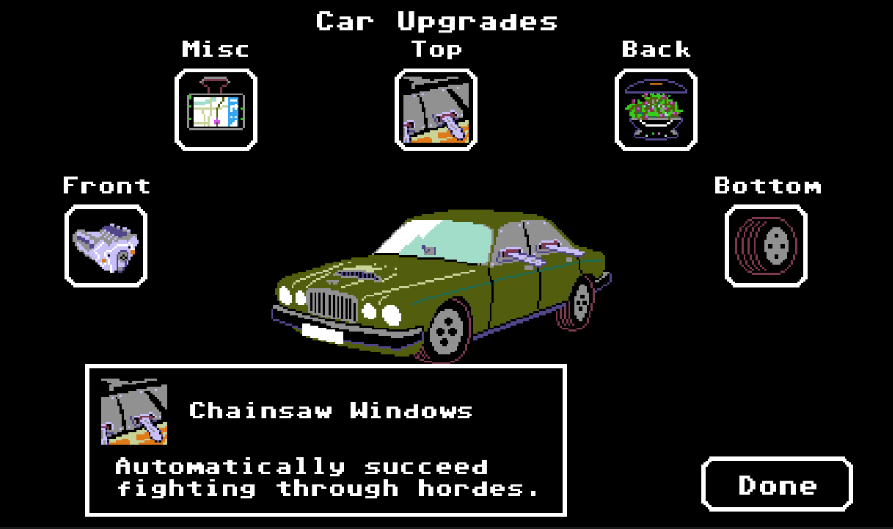
Organ Trail follows its inspiration’s lead (Oregon Trail) with its game mechanisms, but it differs enough to warrant a higher than average score. The Director’s Cut adds Choose Your Own Adventure aspects to the original’s release. Fighting off biker gangs and avoiding zombie deer stampedes are nice touches. But the bulk of the game (at least for me) was with scavenging. Honestly, I spent most of Oregon Trail hunting, so spending a lot of time scavenging (Organ Trail’s version of hunting) makes sense.
Despite being essentially the same mini-game, scavenging (in Organ Trail) feels far different from hunting (in Oregon Trail). First, the zombies are heading toward you. While you may find the occasional wild animal that will attack you (like a bear), animals like deer in (Oregon Trail) run away from you. Organ Trail even references the bear by having a bear be a boss fight, so there is a tip of the cap there. Second, killing zombies doesn’t give you any resources. Instead, you must pick up randomly generated items in the wilderness. While this makes thematic sense, I kind of miss the push and pull of do I use bullets to kill animals for food, trading one resource for another. But ultimately, the zombies are fun.
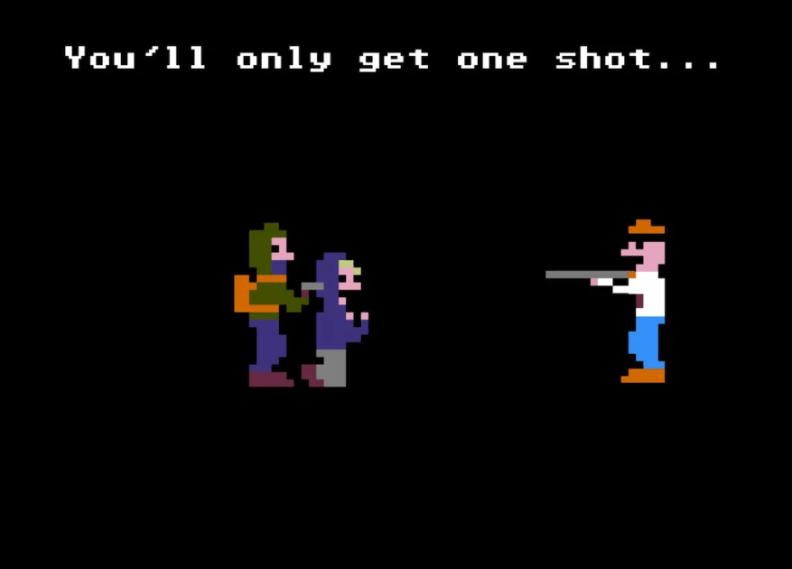
I do my best to dodge zombies, which is easy to do if you don’t face a horde. Zombies in the scavenging mini-game will follow your movements, so you can trap them behind fences, walls, trees, and other obstacles. The other mini-games, like avoiding a zombie deer stampede, shake up the doldrums, but repairing your station wagon is the most pervasive mini-game outside of scavenging. Repairing your car is a timing mini-game, and I stink at it. Looks like I’ll have to carry plenty of extra scrap. Even so, the trickiest mini-game to master is the one where a bandit randomly picks one of your friends/family members to kidnap. You’ll only get one shot to shoot the bandit in the head. Don’t miss.
There are 20 stops before you reach your destination, Safe Haven (in the Pacific Northwest), and each stop has some combination of an Auto Shop, Combat Training, and supplies for you to purchase, but every stop has a Job Board. Jobs add even more mini-games. These jobs become more important at higher difficulty settings. If you begin on “Easy” mode, you won’t need to do them beyond the halfway point on your trip. Player choice is paramount in Organ Trail.
Note: I’ve played the PlayStation4 and Steam versions. The PlayStation version is better than Steam’s. Unfortunately, players have fewer options if they play on Steam, so I’d lower the rating by a point for the Steam version.
Gameplay Loop: 9/10
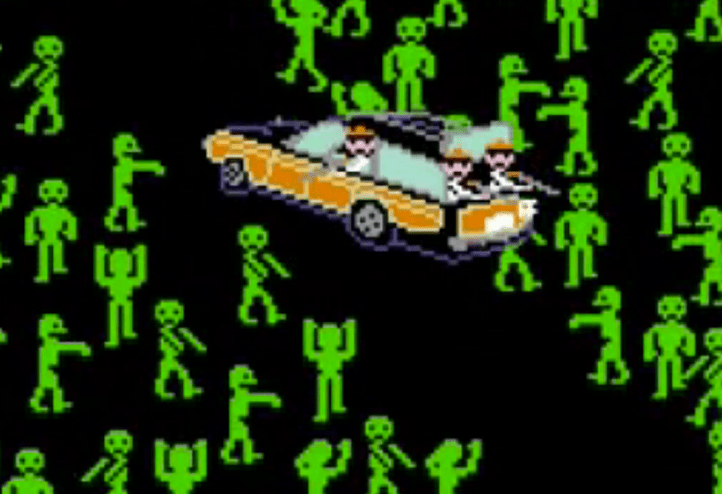
Organ Trail’s core gameplay loop of scavenge, repair, shop, rest, and travel is a satisfying one, especially when you throw in the day/night cycle. You may want to rest or repair during the evening, when zombie activity is higher. This is a consideration when leaving a stop. There’s a percentage chance you’ll encounter a zombie horde, but player choice comes into play. You can sneak past the horde, floor the gas and try to speed past them, or bust out your shotguns and shoot while you drive. Even with a set gameplay, Organ Trail offers micro choices that have a profound impact.
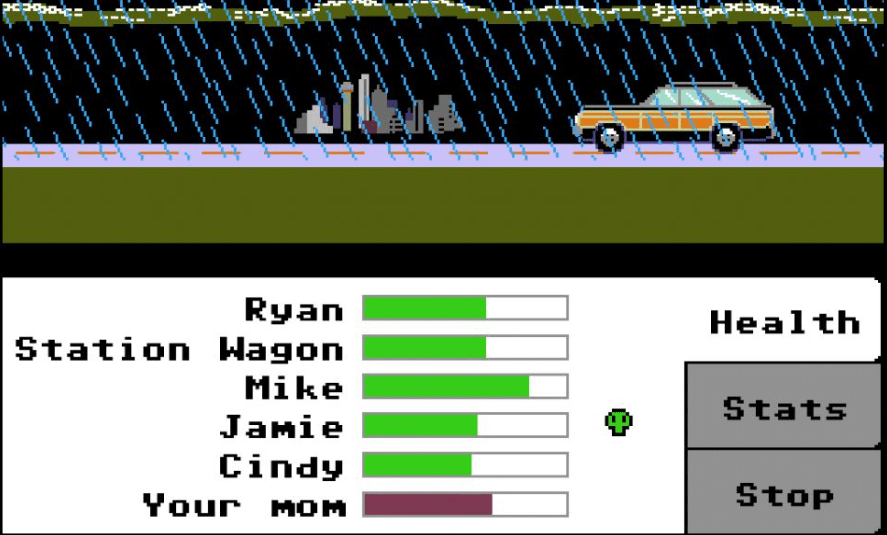
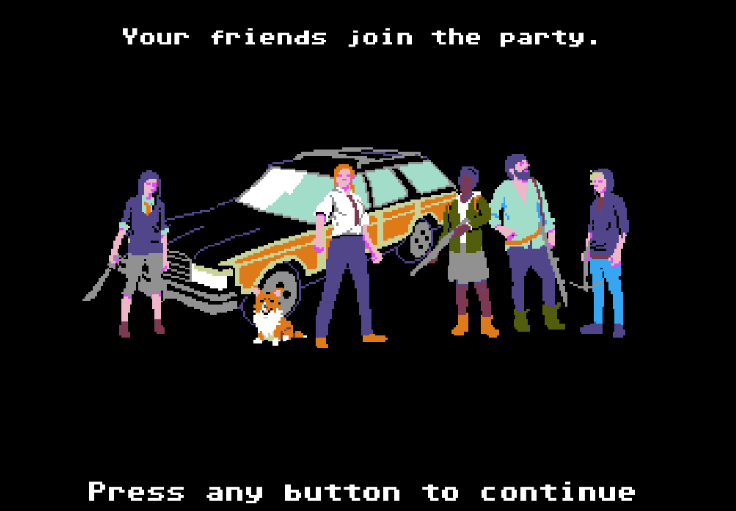
Just like Oregon Trail, random events occur while you drive. Some are silly, like “Mike gets bored and starts making an annoying noise.” Others are more serious, like “Your mom has dysentery,” and you may need to stop and rest or risk her dying. And since Organ Trail is set in a zombie apocalypse, someone, like Jamie, could be bitten by a zombie (which is indicated by a green skull). So long as you keep them healthy with med packs, which aren’t cheap, they won’t turn. I hear there’s a weirdo at Safe Haven who pays for someone who’s infected.
Add in some combat upgrades for yourself and some car upgrades, and Organ Trail has plenty of options for you to explore. This improves Organ Trail’s already stellar gameplay loop.
Narrative/Storytelling: 8/10
Organ Trail has a simple but effective narrative. You’re traveling from one side of the United States to the other. The game uses liminal space to tell its story. I could see plenty of gamers missing Organ Trail’s story. To get the most out of Organ Trail (from a narrative perspective), it’s best to talk to strangers at each stop. They fill in the gaps by asking why the government thought nuking its people would “solve” the zombie crisis.
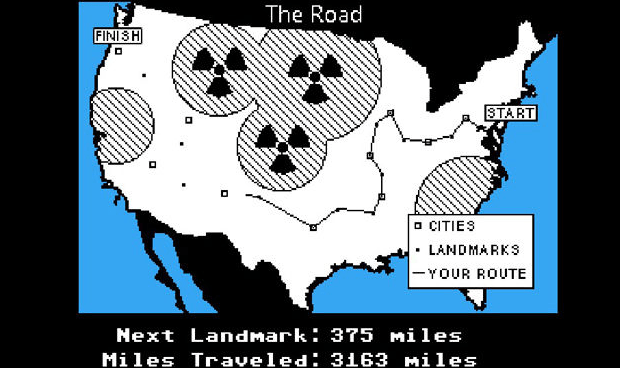
Nuclear strikes are the reason why you must take an indirect route to make it from Washington DC to Safe Haven. Other tidbits of information are sprinkled during these interactions. Organ Trail manages to add in a few more with merchants and the random bandits who abduct your passengers. Organ Trail has an interesting world. How did the disease (if zombism is a disease) cross over from humans to deer and bears?
User Interface: 8/10
While clunky (or outdated) at times, Organ Trail has a simple-to-understand and navigate user interface. If you’ve ever played Oregon Trail, you’ll know how to play Organ Trail. The game keeps players informed with specific details about their party. You can check the map and see how many stops you have remaining, and if you know anything about geography, you can plan when you may need certain upgrades like snow tires. Hint: most likely when you’re traveling through the Rockies.
Notifications will pop up on the main screen if any major issues occur. The tabs work and are self-explanatory. I have few issues with Organ Trail’s user interface.
Graphics: 6/10
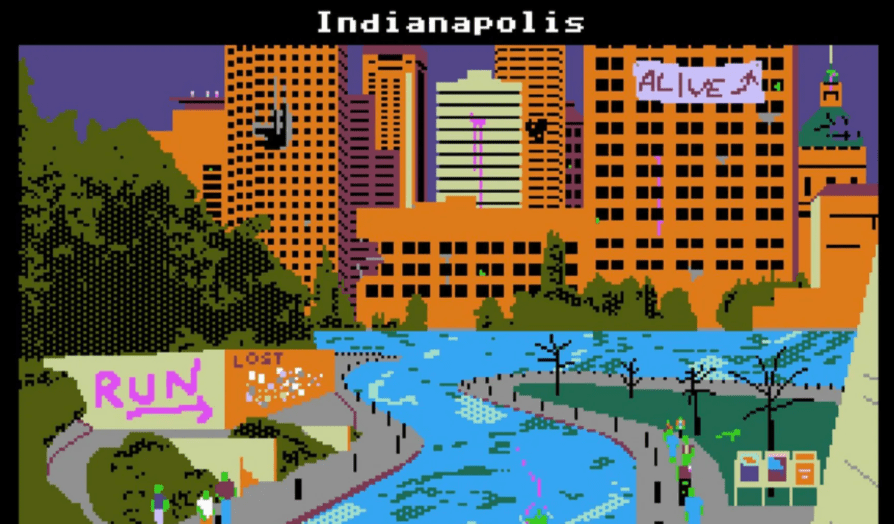
I struggled with scoring Organ Trail’s graphics. Yes. The graphics aren’t the best, but they’re not meant to be the best. Organ Trail is a retro game, parodying a video game released in the mid-80s. And yet, Organ Trail finds ways to make its graphics unsettling. This works to steep the game in atmosphere.
Audio: 8/10
Organ Trail has a good mix of sound effects meant to mimic Oregon Trail (like clinks and bloops after a stage is complete) and others that subtly suggest a game with a darker subject matter (like splattering brains and cocking a gun). Organ Trail’s soundtrack, by Ben Crossbones, does a lot of heavy lifting. I often play video games on mute; I didn’t with Organ Trail. Crossbones does a great job of capturing the game’s mood and theme without going too over the top. Organ Trail’s soundtrack is the right level of creepy.
Replay Factor: 7/10
Organ Trail plays quickly, no less than five hours, so it’s easy to replay this title. It offers multiple difficulty settings, and the higher ones offer a good challenge. There’s even a leaderboard (Organ Trail grades your accomplishments during each playthrough). I even like the addition of finding your tombstone from a previous playthrough. All of this is fantastic, but I don’t see gamers playing Organ Trail more than a handful of times. I could see replaying it after several years. I sure have. I can only give this game a slightly above-average replay factor.
Organ Trail is typically sold for $5-10. That’s a steal for the amount of game you get. I recommend giving it a try, especially if you like zombie apocalypses and the original Oregon Trail.
Happy Sunday, Geekly Gang! Kyra Kyle here with Geek News from last week. We have some more Marvel news. Oh no! Am I going to be writing about Marvel and the MCU until I’m 90.
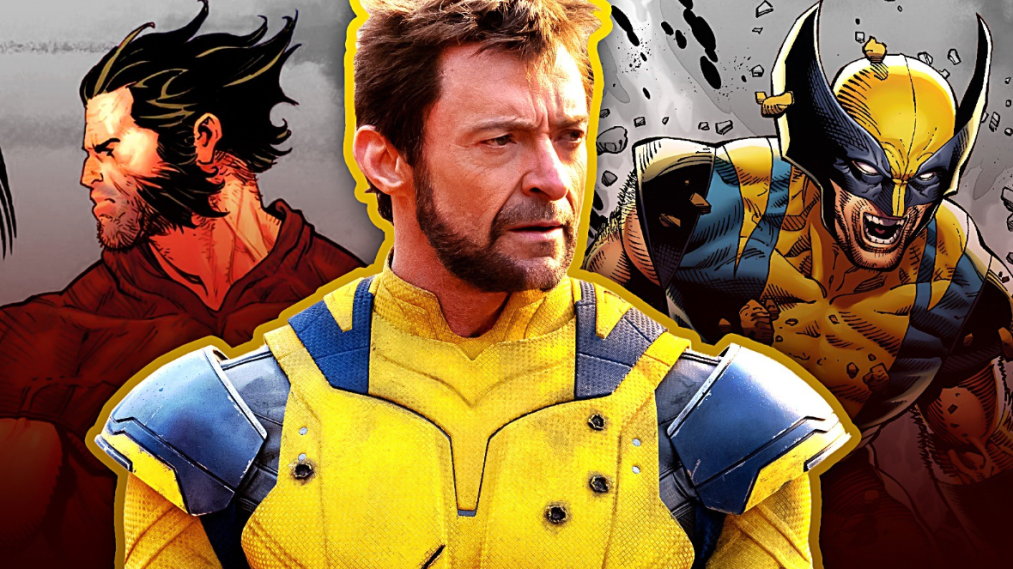
Feige breaks his silence about who’ll portray Wolverine during the Mutant Saga. All this and last week’s new releases for board games and video games on today’s Geekly News.
The MCU Reveals Some of Their Future Plans
In prior weeks, we mentioned that Marvel Studios CEO Kevin Feige opted for a fireside chat instead of a huge Comic-Con announcement this year. Feige shared numerous things during this chat. One of which is that the MCU will eventually recast characters like Tony Stark (Iron Man), Steve Rogers (Captain America), and Wolverine. But in the same set of chats, Feige insinuated that the time to recast those roles may not be now. We discussed the possibility of two Captain Americas at once in a previous Geekly News entry. In that same chat, Feige mentioned the MCU may have made a mistake moving on from Robert Downey Jr.’s Iron Man and Chris Evans’s Captain America. And the fact that RDJ is returning to portray a version of Doctor Doom may bode well for Hugh Jackman staying onboard as Wolverine.
RDJ is currently 60 years old while filming the upcoming Avengers movies. Downey intends to continue playing a character in the MCU through Avengers: Secret Wars, which would make him 62 years old. During his fireside chat, Feige mentioned that Jackman could portray Wolverine through the next MCU Saga, which would also make Jackman around 62 years old. Feige doesn’t want to repeat the same mistake with Jackman as the MCU did with Downey and Evans. In fact, Feige has even renewed Ryan Reynolds as Deadpool for the foreseeable future. And that makes sense. Spider-Man: Far From Home and Deadpool and Wolverine are the only post-Avengers: End Game MCU movies to gross over $1 billion.
Brutal truth: Jackman can and will remain in the Wolverine role for as long as he wants, provided his movies continue to make plenty of money. And why wouldn’t Jackman want to remain Wolverine? He’d be allowed to define the character within the MCU. He’ll make plenty of money. And heck, there are rumors that Sirs Patrick Stewart and Ian McKellen will reprise their roles as Professor X and Magneto, and they’re well into their 80s. Deadpool may not be joking about playing a comic book character until one is 90 years old. Compared to Stewart and McKellen, Jackman is young. And Wolverine is canonically one of the eldest X-Men.
Cat Nap Bounds Onto KickStarter
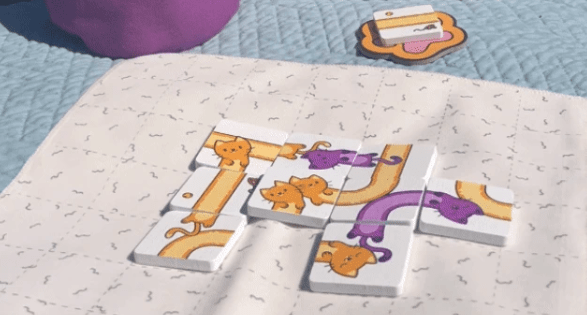
Cat Nap kicks off a couple of cute-as-a-button board games that launched on KickStarter this past week. Players take turns placing tiles and building the most kittens. Cat Nap features tight gameplay. On their turn, players may play a tile from their Cat’s Paw (a tile that stores tiles) or draw 2 tiles from the bag, placing one (on the board) and discarding the other into the Litter Box. Whenever you complete a cat (of any color), you take one tile from the Litter Box. Place it on your Cat’s Paw and return the rest to the bag. When the game ends (no legal moves or no tiles remain), players compare Cat lengths–each length awards 1 point. Whoever has the most points wins, and ties go to the player with the longest cat.
The number of quality two-player-only board games surprises me, and Cat Nap looks to be yet another great two-player-only board game. Cat Nap even features a Co-op option for gamers who’d rather “keep the peace.” And the game features cats. Me-Ow! Cat Nap only offers one pledge level at $39. If you’re interested in Cat Nap, check out its KickStarter page.
Bite Me Swims Onto KickStarter
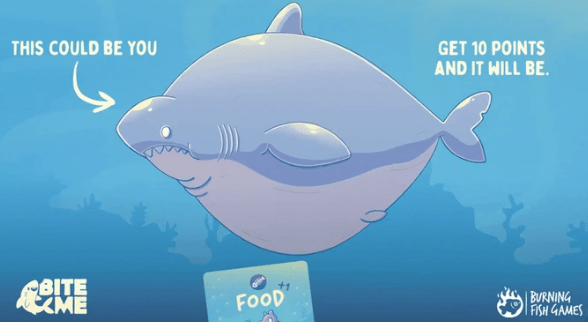
Yes! We have yet another cute board game release on KickStarter. You’re an adorable shark–of course–and you’re starving. You could eat anything. Yes. Literally, anything. Players stuff their shark’s face with just enough tasty food to hit exactly 10 points in their hidden stomach pile. If anyone exceeds 10 points worth of food, Boom! You’re out.
Bite Me has a hilarious theme. The art is familiar, but I can’t quite place where I’ve seen it. The game looks fun, and Burning Fish Games is supporting the heck out of Bite Me. Bite Me already has a handful of expansions in the works (that can also be included in gamers’ pledges) with more planned in the future. Pledges range from $19 to $123. And you may want to add Bite Me’s adorkable shark plushie.
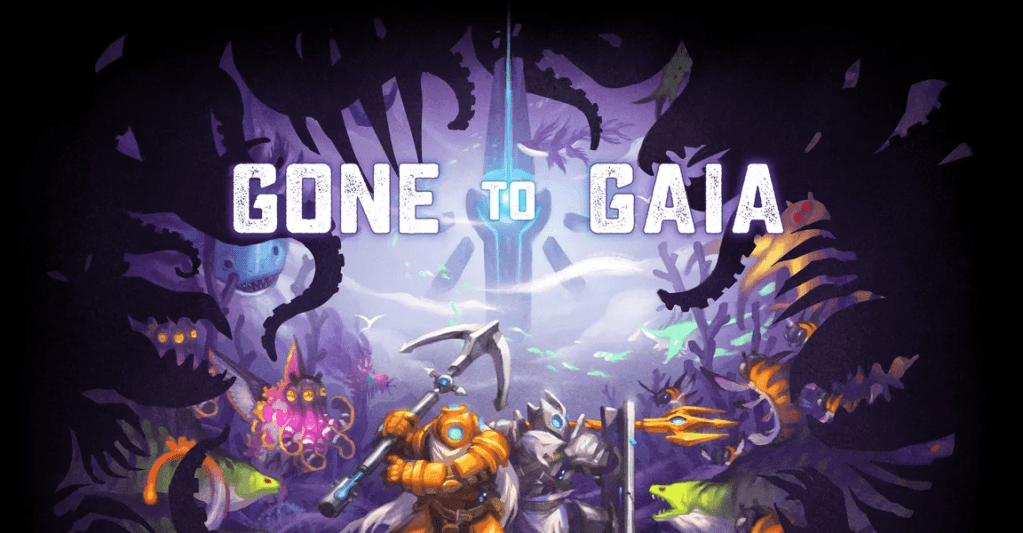
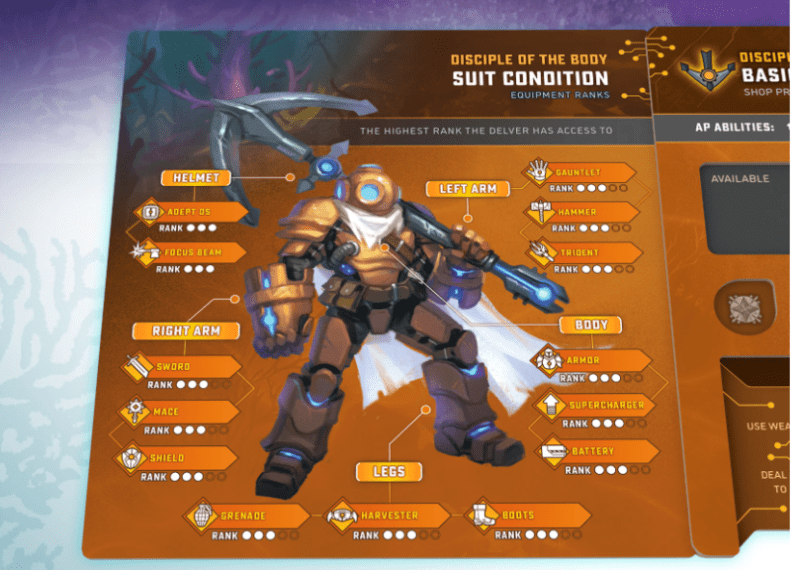
In Gone to Gaia, players must safeguard the last remnants of humanity. Dive into an immersive world, filled with tactical combat, evolving storylines, and unforgettable characters. Inspired by video games like Hades and Vampire Survivors, Gone to Gaia features meaningful leveling choices that impact your powers, utility, and flexibility in battle. You’ll need all the skills you can acquire to survive the relentless creatures of The Tide.
Gone to Gaia is yet another 1-2 player board game. From the look of it, Gone to Gaia can get very crunchy with its strategy. Players may construct their own divers, and the fact you can unlock new characters through the gameplay has me intrigued. Since Gone to Gaia is on GameFound, we don’t yet know the pledge levels. It will feature plenty of high-end miniatures, and gamers will get a lot in the box. My guess will be at least $80 for the base Gone to Gaia. If you’re interested in Gone to Gaia, check out its GameFound page.
Badgers Pounces Onto GameFound
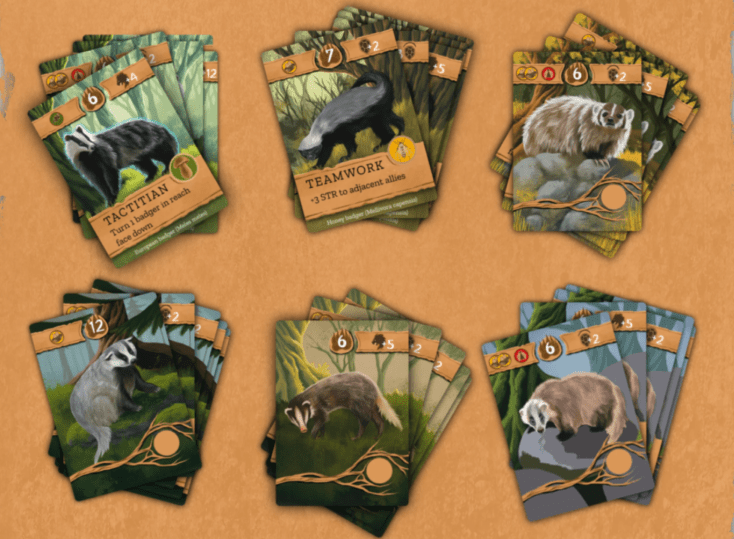
The fast-paced Badgers card game pits 2 players against each other to fight for scraps of food and territory. Select your favorite badger (the game includes six badgers with an eleven-card deck) and lead them to conquer their favorite food. Play the right badger at the right time to either defeat a competing badger or strengthen your position. Use special abilities or tunnel as you conquer the field. Each burrow has unique abilities. Whoever owns the most food at the end, wins!
I like how each badger deck features a real-world badger. The art is unique, and each deck in Badgers comes with its personalized reference sheet. Are you ready to burrow and conquer? If you’re interested in Badgers, check out its GameFound page.
Pokémon Legends: Z-A Releases
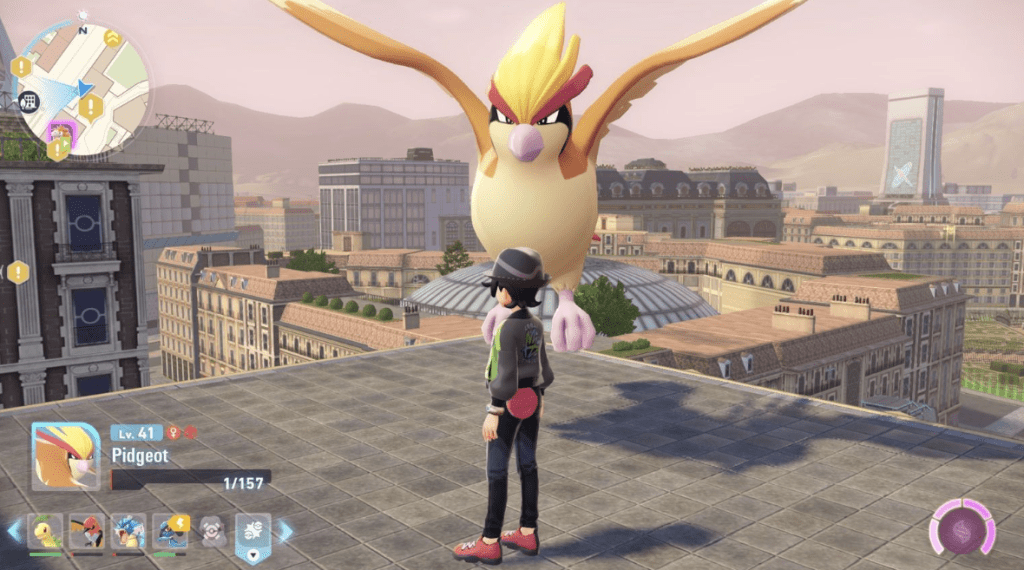
Pokémon Legends: Z-A follows in Pokémon Legends: Arceus’s footsteps. The Pokémon Legends series deviates from the standard Pokémon formula by adding a lot of action. And Pokémon Legends: Z-A differs from other games in this spinoff series by setting the game entirely in the Kalos region’s Lumiose City.
While Pokémon Legends: Z-A has received good reviews, critics dock several points for the graphics being uninspired at times, and the setting (Lumiose City) is a bit too restrictive. I have yet to play Pokémon Legends: Z-A, but one of our Geekly writers may at some point. The game was supposed to be a Nintendo Switch exclusive, but with Pokémon Legends: Z-A getting delayed, a Nintendo Switch 2 port has been added. I may wait to play Pokémon Legends: Z-A until after I inevitably pick up a Nintendo Switch 2. But what do you think? Would you like one of our Geekly Gang writers to review Pokémon Legends: Z-A? Let us know in the comments.
That’s all the Geek News we have for this week. Thank you for reading, and wherever you are, I hope you’re having a great day.
Hey, hey, Geekly Gang! Kyra Kyle here. We’re keeping the theme of Spooky Season alive with today’s post, but we’ll be taking horror or dark themes in a different direction. I’ll be up front, this post may meander more than usual. I didn’t know what to call these types of video games at first. Some of these video games could fall under the term “empathy games.” I mentioned some of these games in a previous post, but the prevailing term for the type of video game we’ll cover today is Walking Simulator. That name doesn’t do these games justice.
In fact, the Walking Simulator term is beyond reductive. It’s demeaning. All you’re doing is walking. This pejorative name reminds me of the terms Euro-Trash or Ameri-Trash board game from a decade or two ago. We’ll use the modern, friendlier terms for these board game types. Euro board games focus on mechanisms and balanced gameplay, while Amerithrash–they’re totally metal and they “thrash”–board games place more emphasis on theme. If you used the negative terms, you’re thumbing your nose at the other board game type. Many “hardcore” video gamers despise “Walking Simulators.”
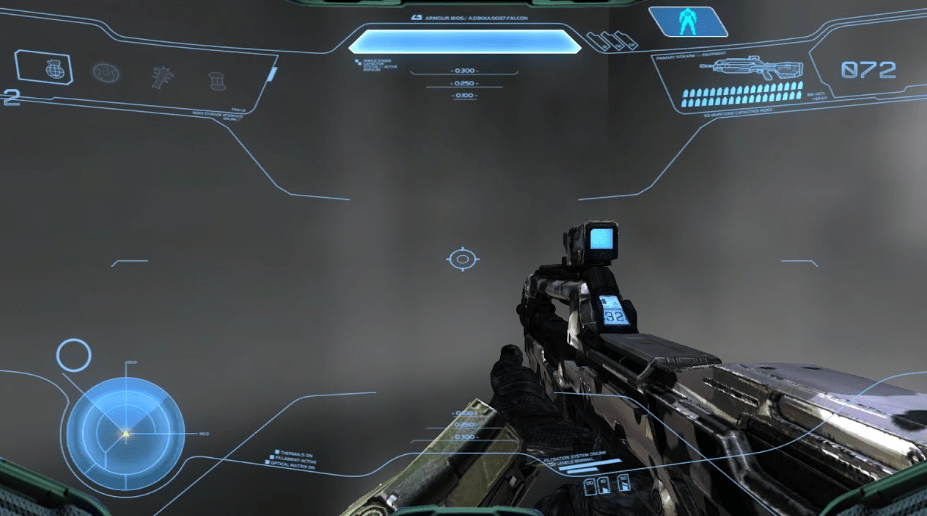
“Hardcore” video gamers not liking “Walking Simulators” makes sense. Video games sprang from the Military Industrial Complex. The first video games came from military facilities. Many “hardcore” video games promote wanton violence where the player kills countless enemies, feature “heads-up displays” one might find in a fighter jet, and some video games are even military recruitment tools. Of course, something quieter and geared toward empathy would ruffle the feathers of “hardcore” video gamers.
Getting back to Euro and Amerithrash board games, modern board games often blur the lines between these two game types. I reviewed Cretaceous Rails a couple of months ago, and it’s equal parts interlocking mechanisms and heavy on theme. Death Stranding notwithstanding, I don’t know if AAA video games have adopted enough from indie Walking Simulators, but that’s another topic. I told you I would meander. Despite the negative connotation (all you’re doing is walking), Walking Simulator is the term most people use. We’ll use that one. Since we’ll be dealing with psychological horror and/or darker themes, let’s call these games Dark Walking Simulators. Let’s cover a brief history with some of my favorite Dark Walking Simulators.
Prior to 2012: [domestic]
Point and click games could and sometimes do fall under the heading of a Walking Simulator, because they involve movement and interacting with the game world’s environment (which are hallmarks of Walking Simulators), and point and click games have been around since the early 80s. But we’ll begin this quick history with 2003’s [domestic] by Mary Flanagan. Flanagan repurposed the Unreal gaming engine to recreate a childhood memory of a house fire. One look at [domestic], and you can see why many consider it the first modern Walking Simulator.
In fact, the term Walking Simulator gained prominence in the late 2000s, perhaps as a direct result of [domestic]’s release. When you have the chance, you should check out Mary Flanagan’s website. She discusses at length her artistic choices while designing [domestic]. While she doesn’t have a link for a playable version of the game, Flanagan provides a two and a half minute video of [domestic]’s gameplay. There are so many innovative choices, like family photos and text constructing the walls of this 3D space, that we’ll see in future Walking Sims.
Dear Esther (February 2012)
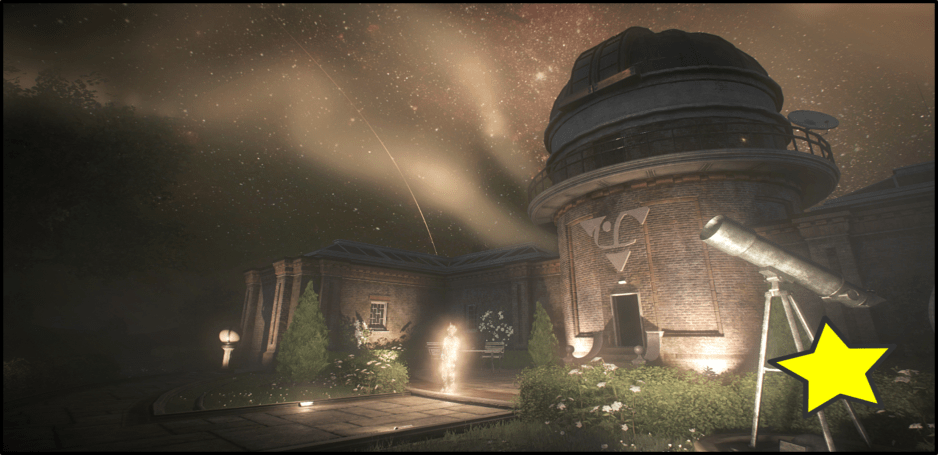
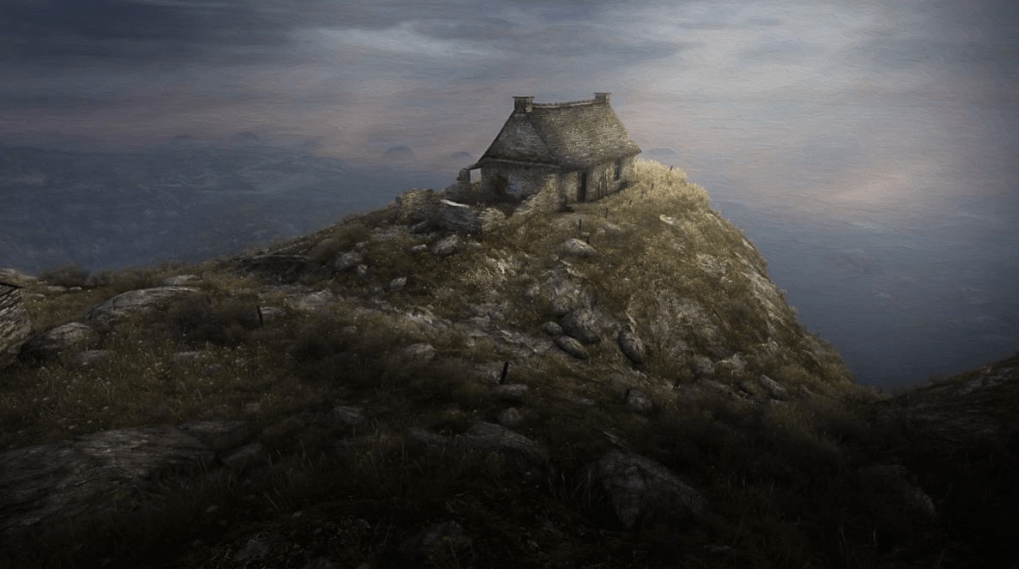
First, Dear Esther is gorgeous. Look at that uninhabited Hebridean island. My partner and I made our way to one of the Inner Hebridean islands in Scotland, and this looks close. I could smell the salt air and the heather on the wind. Second, Dear Esther’s gameplay is minimal. I would almost classify this game as a Walking Simulator, but in the best possible way. An anonymous man reads a series of letter fragments to his deceased wife, Esther. Each location on the island reveals a new letter fragment. Players can unlock different audio fragments with each playthrough of the game, leading to a different narrative each time you play Dear Esther.
So, you’re literally walking from one area of the island to the next and listening to various letters, but the letters reveal more about the titular Esther’s life. Esther has passed under mysterious circumstances, and her husband is looking for answers. Dear Esther has a gripping narrative, but the tension comes from internal struggles. The Chinese Room developed this Walking Simulation classic, and this won’t be the last time we’ll see one of their games on this list.
The Unfinished Swan (October 2012)
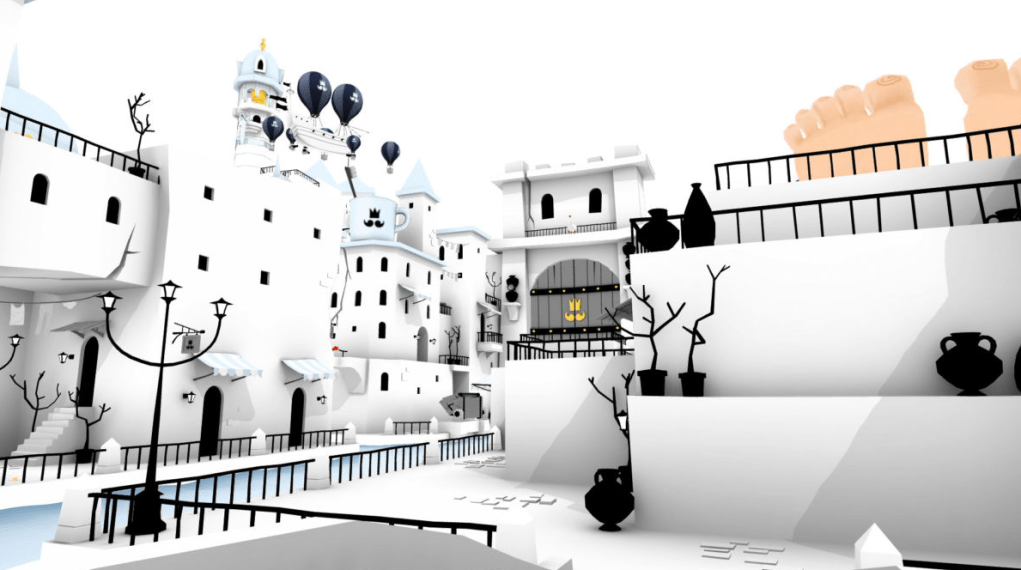
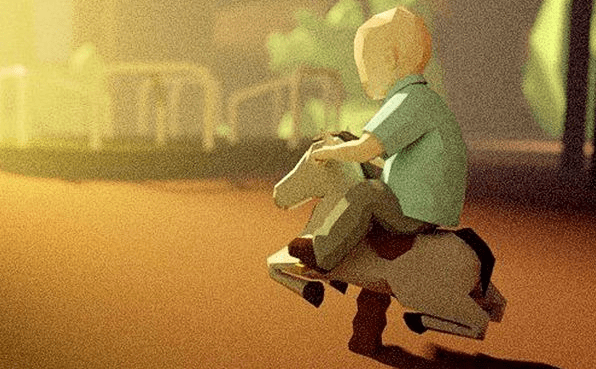
The Unfinished Swan marks Giant Sparrow’s first major release. It has a simple premise. Monroe is a young boy whose mother recently died. Monroe’s mother was a painter famous for never finishing a painting. Over 300 paintings and not one of them complete. The orphanage tells Monroe he can keep only one of his mother’s paintings, so he chooses his favorite, a swan missing its neck. The swan escapes, and Monroe follows it. Armed with his mother’s silver paintbrush, Monroe explores the painted world.
As you can guess, The Unfinished Swan ventures into magical realism. It tackles themes of loss. It puts players into the shoes of a young child, making sense of the world without their parents. The Unfinished Swan is the first of Giant Sparrow’s games to make this list. It showcases the studio’s knack for eclectic settings and its flair for the dramatic.
Gone Home (August 2013)
Gone Home puts the player in the role of a young woman returning from overseas to her rural Oregon family home to find her family absent and the house empty. She must piece together recent events to determine why her family’s home is empty. Gone Home is similar to the previous year’s Dear Esther, but the anonymous protagonist in Dear Esther knew that his wife had died. Katie, Gone Home’s protagonist, has no clue why her family is missing.
Dark Walking Simulators do a great job of presenting mysteries. In fact, I’d wager most great video game mysteries have large elements of Walking Simulators. Even the AAA titles that lean more into the mystery genre borrow heavily from Walking Simulators. Traveling in someone else’s shoes and interacting with your environment can make for a great mystery premise.
The Stanley Parable (October 2013)
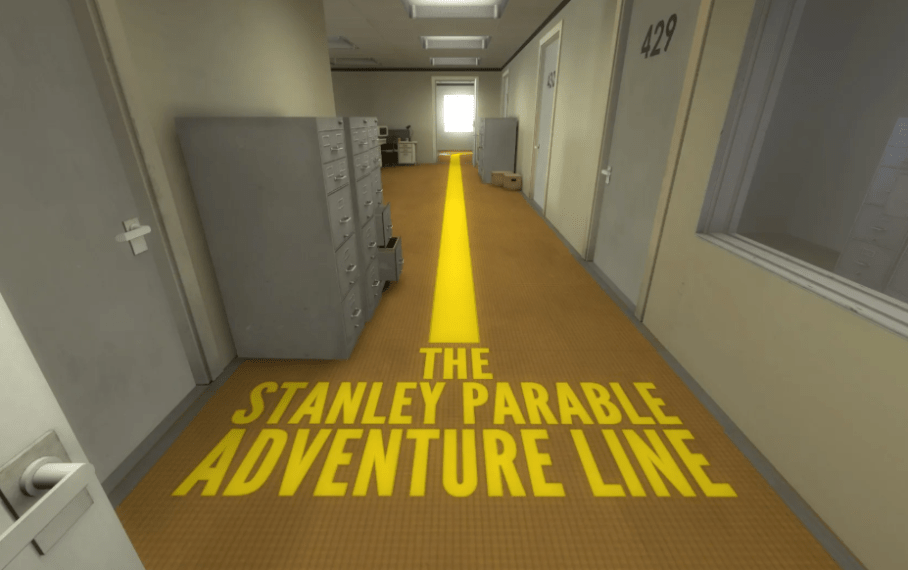
The Stanley Parable stands out in a group of video games that stand out. This Walking Simulator challenges preconceived notions about video games with a thick coat of sarcasm. Developed by Davey Wreden and William Pugh, The Stanley Parable tackles themes like choice in video games and fate/pre-destination. British actor Kevan Brighting narrates while the silent protagonist (Stanley) conducts a day at the office. As you can see in the image above, Stanley may follow the adventure’s line, or he may contradict The Narrator’s directions, which, if disobeyed, will be incorporated into the story. Depending on the choices made, the player will encounter different endings before the game resets to the beginning.
The Stanley Parable proves that Walking Simulators can strike a chord with “hardcore” gamers. The Stanley Parable crossed over into mainstream video game culture. Developer Davey Wreden has gained a following, and his follow-up game, The Beginner’s Guide, actually deals (in part) with Wreden’s struggles with success. Showrunner Dan Erickson cited The Stanley Parable as an inspiration for Apple+’s Severance.
The Static Speaks My Name (August 10, 2015)
While the previous games on this list have dark themes, The Static Speaks My Name is the first true horror video game.
Quick trigger warning: The Static Speaks My Name includes self-harm. If you’re sensitive to the subject of self-harm, feel free to skip this entry to our next one.
In The Static Speaks My Name, players assume the role of Jacob Ernholtz, a man who has committed suicide by hanging at the age of 31. We start as an amorphous blob in a dark void until we inhabit Ernholtz during his last day. We awake in his dimly-lit apartment with boarded-up windows and doors as he performs a series of menial tasks, including using the restroom, eating breakfast, and chatting with online friends. Exploring Ernholtz’s apartment reveals that he’s obsessed with a painting of two palm trees and its painter, Jason Malone. Locked behind a bookcase, we find Malone in a cage. The player has the option to unlock the cage or electrocute Malone. We’re finally presented with the task to go to a small closet with a noose.
Yowza! The Static Speaks My Name is trippy in every sense of the word. Jesse Barksdale developed The Static Speaks My Name in a 48-hour game jam. I’ve participated in a few board game jams, and you can encounter some messed-up concepts during one of these events. I would’ve liked to have seen Barksdale’s creative process for The Static Speaks My Name during these 48 hours. This is a haunting game. I’ve only chosen the electrocute option once, and Malone’s blood-curdling screams invaded my dreams for a few days. Yikes!
We included the exact date The Static Speaks My Name was first released because our next entry in this list was released the next day. This week in August was a great week for Walking Simulators.
Everybody’s Gone to the Rapture (August 11, 2015)
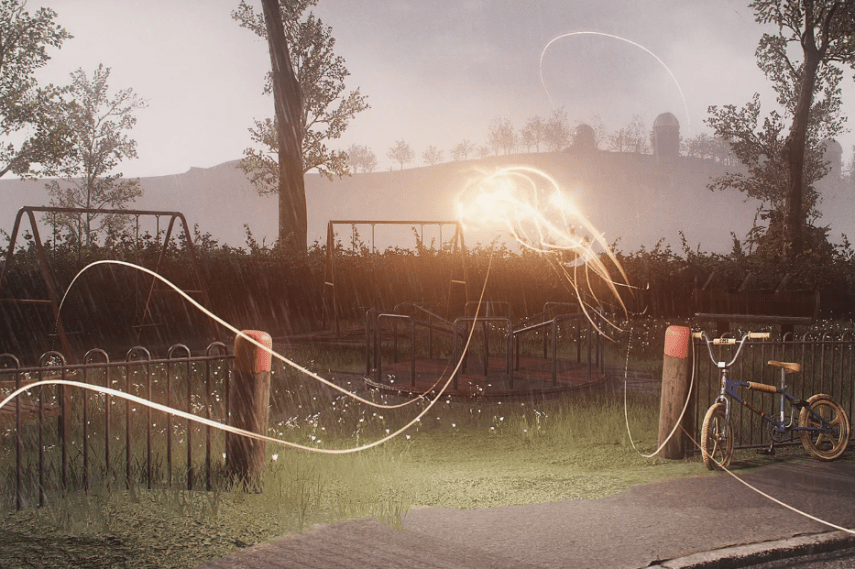
Fresh off their hit Dear Esther, The Chinese Room takes the mysterious disappearance of people from the scope of a family in Gone Home to that of an entire English village’s citizens in Everybody’s Gone to the Rapture. Players assume the role of Katherine “Kate” Collins, which is funny because Gone Home’s protagonist was named Katie. Set in 1984, Dr. Kate Collins and her husband travel to the fictional Shropshire village of Yaughton. Players can interact with floating lights throughout the world, most of which reveal parts of the story.
Feel free to turn on radios, answer the phone, and test the power switches as you unearth why an entire English village’s people vanished. Could this be the beginning of the Rapture and the end of days? Or has some mysterious fate only affected this one village? You’ll have to play Everybody’s Gone to the Rapture to find out.
That Dragon, Cancer (January 2016)
Get ready to reach for the tissues. This next entry is a tear-jerker. Created by Ryan and Amy Green, Josh Larson, and a small team under the name Numinous Games, That Dragon, Cancer is an autobiography based on the Greens’ experience raising their son Joel, who was diagnosed with terminal cancer at twelve months old. Though given a short time to live (four months tops), Joel survived for four more years before succumbing to cancer in March 2014. That Dragon, Cancer harkens to the age of point and click games–see, point and click games are closely related to Walking Simulators–and uses the medium of pointing and clicking to experience the Greens’ lives through interactive storytelling.
That Dragon, Cancer illustrates a video game’s storytelling potential. At first, Ryan and Amy developed the game to relay their personal experience with Joel while they were uncertain of his health, but following his death, the Greens reworked much of That Dragon, Cancer to memorialize and personalize their time and interactions with Joel for the player. Joel Green may have had a short life, but That Dragon, Cancer ensures he won’t be forgotten.
it’s always monday (November 2016)
I’ll start this write-up by commenting on it’s always monday’s title. I love its use of all lowercase letters. Yes, Monday is supposed to be capitalized, but the lack of capital letters gives the impression of words in the middle of a sentence. Brilliant. I debated including it’s always monday on this list. To put it mildly, it’s always monday is surreal.
Players assume the role of an office worker who, as the game’s title implies, is stuck in a loop of perpetual Mondays. My bad…mondays. Frequently, you’ll find moments where a coworker is cut into slices. The player character will freak out–naturally–and then notice a pizza on the conference table and comment, Today’s a pizza day. Score! What? I often wonder what it’s always monday’s overall message is supposed to be. Perhaps we’re supposed to feel trapped in a malaise where we want the character to feel something. Anything. But it’s always monday’s workplace offers plenty of bizarre occurrences that run counter to the mundane.
What Remains of Edith Finch (April 2017)
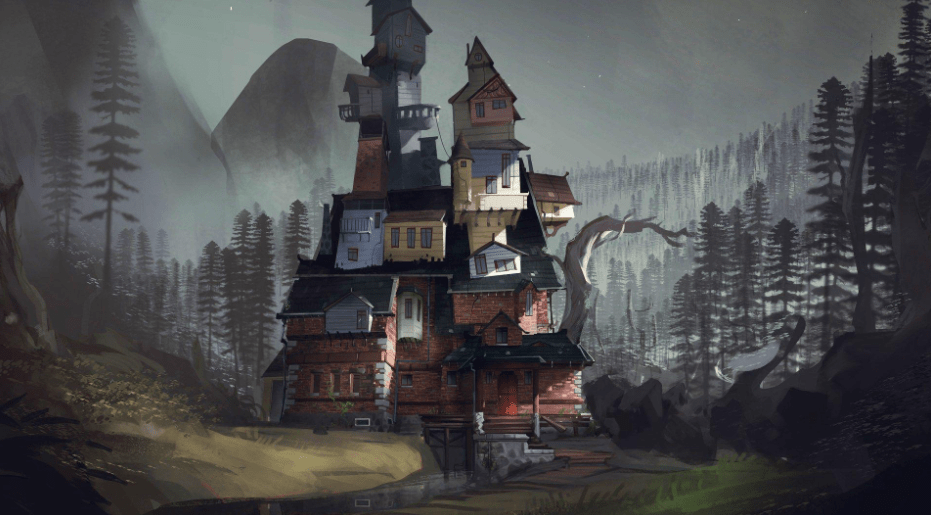
What Remains of Edith Finch borrows concepts from Gabriel Garcia Marquez’s One Hundred Years of Solitude and applies them to an interactive video game where we follow the titular Edith Finch explores her family home. Like Marquez’s work, What Remains of Edith Finch ventures into magical realism. The game’s narrative works as an interconnected anthology series, and it’s all the better for it. I don’t know which member of the Finch family’s stories I like best. What Remains of Edith Finch is a triumph of video game storytelling. Giant Sparrow took everything they learned from The Unfinished Swan to create a singular gaming experience.
Walking Simulators fizzled out after 2017. I don’t know if the backlash of these games reached a fevered pitch or if the designers who make these games needed time to create something new. Death Stranding was released in 2019. To date, it may be the closest a AAA game has come to a Walking Simulator. It certainly incorporates a lot of Walking Simulator concepts into its gameplay. But our lack of Walking Simulators in the early 2020s can be attributed to the pandemic.
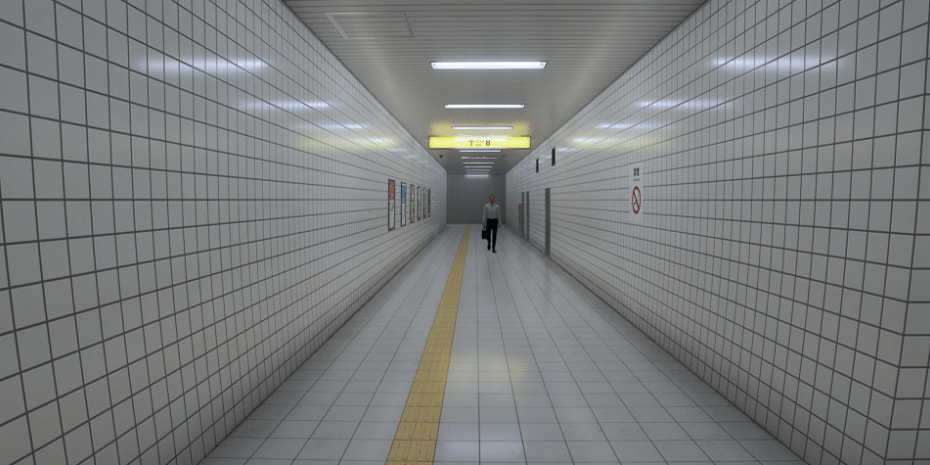
All video game struggles in the early 2020s, but we’ve seen a resurgence of Walking Simulators since 2022. Exit 8 has a premise similar to the Backrooms. Players explore the liminal space of Japanese subways. I’m writing this post in June, but by the time this post goes live, a live-action film based on Exit 8 should have been released. Walking Simulators have gripping stories and an avid fan base. I can’t wait to see what this video game genre has in store over the next decade.
If you’ve made it this far, you’re awesome. We all know it. Be sure to comment on your favorite Walking Simulator or an idea of a better name for this video game type. Thank you for reading, and wherever you are, I hope you’re having a nice day.
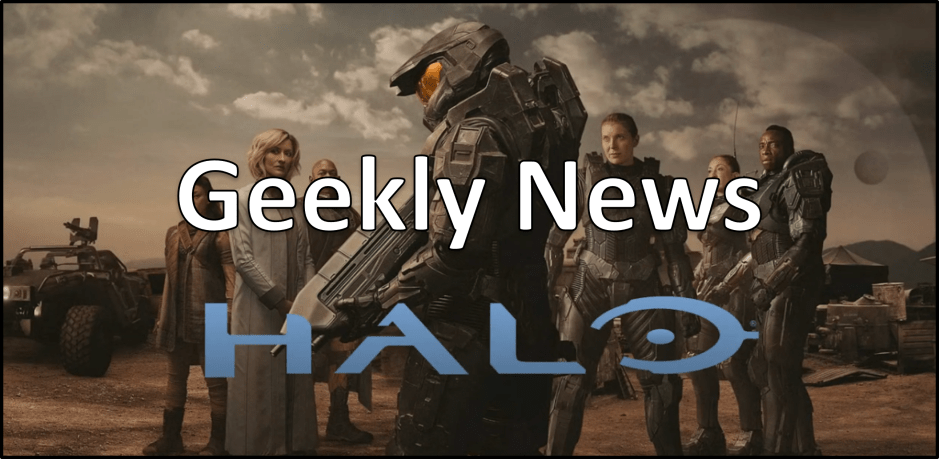
Happy Sunday, Geekly Gang! Kyra Kyle here with another week of Geek News. Plenty of board games and video games released this past week, but we’ll kick off this past week’s Geek News with an update about the Halo television series.
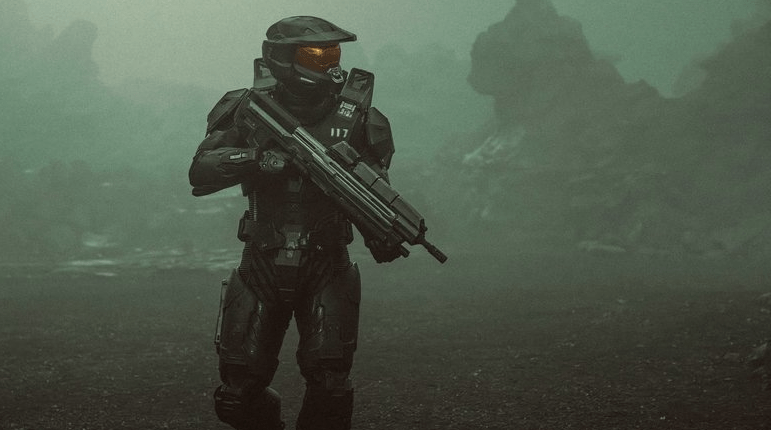
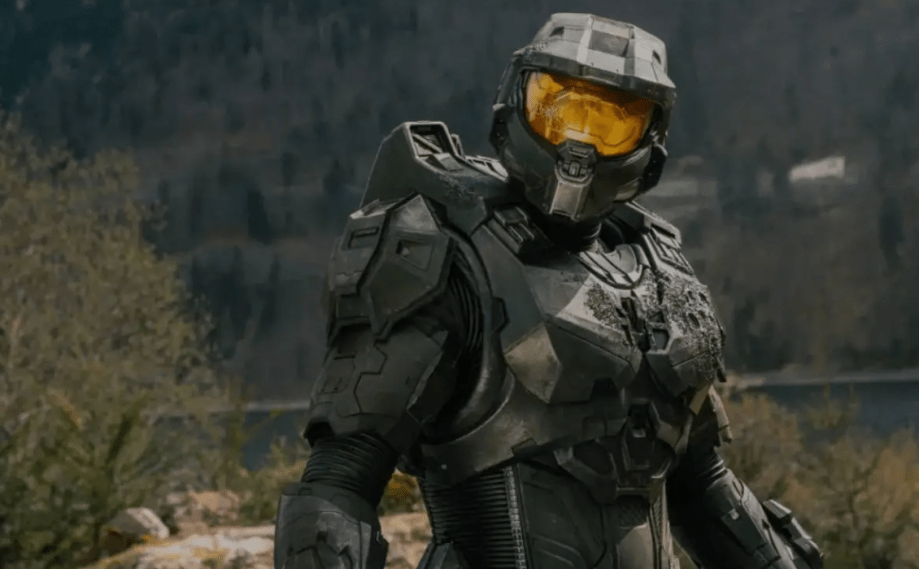
Halo Crashes Netflix’s Top 10. Will there be a Season 3?
Halo is the most expensive television series ever produced in Paramount+’s short history, so it made sense for the streaming service to cancel the show after a couple of seasons (17 episodes in total), and it also made sense for Paramount+ to sell the rights to stream Halo on Netflix. Earlier this month, Halo debuted on Netflix. Its reception was immediate as Halo reached number 4 on Netflix’s United States Top 10, outperforming almost all licensed programming, with the exception of popular original shows like Monster: The Ed Gein Story. Halo even held similar numbers internationally. This shows a demand beyond hardcore gamers.
Netflix has a track record of reviving shows like Longmire and Lucifer after a strong streaming performance. Halo’s global numbers and fan campaigns, like the ones found on Change.org, may sway the streamer to green-light a third season. There’s a chance. But there are a few loopholes, Halo must navigate. Netflix only has a year-long streaming agreement for Halo. For a third season to be possible, Netflix must secure a long-term streaming agreement. And Halo has steep production costs. Season 1 was estimated to cost between $90-200 million. Yikes!
But I wouldn’t count out a third season for Halo. Critics gave Halo a 70% on Rotten Tomatoes–does anyone still use Rotten Tomatoes when looking for reviews–with many appreciating Halo’s production values, while questioning narrative choices like an odd romantic subplot and unmasking Master Chief. Still, #SaveHalo has trended on various social media platforms, and if Halo’s numbers hold strong, Netflix may need to consider a third season, regardless of the cost.
Rolling in Wonderland Launches on KickStarter
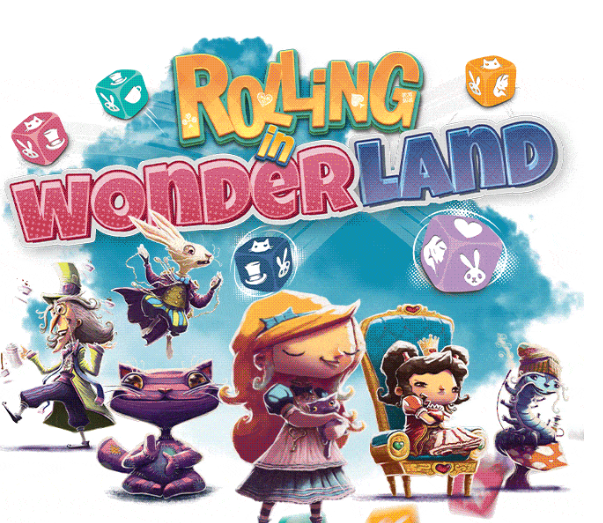
This week has seen a lot of dice drafting games (games where players pay to add dice to their dice pool), and Rolling in Wonderland is a great place to begin with board game new releases. Channeling the whimsy of Alice in Wonderland, Rolling in Wonderland features quirky art and vibrant colors.
The game suggests that players may adapt the game’s play how they want. You may play a light and breezy or tight and tense game of Rolling in Wonderland. I don’t know exactly how Rolling in Wonderland attempts to do this (undoubtedly two sets of rules for both playstyles), but I’m intrigued. Rolling in Wonderland offers an affordable $39 entry-level pledge, but players may spend $79 for the deluxe version or add various expansions a la carte. If you’re interested in Rolling in Wonderland, check out its KickStarter page.
Cretaceous Rails Reprint Lands on Gamefound
In preparation for Gen Con, we reviewed Cretaceous Rails a few months ago. If you want to see an extended look at our thoughts, check them out here. Dinosaurs and trains together at last. If you’ve ever wanted a game that combined these two elements (or think this mash-up sounds awesome), then you should consider backing Cretaceous Rails.
The core game is amazing. I love Cretaceous Rails’s dual-action selection mechanism. I even tried my hand at designing a game that did something similar (I mentioned this in the most recent game design brain dump). Cretaceous Rails’s reprint will include the first expansion, Cretaceous Skies, which I’m not too fond of, but it adds the second expansion, Cretaceous Seas, and I’ve enjoyed every iteration of Cretaceous Seas. I can’t wait to see the final version.
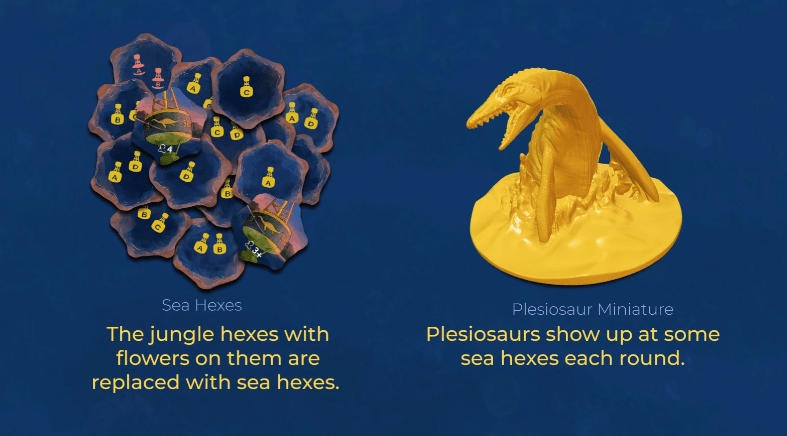
Bring on the sea hexes and plesiosaurs. You can pick and choose which rewards you want a la carte. Since I have the base Cretaceous Rails, I’ll most likely pick up Cretaceous Seas for $30 (plus shipping). The project launches in two days. If you’re interested in Cretaceous Rails, check out its GameFound page.
Raas Dances Onto GameFound
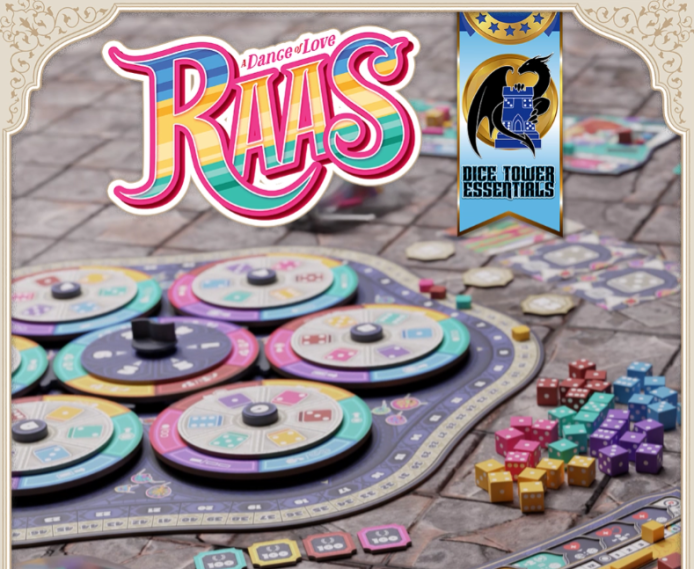
Raas adapts the dazzling folk dance of Gujarat to a vibrant dice-drafting, tableau-building game. Players recruit dancers, represented by colorful dice, where each color and pip shows off their style and rhythm. Collect stunning dress swatches, give them dandiya sticks, and match the style of the song to create shining performances.
Raas’s moving dials remind me of the interlocking gears of my design Rustbucket Riots. I may need to keep an eye on this title; I do like that it’s competitive instead of cooperative. I love Raas’s theme. The tight board looks amazing, and I’m always down for splashes of color. Raas looks as if it captures the vibe of its subject matter. As of this write-up, we don’t yet know Raas’s price points. If you’re interested in Raas, check out its GameFound page.
Vampire: The Masquerade, Palermo Conspiracies, Lands on GameFound
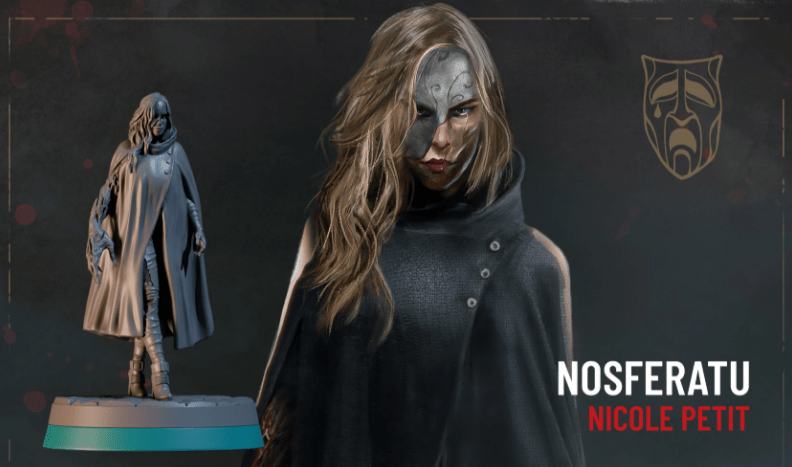
The theme Vampire: The Masquerade piqued my interest (I’ve always enjoyed this IP’s mythos), but the statement that Teburu may be the future of tabletop gaming places Vampire: The Masquerade, Palermo Conspiracies in my sights. Per its description, the Teburu system integrates physical and digital gaming, while keeping players focused on the board and its components. Evidently, players won’t need a rulebook. What? You may save your game progress and continue later. Vampire: The Masquerade, Palermo Conspiracies offers immersive storytelling and audio support. You may save player data with smart-technology miniatures.
This all sounds fantastic, and it could be “the future of board games,” but I’m cautious. The Teburu system will most likely be patented and only be available from the company of the same name. As of this write-up, we don’t know the cost of this game, and Palermo Conspiracies sounds as if it will be at least $100 at its cheapest price point. Since it’s launching on GameFound, which offers payment plans, I wouldn’t be surprised if Vampire: The Masquerade, Palermo Conspiracies is upwards of $150-$200 or more (board game meets video game pricing) before shipping. I’m also leery of a game playing itself; I like to know why NPCs take specific actions in tabletop games. But this game looks and sounds amazing.
The miniatures are stunning. And there’s tech in those bases. Yowza! If you’re interested in Vampire: The Masquerade, Palermo Conspiracies, check out its GameFound page.
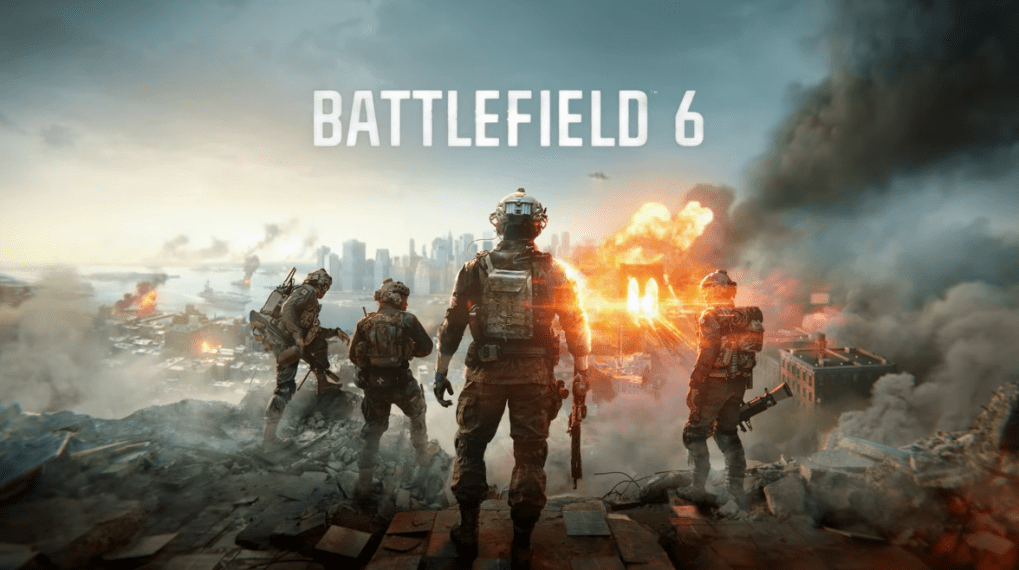
Battlefield 6 Released
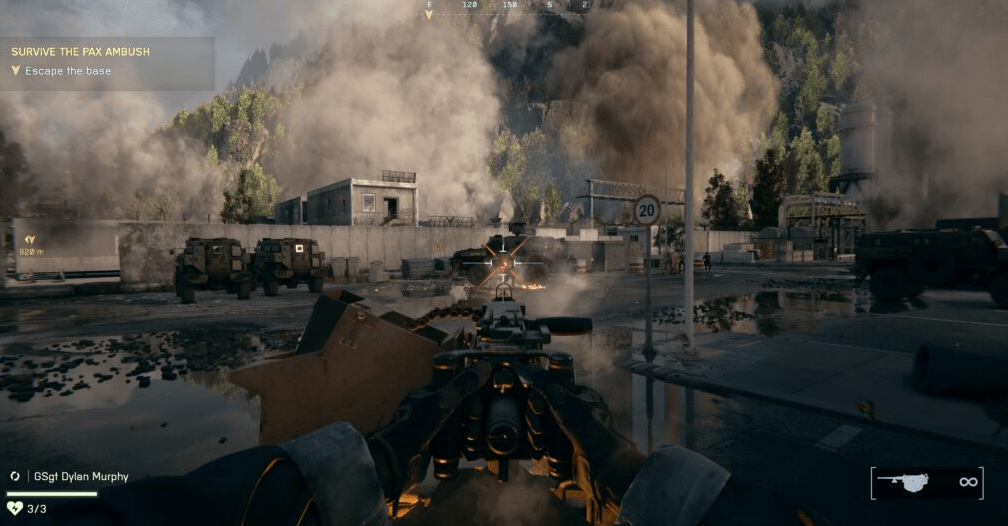
I’ve never been into the Battlefield series. Later titles have leaned into online only, player-versus-player brawls. I have to admit that I’m interested in Battlefield 6 because of the return of campaign mode. It’s been some time since Battlefield has featured a robust campaign mode, and judging from Battlefield 6’s early reviews, it looks as if the game delivers.
I may wait another week or two, or even for the first price decline, before venturing into this highly touted first-person shooter. Battlefield 6 is available on PC, PlayStation 5, and Xbox Series X/S.
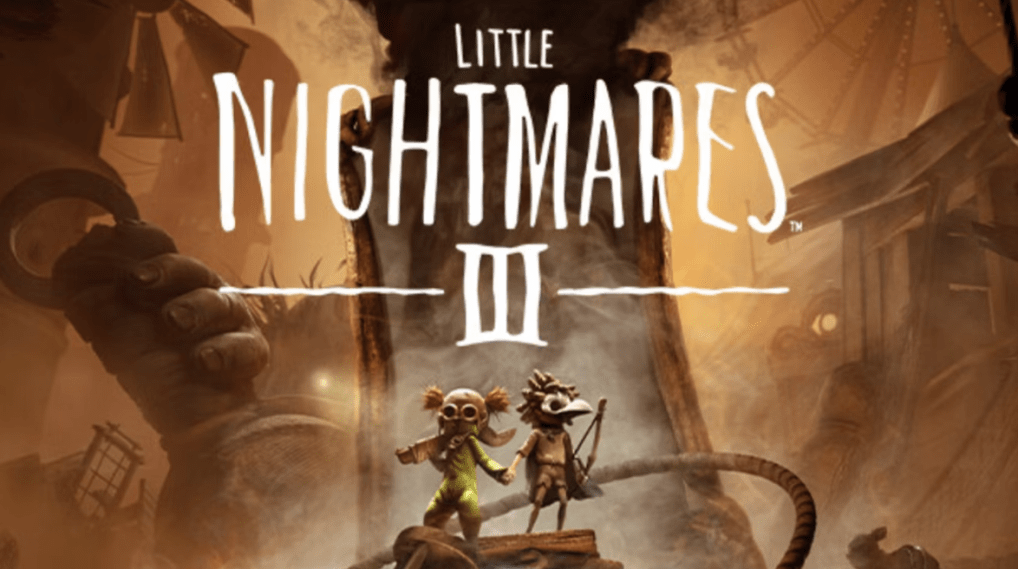
Little Nightmares III Releases
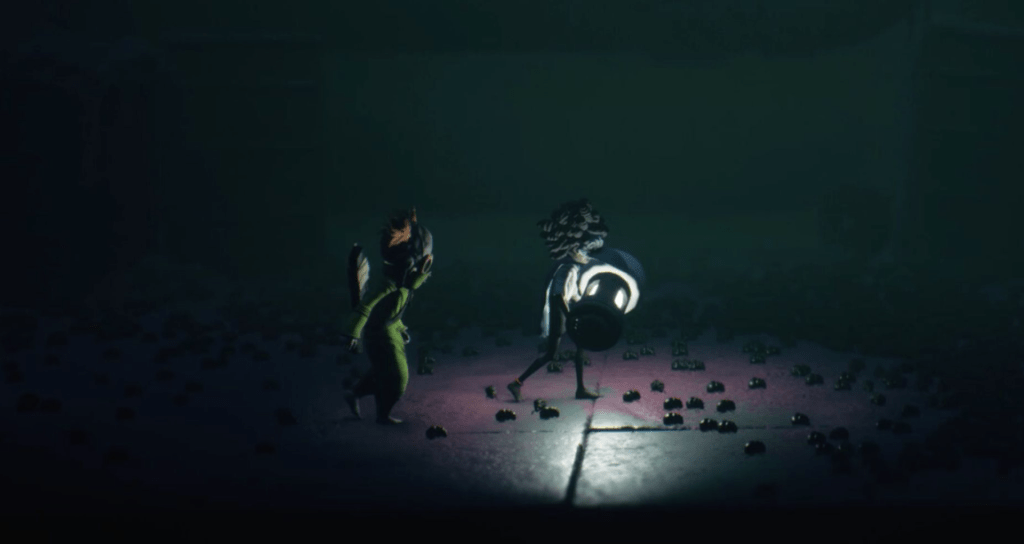
Popular puzzle-platform horror adventure game series Little Nightmares returns just in time for Halloween. I see what you did there, Supermassive Games. Little Nightmares III follows two new child protagonists, Low and Alone, as they navigate through The Nowhere and escape from a looming threat.
While I am more interested in the Little Nightmare series than I am in Battlefield, Little Nightmares III has received mixed to average reviews so far. I may wait on Little Nightmares III for a very different reason than Battlefield 6. I’m waiting on Battlefield 6 for the hype to die down a bit. But Little Nightmares III may need an update or two. Still, I’m all for another journey into Nowhere. Little Nightmares III is available on PC, PlayStation 4, PlayStation 5, Nintendo Switch, Nintendo Switch 2, Xbox One, and Xbox Series X/S. Fingers crossed for cross-play and cross-saving between platforms.
That’s all the Geek News we have for this week. Thank you for reading, and wherever you are, I hope you’re having a great day.
Today marks the beginning of Dance Week, so we’ll kick off this dance off with five great video game dances. Hey, hey, Geekly Gang! Kyra Kyle here. I didn’t know Dance Week existed, but I’m here for it. Video games have featured so many dances. There are even entire games, like Dance, Dance Revolution and Just Dance, that are about dancing. Some of those video games could make this list, but I prefer dances from video games that don’t feature dancing, so we may get more than one dance from a role-playing game. Let’s get to the list.
Honorable Mention: The Sheppard Shuffle (Mass Effect Series)
We begin this list with one honorable mention, the Sheppard Shuffle. This dance isn’t exactly good, let alone great, but it is iconic. The Mass Effect series is an all-time great Sci-Fi video game series, and the game’s protagonist, Sheppard, is at the game’s center, but it’s not for their dancing ability. Sheppard’s dance move (they only have one), the Sheppard Shuffle, is so half-baked that the Citadel DLC makes fun of it. Still, the Sheppard Shuffle is seared into my brain.
5) Celebrate Chaos (Sonic: The Hedgehog Series)
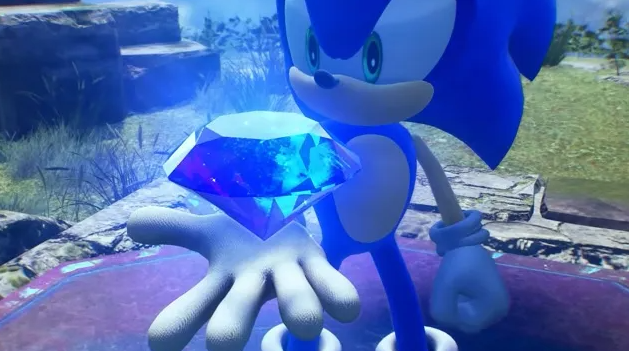
Sonic: The Hedgehog was always the “cool” video game mascot. Shortly after his release, he developed a dance, a simple two-step with some flair, every time he obtained an objective. Over the years, Sonic became more brooding. Goofiness was no longer “cool,” but no matter what phase the blue ball of lightning has taken, he finds a way to incorporate that little two-step dance.
4) Waltz for the Moon (Final Fantasy VIII)
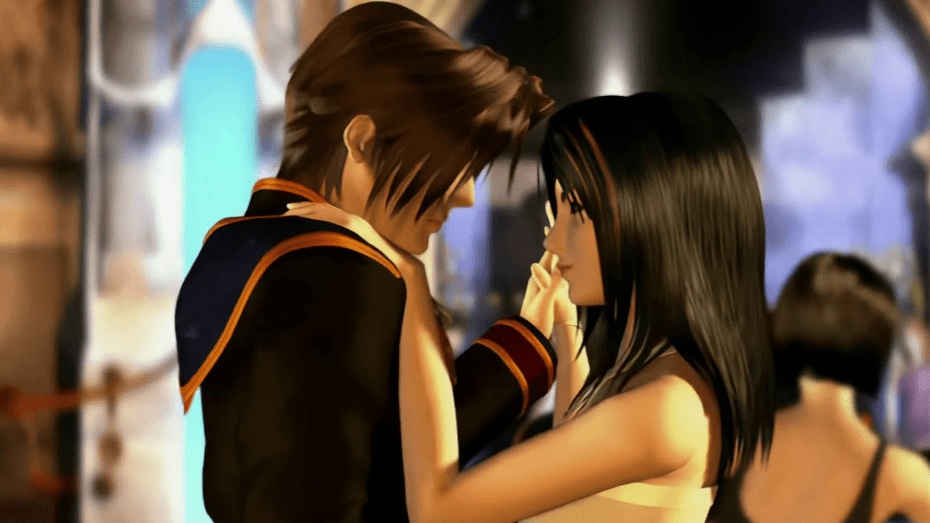
Ah! I love the Waltz for the Moon from Final Fantasy VIII. This iconic scene is what got me hyped for FFVIII. It featured in almost every teaser or trailer for the game. This dance did a great job introducing the main characters, and it’s gorgeous. Even after several video game generations, the graphics hold up well. The fireworks peaking through the moon roof take my breath away. On a personal note, my favorite track from Mannheim Steamroller’s 1984 Christmas album is “Bring a Torch, Jeanette, Isabella,” and whenever I hear that song, Waltz for the Moon dances in my head.
3) Poison Dance (Fortnite)
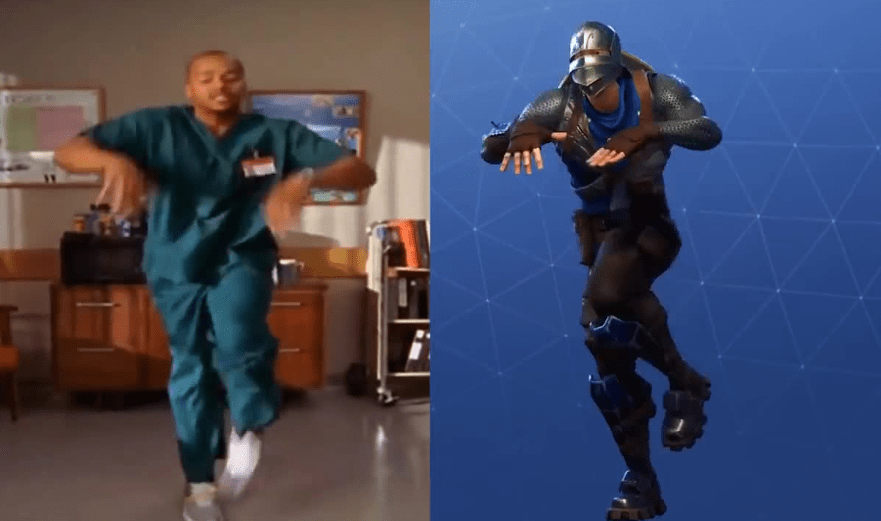
We could’ve included any number of dances from Fortnite–I swear this battle royale doubles as a dancing game–but we landed on the Poison Dance. Originally, this dance was featured in the sitcom Scrubs. Fortnite pays homage to this dance by including it as an emote. You get extra points if you use the Poison Dance emote while playing with a Poison Ivy skin in Fortnite. That girl is poison. On second thought, a Poison Ivy skin may be too on the nose.
2) Crash Dance (Crash Bandicoot Series)
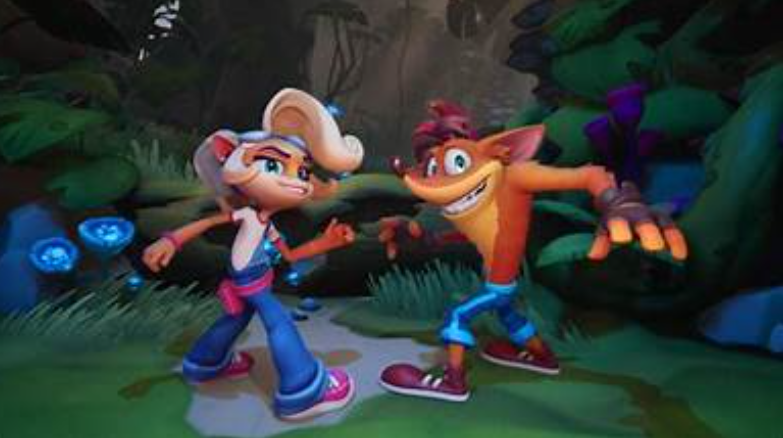
Similar to Sonic: The Hedgehog, Crash Bandicoot was the mascot (for a time) for the cooler and newer gaming system (PlayStation), so of course, he was going to incorporate a special dance every time he finished an objective. But Crash has never taken himself too seriously. Throughout the Crash Bandicoot series, he pelvic thrusts, shuffles until his back is to the player, and then coyly turns and smiles. He’s even gotten his teammates to join in the fun.
1) Friday Night (Yakuza 0)
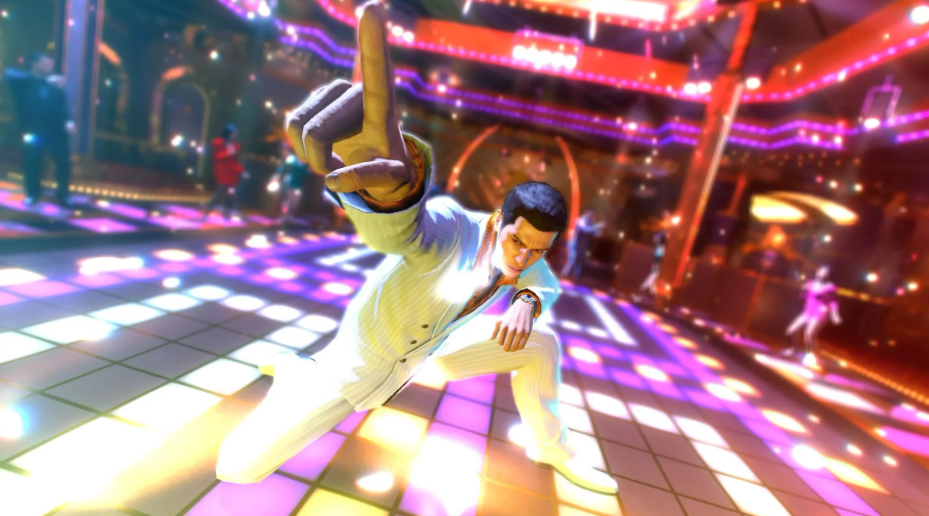
Any song from Yakuza 0’s disco minigame prompts Kiryu to do his hilarious entry on the stage before recycling through the same move again and again during his dance, but “Friday Night” is by far this minigame’s best song. “Friday Night” is the one song I jam out to while trying to complete this challenging disco minigame. Seriously! Yakuza 0’s disco minigame is so difficult, I feel like I learned the dance in real life. Now, watch me break a hip.
Happy Dance Week, Geekly Gang! We hope you enjoyed this list of five great video game dances. What are some of your favorites? Let us know in the comments. Thank you for reading, and wherever you are, I hope you’re having a great day.
Happy Sunday, Geekly Gang! By the time this post goes live, I should be participating in a board game design panel at Nuke-Con, so I’m writing this Geek News post in advance. It may be shorter than usual, but I’ve said that in the past and ended up with a standard-length post. Let’s start this week’s Geek News with the MCU canceling its Unnamed Fall 2027 film.
MCU Cancels Untitled 2027 Film
The movie slot in the fall of 2027 Marvel Studios has been holding for years has just been cancelled this past week. Per Variety, The Simpsons 2 movie takes its place. There are a couple of things to unpack with this tidbit of news. First, by the time the sequel releases, The Simpsons will not have had a movie in 20 years; the first Simpsons film was released in 2007. That’s a significant gap between films. The first Simpsons film wasn’t as bad as some say, but it wasn’t stellar either. While I’m willing to give The Simpsons 2 a chance, I don’t have high hopes. At this point, The Simpsons are a four-decade-old property (the show debuted in 1989, and the family first appeared earlier than that). Multiple generations of television watchers has yet to live in a time without The Simpsons. Second, I like the MCU’s direction.
In a recent interview, Marvel Studios’ CEO Kevin Feige mentioned that the public needs to miss the MCU. As the old saying goes, absence makes the heart grow fonder. No one can miss the MCU if the franchise pumps out multiple movies every year. According to some interviews, Feige never intended the MCU to release as many films and shows as it did in the previous phase or two. With the launch of Disney+, Disney pressured Marvel Studios (and the Star Wars franchise) to produce more shows and movies. Feige has insisted the MCU will slow down its production schedule. The announcement of the 2027 film cancellation solidifies Feige’s position. There will be no MCU film that releases between Avengers: Doomsday and Avengers: Secret Wars.
Honestly, I love the break. The MCU squeezed in two films in between the last Avengers’ crossover event. Captain Marvel and Ant-Man and The Wasp were released in the gap between Avengers: Infinity War and Avengers: Endgame. Those two releases felt rushed. Any film released between Avengers: Doomsday and Avengers: Secret Wars could face the same fate.
And I agree with Feige. Make the public miss you. It’s difficult to miss someone or something when it never leaves.
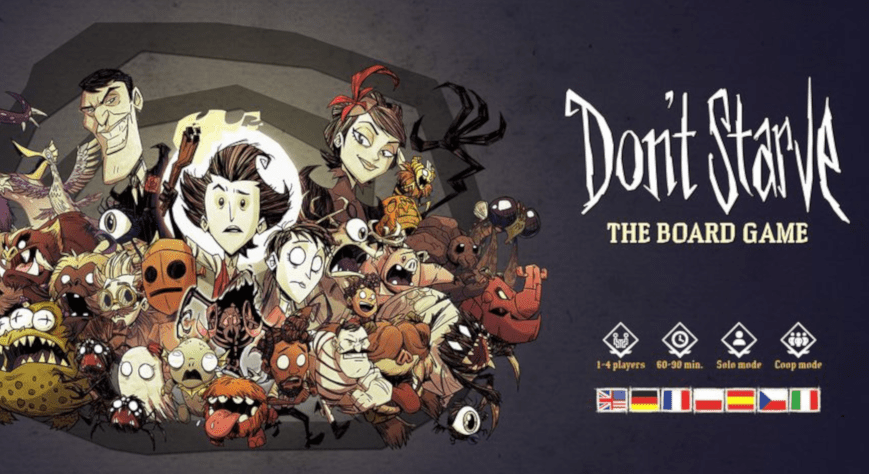
Don’t Starve: The Board Game Launches on KickStarter
Glass Cannon Unplugged launches its latest board game adaptation of a video game classic, Don’t Starve. I’ve playtested a few rounds of this game’s prototype. It was so long ago, I thought the game had already been released. By the way, if you’re interested in playtesting upcoming Glass Cannon Unplugged (GCU) board games like Apex Legends and Frostpunk, feel free to join their Discord channel. GCU has a great habit of uploading its upcoming board games online, so you can remotely playtest.
Anyway, Don’t Starve: The Board Game does a fantastic job of translating what made the video game fun into a board game format. It’s a 1-4 player rogue-like, cooperative game worthy of the name Don’t Starve. If you’re a fan of the video game, you owe it to yourself to at least check out Don’t Starve: The Board Game’s KickStarter page. Pledges range from $79-129. The game features beautiful miniatures/standees–standard with most GCU games–exploration, survival, and crafting. Oh, yeah.
Heroes of Might and Magic: The Card Game Storms GameFound
We go from one board game company (GCU) known for its video game adaptations to another one in Archon Studios. Heroes of Might and Magic: The Card Game is the brainchild of the same company that gave us the Wolfenstein and He-Man: Masters of the Universe Board Game. Unlike Don’t Starve, I can’t speak to Heroes of Might and Magic: The Card Game’s quality, but Archon Studios has an amazing track record.
Heroes of Might and Magic: The Card Game gives me similar vibes to the classic card battler board game, Summoner Wars. Akin to Chess meeting Magic: The Gathering. Heroes of Might and Magic: The Card Game touts numerous video game references–even small ones–and the card art (and design) looks spot on. Heroes of Might and Magic: The Card Game sports a ton of expansions. I’m certain gamers will have plenty of pledge options to choose from once the campaign launches in the middle of next week. We don’t yet know what price points Heroes of Might and Magic: The Card Game offers, but if you’re interested in the game, check out its GameFound page.
Final Fantasy Tactics: The Ivalice Chronicles Releases
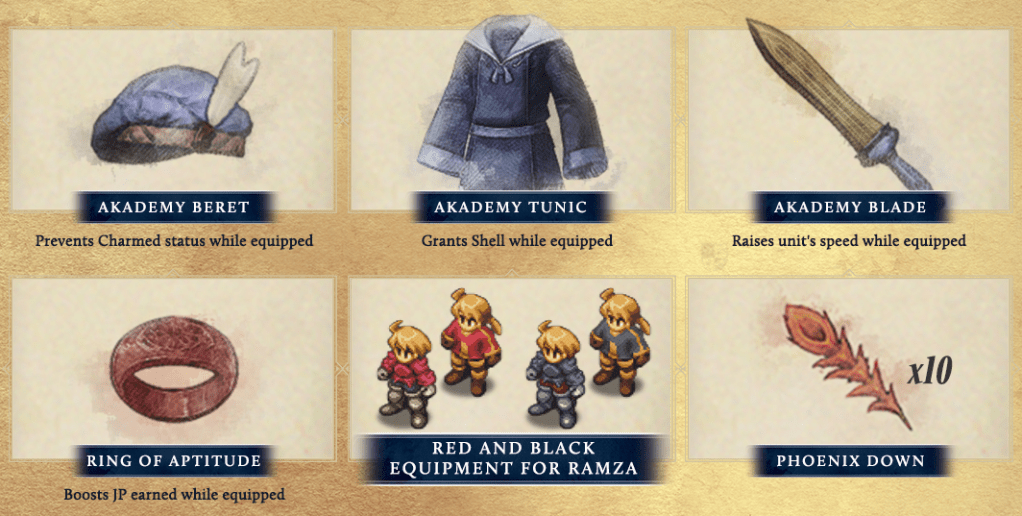
Final Fantasy Tactics is one of my favorite games. I’ve picked up the title each time it’s been remade/remastered, so it’s only a matter of time until I return to Ivalice. In Final Fantasy Tactics: The Ivalice Chronicles, players assume the role of Ramsa, a forgotten warrior who brought peace to the land. Players recruit party members and train them through a job system in this tactical JRPG. Western Zodiac signs dictate how well your team synergizes and how much damage they deal to enemies. Most strong enemies in Final Fantasy Tactics: The Ivalice Chronicles have a fire sign, so picking a birthday (for Ramsa) with a water sign puts the game on easy mode. I didn’t know this until recently. My birthday happens to be under a water sign, and it would confuse me when folks would say Final Fantasy Tactics was difficult.
Final Fantasy Tactics: The Ivalice Chronicles is available on PC, PlayStation 5, PlayStation 4, Nintendo Switch, and Nintendo Switch 2. DLC (pictured above) is available. If you’ve never played the classic JRPG Final Fantasy Tactics, I highly suggest giving this game a try.
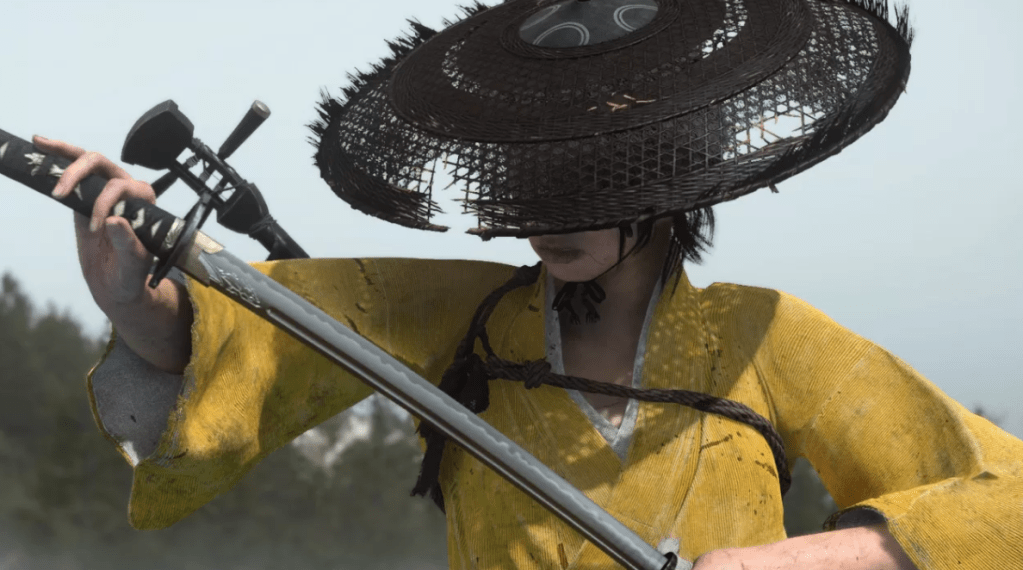
Ghost of Yotei Releases on PlayStation 5
As of writing this post (I’m writing this early), Ghost of Yotei has yet to be released, but it will be in time for the weekend. I can’t wait to play this PlayStation 5 exclusive. Skye swears by Ghost of Tsushima. She covered the first game in this series in a previous month’s Watcha Playing. This series’ combat is second to none. I was about to borrow Skye’s copy of Ghost of Tsushima and begin playing when I remembered Ghost of Yotei was on the horizon. I’m unsure if I’ll miss anything if I begin with the second game in the series. We’ll have to see.
That’s all the Geek News we have for this week. By the time this write-up posts, I’ll be at a board game design panel at Nuke-Con. If you’re in the Omaha area, stop by and say hello. Thank you for reading, and wherever you are, I hope you’re having a great day.
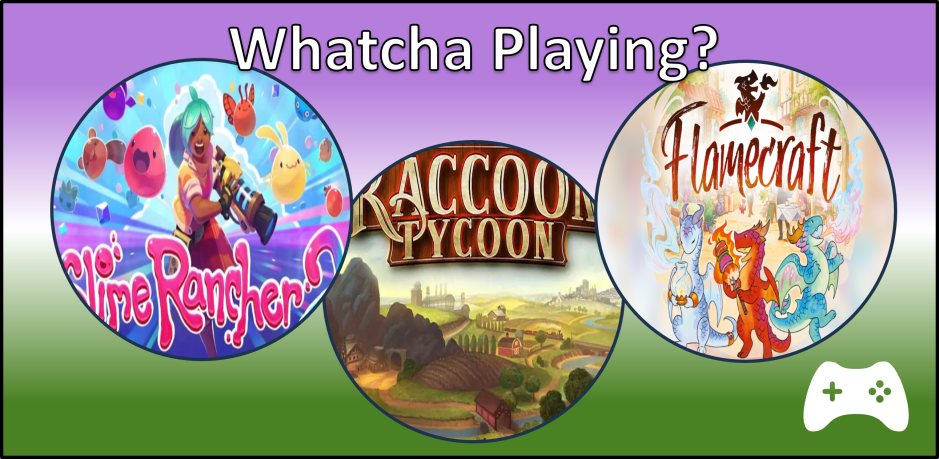
Happy Wednesday, Geekly Gang! Today, our writers share the games they’ve been playing over the last month. Feel free to share what you’ve been playing, because we’re all part of the Geekly Gang. I’ll get things started.
Kyra’s Games
Kyra’s Video Games
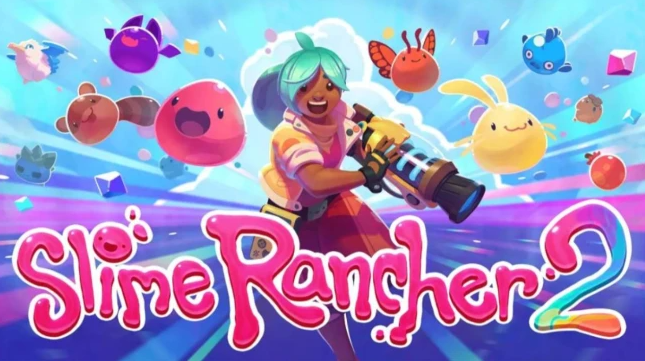
Slime Rancher 2 received a full release this past week, so I’ve returned to Rainbow Island. First, I’m overjoyed with the return of drones. This must be a relatively new addition to Slime Rancher 2. While I appreciate the ability to quickly accrue more drones in the original Slime Rancher, even the smaller number of drones makes managing your ranch a lot easier. I started a new game and refuse to build up a second or third location (even though I’ve purchased them) before I have enough resources to build another drone to help me manage my cutie slimes. Slime Rancher 2 is addictive.
Balatro is a fabulous rogue-like poker deck-building game akin to Slay of the Spire. It has all the trappings of an addictive game, and I sunk plenty of hours into Balatro this past month. In short, there’s a reason Balatro is one of the highest-rated games on Steam. But I do have one gripe. There may be too many options. Balatro shares this issue with Auto Chess. Balatro requires players to balance Planet cards (upgrading the point value for Poker hands), Joker cards (giving a constant point-value boost), and the cards in the deck. Certain combos require specific cards, and Balatro’s staggering number of options means you may never see the cards you need for a combo. Despite this minor issue, I love Balatro.
Speaking of Auto Chess, I’ve played plenty of Auto Chess over the past month, too. The issue I listed in my Balatro write-up rears its head here, but certain game modes (like Solo mode) in Auto Chess allow players to limit the type of units they will receive from the bank. Unfortunately, I don’t care for Solo mode. It’s too slow for my taste. Auto Chess has players buy units, upgrade those units by purchasing three of the same unit, and combo units together with like species (like elves, dwarves, and undead) and classes (like Hunter, Warrior, and Mage). And this last feature introduces yet another issue: balance.
Not all combos are created equal. You can have up to 10 units (if you buy experience to increase your unit count) on the field at one time. Some of the synergies (combos) can be as high as 9 units of the same type. These 9-unit synergies can be overpowered, specifically undead (named Egersis in Auto Chess). A 9-unit undead synergy has an opponent’s dead units resurrect into zombies of the same level. This can double your unit count during battle. It’s unfair and unfun. I’ve played as Egersis, and it’s unfun to play with these unit types. Despite this added issue, Auto Chess is a lot of fun, so long as no one in the lobby plays Egersis. I love setting up my army, leaving for a while to do something else, and then managing my team in between rounds. Heck, I’ll read while my units take care of business.
Kyra’s Board Games
Skye’s going to mention Raccoon Tycoon in her write-up; I’ll let her go into more detail about the game. I love Raccoon Tycoon’s variable market, dual-purpose cards, and auction system. Each card a player uses will increase a resource’s value (or resources’ values) and allow the player to produce resources. Whenever a player sells a resource, they do so at the resource’s current value, and then the player lowers the resource’s value by the amount of those resources sold. And the auction system is simple but great. You can drive up the price of a railroad your opponent wants, but if you raise the price too much, you may get stuck with the railroad. Raccoon Tycoon is a ton of fun.
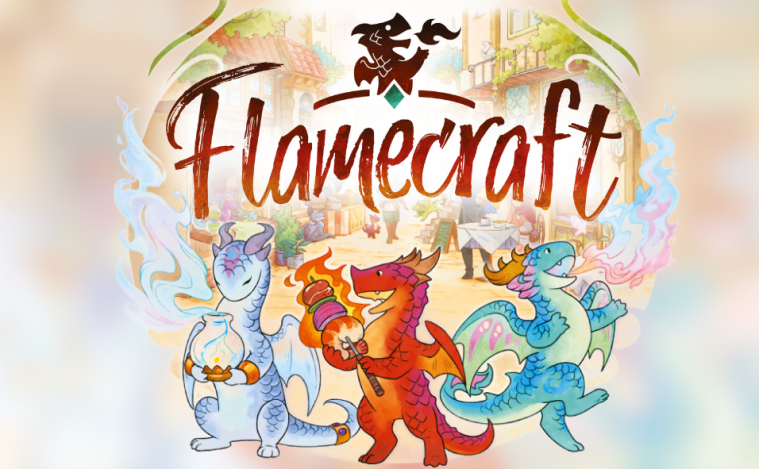
I’ll be running Raccoon Tycoon and Flamecraft for a charity event during Nuke-Con in two days, so I played both to remind myself how to play so I can teach each game. If you’re in the Omaha area this weekend, feel free to stop by my table. Anyway, Flamecraft is a game Season will mention in her write-up this week, but I’m including it. It’s a great gateway game. Flamecraft features enough common game mechanisms in modern board gaming, while introducing them in a lighthearted, easy-to-understand manner. And the art is adorable. Who doesn’t want to make artisanal crafts with cute dragons?
And yes, I will be playtesting and demoing my prototypes at Nuke-Con as well. Rustbucket Riots and Whirligig Pets are on the official schedule, but I’ll bring a few other board and card games I’m working on. If you’re going to Nuke-Con, make sure you stop by the Extra Life tables and say hi. We’ll have badge ribbons and prizes.
That’s all I have for the games I’ve played this past month. Let’s see what Skye has been playing.
Skye’s Games
Skye’s Board Games
Who wants to be an entrepreneur, trash panda? I do. Now you can live out your dream with your friends and family in Racoon Tycoon. I played Racoon Tycoon for the first time and really enjoyed it. The straightforward mechanics, simple gameplay and charming theme make Racoon Tycoon a game that I’d happily return to. Like most games I play for the first time, I sucked, but that doesn’t matter. I may have lost the battle, but the animal economy war has only just begun. Walrus St. isn’t ready for this determined ring-tailed faux cat.
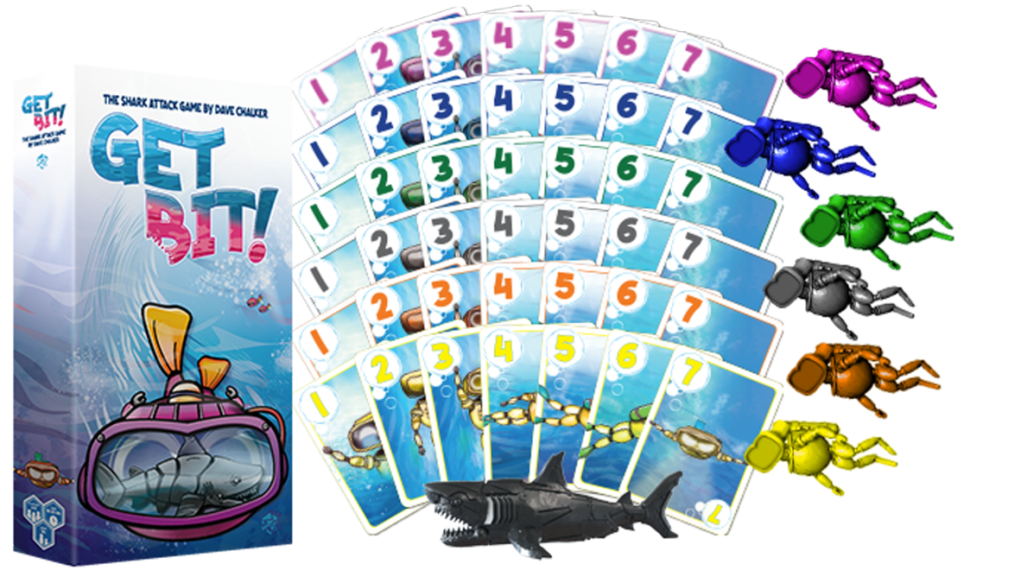
Ah, the wonders of being eaten by a shark. That’s Get Bit’s scenario. Get Bit is easy enough to understand. Don’t get eaten, and you win. The gameplay itself is different than what I was expecting. The goal is to stay as far away from the shark as possible (duh), but you accomplish this by playing cards that are numbered 1 through 7. The person who played the lowest card gets to move the farthest away first, followed by the next lowest card, and so on. Get Bit is a bit odd, but there are fair amounts of strategy and luck involved to keep you on the edge of your seat. Just make sure you sort out your least-favorite limbs ahead of time.
This month was the most fun I’ve had with Formula D in a while. We played Formula D with a large group of people, and it was a completely different experience. When I’ve played Formula D in the past, I’ve only played with 2 or 3 other people at most. With 8 players, we were cracking jokes, being ridiculous, and generally having a good time. The only downside was that the game took much longer than usual because of the number of players. I was so into Formula D, my car and I went to sleep with the fish. It was relaxing.
Skye’s Video Game
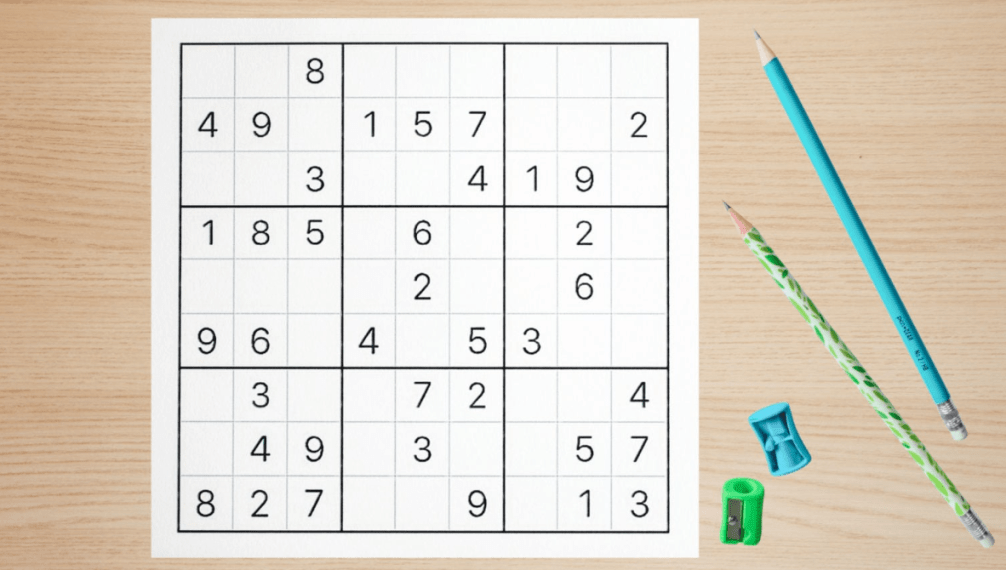
Speaking of relaxing, Sudoku never fails to make me chill out and vibe. I don’t always play Sudoku regularly; I came across a puzzle in my local library that I’ve felt compelled to play online puzzles again. Sometimes I’ll get the urge to test my brain power, and Sudoku has been my go-to. Honestly, there isn’t much to say about it. It’s Sudoku. Y’all know what I mean.
Season’s Games
season’s board games
Of course, I’m mentioning Flamecraft. I won’t go into too much detail, so here’s a quick overview. Your goal is to fill shops with dragons who produce resources. You use the resources to create enchantments and gain reputation. Many different dragon effects affect your score, and the game ends when you’ve run out of dragons. I’d forgotten how much I enjoyed this game until it hit the table last Monday.
I’m a certified dragon lover, and the small dragons in Flamecraft are adorable. ‘Nuff said.
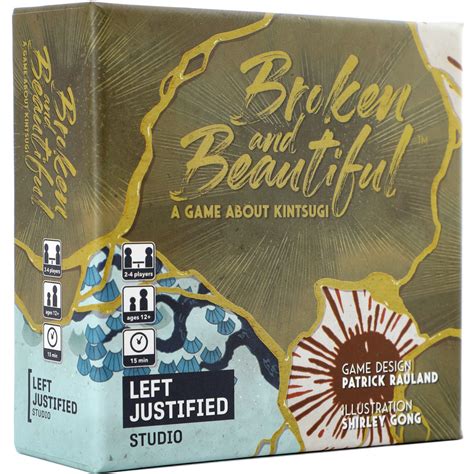
Broken and Beautiful is a set collection game. However, it has a unique way of increasing your score–if you play it correctly. Broken and Beautiful’s theme is based on kintsugi, a Japanese art form of repairing broken pottery with lacquer mixed with gold, silver, or platinum. It makes the object useful again while highlighting its imperfections to celebrate them. In Broken and Beautiful, players draft cards from a tableau using the snake draft method (starting with the first player and reversing player order after the last player). They try to collect sets of pottery based on type (sometimes pattern). The remaining card that doesn’t get drafted and the card on the top of the deck dictate which types of pottery break at the end of the round. Players can spend gold to fix their broken pottery and generate more points.
Normally, I’m not a huge fan of card drafting set collection games since I rarely feel the theme of the game. As in, if I play Sushi Go!, I don’t feel like I’m making a plate of sushi. In Broken and Beautiful, the theme of kintsugi is more evident to me. I also enjoyed the extra layer of strategy in Broken and Beautiful.
season’s video games
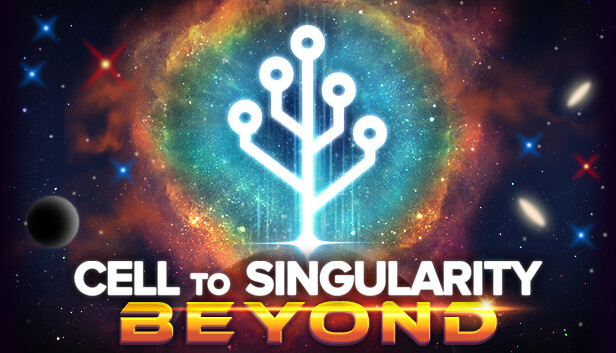
I’ve been playing a lot of Cell to Singularity on my phone. I love learning, and I enjoy idle games. That’s exactly what Cell to Singularity is. You start with discovering amino acids and work your way through evolution. The premise revolves around the game being a simulation of evolution, so some what-ifs about evolution crop up the further you progress. There are also offshoot simulations. The two permanent ones are Mesozoic Valley (dinosaurs) and Beyond (outer space). Every few days, limited simulations are available to play, too. I’ve just finished learning way more about mushrooms than I ever planned to learn. Worth it.
I go in and out of playing Ark: Survival Evolved. No. I don’t have Ark: Survival Ascended. I don’t think my PC can run it. Eh-heh. I enjoy taming my favorite creatures and building different bases every time I play. I have a few mods to spice things up. There are many fun, player-made maps to play on, and unique creatures, too. There are also mods that improve quality-of-life and let players build things that aren’t part of vanilla Ark: Survival Evolved. There’s no better feeling in Ark: Survival Evolved than starting a new game and seeing what happens.
Don’t forget to swing by Nuke-Con this weekend at the Mid-America Center in Council Bluffs, IA, and visit Kyra at the Extra Life booth. They’d love to meet you. What are you playing this week, Geekly Gang? Let us know in the comments.
Happy Sunday, Geekly Gang! We have another week of Geek News with plenty of new releases. Let’s begin with board games.
SkIIkS Slaloms Onto GameFound
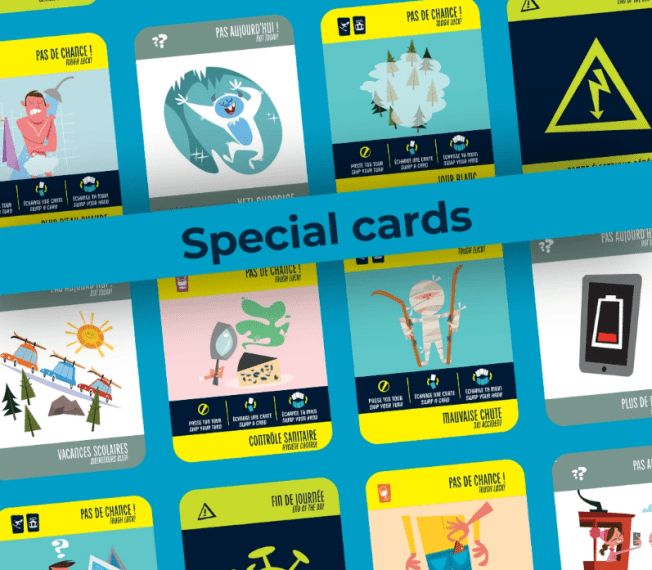
Hop on the ski lifts, race down the slopes, and dive into an apres-ski with no limits. But beware of other skiers and their sneaky moves, as well as your own indulgences. Opponents may force you to fall or cause you to lose credits. I love the inclusion of fondue overload. I hate it when I do that before hitting the slopes.
SkIIkS features plenty of special cards. It plays quickly, and that’s a fantastic thing for a game with strong take-that elements. Two pledge levels exist: $35 for one copy or $60 for two copies. If you’re interested in SkIIkS, check out its GameFound page.
The Wandmaker’s Apprentice Crafts Its Way Onto GameFound
Craft your legacy or wield the shadows. The choice is yours in The Wandmaker’s Apprentice. The game takes place after a falling out between a master wandmaker and their apprentice. In this game for 1 or 2 players, players have the choice of assuming the role of The Wandmaker, crafting genuine wands from resources like wood, gems, dragonbone, and stardust, or The Apprentice, who perfects the art of persuasion to peddle dark magical objects, while avoiding the Magical Authorities.
The Wandmaker’s Apprentice takes about an hour to play. Its asymmetric gameplay sounds unique and exciting. It features quick turns and high player interaction. Judging by the tight board, players will have plenty of opportunities to foil their opponent’s plans. If you’re interested in The Wandmaker’s Apprentice, check out its GameFound page.
Kalypso Emerges on KickStarter
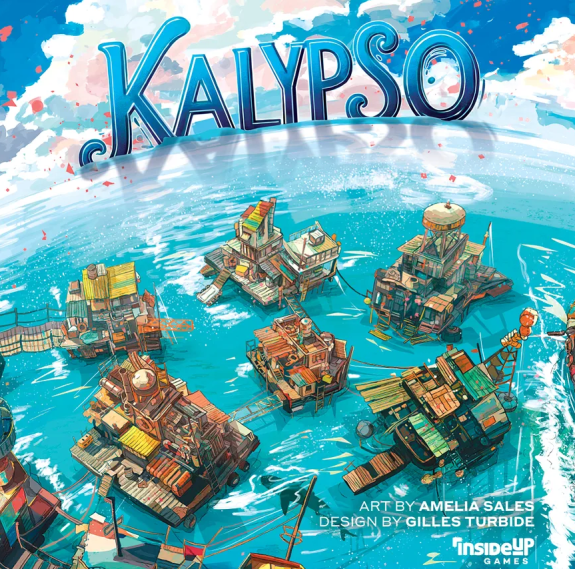
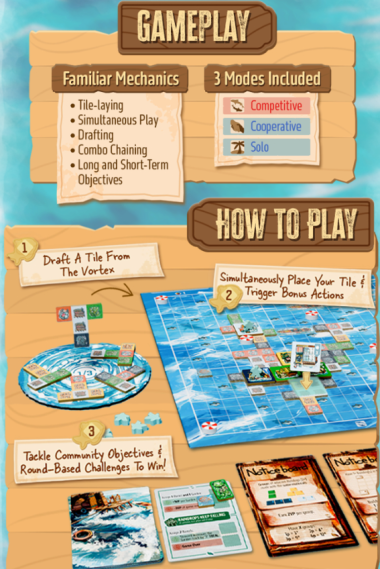
Kalypso combines tile-laying and survival gameplay in a cozy board game. The waters continue to rise, and you must band together to rescue survivors. Each round, players draft tiles and expand their settlement, manage resources, place structures, and guide survivors across platforms of rusted metal and driftwood.
I love Kalypso’s versatility. You can play solo, cooperatively, or competitively. What? Kalypso features gorgeous watercolor art. Watercolor? That’s a nice touch. You can catch fish by enclosing them in your structures. Nice. And I’m a sucker for any game that uses simultaneous action selection. Players simultaneously place their tiles, which should speed up game rounds.
But wait, it gets better. Kalypso’s tiles feature Holdfast Coating technology, which may be a game-changer. Holdfast tiles stick (like magnets) to the game board, so you won’t ruin a game by knocking into the table. That’s amazing. Kalypso offers two pledge amounts: $119 for the Deluxe Edition and $54 for the Standard Edition. If you’re interested in Kalypso, check out its KickStarter page.
Silent Hill f Travels to a New Fictional City
Silent Hill f shakes up its usual formula. The newest game in the long-running horror survival series takes place in the fictional village of Ebisugaoka, Japan, during the 1960s. But Silent Hill f takes more than a few new swings with its formula. The newest Silent Hill game features plenty of melee combat. And according to Silent Hill f’s creative team, the series had become too westernized. Silent Hill f is 100% Japanese horror. And just in time for Spooky Season.
Silent Hill f has received favorable reviews. It’s available on PlayStation5, Xbox Series S/X, and PC. There’s no word yet if Silent Hill f will get ported to the Nintendo Switch 2. Fingers crossed. I haven’t played a Silent Hill game in several years. Silent Hill f may be right up my alley. I’m sure Season wouldn’t mind delving into the Japanese culture Silent Hill f explores.
Sonic Racing: CrossWorlds Turns Heads
In a year that saw Mario Kart World release, I was shocked to read some video game reviewers (like Game Informer) state, “Sonic Racing: CrossWorlds is the most well-rounded kart racer of the year.” What? Could Sonic Racing: CrossWorlds give the latest Mario Kart a run for its money?
When I saw Sonic Racing: CrossWorlds plastered on the PlayStation Store, I dismissed it as a Mario Kart clone, but judging by the rave reviews this game has received, I may need to take notice. To be fair, plenty of video game reviewers haven’t cared for Mario Kart’s creative direction in the past two entries, so the high ratings make sense with Sonic Racing: CrossWorlds taking a classic approach to kart racing. I’m all for an old-school Mario Kart-style racer.
And take a look at some of the featured characters/intellectual properties above: Pac-Man, Mega Man, Spongebob Squarepants, Yakuza, Persona 5, Hatsune Miku, and Minecraft. Sonic Racing: CrossWorlds has a stellar cast of characters available at launch, with more potential characters to be added in the future. Sonic Racing: CrossWorlds is available for PC, PlayStation4, PlayStation5, Xbox One, Xbox Series S/X, Nintendo Switch, and Switch 2. I may need to drive some karts. Tee hee!
That’s all the Geek News we have for this past week. Thank you for reading, and wherever you are, I hope you’re having a great day.
Hey, hey, Geekly Gang! Kyra Kyle here. Today marks the third Geekly Casting post we’ve made with the new format, and the movie we’re casting today is the upcoming live-action Legend of Zelda movie. We almost have another two years before this movie releases in theaters, but that doesn’t mean we can’t speculate who should play each role. As usual, I’ll kick off this post with modern actors, and then Skye will step in with some historical actors for a dream casting. Feel free to share who you think should portray the characters in the upcoming live-action Legend of Zelda movie.
The Legend of Zelda doesn’t have as many recurring characters as other video game franchises, but we’ll need to set up a few ground rules before determining which roles to cast. Namely, which Legend of Zelda games will comprise the characters for the movie’s script?
Our resident movie geek, Skye, who has also happened to play most Legend of Zelda games, and I narrowed the games to Ocarina of Time and Breath of the Wild. Most moviegoers will know Breath of the Wild (along with Tears of the Kingdom, Breath of the Wild is the most recent Zelda video game duology), while Ocarina of Time is one of the first classic Zelda games that added a healthy dose of mythology. Both are stellar games. We couldn’t decide on one over the other, but the Legend of Zelda movie could pull from more than one video game. Let’s merge Ocarina of Time and Breath of the Wild.
Note: Kyra Kyle wrote their segment well before the official Legend of Zelda movie cast its Link and Zelda. They chose to keep their original actors in their roles instead of listing who got cast. Oh. What could’ve been?
Young Adult Link: Morgan Davies
Morgan Davies is a young actor with many high-profile roles in his short career. Danny from Evil Dead Rise and Koby from the Netflix live-action One Piece series top his resume. With his experience, Morgan Davies should have no problem pulling off a twenty-something Link. It doesn’t matter if the Legend of Zelda’s director chooses for Link to be a silent protagonist (like early-era Zelda games) or if Link will have a speaking role. Davies has the talent and the look for Link. He also pairs well (in age) with who I have planned for Princess Zelda.
I know. I know. Morgan Davies is one half of the Link/Zelda meme that’s going around, and I’m going with the other half, too. This pairing is too perfect.
Princess Zelda: Hunter Schafer
Yes! I went with Hunter Schafer as Princess Zelda. She looks just like her. I couldn’t believe those were her actual ears. I love it. Schafer also has a small but impressive experience. Tigris Snow in The Hunger Games: The Ballad of Songbirds & Snakes and Jules Vaughn in Euphoria top her resume. She’s an actress with the ability and the look to pull off the title character, Princess Zelda. I don’t care if Hunter Schafer as Princess Zelda is a meme at this point. Schafer, in this role, makes too much sense. Make this happen, Nintendo.
Ganon/Ganondorf: Sterling K. Brown
I cast Sterling K. Brown in a lot of different roles. That’s because the This Is Us actor is phenomenal, and I’d love to see him in just about anything. Sterling K. Brown will bring a layered approach to the role of Ganon or Ganondorf (depending on which Legend of Zelda story the movie chooses). My fear is that Ganon could be boiled down to a cardboard cutout villain. Sterling K. Brown wouldn’t let that happen. He’d give us a Ganon performance for the ages.
Young Link: Christian Convery
I’m including Christian Convery as Young Link because the main game mechanism in Ocarina of Time is that Link goes back to when he’s a child. We may need a Young Link. Christian Convery (star of the Netflix series Sweet Tooth) looks like a young Morgan Davies and could hold his own as an actor, but he could age out of the role. Young Link is definitely one of those roles you could cast an unknown.
Impa: Michelle Yeoh
The incomparable Michelle Yeoh would make a great Impa at any age. Impa is one of those characters whose age varies greatly from one Legend of Zelda game to the next. Everything, Everywhere, All at Once’s Yeoh has had plenty of experience portraying action roles (at various ages) and has the acting chops to pull off one of Princess Zelda’s loyal protectors. My only doubt in casting Yeoh as Impa is that it could be seen as typecasting. But I love Impa as a character, and Yeoh would be fantastic in this role.
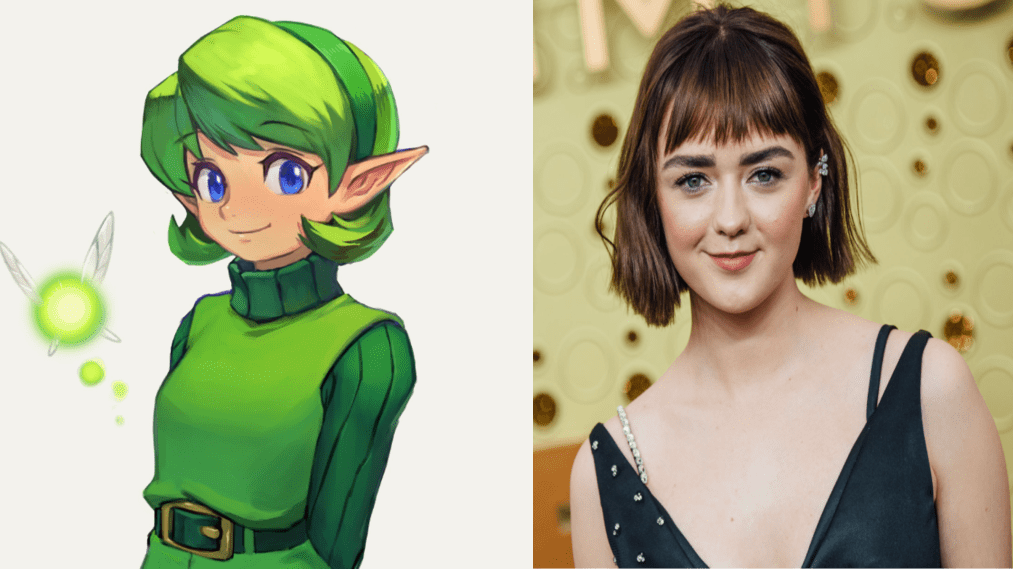
Saria: Maisie Williams
Saria is one of the first sages Link meets during Ocarina of Time. She’s even the sage who presents Link with his very own fairy, Navi. More on Navi in a minute. Maisie Williams has plenty of history acting in a fantasy setting. See her work as Arya in Game of Thrones. Williams has a knack for playing characters who defy social norms. Saria is the only sage to stand up for Link when Mido spread rumors that Link was responsible for the Great Deku Tree’s death. Saria is added in sealing away Ganon during the Ocarina of Time’s finale.
Navi: Awkwafina
I’m doing this one for the LOLs. Many argue that Awkwafina gets cast as a voice actor far too often. In fact, she was in ten animated movies or television shows in two years. Some people claim that Awkwafina getting cast in yet another voice acting role would be so annoying. Enter Navi, one of the most annoying characters in video game history. Hey! Listen! Can you hear Awkwafina screaming, Hey, Listen over and over again? I can. It’s hilarious.
Skull Kid: Elliot Page
There’s a debate as to whether Skull Kid makes an appearance in Ocarina of Time or not. Even if you believe Skull Kid doesn’t appear in Ocarina of Time, you can always tease the antagonist of a future Zelda movie by giving Skull Kid (the main antagonist during the events of Majora’s Mask) a cameo. Over his long, illustrious career, we haven’t seen Elliot Page portray too many villains. Page could make for a great dark and twisted version of Link.
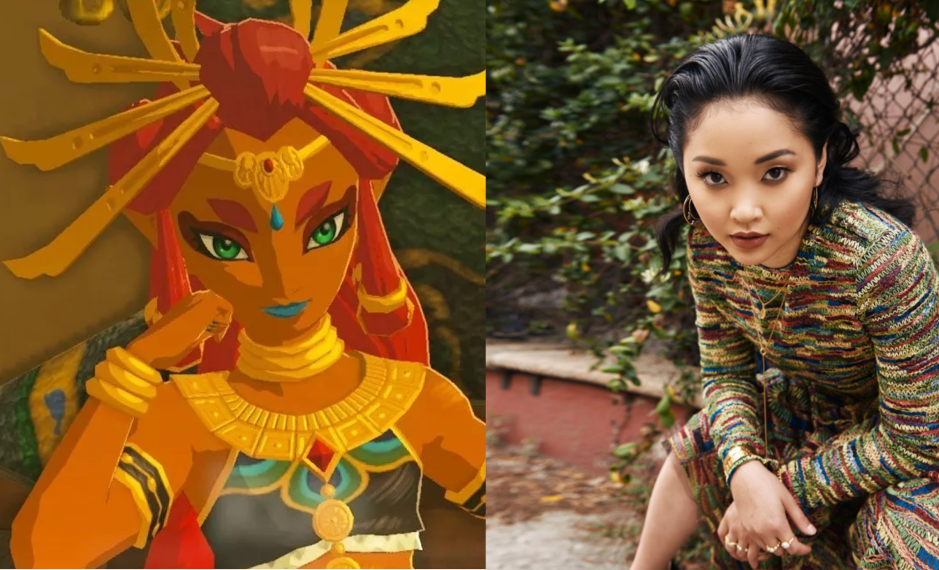
Riju: Lana Condor
Lana Condor made her acting debut as Jubilee in the X-Men film franchise, but she gained international stardom with the All the Boys series. Despite Riju being one of the youngest leaders in Breath of the Wild, she rules with kindness and wisdom beyond her years. Lana Condor has built a solid resume that shows her versatility. She’ll need to tap into all of that experience while playing Riju.
Mipha: Auli’i Cravalho
Mipha rules a tribe of half-human, half-dolphin species. Reserved and introverted, Mipha is fiercely loyal to her friends, especially Link. In fact, during events in Breath of the Wild, Mipha insists that she and Link schedule some one-on-one time after the final battle. Auli’i Cravalho got her big break as the voice actor behind Moana. She’s kept busy in Hollywood and Broadway as a triple-threat (acting, singing, and dancing). Cravlho could easily pull off the strong but kind Mipha.
Revali: Dan Levy
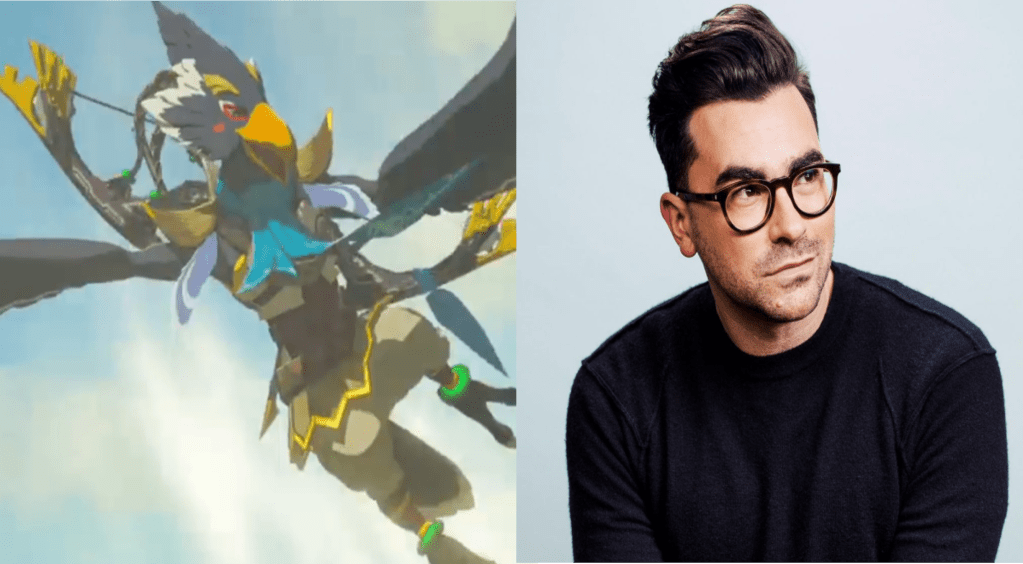
Humanoid bird Revali will be full CGI, so it doesn’t matter if the actor portraying him looks similar to the character. Revali’s temperament is more in play. The champion of the Rito tribe is arrogant and has a sardonic outward personality, especially when he’s around Link. Dan Levy could easily pull off such a character, and he gets extra points because Revali looks like he’s a fully transformed version of Moira Rose’s (Catherine O’Hara’s) role in The Crowening, which is a reference to Dan Levy’s television mother in Schitt’s Creek.
Prince Sidon: Lamorne Morris
Lamorne Morris may be too old to portray Prince Sidon, but this role will use heavy CGI. That means that it matters if Morris’s vibe matches Sidon. The prince of the Zora people is enthusiastic and sees the sunny side of situations. That reminds me of Morris’s character on New Girl. He brings energy to all of his roles and would make a fantastic Prince Sidon.
Urbosa: Laverne Cox
Champion of the Gerudo, Urbosa is an imposing figure. Tall, slender, and muscular, Urbosa’s frame doesn’t match her personality. She’s a gentle and kind leader who only uses her strength and combat prowess when needed. Orange is the New Blacks’ Laverne Cox would make a perfect Urbosa. Laverne Cox deserves to be in more franchises. Watching her act opposite Sterling K. Brown’s Ganon would be a joy.
That’s all I have for my Legend of Zelda casting. Let’s see what Skye has in store.
Skye’s Picks
The choices I made for this casting call were my trickiest yet. In the past, the roles I’ve cast have been well-developed with complex backstories and personalities. For The Legend of Zelda, the characters aren’t “people” so much as “archetypes.” Not that I dislike these characters, but being a symbol as opposed to a person makes it harder for me to find people to fill these roles. I’m happy with the choices I made, but wow. I spent way longer on this than any sane person should have. Either way, these are my choices.
Link: Josh Hutcherson
Link was the last role I filled. It took me a while to figure out who could be both young enough and old enough to pull off Link’s look while having enough acting experience for a non-speaking role. In the end, Josh Hutcherson felt like a good choice. He’s been acting since he was a child and at an age where he can pass as a young adult. That’s perfect for Link. Also, if the filmmakers decided to keep Link mute, Hutcherson has the expressions and body language to come across as strong and stoic.
Zelda: Hunter Schafer
Zelda was the easiest role for me to cast. I had heard talk online about the possibility of Hunter Schafer playing Zelda, and I was on board as soon as I saw her. Just look at her. That’s not an actress playing Zelda, that’s literally Zelda. Case closed. I knew that Kyra Kyle was going to choose her for this role as well, so I spent a while considering who else I thought could fit this role. In the end, I just couldn’t find anyone. Hunter Schafer is living proof of the existence of the Goddess Hylia.
Ganon/Ganondorf: Alan Rickman (Posthumously)
Ganon was an interesting role to cast. I’m unsure which version of Zelda the film will be based on, but Alan Rickman could’ve made a great Ganon in more ways than one. If they’re going for a ruthless monster, Alan Rickman could’ve done it. If they’re going for a sly, calculating Ganondorf, Alan Rickman would’ve been amazing. In more ways than one, Alan Rickman could’ve given us a layered and interesting villain with his interpretation of Ganon/Ganondorf. Unfortunately, we’ll never see it. Rest in peace.
Young Link: (Young) Haley Joel Osment
Haley Joel Osment was the go-to child actor back in the 90s. He had loads of experience as a young actor. Given that, I don’t think he ever did a non-speaking role, so the possibility of Haley Joel Osment as Young Link could’ve been attention-getting. To me, he exudes the energy of having a lot of potential, hidden wisdom, and a good heart, which is exactly what you want for Young Link. Can I live in the timeline where Haley Joel Osment plays Young Link?
Impa: Uma Thurman
Impa has been portrayed in a variety of different ways in the Zelda series. If the filmmakers decide to go the route of Ocarina of Time, Uma Thurman would be a great Impa. Given her experience in several movie roles over her prolific career, Thurman could easily pass as the attendant/protector/guide of Princess Zelda. With Thurman’s expertise as a character actress, I have no doubt she could pull off a wise, measured, and strong character like Impa.
Saria: Mara Wilson
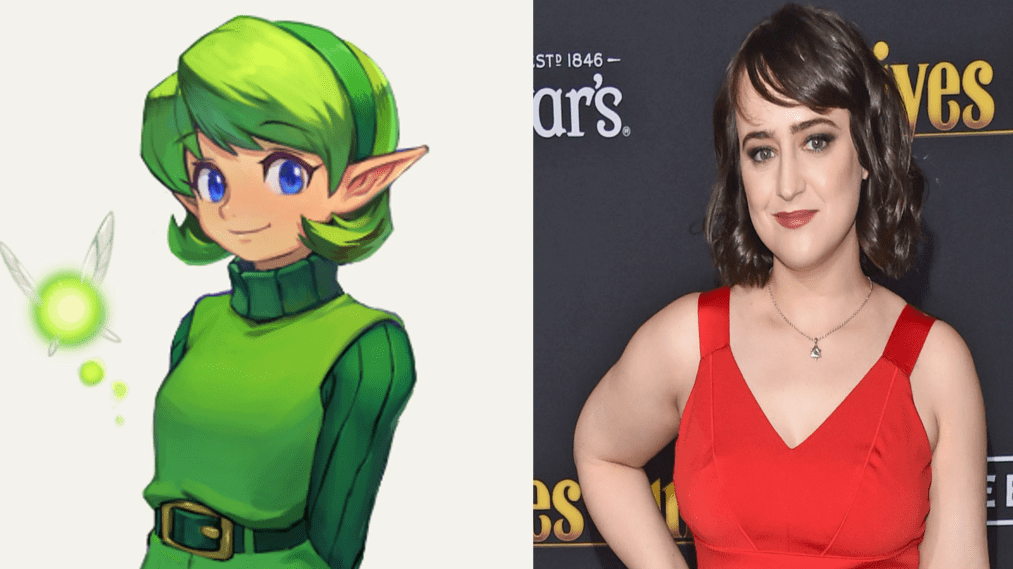
Mara Wilson is yet another prolific 90s child actor. I’m not going to act like every role she had in her heyday was great, but Wilson brought a Saria-esque energy to each of them. Although I have more confidence that she could play Saria now than before. Since The Legend of Zelda’s story is constantly in flux, I’m sure the writers could find an excuse for Saria to be older than she originally appeared in Ocarina of Time. That’s what I like about Zelda. Just look at that side-by-side. Need I say more?
Navi: Tress MacNeille
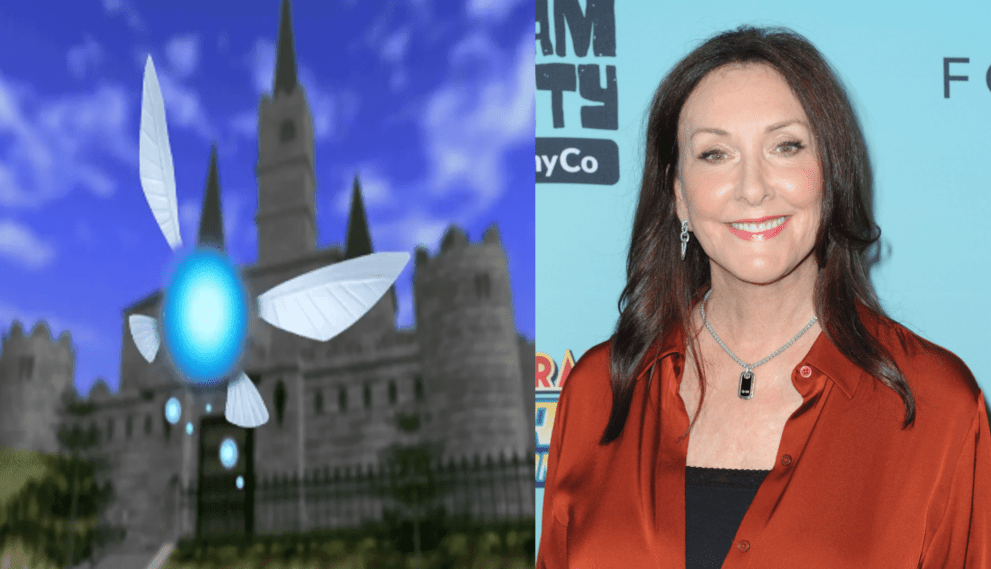
Speaking of having fun with things, Navi was my favorite role to cast. After hearing Kyra Kyle’s choice for the role, I thought it made a lot of sense. I gave it some thought, and I feel like I found another comedically inclined actress. Putting Tress MacNeille’s experience aside, she has the comedic chops and vocals to add a much-needed sense of levity to the film. While Navi is known for her pesky nature, Tress MacNeille could be a great balance of funny, annoying, and lovable.
Skull Kid: (Young) Jim Carrey
On the surface, I think it’s unlikely for the filmmakers to go the Majora’s Mask route. It’s a bit too niche of a Zelda title and not emblematic of the whole series. However, a young Jim Carrey would make a great Skull Kid if they did. Since Skull Kid’s face is rarely shown, much of his personality would come through his physicality, and that screams young Jim Carrey to me. He could pull off a combination of funny, mischievous, creepy, and dramatic all in one role. Also, the fact he’d be wearing a mask would be a fun in-joke to his 1994 film, The Mask.
Riju: Naomi Scott
I don’t care for the 2019 Aladdin. Who does? However, Naomi Scott as Jasmine is a notable strength of the film. Scott showed dedication to her craft despite a lack of script support, and making her Riju in The Legend of Zelda movie could give her a real chance to shine. Riju, as the chieftain of the Gerudo Tribe, has a fearless disposition and commands authority. Since Riju recently became chieftain, Naomi Scott could convey that, despite her inexperience, Riju is trying her best.
Mipha: Tami Stronach
It’s been a minute since I’ve played Breath of the Wild and, by proxy, seen what Mipha looks like. After I saw images of her, I couldn’t get the thought of The Child-Like Empress from NeverEnding Story out of my head. So, I’m going with Tami Stronach as Mipha. As time has passed, Stronach has accepted more producing roles, but she does act here and there. Since she defined what royalty looked like for one generation, she could do the same for another as Mipha.
Revali: Jeremy Renner
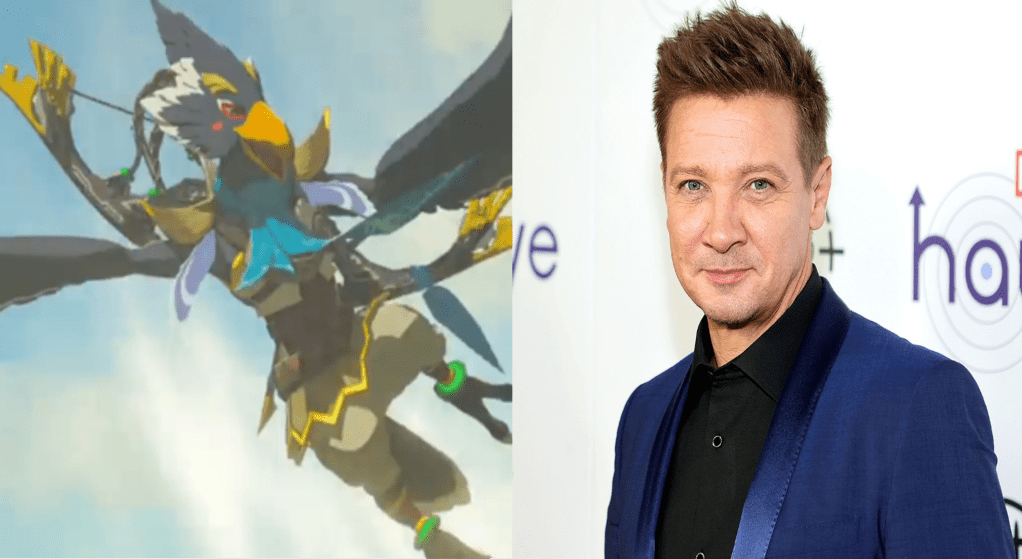
There isn’t much explanation behind my choice of Jeremy Renner as Revali. Even in Breath of the Wild, Revali didn’t get much development or an identity. He was the ancient champion of the Rito (bird) tribe. He’d likely be created through make-up, CGI, or a combination of the two. Pretty much any actor who plays Revali would work. It’s funny for me to imagine Jeremy Renner getting typecast as a bow user. That’s the only reason I picked Renner. Tee-hee!
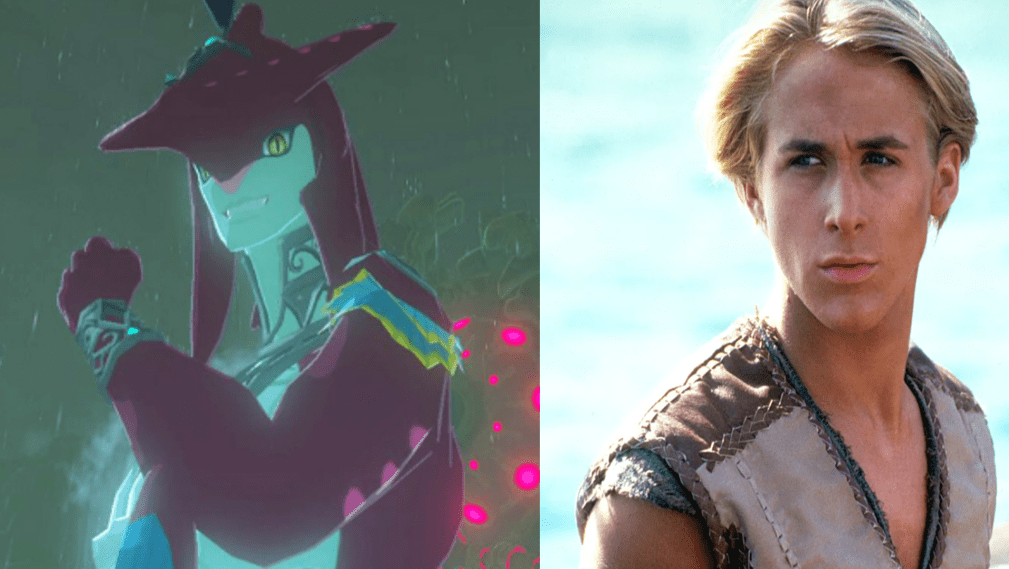
Prince Sidon: (Young) Ryan Gosling
When I imagine the character of Prince Sidon, he’s the goofball partner who enriches your adventure while having your back. That’s why I couldn’t help but imagine a younger Ryan Gosling in this role. Back in the day, Gosling had a way of portraying characters with likable personalities, charming relationships, and a comedic edge. Gosling still has those capabilities, but a younger version of him would be a better fit for this role. Sidon is also meant to be Mipha’s younger brother.
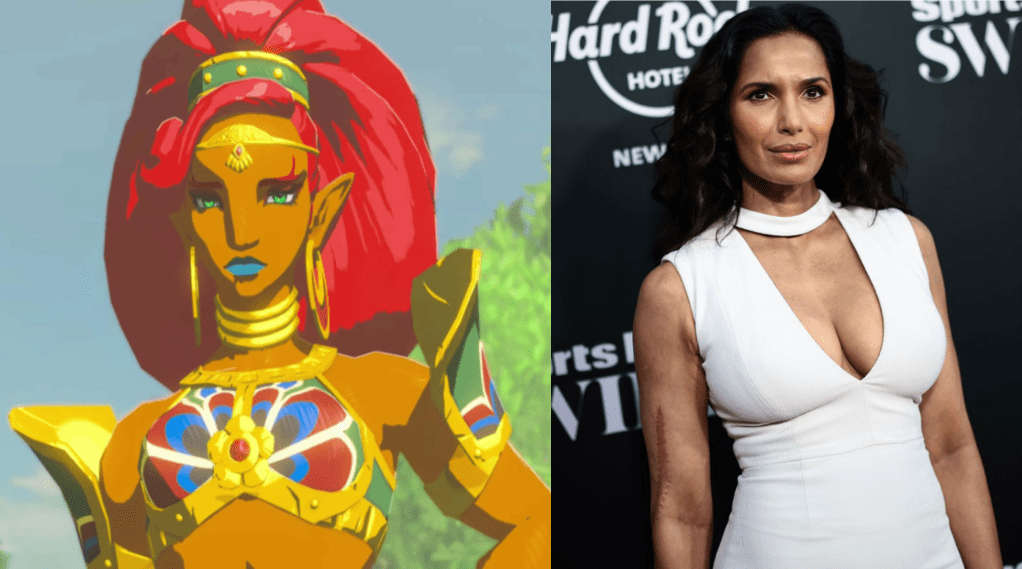
Urbosa: Padma Lakshmi
Unfortunately, Padma Lakshmi doesn’t have many mainstream roles today, but the Urbosa role has her written all over it. As the ancient champion of the Gerudo Tribe, Urbosa is a gallant, stalwart, and authoritative fighter. Urbosa has the strength, finesse, and know-how to bring her enemies to their knees, and that’s why I can’t help but imagine Padma Lakshmi as her. While Lakshmi’s age may put limits on what she’s physically capable of, her personality is perfect. It would also be great to see her in another mainstream film.
Hey, hey! Kyra Kyle here again. Those are our picks for the upcoming Legend of Zelda movie. Who would you cast in these roles? Heck, would add anyone else to this cast of characters? Let us know in the comments. Thank you for reading, and wherever you are, I hope you’re having a great day.