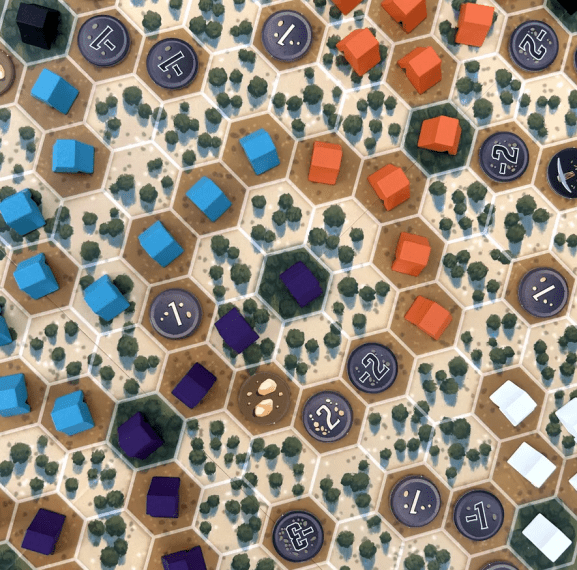
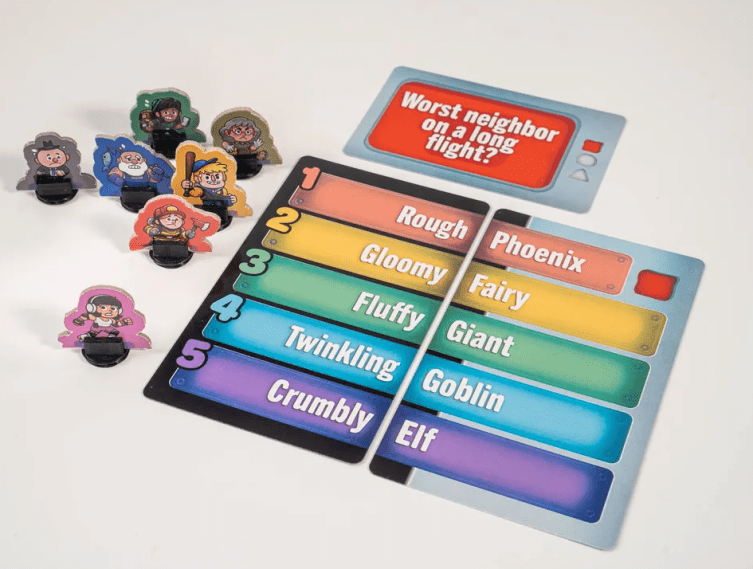
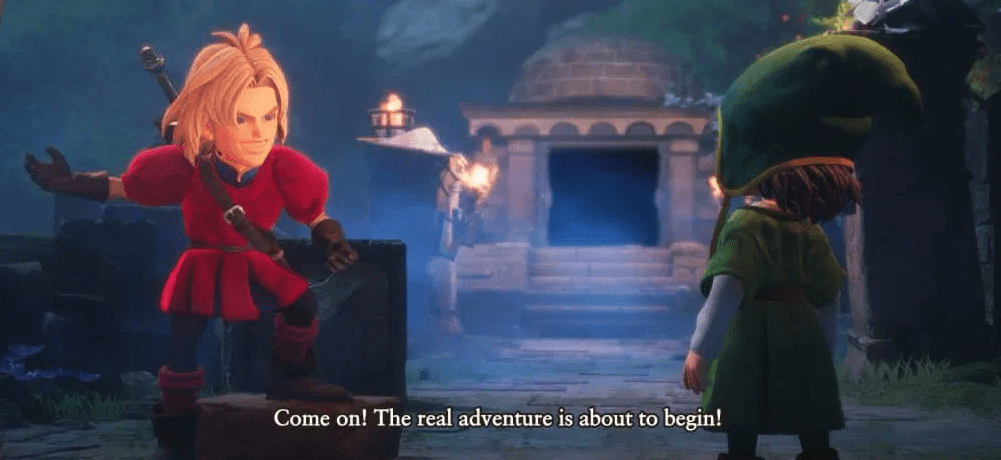
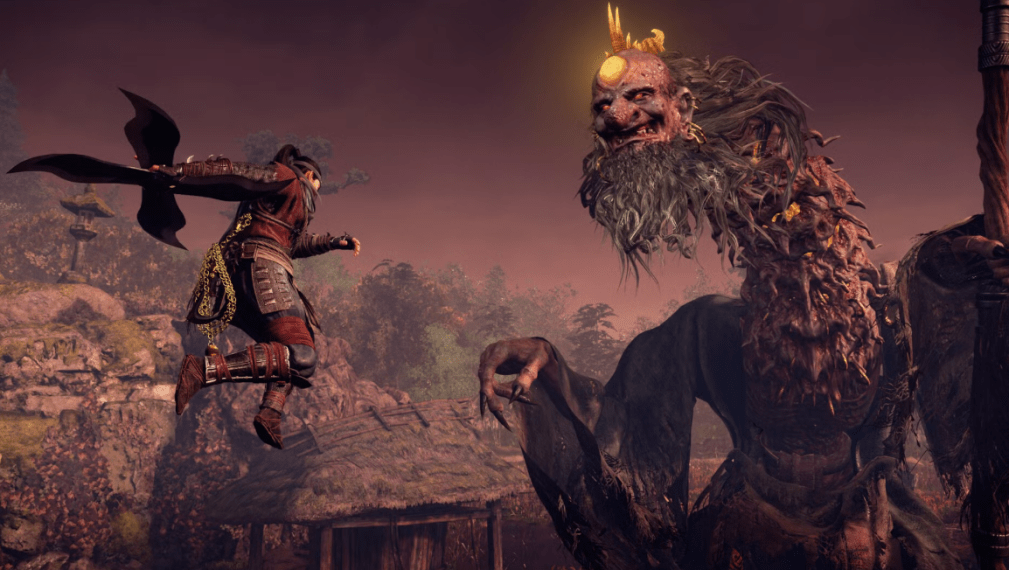
Happy Wednesday, Geekly Gang! Today, our writers share what they’ve been playing over the past month. Feel free to share what you’ve been playing, too, because we’re all part of the Geekly Gang. I’ll get things started with the games I’ve been playing over the past month.
Kyra’s Video Games
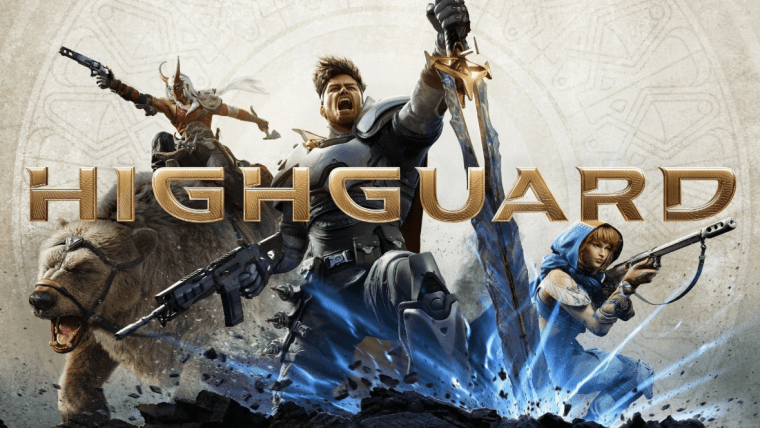
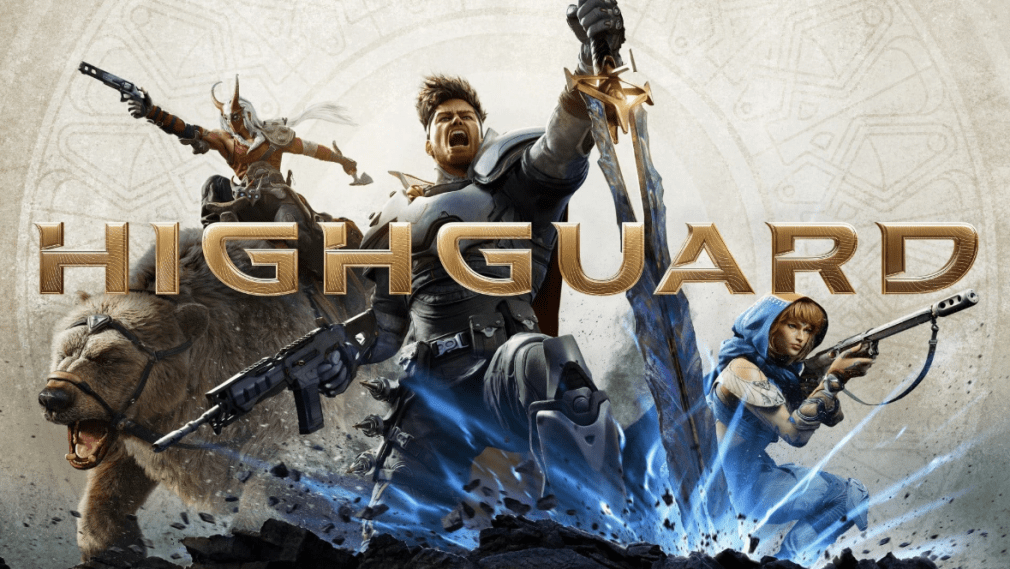
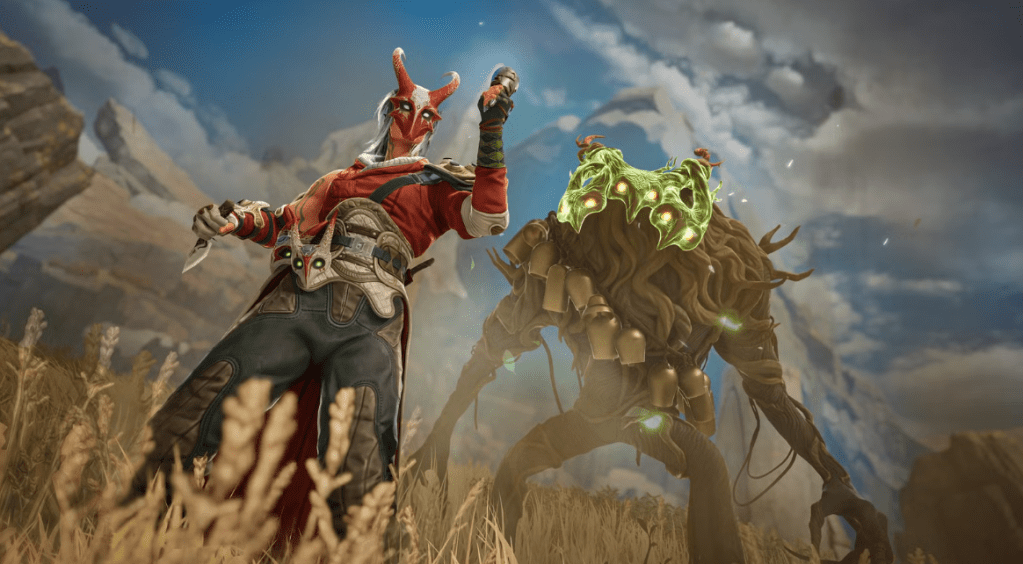
Highguard answers a couple of questions. What if Apex Legends was a base siege game? And what if Apex Legends had a fantasy theme with mounts? Many of the creatives behind Apex Legends made Highguard, so Highguard borrows more than a little bit from Apex Legends. If you know how the buttons work in Apex Legends, you’ll know how the combat works in Highguard. That’s a plus. There’s a lot more to unpack with Highguard. On one hand, I like the effort in creating a unique gaming experience. A base siege game is cool. On the other, Highguard has three game phases. That’s confusing.
Highguard’s first phase should sound familiar with a small twist. Kit up your character (weapons and armor) and fortify your base, on the off chance you’ll be the team tasked as the defenders. Second phase plays like capture the flag. Something called a Shieldbreaker spawns in the center of the game map. The two teams via for control of the Shieldbreaker, which is kind of a flag. The first team to bring the Shieldbreaker to their opponent’s base becomes the siege team. The other team is the defender. The third phase is a siege between the two teams. The offensive team wants to destroy the other’s base, while the defensive team wants to run out the clock.
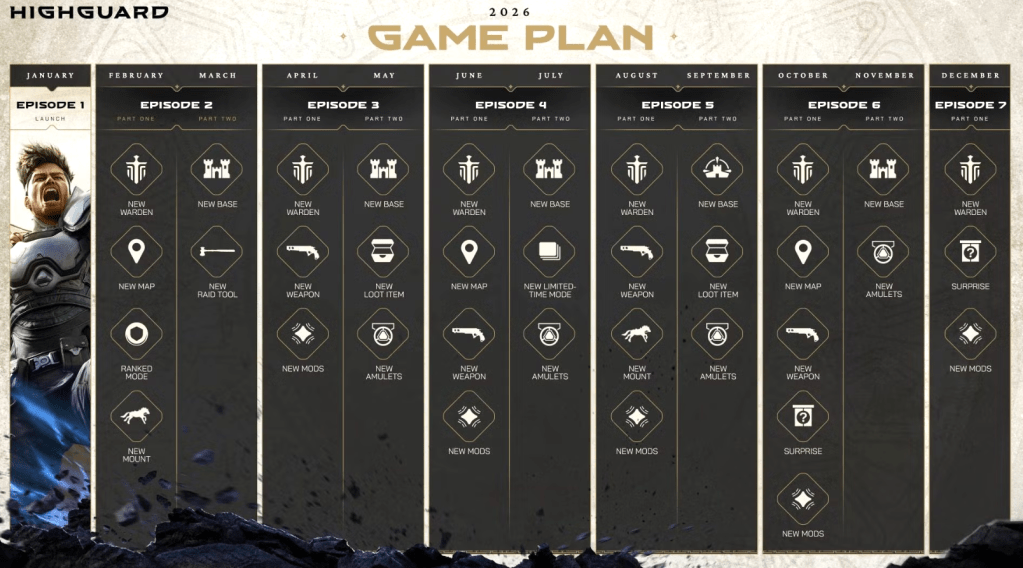
And we got word yesterday that Highguard will shudder its doors the middle of this month. I played the a game little more. The graphics are okay but generic. That may have turned off gamers. Highguard also came out of nowhere (with graphics that clearly cost a pretty penny) which begged the question who financed this game? Turns it, it was Chinese mega publisher Tencent. Don’t know why Tencent refused to take credit for bankrolling Highguard before it released. Tencent is better known for mobile games. That may be why they stayed in the shadows.
I didn’t care for Highguard’s characters. They were more generic than the graphics. Highguard needed lore or a story to capture gamers’ hearts, and it didn’t have enough time to do that. The game functions as three separate games. They may have turned off gamers. I like the big swing, but a less complex game could’ve faired better.
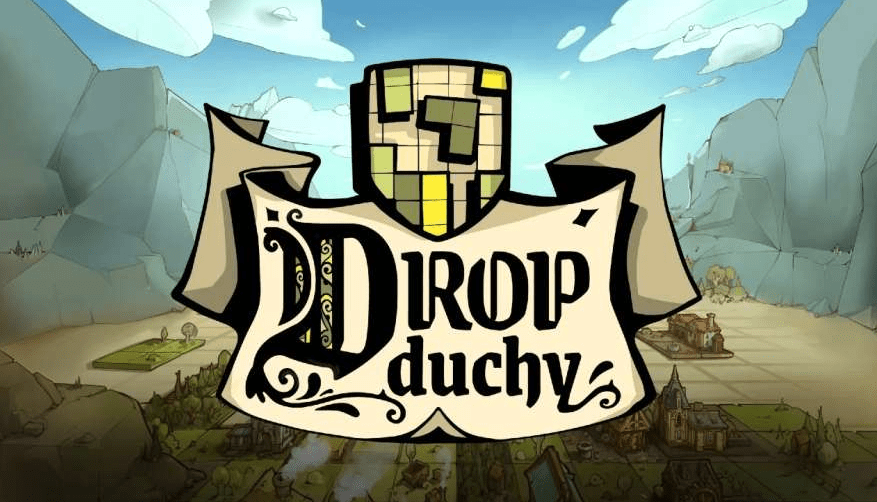
I forgot to cover Drop Duchy. Oops! I’ve been playing Drop Duchy off and on ever since it first released on Steam a few months ago. I believe Drop Duchy is also available on mobile. And I highly recommend it. Drop Duchy gives the classic Tetris formula a much-needed twist. Players build their village–or duchy–by playing Tetris, matching terrain to buildings that can make use of the terrain. But beware, you’ll also place Tetris pieces for your opponent. Ultimately, you’re trying to build up your defenses, while keeping your opponent weak. Tetris is already a thinky puzzle. Drop Duchy cranks up the puzzle several notches. If you’re tired of classic Tetris, give Drop Duchy a try.
And my last entry for video games is a remaster of an old favorite: Plants Vs. Zombies Replanted. The gameplay still holds up. I can’t tell what Replanted adds to the most recent mobile version of the original Plants Vs. Zombies. The graphics might be slightly better than before, but then the ending (if you know, you know) gets screwy because we’re watching the end credits on an old screen with Crazy Dave sitting on the couch. Okay. That was a choice. Regardless, it was fun going down memory lane, and Plants Vs. Zombies Replanted gets more right than it gets wrong.
Kyra’s Board Games
I’ve played New York Slice far more often than I thought I would over the past month. I like the game a lot. But I also stink at New York Slice. New York Slice uses a game mechanism that I wish more board games used: I cut, You choose. Pizza slices can earn players points. Whoever has the most of a specific pizza type will score those points. Players gain slices by one player cutting the pizza into sections for all players. Then, starting with the player to the cutter’s left, players choose which slices of pizza they want.
New York Slice takes a simple concept and makes it sing. I also like the production value. The scorecard is a server’s check. Excellent! I just wish I were good at the game. LOL
I have a few other board games I played this past month, but I may save my discussion about them in a future Whatcha. Let’s see what Skye has been playing.
Skye’s Video Games
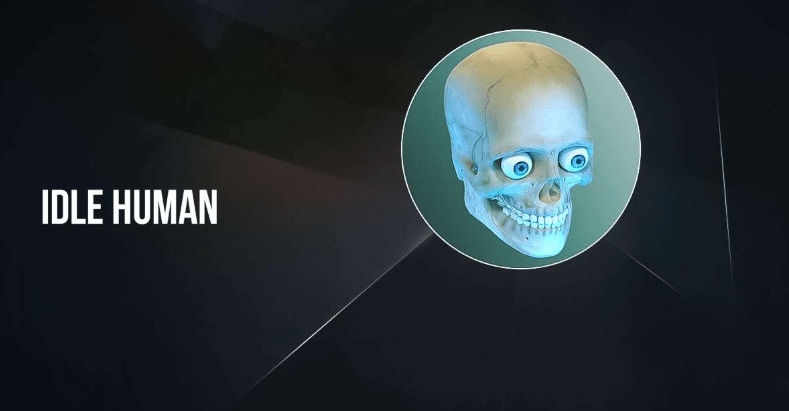
Since I’m still in the process of obtaining the platinum trophies for previous games on this list, I have few new games to discuss. Except for mobile games. Idle Human allows you to create your own human using trillions, quadrillions, and even quintillions of cells. And not just humans, but aliens, cyborgs, and yetis? Sure. Gamers accumulate cells and build a human. Hopefully, you’re not squeamish, because this game has surprisingly detailed depictions of internal organs.
I frequently get ads for “satisfying” puzzle games. One of those games was Pixel Flow. Pixel Flow is a simple game that requires you to destroy a colored pixel image by shooting colored pixels with a pig cannon of the same color. I promise it makes sense when you see it. Images can range from simple to incredibly complex, which makes levels easier or harder. At the end of the day, Pixel Flow is kinda dumb, but wait until you see that pig cannon. I rest my case.
I didn’t need another coloring app, but Happy Color is unique enough to justify having it on my phone. Happy Color is easily the most popular color-by-number app in the App Store, so it needs little introduction. I like Happy Color’s significantly larger number of coloring categories and unique styles. My special pixel coloring app, Pixel Art, allows me to upload my own custom images to color from my gallery, which is its primary use, but I still enjoy variety in my artwork. Unlike Pixel Art, Happy Color allows me to explore those different styles. And it’s okay to have two coloring apps on one’s phone.
Hey, hey! Kyra Kyle here again. Those are all the board games and video games our writers played this previous month. Let us know what you’ve been playing. Thank you for reading, and wherever you are, I hope you’re having a great day.
Happy Sunday, Geekly Gang! Kyra Kyle here with another week of Geek News. We have another weekly round-up of new game (board games and video games) releases, but before we get into those, we have some headlines to discuss. We missed last week, because I was on a romantic getaway with my spouse, so some of these headlines may come from the previous week, and we begin with a doozy. Xbox Gaming CEO Phil Spencer retires, and Spencer’s mentee Sarah Bond resigns. Woah! What is happening at Xbox? Let’s find out.
Xbox Gaming Changes Leadership
After nearly 40 years with Microsoft Gaming, Xbox CEO Phil Spencer retires. While Spencer will stay on in an advisory capacity later this year (2026), advisory roles are more symbolic. I don’t imagine Spencer having much input into Xbox’s future–if Xbox even has a future, but more on that in a little while. What muddies the water further is that Sarah Bond, who Spencer prepared to take over as CEO in the event of his leaving Xbox, resigned her position. Undoubtedly, Spencer and Bond are subject to a non-disclosure agreement, so we may need to wait numerous years before they share why they left the company, and Xbox/Microsoft hasn’t expanded on why the pair left. Talk about chaos.
But we’re not done yet. Microsoft Gaming/Xbox has named Spencer’s replacement: Asha Sharma. Prior to joining Microsoft in 2024, Sharma was chief operating officer of Instacart and previously vice president of product at Meta. Her role within Microsoft was within its CoreAI division. Uh, oh! Artificial Intelligence. Sharma immediately addressed gamer concerns with Microsoft/Xbox potentially leaning further into AI. She made the following statement: “Xbox will commit to the ‘future of play,’ and that Xbox would not focus on ‘soulless AI slop.'” There’s a lot to unpack with Sharma’s brief statement.
What does “Future of Play” mean? Sharma is saying the right things. She wants to return Xbox to its early days. She wants to focus on games. I’m all for better games. And Xbox has acquired a ton of developers. Fingers crossed that many of the better ones survive a potential reorganization or that the developers who do get let go can re-establish themselves as independent publishers. We’ve heard rumblings that Xbox could be disbanded. “A focus on games” could mean Microsoft has no interest in consoles, and to be fair, consoles don’t always garner huge revenue. And then, there was the bombshell dropped by Xbox co-founder Seamus Blackley during a Gamesbeat interview earlier this week. “I expect that [Sharma’s] job is going to be as a palliative care doctor who slides Xbox gently into the night.”
If the Xbox Series S/X is Microsoft’s final console, it may be a fate Xbox has been heading toward for years. I never bought Phil Spencer’s claim that a tablet can be an Xbox. Your phone can be an Xbox. I can be an Xbox. If anything can be an Xbox, doesn’t that mean that nothing is an Xbox? Microsoft Gaming could’ve been heading toward becoming a game developer/publisher and dropping the console producer for years, and it may not even be Sharma’s doing. Spencer’s past comments may have hinted at this shift.
But Sharma’s background in AI makes the “Future of Play” comment sound ominous for a different reason. While I like Sharma addressing the issue of soulless AI slop, this may be corporate speak. Gamers received their first impression of Sharma as head of Xbox this past week. Again, she’s saying the right things, but she has an extensive history with AI development. There are levels to AI integration. Most people don’t want AI slop, and Sharma may make good on her promise of not including AI slop, but I wouldn’t discount Xbox leaning heavier into higher levels of AI integration. Could we see AI voice acting, AI graphics for background assets (or even foreground graphical assets, because building character models is hard), or AI writing for side quests? Time will tell. This is a developing story.
Paramount Increases Its Offer for Warner Bros.
Guess who’s back. We’ve been following the Warner Bros. Sale for several months, and we may have several more months before the final deal goes through. Paramount offered $108 billion That would’ve been about $30 per share, but Warner Bros. declined, deciding to go with Netflix’s offer, but that was only for HBO Max and the Warner Bros. movie studio. Last week, Paramount upped its offer to $31 per share. Paramount wants all of Warner Bros. Discovery, which includes CNN, TNT, TBS, and other assets.
I had written this piece before Netflix responded to Paramount’s offer. I thought Netflix might increase its offer. Earlier in the week, there was a chance Warner Bros. could still accept Netflix’s offer. If Warner Bros. sold its two assets to Netflix, it would still have enough remaining assets to sell to another buyer, like Paramount. But Paramount’s offer was too tempting. The streaming giant Netflix has rescinded its offer. Paramount has acquired all of Warner Bros. Discovery. Even though both sides have agreed to the deal, it must go through regulatory agencies before being approved. We’ll see what the future holds.
This deal makes me wonder about CNN. Last year, Paramount appointed Bari Weiss as CBS News’ Editor in Chief. The hire was questionable at best, in large part because Weiss seldom fact-checks. That doesn’t work so well for a news network. Big changes may be on the horizon. We’ll keep you posted.
AI-Fueled Memory Chip Crisis May Delay Next Gen Consoles
It’s no secret that the current generation of gaming consoles has suffered setbacks due to the pandemic and unfair tariffs. We’ve discussed the tariffs, and let’s not relive the pandemic, but the rise of AI has also impacted the PS5 and Xbox Series S/X. And AI may just impact the next generation of gaming consoles, too.
We haven’t heard official word that Sony or Microsoft plans to delay their next consoles. We haven’t even heard definitively if Nintendo plans to raise the price of the Switch 2. But there are rumors. These rumors began late last year in various articles by Reuters and Forbes. The AI boom has led to tech companies (specializing in AI) gobbling up memory chips. One also needs memory chips to produce gaming consoles. With AI’s demand for memory chips rising, there may not be enough memory chips for gaming consoles. This raises the price of memory chips. More expensive memory chips raise the price of gaming consoles. And new consoles like the PlayStation 6 and whatever Microsoft plans to name their next console–if they even make another console–get delayed by years. The industry’s current guess is 2028 or even 2029.
Again, Sony, Microsoft, and Nintendo have made no formal plans to delay console releases and/or increase console prices, but all of those outcomes are on the table if the AI-fueled memory chip crisis continues. This is yet another developing story. We’ll keep you posted.
Perch: Birds of Play Launches on Kickstarter
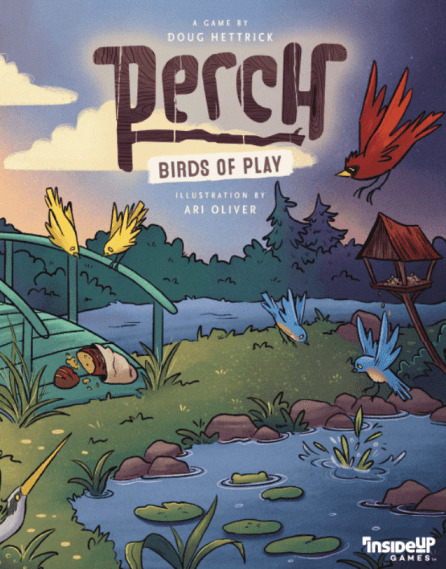
In Perch, players fight for control of locations by commanding birds of their own and other players’ flocks. Earn points and command woodland creatures by having the most birds on a location, pushing your foes off the perch, and breaking ties to take the lead.
Each round, players add their birds into a shared bag. Players then draw birds of their own, and other players take turns stacking birds on location tiles. Each location tile will award variable points for majorities and sometimes grant players a unique ability. The game ends after five rounds, and the player who has earned the most points wins.
With a modular tile configuration and a variety of woodland creatures to control, each game will present a new tactical challenge.
Thank you for the stellar description, Inside Up Games. Perch: Birds of Play is the first major expansion to Perch. If you don’t have the base game, don’t worry. Perch: Birds of Play offers multiple pledge levels to accommodate those who are new to Perch. I would be one of those Perch newcomers. I’ve heard plenty of great things about this title, Perch: Birds of Play intends to add to Perch’s winning formula.
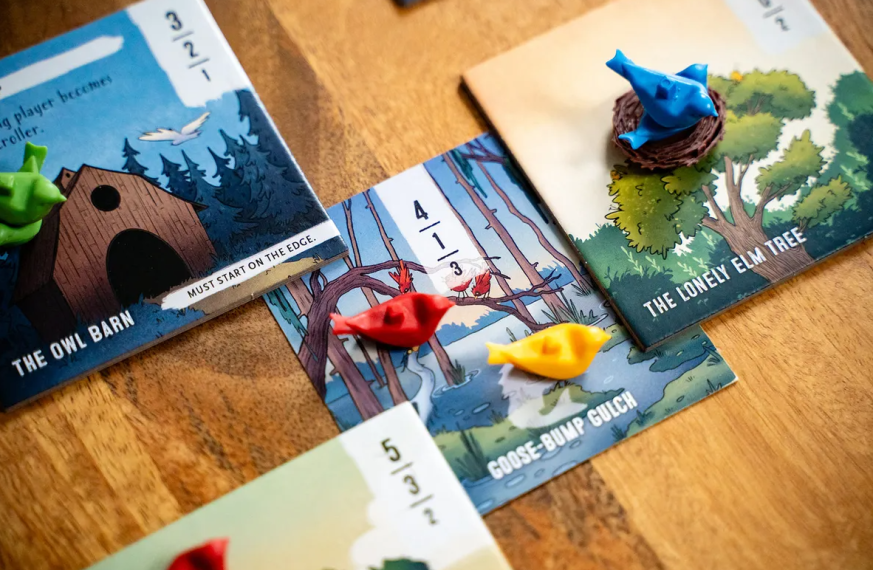
From what I’ve heard, Perch can get intense. Players fight each other for control of tiles. In short, Perch may share a theme with Wingspan (birds), but it feels more like a fist fight. If you have the base game, players can pick up Perch: Birds of Play for $24. If you’d like the base game and the expansion, the pledge level is $58. And there are other options for upgraded bits like the 3D birds pictured above. If you’re interested in Perch: Birds of Play, check out its KickStarter page.
The Old King’s Crown’s 2nd Printing and New Songs of Home Expansion Launches on GameFound
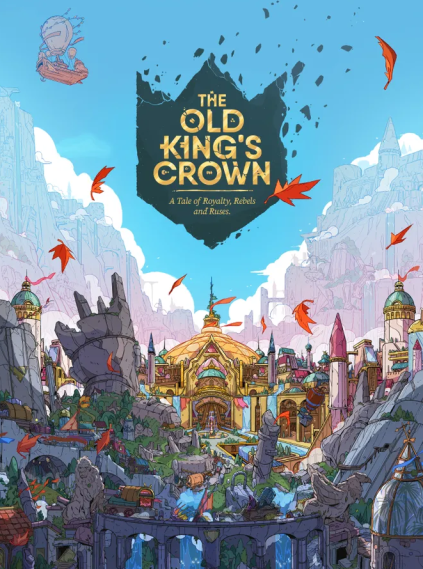
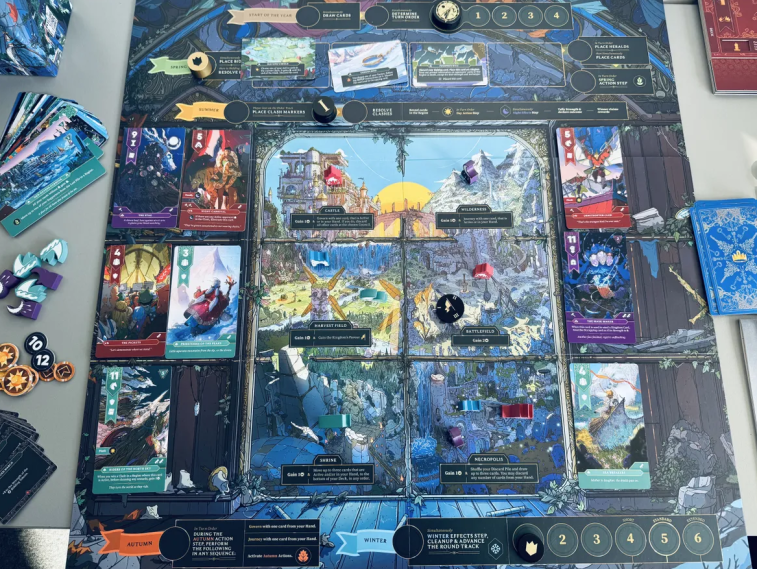
The Old King’s Crown is a game of card-driven conquest, where you play as heirs to a vacant throne, vying for control of an ancient, overgrown kingdom. Wield unique abilities and leverage your followers’ traits to best outwit your opponents across a map that stretches from the teetering heights of the castle to the dappled light of the necropolis.
As leader of your faction you will be staking claims with Heralds openly as well as positioning your forces in secret, hoping to claim the locations that fit your designs. However, keep an eye on your rivals, as they too have agents and agendas, poised to undo your best laid plans.
Royalty, rebels or ruses. What crown will you wear?
Another great description by the publisher. Thank you, Eerie Idol Games. Love the company name. The Old King’s Crown is yet another game I’ve heard great things about. It has a solid rating on BoardGameGeek, but it does skew toward the heavier side. One look at the game above cues one in about The Old King’s Crown’s complexity. But it looks as if it has plenty of iconography, and the board has a pleasant layout. This gives me the impression of a game that has a lot of moving parts, but it’s easy enough to understand once you get the flow.
The New Songs of Home expansion adds two new factions. Each faction has its own asymmetric gameplay, so two new factions are welcome news. The expansion also expands on The Old King’s Crown’s world. Another plus. The Old King’s Crown can be played competitively, cooperatively, or solo. That’s always a plus. As of this writing, we don’t have details of The Old King’s Crown’s pledge level costs, but if you’re interested in The Old King’s Crown, check out its GameFound page.
Hair Band Launches on KickStarter
Rock the stage and Rule the Strip!
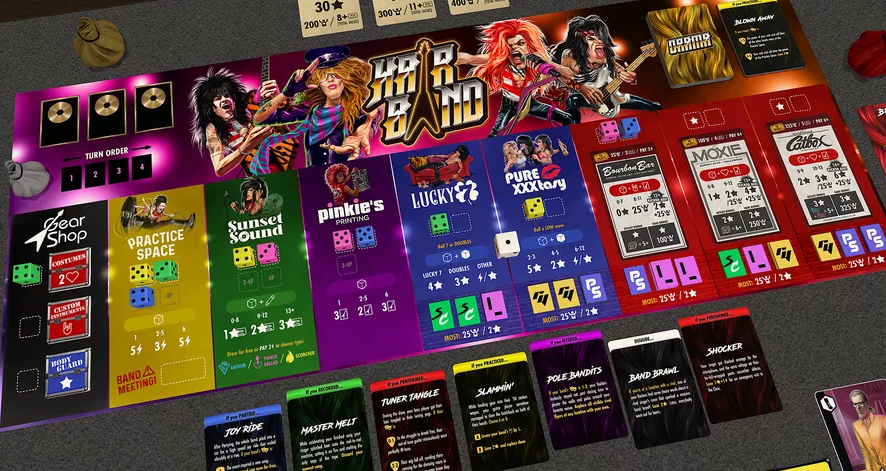
In Hair Band, you’re an upstart 80’s glam metal band vying for Hollywood’s next record deal. But to get it, you’ll need to convince the label you’re the next big thing – get awesome, get fans, perfect your show, and complete your demo to sign on the dotted line.
Each round, you’ll place your dice-as-rockers around Hollywood to write, rehearse, promote, gig, and party all night. But watch out! Musicians can be a reckless and unruly bunch. So, you’ll need to choose wisely to steer clear of drama that can derail your ambitions. The first band to complete 3 of the 4 record label requirements gets the deal and wins the game.
Rock on, Frown Clowns Games with that fun write-up for Hair Band. We’ve seen a few rock-inspired board games over the past year or two, but I’m a sucker for any dice-placement game. And the act of rolling makes sense for a rock-inspired game. Rock and “Roll.” Hair Band appears to capture the glam band vibe. The art above may come from Board Game Arena or Tabletop Simulator (a virtual board game), but the final product looks great. I chose to use a virtual board game picture to show more of the game. Vector graphics are more likely to maintain their crispness. But look at the dice. I choose pink.
I have yet to play Hair Band, but I’ll quote Alex Wolf (of Spielcraft Games, the publisher of the superb Cretaceous Rails), “(Hair Band) is a light, thematic strategy game where you lead your hair metal band to practice, play shows, and complete albums, and of course navigate the challenges that come with a rock and roll lifestyle.” Yep. I may have to try Hair Band. If you’re interested in Hair Band, check out its KickStarter page.
Sky Empire Launches on GameFound
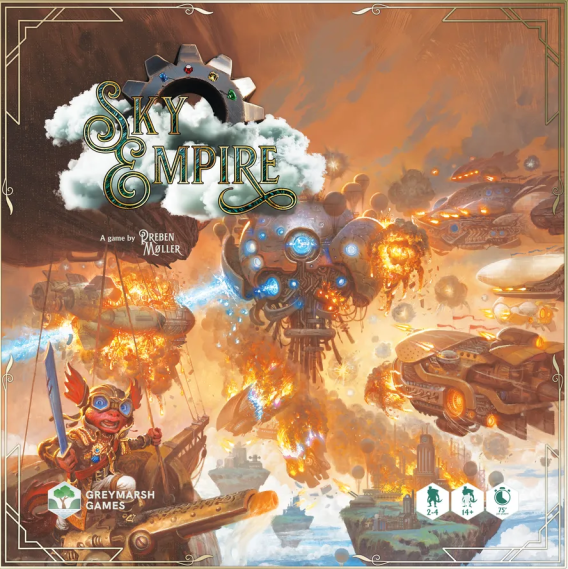
In the skies over planet Dopheus, players will take on the role of a Doppler, a salamander-like creature with one mind and two bodies, in a quest to find the crystals and reactivate the monolith defense to thwart the invasion from the evil sentinels! Take part in this epic adventure, in more than 40 different airships, to find the crystals and stop the invasion – and become Emperor over all of Dopheus!
Sky Empire takes place over several game rounds, where players place their Dopplers either in the Council to take Council actions, or on the board for character unique abilites. Or both! You have two bodies! To take actions on the map you activate the tiles with an initiative token, and that allows you to move to this tile, explore, produce, construct and/or battle opponents!
To win the game, you must collect the four crystals, activate a monolith, and ascend to the position of the Emperor of Dopheus!
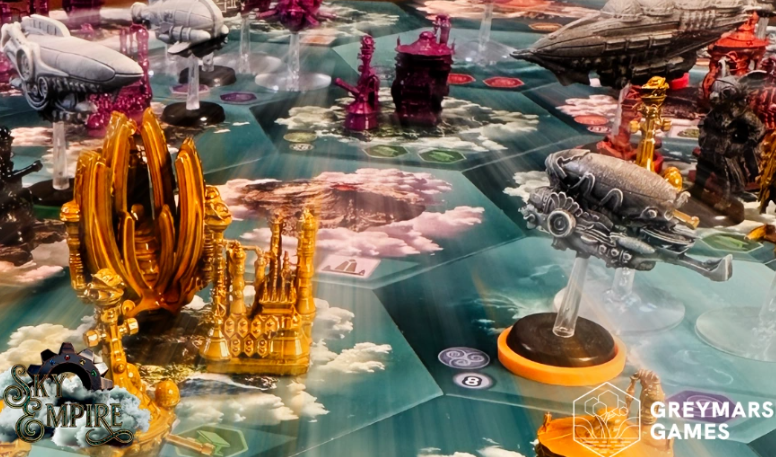
Yet another great description. Thank you, Greymarsh Games. I said it before, but publishers know their game a lot better than I do with these write-ups. I love it when a publisher provides a good description. That leaves me the opportunity to go into how great those miniatures look. Minis aren’t everything, but great-looking minis can enhance a theme. And a 4X Steampunk board game is one heck of a theme. Sky Empire is another complex board game–we got a couple of them on the list this week–and it plays over two and a half to six hours. Yowza! Sky Empire may just be the steampunk equivalent of Twilight Imperium.
While I’m not the biggest fan of six-hour-plus board games, I’d be willing to try Sky Empire. It looks stunning. I love the theme. And Sky Empire offers a solo mode. What? I can’t imagine purchasing a game as well-produced as Sky Empire for only the solo mode, but a solo option is great for a game I may struggle to find others willing play. That’s always something to consider. At the time of writing this post, we don’t have any details about Sky Empire’s pledge levels, but if you’re interested in Sky Empire, check out its GameFound page.
Resident Evil: Requiem Releases
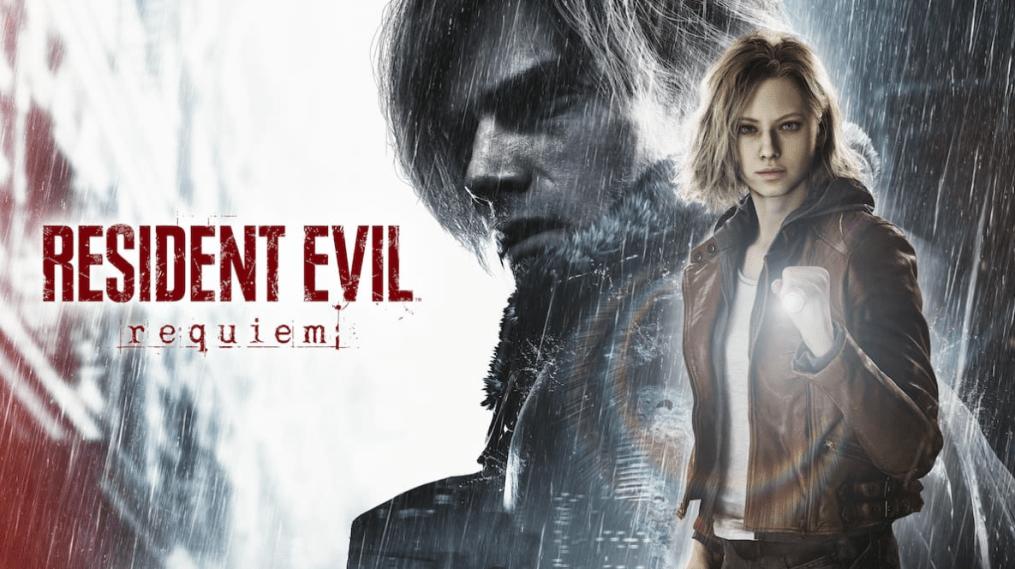
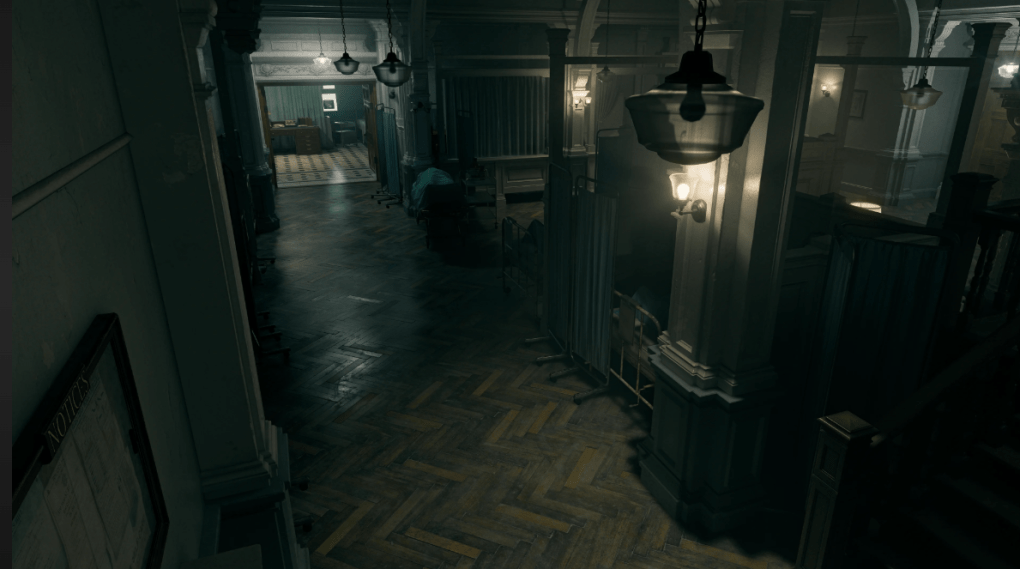
Resident Evil: Requiem may be the perfect way to celebrate the horror survival franchise’s 30th anniversary. Acclaimed Resident Evil 7: Biohazard’s director Koshi Nakanishi returns in this title, and Resident Evil: Requiem’s narrative centers on the Raccoon City incident and the Umbrella Corp’s activities. Sure. Resident Evil: Requiem introduces a new protagonist, FBI analyst Grace Ashcroft, but fan-favorite federal agent Leon S. Kennedy returns. Yes!
And players can shift from first-person to third-person. I love Resident Evil: Requiem’s customization. Does the game live up to the hype? We aren’t sure. I started writing this post early in the week, and reviews weren’t available. But Nakanishi’s return to the series, the focused story, and the ability to shift points of view make Resident Evil: Requiem a game to keep on one’s radar. Resident Evil: Requiem is available on PC, PlayStation 5, Xbox Series S/X, and Nintendo Switch 2.
Tales of Berseria Remastered Releases
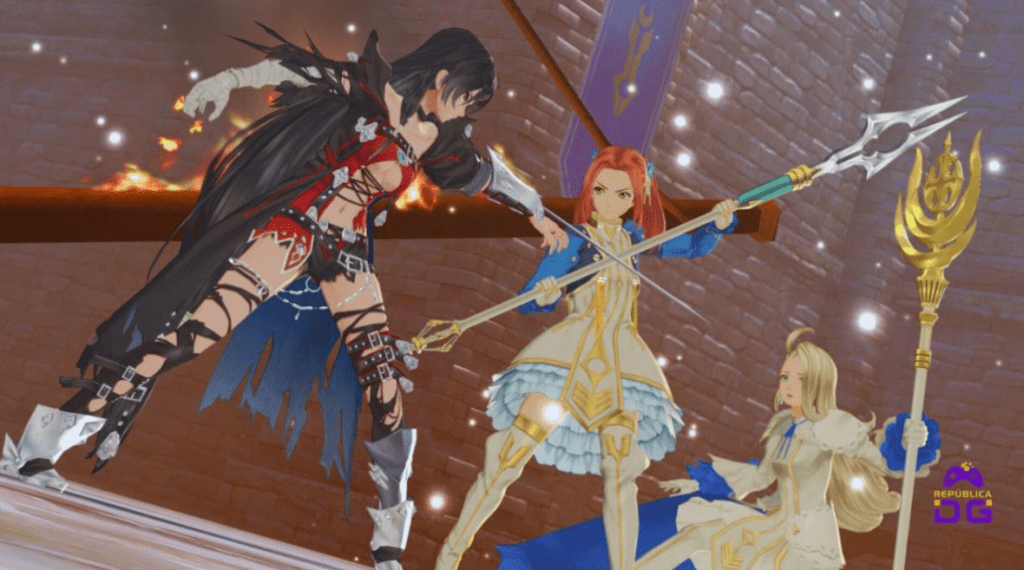
I have yet to play a title in the long-running Tales series. Honestly, I don’t know where to begin. Tales of Berseria is the sixteenth title in the series, and it was released almost ten years ago. Smaller gaps exist between original releases and video game remasters. Is ten years long enough to warrant a Tales of Berseria remaster? Again, I’m unsure. I’ve heard great things about this title, but I’ve also heard that, in terms of story, Tales of Berseria ventures from the mainline Tales series. Perhaps this tale of revenge is the Tales game I should try first.
Tales of Berseria Remastered looks stunning, but so did the original. For context, the original Tales of Berseria was a launch title for the PlayStation 4. Tales of Berseria features unique combat, and the remaster looks to retain this stellar combat and perhaps build upon it. Tales of Berseria is available on PC, PlayStation 5, Xbox Series S/X, and Nintendo Switch.
That’s all of the geek news we have for this week. Which game are you the most excited to play? Let us know in the comments. Thank you for reading, and wherever you are, I hope you’re having a great day.
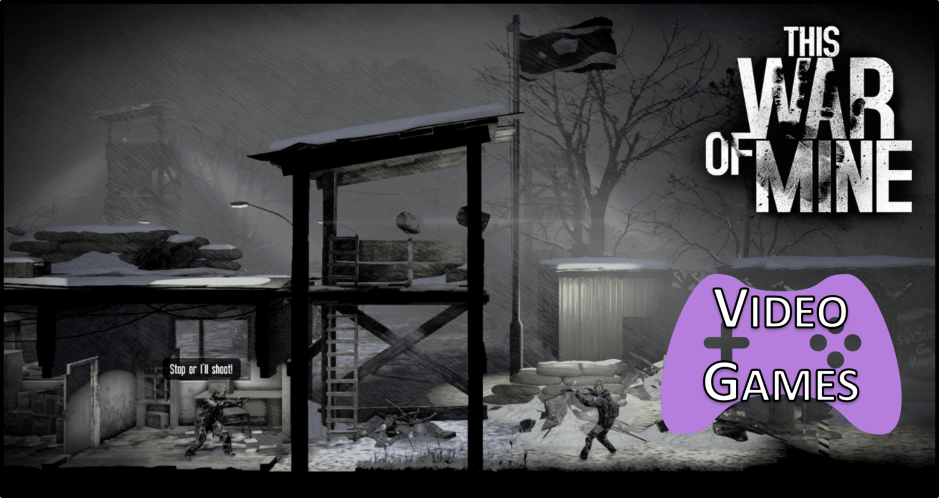
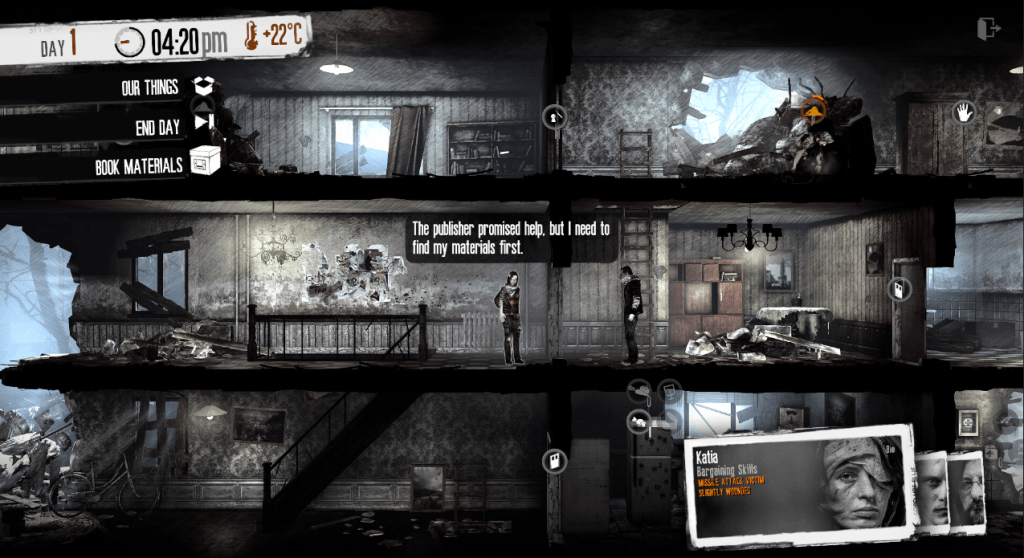
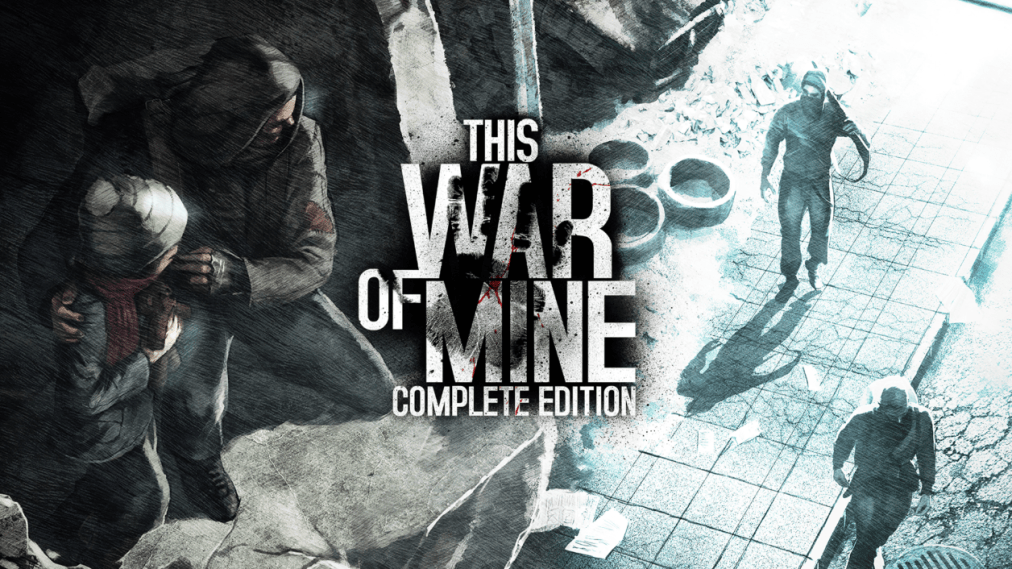
Happy Monday, Geekly Gang! We’re back with another video game review, one that’s overdue. I’ve talked about This War of Mine in various forums, even The Pixels, a few years ago, so it was only a matter of time before we, JK Geekly, would cover the video game in a review.
I love this game. This War of Mine harkens back to my days as an imagery analyst/targeteer. Typically, I’ve seen the world of This World of Mine from a top-down view. This video game made me see the people I affected from a ground level, and I love it for it. But how does This World of Mine rate against JK Geekly’s video game review criteria? Let’s find out.
Mechanisms: 8/10
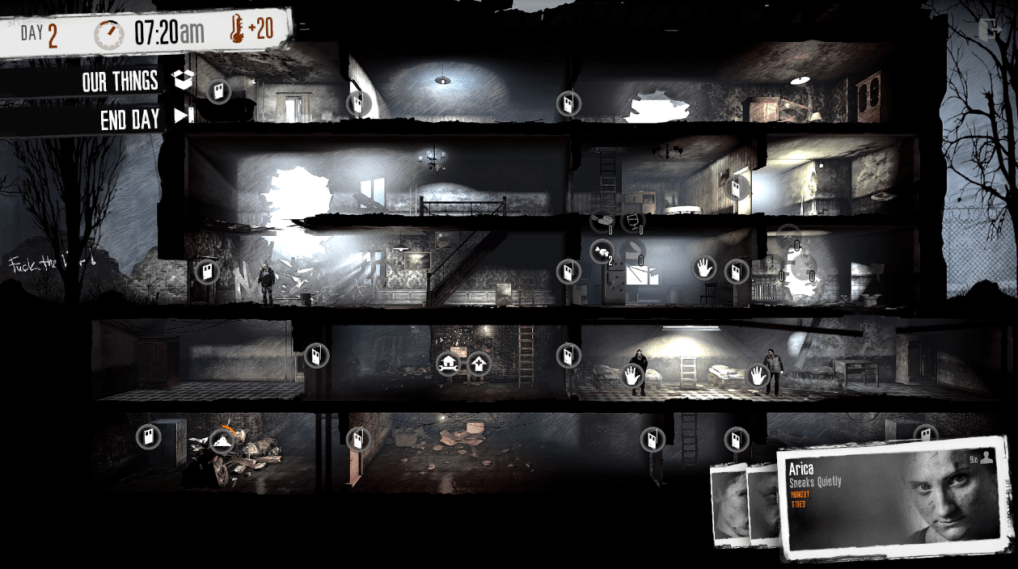
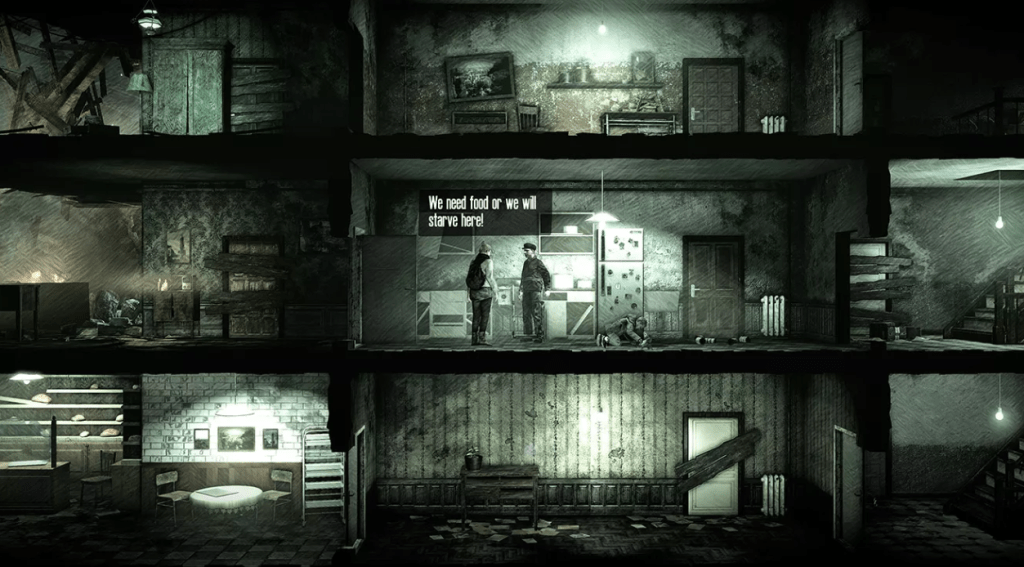
This War of Mine does a great job of balancing the various things you need to survive. Yes. This War of Mine is, first and foremost, a survival game. The denizens of your building attempt to survive the duration of a war, ripping apart this undisclosed Eastern European nation, although with hindsight, we could assign This War of Mine’s setting as Ukraine, circa 2025.
This War of Mine’s game mechanisms are a difficult category to rate. On one hand, This War of Mine offers a singular experience of rummaging through a war-torn nation, while gathering supplies. On the other hand, it uses pre-established game mechanisms to express its subject matter. I’m giving This War of Mine an eight out of ten because it does enough to subvert the typical game mechanisms of acquiring resources. This may play into This War of Mine’s story/narrative, but while the specific mechanisms one can find in this game can be found in other video games, the narrative weight these choices offer makes This War of Mine unique.
Above Image from GameDesigning.Org
Gameplay Loop: 9/10
This War of Mine is addictive. I don’t care if you’re looking through a survival game like Ark: Survival Evolved or The Survivalists, This War of Mine equals or bests these survival games, only with the experience of someone who may have to experience war overseas. Even though you could find a similar gaming experience with any number of survival games, none of them put you in the shoes of someone having to fight for their lives in a real-world scenario.
Few survival games balance the day-to-day survival with the greater good like This War of Mine. I don’t know how many times I’ve had to choose how much I intend to “steal” from an elderly couple, while gathering enough to keep my survivors alive. This War of Mine offers an odd balancing act unseen by most video games. No two plays of This War of Mine will turn out the same. That’s a strength.
Add in the Little Ones expansion, and that adds an extra layer of complexity. Few games have me replaying its core game through a different lens than This War of Mine. This game blends a tasty survival game with an empathy game. I’ve found myself making choices in This War of Mine that I think I’d never make until presented with the scenarios this game includes. This is the This War of Mines’ greatest strength.
Narrative and Storytelling: 9/10
This War of Mine offers a branching narrative that changes each time you play it. I’ve lost count many times I’ve replayed this title and see where the story takes me. This adds to This War of Mine’s narrative and storytelling. It’s a glorified “Choose Your Own Adventure” story with so many branching arcs that it’ll take multiple playthroughs to unearth each one.
Add in expansions that further explore this unnamed Eastern European nation, and This War of Mine has narratives so deep, you can spend months exploring them. But you don’t even need expansions. If you play the game on Steam, This War of Mine is host to a plethora of mods. Any one of them can shake up the gameplay, and sometimes, the story. This War of Mine offers a fertile ground to tell any number of interesting stories set against the backdrop of war.
User Interface: 7/10
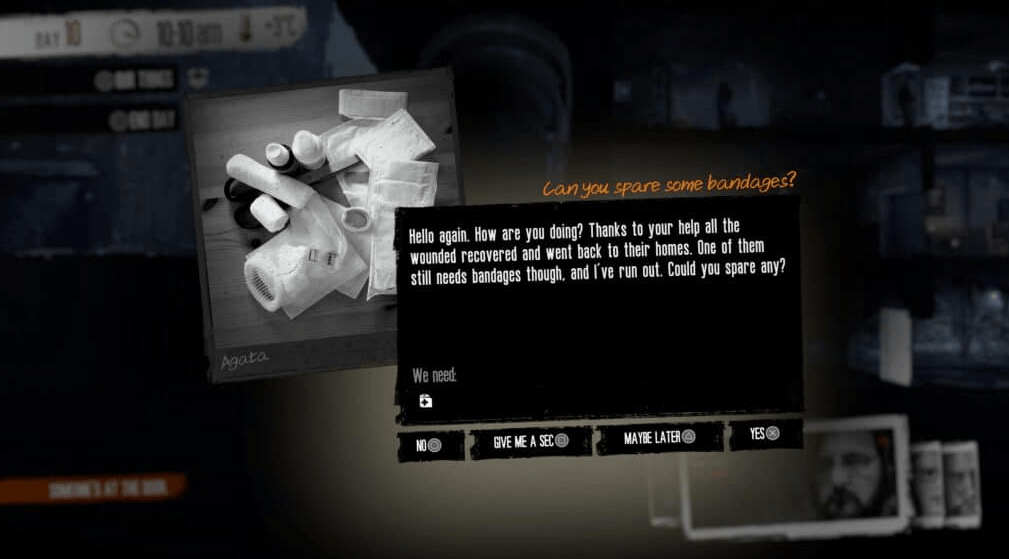
This War of Mine has plenty of menus, and for the most part, it does a great job of presenting these menus to its players. But the sheer volume makes it easy to get confused. Honestly, I’ve had to play portions of This War of Mine a second time because I didn’t understand the ramifications of my actions or choose something I didn’t want to choose from one of the game’s multiple menus and selections within selections of head’s up displays.
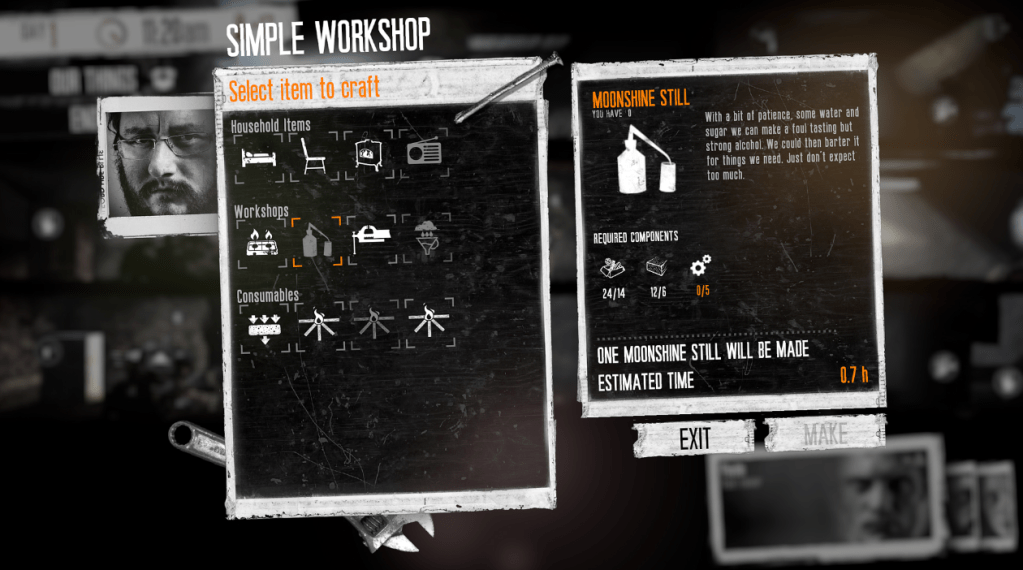
To be fair, it’s easy to get lost in This War of Mine’s multiple workshop (or production area) menus or dialogue exchanges or even its basic movement and interaction with the world around you. This War of Mine includes a steep learning curve, even if the game tries its best to handhold you through the early stages of that steep learning curve. Without these handholding efforts, I would give This War of Mine a below-average rating. Since the game goes out of its way to try and teach you these menus, it gains a well above average rating.
Graphics: 7/10
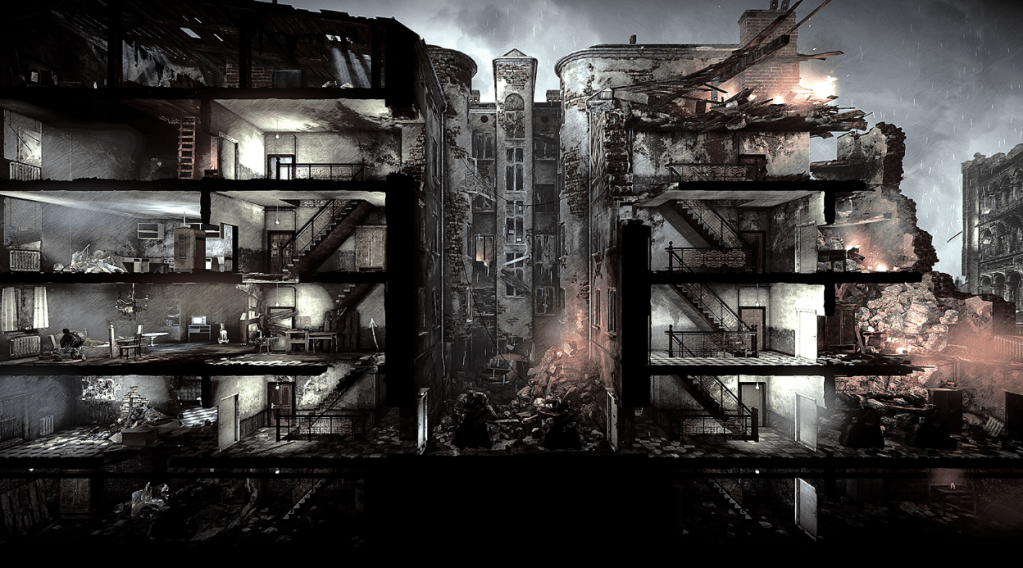
This War of Mine offers above-average graphics, but grading this game’s graphics does it a disservice. Even though the game is over a decade old, This War of Mine is timeless. Even during its 2014 release, This War of Mine harkened back to the past. And oddly enough, the future. Ultimately, it doesn’t matter which war This War of Mine is supposed to represent. By extension, it doesn’t matter how dated This War of Mine’s graphics become. It matters the vibe This War of Mine captures. And if we consider the vibe, This War of Mine may score above a ten.
Audio: 8/10
If you know me, you know I seldom play video games with the sound on, but I make an exception with This War of Mine. This game’s soundtrack does enough to carry me to a war-torn Eastern European nation. I challenge anyone playing this game to listen to This War of Mine’s desolation. It’s haunting.
Replay Factor: 8/10
This War of Mine has so many expansions and mods (from Steam users) that you can play and replay This War of Mine for countless hours. The only reason why I put a damper on This War of Mine’s replay factor is its subject matter. I don’t know how long gamers can play a game meant to show the horrors of war. Each person’s mileage will vary. If you’re sensitive to war, you may not play This War of Mine very long. If you’re interested in putting yourself in the shoes of someone struggling to stay alive in a war-torn nation, This War of Mine will offer thousands of hours of gameplay. This War of Mine won’t be for everyone, but I don’t think that’s the point. Step into the darker, more personal corners of war if you dare.
Aggregated Score: 8
This War of Mine may not be for everyone, and that’s okay. For those who want to explore what they might do if confronted with living in a war-torn Eastern European nation, This War of Mine offers numerous morally gray options.
Happy Sunday, Geekly Gang! Kyra Kyle here with another week of Geek News. I’ll be away this weekend. My spouse and I are celebrating Valentines Day a weekend late to avoid the crowds. We’ll skip a headline story this week, but should have a major MCU update for next week’s Geek News. We have a lot to discuss with Marvel. Until then, enjoy these board game and video game new releases.
Forage and Honeypot by Flatout Games Launch on KickStarter
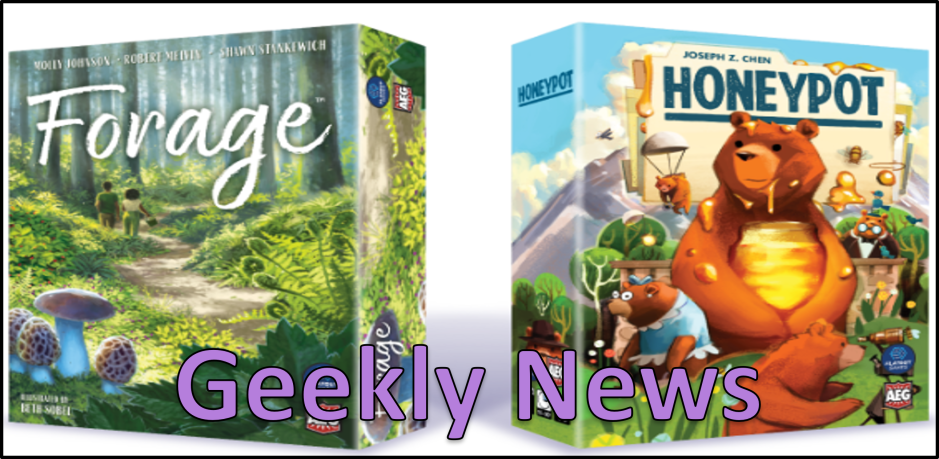
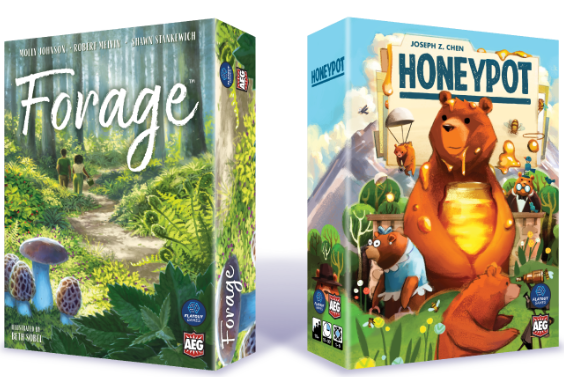
I love the Flatout Games creative team, Molly Johnson, Robert Melvin, and Shawn Stankewich, behind the Point Salad series of games. They’ve had a few other hits like Propolis. Each one of their games is a joy. Well, they’re back at it with Forage, and the designer of Fantastic Factories, Joseph Z. Chen, joins the party with his latest offering, Honeypot. Yes! AEG/Flatout Games are known for their combo releases on KickStarter and the pairing of Forage and Honeypot looks to be another great.
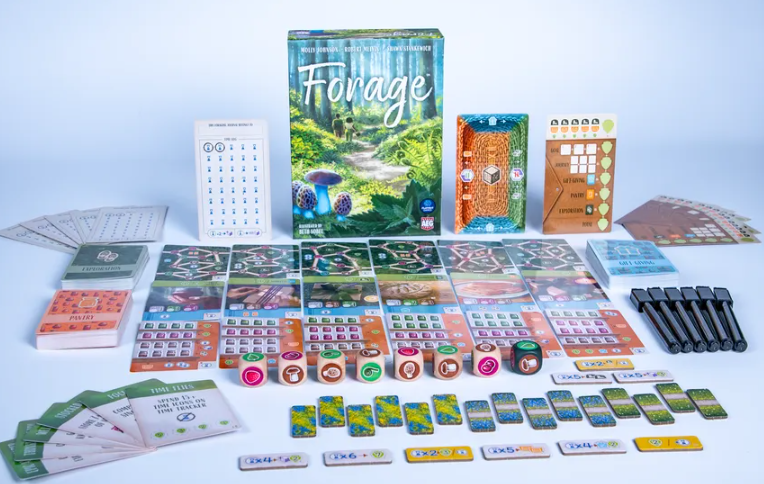
Forage is a puzzly tableau-building roll-and-write game for 1-6 players with gorgeous artwork by Beth Sobel! It is designed and developed by the team that brought you the Calico, Cascadia, and Point Salad series of games!
Rules are simple: Roll the forage dice and reveal a unique journey tile each round. Choose a combination of dice and carry out one of the actions: exploring, storing, or gift-giving. As you carry out actions, you’ll earn bonuses that allow you to power up your future actions or make additional moves to complete your goals! Use your time wisely–there are several journeys you can take to collect knowledge, experience, and prestige. Once you have completed your turn, you’ll choose one of the three types of cards to draw and add to your tableau giving you more ways to combo and complete goals!
The previous was a description provided by Flatout Games. Thank you for the great write-up. While the description continues, I figured I would leave it at about a short hundred words. Forage doesn’t need much more of an introduction; I’m hooked. I’m a sucker for roll-and-writes (Yahtzee-style games), and Forage gives me strong Cascadia roll-and-write vibes. One of the members of my game night owns a copy of the Cascadia roll-and-write, so I may pick up Forage. Games of this ilk can accommodate several players at once. Heck, they may be better with more players. And Flatout Games has a strong history of delivering on simple concepts with fun twists.
And art by Beth Sobel (of Wingspan fame) is always appreciated.
Flatout Games challenges AllPlay for those small box board games that feel like instant classics. Honeypot may just be another fantabulous game, by a designer (Joseph Z. Chen) who, despite being a new game designer, has an impressive resume.
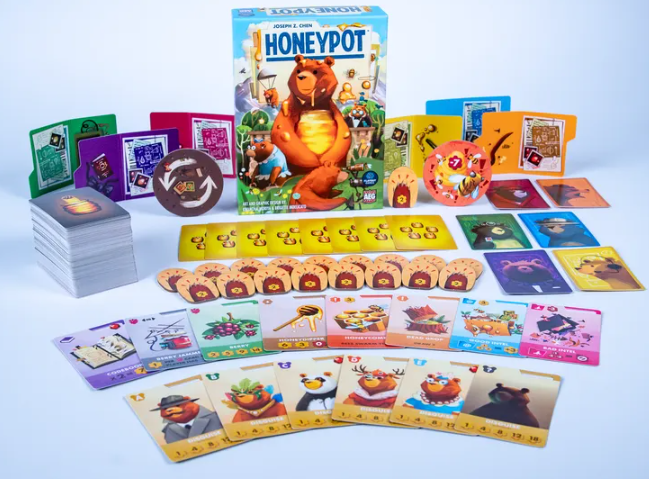
Honeypot is a quick and simple I Stack, You Choose game for 1-6 players with delightful artwork by Kwanchai Moriya!
In Honeypot, players take on the role of secret agent bears trying to gather the best intel and spy supplies without getting stung! Players arrange secret caches for their opponents and carefully sift through the secret caches passed to them. The question is: how far to dig for valuable intel and spy supplies? Have your opponents passed you the sweetest honey, or a swarm of bees? In this thrilling game of setting traps and trying to avoid them, only the agent with the best instincts will capture the best set of items to come out on top!
Again, great description, Flatout Games. Honeypot is another game that looks to play great at higher player counts. Its solo mode intrigues. I can’t wait to dive into a game or two of solo Honeypot, because I love the I Cut, You Choose game mechanism. Remember what I said about Flatout Games giving familiar game mechanisms fun twists? Honeypot looks to do that with I Stack, You Choose. I always thought more games should use the I Cut, You Choose game mechanism. I can’t wait to try an I Stack, You Choose game. Yes, please.
Honeypot and Forage are available with pledges of $19 apiece, or one can buy both at $35. Flatout Games offers a handful of other pledge options, but I’ll let you discover those on your own. If you’re interested in Forage or Honeypot, check out their KickStarter page.
For the Gods! Launches on KickStarter
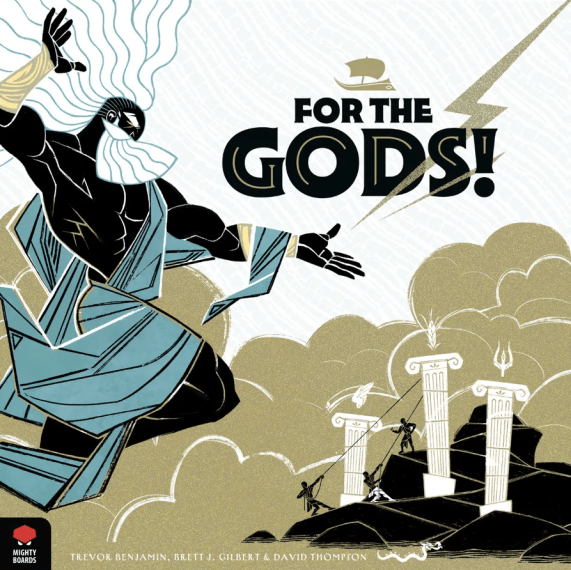
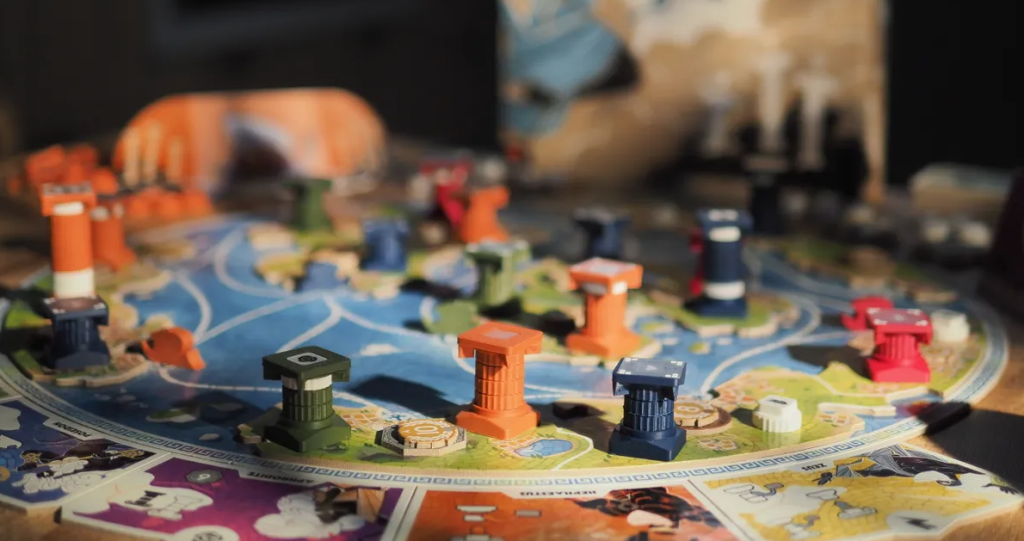
Watch out! Players are building monuments during this visually arresting game, For the Gods! The following pictures will feature For the Gods!’s prototype. I can only imagine what the final product will look like. Before I share my thoughts on this game, let’s hear from the publisher, Mighty Boards, and their description.
As a seafaring builder in ancient Greece, in For the Gods! you’ll navigate the archipelago, constructing towering monuments to the gods and vying for control of sacred islands.
For the Gods! is a tactical area majority game in which every stone shapes your path to victory. The rules are simple: Sail the seas to establish new temples or elevate existing ones. Along the way, collect God stones and unleash their divine powers at the right moment. With twelve unique God powers, each game offers fresh strategies and dynamic gameplay, ensuring high variability.
For the Gods! has table presence. I don’t know if players will be able to build the Greek islands. Look at the space where the columns stand. Those look like potential puzzle pieces. Yes! I’d play the heck out of For the Gods! for the column pieces alone. The God tiles, which offer unique abilities to players on their turns, curve to match For the Gods!’s interior board. You can’t walk past For the Gods! during a convention or a game night without doing a double-take. And publisher Mighty Boards has a strong history of delivering great games. I’m glad that the game is area majority as opposed to “dudes on the map.” I prefer area majority. And with the play area being this small, there should be some impressive battle for supremacy.
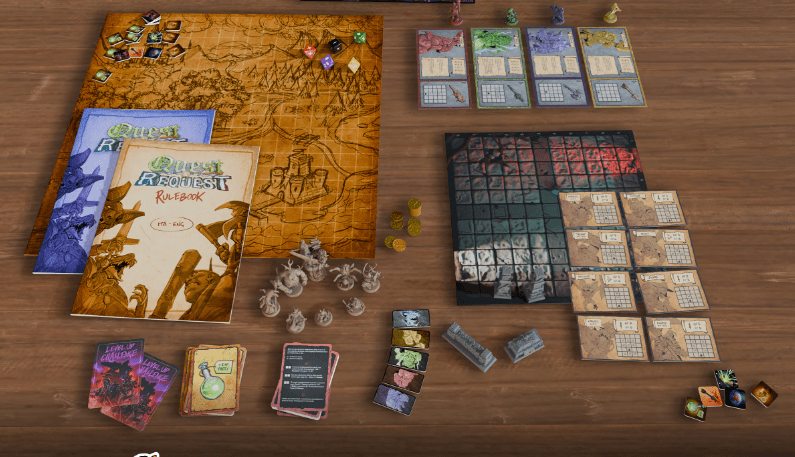
Quest & Request is an easy-to-learn dungeon crawler arena (learnable in 10 minutes) where gamers take the roles of anti-heroes. That’s right. Quest & Request goes dark. Players won’t be playing heroes. According to the publisher, they’ll be looting and killing a world full of innocent monsters, controlled by a benevolent wizard. A role reversal like this could be a hoot.
Unlike a lot of other dungeon crawler board games, set up appears to be quick in Quest & Request. I’m a little confused by the game’s description of a 4 v 1 Cooperative Game. That makes me wonder if Quest & Request can be played as a fully cooperative game or if one player can play as the wizard and monsters. Either way, I’m interested in any game of this type that has an easy setup and teardown. As of writing this post, we don’t have details on Quest & Request’s pledge levels, but if you’re interested in Quest & Request, check out its GameFound page.
Labyrinth: Chronicles Launches on GameFound
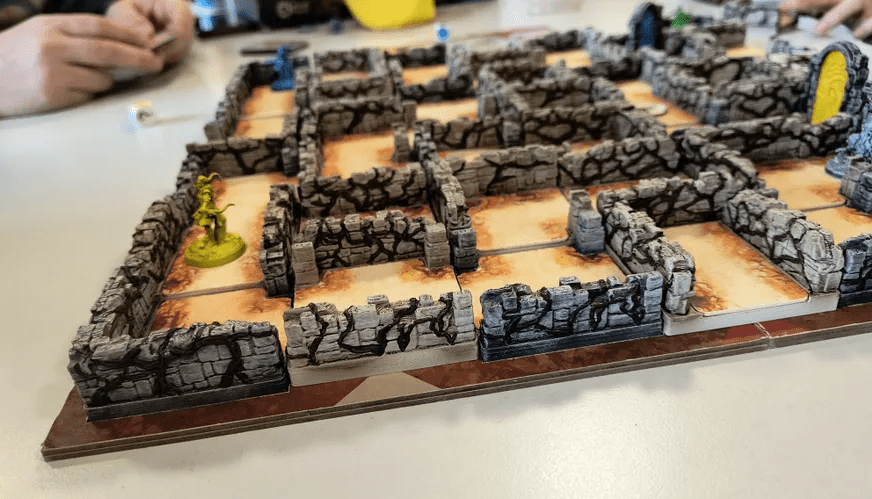
Once upon a time, there was a Labyrinth, a magical place full of wonders and mysteries. Adventurers who returned told unbelievable stories of its ever-changing walls and shifting corridors, a mind-boggling challenge indeed that only the bravest could tackle. But it was worth it, they say, as the dark nooks of the Labyrinth hide real treasures. The Labyrinth waits for you. Are you brave enough to enter?
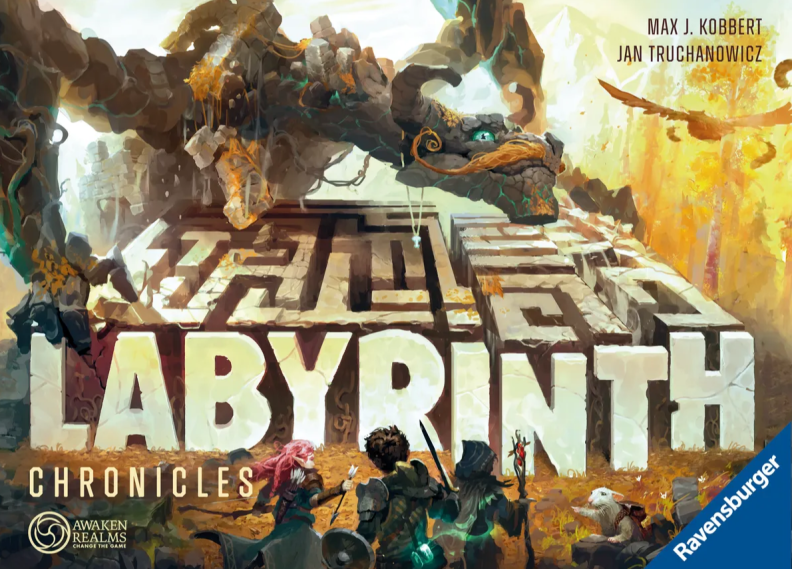
Labyrinth: Chronicles brings a new Co-op Campaign mode to one of the best-selling board games ever. Enter the mysterious Labyrinth, now with a stunning 3D board and graphic design from Awaken Realms, to gather the resources required to help a nearby faefolk village. But beware! Inside dwell grasping goblins who want to snatch valuables before you! As you progress, you will rebuild the damaged village, meet new friends, unlock new skills, and many more!
Yes! That was another great description by the publisher. I don’t know how Ravensburger and Awaken Realms managed to turn the classic tile-shifting game, Labyrinth (1986) into a cooperative narrative campaign. What? Labyrinth is one of those titles that I thought could never receive the campaign treatment, but Labyrinth: Chronicles appears to have done just that. And look at the board above. Again, the picture is of a prototype. I can’t imagine how insane the final product will look. But what else would one expect with an Awaken Realms release. They’re known for over-the-top productions.
As you can guess, Labyrinth: Chronicles will cost around $105. Higher price tags are another Awaken Realms hallmark. Even if Labyrinth: Chronicles was a prestige printing of the original Labyrinth, I’d still be interested. I always enjoyed the original. The fact that Labyrinth: Chronicles shakes up the original’s gameplay makes $100 not seem like that much money. If you’re interested in Labyrinth: Chronicles. If you’re interested in Labyrinth: Chronicles, check out its GameFound page.
Cloud War Tales: Nuvitrum Launches on GameFound
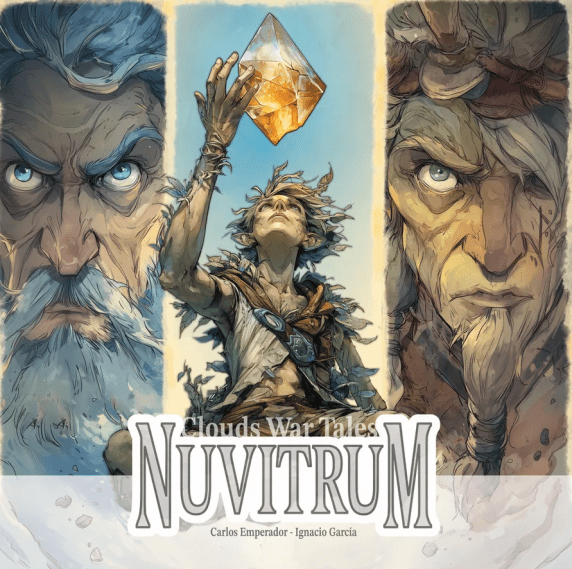
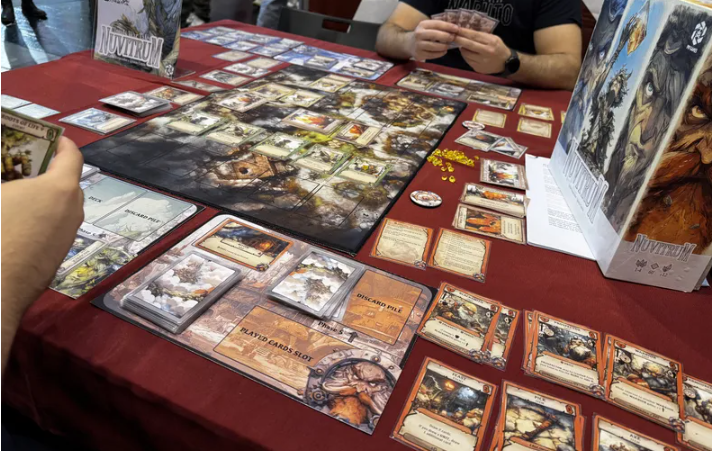
What lies beyond the clouds that shroud the peaks of Nuvitrum? What mysterious power does Croconium hold—an amber mineral hidden deep within the mountains?
Explore the kingdom and develop your faction to uncover the truth. Nuvitrum is a tactical, asymmetrical deck-building game for 1 to 4 players, playable competitively, cooperatively, or even solo through a narrative campaign that reveals the world’s forgotten history.
Choose your faction, strengthen it, and engage in battle using unique mechanics. Excavate the mountain to unearth rare metals as a Deepdelver, master powerful spells as an Ambathean, or tame monstrous beasts as a Greenblood. Reveal your faction’s core to claim victory!
Alright! Deck-builders are always a fun time. Cloud War Tales: Nuvitrum adds player factions to the concept. Usually, players begin with small decks and choose how they will build those decks, but Nuvitrum starter decks look to have a unique flavor from the start. Throw in some interesting movement and combat, which looks like it may take a page from Summoner Wars, the ability to play Cloud War Tales: Nuvitrum competitively, cooperatively, or solo, and this could make for a versatile deck-builder with legs. As of writing this post, we don’t have pledge values, but if you’re interested in Cloud War Tales: Nuvitrum, check out its Gamefound page.
StarTrek: Voyager – Across the Unknown Releases
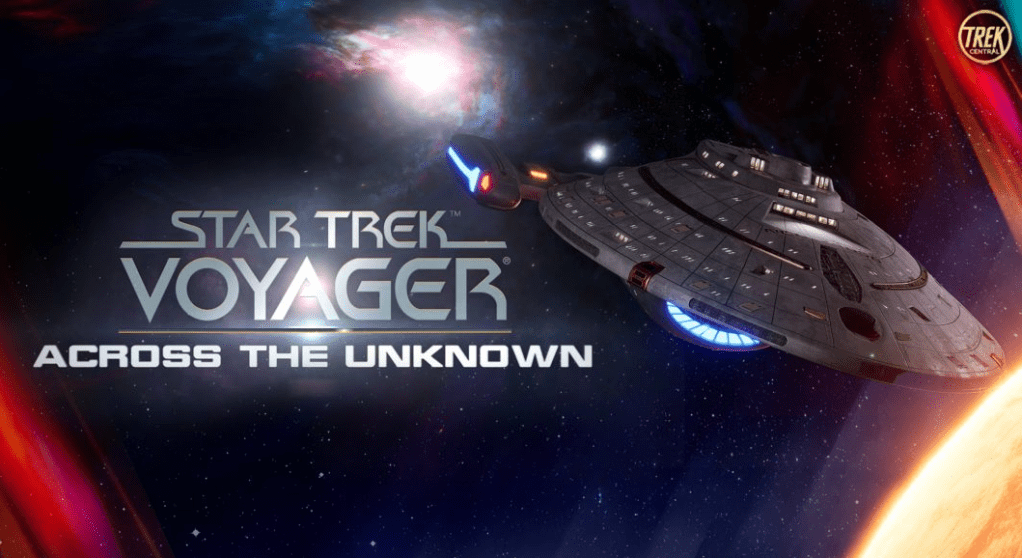
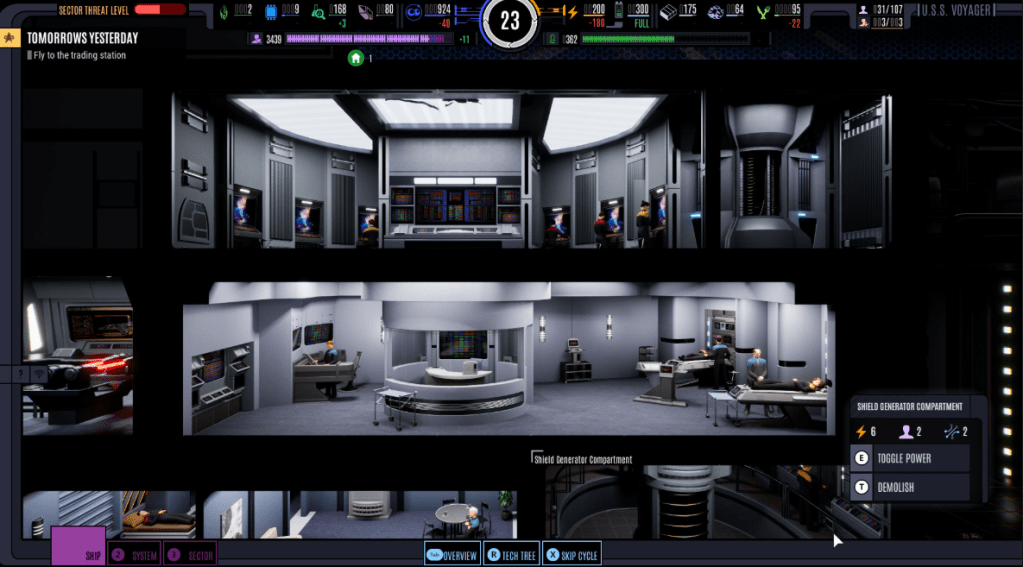
Don’t look now, but the Star Trek universe receives a major video game release. Last week, I mentioned how Rogue-Lites are having a moment. With the release of a Rogue-Lite, survival strategy video game based on Star Trek: Voyager, that trend continues. The player takes control of USS Voyager and manage the starship, including systems and resources, as well as the crew. Can you lead Voyager across 12 sectors of the Delta quadrant. Battle ship-to-ship. Send your away team on missions. And since Star Trek: Voyager – Across the Unknown contains narrative rogue-like elements, each playthrough varies.
Sure. Star Trek: Voyager may not be a Trekkie’s first choice for a Star Trek video game, but Star Trek: Voyager – Across the Unknown sounds amazing. As of writing this post, I have yet to play Star Trek: Voyager – Across the Unknown, but don’t be surprised if it makes a future Whatcha Playing, Geekly post. Star Trek: Voyager – Across the Unknown is available on PC, PlayStation 5, Xbox One, Xbox Series S/X, and Nintendo Switch 2.
Demon Tides Releases on PC
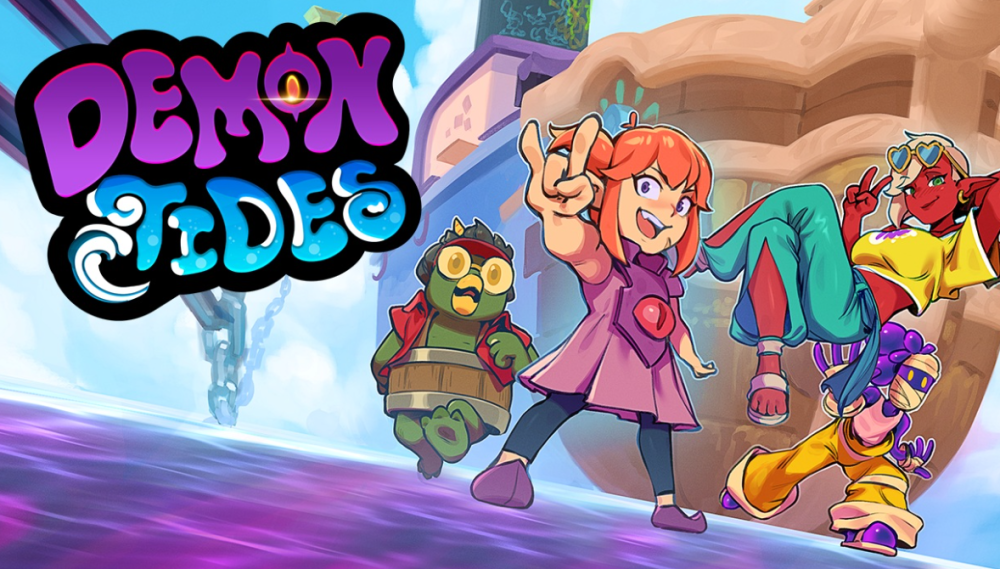
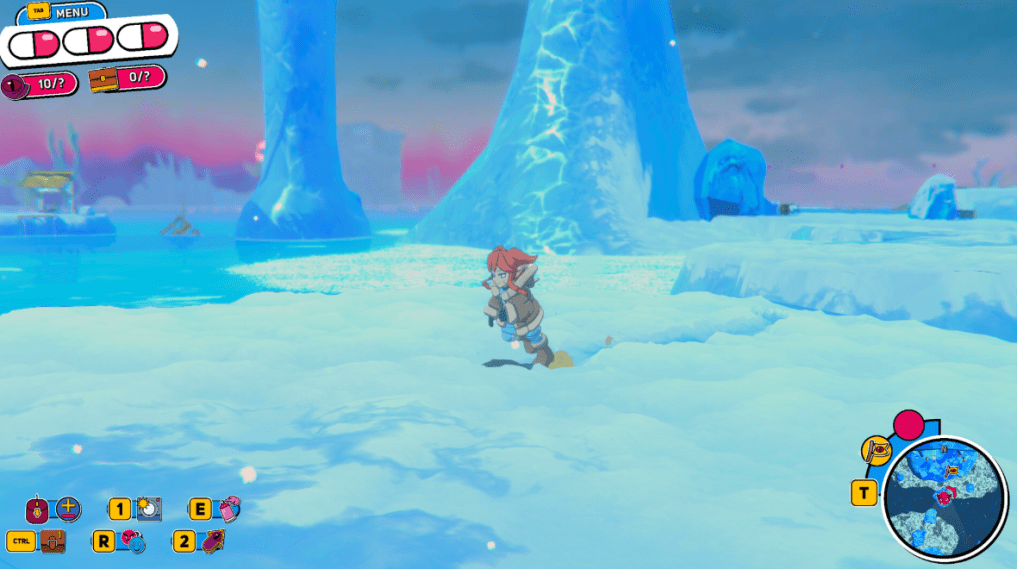
Race across open oceans and uncover a kingdom’s dark secrets. Expressively platform your way across dozens of locales, upgrading your gear and modifying your move-set every step of the way! The previous description comes from the publisher. While I don’t know what “expressively platform” means exactly, Demon Tides’ videos shows multiple ways your character can traverse Demon Tides’ world. 3D platformer games may play better on console–we could see a future Demon Tides console release–but the game looks interesting enough for me to give it a go. Can you even customize your character? You may. Talk about expressively platforming.
Early reviews for Demon Tides have been positive. The Gamer suggests that Demon Tides should be on every platformer fan’s radar. Check! I may even check out Demon Tides’ demo on Steam. Demon Tides is available on PC.
Paranormasight: The Mermaid’s Curse Releases
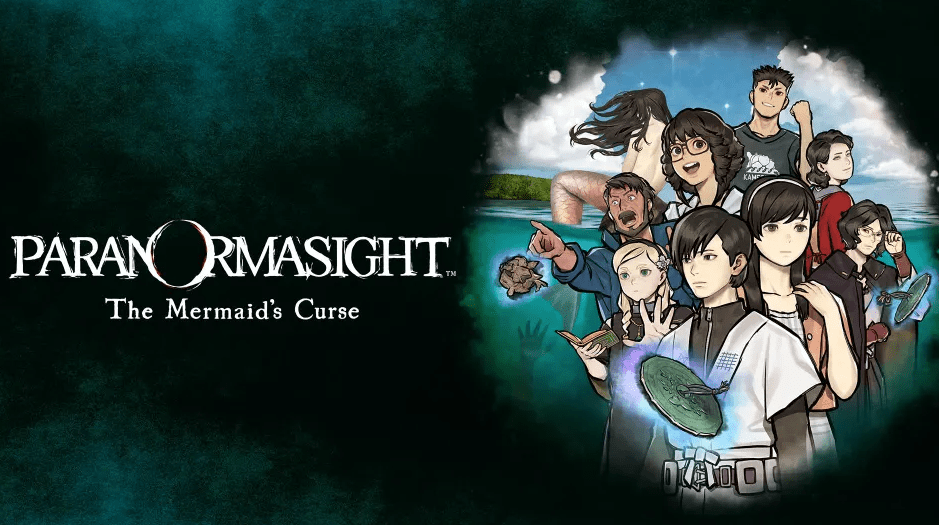
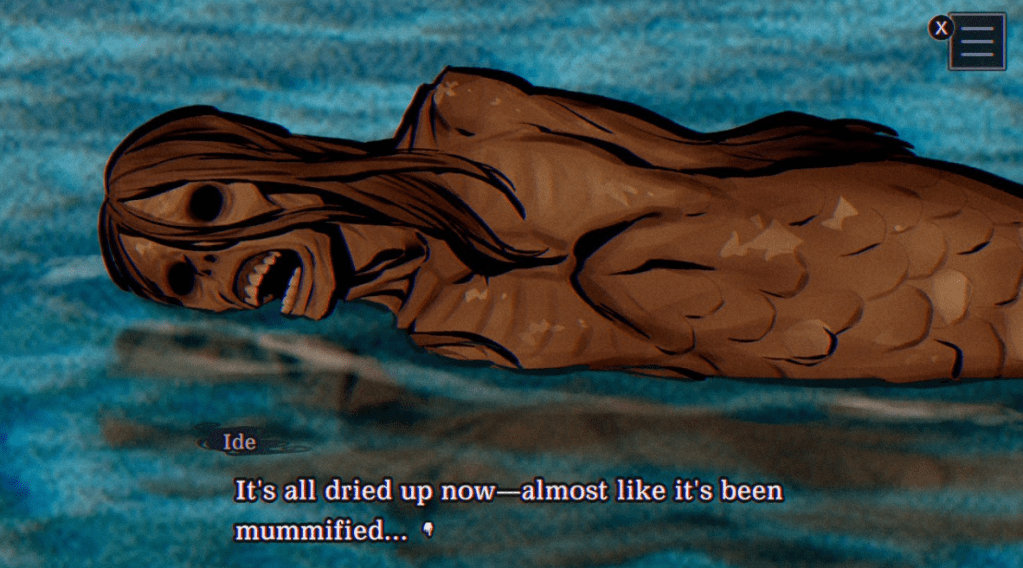
Usually, we don’t cover visual novels in our video game new releases, but we’re making a rare exception for Paranormasight: The Mermaid’s Curse. The Mermaid’s Curse is a direct sequel to the well-received Paranormasight: The Seven Mysteries of Honjo. Only, this time around, Paranormasight trades in the scares for some emotional depth.
That doesn’t mean that Paranormasight: The Mermaid’s Curse isn’t without its share of horror. Season is our writer who usually plays visual novels, but I may make an exception for the Paranormasight franchise. I may have to go back and play the original, too. Paranormasight: The Mermaid’s Curse is available on PC and Nintendo Switch (yes, the original Switch).
Styx: Blades of Greed Releases
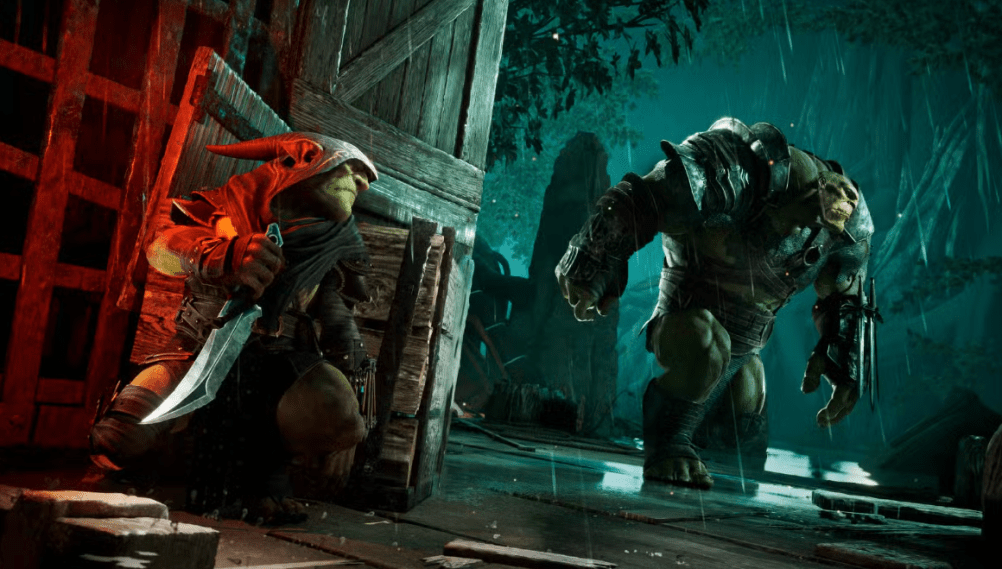
Styx returns for a third installment with Styx: Blades of Greed. I always liked the idea of playing as a goblin. Styx: Blades of Greed allows players to go full goblin mode. While the Styx series has had its ups and downs, it’s one of the better recent additions to the stealth video game genre.
Explore the dizzying heights of the Iserian Continent and cunningly eliminate your enemies. Thanks to your Quartz powers, you are freer than ever. Be creative. Never has it felt so good to be greedy. The wisecracking Styx is always fun to play. There just aren’t enough great stealth games to play. The Styx franchise is one of those great stealth games. Skye’s a huge fan of games like Hitman, so Styx: Blade of Greed might be a great alternative. Heck! I may enter goblin mode soon, too. Styx: Blades of Greed is available on PC, PlayStation 5, and Xbox Series S/X.
That’s all the geek news we have for this week. Thank you for reading, and wherever you are, I hope you’re having a great day.
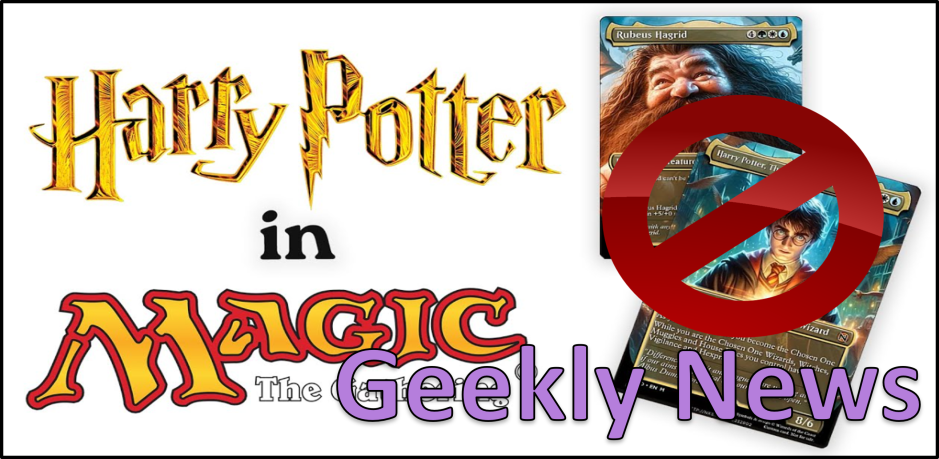
Happy Sunday, Geekly Gang! Kyra Kyle here with another week of Geek News. We have plenty of board game and video game new releases, but before we get into those, let’s discuss this week’s headline. Despite Magic: The Gathering’s publisher Wizards of the Coasts’ parent company (Hasbro) becoming the primary toy licensee for the Harry Potter franchise, Wizards of the Coast (WotC) has no plans for a Harry Potter Magic: The Gathering crossover set. At least, not yet. Ah! We have potential Harry Potter drama.
Magic: The Gathering has no “current” plans for Harry Potter set
After parent company Hasbro announced it would be the primary toy licensee for the Harry Potter franchise, WotC confirmed on February 10, 2026 that they had no plans in place for a Harry Potter Magic: The Gathering set. During a Hasbro’s investor call, the company announced numerous licensing deals with different properties, including Voltron, Street Fighter, KPOP Demon Hunters, and Harry Potter. Magic: The Gathering produced (through their Universes Beyond series) a KPOP Demon Hunters card set. So, it would make sense that several, if not all, the properties Hasbro has rights to would receive the Universes Beyond treatment. They already spent the money on each of these licenses. But WotC made it a point to say they don’t have (current) plans for Harry Potter.
So, why the Harry Potter hate? Magic: The Gathering has a large transgender community, and many of the games WotC publishes attract traditionally left-wing nerds and geeks. Hello, Geekly Gang. While opinions and beliefs vary within gaming communities, most people who play, work on, and cover Magic are LGBT allies and members of the LGBT community. Last year, Magic’s head designer used his blog to advocate for trans representation and spoke out against transphobia. And last week, Magic YouTuber Tolarian Community College mobilized his fanbase to raise $600,000 for the Trans Lifeline. If you’re into Magic, you should check out Tolarian Community College. He’s fantastic. The Harry Potter backlash within Magic circles derives from J K Rowling’s transphobic views and actions.
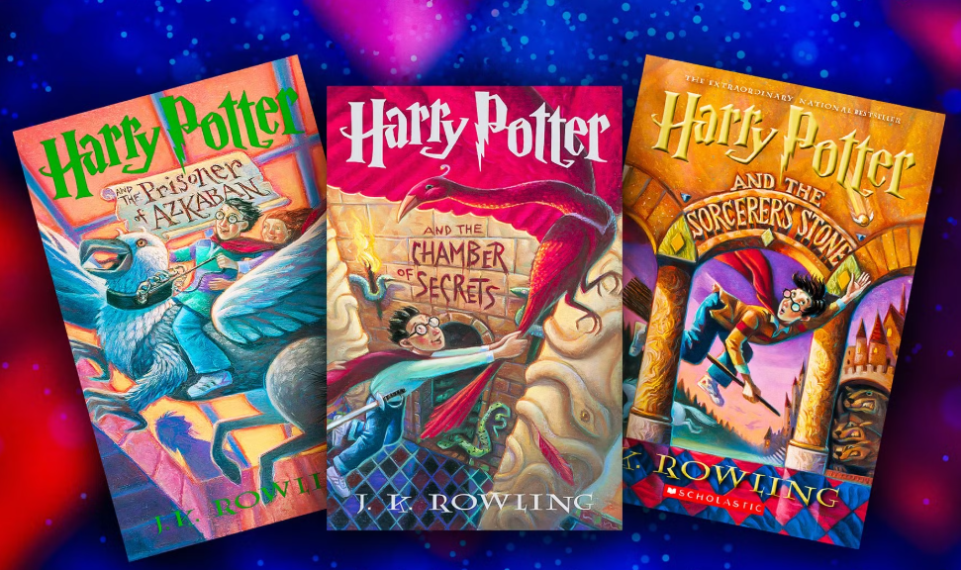
Ugh! I don’t like including a Harry Potter picture. Sorry for that jump scare. Since she’s a billionaire, J K Rowling has announced that all her Harry Potter money will go to anti-trans causes. Lining Rowling’s pockets finances transphobia. So, Hasbro’s acquisition of Harry Potter’s toy license rights led numerous Magic fans to voice their lack of interest in a Harry Potter Magic set on social media. But one of the top comments voices most Magic: The Gathering fans’ concerns. “There have been a lot of ‘not currently planned’ things in the last few years where those plans changed very soon afterwards. I really hope this isn’t one of those situations.” I feel you. But take some solace in the fact that it takes two or three years to develop a Magic set. The soonest we’ll see a Harry Potter Magic set would be in 2028.
Still, I can’t imagine Hasbro not using each of its licenses on Magic: The Gathering, and that leads us to another angle of this story. Hasbro and WotC are embroiled in a nasty lawsuit.
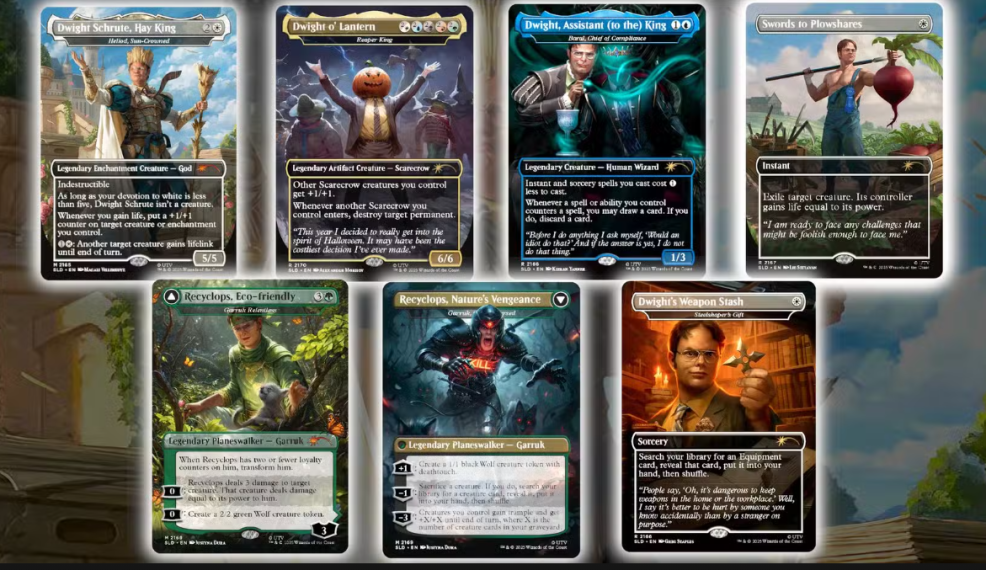
The $1000 Magic 30th anniversary edition, swathes of licensed crossover sets (Universes Beyond), and the six discrete Dwight Schrute (from The Office) cards–yes, those exist–have watered down the Magic: The Gathering brand. Magic’s last few years have screamed naked greed, and Hasbro’s shareholders agree.
In a 76-page lawsuit filed in the US District Court of Rhode Island last month (via GoLocalProv), a group of investors allege that Hasbro CEO Chris Cocks, former Wizards of the Coast president Cynthia Williams, and company executives engaged in “breaches of their fiduciary duties as directors and/or officers of Hasbro” by devaluing the Magic brand, even as shareholders raised concerns about the ramifications of overprinting cards and sets. So, what does that mean?
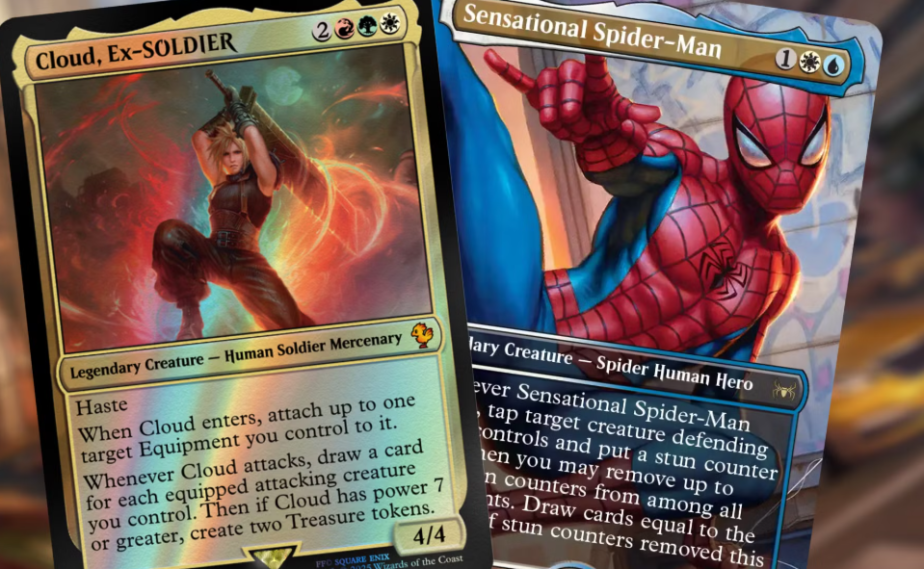
In short, Hasbro’s CEO, WotC’s president, and other company executives stood to gain more money if Magic sold more cards. The solution was easy. Print more cards. And who cares if WotC fudged the numbers to make it look like the game moved more product? Are palettes of the $1000 Magic 30th anniversary edition in warehouses? Tell players and investors that supplies are limited. You need to drop four figures on Magic: The Gathering before the anniversary edition is gone forever. Turns out one can lie to customers about The Amazing Spider-Man set flying off shelves, but one can’t lie to one’s investors. Womp, womp.
Hasbro CEO Chris Cocks is a great advocate for Magic and Dungeons & Dragons. He plays these games. Unless the lawsuit goes Hasbro/WotC’s way, I can’t imagine Cocks retains his job. And that’d be a loss. How many corporate types are gamers? And who knows what a future CEO might do to these franchises? But Hasbro/WotC’s investors have a point. Magic’s brand has been diluted, and that brings us back to Harry Potter. If enough of Magic’s core audience wants nothing to do with a Harry Potter Magic set, there’s a chance Harry Potter won’t receive the Magic Universes Beyond treatment.
Risk the Abyss Launches on KickStarter
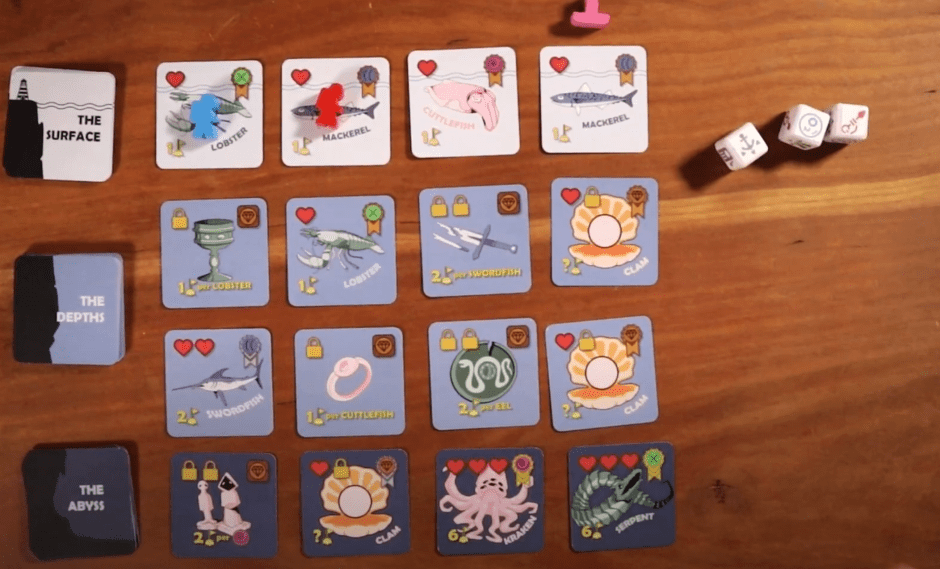
Risk the Abyss is another board game created by a Nebraska designer, and I know Marq Chontos, so I had to include it in this week’s board game new releases. Risk the Abyss is a 2-4 player dice game in which players compete to become the greatest Deep Sea Diver. Players take turns by rolling dice with a Yahtzee-style mechanism and then executing the actions from the resulting dice. Risk the Abyss is an easy-to-learn game that fits inside a tin (like an Altoids tin), so it doesn’t take up a lot of table space, and it costs $15 to support the project. The gameplay may include a push-your-luck mechanism, but the investment is risk-free.
Risk the Abyss was a 2025 Figgie Finalist. Yes. It has awards. The combination of card abilities and dice actions makes each play of Risk the Abyss unique. If you’re interested in a highly portable board game, check out Risk the Abyss’s KickStarter page.
Lion Dancers Launches on KickStarter
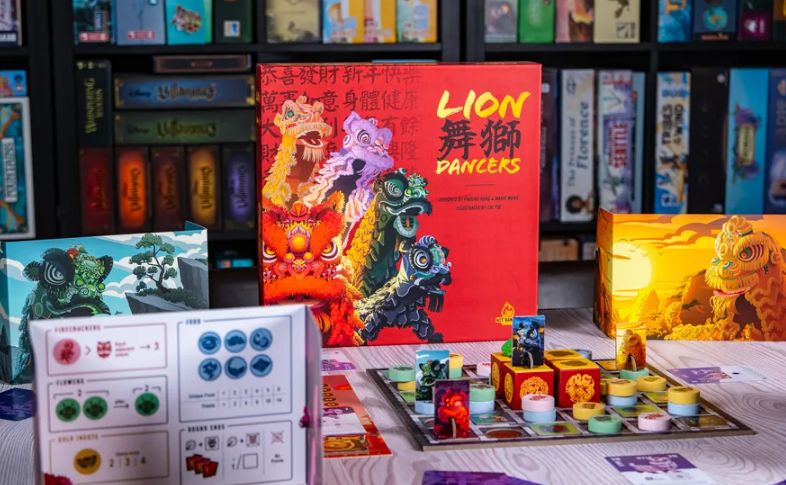
Lion Dancers blends the excitement of Lion Dancing with the festive traditions of Lunar New Year, uniting both in a joyful celebration. As the celebrations begin and the drums roar to life, it’s time to compete with your fellow Lion Dancers by showcasing your best routine and collecting festive items along the way. Be sure to secure the lucky lettuce to complete your performance, and be careful not to fall off the pillars or drop your precious items. The Lion Dancer who delivers the finest routine and collects the most valuable items wins the game and brings the greatest fortune to the celebration.
Lion Dancers features some gorgeous components. This is another game that doesn’t take up a lot of table space. The board is compact, which should lead to some tense gameplay. Simultaneous action selection will also make turns fly by. Players choose to stay, walk, or leap, attempting to make the strongest possible performance. Lion Dancers looks like a great puzzle, too. And I love the theme. The standard edition is around $50, while the deluxe version–that includes meeples for the lion dancers–is closer to $65. If you’re interested in Lion Dancers, check out its KickStarter page.
NPC Rivals Launches on KickStarter
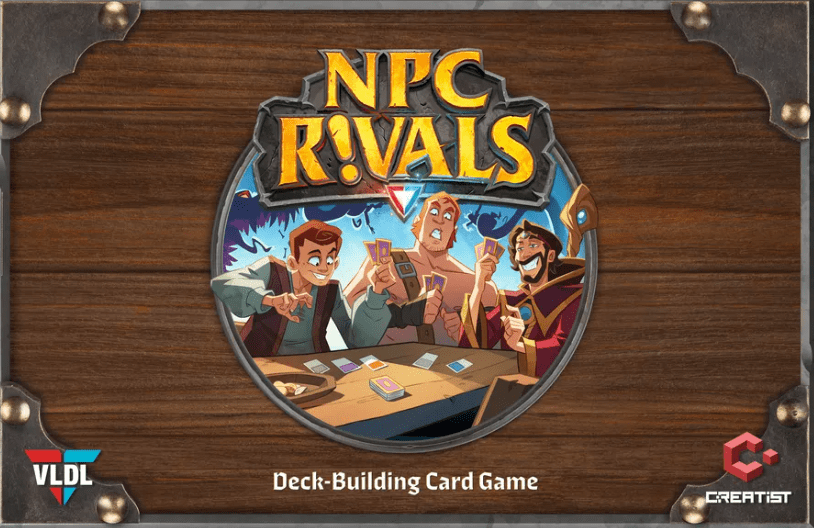
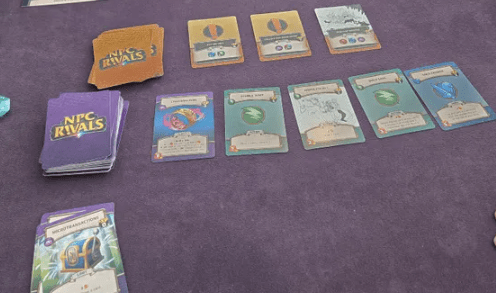
I like a good deck-building game. I just played Marvel: Legendary, but I did notice the game dragged between turns. NPC Rivals attempts to speed up individual turns. You have my attention, NPC Rivals. Play Hero, Loot, Monster, and Action cards from your growing deck to complete quests that require specific combinations. Each quest is added to your quest log to score big XP, but you’ll need to outplay your rivals in a constantly shifting marketplace to stay ahead. Cycle through quests to find the ones that suit your build, grab powerful cards from the market, and complete your quests before everyone else, but only one NPC will be crowned the real “main character.”
Based on the description above (acquired by the publisher, Viva La Dirt League), NPC Rivals sounds like standard deck-building fare (shifting marketplace, growing one’s deck). But NPC Rivals‘ KickStarter page mentions that players must play their entire hand. This may be where the game attempts to speed up play. Marvel: Legendary has specific timing. That did the most to slow down each turn. If you’re playing your entire hand with no regard for timing triggers, NPC Rivals could ramp up the speed. This combined with another goofy theme–I love the idea of playing as NPCs–makes NPC Rivals one to watch. If you’re also interested in NPC Rivals, check out its KickStarter page.
Sugarworks Launches on KickStarter
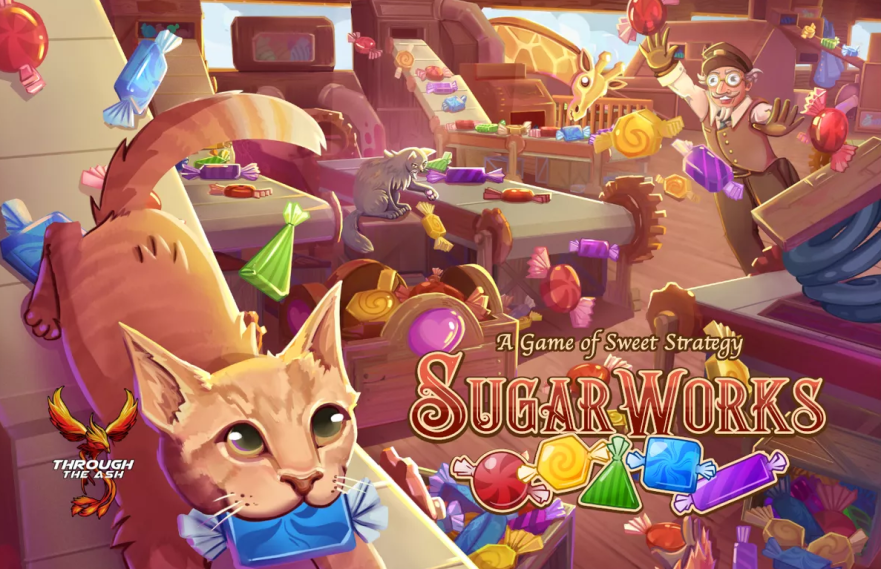
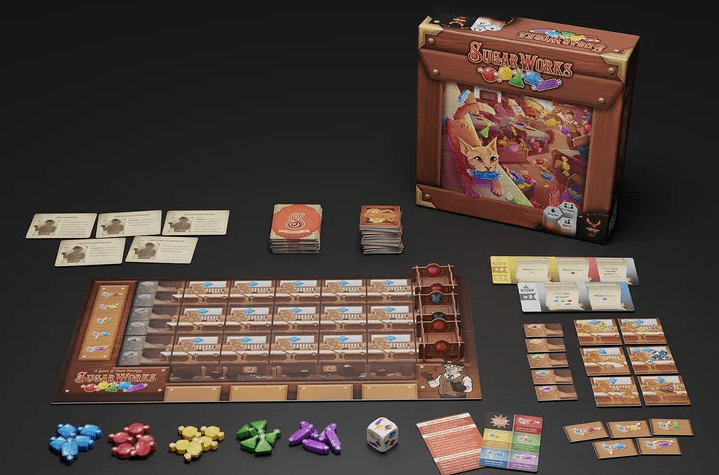
The conveyors are out of control and there is candy all over the place. Sugarworks employees rush to adjust the conveyors to coax the unruly candy into the appropriate packages. Fulfilling orders will earn points. Unfortunately, the candy lines are all mixed up and the candy is colliding and moving all over the place. How will you fill your orders? Players are each given objectives in the form of Orders, which are worth points at the end of the game. Three conveyor lines are moving candy along them toward their destination packaging, and several candy outputs keep putting more candy onto the conveyors. As the candy collides, it will jump to different locations based on the candy involved in the collision.
I love it when publishers provide a great description. They’ll know their game far better than I. And I also love the idea of conveyor belts in a game. In Sugarworks, players will be able to manipulate the game’s conveyor belts. Yes! Throw in the bright colors of hard candy, and Sugarworks is another board game this week with an excellent theme. The base game begins at $35, or one could splurge with the All-In package at $109. If you’re interested in Sugarworks, check out its KickStarter page.
The Malice of Light Adventures Launches on KickStarter
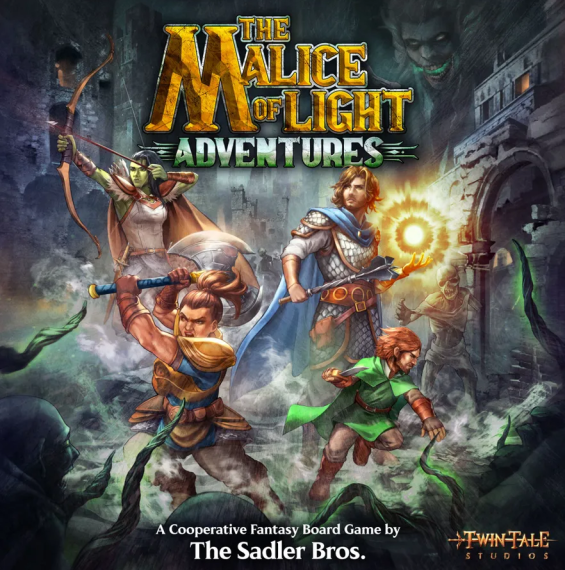
The Malice of Light Adventures is a cooperative roguelike boss-battler based on Brady J. Sadler’s epic fantasy book series, The Malice of Light. Designed for 1–4 players, the game combines modular gameplay, quick character progression, and elegant combat in a fast-paced, replayable format inspired by the Sadlers’ previous titles like Heroes of Terrinoth and Street Masters. Players will battle dangerous foes in iconic locations from the books while contending with escalating villain schemes across multiple acts, culminating in a dramatic boss encounter. The game also serves as a great entry point for those new to The Malice of Light, offering a unique way to explore its vibrant world of classic high fantasy—separate from the story told in the novels.
We have another description by the publisher. Thank you, Twin Tale Studios. Yay! I like the idea of designing a board game based on one’s novel. I’m attempting the same thing, so I may be more than a little biased. The Malice of Light Adventures board game includes the first part (three books) of Brady J. Sadler’s high fantasy series. What? That’s coconuts. And I’m here for it. The Malice of Light Adventures features another compact board, which I like. Setup and tear down appear to be minimal and quick. And the Sadler Brothers have experience with other titles. That’s always a plus. As of writing this post, we don’t know what the pledge levels will be. I’m keeping an eye on The Malice of Light Adventures. If you’re interested in the game, check out its GameFound page.
Gateway Launches on GameFound
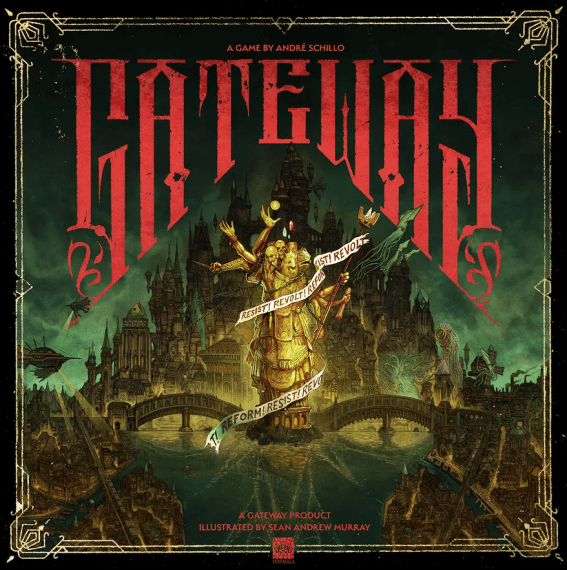
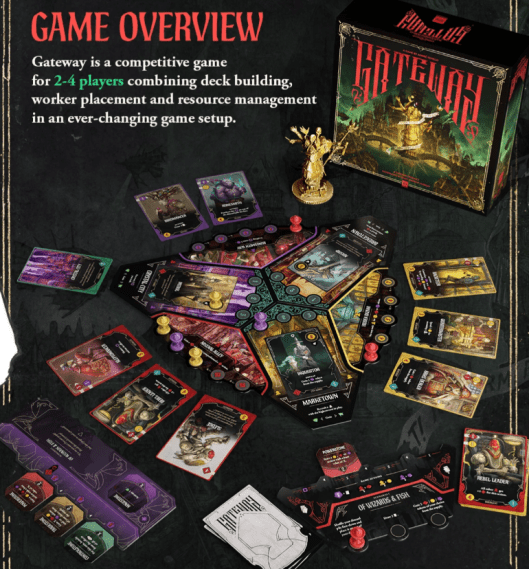
Step into the enchanting alleys of Gateway, a city where shadows whisper secrets and power is seized in the flicker of a gas lamp. In this thrilling deck builder for 2-4 players, you´ll recruit a motley crew of infamous characters and rely on the power of runestones to conquer the city´s guarded districts. Immerse yourself in a world where Victorian elegance meets fantastical whimsy, and every decision could tip the balance of power. Will you dominate the dark alleys and opulent parlors, weaving your influence through cunning schemes? Or will your rivals outwit you in this game of strategy and rising infamy? Dare to play in the city of Gateway.
Yes! Yet another great description by the game’s publisher. Thank you, Tentacula. Based on the description and the blurb in the picture above, Gateway sounds like a blast. Deck-building, worker placement, and resource management are three of my favorite game mechanisms. Throw in a modular board, and I’m hyped. Gateway is another game with great production value. One expects to see that in a GameFound campaign. And because Gateway launched on GameFound and we’re viewing its page before it officially releases, I don’t know the game’s pledge levels. But I am interested in this game. If Gateway piques your interest, too, check out its GameFound page.
Mewgenics Releases
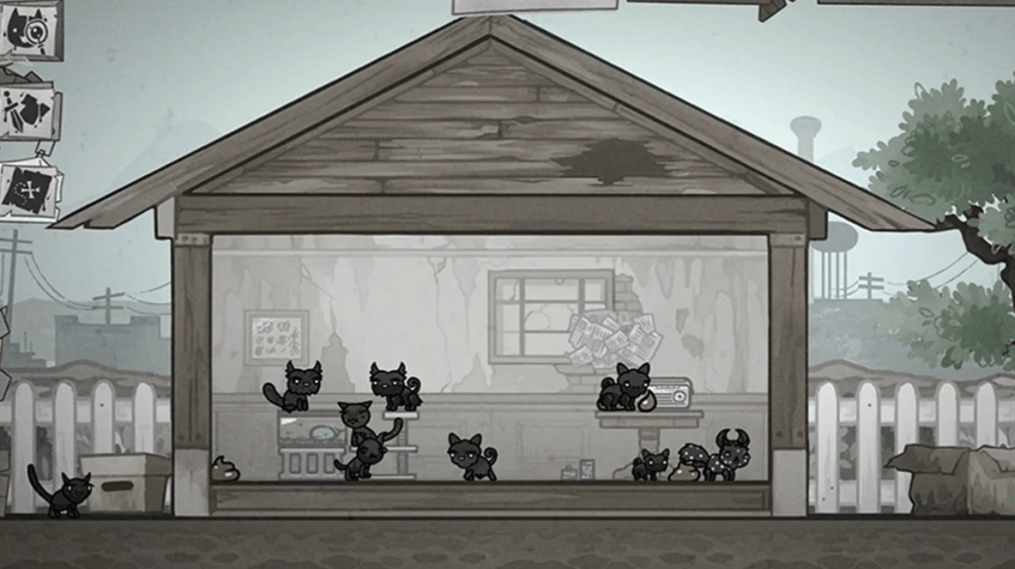
Mewgenics has an interesting concept. Take a tactical role-playing game, add a cat breeding mechanism and a two-dimensional isometric world, shake and serve. Players begin with a team of four cats. They’ll notice classic role-playing game classes like hunter, mage, tank, and fighter. Over time, players will be able to cross-breed their cats to unlock multi-classes, hence the game’s name, Mewgenics. You know what? Mewgenics had me at cat RPG. And I love Mewgenics‘ art direction. Brought to you by the same designers as Super Meat Boy, Mewgenics looks to bring the sizzle and steak.
Yes! I love Mewgenics‘ aesthetics. The game has received stellar reviews, and that’s much appreciated after Mewgenics‘ protracted development. For a moment, it looked like we’d never get Super Meat Boy’s follow-up title. Mewgenics is available on PC.
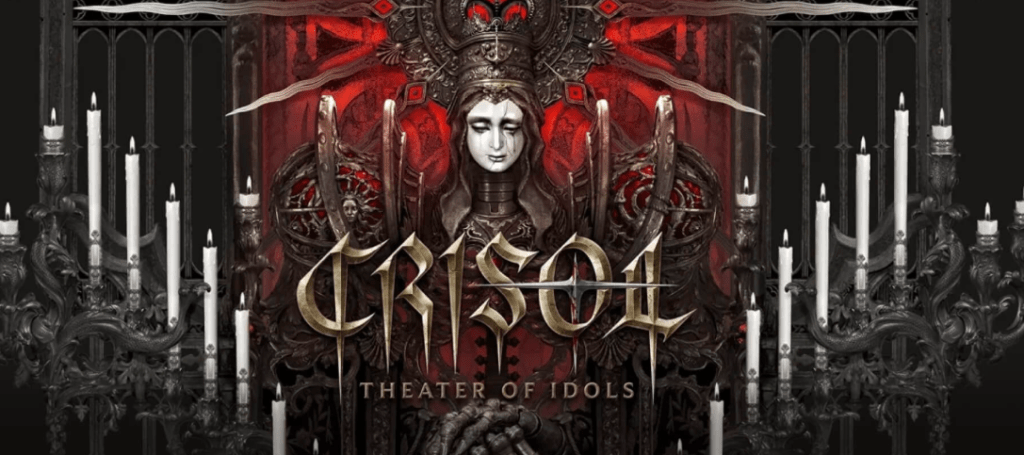
Crisol: Theater of Idols Releases
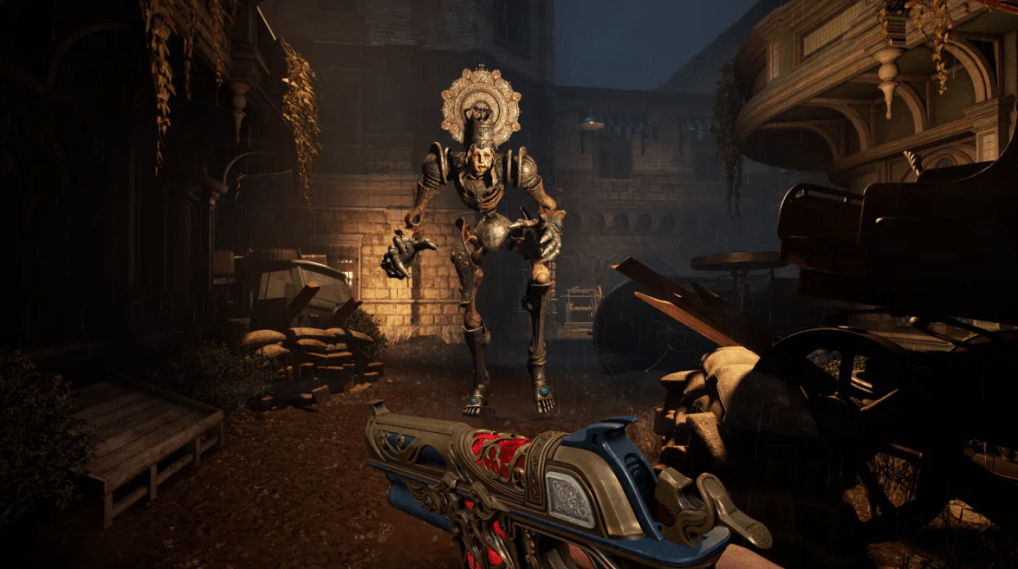
Crisol: Theater of Idols is the second game published by Blumhouse Games. Blumhouse, the horror movie aficionados, makes games? Apparently, so. From what I’ve seen in reviews, Crisol: Theater of Idols is rough around the edges. One would expect that from a first-time developer and second-time publisher. But the premise sounds awesome. Steeped in Spanish lore, Crisol: Theater of Idols offers a singular experience.
As you can see, Crisol: Theater of Idols features amazing graphics and has a slick feel. Like most survival horror games, ammo conservation plays a massive role. Crisol: Theater of Idols is one of those games I’d be willing to give a try. I wonder if Skye, who’s been playing a lot of Resident Evil and Silent Hill titles, would like to load up a game. Crisol: Theater of Idols is available on PC, PlayStation 5, and Xbox Series S/X.
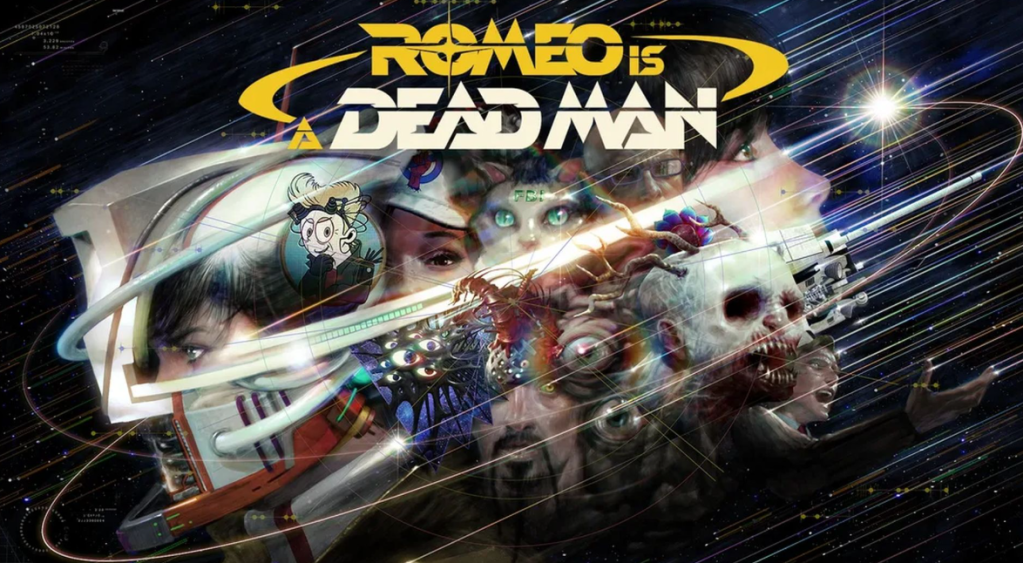
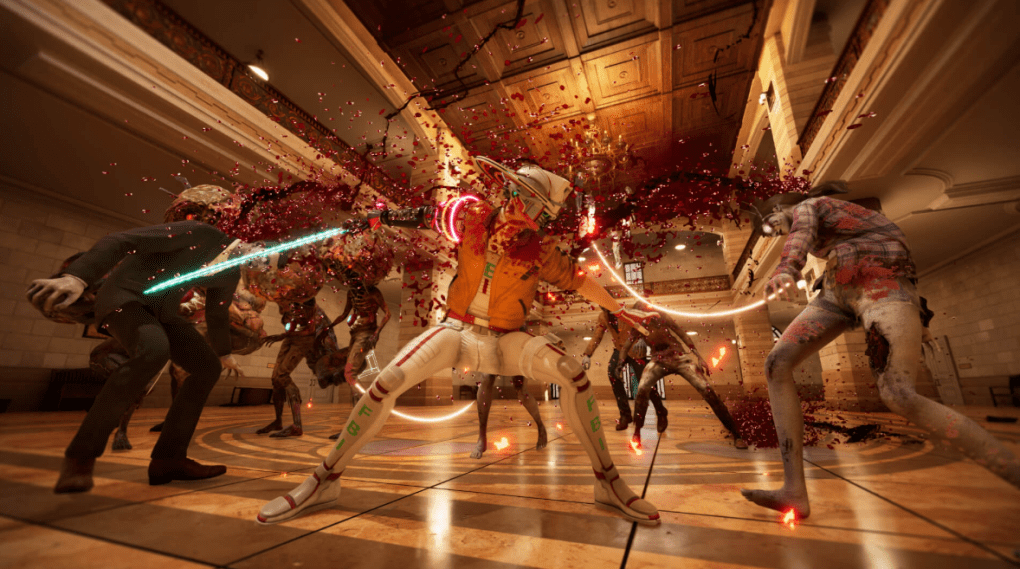
Paint the screen red and travel the cosmos in this bloodstained action-adventure game. Witness the latest from Grasshopper Manufacture: the advent of ultra-violent science fiction. Say hello to Romeo is a Dead Man. The title is chef’s kiss good. Gamers know exactly what they’re getting themselves into with Romeo is a Dead Man. And the visuals look insane.
Players certainly will paint the screen red as they travel the cosmos in this title. Yikes! Romeo is a Dead Man has received great reviews, and we could expect more from publisher, Grasshopper Manufacture. That’s right. The publisher isn’t content with one video game release in 2026. I can’t wait to see what this creative team has in store for us later this year. And Romeo is a Dead Man sounds like a fun romp. Romeo is a Dead Man is available on PC, PlayStation 5, and Xbox Series S/X.
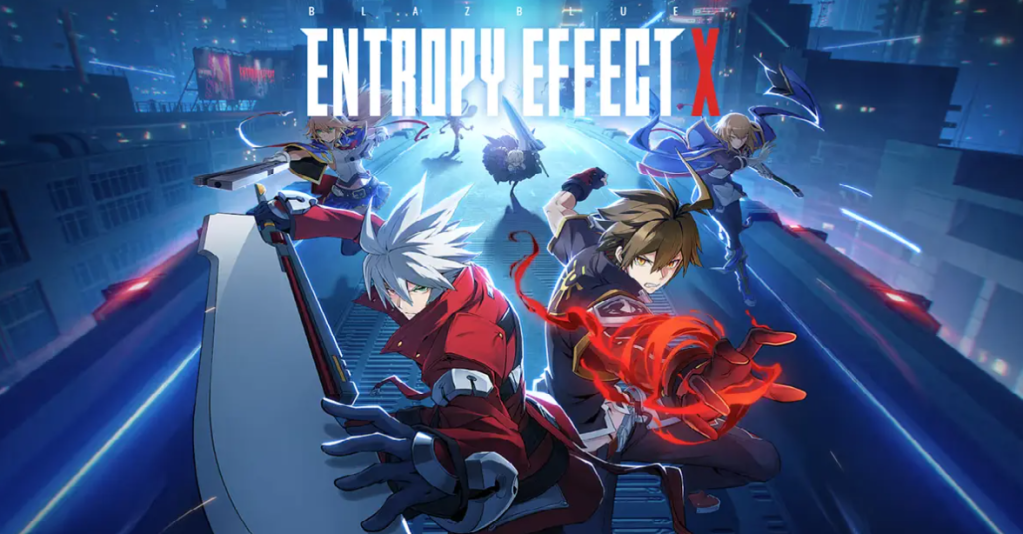
BlazBlue Entropy Effect X Releases
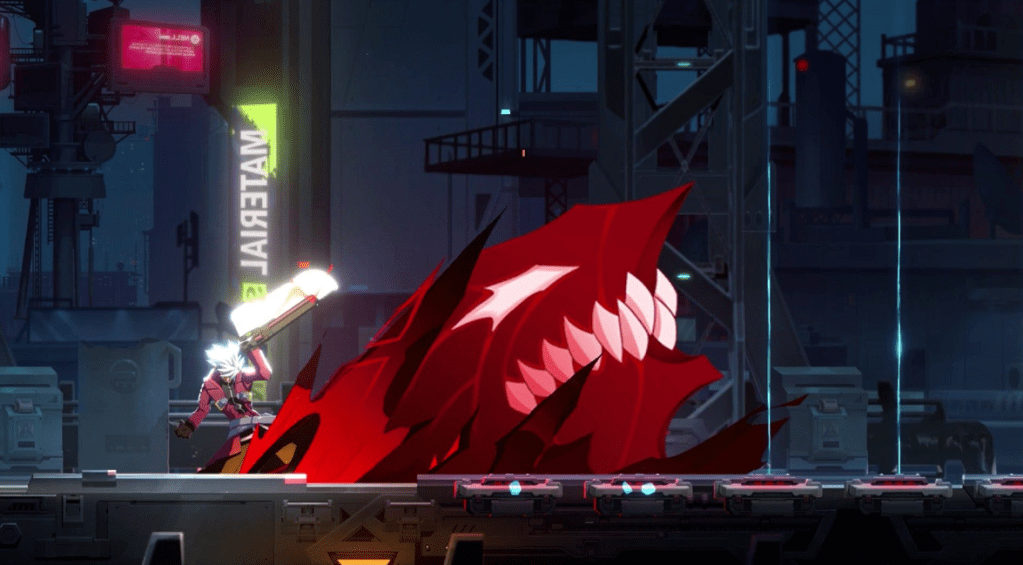
This week is amazing for video games, especially if you love rogue-likes. First, Mewgenics, and then BlazBlue Entropy Effect X. I’ve heard nothing but great things from the latest title in the BlazBlue series. BlazBlue Entropy Effect X is one of those games that’s fun at the outset but grows on you once you learn more of the systems and customize your characters. I love character customization. Yes, please.
Honestly, rogue-likes are having a moment. Beginning with Hollow Knight: Silksong, we’ve seen plenty of amazing rogue-likes released in the last handful of months. BlazBlue Entropy Effect X continues this trend. And look at those graphics. BlazBlue Entropy Effect X features lightning-fast combat, and of course, a severe difficulty spike. BlazBlue Entropy Effect X is a PlayStation 5 exclusive.
High on Life 2 Releases
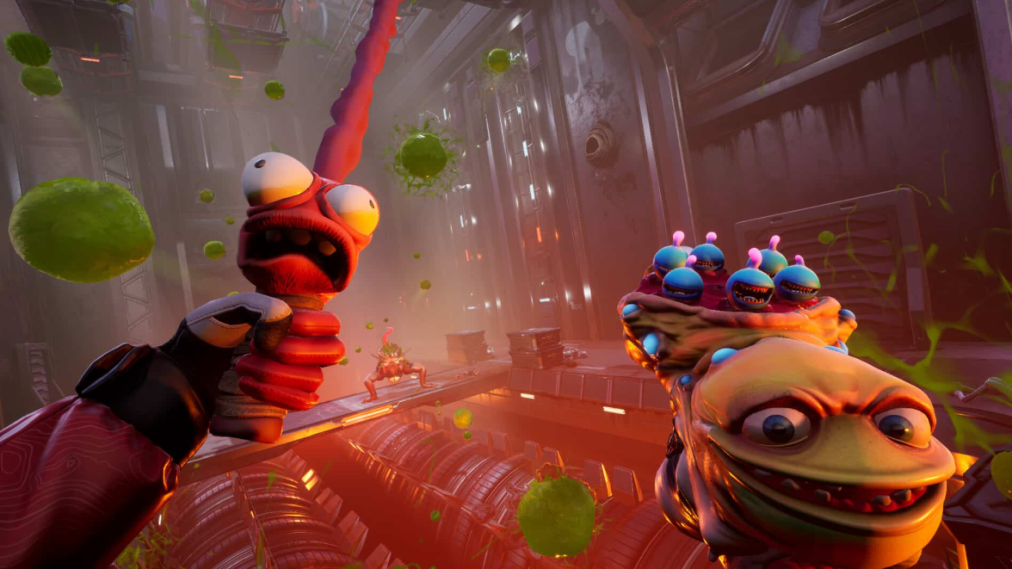
The game with the talking gun, High on Life, just got a sequel. The original High on Life was memetastic. It wasn’t the best game, but it had memorable moments and crass jokes. High on Life 2 offers more of the same. Well, the sequel does update the graphics of the original. If you’re a fan of the original High on Life, you might give High on Life 2 a try.
I may play High on Life 2 for the LOLs. I picked up the original as a PlayStation Plus Monthly Game. High on Life 2 is available on PC, PlayStation 5, and Xbox Series S/X.
Reanimal Releases
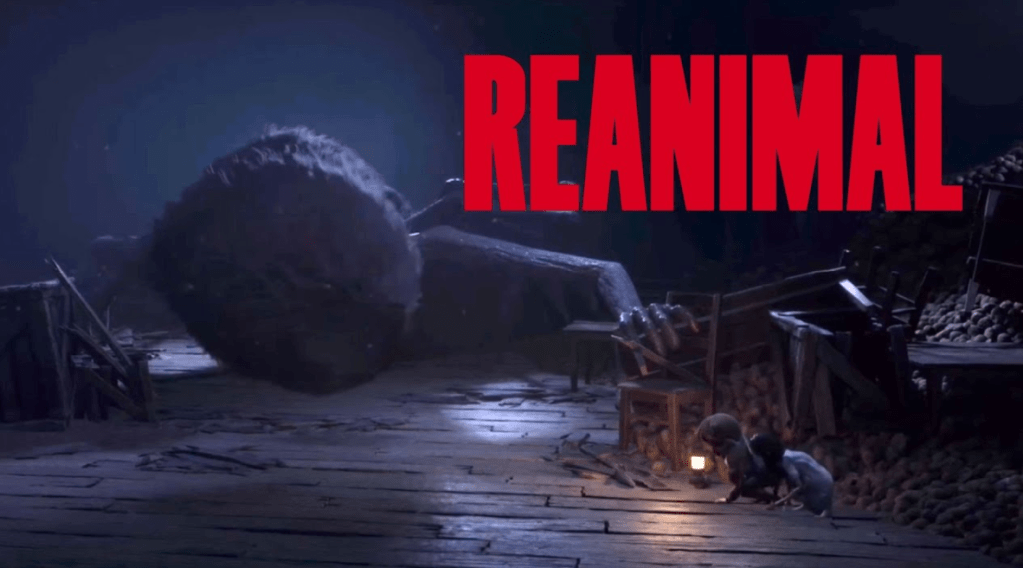
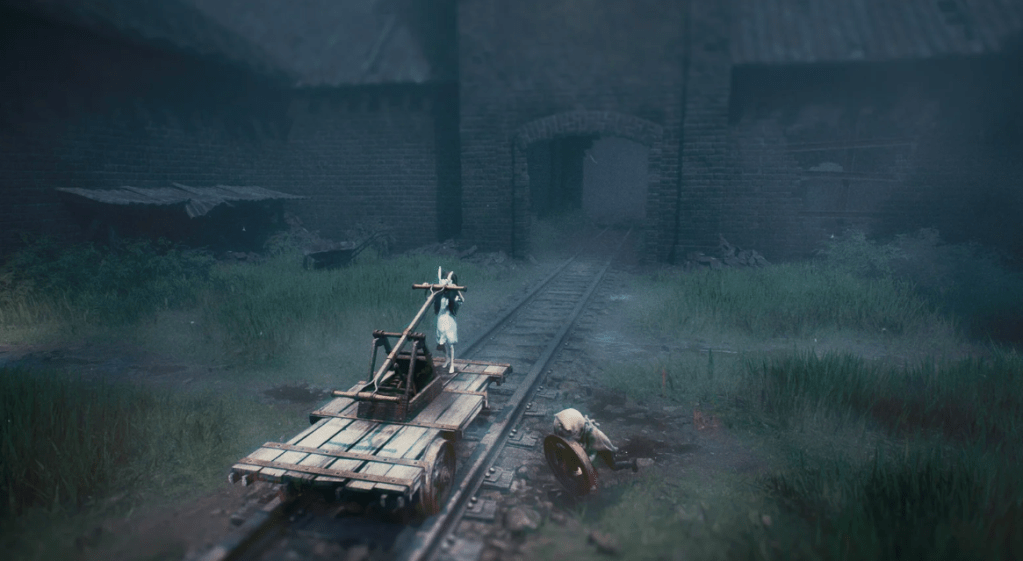
Reanimal is another solid survival horror video game released this past week. Only, Reanimal comes from the same team that brought us the Little Nightmares series. One look at Reanimal’s graphics shows the game’s DNA. Reanimal strikes that perfect blend of creepy-cute.
Most critics mention not knowing what Reanimal is about. Some played the game for dozens of hours and still struggled to grasp what happened. Even though Reanimal can get confusing on a conceptual level, most of those same critics say the gameplay is excellent. Of course, Reanimal has amazing graphics. If you like the Little Nightmares series, you may like Reanimal. Reanimal is available on PC, PlayStation 5, Xbox Series S/X, and Nintendo Switch 2.
Mario Tennis Fever Releases on Nintendo Switch 2
Mario Tennis Fever released for the Nintendo Switch 2. It’s a Mario sports game. It received good reviews. Mario Tennis Fever’s title derives from fever shots, which are super-powered shots that the various Mario characters can use. Mario Tennis Fever is in the vein of Mario Tennis Aces. If you liked the previous game, you’ll most likely enjoy Mario Tennis Fever.
Disciples: Domination Releases
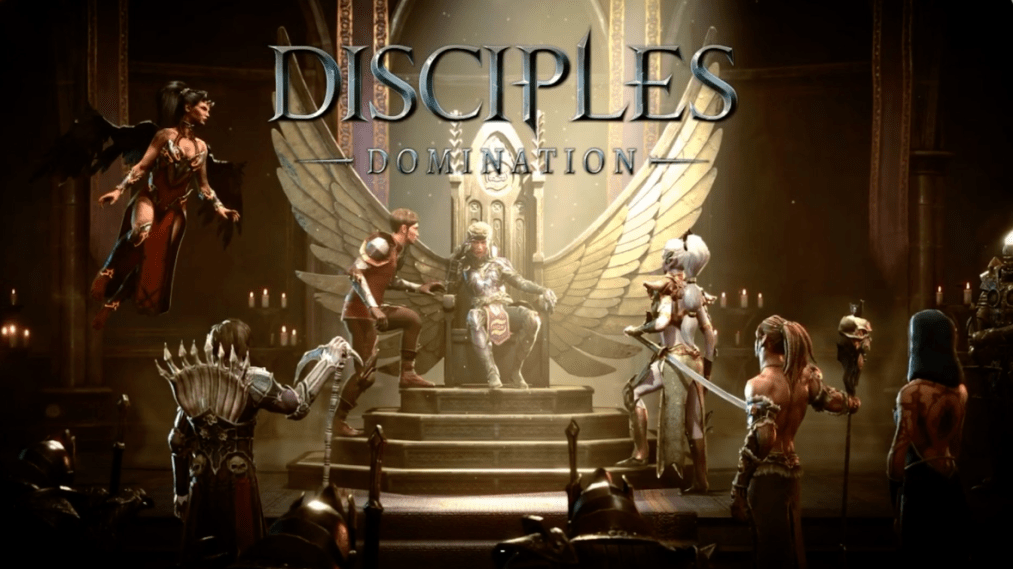
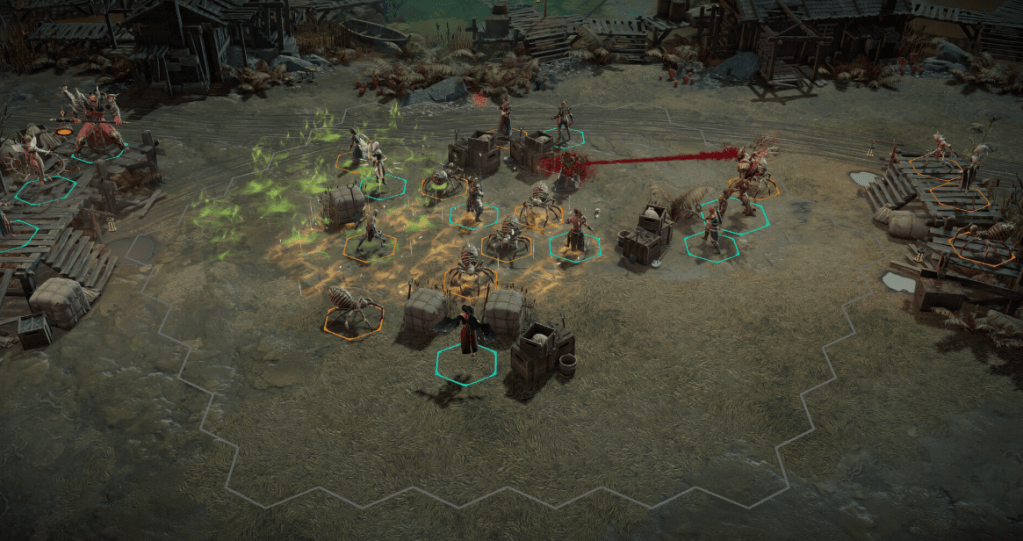
Rule through the chaos! Fifteen years after Avyanna freed Nevendaar, Disciples: Domination returns you to a realm hanging in the balance. In this dark fantasy strategy RPG with turn-based combat, take your place on Queen Avyanna’s throne, holding together a crumbling kingdom. That’s a good description by the publisher. Disciples: Domination has an interesting premise, and I like classic turn-based RPGs, but Disciples: Domination has received mixed reviews.
But if you liked Disciples: Liberation, you’ll most likely enjoy Disciples: Domination.Domination does further the series. Personally, I may wait for a sale. Disciples: Domination is available on PC, PlayStation 5, and Xbox Series S/X.
That’s all the geek news we have for this week. Thank you for reading, and wherever you are, I hope you’re having a great day.
Happy Valentine’s Day, Geekly Gang! Love is in the air. You can find it, even in video games, and that’s what we’ll be talking about in today’s post of the Top 5 Video Game Couples. Like the real world, video game couples take all shapes and sizes. Despite its short existence as an art form, video games have plenty of great video game couples. We’re sure to leave a few dozen off this list. It’s time to look at the video game couples that get us twitterpated.
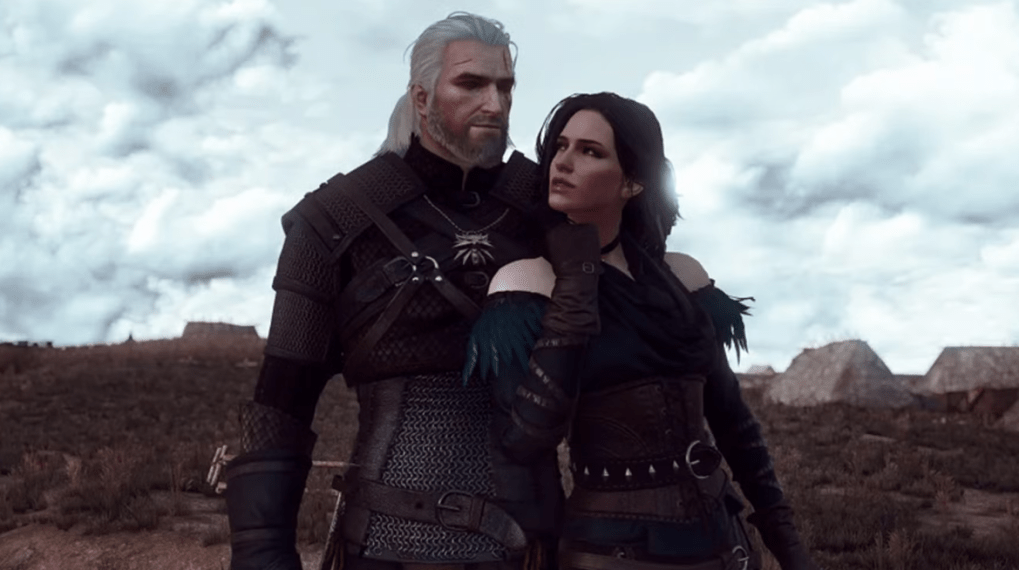
5) Geralt of Rivia and Yennefer of Vengerberg (The Witcher 3: Wild Hunt)
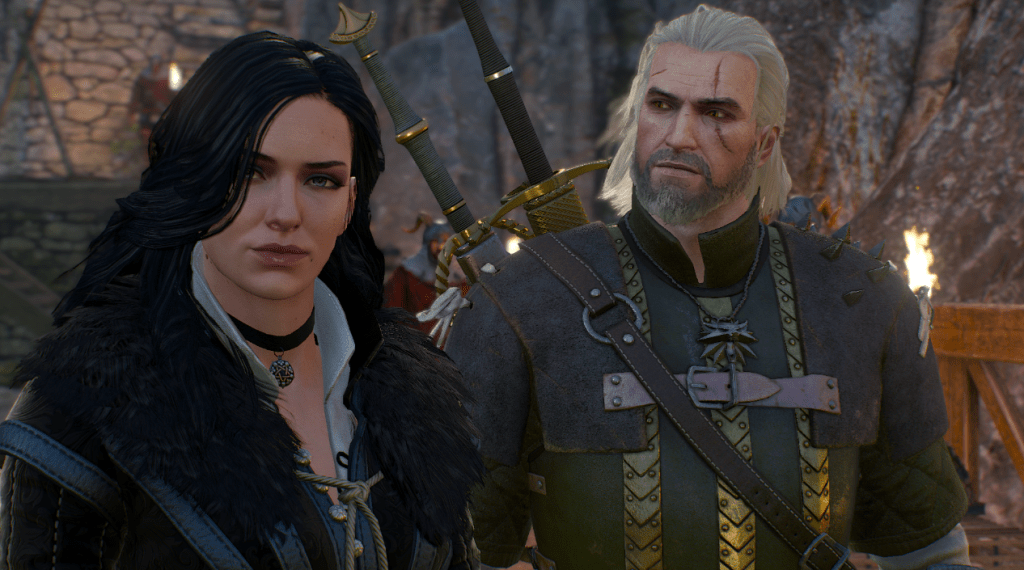
Geralt has had plenty of romantic partners in The Witcher series, but most fans would agree his one true love is Yennefer. She’s one of The Witcher 3: Wild Hunt’s main characters, and if gamers make the right choices, Geralt can peacefully retire with the love of his life, Yennefer.
Yennefer and Geralt have a chaotic relationship, complicated by political intrigue and Ciri influence on the couple. Geralt isn’t the best at showing his emotions, but Yennefer is the only one who understands the Witcher. Geralt and Yennefer are one of those perfectly imperfect couples. They may be the most relatable couple of this list.
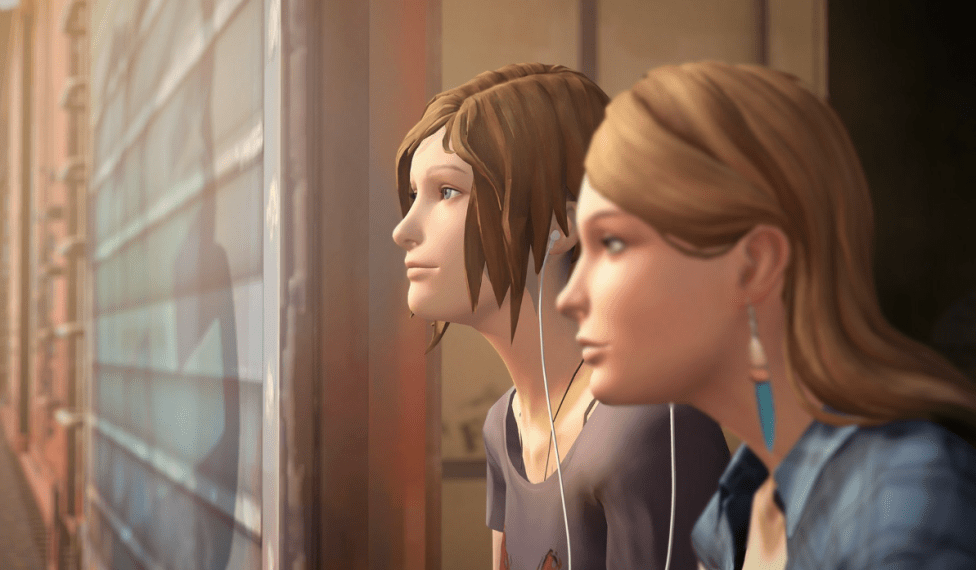
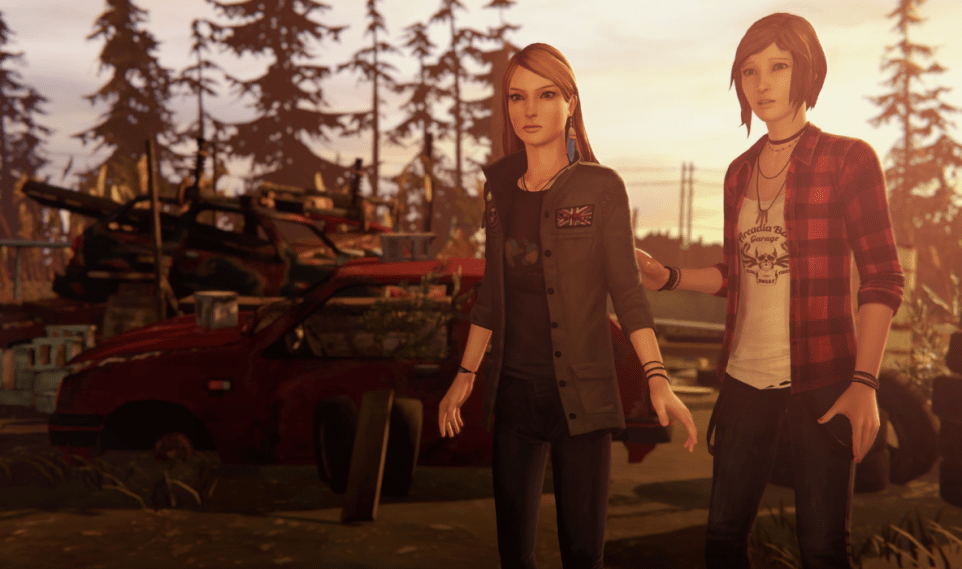
4) Chloe and Rachel (Life is Strange)
The original Life is Strange hints at Chloe Price and Rachel Amber’s relationship. You know, before Rachel disappeared. During the events of Life is Strange, Rachel’s disappearance shakes Chloe to her core. This alone doesn’t make Chloe and Rachel worthy of this list. Fortunately, the spin-off Life is Strange: Before the Storm explores their relationship, and we see why Chloe is heartbroken.
At first, we thought the pair shared a strong friendship, but Before the Storm has Chloe calling Rachel “my angel.” Their love goes deeper than any friendship. And Before the Storm’s clarification shatters any doubt of the two’s romance.
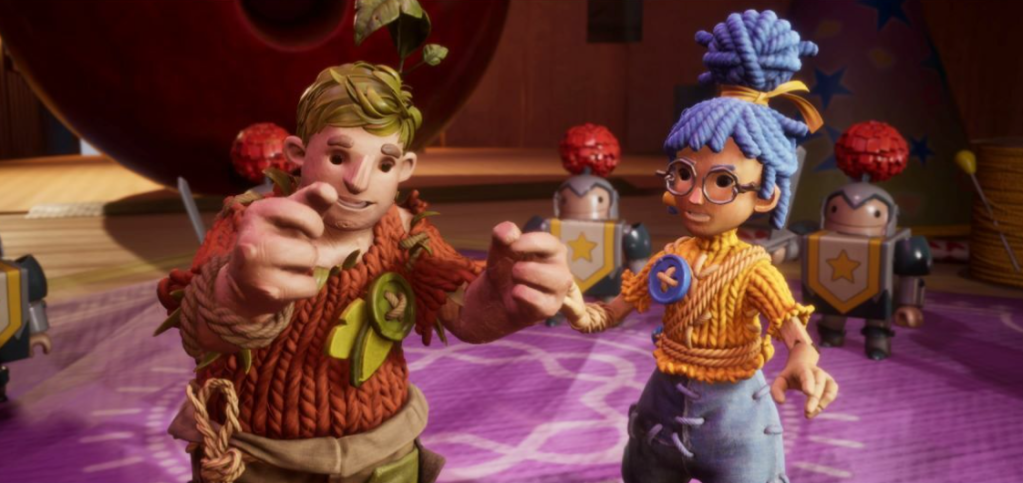
3) Cody and May (It Takes Two)
Okay. I may have been wrong about Geralt and Yennefer being the most relatable couple on this list. Cody and May from It Takes Two may take that award. It Takes Two’s story centers around the realistic relationship between the two, as they try to navigate their messy divorce and alleviate its effects on their daughter, Rose.
Players control two toy versions of the characters as they explore a bizarre version of their home. Get ready to laugh and cry as you help Cody and Max repair their relationship.
2) Mario and Princess Peach (Super Mario Series)
You probably clicked on this post expecting to see Mario and Princess Peach. We didn’t want to disappoint you. Mario and Princess Peach is one of the most well-known and celebrated relationships in video game history. They’ve overcome obstacles since the early Eighties.
Princess Peach has stepped out of the shadow of the damsel in distress in early Super Mario games. As early as Super Mario Bros. 2, she’s taken adventuring and heroism into her own hands. She’s the princess of the Mushroom Kingdom. You can’t keep her down. This pair should see plenty of future titles and spin-offs as they battle all of the Mushroom Kingdom’s foes. But Mario and Princess Peach just miss out on our top spot.
1) Link and Zelda (The Legend of Zelda Series)
Yep. We went double Nintendo properties for the top of this list. Link and Zelda may be the second couple you expected to see on this list when you clicked on the link. If you guessed these two, you’re two for two. Even though Link and Zelda are a classic video game romance, there were doubts the two were a couple until Skyward Sword put any doubts to rest. Skyward Sword showed the couple soar through the clouds, and solidified Zelda as Link’s equal.
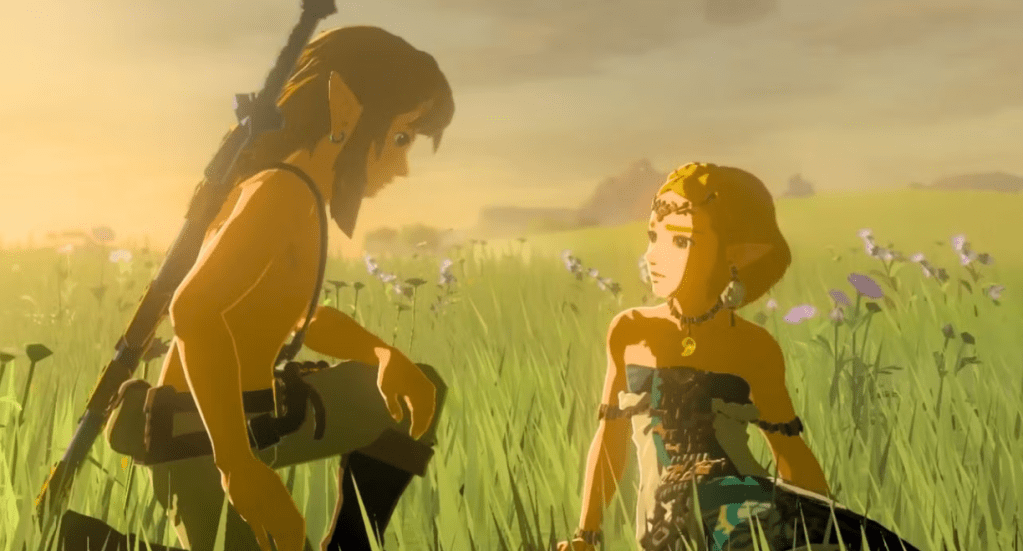
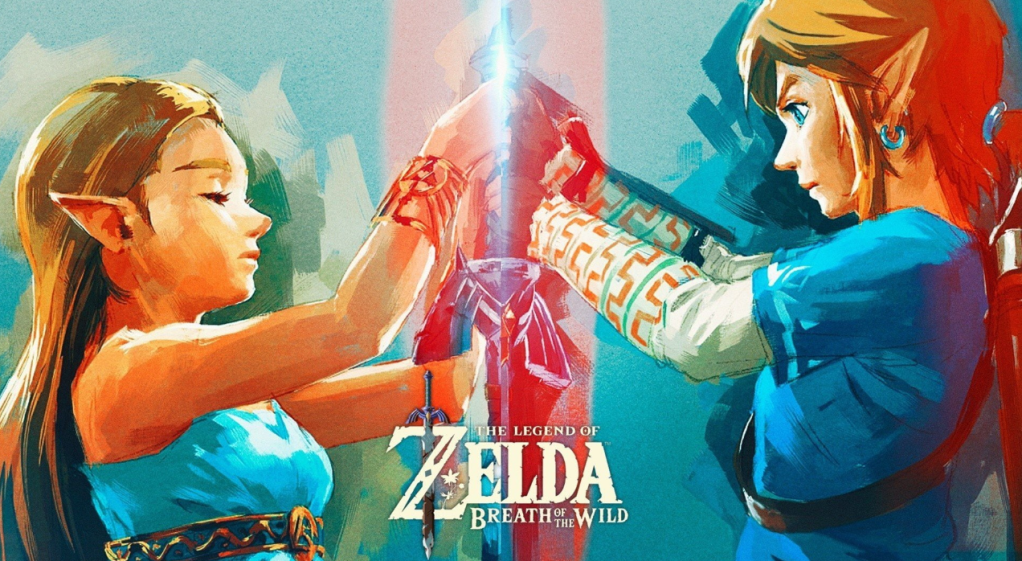
Zelda and Link’s relationship grew with Breath of the Wild and its sequel Tears of the Kingdom. This couple is there for each other every step of the way. And we love them for it. Here’s to another great four plus decades of romance and adventure.
These five video game couples are by no means the only ones we could mention. Plenty just missed the cut. Who would you add to this list? Let us know in the comments. Thank you for reading, and wherever you are, I hope you’re having a great day.
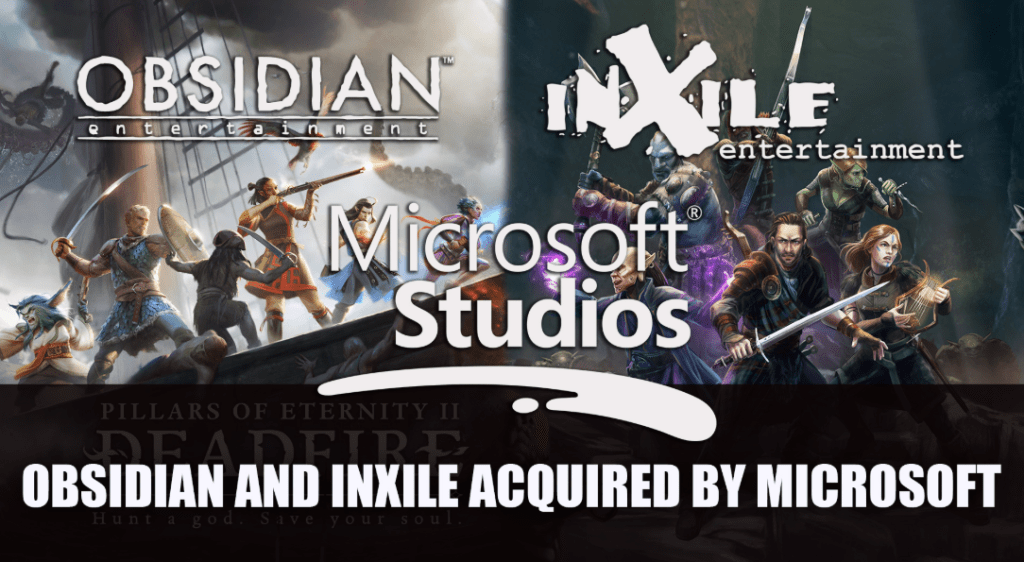
Happy Sunday, Geekly Gang! Kyra Kyle here with another week of Geekly News. This week saw plenty of new releases for board games and video games, but before we get into those, let’s get into this week’s headline. Obsidian Entertainment made a sizeable announcement this past week. The Fallout: New Vegas developer announced that they may need to go in a different direction with their games. Obsidian cancelled any plans for The Outer Worlds 3 and an Avowed sequel.
Obsidian Entertainment at a Crossroads
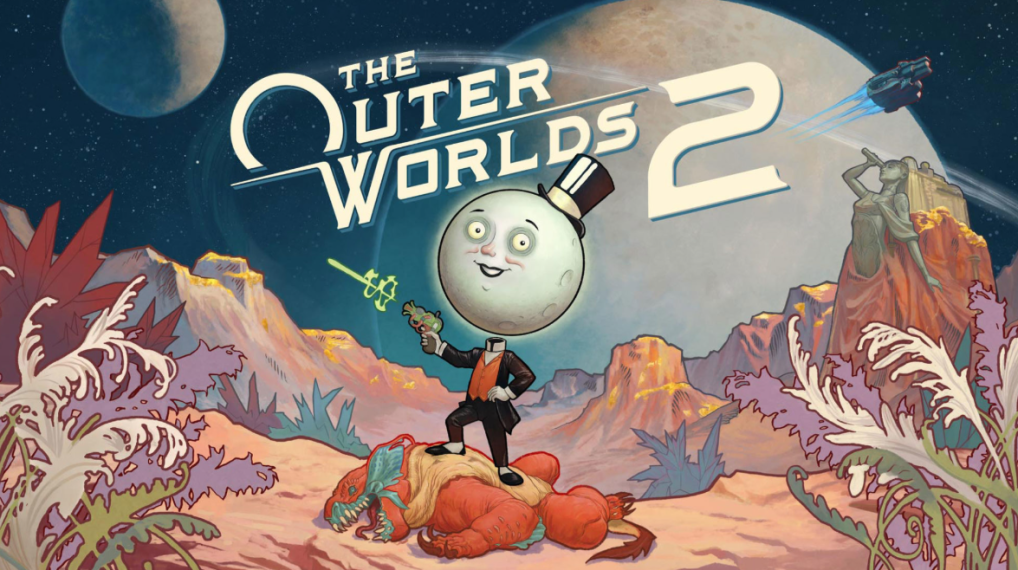
Honestly, I may be more in tune with Obsidian Entertainment because I just finished an Obsidian Entertainment Video Game History, slated for a May 2026 release. Thank you, Obsidian. I may need to alter the final two segments of that piece. But Obsidian Entertainment dropped a bombshell this past week. Obsidian President Urquhart announced that Obsidian Entertainment needs to reduce the development time of their games, which means titles like The Outer Worlds 2 and Avowed will not receive sequels.
Obsidian Entertainment has a penchant for developing brand-new game engines with each of its large titles. Despite The Outer Worlds 2 and Avowed releasing within months of each other, both games have different game engines. This increases the development time for games that will already have massive development times. The Outer Worlds 2 took six years to develop, while Avowed had a development time of seven years. Yikes! Less-than-expected sales for both titles has led Obsidian Entertainment to cancel plans for any future games in these series.
Several factors led to The Outer Worlds 2 and Avowed selling fewer copies than expected. The Outer Worlds 2 suffered backlash with a proposed $80 price tag. Obsidian/Microsoft reverted to a $70 price tag before launch, but the damage was done. Gamers lost faith in the series. And then there’s Avowed. Avowed is more of a straight fantasy open-world RPG, and that is a tough market to crack into with a new title. Yes. Avowed is set in the popular Pillars of Eternity universe, but it functions as a new game in a new series. It also doesn’t help that Obsidian wasted a couple of years trying to turn Avowed into what Urquhart dubbed “Skyrim meets Destiny 2.” Obsidian could never get the multiplayer gameplay (the Destiny 2 portion) to work and turned Avowed into a single-player RPG experience. But that led to Avowed’s seven-year development window.
Video games work a lot like films. Many modern films flop even when they earn well over $500 million at the box office because producing them costs so much. A video game, like Avowed, that has a seven-year development will need to bring in a lot more money than a video game that takes three to four years to develop, like Obsidian’s other 2025 release, Grounded 2, or even Obsidian’s 2022 indie-like Pentiment. Even though Pentiment had a niche market, it didn’t cost Obsidian much to make the game, and smaller games like Pentiment and Grounded 2 may become the developer’s new business model. I don’t think we’ve seen the last of large open-world RPGs from Obsidian, but the developer may reduce the number of those games it releases.
Bitewing Games Launch Gold Country and Totally Human on KickStarter
Bitewing Games delivers one heck of a one-two punch this week with Reiner Knizia’s Gold Country and Kasper Lapp’s Totally Human. Gold Country is a new California Gold Rush strategy game created by Reiner Knizia and gorgeously illustrated by Beth Sobel, the same Beth Sobel who provided Wingspan’s art. While the design is inspired by a cult-classic Knizia game called Spectaculum, it has undergone extensive redevelopment by Reiner Knizia (closely collaborating with Bitewing Games) to become the ultimate stock market manipulation game. It features a completely reworked core game, all-new maps, exciting tactical abilities, and the lush landscapes of California.
Gold Country looks great on the table. I’ve never played Spectaculum, but heard great things. And this is a Reiner Knizia game. Knizia has been on a roll. And then there’s Kasper Lapp’s Totally Human. Lapp had a hit with Magic Maze. In Totally Human, players are given hidden identities (human or alien) and must answer three multiple-choice questions as “human-like” as possible, but aliens don’t understand human culture completely and face restrictions on how they can respond.
Totally Human gives me strong Spy Fall and Ferret Out vibes. Players take on hidden roles and must try and figure out who’s an alien in disguise. When done well, this concept can be a ton of fun. I’ve had more fun with Ferret Out than Spy Fall because players (including the ferret) don’t know who’s the odd one out. Based on Totally Human’s description, I don’t know how exactly the game plays. But I’ll give it a try. You can back Gold Country or Totally Human separately, but backing them both gives gamers a discount. If you’re interested in Totally Human and/or Gold Country, check out their KickStarter page.
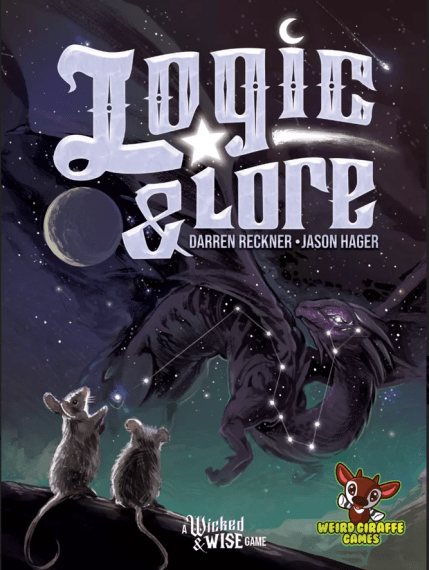
Logic & Lore Launches on KickStarter
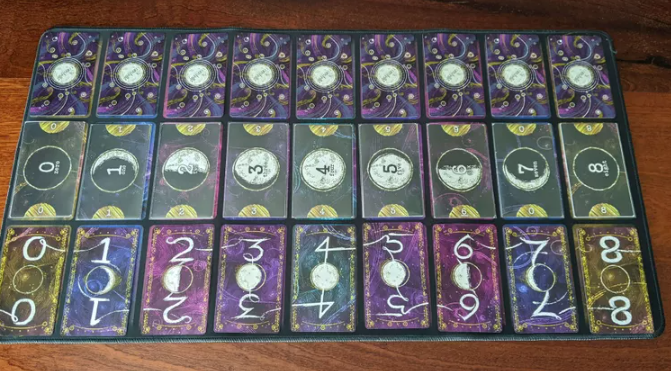
In Logic & Lore, rivals race to be the first to align their hidden stars, numbered 1-9. Each player has dragons and mice working together to organize the cosmos: they send their dragons out to gather information and the mice stay back to take notes and make conclusions based on the knowledge brought back by their dragons. Players each start with their set of cards face-down and shuffled. The game ends when either one player aligns all of their cards correctly OR a player chooses to reveal all of their cards. If the cards are correct, they win; otherwise, their opponent wins.
I like Logic & Lore’s description of a competitive logic game that stays cozy. And I think Logic & Lore gains its cozy designation based on its theme. What could be cozier than aligning the night sky? I dig the theme and the game’s look. Logic & Lore has a great score on Boardgamegeek. If you’re interested in backing Logic & Lore’s second edition, check out its KickStarter page.
Astra Imperium Launches on GameFound
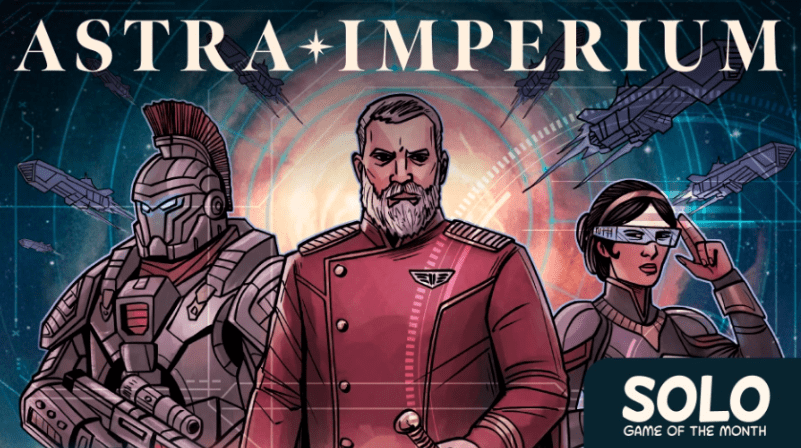
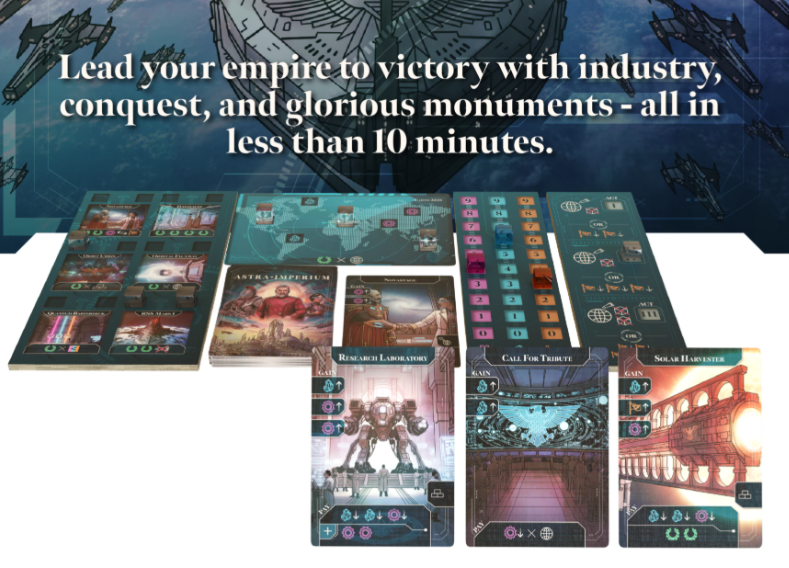
Covering the monthly Solo Game of the Month has become a tradition for Geekly. This month’s title, Astra Imperium, sounds incredible. Astra Imperium offers the complexity of a Euro game in a ten-minute playtime. That’s perfect for a solo game. Usually, I can’t justify long setups and plays of solo games. I don’t need to worry with Astra Imperium.
As usual, Solo Game of the Month offers great production value. Astra Imperium’s resource management has me intrigued, and as you can tell with the picture above, there’s minimal setup and tear down for what looks to be an engaging solo game. Perfect! If you’re interested in Astra Imperium, check out its GameFound page.
Jump Masters! Launches on GameFound
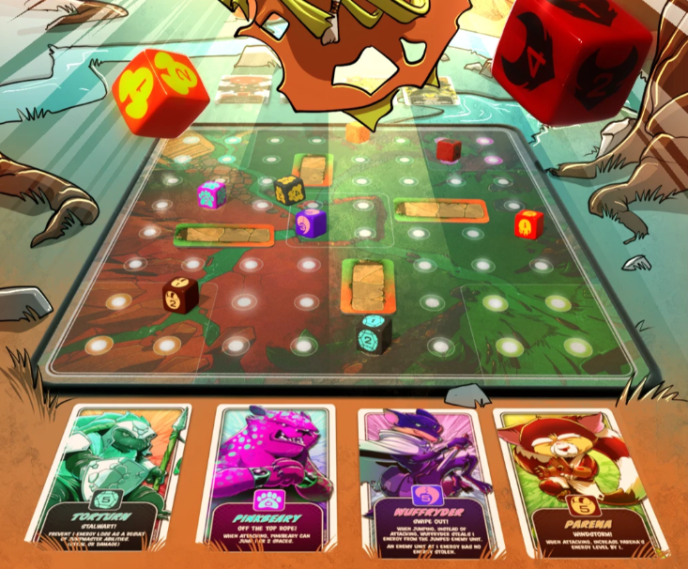
Publisher Chip Theory is known for their amazing production value. At the time of writing this post, we have few images of Chip Theory’s latest game, Jump Masters!, but the game sounds fun. Jump Masters! combines dice placement (where the dice are unique characters with abilities) with Chinese Checkers. I love this concept.
Taking advantage of their character abilities, players try to dominate the board. Take advantage of positioning and terrain to best your opponent in this light-hearted, cute-throat game. Not gonna lie, I favorited Jump Masters! while researching it. Again, we have few images, other than the ones above. But I trust Chip Theory to produce a fantastic-looking game. If you’re interested in Jump Masters!, check out its GameFound page.
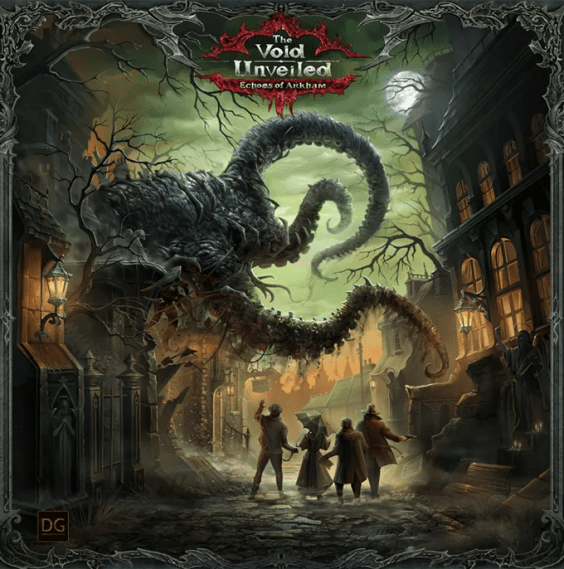
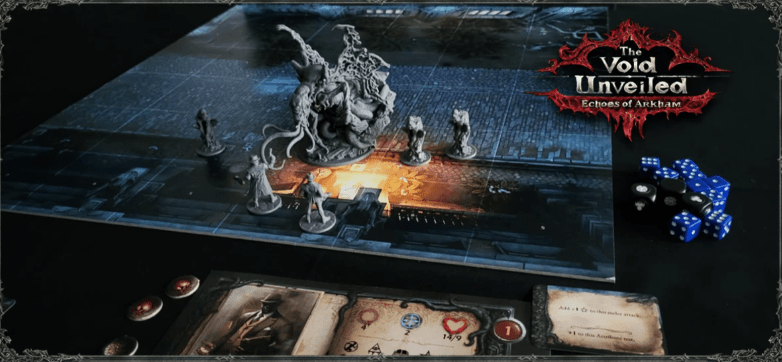
The Void Unveiled: Echoes of Arkham is a story-driven Lovecraftian board game of investigation, madness, and cosmic horror, designed for 1–4 players. Fully cooperative, rich in narrative, and steeped in creeping insanity, it invites you to descend into a world where every choice matters—and madness is never far behind. Step into the role of investigators unraveling a series of eerie mysteries in 1930s Arkham, each told through branching narrative chapters filled with meaningful choices, unique events, and escalating dread. As you read the story, your decisions shape the course of the game, leading to different outcomes and consequences. Each creature you encounter is governed by its own distinct set of rules and behaviors—not a single generic AI system in sight. Every monster feels unique, each one changing how you fight, think, and survive.
The above description comes from The Void Unveiled: Echoes of Arkham’s publisher. It is tough to stand out in the Cthulhu board game space. The phrase “not a single generic AI system in sight” must be a knock against Mansions of Madness. Honestly, The Void Unveiled: Echoes of Arkham reminds me a lot of a streamlined Mansions of Madness. But while Mansions Second Edition features an app that helps build the world, The Void Unveiled: Echoes of Arkham goes old school with an included storybook. From what I’ve seen of The Void Unveiled, it strikes me as a mixture of Mansions of Madness and Sherlock Holmes: Consulting Detective. If that’s the case, I’m interested. Since The Void Unveiled is another GameFound campaign, we have little information during its prerelease. But if you’re interested in The Void Unveiled: Echoes of Arkham, check out its GameFound page.
The Stone of Madness Dicefall Launches on GameFound
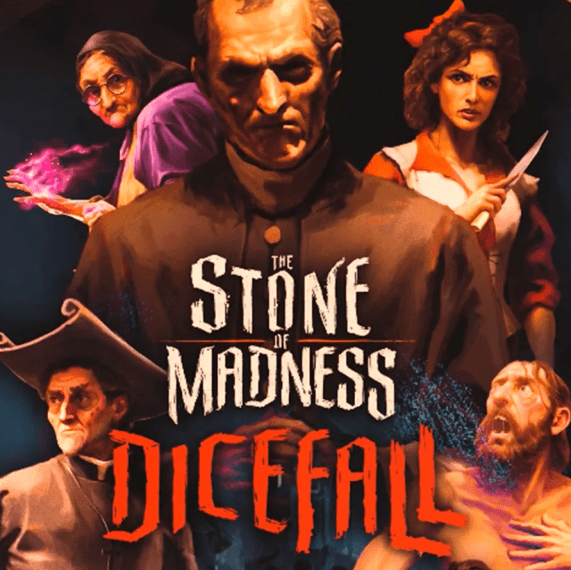
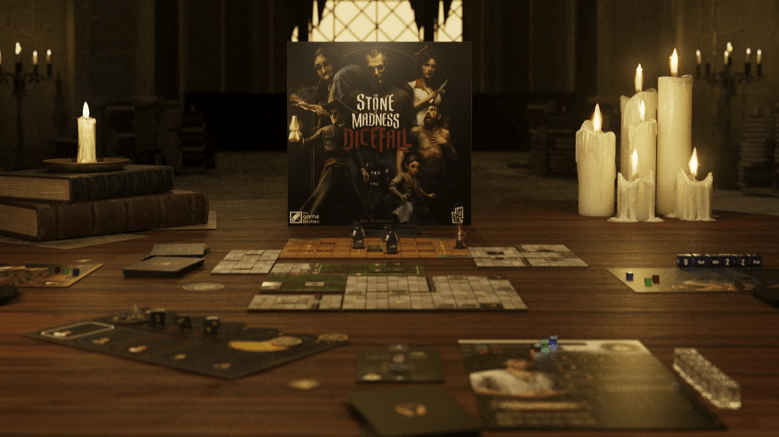
The Stone of Madness Dicefall is a cooperative tactical stealth board game for one to five players. Players jointly control five prisoners confined within an isolated monastery ruled by the Inquisition. Each prisoner has distinct abilities, restrictions, and mental conditions. The game is played in structured rounds where players assign actions to the prisoners, move them through the monastery, and interact with rooms, objects, and objectives. Actions are resolved using dice. Dice represent uncertainty under pressure and are tightly linked to the character performing the action and the current situation.
Stealth is the core of the experience. Many actions create noise, which increases tension and causes Inquisition patrols to react and reposition. Patrol movement and behavior respond to player decisions and accumulated alerts, turning the monastery into an active threat rather than a static board. Avoiding detection requires coordination, timing, and restraint.
I love it when a publisher includes a good description for their game (like the one we included above). The Stone of Madness Dicefall is a cooperative stealth board game? Count me in. That’s an amazing premise. There aren’t enough stealth board games, and most of the ones that exist are hidden movement games, where players take opposing sides. I have no idea how The Stone of Madness Dicefall intends to make stealth cooperative. Color me intrigued. If you’re interested in The Stone of Madness Dicefall, check out its GameFound page.
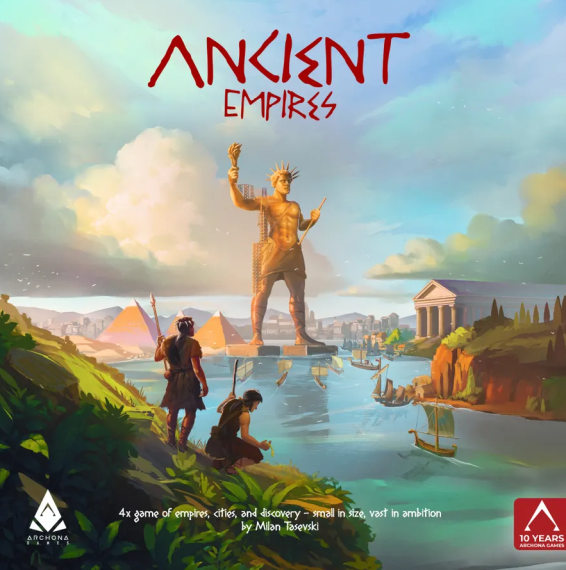
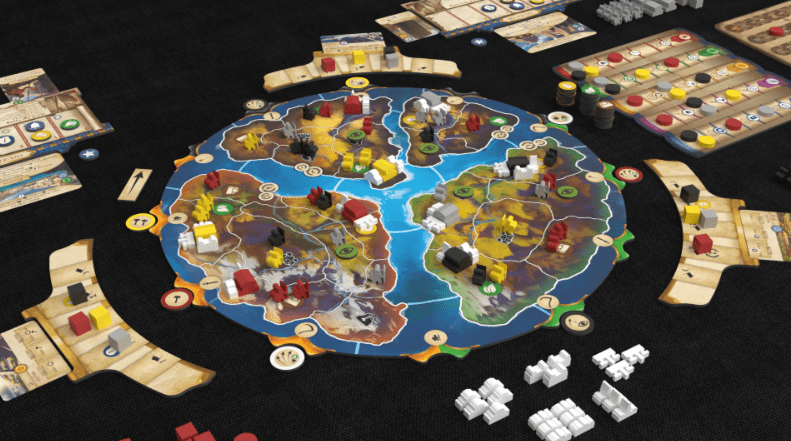
Ancient Empires Launches on GameFound
Ancient Empires is an action-programming, area-control, civilization game of expansion, conquest, and cunning decisions. In just a small box, it packs the feel of an epic empire-building experience. Players take the role of rising civilizations, competing for dominance across a modular map divided into regions rich with resources, settlements, and natural wonders. Through clever programming of action tokens, players expand their armies, establish cities, harvest resources, and challenge rivals for control of key territories. The game is divided into three Ages. During the Stone Age, the players will play as roaming tribes, establishing villages and expanding their reach. In the Bronze Age, the players will choose one of the available Civilizations to play with, gaining unique abilities. Finally, in the Iron Age, the players will be able to construct their Wonders.
We are three for the last three with great publisher descriptions of their games. Seriously, it makes covering games a lot easier. I love the tightness of Ancient Empires’ board. The three ages intrigue me. Transitioning from one age to the next could get intense. I’m unsure if players draft which empires they may choose, or if they gain an empire during the Bronze Age if they achieve certain benchmarks during the Stone Age. Either way could be fun. Ancient Empires looks to pack a lot of game into a small box. Most 4X (Explore, Expand, Exploit, Exterminate) games take up a much larger footprint. And 4X games tend to take copious amounts of time. Ancient Empires suggests it plays in 1-2 hours. That’s lightning fast for a game with three distinct ages. If you’re interested in Ancient Empires, check out its GameFound page.
Dragon Quest VII Reimagined Releases
Dragon Quest VII doesn’t get a remake. It receives a reimagining. This is an important distinction. The original Dragon Quest VII was unruly. It didn’t hold players’ hands and show them where to go next. In short, it was easy to get lost in the original Dragon Quest VII. Dragon Quest VII Reimagined makes the classic JRPG approachable.
The graphics look stunning in Dragon Quest VII Reimagined. And this title may be a great place to start for gamers who never played the original, but fans of the original may be a little disappointed. SquareEnix streamlined the heck out of Dragon Quest VII Reimagined. It truly earns the title Reimagined. Similar to games like Ni No Kuni, you won’t even need to battle overworld enemies if your level far exceeds theirs. That’s amazing. If you’ve played JRPGs, you know how much of a time sink grinding can be. Dragon Quest VII Reimagined fixes that issue.
Despite cutting out islands from the original, Dragon Quest VII Reimagined improved on the game’s formula. I just wished another version of the game was available with the Reimagined version. Players could begin with Reimagined, the most approachable variant of the game, and progress to one of the other versions. But that’s a nitpick. Dragon Quest VII Reimagined is a must-play if you’ve never played the original. Dragon Quest VII Reimagined is available on PlayStation 5, Nintendo Switch, and Nintendo Switch 2.
Nioh 3 Releases on PC and PlayStation 5
While Nioh 2 functions as a prequel to the original game, Nioh 3 takes place after the events of the other two games. A true sequel at last. Yay! Unlike previous installments, gamers will have large spaces to explore. And players will have the option of playing as a samurai or ninja. The samurai playstyle resembles gameplay from previous Nioh installments. It has a focus on parrying. But the ninja playstyle is faster and features evasion and aerial attacks. This should increase Nioh 3’s replay value.
Nioh 3’s graphics look incredible. The game has received stellar reviews. I can’t wait to get my hands on this title. I’ll most likely play the ninja playstyle first and then play a second round as a samurai. How about you?
That’s all the Geek News we have for this week. Thank you for reading, and wherever you are, I hope you’re having a great day.
Happy Wednesday, Geekly Gang! Kyra Kyle here. In today’s post, our writers will share the games (board games and video games) they’ve been playing over the past month. Let us know which games you’ve been playing in the comments, because we’re all part of the Geekly Gang. I’ll get things started with the games I’ve been playing over the past month.
Kyra’s Board Games
JK Geekly attended Scroogecon (in Lincoln, Nebraska) last month, so many of my board games will be ones I played during that event. Tokkuri Taking was the first game I tried. Dinos drinking sake, what’s not to love? I love this theme. And Tokkuri Taking was fun for a single round. Players score points for each empty tokkuri (the vases used to hold sake). I like plenty of the mechanisms here. I’ve never seen wooden sticks depicting how much sake is in a tokkuri. A round ofTokkuri Taking runs less than 15 minutes, which is what the box says. Unfortunately, Tokkuri Taking ends after numerous rounds. Players begin with ten chips. As soon as one player runs out of chips, the game ends. With players exchanging chips each round, Tokkuri Taking could last anywhere from an hour to two hours. Yikes! I wouldn’t want a two-hour session of Tokkuri Taking. I’ll stick to one or two rounds.
While I enjoyed my single play of The Loop, I don’t know if it’ll make my board game collection anytime soon. The theme and mechanisms are amazing, but I worry about The Loop’s scalability. We played with a full complement of four players. I never felt like we were going to lose this cooperative game. According to boardgamegeek.com, The Loop plays best at 2 players. I believe that. The person who shared The Loop with us said solo games skewed toward being too difficult. I felt four was too easy. Three may not be much better than four. But who knows? The Loop features a lot of variability. We could’ve gotten lucky during this game. I would play The Loop again. It was fun.
River Valley Glassworks is a game I’d gladly add to my collection. All Play Games has a knack for quick, accessible games with quirky mechanisms and themes. River Valley Glassworks meets these criteria. Heck! We played two games. And I got skunked both times. Gamers play as pioneers, drafting glass (acrylic pieces) from the market of river tiles. To claim glass, you must play a piece from your inventory into the river. But beware, each river tile can take one specific shape, and you must play into a space adjacent to where you want to draft. After you pick up your glass and place it on your player board, the river shifts forward, revealing new pieces. Perfection! The mechanisms enhance the theme. And the theme enhances what you do each turn. By the time you’re reading this, I may have already bought a copy of River Valley Glassworks. It looks gorgeous.
The next game I played was playtesting my prototype, Dungeon Chef. It was a smash. And that’s not just me saying that. One of the playtesters asked if Dungeon Chef was print-and-play. They wanted to spend $15 or so and print off a copy of their own. That’s a great sign.
I’ve always wanted to try Clank! or Clank! Catacombs, and finally got my chance during Scroogecon. It was good. But it wasn’t as good as I wanted. Similar to The Loop, another game I’ve wanted to try for some time, Clank! Catacombs may have suffered because we played with a full complement of players: four. Unlike The Loop, Clank! Catacombs played well (balance-wise) at four, but ran long. Honestly, several of us at the table had been playing games all day and had little interest in turns that weren’t our own, and we got distracted. Scroogecon had been quiet most of the day. It got loud when we started Clank! Catacombs. I liked how Clank! Catacombs melded disparate mechanisms into a cohesive whole. I even won the game–by a lot. Beginner’s luck. But it didn’t quite land. Clank! Catacombs is another game I’d give another chance.
Panda Royale is a cute dice-chucking and drafting game. It plays super fast, and that worked for the limited time we had remaining at the convention. We had fifteen minutes or so before Scroogecon’s raffle drawing. Panda Royale fit nicely into that window. The game has a cute theme, but the mechanisms don’t match the theme. Panda Royale could’ve been titled Yahtzee Royale, but this theme is more appealing. And the title Yahtzee is most likely copyrighted. Panda Royale can get swingy, and the game doesn’t do enough to address a potential runaway winner. Skye cobbled together a handful of consecutive 100-point rounds, and I knew she was going to win halfway through the game. Still, Panda Royale is quick enough to exact revenge. If we had more than fifteen minutes, I would’ve been challenging her to a rematch.
One last note on Panda Royale: I hated the dry erasers. You may need to bring tissues and cleaner whenever you play.
That’s all I have for this past month. Let’s check in with Season.
Season’s Board Game
I played Kavango for the first time last year at Nuke Con. Guess what I got for Christmas, Geekly Gang? Kavango has players build their own wildlife reserves in Africa through conservation. Whoever has the most thriving reserve wins. I’ll say this: Kavango isn’t a game you’ll win on your first try unless you’re a board game genius. It looks more intimidating than it is since there are many moving pieces, but it’s got a good flow. Kavango has three rounds with ten turns apiece, but each turn is played simultaneously between players.
The creators of Kavango did research on real-life conservation and included player roles based on their real-life counterparts. The Kickstarter edition (my copy) has a map of wildlife conservation parks across Africa. I’m totally using it for an African wildlife safari that I’m planning for in the distant future.
Seasons Video Game
I played the first Patapon on PSP eighteen years ago. I never completed it because it was too difficult for me. Patapon is a rhythm-based side-scrolling game that relies on the player to match their drums (buttons on the controller) to the movements of their Patapon tribe. Maintaining the rhythm allows the player to go into Fever mode. Some of the Patapon tribespeople do more damage and have special abilities when in Fever mode. If the player loses their rhythm, the Patapons glare at the screen and shout, “Huh?” Some of them even fall over. Maintaining Fever mode is difficult when levels throw many enemies and environmental effects at players.
That’s all from me. What are you playing, Skye?
Skye’s Board Games
Rustbucket Riots is a game I’ve been meaning to mention for a while, and I’m glad to finally offer my take on it. For those who’re unfamiliar, Rustbucket Riots is a cooperative dice-placement game created by our very own Kyra Kyle about taking down renegade robots in a not-so-distant dystopian future. While not yet published, I had the pleasure of playing a newly updated version of the game last month, and it’s amazing to see how much progress it’s made over time. The board has become much easier to read, and the flow of the game has been perfected. It goes without saying, but I certainly can’t wait until Rustbucket Riots hits the shelves because I’ll be one of the first to pick up a copy.
Another Kyra Kyle original, Spill the Beans (working title) is a much simpler party game. With the objective of spilling Jellybeans (not too many) out of the jar and placing/eating them in a way that leaves you with the most points. Spill the Beans is fast-paced. It also puts a spin on the idea with the addition of jar-specific abilities depending on where you decide to place your Jellybeans. Spill the Beans is a great pick for some lighthearted party game fun.
Skye’s Video Game
I don’t have a problem. Well, ever since beating Resident Evil 2 and Silent Hill 2 last month, I became transfixed by the world of Resident Evil. I’ll admit there isn’t much that sets Resident Evil: Survival Unit apart from other survival strategy mobile games with the sole exception of it being Resident Evil themed. For that reason, it’s been hard for me to pull myself away from it. Every day I have my construction and research progress in the back of my mind and the urge to participate in alliance raids is too much for me to resist. That and it’s great to see some of my favorite characters still alive in this non-canonical story. I never fully recovered after Marvin; just let me have this.
Hey, hey! Kyra Kyle here again. Those are the games our writers have played this past week. Let us know what you’ve been playing. Thank you for reading, and wherever you are, I hope you’re having a great day.
Happy Sunday, Geekly Gang! Kyra Kyle here with another week of Geek News. We have plenty of new board games and some video game releases to discuss, but first, we need to discuss the DCU. Over the past week, James Gunn has been dropping bread crumbs as to who may soon join the cinematic universe. And I’m hyped.
Head of DCU James Gunn Posts Pictures of Chocos
What can pictures of a snack prove? It depends on the snack. Known for having fun with fans on social media, head of DCU James Gunn posted multiple pictures of Chocos, which most DC Comics fans will know is the favorite snack of Martian Manhunter. Gunn refuses to say anything definitive about Martian Manhunter’s future in the DCU, but Chocos showing up so often on social media can only mean that fans won’t need to wait long to see a proper cinematic version of everyone’s favorite green-skinned member of the Justice League.
Supergirl is the DCU’s next film, but it’s unlikely Martian Manhunter will appear. I’m not ruling out a Martian Manhunter appearance. I’m excited to see him in the DCU. But Martian Manhunter may be better served in the Man of Tomorrow, 2027’s follow-up to last year’s Superman. Regardless of when we’ll see him, I can’t wait for J’onn J’onzz to make his big-screen debut.
Lodge Launches on KickStarter
Players compete with each other to build the coziest lodge. Draft room tiles from a sliding display and place them on matching floors to attract guests to your lodge. Gain bonus points for placing those guests on their preferred floors and by constructing amenities to keep them happy. Lodge’s spatial puzzle gives the game a unique feel. I love the look of the sliding display tray. Great touch!
Lodge builds on ideas started with Cascadia and Tiny Towns, so if either of those games scratched an itch, you may like Lodge. Even if you haven’t played those games, Lodge settles into this casual weight game with plenty of strategic choices. It’s easy to teach to non-gamers, but can keep “true gamers” engaged. And the look is incredible. Lodge offers a couple of pledge levels: $39 and $69. But you can get a super special version at $119. If you’re interested in Lodge, check out its KickStarter page.
Stamp Showdown Launches on KickStarter
In Stamp Showdown, you’re battling for the win of a high-profile stamp competition. Each round, all players secretly choose a stamp to trade with the market, then reveal together. In ranking order, each trade reshapes the market by pulling in all matching suits and ranks before joining it. Will you strengthen your own collection, or block your opponents at the perfect moment? After seven tense rounds, the final showdown begins, and only the most dazzling poker-style stamp collection will win!
I love the recent trend in card games, where the game can function as a classic deck of cards. This diminishes the risk for investing in the game. Even if you don’t care for Stamp Showdown, you’re still left with a stunning deck of cards. The classic card suits also aid with identifying cards and their potential abilities. One of my biggest gripes with Stamp Swap was that I didn’t know which sets stamps belonged. You won’t have that problem with Stamp Showdown. Stamp Showdown offers a couple of pledge levels at $18 and $35. If you’re interested in Stamp Showdown, check out its KickStarter page.
Red Leaf University Launches on KickStarter
Red Leaf University is a 1–4 player worker placement game where you’ll recruit a team of bright young students and send them to specialized campuses to expand their knowledge, earn academic credits, and chase the ultimate honor: becoming Valedictorian! Red LeafUniversity delivers a streamlined euro-style experience: with your students, you’ll explore a university divided into six specialized campuses (Art, Business, Science, Architecture, etc.). Each campus allows players to recruit or upgrade a student of its discipline or engage in a unique minigame tied to its specialty.
Love the art. Love the theme. Love the worker placement mechanism–always. And it appears Red Leaf University takes worker placement in exciting new places. With a pledge level of $38, Red Leaf University offers a lot of game. I’ve loved Grail Games since Doughnut Drive-Thru and the reprint of Reiner Knizia’s Circus Flohctai (Flea Circus). They are known for high-quality games in small packages. Red Leaf University looks to continue that trend. If you’re interested in Red Leaf University, check out its KickStarter page.
DeckHand: Race for Infamy Launches on GameFound
Ahoy! DeckHand: Race for Infamy features pirate mayhem in a condensed card game. Over five quick rounds, you’ll trade rum, gather weapons, and tame wild creatures in your quest for infamy! Each round has two key phases: drafting cards to plan your strategy, then building to expand your fleet and compete for Infamy cards. Every card you build strengthens your fleet, unlocking new opportunities and expanding your reach. Simultaneous play keeps games fast and lively, even with up to five players. DeckHand: Race for Infamy promises little waiting around for other players. It doesn’t take long to learn, but offers plenty of strategy.
Closed drafting, multi-use cards, and tech-trees? Sign me up. DeckHand: Race for Infamy sports a few twists on familiar game mechanisms. It looks to combine these game mechanisms in fun and inventive ways. And I’m down for that. With pledges costing $28, DeckHand: Race for Infamy may be worth a look. If you’re interested in DeckHand: Race for Infamy, check out its GameFound page.
Queen Games to Launch New Stefan Feld City Collection on GameFound
Every so often, Queen Games offers Stefan Feld’s City Collection. Feld is one of the most respected board game designers, and his City Collection is a treasure. Yes. Feld is one of those designers who adheres to point salad–earning points through multiple ways–but none of the cities in this series feel the same, and Queen Games does an amazing job with their production. Feld’s City Collection looks great on the shelf. These ten games–yes, 10 whole games–look like prestige books on a shelf. As of the writing of this post, we know little about the project besides Marrakesh getting a new expansion or three. And the games use a new “Folded Space” storage system. I can’t wait to see that. If you’re interested in the Stefan Feld City Collection, check out its page on GameFound.
Highguard Releases
Highguard is a PvP raid shooter where players will ride, fight, and raid as Wardens, arcane gunslingers sent to fight for control of a mythical continent. Team up, secure your base, then ride out across vast uncharted lands to loot, harvest resources, and upgrade your arsenal as you face off against a rival Warden crew looking to claim your territory as their own. Battle for possession of the legendary Shieldbreaker in the open field; fight to carry it to the enemy base to bring down their shields—then raid to destroy their base before they can destroy yours.
Highguard plans to right the wrongs made in Apex Legends. What? That’s right. While Highguard is Wildlight Entertainment’s debut title, most of the dev team got their start at Respawn with Apex Legends. They always felt Apex Legends floundered because it didn’t know where it wanted to go. They insist Highguard will fix that. Check out their road map.
Everything above should be up for change–you never know what the future may hold–but I like that Wildlight Entertainment has a clear vision. I have yet to play Highguard, but the graphics look amazing. It is free-to-play, so I have downloaded it. Who knows? You may find me in Highguard. Or at least you may see an upcoming Highguard F2P review in the future. Highguard is available on PC, Xbox Series S/X, and PlayStation 5.
Dark Auction Releases
Noah lives with his eccentric father, who’s obsessed with Dictator X. When he joins a strange auction at a castle, he must work to solve mysteries hidden in the exhibits and uncover his father’s secrets. Risk everything to win—but what truth awaits?
Typically, we don’t cover visual novel games, but we’ll make an exception for Dark Auction. I love the vibe and the mystery the game presents. We may need Season–who plays the most visual novels–to check out this title for a review. Let us know in the comments if you’d be interested in a Dark Auction review. Dark Auction is available on PC, Nintendo Switch, and PlayStation 5.
I Hate This Place Releases
I Hate This Place is a craft-based, isometric survival horror game with twisted monsters and warped reality. Scavenge and build to survive terrifying days and nights while using stealth and noise to fight enemies that stalk by sound. All styled with bold comic art and an ’80s horror vibe. Honestly, my first thought was that I Hate This Place reminded me of a solo-player experience of Eternal Return. The one thing I loved about Eternal Return was wandering around, scavenging items, and building gear. I Hate This Place looks to scratch that itch. And its graphics are amazing.
Early reviews for I Hate This Place are mixed. The most recurring complaint for I Hate This Place was it’s doesn’t maintain a consistent framerate and there a bugs. Like a Bethesda’s worth of bugs. I put I Hate This Place on my wishlist. Maybe, after a few patches, it could fix a handful of things. Love the idea. If you want to give I Hate This Place a try, it’s available on PC, Xbox Series S/X, and PlayStation 5.
The 9th Charnel Releases
A first-person psychological survival horror game, The 9th Charnel is filled with a rich and frightening atmosphere. While exploring the many mysteries of this world, you must survive, whether by stealth or by using weapons. I always like the option of using stealth or combat. The 9th Charnel has yet to receive too many reviews. But I may have found one of my favorite reviews in a while by User Májkül. “I like this place. I would love to live here.” What? That’s like saying you’d love to live in Raccoon City or Silent Hill. Love it.
Fear not for The 9th Charnel’s lack of reviews. It offers a free demo. If The 9th Charnel sounds like something you’d like to try, it’s available on PC, Xbox Series S/X, and PlayStation 5.
Catherine O’Hara Passes Away at Age 71
News of Catherine O’Hara’s passing came as a shock. The beloved comic actor died in her home after a “brief illness” on January 30, 2026. Our writers have been rewatching some of our favorite O’Hara performances. Schitt’s Creek, Home Alone, Beetlejuice, and The Nightmare Before Christmas have dominated our screens these past few days. Our thoughts go out to O’Hara’s family and friends. Thank you for the memories.
That’s all we have for this week’s Geek News. Thank you for reading, and wherever you are, I hope you’re having a great day.
Happy Monday, Geekly Gang! Kyra Kyle here with Geekly’s first-ever video game history post, where we discuss a video game company’s history. Today’s video game publisher/developer is the indie darling, inXile Entertainment. It took me a while to realize that inXile is pronounced “In Exile.” That phrase will factor into the game’s history, and wow, do founder Brian Fargo and inXile Entertainment have a long and bumpy history, complete with plenty of stellar games. Before we get to the formation of inXile, we must first talk about Brian Fargo’s first video game publishing company, Interplay.
Brian Fargo Pre-inXile Entertainment
Brian Fargo began developing video games while he was still in high school. Per a 2017 interview with Stay Awhile and Listen, Fargo’s first semi-widely distributed game (he had an earlier game that sold five copies) was Demon’s Forge. The title Demon’s Forge will return, but not until much later. A handful of years later, Brian Fargo would co-found Interplay Entertainment in 1983 with fellow developers Jay Patel, Troy Worrell, and Rebecca Heineman. Fargo was 20 years old at the time.
In 2022, inXile Entertainment released a 20th Anniversary Documentary. I will draw from this documentary often, but since it was released by inXile Entertainment, it glosses over some details, so I’ll be providing some context from other sources. If you have a chance, and hopefully after reading this post (wink), you should watch inXile Entertainment’s 20th Anniversary Documentary. It runs about 20 minutes. According to Fargo in the documentary, (he was so young), his vice president had to buy him beer if he wanted it. Fargo tries his best to hide a smirk. I, Kyra Kyle, have never participated in underage drinking. (Wink.)
Brian Fargo’s Time at Interplay
We won’t spend too much time on Interplay’s history — that could be its own video game history post — but we will need to cover Brian Fargo’s time with Interplay Entertainment, as it provides context for inXile Entertainment. Fargo hit the ground running with a trio of hits between 1985 and 1988. Fargo led the Interplay team with the original The Bard’s Tale (1985), Battle Chess (1988), and the RPG classic Wasteland (1988), which would later inspire the Fallout series.
When the Eighties transitioned into the Nineties, Fargo ceased to develop games directly with Interplay. The last game I could find Fargo co-developed for Interplay Productions was 1991’s Track Meet for the Game Boy. Instead of designing games, Fargo served as Interplay’s CEO. The business may have started small, but with Interplay amassing numerous intellectual properties like Dungeons & Dragons (leading to the Baldur’s Gate series), Wasteland undergoing a title change to Fallout (and thriving as Fallout), Earthworm Jim, and Alone in the Dark, the company became a major force in video games. At this time, Interplay was easily one of the best video game developers.
Fargo has a knack for spotting video game development talent. During the early 1990s, Fargo advised Silicon & Synapse. In exchange for 10% equity in the company, Fargo and Interplay contracted Silicon & Synapse to port games developed by Interplay into other consoles, which gave Silicon & Synapse the capital it needed to transition into making original games (and eventually becoming Blizzard Entertainment).
Despite a great track record and hits like 1997’s Fallout, 1998’s Fallout 2, and 1998’s Baldur’s Gate, Interplay experienced financial difficulties. To avoid bankruptcy, Interplay went public on the NASDAQ. According to a Bit Gamer article, Brian Fargo admitted that further losses (because of increased competition, an underwhelming sports division, and a lack of console titles) forced Interplay to look to a third party. That third party would be French software developer Titus Interactive S.A.. Per a Los Angeles Times article, Titus bought 6 million of Interplay shares for $25 million, giving Titus a controlling stake in Interplay. Fargo and Titus’s relationship was strained.
Fargo would claim (in a Gamespot interview) that he and Titus have a “very different ideology of management that was not compatible.” Fargo always loved video games, and Interplay grew into a huge company of over 500 people with offices all around the world. He had to deal with shareholders. He grew distant from his first love, video games. Fargo no longer got to make games; he didn’t want to be a CEO. Ripples of this pattern will emerge in the future.
So, Fargo stepped down as Interplay’s CEO. He was a CEO without a company for several months, when he’d attend an industry convention.
Founding inXile
Fargo recounts his experience at E3 in an interview found on RPG Codex: Right after Interplay, I was going to E3 in May. I needed a quick name to get a badge. I chose the “Workshop,” and as a joke, I gave my title “CEO in exile.” It got such a funny response that we figured there was something to it.
“InExile” was already taken, so “inXile” was chosen as the newly formed company’s name. Fargo’s experience with finding talent during his days at Interplay served him well as he recruited the best team for inXile. According to the YT inXile Documentary, Fargo called Matt Findley (New Orleans, Louisiana Chief) to join the newly minted inXile. Unlike what Interplay had become, inXile would work on only one game. (Vice President of People) Elene Campbell received a phone call from Fargo to go to lunch, and she quickly joined. Max Kaufman (inXile’s former art director) also joined.
My favorite anecdote during these early days of inXile came from Elene Campbell. Campbell said, “inXile Entertainment’s office had a great location. We were right across the beach. We would purchase a surfboard for an employee if they wanted to surf.” Sounds like you couldn’t beat inXile’s location.
The Bard’s Tale (October 26, 2004)
The one video game inXile Entertainment chose to develop first just happened to be its first hit. 2004’s The Bard’s Tale couldn’t continue the story of the original trilogy because Interplay/Electronic Arts still owned the copyright. 2004’s The Bard’s Tale was neither a remake nor a sequel. It had to be something different, and it certainly was. According to Findley (in the inXile Documentary), we wanted to make some sort of cliché-busting, fourth-wall-breaking game. Former art director Kaufman added, We wanted The Bard’s Tale to be irreverent, looking back at the tropes of RPGs and making fun of them.
Fargo noted the difficulty of including comedy in video games. Humor is a subjective thing, Fargo said, but typically, people rate your game on certain criteria: graphics, gameplay, sounds, (control) responsiveness. When you add humor, you’ve added another category for people to criticize you for. You could hit on all the other categories, but someone could think the jokes are not funny. It’s very tricky doing humor.
Adding humor to The Bard’s Tale was risky, but the risk paid off. The Bard’s Tale became a classic because of its sarcastic humor. While the classic Bard’s Tale trilogy used a first-person view, 2004’s The Bard’s Tale had a 3D environment with the player watching in third-person. The player controlled “The Bard,” who never received a name. Dialogue followed a “snarky” or “nice” option system. While the player wouldn’t know exactly what The Bard would say, the player can set the tone for how the game’s world perceives The Bard.
The first dialogue decision is with a barmaid in The Drunken Rat. Being nice to her gives the barmaid the impression The Bard is a gentleman, and she leaves him alone, while being snarky results in the barmaid spending the night with The Bard. The Bard’s Tale gets into some adult themes. Nudge-nudge. Wink-wink.
inXile always intended The Bard’s Tale to be a comedy, but Findley shares (in the Documentary) the moment The Bard’s Tale became a “silly” comedy was when Art Director Maxx Kaufman turned in a drawing of a Bug Bear. Findley told Kaufman the bug bear looked like a guy wearing a terrible Bug Bear costume.
Kaufman admitted he rushed the Bug Bear character concept. He was doing a character concept a day, maybe even two a day. When he made the Bug Bear, he was being serious with the character. His intent was not to make a funny character, but that’s what ended up happening.
I have to agree with Findley. One of The Bard’s Tale’s most enduring legacies must be its use of music within the game. One of The Bard’s Tale’s biggest innovations was the original music that they wrote that had lyrics, Findley said (in the documentary). The songs weren’t just a soundtrack; they were being performed by characters in the game. This cornerstone survived all the way up to Wasteland 3 and The Bard’s Tale IV. inXile loves using original music to tell a story.
I always liked “The Blood of the Lamb” song that plays when dealing with a crazed cult in Wasteland 3. So creepy. And I appreciate inXile’s use of original music to tell a story. It also doesn’t hurt to have stellar voice actors for a video game. Tony Jay narrates The Bard’s Tale, while Cary Elwes earned a nomination for Outstanding Character Performance — Male from the Academy of Interactive Arts & Sciences.
With one hit under their belt, inXile looked poised for a long run of hits (much like Interplay a couple of decades prior), but inXile immediately hit a snag.
HEI$T
Heist (stylized as HEI$T) is a cancelled action-adventure video game developed by inXile for publisher Codemasters (known for the video game peripheral Game Genie). Set in 1969 San Francisco, Heist follows a group of criminals as they perform various thefts.
Heist features plenty of high-speed chases in what could’ve been an immersive open-world. In a Gamespy article, Lead Heist Designer Sean Patton, cites Need for Speed: Most Wanted and its virtual cops as one influence in the general flow of the getaway chase in Heist. The game sounded amazing. inXile sunk tens–if not hundreds–of thousands of dollars and countless design hours into making Heist the best they could, and then, Codemasters canceled the project.
“Heist is probably my favorite title I ever worked on that never made it to the end,” Findley said in the documentary. “We had an inspired concept of doing something that was supposed to feel like Quentin Tarantino. We had Bruce Campbell as the main character. Ed Asner, Rutger Hauer, Vinnie Jones, Christian Slater, and we had recorded the entire script from beginning to end before the project was shut down.”
Fargo added, “It (Heist) was the closest I’ve ever come to finishing a game–it was finished–and not coming out, but we just couldn’t. Unreal Engine, at the time, to do a true open world wasn’t working for us. Our publisher (Codemasters) really wanted a true open world, but we would have had to make it sort of modularized. Our publisher canceled it.”
There are conflicting reports as to why Heist was canceled. In an interview with Video Games 24-7 (VG247) about Wasteland 2, Fargo said, inXile had an agreement with Codemasters to create an open-world using Unreal Engine on the PS3–but the specs didn’t yet exist for the PS3. They (inXile) found a way to make Heist run great on PC and Xbox, but Codemasters wanted PS3. I gather that Heist worked on every system besides the PS3. Based on the wording, I’m unsure if Heist could’ve been an open-world on the other two systems (PC and Xbox) and needed to be a hub-world on PS3, or if Heist only worked as a hub-world on the other two systems and didn’t work at all on the PS3. Either way, Codemasters canceled Heist.
Heist was a massive blow. It certainly left a bad taste in Fargo’s mouth. He said in the documentary that he couldn’t wait to get back to making games he loves. He disliked making games other people wanted him to make. Well over a decade later, Heist still haunts inXile. They had created a great game in their minds, but their publisher wanted something different. And you don’t need to take my word for it. Heist gets a full segment dedicated to it in inXile’s 20th Anniversary Documentary. Fargo even lists various games, like Payday: Heist, that resemble what Heist attempted to do, but they didn’t have Bruce Campbell, Ed Asner, Rutger Hauer, and Christian Slater in their cast. Fargo insists Heist could’ve done well on the market.
Mobile and Web-Based Games
While one half of inXile developed games like The Bard’s Tale and Heist, the other half developed mobile and web-based games. This half of inXile yielded mixed results. In 2006, inXile acquired the rights to Line Rider, and later on, Fantastic Contraption. inXile ported these indie games to a wider market. They also created a series named Super Stacker. You can still play Super Stacker 2 for free as a web-based game.
Baby Pals Controversy
Fargo discusses inXile’s early days and why they chose to create two branches of the company. “We were trying to find a sustainable business model,” Fargo said (in the Documentary), “but the (video game) world was shifting underneath our feet. We just had to be plucky entrepreneurs and find something. We had the rights to Line Rider. Nintendogs had come out, and we said, let’s do cats (Purr Pals), and we sold three-quarters of a million copies. Dogs are done. What could we do next? People like babies.”
Enter Baby Pals. inXile had licensed the same sound library as the one Mattel was using for their upcoming dolls, so the company thought it was safe. But the next thing Fargo and company knew, inXile was in the news. If you listen carefully, one of the babies says, “Islam is the Light.”
During the documentary, Campbell says, “It was just a baby babbling. There were no hidden references, and it caused so much trouble.”
I like how Findley contextualized these small titles. “I have nothing but warm thoughts for Baby Pals, Purr Pals, Super Stacker, and Line Rider,” Findley said in the documentary. “All of those small and mobile titles we did during those periods…allowed us to do crazy things like Heist and the early stages of Hunted: Demon’s Forge.”
While I thought Findley had a slight smirk when he discussed inXile’s smaller titles during the 20th Anniversary Documentary, his inclusion of these smaller titles financing larger ones rings true.
Hunted: The Demon’s Forge
I promised the title of Fargo’s first semi-widely distributed game, Demon’s Forge, would return. With Heist in their rearview mirror, Hunted: The Demon’s Forge allowed inXile to return to their role-playing roots. But they added a cooperative gameplay twist. Hunted: The Demon’s Forge was an ambitious title. According to Findley in a Game Sauce article, Most co-op games are two guys with the same guns running through the world, so we really like the concept of teamwork…We’ve built these arenas with different heights and areas for players to really get out. They get to use their skills and still be able to help out their partners.
Based on Findley’s description, Hunted: The Demon’s Forge sounds something akin to an early hero shooter. The only other hero shooter available at this time would’ve been Team Fortress 2. But Hunted: Demon’s Forge only allowed couch cooperative play. With World of Warcraft going strong for seven years by 2011, and first-person shooters like Battlefield 3 (also released in 2011), and trying to capture the budding online cooperative wave, couch cooperative games were fading in popularity, and Hunted: Demon’s Forge underperformed.
Competition in the role-playing space was fierce during 2011. It didn’t help that many critics viewed Hunted: Demon’s Forge as a Gears of War clone. Hunted: Demon’s Forge may have fared better if it had been released in a different year. RPG juggernauts Mass Effect 2 and The Legend of Zelda: Skyward Sword were released the same year. Bethesda, Hunted: Demon’s Forge’s publisher, even released Skyrim that year. Yikes! Bethesda may not have given Hunted: Demon’s Forge much of a chance.
Choplifter HD
A little over seven months later, inXile released its 3D polygonal remake of the classic 1982 game Choplifter by Dan Gorlin. inXile even hired Gorlin as a design consultant for Choplifter HD. Despite Choplifter HD remaining true to the original, it was the second game in a row by inXile that received mixed reviews. Some critics appreciated how faithful the remake was to the original, while others criticized the game’s difficulty. Ryan Winterhalter of 1Up.com, compared Choplifter HD to that of a bullet hell shooter. I love Winterhalter’s title: Choplifter Appeals to Your Inner-Masochist. Yowza! That’s good copy.
For those keeping score, that’s a canceled game (Heist) that cost countless hours of development to make, a controversy (Baby Pals) that eventually led inXile to halt production on smaller games, and back-to-back near misses with Hunted: Demon’s Forge and Choplifter HD. inXile was at a crossroads.
A Comet Almost Hits the Earth
Fargo shared in the inXile Documentary, “I’ve had so many near-death events in this industry, where the comet almost hits the Earth. If Battle Chess wasn’t a hit…If Castles wasn’t a hit. I can go through ones where if that didn’t work, we’re out of business. Hunted didn’t work, so we had to scale back to a very small group of people.”
Up to this point, Brian Fargo had seen his share of misses and near-misses. inXile’s history began to mirror Interplay’s over a decade earlier. Interplay started as a focused team working on a couple of titles and then swelled to a company of 500 working on dozens of projects. Findley says (in the Documentary), “The years between The Bard’s Tale (2004) and Wasteland (2) was a roller coaster. We got smaller again, then we got bigger, and we got smaller. We went from being a focused team working on one title to 120 people working on four or five titles at once. We were all over the place.”
Interplay made itself a “public” company, entering NASDAQ. inXile would also go “public” but in a different manner. Only this version of “going public” involved inXile’s and Wasteland 2’s historic KickStarter campaign. Like Fargo said, “We threw it all in with our KickStarter and that changed everything.”
Wasteland 2’s KickStarter Campaign
“We were able to pitch the games we want to make,” Findley said (inXile Documentary), instead of pitching the game you know you can sell, which is a much more fun place to be.” This mindset changed everything for inXile. Heist and Hunted were financed by another company. Codemasters wanted a game in Heist inXile couldn’t deliver, while Bethesda released Hunted a few months before Skyrim. KickStarter showed inXile what their fans wanted to play.
For years, gamers asked for a follow-up to 1988’s Wasteland, but the rights to Wasteland proved tricky. Before inXile could begin work on Wasteland 2, they needed to obtain the rights to Wasteland from Electronic Arts. The original publisher, EA, had let the rights lapse. The last time Electronic Arts had worked on a project connected with Wasteland was Fountain of Dreams. “Originally, Interplay (and Brian Fargo) were supposed to be involved with Fountain of Dreams (1990), but EA took control of the project and produced it themselves,” said Fargo in a Wired interview. “By 2003, Electronic Arts dropped all claims that Fountain of Dreams had any connection to Wasteland.” This opened the legal door for Wasteland 2 to become a reality.
Wasteland 2 was a sequel to 1988’s Wasteland. To be fair, Wasteland 2 is a fusion of a sequel and an update to the original. The stories of both games share many similarities. Wasteland 2 is a joy to play. I highly recommend playing it. Wasteland 2 delivers on Fargo’s idea of a “hardcore role-playing game.” There is no one way to play through Wasteland 2. Your choices affect the world.
There are moments where it’s obvious how your choice will affect the world, especially the game’s first choice of saving Highpool (a community based around a local dam that provides water to the region) or the Ag Center (which grows genetically modified vegetables to feed the locals). You can’t respond to both distress signals. Other moments are more subtle in how your choices will affect the world.
But why KickStarter? inXile had never used a crowd-sourced platform before, in fact, Fargo had never heard of KickStarter. Fargo shares the moment he decided to Kickstart Wasteland 2 (in the inXile Documentary), “Tim Schaefer launches his KickStarter (Double Fine Adventures). The first day, it makes half a million dollars. I was like, this is it. I called Matt the next day, drop everything. This is what we’re gonna do. We went from what’s KickStarter? to launching within 30 days.”
Wasteland 2’s KickStarter did not end up beating Double Fine Adventures (per an inXile community post), but it was, at the time, the second-largest video game KickStarter campaign, closing in at just over $2.9 million. Add in PayPal donations of over $100,000, and Wasteland 2’s total funds equaled over $3 million.
To this day, Wasteland 2’s KickStarter campaign sports the third-highest total on KickStarter. I’ll admit, KickStarter is better known for board games than video games, but this fact may make Wasteland 2’s success on KickStarter all the more impressive. Wasteland 2’s success goes a long way to show how much the video game community appreciates inXile, and more specifically, Brian Fargo’s work.
Torment, The Mage’s Tale, and The Bard’s Tale IV
Torment: Tide of Numenara was released in 2017 after another successful KickStarter campaign. inXile learned plenty of lessons from their first crowdfunding campaign. Torment: Tides of Numenara was written by Monte Cook, who also wrote the rules to the tabletop role-playing game Numenara where Torment is set, but Torment: Tides of Numenara is also a spiritual successor of a former Interplay game, Planescape: Torment. Torment: Tides of Numenara received favorable reviews, continuing inXile’s hot streak. It also honors inXile’s past.
We won’t go into too much detail with the remaining titles in this segment. The Mage’s Tale was developed in parallel with The Bard’s Tale IV. The two projects share some assets. Both games received average or mixed reviews. Regardless of reviews, both games had ambition. While The Mage’s Tale brought the world of The Bard’s Tale to the new medium of virtual reality, The Bard’s Tale IV: Barrows Deep attempted to fuse elements of the original 1980s Bard’s Tale trilogy with the 2004 spin-off The Bard’s Tale.
After a shaky decade, inXile had found a sustainable business model. But nothing stays the same for long.
Joining Xbox
In November 2018, Microsoft Studios acquired inXile Entertainment and Obsidian Entertainment on the same day. Eurogamer made the announcement, stating, “The two independent studios who had fought against each other would now be under the Xbox umbrella. This announcement led to Fargo staying as head of inXile, because in March 2017 (also on Eurogamer), Fargo had announced his plans to retire from inXile following the release of Wasteland 3.
Fargo has said in the past that he doesn’t enjoy being a CEO. He may have wanted to leave on a high note (with Wasteland 3). Microsoft Studios’ absorption of inXile as a subsidiary allows Fargo to stick to his passion, developing video games. Microsoft’s near limitless resources mean that inXile won’t need to rely on crowdsourcing to make the games it wants to make.
Clockwork Revolution
This video game history post is one of the final pieces I wrote in preparation for my end-of-year novel writing/editing break, so I’m writing this post in 2025. Clockwork Revolution is slated for a 2026 release. Who knows? Clockwork Revolution may already be released by the time you’re reading this. I am stoked for this title. What I’ve seen looks amazing, and since Clockwork Revolution is categorized as an action-RPG, I’m anticipating it having gameplay similar to The Bard’s Tale (rather than Wasteland). Regardless, I have Clockwork Revolution wishlisted and will be playing it soon after it releases.
inXile and Brian Fargo had a crazy ride, filled with hits, misses, and near-misses. I’m glad Fargo and his team had those Wasteland 2 KickStarter moments. In the inXile Documentary, Fargo said, “They (fans) valued the work we’ve done before. It felt good. I can say that when we hit our funding goal, it was one of the highlights of my whole career.”
Thank you for reading. Let us know what other video game companies you want us to write a history for, and wherever you are, I hope you’re having a great day.