


Hey, hey! Kyra Kyle here. We’re back with the first Top 5 Villains List of the new year. I can’t believe we lasted this long before mentioning Spider-Man’s top villains. Let’s rectify that. Here’s our list of the Top 5 Spider-Man Villains.

We could’ve gone several different directions here. I wanted to put a classic Spider-Man at the fifth spot, someone like Electro, Sandman, Kraven, or even Vulture, but Carnage trumps each of them. The alien symbiote that merged with Cletus Kasady Carnage may be the offspring of another character on this list (spoilers, I guess), but Carnage is a formidable Spider-Man villain and worthy of this list. If we were to discuss Spider-Man’s most violent villains, Carnage would be atop that list.
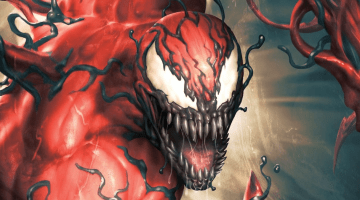
Carnage has had some stellar storylines, some of the best Spider-Man stories in the past three decades or so since his first appearance: Absolute Carnage, Maximum Carnage, and Carnage, U.S.A. to name a few. Carnage rampages his way near the top of Spider-Man’s rogues.

I always liked Mysterio as a villain. Quentin Beck’s penchant for the dramatic and choosing to manipulate and confuse Spider-Man instead of trying to out science or beat Spidey to a pulp made Mysterio unique. Beck spent years on Spidey’s back catalog of villains. Wearing a fishbowl as a helmet couldn’t help.

Even with a ridiculous outfit—or perhaps because of a ridiculous outfit—Mysterio has been in some great Spider-Man stories. The five-issue mini-series Symbiote Spider-Man rescued Mysterio from obscurity. He even returned from the dead in “Mysterioso” (Amazing Spider-Man #618). This story bridged the gap from the goofy Silver Age version of Mysterio to the more sinister character in “Guardian Devil.” And the 2019 MCU film Spider-Man: Far From Home did a lot to improve Mysterio’s image to non-diehard Spidey fans.
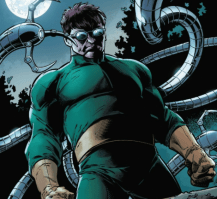
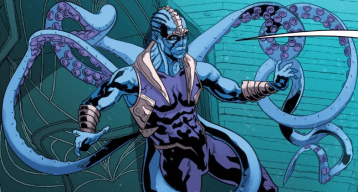
There was a time when Doctor Octopus would’ve dominated this list, or he’d at least be second to another character we’ll see later, but Otto Octavius finds himself in the third spot. Many comic book characters have changed their looks and even their backstory, but Doctor Octopus may be the king of makeovers. He’s been an Atlantean, an octopus-like monster, and he’s even been Spider-Man before in the storyline Superior Spider-Man.
Many of Spider-Man’s villains may know his identity as Peter Parker, but Doctor Octopus was one of the first. And he used that knowledge to torture Peter. Add in the fact that Doc Ock assembled the original Sinister Six and that makes him a no-brainer for this list.

Venom got teased in the Carnage write-up. When an alien symbiote merged with Eddie Brock to form Venom, it shook up the Spider-Man mythos. Since Spidey has such a great rogues gallery, Venom is the only modern Spider-Man villain who can sneak into the top three. One could argue that Venom is equal parts hero and villain, and many of Venom’s best stories cast them as a hero. Venom Vs. Carnage and Maximum Carnage pit them against their offspring Carnage. I especially liked Venom’s turn as a hero in the latter story because it forced Venom to join forces with their hated enemy Spider-Man. But I always thought Venom worked best as a villain.
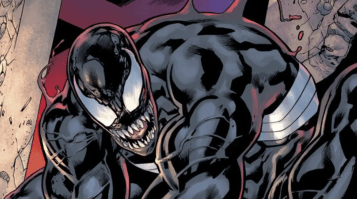
Since Venom is a symbiote, more than one character has formed an alliance with the alien. Famously, Peter Parker was Venom’s first host. Other hosts include Mac Gargan (Scorpion), Flash Thompson, and even Mysterio. And since the symbiote has merged with Peter Parker Spider-Man in the past, Venom typically knows Spider-Man’s identity, which makes them even deadlier. Throw in the fact that Spidey’s spider-sense can’t detect Venom, and they’re easily a top villain.

Could it be anyone else? Green Goblin takes a lot of what makes the villains on this list formidable and combines them into one character. Norman Osborn knows Peter’s identity. He isn’t afraid to use his knowledge of Spider-Man’s identity to his advantage and has leveraged Spider-Man’s identity on multiple occasions. He has a personal connection with Spider-Man through his son Harry Osborn being one of Peter’s friends. He can manipulate, out-science, and even overpower Spider-Man physically. Green Goblin even killed Peter Parker’s first girlfriend Gwen Stacy.
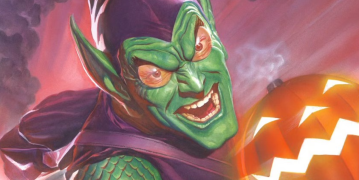
I could go into numerous Green Goblin stories here, but that may need a future list. Simply put, Green Goblin was the obvious choice for the first Spider-Man big-screen adaptation.
Did we get the list right? Let us know who you would add or remove in the comments. And wherever you are, I hope you’re having a great day.

Hey, hey! Kyra Kyle here. It’s still Spooky Season, but I’m going in a different direction with this week’s Top 5. What’s more horrifying than a strong series of villains? In this list, we’ll discuss the 5 most powerful rogues galleries in comic books. This differs from the most popular rogues galleries. If we did the most popular rogues galleries, Batman and Spider-Man’s rogues would certainly make the list. But most of Batman and Spider-Man’s rogues are street-level villains. And not as powerful.
So, who made the list? Let’s find out.
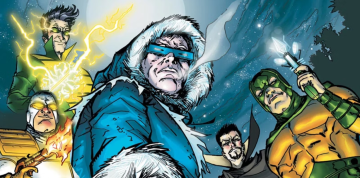
Flash has an underrated rogues gallery. I may be showing my bias here; I don’t know. Flash begins with a lot of great street-level villains or villains slightly above street-level with Captain Cold, Mirror Master, Weather Wizard, and Captain Boomerang. But then you get into Gorilla Grodd who has brains and brawn, and the Thinker who is the most intelligent being in the DC Universe.
And then Flash’s rogues reach a new height with evil speedsters. Speed is a given in a Flash story, but each of these evil speedsters can reverse time and change events. That’s Reverse-Flash’s MO. He went back in time to kill Barry Allen’s mother. Our next hero may be able to claim a more powerful set of rogues, but that level of pettiness raises the Flash’s rogues.
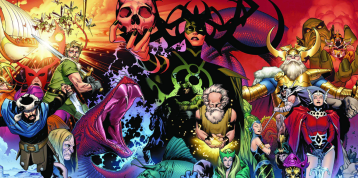
This one’s a cheat. Most of Thor’s rogues are god-tier villains, so they can get powerful. Perhaps too powerful. Mangog is the physical manifestation and sum of the hatred of a billion beings. Mangog is a threat to the entire universe. Then, there’s Surtur, the king of the fire giants. Surtur possesses a sword that can destroy universes. And there’s Gorr the God Butcher. The Marvel Cinematic Universe (MCU) may have done Gorr dirty in Thor: Love and Thunder. He’s far more menacing in the comics; he has killed hundreds of gods with All-Black, his sword that gets more powerful with each god Gorr kills. Oh, wait, I didn’t mention Loki. Yikes!
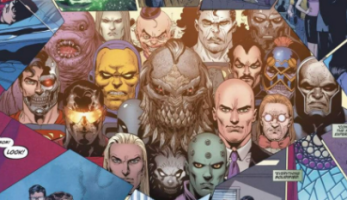
Most people think of Lex Luthor first when thinking of Superman’s rogues and with good reason. But there are quite a few people who may think Lex is a normal human. He’s not a threat. Lex happens to be DC Comics’ version of Tony Stark/Iron Man. Both Lex and Tony have money to burn, a power suit, and super genius intellects. Lex Luthor is Iron Man if Iron Man decided to break bad.
Then you add all the evil Supermen, and there are a lot. Bizzaro, Cyborg Superman, and General Zod lead the charge here. General Zod is Superman with military training. Supes may be in trouble. Brainiac is another universe-level threat. Darkseid who is a DC-wide villain can also be a solo Superman villain, and Darkseid inspired the creation of Thanos. And that’s all before we get to Doomsday who literally killed Superman. Throw in the imp from the fifth dimension, Mister Mxyzptlk, who can warp reality itself, and you can’t deny that Superman’s rogues contain a lot of heavy hitters.

Galactus. This being literally eats planets like Pac-Man gobbles power pellets. Galactus alone makes the Fantastic Four’s rogues gallery ridiculously powerful. But it doesn’t stop there. Doctor Doom may be one of the deadliest villains in comic book history. He has taken the Beyonder’s powers more than once. The Beyonder is an otherworldly being with universe altering abilities. Kang keeps trophies of the hundreds of heroes he’s killed while time jumping. And there’s Annihilus, ruler of the Negative Zone.
The Fantastic Four are unique in the world of comics. They tend to act than react and bump into many of their enemies on their adventures, and their adventures take them to some crazy locales like the Negative Zone. I can’t wait to see which version of the Fantastic Four the MCU will give us.

But our number one spot must be the X-Men. The Fantastic Four may have Galactus, and Galactus may be more powerful than any one X-Men villain, but the X-Men have a power classification system. This makes it easy to figure out who can destroy or severely alter the world. The X-Men have at least eight Omega-level evil mutants. Madelyne Pryor (evil clone of Jean Gray), Dark Phoenix, Apocalypse, Exodus, Cassandra Nova, Stryfe, Proteus, and of course Magneto.
That short list doesn’t even include Mr. Sinister who cloned Jean Gray and has caused havoc. Sentinels and the upgrade Nimrod. Or even Bastion who is part mutant-part Sentinel. It doesn’t include Shadow King and the Adversary who can haunt people psychically. I think I forgot to mention the Brood in there. And so, so many more ridiculously powered villains who would be at home facing off against the Fantastic Four or Superman or the Justice League or the Avengers. The X-Men’s rogues gallery tops just about any comic book rogues gallery in terms of sheer power.
Did we get the list right? Let us know who you would add or remove in the comments. And wherever you are, I hope you’re having a great day.

After years of speculation and arguments, we may have some resolution to the Spider-Man movie drama.
Hey, hey! Kyra Kyle here. And today we have a big development between Sony Pictures (the owners of Spider-Man’s movie license) and Marvel Pictures. Ever since 2017’s Spider-Man: Homecoming, Sony couldn’t include Peter Parker in any of their live-action Spider-Man universe movies, and the Marvel Cinematic Universe couldn’t use a secondary Spider-Man character (like some of Spidey’s rogues) if Sony included that Spider-Man character in a Sony-backed Spider-Man movie. This arrangement led to Venom getting a trilogy of movies without Spider-Man (those weren’t so bad) and other Spidey characters like Morbius and Madame Web also got greenlit (both of which tanked). This kept Marvel from using Venom, Morbius, and any of the gagillion characters in Madame Web. All of that may change soon.
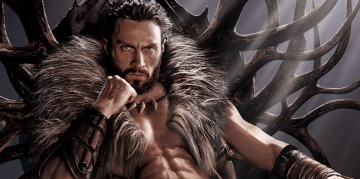
Multiple sources have stated that Sony plans to reboot their Spider-Man Cinematic Universe. This will most likely occur after the third and final Venom film. We still don’t know what this will mean for the upcoming Kraven the Hunter film. If the agreement takes effect, Kraven the Hunter could be included in the Marvel Cinematic Universe canon.
The details of this agreement are not finalized. Things can change. But the gist is that Sony will be able to include Peter Parker in any of their future live-action Spider-Man Universe movies, and any Spider-Man Cinematic Universe movie will be included within the Marvel Cinematic Universe. I don’t believe this means that Marvel will oversee every Spider-Man Cinematic Universe movie that doesn’t involve Peter Parker’s Spider-Man, but it does mean that the characters within Spider-Man’s mythos will be available for both movie universes. And new Spider-Man Cinematic Universe movies could have an impact on the Marvel Cinematic Universe going forward.

This potential deal could help both sides as several Spider-Man villains become unfrozen by the current deal, and we could finally see that Tom Holland Spider-Man and Tom Hardy Venom mash-up fans have been waiting for. This deal couldn’t come at a better moment. As I mentioned, Sony Pictures will finish their Venom trilogy (their most successful live-action Spider-Man franchise to date), while the Marvel Cinematic Universe wraps up the Multiverse Saga, which could go a long way to merge these two Spider-Man universes. And Secret Wars isn’t too far away. Peter Parker first met the Symbiote Suit (the black Spider-Man suit that would become Venom) during Secret Wars.
I can’t wait to see what a new agreement between Sony and Marvel Pictures brings. Let us know in the comments which movies you’d like to see. And wherever you are, I hope you’re having a great day.

Hey, hey! Kyra here. I’m still figuring out what kind of content a rebooted JK Geekly should include. If you have any suggestions, let me know in the comments. I’m also working my through older content, but we’ll run out of that soon enough. Lastly, I’m late with a reaction to Deadpool and Wolverine. Instead of writing a review (I’d rather not get back into traditional reviews), I’m doing more of a reaction and what I think of the Marvel Cinematic Universe’s future.

Deadpool 3 and Its Place in the MCU
I enjoyed Deadpool and Wolverine. Was it perfect? No. It dragged in parts and that’s something with which the MCU during the Multiverse Saga has struggled, but Deadpool and Wolverine did what a Deadpool movie was meant to do. It made fun of the MCU, particularly the maligned Multiverse Saga. Deadpool and Wolverine served as a good penultimate film for the Multiverse. The Multiverse isn’t yet finished but there aren’t that many movies/TV shows remaining before it wraps. So, I’m calling it a penultimate movie. Deadpool 3 also acted like a Monty Python’s “this is getting too silly” and signaled an abrupt turn that the MCU intends to make: the Mutant Saga.
Right. Before we get too much further, I’m going to try and avoid spoilers. But the nature of posts like this makes that impossible. Consider this a spoiler warning.
Wow! I took this long to say spoiler alert. I am rusty.
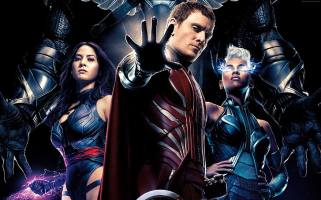
Not only was Deadpool and Wolverine the penultimate Multiverse Saga film, it also said farewell to the 20th Century Fox Era X-Men and the Fantastic Four (to a lesser extent). I’ll echo other critics and express concern about Disney/Marvel relying on nostalgia to make a quick buck. I dislike the idea of the MCU using nostalgia as much as it has lately. Disney has worn out their nostalgia button. Did anyone ask for live-action versions of every Disney animated classic?
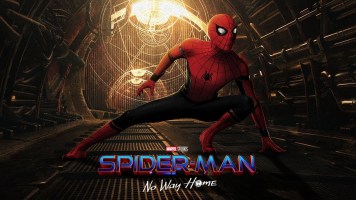
It’s true that Spider-Man: No Way Home tapped into nostalgia big time, but not necessarily in a bad way. With its proximity to the latest Spider-Man film, one could view Deadpool and Wolverine as nostalgia porn. But Deadpool and Wolverine hits different.
Legally, Disney/Marvel cannot cast their own X-Men actors until 2025. Most of the X-Men, including Hugh Jackman (Wolverine) and Ryan Reynolds (Deadpool) are under contract to play these characters until the end of 2024. It makes sense for Disney/Marvel to say “Bye, Bye, Bye” to these actors before the end of their contracts.
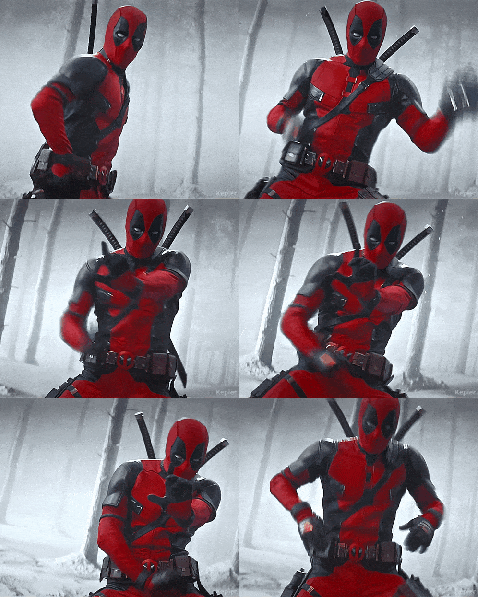
That said, I hope Disney/Marvel does something new with these characters. They had best cast their own actors for these roles after these contracts expire. I’d also like to see the MCU cover different X-Men stories. The world doesn’t need three Dark Phoenix Sagas in two decades. I’d love it if Disney/Marvel puts that storyline to rest for a good decade or more and concentrate on other great X-Men stories. It’s not like the X-Men have decades of great stories.
We’ll get into some of these potential storylines with the Wolverine montage. Oops! We’re heading into definite spoilers for Deadpool and Wolverine. Anyone who hasn’t yet watched the movie should turn away for the next section. You can pick back up in the MCU’s future section.

Wolverine Montage
The Wolverine montage at the beginning of Deadpool and Wolverine was not only fun but showcased the various worlds in which Wolverine/Logan existed. Most of the scenes depicted during this montage could make for a good movie or movie series. Let’s cover each one as quickly as possible and in the order in which they first appeared.
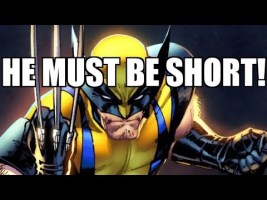
Short Wolvie
This is the 5′ 3″ Hugh Jackman Wolverine. There isn’t much to say except this Wolverine is the most accurate to the comics, and he was the most eager of the bunch to join Deadpool. Too bad Deadpool went in a different direction.
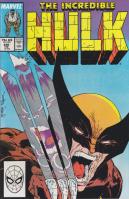
Brown And Tan Wolvie
Deadpool references John Byrne (X-Men artist during the late 70s and early 80s) and Wolverine’s classic brown and tan outfit that Byrne designed. The scene they chose for this one comes from Incredible Hulk #340 (drawn by Seth MacFarlane) where Wolverine and the Hulk throw down. There have been plenty of instances of this happening. In fact, Wolverine was first introduced in an Incredible Hulk comic (#180 in a cameo and #181 in full), where the two fought each other. This may not be the only time the MCU will depict this fight.
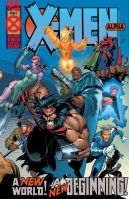
One-Handed Wolvie
The one-handed Wolverine in the dilapidated city comes from Age of Apocalypse. I don’t think the MCU will dive headfirst into this storyline but if they did choose to cover it, I’d like to see Marvel characters not mentioned in this world. The original Age of Apocalypse run mostly affected the X-Men. Other characters were mentioned and a few made appearances, but it could be fun watching alternate versions of The Avengers. But we’ve had enough of the Multiverse and this could be more of the same.
In case you’re wondering, this reality’s Cyclops severed Wolverine’s missing hand.
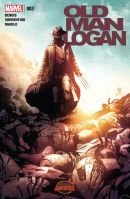
Old Man Logan
The Wolverine who looks like he’s cosplaying as Joe from the Dollars Trilogy comes from the Old Man Logan storyline. This is another post-apocalyptic story, and I doubt the MCU will go in this direction.
Oddly enough, Deadpool and Wolverine borrows a major set piece from Old Man Logan. Giant Man’s skeletal remains–the ones in which Cassandra Nova has established a lair–makes an appearance in this comic book story. And technically, we’ve already seen a variation of the Old Man Logan story in the movie Logan.
Crucified Wolvie
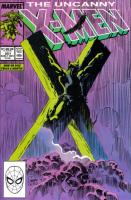
The Uncanny X-Men #251’s famous comic book cover features Wolverine on an X-shaped crucifix. I don’t think the MCU will go in this direction, because the Siege Perilous (a crystal that opens doors to other dimensions) features heavily. The MCU won’t want to go back into the Multiverse too soon. However, this Siege Perilous could be one of the many ways the MCU could “fix” the Multiverse and catapult the MCU into the Mutant Saga.
I won’t go into too much detail because there’s a lot going on, but the people who placed Wolverine on the crucifix were the Reavers. The Reavers were the main antagonists in the movie Logan. Reavers have cybernetic implants but in this universe, most Reavers have them because Wolverine cut off their biological limbs. The Reavers hate all mutants, but especially Wolverine, which is why they placed Wolvie on a crucifix.

Patch
This one could easily happen, and there are two prominent storylines with Patch Wolverine. The above with Hulk’s alternate identity Joe Fixit pits Patch Wolverine as a casino bouncer. This could happen, but it might be a bit silly and would most likely be a cameo like we saw during Deadpool and Wolverine. If Patch Wolverine made an extended appearance in the MCU, the story they’d most likely use would come from the 2022 Patch Wolverine mini series.

This Patch is an alternate Wolverine who hides his mutant identity. He has a knack for gambling and espionage. He even teams up with Nick Fury; two patches for the price of one. This could be another way the MCU could bridge the current timeline with a mutant heavy one. They’d have to change a lot of the story, but that wouldn’t be the first time the MCU did so. Age of Ultron didn’t resemble its comic book counterpart.
The Cavillrine
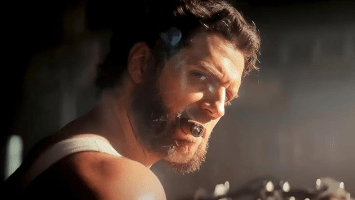
One might think, this is just Henry Cavill as Wolverine, and one would be correct. It is just Henry Cavill as Wolverine, but let’s add a little context. Cavill portrayed Superman in the DC Extended Universe and Geralt in the Witcher Netflix series. Many comic fans love him. Cavill is the leading fan-casting for the next Wolverine, and many ardent fans of this casting insist that Cavill IS the Wolverine of Earth-199999, also known as Earth-616, which is the world in which the MCU takes place. Who knows? These fans could be right. Deadpool and Wolverine could’ve introduced the next actor to portray Wolverine.

The MCU’s Future
We’ve discussed some of the directions in which the X-Men could go or more specifically Wolverine. The above Wolverine Montage by no means covers all stories for Marvel’s mutants, but it’s a good start.
I’ll reiterate, wherever Disney/Marvel goes with these characters, I hope they go in a direction not yet explored. And they should cast their own actors in these roles. Channing Tatum as Gambit is fine; he never had the chance to portray Gambit in a full-length feature before his cameo, and he’s meme gold. Wesley Snipes as Blade might be fun, but he can’t play the character until he’s 90. Can he?
The next thing the MCU should do is contract the number of shows and movies they release; they’re already doing this to some extent, so that’s good. Additionally, they should reduce the number of characters in their active slate of characters. What do I mean? The Infinity Saga focused on the core six Avengers: Captain America, Iron Man, Thor, Hulk, Black Widow, and Hawkeye. It added a few here and there over time like Falcon, Doctor Strange, Black Panther, Scarlet Witch, Ant-Man, and Vision, but the core six were in most–if not all– the team-up films, and prominent members Captain America, Iron Man, and Thor received a trilogy of films in a short timeframe. Go back to that.

It’s difficult to grow attached to a character when you haven’t seen said character in half a decade. I’m looking at you, Shang-Chi (his first movie released in 2021 and 2026 may be the soonest he’ll get a follow-up–the soonest is 2026, yikes!). There have been issues outside the MCU’s control. The pandemic didn’t help. I still get choked up over Chadwick Bosman’s passing. Jonathan (Kang) Majors’ domestic assault and harassment case derailed the Multiverse’s story. And navigating the Spider-Man license and other licenses haven’t been easy.
A lot has happened outside Disney/Marvel’s control, but the MCU hasn’t helped itself by making some questionable choices. It concerns me that the two highest grossing films during the Multiverse Saga are the two (Spider-Man: No Way Home and Deadpool and Wolverine) that lean heavily on nostalgia. It’s too easy to learn the wrong lesson.
Those two movies succeeded because one didn’t need to do as much homework (watching a gagillion hours of content before watching the movies) and both films were the third part of movie trilogies that took five years (for Spider-Man) and eight years (for Deadpool) to complete. These two factors may have done more for these movies’ success than nostalgia alone. But hey, hit the nostalgia button.
Okay. I’m done ranting about Disney’s overuse of nostalgia. For now. Let’s discuss some other developments, beginning with everyone’s favorite Marvel character trapped in license hell.
There’s a tentative agreement between Sony and Disney/Marvel for Peter Parker Spider-Man . The Spider-Verse films may prevent Disney/Marvel from using Miles Morales. I haven’t read the terms of the contract as it pertains to Sony animation, but another series of talks may need to be had for Miles entering the MCU. I’d imagine that will come to fruition. Eventually. It’s going to take a fleet of Brink’s truck cash.

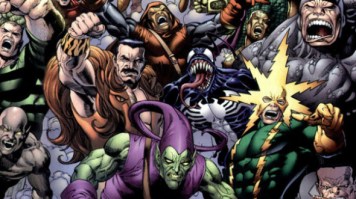
Spider-Man Noir will not appear in the MCU because Nicholas Cage will portray him in a live-action TV series. I’m okay with that. I’ll be watching the show after it drops on Amazon Prime. Any Spider-Man character who receives a Sony-led live-action movie or TV series is ineligible to be included in the MCU. That’s why we’ve seen a Venom trilogy (that includes characters like Carnage and Rhino), Morbius, Madame Web (with at least a half dozen other Spider-Man characters), and the upcoming Kraven films. Sony is playing keep away from Disney/Marvel.
I don’t blame Sony too much. Disney/Marvel has countless intellectual properties and makes several movies annually. Sony produces far fewer movies and their largest IP is Spider-Man. Spidey and Spidey related films account for over half of Sony’s major film releases each year. They’re forced to make Spider-Man content, even if that content isn’t the best. And with the exception of the Spider-Verse franchise, Sony Spidey content hasn’t been good.

But Spidey isn’t the only character who’s had licensing issues. Universal’s deal with the Hulk concluded this year (2024 if you happen to be reading this after the new year; happy new year btw). According to the previous deal, the Hulk could be in MCU films but only as a supporting character. Thor: Ragnarok touched on Planet Hulk themes (namely Gladiator Hulk), and She-Hulk: Attorney at Law laid the ground work for a potential full-fledged Planet Hulk movie (Hulk traveled the cosmos and found his son Skaar). I don’t know if we’ll ever see another movie with Hulk as the title character, but it’s a possibility. I wouldn’t mind at least one with Mark Ruffalo.

Is this casting odd? Yes. But Downey Jr. as Doom could’ve been the plan from the beginning, but only as a cameo. The MCU could easily combine Earth-11029’s Doom (who mind swapped with Tony Stark) and the Doctor Doom from Secret Wars. The MCU was always headed toward Secret Wars, and toward the end of that story, Doom assumed the Beyonder’s powers and ruled Battleworld. The MCU probably intended an homage to the source material with a quick look at an alternate Doom (perhaps Downey), much like the alternate Reed Richards (John Krasinski) in Doctor Strange in the Multiverse of Madness.
Kang was the original big bad for the MCU’s Secret Wars, but Majors’ legal troubles thrusted Doom to the forefront. Will it work? I’m unsure. We’ll have to wait and see. A Downey Doom would’ve worked better as a cameo or teaser for the next leg of the Fantastic Four’s story. But the MCU is trying to salvage what’s left of the Multiverse Saga. I guess it’s worth a shot, but this reeks of desperation and hitting the nostalgia button. Remember when RDJ was in Avengers movies? Here he is again. Wait. We haven’t had an Avengers movie without RDJ yet. He’s got to maintain his Avengers streak.
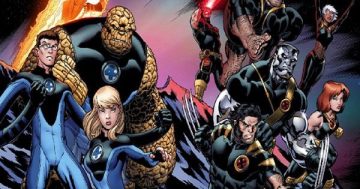
The MCU is barreling toward the Fantastic Four and the X-Men. These two teams will feature heavily in the upcoming MCU. That’s a great thing and a bad thing. The MCU already has a bloated roster and now it’s adding two massive teams. These two teams could delay the third film of major MCU characters.
Going back to my point that the MCU should return to a tighter character roster, the three main Avengers during the Infinity Saga had a small window for their film trilogies. Cap’s original trilogy took five years in total. Iron Man’s also took five years. And Thor’s original trilogy took six years. Six years passed between Doctor Strange and Doctor Strange in the Multiverse of Madness. Strange continues to wait for the third movie in his trilogy. That’s way too long. There’s also the aforementioned Shang-Chi and his five year wait for a second film. And is Captain Marvel getting a third movie? Rewatching older films in a film series becomes part of an MCU movie’s homework.
Deadpool needed eight years to conclude its trilogy. That’s impressive considering that Fox was bought out between the second and third films. A tighter release window for movies in a series and a smaller cast of recurring characters are the lessons Disney/Marvel should take from Deadpool and Wolverine’s success. That and R rated films can rake in money. We’ll have to see which lessons the MCU takes to heart.
That’s all I have for now. Let me know your thoughts on what the MCU should do going forward. See you soon. Bye, bye, bye.
~ Kyra
Spider-Man has so many great stories in his history. There are a lot of eras to Spider-Man too, s this can be a hard character for new readers to get into. Do you want to read Spidey as a teenager (as in Spider-Man: Homecoming) or do you prefer a more adult Spidey (one seldom depicted in movies but just as interesting at times)? Your uncle Geekly doesn’t really know. What he does know is that he can narrow this search to at least Peter Parker as Spider-Man.
Yeah, so we’re not covering Miles Morales (Ultimate Spider-Man), Ben Reilly (Spider Clone), Doctor Octavius (Doc Ock in Spidey’s spandex), or Spider-Girl or Gerry Drew (son of Spider-Woman Jessica Drew) or countless others—and there are several others. We’re talking Peter—not Uncle—Benjamin Parker. Yeah!
Let’s see if I can find a middle ground of teen and adult Spidey with a leaning toward young Spidey. Clear as mud? Good. Here we go.
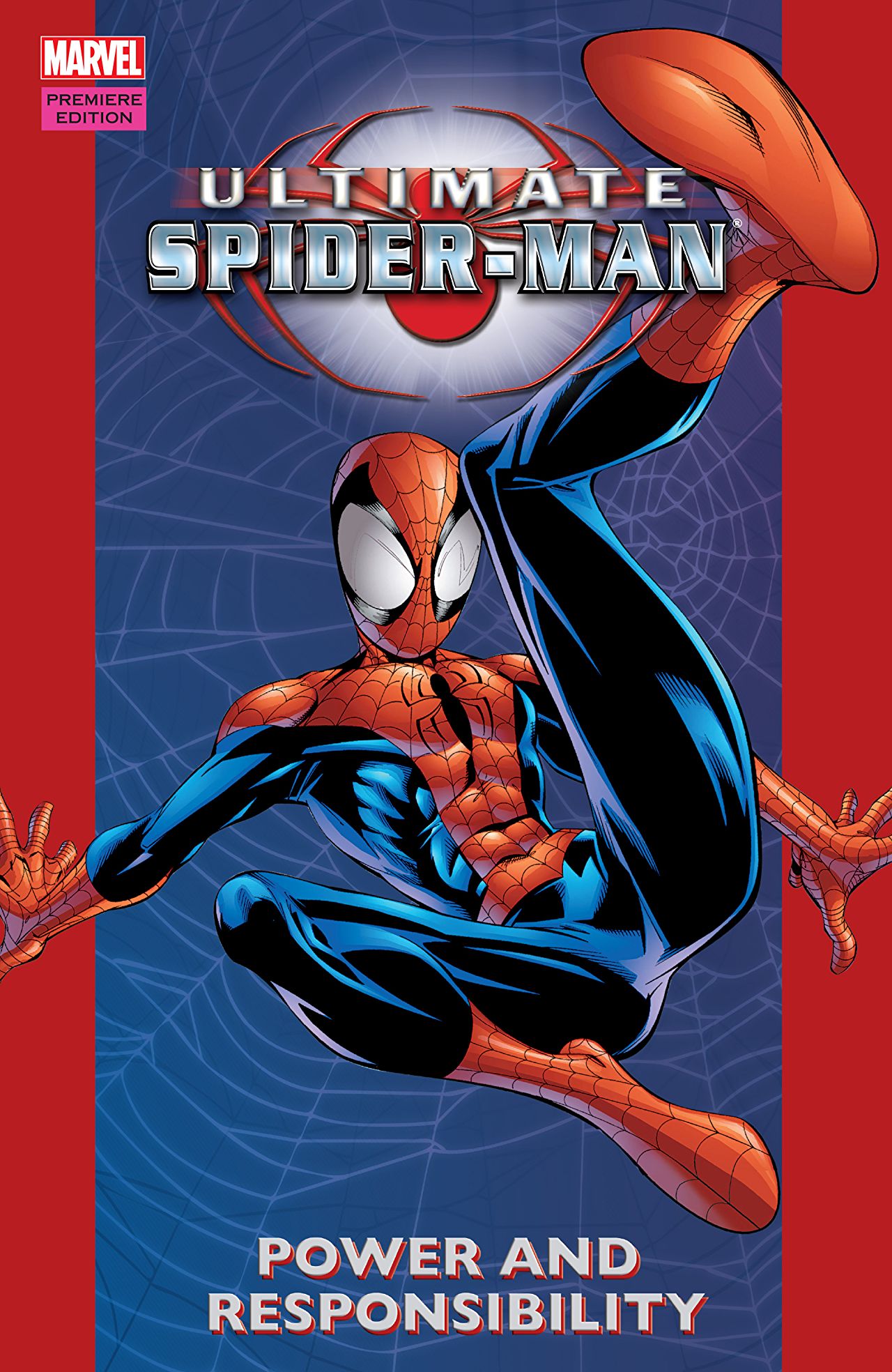
Ultimate Spider-Man #1-7, “Power and Responsibility” (written by Brian Michael Bendis/art by Mark Bagley; 2000-2001)
I know I said that I wouldn’t include Ultimate Spider-Man Miles Morales, but the original Ultimate Spider-Man series featured Peter Parker and the first seven issues titled “Power and Responsibility” retold Spider-Man’s origin in an accessible way. It also happens to be one of the main source materials for Spider-Man: Homecoming, so if you want to learn about this Peter Parker from the ground up, there’s no better place to start.

Spider-Man: Blue (written by Jeph Loeb/art by Tim Sale; 2002)
Anytime Loeb and Sale team up there’s usually an origin tale or “before they were stars” story, and Spider-Man: Blue is no exception. Sale’s art takes a nice middle ground to slick, modern comic book style and retro Spidey. Loeb’ writing adds the right kind of depth for retelling the early days of Peter and his love affair with Gwen. Gwen Stacy is the one who was portrayed by Emma Stone in The Amazing Spider-Man film series, not Peter’s better-known love interest Mary Jane.
While one could read the original appearance of Spider-Man, Spider-Man: Blue adds more depth to the character that wasn’t there in the 60s.

Amazing Spider-Man #31-33, “If This Be My Destiny” (written by Stan Lee/art by Steve Ditko; 1965-1966)
The plot for “If This Be My Destiny” is standard Spider-Man fare. It’s a well-executed Doc Ock story, but most stories of this time by Ditko and Lee were. Where “If This Be My Destiny” shines is when Spidey gets caught beneath some heavy machinery. In this classic scene, which has been duplicated in numerous Spider-Man movies, Peter musters all his willpower to free himself from the heavy load. This act shows what makes Spider-Man the endearing character he is, while his inner monologue brings his demons to light. “If This Be My Destiny” cements Spidey as the everyman hero.

Amazing Spider-Man #39-40, “How Green Was My Goblin” (written by Stan Lee/art by John Romita Sr.; 1966)
As you might be able to tell with my books I seldom go with the original telling of stories, opting to go with contemporary retellings, but the great Stan Lee does an awesome job of setting up Peter’s nemesis. And I say Peter’s nemesis because Norman Osborne’s Green Goblin has personal attachments to The Wallcrawler.
The first movie version of the Green Goblin showed him as Harry Osborne’s dad, but this reveal was a shock at the time, and this story gets to the essence of these two’s relationship. Batman needs his Joker. Spidey needs his Green Goblin.

Amazing Spider-Man #121-122, “The Night Gwen Stacy Died” (written by Gerry Conway/art by Gil Kane; 1973)
This one had to make the list. One of the pivotal moments of Spidey’s life as a hero came in the form of when Gwen Stacy died. It’s a tale that shows that even superheroes can fail.
Failure is a part of life and it’s definitely a part of Spidey’s life. This is one of the things that makes Spidey relatable as a character.
The death of Gwen Stacy also defined Green Goblin as a villain. As the previous entry attests, Green Goblin is Peter Parker’s enemy, not just Spider-Man’s, and “The Night Gwen Stacy Died” does the most to bring home this fact. It’s a must read.
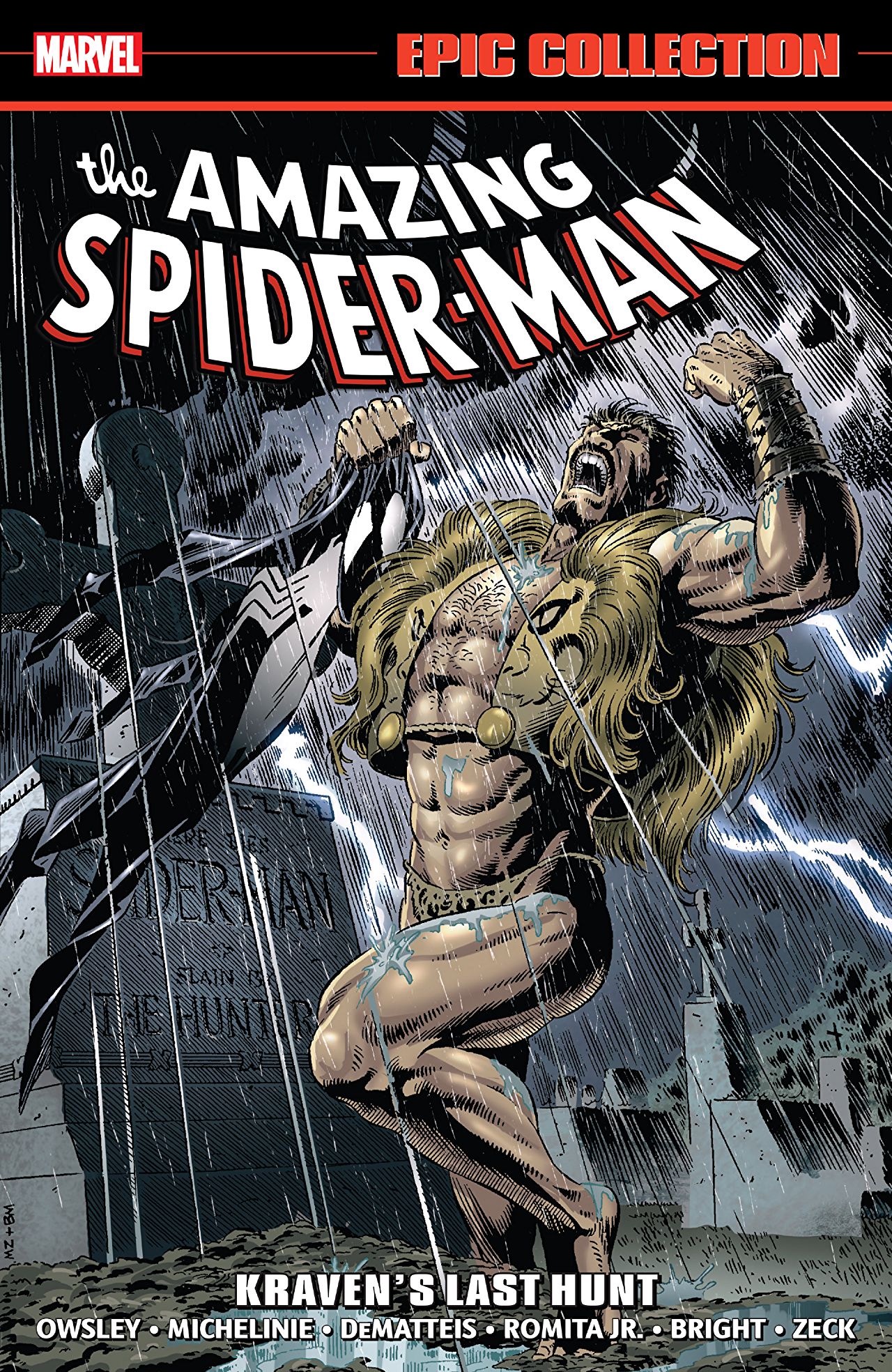
Web of Spider-Man #31-32; The Amazing Spider-Man #293-294; The Spectacular Spider-Man #131-132, “Kraven’s Last Hunt” (written by J. M. DeMatteis/art by Mike Zeck; 1987)
Kraven had been one of Spider-Man’s greatest enemies early in the Wallcrawler’s career, but time had passed him by. “Kraven’s Last Hunt” mirrored this decline, showcased Kraven’s ultimate revenge, and delved into Peter and Mary-Jane’s early marriage. There’s so much going on in this storyline that has defined and will continue to define the character.
It’s a story that asks what makes a hero, and one of the better Spider-Man stories ever written.
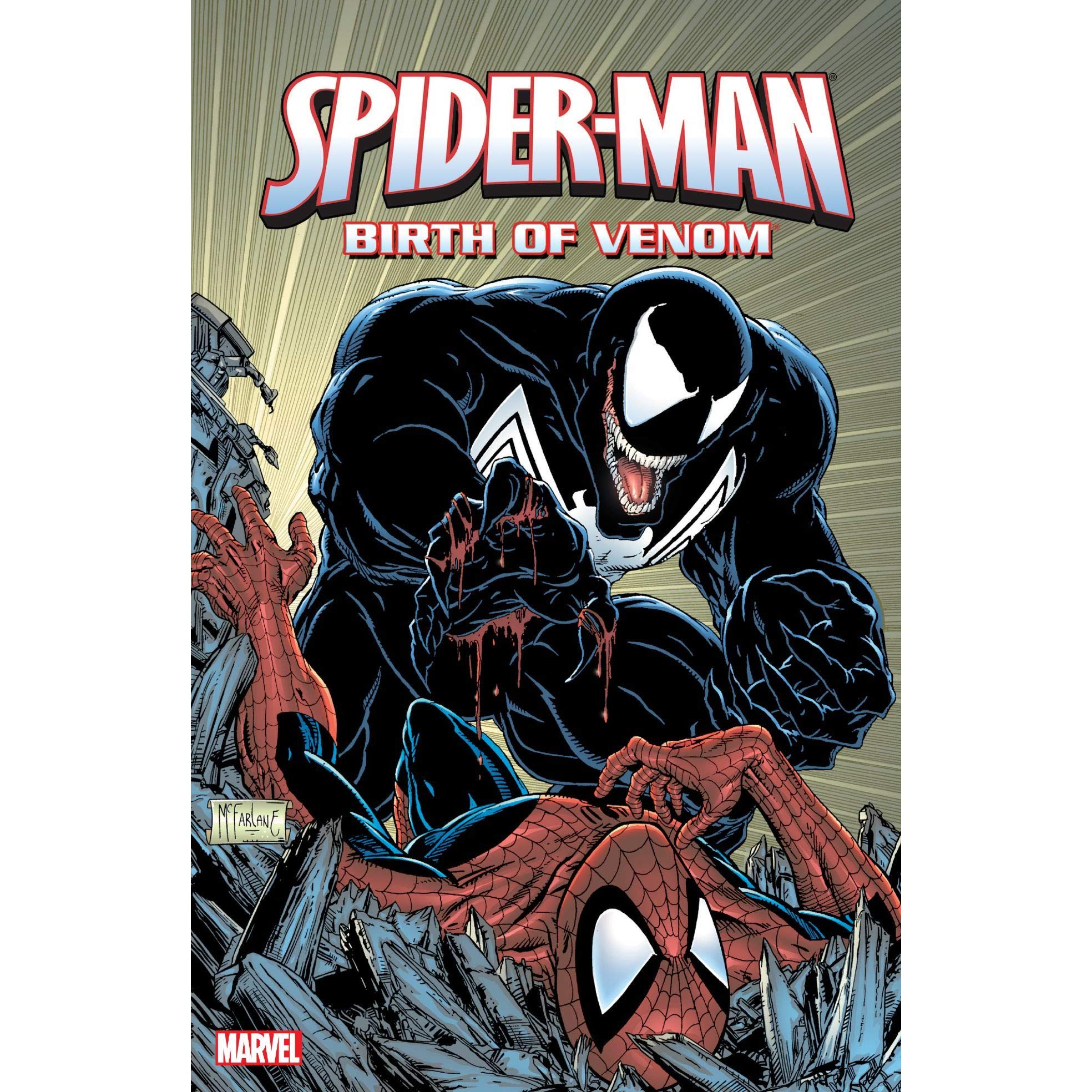
Secret Wars #8; Amazing Spider-Man #252-259; #298-300; #315-317, “Spider-Man: Birth of Venom” (written by various/art by various; 1984-1989)
There’s a lot of time gaps with this story, but “Spider-Man: Birth of Venom” has been collected in various graphic novels—maybe not all these stories, but a great many of them—and to get a good idea of Spider-Man and his relationship with the various symbiotes one should read this story first.
So much of Spider-Man in the 1990s and even in the 2000s revolved around Spidey and the various symbiotes that one should know a little something about them. “Birth of Venom” provides that background knowledge.
That’s my list for readers who are new to Spider-Man comics. There are so many to choose from—decades in fact—and I’m sure I missed more than one, two, or five hundred. Be sure to list some in comments. I’m sure Jim would prefer your picks to mine.

Most critics dub “Kraven’s Last Hunt” the greatest Kraven story ever told and one of the best Spider-Man stories. It features plenty of comic book action, but the character studies are what set “Kraven’s Last Hunt” from other Spidey tales.
The world no longer appreciated Kraven’s physical prowess. It no longer marveled at his courage, and most animal rights activists condemned him—he was a hunter after all—and the world he lived in no longer made sense. Before he met Spider-Man he’d never known defeat or humiliation. Now Kraven has fallen ill. He knows the end is near, but before he goes, he vows to reclaim his honor and prove his superiority over Spider-Man. He went out for one last hunt.
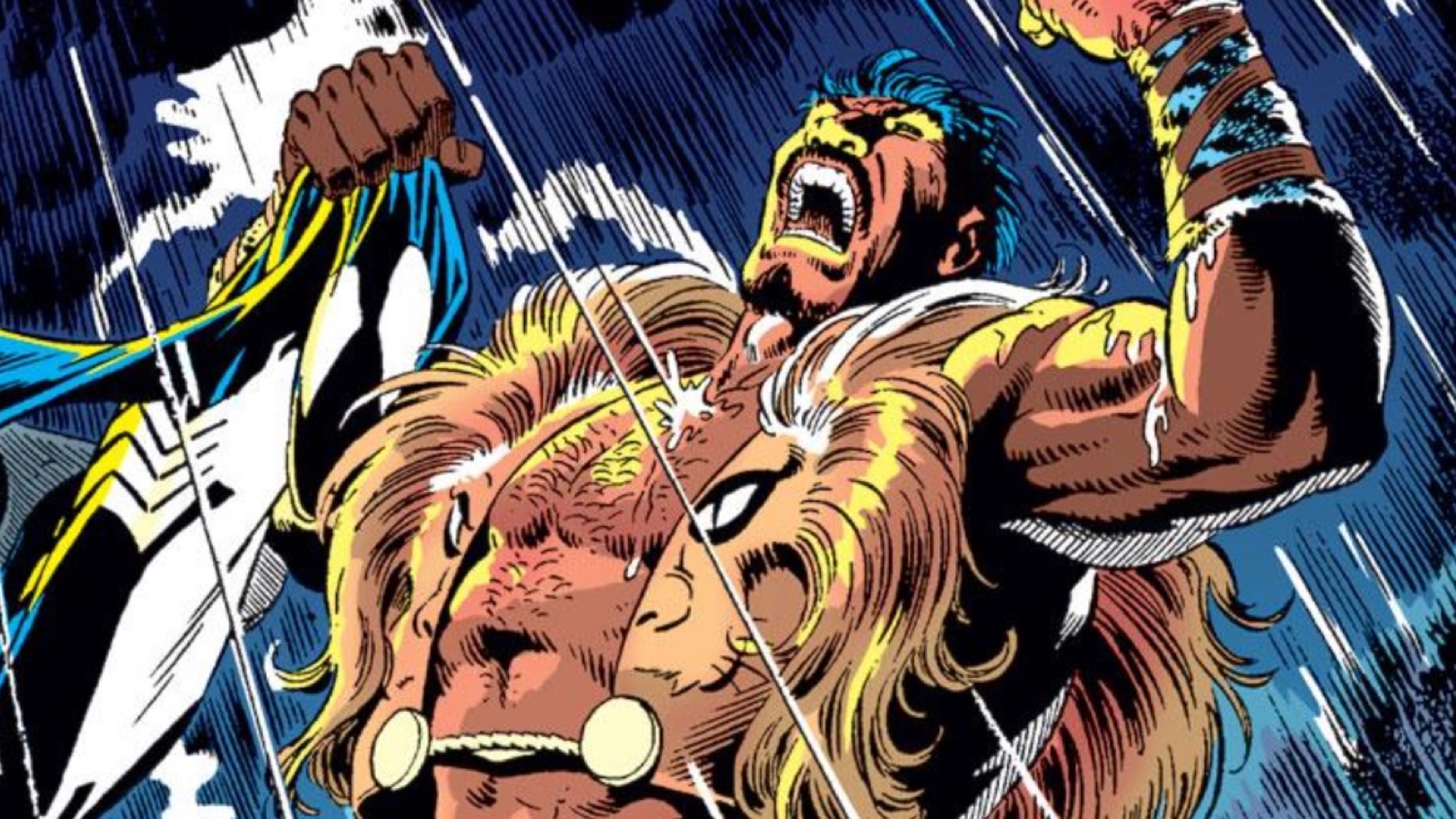
“Kraven’s Last Hunt” embraces Kraven’s personal struggles. It blends aspects from classic literature and recurring themes to find a deeper truth. Kraven doesn’t just want to kill Spider-Man. In fact, Kraven doesn’t kill Spidey when he has the chance. He buries Spidey alive on his complex and assumes his identity. There’s even a moment where Kraven rescued Mary Jane, Spidey’s new wife, and she can see through Kraven’s disguise. Kraven falls short of being a hero. He never was one. This is a story that questions what it means to be a hero.
Kraven also thinks he can drive Spider-Man past the point where he ceases to be a hero. A rat-like monster named Vermin stalks the streets of New York while Spidey rests six-feet under. Kraven beats the creature unconscious, brutalizes him, and takes him prisoner. After Spidey comes to, he wants revenge for the time Kraven took from him. His anger leads him to Vermin, who Kraven uses as pawn to see if Spidey is strong enough to do unto Vermin what he did. Spidey proves that he’s strong enough not to.
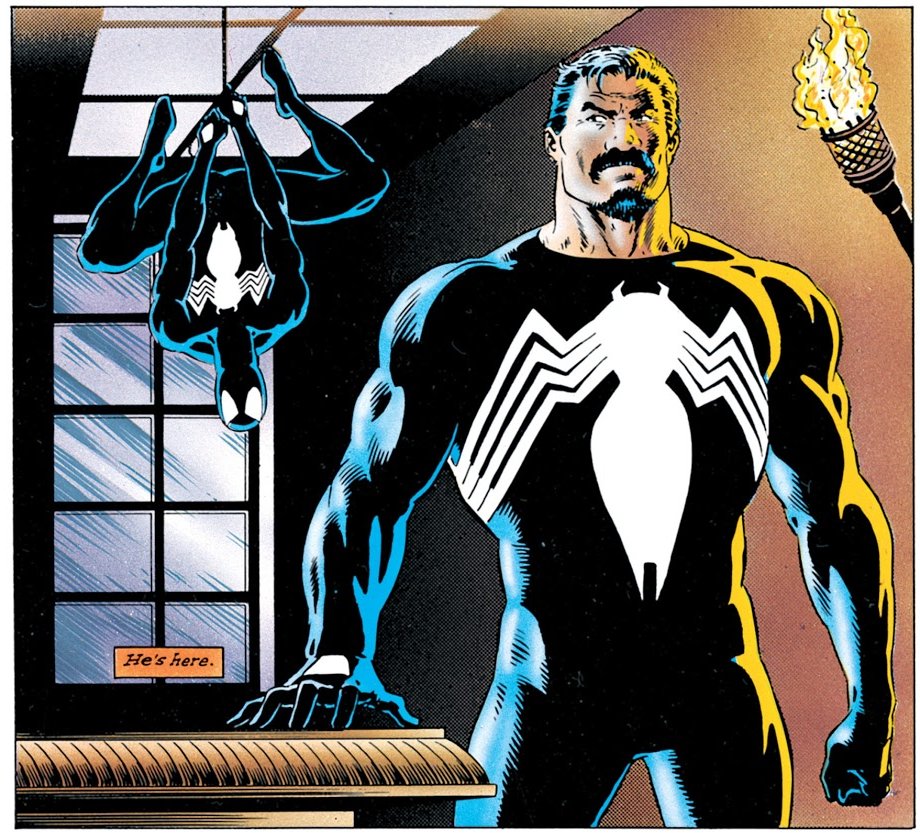
There are so many themes of what makes a hero and what makes a good person that it’s easy to see why “Kraven’s Last Hunt” is high on most critics lists of Spider-Man stories. It not only portrays Kraven at both the height of his powers and the lowest, it does a great job in its portrayal of Peter and Mary Jane’s young marriage.
Readers see how MJ deals with Peter’s disappearance and how she’d react if Peter ever died in action. It’s a great window into the life of someone who must stay up late, worrying if their loved one is okay. In short, “Kraven’s Last Hunt” is a triumph and a must read for any Spider-Man fan or Spidey newbie.
Is there anything about “Kraven’s Last Hunt” that you liked that I didn’t mention? If there is, message me and I’ll give you Jim’s phone number to complain to him. Or you could let us know in comments.

A certain holiday is right around the corner, and JK Geekly plans to take a break, but before we do your uncle Geekly will give into greed and list some of the games he hopes are under the tree. United States day of avarice, here I come.
I kept the term “games” vague because I’ll have some video and tabletop games on this list. No. I’m not changing beyond all recognition. Uncle Geekly may have a love of tabletop games, but there are plenty of video games coming out this year that can’t be ignored.
Batman: Gotham City Chronicles (Monolith Board Games)
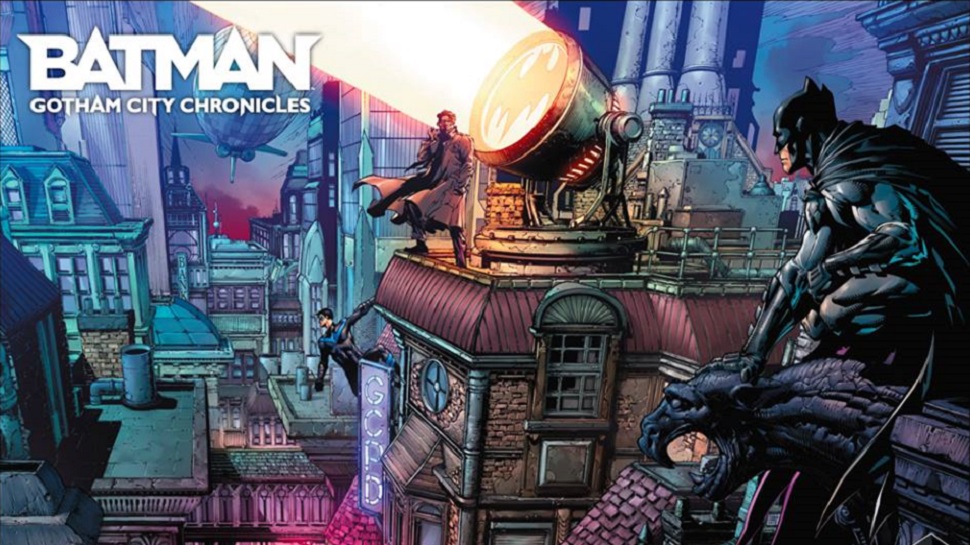
Yeah, I’m all in with Batman: Gotham City Chronicles. I’m also at the mercy of when the game will be available in retail stores (Conan also made it into gaming stores), so this may be a pipe dream. There’s a reason Gotham City Chronicles surpassed its Kickstarter goal in less than a day. It’s excellent.
I’m not sure if I need to clarify more than that. Okay. The asymmetric villains (one) versus heroes (many) gameplay creates some great moments. Those moments happen to be classic Batman tales from the comics, not TV or movies. And there are miniatures. Lots and lots of high-quality miniatures of classic comic book characters.
Spider-Man (Sony)
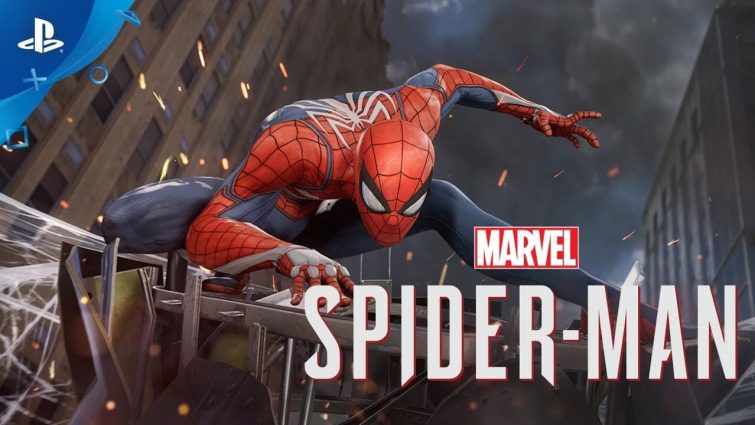
I’m hoping the PS4’s Spider-Man does for the wallcrawler what Rocksteady’s Arkham series did for Batman. The web head hasn’t had a good video game in some time, and I wouldn’t mind taking on Green Goblin, Scorpion, or whoever the game has to throw at me. Plenty of reviews have been written about the game, but I’m trying to avoid them as much as possible. It’s gotten great reviews; that’s good enough for me.
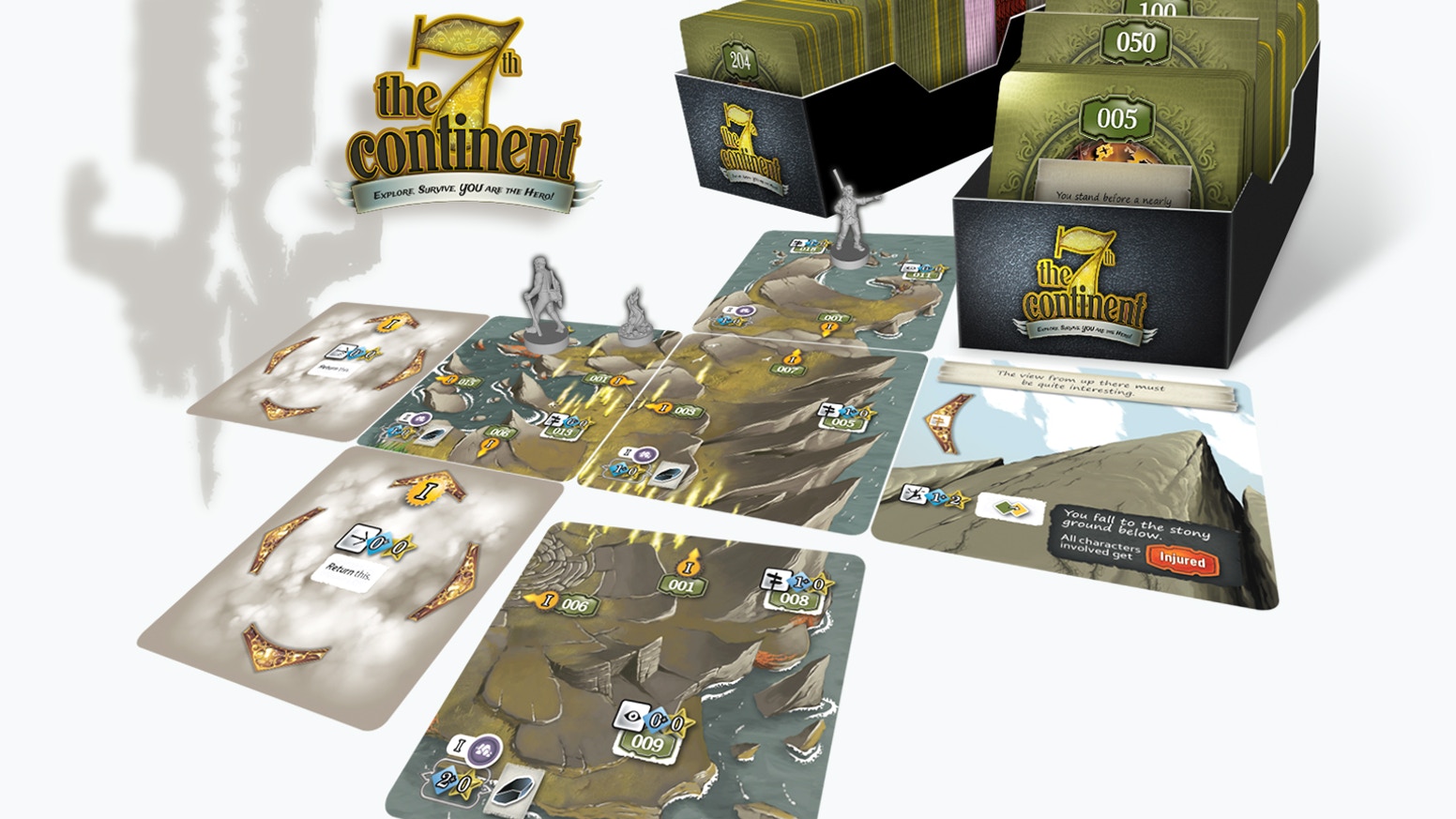
The 7th Continent (Serious Poulp)
The 7th Continent is another Kickstarter board game, but unlike Batman: Gotham City Chronicles, this one most likely won’t see mass retail appeal. Players are stranded on an island and must find ways to survive. The features exploration and has great storytelling moments. It’s an event game. It’s also one that makes you talk about it well after game night.
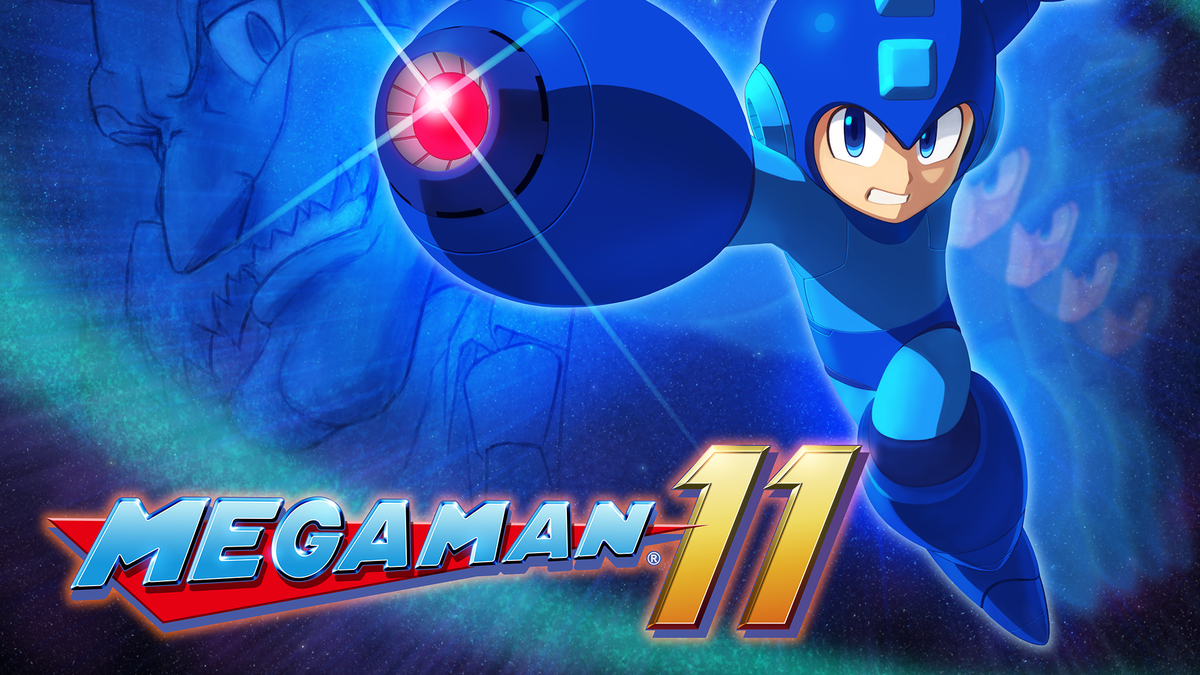
Mega Man 11 (Capcom)
I don’t care if it receives good, great, indifferent, or poor reviews. I’ll probably look for Mega Man 11. It’s the first numbered entry for the Blue Bomber in over a decade, and it’s long overdue. Bring on Block Man, Fuse Man, Blast Man, Torch Man, and Impact Man.

Dinosaur Island (Pandasaurus)
This one may be the most likely tabletop game to find its way under the tree, and I’m happy if does. Dinosaur Island is the board game version of Jurassic Park. The game mechanisms, of which there are numerous, blend together to make a great gaming experience. There are very few games that pack a lot of strategy in a small time frame (like Dinosaur Island), and Jonathan Gilmour is one of my favorite new game designers.
Your uncle Geekly could’ve added a few dozen more games, both board and video. If you disagree with a pick or two of mine, direct your anger at Jim. He likes hate mail that isn’t his hate mail. Or you could leave a comment.
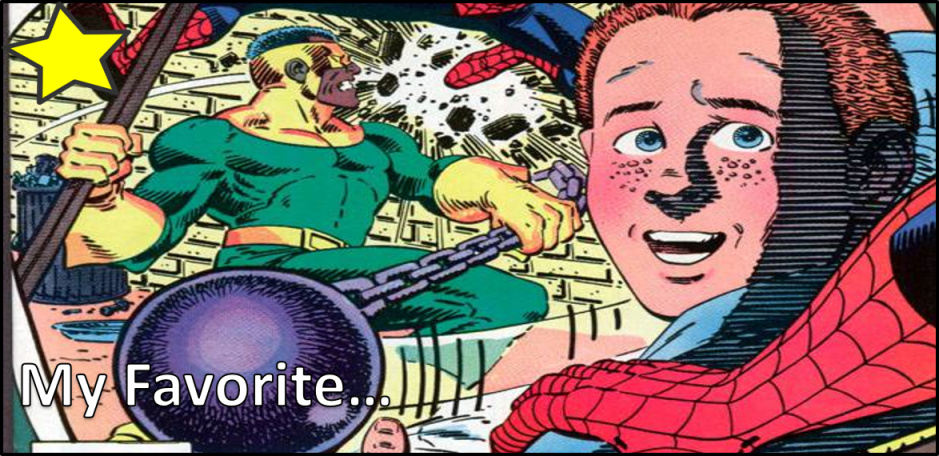
Superheroes visiting terminally ill children may be a reality in the 2010s—Spider-Man: Homecoming’s Tom Holland has even visited children in the hospital—but in 1984 when “The Kid Who Collects Spider-Man” was first published (The Amazing Spider-Man #248), the Make A Wish foundation was barely three years old.
The story had some exploit of Spider-Man’s, but no one remembers what battle Spidey fought. Readers latched onto a kid named Tim who suffers from leukemia and only has a short time left. All Tim wants is to meet his hero. Spider-Man gives him his wish.
Part of what makes “The Kid Who Collects Spider-Man” great is Tim’s wish fulfillment. It’s a short human-interest story that writer Roger Stern made Will Eisneresque, and that is a fantastic element of the story, it dwarfs any battle, but I what I liked most happened after Spider-Man sees all the memorabilia the kid has collected (kinescopes of Spidey’s early TV appearances, a whole album of The Daily Bugle’s retractions, and bullets from a crime foiled by Spider-Man), and the kid asks Spidey who he is as Spider-Man’s about to leave. This kid loves him.
Spidey hesitates but figures the kid won’t tell anyone his identity, so he takes off his mask and identifies himself as Peter Parker. What Spidey didn’t expect was that by doing this it would lead to him telling the kid how he became Spider-Man. Part of him wants the kid or someone to know his secret.
He imagines the kid will hate him after he tells him how his negligence led to his uncle’s death, but it doesn’t. The kid hugs him and a reassures him. It’s okay for a hero to make mistakes. For a moment, it’s okay for Spider-Man to be Pete.
During this holiday season, I hope you know that it’s okay to make mistakes so long as you learn from them. It’s also okay to take off any mask you may wear and be yourself. Take care and be nice to each other.
I just missed Iron Fist’s cancellation last week, and Luke Cage joins it this week. This may or may not be a sign of things to come with Marvel-Netflix’s shows. Several factors led into the decision to cancel the Heroes for Hire (Luke and Danny). I’ll try to keep this brief.
Disney still intends on beginning its own streaming service soon and is looking to reclaim the licenses of many of their characters; this also incited the proposed Fox buy-out. Netflix ordered fewer episodes of future Luke Cage and Iron Fist seasons as an effort to lower costs (fewer episodes mean less money for the license), but lowering costs means that they would give Disney less money and that makes Disney less interested in maintaining the agreement. But the chief reason may be that Netflix has matured (as a television network of sorts) to a point where they don’t overpay for licenses they don’t need or want, and they’re less likely to continue shows that don’t earn them new subscribers or downloads. Early Marvel shows like Daredevil and Jessica Jones brought in new subscribers, but Luke Cage and Iron Fist struggled.
Netflix still has the license to use Luke Cage and Iron Fist in their shows, so the cancellation of their individual series doesn’t mean that fans won’t see them on other Marvel-Netflix shows. Of course, things could change if Disney insists on reclaiming as many Marvel licenses as possible. The Mouse House could rescind their Netflix licenses or make the premiums for keeping any licenses untenable for Netflix.

And now for some lighter news. Spider-Man for the PS4 (released last month) is the official launch of an interconnected series of games that will feature Marvel Universe characters. The Marvel Game Universe, or MGU, will function in many ways like the Marvel Cinematic Universe with Spider-Man acting as 2008’s Iron Man.
Rumors swirl with numerous game developers attached to various Marvel properties. Sony’s Insomniac will continue with future Spider-Man games, but they’ll take on at least another character or two, Square Enix (of Final Fantasy and Dragon Quest fame) will produce Marvel titles (and Sony hinted that they may be involved with the larger project), and Rock Steady (Batman Arkham series) has been mentioned as well. I’m not sure who’ll be in the final production line as far as developers, but the main Avengers and stars of future Marvel films are a safe bet for getting their own games, and if the results of future Marvel games are as good as Spider-Man, it’ll be a fun ride.

The long wait for Red Dead Redemption 2 is now over. This game is a prequel to the first Red Dead Redemption (2010) and follows the story of outlaw Arthur Morgan of the Dutch Van der Linde gang. Let’s hope this Western ends in a more positive light.
My Hero Academia gets the fighting game treatment. There’s a strong possibility that I’ll pick this one up on the secondary market. Plus Ultra!
This game will share more with the 1981 pen and paper role-playing game than the H. P. Lovecraft short story of the same name. What makes me interested is that Cyanide game studio contacted the original writers of the 1981 RPG, so this survival horror/role-playing game has some serious roots.

This one sounds like a good old-fashioned action adventure and that’s okay sometimes. The Russian president is captured and a U. S. submarine must rescue him while avoiding World War III.
Friday, October 26, 2018
The first season of this Netflix original anime followed the source material closely, but it dragged in a few places. I’m hoping the second season will build on a promising cliffhanger.
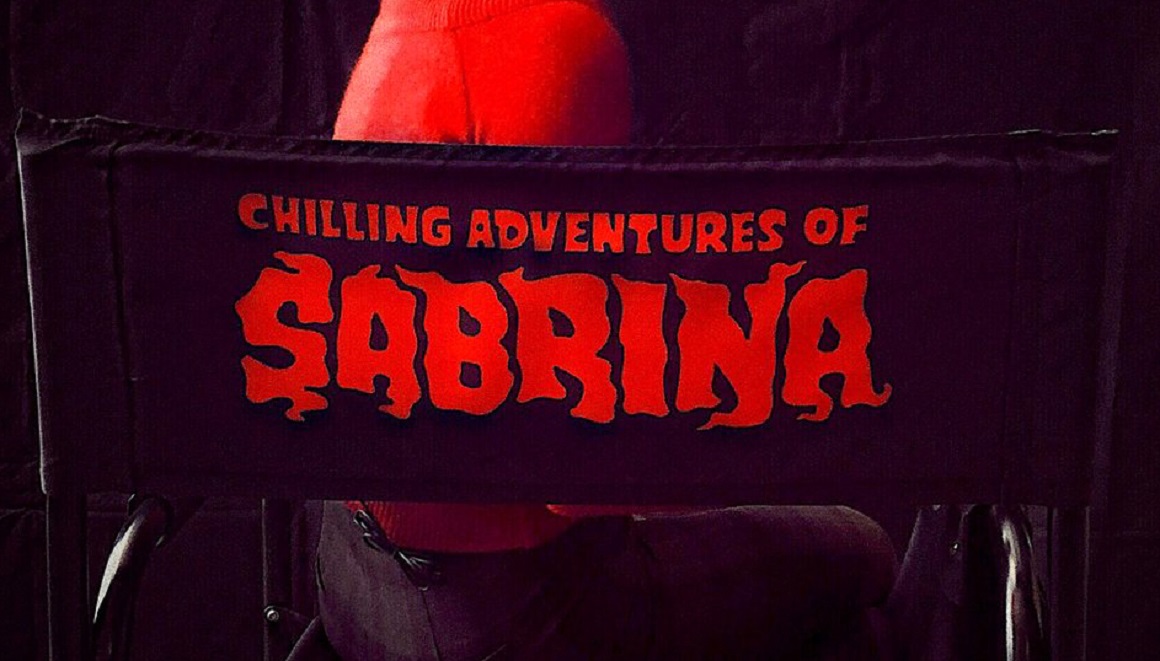
Sabrina the teenage witch has largely been a comedic character and in 2014, Archie Comics gave her a grittier reboot. I can’t wait to see how Kiernan Shipka and the rest bring this reimagining of the character to life.
Wednesday, October 31, 2018
This series is still on? I kid—sort of—because this series can scratch the itch left by a dearth of new Evil Dead material. I’ve always liked John C. McGinley (“Scrubs”), so I may give this comedy-horror series another shot.
I like the premise of Tell Me a Story. This series takes the world’s most beloved fairy tales and reimagines them as dark and twisted psychological thrillers. Unfortunately, CBS is at it again with making some of its content only available on its streaming service. Ugh!
This is an understated card game. The game is played with a deck of 100 cards, 20 cards of each of the titular 5 Colors. Players simultaneously play a card from their hand. The most played color gets scored and each player that played the most commonly played color gains points on the card they played. It’s simple to understand, but once players catch on with how to play, the strategy begins.

Atlandice has a lot more going on than 5 Colors. This game’s main feature is a rondel (a circular device that changes throughout a game) and in the center of the rondel is a doom clock. Players draft dice and items during their turn, trying to get the most points before rooms get swallowed by a flood and the doom clock ends the game.
It’s an interesting game with a lot going on. I can’t wait to get my hands on it and get a closer look.
That’s all we have for Geekly news this week. Be kind to one another and stay geeky.

