Updated: Top 10 Live-Action Television Shows Based on Comic Books 2026

Hey, hey, Geekly Gang! Kyra Kyle here. We’ve tackled the idea of live-action television shows based on comic books over a decade ago with Top 5 Live-Action TV Shows Based on Comics. It’s a good idea to update this post. Our reasoning is three-fold: 1, it’s been long enough and more shows have been produced since 2015; we increased the number of shows on this list from five to ten; and Geekly forgot about a few shows inspired by comic books in the previous list. Whoops! Before we get into the shows, let’s set down some ground rules for this list.

1: Cultural relevance will play a role, as will the show’s overall quality.

2: Some of these shows don’t stack up in cinematic quality even with their contemporaries, but they’re outstanding just the same.

3: We’ll have to stick with one show from a franchise (or specific character) because we wouldn’t want a list that includes only Batman and Spider-Man.

Without further ado, let’s get to the top 10 live-action television shows based on comic books.
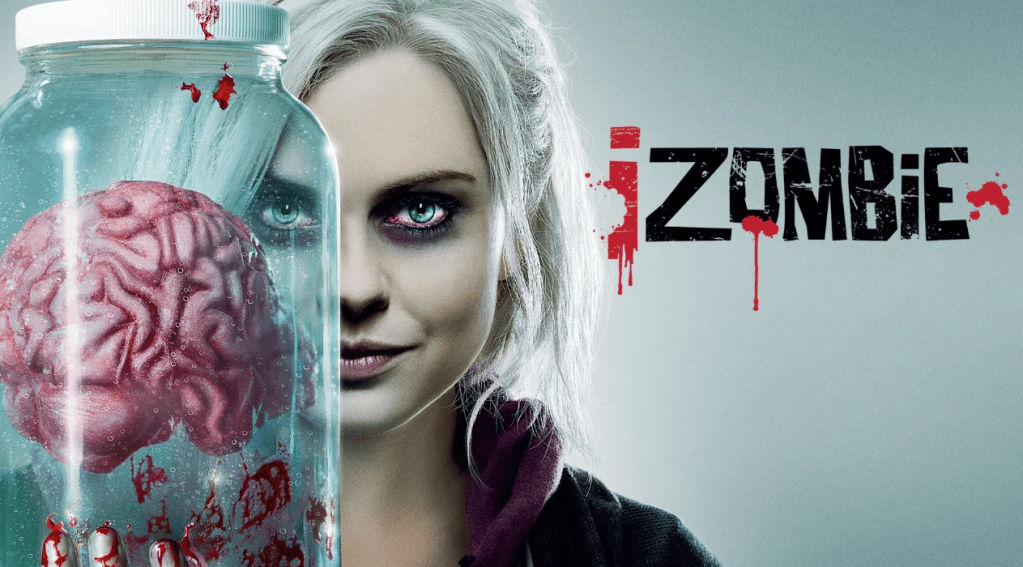
Honorable Mention 2) iZombie (2015-2019)

I’ll admit it. I have a soft spot for iZombie. Geekly covered the show when it first aired, and I like the combination of zombies and weekly detective work. Throw in some ongoing drama and a heavy dose of comedy, and you have one addictive show. iZombie won’t be too many people’s first choice for live-action television show based on a comic book, and that’s why I wanted to mention it here. It doesn’t hurt that iZombie’s intro theme, “I’m Already Dead” by Deadboy & The Elephantmen lives rent-free in my head.
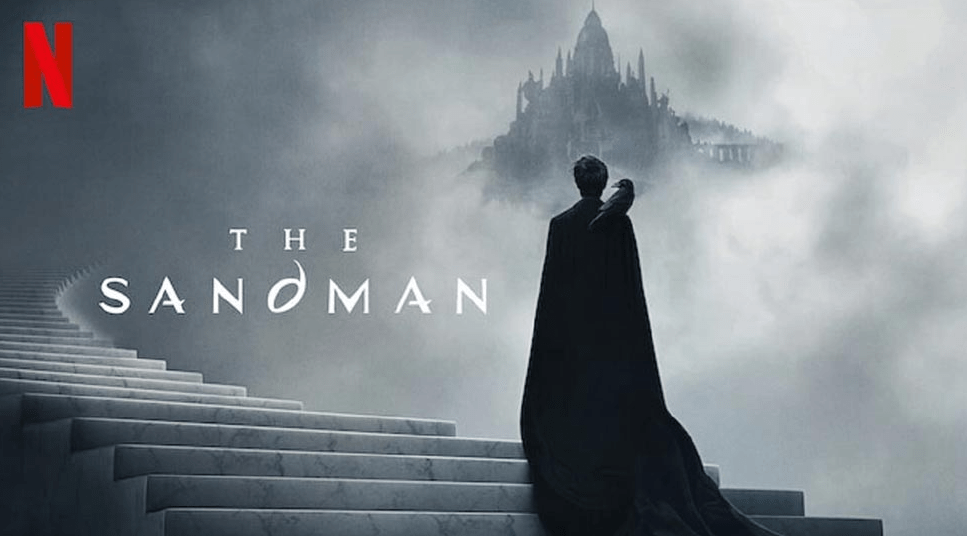
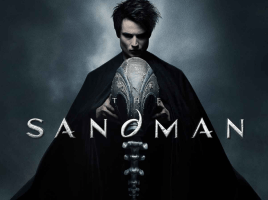
Honorable Mention 1) Sandman (2022-2025)

Sandman adapts the source material in a fresh way that also remains faithful to the comic book. Tom Sturridge does the unthinkable and captures the essence of Dream. Kirby makes a great Death. Mason Alexander Park is Desire. I could go on. Sandman has a stellar cast, but it misses our list for a couple of reasons. 1) The Netflix effect. Netflix used to be The Place for creative freedom; now, it’s a place for rehashed ideas, and any original show is likely to get canceled too soon and have little chance of another streaming platform picking up the franchise. 2) The Neil Gaiman effect. I have yet to watch Sandman’s second season because of the ick associated with Gaiman. Still, Sandman deserves a mention.
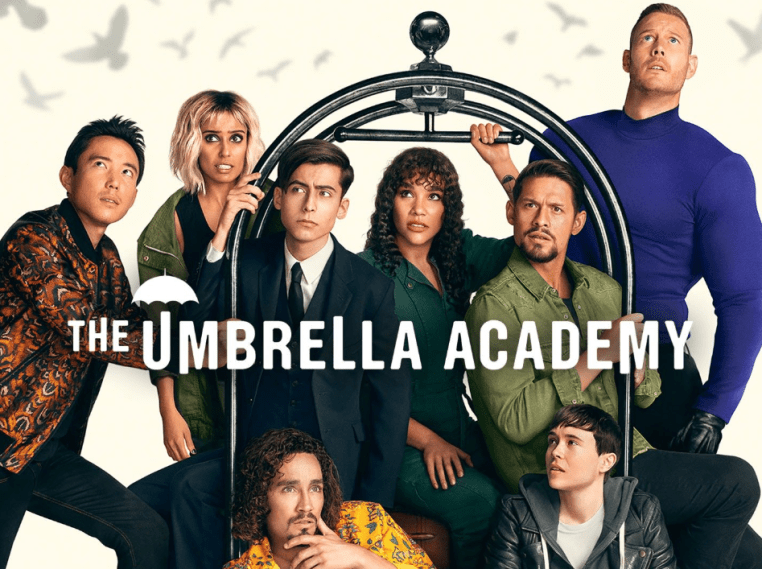
10) The Umbrella Academy (2019-2024)

The Umbrella Academy had a brilliant five-year run on Netflix. As one of the more recent entries on this list, I struggled to place it any higher on this list. The other thing going against The Umbrella Academy is that it’s a Netflix show. The Netflix effect claims another victim. Time could see The Umbrella Academy rise in the standings, because there’s a lot to love.

The Umbrella Academy blends quirky humor, bizarre storylines, balls-to-the-wall action, and pitch-perfect character development. The third season incorporated Elliot Page’s gender identity respectfully and made it work for the show’s story. It also doesn’t hurt that the show is based on the comic book of the same name by My Chemical Romance lead singer Gerard Way. That gives The Umbrella Academy an extra layer of cool.
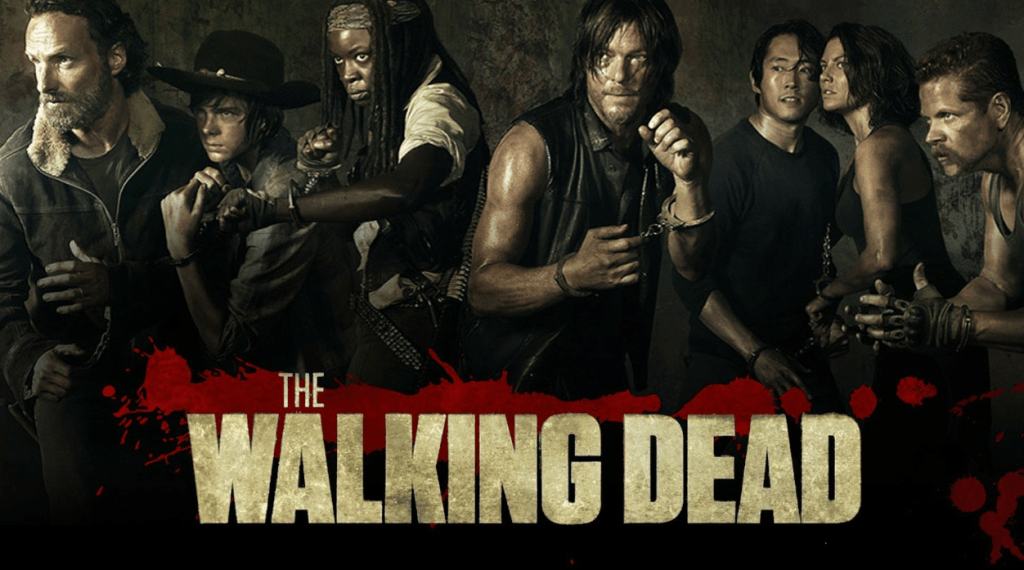
9) The Walking Dead (2010-2022)

The Walking Dead made our last list over a decade prior, but the show may have hung on for too long. Those early seasons of The Walking Dead were some of the small screen’s best. Despite any flaws, this show focused on interpersonal relationships. The drama within The Walking Dead stemmed from its human characters. And let’s face it. The Walking Dead ignited zombie-mania. You can’t take a breath without huffing on a walker.

The Walking Dead started an empire. I’ve lost track of how many spinoff series this show spawned: Fear the Walking Dead (2015-23), The Walking Dead: World Beyond (2020-21), Tales of the Walking Dead (2022), The Walking Dead: The Ones Who Live (2024), The Walking Dead: Dead City (2023-present), and The Walking Dead: Daryl Dixon (2023-present). The Walking Dead became so popular that a secondary character from the original series, Daryl Dixon, got his own spin-off. Talk about cultural relevance.
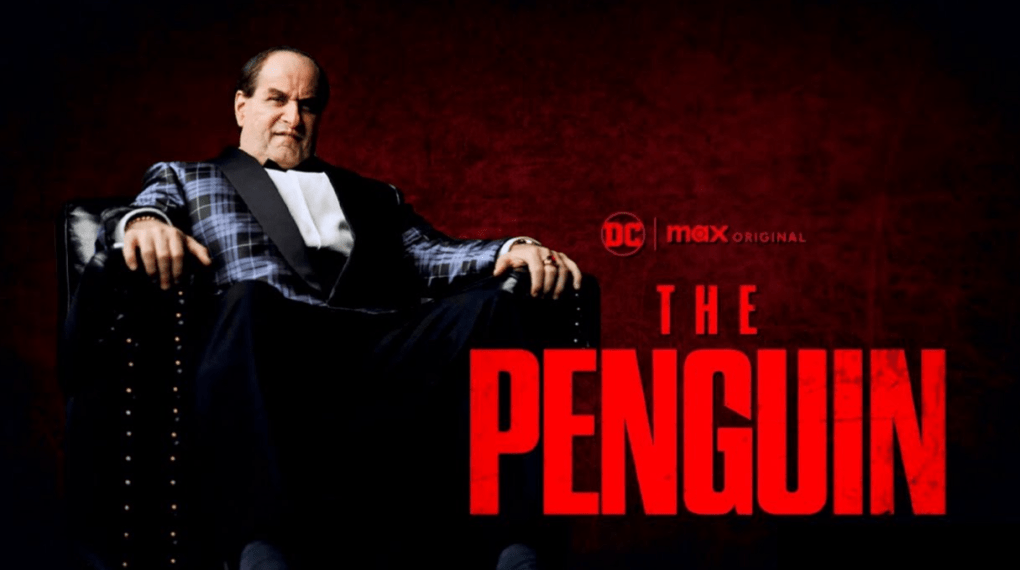
8) The Penguin (2024)

Despite bearing the name of one of Batman’s iconic villains, The Penguin doesn’t even feel like a television show based on a comic book. The Penguin borrows a lot from Breaking Bad and The Sopranos. Watching Oz Cobb ascend–or descend, depending on the lens you use to view his story–to mafia royalty was a joy to watch. Cristin Milioti’s turn as Sofia Falcone was excellent. Sofia Falcone (from The Long Halloween fame) was another comic book character I didn’t expect anyone to pull off well, but Milioti is fabulous in The Penguin.

When I first learned The Penguin got greenlit, I wondered what more there was to say. Apparently, a lot. The Penguin took an interesting enough character from 2022’s The Batman and built a mythos around a character that didn’t receive enough love on the big or small screen. Penguin is one of my favorite Batman villains, and The Penguin captured a certain slimy iteration of the character. The Penguin is well worth watching.

7) Arrow (2012-2020)

Arrow is another show that stayed a little too long. It suffered the fate of many CW shows and descended into melodrama. After a season, Olicity (the shipping of Oliver Queen and Felicity Smoak) turned my stomach. But Arrow started strong. Manu Bennett may still be the definitive Slade Wilson/Deathstroke, and the “You have failed this city” and Ollie’s time on the island storylines of the first few seasons proved that a lesser DC Comics character like Green Arrow could anchor a show. Not just a show, an entire franchise. Arrow began the Arrowverse.

The Flash may have taken over as the flagship title for the Arrowverse, but Arrow led to The Flash, Supergirl, Legends of Tomorrow, Black Lightning, Batwoman, and the web series Vixen and Freedom Fighters: The Ray. I don’t know when or if I’ll return to Arrow, but I have fond memories of early Arrow seasons. And with Arrow’s cultural impact, no one can deny its place among the top 10 live-action television shows based on comic books.
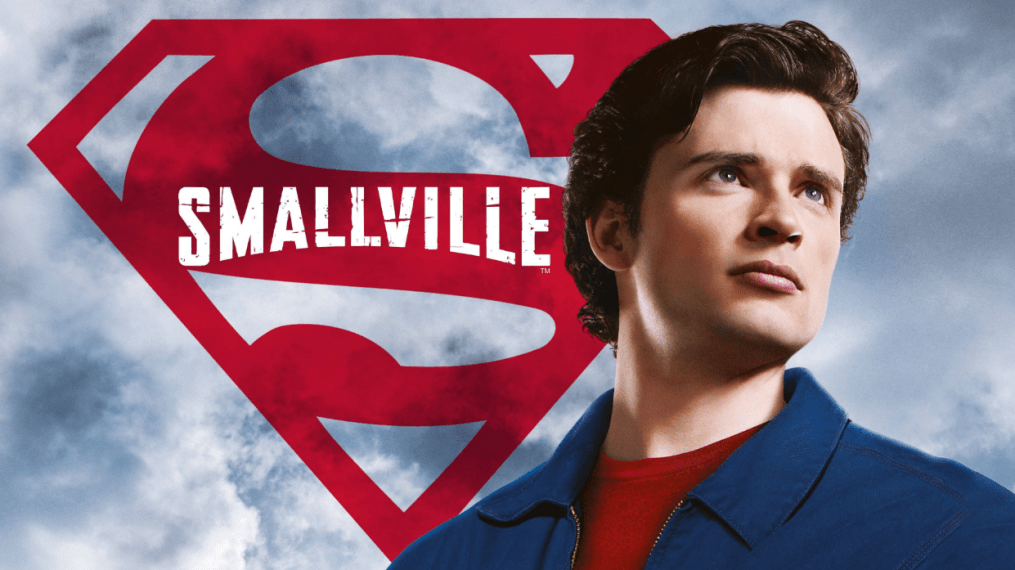
6) Smallville (2001-2011)

We go from Arrow, which spawned the Arrowverse, to Smallville, which introduced a wider audience to Green Arrow in the first place. Justin Hartley’s Green Arrow guest-starred in numerous Smallville episodes. In fact, Smallville introduced numerous DC Comics Universe characters to television viewers in the early 2000s. I’m still waiting for another actor to take on the role of Booster Gold.

Smallville’s premise wore thin for some people. The show features a Clark Kent before he becomes Superman. In fact, Smallville had the mandate “No Tights, No Flights.” Viewers had to wait a decade for Superman to make his first flight, and by that time, Smallville had seen Aquaman, Green Arrow, and even Booster Gold have a turn in full costume. Even if the “No Tights, No Flights” mandate rubbed you the wrong way, you can’t deny Smallville’s significance.
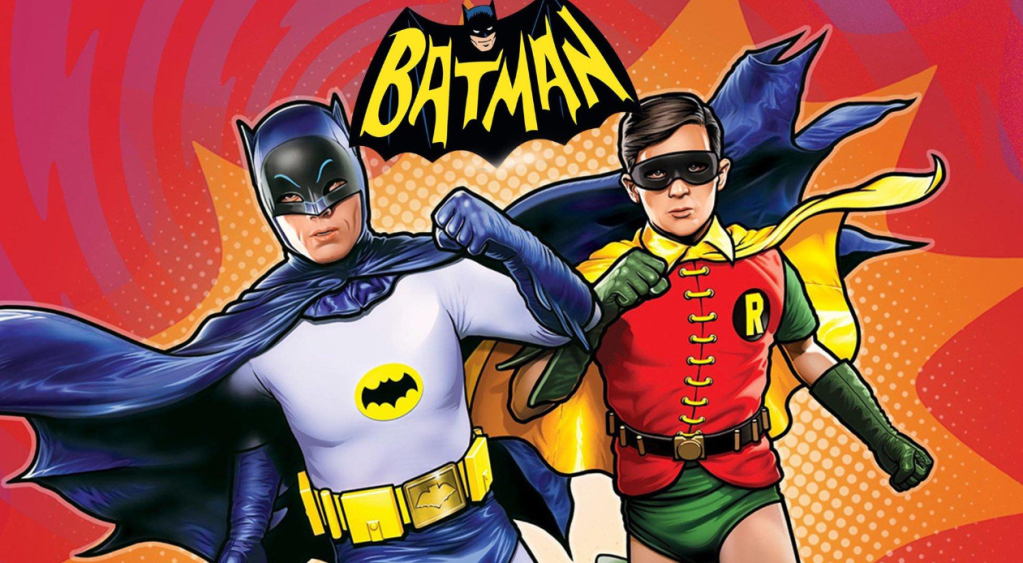
5) Batman (1966-1968)

We go way back in time for this next entry. Batman may not have aged the best, but that was never the point. Batman was pure camp. It resurrected characters in the comic book. The Riddler hadn’t been seen in a comic book since the 1950s. The 1960s Batman made The Riddler relevant. Few live-action television shows based on comic books can make that claim.

The Batman-mania of the 1960s proved there was an appetite for comic book media beyond the page. And Batman featured a lot of A-list actors. Cesar Romero, Burgess Meredith, Frank Gorshin, Vincent Price, and many others read like a who’s who of character actors. Batman rejuvenated and launched numerous acting careers. Be honest. When you saw the picture of Batman above, did you not hear Batman’s theme?
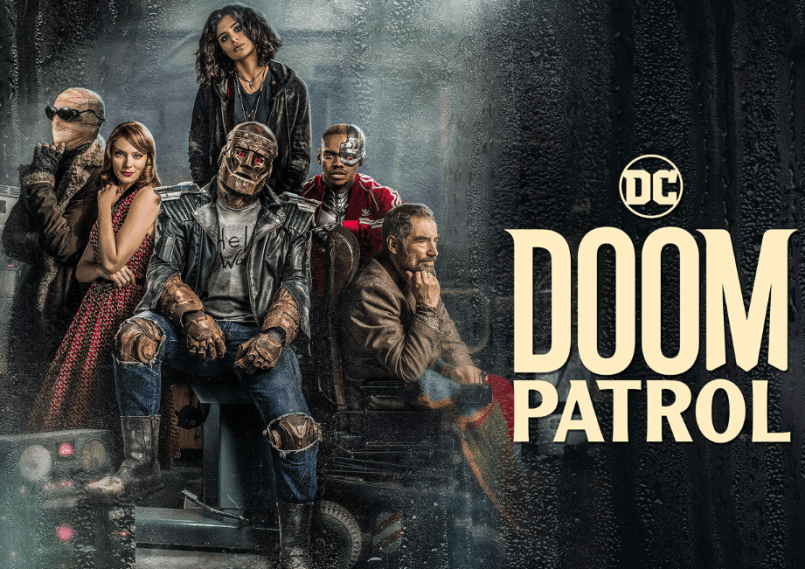
4) Doom Patrol (2019-2023)

Doom Patrol. Doom Patrol? How is Doom Patrol this high? I didn’t expect to like Doom Patrol as much as I did, but it’s easily one of the DCEU’s best projects. Doom Patrol may have released just before The Umbrella Academy, but the source material, the Doom Patrol comic book, inspired The Umbrella Academy, so that’s one of the reasons Doom Patrol makes it this high on the list.

The other reason is Doom Patrol resurrected Brendan Fraser’s career. Fraser’s turn as Cliff Steele/Robotman was fantastic. Fraser’s final scene in Doom Patrol never fails to turn on the waterworks. I bawl every time I watch it. The rest of Doom Patrol’s cast is top-notch. I like Matt Bomer in most things, and Timothy Dalton is an acting legend. But I need to give Diane Guerrero’s performance as Crazy Jane some praise. It may be a low bar, but Crazy Jane may be the best representation of dissociative identity disorder I’ve seen in a television show or movie. And I hope Joivan Wade gets another chance to portray Victor Stone/Cyborg. He was another stand-out. Everyone was. I liked April Bowlby’s portrayal of Rita Farr/Elasti-Woman. Doom Patrol is one of the few shows on this list that I’ll happily rewatch.
3) WandaVision (2021)

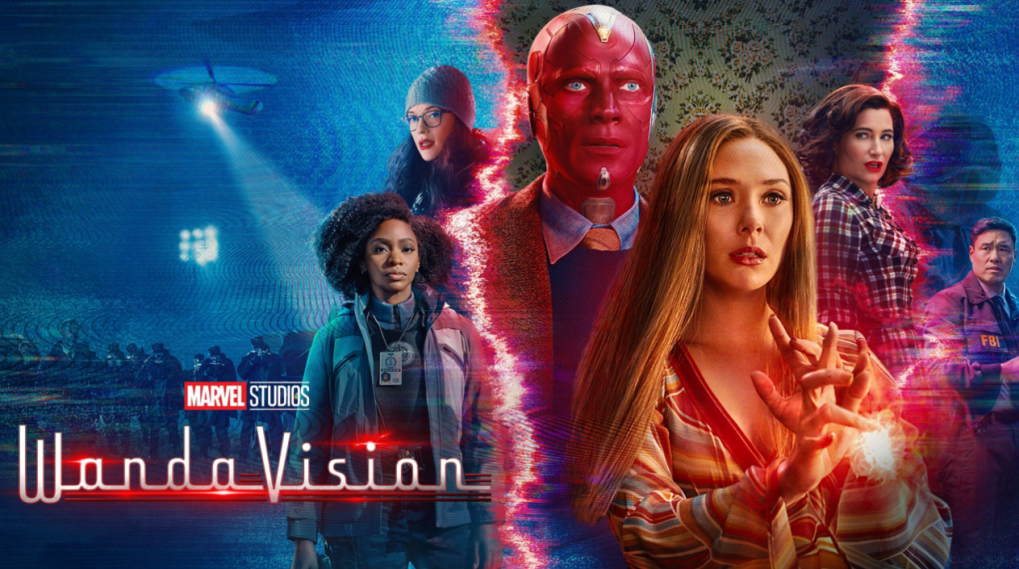
Marvel’s Disney+ shows had so much promise after they leapt off the screen with WandaVision. Sure, WandaVision is a continuation of the MCU, but the exploration of Wanda Maximoff’s mental state can’t be overstated. Kathryn Hahn had a star turn as Agnes/Agatha, and the rest of the cast was a joy. WandaVision is another show I’ll rewatch. Its use of sitcoms through the decades felt organic; it was more than nostalgia.

But there were plenty of call-outs to sitcoms and MCU properties. Evan Peters, pseudo-reprising his role as Pietro Maximoff was a nice touch. WandaVision did the source material proud. Hints of House of M (comic books) lead into Vision Quest (also from the comics), which will become another WandaVision spinoff Disney+ series. Vision Quest will mark two spinoffs to date. The first was Agatha All Along. I cringe at Wanda’s descent into madness, but I can’t look away.
2) The Boys (2019-present)

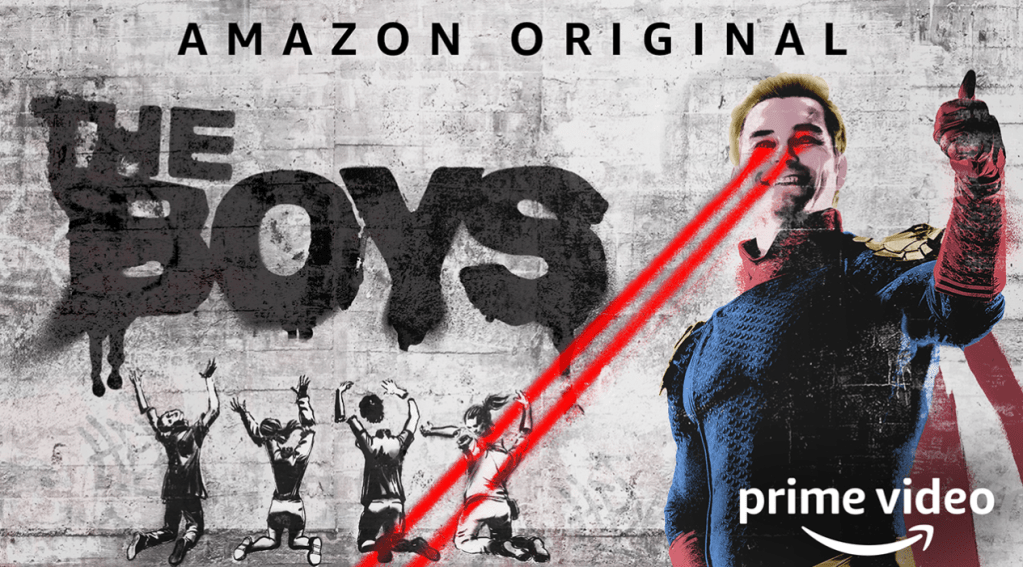
The Boys is the rare television show that’s better than its source material. The Boys comic book was okay. A bit gory and over-the-top, but okay, and let’s not get this twisted, the original comic book was written at the height of the Bush Administration, and it shows. The world has changed. The Boys television show adapted with it. And despite that, The Boys didn’t lose sight of what made the original comic book fun. That and Homelander scares the poop out of me. Seriously, Antony Starr’s Homelander haunts my dreams.

Writing on The Boys strikes a delicate balance of mixing over-the-top violence, black humor, deft plots, and character work. The Boys can be a big, dumb superhero show, but it also be a nuanced look at humanity and how we deal with trauma.
1) Daredevil (2015-2018)

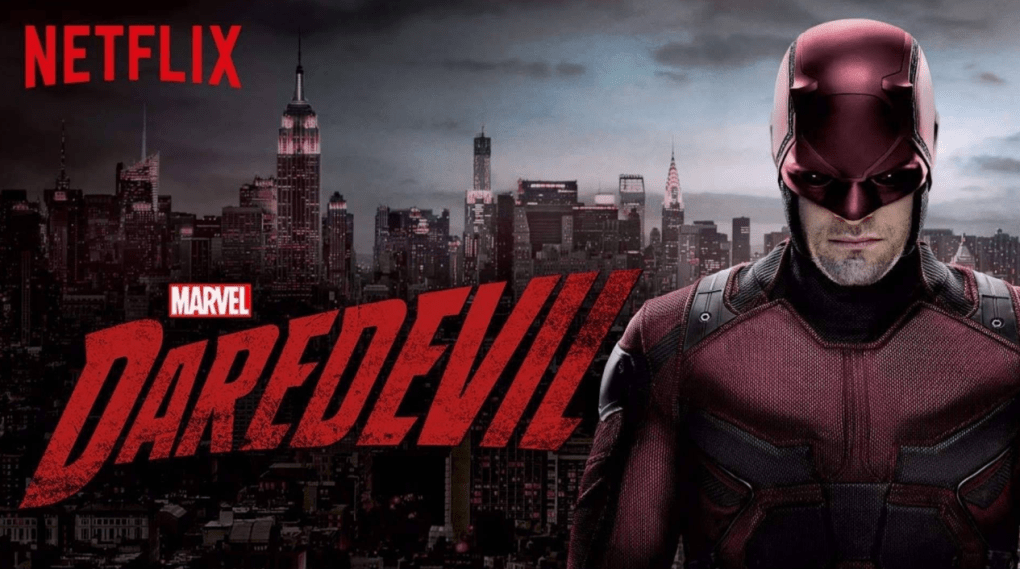
Daredevil rises above the Netflix effect to claim the top spot. I can’t believe it, but Daredevil hadn’t yet released its first episode when we posted our original Top 5 Live-Action Comic Book Shows. My goodness, Geekly’s been around for some time. Daredevil claims the top spot in part because it’s been revived and will resurrect other Netflix Marvel shows with it on Disney+, like Punisher, Jessica Jones, and Luke Cage. Except for a few moments, Daredevil’s writing was on point. Charlie Cox embodied the role so much that I can’t see anyone else portraying Daredevil. And the action sequences and filmography made me feel every punch through the screen. I’ve never felt that before or since Daredevil.

And Daredevil showcased some amazing acting. Cox’s Daredevil was fabulous, while Vincent D’Onofrio was menacing. You know what? I can’t see anyone else portraying Kingpin other than D’Onofrio. Woll’s Karen Page and Henson’s Foggy Nelson rounded out a stellar main cast. And just when I’d think Daredevil would take too many leaps by adding Bernthal’s Punisher or Yung’s Elektra or Bethel’s Bullseye, the actors would turn in character-defining performances. There’s a reason why Daredevil: Born Again was 2025’s most anticipated comic book series. It had some huge shoes to fill.

That’s our list of the top 10 live-action television shows based on comic books. I’m sure yours differs from ours. Let us know which shows you’d add or take away from this list. Thank you for reading, and wherever you are, I hope you’re having a great day.

Tabletop Game Review: Marvel United, Return of the Sinister Six

We’re back with another Marvel United expansion review. Marvel United is a CMON Games Kickstarter using the Marvel intellectual property. We’ll have plenty of chances to cover more expansions like today’s focus, Return of the Sinister Six. Geekly won’t be covering every Marvel United expansion, but we will review the ones worth your time or the ones we believe people will most likely purchase. So, you could consider the Marvel United expansions we cover as essential.

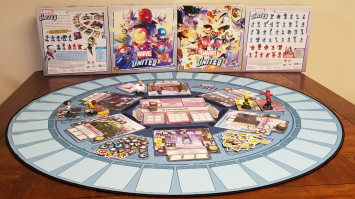
Hey, hey! Kyra Kyle here. In Marvel United, players act as iconic Marvel heroes who work together to stop the master plan of a powerful villain controlled by the game. Each villain has a unique master plan, cards that trigger various effects, and threats that make clearing locations difficult. Heroes clear missions, making the villain vulnerable, and finally take on the big bad villain before they complete their dastardly plan. Can you save the day in time? Return of the Sinister Six pits players against more than one villain at a time. With this expansion, you have the option to take on the iconic villain team The Sinister Six.

Before we get any further, we’ll take a side quest and discuss Return of the Sinister Six’s dastardly details.

Marvel United Box Close Up Board Game Review

The Fiddly Bits

Designer: Andrea Chiarvesio and Eric M. Lang
Publisher: CMON Global Limited and Spin Master Ltd.
Date Released: 2021
Number of Players: 1-4
Age Range: 8 and up
Setup Time: 5-10 minutes
Play Time: 30-40 minutes

Game Mechanisms

Cooperative Play
Hand Management
Modular Board
Solo / Solitaire Game
Variable Player Powers

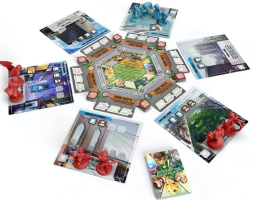
Marvel United Tabletop Game Set Up

Game Setup

We already covered the Game Setup and Game Flow in our Marvel United review (here’s a link to that review), so we’ll go over the basics in the following two sections. Let’s cover an abbreviated review of the game setup and rules.

Marvel United’s setup can change depending on which Villain and Heroes you choose to play. Each game consists of six locations. Typically, core sets have eight locations. Since Enter the Spider-Verse is an expansion, it only has six. You may choose your locations or shuffle them and choose six at random. Each Location card has spaces at the top for civilians and thugs and a rectangle with a block of text that will state “End of Turn” at the top of the box.

Place civilian/thug tokens on their matching spaces. Shuffle the Villain’s Threat deck and deal out each Threat face-up so that it covers the rectangle at the bottom of each location. You must clear this threat before gaining the “End of Turn” effect printed on a Location. Place health tokens where signified on threat cards and on the Villain dashboard. Place the three mission cards (Defeat Thugs, Rescue Civilians, and Clear Threats) face up under the villain dashboard where the text reads “Unlocked.”

Each player shuffles their hero decks and then draws three cards to form their hands. Shuffle the Villain’s Master Plan deck. Leave the Master Plan deck face down. This will be the villain’s draw pile.

Players place their miniatures on one of the six location cards, usually the centralmost location for each player (easy access). Then, they place the villain on the location card opposing the heroes.

Marvel United Game Flow Board Game Review

Game Flow

The villain(s) play first. Draw the top card of their master plan deck. The villain moves the number of spaces indicated. Resolve any BAM! Effects and these effects will be printed on a space within the villain’s dashboard. Then, place the civilian/thug tokens (if any) indicated at the bottom of the card. After all these effects are resolved, the heroes get their turn.

Heroes pick who goes first, and hero turns will continue around the table clockwise. At the beginning of each game, Heroes will get three turns before the villain receives another turn. During their turn, heroes play one card from their hand.

Resolve actions and the symbols printed at the bottom of the hero’s card in any order. The symbols at the bottom of a hero’s card will be shared with the next player, but any printed action will not be shared. Heroes will use these actions to complete missions. The game begins with three missions in play: Defeat Thugs, Rescue Civilians, and Clear Threats. Each mission card will have spaces for the tokens they require to complete. As soon as these spaces are filled, the card is discarded, and the mission is considered complete. Mission cards can be completed in any order.

After the heroes complete the first mission, the villain panics and will act (play a card) every two hero cards instead of every three hero cards. After the heroes complete the second mission, the villain becomes vulnerable to damage. The heroes can complete the third mission, but it isn’t necessary. If the heroes do complete the third mission, each hero immediately draws 1 card, increasing each player’s hand size by one.

Play continues back and forth until either the villain wins (by completing their unique master plan or anyone, heroes or villains, runs out of cards) or the heroes win by dealing enough damage to the villain after the villain becomes vulnerable to damage.

Review

Return of the Sinister Six has no heroes, locations, or challenge cards. Instead, Return of the Sinister Six doubles down with villains. You can play each villain one at a time like normal or you could face the Sinister Six as a team. Taking on the entire team at once is not for the faint of heart.

Vulture Dashboard Marvel United Guide

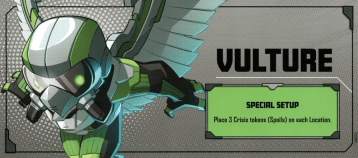
Let’s begin with the villains as individuals before we discuss the Sinister Six as a team. Vulture may be the most difficult Marvel United villain within the game’s initial run. He takes crisis tokens (Spoils) from Locations (each Location begins with 3) and wins the game if he reaches a certain number of Spoils (based on the number of Heroes). Early Marvel United characters had precious few ways of discarding crisis tokens. That’s changed a bit with the X-Men and Multiverse releases, but characters who specialize in crisis token mitigation are rare. Vulture’s abilities suggest that players must rush him. Finish the missions quickly and then bombard him with damage. This is easier said than done. Vulture has several ways of stealing crisis tokens, avoiding damage, dealing damage to heroes, and moving to the opposite side of the board. If you want a challenge, Vulture is your villain.

Doctor Octopus Marvel United Guides

Return of the Sinister Six introduces a lot of interesting game mechanism twists with its villains. Eric Lang and company stretch the limits of the Marvel United core rules with this expansion. Doc Ock is no different. He wins if he destroys 4 or more Locations. While this can be difficult for him to accomplish, the fact that the board shrinks is a lot of fun. His Threat cards lean heavily on henchmen, so you’ll see many members of the Sinister Six. Mysterio as a henchman proves particularly difficult. Doc Ock can deal damage in a hurry and the shrinking board—if the players allow the board to shrink—can make Doc Ock formidable. I like Doc Ock’s change of play and the new challenge.

Mysterio Dashboard Marvel United Guide

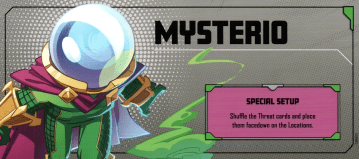
Speaking of change of play and a new challenge, Mysterio is up next. He’s the only villain in the original release that places Threat cards face down on Locations. Players must flip over Mysterio’s Threat cards (by spending any single action) and clear at least two Threats before Mysterio can be damaged. Mysterio doesn’t have a special win condition like Vulture (stealing enough Spoils) or Doc Ock (destroying 4 Locations); he makes up for this by delaying the heroes and speeding up his deck. Mysterio is the first Marvel United villain to use a speeding deck as a mechanism. He’s perfect for players who have grown accustomed to the game’s flow and timing. Mysterio can cause the game to end suddenly. I love Return of the Sinister Six’s gameplay variety.

Kraven Dashboard Marvel United Guide

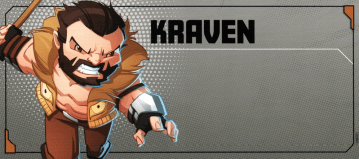
Enter Kraven the Hunter. As his name suggests, Kraven actively hunts the heroes. He wins if he KOs the heroes at the same time. This sounds difficult, but Kraven’s deck works perfectly to achieve this end. While players may be thinking of the game clock ending too soon with Mysterio or the game’s board shrinking with Doc Ock, Kraven gets the heroes thinking about self-preservation. This is a very different mindset than most other villains in the original Marvel United’s run. Kraven can even deal extra damage if a Location lacks Civilian and Thug tokens. Up to this point, players are encouraged to keep Civilian/Thug spaces empty. Kraven turns this idea on its head.

Sandman Dashboard Marvel United Guide

That gets us to Sandman who may have the most irritating ability from the Return of the Sinister Six expansion. He gains health through various means and wins if his health ever reaches 20. Thankfully, Sandman mostly focuses on soaking up damage, so players are encouraged to pick heroes who can deal buckets of damage. Even with a stellar team, defeating Sandman is easier said than done. I don’t know if I was able to defeat any villain inside the Return of the Sinister Six expansion on my first try. This leads to some excellent replayability.

Electro Dashboard Marvel United Guide

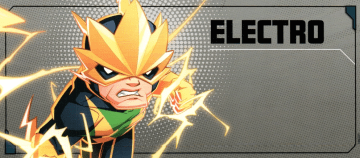
Electro may seem like the easiest villain to defeat, but he can fool you. He wins if all Locations in play have a crisis token. He has limited means with which to place crisis tokens, but Electro’s overflow ability is one of those ways, and he places a lot of Civilian and Thug tokens. It’s easy for Electro to cause an overflow. He can also deal a lot of damage. In fact, Electro has some of the highest potential damage output in Marvel United’s original run, and if Electro KOs a hero, he places yet another crisis token. Electro may sound like a lot of other Marvel United villains, but he stands out. Electro doesn’t deal damage to heroes at his Location. He deals damage to heroes in the Location opposite to his Location. This change-up gets me every time.

We’ve come to the Sinister Six as a villain team. They’re brutal. As of this write-up, I have yet to beat the Sinister Six. Typically, I write a guide for a Marvel United villain after I’ve defeated them (quick shout out to our Marvel United guides, check them out here with this link). I have yet to post a guide to the Sinister Six team. Hopefully, that will change soon.

The individual team members of the Sinister Six may have scaled-down powers, fewer hit points, and a streamlined means of defeating each one, but they play similarly to their solo villain counterparts. I got ahead of myself, let’s talk about weakening each of these villains so you can deal damage to them. Each one has a Weak Spot card, which functions similarly to a Threat Card. All the heroes must do is match the symbols on the corresponding Weak Spot card, travel to the same Location as the villain, and then deal damage.

It both is and isn’t that simple. The Sinister Six will trigger their effects, or at least the top two members listed on the Sinister Six card will. And if you think the Sinister Six members’ abilities were difficult one at a time, they’re worse all at once. Or at least two at a time. You’ll need to defeat the Sinister Six in a specific order. This is getting into guide territory. I know the order, even if I haven’t yet defeated the Sinister Six. I’ve gotten so close multiple times. Ugh!

Knowing the best order to defeat the Sinister Six doesn’t guarantee a victory. I can see the Return of the Sinister Six expansion providing me with a worthy challenge for years. If you own any of the Marvel United core boxes, I recommend picking up the Return of the Sinister Six because of its gameplay variations and increased challenge. If you’re a Spider-Man fan and own any of the Marvel United core boxes, I can’t imagine you not picking up the Return of the Sinister Six expansion. It’s a must-buy.

Marvel United The Return of the Sinister Six Miniatures Top Expansions to Buy

Verdict

Return of the Sinister Six is a must-buy Marvel United expansion, especially if you’re a Spider-Man fan. The included villains have some of the most unique game mechanisms from the original Marvel United run. The villain team provides a challenge that will shake up Marvel United for years.

And you don’t need to take my word for it. Board Game Geek (where great games and their expansions receive average scores of 6 or 7 out of 10) gives this expansion an 8.6 (as of writing this post).

DC Universe (DCU) 2025 Preview

Hey, hey! Kyra Kyle here. Geekly hasn’t covered any movies or television series recently and it’s the new year, so let’s talk about the properties being released by DC Comics Studios in 2025. Full disclosure: I haven’t purchased a Max account yet; I’m woefully behind on most DC Comics-related television series. But I plan on signing up for Max soon, and there’s plenty of a back catalog to watch. Yay!

Unfortunately, there doesn’t appear to be as much for the DCU on Max in 2025 as in 2024. Our first property on this list was supposed to be released in late 2024 but was pushed back to January 2025. Let’s see what I’ll be binging as soon as I sign up for Max.

Harley Quinn (Season 5) (On Max Starting January, 16 2025)

Harley Quinn has lasted five seasons? My goodness!

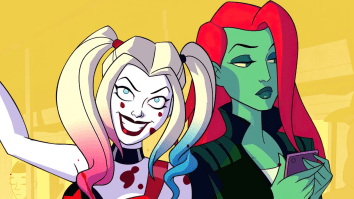
Harley Quinn looks like a show I’d enjoy. It follows Harley’s exploits after she breaks up with The Joker. She discovers who she is without Mr. J and meets a lot of Arkham’s colorful characters along the way. The cast elevates this premise even more. Kaley Cuoco (of The Big Bang Theory) portrays Harley, while long-time voice actor Lake Bell takes on the role of Poison Ivy. Throw in Alan Tudyk as the Joker, Ron (Bunches of) Funches as King Shark, Tony Hale as Doctor Psycho, and Jason Alexander as Sy Borgman, and you’ve got yourself a party.

As I said, Harley Quinn’s Season 5 was supposed to be released in December 2024. The DCU must’ve thought that would make Max’s end-of-year schedule too tight. Creature Commandos began airing on December 5, 2024. I’ll have to add Creature Commandos to my laundry list of shows to binge.

Unlike the MCU, which shows its roadmap of titles for the following five or six years (mild exaggeration), the DCU keeps its schedule a mystery. Max didn’t even announce that Harley Quinn Season 5 was pushed back. It just vanished from Max’s December lineup with no warning. Mid-way through December 2024, it popped back up with a January, 16 2025 release. This will be a recurring issue with the DCU.

Superman: Legacy (In Theaters July 11, 2025)

As of December 14, 2024, Superman: Legacy was the only 2025 DCU release with an official release date of July 11, 2025. I’ve got a second one that I know the exact release date for. XD

The new DC Universe rides on the success of its first entry, Superman: Legacy. No pressure.

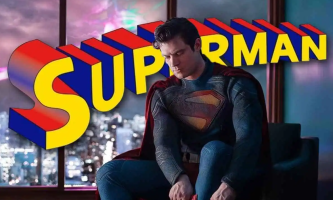
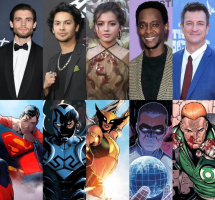
Fortunately, Superman: Legacy has a lot going for it. I trust James Gunn as a writer and director of comic book movies. Gunn used All-Star Superman as inspiration for the film. That’s another vote of confidence. (Note: Jim Plath made a Superman Starter Stories post several years ago, and All-Star Superman made his list; see what other stories made his list.) DC Studios cast a relative no-name to portray Superman/Clark Kent; I’m glad they resisted the urge to cast a big name. And the rest of the cast holds plenty of accomplished actors. My favorite may have to be Nathan Fillion as Guy Gardner. This ought to be fun.

Superman: Legacy also precedes any other major DCU release. Man of Steel followed in the footsteps of The Dark Knight (not even the first movie of the Dark Knight Trilogy) and felt as if it had to mimic the Nolanverse’s vibe. The rest of the DCEU kept that same energy for too long. I know that The Dark Knight didn’t officially take part in the DCEU, but the DCEU maintained the Nolanverse grit, whether the characters warranted it or not. Superman: Legacy is a much better choice to anchor the DCU.

I’m excited for Superman: Legacy. I hope it goes well and that the DCU can become more than an afterthought to the MCU. DC Comics has way too many great characters to be overshadowed for long. But I’m also nervous about Superman: Legacy. It needs to be a hit.

Peacemaker (Season 2) (On Max Starting August 2025)

Peacemaker Season was a huge success. Like many other titles on this list, I have yet to watch it. More binging! John Cena returns as the titular Peacemaker. Season one’s premise sounds interesting. Peacemaker joins a black ops squad, “Project Butterfly,” as it identifies and eliminates parasitic butterfly-like creatures who have taken over human bodies around the world.

Peacemaker served as a “soft reboot” for the 2021 DCEU movie Suicide Squad. Showrunner James Gunn postponed the second season because of his involvement in the Superman movie. This time, we have a month for Peacemaker Season 2’s release, and we know that Peacemaker’s second season can’t be released until after Superman in July 2025 because the events in Peacemaker Season 2 directly follow Superman. Think of this season as the bridge between the old DCEU and the new DCU. Fingers are crossed for a great DCU one-two punch.

Sandman (Season 2) (On Netflix Sometime in 2025)

We have no idea when Sandman Season 2 will be released, but it will most likely be released sometime in 2025. And there may be a good reason for this delay: Sandman writer Neil Gaiman’s allegations of sexual assault. Gaiman denies any wrongdoing. He’s innocent until he is proven guilty. I don’t want to get into detail about his legal issues here.

I don’t know exactly why Netflix has delayed Sandman Season 2’s release or given it a month for its release, but I wager it’s because Netflix wants to wait and see how Gaiman’s legal battle goes. Netflix canceled Dead Boy Detectives, another show based on a Gaiman-penned DC comic book, shortly after the allegations in July 2024, but that was because Dead Boy Detectives didn’t get enough viewers. Sandman Season 1 received plenty of viewers.

I was looking forward to Sandman Season 2, but that was before these allegations came to light. It’s difficult to separate art from the artist. It’s even more difficult to ignore allegations when (as of this writing) five women have accused Neil Gaiman of sexual assault.

Deep breath.

Let’s get back to Sandman. Despite what some viewers claimed, Sandman’s first season stayed true to the source material. Kirby made an excellent Death, likewise for Mason Alexander Park as Desire. The rest of the cast was fantastic. I didn’t think anyone could effectively pull off Morpheus. Tom Sturridge gives a solid performance. Did the first season take some liberties? Yes. But the heart of the story remained the same. Sandman Season 2 was my most anticipated DC Comics project for this year, and that includes a year with a Superman movie.

Okay. I was stoked about Superman: Legacy, too.

That’s all I have for now. Let me know your thoughts on the upcoming DCU movies and television shows. See you soon. And wherever you are, I hope you’re having a great day.