My Favorite Elements: Werewolf By Night

Hey, hey! Kyra Kyle here. We’ve reached the halfway point of Scary Season. I hope you’ve enjoyed your various pumpkin flavored food and beverages. I decided to return to the My Favorite series and this week’s post will cover the Disney+ Marvel Special Werewolf by Night. JK Geekly was on hiatus when Werewolf by Night first released, but I had a few things that I really liked about the special and would like to share them, even if it’s belatedly. Wow! This special is two years old at this point. Yikes!

First, Werewolf by Night is a one-shot special. I loved it. Marvel Cinematic Universe (MCU) properties have become bogged down by the weight of its extended world-building, and Werewolf by Night gave that storytelling a shot in the arm. It said screw it, let’s get away from the four or five annual movies that require viewers to do homework (watch hours of other content before viewing) and the Disney+ television shows that function like bloated movies and do something else. I wished the MCU continued their specials. To date, the MCU has only had one other special: The Guardians of the Galaxy Holiday Special.

I don’t know if the Guardians of the Galaxy Holiday Special tanked—Disney/Marvel doesn’t share their statistics—but it couldn’t have done that well. It played like a corny Christmas Special. So many of the actors looked as if they phoned in their performances. I got strong Star Wars Christmas Special vibes.

But getting back to Werewolf by Night and the special that should’ve begotten a series of MCU specials, it’s a shame we haven’t seen a Howard the Duck special or Deathlok special or even another one of the Midnight Suns. They could’ve brought in Doctor Strange, Ghost Rider, Iron Fist, Man-Thing, or even Blade. Moon Knight could’ve benefited from being a two-part special. It didn’t have enough story to be a series but had more than enough for a couple of specials. So many of the latter MCU television shows on Disney+ would’ve done better as specials. They’d cost less and Marvel could see what viewers wanted to watch more of. This was a missed opportunity. Werewolf by Night made me excited for new Marvel content.

Second, I liked the cinematography. I stop shy of saying that I loved it. I would’ve preferred an analog recording of the show, rather than the digital one we got with a weathered effect thrown over the top. Some moments had a touch of the uncanny valley, and they were too crisp for the feel they wanted to convey. But overall, Werewolf by Night channeled the Universal movie monsters that inspired the original comic book characters. And the choice of showing it in black and white was brilliant.

I can honestly say that I’ve watched Werewolf by Night multiple times each year around this time ever since it came out two years ago. Two years ago? Where is our Elsa Bloodstone follow-up special? My goodness, Disney/Marvel could’ve released a new special in this series every year, and I would’ve gladly gobbled it up. Some Marvel characters don’t necessitate a drawn-out series, those same characters could easily headline a special.

Third, I’m going back to Werewolf by Night as a special, but I’ll go a different route. Marvel could explore stories they would never attempt on the big screen (because they aren’t financially viable) but may be great fan-service. I mentioned Howard the Duck and Deathlok. There are countless others like Squirrel Girl or even X-Statix. If enough viewers watch the special, Marvel could find their next franchise without breaking the bank.

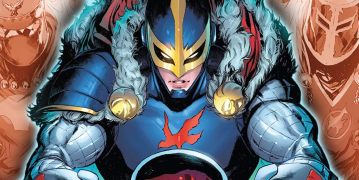
Marvel could also follow through with certain story threads like Black Knight (at the end of The Eternals) and Hercules (at the end of Thor: Love and Thunder). They could revisit these characters in the movies later, but it’s unlikely. And movies like Blade that have been in production limbo may find a quicker time getting greenlit, produced, and finished with a special. One-shot—or even two-part—specials make too much sense for Marvel to abandon. I’m left scratching my head.

What are your favorite elements of Werewolf by Night? Which Marvel specials would you like to see? Let us know your thoughts in the comments. And wherever you are, I hope you’re having a great day.

Top 5 Hulk Villains

Hey, hey! Kyra Kyle here. We’re sticking with the Spooky Season theme or at least Spooky Season adjacent with the Top 5 Hulk Villains. Hulk has an odd array of villains because he spends a large portion of his time as a monster.

But the Green Goliath has his fair share of villains. Let’s see who made the list.

5: Absorbing Man

Absorbing Man could’ve been higher on this list. He has one of the most intriguing powers in Hulk’s rogue’s gallery; he can absorb any material he touches. Think of it like a physical version of the X-Men’s Rogue’s power. But Absorbing Man functions just as much as a Marvel Universe villain as he does a Hulk villain. His origins come from a classic Thor comic and has a link with Loki. And his most notable partner Titiania has a connection with She-Hulk, so Absorbing Man could be just as much of a She-Hulk villain.

Even so, he deserves a mention on this list. After fighting Thor for several rounds, Absorbing Man gets banished into outer space. Upon his return on a comet, Absorbing Man battles the Hulk. And the two became on again, off again rivals ever since.

4: Abomination

The Abomination is a classic Hulk villain. Had this been a decade or two ago, the Abomination could’ve landed much higher on this list, maybe even number one. But a few villains have taken his spot as the Hulk’s big bad. Emil Blonsky’s villainous origin plays out similarly to his Marvel Cinematic Universe (MCU) counterpart. He started as a KGB agent and spy; he was switched to a British Royal Marine for the MCU. Blonsky subjected himself to a ton of gamma radiation and turned into scaly and larger version of the Hulk.

The Abomination is the oldest evil Hulk, but there have been other “evil Hulks” who have taken over higher spots.

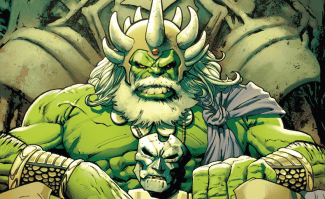
3: Maestro

Okay. Maestro is just a future version of the Hulk. But he’s one evil son of a gun. This version of the Hulk comes from the Future Imperfect timeline where the world has been rocked by nuclear weapons. Hulk is uniquely qualified to survive such a future and the horrors he’s seen have driven him mad. Maestro may no longer be as strong as his younger counterpart, but his healing factor makes him virtually immortal.

It also doesn’t hurt that the legendary comic book writer Peter David and equally legendary artist George Perez co-created Maestro and gave the character a phenomenal run in the early 1990s.

2: Red Hulk

Red Hulk is yet another evil version of the Hulk, but he’s more than that. Red Hulk started as General Thaddeus E. “Thunderbolt” Ross. Red Hulk may have debuted in 2008, making him the “newest” character on this list. But Thunderbolt Ross has been around since the very beginning. He was the father of Hulk’s long-time love interest and eventual wife Betty Ross. Thunderbolt hated the Hulk and led the military’s charge to subdue him.

Thunderbolt Ross turned himself into the Red Hulk to go toe-to-toe with the Green Giant. The Red Hulk retained Ross’s intellect and more importantly his military training, making him a force. Ross has yet to become the Red Hulk in the Marvel Cinematic Universe. William Hurt played the character until his passing. Harrison Ford will portray the character in the upcoming Captain America: Brave New World. It should be a matter of time before Red Hulk makes his MCU debut.

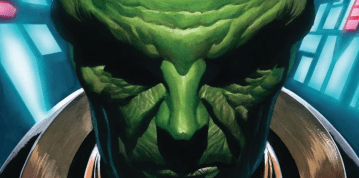
1: Leader

I may be biased, but the Leader remains the ultimate foil for the Hulk. Janitor Samuel Sterns gets turned into the ultra-intelligent Leader after exposure to gamma radiation. He develops telekinesis, telepathy, gamma ray manipulation, and can self-resurrect. He’s been a part of several major Hulk storylines, including the creation of the Red Hulk, our number two villain on this list.

The Leader is also one of the founding members of Intelligencia, a group of the greatest criminal minds on Earth. This group can affect the Marvel Universe as a whole. But the Leader works best when he squares off against the Hulk. He is the yin to the Hulk’s yang. The only villain who comes close to besting the Leader as the Hulk’s greatest enemy may be the Hulk himself.

Did we get the list right? Let us know who you would add or remove in the comments. And wherever you are, I hope you’re having a great day.

My Favorite Game Mechanisms: Horrified

Hey, hey! Kyra Kyle here. We haven’t done a My Favorite segment for a tabletop game in a while and this month may be the best time to discuss Horrified, a cooperative board game where players try to slay, free, or contain famous monsters. By this point, Horrified has covered Universal movie monsters, American cryptids, and Greek mythological creatures. The monsters may change but the concept remains. I could choose quite a few game mechanisms as my favorite, but I may have to go with each monster’s character.

Horrified does a great job of conveying who most of these monsters are. Frankenstein’s monster and his bride need to be taught how to be human and be shown love. The elusive Big Foot wants to be left alone. And the heroes must return Cerberus to the gates of Hades. Each monster has their own flavor, their own character. And for the most part, Horrified captures the essence of these monsters.

Like many cooperative games, Horrified can unravel at times. Something spawns in an inaccessible place at the worst possible moment or the opposite occurs, and everything becomes super easy because luck favors the players. But despite the luck of the draw (literally, you draw tokens from a bag), Horrified always gives each monster their own feel. Usually, the folks at Prospero Hall (the designers who made the game), capture what makes these monsters/creatures/cryptids who they are and each monster functions as its own mini puzzle.

Horrified builds on the tradition of games like Sentinels of the Multiverse. It could’ve given players their own unique powers and kept it at that but chose to grant the antagonists their own powers. But it goes deeper than older games. Most of these monsters seem real. The aforementioned Big Foot will run away from our heroes. The Yeti only wants what’s best for their little ones. Many of these monsters are more than mindless, well, monsters. And even the ones who could be categorized as mindless have a distinct goal they wish to accomplish.

Of course, there are other great elements and how these elements weave together makes Horrified a great game for spooky season. Every round a card is drawn that will seed the board with items, potentially bring in civilians, and inform the monsters what they’ll do. It’s a simple and elegant system that requires minimal upkeep from turn to turn. And the monsters will act after each player’s turn. Whenever the deck runs out, the monsters win. The heroes win if they can satisfy each of the monster’s mini puzzles.

So good. If you have the chance this Halloween, give Horrified a try. Board game cafes are a great way to test drive a tabletop game. Many local game shops will have demo copies of games as well. And of course there’s always board game conventions.

What are your favorite elements of Horrified? Have you ever played a game without making monster noises? I haven’t, even when I play a solo game. Let us know your thoughts in the comments. And wherever you are, I hope you’re having a great day.

October Check In

Hey, hey, folks! Just checking in with another personal update. It’s been a month since the last update. JK Geekly has been going strong this past month. We even have a couple of new writers for the site. Yay!

Marvel United Guides

We started a new guide series. This time we made one for Marvel United. I still plan to release a 3 Lists of 3 Board Games for my mom’s birthday. She would’ve been 74-years-old on November 4th, and Marvel United will feature in that post. The game has easy enough rules to learn and remember with a lot of little tweaks for each villain to make each one unique. And Mom loved the Marvel Cinematic Universe. I could’ve seen us recreating MCU moments through Marvel United.

Whistlestop Pets Logo

I’m still waiting to hear back from the tabletop game publishers about my submissions. We’re nearing the window of when I could hear back from them. Fingers crossed.

I continue to refine my other games. Some are getting closer toward being ready to submit. Others a little more stubborn.

National Novel Writing Month (NaNoWriMo) occurs next month. I don’t agree with a lot of what NaNoWriMo has done the past year or so. It’s been one scandal after another. But I will participate outside the confines of the site and organization. I belong to a couple of writing groups. If you’re in the southeast corner of Nebraska, feel free to say hi.

I may even hear from the literary agent looking over Crooked as a Dogwood during NaNoWriMo. A good rule of thumb is three-six months. Mid-November will be the three-month mark. Hopefully, I won’t have to wait until Valentines Day.

I’ll keep making new posts and busying myself with my next novel, while trying not to dwell on the multiple projects I have out for review. I appreciate everyone who has spent time and who does spend time reading these posts. Thank you!

That’s all I have for this month’s personal update. This may become a monthly thing. We’ll see.

I hope that wherever you are, you’re having a great day.

~ Kyra

Top 5 Batman Villains

Hey, hey! Kyra Kyle here. We’re kicking off spooky season a little late with a Top 5. The Top 5 Batman Villains to be exact. I struggled with whether to include The Joker and call it the Top 5 Batman Villains Not Named The Joker. But I decided to keep the Joker and add a sixth, honorable mention villain. The best of both worlds? This sixth villain is someone who wouldn’t have made the list. Eek! Batman has so many great villains. Let’s get started.

6: The Riddler

Yep. The Riddler almost didn’t make the list. This doesn’t mean that he’s a poor villain. It doesn’t mean that any of the villains you don’t see on this list are poor villains. I may have to make a Top 5 Underrated Batman Villains at some point. Let me know yours in the comments. Batman has a stacked rogues gallery.

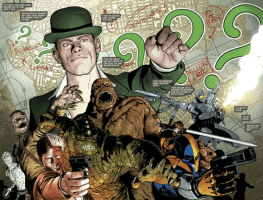
Back to the Riddler. The Riddler began as a joke villain. TV executives even modeled the vibe of the 1960s Batman series starring Adam West from a Batman comic book cover that featured the Riddler. He’s been reimagined so many times that the Riddler has become a formidable foe. He got a little drip from the Batman: The Animated Series. He’s still one of my favorite villains from that cartoon series. “The War of Jokes and Riddles” is a must read if you’d like to see the Riddler portrayed as Joker’s equal. But the Riddler’s best story may come from Batman: Earth One, Volume Two.

Batman: Earth One shows a newer Batman navigating Gotham’s underbelly. The Riddler from Volume Two does a lot of Riddler schtick. He asks riddles of Batman and states that if Batman doesn’t solve the riddle in time, he’ll detonate a bomb killing hundreds. Batman solves the riddle in time because he’s Batman. But the Riddler detonates the bomb anyway. This isn’t your typical Riddler.

5: Two-Face

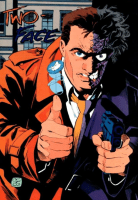
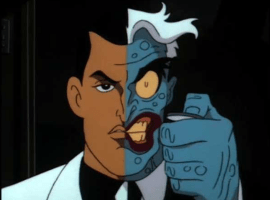
Two-Face has always been a layered Batman villain. He started as one of Bruce Wayne’s good friends and lost touch with reality after a criminal threw acid on the left side of his face. He’s another great villain from the Batman: The Animated Series. His two-part origin story in that series was fantastic and worth a watch. Aaron Eckhart’s portrayal of Harvey Dent was one of the most underrated elements of 2008’s The Dark Knight. But I’d have to go with the source material and 1990’s “The Eye of the Beholder.”

“The Eye of the Beholder” may sound familiar to fans of Batman: TAS. Commissioner Gordon and Harvey Dent form an alliance with Batman to rid Gotham of crime. Little do Gordon and Batman know, Harvey suppresses a second personality. “The Eye of the Beholder” does a great job of diving into Dent’s psychology and is well worth the read.

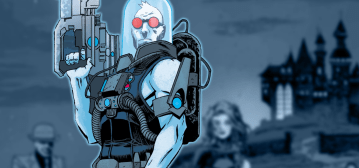
4: Mr. Freeze

Like the Riddler, Mr. Freeze began as a gag character. He used the name Mr. Zero at first and the 1960s TV show portrayed him like he appeared in the comics. Wild! It took Batman: The Animated Series to reimagine into the Mr. Freeze we know today. Mr. Freeze differs from most Batman villains. He isn’t crazy. He just wants to save his cryogenically frozen wife and will do so by any means. Tim Hill had a great Mr. Freeze story that took a different turn for the villain; he was a victim of Batman’s abuse. But I’d go back to the Batman: TAS classic episode “Heart of Ice” as a go-to Mr. Freeze story.

“Heart of Ice” earned a well-deserved Emmy. It’s the story that transformed Mr. Freeze from a gag villain into the tragic one we know today.

3: Bane

Bane not only matches Batman in brawn, but he can also go toe-to-toe with Batman on an intellectual level. That makes Bane’s inclusion in 1997’s shlocky Batman & Robin even more reprehensible. Tom Hardy’s turn as the villain in 2012’s The Dark Knight Rises gets closer to who the villain is. In the comics, Bane grew up in a prison, atoning for the crimes his father had committed. While in prison, he honed his body and mind. Tim Hill’s run on the Batman featured Bane as the main villain, but I’d go with the classic Batman: Knightfall story as starting point for Bane.

Batman: Knightfall features the moment that Bane “broke the bat.” He raises Batman up and breaks him over one knee, leaving Batman a paraplegic. This story will sound familiar to anyone who’s seen The Dark Knight Rises. This story element appears prominently in the film.

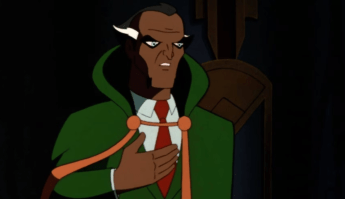
2: Ra’s Al Ghul

Ra’s Al Ghul translates to “Head of the Demon.” He’s another Batman villain who differs from most of the rest in that he believes his actions are just. Ra’s wants to save the planet and attain a perfect environmental balance by eliminating most of humanity. Marvel’s Thanos would borrow more than a little of this mentality. The Lazarus Pits he uses keeps him virtually immortal. Yet again, Batman: The Animated Series does a great job showcasing Ra’s Al Ghul’s origin. But I would turn again to the source material.

Ra’s Al Ghul first appeared in Batman #232 “Daughter of the Demon” and the story plays out almost exactly as Batman: TAS. So, never mind. I guess you could watch the show instead.

1: The Joker

I spoiled this one. I can’t see a world without the Joker as Batman’s ultimate villain. The Joker may be the greatest villain in all of comics. He needs no introduction. There have been numerous actors who have given powerful performances as the Joker. Joaquin Phoenix and Mark Hamill embodied the Joker in one way or another. I’ll always have a soft spot for Jack Nickolson’s Joker, even if he did venture from the characters a bit. John DiMaggio took the Joker to a gritty place with his vocal performances. But Heath Ledger’s Joker still takes the cake.

The Joker has too many great comic book stories to mention here. I could do a Top 5 of these stories. I’ll rattle off a few: “A Death in the Family,” “The Laughing Fish,” “Joker’s Five-Way Revenge,” “Batman: The Man Who Laughs,” and of course, “The Killing Joke.” The Clown Prince of Crime reigns supreme for a reason.

Did we get the list right? Let us know in the comments. And wherever you are, I hope you’re having a great day.

MCU X-Men Theories

Hey, hey! Kyra Kyle here. I have some thoughts and theories on what the Marvel Cinematic Universe (MCU) should do with the X-Men. I already shared a few thoughts in a previous post for Deadpool & Wolverine, but let’s dive deeper into what the MCU’s first X-Men movie should look like. There may be some spoilers. Consider yourself warned.

I’ll break this down into two parts: heroes and villains. The stories the first movie could pursue will depend on the characters. I’ll mention some of these potential stories. Hopefully, I don’t ramble too much.


Heroes

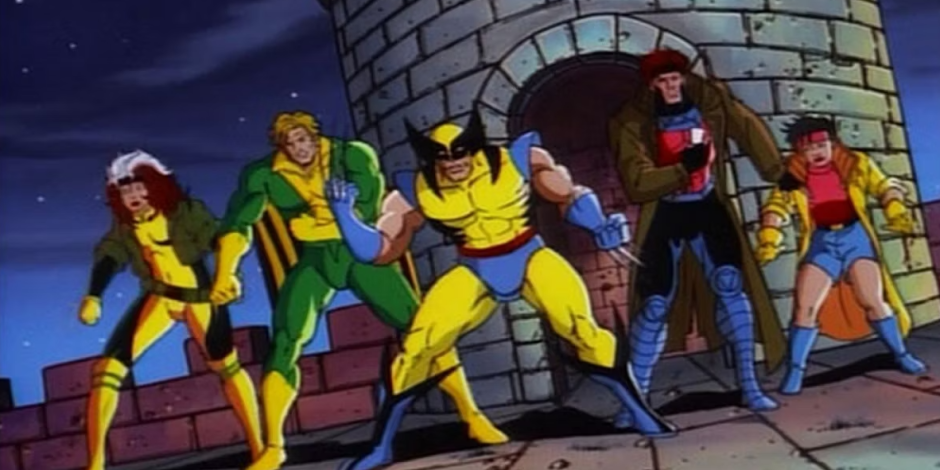
The easiest road the MCU could take is using the original X-Men: Professor X, Jean Grey, Cyclops, Beast, Iceman, and Angel. Some comic book fans will rejoice. But I don’t know if casual X-Men fans or fans of the 90s cartoon will get as much out of the original X-Men. And Disney/Marvel promised that the MCU’s X-Men will resemble the X-Men 97 cartoon.

Just because the MCU uses the original X-Men doesn’t mean that they must tell a team origin story. They could, but the story structure that helps most non-comic book X-Men projects revolves around an established X-Men team with a new member joining the group. And that’s what I propose.
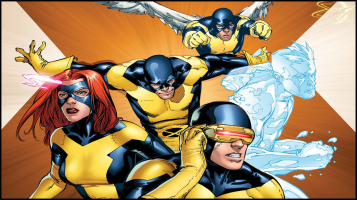
And that premise leads me to lump certain members into specific groups: senior members, established members, and the potential conduit character. Senior members are the leaders. Established members have seniority but don’t lead the team. And the conduit character is the new member (not necessarily young) who also functions as the audience’s point of view. The X-Men have a huge roster to pull from. I kept the movie’s cast to nine with one possible inclusion/honorable mention.

So, there are a lot of big names that didn’t make the cut, let’s look at some notable exclusions.

Notable Excluded X-Men
Wolverine

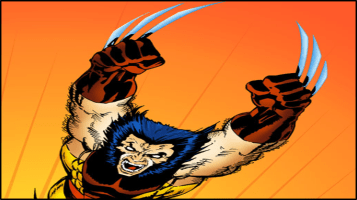
Rip off the Band-Aid. Wolverine sucks the oxygen from every room. The Fox movies depended on Wolverine’s box office draw. Wolverine’s importance to the Fox X-Men movie franchise was even the inciting incident for Deadpool & Wolverine. Wolverine can’t show up in the first X-Men; no one will care about any of the other characters. Wolverine should get a brief, and I mean super brief, cameo or even a teaser. Perhaps in the mid or post credits scene.

Beast

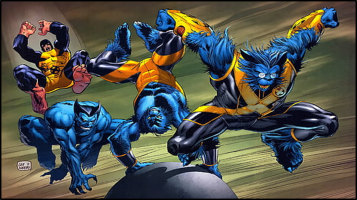
This one hurts. I like Beast a lot, but in the context of the team I’d like to see first, he’s best suited with staying in the lab and getting a cameo.

Colossus

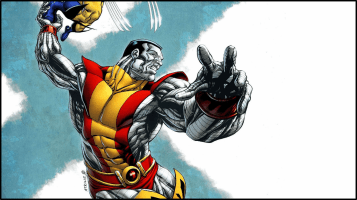
Another fave. Colossus, like Beast and Wolverine, could receive a cameo, but shouldn’t appear in the film for very long.

Senior Members
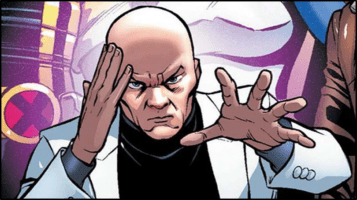
Professor X

Charles Xavier began the X-Men. The only way he doesn’t make the MCU film is if the writers explain his absence. Too much work. Just include him.
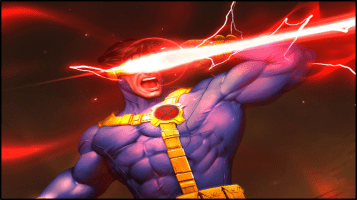
Cyclops

Scott Summers got a raw deal in Fox’s X-Men film franchise. He unceremoniously died at the beginning of X-Men: The Last Stand and had a limited role in the previous two films. James Marsden could’ve made a great Cyclops; he looked the part. He just didn’t have enough to do. Omitting Wolverine and some other fan favorites could give Cyclops some much needed attention. And the new X-Men film should have plenty of romance.

Jean Grey

Speaking of romance, Jean and Scott’s relationship can have the space to take off with a reduced cast (or at least a focused cast). Complications to this relationship can and should occur, but the 90s cartoon leaned too heavily on the Scott-Jean-Wolverine love triangle. Jean!!! Let’s see some different bumps in the road.
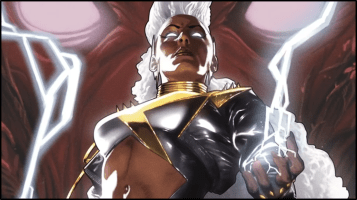
Storm

Ororo Monroe is badass. She also has a link to Marvel’s Black Panther. Canonically, she’s married to T’Challa. Shuri taking her brother’s place could put a wrinkle in that, but Storm has had lesbian lovers in the past (specifically Yukio—yes, the same Yukio Deadpool says hi to in the movies). But the romantic options don’t stop there. Storm has been linked with Doctor Doom, Cyclops, Wolverine, and Forge. There are plenty of options for Storm’s love life to reach soap opera levels.

Established Members
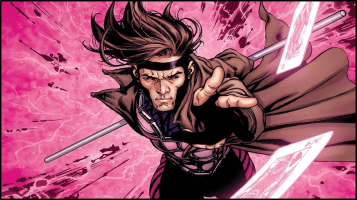
Gambit

I liked Channing Tatum as Gambit; he gave a fun, memetastic performance. But if Gambit intends to romance Rogue, Rogue shouldn’t be in her early to mid-twenties. And if you don’t have Gambit putting the moves on Rogue, why include him? Fans have waited for a proper Gambit to make the big screen, and Tatum didn’t disappoint. If he’s our Gambit, who’s our Rogue.

Rogue

Fans have also wanted a more comically accurate Rogue. Anna Paquin gave a good performance in the Fox films, but Rogue as the conduit character was both good and bad. It was good because Rogue’s power can seem like a curse. But Fox aged her down to the point where she could only have high school love interests.

Oddly enough, Anna Paquin could reprise her role as Rogue. Paquin is more appropriate age for the character now than when she was originally cast. While Tatum’s age could be an issue (for a younger Rogue), Magneto would be an even greater one. A Gambit-Rogue-Magneto love triangle often occurs. We gotta see an ill-fated Rogue-Magneto romance on the big screen at least once.

Possible Conduit Characters
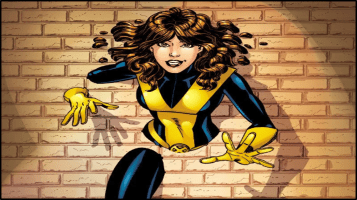
Kitty Pryde

Kitty is the classic X-Men conduit character. Readers saw the futuristic world through her eyes in “Days of Future Past.” She was also the point-of-view character during the 80s cartoon pilot, Pryde of the X-Men. Even if Kitty isn’t the conduit character, she should be included. The same will be true of the other characters in this group.

Elliot Page, like James Marsden, gave a good performance in the Fox movies but had little to do. This version of Kitty should explore her infatuation with Colossus, and Kitty should show her disgust when first meeting Nightcrawler. It takes time, but Kitty discovers that she has more in common with Nightcrawler than Colossus, and the two of them form a deep connection.

Nightcrawler

Kurt Wagner makes this list, too. Nightcrawler is one of the few mainstream X-Men who can’t hide his mutation. As such, humans’ hatred of mutants could play a huge role in any story where Nightcrawler is the conduit character. Non-comic book X-Men project have never done this before (to the best of my knowledge). Nightcrawler also tends to skew toward the religious and that opens the door for so many interesting storylines.
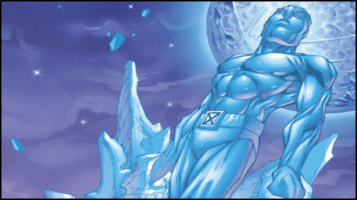
Iceman

If the MCU wanted to make the original X-Men their first X-Men team, Bobby Drake would serve as the conduit character. Iceman represents something else that no other non-comic book X-Men project has done to date: make a member of the LGBT community the conduit character. Iceman is bisexual.

Bobby has had plenty of love interests. Emma Frost could be interesting, likewise with Mystique but in a very different way. But the two that make the most sense are Romeo and Pyro. Romeo is an inhuman. The Inhumans had a short-lived TV series and if the MCU wanted to reintroduce the Inhumans, Romeo could be a good choice. Pyro’s fire abilities could pair well visually and narratively with Bobby’s ice, and it’d be a great way to introduce the Brotherhood.

Honorable Mention

Changeling/Morph

Morph could replace one of the other X-Men or perhaps squeeze in as a tenth member. Professor X may need to be in the movie, but he can have a smaller presence. Morph is another potential conduit character and another member of the LGBT community (nonbinary). Morph can shapeshift, so they give X-Men plenty of chances for cameos.

Villains

Just like the heroes, I have a few notable X-Villains who should probably not show up in the first MCU X-Men Film.

Notable Excluded X-Villains
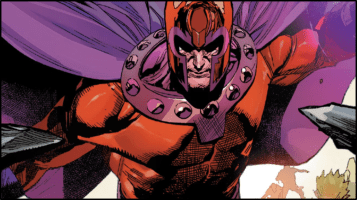
Magneto

Magneto may be best served as a mention or cameo. Like Wolverine, Magneto can steal focus.
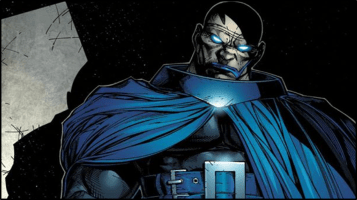
Apocalypse

It’s too soon to include him. Apocalypse makes for a poor first X-villain; he’s someone the MCU should build toward.

Mister Sinister

Likewise for Mister Sinister. Fox teased Mr. Sinister for years. The group running the facility in the New Mutants was named Essex, as in Nathan Essex (Mr. Sinister’s given name). But I’d like Mr. Sinister to get a real build before we see him on the big screen. I do like the idea of Mr. Sinister working behind the scenes. We could, and probably should, catch glimpses of him. Better yet, an Easter egg like the New Mutants.

X-Villains
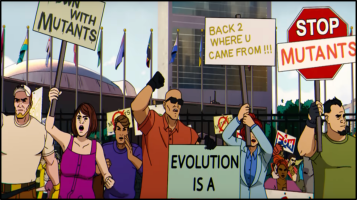
Humans/Sentinels

So many of these stories and the villains within these stories hinge on who is the movie’s conduit character, but humans can be present with any conduit character. Nightcrawler has the strongest case for humans, but bigotry is something that always plays a role in X-Men stories. But which specific humans should make the list? Let’s talk about a few.
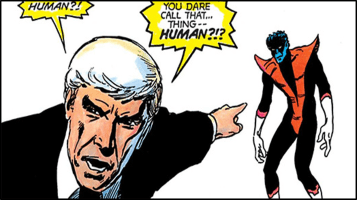
Boliver Trask invented the sentinels. If you include the sentinels, include Trask. Friends of Humanity founder Graydon Creed makes another good starting point. Creed also has a connection with Sabretooth and Wolverine. Religious zealot William Stryker works as a good sounding board for Nightcrawler’s beliefs; it could lead to some great philosophical discourse. And Henry Peter Gyrich has served several government agencies. Gyrich has had connections with SHIELD and could introduce something like a Mutant Registry.
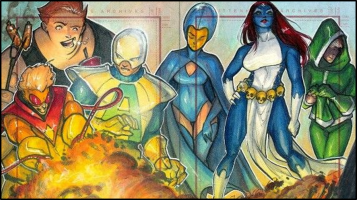
Brotherhood of Evil Mutants

If Bobby Drake dates Pyro, include the Brotherhood. But any other conduit character could work with the Brotherhood as the main villain. The Brotherhood serves as an ethical alternative to the X-Men. Don’t agree with Professor X’s mission statement? Join the Brotherhood. Many characters have been a part of the Brotherhood. Even Scarlet Witch and Quicksilver got their start here.
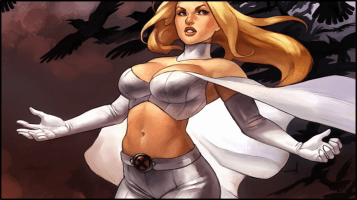
I’d keep the group small with characters who haven’t been used much in recent years: Pyro, Blob, Avalanche, and Toad. The team must have a leader. Mystique could work; she has connections with Nightcrawler and Rogue, but Mystique has also shown up a ton. If Morph does make the X-Men’s first movie, don’t include Mystique at first. Emma Frost hasn’t seen the screen as much and would be my preference. As a telepath, she can give Professor X and Jean a run for their money. And Frost also has ties with the Hellfire Club.
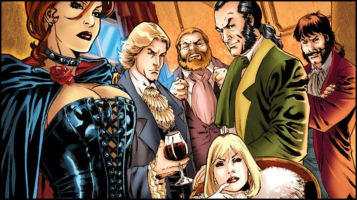
The Hellfire Club

Sebastian Shaw and Emma Frost made a great one-two punch in X-Men: First Class. That’s a positive and a negative. The MCU could recapture the magic with the next X-Men film. Or it might be too soon, and they should wait to introduce the Hellfire Club. That said, the MCU can’t introduce the full group. We’re talking an entire chess set of characters. White and black kings and queens and bishops and the like.

Still, the MCU could introduce one or two key members of the Hellfire Club in the first movie and wait to introduce the full roster in a future movie. If the MCU does that and waits to introduce Wolverine, Wolverine could be available in that future movie, and fans could see a big screen adaptation of one of the X-Men’s greatest fight sequences.
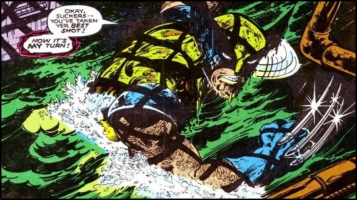
This early battle cemented Wolverine’s reputation as “The Best There Is At What I Do.”

Full disclosure: Jean Grey premieres as Dark Phoenix in the story arc that includes this combat sequence, and I don’t think the MCU should touch the Dark Phoenix Saga yet. But the MCU also doesn’t follow the comics beat for beat, so we could see the fight sequence accompany a different story.
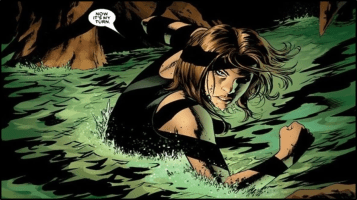
If Kitty Pryde is the first movie’s conduit character, the Hellfire Club could make a lot of sense, too. An alternate Kitty (from Astonishing X-Men) strikes Wolverine’s pose before she takes on Emma Frost.

Juggernaut

Keep it simple. If the goal of the first movie is to introduce the X-Men, Juggernaut ties into Professor X’s past and he’s a classic villain. He also has more going on than most casual viewers know. But the reason why I say to keep it simple is that casual viewers know Juggernaut and the story doesn’t have to venture too far beyond the X-Mansion. Juggernaut has a knack of seeking out the X-Men.

Marvel Background Image

Closing Thoughts

The next leg of the MCU is titled The Mutant Saga. A lot rides on the MCU’s first X-Men movie succeeding. And Marvel could do with a little going back to basics. That could mean the Original X-Men team or using the formula that’s worked in several previous X-Men projects. But those are my thoughts on the X-Men. Feel free to share yours in the comments. And wherever you are, I hope you’re having a great day.

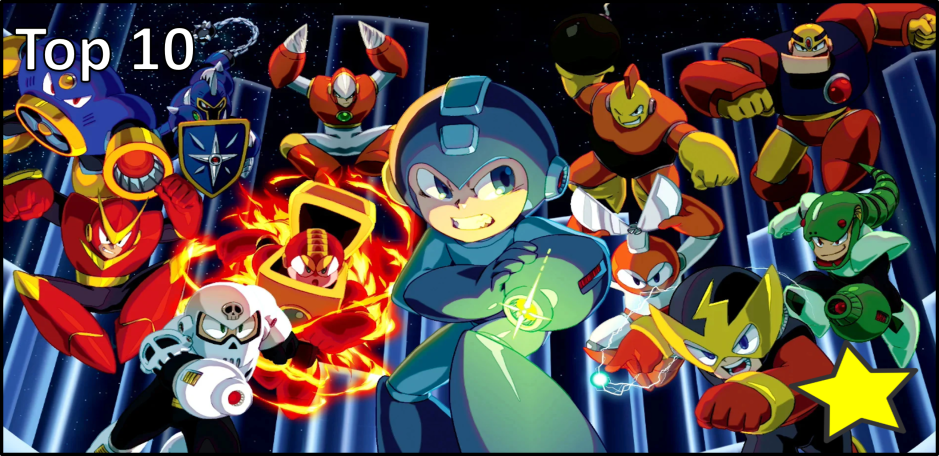
Top 10 Worst Origins for Mega Man Robot Bosses

Hey, hey! Kyra Kyle here. We’re taking a break with the Top 5 Tabletop Games through the years and decades and taking a detour with Mega Man. This list will try to pin down the ten worst Mega Man Robot Boss origins.

Some of these origins will be humorous or downright silly. Others may be tragic. Mega Man robot boss origins run the gamut of both origin types. So, let’s start with the sometimes sad, sometimes weird origins of Mega Man Robot Bosses.

Pirate Man Mega Man

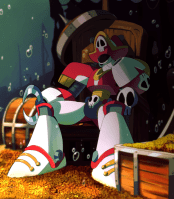
10: Pirate Man

Companies made most if not all Mega Man Boss Robots to serve functions one might need like snow rescue (snow-themed robots like Ice Man) or construction robots (like Guts Man). Why did a company manufacture a robot specifically for piracy? Furthermore, why did that company name him Pirate Man? And why didn’t another company call them out on making a robot named Pirate Man?

Pirate Man? I’m sure that’s legit.

Bright Man Mega Man

9: Bright Man

Scientists created Bright Man so he could illuminate dark places. He’s a flashlight, a sentient flashlight.

Magic Man Mega Man

8: Magic Man

Magic Man was a traveling magician. Unlike most of the Mega Man Robot Bosses, Magic Man wasn’t turned evil. He chose to join the dark side so he could show off. Never trust a magician.

Blade Man Mega Man

6: Blade Man

Blade Man was a tour guide. A shocking number of Mega Man Robot Bosses started off as tour guides. Blade Man guided people through a castle filled with swords and he himself was a sword.

No one saw Blade Man turning evil. They didn’t see him as a threat, even though he’s a literal weapon.

Time Man Mega Man

5: Time Man

Time Man is a time machine. That always goes well. No further notes.

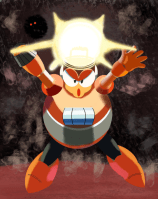
Magma Man Mega Man

4: Magma Man

Magma Man was a production plant safety inspector. My father had an adjacent job, but the last I checked, he wasn’t made of molten lava like Magma Man.

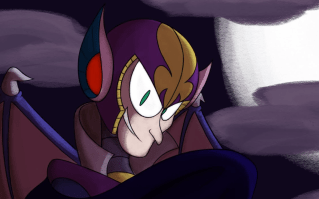
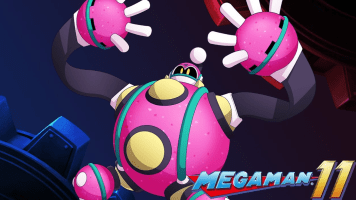
Shade Man Mega Man

4: Shade Man

Someone saw a creepy animatronic ghost in the corner of an amusement park and thought, that creepy ghost should have sentience. What could go wrong?

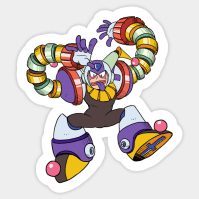
Clown Man Mega Man

3: Clown Man

Clown Man runs around, acts a fool, and never tires. Kids cry whenever Clown Man works a birthday party. What could possibly go wrong? Turns out. Everything. This is a Joker who can live forever. Great.

Torch Man Mega Man

2: Torch Man

Torch Man was another tour guide, and he gave tours in national forests. Torch Man was the Mega Man universe’s version of Smoky the Bear, only he’s on fire. He’s constantly on fire. I assume his slogan was, Only I can cause forest fires.

Bounce Man Mega Man

1: Bounce Man

Bounce Man’s first job was as a Crash Test Dummy. That may not sound bad, he’s a robot after all, but all Mega Man Robot Bosses are sentient. Which means these robots feel pain. Some jerk scientist thought why not make a robot used for smashing into things at hundreds of miles per hour capable of feeling pain.

You know what. I could see someone creating a robot like Bounce Man. Humans can be the worst.

Did we get the list right? Let us know in the comments. And wherever you are, I hope you’re having a great day.

My Favorite Storytelling Elements of Breaking Bad

Hey, hey! Kyra Kyle here. Like I said a few weeks ago, I’ve sprinkled in new posts with the old stuff, but we’re running out of the older posts. This one’s about Breaking Bad and my favorite storytelling elements from that show may be our final older post. Yay!

There are so many places to go in terms of storytelling elements that work in Breaking Bad. The characters grow and change over time. The strong narrative stayed on point, tension increased during each show, it explored concepts of storytelling, and didn’t over stay its welcome like other popular shows during its run. Despite the show’s groundbreaking nature, one of my favorite storytelling elements of Breaking Bad is the show’s adherence to a famous storytelling precept: Chekhov’s Gun.

Essentially, Chekhov’s Gun states that every element in a story must be necessary, irrelevant elements should be removed, and no element should appear to make false promises. Everything must have a purpose. Chekhov used a gun for his analogy. If a gun is mounted on the wall during a play’s first act, it must go off in the second act. Otherwise, why have the gun?

I’m all for subverting traditional storytelling precepts, but there is a reason they exist, and storytellers should know the time and manner to subvert these practices. Readers and viewers will assign meaning to something a storyteller shows them. The more elements a storyteller shows that don’t matter, the more likely they’ll lose their audience because their audience will start assigning meaning to things that don’t matter. The best example of a Chekhov’s Gun fail is Star Wars: The Last Jedi.

The bit of dialogue in the previous Star Wars film (The Force Awakens) concerning the origin of Rey’s lightsaber dubbed it Luke Skywalker’s and his father’s before his. This suggest that Rey is part of the Skywalker bloodline. If she was Luke’s former pupil (a popular fan theory prior to The Last Jedi), the line could include Luke, but not his father. If Rey had no connection at all to the Skywalkers, then don’t mention the Skywalker name.

Okay. Let’s get back to Breaking Bad and how it uses and subverts Chekhov’s Gun.

Breaking Bad is brilliant at assigning meaning to elements it shows. Viewers may find an odd camera angle that brings an electrical outlet into the forefront. Don’t worry there’s a reason to show said electrical outlet. A bit a dialogue that feels like it should be throw away banter will make an impact later in the episode or series. Why are they beginning an episode with a crawl space? There’s a reason. Even a Roomba has purpose.

But Breaking Bad subverts Chekhov’s Gun as well. Up to this point I’ve stayed as vague as I could. I’ll try not to spoil anything with this next example, but it’s difficult not to with this type of write-up. Consider yourself warned.

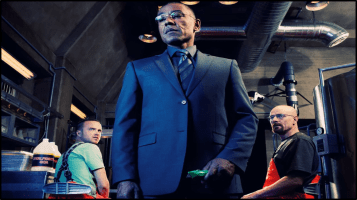
Let’s talk about the Ricin Incident of season 4. We’ll start with a rundown of what happened. Walter White plans to have Jesse give Gus a ricin-laced cigarette. Walt chooses the nerve agent ricin because it’s difficult to detect. Jesse chooses not to poison Gus because he doesn’t trust Walt at this point and has grown closer to Gus. Later, Brock (the son of Jesse’s girlfriend) falls ill from an unknown cause. Jesse finds that he had lost the ricin cigarette and blames Walt for giving the poison to Brock. Walt convinces Jesse that he couldn’t have poisoned Brock; it was Gus. Eventually, doctors find out that Brock ingested the berries of a Lily of the Valley. At the end of the episode, the camera zooms in on a Lily of the Valley in Walt’s backyard.

Phew! That’s a lot to get through. The upshot is that Walt poisoned Brock and turned Jesse against Gus. Breaking Bad uses Chekhov’s Gun the entire time, but it layers each element and nests them together like Matryoshka dolls. The lilies were mentioned in dialogue earlier while Walt and his wife Skyler discussed landscaping. It’s banter that most viewers dismissed, but there’s a reason for everything in Breaking Bad. Viewers could also dismiss the ricin cigarette as a red herring, and it was to a point, but it returns later in the series and serves in this episode (or two episodes) as character motivation. It also does a lot for character development. If there was any lingering hope for Walt’s soul, and it’s debatable, it was lost here.

Oh, man. That ricin vial got around in this series. That Roomba makes an appearance as does the electrical outlet. I won’t say how, even though I’ve spoiled quite a bit already. Oh, well. You should watch Breaking Bad.

If you’ve watched Breaking Bad, what are your favorite storytelling elements? You could pass it to me, hidden in a marzipan strawberry or you could let me know in comments. And wherever you are, I hope you’re having a great day.

Geekly News: Sony Pictures and Marvel Pictures Closing On New Spider-Man Film Deal

After years of speculation and arguments, we may have some resolution to the Spider-Man movie drama.

Hey, hey! Kyra Kyle here. And today we have a big development between Sony Pictures (the owners of Spider-Man’s movie license) and Marvel Pictures. Ever since 2017’s Spider-Man: Homecoming, Sony couldn’t include Peter Parker in any of their live-action Spider-Man universe movies, and the Marvel Cinematic Universe couldn’t use a secondary Spider-Man character (like some of Spidey’s rogues) if Sony included that Spider-Man character in a Sony-backed Spider-Man movie. This arrangement led to Venom getting a trilogy of movies without Spider-Man (those weren’t so bad) and other Spidey characters like Morbius and Madame Web also got greenlit (both of which tanked). This kept Marvel from using Venom, Morbius, and any of the gagillion characters in Madame Web. All of that may change soon.

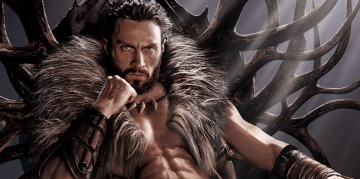
Multiple sources have stated that Sony plans to reboot their Spider-Man Cinematic Universe. This will most likely occur after the third and final Venom film. We still don’t know what this will mean for the upcoming Kraven the Hunter film. If the agreement takes effect, Kraven the Hunter could be included in the Marvel Cinematic Universe canon.

The details of this agreement are not finalized. Things can change. But the gist is that Sony will be able to include Peter Parker in any of their future live-action Spider-Man Universe movies, and any Spider-Man Cinematic Universe movie will be included within the Marvel Cinematic Universe. I don’t believe this means that Marvel will oversee every Spider-Man Cinematic Universe movie that doesn’t involve Peter Parker’s Spider-Man, but it does mean that the characters within Spider-Man’s mythos will be available for both movie universes. And new Spider-Man Cinematic Universe movies could have an impact on the Marvel Cinematic Universe going forward.

This potential deal could help both sides as several Spider-Man villains become unfrozen by the current deal, and we could finally see that Tom Holland Spider-Man and Tom Hardy Venom mash-up fans have been waiting for. This deal couldn’t come at a better moment. As I mentioned, Sony Pictures will finish their Venom trilogy (their most successful live-action Spider-Man franchise to date), while the Marvel Cinematic Universe wraps up the Multiverse Saga, which could go a long way to merge these two Spider-Man universes. And Secret Wars isn’t too far away. Peter Parker first met the Symbiote Suit (the black Spider-Man suit that would become Venom) during Secret Wars.

I can’t wait to see what a new agreement between Sony and Marvel Pictures brings. Let us know in the comments which movies you’d like to see. And wherever you are, I hope you’re having a great day.
Top 5 Tabletop Games from the late 1960s

Hey, hey! Kyra Kyle here. Back with another Top 5 Tabletop Games of an era and we’re also back with the second half of the 1960s (1965-1969). If you want to see our picks for the first half of the decade, you can follow this link.

We’re getting back into the swing of things, so let’s reiterate the ground rules again before we get started.

1: Cultural relevance plays as much of a factor as overall quality. A game might make a list that doesn’t hold up to others of its type, but you must admit the game is everywhere.

2: Only one game from a franchise makes the list. This will become more of an issue the closer we get to games with expansions.

3: Longevity plays a role, too. A game doesn’t have to fly off the shelves today, but it had to have some widespread appeal for a decent time.

Feudal board game Top 5 Games from 1960s

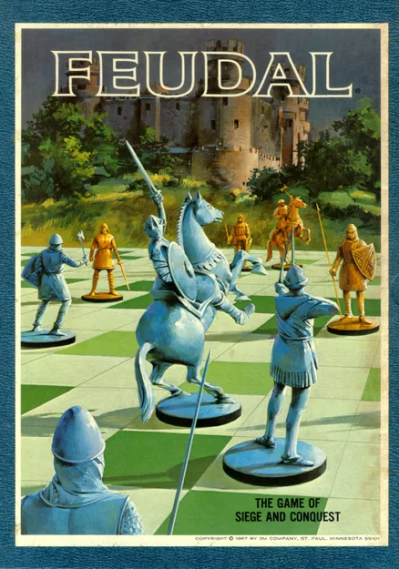
5: Feudal (1967)

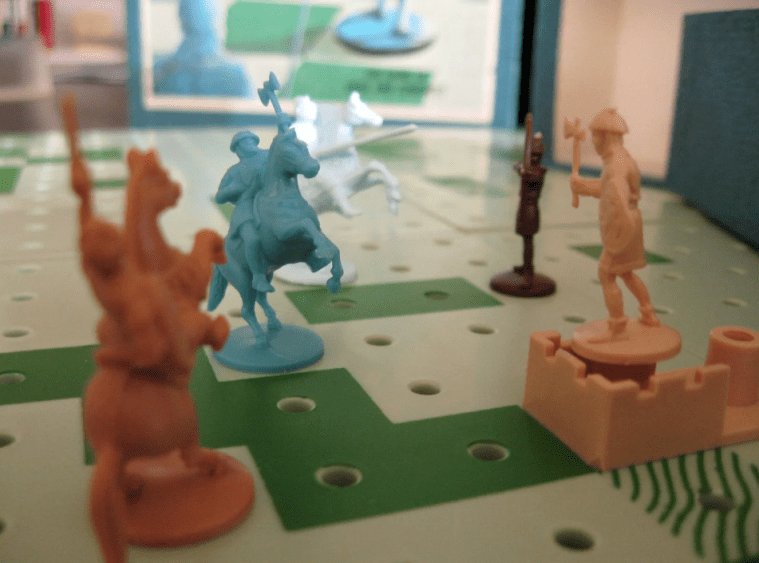
The 1960s had a lot of Chess-like board games—and I do mean a lot—but none of the Chess variants reached the heights of Fred Beustchler’s Feudal. A part of the 3M Bookshelf Series (3M also produced a lot of Sid Sackson and Alex Randloph’s early work), Feudal tasks players with occupying an opponent’s castle or capturing all an opponent’s royalty. The play area consists of four plastic peg boards depicting empty, rough, and mountainous terrain.

Feudal tabletop game Top games from 1960s

Feudal has a unique set-up. Players place their pieces on their peg boards in secret and reveal how they deployed their units simultaneously. This leads to different strategic problems each game and every game plays out differently. We had to include one Chess-like board game. Feudal is the best of the bunch.

Triominoes board game Top 5 games from 1960s

4: Triominoes (1965)

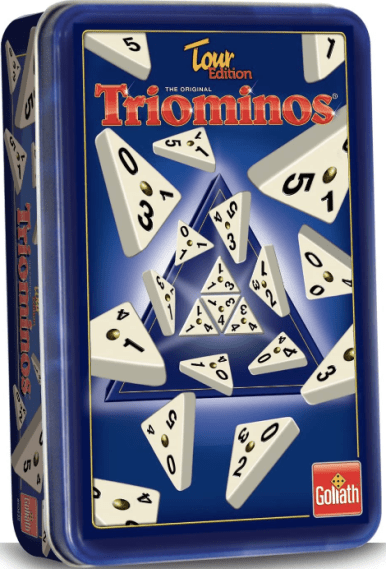
Simply put, Triominoes is a variation of dominoes that uses triangular tiles. The tiles are equilateral triangles so they fit in neatly with each other. Players can play a Triomino if they have matching numbers with the six potential values 0-5.

Triominoes tabletop game Top 5 Games from 1960

I’ll be honest. Triominoes intimidated me while I was growing up. So many numbers close together looked confusing. But there’s no doubt that the game has a legacy.

Kerplunk tabletop game Top 5 game from 1960s

3: Kerplunk (1967)

Sometimes the simplest concepts make the best games. Kerplunk consists of a transparent plastic tube, plastic rods called straws (26-30 of various colors), and several dozen marbles. Players take turns removing a single straw from the tube while trying to minimize the number of marbles that fall though the web and into their trays.

kerplunk board game Top 5 game from 1960s

Kerplunk beget several similar games in the future, specifically Jenga. This family of games has built-in tension. Remove the wrong straw and the marbles pour out.

Twister tabletop game Top 5 game from 1960s

2: Twister (1966)

The tail end of the 60s saw a lot of simple games or new twists on older games. Speaking of twists, our next game is Twister.

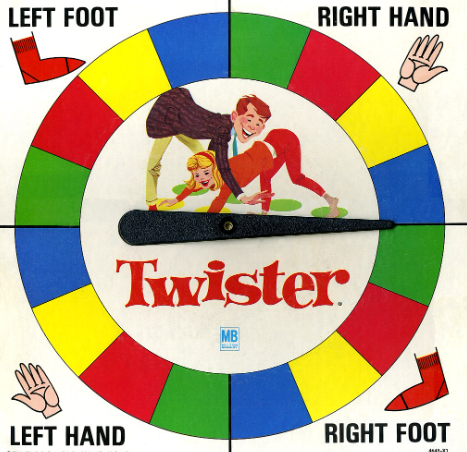
Each version of the game comes with a spinner. And each spinner is divided into four labeled sections: left foot, right foot, left hand, and right hand. And each of those four sections are divided further into the colors red, yellow, green, and blue. After spinning, the combination is called (right hand red) and players must move their matching hand or foot to a circle of the correct color. Last player standing wins.

Twister board game Top 5 game from 1960s

Simple enough. And we’ll see a lot of other simple designs that have stood the test of time on this list.

Operation board game Top 5 game from 1960s

1: Operation (1965)

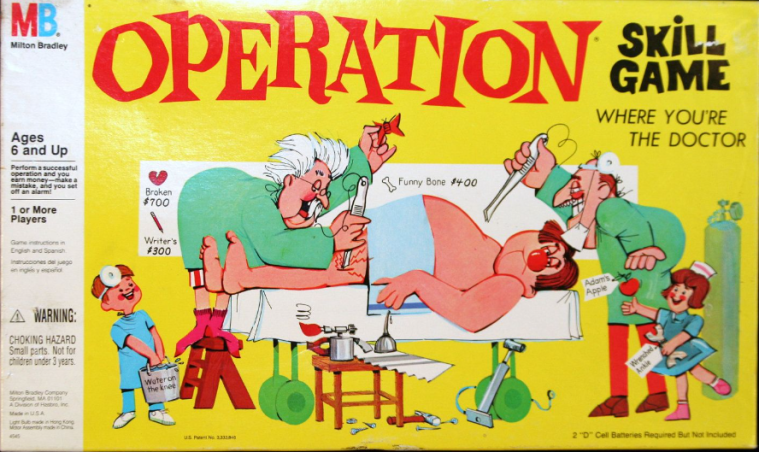
We go from moving one’s body in weird ways to a game featuring someone with a weird body. Operation challenges players with extracting silly body parts from a hapless patient. During the game, you acquire cards which dictate body parts you must remove. The body parts rest inside a hole and if you erroneously touch one of the hole’s metal sides, a sudden buzzer and light-up nose indicates the patient’s pain. Players want as little pain as possible in Operation. Successful extractions give the player money and the player with the most cash at the end of the game wins.

There have been countless versions of Operation. I believe my kids had a Spongebob themed one. Maybe it was Shrek. Regardless, Operation has never been out of print since its release. And I don’t see that happening in the next 60 years either.

Did we get the list right, for the most part? Let us know in the comments. And wherever you are, I hope you’re having a great day.
Check out the other lists in this series:
Top 5 Games prior to the 1930s
Top 5 Games of the 1930s
Top 5 Games of the 1940s-50s
Top 5 Games of the early 1960s
Top 5 Games of the early 1970s
Top 5 Games of the late 1970s
Top 5 Games from 1980-1981
Top 5 Games from 1982-1983
Top 5 Games from 1984-1985
Top 5 Games from 1986-1987
Top 5 Games from 1988-1989
Top 5 Games from 1990-1991