June is in full swing, and it’s time for another Whatcha post. Hey, hey, Geekly Gang! Kyra Kyle here. Today, our writers will share what they read from the previous month. As always, feel free to share what you’ve been reading over the past month. You’re part of the Geekly Gang, too.
Kyra’s Reads
Kyra’s Fiction Reads
A Psalm for the Wild-Built is the first part of Becky Chambers’s Monk and Robot duology, and it’s a joy. I recommend A Psalm for the Wild-Built to anyone struggling to find their place in the world. Chambers’s novella reminds us to give ourselves time to find ourselves, and how you thought your life would go might not be where your journey will take you. A Psalm for the Wild-Built offers a deep cleansing breath.
Humans have ripped away the Earth’s natural resources, but A Psalm for the Wild-Built offers an optimistic spin on this post-apocalyptic world. Robots reject their human masters. The split between the two parties is amicable, with humans sticking to cities (and their surrounding suburbs) and robots claiming the open area outside cities. Without humans mucking up most of the world, Earth has a chance to heal. Humans and robots adapt to this new reality, and the story takes flight when a tea monk leaves human territory and stumbles on a wild-built robot.
I won’t spoil any more of A Psalm for the Wild-Built. It’s a must-read solarpunk novella. If you don’t know what solarpunk is, you’re in good company. I didn’t know what solarpunk was before reading A Psalm for the Wild-Built. Solarpunk is a relatively new fiction subgenre that offers optimistic outlooks on dystopias. Many of Hayao Miyazaki’s films have been retroactively called solarpunk. If you like stories like Spirited Away, A Psalm for the Wild-Built (and other solarpunk fiction) might be worth a read.
I finally finished Robert W. Chambers’s The King in Yellow. No. Robert Chambers isn’t related to Becky Chambers. I just happened to read two authors with the surname Chambers. Lol. The version of The King in Yellow I read only includes four stories: “The Repairer of Reputations,” “The Mask,” “In the Court of the Dragon,” and “The Yellow Sign.” Older editions of The King in Yellow may contain more stories, but the four in this collection are excellent.
I love “The Repairer of Reputations” use of an unreliable narrator. Hildred describes his diadem as being made of “heavy beaten gold,” and immediately after this description, his friend Louis calls it a “brass crown.” “The Repairer of Reputations” is a story of egotism. It feeds into the idea of The King in Yellow and serves as a phenomenal opening story. The titular King in Yellow is a play, and it’s not what the play has within its written pages but what those pages do to the people who read them. If this sounds like H.P. Lovecraft’s Necronomicon, it’s because The King in Yellow inspired the Cthulhu Mythos.
The other three stories in this most recent collection of The King in Yellow are stellar. “The Mask” is a trippy love triangle with a mystical element. A possessed organist chases a panicked victim in “In the Court of the Dragon.” And “The Yellow Sign” offers some great psychological horror. The King in Yellow paved the way for cosmic horror.
Kyra’s Poetry Reads
I read Ginny MacKenzie’s Skipstone a decade ago and decided to read it again this past month. I find poetry easy to reread after several years because I can find different things with each reading. MacKenzie does an excellent job of taking an object, like an artist painting the history of his house, or some other element, like a vacation in Maine, and allowing the speaker to reflect on the element until it becomes confessional. These elements are lenses with which to view life.
Skipstone, like Cat Dixon’s collection last month, What Happens in Nebraska, feature plenty of smaller, seemingly quiet moments. But these quiet moments can be loud, and moments that seem small grow to epic proportions. Some of Skipstone’s poems have tight stanzas with lengthy enjambment that move so fast one must catch their breath, while other poems stretch out with plenty of asides from the speaker that you feel like you’re in their head.
Skipstone tackles good and bad memories. Often, good and bad memories appear within the same poem. Memory works in mysterious ways. While one’s life experience may differ, Skipstone offers enough universal truths.
I read a few more books over the past month, but I may save those for the next entry in our Whatcha Reading series. Let’s see what Season and Skye have been reading.
Season’s Reads
season’s fiction reads
I haven’t gotten too far into Gu Byeong-mo’s Apartment Women, but from what I’ve read, I’m loving it. Apartment Women is set in the future on the outskirts of Seoul. There are four families living in an apartment complex, each with its own struggles. The newest resident, Yojin, must have two more kids with her husband over a decade if she wants to continue living there. The novel highlights the struggles of the women living in this apartment complex, which is interesting to me.
There’s a moment in the beginning with one of the husbands explaining his wife’s not being there because “she’s always busy.” Yojin sits on this for a minute, questioning the tone of his reply. This is the level of intimacy with the characters throughout the novel. I enjoy stories about women making the best out of their situation, and have been more interested in foreign novels lately. Geekly Gang, if any of you have recommendations, I’m always down to read something new. What’ve you been reading, Skye?
Skye’s Reads
Skye’s Nonfiction Reads
I bought 1001 Movies You Must See Before You Die a while ago, but only now started reading. Since I’m always looking to expand my watch-list, I thought I could peruse 1001Movies to get some ideas. My favorite thing about this book is the range of films it contains. Starting from the early days of film in the 1910s all the way to the present day, 1001 Movies You Must See Before You Die has defined my watchlist for a while. I don’t plan on dying any time soon, so I should have time to catch up on all these movies. 😉
Skye’s Fiction Reads
Octavia Butler’s Parable of the Sower is a new addition; I’m excited about this one. Other books I’ve gotten into lately have been more experimental. Since I have no prior knowledge about them, I haven’t had any expectations. For this one, I’m already familiar with the author, and the fact that I found it in the “Banned Books” section of my local Barnes & Noble is enticing.
After reading the first chapter (and the Foreword by LeVar Burton), it only strengthened my resolve to keep reading. How Burton tells it, I’m in for a poignant, dark, yet heartfelt and hopeful experience. Since Butler wrote Parable of the Sower in 1993 (and the novel takes place in 2024), I have a feeling that she wrote some eerily accurate predictions about where our society was headed. Hopefully, she included an instruction manual on how to survive the next four years. Fingers crossed.
Hey, hey! Kyra Kyle again. That’s all we have for our monthly reads. Make sure you let us know what you’ve been reading, Geekly Gang. Thank you for reading, and wherever you are, I hope you’re having a great day.
Platinum trophy hunting (or if you play on X-Box or Steam, achievement hunting) doesn’t appeal to every gamer, but it does to me. My goal is to earn as many platinum PlayStation trophies as my age eventually. I have some work to do. More than I’d care to admit. Easy platinums tend to come from bad games, but some exceptions exist. That made me wonder which good video games have easy and quick platinum trophies.
Hey, hey! Kyra Kyle here. This post has been a long time coming. A video game can’t just have an easy-to-earn platinum trophy. We want quick platinum trophies. This eliminates a heap of video games. I just finished The Survivalists, and while it has an easy-to-earn platinum trophy, it’ll take well over thirty hours. Quick feels more like less than twenty hours. This might still be too long for some, but twenty hours is a dedicated weekend of gaming. We must pick a number.
Most gamers can find twenty hours for an enjoyable experience. That leads us to defining an “easy” platinum trophy. The trophy should be attainable through a single play-through or the game should allow players to play little of a second play-through to make this list. Finally, the game needs to be “good,” but gamers desire different things. Let’s split these games into story and gameplay buckets. I’ll do my best to explain why I included each game or game series. And this leads to the final clarification. I’ll include a game series for story and gameplay and then a few single games. Without further ado, let’s jump into the games.
Game Series
Cat Quest Series
We’ll start with a game series with little story but a fun gameplay loop. Cat Quest doesn’t have much of a story. It’s an excuse to have cute kitties battling beasties in an old-fashioned beat-‘em-up video game. The game has some gameplay alternatives, especially with the sequels, but Cat Quest sticks to a simple but fun formula. Cast magic with magic points. Replenish your magic points by landing weapon attacks.
Cat Quest 2 does a great job of incorporating ranged attacks. The first Cat Quest only offered melee attack weapons. As I’m writing this post, I have yet to play Cat Quest 3. It looks as if it builds off the second game in the series. The first game took me 10 hours to earn the platinum. The second game took around 15 hours. Even if Cat Quest 3 mimics Cat Quest 2 and expands the map and side quests further, it should clock in around 20 hours for the platinum and still be worthy of a spot on this list.
Telltale Games
The Telltale Games studio features story-driven games that take around 15-20 hours to complete. Most of these games were well-received at the time of their release and worth a play if you enjoy the intellectual property the game is set. I have fond memories of 2012’s The Walking Dead. This game announced Telltale Games to the video game community. Many of The Walking Dead’s moments live rent-free in my head. “Did you lick the saltlick, Clementine?” “I don’t know.” Clementine was adorable.
The Wolf Among Us was another hit and well worth a playthrough. This title also illustrates how easy it is to obtain a platinum trophy in a Telltale Game. Most Telltale Games, like The Walking Dead or the Batman series, will grant players a platinum trophy for completing the story. Super easy! Barely an inconvenience. Thank you for that phrase, “Pitch Meeting.” The Wolf Among Us requires players to make a different choice during a chapter to get its platinum trophy, but all you need to do is reload the one chapter in question and pick a different option. Even when Telltale Games makes a platinum trophy more difficult to obtain, they don’t make it that difficult.
Most Telltale Games I’ve played are a good time. I will admit that the company became risk-averse after their hit The Walking Dead. I haven’t played too many of their most recent titles. I may log a few more soon for a platinum or two.
Single Games
Nubla
A child visits an art museum and falls into the paintings. The kid must save the residents of these paintings by solving art-themed puzzles. While dated (Nubla celebrated its tenth-anniversary last year), Nubla has a great aesthetic, above-average graphics for the time, and an intriguing premise. Nubla also happens to be the quickest platinum trophy to obtain on this list, and it’s not even that close. YouTubers have speed-run completing the platinum trophy in twenty minutes. I don’t suggest watching these videos while playing the game. The puzzles aren’t that difficult to solve. I was able to finish the game in under three hours without help. Even so, you could finish Nubla in under an hour if you load a how-to video and all you want is speed.
Nubla 2 was released in late 2022. I have yet to play it. From what I’ve heard, the original cast of characters returns and again, you must rescue citizens of paintings. This may be another game I’ll need to consider, inching me closer to my platinum trophy goal.
Life Is Strange
I like to get lost in Life Is Strange’s world and characters. Set in 1990s Oregon (in the fictional town of Arcadia Bay), Life Is Strange centers on teenagers Max Caulfield and Chloe Price. Life Is Strange has an earnest quality to it that few games have. The two main characters are teenage girls and while the story can dabble in the melodramatic, it works. The world feels lived in. Steeping Arcadia Bay in a nostalgic, autumnal lens is deliberate. Even the story’s supernatural elements are designed as a metaphor for the character’s inner conflicts and there are plenty. The DontNod (design) team consulted experts to tackle difficult subjects like teen suicide.
Like the TellTale Games above, Life Is Strange was released episodically. The story goes astray a little bit toward the end but not enough to tarnish the overall experience. Life Is Strange is worth your time. It takes around 20 hours to complete the game, and you will most likely need to replay a scene or two after you finish to get the platinum trophy, but I can’t recommend the original Life Is Strange enough. And the original Life Is Strange received a remaster a couple of years ago. Yay! I may have another game to replay.
Donut County
Donut County challenges Nubla for the shortest game on this list. Again, you can find YouTube speed-runs that last an hour or two, and again, I suggest you try it on your own first. Donut County is like Katamari Damacy. Players control a hole (or donut) in the world and try to drop things into the hole. With each object that falls inside the hole, the hole gets bigger until nothing remains. Numerous mobile games have copied Donut County after its original 2018 release. It has a fun, addictive gameplay loop, and more importantly for this list, a quick and easy-to-obtain platinum trophy.
If anything, I’m disappointed that Donut County doesn’t have a longer run-time. The trophy was great to achieve, but I wanted more Donut County to play. Perhaps indie game publisher Annapurna Interactive will release a Donut County sequel. Like I need another game to play on this list.
What Remains of Edith Finch
I’ve mentioned What Remains of Edith Finch more than once on Geekly, but until this year, I had only played the demo. What Remains of Edith Finch received a remaster a few years ago and the remastered What Remains of Edith Finch has a platinum trophy. For the most part, you only need to complete the game’s six-hour story to earn the trophy. And What Remains of Edith Finch has an amazing story. What Remains of Edith Finch even manages to weave in unique gameplay elements.
The player character takes a ferry to Orcas Island, Washington carrying the journal of Edith Finch. Edith writes about her experience when she returns to her ancestral home on the island for the first time in seven years. Edith says that she’s the last surviving member of her family. The player then takes the perspective of Edith as she reexplores her family’s home and discovers the circumstances of each relative’s death. I don’t want to spoil anything here, but What Remains of Edith Finch contains innovative gameplay that matches the stories of each Finch family member. What Remains of Edith Finch shows the depth video game storytelling can achieve.
And that’s our list. The games on this list are by no means the only good video games with quick and easy platinum trophies. Let us know which games you’d include. Thank you for reading, and wherever you are, I hope you’re having a great day.
Hey, hey, Geekly Gang! Kyra Kyle here. I’m still recovering from last week’s Protospiel Twin Cities convention. Several games were played, and my wings are tired. But we have another week of Geek News. We’ll start with some quick MCU updates. Let’s get to it.
A Baby Franklin Richards Is Confirmed For Fantastic Four: First Steps
Fantastic Four: First Steps released its fourth and final teaser trailer this past week. Most of the shots are recuts of previous shots, but Marvel shared one major revelation: Franklin Richards will be in the movie. While the movie’s title, First Steps, was always meant as a nod to space exploration (one small step for man), the title was also a mention of Franklin Richards’s (a baby’s) first steps. You might be thinking, but Franklin Richards is just a baby, there’s no way he’ll factor into Fantastic Four: First Steps’ narrative in a major way. Okay. This may get into some potential spoilers. If you want to go into Fantastic Four: First Steps with little to no knowledge of the comics, you can skip past the next paragraph.
Franklin isn’t like other babies. As an infant, he was capable of manifesting adult bodies that he could control. One of those bodies was Galactus. So, Franklin might be behind Galactus in the Fantastic Four’s first MCU outing. Yikes! Fantastic Four: First Steps has already teased other Fantastic Four villains like John Malkovich, who is portraying Red Ghost (this is confirmed), and it looks like it may be all hands on deck with stopping Galactus, whether he’s connected to Franklin Richards or not. Fortunately, most of this paragraph was conjecture, so you may be okay if you didn’t head the previous spoiler warning.
No matter where Fantastic Four: First Steps takes Franklin Richards’s story, there’s no doubt he’s the most powerful character the MCU has ever introduced. He can make Wanda’s reality warping look like child’s play. In fact, Franklin Richards may be the one behind the multiverse saga’s end. He could fix all timelines if he wanted. The MCU introducing this much power into its universe is a far cry from the Russos nerfing the Hulk because they didn’t want the Hulk to be the Avengers’ “I win” card. We’ll have to see where this storyline goes.
If you haven’t yet watched Thunderbolts*, you may want to skip the next news entry.
The Ship Seen During the Thunderbolts* End Credits May Not Carry The Fantastic Four
I know. I know. The picture above clearly shows the Fantastic Four’s symbol, but the ship that bears this symbol may not contain the Fantastic Four from Fantastic Four: First Steps. The ship we’ve seen in all the Fantastic Four: First Steps trailers has three prongs, but this ship has four prongs. The ship during the Thunderbolts* end credits is a different ship from the one seen in all the Fantastic Four trailers. I mentioned a spoiler warning in the previous segment, but I’ll reiterate it here in case you want to maintain the mystery.
There are two main theories: 1) Doctor Doom may be piloting the ship; 2) the Fantastic Four are in the ship, but it’s a different Fantastic Four. The first is fun but less likely, while the second is equally as fun, and there may be some evidence suggesting that it’s true.
Theory Number 1: Since Robert Downey Jr. is portraying Doctor Doom (or at least the vision Doctor Doom wants to present), we know that Doctor Doom is aware of the Multiverse and attempting to use Tony Stark’s image to hide his true intentions. Doom could be doing the same for other universes by pretending to be the Fantastic Four. This doesn’t quite hold water because Earth-616 (the world in which the Thunderbolts* belong) doesn’t know who the Fantastic Four are. Still, Doctor Doom could be traveling from a third reality.
Theory Number 2: The Fantastic Four inside this ship are the ones from the Fox Universe. The MCU has already grandfathered in Fox’s X-Men, so they could do the same with Ioan Gruffudd’s Mr. Fantastic, Jessica Alba’s Invisible Woman, Chris Evans’ Human Torch, and Michael Chicklis’s Thing. The “evidence” that this could be true comes from Jessica Alba’s social media accounts. She stated this past week that she’s filming in London. Funny. Avengers: Doomsday began filming this past week…in London.
Regardless of who’s in the “Fantastic Four” ship during the Thunderbolts* end credits, it’ll be a wild ride, and the likelihood of the Fantastic Four from Fantastic Four: First Steps being in that ship is almost zero. Most viewers thought it was funny that the Fantastic Four would be in Earth-616’s reality before Fantastic Four: First Steps release. Yeah. They most likely aren’t on that ship.
More Information About Denzel Washington’s Role in Black Panther 3
We mentioned a few weeks ago that Denzel Washington will be included in Black Panther 3’s cast. We’ve received more tidbits that could suggest who Washington will be portraying. On Carmelo Anthony’s podcast, Denzel Washington said that since he’s 70 years old and only has a few movies left in him. He intends to retire soon. That makes sense, but what doesn’t make as much sense is the rumor that Denzel would portray Magneto in the upcoming Black Panther 3. Or does it make sense?
I wouldn’t rule anything out, but whoever will play Magneto in the MCU during the Mutant Saga will need to have more than a few movies left in their career. The Mutant Saga will run for almost ten years and require five or six movies from its Magneto of choice. So, if Washington were to play Magneto in Black Panther 3, he would most likely be playing an alternate reality Magneto. Denzel Washington will most likely portray a one-and-done villain like Achebe. This could still be fun. Achebe is the Joker to Black Panther’s Batman. Achebe would be a role we’ve never seen Denzel Washington play. Whoever Washington plays in the MCU will be a joy.
Ryan Gosling as Black Panther Meme
The Ryan Gosling as Black Panther meme reentered the zeitgeist. While there’s little proof to suggest that Gosling will even be in the MCU, I wouldn’t rule out anything (like Denzel Washington as Magneto). There is a precedent of sorts in the comics. Gosling could portray White Wolf, Black Panther’s adopted white brother (and frequent adversary/ally), and this White Wolf could hail from an alternate universe. I won’t spend too much time on this. It’s a meme. It’s designed to upset people. But I could see Gosling as a real White Wolf. The MCU has dropped the “White Wolf” nickname for Winter Soldier as early as the first Black Panther. Anything could happen, even something this wild. Talk about a Multiverse of Madness.
Agricola Special Edition Launches on GameFound
Uwe Rosenberg’s Agricola is a classic farming worker placement game. Originally released in 2012, Awaken Realms gives Agricola a stunning makeover. What else would you expect from Awaken Realms? This company is known for over-the-top production value. Just look at these miniatures.
And I got excited when Agricola used animeeples. Look at the details of the various farmers, the animals, and even the reeds. They’re so intricate. Awaken Realms knows how to make miniatures. Of course, these miniatures are an add-on, but the animeeples players can receive without the miniatures upgrade are also fantastic.
You won’t need the miniatures. The cow and sheep meeples, the player board, the ornate fences in the player’s color, and the detailed resource tokens. Yowza! I’ve always been dubious of Awaken Realms games. They cost a lot, and players may fall victim to the sunk cost fallacy. This game is good because I took out a second mortgage to own it. This isn’t the case for Agricola. Almost a decade and a half after its original release, it maintains a spot on Board Game Geek’s Top 100 games.
Fortunately, Awaken Realms offers the updated Agricola at different price points. Agricola Special Edition has a standard, cardboard version, which costs €79 or $90. You can upgrade to wooden bits (like the ones pictured above) by spending €109 ($124). Or you can go for every expansion ever made for the original game. That’s a lot of content, so it doesn’t come cheap. The suggested price is €164.00, which is about $186. Players can upgrade to miniatures by selecting the Sundrop option at checkout. These miniatures (the detailed ones depicted at the top of this post) cost €49 or $55. A pledge of any kind makes you eligible for all stretch goals like irrigation channels.
I’ve been looking at gaming tables for a while. My favorite types of gaming tables can double as dining tables, and that’s exactly what Sunnygeeks 2.0 Modular Gaming Table does. As the name “modular” suggests, gamers can build their own table to suit their needs. Do you need extra storage for bits? Add some stackable drawers. Would you like some LED lights to set the mood? Go right ahead.
Each table comes equipped with a water-resistant dining table topper. Just slap on the table topper if you want to use the table for a meal.
I love the idea of a table topper. Sunnygeeks 2.0 also has a topper docker, which allows for easy storage. You can even store some of your unused board game supplies. But speaking of board game storage, the modular table companion is amazing and my favorite feature. Even if I don’t pick up a gaming table, I’d consider buying a couple of modular table companions.
Modular table companions come in a variety of colors. Each one has wheels, and they’re stackable, which means you can have a large tower of board games that can roll. Yes!
As you can imagine, Sunnygeeks 2.0 isn’t cheap (easily in the thousands of dollars), but this is where GameFound’s Stretch Pay makes sense. Customers can pay ten interest-free payments over ten months. I never saw the need to use Stretch Pay for board games; if you’re spending so much on a single board game that you must use a payment plan, that’s excessive. But gaming furniture is another matter. Build the gaming table of your dreams by checking out Sunnygeeks 2.0’s GameFound page.
Magic x Final Fantasy Pre-Release This Week
The Magic: The Gathering and Final Fantasy crossover event is scheduled to release on June 13, 2025, but gamers can get in on the fun early with pre-release events. Local board game stores across the United States (and other countries) will feature pre-release tournaments. Now may be the best time to get back into Magic if you haven’t played in several years–like me. Or if you’re a huge Final Fantasy fan, you should check out the new set.
If you’re interested in a pre-release event, here’s a brief rundown of what to expect at a tournament. Players are given a set amount of time to open (a set number of) boosters and build a limited, 40-card deck using the cards from those packs. You will then play three games against other participants in the tournament. Most tournaments use a Swiss Style match-making, which means you’ll play against other people with your record. The winner will receive a small prize like a booster pack, sleeves, or a deck box. But everyone’s a winner because you got to play the Magic: The Gathering and Final Fantasy crossover event early. Pre-release events can be fun because no one has had time to construct the “perfect deck.” You all received random cards.
I can’t wait to get my hands on some Magic x Final Fantasy cards. Woo hoo!
That’s all the Geek News we have for this week. Thank you for reading, and wherever you are, I hope you’re having a great day.
Happy Pride Month, Geekly Gang! Since it’s June, we’ll be celebrating with a list of famous LGBT characters in video games. JK Geekly is about to get a lot more rainbow.
Hey, hey! Kyra Kyle here. We’ll be sticking to our usual format of five items to one of these lists, but make no mistake, countless other LGBT characters from video games could’ve made this list. So let’s take a look at which LGBT video game characters made this colorful list.
5) Alexios and Kassandra (Assassin’s Creed: Odyssey)
Alexios and Kassandra are the two main protagonists of Assassin’s Creed: Odyssey. Alexios is male, while Kassandra is female. Both are siblings, and you can choose to play as either of them. Assassin’s Creed chose to use gender neutral terms for both characters (calling them the Greek word for mercenary), and both characters may romance any of 14 characters (male or female), but Assassin’s Creed: Odyssey goes deeper than that. Players don’t need to romance anyone. You may choose to shoot down all advances and claim that you’re aromantic or asexual, which is rare for video games that include romantic options.
Yep. We’re starting this list off strong with a seldom-represented group within the larger LGBT community. Everyone is valid.
4) Krem (Dragon Age: Inquisition)
Even though Krem was a minor character in Dragon Age: Inquisition, he received significant media coverage from gaming journalists and LGBT-centric media for his positive depiction of a transgender character in a AAA video game, and for good reason. He’s a proud member of Iron Bull’s team, named the Bull’s Chargers. Krem’s teammates accept him for who he is, and Iron Bull himself treats him like an equal.
Dragon Age creator Trick Weekes received repeated requests from fans for a respectful representation of transgender and/or genderqueer characters, without resorting to stereotypes or tokenism. Krem is the best kind of transgender representation. Honest.
3) Bloodhound (Apex Legends)
I bathe in the bloth. That’s the line Bloodhound utters every time they enter “Beast of the Hunt,” tracking down as many enemies and dispatching them as quickly as they can. Bloodhound is one of the first and few non-binary video game characters. Note: Apex Legends characters could overrun this list with Valkyrie (lesbian), Loba (bisexual), Gibraltar (gay), and Catalyst (trans woman), to name a few, so we’ll limit this list to one Apex Legends character. Apex Legends does a great job of giving its characters layers and respecting their identities.
Apex doesn’t miss a beat when referring to Bloodhound in gender neutral terms. The game normalizes it. Even when Bloodhound is young, during one of the trailers, Boone refers to them as “child.” Great representation.
2) Birdo or Birdetta (Super Mario Bros. Series)
Our penultimate entry on this list is none other than the first transgender character in video game history, Birdo. The only concrete link to Birdo’s gender comes from the original Super Mario Bros. 2 guidebook that states “he thinks he’s a girl” and “he’d rather be called ‘Birdetta'” with the implication that Birdo is a mocking term (either dead-naming her or an insult that she isn’t girly enough to pull off the name Birdetta). Let’s do this queen a solid and call her Birdetta.
As you can see, there may have been some confusion as to who Birdetta was. The characters known as Birdo and Ostro became fused into one character well after Super Mario Bros. 2’s original release. After Birdetta’s write-up in the Super Mario Bros. 2 guidebook was rediscovered, she became a trans icon. Put some respect on Birdetta’s name.
1) Ellie Williams (The Last of Us)
Ellie is synonymous with The Last of Us. Whether she’s voiced by Ashley Johnson in the video games or by Bella Ramsey in the television show, Ellie Williams exudes strength against tremendous odds. Slay, queen. Slay!
While other characters on this list may have hit the video game scene far sooner than Ellie, there’s no doubt she’s made an impact. A scene in which Ellie and Riley kiss in Left Behind (The Last of Us’ prequel) drew social commentary and was commended as a leap for LGBT representation in video games. You love to see it. Johnson’s performance in Part II was praised for her vulnerability and suffering. The same can be said of Ramsey’s portrayal in the Max television show. Ellie is a fantastic character. The community needed some great representation, and they got it with Ellie. I can wait to see which barriers this character will shatter.
That’s our list of five famous LGBT characters in video games. There are plenty more that could make their own list. Let us know some of your favorites in the comments. Thank you for reading, and wherever you are, I hope you’re having a great day.
Hey, hey, Geekly Gang! Kyra Kyle here. We have a new month and a new Wednesday, so it’s time for Whatcha Playing. The Geekly writers and I will share the games (video games and tabletop games) we’ve been playing over the past month. Feel free to share which games you’ve been playing, because we’re all part of the Geekly Gang.
Kyra’s Games
As always, I won’t include any of the gacha games I typically play. If I ever stop playing Wuthering Waves or Honkai: Star Rail, I’ll let you know. I also don’t include prototypes of tabletop games I’m developing, like Rustbucket Riots, Whirligig Pets, No Jack, Weeds, or Spill the Beans. Of course, I played those. With that disclaimer out of the way, let’s get to the games.
Board Games
I finally got Sky Team to the table, and it’s excellent. This two-player only game features a fast back-and-forth between one player as the pilot and the other as the co-pilot while they attempt to land a plane. Technically, players aren’t supposed to speak during rounds, but I allow minimal communication. Sky Team is a cooperative game, after all. Players simultaneously roll dice and then place them in their designated spaces, blue for the pilot and orange for the co-pilot. Both roles have specific duties.
Naturally, I chose Skye to be part of my first play of Sky Team. You can’t have a Sky Team without Skye. We played the tutorial and narrowly lost. Skye immediately wanted to play again, and we were able to land the plane on our second try. Sky Team includes numerous scenarios, and I can’t wait to try more.
I’ve played many Button Shy Games over the last month, and the above three games are standout titles. Elizabeth Hargrave’s Tussie Mussie has a great push pull of which flower do I want to show my opponent and which to keep secret. Your opponent will choose between the two flowers: known and unknown. Jason Glover’s Stew takes a similar concept of having partial knowledge of what’s in the Stew because you know which cards you’ve played and not the ones your opponents played. If you think there are enough points in the stew, you call stew and count up points; players gain points if they guess correctly, but their opponents gain points if they guess incorrectly. And Ted Heidersdorf’s Super Slopes is a crazy game of branching slaloms down snow-capped mountains.
I’m hooked on Button Shy Games. This company packs a lot of game into a small package, a wallet to be exact. I mentioned Button Shy Games in our Stocking Stuffer Games list in December. These games are great options for that, but for $12 apiece, Button Shy Games are good any month of the year. I love their portability. I can pack twenty to thirty of these in less space than one standard board game.
Technically, I haven’t played much Cretaceous Rails over the last month; I demoed the game for countless gaming groups. Dinosaurs and trains together at last! Really? I’m surprised the combination of dinosaurs and trains hasn’t happened before Cretaceous Rails. Anyway, I’ve played plenty of this game in the past. It’s over-the-top in its production value. Who doesn’t love four different train miniatures? Seriously, the train minis aren’t just different colors, they’re different train models.
Cretaceous Rails features dinosaur miniatures. Simply put, it has table presence. You’ll hear this game roar from across the room.
Video Games
I know. I know. Ticket to Ride is another board game, but I played the version ported to the PlayStation 4, so it counts as a video game. I always loved the simplicity of Ticket to Ride. Collect enough train cards of a single color, match them to routes (between two cities), and connect cities on the ticket cards you have in your hand in a continuous route. Ticket to Ride modernized Rummy for the modern board game community. The PlayStation 4 version of Ticket to Ride is a great port of the game.
While I prefer the physical version of Ticket to Ride to a digital one, the production value is great. The base game includes the classic United States map and the Europe map. I’ve played Ticket to Ride: Europe a few times before last month, but picking up this copy (on the cheap) has led to more plays on the Europe map. I like the USA map more, but that’s because I don’t know if I quite understand how stations work. Whoops!
Akatsuki: Lord of the Dawn has a silly name. Akatsuki means dawn in Japanese, so the game’s title is Dawn: Lord of the Dawn. Tee hee! Anyway, Akatsuki: Lord of the Dawn is an army RPG. The story didn’t hold my interest. The game mechanisms were interesting–especially Akatsuki: Lord of the Dawn’s method of combining building an army and a country–but the game overstays its welcome by one island. By the time I finished the penultimate island, I had done all the game had to offer. The final island is four times the size of the previous island, and my final hour or two of gameplay was mindlessly autobattling a hundred or so territory tiles.
On a personal note, I saw a screenshot similar to the one above and thought Akatsuki: Lord of the Dawn used a card-driven combat system and got excited. The bottom left-hand corner looks like it could be a hand of cards, but no, it’s a head’s up display made to look like a hand of cards. Oh, well. Akatsuki: Lord of the Dawn was on sale for super cheap, I picked it up, and aside from the final island, I enjoyed my time with this indie game. Akatsuki: Lord of the Dawn took about twenty hours to finish.
That’s what I played this past month. Let’s check in with Season and Skye.
Skye’s Games
I have good news and bad news. The bad news is that I haven’t played many new video games this month to report to y’all. I got super addicted to Ghost of Tsushima and ended up playing non-stop. At least I have a platinum PlayStation trophy to show for it. The good news is that I spent this past weekend at Protospiel Twin Cities.
I typically don’t play board games unless I’m with my friends or family. Honestly, it doesn’t happen as often as it should. Last weekend, I had a unique opportunity to drive up to Minneapolis with our very own Kyra Kyle and play a host of different prototype board games. Behind these games were several different and talented designers.
Protospiel was an amazing experience. Kyra Kyle has been developing games of their own (which they’ve mentioned before), and I got to play them. I love playing Rustbucket Riots and Whirligig Pets. I even got to demo these games more than once. Co-op dice placement and programming adorable robot dogs and kittens. What’s not to love?
But I also had the pleasure of playtesting countless others. Most of these games have working titles or may not be ready to advertise, so most will be unnamed. Among the board game standouts were a simple and effective airline management game, a goofy cooking show contest game, an international travel game, and Spielcraft’s upcoming Primacy (a resource management/conquest game set in a dystopian future).
One of my favorite prototype games centered on becoming the “Master of the Seasons.” I liked its straightforward gameplay, fast-paced turn system, unique artistic design, and emphasis on strategy/point cultivation. If I ever see that game in stores, you bet I’ll be picking it up.
Season’s Games
board games
Woo-hoo! I was able to get some board game time under my belt. Elizabeth Hargrave’s Finspan got review-bombed before it even hit the shelves. I enjoyed Wyrmspan and have 3D printed resources I bought from someone in my hometown. I decided I’d collect everything in the Span series. Finspan is more streamlined than Wyrmspan and features an open hand mechanic. Players dive into the water, gather resources, and complete objectives. There are a finite number of turns each round (or week), so the game doesn’t drag.
One of my favorite things about Finspan is the attention to detail. The designers tried to be as scientifically accurate as possible to the real-world fish featured in the game. There are some artistic liberties, but you can find all of the fish in Finspan in our oceans today.
Video games
My Pokémon addiction returned when I spotted Pokémon Shining Pearl at my local GameStop. I don’t always keep up with the latest Pokémon games, but I’ll play a new one (well, new to me) every few years. Pokémon Shining Pearl is similar to previous games in the Pokémon franchise, but it features a location called the Grand Underground. After players complete the main game and unlock the National Pokédex, they may access a wider variety of Pokémon. There are way more legendary Pokémon to catch in PokémonShining Pearl than I’m used to in previous games, so that’s been a blast.
Kyra Kyle again. That does it for this month’s Whatcha Playing. What games have you been playing? Let us know in the comments. Thank you for reading, and wherever you are, I hope you’re having a great day.
Doctor Strange stories venture into the weird and psychedelic. It’s difficult to know where to begin reading Doctor Strange comics. Fortunately, Geekly has you covered.
Hey, hey! Kyra Kyle here. Marvel Comics had its renaissance in the Sixties. No other character screams the Sixties than Stephen Strange. During this decade, mysticism enjoyed a comeback. I’m sure fans attempted some of the spells depicted in Doctor Strange comics. Safety notice: don’t try the spells you find in Doctor Strange comics at home. Artists like Steve Ditko and Barry Windsor-Smith elevated Doctor Strange to another level. Within Doctor Strange, you’ll find some of the most vibrant art in Marvel.
But we’re talking about stories today, and Doctor Strange has had some of the best writers in the business write for him. Like we’ve been doing for the past few entries in this series, we’ll split these stories into single issues and story arcs. This week, we’ll begin with single comic book issues. Enjoy!
Single Issues
“Face to Face with the Magic of Baron Mordo!” (Strange Tales #111; written by Stan Lee/art by Steve Ditko; 1963)
The follow-up to Strange’s debut in Strange Tales #110, “Face to Face with the Magic of Baron Mordo” pits Doctor Strange against one of his most iconic enemies: Baron Mordo. Mordo is a fellow student of the Ancient One and plans to murder his master and gain the ultimate power. Doctor Strange learns of Mordo’s plan and stops him. Strange and Mordo share a sibling-like rivalry. “Face to Face with the Magic of Baron Mordo” establishes Doctor Strange, the Ancient One, and Mordo as characters. I can’t wait to see what the Marvel Cinematic Universe plans to do with Baron Mordo, portrayed by Chiwetel Ejiofor. Mordo is too good of a character not to see in Doctor Strange’s future.
“The Origin of Doctor Strange” (Strange Tales #115; written by Stan Lee/art by Steve Ditko; 1963)
Doctor Strange’s origin story isn’t the first one on this list because we’ve been listing these starter stories in the order in which they were released. Stan Lee and Steve Ditko “forgot to supply a Doctor Strange origin,” which was Lee’s note at the beginning of this issue. “The Origin of Doctor Strange” marks the first time Marvel retroactively published a backstory. Nice!
The story itself is iconic at this point and a must-read for anyone who wants to get into Doctor Strange comics. Steve Ditko is still finding his groove, but Strange Tales #115 remains a Doctor Strange and Marvel Comics classic. You can see similarities between Doctor Strange and Ditko’s other famous comic book creation, Spider-Man. Both start as selfish and turn selfless after a tragedy.
“To Steal the Sorcerer’s Soul” (Marvel Fanfare #5; written by Chris Claremont/art by Marshall Rogers and P. Craig Russell; 1982)
Chris Claremont avoids Doctor Strange’s psychedelia. Instead, Claremont is at his melodramatic best with “To Steal the Sorcerer’s Soul.” Even though Strange’s romance with sorceress Clea is in full swing, Nicodemus West is the source of drama. After Strange’s accident, West was the colleague who performed the surgery on Strange’s hands. Filled with guilt, Nicodemus tails Strange around the world, where he would obtain magical powers for medical use. “To Steal the Sorcerer’s Soul” shows Nicodemus’s descent into villainhood.
Story Arcs
The Eternity Saga (Strange Tales #130-146; written by Stan Lee/art by Steve Ditko 1965-1966)
While a seventeen-issue comic book story is normal for comics today, The Eternity Saga was one-of-a-kind for its time. Stan Lee may have penned the dialogue, but Steve Ditko’s artwork drives this sprawling epic. The Eternity Saga may appear later in this list, but it may be THE quintessential Doctor Doom story. Strange must battle Baron Mordo and Dormammu before being stripped of his power, rendered blind, and forced to search for the being named Eternity.
Steve Ditko cut his teeth with Spider-Man but kept his most ground-breaking art for Doctor Strange. The Eternity Saga solidifies Doctor Strange’s look, his archenemies, and his mythos. If you’re a fan of Doctor Strange movies, you should read The Eternity Saga. Doctor Strange films borrow from this storyline and there are a few surprises the MCU hasn’t yet introduced. The Eternity Saga is required Doctor Strange reading.
The Shuma-Gorath Saga (Marvel Premiere #3-10; written by Stan Lee and Barry Windsor-Smith/art by Barry Windsor-Smith 1972)
We had to include part of Barry Windsor-Smith’s run on Doctor Strange. After Steve Ditko left, the comic was in good hands. As the name suggests, The Shuma-Gorath Saga borrows a lot from H.P. Lovecraft and his Cthulhu myth. The title character, Shuma-Gorath, is an Elder God who has enthralled a woman Doctor Strange intends to save. Shuma-Gorath sends their minions to stop Doctor Strange, leading to an epic battle.
The Shuma-Gorath Saga is unique because Doctor Strange seldom uses his magic. Instead, he battles Shuma-Gorath with various melee weapons to include a crucifix. If you’ve seen Doctor Strange in the Multiverse of Madness, you may believe that Shuma-Gorath has made their MCU debut when a tentacle beast interrupted a wedding, but that’s not the case. Marvel doesn’t own the rights for Shuma-Gorath. That deal is in the works. There’s no way Shuma-Gorath would only get a cameo.
A Separate Reality (Marvel Premiere #9-10 & 12-14 and Doctor Strange #1-2 & 4-5; written by Steve Englehart/art by Frank Brunner 1972-1973)
Steve Englehart is another creative who left an indelible mark on Doctor Strange. A Separate Reality redefined Doctor Strange’s rogues from the 1960s. Dormammu and Nightmare make appearances in A Separate Reality. They challenge Strange while he attempts to save the Marvel Universe from other realms.
A Separate Reality also introduces the sorcerer Clea (played by Charlize Theron at the end of Doctor Strange in the Multiverse of Madness). Clea and Doctor Strange become lovers, which I’m sure will play a role in the Marvel movies, and the journey to save all realities leads to new heights of mind-bending moments. That’s saying something for Doctor Strange.
Into Shamballa (written by J.M. DeMatteis and Dan Green/art by Dan Green 1986)
Into Shamballa rids itself of superhero and villain tropes. J.M. DeMatteis and Dan Green wrote Into Shamballa as an introspective story. Doctor Strange returns to The Ancient One’s Himalayan home. Once there, the doctor finds a portal into the Shamballa dimension. Strange is tasked with bringing about an apocalypse that will allow humankind to grow to perfection. Into Shamballa is Doctor Strange at his abstract storytelling best.
Released the same month as Alan Moore and Dave Gibbons’ Watchmen, Into Shamballa asks several of the same ethical questions. But while Moore’s story ends in moral compromise, Into Shamballa finds spiritual enlightenment. If you’ve read Watchmen, you should try Into Shamballa.
Doctor Strange and Doctor Doom: Triumph and Torment (written by Roger Stern/art by Mike Mignola 1989)
Hellboy creator Mike Mignola’s art makes this unlikely pairing work. You heard that right. Doctor Strange and Doctor Doom team up to rescue the soul of Doom’s mother. Triumph and Torment is more of a Doctor Doom story. I almost didn’t include it in this list. But Triumph and Torment is an iconic mini-series and well worth reading.
The Oath (Doctor Strange The Oath #1-5; written by Brian K. Vaughan/art by Marcos Martin; 2006-2007)
Brian K. Vaughan (Saga) pens one of the best Doctor Strange stories of the 21st century with The Oath. The miniseries showcases Strange’s patented arrogance, while his brother in Wong grounds him. The Oath is the basis for Wong and Doctor Strange’s relationship in the Marvel movies. The story itself is a mystery with a hint of the mystical.
In The Oath’s story, Wong has cancer. Aided by new love interest Night Nurse (who played a role in the Netflix Daredevil series), Strange follows a trail of clues to save his friend. The Oath has the hallmarks of some of Vaughan’s best work: nonlinear plots, nuanced characters, and thrilling twists. The Oath does a lot to modernize Doctor Strange.
We could’ve included a few other Doctor Strange stories. Let us know which Doctor Strange stories you’d add to this list in the comments. And wherever you are, I hope you’re having a great day.
Hey, hey, Geekly Gang! Kyra Kyle here. I’m away on a second trip (another Protospiel, this time in Minnesota), so today’s Geekly News will be brief like last week’s. It will also be MCU-heavy because of news and trailers that drop earlier this week. Without further ado, let’s get to this week’s geek news.
Hulk Returns in Spider-Man: Brand New Day
Industry insider Nexus Point News reported on Memorial Day that Mark Ruffalo is set to return as Jade Jaws in the upcoming Spider-Man: Brand New Day. Since Brand New Day will likely be a multiverse film (our Geekly News post last week confirmed as much), we won’t know which version of the Hulk Ruffalo will portray. Nexus Point News even suggested that Ruffalo could portray more than one version of the Green Goliath.
Fans have stated that they prefer a more savage Hulk. The Russos (who helm this leg of the MCU) could oblige and revert Hulk to his savage self. This could work to set up a World War Hulk project that the MCU has teased for years but hasn’t produced because of copyright issues.
A second industry insider, Alex Perez, shared that Spider-Man: Brand New Day will contain the biggest stunt sequence in the MCU. This stunt sequence will mostly include practical effects and will take a month to shoot. Typically, the MCU adds the Hulk through motion capture, but this doesn’t exclude a potential battle between the Hulk and Spider-Man. Brand New Day could shoot the practical effects and add Hulk later. Regardless of who will be involved in this stunt sequence, it bodes well that the MCU will use mostly practical effects. The scene’s scale also hints that this battle could occur in New York City, which would include a lot of coordination and blocking of city blocks. Spider-Man: Brand New Day sounds exciting. Director Destin Daniel Cretton has a history of brilliant stunt sequences. I loved Cretton’s practical effects in Shang-Chi and the Legend of the Ten Rings.
I still have my fingers crossed for a Spider-Man and Hulk battle. We’ve seen Spider-Man and the Hulk side-by-side in the MCU, but they haven’t had many interactions. It would be fun to see the two spar.
This news also muddies the waters of who will be Spider-Man: Brand New Day’s villain. Will it be an alternate version of Hulk? Is someone pulling the strings? If so, who? Let us know who you think will be Spider-Man: Brand New Day’s villain or villains.
New Fantastic Four: First Steps Trailer
There isn’t much to cover with the latest Fantastic Four: First Steps trailer. Essentially, the third trailer is a recut of the second trailer with a few shots added for good measure. First off, I like how Fantastic Four: First Steps is marketing itself. During the fourth game of the NBA Eastern Conference Finals, ESPN incorporated the spot as a game sponsor. The trailer proceeds to show its events as something that happened in the past (specifically the 60s) and runs with it. I also like Fantastic Four: First Steps’ choice of not showing too much before the movie releases. Too many trailers spoil the movie’s plot.
Our first new shot is a new angle of Shalla-Bal asking if the Fantastic Four are the protectors of this world.
She looks about the same as she did in the first two trailers. The second new shot we get is a good look at Marvel One, the Fantastic Four’s spaceship, and the ship that transported Marvel’s first family to Earth-616’s timeline during Thunderbolts* end credits. Oops! I guess that was a spoiler.
H.E.R.B.I.E. does more than cook. He’s flying up toward Marvel One, possibly conducting some final calibrations before liftoff. The third trailer’s third new shot is an extended look at the Fantastic Four’s classic vehicle, the Fantasticar.
I did omit a couple of longer shots of the Fantastic Four before they presumably climb into the Fantasticar, and a recut, an extended shot, of the same scene we saw of Galactus’s shadow over New York City.
In the bottom left, you can see Galactus’s hand as if he’s reaching out to claim this world. Awesome stuff. Those were the only differences I spotted between the second and third Fantastic Four: First Steps trailers. Did you spot any others? Let us know in the comments.
Tomb Raider: The Crypt of Chronos Launches on KickStarter
Even though Iconiq Studios is a relatively new board game company, they have experience bringing popular intellectual properties (like They Live, SAW, and Evil Dead 2) to the tabletop space. Tomb Raider: The Crypt of Chronos looks promising. This board game adaptation of the popular video game series features many Tomb Raider hallmarks: exploring, some combat, puzzle solving, and researching unique artifacts. Throw in some crafting, and Tomb Raider: The Crypt of Chronos offers a lot of options for tabletop gamers.
Tomb Raider: The Crypt of Chronos features plenty of detailed miniatures. An Adventure Book provides a story-driven game, but gamers can ditch the story for some chaotic tomb raiding fun. I like the fact that the game offers various player counts (1-6). Explore four unique locations with Tomb Raider: The Crypt of Chronos. If you’re interested in an epic Tomb Raider board game, check out Tomb Raider: The Crypt of Chronos’s KickStarter page.
The Battle of the Divas Set To Launch on GameFound
While we don’t know much about The Battle of the Divas’ gameplay (because it hasn’t yet launched on GameFound), publisher Salt and Pepper has a history of making stellar games with interesting themes. Resist! is a modern solo-game classic. The Battle of the Divas could do the same for a two-player-only game. Take the stage against your opponent and become the best diva.
Players will perform classic arias at iconic venues like The Met and La Scala. I like the artwork. I don’t know how the keyboard element works, but it has me intrigued. If The Battle of the Divas strikes the right chord, check out the game’s page on GameFound.
That’s all the Geekly News we have for this week. I’m on the road again this weekend. If you’re at Protospiel: Twin Cities feel free to say hi. Thank you for reading, and wherever you are, I hope you’re having a great day.
Hey, hey! Kyra Kyle here. We’re back with the first Top 5 Villains List; today’s list is the Avengers’ greatest foes. The Avengers are a strange case. Many of the villains one could include in an Avengers rogues gallery are either another hero’s villain (we’ll see some of those) or a Marvel Universe-level villain (we’ll see some of those, too). The Avengers lack villains who are unique to them and many of the ones who are Avengers-specific villains don’t tend to have the personal connection necessary for a proper archenemy. (We may need to make a post for what makes a good nemesis.) But despite not having an archenemy, the Avengers have a lot of great villains they’ve faced. Let’s see who made the list.
Honorable Mention: Scarlet Witch
Yes. We have another honorable mention for this list. Scarlet Witch often works with the Avengers but she does cross the line into the role of villain and when she does, it can be devastating. Much like her MCU counterpart in Doctor Strange in the Multiverse of Madness, Marvel Comics’ Scarlet Witch becomes overcome by the loss of her twin sons in the story House of M. Scarlet Witch has a personal connection with the Avengers. She has the power level that can make someone believe she could defeat the Avengers, too. If she chose the life of a villain full-time, perhaps the Scarlet Witch would serve as the Avengers’ archenemy.
5: Grim Reaper
Grim Reaper certainly has the personal connection to become the Avengers’ greatest enemy. He’s Simon Williams’ (Wonder Man) brother, and in turn, Simon Williams is the brain brother of Vision, so Grim Reaper is Vision’s half-brother of sorts. I don’t know how that works. Grim Reaper has been a part of several plots against the Avengers, too, if only tangentially. He was there in the aftermaths of both Secret War and Civil War. Because Grim Reaper lacks the power level required for an Avengers’ big bad, he tends to work behind the scenes or wait until the team is underpowered before striking. Even so, Grim Reaper deserves a spot on this list.
4: Kang the Conqueror
Kang is the inverse of Grim Reaper. He has the prerequisite power to become the Avengers’ greatest villain, but he lacks a personal connection. Kang the Conqueror is a Marvel universal threat. The Avengers are one of the many teams that happen to get into Kang’s way. Kang has more of a connection to Reed Richards of the Fantastic Four. In any reality (in the comic books), Kang the Conqueror began as Nathaniel Richards, a descendant of Reed’s. He idolized Tony Stark—so there’s a small connection there—and his first identity was Iron Lad. But Kang has held many identities: Kang, Immortus, Mister Gryphon, Rama-Tut, and even Doctor Doom. I hope the MCU returns to the character, eventually.
3: Thanos
Thanos is another super-powerful villain without a personal connection with the Avengers. Thanos is another Marvel Universe threat and not just an Avengers villain. Even the MCU films Infinity War and End Game brought in the Guardians of the Galaxy and a few others. Still, Thanos has had plenty of run-ins with the Earth’s Mightiest Heroes. You’ll find Thanos in most Marvel titles named “Infinity” and he’s even been involved in Secret Wars and Civil War II.
2: Loki
2012’s Avengers stayed true to the Avengers’ original villain. Loki Laufeyson was the first villain of many to face off against the Avengers. He also has a personal connection to Thor Odinson, so that’s another positive for calling Loki the Avengers’ archnemesis. My favorite Avengers storyline featuring Loki is the “Acts of Vengeance” comic book crossover. Loki convinces the Avengers’ supervillain counterparts to join forces and attack members of the Avengers that the villains wouldn’t normally attack. Each hero’s nemesis would feed information about the various Avengers to the villain who planned to attack the hero. Leave to Loki to organize a massive crossover with Doctor Doom, Kingpin, Magneto, the Mandarin, the Red Skull, and the Wizard. Loki would take the top spot if it wasn’t for one villain.
1: Ultron
Created by Hank Pym (changed to Tony Stark for the MCU), Ultron was an AI designed to assist with world protection. Ultron turns rogue. He has a link with Vision and by extension Wonder Man. Add in the original Ant-Man into his origin and Ultron has the personal connections to be the Avengers’ greatest foe. He also has the power to back up those convictions. The events from Age of Ultron (the movie, not the comic book crossover, which wasn’t as good) are just the tip of the iceberg. Ultron even took the guise of Crimson Cowl and took control of the Masters of Evil, a supervillain team that just missed this list. I struggled between Loki and Ultron but decided to go with the robot. Who says a robot can’t be a superhero team’s greatest enemy?
Did we get the list right? Let us know who you would add or remove in the comments. And wherever you are, I hope you’re having a great day.
Last year (2024), I shared that I was diagnosed with ADHD and autism. Before that diagnosis, I didn’t know that someone could have ADHD and autism. This is a thing, and it’s called AuDHD (or AUdHD). As an older person (I won’t divulge how much older), I’m considered late diagnosed.
I didn’t think to get checked if I had autism until after my youngest daughter was diagnosed. This tends to happen for late-diagnosed people. Autism is hereditary. I’m nowhere near the only one in my family who could be diagnosed as autistic, but autism is a spectrum. Late-diagnosed people tend to be on the low needs and high masking end of the spectrum. Masking is the ability for autistic people to mimic neurotypical people’s behavior. So, I had a lot of experience “pretending to be normal.” It’s exhausting.
My parents, specifically my mom, had an idea that I may be autistic, but they never had me tested. Since my diagnosis, I’ve been playing back my personal history and reading literature and consuming other media about both ADHD and autism. That made me wonder how well certain media portray ADHD and autism.
Hey, hey! Kyra Kyle here. It’s Potpourri Friday, and we’re starting a brand-new series that could become a regular fixture: Autism Representation. Let’s begin with a series and character that most people know about or have seen, Sheldon Cooper from The Big Bang Theory.
Some of you may have let out an audible groan. While The Big Bang Theory may have given geek culture some much-needed shine a couple of decades ago, the show reinforced stereotypes and made fun of the geek culture it claimed to support. The live studio audience didn’t help. They expected The Big Bang Theory to make fun of the show’s “geeks,” and the showrunners obliged.
Before we get started, I need to cite a couple of disclaimers. First, I haven’t watched any of the Big Bang Theory spin-off shows. Yes. There are multiple Big Bang Theory spin-offs; there’s one scheduled for release later this year. This post will only concern itself with The Big Bang Theory version of Sheldon Cooper. Second, The Big Bang Theory ran for 12 seasons. 12 seasons! That’s almost 300 episodes. Most likely, every point I make may have a counterpoint. While not as bad as Friends, more than a decade on television turned each character of The Big Bang Theory into a walking contradiction. And now I have Green Day stuck in my head. Great.
My knee-jerk reaction is that Sheldon Cooper is nowhere near a “good” representation of autism, but on closer inspection, he may not be the worst. Okay. Sheldon is the worst (in terms of a person) a lot of the time, but to paraphrase Season, Sheldon may have an autistic sliver lining.
Autistic Stereotype
As I said in the intro, The Big Bang Theory loves stereotypes. It paints its characters in the broadest of broad strokes: the effeminate Asian (Raj), the resident pervert (Howard) who happens to be Jewish and lives with his overbearing mother, the more street-smart than book-smart blonde who lives next door (Penny), and the autistic-coded Sheldon Cooper.
Sheldon never mentions autism or being autistic. But could he be any more of an autistic stereotype? He loves trains. Check. He has robotic movements and an odd speech pattern. Double check. He struggles to understand social cues like sarcasm and experiences meltdowns. Triple check. He’s a savant with math and science. Quadruple check. In the show’s pilot, Penny dubs Sheldon one of those beautiful mind, genius guys. Just because an autistic person has a special interest (like math or science) doesn’t automatically make them an expert in the field of their special interest. I prefer Abed (from Community), who has a special interest in cinema and isn’t a very good filmmaker. Not every autistic person is a savant. I should know. I have plenty of special interests in which I stink.
Despite The Big Bang Theory’s over-reliance on stereotypes, many of these qualities that Sheldon has are autistic stereotypes for a reason. Many autistic men love trains, not so much autistic women. Come to think of it, that makes me wonder about my Uncle Paul. Autistic people can have odd and repetitive body movements with weird speech patterns. Most autistic people struggle with understanding social cues; the burden of navigating social interactions when one’s brain’s operating system runs counter to neurotypicals (people who aren’t neurodivergent) can lead to meltdowns. And since autistic people dedicate countless and tireless hours to their special interests, they can become experienced. And experience can be confused with natural talent when one doesn’t see the work that went into that experience.
We can conclude that Sheldon is a stereotypical autistic person. Before the past couple of decades, autistic researched revolved around cis, heteronormative, white men. Sheldon is a cis, heteronormative (to an extent), white autistic man. Autistic people like Sheldon exist, but Hollywood could present different kinds of autism on-screen.
East Texas Doorknob
Leslie Winkle (another scientist at Caltech where The Big Bang Theory gang works) calls Sheldon Cooper an East Texas Doorknob. That’s right and wrong. I was born in East Texas and can say that Galveston (where Sheldon was born and raised) is not East Texas. But Sheldon is a doorknob. Being autistic doesn’t prevent someone from being arrogant or misogynistic or a doorknob. Just look at Elon Musk.
On one hand, I like that The Big Bang Theory made Sheldon an unlikeable character, but he’s so popular (I guess being a jerk is “in”) that his character furthers autism stereotypes listed in the previous section, and in some people’s eyes, he’s become the default autistic person. I haven’t shared my diagnosis with a lot of people in my daily life, but whenever I do, there are a fair number of people who say, just like Sheldon. We’re not all East Texas Doorknobs. Some of us were just born in East Texas.
Despite his often negative portrayal, Sheldon Cooper proves that not all autistic people are angels. There’s an online movement that suggests that all autistic people are angelic and can do no wrong. Honestly, I’m tired of this trend and the “autism superpower” movement. We’re people with flaws. Some of those flaws can be obvious. I appreciate the Sheldon Cooper portrayal through the lens of him being a jerk and being called out on it. Sheldon doesn’t get called out on his bad behavior enough for my liking, and even when he does, he often suffers little to no repercussions, but I do like that he can be autistic-coded and be a jerk.
But Sheldon Cooper becoming the default autistic person is problematic. Not all autistic people obsess over trains. Like I said before, train-obsession tends to be an autistic man’s trait. Autistic women and autistic people who are gender non-conforming tend not to obsess over trains as often. Autistic women tend to get late diagnosed (like me), and often when they do get a diagnosis and share that with others, other people judge them because autism tends to manifest differently in women than it does in men, and these autistic women don’t act the same as autistic men or that autistic nephew everyone seems to have. Yeah. Because they’re women. An autistic woman isn’t usually going to act like Sheldon Cooper. For starters, most autistic women are more adept at masking.
Again, masking is the ability to mimic neurotypical behavior so others can’t tell you’re autistic. Autistic women tend to be better at masking, but the act of masking takes a lot of effort. One social interaction can drain one’s battery. This can lead to an autistic person having a meltdown or shutdown. We’ll discuss meltdowns and shutdowns later. Masking is another reason why autistic women tend to be diagnosed later in life. The autistic person becomes adept at hiding. Sheldon Cooper rarely hides his autism, but that doesn’t mean The Big Bang Theory doesn’t show social fatigue, and that’s where we may see some better autistic representation.
The 43 Peculiarity
The eighth episode of The Big Bang Theory Season 6 centers around Raj and Howard wondering what Sheldon Cooper does for an hour of unaccounted time. Sheldon plans his day to the second. Yes. This includes bathroom breaks. So, an hour of unaccounted time is out of character for him. Sheldon doesn’t share with Raj and Howard what he does during this hour (spoiler: he plays Hacky Sack), but he does share that navigating social situations all day is taxing, and he needs a break. This is a coping tool for autistic people. Hacky Sack may be a stim for Sheldon. Stimming is any self-stimulating behavior used as a means of self-regulating or coping with intense emotions. Anyone can stim. But Stimming tends to be associated with autism because autistic people have a more difficult time regulating their emotions.
It may be a huge stretch to suggest that Hacky Sack in this context is a stim for Sheldon. By its nature, one can’t schedule a self-regulating or coping behavior. One feels an emotion when one feels that emotion, and one must manage that emotion at the time it occurs. Most autistic people can’t schedule when to stim. I don’t care if your name is Sheldon Cooper. On a personal note, I stim by running my fingers over the hems of my clothing (I did this with a pillow when I was young), and when I’m out in public, I wear a ring with a built-in fidget spinner to discreetly stim. Getting back to Sheldon, Hacky Sack features repetitive movements, and the reason why Sheldon plays Hacky Sack fits under the umbrella of stimming. He needs relief from a world he doesn’t understand. He needs a break from the emotions of others that he can’t process.
Had Sheldon been tested for autism, a therapist could’ve taught him better coping skills. I know Sheldon often says that his mother had him tested, but he always prefaces that comment with I’m not crazy. My parents laughed whenever they used the “my mom had me tested” line with me; they even bought me a t-shirt with that phrase on it, but I was never tested (for autism) as a child either, or if I was, I wasn’t told of the result.
Knowing if one is autistic makes it easier to navigate a world that isn’t built for them. It’s like neurotypicals have Windows operating systems, and an autistic person runs iOS. Everyone else laughs at a Flash video. But Flash doesn’t run on my iOS brain. Knowing that sooner about myself would’ve allowed me to accept that difference sooner and learn better coping skills. Instead, I would shrink myself so others wouldn’t notice odd behaviors. I would often say something strange, and others would laugh, and I’d laugh along with them, not knowing that what I said or did was funny.
We see Sheldon attempt to fit in with the crowd in the final episode of Season 4. During the show’s cold open, the gang laughs about how Leonard can’t process dairy. Penny likens Leonard (whenever he eats dairy) to a gas-filled Macy’s Day balloon. Sheldon promptly corrects Penny. Macy’s Day balloons are filled with helium, while Leonard produces copious amounts of methane. The table guffaws. Sheldon doesn’t understand why. He was stating a fact, but since everyone else laughs, he mimics their behavior. So, Sheldon masks during this occasion. And on occasion, he can show a surprising amount of empathy.
Letting Go of a Pen while Your Favorite Pen is Safe in Your Pocket
Sheldon tends toward being self-centered. This is part of him being an East Texas Doorknob. But he can be empathetic. Season 8’s “The Comic Book Store Regeneration” is the episode where Howard’s mom dies. The actor who portrayed her (Carol Ann Susi) passed in real life, and The Big Bang Theory pays her a heartfelt tribute.
The main story centers around Stuart Bloom reopening his comic book store, hence the episode’s title, and taking furniture from Howard’s mom’s house. Howard doesn’t like that the furniture he grew up with is in a store. Howard gets a call from his aunt as Sheldon tries to teach him the trick Penny had taught him about letting go of things that trouble you by letting go of an imaginary pen. After Howard’s aunt tells him the news that his mom has died, Sheldon asks to say something. The others try to dissuade him. This is Sheldon we’re talking about; he can’t possibly provide comfort. Eventually, Sheldon shares with Howard that when his father died, he didn’t have any friends to help him through the pain. Sheldon reminds Howard that he has friends who are willing to help.
From the outside, it may appear that autistic people lack empathy. This isn’t true. Like the operating system example I shared previously, autistic people can struggle with processing emotions and showing empathy. Often, it’s easier for autistic people to share their feelings with other autistic people. There have been multiple studies conducted of autistic people and neurotypical people attempting to communicate. When the two groups were segregated between autistic and neurotypical people, both groups communicated more easily. When the two groups intermingled, the group struggled to communicate. Dr. Damian Milton calls this the “double empathy problem.” Both groups can express emotions and show empathy, but when two groups of people have very different life experiences (living as an autistic person is very different than living as a neurotypical person), they will struggle to empathize with each other.
Meltdowns and Shutdowns
The Big Bang Theory doesn’t shy away from showing Sheldon having meltdowns (big and small) and shutdowns. Two major meltdowns/shutdowns come to mind (Sheldon and his loom and the one with Sheldon’s birthday party), so let’s discuss them. We’ll begin with Sheldon’s birthday party (Season 9, “The Celebration Experimentation”) because it’s the most straightforward and a good example of acceptance and understanding.
Penny, Leonard, and Amy threw Sheldon a birthday party, the first since his childhood. The sight of so many caring people in one room overwhelms Sheldon. He runs to the bathroom. The gang argues over who should check on him, and Penny wins the argument. She joins Sheldon in the bathroom, asks him about his emotional response, and instead of chastising him for ruining the party (or worse), she sits in the bathroom with him. She reassures him that if he needs to sit in the bathroom on his birthday, then that’s what the two of them would do. This is a good response.
I don’t know how many times I’ve seen an autistic shutdown treated like it’s the worst thing in the world. At the very least, the autistic person would be made to feel bad about ruining a social gathering like a birthday party. This could be because this is an example of a shutdown and not a meltdown. Media often shows autistic people having meltdowns because it’s more dramatic. The scene will devolve into others restraining the autistic person and/or injecting them with a sedative. I’m looking at you, The Unbreakable Boy, and Sia’s Music. Scenes like these in real life lead to someone, usually the autistic person, getting harmed.
I like how The Big Bang Theory handled the previous shutdown, and I like that the show included a shutdown. Many autistic people have shutdowns more than or instead of meltdowns. But meltdowns do happen, and the one where Sheldon uses a loom (from season 1, episode 4 of The Big Bang Theory) is the first one the show addresses. Coincidentally, the opening moments of this episode create the show’s first anomaly. Sheldon states that if he ever creates a time machine, he’d just go back in time and give it to himself. Leonard says, Interesting. Why does Leonard say that? Going back in time with a time machine and giving Sheldon the completed device was part of Leonard signing the roommate agreement. He already knows this. Again, the show was on the air for 12 years. Contradictions abound. I digress.
Let’s get back to the fourth episode’s setup. Sheldon gets fired for insulting his boss, Dr. Galblehouser. Sheldon’s an arrogant East Texas Doorknob, so that tracks. At first, Sheldon handles the situation well enough. He starts by trying to fix everyone’s scrambled eggs. Odd, but okay. When eggs are a dead end (they’re as good as they’re ever going to be), he switches to breeding luminous goldfish (note: the episode’s title is “The Luminous Fish Effect”). Sheldon claims his goldfish will eliminate the need for nightlights. But why stop at fish? Glow-in-the-dark tampons. And the word luminous leads him to the word loom, and he starts weaving ponchos. This break causes Leonard to call Sheldon’s mother.
This is a comical, over-the-top meltdown. It may be more of an existential crisis, but again, I digress. The point of mentioning this moment isn’t necessarily the way the meltdown is shown (as I described before, The Big Bang Theory never showed a dramatic meltdown with someone getting restrained or sedated), but the more important takeaway is how others treat Sheldon during this meltdown or existential crisis. When Sheldon asks why his mother is in his apartment, Mrs. Cooper states that Sheldon’s little friend (Leonard) is concerned about him. Sheldon insists that he isn’t a child and then storms off into his room.
The idea of infantilization is a real thing in the autistic community. Just because an autistic person displays an overly emotional response doesn’t negate their status as an adult. Adult autistic people do exist. Heck. So many of us are diagnosed later in life. Autism isn’t just a children’s disorder. Sheldon undermines his claim that he’s an adult by frog stomping into his room and claiming that no one’s allowed inside his room, but again, no matter how ridiculous Sheldon behaves, he maintains his status as an adult. We’ll see how this episode handles the aftermath, but first, I’d like to examine the exchange between Mrs. Cooper and the rest of the gang. This exchange provides some insight into Sheldon’s childhood.
Mrs. Cooper quotes her dead husband by saying that you have to take your time with Sheldon. We see Penny do this in the birthday scene we discussed. That’s good. But Mrs. Cooper also alludes to Sheldon being a burden, and that’s something that often happens with autistic children. Mrs. Cooper, in not-so-many words, suggests that Sheldon is her cross to bear. We see this again in The Unbreakable Boy. That movie may top Music as the worst representation of autism. The father (who is the point-of-view character) views his son Austin (who has autism and brittle bone disease) in his good moments as a beacon of hope and in his troubling moments as the family’s burden. More specifically, his cross to bear.
No one likes being considered a burden. From personal experience, it’s dehumanizing for another person to boil someone down into an obstacle one must overcome, especially when that person is a parent. The Big Bang Theory flirts with this idea on more than one occasion, mostly through Leonard and Sheldon’s relationship. Autistic people can’t help how they are. They can use more understanding. What we get in “The Luminous Fish Effect” (Season 1, Episode 4) is Sheldon’s mother breaking down and treating him like he’s a child. While this reaction proves effective (Sheldon gets his job back), it infantilizes a grown man. Was there another option? Maybe. Still, I prefer the moment with Penny and Sheldon in the bathroom. She showed that she cared for him and reinforced that she wanted to celebrate his birthday with him in some fashion.
I still wonder if Penny is guilty of treating Sheldon like a child in this moment, and she could give him a moment to leave the bathroom on his own accord, but this is a better reaction than what might have happened when Sheldon was ten-years-old or younger.
When Facial Expressions Don’t Match Someone’s Tone
I mentioned Sheldon’s difficulty in recognizing sarcasm at the beginning of this post, but let’s dig a little deeper. Sheldon’s trouble with reading sarcasm (without a sign) stems from when someone says a phrase one way, but the person’s facial expression doesn’t match what they’re saying. Season 10, Episode 6, “The Fetal Kick Catalyst,” does a great job of punctuating this point.
Sheldon throws a “practice” brunch by inviting a group of C-list friends: Bert the Geologist from CalTech, Mrs. Petrescu, a Romanian immigrant who lives downstairs and who is just learning English by watching television, and Stuart Bloom, the comic book shop owner. Sheldon lets it slip that the group is their “practice” group of friends. As a result, Stuart gets his feelings hurt and asks, “So, I’m like a lab rat before your real friends come over?” Sheldon gets confused and says, “Your words sound reasonable, but your face looks angry.”
Amy tries to smooth things over with Stuart by saying, “Stuart, you know you’re one of our favorite people,” but this continues to baffle Sheldon, and he says, “See, now, you look sincere, but your words are completely false.” Stuart hangs around for brunch, presumably waiting for an apology, and when he doesn’t receive one, he gets up to leave, stating that he doesn’t think Sheldon sees him as a friend and that Sheldon excludes him. In another rare moment of empathy, Sheldon confides in Stuart that he often feels excluded.
All’s well that ends well, but the difficulty of reading what someone says when their facial expression doesn’t match a person’s tone is an issue for autistic people. I’ve had difficulty noticing sarcasm because that’s the point of sarcasm. Someone says something in a way that’s incongruent with their facial expression and what they really mean. Sheldon mentions plenty of times that he wishes people would just say what they mean, that would save a lot of time. That’s relatable if Sheldon wasn’t comically bad about reading emotions.
Difficulty Reading Emotions
Like I said, Sheldon is comically bad at reading others’ emotions. The cold open of Season 10, Episode 14, “The Emotion Detection Automation,” hammers this home. Raj bemoans his lack of a dating life but tries to remain positive. Raj’s words and the way he speaks suggest that he’s fine, but he slumps his shoulders and mopes up the stairs. Again, I said that I can struggle with this if the signs are subtle; The Big Bang Theory goes with huge swings. Even I could tell Raj was depressed.
This interaction prompts Sheldon to join a study where they give him a device that can read others’ emotions. The scene devolves into Sheldon calling everyone out when their facial expressions and what they say don’t match. This leads to another shutdown for Sheldon. He runs to his bed, and Amy must remind him that he’s learning to read others’ emotions. Autistic people can learn how to read people better, especially if they spend plenty of time with the people in question. Would I say this is good autistic representation? Sort of. The Big Bang Theory tends to ham-fist any link with Sheldon and autism for comedic effect. The show is a comedy first and foremost. But underneath the layers of sarcasm lies some truth.
Time Blindness
Let’s continue with some quick examples of potential autism representation with Sheldon Cooper, beginning with time blindness. Season 7, Episode 6, “The Romance Resonance” cold opens with Sheldon working at the Cheesecake Factory. Evidently, he’s been working on his physics project for some time, because the cold open’s zinger is Sheldon asking, When did we get to the Cheesecake Factory? The episode continues with Sheldon working on his project, presumably having not eaten at the restaurant, and not speaking for countless hours. Eventually, Sheldon breaks his silence by celebrating a scientific breakthrough and how amazing he is. Sheldon and his brain. Yeah!
While I can’t relate to being amazing, I have lost several hours to a single project. My wife and kids have checked on me numerous times, asking me if I’ve eaten at all during the day. Typically, I answer no. This is time blindness. While anyone can experience it, neurodivergent people (mostly autistic people or ADHDers; I’m both, so double-whammy) are prone to time blindness. This is one of the reasons why some people believe Sir Isaac Newton was autistic; he forgot to eat and needed to be reminded by his loved ones.
Parallel Play
During Season 8, Episode 3, “The First Pitch Insufficiency,” Sheldon, Amy, Leonard, and Penny go on a double date. Leonard and Penny’s relationship has hit the skids, and Sheldon suggests that he and Amy are the better couple. While in the car, Leonard accuses Sheldon and Amy of sitting in the same room and not even acknowledging the other one exists for hours. Sheldon explains that he and Amy are parallel playing. Leonard scoffs at the explanation, likening it to something toddlers do (which is infantilizing Sheldon), but this is something adults can do as well. Like stimming, neurotypicals can parallel play too, but autistic people are more likely to engage in this activity for hours.
I’d like to claim that I was the first one in my family to learn about this, but after my diagnosis, my wife read an article about autistic people and parallel play. Autistic people are comfortable being in the same space as their loved ones, even if they never speak or interact for several hours. Autistic people just like being in a space with the ones they love. My wife noticed that I did that on occasion, and ever since reading that article, she’ll ask to parallel play.
Echolalia, and Vocal and Auditory Stimming
During Season 9, Episode 10, “The Earworm Reverberation,” Sheldon gets an earworm stuck in his head. In classic Sheldon fashion, he takes this to the extreme and plays the tune over and over again until he can figure out what the song is and why he’s singing/humming/playing it. Sheldon’s actions are played out for laughs (when Penny takes away Sheldon’s keyboard during the night, he switches to playing a tuba) and lead to Sheldon realizing he wants to get back together with Amy.
Sheldon’s response is autistic adjacent behavior. Autistic people can get hyper-fixated on sounds, playing them over repeatedly. This can be vocal stimming (with music or speech) or can take the form of echolalia (with sounds and phrases). I’m guilty of both. I have perfected my meow and throwing my meow. My wife will sigh and complain that the cats need something, when I was the one who was meowing. Meow!
Autistic people can also listen to the same piece of music ad nauseum (auditory stimming), and it can bring them comfort. I listen to sitcoms when I fall asleep. How do you think I “watched” The Big Bang Theory so many times? The laughter soothes me. But again, I say that Sheldon’s response to getting The Beach Boys’ “Darlin” stuck in his head is autistic adjacent behavior because of why he does it. This song was a plot device and played for laughs. Autistic people will participate in these actions because they help regulate their emotions.
I’ll throw in one bonus term: palilalia. Sheldon doesn’t display this trait to the best of my knowledge. Palilalia is when a person repeats themselves or mouths something they’ve already said. Before my autism diagnosis, my wife called it the “Japanese thing.” Occasionally, I would mouth what I had just said, which would look kind of like an English-dubbed Japanese movie, as in the character would finish speaking, but their mouth would keep moving. My wife turned giddy when she saw our youngest daughter doing the same thing. She said, “She inherited it from Mapa.” Our daughter did inherit palilalia, but not in the way we first thought.
Fun fact: How many edits of this post do you think it took me to realize that one of my opening phrases (in most of my Geekly posts) includes hey, hey? That may be a written version of palilalia. Hey, hey! feels good to my ears because I like the repetitive sound. Oh no! My name’s Kyra Kyle. Moving on.
Knocking Exactly Three Times: Rhythmic Stimming
Sheldon knocks three times on people’s doors throughout The Big Bang Theory’s 12 seasons. This can be viewed as rhythmic stimming. The rhythm of knocking three times soothes Sheldon is established in the show, especially in Season 9, Episode 2, “The Separation Oscillation,” when after denying himself knocking three times on Amy’s door (to punish her for breaking up with him), Sheldon knocks on a table to achieve the effect. Sheldon comments, “So tables work too, good to know.” Even though knocking on a surface three times in a specific rhythm is a soothing mechanism (stimming) for some autistic people, I can only classify this as autistic adjacent behavior for Sheldon.
There’s a narrative reason why Sheldon does this. The show explains this odd behavior in Season 10, Episode 5, “The Hot Tub Contamination.” When Sheldon was 13 years old, he walked in on his father having sexual relations with a woman who wasn’t his mother. Ever since that moment, he has knocked that many times to make sure people on the other side of the door can get decent. Again, autistic people don’t need something traumatic to trigger such behavior.
Note: While I haven’t watched Young Sheldon, I’ve heard that the show may have changed the origin of Sheldon’s triple knock.
Fails to Notice Others’ Lack of Interest
I could’ve picked numerous moments where Sheldon drones on about one of his special interests, no one else cares, and he doesn’t pick up on any social cues. A close contender is Sheldon discussing whether he should get an Xbox or PlayStation at the dinner table, and Amy just wants him to pass the butter. But I decided to go with Season 10, Episode 15, “The Locomotion Reverberation.” In a true over-the-top Sheldonism, he talks about an upcoming trip where he’ll get to be a train engineer and drones on for what must be a twelve-hour timeframe. Amy brushes her teeth, goes to bed, and lies awake all through the night while Sheldon never stops talking. The scene ends with Sheldon saying that it’s time to go to work.
While I have moments where the train needs to reach the station for a topic, I’ve never been that bad. I don’t think. I’ve never filibustered with my special interest, although now that I said it, I think an autistic politician could pull off a mean filibuster. Moments like this, where Sheldon speaks for twelve straight hours, make him seem fictitious. Have any of my autistic people been able to talk about their special interest for twelve hours uninterrupted? Let us know in the comments. I think my vocal cords would need a break.
Final Thoughts
Speaking of breaks, let’s end this deep dive with that final point. The Big Bang Theory is a comedy. It exaggerated stereotypes for comedic effect, and Sheldon was the autism stereotype. Sheldon Cooper was never officially dubbed autistic. If he were, The Big Bang Theory may have had to hire an autism consultant like they did physics consultants. Numerous shows and films have taken this route. If you don’t commit to a character as autistic (and instead code them as autistic), you can save money and time and avoid backlash like The Unbreakable Boy and Music. Plausible deniability at its finest.
To the best of my knowledge, Jim Parsons isn’t autistic. In the future, we should strive for more representation that includes the people who are being represented. There is a growing number of autistic actors who could take on roles like Sheldon Cooper. Perhaps we’ll see a show like The Big Bang Theory that includes a comedic autistic actor. We need more representation of autistic women and autistic people of color. Autism isn’t a monolith. If you’ve met one autistic person, you’ve met one autistic person. They’re not all like your 12-year-old, white nephew. They’re not all Sheldon Coopers.
Is Sheldon Cooper a good representation of autism? No, and occasionally yes. For the most part, Sheldon Cooper is a comedic autistic stereotype, concocted by people who don’t have autism. He embodies a lot of the tropes of a young white autistic male, down to his sometimes childish mannerisms. But The Big Bang Theory’s quieter moments reveal a character who flirts with authentic autistic representation.
Wow! That was our first media deep dive. I don’t know if these will get this long; few shows run for 12 seasons. Hopefully, I didn’t ramble too much. Thank you for reading, and wherever you are, I hope you’re having a great day.
Hey, hey, Geekly Gang! Kyra Kyle here. We’re back with another Geekly Tunes post for May 2025. This is the post where our writers share what music we’ve listened to over the past month. You’re part of the Geekly Gang, too, so feel free to share what music you’ve been listening to over the last month.
Kyra’s Tunes
I’ve been listening to a lot of punk. The Damned has been in my rotation. The Sex Pistols have historically taken the Damned’s shine, and that’s a shame. I like the Pistols, but The Damned came first; they were the first UK punk band to release an album, 1977’s Damned, Damned, Damned. I think they liked saying the word “damned.” The band’s first single, “New Rose,” was a power-pop-punk track. Even though the Buzzcocks would solidify the pop-punk genre a few years later (more on them in a minute), the Damned kicked off the UK’s punk revolution.
“New Rose” and “Neat Neat Neat” are fantastic tracks. Rest in peace, Brian James, who passed away a couple of months ago. James is the original The Damned guitarist and principal song writer for the band’s first two albums. Captain Sensible took over song writing duties with The Damned’s third album, Machine Gun Etiquette. I love both parts of “Smash It Up.” Part 1 is a wistful instrumental that proves the band knew how to play their instruments, while Part 2 captures punk’s essence. “Smash It Up” stalled at number 35 on the UK charts because record executives feared the song promoted anarchy.
But I may like The Damned’s cover of The Beatles’ “Help” best. I may actually prefer the cover to the original. “Help’s” lyrics lend themselves to a pop-punk song, and The Damned plays “Help” at double the speed. Oh yeah!
The Buzzcocks combine simple but catchy guitar riffs with lyrics to match. They’re one of those bands where you can listen to a song and sing along during your first listen. “What Do I Get?,” “Everybody’s Happy Nowadays,” and “Ever Fallen In Love (With Someone You Shouldn’t Have Fallen In Love With)?” may be their most well-known numbers, but feel free to listen deeper into the Buzzcocks’ catalogue. You’ll hear their influence on pop-punk bands like Green Day, Sum 41, Blink-182, and Emo bands like My Chemical Romance. The Buzzcocks may not get political like other punk bands on my list. But sometimes, you just want a love song and joy.
Bad Religion began as a hardcore punk band in 1980. It still is one today–Bad Religion released Age of Unreason in 2019 and is in the studio for a follow-up album–but something changed with the band’s 1988 album Suffer. Bad Religion added melodic guitar riffs to hardcore punk and pioneered the melodic hardcore subgenre. Lyrics turned introspective and often political. If you want to hear the difference between Bad Religion’s original hardcore sound and after they incorporated melodic guitar riffs, try listening to “We’re Only Gonna Die” (from 1982’s How Could Hell Be Any Worse?) and the title track from 1988’s Suffer.
But I’ll admit my favorite Bad Religion tune, 2001’s “Sorrow,” was released after the band achieved commercial success. Bad Religion wrote about the world’s suffering through the lens of the Biblical figure Job. “Sorrow” was first released shortly after September 11, 2001. Guitarist and songwriter Gurewitz said that it was difficult to account for suffering in the world from a theological perspective (given the state of the world at the time), but “Sorrow” may have been the right song at the right time.
Finally, I’ll give the Dead Kennedys a quick shoutout. Their debut album, Fresh Fruit for Rotting Vegetables, is a hardcore punk classic. With tracks like “Kill the Poor,” “California Uber Allies,” and “Holiday in Cambodia,” Dead Kennedys wore their political views on their sleeves. They didn’t care what anyone thought about them, and what’s more punk than that? Also, “Holiday in Cambodia” has one of the top five sickest punk bass lines. It gets stuck in my head.
That’s all I have for this month. Let’s check in with Season and Skye.
Skye’s Tunes
The Killers’ Hot Fuss is a classic from my childhood. Much like Costello Music, Hot Fuss is what got me into The Killers and created several jammin’ good memories. I remember several car trips in the mid-2000s listening to songs like “Mr. Brightside” and “Somebody Told Me.” Naturally, this was another must-have for my vinyl collection. Good times. If you aren’t familiar with it, The Killers’ Hot Fuss is an album I strongly recommend.
The Fleetwoods is a band I had never heard of until 3 years ago. Their Greatest Hits! album was recommended to me by my parents, and I’ve loved it ever since. My favorite thing about their sound is the calming/chill vibes each one carries with it. Whenever I need to take a breather, The Fleetwoods always help me find my center. Even now, “Graduation Song” is stuck in my head and I’m getting flashbacks to my High School days. In a good way, I promise.
Yep, even in a post about music, I still managed to circle around to movies. You’re welcome. My favorite thing about the Edward Scissorhands soundtrack is its haunting yet majestic tone. Elfman himself has even claimed Edward Scissorhands was his favorite score he’d made. I’m inclined to agree with him, considering the complex emotions I get when I listen to it. I often want to cry, but I also feel peaceful, creeped out, and hopeful. It’s an interesting blend that matches the Edward Scissorhands film perfectly.
Creedence Clearwater Revival’s Chronicle has been my go-to album for this month. I always have 1 album I listen to on repeat, and this month it was CCR. As someone with varying tastes, I often go in and out of phases with different genres. The same applies to literature, movies, and video games. Simply put, my vibe for the past month has been Creedence Clearwater Revival. Chronicle includes some classic hits like “Proud Mary,” “Bad Moon Rising,” “Down on the Corner,” and many others. Even now, “Lodi” just crept its way back into my head. No regrets!
Season’s Tunes
Kyra mentioned that The Buzzcocks influenced bands like Sum 41. Funnily enough, Sum 41’s album Underclass Hero is one I’ve listened to a lot lately. It’s easy to listen to, especially when I’m playing games or working. There aren’t many albums I enjoy listening to all the way through without skipping a song or two. I prefer some Underclass Hero songs over others, such as “Walking Disaster” over “The Jester.” I still don’t skip them.
I’ve always been a fan of video game soundtracks and have a myriad of them saved on my Spotify account. Katamari Damacy’s soundtrack is up there with one I’d recommend to anyone who enjoys wacky music with catchy tempos. Two of my favorite songs on this album are “The Na Na Song” and “Moon and Prince.” I’ve only listened to the soundtrack from the original Katamari Damacy, so I’m not familiar with the soundtracks from the sequels.
My final entry for this week is special to me. It’s not this album, but the song “Chakkiri Bushi” 「ちゃっきり節」is a song that’s sung in Japan’s Shizuoka prefecture during tea picking season. Shizuoka produces around forty percent of Japan’s tea, and singing while working makes the job go by quicker. I’m not sure if people still sing this song today while they pick tea, but many of the older locals of Shizuoka know it. My favorite version is sung by Ichimaru-san, who originally recorded the song in 1931.
Hey, hey! Kyra Kyle again. That’s all we have for Geekly Tunes this month. Let us know what music you’ve been listening to. You’re part of the Geekly Gang, too. Thank you for reading, and wherever you are, I hope you’re having a great day.




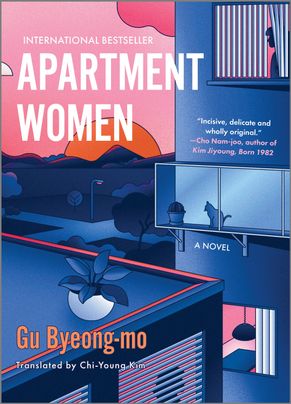


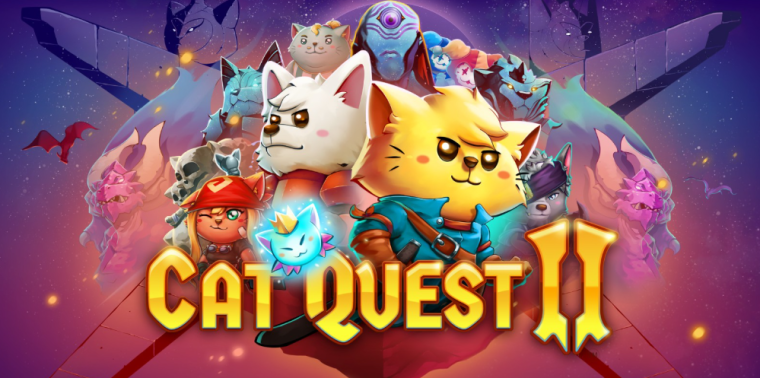


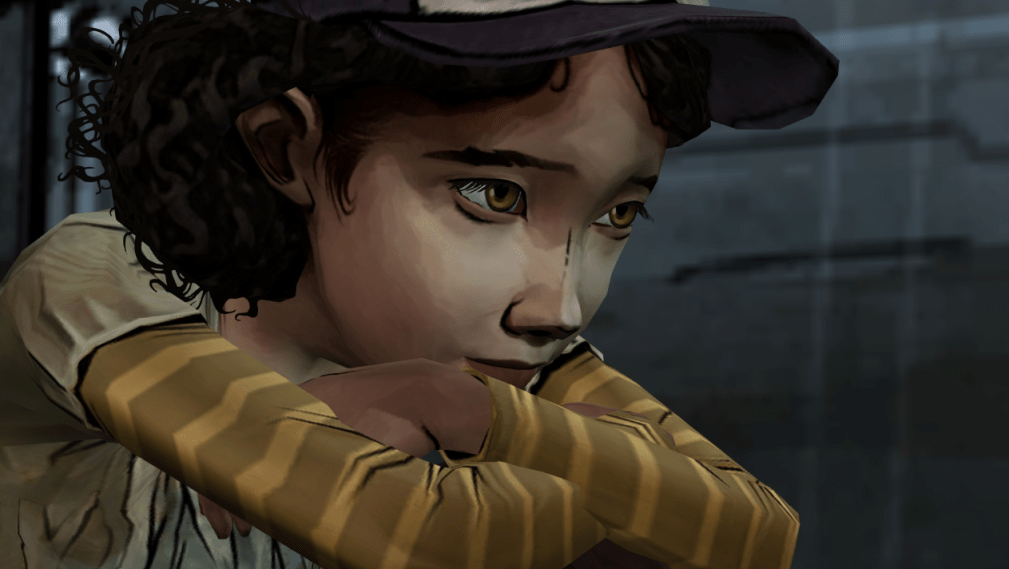
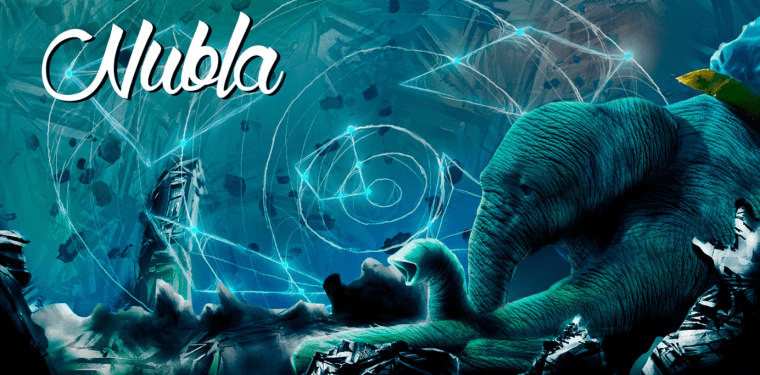
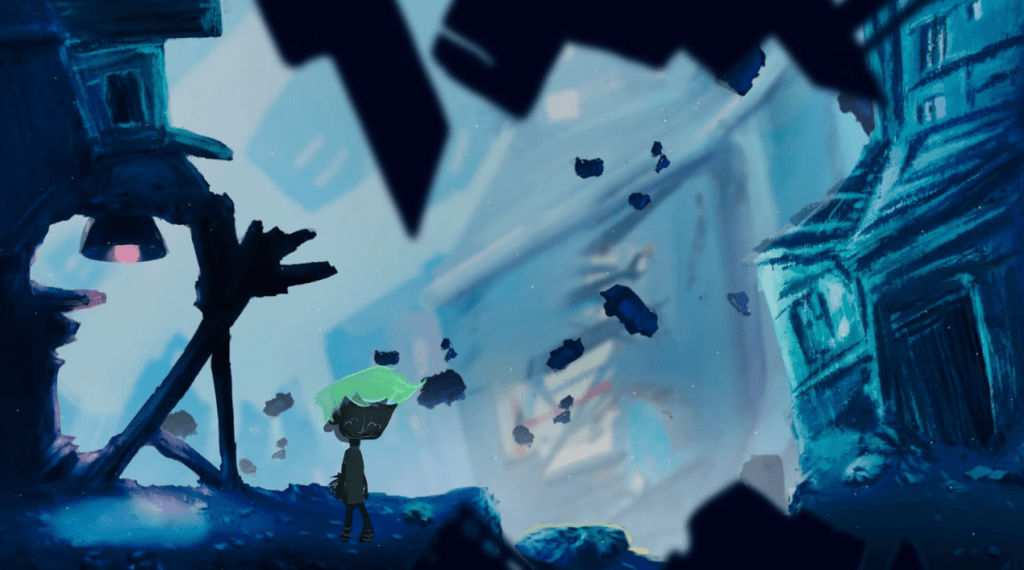
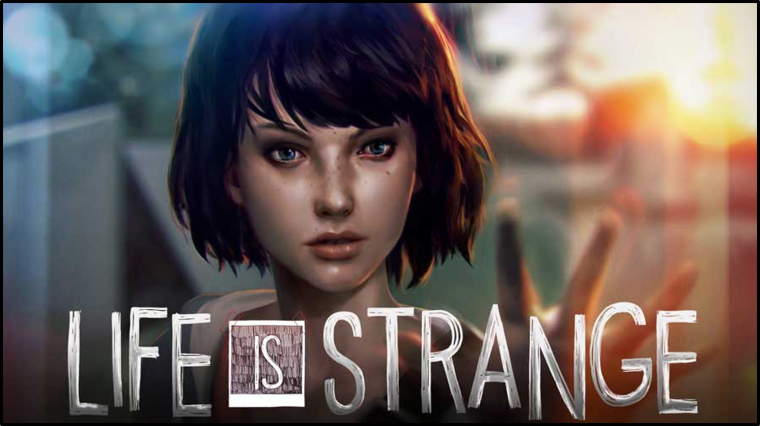

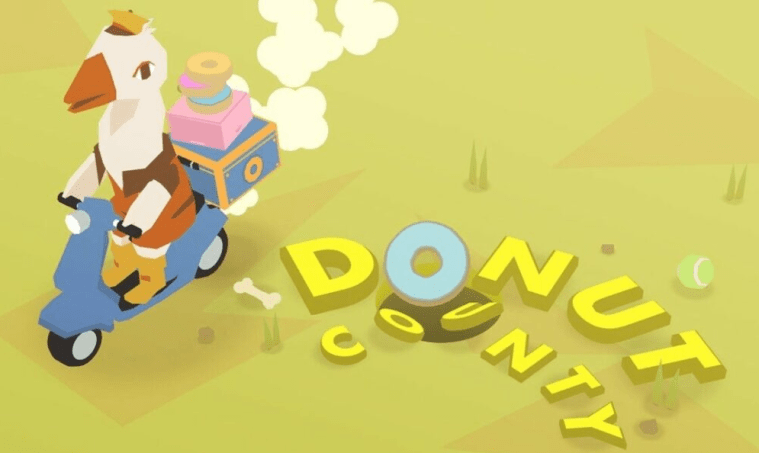

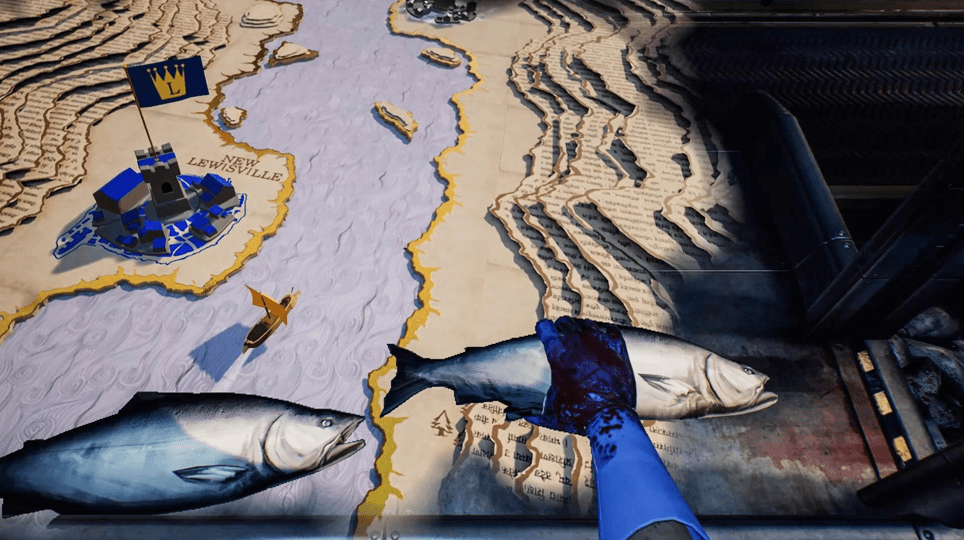



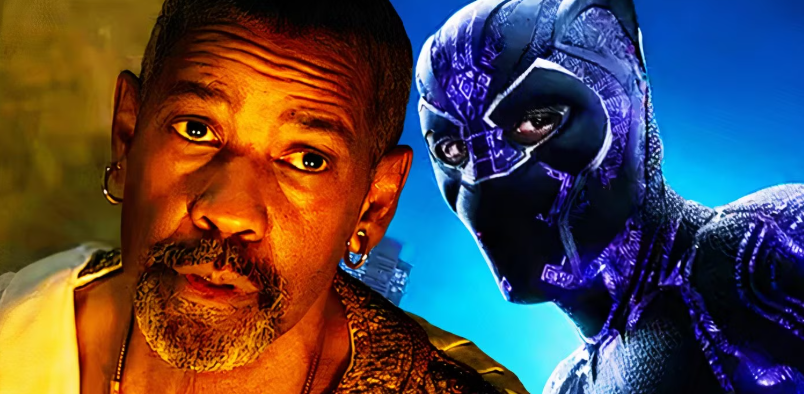







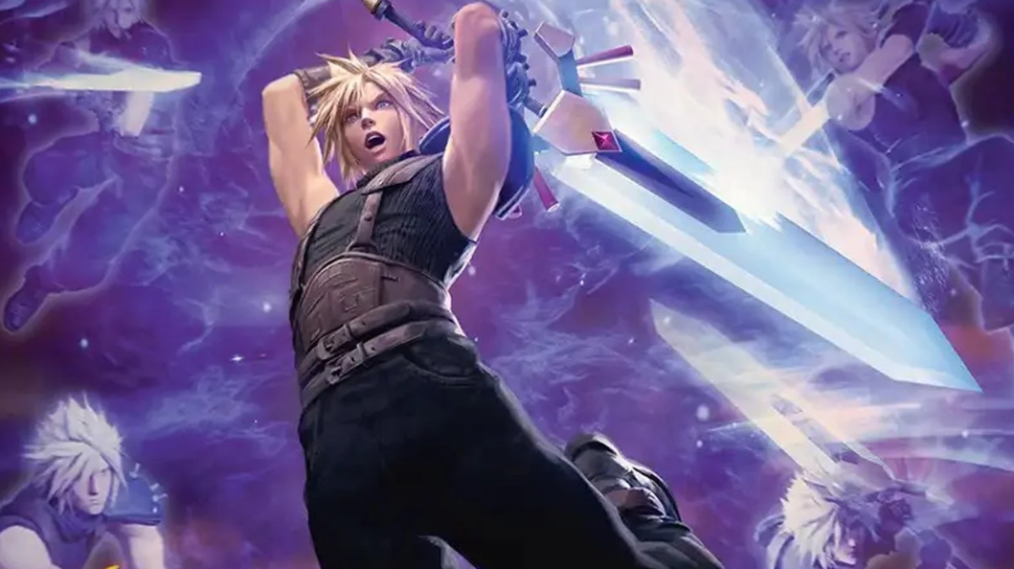

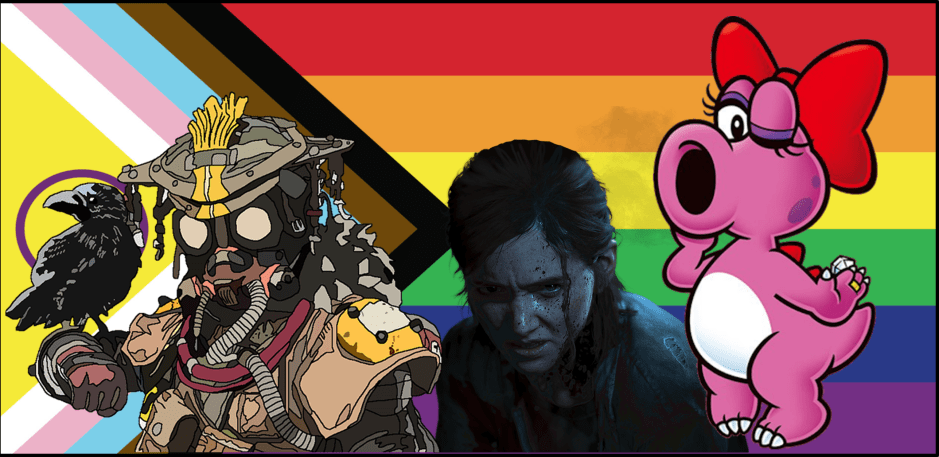

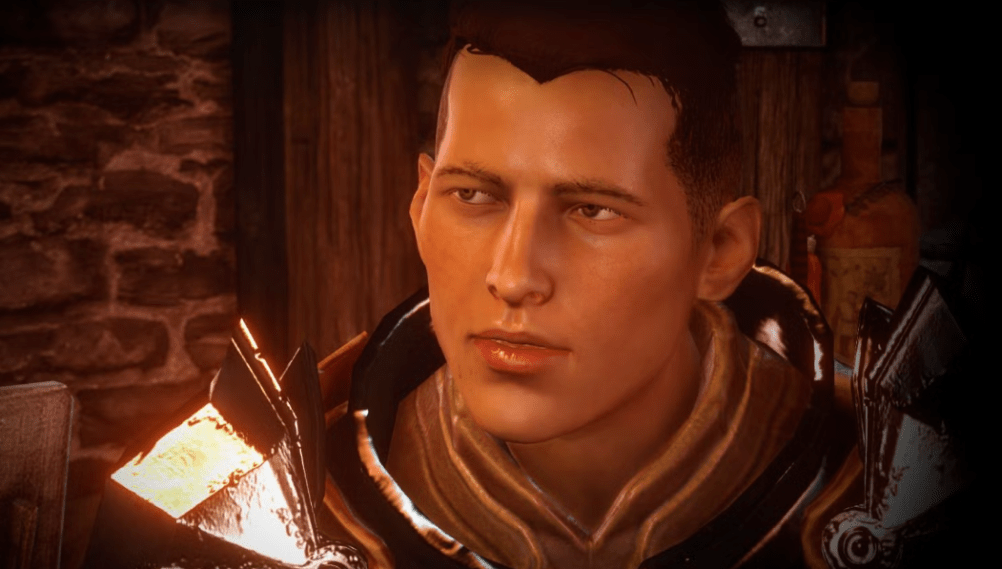


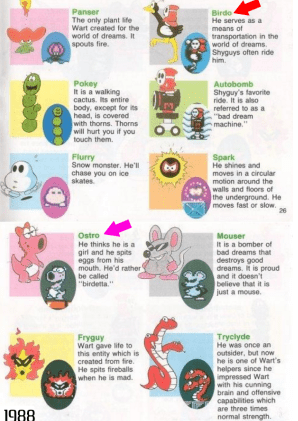


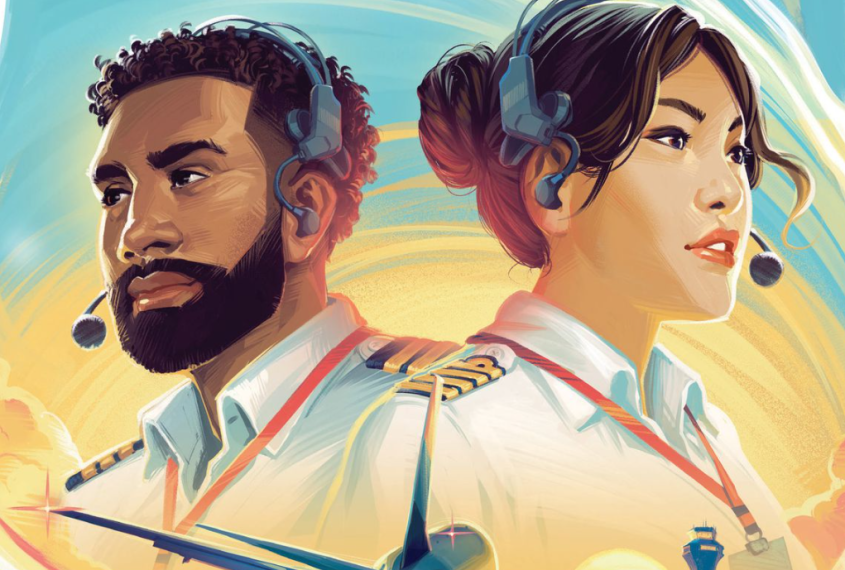
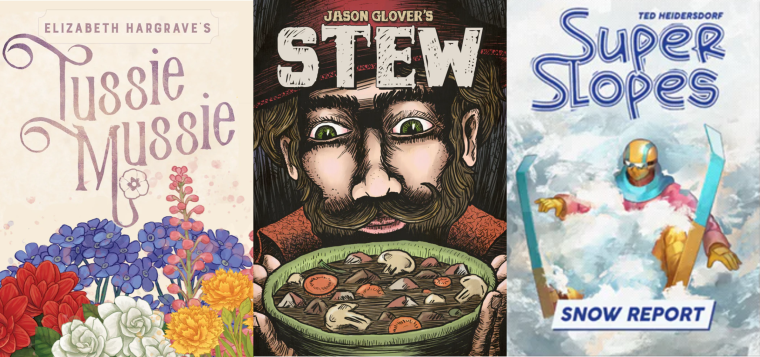

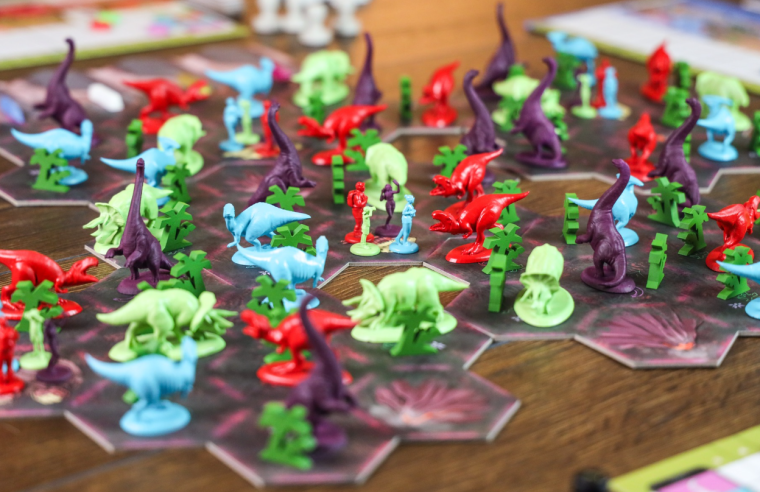

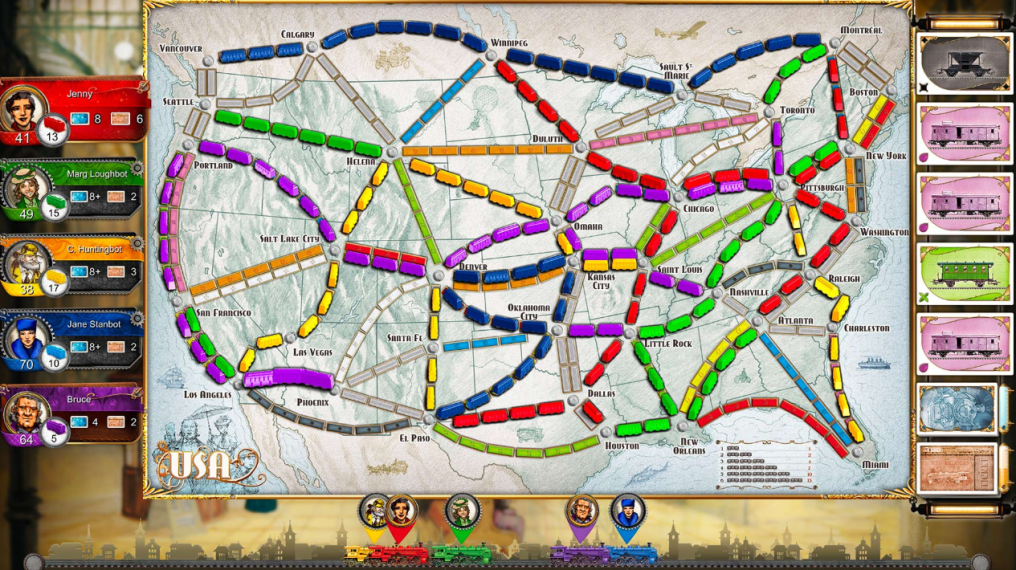
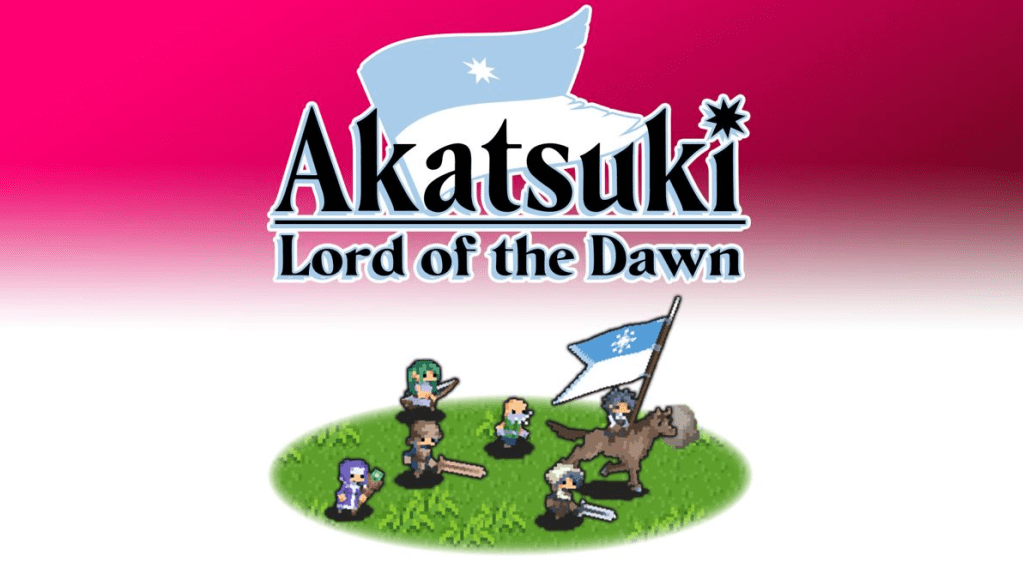



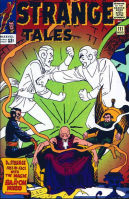


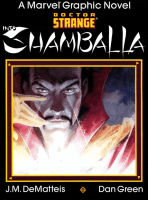

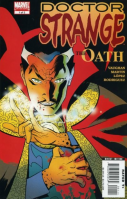
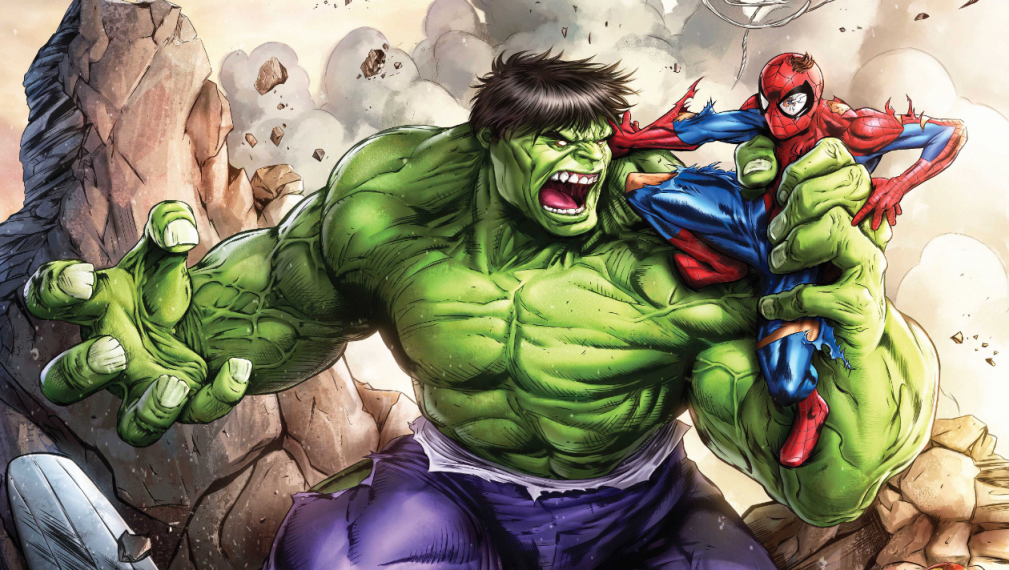


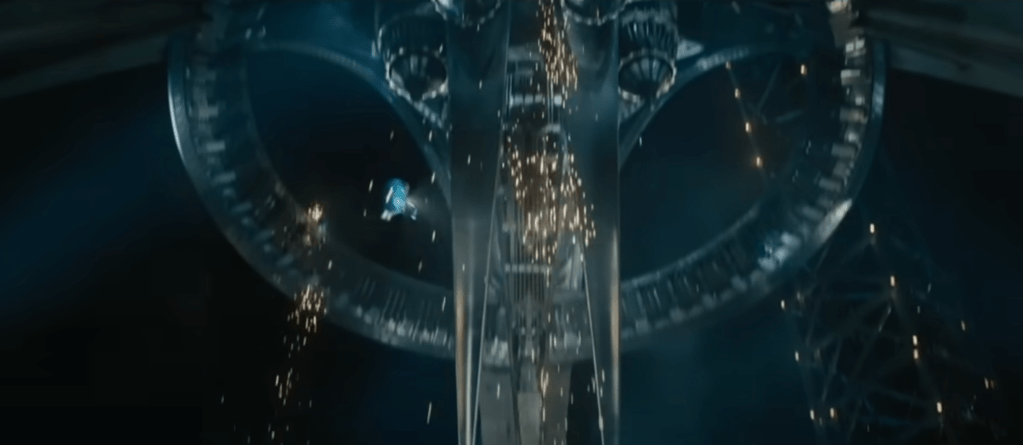


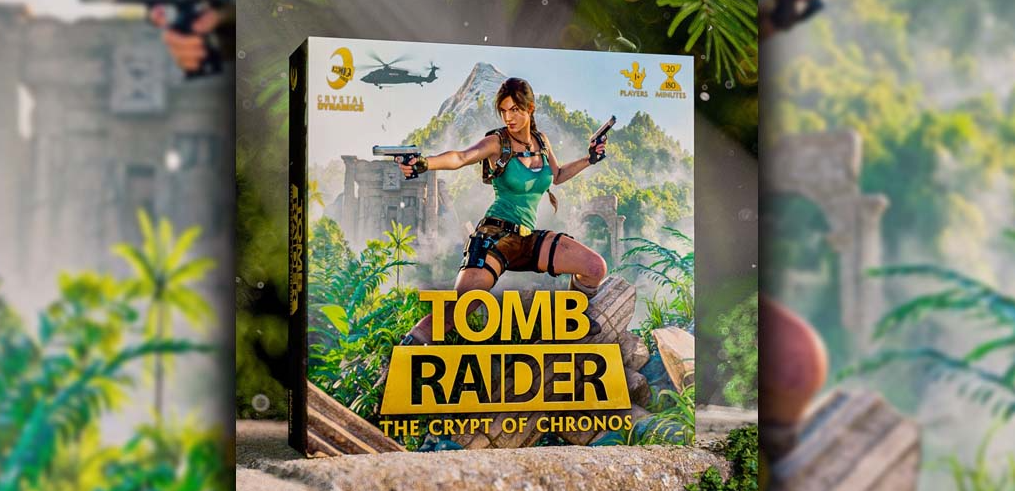
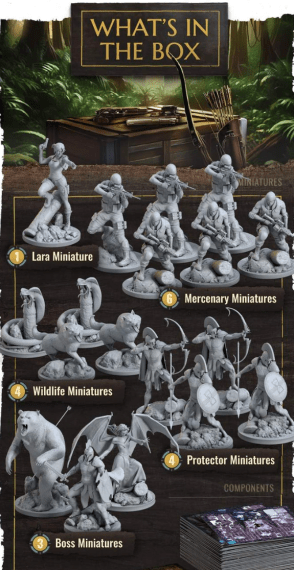
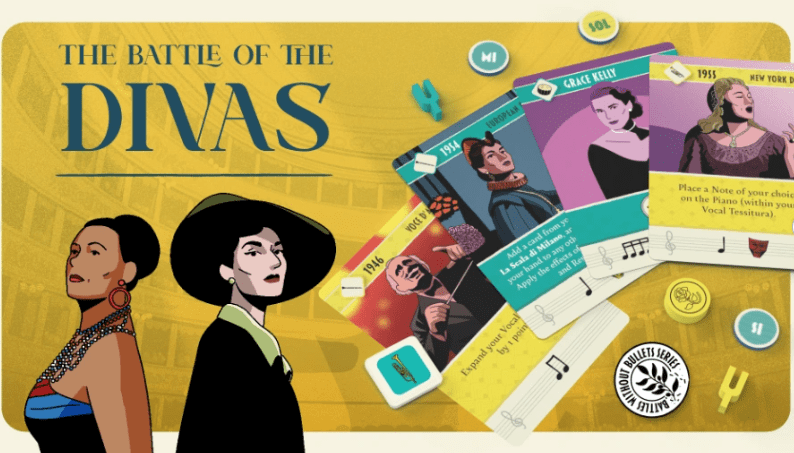
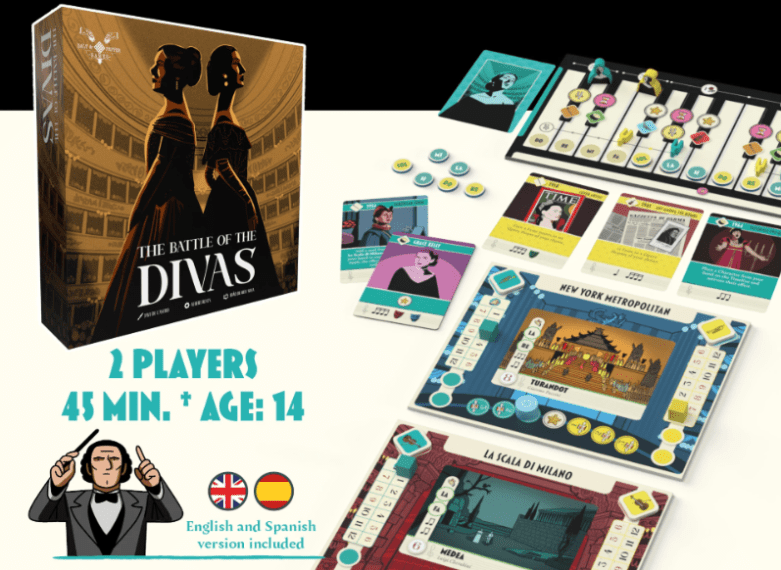
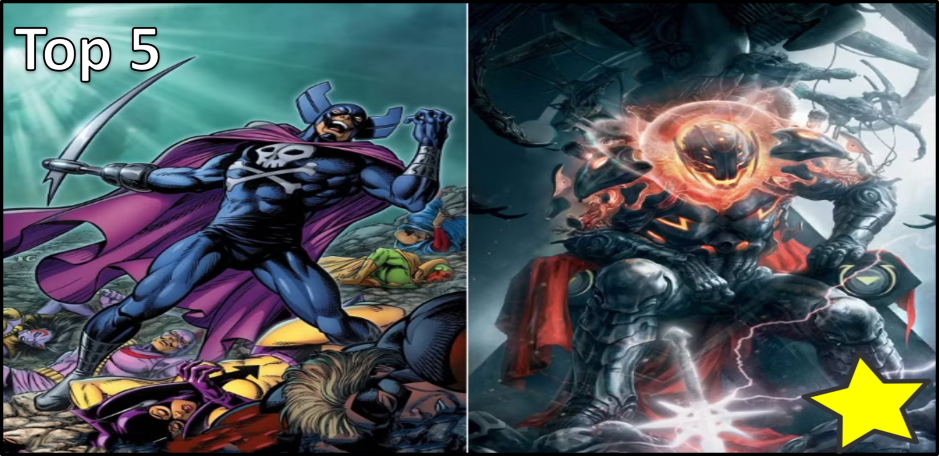




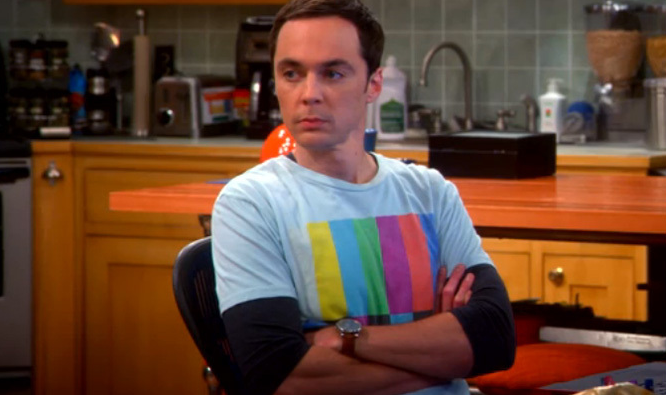

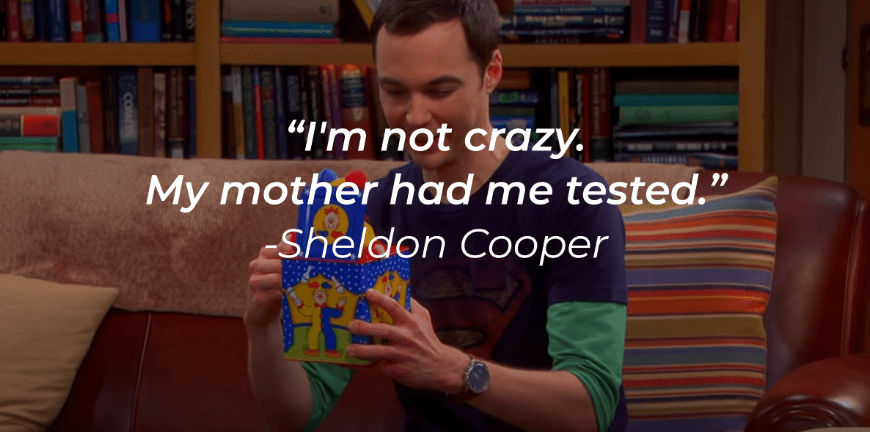


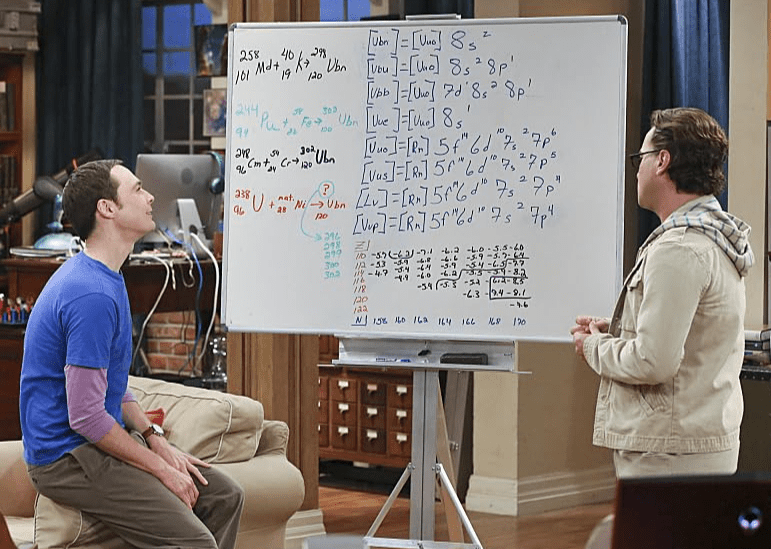


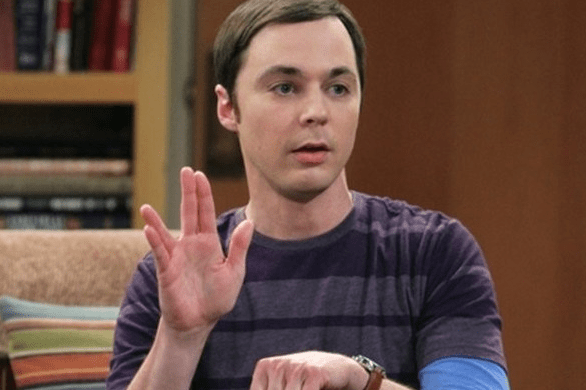







 jkgeekly.com