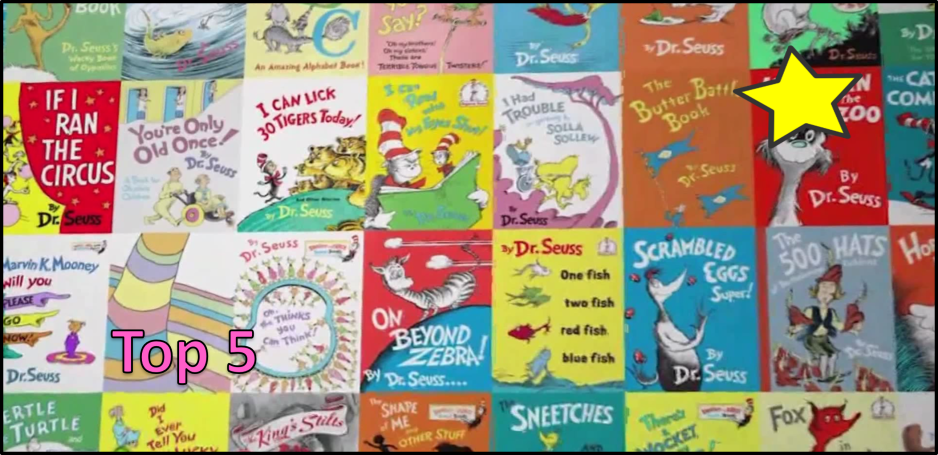
Happy Monday, Geekly Gang! Kyra Kyle here. Today, March 2nd, is Dr. Seuss’s birthday. We’re celebrating by listing our Top 5 Dr. Seuss Stories, and that’s not just me, Kyra, saying that. I asked all the Geekly writers for their favorite Dr. Seuss stories; the higher on someone’s list a story goes, the more points it earns. I weighted the results, and the following is our Geekly Writers Top 5 Dr. Seuss Stories.
And yes. We legitimately had a three-way tie for fifth place. So, this ended up more like a Top 7 Dr. Seuss Stories.
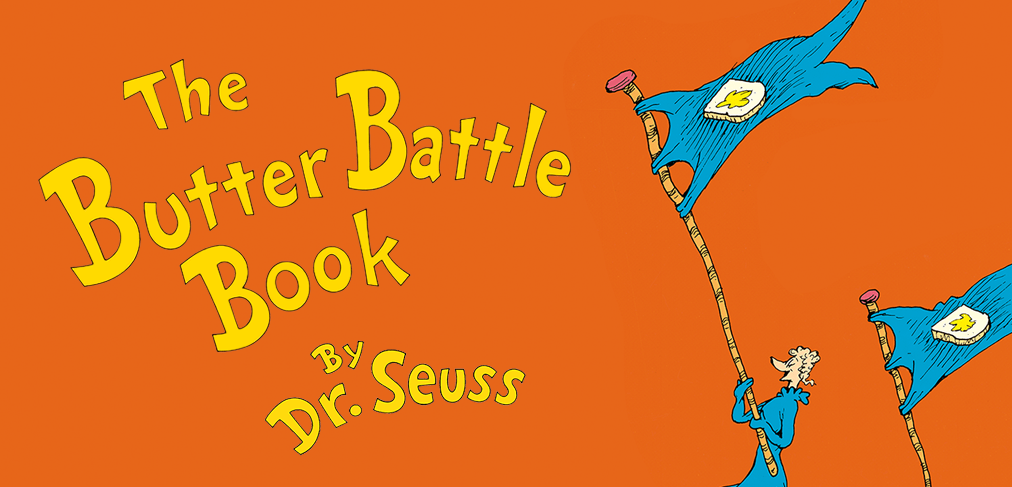
Tied 5) The Butter Battle Book
The Butter Battle Book is an anti-war story. It chronicles the battle between the Yooks and Zooks. One butters their toast on one side, while the other butters their toast on the other. The two groups war, amassing weapons that can destroy the world. The Butter Battle Book is a fun way to just say no to war. And it points out the idiotic reasons why some wars begin.
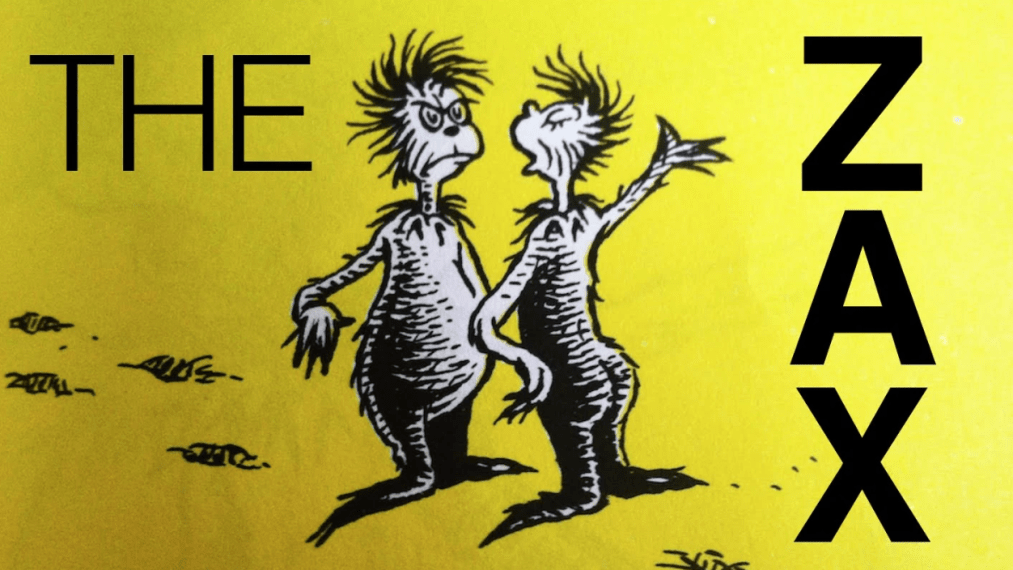
Tied 5) The Zax
Take away the war angle, and The Zax has a similar message to The Butter Battle Book: stubbornness and how it destroys lives. The Zax live in the Prairie of Prax. Two varieties exist, North-Going Zaxes and South-Going Zaxes. When the two meet, their stubbornness causes them to refuse going in any other direction. Eventually, the world passes them by.
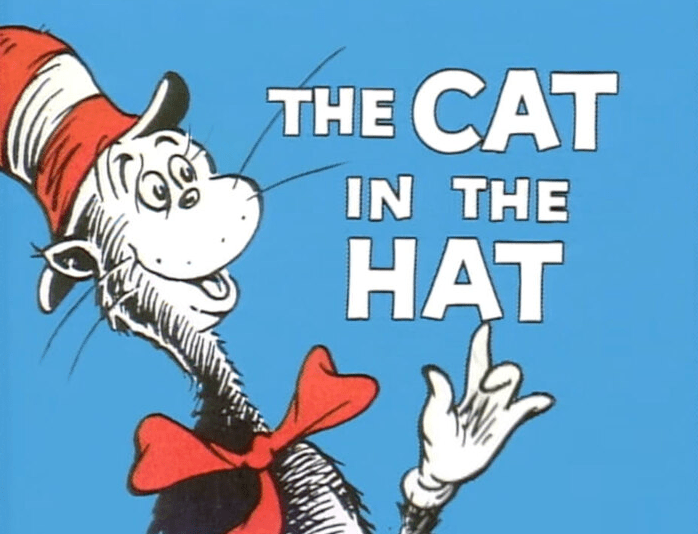
Tied 5) The Cat in the Hat
To say The Cat in the Hat is iconic would be an understatement. The Cat in the Hat is so iconic that it’s become an icon for Random House Books. Despite that, The Cat in the Hat lands in a three-way tie for fifth on this list. While The Cat in the Hat may be one of the first books most of us read (the book was kept to 225 unique words so new readers could learn them), we preferred the messages behind other Dr. Seuss stories more.
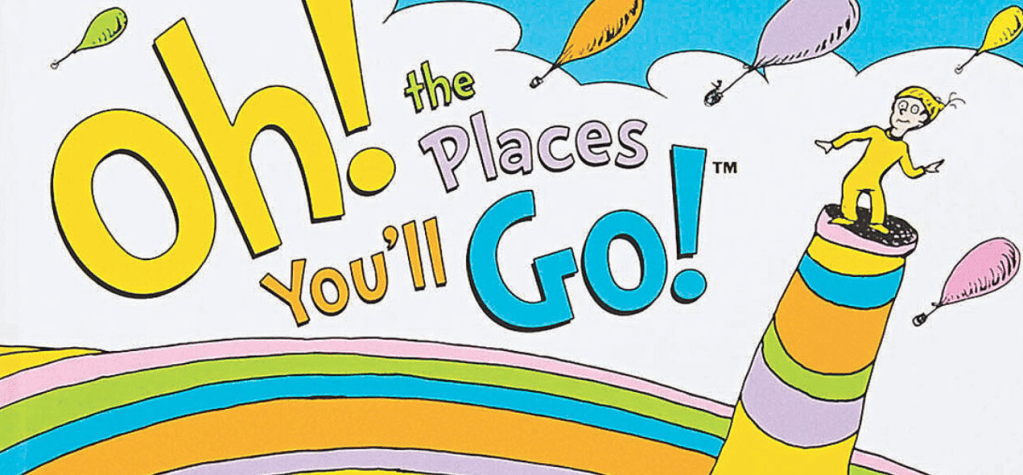
4) Oh! The Places You’ll Go!
The great thing about a list like this is that some of you are thinking, Oh! The Places You’ll Go! is way too far down this list, while others are rolling their eyes. Surely, some of you heard excerpts from Oh! The Places You’ll Go! in a graduation or two or twenty. Yes. Oh! The Places You’ll Go! leans into sappiness, but it’s also the final story published during Dr. Seuss’s lifetime. I like thinking of this book as Oh! The Places You’ve Taken Us!
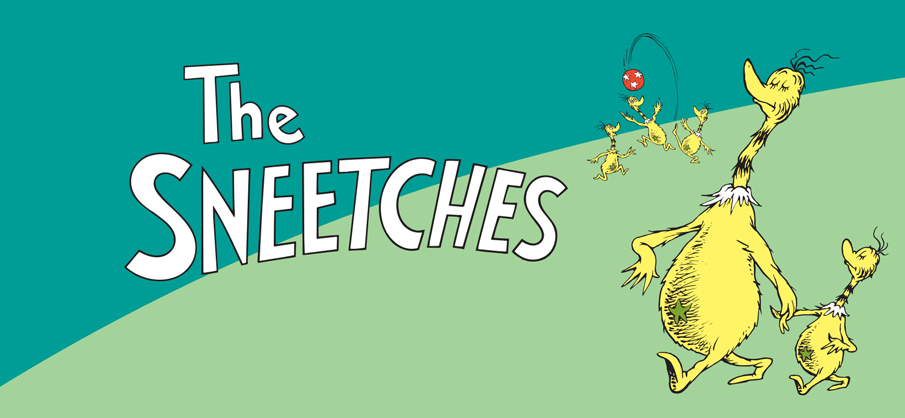
3) The Sneetches
While The Sneetches holds a great message of discrimination and acceptance, we may be biased toward The Sneetches because I portrayed Sylvester McMonkey McBean (The Fix-it-up Chappie) in a Children’s Theater rendition of The Sneetches. Does McBean teach the Sneetches (a race of alien creatures where some have stars on their bellies and others don’t) a lesson? Or did my former character want to make a quick buck erasing and adding stars to gullible Sneetches? You decide.
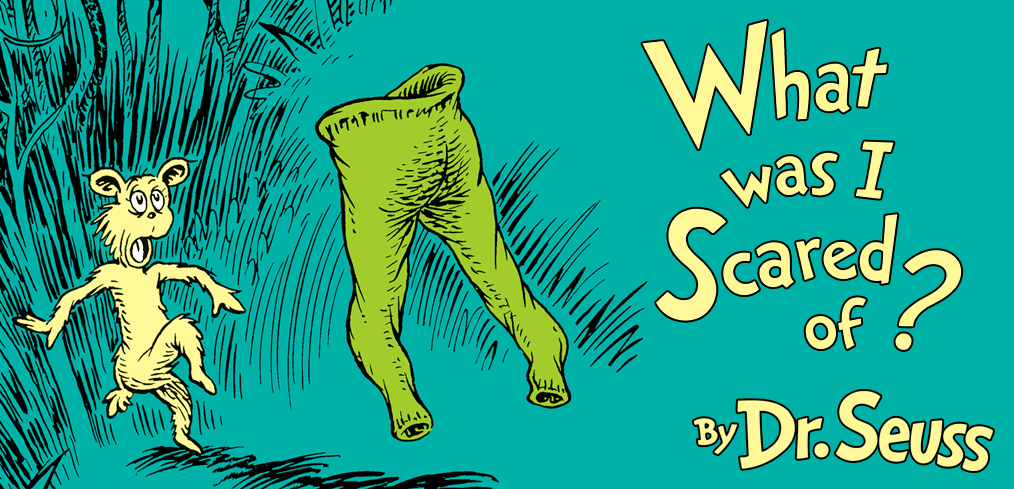
2) What Was I Scared Of
What Was I Scared Of? is the strangest inclusion on this list. Some of our writers rated What Was I Scared Of? as their number one Dr. Seuss story, while other writers (myself included) didn’t even include the story on their list. Oddly enough, What Was I Scared Of?’s message works with The Sneetches’ (that’s maybe why they were included in the same collection). What Was I Scared Of? centers on the fear of something one doesn’t know. That fear can lead to discrimination. I like how the pale green pants with nobody inside them only want to be friends.
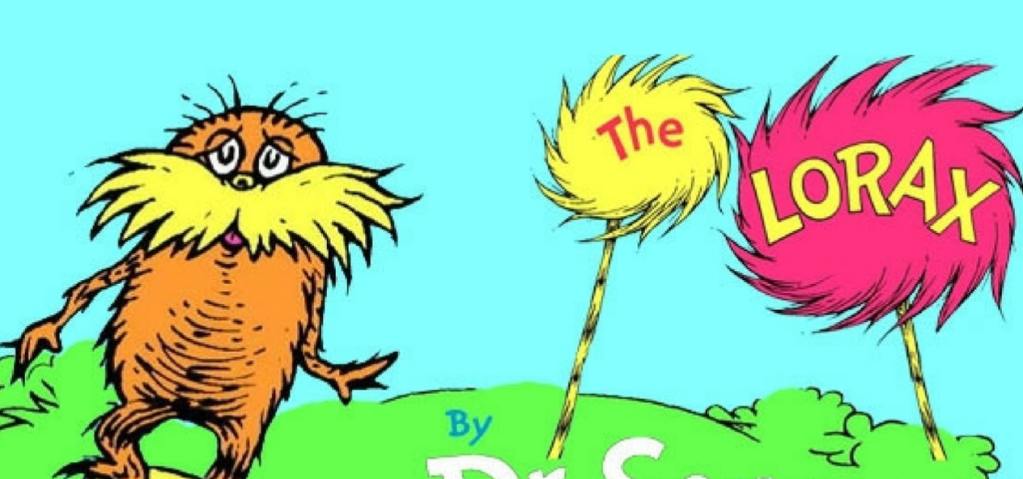
1) The Lorax
Who doesn’t love Truffula Trees, Brown Bar-ba-loots in their Bar-ba-loot suits, Swomee-Swans, and Humming-Fishes? We sure do. The Lorax didn’t quite claim the top spot on every one of our writers’ lists, but it came close. This classic tale of environmentalism warns of what will happen if we don’t take care of our planet. But The Lorax offers hope and an actionable request. The Once-ler gives the unnamed, young child a Truffula seed. He asks the child to plant the Truffula seed and treat the land better than the Once-ler. Hopefully, there’s still time for us to plant Truffula Trees before we no longer have Brown Bar-ba-loots in their Bar-ba-loot suits.
That’s our list of the Top 5 Dr. Seuss Stories. This is by no means an exhaustive list. Plenty of stories made our lists (including mine) that didn’t manage to crack the Top 5. Wait! I just checked. I had the most stories on my list to not make the cut. I demand a recount. Let us know your favorite Dr. Seuss Stories in the comments. Thank you for reading, and wherever you are, I hope you’re having a great day.
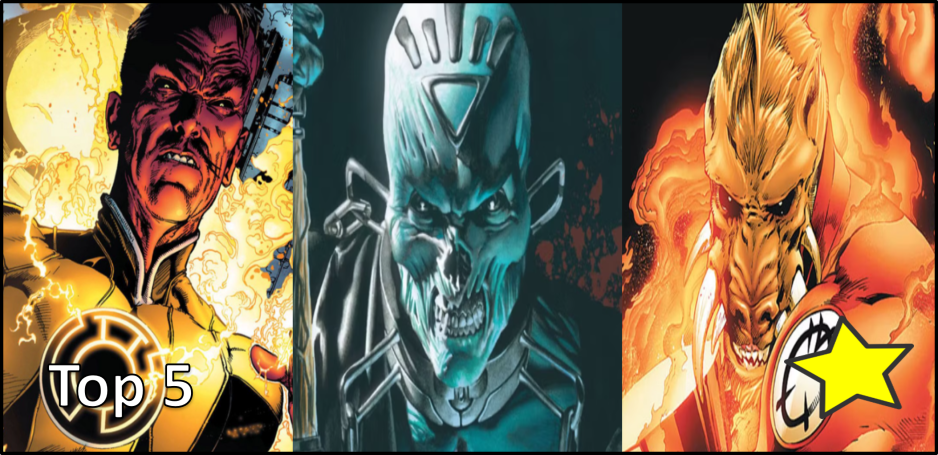
Happy Saturday, Geekly Gang! We haven’t done a Top 5 Villains list for a superhero or superhero group since Black Panther late August of last year. Looks like we’re overdue for another list, and since Lanterns is releasing on HBO Max, let’s count down the Top 5 Green Lantern Villains. Green Lantern is almost on Superman’s level in his number of overpowered villains. Heck, some of these Green Lantern villains have their own Corps of Henchmen ready to take down the Emerald Knight. Let’s see who made our list of Top 5 Green Lantern Villains.
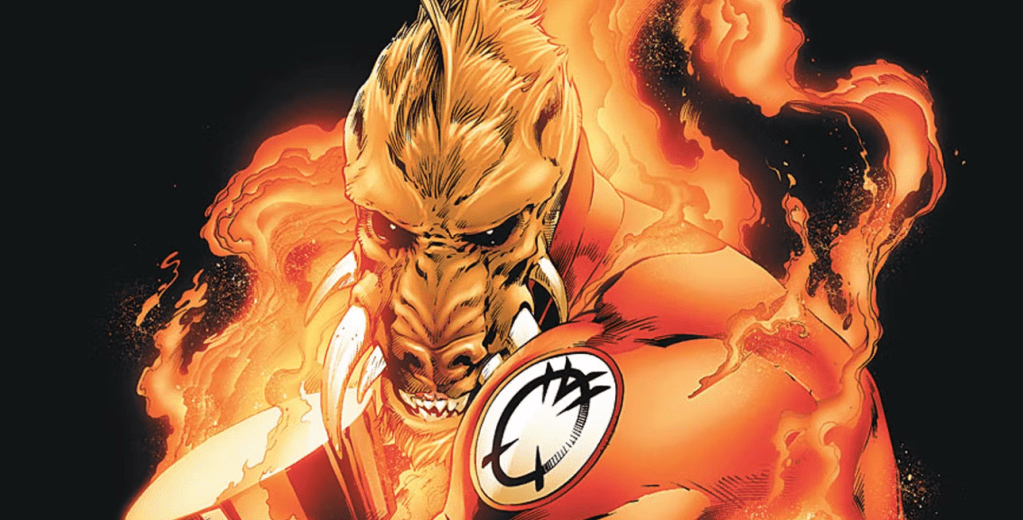
5) Larfleeze
Larfleeze might not make a lot of people’s lists of Top 5 Green Lantern Villains because he’s often depicted as comic relief, but Larfleeze’s origin is anything but comical. Deep within the Vega System, Larfleeze of Okaara protects the DC Universe’s only Orange Lantern Power Battery. Fueled by greed, Larfleeze has a desire to take as much power as he can. Larfleeze would kill anyone he believed was trying to steal his Power Batter, and then copy his victims’ image, stealing their identities and have them join his Orange Corps as construct ghosts.
Larfleeze is the embodiment of greed, the emotional power that feeds orange. Under the Orange Light of Greed’s sway, Larfleeze is driven to possess everything.
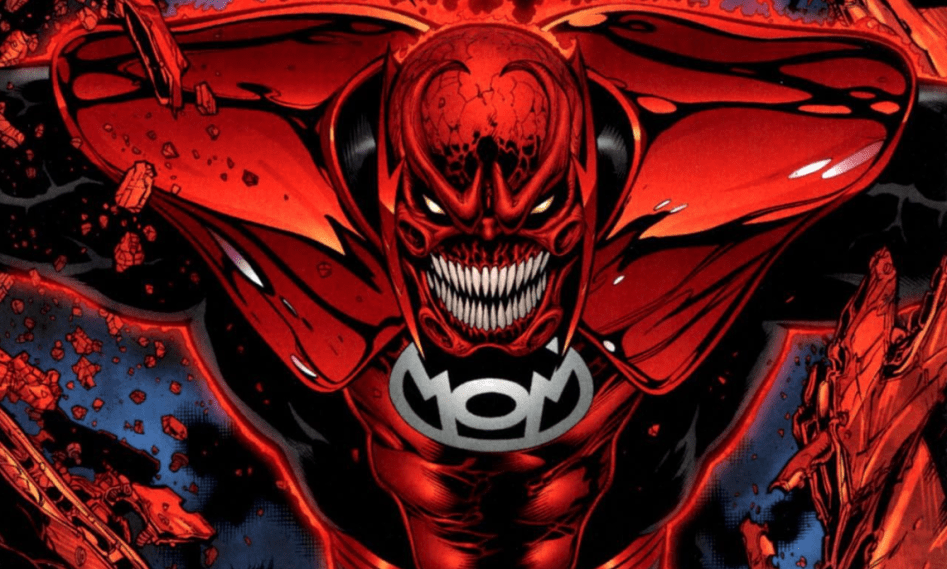
4) Atrocitus
Another one of Geoff Johns’s creations, Atrocitus represents a different Lantern Corps Spectrum: Red’s Wrath. The murderous Atrocitus and his Red Lantern Corps may be the most feared force in the known, extraterrestrial DC Universe.
The Manhunters killed everyone Atrocitus knew. He became an intergalactic terrorist, wanting to kill the Guardians of the Universe. After numerous bloodthirsty missions, Atrocitus formed his Red Lantern Corps to go toe to toe with the Green Lantern Corps. At his core, Atrocitus executes an extreme form of justice. Too bad his form of justice comes with enough blood to paint the universe.
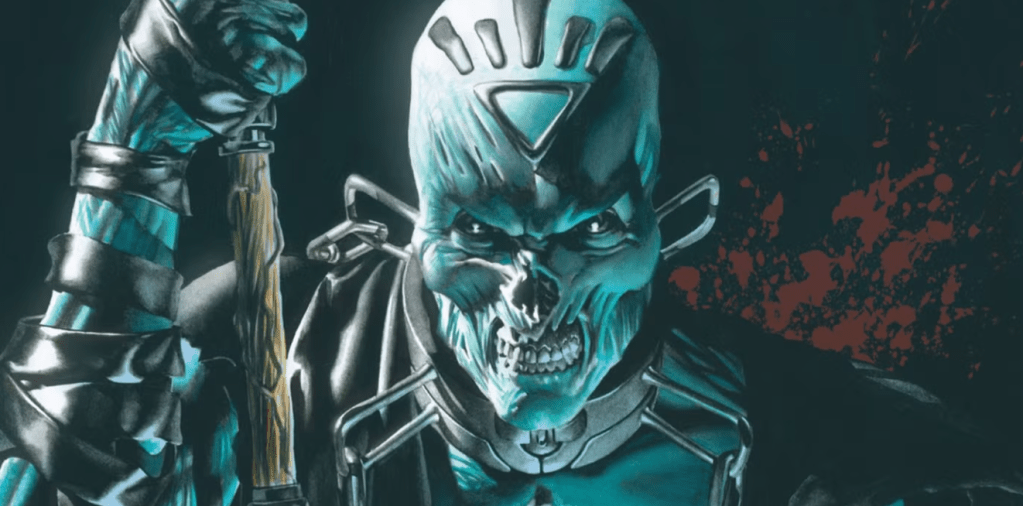
3) Nekron
Nekron is a demon who is DC Comic’s embodiment of Death. Nekron has power over the souls of everyone who has ever died. He uses these souls to perform godlike abilities like strength, durability, and energy projection. Never content with his deathly realm, Nekron seeks control over the rest of the DC Universe.
Nekron’s right-hand agent, Black Hand, almost made this list, too. Consider Black an honorable mention for Green Lantern’s Top 5 Villains. The two of them concocted the events of “Blackest Night.” They co-created the Black Lantern Corps of death. Using the bodies of formerly dead heroes like Superman and Wonder Woman, Nekron attempted to eliminate all life.
2) Parallax
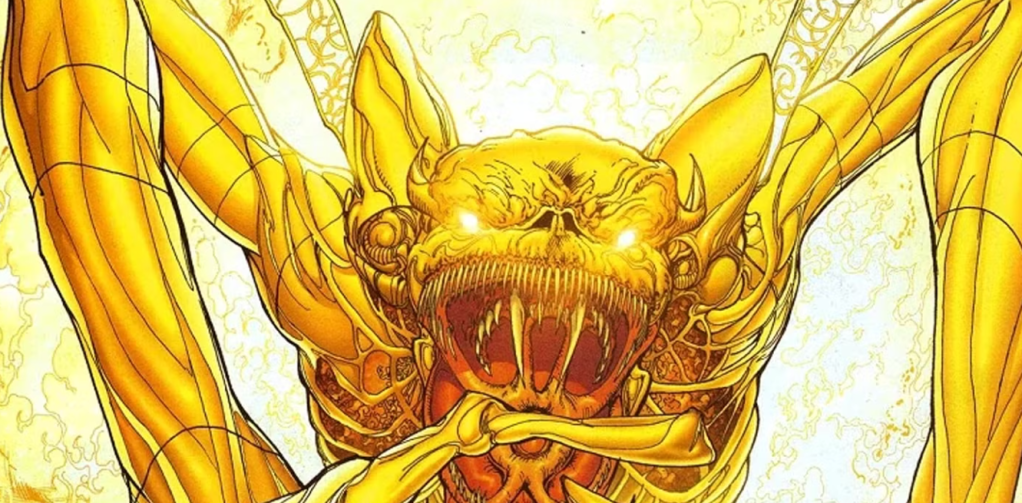
Yellow’s fear runs counter to Green’s will, so spoiler alert, our top two spots belong to Yellow’s portion of the Emotional Spectrum. Parallax is the embodiment of terror. It derives its power from the yellow light of fear, typically presenting itself as a serpentine creature that acts as a parasite in a host’s mind. The most famous instance of a Parallax infection was Hal Jordan.
That’s right. Parallax turned Hal Jordan into a villain. Jordan adopted Parallax as his villainous persona. While under Parallax’s control, Hal Jordan massacred the rest of the Green Lantern Corps and destroyed his home, Coast City. But Jordan is far from Parallax’s only vessels. It’s taken possession of heroes like Kyle Rayner and The Flash. Whenever Parallax takes control of a hero, its malevolent spirit and power turn the poor soul into one of the DC Universe’s most powerful villains.
1) Sinestro
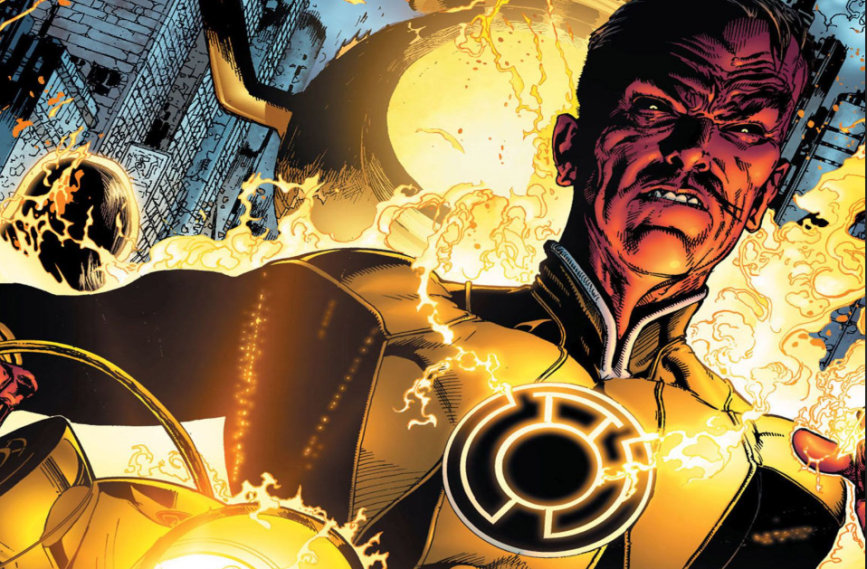
While Parallax takes temporary control over its host, Sinestro shows how the yellow light of fear can corrupt even the greatest Green Lanterns, completely and forever. When Hal Jordan first joined the Green Lantern Corps, Thaal Sinestro was his mentor. The two developed a bond, but that bond was shattered when Hal discovered Sinestro kept his sector (of the universe) in line through tyranny.
Jordan got Sinestro booted from the Green Lantern, and the Korugarian never forgave Hal, the Green Lantern Corps, or the Guardians of the Universe. Since his dismissal, Sinestro has been one of the DC Universe’s most enduring antagonists. He’s a card-carrying member of the Legion of Doom and the founder of the Sinestro Corps, who also harnesses the yellow light of fear. While he may occasionally commit acts of valor, Sinestro’s hatred, anger, and desire for power define him. We had to go with Sinestro for the top spot. Sometimes one of a character’s original villains are the best.
There are plenty of other Green Lantern Villains we could’ve added to this list. Who would you include? Let us know in the comments. Thank you for reading, and wherever you are, I hope you’re having a great day.
Happy Valentine’s Day, Geekly Gang! Love is in the air. You can find it, even in video games, and that’s what we’ll be talking about in today’s post of the Top 5 Video Game Couples. Like the real world, video game couples take all shapes and sizes. Despite its short existence as an art form, video games have plenty of great video game couples. We’re sure to leave a few dozen off this list. It’s time to look at the video game couples that get us twitterpated.
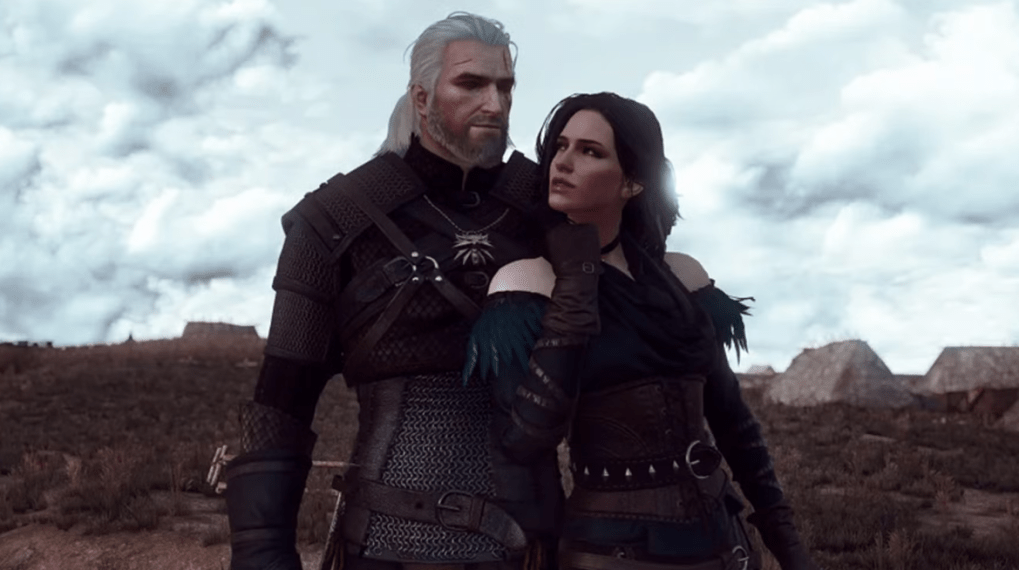
5) Geralt of Rivia and Yennefer of Vengerberg (The Witcher 3: Wild Hunt)
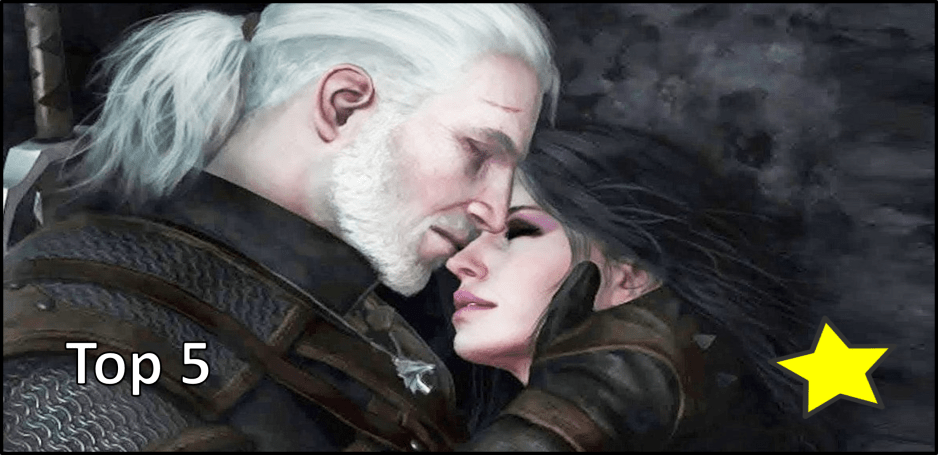
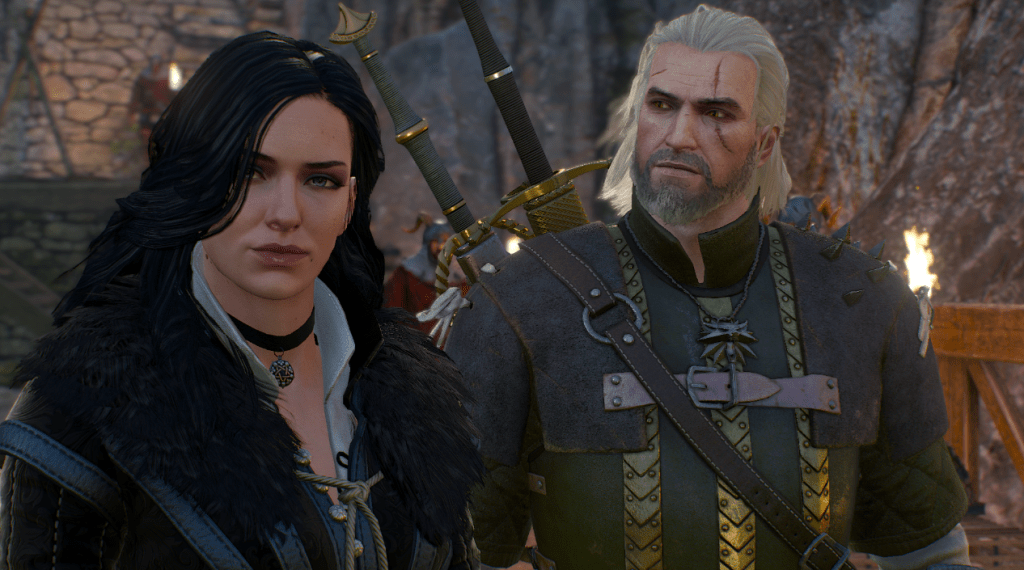
Geralt has had plenty of romantic partners in The Witcher series, but most fans would agree his one true love is Yennefer. She’s one of The Witcher 3: Wild Hunt’s main characters, and if gamers make the right choices, Geralt can peacefully retire with the love of his life, Yennefer.
Yennefer and Geralt have a chaotic relationship, complicated by political intrigue and Ciri influence on the couple. Geralt isn’t the best at showing his emotions, but Yennefer is the only one who understands the Witcher. Geralt and Yennefer are one of those perfectly imperfect couples. They may be the most relatable couple of this list.
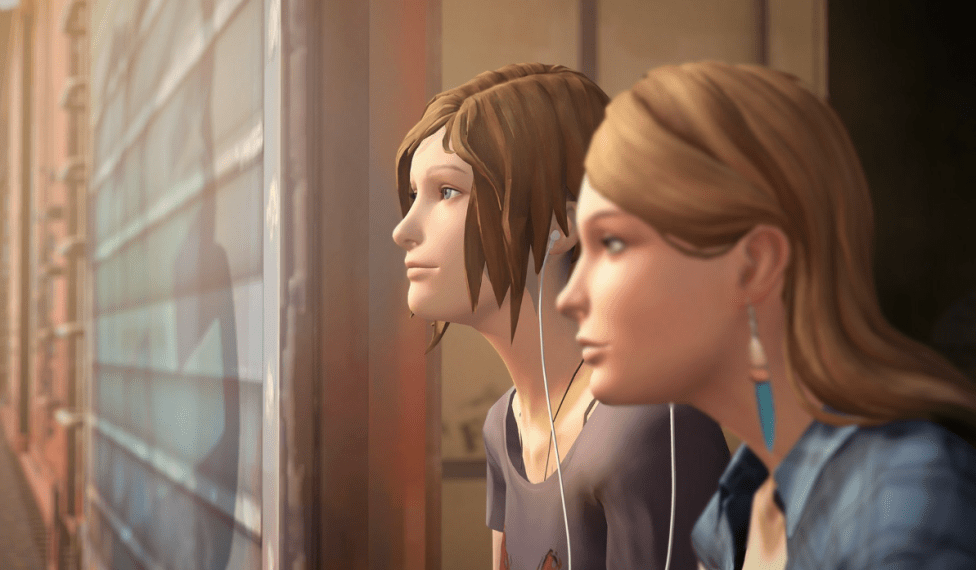
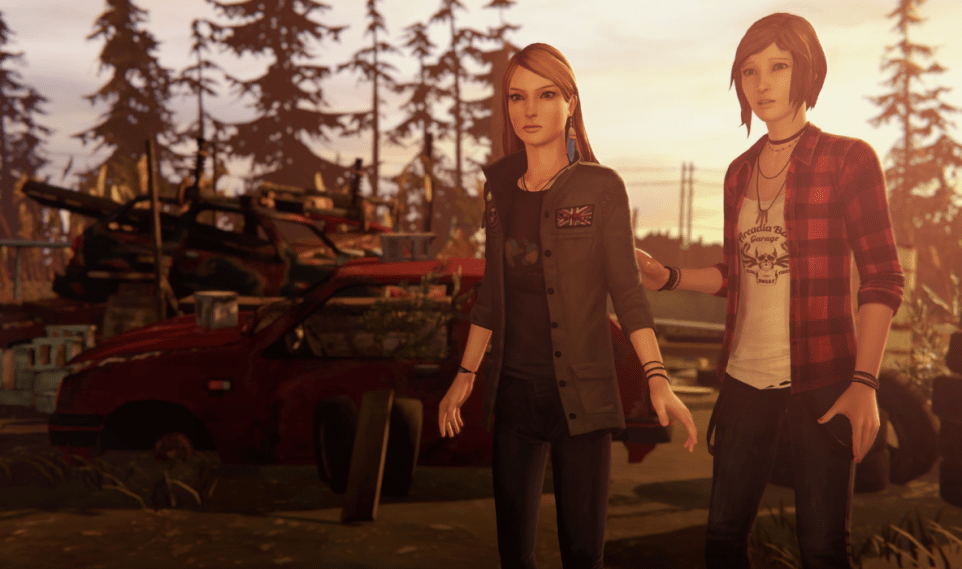
4) Chloe and Rachel (Life is Strange)
The original Life is Strange hints at Chloe Price and Rachel Amber’s relationship. You know, before Rachel disappeared. During the events of Life is Strange, Rachel’s disappearance shakes Chloe to her core. This alone doesn’t make Chloe and Rachel worthy of this list. Fortunately, the spin-off Life is Strange: Before the Storm explores their relationship, and we see why Chloe is heartbroken.
At first, we thought the pair shared a strong friendship, but Before the Storm has Chloe calling Rachel “my angel.” Their love goes deeper than any friendship. And Before the Storm’s clarification shatters any doubt of the two’s romance.
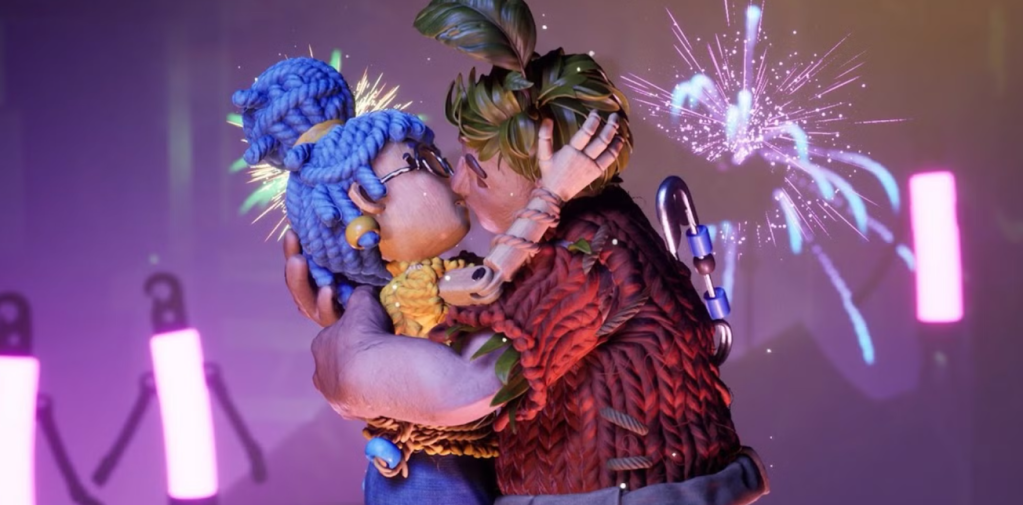
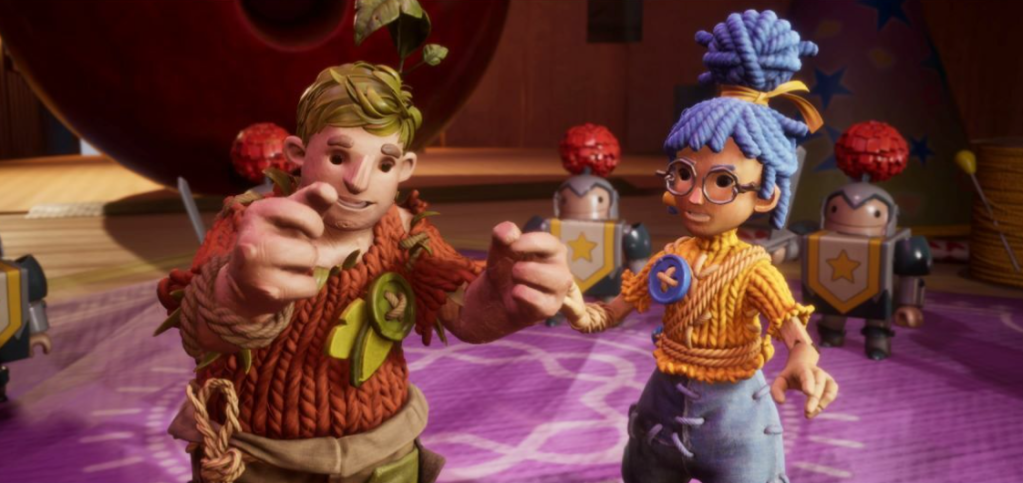
3) Cody and May (It Takes Two)
Okay. I may have been wrong about Geralt and Yennefer being the most relatable couple on this list. Cody and May from It Takes Two may take that award. It Takes Two’s story centers around the realistic relationship between the two, as they try to navigate their messy divorce and alleviate its effects on their daughter, Rose.
Players control two toy versions of the characters as they explore a bizarre version of their home. Get ready to laugh and cry as you help Cody and Max repair their relationship.
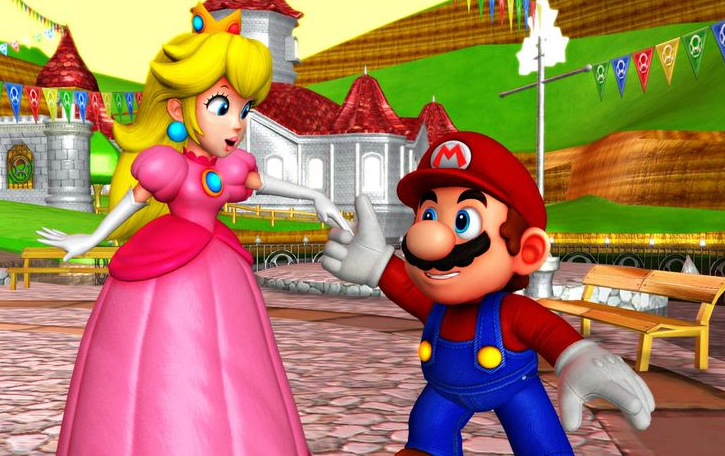
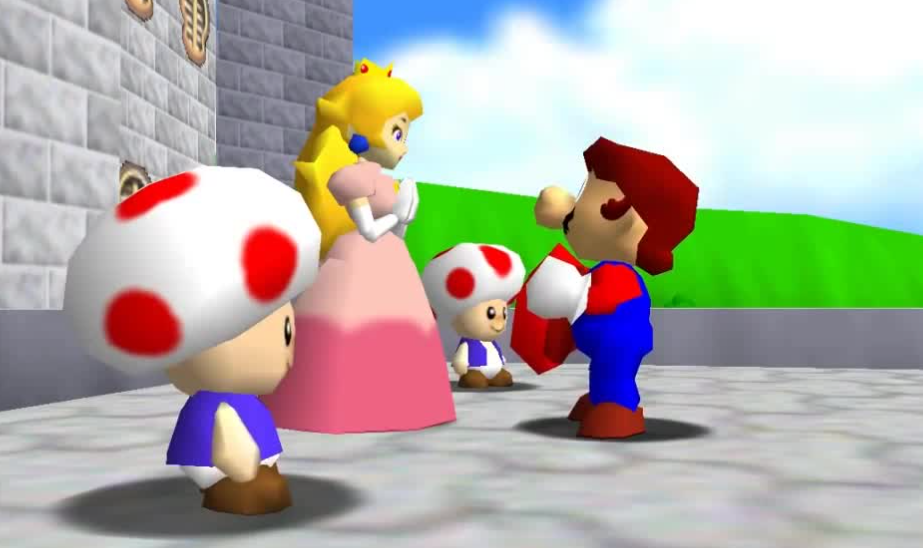
2) Mario and Princess Peach (Super Mario Series)
You probably clicked on this post expecting to see Mario and Princess Peach. We didn’t want to disappoint you. Mario and Princess Peach is one of the most well-known and celebrated relationships in video game history. They’ve overcome obstacles since the early Eighties.
Princess Peach has stepped out of the shadow of the damsel in distress in early Super Mario games. As early as Super Mario Bros. 2, she’s taken adventuring and heroism into her own hands. She’s the princess of the Mushroom Kingdom. You can’t keep her down. This pair should see plenty of future titles and spin-offs as they battle all of the Mushroom Kingdom’s foes. But Mario and Princess Peach just miss out on our top spot.
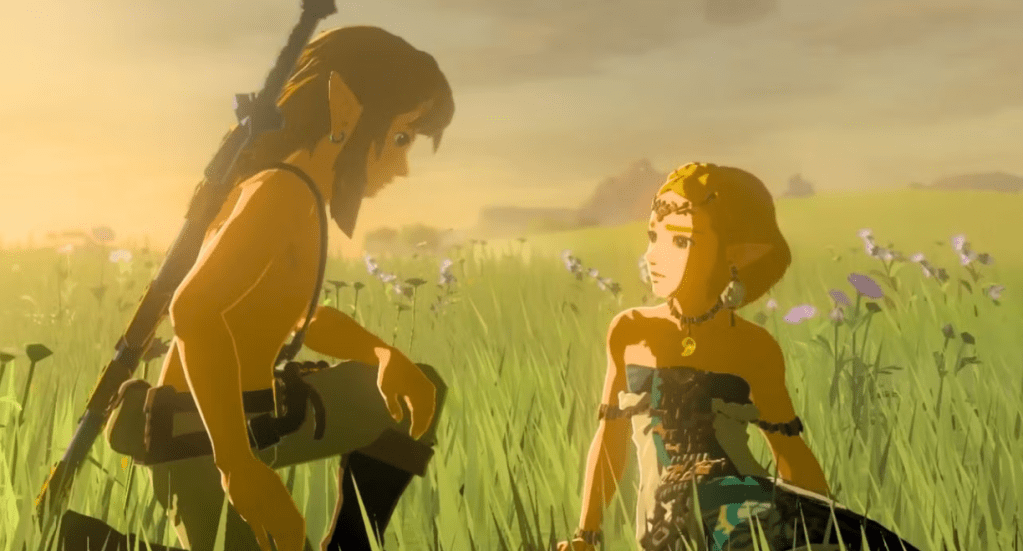
1) Link and Zelda (The Legend of Zelda Series)
Yep. We went double Nintendo properties for the top of this list. Link and Zelda may be the second couple you expected to see on this list when you clicked on the link. If you guessed these two, you’re two for two. Even though Link and Zelda are a classic video game romance, there were doubts the two were a couple until Skyward Sword put any doubts to rest. Skyward Sword showed the couple soar through the clouds, and solidified Zelda as Link’s equal.
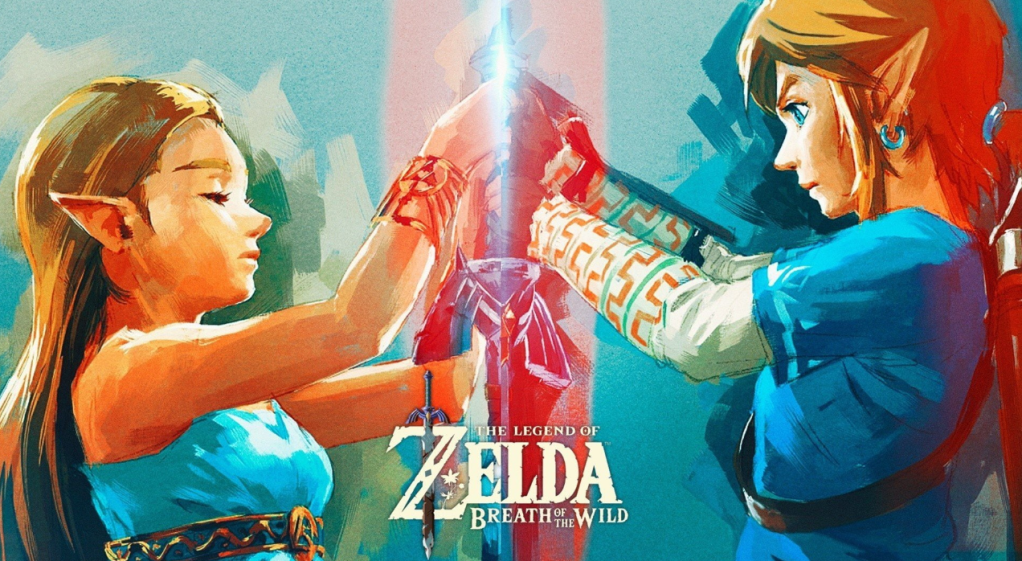
Zelda and Link’s relationship grew with Breath of the Wild and its sequel Tears of the Kingdom. This couple is there for each other every step of the way. And we love them for it. Here’s to another great four plus decades of romance and adventure.
These five video game couples are by no means the only ones we could mention. Plenty just missed the cut. Who would you add to this list? Let us know in the comments. Thank you for reading, and wherever you are, I hope you’re having a great day.
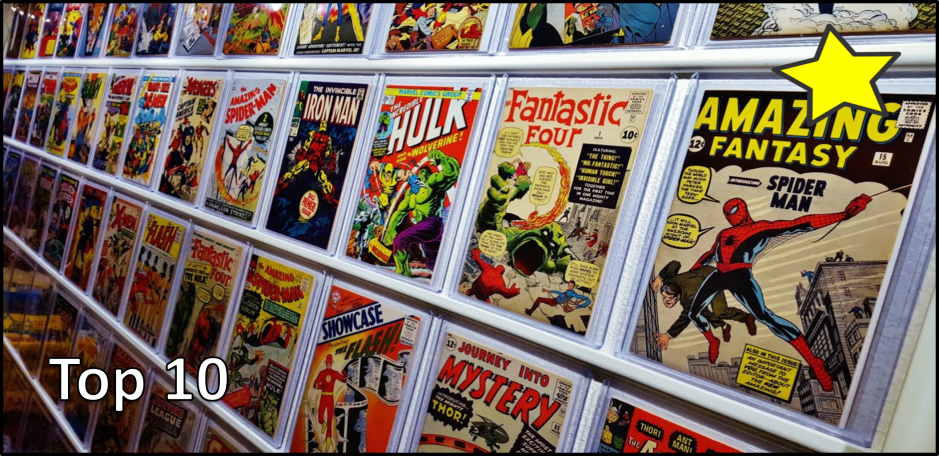
Hey, hey, Geekly Gang! Kyra Kyle here. We’ve tackled the idea of live-action television shows based on comic books over a decade ago with Top 5 Live-Action TV Shows Based on Comics. It’s a good idea to update this post. Our reasoning is three-fold: 1, it’s been long enough and more shows have been produced since 2015; we increased the number of shows on this list from five to ten; and Geekly forgot about a few shows inspired by comic books in the previous list. Whoops! Before we get into the shows, let’s set down some ground rules for this list.
1: Cultural relevance will play a role, as will the show’s overall quality.
2: Some of these shows don’t stack up in cinematic quality even with their contemporaries, but they’re outstanding just the same.
3: We’ll have to stick with one show from a franchise (or specific character) because we wouldn’t want a list that includes only Batman and Spider-Man.
Without further ado, let’s get to the top 10 live-action television shows based on comic books.
Honorable Mention 2) iZombie (2015-2019)
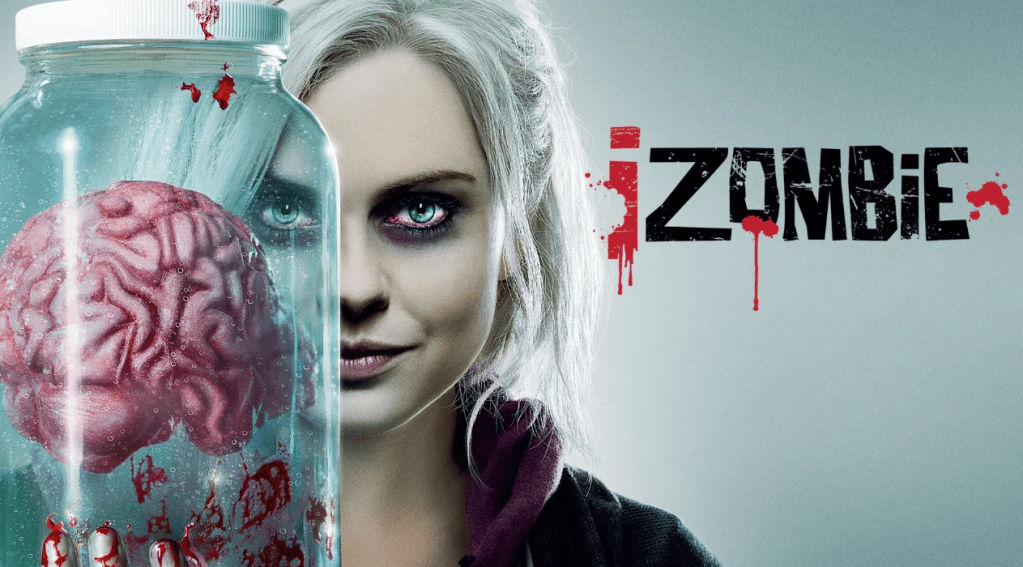
I’ll admit it. I have a soft spot for iZombie. Geekly covered the show when it first aired, and I like the combination of zombies and weekly detective work. Throw in some ongoing drama and a heavy dose of comedy, and you have one addictive show. iZombie won’t be too many people’s first choice for live-action television show based on a comic book, and that’s why I wanted to mention it here. It doesn’t hurt that iZombie’s intro theme, “I’m Already Dead” by Deadboy & The Elephantmen lives rent-free in my head.
Honorable Mention 1) Sandman (2022-2025)
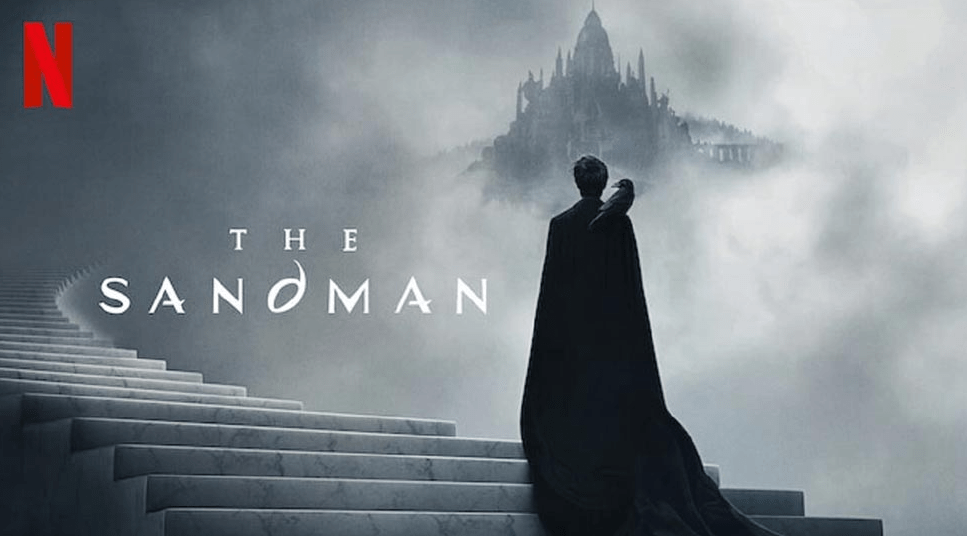
Sandman adapts the source material in a fresh way that also remains faithful to the comic book. Tom Sturridge does the unthinkable and captures the essence of Dream. Kirby makes a great Death. Mason Alexander Park is Desire. I could go on. Sandman has a stellar cast, but it misses our list for a couple of reasons. 1) The Netflix effect. Netflix used to be The Place for creative freedom; now, it’s a place for rehashed ideas, and any original show is likely to get canceled too soon and have little chance of another streaming platform picking up the franchise. 2) The Neil Gaiman effect. I have yet to watch Sandman’s second season because of the ick associated with Gaiman. Still, Sandman deserves a mention.
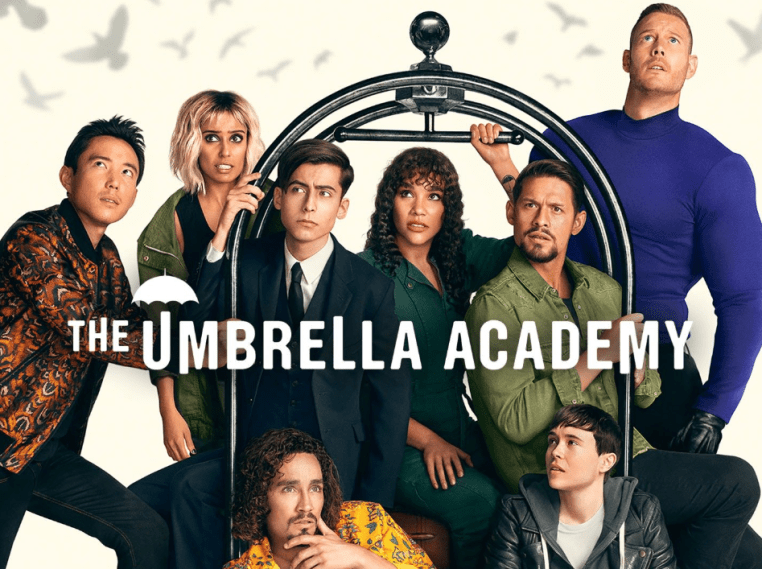
10) The Umbrella Academy (2019-2024)
The Umbrella Academy had a brilliant five-year run on Netflix. As one of the more recent entries on this list, I struggled to place it any higher on this list. The other thing going against The Umbrella Academy is that it’s a Netflix show. The Netflix effect claims another victim. Time could see The Umbrella Academy rise in the standings, because there’s a lot to love.
The Umbrella Academy blends quirky humor, bizarre storylines, balls-to-the-wall action, and pitch-perfect character development. The third season incorporated Elliot Page’s gender identity respectfully and made it work for the show’s story. It also doesn’t hurt that the show is based on the comic book of the same name by My Chemical Romance lead singer Gerard Way. That gives The Umbrella Academy an extra layer of cool.
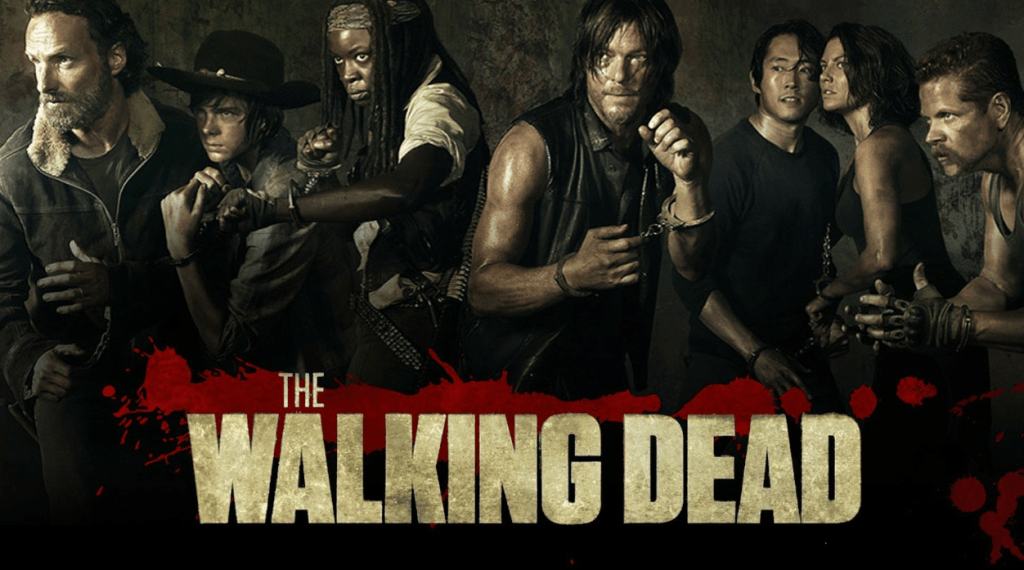
9) The Walking Dead (2010-2022)
The Walking Dead made our last list over a decade prior, but the show may have hung on for too long. Those early seasons of The Walking Dead were some of the small screen’s best. Despite any flaws, this show focused on interpersonal relationships. The drama within The Walking Dead stemmed from its human characters. And let’s face it. The Walking Dead ignited zombie-mania. You can’t take a breath without huffing on a walker.
The Walking Dead started an empire. I’ve lost track of how many spinoff series this show spawned: Fear the Walking Dead (2015-23), The Walking Dead: World Beyond (2020-21), Tales of the Walking Dead (2022), The Walking Dead: The Ones Who Live (2024), The Walking Dead: Dead City (2023-present), and The Walking Dead: Daryl Dixon (2023-present). The Walking Dead became so popular that a secondary character from the original series, Daryl Dixon, got his own spin-off. Talk about cultural relevance.
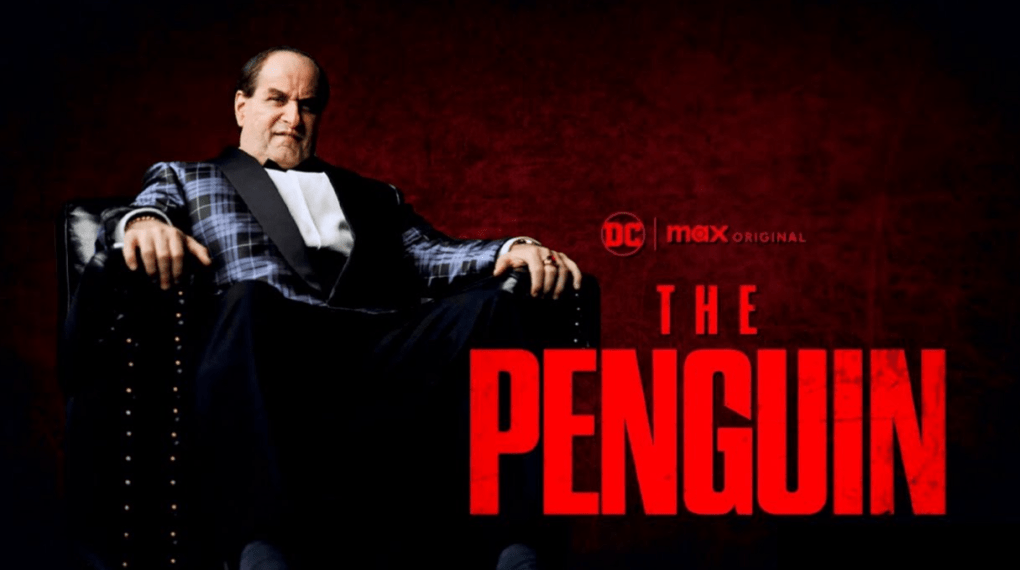
8) ThePenguin (2024)
Despite bearing the name of one of Batman’s iconic villains, ThePenguin doesn’t even feel like a television show based on a comic book. The Penguin borrows a lot from Breaking Bad and The Sopranos. Watching Oz Cobb ascend–or descend, depending on the lens you use to view his story–to mafia royalty was a joy to watch. Cristin Milioti’s turn as Sofia Falcone was excellent. Sofia Falcone (from The Long Halloween fame) was another comic book character I didn’t expect anyone to pull off well, but Milioti is fabulous in ThePenguin.
When I first learned The Penguin got greenlit, I wondered what more there was to say. Apparently, a lot. The Penguin took an interesting enough character from 2022’s The Batman and built a mythos around a character that didn’t receive enough love on the big or small screen. Penguin is one of my favorite Batman villains, and The Penguin captured a certain slimy iteration of the character. The Penguin is well worth watching.
7) Arrow (2012-2020)
Arrow is another show that stayed a little too long. It suffered the fate of many CW shows and descended into melodrama. After a season, Olicity (the shipping of Oliver Queen and Felicity Smoak) turned my stomach. But Arrow started strong. Manu Bennett may still be the definitive Slade Wilson/Deathstroke, and the “You have failed this city” and Ollie’s time on the island storylines of the first few seasons proved that a lesser DC Comics character like Green Arrow could anchor a show. Not just a show, an entire franchise. Arrow began the Arrowverse.
The Flash may have taken over as the flagship title for the Arrowverse, but Arrow led to The Flash, Supergirl, Legends of Tomorrow, Black Lightning, Batwoman, and the web series Vixen and Freedom Fighters: The Ray. I don’t know when or if I’ll return to Arrow, but I have fond memories of early Arrow seasons. And with Arrow’s cultural impact, no one can deny its place among the top 10 live-action television shows based on comic books.
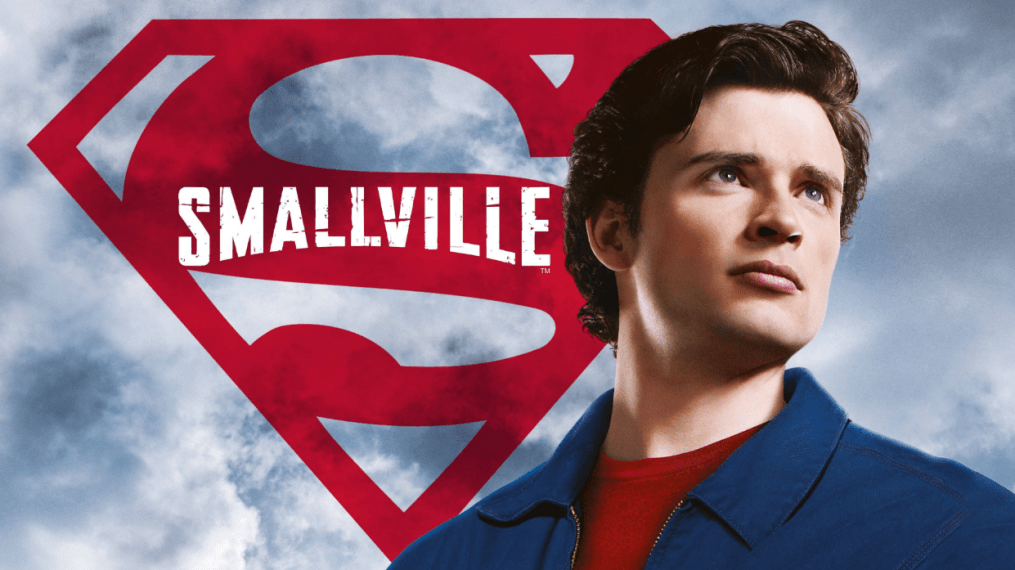
6) Smallville (2001-2011)
We go from Arrow, which spawned the Arrowverse, to Smallville, which introduced a wider audience to Green Arrow in the first place. Justin Hartley’s Green Arrow guest-starred in numerous Smallville episodes. In fact, Smallville introduced numerous DC Comics Universe characters to television viewers in the early 2000s. I’m still waiting for another actor to take on the role of Booster Gold.
Smallville’s premise wore thin for some people. The show features a Clark Kent before he becomes Superman. In fact, Smallville had the mandate “No Tights, No Flights.” Viewers had to wait a decade for Superman to make his first flight, and by that time, Smallville had seen Aquaman, Green Arrow, and even Booster Gold have a turn in full costume. Even if the “No Tights, No Flights” mandate rubbed you the wrong way, you can’t deny Smallville’s significance.
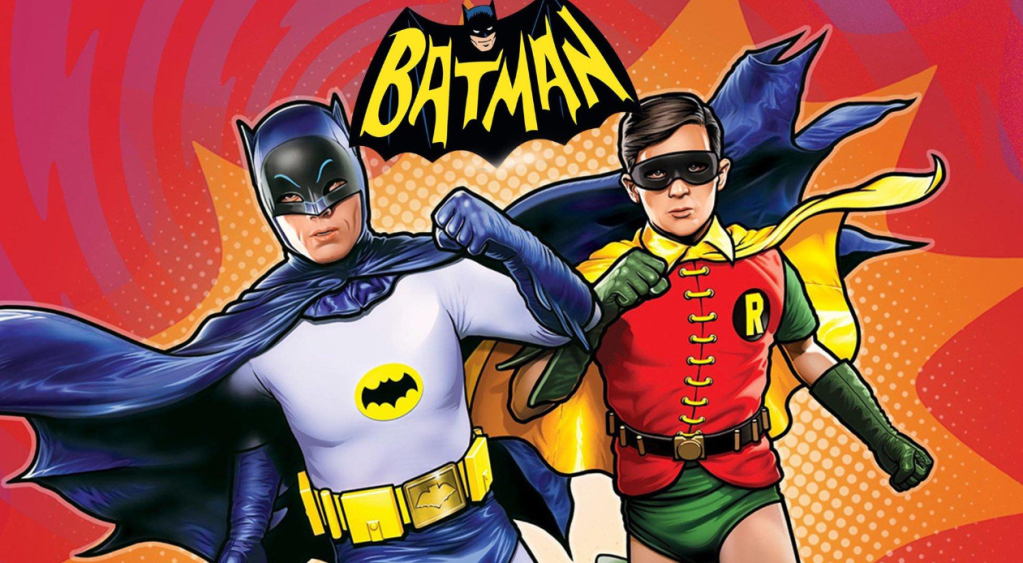
5) Batman (1966-1968)
We go way back in time for this next entry. Batman may not have aged the best, but that was never the point. Batman was pure camp. It resurrected characters in the comic book. The Riddler hadn’t been seen in a comic book since the 1950s. The 1960s Batman made The Riddler relevant. Few live-action television shows based on comic books can make that claim.
The Batman-mania of the 1960s proved there was an appetite for comic book media beyond the page. And Batman featured a lot of A-list actors. Cesar Romero, Burgess Meredith, Frank Gorshin, Vincent Price, and many others read like a who’s who of character actors. Batman rejuvenated and launched numerous acting careers. Be honest. When you saw the picture of Batman above, did you not hear Batman’s theme?
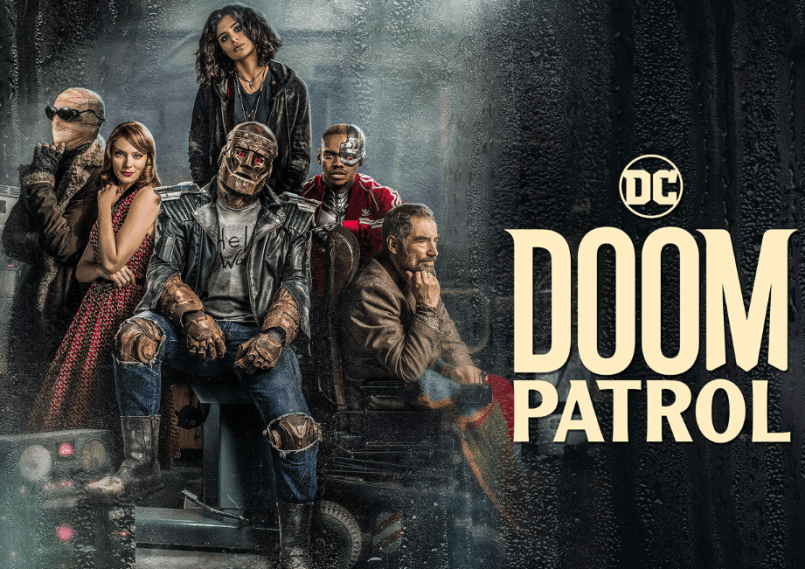
4) Doom Patrol (2019-2023)
Doom Patrol. Doom Patrol? How is Doom Patrol this high? I didn’t expect to like Doom Patrol as much as I did, but it’s easily one of the DCEU’s best projects. Doom Patrol may have released just before The Umbrella Academy, but the source material, the Doom Patrol comic book, inspired The Umbrella Academy, so that’s one of the reasons Doom Patrol makes it this high on the list.
The other reason is Doom Patrol resurrected Brendan Fraser’s career. Fraser’s turn as Cliff Steele/Robotman was fantastic. Fraser’s final scene in Doom Patrol never fails to turn on the waterworks. I bawl every time I watch it. The rest of Doom Patrol’s cast is top-notch. I like Matt Bomer in most things, and Timothy Dalton is an acting legend. But I need to give Diane Guerrero’s performance as Crazy Jane some praise. It may be a low bar, but Crazy Jane may be the best representation of dissociative identity disorder I’ve seen in a television show or movie. And I hope Joivan Wade gets another chance to portray Victor Stone/Cyborg. He was another stand-out. Everyone was. I liked April Bowlby’s portrayal of Rita Farr/Elasti-Woman. Doom Patrol is one of the few shows on this list that I’ll happily rewatch.
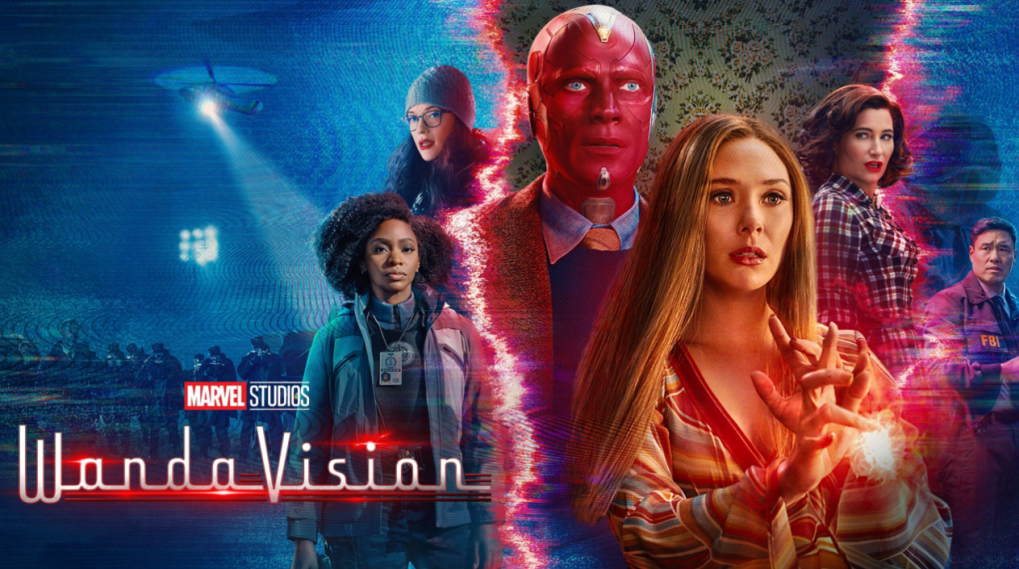
3) WandaVision (2021)
Marvel’s Disney+ shows had so much promise after they leapt off the screen with WandaVision. Sure, WandaVision is a continuation of the MCU, but the exploration of Wanda Maximoff’s mental state can’t be overstated. Kathryn Hahn had a star turn as Agnes/Agatha, and the rest of the cast was a joy. WandaVision is another show I’ll rewatch. Its use of sitcoms through the decades felt organic; it was more than nostalgia.
But there were plenty of call-outs to sitcoms and MCU properties. Evan Peters, pseudo-reprising his role as Pietro Maximoff was a nice touch. WandaVision did the source material proud. Hints of House of M (comic books) lead into Vision Quest (also from the comics), which will become another WandaVision spinoff Disney+ series. Vision Quest will mark two spinoffs to date. The first was Agatha All Along. I cringe at Wanda’s descent into madness, but I can’t look away.
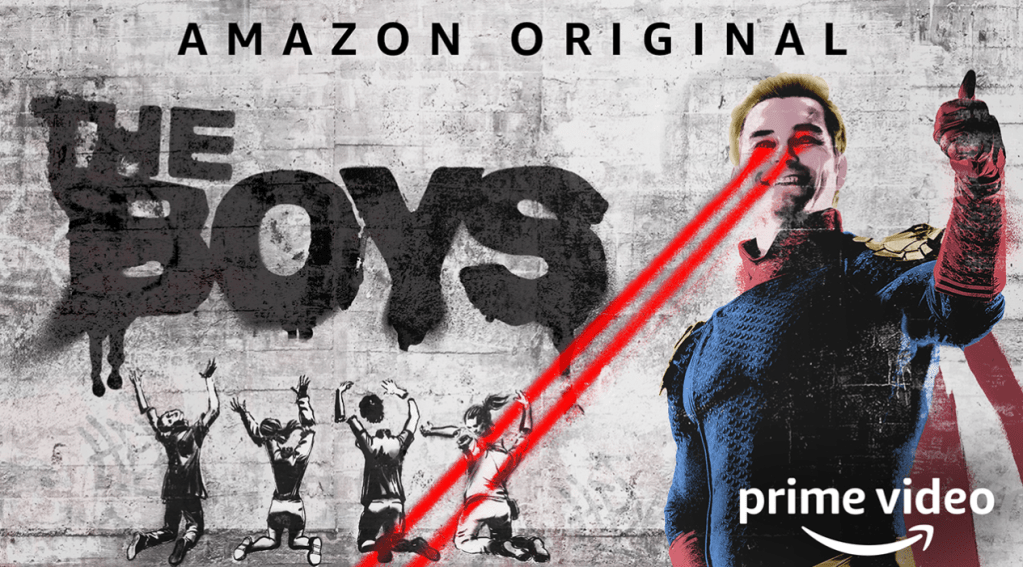
2) The Boys (2019-present)
The Boys is the rare television show that’s better than its source material. The Boys comic book was okay. A bit gory and over-the-top, but okay, and let’s not get this twisted, the original comic book was written at the height of the Bush Administration, and it shows. The world has changed. The Boys television show adapted with it. And despite that, The Boys didn’t lose sight of what made the original comic book fun. That and Homelander scares the poop out of me. Seriously, Antony Starr’s Homelander haunts my dreams.
Writing on The Boys strikes a delicate balance of mixing over-the-top violence, black humor, deft plots, and character work. The Boys can be a big, dumb superhero show, but it also be a nuanced look at humanity and how we deal with trauma.
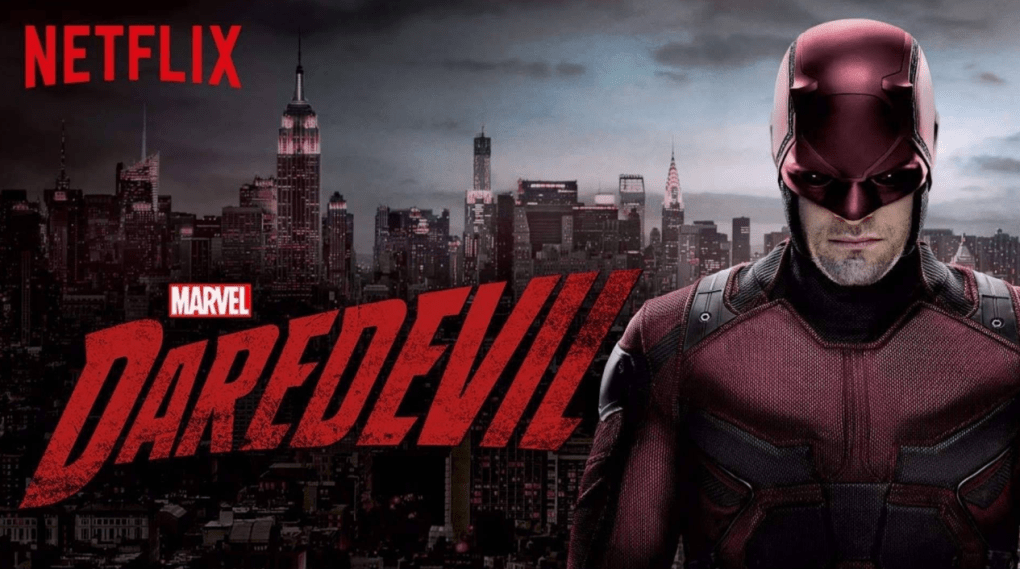
1) Daredevil (2015-2018)
Daredevil rises above the Netflix effect to claim the top spot. I can’t believe it, but Daredevil hadn’t yet released its first episode when we posted our original Top 5 Live-Action Comic Book Shows. My goodness, Geekly’s been around for some time. Daredevil claims the top spot in part because it’s been revived and will resurrect other Netflix Marvel shows with it on Disney+, like Punisher, Jessica Jones, and Luke Cage. Except for a few moments, Daredevil’s writing was on point. Charlie Cox embodied the role so much that I can’t see anyone else portraying Daredevil. And the action sequences and filmography made me feel every punch through the screen. I’ve never felt that before or since Daredevil.
And Daredevil showcased some amazing acting. Cox’s Daredevil was fabulous, while Vincent D’Onofrio was menacing. You know what? I can’t see anyone else portraying Kingpin other than D’Onofrio. Woll’s Karen Page and Henson’s Foggy Nelson rounded out a stellar main cast. And just when I’d think Daredevil would take too many leaps by adding Bernthal’s Punisher or Yung’s Elektra or Bethel’s Bullseye, the actors would turn in character-defining performances. There’s a reason why Daredevil: Born Again was 2025’s most anticipated comic book series. It had some huge shoes to fill.
That’s our list of the top 10 live-action television shows based on comic books. I’m sure yours differs from ours. Let us know which shows you’d add or take away from this list. Thank you for reading, and wherever you are, I hope you’re having a great day.
Hello, Geekly Gang. Skye here. Since I’ve already done a post last year about my “Top 10 Christmas Classics,” I decided to take a different route this year. This list’s “Christmas” movies are certainly…different. While Christmas is commonly associated with joyous, hopeful, and loving emotions, sometimes, I’m not in that mood. Here are some movies to watch this holiday season for those who want to experience a different kind of holiday spirit.
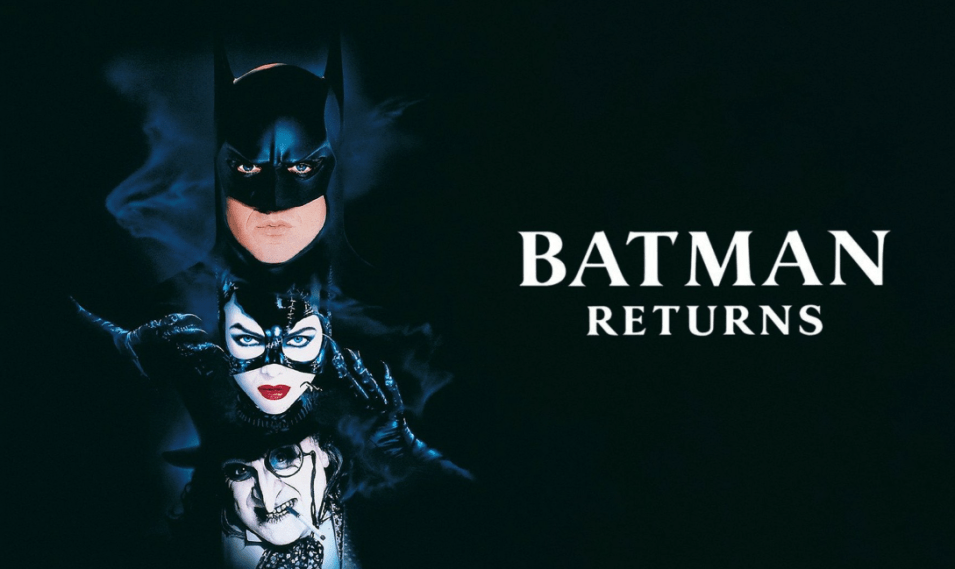
1) Batman Returns (1992)
We’re starting off strong. Bet you forgot that Batman Returns was a Christmas movie. Given the film’s vibe, I can’t say I blame you. Batman Returns turns up the adult yet comic-book tone of Tim Burton’s Batman to 11 and goes full force into the dark and gritty we’re familiar with when it comes to the Caped Crusader. Even to this day, I’m not entirely sure what to make of Batman Returns, but part of me can’t help but respect it for how over-the-top it is. Here’s a freshly gnawed-off human nose. Merry Christmas!
2) 12 Monkeys (1995)
12 Monkeys is another movie you probably forgot was set during Christmas. You’re welcome. While Christmas isn’t the focus, you can understand why someone would feel compelled to watch it around this time of year. A deadly virus has been released, and only James Cole (Bruce Willis) can save the future from it. Fa la-la-la-la-la? It honestly sounds more like a SyFy action movie of the week than a Christmas film, but I give 12 Monkeys a pass due to the inclusion of Bruce Willis. Despite what Bruce Willis claims, any movie he’s attached to is technically a Christmas movie. Maybe I should put The Sixth Sense on the list.
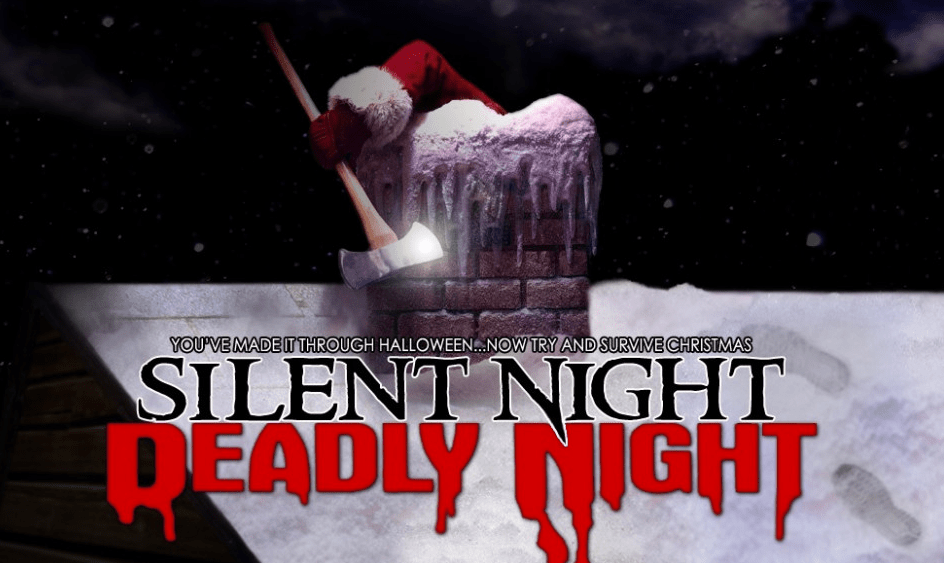
3) Silent Night, Deadly Night(1984)
There’s a lot of violence on this list, but Silent Night, Deadly Night is easily the most violent. You can’t get much more violent than a slasher film about a killer Santa Claus. Did this need to exist? No, but I’m so glad it does. Hollywood has always churned out dopey surface-level slasher flicks since the release of John Carpenter’s original Halloween, but Silent Night, Deadly Night could very well be its crowning achievement. A testament to gratuitous blood and gore, Silent Night, Deadly Night could be your next odd holiday staple. Just don’t forget garbage day.
4) Gremlins (1984)
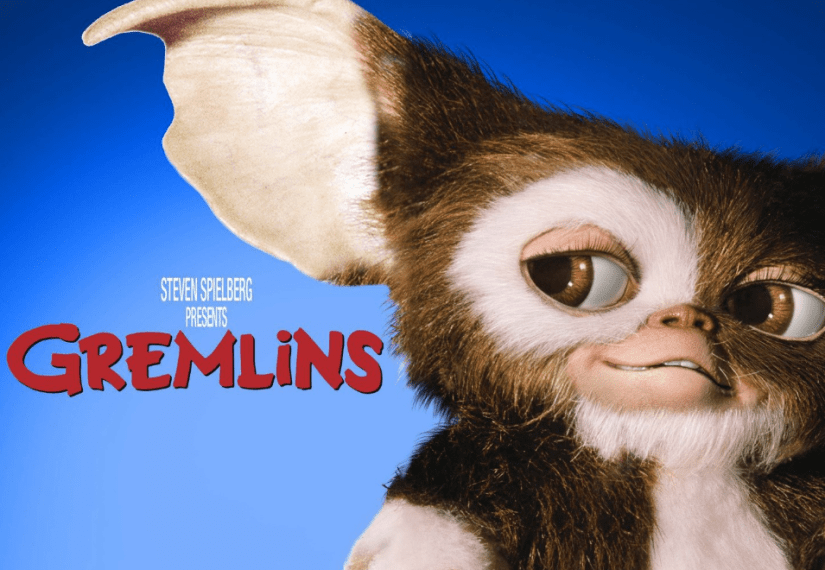
What unconventional Christmas movie list would be complete without Gremlins? Y’all may already know, but Gremlins spawned a whole subgenre of horror/comedies revolving around tiny creatures trying to kill you and has since become a cinematic icon. Whether you get into Gremlins due to the subject matter or the holiday season, it’s not going away any time soon. Kate’s Dad says, Merry Christmas. If you know, you know.
5) Bad Santa (2003)
Surprisingly, Bad Santa might be more difficult to get through than Silent Night, Deadly Night. Bad Santa perverts everyone’s idea of the holidays, so this one hits a little too close to home. As I sit watching a drunken Billy Bob Thornton ruin Christmas for every child he comes across as the worst mall Santa to exist, I traumatize my inner child. Bad Santa holds on to a small portion of the holiday spirit as our “hero” realizes that Christmas isn’t about armed robbery, but the fact that sentence exists is the reason this movie is on the list. If y’all are up for it, feel free to take a look. Bad Santa is a mood-based watch.
With that said, those are my picks for 5 Unconventional Christmas Movies. Let us know what your favorite unconventional Christmas movies are in the comments. This post was fun to write, and I hope y’all had fun too. Whether you follow standard holiday traditions or have your own unique celebrations, Christmas is a holiday many of us hold dear. So long as you’re having fun (and being safe), go out and enjoy Christmas your way. Merry Christmas, Geekly Gang!
Hey, hey, Geekly Gang! Kyra Kyle here with another Top 5 Tabletop Game List throughout the years. Today we’re gonna party like it’s 1999. 1999 finishes the decade strong with another major collectible card game release, and Reiner Knizia dominance. Oh! Did Knizia ever own tabletop games in 1999? We’ll get to the games in a bit, but first, let’s review our list’s criteria.
1: Cultural relevance plays as much of a factor as overall quality. A game might make a list that doesn’t hold up to others of its type, but you must admit the game is everywhere.
2: Only one game from a franchise makes the list. This will become more of an issue the closer we get to games with expansions.
3: Longevity plays a role, too. A game doesn’t have to fly off the shelves today, but it had to have some widespread appeal for a decent time.
5: Schotten Totten (1999)
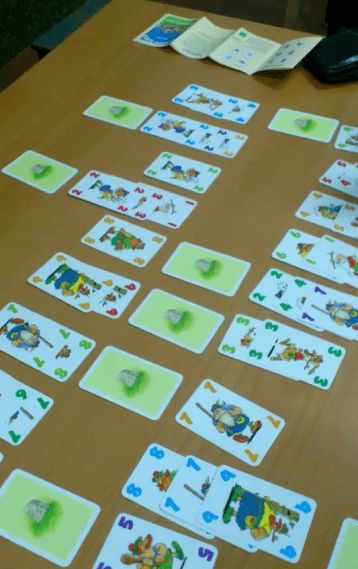
Get ready to hear Reiner Knizia’s name a lot on this list. Schotten Totten is the first Knizia design. In Schotten Totten, players take on the role of Scottish clan leaders. Nine boundary stones lie between you and your opponent. In front of each, you build poker-like formations of three cards on a side. Whoever plays the higher-ranking formation wins the stone. But you may use powers to claim a stone before your opponent has played all three of their cards. Successfully claim five stones, or any three adjacent stones, and you win.
Schotten Totten has received multiple reprints. Its game mechanisms have been reimplemented by many games. There’s even a Schotten Totten 2. Few designers could top Knizia in 1999.
4: Lost Cities (1999)
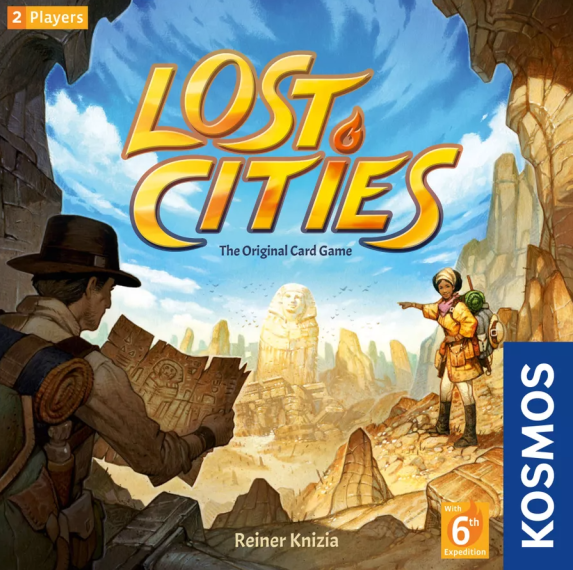
Lost Cities is another Knizia design. Lost Cities also continues Kosmos’ excellent two-player game series. Kahuna (another game from this series) made our 1998 list. I love Lost Cities’ theme. Players mount archaeological expeditions to different sites represented by the cards’ colored suits. Lost Cities incorporates a push-your-luck mechanism, as you can choose to continue an expedition (with the possibility of busting) or you can return to base with what you have (and play it safe). Many games have copied Lost Cities’ formula. Including Knizia himself.
While Lost Cities wasn’t considered for the Spiel des Jahres (German game of the year), Keltis, which reimplemented Lost Cities’ gameplay, took home the Spiel des Jahres in 2008. To this day, I prefer to play Lost Cities to Keltis. Lost Cities has staying power.
3: Yu-Gi-Oh! Trading Card Game (1999)
Speaking of staying power, Yu-Gi-Oh! has that in spades. While new collectible card games (CCGs) continued to be released in the mid to late Nineties, few grabbed hold of the gaming community or stayed longer than a handful of sets. Heck! Even some of the CCGs that made previous lists in this series struggled to make it to ten sets. Yu-Gi-Oh! doesn’t have that issue.
You could argue that Yu-Gi-Oh! at the three spot is a little low. I’ll give you that. What started as the middle ground between Pokémon the card game and Magic: The Gathering has grown into its own dominant brand. From a cultural relevance standpoint, Yu-Gi-Oh! may take 1999’s number one spot.
2: Tikal (1999)
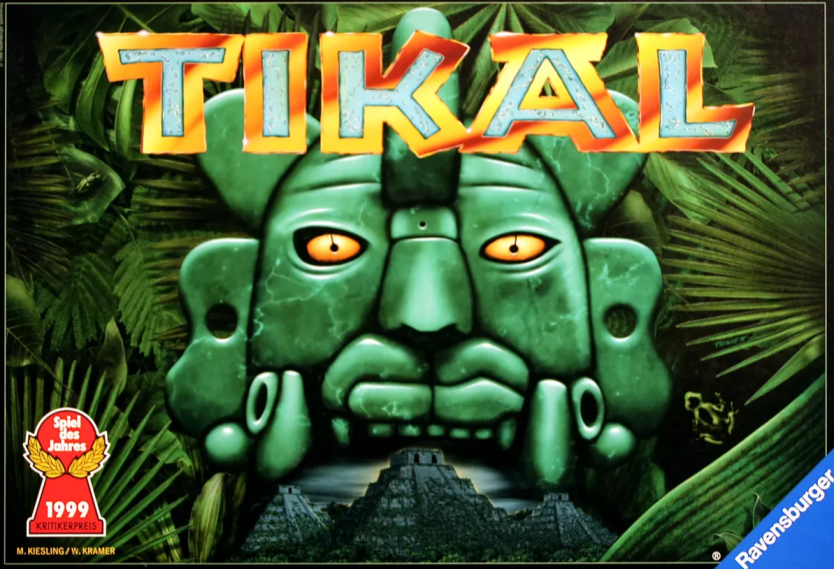
Tikal earned 1999’s Spiel des Jahres. This Walfgang Kramer and Michael Kiesling co-design is a brilliant game. Tikal claims our second spot on this list, but I can see someone switching 1 and 2. Tikal deserved the Spiel des Jahres; I just think another game has more relevance today. Tikal is the first of Kramer and Kiesling’s Mask Trilogy of games: Tikal (1999), Java (2000), and Mexica (2002). Tikal is a game of exploration within the Central American jungles in search of lost temples and treasure.
Players send their team of explorers into the jungle, unearthing more and more of the terrain. Along the way, you’ll find temples that hold secrets and treasure. Players try to score points for occupying temples and holding treasure. I’ve played the Tikal mobile app, and it’s a good implementation of the game. If you like the idea of exploring the jungle, check out Tikal.
1: Ra (1999)
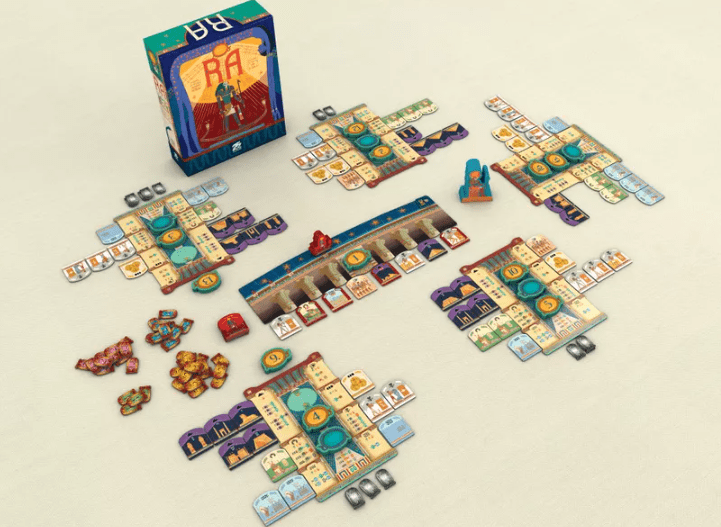
Three! Reiner Knizia has three games on the Top 5 1999 Tabletop Games List, and his auction game Ra takes our top spot. Ra highlights what makes Knizia games excellent. Take one simple concept (in this case, auctions) and do it better than most designs. Ra is an auction and set-collection game with an Ancient Egyptian theme. Players purchase lots of tiles through bidding. While every player can win three lots during an epoch (round), tension builds because an epoch can end before every player obtains three lots. The various tiles either give immediate points, prevent negative points (for not having certain types at game’s end), or give points after the final round. Ra is easy to learn and quick to play.
While overlooked for 1999’s Spiel des Jahres, Ra has proven it has longevity. Ra received a reprint in 2023. This year (2025), Ra was inducted into the BoardGameGeek Hall of Fame. My only guess as to why Ra wasn’t considered for the Spiel des Jahres (yes, Ra wasn’t even considered) is that the committee grew tired of seeing Knizia’s name. To date, Reiner Knizia is the most prolific board game designer in history. I can’t blame the Spiel des Jahres committee for getting Knizia fatigue. I played a few new-to-me board games this year. I thought, wow, that game was great, who’s the designer? Reiner Knizia. Of course. Keep them coming, Knizia.
Did we get the list mostly correct? Let us know which games you’d add in the comments. Thank you for reading, and wherever you are, I hope you’re having a great day.
Hey, hey, Geekly Gang! Kyra Kyle here with another Top 5 Tabletop Games throughout the years. 1998 saw the continued dominance of collectible card games (CCGs). Fewer CCGs were released this year, but established ones kept board game stores afloat. 1998 had a lot of great board games, but many of them didn’t have the same staying power as previous years in this series. There may be more than one forgotten gem on today’s list. We’ll get to the games in a minute, but first, let’s look at our criteria.
1: Cultural relevance plays as much of a factor as overall quality. A game might make a list that doesn’t hold up to others of its type, but you must admit the game is everywhere.
2: Only one game from a franchise makes the list. This will become more of an issue the closer we get to games with expansions.
3: Longevity plays a role, too. A game doesn’t have to fly off the shelves today, but it had to have some widespread appeal for a decent time.
5: Kahuna (1998)
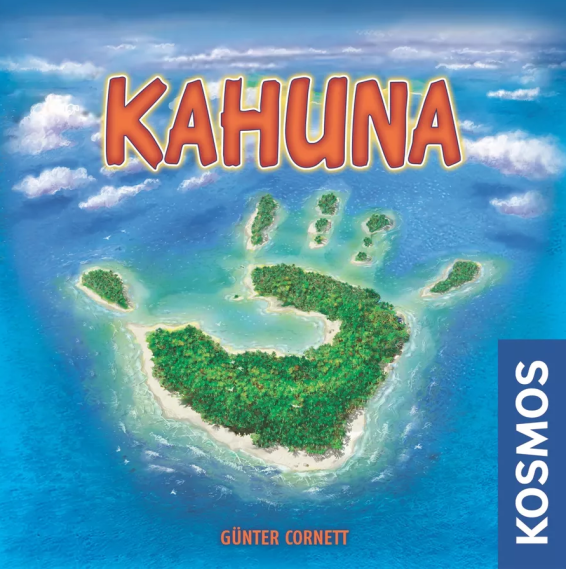
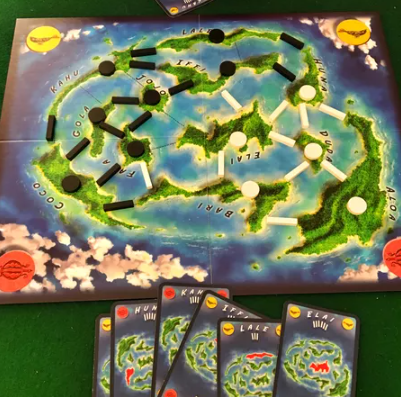
Kahuna fits the bill of a forgotten gem. This two-player game has players assume the role of ancient sorcerers of the Pacific. You compete for dominance of an archipelago consisting of twelve small islands. Players use cards to place bridges between islands and remove opponent’s bridges. If you get the majority of bridges around an island, place one of your marker stones on it and remove any of your opponent’s bridges to that island. This could, in turn, cause your opponent to lose a bridge majority on an adjacent island.
Kahuna plays in three rounds. A round ends when all cards from the face-down deck and the three face-up cards have been used. Kahuna is a fast-paced area control/majority game. It’s one of the better two-player games from this era, but Kahuna’s status as a two-player only game may have prevented it from seeing wider gameplay. Still, Kahuna was a finalist for the Spiel des Jahres (the German game of the year).
4: Elfenland (1998)
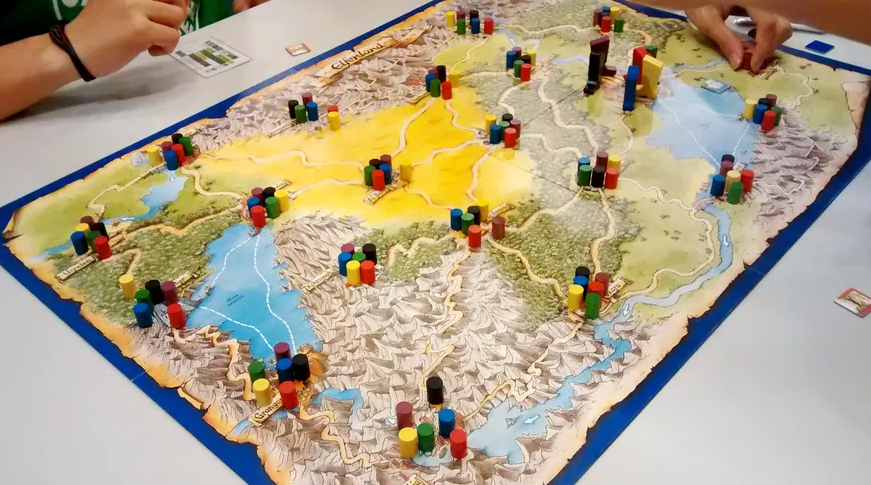
We go from a Spiel des Jahre finalist to 1998’s Spiel des Jahre winner, Elfenland. Elfenland is a redesign of the original White Wind game Elfenroads. The game is set in an elvish world. Players begin in the Elf capital, draw one face down movement tile, and are dealt eight transport cards and a secret “home” city card that they must reach at the end of the fourth round or lose points for each city space away from “home” they are at the end of the game.
Elfenland’s designer, Alan R. Moon (Ticket to Ride), has a knack for route-building games. Elfenland marks the first time Moon has made one of these lists. I may have just spoiled the game, but this won’t be the last time we’ll see Moon on one of these lists. Elfenland shares some similarities with Moon’s more popular Ticket to Ride. Elfenland is another forgotten gem.
3: Guillotine (1998)
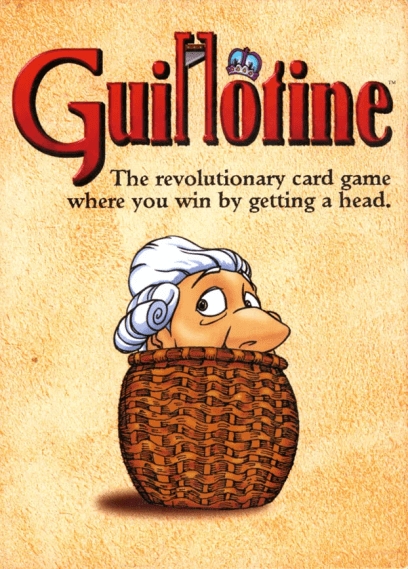
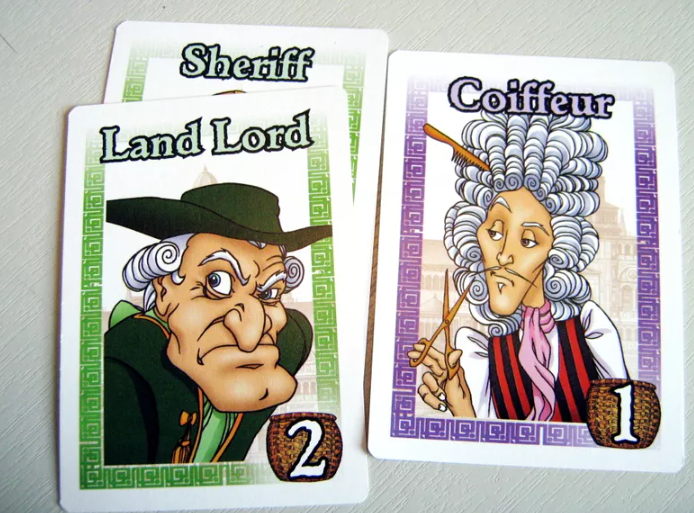
Guillotine is yet another forgotten gem, and its theme is one of the most macabre and interesting of 1998. Players take the role of executioners during the French Revolution. In Guillotine, you’re doing your best to manipulate the execution line and score as many points, claiming the lives of nobles, clergy, and former military as you can. Off with their heads!
If you like Gallow’s humor, you’ll love Guillotine. I say this a lot, but this will not be the last Paul Peterson design to make one of these lists. Peterson has a knack for taking traditional card games in strange and exciting directions. Guillotine is bloody fun.
2: Cranium (1998)
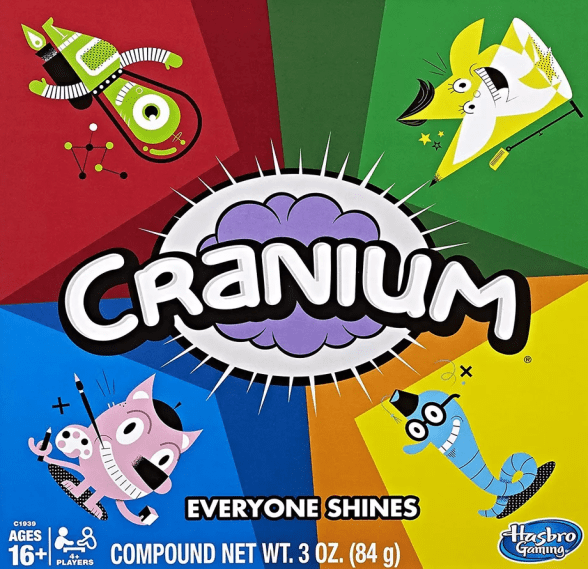
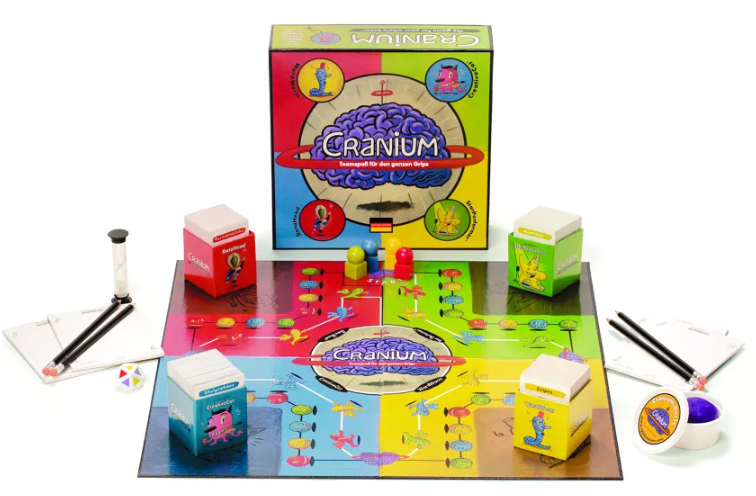
Cranium marks the first mass market board game (a game one can find in department stores) to make one of these lists in several years. While it may have faded in popularity, Cranium took elements from various party games and formed what it claims is “the whole-brain” game. Cranium identifies four main party quiz game elements and gave them names: Creative Cat, Data Head, Word Worm, and Star Performer.
Creative Cat involves sculpting and drawing. Data Head is trivia. Word Worm has players unscrambling words, challenging them to spell a word, and guess definitions. And Star Performer includes whistling songs, impersonating a celebrity, or acting out a clue. Cranium managed to assemble as many party quiz game elements into one game as one can. In fact, I still don’t think a party quiz game has managed to include as many elements as Cranium’s into a single game design.
1: Through the Desert (1998)
Reiner Knizia takes another top spot on one of these lists with Through the Desert. Through the Desert is one of those games players remember fondly and hold in high regard. But I rarely see anyone playing Through the Desert, making it yet another forgotten gem on this list. I’d argue Cranium, despite its status as a mass market board game, is another forgotten gem. This entire list is made up of forgotten gems. Getting back to Through the Desert, it takes inspiration from the classic game of Go. Through the Desert also completes Knizia’s tile-laying trilogy of games: Tigris & Euphrates (1997), Samurai (1998), and Through the Desert (1998).
In Through the Desert, players attempt to score the most points by snaking caravan routes through the desert, trying to reach oases and blocking off sections of the desert. Two to five players control a tribe of nomads vying for control of the desert. Strategy is key in building your tribe’s caravans. There are multiple paths to gain points, but Through the Desert manages to keep its cognitive load low, meaning it’s easy to learn but difficult to master. Through the Desert is deserving of its Spiel des Jahres recommended status.
Did we get the list mostly correct? Let us know which games you’d add in the comments. Thank you for reading, and wherever you are, I hope you’re having a great day.
Hey, hey, Geekly Gang! Kyra Kyle here. We’ve tackled the idea of cartoons or animated series based off comic books almost a decade ago with a Top 5 Animated TV Shows Based Off Comic Books. It’s a good idea to update this post. Our reasoning is three-fold: 1, it’s been long enough and more shows have been produced since 2015; we increased the number of shows on this list from five to ten; and Geekly forgot about a few shows inspired by comic books in the previous list. Whoops! Before we get into the shows, let’s set down some ground rules for this list.
1: Cultural relevance will play a role, as will the show’s overall quality.
2: Some of these shows’ animation doesn’t stack up to even its contemporaries, but they’re outstanding just the same.
3: We’ll have to stick with one show from a franchise because we wouldn’t want a list that includes only Batman and Spider-Man.
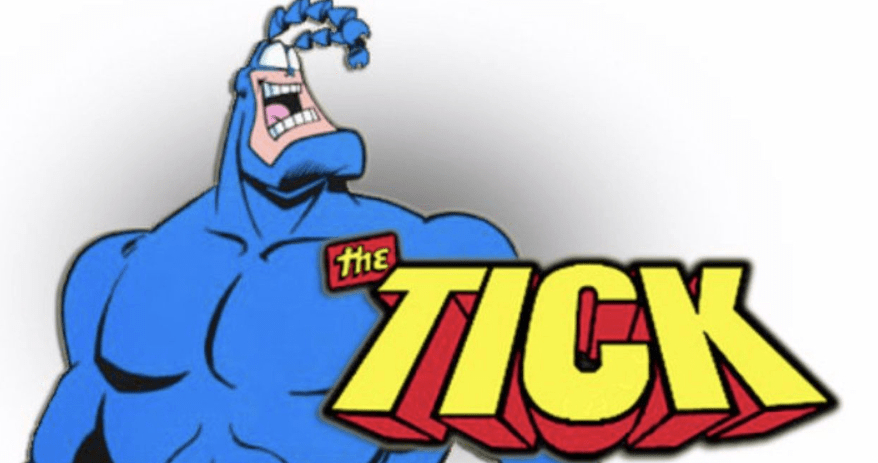
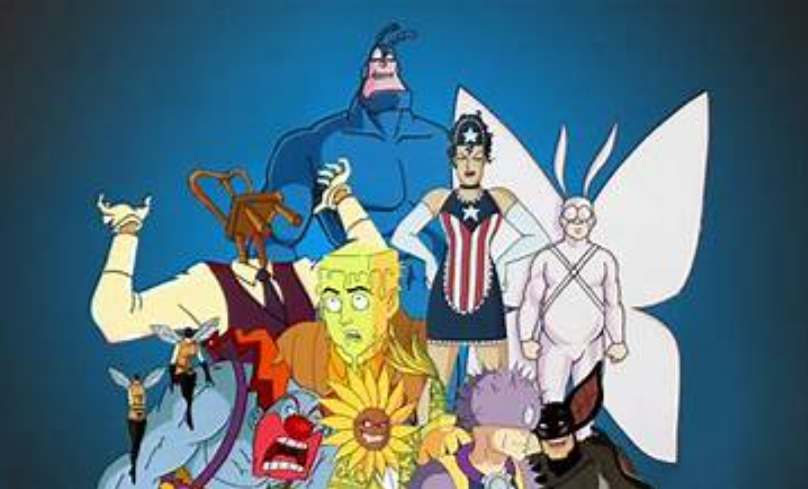
10) The Tick (1994-1996)
We’re kicking off this list with a cartoon that didn’t make the former Top 5 Cartoons based on comic books, 1994’s The Tick. We’ll be getting serious soon enough with the other titles on this list, so it’s only fitting that we begin with a goofy superhero who doesn’t take himself too seriously. Well, actually, The Tick character takes himself seriously, but he’s so off-the-wall bonkers that it’s difficult for viewers to take him seriously. The Tick is one of those animated shows that blends adult and child humor.
The partnership between The Tick and his sidekick Arthur is one of the best in superhero history, even if it draws inspiration from classic superhero duos. The Tick is a fun watch for anyone familiar with comic books and superheroes, because The Tick sends a relentless barrage of potshots at iconic heroes and villains at the audience.
Warning: The Tick uses a lot of puns. If you like Dad Jokes, great. If you’re not as into jokes like American Maid or El Seed, you may not get through too many Tick episodes. Either way, you should give The Tick theme song a listen. I dare you to not hum along. Tee hee!
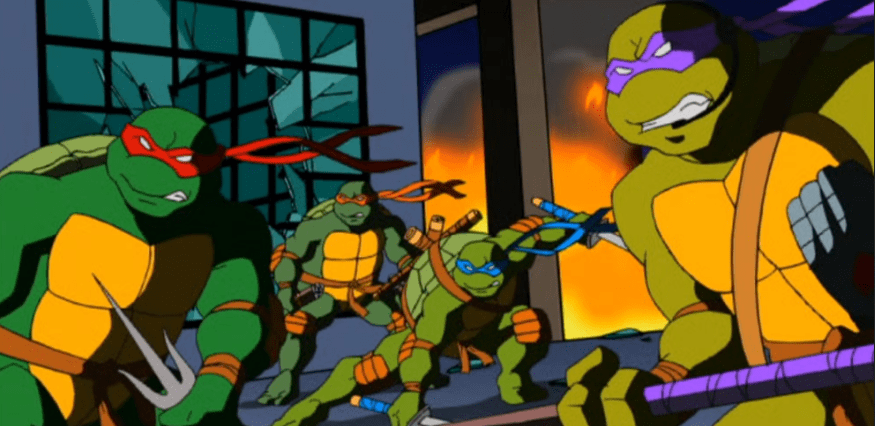
9) Teenage Mutant Ninja Turtles (2003-2009)
I have fond memories of the classic 1987 Teenage Mutant Ninja Turtles. 1987’s TMNT even took the second spot ten years ago, but that may have been due to nostalgia goggles. The Teenage Mutant Ninja Turtles reboot that occurred in the 2000s stays true to the source material and claims a spot on this list.
Produced by 4Kids Entertainment, Teenage Mutant Ninja Turtles was a huge departure for the franchise. Because it stayed close to the comics’ tone, this version of TMNT had dark storylines, plenty of character growth, and amazing action sequences. Many shots in the 2000s TMNT would be at home with the best martial arts films.
The 2003 Teenage Mutant Ninja Turtles set a new standard for the franchise. Sure, the TMNT franchise can still skew toward a younger audience, but the 2003 Teenage Mutant Ninja Turtles animated series proves that TMNT works for an older audience, too. Several characters from this show, such as the Shredder’s enforcer, Hun, were even adopted into the comics and future TMNT shows. Not bad for a reboot series.
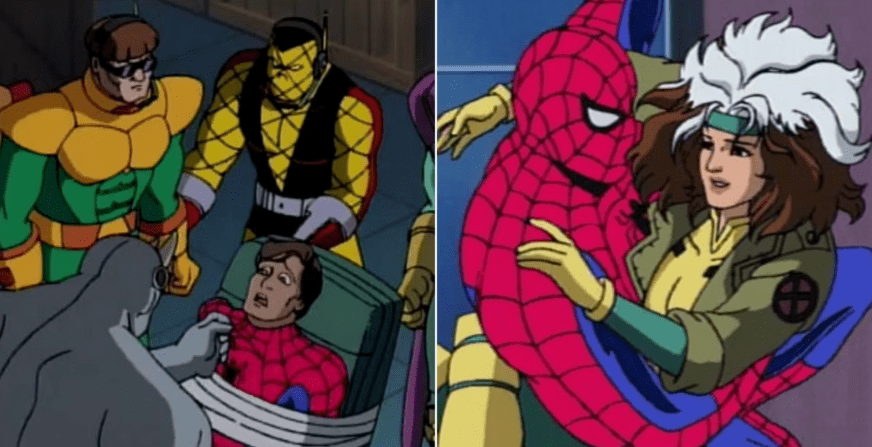
8) Spider-Man: The Animated Series (1994-1998)
Spider-Man: The Animated Series falls far from our previous list, but it’s a fantastic show. It fell victim to newer series, shows we forgot were based on comic books, and lifted restrictions (more on that with the next entry). Spider-Man: The Animated Series adapted many of the comic books’ best storylines. No other Spider-Man cartoon includes the breadth of Spider-Man: The Animated Series’ characters. It introduced numerous Spider-Man characters that had not yet been seen on the small or big screen.
Throughout Spider-Man: The Animated Series’ run, Spider-Man interacts with many Marvel comics characters: The Hulk, The X-Men, The Avengers, and The Fantastic Four. X-Men: The Animated Series may have started the Marvel animated universe of the Nineties, but Spider-Man: The Animated Series galvanized the Marvel universe. The Nineties Marvel Animated Universe paved the way for the MCU, and Spider-Man: The Animated Series was the linchpin.
7) Superman: The Animated Series (1996-2000)
We didn’t include Superman: The Animated Series in the previous list ten years ago because it was too close to Batman: The Animated Series, and we didn’t want more than one entry from a franchise. Forget that. We’re not including more than one show with the same main character. How about that? Moving on, Superman: The Animated Series did for the Man of Steel what Batman: The Animated Series did for the Dark Knight.
Superman: The Animated Series updated Superman’s stories for a new audience. The characters and tone mixes contemporary and classic Superman stories, making this animated version of Superman feel powerful, but not unbeatable. Supes’s supporting characters had memorable personalities that bounced off one another well. Superman: The Animated Series also introduced a generation of viewers to classic Superman villains like Lex Luthor and Brainiac, while giving viewers the first glimpse of Superman’s deadliest enemy, Darkseid.
I love how Superman: The Animated Series’ tone and differs from Batman: The Animated Series. The two are polar opposites, but look as if they belong within the same universe. Superman: The Animated Series is a testament to how great the DC Animated Universe was and often still can be. I’m also glad we’re able to extend this list to a Top Ten. There are so many great cartoons based off comic books.
6) Young Justice (2010-2022)
Yes! We’re lifting many of those odd self-induced limitations with the prior list. I didn’t include Superman: The Animated Series, Justice League, or Young Justice because they were part of the Batman: The Animated Series universe. What was I thinking? Young Justice is nothing like Justice League. Young Justice follows characters who are often pigeonholeed as sidekicks. Speedy, Aqualad, Kid Flash, Robin, and more team up in Young Justice.
Co-created by animation legend Greg Weisman (who also co-created Disney’s Gargoyles, another stellar series), Young Justice showcases many of Weisman’s strengths: fantastic character work, character development, and an emphasis on strong continuity. Young Justice’s emphasis on sidekicks is a great angle for an animated show. This conceit allows the audience to watch the characters grow and develop over many seasons.
Some Young Justice members strike out on their own and become their own heroes. Others remain on the team and mentor new heroes. Still others come to some shocking ends. Young Justice doesn’t shy away from grizzly ends. Young Justice survived cancellation and jumping between three networks before concluding its run. Thank goodness, because it’s one of the best modern animated shows based on a comic book.
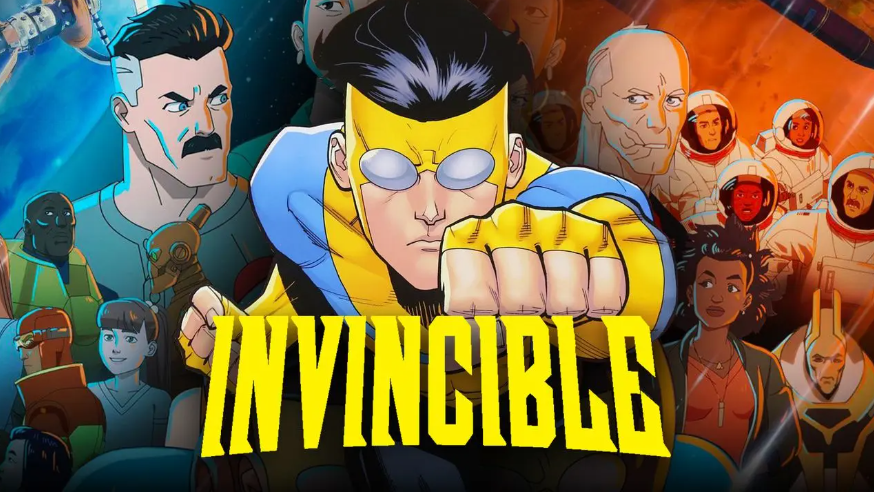
5) Invincible (2021-Present)
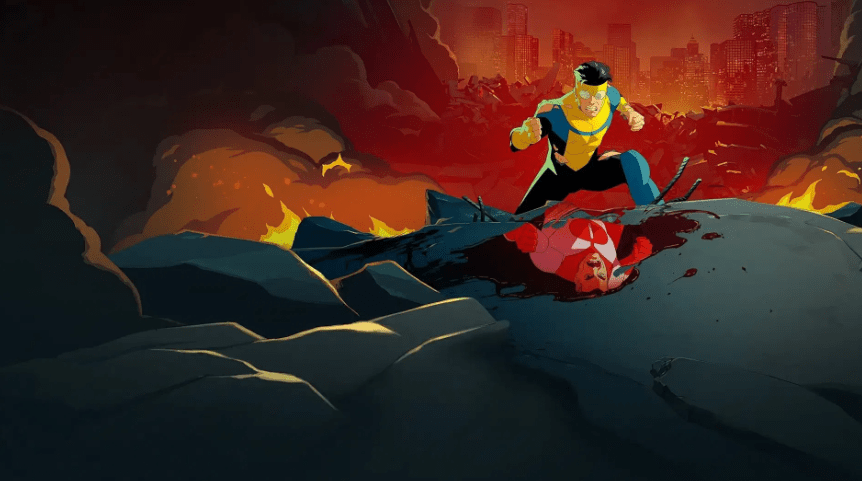
Invincible is the most recent animated series on this list. Heck! It’s still in the middle of its run. This is what I mean by several new animated shows based on comic books have been released since our previous list ten years ago. Invincible basks in the fact that it’s a superhero show. It pokes fun at classic character types and comic book tropes, while simultaneously paying homage to these same ideas. It’s a delicate balance, but Invincible does a great job of handling this tightrope.
Yet Invincible uses its framing devices to tell very, and I mean very, mature stories that explore the mentality of being a superhero. Heroes and their loved ones struggle with this responsibility. Invincible shows a terrifying world where heroes, villains, and monsters battle each other among civilians.
Invincible sports a brilliant voice cast. It’s a modern classic, and it may just climb this list in another decade.
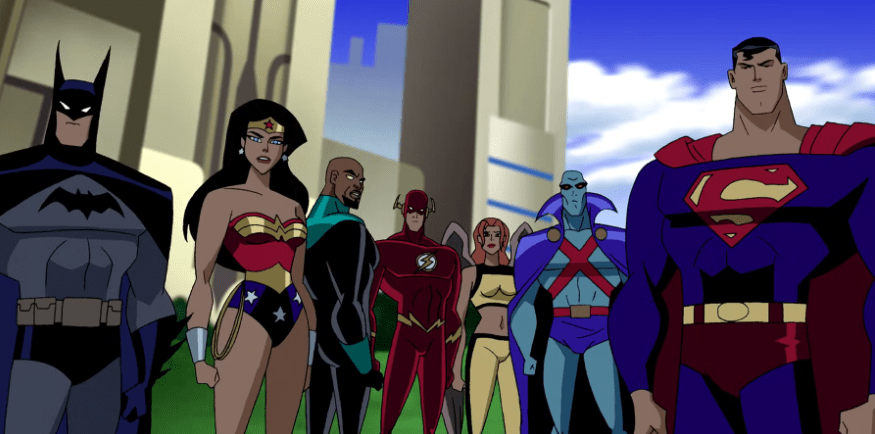
4) Justice League (2001-2004)
Simply put, Justice League was the culmination of Bruce Timm and Paul Dini’s years of work on the Batman and Superman animated series. Justice League was the next logical step. Justice League: Unlimited (2004-2006) continues where the original series left off and gives the series (as a whole) a proper ending.
Timm and Dini combine old and new storytelling tactics to form something new and exciting in Justice League. They pay homage to who these characters are in the comics and explore their interpersonal relationships. This is a theme for this list, but Justice League stays true to its comic book roots but add enough twists to make the show a must-watch for hardcore fans.
Justice League and Justice League: Unlimited understand each of their team members and give all of them ample time to shine. This is only possible because Timm and Dini had a decade to work with these characters, refining them and respecting the source material. I don’t want to spoil anything here, but these two series (which are really one long series) make for a great binge-watch. The cast is legendary.
3) DuckTales (1987-1990)
DuckTales was the one animated series that needed to be on the previous list. I forgot that DuckTales originated from the Uncle Scrooge comic book by Carl Barks. Scrooge McDuck’s globetrotting quests in search of treasure captivated viewers. It launched the Disney Afternoon line of cartoons. While none of the other series from that cartoon line made this list because they didn’t start as comic books, they took their cues from DuckTales. Much of Disney animation during the late Eighties and early Nineties followed DuckTales‘ lead.
And even though it originally released in the Eighties, DuckTales holds up surprisingly well. Scrooge McDuck and the dynamic trio of Huey, Dewey, and Louie join forces with Launchpad McQuack and Gyro Gearloose. DuckTales raised the profile of underused Disney characters and added plenty of new favorites. Because Uncle Scrooge’s adventures sent him all around the globe, DuckTales subtly taught geography and threw in some cultural references for good measure.
DuckTales was Disney’s first syndicated animated TV series. While it paved the way for other successful shows like TaleSpin and Chip n’ Dale Rescue Rangers, DuckTales had two direct spin-offs, Darkwing Duck and Quack Pack. Talk about a media powerhouse. But only takes our third spot. What shows could dethrone a legend like DuckTales?
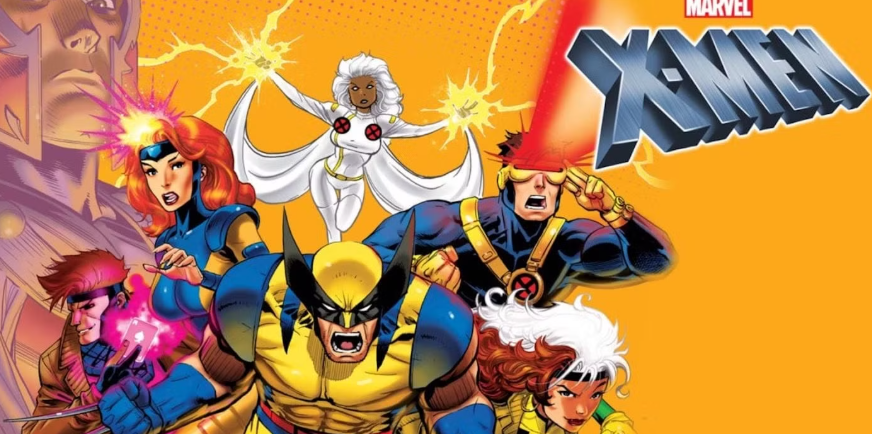
2) X-Men: The Animated Series (1992-1997)
The original X-Men: The Animated Series ranked high on our previous list. I’d be lying if I told you the phenomenal X-Men ’97 didn’t help this series climb higher on this list. Last year’s X-Men ’97 is the highest-rated Marvel Series on most review sites. I highly recommend it and can’t wait for the next season, but Geekly’s going with the original Nineties X-Men Series. We’re going with the source material.
And that’s what made the Nineties X-Men: The Animated Series so great. While the series that claims our top spot paved the way for authentic comic book storytelling in cartoons, X-Men doubled down by not shying away from epic X-Men tales. I never thought I’d see a “Days of Future Past” or the “Phoenix Saga” on the small screen, but X-Men: The Animated Series dived headfirst into the spectacle and long-form storytelling the X-Men comic book was known for. Did the show always stick the landing? No. But X-Men: The Animated Series set the standard for how the public saw The X-Men.
The X-Men: The Animated Series didn’t treat young viewers with kid gloves. It delved into mature themes of prejudice, death, and the effects of trauma, while maintaining a hopeful outlook with its stellar cast of characters. The continuation series X-Men ’97 captures almost every element of what made the original series great. Here’s to some new fond memories. And who knows? Perhaps, the X-Men: The Animated Series will claim the top spot in another ten years.
1) Batman: The Animated Series (1992-1995)
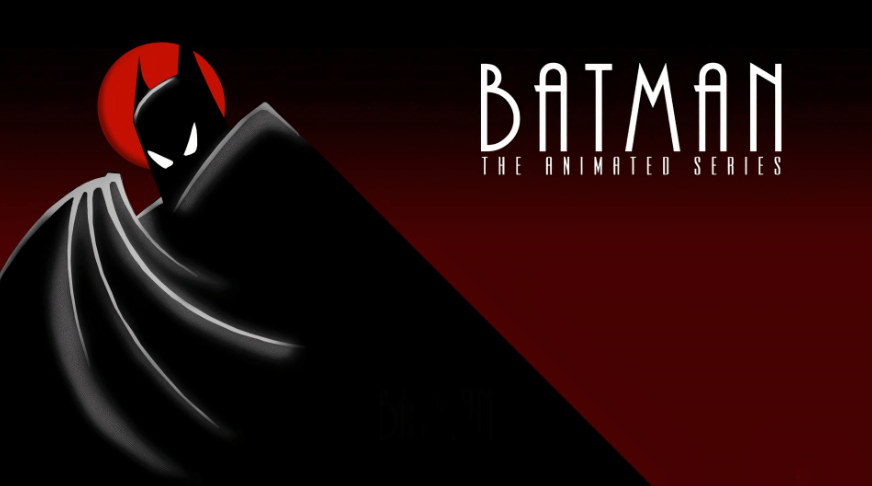
Batman: The Animated Series claimed the top spot ten years ago, and it remains at the top of this list. Heck. I’ve seen other sites’ lists of the greatest comic book animated shows, and while some sites include some spicy inclusions (that I wouldn’t think would make a top 10), almost everyone is in agreement that Batman: The Animated Series is the greatest cartoon based on a comic book.
Kevin Conroy became a generation’s Batman. That’s not right. Conroy voiced Batman since 1992, and Warner Bros. continues to release animated films with Conroy as Batman more than thirty years later. Numerous animated Kevin Conroy Batman projects were released posthumously. So, he’s the voice of Batman for more than one generation. The rest of the cast is stellar. Not just stellar, iconic.
Speaking iconic, the Batman: The Animated Series’ soundtrack when I think of many Batman characters. I seldom need to watch an episode to pinpoint the antagonist. Our previous list noted Batman: The Animated Series’ introduction that didn’t even need to reveal the character’s name. You knew how Batman was from the symbol. Batman: The Animated Series serves as a definitive Batman for many people. It kickstarted the DC Animated Universe, which rivals the MCU and, for several people, dwarfs the MCU. Countless Batman: The Animated Series episodes won Emmies.
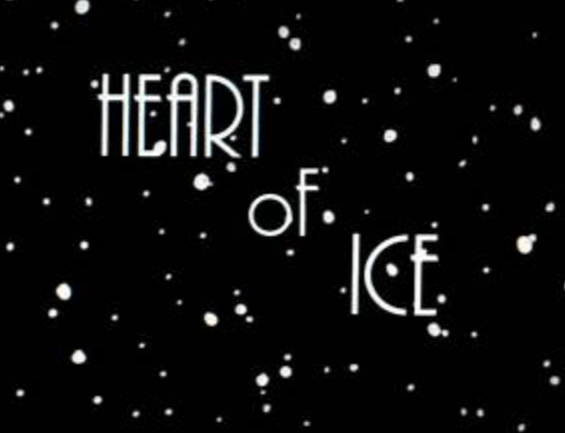
“Heart of Ice” is one of the Batman: The Animated Series episodes that earned an Emmy. This episode took a joke character, Mister Freeze, and grounded him into a fan favorite. Batman: The Animated Series did a lot of that during its four-year run. Side note: I can’t believe it’s been over thirty-three years since “Heart of Ice” originally aired. Yikes! Batman: The Animated Series claims the top spot. We’ll have to see if it continues to do so in another ten years.
Did we get the list right? Which shows would you add? Let us know in the comments. Thank you for reading, and wherever you are, I hope you’re having a great day.
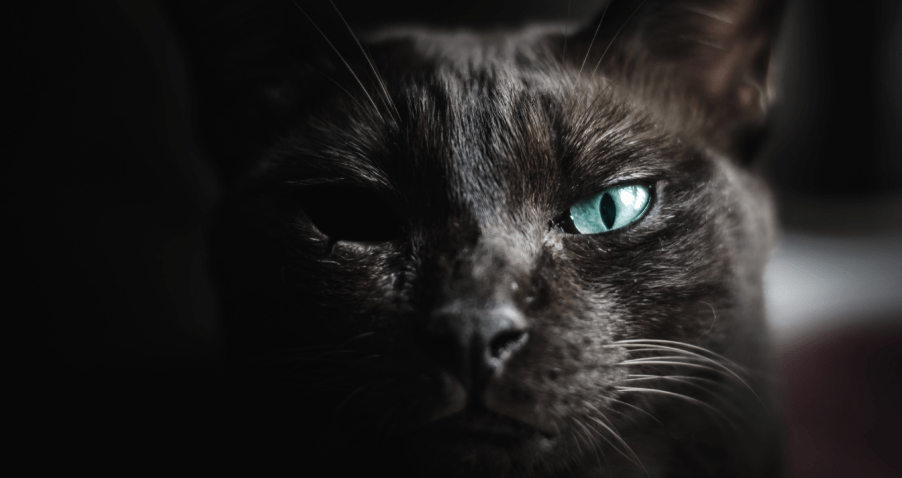
Happy Black Cat Day, Geekly Gang! That’s right. Today is Black Cat Day. I didn’t know a day like this exists. Hey, hey! Kyra Kyle here. We’re celebrating Black Cat Day by listing five famous (and popular) black cats in media. Oh, it’s about to get spooky up in here.
5) Pluto (“The Black Cat”)
We’ll start this list with the titular feline in Edgar Allan Poe’s “The Black Cat.” Often read as the companion piece to “The Tell-Tale Heart,” “The Black Cat’s” point of view character gets spooked by Pluto, walling him beside his deceased wife. Poe may have had some unresolved issues.
Originally published in 1845, “The Black Cat,” like many of Poe’s works, has stood the test of time. Loose adaptations have cropped up over time. More recently, the Black Cat returned in Netflix’s Fall of the House of Usher, and Wednesday (another Netflix offering) makes more than one reference to this short story. Not bad for a black cat with only one eye.
4) Salem Saberhagen (Sabrina: The Teenage Witch)
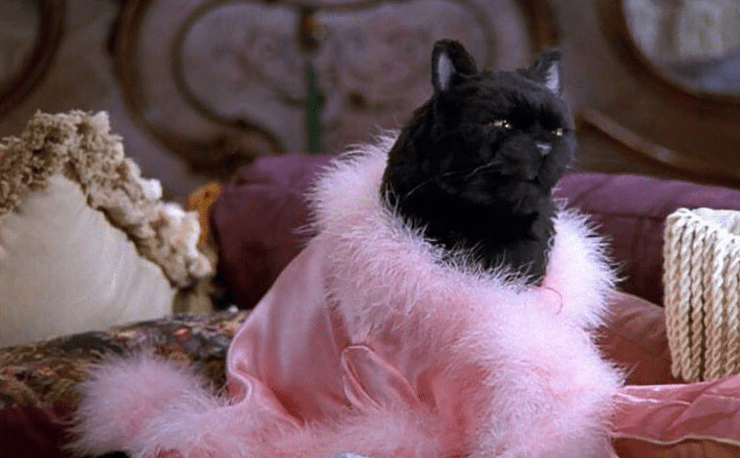
Many 90s kids know Salem Saberhagen from Sabrina: The Teenage Witch. Salem is a 500-year-old witch serving a 100-year sentence for attempting to take over the world. Salem’s old self gives off mad supervillain vibes. Getting transformed into a powerless American shorthair robbed him of a modicum of his sassiness.
Salem serves as a mentor for Sabrina as she navigates her life as a teenage witch. Sympathetic and often self-serving, fans of Sabrina: The Teenage Witch know that Salem’s the real star. Yas, Queen!
3) Luna (Sailor Moon)
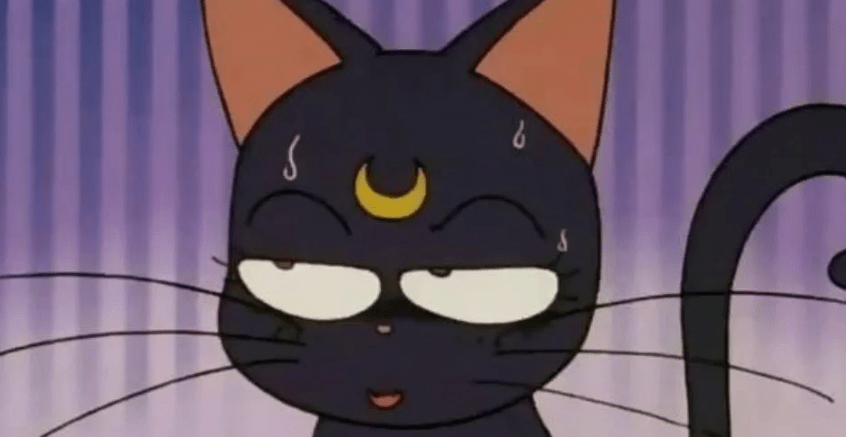
Luna (from Sailor Moon) stands out from many of the other black cats on this list. The crescent moon on her forehead makes her visually stand out, but her serious nature runs counter to many other black cats in anime, who are usually sarcastic or silly or both. Luna assembles the Sailor Senshi on Earth. She’s Usagi’s mentor, and her serious nature plays well against Usagi’s childish nature. Someone needs to be the grown-up. Who cares if the grown-up is a cat?
2) Thackery Binx (Hocus Pocus)
Thackery Binx was a 17th-century boy who was transformed into an immortal cat by the evil (but fabulous) Sanderson sisters. Binx spends eternity guarding the witches’ house, ensuring no one lights the black flame candle. Fast-forward to modern-day when Binx befriends Max, Dani, and Allison. The three kids light the candle. This alerts the sisters, so Binx does what he can to help his friends defeat the witches. In the end, Binx’s soul leaves the cat’s body and reunites with his sister. This is such a great moment. Can someone pass the tissues?
1) Jiji (Kiki’s Delivery Service)
This cat’s story isn’t as bittersweet as Binx’s. I promise. I love the scene where Jiji finds a black cat mug, points to it, and says, “Hey, Kiki, it’s me!” Jiji is by far the cutest black cat on this list. Add the fact that he’s voiced by the late, great Phil Hartman, and you have a character who can’t be beat. Kiki’s Delivery Service is a fantastic Studio Ghibli film. The Jiji character highlights what makes Phil Hartman great as a voice actor. Jiji stole the show with his sarcastic wit and endearing nature, quickly becoming one of the film’s most beloved characters.
At the end of the film, Jiji stops talking, which remains a mystery for fans. According to Hayao Miyazaki, the film’s director, the young witch and her pet lose their ability to communicate because Kiki grows up and doesn’t need her “other self” to rely on anymore. Okay. This story is bittersweet. I did it again. I’m not crying. You’re crying.
That’s our list of famous black cats in media. Thank you for reading, and wherever you are, I hope you’re having a great day.
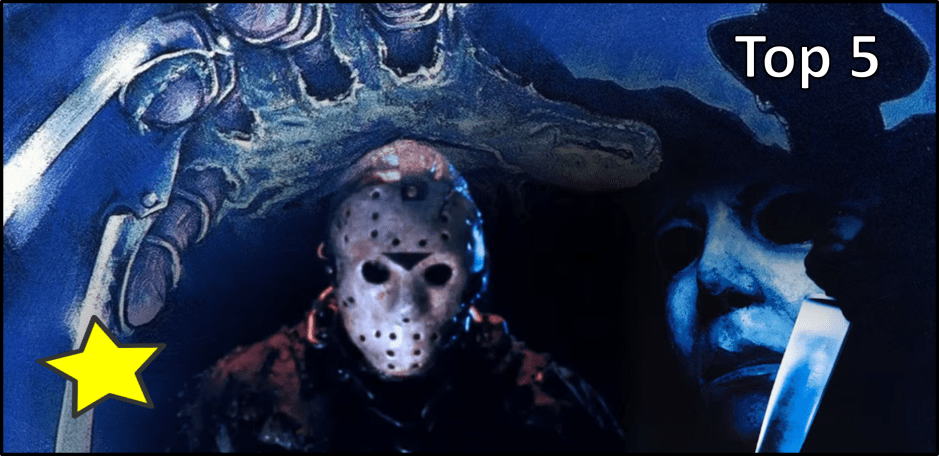
It’s Monday the 13th. OoooOOoooo! Happy Spooky Season, Geekly Gang! Kyra Kyle here. We’re continuing our Halloween coverage with slash films. Grease your chainsaws. Sharpen your machetes. It’s time to discuss the five best slasher film villains of all time. All time!
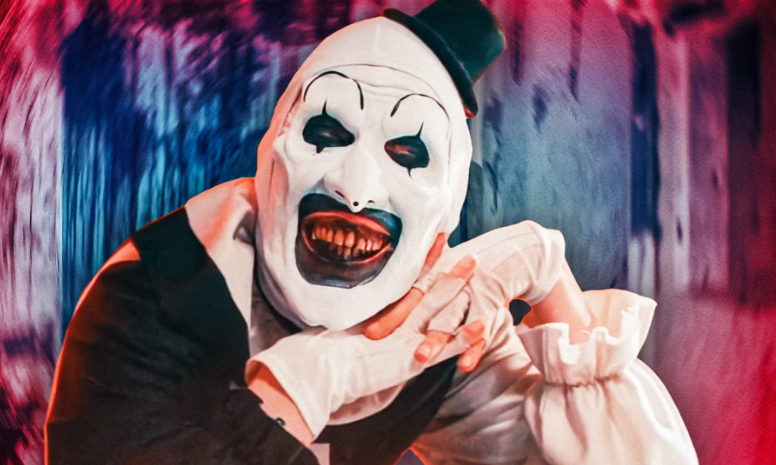
5) Art the Clown (Terrifier Franchise)
Art the Clown is a demented killer clown mime who kills people on Halloween nights. He carries a multitude of crude weapons and mutilates his victims in gruesome ways. Art the Clown’s manner of killing–which includes lots of kills and gore–cause his movies to verge on torture porn (popularized by the Saw franchise), but the Terrifier films maintain their slasher film status because of Art the Clown at their center.
Art the Clown has appeared in three movies and two shorts, and in a short time span, he’s become a horror icon. He’s easily the best slasher villain of the past decade. Given enough time, Art the Clown could climb this list, but I’m not so sure. The names above him are horror mainstays. Still, Art the Clown and the movies that feature him are more hardcore than most slasher killers throughout the years. He causes a glorious mess with every kill.
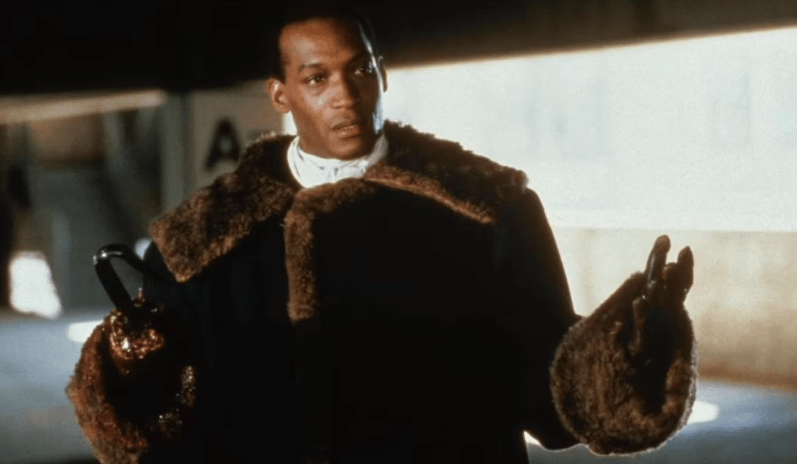
4) Candyman (Candyman Franchise)
Candyman, or Daniel Robitaille, is as much an urban legend or myth as he is a slasher villain. This is only one way he stands out. He’s tragic backstory goes beyond slasher movie tropes. Rooted in themes of racial violence and injustice, Candyman’s origin adds a layer of empathy, making his vengeful actions terrifying and, in an odd way, justified. His phrase, “Be my victim,” adds to the sense of dread and serves as a reminder of buried societal traumas.
The Candyman series had me scared to say his name five times. The first Candyman film remains the best. Tony Todd (rest in peace) gave Candyman a sense of purpose and grace that separated him from any slasher villain of his era. The second film went deeper into Candyman’s lore, while the fourth movie, produced by Jordan Peele, brought back the iconic killer while honoring the Black culture within the story. I love the Candyman series. Its villain just misses out on our top three, but the top three are horror movie royalty.
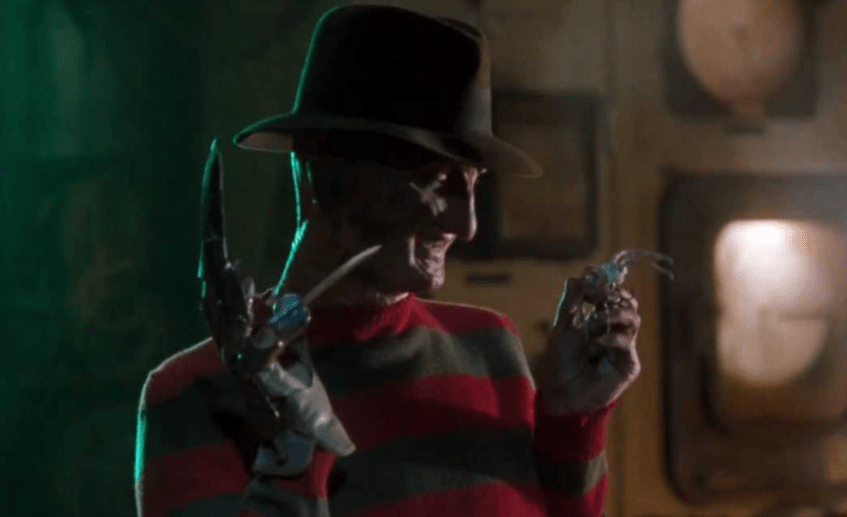
3) Freddy Krueger (A Nightmare on Elm Street Franchise)
Freddy Krueger’s ability to invade dreams sets him apart from other slasher movie villains. He transforms the safe haven of sleep into a terrifying killing ground. With his burned face, razor-sharp blades, and sinister laugh, Freddy taps into primal fears. He is the boogie man under the bed, in the bed, above the bed, hiding in the closet, and so much more. But Freddy isn’t all horror. He adds enough dark humor and charisma to make him repulsive and magnetic.
There’s no escape from Freddy. He follows victims into their most vulnerable state. Created by Wes Craven, Freddy Krueger will haunt the audience’s dreams long after his movies end. I’m haunted by the children’s song that serves as Freddy’s preamble. One, two, Freddy’s coming for you. Three, four, better lock your door. Five, six, grab your crucifix. Seven, Eight, gonna stay up late. Nine, ten, never sleep again. Try singing that right before you go to bed. You may just stay up an extra hour or two or five.
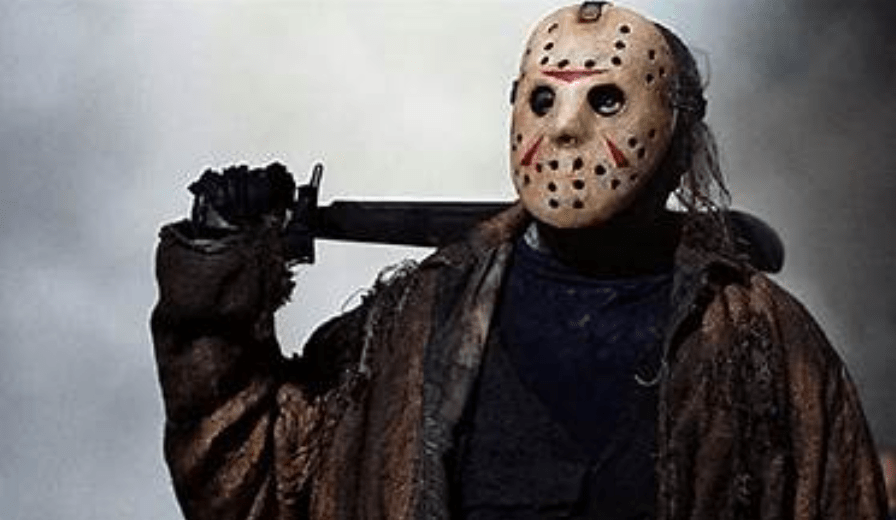
2) Jason Voorhees (Friday the 13th Franchise)
At the end of the first Friday the 13th movie, and after his mother died, Jason rose from the depths of Camp Crystal Lake to become the franchise’s new villain. He machetes his way through the camp and into the audience’s hearts with his bloody kills. Jason is a killing artist. He became more flamboyant through the years. He’s been killed and reanimated more times than a comic book hero, which actually matches his demeanor of an unstoppable zombie-like killer.
Interestingly, Jason is the more sympathetic character in his big crossover movie with Freddy Krueger, despite Jason being an unfeeling killing machine in his solo movies. Few slasher villains are more prolific than Jason. We can only think of one other slasher villain who tops his kill count and takes the number one spot as the true face of evil.
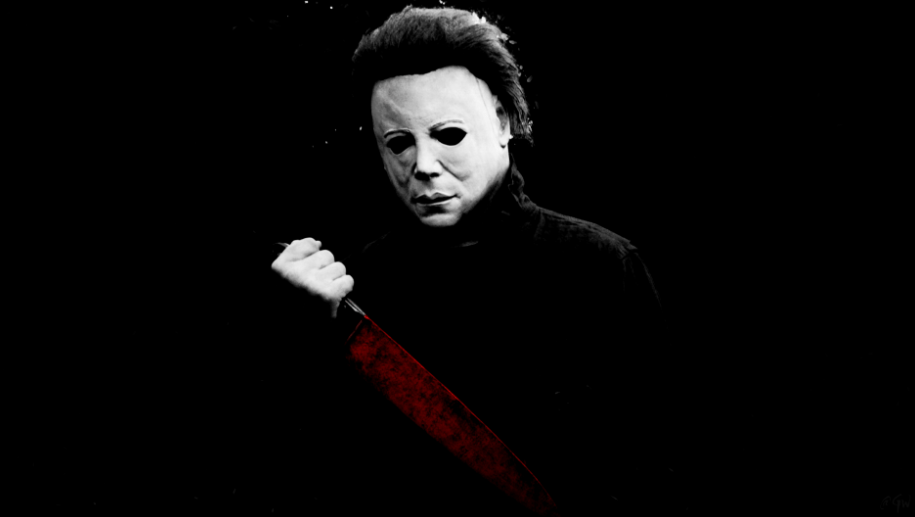
1) Michael Myers (Halloween Franchise)
Black Christmas may have come first, but Halloween’s Michael Myers is the first name and face people think of when they think of a slasher villain. There’s something about a bleached William Shatner mask. Michael Myers completes the slasher villain big three of Michael, Jason, and Freddy. Michael Myers doesn’t claim our haunting number one spot because he’s physically imposing. He’s the shape of evil. He’s the one who began killing when he was a child and never stopped.
John Carpenter’s 1978 Halloween didn’t create the slasher subgenre. The genre bloomed in the wake of Michael Myers’ butcher knife. This horrifying classic had a simple premise. A silent serial killer stalks a quiet town. After decades of movies (and more on the way, we’re sure), Michael Myers petrifies audiences. Michael’s theme music is the stuff of legend. As soon as I wrote this post’s title, it played in my head. Not going to lie, I played the song. Pure movie magic.
That’s our list of the top five slasher film villains. Did we get the list right? Who would you add or take away? Let us know in the comments. Thank you for reading, and wherever you are, we hope you’re having a great day.
























 jkgeekly.com