Tabletop Game Review: Marvel United: Fantastic Four

We had to discuss the Marvel United: Fantastic Four expansion from the Marvel United: X-Men launch. In fact, we’ll begin our coverage of the Marvel United: X-Men wave with this expansion. Hey, hey, Geekly Gang! Kyra Kyle here. We return once again to Marvel United. This is one of those game systems with a heap of expansions. Too many, if you ask me. But we’ll cover the expansions that will either be fan favorites (plenty of people will be interested in adding them to their collection) or good additions because of their gameplay variants. Fortunately, Marvel United: Fantastic Four fits both criteria.

We’ll get to Marvel’s first family in a minute, but first, let’s take a look at Marvel United: Fantastic Four’s less heroic details.
The Fiddly Bits

Designer: Andrea Chiarvesio, Eric M. Lang, and Francesco Rugerfred Sedda
Publisher: CMON Global Limited and Spin Master Ltd.
Date Released: 2022
Number of Players: 1-5
Age Range: 8 and up
Setup Time: 5-10 minutes
Play Time: 30-40 minutes

Game Mechanisms

Cooperative Play
Hand Management
Modular Board
Solo / Solitaire Game
Variable Player Powers
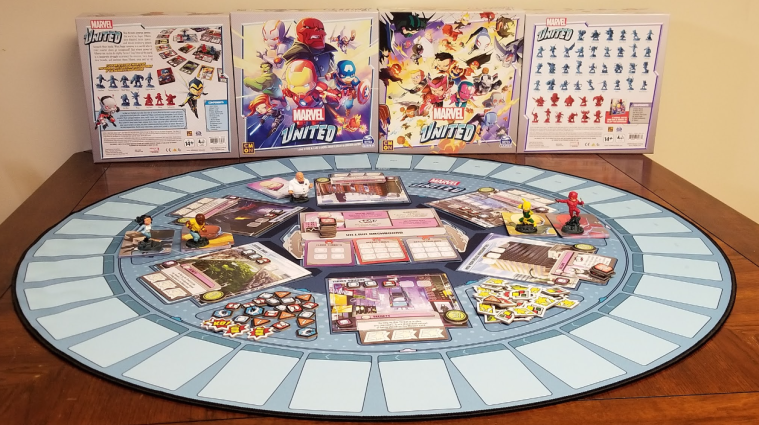
Marvel United Tabletop Game Set Up

Game Setup

We already covered the Game Setup and Game Flow in our original Marvel United review (here’s a link to that review), so we’ll go over the basics in the following two sections. Let’s cover an abbreviated review of the game setup and rules.

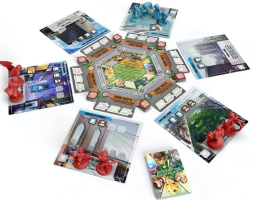
Marvel United: Fantastic Four’s setup can change depending on which Villain(s) and Heroes you choose to play. Each game consists of six locations. Since Marvel United: Fantastic Four is an expansion, only includes four locations, and you’ll need a core set in addition to this expansion to play. You may choose your locations or shuffle them and choose six at random. Each Location card has spaces at the top for civilians and thugs, and a rectangle with a block of text that will state “End of Turn” at the top of the box.

Place civilian/thug tokens on their matching spaces. Shuffle the Villain’s Threat deck and deal out each Threat face-up so that it covers the rectangle at the bottom of each location. You must clear this threat before gaining the “End of Turn” effect printed on a Location. Place health tokens where signified on threat cards and on the Villain dashboard. Place the three mission cards (Defeat Thugs, Rescue Civilians, and Clear Threats) face up under the villain dashboard where the text reads “Unlocked.”

Each player shuffles their hero decks and then draws three cards to form their hands. Shuffle the Villain’s Master Plan deck. Leave the Master Plan deck face down. This will be the villain’s draw pile.

Players place their miniatures on one of the six location cards, usually the centralmost location for each player (easy access). Then, they place the villain on the location card opposing the heroes. If one player chooses to play as the villain, hand the Super Villain cards to them, and the Heroes gain access to Super Hero cards. These new card times can be played if the game state triggers their use (for example, “You play a Master Plan card” or “Any Hero has 4 or more cards in their hand at the end of the Hero turn.” Timing is key.

Marvel United Game Flow Board Game Review

Game Flow

The villain(s) play first. Draw the top card of their master plan deck. The villain moves the number of spaces indicated. Resolve any BAM! Effects and these effects will be printed on a space within the villain’s dashboard. Then, place the civilian/thug tokens (if any) indicated at the bottom of the card. If a player has taken the role of the villain, they get a hand of cards and can choose which card they play. The heroes get their turn after all the villain’s effects are resolved.

Heroes pick which player goes first, and hero turns will continue around the table clockwise. At the beginning of each game, Heroes will get three turns before the villain receives another turn. During their turn, heroes play one card from their hand.

Marvel United Sample Hero Turns Gacha Game Review

Resolve actions and the symbols printed at the bottom of the hero’s card in any order. The symbols at the bottom of a hero’s card will be shared with the next player, but any printed action will not be shared. Heroes will use these actions to complete missions. The game begins with three missions in play: Defeat Thugs, Rescue Civilians, and Clear Threats. Each mission card will have spaces for the tokens they require to complete. As soon as these spaces are filled, the card is discarded, and the mission is considered complete. Mission cards can be completed in any order.

After the heroes complete the first mission, the villain panics and will act (play a card) every two hero cards instead of every three hero cards. After the heroes complete the second mission, the villain becomes vulnerable to damage. The heroes can complete the third mission, but it isn’t necessary. If the heroes do complete the third mission, each hero immediately draws 1 card, increasing each player’s hand size by one.

Play continues back and forth until either the villain wins (by completing their unique master plan or anyone, heroes or villains, runs out of cards) or the heroes win by dealing enough damage to the villain after the villain becomes vulnerable to damage.

Review

Marvel United: Fantastic Four has a huge legacy to live up to, and it lives up to the hype. I’m writing this review in June 2025, and Marvel United: Fantastic Four’s BGG score is an 8.5 (out of 10). This makes Fantastic Four the highest-rated Marvel United expansion. Yeah. It’s—pardon the pun—fantastic.

While Marvel United: X-Men Blue and Gold Teams features semi-cooperative play (players compete to clear the most goals), and this gives me strong X-Men: Under Siege vibes (a game I have a soft spot for), Fantastic Four introduces the idea of teamwork, and it does so simply and elegantly. Included in the box is a Fantastic Four team card. Various hero cards (from the members of the Fantastic Four) will add action tokens to the card, and can then use all actions on the Fantastic Four team card with different cards in their deck. This promotes a slow build. It simulates teamwork without using a lot of convoluted rules. I like the Team Cards from Marvel United’s third wave (Multiversus), but the method used in Fantastic Four is easy to follow and makes narrative sense.

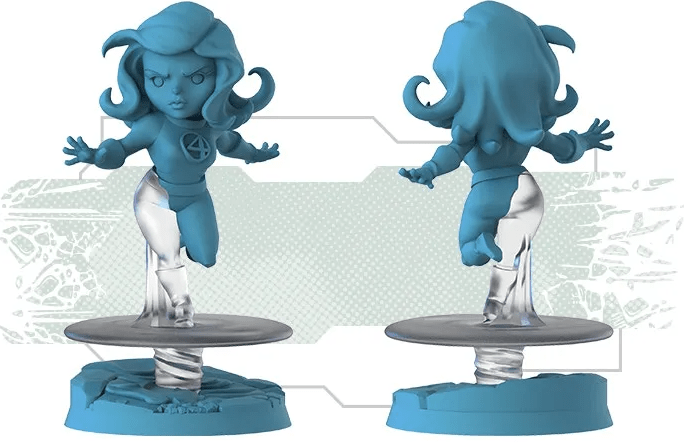
Marvel United: Fantastic Four includes six heroes. One of which is the anti-hero (hero and villain) Doctor Doom. That’s a lot of heroes for one expansion—it’s almost as many as a core box—and each hero illustrates Marvel United’s second wave’s power creep. Granted, to get the most out of the Fantastic Four characters (Mr. Fantastic, Invisible Woman, The Thing, and Human Torch), you’re encouraged to play as the Fantastic Four. The aforementioned Fantastic Four Team Card is amazing, but these characters are still effective outside the team setting.

Each member has a unique flavor. Mr. Fantastic is flexible. Get it? Flexible? Ha…ha. Invisible Woman can avoid damage altogether (using her “Invisiblity” card), but she takes herself out of combat, which makes sense. Human Torch can use Nova Flame and deal 2 damage to everything at his location—super useful. And The Thing deals copious amounts of damage and can ignore 1 damage during each Villain Turn. Very nice.
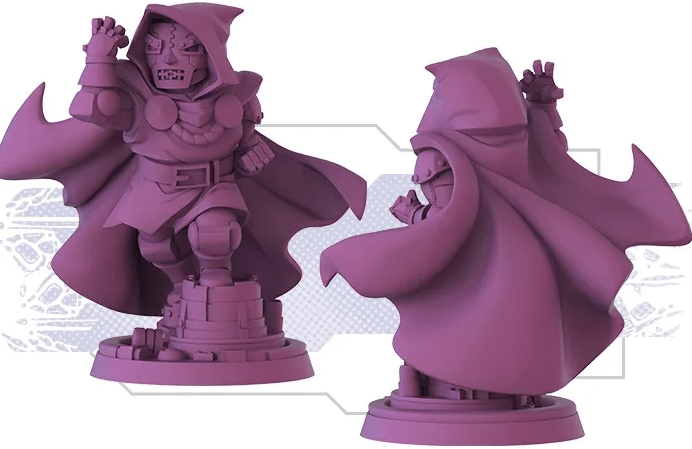
The remaining two heroes, Doctor Doom and Silver Surfer, don’t gain any benefit from the Fantastic Four team card, but they don’t need it. Doom gets tokens for each damage he takes. He can even use the symbols from the 3 previous Hero cards in the Storyline (instead of the previous one). This can generate as many as seven actions on a single turn. Yikes! Silver Surfer has extra card draw, can move anywhere with one of his special abilities, and can exchange a Location in play with one that isn’t in play. What? Silver Surfer can literally yeet any Location for another Location. That’s coconuts.

But Marvel United: Fantastic Four’s villains are just as overpowered as their hero counterparts. Even though Doctor Doom is the marquee villain, we’ll begin with Super-Skrull. Don’t overlook Super-Skrull. He has one of the more unique Special Rules in Marvel United. Whenever he BAM!s, he performs actions based on the symbols on the last Hero card in the Storyline. The heroes have some control over what Super-Skrull can do, but that doesn’t matter. None of Super-Skrull’s BAM! actions are things you want to happen. Super-Skrull attempts to knock out (KO) and hand each in-play hero a KO token, but this isn’t the only way he can win. Super-Skrull can’t be damage if any Crisis tokens exist, and he adds cards from his deck facedown in the Storyline, which leads to a shortened clock.

Super-Skrull is a spiffier version of Green Goblin. He does enough things well that you must split your focus on the various ways he can win, and even though he doesn’t have Henchmen (like Green Goblin), he makes up for it with crazy Threat card abilities that make clearing Thugs and Civilians less efficient, and each Threat card requires one of each action type. Super-Skrull covers all bases. But most people purchase Marvel United: Fantastic Four for Doctor Doom, and Doom delivers.

First off, Doom must be played with Latveria—naturally—and Latveria is the first Location card that has a negative “End of Turn” effect. In fact, Doom only has five Threat cards because Latveria begins the game without one. Latveria marks the first time Marvel United has included an “End of Turn” effect that benefits the villain. “You MUST take 1 damage for each Thug or Doombot in this Location.” Ouch! Latveria begins every game with three Doombot tokens, so if you don’t take out all of the Doombots, you’re discarding your entire hand. Double ouch! Doom’s Threat cards add extra Doombots (sometimes not even in the same place as the Threat card’s location) and can deal extra damage to heroes. Triple ouch!

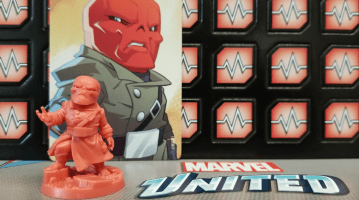
As for his Villainous Plot, Doc Doom plays like Red Skull but way, way worse. He can increase the Doom Track (changed from the Red Skull’s Threat Track) far more often, and he can’t be damaged if a Doombot is at his Location. In short, Doctor Doom is nasty. You’ll need the Fantastic Four with their Team Card to defeat him. It can be done, but it’s a tough go. I find Doctor Doom tuned to the perfect level of difficulty. He may be one of the many reasons Marvel United: Fantastic Four is the highest-rated Marvel United expansion.

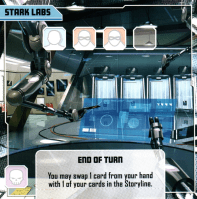
We talked about Latveria, but there’s another Location, Mount Wundagore, that has a negative “End of Turn” effect: Each Hero in this Location MUST discard all cards in their hand and draw the same number of cards (this does not KO). Even though this effect doesn’t count as a KO, it’s another way to shorten the clock. If anyone (including Heroes) runs out of cards in their deck, the heroes lose. Yowza! I like Marvel United: Fantastic Four’s inclusion of villain-centric Locations. We’ll see more of this later in the series, but villain-centric Locations do a lot to shake up Marvel United’s status quo. The remaining Locations have unique “End of Turn” abilities as well. The Baxter Building provides token draw if the character you’re playing was ever a member of the Fantastic Four. This is a boon for anyone who knows the comics. I appreciate that.

I also appreciate the Takeover Challenge card included in Marvel United: Fantastic Four. If a Thug, Civilian, or Doombot token can’t be added to a Location, after resolving Overflow, place the excess tokens on the Takeover card. If the card is full, Heroes immediately lose. The Takeover card has two sides with different difficulties (number of spots for tokens). This Challenge card, like the Fantastic Four’s Team Card, is simple and elegant. It adds just enough difficulty if the game has gotten too predictable.

Too Long; Didn’t Read

Marvel United: Fantastic Four is the highest-rated Marvel United expansion on BoardGameGeek and for good reason. This expansion adds more layers of complexity while staying thematic and not burdening the player with too many over-complicated rules. Every element from the Locations, the Challenge Card, the Heroes, and especially the Villains is well thought out and an excellent addition to any Marvel United collection.
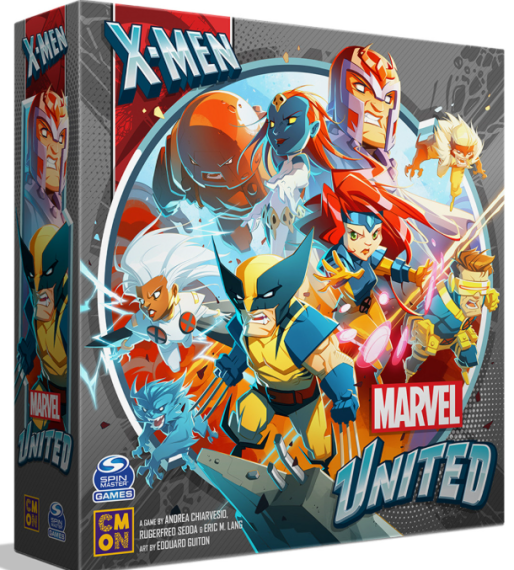
Tabletop Game Review: Marvel United: X-Men Core Set

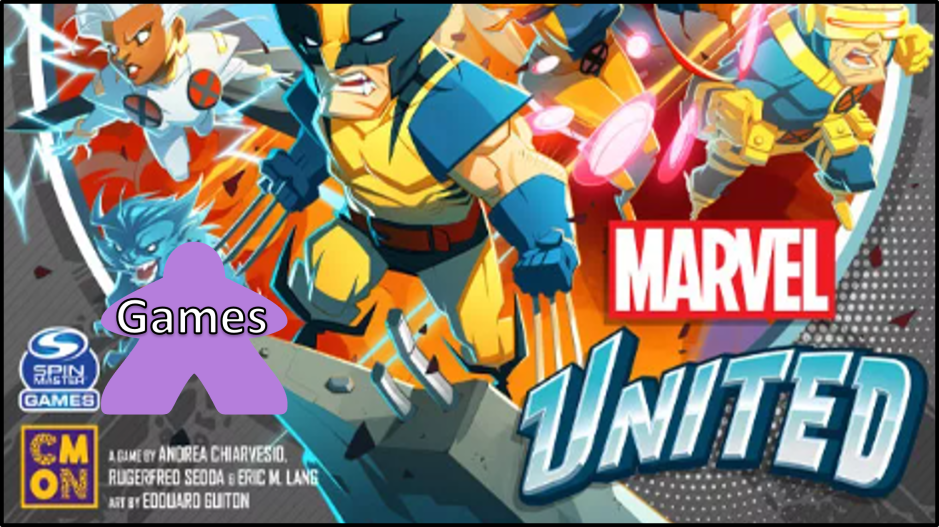
We’ve discussed many Marvel United expansions from the game’s initial set; it’s time to talk about Marvel United: X-Men. This version of Marvel United adds team play and a one versus many option, where one player controls the villain while the others play the heroes. This increases gameplay options and allows for a fifth player to join in on the fun.

Hey, hey! Kyra Kyle here. In Marvel United: X-Men, players act as iconic X-Men heroes who work together to stop the master plan of a powerful villain controlled by the game and in some cases another player. Each villain has a unique master plan, cards that trigger various effects, and threats that make clearing locations difficult. Heroes clear missions, making the villain vulnerable, and finally take on the big bad villain before they complete their master plan. Can you save the day in time? Marvel United: X-Men adds Marvel’s merry mutants to the fray.

Before we get any further, we’ll take a side quest and discuss Marvel United: X-Men’s less heroic details.

The Fiddly Bits

Designer: Andrea Chiarvesio, Eric M. Lang, and Francesco Rugerfred Sedda
Publisher: CMON Global Limited and Spin Master Ltd.
Date Released: 2021
Number of Players: 1-5
Age Range: 8 and up
Setup Time: 5-10 minutes
Play Time: 30-40 minutes

Game Mechanisms

Cooperative Play
Hand Management
Modular Board
Solo / Solitaire Game

Team-Based Game
Variable Player Powers

Game Setup

We already covered the Game Setup and Game Flow in our original Marvel United review (here’s a link to that review), so we’ll go over the basics in the following two sections. Let’s cover an abbreviated review of the game setup and rules.

Marvel United: X-Men’s setup can change depending on which Villain(s) and Heroes you choose to play. Each game consists of six locations. Eight locations are included because Marvel United: X-Men is a core set. You may choose your locations or shuffle them and choose six at random. Each Location card has spaces at the top for civilians and thugs and a rectangle with a block of text that will state “End of Turn” at the top of the box.

Place civilian/thug tokens on their matching spaces. Shuffle the Villain’s Threat deck and deal out each Threat face-up so that it covers the rectangle at the bottom of each location. You must clear this threat before gaining the “End of Turn” effect printed on a Location. Place health tokens where signified on threat cards and on the Villain dashboard. Place the three mission cards (Defeat Thugs, Rescue Civilians, and Clear Threats) face up under the villain dashboard where the text reads “Unlocked.”

Each player shuffles their hero decks and then draws three cards to form their hands. Shuffle the Villain’s Master Plan deck. Leave the Master Plan deck face down. This will be the villain’s draw pile.

Players place their miniatures on one of the six location cards, usually the centralmost location for each player (easy access). Then, they place the villain on the location card opposing the heroes. If one player chooses to play as the villain, hand the Super Villain cards to them, and the Heroes gain access to Super Hero cards. These new card times can be played if the game state triggers their use (for example, “You play a Master Plan card” or “Any Hero has 4 or more cards in their hand at the end of the Hero Turn.” Timing is key.

Game Flow

The villain(s) play first. Draw the top card of their master plan deck. The villain moves the number of spaces indicated. Resolve any BAM! Effects and these effects will be printed on a space within the villain’s dashboard. Then, place the civilian/thug tokens (if any) indicated at the bottom of the card. If a player has taken the role of the villain, they get a hand of cards and can choose which card they play. The heroes get their turn after all the villain’s effects are resolved.

Heroes pick who goes first, and hero turns will continue around the table clockwise. At the beginning of each game, Heroes will get three turns before the villain receives another turn. During their turn, heroes play one card from their hand.

Marvel United Sample Hero Turns Gacha Game Review

Resolve actions and the symbols printed at the bottom of the hero’s card in any order. The symbols at the bottom of a hero’s card will be shared with the next player, but any printed action will not be shared. Heroes will use these actions to complete missions. The game begins with three missions in play: Defeat Thugs, Rescue Civilians, and Clear Threats. Each mission card will have spaces for the tokens they require to complete. As soon as these spaces are filled, the card is discarded, and the mission is considered complete. Mission cards can be completed in any order.

After the heroes complete the first mission, the villain panics and will act (play a card) every two hero cards instead of every three hero cards. After the heroes complete the second mission, the villain becomes vulnerable to damage. The heroes can complete the third mission, but it isn’t necessary. If the heroes do complete the third mission, each hero immediately draws 1 card, increasing each player’s hand size by one.

Play continues back and forth until either the villain wins (by completing their unique master plan or anyone, heroes or villains, runs out of cards) or the heroes win by dealing enough damage to the villain after the villain becomes vulnerable to damage.

Review

Marvel United: X-Men features many new game concepts for the United game system. Having one player take on the role of the villain is the most obvious. I like that Spin Master and CMON games include a chart that allows gamers to play villains from the previous set. Since X-Men characters have a knack for flip-flopping their allegiance, it makes sense that Marvel United: X-Men began the trend of purple miniatures (anti-heroes who can be played as heroes or villains). This feature is crucial to the game design, as I forgot it began with Marvel United’s second wave (X-Men). Marvel United: X-Men also adds a team element with its Blue and Gold Team expansions. That doesn’t factor in too much with the core set. We’ll talk more about the X-Men Blue and Gold Teams in the future.

Power creep is a real thing in Marvel United: X-Men. In the original set, players were lucky if they had three unique abilities and anything more than three cards in their deck with special abilities. Marvel United: X-Men heroes have a minimum of four cards in their deck with special abilities and at least two unique special effects, but there are plenty of heroes with way more than four special ability cards. Marvel United: X-Men also includes plenty of powers that deal with crisis tokens. The original set had a few ways to deal with crisis tokens; most of the methods came in the form of Location “End of Turn” abilities. I like the inclusion of heroes with crisis token abilities. The heroes in Marvel United’s second way had plenty of new ways to affect the game state.

Beginning with the anti-heroes (the purple miniatures who can be heroes or villains), let’s get into specific heroes you can find in the Marvel United: X-Men Core Set. Mystique features few Heroics but plenty of Move and Attack. Her two special abilities (two copies of each card) allow her to prevent new tokens (Thugs or Civilians) from being added by the next Master Plan card, and she can redirect damage from herself to Henchmen or Thugs. This plays into Mystique’s ability as an infiltrator. Typically, Marvel United: X-Men does a good job of showing each anti-hero as their heroic and villainous selves. Magneto is the other anti-hero included in the Core Set. Like Mystique, he has little Heroics but can zoom around the board and deal copious amounts of damage. I like Magneto’s ability to convert symbols into Wild symbols. This makes him versatile.

Perhaps because of the increased number of powers within hero decks, Marvel United: X-Men does an even better job of capturing its heroes. Wolverine begins the game with a healing factor. Cyclops uses Leadership, while Beast also has a regenerating factor (not as persistent as Wolverines) and he specializes in heroics and movement. So far, far thematic, but I really like Storm, Jean Grey, and Professor X. Storm can reposition the entire team, Jean Grey can manipulate the Storyline with Telekinesis, and Professor X may be the most powerful hero in the X-Men Core Set. He’s surprisingly mobile with a penchant for heroics. He can also use Telepathy to manipulate the Storyline, give tokens with Leadership, turn symbols into Wilds, and even turn Thugs into Civilians.

In short, the heroes of Marvel United: X-Men have more personality than the previous set. Professor X may be overly powerful. Half of the cards in his deck possess special abilities, and two of the other six cards feature wild symbols. The villains in the X-Men Core Set provide plenty of twists for gameplay, but that’s to be expected from Marvel United villains. The villains have always represented this game’s most intriguing design space. Sabretooth hunts heroes, while Juggernaut charges from one location to the next, damaging everyone in his way. Magneto is especially difficult to stop. He can nullify all Hero effects and hand out crisis tokens to heroes, damaging them for each crisis token the hero possesses. But Mystique may be the most interesting villain from this lot. She targets Senator Kelly, and the heroes lose if she carries out her assassination.

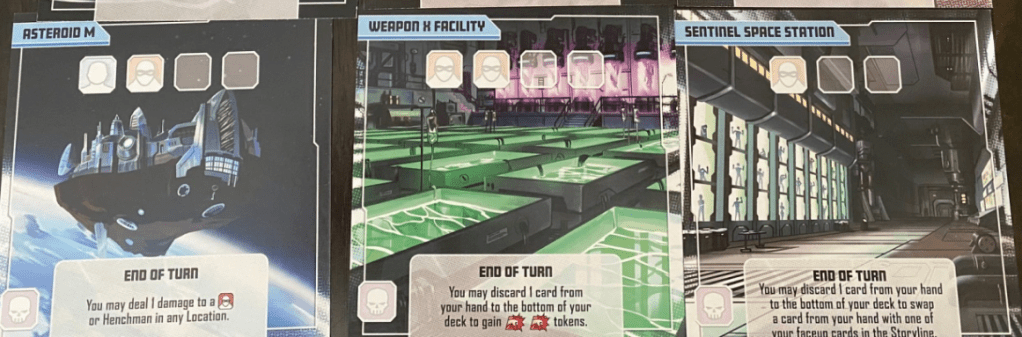
Marvel United: X-Men’s Locations have varied “End of Turn” abilities. Token draw, healing, moving to another location, rescuing a Civilian, and dealing damage to a Thug/Henchman are standard fare by this point, but Marvel United: X-Men’s Locations gives these mechanisms a few twists. But my favorite “End of Turn” ability may be Sentinel Space Station’s. You may discard 1 card from your hand to the bottom of your deck to swap a card from your hand with one of your face-up cards in the Storyline. This ability is a hint of what one can expect in other Marvel United: X-Men expansions. The Marvel United: X-Men Core Set does enough to show what the second United wave of games offers. It does a great job of building on a solid foundation.

Too Long; Didn’t Read

Marvel United: X-Men adds numerous wrinkles to the United Series’ gameplay. A player can take the role of the villain, team play is possible, and antihero characters can be either heroes or villains. The heroes within Marvel United’s second wave have more personality, while the villains remain stellar. Mystique’s mission of assassinating Senator Kelly is fantastic.

Thank you for reading, and wherever you are, I hope you’re having a great day.

Tabletop Game Review: Marvel United, Rise of the Black Panther

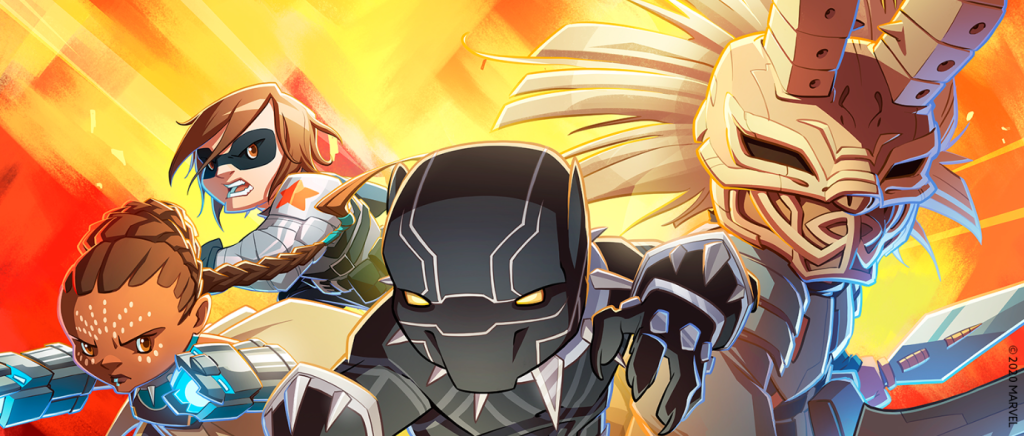
Has it been long enough since we’ve covered a Marvel United expansion? It’s been one month? Eh, why not cover one of the final expansions from the original release, Rise of the Black Panther? Like I said in our last expansion review, Geekly won’t be covering every Marvel United expansion, but we will review the ones worth your time or the ones we believe people will most likely purchase. In short, you may want to consider these expansions.

Hey, hey! Kyra Kyle here. In Marvel United, take on the roles of iconic Marvel heroes who work together to stop the master plan of a powerful villain controlled by the game. Each villain has a unique master plan, cards that trigger various effects, and threats that make clearing locations difficult. Heroes clear missions, making the villain vulnerable, and finally take on the mastermind before they complete their evil plot. Can you save the world from impending doom? Let’s find out with Rise of the Black Panther.


Wait. Before we leap into the fray, we should look at Rise of the Black Panther’s fine print.

Marvel United Box Close Up Board Game Review

The Fiddly Bits

Designer: Andrea Chiarvesio and Eric M. Lang
Publisher: CMON Global Limited and Spin Master Ltd.
Date Released: 2021
Number of Players: 1-4
Age Range: 8 and up
Setup Time: 5-10 minutes
Play Time: 30-40 minutes

Game Mechanisms

Cooperative Play
Hand Management
Modular Board
Solo / Solitaire Game
Variable Player Powers

Marvel United Tabletop Game Set Up

Game Setup

We already covered the Game Setup and Game Flow in our Marvel United review (here’s a link to that review), so we’ll go over the basics in the following two sections. Let’s cover an abbreviated review of the game setup and rules.

Marvel United’s setup can change depending on which Villain and Heroes you choose to play. Each game consists of six locations. Typically, core sets have eight locations. Since Rise of the Black Panther is an expansion, it only has six. You may choose your locations or shuffle them and choose six at random. Each Location card has spaces at the top for civilians and thugs and a rectangle with a block of text that will state “End of Turn” at the top of the box.

Place civilian/thug tokens on their matching spaces. Shuffle the Villain’s Threat deck and deal out each Threat face-up so that it covers the rectangle at the bottom of each location. You must clear this threat before gaining the “End of Turn” effect printed on a Location. Place health tokens where signified on threat cards and on the Villain dashboard. Place the three mission cards (Defeat Thugs, Rescue Civilians, and Clear Threats) face up under the villain dashboard where the text reads “Unlocked.”

Each player shuffles their hero decks and then draws three cards to form their hands. Shuffle the Villain’s Master Plan deck. Leave the Master Plan deck face down. This will be the villain’s draw pile.

Players place their miniatures on one of the six location cards, usually the centralmost location for each player (easy access). Then, they place the villain on the location card opposing the heroes.

Marvel United Game Flow Board Game Review

Game Flow

The villain(s) play first. Draw the top card of their master plan deck. The villain moves the number of spaces indicated. Resolve any BAM! Effects and these effects will be printed on a space within the villain’s dashboard. Then, place the civilian/thug tokens (if any) indicated at the bottom of the card. After all these effects are resolved, the heroes get their turn.

Heroes pick who goes first, and hero turns will continue around the table clockwise. At the beginning of each game, Heroes will get three turns before the villain receives another turn. During their turn, heroes play one card from their hand.

Resolve actions and the symbols printed at the bottom of the hero’s card in any order. The symbols at the bottom of a hero’s card will be shared with the next player, but any printed action will not be shared. Heroes will use these actions to complete missions. The game begins with three missions in play: Defeat Thugs, Rescue Civilians, and Clear Threats. Each mission card will have spaces for the tokens they require to complete. As soon as these spaces are filled, the card is discarded, and the mission is considered complete. Mission cards can be completed in any order.

Marvel United Three Mission Cards Board Game Review

After the heroes complete the first mission, the villain panics and will act (play a card) every two hero cards instead of every three hero cards. After the heroes complete the second mission, the villain becomes vulnerable to damage. The heroes can complete the third mission, but it isn’t necessary. If the heroes do complete the third mission, each hero immediately draws 1 card, increasing each player’s hand size by one.

Play continues back and forth until either the villain wins (by completing their unique master plan or anyone, heroes or villains, runs out of cards) or the heroes win by dealing enough damage to the villain after the villain becomes vulnerable to damage.

Review

Rise of the Black Panther has some stellar heroes in its ranks. The Challenge Card uses some interesting game elements that I haven’t seen Marvel United use before or since. Killmonger can be a tricky villain and one of my favorites to defeat. It’s an accomplishment to defeat Killmonger. But Rise of the Black Panther’s Locations may be the biggest reason why Geekly’s covering this specific expansion. We’ll start with Locations.

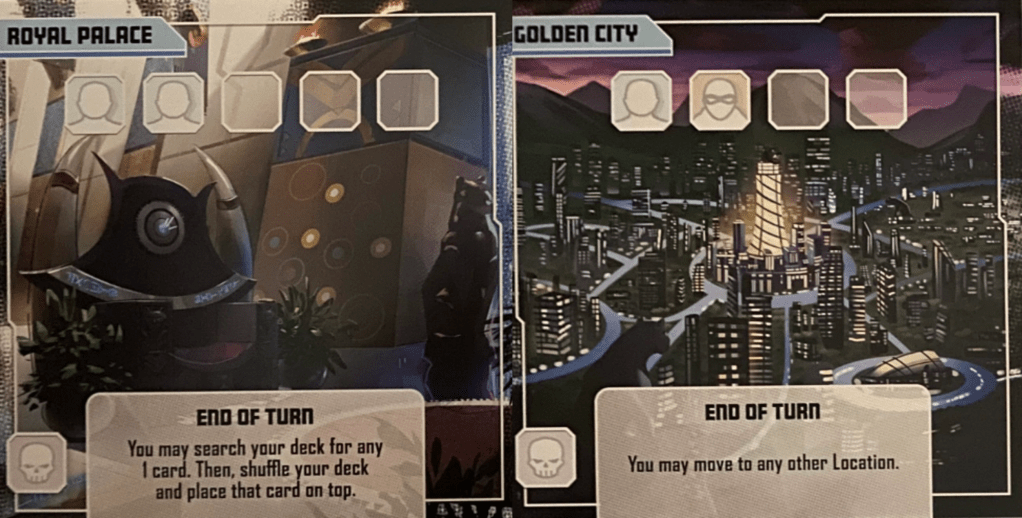
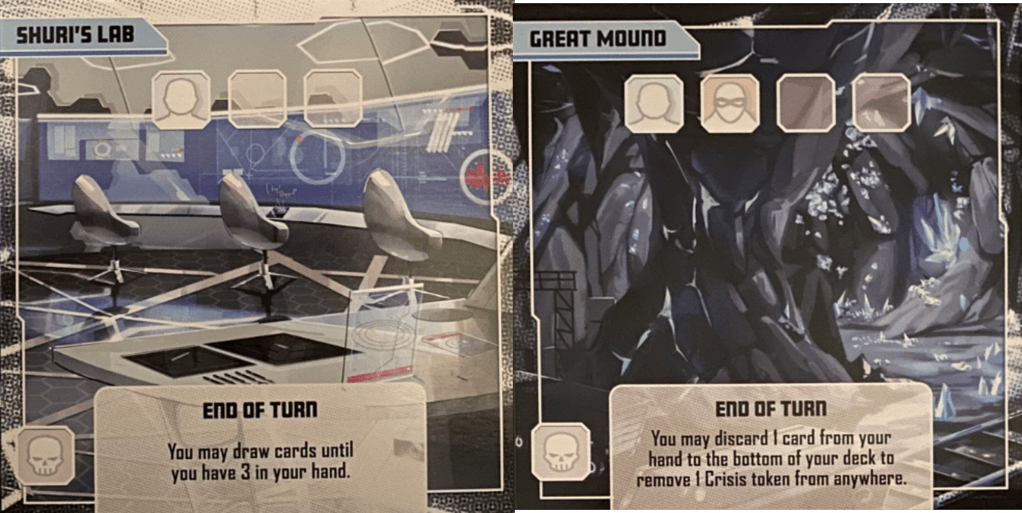
Jabari Village and Warrior Falls have solid “End of Turn” abilities. One gives you a Wild token while the other allows you to deal one damage at that Location. Not bad. But it doesn’t hold a candle to the remaining four Locations. Golden City lets players move to any other Location at the end of their turn. This gives players extra movement. I love that. That gives me one less resource to manage and I can focus on Heroics and Attack. Royal Palace allows players to search their deck for a card and place that card at the top of their deck. Fantastic! This would be a strong ability in most card games with decks. But the Great Mound and Shuri’s Lab puts Rise of the Black Panther Locations over the top.

Great Mound is one of the only ways to manipulate Crisis Tokens in the original Marvel United release. Full stop. If you have a villain who has pesky Crisis Token abilities (one of those is Killmonger included in Rise of the Black Panther) and you only have the original Marvel United release, Great Mound is a must. Its “End of Turn” ability allows players to discard a card from their hand to the bottom of their deck to remove 1 Crisis Token anywhere. Shuri’s Lab creates a great tandem of Location abilities. Its “End of Turn” ability grants players the ability to draw up to their maximum hand size, negating any ill effects from the Great Mound and giving players a way to heal. I like Enter the Spider-Verse’s Locations a lot, but they pale in comparison to Rise of the Black Panther’s.

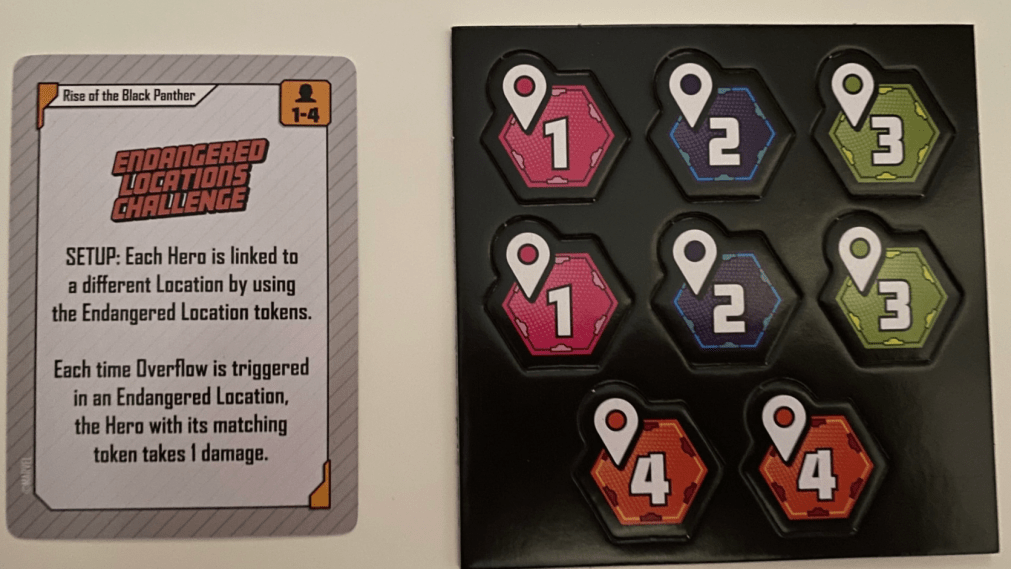
As mentioned in previous Marvel United reviews, Challenge cards provide optional rules to spice up the core gameplay. Rise of the Black Panther’s “Endangered Locations” is a simple and engaging rule twist. During Setup, Each Hero is linked to a different Location by using the included Endangered Location tokens. During play, each time Overflow is triggered in a Location, the Hero with its matching token takes 1 damage. This makes each Location mean something to certain players. This Challenge card could influence players to keep one Location clear of tokens over another Location. I love it because it raises the stakes and adds a dash of strategy and something else for players to navigate.

Killmonger Marvel United

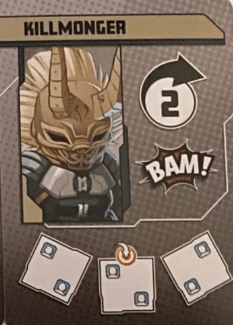
We’ll get to the heroes in a bit, but let’s talk about one of the MCU’s better villains, Killmonger. Killmonger also happens to be an intriguing villain in Marvel United. He wins when four or more Locations have 3 or more Crisis Tokens, and he adds Crisis Tokens in various ways. His Overflow and BAM! abilities replace Civilian/Thug Tokens with Crisis Tokens, which will make clearing missions (in order to make Killmonger vulnerable to damage) more difficult. The “Weapon Smuggling” Threat card has a similar action. And his Master Plan deck adds plenty of Civilian/Thug tokens, which can trigger Overflows, while his “Overthrow” ability can convert multiple Civilian tokens into Crisis Tokens. In short, Killmonger can turn the tide of battle in short order.

Furthermore, Killmonger has plenty of ways of dealing additional damage to Heroes, which can cause players to race toward Shuri’s Lab for some heals. Killmonger has one of the higher potential damage outputs of Marvel United’s original set. As I said prior, beating Killmonger is an accomplishment.

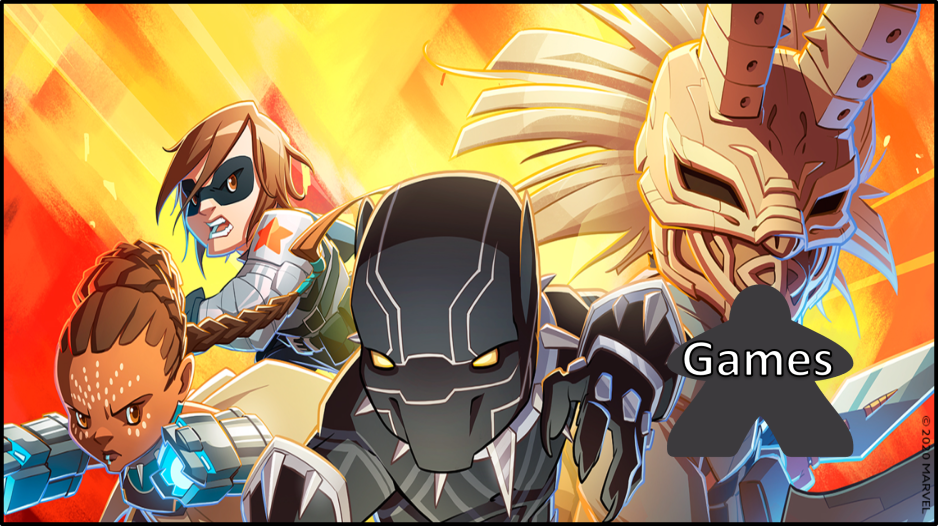
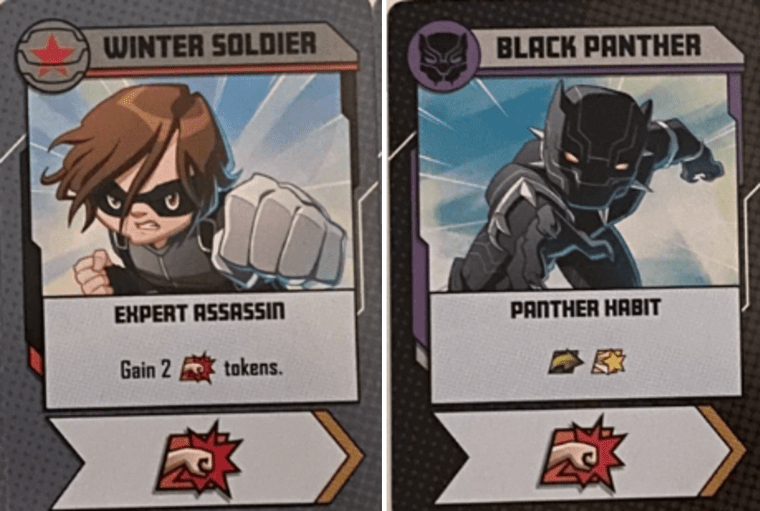
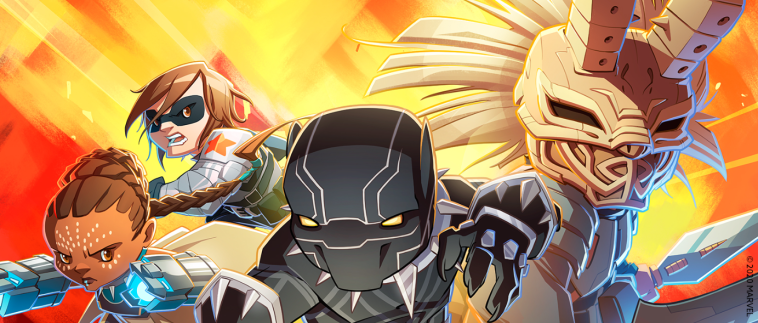
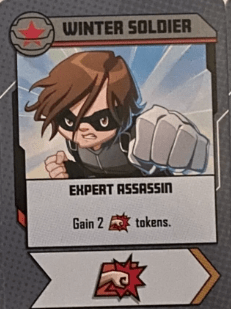
Rise of the Black Panther’s Heroes are darn good and should be up for the task of defeating Killmonger. Black Panther tends to focus on giving himself bonus actions, but his Movement is so good that he’s a good choice for teams choosing specialists (All Attack or All Heroics), and the other two Heroes in this expansion happen to be specialists. Winter Soldier is one of the better pure damage dealers from Marvel United’s original set. His deck tends to be the most self-centered of the Rise of the Black Panther heroes. He gives himself Attack tokens. This can also make Winter Soldier the easiest Hero to play. Of the Rise of the Black Panther heroes, Shuri is easily my favorite.

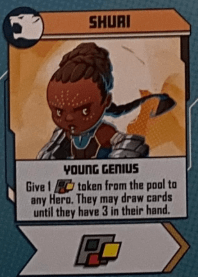
Shuri has a stunning five cards with Wild symbols on the bottom. This gives her and her teammates options whenever they take their turns. The remainder of her deck centers around Heroics. Winter Soldier is the fighter; Shuri is the helping hand. And Shuri’s one special effect “Young Genius” certainly lends a helping hand. She gives one Hero (she can target herself) a wild token and the player may draw cards until they have 3 cards. Not only does she hand out an extra wild token, but Shuri heals a Hero up to their full health. This is huge. I don’t know how many times Shuri’s ability saved my party’s bacon. She is Rise of the Black Panther’s standout Hero.

Too Long, Didn’t Read

Rise of the Black Panther has some of the original Marvel United set’s best Locations. Its Challenge card adds a simple but compelling wrinkle to gameplay. Killmonger is a worthy adversary. The Heroes provide variety, but Shuri can turn the tide of battle.

Tabletop Game Review: Marvel United, Tales of Asgard

We haven’t covered a Marvel United expansion in a couple of months. It’s about time we returned to the series. Geekly won’t be covering every Marvel United expansion, but we will review the ones worth your time or the ones we believe people will most likely purchase. So, you could consider the Marvel United expansions we cover as ones you may want on your radar.

Hey, hey! Kyra Kyle here. In Marvel United, players act as iconic Marvel heroes who work together to stop the master plan of a powerful villain controlled by the game. Each villain has a unique master plan, cards that trigger various effects, and threats that make clearing locations difficult. Heroes clear missions, making the villain vulnerable, and finally take on the big bad villain before they complete their dastardly plan. Can you save the day in time? Tales of Asgard casts players as Marvel versions of Nordic mythology.

Hark, brave do-gooder. Before we doth continue further, thou must first indulge Tales of Asgard’s finest of prints.

Marvel United Box Close Up Board Game Review

The Fiddly Bits

Designer: Andrea Chiarvesio and Eric M. Lang
Publisher: CMON Global Limited and Spin Master Ltd.
Date Released: 2021
Number of Players: 1-4
Age Range: 8 and up
Setup Time: 5-10 minutes
Play Time: 30-40 minutes

Game Mechanisms

Cooperative Play
Hand Management
Modular Board
Solo / Solitaire Game
Variable Player Powers

Marvel United Tabletop Game Set Up

Game Setup

We already covered the Game Setup and Game Flow in our Marvel United review (here’s a link to that review), so we’ll go over the basics in the following two sections. Let’s cover an abbreviated review of the game setup and rules.

Marvel United’s setup can change depending on which Villain and Heroes you choose to play. Each game consists of six locations. Typically, core sets have eight locations. Since Tales of Asgard is an expansion, it only has six. You may choose your locations or shuffle them and choose six at random. Each Location card has spaces at the top for civilians and thugs and a rectangle with a block of text that will state “End of Turn” at the top of the box.

Place civilian/thug tokens on their matching spaces. Shuffle the Villain’s Threat deck and deal out each Threat face-up so that it covers the rectangle at the bottom of each location. You must clear this threat before gaining the “End of Turn” effect printed on a Location. Place health tokens where signified on threat cards and on the Villain dashboard. Place the three mission cards (Defeat Thugs, Rescue Civilians, and Clear Threats) face up under the villain dashboard where the text reads “Unlocked.”

Each player shuffles their hero decks and then draws three cards to form their hands. Shuffle the Villain’s Master Plan deck. Leave the Master Plan deck face down. This will be the villain’s draw pile.

Players place their miniatures on one of the six location cards, usually the centralmost location for each player (easy access). Then, they place the villain on the location card opposing the heroes.

Marvel United Game Flow Board Game Review

Game Flow

The villain(s) play first. Draw the top card of their master plan deck. The villain moves the number of spaces indicated. Resolve any BAM! Effects and these effects will be printed on a space within the villain’s dashboard. Then, place the civilian/thug tokens (if any) indicated at the bottom of the card. After all these effects are resolved, the heroes get their turn.

Heroes pick who goes first, and hero turns will continue around the table clockwise. At the beginning of each game, Heroes will get three turns before the villain receives another turn. During their turn, heroes play one card from their hand.

Marvel United Sample Hero Turns Gacha Game Review

Resolve actions and the symbols printed at the bottom of the hero’s card in any order. The symbols at the bottom of a hero’s card will be shared with the next player, but any printed action will not be shared. Heroes will use these actions to complete missions. The game begins with three missions in play: Defeat Thugs, Rescue Civilians, and Clear Threats. Each mission card will have spaces for the tokens they require to complete. As soon as these spaces are filled, the card is discarded, and the mission is considered complete. Mission cards can be completed in any order.

After the heroes complete the first mission, the villain panics and will act (play a card) every two hero cards instead of every three hero cards. After the heroes complete the second mission, the villain becomes vulnerable to damage. The heroes can complete the third mission, but it isn’t necessary. If the heroes do complete the third mission, each hero immediately draws 1 card, increasing each player’s hand size by one.

Play continues back and forth until either the villain wins (by completing their unique master plan or anyone, heroes or villains, runs out of cards) or the heroes win by dealing enough damage to the villain after the villain becomes vulnerable to damage.

Review

In the comics and the MCU’s first phase, Thor is a part of the core three Avengers: Captain America, Iron Man, and Thor. We’re mostly covering the Tales of Asgard expansion because plenty of people will want to have Thor as part of their heroic line-up, especially since the original core box contains Cap and Iron Man. That said, I think the gameplay highlights for Tales of Asgard are its villain, Loki, and oddly enough the Challenge card. Let’s begin with this unique Challenge.

Traitor Challenge Marvel United

The Traitor Challenge is a hint of what would come in the X-Men Marvel United set. Each player gets 1 Allegiance card, 1 Suspicion Token, and a Wild Token. Three Allegiance cards show “Loyal,” while one is a “Traitor.” The Traitor card must be in play and shuffled with enough Loyal cards to hand out to every other player. Naturally, there’s a three-player minimum with this challenge. If you play a two-player game, it’s obvious who the traitor is. Players may choose to play a Hero card facedown (gaining no benefit from it) to discard their Suspicion Token. This matters because once 2 Missions are complete, all Loyal Heroes still with a Suspicion Token take damage until they’re KO’d. This leads to players who are loyal wanting to discard their Suspicion Token. A player who doesn’t care to do that may be the traitor.

Another thing that happens after 2 missions are complete is that the players guess who the Traitor is. If correct, each Loyal Hero gains 1 Wild Token. The Traitor’s hero is removed from play and now plays as the Villain, drawing 2 Master Plan cards and playing 1 each turn. This is the hint of X-Men Marvel United. Marvel United’s next set allows players to assume a villainous role. The Traitor Challenge is a precursor to this playstyle, and it still works even with future sets. If you enjoy the idea of one player being the Traitor, this challenge is perfect. And it works well with Tales of Asgard’s villain. Loki often assumes the visage of others, so the Traitor Challenge is thematic.

Loki Marvel United

Loki’s a great villain whether you choose to play with the Traitor Challenge or not. Loki is a bit faster than the villains found in the original core set. That makes sense. He’ll hop around the map, making it difficult to deal damage after he’s vulnerable. He also has an “Illusion” Threat Card that makes dealing damage to Loki (while he’s at that location) impossible. While not as powerful as some villains (who have Threat Cards that make their villains impervious to damage for the card existing at all on the board), this, combined with Loki’s movement, makes him a challenge.

Loki Henchman 01 Frost Giants Marvel United

The “Master Trickster” and “Frost Giant” Threats are standard fare. Effective but nothing too special. The “Frost Giant” has more health (5) than most Henchmen, so they can be a chore to dispatch. Loki’s Master Plan deck features a lot of “Each Hero alone in their Location” or “Each Hero not alone in their Location” takes 1 damage, and if the previous statement is untrue, draw another Master Plan card and add it facedown in the Storyline. Both actions can prove fatal because Loki likes running out of cards in his deck by placing Master Plan cards facedown and dealing damage to Heroes whittles a player’s hand and feeds into Loki trying to speed up the clock.

Loki Overflow Effect Marvel United

Loki’s Overflow ability can also get annoying. If 1 or more Tokens can’t be added to a Location, Loki gains 1 additional Health (may go above his starting value). While Loki has below-average health for a main villain, his Overflow ability gives him more survivability. Loki surviving an extra round could mean that he may run out of cards and win.

I mentioned that Loki has a lot of movement. Fortunately, the Locations included in the Tales of Asgard expansion sport a lot of movement for their “End of Turn” abilities. “Heimdall’s Observatory,” “Throne Room,” and “Bifrost Bridge” have some form of mass movement. That’ll help when trying to catch up with Loki. The “Odin’s Vault” and “Valhalla” Locations have card draw which can be helpful, while “Asgardian Palace” has an underwhelming “You may add up to 2 Civilian and/or 2 Thug Tokens to any Location.” “Asgardian Palace” can help if you’re facing a Villain who doesn’t place enough Tokens, but most Marvel United villains place ample Tokens, and other Locations allow players to add a Token and clear a token in one action.

Valkyrie Marvel United

I waited long enough. Here are the Heroes. Surprisingly, Valkyrie is the most balanced character of the bunch. She has a fair amount of Heroics and plenty of movement with her “Warsong” special abilities. The other two Heroes from the base Tales of Asgard expansion, Thor and Korg, focus on Attack. While this makes sense, they do come off as one-note characters. Thor has a little more Heroics and Movement, while Korg allows players to target multiple enemies at once. Both Heroes are situational, but I’d give Thor the nod as a more universal character.

But Thor doesn’t quite claim the top spot as a Hero. If you happen to get the Kickstarter exclusive of Tales of Asgard, you’ll also get Beta Ray Bill. Bill is almost identical to Thor, but I prefer his “Stormbreaker” ability to Thor’s “Mjolnir.” I know, that’s sacrilege. Mjolnir beats Stormbreaker. But “Stormbreaker” gives players more choice with where they assign damage and grants more card draw. Both of those edge out Thor’s “Mjolnir.” Even without the Kickstarter exclusive, Tales of Asgard has some solid Heroes.

Too Long Didn’t Read

The Kickstarter version of Tales of Asgard includes one of the better characters in this expansion, Beta Ray Bill, but Thor and Bill are close enough to each other and serve a similar purpose. The Traitor Challenge Card shows where Marvel United will go in the future, while Loki serves as an interesting villain.

Tabletop Game Review: Marvel United, Return of the Sinister Six

We’re back with another Marvel United expansion review. Marvel United is a CMON Games Kickstarter using the Marvel intellectual property. We’ll have plenty of chances to cover more expansions like today’s focus, Return of the Sinister Six. Geekly won’t be covering every Marvel United expansion, but we will review the ones worth your time or the ones we believe people will most likely purchase. So, you could consider the Marvel United expansions we cover as essential.

Hey, hey! Kyra Kyle here. In Marvel United, players act as iconic Marvel heroes who work together to stop the master plan of a powerful villain controlled by the game. Each villain has a unique master plan, cards that trigger various effects, and threats that make clearing locations difficult. Heroes clear missions, making the villain vulnerable, and finally take on the big bad villain before they complete their dastardly plan. Can you save the day in time? Return of the Sinister Six pits players against more than one villain at a time. With this expansion, you have the option to take on the iconic villain team The Sinister Six.

Before we get any further, we’ll take a side quest and discuss Return of the Sinister Six’s dastardly details.

Marvel United Box Close Up Board Game Review

The Fiddly Bits

Designer: Andrea Chiarvesio and Eric M. Lang
Publisher: CMON Global Limited and Spin Master Ltd.
Date Released: 2021
Number of Players: 1-4
Age Range: 8 and up
Setup Time: 5-10 minutes
Play Time: 30-40 minutes

Game Mechanisms

Cooperative Play
Hand Management
Modular Board
Solo / Solitaire Game
Variable Player Powers

Marvel United Tabletop Game Set Up

Game Setup

We already covered the Game Setup and Game Flow in our Marvel United review (here’s a link to that review), so we’ll go over the basics in the following two sections. Let’s cover an abbreviated review of the game setup and rules.

Marvel United’s setup can change depending on which Villain and Heroes you choose to play. Each game consists of six locations. Typically, core sets have eight locations. Since Enter the Spider-Verse is an expansion, it only has six. You may choose your locations or shuffle them and choose six at random. Each Location card has spaces at the top for civilians and thugs and a rectangle with a block of text that will state “End of Turn” at the top of the box.

Place civilian/thug tokens on their matching spaces. Shuffle the Villain’s Threat deck and deal out each Threat face-up so that it covers the rectangle at the bottom of each location. You must clear this threat before gaining the “End of Turn” effect printed on a Location. Place health tokens where signified on threat cards and on the Villain dashboard. Place the three mission cards (Defeat Thugs, Rescue Civilians, and Clear Threats) face up under the villain dashboard where the text reads “Unlocked.”

Each player shuffles their hero decks and then draws three cards to form their hands. Shuffle the Villain’s Master Plan deck. Leave the Master Plan deck face down. This will be the villain’s draw pile.

Players place their miniatures on one of the six location cards, usually the centralmost location for each player (easy access). Then, they place the villain on the location card opposing the heroes.

Marvel United Game Flow Board Game Review

Game Flow

The villain(s) play first. Draw the top card of their master plan deck. The villain moves the number of spaces indicated. Resolve any BAM! Effects and these effects will be printed on a space within the villain’s dashboard. Then, place the civilian/thug tokens (if any) indicated at the bottom of the card. After all these effects are resolved, the heroes get their turn.

Heroes pick who goes first, and hero turns will continue around the table clockwise. At the beginning of each game, Heroes will get three turns before the villain receives another turn. During their turn, heroes play one card from their hand.

Resolve actions and the symbols printed at the bottom of the hero’s card in any order. The symbols at the bottom of a hero’s card will be shared with the next player, but any printed action will not be shared. Heroes will use these actions to complete missions. The game begins with three missions in play: Defeat Thugs, Rescue Civilians, and Clear Threats. Each mission card will have spaces for the tokens they require to complete. As soon as these spaces are filled, the card is discarded, and the mission is considered complete. Mission cards can be completed in any order.

After the heroes complete the first mission, the villain panics and will act (play a card) every two hero cards instead of every three hero cards. After the heroes complete the second mission, the villain becomes vulnerable to damage. The heroes can complete the third mission, but it isn’t necessary. If the heroes do complete the third mission, each hero immediately draws 1 card, increasing each player’s hand size by one.

Play continues back and forth until either the villain wins (by completing their unique master plan or anyone, heroes or villains, runs out of cards) or the heroes win by dealing enough damage to the villain after the villain becomes vulnerable to damage.

Review

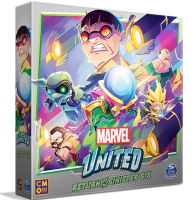
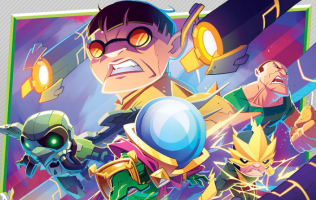
Return of the Sinister Six has no heroes, locations, or challenge cards. Instead, Return of the Sinister Six doubles down with villains. You can play each villain one at a time like normal or you could face the Sinister Six as a team. Taking on the entire team at once is not for the faint of heart.

Vulture Dashboard Marvel United Guide

Let’s begin with the villains as individuals before we discuss the Sinister Six as a team. Vulture may be the most difficult Marvel United villain within the game’s initial run. He takes crisis tokens (Spoils) from Locations (each Location begins with 3) and wins the game if he reaches a certain number of Spoils (based on the number of Heroes). Early Marvel United characters had precious few ways of discarding crisis tokens. That’s changed a bit with the X-Men and Multiverse releases, but characters who specialize in crisis token mitigation are rare. Vulture’s abilities suggest that players must rush him. Finish the missions quickly and then bombard him with damage. This is easier said than done. Vulture has several ways of stealing crisis tokens, avoiding damage, dealing damage to heroes, and moving to the opposite side of the board. If you want a challenge, Vulture is your villain.

Doctor Octopus Marvel United Guides

Return of the Sinister Six introduces a lot of interesting game mechanism twists with its villains. Eric Lang and company stretch the limits of the Marvel United core rules with this expansion. Doc Ock is no different. He wins if he destroys 4 or more Locations. While this can be difficult for him to accomplish, the fact that the board shrinks is a lot of fun. His Threat cards lean heavily on henchmen, so you’ll see many members of the Sinister Six. Mysterio as a henchman proves particularly difficult. Doc Ock can deal damage in a hurry and the shrinking board—if the players allow the board to shrink—can make Doc Ock formidable. I like Doc Ock’s change of play and the new challenge.

Mysterio Dashboard Marvel United Guide

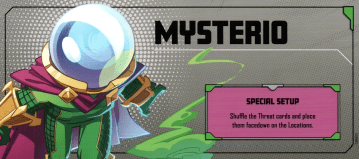
Speaking of change of play and a new challenge, Mysterio is up next. He’s the only villain in the original release that places Threat cards face down on Locations. Players must flip over Mysterio’s Threat cards (by spending any single action) and clear at least two Threats before Mysterio can be damaged. Mysterio doesn’t have a special win condition like Vulture (stealing enough Spoils) or Doc Ock (destroying 4 Locations); he makes up for this by delaying the heroes and speeding up his deck. Mysterio is the first Marvel United villain to use a speeding deck as a mechanism. He’s perfect for players who have grown accustomed to the game’s flow and timing. Mysterio can cause the game to end suddenly. I love Return of the Sinister Six’s gameplay variety.

Kraven Dashboard Marvel United Guide

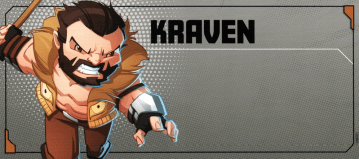
Enter Kraven the Hunter. As his name suggests, Kraven actively hunts the heroes. He wins if he KOs the heroes at the same time. This sounds difficult, but Kraven’s deck works perfectly to achieve this end. While players may be thinking of the game clock ending too soon with Mysterio or the game’s board shrinking with Doc Ock, Kraven gets the heroes thinking about self-preservation. This is a very different mindset than most other villains in the original Marvel United’s run. Kraven can even deal extra damage if a Location lacks Civilian and Thug tokens. Up to this point, players are encouraged to keep Civilian/Thug spaces empty. Kraven turns this idea on its head.

Sandman Dashboard Marvel United Guide

That gets us to Sandman who may have the most irritating ability from the Return of the Sinister Six expansion. He gains health through various means and wins if his health ever reaches 20. Thankfully, Sandman mostly focuses on soaking up damage, so players are encouraged to pick heroes who can deal buckets of damage. Even with a stellar team, defeating Sandman is easier said than done. I don’t know if I was able to defeat any villain inside the Return of the Sinister Six expansion on my first try. This leads to some excellent replayability.

Electro Dashboard Marvel United Guide

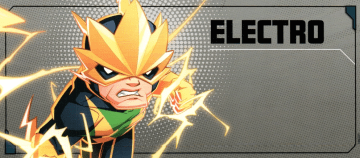
Electro may seem like the easiest villain to defeat, but he can fool you. He wins if all Locations in play have a crisis token. He has limited means with which to place crisis tokens, but Electro’s overflow ability is one of those ways, and he places a lot of Civilian and Thug tokens. It’s easy for Electro to cause an overflow. He can also deal a lot of damage. In fact, Electro has some of the highest potential damage output in Marvel United’s original run, and if Electro KOs a hero, he places yet another crisis token. Electro may sound like a lot of other Marvel United villains, but he stands out. Electro doesn’t deal damage to heroes at his Location. He deals damage to heroes in the Location opposite to his Location. This change-up gets me every time.

We’ve come to the Sinister Six as a villain team. They’re brutal. As of this write-up, I have yet to beat the Sinister Six. Typically, I write a guide for a Marvel United villain after I’ve defeated them (quick shout out to our Marvel United guides, check them out here with this link). I have yet to post a guide to the Sinister Six team. Hopefully, that will change soon.

The individual team members of the Sinister Six may have scaled-down powers, fewer hit points, and a streamlined means of defeating each one, but they play similarly to their solo villain counterparts. I got ahead of myself, let’s talk about weakening each of these villains so you can deal damage to them. Each one has a Weak Spot card, which functions similarly to a Threat Card. All the heroes must do is match the symbols on the corresponding Weak Spot card, travel to the same Location as the villain, and then deal damage.

It both is and isn’t that simple. The Sinister Six will trigger their effects, or at least the top two members listed on the Sinister Six card will. And if you think the Sinister Six members’ abilities were difficult one at a time, they’re worse all at once. Or at least two at a time. You’ll need to defeat the Sinister Six in a specific order. This is getting into guide territory. I know the order, even if I haven’t yet defeated the Sinister Six. I’ve gotten so close multiple times. Ugh!

Knowing the best order to defeat the Sinister Six doesn’t guarantee a victory. I can see the Return of the Sinister Six expansion providing me with a worthy challenge for years. If you own any of the Marvel United core boxes, I recommend picking up the Return of the Sinister Six because of its gameplay variations and increased challenge. If you’re a Spider-Man fan and own any of the Marvel United core boxes, I can’t imagine you not picking up the Return of the Sinister Six expansion. It’s a must-buy.

Marvel United The Return of the Sinister Six Miniatures Top Expansions to Buy

Verdict

Return of the Sinister Six is a must-buy Marvel United expansion, especially if you’re a Spider-Man fan. The included villains have some of the most unique game mechanisms from the original Marvel United run. The villain team provides a challenge that will shake up Marvel United for years.

And you don’t need to take my word for it. Board Game Geek (where great games and their expansions receive average scores of 6 or 7 out of 10) gives this expansion an 8.6 (as of writing this post).

Tabletop Game Review: Marvel United, Enter the Spider-Verse

Marvel United has copious amounts of expansions. It’s a CMON Games Kickstarter using the Marvel intellectual property. That’s bound to happen. Geekly won’t be covering every Marvel United expansion, but we will review the ones worth your time or the ones we believe people will most likely purchase. So, you could consider the Marvel United expansions we cover as ones you may want on your radar.

Hey, hey! Kyra Kyle here. In Marvel United, players act as iconic Marvel heroes who work together to stop the master plan of a powerful villain controlled by the game. Each villain has a unique master plan, cards that trigger various effects, and threats that make clearing locations difficult. Heroes clear missions, making the villain vulnerable, and finally take on the big bad villain before they complete their dastardly plan. Can you save the day in time? Enter the Spider-Verse puts players in the spandex of famous characters of the Spider-Man universe.

Before we get any further, we’ll take a side quest and discuss Enter the Spider-Verse’s less heroic details.

Marvel United Box Close Up Board Game Review

The Fiddly Bits

Designer: Andrea Chiarvesio and Eric M. Lang
Publisher: CMON Global Limited and Spin Master Ltd.
Date Released: 2021
Number of Players: 1-4
Age Range: 8 and up
Setup Time: 5-10 minutes
Play Time: 30-40 minutes

Game Mechanisms

Cooperative Play
Hand Management
Modular Board
Solo / Solitaire Game
Variable Player Powers

Marvel United Tabletop Game Set Up

Game Setup

We already covered the Game Setup and Game Flow in our Marvel United review (here’s a link to that review), so we’ll go over the basics in the following two sections. Let’s cover an abbreviated review of the game setup and rules.

Marvel United’s setup can change depending on which Villain and Heroes you choose to play. Each game consists of six locations. Typically, core sets have eight locations. Since Enter the Spider-Verse is an expansion, it only has six. You may choose your locations or shuffle them and choose six at random. Each Location card has spaces at the top for civilians and thugs and a rectangle with a block of text that will state “End of Turn” at the top of the box.

Place civilian/thug tokens on their matching spaces. Shuffle the Villain’s Threat deck and deal out each Threat face-up so that it covers the rectangle at the bottom of each location. You must clear this threat before gaining the “End of Turn” effect printed on a Location. Place health tokens where signified on threat cards and on the Villain dashboard. Place the three mission cards (Defeat Thugs, Rescue Civilians, and Clear Threats) face up under the villain dashboard where the text reads “Unlocked.”

Each player shuffles their hero decks and then draws three cards to form their hands. Shuffle the Villain’s Master Plan deck. Leave the Master Plan deck face down. This will be the villain’s draw pile.

Players place their miniatures on one of the six location cards, usually the centralmost location for each player (easy access). Then, they place the villain on the location card opposing the heroes.

Marvel United Game Flow Board Game Review

Game Flow

The villain(s) play first. Draw the top card of their master plan deck. The villain moves the number of spaces indicated. Resolve any BAM! Effects and these effects will be printed on a space within the villain’s dashboard. Then, place the civilian/thug tokens (if any) indicated at the bottom of the card. After all these effects are resolved, the heroes get their turn.

Heroes pick who goes first, and hero turns will continue around the table clockwise. At the beginning of each game, Heroes will get three turns before the villain receives another turn. During their turn, heroes play one card from their hand.

Resolve actions and the symbols printed at the bottom of the hero’s card in any order. The symbols at the bottom of a hero’s card will be shared with the next player, but any printed action will not be shared. Heroes will use these actions to complete missions. The game begins with three missions in play: Defeat Thugs, Rescue Civilians, and Clear Threats. Each mission card will have spaces for the tokens they require to complete. As soon as these spaces are filled, the card is discarded, and the mission is considered complete. Mission cards can be completed in any order.

Marvel United Three Mission Cards Board Game Review

After the heroes complete the first mission, the villain panics and will act (play a card) every two hero cards instead of every three hero cards. After the heroes complete the second mission, the villain becomes vulnerable to damage. The heroes can complete the third mission, but it isn’t necessary. If the heroes do complete the third mission, each hero immediately draws 1 card, increasing each player’s hand size by one.

Play continues back and forth until either the villain wins (by completing their unique master plan or anyone, heroes or villains, runs out of cards) or the heroes win by dealing enough damage to the villain after the villain becomes vulnerable to damage.

Enter the Spiderverse Marvel United

Review

Enter the Spider-Verse features a lot of fan-favorite characters (Spider-Man, Green Goblin, and Miles Morales). Since that’s the case, it’ll be one of the first expansions players will purchase. And it’s a great choice.

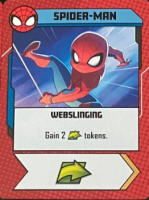
Let’s begin with the heroes. Spider-Man has a lot of potential token gain. I don’t know how many times I saved the day by playing Spider-Man. Seriously, I may have completed most of the games in my guides (here’s a link to Geekly’s Marvel United guides) with Spider-Man. Frankly, he’s a broken character. Broken in the best possible way. I’ve easily played Spider-Man more than any other character in Marvel United. He’s Spider-Man. It’s great that Marvel United made him a character you can return to again and again.

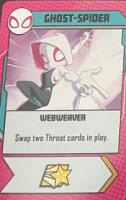
Ghost-Spider and Miles Morales may have more niche abilities, but given the right circumstances, they can be deadly. Ghost-Spider can swap in-play Threat cards (which could be nice for an ongoing ability), and she can defeat all Thugs in her location. Miles Morales’ strongest ability “Web” allows him to delay the Villain Turn by one card. “Web” is a more universal use. Miles may be my second-most played character. Then, there’s Spider-Ham. He’s a Kickstarter Exclusive and that’s okay. He stinks. Good news though. It’s okay if you purchase the retail version over the Kickstarter version. Spider-Ham’s inclusion is the only difference between the two versions, and you’re not missing much with Spider-Ham. Unless you’re a completist or you like Spider-Ham, buy the retail version of Enter the Spider-Verse.

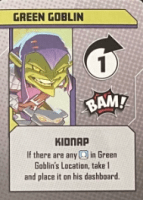
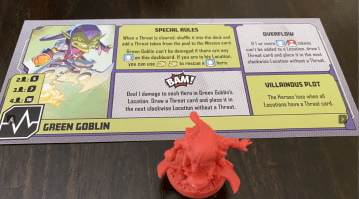
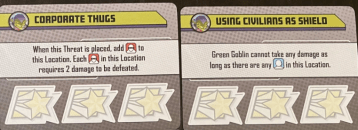
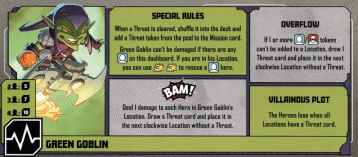
Enter the Spider-Verse’s sole villain Green Goblin is notoriously difficult to beat. I’ve only ever beaten Green Goblin by playing heroes and locations from the Enter the Spider-Verse expansion. Green Goblin has a special setup than the one above. Players don’t begin the game with threat cards in play on locations. Green Goblin will add them as he goes along, and he wins if each location has a threat card. This can lead to players clearing a particularly nasty threat card, like “Electro” or “Using Civilians as Shield,” and Green Goblin putting those cards back in play.

Even though Green Goblin wants to flood the field with threats, he’s just as comfortable throwing obstacles in the way to wait out the clock. “Using Civilians as Shield’s” ability is that Green Goblin will not take any damage as long as there are any Civilians at its location. “Corporate Thugs” make thugs more difficult to defeat. Green Goblin is a classic case of a villain who has multiple ways to defeat his enemies. The best way to stop Green Goblin is to load up on tokens, manipulate the villain deck, and delay the villain’s turn if you can. Fortunately, there are two heroes, and one location included in Enter the Spider-Verse expansion that do just that. Green Goblin earns his reputation as one of the initial Marvel United’s most difficult villains.

The new locations are classic Marvel New York ones. Brooklyn Bridge, Queens, the Daily Bugle, Oscorp Tower. These locations focus on extra tokens. This can be crucial in defeating certain Marvel United villains. Enter the Spider-Verse’s Green Goblin is one of these villains. The other three locations have healing (always appreciated), potentially rescuing a Civilian for free (always good for completing mission cards), and manipulating the villain deck. Couple these abilities with the heroes included in Enter the Spider-Verse, and you can see why this expansion tilts the playing field toward the heroes.

Each expansion adds a challenge card. Challenge cards add an extra layer of complexity to the game. Challenge cards may be small additions, but they can keep the game fresh with an extra rule or two added to the base game.  Enter the Spider-Verse introduces the “Secret Identity Challenge.” This is a classic challenge to add to any Marvel United game. Players must balance their crime-fighting life with their lives spent outside of spandex. This challenge is thematic, easy to understand, and adds just enough additional difficulty.

Enter the Spider-Verse Marvel United

Verdict

Even though I wouldn’t bother with finding the Kickstarter version unless you’re a completionist or a Spider-Ham fan, Enter the Spider-Verse is worth including in your Marvel United collection. The heroes and villain are some of the most powerful. The locations are iconic and pack a punch. And the Challenge Card adds a much-needed twist.
Top 5 Marvel United Expansions to Buy

Hey, hey! Kyra Kyle here. We discussed Marvel United, a cooperative board game designed by Eric Lang, less than a week ago. If you want to see our review of the core set box, here’s a link to that review (link to the review). We also started a guide to Marvel United; you can check that out here (link to the guide page). But today, let’s discuss which Marvel United Expansions are best to purchase first. Think of this as a Marvel United Purchase Guide.

Marvel United has a ton of expansions, so we need to narrow down which ones—in general—are the expansions you should look for. Disclaimer: Eric Lang is one of my favorite designers, and he did a brilliant thing with this game. (I may be biased, so sue me.) Lang put more of his design focus on the villains and not the heroes. That must’ve made the design and iteration process easier. He worked smarter, not harder: brilliant. This isn’t to say that the heroes don’t have personality, they do, but the villains add more wrinkles to Marvel United’s gameplay and with that said…

1) Expansions with more villains feature more prominently on this list. The more villains, the more unique ways to play Marvel United.

2) Boxes with unique gameplay (outside of more villains) will also rate high on this list.

3) I won’t include core sets. These aren’t expansions; they are base games needed to play Marvel United. With that said, you need at least one core set to play Marvel United. Pick the one that looks the most interesting. I like the original Core Set and the X-Men Core Set.

4) If you have a favorite Marvel character, get the box with that character. It doesn’t matter which boxes I say are the best to have. If your collection isn’t complete without your favorite character, get your favorite character.

5) If CMON Games releases another Marvel United campaign on Kickstarter or Gamefound (which is unlikely because they began DC Heroes United, which will be compatible with Marvel United, so crossover battles!), you should be able to get past Kickstarter exclusives. Fingers crossed that CMON will run a second print run for any of the campaigns. That’s more of a possibility than a fourth Marvel United set.

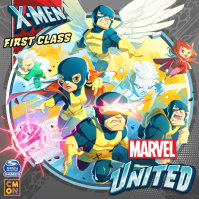
5: X-Men First Class

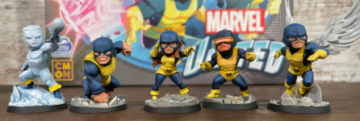
Spoiler Alert: We’ll see more than one Marvel United X-Men expansion on this list. Many of the runners-up come from the X-Men; that’s what you get when you add the Fantastic Four to the X-Men campaign (the Fantastic Four just missed the list). X-Men First Class has a whopping five heroes, which is rare for an expansion. It also features a double boss in Quicksilver and Scarlet Witch. And it even includes Danger Room Challenges to spice up the gameplay even further.

X-Men First Class has a little bit of everything. Its only downside is that it’s a Kickstarter exclusive. This will be a theme for the list. It’ll be difficult to find X-Men First Class for cheap, but well worth the purchase if you can find it. Or you could wait for a second print run. Again, fingers crossed.

4: Days of Future Past

Another X-Men expansion makes the list. Days of Future Past brings the classic X-Men story of the same name to life. (In case you missed it, here’s our list of X-Men Starter Stories; “Days of Future Past” made the list.) Days of Future Past adds sentinels. And these sentinels (three large ones sporting different poses) are almost to scale. This marks the first time Marvel United attempted a larger model type. Ahem. The largest model shows up later on this list.

Add in Nimrod, a futuristic and enhanced Sentinel model, as the main villain and you have the recipe for another great Marvel United expansion. Again, Days of Future Past is a Kickstarter exclusive. Why does CMON keep locking this great content behind Kickstarter exclusivity? C’mon, CMON. I know why they do it: money. I just wanted to say C’mon, CMON.

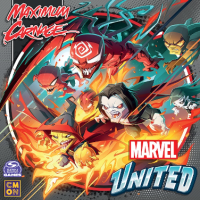
3: Maximum Carnage

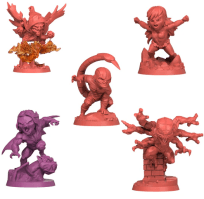
Maximum Carnage has the most villains in an expansion, not including the promo boxes of Kickstarter exclusives. It includes a staggering seven villains (with one of those villains, Morbius, who’s also playable as a hero). Yikes! And Maximum Carnage isn’t a Kickstarter exclusive. Maximum Carnage builds on a playstyle that will show up again on this list; it introduces a New Sinister Six.

If you have the Kickstarter exclusive (there is a difference between the retail and Kickstarter versions of Maximum Carnage), you can interchange the various members of the Sinister Six. If you don’t have the Kickstarter-exclusive Maximum Carnage expansion and you have everything else need, you could print off the New Sinister Six cards from the Marvel United Wiki and add them to your game. I’m not condoning that behavior. I’m just saying you can. Wink.

You could just have a core set and most of the Spider-Man expansions and have a game of Marvel United that you could play for decades. The Sinister Six Module is fantastic.

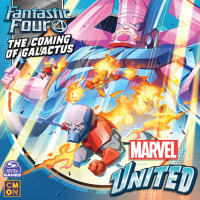
2: The Coming of Galactus

Galactus is the largest Marvel United model to date, and The Coming of Galactus adds a new threat to the game. Namely, Galactus. But Galactus does have heralds, and The Coming of Galactus includes four of these heralds: Nova (Frankie Raye), Terrax, Firelord, and Air-Walker. Silver Surfer was released in the Fantastic Four expansion, which again, barely missed this list. If you have Silver Surfer, he can be added as one of Galactus’s heralds. Yay!

Since Galactus is a world-level threat, the gameplay surrounding him is on a global scale. The heroes don’t defeat Galactus. Not many can defeat Galactus. Instead, the heroes convince Galactus not to consume Earth. The Coming of Galactus is thematic and worth the buy, even if you just want a massive Galactus standing on the moon.

1: Return of the Sinister Six

Return of the Sinister Six includes the original members of the Spider-Man’s Sinister Six. Six villains are always a nice addition. Add in a new way to play, the villains are on a team, and this easily makes Return of the Sinister Six the best of the original Marvel United campaign’s expansions. While I could’ve moved any number of the expansions higher on this list and one of the expansions (Maximum Carnage) improves upon this gameplay style, Return of the Sinister Six deserves the top honors.

Unironically, Vulture may be one of the most difficult villains to defeat, whether a part of the Sinister Six or on his own. He gives me nightmares. And this is such a great expansion.

So, did we get the list right? Which expansions would you include in your Top 5 Marvel United Expansions? Let us know in the comments. And wherever you are, I hope you’re having a great day.

Tabletop Game Review: Marvel United

Hey, hey! Kyra Kyle here. We haven’t done a tabletop game review in quite some time. We’ll rectify that with a board game review of a game we began writing a guide for Marvel United. Excelsior!

Players act as iconic Marvel heroes who work together to stop the master plan of a powerful villain controlled by the game. Each villain has a unique master plan, cards that trigger various effects, and threats that make clearing locations difficult. Heroes clear missions, making the villain vulnerable, and finally take on the big bad villain before they complete their dastardly plan. Can you save the day in time? Let’s find out with Marvel United.

Before we get any further, we’ll take a side quest and discuss Marvel United’s less heroic details.

The Fiddly Bits

Designer: Andrea Chiarvesio and Eric M. Lang
Publisher: CMON Global Limited and Spin Master Ltd.
Date Released: 2020
Number of Players: 1-4
Age Range: 8 and up
Setup Time: 5-10 minutes
Play Time: 30-40 minutes

Game Mechanisms:

Cooperative Play
Hand Management
Modular Board
Solo / Solitaire Game
Variable Player Powers

Game Flow:

The villain begins the game with a turn. A villain plays their turn by drawing the top card of their master plan deck.

1) The villain moves the number of spaces indicated.
2) Resolve any BAM! Effects (if any) and these effects will be printed on a space within the villain’s dashboard and vary from villain to villain.
3) Then, place the civilian/thug tokens (if any) indicated at the bottom of the card. The target symbol signifies the location where the villain ended their move. Villains usually place tokens on their location or locations adjacent to them.

After all these effects are resolved, the heroes get their turn.

Heroes pick who goes first, and hero turns will continue around the table clockwise. At the beginning of each game, Heroes will get three turns before the villain receives another turn. During their turn, heroes play one card from their hand.

Hero cards are simple.

1) Some cards (three cards in each of the core set hero decks) may have an effect that will exist in a box overlapping the hero’s picture.
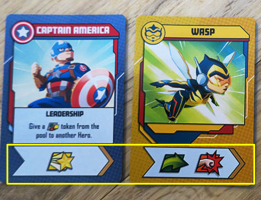
2) But all cards have an arrow-shaped box pointing to the right on the bottom. The symbols on the bottom box depict the actions the hero can take that turn.

The reason the arrow points to the right is that the next player will play their card to the right of the first player and so on, and the next player gains the symbols/actions on the bottom of the card they played that turn and the previously played card. Marvel United is a cooperative game through in through.

Move Marvel United

So, what do the symbols mean? The Green Arrows are Move actions; the Hero can Move one space for each arrow.

Heroics Marvel United

The Yellow Stars are Heroics actions; Heroics allow Heroes to rescue civilians (if there are any in their location) or help clear Threat cards.

Attack Marvel United

Red Fists give the Hero one Attack, which deals one damage and can be used against the main villain (after they become vulnerable to damage—more on that in a minute), any henchmen like “Bob Agent of Hydra,” or defeat thugs (again if there are any thugs in their location).

Wild Token Marvel United

The final symbol with all three colors is a Wild action; Wild actions can be used for Move, Heroics, or Attack. Heroes may resolve the effect (if they played the card on their turn) and any symbols in any order they choose.

Heroes will use these actions to complete missions. The game begins with three missions in play: Defeat Thugs, Rescue Civilians, and Clear Threats. Each mission card will have spaces for the tokens they require to complete. As soon as these spaces are filled, the card is discarded, and the mission is considered complete. Mission cards can be completed in any order.

After the heroes complete the first mission, the villain panics and will act (play a card) every two hero cards instead of every three hero cards. After the heroes complete the second mission, the villain becomes vulnerable to damage. The heroes can complete the third mission, but it isn’t necessary. If the heroes do complete the third mission, each hero immediately draws 1 card, increasing each player’s hand size by one.

Play continues back and forth until either the villain wins (by completing their unique master plan or anyone, heroes or villains, runs out of cards) or the heroes win by dealing enough damage to the villain after the villain becomes vulnerable to damage.

Marvel United Core Set

Review:

Marvel United scratches a similar itch as a game like X-Men: Under Siege. We covered X-Men: Under Siege in a previous review a decade ago (link to the review). Unlike X-Men: Under Siege, Marvel United functions as a board game system rather than a stand-alone game. Any number of intellectual properties can use this same system, which allows for plenty of crossovers. Case in point, CMON ran a DC Heroes United campaign earlier this year. I can see Teenage Mutant Ninja Turtles, Masters of the Universe, Star Wars, and any number of other IPs in the United System’s future.

The system has intuitive rules that allow for quick teaching times. Since Marvel United is a cooperative game, it benefits from even shorter rules explanation. I always feel like I need to teach everyone everything about a competitive game, otherwise I may have an unfair advantage. Players work together in a cooperative game. New players can learn as they go. And I’ve found Marvel United simple to pick up and relearn. The relearn feature becomes more important the older I get. I have so many games that seldom make it off my shelf because I don’t want to relearn the game. Marvel United makes that easy.

The gameplay itself can be a joy. The first time I played with my oldest daughter, she insisted that we play for hours until we defeated Red Skull. I don’t know why, but Red Skull eeked out a victory time after time. Red Skull is Marvel United’s choice for the first villain new players face first.

Marvel United’s heroes have just enough flavor to let people know who they’re playing, but Marvel United’s villains are the game’s showstoppers. Each villain has a unique flair. Kraven will actively hunt you. That makes sense, he’s a hunter. Ultron tries to win by flooding the field with civilians and thugs, putting these people’s lives in danger. That tracks for Ultron. Green Goblin will do a little bit of kidnapping, toss out dangerous henchmen, and try to throw out more Threats than the heroes can clear. Again, that feels a lot like Green Goblin. Each villain presents a unique challenge.

Marvel United incentivizes players to clear Threats. Doing so unlocks “End of Turn” abilities, which can further boost a hero’s power. I like this inclusion. Most expansions will add locations that can help with defeating the villains included in that expansion. Great choice.

The missions work well, too. Depending on the board state and the villain you’re facing, you may want to “Rescue Civilians” and “Clear Threats” or “Clear Threats” and “Defeat Thugs.” This adds to the puzzle of each villain. Some villains will add more civilians than thugs or vice versa and steer the gameplay in that direction. This furthers the uniqueness of each villain. Another great choice.
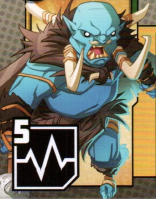
The one minor gripe I have is that not all the villains scale at every player count. Green Goblin is easier to play at 1-2 players and becomes increasingly more difficult the more heroes who join the fight. This should be expected. Marvel United boasts a massive line-up of characters. Hundreds! And even though Green Goblin becomes more difficult at higher player counts, he doesn’t break the game. You’re just less likely to defeat him.

Each Marvel United box includes challenges to spice up the gameplay if it ever becomes a little stale. The core set boxes have generic challenges, but if you pick up any expansion, you’ll find some great alternative ways to play the game. My favorite from the original launch comes from the Tales of Asgard expansion, where players deal out Loyalty Cards, with one of the cards being Traitor. Essentially, one of the players is Loki in disguise. Fantastic and very thematic.

Return of the Sinister Six Marvel United

Finally, we come to the issue of expansions. This may be yet another small gripe of mine. CMON hid a lot of the better expansions within Kickstarter Exclusives. That means that you must add them to your pledge on Kickstarter instead of being able to buy the expansion via retail (Amazon, Game Nerdz, Target/Wal-Mart, or your local board game shop). Marvel United started the trend with The Return of the Sinister Six, which was easily the best expansion from the first wave. Marvel United continued that trend with Marvel United: X-Men. X-Men: First Class, Days of Future Past, and Fantastic Four were all Kickstarter Exclusives. CMON has a knack for inducing FOMO (fear of missing out).

That said, you don’t need everything to enjoy Marvel United. You could buy one of the core sets (Original, X-Men, or the newest one Multiverse) and add a few expansions that you can find at retail and have a game you can play for decades. I may or may not have started a spreadsheet of all my games. And I started a guide for Marvel United. You can check out the link here.

Marvel United Tabletop Game Set Up

Verdict:

Easy to learn, teach, and recall, Marvel United introduces a board game system that will facilitate countless fantastic and future crossovers. The heroes have just enough personality, but the villains steal the show. Each villain feels unique and well worth their puzzle.

3 Lists of 3 Tabletop Games for Miss Kitty

Hey, hey! Kyra Kyle here. I promised something different with this post, so let’s give it a try. Today would be my mom’s 74th birthday. Her name was Catharina Beenen Rackley, but her friends called her Kitty. I wanted to make a 3 Lists of 3 in her honor and had some trouble picking the topic. I could’ve picked music, food, or travel. But we don’t cover those topics on Geekly that often. Miss Kitty also enjoyed television and movies, and those would’ve made good choices. But I decided on tabletop games.

Geekly covers tabletop games, and Mom and I played board games together. She even got a kick out of me designing the occasional game. So, let’s do a 3 Lists of 3 Tabletop Games for Miss Kitty.

Games Miss Kitty Played

Miss Kitty played a lot of different games, and typically, she played games depending on who she had as company. She would play certain games with her children and others with her mother and siblings. And I’m sure she played even more games with her friends. I only have my perspective to go off on here and the accounts of others. Also, we may have more than a few honorable mentions. One cannot boil someone down to a handful of anything, not even board games.

Liverpool Rummy

Liverpool Rummy was a prerequisite whenever visiting Miss Kitty’s family, so this one may be more of a Beenen family pick. But I’m going with it. Miss Kitty and I played Liverpool Rummy a lot. I would go into the gameplay here, but I want to keep the entry short. Perhaps I should cover Liverpool Rummy in a post but it’s a card game using a standard deck.

Each round, players either try to collect sets of cards (at least 3 of the same number) or runs of cards (4 cards in the same suit in sequential numbers). If a player has all the requirements for a round, they can go down (which means revealing their cards with the appropriate number of sets/runs). Once down, players can play cards from their hand onto cards that are “down.” The first player out of cards wins the round and everyone else tallies their score. The lowest score at the end of the game wins.

I picked Liverpool Rummy instead of Wahoo (another Beenen family favorite and a good choice for this selection) because of a moment that happened the first time my wife Jen played with Miss Kitty. Miss Kitty kept saying that she didn’t know why I was so competitive in games. Later that same game, Miss Kitty sported a devilish grin and then bragged as she went out concealed. Jen laughed. Miss Kitty asked her why. Jen said, “I can see why they’re so competitive.”

Balderdash

Another game could’ve taken Balderdash’s place here: Scattegories. In fact, Miss Kitty and I played more Scattegories than Balderdash through the years. Both games are word games and while Miss Kitty would come up with strange answers for Scattegories (“Oreo” or “Knuckle” as forms of sandwiches), Balderdash created more memories.

Balderdash is a game of obscure words. Players must create definitions for words seldom used in the dictionary and gain points for guessing the correct definition or having other players select their invented definition. Miss Kitty worked as a surgical technician. She knew a few things about medicine and used that knowledge liberally in any game of Balderdash. If we heard a definition begin with “a medical term meaning…” or “inflammation of the…” or “a doctor’s tool for,” everyone at the table would turn to look at her. She’d turn beet red and try not to smile. And typically failed. If two “medical” definitions got read, we’d curse our bad luck. Which one’s the real one and which one’s the fake one?
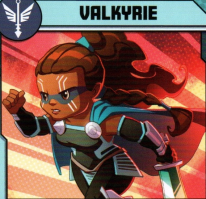
Ticket to Ride

Miss Kitty had a history of set collection games, so of course she’d love Ticket to Ride. The rules are simple to learn and each different flavor of Ticket to Ride would add a wrinkle or two to the core rule set. Ticket to Ride was a perfect game for Miss Kitty. She could play a new game with a few “new rules” and not feel lost. I covered Ticket to Ride some time ago. Here’s a link to the original write-up.

The one game of Ticket to Ride I remember best with Miss Kitty involved her playing with her older brother Paul. Uncle Paul did nothing but build trains on the eastern seaboard. He didn’t complete any tickets. He didn’t do much of anything except block everyone else from building on the eastern coast of the United States. Miss Kitty growled at Uncle Paul. “You’re playing it wrong. Stop playing the game wrong!” I fell out of my seat laughing. It was a window into Miss Kitty’s childhood. This wasn’t the first time she had told off her older brother.

My family and I are currently playing a game of Ticket to Ride Legacy: Legends of the West. This version of Ticket to Ride has a story. Each player assumes the role of a railroad tycoon. The board grows as the railroad gets built from the east coast to the west coast. Hey, Uncle Paul wouldn’t have been playing the game wrong with this version. Anyway, there are four of us playing Ticket to Ride Legacy. When we finish, I intend on dealing out the fifth player stickers (you can place stickers claiming routes and cities for different players and we plan to use the fifth player) for Miss Kitty.
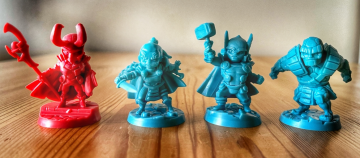
Games Miss Kitty Didn’t Play

This next list is of games are ones Miss Kitty never had the chance to play for one reason or another, but I know she would’ve loved to play them.

Marvel United

I wouldn’t have thought it possible if I didn’t hear this from her myself, but Miss Kitty was more into the Marvel Cinematic Universe than me. Marvel United is a cooperative tabletop game where players assume the role of superheroes in the Marvel universe as they try to stop a supervillain. Like Ticket to Ride, the rules are simple to learn with each hero and villain adding a small wrinkle or two. Since it’s cooperative, Marvel United eliminates competitiveness and players are encouraged to help each other. I just know Miss Kitty would’ve wanted to play out a few of her favorite movies.
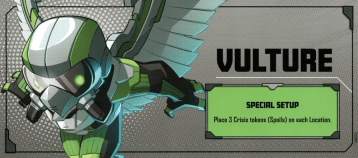
And there’s some precedent for this. Miss Kitty and I played X-Men: Under Siege. My father and I played more of this game, but Miss Kitty liked this game, too. Marvel United would’ve scratched a similar itch. And it doesn’t hurt that the miniatures and art have cute designs. Miss Kitty liked cute things.

I haven’t written a review for Marvel United yet, but I started a guide. You can check out the newly posted Guide to Marvel United here.

Flamecraft

Flamecraft is the most complex game on any of these lists so far, but I’m sure Miss Kitty would’ve struggled through a difficult game or two because it’s so cute. And dragons. One of her granddaughters (my niece) is obsessed with dragons or at least she was at one point. Flamecraft uses a game element popular with recent tabletop games. Whenever you take an action that action has a global effect and can benefit your opponent on future turns. This element also makes Flamecraft feel like it’s a winnable game or at least a board game that has closer outcomes.

And did I mention the puns? I can hear Miss Kitty cackling every time I read one of the dragon shops’ names. Either that or I’m hearing my daughter’s same laugh. Critical Rolls. Bizarre Bazaar. Potable Potions. Outback Drakehouse.

Sixes

I first played Sixes recently at a party and thought of Miss Kitty. It’s a word game like Scattegories. Sixes plays out in six rounds—naturally. Each round has players making lists of six things that match a category. The twist comes from what players are trying to do each round. Some rounds, you’ll want to have unique answers like Scattegories. Other rounds, you’ll want to match other players. And the third and sixth rounds are lightning rounds where players answer 6 categories with a single answer. The person with the most points wins.

Miss Kitty would’ve loved playing Sixes. It’s a great ice breaker game or a way to reconnect. I found players saying things like “I knew I liked you” or “we think so much alike” whenever they answer a list similarly during a matching round. Of course, there’s the classic Scattegories response whenever you match during a unique round. “We think TOO much alike.” Or “Get out of my head.”

Games that Remind Me of Miss Kitty

This list is more nebulous than the last two. Some may be games Miss Kitty played at one point. Others may be games she would’ve liked to have played but never did. And there are a few games on this list that just remind me of Miss Kitty.

On Tour

During On Tour, Players assume the role of a rock band’s tour manager. Miss Kitty listened to classic rock and pop music. She would’ve loved this premise for a game. But she may have gotten frustrated with the gameplay. On Tour has simple enough rules. The amount of player choice can get overwhelming.

Each turn, a player rolls two ten-sided dice and then each player must simultaneously place the numbers depicted on the dice in a state (if you’re using the United States map) depicted on two of three cards (the cards will have specific states and regions and players may choose whether to use the state or the region). Players do that by drawing on their own game boards with dry erase markers. Once each player’s map is filled, players score points depending on how many states they can travel through starting from lowest to highest number value in sequential order. For example, you can go 5-9-13, but you cannot go 5-13-9.

Players must cut their losses and admit that they will not be able to visit each state (or country on the Europe map). Miss Kitty would’ve struggled with making a route that goes through as many states as possible. She may have frozen before placing each number. But whenever I play On Tour, I’ll name my band (there’s a space for that on the United States side of the map) something that has to do with Rick Springfield. Miss Kitty would listen to Springfield whenever her husband was away and would scramble to hide her teen magazine cutouts whenever he returned home. I may call my next band Working Class Dogs.

Fireball Island: The Curse of Vul-Kar

Miss Kitty bought me the original Fireball Island for Christmas one year. I don’t remember if she played the game with me, but she certainly got me the game for the holidays. The original Fireball Island had players race to pick up a gemstone and race back to the finish line with the booty. Fireball Island: The Curse of Vul-Kar improves upon the original. Players take pictures of the island for Instagram (or some other social media), but they can still snag a precious gemstone for extra points.

Fireball Island: The Curse of Vul-Kar reminds me of Miss Kitty, my mom, because I have video of the Christmas when I unwrapped the original Fireball Island. A younger me paced back and forth with the box as Christmas continued. Miss Kitty opened the gift I had bought for her (or I had picked it out for her): Hope perfume. She liked new and unique fragrances, and I had found Hope, which was supposed to change with each person’s body chemistry. It sounded unique. Modern-day Kyra recognizes Hope’s description as a marketing ploy. It was the thought that counts. Anyway, the video shows me geeking out with Fireball Island, while Miss Kitty was geeking out over Hope. Parallel geeking.

The Real Ghostbusters Game

The Real Ghostbusters Game, based on the 80s cartoon series of the same name, reimplements Ghost Castle that released in 1970. It’s a dated game; it doesn’t hold up to modern tabletop game design techniques. But The Real Ghostbusters Game holds a special place.

I brought the game to a kid’s birthday party. Miss Kitty dropped me off at the kid’s house and some time during the drive she shared that my father wondered why I hung out with a loser (the kid whose birthday party I was attending). I told Miss Kitty that even losers needed friends. This was Miss Kitty’s favorite story to share about me and my childhood.

I miss you, Mom. Happy birthday. We’ll play some games for you today.

Let me know of any games that remind you of your loved ones. Or the games you love playing with your loved ones. Or even the games you wish you could’ve played with them. And wherever you are, I hope you’re having a great day.