


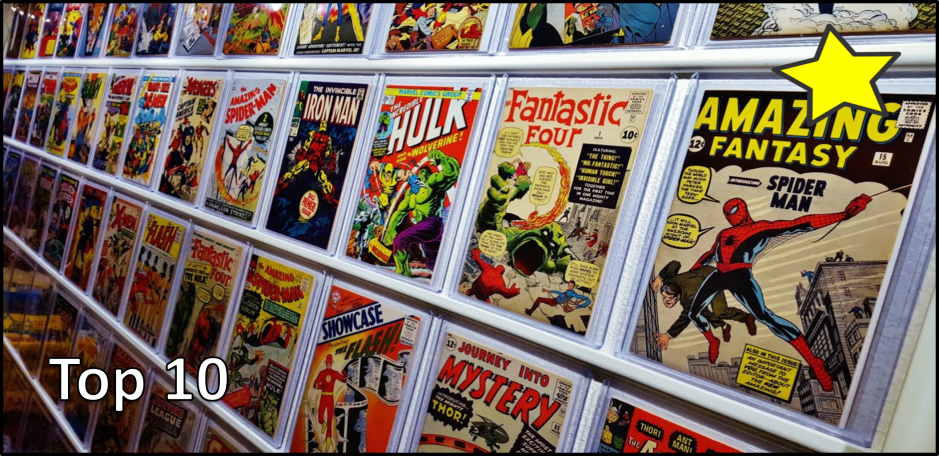
Hey, hey, Geekly Gang! Kyra Kyle here. We’ve tackled the idea of live-action television shows based on comic books over a decade ago with Top 5 Live-Action TV Shows Based on Comics. It’s a good idea to update this post. Our reasoning is three-fold: 1, it’s been long enough and more shows have been produced since 2015; we increased the number of shows on this list from five to ten; and Geekly forgot about a few shows inspired by comic books in the previous list. Whoops! Before we get into the shows, let’s set down some ground rules for this list.
1: Cultural relevance will play a role, as will the show’s overall quality.
2: Some of these shows don’t stack up in cinematic quality even with their contemporaries, but they’re outstanding just the same.
3: We’ll have to stick with one show from a franchise (or specific character) because we wouldn’t want a list that includes only Batman and Spider-Man.
Without further ado, let’s get to the top 10 live-action television shows based on comic books.
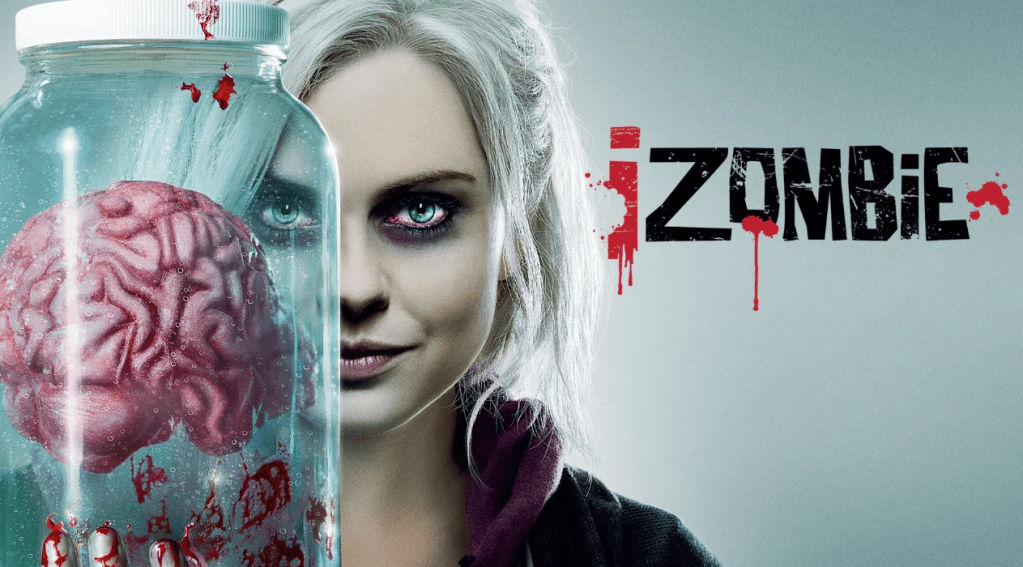
I’ll admit it. I have a soft spot for iZombie. Geekly covered the show when it first aired, and I like the combination of zombies and weekly detective work. Throw in some ongoing drama and a heavy dose of comedy, and you have one addictive show. iZombie won’t be too many people’s first choice for live-action television show based on a comic book, and that’s why I wanted to mention it here. It doesn’t hurt that iZombie’s intro theme, “I’m Already Dead” by Deadboy & The Elephantmen lives rent-free in my head.
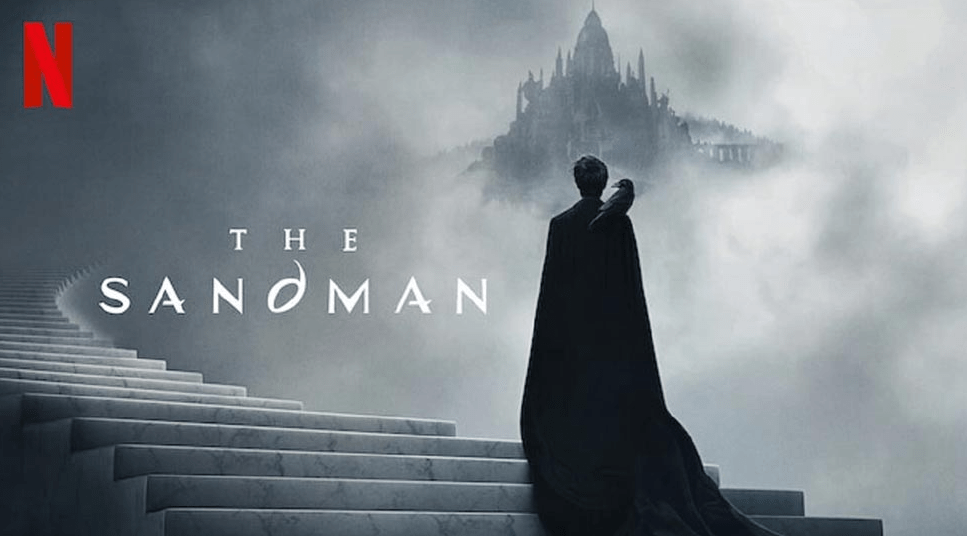
Sandman adapts the source material in a fresh way that also remains faithful to the comic book. Tom Sturridge does the unthinkable and captures the essence of Dream. Kirby makes a great Death. Mason Alexander Park is Desire. I could go on. Sandman has a stellar cast, but it misses our list for a couple of reasons. 1) The Netflix effect. Netflix used to be The Place for creative freedom; now, it’s a place for rehashed ideas, and any original show is likely to get canceled too soon and have little chance of another streaming platform picking up the franchise. 2) The Neil Gaiman effect. I have yet to watch Sandman’s second season because of the ick associated with Gaiman. Still, Sandman deserves a mention.
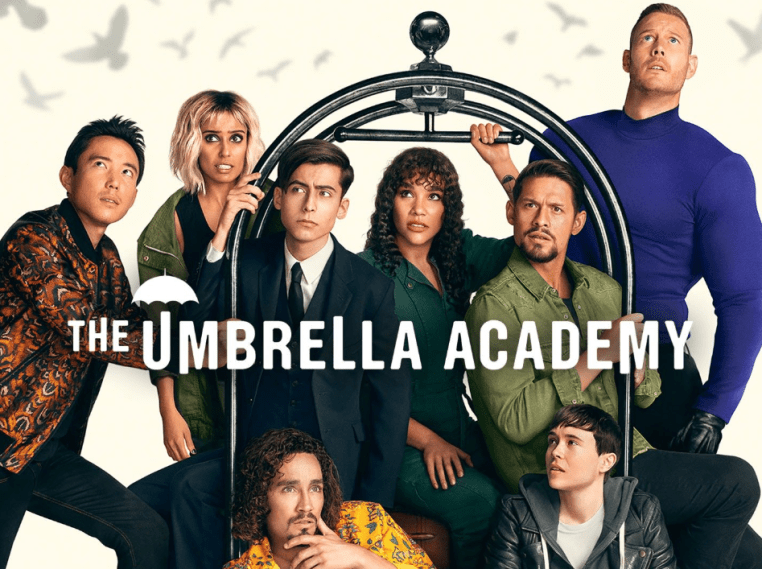
The Umbrella Academy had a brilliant five-year run on Netflix. As one of the more recent entries on this list, I struggled to place it any higher on this list. The other thing going against The Umbrella Academy is that it’s a Netflix show. The Netflix effect claims another victim. Time could see The Umbrella Academy rise in the standings, because there’s a lot to love.
The Umbrella Academy blends quirky humor, bizarre storylines, balls-to-the-wall action, and pitch-perfect character development. The third season incorporated Elliot Page’s gender identity respectfully and made it work for the show’s story. It also doesn’t hurt that the show is based on the comic book of the same name by My Chemical Romance lead singer Gerard Way. That gives The Umbrella Academy an extra layer of cool.
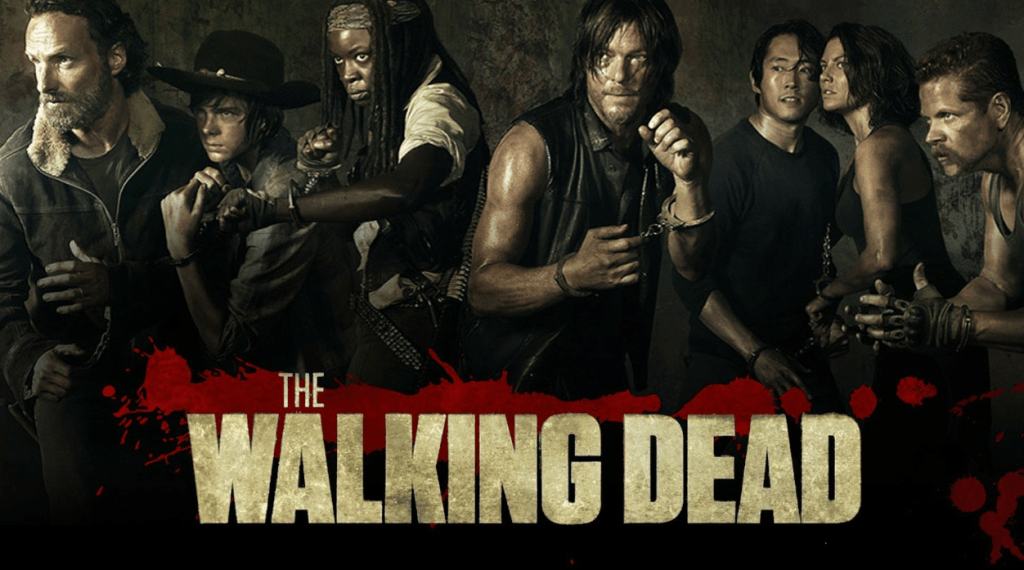
The Walking Dead made our last list over a decade prior, but the show may have hung on for too long. Those early seasons of The Walking Dead were some of the small screen’s best. Despite any flaws, this show focused on interpersonal relationships. The drama within The Walking Dead stemmed from its human characters. And let’s face it. The Walking Dead ignited zombie-mania. You can’t take a breath without huffing on a walker.
The Walking Dead started an empire. I’ve lost track of how many spinoff series this show spawned: Fear the Walking Dead (2015-23), The Walking Dead: World Beyond (2020-21), Tales of the Walking Dead (2022), The Walking Dead: The Ones Who Live (2024), The Walking Dead: Dead City (2023-present), and The Walking Dead: Daryl Dixon (2023-present). The Walking Dead became so popular that a secondary character from the original series, Daryl Dixon, got his own spin-off. Talk about cultural relevance.
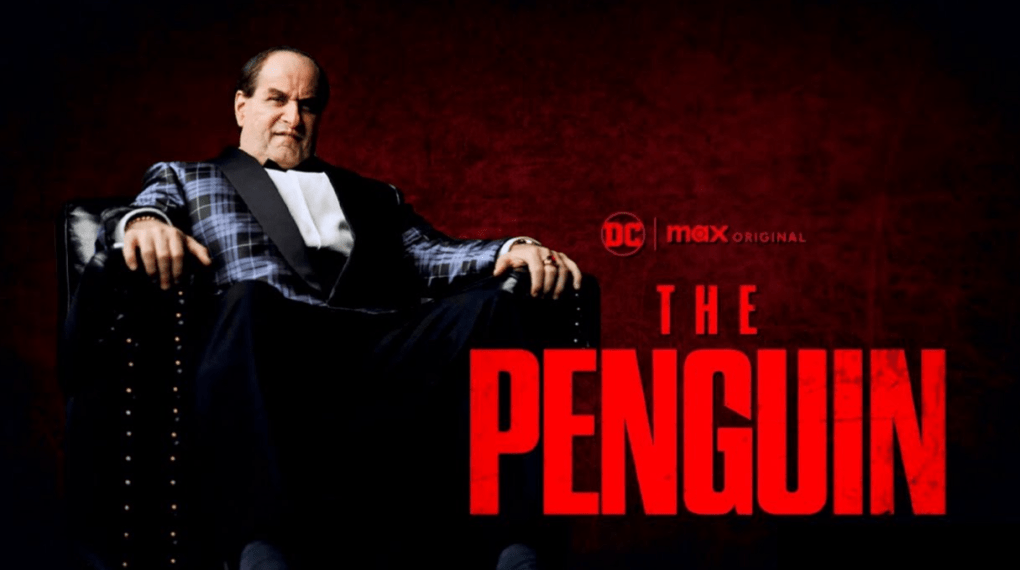
Despite bearing the name of one of Batman’s iconic villains, The Penguin doesn’t even feel like a television show based on a comic book. The Penguin borrows a lot from Breaking Bad and The Sopranos. Watching Oz Cobb ascend–or descend, depending on the lens you use to view his story–to mafia royalty was a joy to watch. Cristin Milioti’s turn as Sofia Falcone was excellent. Sofia Falcone (from The Long Halloween fame) was another comic book character I didn’t expect anyone to pull off well, but Milioti is fabulous in The Penguin.
When I first learned The Penguin got greenlit, I wondered what more there was to say. Apparently, a lot. The Penguin took an interesting enough character from 2022’s The Batman and built a mythos around a character that didn’t receive enough love on the big or small screen. Penguin is one of my favorite Batman villains, and The Penguin captured a certain slimy iteration of the character. The Penguin is well worth watching.

Arrow is another show that stayed a little too long. It suffered the fate of many CW shows and descended into melodrama. After a season, Olicity (the shipping of Oliver Queen and Felicity Smoak) turned my stomach. But Arrow started strong. Manu Bennett may still be the definitive Slade Wilson/Deathstroke, and the “You have failed this city” and Ollie’s time on the island storylines of the first few seasons proved that a lesser DC Comics character like Green Arrow could anchor a show. Not just a show, an entire franchise. Arrow began the Arrowverse.
The Flash may have taken over as the flagship title for the Arrowverse, but Arrow led to The Flash, Supergirl, Legends of Tomorrow, Black Lightning, Batwoman, and the web series Vixen and Freedom Fighters: The Ray. I don’t know when or if I’ll return to Arrow, but I have fond memories of early Arrow seasons. And with Arrow’s cultural impact, no one can deny its place among the top 10 live-action television shows based on comic books.
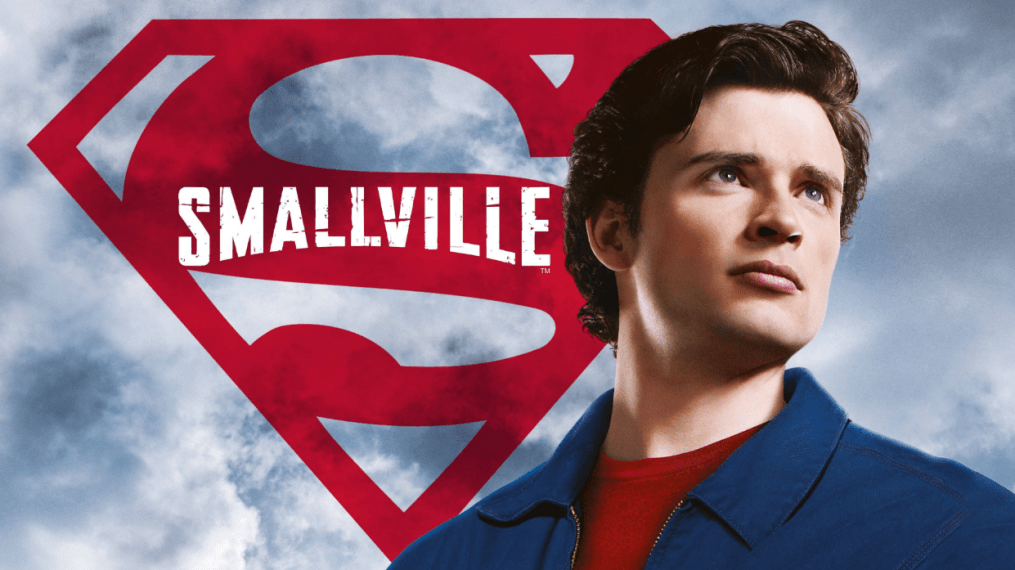
We go from Arrow, which spawned the Arrowverse, to Smallville, which introduced a wider audience to Green Arrow in the first place. Justin Hartley’s Green Arrow guest-starred in numerous Smallville episodes. In fact, Smallville introduced numerous DC Comics Universe characters to television viewers in the early 2000s. I’m still waiting for another actor to take on the role of Booster Gold.
Smallville’s premise wore thin for some people. The show features a Clark Kent before he becomes Superman. In fact, Smallville had the mandate “No Tights, No Flights.” Viewers had to wait a decade for Superman to make his first flight, and by that time, Smallville had seen Aquaman, Green Arrow, and even Booster Gold have a turn in full costume. Even if the “No Tights, No Flights” mandate rubbed you the wrong way, you can’t deny Smallville’s significance.
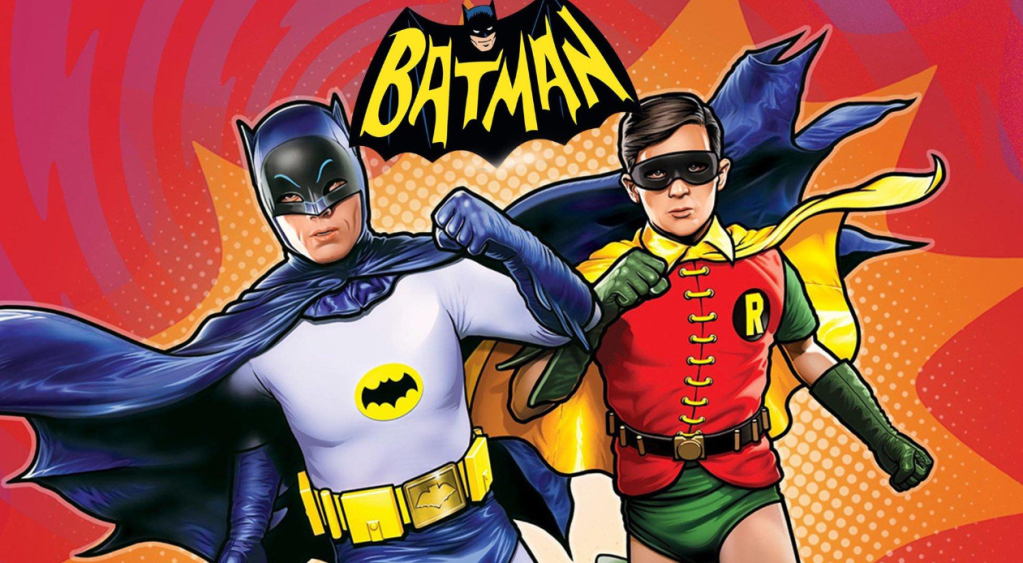
We go way back in time for this next entry. Batman may not have aged the best, but that was never the point. Batman was pure camp. It resurrected characters in the comic book. The Riddler hadn’t been seen in a comic book since the 1950s. The 1960s Batman made The Riddler relevant. Few live-action television shows based on comic books can make that claim.
The Batman-mania of the 1960s proved there was an appetite for comic book media beyond the page. And Batman featured a lot of A-list actors. Cesar Romero, Burgess Meredith, Frank Gorshin, Vincent Price, and many others read like a who’s who of character actors. Batman rejuvenated and launched numerous acting careers. Be honest. When you saw the picture of Batman above, did you not hear Batman’s theme?
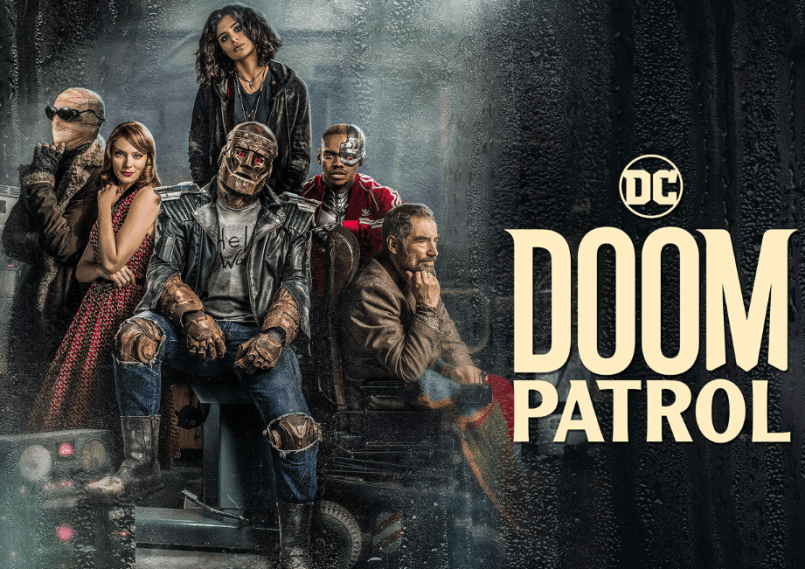
Doom Patrol. Doom Patrol? How is Doom Patrol this high? I didn’t expect to like Doom Patrol as much as I did, but it’s easily one of the DCEU’s best projects. Doom Patrol may have released just before The Umbrella Academy, but the source material, the Doom Patrol comic book, inspired The Umbrella Academy, so that’s one of the reasons Doom Patrol makes it this high on the list.
The other reason is Doom Patrol resurrected Brendan Fraser’s career. Fraser’s turn as Cliff Steele/Robotman was fantastic. Fraser’s final scene in Doom Patrol never fails to turn on the waterworks. I bawl every time I watch it. The rest of Doom Patrol’s cast is top-notch. I like Matt Bomer in most things, and Timothy Dalton is an acting legend. But I need to give Diane Guerrero’s performance as Crazy Jane some praise. It may be a low bar, but Crazy Jane may be the best representation of dissociative identity disorder I’ve seen in a television show or movie. And I hope Joivan Wade gets another chance to portray Victor Stone/Cyborg. He was another stand-out. Everyone was. I liked April Bowlby’s portrayal of Rita Farr/Elasti-Woman. Doom Patrol is one of the few shows on this list that I’ll happily rewatch.
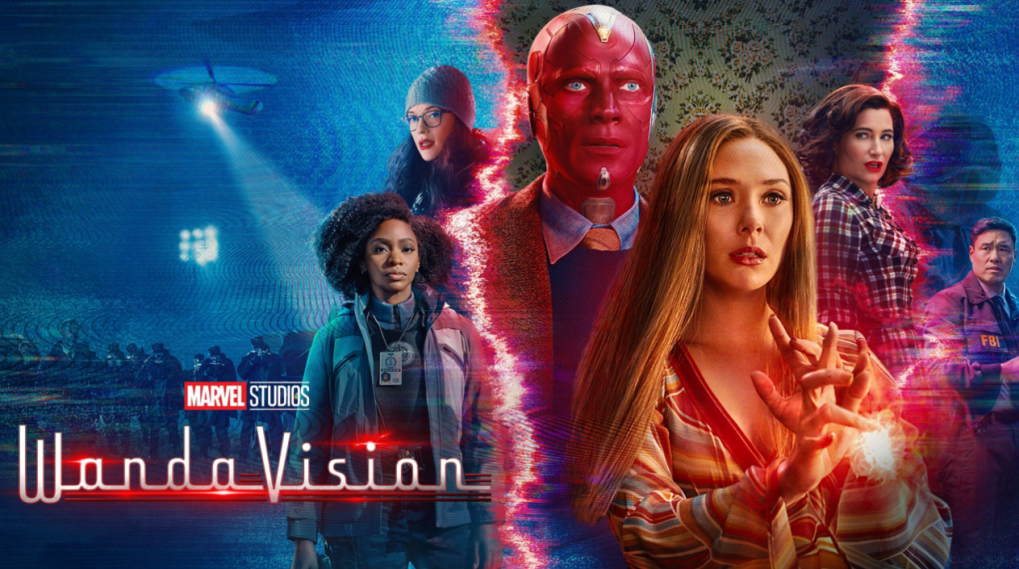
Marvel’s Disney+ shows had so much promise after they leapt off the screen with WandaVision. Sure, WandaVision is a continuation of the MCU, but the exploration of Wanda Maximoff’s mental state can’t be overstated. Kathryn Hahn had a star turn as Agnes/Agatha, and the rest of the cast was a joy. WandaVision is another show I’ll rewatch. Its use of sitcoms through the decades felt organic; it was more than nostalgia.
But there were plenty of call-outs to sitcoms and MCU properties. Evan Peters, pseudo-reprising his role as Pietro Maximoff was a nice touch. WandaVision did the source material proud. Hints of House of M (comic books) lead into Vision Quest (also from the comics), which will become another WandaVision spinoff Disney+ series. Vision Quest will mark two spinoffs to date. The first was Agatha All Along. I cringe at Wanda’s descent into madness, but I can’t look away.
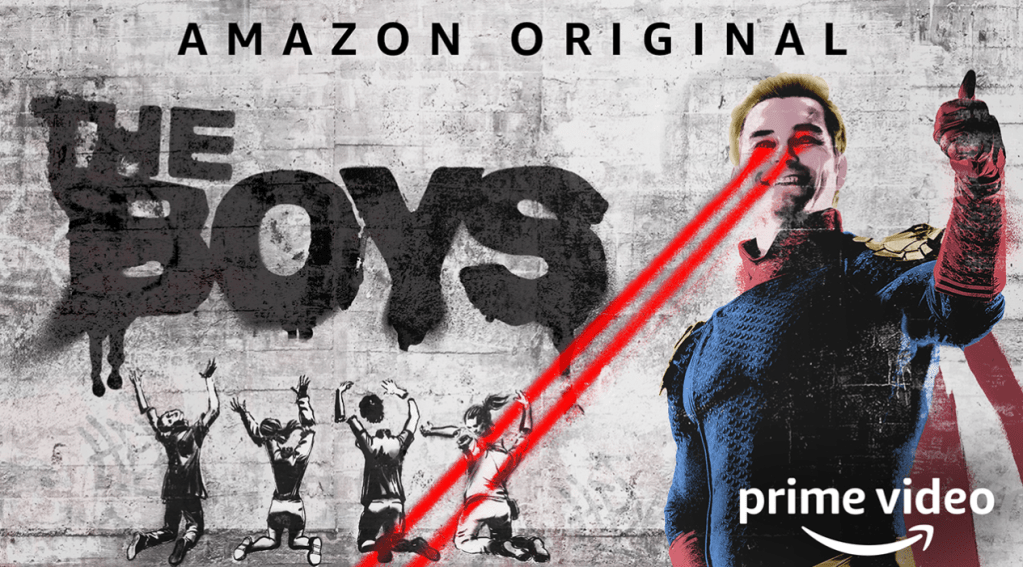
The Boys is the rare television show that’s better than its source material. The Boys comic book was okay. A bit gory and over-the-top, but okay, and let’s not get this twisted, the original comic book was written at the height of the Bush Administration, and it shows. The world has changed. The Boys television show adapted with it. And despite that, The Boys didn’t lose sight of what made the original comic book fun. That and Homelander scares the poop out of me. Seriously, Antony Starr’s Homelander haunts my dreams.
Writing on The Boys strikes a delicate balance of mixing over-the-top violence, black humor, deft plots, and character work. The Boys can be a big, dumb superhero show, but it also be a nuanced look at humanity and how we deal with trauma.
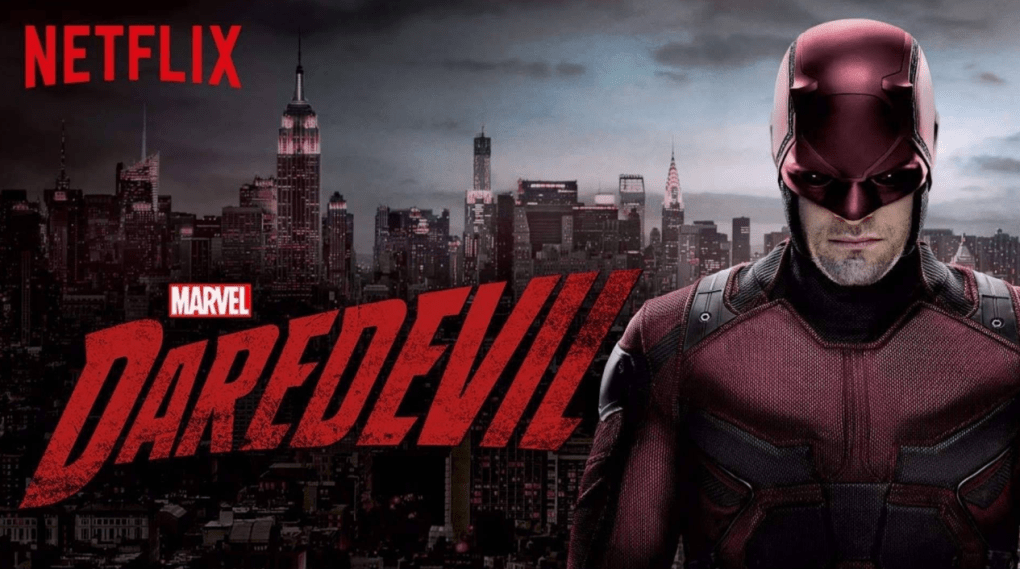
Daredevil rises above the Netflix effect to claim the top spot. I can’t believe it, but Daredevil hadn’t yet released its first episode when we posted our original Top 5 Live-Action Comic Book Shows. My goodness, Geekly’s been around for some time. Daredevil claims the top spot in part because it’s been revived and will resurrect other Netflix Marvel shows with it on Disney+, like Punisher, Jessica Jones, and Luke Cage. Except for a few moments, Daredevil’s writing was on point. Charlie Cox embodied the role so much that I can’t see anyone else portraying Daredevil. And the action sequences and filmography made me feel every punch through the screen. I’ve never felt that before or since Daredevil.
And Daredevil showcased some amazing acting. Cox’s Daredevil was fabulous, while Vincent D’Onofrio was menacing. You know what? I can’t see anyone else portraying Kingpin other than D’Onofrio. Woll’s Karen Page and Henson’s Foggy Nelson rounded out a stellar main cast. And just when I’d think Daredevil would take too many leaps by adding Bernthal’s Punisher or Yung’s Elektra or Bethel’s Bullseye, the actors would turn in character-defining performances. There’s a reason why Daredevil: Born Again was 2025’s most anticipated comic book series. It had some huge shoes to fill.
That’s our list of the top 10 live-action television shows based on comic books. I’m sure yours differs from ours. Let us know which shows you’d add or take away from this list. Thank you for reading, and wherever you are, I hope you’re having a great day.
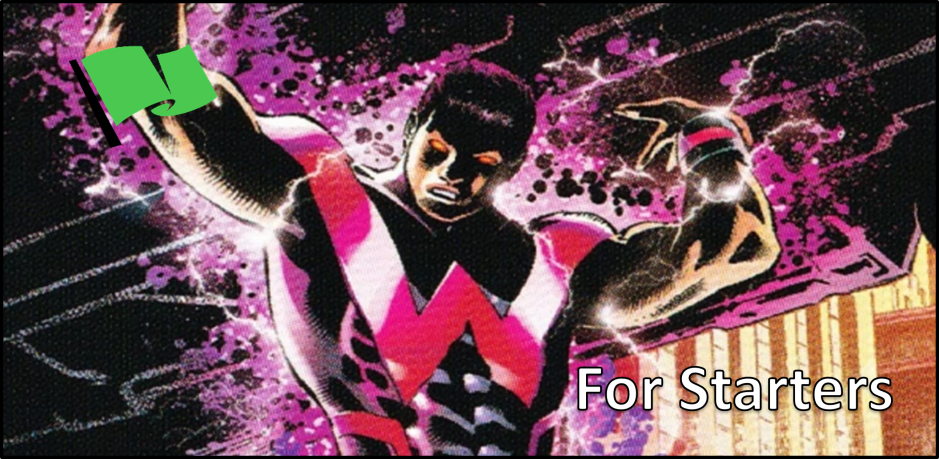
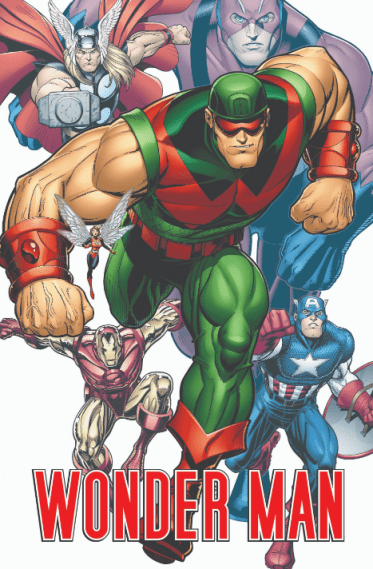
The Wonder Man television series got us excited to make a Wonder Man post. Geekly may have bitten off more than we could chew with a Wonder Man Starter Stories. I remember reading a lot of Wonder Man in West Coast Avengers—that’ll make an appearance on this list—but Wonder Man may be one of Marvel’s most sporadically published characters, especially in his early years. This is partially due to Wonder Man’s origin story (he died), but the character was a sore spot between Marvel and DC Comics. DC Comics had Wonder Woman as an established character and wanted the ability to write a Wonder Man character, but Marvel beat them to the punch. Lawsuits ensued. As a result, Wonder Man appeared in storylines but was rarely a key contributor until the mid-1970s.
Hey, hey, Geekly Gang! Kyra Kyle here, and today we’re going to cover Wonder Man starter stories. Today’s post will differ from most starter stories. Wonder Man will have a ton of single-issue stories, so I’ll do my best to include Wonder Man Omnibuses that should collect many of these stories, and you may get several extra stories to boot. Yay! We’ll begin with single issues, and after the single comics, we’ll list which comic book collection includes the comic. Let’s begin.
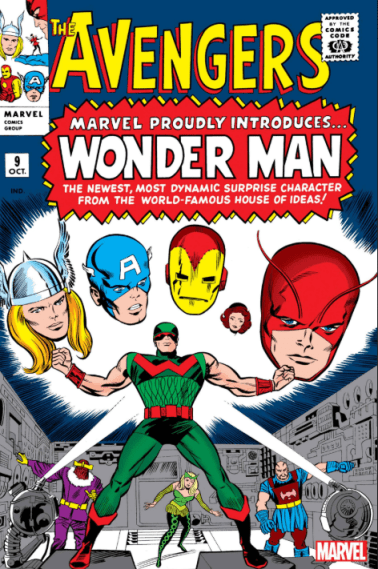
“The Coming of The…Wonder Man” storyline may hold the secret as to why Wonder Man doesn’t show up that often in his earlier years. Spoiler alert: Wonder Man dies. And it’s a death that stuck for years, according to Stan Lee.
Brief Synopsis: Wonder Man (Simon Williams) gets arrested for embezzling Tony Stark’s money. The Masters of Evil break him out of jail, give him powers, and send Wonder Man to destroy The Avengers. Zemo ensures Wonder Man’s allegiance by poisoning him. Wonder Man gains The Avengers’ trust, but The Avengers do the same with Wonder Man, because they want to help him (get unpoisoned), even though they don’t know him. Wonder Man has a change of heart and sabotages Zemo’s plot.
Yeah! Wonder Man may die at the end, but he dies for a good reason. I can see why writers wanted to honor this sacrifice…for like three or four years.
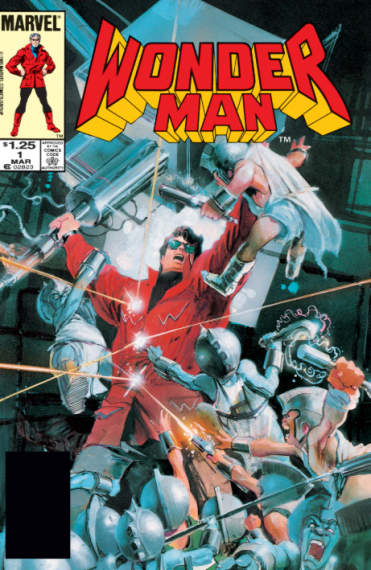
The “Wonder Man” One-Shot shows Wonder Man at his conflicted best. By this point, Wonder Man has been an Avenger and an actor—we should see some of this play out in the Wonder Man television series—and he tries a new occupation: science tech trouble-shooter. What does that even mean? Wonder Man finds out in this action-packed one-shot adventure.
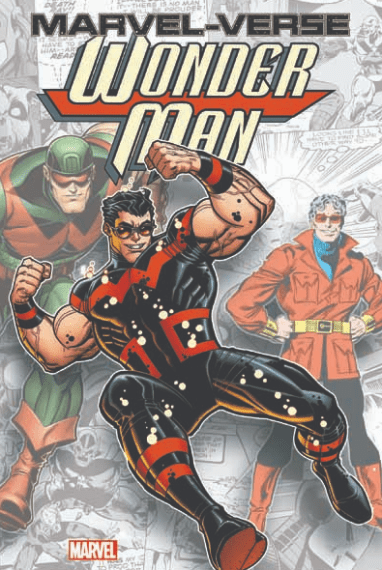
This recent comic book collection includes Wonder Man’s first appearance, his one-shot adventure, and a couple more issues (Marvel Two-In-One, 1974; Avengers #14, 1998).
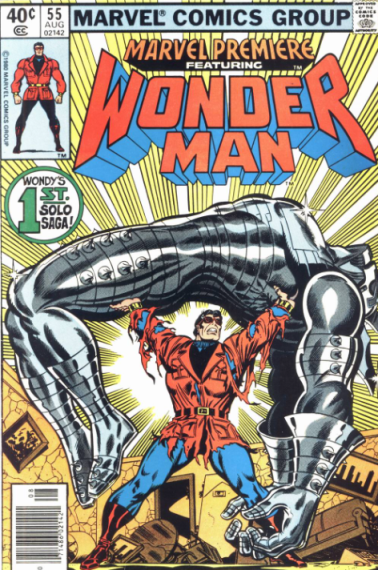
While the Wonder Man one-shot above may be the flashiest Wonder Man solo adventure to date, “A Force of Two” (Marvel Premiere #55) was his first proper solo adventure. Michelinie pens this issue as well. “A Force of Two” explores Simon Williams’ corporate background, which includes a brief rivalry with Stark Enterprises. In fact, “A Force of Two’s” main antagonist is none other than Madame Masque, one of Iron Man’s greatest villains who hasn’t made their way to the MCU. (Quick note: There was a character named Whitney Frost, Madame Masque’s alter ego, who served as a Black Widow assassin in the Agent Carter series, but a proper Madame Masque has yet to make her MCU debut.) Wonder Man fights Madame Masque and her super criminal ring, Maggia, as she tries to take over Wonder Man’s company, Williams Innovations.
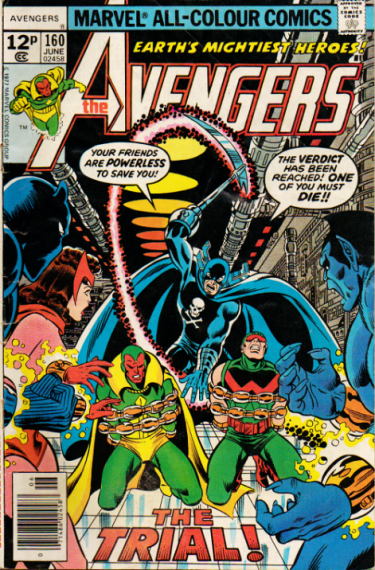
“…The Trial” features a major revelation: Simon Williams has a brother. Gasp! I’m cheating a bit with this entry. Honestly, this storyline goes back a couple of issues with Avengers #158, but fortunately, the collection I selected (listed below) includes the entire storyline. Spoiler Alert, I suppose, for an almost five-decade-old comic book. Lol. Antagonist Grim Reaper, one of the best Avengers villains to not yet make their MCU debut, has been a thorn in the Avengers’ side for years. We learn that Eric Williams (Grim Reaper) is Simon Williams’ (Wonder Man’s) brother. “…The Trial” also reminds us that Vision’s mind was originally built from Simon Williams’ brainwaves (like Simon’s consciousness was downloaded from the cloud). Hmm. I wonder if this could influence the MCU.
Wonder Man releases a year or two before VisionQuest. Could VisionQuest include at least a reference to Vision’s original comic book origin (and include Simon Williams)? The MCU has leaned into its darker characters, and Grim Reaper’s aesthetic matches this shift. Could we see Grim Reaper in the not-so-distant future? We’ll have to see. “…The Trial” is another iconic Avengers comic book and worth reading.
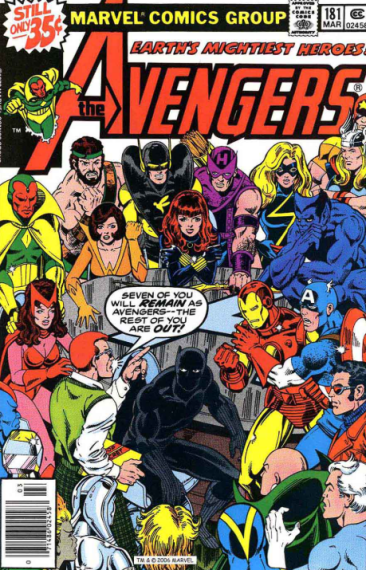
I mentioned the MCU a lot in previous entries—mostly because Wonder Man is around the corner—and “On the Matter of Heroes!” is yet another story that could factor into the MCU. In the comics, Wonder Man and Beast (one of the original X-Men) are close friends. “On the Matter of Heroes!” has the pair watching The Adventures of Robin Hood starring Errol Flynn. Wonder Man and Beast discuss the psychological role heroes play for the public. Beast and Wonder Man share a similar sense of humor and are plagued by self-doubt about their place in the Avengers. Beast questions his place because he’s a mutant, while Wonder Man struggles with his mortality. He’s afraid of dying again.
“On the Matter of Heroes!” muddies the water when Wonder Man and Beast return to the Avengers Mansion. Ultimately, due to government influence, Wonder Man is out of the Avengers, and Beast remains. I must mention it. Could Wonder Man introduce Simon Williams’s friend, Hank McCoy (Beast)? The X-Men near their MCU debut.
“A Force of Two,” “…The Trial,” and “On the Matter of Heroes!” are collected in Wonder Man: The Early Years Omnibus. Numerous other comics are also included. This collection is over a thousand pages. Yikes!
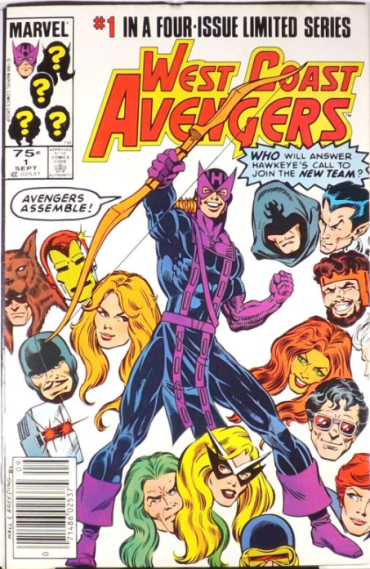
West Coast Avengers began as a limited series in 1984. Eventually, it became a monthly title for over a decade. Vision wants to increase the Avengers’ reach, so he creates the Avengers’ first offshoot team, the West Coast Avengers. At this time, Wonder Man has a side hustle as an actor, so a Los Angeles-based Avengers made sense. Simon clashes with almost everyone on the team, especially Iron Man (James Rhodes during this series), as Williams struggles to balance crime fighting with an acting career. Wonder Man features Simon Williams as an actor; West Coast Avengers may play a role.
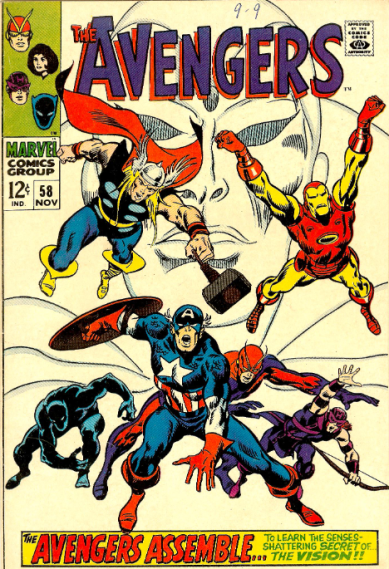
While you get the gist of Vision’s origin in “…The Trial” (listed above), “Even An Android Can Cry” is the first telling of this origin story. Somehow, Ant-Man recorded Wonder Man’s brain patterns before he died during his debut (in Avengers #9). Ultron finds these brain patterns and uses them to create the perfect android in Vision. In a roundabout way, Wonder Man and Vision are brain brothers.
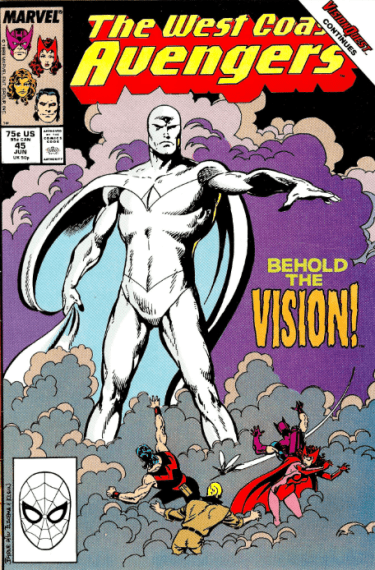
“New Faces” explores the heartbreaking, bizarre, and fascinating relationship between Wonder Man and Vision. After the government dismantles Vision, the android is left a blank slate. “New Faces” is the comic that introduces a White Vision (like the one found at the end of WandaVision). Scarlet Witch asks Wonder Man to contribute his brain waves to bring back her husband, Vision. Wonder Man refuses.
Wonder Man didn’t have a choice the first time. Vision and Wonder Man shared a rocky relationship because Wonder Man has feelings for Wanda, too. “New Faces” packs an emotional punch and is well worth a read. And check out the top, right-hand corner of “New Faces'” cover: VisionQuest Continues. Yep. This is the comic book version of VisionQuest.
Those are the stories that made our list. Are there any you would add to the list? Let us know in the comments, Geekly Gang. Thank you for reading, and wherever you are, I hope you’re having a great day.


 jkgeekly.com