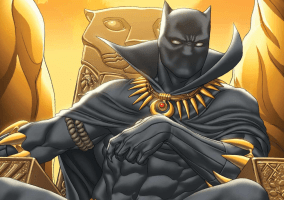
Eyes of Wakanda continues its run this month, so we’re celebrating by recounting the greatest Black Panther villains. Hey, hey! Kyra Kyle here. We’ve done the Top 5 villain treatment to several Marvel and DC Comics heroes. It’s only fitting that Black Panther receives his Top 5 Villains.
Honorable Mention: Ulysses Klaw
I feel like we have an honorable mention a lot in these lists, but Ulysses Klaw makes this list in this manner for a reason. He’s a Marvel Universe villain more than just a Black Panther villain. Sure, his origin has Wakandan roots, but Klaw has often battled the Fantastic Four and Avengers. Everyone should fear the man with a body of pure sound.
5: Achebe
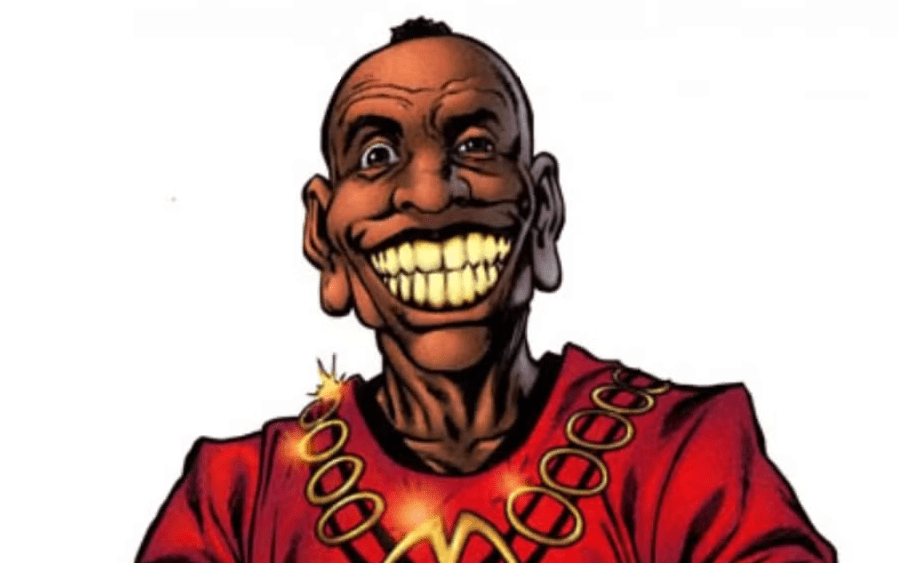
Achebe is the Joker to Black Panther’s Batman. Little is known about Achebe, only rumors. The most persistent of these rumors is that Achebe was once a Ghudazan farmer who helped rebel guerrillas from the neighboring country of Ujanka. He helped nurse the fighters back to health, but his wife fell in love with the rebel leader, and the rebels repaid his kindness by stabbing him 32 times, razing his farm, and taking his wife. What is known is that Achebe made a deal with Mephisto and serves as an emissary of Marvel’s version of the Devil. Achebe is ruthless, unpredictable, and a constant thorn in Black Panther’s side.
4: T’Channa
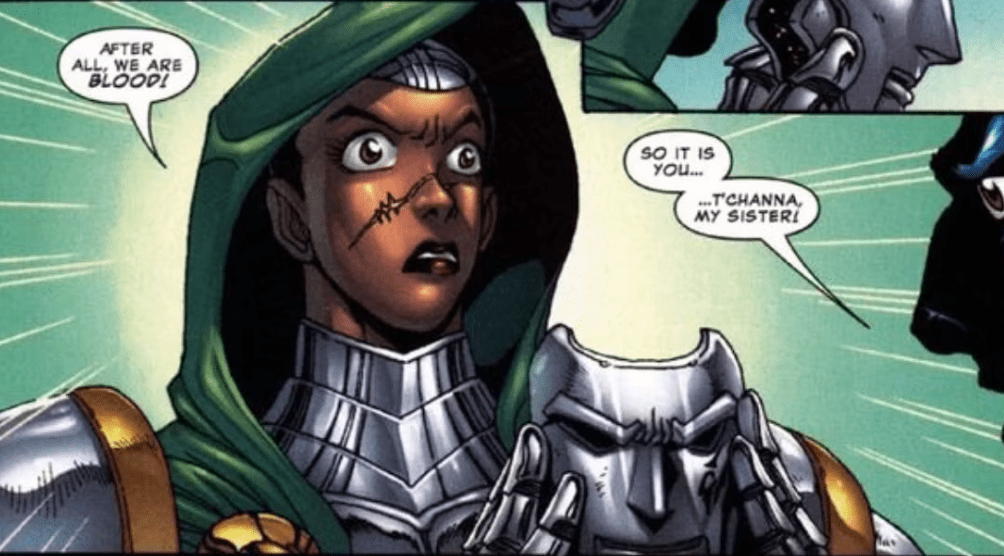
T’Channa is T’Challa’s sister in an alternate universe (Earth-2301). She and her siblings were beaten (she implies brutally) by T’Challa in a contest for Wakanda’s throne. As a result, she left Wakanda for Latveria, where she joined forces with Victor von Doom, until she became strong enough to overtake him as the new Doctor Doom. Honestly, I wouldn’t mind seeing T’Channa’s Doom in an upcoming Marvel project. She blends Wakanda’s technology with the magic she learned from Victor von Doom to become a menace, not just to T’Challa, but to the entire world.
3: White Wolf
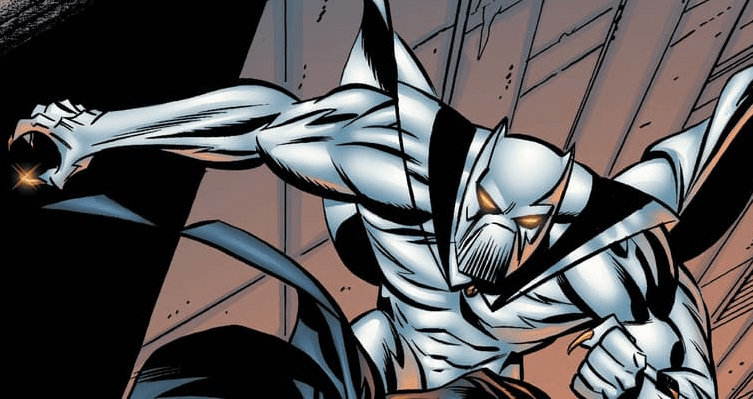
Hunter is T’Challa’s adopted brother. The two were close as children. They even competed in childish games like footraces. But Hunter was born a foreigner from the African nation Mohannda. He was the sole survivor of a plane crash before T’Chaka, T’Challa’s father, adopted him. Hunter doesn’t look like other Wakandans. He has light skin. When he was young, Hunter was the Wakandan envoy to European nations because he looked like them. This othered Hunter from his fellow Wakandans. Eventually, Ulysses Klaw killed T’Chaka and Ramonda (Hunter’s adoptive parents), and he was orphaned again. Hunter blamed T’Challa for his problems and sought revenge against Klaw. He strives to make the country of his birth, Mohannda, as technologically advanced as Wakanda. Hunter’s nationalism often puts him at odds with T’Challa.
The Winter Soldier has been nicknamed White Wolf in the MCU, so it’s unknown if a White Wolf will make an appearance. Fingers crossed that he will.
2: Erik Killmonger
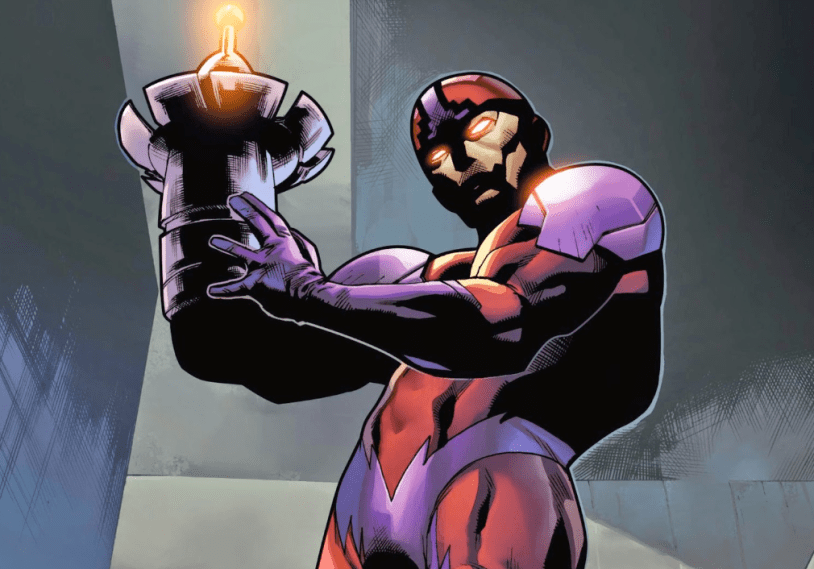
Born N’Jadaka, Killmonger needs little introduction. Portrayed by Michael B. Jordan, he exploded on the screen in the original Black Panther movie. Killmonger is a Wakandan exile and vows to take the Black Panther mantle. He often challenges T’Challa to ritual combat. Even when he dies, he finds ways to return. One of his most recent reanimations came in the form of an alien symbiote (like Venom). N’Jadaka will never rest until he’s taken his rightful place on Wakanda’s throne. Death can’t even stop him.
1: M’Baku/Man-Ape
M’Baku’s alias Man-Ape has gone out of favor for obvious reasons. It’s problematic. While the MCU has mostly shown M’Baku as one of T’Challa’s allies, he rarely ends up on the same side as the Black Panther. While T’Challa controls the Panther cult, M’Baku is head of the Gorilla cult (hence his alias Man-Ape). In the comics, M’Baku detests Wakanda’s technological revitalization. He seeks to outlaw technology and return the nation to its mystical roots. Often, M’Baku will use greater conflicts to undermine Wakandan leadership. He’s cunning and willing to ally himself with anyone he thinks will grow his standing within Wakanda. Occasionally, that will be Black Panther. But often, he’ll choose Black Panther’s opposition.
I’d love to see Winston Duke’s M’Baku receive more shine in the MCU. I also like how the MCU changed his alias to Great Gorilla. That works.
Did we get the list right? Let us know who you would add or remove in the comments. And wherever you are, I hope you’re having a great day.
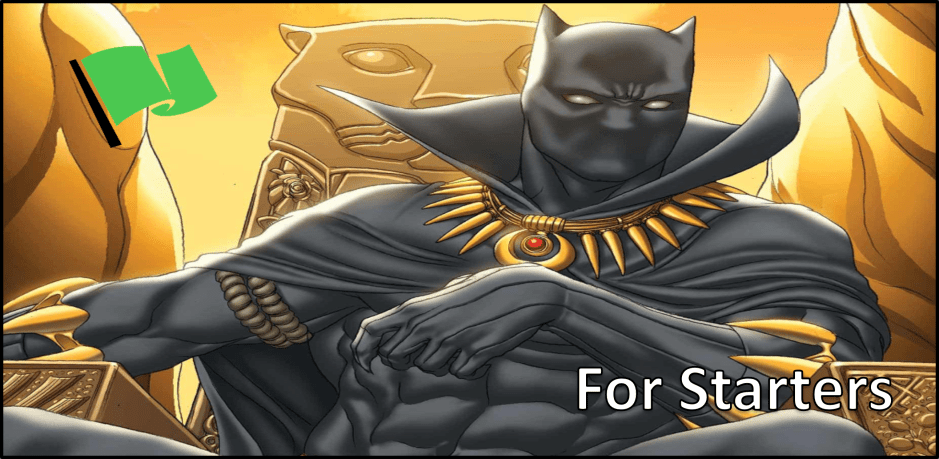
Black Panther has existed since the mid-Sixties, but Marvel produced some of the best Black Panther stories after 2000. Which Black Panther stories should you read first?
Hey, hey! Kyra Kyle here. As you can guess, we’re talking about Black Panther starter stories today. Like we’ve been doing for the past few entries in this series, we’ll split these stories into single issues and story arcs. Today, we’ll begin with single comic book issues. Enjoy!
Single Issues
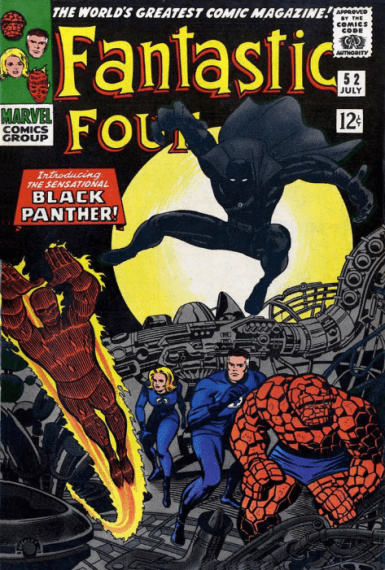
“Introducing The Sensational Black Panther” (Fantastic Four #52; written by Stan Lee/art by Jack Kirby; 1966)
I considered including this issue and a few others as part of a story arc. The next issue would include vibranium’s first mention and sets the stage for Ulysses Klaw to make his first appearance, but I chose to stick with Black Panther’s first appearance. “Introducing The Sensational Black Panther” centers around the Fantastic Four being invited to Wakanda. The enigmatic leader sends a hover car to take Marvel’s family to his homeland. The Fantastic Four agree, and when they arrive in Wakanda, they must survive a robotic jungle and the Black Panther himself. By themselves, the Fantastic Four are no match for Black Panther, but the team joins forces and unmask their assailant.
It turns out that T’Challa (Wakanda’s leader who invited the Fantastic Four to Wakanda) and Black Panther are the same. Black Panther says he only wanted to test the fours’ abilities and meant no harm by his attack. “Introducing The Sensational Black Panther” does a good job of showing Black Panther as formidable. Like I said, many key Black Panther elements are revealed in future issues, but “Introducing The Sensational Black Panther” is a great place to start reading.
“Death Calls for the Arch-Heroes” (Avengers #52; written by Roy Thomas/art by John Buscema; 1968)
“Death Calls for the Arch-Heroes” is another issue that sets up Black Panther; this time, it’s Black Panther’s first appearance as an Avenger. Until this issue, Black Panther served as an occasional Avengers ally. “Death Calls for the Arch-Heroes” begins with Black Panther visiting Avengers HQ to find the Avengers dead. They aren’t actually dead; they’re in a coma. Since Black Panther is an outsider, he gets blamed and taken into custody. Black Panther breaks out of jail, learns that the Grim Reaper (who wants revenge for the death of his brother, Wonder Man) is behind the plot. The two fight, Black Panther wins, reverses the effects of Reaper’s coma weapon, and then becomes a full-fledged member of the Avengers.
“Death Calls for the Arch-Heroes” marks an important milestone in Black Panther’s development. Prior to this issue, Black Panther seldom left Wakanda for long. This issue turned Black Panther into a global figure, and it put Wakanda on the map.
Story Arcs
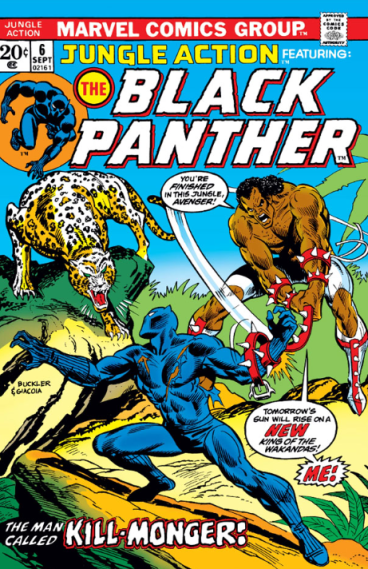
Panther’s Rage (Jungle Action #6-18; written by Don McGregor/art by Rich Buckler, Billy Graham, and various others 1973-1974)
It took a while for Marvel Comics to see potential in Black Panther. Sure, Black Panther showed up in plenty of Fantastic Four comic books. He was even a card-carrying member of the Avengers for half a decade by this point, but he was relegated to the edges of comic book stories and didn’t have his own title. At the same time, there was another Marvel comic book named Jungle Action that rubbed proofreader (at the time) Don McGregor the wrong way. Jungle Action featured white people saving Africans or white African people being threatened by black African people. McGregor demanded that Marvel feature a black African hero. He turned to the seldom-used Black Panther.
McGregor’s initial run on Jungle Action #6-18 (Panther’s Rage) is the birth of who we know as Black Panther. T’Challa returns to Wakanda to find his homeland torn by civil war. A revolutionary leader and terrorist named Erik Killmonger had returned to Wakanda and threatened T’Challa’s claim to the throne. Yes! Panther’s Rage is the first appearance of Killmonger. To say Panther’s Rage was groundbreaking is an understatement.
More than a decade before Watchmen, Panther’s Rage was the first graphic novel. It’s been collected and reprinted numerous times, and it’s worth the read. Writer Don McGregor was no stranger to pushing boundaries. Years before Panther’s Rage, he wrote a story that featured comic books’ first interracial kiss. If you want to know Black Panther better, Panther’s Rage is a great place to start.
Panther’s Quest (Marvel Comics Presents #13-37; written by Don McGregor/art by Gene Colan, and various others 1988-1989)
After his legendary run on Jungle Action, McGregor left Black Panther for over a decade. He returned to the character with Marvel Comics Presents. The Marvel Comics Presents title was an odd throw-back to early Marvel titles. Anthology series like Tales of Suspense (which featured Iron Man’s first appearance) and Journey into Mystery (which included Thor’s first appearance) had fallen out of favor. Marvel Comics Presents featured stories for multiple characters. We’re interested in the Black Panther storyline, Panther’s Quest.
Panther’s Quest is another McGregor epic. Following rumors that his mother (whom he had never known) may still be alive, T’Challa conducts a stealth mission in South Africa. What unfolds is a harrowing tale of social injustice mixed with intrigue and plenty of action. Always willing to broaden comic books’ horizons, McGregor tackled story elements like Apartheid and the discrimination someone who looks like Black Panther faces. In short, Panther’s Quest is another Black Panther must-read.
The Client (Black Panther vol 3 #1-5; written by Christopher Priest/art by Mark Texeira 1998)
The Client marks the first entry for Christopher Priest on this list. Priest is another writer synonymous with Black Panther. Priest is also the first black writer and editor in mainstream comics. He’ll show up time and time again on this list. We couldn’t include all of Priest’s works. The two series of his that didn’t quite make our list are both named Enemy of the State. You should give them a read as well. Getting back to our entry, The Client makes this list because it introduces several key Black Panther figures like Okoye, Zuri, and Nakia. And the story does a great job of balancing the odd space Black Panther occupies.
Black Panther sets up refugee camps and offers political asylum for people fleeing ethnic wars, but at the same time, he pushes for systematic change and battles street crime. T’Challa is a man attempting to do it all. But that’s why a lot of Black Panther’s key support system (like Okoye) are introduced. Within The Client’s pages, Priest develops what it means to be Wakandan.
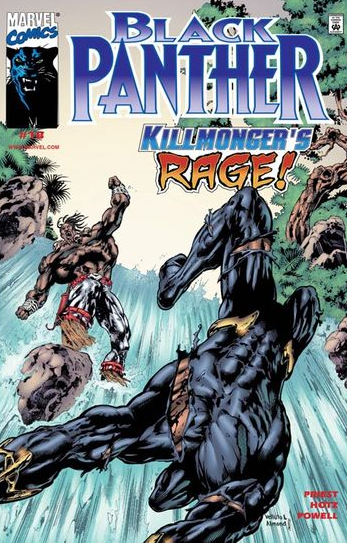
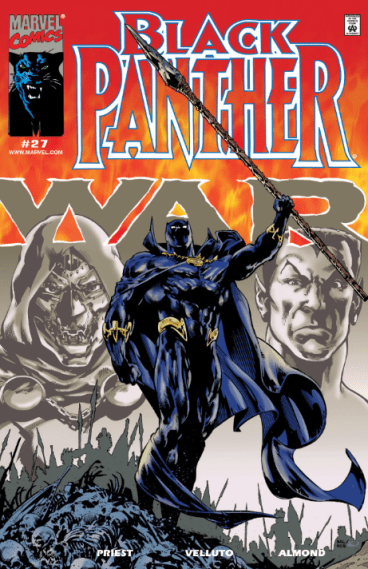
Killmonger’s Rage (Black Panthervol 3 #16-20; written by Christopher Priest/art by Sal Velluto and Bob Almond 2000)
Christopher Priest pushed the Black Panther forward, but he also paid homage to what came before. Killmonger’s Rage is a fitting spiritual successor to Panther’s Rage. Priest honors McGregor’s story by exploring T’Challa and Killmonger’s relationship. Priest’s Killmonger is a Wakandan corrupted by Western values. He’s the antithesis of T’Challa and Wakanda. Black Panther must face an intriguing mirror version of himself. Killmonger’s Rage shows what would happen if T’Challa rejected his Wakandan roots. 2018’s Black Panther uses a storyline or two from Killmonger’s Rage.
Sturm Und Drang (Black Panther vol 3 #26-29; written by Christopher Priest/art by Sal Velluto 2000-2001)
The world is on the verge of World War III, and Black Panther serves as mediator. Sturm Und Drang shows why T’Challa is different from most superheroes. He’s the leader of a country. Tension exists between the underwater nation of Lemuria and the surface world. Klaw works behind the scenes to stir up tensions among various nations; his machinations unnecessarily draw other countries into the mix. Black Panther advocates for peace, but at the same time, he refuses to back down or show any signs of weakness.
Sturm Und Drang explores Black Panther’s leadership during wartime. He must deal with group leaders like Namor, Magneto, and Doctor Doom. Sturm Und Drang is also the final Priest story arc on this list. He had an amazing run on Black Panther. You can’t go wrong if you see Black Panther and Christopher Priest. If you’re interested in reading Black Panther, Priest did more than anyone in shaping this character and showing his many facets. Priest’s run is chef’s kiss good.
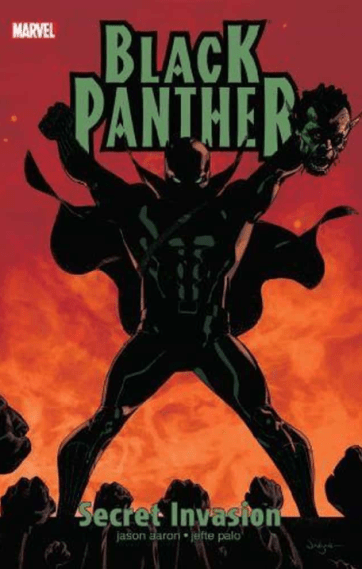
See Wakanda And Die (Black Panther vol 4 #39-41; written by Jason Aaron/art by Jefte Palo 2008)
See Wakanda And Die might be a slight understatement of a title. This story acts as a standalone story and a tie-in for Marvel’s 2008 event, Secret Invasion. I know. I know. The Secret Invasion television series almost ruined the MCU. Believe me, the comic book story was handled with more care. But we’re talking about See Wakanda and Die. An army of Skrulls has come to Wakanda to claim all the country’s vibranium. But Wakanda won’t go without a fight.
This action-packed story shows two complementary sides of the Black Panther. First, he’s a leader, shown through tactical decisions and care for his people. Second, he’s a hero, placing himself on the frontlines. These two sides merge to make a satisfying read with excellent pacing.
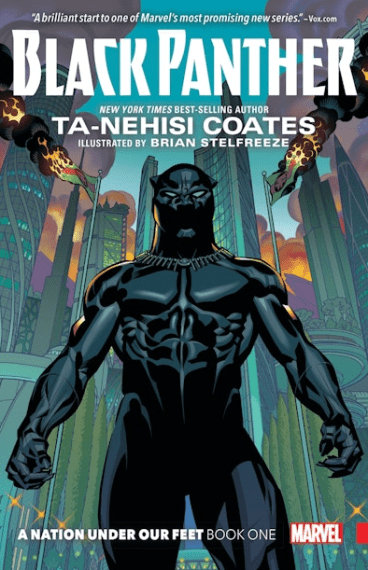
A Nation Under Our Feet (Black Panther vol 6 #1-12; written by Ta-Nehisi Coates/art by Brian Stelfreeze, Chris Sprouse, and Karl Story 2016-2017)
A Nation Under Our Feet is the most philosophical story on this list. It explores Wakanda’s identity, tensions, traditions, and where they fit in modern society while looking toward the future. This examination extends to the monarchy. Does Wakanda still need the Black Panther?
These topics make sense, considering A Nation Under Our Feet’s writer Ta-Nehisi Coates. Coates is an American journalist and activist who often writes about cultural, social, and political issues, specifically African Americans and white supremacy. Coates authored “The Case for Reparations,” so Wakandan story that examines its past while looking at how to move forward is something that Coates has immense experience.
But A Nation Under Our Feet also features the art of Stelfreeze and Sprouse, who present a brilliant Afrofuturism that has a touch of science fiction but is steeped in African art and culture. The result is A Nation Under Our Feet becoming a comic you can lose yourself in as you explore the different parts of Wakanda.
Those are the stories that made our list. Like I said, I could’ve included many more Priest Black Panther stories, and anything by Coates is a great read. Let us know which Black Panther stories you’d add to this list in the comments. Thank you for reading, and wherever you are, I hope you’re having a great day.
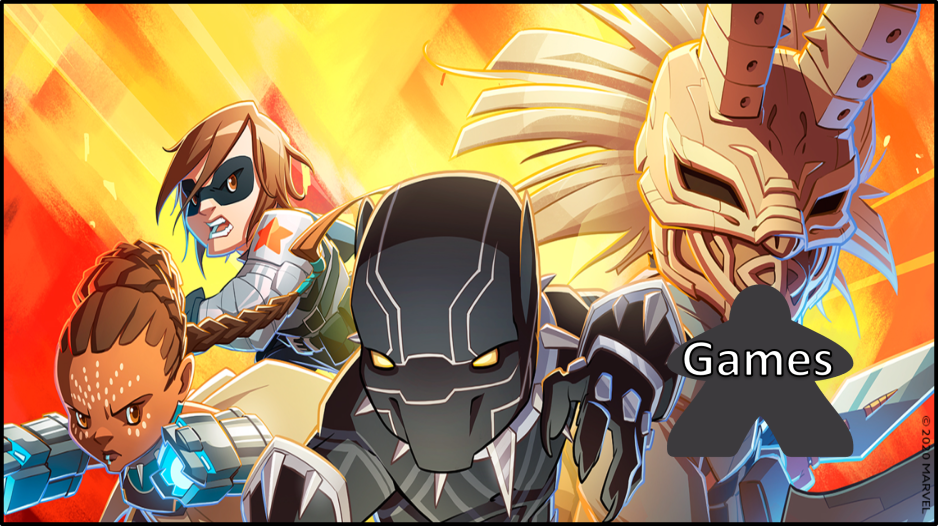
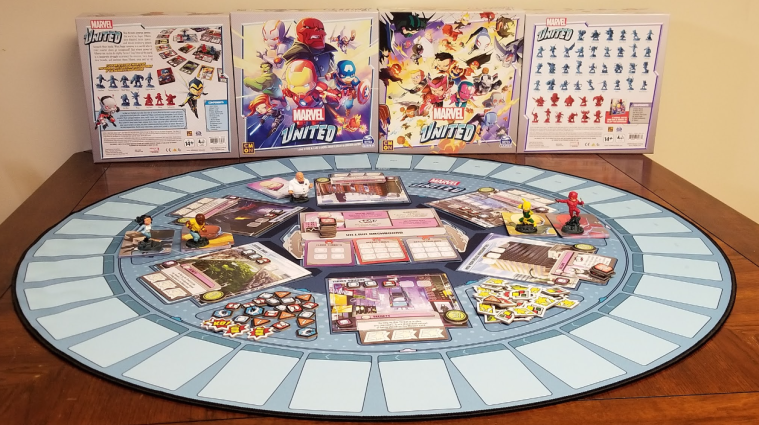
Has it been long enough since we’ve covered a Marvel United expansion? It’s been one month? Eh, why not cover one of the final expansions from the original release, Rise of the Black Panther? Like I said in our last expansion review, Geekly won’t be covering every Marvel United expansion, but we will review the ones worth your time or the ones we believe people will most likely purchase. In short, you may want to consider these expansions.
Hey, hey! Kyra Kyle here. In Marvel United, take on the roles of iconic Marvel heroes who work together to stop the master plan of a powerful villain controlled by the game. Each villain has a unique master plan, cards that trigger various effects, and threats that make clearing locations difficult. Heroes clear missions, making the villain vulnerable, and finally take on the mastermind before they complete their evil plot. Can you save the world from impending doom? Let’s find out with Rise of the Black Panther.
Wait. Before we leap into the fray, we should look at Rise of the Black Panther’s fine print.
The Fiddly Bits
Designer: Andrea Chiarvesio and Eric M. Lang Publisher: CMON Global Limited and Spin Master Ltd. Date Released: 2021 Number of Players: 1-4 Age Range: 8 and up Setup Time: 5-10 minutes Play Time: 30-40 minutes
We already covered the Game Setup and Game Flow in our Marvel United review (here’s a link to that review), so we’ll go over the basics in the following two sections. Let’s cover an abbreviated review of the game setup and rules.
Marvel United’s setup can change depending on which Villain and Heroes you choose to play. Each game consists of six locations. Typically, core sets have eight locations. Since Rise of the Black Panther is an expansion, it only has six. You may choose your locations or shuffle them and choose six at random. Each Location card has spaces at the top for civilians and thugs and a rectangle with a block of text that will state “End of Turn” at the top of the box.
Place civilian/thug tokens on their matching spaces. Shuffle the Villain’s Threat deck and deal out each Threat face-up so that it covers the rectangle at the bottom of each location. You must clear this threat before gaining the “End of Turn” effect printed on a Location. Place health tokens where signified on threat cards and on the Villain dashboard. Place the three mission cards (Defeat Thugs, Rescue Civilians, and Clear Threats) face up under the villain dashboard where the text reads “Unlocked.”
Each player shuffles their hero decks and then draws three cards to form their hands. Shuffle the Villain’s Master Plan deck. Leave the Master Plan deck face down. This will be the villain’s draw pile.
Players place their miniatures on one of the six location cards, usually the centralmost location for each player (easy access). Then, they place the villain on the location card opposing the heroes.
Game Flow
The villain(s) play first. Draw the top card of their master plan deck. The villain moves the number of spaces indicated. Resolve any BAM! Effects and these effects will be printed on a space within the villain’s dashboard. Then, place the civilian/thug tokens (if any) indicated at the bottom of the card. After all these effects are resolved, the heroes get their turn.
Heroes pick who goes first, and hero turns will continue around the table clockwise. At the beginning of each game, Heroes will get three turns before the villain receives another turn. During their turn, heroes play one card from their hand.
Resolve actions and the symbols printed at the bottom of the hero’s card in any order. The symbols at the bottom of a hero’s card will be shared with the next player, but any printed action will not be shared. Heroes will use these actions to complete missions. The game begins with three missions in play: Defeat Thugs, Rescue Civilians, and Clear Threats. Each mission card will have spaces for the tokens they require to complete. As soon as these spaces are filled, the card is discarded, and the mission is considered complete. Mission cards can be completed in any order.
After the heroes complete the first mission, the villain panics and will act (play a card) every two hero cards instead of every three hero cards. After the heroes complete the second mission, the villain becomes vulnerable to damage. The heroes can complete the third mission, but it isn’t necessary. If the heroes do complete the third mission, each hero immediately draws 1 card, increasing each player’s hand size by one.
Play continues back and forth until either the villain wins (by completing their unique master plan or anyone, heroes or villains, runs out of cards) or the heroes win by dealing enough damage to the villain after the villain becomes vulnerable to damage.
Review
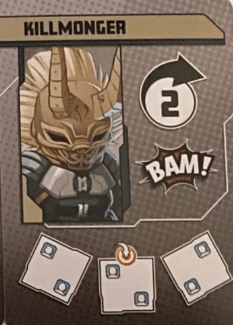
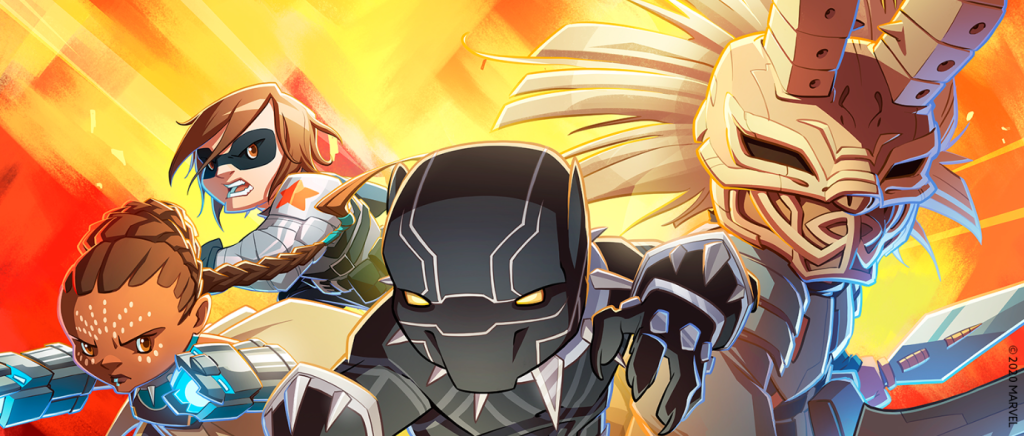
Rise of the Black Panther has some stellar heroes in its ranks. The Challenge Card uses some interesting game elements that I haven’t seen Marvel United use before or since. Killmonger can be a tricky villain and one of my favorites to defeat. It’s an accomplishment to defeat Killmonger. But Rise of the Black Panther’s Locations may be the biggest reason why Geekly’s covering this specific expansion. We’ll start with Locations.
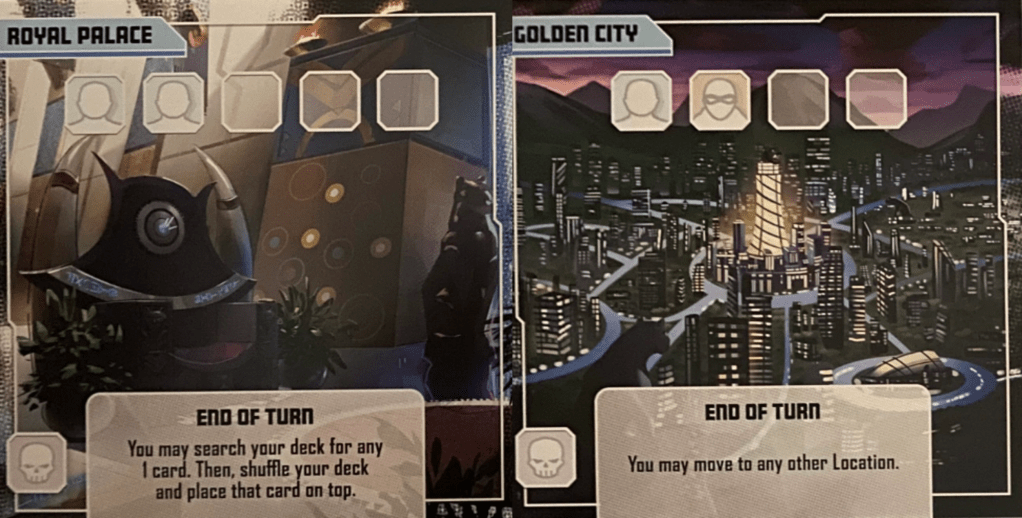
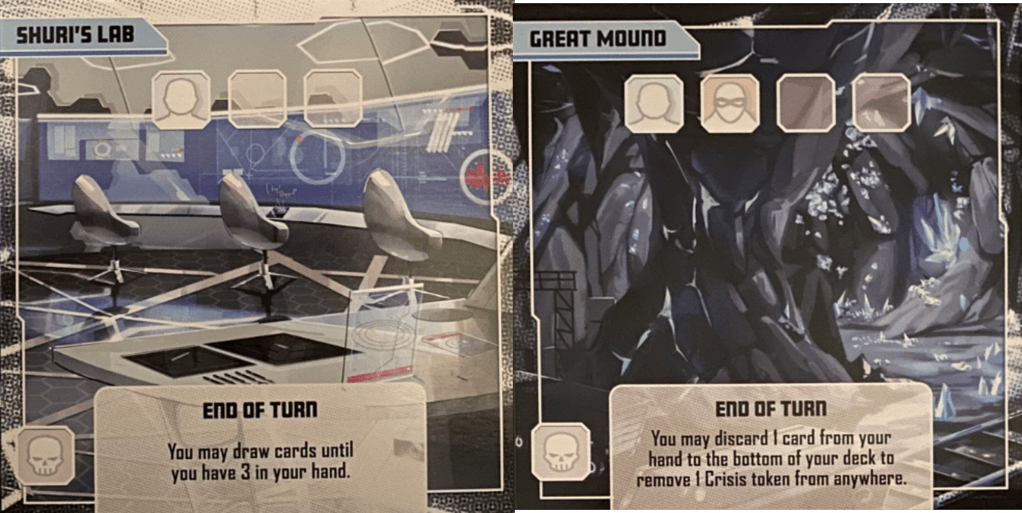
Jabari Village and Warrior Falls have solid “End of Turn” abilities. One gives you a Wild token while the other allows you to deal one damage at that Location. Not bad. But it doesn’t hold a candle to the remaining four Locations. Golden City lets players move to any other Location at the end of their turn. This gives players extra movement. I love that. That gives me one less resource to manage and I can focus on Heroics and Attack. Royal Palace allows players to search their deck for a card and place that card at the top of their deck. Fantastic! This would be a strong ability in most card games with decks. But the Great Mound and Shuri’s Lab puts Rise of the Black Panther Locations over the top.
Great Mound is one of the only ways to manipulate Crisis Tokens in the original Marvel United release. Full stop. If you have a villain who has pesky Crisis Token abilities (one of those is Killmonger included in Rise of the Black Panther) and you only have the original Marvel United release, Great Mound is a must. Its “End of Turn” ability allows players to discard a card from their hand to the bottom of their deck to remove 1 Crisis Token anywhere. Shuri’s Lab creates a great tandem of Location abilities. Its “End of Turn” ability grants players the ability to draw up to their maximum hand size, negating any ill effects from the Great Mound and giving players a way to heal. I like Enter the Spider-Verse’s Locations a lot, but they pale in comparison to Rise of the Black Panther’s.
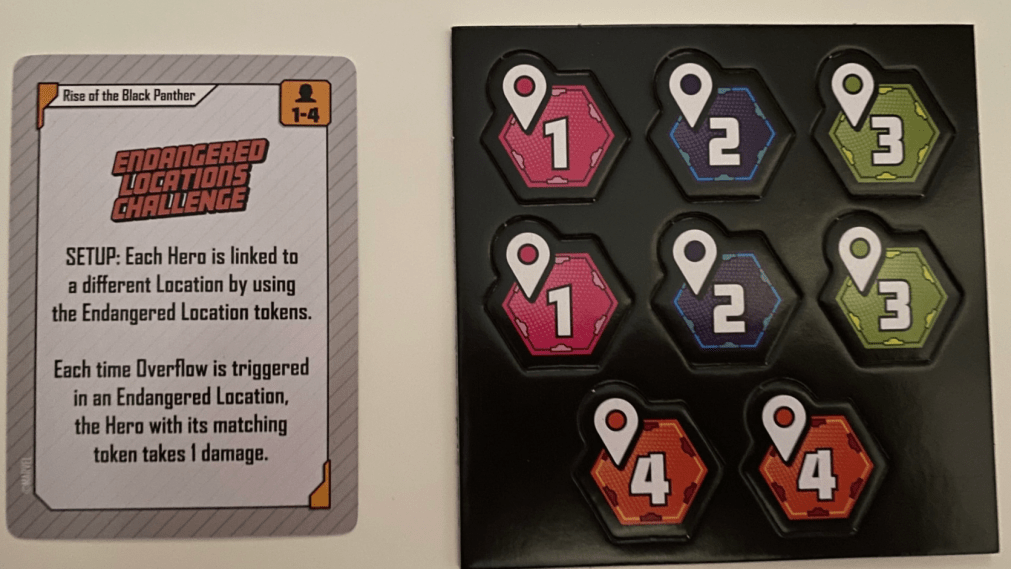
As mentioned in previous Marvel United reviews, Challenge cards provide optional rules to spice up the core gameplay. Rise of the Black Panther’s “Endangered Locations” is a simple and engaging rule twist. During Setup, Each Hero is linked to a different Location by using the included Endangered Location tokens. During play, each time Overflow is triggered in a Location, the Hero with its matching token takes 1 damage. This makes each Location mean something to certain players. This Challenge card could influence players to keep one Location clear of tokens over another Location. I love it because it raises the stakes and adds a dash of strategy and something else for players to navigate.
We’ll get to the heroes in a bit, but let’s talk about one of the MCU’s better villains, Killmonger. Killmonger also happens to be an intriguing villain in Marvel United. He wins when four or more Locations have 3 or more Crisis Tokens, and he adds Crisis Tokens in various ways. His Overflow and BAM! abilities replace Civilian/Thug Tokens with Crisis Tokens, which will make clearing missions (in order to make Killmonger vulnerable to damage) more difficult. The “Weapon Smuggling” Threat card has a similar action. And his Master Plan deck adds plenty of Civilian/Thug tokens, which can trigger Overflows, while his “Overthrow” ability can convert multiple Civilian tokens into Crisis Tokens. In short, Killmonger can turn the tide of battle in short order.
Furthermore, Killmonger has plenty of ways of dealing additional damage to Heroes, which can cause players to race toward Shuri’s Lab for some heals. Killmonger has one of the higher potential damage outputs of Marvel United’s original set. As I said prior, beating Killmonger is an accomplishment.
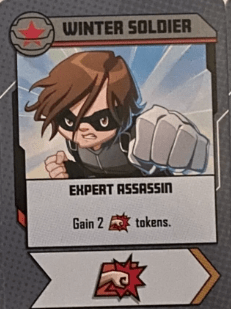
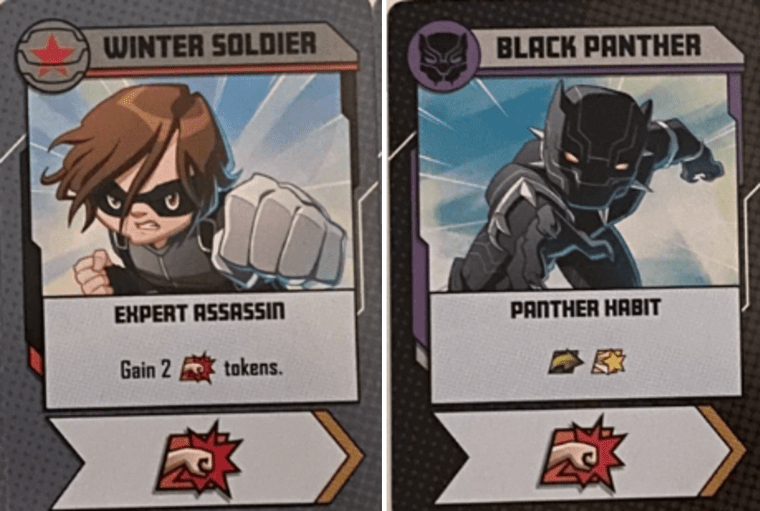
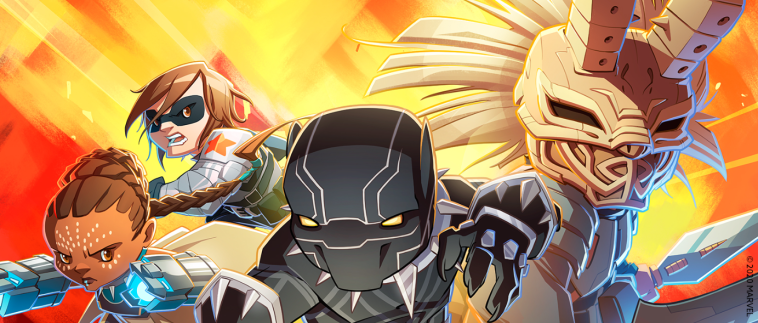
Rise of the Black Panther’s Heroes are darn good and should be up for the task of defeating Killmonger. Black Panther tends to focus on giving himself bonus actions, but his Movement is so good that he’s a good choice for teams choosing specialists (All Attack or All Heroics), and the other two Heroes in this expansion happen to be specialists. Winter Soldier is one of the better pure damage dealers from Marvel United’s original set. His deck tends to be the most self-centered of the Rise of the Black Panther heroes. He gives himself Attack tokens. This can also make Winter Soldier the easiest Hero to play. Of the Rise of the Black Panther heroes, Shuri is easily my favorite.
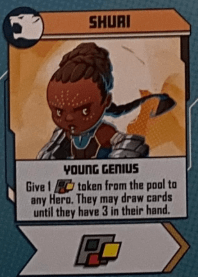
Shuri has a stunning five cards with Wild symbols on the bottom. This gives her and her teammates options whenever they take their turns. The remainder of her deck centers around Heroics. Winter Soldier is the fighter; Shuri is the helping hand. And Shuri’s one special effect “Young Genius” certainly lends a helping hand. She gives one Hero (she can target herself) a wild token and the player may draw cards until they have 3 cards. Not only does she hand out an extra wild token, but Shuri heals a Hero up to their full health. This is huge. I don’t know how many times Shuri’s ability saved my party’s bacon. She is Rise of the Black Panther’s standout Hero.
Too Long, Didn’t Read
Rise of the Black Panther has some of the original Marvel United set’s best Locations. Its Challenge card adds a simple but compelling wrinkle to gameplay. Killmonger is a worthy adversary. The Heroes provide variety, but Shuri can turn the tide of battle.
Hey, hey, Geekly Gang! Kyra Kyle here. I’m still recovering from last week’s Protospiel Twin Cities convention. Several games were played, and my wings are tired. But we have another week of Geek News. We’ll start with some quick MCU updates. Let’s get to it.
A Baby Franklin Richards Is Confirmed For Fantastic Four: First Steps
Fantastic Four: First Steps released its fourth and final teaser trailer this past week. Most of the shots are recuts of previous shots, but Marvel shared one major revelation: Franklin Richards will be in the movie. While the movie’s title, First Steps, was always meant as a nod to space exploration (one small step for man), the title was also a mention of Franklin Richards’s (a baby’s) first steps. You might be thinking, but Franklin Richards is just a baby, there’s no way he’ll factor into Fantastic Four: First Steps’ narrative in a major way. Okay. This may get into some potential spoilers. If you want to go into Fantastic Four: First Steps with little to no knowledge of the comics, you can skip past the next paragraph.
Franklin isn’t like other babies. As an infant, he was capable of manifesting adult bodies that he could control. One of those bodies was Galactus. So, Franklin might be behind Galactus in the Fantastic Four’s first MCU outing. Yikes! Fantastic Four: First Steps has already teased other Fantastic Four villains like John Malkovich, who is portraying Red Ghost (this is confirmed), and it looks like it may be all hands on deck with stopping Galactus, whether he’s connected to Franklin Richards or not. Fortunately, most of this paragraph was conjecture, so you may be okay if you didn’t head the previous spoiler warning.
No matter where Fantastic Four: First Steps takes Franklin Richards’s story, there’s no doubt he’s the most powerful character the MCU has ever introduced. He can make Wanda’s reality warping look like child’s play. In fact, Franklin Richards may be the one behind the multiverse saga’s end. He could fix all timelines if he wanted. The MCU introducing this much power into its universe is a far cry from the Russos nerfing the Hulk because they didn’t want the Hulk to be the Avengers’ “I win” card. We’ll have to see where this storyline goes.
If you haven’t yet watched Thunderbolts*, you may want to skip the next news entry.
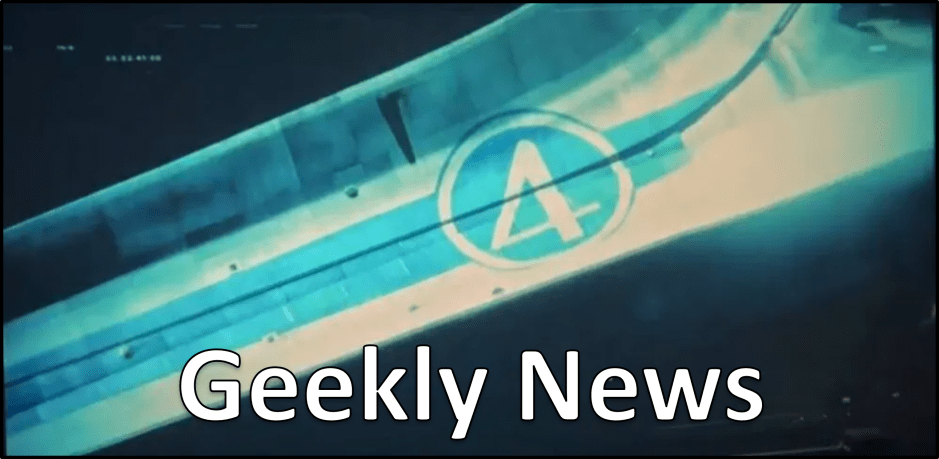
The Ship Seen During the Thunderbolts* End Credits May Not Carry The Fantastic Four
I know. I know. The picture above clearly shows the Fantastic Four’s symbol, but the ship that bears this symbol may not contain the Fantastic Four from Fantastic Four: First Steps. The ship we’ve seen in all the Fantastic Four: First Steps trailers has three prongs, but this ship has four prongs. The ship during the Thunderbolts* end credits is a different ship from the one seen in all the Fantastic Four trailers. I mentioned a spoiler warning in the previous segment, but I’ll reiterate it here in case you want to maintain the mystery.
There are two main theories: 1) Doctor Doom may be piloting the ship; 2) the Fantastic Four are in the ship, but it’s a different Fantastic Four. The first is fun but less likely, while the second is equally as fun, and there may be some evidence suggesting that it’s true.
Theory Number 1: Since Robert Downey Jr. is portraying Doctor Doom (or at least the vision Doctor Doom wants to present), we know that Doctor Doom is aware of the Multiverse and attempting to use Tony Stark’s image to hide his true intentions. Doom could be doing the same for other universes by pretending to be the Fantastic Four. This doesn’t quite hold water because Earth-616 (the world in which the Thunderbolts* belong) doesn’t know who the Fantastic Four are. Still, Doctor Doom could be traveling from a third reality.
Theory Number 2: The Fantastic Four inside this ship are the ones from the Fox Universe. The MCU has already grandfathered in Fox’s X-Men, so they could do the same with Ioan Gruffudd’s Mr. Fantastic, Jessica Alba’s Invisible Woman, Chris Evans’ Human Torch, and Michael Chicklis’s Thing. The “evidence” that this could be true comes from Jessica Alba’s social media accounts. She stated this past week that she’s filming in London. Funny. Avengers: Doomsday began filming this past week…in London.
Regardless of who’s in the “Fantastic Four” ship during the Thunderbolts* end credits, it’ll be a wild ride, and the likelihood of the Fantastic Four from Fantastic Four: First Steps being in that ship is almost zero. Most viewers thought it was funny that the Fantastic Four would be in Earth-616’s reality before Fantastic Four: First Steps release. Yeah. They most likely aren’t on that ship.
More Information About Denzel Washington’s Role in Black Panther 3
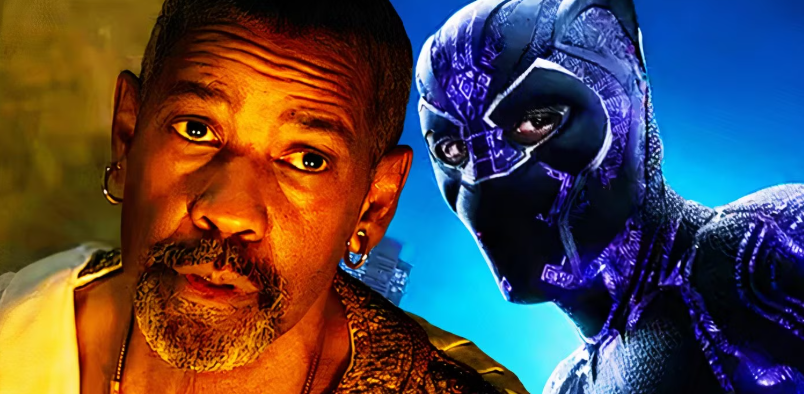
We mentioned a few weeks ago that Denzel Washington will be included in Black Panther 3’s cast. We’ve received more tidbits that could suggest who Washington will be portraying. On Carmelo Anthony’s podcast, Denzel Washington said that since he’s 70 years old and only has a few movies left in him. He intends to retire soon. That makes sense, but what doesn’t make as much sense is the rumor that Denzel would portray Magneto in the upcoming Black Panther 3. Or does it make sense?
I wouldn’t rule anything out, but whoever will play Magneto in the MCU during the Mutant Saga will need to have more than a few movies left in their career. The Mutant Saga will run for almost ten years and require five or six movies from its Magneto of choice. So, if Washington were to play Magneto in Black Panther 3, he would most likely be playing an alternate reality Magneto. Denzel Washington will most likely portray a one-and-done villain like Achebe. This could still be fun. Achebe is the Joker to Black Panther’s Batman. Achebe would be a role we’ve never seen Denzel Washington play. Whoever Washington plays in the MCU will be a joy.
Ryan Gosling as Black Panther Meme
The Ryan Gosling as Black Panther meme reentered the zeitgeist. While there’s little proof to suggest that Gosling will even be in the MCU, I wouldn’t rule out anything (like Denzel Washington as Magneto). There is a precedent of sorts in the comics. Gosling could portray White Wolf, Black Panther’s adopted white brother (and frequent adversary/ally), and this White Wolf could hail from an alternate universe. I won’t spend too much time on this. It’s a meme. It’s designed to upset people. But I could see Gosling as a real White Wolf. The MCU has dropped the “White Wolf” nickname for Winter Soldier as early as the first Black Panther. Anything could happen, even something this wild. Talk about a Multiverse of Madness.
Agricola Special Edition Launches on GameFound
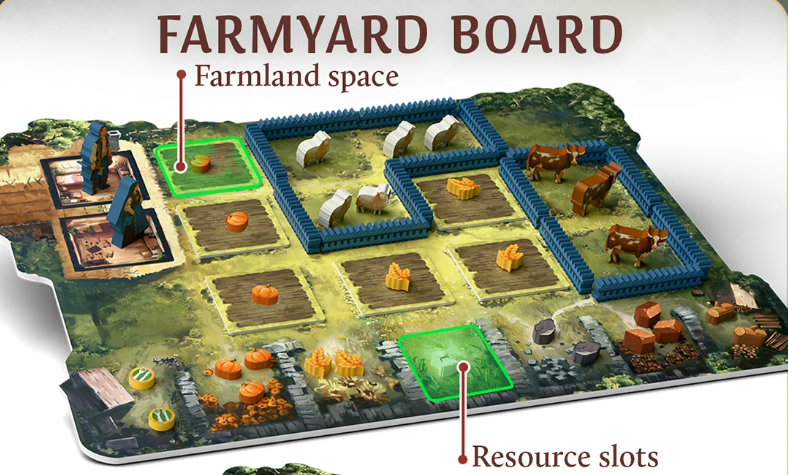
Uwe Rosenberg’s Agricola is a classic farming worker placement game. Originally released in 2012, Awaken Realms gives Agricola a stunning makeover. What else would you expect from Awaken Realms? This company is known for over-the-top production value. Just look at these miniatures.
And I got excited when Agricola used animeeples. Look at the details of the various farmers, the animals, and even the reeds. They’re so intricate. Awaken Realms knows how to make miniatures. Of course, these miniatures are an add-on, but the animeeples players can receive without the miniatures upgrade are also fantastic.
You won’t need the miniatures. The cow and sheep meeples, the player board, the ornate fences in the player’s color, and the detailed resource tokens. Yowza! I’ve always been dubious of Awaken Realms games. They cost a lot, and players may fall victim to the sunk cost fallacy. This game is good because I took out a second mortgage to own it. This isn’t the case for Agricola. Almost a decade and a half after its original release, it maintains a spot on Board Game Geek’s Top 100 games.
Fortunately, Awaken Realms offers the updated Agricola at different price points. Agricola Special Edition has a standard, cardboard version, which costs €79 or $90. You can upgrade to wooden bits (like the ones pictured above) by spending €109 ($124). Or you can go for every expansion ever made for the original game. That’s a lot of content, so it doesn’t come cheap. The suggested price is €164.00, which is about $186. Players can upgrade to miniatures by selecting the Sundrop option at checkout. These miniatures (the detailed ones depicted at the top of this post) cost €49 or $55. A pledge of any kind makes you eligible for all stretch goals like irrigation channels.
I’ve been looking at gaming tables for a while. My favorite types of gaming tables can double as dining tables, and that’s exactly what Sunnygeeks 2.0 Modular Gaming Table does. As the name “modular” suggests, gamers can build their own table to suit their needs. Do you need extra storage for bits? Add some stackable drawers. Would you like some LED lights to set the mood? Go right ahead.
Each table comes equipped with a water-resistant dining table topper. Just slap on the table topper if you want to use the table for a meal.
I love the idea of a table topper. Sunnygeeks 2.0 also has a topper docker, which allows for easy storage. You can even store some of your unused board game supplies. But speaking of board game storage, the modular table companion is amazing and my favorite feature. Even if I don’t pick up a gaming table, I’d consider buying a couple of modular table companions.
Modular table companions come in a variety of colors. Each one has wheels, and they’re stackable, which means you can have a large tower of board games that can roll. Yes!
As you can imagine, Sunnygeeks 2.0 isn’t cheap (easily in the thousands of dollars), but this is where GameFound’s Stretch Pay makes sense. Customers can pay ten interest-free payments over ten months. I never saw the need to use Stretch Pay for board games; if you’re spending so much on a single board game that you must use a payment plan, that’s excessive. But gaming furniture is another matter. Build the gaming table of your dreams by checking out Sunnygeeks 2.0’s GameFound page.
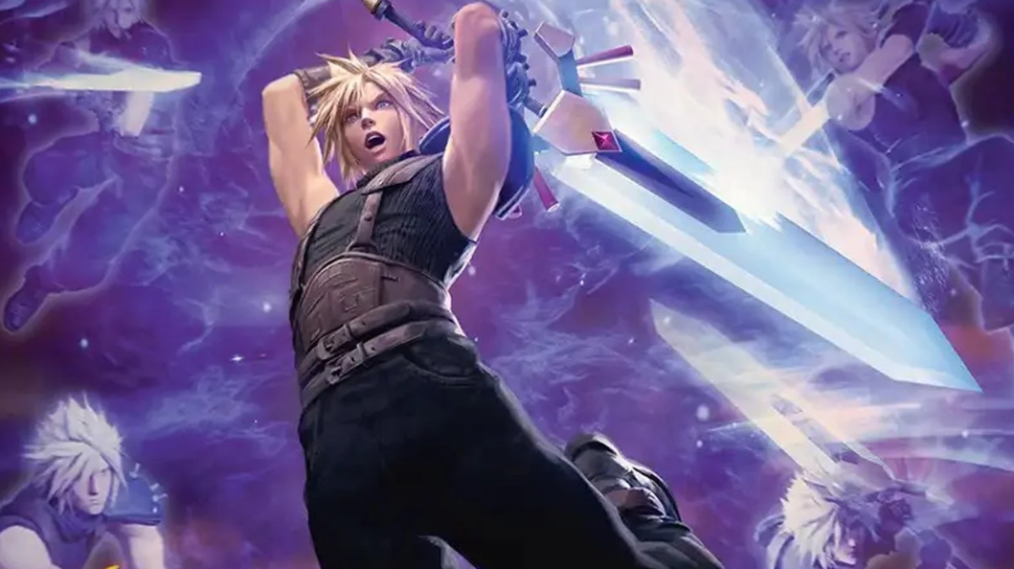
Magic x Final Fantasy Pre-Release This Week
The Magic: The Gathering and Final Fantasy crossover event is scheduled to release on June 13, 2025, but gamers can get in on the fun early with pre-release events. Local board game stores across the United States (and other countries) will feature pre-release tournaments. Now may be the best time to get back into Magic if you haven’t played in several years–like me. Or if you’re a huge Final Fantasy fan, you should check out the new set.
If you’re interested in a pre-release event, here’s a brief rundown of what to expect at a tournament. Players are given a set amount of time to open (a set number of) boosters and build a limited, 40-card deck using the cards from those packs. You will then play three games against other participants in the tournament. Most tournaments use a Swiss Style match-making, which means you’ll play against other people with your record. The winner will receive a small prize like a booster pack, sleeves, or a deck box. But everyone’s a winner because you got to play the Magic: The Gathering and Final Fantasy crossover event early. Pre-release events can be fun because no one has had time to construct the “perfect deck.” You all received random cards.
I can’t wait to get my hands on some Magic x Final Fantasy cards. Woo hoo!
That’s all the Geek News we have for this week. Thank you for reading, and wherever you are, I hope you’re having a great day.
Hey, hey! Kyra Kyle here. The MCU introduced Marvel Comic’s Illuminati in Doctor Strange in the Multiverse of Madness. I don’t know if the Illuminati will continue in the MCU, but they’ve done a lot of work behind the scenes during major Marvel Comics crossovers. The Illuminati’s first appearance (New Avengers #7, July 2005) features each member of the group protecting one of the Infinity Gems. The Illuminati also factor into 2015’s Secret Wars. So, there’s a chance we’ll see more of them on the big screen. Who are the best characters from this group of Marvel Comic’s most powerful beings working in secret, shaping the superhuman world and protecting Earth from catastrophe?
But first, an honorable mention or two. I like Tony Stark/Iron Man a lot as a character. He’s also done a lot with the Illuminati, but he’s not the first name I think of when discussing the Illuminati, even though he’s a founding member. You’ll find another major exclusion on this list: Doctor Strange. His story may have introduced the Illuminati to the MCU, but I think the Illuminati works best when it’s composed of people who represent different demographics, kind of like a Marvel Comics version of the United Nations. And most of the Illuminati’s members fit this bill.
Let’s see who made the list.
5: Black Bolt
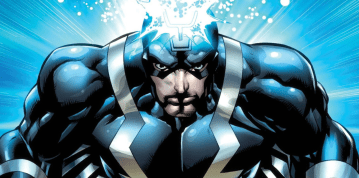
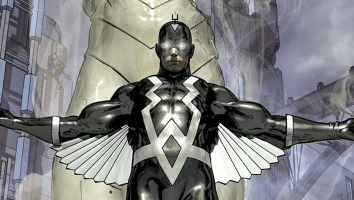
The Inhumans occupy an important part of the Marvel Universe. They may have existed before humanity or at least they had a higher level of intelligence and awareness before humanity during Earth’s earliest history. This history also involved extraterrestrial and cosmic encounters. Enter Black Bolt. He’s the Inhumans’ current monarch and boasts incredible power. Black Bolt was born with a voice so strong that it can obliterate planets. Since this is the case, he seldom speaks, opting to have Medusa, another powerful Inhuman, speak on his behalf.
Fortunately, the Illuminati’s creator, Brian Michael Bendis, shared his reasoning for each of the original member’s inclusion. Here’s what Bendis has to say about Black Bolt (I’m paraphrasing to some extent):
“King of the Inhumans, who are an important part of Marvel history and play an important part in events that have not yet come to pass. He also represents a ruler/king archetype.”
The Inhumans television show didn’t fare well, but let’s hope the Inhumans will find new life in some other form. They’re too important to vanish from the MCU entirely.
4: Namor
Namor is yet another monarch. He rules the underwater nation of Atlantis and adds a different perspective for the Illuminati. The ocean claims more area than land on Earth, and Namor is its unquestioned ruler. He’s a member of another ancient civilization, one featured in Black Panther: Wakanda Forever, but missing from the Illuminati’s brief stint in Doctor Strange in the Multiverse of Madness. Like the Inhumans, I hope we get to see more of Namor in future MCU projects.
Let’s see why Bendis included Namor in the original Illuminati:
“Namor is the King of Atlantis and the Seven Oceans and represents the antihero mindset.”
He certainly does that. Namor is an ally to none. His only wish is to have his people’s voices heard. Namor served on Norman Osborn’s Cabal at the same time as his stint on the Illuminati. His role in the Illuminati mirrors his earlier team-up with the Invaders. The Invaders signaled Atlantis’s desire to be known to the outside world, the world of the land dwellers. The Invaders could be another group that could factor into the MCU’s future.
3: Black Panther
Black Panther is the only member of the Illuminati (on this list) who wasn’t in the original roster, but that wasn’t from lack of trying. Tony Stark recruited T’Challa to become an original member and the representative of Wakanda, but T’Challa turned Stark down. Black Panther would later join the Illuminati to face the Incursions.
Wakanda is one of the most prosperous nations on Earth and the main supplier of the world’s Vibranium. Black Panther is calm, fair, and reasonable while boasting no ego. In short, T’Challa differs from most members of the Illuminati. You can call Tony Stark, Mr. Fantastic, and Dr. Strange many things, but ego-less is not one of them.
T’Challa’s relationship with the others in the group can get strained because of the others’ lack of control. Black Panther isn’t easily manipulated. Again, Black Panther is another character I’d like to see more of in the MCU. If that includes a second incarnation of the Illuminati, so be it.
2: Professor X
Professor X needs no introduction. He’s the founder and leader of the X-Men and fights for equal rights for mutant-kind. Charles Xavier boasts a level of intellect and wisdom that’s rarely matched. His ability to read minds, while usually not used against members of the group, proves vital when obtaining intelligence. Because of his role as peacemaker and arbitrator, Professor X often takes a prominent leadership role in the Illuminati.
Eventually, future events in the comics prevent Xavier from participating in the Illuminati, which leads to the group’s gradual demise. Yeah. The comic book version of the Illuminati didn’t dissolve because an omega-powered mutant turned rogue and killed them all in a fit of rage. Spoilers for Doctor Strange in the Multiverse of Madness.
Let’s have Bendis weigh in on why he included Professor X in the Illuminati:
“Leader of the X-Men, Charles Xavier is in the group on behalf of the mutant community.”
Fair enough. And with mutants playing a larger role in the MCU going forward, Professor X’s inclusion in a second Illuminati could prove fruitful.
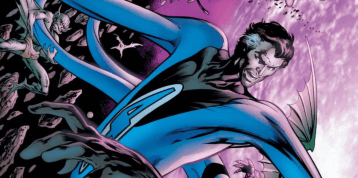
1: Mister Fantastic
Reed Richards (Mister Fantastic) is the one entry that doesn’t represent a group of people, a country, or both. Reed is only one of the smartest minds on the planet and the leader of the Fantastic Four. He has a long history in the Marvel Universe. Richards’s scientific capabilities are almost unmatched and his desire to see a better tomorrow makes him a prominent member within the Illuminati. He meshes well with Tony Stark, but the two can often butt heads because they can’t put aside their egos.
Reed even reasoned with Iron Man’s original proposition for the Illuminati as a “United Nations” of superheroes. Richards argued that the idea presented too many logistical and bureaucratic issues, but he also acknowledged the need for efficient information exchange between the world’s greatest minds. Mister Fantastic represents the scientific community of the Marvel Universe. He knows more about alternate realms and the cosmos than most, usually because he conducts reckless experiments and kicks a hornet’s nest or two. Annihilus wouldn’t know humans or Earth existed if Reed hadn’t bumbled into the Negative Zone. Thanks, Reed.
I can’t wait for the Fantastic Four to make their MCU debut. I wouldn’t mind more Mister Fantastic screen time. A second Illuminati could give us more FF goodness.
Which member of the Illuminati do you think should’ve made the list? Let us know in the comments. And wherever you are, I hope you’re having a great day.



























 jkgeekly.com